You Gotta Hear This: New Music From Tony Trischka, Maoli, and More

So much new roots music to enjoy this week! From bluegrass to the Pacific Islands and back again.

Starting us off, artist and songwriter Ryan Dart debuts a new song, “Dirt Road Woman,” combining folk, country, and troubadour styles in a musical tribute to strong, empowered women. Below, Dart explains how the song arrived quickly, “like it downloaded straight from the muse.” For a more tropical, seaside country flair, Maoli – who was born and raised in Hawaii – offers a brand new single today, too. “Some Are Just Better” is a track we’ll be returning to plenty this spring and summer, as it celebrates those good, dreamy days that are almost too perfect to believe.

In bluegrass, Lonesome River Band lean into their moniker with a new track, “There Where the River Rolls Around,” written by their longtime friend and songwriting collaborator Billy Smith. Mild and old-timey with lush low-tuned banjo and a laid-back groove, it’s a song about home, homesickness, and place – all perfect topics for ‘grassy explorations. Banjo great Tony Trischka is on his way to a new album, Earl Jam 2, so he’s dropping off a new music video released earlier this week. “Red River Valley” features Molly Tuttle on lead vocal and guitar with Bronwyn Keith-Hynes, Sam Bush, and Mark Schatz filling out the band. We can’t wait for more from the second round of Earl Jam. And young mandolinist phenom Wyatt Ellis launched a new video this week featuring a bunch of all stars, too. “West Dakota Rose” is a cinematic instrumental tune centered on Ellis’s virtuosic playing and featuring Christopher Henry joining on guitar. In the official music video, Ellis strolls around a cabin porch while picking through the tune with an excellent slate of pickers – and a tasty twin fiddle break.

Meanwhile, the Montvales offer an old-timey track of their own, “Carolina,” out today in anticipation of their upcoming March album, Path of Totality. While it certainly sounds old-timey, this is a song rooted in the present, heels dug in against late stage capitalism and the rampant woes of our current day-to-day. Also, singer-songwriter Jack McKeon gives us a sneak listen at his new song, “Kid Like Me,” a sort of sonic bridge from his last album, Talking to Strangers, to his next – which is set for release in JulyWritten with Theo MacMillan and inspired partially by Tim O’Brien, the track began much more bluegrassy than it ended up after reaching the studio.

Finally, Minneapolis, Minnesota’s Roe Family Singers speak truth to power and bring each of us into their communities and neighborhoods with a chilling new folk song, “Blacked-Out Ford.” Living in Minneapolis in 2025 and 2026 means living on the frontlines of fascism, kidnappings, and government overreach, with the Roes and their friends watching chilling federal SUVs surveil their streets and neighborhoods, tearing families apart and violating human rights. The Roe Family Singers highlight ICE’s murders and unlawful actions in song, calling us all to join them in action and solidarity.

We always love sharing new music with you all every Friday, but this one is especially high quality. Enjoy! ‘Cause You Gotta Hear This…

Ryan Dart, “Dirt Road Woman”

Artist: Ryan Dart
Hometown: Boulder, Colorado
Song: “Dirt Road Woman”
Album: If Love Don’t Break You
Release Date: February 20, 2026 (single); May 1, 2026 (album)

In Their Words: “I wrote this song about falling in love with a powerful woman and the ‘love bubble’ phase of a relationship – how the outside world just fades away. I know some men may not be comfortable with powerful women, but I think there are plenty of us who are attracted to an empowered, strong woman who also embodies the sacred feminine. It’s incredibly compelling and I wouldn’t want anything else.

“You’ve got to ride the bad horses before you recognize the good ones. I set out to write a love song that felt like a cousin to Jason Isbell’s ‘Cover Me Up’ – something that balances raw, real emotion without ever feeling cheesy. This one came fast, like it downloaded straight from the muse, born of pure feeling. I hope it resonates with listeners the way it does with me.” – Ryan Dart


Wyatt Ellis, “West Dakota Rose”

Artist: Wyatt Ellis
Hometown: Maryville, Tennessee
Song: “West Dakota Rose”
Release Date: February 6, 2026 (single); February 19, 2026 (video)
Label: Knee High Records

In Their Words: “Getting to shoot the music video for ‘West Dakota Rose’ was just one of those days you don’t really forget. The tune already feels like it tells a story without words, so being able to stand in a place that matched that feeling made it even more real. Joseph Cash has directed and filmed all of my music videos so far, and he always makes it an adventure. It’s like showing up not totally sure what kind of wild idea he’s going to have, but somehow it always comes together even better than I could’ve imagined.” – Wyatt Ellis

Performer Credits:
Wyatt Ellis – Mandolin
Christopher Henry – Guitar
Julia Claire Eversole – Bass
Kyle Tuttle – Banjo
Noah Goebel – Fiddle
Christian Ward – Fiddle

Video Credits: Joseph Cash, director, director of photography, editor. Kitt Fresa, gaffer. 


Lonesome River Band, “There Where the River Rolls Around”

Artist: Lonesome River Band
Hometown: Floyd, Virginia
Song: “There Where The River Rolls Around”
Release Date: February 20, 2026
Label: Mountain Home Music Company

In Their Words: “We got this song for our long time songwriting friend Billy Smith (‘Hobo Blues,’ ‘Tears In My Tracks,’ ‘Crazy Heart,’ among others). As we listened to the song one late night going down the road in the bus, the arrangement just fell into place and we began working on it. A haunting song about leaving home searching for more and longing to be back. Thanks, Billy!” – Sammy Shelor

“The River [in the song] is Haw River in Rockingham County, North Carolina. I always believed that I would make it big playing music and writing songs in Nashville and go back there. I moved here with my brother Terry (the Grascals) and cousin Alan O’Byrant of the Nashville Bluegrass Band. 52 years later, I’m still here, with three kids from two marriages. But I always wanted to return ‘There Where The River Rolls Around’ and it always touches my heart when I hear it sung. Bless Sammy Shelor and the Lonesome River Band for recording that one and 8 other of my songs, including ‘Crazy Heart’ and ‘Hobo Blues.'” – Billy Smith, songwriter

Track Credits:
Sammy Shelor – Banjo
Jesse Smathers – Acoustic guitar, harmony vocal
Mike Hartgrove – Fiddle
Adam Miller – Mandolin, lead vocal
Kameron Keller – Upright bass
Rod Riley – Electric guitar


Maoli, “Some Are Just Better”

Artist: Maoli
Hometown: Haiku, Maui, Hawaii
Song: “Some Are Just Better”
Album: Maoli Music OverloadMMO 3
Release Date: February 20, 2026 (single)
Label: ONErpm

In Their Words: “I’ve been waiting to release this since the day we wrote it. It was my first time writing in Nashville and I was so excited to collaborate with Mikey Reeves and Rob Snyder. I love the horns, the feel, and the lyrics – I’m so proud of how it all came to life.

“We all have days that stand out – not just good days, but the kind where everything falls into place and just feels right. The kind of day you know you’ll look back on and smile about for years. It’s about capturing that feeling. You can’t relive a day once it’s gone, but music has a way of taking you back – even if it’s just for a few minutes.” – Maoli


Jack McKeon, “Kid Like Me”

Artist: Jack McKeon
Hometown: Chatham, New York
Song: “Kid Like Me”
Album: Every Once in a While
Release Date: February 27, 2026 (single); July 3, 2026 (album)

In Their Words: “‘Kid Like Me’ began its life as the ‘most bluegrass’ sounding song in the bunch before I went into the studio. Written with Theo MacMillan, we talked a lot about parenting, being an older sibling, and trying to make sense of a world that’s always in flux. Theo’s son was about to be born and I was reflecting on watching my younger sister begin to reach adulthood and face real and more challenging problems. Musically, we spent most of the writing session talking about Tim O’Brien and wrote ‘Kid Like Me’ at a faster tempo that we thought would fit with Tim’s Odd Man In era. Once we were in the studio, it was Casey Campbell and Seth Taylor who turned the recording in a more ambient direction, hinging on Casey’s extended mandolin intro that sets the tone for the rest of the song. I wanted to lead my new project off with ‘Kid Like Me’ as it is reminiscent of the sounds and themes of my debut album Talking to Strangers, but breaks new ground for my production as it features Mellotron, drums, and electric guitar as well.” – Jack McKeon

Track Credits:
Jack McKeon – Acoustic guitar, vocal, songwriter, producer
Seth Taylor – Acoustic guitar, electric guitar
Casey Campbell – Mandolin
Vickie Vaughn – Bass
Josh Hunt – Drums
Phillippe Bronchtein – Keys
Melissa Erin – BGVs


The Montvales, “Carolina”

Artist: The Montvales
Hometown: Cincinnati, Ohio
Song: “Carolina”
Album: Path of Totality
Release Date: February 18, 2026 (single); March 20, 2026 (album)
Label: Free Dirt Records

In Their Words: “‘Carolina’ is an old timey song that is firmly situated in late stage capitalism. I called upon the steadfast, rooted sounds of home when I was writing this one. It brings those old sounds forth into this uncertain era and makes a vow: even when there seems to be no path forward, we’ll find a way.” – Sally Buice


Roe Family Singers, “Blacked-Out Ford”

Artist: Roe Family Singers
Hometown: Minneapolis, Minnesota
Song: “Blacked-Out Ford”
Album: Light & Hope & Roses
Release Date: February 2, 2026 (single)

In Their Words: “We wrote ‘Blacked-Out Ford’ about two weeks after Renee Good was murdered by ICE in our Minneapolis streets. Good’s murder, combined with the discovery that ICE is housed about six blocks from our house and has been seen circling our neighborhood, looking for people to abduct… that’s where this song came from. Our area has a large Muslim population, neighbors primarily from India and Pakistan, also Somalia and Ethiopia, so pretty soon every blacked-out SUV started to look like ICE sharks circling, and every parked truck looked like a prelude to a kidnapping. We debuted the song live at a mutual-aid benefit, and the benefit raised a ton of money; the next morning we woke up feeling proud of ourselves and empowered by the fact that we felt like we were using our art to fight the fascists. Then we got the news that Alex Pretti had just been murdered by ICE in our Minneapolis streets.” – Quillan Roe

Track Credits:
Kim Roe – Washboard, vocals
Quillan Roe – Guitar, vocals


Tony Trischka, “Red River Valley” Featuring Molly Tuttle

Artist: Tony Trischka
Hometown: Fair Lawn, New Jersey
Song: “Red River Valley” featuring Molly Tuttle
Album: Earl Jam 2
Release Date: February 18, 2026 (video); March 13, 2026 (album)
Label: Down The Road Records

In Their Words: “I grew up listening to ‘Red River Valley’ and once I found Earl Scruggs and John Hartford playing it in one of their jams, I knew I had to put it on Earl Jam 2. Who better to sing it than Molly Tuttle? I’ve known Molly since she was a teen (when I thought she was just a solid Scruggs-style banjo player) and it’s been a joy seeing her career take off. She has the perfect voice for this tune and with the estimable talents of Bronwyn Keith-Hynes on fiddle, Sam Bush on mandolin, and Mark Schatz on bass, I knew we had something special. When we’d finished recording and I went back to listen to it the next day, I felt it needed just a little bit more of something. So I got in touch with Bronwyn (talk about careers taking off!) and she added beautiful harmony vocals. The very last vocal chorus melts my heart!” – Tony Trischka

Track Credits:
Tony Trischka – Banjo
Molly Tuttle – Guitar, vocals
Bronwyn Keith-Hynes – Fiddle, harmony vocals
Sam Bush – Mandolin
Mark Schatz – Bass


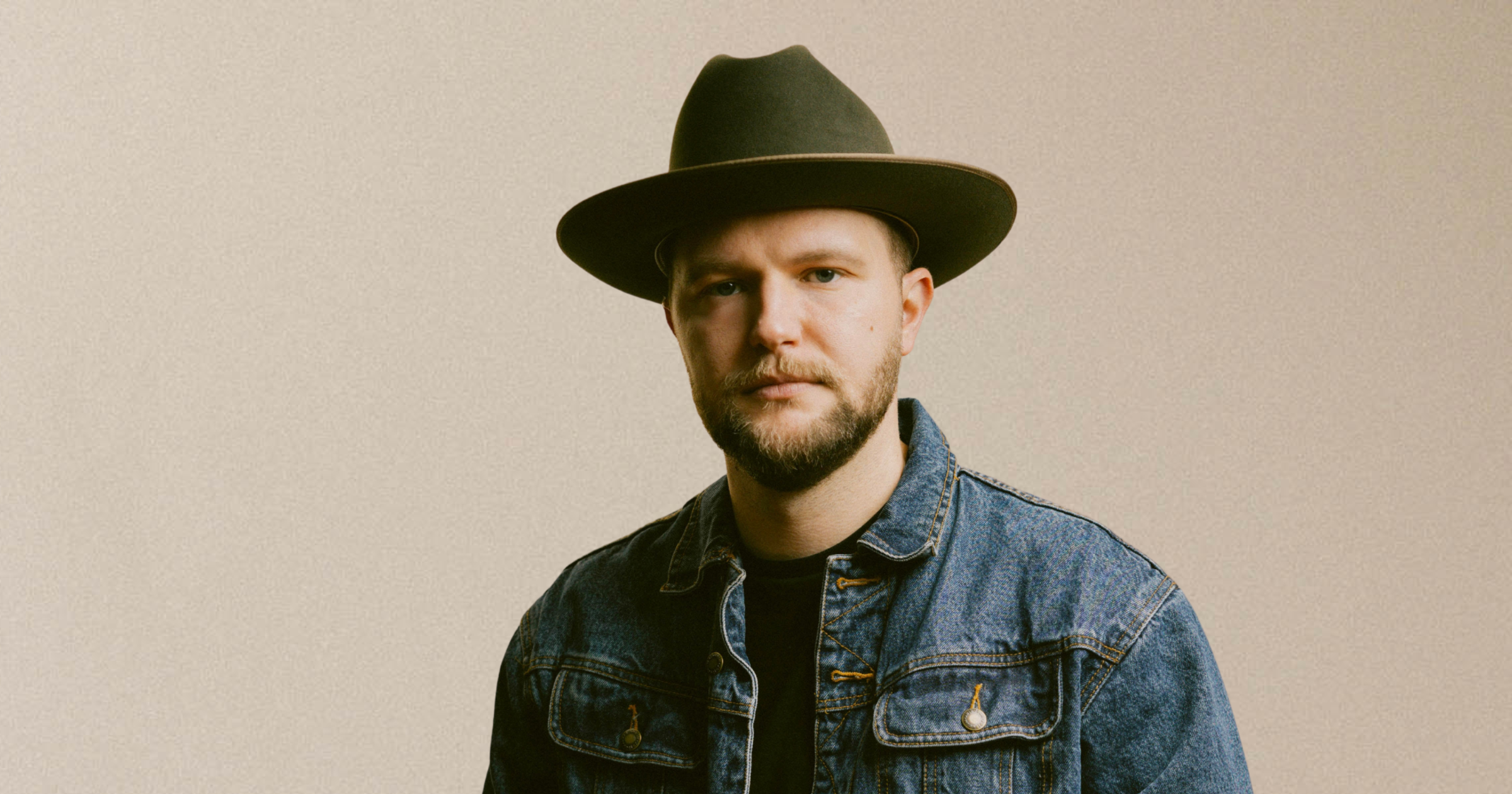
Photo Credit: Tony Trischka by Ali Hasbach; Maoli by Sean McGee.

Steve Poltz Loves a Tangent

Steve Poltz has built a career by following each song wherever it wants to go. Sometimes that means a meticulously fingerpicked melody. Sometimes it means a story that veers off into comedy, confession, or absurdity before circling back to the heart of the matter. That tangential nature – equal parts songwriter, raconteur, and road-tested troubadour – has become his signature, especially onstage, where no two of his shows are ever the same.

Poltz’s new album, JoyRide (released January 30, 2026), reflects that same restless curiosity. Trim, deliberate, and capped at 10 songs, it distills decades of touring, collaboration, and lived experience into a tightly sequenced record designed to be heard in one sitting. From satirical observations about modern life to deeply personal reflections shaped by years on the road, JoyRide captures Poltz at a moment of clarity – still chasing the perfect song, still trusting instinct over plan, and still finding meaning in the long way around.

Long before JoyRide, Poltz earned his reputation the slow way – by logging miles, swapping verses with fellow songwriters, and learning how a room breathes. Founder of the San Diego-based rock band the Rugburns and co-writer of Jewel’s breakthrough “You Were Meant for Me,” he has never been defined by that early success, instead carving out a singular path marked by humor, humility, and an almost reckless openness.

In a conversation with BGS, we spoke with Poltz about the making of JoyRide, the longtime relationships that have sustained him, and the zany, unpredictable ride that has been his career. Whether sharing a bill with old friends or holding a crowd rapt with nothing more than a guitar and an improvised aside, Poltz approaches music less as a performance than as a conversation – one where the destination matters less than the unexpected connections made along the way.

Let’s start with early memories. Was there a moment when music really clicked for you?

Steve Poltz: I remember when I was in second or third grade, I stuttered, had asthma, eczema, and I didn’t hang out with many people. I started playing guitar when I was six. So I brought the guitar to school for show and tell. And I sang the song “Sloop John B” in class. And other kids brought snakes, brought their moms who were nurses or doctors or firemen, and their dads and stuff. I sang a song on guitar. I went out and sat alone. I remember I opened my lunch and I looked up and there were six girls around me. I thought, “This is all I have to do!” That was it. That was the plan.

I had a friend who was a DJ at San Diego State University [radio station] KCR, and she moved in with these roommates. They had brought this record by that had just come out by this woman named Rickie Lee Jones. It was her eponymous debut LP. And, oh my God, I listened to that record nonstop. There was a song called “On Saturday Afternoons in 1963,” which is still one of my favorite songs. It was in the movie Stripes with Bill Murray.

Man, two years ago I played Byron Bay Bluesfest in Australia and Rickie Lee Jones was on after me. Just the way the world works and the universe works, I knew her percussionist who plays the vibes, Mike Dillon. He sees me, and he’s sitting with Rickie Lee Jones, who’s like my hero. She’s one of my favorite lyricists ever. I’m a Dylanologist, and still, Rickie Lee Jones – those first two records especially – her poetry, the way she puts the songs together, I put it at the top of my whole pyramid.

[At Bluesfest] I told her I’d do a cover of “On Saturday Afternoons in 1963” and I segue into it from John Hartford’s “Presbyterian Guitar.” She loved John Hartford, too. She comes out during the song in front of 5,000 people, sings the second verse, and I just started crying. It was one of those full circle moments. These are the people that are my heroes.

You’ve become very deliberate about keeping your albums, like JoyRide, short and sweet. Why?

We’re just in such a quick world, where people don’t have the attention span. I’ve come to this conclusion that 10 songs is the perfect amount of songs to have on a record. Leave all these other ones on the cutting room floor. Put them out later on B-side compilations or something. Keep it under 33 minutes. It fits on vinyl perfectly. It doesn’t lose any of the resolution. If people are into you, it’s not too hard to give 32 minutes of your time. My hope is they go, “Let’s hear it again.” That’s my fantasy. One day I’ll get it right.

You’re known as a road warrior. What still thrills you about touring?

I feel like I’m kind of like the Grateful Dead in that I’m better experienced live than on record. Live, there’s magic. I’m still looking to make the perfect record. Maybe when I’m 80. I can’t believe Bob Weir just died, I mean he’s so young, 78. I’m like, “God, that’s like 12 years older than I am, I better get my shit together.”

I love it when things don’t work on the road. When something goes wrong, when animals attack. It took me a lot of years to get there, but sometimes things are really good when they don’t work. It messes with the audience. It’s like mental jiu jitsu.

Perhaps not surprisingly, you often reference comedy as an influence. How important is humor to your music?

I loved Andy Kaufman. I loved Richard Pryor. The early Steve Martin albums, Cheech and Chong – I memorized all that stuff. When I heard Allan Sherman sing “Hello Muddah, Hello Faddah!” I remember thinking, “Why can’t every song be like this?” Same thing with listening to the Dr. Demento [radio] show. Dr. Demento was huge. He played the Rugburns [on his show]. “Weird Al” Yankovic used to come to our shows and loved [our 1995 record] Dick’s Automotive. Because of that song, he wrote “Albuquerque.”

What are some of your earliest musical memories? You mentioned Rickie Lee Jones earlier. What are some other early prominent memories of being moved or touched by a song? Where were your first performances?

My uncle took me to see Julian Bream at the Hollywood Bowl. Classical guitar. That was it. I wanted to learn classical guitar. You know, with my left foot up on a stool, with a nylon string guitar, the way you hold it all in the proper classical way. I learned to read music. Fernando Sor’s etudes. My first gigs were in Mexican restaurants in San Diego. Four hours of classical guitar. Free meals. One night I got the courage to sing “Time in a Bottle.” The waitress said, “I didn’t know you could sing.” That night ended with me running out a window and leaving my left shoe behind. I never went back to that restaurant.

And then there was another one in El Cajon and it was called El Amigo. The El Amigo Ballroom. Then I got a job at Round Table Pizza in La Mesa. I got fired because I sang on the mic and I sang “The Rodeo Song.” One night, I got really drunk with the manager and I didn’t know the owner was in the audience. That was where I kind of learned mic control, because the manager was like, “Man, you’ve got a good voice for speaking. I want you to be the guy who says, ‘McDonald, party of four, you’ve got a large pepperoni pizza.’”

One night the manager got me really drunk. He was a younger guy. I started singing “The Rodeo Song,” which was this Canadian song that went, “Well, it’s 40 below and I don’t give a fuck, got a heater in my truck and I’m off to the rodeo.” And the chorus goes, “You piss me off, you fucking jerk, you get on my nerves.” It’s like a really juvenile song that was played on the radio in the late ‘70s. They would have all these bleeps where the cuss words were. And I sang it on the mic. Then the next morning I got a call from the manager. He’s like, “You need to come in and pick up your check.” I said, “We’re getting paid early.” And he goes, “No, you’re fired. We need pizza makers, not entertainers.”

Let’s talk about JoyRide. Tell us about the opening song, “If It Bleeds, It Leads.”

It started with a guitar riff. A major seventh chord. Then the melody. Then the words came. And the next morning when I woke up, I was kind of laughing. I always saved ideas, it’s like a junkyard of melodies, words, everything in my iPhone on my notes page, and then also in my voice memos. And I went, “Oh, this fits.” [Quotes:]

I can never watch the news with you because you yell back
You scream like they can hear you in the television set
What am I to do when all you’re doing is yelling at the top of your lungs?
You’re even scaring all the pets.
You’re scaring all, you’re scaring all, you’re scaring all the pets.

And it just worked out perfectly. You just kind of shave off syllables and fit it into this sort of Sudoku puzzle or something.

And next thing you know, it’s like you’re fishing and you have this song on the line. Like, where do I want it to go next? You can say, “I remember one time when you went and grabbed your pistol.” And so that harkens back to Elvis Presley, who I was lucky enough to meet when I was nine years old. He put me on his shoulders. I’m like, “I gotta name check Elvis in this.”

The songs comprising JoyRide seem especially quirky, even by your standards. Can you tell us about some of the ones that you have the most affection for?

“Petrichor,” which is track two, I really love because it’s really fast fingerpicking. I wrote that with Gary Nicholson, who wrote a bunch with John Prine and toured with Guy Clark. He’s just a wonderful songwriter. I went over to his house and I was like, “I have this idea for this song called ‘Petrichor.” I showed him the guitar riff, we wrote that song, and it’s a banger. I love playing that live. There’s one called “At It Again” that I wrote with Jim Lauderdale that I love playing live, and I love playing “Love a Little Bigger.”

There’s a song called “Hair Lift,” where I learned a tuning from Richard Thompson. It’s just my E string goes down to C and my A string goes down to G, and everything else is the same. He uses that tuning in “1952 Vincent Black Lightning,” but he capos it up. So I took that tuning and wrote this song called “Hair Lift.” I love singing that song because it’s got lines in it that are just so goofy, they still make me laugh. Stuff that I find funny, not everybody else does, which makes me laugh even harder.

My favorite one to do live is called “The Son of God,” and that’s because I get to play myself and Jesus. I’m having a conversation with Jesus, and that whole song came about because when I was a kid – it’s one of my fondest memories – [there] was this door-to-door salesman [that] came to our house. He was selling Funk & Wagnalls encyclopedias. Dude, it was like a new iPhone. All the answers to everything were in this set of encyclopedias, and I begged my parents to get them. I begged them and they got the Funk & Wagnalls encyclopedias for me.

My mom said, “You gotta read every one of them cover to cover.” And I did. Every day I would just read the encyclopedia, because I found all this knowledge so fascinating about everything. Words I’d never heard of and countries I’d never heard of. Niger! I mean, come on. And I’d want to read everything about it. So I was thinking when I made up this song, “The Son of God,” like, “Hey, whatever happened to all those Funk & Wagnalls encyclopedias?” I had this fantasy that Jesus called me up and he was trying to get rid of them, because you have to have a storage unit in heaven.

What came together perfectly on this record?

It’s hard to get me into the studio, so just that it happened is like a dream. I’m always on the road. But I recorded at this guy’s house in Nashville. The vibe was good. That’s everything to me. I wrote songs with Jim Lauderdale. One with Vince Herman. It all came together naturally.

You spent ten years in Nashville before returning to San Diego. What did that city give you?

From the moment I got there, it was where I was meant to be. Everywhere you go, you’re making contacts. Coffeehouses are where everything happens. People are polite. You don’t know who anyone is. Your Uber driver might get you a record deal. I remember I was at this coffeehouse and I looked over and there was Lisa Loeb, who I hadn’t seen in years because I toured and opened for her back in the ‘90s. I hadn’t seen her since that tour and she just happened to be in town and I was in this coffeehouse and she was like, “Steve?” “Lisa?” And she said, “You know, I always come here to write and hang out.” Then, the same coffeehouse, there is another amazing person just a week later. And then at a different coffeehouse, Jim Lauderdale. Then me and Jim became really close – and must have like 30 songs [written together] – and it just went on and on and on. Like wherever I went, I was just making contacts.

Circling back to where we started our conversation, some people don’t want humor or irony or banter in their music, staples and bedrocks of JoyRide and perhaps your entire career. How do you continue to approach and navigate those variables?

Luckily, there are hundreds and thousands of artists for everything. Some people want to slam dance or listen to really serious bluegrass. Some want to cry. My audience wants stories. They want to laugh and to cry. They want to hear some guitar playing. In today’s world, part of the whole thing is you got to be consistent, you’ve got to get out there, and you got to keep doing it, because nobody’s going to just tap you on the shoulder and say, “Hey, kid, I’m going to make you a star.” It just really doesn’t happen.

I like small rooms. Low ceilings. Shoulder to shoulder. Quiet listening rooms. Tangents. That’s the ultimate job.


Photo Credit: Jay Blakesburg

Yamaha’s Atmosfeel Was
Created by Musicians for Musicians

The great Doyle Dykes once remarked, “The Bible says, ‘Sing unto the Lord a new song and play skillfully with a loud noise.’ Of course, I guess it helps to have a good amp to do that!” The team at Yamaha Guitars has taken that theory a step further to include a good pickup/preamp system. That’s why they designed Atmosfeel.

Atmosfeel is user-friendly, easy to use, and available in the X models of Yamaha’s exquisite FG Red Label acoustic guitars and concert-size FS series. Its 3×3 concept – three elements, three knobs – may appear simple, but in fact it was almost five years in the making.

According to Yamaha Guitars marketing manager Brandon Soriano, development of the Atmosfeel system began in 2014, prior to its original launch, plus an additional three years leading up to the FG/FS9X guitars.

Like all Yamaha products, Atmosfeel was created with the musician in mind, says Soriano. “Yamaha’s consistent process is that we include a lot of feedback from artists, from our internal employees, and from partners we work with. This pickup system was geared toward artists and performers from the very beginning, so their feedback was essential in crafting this system.”

There is no shortage of choices when it comes to acoustic guitar pickups and preamps. What makes Atmosfeel different? Once again, says Soriano, it comes down to R&D by musicians, for musicians. With guitarists often searching and settling for what he calls the “least bad” option, Yamaha was determined to offer “actively good” the first time, every time, with technological advancements that don’t require an engineering degree and 200-page manual to make the magic happen.

“What we noticed is that the pickups on the market tended to not sound like your guitar,” says Soriano. “There was the sound of your guitar in the room, and then this other sound that happens when you plug it in. Our goal was to make a pickup system that sounds natural – a true representation of the guitar you have, of your tone onstage, while keeping it simple enough to use and easy enough to make changes on the fly, and to have the same sound in the room and through the speakers when you plug it in.”

Atmosfeel was developed alongside the FG and FS guitars, which allowed Yamaha to voice the pickup system to specific models within the series, guaranteeing accuracy and precision at every level. “Our process is so in-depth that we leave no stone unturned,” says Soriano. “For example, the 9 grade FG and FS guitars have Adirondack tops, which are a different stiffness than the Sitka tops you’ll find on the 3 and 5 grade guitars. The [more recent] 9 level guitars have a slight taper going on, where the outer edges are about .2 millimeters thinner than the center point.

“We have exact measurements of how each of those tops resonate, how they vibrate, what their headroom looks like. We have all of these [minute] details at our disposal because we made the guitars. We know that the back and sides might have a slightly different thickness between rosewood and mahogany. We know that the stiffness of Sitka and Adirondack is different to this exact measurement.

“When we’re crafting the pickup system, we take all those things into account and modify the voicing accordingly, with the ultimate goal of all these guitars outputting the most accurate sound we could possibly come up with, compared to what the guitar sounds like acoustically in the room. The guarantee is that we spent years developing this system and specifically voicing each model’s pickup system to that guitar.”

The onboard electronics and Atmosfeel system of a Yamaha FG9 MX guitar.

To further dial in accuracy and ensure that Atmosfeel could deliver anywhere, at any time, the system was thoroughly artist-tested prior to its debut.

“We come up with a voicing we’re really confident in and then we’ll bring in artists to do evaluations,” says Soriano. “In real time, we have the guitar hooked up to a computer, and a person is behind the keys adjusting the voicing based on the feedback the artist is giving us. We do this with a number of artists until we arrive at something that works for them and is the most versatile for all their different styles.”

How does Atmosfeel work, why does it work, and how does something so advanced remain simple and easy to use? This brings us back to the 3×3 concept, which was not a coincidence, says Soriano, but instead a carefully thought-out design balance between “How much is too much?” and “How little is too little?” One knob means few, if any, options, while an assortment of knobs becomes cumbersome and tricky, especially for guitarists who need quick-touch adjustments.

Atmosfeel is comprised of three elements: an under-saddle piezo pickup for low end, miniature condenser mic for mids, and proprietary, whisper-thin but deceptively strong, transducer contact sensor for overtones and clarity.

“Our approach was, first of all, to find out what are the strengths and weaknesses of all three elements,” says Soriano. “The under-saddle piezo pickups do a great job of capturing a bold and consistent low end. The weakness is that the high end has a tendency to sound unnatural to guitar players. That’s where you start to get a different sound than what your guitar is like in the room.

“The contact sheet, which is under the top wood of the guitar, is the inverse of that. It’s a paper-thin sheet that has a positive and a negative, and it captures the vibrations of the top. It’s really good at capturing air, high-end presence, and sparkle, and the low end is not as resonant.

“We’re taking the low end of the under-saddle and the high end of the contact sheet and creating what we consider to be the ideal blend between those two. That was the first step. Of course, neither of those technologies independently are completely new. Under-saddle pickups have been around for a long time. But the combination of the two, and the detail of how we blend them together, is what’s new in this system. That has created a new approach.

“The microphone, aimed at the side wood at the upper bout of the guitar on the low E string side, covers the mid-range character of the guitar, whether you choose mahogany or rosewood. Essentially, the system lets you have an ideal low end, an ideal high end, and you can blend the microphone in so that you get a mid-range to taste. We figured out how to take existing technologies to the next level and optimize them.”

All of this is controlled by three small knobs. “You get a Microphone Blend, which is really effective for shaping your midrange and overall character,” says Soriano. “You get a Master Volume, which is essential, and then the Bass EQ is really interesting.

“When you’re playing live, a lot of feedback can happen in the bass frequencies. The Bass EQ is a cut or boost knob, which can help with controlling feedback or warming up your signal. If you’re playing solo and need to take up more room in the mix, you can crank that Bass EQ knob. Vice versa is true as well. If you’re playing with a band and there’s a bass player, you don’t want to step on their toes, so you’re probably going to want to roll off some of that bass.

“The Microphone Blend can be used to pop in and out of featured parts or solos. If you need a smaller, more compressed sound just to be in the background, you might use less of the Mic Blend. When it’s time for you to step out and take your chorus, you can crank that microphone up, stick out in the mix momentarily, and turn it back down when the time is right.”

Atmosfeel was designed for player flexibility – style, genre, attack, in the studio, onstage, on your own, with a band. Wherever you go, whatever and however you play, the system’s versatility works with you and for you.

“If you’re an arena- or stadium-level act, chances are you have a pretty silent stage,” says Soriano. “Those acts today are using a lot of in-ear monitoring. You can get away with a lot of Microphone Blend in that setting, because you don’t have sound coming back at you with an onstage wedge, and the risk of feedback is probably lower. Also, in a larger space, the sound has more room to dissipate.

“If you’re in a coffee shop, you have a floor wedge aimed at you, and the room is small, your risk for feedback might be pretty high. In that instance, you want to reduce the Microphone Blend and maybe the Bass EQ to accommodate for those things.

“And, of course, everything in-between exists as well – clubs, mid-sized venues, things like that. The system lets you tailor your settings to each of those without being too complicated. It’s just three knobs. If you know how to use them, you can optimize your sound for whatever setting you’re in.”

Yamaha designed Atmosfeel with musicians’ peace of mind foremost, meaning durability on the road and reliability onstage and in the studio. Choose your settings and rest assured they will remain in place, even if you don’t. “The Bass EQ knob has a notch at 50 percent,” says Soriano. “When you get to that spot, it locks you into place. Of course, it’s not too hard to move out of that space, but it certainly will not move on its own.”

Best of all, the 3×3 setup means easy to use, easy to remember. “Even the highest level of professional musicians are human,” says Soriano. “When you’re onstage, you have adrenaline going, and you have to make quick decisions, you don’t want to pause and remember which one of your seven knobs does what. You want to reach down and do what you need to do quickly so you can get on with the performance. The three-knob system is extremely user-friendly for that. You don’t have to spend time thinking about it before making an adjustment.”

Atmosfeel is perfect for recording in a pro studio, home studio, or on the road. “The vast majority of the time, if you’re recording an acoustic guitar, you’re putting a microphone on the guitar,” says Soriano. “Nowadays, especially with the rise in home recording, a lot of people might have trouble getting a clean signal with a microphone in front of their instrument, especially if your room has a lot of reflections in it.”

What does this mean for bluegrass players?

“A lot of artists we work with are primarily bluegrass players,” says Soriano, “so bluegrass was absolutely a primary focus in the development of the FG9X guitars. Bluegrass players most commonly use dreadnought-style guitars, so when we were voicing the pickup system in the FG9’s, we knew they had to be able to use this and be happy with it. That was a big part of our testing.

“Bluegrass tends to be quite guitar-forward, especially if there’s a solo section, for example. Bluegrass players are discerning when choosing their instrument. A lot of players have a strong preference. They want rosewood or mahogany, and there’s a reason behind that. If you’re going to make that decision, and it’s going to show your artistry and your taste, you should be able to have that come through when you’re performing live, even with a pickup system.

In a world of bells and whistles, where everything has to be shiny with lots of buttons and gizmos, Atmosfeel is deliberately stripped-down – no flash, no glitter, just durability and refreshing beauty in its simplicity.

“When you have a minimal setup that’s well dialed in, well executed, and well developed, when you put that work in on the front end, you earn the ability to have a simpler user interface,” says Soriano. “Because we are so confident in the voicing of this system, and in the fidelity and quality of the components, we didn’t have to put a million knobs on the guitar. We could afford to keep it simple and be confident that it’s going to sound great.”


This content is brought to you in partnership with Yamaha Guitars. All images courtesy of Yamaha Guitars.

BGS 5+5: Natalie Del Carmen

Artist: Natalie Del Carmen
Hometown: Los Angeles, California
Latest Album: Pastures (released January 20, 2026)
Personal Nicknames (or rejected band names): Natalie, Nat

Which artist has influenced you the most – and how?

Brandi Carlile has been such a north star for me. There just aren’t enough big kid words to describe how much Brandi Carlile has influenced me. I heard The Firewatcher’s Daughter and never looked at songwriting the same. Then In These Silent Days came out and there just wasn’t a higher artistry bracket I could’ve dreamt of reaching.

My favorite writer these days is Izaak Opatz. I found him about 3 years ago now. I feel sorry for folks who haven’t gotten the chance to take a road trip and listen down to his discography and have a full meltdown over how good the material is alone in your vehicle. Opatz will never tell you how to feel about anything, but somehow, you leave every song feeling like you were just exposed a little. This guy overflows with ways to punch you in the gut without saying much at all.

What other art forms – literature, film, dance, painting, etc. – inform your music?

I like to joke to people around me that it really is just me and my hobbies. “Natalie and her hobbies. And one day, may she make money off of one of them!”

I suppose I’ve always been interested in learning new things with my hands and indulging in anything creative. I taught myself guitar, cross stitch, knitting, paint by number… I believe the internet is an endless place to learn a number of things on your own. That being said, I tend to walk a pretty straight and narrow path. Songwriting and artistry will always be my first priority, but I happened to have chosen a career that doesn’t always offer stability in the ways I crave it. Something about my creative hobbies gives me something to do mentally when the world gets kind of loud. I can’t ever just sit there.

How often do you hide behind a character in a song or use “you” when it’s actually “me”?

It’s funny, I think the answer should be pretty often, just to avoid outing myself so much. But the real answer is almost never, at least these days. These days, I’m usually writing in first person and admitting exactly what I hope to say, as me. But, it was something I wrestled with on my first record as a late teenager, the whole “you” versus “me” dilemma. I wrote a lot more cutting back then, cutting and directed to one person, without the confidence to really back it up. I hid behind “you” a lot. It’s like walking into a fight and saying, “Actually, put someone else in my place to throw it down for me.” When I’m choosing storytelling, “you” still works beautifully and I love it. But my favorite songs, from any artist, are always known and personal.

What is the most random interview question you’ve ever been asked?

I got asked recently what my go-to karaoke song was and I said “Goodbye Yellow Brick Road” by Elton John, which was a solid choice upon a very quick answer, but the actual response is “Anywhere But Here” by Hilary Duff, so this is me setting the record straight.

What is a genre, album, artist, musician, or song that you adore that would surprise people?

I really love a few alternative or indie bands that I don’t get the chance to talk about often. Music from the band Hippo Campus is some of the best you’ll ever hear, honestly. Big Djo fan. Besides that, one of my favorite songs is “Tubthumping” by Chumbawamba and I’m really glad I get to say that in at least one interview.


Photo courtesy of the artist.

Ole 60 Bring Their Smokestack Town to the World

Pairing the slouchy charm of indie grunge with roots-rocking, small-town punk energy, Ole 60 spent 2025 becoming one of the most intriguing new acts in Americana.

With their debut album Smokestack Town – plus some fun-loving video content, huge opening-act performances with Zach Bryan, and first-time trips to Lollapalooza, the Ryman, the Grand Ole Opry, and more – the six-piece band came a long way from their blue-collar hometown of Hawesville, Kentucky. They even finished off the year with their biggest show yet, selling out their first-ever arena gig with an Owensboro homecoming. But there’s still more to do.

Inspired by a world of shift work and shitty luck, and powered by a rusty Toyota rolling on four bald tires, frontman and primary songwriter Jacob Ty Young fills his songs with vividly conflicted characters. Soaring garage-pop singalongs stand alongside sucker-punch ballads of screwing up and flaming out, each one struggling with the urge to get the hell out while still loving where you’re from. It’s a feeling anyone nursing big dreams in a small town will recognize, and Ole 60 shares it with a fresh voice.

In late January, Young told Good Country about the band’s quick rise and biggest year yet, while looking ahead to what comes next. There’s already a level-up tour underway and new music in the works. But Young pledges not to forget where they got their start – a pizza shop game room in a Smokestack Town.

In 2025, Ole 60 was out on tour, did big shows with Zach Bryan, made an Opry debut and released your first album. What’s it been like processing all that in the last month or so?

Jacob Ty Young: You try to take it in as it’s happening, but it’s a lot easier once you have some time to think. … I think it was definitely the best year we’ve had and now that we’ve had some time off, I’m eager to get back out and start touring again.

And I’ve been writing a lot. After putting out that first record, it was something that we’d never really done before. It was our first time making an album and we learned a lot of things and I think that everybody’s in the headspace that this next one’s going to be even better, so we’re working hard.

What was the common bond that brought you all together musically? You blend influences all the way from Smashing Pumpkins and Metallica to John Prine, right?

Five of the six of us are all from the same little small town in Kentucky, or bordering towns within about 30 minutes of each other. I kind of knew everybody before we started the band. We just got together and started jamming. I’m a huge Smashing Pumpkins fan. Most of the guys are big metalheads. They love Metallica, Black Sabbath, Primus, all that stuff. I think everybody bonded over just our love for rock music. There is obviously some country influence, but I never really considered it that. We were just a garage band, and it’s hard to not bond when you’re sitting there in a garage playing cover songs. The Pumpkins, Stone Temple Pilots, Black Crowes. It was that kind of grunge stuff that really glued us all together.

You can hear that still, and then there’s a rootsy folk side to it, too. When did you start writing songs?

I’ve been writing songs my whole life, but nothing ever really serious. I would write funny songs when I was in high school and I wrote a song about our basketball team one time, just as a parody thing. And I always really enjoyed playing guitar and being creative. I was into visual art and graphic design for a while. Then I kind of went through some stuff in my personal life and decided I wanted to sit down and write some songs about it. That ended up being the first EP [three twenty four]. That would’ve been 2023, I think. I always loved guys like John Prine and Bob Dylan and even Billy Corgan of the Pumpkins, just the uniqueness of the songwriting. I think for lyrics, I look to those guys, and then for the music we kind of look all over the place.

I hear there’s a pizza shop in there somewhere, right? We keep seeing pizza references in the socials and songs. Is the shop like an easter egg for you?

Yeah, I think so. I worked at a pizza restaurant in Hawesville, Kentucky, for about four years when I would come home from school. And then there’s another guy in the band, Ryan, his brother owned the pizza restaurant, so he worked there as well for years. When we first started practicing, rehearsing, and getting ready to go around playing bar gigs, we would rehearse in the back of Galaxy Pizza after close. We’d set up all our equipment back in the arcade section and jam until one in the morning. And then we got our bass player, Colby, and he had a garage, so we moved to his garage. But yeah, I grew up right next to Galaxy and it’s kind of a staple in our hometown, so we just try to let that side of us show through our content and all the visual side of stuff.

Tell me about putting the album together. Smokestack Town was one of my favorites of the year, so congratulations on how it came out. What did you want? I mean, creating a debut album is a pretty big moment. It might seem like an overwhelming task, so what were you going for?

We didn’t have a hardcore plan. I was just writing songs and I got six of ’em that I was really proud of. We went recorded and I was like, “Okay, I think this could be an album.” So I was writing as we were recording the album, and then the last song that I wrote was “Smokestack Town.” I was like, “That seems like a good name.”

I just wanted to push ourselves and try to do something different sonically than we had before. We got together with Jacquire King who produced it, and he’s one of the best of the best. He took my vision and ran with it and we’re very happy. We just wanted to put ourselves out there and let people in, see what kind of music we listen to.

That’s interesting, because it’s been presented as a concept album. But it sounds like you were building the concept as you went.

If it’s a concept album, it’s more so on the visual content side of things, because we’ve been putting out these little short videos of character acting. Taking the lead from the Foo Fighters.

Totally!

But there were just a lot of overarching themes in the record about home. Missing home, being homesick, being young. Plus that idea of small town, kind of dystopian … but not really.

Right, you wrote all these characters who are definitely small town people, with small town stories. But the thing I appreciate was they’re not stereotypical tailgate anthems or “I’m so country.” Nothing like that. Where were you coming from?

After I left Galaxy, I worked in an aluminum mill for a year and a half, and my dad works at the paper mill. Hawesville is a very industry-driven town. I think it’s different from your typical country town because it’s so labor-driven and everybody’s proud to be union and blue-collar. It’s less sitting on tailgates and drinking beer and more going to work a 16-hour shift and coming home and sleeping.

I wanted that to come through, because in country music it is a lot of sitting out in the boonies, drinking beer, and sitting on a tailgate. But I wanted to write my experience growing up in my little country town. There’s nothing to do, so we just ran around all the time and went to all these different places and got into trouble there. I wanted to write about that side of stuff, and less about the country stuff.

Being a new band coming into the indie and roots music scene, did it feel like there’s a lot of opportunity and energy out there?

Everything’s been so great. We kind of blew up on social media and I don’t know if any of us were ready for that to happen, but it did. I think that the reception’s been great. We went out and started headlining shows fairly early and we were selling them out. That’s a great feeling, because when you do blow up like that on social media, it’s hard to really put a gauge on what that means – until you go out and play a headline show and you see the crowd and they’re singing, and you go play a festival with all these big names and it’s your first time out there, and the crowd’s into it. And that’s kind of how it was.

True, and you finished last year with a huge statement in Owensboro, right? Hometown show, New Year’s Eve. Your first arena show and you sold it out. What was the feeling like on stage?

It was weird because it was both the most nervous I’ve ever been and the most comfortable I’ve ever been. You look out in the crowd, you see people you know, and you don’t get that a whole lot when you’re touring. It was just super cool. I got to sleep at the house I grew up in. The whole day just felt good. It was nice to be home and have family coming in and out and friends. Just the perfect way to end the year.

Y’all cleaned up nicely in the tuxedos. Did you put some extra polish on the performance, too?

Yeah, I thought it was New Year’s, we might as well get some tuxedos. I thought everybody looked nice. I want to do it more often. I dunno how the other guys feel about it. We’ll see.

@ole60music🗣️ said it don’t hurt and I called your bluff♬ original sound – Ole 60

You’re getting back on the road for the Smokestack Town Tour this winter. What’s everybody looking forward to? What’s the vibe?

The new year feels like a fresh start to change the show and really put a lot of thought into what we want to do with it. We’ve got some new production stuff, new lighting, and I’m really excited for everybody to see it. I think everybody just wants to go out there and every night needs to be the best show we’ve ever played. We’re playing bigger shows this year and we’re super excited, super grateful.

Earlier you said you’ve been writing, can you give us a hint about what’s been inspiring lately?

Yeah, I’ve been listening to a lot to indie rock, and what I listen to comes through in what I write. So definitely it sounds like Ole 60, but it’s new, and I’m still kind of figuring it out. But I’m really excited that the direction everything’s headed. I don’t have any idea about timelines for new music, but I have been writing a lot and I’m really excited about all of it.

Jacob, thank you for the time. I’ll leave you with the big picture – I always ask people what they hope listeners take away from their work. So what’s that look like to you?

I just hope that our story can be inspiring to others through the fact that we came from a town where after you graduate, you either go to college, you go to the military, or work in a factory, and that’s your options. And there’s always other options out there. You just got to put your head down, work hard and good things will come.


Photo Credit: Wales Toney

You Gotta Hear This: New Music From Thomm Jutz, Frank Evans, and More

Get ready to enjoy some excellent new roots music – bluegrass, country, blues, and more.

To start us off and get us in a romantic holiday mood, the Bibelhauser Brothers from Kentucky offer their bluegrass rendition of John Prine’s “Glory of True Love.” Releasing, appropriately, on Valentine’s Day, the song reinforces just how well suited Prine originals are to the bluegrass treatment – it doesn’t have to just be “Paradise”! Following up with his own cover of a country classicist, banjo picker Frank Evans pulls together an all-star cast for a live video performance of Roger Miller’s “TJ’s Last Ride.” Evans released the single studio version last week, following it up with Shad Cobb, Thomas Cassell, Mike Bub, and Jimmy Stewart joining him for the excellent live video of the track.

For a bit of gospel, Eighteen Mile releases a new single today, “Living Waters,” showing yet again the deep connections between bluegrass and sacred music. It’s a thoughtful, contemplative, and inspiring breath of fresh air – or, perhaps, a refreshing sip of cool, living waters. Plus, singer-songwriter Thomm Jutz brings us a live performance video of a new bluesy, original track, “Ramblin’ Gamblin’ Blues,” just voice and tender fingerpicked, acoustic blues in duet. Jutz reflects on the undying temptation of such vices and how the low points they often bring can be a vehicle to better things. “Ramblin’ Gamblin’ Blues” heralds Jutz’s upcoming solo album, Ring-A-Bellin’, arriving in April.

To close us out, Nashville honky-tonkin’ staples – and life partners – Hannah Juanita & Mose Wilson have a brand new EP and with it, a video for the title track, “If I Ever Lost You.” Gauzy and retro, Juanita and Wilson put on throwback styles and sounds without it feeling contrived or gratuitous – while all decked out in countrified wedding garb. It makes perfect sense, as they explain, “As we prepare to wed this year, the lyrics hit especially close to home. We drew inspiration from the greats who paved the road: George & Tammy, Loretta & Ernest, Red & Kitty, keeping their timeless storytelling at the core.”

There’s plenty to boot-scoot to below, so get scrolling! You Gotta Hear This…

Bibelhauser Brothers, “Glory Of True Love”

Artist: Bibelhauser Brothers
Hometown: Louisville, Kentucky
Song: “Glory of True Love”
Release Date: February 14, 2026
Label: Common Loon Records

In Their Words: “‘Glory Of True Love’ has been a part of our repertoire during live shows for many years with the Bibelhauser Brothers. It’s a beautiful feeling to ‘grass up’ such a timeless tale of love, written by one of the most prolific songwriters of his generation, John Prine. Recording this single has been a really special way to follow up since dropping our full-length record, Down the Road, including mostly original songs just four months prior, as our band and our signature sound has evolved. This is our first recording featuring Boston, Kentucky, native Turner Hutchens on mandolin, with Jeff Guernsey tracking twin fiddles, Steve Cooley on banjo, Adam on bass, and Aaron singing and playing guitar. We hope you enjoy our own Bibelhauser Brothers spin on this John Prine classic, with more music to come soon!” – Bibelhauser Brothers, Aaron and Adam

Track Credits:
Aaron Bibelhauser – Vocal, guitar
Adam Bibelhauser – Bass
Steve Cooley – Banjo
Turner Hutchens – Mandolin
Jeff Guernsey – Fiddles


Eighteen Mile, “Living Waters”

Artist: Eighteen Mile
Hometown: Upstate South Carolina
Song: “Living Waters”
Release Date: February 13, 2026

In Their Words: “In the Bible, there is a story commonly called the story of the ‘woman at the well.’ In that story, Jesus is talking to a lady who was married five times, likely abused and abandoned in those relationships before eventually becoming an outcast in her society. Jesus, using an analogy, called himself the ‘living water’ and said that she could believe in him and be completely, eternally fulfilled. C.S. Lewis famously said, ‘If I find in myself a desire which no experience in this world can satisfy, the most probable explanation is that I was made for another world.’ This song captures the heart behind everything Eighteen Mile does. We want people to experience and find complete fulfillment in Jesus, the ‘Living Waters.'” – Carson Aaron

Track Credits:
Hallie Ritter – Upright bass, harmony vocal
Carson Aaron – Acoustic guitar, harmony vocal
Emily Guy – Lead vocal
Jack Ritter – Acoustic guitar
Savannah Aaron – Fiddle
Andy Leftwich – Mandola
Steve Pettit – Mandolin
Rob Ickes – Resonator guitar


Frank Evans, “TJ’s Last Ride”

Artist: Frank Evans
Hometown: Toronto, Ontario, Canada
Song: “TJ’s Last Ride”
Release Date: February 6, 2026
Label: Englehardt Music Group

In Their Words: “I’ve loved Roger Miller’s music since childhood, from the Robin Hood soundtrack to constant car rides with his greatest hits, which made choosing one of his songs feel natural. ‘TJ’s Last Ride’ stood out for its Hartford-like imagery and the mournful warmth of a Stanley Brothers ballad. In the session, we agreed to keep it simple – the take you hear is almost entirely the third run-through. I was honored to record it with Casey Campbell, Mike Bub, Justin Moses, Shad Cobb, and Jake Stargel.” – Frank Evans

Video Performance Credits:
Frank Evans – Banjo, vocals
Jimmy Stewart – Dobro, vocals
Mike Bub – Bass
Thomas Cassell – Mandolin
Shadd Cobb – Fiddle
Jake Stargel – Guitar

Video Credits:
Videographer – Kyle Horan
Video Editor – Frank Evans


Thomm Jutz, “Ramblin’ Gamblin’ Blues”

Artist: Thomm Jutz
Hometown: Nashville, Tennessee
Song: “Ramblin’ Gamblin’ Blues”
Album: Ring-A-Bellin’
Release Date: February 13, 2026 (single); April 3, 2026 (album)

In Their Words: “Going on the road at 19 was the perfect way to live at the time. No responsibilities but to make it to the next gig. Do what you know how to do and move on. That way of living follows its own archetypal patterns, that’s why it doesn’t matter where you are, you could be going up and down the Mississippi River in 1898 or the damn Autobahn in Germany in 1998.

“There’s always somebody waiting to play another game, frequently with a bottle of booze. For some people, that charm never wears off. It did for me. I got sick of the people I was with, sick of myself for sitting down at the table to play their game.

“As it turned out, that part wasn’t over when I moved to Nashville – as it turned out, it was necessary, so better things could come.” – Thomm Jutz


Hannah Juanita & Mose Wilson, “If I Ever Lost You”

Artist: Hannah Juanita & Mose Wilson
Hometown: Nashville, Tennessee
Song: “If I Ever Lost You”
Album: If I Ever Lost You (EP)
Release Date: February 13, 2026

In Their Words: “‘If I Ever Lost You’ is a love letter to the golden era of country delivered in a classic, heartfelt shuffle. It’s our first co-release and our first duet, built from years of collaboration and crafted as a performance we both get to share on stage. The song speaks from the heart; love is everything when it’s here, and its absence is everything we fear. As we prepare to wed this year, the lyrics hit especially close to home. We drew inspiration from the greats who paved the road: George & Tammy, Loretta & Ernest, Red & Kitty, keeping their timeless storytelling at the core.” – Hannah Juanita & Mose Wilson

Track Credits:
Hannah Juanita – Vocals
Mose Wilson – Guitar, vocals
Jeff Taylor – Piano
Norbert McGettigan III – Bass
Matty Meyer – Drums
Ryan Stigmon – Pedal steel


Photo Credit: Thomm Jutz by Don VanCleave; Frank Evans by Scott Simontacchi.

The Many Perspectives of Rissi Palmer

Rissi Palmer is putting her lifelong love of country music into Perspectives, her first project in six years. With three tracks produced by Shannon Sanders and a fourth by Dan Knobler, the new EP places Palmer back in the artist spotlight after a period of time focused on personal and professional evolution.

Palmer also hosts an Apple Music country radio show, Color Me Country, which spotlights original music from artists of color. But there’s even more to the story. She’s collaborated on a children’s book titled Color Me Country: A Celebration of Black Women Who Shaped Country Music and she’s also wrapped a memorable tour called The Trailblazing Women of Country, where she performed some of the best-loved songs from Patsy Cline, Loretta Lynn, and Dolly Parton. Off the stage, she’s devoted more time to her two daughters following her divorce, while still ramping up to the release of Perspectives.

Though she’s based in Durham, North Carolina, Palmer caught up with Good Country in Belfast, Northern Ireland, during the Your Roots Are Showing conference. At the event’s opening night concert, she sang “Old Black Southern Woman,” a heartfelt ballad that touches on the loss of her mother when Palmer was just seven years old. Perspectives also offers a cover of the SteelDrivers’ “Can You Run?” as well as an original song titled “Good For Me” (about diving back into the dating pool) and a rendition of a Loretta Lynn classic, “Somebody Somewhere.”

“All these things came together, and Shannon so graciously decided to be a part of this with me,” Palmer recalls. “He said, ‘Well, two of these songs sound very bluegrassy. What if we just did the whole project like that?’ I was like, ‘That’s kind of dope,’ because I hadn’t done anything like that. And again, perspectives. Two Black musicians, making this very bluegrassy, but still very soulful, project. And I decided midway through that we’re going to call it Perspectives.”

What was on your mind as “Old Black Southern Woman” was taking shape?

Rissi Palmer: I wrote that with Kyshona, and that was our first time writing together. Kyshona has a way of getting straight to the heart of whatever it is that you’re talking about. I had the idea for the chorus, the “ooh-ooooh” thing, in my head, and I hadn’t really started writing anything. So, we sat down and we started talking. When you go to her house, she’s got all these really cool plants from her mom and her grandma. We talked about that, and I wanted to write something that paid homage to my mother but also acknowledged all the other women that came in and helped raise me.

It’s a universal thing, too. Everybody thinks of getting older as really bad, and I don’t know what I thought my 40s were going to be like, when I was in my 20s. I honestly don’t know, but I don’t feel old! [Laughs] I think I thought 40 was going to feel different, but 40 actually feels just like a creakier 25! And I see the blessing in it. I feel really lucky to be here, because I outlived [my mother] and I have babies now. I just wanted to write something that says it’s OK to get old. It’s actually really cool to be able to get old and to see the fruits of your work.

I think the title kind of throws people off because they’re like, “Oh, this is a song about some Black people.” But it’s actually about getting to be old, seeing the blessing and good in that, and making the most of it.

When you sing that song now, it gives you a chance to talk about your mom and share her memory. Is that extra special for you?

Yeah. It was hard, I’ll be honest. The first few times that I sang it were really hard and I would cry. I’m starting not to cry when I sing it. Especially when we get to the lyric, “Every curse my family claimed ends with me.” That’s always where it got hard. You don’t realize how hard it is to overcome and not repeat mistakes.

Was it a dream for you as a kid to become a singer?

I’ve always known. I don’t know how, but I’ve always known that this is what I wanted to do. In that way, I’m very lucky. It was never, “Maybe I should be…” I would say that I was gonna do other stuff, just to make my parents happy, because I figured that they were probably really scared about me wanting to be a singer. So, I was like, “I’ll be a lawyer.” They’ve got a lawyer. My brother is a lawyer, so they got one. So, we’re good. [Laughs]

Now I did not always want to be a country singer. I wanted to be a singer and I wanted to write songs. I knew the kind of songs that I wanted to do, but I didn’t call it that. That didn’t become clear to me until I met my first managers, and then that was when I realized, “Yeah, I guess that is what I want to do.”

Is bluegrass an influence for you?

I like bluegrass! I’m a Rhonda Vincent fan and I’ve always been an Alison Krauss fan. And on Jon Randall’s first record he has this really cool song with Vince Gill called “My Life.” That’s one of my favorite records, by the way. It’s called Walking Among the Living.

I’ve always been a fan. I’ve always listened. I’ve always had those things on my playlist. I just never thought of myself as that, because there’s a very distinct vocal style. There’s a very distinct cadence in which they’re singing. A lot of the people on the show last night [at Your Roots Are Showing] were just brilliant bluegrass singers, and I never thought of myself that way because I can’t do that. Like, that’s not what I do. I didn’t really think of it as something that I could do. I used to write stuff like that all the time and I tried to give it to other people. But it was Shannon – Shannon was the push. Shannon was like, “Let’s do this.”

What was the Trailblazing Women of Country tour like?

It’s one of my favorite things that I’ve ever done. It was an all-female band and it was myself and Kristina Train, who’s a brilliant singer, as the two leads. We split the show in half, usually there was an intermission between Kristina and me, and we sang two songs together. You know how it is to be a fan, but you don’t necessarily know everything by a person? Patsy, I knew. For Patsy, I didn’t even have to study, because I knew all those songs. Most of my Dolly stuff I knew, but there’s a lot of words in “Coat of Many Colors”! And then Loretta, I’ll be perfectly honest, I had not gone super deep into Loretta’s catalog, so that was fun. That was the one that I needed the most work.

And I loved it! We did mostly theaters. I played in places I never went before. I went to Alaska. We did Wyoming – and you haven’t lived until you’ve driven across Wyoming! It’s just space! It’s wild! With the audiences, it was really funny how they varied. Sometimes we would make jokes, and sometimes people would say things to me. Like, someone asked me once, “Where’s your blonde wig?” when we got to the Dolly part. And I was just like, “Did you ask Kristina that?” They didn’t say anything, and I was like, “Girl, why would I cover up my fabulous hair?” and everybody started laughing.

You know, we got some weird comments. There were some people that (gasps) when I walked out. And afterwards, people would say really kind things. I never had anything rude said to me. But I did notice the [look of surprise] at first. It was good for me. It reminded me about why I love country music. I think I needed that, because you spend so much time, like with Color Me Country, talking about what’s wrong with the industry and talking about ways that we’ve been slighted or ignored. Then you lose sight of why you even started this in the first place, and that was why. It’s because of those songs. It’s because of those women. It’s because of the connection that the audience had with that music.

I can’t tell you how many people came up and told me stories. I met one woman who actually saw Patsy Cline performing on the bed of a truck when she was a kid. And I was just like, “That’s the most amazing thing I’ve ever heard before.” That’s country music.

You’ve got a lot of things coming up. Where would you like this new music to take you?

That’s a great question. I put so much into other facets of my career for the last few years. I put a lot into my children, because of our changing family situation, and just wanting to be there for them. At the same time, I was wanting to experience the career wave that I was having and trying to balance that. So, my own music took a backseat. I started feeling like, “I think people forget that I sing.” And really what I’m saying is, “I think I forgot that I sing,”

I was still doing shows, and still doing things in between, but it was like, “I don’t want everybody to forget why I’m here.” Really I’m saying, “I don’t want to forget why I’m here.” The Trailblazing Women of Country really cemented that for me, especially the “country” part. I’ve been experimenting and trying different things – and there is a project that comes later – but I wanted to do this. I felt like this was a really important statement to make, like, “This is why she talks so much shit.” [Laughs] Because this is where I started and this is what I do.


Photo Credit: Dire Image

The Lowest Pair Are as Enchanting as Ever

It’s fitting to enjoy the Lowest Pair’s new album, Always as Young as We’ll Ever Be, in the opening weeks of a new year. In particular, the song “Give It All Away” gently offers a theme of letting go amid an orchestration of acoustic guitar, banjo, and other subdued instrumentation. As the song swells, a soft percussion begins to underscore a sense of renewal.

“I feel the lightest when I give it all/ Give it all away,” sings Kendl Winter in the opening moments; she’s later joined by bandmate Palmer T. Lee when they harmonize on a simple yet poetic lyric: “Before the sun, there was the rain/ Before the rain, there was the sun.”

Indeed, it’s been quite a few seasons – six years in fact – since the Lowest Pair released an album of their own. The duo enlisted Tucker Martine to produce the new project, recorded in Portland, Oregon. There are some surprising musical textures for longtime fans of the duo, but at the heart of the Lowest Pair, there’s still the welcoming vibe that’s enchanted listeners since their 2014 debut album.

“We were really excited about the recording situation, being with Tucker Martine in his studio, and having such beautiful musicians paint our songs, to flesh them out more than just the two of us,” Winter says. “They really did lean into the medium of the studio and the sounds that were available to us. There are a lot of instruments and musicians…”

“… A lot of other people’s ideas coming into the mix. We were just feeling open to that,” Lee adds.

Although both Winter and Lee are reluctant to divulge too much about the meanings behind the songs, listeners will certainly relate to lyrics about making it through rough patches (“Diamonds”) and learning to find comfort in the unknown (“Uncertain Seas”). The album’s country-tinged closing track, “Thorn,” is an elegant ode to getting past the pain.

“You visit these things that hurt often. I mean, we all do,” says Winter, who wrote the song. “That’s what grief is, right? You’re kind of hoping you’ll figure it out, and then it’ll go away. …

“With Always as Young as We’ll Ever Be, the whole theme is now, and now, and now, and trying to be in the present with things. There’s a love and there’s a ‘go to hell’ in that song. There’s a wanting to hold things sacred but also let them go.”

The album is actually named for a song that didn’t make the final track listing; Martine loved the phrase so much that he insisted the band should keep it as the title. The words are wistful enough to also call to mind the 2009 bluegrass festival in Minnesota, where Palmer, Lee, and a few other musicians stayed up late jamming along the Mississippi River.

“That was really pretty special!” Winter recalls. “Both of us were playing banjos in different bluegrass bands at the same festival. I saw Palmer playing and singing and I loved his voice and I loved his melodic style. I still hadn’t seen a bunch of other banjo players exploring more, like, off-the-grid playing and more melodic approaches. And after he played, I think I said something about it, right?”

“Well, I think the first time, you were just like, ‘Hey, nice banjo playing.’ And I was like, ‘Thanks, random person,” Lee remembers with a laugh. “Then maybe a few hours later, you were just like, ‘I really dug your melodic style,’ And it’s like, ‘Oh… you’re a banjo player.’”

Growing up in Arkansas, Winter heard the banjo in bluegrass, but considered herself more of a punk rocker. Hearing Béla Fleck & the Flecktones changed her perception of what tones and sounds could come from the instrument. Lee, a Minnesota native, inherited two banjos – one from each side of his family – when his relatives heard about his burgeoning interest in music. He dismantled them both to create one instrument specifically suited to his personal taste.

Several years later, after that initial encounter at the riverbank, Winter decided to quit her band; Lee asked if she needed a singing partner. Remembering their easy musical bond, she invited him to Olympia, Washington, where she’d relocated in her early twenties. In turn, he asked her to make a duo record with some time he’d already booked. Thus, the Lowest Pair was born.

“I think, serendipitously, both of our bands were falling apart at the same time, and I was exploring ideas about how to move forward in my career,” Lee says. “It was like, maybe if I collaborate with somebody and make a record that way, that could be a way forward.”

Now living about a mile apart in Olympia, Winter and Lee will be touring the Pacific Northwest this spring. At the merch table they’ll have some lino-cut carvings and prints, new posters, stickers, and T-shirts, and of course, vinyl copies of Always as Young as We’ll Ever Be. (The album art is a watercolor painted by Winter’s mother, Jill Morgan.) Along with the new material, they’ll also be mixing in catalog cuts like “Too Late, Babe” and “Rosie.”

Asked about the enduring popularity of the former song, Lee chalks it up to placement on an editorial playlist when it was released as a single in 2020. “I have this vague memory at one point of someone after a show mentioning that we played a really good cover of that ‘Too Late, Babe’ song,” he says. “That was like, ‘Hell, yeah!’”

As for “Rosie,” Winter says, “Yeah, that one’s still in the set list. That one is a really early one. I was playing that even before we had started the Lowest Pair. And it’s really interesting what people latch onto, because it’s simple. I mean, I wrote it crying.

“I think with songs, you can kind of feel the ones that come from your heart. They did the thing. They gave you the goosebumps when you wrote it, and then they continue to have that effect, and it’s pretty cool.”

That emotional effect remains in place for Always as Young as We’ll Ever Be, too.

“I took a lot of space from it and hadn’t listened to it for a few months before we started talking about what we’re gonna do with it,” Lee says of the album. “And I remember being kind of surprised. You know, there’s an amount of pride and accomplishment. I was grateful to have contributed to it.”


Photo Credit: Sarah Cass

Clay Street Unit Chat Sin & Squalor and Excitement for the Future

Since their inception in 2021, Clay Street Unit has quickly risen into the national spotlight. The rollicking Americana string band is garnering the frequent tag of “must-see” by their rapidly growing fanbase.

Formed in Denver, Colorado, the sextet is unique in sight and in sound. With a foundation soaked in bluegrass, the ensemble also includes a drummer and a pedal steel player – which often kicks the act into the realms of indie folk and honky-tonk. Ultimately, this lends them to a wildin’ out scene when placed in a packed room of fans and the curious alike, something that has become commonplace as of late.

It’s at this exact juncture – of deeply held dreams and aspirations coming to fruition – that Clay Street Unit will finally release their debut album, Sin & Squalor (out February 13 via Leo33). The 11-song LP is a perfect introduction to this band of melodic pirates as they currently navigate the high seas of the music industry. The record not only captures the essence of the outfit, it’s also impressive in nature, showcasing the vibrant energy of the group’s live show via the studio.

Produced by the Infamous Stringdusters’ Chris Pandolfi, Sin & Squalor is a sonic roadmap to the here and now of where jamgrass stands in the modern era. With members of Clay Street Unit hailing from a variety of places in the U.S. (Alabama, Virginia, Colorado, Pennsylvania, Georgia, Illinois), their multilayered influences lead to traditional acoustic aspects mirrored by modern sounds. Each texture a product of the unique environments from which these musicians proudly emerged.

Catching up with mandolinist Scottie Bolin and guitarist Sam Walker, the duo spoke at length with BGS about the group’s origin, how their sound came to be, and what’s in store for Clay Street Unit. The road seems to be wide open as this troupe has created quite a buzz, coast to coast, coming into 2026.

I was kind of curious about how 2025 wrapped up for y’all.

Sam Walker: I think 2025 was probably the most important year we’ve had yet. It was a huge year for us, as far as crossing off a bunch of big local goals and national goals. We got to play Red Rocks with some of our heroes and buddies, Leftover Salmon and Kitchen Dwellers. We got to play [our] biggest hometown show in Denver at the Ogden Theatre, and had the privilege of selling that place out and playing with our good buddies, Andy Hall and Chris Pandolfi from the Stringdusters. And then, we signed our record deal [with Leo33] and got to plan the rollout for this record and finally get it released.

I would surmise last year will really be setting the pace for 2026, justifying all the blood, sweat, and tears going into this.

Scottie Bolin: Yeah, absolutely. A ton of work went into making the album and getting the songs where you wanted them to be. And finally getting to tour a bunch last year has been really rewarding, getting to play these songs to live crowds and really hitting the road hard.

You guys have had a pretty fast trajectory for five years together. And I was wondering about the background of how the band formed and the timeline of how it all came together.

SW: Our former banjo player, Jack Klein, and I met one night at a brewery in Denver, a couple blocks from Clay Street and the house I was living in at the time. I played some guitar, picked tunes all night at my house, and ended up booking a gig over at that same brewery. It all happened really organically. We weren’t really trying to start a band. It just felt like the right people, right place, right time to try to get something going. We ended up meeting our former drummer and bass player, and then everything kind of picked up steam a little bit quicker than we thought.

We were playing The Patio [at Sloan’s], then [Cervantes’] Other Side, then the [Cervantes Masterpiece] Ballroom. People kept buying tickets, listening, and supporting the music. As things grew, some people weren’t really dedicated to being lifelong musicians in the band. I ended up going on tour and playing with Colorado [jamgrass] band Morsel that our bass player [Jack Kotarba] and Scottie had started. We all became really close buddies over that tour. And things kind of naturally shifted in a different direction for some members. We all kind of crossed paths at the right time.

SB: At the end of the day, we were all just kind of playing music with various groups and side projects in Denver, playing a lot of bluegrass. And things just clicked. Everyone got along really well. The band, at its core, is a group of good friends. And it just snowballed and grew from there.

SW: I moved out here to Colorado eight or nine years ago. And we had this big 4,000-square-foot party house. There were four or five guys living in it at any given time. It was just where everyone would kind of come through and hang, and we would play music all night. It felt like a revolving door of people in there. That house was kind of where everything started.

We got the band going and rehearsed. It felt like the origin of the band. We were listening to a ton of Tony Rice at the time. I kind of came into bluegrass the long way. I didn’t grow up being a huge disciple or anything like that. But, obviously, moving out to Colorado, I got a class in bluegrass culture pretty quick. We were just obsessed with that Tony Rice record, Manzanita.

Was playing in a band something you each wanted to do or is it just the way everything unfolded?

SB: I’m from Charlottesville, Virginia. I started [playing] in college [at the University of Colorado Boulder with] Morsel. We tried to make a go of it. We did a couple tours. [But], the touring lifestyle is hard and takes full dedication from the whole group. Some of the guys [in Morsel] didn’t wanna do that. So, I stepped away from that. Luckily, right around that time, I met Sam and all the Clay Street guys.

SW: I grew up down south in Montgomery, Alabama. I kind of came into it the opposite way. I played in a Widespread Panic/Grateful Dead cover band in college and just sang. Then, I moved out to Colorado and picked up the guitar. I’d always sang and written a few songs and loved live music. But, I really kind of fell into it. It wasn’t something necessarily in my early twenties I expected to be doing for a living.

All the dominoes fell in the right places and I was around the right people that gave me a lot of confidence to push the boundaries of what I was comfortable with. Playing in some side bluegrass bands around town really helped me feel more comfortable about being a part of the Denver music scene. Everything happened step by step. I wasn’t really trying to make it a career, but a few years later, it felt like something that made sense – to take the leap and try to push it as far as we can.

Your band is a huge melting pot of sound. Is that by design or just how it all just came together?

SW: I feel like it’s a little bit of both. We definitely didn’t set out or want to be a traditional bluegrass band. Obviously, when we added the drums and pedal steel and electric bass that decision was kind of made for us. It’s kind of a melting pot of everything we listen to and the music we like.

When Scottie and I go to write a song, we don’t think, “This is a bluegrass tune,” “This is a folk tune,” “This has an indie feel.” We let the music and everybody’s kind of flavor and influence on how the song’s going to sound. We don’t really try to have those guardrails of how it needs to sound or what vibe it needs to be.

When I was listening to the album, I kept thinking how I really want to see you guys live. And I think that’s a real testament to the band, to have that kind of sound radiating out of an album that encourages you to go to the live show, which I think is probably the endgame for you.

SW: Absolutely. At the core of our band, we’re a live band. It’s where we really shine through, and you can just feel the energy up there. We always try to say, “There are only so many Thursday, Friday, Saturday nights,” and we want to elevate that and bring the energy and the emotion and let [the audience] loose – life’s too short to not go out and enjoy live music. We want to make sure at every show we’re bringing that to the table, our full attention to the energy and making sure that everyone’s having as good a time as they can.

Is there any kind of ethos behind the title of the album?

SW: It’s our origin story. [When we started], we didn’t know how to do it or if we were doing it right, and we weren’t doing it with much, just trying to put it together piece by piece. It sounds a little heavy, but it’s more about the beauty of humanity, the nature of [life] we have all been through, and it’s a commonality of everybody. It’s the nature of our music and string instrument music – music that has a little more “down in the holler” feel. It all felt aligned with what we were trying to get out for the first record.

Why was Chris Pandolfi the guy you wanted to produce this?

SB: I had the opportunity to work with Chris before with Morsel, which was a little bit more of an electric rock jam with some bluegrass elements in there. He produced a few albums for [Morsel]. So, I knew what it was like to work with him. I knew that he was just a musical genius and the right guy for setting the vibe and making sure we were comfortable in the studio.

[Chris was] coming in with great arrangement ideas for our band, specifically, and being a great mentor all-around. [Clay Street Unit] actually had the pleasure of being his wedding band this last summer, which was awesome. I feel like the Infamous Stringdusters, Greensky Bluegrass, a lot of those Colorado bands, Leftover Salmon, have really kind of set the tone of what is “allowed” in that genre and for pushing the boundaries of what people want to hear. With the Stringdusters, I’ve seen them live for 10-15 years and they’ve really made a mark on the bluegrass scene, the Colorado music scene, and definitely a big impact on us.

You’re currently hitting the five-year mark together. What does that milestone mean to you right now?

SW: The last five years have been so much of a learning curve and going through so many different stages of figuring out who we are and how we want to operate. I feel like now we’re really starting to get a grasp of what we want to do and who we want to be as musicians, as a band, and as people. The last five years were such a blessing and such a great learning experience, but I think we’re just so excited for the next five years of just pushing this thing to the limit and, and trying to, to make the best music we can and, and really just enjoy every step of it together.

SB: It just takes a long time to get a group of people on a mission aligned and I think we’re finally there. Everyone’s on the same wavelength of what we want to get done and what we want to accomplish. We’ve got a really busy year ahead of us, and it’s kind of the culmination of the last five years of hard work that’s been coming to fruition – we’re pretty excited.


Photo Credit: Lead image by Robert Chavers. Alternate image by Tobin Voggesser.

You Gotta Hear This: New Music From Foy Vance, Rissi Palmer, and More

We have new music for you, as always, to herald the end of the week and beginning of the weekend. You Gotta Hear This!

From just outside of Washington, D.C., singer-songwriter Connor Daly releases a new single today, “Echoes of Midnight.” An Americana “fast waltz” with a melancholy tinge, the track is clean but gritty. Daly thinks it’s the best song in his catalog to crank through a loudspeaker, and we agree. A longtime friend of BGS and Good Country now, Rissi Palmer releases her brand new EP Perspectives today, so we’re celebrating by sharing a new song from that collection, “Good to Me.” Written with Shannon Sanders and Hilton Wright II, the song finds Palmer much more assured in what she wants and needs from a life partner than she was in her 20s. (Stay tuned for an upcoming interview with Palmer about the EP, coming next week right here on BGS.)

Also in a country space, roots music renaissance man Jim Lauderdale announced a new upcoming album today, Country Super Hits Volume 2. He certainly has plenty of “super hits” to celebrate; we’re kicking off the countdown to the new LP by sharing “Everybody’s Got A Problem.” There’s a kernel of truth in that hook somewhere, isn’t there? Relatable, charming, and effortlessly traditional country, it’s another Lauderdale banger. Then, from across the Atlantic, Foy Vance launched a brand new, homemade music video earlier this week for “Hi, I’m The Preacher’s Son.” With sonics gleaned from the intersection of folk and outlaw, the song is well matched by the trippy and fun video that combines animation, stop motion, and many other forms and styles into a unique visual journey. His dad was a preacher and fond of a parable; the track and video suit their inspiration perfectly.

Don’t miss Bryan Sutton unveiling another tune from his upcoming duets album, as well. This time he’s partnered with fellow guitar picker Jake Stargel on an acrobatic and oftentimes jaw-dropping rendition of the popular fiddle tune-guitar instrumental “Crazy Creek.” These are two of the most personality-rich players and stylist on six strings, doing what they do best. Each single from the album, From Roots to Branches, has been stellar – this latest outing continues that trend.

There’s plenty to enjoy below! Scroll to listen, ’cause You Gotta Hear This…

Connor Daly, “Echoes of Midnight”

Artist: Connor Daly
Hometown: Ashburn, Virginia
Song: “Echoes of Midnight”
Release Date: February 6, 2026

In Their Words: “As soon as I started writing the first pieces of ‘Echoes of Midnight,’ I knew exactly what kind of production I wanted for the song. Going into the studio with David Dorn at Farmland Studios in Nashville, it didn’t take long for him to understand the vision. Big drums, wide acoustic guitar arrangements, and energy pushing through every line. It’s one of those songs that was clearly meant to be played live and I knew I needed to hear it fully take shape in the studio. Lyrically, ‘Echoes of Midnight’ captures a very now-or-never feeling of young love that has always stood out in my catalog. If I could choose any of my songs to play through a loudspeaker, this would be it.” – Connor Daly

Track Credits:
David Dorn – Keys
Shaun Richardson – Acoustic guitar
Tim Denbo – Electric bass
Dave Racine – Drums
Justin Ostrander – Electric guitar
Connor Daly Steggerda – Songwriter, vocals


Jim Lauderdale, “Everybody’s Got A Problem”

Artist: Jim Lauderdale
Hometown: Troutman, North Carolina
Song: “Everybody’s Got A Problem”
Album: Country Super Hits Volume 2
Release Date: February 6, 2026 (single); March 27, 2026 (album)

In Their Words: “This song relates to the common experience of going through difficult times and that very few of us are immune to that; it’s one thing we all have in common.” – Jim Lauderdale


Rissi Palmer, “Good to Me”

Artist: Rissi Palmer
Hometown: Durham, North Carolina
Song: “Good to Me”
Album: Perspectives (EP)
Release Date: February 6, 2026

In Their Words: “I started this song with Hilton Wright II and completed it with Shannon Sanders (producer of the project). I sat on this chorus for three years, in the midst of a divorce, not sure what I wanted to say. On this side of things, I’m a bit more clear about what I want from a partner. The things that 29-year-old Rissi wanted are very different from what 44-year-old Rissi wants. We had a really good time writing this…” – Rissi Palmer


Bryan Sutton, “Crazy Creek” featuring Jake Stargel

Artist: Bryan Sutton
Hometown: Nashville, Tennessee
Song: “Crazy Creek” featuring Jake Stargel
Album: From Roots to Branches
Release Date: February 6, 2026 (single)
Label: Mountain Home Music Company

In Their Words: “Ever since Jake Stargel came on the scene, I’ve been fascinated and inspired. I think his playing is continually creative and powerful. He was the one that actually suggested ‘Crazy Creek’ and part of my goal with this duets project was just to try to capture musical conversations with my friends. We definitely do that here with ‘Crazy Creek.'” – Bryan Sutton


Foy Vance, “Hi, I’m The Preacher’s Son”

Artist: Foy Vance
Hometown: Bangor, Northern Ireland
Song: “Hi, I’m The Preacher’s Son”
Album: The Wake
Release Date: February 4, 2026 (video); March 13, 2026 (album)
Label: Rounder Records

In Their Words: “Being a preacher, my Dad was fond of a fable. Parables and philosophies poured out of him on a good day. I couldn’t fully appreciate them at the time, but I would learn to cling to the little wisdoms he shared. So much of him has influenced what I do. Seeking ways to say something concisely.

“I’m glad of that influence. I am also glad to be free of any certainty that gives someone the desire to be a preacher. Even if I felt certain about whatever God might be, I reckon the desire to become a preacher should never allow you to become one!” – Foy Vance


Photo Credit: Foy Vance by Gregg Houston; Rissi Palmer by Dire Image.