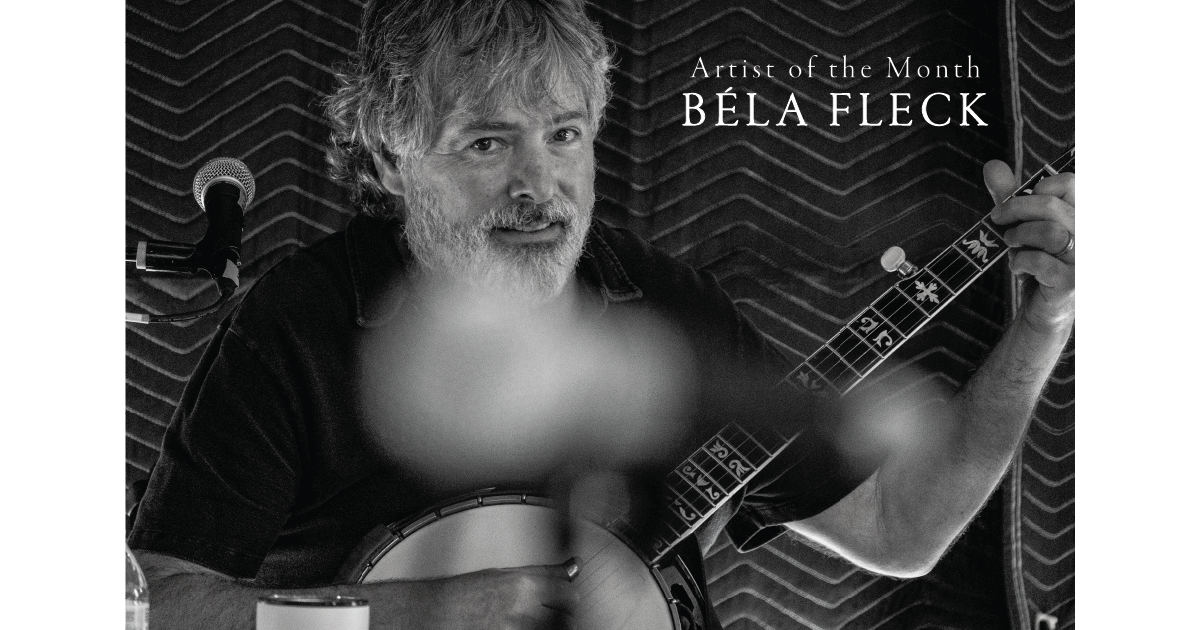
Artist of the Month: Béla Fleck

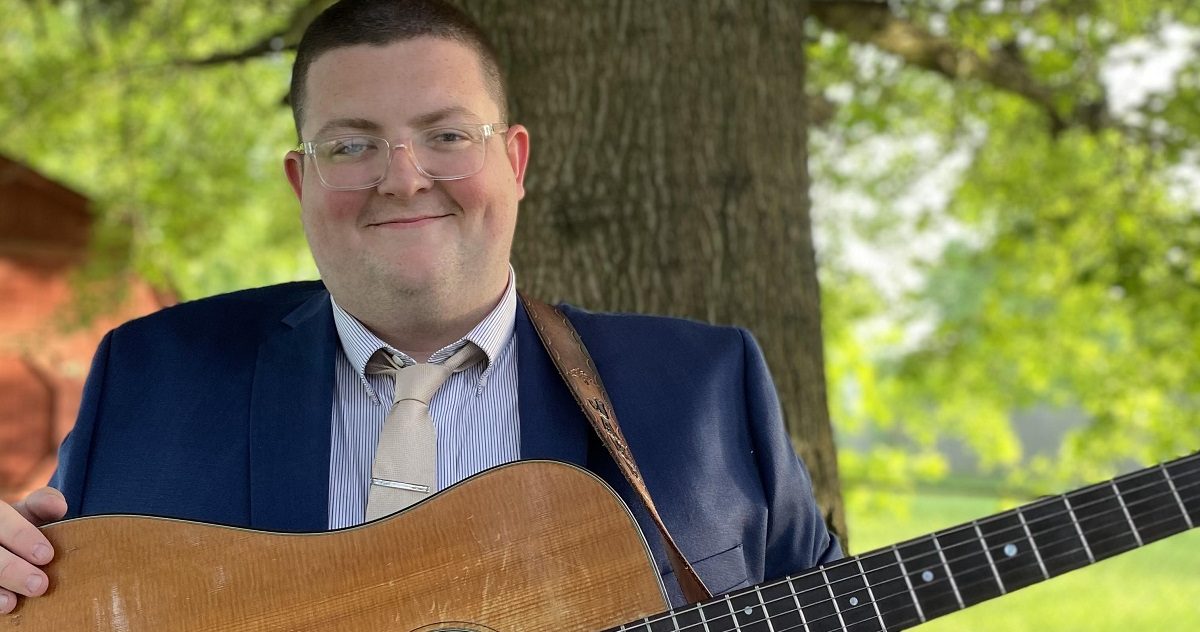
Banjo maestro Béla Fleck has always followed his muse, jamming with collaborators and crisscrossing continents for decades now. His newest album leads him back to familiar terrain, as My Bluegrass Heart is his first bluegrass record in 20 years. “They nearly always come back,” says Fleck, who composed and produced the album (set for a September 10 release). “All the people that leave bluegrass. I had a strong feeling that I’d be coming back as well.”

The reunion encompasses some of his closest comrades, too, like Sam Bush, Stuart Duncan, Mark Schatz, and Jerry Douglas. As a nod to the newest generation of acoustic all-stars, the project also includes guests such as Chris Thile, Molly Tuttle, Sierra Hull, Billy Strings, and Billy Contreras. Longtime allies like David Grisman, Edgar Meyer, and Tony Trischka get in on the action too.

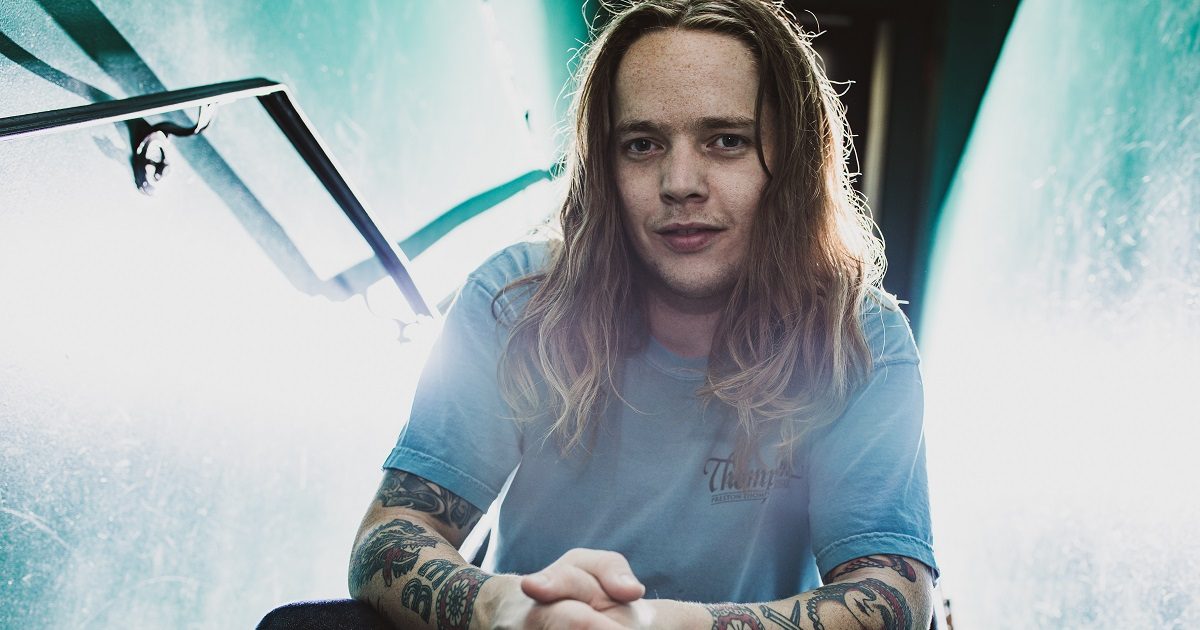
Speaking from his own bluegrass heart, Billy Strings says, “In my opinion, Béla Fleck is one of the most important musicians of all time. He bridges the gap between bluegrass, classical, jazz, world music, and everything in between. It seems like there’s no limit to what he can achieve on the banjo.”

But as with any project involving Béla Fleck, there’s bound to be some exploration. “This is not a straight bluegrass album, but it’s written for a bluegrass band,” he explains. “I like taking that instrumentation, and seeing what I can do with it — how I can stretch it, what I can take from what I’ve learned from other kinds of music, and what can apply for this combination of musicians, the very particularly ‘bluegrass’ idea of how music works, and what can be accomplished that might be unexpected, but still has deep connections to the origins.”

This month, Fleck will be touring in support of the album with Michael Cleveland, Sierra Hull, Justin Moses, Mark Schatz, and Bryan Sutton, concluding with a festival spot during IBMA World of Bluegrass on October 1. He’ll resume roadwork in late November and December joined by Sam Bush, Jerry Douglas, Stuart Duncan, Edgar Meyer, and Bryan Sutton. And it’s not too early to circle the calendar for January 7, 2022, when he’s headlining the Ryman alongside nearly every musician who makes an appearance on My Bluegrass Heart.

In the meantime, read our two-part Artist of the Month interview feature here and here — and enjoy our BGS Essentials playlist spanning his remarkable career.


Photo credit: Alan Messer

LISTEN: Jake Eddy Feat. Bryan Sutton, “Billy in the Lowground”

Artist: Jake Eddy featuring Bryan Sutton
Hometown: Parkersburg, West Virginia and splitting time in Nashville
Song: “Billy in the Lowground”
Album: Jake Eddy
Release Date: July 10, 2021

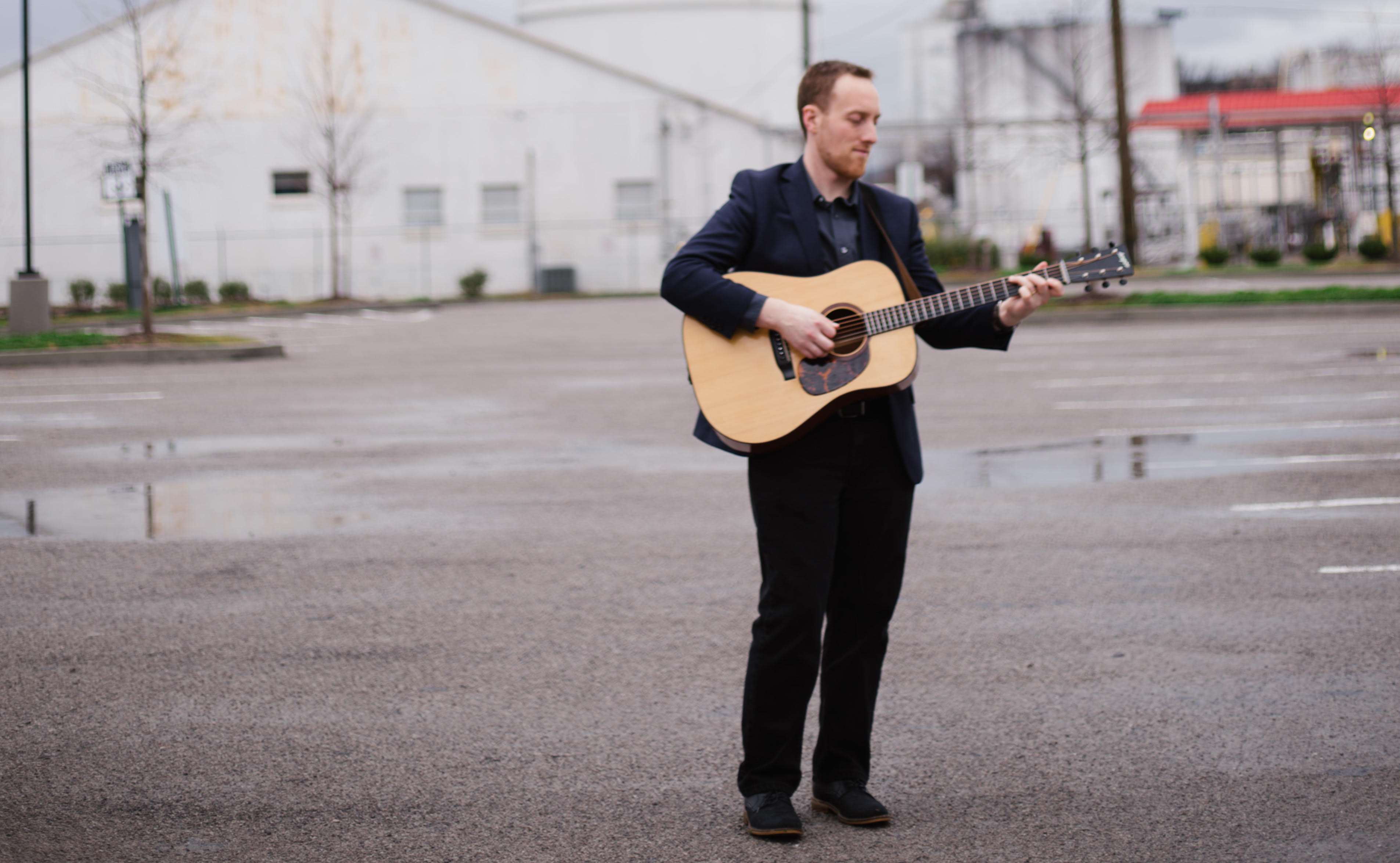
In Their Words: “This was easily one of the most incredible sessions I’ve ever been a part of. Bryan and I really connected in the studio and had a great time. It’s so fun to approach an old tune like this with an open mind and just see what happens (especially with a great player like Bryan). This tune did not have any special meaning to me, at first. I knew that I wanted to include Bryan in some capacity so we got together and just started playing through some tunes. ‘Billy in the Lowground’ came up and we both were into it — so that’s what we played. I think the fact that it was unplanned adds to the excitement. At the end of the track you can hear some banter between us that sums up the session perfectly.” — Jake Eddy


Photo credit : Teran Storey

BGS 5+5: Casey Driessen

Artist: Casey Driessen
Hometown: Asheville, North Carolina
Latest Album: Otherlands:ONE

Editor’s Note: Casey Driessen has released Otherlands: A Global Music Exploration, a self-produced travelogue of on-location recordings, short films and essays that documents collaborations with masters of regional music in Spain, Ireland, Scotland, India, Japan and Finland. Otherlands was filmed and recorded between 2019 and May 2020. During this time, proceeds from the Bandcamp sales of Otherlands:ONE will support music and folk arts rural communities in West Bengal, India.

Which artist has influenced you the most … and how?

I’m going to give some big props to fiddler Richard Greene, by way of Darol Anger. Back in the mid-1960s, while playing in Bill Monroe’s band, Richard invented a percussive bowing technique on the fiddle/violin called “chopping.” Darol Anger was the first person to learn this from Richard, and I then pulled parts of the technique from Darol. Chopping has been an essential part of my musical trajectory and has allowed me to fit into all sorts of exciting musical situations.

What’s your favorite memory from being on stage?

Two polar opposite ones just appeared in my mind simultaneously… 1) Playing a daytime set at the Telluride Bluegrass festival in a trio with Béla Fleck and Bryan Sutton, staring out at the gorgeous Rocky Mountains, when all of a sudden I hear amazing vocal rhythms joining us, and Bobby McFerrin appears by my side. I couldn’t stop smiling. 2) Playing an evening set with Steve Earle & the Bluegrass Dukes (Tim O’Brien, Darrell Scott, Dennis Crouch) when a heckler starts asking for “Copperhead Road.” It’s in the set, and we’ll get to it, but that’s not good enough. Heckles continue. Steve gives him the finger. A full beer can sails through the air (mind you, we’re all around one mic), hits the stage, bounces and hits Dennis’ bass. A fight breaks out in the audience. The guy is taken away. The next thing thrown on stage is a bra.

What other art forms — literature, film, dance, painting, etc — inform your music?

I’m very visual and find inspiration in painting, drawing, and sculpture. The forms, shapes, patterns, lines, colors, and composition all give me ideas about how to approach my instrument or music.

What’s the toughest time you ever had writing a song?

I’ve never written a song, only instrumental compositions. So, I suppose the toughest time is all the time. That said, no particular composition sticks out to me, but the process of applying compositions to a live looping setup (when I was doing my Singularity project) was quite challenging. There are so many parameters to work within, from effects pedal limitations, physical coordination to pressing buttons with your feet while singing and playing, how to create engaging live looped arrangements from song to song without becoming repetitive or boring, and keeping a solo set interesting for yourself. They were some tough puzzles to solve.

If you had to write a mission statement for your career, what would it be?

I think either “A global music exploration in red shoes” or “The fiddle can’t be on everything?…I’d like to try.” I’m hungry for experimentation and inspiration from unlikely sources.


Photo credit: Arthur Driessen

Chris Eldridge, Molly Tuttle, Chris Thile, Bryan Sutton – Toy Heart: Remembering Tony Rice

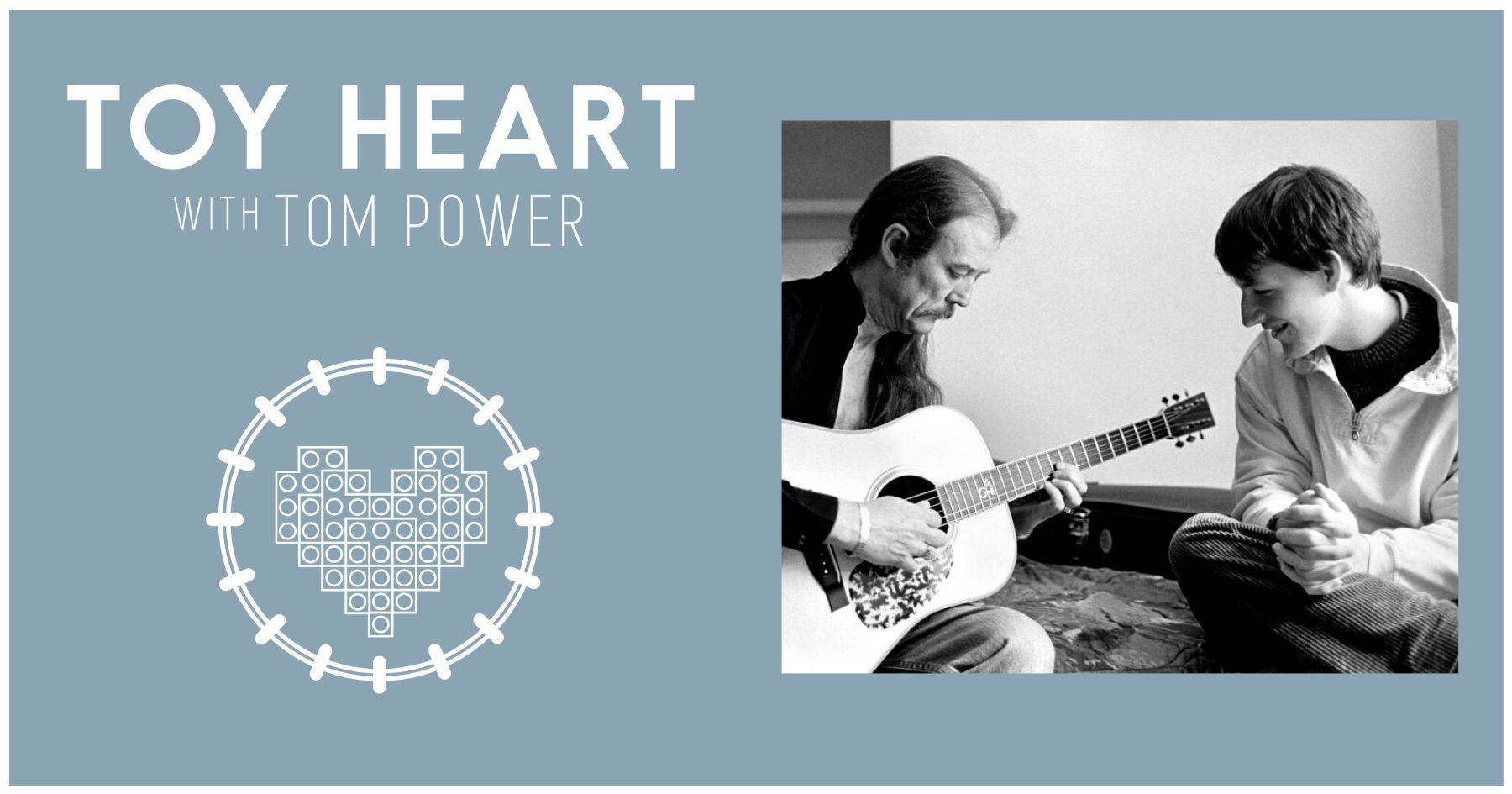
In the final chapter of Toy Heart’s three-part tribute to Tony Rice, host Tom Power speaks to several musicians who have been inspired by Tony Rice throughout their career, pickers and artists through whom Tony’s music will certainly live on.

LISTEN: APPLE PODCASTSSPOTIFYMP3

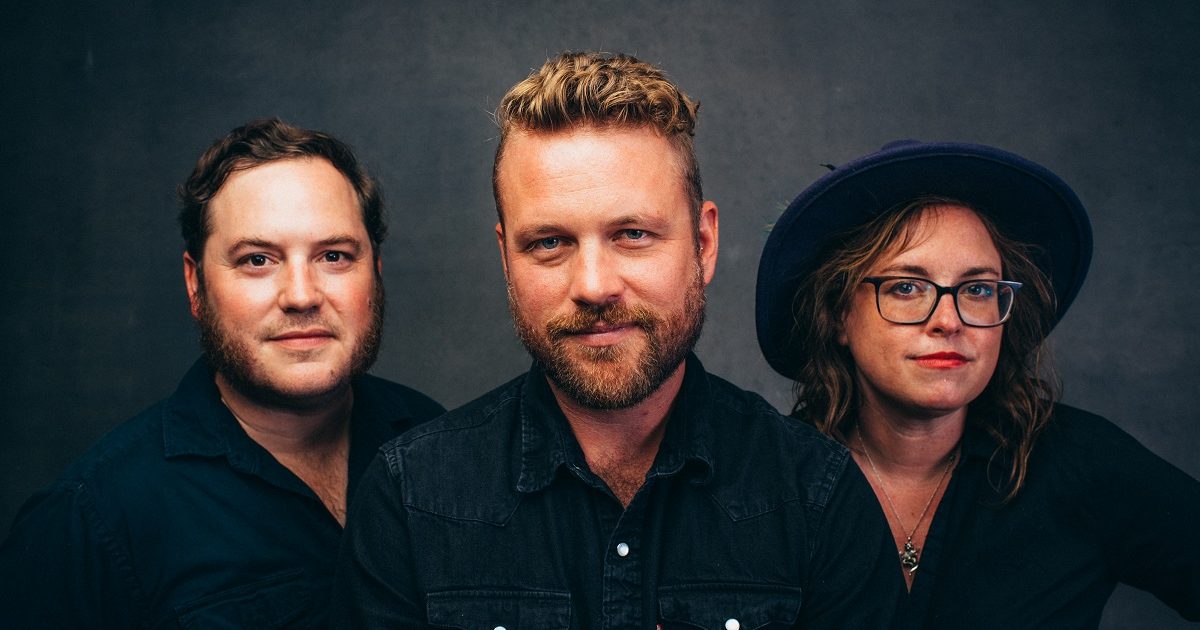
On episode 3 of Toy Heart: Remembering Tony Rice, MacArthur “Genius” and Punch Brothers frontman Chris Thile tells a story about a jam with Tony Rice backstage that changed his musical life. Chris “Critter” Eldridge (pictured), also of the Punch Brothers, talks about the time he spent living with and learning from Tony — not just about music, but about life. Guitarist and singer-songwriter Molly Tuttle speaks about Rice’s influence on her guitar playing and how she sees his music living on even through musicians like herself, who never knew him personally. Finally, in-demand Nashville guitarist, session player, and sideman Bryan Sutton talks about recording with Tony and how he learned to be himself thanks to Tony Rice’s example.

Editor’s Note: Hear Thile at timestamp 01:58; Eldridge at 33:17; Tuttle at 01:03:17; and Sutton at 01:21:09


Photo credit: Jeromie Stephens

Remember When Dolly Parton Took a Bluegrass “Shine” to This Rock Anthem?

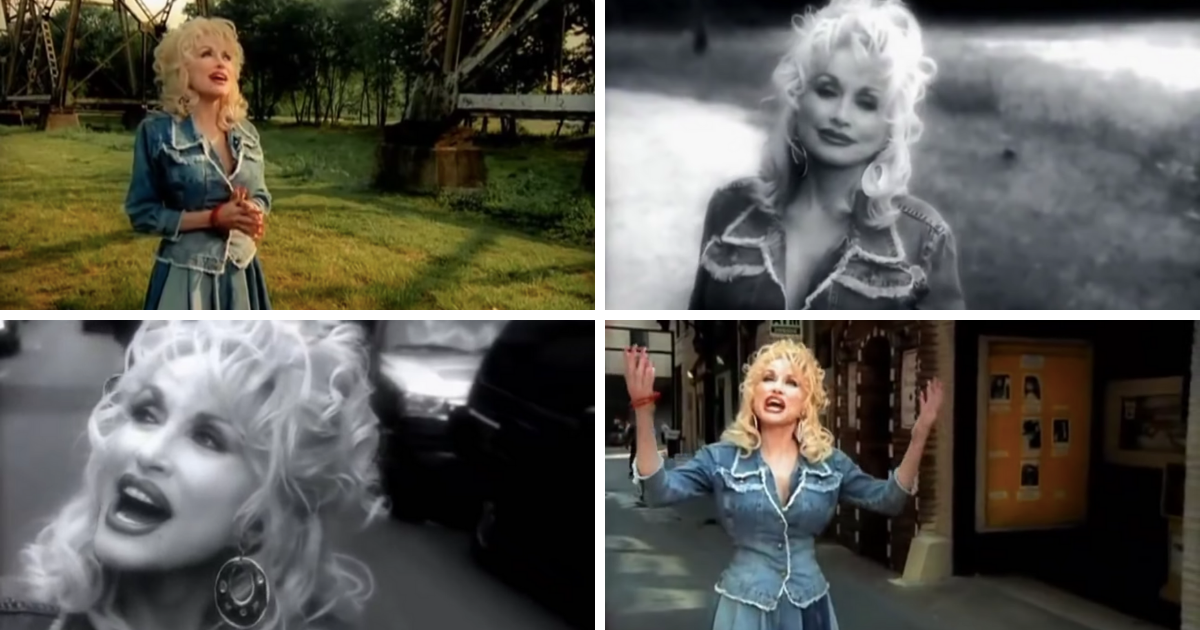
The queen of country music is celebrating a milestone birthday on January 19. Her majesty, Dolly Parton, turns 75 this year, and to celebrate the music that has won awards and our hearts alike, we’re deep-diving back to the distant year of 2001. Like Dolly herself, “Shine” comes from a record that was born in mid-January — one that features a little bit of everything, from original compositions and old traditionals to cleverly reimagined cover tunes like this one. That diverse album, Little Sparrow, earned a pair of Grammy nominations and a win for her vocal performance on “Shine.”

Although this 1993 rock radio staple was originally recorded by Collective Soul and written by its lead singer Ed Roland, Dolly and the all-star backing band in the video give the song a fresh breath of bluegrass energy and acoustic attitude. It’s a seemingly unlikely cover, yet Parton pulls a unique bluegrass diamond out of what seems like a through-and-through rock and roll song. Upon Little Sparrow’s release in 2001, Parton stated, “I’ve been trying to think of how I can sing it without all the rock stuff; it sounds spiritual and all that, and the melody lent itself well to some bluegrass harmonies. I figured we’d kick it around and if it didn’t work, we wouldn’t put it on. But it worked out great.”

As unbelievable as it may be, here is the TL;DR: Dolly won a Grammy for a cover of a Collective Soul hit. Watch the music video below and enjoy our Essential Dolly Parton Playlist in honor of her 75th birthday!


WATCH: Billy Strings and Band Perform “Taking Water” at Station Inn

Billy Strings completed a nine-day virtual tour of Nashville venues this year that let fans all around the world get up close and personal for full-production live shows. The Streaming Strings 2020 Tour saw the band in five Music City stages alongside guests such as Marcus King, Anders Beck, and Bryan Sutton, through venues like Brooklyn Bowl, Station Inn, City Winery, Exit/In, and 3rd & Lindsley, with all but the latter hosting two consecutive nights. Strings’ calling card is the electrifying live show that he and his band put on, and the Streaming Strings tour was no exception. The tour also offered authentic poster prints, adding a welcome touch of normalcy to a concert series made for a socially-distanced life.

Not only did the event bring live music to fans, the tour donated resources to select charities with a portion of proceeds from the nine shows. The ACLU, Backline, and the NAACP Legal Defense and Educational Funds were beneficiaries of the award-winning guitarist’s uncompromising dedication to live performance. (Learn more: read our BGS interview with Billy Strings.) To raise awareness for another entity, the National Independent Venue Association (NIVA), Billy Strings featured “Taking Water” from one night of the tour at the World Famous Station Inn on Jimmy Kimmel Live!, hosted on this night by Joel McHale. Get your helping of live bluegrass, watch the clip below.


Photo credit: Jesse Faatz

Justin Moses, “Taxland”

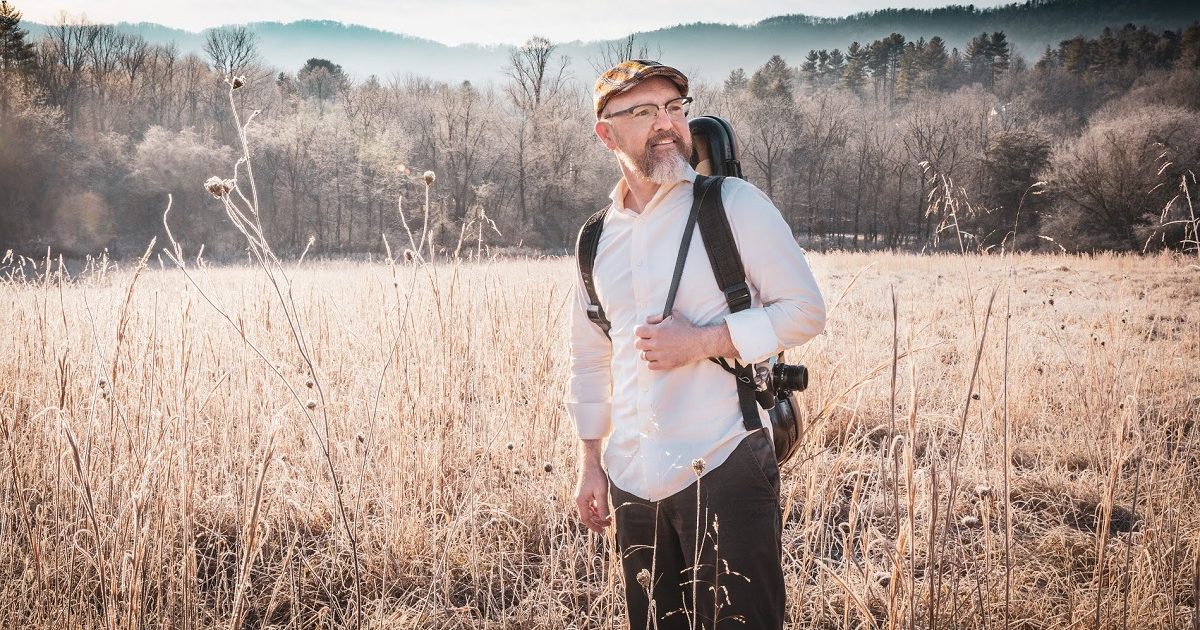
Multi-instrumentalist, sideman extraordinaire, podcast host, composer, and IBMA Award winner Justin Moses’ presence in bluegrass is as ubiquitous as it is unassuming — that is, in every way except when his picks meet the strings. Moses won Resophonic Guitar Player of the Year from the International Bluegrass Music Association in 2018 and 2020; he’s also recorded on countless sessions and albums, played on the Grand Ole Opry, and has toured with Dan Tyminski, Ricky Skaggs & Kentucky Thunder, and for more than a decade he’s been touring and recording music with his wife of three years, Sierra Hull.

A new track, “Taxland,” which features double mandolins played by Moses and Hull, marries his quiet, often humble virtuosity and his confidence on the mandolin. Moses can command any/all of bluegrass’s staple instruments, resulting in a melody that is all at once careening wildly towards its end and impossibly, impeccably clean. An unfamiliar listener might find it difficult to pick out which instrument belongs to Moses and which to Hull, a testament to their seamless musical gelling after years and years of collaborating. Inspired, loosely, by David “Dawg” Grisman’s new acoustic, post- jazz and swing bluegrass, the tune is housed in a cheerful minor key, as Dawg tunes often are, and Michael Cleveland’s wonky, edge-of-your-seat fiddle solo recalls Vassar Clements’ forays in new acoustic, but not without Cleveland’s own brand of idiosyncratic, bombastic bowing and double-stops peppered throughout. 

That a song could feel so improvisational, melodious, and frenetic while retaining its impossible polish once again points back to Moses’ lifelong career in bluegrass and his endless professionalism not only as a creator, but as a technician of each instrument he commands. With Barry Bales and Bryan Sutton — two more lifelong friends and fellow music makers — rounding out the fivesome, “Taxland” will stick with you for longer than just its nearly three minutes and thirty seconds. If you’re a musician like Moses, it just might last you from April ‘til your extension deadline.


Photo credit: Kady Carter

Interviewed by His Daughter, Mac McAnally Recounts a ‘Lifetime’ in Music

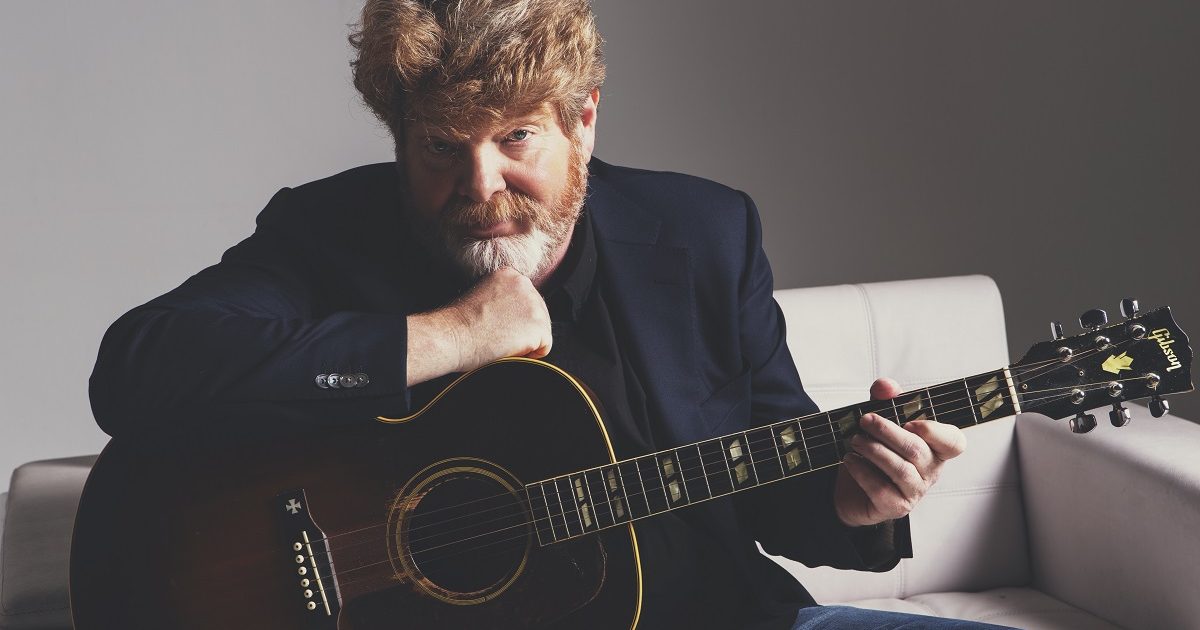
Mac McAnally is a highly-decorated and prolific multi-instrumentalist, producer, songwriter, and artist. He tours with Jimmy Buffett’s Coral Reefer Band, plays on countless sessions in Nashville and Muscle Shoals, and produces a number of independent artists, too. But more important to me, he’s my dad. And he’s a great one. On the occasion of the release of his new album, Once in a Lifetime, we discuss guitars, bluegrass, moments of social change, why he covered a Beatles song, and the process of making this record amidst a pandemic. And though I get to talk to him most days of my life, it is heartening to hear him put a fine point on his eternal optimism.

BGS: Growing up, music was constant in the house and one of the most pervasive cover songs you played was “Norwegian Wood.” What do you think it is about that song that sticks in your craw and drew you to record it?

Mac McAnally: As you know, I’ve always loved that song. In the very first line, from a lyric standpoint, “I once had a girl/Or should I say/She once had me,” you can tell any story in the world after that. That is something that I subconsciously try to do and have since the beginning.

Specifically, why I recorded it is because I bought an octave mandolin about four years ago. I did a show with Sarah Jarosz and she had one and let me play it and I thought, “I am going to have to get me one of these.” I always feel like I have to do something to justify the purchase so I play it on as many sessions as I can to try to amortize the cost, but I also came up with this new way to play it that is kind of a cool arrangement that I’ve never heard. I don’t in any way challenge the Beatles version and don’t mean any disrespect; I’m trying to find ways to justify the guilt of buying an octave mandolin.

On almost every record that you’ve made there’s a nod to bluegrass, like “Brand New Broken Heart” on this record. Who are some of your biggest bluegrass influences?

I have to preface this by saying I am a bluegrass fan, I am not a bluegrass player. Anything that I might be doing would just be trying to pay homage to what the greats can do. I’ve gotten to play with some of them, which I count high among the blessings of my life. When I wrote “Brand New Broken Heart,” I envisioned I would someday pitch it to Ricky Skaggs or Dailey & Vincent. I recorded it because I was a lazy song plugger who never pitched it to anybody.

Doc Watson was one of mine and my dad’s heroes. He was sort of my intro to real bluegrass. And all the way through my life, Emmylou Harris. We played her songs in bands when I was a teenager. Bryan Sutton is just frighteningly good. I can’t even fathom what he is doing, let alone try to do it myself. He inspires me to go get a pick out and play differently than I play because I love so much of what he does. And I’m crazy about I’m With Her.

What brought about recording “Changing Channels” for this record?

I have always loved that song. It is the second song that Jimmy (Buffett) and I wrote together. We wrote it in one my favorite places I have ever been. He had a spot down in Thomasville, Georgia, with a big porch. As you know I’m a porch guy. We sat out on the porch and wrote that song. He did a great version of it on Off the See the Lizard and I honestly never imagined myself cutting it but I love to play it. It has worked its way into my shows over the last ten years and his fan base will come up after and ask which one of my records the song is on. They had cash out trying to buy it and I don’t have it. You know better than anybody how terrible of a businessman I am, but eventually enough people tried to buy a version of it that I listened.

You have collected a lot of guitars, and in various ways: some saved from landfills, some gifted, some cast for you by friends and colleagues. How do you pick which guitars make your records?

It is certainly not an exact science but sometimes it is the guitar that the song came out of. The main thing that has always made me select guitars is if I think they have songs in them. I would happen to be holding them and a couple of my stories got mashed with them. In more cases than not, if I wrote a song on a guitar, that’s the one I’ll record. You end up learning over the years. In the same way when you are photographing someone, you learn what the best side of their face is. … A Gibson with dead strings is an awesome rock ‘n’ roll rhythm guitar. A Martin with new strings is an awesome fingerpicking guitar.

We are in a moment of social change. Music has the power to both inspire and record change. You moved to the Shoals in the ‘70s. Thinking back on those early days in the studio, what was it like in those moments?

Playing music in Muscle Shoals was extremely encouraging from the standpoint of equality. They didn’t really think of it in terms of race. Music transcended that. And I love that. And I still love that. I’m standing in Muscle Shoals right now proud to be part of that. You can be encouraged on some levels and discouraged on some levels and I am both of those things. I haven’t in my life ever thought that I was better or worse than anybody else and I look forward to that being a more prevalent vantage point for everyone.

I want to challenge you on that a bit. One of your dear friends and longtime collaborators, Ralph MacDonald, told you that he never felt comfortable coming to Muscle Shoals and we’ve heard from more folks that it wasn’t an inviting place to come collaborate, so a lot of those musicians opted for Detroit or Miami. With that added perspective, does it make you feel differently about the time?

Absolutely, it makes me more aware of the context. As I said, Muscle Shoals would have been advanced in terms of racial relations in the music community in the South. As I look back now, I realize that doesn’t mean it was great. It was just better relative to the surroundings.

Ralph and I, we were like brothers. He told me he would’ve been scared to death of a big red-headed dude from Mississippi. And he was a Black man from Harlem. I could not have imagined that we would connect on as many levels as we did. We both had misconceptions that got better. He was one of my heroes. He was one of the best percussionists that ever played. And I loved him. It is hard to get into racial discussions without stirring stuff up. But we made each other better. Music is one of the best ways to bridge across preconceptions. I think it’ll play a big part of getting us the rest of the way home. ‘Cause we ain’t there yet.

Stirring stuff up is the way we make progress.

That’s true and they are not easy discussions. I don’t think of myself as someone with prejudices, but when I think back, some of the things I laughed at growing up as a kid in Mississippi I’m embarrassed of. And I was mainly laughing because everyone around me was laughing, but when I think of what it was we were laughing at, it is embarrassing. I don’t really want to talk about it, I just want to be a better person, because I know it was wrong. But you are right. Talking about it is better. Air it out.

What does it feel like to release an album in a pandemic?

Well, not speaking ill of either thing, but I hope it is a one-time thing. I hope I never have to try to beat a pandemic album with a second pandemic album. My records are normally made in what I call “the cracks of time.” I make them in the cracks of my schedule because I work full-time as a Coral Reefer, a fair amount of time as a session musician for other people, writing songs for other people and producing other folks. But because of the circumstance of this record, it is really special to me because I got to sit and think about what I felt was important and what was not. I wouldn’t wish a pandemic on the world just to get extra time to make my record. I think maybe next time I’ll just take the time on my own.

Even in your darkest lyrics, there is a balance that shows your shining optimism. We are surrounded by a heavy dose of dark right now. Are you feeling optimistic?

Absolutely. I absolutely am. I wish we weren’t where we are right now and that everyone could see that it is better to find a way to coexist than it is to hate one another. I’m not someone who has any room for hate. As you recall, I don’t even like the word. I’ve probably pestered you about it for your entire life. Actual hate hurts me. We’ve been celebrating the life of John Lewis the last few weeks and John is a great example of figuring out a way to make it better by not hating the people who hated him. I think things are going to get better and I intend to try to help.


Erin McAnally is a regular contributor to The Bluegrass Situation

Photo Credit: Jeff Fasano
MIXTAPE: Songs That Changed Jon Stickley’s Life and Still Blow His Mind

When I was a senior in high school, my lacrosse teammate Andy Thorn loaned me a couple CDs and a mandolin. The two CDs were the original David Grisman Quintet album and Sam Bush’s Glamour and Grits. I was an angsty teen drummer in a punk band, and when I popped the Grisman album in my Sony Discman and pushed play, my life changed forever.

We started a little band and I started learning mandolin and making weekly trips to the local record store to buy every “newgrass” album I could. I didn’t know anything, so searching through the bluegrass/country section was an adventure of discovery. I learned to recognize the font that Rounder Records used and started using liner notes to find other musicians to listen to.

A lot of the tracks on this list are track #1 on the album, and I think that’s because when I heard them for the first time, they magically seared themselves into my brain. When I hear them today they inspire the same excitement as they did when I first heard them, and they have had an enormous impact on the music that I create for the Jon Stickley Trio. — Jon Stickley

David Grisman – “E.M.D.”

The first track I ever heard in the vein of bluegrass/newgrass. I heard David Count “1,2,3,4…” just like the Ramones! Then they launch into the most indescribable, unbelievable, clean, rockin’ jam I’ve ever heard. Also my first introduction to my guitar hero, Tony Rice. Nothing compares to this track!

Sam Bush – “Whayasay”

Another leading cut. This was my introduction to the one and only Sam Bush. His kickoff tells you everything you need to know about Sam’s music. It’s masterful, tasteful, and it freakin’ ROCKS. Then he goes totally Mark Knopfler at the end. Blew my young mind!

Jerry Douglas, Russ Barenburg & Edgar Meyer – “Big Sciota”

I picked this record up at the store because, on the back cover, they are dressed in gorilla suits. I thought, these dudes MUST be cool. Something about the tone of this record is unparalleled. It’s just the nicest-sounding acoustic record I’ve ever heard. Still cook dinner to it almost every night and my wife walked down the aisle to another track from the album called “The Years Between.”

Ricky Skaggs & Kentucky Thunder – “Pig In A Pen”

Holy crap. This is another album I bought blind at the record shop knowing absolute nothing about the music. To this day I have never heard anything rock this hard! Also, my first intro to a big guitar hero, Bryan Sutton.

Bryan Sutton – “Decision At Glady Fork”

Senior year of high school my uncle Pat took me to the Béla Fleck Bluegrass Sessions concert. I knew who Sam Bush and Béla were, but it was my first time hearing Jerry Douglas, Stuart Duncan, and the young Bryan Sutton. They played this song and the audience pooped their pants!

Béla Fleck – “Blue Mountain Hop”

The ultimate supergroup in my opinion. This song got me thinking about composition and arrangement in a new way. It seems like each new part of the song was written with each individual soloist in mind. Also the giggles and growls in the intro remind you that they’re having a ball.

Béla Fleck & the Flecktones – “Sinister Minister”

Two words. Victor Wooten. Blew. My. Young. Mind! I’ve listened to this version of this song more times than I can count, and it’s one of the covers that we do in the trio. The Flecktones probably had more of an impact on our trio than anyone else out there.

The Bluegrass Album Band – “Blue Ridge Cabin Home”

This is another album where I had no idea what I was buying. It wasn’t until I looked at the back of the CD that I realized that Tony Rice was on it. It was my introduction to J.D. Crowe, Doyle Lawson, Bobby Hicks, and Todd Phillips. I fell in love with bluegrass banjo by listening to this song, and I was thrilled to find out there were five more volumes!!!

The Nashville Bluegrass Band – “Dog Remembers Bacon”

Another record store score that I grabbed just because “bluegrass” was in the title. LOL. These guys became my favorite group for years and this was always one of my favorite tracks. I learned about Gillian Welch from this album. Stuart Duncan is the best fiddler in the world!

Acoustic Syndicate – “No Time”

Man, I love these dudes SO much. My Uncle Pat gave this album to my dad around ‘98, and I promptly stole it. The chill energy of this album really spoke to me and I feel like it really embodies the spirit of the North Carolina festival scene. Super sentimental band for me!

Tracks from our new album “Scripting the Flip” that draw heavy on these influences:

Jon Stickley Trio – “Scripting the Flip”

This song is pretty much a bluegrass fiddle tune turned on its head. It reminds me of some of my favorite newgrass instrumentals that take the music somewhere new.

Jon Stickley Trio – “Driver”

Well, given that my buddy Andy Thorn got me into this music waaaaay back in the day, I had to bring it full circle and write a tune for him to come in and play on. This piece definitely draws on the music of the Flecktones and some of the tunes they play in odd meters.

Jon Stickley Trio – “Bluegrass in the Backwoods”

Kenny Baker, Bill Monroe’s longtime fiddler, was surprisingly one of the most innovative of the classic bluegrass pickers! He is thought of as a traditional fiddler, but his music is really anything but. I think this tune was way ahead of its time and we love the elements of gypsy jazz and Latin music in the melody. We HAD to cover this on at some point and it was so much fun!


Photo credit: Sandlin Gaither