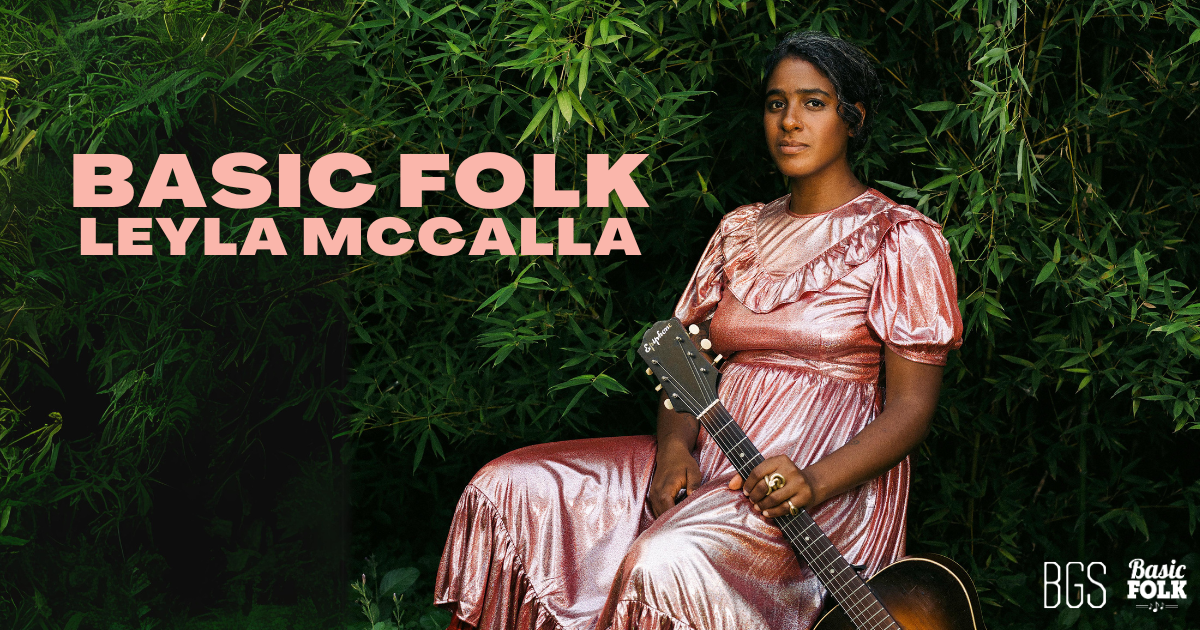
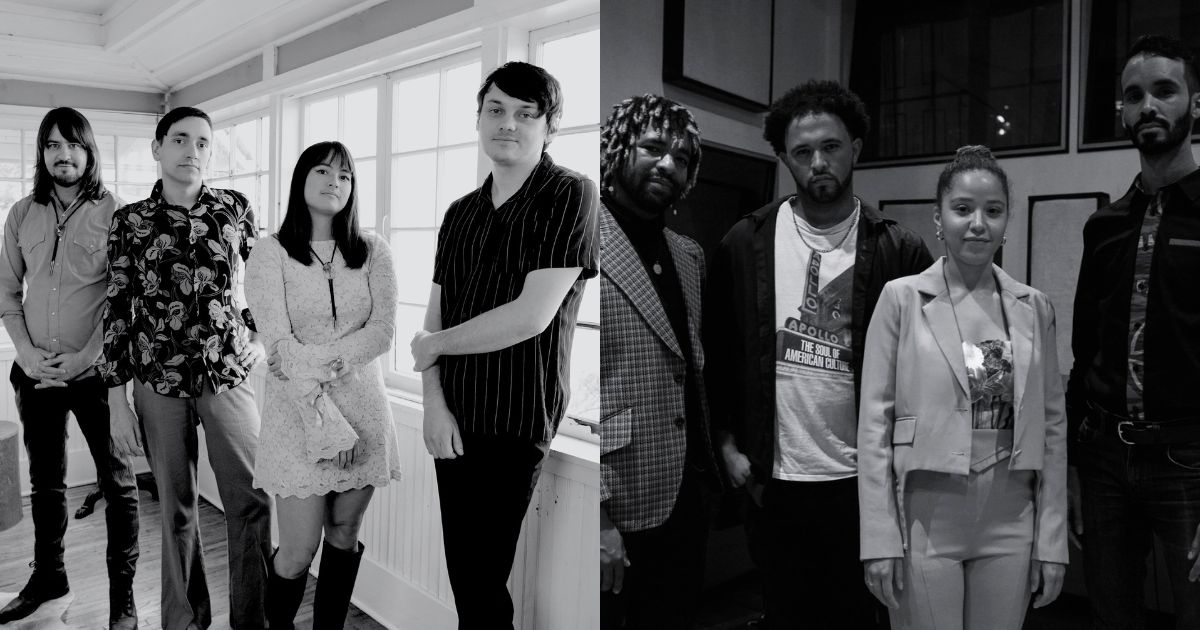
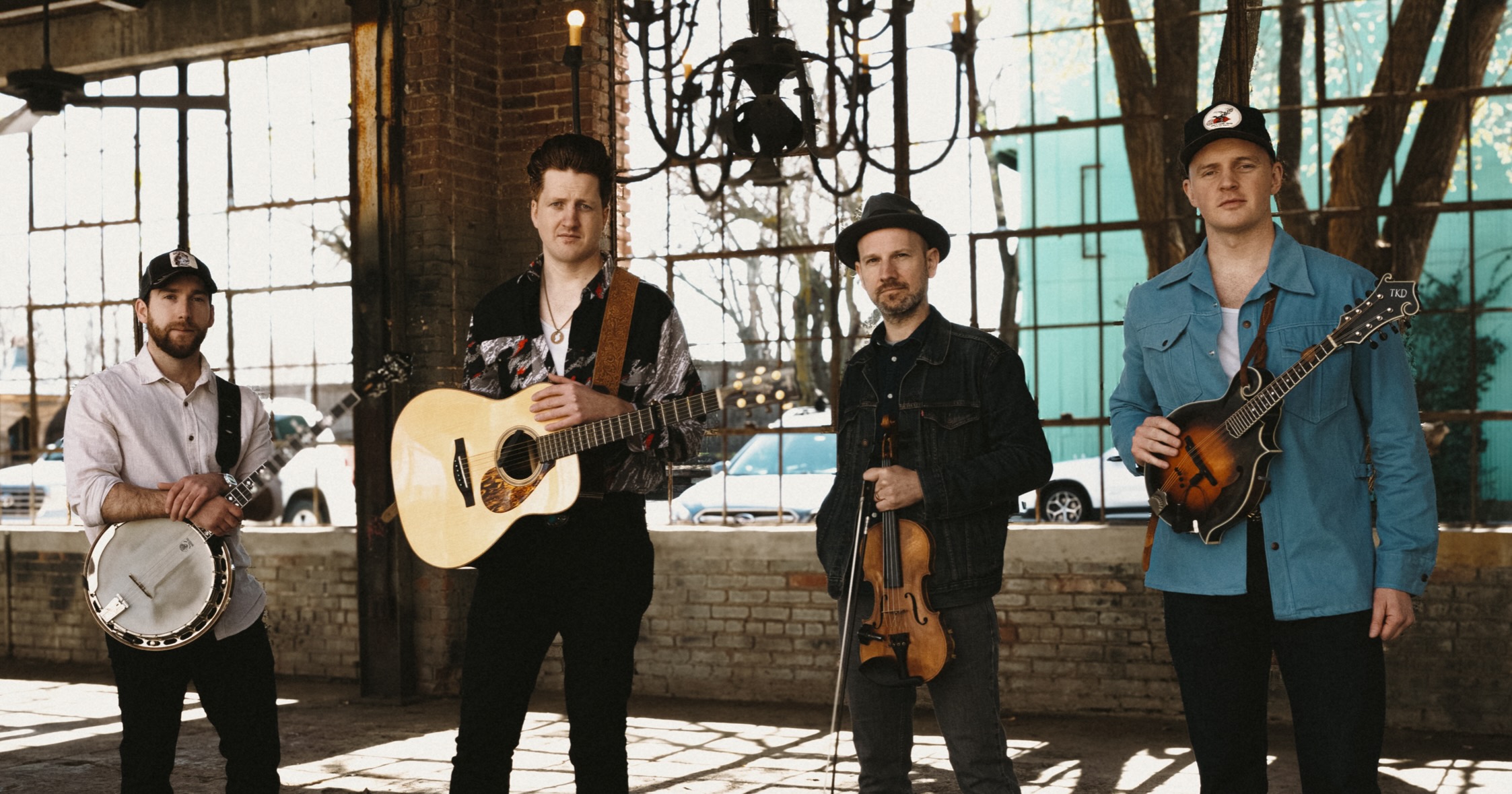
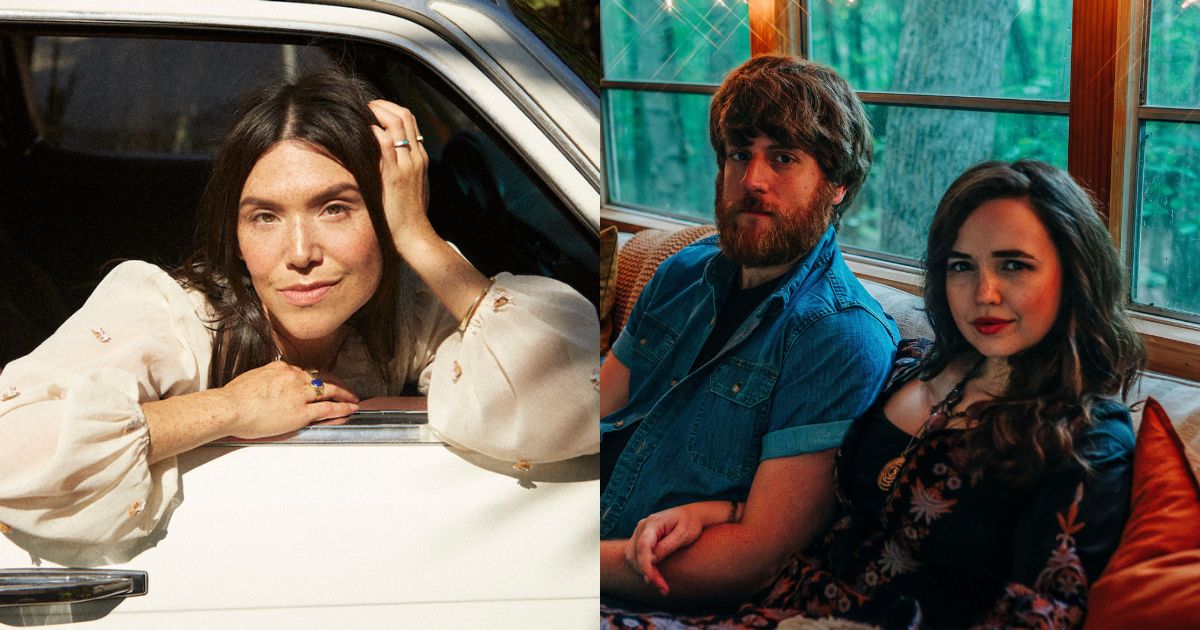
Singer-songwriter Leyla McCalla and her band (bassist Pete Olynciw, drummer Shawn Meyers, and guitarist Nahum Zdybel) join us onboard Cayamo to go through their incredible, righteous and fun new record Sun Without the Heat. It is a Leyla McCalla solo album, but no solo artist is an island! Once we saw Leyla perform with her band, with whom she has collaborated for the past six years, we had to get the whole collaborative outfit in on the interview.
The sounds on the album are inspired by Afrobeat, Haitian music, folk music, indie music, Americana music, Brazilian tropicalismo, amongst others. Leyla calls it, “A record that is playful and full of joy while holding the pain and tension of transformation.” McCalla’s liberatory politics find their way into the record, evidenced by the title – which comes from a Frederick Douglass speech given six years before the Emancipation Proclamation. Leyla explores her cultural heritage while reflecting the African diaspora using elements of Afrofuturism. She’s leaning into a concept that challenges women in music (particularly women of color) of how to free herself from labor that should not be hers, and fighting for her right to be joyful in her creative expression.
When asked about how these new songs feel through the lens of somatic experience, Leyla says the new music feels different and that she’s let go of the idea of perfectionism as a single mom of three kids. A lot of the record was informed by different authors she’s read recently like adrienne maree brown (Pleasure Activism) and Susan Raffo (Liberated To the Bone). Leyla’s really changing the game in Americana, when it comes to incorporating the academic into truly bitchin’ music.
Sidenote: we really loved hanging out with this crew at sea on Cayamo. They had great vibes, good laughs, and also very good outfits. Lizzie even recruited Pete to play bass in an impromptu trio while on board. More good times with Leyla and band, please!
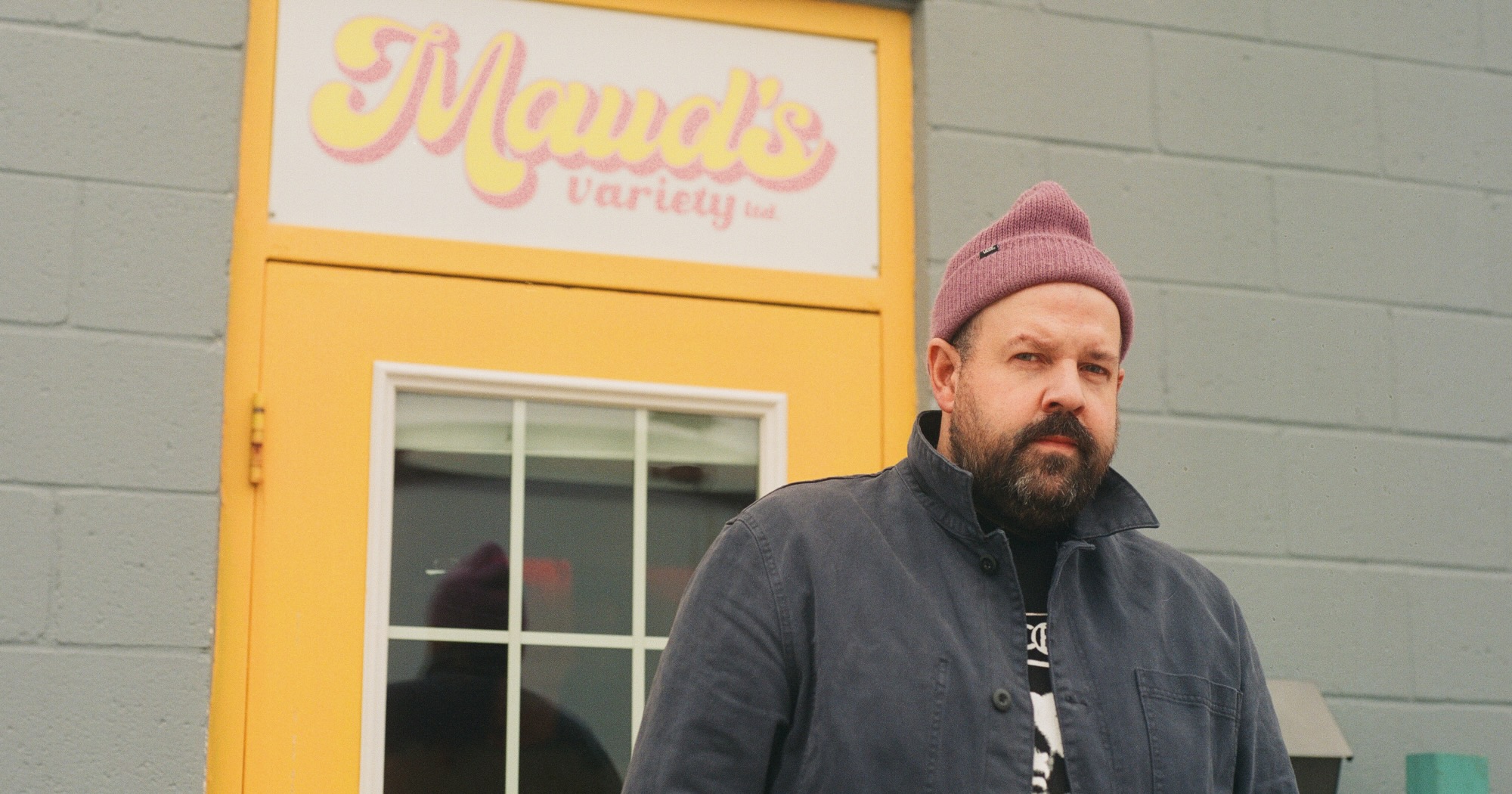
Artist:Donovan Woods Hometown: Sarnia, Ontario, Canada Song: “Back For The Funeral” Album:Things Were Never Good If They’re Not Good Now Release Date: July 12, 2024 Label: End Times Music
In Their Words: “‘Back For The Funeral’ is a story that a lot of us end up experiencing. Big life events – deaths, births, divorces – seem to pull us out of the flow of time somehow. The days around these events can feel like a dream wherein the regular rules of our lives don’t apply. People fall back onto old habits or maybe construct a new temporary-self to shield them from grief or shock. What I like best about this song is that it reflects that dream-like feeling without sacrificing clarity. It feels the way those life-dividing days feel. I wrote it with Lori McKenna and Matt Nathanson. I’m about as proud of it as anything I’ve written. I hope it’s useful to people.” – Donovan Woods
Track Credits: Written by Donovan Woods, Lori Mckenna, Matt Nathanson.
Acoustic guitars, vocal, piano – Donovan Woods Synths, drum programming – James Bunton Bass – Mark McIntyre Strings – Drew Jurecka
Recorded in Toronto at Union Sound Company – Studio B, Small Dog Sound.
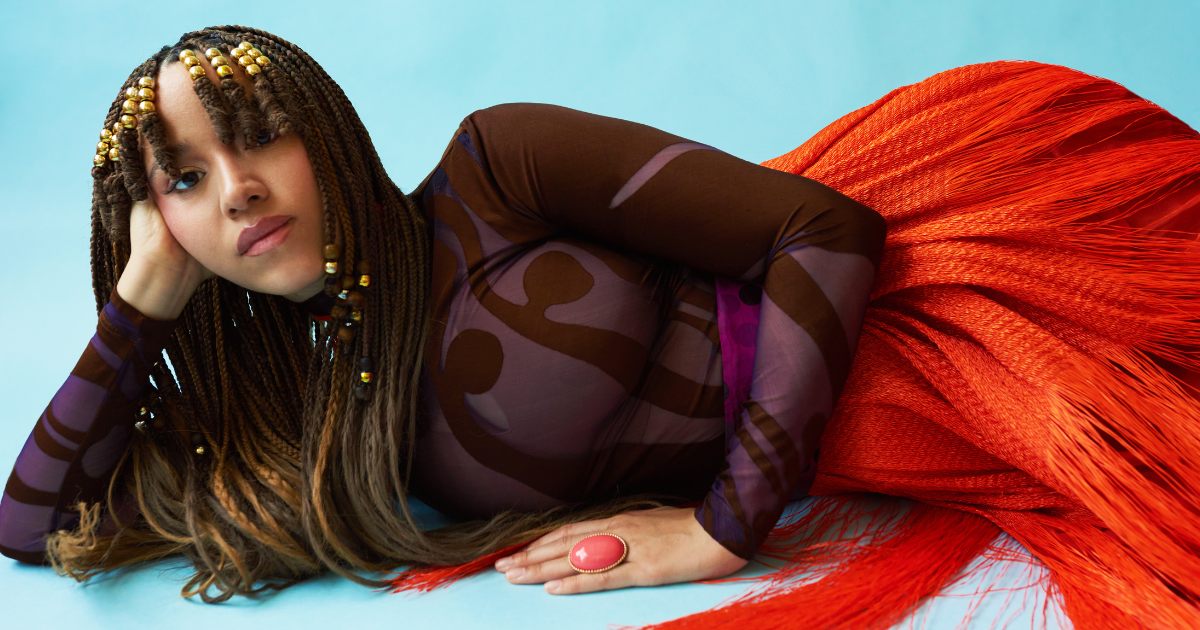
BGS first had the opportunity to work with singer, songwriter, multi-instrumentalist, and composer Kaia Kater all the way back in 2016. She appeared on our inaugural Shout & Shine showcase stage that year at the International Bluegrass Music Association’s business conference in Raleigh, North Carolina. It was the first ever showcase celebrating diversity at the headline bluegrass event and it was also where I met her for the first time in person. We were both panelists for another first-ever, IBMA’s round-table style panel on inclusion that was convened the day after Shout & Shine. Partially planned in response to North Carolina’s just-passed transphobic measure, HB2 – one of the first anti-trans “bathroom bills,” beginning what would become a nearly decade-long and as yet unfinished battle in state houses around the country for equal rights for trans folks – the panel’s format was all about direct conversation and reaching folks where they were at.
A grassroots collective of musicians, artists, and industry professionals who represented often marginalized identities in bluegrass had decided enough was enough, we would have to stake out and hold space at IBMA’s conference to have these long overdue conversations about who is and who isn’t excluded from these roots music genres and what we can do to make all folks feel safe(r) and at home in these communities we love. Kater was right there, engaging and often leading dialogues on these important subjects. A handful of days later, she published her first byline on BGS, an incisive, compassionate, and necessary op-ed on Breaking the Wheel of Silence – calling out all too common “closing of ranks” and music industry status quos that reinforce and protect misogyny, patriarchy, and systems of sexual harassment and sexual violence and their perpetrators.
In short, Kater has long been a thought leader in roots music, especially in bluegrass, old-time, and our BGS family. We’ve been fortunate to get to collaborate with her in various ways on that vital work, from having her writing published on our site and in our year end round-ups to covering her own art and roots music creations.
Luckily, the music she crafts and the messages within it make it infinitely easier to spotlight these often touchy and incredibly nuanced issues. From her debut, 2015’s Sorrow Bound, to 2016’s impressive Nine Pin – which some call her “break out” record – Kater has been spinning complex and entrancing roots music threads that draw on her lived experiences as a Canadian-Grenadian banjo player and lifelong folk musician, turning over and examining what are often called “thorny” or “divisive” issues. Her music grounds abstract and theoretical concepts in the past, present, and future. But her songs don’t sound mired in these issues or concepts at all, just the opposite.
Over the course of her career, from her teens and young adulthood to today, on the cusp of releasing a new album, Strange Medicine (out May 17 via Free Dirt Records), this singular perspective Kater has cultivated continues to blossom, grow, and come into sharper focus. 2018’s Grenades, a sort of concept record placed decidedly in the Caribbean and tracing Kater’s roots back to the beautiful island of Grenada, processes generational traumas, the machinations and intricacies of culture, the nebulousness of belonging, and so many other colors and textures decidedly at home in folk music, but enlivened constantly through Kater’s creative lens. Grenades is a master work, demonstrating a creator and musician who knows who they are – even when they do not.
Six years later, enter Strange Medicine, another album masterpiece that finds Kater still more confident, more at ease, and just as convicting. Genre parameters, her prior records, and her strong positioning of community are all present here, but perhaps not as directly. Instead, Strange Medicine seems to be grown from the fertile, rich, and dense soil of Kater’s career to this point. There are indirect touches of all of the above, but overall this collection feels brand new. It is a novel synthesis of her values systems and worldview, one that feels assured while still exploratory, firm but flexible, responsive but not reactive. Strange, indeed, but never odd (or estranged).
With stunning collaborations with Taj Mahal, Allison Russell, and Aoife O’Donovan – who is featured on “The Witch,” a track made available today – Kater demonstrates how, more than ten years since she began her professional trajectory, her music shines with cross pollination, positioning the community members who helped shape her own music within that very body of work. It’s part of why her new band, New Dangerfield – with Jake Blount, Tray Wellington, and Nelson Williams – can be called a supergroup, though that moniker immediately feels reductive. Kater and her cohort are no longer simply adding their voices to an ongoing conversation, they are the conversation. The center of gravity – in folk, old-time, bluegrass, Americana, and beyond – has shifted, and with that shift we see Kater, many of her peers in her generation, as well as those collaborators and influences who came before continually advancing these discourses.
Her medium, as always, is music. Her dialogue, as always, is not simply with those who choose to consume her art, but specifically with those who engage with it, try it on, turn it inside out, and kick the tires. This is music that will stand up to that sort of holistic interaction. It’s infinitely listenable, incredibly fun, and grooving, too; Strange Medicine might be the danciest record in Kater’s catalog. It’s intellectual, yes, but more than that, Kater shows us that music can be nutritious, challenging, and dense while effervescent, joyful, and soaring.
All month long, we’ll be celebrating our pal, collaborator, and constant source of inspiration Kaia Kater as our Artist of the Month. Below, enjoy our Essential Kaia Kater Playlist and watch for an exclusive AOTM interview coming in just a couple of weeks, too.
Back then in 2015 and 2016, when we were just introduced to Kater and her music, if you had asked any of us if we’d expect her to be our Artist of the Month someday, down the line, I think almost any of us would’ve responded with a resounding, “Yes!” So we’re especially proud to celebrate Strange Medicine and Kaia Kateras our May Artist of the Month.
Born out of humble beginnings in 1983, Mountain Stage has blossomed to become not just one of Appalachia’s most sought after musical platforms, but one of all of Americana and roots music’s most cherished stages. Broadcasting bi-monthly to nearly 300 NPR stations nationwide, the program has welcomed everyone from John Prine to Wilco, Wynonna Judd, and even Widespread Panic during its historic 40-year run. To celebrate the achievement, Mountain Stage and Oh Boy Records have partnered to release the 21-song Live On Mountain Stage: Outlaws and Outliers (released April 19).
According to Larry Groce — Mountain Stage host from 1983 to 2021 and one of the compilation’s curators — distilling 40 years of music into one album was quite the task. Deliberations began with a list of over 150 songs before landing on the 21 that made the album.
“At first we just looked at the artist named and began to narrow it down from there,” Groce describes the process to BGS. “After several narrowings we began listening to some of them, getting the list down to about 30 before cutting it further down to the 21 that made the album.”
Sticking close to the country, folk, and bluegrass sounds of the show’s West Virginia home, the album includes performances from Appalachia’s own – like current Mountain Stage host Kathy Mattea, Tyler Childers, Sierra Ferrell, and Tim O’Brien alongside A-listers like Prine, Eric Church, Alison Krauss, and Jason Isbell. Helping to attract and keep such a diverse array of talent returning has been the program’s artist-first approach, which caters to the performers and platforms great songs over all else.
“We’re not trying to be trendsetters and we aren’t trying to be hip,” asserts Groce, who broke onto the scene as a singer-songwriter with his song “Junk Food Junkie” in 1976. “We try to look at things in the long run by booking talent we think will last. Our goal has always been to put the artist at the center of the show rather than myself, the program, or anyone else. There’s people that would argue that we should always be pushing the brand, but that’s not the way we — or anyone else — operates in West Virginia.”
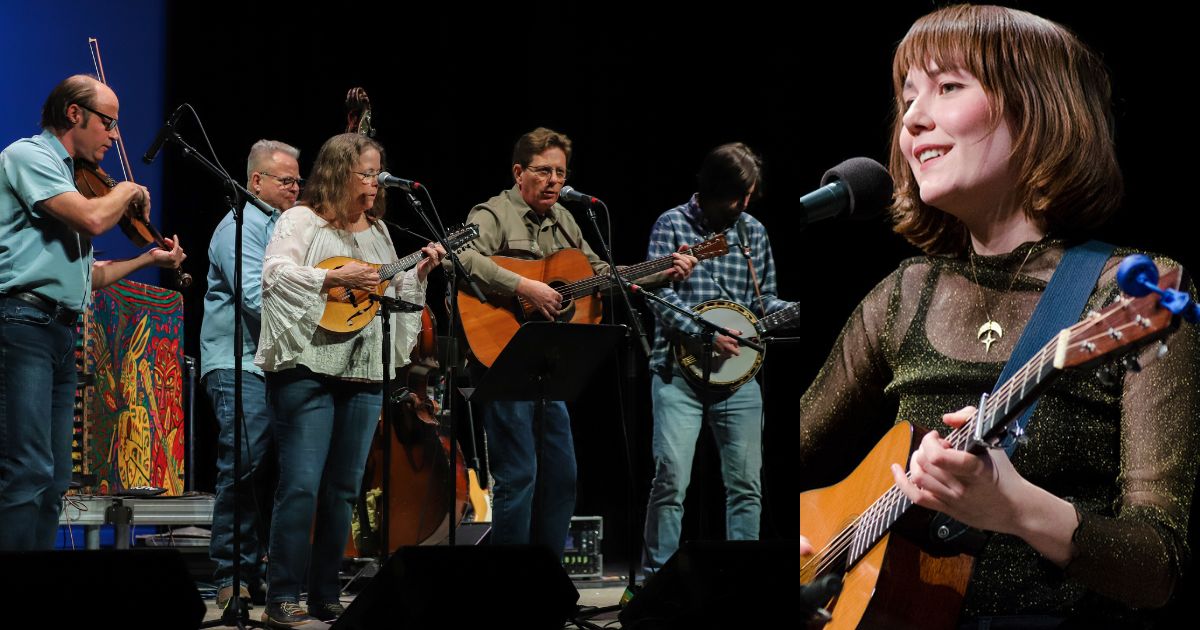
One of the many artists appreciative of that approach is Molly Tuttle, who last appeared on Mountain Stage in 2023 to support her album City Of Gold, which has since earned her a second Grammy win for Best Bluegrass Album. Born in California, Tuttle didn’t become aware of the show until moving to Nashville in 2015. She’s gone on to play the show three times, the first being a visit in 2018 that provided the performance of “You Didn’t Call My Name” that made the compilation.
Of the show, Tuttle says what she’s cherished most about her time on it is the chance to collaborate and catch up with her colleagues.
“It’s one of the few places where you get to meet, converse and collaborate with other musicians, which typically only happens for us on the road at music festivals,” explains Tuttle. “That really speaks to the trust Larry Groce and the entire Mountain Stage team have in giving the artists freedom to do what they want. What results is a well curated show that’s become one of the most important showcases around for this kind of music.”
In agreement with Tuttle is Tim O’Brien, a native West Virginian who made his Mountain Stage debut in the late ’80s with Hot Rize, an occasion he credits to his mother that has sparked too many follow-up visits to count.
“She called my sister and I — who were living in Colorado at the time — to tell us about it after hearing about it on the local radio back home,” recalls O’Brien, whose song “Cup Of Sugar” from a 2021 appearance is featured on the record. “She immediately thought we’d be a good fit for it, so she wrote them a postcard one day asking when they were going to get Hot Rize on. It was a good fit the first time, and always has been.”
“I remember writing her back saying ‘Your son’s band is much more famous than we are,” Groce jokes as he looks back on the moment. “The question is, does he want to go on the show, not whether we’ll have him or not. And sure enough, we booked Hot Rize shortly thereafter.”
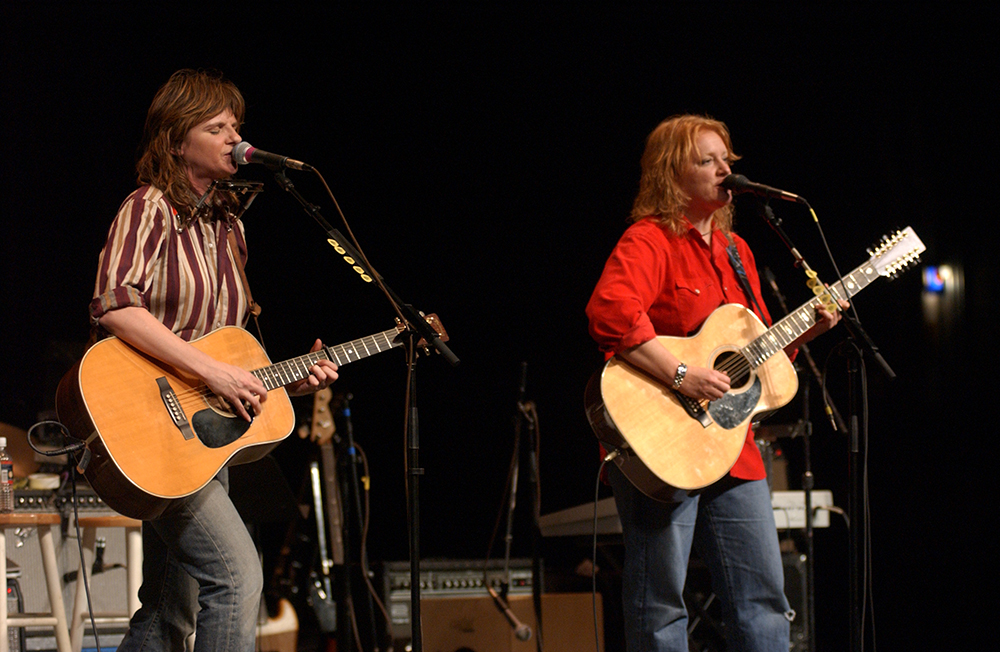
The Indigo Girls perform on Mountain Stage. Photo by Brian Blauser.
It’s that attitude of never feeling above anyone or anything that has helped Mountain Stage to excel and have the lasting legacy that it does. It captures its home region of West Virginia and Appalachia better than most any other music-related program does, both in sound and in sentiment. It’s the latter that’s arguably been the biggest asset in attracting bigger names as the show taps into the majestic mountains around them.
“There’s many different kinds of people that live in Appalachia, but one thing that’s really bedrock is supporting one another, and that shows with Mountain Stage and how they put the program on,” reflects O’Brien. “It’s intimate and friendly, just like the state.”
Photo Credit: Tim O’Brien Band performing on Mountain Stage by Chris Morris; Molly Tuttle performs on Mountain Stage by Josh Saul.
Music is so colorful, whether the lyrics have actual color words, carry a deeper meaning, are just stylistically vibrant, or paint a mental picture without using words at all. Music is meant to reach down and touch your soul in all kinds of ways, evoking special emotions and calling to mind familiar times.
As a songwriter, it’s always my goal to be able to create such colors for listeners and these songs are some of my absolute favorites when it comes to all of the above. Each one has made a huge mark on me through my music journey, adding to my palette of influence and helping me see more the beauty of this art. – Carley Arrowood
“Shadows” – Tony Rice
When my husband and I first started talking, I went to see his band The Trailblazers perform. It was a sweet evening of music, seeing some of my old friends, meeting his family, and of course getting to visit with him. I went home with a CD and played it endlessly in my Jeep Liberty. “Shadows” was in the mix, and I just remember loving hearing him sing it. Fast forward two and a half years, and he’s singing it to our little girl.
Gordon Lightfoot had such a way with words. This is one of those songs where you can just picture your surroundings, and the one you love.
“Fall Creek Falls” – Jim VanCleve
Jim has always been a huge fiddle influence of mine and when I first heard this song, my heart just leapt at the minor [chords] walking to the majors. “Fall Creek Falls” is a bucket list place to visit, but with the progression of the music I can just picture a beautiful waterfall, maybe turning into a big rushing river with all its twists and turns. The musicianship on this track is just incredible.
“Daylight” – Alison Krauss & Union Station
“Daylight falls … Safe in shadow, it’s never as dark as the daylight.” Honestly though, how true is that? This is such a sweet poem full of vibrant imagery. It offers contemplation of realizing and learning that you have to be yourself in life and not try to be someone you’re not, as scary as that can be. Sometimes the dark is way more comfortable, as no one can see your flaws or mistakes, but when you bring it all to the daylight you realize everyone is just the same. “I see it’s safer to connect to the daylight.” My sister and I grew up listening to Alison, and this one was always a favorite.
“Redbird” – Cadillac Sky
Dang, I love this song. These guys were so influential to my sister and I – and her husband, who plays bass in my band. My dad also really loves this song! We all used to sing it in the car together, each grabbing a different harmony part. There were only two in the original recording, but Autumn would add in the tenor for a cool extra layer.
“Redbird” tells the story of heartache turned to hope, as the singer declares, “You can burn me down to ashes, bury me beneath your clay / But I’ll rise again like Lazarus, and live to love another day.” I love how you can feel the hurt and frustration of the lyrics in the solos. I had the absolute privilege of playing with Matt Menefee for a couple years when I was touring with Darin and Brooke, and I asked him one time, “Do you remember any of your solos from Cadillac Sky?” hoping he’d just go off on the one in this song. He just kinda laughed and answered, “Nope!” So that tells me he was just crushing some improv in the studio. So, so good!
“God of All My Days” – Casting Crowns
I listen to this song whenever I feel burdened by the weight of the world, or even just by the weight of my to-do list for the day. It reminds me that everything I do has a purpose from the Lord and He is over it all, and that when “my seasons change, [He] stay[s] the same.” I’m reminded that there’s nowhere else for me to find comfort when all else fails. He’s the God of all my days.
“Colors” – Carley Arrowood
I’ll stick this one right here, because it goes with the theme of the last song. When my husband and I wrote “Colors,” we were sitting in our living room watching a gorgeous sunset glisten through our windows. It’s amazing just how much more this song has come to mean to me personally since I wrote it. I had a friend in mind who was dealing with a lot of anxiety while we were writing it, and while it wasn’t directly written to her, she stayed on my mind throughout the process. And when she came out of her anxious state victorious, she said the song really spoke deep. “Colors” is just a reassurance that whatever we are going through, the Lord means for our good and His glory, even though we may not understand it in the present thick of it.
“Harvest Sky” – Nick Dumas
My buddy Nick wrote a killer instrumental jam that paints a gorgeous Wisconsin sunset! I’m so glad he asked me to play fiddle on this. Let your mind run wild with this one!
“Two Boys from Kentucky” – Randy Kohrs
The Brother’s War, families split between blue and gray, the tragic shades of our American story. Randy’s writing in this kills me every time, especially with what happens – lyrically and musically – “while the cannon fire rang down.” It’ll move you to tears as the story progresses.
“Space and Time” – The Trailblazers
In 2020 the Trailblazers (my husband’s band) came out with a stellar album of progressive bluegrass originals and covers, and the title track, “Space and Time,” is one that sticks after you hear it. Flooded with colorful imagery, the song follows a contemplative traveler through weary lands who longs for a perfect home. It’s one of my favorite songs on this album, and no, not just because my husband wrote it! 😉 It’s been sweet to see his growth as a musician and writer since we’ve been together.
“Chasin’ Indigo” – Carley Arrowood
I added this one off my new album, Colors, just because of the fun color language! Daniel and I wrote this from our love of sunset watching, and we hope it encourages you to pick your head up from your work and enjoy time with your loved ones. We’re not promised tomorrow, so chase today’s colors to the very end.
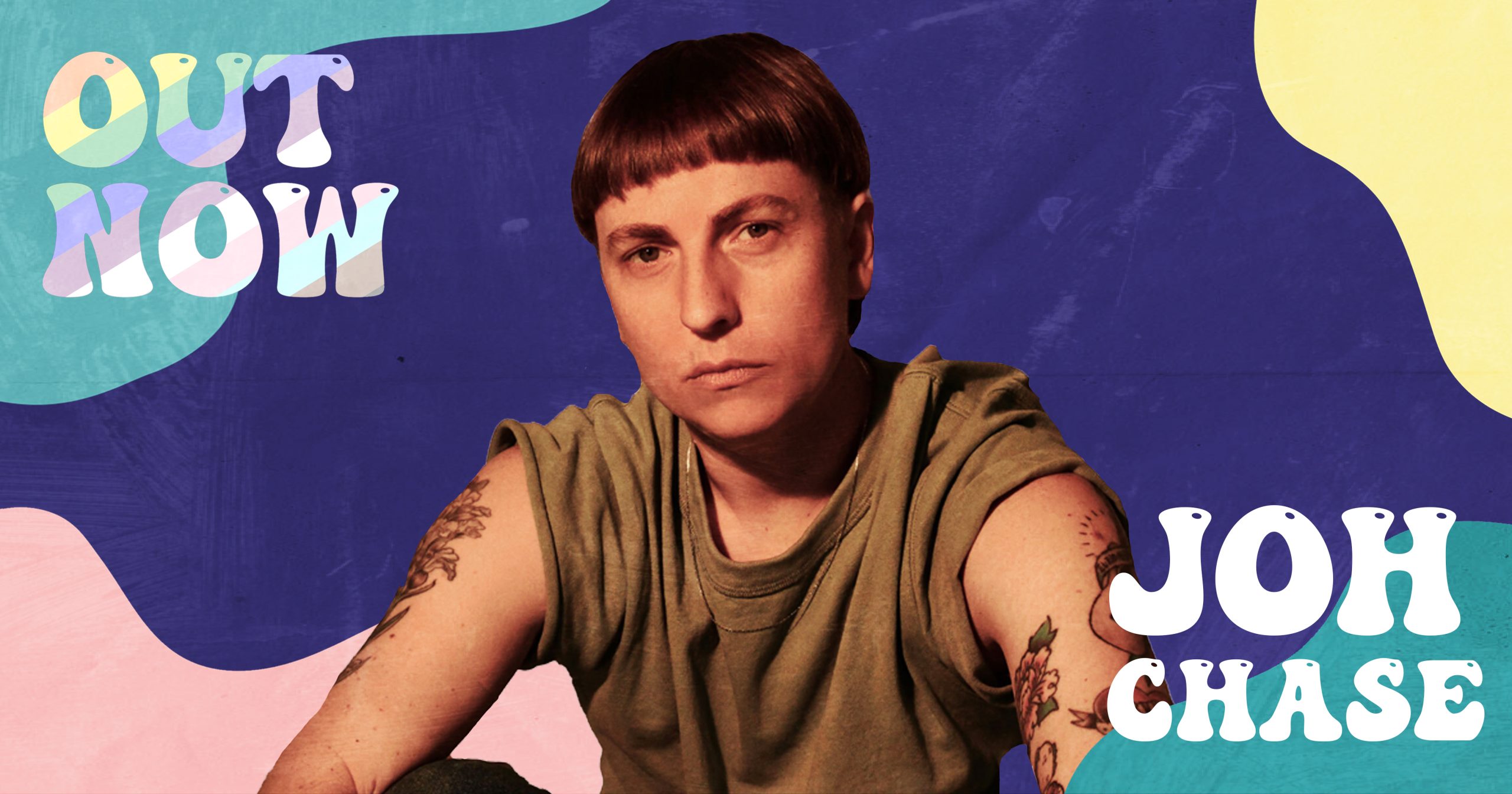
This week, we’re excited to feature Joh Chase in Out Now. Joh is an artist from Seattle, Washington now rooted in Los Angeles, California. They’ve spent the past two decades developing their craft as a songwriter and performer and they’ve opened for artists like Noah Gunderson and David Bazan. Joh’s music steps outside the lines of any single genre and blends influences of blues, folk, pop, and indie rock.
Joh Chase’s brand new album, SOLO, was released today. It features diverse sounds, intimate lyrics, and an exploration of love, loss, self-discovery, and independence. Our conversation touches on why they create music, their greatest fear, and their process of self-funding tours and crowdfunding albums.
Why do you create music? What’s more satisfying to you, the process or the outcome?
I create music because I am lucky to have claimed music as something that I do. I just do music as much as humanly possible, because it makes me feel alive and helps me know who I am and how much I love the world and life and others. Both the outcome and the process are satisfying. The payoffs for showing up always feel rewarding, but the long game reward of gaining muscle memory around showing up when it feels like the last thing you wanna do, is its own kind of reward.
Do you create music primarily for yourself or for others?
I’m very “Oliver Sacks” about music. I unabashedly create music for selfish reasons – coping, pleasure, and connection. And then I love playing music for people or hearing the music of others because everyone has a “secret public song space” in their bodies and minds and they want to be there as much as possible.
Your songs cover a wide range of genres with traces of blues, pop, folk, and indie rock influences. How do you navigate genre diversity while maintaining a cohesive sound throughout the album?
I think the genre diversity and how that comes across in the different sounds is a reflection of the kinds of music I used to make and the sounds that have stuck with me throughout the years. Using the baritone saxophone, finding a way to express some soul music as well as some Americana licks amongst folky tunes indie folk/rock sounds are endemic to my musical expression. Over the years people have said, “Oh your voice would sound good singing… country, bluegrass, blues, soul…” and in this record I found a way to fit the genres to my voice, a bit. The surprising Flaming Lips-sounding party that is “Daniel” or the more jammy “Smoother” with its less Western sounding scale, are consequences of me feeling 100% happy with creating and releasing music that genre melds, as opposed to making sure I stay in some sort of shape, genre-wise.
The lead single, “Avalanche,” is both explosive and personal. What is the inspiration and significance of this track?
I honestly cannot remember the exactitude of where or when I wrote “Avalanche.” It was in the same set of songs as “Gone” when I first wrote it, but I can’t remember that session as well as I can remember the writing of “Gone.” The song centers itself around the powerful polarity of belonging and loss. Love is not just the “hot fire sex flame” of pop bangers, but also the unexpected mountain shelf of love that you didn’t know you had until it was gone.
This album, SOLO, reflects your do-it-yourself perspective as an artist. Could you share the challenges and rewards of self-funding tours and crowdfunding projects?
One of my favorite books that I was reading around the time that I decided to do the crowd funding that led to this record is the book Real Artists Don’t Starve. The book inspired me to go back to school while I was making this record. The record business is tough and very uncontrollable, but I will never stop making music. So it’s not a question of “do I want to keep making music”, but rather how and at which costs? I think some artists or bands are in a place where they feel comfortable sharing the financials of their music business with fans and some do not for many valid reasons. I feel comfortable sharing with my fans, I need $x to do this, will you help me make it happen. It’s much more acceptable now to have folks follow your Patreon or Substack or subscriptions than it was, so I feel grateful that there are things like Kickstarter and Patreon etc.
What would a “perfect day” look like for you?
Eating a Berliner from Black Forest Bakery in Los Feliz with my coffee, going home to the studio and making music or playing out with my band.
What’s your ideal vision for your future?
I’m sitting behind some tape machine or TEAC-2A, coming up with my next record and building more beautiful songs. I’m walking my dog and going to queer line dancing and the LA women’s soccer games with my city and then touring and meeting wonderful people and getting to play music for them. Definitely going back to Europe for more shows – I’d really love to do that.
What is your greatest fear?
My dog dying when I’m on tour.
What’s the best advice you’ve ever gotten?
Get pet insurance.
What is your current state of mind?
I’m so deeply excited about playing these new songs for people this year and for people to hear this record. I couldn’t sleep last night after doing my taxes, ’cause I was so buzzed from the band rehearsal.
Who are your favorite LGBTQ+ artists and bands?
Brittany Ann Tranbaugh. Brennan Wedl. Bitch. Melissa Ferrick. Perfume Genius. Hand Habits. Sasami. Rhett Madson. Rachel Mazer. Ryan Cassatta. Brittany Howard. Sinead O’Connor. Jonnie Reinhart. Hurray for the Riff Raff.
For anyone reading this who might not be out of the closet, were there any specific people, musicians, or resources that helped you find yourself as a queer individual?
Willie Nelson’s “He Was A Friend of Mine” – I think struggling to come out of the closet or living in it or the aftermath of coming out revolves around loss of community and friendships. Nelson’s version of this song helps me still deal with some of the sadness around that loss. I was lucky enough to get sober and it was through the 12 step community that I met lovely, strong, vulnerable queers in LA who showed me the beauty and joy of what it’s like to be out and to be sturdy in your own way. I’m also spoiled with LA’s LGBT center – it’s an incredible organization with so many resources and events. Find the queers you want to be when you grow up. And then be the queer you want to be when you grow up.
What does it mean to you to be an LGBTQ+ musician?
I think it means that my music gets to be a safe LGBTQ+ place. That my shows and my music centers the queer experience.
What are your release and touring plans for the next year?
After touring this summer to promote the record on the West Coast, I’ll head east later in the year and jump into some Folk Alliance conferences. No release plans on the radar yet after SOLO.
How do you find a balance between the business and artistic aspects involved in your career as a musician?
I honestly don’t totally know. It’s intuitive and chaotic and intentional and has been part of my personality or my way of life for so long, now, that I don’t know if I can pinpoint one precise center of gravity. I have to protect my creative time, nurture my playfulness in life, let myself ditch friends or ditch overworking or ditch over-cleaning to let those creative moments remind me of who I am. I am lucky to have a manager, a team at Kill Rock Stars and friends who support me and my music. Inside of community, the glaring nature of the music industry is dulled out quite a bit.
Are you excited for new music Friday? With our slate of premieres this week, we certainly are! AJ Lee & Blue Summit bring us the first track from their just-announced album, City of Glass (coming in July), old-time, folk, and Americana supergroup New Dangerfield have released their very first music together, and banjoist Tray Wellington (also of New Dangerfield) is dropping a new instrumental today, as well!
Plus, don’t miss Australian-via-Nashville country artist Wesley Dean and his new video for “Mercy” and you’ll also find Jacob Jolliff Band’s new number, “Los Angeles County Breakdown,” which premiered on BGS yesterday.
It’s all right here and to be totally honest, You Gotta Hear This!
AJ Lee & Blue Summit, “Hillside”
Artist:AJ Lee & Blue Summit Hometown: Santa Cruz, California Song: “Hillside” Album:City of Glass Release Date: July 19, 2024 Label: Signature Sounds
In Their Words: “The song ‘Hillside’ is sung from the perspective of a hill that is being eroded by weather and chipped by the tools of man. Still, the hill aspires to become a mountain and refuses to give in to the bombardment of forces. The last line in the chorus is, ‘… A thousand years don’t mean a thing to the stone cold hill that you call me,’ which I wrote with the idea that I will have confidence in myself no matter who tries to tear me down. I feel like I am becoming an immovable mountain that has been birthed out of proving my resilience. This song represents women empowerment, resilience, and strength.” – AJ Lee
Track Credits:
Written by AJ Lee Produced by Lech Wierzynski Mixed and engineered by Jacob LaCally Mastered by Paul Blakemore
New Dangerfield, “Dangerfield Newby”
Artist:New Dangerfield (Jake Blount, Kaia Kater, Tray Wellington, and Nelson Williams) Hometown: Providence, RI; New York City, NY; New Orleans, LA; Raleigh, NC Song: “Dangerfield Newby” Release Date: April 26, 2024 Label: Distributed by Free Dirt Records
In Their Words: “I learned the tune we call ‘Dangerfield Newby’ from Eddie Bond close to a decade ago. He called it by the name ‘Old Sport,’ but told us that it was alternatively named ‘Dangerfield’ after one of John Brown’s raiders. I performed on John Brown’s farm last summer and had the opportunity to visit the grave he shares with his sons and several of his raiders — including the Black ones. I learned that Dangerfield was Black from his gravestone. The string band tradition has been honoring a Black freedom fighter all this time – who knew? I brought the tune to the band, since these are the stories we want to tell.
“Inspired by Dangerfield’s dedication to his family and community and his drive for freedom, we decided to put his full name on the tune. Thus, ‘Dangerfield Newby’ was born! We chose our band name, New Dangerfield, as an homage just a few days later.” – Jake Blount
Tray Wellington, “Blue Collared Dog and His Green Eyed Friend”
Artist:Tray Wellington Hometown: Raleigh, North Carolina Song: “Blue Collared Dog and His Green Eyed Friend” Release Date: April 26, 2024 Label: Mountain Home Music Company
In Their Words: “One late night while doing some paintings, we ended the night with two different ones. One featured a dog with a blue collar, and one featured a cat with bright green eyes. I thought about how, if I was still a kid, I would’ve created a whole story within these paintings of how these two were friends and journeyed the world together. Shortly after this thought, I picked up my banjo and just did some improv which ended up being the start of the tune. I just kept going and finished the tune in that improv session, remembered what I could, and recorded it right away. I was amazed at how such a simple thought could help me create a piece of music I’m so proud of.” – Tray Wellington
Artist:Wesley Dean Hometown: Nashville, Tennessee (by way of Australia) Song: “Mercy” Album:Music From Crazy Hearts Release Date: April 26, 2024
In Their Words: “While I was traveling around the country last summer on my Crazy Hearts Across America tour, we shot different music videos for the album in different cities. Where else is better than the neon psychedelic lights of Las Vegas for ‘Mercy?’ It suited the music and the vision. We shot up and down the strip outside the famous Flamingo casino one night and then built the rest of the video around that footage.
“Jacobie Gray, my director, wrote the treatment for the redemption story and then we filmed the rest of the video at a bar and old church in Nashville and a cemetery outside of town. I’ll never forget the night when we filmed with the gospel choir, it’s such a dream to sing with those guys, and it was one of the first visions I had before Crazy Hearts was born, ‘Mercy’ being the first song I wrote for the record. And being out in the cemetery in the middle of the night was another experience I’ll hold close from making this video. An Amish horse and cart rode past in the darkness while I was looking up at the stars smoking a cigar and it was so surreal. You wouldn’t experience that in Australia.
“My main cinematographer, David Bradley, who also edited and colored the video, really delivered on that psychedelic vibe I was wanting.” – Wesley Dean
Jacob Jolliff, “Los Angeles County Breakdown”
Artist:The Jacob Jolliff Band Hometown: New York City, New York Song: “Los Angeles County Breakdown” Album:Instrumentals, Vol. 2: Mandolin Mysteries Release Date: May 24, 2024 Label: Adhyâropa Records
In Their Words: “‘Los Angeles County Breakdown’ is the first tune we started arranging for Mandolin Mysteries. I taught it to the group while we were in LA, on the last show of our last tour before the lockdown in 2020. So I had these demos of us playing the working version that I listened to and was excited about for a couple years before we finally got the chance to finish the arrangement and perform it live. It’s a sprightly little number with a lot of different influences — I like that it features a nice section for the fiddle and guitar to stretch out on. Hope you enjoy it!” – Jacob Jolliff
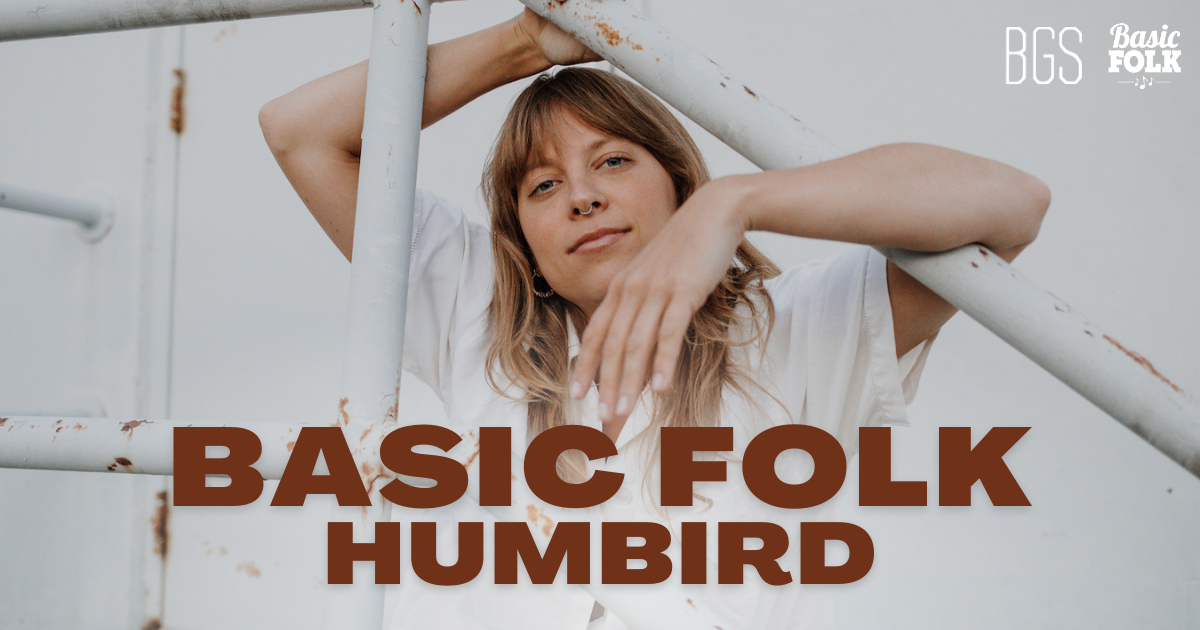
Siri Undlin, better known as Humbird, is a talented singer-songwriter from the Twin Cities with deep roots in Minnesota music and the land that surrounds her. Growing up, she was a true cold-weather kid who loved hockey during winter, but also loved music and feeding her vivid imagination. Her interest in music was nurtured by her parents, religious music, church choir, and also her Aunt Joan, who taught Siri guitar at age 12. Hockey actually led her to her first band, Celtic Club, which would play at Irish Pubs, talent shows, and of course, at the local hockey rink. They introduced her to Celtic music and her first live performances.
In this episode of Basic Folk, Undlin shares her rich experience studying folklore and fairy tales, which greatly influence her musical journey. She discusses her intensive research in Ireland and Nordic countries, exploring how music intertwines with storytelling traditions.
Throughout the episode, Undlin reflects on her upbringing, her time at an art school, and her evolving approach to songwriting, blending traditional folk music with indie music and experimental sounds. On her new album, Right On, Siri is acknowledging and addressing white supremacy in middle America, as highlighted in her song “Child of Violence.” She talks candidly about what writing and releasing the song taught her about white supremacy. Touring has provided Undlin with unexpected challenges and valuable insights, shaping her perspective as a musician and performer. We talk about the importance of being open to chaos and disciplined in one’s mindset while navigating the music industry and life on the road.
We all grew up in rural Ireland in small communities in the midlands around County Offaly and County Tipperary. From a young age we were brought up with traditional Irish music, learning the tunes and playing in local sessions. Bluegrass was never a part of our musical upbringing, however, little did we know how strong the relationship between Irish and bluegrass music is. Our band JigJam was formed in 2012 and over the years we developed a sound which captures the crossover between these musical genres.
The creation of bluegrass music and its development over the years is heavily influenced by Irish music. When the Irish people emigrated to North America years ago they brought their music and culture with them, which you can hear within bluegrass music from tunes, melodies, and songs.
We released our new album, Across The Pond, on March 1st of this year. The theme of Across the Pond is to creatively celebrate the deep connection between Ireland and North America through newly composed material that is a dynamic fusion of bluegrass, old-time, and Irish traditional music. By also including traditional tunes and songs which are popular amongst the people from both Irish and American traditions, we added their voice to this transatlantic conversation. This album has been inspired and composed on themes of immigration, nostalgia, cultural difference, and cultural amalgamation. It views the immigrant experience through the lens of pre-immigration, the journey of immigration itself, and their lives upon having settled in North America.
This is our Irish Bluegrass Mixtape, hope you all enjoy! – JigJam
“Good Ole Mountain Dew” – JigJam
Here’s our version of the bluegrass standard, “Mountain Dew,” that we put our own spin on. There’s a similar Irish song called, “The Rare Old Mountain Dew.” It’s about the same subject – “Good Old Mountain Dew” is obviously about moonshine. What we call the “mountain dew” at home is poitin, which is Irish moonshine.
We took some of the lyrics of that song and put it into our version and also wrote our own lyrics based on where we come from. We took the instrumental tune from “Rare Old Mountain Dew” and put it in “Good Old Mountain Dew” while also adding in a bit of Irish lilting. It’s a mashup of both cultures in one song!
“Classical Grass” – Gerry O’Connor
When I was young and first learning how to play the tenor banjo one of my musical heroes was Gerry O’Connor. I was always mesmerized by the speed and precision of his banjo playing. The first time I saw him in concert was at a banjo festival in Ireland called Johnny Keenan Banjo Festival. He was sharing the bill with Earl Scruggs and his band. As a 12-year-old Irish boy, I had no idea who Earl Scruggs was at the time. Little did I know the influence he (Earl Scruggs) would have on my music and JigJam’s music in years to come, when we discovered what bluegrass was and where it came from!! In this track from Gerry, he shows his bluegrass influence himself with pristine crosspicking along with his renowned clean triplets, which was always a favourite of mine growing up.
“Colleen Malone” – Hot Rize
“Colleen Malone” is one of our favorite songs that Hot Rize recorded. Here’s a great live version from their Hot Rize’s 40th Anniversary Bash album. A lovely song co-written by Leroy Drumm and Pete Goble about an Irish girl, Colleen Malone.
“Tennessee Stud” – The Chieftains
In many ways The Chieftains paved the way for Irish bands touring in America and that is something for which we’ll always be incredibly grateful. Their album, Down The Old Plank Road: The Nashville Sessions, paints a vivid picture of the crossover between between the Irish and American music traditions.
“B/C Set” – Beoga
Beoga are an Irish trad band who we all listened to as kids growing up. They were known for thinking outside the box and being ahead of their time as regards arrangements. The second tune in this set is “Daley’s Reel,” which I only realized in recent years when I heard some of the great bluegrass players like Bryan Sutton and Aubrey Haynie playing it. Beoga have a very unique version of “Daley’s Reel,” played on two button accordions and accompanied by piano, bodhrán, and even brass near the end of the track. Certainly a fun one to listen to!
“Streets of London” – Tony Rice
This is one of my favourite songs sung by Tony Rice. “The Streets of London” is a very popular song in Ireland and has been covered by many Irish artists. Written by English songwriter Ralph McTell, I learned this song from the playing of the great Liam Clancy of The Clancy Brothers, Irish powerhouses. I only heard Tony Rice’s version in recent years when I delved into bluegrass guitar playing and I loved it straight away. Tony Rice’s rendition is beautiful as he incorporates his flawless bluegrass crosspicking and signature approach to this classic.
“Water’s Hill” is a song off our new album, Across The Pond. The lyrics were written by Ken Molloy as he tells the story of a couple falling in love together and marrying on water’s hill, a mound near Tullamore in County Offaly. The music is by Jamie McKeogh and Daithi Melia along with an old traditional Irish reel that is incorporated into the middle of the song. “Water’s Hill” features a driving Scruggs-style 5-string banjo part along with a strong mandolin backbeat, fiddle counter melodies, and rhythmic acoustic guitar which creates the JigJam sound, capturing the crossover between Irish and bluegrass music.
“Forty Shades of Green” – Rosanne Cash and Paul Brady, Transatlantic Sessions
The Transatlantic Sessions is an amazing platform for the collaboration of Irish and bluegrass musicians. With the likes of Jerry Douglas, Aly Bain, Mike McGoldrick, and many more, this project has wonderfully captured Irish and bluegrass crossover for years. I could have chosen many songs from their repertoire, but I went with this one. It’s “Forty Shades of Green” from the legend that is Johnny Cash. Here, it’s being sung by his daughter Rosanne and Irish singer-songwriter Paul Brady, backed up by the Transatlantic band.
“Sally Goodin / The Blackberry Blossom” – Gerry O’Connor
Gerry O’Connor from Co. Tipperary is the reason I began to play the tenor banjo and he has always been a musical hero of mine – his music still inspires me to this day. This set showcases his skill set, pickin’ on these classic bluegrass fiddle tunes.
“Battersea Skillet Liquor” – Damian O’Kane, Ron Block
One of my favorite tracks off one of my favorite albums. I always loved the groove in this track and of course the playing from this star-studded crew of players always leaves me feeling inspired.
“Bouli Bouli” – JigJam
This set combines the traditional Irish jig, “The Miller of Glanmire,” with the bluegrass fiddle tune, “Big Mon.” It showcases the dynamic and genre fluid nature of JigJam through seamlessly traversing both traditions while highlighting each instrument’s capabilities. We’ve been having a lot of fun playing this one live!
“On Raglan Road” – Dervish & Vince Gill
I always enjoyed this song being performed by the great Luke Kelly from The Dubliners and recently came across this beautiful version of Patrick Kavanagh’s “On Raglan Road” by the legendary Dervish featuring the iconic vocals of Vince Gill.
“The Stride Set” – Solas
I love this set by Solas from their album, The Words That Remain. We are influenced by their creative way of arranging Irish tune sets. I love the addition of the 5-string banjo featured on this track.
“Did You Ever Go A-Courtin’, Uncle Joe” – The Chieftains
Here’s a mighty set from The Chieftains’ live album, Another Country. The crossover between Irish and American genres is great here with a medley of American songs and Irish tunes and also featuring a 5-string banjo. With a great lineup of The Chieftains with Chet Atkins, Emmylou Harris, Nitty Gritty Dirt Band and Ricky Skaggs.
“County Clare” – New Grass Revival
New Grass Revival are one of our biggest influences as a band. Béla Fleck is one of the reasons why I fell in love with the 5-string banjo and started to learn ‘Scruggs style’ while delving into the bluegrass world. Here’s his great instrumental “County Clare,” which Béla wrote inspired by his time spent in Ireland.
You’ve reached the end of the week and we’ve got your soundtrack to take you into your weekend! This Friday, we’re showcasing premieres from indie folk singer-songwriter Malena Cadiz, from our old friends the Barefoot Movement, and Steven Keene gives a Woody Guthrie classic a new spin. Plus, Norwegian-via-Louisiana country artist Rainy Eyes takes us on a road trip down the “Lonesome Highway” and Darin & Brooke Aldridge bring a new lyric video for “Same Ole New Love.”
Don’t miss the conclusion of our Rootsy Summer Sessions series, too, featuring roots duo Violet Bell and special guest Emily Scott Robinson. Scroll for more, because You Gotta Hear This!
Malena Cadiz, “Getting By”
Artist:Malena Cadiz Hometown: Los Angeles, California Song: “Getting By” Album:Hellbent & Moonbound Release Date: October 20, 2023
In Their Words: “I think of ‘Getting By’ as a love song for the long haul, appreciating that the highs and lows of life that are all part of the beautiful, messy ride. Getting to move through them with the person I love is something I’m really grateful for. My producer, Andrew Lappin, suggested we bring in Lara Somogyi to play harp on the recording. In the live video, Tyler Cash & Jason Abraham Roberts reinterpret that part on keys and guitar. I love how it elevates and brings magic to the unglamorous, scrappy stories of day to day life – lying on the linoleum floor of my kitchen after a long waitressing shift, buying fancy foods with EBT, getting bit by a chihuahua, voicing the feeling that ‘this isn’t where I thought I’d be.’ This whole record is really about that – learning to let go of the expectations we’ve internalized around what and where we “should” be and instead embrace our own paths and our own unique journeys.” – Malena Cadiz
Track Credits:
Lead vocals – Malena Cadiz Bass – Aaron Stern Electric guitar – Jason Abraham Roberts Vocals – Leeann Skoda Drums – Sam Kauffman-Skloff Keys – Tyler Cash
Producer, Music Director, Mixer – Andrew Lappin Engineer – Brittney Orinda Assistant Engineer – Ian Fogarty
Video Credits:Director & Videographer – Audrey McGee Assistant Camera – Haden Cadiz Editors – Thaddeus Ruzicka, Casey Jones, Audrey McGee Hair & Makeup – Bethany Johnson
The Barefoot Movement, “Sarah Jane”
Artist:The Barefoot Movement Hometown: Raleigh, North Carolina Song: “Sarah Jane” Album:Let It Out Release Date: April 19, 2024 Label: Box Monkey Studios
In Their Words:“One of the last times I saw my great grandmother, I took her out of the nursing home to treat her to a manicure. I started rubbing her back while the technician was working on her nails and it must have felt really good, because she uttered this exclamation I’d never heard before: ‘Jump back Sarah Jane!’ The next time I saw her a few months later, she had had a stroke, she didn’t recognize me, and she died soon thereafter, so the Sarah Jane moment was one of my last memories of our time together.
“To some, she lived a rather ordinary, unremarkable life, but to us she was everything. She had an alcoholic husband, who died from complications of a car accident, leaving her to raise their three boys on her own. She worked at the cotton mill in Roxboro, North Carolina her whole life, until she retired. She loved her children, grandchildren, great grandchildren, and great-great grandchildren fiercely, and she made sure we knew it. She also made legendary biscuits from scratch.
“After she died, I was thinking about the life she lived and the phrase ‘Jump back Sarah Jane’ kept coming back to me. I wondered what it would have been like to raise kids through such tumultuous times in the 1940s, when it probably felt like the world was ending. This song is me imagining what a day in the life would have been like from her point of view, navigating a sense of impending doom while knowing that priority number one had to be showing up for her family. She did it well. And there were always biscuits on the table.” – Noah Wall
Video Credit: Workshop Media
Darin & Brooke Aldridge, “Same Ole New Love”
Artist:Darin & Brooke Aldridge Hometown: Cherryville, North Carolina Song: “Same Ole New Love” Album:Talk of the Town Release Date: April 19, 2024 Label: Billy Blue Records
In Their Words:“‘Same Ole New Love’ is an original tune co-written with our good friend Dennis Duff. Dennis brought the idea for this song to the table based on the long standing relationship and bond that he’s always shared with his wife after he noticed the same kind of love between Brooke and I. Through all the ups and downs in life, time and time again, love will always conquer and keep coming back around to that same ole love.” – Darin Aldridge
Track Credits: Brooke Aldridge – Vocal Darin Aldridge – Vocal, mandolin, guitar Mark Fain – Acoustic bass Cody Kilby – Rhythm guitar Jacob Metz – Dobro Samantha Snyder – Fiddle Lynn Williams – Percussion
Artist:Steven Keene Hometown: New York City, New York Song: This World Is Your World Release Date: April 19, 2024
In Their Words: “As one of the first, if not the first true Americana protest songs ever written, Woody Guthrie’s ‘This Land Is Your Land’ was a landmark song that defined Woody and the genre of folk protest music as a whole. It was all about opening the public mind to what was going on in America at the time from a social and economic perspective. Instead of just talking about how great our country is, it was a call to talk about how divided this nation was with its walls of social division and exploitative economic practices.
“The idea behind ‘This World Is Your World’ was to take that important message and relate it within the context of the modern globalized world and to what we are going through right now as a universal society. In many ways, the world is smaller than it was 50 years ago, so I think it’s a song that has so much importance and relevance to what’s going on in the world today, from the threat of international conflict to the need to collectively address global environmental concerns.
“I’m very thankful to the Guthrie family for allowing me to change up some of the words and music and for granting me a co-write with Woody.” – Steven Keene
Rainy Eyes, “Lonesome Highway”
Artist:Rainy Eyes Hometown: Lafayette, Louisiana Song: “Lonesome Highway” Album:Lonesome Highway Release Date: July 12, 2024 Label: Royal Potato Family
In Their Words:“‘Lonesome Highway’ was written over the course of several years, and came about as an attempt to write a short movie in song form. Drawing loosely on inspiration from the personal experience of having to sever ties with toxic family members, and knowing that you can’t always help the people you love. Change has to come from within and sometimes you just have to take that lonesome highway and trust that if you take the leap of faith into the unknown, the universe will catch you.” – Rainy Eyes
Track Credits:
Irena Eide – Vocals, acoustic guitar Dirk Powell – Violin, electric guitar, wurlitzer, accordion Bill Smith – Drums Gina Leslie – Background vocals
Video Credits: Honest Art – Production Syd Horn – Director Olivia Light – Camera Emily Istre – Makeup, hair & stylist Rainey Credeur – Makeup & hair
Rootsy Summer Sessions: Violet Bell
After seven gorgeous and lovely Rootsy Summer Sessions, we’ve reached the final installment of this series with two songs featuring Americana string duo Violet Bell. Shot overlooking the waters of the Kattegat, a bay on the North Sea, you may recognize the golden hour location from our earlier session with Emily Scott Robinson, who makes an appearance with Violet Bell after the North Carolina-rooted band appeared as guests in Robinson’s performances, as well.
Last summer, during Rootsy Summer Fest ’23, the videography team from I Know We Should captured this series of eight sessions in Falkenberg, Sweden featuring more than a dozen performers and nearly twenty individual tracks from Americana, country, and folk artists from across the genre spectrum and from both “sides” of the Atlantic.
Completing the series, Violet Bell – Lizzy Ross and Omar Ruiz-Lopez – first perform “Fisherman’s Daughter,” a fantastic story song from their critically acclaimed 2022 album, Shapeshifter.
Photo Credit: Malena Cadiz by Stefanie Parkinson; Barefoot Movement by K Hammock Photography.
This website uses cookies to improve your experience. We'll assume you're ok with this, but you can opt-out if you wish.AcceptRejectRead More
Privacy & Cookies Policy
Privacy Overview
This website uses cookies to improve your experience while you navigate through the website. Out of these, the cookies that are categorized as necessary are stored on your browser as they are essential for the working of basic functionalities of the website. We also use third-party cookies that help us analyze and understand how you use this website. These cookies will be stored in your browser only with your consent. You also have the option to opt-out of these cookies. But opting out of some of these cookies may affect your browsing experience.
Necessary cookies are absolutely essential for the website to function properly. This category only includes cookies that ensures basic functionalities and security features of the website. These cookies do not store any personal information.
Any cookies that may not be particularly necessary for the website to function and is used specifically to collect user personal data via analytics, ads, other embedded contents are termed as non-necessary cookies. It is mandatory to procure user consent prior to running these cookies on your website.