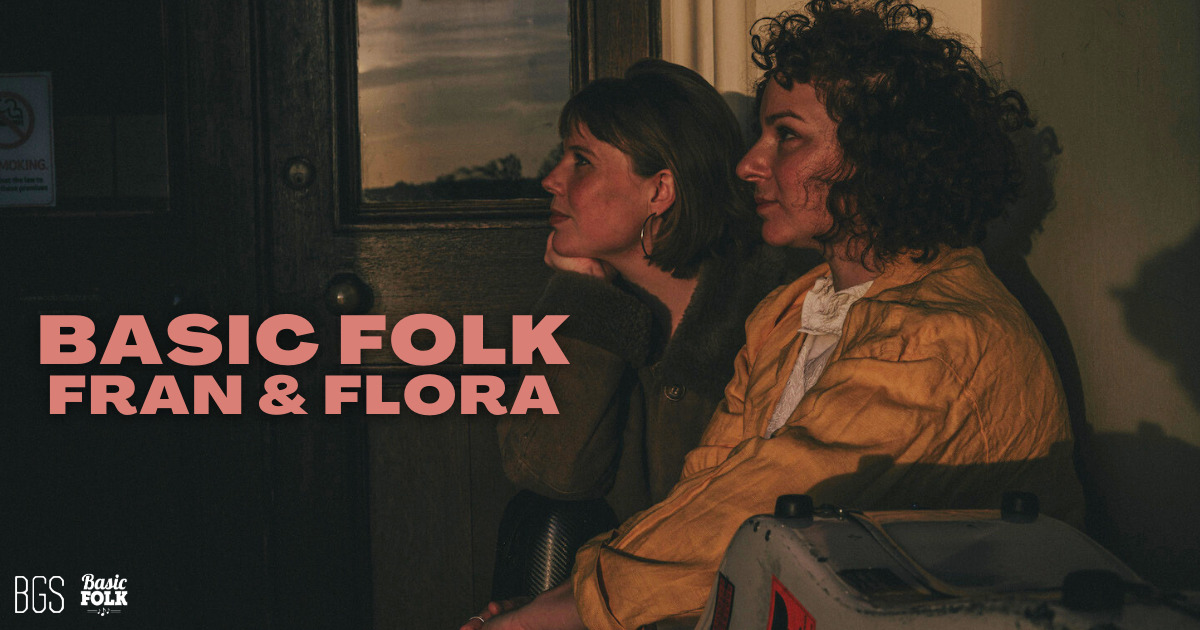
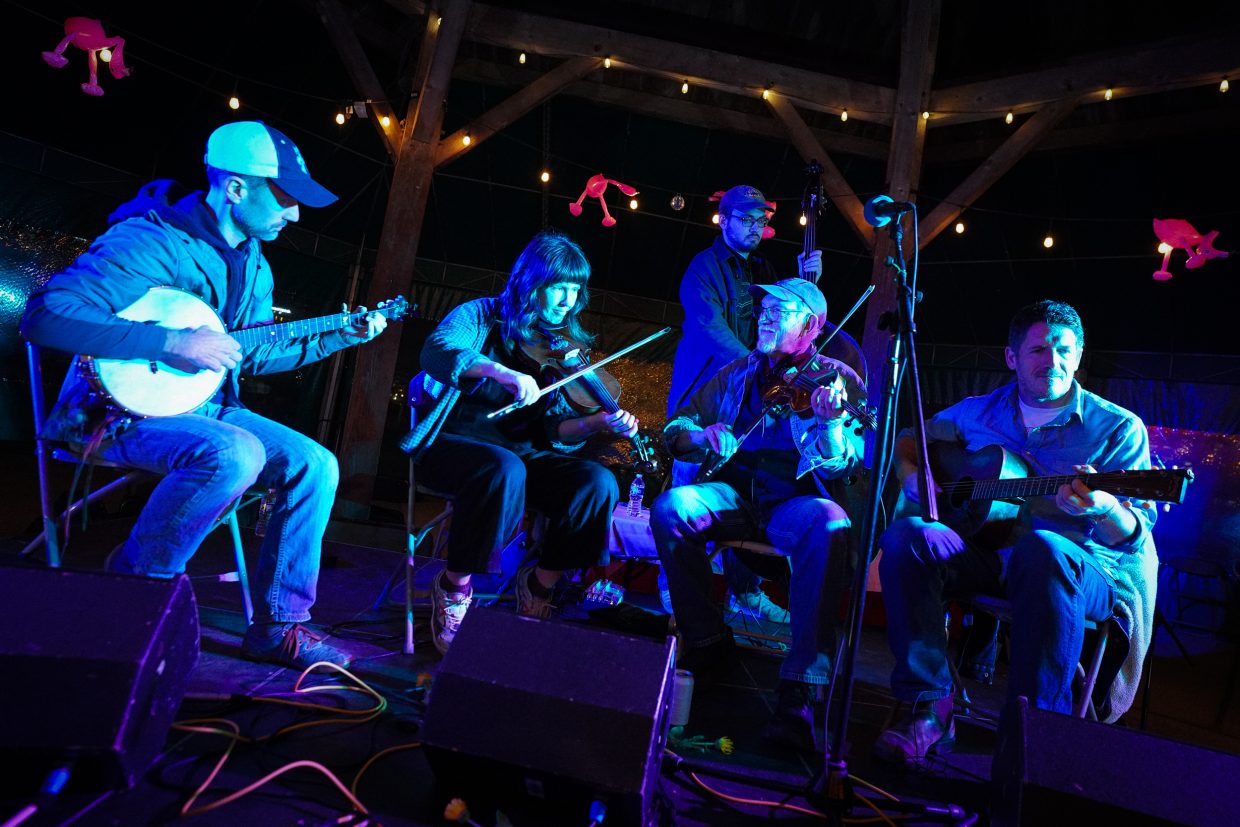
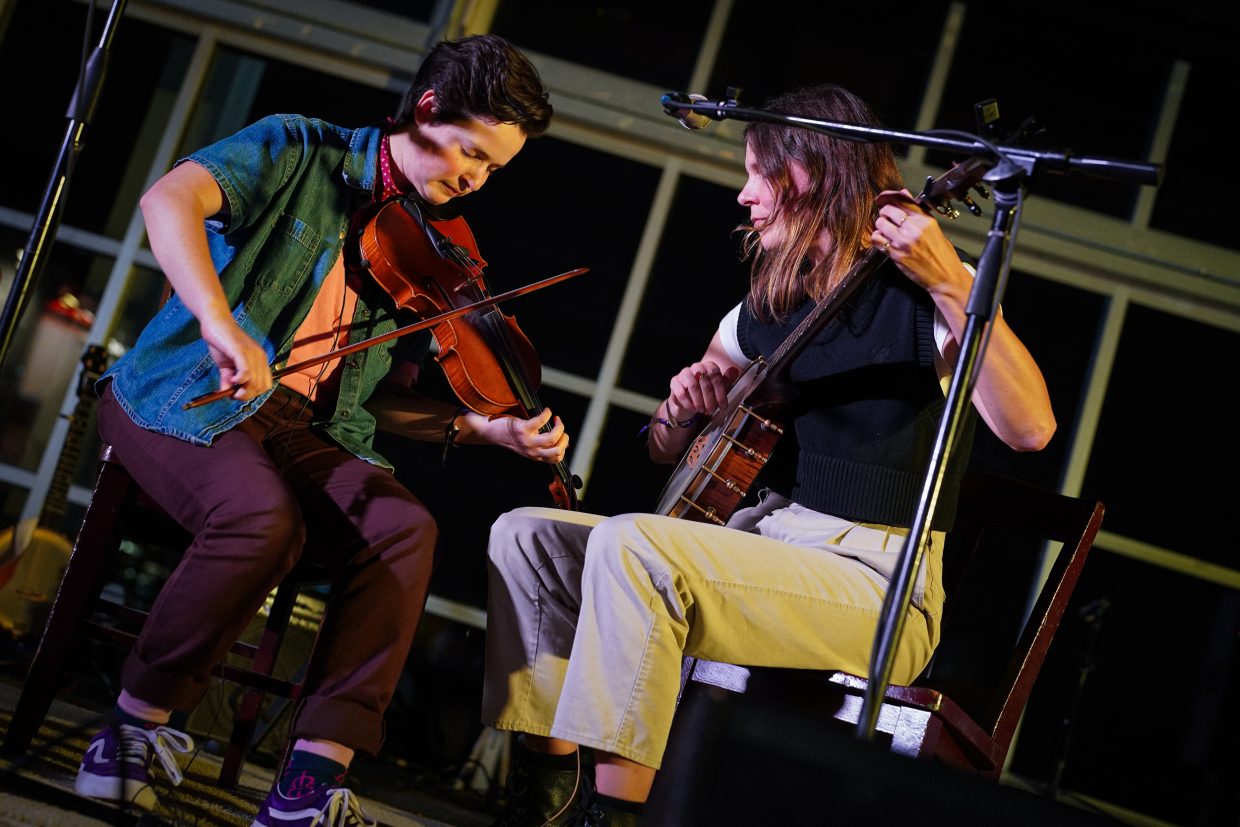
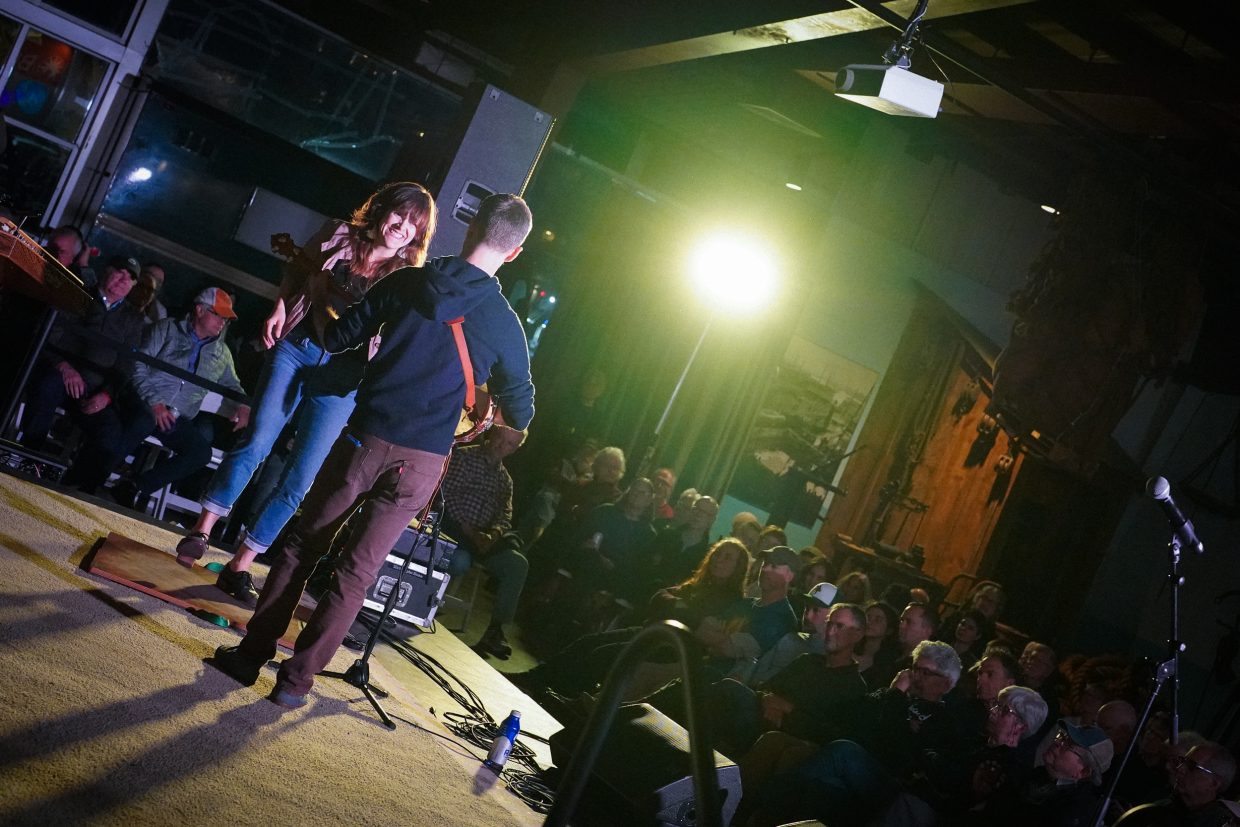
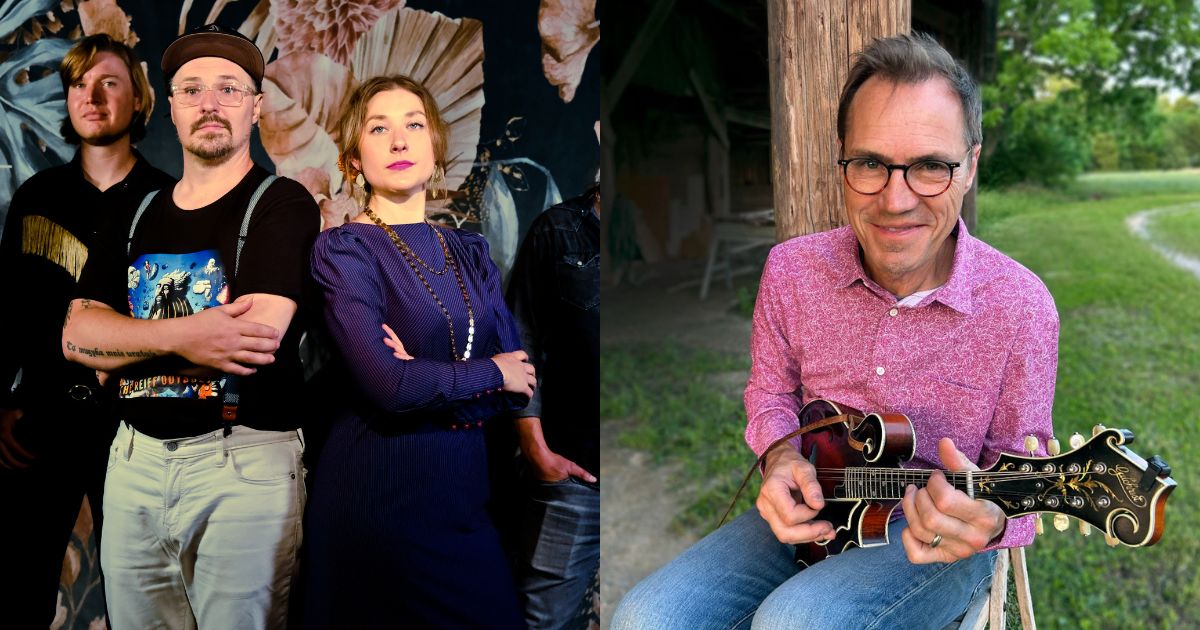
Two long-time collaborators, cellist Francesa Ter-Berg and violinist Flora Curazon, Fran & Flora, have bonded over their obsession with ancient music, rooted in Eastern European and Jewish culture, for over a dozen years. Together and separately, the English musicians have been studying with teachers of ethnomusicology in places like Transylvania and Romanian. There, they took in the music as well as the cultural influences. That’s not to speak of their higher musical education, Francesca holds two masters in music (including in contemporary improvisation from the New England Conservatory of Music) while Flora trained at the Royal Academy of Music, London. They break down the benefits of each learning style and how it impacts their creative process. They also get into their love of klezmer music and the importance of portraying cultural heritage while remaining modern.
We also talk about how as female musicians, they are expected to do absolutely everything and excel at it while people still talk about whether or not you smile on stage. They share “There’s a very deep thing in there that has affected our choices as a band in order to keep it safe and healthy within ourselves.” Their latest album, Precious Collection, features a couple of original tunes, but it’s mostly new and unique arrangements of traditional Klezmer and Yiddish songs. Don’t sleep on the smokey translation that Flora shares of the song “Little Bird” and stick around to learn who is the better roommate. All in all, great conversation with wonderful people who create bonkers music that’s rich in tradition and layers.
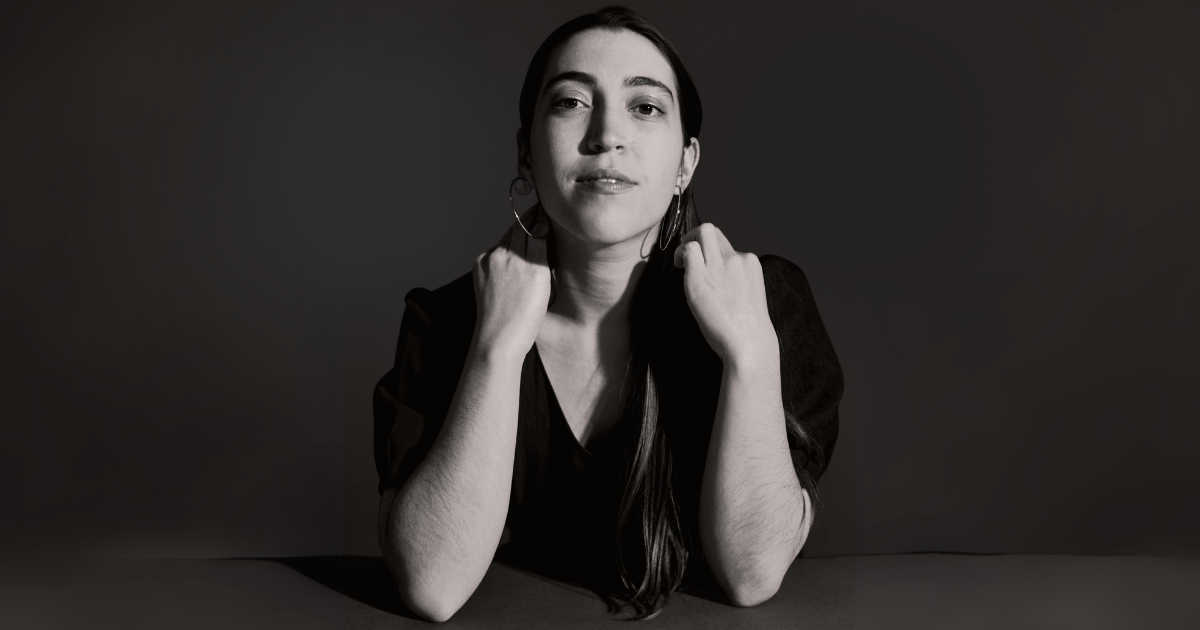
Artist:Alisa Amador Hometown: Boston, Massachusetts Song: “Heartless Author” (featuring Madison Cunningham) Album:Multitudes Release Date: June 7, 2024 Label: Thirty Tigers
In Their Words: “Alisa has so much poise, playfulness, and honesty in her writing, with the most velvet voice. It checks so many boxes for me. I loved getting to sing and play guitar on this song.” – Madison Cunningham
“I love this song. I love it because it acknowledges all of the uncertainties and pain of life and it shines compassion on all of it. ‘It’s okay not to know.’ It was such a joy to sing this one with Madison Cunningham. She learned it right then and there in the studio, and her voice says so much.” – Alisa Amador
Track Credits: Written by Alisa Amador and Zia Amador Produced by Tyler Chester, Daniel Radin, and Alisa Amador Recorded by David Goucher, Tyler Chester, Daniel Radin, and Dave Brophy at Paperchaser Studio in North Hollywood, Brighton Hills West Studio in Watertown, and Studio Solitaire in Somerville
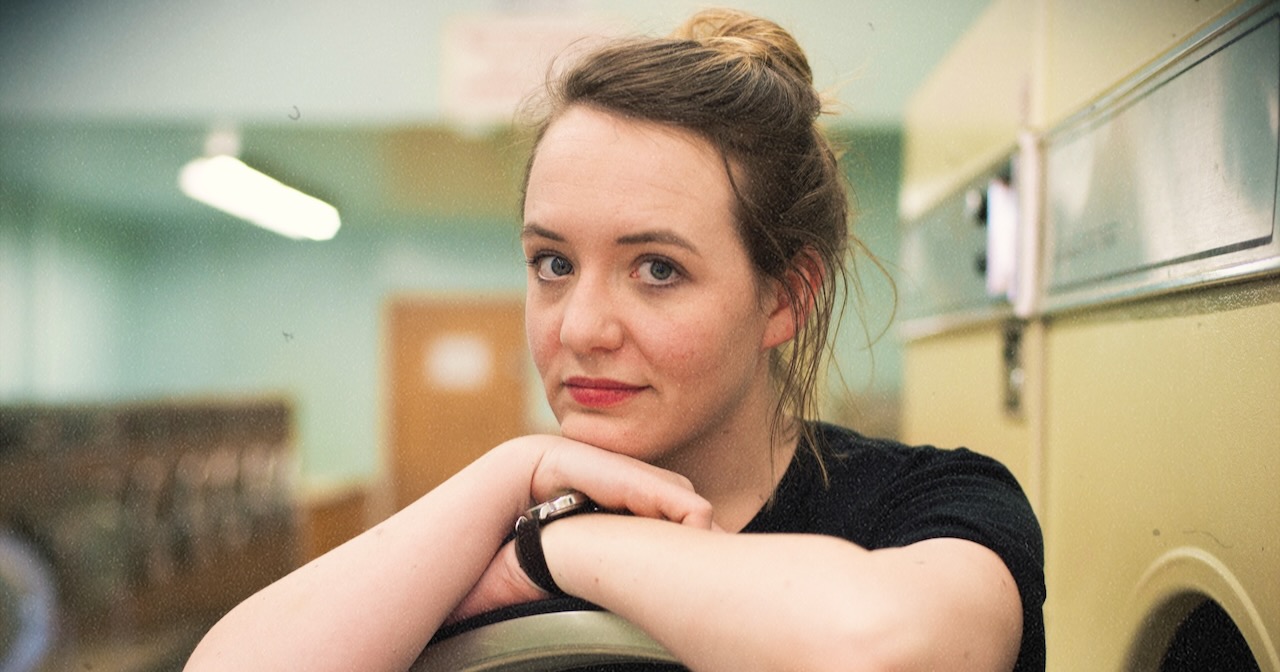
Artist:Malachi Graham Hometown: Portland, Oregon Latest Album:Caretaker
What’s your favorite memory from being on stage?
The Portland release show for my new album Caretaker in January was both surreal and sublime, in the best way. It was a month and two days after I had emergency brain surgery, necessitated by a rare blood infection called Lemierre Syndrome. I had only just regained use of my left side in rehab, I wasn’t allowed to lift more than 10 pounds or bend over and there was a historic ice storm in Portland just starting to thaw. Honestly, it was a little absurd to play the show and keep the date, but it didn’t feel reckless, because I had a community to catch me. Bandmates who insisted on lifting my gear, physical therapists who taught me how to play guitar again, a loving partner to change the bandages on my head, incredible parents who housed me and my band through the ice storm so we could all practice together, and so many supportive faces in the audience.
Caretaker is about trying to hold it all together, on behalf of other people, whether they ask you to or not. It’s about how that gets messy, about when that’s generous, and when that’s self-serving. My health crisis turned the meaning of the record on its head for me and taught me to receive care myself, to fall apart and trust I’ll be held. I tumbled into the web of care we weave for each other, that catches us when we least expect to need it. My friends, my family, my partner, and my bandmates were all there for me in every way that night. It was hard to make it through the songs without weeping with gratitude for being alive. I’ll never forget it.
What other art forms – literature, film, dance, painting, etc. – inform your music?
I read once that the four qualities of excellent songwriting are texture, detail, wit, and truth. My very favorite songwriters are masters of all four — artists like Aimee Mann, Loretta Lynn, Eef Barzelay, Anna Tivel, and Jolie Holland.
Another art form that’s a study in the same principals? Miniature making! Lately I’ve been enthralled by dollhouse building and the creation of tiny worlds. Miniature artists pay attention to the smallest details that make something feel realistic and truthful, even if a scene is an imaginary place. The very act of building something tiny in meticulous detail is inherently whimsical and a bit absurd. It requires sharpness and ingenuity, and a scale of thinking that’s totally different than the day-to-day.
All of that feels akin to songwriting for me. I got to dabble in miniature making myself in the new music video for my song “We Made a Home,” which I built and filmed in a little yellow dollhouse at 1:12 scale. My favorite part was hand-building the tiny lifelike details of a cohabitating relationship in decline, from mini Rainier Beer cans, to mini self-help books, to mini dirty dishes. I also made a tiny Ear Trumpet Labs microphone case. (When I’m not making music, I’m the business manager at Portland microphone workshop, Ear Trumpet Labs.)
N.B., miniature making takes a lot longer than songwriting.
How often do you hide behind a character in a song or use “you” when it’s actually “me?”
This has been an evolution for me. My early forays into songwriting felt more driven by an observational, sometimes academic curiosity, influenced by poetry, history, and family stories about my matriarchal ancestors. My first EP, Selfish, includes songs inspired by the 1934 Hays Code, Marconi’s theories of radio transmission, and my grandmother cleaning out the eaves of her house. I wrote and learned a lot from other people’s perspectives before I’d experienced much life myself. I still enjoy writing from other people’s perspectives as a practice in empathy and curiosity, but I find that my most emotionally resonant songs have more to do with my own experiences. It takes a different kind of bravery and vulnerability to write in the first person, and that has felt scary to do sometimes. On songs like “Montreal” and “Before Pictures,” even if the exact thing that’s happened to the narrator hasn’t happened to me, there’s a deeper truth or feeling I’ve experienced that I can get at best through a fictionalized story.
What has been the best advice you’ve received in your career so far?
Don’t be afraid to get weirder! My friend Jamie Stillway, a masterful guitarist and fearless sonic explorer, told me this about six years ago and it really stuck with me. I was feeling a bit trapped in particular instrumental and songwriting styles, because I assumed it was what people wanted to hear from me. I used to keep my musical selves neatly divided; I play and write in a synth pop band called Small Million and as a solo songwriter under my own name, and when I was younger I was more afraid to blend those worlds or explore the space between them. My musical start was all in folk and Americana music. The tradition and depth of songwriting in those genres is still a huge inspiration to me, but I’ve tried to give myself permission to be more faithful to a song and a feeling than to any genre in particular in my arrangements. The track “As Is” was written as a straight-ahead country song, but we recorded it played on an electric guitar looped backwards, played by two people at the same time with a screwdriver as a slide. A team of magical friends and collaborators helped me rip my songs apart and put them back together again to make them so much better, stranger, wilder than I ever could have imagined.
Which elements of nature do you spend the most time with and how do those impact your work?
Truth be told, I’m a bit of an indoor kid, so I guess… the air. But really, sincerely, I do spend a lot of time thinking about the air around me and inside of me, and how I interact with it through my breath. In singing, in practicing mindfulness, in both movement and stillness, breath is the element that calls me home into my own body. That helps me to remember that the body itself is an element of nature, and our breath is the place where the wild elements of the air and the self meet.
I often find myself exploring themes of both the body and the breath in my lyrics, as a window to intuition and self-trust, on songs like “Wonderful Life” on Caretaker, or “Be Wrong” and “Lightswitch” on my last Small Million record, Passenger. This really came full circle in my recent health crisis when I found myself on heavy oxygen in the ICU, and breath became something even more precious and sacred to me. My lung capacity as a singer really ended up saving my life— I’m still unpacking my gratitude and awe of that.
As humans, we have a history of turning to story for comfort, direction, and preservation – a way to keep the present alive in the future. Story can be found in books, poetry, song, and our minds and mouths.
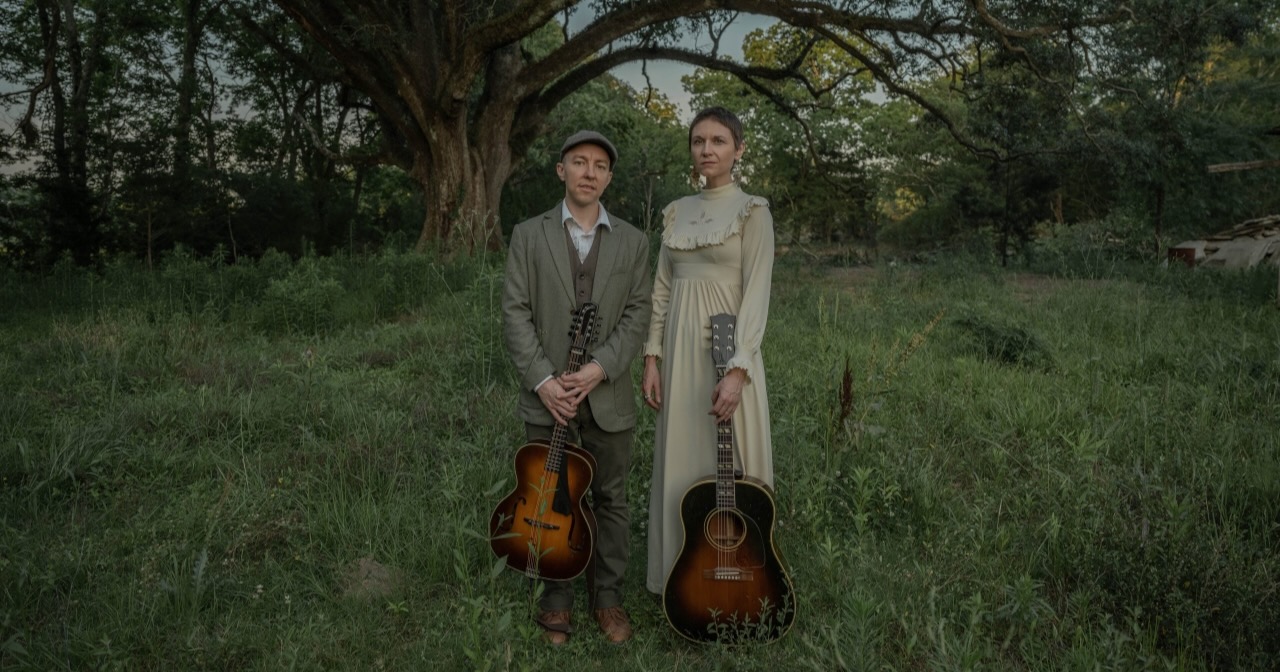
This playlist starts with our song, “Once Upon a Time,” which was born of our turning to story in the deep uncertainty of early 2020, and is the opening track of our recently released, eponymous album. In this Mixtape, we feature songs that incorporate or allude to books, authors, poetry, or story, written by artists that inspire us to write our truest stories. – Ordinary Elephant
“Once Upon a Time” – Ordinary Elephant
When the world shut down in March of 2020, we found ourselves one show into a two-week Australian tour. After scrambling to get home, the quiet hit and the processing of a new world began from our Louisiana porch, deeply feeling the human instinct to turn to a sense of story when faced with intense uncertainty.
“Always a Little Less Time” – Justin Farren
“So I guess that’s always been the story of you and I.” Justin paints pictures with the specifics that draw you in and let you see yourself in his songs, then cuts straight to the truth. The impermanence and the importance of our time here. This song guts us, in the best way, every time.
“Nothing at All” – Clay Parker & Jodi James
“I’ve got books stacked on the bedside table, that are gonna make me well and able, but the light in my room is still burned out,” Jodi sings, as one of our favorite duos spins an ethereal tune of rejection and resolve.
“Walking Each Other Home” – Mary Gauthier
One of our favorite songs of Mary’s. Achingly beautiful, it details the uncertainty of a relationship ending, but also speaks to the broader idea of the unknown. “I don’t know how this story’s supposed to go,” she sings in the chorus, as it’s hard to know when we’re living it. But there is clarity and acceptance that “we’re all just walking each other home,” helping each other find our own stories.
“Under My Fingers” – Wes Collins
Wes is one of those writers who takes you places you didn’t know you needed to go. Both with his words and with his music. This song follows a writer’s thoughts, even alluding to the scarcity mindset that can sometimes take hold of creatives. The fear that it won’t last and the solution of surrendering to the pen.
“Paperback Writer” – The Beatles
The Beatles were Pete’s first musical love, showing up in his life around sixth grade and giving a wealth of melodies and harmonies to soak in. He studied guitar through their songs, which span so many genres, it was easy to get lost in their catalog for years.
“Windmills” – Mutual Admiration Society
The story of Don Quixote twisted into a song by one of Pete’s favorite songwriters, Glen Phillips. This song first appeared on Toad the Wet Sprocket’s 1994 album, Dulcinea. This version is from an incredibly underrated collaboration between Glen and Nickel Creek. Both of these artists changed Pete’s musical world, Glen being one of the first songwriters that he really dug into and in this collaboration, Nickel Creek introducing him to the world of acoustic music.
“Hemingway’s Whiskey” – Guy Clark
Guy Clark’s use of simple language to tell deep truths is unparalleled in the modern songbook. Here he salutes his admiration for another legendary writer, toasting with a drink, and reveling in the difficult work it takes to be a writer of that stature. Guy’s songs are revelations.
“I Ain’t Playing Pretty Polly Anymore” – Dirk Powell
We have the choice to perpetuate stories or let them die off. Some traditions continue to enrich our lives, but it’s important to realize when we’ve moved past them and when it’s time to draw the line between cautionary tale and normalizing certain types of violence. As someone steeped in tradition, Dirk makes an important statement about what songs are able validate, and that we can choose not to continue singing certain ones.
“The Other Morning Over Coffee” – Peter Mulvey
In remembering a conversation with a friend, Peter recalls talking about having lived lives “so full of poetry and adventure that if we died right then and there it would have been fine.” It’s a goal we can hope that some part of us is always aiming for. As the song unfolds, it becomes a perfect reminder that we’re all moving through the same world, the same bigger story, despite the difference in our details.
“Velvet Curtain” – Anna Tivel
Anna’s songs are movies, thick with imagery and emotion. She’s one of those writers who you’re thankful is walking this earth at the same time as you. This song shows us that sometimes there are words that need to be heard, and sometimes you’re unknowingly the one singing them.
“Billy Burroughs” – Jeffrey Martin
Jeffrey’s work tends to knock your socks off, right out of the gate. His rich voice and insightful command of language immediately demands your full attention. His background of teaching literature melds with his own writing here.
“Tailor” – Anaïs Mitchell
“When he said that my face he’d soon forget, I became a poet.” One of our favorite songwriters, Anaïs has a way of weaving a story that hits you in the softest spots. Here she spins a gorgeous warning of how easy it is to let others define our story, and that we can learn to tell our own if we remember to listen to ourselves.
“The Prophet” – Ordinary Elephant
Crystal came across a copy of Khalil Gibran’s The Prophet, gifted to her by a dear friend 20-something years ago. The bones of this song were hiding between the dog-eared pages, a discovery of self-love through returning to reminders of a love gone.
“Everything Is Free” – Gillian Welch
“We’re gonna do it anyway.” In lyric, and in delivery, Gillian shows us the power of song and story to persevere. Her voice and style are singular, and are always a welcome reminder to find comfort in the unique and truest version of ourselves.
More than 1,500 people from 26 different states made their way to the fifth annual Baltimore Old Time Music Festival, bringing pickers, fiddlers, and players of all stringed instruments to rejoice along the waters of the Charm City’s Inner Harbor last month, on April 19 and 20.
A convincing demonstration of the city’s thriving old-time and roots music scene, the Old Time Festival saw attendance more than triple from 2023 as it packed the Baltimore Museum of Industry (BMI) in the first year at its new location after four memorable years at Creative Alliance.
Presented by the Center for Cultural Vibrancy and hosted by father-son duo Ken & Brad Kolodner, this year’s event boasted a lineup of high-profile artists and groups both honoring the traditions of old time, and seeking to broaden them.
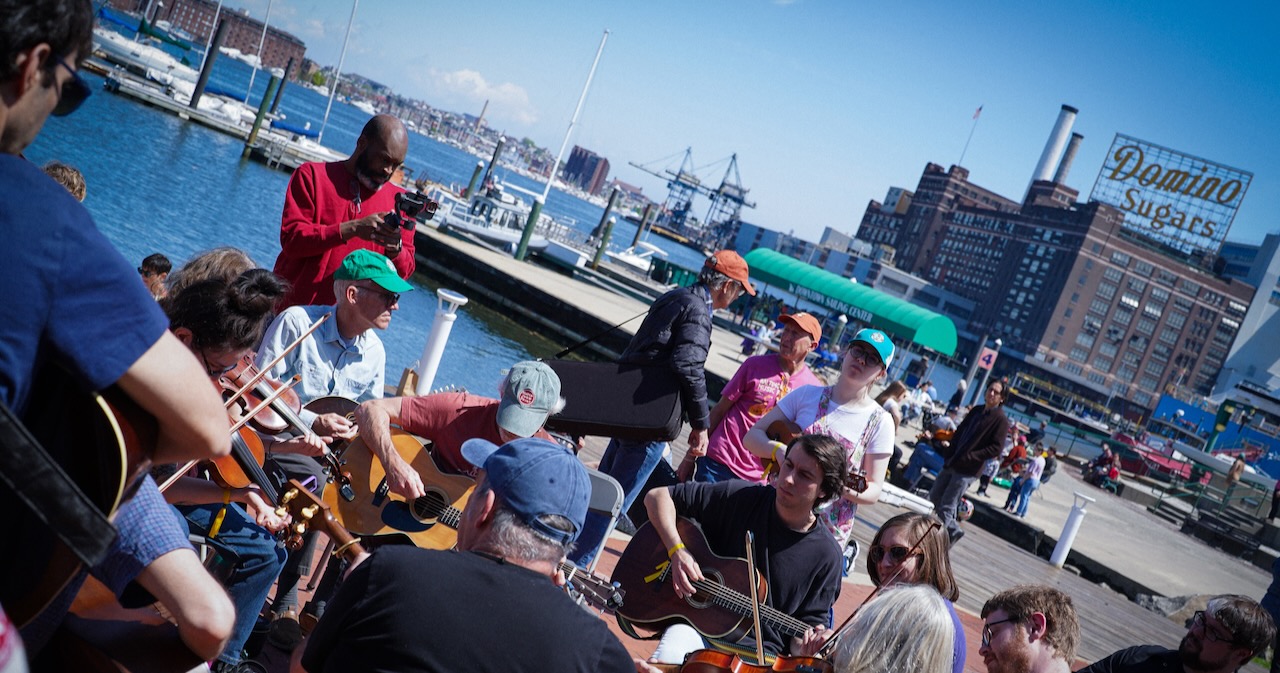
BMI and its astonishing collection of artifacts set a remarkable scene that grew to life with performances early Friday evening on the Harborview and Pavilion stages, each presenting splendid views of the Inner Harbor and famous landmarks, like the Domino Sugar sign glowing just to the southeast.
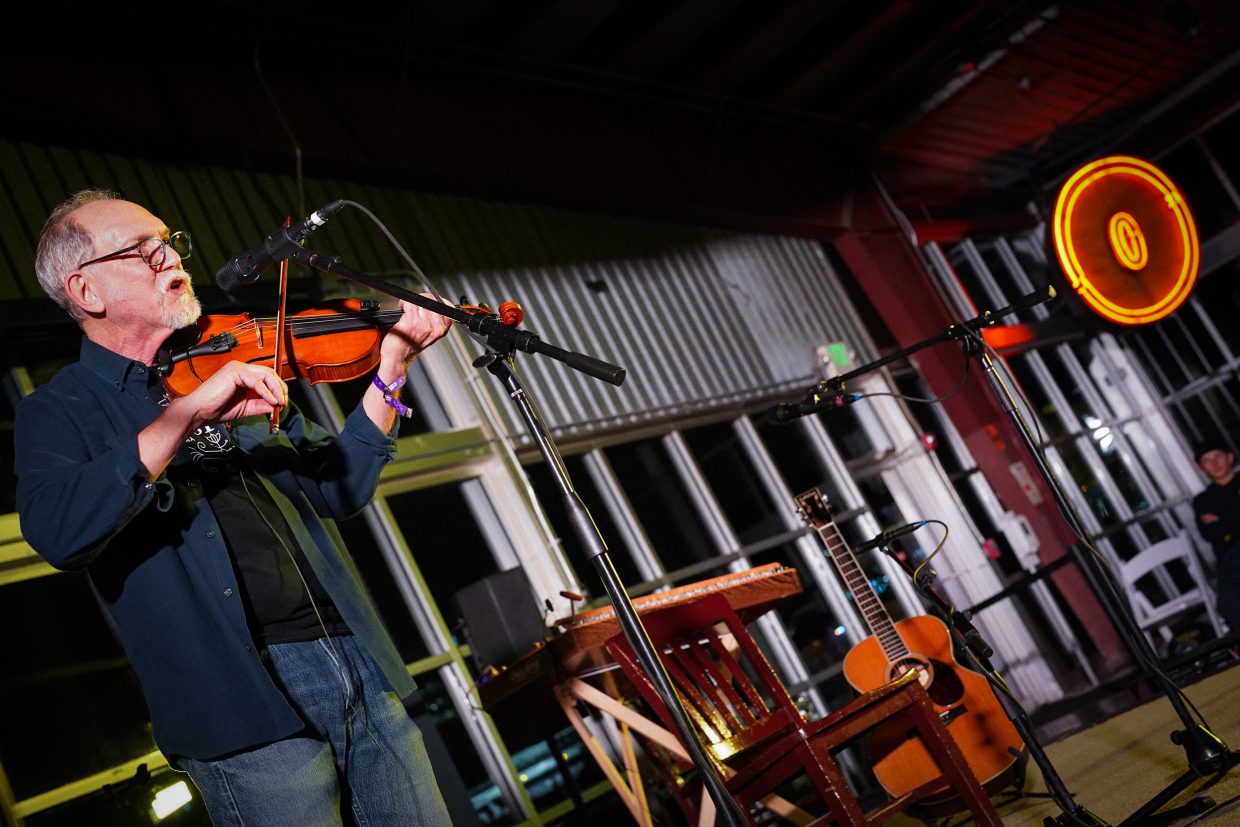
Old Time legend Bruce Molsky at the festival Kickoff Concert.
Saturday afternoon brought a loaded schedule of not only live music, but workshops, presentations, and open jam sessions in every nook and corner of the fascinating museum – and outside on its docks, too, where old pals reconnected and total strangers became friends as they played underneath the warm sun all day long.
“We’re clearly witnessing a huge period of growth for our old time community,” said Brad Kolodner, who’s a member of numerous Baltimore-based string bands and, as he does each spring, performed alongside his dad at this year’s festival.
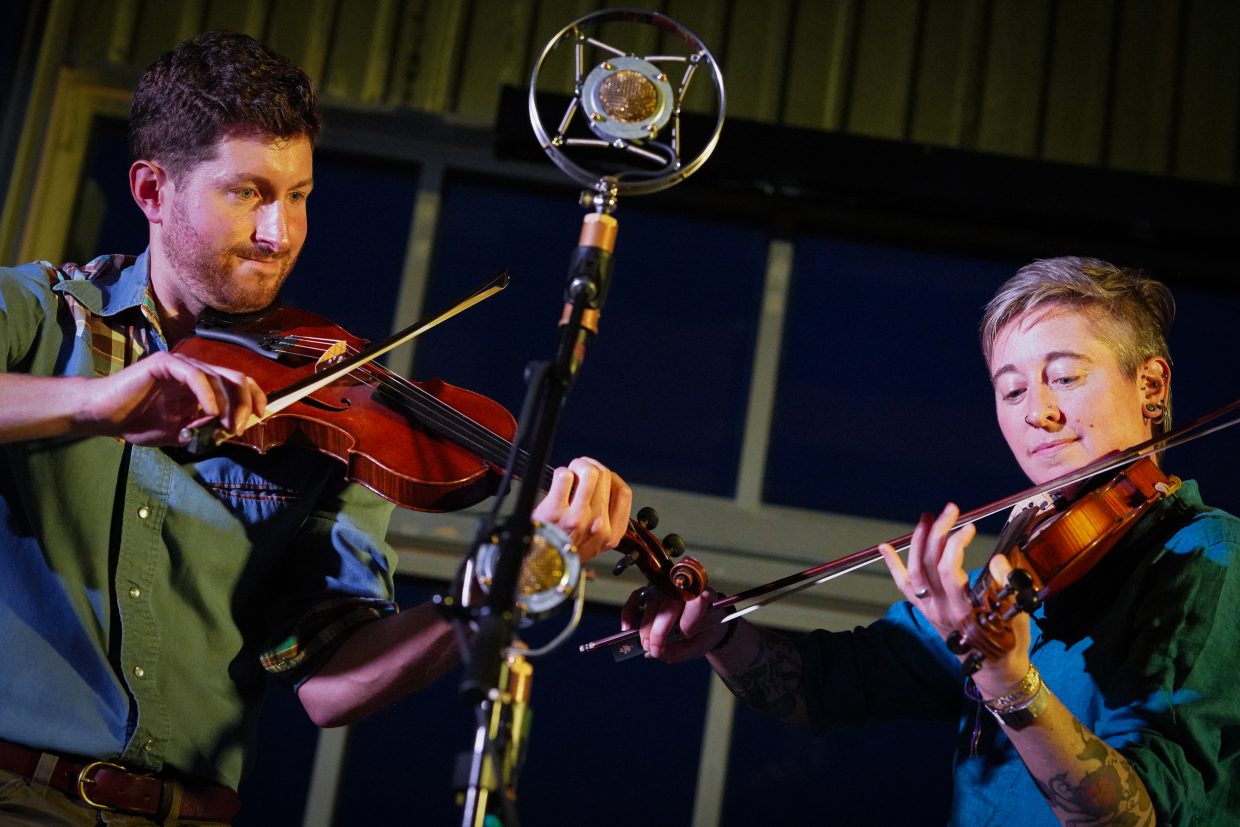
Twin fiddling from festival co-founder Brad Kolodner and Rachel Eddy.
“This marks 10 years that my father and I have been organizing events, square dances, jams and concerts, and this is the culmination of those efforts and work done behind the scene as well. We know that this is already a landmark event for Baltimore, but we took it to another level this year thanks to so much support, the amazing venue and of course the artists, who were incredible.”
Ascending Seattle-based string band The Onlies headlined both nights and served up numerous delightful sets across Friday and Saturday, as did Allison de Groot & Tatiana Hargreaves, the Horsenecks, and Bruce Molsky, a widely respected fiddler, banjoist, guitarist, vocalist and educator.
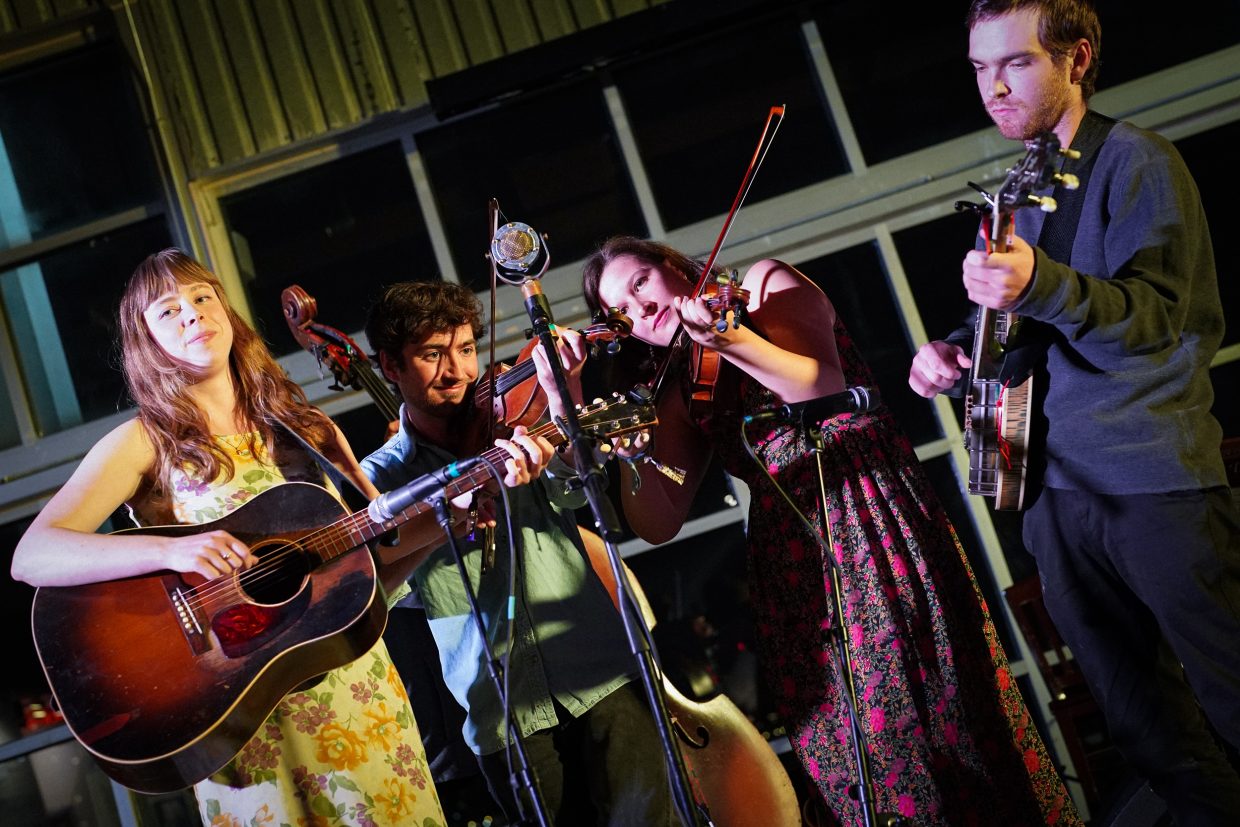
The Onlies dazzling at the Kickoff Concert.
“This festival brought together all the most positive and wonderful aspects of roots and old-time music,” said Molsky, who has recorded and performed with a long list of legendary musicians.
“It really represented all the things I love about this music, including the community,” he continued. “The cross-section of music and kinds of musicians that Brad and Ken programmed was kind of perfect.”
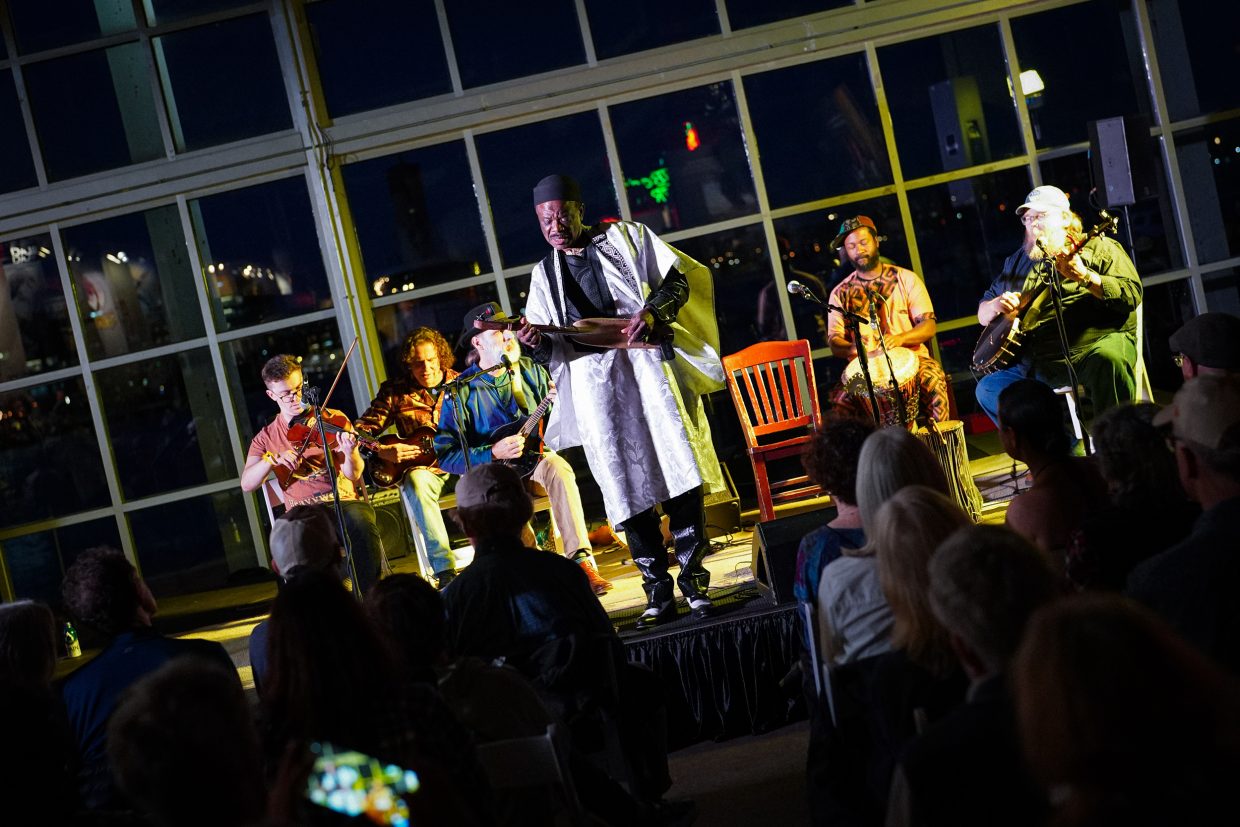
From Africa to Appalachia (one of the weekend’s most anticipated acts) is the fascinating project featuring Grammy-nominated master Malian griot Cheick Hamala Diabate, old-time banjo player Riley Baugus and multi-instrumentalist Danny Knicely.
From Africa to Appalachia featuring Cheick Hamala Diabate, Riley Baugus and Danny Knicely.
Through its uncommon blend of sound and perspective, the dynamic group illustrates and educates on the historical connection between West African and Appalachian music, a theme crucial to the Baltimore Old Time Music Festival.
“This band — these people — is my heart,” said the spirited Diabate as he detailed his adventures in America, where he’s worked with star musicians and been cast in major motion pictures.
Diabate mesmerized with blazingly fast fingers on the ngoni and played his custom gourd banjo that was handcrafted by Baltimore’s own Pete Ross.
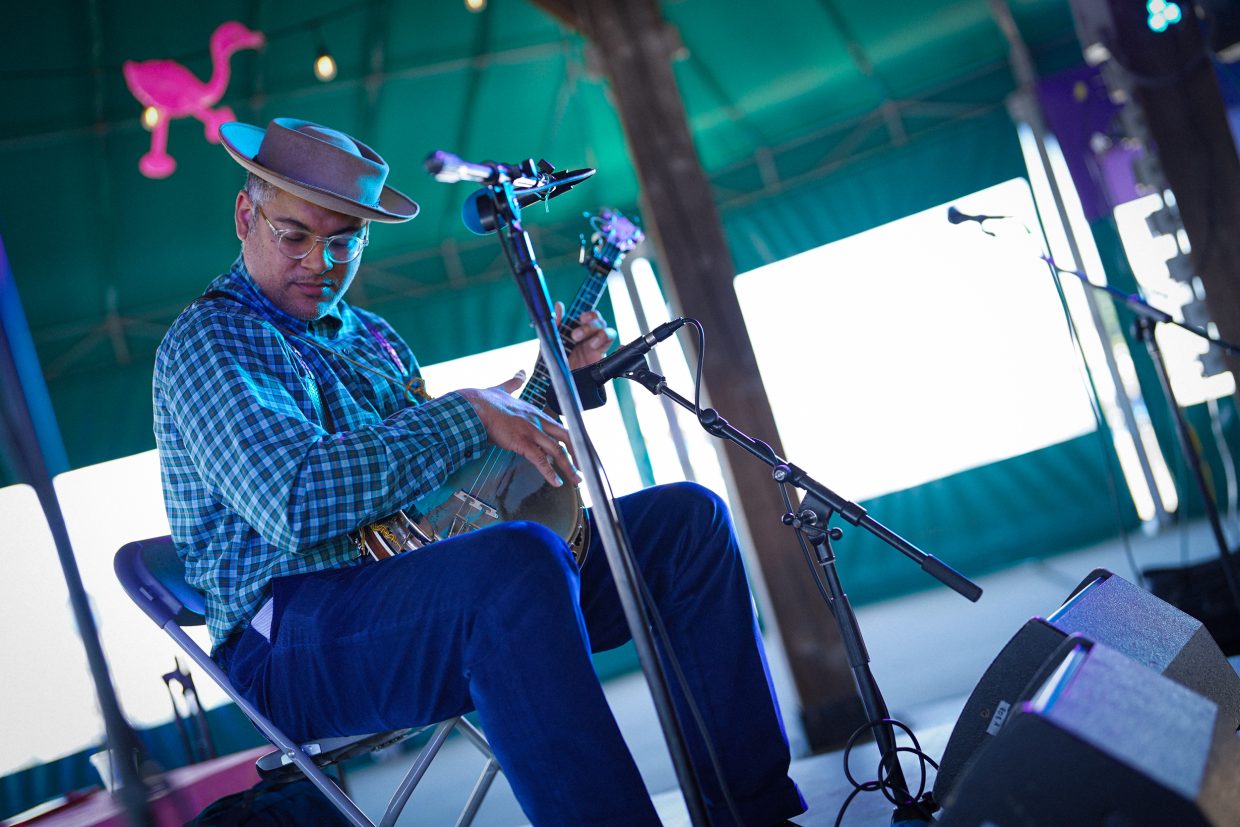
Dom Flemons, the American Songster, performs on the Pavilion Stage.
In each of his unforgettable appearances, Diabate riveted with stories and offered advice to concert goers. Presenting a session on Old Time Roots, he spoke alongside modern day old-time pioneer Dom Flemons — a co-founder of the award-winning Carolina Chocolate Drops and himself a Grammy nominee, who delivered two unforgettable performances on Saturday.
Another spectacular presence at the event, Becky Hill is a percussive dancer, choreographer, square-dance caller and educator who has focused her research on Appalachian percussive dance, flat footing and clogging. She considers the old-time space one where dancers are an equal part of the conversation with instrumentalists.
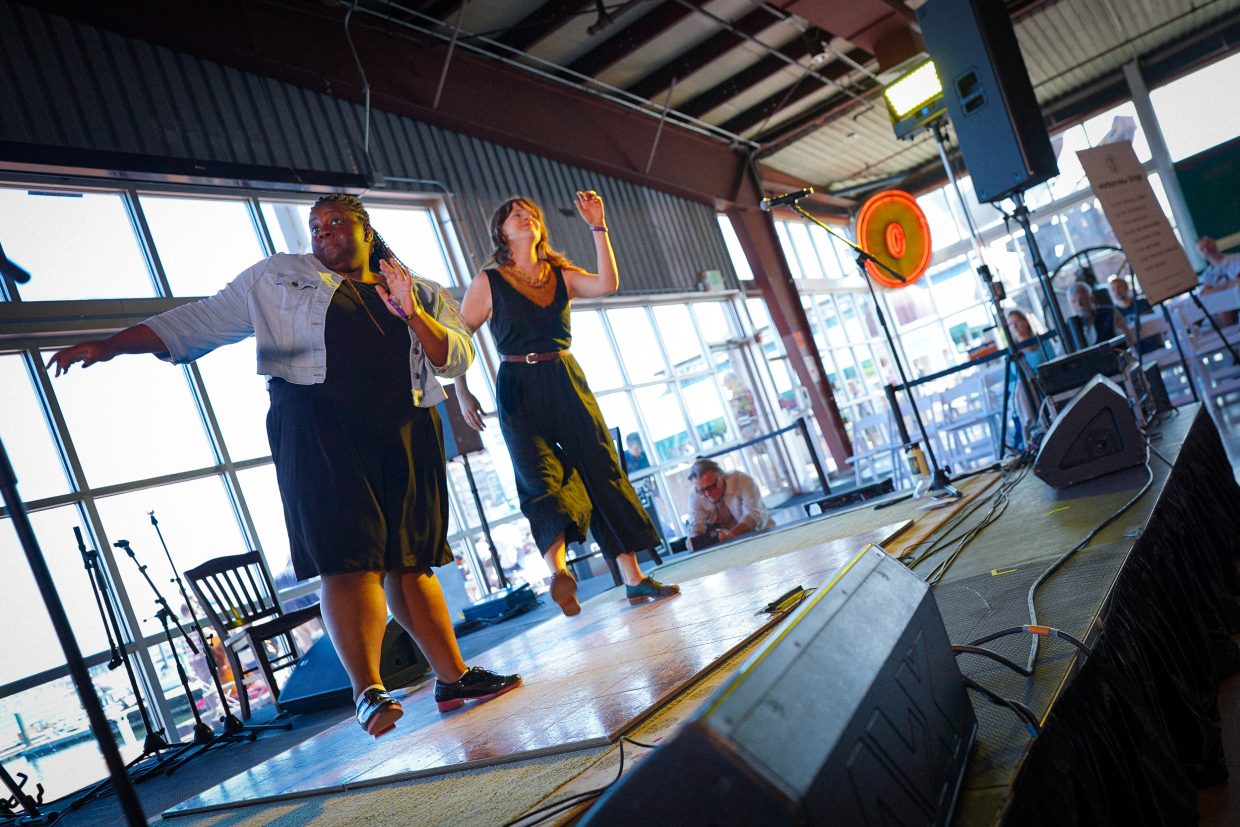
As a performer on both Friday and Saturday at the festival, Hill displayed her interest in the intersections of clogging, flatfooting and tap dance. To do so, she invited tap dancer Roxy Hill to join her at BMI, where they used old-time sounds to examine the relationship between the different dance styles.
Tap dancing and flatfooting with Roxy King and Becky Hill.
“They’re all American roots percussive dance forms. Both tap and flatfooting originated here and are unique to this complicated melting pot of the U.S. … To have the space to present our dance dialogue on stage feels really significant,” Hill said.
“It opens up new audiences for both tap dancing and flatfooting and it shows that there’s connective tissue across music and dance genres in the U.S. … In particular, what the festival is doing with the Center for Cultural Vibrancy is to expose that connection between all different aspects of old-time music.”
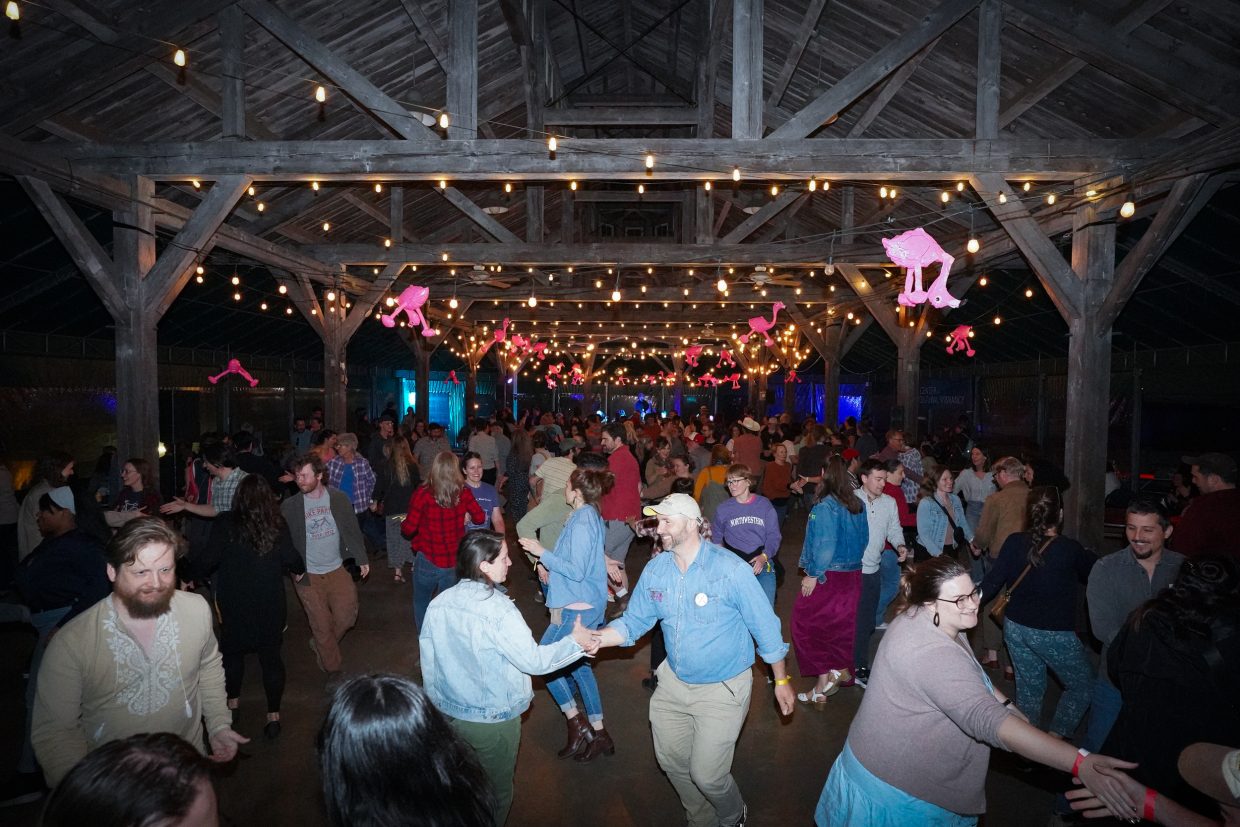
Dance, as it is each year, was a primary feature of the latest Old Time Music Festival, and the two days were capped with a jubilant old fashioned Baltimore square dance that twirled and howled into the late hours on Saturday night.
Square dancing in the pavilion with over 300 participants.
The lively affair took over the pavilion as hundreds of attendees let loose with friends and family. Veteran caller Janine Smith, who’s stoked many Charm City celebrations, led the way with the help of the Horsenecks and other performers from the lineup before all the artists on site joined together to close out the special occasion.
For Molsky and others deep into their careers, the festival provided a refreshing post-pandemic chance to catch up with longtime friends forged on the old time touring circuit, but also to interact with festival goers themselves.
“This kind of music isn’t the thing where a big star is sequestered until they walk out on stage,” he said. “Part of it is walking out there and remembering people’s names and getting to know them. I don’t consider that to be work. I love that.”
Molsky lived in the D.C. area for years and spent time in Baltimore, but he was impressed by what he sees as an undeniable “vibrancy” in the Charm City’s music landscape and its people.
The all star square dance band featuring Bruce Molsky and the Horsenecks.
“I think Brad has a lot to do with that,” Molsky said. “When somebody walks up to me and says, ‘Hey man, I’ve been listening to your music for 20 years, it’s so nice to meet you in person,’ I’m moved by that. This festival was just a great festival for meeting people.”
Beyond introducing artists to listeners, the Kolodners intentionally designed the event to help cutting-edge musicians show what they’re doing to expand the traditional confines of the old-time genre.
“It’s going to grow into something beautiful and it already is,” Hill observed.
“It’s unique because it highlights all the different ways that this tradition is evolving by not only celebrating its roots but by having new conversations within it, too, like what Tatiana and Allison are doing or like Roxy and myself,” she continues. “We’re pushing the boundaries and we’re experimenting within the structures that old-time music provides. And I think that is part of how vernacular music traditions keep evolving.”
Allison de Groot and Tatiana Hargreaves perform at the Kickoff Concert.
With its 2024 version in the books, the Baltimore Old Time Music Festival has firmly established itself as one of the fastest growing and most influential gatherings of its kind anywhere in the country. Eyeing sustainable growth and a balance of honoring and augmenting old-time customs, the Kolodners are optimistic for what the future holds.
“We’re pleased to make so much progress, to create an enriching experience for everyone involved and we’re thrilled to be at BMI for years to come,” said Brad Kolodner.
“We’re proud of the intergenerational aspects we’ve built into it. We offer children’s programming and make it free for families, all with the hope that we can keep driving interest and participation in old time moving forward. Above all, we aim to celebrate diversity and the true roots of this music through the performers we invite to be here with us.”
Be sure to save the date for next year’s Baltimore Old Time Music Festival, which will return to BMI on April 18 and 19, 2025. More information here.
Becky Hill and Ben Nelson, in conversation with feet and banjo.
Photo Credit: All photos by Casey Vock and courtesy of the Baltimore Old Time Music Festival.
You’ve reached the end of another week so let’s celebrate like we always do, with a round up of exciting video and track premieres from our BGS family. Below, find a new video skewering NFTs and the commodification of art from folk string duo Adrian + Meredith, plus mandolinist Mark Stoffel covers a bluegrass gospel classic with an all star cast of pickers – and double mandolin!
Plus, earlier this week on BGS, Certified Guitar Player Tommy Emmanuel debuted a brand new performance video of “Bella Soave,” from his iconic album Endless Road in celebration of its 20th Anniversary edition releasing. And, progressive Colorado bluegrass outfit Meadow Mountain continue their SkyTheory Sessions with “Trail to Telluride.”
Here’s hoping your new music Friday is flush with excellent, exciting, engaging new songs. Like these few below, and to be honest – You Gotta Hear This!
Adrian + Meredith, “NFT”
Artist:Adrian + Meredith Hometown: East Nashville, Tennessee Song: “NFT” Release Date: May 17, 2024 (single) Label: Vertigo Productions
In Their Words: “Exploring the themes of NFTs in the song, we reflect on the history of patron-driven commissioned artwork and on the complexities of how, as a society, artwork is ‘valued.’ Who decides what art is worth? Who decides as a culture what art is worthy of preserving? How have barriers of artistic gatekeeping prevailed and adapted as society has progressed?
“All these questions made this music video engaging to create. It was shot at a location called The Forge Nashville, which is a co-working space for artists and makers that offers affordable access to the tools, space, and support artists and makers need to succeed. As AI and mass consumption of art threatens artists of every medium, we wanted to highlight the importance of art and artists as part of robust community ecosystems. As we navigate a changing world, our passion for original, independent artistry, the power of live music, and the strength of community that comes from both has deepened and that really comes out in the lyrics of this song.
“This track was particularly fun to write and record. The complementing verses highlight two different perspectives, one from Adrian and one from me, and were written separately using the same prompts. The vocals, drums, bass, violin, and guitar came together so well in the studio that they are one full live studio take. After initial mixing, we spent an afternoon with Chris Eldridge (Punch Brothers, Mighty Poplar) working out a harmony line for the fiddle pizzicato, which he recorded on guitar, had Henry Westmoreland (Squirrel Nut Zippers) add in trumpet flair, and had Paul Niehaus (Justin Townes Earle, Calexico) add in his magic on pedal steel.” – Meredith Krygowski
Track Credits: Adrian Krygowski – Vocals, acoustic guitar Meredith Krygowski – Vocals, fiddle, clogging John Kveen – Bass Bronson Tew – Drums, engineering Henry Westmoreland – Horns Chris “Critter” Eldridge – Electric & acoustic guitar Paul Niehaus – Pedal steel
Video Credits: Kaedi Maney Dishen and Ryan Dishen – Videographers and editing Shot at The Forge Nashville.
Mark Stoffel, “I’m Using My Bible for a Road Map”
Artist:Mark Stoffel Hometown: My birthplace and original hometown is Munich, Germany. My adopted hometown is Murphysboro, Illinois Song: “I’m Using My Bible for a Road Map” Release Date: May 10, 2024 (single) Label: Mountain Home Music Company
In Their Words: “Years ago, Chris Jones & the Night Drivers were booked to play a Sunday morning show at the Blueberry Music Festival in Stony Plain, Alberta. I suggested we add ‘I’m Using My Bible for a Road Map’ to the setlist because I just love the simple beauty of this Reno & Smiley classic. I was lucky enough to record my version with Chris Luquette on guitar, Ross Sermons on Bass, Tony Creasman on drums, Rob Ickes on Dobro, Niall Murphy on Fiddle, and Alan Bibey on mandolin. Alan contributed a super tasteful mandolin twin part on the last go-around of the tune. Check it out — I hope you enjoy it as much as we enjoyed recording it!” – Mark Stoffel
Track Credits:
Mark Stoffel – Mandolin, guitar Rob Ickes – Dobro Alan Bibey – Twin mandolin Chris Luquette – Guitar Niall Murphy – Fiddle Ross Sermons – Bass Tony Creasman – Drums
In Their Words: “The song was written after my first visit in Soave, Italy in 1999. It was the first festival I ever played. I was so happy and overjoyed from the experience of the festival that I started writing when I got into the backseat of the car. We were driving from Soave down to Rome for a show and workshop, and I wrote this song on the way there. I got it finished and played it that night at the show. I tried to give it a sort of Spanish feel in the bridge, because I had met a lot of Spaniards that weekend at the festival. Bella Soave means ‘beautiful Soave.’ It’s a beautiful place and has been a big part of my musical life.” – Tommy Emmanuel
Artist:Meadow Mountain Hometown: Denver, Colorado Song: “Trail to Telluride” Release Date: May 6, 2024 (single)
In Their Words: “I have attended the Telluride Bluegrass festival every year for over 12 years now. It is where I fell in love with bluegrass music and it is where I felt my first calling to write the music of the Rocky Mountains. This song tells a fictional story of a miner in the late 1800s who traveled from Denver to Telluride in an attempt to strike it rich mining for silver. While I am no miner, I do feel that the story tracks with the life of a working musician. You go out there to try something new, and if it doesn’t stick, you reset and get back to work.” – Summers Baker, guitar and songwriter
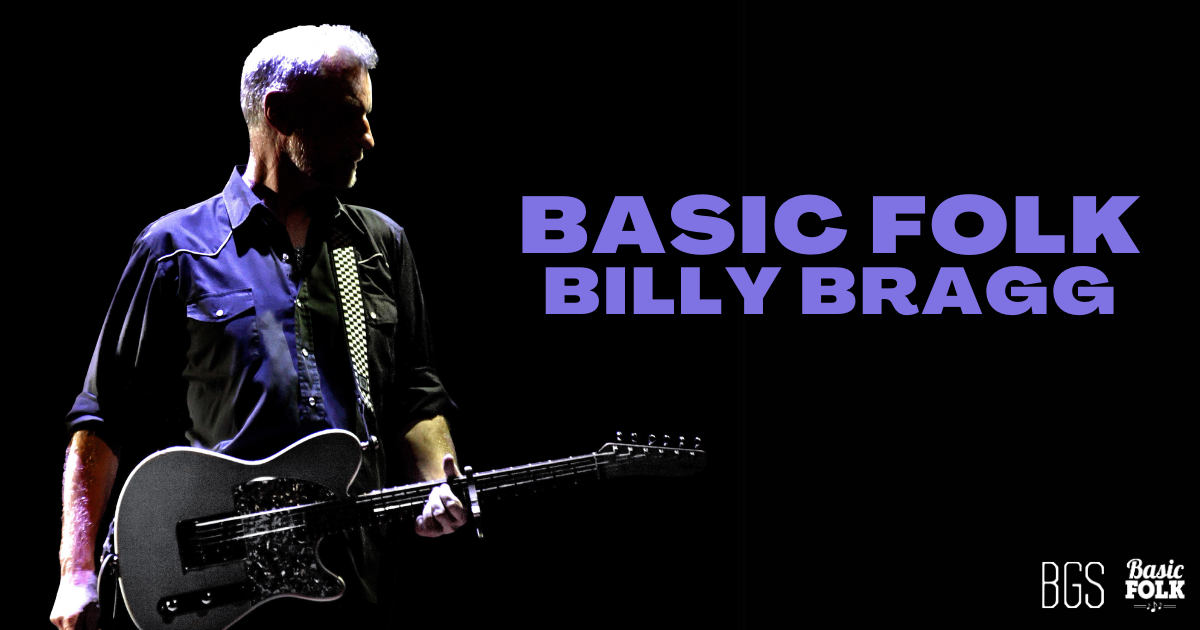
Billy Bragg joins hosts Lizzie and Cindy on board Cayamo to talk about songwriting, social justice, punk rock and, of course, The Little Guy (Bragg’s nickname for Woody Guthrie). In our interview, we talked about Billy using humor as a way to connect to his audience, so that he can bring up his political activism – such as fighting for transgender rights, the importance of unions and abortion rights. It’s interesting to hear how he wants the Americana audience to remain as relevant as he does. Billy talked about his place as a British artist in the genealogy of folk music and how working on Mermaid Avenue with Wilco allowed him to be a part of the folk tradition.
He also shares how he overcame anxiety as a teenage musician. Standing in front of a crowd playing with his friends in a band really boosted his confidence. Meanwhile, the old school “stiff upper lip” of British culture created an emotional barrier between Billy’s and his parents’ generations. The older generation grew up with the cultural heritage of separating oneself from any emotion. When Billy was a teen, his father was dying. The doctor recommended not telling the patient or talking about it at all. Several decades later, his mother insisted that everyone talk to and about her terminal cancer diagnosis.
Bragg also gets into the merits of socialism, why nostalgia rubs him the wrong way and his favorite English treat. Spoiler: It’s marmite. Gross.
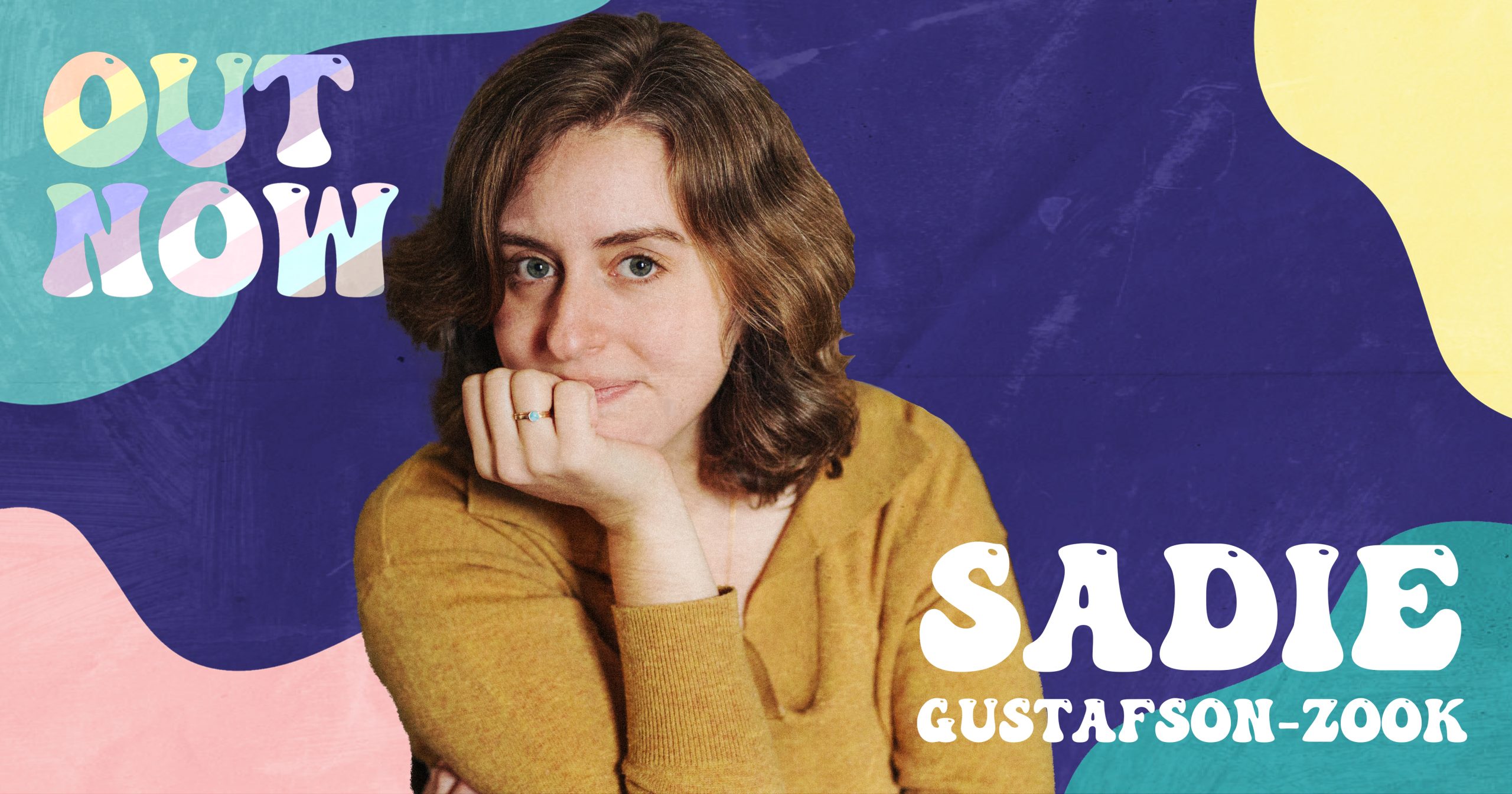
Sadie Gustafson-Zook is a detailed songwriter, pulling together collages of images and ideas and stitching them into melodies and lyrics. I met Sadie in 2019 at Club Passim, a renowned folk venue in Cambridge, Massachusetts known for promoting generations of great folk music. I was studying in Boston at the time, surrounded by incredible developing artists. Sadie was one of them, alongside Liv Greene,Jobi Riccio (featured before on Out Now), and Olivia Barton, another queer artist who came through the Club Passim folk scene and is now gaining traction.
We are excited to share our interview with Sadie the same week she releases the incredible new album, Where I Wanna Be (available May 10). Their thoughtful writing, pure voice, and creative guitar lines are sure to impress. Many of the songs on the album have a lullaby-like feel enhanced by Sadie’s soft voice and soothing melodies.
This month, Sadie is touring the Midwest with Brittany Ann Tranbaugh, who we also featured on Out Now earlier this year. They are powerful songwriters and performers alone, but seeing both artists in one show is a treat that you don’t want to miss! If you’re in the area, be sure to catch their tour through Wisconsin, Minnesota, Michigan, and Indiana.
What’s your ideal vision for your future?
Sadie Gustafson-Zook: Ideally, I would be able to keep doing what I’m doing, but slightly more of it. I think my music offers something special and I would like for more people to hear it. At the same time, I really do like living at least part of the time as a normal person who is in their house and has a cat and is a part of their local community’s life – so maintaining a sense of balance is definitely something I’m passionate about.
Right now, my ideal vision would be to play 100+ fun gigs per year (I’m not really interested in gigging for the sake of the grind – I mostly want to have a good time and hang out with people I love); continue teaching privately and at music camps (I’ve been really lucky to be able to do this at Kerrville’s Song School, Kentucky Music Week, and this summer I’ll be at Ossipee Valley’s String Camp); spend a lot of time in nature and with my family; and keep absorbing so I have things to write about.
Why do you create music? What’s more satisfying to you, the process or the outcome?
I create music because I think it’s fun to sing and play instruments and I like writing about my own life in a way that other people can relate to. Personally, I like being able to organize my thoughts into a nugget that is shaped like a song and that helps me sort out my emotions. And then socially, I love having the opportunity to share those songs and feel a broader sense of connection with people around me – and people who I don’t know! So, I think the process and the outcome are both things I really enjoy.
Do you create music primarily for yourself or for others?
In college, I was a voice major and I spent four years singing operatic arias. I didn’t initially think this was what I was going to spend my college years doing, but once I started singing in such a big and full-body way, I had a really fun time experimenting with the extremes of what sounds my body was capable of producing. But when I performed these songs written by classical composers I didn’t feel very connected to the essence of the music. I sang it for myself, because it was fun (and probably also because I wanted people to pay attention to me), but I wasn’t assuming that my performance would touch something deep in someone else.
Since then, I have shifted towards writing and performing original music. I enjoy writing songs that are fun to sing and I write based on what I’m going through and what I need to talk about. Ironically, this feels like a more communal act than performing music that someone else wrote. I have the greatest chance of connecting with an audience over a shared experience if I’m speaking directly from my own experience, and ultimately my biggest goal is connection.
You shared about maintaining a sense of balance between being in the music industry and living in a home, with your pet, surrounded by community. Many artists and music-industry professionals have a challenging time with this. How have you built a sense of balance between these things? Do you have any words of advice for others working through the same challenges?
I’m very privileged to have an affordable living situation right now thanks to moving back to my hometown in the Midwest and having my parents as landlords. This freedom has made it possible for me to pay my bills exclusively with music-related work, which helps keep morale high in the music department. So I just want to preface everything else I say with the acknowledgement that it’s a lot easier to feel balanced when I’m not constantly worrying about money. While my situation is a privilege, I also know that not everyone would want to leave their music city hub and move in across the street from their parents in Indiana! Ha!
In terms of time balance, I’ve been testing out the way it feels to have music plans that take me away from home for one(ish) week each month, with some longer exceptions in the summer. That has been a nice way to not get too antsy at home, while also giving myself time to do more administrative work and be present in my town between tours. My first year of living in Goshen, I was pretty lonely and spent most of my time online, which honestly was horrible. I was really craving more in-person connections, so this year I’ve been digging into local activities as well as being really intentional about seeing my songwriter friends’ shows when they’re in a nearby city. Even when I don’t feel like leaving my house or driving a few hours away to see someone, I’m almost always happy that I did.
Your music is so descriptive, thoughtful, and well-crafted. What was the process like for you to write these 10 songs on the new album?
Thank you! The majority of these songs were written when I was living in Nashville in the spring of 2022 and then also when I was traveling around, sleeping in my car that summer. I had just had a breakup in Seattle and had to figure out where I wanted to live and between those two major changes I had a lot of processing to do! I also was spending a lot more time alone than I was used to and I felt like I had a lot of pent up creativity that came out really fast. Then there are also a few songs that I wrote once I was starting to feel a bit more settled in my hometown, as memories from my past kind of overlaid on top of my newer understanding of myself. Those came out more like steady drips throughout the end of 2022 and into 2023.
What inspired you to write Where I Wanna Be? What does the album mean to you and what do you hope others will take away from this collection of songs?
Although the album is called Where I Wanna Be, thematically the songs are more about who I wanna be and what I need to change in order to be that person. When someone asks, “How are you?” it’s easier to talk about geographical location (“I’ve been traveling a lot!”) as a substitute for emotional location (“I’ve been feeling really ungrounded”), especially when everything is in flux.
Each song, in its own way, speaks to who I want to be; I want to be someone who is free and expansive, who knows what makes me happy, whose identity reflects who I know myself to be, who is a part of a team/community, who doesn’t give my power away, who is consistently and historically queer, who trusts myself, who speaks up for myself and takes accountability, who feels at home in my geographical location, and someone who maintains a sense of curiosity in the midst of uncertainty. And that’s basically the whole album.
I think that’s why the album feels so intimate. Though I wrote this collection of songs for my own processing, I know that a lot of people go through this process for themselves, so I’m happy to lend my own experience to folks who might find it helpful.
The title track of the album, “Where I Wanna Be,” includes the lyric, “Every year I drive around, scope out the towns, thinking is this where I wanna be found.” I am curious if you feel a sense of the “grass is greener” in another town? I feel like this is a huge theme, especially among young adults, the idea that we may feel more fulfilled in another place.
Even if I daydream about moving, I find that I feel pretty aware of what I’m missing out on (in a positive and a negative way), and that helps with not over idealizing certain places. I know about the realities of living in Boston, or Brooklyn, or Nashville, or the PNW, and so all things considered, I’ve chosen to live where I am and visit those other places.
Sometimes I still daydream about living somewhere else, but mostly what I find myself imagining are the different communities I could be a part of. I’ve gotten little windows into different communities through meeting people at festivals and conferences, which are mysterious liminal spaces where people who live in different places gather together. They don’t represent an actual location where I could live permanently. And I think it’s helpful for me to remember that when I start feeling like I should move. Likely I’m imagining somewhere that doesn’t currently exist. Not that we couldn’t start an artist commune, though.
Who are your favorite LGBTQ+ artists and bands?
God, more like who isn’t LGBTQ+! [Laughs]
Spencer LaJoye, Flamy Grant, Jean Rohe, Liv Greene, Jobi Riccio, Singer & the Songwriter, Cloudbelly, Lindsay Foote, Olivia Barton, Joy Clark, Allison de Groot & Tatiana Hargraves, Olive Klug, Jane O’Neill, Brittany Ann Tranbaugh, Elisabeth Pixley-Fink, Adrienne Lenker, Taylor Ashton, Eliza Edens, Rachael Kilgour, Emily King, Judee Sill, and tons of obviously bisexual woman performers who aren’t publicly out.
For anyone reading this who might not be out of the closet, were there any specific people, musicians, or resources that helped you find yourself as a queer individual?
Although I’m bisexual, reading the Lesbian Masterdoc was very helpful as a way to sort through my past, draw connections between memories and feelings, and generally deconstruct the idea that being straight was the only option for me (compulsory heterosexuality). I also really loved reading Katie Heaney’s book, Would You Rather, and The Fixed Stars by Molly Wizenberg. (In addition to following every cute queer person I found on Instagram.)
What does it mean to you to be an LGBTQ+ musician?
I often feel like performers are treated kind of like inspirational court jesters, where we’re being the weird, thoughtful, creative ones, and the normal people come to shows to live vicariously through us. Honestly, it’s pretty similar to how queer people break boxes and live expansively just by being ourselves (except that queer stories are often suppressed and not amplified). So, if I have the opportunity to have a platform and the power to influence my audience, I want to take that responsibility seriously and show up as my fullest self so they can see that it’s possible for them as well. I love being a queer musician and knowing that by just being myself, I might be helping audience members learn more about themselves as well.
What’s the best advice you’ve ever gotten?
In 2016, I was attending the Rocky Mountain Song School and was a part of a partnered songwriting class where each participant told their partner a story from their life and then the partner would use that story as a songwriting prompt. My songwriting partner told me about his career trajectory and how someone advised him to get an entry-level job at the local venue that he wanted to play. So he got a job as a busboy at this venue and then progressively worked his way up, eventually becoming tight with the booker until he was selling out shows with his name on the marquee.
Although he wasn’t giving advice per se, I kept this story in mind when I moved to Boston after college and I got a job working at the box office of Club Passim. Regardless of career prospects, I think it’s a really good idea, for community building purposes, to become a regular wherever you want people to know you. For me, in working at Passim, I was hanging out there all the time and it was inevitable that I met a ton of super cool people who are doing really great things and now I feel pretty well-connected.
What are your release and touring plans for the next year?
This year is a big one for me! I’m (obviously) releasing this new album, Where I Wanna Be, and I actually have another recorded project scheduled for the fall! Tour-wise, I have been upping my booking game and will be touring around the Midwest in May with Brittany Ann Tranbaugh (we’ll likely be around Wisconsin and Minnesota when this article is published), the West coast in October with Jean Rohe, and the Northeast in November, and a lot of other spots in between! I’ll be teaching at a few songwriting and music camps as well, which I love to do. So I think it’ll be a great year!
It’s another full week of new releases and exciting premieres! Leading off our round up this time is young fiddlin’ phenom Carson Peters singing a Bob Seger classic, “Long Twin Silver Line.” Plus, don’t miss bluegrass tracks from our friends Unspoken Tradition and Meadow Mountain – the latter of whom debuted the first installment of their SkyTheory Sessions on BGS yesterday.
There’s also plenty of Good Country to find herein! Kyle McKearney is joined by bluegrass flatpicker Trey Hensley on “Lonesome,” Jessie Wilson brings us a new one, “Outlaw,” and Will Stewart & the Gold Band share a tune from their Live in Norway project. Plus, Jordie Lane brings us a new single, too.
Yesterday, Donovan Woods exclusively premiered a new Lori McKenna and Matt Nathanson co-write on BGS,. as well so don’t miss that! It’s all below and really, You Gotta Hear This!
Carson Peters, “Long Twin Silver Line”
Artist:Carson Peters Hometown: Nashville, Tennessee Song: “Long Twin Silver Line” (Bob Seger cover) Album:Silver Bullet Bluegrass Release Date: July 12, 2024 Label: Lonesome Day Records
In Their Words: “Randall Deaton approached me with this tribute project a while back, and I loved the idea and jumped at the chance to be included with the great artists that were already on board. I grew up listening to classic rock and roll music riding in my parents’ car. It definitely helped me appreciate all styles of music and I always enjoyed hearing Seger songs. Randall had most of the track ready for me when I came in to put vocals and fiddle on it, and his ideas and choices made this song even better than I imagined. We played around with arrangements for a fiddle break in the middle, but he was the brain behind the arrangement for sure. I think (and hope) that the youthfulness in my voice and aggressive style of fiddle playing suits this song well, and gives it a nice spin. I am working up a live version with my band so we can put into our shows.” – Carson Peters
Track Credits: Written and published by Bob Seger, Gear Publishing Company Producer – Randall Deaton Engineers – Randall Deaton, Jimmy Nutt Tracked at Lonesome Day Recording Studio, Booneville, KY / The NuttHouse Recording Studio, Muscle Shoals, AL. Mixed at The NuttHouse Recording Studio, Muscle Shoals, AL.
Guitar – Stephen Mougin, Gary Nichols Mandolin – Darrell Webb Banjo – Ned Luberecki Bass – Mike Bub Dobro – Jake Joines Fiddle – Carson Peters Harmony vocals – Sarah Borges
Artist:Kyle McKearney Hometown: Calgary, Alberta, Canada Song: “Lonesome” (featuring Trey Hensley) Release Date: April 26, 2024 Label: Kyle McKearney Music
In Their Words: “I’ve been following Trey Hensley for years and have always been a huge fan of his playing, singing, and Southern charm. I got to meet Trey at a gig in Colorado and I was blown away to learn that had been a fan of mine as well. My keyboard player James and I wrote ‘Lonesome’ with Trey in mind, hoping that he’d jump on for a shred on his flattop. I love how this song turned out and am grateful to Trey and team for their contributions. I can’t wait for folks to hear this burning two stepper!” — Kyle McKearney
“I became a huge fan of Kyle McKearney the moment I heard his music several years ago. I became an even bigger fan when I got to meet him and hear him live out in Colorado last year. I knew then that I would love a chance to work on some music with him in the future. I was thrilled when the opportunity arose for me to go up to Alberta and record with Kyle for his new song ‘Lonesome.’ As soon as I heard the song, I immediately knew this was going to be a blast… and sure enough, it was an absolutely incredible experience. Kyle is such a phenomenally talented artist, and I’m beyond honored to be included on ‘Lonesome.’ I can’t wait for y’all to hear it!” — Trey Hensley
Jessie Wilson, “Outlaw”
Artist:Jessie Wilson Hometown: Phenix City, Alabama Song: “Outlaw” Release Date: May 3, 2024 (single)
In Their Words: “‘Outlaw’ depicts a universal feeling – no matter what field you are in or where you’re at in life, almost everyone has felt like they weren’t good enough and wanted to fit into a certain group at some point or another. I wrote this song about Nashville; I’ve often wondered what I need to do to be wanted in this town and the music industry. Is it about dating the right person, or changing my morals – what’s the answer? This song was written from that state of mind. It took a lot of vulnerability for me to admit that there was a time when I would do anything to fit in and gain the love of others, because deep down I was so lonely and lost. It’s typical to want to compare yourself, but you have to steer your mind away from that idea. I’ve since learned that I don’t have to change who I am and that the right people and opportunities will come to me and love me for the person I am.” – Jessie Wilson
Track Credits:
Producer – David Dorn Acoustic & electric guitar – Tim Galloway Bass – Tim Denbo Drums – Matt King B3/Synthesizer – David Dorn BGVs – Kristen Rogers and Caleb Lee Hutchinson Recorded at Farmland Studios. Mixing – Mark Lonsway Mastering – Mayfield Mastering
Will Stewart & The Gold Band, “Real Drag” (Live)
Artist:Will Stewart & The Gold Band Hometown: Birmingham, Alabama Song: “Real Drag” (Live) Album:Will Stewart & The Gold Band Live in Norway Release Date: June 7, 2024 Label: Cornelius Chapel Records
In Their Words: “Ross Parker, my longtime friend and bassist, sent me a rough demo of ‘Real Drag’ last year. I slightly tweaked the arrangement and melody and added a verse and it immediately became a staple in our live set. I get to throw in some jangle on this one, and Janet’s guitar playing compliments that in a nice way. The lyrics sort of speak for themselves, but it’s about a series of unfortunate events after a long night of being out, which seems to be a common theme in a lot of my songs, now that I’m thinking about it. It’s a combination of people and places that we’ve encountered over the years.” – Will Stewart
Track Credits:
Will Stewart – Guitar, vocals Janet Simpson – Guitar, vocals Tyler McGuire – Drums Ross Parker – Bass Recording Engineer – Harvard Soknes Mixed by Brad Timko. Mastered by Alex McCollough.
Jordie Lane, “The Changing Weather”
Artist:Jordie Lane Hometown: Melbourne, Australia (Based in Nashville, Tennessee) Song: “The Changing Weather” Album:Tropical Depression Release Date: May 2, 2024 (single); August 23, 2024 (album) Label: Blood Thinner Records, under exclusive licence to ABC Music/The Orchard
In Their Words: “I had just got back to America after the terrible 2019-20 Australian bushfires when this massive EF-3 Tornado devastated our East Nashville neighborhood. Everything in my mind and body was kind of in shock about this severe weather, being so close to being hit. It scared the sh*t outta me. The song came after thinking about how people often complain about the very things that could and should be seen as a gift. Like the simple act of getting caught in the rain.
“Humans are remarkably good at denying the truth sometimes and covering it up with a bunch of other crap that we pretend is more important. We tend to just wanna get on with our lives, and not think about the scary things inside us, or with this planet we live on. This song is my take of an easy-breezy ’60s song to keep cruising along to, until the moment it’s all too late.” – Jordie Lane
Track Credits: Written by Jordie Lane. Produced by Jordie Lane & Jon Estes.
Video Credits: Director, director of photography, editor – Korby Lenker Aerial photography – Travis Nicholson Producers, production designers – Jordie Lane & Clare Reynolds
Unspoken Tradition, “Georgia In Her Eyes”
Artist:Unspoken Tradition Hometown: Cherryville, North Carolina Song: “Georgia In Her Eyes” Release Date: May 3, 2024 Label: Mountain Home Music Company
In Their Words: “‘Georgia In Her Eyes’ is a deeply personal song that I wrote in a fit of inspiration not long after meeting the woman who is now my wife. Looking through the perspective gained from 12 years together, the lyrics are even more meaningful. I’m excited that the guys in the band chose to help bring this song to life.” – Sav Sankaran, bass and songwriter
Track Credits:
Audie McGinnis – Acoustic, vocals Sav Sankaran – Vocals, bass Tim Gardner – Fiddle, vocals Zane McGinnis – Banjo Ty Gilpin – Mandolin
Donovan Woods, “Back For the Funeral”
Artist:Donovan Woods Hometown: Sarnia, Ontario, Canada Song: “Back For The Funeral” Album:Things Were Never Good If They’re Not Good Now Release Date: July 12, 2024 Label: End Times Music
In Their Words: “‘Back For The Funeral’ is a story that a lot of us end up experiencing. Big life events – deaths, births, divorces – seem to pull us out of the flow of time somehow. The days around these events can feel like a dream wherein the regular rules of our lives don’t apply. People fall back onto old habits or maybe construct a new temporary-self to shield them from grief or shock. What I like best about this song is that it reflects that dream-like feeling without sacrificing clarity. It feels the way those life-dividing days feel. I wrote it with Lori McKenna and Matt Nathanson. I’m about as proud of it as anything I’ve written. I hope it’s useful to people.” – Donovan Woods
In Their Words: “It sometimes feels like my life is split up into eras – periods of a year or two that, upon looking back, have a distinct, overarching feeling. As I get older I’ve started to recognize when I’m on the edge of one era, moving into the next one, and I begin to get a sense of the overall color of my recent life. I had that feeling as spring moved into summer last year and wanted to document it in a song. It recounts moments in the Colorado wilderness, misadventures in love, and my abiding wish to be Sam Bush in the 1980’s.” – Jack Dunlevie, mandolin and songwriter
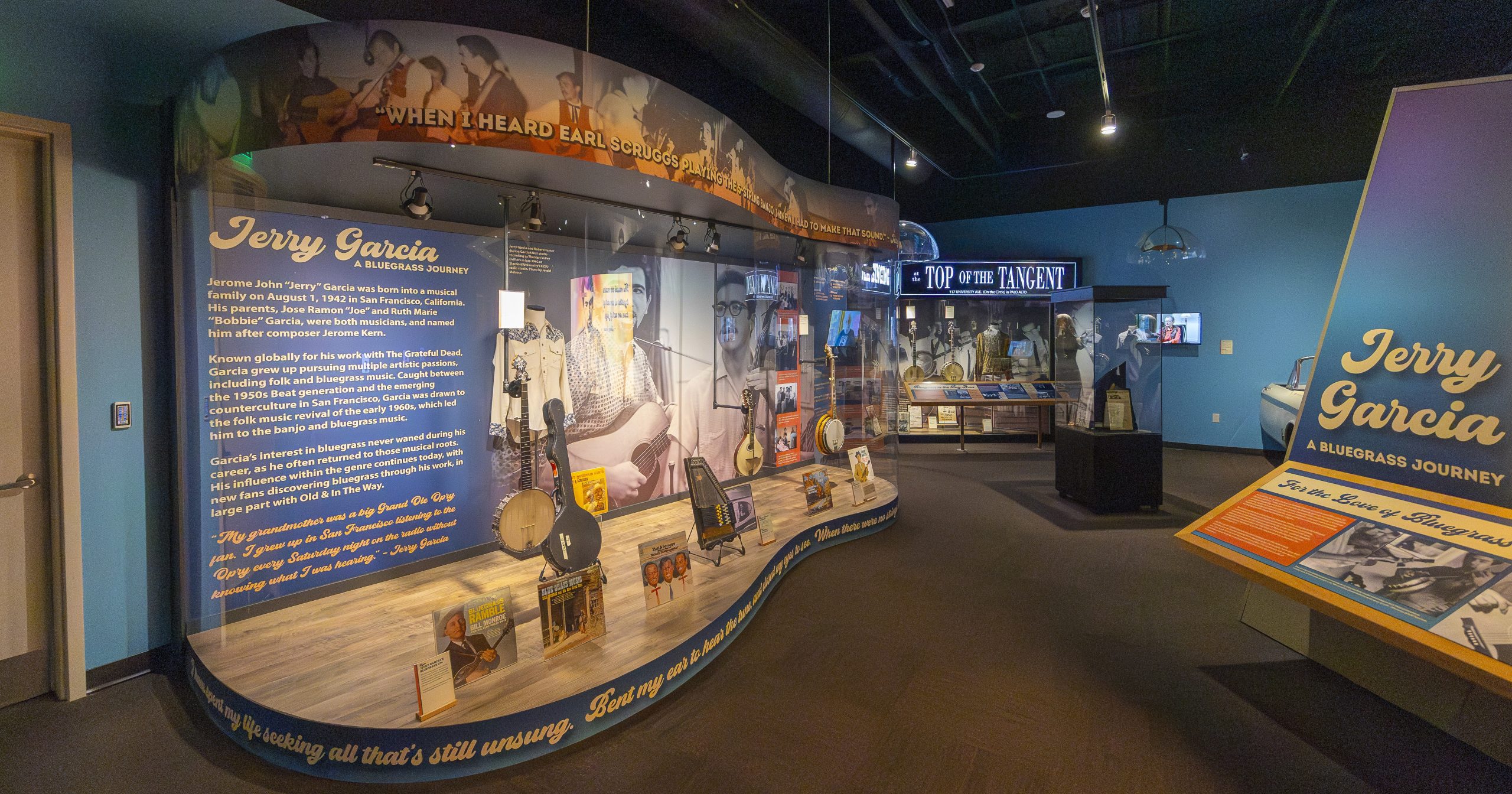
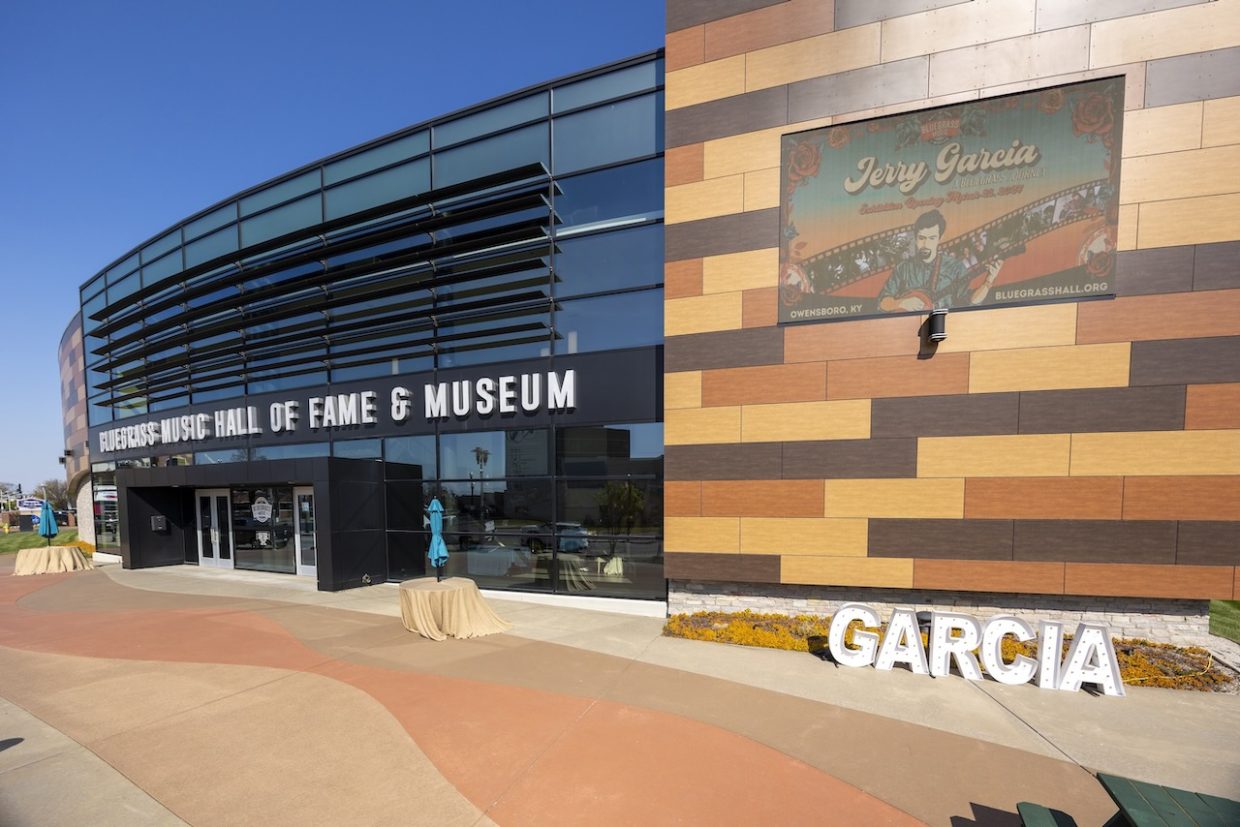
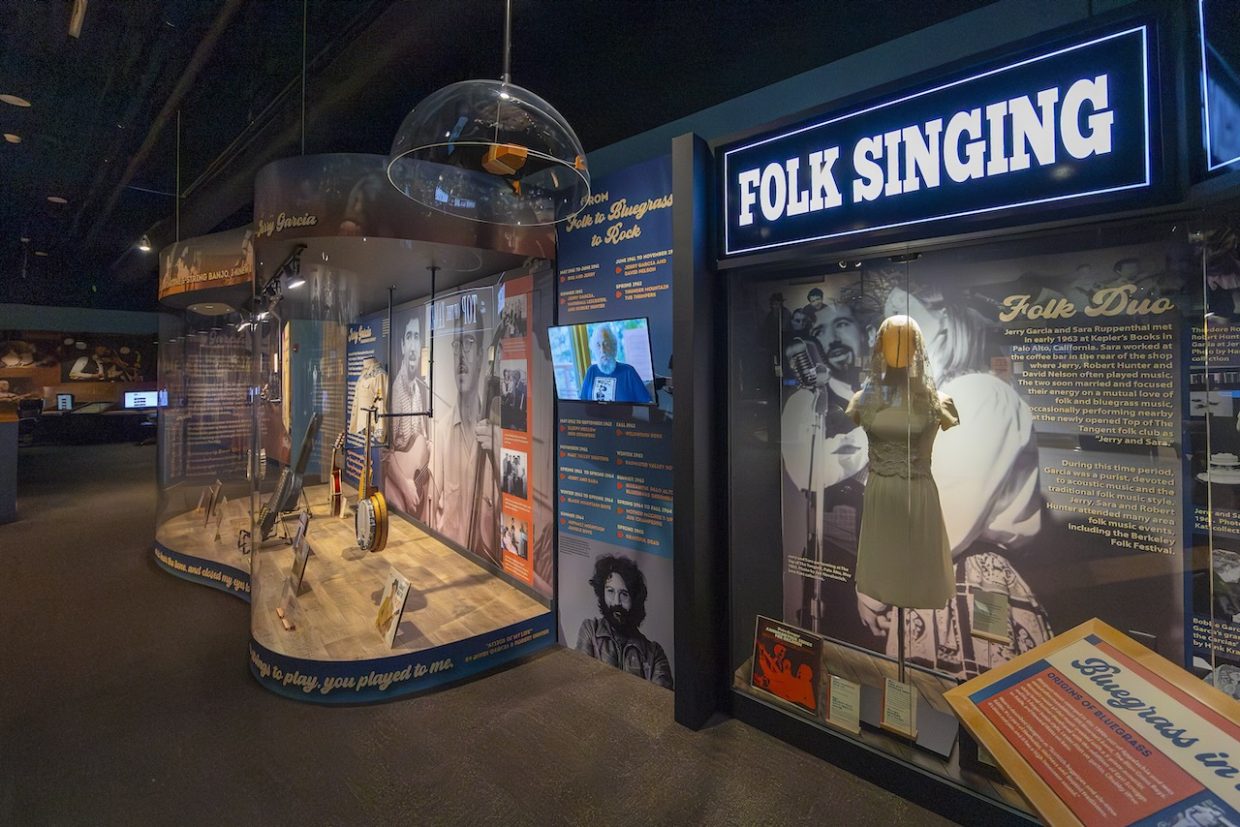
Although it will be showcased for the next two years, the recent grand opening celebration of the “Jerry Garcia: A Bluegrass Journey” exhibition at the Bluegrass Music Hall of Fame & Museum will go down as not only a monumental gathering of musical legends, but also an unforgettable moment in time for all involved.
“This exhibit is coinciding at a great moment for bluegrass,” says Carly Smith, museum curator. “[Jerry] funneled so many people to [bluegrass]. And a lot of present day artists — Billy Strings, Molly Tuttle — are incorporating Jerry’s style into what they’re playing.”
Located in downtown Owensboro, Kentucky, along the mighty Ohio River, the Bluegrass Hall of Fame has created an incredibly impressive and intricate ode to Garcia and his undying love of the “high, lonesome sound,” demonstrating how his indelible fingerprint on the genre is still clearly visible in this current high-water mark moment for bluegrass.
Known as one of the finest electric guitarists to ever pick up the six-string instrument, Garcia, who passed in 1995, is eternally known as the de facto leader and musical zeitgeist at the helm of the Grateful Dead. And yet, the foundation of Garcia’s playing and skillset lies in American roots music — folk, blues, and bluegrass.
Photo by Chris Stegner, courtesy of the Bluegrass Music Hall of Fame & Museum.
The exhibit weaves through Garcia’s early years as a folk musician in the 1950s, his lifelong friendship with musician/lyricist Robert Hunter, his time in a slew of acoustic outfits in the 1960s – including Mother McCree’s Uptown Jug Champions (an early footprint of the Dead) – as well as a keen focus on Garcia’s work in Old & In the Way and New Riders of the Purple Sage.
“I cried through the entire [opening weekend] press conference,” Cliff Seltzer, the exhibit’s creative director, says in a humbled tone. “I’ve been trying to keep my composure for this weekend because it’s overwhelming.”
For Seltzer, the journey to the opening weekend has been five years in the making. A well-known former artist manager, Seltzer was touring the museum in 2019 with one of his friends and clients, Vince Herman of Leftover Salmon. With curator Smith guiding the duo through the building, the group started kicking around ideas for what to put in a then-empty gallery portion of the second floor.
Photo by Chris Stegner, courtesy of the Bluegrass Music Hall of Fame & Museum.
“We’ve always talked about a Jerry Garcia exhibit, and it just kind of snowballed from there,” Smith says. “And it was very unexpected how open Jerry’s family was with [helping] us. What I’ve learned over the last two years, really working with them, is that bluegrass was part of [Jerry] — that’s what he was doing when he wasn’t on the road, that’s what he did at home.”
For the better part of the last half-decade, Smith, Seltzer and a small crew of folks roamed America, not only in search of Garcia artifacts to display (instruments, photographs, family heirlooms), but also numerous interviews with some of the biggest names in bluegrass to share in the exhibit — each talking at-length about Garcia’s cosmic lore, larger-than-life legends, and lasting legacy.
“Every genre of music has to morph and change. New people enter the fold and introduce new things,” Seltzer said. “With Billy [Strings], Molly Tuttle, Sierra Ferrell, and others, bluegrass is bigger [now] than it’s ever been — it’s only going to continue to grow.”
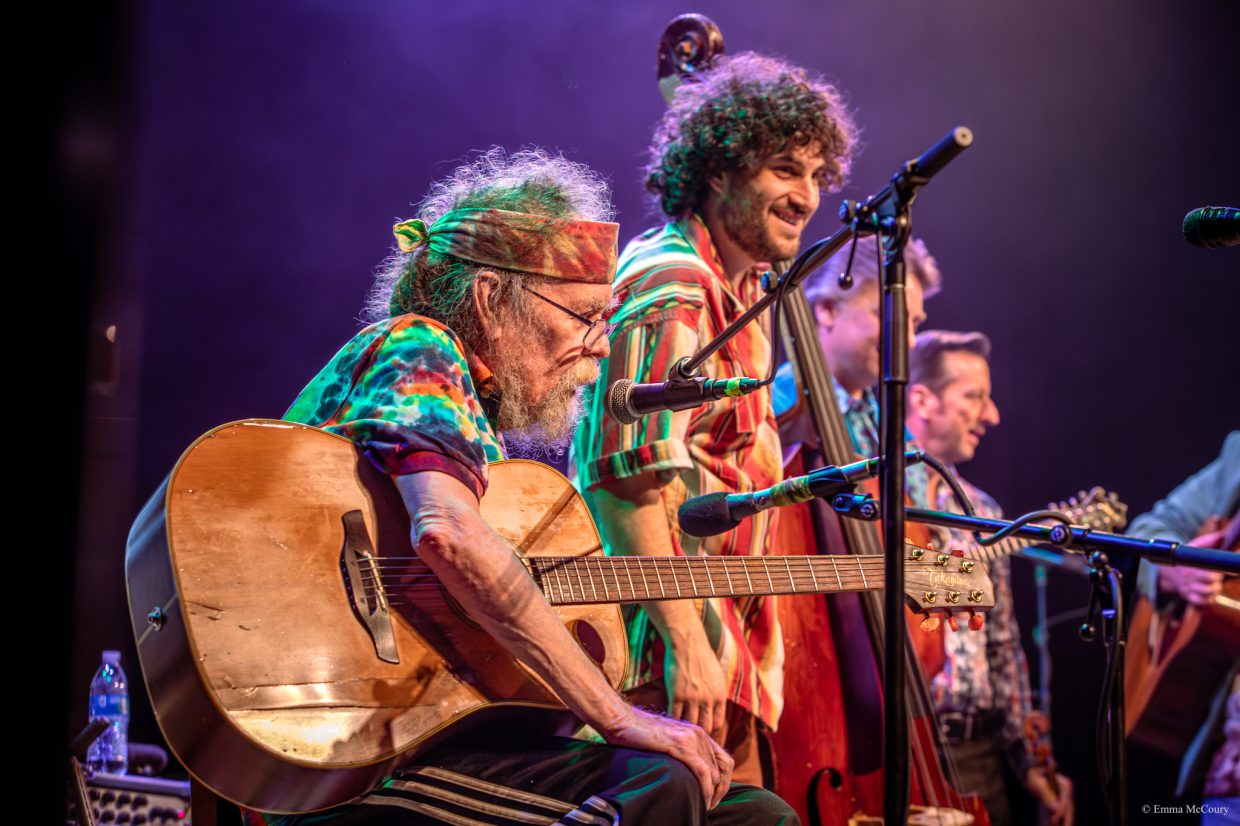
David Nelson joined by Sam Grisman, Ronnie McCoury, and Jason Carter on stage at the Bluegrass Hall of Fame. Photo by Emma McCoury.
Way before the Dead — before any of the melodic chaos and intrinsic beauty of what that band created onstage any given night for its 30-year tenure — there was Garcia himself, simply a huge bluegrass freak who, perhaps someday, would become a member of Bill Monroe & The Blue Grass Boys.
And although Garcia would eventually swerve into the electric sounds of rock and roll and blues, he was never too far from bluegrass. There were always side projects and low-key jam sessions with a bevy of acoustic musicians throughout the early years of the Dead in the 1960s and 1970s.
Most notable of those collaborations was with mandolin virtuoso David Grisman. Through Grisman, Garcia met guitarist Peter Rowan in 1972. A former member of Monroe’s Blue Grass Boys, Rowan found a kindred spirit — in sound and in attitude — with Garcia. The kismet trio would jam often at Garcia’s Stinson Beach, California, home, with Garcia plucking his trusty banjo.
“We started picking every night after supper [at Jerry’s],” Rowan says. “We went through old song books and learned a bunch of material. I remember singing ‘Land of the Navajo’ and looking at Jerry like, ‘This is really weird, isn’t it?’ He goes, ‘Keep going, man.’”
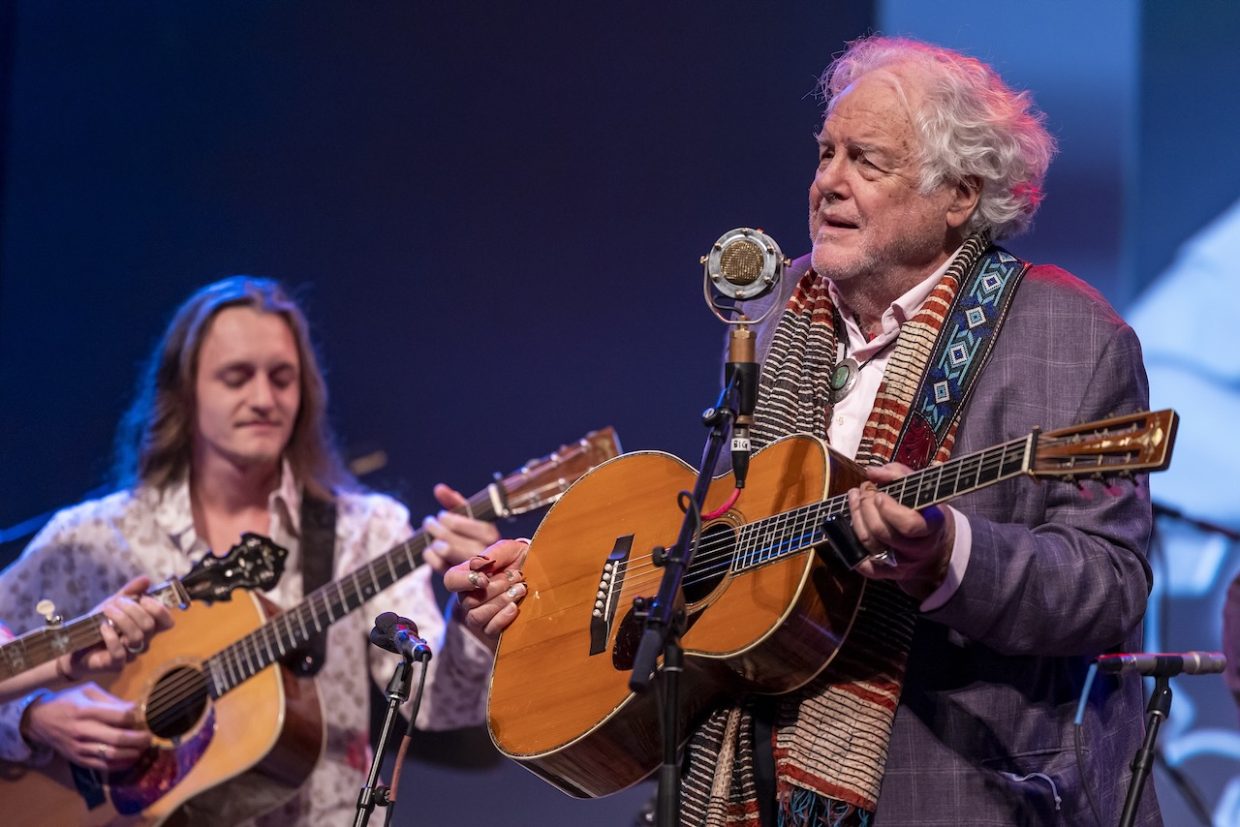
Peter Rowan speaks as Heaven McCoury looks on during the exhibition opening weekend festivities. Photo by Chris Stegner.
What was birthed from those happenstance pickin’ and grinnin’ sessions became bluegrass super group Old & In the Way. Like a shooting star in the tranquil night sky, the band — featuring Garcia, Rowan, Grisman, bassist John Kahn, and a revolving cast of fiddlers (Richard Greene, John Hartford, Vassar Clements) — would only last the better part of two years (1973-1974).
But, in it remains one of the most important and groundbreaking acts to ever emerge in the bluegrass scene. To note, Old & In the Way’s 1975 self-titled debut album went on to become the bestselling bluegrass album of all-time – until it was dethroned by the O Brother, Where Art Thou? soundtrack released in 2000.
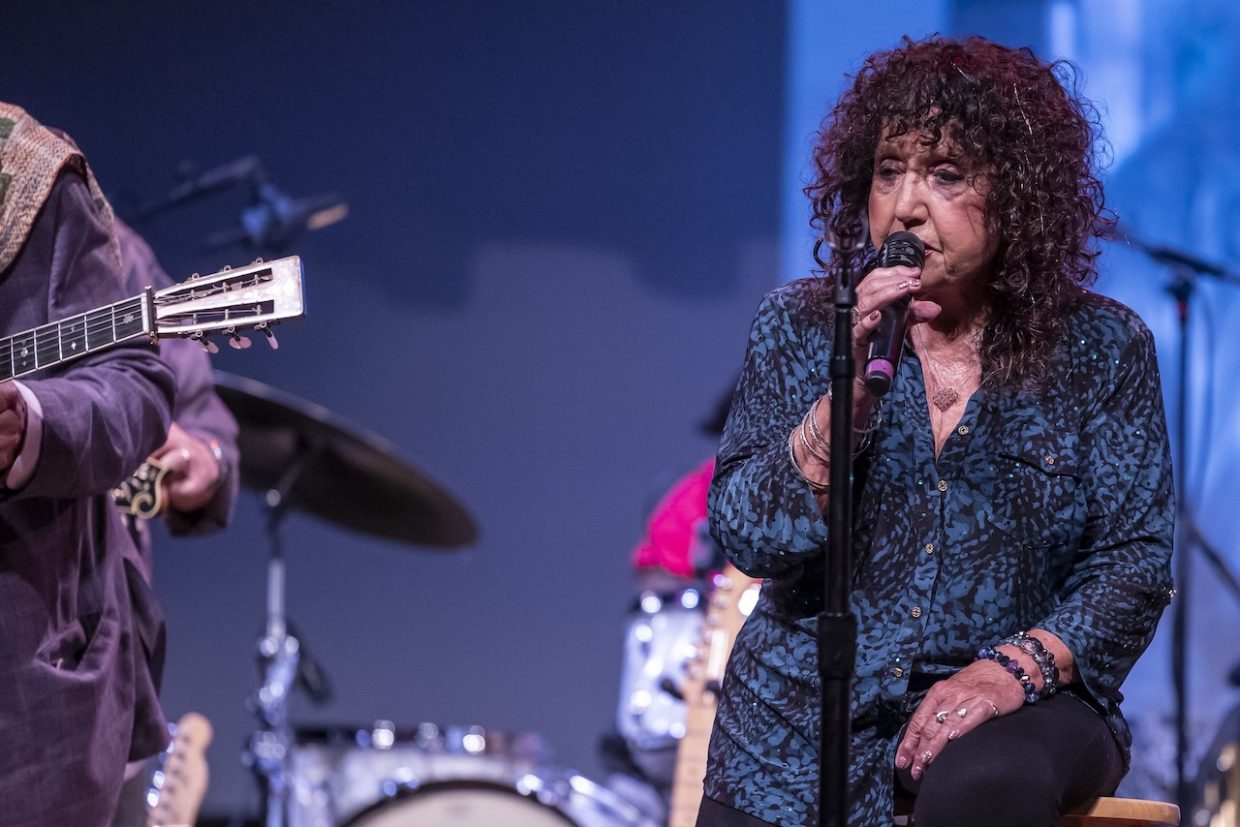
Maria Muldaur performs. Photo by Chris Stegner.
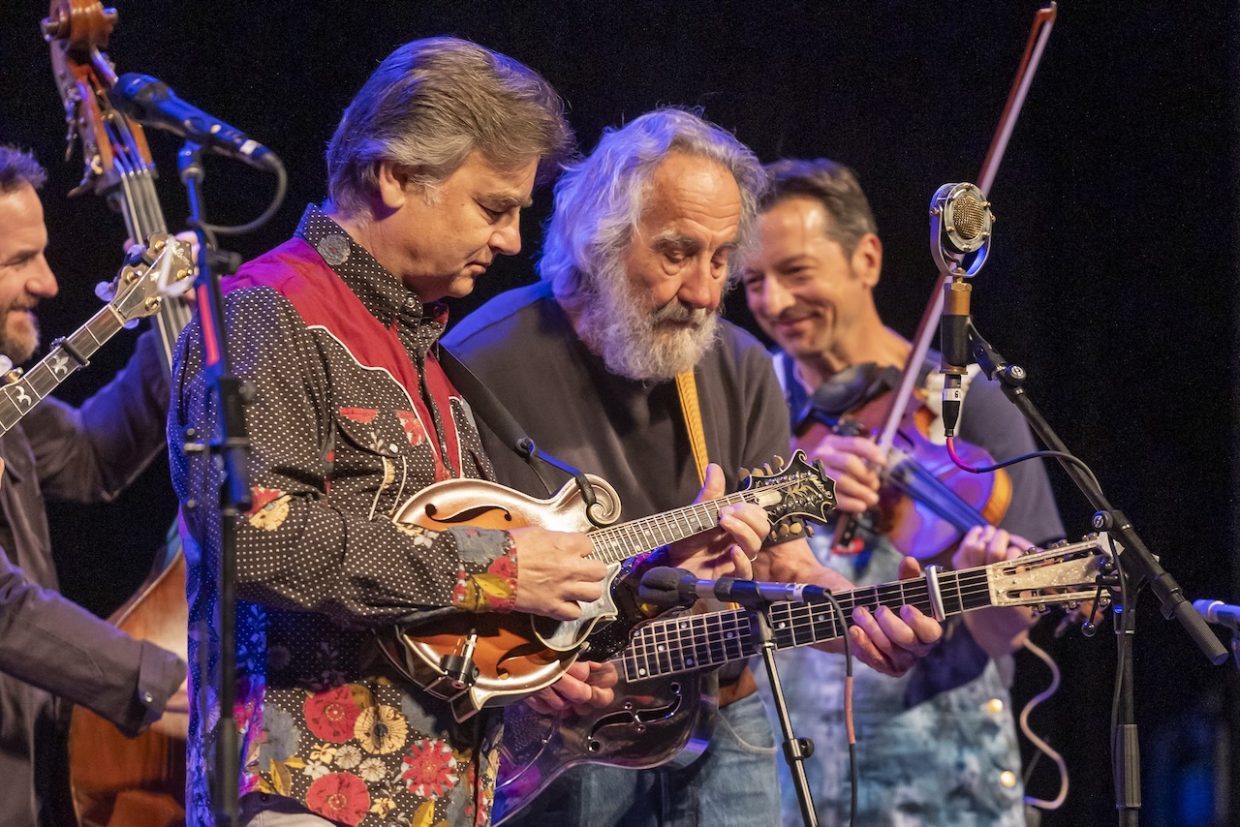
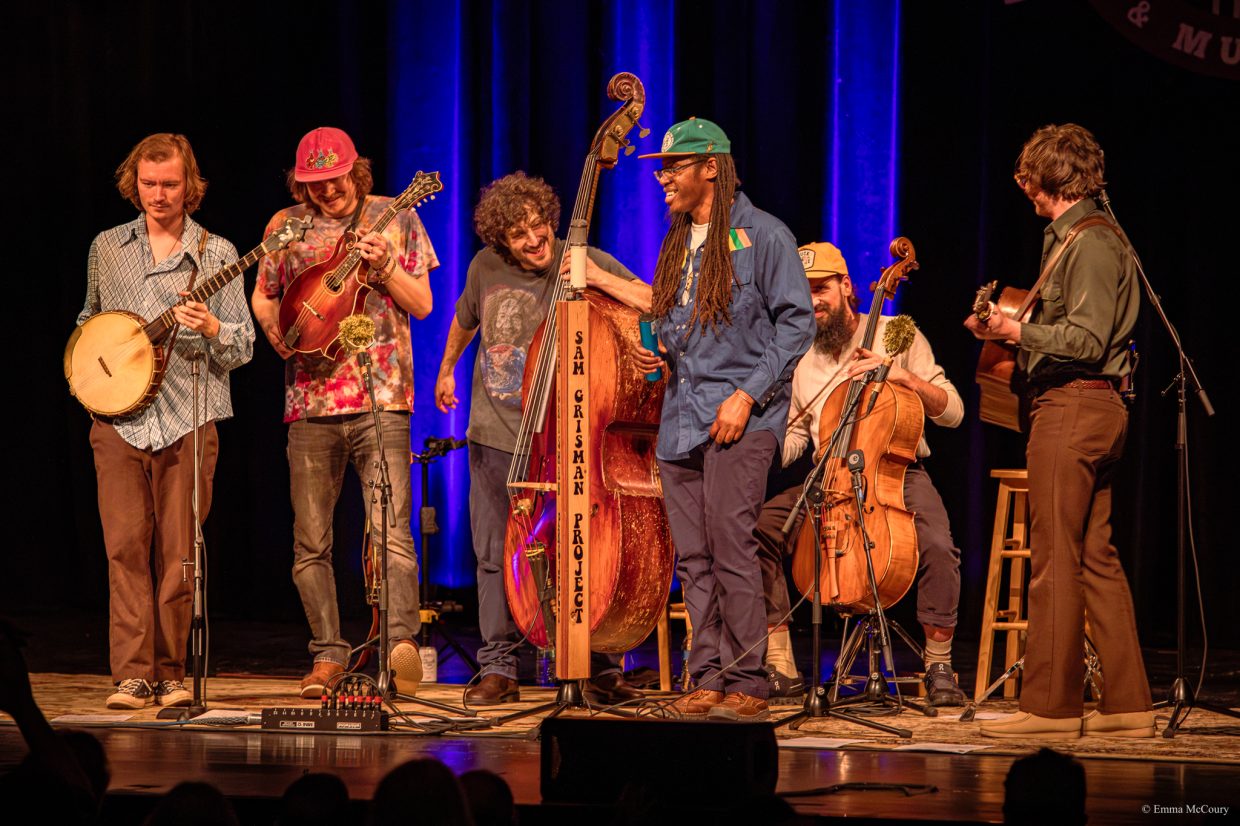
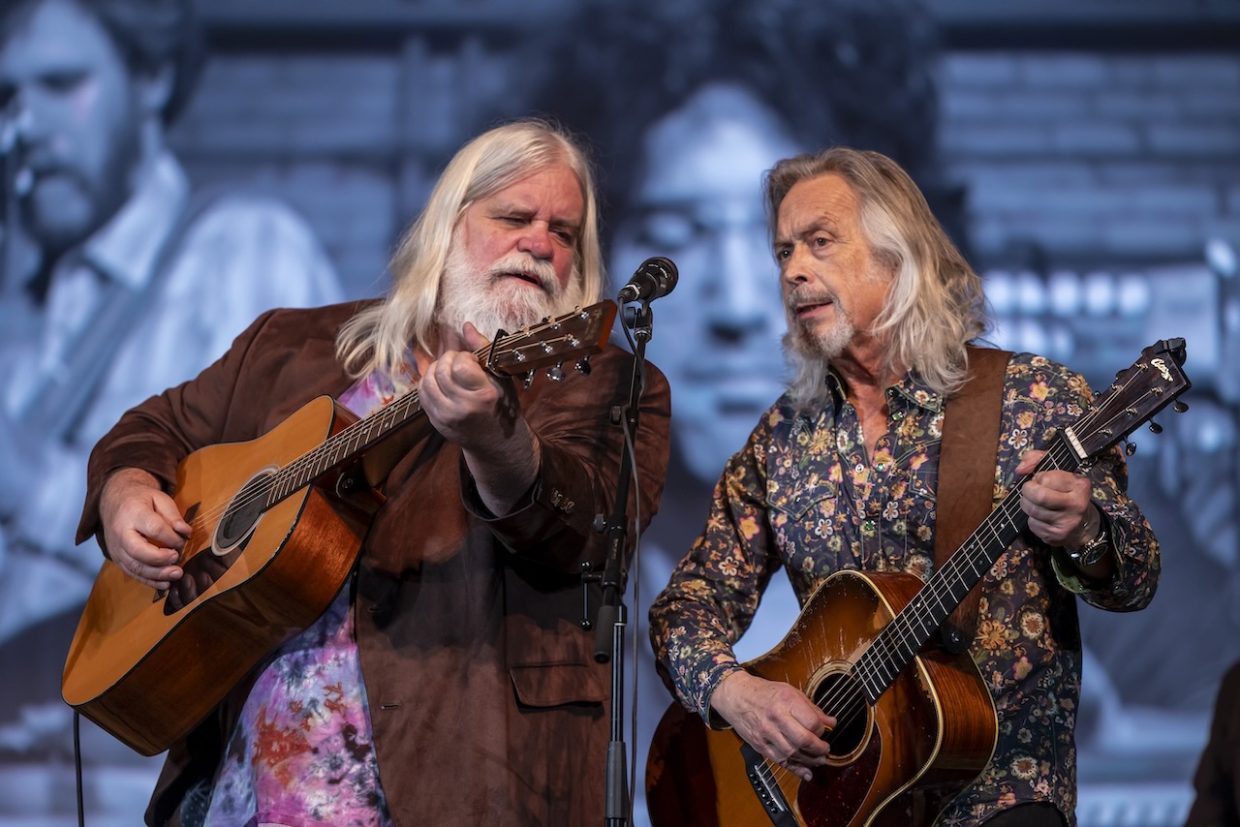
Alongside an onslaught of beautifully touching performances (Leftover Salmon, Maria Muldaur, Jim Lauderdale, Kyle Tuttle, Peter Rowan, Ronnie McCoury, Sam Grisman Project) and poignant gatherings of artists and music lovers throughout the “Jerry Garcia: A Bluegrass Journey” opening weekend, there were also several panels taking place each day at the museum.
Of which, “Garcia: Legend & Lore of a Bluegrass Freak” featured Peter Rowan (Old & In the Way), David Nelson (New Riders of the Purple Sage), Pete Wernick (Hot Rize), Sam Grisman (son of David Grisman) and Eric Thompson (Mother McCree’s Uptown Jug Champions).
“Old & In the Way really helped everything get bigger,” Wernick says. “It was this whole group of material that means so much to all of us in the bluegrass scene — it suddenly became something that people all over the world knew about.”
Greg Garrison, Ronnie McCoury, Eric Thompson, and Jason Carter perform. Photo by Chris Stegner.
Below are a few excerpts for that artist panel conversation:
Eric Thompson: I grew up in Palo Alto, California, kind of the nexus point for the folk world in the early ’60s. Joan Baez was from there. The Kingston Trio was from there. I got into the bluegrass guitar in [1961]. [Jerry] ended up there after he got thrown out of the Army. He got into all kinds of folk music and he would just devour a style. [He’d say], “Oh, I’m going to do that,” then two weeks later he’s got a whole repertoire. I was 15 years old and made friends with Jerry right away — it changed my life.
David Nelson: We’d go down to Kepler’s bookstore, which is an old hangout in Palo Alto. There was a section of it where you could get an espresso, sit down at a picnic table, and read a book. And there’s this guy [there]. It’s summer, so he’s got his shirt open and [big] hair. And he’s playing a 12-string guitar. Somebody comes up and says, “That’s Jerry Garcia.” We went over and pitched the idea [of jamming together]. Sure enough, next Tuesday night, we’re waiting and waiting. Then, all of a sudden, here comes the car and there’s Jerry coming up the stairs with a guitar and some friends. It started off a whole [jamming] thing at the Boar’s Head [Tavern], which just went on for months and years maybe. [Jerry] was interested in bluegrass banjo and I was interested in bluegrass guitar. I got me a banjo. Jerry said, “Oh, man, borrow my guitar. Can I borrow this banjo?” He happened to have a 1940 Martin D-18 [guitar].
The Sam Grisman Project – featuring Victor Furtado, Logan Ledger, and more – take a bow. Photo by Emma McCoury.
Thompson: [Jerry] brought some openness to the approach [of bluegrass music]. I know [so] many people, who are mostly not bluegrass musicians, who found out about [bluegrass] because of Old & In the Way. It was open and expressive and, at the same time, paid respect to what came before. It was this new, intelligent thing. And intelligence is what Garcia brought to the music, [as well as] imagination, articulation.
Vince Herman and Jim Lauderdale harmonize. Photo by Chris Stegner.
Photo Credit: All photos by Chris Stegner and Emma McCoury, as indicated. Courtesy of the Bluegrass Music Hall of Fame & Museum.
This website uses cookies to improve your experience. We'll assume you're ok with this, but you can opt-out if you wish.AcceptRejectRead More
Privacy & Cookies Policy
Privacy Overview
This website uses cookies to improve your experience while you navigate through the website. Out of these, the cookies that are categorized as necessary are stored on your browser as they are essential for the working of basic functionalities of the website. We also use third-party cookies that help us analyze and understand how you use this website. These cookies will be stored in your browser only with your consent. You also have the option to opt-out of these cookies. But opting out of some of these cookies may affect your browsing experience.
Necessary cookies are absolutely essential for the website to function properly. This category only includes cookies that ensures basic functionalities and security features of the website. These cookies do not store any personal information.
Any cookies that may not be particularly necessary for the website to function and is used specifically to collect user personal data via analytics, ads, other embedded contents are termed as non-necessary cookies. It is mandatory to procure user consent prior to running these cookies on your website.