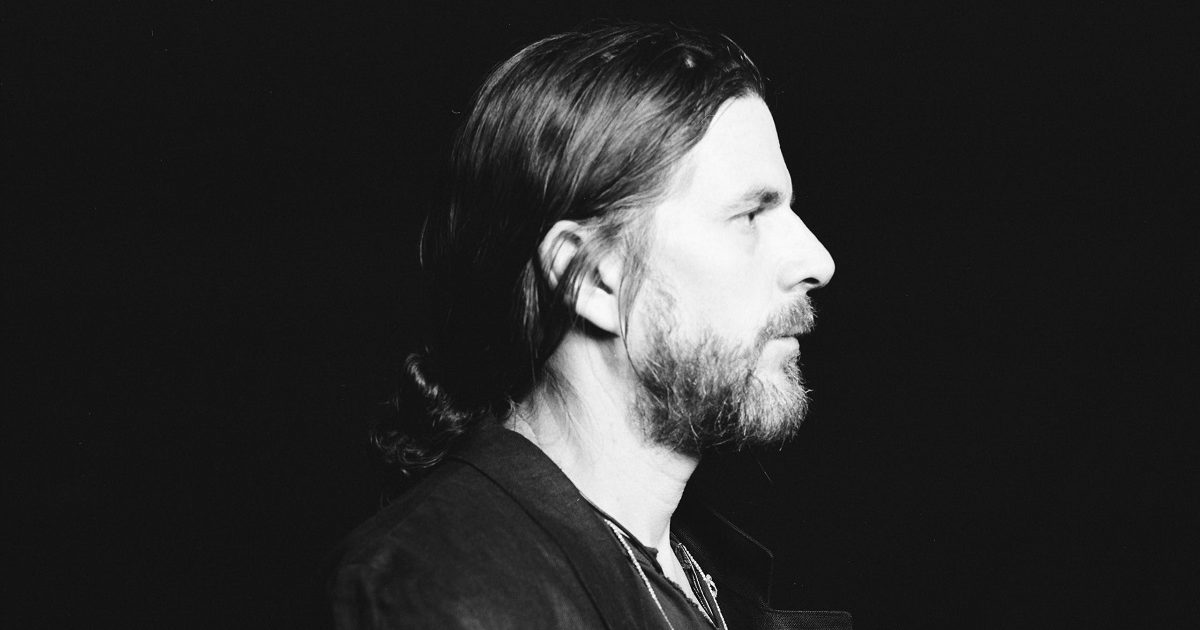
BGS 5+5: Jonathan Wilson

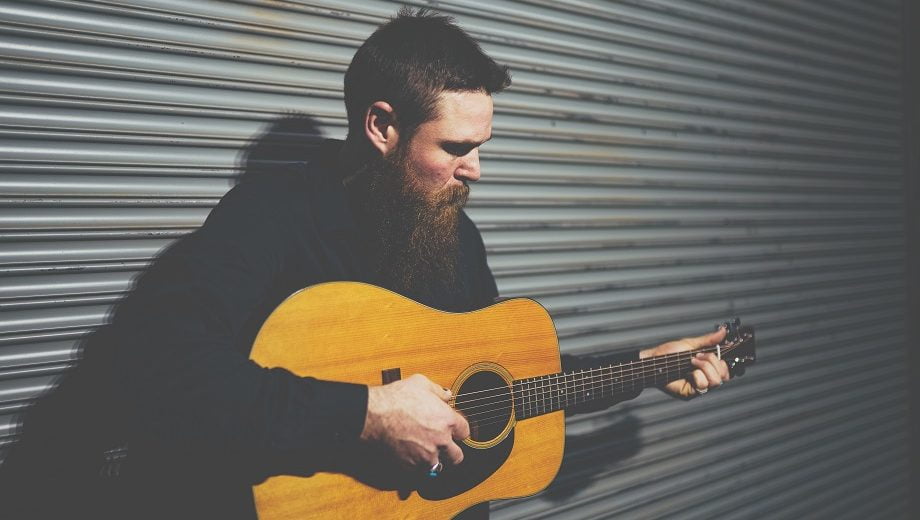
Artist: Jonathan Wilson
Hometown: Forest City, North Carolina
Latest Album: Dixie Blur

What other art forms — literature, film, dance, painting, etc — inform your music?

Painting more than others really, I’ve always admired the visual arts so…..I want to be a great painter and the painters want to be a musician…….

What rituals do you have, either in the studio or before a show?

The studio ritual is weed, the live ritual is multi-faceted: setlist, vocal warm-up for good luck, a tequila onstage and voila.

Which elements of nature do you spend the most time with and how do those impact your work?

I live in nature and have for most of my recording career, it’s hugely important, the moon, the sunsets, they inspire new work, they make everything feel meaningful and magical … I live in the woods.

Since food and music go so well together, what is your dream pairing of a meal and a musician?

A Gjelina dinner with Neil Young is on my bucket list.


Photo credit: Louis Rodiger

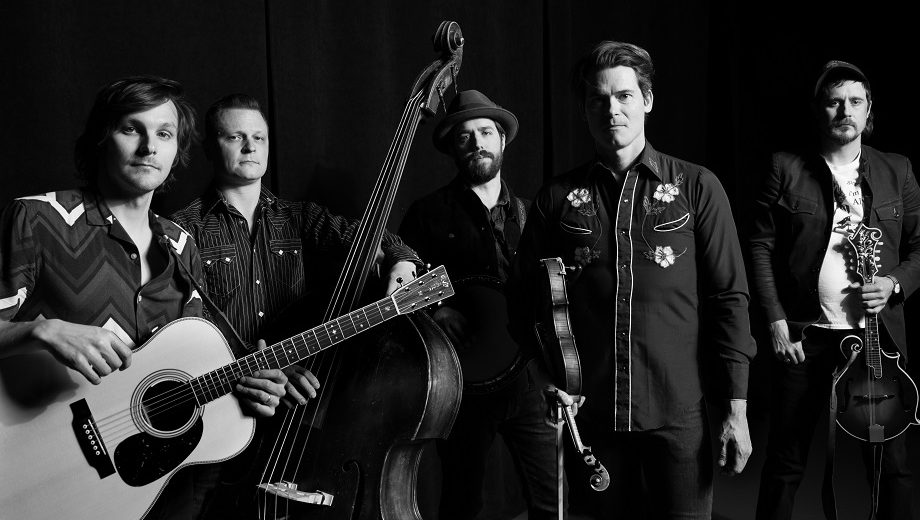
Old Crow Medicine Show’s Ketch Secor Learned This From ‘Country Music’ (Part 2 of 2)

In Ken Burns’ documentary opus Country Music, a weaving path from the hollers of Appalachia to Garth Brooks’ theatrical stadium concerts was laid out for all to see. But mapping that trail has always been a complicated, cumbersome task.

The sheer number of influences at play required 16 hours of footage for Burns to tell the story – and lots of help from the artists themselves. One of those artists was Old Crow Medicine Show’s Ketch Secor, who gladly jumped in to tackle the unwieldy narrative of his favorite subject.

Secor had a two important roles to play in the series. Most obviously, he related a lifetime’s study of country’s earliest touchstones and how they combined into something uniquely American. But the outspoken frontman was also tapped in the beginning of Burns’ process as a behind-the-scenes consultant, helping guide the project’s tone and ultimately delivering one of its final and most powerful lines.

“It’s almost like [country music] needs to be exhumed, and new life breathed into it,” Secor proclaimed. “The part that is the songs of the people, the hopes and aspirations of the people — the pain and suffering of the people — that needs to remain embedded in country music. If it isn’t there, I’m out.”

Backstage at the Grand Ole Opry House on the night the series premiered, Secor explained what the project meant to a history buff like himself, and how Burns unwittingly played a role in Old Crow’s founding.

BGS: Old Crow Medicine Show’s music has always shined a light on the past. What made you interested in that to begin with?

Secor: I was always interested in history, and I really attribute that to Ken Burns – I saw The Civil War when I was 11 years old. I lived in the Shenandoah Valley, and I wondered why the kids went to Robert E. Lee High School and why we played Stonewall Jackson, why the name of the shopping mall and the subdivision and the motel was what it was — it was all the war. It was everywhere, and we took some field trips but I didn’t really understand it. I could feel this echo, though. Seeing that movie on PBS really helped me to take this tour of my own backyard and see how history was alive. I credit that to him.

Knowing how deeply you care about country music’s history, what did you think when you found out Burns was going to present it?

I thought immediately, “Thank God. Finally somebody is going to tell our story and get it right.” I don’t trust any of these people to our story [gestures to photos Opry stars dotting the dressing room walls] because they’re all right in the middle of it. Everyone here has a very, very different story, and everybody has “The True Story” — but only their truth. Country music is richer than any one truth, so it takes an outsider’s perspective because of Nashville’s tendency toward this clan-ishness, the good ol’ boys network and these sorts of forces.

I mean, we’re the genre that has told its own history ever since it started. The radio charts today are full of songs about the good old days — and they’re talking about the ‘90s. That’s the good old days now. But it doesn’t matter, whatever the good old days were, the ethos here is that times ain’t like they used to be, they used to be better. That’s what they’ve been selling from the start, but they can’t tell our history without making it a commodity. So it takes this outsider, and you can’t ask for a better outsider than America’s most beloved documentarian, because he was the outsider who told us how jazz was born and flourished, how baseball was created, the Roosevelts, the National Parks, the Brooklyn Bridge. Country music is just as important as all that.

What did they actually ask of you?

I talked about slavery and the plantation system, the penal system — because incarceration was a great cultural conversationalist. It kept people locked up in isolation, which is one of the keys to making country music so rich. How long did the Scotch-Irish people live in Appalachia before being disturbed? Well, the great disturbance comes in Bristol in 1927. The record companies came in and said “Whaddya got?” And what they had was so specific to one region that it might sound different one holler over.

Then I talked about the Opry, and then I tried to talk about more New Age-y hip-fangled things, but they didn’t use any of that [laughs]. The other way I’ve been involved is by being an advisor to the film, so I read all the early scripts for the past eight years. But it was great, they just asked me, “How would you tell the story? Where was the birth? Who was important to mention?”

This has been in the works for eight years?

Yeah, he conducted like 140 interviews, and of that maybe 50 or 60 of his interviewees have died. See, the other thing about Ken is he knows when it’s time to tell a story, and by doing the story when he did, he was able to get Little Jimmy Dickens, Merle Haggard, numerous artists who wouldn’t be here — George Jones is in this film.

Did you get surprised by anything?

Oh yeah, a trove of knowledge is in this documentary, I learned a ton. And lots of things made me cry. What I learned primarily was a real self-reflective thought of, “Oh my God, this is my life.” I think almost all of these folks on the wall are in the movie, and when they watch they’ll be crying, too, because they’ll see themselves in the Bristol Sessions. They’ll see themselves at the earliest days of the Grand Ole Opry, they’ll compare themselves to the Outlaw movement and the traditional movement of the ‘80s, the development of the star system, and contextualize their own career.

You talked about isolation. We’re in this weird moment where country is more popular than ever, but rural life is changing fast. It’s easy to connect with people all over the world. How does the film address that?

One of the things that’s great about the film is that it stops around 1996, because Ken Burns isn’t a journalist, he’s a documentarian. He’s not making a movie about today, and here’s why: Historians say you’ve gotta have a generation pass before you can tell what happened. I just think it’s gonna go a lot deeper than anybody could say right now.

Like if you told the story of why Randy Travis mattered in 1986, it would be a lot different. And also the forces that are at play in country music, they need time to gestate for us to understand what they’re saying. Who’s gonna last? Who are we going to be talking about in 25 years? Blanco Brown? Chris Stapleton? Who’s gonna have their picture on this wall in 25 years? I don’t know.

Editor’s Note: Read Part 1 of our interview with Old Crow Medicine Show’s Ketch Secor.


Photo credit: Crackerfarm

22 Top Country Duos

Country music was made for duets. Not only because those tight, tasty harmonies are a foundational aspect of the music, but also because country accomplishes heartbreak — and every other make and model of love song — better than almost any other genre. (Thought quite possibly better than all other genres.) It just makes sense to have two singers, one to play each role in a lost, soon-to-be-lost, or (rarely) divine, never-perishing romance. But the format isn’t restricted to lovers or their placeholders, it can just as seamlessly fit heroes and acolytes, parents and children, siblings, peers, fellow pot smokers, and on and on.

Take a scroll through these twenty-two country twosomes:

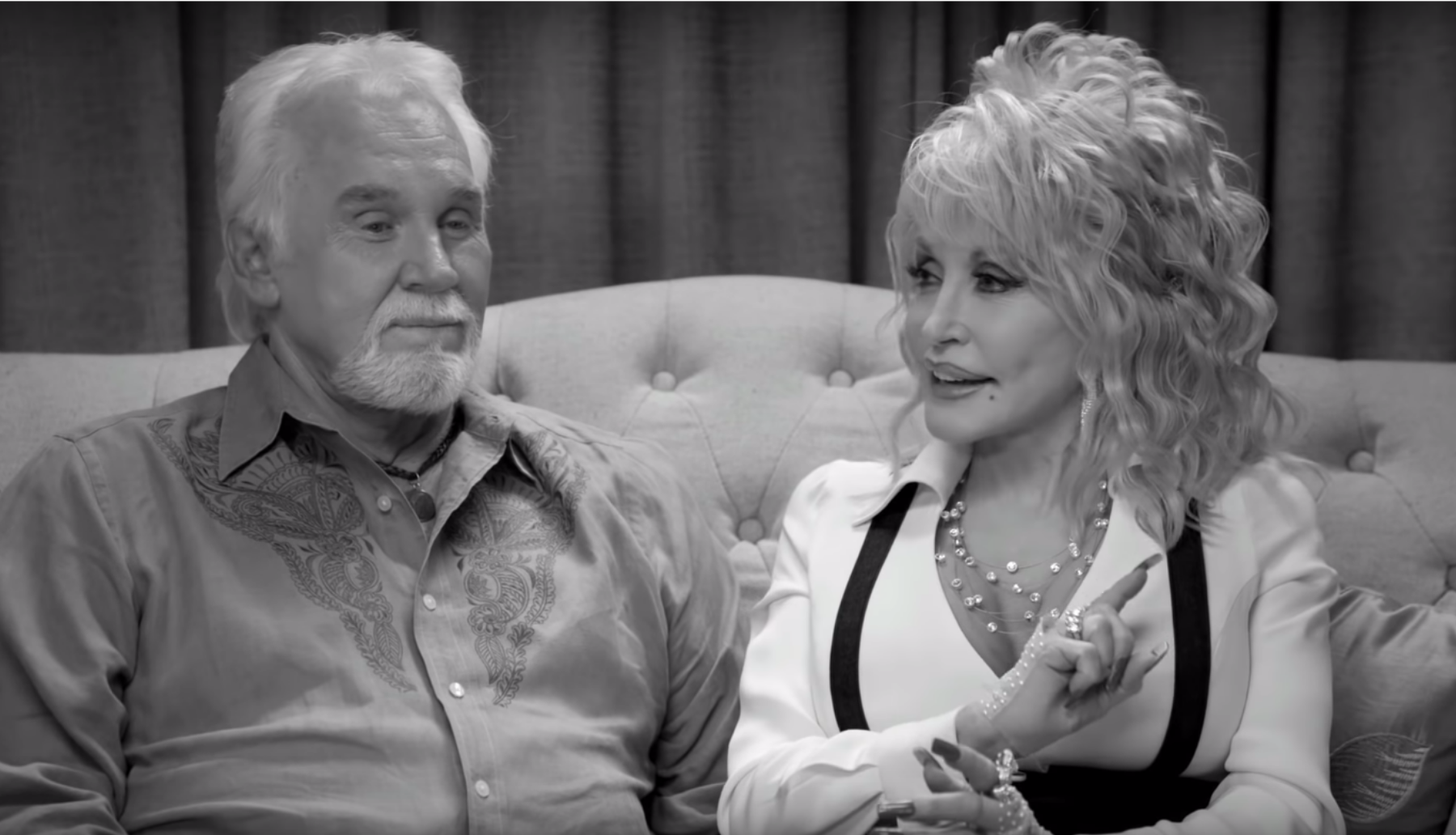
Kenny Rogers & Dolly Parton

We couldn’t have this list without these two. They should be the start, middle, and end of any definitive list of country duos. So we’ll just make the easy choice and kick it all off with Kenny and Dolly — that extra intro about their friendship and the years they’ve known each other? Swoon.

Loretta Lynn & Conway Twitty

After saying what we did about Kenny & Dolly we knew this pair needed to come next — so as to not rile anyone. Out of countless duets we could have chosen, how could any top “You’re The Reason Our Kids Are Ugly?”

Willie Nelson & Ray Charles

For inexplicable reasons people tend to forget Ray Charles’ incredible forays into country. His collaborations with Willie are stunning for the extreme juxtaposition of their voices and styles — they feel and swing so distinctly and differently, but all while perfectly complementary. “Seven Spanish Angels” ranked a very close second to this number in our selection process.

Glen Campbell & John Hartford

The most-recorded song in the history of recording? It’s said “Gentle On My Mind” holds that honor. And goodness gracious of course it does. Here’s its writer and its popularizer and hitmaker together.

Lee Ann Womack & George Strait

Together, Lee Ann and George were beacons of the trad country duet form, especially in the ’90s and early 2000s. This one from the jewel in the crown of Lee Ann’s discography, Call Me Crazy, is crisply modern, but with decidedly timeless vocals.

George Jones & Tammy Wynette

A broken, country fairy tale of a love story, George and Tammy’s relationship was infamously fraught, but damn if that didn’t just make their duets ever more… ethereal. Which doesn’t justify that Tammy Wynette kinda pain, to be sure, but it does remind us that if country can do anything better than all other genres, it can be sad.

Reba McEntire & Linda Davis

One of the best country songs, duets, and music videos EVER MADE. Theatrical and epic and a little silly and downright catchy and Rob Reiner and… we could go on forever.

Tanya Tucker & Delbert McClinton

Tanya is back with a brand new album and its well-deserved level of attention has been helping to re-shine the spotlight on her expansive career. Forty top ten hits across three decades. Who does that? Here she duets with Delbert McClinton on their 1993 hit, “Tell Me About It.”

Alan Jackson & Jimmy Buffett

Hey, if this has to be stuck in our heads for the rest of the month, it should be stuck in yours, too. Fair’s fair. It’s only half past [whatever time it is], but we don’t care.

Johnny Cash & June Carter Cash

One of the most recognizable duos in the history of the genre, immortalized not only in their discography but in a film adaptation of their love as well, Walk the Line. We all know “Jackson” as familiarly as the ABC’s, so here’s a slightly lesser-known beaut. (Keep watching til the last verse for an adorable bit from June.)

Eric Church & Rhiannon Giddens

Country is at its best when it surprises us. This collaboration is certainly, on the surface, unexpected, but the message of the song isn’t the only way these two artists can relate to each other. Over the course of their careers they’ve both fought their way from the fringes to the centers of their respective scenes. More of this, please.

Dolly Parton & Porter Wagoner

Dolly got her start with Porter Wagoner on his television show in the 1960s. They can certainly be credited with pioneering, popularizing, and epitomizing the country duet format. One of her most famous hits, “I Will Always Love You,” was written for Porter as she lamented leaving their act to go totally solo. (We’re a little glad she did.) You can tell they sang this song just a few gajillion times together, give or take.

Pam Tillis & Mel Tillis

Father/daughter duos in country aren’t as common, but they certainly aren’t unheard of. Pam and Mel are a perfect example. (The Kendalls are another.)

Patty Loveless & Ralph Stanley

Patty Loveless received the first ever Ralph Stanley Mountain Music Memorial Legacy Award in 2017 at Ralph’s home festival, Hills of Home, in Wise County, Virginia. Patty and Ralph were longtime friends and collaborators during his lifetime and even through her mainstream country success she referenced bluegrass and Ralph as influences — and she cut a few bluegrass records as well.

Alison Krauss & James Taylor

It’s. Just. Too. Good. Like butter. Like a warm bubble bath. Like floating on a cloud. Two voices that were meant to intertwine.

Charley Pride & Glen Campbell

These two were made to sing Latin-inflected harmonies together, weren’t they? Charley Pride gets overlooked by these sorts of lists all too often. But dang if he didn’t crank out some stellar collaborations, too!

Gram Parsons & Emmylou Harris

“Love Hurts” and boy, if Gram and Emmylou don’t make you believe it heart and soul and body and being. The definitive version of this Boudleaux Bryant song? Perhaps.

Willie Nelson & Merle Haggard

Icons being icons. And friends. And amazingly talented, ceaselessly musical comrades. You love to see it. (We could’ve/should’ve chosen “Pancho & Lefty.” We did not.)

Vince Gill & Amy Grant

There are quite a few reasons why the Ryman Auditorium basically hands this husband and wife duo the keys to the place each December. Basically all of those reasons are evident in this one. It’s fitting that this video came from one of those Christmas shows, too.

Dolly Parton & Sia

Dolly literally outdoes herself, re-recording “Here I Am” for the original soundtrack for her Netflix film, Dumplin’, after she first cut the Top 40 country single in 1971. Clearly she and Sia have much more in common than an affinity for wigs; their soaring, acrobatic voices seem so disparate in style and form until you hear them together. Listen on repeat for the best therapeutic results.

Robert Plant & Alison Krauss

[Insert entire Raising Sand album here, because how could we ever choose?] Lol jk, here’s “Killing the Blues.”

Carrie Underwood & Randy Travis

Cross-generational, meet-your-hero magic right here. Little did we know what was in store for Carrie Underwood then. But the way Randy looks at her up there, you can tell he knows she’s goin’ places.

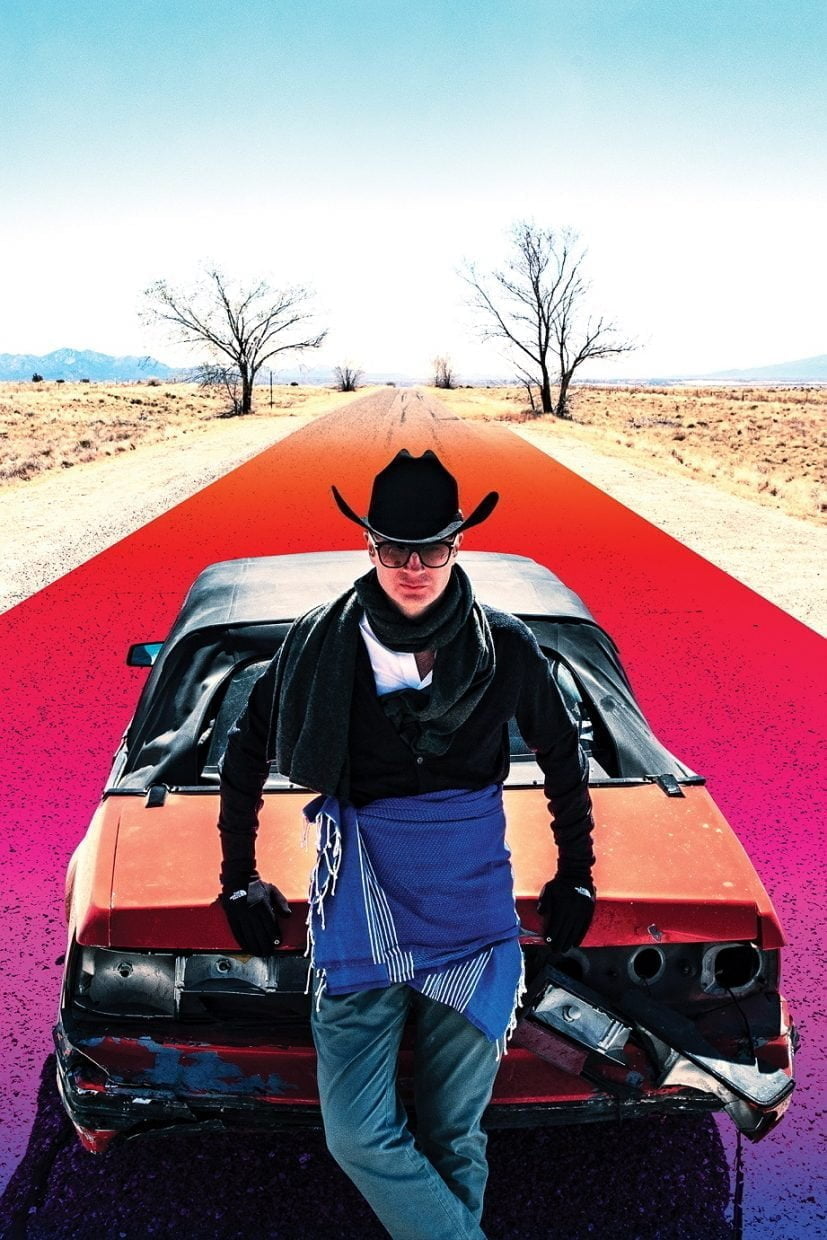
Nicolas Winding Refn Brings Rare Country Music Films to UK’s Black Deer Festival

Since he made a name for himself with the 2011 neo-noir film Drive, director Nicolas Winding Refn has become synonymous with sleek, glossy visuals and pristine synthetic pop. That makes him an unlikely figure to participate in this month’s Black Deer Festival, the new boutique, UK weekender celebrating Americana and country music.

But the 48-year-old Denmark native has demonstrated his interest in US culture throughout his career, starting with an obsession with cult exploitation and horror movies that spawned a coffee-table book of posters (The Act of Seeing, 2015). Then there’s the archive of some 200 movies that he’s restored under the banner of his byNWR project – three of which are to get a rare public screening at Black Deer. They include a 1965 concert film featuring George Jones and Loretta Lynn, as well as a musical country and western comedy he describes as “like a Carry On movie, shot in the South.”

Based in Copenhagen, Refn is a frequent visitor to the States, where he once lived as a child. It explains the light transatlantic twang to his near-perfect English. But the fascination with American culture began before that, he suggests. “I think it started back when I was eight years old,” Refn recalls, “and my mom was in New York, basically assessing if this was a place we were gonna move to. So, she had been away for a couple of weeks, and she sent me a package with a 45 of Willie Nelson’s ‘On the Road Again.’ Ever since then, I’ve always had an infatuation with that kind of country and western, and the more that I started learning about it, the more I started getting into it.”

Refn’s taste in Americana and country should be apparent from the films he’s selected for Black Deer. The first is Forty Acre Feud (1965), featuring comedy turns and musical performances from a host of stars from Minnie Pearl and Skeeter Davis to Ray Price. “It’s one of those strange country and western films that was specifically made for the Southern market,” says Refn. “It’s from an archive of a director called Ron Ormond. We happen to own his entire library in the collection. He made these very peculiar Southern-oriented drive-in movies. They very rarely even made it to the north in America. They’re very, very much part of a specific kind of illusion of America.”

Refn is as fascinated by the director’s backstory as the film itself. “The interesting thing about Ron Ormond is that he and his wife June ran a mom-and-pop exploitation business down South, and they would fly around in a private plane to collect revenues from the various drive-ins. Then they had a near-fatal crash that made them very religious, and they turned their bag of tricks to the whole religious crowd in the South, and started making films like If Footmen Tire You, What Will Horses Do?, which was produced by a guy called Estus Pirkle, who was a real hardline pastor. It’s quite an infamous religious propaganda movie about Communism spreading through the US.”

Perhaps the more conventional of the three titles is Ray Dennis Steckler’s Wild Guitar (1962), in which a young rock ’n’ roller gets into the music business and falls foul of a manipulative manager. “That’s a really interesting flick,” says Refn. “It’s a great kind of document of Los Angeles in the early ‘60s. It was shot by Vilmos Zsigmond, a famous cinematographer that went on to win multiple awards for his work with much bigger directors, like Steven Spielberg. But as a film it’s actually quite a groovy coming-of-age, kind of cautionary tale about rock ‘n’ roll. It has some great rock songs in it. In fact it has everything in it: dames, music, good photography, gangsters, guns, fights, love, and mayhem.”

Rounding off Refn’s three choices is Cottonpickin’ Chickenpickers (1967), one of only two films directed by the lesser-known Larry E. Jackson. “It’s an amazing, low-grade It’s a Mad, Mad, Mad, Mad World kind of thing — with fantastic country and western music in it. And they play the whole songs until the end. It’s quite surreal in a way. It’s a bit like a Jacques Tati movie, I guess. It’s more like a comedy really. It’s just a really, really fringe comedy of a certain era that’s gone. It’s very innocent and kind of quirky in a way. But the music is just absolutely outstanding, and the way that the musical numbers are introduced is just fantastic.”

Each of these films, with their ragged edges and primal, analogue sounds, will come as a surprise to those who only know Refn from his recent English-language work and see him as a pioneer of the digital era. “I always say you have to love and embrace all kinds of music,” he observes. “For me, a lot of it is about, ‘Is it sincere? Is there something within it?’ I think if you always approach music like that, then in a way there’ll be something in all genres that touches you.”


Photo credit: Kia Hartelius (portrait); Scott Garfield (with car)

14 Songs for Roller Skating in Buffalo Herds

No matter where you may stand on the Lil Nas X viral sensation “Old Town Road” and the associated media firestorm, Twitter debates, and raging country-purity authenticity signalling, we should all be able to agree on one thing: country music has always been a welcoming home to musical memes. Sure, that term may be more recent, a product of the internet age, but ever since the dawn of country as a format silly, tongue-in-cheek, self-deprecating, hilarious, and downright foolish songs have been just as integral a part of the genre as heartbreak, cheatin’, booze, and trucks.

We thought it’s high time we celebrate the knee-slappin’, gut-bustin’ history of country music’s meme-ready songs from across the decades. Here are fourteen of our favorites — yes, just fourteen. We can assure you there are dozens and dozens more where these came from.

“A Boy Named Sue” – Johnny Cash

The man in black, one of the most iconic personas in the history of country music, famous for his grit, his stoicism, and his rough-hewn voice wasn’t even “above” recording a song steeped in satire. Hopefully in 2019 life is getting easier for boys named Sue.

“What a Waste of Good Corn Liquor” – Tennessee Mafia Jug Band

Originally recorded by Country Music Hall of Fame and Bluegrass Hall of Fame member Mac Wiseman, this disconcertingly happy-sounding song tells a story with a moral: moonshine will melt you. Don’t spoil the moonshine.

“The King Is Gone (So Are You)” – George Jones

A song about Elvis, Fred Flintstone, drinking, and heartbreak. This one ticks all of the boxes. Even the “use yabadabadoo in a song” box.

“Did I Shave My Legs For This?” – Deana Carter

Country, after all, is all about the relatability of the human condition. Jilted would-be lovers everywhere have felt your pain, Deana. We truly have.

“Don’t Let The Stars Get In Your Eyeballs” – Homer & Jethro

The original Weird Al Yankovics of country and bluegrass, Homer & Jethro wrote (and re-wrote) scores of songs with wacky, eye roll-inducing, laugh-out-loud funny lyrics, ad libs, and arrangements. Check that steel solo!

“I’ll Oilwells Love You” – Dolly Parton

No, Whitney Houston did not cover this one. But that would have been magnificent.

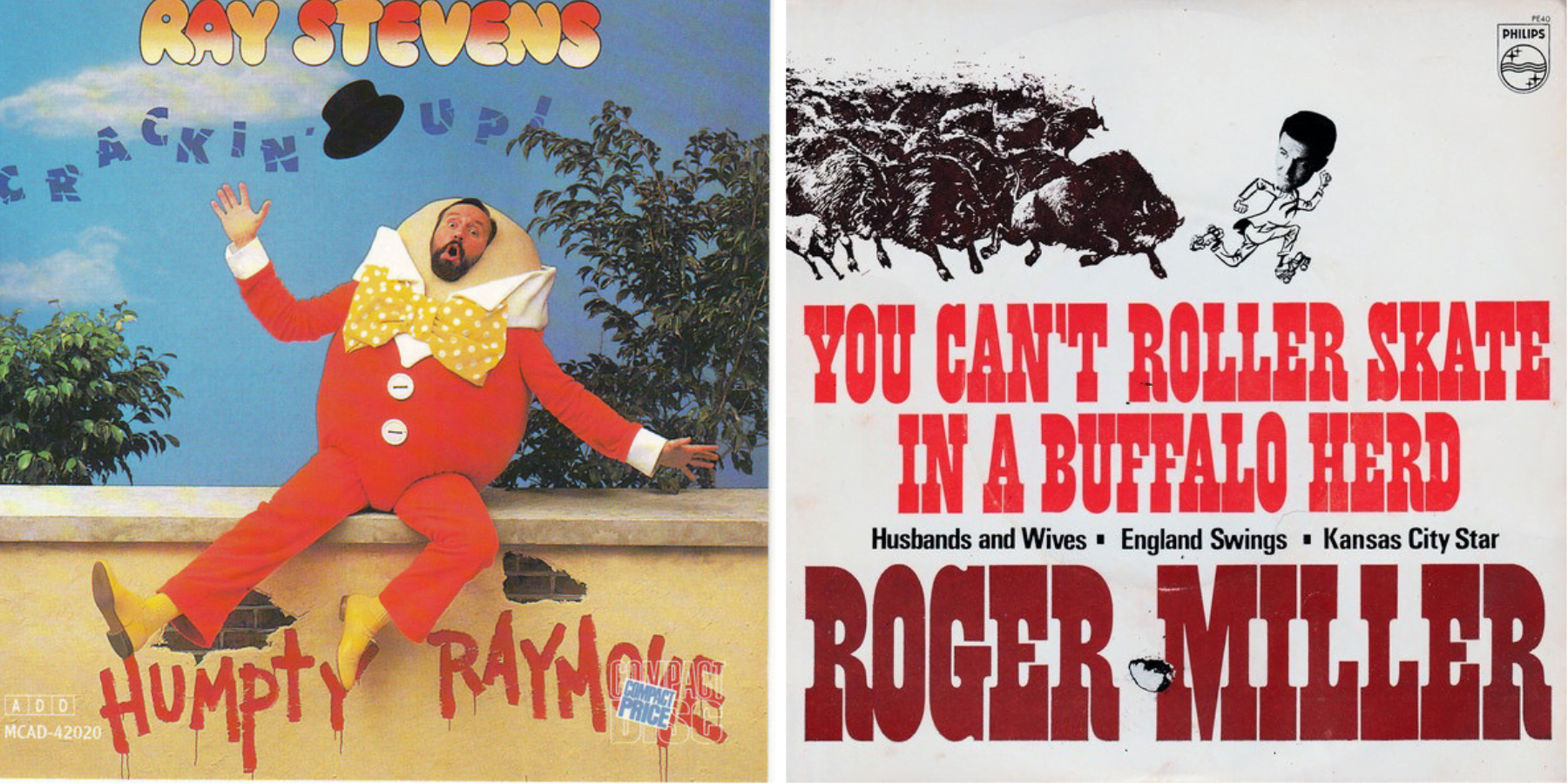
“You Can’t Roller Skate In A Buffalo Herd” – Roger Miller

One of country’s humorous kings, Roger Miller recorded a host of silly songs over the course of his career. We chose this particular number because of its evergreen wisdom. Of course.

“You’re The Reason Our Kids Are Ugly” – Loretta Lynn & Conway Twitty

But you know what? Looks ain’t everything. And money ain’t everything.

“I’m My Own Grandpa” – Willie Nelson

Get out a piece of scratch paper and sketch this family tree as you go. Does it seem a little… circular? Yeah… that’s the problem.

“Would Jesus Wear A Rolex” – Ray Stevens

A modern country parable. Again, an artist with plenty of silly and sarcastic songs to choose from — and Ray Stevens is being inducted into the Country Music Hall of Fame this year. Sounds pretty country to us…

“Cleopatra, Queen Of Denial” – Pam Tillis

Yes. More country songs with outright puns as their hooks, please. And of course, we’ve all been there, Pam. Denial is a popular destination.

“Illegal Smile” – John Prine

On the opening track of his debut album Prine immediately set the tone for his entire career with some of the most nonsensical and witty lyrics ever set to song. “Well done, hot dog bun, my sister’s a nun.”

“I’ll Think Of A Reason Later” – Lee Ann Womack

If you’ve never driven down the road shouting along with this one, we highly recommend that you do — as soon as possible. The song’s main character has a remarkable sense of self-awareness for being so viscerally incensed. If you really hate someone — who may or may not have ended up with your former significant other — it may be your family’s redneck nature.

“My Give A Damn’s Busted” – Jo Dee Messina

Look, if you’ve gotten to the end of this list and you haven’t enjoyed yourself, or maybe you don’t get the point, or maybe you think this is just useless clickbait… whatever the case may be, this song counts as our response. “Nah, man. Sorry.” (Isn’t country the best?)

LISTEN: Andy Hughes & the Mighty Few, “Friday Nights”

Artist: Andy Hughes & the Mighty Few
Hometown: La Crosse, Wisconsin
Song: “Friday Nights”
Album: Songs for Sunday
Release Date: March 24, 2019
Label: Move Along Music

In Their Words: “‘Friday Nights’ is classic-sounding country. I knew I wanted to write a song like that as I was listening to a lot of George Jones and Johnny Cash at the time. It’s a personal song but also takes some liberties within the verses to make the story relatable and have some mystique to it. As a musician on the road I’ve certainly felt that line, ‘Singing my way home to you…’ and I know my wife has, too. I believe a lot of us have probably been in a bar like that, too. The Mighty Few really throw down on this track!” — Andy Hughes


Photo credit: Dylan Overhouse

Curtis McPeake, “Leather Britches”

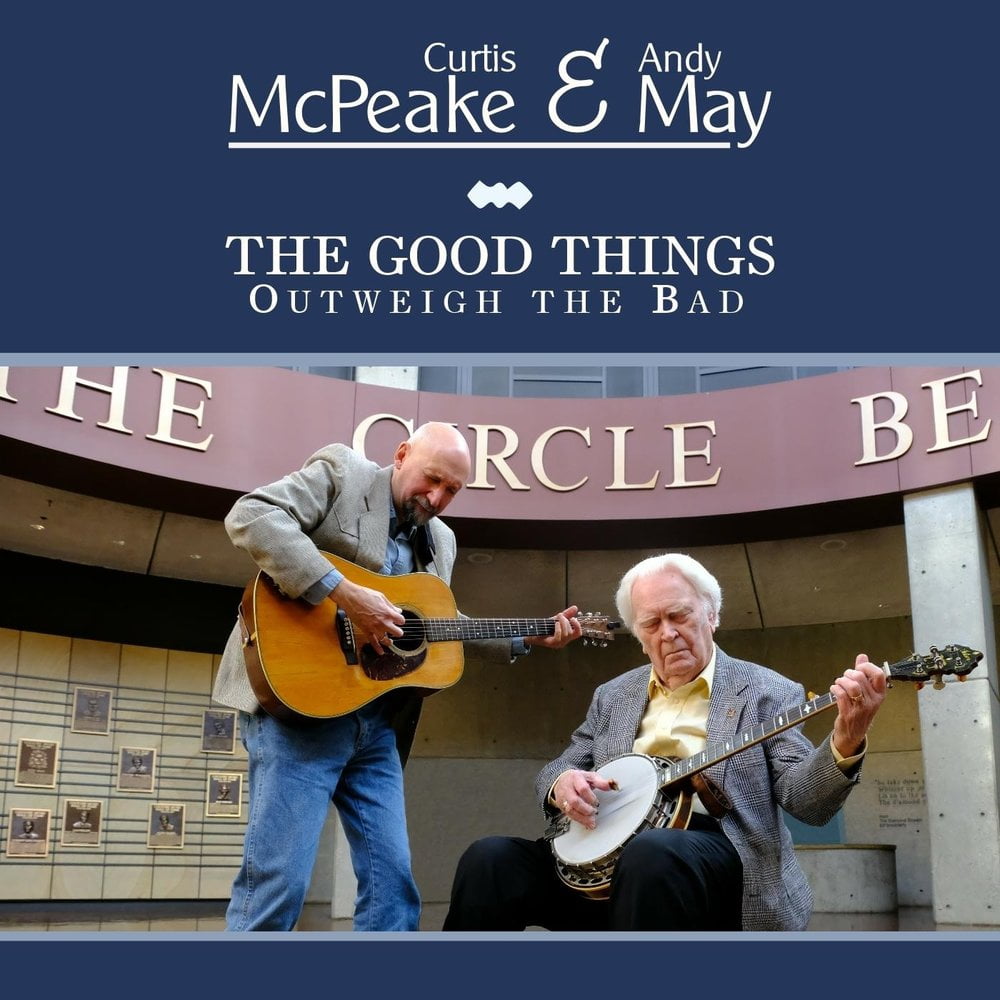
There’s a beauty in the timelessness of bluegrass. It facilitates spaces where the youngest prodigies and the most traveled, veteran virtuosos intermingle with ease. The genre is young enough that a few of its trailblazers are still among us, and stories of the legendary architects of the form are still told firsthand. The 90-year-old banjo player and recording artist Curtis McPeake is a testament to that timelessness. His career began seventy years ago; in his early days he performed and recorded with Bill Monroe and his Blue Grass Boys. He later became the only banjo player to ever be a member of the Grand Ole Opry house band and he was also an in-demand session musician, appearing on records by country stars like George Jones and Melba Montgomery. So the fact that McPeake has been named a recipient of one of 2018’s Distinguished Achievement Awards from the International Bluegrass Music Association should come as no surprise.

But, McPeake will not be accepting the award from retirement — he still picks the banjo as fine as ever, he also buys and sells instruments, and he continues to record and perform. Earlier this year he and his collaborator, multi-instrumentalist and songwriter Andy May, released a full-length album, The Good Things (Outweigh the Bad). On its final track, “Leather Britches,” you can hear that same timelessness in McPeake’s duet with Nashville stalwart fiddler Aubrey Haynie. They kick the tune with fiddle and banjo only, showcasing that classic pre-bluegrass format, Haynie fiddling fantastically far and wide while McPeake holds it all together with his three-finger roll, seventy years in the making.

Lee Ann Womack: Keeping it Real

Lee Ann Womack had to get out of Nashville to make what she calls a real country music record. Specifically, she had to get about 800 miles away. For her eighth — and maybe her best — album, The Lonely, the Lonesome & the Gone, Womack trekked down to Houston, Texas, and set up camp at the historic SugarHill Studio, which has hosted famed sessions by some of her musical heroes: Lightnin’ Hopkins, the Sir Douglas Quintet, George Jones, and many others. Nashville has plenty of similarly legendary rooms, of course, but Womack needed to get away from the grinding gears of the country music machine — what she derides as “McRecords.”

“It’s like a factory,” she says. “What was great about being down there in Texas is that you’re in a studio where people go to work everyday and you have all kinds of music being recorded there. Nobody’s going in thinking, ‘We’ve got to lay down a three-minute uptempo love song for radio.’ They’re not thinking about how we’re going to make the most money out of three minutes of music. All they’re thinking about is going in and making great music.”

Womack is one of the few artists who can drop a phrase like “real country music” into conversation without sounding defensive, dismissive, or derisive — in other words, without buying into received notions of authenticity. Her definition of “real” is deeply personal and based on the country music that was popular 40 or 50 or even 60 years ago, but Lonely proves that even old tunes and old sounds can speak to this modern moment. Rather than restrictive, the term becomes freeing: These new songs range from the stately countrypolitan of “Hollywood” to the gritty blues of “All the Trouble,” from the beautiful reimagining of the 1959 Lefty Frizzell “Long Black Veil” to the remarkable insights of the title track, a country song about country songs.

Recording in Houston actually brought her closer to some of her Nashville heroes. Womack grew up in a small town called Jacksonville, Texas, about three hours due north of Houston. Her father was a country radio DJ, a profession that provided his daughter with a deep grounding in the music’s history. As a child, she loved Bob Wills & His Texas Playboys. “I thought he was funny. The music was upbeat and bouncy, which any kid would like, and then you’ve got this guy talking all over the tracks: [Imitating Wills’ falsetto] ‘Shoot low, sheriff! I think he’s riding a Shetland!’” She might have been laughing at the bandleader’s antics, but she was subconsciously absorbing the complex horns and fiddles. “It becomes part of the fabric of your musical DNA.”

As she grew up, Womack raided her parents’ record collection, which was full of albums by Ray Price, George Jones, Porter Waggoner, Dolly Parton, and, of course, Willie Nelson. “Twin fiddles and steel guitar and story songs — these were the things that I thought were country music, and I thought my idea of country music was everybody’s idea of country music.” Ironically, being in Nashville only distanced Womack from her first loves. “Growing up in East Texas, I was full of dreams and hope. Then I moved to Nashville and, after 20 years, you get kind of jaded. Things change,” she says. “Every time I go back home, I have a spark of that feeling I had growing up. I wanted that again. I haven’t made a record in that frame of mind in so long. I just wanted to be surrounded again by the things that shaped me growing up.”

All of those old sounds inform the new record, which was produced by her husband, Frank Liddell, and finds Womack moving even further away from the country mainstream. Disregarding the need for radio airplay and signing with ATO Records [home to the Drive-By Truckers and Hurray for the Riff Raff] suggests she is cementing her place within the Americana market, adopting a rootsier sound for a very different kind of audience. As she recounts her career, however, Womack insists she has always gravitated toward this kind of music, even when she was just starting out. “When I walked into the offices of Decca Records to audition, I walked in with just an upright bass, myself, and an acoustic guitar. We played as a trio, right there in the office,” she recounts. “And that’s exactly who I was. My first record had a song on it called ‘Never Again, Again,’ and that was stone-cold country. Even in 1997, I felt like I needed to remind people of what country music really was.”

And yet, within the country sphere and without, she is best known for 2000’s smash single, “I Hope You Dance,” which achieved the crossover success so many Nashville artists covet. Recorded with Sons of the Desert, it’s a slick and sentimental pop-country anthem whose uplifting lyrics could double as a graduation speech or a Hallmark card: “I hope you still feel small, when you stand beside the ocean. Whenever one door closes, I hope one more opens.”

To her credit, Womack doesn’t ignore or disregard her biggest hit, no matter that it is something of an outlier in her catalog. She still performs it at almost every concert, still sings it like it’s a brand-new song, still invests those lyrics with sincerity and immense generosity, even as she strips it down to its core. “Those lyrics still stand up with just an acoustic guitar,” she says. “I might have cut a couple of lightweight pieces along the way, but I tried to cut the best songs I could find. And now when I go out and play with fewer musicians in a more stripped-down setting, those songs hold up because they were great songs to begin with. I guess a lot of shit got put on them to make them more commercial.”

That is perhaps one of Womack’s most undervalued talents: She is a sensitive and intuitive song collector with a discerning ear for complex sentiments, sturdy melodies, and relatable characters. On her last album, 2014’s The Way I’m Livin’, she covered the Texas singer/songwriter Hayes Carll and managed to outdo Neil Young on her tender version of “Out on a Weekend.” Lonely includes a handful of old-school covers, but the standouts are those penned by young scribes like Brent Cobb, Adam Wright, and Jay Knowles.

During the sessions in Houston, there were discussions about the title track, which includes the line, “[Hank Williams] never wrote about watching a Camry pulling out of a crowded apartment parking lot.” According to Wright, who co-wrote the tune, “Some people were like, ‘Camry isn’t very cool. Is there another car we can use?’ But Lee Ann said, ‘No, it’s a Camry. Those are the lyrics and that’s what it is.’ And that’s the point, after all. It’s not a Jaguar. It’s not a cool car. It’s not romantic.” As she sings it, that is one of the most arresting lines in a song this year — country or otherwise — and she delivers it with a gentle despair and even a little resignation, as though measuring the romance of an old country song and the reality of everyday life. “The care she takes with these songs left a big impression on me,” says Wright.

For Womack, country music is real when it’s about real people — not just the musicians who write and sing the songs, but the listeners who play those tunes over and over again, who hear their own dreams and hopes echoed back to them. “I have this theme about myself and about others,” says Womack. “I don’t know how else to describe it, except to say that I am drawn to losers. I hate to call anybody a loser, but I throw myself in that pile.”

By “losers,” she means people facing down challenges bigger than they are, and that accounts for just about everybody on earth. “That’s why I’m drawn to songs like ‘All the Trouble’ and ‘I Hope You Dance.’ They’re about challenges, about hard moments in life,” she muses. “There was a time when country music spoke more to those types of people. Now it’s speaking to a different group of people. That’s fine, but I want to speak to the challenges of life. The lonely, the lonesome, and the gone? Those are my people.”


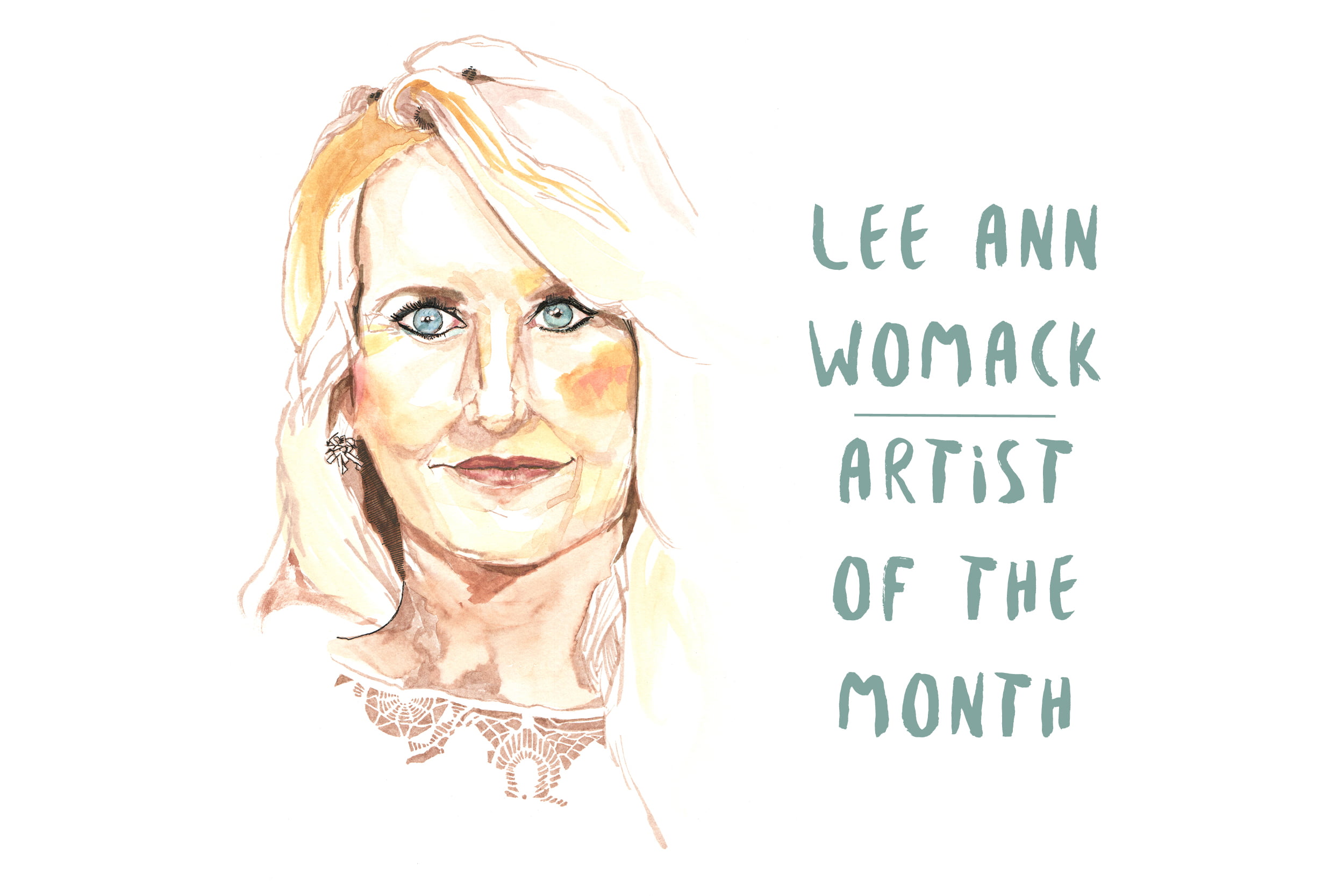
Lede illustration by Cat Ferraz.

Hangin’ & Sangin’: Lee Ann Womack

From the Bluegrass Situation and WMOT Roots Radio, it’s Hangin’ & Sangin’ with your host, BGS editor Kelly McCartney. Every week Hangin’ & Sangin’ offers up casual conversation and acoustic performances by some of your favorite roots artists. From bluegrass to folk, country, blues, and Americana, we stand at the intersection of modern roots music and old time traditions bringing you roots culture — redefined.

With me today at 21c Museum Hotel in Nashville … Lee Ann Womack!

Yay!

What?! And Lex Price on guitar. Welcome, you guys! Lee Ann Womack in a penthouse suite is the stuff dreams are made of, just generally, but I’m going to melt into a puddle, at some point, when you start singing.

[Laughs] Well, I’m happy to be here.

You have a new record coming out October 27 — The Lonely, the Lonesome, & the Gone. It is 54 minutes of pure flawlessness, and it’s all I want to listen to right now. I’m so glad that I have it ahead of everybody, and I won’t get sick of it. So, congratulations, it’s wonderful.

[Laughs] Thank you! I had fun making it. I’m glad you like it.

The first time I listened to this record, my immediate reaction was that it felt like you felt more confident and more comfortable than ever. Not that you sounded in any way bad before, it just felt like … I don’t want to say “you found your voice” because I think that’s always been there. But you’re stepping into it when you want to, you’re hanging back when you need to. Is that because you wrote some of the songs or is it something else, do you think?

I think it’s probably age, I mean experience … not being so worried about what people think. And hopefully the more you do something, the better you get at it, so if you’re singing for years and years and years, hopefully you get better at it. But also, this is probably the first time I made a record where I just really wasn’t worried about a staff of people at a label “getting it” or anything like that. I just did what I wanted to do.

Someone called this record your Wrecking Ball.

Ooh, I didn’t know that! I like that.

I’ll tell you who later. But I kind of took that to mean that you have hit your stride now, at this point. You’ve kind of found your sound, which was always in there, but you’ve moved all the other stuff away.

That’s fair. Yeah, that’s good. I mean I recorded all those records for a major label, you know, and they have things that they expect. Also, as the artist, when you sign a contract, you agree to make a certain kind of music, and so without having those constraints, I really have been able to just enjoy myself. Whereas before, I enjoyed little bits and pieces, now I enjoy the entire thing, and it’s nice.

Do you pick and write songs that you know you’re gonna enjoy singing live and will enjoy singing live for years to come, is that part of it?

Yes, definitely. And songs that move me for one reason or another. I don’t worry so much about, “Okay is this gonna move six million people?” Or, “Is this gonna move the promotion staff?” Or, whatever. I just worry that it moves me. And if it moves me, I’m a music lover, then it’s gonna move somebody else.

Now, you are absolute royalty within the Americana community.

Aww.

But I also love that the Grammys and the actual country music — the CMAs and stuff like that — are also still recognizing you and still nodding in your direction. So do you feel like that’s kind of the best of all possible scenarios, to be straddling it all and not just one or the other?

I mean it’s nice, very nice, but I have had my hand in each of these areas from the beginning, you know? My very first single was “Never Again, Again” and it had Ricky Skaggs and Sharon White singing the harmony on it. And I’ve been working with Buddy Miller for however long — years and years — and Jim Lauderdale. And, as far as the bluegrass world goes, I love my bluegrass friends.

I know you do.

Yeah, and love the music, love the lifestyle and everything. So yeah, I’ve kind of had my hand in a lot of different places over the years, and that’s kind of just who I am.

But it’s weird that you haven’t always been perceived that way, right? People perceived you in a different way.

And that was frustrating for me because, I mean, you can tell by the way I talk and sing, you know that I’m country. [Laughs]

[Laughs] No way around that!

My favorite singer is George Jones. To me, George Jones is a country singer, but he’s a soul singer, you know? And Ralph Stanley’s a soul singer! If it’s born out of something that’s real rootsy, then I’m gonna love it. And that’s who I am, that’s how I was born I guess.

And that’s the thread running through this record too, you burn down all the walls. It’s hardly strictly country and hardly strictly anything … But that soulfulness and you just pouring yourself into it, that’s the thread, and it’s amazing that, after all these records, that it’s clear that you’re a fan first. That’s coming [through], your love of music and your enjoyment singing. Is that something you have to work at or is that just naturally coming?

No, I don’t have to work at it. If I didn’t sing, I feel like I’d die or something, like it keeps my heart beating or something. I don’t know. But you know what? I don’t have to sing on stage in front of thousands and thousands of people. I can sit down in my living room at home with my guitar and sing, and it still feeds whatever that is. I sing and hum to myself all the time and my daughters are like, “Would you stop doing that?” I’ll be grocery shopping or whatever.

While all the rest of us are like, “Can we come over?”

[Laughs] It’s funny because it’s like I don’t even know I’m doing it.

Watch all the episodes on YouTube, or download and subscribe to the Hangin’ & Sangin’ podcast and other BGS programs every week via iTunes, Podbean, or your favorite podcast platform.


Photo credit: Ebru Yildiz

From Pop Stars to Pitchforks: A Conversation with Megan Mullally

Some people cover songs and some people downright inhabit them. Megan Mullally and Stephanie Hunt (aka the duo Nancy And Beth) take songs and peel off their clothes, give them a little sweet loving, read them some Proust, show them a few Mel Brooks’ films, and send them back out the door with a smile on their face, a pat on the rear, and a whole new way of seeing the world. Just queue up their version of Gucci Mane’s “I Don’t Love Her” from their new self-titled LP to see why: It takes some wildly dirty, arguably misogynistic lyrics and turns them all into a mischievous, vaudevillian coo that owns the words instead of falling victim to them. It’s also pretty darn funny, but don’t be mistaken: These two women can also sing the heck out of some George Jones.

Mullally and Hunt, both known primarily as actresses — Mullally, most famously on Will & Grace and Hunt, on Californication — have strong performing backgrounds, and though they’re 30 years apart in age, they’re kindred musical spirits. So they formed Nancy And Beth (and no, their middle names are neither Nancy nor Beth; they just thought the combo sounded funny), started performing live together complete with choreography, and created a hit list of songs to cover that range from country classics to blues standards to, yes, Gucci Mane.

Growing up in Oklahoma, Mullally actually got her start as a singer, training herself on her parent’s collection of records, and had her first big break in a Broadway musical back in 1995, before Will & Grace. Nancy And Beth is a serious project — it’s not a novelty act — but it certainly embraces a sense of humor and an era when artists viewed a concert as a place for well-rounded entertainment and that musical theater spirit. 

Your music is both carefully crafted and entertaining. Do you think that’s an approach that has been lost these days? Music is often either very serious and well done or silly and void of meaning — not both.

When I was growing up, there was much more of a mix of music, with someone like Roger Miller being on the more critically legitimate end of the spectrum, but then there were weird “itsy-bitsy-teeny-weeny” kind of songs, too. There was this crazy novelty aspect that you don’t hear anymore. Now everything is so dire, and I’ve gone through that phase, too, and that was fun and, who knows, maybe my next record will be like Beyoncé’s Lemonade where I just fucking rake [husband and comedian] Nick [Offerman] over the coals. Well, I guess he has to do something wrong first, which hasn’t happened yet. But there’s always tomorrow. [Laughs]

[Laughs] You’ve always done both acting and singing, but you’re known more as an actress. Why do people make such a big deal out of actors starting singing careers? Doesn’t playing music on stage have an element of theatrics and character play, anyway?

Well, there is a double standard. It’s totally allowed, if you start as a musician. But if people know you first as an actor, then no way. I’m perceived as an actress and suddenly it seems I have a band and, “No, that’s forbidden!” But if you’re a pop star and you decide you want to take a swing at acting it’s like, “Yes, please. Come and collect your Oscar!” Who knows? I stopped caring about it. But I did have a horrible interview with someone nameless for a smaller town paper and the guy didn’t get anything about [the band] — he was like, “It’s called Nancy And Beth. Well, as far as I can discern, none of you are named Nancy or Beth!” I was like, “Um, yeah, you’re right …” [Laughs]

Well, not everyone knows your back-story … or knows how to use Google, apparently. What was the music that you first fell in love with as a kid?

I grew up in Oklahoma and there was only one radio game in town, and they played everything: They had to be all things to all people. I think that influenced my taste for different genres. I know bands that have a distinct sound, but that’s why I like our live show: You go hear a band and, after about five songs, you’re like, “I’m bored.” We’re all over the place, and that’s why shows are so fun and everyone has such a great time. But I loved the Monkees — Davey Jones was my first love, not going to lie. My parents had a lot of Barbra Streisand and Judy Garland because, apparently, my parents were two gay men? But when they would go out, I would put those records on and pick a song and keep playing them over and over until I knew every song on the record, and that’s how I learned to sing. I always loved anything kind of bluesy, Barbra Streisand and Judy Garland fall into that category, I guess, but I had a feel for that. Early Bonnie Raitt and Janis Joplin, they had a bit of a bluesy flavor. I loved early Willie Nelson — I still love him. There’s something a little bluesy about a lot of country music from that era.

Do you enjoy modern country music at all?

I don’t know any of it, because it all sounds like power pop to me. “I got my pickup, I got my dog!” I mean, I love Patty Griffin, does she count?

Probably not! But that’s a lot of diverse influences. How did Nancy And Beth’s sound evolve early on?

[Stephanie and I] are like two little kids playing. I know that neither of us is particularly analytical. But we never had a conversation because we never had to, since it flows really easily and we just do whatever we want. We didn’t have a big “Come to Jesus.” I will say, the most kind of poignant interesting little detail is that we used to open all of our shows — we took a three-year break because of my schedule, but before that when we were performing at Largo [in Los Angeles] — we used to open every live show off-stage with just our tambourine and do that White Stripes song “Little Room.” It kind of sums up everything that is good about the band. And it reminds me of my childhood because I spent a lot of time literally in my room, making up all these elaborate scenarios that I would perfect and show to my mother who would unfailingly tell me I was a genius. I feel like that “Little Room” song is a great description of whatever it is that we are.

Your version of “I Don’t Love Her” is a great summary of what Nancy And Beth does well, too: It’s pretty hilarious, but also smart.

[When] that song popped up and I was like, “What a beautiful song title! So interesting.” Then I heard it, and I was like, “What? No!” And we were just dying. We were sitting on my bed with the lyrics printed out and, oh my God, we were dying. Then we added it to the repertoire and eventually the recording.

It’s a nice reclaiming of some unsavory words used to describe women … by our president, of all people.

Yeah, that is good. And I never change the gender. I want to be as true to the song as I can be and the gender doesn’t matter. That’s more interesting.

Speaking of our president, you’ve met him before: You guys sang the theme song to Green Acres together at the Emmys in 2006. Trump wore overalls while you were dressed quite glam as Karen from Will & Grace, which was perfect. You were competing for something called “Emmy Idol,” and best version of a classic television theme, and we all know how much Trump loves a good competition.

It was a stupid thing to begin with and normally something I would dismiss out of hand, and I was getting ready to do that when they said, “But we want you to do the theme to Green Acres with Donald Trump,” and I was as like, “Oh, wait!” At the time, it was the height of his popularity on The Apprentice, and everyone thought he was hilarious, like someone playing a character — pompous and extremely arrogant — and I don’t think anyone thought he was actually like that. Now we know different. At the time, it seemed like a great idea. It was called “Emmy Idol” and people were calling in and voting, and there was going to be a winner. So we rehearsed, and it was fine. I talked to him a little and was like, “This guy is funny,” since I was giving him a lot of shit and he seemed to roll with the punches. And I was like, “Well, that’s good, he’s playing a character.”

And now we know otherwise …

Well, then the next day the phone rang, and he called and he said, “Listen, we really needed to win that thing and we did, and you were a part of that. And not only did we win, but I heard we crushed it. It’s a landslide.” I thought, “This guy is out of his mind. Who cares?” I just thought it was funny to make Donald Trump wear a pitchfork and overalls. I thought that was funny, and that was the only reason I did it. He really wanted to win that thing, and he got his way. Then, when he was running for president, I was like, “Oh, shit! If he wanted to win Emmy Idol that badly, how much does he want to win this?”

Well, getting Donald Trump to hold a pitchfork was kind of your own win, I think.

And I am proud of that.