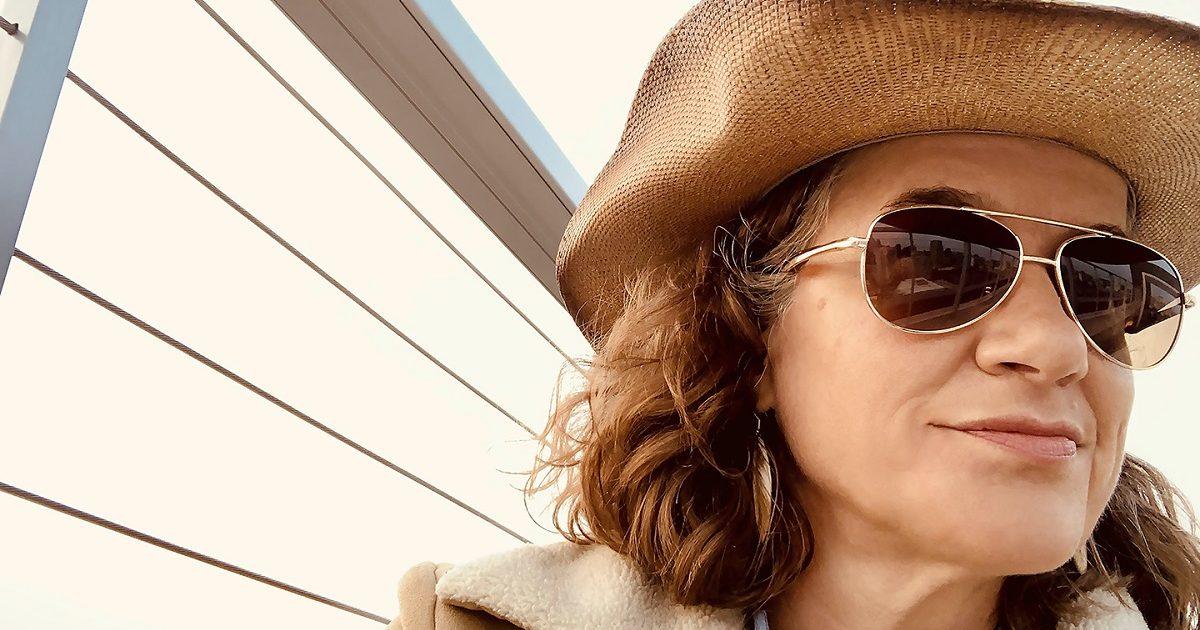
Artist:Susan Werner Hometown: Philadelphia, Pennsylvania Song: “To Be There” Album:Flyover Country Release Date: September 27, 2020
In Their Words: “In the early months of this year I’d been writing a ‘country’ album, and when the pandemic hit I thought, ‘Well, we aren’t the first generation to face something like this, somebody must have written a plenty good song already.’ I went through the Carter Family and Louvin Brothers and Hazel Dickens catalogs and couldn’t find anything about a flu; black lung yes, influenza no. Having written a ‘gospel’ album in 2007, I remembered that one element of the best gospel music is hope, the anticipation of something better, whether on Earth or in Heaven. And in this moment, everybody on Earth is united in hope, hope that we arrive safely on the other side of this dark time to see and embrace our friends and family, to hold them close, and for the musically inclined among us, to stand shoulder to shoulder with them and hear them singing on either side of us. That was always Heaven itself to me; I don’t know that until this year I realized it.
“I grew up in a kind of magically musical singing family; my farming parents and all six kids, we’d spontaneously harmonize in the car on the way to church, to my grandparents’ farms for holidays. We had no idea other families did not do this, by the way. I was home in Iowa this February (yes, for the caucuses) and went with my folks to church — I’m an agnostic, honestly, I just go to see friends and family and to sing with them. To my left I heard my father, to my right, my mother. Who knew that something could arise that would take that, singing, away from us? Unthinkable. So I had to weave that into the lyrics of this ‘hymn.’ Heaven might have singing angels, but I know for a fact Earth does and I can’t wait to get back in the company of others in church or on stage or in the bar, it’s all good and it’s all the work of God.” — Susan Werner
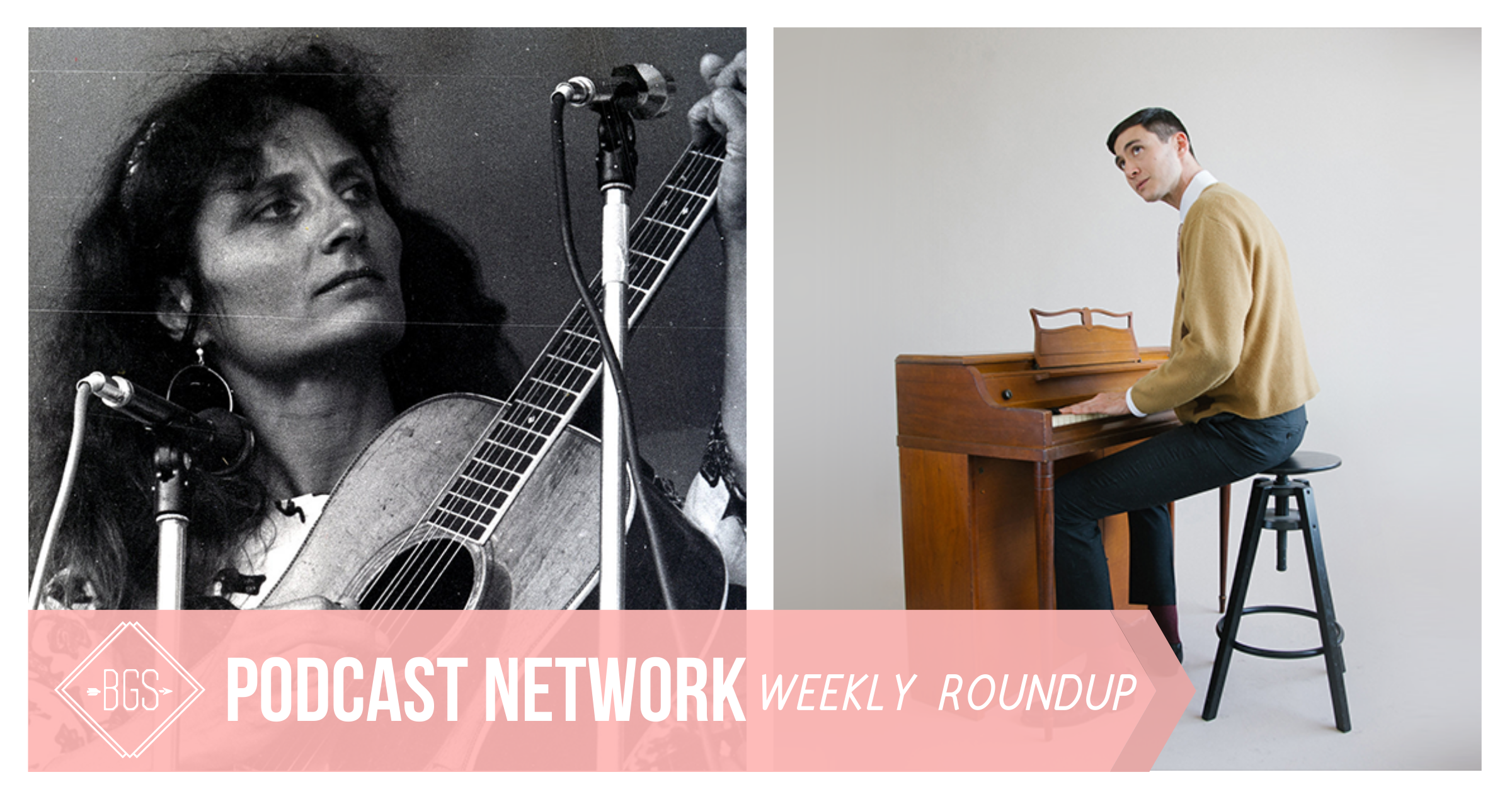
Anyone else’s sanity being held together by a thread spun from music and podcasts? Here’s our roundup of the latest episodes released via the BGS Podcast Network – to help keep everything safe, sane, and running smoothly.
Make sure to follow along on our social media [Facebook, Twitter, and Instagram] and right here, where we’ll consistently gather our new releases, as well as some past favorites:
Old-time legend and Bluegrass Hall of Fame member Alice Gerrard sits down with Tom Power at her kitchen table in North Carolina. She tells stories of how she and other college students from the northern U.S. found bluegrass and old-time, meeting her Hall of Fame partner Hazel Dickens and making some of the greatest records in the genre.
She goes on to describe her split from Hazel, her work since, and in tender moments, she shares the last time she ever spoke with Hazel and what she sang to “sing her back home.”
Host Z. Lupetin talks with Joey Dosik, a silky-voiced songwriter and freaky-talented multi-instrumentalist who writes lush, romantic jams that transport listeners to R&B-tinted, old school FM radio gold. Some may have learned of Dosik’s talents with DIY, future-funk ensemble Vulfpeck, who went from recording an album of complete silence to a sold-out show at Madison Square Garden – with no record label in sight.
As we honor and celebrate two lost musical greats this week, it’s comforting to remember that we have constant new waves of amazing artists like Dosik coming up who can honor and further their message, whose songs in many ways combine the honest earnestness of John Prine’s best early work with Bill Withers’ deep, church-flavored, down-home groove.
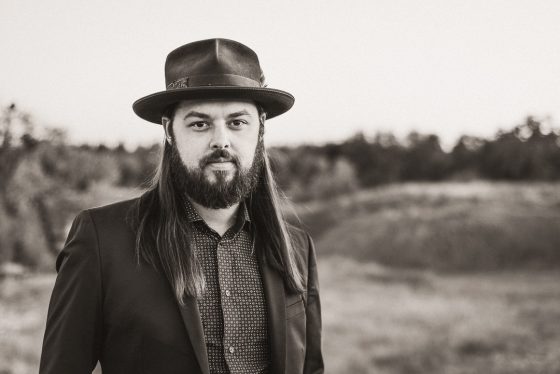
Caleb Caudle’s childhood musical fascinations (English punk, folk, and Bob Dylan, to name a few) went far beyond anything his school peers in rural North Carolina cared about. Since entering the music industry fray as a singer/songwriter in the mid-200s, Caudle has released seven studio albums, with his latest, Better Hurry Up, cut in 2019 at the Cash Cabin in Hendersonville, TN – surrounded by the spirit of Johnny and June – just days after he and his wife made their move to Nashville.
Craig Havighurst sits down with Caudle – as well as bass playing sideman turned impressive singer/songwriter, Adam Chaffins – in the most recent installment of The String.
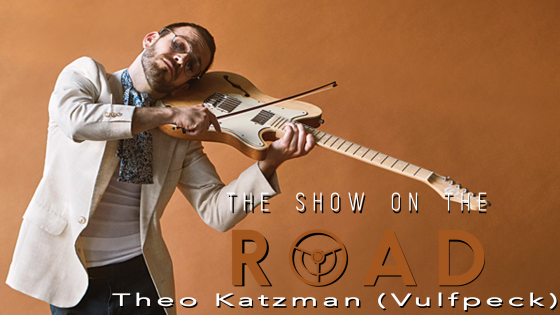
Adhering to strict stay-at-home pandemic orders, host Z. Lupetin records an intimate phone conversation with Theo Katzman, the Cheshire Cat of soulful pop-rock and one of the most visible members of the mysterious funk supergroup, Vulfpeck.
In January, he celebrated the release of his cheeky, super catchy, unabashedly romantic, and pop-driven new solo album Modern Johnny Sings: Songs in the Age of Vibe, and his expertly-crafted songs and lifting falsetto vocals have that rare spark that can brighten anybody’s dull quarantine in no time.
Gerrard tells stories of how she and other college students from the northern U.S. found bluegrass and old-time, of the lifelong influence of the Antioch College folk scene, meeting her Hall of Fame partner Hazel Dickens and making some of the greatest records in the genre. She goes on to describe her split from Hazel, her work since, the creation of print publication TheOld-Time Herald, of which she is the founding editor. In tender moments, she shares the last time she ever spoke with Hazel, and describes what she sang to “sing her back home.”
If you’ve got the time, we’ve got the reading material! Our brand new #longreadoftheday series looks back into the BGS archives for some of our favorite reporting, videos, interviews, and more — featured every day throughout the week. You can follow along on social media [on Facebook, Twitter, and Instagram] and right here, where we’ll wrap up each week’s stories in one place.
Check out our long reads of the week:
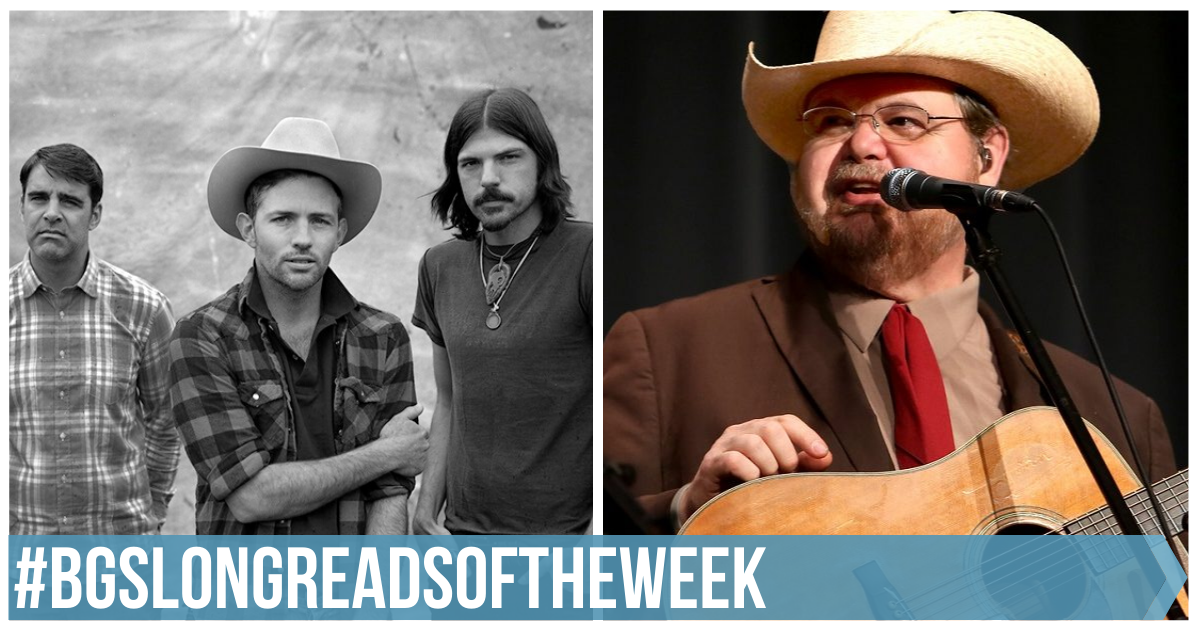
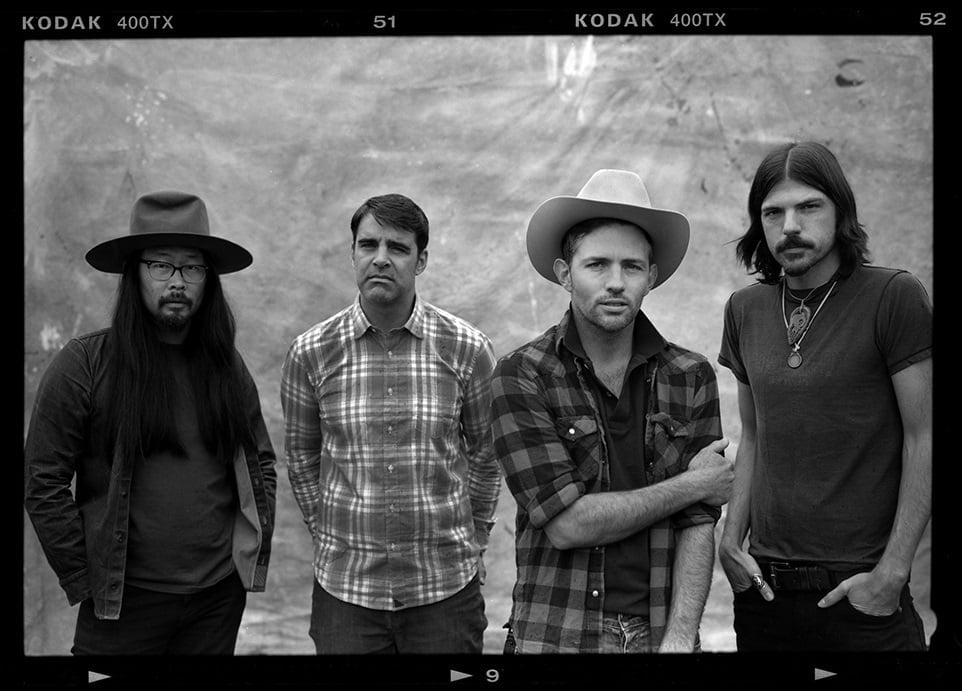
Avett Brothers Film Captures the Power of Character
A long read pick that can also be your TV choice pick! Available for streaming on YouTube and Amazon Prime Video, May It Last: A Portrait of the Avett Brothers is an intimate documentary made by Judd Apatow and Michael Bonfiglio that tells the story of the famed North Carolina string band. In 2017 we spoke to Scott, Seth, and Bonfiglio about the making of the film and its premiere at SXSW and on HBO. [Read our feature in preparation for your movie night!]
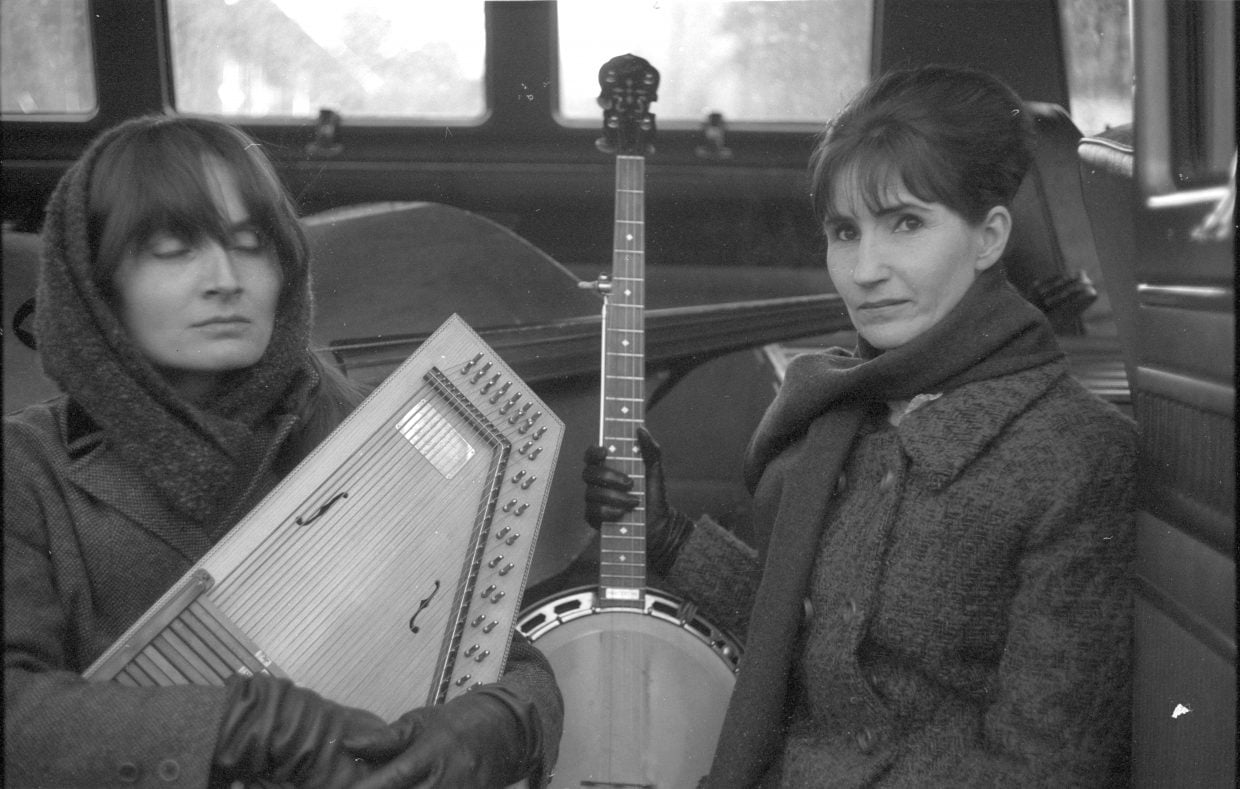
Alice Gerrard: Unearthed Tapes and Unintentional Activists
None of us at BGS require any sort of excuse to return to one of our favorite duos of all time, Hazel Dickens & Alice Gerrard, but mining for long reads is definitely pretense enough! For this pick, we bring back an impeccable interview with the Bluegrass Hall of Famer herself, Alice Gerrard. She speaks about almost literally tripping over the forgotten practice tapes that became the 2018 Free Dirt Records release, Hazel Dickens & Alice Gerrard Sing Me Back Home: The DC Tapes, 1965-1969. Another great choice for a Women’s History Month wrap up, as well. [Read our conversation with Alice Gerrard]
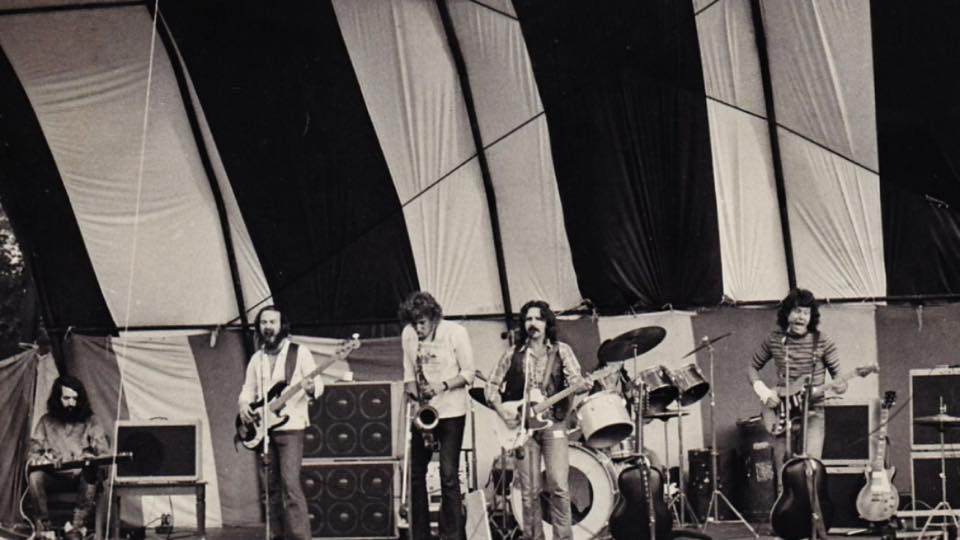
Nitty Gritty Dirt Band: An Unbroken Circle
One of our most popular features in BGS history, this long read pick dives into the cross-generational impact of this iconic string band — a group that embraced “Americana” before that genre even had a name. The Nitty Gritty Dirt Band remains relevant to this day, not only in Nashville but around the world; their Will the Circle records will remain in the indispensable American roots canon forever. [Read our 2016 feature]
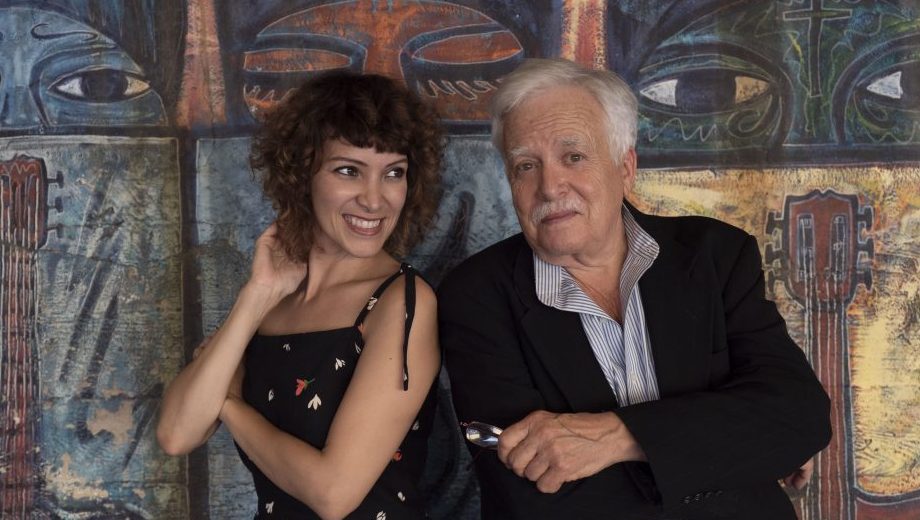
Gaby Moreno and Van Dyke Parks Take a Vibrant Trip Across the Americas
Plenty of albums have been released since… let’s say 2016… that attempt to reckon with the tumultuous times we’re in politically and otherwise. Not many do so in a way that acknowledges these problems are not new, and have been festering and stewing for ages. Van Dyke Parks and Gaby Moreno’s ¡Spangled! does just that. It’s a welcome perspective, and directly tied to the combination of the duo’s disparate experiences — and the commonalities that tie them together. [Read this edition of Small World]
Junior Sisk Hitches His Wagon to the Stars of Traditional Bluegrass
To wrap up the week, how about a heavy dose of dyed-in-the-wool, traditional, straight up and down bluegrass!? Junior Sisk is carrying the banner for keeping the history of this music alive and well — and with one of the best voices in the biz, too. In our interview, Sisk relates how he regards himself as being in the direct line of artistic descendants from Bill Monroe, the Stanley Brothers, and Flatt & Scruggs. Even the most casual fans of his music will know that it’s true. [Read more about Junior Sisk]
If you’re in a jam with women over 50, it’s likely that you’ll hear at least one song learned from a Lynn Morris recording.
Her singing is as pure and sweet as a mountain spring. She brought every song alive and made every story real. And during most of her career, there simply weren’t a lot of women topping the bluegrass charts. So aspiring female singers naturally gravitated to her music – sung in their range and often, from their perspective. Although a stroke halted her career in 2003, her legacy endures through her fans.
Lynn was born in 1948 in Lamesa, Texas, where she rejected piano lessons at an early age, but fell in love with the guitar. At age 21, she had a banjo epiphany when she heard a bluegrass band in Colorado Springs. As she told author Murphy Hicks Henry, she was so taken with the banjo sound that she thought, “I will die if I don’t learn how to do this.”
And learn she did. Within five years, Lynn became the first woman to win the National Banjo Championship — and later became the first person to win it twice. She was slow to gain confidence in her singing, and in her earliest band affiliations she primarily played banjo and guitar, singing harmony and rarely taking vocal leads.
On a trip to her home state, she met Marshall Wilborn, who claims he could barely play the bass at the time. But within months, he joined Lynn in the Pennsylvania band Whetstone Run. They later moved to their present home in Winchester, Virginia.
In the 1980s, bluegrass was still very much a male business. Lynn’s success in banjo competitions were always in blind contests — where the judges couldn’t see the pickers. Apparently, banjo judges weren’t ready to acknowledge women. Similarly, after moving to Virginia, she couldn’t get an audition with any of the bands she wanted to play with.
So, in 1988, she started her own, believing, as she told Murphy, that her career depended on it. Lynn, with Marshall on bass and vocals, attracted stellar sidemen, with whom they recorded five successful Rounder albums. Lynn was IBMA Female Vocalist of the Year three times and won IBMA Song of the Year for her recording of Hazel Dickens’ powerful “Mama’s Hand.” She also was the first female IBMA board member.
Four years after winning her last IBMA award (in 1999), Lynn had a near-fatal stroke following knee surgery. While she recovered to a miraculous extent, some hand weakness and residual speech problems prevent her from performing. She remains active and vigorous. For several years, she handled sound for Bill Emerson’s band. One of her paintings hangs in Winchester’s best breakfast spot. An ardent animal advocate, she dedicates much of her time to roughly a dozen rescue cats.
Lynn Morris’ enthusiasm and gratitude for life are a continuing gift to any who get to meet her.
It’s September. Festival season is going strong — music conference season, too! — and it seems, just about everywhere you turn, roots music is being made and enjoyed.
On September 24, the International Bluegrass Music Association’s business conference and festival will begin in Raleigh, North Carolina. Last year more than 230,000 attendees descended upon the Triangle area to take in the bluegrassy spectacle. We’ll be there once again this year. Here are the top five reasons we think you should be, too:
1. World of Bluegrass
Starting on Tuesday, the World of Bluegrass business conference kicks off the entire week of programming in Raleigh with panels and seminars, a keynote speech by Alison Brown, IBMA constituency meetings, a gig fair, a health fair, showcases, and focused business tracks for songwriters, broadcasters, talent buyers, and more. Learn about the Music Modernization Act, engage in one-on-one songwriting mentor sessions, and don’t miss the exhibit hall! It’s not just a place to stock up on strings ‘n’ Shubbs, you’ll almost undoubtedly bump elbows with the genre’s greatest pickers and artists, too. Like this moment at the Gibson booth when luthiers and musicians Dave Harvey and Brian Christianson share an impromptu tune.
2. Bluegrass Ramble
Did we mention showcases? This year, IBMA’s showcase extravaganza, the Bluegrass Ramble, will include more than 200 sets from over 30 bands all around downtown Raleigh. Don’t miss the World of Bluegrass Kickoff Party with Special Consensus at the Lincoln Theater on Tuesday night.
Need another couple suggestions to help narrow down your options? We’re excited to see acts like California bluegrass band AJ Lee & Blue Summit, banjoist Gina Furtado’s solo effort, the Gina Furtado Project, and newcomer Jaelee Roberts. Set aside time for a new band from Clinch Mountain Boys alumnus, banjo player Alex Leach, and High Fidelity, perhaps the best truly traditional bluegrass band on the scene right now, too.
3. The Awards
The 30th Annual IBMA Awards Show will be held Thursday, September 26 at the Duke Energy Center for the Performing Arts just down the block from the Raleigh Convention Center. Hosted by Del McCoury and Jim Lauderdale, bluegrass’s biggest night will see awards handed out for Gospel Performance, Collaborative Recording, Entertainer of the Year, and more — including three inductions into the Bluegrass Music Hall of Fame.
But, this is not the only awards event during the week! BGS is proud to sponsor the Momentum Awards luncheon the day before the “big” awards show, where young, up-and-coming, and just-getting-started musicians, events, and professionals are recognized for their contributions to the bluegrass community writ large. The lunchtime presentations are peppered with showcase bands, as seen here in 2016 with Loose Strings.
The IBMA Industry Awards (formerly the Special Awards), for categories such as Event of the Year, Sound Engineer of the Year, and Broadcaster of the Year — and more — will be announced during a luncheon on Thursday, as well. It’s an awards-packed week!
4. Wide Open Bluegrass
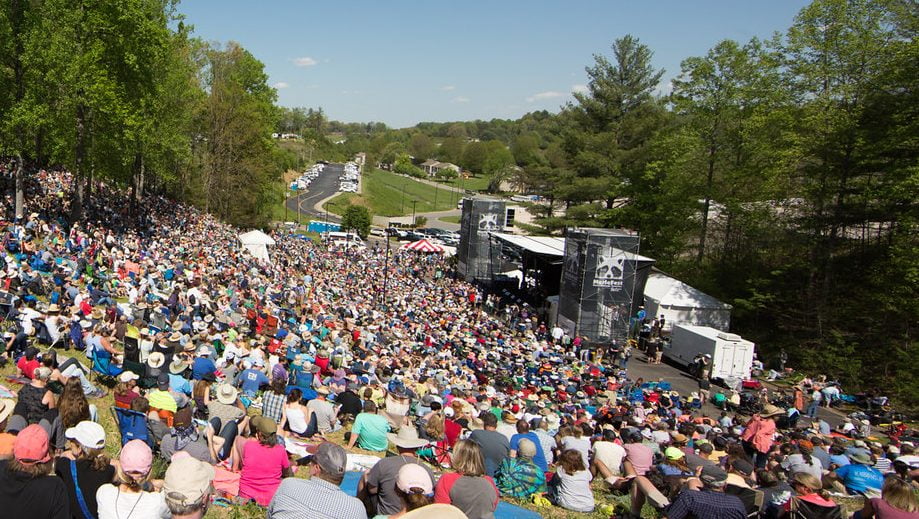
For the first time, the entirety of IBMA’s “fan fest,” Wide Open Bluegrass, is free! Yes, you can even get into the main stage at Raleigh’s Red Hat Amphitheatre for free. (Tickets for reserved seating are still available!) This year’s lineup at the main stage includes a special tribute to Hazel Dickens and Alice Gerrard and a celebration of Bluegrass Hall of Famer Del McCoury.
Don’t miss the StreetFest, too! Vendors line Fayetteville St. from the capitol to the Duke Energy Center with more than a handful of stages and a world-class lineup of bluegrass, string bands, old-time, folk, and Americana. Wide Open Bluegrass is the biggest bluegrass festival east of the Mississippi, and if you’ve been you understand why.
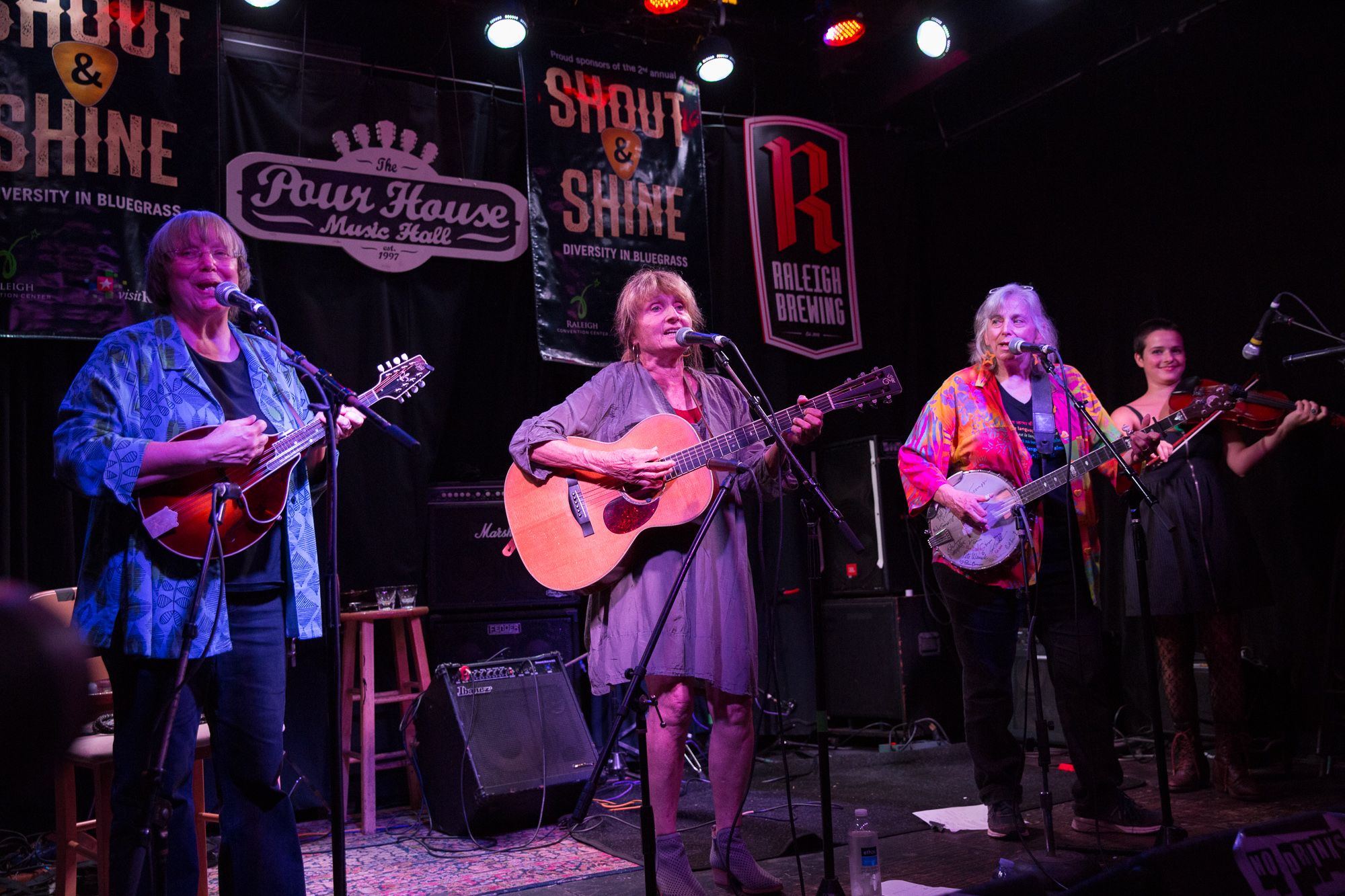
Also, make plans to join us for our Fourth Annual Shout & Shine: A Celebration of Diversity in Bluegrass on Friday, September 27! With our friends at PineCone we’re taking over the StreetFest’s dance tent for an entire day of dance, music, and celebrating the vast array of diverse voices and creators who love bluegrass. Music starts at noon and goes til 11:00 pm! Did we mention there’s going to be a Shout & Shine Square Dance Party?
5. THE JAMMING
If you don’t spend at LEAST two to three nights out of the week staying up ‘til dawn camped out in a hallway or a hotel room enjoying some of the best off-the-cuff music the world has to offer, you just aren’t doing IBMA right. We recommend the whole enchilada, going to the business conference, the Bluegrass Ramble, the main stage at the Red Hat — but if there’s just one thing you can muster during the week of bluegrass events at World of/Wide Open Bluegrass, it should be a mosey through the Marriott for a little bit of jamming. A lotta bit of jamming. Who knows who you’ll run into on the elevator or around the corner…
Photo of Marcy Marxer, Alice Gerrard, Cathy Fink, and Tatiana Hargreaves at Shout & Shine 2017: Willa Stein
IBMA World of Bluegrass announced its Main Stage schedule, as well as three special performances, for the Wide Open Bluegrass Festival next month in Raleigh, North Carolina.
Sam Bush will make a guest appearance with Del McCoury Band, while and a new band created by Jerry Douglas called the Ringers will perform for the first time ever. Douglas formed the group with Ronnie McCoury, Todd Phillips, Christian Sedelmyer, and Dan Tyminski.
In addition, a special performance titled “You Gave Me a Song”: Celebrating the Music of Hazel Dickens & Alice Gerrard will feature Alice Gerrard, Laurie Lewis, Allison de Groot & Tatiana Hargreaves, Cathy Fink & Marcy Marxer, Justin Hiltner, Jon Weisberger, and Eliza Meyer.
Wide Open Bluegrass is the free weekend festival that takes place at Raleigh’s Red Hat Amphitheater and on seven additional stages in downtown Raleigh on September 27-28.
These artists join previously announced talent such as I’m With Her (Sara Watkins, Sarah Jarosz, & Aoife O’Donovan), Doyle Lawson & Quicksilver, Balsam Range, Sister Sadie, Frank Solivan & Dirty Kitchen, and Molly Tuttle for Main Stage performances at Red Hat Amphitheater for this year’s festival. Performances at Red Hat Amphitheater will begin at 5 pm and will feature premier bluegrass acts for six hours.
The performances at Raleigh’s Red Hat Amphitheater will be open to the public for free, subject to venue capacity. A limited number of reserved seats in prime sections of the venue are available for purchase to ensure admittance for every performance.
Here is the schedule for the Main Stage performances at Red Hat Amphitheater for the 2019 Wide Open Bluegrass festival:
Friday, September 27 5:00 – Sister Sadie 6:05 – Balsam Range 7:15 – Molly Tuttle 8:25 – I’m With Her (Sara Watkins, Sarah Jarosz, Aoife O’Donovan) 9:45 – The Ringers featuring Jerry Douglas, Ronnie McCoury, Todd Phillips, Christian Sedelmyer, and Dan Tyminski
Saturday, September 28 5:00 – “You Gave Me a Song”: Celebrating the Music of Hazel Dickens & Alice Gerrard 6:10 – Frank Solivan & Dirty Kitchen 7:15 – Doyle Lawson & Quicksilver 8:30 – Del McCoury Band, with Sam Bush, and Special Guests (more to be announced)
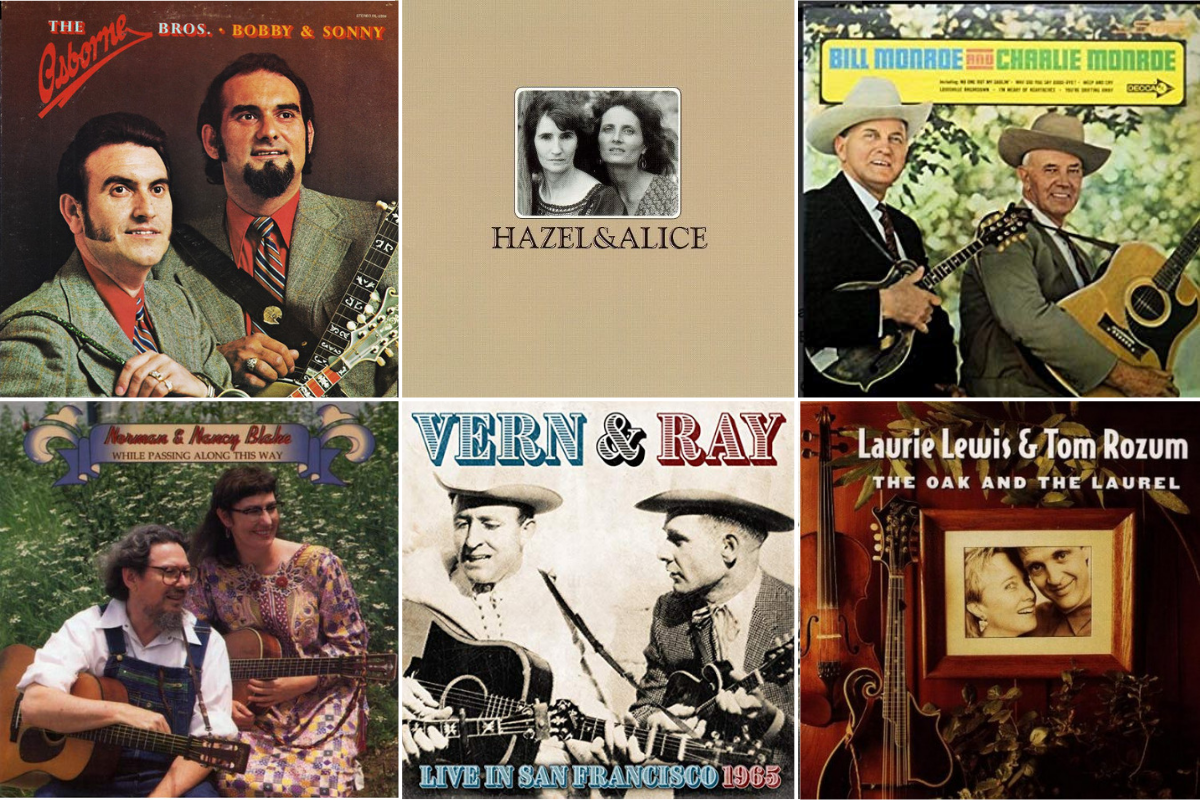
Everyone knows that in the early days of bluegrass, before that term was even coined, all you needed to make a “band” was two people and two instruments. Fiddle and banjo? Sure. But in those days, they’d take whatever they could get. Duos are still a strong presence in the music today, in brother/sibling duos, spouse-led bands, and legendary collaborations.
Check out these twenty-two bluegrass pairings — and their accoutrement — on BGS:
Bill & Charlie Monroe
Before Bill Monroe, the Father of Bluegrass, made his indelible mark on the genre (quite literally giving it its name), he was already a popular performer with his brothers Charlie and Birch. Birch left The Monroe Brothers in the mid-1930s, and Charlie and Bill went on to enjoy success on the road, in the studio, and on the radio — until rising tensions and a fateful fight in 1938 caused them to split ways. But, without that fight, we may not have “bluegrass” at all.
Flatt & Scruggs
December 1945. The Ryman Auditorium. Nashville, Tennessee. Bill Monroe and his Blue Grass Boys stepped on stage for the Grand Ole Opry with Lester Flatt and Earl Scruggs among their ranks for the very first time and bluegrass as we know it today was born. Flatt & Scruggs left Monroe in 1948 to join forces and went on to become one of the few ubiquitous, household names of bluegrass.
Hazel Dickens & Alice Gerrard
Undeniably trailblazers, Hazel Dickens & Alice Gerrard are widely regarded as the first women in bluegrass to capture the “high lonesome” sound popularized by Monroe, the Stanley Brothers, and others. They toured across the U.S., often supporting causes that benefited forgotten, downtrodden people from all backgrounds and walks of life. They were inducted into the Bluegrass Music Hall of Fame in 2017.
The Stanley Brothers
Natives of the music-rich southwest corner of Virginia, Carter and Ralph Stanley were prolific recording artists and touring musicians in bluegrass’s first generation. Countless songs written and/or popularized by the Stanley Brothers and their backing band, the Clinch Mountain Boys, are staples of the genre today. Carter passed in 1966 and Ralph continued until his death in 2016 with the Clinch Mountain Boys — who still tour today with Ralph’s son, Ralph II.
Don Reno & Red Smiley
Unsung trailblazers of the first generation of bluegrass pickers, Reno & Smiley were tireless innovators with a jovial, sometimes silly flair to their songs and instrumental prowess. Their duets are simply some of the best in all of bluegrass. The duo performed together off and on from the early 1950s to the 1970s — but both passed away much too young, Smiley in 1972 at the age of 46 and Reno in 1984 at the age of 58. Reno’s frenetic, electric and pedal steel guitar-infused licks remain unmatched in banjo picking today.
Jim & Jesse McReynolds
With matching suits and impeccable pompadours brothers Jim and Jesse McReynolds often brought rockabilly, rock ‘n’ roll, mainstream country and pop sensibilities to their take on sibling harmonies and bluegrass brother duos. Jesse’s crosspicking on the mandolin was — and continues to be — absolutely astonishing. Jim passed in 2002, Jesse continues to perform on the Grand Ole Opry to this day. At the time of this writing, he is ninety years old.
Laurie Lewis & Tom Rozum
Laurie Lewis often takes top billing — as leader of the Right Hands and before that, the Bluegrass Pals, and others — but since 1986 her musical partner Tom Rozum has almost constantly been at her side on the mandolin and harmonies. Their duo recording, The Oak and the Laurel, was nominated for a Grammy in 1995. Here is the album’s title track:
Bill Monroe & Doc Watson
What is there to say? Two of the folks who paved the way for this genre, laying a foundation so strong and far-reaching that we still can’t fully comprehend its impact. Bill and Doc collaborated on more than one occasion and we, as fans and disciples, are lucky that so many of these moments are captured in recordings and videos.
Del McCoury & David “Dawg” Grisman
At face value, an unlikely combo, but their friendship goes back to the early 1960s and their musical endeavors together began soon after. As Del slowly but surely became a bastion for traditional bluegrass aesthetics applied broadly, Dawg embraced jammy, jazzy, new acoustic sounds that sometimes only register as bluegrass-adjacent because they come from the mandolin. Opposite sides of the same coin, their duet makes total sense while at the same time challenging everything we think we know about the music. In this clip, Dawg sings tenor to Del — not many would be brave enough to try!
Ricky Skaggs & Keith Whitley
They got their start together in the Clinch Mountain Boys with Ralph Stanley, making some of the best recordings in the history of the band’s many iterations. Before they both struck out on wildly successful, mainstream careers they recorded a seminal duo album together, Second Generation. It remains one of the most important albums in the bluegrass canon — especially as far as duos/duets go.
Norman & Nancy Blake
Norman is well known for his flatpicking prowess, which has graced recordings by John Hartford, Bob Dylan, the Nitty Gritty Dirt Band, and so many others. He and his wife, Nancy, were married in 1975 after having begun their musical forays together a year or so earlier. Nancy’s command of many instruments — cello, mandolin, and fiddle among them — balances neatly with Norman’s jaw-dropping, singular style on the flattop. Their inseparable harmonies and timeless repertoire are merely icing on the cake.
Jimmy Martin & Ralph Stanley
How their first album together, First Time Together (cough), is not more well-known is truly impossible to understand. The King of Bluegrass and the Man of Constant Sorrow twining their extraordinary voices must have been ordained by a higher power. It’s a good thing they answered the call. Be careful, Jimmy’s percussive G-runs feel like a slap in the face — in the best way.
Darrell Scott & Tim O’Brien
Their live albums together and their co-written masterpieces belong in every museum and shrine to roots music around the world. Both of these triple threat (Quadruple? Quintuple? When do we stop counting?) musicians are rampantly successful in their own right, but together they are simply transcendent. Their cut of “Brother Wind” deserves a listen right this instant and “House of Gold” gives you the harmony acrobatics gut punch you need every time. It was nearly impossible to choose just one, but here’s a hit that was recorded once by a little group called the Dixie Chicks.
Ricky Skaggs & Tony Rice
Again, words fail. Skaggs & Rice is a desert island record. Each and every time these two have graced a recording or a stage together, magic has been made, from their days with J.D. Crowe & the New South and on. We only wish that they could have done more together.
Vern & Ray
Vern Williams and Ray Park were California’s original bluegrass sons. Though they were both born and raised in Arkansas, they relocated to Stockton, California, as adults. They’re often credited with “introducing” bluegrass music to the West Coast. They disbanded in 1974 (both passed in the early 2000s), but their influence is palpable to this day, even if they’re sorely unheard of east of the Mississippi. This deserves correction! Immediately!
Eddie & Martha Adcock
Eddie is a pioneering banjo player who’s a veteran of both Bill Monroe’s Blue Grass Boys and The Country Gentlemen, two decidedly legendary and influential acts. His style is somewhat wacky, certainly singular, but effortlessly bluegrass and traditional as well. He married Martha in the late 1970s and the pair have toured prolifically as a duo. In 2008, Eddie underwent brain surgery to correct debilitating hand tremors. He was kept awake, playing the banjo during the procedure — and there is jaw-dropping film of this online!
Dailey & Vincent
When Dailey & Vincent burst onto the scene in the mid-aughts after both having notable careers as sidemen, the bluegrass community rejoiced at the reemergence of a wavering art form within the genre — traditional duo singing. However, Jamie and Darrin, whether they knew it at the time or not, had their sights set much higher. Now more of a full-blown stage show than a bluegrass band, their recordings and concerts are a high-energy, charismatic, and downright entertaining mix of classic country, Southern gospel, quartet singing, and yes, bluegrass.
Kenny & Amanda Smith
Husband and wife Kenny and Amanda first recorded together in 2001, going on to win IBMA’s Emerging Artist of the Year award two years later. They’ve now cut eight albums together, all clean, clear, crisp modern bluegrass that centers on Amanda’s impossibly bright vocals, which maintain a personal, country hue alongside Kenny’s fantastic flatpicking. SON!
Tom T. & Dixie Hall
Two of the most recent inductees into the Bluegrass Music Hall of Fame, Tom T. and Dixie Hall wrote hundreds and hundreds of songs cut by country, bluegrass, and Americana artists alike. Tom T.’s reputation and chart-topping originals tend to eclipse Dixie, but he is unyielding in his efforts to point that same spotlight at his beloved wife instead, who passed away in 2015. Though she never performed — definitely not to the extent that Tom T. did — the marks she left on bluegrass, country, and her partnership with her husband are indelible. This number was co-written by the pair:
The Louvin Brothers
Recipients of IBMA’s Distinguished Achievement Award in 1992, the Louvin Brothers are another example of early bluegrassers who enjoyed the amorphous, primordial days of the genre before it became more and more sequestered from mainstream country and country radio. Their duets are iconic, with counter-intuitive contours and lines that bands and singers still have difficulty replicating to this day. Their most famous contribution to the American music zeitgeist, though, might not be their music, but the spectacular cover art for their 1959 album, Satan Is Real. If you haven’t seen it, Google it right now.
Delia Bell & Bill Grant
Natives of Texas and Oklahoma, respectively, Delia Bell and Bill Grant met through Bell’s husband, Bobby, in the late 1950s. Between their band, the Kiamichi Mountain Boys, and their duo project they recorded more than a dozen albums together through the 1980s. Famously, Emmylou Harris became a fan when she heard their cut of “Roses in the Snow,” which Harris went on to record on her eponymous bluegrass record. Bell died in 2018.
The Osborne Brothers
Though they popularized a style of three-part harmony that had never been heard before — the infamous “high lead” harmony stack — their band, no matter who it may have included over the years, was undeniably helmed and anchored by Bobby and Sonny. (Which does explain the name.) You may remember “Rocky Top” and “Ruby” first and foremost in their discography, but the hits they’ve contributed to the bluegrass songbook are innumerable. Here’s one such classic.
When it comes to roots music, the MerleFest 2019 lineup is tough to beat. From bluegrass heroes to country legends, along with a number of perennial favorites like the Avett Brothers, this year’s four-day event promises to be one for the record books. Where to begin? Check out the BGS daily preview below.
Editor’s Note: MerleFest 2019 will take place April 25-28 in Wilkesboro, North Carolina. The Bluegrass Situation is proud to present the Late Night Jam on Saturday, April 27. Get tickets.
THURSDAY, APRIL 25
Headliner: Wynonna
No one else on earth has a voice like Wynonna. Of course she got her start in the Judds, which brought an acoustic flavor back to mainstream country music in the 1980s. She’s also frequently cited Hazel Dickens and Alice Gerrard as among her earliest musical influences. You’ll surely hear the hits, yet a new record deal with Anti- means that more music is on the way.
Don’t miss: Junior Brown can wow a crowd with his “guit-steel” double neck guitar, not to mention wry tunes like “My Wife Thinks You’re Dead.” Dailey & Vincent know a thing or two about quick wit, with their fast-talking banter tying together a repertoire of bluegrass, country, and gospel. Accomplished songwriter Radney Foster issued a new album and a book – both titled For You to See the Stars – in 2017. North Carolina’s own bluegrass combo Chatham County Line kicks off the day, likely with a few familiar tunes from their new album, Sharing the Covers.
FRIDAY, APRIL 26
Headliner: Tyler Childers
With the album Purgatory, Tyler Childers captivated fans who demand authenticity from their favorite artists. The acclaimed project falls in that sweet spot where Americana, bluegrass and country music all merge gracefully. Yet the sonic textures of “Universal Sound” show that he’s not stuck in the past. In a crowded field of newcomers, Childers’ distinctive singing voice and incisive writing set him apart.
Don’t miss: If you’re into guys who write quality songs, then you’re in luck. Leading up to Childers’ set, fans can dig into the likes of Amos Lee, The Milk Carton Kids, The Black Lillies, American Aquarium, and Steve Poltz. If bluegrass is more your style, check out Mile Twelve and Junior Sisk & Ramblers Choice in the early afternoon. Before that, make the most of your lunch break with country music from Michaela Anne and Elizabeth Cook. The Chris Austin Songwriting Competition is worth a stop, too.
SATURDAY, APRIL 27
Headliner: Brandi Carlile
Brandi Carlile catapulted into a new phase of her career by singing “The Joke” on the Grammys this year, not to mention winning three awards before the show. However, dedicated fans have followed her ascent since her auspicious 2005 debut album and its exceptional follow-up, The Story. She’s a master at engaging a crowd and a Saturday night headlining slot at MerleFest is yet another feather in her cap.
Don’t miss: Doc Watson himself would have approved of all the bluegrass artists on Saturday, such as Sam Bush Band, The Earls of Leicester, the Gibson Brothers, and Molly Tuttle. Keb’ Mo, Donna the Buffalo, and Webb Wilder converge upon Americana from different originas, yet they are united in their ability to electrify a crowd – even at a mostly acoustic festival. Folk fans should swing by The Brother Brothers, Carolina Blue, Driftwood, Ana Egge, Elephant Sessions, and The Waybacks. The Kruger Brothers always offer a pleasurable listening experience, too. Still not ready for the tent? Drop by the Late Night Jam, hosted by Chatham County Line and presented by yours truly, BGS. You won’t want to miss the set of special collaborations and true, on the spot, one of a kind jams with artists from all across the festival lineup.
SUNDAY, APRIL 28
Headliner: The Avett Brothers
The Avett Brothers elevate the MerleFest experience by bringing together a multitude of influences, from string bands to stadium rock. The charming track “Neopolitan Sky” dropped in February, employing a Tom Petty vibe and a surprisingly scaled-back production, as well as the sibling harmony that’s central to their sound. The North Carolina natives are proud fans of Doc Watson, so here’s hoping for “Shady Grove” to go along with fan faves like “Live and Die,” “Murder in the City,” and “I and Love and You.”
Don’t miss: The Del McCoury Band always brightens a Sunday afternoon with traditional bluegrass and any number of hollered requests. Steep Canyon Rangers will deliver a set inspired by the North Carolina songbook. After that, the ever-prolific Jim Lauderdale will take the stage with a set drawing from his country and bluegrass career. Early risers will be treated to morning music from Lindi Ortega, who hit a career high of creativity with her newest album, Liberty. Also of note: Jeff Little Trio, Andy May, Mark and Maggie O’Connor, Peter Rowan, Scythian, Larry Stephenson Band, Yarn, and all the good vibes that MerleFest has to offer.
“I think my favorite description of bluegrass music is from Bill Monroe: ‘It’s Scottish bagpipes and ole-time fiddlin’. It’s Methodist and Holiness and Baptist. It’s blues and jazz, and it has a high lonesome sound.’ It is that and more to me. It is simple and complex. It is death and life. It is impossible to put together anything close to a definitive playlist of such things so here are a few songs I really like.” — Crowder
“A Far Cry” – Del McCoury Band
Del McCoury is the epitome of the progressive conservation of that “high lonesome” sound.
“Angel Band” – Stanley Brothers
This is it for me. An old gospel song from a poem originally titled “My Latest Sun Is Sinking Fast.”
“The Prisoner’s Song” – Bill Monroe
This origin of this song goes back to the beginning of recorded “hillbilly” music and nothing better than the Father of Bluegrass’ take on it with electric guitar, piano, and drums. Heretical!
“Ruby” – Osborne Brothers
Those falsetto jumps and holds, if you’re not smiling we can’t be friends.
“Shady Grove” – Ricky Skaggs
Mr. Skaggs is one of my favorite humans ever made and he and Kentucky Thunder slay this traditional Appalachian courtin’ song that’s found its way into the repertoire of all the greats.
“Walls of Time” – Bill Monroe
A classic written by Monroe and Peter Rowan, but not recorded until after Rowan left the group. The lyrics are perfectly haunting.
“Freeborn Man” – Jimmy Martin
“King of Bluegrass” after the addition of Gloria Belle. That female vocal sitting above Martin’s cutting tenor is supreme.
“Mama’s Hand” – Hazel Dickens
Known for her singing style as well as her advocate songs for coal miners and the working folk and to be one of the first women to record a bluegrass album. This song tells the story of the day she left her family’s home in West Virginia.
“Carry Me Across The Mountain” – Dan Tyminski
This guy is legend. Popping into the universal ethos and consciousness of popular culture every so often, from his updated version of “Man of Constant Sorrow” to vocal feature on Avicii’s international hit “Hey Brother.”
“Blue Train” – Nashville Bluegrass Band
I love how these guys incorporate black gospel and spirituals. Just a line as simple as “coming for to carry me” brings with it the momentum and mass of a locomotive.
“Salty Dog Blues” – Flatt and Scruggs
The original meaning of “salty dog” comes from rubbing salt into the coat of your dog as a flea repellent. That infers that a “salty dog” would be your favorite person or your best friend. I like that.
“Oh, Death” – Ralph Stanley
No vocalist will ever fit a song more perfectly.
“The Little Old Log Cabin in the Lane” – Fiddlin’ John Carson
The first “hillbilly” song ever recorded with vocals and lyrics. When I moved to Atlanta I landed in Cabbagetown on Carroll Street living in the Fulton Bag and Cotton Mill that he and his children worked in. That’s as close as I’ve ever come to greatness.
Photo credit: Eric Brown
This website uses cookies to improve your experience. We'll assume you're ok with this, but you can opt-out if you wish.AcceptRejectRead More
Privacy & Cookies Policy
Privacy Overview
This website uses cookies to improve your experience while you navigate through the website. Out of these, the cookies that are categorized as necessary are stored on your browser as they are essential for the working of basic functionalities of the website. We also use third-party cookies that help us analyze and understand how you use this website. These cookies will be stored in your browser only with your consent. You also have the option to opt-out of these cookies. But opting out of some of these cookies may affect your browsing experience.
Necessary cookies are absolutely essential for the website to function properly. This category only includes cookies that ensures basic functionalities and security features of the website. These cookies do not store any personal information.
Any cookies that may not be particularly necessary for the website to function and is used specifically to collect user personal data via analytics, ads, other embedded contents are termed as non-necessary cookies. It is mandatory to procure user consent prior to running these cookies on your website.