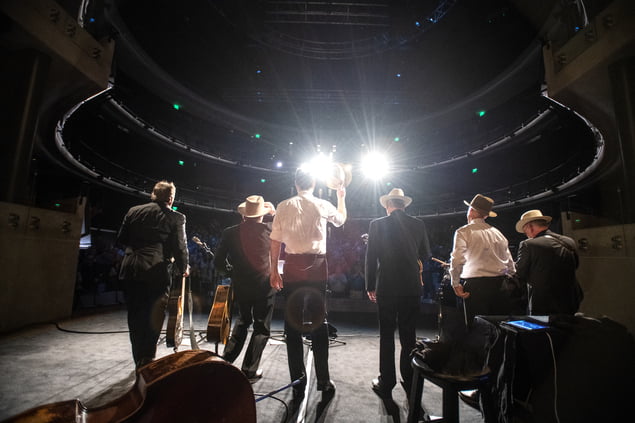
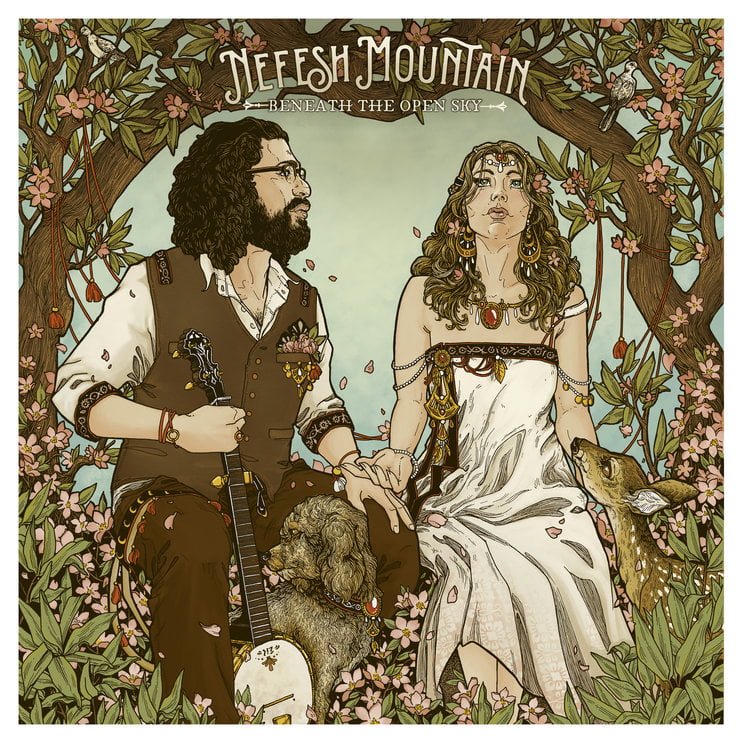
IBMA Reveals Award Nominees, Hall of Fame Inductees, Distinguished Achievement Winners

Five of the top bands in bluegrass earned IBMA Entertainer of the Year nominations from the International Bluegrass Music Association. The ballot was revealed on Wednesday morning in Nashville.

The Entertainer of the Year nominees are Balsam Range, Sam Bush Band, The Earls of Leicester, Del McCoury Band, and Joe Mullins & the Radio Ramblers.

Due to a tie, seven titles will compete for the Song of the Year category. The IBMA Awards will take place Thursday, September 26, at the Duke Energy Performing Arts Center in Raleigh, North Carolina, with hosts Jim Lauderdale and Del McCoury.

Mike Auldridge, Bill Emerson, and the Kentucky Colonels have also been named as inductees into the Bluegrass Hall of Fame.

Distinguished Achievement Award recipients include radio personality Katy Daley, Mountain Home label founder Mickey Gamble, former IBMA executive director Dan Hays, The Lost and Found founder Allen Mills, and Japanese language magazine Moonshiner, now in its 37th year covering bluegrass and acoustic music.

The full ballot is below.

ENTERTAINER OF THE YEAR

Balsam Range
Sam Bush Band
The Earls of Leicester
Del McCoury Band
Joe Mullins & the Radio Ramblers

VOCAL GROUP OF THE YEAR

Balsam Range
I’m With Her
Doyle Lawson & Quicksilver
Russell Moore & IIIrd Tyme Out
Sister Sadie

INSTRUMENTAL GROUP OF THE YEAR

Sam Bush Band
Michael Cleveland & Flamekeeper
The Earls of Leicester
Ricky Skaggs & Kentucky Thunder
The Travelin’ McCourys

NEW ARTIST OF THE YEAR

Appalachian Road Show
Carolina Blue
High Fidelity
Mile Twelve
Billy Strings

SONG OF THE YEAR (7 nominees, due to a tie)

“Dance, Dance, Dance”
Artist: Appalachian Road Show
Writers: Brenda Cooper/Joseph Cooper/Steve Miller
Producers: Barry Abernathy, Darrell Webb, Ben Isaacs
Executive Producer: Dottie Leonard Miller
Label: Billy Blue Records

“The Girl Who Invented the Wheel”
Artist: Balsam Range
Writers: Adam Wright/Shannon Wright
Producer: Balsam Range
Executive Producer: Mickey Gamble
Label: Mountain Home Music Company

“The Guitar Song”
Artist: Joe Mullins & the Radio Ramblers with Del McCoury
Writers: Bill Anderson/Jamey Johnson/Vicky McGehee
Producer: Joe Mullins
Associate Producer: Jerry Salley
Label: Billy Blue Records

“The Light in Carter Stanley’s Eyes”
Artist: Peter Rowan
Writer: Peter Rowan
Producer: Peter Rowan
Associate Producer: Tim O’Brien
Label: Rebel Records

“Next Train South”
Artist: The Po’ Ramblin’ Boys
Writer: Mac Patterson
Producers: The Po’ Ramblin’ Boys, Dave Maggard, Ken Irwin
Label: Rounder Records

“Take the Journey”
Artist: Molly Tuttle
Writers: Molly Tuttle/Sarah Siskind
Producer: Ryan Hewitt
Label: Compass Records

“Thunder Dan”
Artist: Sideline
Writer: Josh Manning
Producer: Tim Surrett
Label: Mountain Home Music Company

ALBUM OF THE YEAR

City on a Hill
Artist: Mile Twelve
Producer: Bryan Sutton
Label: Independent

Del McCoury Still Sings Bluegrass
Artist: Del McCoury Band
Producers: Del and Ronnie McCoury
Label: McCoury Music

For the Record
Artist: Joe Mullins & the Radio Ramblers
Producer: Joe Mullins
Associate Producer: Jerry Salley
Label: Billy Blue Records

I Hear Bluegrass Calling Me
Artist: Carolina Blue
Producers: Bobby Powell, Tim and Lakin Jones
Executive Producers: Lonnie Lassiter and Ethan Burkhardt
Label: Pinecastle Records

Sister Sadie II
Artist: Sister Sadie
Producer: Sister Sadie
Label: Pinecastle Records

GOSPEL RECORDING OF THE YEAR

“Acres of Diamonds”
Artist: Joe Mullins & the Radio Ramblers
Producer: Joe Mullins
Associate Producer: Jerry Salley
Label: Billy Blue Records

“Gonna Sing, Gonna Shout”
Artist: Claire Lynch
Producer: Jerry Salley
Label: Billy Blue Records

“I Am a Pilgrim”
Artist: Roland White and Friends
Producers: Ty Gilpin, Jon Weisberger
Label: Mountain Home Music Company

“I See God”
Artist: Marty Raybon
Producer: Jerry Salley
Label: Billy Blue Records

“Let My Life Be a Light”
Artist: Balsam Range
Producer: Balsam Range
Executive Producer: Mickey Gamble
Label: Mountain Home Music Company

INSTRUMENTAL RECORDING OF THE YEAR

“Cotton Eyed Joe”
Artist: Sideline
Producer: Tim Surrett
Label: Mountain Home Music Company

“Darlin’ Pal(s) of Mine”
Artist: Missy Raines with Alison Brown, Mike Bub, and Todd Phillips
Producer: Alison Brown
Label: Compass Records

“Earl’s Breakdown”
Artist: The Earls of Leicester
Producer: Jerry Douglas
Label: Rounder Records

“Fried Taters and Onions”
Artist: Carolina Blue
Producers: Bobby Powell, Tim and Lakin Jones
Executive Producers: Lonnie Lassiter and Ethan Burkhardt
Label: Pinecastle Records

“Sunrise”
Artist: Sam Bush & Bela Fleck
Producers: Akira Otsuka, Ronnie Freeland
Label: Smithsonian Folkways Records

COLLABORATIVE RECORDING OF THE YEAR

“Burning Georgia Down”
Artist: Balsam Range with Atlanta Pops Orchestra Ensemble
Producer: Balsam Range
Label: Mountain Home Music Company

“Darlin’ Pal(s) of Mine”
Artist: Missy Raines with Alison Brown, Mike Bub, and Todd Phillips
Producer: Alison Brown
Label: Compass Records

“The Guitar Song”
Artist: Joe Mullins & the Radio Ramblers with Del McCoury
Producer: Joe Mullins
Associate Producer: Jerry Salley
Label: Billy Blue Records

“Please”
Artist: Rhonda Vincent and Dolly Parton
Producers: Dave Cobb, John Leventhal, Frank Liddell
Label: MCA Nashville

“Soldier’s Joy/Ragtime Annie”
Artist: Roland White with Justin Hiltner, Jon Weisberger, Patrick McAvinue, and Molly Tuttle
Producers: Ty Gilpin, Jon Weisberger
Label: Mountain Home Music Company

MALE VOCALIST OF THE YEAR

Shawn Camp
Del McCoury
Russell Moore
Tim O’Brien
Danny Paisley

FEMALE VOCALIST

Brooke Aldridge
Dale Ann Bradley
Sierra Hull
Molly Tuttle
Rhonda Vincent

BANJO PLAYER OF THE YEAR

Gina Furtado
Mike Munford
Noam Pikelny
Kristin Scott Benson
Scott Vestal

BASS PLAYER OF THE YEAR

Barry Bales
Mike Bub
Beth Lawrence
Missy Raines
Mark Schatz

FIDDLE PLAYER OF THE YEAR

Hunter Berry
Becky Buller
Jason Carter
Michael Cleveland
Stuart Duncan

RESOPHONIC GUITAR PLAYER OF THE YEAR

Jerry Douglas
Andy Hall
Rob Ickes
Phil Leadbetter
Justin Moses

GUITAR PLAYER OF THE YEAR

Kenny Smith
Billy Strings
Bryan Sutton
Molly Tuttle
Josh Williams

MANDOLIN PLAYER OF THE YEAR

Alan Bibey
Sam Bush
Sierra Hull
Ronnie McCoury
Frank Solivan
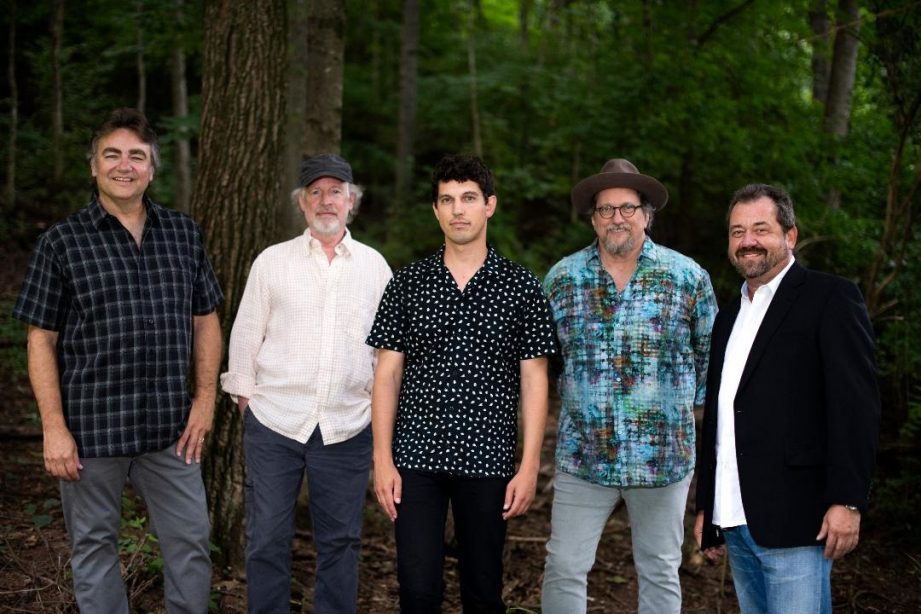
Blue Ox Music Festival 2019 in Photographs

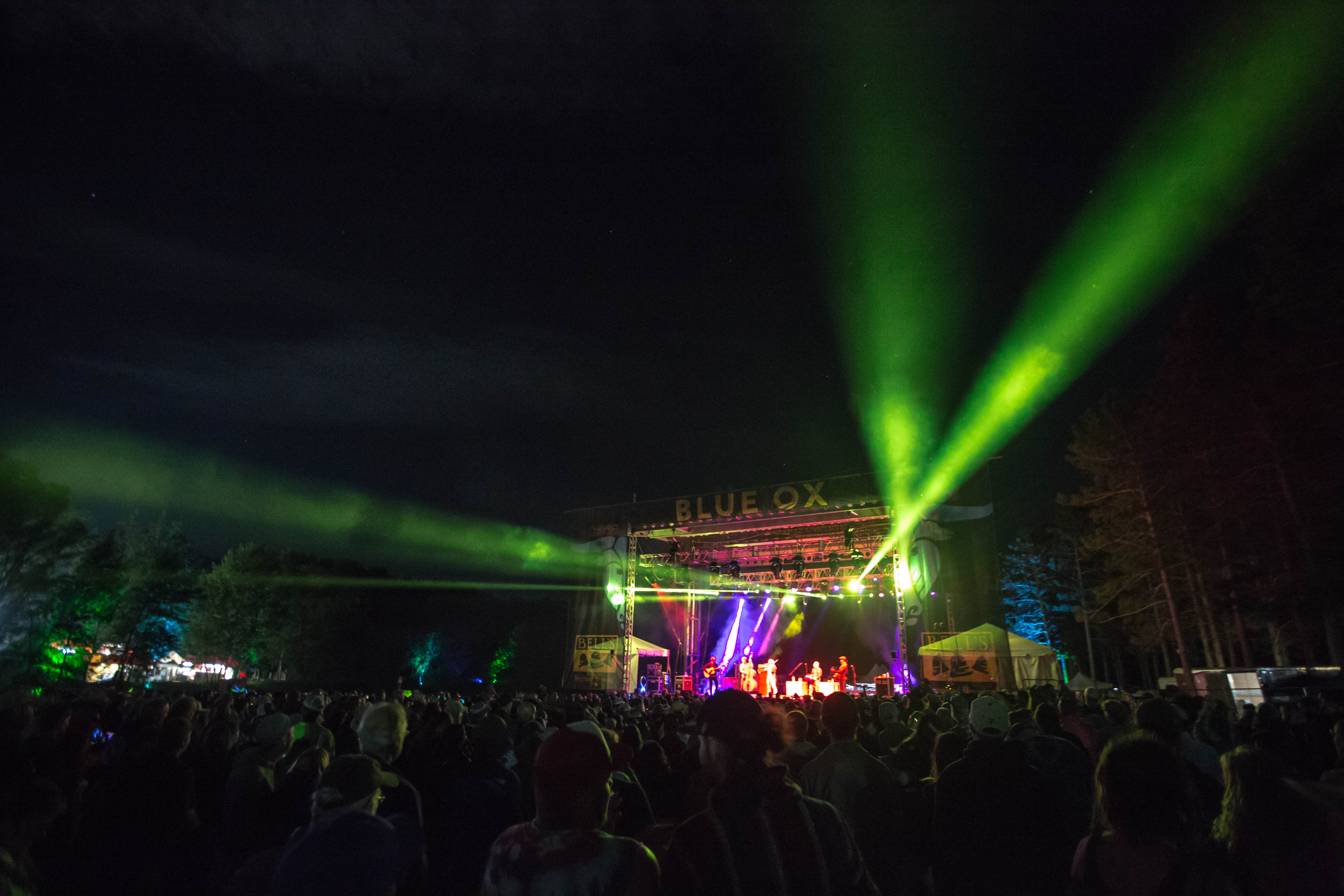
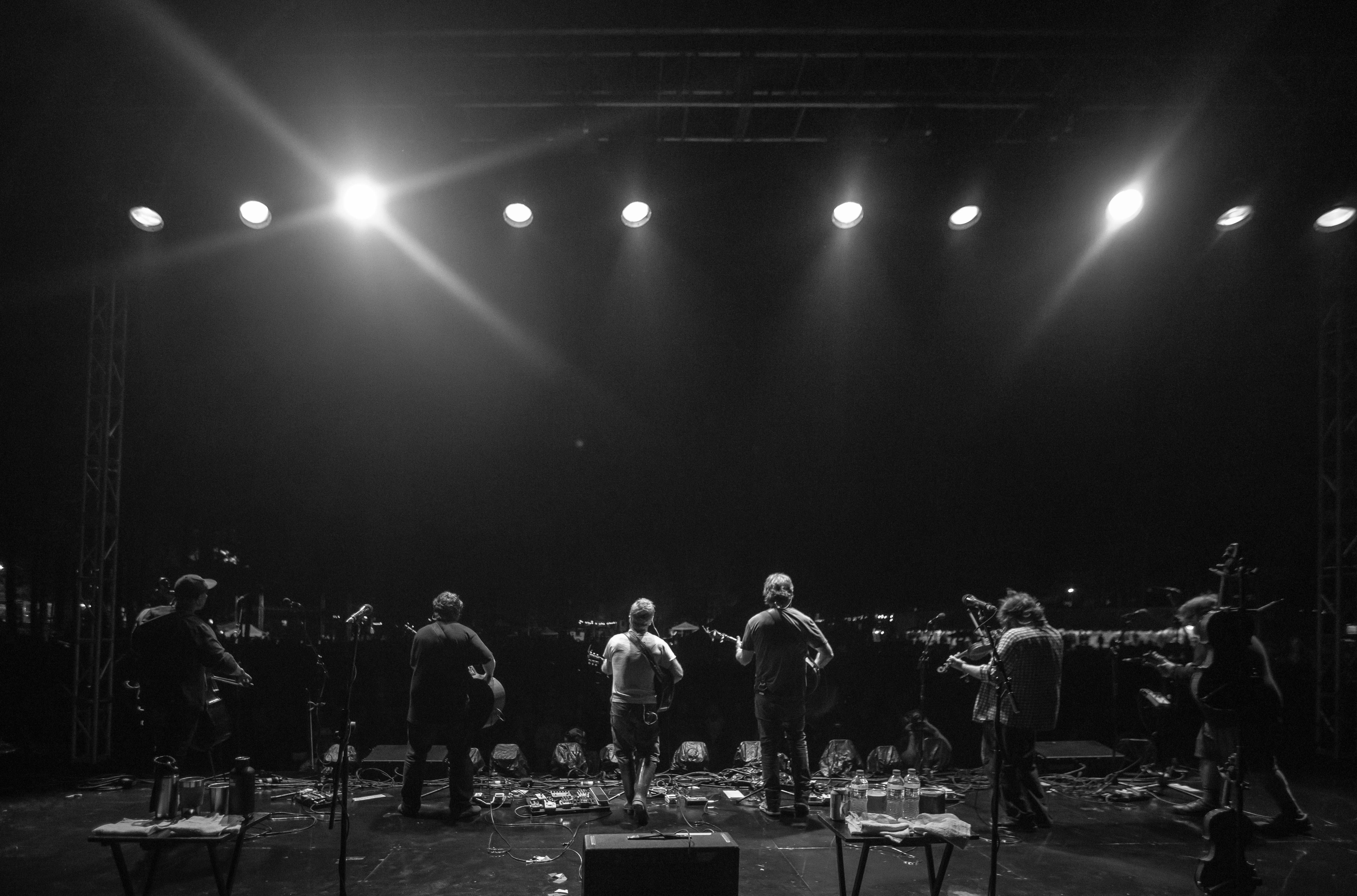
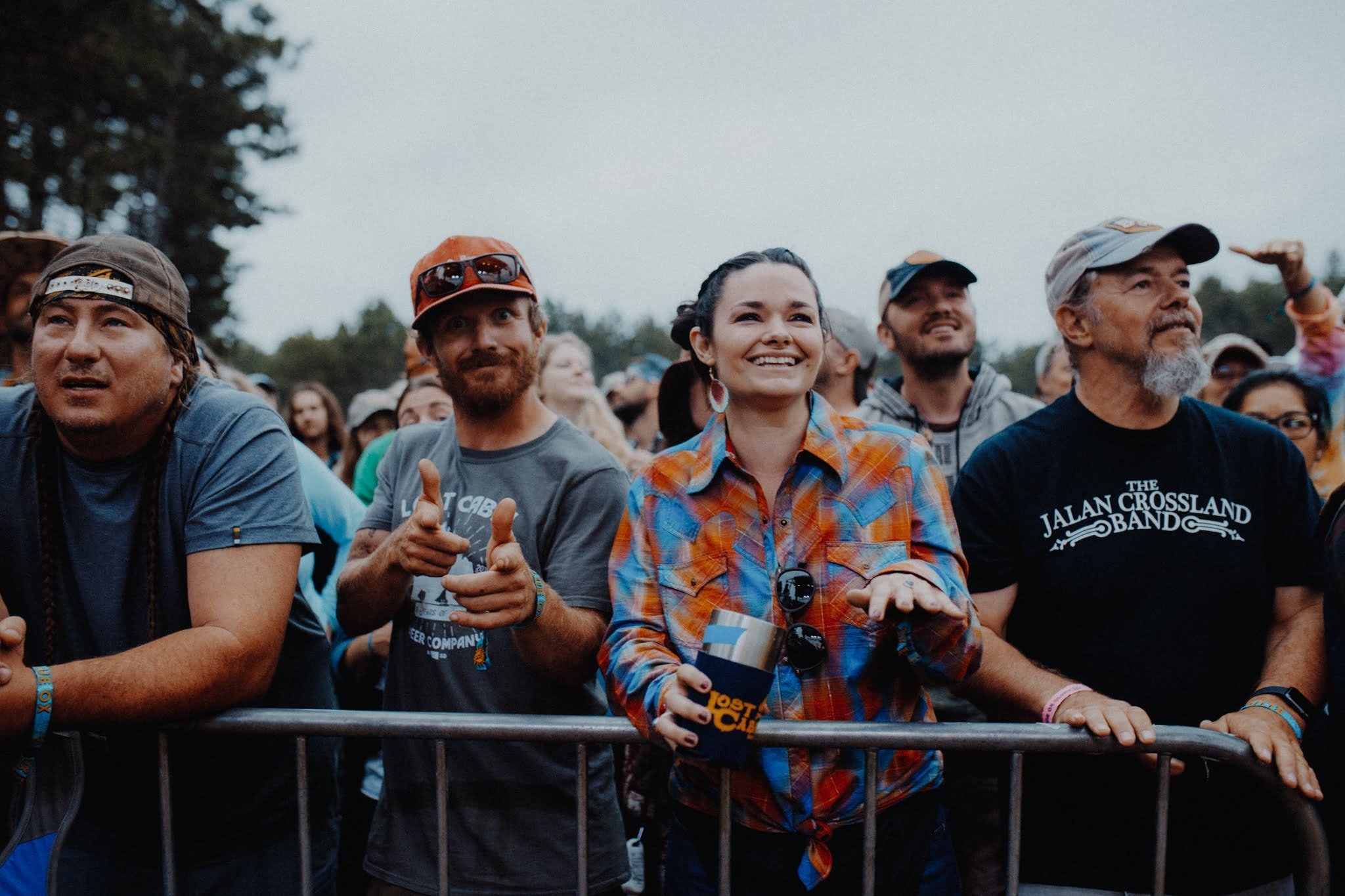
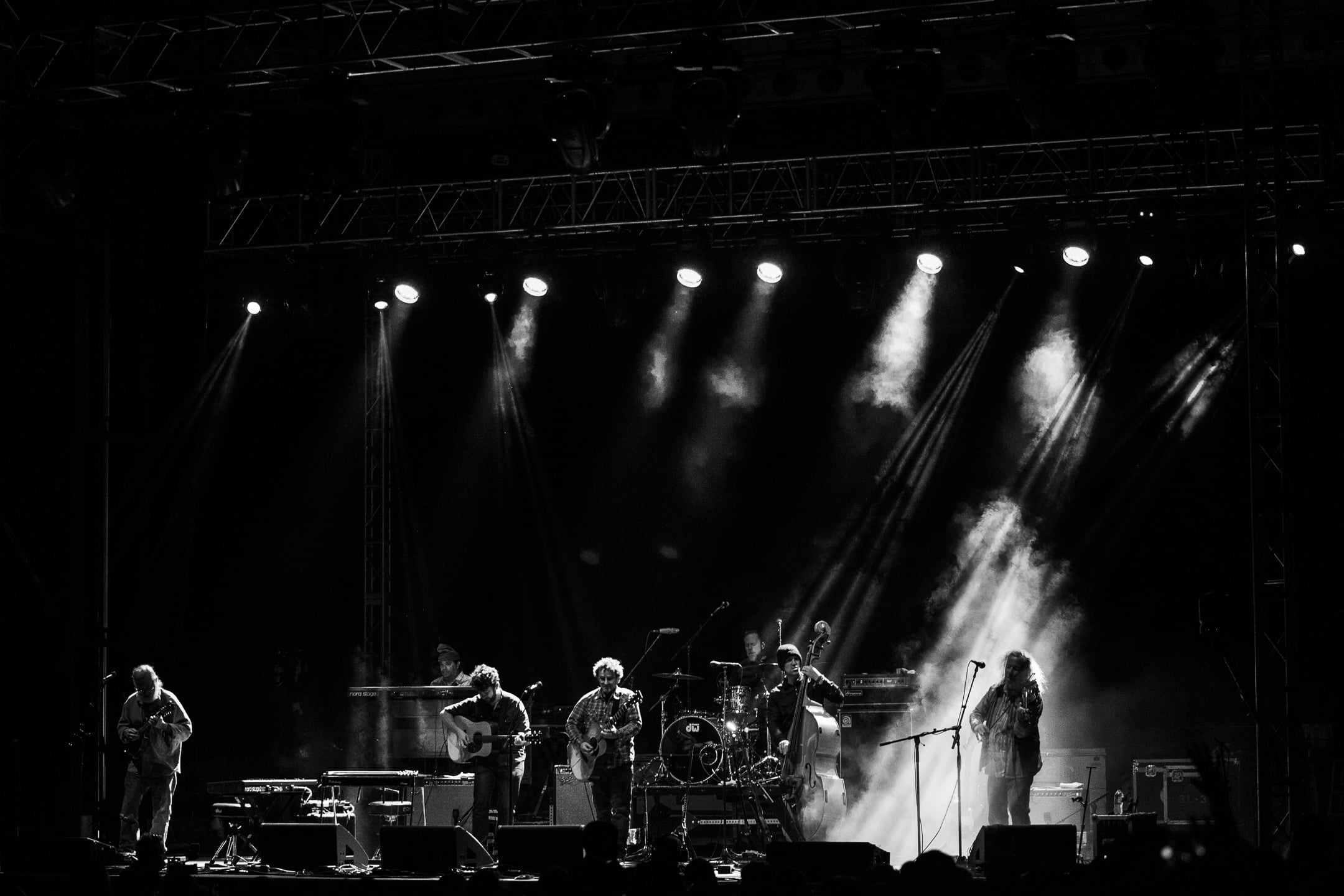
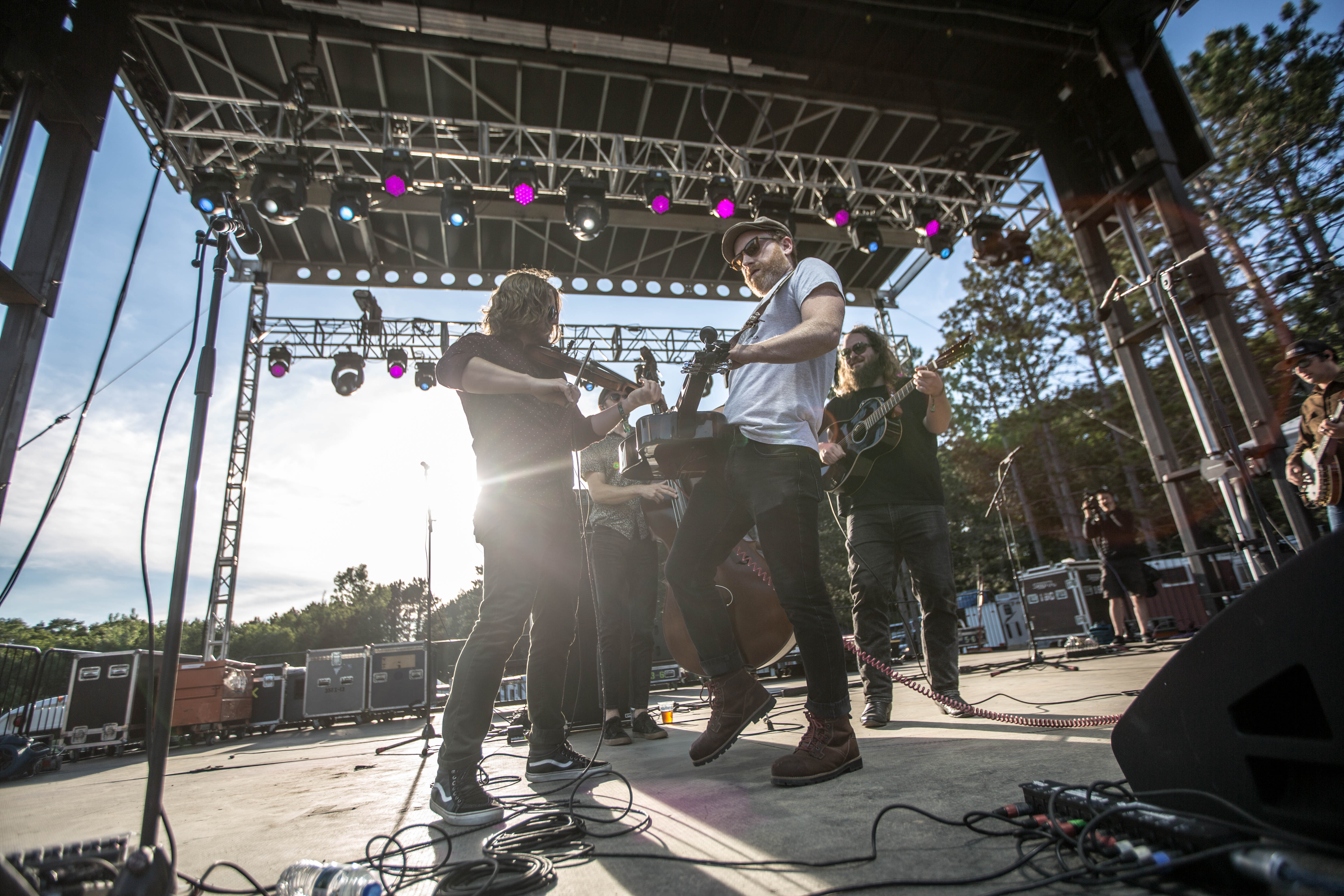
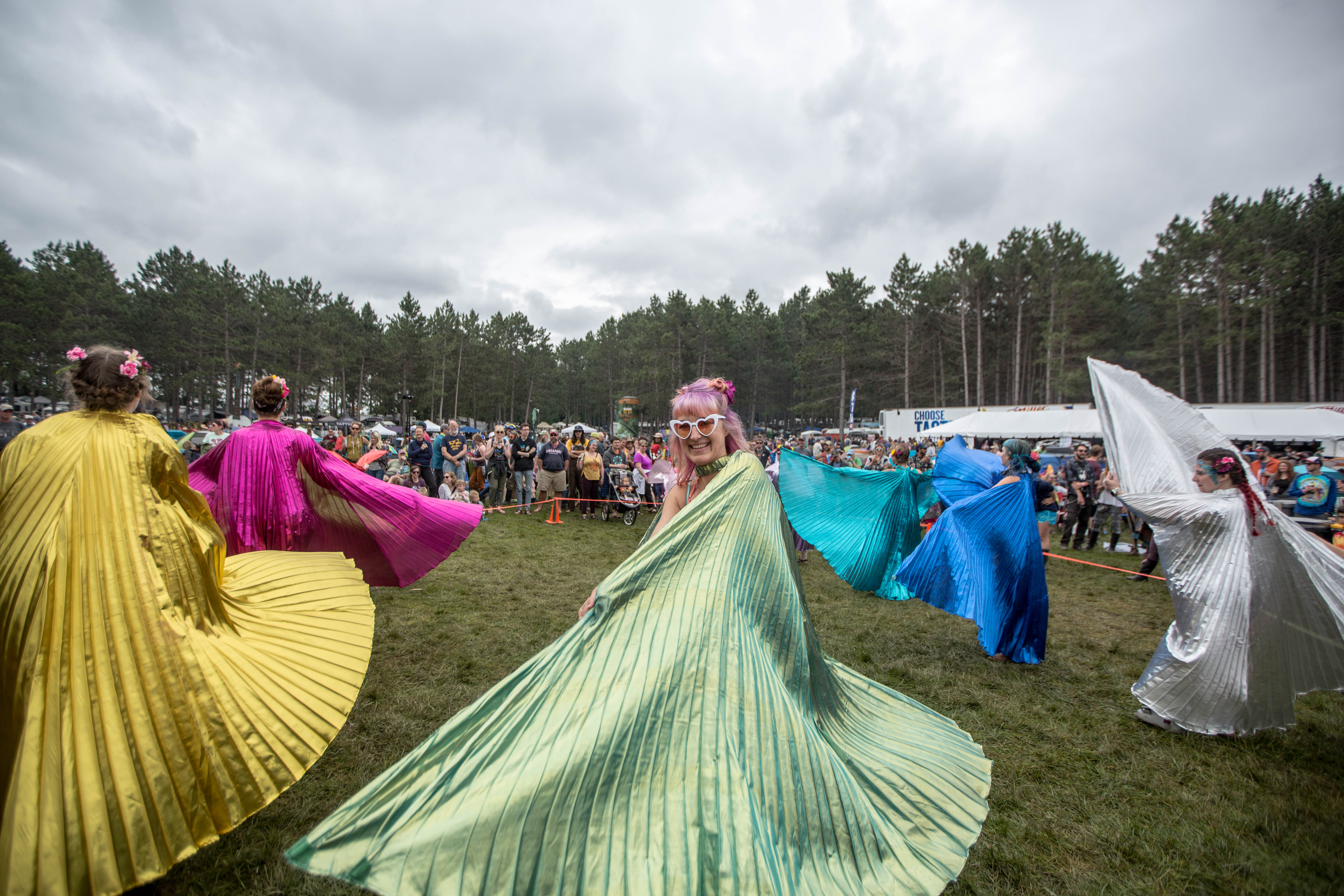
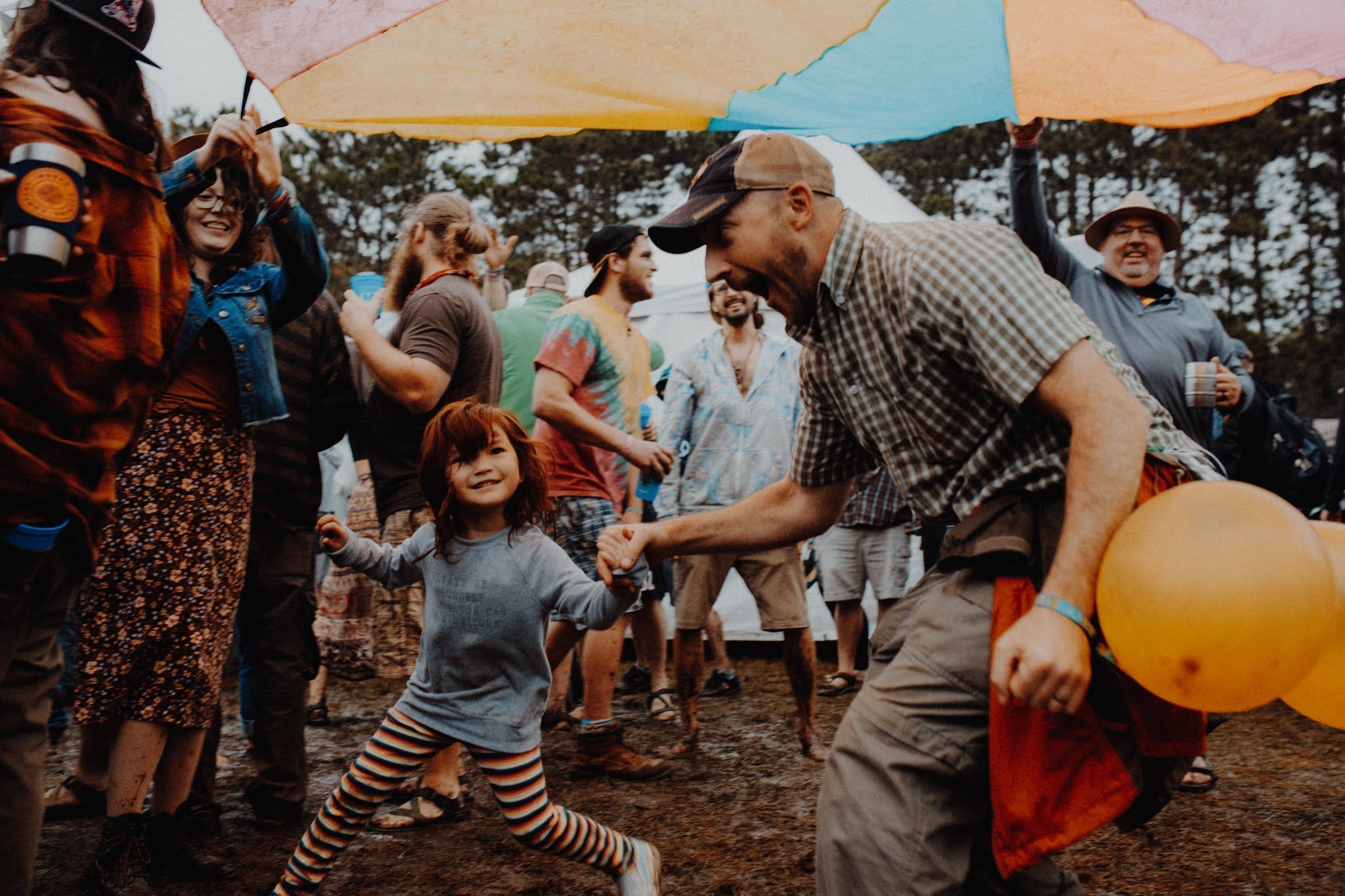
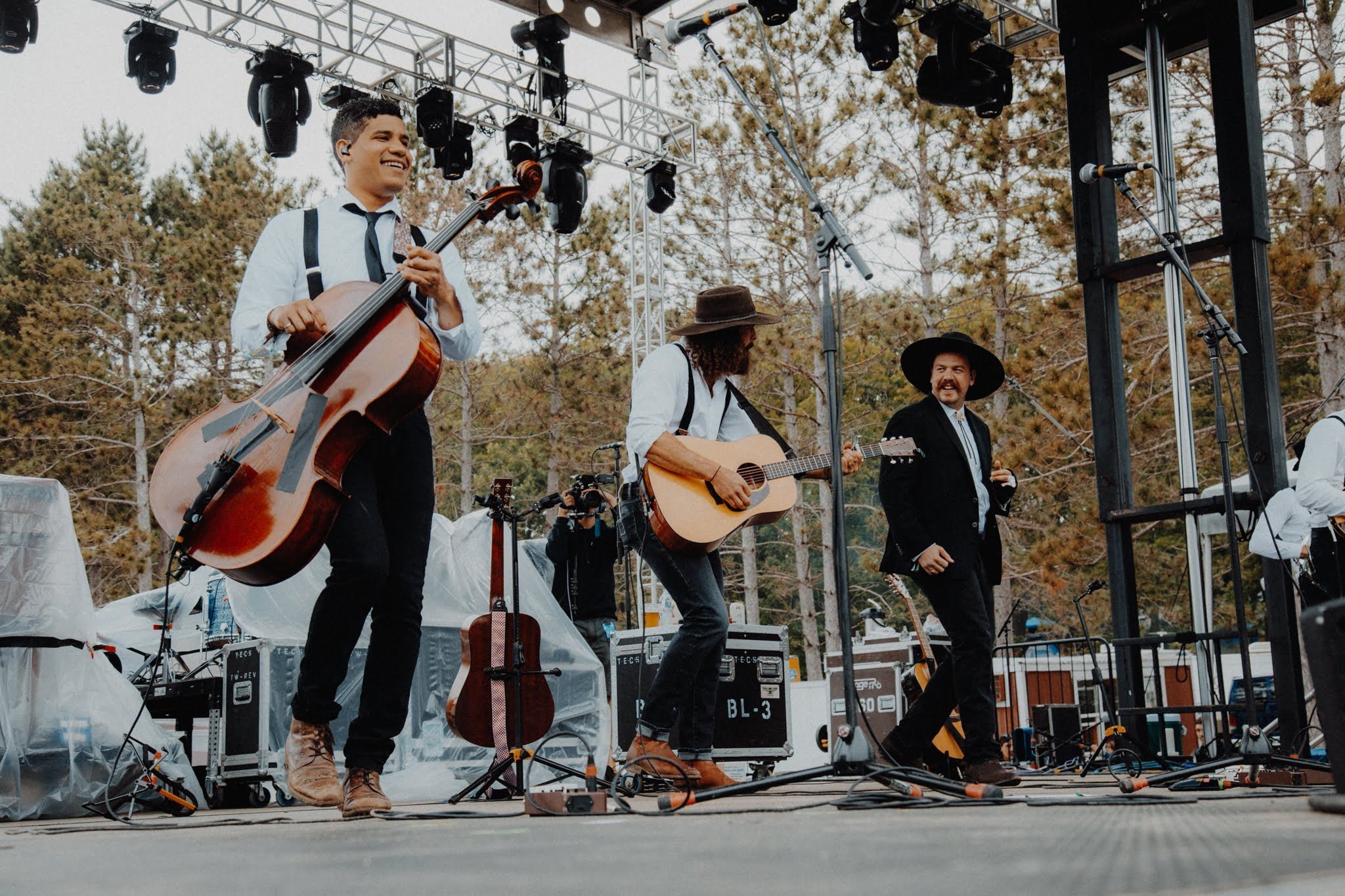
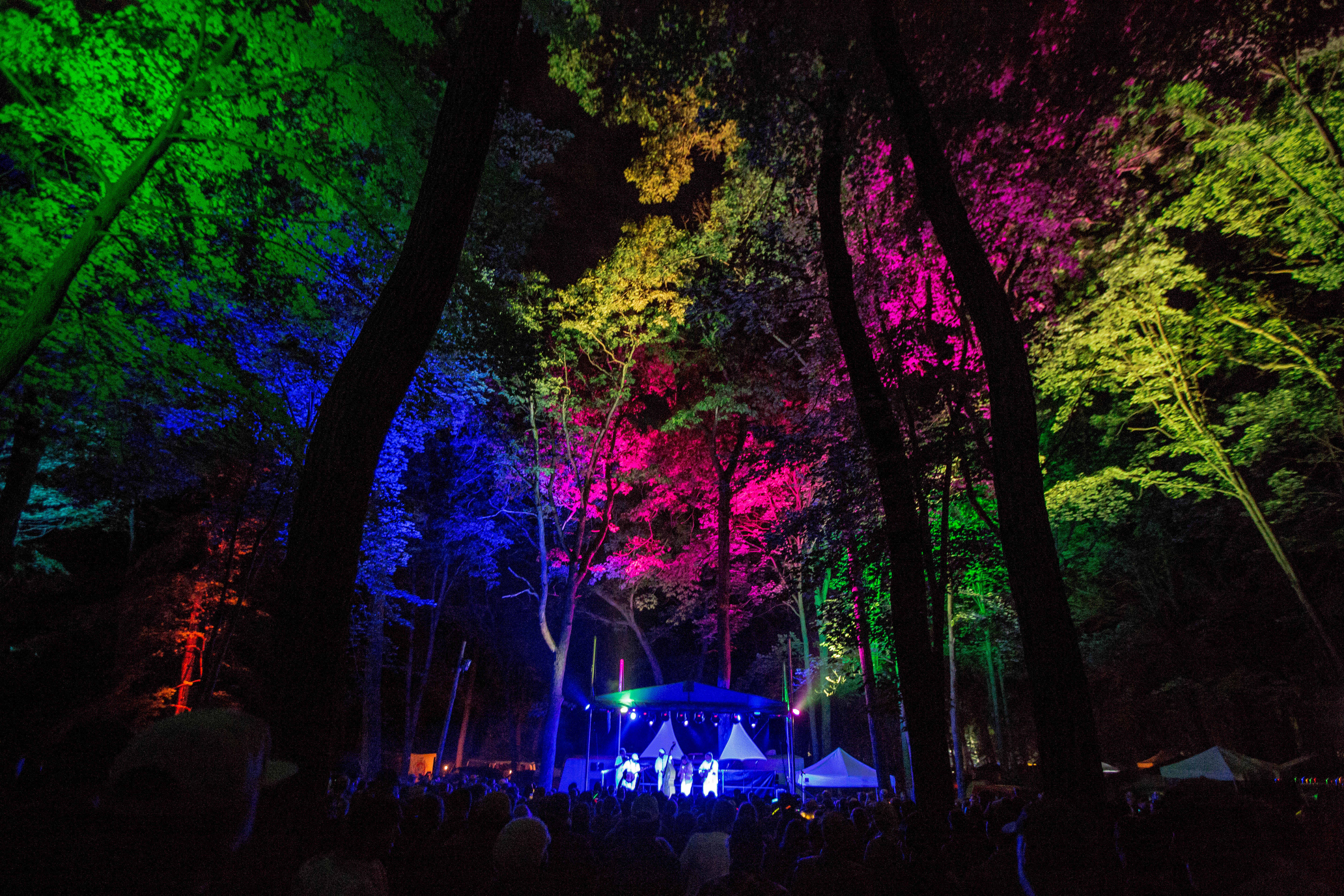
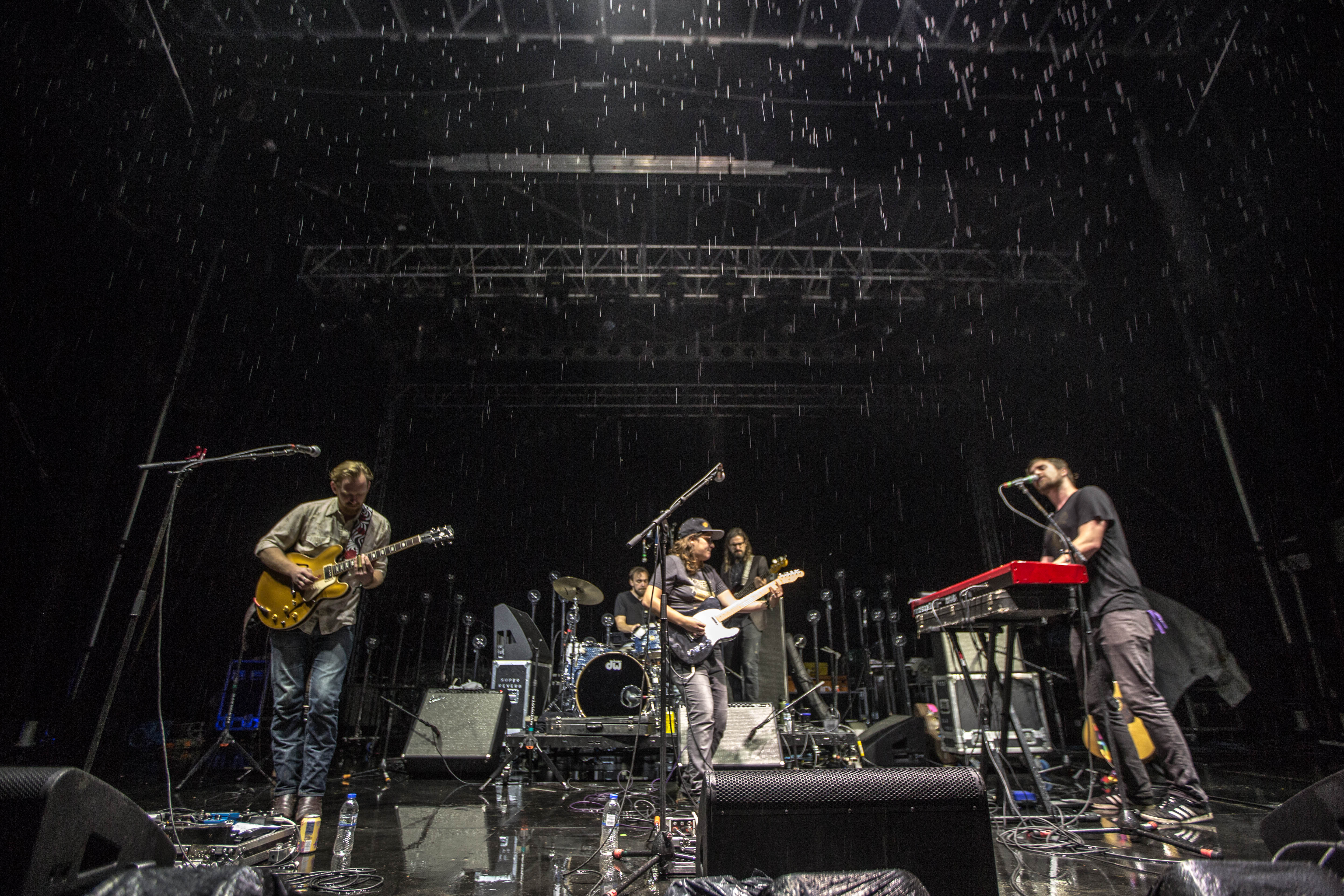
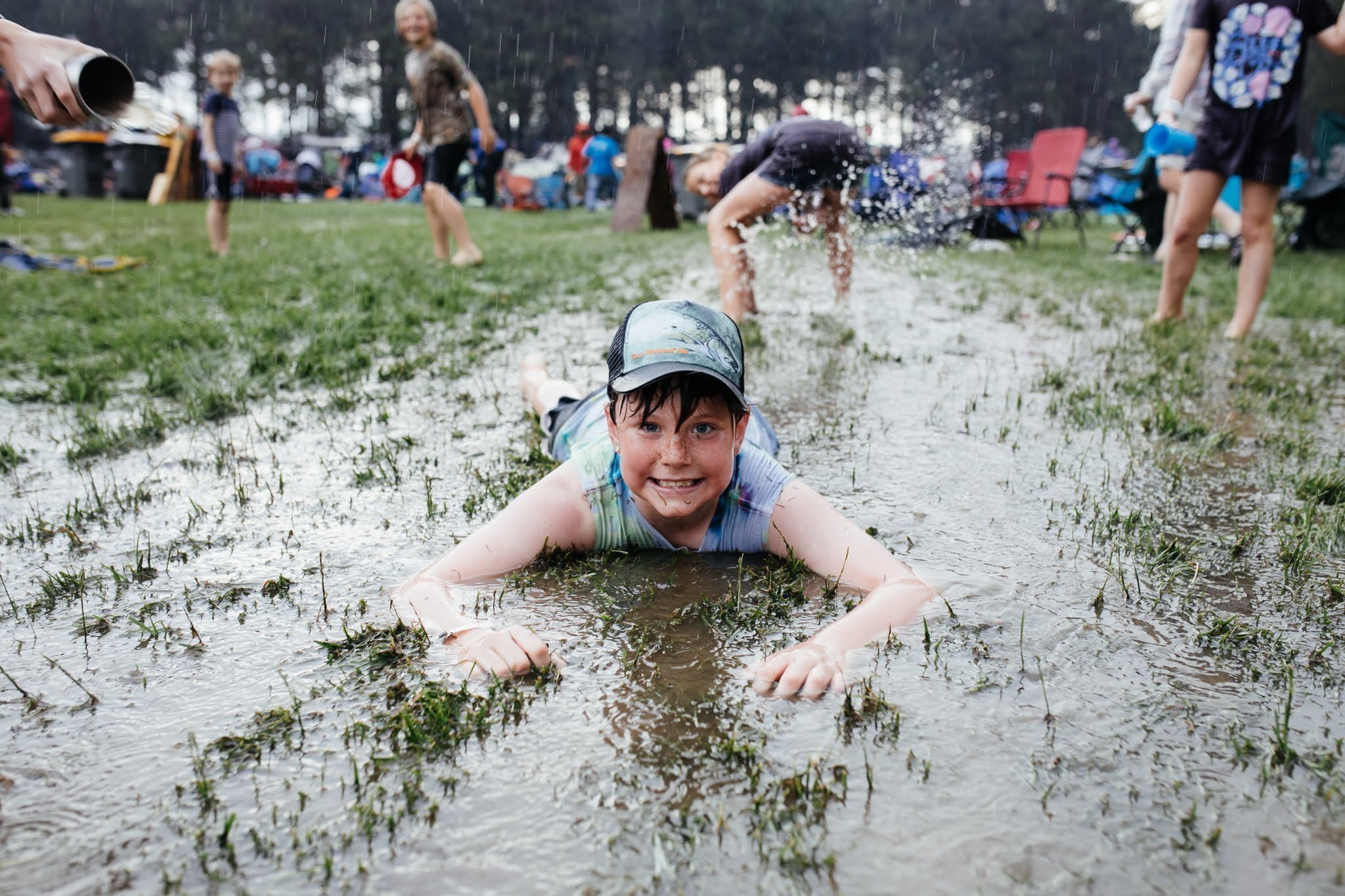
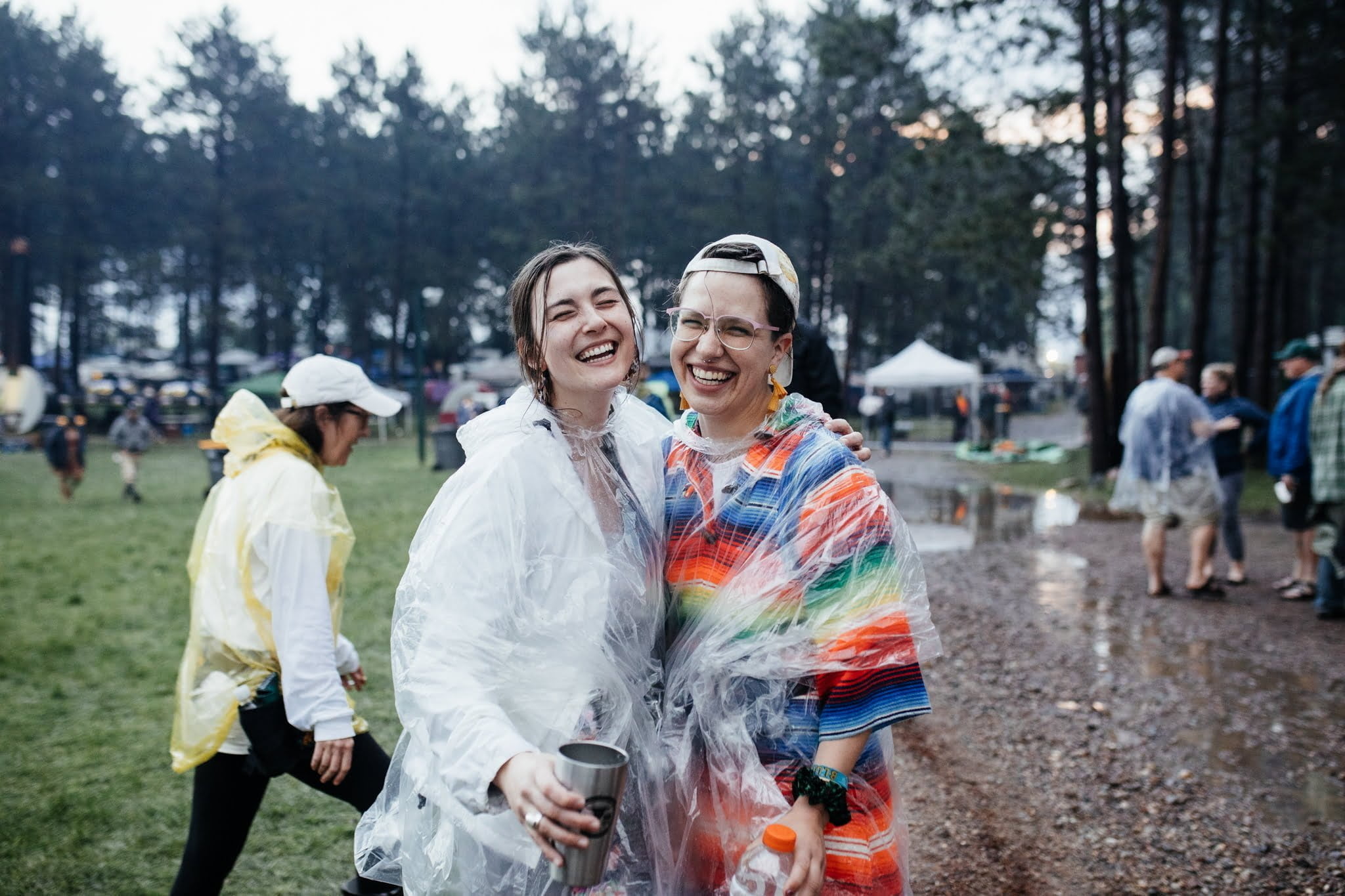
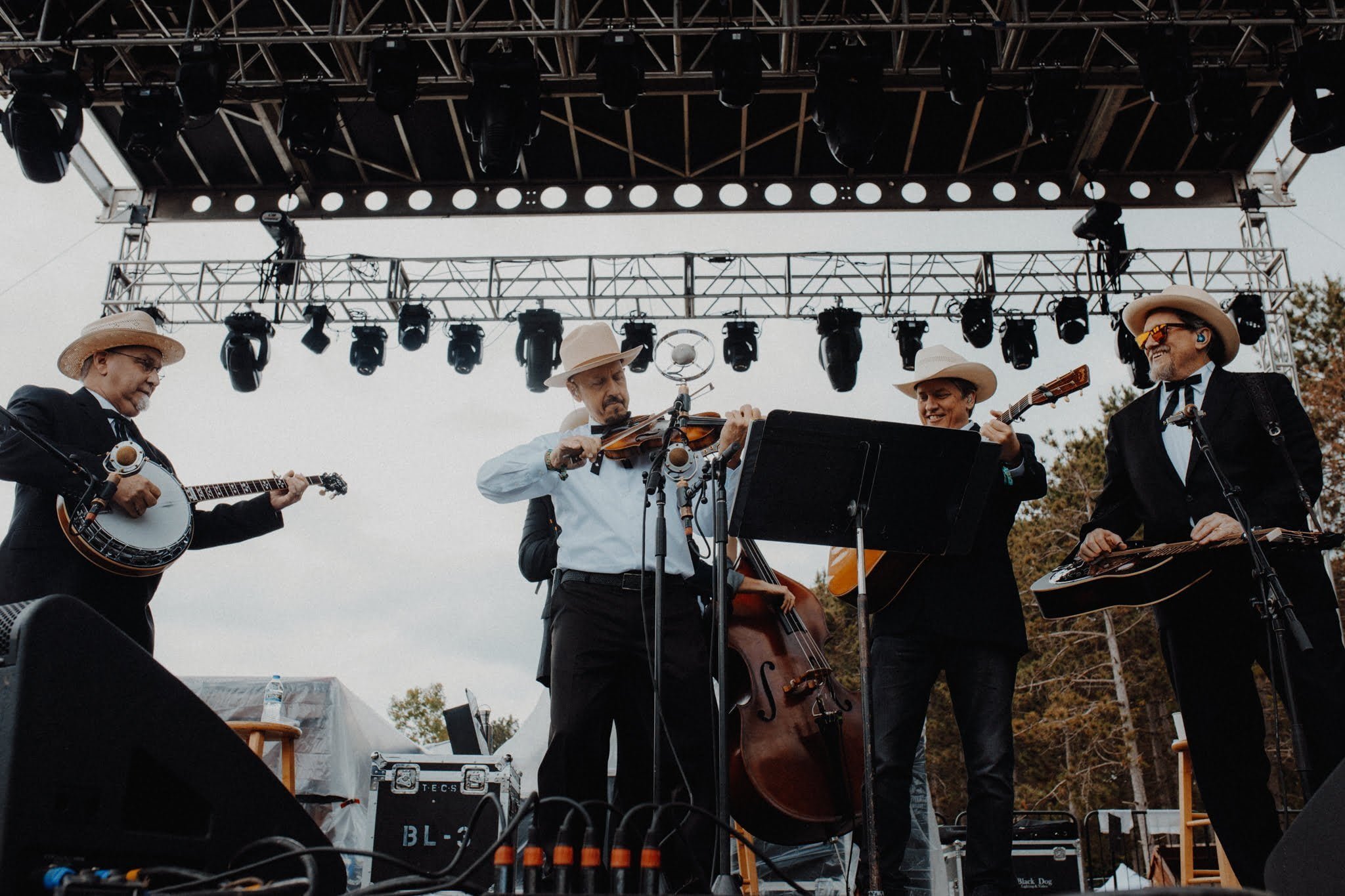
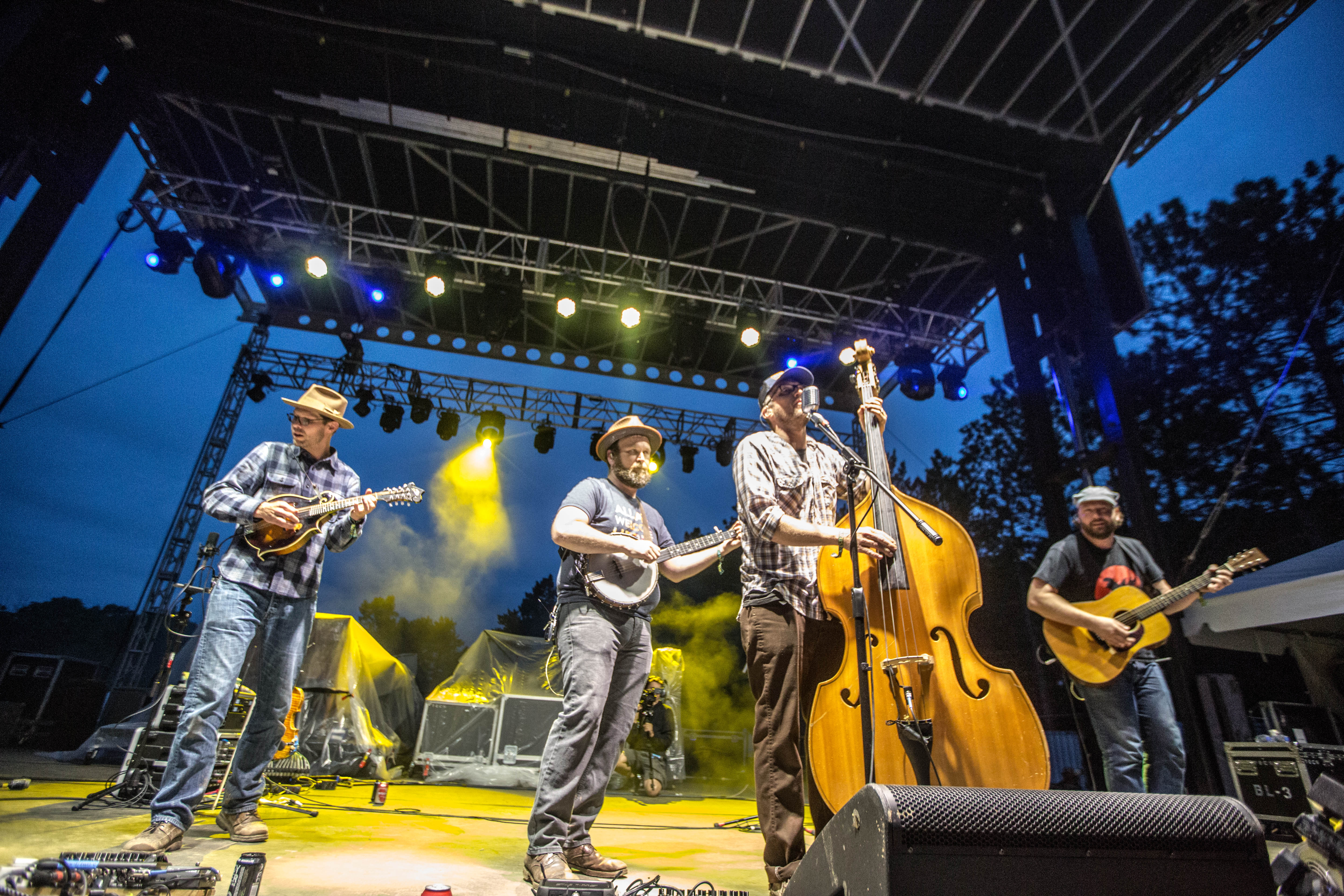
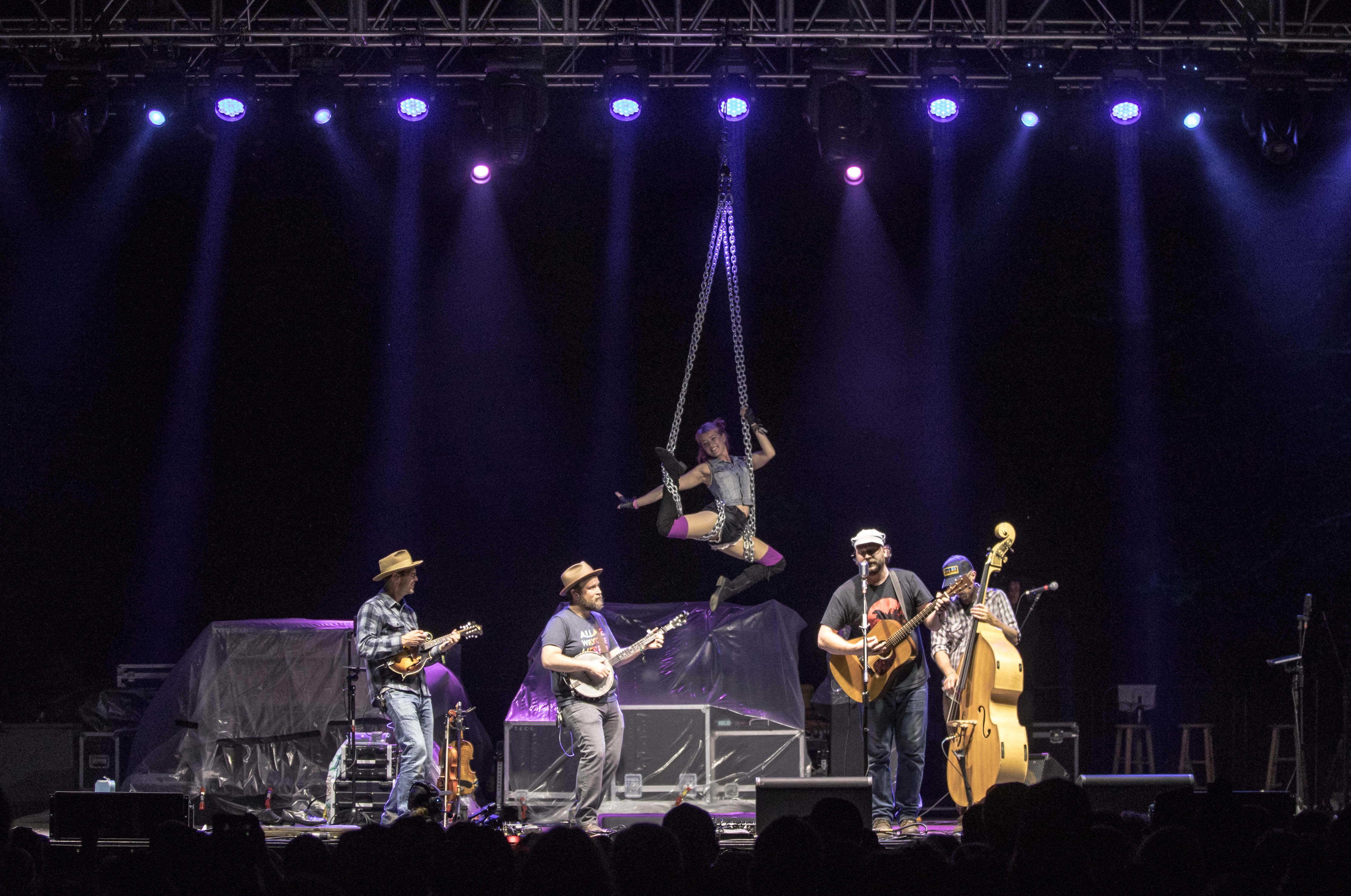
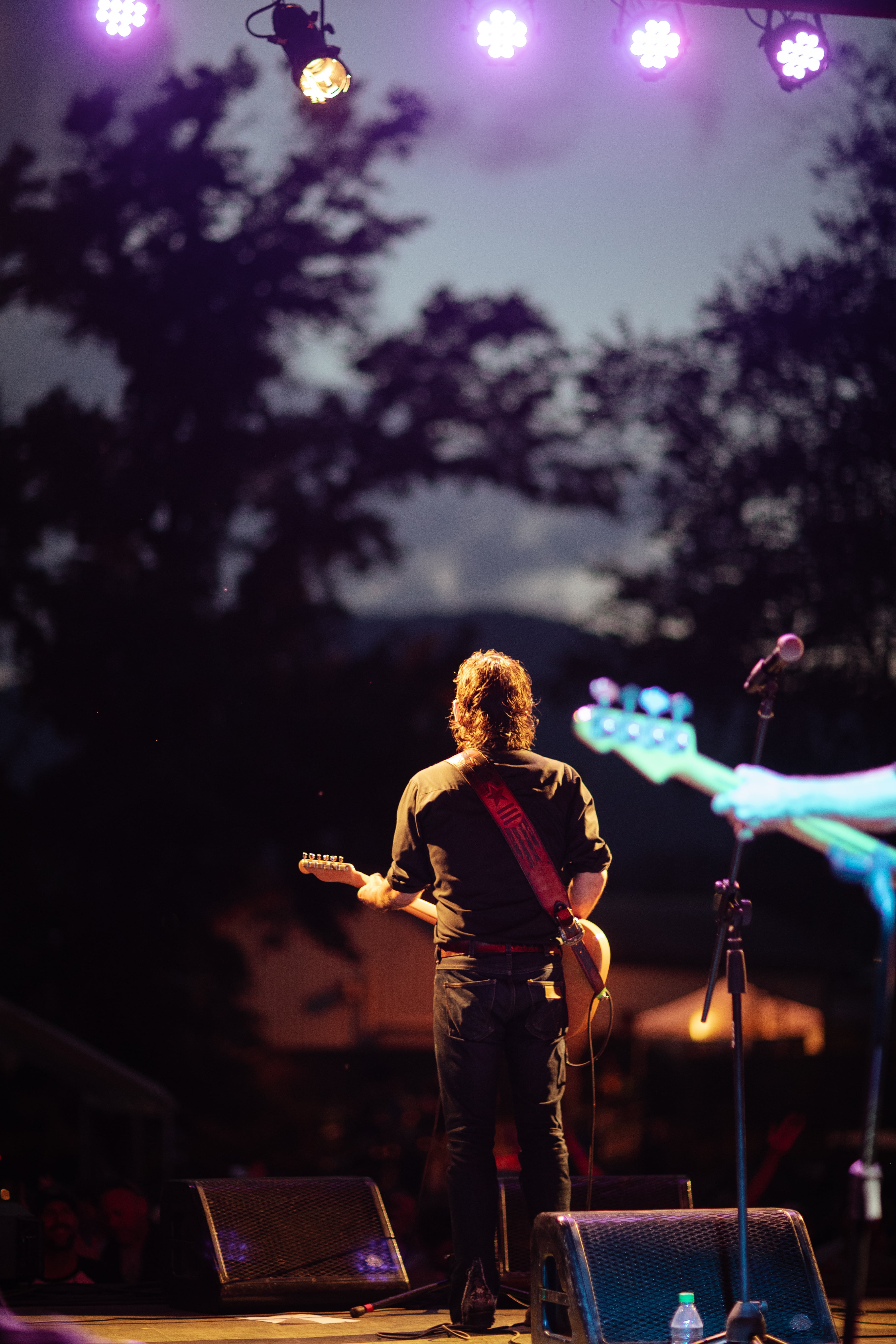
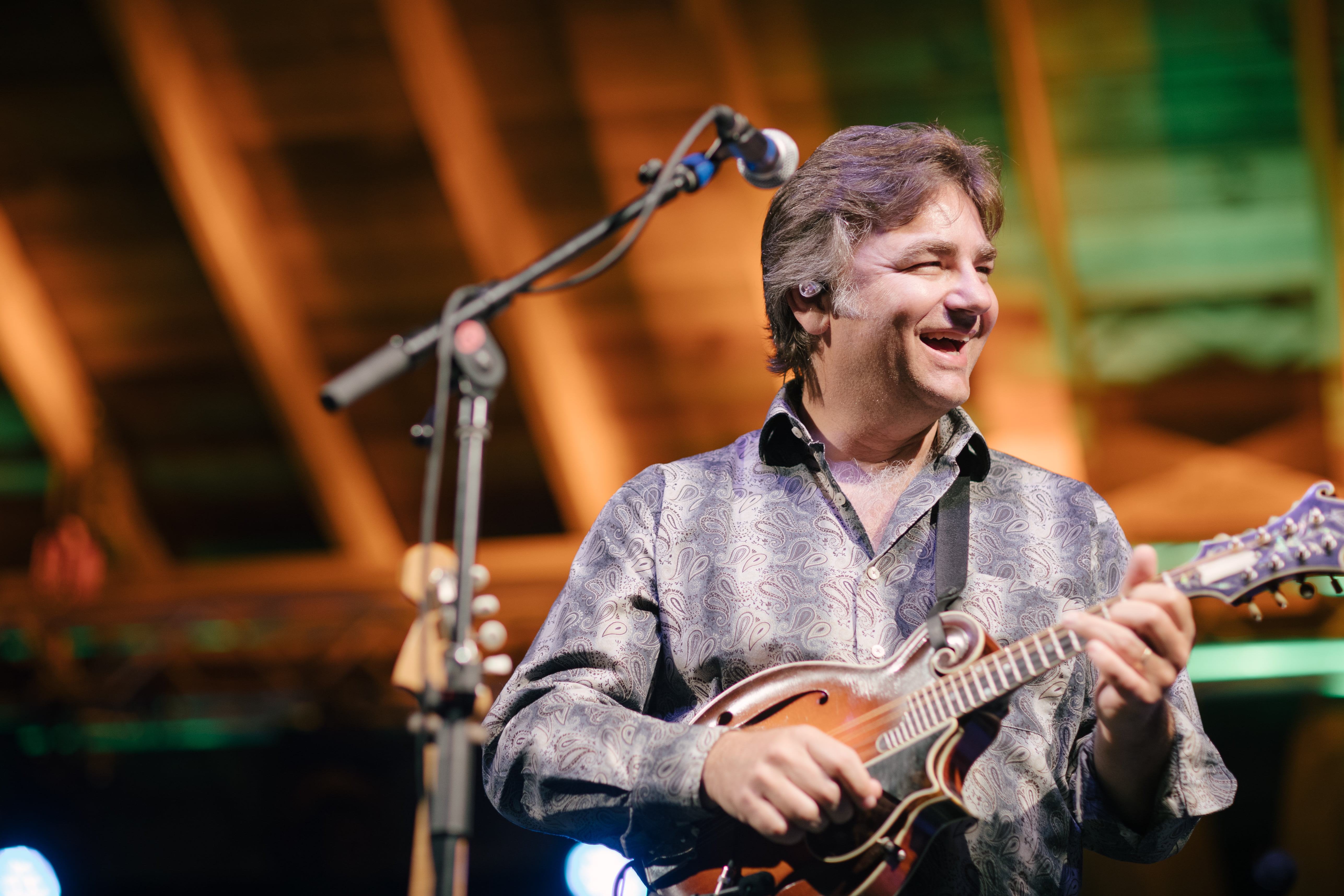
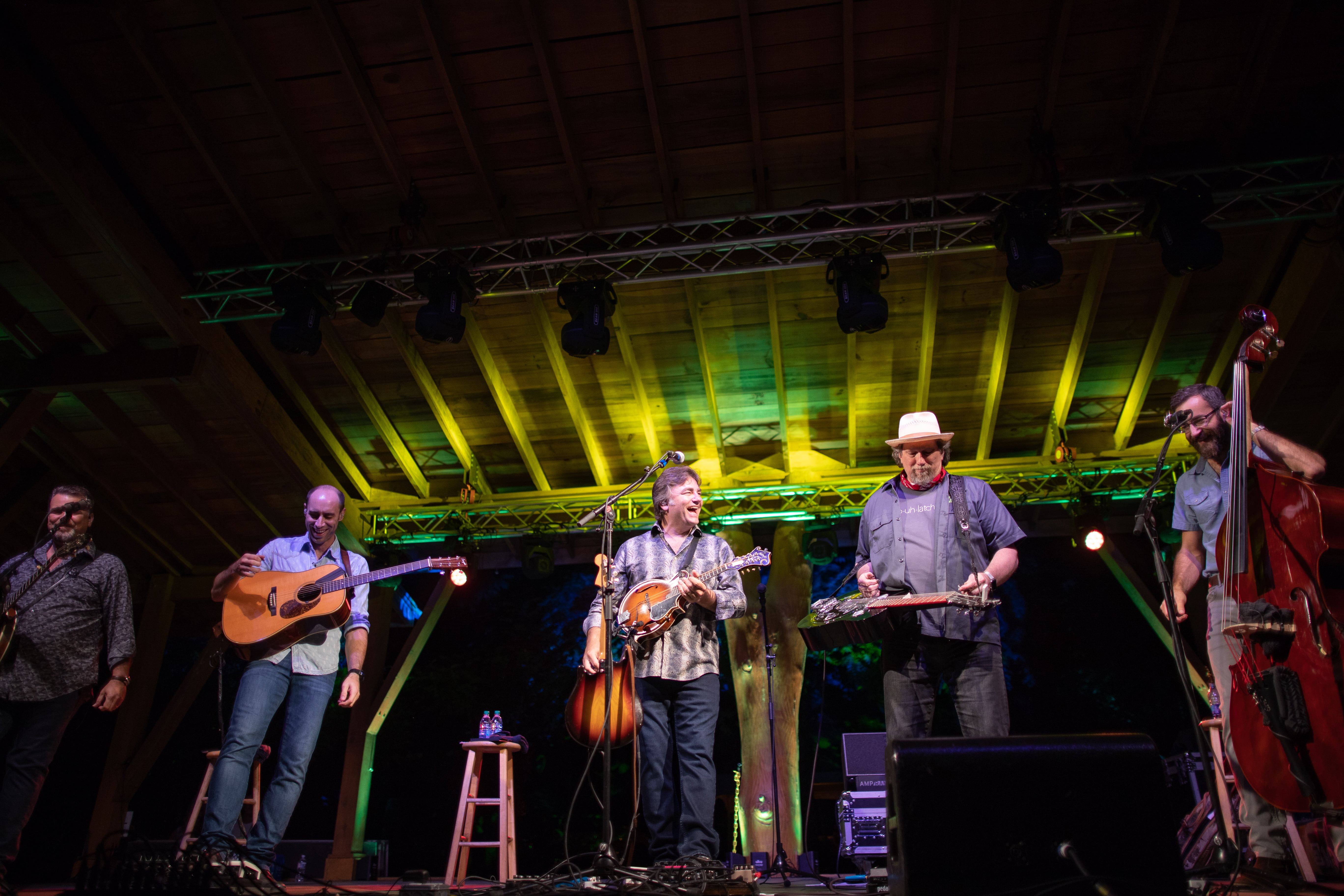
String bands of all sorts from all across the country descended upon Blue Ox Music Festival and Eau Claire, Wisconsin last week for three days of music in the backwoods — and the rain! BGS partnered with Blue Ox and Jamgrass TV to broadcast nearly 20 sets from the festival’s main stage online for thousands of fans around the world. But, if you did not have the good fortune to be on site for the goings-on and if you didn’t get a chance to tune in to the livestreams, don’t fret. You can check out what you missed with our photo recap — while you make plans to join us in 2020!


Lede photo: Ty Helbach

Béla Fleck and the Flecktones Forge Their Own Path

What’s on Béla Fleck’s mind?

Balloons.

Just the day before, his Nashville house was filled with them, as well as with a few dozen kids. It was the 6th birthday of the eldest of two children of the three-finger-style banjo maestro and his clawhammer-style counterpart, frequent recording and touring partner and wife Abigail Washburn.

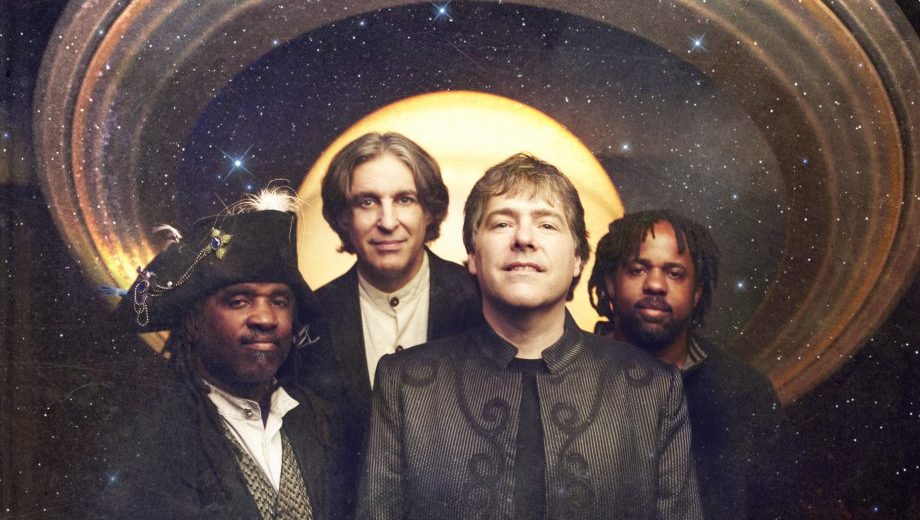
But the days surrounding this have also had a party vibe. He’s been in rehearsals with his cohorts in the beloved jazz-and-way-beyond Flecktones, in preparation for a tour marking the band’s 30th birthday.

Working again with harmonica player/pianist Howard Levy, bassist Victor Wooten, and the singular electro-acoustic percussionist known as Futureman (a.k.a. Wooten’s brother Roy), digging deep into their group catalog of complex flights of fancy mixing daredevil chops, musical depth, and persistent whimsy has been a blast.

“They’re the same guys they were when I first met them,” he says, speaking from home. “Curious, interested, ever-expanding, ever-pulling me with them. There’s a very special bond we have together. I’m realizing it more and more as years go by, one of the great relationships in our lives, musically and personally.”

They’re even pulling out such rarely played and decidedly difficult gems as “Jekyll and Hyde (and Ted and Alice)” from the band’s second album, 1991’s Flight of the Cosmic Hippo. It’s challenging and exciting, enlivening the qualities that made this alchemical combo of characters special from the very start. Futureman, he says, is an “empath and enabler — musical enabler, brings consciousness underneath you.” Victor Wooten too. Levy is “the crazy ideas on top. He’s the brains of the outfit.”

Fleck’s role? “Somehow I thought I was the heart of it, limiting it but making it more understandable for the common man — I was the common man in the band, surrounded by these crazy guys.”

But with a moment to reflect on their collective history and achievements, he finds descriptions of the magic they work together to be elusive.

This is where the balloons come in.

“It has to have heart, has to have melodies, some harmonies,” says Fleck, who turns 61 in July. “Couldn’t just be a groove or a shred-fest. That’s the power of the band. The tunes are strong, good things to pour everyone’s musical power into. Like a balloon. It’s an empty piece of rubber. But these tunes I’d written, we filled them up with Futureman and Victor and Howard — the balloons get real handsome. With the balloons at the party, it occurred to me that you fill them up and they become joyful. That’s what this music is.”

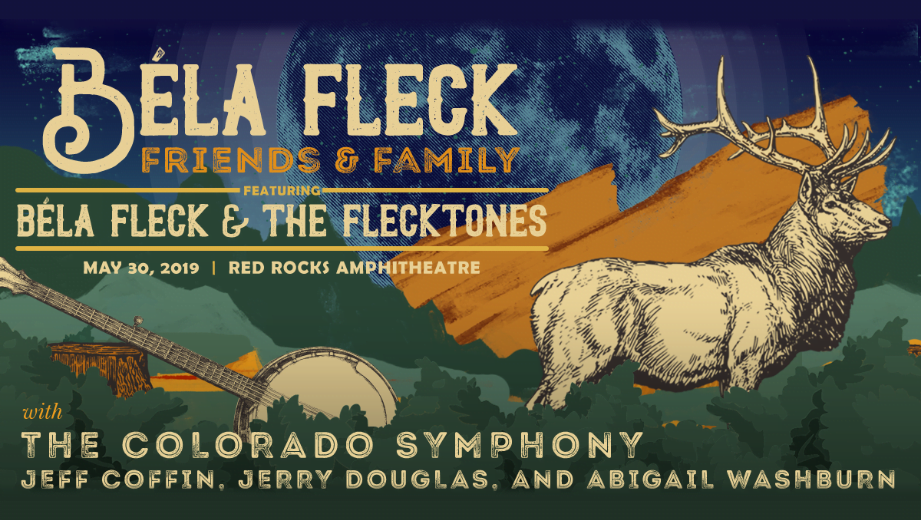
They’ll be sharing that joy on the road now, including two shows of particular import. This 30th anniversary tour began with a big “Friends and Family” kickoff May 30 at Red Rocks near Denver, the friends and family here including Washburn, saxophonist Jeff Coffin, Dobro genius Jerry Douglas, and the Colorado Symphony. And on June 8 they will be taking a cherished headlining slot at the Hollywood Bowl’s vaunted Playboy Jazz Festival.

The Playboy slot is, to Fleck, a particularly meaningful recognition.

“It’s one of the neat things to being around 30 years,” he says of that booking. “From the start I was begging to play it and they said, ‘Yeah, we’ll put you on at noon’ and we’d play once every four years or so. Now we’re in the headlining slot and we’re legacy artists.”

Sure, the Flecktones have had several albums go to the top of the jazz sales and airplay charts and they have won two Grammy Awards for contemporary jazz album, with Outbound in 2000 and The Hidden Lands in 2006. And last year the band was given the prestigious Miles Davis Award by the Montreal International Jazz Festival. And Fleck has found himself partnering regularly on recordings and tours with some of the greats of jazz, one in particular in an ongoing partnership. “I’m playing with Chick Corea, which is ridiculous, on a regular basis,” he marvels, having just returned home from a tour with the ceaselessly groundbreaking pianist.

But, while belated acceptance in the jazz world is frustrating, he understands. See, banjo is pretty much standard in any jazz band… in 1919. In 2019, not so much. Even after 30 years of forging a path for banjo in modern jazz, Fleck remains singular. Asked about others doing anything comparable today, he’s kinda stumped.

He cites New Orleans’ veteran Don Vappie, but he’s generally in the mode of traditions going back to those earliest years of jazz. There’s Matt Davis, a converted jazz pianist who’s on the faculty of the University of Michigan. And there are others who use some jazz chops and sensibilities while not strictly playing that style of music, notably Tony Trischka, Noam Pikelny, Alison Brown, and Pat Cloud.

“But yeah,” he says. “They’re rare.”

Not to mention that the Flecktones as a whole is anything but standard jazz, with a truly eccentric approach and reach into a lot of styles. The 3-CD Little Worlds set from 2003 showed a boundless range that felt to some at once excitingly delightful and confounding.

On the other hand, not fitting in any category is par for the course for Fleck. He’s made a career of it, holding the record for the most categories in which he has been nominated for Grammys, 16 total. The most recent win is a best folk album trophy in 2016 for Béla Fleck & Abigail Washburn.

He’s a charter member, he quips, of the “Modern American Attention Deficit Disorder Musicians.” There are really only two others he’d put in that association: Jerry Douglas (whose fusiony Jerry Douglas Band may be the only thing out there comparable to the Flecktones) and Chris Thile (who’s resumé runs from Nickel Creek to ongoing collaborations with classical cellist Yo-Yo Ma and jazz pianist Brad Mehldau).

There’s one side of his musical hexadecagon he’s underserved for a while now, though. Ironically, it’s the one that first brought him fame when he emerged as a precocious New York City musician in the ‘70s and ‘80s.

“On the bluegrass side, people go, ‘Whatever happened to Béla Fleck? He could have been a great bluegrass player.’” he says. “Someone told me he had heard that. That was when I was at the top of my game, selling out stadiums with the Flecktones on tour with the Dave Matthews Band.”

Well, it has been 20 years since his last true bluegrass album, the on-point-titled The Bluegrass Sessions. And the one before that, the breakthrough Drive, came in 1988, a year before the Flecktones genesis. Well, as it happens, Fleck has a new bluegrass album in the works with a cast of musicians including such longtime buddies as Douglas, mandolinist Sam Bush, Jerry Douglas, bassist Mark Schatz and fiddler Stuart Duncan (all of whom were on the 1988 album) and a mix of fellow veteran stars (bassist Meyer, mandolinists David Grisman and Chris Thile) and relative newcomers (fiddlers Billy Contreras and Michael Cleveland, mandolinist Dominick Leslie, and guitarist Cody Kilby).

The timing? Just seemed right, he says.

“Now the years have gone by and I didn’t have a place for bluegrass to fit in,” he says. “But I had these tunes burning a hole in my pocket and thought I would really love to have a place for them. These sessions have been a knockout. These are hard tunes. And we’re having a blast. It’s as good as I’d hoped.”

The results will be out sometime next year. But first there’s this Flecktones balloon to float.

“One thing I will guarantee you is you will never hear anything else like it,” he says. “There is nothing else like the Flecktones in the world. I promise that. And I am very proud that were are that, and that we are back together.”

Jam in the Trees 2018 in Photographs

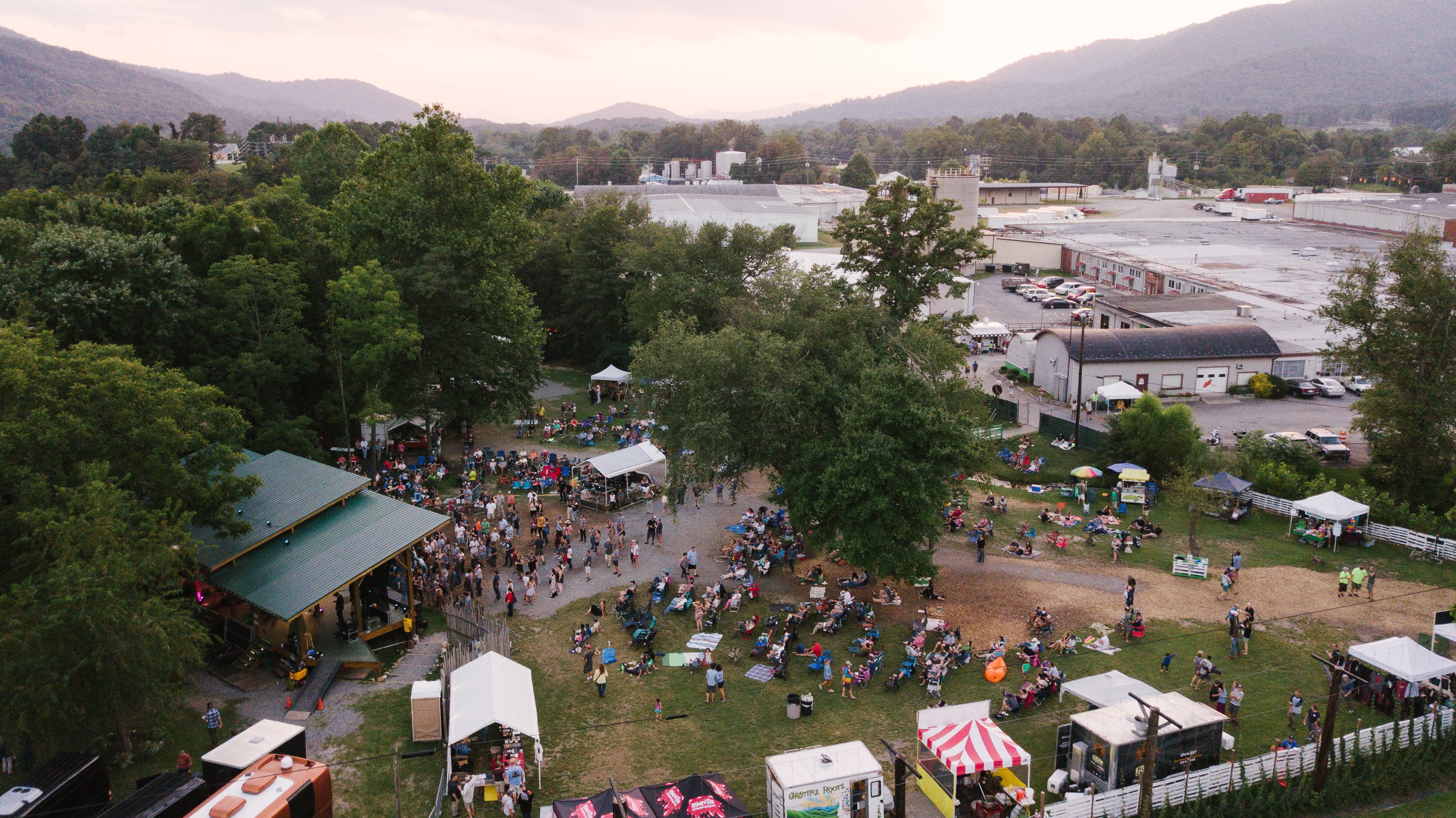
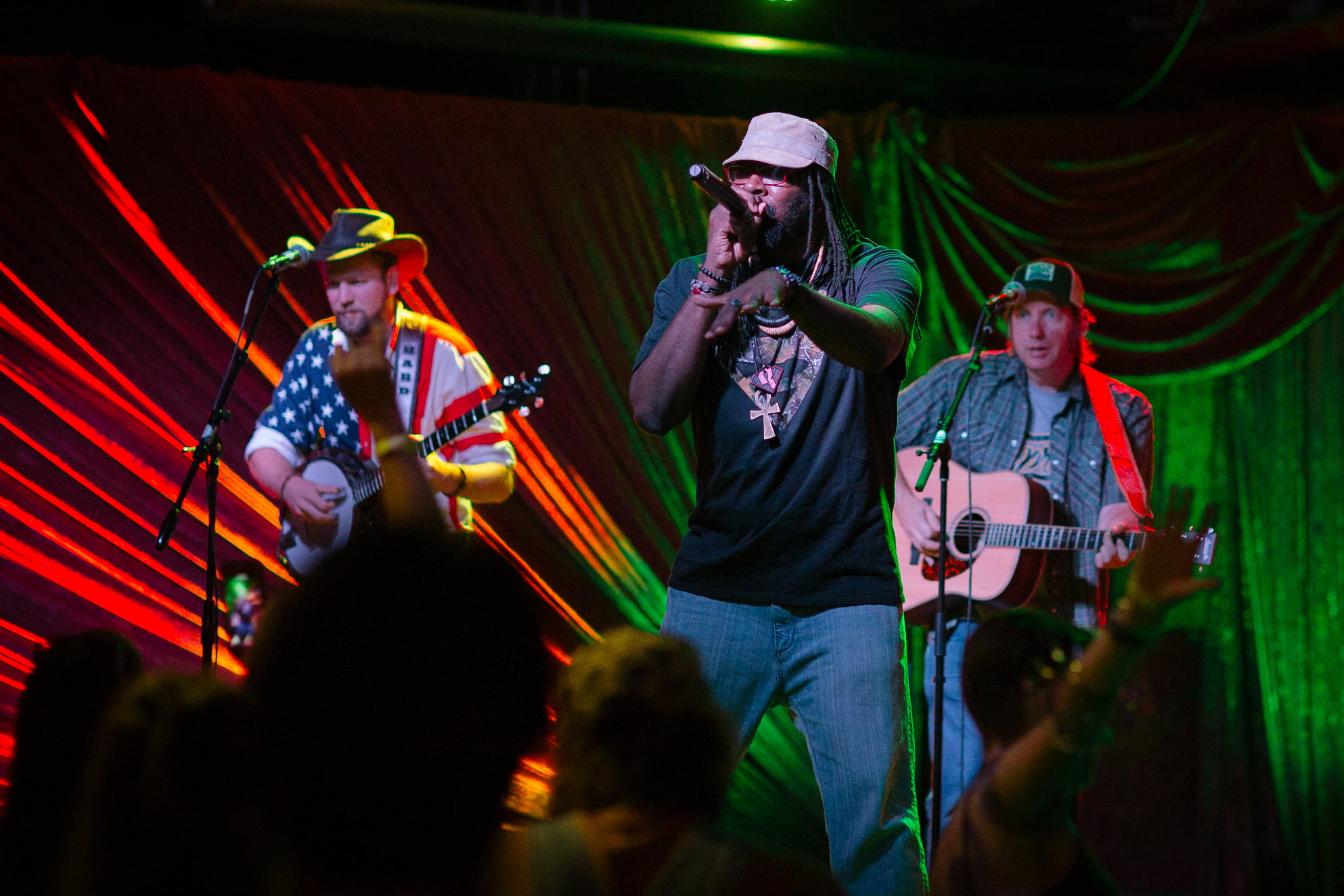
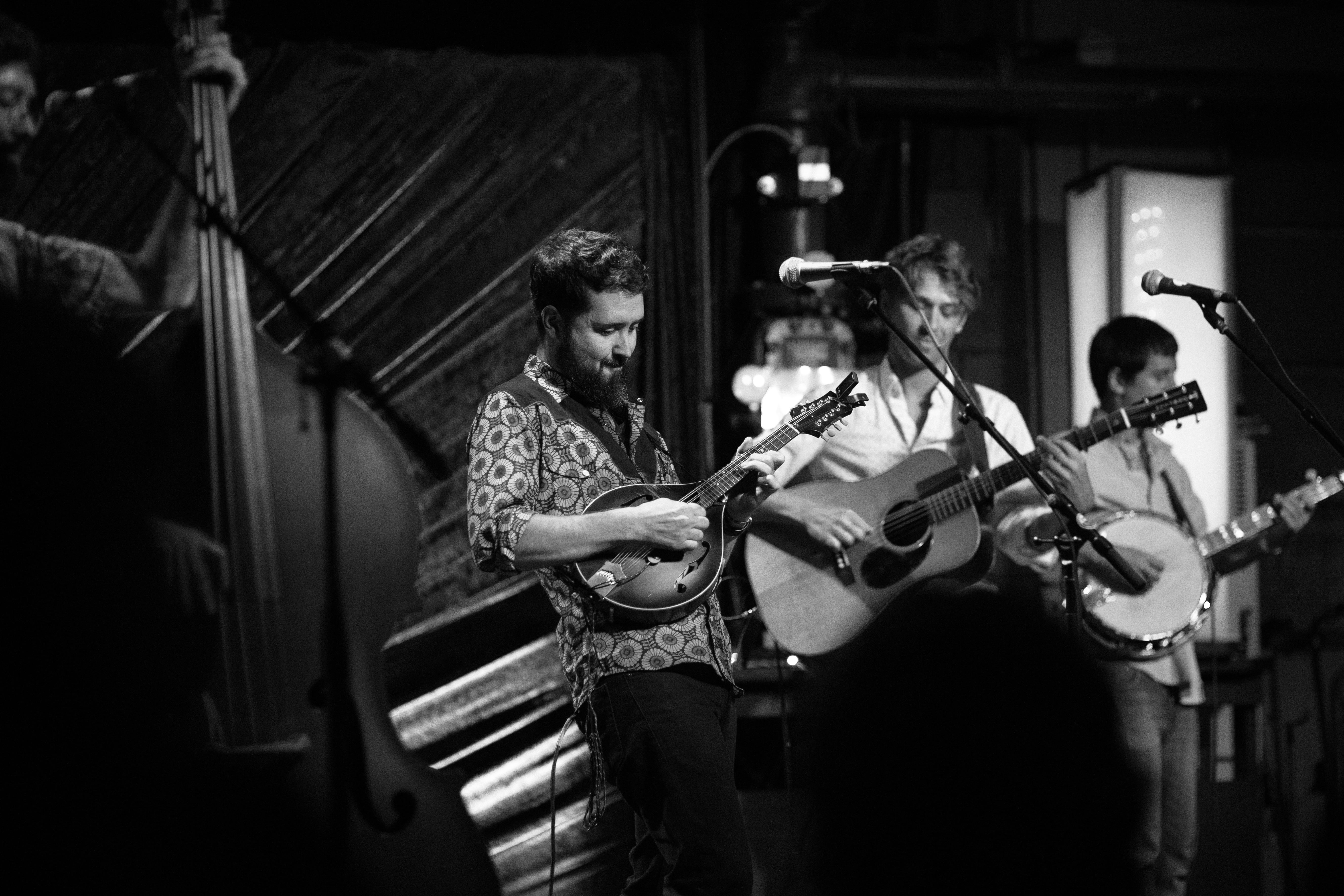
Black Mountain, North Carolina-based Pisgah Brewing hosted their third Jam in the Trees over the weekend of August 24 and 25, bringing together a harlequin lineup of Americana, alt-country, string bands, and bluegrass in the idyllic Blue Ridge Mountains. Whether you were on hand for every second of the musical magic or you couldn’t quite make it to the festival this year, relive the two day roots celebration with our photo recap.


Photos by Revival Photography: Jason and Heather Barr

WATCH: The Earls of Leicester, ‘Long Journey Home’

Artist: The Earls of Leicester
Hometown: Nashville, Tennessee
Song: “Long Journey Home”
Album: The Earls of Leicester Live at The CMA Theater in The Country Music Hall of Fame
Release Date: Sept. 28
Label: Rounder Records

In Their Words: “In the bluegrass canon, the song ‘Long Journey Home’ has appeared under many alternate titles for different artists. Yet I’ve always felt Earl Scruggs’ banjo raised the Flatt and Scruggs version to a higher level. When planning our live record, we wanted to have a few fast tempo songs that we could count on to raise the blood pressure for both the listeners and our own. The tempo and fire that this song brings through Charlie Cushman’s banjo as well as Shawn Camp and Jeff White’s vocals made it an easy choice, and a welcome new entrant into the Earls repertoire.” – Jerry Douglas


Photo credit: Patrick Sheehan

Nefesh Mountain, “Eretz’s Reel”

For forty years now the Station Inn has lurked in Nashville’s Gulch, carrying the bluegrass banner in a town with pop country and cover bands to spare, while condo high-rises, wine bars, rooftop lounges, and organic groceries have sprouted up around the small, unassuming stone club. On any given night of those forty long years a bluegrass fan or a nonchalant passerby could step through the door and expect the best in bluegrass and old, real country. Luckily for every roots music fan in the universe, that fact is still true — and will be for the foreseeable future.

What one would not, perhaps, expect upon entering the Station Inn is vocals sung in Hebrew, or bluegrass songs based on Jewish traditions and turns of phrase. But on a recent evening, these were the sounds wafting from that fabled stage, as Nefesh Mountain performed songs from their new album, Beneath the Open Sky. It’s not as though bluegrass as a genre isn’t already predicated upon subverting expectations — it’s arguably a core precept of the form — but an average Station Inn patron might still be surprised by the Jewish-infused, modern ‘grass of Eric Lindberg, Doni Zasloff, et. al. “Eretz’s Reel,” an instrumental off the new record, is a less overt example of their Jewish perspective, but brings in a transatlantic flair, Tony Trischka-esque melodic turns, and a potent dose of originality and imagination. On the record, bluegrass phenoms Sam Bush, Jerry Douglas, and David Grier lend their talents to the track, but live at the Station, Lindberg stands apart as the imagineer and linchpin of this stripped-down version of the tune.

The Bluegrass Situation Expands: Meet BGS-UK

Think of the Union Chapel as London’s version of the Ryman Auditorium in Nashville.

An architectural wonder of a church, it still gathers a congregation for Sunday services. The rest of the week, however, it attracts worshippers of a different kind. The type who want to have a spiritual experience with Townes Van Zandt, Laura Marling, Father John Misty, The Civil Wars and Rosanne Cash.

In 2017, Sarah Jarosz sold out its 900 seats to a British fan base that knows her music well. “I don’t think I’ve ever sold out a venue as big as Union Chapel in the States,” she said at the time. “I’ve been blown away by the reception I get in England, Scotland and Ireland.” This year, she has already completed not one but two UK trips with Aoife O’Donovan and Sara Watkins, touring as I’m With Her. “I love coming here,” said O’Donovan. “We’ve made a home for ourselves here.” “You can actually see the growth,” added Jarosz.
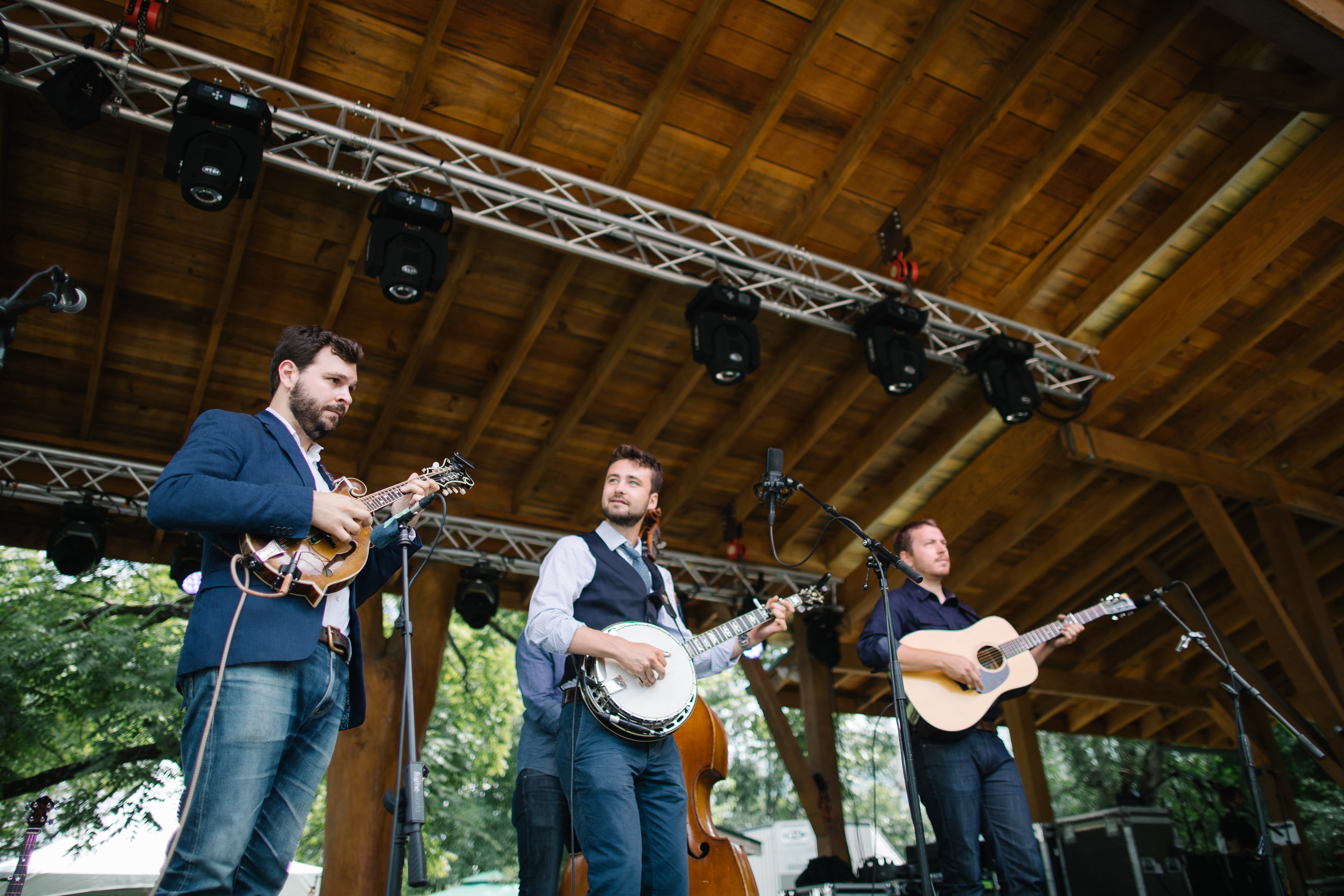
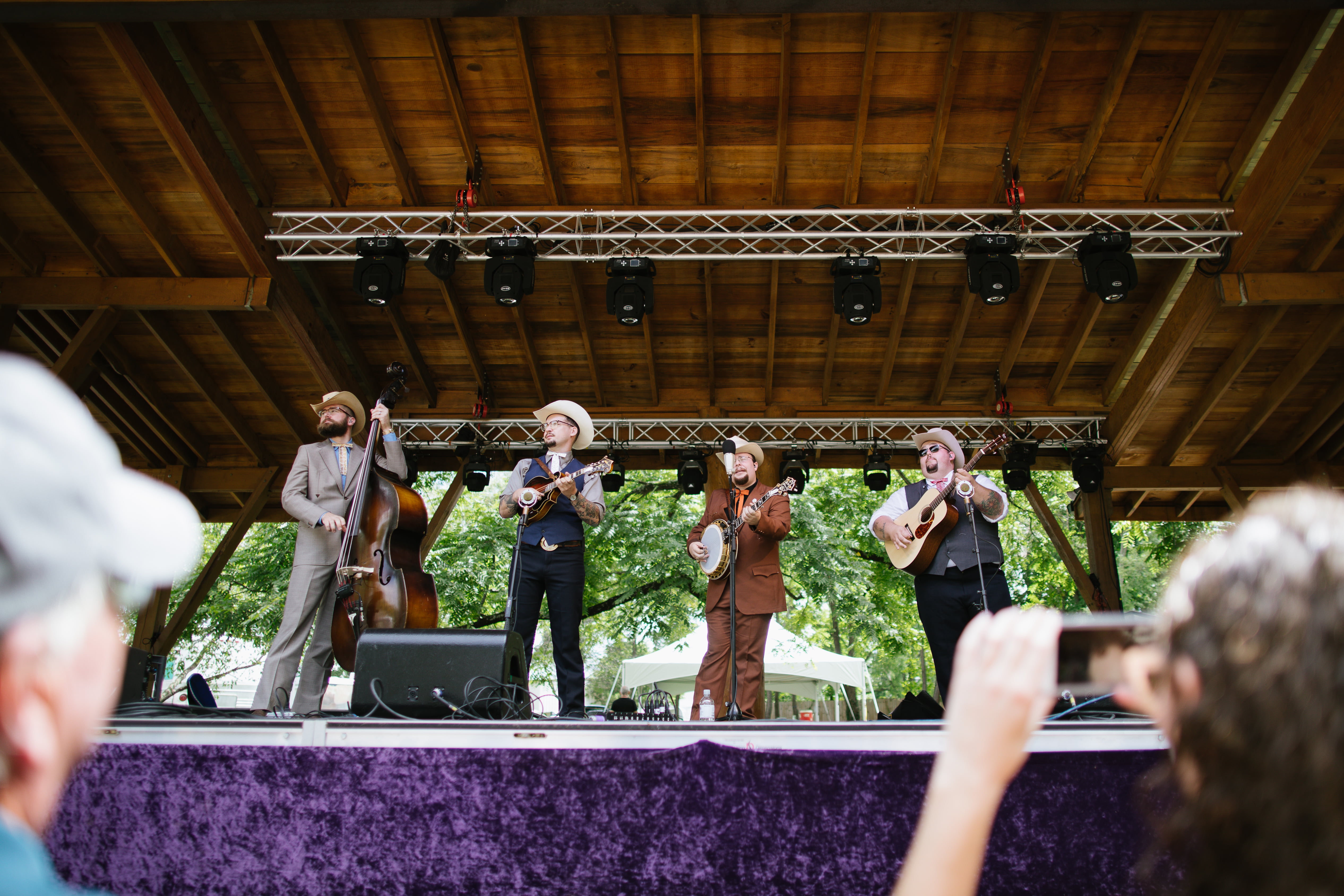
This summer, the UK is awash with the diverse sounds of roots music. It’s as if everyone has suddenly woken up to the special relationship between the British folk scene and its American cousin. Major new festivals – like Black Deer in June, Maverick in July and The Long Road in September – are showcasing the powerful creative influence that Americana music is exerting on a new generation of British musicians: Jason Isbell and Passenger, Iron and Wine and Robert Vincent, Lee Ann Womack and The Shires.
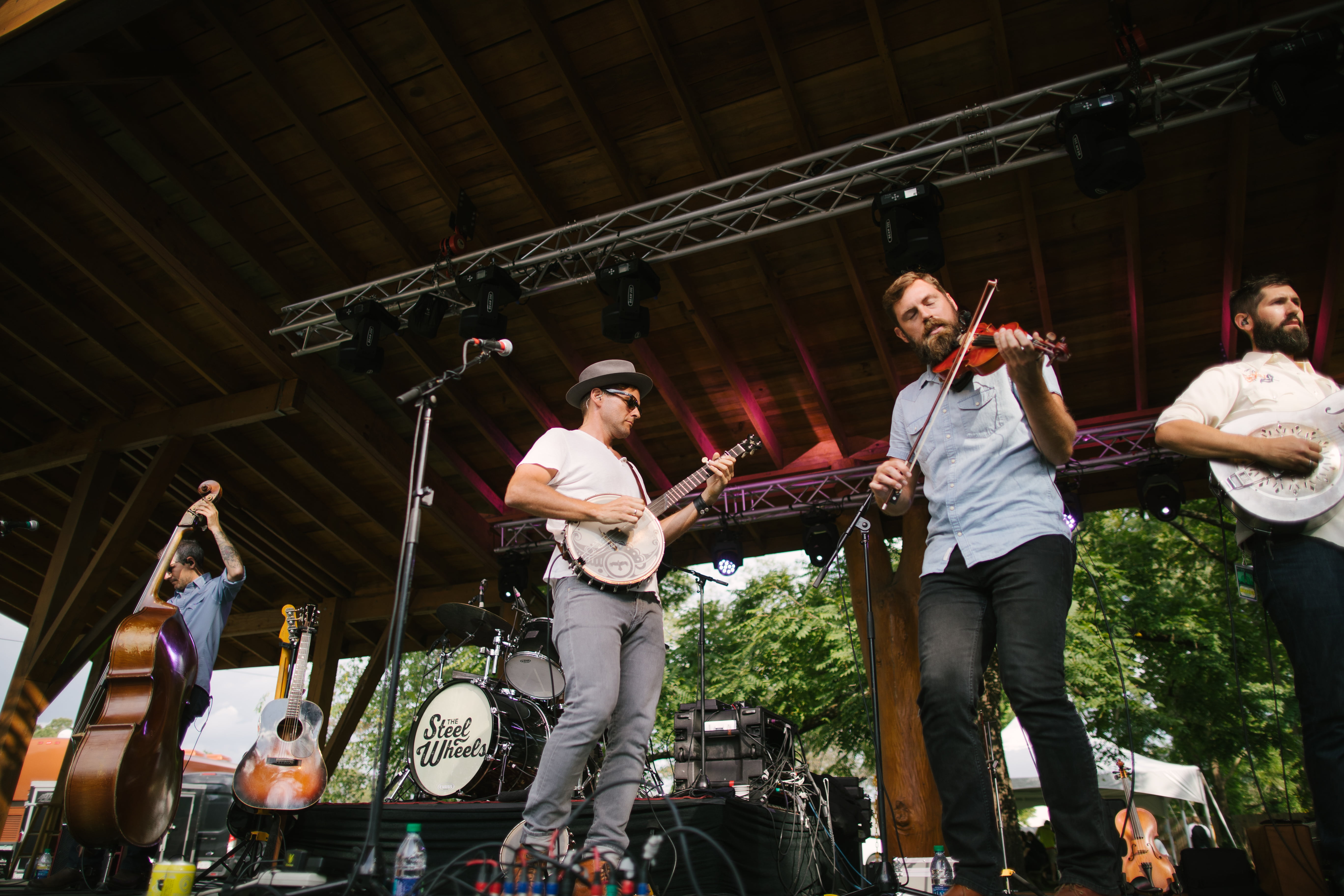
Other fledgling festivals have begun bringing bluegrass and old-time to audiences that never knew they liked it before. In May, IBMA-award-winning Molly Tuttle wowed audiences at the Crossover Festival, which was started by a mother and daughter who wanted to hear and play the music they loved with their friends in Manchester. On the south coast of England, Beer and Bluegrass’s line-up includes The Hot Seats from Washington D.C., and Wesley Randolph Eader from Portland, Oregon, alongside some of the best bluegrass acts in Britain, including The Hot Rock Pilgrims and Midnight Skyracer.

Musicians who have toured the folk clubs of Britain and Ireland can attest to the strength of feeling that people there hold for the music of their native isles. And anyone who has encountered the Transatlantic Sessions, with Jerry Douglas and Aly Bain, has heard just how magical the bond that exists between the musical traditions of the old country and its American evolution. Celtic Connections in Glasgow has been fostering a creative exchange between artists on both sides of the Atlantic for decades, and the opportunities for future collaboration are limitless.

This July, Rhiannon Giddens will curate the Cambridge Folk Festival, an event which is always a highpoint of the summer calendar. Her program brings together women of colour from all over the US and the UK, including Amythyst Kiah, Kaia Kater and Yola Carter. “I love the UK folk scene,” Giddens says, “and I see audiences in the UK embracing the broad spectrum of what Americana really is even more so, sometimes, than in the US. A lot of people know the history of this music so well. I’ve always found a lot of acceptance here.”

So join our BGS-UK Facebook page, and join a community that’s excited to see where the music we love is going next. We’re excited about what’s happening across the pond right now and this is where you’ll be able to find out about all the gigs, artists, festivals and releases happening there. We’re ready for you, Britain!

Nefesh Mountain: From the Inside Out

In bluegrass, rags-to-riches stories are revered and glamorized, strong personal convictions are lauded, off-stage legends of wit and badassery are currency, and a sharp suit (rhinestones optional) and western hat speak volumes. There’s a notable correlation between the success of the genre’s greats and the presence of their personalities, perspectives, and stories throughout their art. The relatability, accessibility, and appeal of their songs can often be attributed not only to the level of talent, but also to the boldness with which their true selves are communicated, musically, to an audience. Roots music fans have always been hungry for indicators of an artist’s authenticity — a way to winnow out the performative, commercial aspects intrinsic to the recording industry and leave just the juiciest nuggets of “real life.”

Attempting to follow in that tradition and feed that hunger is Nefesh Mountain. Partners Eric Lindberg and Doni Zasloff want nothing more than to have the lens of their entire identities filtered through their brand of crisp, refined, and timeless bluegrass in myriad ways — tangible or intangible. Overtly, we hear this perspective in vocals sung in Hebrew, lyrical hooks derived from Jewish sayings, and a grassy cover of Irving Berlin’s “Russian Lullaby.” Deeper, more subliminally, we find that the themes of family bonds, a love for home, a respect for nature, and prayers for peace and empathy comforting our ears also stem from their Jewish background. But the specificity of this origin point is neither alienating or confusing. Rather, it reinforces two truths about this music: Bluegrass is for everyone, and bluegrass is indeed better when the people who make it shine brightly throughout it.

So many different folks from so many different backgrounds have analogous stories of how they come into roots music. What is it about bluegrass, old-time, and these more vernacular forms of roots music that allows the heart and soul of the music to effortlessly intertwine and weave itself into any background, experience, or personal story?

Eric Lindberg: That’s such a good question and something I think about all the time. I think that folk music — you could use “folk” or “roots music” — is synonymous with bluegrass nowadays. It’s all under that same umbrella. When I hear folk music from anywhere, it seems to be the music that translates in a spiritual sense or, for some people, a religious sense — which isn’t exactly where we’re coming from — or, as a general function of society, as a storytelling vehicle.

When I see and hear music from China, or Eastern Europe, or Australia, or Ireland, there’s kind of a pentatonic or maybe diatonic, very simple matrix of melody that has that high lonesome sound. There’s a certain thing about bluegrass that feels American to me; it connects me to our country. The way that the melody lilts connects me to the mountains, to the trees, and the things that I feel are undeniably true in the world. It speaks to my soul, as a human being.

As we’ve played our music infused with our Jewish background through the years, Doni and I have gotten in touch with our own hearts and our own worlds, breaking down the barriers between anybody or anything. It’s been really exciting to live this way — where we’re all humans. We’re living, breathing things, and we all just want … well, we don’t all, unfortunately, but the people that I know just want to put more love out there. Most of humanity is good, in that sense. Folk music has a way of bringing that out, and bluegrass, specifically, has this way of embracing nature, the beauties of the world, and also the beauties of humanity: feelings, friendship, love.

On your record, those themes might be assumed to be simply, overtly Jewish, but they do fit uncannily within the working language of bluegrass. The parallels are there. I wonder if you feel audiences relate to your music because they already feel these parallels, perhaps not from a cultural Jewish background, but from their own perspectives. Are you seeing that connection happen?

Doni Zasloff: That’s exactly what is happening, and it brings us almost to tears because it’s so moving. After a show, we’ll go into the audience, and it’s so many people of so many different backgrounds. That’s what’s happening with this music, and I don’t even have words to express the gratitude that I feel that it could do that.

Yes, the point is that we’re singing about love. We’re singing about friendship. We’re singing about these universal themes. That’s why we’re singing about them. The little bit of Hebrew in it is our background — it’s so cool to listen to music with different languages threaded into it. It’s a cultural expression.

EL: When we sing Hebrew, we’re celebrating our culture and our heritage. I was talking with Jerry Douglas, during the [recording] sessions, about the Transatlantic Sessions that he’s been leading and a part of for so long, and about how much that’s influenced me. The Scottish-Irish music they create is sung in these ancient kind of Scottish/Gaelic tongues, and it’s never been a barrier to me. I listen to that on repeat.

DZ: To your point, the message is something that we know all people can relate to. On one of the songs, “The Narrow Bridge,” we sing an old saying from the 1800s: “The whole world is a narrow bridge, and the important thing is to not be afraid.” We thought it was a beautiful, poetic saying. We turned it into a story and a song relating to the world right now and how it feels troubled and divided.

I love the lyric in that song, “From the cracks of a barren land, a beauty grows unplanned.” I feel like that’s what roots music is poised to accomplish, especially when it’s dedicated to the idea that we can come from different backgrounds, experience life, and be human with empathy and understanding for stories and experiences that might seem ultra-specific and somewhat forbidding. Have you tried to make what you do more relatable for that purpose? Or does it just work if you put it out into the universe as is?

EL: I think, on the one hand, it works if you just put it out into the universe, but we’re really careful what we put out. Well, not careful, but we really want to write songs that are universal. I think that’s something about folk music — it is universal. It goes back to that thought that we’re all people. There are certain things that we can all embrace and rejoice in about life, in general, while also coming at it from our own different places and different flavors. Like food, it’s a universal thing, but sometimes I want sushi and sometimes I want Mexican. We all have cultures — and beautiful cultures — but they’re better all celebrated in the mix together.

DZ: The magic of bluegrass and old-time music, for us, is that it’s been a way to break down some people’s perceptions. We’re Jewish Americans. This is who we are. I’ve lived here all my life. My mother lived here all her life, and my grandmother came from Poland. I think to be doing “Jewish bluegrass,” we’re quite literally being authentic to what we know and who we are. A lot of people will immediately try to stereotype Jewish music as klezmer music, even when say we play this music they’ll say, “Oh, are you like, klezmer-y?” No! We’re not. Yes, my great-grandmother lived in Poland, but I don’t, so that’s not authentic to me.

You’re making melting-pot music.

DZ: Right. And this is who I am.

EL: Jewish people are an interesting bunch of folks. Throughout all the years of this world, Jewish people have lived in all these places of the world: Eastern Europe, Spanish-speaking countries, South America — we’ve kind of moved all over the place. Historically, we’ve made music in all these different places where Jews have put down roots. In Eastern Europe, what we know as the branded Jewish music is klezmer and that’s because that’s where they lived! Klezmer is actually more of an Eastern European sound than a Jewish sound. For me, it’s interesting that Jewish people have lived in this country for centuries, but we haven’t played these American forms.

I want to shift gears a little bit. In my experience, being gay in bluegrass, if I boil my identity down to just those two communities, I find myself on the margins of both. Gays don’t know what to do with a gay who plays banjo, and bluegrass doesn’t know what to do with a gay who plays banjo. So I wondered … you exist in a very small overlap of the Venn diagram of Jewish identities and bluegrass. Do you feel the tension of being on the fringes of both of those communities?

EL: I do. I totally do. Hearing you talk about it makes me feel for you, because I live in a world — in my own head, and I want the world to be this way — where there are no barriers or lines between people. I was born in Brooklyn to be this Jewish American kid who happened to fall in love with bluegrass music. A lot of that was because my father actually converted to Judaism before I was born. My dad’s side of the family, who aren’t Jewish, all used to live in rural Georgia, and we’d go down there for weeks at a time, when I was a kid, being in the heartland, in Appalachia. With the make-up of who I am — whether it’s my experiences, where I was born, or the kind of melodies that I like — I can’t help but be a Jewish bluegrass musician. That’s just the truth. I think the world’s going to have to catch up to that. Just like you have to blaze your trail — which you are doing — Doni and I have to create, for lack of a better word, a genre around this music, because there’s no textbook for it.

That’s interesting, because in bluegrass, Jewish folks are one of very few marginalized, minority identities that actually have had ongoing, historical representation. From folks like Ralph Rinzler to Andy Statman to Jerry Wicentowski — how do you feel your music connects to that Jewish heritage within bluegrass? Or does it at all?

EL: I love Andy Statman. He’s a master klezmer musician and, obviously, a master on the mandolin. He changed the mandolin game around when Tony Trischka was changing the banjo game back in the ‘70s or earlier. Béla Fleck, by his heritage, is Jewish. Noam Pikelny is Jewish — and I’m not trying to out them in any way — and David Grisman. I mean, I’ve had so many heroes in the bluegrass world and whether they were Jewish or not has had no bearing on that. I’ve always found it interesting, actually, that so many Jews could record gospel music. I’ve always wondered about it with my big heroes. Like David Grisman … how did that work for him?

I think that, over the years, and especially since World War II, Jews in this country have been very silent about who they are, whether or not they’re religious with their Judaism, or just culturally. The biggest case, I think, is Bob Dylan who, in the end, converted away from Judaism, but who is obviously the biggest troubadour and songwriter of our time. He grew up as a Jew in the Midwest. When he moved to New York, he basically copied Woody Guthrie, a very non-Jewish persona. Jews have a hard time dealing with the events of World War II. I don’t have it totally worked out, but there’s something in there.

DZ: And I think that people with Jewish identities have been comfortable being the comedians, and it’s different for a Jewish person to come out and be very authentic. There has been some Jewish bluegrass in the past, but it has all been kind of comedic and not quite the same as us coming from a really soulful place, trying to speak to who we are, own it, share it, and take a different approach.

To get back to this prior question: Do you feel like you have looked to that representation of other people with Jewish identities in bluegrass as an influence? Does your music build on it and expound on it, or do you feel like you’re coming from a different place? A different artistic impetus?

EL: I feel the latter. We’re coming from a different place. I was really only influenced by Andy Statman, personally, and it wasn’t in a Jewish way. I have listened to his klezmer music, but that hasn’t had any effect on my own bluegrass music.

I guess I just wanted to feel out if you thought you were on the same family tree as that tradition, or if you felt you two had planted your own sapling. It sounds like you feel like you have your own sapling growing, which is not a qualitative judgement. I’m not saying you should be one or the other.

DZ: I think that we are just deeply inspired by music. All of our heroes, you know, that’s where the inspiration came. We are just trying to be authentic to the expression of the music that we are so inspired by — like Béla Fleck, and all of the guys on the record. We just make honest music and we’re super inspired by other people who do that.

EL: To sum it up, we didn’t set out to be the first ones, but it kind of weirdly happened this way for us. Nobody has ever recorded any sort of spiritual or Jewish heritage [influenced] bluegrass music of their own making. Either I haven’t heard it, it’s been infused with some sort of klezmer, or it’s been something like a Jew doing a cover of a bluegrass song or a song with Bill Monroe. There have been so many beautiful bluegrass songs that I’ve played through the years — all the Bill Monroe, the Flatt & Scruggs, the Stanley Brothers, all the way through Tony Rice, Jerry Douglas, and Béla. I feel like I’m standing more on their shoulders, in terms of the music. I feel like we’re a separate thing.

DZ: Our story is that we fell in love when we were doing this — it’s our love story. It came from falling in love and being vulnerable. We always say this is our baby, this is our life. It came so much from inside of us. We had no plan. We were just falling in love and being authentic with each other. It just happened.

Hangin’ & Sangin’: Jerry Douglas

From the Bluegrass Situation and WMOT Roots Radio, it’s Hangin’ & Sangin’ with your host, BGS editor Kelly McCartney. Every week Hangin’ & Sangin’ offers up casual conversation and acoustic performances by some of your favorite roots artists. From bluegrass to folk, country, blues, and Americana, we stand at the intersection of modern roots music and old time traditions bringing you roots culture — redefined.

With me today in the Writers’ Rooms at the Hutton … Jerry Douglas. Welcome!

Hello. How are you?

I’m good. How are you?

I’m good. I’m having a wonderful week.

Yeah, you’re getting puppies!

I’m getting puppies today! I’m getting puppies today. My granddaughter’s at the house — another puppy, then I’m gonna go see my new grandson on Sunday — more puppies. It’s puppy week!

That’s good livin’!

It is good livin’. I love it.

Okay. Let’s talk about this dobro thing that you’ve got going on.

I’m sorry. [Laughs]

As you should be. [Laughs] What was it about the dobro that first lured you in, so many moons ago?

I don’t know if it was the dobro by itself or the guy who was playing it. Josh Graves played the dobro with Flatt & Scruggs, and he was the one that made me want to become a musician. It wasn’t just the way he played it, because I was hearing Bashful Brother Oswald, at the same time, playing with Roy Acuff and that was good, but Josh Graves stepped up to the microphone and he blew the doors off the place! He could keep up with Earl Scruggs, and he played bluesy, too. He played the blues. I think that was the difference for me, because I was growing up close to Cleveland, Ohio, so I was hearing a lot of rock ‘n’ roll at the same time, and it all worked for me — made the instrument work for me.

My dad had a bluegrass band, but there wasn’t a dobro player within a million miles of me. [Laughs] I told somebody the other day that I stood a better chance of getting hit by a car than to find a dobro. It was not something you saw and they didn’t know what it was. You’d go to a music store and say, “Do you have any dobros?” and they’d look at you like …

But you found each other.

We did.

You’re like Béla Fleck with the banjo, to me. Musically, you guys both do things with these instruments that isn’t normally expected. Who’s leading that exploration — is it you or the instrument? Are you following where it’s taking you?

I’m trying to take the instrument to new places. It’s a great bluegrass vehicle, which has been proven over and over again, with Josh Graves and Mike Auldridge and Rob Ickes. There are several people who really can play one of these things. But I keep exploring and trying to find other ways to use it — in classical music, jazz, rock ‘n’ roll. I created a pickup that works with it that keeps it sounding like a dobro, but you can play to a 24,000-seat place without feeding back. You can compete with a telecaster.

Nice. Do you ever get tired of it and think, “I’m gonna switch to the French horn” or something? Does the mastery ever stop? Is it every complete? Or is there always something new to learn and explore?

There’s always something new. I keep my ears open, and I sort of adapt other things to the guitar. The guitar’s a conduit of whatever’s in [my head], what’s rolling around in there all by itself. It’s a cobwebby place. [Laughs] But I think that I’m kind of trying to lead it from one place to another, but I do get tired of hearing it. I got so tired of it that I started carrying around refrigerator-sized racks of things to make it sound not like a dobro. And then I got tired of that, and I just wanted to hear a dobro again! So it’s a necessary evil.

But I love the sound of the guitar. These newer guitars don’t sound like the dobros did that were on the records that I learned to play from. So I keep a lot of those old guitars around, too. The guy that builds my guitars has actually just come out with a line of guitars that sound like the old guitars. Because, when I play with the Earls of Leicester, I play only old guitars, but he’s got this new guitar I played on the new record with the Earls and no one noticed.

Old sound, new technology. Probably sturdier.

Better construction, yeah. The older dobros, the Dopyera brothers got really lucky. [Laughs] The cone, a lot of things about the guitar haven’t changed since 1927. But the construction has, and how they’re big, beefy, low-ended things that have all these voices that the old dobros didn’t have. But the haunting element, for me, that drew me in in the first place, that’s missing from the big, beefy, hybrid guitars.

You mentioned the Earls of Leicester. I mentioned the Transatlantic Sessions and other collaborations, but your latest record is a Jerry Douglas Band joint called What If. Where do you see that album fitting into the wider landscape of your work?

That was really pushing my audience, I think. I quit a long time ago trying to make records for my audience.

I would think you would’ve had to.

I make them for me. I figure, if they really like me, they’ll go wherever I go.

Or wait until the next thing comes.

Or just wait until it comes back around to what you like! [Laughs] I love that record because it’s so big and full. It’s the full band effort with two horns and electric guitar, and everything is on this record. Except keyboards. But John Medeski is gonna play with me at MerleFest! So who knows where we go from there. But I just like the full sound and being able to, more or less, play the band, at this point. It’s dobro driven, and I write everything on the dobro, but everybody gets a little piece of the action.

[Tell me a memory of or something you gleaned from] Earl Scruggs.

Earl Scruggs was probably the first thing I remember hearing — ever. Then, when I got old enough, even at five years old, I knew that was good. I knew that was a good sound. It was obvious, just the way my dad would react to it and everybody, before I ever saw him. And then, when I saw him, he was on a pedestal to me, as was Josh Graves and the whole band. That was like seeing the Beatles for me, at six or seven years old, to see Flatt & Scruggs live in Youngstown, Ohio, at Stambaugh Auditorium. I even know what date it was and everything. It was like seeing the Beatles.

And then, I grow up and I move to Nashville and Earl Scruggs becomes my friend. That’s just nuts. But then, to get on the bus with him and be playing in his band, just to wind him up and let him start telling stories … because he was a very quiet man, a very quiet, reserved man. But when he got started telling stories, he couldn’t stop. It was so good! Everything was so good. Every minute, every second that I spent with him, I cherished. I’m blessed to have hung out with and been in the presence of some of these people. And Earl Scruggs is way up there on the top of the heap. There are not many people you can look at and say, “That guy is definitely a legend.” He’s like a George Washington, Abraham Lincoln kind of guy. [Laughs] I haven’t met many of those, a couple others maybe, but he was the first one — the first sound I ever heard and what influenced me in the journey that I’ve had, and what made me take the path that I took.

Well, thanks, Earl.

Thanks, Earl. Gee-whiz.

Watch all the episodes on YouTube, or download and subscribe to the Hangin’ & Sangin’ podcast and other BGS programs every week via iTunes, SpotifyPodbean, or your favorite podcast platform.