ANNOUNCING: BGS and PineCone Present Shout & Shine 2019

Along with our partners at PineCone, the Piedmont Council of Traditional Music, we are proud to announce our Fourth Annual Shout & Shine: A Celebration of Diversity in Bluegrass. The 2019 iteration will be the event’s biggest year yet, taking over the Dance Tent during IBMA’s Wide Open Bluegrass festival in Raleigh, North Carolina, on Friday, September 27, from 12 noon to 11pm. (See full schedule below.)

In 2016 Shout & Shine became the first event of its kind at the week-long bluegrass business conference and festival. Born as a direct response to the North Carolina General Assembly’s controversial “bathroom bill,” HB2, Shout & Shine’s fourth year continues the showcase’s growth and strengthens its mission of highlighting and reincorporating the voices and perspectives of underrepresented and marginalized artists, musicians, and performers — not only at the showcase, but throughout the convention and festival.

Headlining the year is the Shout & Shine Square Dance Party, led by banjoist and ethnomusicologist Jake Blount and jaw-dropping fiddler Tatiana Hargreaves. The dance will feature Michigan-based square dance caller Boo Radley (AKA Brad Baughman), who specializes in using gender neutral directions for dancers, opening up the square dance — traditionally regarded as a conservative, white, heteronormative space — to non-binary and non-heterosexual participants. All are welcome to participate, with no prior experience or partner required!

The day will kick off with Crying Uncle Bluegrass Band, prodigies from the Bay Area led by Asian American brothers Teo and Miles Quale, who have just returned from a tour of Finland and are fresh off an appearance on the Grand Ole Opry. Percussive dancer and ethnochoreologist Nic Gareiss will give a step dancing performance with old-time banjoist Allison de Groot, followed by a set of music from Hubby Jenkins, who is a blues and old-time multi-instrumentalist, Grammy winner, and veteran of the Carolina Chocolate Drops.

Prolific folk, children’s music, and bluegrass stalwarts Cathy Fink & Marcy Marxer bring their Grassabilly Rockets, featuring Jon Weisberger and George Jackson, to the dance tent as well, followed by their friends, compatriots, and IBMA Momentum Award nominees Cane Mill Road — North Carolina natives who will be joined by Williette Hinton, buckdancer and son of acclaimed blues musician and dancer Algia Mae Hinton.

Realizing a longtime goal of Shout & Shine’s producers, the showcase will feature an Indigenous artist for the first time, Lakota John, a local North Carolinian and his trio with deep roots in Piedmont blues and old-time, down-home acoustic music. Finally, bluegrass legend and trailblazer Laurie Lewis will headline the evening with her band, the Right Hands, before the night’s rollicking, square dance conclusion.

Shout & Shine is made possible by these partners: the Raleigh Convention Center, the Greater Raleigh Convention Center and Visitors Bureau, and IVPR. Shout & Shine 2019 presenting sponsors are Ear Trumpet Labs, Jamie Dawson of ERA Dream Living Realty, Pre-War Guitars, and Straight Up Strings. The Dance Tent is sponsored by WakeMed, FOX50, and Golden Road.

Shout & Shine 2019 is dedicated to the memory of dancer, choreographer, innovator, and roots music luminary Eileen Carson Schatz. Admission is FREE. More information can be found through IBMA at worldofbluegrass.org.

Full Schedule:

12:00-12:45pm – Crying Uncle Bluegrass Band (open dance)

1:15-2:15pm – Nic Gareiss & Allison de Groot (step dance demonstration)

2:45-3:30pm – Hubby Jenkins (open dance)

4:00-4:45pm – Cathy Fink & Marcy Marxer and the Grassabilly Rockets (open dance)

5:15-6:15pm – Cane Mill Road with Williette Hinton (open dance, buckdancing demonstration)

6:45-7:30pm – Lakota John (open dance)

8:00-9:00pm – Laurie Lewis & the Right Hands (open dance)

9:30-11:00pm – Shout & Shine Square Dance Party with Jake Blount, Tatiana Hargreaves,
Boo Radley (caller), and friends (inclusive square dance)


The Ringers, Created by Jerry Douglas, Will Play IBMA Wide Open Bluegrass Festival

IBMA World of Bluegrass announced its Main Stage schedule, as well as three special performances, for the Wide Open Bluegrass Festival next month in Raleigh, North Carolina.

Sam Bush will make a guest appearance with Del McCoury Band, while and a new band created by Jerry Douglas called the Ringers will perform for the first time ever. Douglas formed the group with Ronnie McCoury, Todd Phillips, Christian Sedelmyer, and Dan Tyminski.

In addition, a special performance titled “You Gave Me a Song”: Celebrating the Music of Hazel Dickens & Alice Gerrard will feature Alice Gerrard, Laurie Lewis, Allison de Groot & Tatiana Hargreaves, Cathy Fink & Marcy Marxer, Justin Hiltner, Jon Weisberger, and Eliza Meyer.

Wide Open Bluegrass is the free weekend festival that takes place at Raleigh’s Red Hat Amphitheater and on seven additional stages in downtown Raleigh on September 27-28.

These artists join previously announced talent such as I’m With Her (Sara Watkins, Sarah Jarosz, & Aoife O’Donovan), Doyle Lawson & Quicksilver, Balsam Range, Sister Sadie, Frank Solivan & Dirty Kitchen, and Molly Tuttle for Main Stage performances at Red Hat Amphitheater for this year’s festival. Performances at Red Hat Amphitheater will begin at 5 pm and will feature premier bluegrass acts for six hours.

The performances at Raleigh’s Red Hat Amphitheater will be open to the public for free, subject to venue capacity. A limited number of reserved seats in prime sections of the venue are available for purchase to ensure admittance for every performance.

Here is the schedule for the Main Stage performances at Red Hat Amphitheater for the 2019 Wide Open Bluegrass festival:

Friday, September 27
5:00 – Sister Sadie
6:05 – Balsam Range
7:15 – Molly Tuttle
8:25 – I’m With Her (Sara Watkins, Sarah Jarosz, Aoife O’Donovan)
9:45 – The Ringers featuring Jerry Douglas, Ronnie McCoury, Todd Phillips, Christian Sedelmyer, and Dan Tyminski

Saturday, September 28
5:00 – “You Gave Me a Song”: Celebrating the Music of Hazel Dickens & Alice Gerrard
6:10 – Frank Solivan & Dirty Kitchen
7:15 – Doyle Lawson & Quicksilver
8:30 – Del McCoury Band, with Sam Bush, and Special Guests (more to be announced)

22 Top Bluegrass Duos

Everyone knows that in the early days of bluegrass, before that term was even coined, all you needed to make a “band” was two people and two instruments. Fiddle and banjo? Sure. But in those days, they’d take whatever they could get. Duos are still a strong presence in the music today, in brother/sibling duos, spouse-led bands, and legendary collaborations.

Check out these twenty-two bluegrass pairings — and their accoutrement — on BGS:

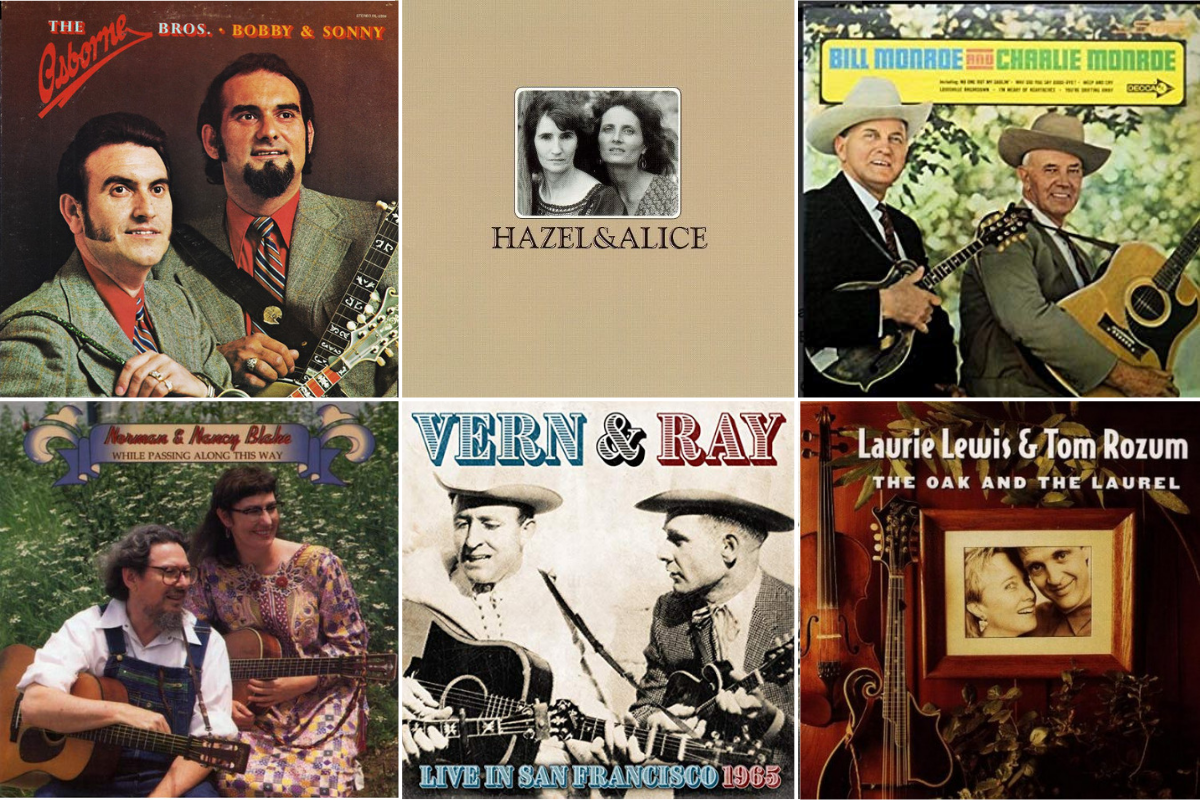
Bill & Charlie Monroe

Before Bill Monroe, the Father of Bluegrass, made his indelible mark on the genre (quite literally giving it its name), he was already a popular performer with his brothers Charlie and Birch. Birch left The Monroe Brothers in the mid-1930s, and Charlie and Bill went on to enjoy success on the road, in the studio, and on the radio — until rising tensions and a fateful fight in 1938 caused them to split ways. But, without that fight, we may not have “bluegrass” at all.

Flatt & Scruggs

December 1945. The Ryman Auditorium. Nashville, Tennessee. Bill Monroe and his Blue Grass Boys stepped on stage for the Grand Ole Opry with Lester Flatt and Earl Scruggs among their ranks for the very first time and bluegrass as we know it today was born. Flatt & Scruggs left Monroe in 1948 to join forces and went on to become one of the few ubiquitous, household names of bluegrass.

Hazel Dickens & Alice Gerrard

Undeniably trailblazers, Hazel Dickens & Alice Gerrard are widely regarded as the first women in bluegrass to capture the “high lonesome” sound popularized by Monroe, the Stanley Brothers, and others. They toured across the U.S., often supporting causes that benefited forgotten, downtrodden people from all backgrounds and walks of life. They were inducted into the Bluegrass Music Hall of Fame in 2017.

The Stanley Brothers

Natives of the music-rich southwest corner of Virginia, Carter and Ralph Stanley were prolific recording artists and touring musicians in bluegrass’s first generation. Countless songs written and/or popularized by the Stanley Brothers and their backing band, the Clinch Mountain Boys, are staples of the genre today. Carter passed in 1966 and Ralph continued until his death in 2016 with the Clinch Mountain Boys — who still tour today with Ralph’s son, Ralph II.

Don Reno & Red Smiley

Unsung trailblazers of the first generation of bluegrass pickers, Reno & Smiley were tireless innovators with a jovial, sometimes silly flair to their songs and instrumental prowess. Their duets are simply some of the best in all of bluegrass. The duo performed together off and on from the early 1950s to the 1970s — but both passed away much too young, Smiley in 1972 at the age of 46 and Reno in 1984 at the age of 58. Reno’s frenetic, electric and pedal steel guitar-infused licks remain unmatched in banjo picking today.

Jim & Jesse McReynolds

With matching suits and impeccable pompadours brothers Jim and Jesse McReynolds often brought rockabilly, rock ‘n’ roll, mainstream country and pop sensibilities to their take on sibling harmonies and bluegrass brother duos. Jesse’s crosspicking on the mandolin was — and continues to be — absolutely astonishing. Jim passed in 2002, Jesse continues to perform on the Grand Ole Opry to this day. At the time of this writing, he is ninety years old.

Laurie Lewis & Tom Rozum

Laurie Lewis often takes top billing — as leader of the Right Hands and before that, the Bluegrass Pals, and others — but since 1986 her musical partner Tom Rozum has almost constantly been at her side on the mandolin and harmonies. Their duo recording, The Oak and the Laurel, was nominated for a Grammy in 1995. Here is the album’s title track:

Bill Monroe & Doc Watson

What is there to say? Two of the folks who paved the way for this genre, laying a foundation so strong and far-reaching that we still can’t fully comprehend its impact. Bill and Doc collaborated on more than one occasion and we, as fans and disciples, are lucky that so many of these moments are captured in recordings and videos.

Del McCoury & David “Dawg” Grisman

At face value, an unlikely combo, but their friendship goes back to the early 1960s and their musical endeavors together began soon after. As Del slowly but surely became a bastion for traditional bluegrass aesthetics applied broadly, Dawg embraced jammy, jazzy, new acoustic sounds that sometimes only register as bluegrass-adjacent because they come from the mandolin. Opposite sides of the same coin, their duet makes total sense while at the same time challenging everything we think we know about the music. In this clip, Dawg sings tenor to Del — not many would be brave enough to try!

Ricky Skaggs & Keith Whitley

They got their start together in the Clinch Mountain Boys with Ralph Stanley, making some of the best recordings in the history of the band’s many iterations. Before they both struck out on wildly successful, mainstream careers they recorded a seminal duo album together, Second Generation. It remains one of the most important albums in the bluegrass canon — especially as far as duos/duets go.

Norman & Nancy Blake

Norman is well known for his flatpicking prowess, which has graced recordings by John Hartford, Bob Dylan, the Nitty Gritty Dirt Band, and so many others. He and his wife, Nancy, were married in 1975 after having begun their musical forays together a year or so earlier. Nancy’s command of many instruments — cello, mandolin, and fiddle among them — balances neatly with Norman’s jaw-dropping, singular style on the flattop. Their inseparable harmonies and timeless repertoire are merely icing on the cake.

Jimmy Martin & Ralph Stanley

How their first album together, First Time Together (cough), is not more well-known is truly impossible to understand. The King of Bluegrass and the Man of Constant Sorrow twining their extraordinary voices must have been ordained by a higher power. It’s a good thing they answered the call. Be careful, Jimmy’s percussive G-runs feel like a slap in the face — in the best way.

Darrell Scott & Tim O’Brien

Their live albums together and their co-written masterpieces belong in every museum and shrine to roots music around the world. Both of these triple threat (Quadruple? Quintuple? When do we stop counting?) musicians are rampantly successful in their own right, but together they are simply transcendent. Their cut of “Brother Wind” deserves a listen right this instant and “House of Gold” gives you the harmony acrobatics gut punch you need every time. It was nearly impossible to choose just one, but here’s a hit that was recorded once by a little group called the Dixie Chicks.

Ricky Skaggs & Tony Rice

Again, words fail. Skaggs & Rice is a desert island record. Each and every time these two have graced a recording or a stage together, magic has been made, from their days with J.D. Crowe & the New South and on. We only wish that they could have done more together.

Vern & Ray

Vern Williams and Ray Park were California’s original bluegrass sons. Though they were both born and raised in Arkansas, they relocated to Stockton, California, as adults. They’re often credited with “introducing” bluegrass music to the West Coast. They disbanded in 1974 (both passed in the early 2000s), but their influence is palpable to this day, even if they’re sorely unheard of east of the Mississippi. This deserves correction! Immediately!

Eddie & Martha Adcock

Eddie is a pioneering banjo player who’s a veteran of both Bill Monroe’s Blue Grass Boys and The Country Gentlemen, two decidedly legendary and influential acts. His style is somewhat wacky, certainly singular, but effortlessly bluegrass and traditional as well. He married Martha in the late 1970s and the pair have toured prolifically as a duo. In 2008, Eddie underwent brain surgery to correct debilitating hand tremors. He was kept awake, playing the banjo during the procedure — and there is jaw-dropping film of this online!

Dailey & Vincent

When Dailey & Vincent burst onto the scene in the mid-aughts after both having notable careers as sidemen, the bluegrass community rejoiced at the reemergence of a wavering art form within the genre — traditional duo singing. However, Jamie and Darrin, whether they knew it at the time or not, had their sights set much higher. Now more of a full-blown stage show than a bluegrass band, their recordings and concerts are a high-energy, charismatic, and downright entertaining mix of classic country, Southern gospel, quartet singing, and yes, bluegrass.

Kenny & Amanda Smith

Husband and wife Kenny and Amanda first recorded together in 2001, going on to win IBMA’s Emerging Artist of the Year award two years later. They’ve now cut eight albums together, all clean, clear, crisp modern bluegrass that centers on Amanda’s impossibly bright vocals, which maintain a personal, country hue alongside Kenny’s fantastic flatpicking. SON!

Tom T. & Dixie Hall

Two of the most recent inductees into the Bluegrass Music Hall of Fame, Tom T. and Dixie Hall wrote hundreds and hundreds of songs cut by country, bluegrass, and Americana artists alike. Tom T.’s reputation and chart-topping originals tend to eclipse Dixie, but he is unyielding in his efforts to point that same spotlight at his beloved wife instead, who passed away in 2015. Though she never performed — definitely not to the extent that Tom T. did — the marks she left on bluegrass, country, and her partnership with her husband are indelible. This number was co-written by the pair:

The Louvin Brothers

Recipients of IBMA’s Distinguished Achievement Award in 1992, the Louvin Brothers are another example of early bluegrassers who enjoyed the amorphous, primordial days of the genre before it became more and more sequestered from mainstream country and country radio. Their duets are iconic, with counter-intuitive contours and lines that bands and singers still have difficulty replicating to this day. Their most famous contribution to the American music zeitgeist, though, might not be their music, but the spectacular cover art for their 1959 album, Satan Is Real. If you haven’t seen it, Google it right now.

Delia Bell & Bill Grant

Natives of Texas and Oklahoma, respectively, Delia Bell and Bill Grant met through Bell’s husband, Bobby, in the late 1950s. Between their band, the Kiamichi Mountain Boys, and their duo project they recorded more than a dozen albums together through the 1980s. Famously, Emmylou Harris became a fan when she heard their cut of “Roses in the Snow,” which Harris went on to record on her eponymous bluegrass record. Bell died in 2018.

The Osborne Brothers

Though they popularized a style of three-part harmony that had never been heard before — the infamous “high lead” harmony stack — their band, no matter who it may have included over the years, was undeniably helmed and anchored by Bobby and Sonny. (Which does explain the name.) You may remember “Rocky Top” and “Ruby” first and foremost in their discography, but the hits they’ve contributed to the bluegrass songbook are innumerable. Here’s one such classic.

The Tim O’Brien Band Reaches Beyond

Tim O’Brien is only half-joking when he acknowledges, “You know, I have not been known to show up with the same people from date to date.” True enough, considering he’s been with Hot Rize for four decades, played mandolin and sang on the first Earls of Leicester album, issued numerous collaborative albums with family and friends, and carved out a career as a Grammy-winning folk artist. Along the way, he’s also produced notable roots artists ranging from the Infamous Stringdusters and Yonder Mountain String Band, to Kathy Mattea and Laurie Lewis. His multiple IBMA Awards include two trophies for Male Vocalist (1993, 2006), and another for the 2006 Song of the Year, “Look Down That Lonesome Road.”

That road is less lonesome now that he frequently travels with his partner, Jan Fabricius, a mandolin player and singer who makes her leap into professional music with O’Brien’s new album, The Tim O’Brien Band. In an effort to find players adept at both Irish and bluegrass music, the impeccable ensemble is rounded out by Mike Bub on bass, Shad Cobb on fiddle, and Patrick Sauber on banjo and guitar. Released one day after O’Brien’s 65th birthday, the project leads O’Brien and his colleagues toward tour dates in his native West Virginia… and beyond.

O’Brien invited The Bluegrass Situation into his music room for a chat about being a traveling musician, a songwriter and (much to his surprise) a role model.

BGS: Pretty early on this record, you have some traditional tunes. Why did those songs seem right for this album?

O’Brien: Let’s see, we’ve got “Doney Gal” and the two reels, and we’ve got “Pastures of Plenty” – I guess that’s traditional now. You know, I didn’t write a lot of songs this time, and I revisited one that I recorded before. I had recorded “Crooked Road” solo in the past, but I thought it would be really good with a band, and I wanted to hear that. I was happy with the way it came out.

Whenever I started doing gigs on my own in coffee houses, I always mixed it up with traditional songs and covers and my own tunes when I started writing. So it’s kind of a continuation of that. It’s my style of making a record. I’m itching to write some songs, but I didn’t do it much this time.

When you need to round out an album, how do you decide what to record?

I go to the CD shelf over there. Nowadays, I glean ‘em every year and I get rid of the ones that I know I’m never going to listen to much. The ones I keep going back to, there’s often something on there that makes me go, “Oh yeah, I love this song. Maybe I can sing this song…” And I’ll try it. I have one of those Moleskine books that are filled with lyrics of songs that I want to know — and I’ll write the lyrics of the ones that I’ve just sung on a record and need to remember.

I have to say, I’m touched by your rendition of “Last Train from Poor Valley.”

Oh man, Norman Blake is my hero! I saw him first probably in 1972. He was on that first Will the Circle Be Unbroken record and some other friends that were playing bluegrass already knew about him. They had that first Norman Blake record, which came out around the same time. And when I started playing with Hot Rize, we’d play these festivals and we would meet up with him. We got to be friendly and it was like a regular ol’ friend that you’d see. That’s the great thing about the touring community. You see people week to week in the summertime months. That’s why it’s nice to live in Nashville. I used to go home to Colorado and you wouldn’t see those people in the grocery store or the post office. [Laughs]

Norman and Nancy are old friends, and I go back to see them every now and again in recent years. Their music is just so different from what I do, and what Hot Rize did, and yet all these years later, it’s a lot closer. Even though it’s still very different, it’s a lot closer than a lot of the other stuff that’s going on. But I just love the sentiment of that song, and I knew that song from when his record came out. I like to pay tribute to somebody like that. He’s not on the circuit anymore and I don’t want him to be forgotten.

I like the feel of “Beyond.” It sounds to me like a hero’s anthem. What was on your mind when you wrote that?

I had the idea of writing something about, “Let’s get beyond the day to day.” It sounds like a gospel thing, and it fits in there, but if you could find enlightenment within your daily routine, or just get past the stumbling blocks that frustrate you and say, “Hey, man, things are going to be fine… We can go beyond this and look beyond this.” And maybe if we can live there, we can live life more freely while you’re going about the day-to-day.

Do you consider yourself an optimist?

I am an optimist, yeah. Musicians have to be! [Laughs] My friend Chris Luedecke – Old Man Luedecke, a guy I’ve produced some records for and toured with – he says, “Man, we’re the ultimate optimists. We keep getting up in the morning and trying again.” I suppose everybody does it, if you define it that way. We’re all optimists. But yeah, I’m an optimist and I think it’s possible to change, it’s possible to rise above your problems and get around ‘em somehow, and get beyond.

What is your response when younger musicians see you as a role model?

It’s a funny evolution. I guess it’s happened, that I’ve become this role model. It surprises you, but if you look at who my role models were, a lot of them aren’t there anymore. That means I’m getting closer to the checkout line, so I’ve become a role model because I’m still out there doing it. So I guess it’s an honor, but it gets to be intimidating to continue, because you think you’re not coming up with your best stuff all the time, and you wonder if you can even show it.

Hot Rize is that way. It’s hard to go and record a Hot Rize record because of nostalgia. People look at Hot Rize’s repertoire and go, “Sheesh! There are so many great songs!” But it took, I think, eight records to get all those together. It sort of magnifies things in a funny way, and it will intimidate even yourself, as you’re trying to repeat yourself. Hot Rize can repeat ourselves, but the idea of putting a new record out was like, “Oh man… we really need to be good! We better be as good as all that.” You do a lot of soul searching and you take it more seriously.

I wanted to ask you about writing “Hold to a Dream,” because that song has done well for you – it’s something of a standard, I would say.

“Hold to a Dream” is a good one. I had been into Irish music for a while, and that seemed like an Irish tune. The lyric is not necessarily very specific about anything. It’s a love song, I guess, but it’s like the theme of “Beyond” — it’s possible. We can get past everything and we can still do well. I like that one because it’s got a little rhythm, it’s got a little instrumental bit, and it’s got a little bit of a message – and it’s fun. And it’s got a nice chord progression. [Laughs] …

What I’m surprised about some of the songs that I’ve written that have translated so much, there is nothing heavy about them. But people are distracted by music and then they are allowed to think about other things while they are listening to it. And just a few words will suggest something. I think songs like “Hold to a Dream,” or other songs where there’s an instrumental section, lets people go, “Ah, yeah… hmm….” (laughs) You start singing and they might start thinking of something else.

Newgrass Revival does a magnificent version of that song, and you’ve also had cuts along the way by Garth Brooks, Dixie Chicks, Dierks Bentley, Kathy Mattea, Nickel Creek, and others. As a songwriter, what is that like to hear something you wrote come to life through another artist?

It’s really flattering when anybody sings your song, if they want to. There’s a monetary reward, which is nice, but mostly you’re just flattered. Then you realize, OK, what I’m doing is valid. It means something, so continue. That carrot is the one I really want to catch, knowing that what you’re doing is worthwhile.


Photo credit: Michael Weintrob

WATCH: Bluegrass Pride, “Live and Let Live”

Artist: Bluegrass Pride
Hometown: San Francisco, California
Song: “Live and Let Live” (feat. Justin Hiltner, Melody Walker, and Laurie Lewis)
Release Date: February 22, 2019

In Their Words: “This song was written in honor of Bluegrass Pride during our first season and almost immediately became our unofficial anthem here in San Francisco. Its message of inclusion and unqualified acceptance speaks to the exact mission of Bluegrass Pride and the way we want the world to be. Making this music video was really a way for us to show people what Bluegrass Pride is really about. When you watch this video and listen to this song, you can truly feel the community that made it and all the love that makes Bluegrass Pride so special. As we continue to grow, we hope that folks can take this message with them, and maybe, in the end, we can spread a little more unconditional love throughout the world and make tomorrow a little bit better.”


Photo credit: Michael Pegram

A Desire to Inspire: A Conversation With Molly Tuttle

I can’t pin down the year I first heard Molly Tuttle picking a few tunes in a Sugar Hill Records suite at the IBMA’s World of Bluegrass, but I know it was before the event’s 2013 move to Raleigh, and I know I wasn’t the first to pay attention to her guitar playing. Indeed, it was only a few more years until Bryan Sutton called her name as a picker to listen to in the course of accepting one of his ten IBMA Guitar Player of the Year trophies—and just two years after that, last fall, she accepted the same award herself.  

Even so, her growing recognition among bluegrassers has led to a higher profile for Molly in the broader musical world; she earned the Folk Alliance’s Song of the Year award in February, and a nomination for this year’s Americana Music Association’s Instrumentalist of the Year title, too. Between that, her own eclectic outlook, and the predispositions of journalists unfamiliar with the bluegrass world, it’s not hard to see why the musical substance of her engagement with the genre can sometimes be given short shrift. Yet the fact is, she appears to be as happy tearing through a bluegrass classic in the company of her youthful contemporaries—or with a certified bluegrass legend or three—as she is playing anything else.

I was reminded of this shortly before our interview, when Instagram presented me with a snippet of video that showed her sitting in with the East Nashville Grass, a collection of pickers who mostly work in other bands, at a ‘grass-friendly’ Madison club—and since the next Molly Tuttle record is still likely months away, it seemed like a good place to start the conversation.

Just this morning, I saw a video of you sitting in with the East Nashville Grass guys, ripping on some bluegrass—“White Freightliner Blues,” which I know you’ve been doing for a while—and it got me to wondering. Your dad was a music teacher when you were growing up; was he more of a folk guy, or an acoustic guy generally, or a bluegrass guy?

What my dad always loved was bluegrass. He grew up playing bluegrass, and that’s really what he studied and what he loves. But he did end up playing some folkier music; he played in a band called the Gryphon Quintet, which was all people who worked at Gryphon Music, the store he teaches out of. And that was jazzier stuff, some swing stuff, four-part harmony arrangements, and some of their stuff was kind of folky, too. So he ended up playing a bunch of different styles, but he really comes from bluegrass.

So when the family band got started, it was a bluegrass band.

Yeah!

You’re getting out beyond the bluegrass audience these days, into the larger musical world, and there’s been a whole line of people over the years who have done that. What do you think you’ve learned as a bluegrass musician that you carry with you when you do all this other stuff?

I think one of the most valuable things I learned was improvising and making up my own solos. Just being creative, really, because it’s such a creative genre. Some of the most incredible improvisers in the world are bluegrass musicians and you can really carry that into any genre—those improvisational concepts, you can take those in so many different directions. So that’s something I feel bluegrass really taught me, something I can use for the rest of my life.

And also, technique. I think it’s so important in bluegrass to have great technique, to be able to play fast, slow…I think that was really helpful for me to learn. And the style itself is so authentic. It has this raw feeling to it, and my favorite bluegrass is old bluegrass, where it’s all so live and energetic—just real, authentic stories from their lives. I think that’s really inspiring.

I’ve heard from some younger musicians that when they found a bluegrass jam or something like that when they were getting started, the older guys were really encouraging and supportive—and then, when they started getting into other kinds of music, those folks weren’t so supportive. Have you run into that?

A little bit. People just like what they like, so people who love traditional bluegrass aren’t as supportive as others about me branching out and doing new stuff. But I haven’t run into too many people who are openly discouraging me from doing what I want—it’s just not their cup of tea, so they’re not as excited.

When you started putting the Molly Tuttle Band together, how did you decide what you wanted? Was that a question in your mind—am I going to have a banjo player?

It kind of was! But it was like the right musicians just sort of presented themselves to me. I’ve played with Wes [Corbett] for three years now and he’s such an amazing musician—he’s so versatile. He plays amazing stuff on my songs that are more singer-songwritery, but he’s an incredible bluegrass musician, too. So it’s been a great fit for me. I think the bluegrass band just made sense. But then, I’ve been working on a new album that has drums on everything, and electric guitars, so I think going forward I’m going to be trying out different band lineups.

Are you working on your new record a few days at a time, or did you set aside a big block of time to make a whole record?

We had six days where we got all the tracks done; eleven songs, all with the same band. We did that at Sound Emporium and it was mostly all live. And then I went in and did harmony overdubs, I overdubbed some vocals, put some other instruments on, tracked strings—that was really fun. Nathaniel Smith worked out these really great string arrangements with Rachel Baiman and Mike Barnett, so they came in. And then we got some special guests on it—Sierra [Hull] came in and played, which was fun. So it’s just been going into the studio and finishing things up whenever I’m back from touring.

So maybe the next big release coming out that you’re on is a Roland White tribute project. And there was definitely an element there of you kind of playing the part of Clarence White on the tunes that you did. How do you prepare for that, for playing the part of Clarence White?

I just went and listened to recordings of Clarence. And with “I Am a Pilgrim,” there’s this great YouTube video of Clarence and Roland playing it, and Clarence was playing the coolest stuff ever. I teach at camps sometimes, and last summer, I thought it would be fun to teach a workshop on Clarence White, so I transcribed his rhythm playing on that, and was teaching it to people. So that was a good one to get to do, because I already knew some of the licks, and I’m obsessed with his playing on that song—it was fun to try to get into that mindset.

It seems like you really succeeded in being Molly Tuttle, but also Molly Tuttle playing Clarence White.

That’s what I was trying to do, so that’s good to hear.

We played a house concert a few weeks ago, where [12-year-old fiddler] Clare Brown and her dad came out and opened for us. I heard her doing a soundcheck with “White Freightliner Blues,” and I thought, I’ll bet I know where she learned that. Does it freak you out that there are even younger musicians coming up who are influenced by you?

I think that’s so exciting and that’s what I wanted to do with my music since really early on: inspire the younger generation, especially younger girls. I think it’s really important for them to see the generation of women before them doing it. So that’s one of the things that keeps me going with my music, to see something like that.

Who were you seeing that way? Who did you look up to?

When I was a kid I looked up to Laurie Lewis, Kathy Kallick, Keith Little, Bill Evans, my dad—all these Bay Area people. There’s a really great scene there and they were all so supportive of me. But especially Laurie and Kathy, seeing them lead their own bands and play shows. They were my biggest heroes and I thought they were the coolest, and I still do.

Is it important to you to keep an eye on and try to inspire young musicians to play bluegrass in particular?

I think it’s a really great tradition, especially for kids, because it’s such a supportive community. And there are jams, so you can get together with other kids your age. That’s a really healthy thing for kids to do for fun. For me, it was really great in high school to have that, to go to festivals, and get together for jams, and play shows—that was a great outlet for me. It’s a great genre for kids to play, and it’s really important to keep carrying on the bluegrass tradition, to keep it alive, so I think it’s great to encourage kids to play it.


Photo credit: Kaitlyn Raitz

The Golden Age of Bluegrass… The ’90s?!

With the following eleven songs, we will convince you, the bluegrass jury, that neither the ‘40s, the ‘50s, the ‘60s, nor the ‘70s were the golden age of ‘grass. Before the bluegrass gods and all these gathered here today we unabashedly assert: the ‘90s were the absolute best years for bluegrass!! Consider the following evidence:

Lonesome River Band – “Long Gone”

Remember the days when LRB was a quartet and there was a critical mass of mullets among their members? Such a small lineup and still somehow a supergroup: Dan Tyminski and Ronnie Bowman dueting the life out of it, Sammy Shelor pulling for his life, and Tim Austin demolishing the flat-top. Woof.

J.D. Crowe – “Blackjack”

The ‘90s were the golden age of bluegrass and the bluegrass supergroup. The TV show American Music Shop, which ran for three years starting in 1990, often amassed the best star-studded lineups of the time period – like this one: J.D. Crowe, Mark O’Connor, David Grisman, Tony Rice, Jerry Douglas, and Glen Worf.

Laurie Lewis & Friends – “Texas Bluebonnets”

Laurie Lewis won Female Vocalist of the Year from the International Bluegrass Music Association only twice — once in 1992 and again in 1994. We could rest our ‘90s-bluegrass-is-best case on that fact alone, but we’ll let Laurie (and Tom Rozum, Sally Van Meter, Peter Rowan, Alan Munde, et. al.) convince you with this Texas swing-flavored masterpiece.

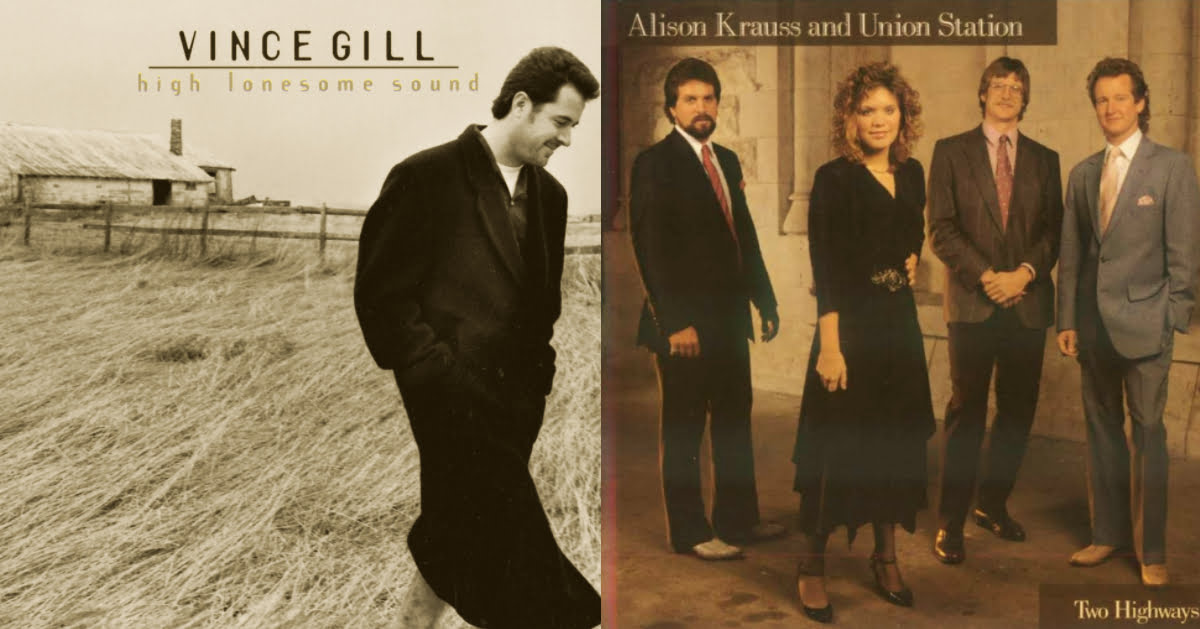
Alison Krauss & Union Station – “Two Highways”

I mean… do we even need to contextualize this one with a blurb? Alison Krauss — before she became the winningest woman in GRAMMY history — with Adam Steffey, Barry Bales, Tim Stafford, and Alison Brown (no, they aren’t sisters, even if they do have the same name) is exactly why ‘90s bluegrass never fails us. If you happened to forget that AK is a ruthless fiddler, too, just listen to any of her stuff from this decade for a reminder.

Strength in Numbers – “Slopes”

We continue with supergroups, for a moment, this time regaling in the new acoustic, esoteric instrumental, 1990s beauty of “Slopes” played by a group of folks you may know: Béla Fleck, Mark O’Connor, Sam Bush, Jerry Douglas, and Edgar Meyer. Makes you wanna time travel, doesn’t it?

Dolly Parton – “Train Train”

Everyone’s favorite songwriter, actor, country star, business mogul, theme park owner, and literacy advocate made one of the best bluegrass records in the history of the genre in 1999 — and of course the world went crazy for it. She took bluegrass places it too-rarely appears with a band that could’ve sold out a nationwide tour themselves. Iconic.

Ricky Skaggs & Kentucky Thunder with the Del McCoury Band – “Rawhide”

Del and the boys cleaned up on the IBMA Entertainer of the Year awards between 1990 and 2000, winning the organization’s top honor a total of five times during that span. Ricky never truly left, but he visibly returned to dominating bluegrass in the 1990s, touring with Kentucky Thunder. Talk about a golden age!

Emmylou Harris, Ralph Stanley, Dwight Yoakam – “The Darkest Hour”

Once again, we thank American Music Shop for bringing together a seemingly disparate yet totally seamless power collab. One of the best things about bluegrass is the shared vocabulary, the commonality of the songs. Just throw a bunch of folks up on stage and have ‘em sing one together!

Nashville Bluegrass Band – “On Again Off Again”

Best decade for bluegrass = best decade for bluegrass music videos, too. (Sure, all music videos, but especially bluegrass ones!) This one is just deliciously retro and it doesn’t hurt that the Nashville Bluegrass Band is not only freakin’ stacked with talent, but they knock out these mid-tempo, sultry, vocal-centered songs better than anybody else.

Lynn Morris Band – “Love Grown Cold”

Lynn Morris has been unconscionably underrated for her entire career. Just listen to this. She had her heyday as an artist and band leader in the ‘90s, winning multiple Female Vocalist of the Year awards and even a Song of the Year, too. That banjo pickin’ definitely deserved better recognition, though. Hell, the whole kit-and-caboodle deserved more recognition. If you take away anything from our journey back through this bygone era of great hair choices and clothes that go zip-zop it should be a never ending love and appreciation for Lynn Morris.

Vince Gill, Alison Krauss – “High Lonesome Sound”

Two roots music icons of the decade, collaborating on a song that tributes the father of bluegrass himself, it’s just too perfect. We rest our case. May 1990s bluegrass live on forever in our hearts, our ears, and our mullets.

The 50 Greatest Bluegrass Albums Made by Women

Earlier this year, NPR Music published a behemoth piece — “Turning the Tables: The 150 Greatest Albums Made by Women” — saying, “This list … is an intervention, a remedy, a correction of the historical record and hopefully the start of a new conversation … It rethinks popular music to put women at the center.”

Viewing this sort of conversation through a bluegrass lens, staging our own intervention, remedy, and correction is critical. It’s true that we’ve reached several historic landmarks in recent years — Molly Tuttle was just named the International Bluegrass Music Association’s Guitar Player of the Year, the first woman to win the honor, and last year women won in the Fiddle Player of the Year and Mandolin Player of the Year categories for the first time, as well. Still, women are routinely marginalized by/within bluegrass. There are many bands that will not hire side-women pickers — the cliché “pretty good for a girl” is all-too common, even while it’s re-appropriated by women themselves. Also, there remains this overarching narrative that women are a recent, post-Hazel Dickens & Alice Gerrard addition to this genre. While often well-intentioned and placing well-deserved credit upon the influence of Hazel & Alice, this idea is false. Women have always been an integral part of bluegrass and the folk and roots music traditions that gave rise to it.

This list does not attempt to be exhaustive, complete, or comprehensive. We dare not be so bold as to claim that every important bluegrass album created by women is included. We are simply striving to illustrate the far-reaching, undeniable influence that these incredible artists have had on the music, as a whole. Each contributor, many of them groundbreaking, trail-blazing artists themselves, has chosen albums that are personally impactful. Glaring omissions and oversights are almost guaranteed, but therein lies the beauty of this conversation: This collection is merely a starting point, a springboard for a greater dialogue about the place of female creators, artists, musicians, and professionals in the telling of the history — herstory — of bluegrass.

At this present point on the bluegrass music timeline, diversity, inclusion, and openness are hot-button topics and they would not have been given even an inch of a foothold in our genre if it hadn’t been for the strength, determination, heart, and amazing music of the women below. — Justin Hiltner

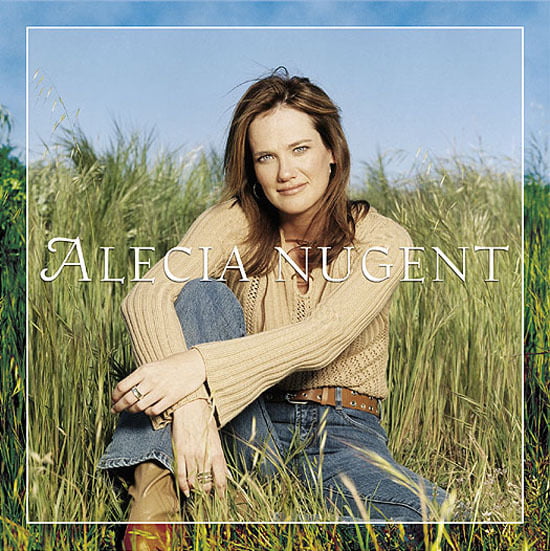
Alecia Nugent — Alecia Nugent

Though it was released by Rounder, Alecia Nugent’s debut originated as a self-release funded by a fan — just one token of the hold her strong, emotive voice can have on a listener. The Louisiana native turned to Carl Jackson for production, and the savvy Grammy winner put together a nifty cast of players and called on a crew of sympathetic harmony singers — including himself in both categories. Together, they picked out a well-balanced set of songs that included both Flatt & Scruggs and Stanley Brothers classics, but leaned largely toward gems from the catalogs of Larry Cordle, Jerry Salley, and Jackson, himself. Either way, Nugent’s voice carries an unmistakable feeling of urgency that makes every line believable and, when she cuts loose on a ballad, makes every note a world of hurt. — Jon Weisberger

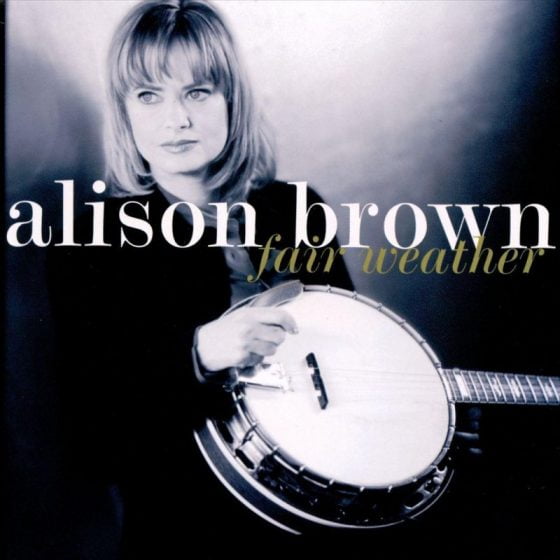
Alison Brown — Fair Weather

Let’s run down the cast of this record: Béla Fleck, Stuart Duncan, Tony Rice, Sam Bush, Vince Gill, Tim O’Brien, Claire Lynch, Missy Raines … and there are more. While Alison’s signature, outside-the-box playing style and modern aesthetic are at the center of this record top to bottom, the entire project is solidly bluegrass. “Poe’s Pickin’ Party” is a subtle nod to an actual party of the same name that openly excluded women from participating, on “Deep Gap” Alison plays Doc Watson-style guitar, and the burning double banjo tune “Leaving Cottondale” won Alison her first Grammy award. — Justin Hiltner

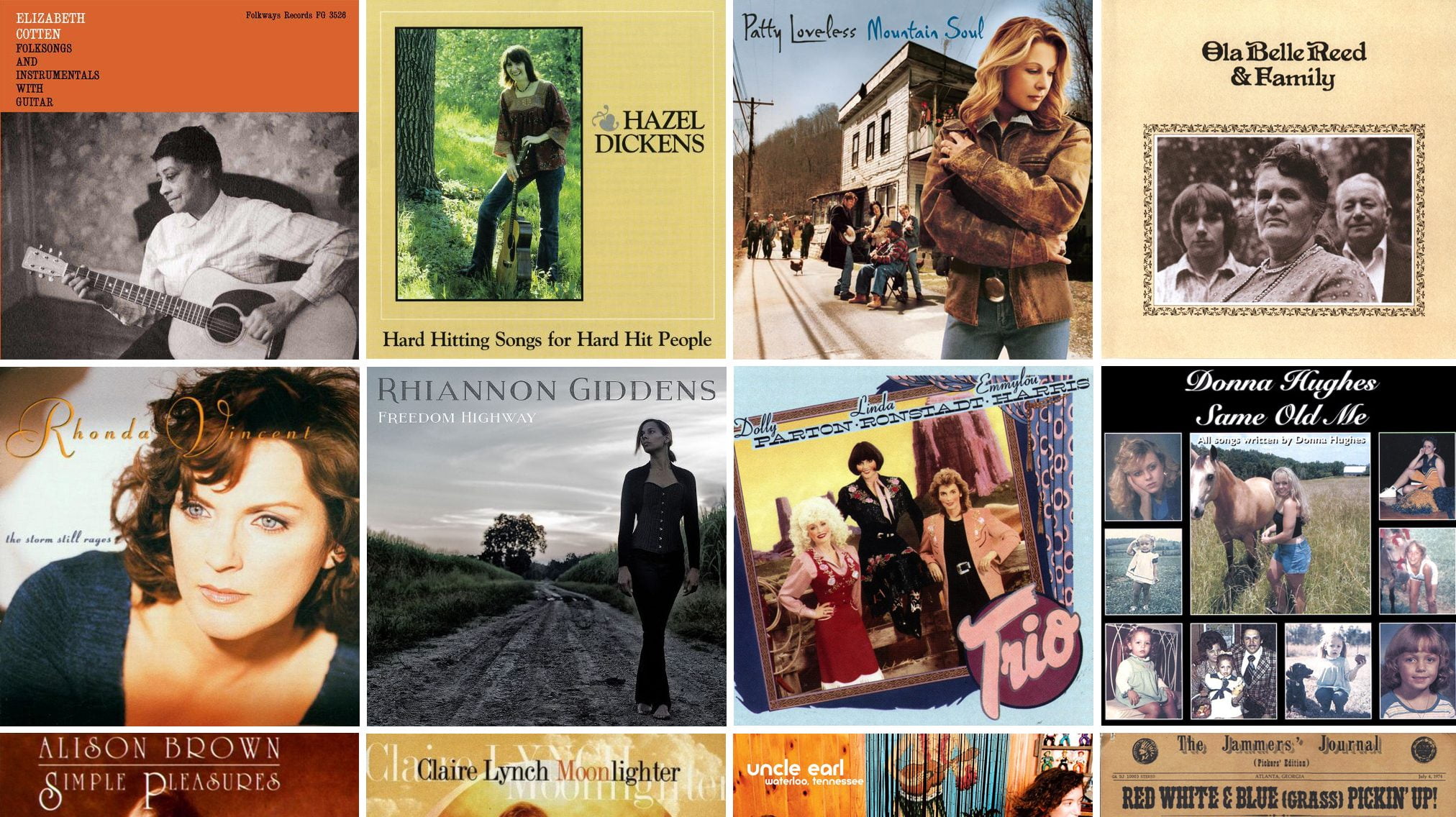
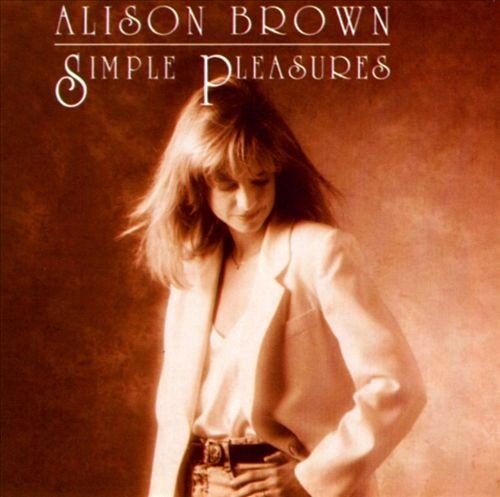
Alison Brown — Simple Pleasures

I had been playing banjo for a couple of years when I stumbled upon this album by Alison Brown while browsing through the tiny bluegrass section at a record store in the mall. It was the first time I had ever heard any banjo playing outside the bluegrass realm. I was completely fascinated, and my ears were opened to a whole new world of writing and playing. This record is the perfect example of how music that you digest during your most highly impressionable age and stage of development stays with you forever. She made a lasting impact on me by igniting a much-broadened awareness of what the banjo can do. — Kristin Scott Benson

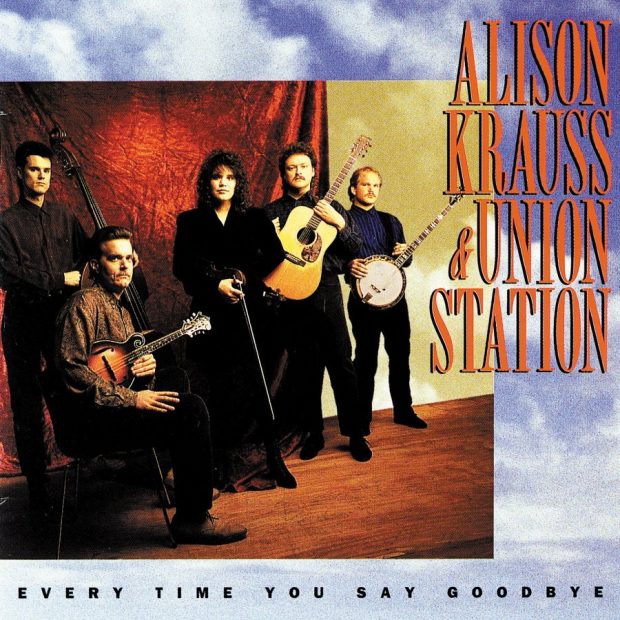
Alison Krauss & Union Station — Every Time You Say Goodbye

If the sound of Adam Steffey’s flawless mandolin intro to the title track doesn’t grab you immediately, then just wait about 20 seconds and you’ll hear one of the greatest voices the world has ever known. Every Time You Say Goodbye is one of my favorite albums from childhood. Even as an adult, I never grow tired of revisiting it. Alison has always been a genius at picking the perfect songs, making albums that really stand the test of time. From start to finish, I think it’s an amazing album — a must have for anyone’s collection! — Sierra Hull

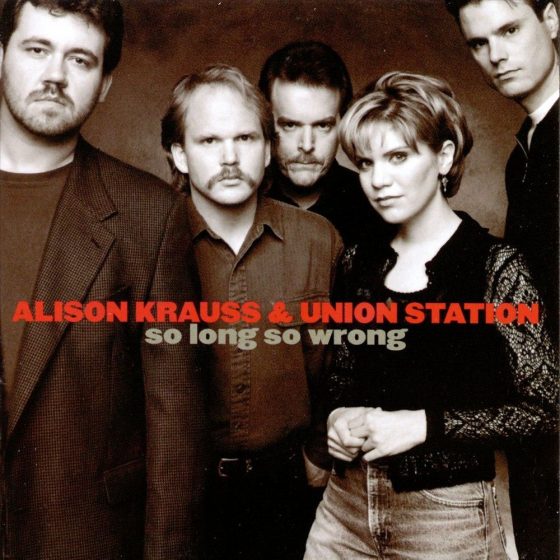
Alison Krauss & Union Station — So Long, So Wrong

“Looking in the Eyes of Love” may be the most popular song from this record — how many wedding playlists has it graced at this point, I wonder? — but in bluegrass circles, that very well could be the least important track on the record. You can still hear “The Road Is a Lover,” “No Place to Hide,” “I’ll Remember You, Love, in My Prayers,” and “Blue Trail of Sorrow” at jam sessions today, some 20 years later, played exactly like they sound here. And the sad, sad heartbreak songs on this album are nearly unparalleled. Try listening to “Find My Way Back to My Heart” in the wee hours of the morning on a solo road trip sometime. “I used to laugh at all those songs about the ramblin’ life, the nights so long and lonely, but I ain’t laughin’ now” will destroy you. It did me. — Justin Hiltner

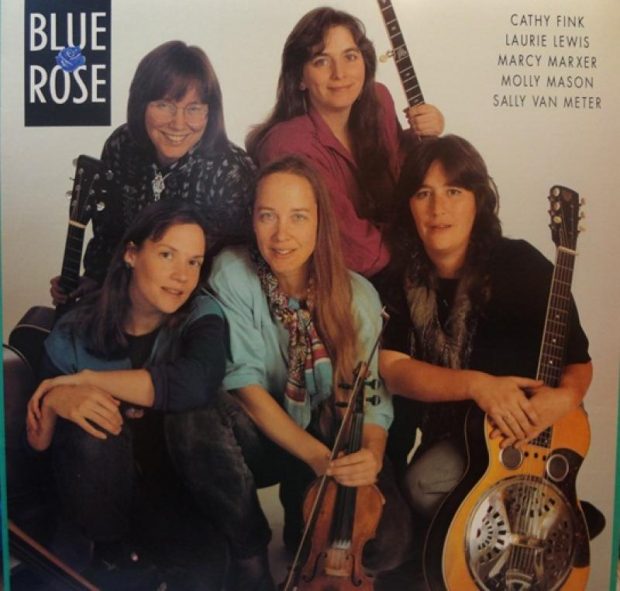
Blue Rose — Blue Rose

Blue Rose was the brainchild of Cathy Fink and Marcy Marxer, who noticed the “super picker” albums of the ‘80s never included any women. These talented women turned the tables with Blue Rose. When the group appeared on the Nashville Network’s New Country, the producer wanted to use male session players so Blue Rose would sound as good on TV as they did on the album. Cathy quickly disabused the producer of this notion and these talented women did their own picking. — Murphy Henry

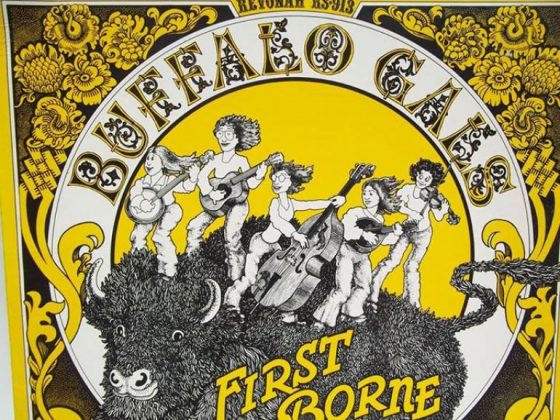
Buffalo Gals — First Borne

Martha Trachtenberg, Susie Monick, Carol Siegel, Sue Raines, and Nancy Josephson formed Buffalo Gals, the first-ever all-female bluegrass band, in the early ‘70s. They were largely regarded as a novelty act by promoters and talent buyers during their too-short run as a band — infamously, they performed an entire festival set in their sleeping bags on stage to protest being purposely relegated to the festival’s earliest performance slot. Their sole record, First Borne, is almost forgotten and sorely underrated, but should demand respect and recognition from all of us now. I mean, a bluegrass Carole King cover? Yes. — Justin Hiltner

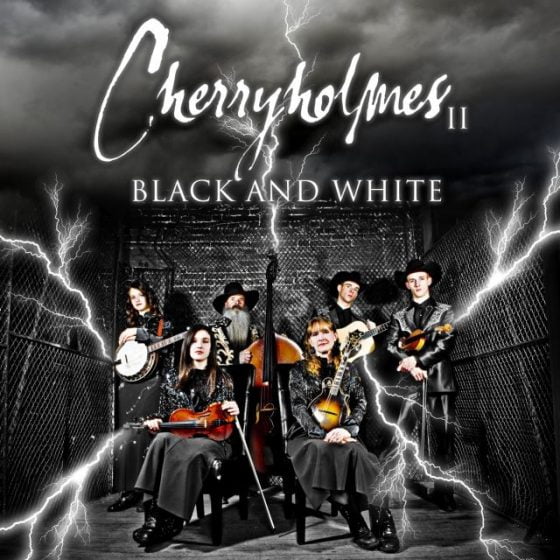
Cherryholmes — Cherryholmes II: Black and White

“We had three strikes against us: We were a family band, we had kids, and we had women.” — Sandy Cherryholmes

Despite the “strikes” against them, I’ll never forget how Cherryholmes took my musical world by storm in the early 2000s. I first saw them play the Grand Ole Opry and was struck by the prodigy-level playing and mature voices of the Cherryholmes clan — including daughters Cia and Molly — in harmonies that can only be honed within a family. Even though the group disbanded in 2011, each of the family members continues to make their mark in various parts of the industry. Theirs is a sound I’ll not soon forget. — Amy Reitnouer

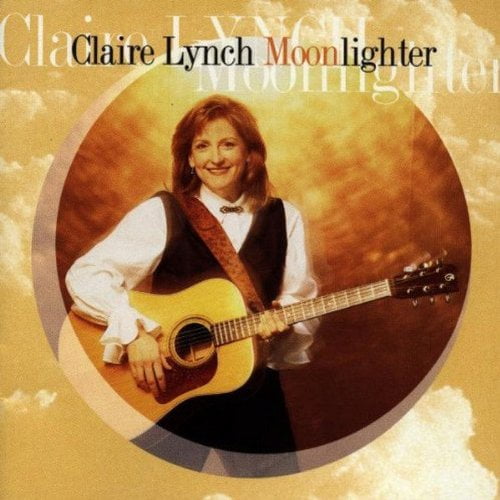
Claire Lynch — Moonlighter

Claire Lynch championed women through the ages with the writing of Moonlighter — an anthem to all who have ever tried to “have it all.” The music is pristine and the lyrics are timeless throughout. — Missy Raines

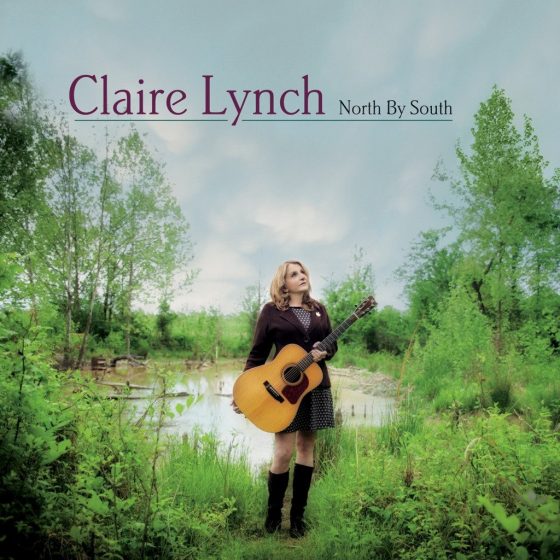
Claire Lynch — North by South

North by South by Claire Lynch is creative and, at the same time, quite bluegrass-y. I find myself putting this one on over and over again. — Gina Clowes

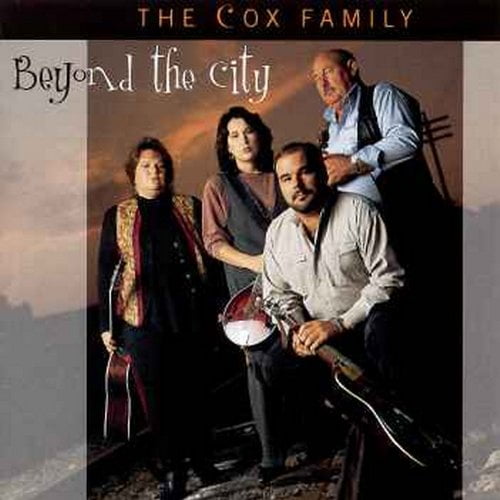
The Cox Family — Beyond the City

When a member of Counting Crows writes the liner notes for a bluegrass album, it will grab your attention; when it is an album by the Cox Family, it will grab your heart. Without question, the focus on Beyond the City (and any other album from the Cox Family, for that matter) is the universal love for that pure family harmony that comes from sisters Evelyn and Suzanne, brother Sidney, and father Willard. Suzanne and Evelyn were two of the most influential female voices in bluegrass during the ‘80s and ‘90s, and one listen to Beyond the City exemplifies why. From Suzanne’s bluesy, adventurous vocals on “Lovin’ You” and “Blue Bayou” to the sweet, ethereal tone of Evelyn’s voice on “Lizzy and the Rainman” and “Another Lonesome Morning,” it is easy to see why singers from Alison Krauss (who produced the album) to Flatt Lonesome’s Kelsi Harrigill and Charli Robertson point to the Cox Family as major influences of their own sound. — Daniel Mullins

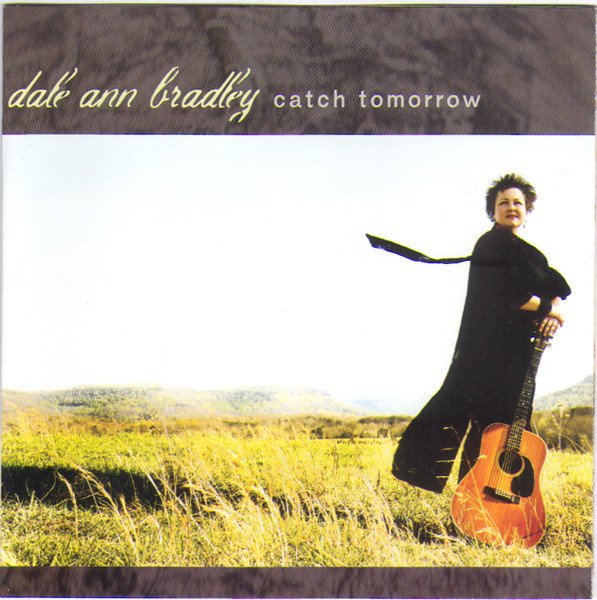
Dale Ann Bradley — Catch Tomorrow

Dale Ann solidifies her place in bluegrass history with this album. Her voice is perfect, and the material is memorable. Contemporary and fresh without forgetting its bluegrass roots. — Megan Lynch

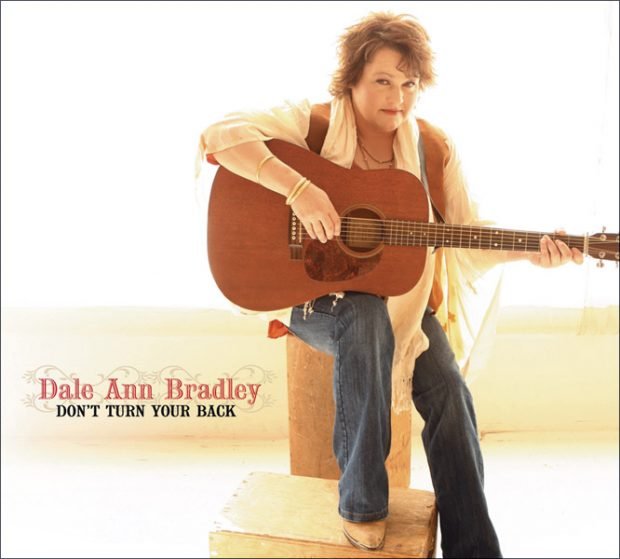
Dale Ann Bradley — Don’t Turn Your Back

While Dale Ann Bradley’s voice is as big and as lonesome as the mountains which she calls home, few female artists in bluegrass are as adaptive. A bold claim to be sure, but one needs to look no further than Don’t Turn Your Back for confirmation. Her influences are all over the map and she embraces the variety. Songs originally performed by Tom Petty, Flatt & Scruggs, Hoyt Axton, the Carter Family, and Patty Loveless appear next to original compositions, making for a musical palette atypical of your standard bluegrass album. From the sensitivity of “Will I Be Good Enough” to the sassiness of “I Won’t Back Down,” Dale Ann’s versatility showcases her depth of both musical mastership and emotional complexity. For me, though, Dale Ann is at her best when she is lonesome, as exemplified on the old mountain ballad, “Blue Eyed Boy.” — Daniel Mullins

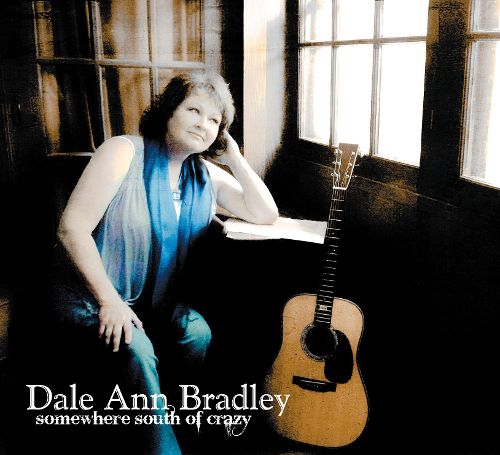
Dale Ann Bradley — Somewhere South of Crazy 

While it might seem pretentious to talk about terroir in the context of bluegrass music, when I listen to Dale Ann Bradley sing, I feel like I can hear the soul of eastern Kentucky coming through every note. Dale Ann’s music is very much the product of the contrast in her upbringing — a ‘70s childhood set against the backdrop of rural Knox County — and I’m particularly proud of Somewhere South of Crazy for the way it weaves those disparate influences together. A pop-grass version of “Summer Breeze” sits comfortably alongside the traditionally rooted “In Despair,” and the haunting trio of Sierra Hull, Steve Gulley, and Dale Ann on the thinly veiled war protest song “Come Home Good Boy” is timeless. — Alison Brown

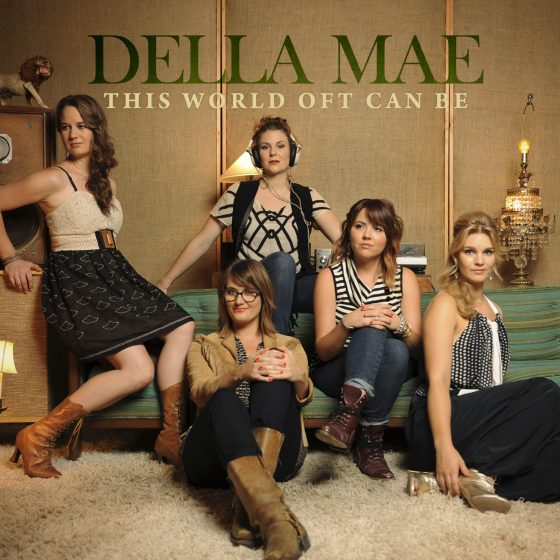
Della Mae — This World Oft Can Be

How many bands do you know of that went from their inception to a Grammy nomination in just four years? This fact is just so much more delicious knowing that Della Mae’s name itself is poking fun at the type of testosterone-fueled, mash-heavy, boy’s club bluegrass that has deliberately excluded women for so long. And each of the incredible Dellas are excellent musicians — no “pretty good for a girl” qualifiers necessary. The music on this record teases the edges of bluegrass open, with old-time fundamentals, straight-ahead ‘grass’s drive, and poetic, literary lyrics. It’s truly an important moment in the history of women in bluegrass. — Justin Hiltner

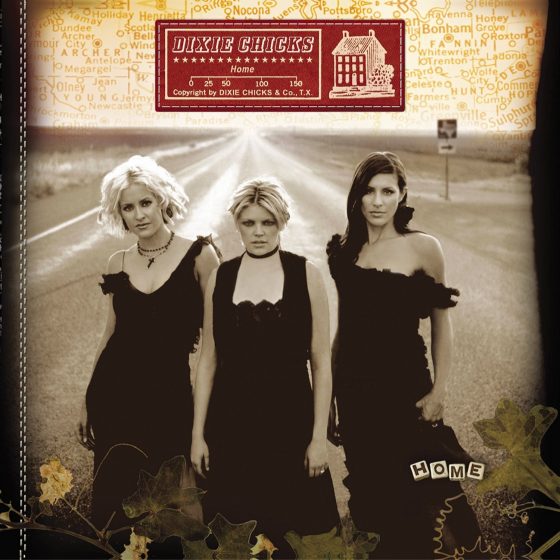
Dixie Chicks — Home

When this record came out, I was an insecure, high school-aged girl. Because of this album, I was finally able to feel cool and proud telling my friends I play the banjo and spend my weekends at bluegrass festivals. It’s full of energy, tasty licks, tight harmonies, and good, catchy songs, and it has reached an audience that most bluegrass albums never will. — Gina Clowes

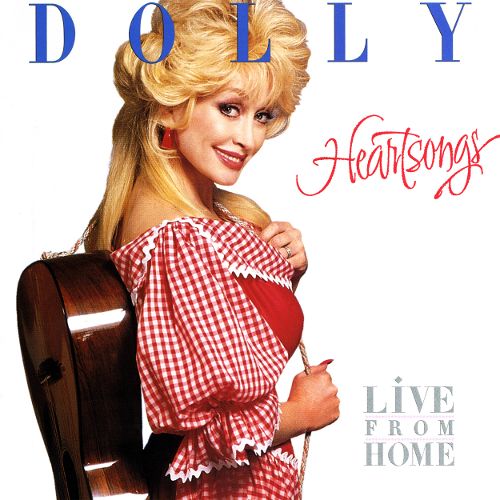
Dolly Parton — Heartsongs

This was one of the most influential records to me growing up. I remember singing along with and trying to pick out every harmony part that I could find as a little girl, playing the tape over and over to do so. Hearing two more of my favorite singers, Alison Krauss and Suzanne Cox, on harmonies made it extra special. — Kati Penn-Williams

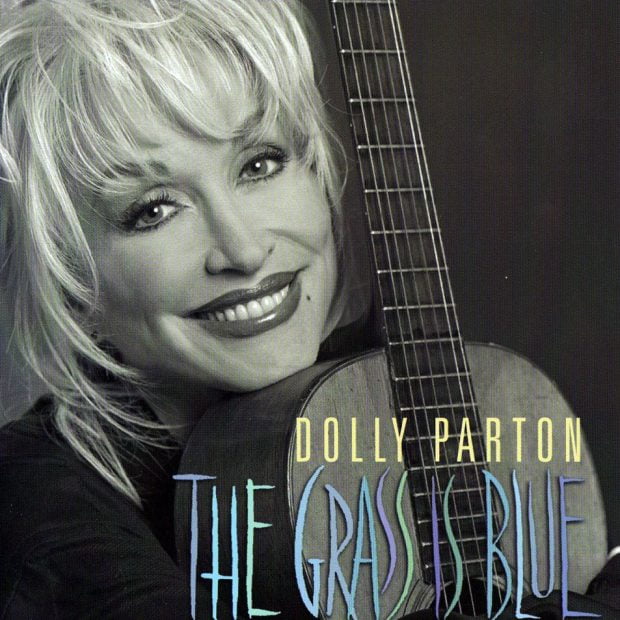
Dolly Parton — The Grass Is Blue

First off, who doesn’t love Dolly? She’s kind of the ultimate artist, in my opinion. She’s one of the greatest songwriters to ever live, yet she can take a song she didn’t write and sing it from a place of sincere honesty like no other. From the downbeat of “Travelin’ Prayer” to Dolly’s first soaring high note (just listen to the huge tone she pulls!), I am sold. The production on this album is as slick as it gets, while still retaining that bluegrass grit that keeps you on the edge of your seat. She’s surrounded by an all-star band made of up of some of my biggest heroes, and I believe any musician can learn a lot from this album. — Sierra Hull

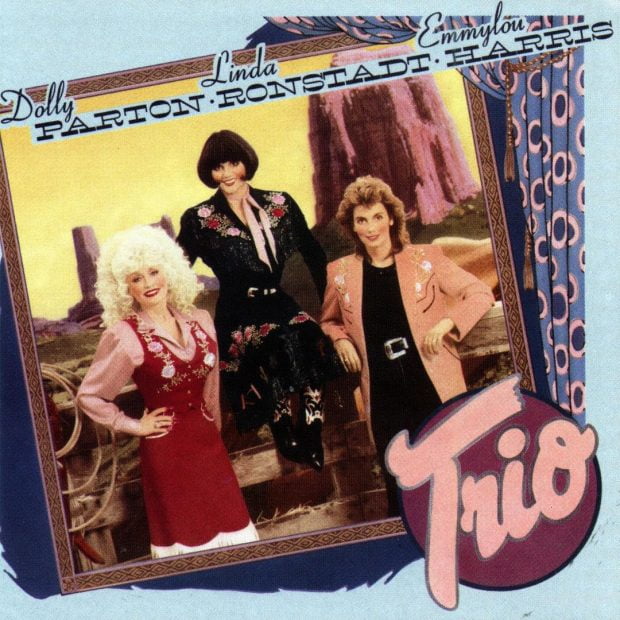
Dolly Parton, Linda Ronstadt, & Emmylou Harris — Trio

Dolly Parton, Linda Ronstadt, and Emmylou Harris have long established themselves as powerhouses in popular music. It is only fitting that their first album together, aptly named Trio, showcases the depth of collaborations between these master artists. Having been long-time admirers of each other’s, as well as having covered one another’s songs on respective albums, the trio presented incredible harmonies and musicianship that set Parton, Ronstadt, and Harris ahead of the pack. It also succeeded in inspiring future generations of female badasses in country and bluegrass music (Lula Wiles, I’m With Her). Winner of two Grammy awards, Trio remains a tried and true collaboration between legendary musicians and visionaries. — Kaïa Kater

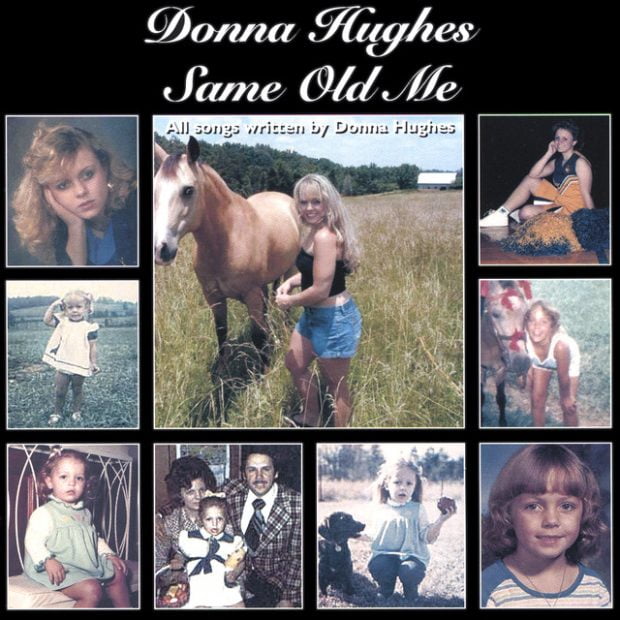
Donna Hughes — Same Old Me

With 21 original songs, songwriter Donna Hughes’s second album, Same Old Me, introduced her as a prolific force within the genre. With each listening, I am struck by the intimate way this recording captures a feminine voice leading a hard-driving configuration in the studio featuring Adam Steffey, Scott Vestal, Clay Jones, Greg Luck, Ashby Frank, Zak McLamb, Alan Perdue, Joey Cox, and Gina Britt-Tew. Donna juxtaposes B-chord, jam-style bluegrass with introspection centering around the oft-displaced female voice — something few albums have accomplished since. — Jordan Laney

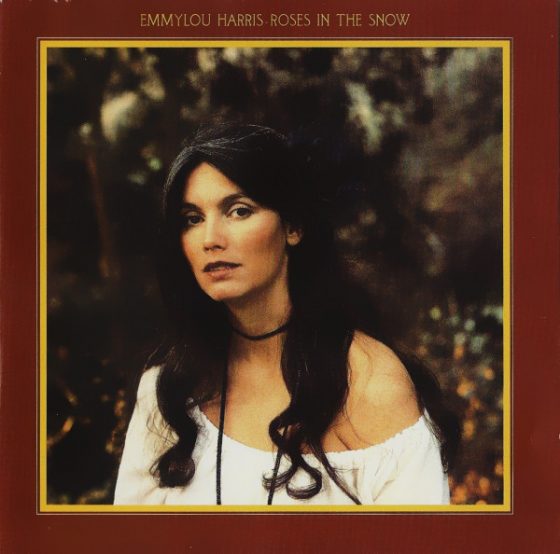
Emmylou Harris — Roses in the Snow

While Emmylou is not known as a bluegrass singer, per se, Roses in the Snow made an enormous impact on the bluegrass world by opening a wide door for many new-to-bluegrass-fans to come through. After its release, I remember years of hearing Roses in the Snow added to the common festival scene playlist. Her fresh take on “Gold Watch and Chain” and “I’ll Go Stepping, Too,” as well as others, brought new life to these bluegrass treasures. — Missy Raines

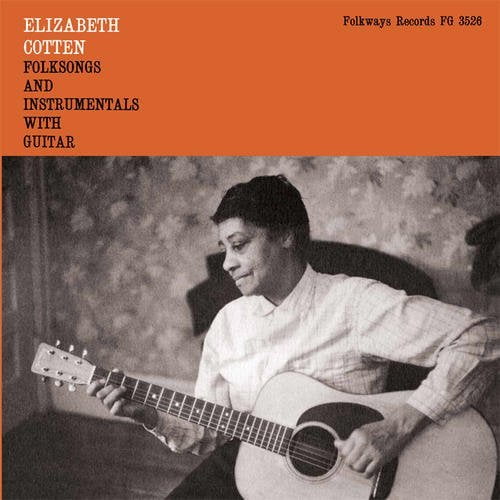
Elizabeth Cotten — Folksongs and Instrumentals with Guitar

Bluegrass Albums Made by Women

Featuring songs like “Freight Train,” this seminal Elizabeth “Libba” Cotten album influenced the 1960s folk “re-awakening.” A mix of traditional and original songs, this 1958 release showcased Cotten’s signature left-hand guitar and banjo-picking styles. Mike Seeger’s recordings of Cotten, released on Folkways Records when she was 62 years of age, cemented her as a true matriarch of folk and blues. “Freight Train,” written when Cotten was only 12, has been covered by the likes of Paul McCartney, Peggy Seeger, and Joan Baez. — Kaïa Kater

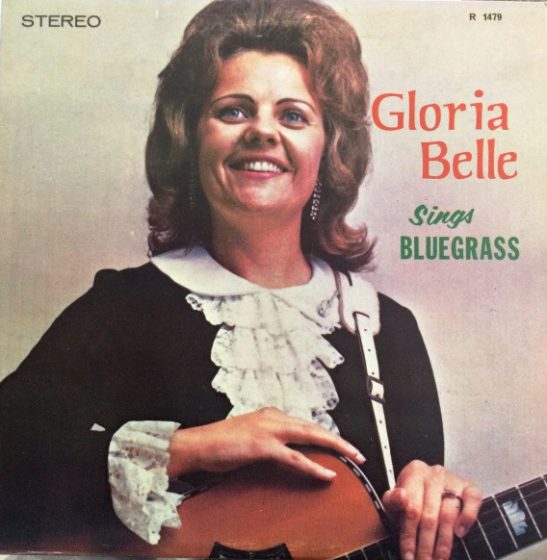
Gloria Belle — Gloria Belle Sings and Plays Bluegrass in the Country

Perhaps best-known for her long stint with Jimmy Martin’s Sunny Mountain Boys in the late ‘60s and ‘70s, Gloria Belle is a fine singer, guitarist, mandolinist, banjoist, and bass player. In 1968, she released her first album as a band leader following singles that featured her mandolin playing. While she succeeded this debut with several more fine albums as a leader, this album features not only her powerful singing but her instrumental mastery, as well, playing lead breaks on banjo, mandolin, and guitar. — Greg Reish

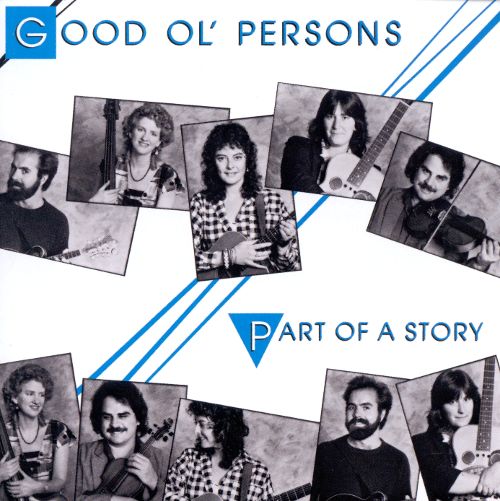
Good Ol’ Persons — Part of a Story

The 1970s California bluegrass scene was fairly devoid of female players and singers, and the Good Ol’ Persons were a beacon of light for many distaff pickers — including me. In many ways, I think the Good Ol’ Persons foreshadowed the more gender-balanced bands that are coming up these days. Kathy Kallick, Sally Van Meter, and Bethany Raine were three-fifths of the band that recorded Part of a Story in 1986 for Kaleidoscope Records and, more than 30 years later, I still find myself coming back to this album. There is something loose and playful about their groove, a feel that separates a lot of California bluegrass of that time from its Appalachian cousin. The gorgeous melody of the title track has stuck with me across decades, and the ecumenical message of “Center of the Word” captures an open-mindedness that I associate with that time and place. — Alison Brown

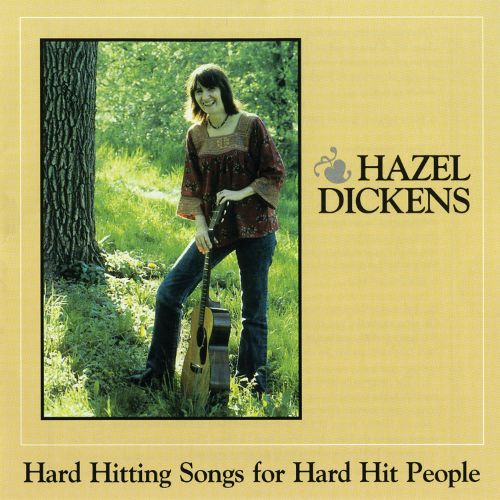
Hazel Dickens — Hard Hitting Songs for Hard Hit People 

Many may argue that bluegrass is apolitical, but not when Hazel Dickens is singing. Despite this year’s induction into the International Bluegrass Music Association (IBMA) Hall of Fame with Alice Gerrard, Hazel’s solo work has yet to receive recognition for its monumental role in songwriting and activism within bluegrass, evoking the political, gendered, and “hard hitting” side of rural life. This album, in particular, continues to offer generations the anthems needed to gather and rally. From “They’ll Never Keep Us Down” to “Scraps from Your Table,” there is nothing hidden about Hazel’s message here: Fighting for the rights of workers and revealing inequity can — and should — be done through song. — Jordan Laney

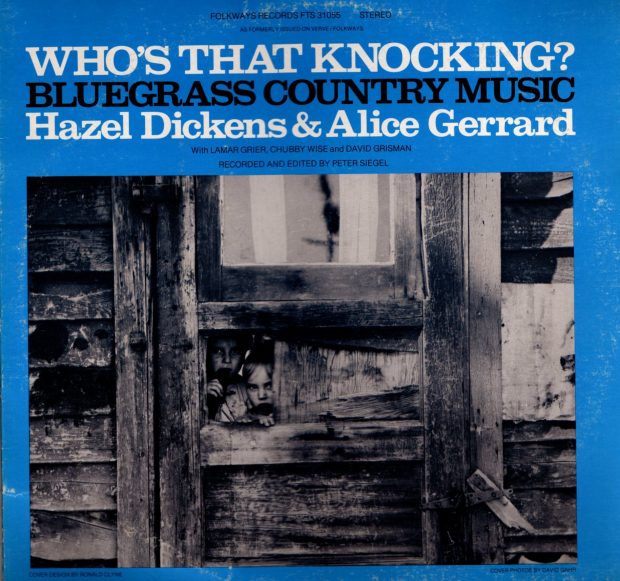
Hazel Dickens & Alice Gerrard — Who’s That Knocking?

I first heard this 1965 album in 1974, and it knocked me out. Hazel & Alice really seemed to capture the high lonesome sound of the Stanley Brothers and Bill Monroe, and the back-up band of Chubby Wise on fiddle, Lamar Grier on banjo, David Grisman on mandolin, and Fred Weisz on bass was a joy to listen to. By today’s standards, it’s pretty rough and rocky, but I read somewhere that the recording budget was $75 … so there you go. I became an instant fan. It was the first recorded example, for me, of women really capturing what I considered to be the bluegrass sound. — Laurie Lewis

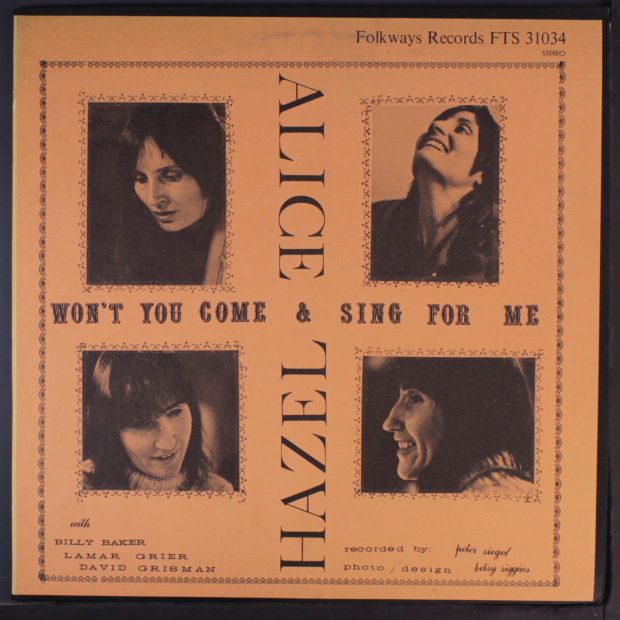
Hazel & Alice — Won’t You Come & Sing for Me

When I first started playing bluegrass in 1975, there were two women who were role models: Hazel Dickens and Alice Gerrard. Every woman who was coming into the scene listened to the two albums they made in the ‘60s, and they were a frequent source of material, as well as being huge inspirations. Over the years, Hazel & Alice were heroes, role models, icons, and, eventually, dear friends. I feel lucky to have crossed paths, sung a bit, and laughed a lot with each of those women! — Kathy Kallick

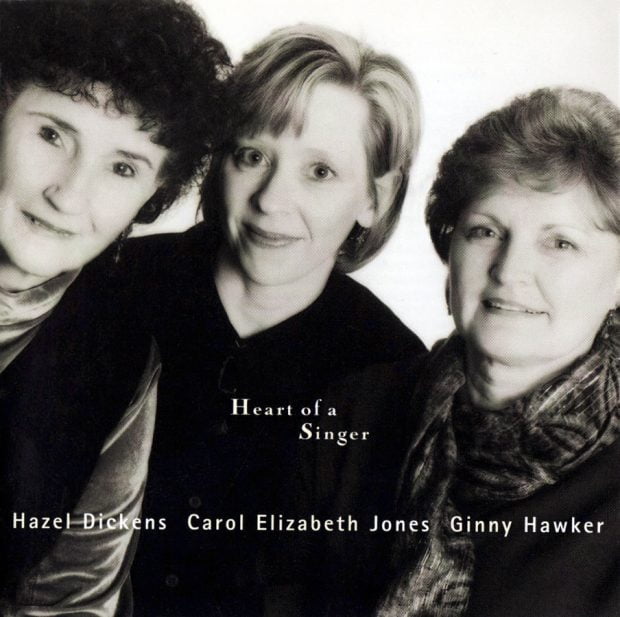
Hazel Dickens, Carol Elizabeth Jones, Ginny Hawker — Heart of a Singer

Three generations of Appalachian women sang together for the first time in the lobby of the good ol’ IBMA. Hazel hadn’t made a record in a decade, but this trio felt special. “The thing that took the longest was choosing the songs,” said Carol Elizabeth, whom I called on a recent night drive to confess my love for this turn-of-the-century masterpiece. It took a year-and-a-half of weekend “marathon singing sessions” to find a batch that checked the boxes — great for harmonies with a story they could stand behind. “Hazel really wanted to sing songs where the women are strong.” Heart of a Singer was recorded in two sessions, one on either side of the birth of Carol Elizabeth’s daughter, Viv Leva (who is now pushing 20 with a forthcoming album that I’ll call an early contender for the next edition of this very list). — Kristin Andreassen

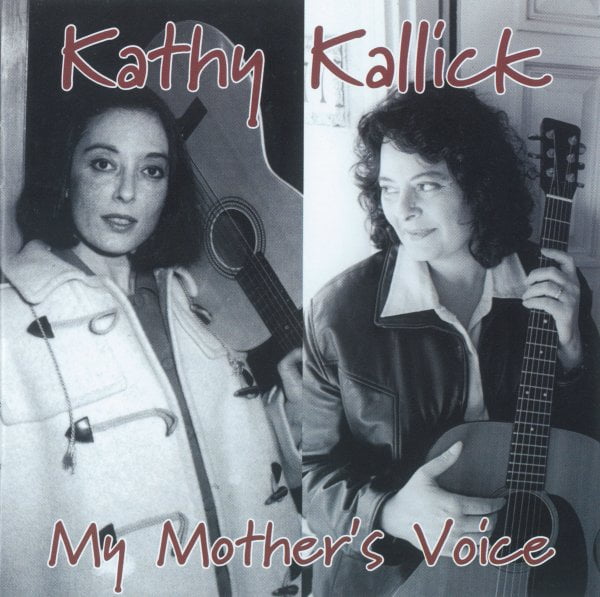
Kathy Kallick — My Mother’s Voice

This is such a beautifully personal album. I love Kathy’s original songs, but these that she learned from her mother tell you everything you need to know about her passion for traditional music. — Megan Lynch

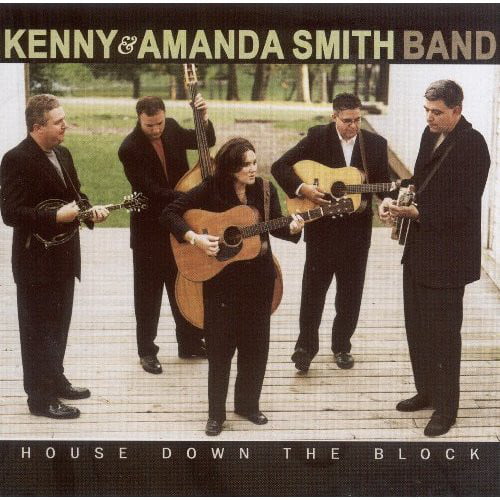
Kenny and Amanda Smith — House Down the Block

When I first heard this record, Amanda’s voice hit me square between the eyes, and I was mesmerized by the choice of material. It really opened me up to the middle ground between covering, for instance, “How Mountain Girls Can Love” and esoteric mid-2000s Alison Krauss songs. — Megan Lynch

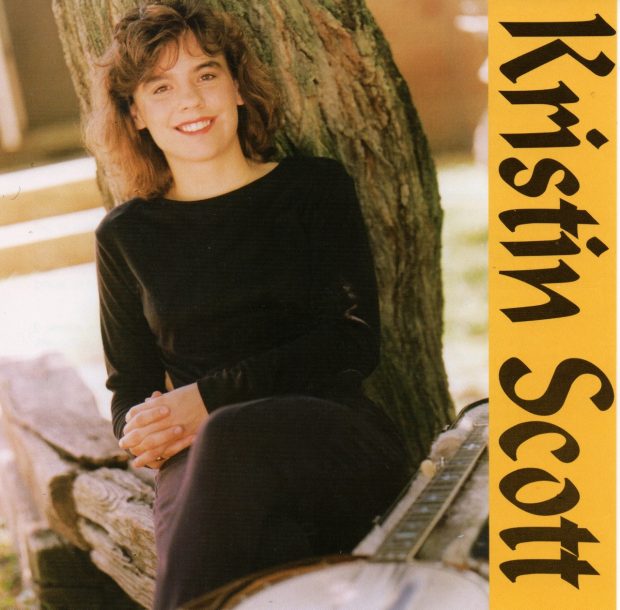
Kristin Scott — Kristin Scott

Kristin’s very first album was a cassette-only release, I think, but it had a huge impact — showing that instrumental prowess and instrumental albums were not just the territory of guys. She blazes through “Follow the Leader” and shows off her more wide-ranging musical tastes on tunes like “Bye Bye Blues” and “Charmaine.” — Casey Henry

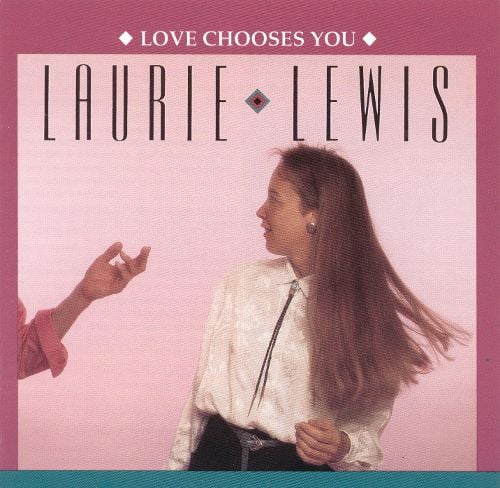
Laurie Lewis — Love Chooses You

With songs like “Hills of My Home” and “When the Nightbird Sings,” Laurie Lewis created a masterful blend of traditional bluegrass and Americana. This record encouraged and inspired me to honor all of the influences that were brewing within me. — Missy Raines

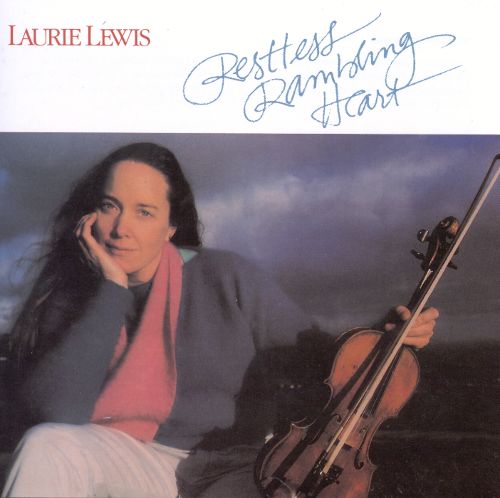
Laurie Lewis — Restless Ramblin’ Heart

Great songs and aggressive fiddling! This album was the first Laurie Lewis record I owned, and it was the beginning of my journey to become a bluegrass musician. — Megan Lynch

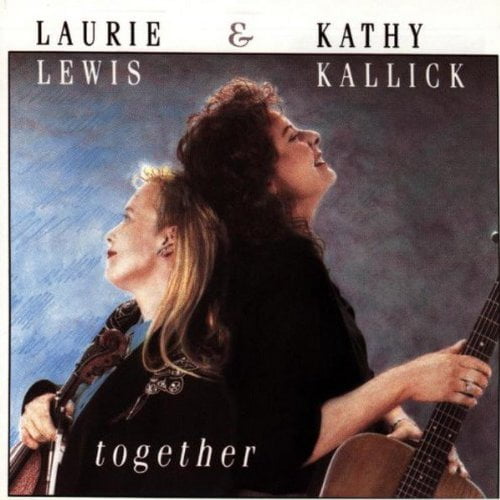
Laurie Lewis & Kathy Kallick — Together

This duet album from these two powerful West Coast women includes Kathy’s song “Don’t Leave Your Little Girl All Alone,” one of the few bluegrass songs in which the ailing mother does not die! They also dedicate “Gonna Lay Down My Old Guitar” to Hazel & Alice with thanks for “breaking trail.” — Murphy Henry

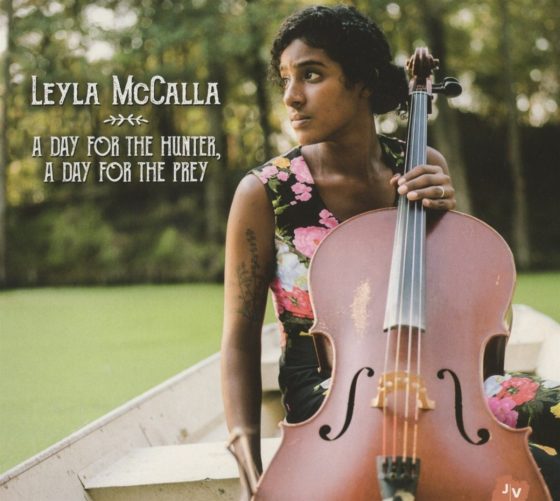
Leyla McCalla — A Day for the Hunter, a Day for the Prey

Having drawn a bit of courage from her time in the Carolina Chocolate Drops, Leyla McCalla ventured out with her own voice on A Day for the Hunter, a Day for the Prey. She felt compelled to not just tell the tales of Black America, but to tell the tales, specifically, of Black Haitian and Creole America. Those are her roots and she wanted to dig them up. Using a cello here and a banjo there, McCalla’s musical — and lyrical — languages bob and weave however they must to remain true to their subjects. And captivatingly so.  — Kelly McCartney

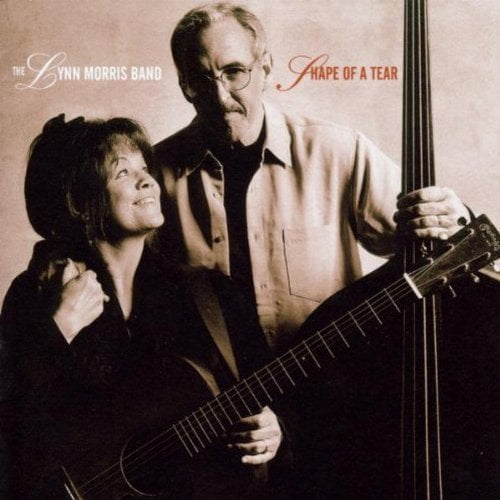
Lynn Morris Band — Shape of a Tear

Lynn’s music is so down to earth, so unpretentious, and just so darn tasteful. While any of the Lynn Morris Band’s albums could easily be included on this list, I think she really out-did herself on Shape of Tear. — Gina Clowes

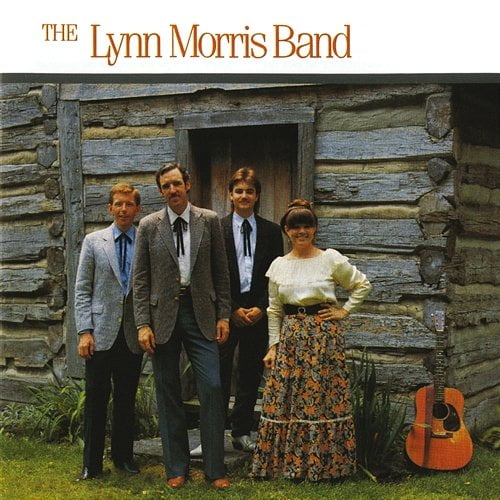
Lynn Morris Band — The Lynn Morris Band

I started hearing about Lynn Morris in the 1980s, when she was playing with Whetstone Run. Lynn had a wonderful knack for finding material outside of the traditional bluegrass repertoire and turning those songs into bluegrass classics. She was a powerhouse guitar player and a ferocious banjo player, having won the National Banjo Championship in 1974. The fact that she was so accomplished as a musician and couldn’t earn a place in a good band irked her, and she was never completely comfortable leading her own band. Still, she was a wonderful front person, warm and personable, and her voice was heavenly. I had a long conversation with her in the early 1990s about her style of band leading. She took that job very seriously, and she was working with men who were often uncomfortable with her leadership role. She had to hold authority without complete support and that was challenging. She pushed the band hard, with long drives, often with a detour of several hours to play live on the radio or anything else that would promote the band. It paid off, as she was named Female Vocalist of the Year by IBMA, won Song of the Year with Hazel Dickens’ song “Mama’s Hand,” and her bandmates went on to win IBMA awards, as well. — Kathy Kallick

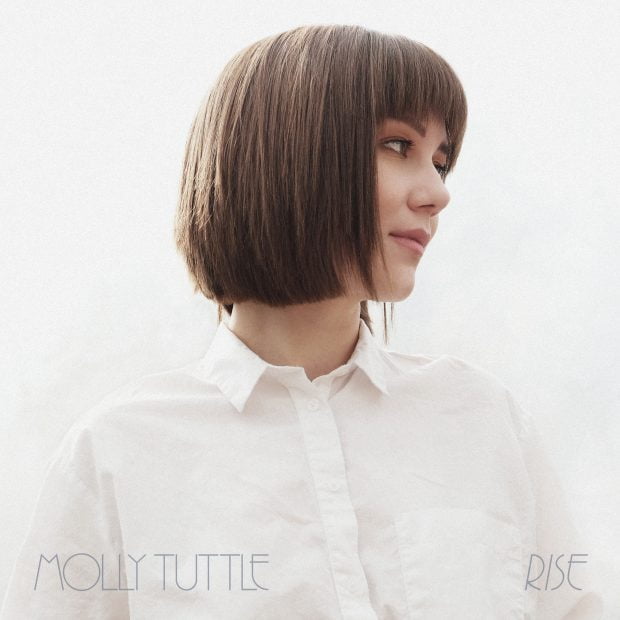
Molly Tuttle — Rise

Molly Tuttle’s 2017 release, Rise, gives me hope for the future of this genre. She’s not only a formidable singer, songwriter, and band leader, but is the first female to win IBMA’s Guitar Player of the Year award. (’bout damn time, amiright?) Her sound is mature and focused, making it a beautiful reflection of the future of bluegrass. — Amy Reitnouer

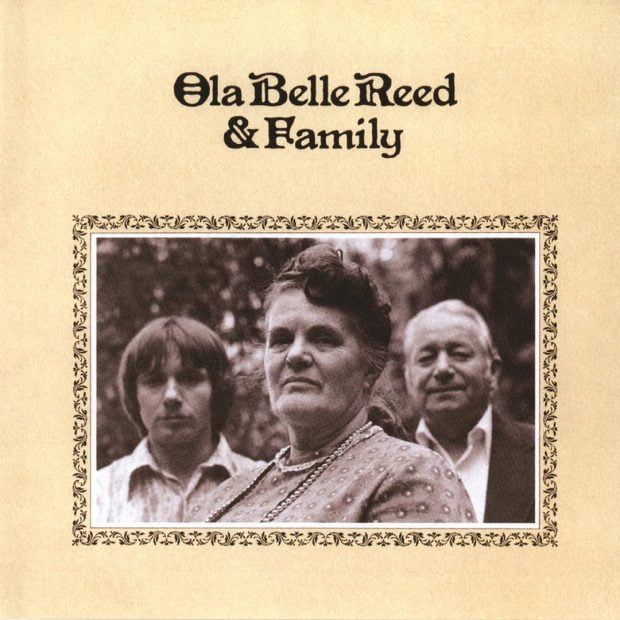
Ola Belle Reed & Family — Ola Belle Reed & Family

Ola Belle. The original queen of bluegrass singer/songwriter banjo players. She wrote about half of the classics on this album, including “I’ve Endured,” which you probably know from Tim O’Brien’s version. She comes right out and sings “Born in the mountains, 50 years ago” — her age at the time of this recording in ’76 — while most of the cover versions get slippery with “many years ago.” The only quandary I had in including this record on my list of favorite bluegrass albums by women is that I’m rarely able to listen past the brilliance of track four, which happens to be the one song Ola Belle’s son, David, sings solo while accompanying himself on the autoharp. His version of “Lamplighting Time in the Valley” (an old Vagabonds song) is one of those magic tracks that hits you from another dimension and must be listened to on repeat, but since Ola Belle created her son, I’m going to give her the points for that one, too. — Kristin Andreassen

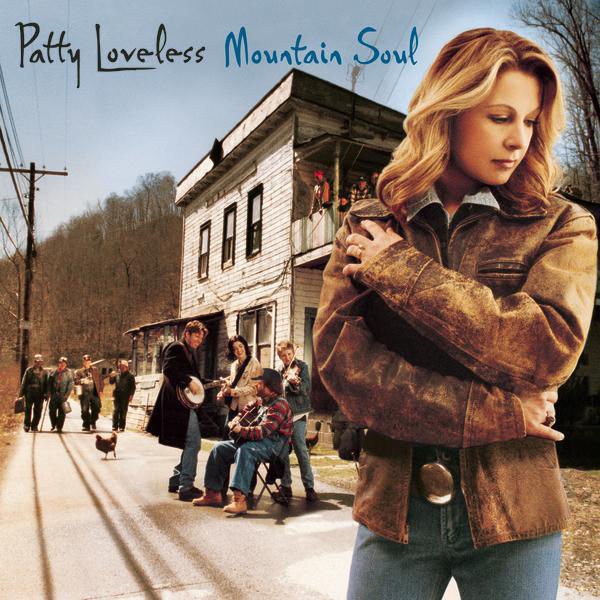
Patty Loveless — Mountain Soul

“Mountain soul” is a common attribute associated with Patty Loveless’s stunning voice, long before she decided to pay homage to her eastern Kentucky heritage with an album by the same title. Her 2001 bluegrass project might be the most authentic of the “country-star-makes-bluegrass-album” endeavors that we have seen. Joined by bluegrass veterans — including Earl Scruggs, Gene Wooten, Clarence “Tater” Tate, and others — Patty also featured some all-star talent from the likes of Ricky Skaggs, Travis Tritt, and Jon Randall for some powerful collaborations. Without question, though, the album’s pinnacle performance is the now-classic rendition of Darrell Scott’s “You’ll Never Leave Harlan Alive” — six minutes of nothing but Patty’s signature “mountain soul” sound. — Daniel Mullins


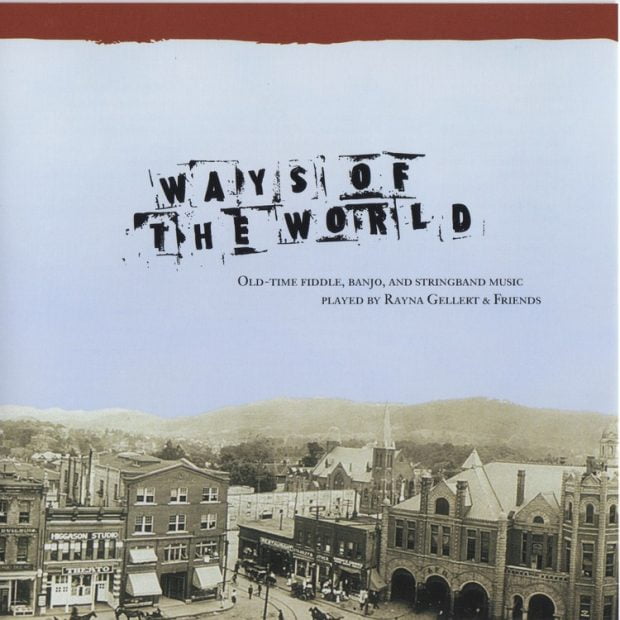
Rayna Gellert — Ways of the World

So Rayna will see this list, raise one eyebrow, and say, “Did I make a bluegrass album?” … because she plays old-time music, you know. If you’re still unsure of the difference, let Ways of the World be a guidepost. Groovy as a giant’s corduroy pant leg, this music needs a fiddle chop like a hole in the knee. But an album of mostly string band instrumentals, including a blessedly reincarnated version of the 100 percent bluegrass-certified “Arkansas Traveler,” is surely a close cousin. When Ways came out in 2000, it was a big moment for those of us who were just coming up through the cracks between folk revivals. A little younger than the hippies and a little older than the yet-to-be hipsters, there weren’t so many of us kids on the scene then. Ways came to me as a gift, and there was a picture in the liner notes of Rayna getting her head shaved. So, of course, we met, and eventually we had a band called Uncle Earl. — Kristin Andreassen

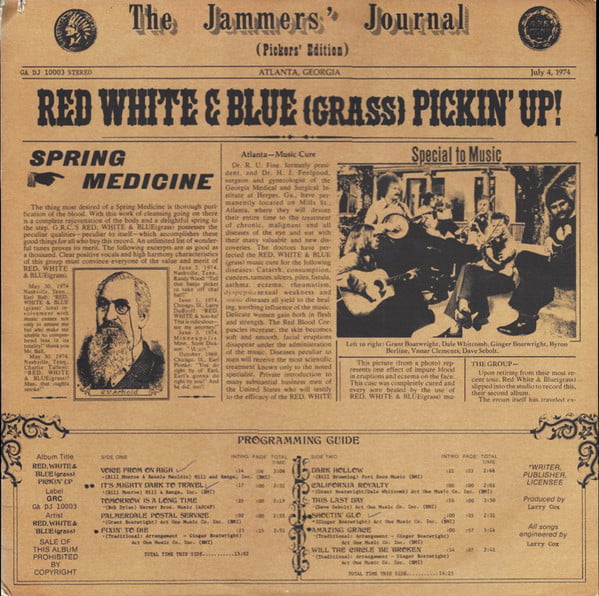
Red White and Blue(grass) — Pickin’ Up

This is the second LP by this early supergroup led by Ginger and Grant Boatwright. Although the album includes just one of Ginger’s original songs, her expressive singing is front and center on most of the tracks. Outstanding instrumental work by Grant on guitar, Dale Whitcomb on banjo, and Byron Berline and Vassar Clements on fiddles make this some of the best ‘70’s bluegrass ever recorded. The repertory is beautifully varied, too, with Ginger’s brilliant renditions of a couple of Bill Monroe classics, original instrumentals by members of the band, Bob Dylan’s “Tomorrow Is a Long Time,” and such diverse traditionals as “Fixin’ to Die” and “Amazing Grace.” — Greg Reish

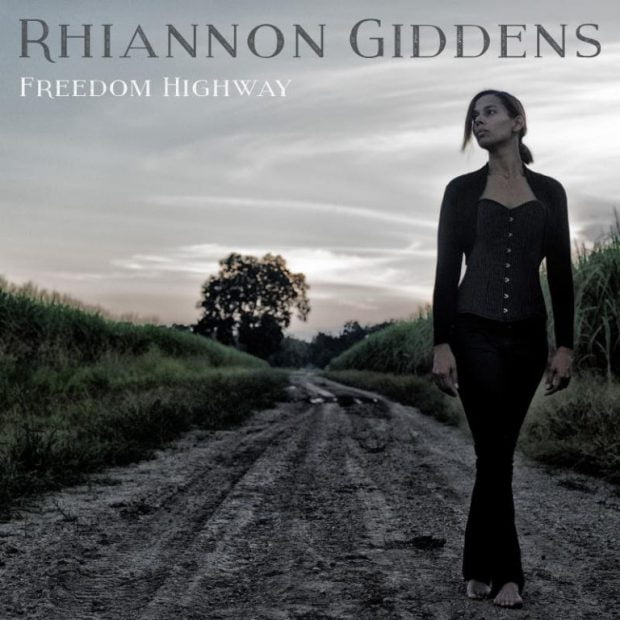
Rhiannon Giddens — Freedom Highway

While it’s merely bluegrass-adjacent with its old-time, soul, and folk tendencies, this album should be on a list of the top 50 albums by women, regardless of genre. It’s just that good. And just that important. From her early days in the Carolina Chocolate Drops to her current standing as a MacArthur Fellow, Rhiannon Giddens has shown us, time and again, that she ain’t messing around. She is a student of history and an advocate for justice, folding both of those duties together in her music which uses our past to gauge our present. To that end, on Freedom Highway, she gives voice to slaves and other victims of racial violence who dare not speak for themselves, but whose stories must be heard by all courageous and conscious enough to listen. And she stands firm in the roots from which bluegrass grew.  — Kelly McCartney

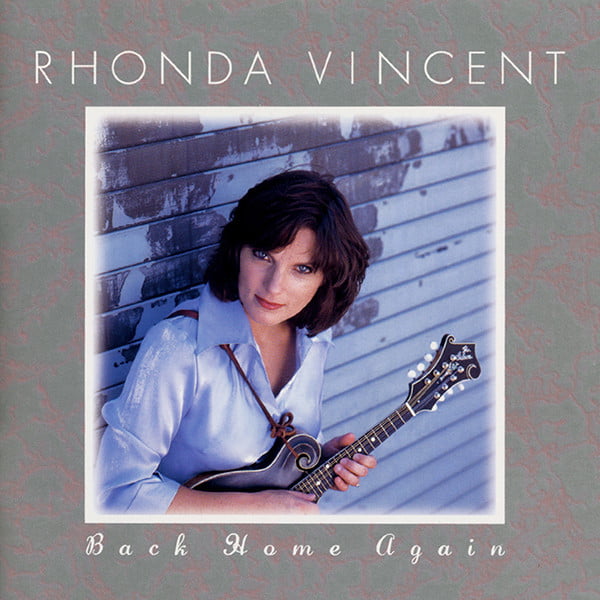
Rhonda Vincent — Back Home Again

Following a mid-90s foray into commercial country music, Rhonda Vincent had been back in bluegrass for a few years already before releasing her Rounder debut. But signing with the industry-leading label spurred her to a deliberative process that, combined with some of the best singing you’ll ever hear, makes the album a bona fide classic. She recorded two dozen tracks, then listened to what they told her when it came to making her final selections. Back Home Again combines kick-ass, hard-edged bluegrass played by a large and varied all-star cast with heart-wrenching country ballads sung with immaculate yet gripping harmonies, mostly from her brother Darrin with an occasional assist from their father and a couple of others. Nevertheless, the dominant term in the equation is Rhonda’s own singing — not to mention her hand as co-(and arguably lead) producer. The whole thing is polished to a high, high gloss, but it’s compelling as all get-out. — Jon Weisberger

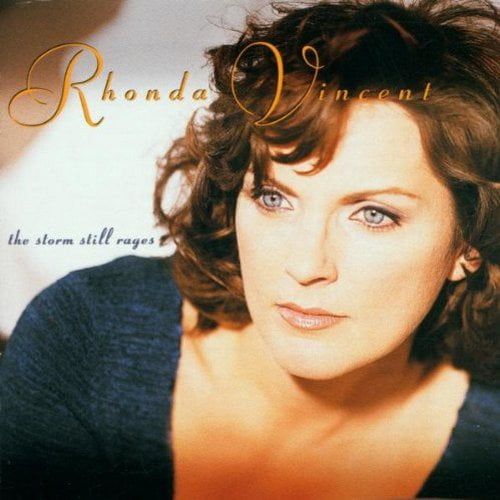
Rhonda Vincent — The Storm Still Rages

At the turn of the century, Rhonda Vincent made a triumphant return to bluegrass music following several years of an under-appreciated country career. Back Home Again resulted in her being crowned the “Queen of Bluegrass,” and 2001’s The Storm Still Rages only enforced the moniker. Perfectly toeing the line between hard-driving traditional bluegrass and smooth acoustic sensitivity, the album includes such Rhonda Vincent classics as “I’m Not Over You,” “Bluegrass Express,” “You Don’t Love God If You Don’t Love Your Neighbor,” and “Is the Grass Any Bluer.” That year also marked Rhonda Vincent & the Rage’s Entertainer of the Year award from the IBMA, making her one of only two female band leaders to bring home the IBMA’s top honor (the other is Alison Krauss), and resulted in her second (of a record eight) IBMA Female Vocalist of the Year awards. The authority with which she sings and plays every note leaves those who want to throw about the “pretty good for a girl” caveat looking foolish. Rhonda is continually expanding the levels of professionalism in bluegrass music, and her ability to raise expectations (not just for women, but for the entire industry) is why she is one of the genre’s premiere figures. The Storm Still Rages is one of the queen’s crowning achievements. — Daniel Mullins

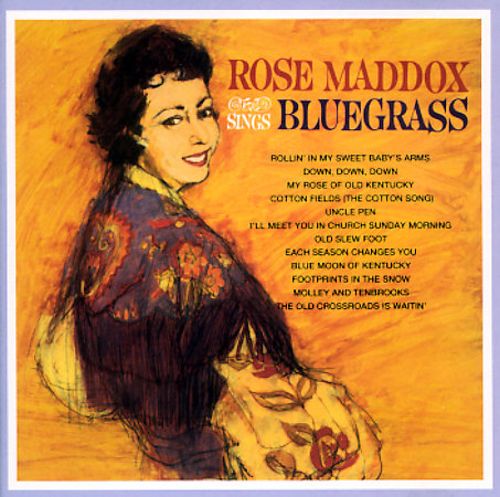
Rose Maddox — Rose Maddox Sings Bluegrass

Released in 1962, this album has the distinction of being the first in the bluegrass field by a female vocalist. I first heard it in about 1974, and while I couldn’t really accept her voice as a bluegrass instrument (her big brassy vibrato sure doesn’t sound like the Stanley Brothers!), I kept going back to it for the sheer fun, the energy of the music, and for the repertoire. It’s got a fine back-up band, featuring Don Reno on banjo, Tommy Jackson on fiddle, and Ronnie Stoneman and Bill Monroe splitting the mandolin chores. — Laurie Lewis

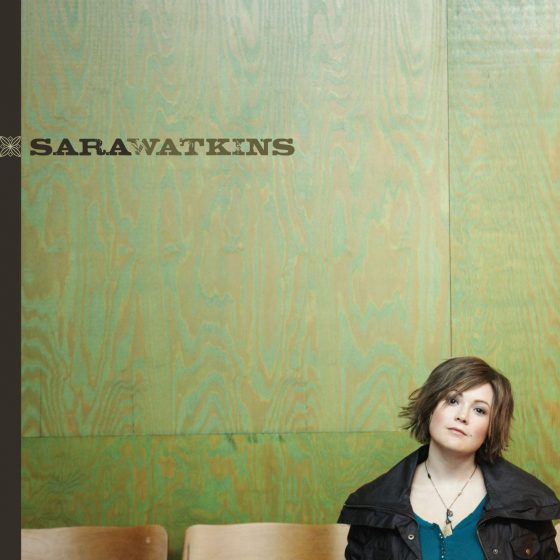
Sara Watkins — Sara Watkins

No, it’s not the most traditional bluegrass album ever recorded, but coming out of Nickel Creek’s more progressive latter days, Sara Watkins’ debut solo record illustrated that she still had at least one foot planted firmly in tradition. But who’s counting? These originals got me through more than one heartbreak and the covers — of Norman Blake, John Hartford, Tom Waits, and Jimmie Rodgers — confirm the respect for the music’s past that you can feel as you listen. Make no mistake, though, Sara Watkins is looking toward roots music’s future; her following solo albums and her work with I’m With Her are blazing a trail I’m excited to follow. — Justin Hiltner

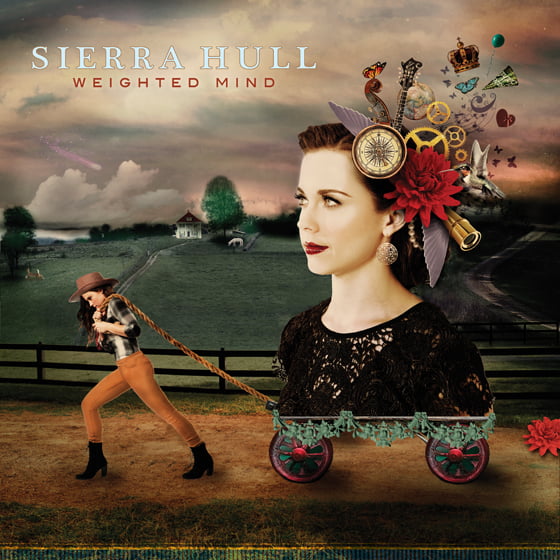
Sierra Hull — Weighted Mind

I think I saw Sierra perform for the first time with her band Highway 111 when I was 17 years old. I was simultaneously inspired — and infuriated — by the fact that someone my age could have so much creativity, such great touch and tone, and such ridiculous chops. Through the years, as we’ve both grown up, the inspiration has only increased and the infuriation is now much more … constructive. Weighted Mind has been hailed as a coming-of-age record for Sierra, but I think that categorization is far too simplistic. When I listen to this record, I do hear maturity, but more prominently, I hear individuality, vulnerability, confidence, transcendence, and infuriating, ridiculous chops. — Justin Hiltner

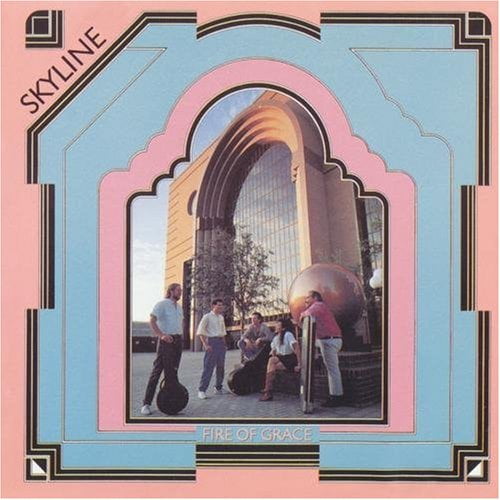
Skyline — Fire of Grace

This is a weird album, but it was one of the first weird bluegrass albums with a woman fronting the operation. And, yes, Tony Trischka’s name is sort of up front in this band, but it was Dede Wyland’s singing and guitar playing that really stood out. — Megan Lynch

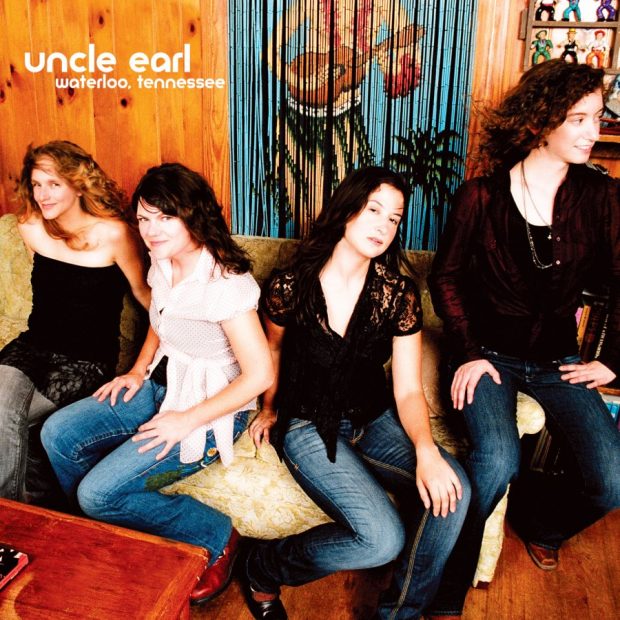
Uncle Earl — Waterloo, Tennessee

Any list of great female albums anywhere in this realm would be incomplete without an entry from the “Bangles of Bluegrass” — Uncle Earl. And their 2007 release, Waterloo, Tennessee, proves why. Packed with 16 old-time tunes, the set weaves the ladies’ vocals harmonies and instrumental chops into an irresistible musical tapestry that is both contemporary and classic. (Rumor has it, the G’earls — KC Groves, Abigail Washburn, Rayna Gellert, and Kristin Andreassen — may even be readying some new material.) — Kelly McCartney

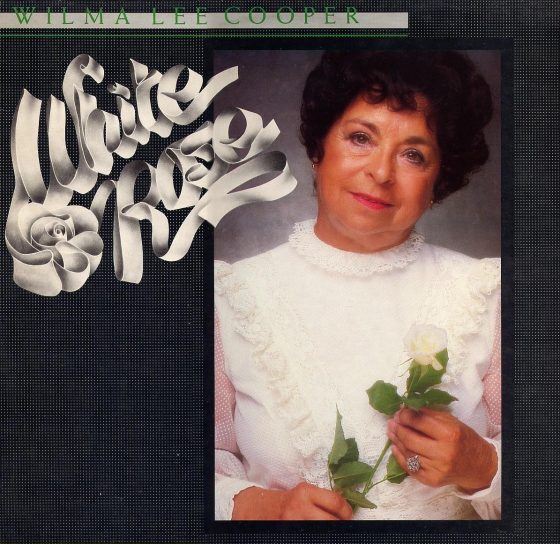
Wilma Lee Cooper — White Rose

After many famous years of singing old-time country music with her husband Stoney, Wilma Lee Cooper released a string of solo albums that veered more and more toward bluegrass following Stoney’s death in 1977. Recorded for Leather Records, which released A Daisy a Day (Wilma Lee’s solo debut), White Rose was recorded in 1981 but wasn’t released until Rebel issued it in 1984. This is pure bluegrass, with Cooper accompanied by some of the best Nashville pickers who also played with her on the road and at the Opry — Marty Lanham on banjo, “Tater” Tate on fiddle, and the brilliant Gene Wooten on dobro. — Greg Reish
San Francisco Shows Off Its Bluegrass Pride

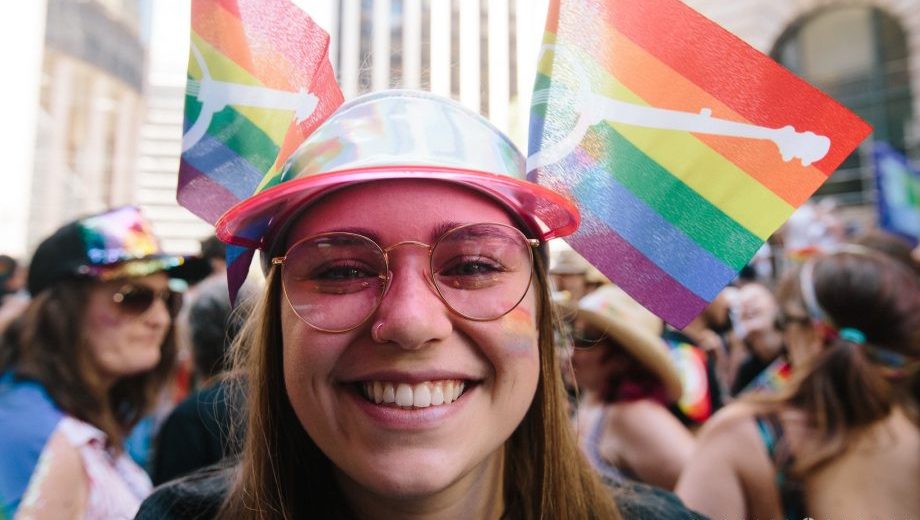
This year, for the first time ever, the California Bluegrass Association (CBA) is sponsoring a float in San Francisco’s Pride parade. The initiative is being lead by CBA’s San Francisco area vice president, Ted Kuster, in an effort to broaden the audience for bluegrass and roots music — SF Pride draws 30,000 marchers and more than 100,000 spectators, annually — while celebrating the growing, diverse community that is built around this music we all cherish. The float will feature three live bluegrass and old-time bands, with appearances by acclaimed bluegrassers Laurie Lewis, Tom Rozum, and Bill Evans, as well as gay fiddler Brandon Godman.

“Once the Bluegrass Pride initiative got rolling, there was a lot of excitement around all the possibilities at hand,” Godman says. “My mind was full of ideas, but doing a bluegrass cover of Whitney Houston’s ‘I Wanna Dance With Somebody’ was a must. After mentioning the idea to Melody Walker of Front Country, it all just fell into place. It was such a fun time to record this and experience a community coming together.”

BGS is proud to support the CBA and Bluegrass Pride. Check out their site to get some stylish swag, sign up to march with the CBA float on June 25, and get information on all the Bluegrass Pride events happening the week of San Francisco Pride. See you there!