BGS Class of 2017: Albums

Way back in January, we proclaimed 2017 to be the “Year of the Banjo” and predicted it would be a stellar year for women in roots music, as well as the more justice-minded songwriters in our midst. All these months later, our intuition proved correct on all counts. And we are thrilled by that. Having Alynda Segarra and Rhiannon Giddens reign supreme in our BGS Class of 2017 is an absolute honor. Both women took on tough thematic terrain with grace and gravitas, and we couldn’t be more proud to support them and all the other fantastic artists who make the BGS roots community so artistically inspiring and culturally important. — Kelly McCartney, BGS Editorial Director

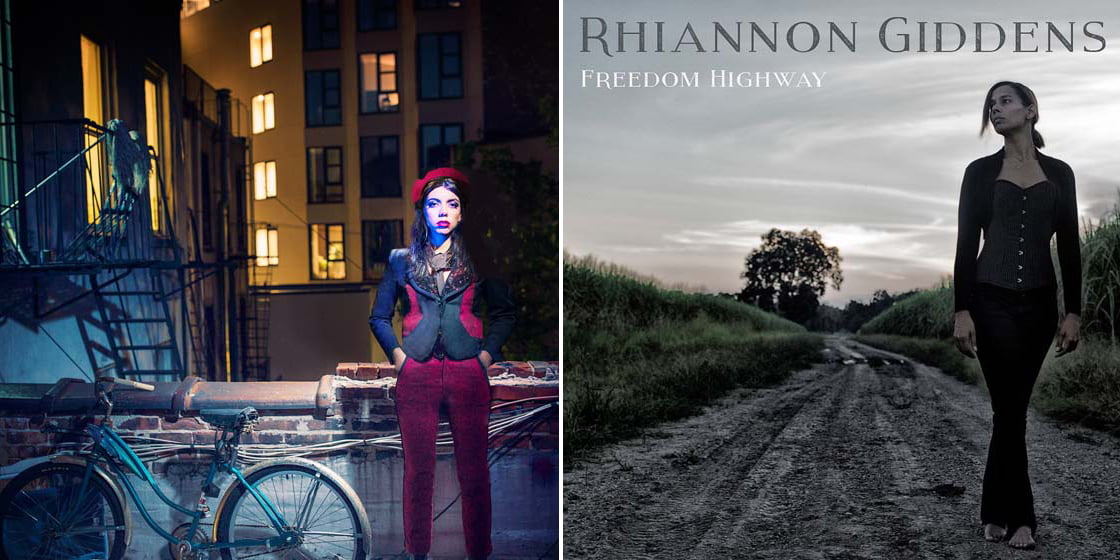
Co-Valedictorians: Hurray for the Riff Raff, The Navigator / Rhiannon Giddens, Freedom Highway

In a year rampant with talk of division — coasts vs heartland, white vs people of color, red vs blue — many artists, thinkers, and activists have attempted to bridge these divides by zooming out and broadening perspective, pointing to the core commonality of our humanity. With The Navigator, Hurray for the Riff Raff accomplishes this same unifying goal, but with the exact opposite approach. Led by Puerto Rican-American Alynda Segarra, they zoom in, viewing these divisions, these cultural and societal rifts, through a microscope trained on New York City, magnifying a Puerto Rican neighborhood and a fictitious young Puerto Rican girl, Navita. The album’s concept — granular, focused, and minute — doesn’t alienate listeners with this specificity. Rather, it plays like a colorful movie entirely enclosed within its own soundtrack, relating Navita’s heart, soul, and story to an audience that, for the most part, would feel they could never relate to a woman like her. Segarra and Hurray for the Riff Raff demonstrate through The Navigator that we ought not shy away from the intensely personal, singular, individual aspects of identity and identity politics for the sake of “coming together.” What’s more, they’ve posited a record that, taken separately, the message, concept, and music each stand on their own respective feet, but together, amplify and augment each other. The message is incredibly clear: We need not gloss over the intricate elemental parts of our differences to understand, appreciate, and love each other. Pa’lante! — Justin Hiltner

If 2017 saw an influx of banjo-centric projects, it also turned out to be a year when music’s political stakes rose ever higher. Singer/songwriter Rhiannon Giddens pairs both, using her instrument as a historical beacon that traces a line from slavery to the growing spate of police brutality. Through narratives about slave mothers, church singers, young men in the crosshairs, and more, Giddens uses these personal stories to explore their ongoing political resonance. Beginning with “At the Purchaser’s Option” — written from the vantage point of a slave mother forced to contend with her baby’s future as a commodity rather than a consciousness — Giddens sews together a quilt of American roots music that is as varied as the stories it encompasses. She explores old-time songs, reels, blues, funk, gospel, and more, stitching her way into and through the rich traditions that inform her craft and comprise her heritage. “Better Get It Right the First Time” blends funk-blues, a rap intersection, and Giddens’ authoritative vocals to challenge how states view and police Black male bodies, while the instrumental “Following the North Star” says everything about that experience through a rhythmically charged dialogue between banjo, drums, and castanets. The relationship between art and politics on Giddens’ new album is not an explicit call to action, but a reminder about the power of stories — both melodic and lyrical. As Giddens admits on “Birmingham Sunday” — about the 1963 church bombing — “All we can do is sing you a song.” — Amanda Wicks

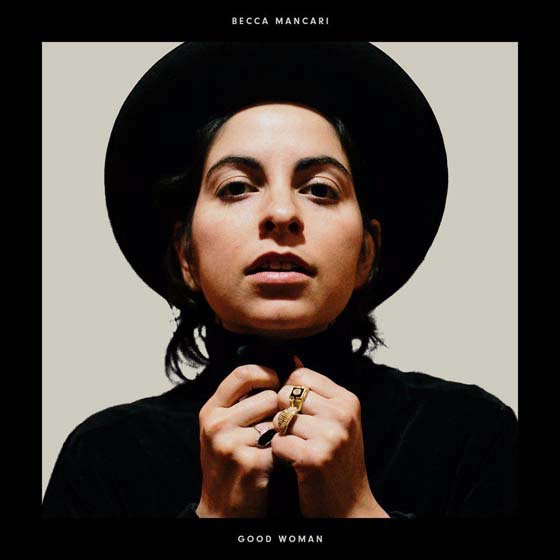
Best Travel Buddy: Becca Mancari, Good Woman

Becca Mancari’s debut album is a world unto itself. Over the course of 33 minutes, the Nashville singer/songwriter crafts atmospheric Americana imbued with a haze that brings to mind the faded edges of a sepia-toned photograph. Born in Staten Island, raised in rural Pennsylvania, and having spent time in Florida, the Appalachian region of Virginia, and even India, Mancari has experienced firsthand the significance of place. It’s only fitting, then, that on each of the album’s nine tracks, Mancari has created an environment to get lost in. It’s a notion that extends beyond Good Woman’s sonic palette and is carried out visually in the album’s music videos. In the video for the title track, Mancari embarks on a snowy walk in the Arizona wilderness with the plaintive landscape providing the perfect backdrop for her rumination on what, in fact, constitutes a “good woman.” Mancari seemingly walks right out of that snow storm and into Arizona’s breathtaking sunny expanse for the accompanying video for “Golden,” while the slow-burning “Arizona Fire” also finds its staging area in Arizona’s canyons. On the standout “Summertime Mama,” which waxes poetic about a warm-weather crush, Mancari sticks closer to home by offering a glimpse into a carefree summer day she spends in Nashville with her girlfriend and fellow songwriters Jesse Lafser and Brittany Howard, with whom she plays in a side project dubbed Bermuda Triangle. Cruising with the windows down en route to an impromptu fishing trip and then onto a nighttime gig, Mancari’s adventures mirror the song’s breezy veneer. Just as Good Woman expands and contracts across terrains, Mancari crosses sonic bounds with her dream-like reflections, making her one of the most significant songwriters to come out of Nashville this year. — Desiré Moses

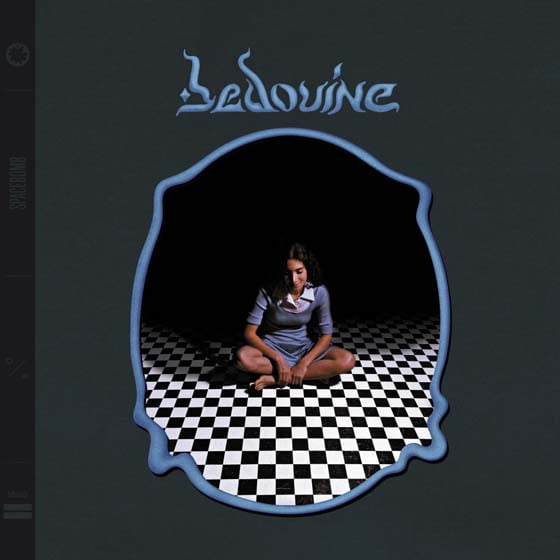
Best Reminder to Stop and Breathe: Bedouine, Bedouine

There’s no point in talking about Bedouine’s self-titled debut in anything other than colors. Between the rose-tinged “Heart Take Flight,” the dusty blue “Back to You,” the gold-flaked “Summer Cold,” and the silver-inflected “Solitary Daughter,” singer/songwriter Azniv Korkejian’s album hangs like a painting. That’s all thanks to her dusky voice, an easy, somnambulant tone that fits colorfully against Virginia label Spacebomb’s trademark strings. In between songs about her native Syria and her life in Los Angeles, the nomadic Korkejian details a romantic relationship that caught her off guard and encouraged her to stay. Rather than train her gaze on her lover, though, she holds up a mirror to herself and traces the effect love has on her. She defiantly projects her independence on “Solitary Daughter,” gives herself permission to enjoy new love on “Heart Take Flight,” and inevitably questions her lover’s commitment on “Skyline.” Bedouine reflects notes of Leonard Cohen, Nick Drake, and other poetically driven but somber-toned singer/songwriters, but in the end, its creator has captured a colorful mood that remains solely her own. — AW

Most Likely to Kick Your Ass While Breaking Your Heart: Caroline Spence, Spades & Roses

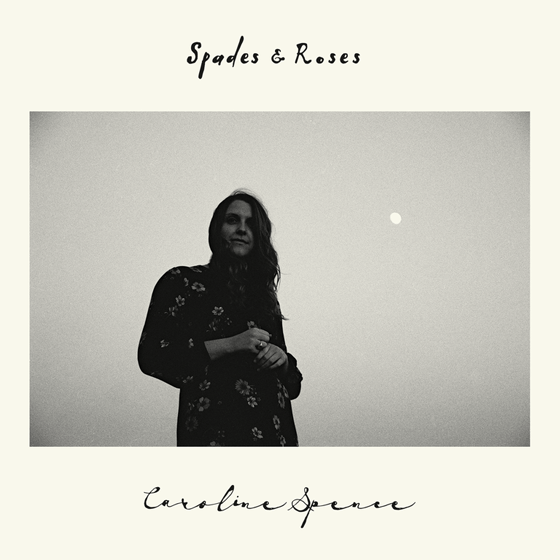
In a year that kicked off with the Women’s March and seems to be ending on scores #MeToo moments, Caroline Spence‘s “Softball,” from Spades & Roses is an anthem for any woman who is sick of battling on a different playing field. In the hands of the Nashville-based Spence, this is done through the artful metaphor of softball: an unnecessarily gendered sport that keeps women from even having a shot at the big leagues. With a delicate chug of guitar and the soothing coo of Spence’s voice, it’s just one timeless moment from Spades & Roses, a collection of stunning folk songs that explore both the world inside of her own bedroom and the world at large. Spence is self-aware in romance on “All the Beds I’ve Made,” ready to surrender on “Slow Dancer,” and eager to fight on “Softball,” showcasing a keen knack for folk songs often dripped in rock and packed with poetic, artful lyricism. Produced by Neilson Hubbard (The Apache Relay, Matthew Perryman Jones) and featuring Grand Ole Opry fiddler Eamon McLoughlin and cellist David Henry, the album puts Spence’s pitch-perfect, breathy vocals at the center of songs which effortlessly jump from personal confessions to feats of narrative storytelling. “I’ve been playing shows out West with no guarantee that anybody’s ever gonna give a damn about me,” she sings on “Hotel Amarillo,” a track that encapsulates the experiences of any musician who’s slugged through date after date with barely enough money made to keep on the road. But, in her hands, it’s also a study of choices, and all that we’re left to leave behind when we follow our dreams. It’s well worth giving a damn about, indeed. — Marissa Moss

Best Addition to the Time Capsule: Casey Campbell, Mandolin Duets, Vol. 1

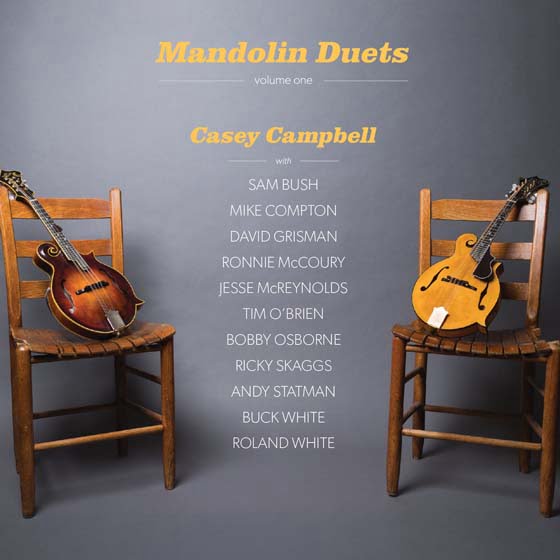
Bluegrass is unique among genres in that its living legends — the men and women who helped create and shape it — have never been set apart from the fans, amateur players, and up-and-coming talents. They not only mingle and interact freely with all of the above, but they actively facilitate the future of the music and the greater community, as a whole, by mentoring and shepherding young people. Mandolinist Casey Campbell quite literally grew up at the feet of a host of these living legends, so it’s fitting that, for his first album, Mandolin Duets, Vol. 1, he called upon 11 of these heroes and mentors, each showcased in their own intimate, beautifully pared-down duet. The record is a treasure trove of bluegrass mandolin and the players who have pioneered the form. Grand Ole Opry members Jesse McReynolds and Bobby Osborne hold down the traditional end of the spectrum, while David Grisman and Sam Bush test the waters on the fringes of bluegrass, with all iterations and styles in between represented. Campbell’s own Monroe-infused, clean, studied picking anchors each track, providing the perfect artistic sounding board for each of his guests. This is, by all accounts, a niche album within a niche genre, but the music doesn’t necessitate a bluegrass history lesson or individual bios for each mandolin guru to be fully appreciated. If the future is fair, this record will join the ranks of Skaggs & Rice and Bill Monroe & Doc Watson’s Live Duet Recordings as one of the most important bluegrass duet records ever made. — JH

Most Likely to Cause Shivers, Sobs, or (Whiskey) Sips: Chris Stapleton, From A Room: Volume 1

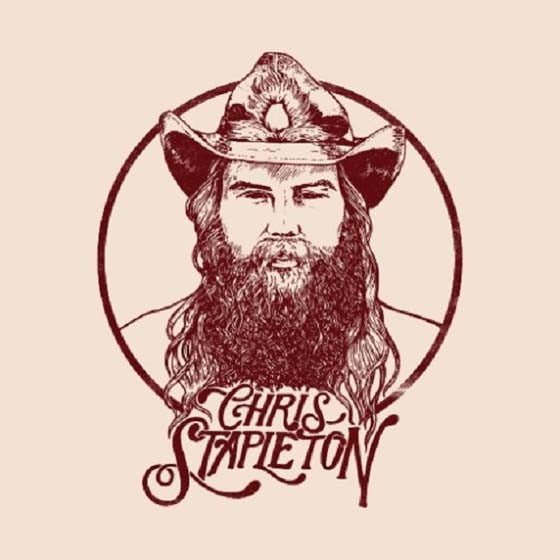
Chris Stapleton’s magnetic vocals find new forms of expression on From A Room: Volume 1. Mainstream country songs like “Them Stems” prove he can play the game alongside fellow chart-toppers like Thomas Rhett and Luke Bryant, but he’s most successful when he bucks popular trends and follows his own proclivities. With emotionally strained songs like “Either Way,” which reinforce comparisons to George Jones, Stapleton not only shows off his magnanimous voice, but also its ability to communicate the most painful of experiences. “Either Way” examines the nebulous area in between love and loss, when two people realize the plateau they’ve reached as a couple won’t be overcome. Whether they stay together or decide to leave, Stapleton admits, “I won’t love you either way.” It’s the resigned dip in his vocals before he admits the line that rings forth with such agonizing honesty. He treads in a bluesy tradition with “I Was Wrong” and “Death Row,” both of which find his voice exploding past the rafters with howling pleas. Thematically, the album toes country music’s preferred line, touching on drunken nights, bad decisions, whirlwind love, and regret, but in Stapleton’s hands, these subjects don’t feel worn. His voice infuses them with an emotional mastery that creates chills. — AW

Most Likely to Hasten the End of the World: David Rawlings, Poor David’s Almanack

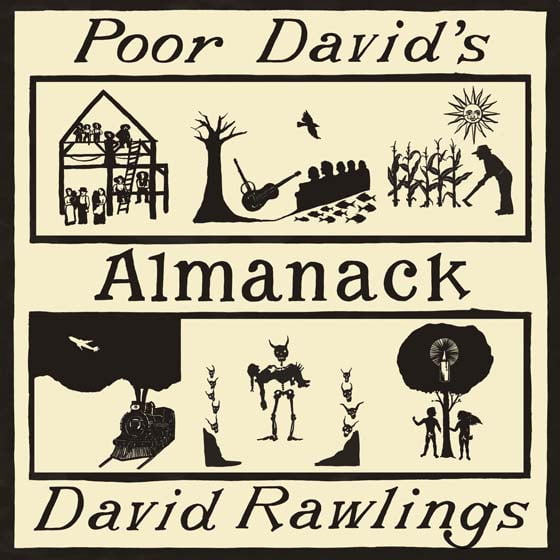
David Rawlings’ third solo album is as sure a harbinger of the apocalypse as any other musical release of 2017. Not because it’s so bad (it’s actually very, very good), and not because it’s that good, either (it’s actually not oceans-boil-over good). It’s because you could buy it on vinyl the day it hit stores and digital outlets. Poor David’s Almanack is the first Acony album to get a simultaneous LP release, which brings to an end Rawlings and Gillian Welch’s nearly 20 years of agonizing over pressings and sound quality. I predicted a global plague would precede such an occasion, and I’m relieved to lose that particular bet. So give these songs a spin on the turntable, which is obviously where they belong. Almanack is an endlessly inventive and lively collection of new folk tunes that sound old, as though Rawlings hadn’t written them but had found them in the back of some old antique store in the middle of nowhere. And yet, just like the old LP technology experiencing its own resurgence, these old-sounding songs somehow sound current, relevant, prescient: “Money Is the Meat in the Coconut” pokes fun at some of our swamp-draining politicians, “Good God a Woman” slyly inverts gender politics, “Come On Over My House” turns class warfare into a randy come-on. Rawlings knows these issues have been driving civilization since before we invented fire, and it’ll continue to drive the last handful of humans staving off the hordes of zombies. — Stephen Deusner

Most Likely to Soundtrack Your Next Roadtrip to Who Knows Where: Hiss Golden Messenger, Hallelujah Anyhow

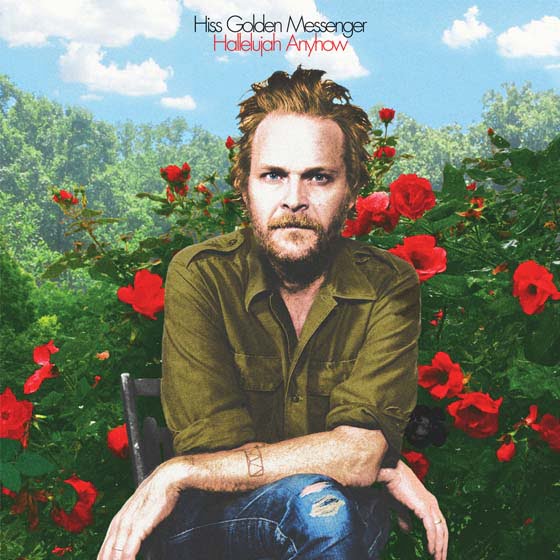
M.C. Taylor’s favored subjects are home and hearth, family and faith, yet his songs are as much about the lure of the road as the comforts of home. His latest as Hiss Golden Messenger, recorded in a matter of days in North Carolina, is a highway record, an album about being lost out in America in the Anthropocene Age and trying to navigate by moral compass. What do we owe other people, strangers, and loved ones, alike? What do we owe ourselves? On “I Am the Song” and “Harder Rain,” Taylor understands those questions don’t have concrete answers — that they change from one song to another, from one person to another, from one highway to another. But that doesn’t diminish the importance of posing those questions. Instead, the slipperiness of these ideas enlivens his music, which plays with rock and folk history without putting a record collection between Taylor and the listener. “Gulfport, You’ve Been on My Mind” slyly rewrites Bob Dylan, while Van Morrison goes through the wringer of “Domino (Time Will Tell).” Best — or at least, most unexpected — may be the shoutout to the gloriously ridiculous goth act Sisters of Mercy. In his responsibility to his heroes and to his listeners, Taylor finds joy and humility and the special fulfillment of a noble calling, especially when he can rebuke a certain leader of the free world: “What’cha gonna do when the wall comes down?” he asks, not at all rhetorically. “It was built by man, and you can tear it down, tear it down.” — SD

Most Likely to Make You Buy a Shruti Box: House and Land, House and Land

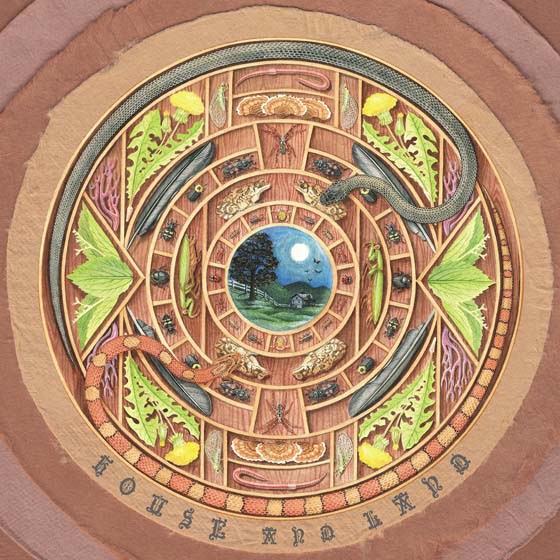
When Shirley Collins recorded “The False True Love” 50 years ago, she made it sound crisp and mournful, as if she were looking out over a frosty morning. You can see her breath hang in the air, and you can sense sorrows as heavy as the clouds. When Louise Henson and Sally Anne Morgan tackle the song on their debut as House and Land, it warms up only slightly, thanks to the interplay between guitar and banjo. It’s less lonely, but no less sorrowful. It sounds more existential, as though romantic woes might blot out their souls. So call House and Land a supergroup: Morgan plays with the Black Twig Pickers and Pelt, two Virginia string bands redefining roots and folk music away from the Americana set, and Henson may be one of the most compelling folk guitarists to pluck a string in 2017. They’ve been collecting songs for a few years now, and they’ve assembled them into an album that mixes banjo, guitar, and rustic drones from a Shruti box in some ways that are familiar and other ways that are entirely new. Just as they straddle folk and avant garde, the duo also contemplate the spiritual crises of this life and the next. Songs like “The Day Is Past and Gone” and “Home Over Yonder” examine faith and its celestial reward, depicting the afterlife as a lonely place. “There was nobody there to answer for me,” they lament on “Listen to the Roll.” “I had to answer for myself.” — SD

Best Fireside Chat: Iron & Wine, Beast Epic

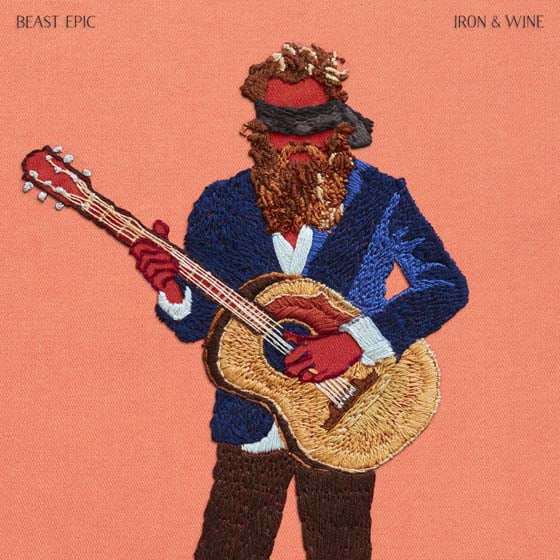
Sam Beam has a stately way of drawing the listener close. Beast Epic, Beam’s sixth project as Iron & Wine, opens with his whispered count in on “Claim Your Ghost” before launching into the warm reverberations of “Thomas County Law,” which boasts poetic musings like, “Every traffic light is red when it tells the truth. The church bell isn’t kidding when it cries for you.” In fact, each track on Beast Epic is rendered with such startling care and intimacy that the listener may as well be sitting fireside with Beam. With lush acoustic arrangements bound by touches of percussion, piano, harp, and cello, Beam wields a gorgeous album brimming with some of the finest songwriting to come out of Iron & Wine’s 15-year trajectory. One highlight, “Bitter Truth,” is packed with hard pills to swallow from a narrator who’s looking in the rearview mirror: “Our missing pieces walk between us, when we were moving through the door. You called ‘em mine, I called ‘em yours.” Those “pieces fall in place” on the album’s pinnacle and lead single, “Call It Dreaming.” By returning to Iron & Wine’s stripped-down roots, Beam reminds us that power can come from the quietest corners. — DM

Most Masterful Finger-Pointing: Jason Isbell, The Nashville Sound

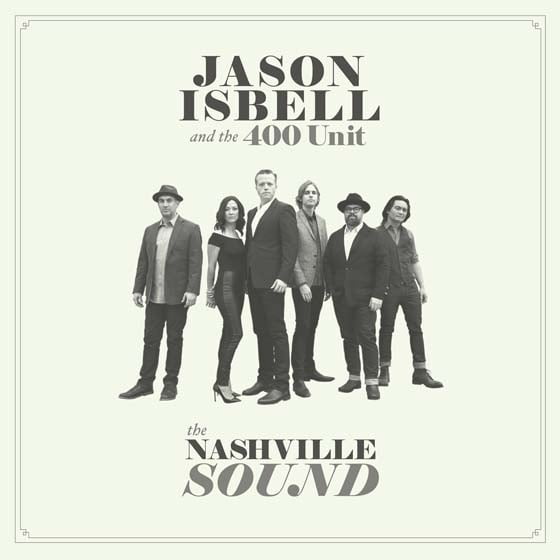
When you make what people universally agree is an absolute masterpiece of a record fairly early on in your career, how do you ever again pick up a pen? Well, if you’re Jason Isbell trying to follow up 2013’s Southeastern, you set an entirely different bar for yourself to clear … which he did, with 2015’s Something More Than Free, and which he has done again, with The Nashville Sound. While both are filled with common-man character studies and captivatingly personal confessionals, The Nashville Sound uses some of those tales to take on politics and privilege in beautiful, bold ways. In both “Hope the High Road” and “White Man’s World,” Isbell points a finger of blame, including one at himself, to show how all of us are accountable to ourselves and to each other. Thing is, as part of the same motion, he opens his hand and extends it to anyone willing to grab on. Hard to think of other songwriters who could accomplish that feat while also rocking their asses off. It’s also hard to think of other songwriters who can switch gears so effortlessly to write some of the most stunning love songs to ever exist. As with “Cover Me Up” and “Flagship” before it, “If We Were Vampires” takes on love, Isbell-style, by turning it inside out. Dave Cobb has used the word “devastating” to describe various songs and songwriters he’s produced. In Isbell’s case, it is very often an understatement. — Kelly McCartney

Most Likely To Flip The Script: Laura Marling, Semper Femina

Since releasing her debut in 2008 at the mere age of 17, UK folkie Laura Marling has garnered a reputation as a prolific artist and a deep thinker. Her knack for intricate guitar work and lyrical allegory has solidified her place among music’s greatest storytellers, and her latest album, Semper Femina, is a layered masterpiece that serves to further bolster her prolific body of work. Here, she works to subvert the male gaze, just as she did in an interview-based podcast exploring women’s experiences in the arts called Reversal of the Muse. Only, on Semper Femina, she does so by taking up the perspective often employed by men in artistic traditions — that is, by admiring and lusting after the women who serve as the album’s centerpiece. But that’s not to say that the album lacks introspection. The collection is just as much an effort for Marling to tap into her core self, as it is an exploration of how women are viewed and portrayed in society. Sonically, Marling’s signature fingerpicking and warm vocals remain, but this collection of songs reflects a marked growth from her previous output. By playing with percussion and making use of space, Marling gives her ideas room to breathe and expand. Whether through bits of spoken word on “Wild Once” or elegant falsetto on the album’s standout “Always This Way,” each song beckons you closer and is imparted like a secret that you’re lucky to be in on. — DM

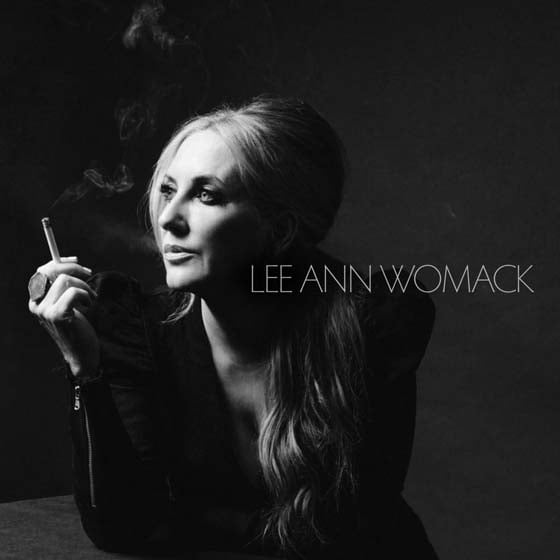
Most Likely to Soothe and Summon the Spirit of George Jones: Lee Ann Womack, The Lonely, the Lonesome, & the Gone

Lee Ann Womack could win awards for her song selection alone: Throughout the course of her career, she’s sniffed out some of the finest scribes in country music and put tracks by Brent Cobb and Chris Stapleton on her records far before the rest of the world caught on to their powers. Like Linda Ronstadt and George Strait, it was the potent combination of her legendary vocal abilities and her nose for talent that left us with jewels like her 2000 hit, “I Hope You Dance.” Which is why it was surprising to see her own name listed in the credits more than ever on The Lonely, the Lonesome, & the Gone, a personal progression of a record that proves her pen is as mighty as her vocal sword. There’s a touch of mystery and melancholy across the songs of The Lonely, the Lonesome, & the Gone — from the gorgeous balladry of the title track to the simple plucks of “End of the End of the World” where Womack’s twang churns out on glorious full display. Produced by her husband, Frank Liddell, and recorded at Houston’s Sugar Hill Studios, the album lets Womack walk through classics old (a version of “Long Black Veil,” made iconic by Lefty Frizell, that is most welcome) and new (the album opener “All the Trouble,” which is a moody, gospel tour through her stunning range). It’s thrilling to see an artist this deep into her career prove that she still has treasure trove of surprises up her sleeve. — MM

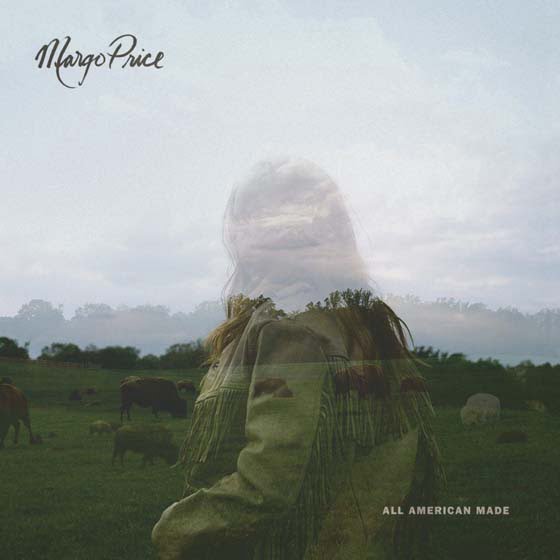
Most Likely to Have Hats Actually Made in the USA: Margo Price, All American Made

On her debut LP, Midwest Farmer’s Daughter, East Nashville’s Margo Price became one of country and Americana’s breakout stars with her honest-to-the-core songwriting that was never afraid of being uncomfortable. She spoke of devastating loss, disappointment, and being done wrong in one of the most revealing, personal albums in years. For her follow-up, All American Made, Price looks outward, surveying the world outside her tour bus window to tackle everything from wage inequality to the plight of rural America, brazenly using her voice to drive conversation in an increasingly perilous political environment. “No one moves away with no money. They just do what they can,” she sings on “Heart of America.” “To live in the heart of America, getting by on their own two hands.” Recorded at Sam Phillips in Memphis, Price weaves everything from gospel to R&B and honky-tonk into the songs, often co-written with her husband Jeremy Ivey, coming out with an album that captures the urgency of late ’60s protest anthems but with heaps of Tennessee soul. With one stellar duet partner, Willie Nelson, on “Learning to Lose” and help from the McCrary Sisters, Price bends and twists the shape of the genre into her own rock band-rooted form, centered around a dynamite set of pipes that can belt, howl, and softly whisper through whatever lies ahead of her. “Wild women don’t worry,” she sings … and Price doesn’t. Like Woody Guthrie, she’s a prophet of the people, not the establishment. — MM


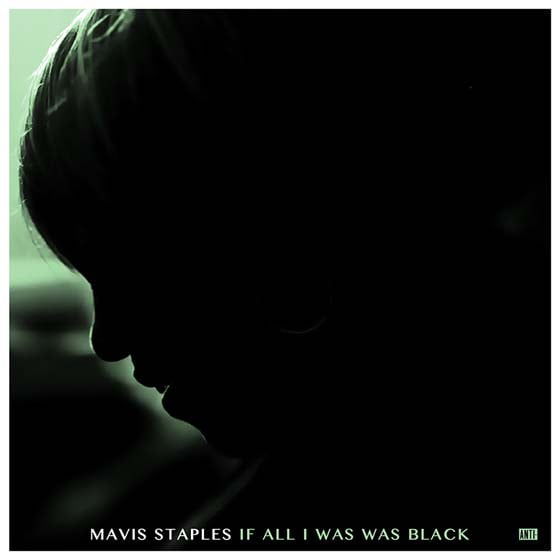
Best Call to Order, Not Arms: Mavis Staples, If All I Was Was Black

Who could’ve known that pairing gospel/soul legend Mavis Staples with alt-country anchor Jeff Tweedy would be darn near perfect? On If All I Was Was Black, Tweedy’s production provides a wonderful warmth and gorgeous grit to match Mavis’s iconic voice. While last year’s Livin’ on a High Note showed Mavis off in all her feisty, funky glory, If All I Was Was Black turns that down a notch to make room for a more heart-centered approach. After all she’s witnessed in her life, Mavis somehow manages to hold fast to hope and continue pleading for peace. If she’s angry about the two-steps-forward-three-steps-back phenomenon currently overtaking the world, you would never know it from listening to her records. Now, that’s not to say Mavis doesn’t see the problems we face. She does. She always has. It’s just that she would prefer we muster all the love we possibly can, and use that to fuel our fire rather than rage. The compassion and patience embedded within “We Go High” — sparked by Michelle Obama’s comment of “When they go low, we go high” — is almost unimaginable in light of the utter cruelty and devastation being heaped upon marginalized populations in 2017. But there it is. Songs like “No Time for Crying” and “Build a Bridge” also lay it out in the clearest of terms. And, with the title track, she calls out the problem of judging people by their skin and not their hearts, as doing so causes us to miss the beauty and goodness that each of us has to offer. All through this album, Mavis implores us to let our better angels be our guides. What she may not understand is that she, herself, is our better angel. — KMc

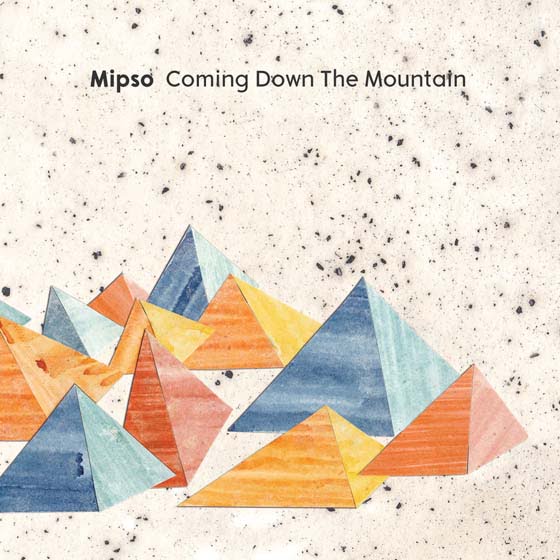
Most Likely to Carry around a Battered Copy of My Side of the Mountain: Mipso, Coming Down the Mountain

Mipso find themselves at a moment in their lifespan when a rootsy band discovers that a bluegrass-driven aesthetic is no longer quite enough to channel all of their creativity and curiosity. (See: Nickel Creek, Sierra Hull, Mandolin Orange, etc.) But as they fully incorporate drums, electric bass, and guitar into their sound, they aren’t walking directly away from the North Carolinian acoustic traditions that have informed them all the way. This refining of their folk-rooted, definitively Americana sound refutes the idea that doing so means relinquishing the raw authenticity of bluegrass and old-time, by default. On the contrary, Mipso’s finesse allows the more subtle aspects of their constituent influences to shine through on Coming Down the Mountain, undaunted by the “electric” embellishments. The title track epitomizes this down-to-earth sheen with tales of fishing, disdain for the fools of the city, and pictures of rhododendron thickets in the mountain hollers, all dressed up in dreamy, effervescent duds. There’s honky-tonking, California vibes, train whimsy, sad ballads, haunting alt-folk, and much more woven into this record and these songs. With the love and care they’ve invested in its creation, it hits you like a beautiful kaleidoscope, rather than the dull brown of every color of paint combined willy-nilly. If the current commodification of “roots” music has sent you running for the hills, looking for a refuge and a respite, Coming Down the Mountain might just compel you to hang up your fishing pole for a while and come back to the city, even if for only 10 songs. — JH

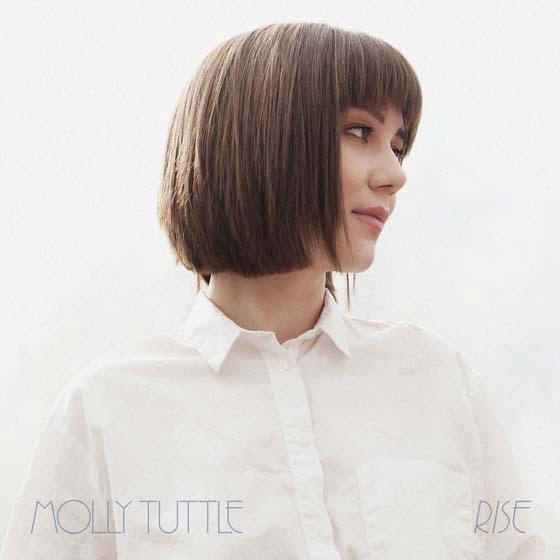
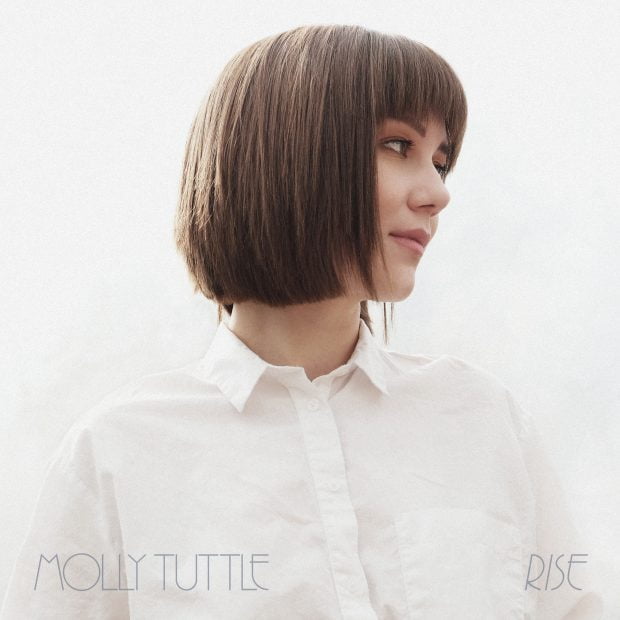
Best Reminder to Bake Right with Hot Rise: Molly Tuttle, Rise

On the surface, it feels like 2017 was Molly Tuttle’s breakout year. In a matter of months, she went from releasing her debut LP, Rise, to winning the International Bluegrass Music Association’s Guitar Player of the Year award — becoming the first woman in the organization’s history to ever receive the honor. But her poetic, evocative lyrics and her confident, firecracker flatpicking are unmistakable markers of what really has been a life-long career. The firm foundation laid by growing up in bluegrass, performing and touring from a young age, shines through each and every track on the record, assuaging the fears of would-be naysayers who could find the occurrences of lap steel, full drum kit, or electric guitar to be bluegrass disqualifiers. Her haunting vocals, at once ethereal and authoritative, are utterly confident, each artistic choice precise without falling into measured sterility. The distinct voice of Rise — whether emanating from Tuttle’s lips or her pick and strings — isn’t first-timer’s luck; it’s the product of a lifetime of work and expertly honed talent that is simply, at long last, reaching the ears of a broader audience. And, where other burgeoning artists may falter in their first few projects, attempting to pinpoint the perfect vehicle for their artistic personalities, we can sense, feel, and hear that no matter which stylistic direction she may take in the future, we will all be watching Molly Tuttle rise, unencumbered and unwavering. — JH

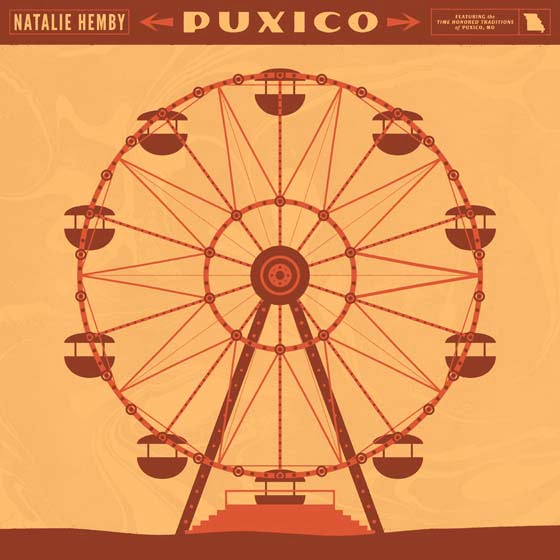
Most Heartfelt Look at the Heartland: Natalie Hemby, Puxico

Sometimes records sound exactly like you want them to: The songs, the singer, the production … everything just fits and flows. That’s Natalie Hemby‘s Puxico. Equal parts front-porch folk and heartland rock, this album was inspired by the small Missouri town where Hemby spent her childhood summers fishing with her grandpa George and dancing at the annual Homecoming. And it’s infused with the songwriting skill of Nashville where Hemby honed her craft writing cuts for Miranda Lambert, Lee Ann Womack, Maren Morris, Johnnyswim, and others. With Puxico, though, Hemby writes closer to home, metaphorically and musically. No commercial country artist like so many of her friends, Hemby is cut from the Sheryl Crow cloth (with some Tom Petty patches, to be sure). Her voice is warm and soulful, powerful and edgy, all at once. And the songs … the SONGS. From “Time Honored Tradition” to “Cairo, IL” to “This Town Still Talks About You,” the songs are rich with remembrances of lives, loves, and losses. Hemby’s deep, deep fondness for the people and places of her youth is filtered through the lens of time and distance, allowing her to trace the edges of what was and overlay that image upon what still is. The space between the two is where these songs live. — KMc

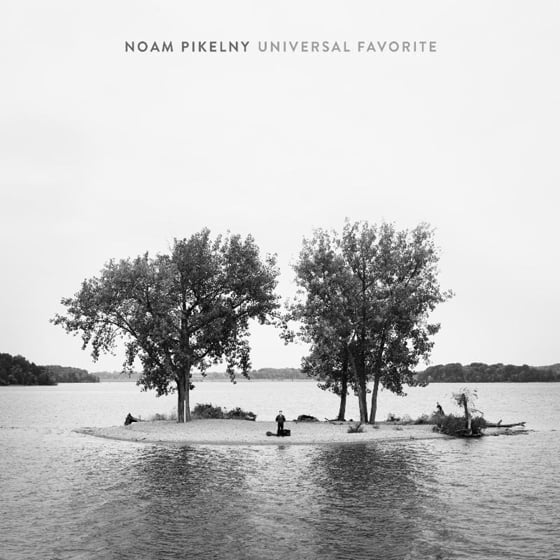
Best “Year of the Banjo” Brand Ambassador: Noam Pikelny, Universal Favorite

Punch Brothers’ co-founder Noam Pikelny takes “solo record” to another level, playing every instrument on his fourth LP, Universal Favorite. He even sets down the banjo a few times to try his hand at electric guitar — turns out he’s ridiculously good at everything he touches. And would you believe it … he can sing, too! Pikelny’s PB bandmate and frequent producer Gabe Witcher keeps a tight rein on the record’s crystal clear sound, but gives his friend plenty of room to explore and expand his musical horizons. While the songs range from trad/old-time to classical sounds, and include covers from the likes of Elliot Smith (“Bye”), Josh Ritter (“Folk Bloodbath”), Roger Miller (“I’ve Been a Long Time Leavin’ (But I’ll Be a Long Time Gone)”), amongst others, the virtuosic solitude that pervades this fully unaccompanied project allows the whole thing to feel cohesive, complete, and brilliant. — Amy Reitnouer

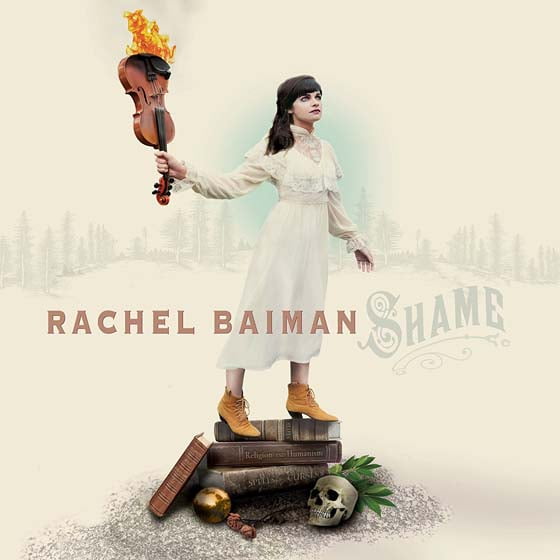
Most Likely to Not Give Any Fucks: Rachel Baiman, Shame

With the co-founding of Folk Fights Back in Nashville and the release of her second solo album, Rachel Baiman has earned a reputation as a radicalized bluegrass player, although neither of those labels is exactly apt. Her background is in bluegrass, and she’s a dexterous and sensitive fiddler, but that particular musical style is merely a foundation on which she builds songs informed by pop and folk and country, by Gillian Welch and John Hartford and Phil Ochs. And she barely even plays the fiddle on here, instead switching between banjo and acoustic guitar. As for politics, she tackles that topic only because she recognizes that it’s unavoidable. Being a woman and being an artist have become fundamentally radical activity in late-2010s America, which means Baiman is simply following Woody Guthrie’s old adage: “All you can write is what you know.” She knows touring, for instance, and turns that into the rousing “Never Tire of the Road.” She knows about writing songs and writes a song about writing songs, the sing-along “Getting Ready to Start (Getting Ready).” And she knows about old white men using religion as a bludgeon, and she not only makes that the central idea of the title track, but delivers the chorus with a steely defiance: “They wanna bring me shame. Well, there ain’t no shame.” On Shame, she sounds like the voice we need to hear right now, in roots or any other genre. — SD

Most Likely To Break Free: Ryan Adams, Prisoner

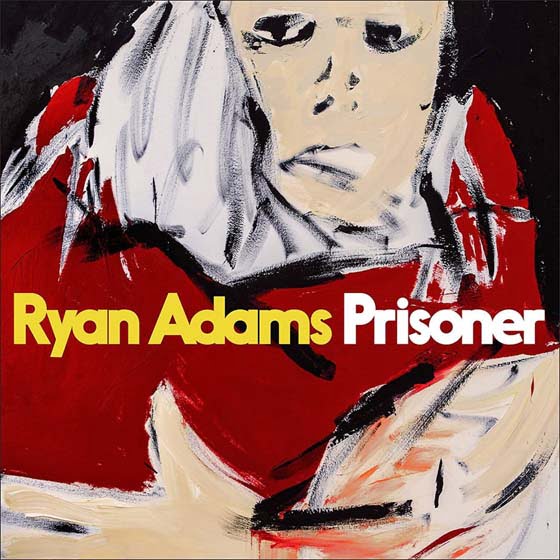
A case can be made that love and sex are the backbone of music, so it naturally follows that the other side of the coin carries equal weight. For every song written about relationships or lust, there’s one about the counter moment when everything comes crashing down. Ryan Adams is one of those artists who’s no stranger to the nuances of dissolution. After all, the North Carolina singer/songwriter made his solo debut outside of Whiskeytown in 2000 with a sweeping masterpiece dubbed Heartbreaker. Widely regarded as his best work, Heartbreaker received a deluxe reissue last year while this year saw the release of a companion album of sorts in Prisoner. Written as a means of salvation during Adams’ highly publicized divorce from actress/singer Mandy Moore, Prisoner is a foray into loneliness that embraces the post-breakup fallout headfirst. The mid-album stunner, “To Be Without You,” is a portrait of perfect songwriting that smoothly unfurls amidst lines like “It’s so hard not to call you. Thunder’s in my bones out in the streets where I first saw you. When everything was new and colorful, it’s gotten darker.” That just stings with familiarity. Elsewhere, “Broken Anyway” is a mature attempt at shaking off  the remains: “What was whatever it became? Whatever, we will still be together in some way. It was broken anyway,” sung by a narrator who acknowledges the pains of both inflicting and falling victim to heartbreak. Crafted with Adams’ penchant for the sonic flair of the ‘80s, Prisoner toils in the confines of human emotion and comes out triumphantly on the other side. — DM

Best Trip through the Bluegrass State’s Bardo: Tyler Childers, Purgatory

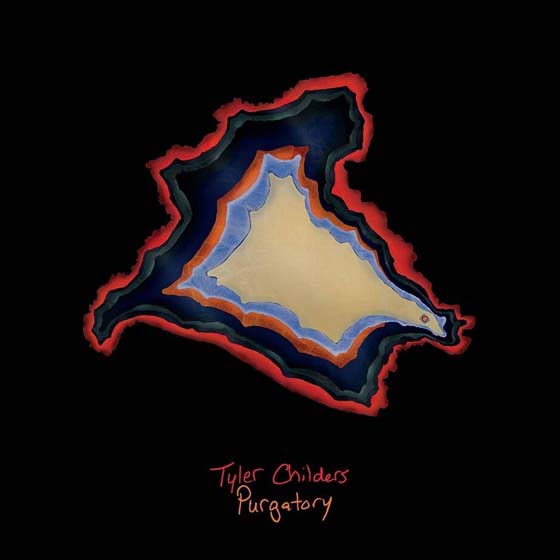
It can be difficult to stand up to Kentucky’s esteemed history of songwriters and performers — which includes everyone from the legendary Bill Monroe to Sturgill Simpson — but Tyler Childers lives up the legacy of his home state with as keen an eye for its past as for its future. On Purgatory, produced by Simpson and one-time Johnny Cash engineer David Ferguson, Childers emerges with a voice that can cut with the innocence of a child but the knowledge of an aged man and an eye for painting stories of people shaping their identities in small towns and searching for love amongst the ruins. In Childers’ hands, modern roots music can meld into some rock ‘n’ roll fury (“Whitehouse Road,” “Universal Sound”) or striking, chill-inducing romantic opuses like “Lady May,” always centered on those spectacular vocals and an uncannily creative lyrical sense: When he sings “get me higher than the grocery bill” on “Whitehouse Road,” he manages to rouse images of intoxication and the desolation of a segment of America where a simple trip to the grocery store can be a financial burden. Melding the bluegrass roots of his home state with Simpson’s abandonment of genre altogether, Purgatory is a coming of age record for everyone grasping at the space between shelter and freedom, between freedom and commitment to another, between commitment and the fragile promise of eternal love. — MM

Best Musical Evidence That Black Girl Magic Is Real: Valerie June, The Order of Time

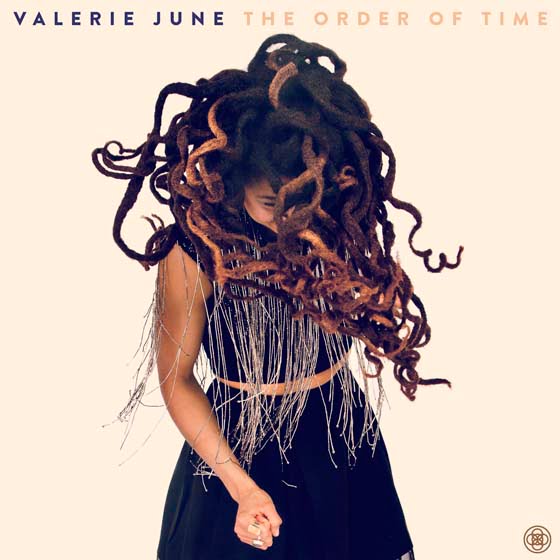
Valerie June is an other-worldly artist with a seemingly cosmic connection to her muse. Her songs are full of whimsy, wonder, and wisdom, all grounded in a garden of earthly musical delights. Blues, folk, gospel, soul, country, and more all sneak into June’s work, colliding in a kaleidoscope of sounds and colors. Sputtering guitars bump into stuttering keys on one song, while ethereal strings ebb under ambient steel on another. Harmonium and horns?! Hell yeah. African rhythms and clawhammer banjo?! Ya damn right! She’s from the melting pot of music — Memphis, Tennessee — after all. Nobody else is making music like this. Listening to June’s records feels almost intrusive, as if peering into a private diary filled with poems and doodles that betray the artist’s inner world in its utterly pure, stream of consciousness form. Except that The Order of Time is more refined and restrained than that. Such is this album’s perfection, that it would be a fool’s errand to attempt choosing standout tracks. The booty groove of “Shakedown” or the gentle drone of “If And”? The mystical dance of “Astral Plane” or the bluesy sway of “Love You Once Made”? Not even Sophie could make that choice. Nor should she — or we — ever have to. — KMc

Best Open Diary: The Weather Station, The Weather Station

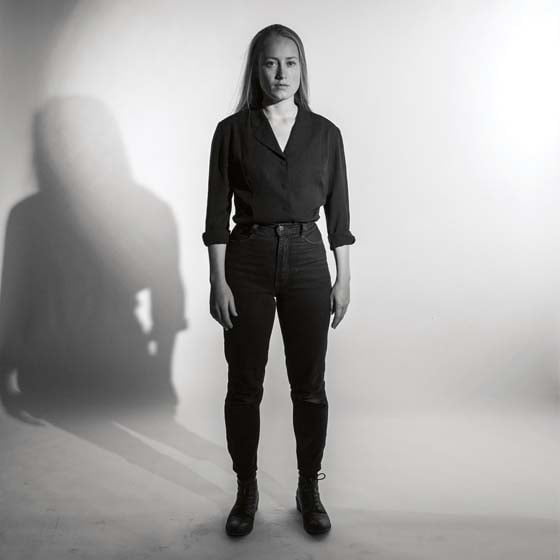
If other songwriters fight to fit their words within a song’s measure, Tamara Lindeman takes the opposite tactic as the Weather Station. Her verbose songs are chock full of words — their inflections adding rhythmic scope, their syntax unraveling deeply personal confessions. “I don’t know what to say, so I say too much,” she sings on “I Don’t Know What to Say.” Somehow, though, Lindeman keeps her music from feeling overcrowded. Her vocal cadence works in tandem with rhythm guitar (as on “Thirty”) or drums (as on “Complicit”) to reinforce a singular meter rather than stuff each song to the brim. With her self-titled album, she told the BGS that she focused on “figur[ing] out how to be okay when things are not okay.” A central relationship thrums at the album’s center, filling her with all manner of declarations. Lindeman is, at turns, self-deprecating (“My love is the heaviest thing” on “Keep It All to Myself”), regretful (“We never figured out the questions” on “You and I”), and adamant (“I guess I always wanted the impossible” on “Impossible”). But the album’s most devastating addition takes place at the close with “The Most Dangerous Thing About You.” It’s quiet for an album charging forward, either lyrically or rhythmically, and focuses on the aftermath of what she has spent the previous 10 tracks parsing out. For all the communicating Lindeman does on The Weather Station, words don’t offer a magical resolution, but there’s something fiercely beautiful about the effort to keep searching. — AW

The 50 Greatest Bluegrass Albums Made by Women

Earlier this year, NPR Music published a behemoth piece — “Turning the Tables: The 150 Greatest Albums Made by Women” — saying, “This list … is an intervention, a remedy, a correction of the historical record and hopefully the start of a new conversation … It rethinks popular music to put women at the center.”

Viewing this sort of conversation through a bluegrass lens, staging our own intervention, remedy, and correction is critical. It’s true that we’ve reached several historic landmarks in recent years — Molly Tuttle was just named the International Bluegrass Music Association’s Guitar Player of the Year, the first woman to win the honor, and last year women won in the Fiddle Player of the Year and Mandolin Player of the Year categories for the first time, as well. Still, women are routinely marginalized by/within bluegrass. There are many bands that will not hire side-women pickers — the cliché “pretty good for a girl” is all-too common, even while it’s re-appropriated by women themselves. Also, there remains this overarching narrative that women are a recent, post-Hazel Dickens & Alice Gerrard addition to this genre. While often well-intentioned and placing well-deserved credit upon the influence of Hazel & Alice, this idea is false. Women have always been an integral part of bluegrass and the folk and roots music traditions that gave rise to it.

This list does not attempt to be exhaustive, complete, or comprehensive. We dare not be so bold as to claim that every important bluegrass album created by women is included. We are simply striving to illustrate the far-reaching, undeniable influence that these incredible artists have had on the music, as a whole. Each contributor, many of them groundbreaking, trail-blazing artists themselves, has chosen albums that are personally impactful. Glaring omissions and oversights are almost guaranteed, but therein lies the beauty of this conversation: This collection is merely a starting point, a springboard for a greater dialogue about the place of female creators, artists, musicians, and professionals in the telling of the history — herstory — of bluegrass.

At this present point on the bluegrass music timeline, diversity, inclusion, and openness are hot-button topics and they would not have been given even an inch of a foothold in our genre if it hadn’t been for the strength, determination, heart, and amazing music of the women below. — Justin Hiltner

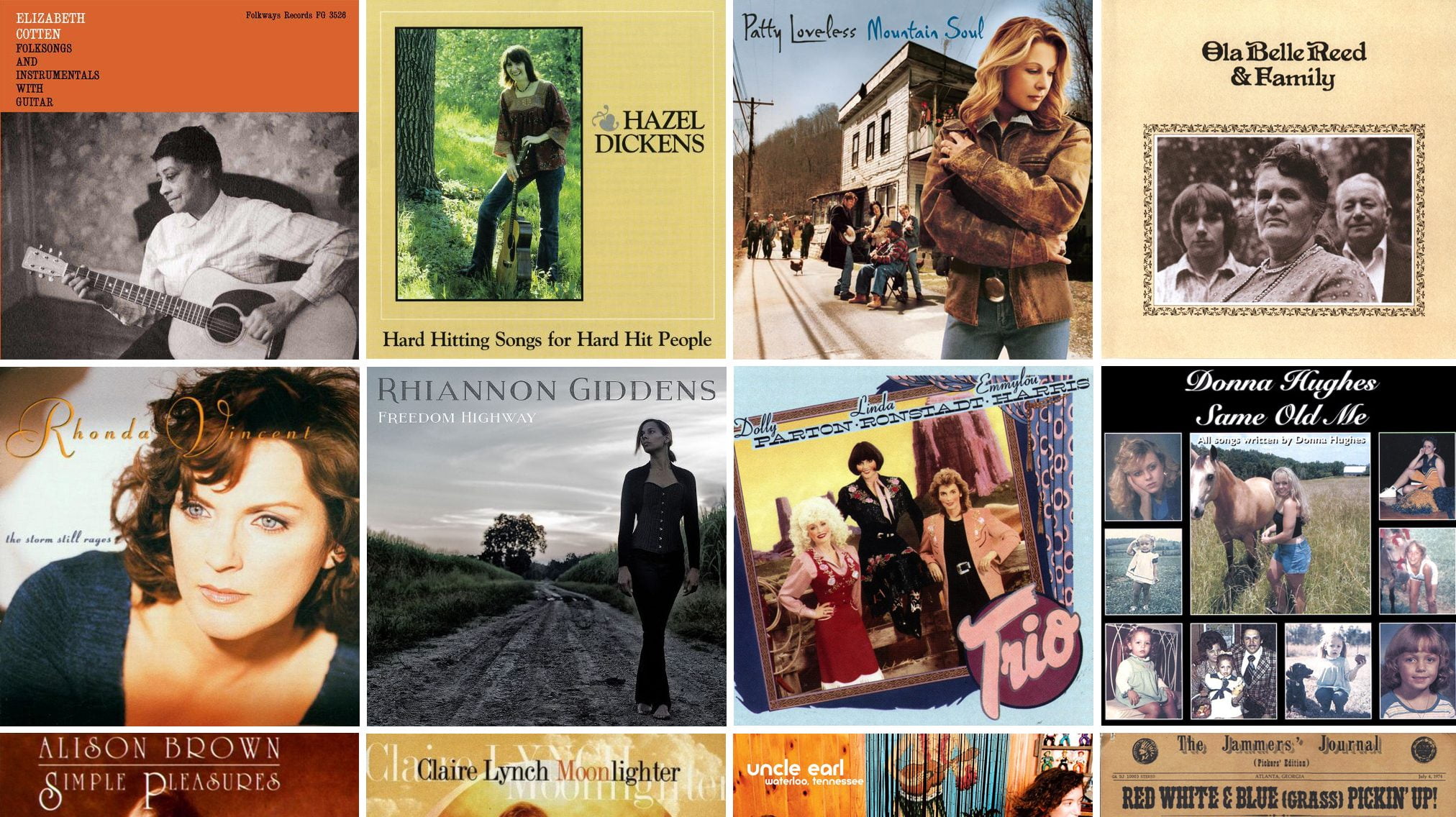
Alecia Nugent — Alecia Nugent

Though it was released by Rounder, Alecia Nugent’s debut originated as a self-release funded by a fan — just one token of the hold her strong, emotive voice can have on a listener. The Louisiana native turned to Carl Jackson for production, and the savvy Grammy winner put together a nifty cast of players and called on a crew of sympathetic harmony singers — including himself in both categories. Together, they picked out a well-balanced set of songs that included both Flatt & Scruggs and Stanley Brothers classics, but leaned largely toward gems from the catalogs of Larry Cordle, Jerry Salley, and Jackson, himself. Either way, Nugent’s voice carries an unmistakable feeling of urgency that makes every line believable and, when she cuts loose on a ballad, makes every note a world of hurt. — Jon Weisberger

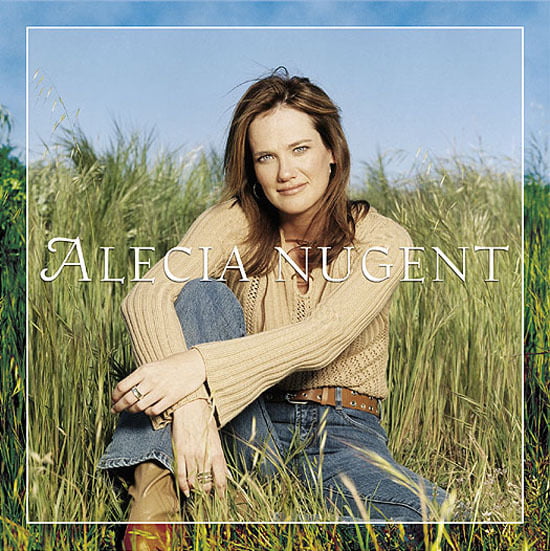
Alison Brown — Fair Weather

Let’s run down the cast of this record: Béla Fleck, Stuart Duncan, Tony Rice, Sam Bush, Vince Gill, Tim O’Brien, Claire Lynch, Missy Raines … and there are more. While Alison’s signature, outside-the-box playing style and modern aesthetic are at the center of this record top to bottom, the entire project is solidly bluegrass. “Poe’s Pickin’ Party” is a subtle nod to an actual party of the same name that openly excluded women from participating, on “Deep Gap” Alison plays Doc Watson-style guitar, and the burning double banjo tune “Leaving Cottondale” won Alison her first Grammy award. — Justin Hiltner

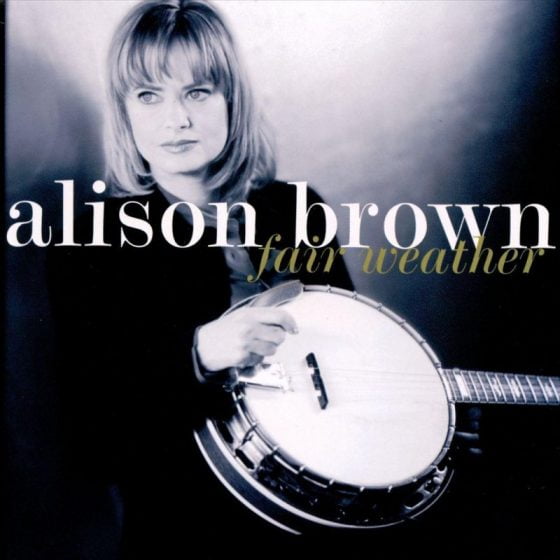
Alison Brown — Simple Pleasures

I had been playing banjo for a couple of years when I stumbled upon this album by Alison Brown while browsing through the tiny bluegrass section at a record store in the mall. It was the first time I had ever heard any banjo playing outside the bluegrass realm. I was completely fascinated, and my ears were opened to a whole new world of writing and playing. This record is the perfect example of how music that you digest during your most highly impressionable age and stage of development stays with you forever. She made a lasting impact on me by igniting a much-broadened awareness of what the banjo can do. — Kristin Scott Benson

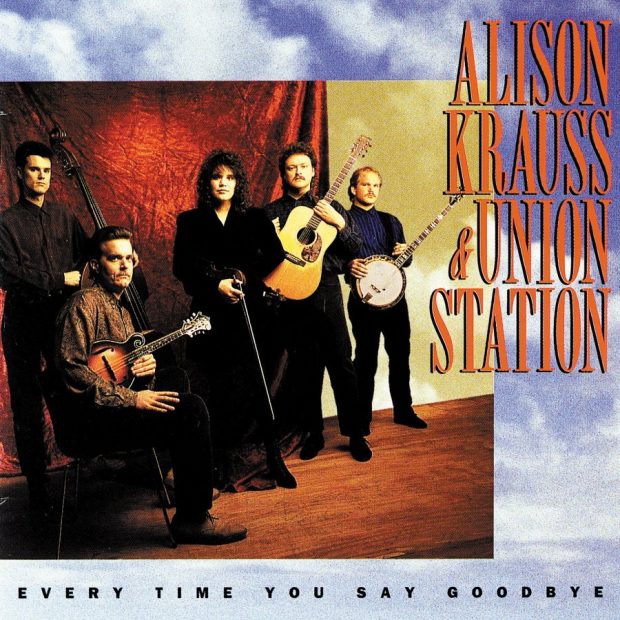
Alison Krauss & Union Station — Every Time You Say Goodbye

If the sound of Adam Steffey’s flawless mandolin intro to the title track doesn’t grab you immediately, then just wait about 20 seconds and you’ll hear one of the greatest voices the world has ever known. Every Time You Say Goodbye is one of my favorite albums from childhood. Even as an adult, I never grow tired of revisiting it. Alison has always been a genius at picking the perfect songs, making albums that really stand the test of time. From start to finish, I think it’s an amazing album — a must have for anyone’s collection! — Sierra Hull

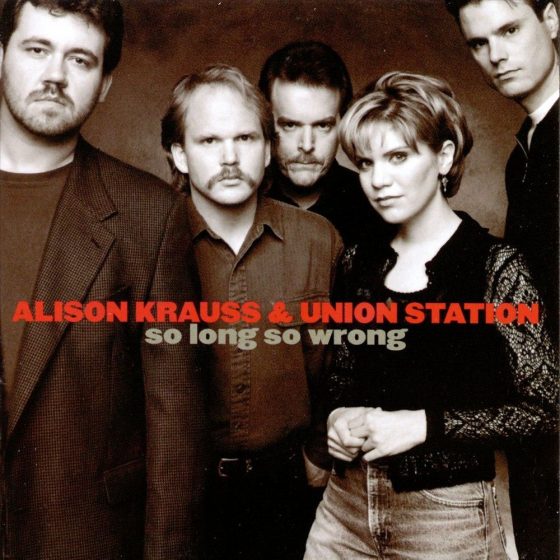
Alison Krauss & Union Station — So Long, So Wrong

“Looking in the Eyes of Love” may be the most popular song from this record — how many wedding playlists has it graced at this point, I wonder? — but in bluegrass circles, that very well could be the least important track on the record. You can still hear “The Road Is a Lover,” “No Place to Hide,” “I’ll Remember You, Love, in My Prayers,” and “Blue Trail of Sorrow” at jam sessions today, some 20 years later, played exactly like they sound here. And the sad, sad heartbreak songs on this album are nearly unparalleled. Try listening to “Find My Way Back to My Heart” in the wee hours of the morning on a solo road trip sometime. “I used to laugh at all those songs about the ramblin’ life, the nights so long and lonely, but I ain’t laughin’ now” will destroy you. It did me. — Justin Hiltner

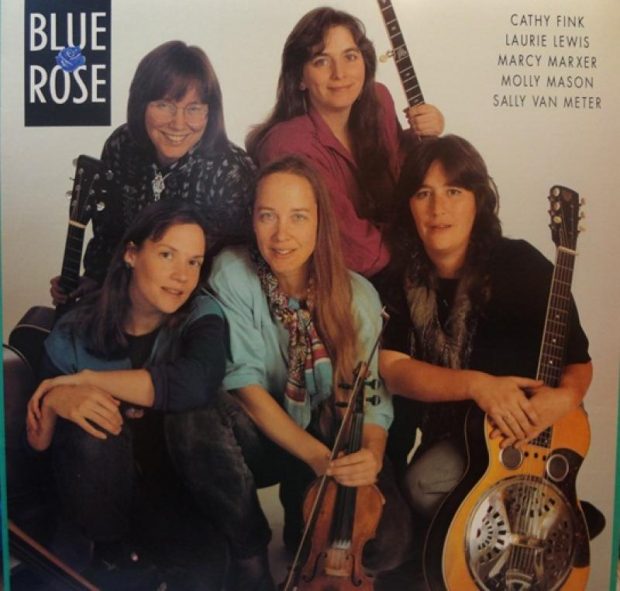
Blue Rose — Blue Rose

Blue Rose was the brainchild of Cathy Fink and Marcy Marxer, who noticed the “super picker” albums of the ‘80s never included any women. These talented women turned the tables with Blue Rose. When the group appeared on the Nashville Network’s New Country, the producer wanted to use male session players so Blue Rose would sound as good on TV as they did on the album. Cathy quickly disabused the producer of this notion and these talented women did their own picking. — Murphy Henry

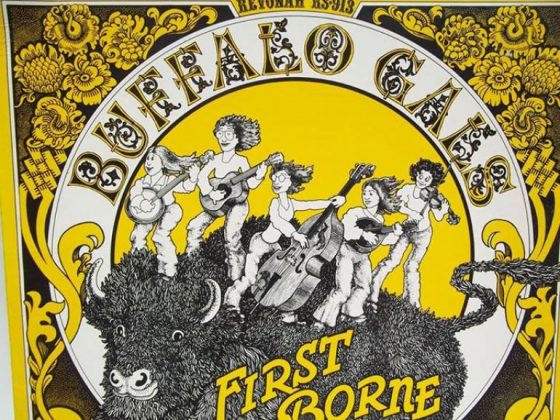
Buffalo Gals — First Borne

Martha Trachtenberg, Susie Monick, Carol Siegel, Sue Raines, and Nancy Josephson formed Buffalo Gals, the first-ever all-female bluegrass band, in the early ‘70s. They were largely regarded as a novelty act by promoters and talent buyers during their too-short run as a band — infamously, they performed an entire festival set in their sleeping bags on stage to protest being purposely relegated to the festival’s earliest performance slot. Their sole record, First Borne, is almost forgotten and sorely underrated, but should demand respect and recognition from all of us now. I mean, a bluegrass Carole King cover? Yes. — Justin Hiltner

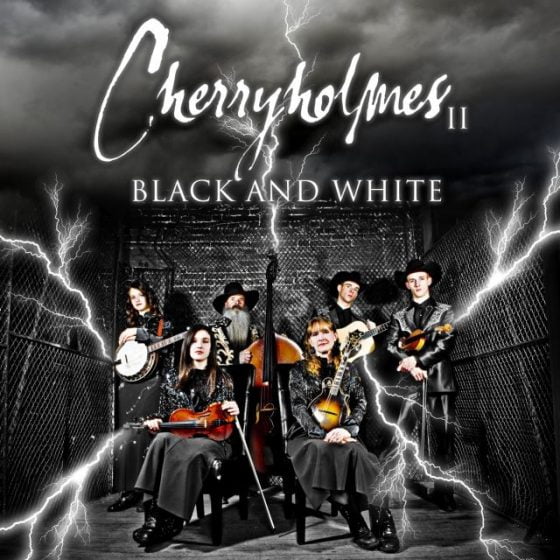
Cherryholmes — Cherryholmes II: Black and White

“We had three strikes against us: We were a family band, we had kids, and we had women.” — Sandy Cherryholmes

Despite the “strikes” against them, I’ll never forget how Cherryholmes took my musical world by storm in the early 2000s. I first saw them play the Grand Ole Opry and was struck by the prodigy-level playing and mature voices of the Cherryholmes clan — including daughters Cia and Molly — in harmonies that can only be honed within a family. Even though the group disbanded in 2011, each of the family members continues to make their mark in various parts of the industry. Theirs is a sound I’ll not soon forget. — Amy Reitnouer

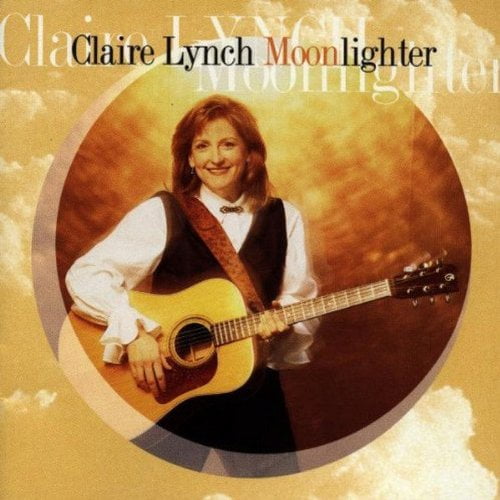
Claire Lynch — Moonlighter

Claire Lynch championed women through the ages with the writing of Moonlighter — an anthem to all who have ever tried to “have it all.” The music is pristine and the lyrics are timeless throughout. — Missy Raines

Claire Lynch — North by South

North by South by Claire Lynch is creative and, at the same time, quite bluegrass-y. I find myself putting this one on over and over again. — Gina Clowes

The Cox Family — Beyond the City

When a member of Counting Crows writes the liner notes for a bluegrass album, it will grab your attention; when it is an album by the Cox Family, it will grab your heart. Without question, the focus on Beyond the City (and any other album from the Cox Family, for that matter) is the universal love for that pure family harmony that comes from sisters Evelyn and Suzanne, brother Sidney, and father Willard. Suzanne and Evelyn were two of the most influential female voices in bluegrass during the ‘80s and ‘90s, and one listen to Beyond the City exemplifies why. From Suzanne’s bluesy, adventurous vocals on “Lovin’ You” and “Blue Bayou” to the sweet, ethereal tone of Evelyn’s voice on “Lizzy and the Rainman” and “Another Lonesome Morning,” it is easy to see why singers from Alison Krauss (who produced the album) to Flatt Lonesome’s Kelsi Harrigill and Charli Robertson point to the Cox Family as major influences of their own sound. — Daniel Mullins

Dale Ann Bradley — Catch Tomorrow

Dale Ann solidifies her place in bluegrass history with this album. Her voice is perfect, and the material is memorable. Contemporary and fresh without forgetting its bluegrass roots. — Megan Lynch

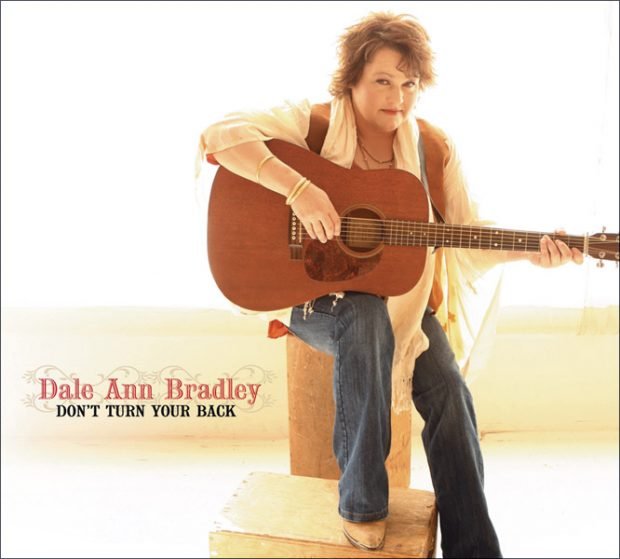
Dale Ann Bradley — Don’t Turn Your Back

While Dale Ann Bradley’s voice is as big and as lonesome as the mountains which she calls home, few female artists in bluegrass are as adaptive. A bold claim to be sure, but one needs to look no further than Don’t Turn Your Back for confirmation. Her influences are all over the map and she embraces the variety. Songs originally performed by Tom Petty, Flatt & Scruggs, Hoyt Axton, the Carter Family, and Patty Loveless appear next to original compositions, making for a musical palette atypical of your standard bluegrass album. From the sensitivity of “Will I Be Good Enough” to the sassiness of “I Won’t Back Down,” Dale Ann’s versatility showcases her depth of both musical mastership and emotional complexity. For me, though, Dale Ann is at her best when she is lonesome, as exemplified on the old mountain ballad, “Blue Eyed Boy.” — Daniel Mullins

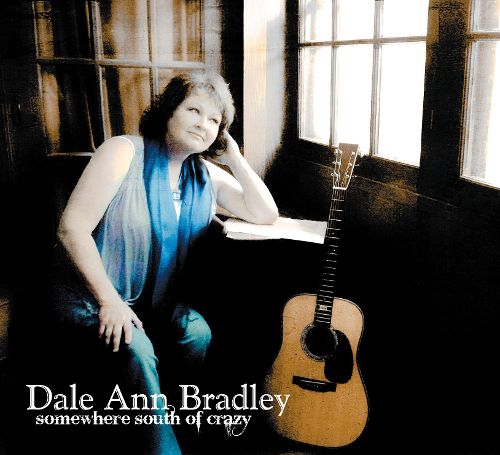
Dale Ann Bradley — Somewhere South of Crazy 

While it might seem pretentious to talk about terroir in the context of bluegrass music, when I listen to Dale Ann Bradley sing, I feel like I can hear the soul of eastern Kentucky coming through every note. Dale Ann’s music is very much the product of the contrast in her upbringing — a ‘70s childhood set against the backdrop of rural Knox County — and I’m particularly proud of Somewhere South of Crazy for the way it weaves those disparate influences together. A pop-grass version of “Summer Breeze” sits comfortably alongside the traditionally rooted “In Despair,” and the haunting trio of Sierra Hull, Steve Gulley, and Dale Ann on the thinly veiled war protest song “Come Home Good Boy” is timeless. — Alison Brown

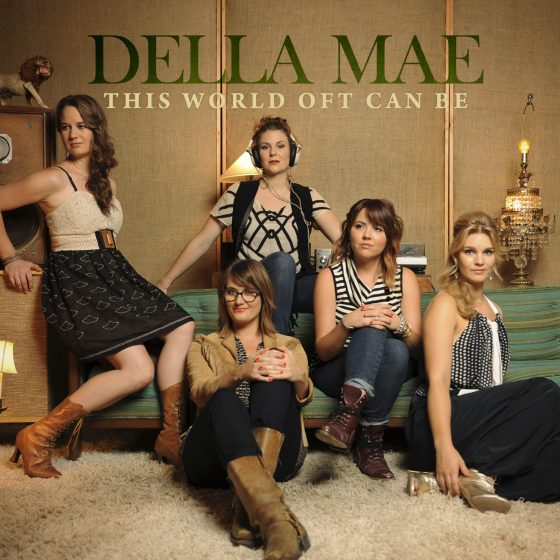
Della Mae — This World Oft Can Be

How many bands do you know of that went from their inception to a Grammy nomination in just four years? This fact is just so much more delicious knowing that Della Mae’s name itself is poking fun at the type of testosterone-fueled, mash-heavy, boy’s club bluegrass that has deliberately excluded women for so long. And each of the incredible Dellas are excellent musicians — no “pretty good for a girl” qualifiers necessary. The music on this record teases the edges of bluegrass open, with old-time fundamentals, straight-ahead ‘grass’s drive, and poetic, literary lyrics. It’s truly an important moment in the history of women in bluegrass. — Justin Hiltner

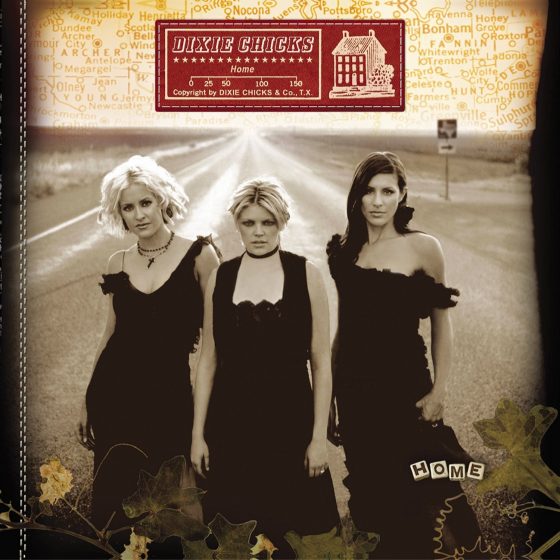
Dixie Chicks — Home

When this record came out, I was an insecure, high school-aged girl. Because of this album, I was finally able to feel cool and proud telling my friends I play the banjo and spend my weekends at bluegrass festivals. It’s full of energy, tasty licks, tight harmonies, and good, catchy songs, and it has reached an audience that most bluegrass albums never will. — Gina Clowes

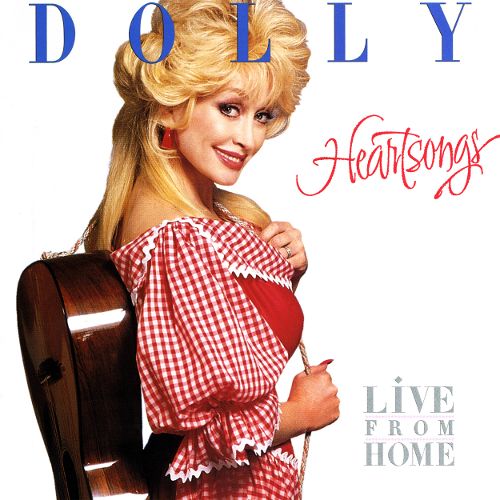
Dolly Parton — Heartsongs

This was one of the most influential records to me growing up. I remember singing along with and trying to pick out every harmony part that I could find as a little girl, playing the tape over and over to do so. Hearing two more of my favorite singers, Alison Krauss and Suzanne Cox, on harmonies made it extra special. — Kati Penn-Williams

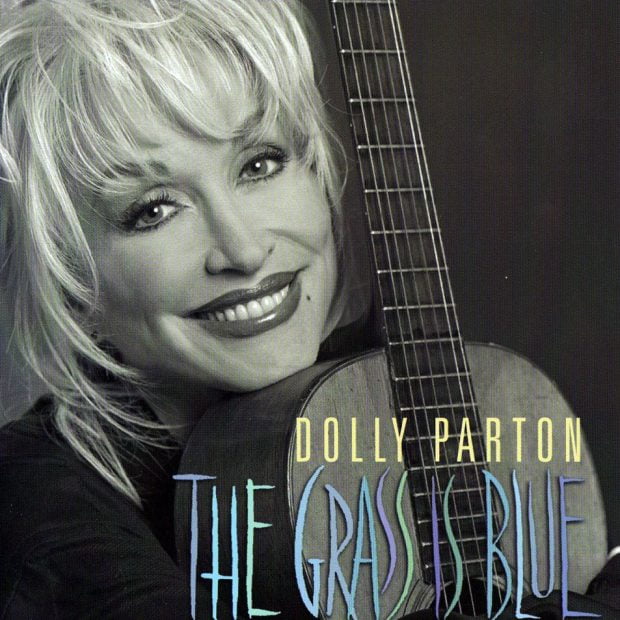
Dolly Parton — The Grass Is Blue

First off, who doesn’t love Dolly? She’s kind of the ultimate artist, in my opinion. She’s one of the greatest songwriters to ever live, yet she can take a song she didn’t write and sing it from a place of sincere honesty like no other. From the downbeat of “Travelin’ Prayer” to Dolly’s first soaring high note (just listen to the huge tone she pulls!), I am sold. The production on this album is as slick as it gets, while still retaining that bluegrass grit that keeps you on the edge of your seat. She’s surrounded by an all-star band made of up of some of my biggest heroes, and I believe any musician can learn a lot from this album. — Sierra Hull

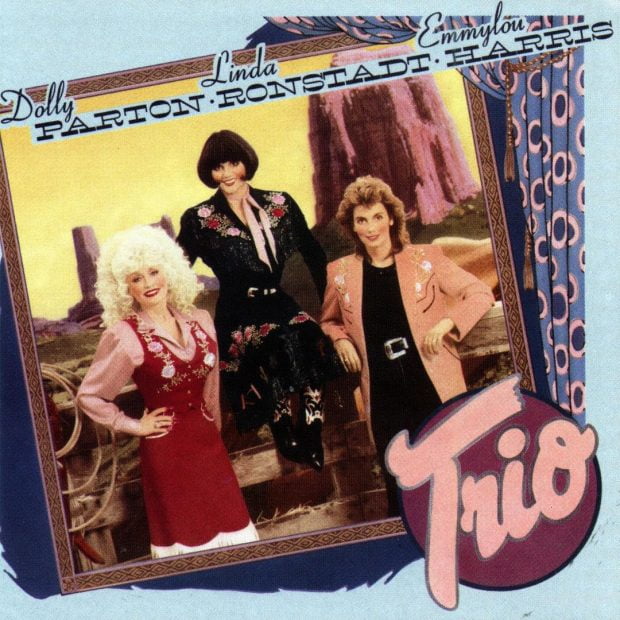
Dolly Parton, Linda Ronstadt, & Emmylou Harris — Trio

Dolly Parton, Linda Ronstadt, and Emmylou Harris have long established themselves as powerhouses in popular music. It is only fitting that their first album together, aptly named Trio, showcases the depth of collaborations between these master artists. Having been long-time admirers of each other’s, as well as having covered one another’s songs on respective albums, the trio presented incredible harmonies and musicianship that set Parton, Ronstadt, and Harris ahead of the pack. It also succeeded in inspiring future generations of female badasses in country and bluegrass music (Lula Wiles, I’m With Her). Winner of two Grammy awards, Trio remains a tried and true collaboration between legendary musicians and visionaries. — Kaïa Kater

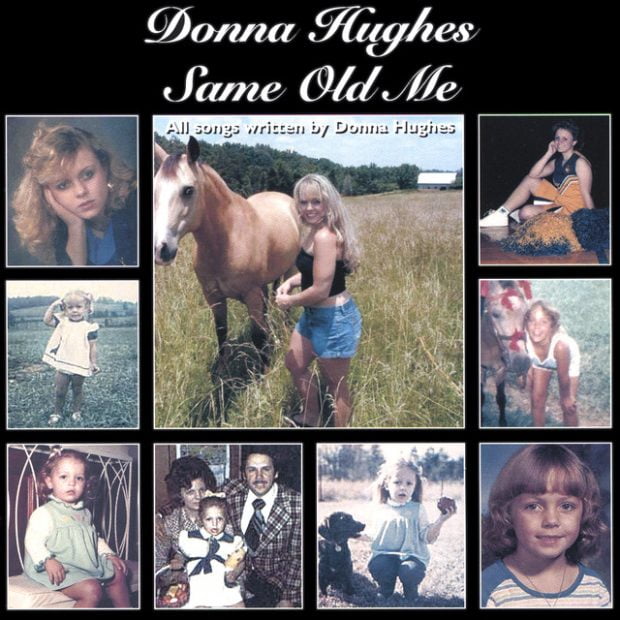
Donna Hughes — Same Old Me

With 21 original songs, songwriter Donna Hughes’s second album, Same Old Me, introduced her as a prolific force within the genre. With each listening, I am struck by the intimate way this recording captures a feminine voice leading a hard-driving configuration in the studio featuring Adam Steffey, Scott Vestal, Clay Jones, Greg Luck, Ashby Frank, Zak McLamb, Alan Perdue, Joey Cox, and Gina Britt-Tew. Donna juxtaposes B-chord, jam-style bluegrass with introspection centering around the oft-displaced female voice — something few albums have accomplished since. — Jordan Laney

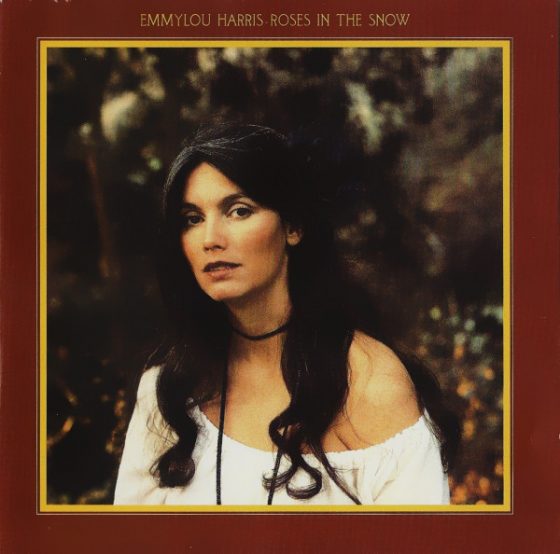
Emmylou Harris — Roses in the Snow

While Emmylou is not known as a bluegrass singer, per se, Roses in the Snow made an enormous impact on the bluegrass world by opening a wide door for many new-to-bluegrass-fans to come through. After its release, I remember years of hearing Roses in the Snow added to the common festival scene playlist. Her fresh take on “Gold Watch and Chain” and “I’ll Go Stepping, Too,” as well as others, brought new life to these bluegrass treasures. — Missy Raines

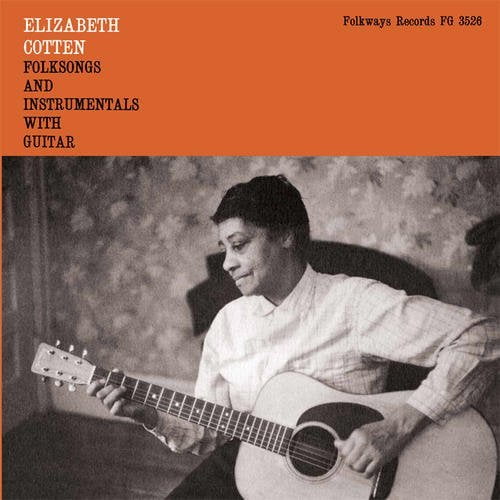
Elizabeth Cotten — Folksongs and Instrumentals with Guitar

Bluegrass Albums Made by Women

Featuring songs like “Freight Train,” this seminal Elizabeth “Libba” Cotten album influenced the 1960s folk “re-awakening.” A mix of traditional and original songs, this 1958 release showcased Cotten’s signature left-hand guitar and banjo-picking styles. Mike Seeger’s recordings of Cotten, released on Folkways Records when she was 62 years of age, cemented her as a true matriarch of folk and blues. “Freight Train,” written when Cotten was only 12, has been covered by the likes of Paul McCartney, Peggy Seeger, and Joan Baez. — Kaïa Kater

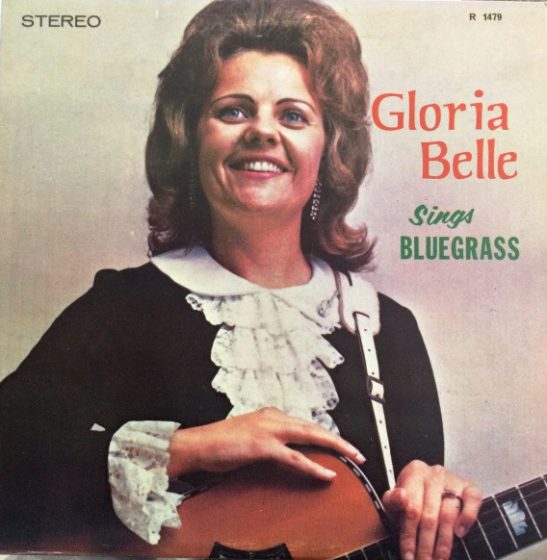
Gloria Belle — Gloria Belle Sings and Plays Bluegrass in the Country

Perhaps best-known for her long stint with Jimmy Martin’s Sunny Mountain Boys in the late ‘60s and ‘70s, Gloria Belle is a fine singer, guitarist, mandolinist, banjoist, and bass player. In 1968, she released her first album as a band leader following singles that featured her mandolin playing. While she succeeded this debut with several more fine albums as a leader, this album features not only her powerful singing but her instrumental mastery, as well, playing lead breaks on banjo, mandolin, and guitar. — Greg Reish

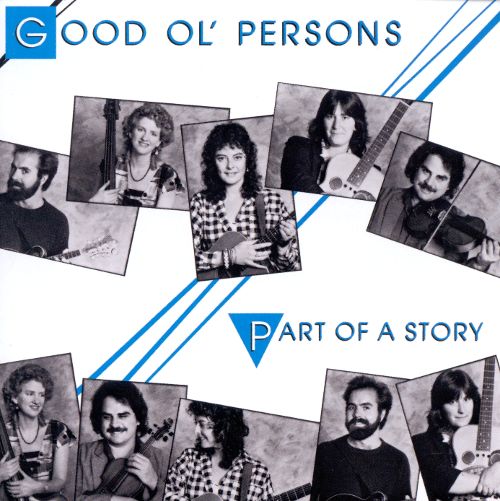
Good Ol’ Persons — Part of a Story

The 1970s California bluegrass scene was fairly devoid of female players and singers, and the Good Ol’ Persons were a beacon of light for many distaff pickers — including me. In many ways, I think the Good Ol’ Persons foreshadowed the more gender-balanced bands that are coming up these days. Kathy Kallick, Sally Van Meter, and Bethany Raine were three-fifths of the band that recorded Part of a Story in 1986 for Kaleidoscope Records and, more than 30 years later, I still find myself coming back to this album. There is something loose and playful about their groove, a feel that separates a lot of California bluegrass of that time from its Appalachian cousin. The gorgeous melody of the title track has stuck with me across decades, and the ecumenical message of “Center of the Word” captures an open-mindedness that I associate with that time and place. — Alison Brown

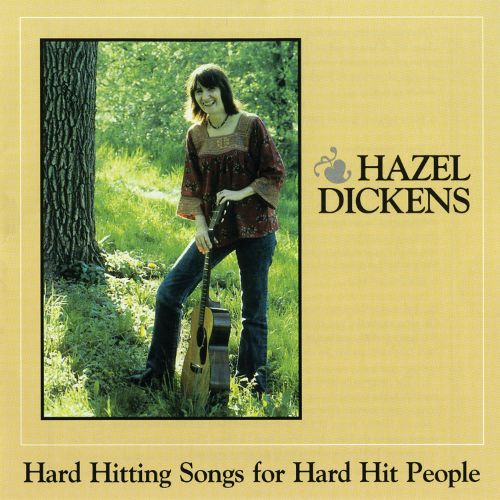
Hazel Dickens — Hard Hitting Songs for Hard Hit People 

Many may argue that bluegrass is apolitical, but not when Hazel Dickens is singing. Despite this year’s induction into the International Bluegrass Music Association (IBMA) Hall of Fame with Alice Gerrard, Hazel’s solo work has yet to receive recognition for its monumental role in songwriting and activism within bluegrass, evoking the political, gendered, and “hard hitting” side of rural life. This album, in particular, continues to offer generations the anthems needed to gather and rally. From “They’ll Never Keep Us Down” to “Scraps from Your Table,” there is nothing hidden about Hazel’s message here: Fighting for the rights of workers and revealing inequity can — and should — be done through song. — Jordan Laney

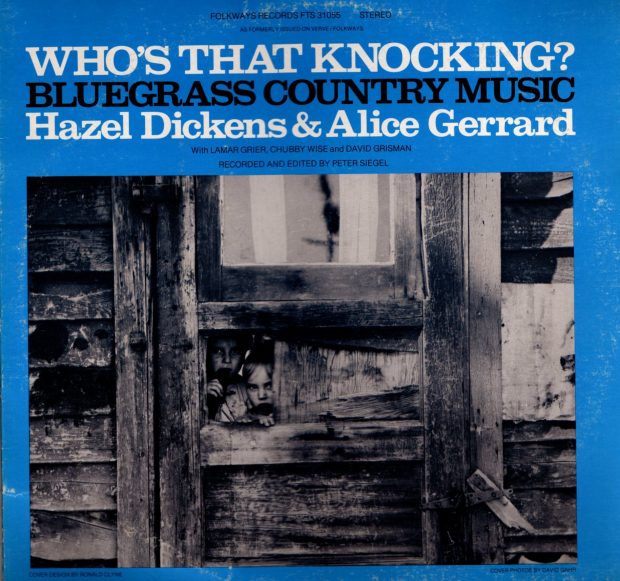
Hazel Dickens & Alice Gerrard — Who’s That Knocking?

I first heard this 1965 album in 1974, and it knocked me out. Hazel & Alice really seemed to capture the high lonesome sound of the Stanley Brothers and Bill Monroe, and the back-up band of Chubby Wise on fiddle, Lamar Grier on banjo, David Grisman on mandolin, and Fred Weisz on bass was a joy to listen to. By today’s standards, it’s pretty rough and rocky, but I read somewhere that the recording budget was $75 … so there you go. I became an instant fan. It was the first recorded example, for me, of women really capturing what I considered to be the bluegrass sound. — Laurie Lewis

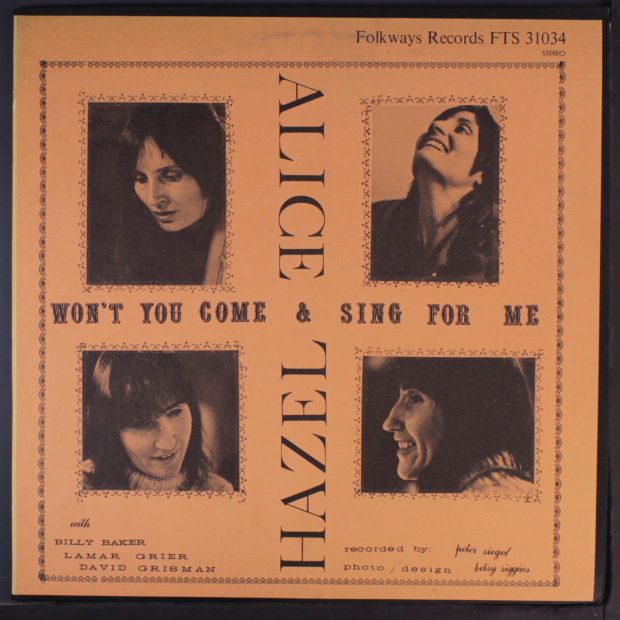
Hazel & Alice — Won’t You Come & Sing for Me

When I first started playing bluegrass in 1975, there were two women who were role models: Hazel Dickens and Alice Gerrard. Every woman who was coming into the scene listened to the two albums they made in the ‘60s, and they were a frequent source of material, as well as being huge inspirations. Over the years, Hazel & Alice were heroes, role models, icons, and, eventually, dear friends. I feel lucky to have crossed paths, sung a bit, and laughed a lot with each of those women! — Kathy Kallick

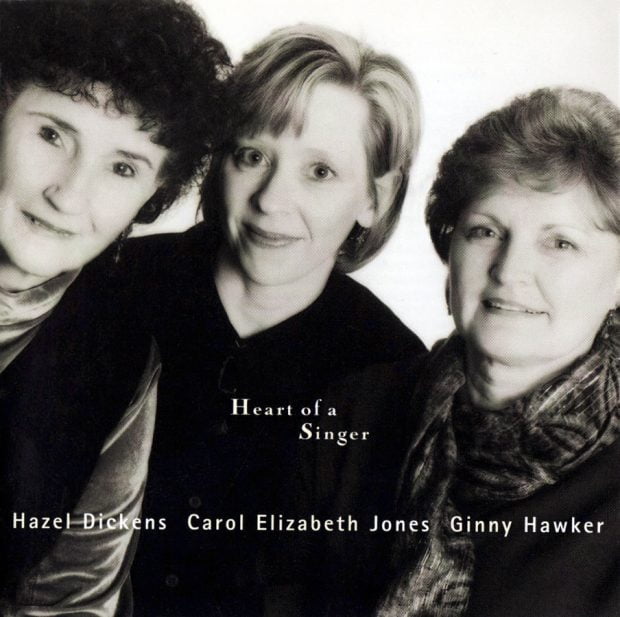
Hazel Dickens, Carol Elizabeth Jones, Ginny Hawker — Heart of a Singer

Three generations of Appalachian women sang together for the first time in the lobby of the good ol’ IBMA. Hazel hadn’t made a record in a decade, but this trio felt special. “The thing that took the longest was choosing the songs,” said Carol Elizabeth, whom I called on a recent night drive to confess my love for this turn-of-the-century masterpiece. It took a year-and-a-half of weekend “marathon singing sessions” to find a batch that checked the boxes — great for harmonies with a story they could stand behind. “Hazel really wanted to sing songs where the women are strong.” Heart of a Singer was recorded in two sessions, one on either side of the birth of Carol Elizabeth’s daughter, Viv Leva (who is now pushing 20 with a forthcoming album that I’ll call an early contender for the next edition of this very list). — Kristin Andreassen

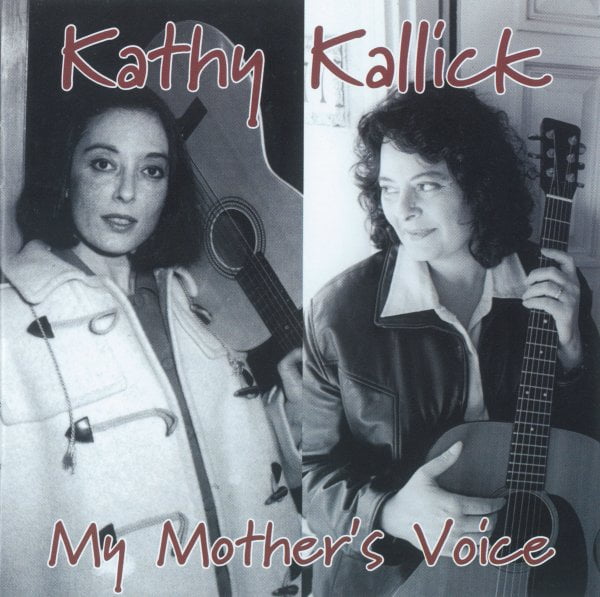
Kathy Kallick — My Mother’s Voice

This is such a beautifully personal album. I love Kathy’s original songs, but these that she learned from her mother tell you everything you need to know about her passion for traditional music. — Megan Lynch

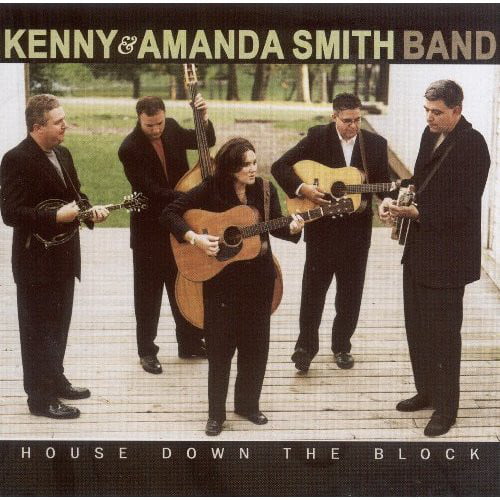
Kenny and Amanda Smith — House Down the Block

When I first heard this record, Amanda’s voice hit me square between the eyes, and I was mesmerized by the choice of material. It really opened me up to the middle ground between covering, for instance, “How Mountain Girls Can Love” and esoteric mid-2000s Alison Krauss songs. — Megan Lynch

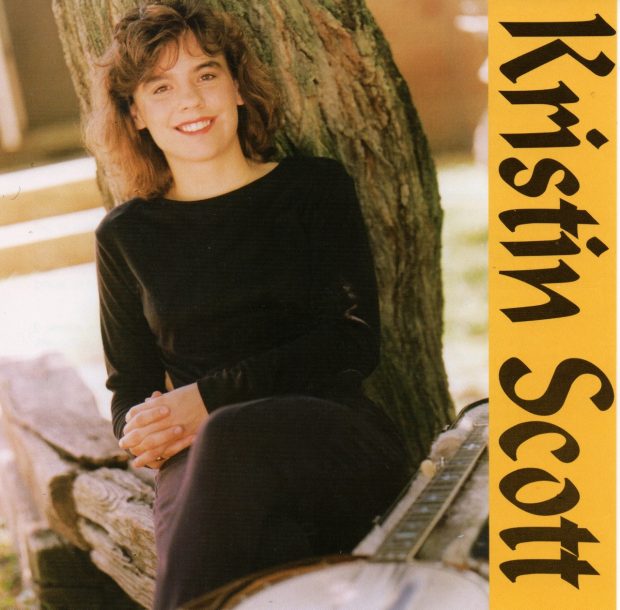
Kristin Scott — Kristin Scott

Kristin’s very first album was a cassette-only release, I think, but it had a huge impact — showing that instrumental prowess and instrumental albums were not just the territory of guys. She blazes through “Follow the Leader” and shows off her more wide-ranging musical tastes on tunes like “Bye Bye Blues” and “Charmaine.” — Casey Henry

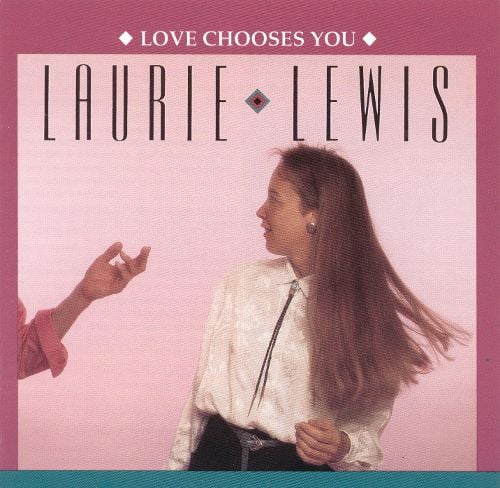
Laurie Lewis — Love Chooses You

With songs like “Hills of My Home” and “When the Nightbird Sings,” Laurie Lewis created a masterful blend of traditional bluegrass and Americana. This record encouraged and inspired me to honor all of the influences that were brewing within me. — Missy Raines

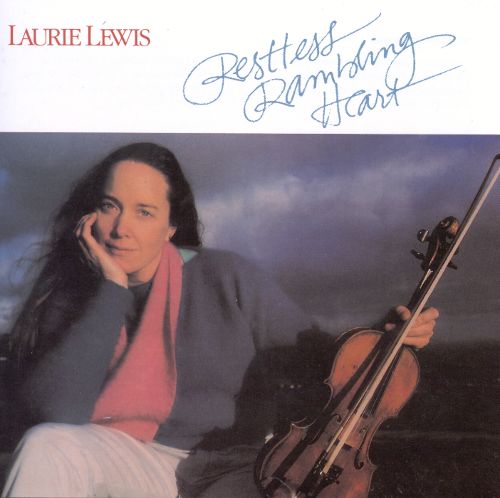
Laurie Lewis — Restless Ramblin’ Heart

Great songs and aggressive fiddling! This album was the first Laurie Lewis record I owned, and it was the beginning of my journey to become a bluegrass musician. — Megan Lynch

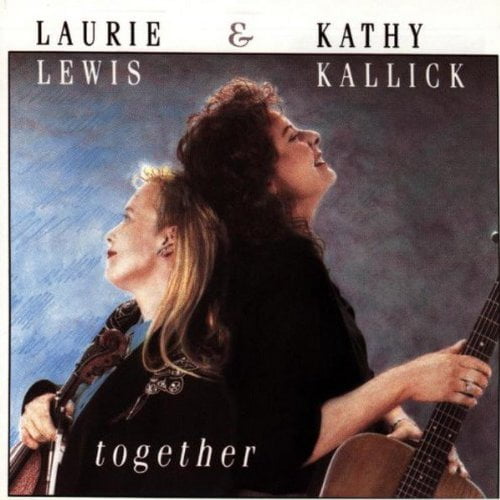
Laurie Lewis & Kathy Kallick — Together

This duet album from these two powerful West Coast women includes Kathy’s song “Don’t Leave Your Little Girl All Alone,” one of the few bluegrass songs in which the ailing mother does not die! They also dedicate “Gonna Lay Down My Old Guitar” to Hazel & Alice with thanks for “breaking trail.” — Murphy Henry

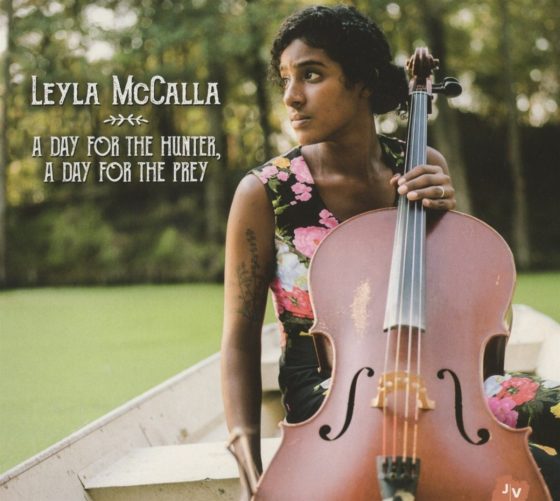
Leyla McCalla — A Day for the Hunter, a Day for the Prey

Having drawn a bit of courage from her time in the Carolina Chocolate Drops, Leyla McCalla ventured out with her own voice on A Day for the Hunter, a Day for the Prey. She felt compelled to not just tell the tales of Black America, but to tell the tales, specifically, of Black Haitian and Creole America. Those are her roots and she wanted to dig them up. Using a cello here and a banjo there, McCalla’s musical — and lyrical — languages bob and weave however they must to remain true to their subjects. And captivatingly so.  — Kelly McCartney

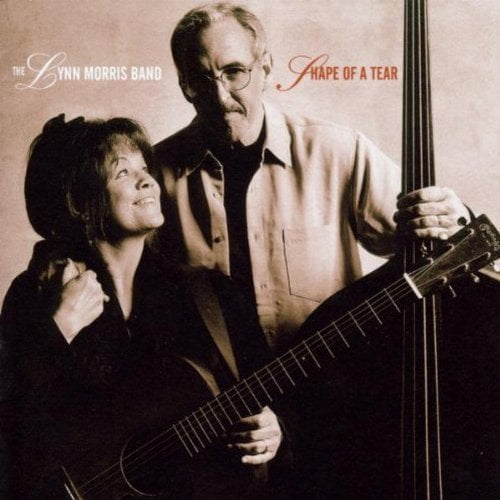
Lynn Morris Band — Shape of a Tear

Lynn’s music is so down to earth, so unpretentious, and just so darn tasteful. While any of the Lynn Morris Band’s albums could easily be included on this list, I think she really out-did herself on Shape of Tear. — Gina Clowes

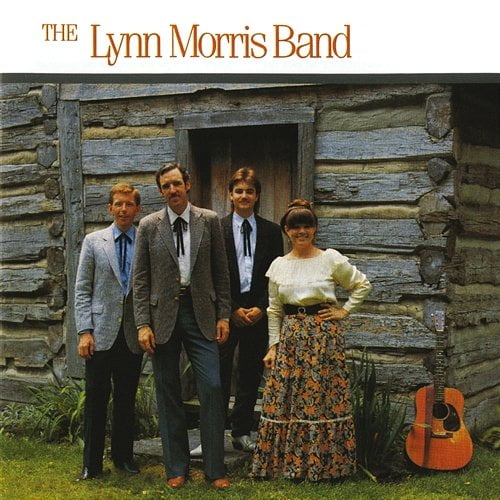
Lynn Morris Band — The Lynn Morris Band

I started hearing about Lynn Morris in the 1980s, when she was playing with Whetstone Run. Lynn had a wonderful knack for finding material outside of the traditional bluegrass repertoire and turning those songs into bluegrass classics. She was a powerhouse guitar player and a ferocious banjo player, having won the National Banjo Championship in 1974. The fact that she was so accomplished as a musician and couldn’t earn a place in a good band irked her, and she was never completely comfortable leading her own band. Still, she was a wonderful front person, warm and personable, and her voice was heavenly. I had a long conversation with her in the early 1990s about her style of band leading. She took that job very seriously, and she was working with men who were often uncomfortable with her leadership role. She had to hold authority without complete support and that was challenging. She pushed the band hard, with long drives, often with a detour of several hours to play live on the radio or anything else that would promote the band. It paid off, as she was named Female Vocalist of the Year by IBMA, won Song of the Year with Hazel Dickens’ song “Mama’s Hand,” and her bandmates went on to win IBMA awards, as well. — Kathy Kallick

Molly Tuttle — Rise

Molly Tuttle’s 2017 release, Rise, gives me hope for the future of this genre. She’s not only a formidable singer, songwriter, and band leader, but is the first female to win IBMA’s Guitar Player of the Year award. (’bout damn time, amiright?) Her sound is mature and focused, making it a beautiful reflection of the future of bluegrass. — Amy Reitnouer

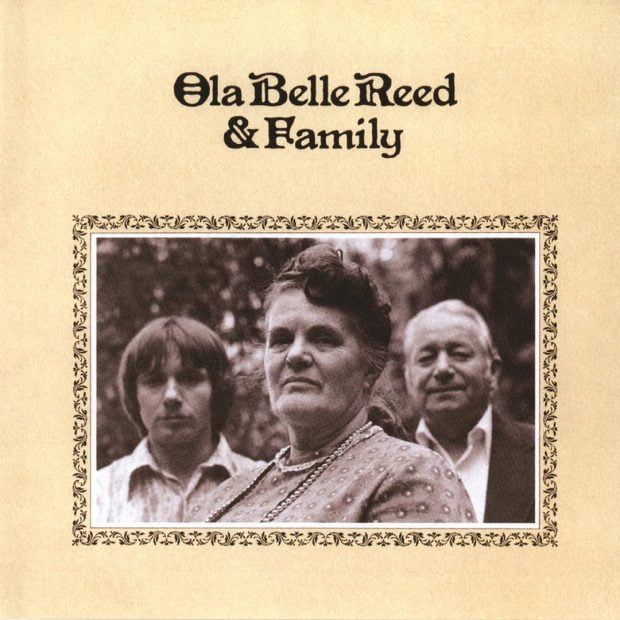
Ola Belle Reed & Family — Ola Belle Reed & Family

Ola Belle. The original queen of bluegrass singer/songwriter banjo players. She wrote about half of the classics on this album, including “I’ve Endured,” which you probably know from Tim O’Brien’s version. She comes right out and sings “Born in the mountains, 50 years ago” — her age at the time of this recording in ’76 — while most of the cover versions get slippery with “many years ago.” The only quandary I had in including this record on my list of favorite bluegrass albums by women is that I’m rarely able to listen past the brilliance of track four, which happens to be the one song Ola Belle’s son, David, sings solo while accompanying himself on the autoharp. His version of “Lamplighting Time in the Valley” (an old Vagabonds song) is one of those magic tracks that hits you from another dimension and must be listened to on repeat, but since Ola Belle created her son, I’m going to give her the points for that one, too. — Kristin Andreassen

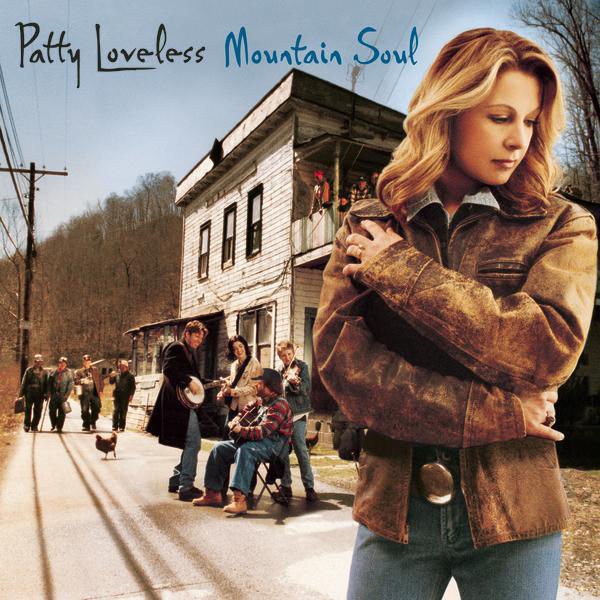
Patty Loveless — Mountain Soul

“Mountain soul” is a common attribute associated with Patty Loveless’s stunning voice, long before she decided to pay homage to her eastern Kentucky heritage with an album by the same title. Her 2001 bluegrass project might be the most authentic of the “country-star-makes-bluegrass-album” endeavors that we have seen. Joined by bluegrass veterans — including Earl Scruggs, Gene Wooten, Clarence “Tater” Tate, and others — Patty also featured some all-star talent from the likes of Ricky Skaggs, Travis Tritt, and Jon Randall for some powerful collaborations. Without question, though, the album’s pinnacle performance is the now-classic rendition of Darrell Scott’s “You’ll Never Leave Harlan Alive” — six minutes of nothing but Patty’s signature “mountain soul” sound. — Daniel Mullins


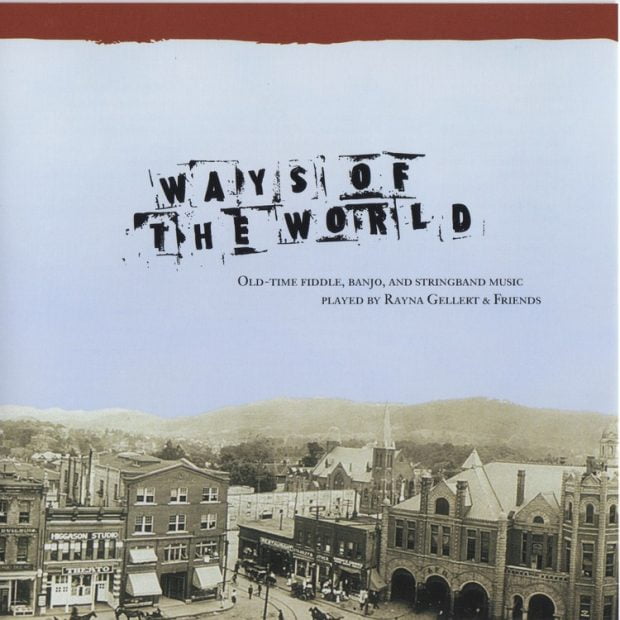
Rayna Gellert — Ways of the World

So Rayna will see this list, raise one eyebrow, and say, “Did I make a bluegrass album?” … because she plays old-time music, you know. If you’re still unsure of the difference, let Ways of the World be a guidepost. Groovy as a giant’s corduroy pant leg, this music needs a fiddle chop like a hole in the knee. But an album of mostly string band instrumentals, including a blessedly reincarnated version of the 100 percent bluegrass-certified “Arkansas Traveler,” is surely a close cousin. When Ways came out in 2000, it was a big moment for those of us who were just coming up through the cracks between folk revivals. A little younger than the hippies and a little older than the yet-to-be hipsters, there weren’t so many of us kids on the scene then. Ways came to me as a gift, and there was a picture in the liner notes of Rayna getting her head shaved. So, of course, we met, and eventually we had a band called Uncle Earl. — Kristin Andreassen

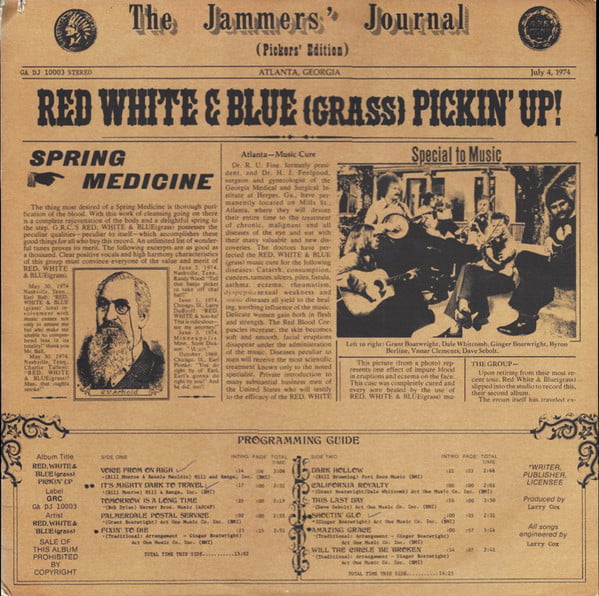
Red White and Blue(grass) — Pickin’ Up

This is the second LP by this early supergroup led by Ginger and Grant Boatwright. Although the album includes just one of Ginger’s original songs, her expressive singing is front and center on most of the tracks. Outstanding instrumental work by Grant on guitar, Dale Whitcomb on banjo, and Byron Berline and Vassar Clements on fiddles make this some of the best ‘70’s bluegrass ever recorded. The repertory is beautifully varied, too, with Ginger’s brilliant renditions of a couple of Bill Monroe classics, original instrumentals by members of the band, Bob Dylan’s “Tomorrow Is a Long Time,” and such diverse traditionals as “Fixin’ to Die” and “Amazing Grace.” — Greg Reish

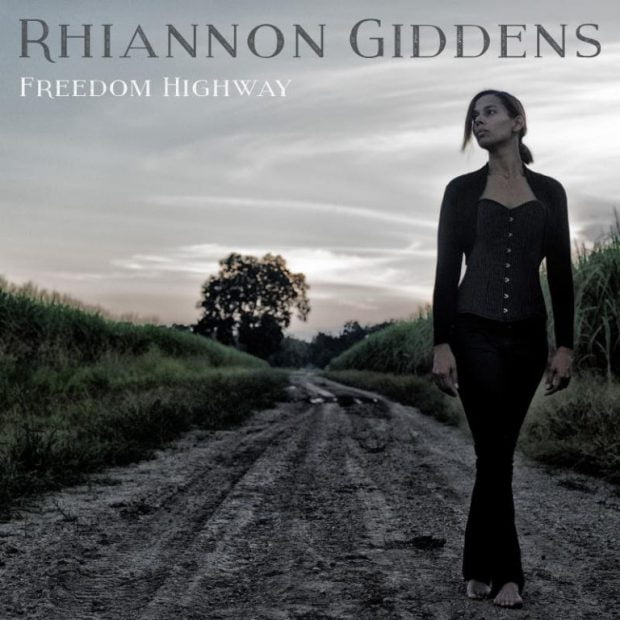
Rhiannon Giddens — Freedom Highway

While it’s merely bluegrass-adjacent with its old-time, soul, and folk tendencies, this album should be on a list of the top 50 albums by women, regardless of genre. It’s just that good. And just that important. From her early days in the Carolina Chocolate Drops to her current standing as a MacArthur Fellow, Rhiannon Giddens has shown us, time and again, that she ain’t messing around. She is a student of history and an advocate for justice, folding both of those duties together in her music which uses our past to gauge our present. To that end, on Freedom Highway, she gives voice to slaves and other victims of racial violence who dare not speak for themselves, but whose stories must be heard by all courageous and conscious enough to listen. And she stands firm in the roots from which bluegrass grew.  — Kelly McCartney

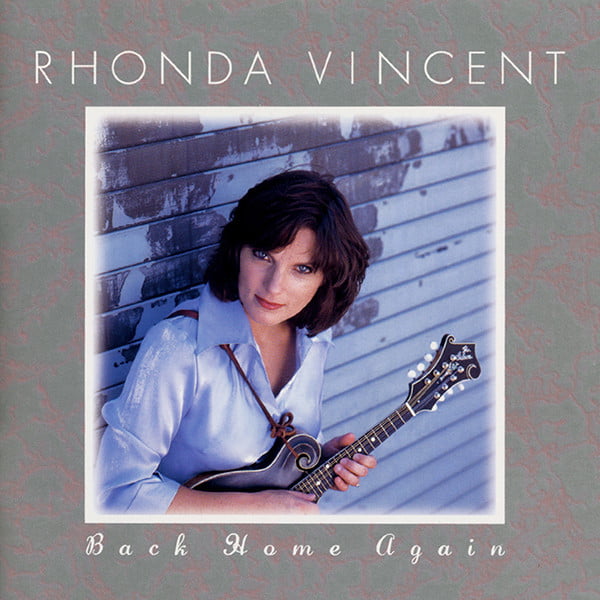
Rhonda Vincent — Back Home Again

Following a mid-90s foray into commercial country music, Rhonda Vincent had been back in bluegrass for a few years already before releasing her Rounder debut. But signing with the industry-leading label spurred her to a deliberative process that, combined with some of the best singing you’ll ever hear, makes the album a bona fide classic. She recorded two dozen tracks, then listened to what they told her when it came to making her final selections. Back Home Again combines kick-ass, hard-edged bluegrass played by a large and varied all-star cast with heart-wrenching country ballads sung with immaculate yet gripping harmonies, mostly from her brother Darrin with an occasional assist from their father and a couple of others. Nevertheless, the dominant term in the equation is Rhonda’s own singing — not to mention her hand as co-(and arguably lead) producer. The whole thing is polished to a high, high gloss, but it’s compelling as all get-out. — Jon Weisberger

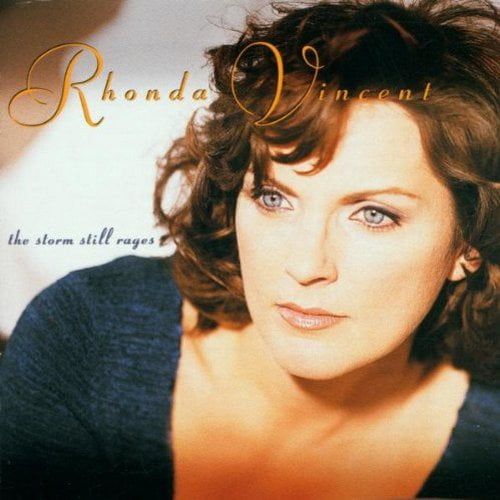
Rhonda Vincent — The Storm Still Rages

At the turn of the century, Rhonda Vincent made a triumphant return to bluegrass music following several years of an under-appreciated country career. Back Home Again resulted in her being crowned the “Queen of Bluegrass,” and 2001’s The Storm Still Rages only enforced the moniker. Perfectly toeing the line between hard-driving traditional bluegrass and smooth acoustic sensitivity, the album includes such Rhonda Vincent classics as “I’m Not Over You,” “Bluegrass Express,” “You Don’t Love God If You Don’t Love Your Neighbor,” and “Is the Grass Any Bluer.” That year also marked Rhonda Vincent & the Rage’s Entertainer of the Year award from the IBMA, making her one of only two female band leaders to bring home the IBMA’s top honor (the other is Alison Krauss), and resulted in her second (of a record eight) IBMA Female Vocalist of the Year awards. The authority with which she sings and plays every note leaves those who want to throw about the “pretty good for a girl” caveat looking foolish. Rhonda is continually expanding the levels of professionalism in bluegrass music, and her ability to raise expectations (not just for women, but for the entire industry) is why she is one of the genre’s premiere figures. The Storm Still Rages is one of the queen’s crowning achievements. — Daniel Mullins

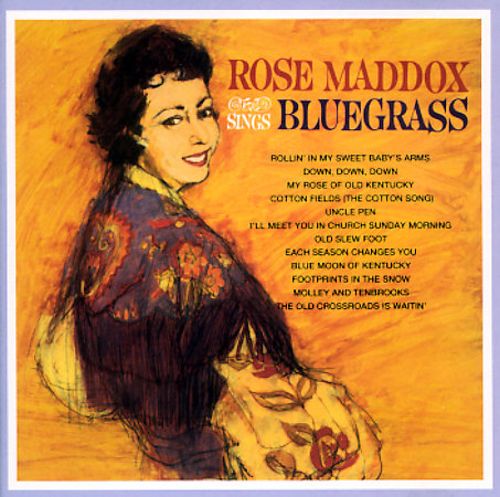
Rose Maddox — Rose Maddox Sings Bluegrass

Released in 1962, this album has the distinction of being the first in the bluegrass field by a female vocalist. I first heard it in about 1974, and while I couldn’t really accept her voice as a bluegrass instrument (her big brassy vibrato sure doesn’t sound like the Stanley Brothers!), I kept going back to it for the sheer fun, the energy of the music, and for the repertoire. It’s got a fine back-up band, featuring Don Reno on banjo, Tommy Jackson on fiddle, and Ronnie Stoneman and Bill Monroe splitting the mandolin chores. — Laurie Lewis

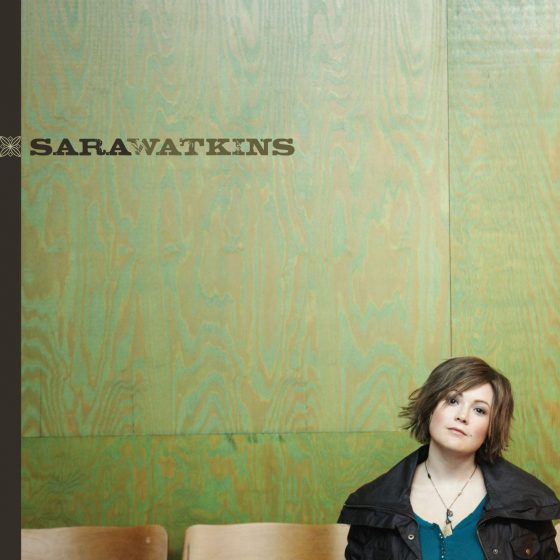
Sara Watkins — Sara Watkins

No, it’s not the most traditional bluegrass album ever recorded, but coming out of Nickel Creek’s more progressive latter days, Sara Watkins’ debut solo record illustrated that she still had at least one foot planted firmly in tradition. But who’s counting? These originals got me through more than one heartbreak and the covers — of Norman Blake, John Hartford, Tom Waits, and Jimmie Rodgers — confirm the respect for the music’s past that you can feel as you listen. Make no mistake, though, Sara Watkins is looking toward roots music’s future; her following solo albums and her work with I’m With Her are blazing a trail I’m excited to follow. — Justin Hiltner

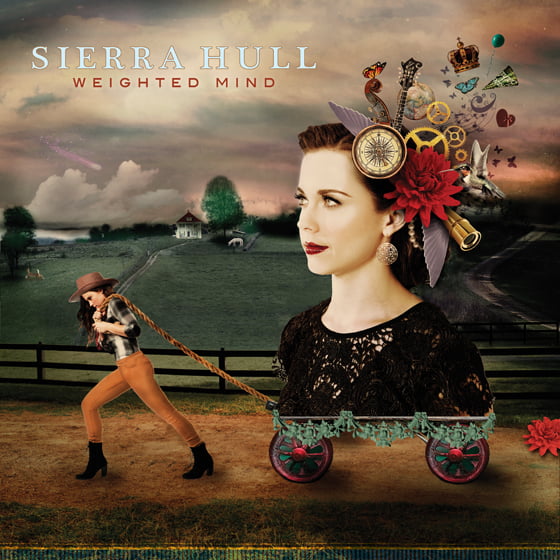
Sierra Hull — Weighted Mind

I think I saw Sierra perform for the first time with her band Highway 111 when I was 17 years old. I was simultaneously inspired — and infuriated — by the fact that someone my age could have so much creativity, such great touch and tone, and such ridiculous chops. Through the years, as we’ve both grown up, the inspiration has only increased and the infuriation is now much more … constructive. Weighted Mind has been hailed as a coming-of-age record for Sierra, but I think that categorization is far too simplistic. When I listen to this record, I do hear maturity, but more prominently, I hear individuality, vulnerability, confidence, transcendence, and infuriating, ridiculous chops. — Justin Hiltner

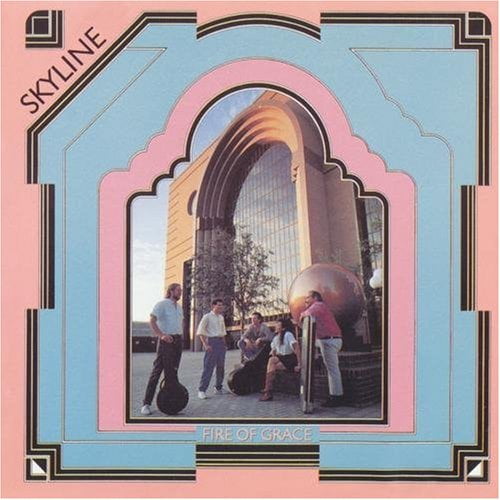
Skyline — Fire of Grace

This is a weird album, but it was one of the first weird bluegrass albums with a woman fronting the operation. And, yes, Tony Trischka’s name is sort of up front in this band, but it was Dede Wyland’s singing and guitar playing that really stood out. — Megan Lynch

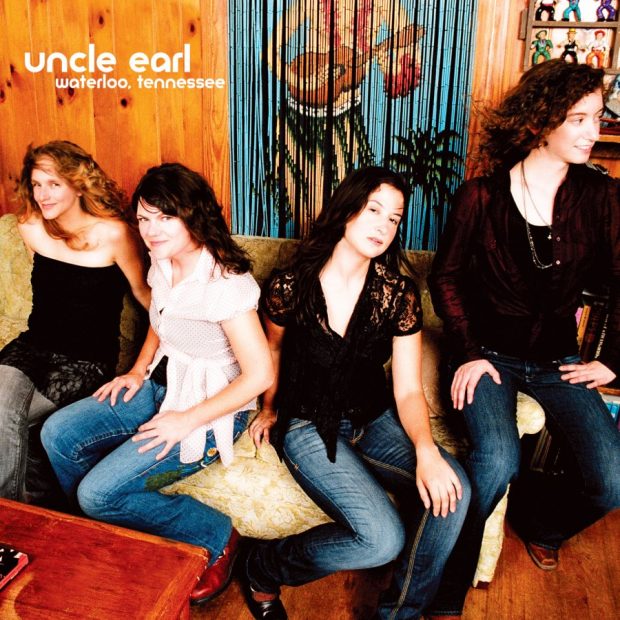
Uncle Earl — Waterloo, Tennessee

Any list of great female albums anywhere in this realm would be incomplete without an entry from the “Bangles of Bluegrass” — Uncle Earl. And their 2007 release, Waterloo, Tennessee, proves why. Packed with 16 old-time tunes, the set weaves the ladies’ vocals harmonies and instrumental chops into an irresistible musical tapestry that is both contemporary and classic. (Rumor has it, the G’earls — KC Groves, Abigail Washburn, Rayna Gellert, and Kristin Andreassen — may even be readying some new material.) — Kelly McCartney

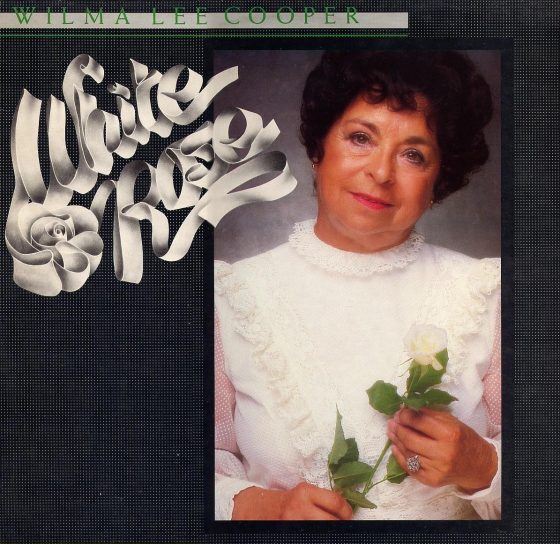
Wilma Lee Cooper — White Rose

After many famous years of singing old-time country music with her husband Stoney, Wilma Lee Cooper released a string of solo albums that veered more and more toward bluegrass following Stoney’s death in 1977. Recorded for Leather Records, which released A Daisy a Day (Wilma Lee’s solo debut), White Rose was recorded in 1981 but wasn’t released until Rebel issued it in 1984. This is pure bluegrass, with Cooper accompanied by some of the best Nashville pickers who also played with her on the road and at the Opry — Marty Lanham on banjo, “Tater” Tate on fiddle, and the brilliant Gene Wooten on dobro. — Greg Reish
Never Be Lonesome: The Bluegrass Inclusion Movement Sweeps Raleigh

Well after midnight on Thursday at World of Bluegrass in Raleigh, North Carolina, Molly Tuttle and her quartet took the stage of the Lincoln Theater for a surprise show. The room quivered with anticipation because, a few hours before, Tuttle had been named the IBMA Guitar Player of the Year — the first woman to ever be nominated for the prize.

Women have won in the instrumental categories of banjo, bass, fiddle, and mandolin (Sierra Hull earned her second trophy on the same September night). But lead guitar felt like a bluegrass Rubicon. Weighing against Tuttle, and fellow feminine flatpickers like Courtney Hartman and Rebecca Frazier, are decades of societal coding of guitar in rock ‘n’ roll as a phallic proxy for masculine sexuality. But even beyond that, the bluegrass world, as good as it’s been cultivating its youth, has strongly suggested that girls coming of age should play rhythm and sing. Playing machine gun solos a la Tony Rice or daredevil cross-picking like David Grier seemed anathema for way too long. Where there reasons for this? Anything physical, emotional, or intellectual? Uh, no.

Tuttle’s win coincided with a few other signifiers of progress in the long slog toward full inclusion for women in the music. Hazel Dickens and Alice Gerrard were inducted last week (belatedly) into the Bluegrass Hall of Fame. A smart display in the foyer of the Raleigh Convention Center depicted the history of women in bluegrass, from Sally Ann Forrester to Alison Krauss and the abundant riches of today’s scene.

Feminism was bluegrass music’s first go at civil rights and inclusion, and it took a long, grinding time to arrive at something resembling parity in the modern world. As Murphy Hicks Henry points out in her 2013 book, Pretty Good for a Girl: Women In Bluegrass, one early scholarly work on the genre literally defined the bluegrass band as “four to seven male musicians (Henry’s emphasis) who play non-electrified stringed instruments.” And that was after Bessie Lee Mauldin played bass for Bill Monroe for eight years. Henry’s definitive history set out, she wrote, “to lay that tired myth of bluegrass being ‘man’s music’ to rest. Bluegrass was and is no more ‘man’s music’ than country music was ‘man’s music,’ than jazz was ‘man’s music,’ than this globe is a ‘man’s world.’”

Carry that to its logical and uproariously banal conclusion, and one might dare to propose that bluegrass is everybody’s music. And, in fact, that premise is being put to the test nationally, including in the hothouse environment of IBMA. The most pressing issue and exciting conversations at World of Bluegrass 2017 were about inclusion and diversity in a genre that has, for decades, presented an almost uniformly white, straight, Christian face to the world. Ain’t nothing wrong with any of those things. I’m two of them and love many who are all three. But that is clearly not everybody, and it would be cool if LGBTQ+ people and people of color could, you know, skip ahead to the good part without the decades of hand-wringing and foot dragging that women endured. Hazel & Alice didn’t go the distance for themselves alone or for women alone, after all. They bid the stranger, per the Carter Family, to “put your lovin’ hand in mine.” They sang for the marginalized, all of them.

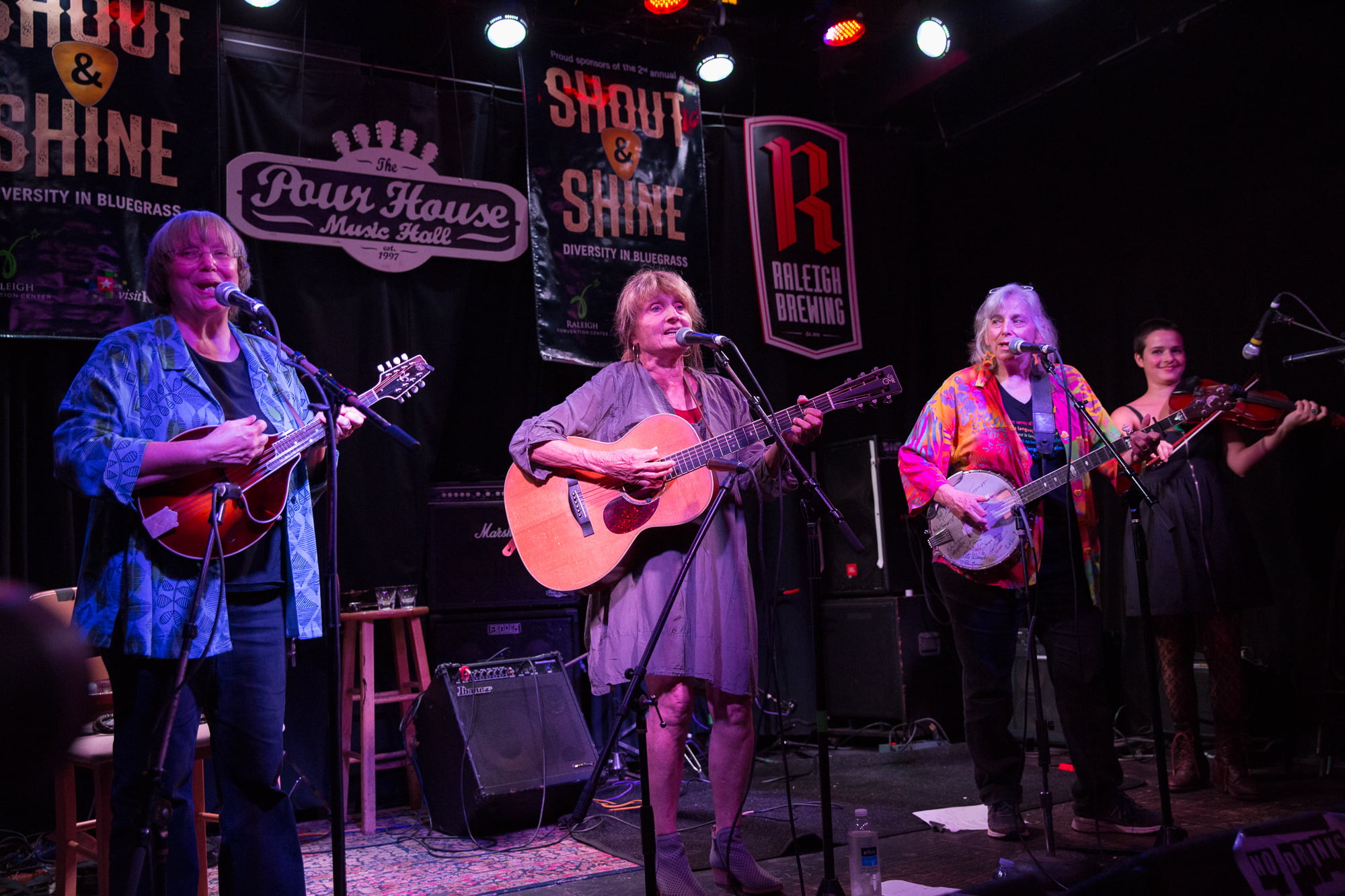
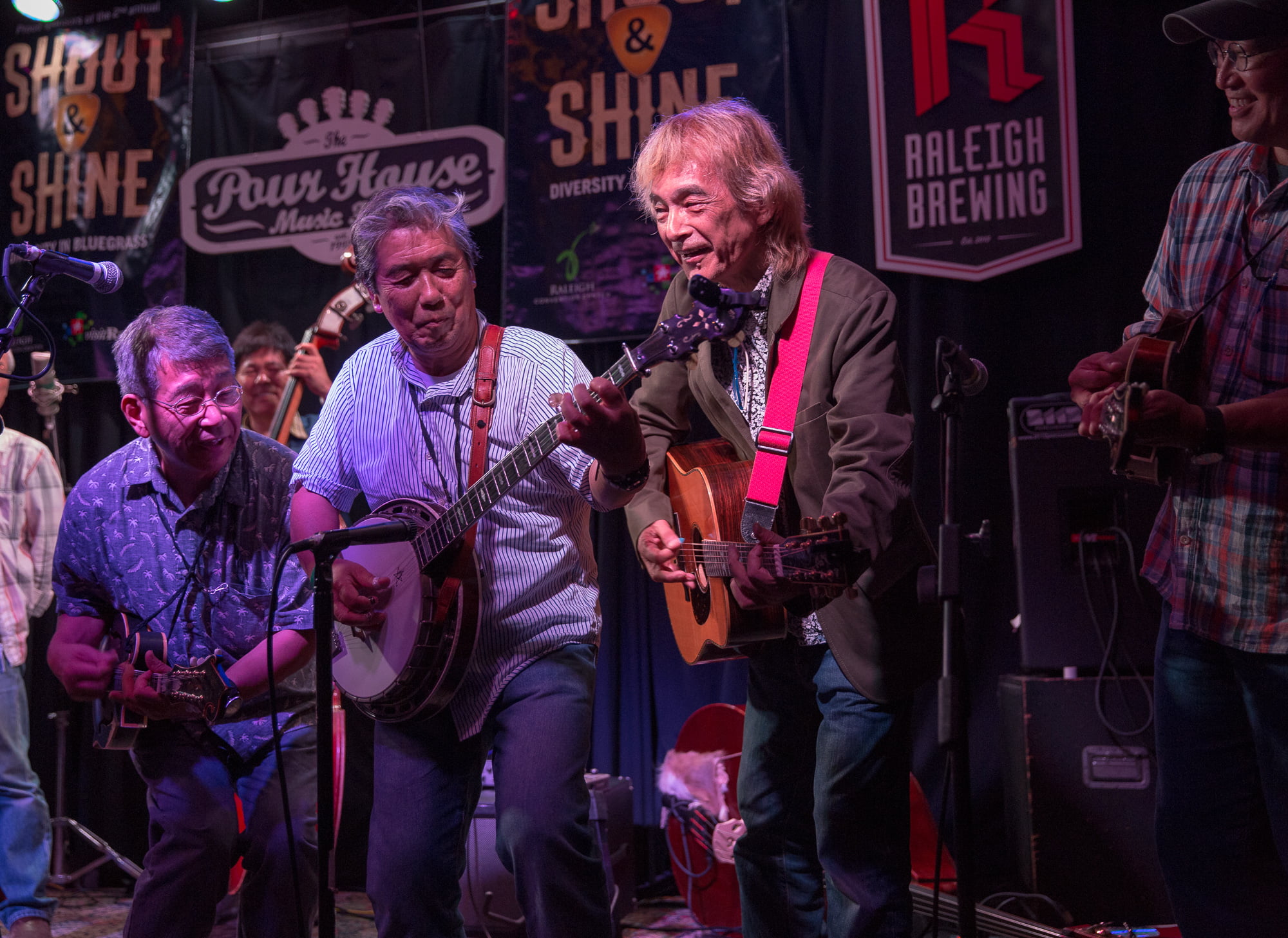
Alice Gerrard, flanked by Cathy Fink and Marcy Marxer, at Shout & Shine

Over the past 12 months, the inclusion movement has been on a forward roll. The most talked about event at the 2016 IBMA convention was the semi-sanctioned, upstart Shout & Shine diversity showcase, with musicians who were Black, brown, and queer throwing down on banjos and fiddles. If any one thing put a new face on bluegrass music in modern times, it was this. Organizer Justin Hiltner (the BGS’s social media director) stepped up in a leadership role, not only by example as an openly gay banjo-playing dude from Nashville, but by challenging the IBMA institutionally and professionally to be explicitly and publicly inclusive, or risk leaving new generations of potential members uninterested.

Minor controversy broke out last spring when members of the California Bluegrass Association sponsored a float in the June San Francisco Pride Parade. A thread on the association’s forum is full of respectful conversation and overwhelming support for putting a float with a live bluegrass band in one of the Bay Area’s biggest public gatherings. While there seem to be no reports of outright hostile homophobia, a minority of the membership took the more oblique path of objecting to their music and association being tied to “religion and politics.” One fellow wrote, “I see the gay pride parade as a promotional event for the gay lifestyle and the in-your-face display of that lifestyle.”

The CBA contingent went ahead, of course, and besides having a triumphant day, the float went on to win the SF Pride Best of the Best Overall Award, the highest honor for Pride participants. In the end, a small handful of people resigned from the CBA, but even more appear to have joined. And Bluegrass Pride’s rainbow forward t-shirts and buttons became the hot thing to wear at Raleigh’s World of Bluegrass.

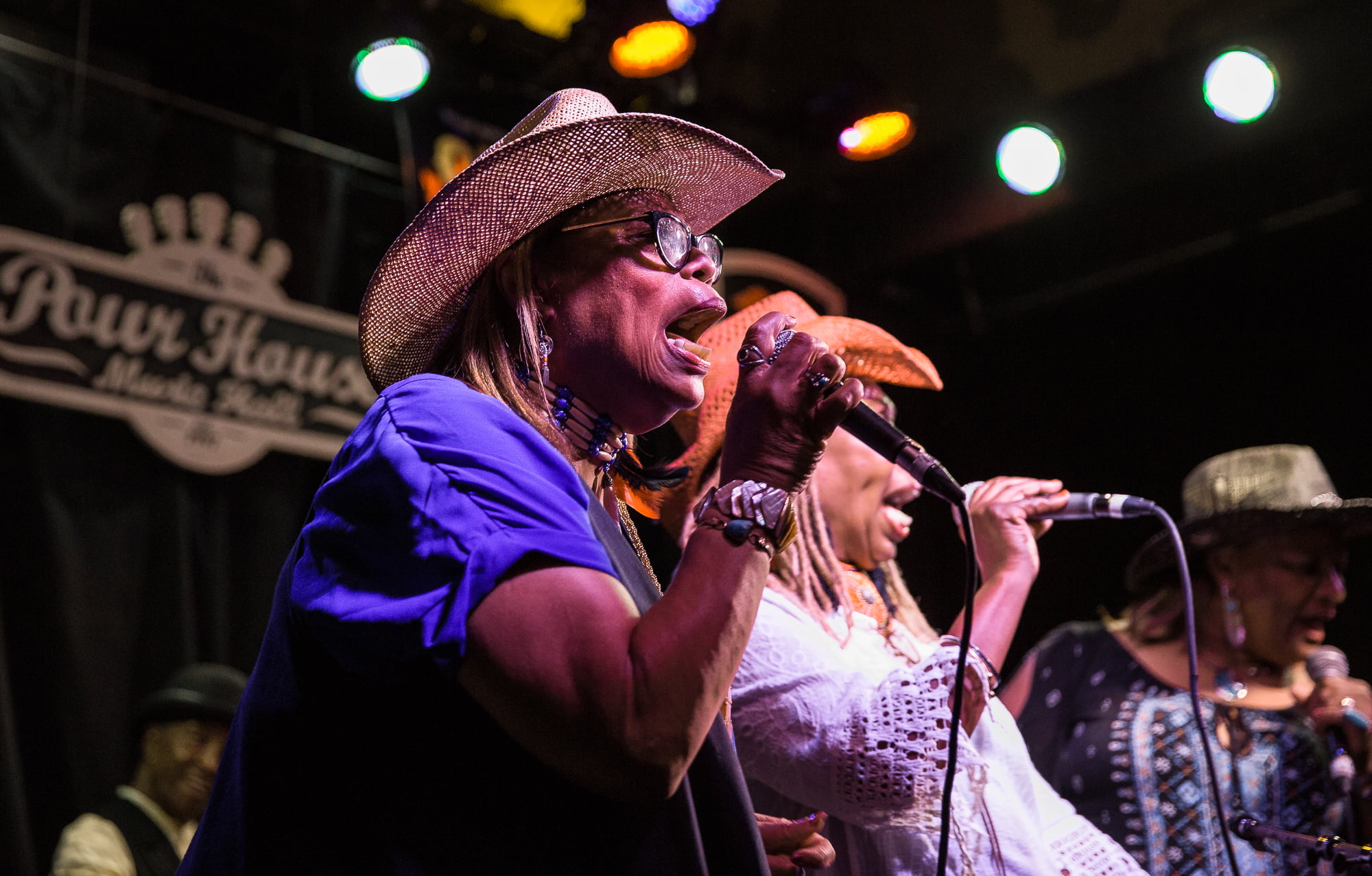
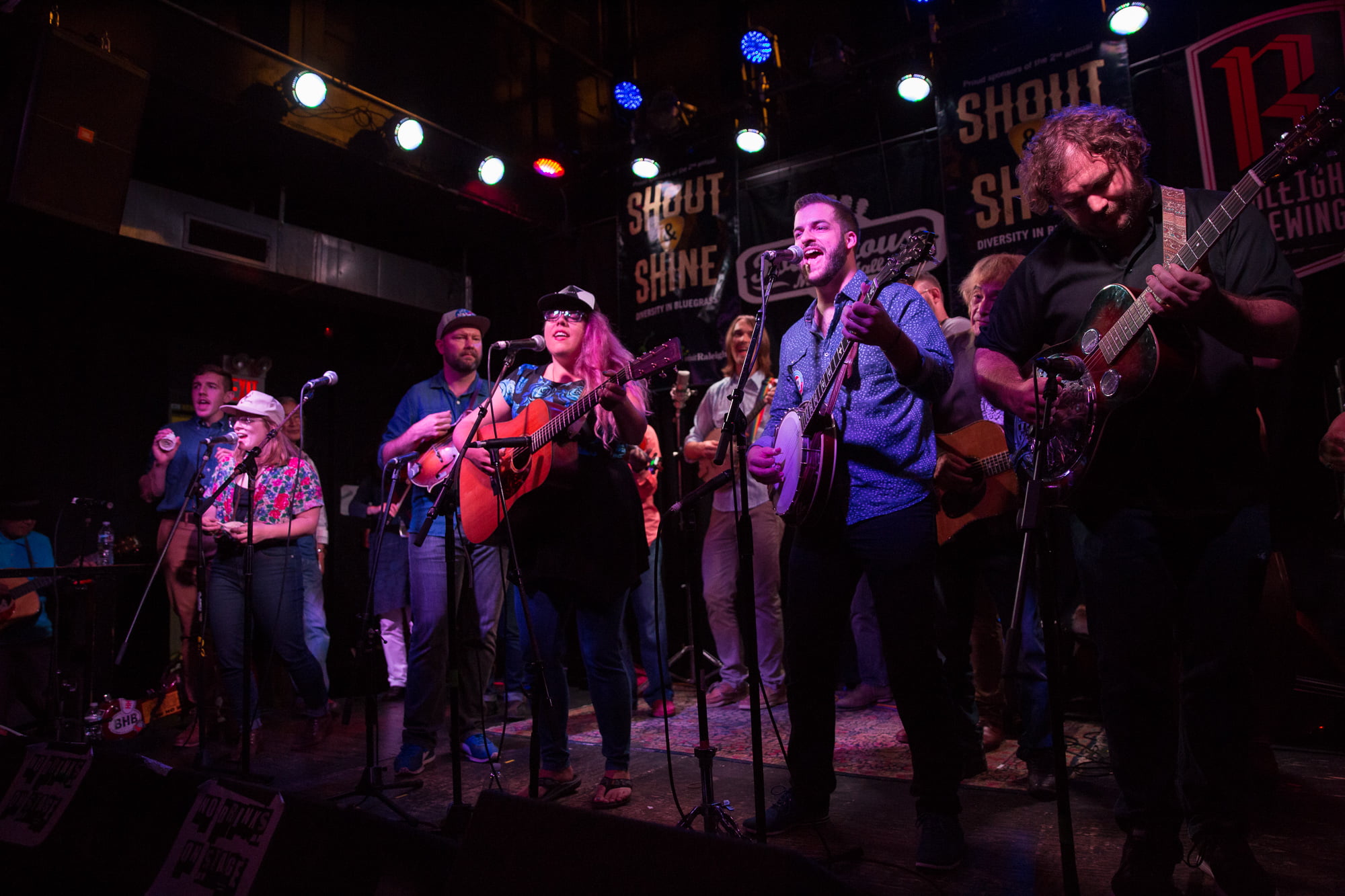
Likewise, this year’s second Shout & Shine concert was a hit, with performers that included the African-American string band the Ebony Hillbillies and openly gay Kentucky folk singer Sam Gleaves, plus his mentors, married folk duo Cathy Fink and Marcy Marxer. Gleaves told me he found the event “heartening and really fabulous,” but this most humble gentleman tends to emphasize the aspirations of others more than his own identity, be it a more prominent place for people of color or old-time folk music itself.

Melody Walker, whose band Front Country led the show-closing super jam, said that the “Shout and Shine showcase was the most diverse stage and audience I’ve ever seen at IBMA. It was really beautiful and it kind of feels like a window into the future of what IBMA could be, if we express love and openness to the world and let people know that it’s safe to fall in love with bluegrass and they have a place here.”

Justin Hiltner and Sam Gleaves join Front Country for the Shout & Shine super jam

I kept looking for somebody to break out in hives. Because, seriously, people in bluegrass will do that over the wrong kind of banjo tone ring. But even amid the hustle and bustle of the convention center and town hall meeting, I heard not a discouraging word. Somehow, with a mixture of diplomacy, facts, humanity, and appropriate assertiveness, the Bluegrass Pride movement made its impression and the ecosystem took it in stride.

Likewise, for the Thursday afternoon keynote address by Rhiannon Giddens, founding former member of the Carolina Chocolate Drops and the 2016 winner of the Steve Martin Banjo Prize. IBMA officials who conceived of and worked on the invitation described some board members as wary, for reasons that are hard to discern. Nobody went public. Nobody’s come up to me and said, “What’s she doing here?” But was IBMA truly ready for an authoritative African-American figure with a major label deal, an acting role on CMT, and other high-profile platforms to come to their stage and talk candidly about bluegrass and race?

Apparently so. Reaction to the Tuesday afternoon speech was, spitballing here, 90 percent rapture and 8 percent relief. (I’ll assume 2 percent unspoken upset or non-attendance.) Sounding for all the world like Barack Obama, with her biracial family story and her sense of only-in-America (for good and otherwise), she spoke of bluegrass music as honestly and completely as I’ve heard it told. I expect that fans, musicians, and scholars will replay and review its layers for years to come because it was dense with truth and a powerful revision of our standard origin story. She offered her own account of growing up in and near Greensboro, North Carolina with a white uncle who played bluegrass and a Black grandmother who simply adored Hee Haw. Her carefully documented recounting of Black string bands and the appropriation of the banjo were full of similar counter-intuitive revelations.

“In order to understand the history of the banjo and the history of bluegrass,” she said, “we need to move beyond the narratives we’ve inherited, beyond generalizations that ‘bluegrass is mostly derived from a Scots-Irish tradition with influences from Africa.’ It is, actually, a complex Creole music that comes from multiple cultures, African and European and Native — the full truth that is so much more interesting and truly American.”
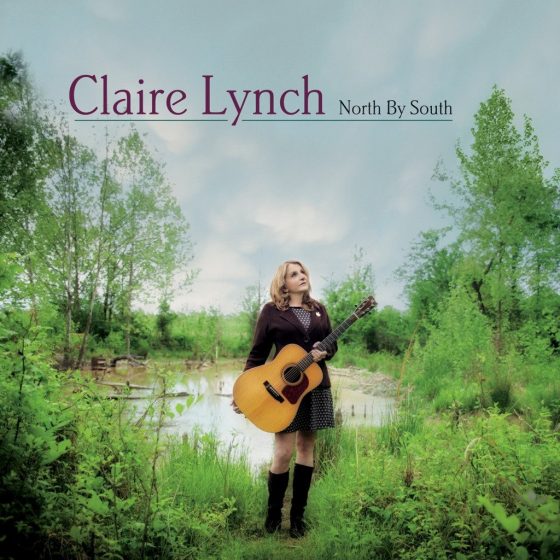
This was the wind-up to the line that’s been most widely quoted, the thesis sentence, if you will: “Are we going to acknowledge the question is not ‘How do we get diversity into bluegrass?’ but ‘How do we get diversity back into bluegrass?’” This line resulted in one of a half-dozen of rounds of mid-speech applause that led to the ultimate standing ovation.

Member of Bluegrass 45 lead the Japanese Jam

For years, my joke about bluegrass is that it’s very diverse. It attracts all kinds of white people. The serious sentiment behind that veil is is my early and ongoing impression that, besides being an exciting and powerful musical form with an American heartbeat, bluegrass attracts what pundit and podcaster Ana Marie Cox calls an “uneasy coalition.” Bluegrass festivals are one of the rare places I’ve seen rural Red Staters and urbane Blue Staters enjoying life and mingling together. The scene is somewhat like Willie Nelson’s ecumenical shows of the 1970s, with Christians and hippies and farmers and nerds. This variety show can also be found in sports, but frankly at NBA or NFL or MLB contests, you can easily arrive, cheer, and leave without engaging with anybody not of your tribe. In the musically charged environment of bluegrass, that’s far less likely. We go to church apart. We vote apart. But we all love Flatt & Scruggs and Sam Bush.

This is more than merely cool. It’s important. Immediately outside IBMA’s confines, as all this was going on, in real time, President Trump was fanning flames of anger over peaceful, protected protest of police brutality. Issues of LGBTQ+ inclusion regularly produce cascades of vitriol and culture war, where all that was hoped for was the same thing artists hope for on stage — listening — and maybe some empathy and vulnerability for good measure.

Shout & Shine takes its name from a Christian hymn written in the 1950s that’s been covered by gospel groups and bluegrass bands. The first verse is heavy-handed with its promise of being issued a robe and crown upon entry into paradise. But the second and final verse has a nicer prophesy for the musically minded:

I’ll never be lonesome in that city so fair

And all will be so divine.

Many of my loved ones and neighbors will be there.

In heaven, we’ll shout and shine.

We want people to sing about being lonesome in bluegrass. But actually being lonesome? Not so much.


Photo credit: Willa Stein. Lede image: The Ebony Hillbillies headline Shout & Shine.

Craig Havighurst is music news director and host of The String at WMOT Roots Radio in Nashville. Follow him on Twitter @chavighurst
 

The 2017 IBMA Award Winners

The winners of the 2017 International Bluegrass Music Awards were announced last night with Molly Tuttle becoming the first woman ever to be nominated for — and WIN — an IBMA Guitar Player of the Year Award. 

The IBMA also inducted into the International Bluegrass Music Hall of Fame a number of legendary artists, including Hazel Dickens & Alice Gerrard, Bobby Hicks, and Roland White. Congratulations to all!

ENTERTAINER OF THE YEAR
Balsam Range
Doyle Lawson & Quicksilver
The Earls of Leicester
Flatt Lonesome
The Gibson Brothers

VOCAL GROUP OF THE YEAR
Balsam Range
Blue Highway
Doyle Lawson & Quicksilver
Flatt Lonesome
The Gibson Brothers

INSTRUMENTAL GROUP OF THE YEAR
Balsam Range
The Earls of Leicester
Frank Solivan & Dirty Kitchen
Michael Cleveland & Flamekeeper
Punch Brothers

SONG OF THE YEAR
“Blue Collar Dreams” — Balsam Range (artist), Aaron Bibelhauser (writer)
“Going Back to Bristol” — Shawn Camp (artist), Mac Wiseman/Thomm Jutz/Peter Cooper (writers)
“I Am a Drifter” — Volume Five (artist), Donna Ulisse/Marc Rossi (writers)
“Someday Soon” — Darin & Brooke Aldridge (artist), Ian Tyson (writer)
“The Train That Carried My Girl from Town” — The Earls of Leicester (artist), Frank Hutchison (writer)

ALBUM OF THE YEAR
Fiddler’s Dream — Michael Cleveland (artist), Jeff White and Michael Cleveland (producers), Compass Records (label)
In the Ground — The Gibson Brothers (artist), Eric Gibson, Leigh Gibson, and Mike Barber (producers), Rounder Records (label)
Mountain Voodoo — Balsam Range (artist), Balsam Range (producer), Mountain Home Records (label)
Original — Bobby Osborne (artist), Alison Brown (producer), Compass Records (label)
Rattle & Roar — The Earls of Leicester (artist), Jerry Douglas (producer), Rounder Records (label)

GOSPEL RECORDED PERFORMANCE OF THE YEAR
“Give Me Jesus” — Larry Cordle (artist), Traditional/Larry Cordle (writer), Give Me Jesus (album), Larry Cordle (producer), Mighty Cord Records (label)
“Hallelujah” — Blue Highway (artist), Public Domain arranged by Blue Highway (writer),Original Traditional (album), Blue Highway (producer), Rounder Records (label)
“I Found a Church Today” — The Gibson Brothers (artist), Eric Gibson/Leigh Gibson (writers), In the Ground (album), Eric Gibson, Leigh Gibson, and Mike Barber (producers), Rounder Records (label)
“Sacred Memories” — Joe Mullins & the Radio Ramblers with Ricky Skaggs and Sharon White Skaggs (artist), Dolly Parton (writer), Sacred Memories (album), Joe Mullins (producer), Rebel Records (label)
“Wish You Were Here” — Balsam Range (artist), James Stover/Michael Williams (writers), Mountain Voodoo (album), Balsam Range (producer), Mountain Home Records (label)
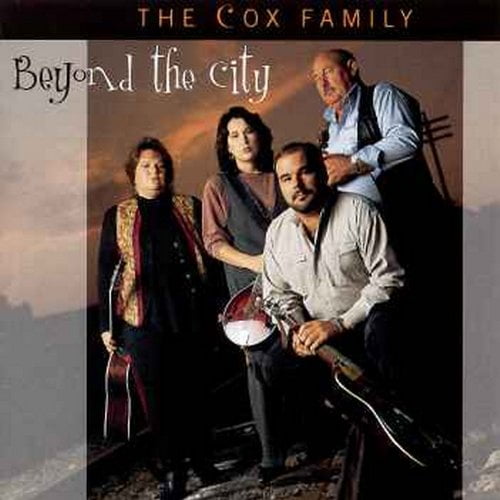
INSTRUMENTAL RECORDED PERFORMANCE OF THE YEAR
“Fiddler’s Dream” — Michael Cleveland (artist), Arthur Smith (writer), Fiddler’s Dream (album), Jeff White and Michael Cleveland (producers), Compass Records (label)
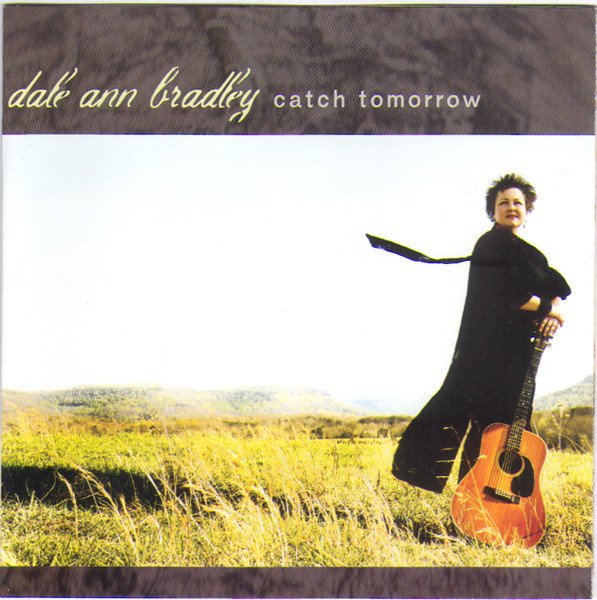
“Great Waterton” — Kristin Scott Benson (artist), Kristin Scott Benson (writer), Stringworks(album), Kristin Scott Benson (producer), Mountain Home Records (label)
“Greenbrier” — Sam Bush (artist), Sam Bush/Scott Vestal (writers), Storyman (album), Sugar Hill Records (label)
“Little Liza Jane” — Adam Steffey (artist), Tommy Duncan/James Robert Wills (writers), Here to Stay (album), Adam Steffey (producer), Mountain Home Records (label)
“Flint Hill Special” — The Earls of Leicester (artist), Earl Scruggs (writer), Rattle & Roar (album), Jerry Douglas (producer), Rounder Records (label)

EMERGING ARTIST OF THE YEAR
Front Country
The Lonely Heartstring Band
Molly Tuttle
Sister Sadie
Volume Five

RECORDED EVENT OF THE YEAR
“East Virginia Blues” — Ricky Wasson and Dan Tyminski (artists), Croweology: The Study of J.D. Crowe’s Musical Legacy (album), Rickey Wasson (producer), Truegrass Entertainment (label)
“Going Back to Bristol” — Shawn Camp with Mac Wiseman, Peter Cooper, Thomm Jutz (artists), I Sang the Song (Life of the Voice with a Heart) (album), Peter Cooper and Thomm Jutz (producers), Mountain Fever Records (label)
“I’ve Gotta Get a Message to You” — Bobby Osborne with Sierra Hull, Alison Brown, Rob Ickes, Stuart Duncan, Trey Hensley, Todd Phillips, Kenny Malone, Claire Lynch, and Bryan McDowell (artists), Original (album), Alison Brown (producer), Compass Records (label)
“Steamboat Whistle Blues”– Michael Cleveland featuring Sam Bush (artists), Fiddler’s Dream (album), Jeff White and Michael Cleveland (producers), Compass Records (label)
“’Tis Sweet to Be Remembered” — Mac Wiseman and Alison Krauss (artists), I Sang the Song (Life of the Voice with a Heart) (album), Peter Cooper and Thomm Jutz (producers), Mountain Fever Records (label)

MALE VOCALIST OF THE YEAR
Shawn Camp
Eric Gibson
Leigh Gibson
Buddy Melton
Russell Moore

FEMALE VOCALIST OF THE YEAR
Brooke Aldridge
Dale Ann Bradley
Sierra Hull
Amanda Smith
Molly Tuttle

BANJO PLAYER OF THE YEAR
Ned Luberecki
Joe Mullins
Noam Pikelny
Kristin Scott Benson
Sammy Shelor

BASS PLAYER OF THE YEAR
Barry Bales
Alan Bartram
Mike Bub
Missy Raines
Tim Surrett

FIDDLE PLAYER OF THE YEAR (6 candidates due to a tie vote)
Becky Buller
Jason Carter
Michael Cleveland
Stuart Duncan
Patrick McAvinue
Ron Stewart

DOBRO PLAYER OF THE YEAR
Jerry Douglas
Andy Hall
Rob Ickes
Phil Leadbetter
Josh Swift

GUITAR PLAYER OF THE YEAR
Jim Hurst
Kenny Smith
Bryan Sutton
Molly Tuttle
Josh Williams

MANDOLIN PLAYER OF THE YEAR
Jesse Brock
Sam Bush
Sierra Hull
Frank Solivan
Adam Steffey

ANNOUNCING: 2017 IBMA Award Nominations

Nominees for the 2017 International Bluegrass Music Awards were announced today with Balsam Range and the Earls of Leicester leading the pack with eight nominations each. Balsam Range received six nominations for the band and two for their individual members, while the Earls pulled in five nominations, plus three for individual members. Close behind are the Gibson Brothers, with seven nominations (band and individuals), and Michael Cleveland and Flamekeeper, with five nominations (band and individuals). On an historic note: Molly Tuttle is the first woman ever to be nominated for an IBMA Guitar Player of the Year Award. 

The IBMA is also proud to announce the inductees into the International Bluegrass Music Hall of Fame: trail-blazing bluegrass artists Hazel Dickens & Alice Gerrard, master fiddler Bobby Hicks, and Roland White, whose impressive career includes contributions to several seminal bands. They will be inducted at the International Bluegrass Music Awards Show, Thursday, September 28, 2017, in Raleigh, North Carolina. Congratulations to all the nominees and inductees!

ENTERTAINER OF THE YEAR
Balsam Range
Doyle Lawson & Quicksilver
The Earls of Leicester
Flatt Lonesome
The Gibson Brothers

VOCAL GROUP OF THE YEAR
Balsam Range
Blue Highway
Doyle Lawson & Quicksilver
Flatt Lonesome
The Gibson Brothers

INSTRUMENTAL GROUP OF THE YEAR
Balsam Range
The Earls of Leicester
Frank Solivan & Dirty Kitchen
Michael Cleveland & Flamekeeper
Punch Brothers

SONG OF THE YEAR
“Blue Collar Dreams” — Balsam Range (artist), Aaron Bibelhauser (writer)
“Going Back to Bristol” — Shawn Camp (artist), Mac Wiseman/Thomm Jutz/Peter Cooper (writers)
“I Am a Drifter” — Volume Five (artist), Donna Ulisse/Marc Rossi (writers)
“Someday Soon” — Darin & Brooke Aldridge (artist), Ian Tyson (writer)
“The Train That Carried My Girl from Town” — The Earls of Leicester (artist), Frank Hutchison (writer)

ALBUM OF THE YEAR
Fiddler’s Dream — Michael Cleveland (artist), Jeff White and Michael Cleveland (producers), Compass Records (label)
In the Ground — The Gibson Brothers (artist), Eric Gibson, Leigh Gibson, and Mike Barber (producers), Rounder Records (label)
Mountain Voodoo — Balsam Range (artist), Balsam Range (producer), Mountain Home Records (label)
Original — Bobby Osborne (artist), Alison Brown (producer), Compass Records (label)
Rattle & Roar — The Earls of Leicester (artist), Jerry Douglas (producer), Rounder Records (label)

GOSPEL RECORDED PERFORMANCE OF THE YEAR
“Give Me Jesus” — Larry Cordle (artist), Traditional/Larry Cordle (writer), Give Me Jesus (album), Larry Cordle (producer), Mighty Cord Records (label)
“Hallelujah” — Blue Highway (artist), Public Domain arranged by Blue Highway (writer),Original Traditional (album), Blue Highway (producer), Rounder Records (label)
“I Found a Church Today” — The Gibson Brothers (artist), Eric Gibson/Leigh Gibson (writers), In the Ground (album), Eric Gibson, Leigh Gibson, and Mike Barber (producers), Rounder Records (label)
“Sacred Memories” — Joe Mullins & the Radio Ramblers with Ricky Skaggs and Sharon White Skaggs (artist), Dolly Parton (writer), Sacred Memories (album), Joe Mullins (producer), Rebel Records (label)
“Wish You Were Here” — Balsam Range (artist), James Stover/Michael Williams (writers), Mountain Voodoo (album), Balsam Range (producer), Mountain Home Records (label)

INSTRUMENTAL RECORDED PERFORMANCE OF THE YEAR
“Fiddler’s Dream” — Michael Cleveland (artist), Arthur Smith (writer), Fiddler’s Dream (album), Jeff White and Michael Cleveland (producers), Compass Records (label)
“Great Waterton” — Kristin Scott Benson (artist), Kristin Scott Benson (writer), Stringworks(album), Kristin Scott Benson (producer), Mountain Home Records (label)
“Greenbrier” — Sam Bush (artist), Sam Bush/Scott Vestal (writers), Storyman (album), Sugar Hill Records (label)
“Little Liza Jane” — Adam Steffey (artist), Tommy Duncan/James Robert Wills (writers), Here to Stay (album), Adam Steffey (producer), Mountain Home Records (label)
“Flint Hill Special” — The Earls of Leicester (artist), Earl Scruggs (writer), Rattle & Roar (album), Jerry Douglas (producer), Rounder Records (label)

EMERGING ARTIST OF THE YEAR
Front Country
The Lonely Heartstring Band
Molly Tuttle
Sister Sadie
Volume Five

RECORDED EVENT OF THE YEAR
“East Virginia Blues” — Ricky Wasson and Dan Tyminski (artists), Croweology: The Study of J.D. Crowe’s Musical Legacy (album), Rickey Wasson (producer), Truegrass Entertainment (label)
“Going Back to Bristol” — Shawn Camp with Mac Wiseman, Peter Cooper, Thomm Jutz (artists), I Sang the Song (Life of the Voice with a Heart) (album), Peter Cooper and Thomm Jutz (producers), Mountain Fever Records (label)
“I’ve Gotta Get a Message to You” — Bobby Osborne with Sierra Hull, Alison Brown, Rob Ickes, Stuart Duncan, Trey Hensley, Todd Phillips, Kenny Malone, Claire Lynch, and Bryan McDowell (artists), Original (album), Alison Brown (producer), Compass Records (label)
“Steamboat Whistle Blues”– Michael Cleveland featuring Sam Bush (artists), Fiddler’s Dream (album), Jeff White and Michael Cleveland (producers), Compass Records (label)
“’Tis Sweet to Be Remembered” — Mac Wiseman and Alison Krauss (artists), I Sang the Song (Life of the Voice with a Heart) (album), Peter Cooper and Thomm Jutz (producers), Mountain Fever Records (label)

MALE VOCALIST OF THE YEAR
Shawn Camp
Eric Gibson
Leigh Gibson
Buddy Melton
Russell Moore

FEMALE VOCALIST OF THE YEAR
Brooke Aldridge
Dale Ann Bradley
Sierra Hull
Amanda Smith
Molly Tuttle

BANJO PLAYER OF THE YEAR
Ned Luberecki
Joe Mullins
Noam Pikelny
Kristin Scott Benson
Sammy Shelor

BASS PLAYER OF THE YEAR
Barry Bales
Alan Bartram
Mike Bub
Missy Raines
Tim Surrett

FIDDLE PLAYER OF THE YEAR (6 candidates due to a tie vote)
Becky Buller
Jason Carter
Michael Cleveland
Stuart Duncan
Patrick McAvinue
Ron Stewart

DOBRO PLAYER OF THE YEAR
Jerry Douglas
Andy Hall
Rob Ickes
Phil Leadbetter
Josh Swift

GUITAR PLAYER OF THE YEAR
Jim Hurst
Kenny Smith
Bryan Sutton
Molly Tuttle
Josh Williams

MANDOLIN PLAYER OF THE YEAR
Jesse Brock
Sam Bush
Sierra Hull
Frank Solivan
Adam Steffey

WATCH: Molly Tuttle, ‘Good Enough’

Artist: Molly Tuttle
Hometown: Palo Alto, CA (currently living in Nashville, TN)
Song: “Good Enough”
Album: Rise
Release Date: June 2, 2017

In Their Words: “The song ‘Good Enough’ came out of a feeling of dissatisfaction that I struggle with from time to time. I think that the tendency to feel like something’s missing — whether it be from life, a relationship, a career, you name it — is pretty prevalent in this day and age. The song is about keeping those thoughts in check, finding the good in what we have, and acknowledging that it’s enough.

It was a lot of fun to film this with Bill Filipiak on his back porch with Hasee, Wes, and Eli playing along. Bill timed it perfectly so the sun was just starting to go down and everything looked golden. He has a bunch of cute dogs who really wanted to be in the video, as well. Maybe next time!” — Molly Tuttle


Photo credit: Anthony Scarlati

In Countering Melodies: Molly Tuttle in Conversation with James Elkington

As soon as I get Molly Tuttle and James Elkington on the phone, the conversation immediately turns to who is the better guitar player. There’s no showboating or bragging. On the contrary, each insists the other is much more accomplished, much more refined in their technique. “I hadn’t actually heard much of your music until a couple of days ago,” Elkington admits, “but I have to say that you are the far superior guitar player.”

“No way!” Tuttle insists. “I love your guitar playing.”

Their mutual demurrals stem partly from modesty, but also from the fact that both Tuttle and Elkington practice such different folk traditions that there’s very little overlap in their playing styles. A bluegrass picker who grew up in California and made her stage debut at 11 years old, Tuttle attended the prestigious Berklee School of Music in Boston and formed the Good-Bye Girls. On her solo debut, an EP titled Rise, her playing is rhythmically complex, technically precise, and remarkably fleet, as though there are two sets of hands running up and down the frets, yet the guitar remains secondary to her evocative songwriting.

Elkington, who originally hails from a small village outside of London but currently lives in Chicago, is a self-taught guitarist with a background in indie rock, most notably with the Zincs, the Horse’s Ha (featuring members of Eleventh Dream Day and Freakwater), and Wilco. However, his new solo debut, Wintres Woma, leans more toward folk music — specifically, the British folk revival of the 1960s, when players like Davey Graham, Bert Jansch, and Richard Thompson were melding early music, rural folk, jazz, and rock.

Their albums couldn’t sound more different, despite the shared combination of voice and guitar, yet both bluegrass and folk music value technique in service of interpretation; more important than the fluidity of notes or the deftness of picking is how the artist updates, refines, and furthers the musical ideas of the past.

One of the reasons I wanted to get you two on the phone is because I’m fascinated by the very different strains of folk music that you represent. Both of your albums strike me as using something — bluegrass or British folk revival — as a jumping-off point for something very different, very current, and very personal.

James Elkington: I didn’t really grow up in much of a folk tradition, outside of the fact that we sang those songs at school and they always seemed to be around. It seems like it’s probably part of my DNA. When I started writing my own songs, which was comparatively late, other people told me that I sounded like that. I didn’t really know that it was in there, and it’s one of those things that I’ve subsequently found I have quite a deep connection to. But that’s why I don’t perform an awful lot of traditional music, although subsequently I have gone back and arranged those tunes just because I love playing them. Now it’s part of what I do. That’s where I’m coming from.

Molly Tuttle: I grew up listening to a lot of bluegrass. My dad is a bluegrass music teacher who teaches all the bluegrass instruments, so I always heard him playing traditional songs. They seeped into my brain, I think, so that when I started playing, I was learning all these bluegrass songs and old traditionals. That was my background and, as I got older, I started listening to other genres and styles. I started writing songs and still had the bluegrass form in my head, so it was definitely a starting point for me.

JE: You know, funny thing that I’ve found actually … I find that somehow the physicality of playing folk music demands a certain technical ability. It feels good to play, as well as sounding good, and when I started writing my own songs, I wanted that to factor in somehow. In some ways, it adds not a limitation exactly, but something like that. It sets up a nice boundary to work within, if you use those traditional forms as a jumping-off point.

MT: It does make it accessible for other people to learn the songs and join in, too.

JE: And to actually know where you’re coming from.

What other music informs what you do?

MT: A lot of singer/songwriters, actually. I listened to a lot of Bob Dylan, when I was starting to write songs. Before that, I had heard a lot of bluegrass songs and felt limited by that. But when I heard Dylan, lyrically and musically, he was just breaking so many boundaries and that opened up my songwriting a little bit. I was just really inspired by that. Joni Mitchell and Gillian Welch are big heroes of mine, too, and Dave Rawlings, who plays with Gillian Welch.

JE: He always plays the right thing at the right time. The way he thinks of arrangements is …

MT: Yeah, he’s doing a counter-melody sometimes, just always putting the perfect piece in. What about you? I’m interested to hear about where your playing style comes from.

JE: I started playing guitar when I was about 10. There are vaguely musical people in my family, but no one who really plays anything. And the guitar was something that was just for me — something I could do privately, sort of like my own private little island to go and visit. And when I started out, I was just really into chords. This was in England in the 1980s. I don’t know if you can have any conception of what that was like, but it was a lot of really jangly guitar bands. It was like this Renaissance of underground bands, like the Smiths and the Cure. When I was learning the guitar, I was really into those groups — particularly Johnny Marr, who was the Smiths’ guitar player.

MT: He’s one of my favorites.

JE: That’s great to hear, because he’s like really the last great British guitar hero. His guitar playing on those records is amazing. The strange thing about it is that I found out subsequently that a lot of what he does, in terms of using other tunings and his approach to finger-style guitar, is really from people like Bert Jansch, Martin Carthy, and Joni Mitchell — all this stuff that I didn’t grow up listening to, but somehow it filtered through him in a way.

MT: I listened to the Smiths so much in high school. I was obsessed with Morrissey’s lyrics, and then the guitar playing was a second thing that I got really into, but I’ve never tried to learn any of his parts to figure out what he was doing.

JE: When I was a kid, I thought that’s really how you had to play the guitar. What changed me was that, when I was in my late teens, I started working in a music store, and there was a guy there who was really into bluegrass. He wanted me to come and play tunes with him, and for some reason, I had no interest in playing the guitar in that setting. But I had this strange attraction to the five-string banjo. I never got very good at it, but I learned the basic rules. Then, when I’d been doing it long enough to realize that I couldn’t play it well, I just applied all of that to the guitar, and that was the start of me doing finger-style stuff.

MT: I play three-finger banjo, so when I play finger-style guitar, I feel like I’m using some banjo stuff, as well.

JE: So you play banjo and guitar? Do you play anything else? Any fiddle or anything like that?

MT: I’ve tried to play fiddle, but I can’t get the hang of it. I play a little bit of mandolin, but not very well. I saw that you play a lot of different instruments.

JE: To a medium-low standard, I would say. I started out playing drums, which I loved. The drums are my favorite instrument, but I didn’t ever seem to get any better at it. For some reason, guitar is somehow easier for me to play. I do play some other things, but it’s not to the point where I could actually say, “I’ve really got this down.” I think I have a really short attention span, is what it is. I tend to move around a lot.

But you played most of the instruments on your album, right?

JE: Yes, but the arrangements are pretty sparse. My friend Nick Macri plays all the upright bass on it. I’ve been playing on and off with him for a long time. And I have some string players who are part of the jazz and new music scene here in Chicago. But mostly it was just me. It’s some fairly simple stuff. I’m mostly self-taught on most instruments. I really took the slow way round. I learned mainly just from trying to play along with the record. Molly, I saw some footage of your band playing, and they all seem equally amazing. Where did you meet those people? Do you always play with the same people?

MT: It’s a little bit of a rotating cast. For the most part, I’ve been playing with Wes Corbett, who’s a banjo player I met in Boston when I was studying at Berklee College of Music. He was teaching there, and we started playing together after I graduated. Right now, I’m on the road with Joe Walsh, who’s also currently teaching at Berklee. He’s an amazing mandolin player and singer. And then Hasee Ciaccio is playing bass with me right now for the summer and fall, and she’s a great upright bass player who lives in Nashville. We’re actually neighbors. What made you gravitate toward Chicago?

JE: It was a few different things. When I was in my later teens and early 20s, all my favorite music was coming out of Chicago — the underground and experimental rock stuff. I had a chance to come and visit here with friends, and I found that it was almost exactly what I wanted it to be. I’m sure, when you moved to Nashville, it was because you wanted to be around that music and be part of that community. I felt exactly the same thing with Chicago. I felt immediately at home here, like this was the place where I wanted to be. It actually all worked out, too. I really did end up playing music with people whose records I had. It’s really a “Hey, let’s all pull together and make something” type of place. I lived in London before, and I never really felt like that there.

MT: That’s how I feel about Nashville.

JE: Did you make your record in Nashville?

MT: I did. It’s my first solo release, so it’s all original stuff that I’ve been working on for years. I did it in Nashville with producer Kai Welch. It has some of my favorite musicians on it. It was great to finally make something of my own, because I’ve done stuff with other bands before but never released anything under my own name.

JE: That’s something I wanted to ask you: Have you played in other people’s bands a lot? Have you ever been just a guitar player in someone’s band?

MT: A little bit, with different bluegrass people. When I was living on the East Coast, I used to play a little bit with this banjo player Tony Trischka, who is like a great …

JE: Oh my God! Really?

MT: You know him?

JE: Let’s briefly go back to 1989 here. When I thought I was going to be this banjo ripper, Tony Trischka wrote THE best books. This friend of mine was really into that resurgence of bluegrass that Rounder Records were putting out — Tony Rice, Hot Rize. He would give me all these records — Béla Fleck records, stuff like that — and Tony Trischka was one of two people who had written sensible, up-to-date books on how to approach the five-string banjo. So you used to play with him?

MT: I did a few tours with him. I always have a lot of fun playing in someone else’s band and being more of a sideperson. I find that a really fun role. And I have another band called the Good-Bye Girls that I play with. It’s all people I met when I was in Boston. We do a couple of tours a year, but that feels more like less of a lead role to me. I like stepping into different roles and not always doing stuff where I’m the lead.

JE: I’ve found exactly the same thing. I’ve found that actually being able to play in different bands and have the focus be different each time means I never need to take a vacation from it, because it’s different enough each time. If I was just a singer, I think I would need to take a break from time to time. But I never really feel like that, and I think it’s because I have enough plate-spinning that I’m always mixing it up. I can tell from the way that you play that you have a deep knowledge of the bluegrass songbook, that when people call tunes, you can just play them — which is not something that I can do. I can’t even play my own songs sometimes when someone asks me to do that. That’s always something I admire in other people.

MT: Oh, thanks. It’s a really nice tradition, because once you have learned enough bluegrass songs, you can make it through most of the standards, even if you don’t know them. A lot of the songs have similarities, and you can jump in, which makes it fun. Even people who are new to the genre can jump into jams and find their way through songs they don’t know very well.

JE: I stopped listening to bluegrass for a while, but then, a few years ago, a friend of mine who has a band called Freakwater was doing a tour to celebrate an album that came out 20 years ago [Old Paint]. This album had a lot of dobro on it, and they wanted me to play dobro. I play a little bit of lap steel, but I’ve never really played dobro before. So I bought a cheap dobro and really got into it! It totally took over for about a year. That’s all I was doing. But now I don’t get asked to play it very much. I played it a little bit on my own record and I’m planning on playing it more, but I think you actually have throw yourself more into the bluegrass community.

MT: Was it a steep learning curve for you, or did you find it similar to lap steel?

JE: It was not too bad. I could already play some lap steel, and I’ve played bottleneck slide, so I had a little bit of understanding. But I had to watch a lot of Jerry Douglas YouTubes! You don’t even think some of that stuff is possible unless you actually see and hear and do it.

MT: Is this your first solo album?

Guitarists of the Year: Bryan Sutton Points to 15 Emerging Stars

Awards acceptance speeches like this one are rare.

Just about a year ago, at the International Bluegrass Music Awards in Raleigh, North Carolina, Bryan Sutton (Hot Rize, Telluride House Band, five solo albums) accepted his (unprecedented) ninth Guitar Player of the Year Award. It was no surprise that the dominant flatpicker of his era won again or that he was magnanimous and humble.

But he did something incredibly gracious for a moment like this. Instead of thanking his business team, God, and family, he took his time to acknowledge 15 young guitarists who are out there ripping it up — no doubt with Sutton as one of their key generational influences. This was, in a nutshell, what’s wonderful about bluegrass music: It supports and nurtures its next wave of talent and fans without fear of being displaced or outgunned. And it was an interesting and very public forum in which to do so.

Here’s the speech followed by a quick guide, in no particular order, to the young pickers Sutton urged us to keep an eye on.

Seth Taylor: A North Carolina native, he won numerous contests including first prize on guitar at the 2008 Merlefest. He co-founded the band Monroeville and joined Mountain Heart in 2012.

Rebecca Frazier: She was the first woman to make the cover of Flatpicking Guitar Magazine. The Virginia native swept awards as a member of Hit & Run Bluegrass. She still fronts the group and records under her own name, as well.

Chris “Critter” Eldridge: Son of Ben, banjo player with the legendary Seldom Scene, Chris was briefly with the Infamous Stringdusters before joining Punch Brothers where, for six years, he’s made some of the most complex and beguiling string band music of all time. He also tours and records with young jazz master Julian Lage.

Jake Workman: He grew up on AC/DC and the Beatles, has a jazz guitar degree, and plays bluegrass like a master. Based in Salt Lake City, he’s a member of the band Driven.

Trey Hensley: Adept at both acoustic and twangy electric country styles, Hensley has become a very popular musician in his home region around East Tennessee. Now he’s in Nashville, working in a duo with Rob Ickes and showing singing/writing chops that are impressing veterans like Marty Stuart.

Caleb Smith: A life-long resident of Haywood County, North Carolina, Smith began his bluegrass career chiefly as a singer. But, as he’s ramped up his guitar playing, now as a member of star band Balsam Range, he’s ramped up his guitar building, too. His hand-made dreadnaughts are prized posessions.

Chris Luquette: Straight out of Seattle, he’s capable of grace or grunge on acoustic guitar and many other instruments, as well. Find him shredding or tastefully touching up in the music of Frank Solivan & Dirty Kitchen.

Courtney Hartman: She moved from her native Colorado to Boston where she studied at Berklee and joined the mighty and creative Della Mae. With that band on hiatus, Courtney (an Acoustic Guitar magazine cover subject) is songwriting, collaborating, and readying a solo release.

Jordan Tice: His bluegrass picking family in Maryland helped get him ready to record his first album as a leader and composer at age 17. Since then, he’s collaborated with and supported the best acoustic musicians in the world. He tours in a chamber grass trio with bassist Paul Kowert and fiddler Brittany Haas.

Grant Gordy: This versatile, jazz-schooled player filled the guitar shoes of Tony Rice and Mark O’Connor in the David Grisman Quintet for six years before moving on to other pursuits, including his band Mr. Sun with fiddler Darol Anger.

Billy Strings: His aunt gave him the nickname Billy Strings when he was a boy and he’s sure lived up to it. The Michigan native came to notice in a flexible duo with mandolinist Don Julin. Now, as a band leader, he’s crafting an explosively powerful new twist on bluegrass tradition.

Jon Stickley: A North Carolina native who went West and became known in the band Broke Mountain. Now in Asheville, he leads a power trio dedicated to original instrumental jazz-grass. Stickely is an inventive player who finds new timbres and means of coaxing sound out of the flattop box.

Zeb Snyder: The young hotshot from North Carolina (that state again) spits notes and funky grooves on acoustic and electric guitar in the tradition-bucking Snyder Family Band. He channels much Southern soul and is especially gifted playing the blues.

Molly Tuttle: This slight young woman with spidery fingers grew up in California with a dad who was a performer and mentor/teacher to most of the up-and-coming bluegrassers in her area. Formal training at Berklee put a razor’s edge on her intricate and personal style. Nashville-based, she sings and writes beautifully, too.

Presley Barker: Okay, he’s ALSO from North Carolina and he’s barely 12 years old and he’s fantastic. So just enough already. Truly the next generation, Barker was raised on Doc Watson records and the tutelage of the great Wayne Henderson.

7 Artists We’re Stoked to See at IBMA’s World of Bluegrass 2016

April may be the cruelest month, but September is by far the coolest one because we get to head to Raleigh, North Carolina, for one of our favorite events — IBMA's World of Bluegrass. Taking place September 27 – October 1, the event brings bluegrass fans from around the globe together for the pickin'- and grinnin'-est party this side of, well, anywhere. If you're heading to Raleigh and struggling to get your schedule together — we get it, there's a lot to choose from! — allow us to do some of the heavy lifting for you and check out seven of the acts we can't wait to see.

10 String Symphony

Nashville duo 10 String Symphony, also known as Christian Sedelmyer and Rachel Baiman, are no strangers to the stage, with Sedelmyer a member of Jerry Douglas's touring band and Baiman having fiddled alongside the likes of Kacey Musgraves. Their project together, though, brings those individual talents together for an acoustic, genre-defying sound that is truly like no other.

Missy Raines and the New Hip 

Missy Raines has more Bass Player of the Year IBMAs than anyone out there, and there's no better way to find out why that is than to watch her kicking bass and taking names on stage. She and her band, the New Hip, fuse elements of jazz and Americana with her more traditional bluegrass leanings.

Bill and the Belles

Johnson City, Tennessee, quartet Bill and the Belles pay homage to their mountain upbringings with Tin Pan Alley covers and Appalachian-inspired arrangements. They're a joy to watch live, and we bet you can't make it through their set without smiling.

Hot Buttered Rum

With a name like Hot Buttered Rum, the music better be good, and, sure enough, it is. Just like the drink, a live set from Hot Buttered Rum goes down easy and leaves you with a smile on your face.

Molly Tuttle Band

Nashville multi-instrumentalist Molly Tuttle has a sonic range unlike many musicians out there, able to captivate listeners with tender vocals just as easily as she is with virtuosic guitar chops. This full band set should deliver, as the kids say, all the feelings.

Ricky Skaggs and Kentucky Thunder

If one of the greatest living mandolin players doesn't tickle your fancy, well, you just might be at the wrong festival. Whether you've never seen Skaggs live or this will be your 12th rumble with Kentucky Thunder, this is a set you won't want to miss.

Greensky Bluegrass

Just over a decade-and-a-half into their career, Greensky Bluegrass has never sounded better. Their forthcoming album, Shouted, Written Down and Quoted, is a sure sign that bluegrass is still alive and well.

SaveSaveSaveSave

WATCH: Korby Lenker with Molly Tuttle, ‘Friend and a Friend’

Artist: Korby Lenker with Molly Tuttle
Hometown: Nashville, TN
Song: "Friend and a Friend"
Album: Hidden Lakes (Kickstarter exclusive)
Release Date: November 6 
Label: Short and Sweet

In Their Words: "I met Molly at a show at the Basement in Nashville a few months ago. I was blown away by her talent … probably jealous is more the word. She rips up a D18 like David Grier, if he were a pretty girl. We met at the show and, a month or so later, we sat down to write. We both tour a lot, so it made sense to write something about what that’s like — the constant uncertainty, the waking up in your car sometimes. It’s a real song, but it’s positive too. I think we both feel lucky to get to play music for people.

'Friend and a Friend' is the fourth of five songs I recorded for my Kickstarter campaign, which ends Friday morning. Anyone who backs the campaign gets a five-song EP called Hidden Lakes featuring this song plus tracks with Liz Longley, Robby Hecht, and more. It ships Friday to anyone who backs the campaign, at any level." — Korby Lenker


Photo credit: Blaque Reily