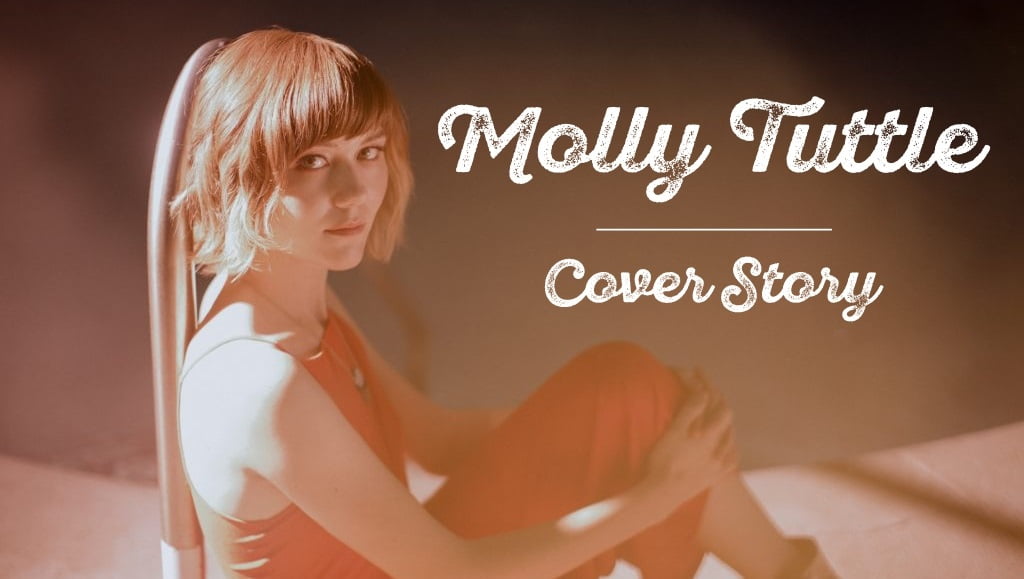
Molly Tuttle: Confident and ‘Ready’

Even before releasing her first full-length album, Molly Tuttle made history. She became the first woman to be named IBMA Guitar Player of the Year, a title she’s won twice, in addition to winning Americana Music Association’s Instrumentalist of the Year, all on the strength of her 2017 EP, RISE. But to focus exclusively on Tuttle as a guitarist would be a mistake. She isn’t interpreting others’ songs. She’s writing and singing her own, and as her debut record When You’re Ready proves, she’s doing it not only with classically trained musicianship, but with an exciting willingness to explore and trust her own wide-ranging artistic instincts.

Tuttle talked with BGS about When You’re Ready, feeling optimistic about women in music, and why California’s Bay Area has her heart.

BGS: When You’re Ready is such a confident debut. Were you feeling confident from the jump, or did your confidence grow as you recorded?

Tuttle: I think it grew. As I was writing the songs, I got more and more confident just saying what I felt and what I was thinking in the songs. I remember feeling really confident in the studio in what I was saying and in the parts I was playing. Ryan Hewitt, who produced it, helped me feel confident. He wanted everything to sound really strong – it was a good experience.

A lot of these songs seem to explore relationships and how we interact with each other. Do you feel like there are some currents that run through thematically and connect all of these songs?

I think there’s kind of a theme of longing on the album, and also a theme of just being confident in who you are and what you’re feeling. When I was writing it, it was, “I’m just going to say where I’m at.” The theme on the album for me would be accepting your feelings and embracing them.

You’re from California, then you went to college in Boston, and now you’re living in Nashville. Do you feel like all of that geographic diversity changed the trajectory of your music?

I think so. I got exposed to lots of different kinds of music in California, and then especially when I was at Berklee, there were all sorts of different kinds of music going on all the time at school. Then, obviously, Nashville is one of the most amazing music cities in the world. I think living in California was influential, growing up there. I really relate to the Bay Area and a lot of my songs are still inspired by California. It’s where my soul is, still.

What is it about the Bay Area you love so much?

I really love the ocean. I love the nature there, the scenery. I think people are really open there. Everyone — well, not everyone, but a lot of people in the Bay — are just trying to be good people and trying to be accepting of other people. That was something I was taught in school a lot as a kid: that you should accept everyone as they are. Of course, nobody is perfect at that. But I think people are trying to do that there, and that’s a feeling I’ve tried to carry with me.

When you write, are you focusing on the guitar part first and then the lyrics, or does it vary?

There are times when I do the guitar part first, but for this album, I was really focusing on the lyrics and melodies. The guitar parts were the last parts that came with these songs — and I really wanted to have interesting guitar parts on this album. I thought it’d make it more interesting to have a singer/songwriter record with guitar lines that could weave it all together, so I worked on that after I finished writing the songs.

The guitar playing on “Take the Journey” jumps out: the percussion, the lead, the bass, the counter-melodies — that’s all you on acoustic guitar. How’d you come up with this song?

I wrote that with Sarah Siskind. We wrote it pretty quickly in a couple of hours, which for me is quick for writing a song. We had a song that was in that modal-key feel — you don’t really know if it’s major or minor. When we were writing it, I went into this different tuning: it’s an open G tuning, but you get rid of the third and tune the B up to C, which makes it like a Gsus4.

I like that style of guitar playing. When I was a teenager, I learned clawhammer banjo because I really liked old-time music. Someone showed me that you could move the clawhammer style onto the guitar and play a really percussive-sounding style. I went with that and created different rhythms that I like to use — more syncopated — and really worked on getting the bass notes to pop out, letting my hand hit the guitar so it’s percussive sounding.

Your vocals on “Don’t Let Go” move between smooth and comfortable verses to more of a staccato and breathy chorus. How’d you decide to approach the vocals this way?

Where the melody is in my range, I naturally had to go up to a breathy head voice, so we thought that could be a really cool thing, to make it sound really emotional. And on this one, when I was singing the chorus, I did get really emotional in the studio. That helped me get the quivers in my voice. I think you can hear it in the track. There are little things that came out in my singing that I hadn’t really done before recording this. I had to go to an emotional place to get the take that worked.

Do you have a favorite song on here or is that impossible?

I think my favorite is “Sleepwalking.”

All of that imagery on “Sleepwalking” – and on some other songs too – blurry screens, white noise, and even sleepwalking itself: it’s such a direct contrast to the specific, refined sounds you’re making. What is it about the hazy imagery that you’re drawn to?

Yeah, I think a lot of my songs have themes of trying to make a connection with a person or a place or a feeling. There are a few songs that talk about white noise or static or anything that’s kind of blurring the connection. That’s something I feel — like with technology, sometimes it makes me feel like I’m not actually connected to anything and not connected to myself.

I think that comes through in my songs. “Sleepwalking” is a song I wrote about that specific feeling of being disconnected from the world around you. Maybe you’re relying on one person or one place or feeling to be your connection. It’s kind of a love song, but it’s kind of a cry for help in a way. [Laughs]

Of the women who are widely known first as guitar players – a number that’s still too low – most aren’t acoustic, steel-string players. It’s also a physically demanding instrument, especially the way you play. Why were you drawn to it? Why do you think you’ve succeeded?

I’ve never really seen limitations on guitar for me as a woman. I remember, I was first drawn to it in a really natural way when I was a kid. I just liked the mellow sound of it. So I don’t remember specifically what drew me to it, but I remember seeing guitars around, and I told my parents I wanted a guitar. That was after I’d tried like three different instruments and failed at all of them. [Laughs] I tried to play fiddle, and I think I got tired of just not sounding good on it. Guitar is a lot less abrasive when you’re first starting out. I had a tiny guitar when I started, and my dad showed me some stuff on it.

I really liked that you could play it while you were singing. I never thought about it being a physically demanding instrument, even when I first played and my fingers got really sore. It felt pretty natural to me. Then, when I went to Berklee, I was 19 and all of a sudden there were no other women in any of my guitar classes. [Laughs] That was weird. It was definitely an uncomfortable experience at times.

But it was good because I’d walk into class and be the only one, and because all this attention was instantly on me, I thought, “Oh, I better practice and be good or they’re just going to write me off as some girl trying to play guitar.” It felt like there was some added pressure there, which is not really fair, but at least it made me practice more.

You’re not the “best woman guitar player.” You’re the best guitar player. Do you feel like the industry and culture in general are beginning to consider contributions of women more fairly – that you’re weighed equally?

I think it’s definitely changing at a rapid pace right now, especially with the #MeToo movement. Now that’s starting to affect the music world. I’m seeing so many women coming up and their careers are just exploding in new ways – like at the Grammys. There were so many women winning awards and playing.

I think women are feeling really empowered to just say, “No. I’m not a female musician. I’m just a musician.” Women are fully embracing feminism more and just feeling like we can say what’s on our minds. We don’t have to tiptoe around these issues anymore. I think that’s helping everything change. We are not accepting any crap anymore — like “you’re a female guitar player.” [Laughs] I certainly don’t want to be pegged as a female guitar player. My gender doesn’t have anything to do with my guitar playing. We’re talking about the issues more and that’s helping everything to change.


Photo credit: Alysse Gafkjen

Britain’s Got Bluegrass: April 2019

Get off your couch and go hear some live music with Britain’s Got Bluegrass! Here’s the BGS-UK monthly guide to the best gigs in the UK and Ireland in April.

The Devil Makes Three, April 16-26, nationwide

They’re a bit smart, this band. The roots rockers’ sixth and latest album, Chains Are Broken, draws from authors including Ernest Hemingway and essayist James Baldwin — but hey, that doesn’t mean they don’t still want to give you a rollicking good time. The Devil Makes Three are playing three nights at Vicar Street, Dublin — or join them in Birmingham, Glasgow, Leeds, Manchester or Brixton, and tell them we sent you.


Molly Tuttle, April 10-20, nationwide

Molly Tuttle’s uncanny ability to combine hot-picking guitar with soul-searing songwriting has made her Kind Of A Big Deal in the States, which makes us even more grateful and amazed – gramazed? – to hear that she’s playing no fewer than 10 dates in our humble home. Molly has made no secret of her love of this country — she toured last year with Rachel Baiman, and earlier this year was a featured artist with the Transatlantic Sessions. This month the two-time IBMA Guitarist of the Year launches her debut album, When You’re Ready, and Britain gets to hear her mellifluous melodies hot off the vinyl presses. We are not worthy.


The Hanging Stars, April 6-13, nationwide

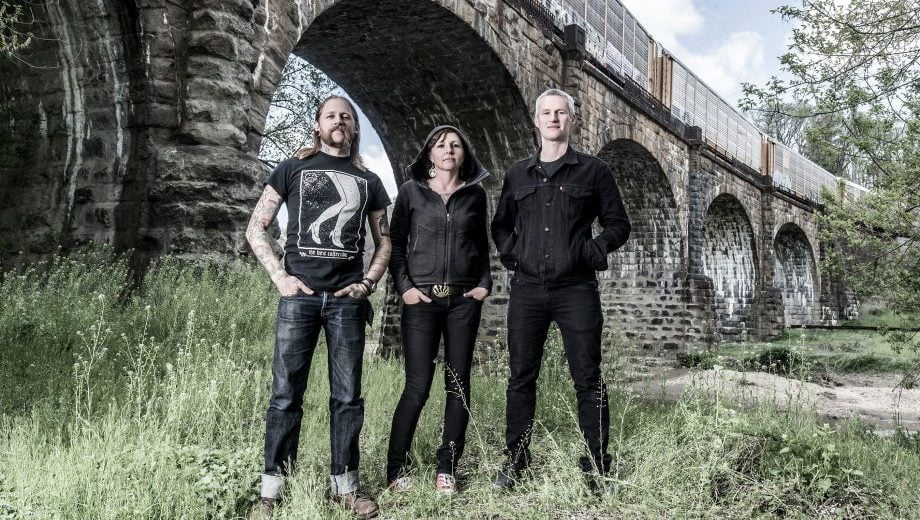
The Hanging Stars define their sound as “Cosmic Country”, so if you’re wanting to prep for a summer of love, let us recommend a night out with this bunch. Their recent album Songs for Somewhere Else has the honour of having been recording in LA, Nashville and Walthamstow, which is a sentence you won’t hear often. Their acoustic-psychedelia has a strong ’70s vibe, inspired by the Byrds and the Flying Burrito Brothers, and you can catch it this month in Manchester, Nottingham, Southampton and London, where they’re supporting The Long Ryders.


The Peregrines, April 16-18, London, Ashington and Norwich

You know how some actors just fizz with chemistry when you throw them together? Hepburn and Tracy. Hanks and Ryan. Bullock and Reeves. (OK, Bullock and practically anyone.) Some musical pairings can be just as electric. When Grant Gordy (of the David Grisman Quintet) and Joe K Walsh (of Joy Kills Sorrow) play off against each other, the sparks fly as surely as if one of them was standing on a Van Der Graaf generator. Their trio with bass player Ben Somers, The Peregrines, isn’t just a great showcase for their individual talents but also an excellent introduction to what progressive bluegrass is capable of. You can catch their act for three nights only.


Lake Street Dive, April 20 (Bristol) and 21 (Edinburgh)

Two dates. Two cities. Two chances to get down and funk your ass off, and if you plan to be there for both, hey, we’ll do the drive from Bristol to Edinburgh with you. Lake Street Dive has a groove that just won’t quit, as evidenced by their latest album, Free Yourself Up, and they also just happen to be some of the nicest people you’ll ever come across. If you still haven’t seen their cover of Jackson 5’s “Want You Back,” do yourself a favour and watch it right now. Go on. We’ll wait.


Photo credit for the Devil Makes Three: Jay Westcott

MerleFest Reveals Late Night Jam Lineup

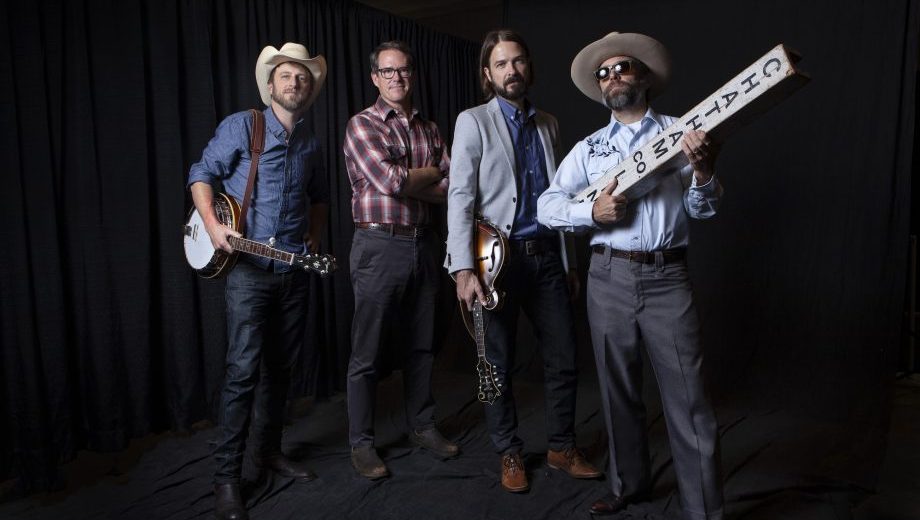
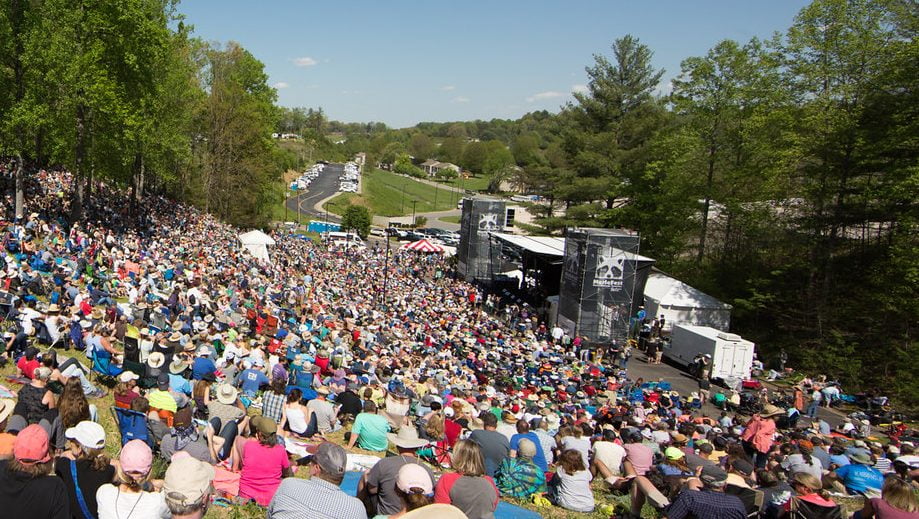
MerleFest is proud to announce the 2019 lineup for their beloved Late Night Jam. Sponsored by The Bluegrass Situation and hosted by Chatham County Line, this year’s Late Night Jam will feature Molly Tuttle, Jim Lauderdale, The Brother Brothers, Donna the Buffalo, Presley Barker, Ana Egge, Steve Poltz, and more. 

The annual homecoming of musicians and music fans returns to the campus of Wilkes Community College in Wilkesboro, North Carolina, in the foothills of the Blue Ridge Mountains, April 25-28.

Tickets for this year’s festival, as well as the Late Night Jam sponsored by The Bluegrass Situation, may be purchased at www.MerleFest.org or by calling 1-800-343-7857. MerleFest is presented by Window World.

Roland White: A Tribute to a Bluegrass Hero

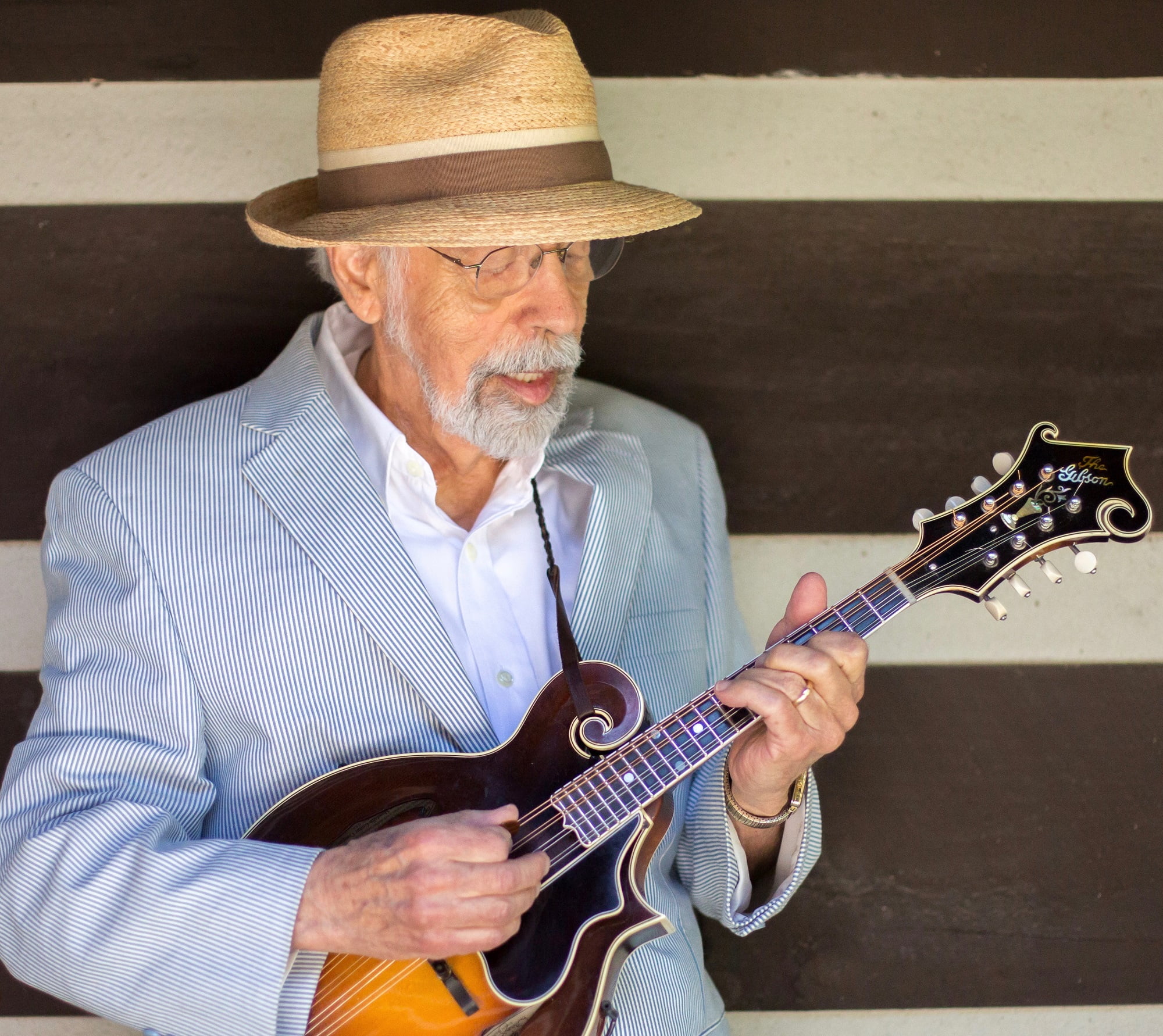
To begin, a disclosure: Roland White is kind of a hero of mine for his perseverance, his originality, his sense of humor, his experience and much more. Also, he’s an employer of mine; I’ve been playing in the Roland White Band on most of its dates for close to 15 years now, and I’ve recorded two albums with him, including his new one, which I also co-produced. Lastly, and maybe most importantly, Roland’s a friend of mine. And he has a great story.

Played with Bill Monroe, the Father of Bluegrass? Check. Played with Lester Flatt? Check. Toured around the world as a member of the Country Gazette and then the Nashville Bluegrass Band? Check. Had a band with Béla Fleck? Check. Helped organize and make Jim Lauderdale’s very first album? Check. Fronted his own band since the turn of the century? Check.

That’s a lot of boxes, and any one of them could be turned into a meaty article. Here, though, I’m going to concentrate on the story of the group whose legacy inspired the new album, Roland White & Friends: A Tribute To The Kentucky Colonels; it’s the starting point for the larger Roland White story, illuminating the way it was for young bluegrass musicians in the 1950s and 60s and how Roland, his brother Clarence, and the rest of the Colonels were able to craft an enduring and influential body of music.

Shortly after he turned 16 in 1954, Roland’s family relocated from Maine to Southern California. He was already playing the mandolin by then, and younger brothers Clarence and Eric were playing guitar and banjo (tenor, not the bluegrass 5-string). They joined their sister, JoAnne, who sang, around the house and at local functions. Soon after moving to Burbank, the boys rather casually entered a talent contest, and in short order found themselves dressed in hillbilly clothes and, as The Three Little Country Boys, performing on a variety of local stages and radios shows — even, if briefly, on television. All of this before any of them had heard a lick of what was just beginning to be called bluegrass.

Roland recalls that it was in a comment from a visiting uncle in the middle of 1955 that he first heard Bill Monroe’s name — and naturally, it was in connection with the instrument they shared. “My uncle Armand asked me if I’d ever heard of Bill Monroe. He said, ‘He plays the mandolin, he’s on the Grand Ole Opry and,’” Roland adds with a grin, “‘he is fast!’” Not surprisingly, that piqued his interest — but to actually get hold of a record was, at the time and under the circumstances, something of a project, involving a walk into town to the music store, perusing a catalog, ordering it, waiting, and then picking up the little 45rpm disc of his choice: “Pike County Breakdown.” (It was actually the B-side of “A Mighty Pretty Waltz,” and yes, it was fast.)

What followed was a “conversion” experience of the kind that was happening around the same time to other people his age, give or take a few years — a cohort that includes the slightly older Mike Seeger and Ralph Rinzler; the slightly younger Del McCoury and Neil Rosenberg (like Roland and Clarence White, all members of the International Bluegrass Music Association’s Hall of Fame); and the slightly younger still Jerry Garcia, David Grisman, and Peter Rowan. What most of them had in common was some distance, geographic and sometimes sociological, from the Southeastern epicenter of the emerging bluegrass sound; what all of them had in common was a profound desire to hear and play more of it.

More records soon made their way into the White household, often mail-ordered from Cincinnati’s Jimmie Skinner Music Center, and so did a five-string banjo, which Roland learned to play in the Scruggs style. Eric moved over to bass, and the band, now just The Country Boys, began studying the picking and singing of Monroe, Flatt & Scruggs, Reno & Smiley, the Stanley Brothers, Jimmy Martin, and more. While they focused on the whole sound, there was room, too, for Clarence to study the lead guitar stylings of Earl Scruggs, Don Reno, and the Stanley Brothers’ George Shuffler, as well as the rhythm guitar playing of Flatt, Martin, and others. And though skilled banjo players were still rare — especially in California — by 1958, they’d met and recruited Arkansas native Billy Ray Lathum for the job, allowing Roland to devote himself once again exclusively to the mandolin.

1959 was a big year for The Country Boys. For one thing, they were joined by Leroy McNees — Leroy Mack, as he’s still known — whom they met first as a fan, but soon persuaded to take up the Dobro. Mack not only rounded out the band’s sound, but quickly became a valuable asset as a songwriter. For another, the band got its first bookings at the Ash Grove in Los Angeles, a key venue in the emerging folk revival, and one that also booked national bluegrass acts as they made their long journey out to the West Coast.

Indeed, the Ash Grove turned out to be an important place where folk audiences and bluegrass musicians could meet one another; as Roland put it, “Playing the Ash Grove opened the way for us to play to a totally new audience — a folk music audience that we had known nothing about. They dressed differently from the Country-Western audience (they were college students, professors, beatniks, doctors, and lawyers) and they paid close attention to the music.”

Not only did the Ash Grove provide the group a new audience, it gave them a different sound; the less raucous, more attentive audience and more sophisticated sound system allowed Clarence White to hear himself better than ever before. Within a matter of weeks, he began to take solos — plenty of practice time at home had allowed him to explore and build on what he’d been hearing on records — and The Country Boys started to build a unique sound that featured lead acoustic guitar in a way that reached well beyond their influences.

By 1961, The Country Boys — now a five-piece band — had built a good circuit for themselves, playing to folk audiences at the Ash Grove and on college campuses around Southern California while maintaining a foothold in the dynamic country music scene. Their prominence gave them an inside track that landed them an appearance on The Andy Griffith Show — just before Roland got his draft notice, a then-common occurrence. While he served for the next two years, the band continued without him, taking a couple of important steps, including the replacement of bass player Eric White with Roger Bush; a name change to The Kentucky Colonels; and recording their first LP in 1962. The project, which featured some of Leroy Mack’s most enduring originals, also debuted Clarence’s distinctive, increasingly powerful lead guitar work. Over in Germany, where he was stationed, Roland admits that “it floored me.”

By the time Roland was discharged from service in the fall of 1963, Mack had left the band, replaced by transplanted Kentucky fiddler Bobby Slone. With Mike Seeger’s then-wife, Marge, acting as their booking agent, the Colonels were booked for their first East Coast tour, playing folk clubs in the Boston area, New York, Washington D.C., Baltimore and beyond. In each, they made connections with local bluegrass musicians, ranging from melodic banjo pioneer Bill Keith to the members of the Country Gentlemen to David Grisman, and when they came east again in 1964 — a trip anchored by an appearance at the Newport Folk Festival — they did more of the same. Interestingly, though, and a sign of the distance that still separated the folk revival circuit from the country music one, they never got even as far south as Nashville; as Roland says, “there was nothing for us there.”

Sadly, while their focus on folk audiences had served to give them broader appreciation than they might have gotten while working in Southern California’s country music scene, it also meant that, as those audiences began turning their attention to more electrified folk-rock and newly emerging rock artists, the Colonels would see harder times. Though they continued playing into 1966, the group eventually disbanded, with Roland soon taking the guitar/lead singer job with Bill Monroe and moving to Nashville, and Clarence turning first to studio work, and then to electric guitar playing with the Byrds.

Even so, the magic that the Colonels had made continued to appeal to both Roland and Clarence, and in 1973, they reformed their original brother trio with Eric. Adding banjo man Herb Pedersen and dubbing themselves the New Kentucky Colonels, they embarked on an April tour of Europe and, though the banjo position remained unstable, they started to make plans for more touring and recording — only to have them come to an end when Clarence was killed by a drunk driver while loading out from a Palmdale, California club.

What did the band leave behind? Not much in the way of recordings, unfortunately. The Kentucky Colonels made hardly any in the studio — the album done while Roland was in the Army and an all-instrumental album, Appalachian Swing!, one of the most influential bluegrass recordings of the 1960s are the sum total — and while enough of their shows were recorded at the Newport Folk Festival, at California venues, and on that final European tour to fill a couple of albums, they’ve often been out of print or hard to find.

Yet it’s clear — and the new record makes the point with its wide-ranging roster of guests, from guitarists like Billy Strings, Molly Tuttle and Jon Stickley to banjoists such as Kristin Scott Benson (Grascals) and Russ Carson (Ricky Skaggs & Kentucky Thunder) and fiddlers like Brittany Haas (Hawktail), Kimber Ludiker (Della Mae) and Jeremy Garrett (The Infamous Stringdusters) — the legacy of the Colonels can’t be measured so simply. From songs like “If You’re Ever Gonna Love Me” and “I Might Take You Back”— both co-written by Leroy Mack, and recorded by scores of bluegrass artists — to guitar showcases like “Listen to the Mockingbird” and “I Am a Pilgrim,” their influence has been carried forward through the bluegrass generations, not only by Roland White, but by Tony Rice, Jerry Garcia, and a host of others who met and heard and jammed with them during those critical years in which they were playing the national folk music circuit.

And for Roland White, for whom those years were just the beginning of a storied career that has taken him, by turns, deeper into the heart of bluegrass and further out to broad-ranging audiences, the opportunity to revisit them in the company of new generations of musicians has been an exciting one. “I really enjoyed playing and singing with all these musicians,” he says. “They appreciate the old music that we made, but they brought their own touch to it, too. It’s good to know that these songs, and these sounds are in good hands.”


Illustration by Zachary Johnson
Photo by Russell Carson, Carson Photoworks
IBMA Awards 2018: Read the Full Winners List

Some of the most decorated artists in bluegrass, such as Balsam Range, Doyle Lawson & Quicksilver, and the Travelin’ McCourys, picked up even more International Bluegrass Music Awards on Thursday night (Sept. 27) in Raleigh, North Carolina. Other top winners included longtime favorites like Joe Mullins & the Radio Ramblers, Special Consensus, and Becky Buller.

Instrumentalist awards were presented to Michael Cleveland (fiddle), Sierra Hull (mandolin), Justin Moses (Dobro), Ned Luberecki (banjo), Tim Surrett (bass) and Molly Tuttle (guitar). Hot Rize, the IBMA’s first-ever Entertainer of the Year recipient in 1990, hosted the show.

The recipients of the 2018 IBMA Awards, presented by the International Bluegrass Music Association, are listed below:

ENTERTAINER OF THE YEAR:
Balsam Range

VOCAL GROUP OF THE YEAR:
Doyle Lawson & Quicksilver

INSTRUMENTAL GROUP OF THE YEAR:
The Travelin’ McCourys

SONG OF THE YEAR:
“If I’d Have Wrote That Song” – Joe Mullins & The Radio Ramblers (artist), Larry Cordle/Larry Shell/James Silvers (writers)

ALBUM OF THE YEAR:
Rivers & Roads – Special Consensus (artist), Alison Brown (producer), Compass Records (label)

GOSPEL RECORDED PERFORMANCE OF A YEAR:https://thebluegrasssituation.com/?p=10924&preview=true
“Speakin’ to That Mountain” – Becky Buller (artist), Becky Buller/Jeff Hyde (writers), Crepe Paper Heart (album), Stephen Mougin (producer), Dark Shadow Recording (label)

INSTRUMENTAL RECORDED PERFORMANCE:
“Squirrel Hunters” – Special Consensus with John Hartford, Rachel Baiman, Christian Sedelmyer, and Alison Brown (artist), Traditional arranged by Alison Brown/Special Consensus (writers), Rivers & Roads (album), Alison Brown (producer), Compass Records (label)

EMERGING ARTIST OF THE YEAR:
The Po’ Ramblin’ Boys

RECORDED EVENT OF THE YEAR:
“Swept Away” – Missy Raines with Alison Brown, Becky Buller, Sierra Hull, and Molly Tuttle (artists), single release, Alison Brown (producer), Compass Records (label)

FEMALE VOCALIST OF THE YEAR:
Brooke Aldridge

MALE VOCALIST OF THE YEAR:
Buddy Melton

BANJO PLAYER OF THE YEAR:
Ned Luberecki

BASS PLAYER OF THE YEAR:
Tim Surrett

DOBRO PLAYER OF THE YEAR:
Justin Moses

FIDDLE PLAYER OF THE YEAR:
Michael Cleveland

GUITAR PLAYER OF THE YEAR:
Molly Tuttle

MANDOLIN PLAYER OF THE YEAR:
Sierra Hull

Previously-announced inductees into the International Bluegrass Music Hall of Fame – Ricky Skaggs, Paul Williams, Tom T. and Dixie Hall – were honored at this evening’s show.

At the Special Awards Luncheon earlier in the day, the recipients of the following awards were announced:

BLUEGRASS BROADCASTER OF THE YEAR:
Steve Martin (Northern Kentucky-based host of Steve Martin’s Unreal Bluegrass)

BLUEGRASS EVENT OF THE YEAR:
Bluegrass on the Green; Frankfort, Illinois

BEST LINER NOTES FOR A RECORDED PROJECT (tie):
Craig Havighurst – The Story We Tell by Joe Mullins & The Radio Ramblers
Peter Wernick – Carter Stanley’s Eyes by Peter Rowan

BEST GRAPHIC DESIGN FOR A RECORDED PROJECT:
Lou Everhart
A Heart Never Knows by The Price Sisters

BLUEGRASS PRINT/MEDIA PERSON OF THE YEAR:
Neil Rosenberg

BLUEGRASS SONGWRITER OF THE YEAR:
Jerry Salley

SOUND ENGINEER OF THE YEAR:
Ben Surratt

ANNOUNCING: 2018 IBMA Award Nominations

Nominees for the 2018 International Bluegrass Music Awards were announced today at a press conference in Nashville, Tennessee; Becky Buller leads the field with seven nominations, followed by Molly Tuttle, who garnered six. Close behind, with five nominations each are Special Consensus, and The Del McCoury Band and The Travelin’ McCourys, with strong showings by Rhonda Vincent, The Earls of Leicester, Balsam Range, and Doyle Lawson & Quicksilver. Voting results will be revealed at the International Bluegrass Music Awards on Thursday, September 27, at the Duke Energy Performing Arts Center in Raleigh, North Carolina.

Entertainer of the Year
Balsam Range
Del McCoury Band
Doyle Lawson & Quicksilver
The Earls of Leicester
Gibson Brothers

Vocal Group of the Year
Balsam Range
Flatt Lonesome
Doyle Lawson & Quicksilver
Gibson Brothers
I’m With Her

Instrumental Group of the Year
Michael Cleveland & Flamekeeper
Sam Bush Band
The Travelin’ McCourys
Ricky Skaggs & Kentucky Thunder
Punch Brothers

Emerging Artist of the Year (Tie)
Mile Twelve
Molly Tuttle
Po’ Ramblin’ Boys
Billy Strings
Jeff Scroggins & Colorado
Sister Sadie

Song of the Year
Calamity Jane – Becky Buller (artist), Becky Buller/Tim Stafford (writers)
If I’d Have Wrote That Song – Joe Mullins & the Radio Ramblers (artist), Larry Cordle/Larry Shell/James Silvers (writers)
Swept Away – Missy Raines (artist), Laurie Lewis (writer)
Way Down the River Road – Special Consensus (artist), John Hartford (writer)
You Didn’t Call My Name – Molly Tuttle (artist), Molly Tuttle (writer)

Album of the Year
Life Is a Story – Doyle Lawson & Quicksilver (artist), Doyle Lawson (producer), Mountain Home Music Company (label)
Mayhayley’s House – Lonesome River Band (artist), Lonesome River Band (producers), Mountain Home Music Company (label)
Rise – Molly Tuttle (artist), Kai Welch (producer), Compass Records (label)
Rivers & Roads – Special Consensus (artist), Alison Brown (producer), Compass Records (label)
The Story We Tell – Joe Mullins & the Radio Ramblers (artist), Joe Mullins (producer), Rebel Records (label)

Gospel Recorded Performance of the Year
I’m Going Under – Darin & Brooke Aldridge (artist), Karen Taylor-Good/Bill Whyte (writers), single release, Mountain Home Music Company (label)
Little Girl – Doyle Lawson & Quicksilver (artist), Harley Lee Allen (writer), Life Is a Story (album), Doyle Lawson (producer), Mountain Home Music Company (label)
Speakin’ to That Mountain – Becky Buller (artist), Becky Buller/Jeff Hyde (writers), Crepe Paper Heart (album), Stephen Mougin (producer), Dark Shadow Recording (label)
Travelin’ Shoes – Special Consensus (artist), Traditional arranged by Special Consensus (writer), Rivers & Roads (album), Alison Brown (producer), Compass Records (label)
When God’s in It – Joe Mullins & the Radio Ramblers (artist), Ronnie Bowman/Jerry Salley (writers), The Story We Tell (album), Joe Mullins (producer), Rebel Records (label)

Instrumental Recorded Performance of the Year
Lynchburg Chicken Run – The Grascals (artist), Danny Roberts/Adam Haynes (writers), Before Breakfast (album), The Grascals (producer), Mountain Home Music Company (label)
Medley: Sally in the Garden/Big Country/Molly Put the Kettle On – Bela Fleck & Abigail Washburn (artists), Sally in the Garden and Molly Put the Kettle On – Traditional arranged by Bela Fleck & Abigail Washburn, Big Country – Bela Fleck (writers), Echo in the Valley (album), Bela Fleck (producer), Rounder Records (label)
Sirens – Infamous Stringdusters (artist), Infamous Stringdusters (writers), Laws of Gravity (album), Infamous Stringdusters, Billy Hume (producers), Compass Records (label)
Squirrel Hunters – Special Consensus with John Hartford, Rachel Baiman & Christian Sedelmyer (10 String Symphony), & Alison Brown (artists), Traditional arranged by Alison Brown/Special Consensus (writers), Rivers & Roads (album), Alison Brown (producer), Compass Records (label)
Wickwire – Mile Twelve (artist), Mile Twelve (writers), Onwards (album), Stephen Mougin (producer), Delores the Taurus Records (label)

Recorded Event of the Year
Calamity Jane – Becky Buller with Rhonda Vincent (artists), Crepe Paper Heart (album), Stephen Mougin (producer), Dark Shadow Recording (label)
I’ll Just Go Away – Dale Ann Bradley & Vince Gill (artists), Dale Ann Bradley (album), Dale Ann Bradley (producer), Pinecastle Records (label)
The Rebel and the Rose – Becky Buller with Sam Bush (artists), Crepe Paper Heart (album), Stephen Mougin (producer), Dark Shadow Recording (label)
She Took the Tennessee River – Special Consensus with Bobby Osborne (artists), Rivers & Roads (album), Alison Brown (producer), Compass Records (label)
Swept Away – Missy Raines with Alison Brown, Becky Buller, Sierra Hull, and Molly Tuttle (artists), single release, Alison Brown (producer), Compass Records (label)

Male Vocalist of the Year
Shawn Camp
Buddy Melton
Del McCoury
Russell Moore
Tim O’Brien

Female Vocalist of the Year
Brooke Aldridge
Dale Ann Bradley
Becky Buller
Molly Tuttle
Rhonda Vincent

Banjo Player of the Year
Kristin Scott Benson
Gina Clowes
Ned Luberecki
Noam Pikelny
Sammy Shelor

Bass Player of the Year
Barry Bales
Mike Bub
Missy Raines
Mark Schatz
Tim Surrett

Fiddle Player of the Year
Hunter Berry
Becky Buller
Jason Carter
Michael Cleveland
Stuart Duncan

Dobro Player of the Year
Jerry Douglas
Andy Hall
Rob Ickes
Phil Leadbetter
Justin Moses

Guitar Player of the Year
Kenny Smith
Billy Strings
Bryan Sutton
Molly Tuttle
Josh Williams

Mandolin Player of the Year
Sam Bush
Jesse Brock
Sierra Hull
Ronnie McCoury
Frank Solivan


Additionally, the IBMA is proud to announce new inductees into the 
International Bluegrass Music Association Hall of Fame: Ricky Skaggs, Paul Williams, and Tom T. and Dixie Hall. They will be inducted during the IBMA Awards show. 

This round of inductions is in addition to a special round of posthumous inductions — of Vassar Clements, Mike Seeger, Allen Shelton, Jake Tullock, and Joe Val — announced earlier this year in celebration of the new Bluegrass Music Hall of Fame and Museum in Owensboro, Kentucky. A special induction ceremony will be held at the new museum’s grand opening in October 2018. 


Photo of Molly Tuttle by Kaitlyn Raitz; photo of Becky Buller courtesy Becky Buller Band.

A Desire to Inspire: A Conversation With Molly Tuttle

I can’t pin down the year I first heard Molly Tuttle picking a few tunes in a Sugar Hill Records suite at the IBMA’s World of Bluegrass, but I know it was before the event’s 2013 move to Raleigh, and I know I wasn’t the first to pay attention to her guitar playing. Indeed, it was only a few more years until Bryan Sutton called her name as a picker to listen to in the course of accepting one of his ten IBMA Guitar Player of the Year trophies—and just two years after that, last fall, she accepted the same award herself.  

Even so, her growing recognition among bluegrassers has led to a higher profile for Molly in the broader musical world; she earned the Folk Alliance’s Song of the Year award in February, and a nomination for this year’s Americana Music Association’s Instrumentalist of the Year title, too. Between that, her own eclectic outlook, and the predispositions of journalists unfamiliar with the bluegrass world, it’s not hard to see why the musical substance of her engagement with the genre can sometimes be given short shrift. Yet the fact is, she appears to be as happy tearing through a bluegrass classic in the company of her youthful contemporaries—or with a certified bluegrass legend or three—as she is playing anything else.

I was reminded of this shortly before our interview, when Instagram presented me with a snippet of video that showed her sitting in with the East Nashville Grass, a collection of pickers who mostly work in other bands, at a ‘grass-friendly’ Madison club—and since the next Molly Tuttle record is still likely months away, it seemed like a good place to start the conversation.

Just this morning, I saw a video of you sitting in with the East Nashville Grass guys, ripping on some bluegrass—“White Freightliner Blues,” which I know you’ve been doing for a while—and it got me to wondering. Your dad was a music teacher when you were growing up; was he more of a folk guy, or an acoustic guy generally, or a bluegrass guy?

What my dad always loved was bluegrass. He grew up playing bluegrass, and that’s really what he studied and what he loves. But he did end up playing some folkier music; he played in a band called the Gryphon Quintet, which was all people who worked at Gryphon Music, the store he teaches out of. And that was jazzier stuff, some swing stuff, four-part harmony arrangements, and some of their stuff was kind of folky, too. So he ended up playing a bunch of different styles, but he really comes from bluegrass.

So when the family band got started, it was a bluegrass band.

Yeah!

You’re getting out beyond the bluegrass audience these days, into the larger musical world, and there’s been a whole line of people over the years who have done that. What do you think you’ve learned as a bluegrass musician that you carry with you when you do all this other stuff?

I think one of the most valuable things I learned was improvising and making up my own solos. Just being creative, really, because it’s such a creative genre. Some of the most incredible improvisers in the world are bluegrass musicians and you can really carry that into any genre—those improvisational concepts, you can take those in so many different directions. So that’s something I feel bluegrass really taught me, something I can use for the rest of my life.

And also, technique. I think it’s so important in bluegrass to have great technique, to be able to play fast, slow…I think that was really helpful for me to learn. And the style itself is so authentic. It has this raw feeling to it, and my favorite bluegrass is old bluegrass, where it’s all so live and energetic—just real, authentic stories from their lives. I think that’s really inspiring.

I’ve heard from some younger musicians that when they found a bluegrass jam or something like that when they were getting started, the older guys were really encouraging and supportive—and then, when they started getting into other kinds of music, those folks weren’t so supportive. Have you run into that?

A little bit. People just like what they like, so people who love traditional bluegrass aren’t as supportive as others about me branching out and doing new stuff. But I haven’t run into too many people who are openly discouraging me from doing what I want—it’s just not their cup of tea, so they’re not as excited.

When you started putting the Molly Tuttle Band together, how did you decide what you wanted? Was that a question in your mind—am I going to have a banjo player?

It kind of was! But it was like the right musicians just sort of presented themselves to me. I’ve played with Wes [Corbett] for three years now and he’s such an amazing musician—he’s so versatile. He plays amazing stuff on my songs that are more singer-songwritery, but he’s an incredible bluegrass musician, too. So it’s been a great fit for me. I think the bluegrass band just made sense. But then, I’ve been working on a new album that has drums on everything, and electric guitars, so I think going forward I’m going to be trying out different band lineups.

Are you working on your new record a few days at a time, or did you set aside a big block of time to make a whole record?

We had six days where we got all the tracks done; eleven songs, all with the same band. We did that at Sound Emporium and it was mostly all live. And then I went in and did harmony overdubs, I overdubbed some vocals, put some other instruments on, tracked strings—that was really fun. Nathaniel Smith worked out these really great string arrangements with Rachel Baiman and Mike Barnett, so they came in. And then we got some special guests on it—Sierra [Hull] came in and played, which was fun. So it’s just been going into the studio and finishing things up whenever I’m back from touring.

So maybe the next big release coming out that you’re on is a Roland White tribute project. And there was definitely an element there of you kind of playing the part of Clarence White on the tunes that you did. How do you prepare for that, for playing the part of Clarence White?

I just went and listened to recordings of Clarence. And with “I Am a Pilgrim,” there’s this great YouTube video of Clarence and Roland playing it, and Clarence was playing the coolest stuff ever. I teach at camps sometimes, and last summer, I thought it would be fun to teach a workshop on Clarence White, so I transcribed his rhythm playing on that, and was teaching it to people. So that was a good one to get to do, because I already knew some of the licks, and I’m obsessed with his playing on that song—it was fun to try to get into that mindset.

It seems like you really succeeded in being Molly Tuttle, but also Molly Tuttle playing Clarence White.

That’s what I was trying to do, so that’s good to hear.

We played a house concert a few weeks ago, where [12-year-old fiddler] Clare Brown and her dad came out and opened for us. I heard her doing a soundcheck with “White Freightliner Blues,” and I thought, I’ll bet I know where she learned that. Does it freak you out that there are even younger musicians coming up who are influenced by you?

I think that’s so exciting and that’s what I wanted to do with my music since really early on: inspire the younger generation, especially younger girls. I think it’s really important for them to see the generation of women before them doing it. So that’s one of the things that keeps me going with my music, to see something like that.

Who were you seeing that way? Who did you look up to?

When I was a kid I looked up to Laurie Lewis, Kathy Kallick, Keith Little, Bill Evans, my dad—all these Bay Area people. There’s a really great scene there and they were all so supportive of me. But especially Laurie and Kathy, seeing them lead their own bands and play shows. They were my biggest heroes and I thought they were the coolest, and I still do.

Is it important to you to keep an eye on and try to inspire young musicians to play bluegrass in particular?

I think it’s a really great tradition, especially for kids, because it’s such a supportive community. And there are jams, so you can get together with other kids your age. That’s a really healthy thing for kids to do for fun. For me, it was really great in high school to have that, to go to festivals, and get together for jams, and play shows—that was a great outlet for me. It’s a great genre for kids to play, and it’s really important to keep carrying on the bluegrass tradition, to keep it alive, so I think it’s great to encourage kids to play it.


Photo credit: Kaitlyn Raitz

The Bluegrass Situation Expands: Meet BGS-UK

Think of the Union Chapel as London’s version of the Ryman Auditorium in Nashville.

An architectural wonder of a church, it still gathers a congregation for Sunday services. The rest of the week, however, it attracts worshippers of a different kind. The type who want to have a spiritual experience with Townes Van Zandt, Laura Marling, Father John Misty, The Civil Wars and Rosanne Cash.

In 2017, Sarah Jarosz sold out its 900 seats to a British fan base that knows her music well. “I don’t think I’ve ever sold out a venue as big as Union Chapel in the States,” she said at the time. “I’ve been blown away by the reception I get in England, Scotland and Ireland.” This year, she has already completed not one but two UK trips with Aoife O’Donovan and Sara Watkins, touring as I’m With Her. “I love coming here,” said O’Donovan. “We’ve made a home for ourselves here.” “You can actually see the growth,” added Jarosz.

This summer, the UK is awash with the diverse sounds of roots music. It’s as if everyone has suddenly woken up to the special relationship between the British folk scene and its American cousin. Major new festivals – like Black Deer in June, Maverick in July and The Long Road in September – are showcasing the powerful creative influence that Americana music is exerting on a new generation of British musicians: Jason Isbell and Passenger, Iron and Wine and Robert Vincent, Lee Ann Womack and The Shires.

Other fledgling festivals have begun bringing bluegrass and old-time to audiences that never knew they liked it before. In May, IBMA-award-winning Molly Tuttle wowed audiences at the Crossover Festival, which was started by a mother and daughter who wanted to hear and play the music they loved with their friends in Manchester. On the south coast of England, Beer and Bluegrass’s line-up includes The Hot Seats from Washington D.C., and Wesley Randolph Eader from Portland, Oregon, alongside some of the best bluegrass acts in Britain, including The Hot Rock Pilgrims and Midnight Skyracer.

Musicians who have toured the folk clubs of Britain and Ireland can attest to the strength of feeling that people there hold for the music of their native isles. And anyone who has encountered the Transatlantic Sessions, with Jerry Douglas and Aly Bain, has heard just how magical the bond that exists between the musical traditions of the old country and its American evolution. Celtic Connections in Glasgow has been fostering a creative exchange between artists on both sides of the Atlantic for decades, and the opportunities for future collaboration are limitless.

This July, Rhiannon Giddens will curate the Cambridge Folk Festival, an event which is always a highpoint of the summer calendar. Her program brings together women of colour from all over the US and the UK, including Amythyst Kiah, Kaia Kater and Yola Carter. “I love the UK folk scene,” Giddens says, “and I see audiences in the UK embracing the broad spectrum of what Americana really is even more so, sometimes, than in the US. A lot of people know the history of this music so well. I’ve always found a lot of acceptance here.”

So join our BGS-UK Facebook page, and join a community that’s excited to see where the music we love is going next. We’re excited about what’s happening across the pond right now and this is where you’ll be able to find out about all the gigs, artists, festivals and releases happening there. We’re ready for you, Britain!

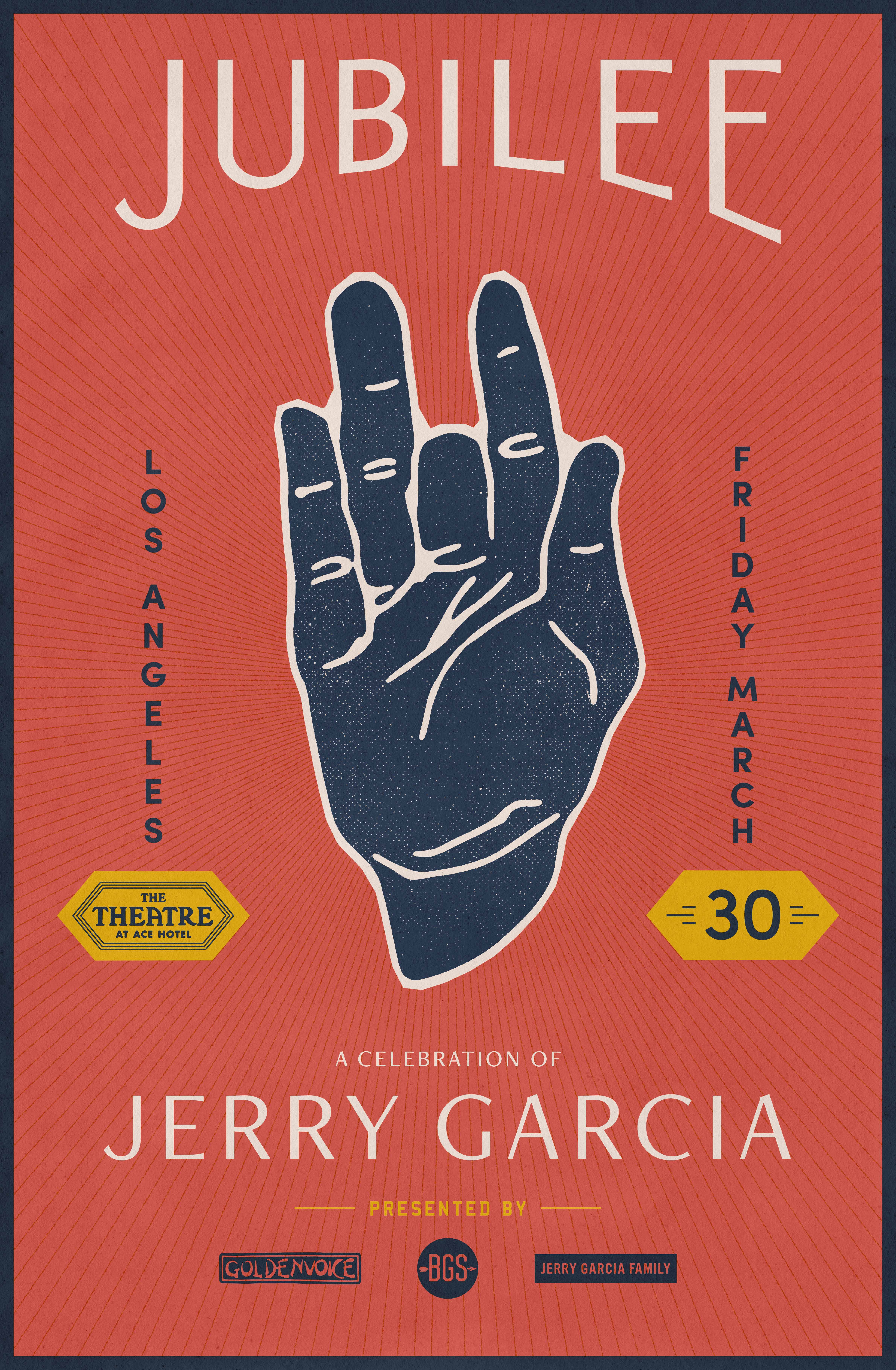
BGS Presents Jubilee: A Celebration of Jerry Garcia

We’re thrilled to present Jubilee: A Celebration of Jerry Garcia, taking place on Friday, March 30 at the Theatre at the Ace Hotel in downtown Los Angeles. Presented by BGS, Goldenvoice, and the Jerry Garcia Family, Jubilee gathers a wide range of artists and acolytes who loved Garcia all celebrating his songbook, his legacy, and the year of his 75th birthday.

The lineup includes Mike Campbell, Josh Ritter, David Hidalgo, Amos Lee, Willie Watson, Molly Tuttle, Hiss Golden Messenger, Billy Strings, Jamie Drake, Banditos, and many more special guests, all led by the Jubilee House Band — featuring Benmont Tench, Sean Watkins, Tyler Chester, and Jay Bellerose. And, JUST ANNOUNCED: Stephen Malkmus, Margo Price, Sam Bush, and the Decemberists’ Chris Funk have been added to this stellar lineup!

The evening will benefit three Garcia Family selected charities: the Rex Foundation, the Jerry Garcia Foundation, and the Center for Biological Diversity.

Get your tickets here. Newly released $39 seats are now available!


BGS and Bloodshot Partner at Folk Alliance

If you’re attending Folk Alliance International next month in Kansas City, Missouri, be sure to stop by suite 621 at the Westin Crown Center Hotel where BGS and Bloodshot Records will team up to bring you some great music by wonderful emerging and established artists.

AMA UK Artist of the Year nominee Danni Nicholls kicks things off on Thursday, February 15, at 10:30 pm, followed over three nights by a slew of stellar artists, including Molly Tuttle, Rose Cousins, the War & Treaty, Ruby Boots, Jon Langford, Giri & Uma Peters, Jamie Drake, Joe Purdy, and more. (For those not in attendance, rumor has it that we might stream some of the sets live on Facebook.)