You Gotta Hear This: New Music From Foy Vance, Rissi Palmer, and More

We have new music for you, as always, to herald the end of the week and beginning of the weekend. You Gotta Hear This!

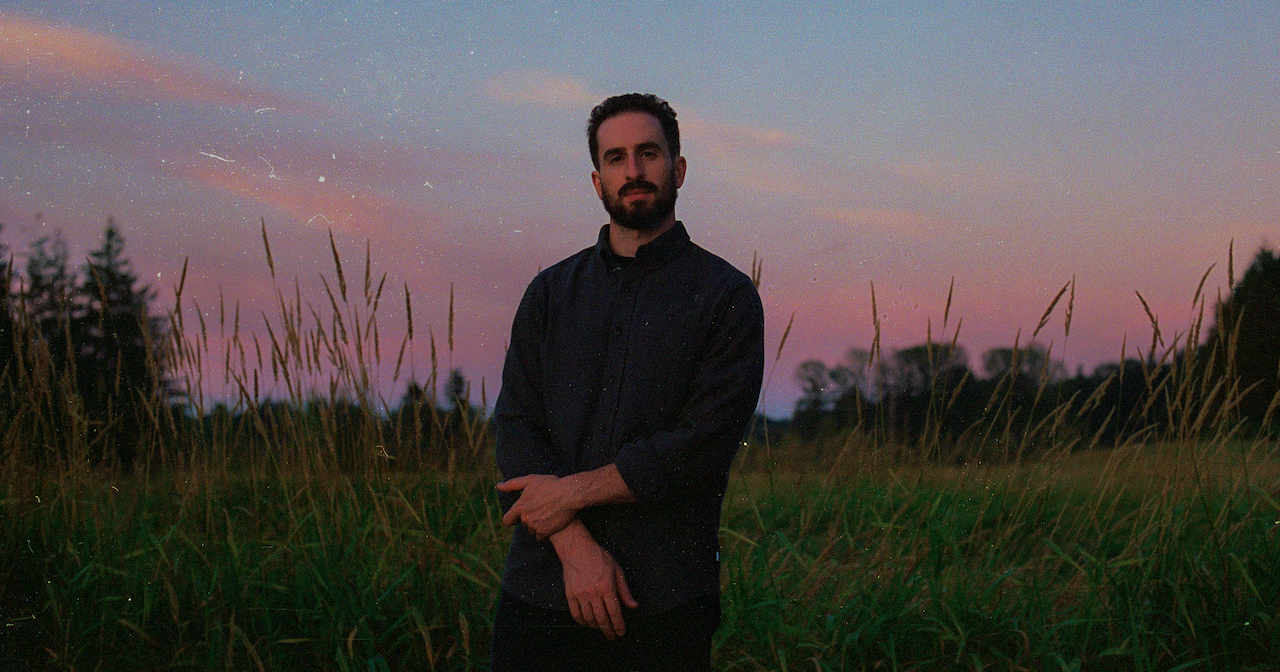
From just outside of Washington, D.C., singer-songwriter Connor Daly releases a new single today, “Echoes of Midnight.” An Americana “fast waltz” with a melancholy tinge, the track is clean but gritty. Daly thinks it’s the best song in his catalog to crank through a loudspeaker, and we agree. A longtime friend of BGS and Good Country now, Rissi Palmer releases her brand new EP Perspectives today, so we’re celebrating by sharing a new song from that collection, “Good to Me.” Written with Shannon Sanders and Hilton Wright II, the song finds Palmer much more assured in what she wants and needs from a life partner than she was in her 20s. (Stay tuned for an upcoming interview with Palmer about the EP, coming next week right here on BGS.)

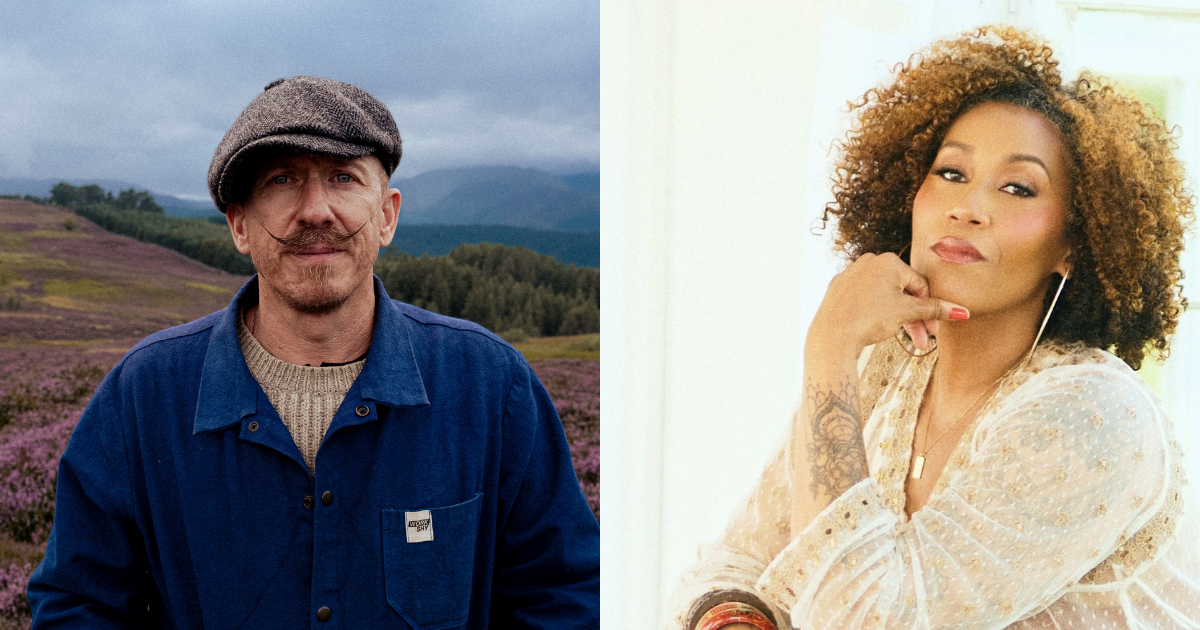
Also in a country space, roots music renaissance man Jim Lauderdale announced a new upcoming album today, Country Super Hits Volume 2. He certainly has plenty of “super hits” to celebrate; we’re kicking off the countdown to the new LP by sharing “Everybody’s Got A Problem.” There’s a kernel of truth in that hook somewhere, isn’t there? Relatable, charming, and effortlessly traditional country, it’s another Lauderdale banger. Then, from across the Atlantic, Foy Vance launched a brand new, homemade music video earlier this week for “Hi, I’m The Preacher’s Son.” With sonics gleaned from the intersection of folk and outlaw, the song is well matched by the trippy and fun video that combines animation, stop motion, and many other forms and styles into a unique visual journey. His dad was a preacher and fond of a parable; the track and video suit their inspiration perfectly.

Don’t miss Bryan Sutton unveiling another tune from his upcoming duets album, as well. This time he’s partnered with fellow guitar picker Jake Stargel on an acrobatic and oftentimes jaw-dropping rendition of the popular fiddle tune-guitar instrumental “Crazy Creek.” These are two of the most personality-rich players and stylist on six strings, doing what they do best. Each single from the album, From Roots to Branches, has been stellar – this latest outing continues that trend.

There’s plenty to enjoy below! Scroll to listen, ’cause You Gotta Hear This…

Connor Daly, “Echoes of Midnight”

Artist: Connor Daly
Hometown: Ashburn, Virginia
Song: “Echoes of Midnight”
Release Date: February 6, 2026

In Their Words: “As soon as I started writing the first pieces of ‘Echoes of Midnight,’ I knew exactly what kind of production I wanted for the song. Going into the studio with David Dorn at Farmland Studios in Nashville, it didn’t take long for him to understand the vision. Big drums, wide acoustic guitar arrangements, and energy pushing through every line. It’s one of those songs that was clearly meant to be played live and I knew I needed to hear it fully take shape in the studio. Lyrically, ‘Echoes of Midnight’ captures a very now-or-never feeling of young love that has always stood out in my catalog. If I could choose any of my songs to play through a loudspeaker, this would be it.” – Connor Daly

Track Credits:
David Dorn – Keys
Shaun Richardson – Acoustic guitar
Tim Denbo – Electric bass
Dave Racine – Drums
Justin Ostrander – Electric guitar
Connor Daly Steggerda – Songwriter, vocals


Jim Lauderdale, “Everybody’s Got A Problem”

ᐧ

Artist: Jim Lauderdale
Hometown: Troutman, North Carolina
Song: “Everybody’s Got A Problem”
Album: Country Super Hits Volume 2
Release Date: February 6, 2026 (single); March 27, 2026 (album)

In Their Words: “This song relates to the common experience of going through difficult times and that very few of us are immune to that; it’s one thing we all have in common.” – Jim Lauderdale


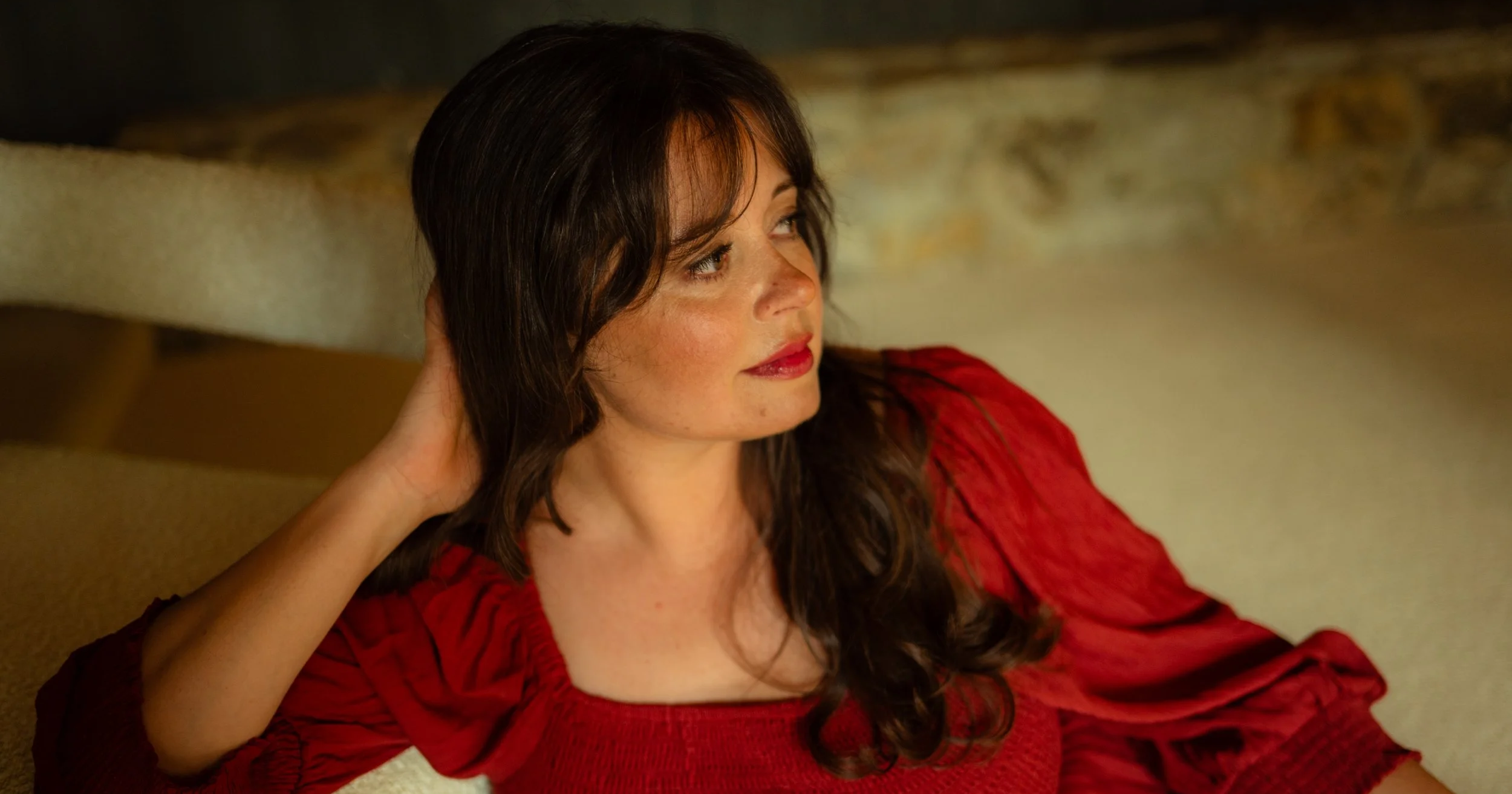
Rissi Palmer, “Good to Me”

Artist: Rissi Palmer
Hometown: Durham, North Carolina
Song: “Good to Me”
Album: Perspectives (EP)
Release Date: February 6, 2026

In Their Words: “I started this song with Hilton Wright II and completed it with Shannon Sanders (producer of the project). I sat on this chorus for three years, in the midst of a divorce, not sure what I wanted to say. On this side of things, I’m a bit more clear about what I want from a partner. The things that 29-year-old Rissi wanted are very different from what 44-year-old Rissi wants. We had a really good time writing this…” – Rissi Palmer


Bryan Sutton, “Crazy Creek” featuring Jake Stargel

Artist: Bryan Sutton
Hometown: Nashville, Tennessee
Song: “Crazy Creek” featuring Jake Stargel
Album: From Roots to Branches
Release Date: February 6, 2026 (single)
Label: Mountain Home Music Company

In Their Words: “Ever since Jake Stargel came on the scene, I’ve been fascinated and inspired. I think his playing is continually creative and powerful. He was the one that actually suggested ‘Crazy Creek’ and part of my goal with this duets project was just to try to capture musical conversations with my friends. We definitely do that here with ‘Crazy Creek.'” – Bryan Sutton


Foy Vance, “Hi, I’m The Preacher’s Son”

Artist: Foy Vance
Hometown: Bangor, Northern Ireland
Song: “Hi, I’m The Preacher’s Son”
Album: The Wake
Release Date: February 4, 2026 (video); March 13, 2026 (album)
Label: Rounder Records

In Their Words: “Being a preacher, my Dad was fond of a fable. Parables and philosophies poured out of him on a good day. I couldn’t fully appreciate them at the time, but I would learn to cling to the little wisdoms he shared. So much of him has influenced what I do. Seeking ways to say something concisely.

“I’m glad of that influence. I am also glad to be free of any certainty that gives someone the desire to be a preacher. Even if I felt certain about whatever God might be, I reckon the desire to become a preacher should never allow you to become one!” – Foy Vance


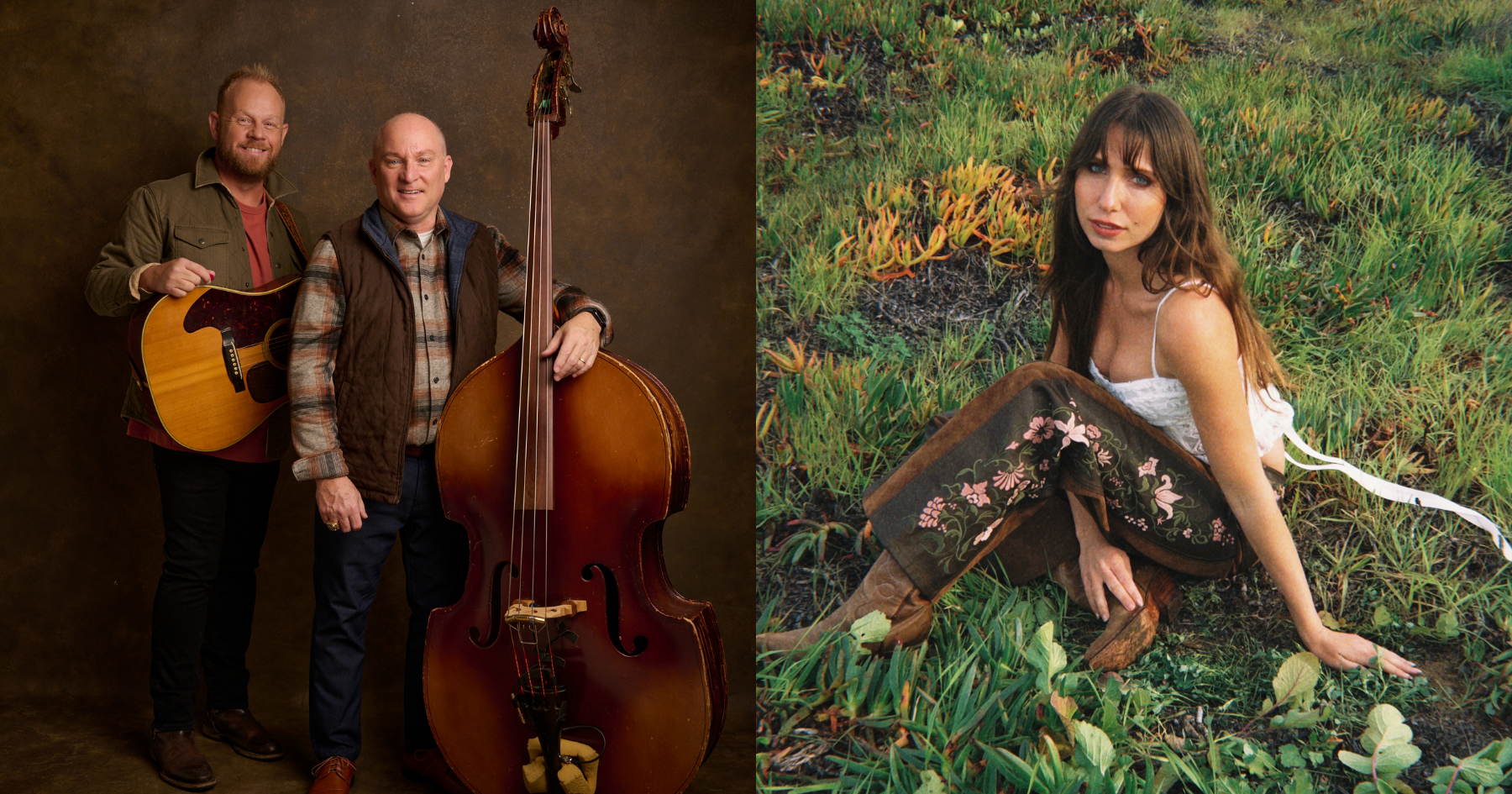
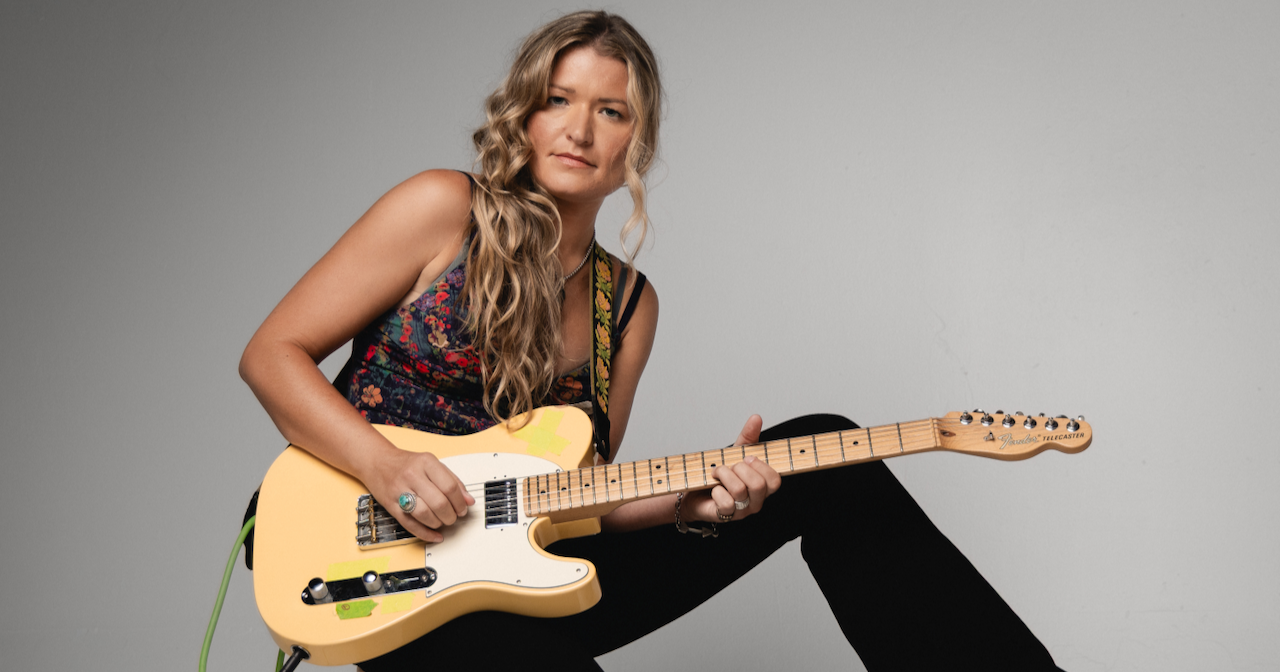
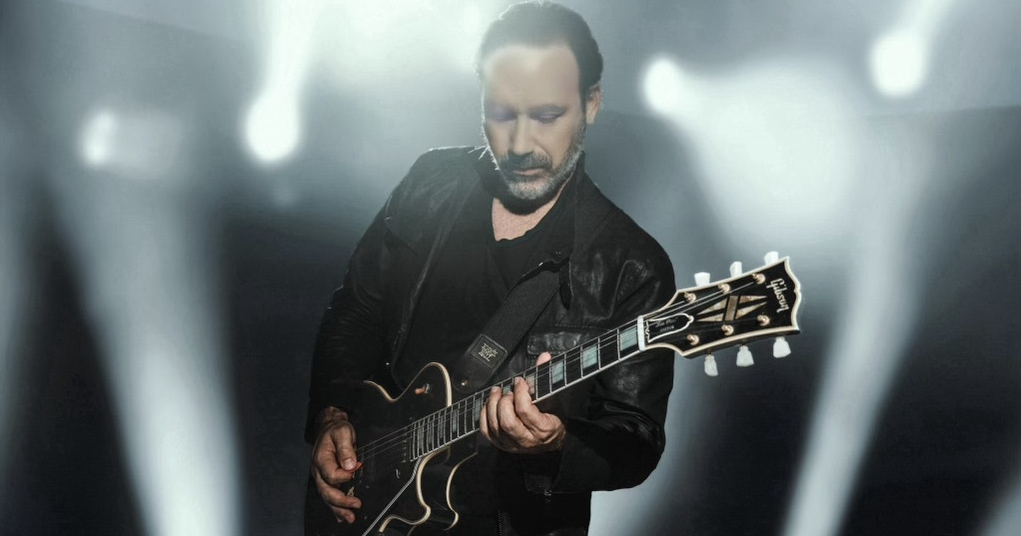
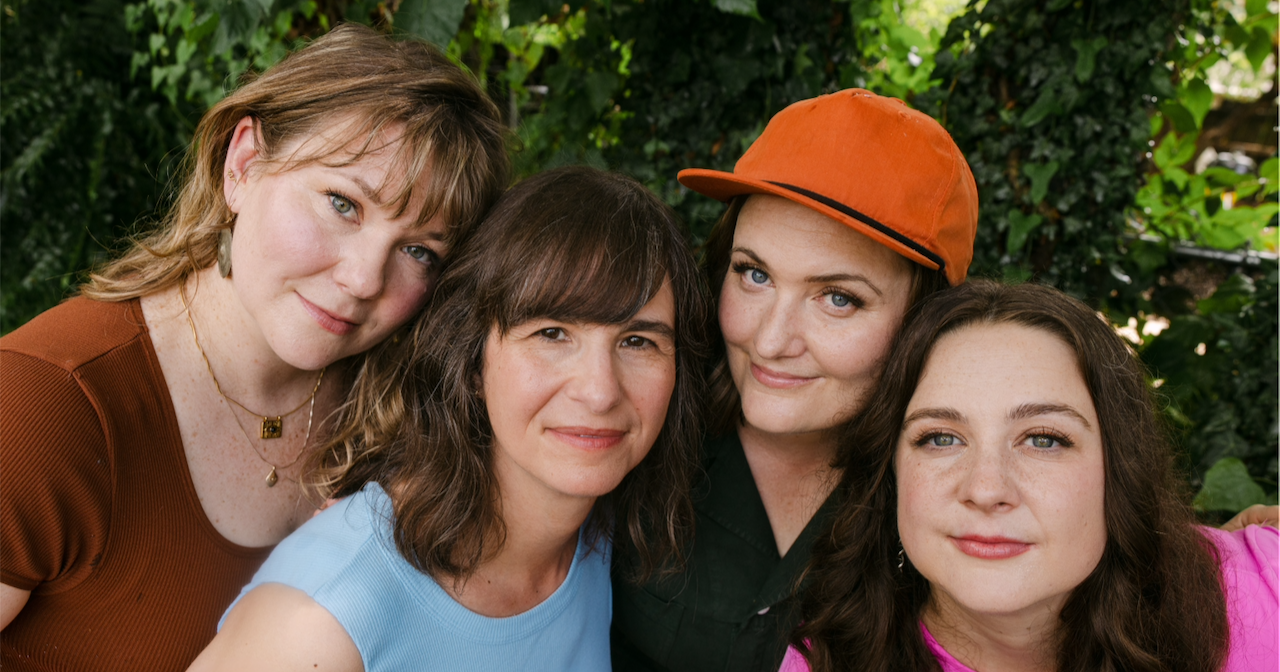
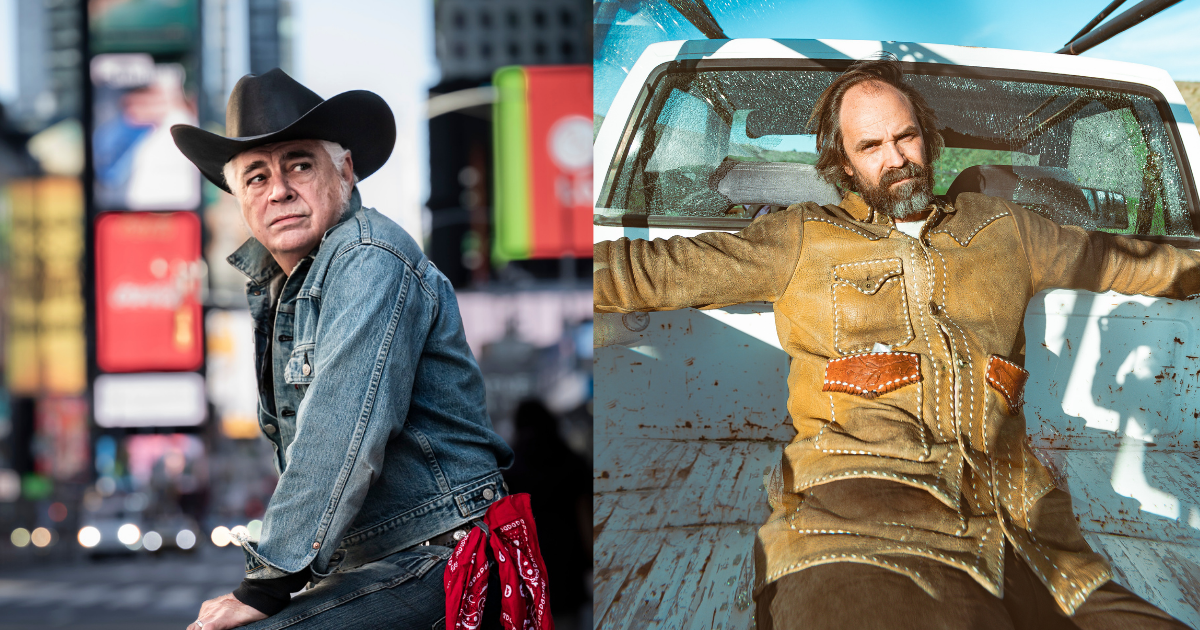
Photo Credit: Foy Vance by Gregg Houston; Rissi Palmer by Dire Image.

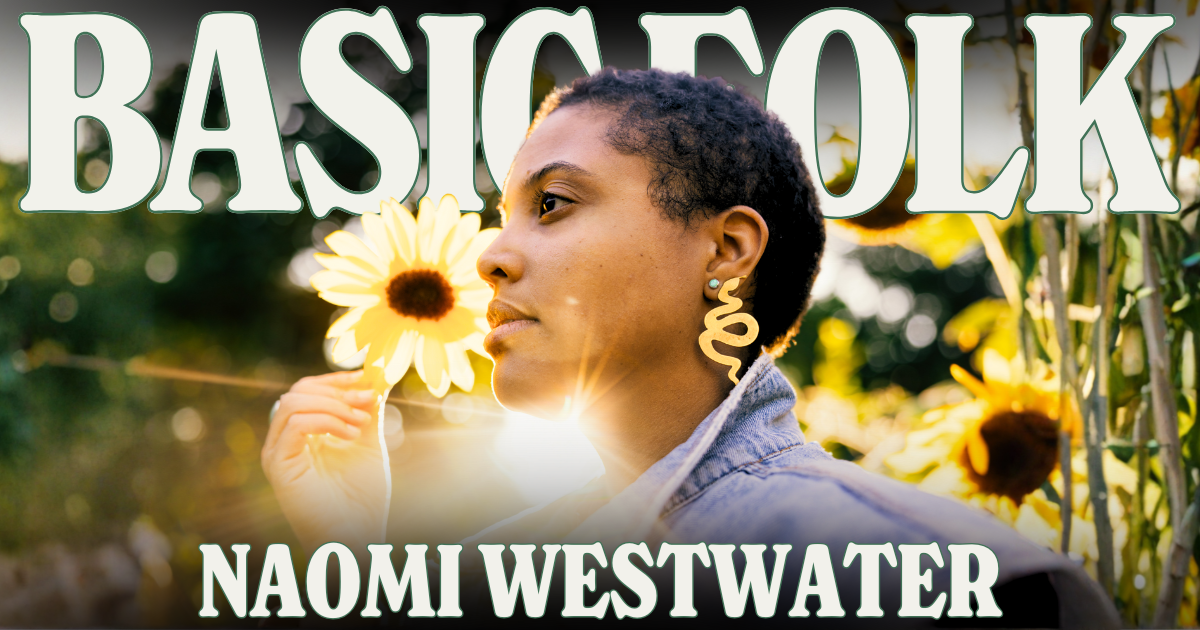
Basic Folk: Naomi Westwater

Something you might notice about Boston musician Naomi Westwater is that they have both sides of the brain on lock. They are very good at community organizing, grant applying, advocating, and other “left-brained” activities. However, they are also a creative, deeply spiritual, open-hearted person, traits typically associated with the right brain. That’s not always something that goes hand-in-hand, but it is a beautiful thing when it does!

Westwater, who identifies as queer and Black-multiracial, grew up on Cape Cod in Massachusetts, where they never felt like they fit in. Thanks to their parents, there was a lot of music being played: reggae, jazz, funk, classic rock and ’70s feminist folk. There was always a deep connection with nature, which plays into their spiritual practice and their songwriting, two areas they previously kept separate.

LISTEN: APPLE • SPOTIFY • AMAZON • MP3

On their album, Cycle & Change (released May 9, 2025), Naomi made an effort to fully embrace her identity as a songwriter and a witch. She shares, “Each song ties back to its seasonal context, weaving a story that spans spring’s hopeful beginnings, summer’s vibrancy, autumn’s introspection, and winter’s quietude…” Right in the final stretch of preparing to release the album, all these very hard things happened: the sudden loss of Naomi’s father; they went through a divorce; and they relocated. It was as if, with the album, they had created the blueprint for remaining grounded during these challenging life changes. We get into all of this on Basic Folk, as well as navigating self-advocacy while struggling to get their endometriosis and adenomyosis diagnosed and treated and the impact their father’s death had on their creativity.


Photo Credit: Ally Schmaling

BGS 5+5: Luca Fogale

Artist: Luca Fogale
Hometown: Vancouver, British Columbia, Canada
Latest Album: Challenger (out January 30, 2026)

What other art forms – literature, film, dance, painting, etc. – inform your music?

I’m really inspired by cinema and have loved movies ever since I was young. As someone with a very limited set of creative skills outside of music, I find so many elements of the craft of filmmaking so impressive. I am very grateful for how many beautiful films I’ve been able to watch in my life; to see our humanity reflected in such a diverse and dynamic way.

Whether intentional or not, I know that there are always a handful of movies that have inspired songs and albums of mine (It’s a Wonderful Life was one of the starting points for my song “Youth,” about recognizing the passage of time and having dreams of life turning out differently. And Arrival [informed] my song and album Nothing is Lost, in beginning, thinking about time and language not as linear, but circular.)

Which elements of nature do you spend the most time with and how do they impact your work?

Water seems to always be what I’m called towards. I’ve spent a lot of my life near lakes and the ocean, and I recognize how much peace and solace I feel near bodies of water; to be able to watch the world flow and breathe through the rivers and tides. I think it has informed my process in the slow intentionality with which I try to work, as well as given me a deep reverence for the natural world.

How often do you hide behind a character in a song or use “you” when it’s actually “me”?

While I don’t know for certain if I hide behind the characters in my songs, I definitely step outside of myself often and view myself in the third person in order to try to get a glimpse of something objective; to look at my life from a bit of a wider angle. I spend so much of my time inside my own head that when I can use music and lyrics to see myself and my current reality from another vantage point, it always helps me to understand myself a bit better.

If you didn’t work in music, what would you do instead?

At this moment, fueled by my current obsession with chairs, if I wasn’t working in music I would love to take a swing at designing and building furniture. I often crave work that is more physical, while still being creative, and the time I spend as a hobbyist carpenter making (very crude) prototypes of chairs and tables has been some of the deepest peace I’ve felt, and something that feels separate but parallel to making music, resulting in a tactile and immediately useful outcome of time spent.

What would a perfect day as an artist and creator look like to you?

I feel lucky to have experienced a couple of different versions of answers to this question. As a songwriter, I would spend some time reading, followed by having a friend come over to my little home studio to write some music, share a meal afterwards, and perhaps some time spent writing solo afterwards.

As a touring artist, it would look like the day I had today as I type this. My band and crew and I had some breakfast together after a day of rehearsal yesterday, got on a flight to LA, arrived, had a beautiful dinner, and are now heading to bed at the hotel before our show here in town tomorrow. All I could ever ask for.


Photo Credit: Brandon Artis

You Gotta Hear This: New Music From Dailey & Vincent, Lily Meola, and More

For a week of wintry weather over much of the U.S., here’s some brand new music to keep you warm.

To kick us off, singer-songwriter Karen Dahlstrom calls on the Milk Carton Kids’ Kenneth Pattengale for a new single, “The Last of My Line.” Finger-picked acoustic guitar scores a contemplative and devastating “hobo song” about lineage, family, and circumstance – and the existential feelings surrounding being the last in your family line. Ohioan alt-Americana trio Oliver Hazard have a new song out today, as well. “Hold On” is infused with folk-rock sounds of the ’70s and built around a catchy guitar riff brought to the band by picker Devin East. It’s one of those songs that just “poured out.”

In bluegrass, country-grass superstars Dailey & Vincent return to their roots as only they could, with a rip-roaring and stratospheric rendition of a classic, “Ruby.” With an all-star cast of players behind them, the duo blazes through the iconic old-time song made popular in bluegrass by the Osborne Brothers. The D&V rendition is spotless; we hope it’s a harbinger of more bluegrass to come from their camp. Plus, Ashby Frank gives the bluegrass treatment to Dave Grohl and the Foo Fighters with “The Pretender.” Out today, it combines style points from both bluegrass and grunge in a deep and lush sonic swirl. Whatever your opinion about what is or is not “no part a nothin’,” the energies of both rock and string band are surprisingly well-matched.

You won’t want to miss Lily Meola’s new song, e8ther. Born in Hawaii, Meola makes modern, crisp country music that’s still rich in rootsy tradition and outlaw textures. “Never Kissed a Cowboy” celebrates that, as she puts it, “chivalry ain’t dead, I guess,” and the fun that can be found when doing a romantic dance with a gentleman instead of, well, a loser. It’s a dreamy country waltz that, while contemporary, seems like it could’ve been plucked from just about any decade in the genre’s history.

There’s certainly plenty to love and enjoy this week! You Gotta Hear This…

Karen Dahlstrom, “The Last of My Line” (featuring Kenneth Pattengale)

Artist: Karen Dahlstrom
Hometown: Brooklyn, New York
Song: “The Last of My Line” featuring Kenneth Pattengale
Album: Love These Days
Release Date: January 29, 2026 (single); March 27, 2026 (album)

In Their Words: “I’d never really thought about having children – I just assumed I would have them someday. But as the years went on, biology and circumstance made the decision for me. In working through my feelings about being – literally – the last of my family line (my dad was an only child, neither I nor my sisters have biological children), this song started to form. In the back of my mind, I held this idea of a simple, Woody Guthrie-style hobo song with a dash of Lyle Lovett’s ‘Family Reserve.’ I wrote the song I needed when I needed it, without any idea of whether it would resonate with anyone else. To my surprise, it’s one of the songs people say they connect with most.” – Karen Dahlstrom


Dailey & Vincent, “Ruby”

Artist: Dailey & Vincent
Hometown: Nashville, Tennessee
Song: “Ruby”
Release Date: January 30, 2026

In Their Words: “We’ve never believed bluegrass had to live in a box, but with ‘Ruby,’ we felt a strong pull to strip things back. It’s a reminder that even as you grow and experiment, you never forget your roots. This song reconnects us with that energy and joy that made us want to do this in the first place.” – Jamie Dailey and Darrin Vincent

Track Credits:
Bryan Sutton – Acoustic guitar
Darrin Vincent – Bass
Russell Carson – Banjo
Andy Leftwich – Fiddle
Dominick Leslie – Mandolin
Jamie Dailey – Vocals


Ashby Frank, “The Pretender”

Artist: Ashby Frank
Hometown: Nashville, Tennessee
Song: “The Pretender”
Release Date: January 30, 2026
Label: Mountain Home Music Company

In Their Words: “Bluegrass and hard rock often have a similar feeling of ‘drive’ to them; I guess it’s no surprise that many pickers that grew up listening to the shredding instrumentals of bluegrass also have a deep appreciation for great rock musicians. I’ve been a fan of Dave Grohl and the Foo Fighters since I was a teenager. I decided to take a giant leap that I’m not sure anyone’s ever made before and cover one of their most iconic songs with a bluegrass-meets-grunge treatment. I really had no idea what the final product would be when I made the decision to record ‘The Pretender,’ but I couldn’t be more proud of what we came up with.” – Ashby Frank

Track Credits:
Ashby Frank – Mandolin, lead vocal, harmony vocal
Seth Taylor – Acoustic guitar
Travis Anderson – Bass
Matt Menefee – Banjo
Tony Creasman – Drums


Oliver Hazard, “Hold On”

Artist: Oliver Hazard
Hometown: Waterville, Ohio
Song: “Hold On”
Release Date: January 30, 2026
Label: Nettwerk Music Group

In Their Words: “‘Hold On’ sounds like home to us. Devin came over one afternoon with a guitar riff he’d just written, and we sat down at the piano and the song just kind of poured out. It felt like the old ’70s records we loved listening to. It felt like growing up where we did – feeling the change of seasons, spending time in the local dives, that urge to leave town, but not wanting to let it go.” – Oliver Hazard


Lily Meola, “Never Kissed a Cowboy”

Artist: Lily Meola
Hometown: Nashville, Tennessee
Song: “Never Kissed A Cowboy”
Release Date: January 30, 2026
Label: Nettwerk Music Group

In Their Words: “My picker really did me dirty for a while, so when I experienced good ol’ fashioned gentleman behavior for the first time, it honestly threw me for a loop. I didn’t know how to receive it. I was like, ‘I can open my own door!?’ Then I started to see it from another perspective: having someone treat you like that is honestly really sweet. It might not be the most logical or efficient way of doing things, but damn, being treated like a princess is kinda fun, and being a gentleman is hot. So this is a love song honoring the men who go the extra mile.” – Lily Meola


Photo Credit: Dailey & Vincent by Greg Roth; Lily Meola by Jo Anna Edmison.

Emily Scott Robinson Stays Hopeful Through the Thick of It

Before embarking on a music career, Emily Scott Robinson worked as a social worker. The two occupations, she says, really overlap with who she is as a person. Talking from her home outside of Telluride, Colorado, Robinson shares that being a performing artist and playing shows has “a similar quality of service to it and connection that being a social worker did…”

“One of the things I loved about being a social worker is being able to help people,” she continues. “[Music] brings me a lot of joy and purpose. I get so much feedback from people that my songs help them. That’s the most important and meaningful thing that my music could do in this lifetime.”

On January 30, Robinson will launch Appalachia, her third release on Oh Boy Records and her fifth album overall. Its 10 tracks reveal her uncanny knack for conveying empathy, comfort, and compassion through a set of songs that explore topics such as a friend’s suicide, a grandparent’s death, her own divorce, and the destructive effects of Hurricane Helene on her home state of North Carolina.

Robinson recorded Appalachia with producer/musician Josh Kaufman (Bonny Light Horsemen, Josh Ritter) in late April and early May of 2025 at his Dreamland Recording Studios, near Woodstock, New York. Having loved his production work on Anaïs Mitchell’s 2022 self-titled album, Robinson wanted to work with him. “I want to make my version of what [Mitchell’s] record is,” she explains. She was thrilled that Kaufman not only was available to produce the album, but was also very excited about working with her.

Robinson’s road to becoming a singer-songwriter began when she was 14, when she went to a “super hippie summer camp,” as she describes it, in northern Michigan. There she fell in love with acoustic music she heard the counselors play at night during “mellow time” – songs by folks like Cat Stevens, Joni Mitchell, Dar Williams, and Ani DiFranco. After camp ended, she learned to play her mother’s old classical Yamaha guitar. Robinson loved to sing, but only played cover tunes whenever she would perform at coffee houses and open mic nights.

Her life changed, in many ways, when she took a Planet Bluegrass Song School workshop in 2014 while working as a social worker in Colorado. Besides learning about the art of songwriting, Robinson also discovered how to make a living as a musician. She quit her social worker job the next year and didn’t look back. “I felt such a strong sense of connection and purpose when I sang for people. Their response was so powerful, and I just thought this really feels like something I should pursue.”

That Robinson has a gift for words feels like a genetic inevitability. Her mother worked as a journalist and her father taught English. As she describes it, Robinson learned how to tell and edit a story from her mother, and how to write in a direct and active style from her father. “My parents taught me how to write… that stuff is burned into my brain,” she states. “I’m my parents’ child.”

2026 represents a significant career moment for Robinson with the new album arriving in January and tours crisscrossing the U.S. throughout the year. She took time out from a snowy winter morning to speak with BGS about Appalachia and the roads she took to make her album.

It has been several years since your last full-length album, 2021’s American Siren. How did this album come into being?

Emily Scott Robinson: It took me about four years to write this record. These are the songs written in the aftermath of a lot of upheaval and change in my life. I went through a divorce in 2021 and then moved away from Telluride the next year. And even though I didn’t move that far – I moved about an hour away – I left the only community that had really been home for me for about a decade.

And there were a lot of endings that felt really sad. Both my grandmothers passed away. [But] I also became a parent. I am now engaged to my partner, who has a nine-year-old son. And that has been amazing. So, my life kind of completely changed. These are all songs written in the thick of that – and [the] surrender and joy and grief all happening at once.

Was there a song that really kickstarted this album?

The first song I wrote for this album – and then it was the only one I had written for like a year and a half – was “Hymn for the Unholy,” which is, of course, the opening track. And that felt like my anthem. I wrote that song [when] I was going through this divorce. It was New Year’s Eve and I just couldn’t even fathom this whole movement of setting plans and goals for the new year when so many things felt like they were ending or becoming really unsure for me. It was the only new song I had for quite a while. And then, in about the last year and a half, I wrote almost all of the rest of the songs.

“Appalachia” I wrote right after Hurricane Helene hit Western Carolina. There were a couple songs that I wrote at a writer’s residency in Texas, [including] “Time Traveler” about my grandmother who passed away. I wrote “Cast Iron Heart” on another songwriting retreat. “And Bless It All” was really one of these songs that emerged that I wrote really quickly, like an homage to this chapter of life [about] raising a kid [and having] parents aging – like my generation is now doing the same.

“The Time For Flowers” is a song that you had for a while. How did that find its way on the album?

“Time For Flowers” is on here because it’s a song that has never lived on a full album. A lot of my fans would come up to me after shows and go, “Which record is ‘Time for Flowers’ on?’” … I released it in 2020 in the summer [during the pandemic as a single] and it grew legs and traveled far and wide. People started to perform it at funerals and with their choral groups and they started to sing it in church and ask for arrangements. It became a song that meant a tremendous amount to a lot of people.

I put a lot of heart and a lot of craft into that song. But the song has taken on its own life and that’s really beautiful for me to be a part of. And it means a lot again in 2025, to people who are living in what feels like an increasingly dark time. I wanted to put that on the album and to sing it in the way that I perform it at my shows, which is just acoustic.

I felt like, on this album, there was a feeling of expressing compassion and forgiveness and reassurance. A message of “finding a sense of strength” not only for yourself, but for listeners as well.

The one cover on the album is “The Water Is Wide” and I was wondering why you chose that old folk song to include.

I love that you wondered that because, to be quite honest, I felt a very strong instinct to put this song on here and I didn’t really know why. Sometimes I just feel a deep sense that needs to happen and so I just trust it and do it. I love that song and I had planned on putting it on there. I think, if I were to explain it on a more logical or grounded level, I would say that I felt that song – as old as it was – still speaks in both a deep and a fresh way. The lyrics strike me as being fresh and a little unusual every time. And it felt very timeless but also fresh, and so I just was drawn to it.

Sometimes I write a song, or I put a song on the record, and I just go, “I will find out later why I had to do this.” But, genuinely, I’ll find out along the way why it is that that song begs to be on this record. Also, Josh Kaufman, my producer, was so excited when I told him I wanted to put that song on there. He loves old folk songs and making them feel a little bit new or breaking them down a little bit and rebuilding them. And so do I, so it just kind of felt like it fit.

“The Fairest View,” which follows “The Water Is Wide,” closes the album. It holds an old folk song vibe although listening to it, you realize that it’s not.

“The Fairest View” was actually not a song that even existed until the last 24 hours that we were in the studio. My friend [songwriter Lizzie Ross] and I have a mutual friend who died before we were in the studio together. He really loved music and had grown up in Western North Carolina. He died by suicide and we were really writing this song for him, and to him. … We finished it the night before the final day. We were in such a great groove of creative flow that this just made total sense

I sent [Josh Kaufman] this voice memo. I think it was like 11:30 at night. I was like, “What do you think about putting this on the album tomorrow?” And he goes, “I dig it. Let’s do it!” He said that there was nothing really like this on the record, but it felt like it still fit sonically, lyrically, and melodically.

What were the important contributions that Josh Kaufman brought to the recording process?

Really the magic of working with Josh – the thing I love the most – is when we first had our first conversation. We were talking about how we work in the studio and he said something along the lines of, “You know, you play the song and we all start just kind of experimenting and playing around on instruments. We’ll know it when we find it, because you can hear it and you can feel it in your body when you have found the thing.” And that for me is exactly how I work creatively and in the studio. I’m comfortable with that kind of workflow and so I was like, “Yep, that’s exactly how I want to work.”

There is a wonderful intimacy to your vocals. I got the feeling I was sitting on a couch and there you were singing from just across the room.

D. James Goodwin, who is the [album’s] recording engineer and who mixed the record, created a specific reverb treatment based on the room in Dreamland, based on the actual recording space. … He started to measure the exact EQ and decay of all these different points in the room and then created his own reverb setting that he calls “the Dreamland reverb setting,” which is just meant to sound exactly how it sounds in the room.

You do a great duet with John Paul White on the track “Cast Iron Heart.” How did he get involved on this project?

John Paul White is a great interpreter of songs, because he doesn’t put too much on them. This is like an acting principle, which is “the more you’re trying to act, the worse it is.” But if you’re allowing the song to come through you, and you’re not getting in the way of that and you’re being honest to that song, then that’s when the powerful performance really happens. And John Paul is experienced enough to really know that.

I knew that I couldn’t have somebody with a fully polished country voice singing this. I wanted it to sound like somebody who had lived. I know John Paul and I know that he has lived and he has a family and he’s been making music for years. He embodies the person singing the song – the actual voice of the narrator of the song – and it was such a gift that he said yes to this. He’s the sweetest, most generous artist and human, so that’s how he got involved.

This is your third release for Oh Boy Records – how did you get involved with them?

I got a message from Jody Whelan [head of Oh Boy Records and John Prine’s son] and he said, “We’re really big fans of yours at Oh Boy and if we can ever help you in any way let us know – we’d love to work with you.” And I was like, “Did I just get offered a record?”

I reached out to Jody and I said, “I would love to talk to you. I have a record that I’m about to make and we should connect.” I’m a huge fan of Oh Boy and John Prine. I signed a fantastically supportive and artist-friendly record deal with Oh Boy. And I go on the record to say that as often [as I can]. … I genuinely hit the jackpot when I signed the deal with Oh Boy. I love working with them. Their heart has been, and always will be, in the right place. I’m really, really lucky.

Are there things you hope listeners take away from the new album, or from your live performances as well?

I hope that people do feel fortified, encouraged, and hopeful when they listen to these songs because this record is about finding those bright spots and finding that hope in the thick of all the other parts of being a human. It’s about leaning on other people and finding that in relationships and in community. I also hope that this record will comfort people who’ve lost somebody they loved recently.

I want this record to be of service to people. I want it to reach them in ways that they need to be reached. I don’t want people to give up hope in this time in history or this time in our country. I don’t want them to give up hope in themselves and each other.

I think we’re increasingly in a corporate media landscape and a very engineered social media landscape that has a lot of voices that say there’s no hope; there’s no reason to fight, it’s too late. And I think the social worker in me and the political activist in me wants to yell, “That’s fucking bullshit!”


Photo Credit: Angelina Castillo
BGS 5+5: Sophie Gault

Artist: Sophie Gault
Hometown: Temple Hills, Maryland; now Nashville, Tennessee
Latest Album: UNHINGED (released January 23)
Personal Nicknames (or rejected band names): Soph, SMFG, Dimples

Which artist has influenced you the most – and how?

Gurf Morlix has been my biggest influence since I was a teenager. I used to spend hours late at night in the barn behind our house with my guitar, playing along to records and trying to figure out his parts by ear — not just the notes, but the feel of them. His sense of space and restraint really shaped how I think about music.

Before that, I was listening to a lot of pop-punk like Green Day. I loved that raw energy, but Gurf’s playing opened up a different emotional world for me. It showed me that subtlety can be just as powerful as volume, and that sometimes what you leave out is what makes a song linger. That influence never really left me–it’s still part of how I write, arrange, and listen today.

What’s your favorite memory from being on stage?

Recently, I played a show in Dallas celebrating Twangville’s 20-year anniversary and it ended up being one of those nights that reminds you why you do this. I hired a pickup band, and we had no rehearsals, but they absolutely knocked it out of the park. It was Louis Balderas on drums, Emsy Robsinson Jr. on bass, and Michal Witek on guitar. There was this instant trust and musical conversation onstage, and it felt special.

The whole night felt meaningful, because it was such a strong bill. I was opening for Lydia Loveless, and J. Isaiah Evans & the Boss Tweed, and that hit me in a very full-circle way. When I was in my first year of college, I became a huge fan of Lydia’s album Indestructible Machine. Her songwriting – that raw, gritty honesty – really shaped what I thought was possible in songs. I’ve always looked up to her as one of the great voices of my generation, so seeing my name on a poster with hers felt like one of those milestones you don’t forget.

What other art forms – literature, film, dance, painting, etc. – inform your music?

I’m drawn to short stories and mystical realism. Lately, I’ve been reading Haruki Murakami and Raymond Carver. There is a book called Kafka on the Shore by Murakami that is beautiful and strange and otherworldly. Ideally, that’s how I want my music to sound—like its own universe that doesn’t follow any set of rules.

Does pineapple belong on pizza?

Absolutely, yes. I’ve always ordered pineapple and black olives together. There is no other acceptable answer!

If you didn’t work in music, what would you do instead?

I love the idea of owning a wine shop with a carefully curated selection from all over the world. There is a great one already in Five Points in East Nashville called the Woodland Wine Merchant. They’re great.


Photo Credit: Sam Wiseman

Jason Sinay’s Peace & Love Playlist

It’s 2026 and the world remains deeply shaped by persistent conflicts and social divisions, making songs of peace and love an essential “universal language” for fostering unity. As global tensions in regions like Ukraine and the Middle East continue to create an us-versus-them mentality, music serves as a critical bridge that transcends cultural and linguistic barriers to remind us of our shared humanity.

These songs do more than provide comfort; they act as a tool for disarming hearts and promoting reconciliation in an increasingly polarized landscape. By lowering anxiety and increasing empathy – the emotional foundation for peaceful coexistence – music provides a rare space where diverse groups can connect without prejudice. Now more than ever, these songs are needed to shift the global narrative from division and “moral degradation” toward a future built on compassion, harmony, and collective resilience. The lyrics of these amazing songs epitomize “peace & love” and speak for themselves. – Jason Sinay

“Imagine” – John Lennon

This song still remains a timeless global anthem that serves as a “hymn for peace.” It transcends cultural and political boundaries by challenging listeners to envision a utopian reality free from the divisions of nationality, religion, and material possessions.

“Blowin’ in the Wind” – Bob Dylan

Dylan uses evocative symbols like the “white dove” to represent the enduring human quest for a world without conflict. Its series of rhetorical questions challenges listeners to confront social injustices and the “cannonballs” of war, suggesting that while the answers for global harmony are as ever-present as the wind, they require collective courage to grasp and implement.

“Get Up, Stand Up” – Bob Marley & the Wailers

Marley emphasizes that true harmony can only be achieved through justice and the active defense of human rights. The song challenges listeners to seek fulfillment and equity “on earth,” rather than waiting for divine intervention, serving as a global rallying cry for unity against all forms of oppression.

“Give Me Love (Give Me Peace On Earth)” – George Harrison

This amazing song’s lyrics act as a personal mantra for divine guidance, asking for the “light” and “life” necessary to heal a world filled with conflict and social burdens.

“Ripple” – Grateful Dead

“Ripple” promotes a sense of shared humanity by acknowledging that while every individual must walk their own path, we are all “in the same boat” and should reach out to help one another.

“Heart Of Gold” – Neil Young

Written while Neil was physically vulnerable and recovering from a back injury, he describes himself as a “miner” traveling across oceans and forests. The song emphasizes that the pursuit of a loving and compassionate soul is a lifelong, global journey that connects us all.

“She’s a Rainbow” – The Rolling Stones

This incredible tune captures the vibrant spirit of the Summer of Love through its whimsical, baroque-pop arrangement. It functions as a “pure love song,” departing from the Stones’ typically gritty style to offer a colorful, psychedelic tribute to femininity and universal beauty.

“Ophelia” – The Band

While this song is often interpreted as a lively, Dixieland-style track, it functions as a song of peace and love in exploring the deep emotional bonds and protective concerns shared between friends or lovers.

“Feels Like Home” – Randy Newman

This song truly captures the profound sense of safety and belonging found in a deep connection. The lyrics contrast a harsh external world with the sanctuary of a relationship.

“The Best Part of the Day” – Elton John & Leon Russell

This incredible tune celebrates the simple sanctuary of a deep, lifelong friendship. It portrays a serene “peace of mind” found in the presence of someone who has shared one’s “crazy ways” and provides comfort through life’s trials.


Photo courtesy of the artist.

Life Is a Magic Accident and Della Mae Say Make the Best of It

Fifteen years ago, bluegrass band Della Mae’s vocalist Celia Woodsmith wrote her future self a letter. She was 25 years old, burned out on trying to make it in Boston’s rock scene, and reeling from the loss of her father.

“If you can just die, why would you be doing something that you didn’t love to do?” she asked.

Her answer – and her hopes for her future self, which Woodsmith wrote into that letter – inspired the title track and underlying message of the band’s new album, Magic Accident, which marvels at the improbability of existence. As Woodsmith sings on “Magic Accident”:

We all start with something
No one comes from nothing
It took a millennia to get you here
You’re a magic accident, the way that fate bent
With a little carbon and gravity
Carbon and gravity

“Our life is just a series of these little accidents – my parents meeting, their parents meeting. And it’s a beautiful and magical thing that we’re all here right now. It’s a beautiful and magical thing that Della Mae is here,” Woodsmith says. “That’s the basis behind that song, and it’s the basis behind how I think about a lot of my life. It’s just a beautiful accident that I’m here at all. So I might as well enjoy it and do the best thing, the best that I can, while I can.”

Magic Accident, as an album, a song, a concept, and a band ethos, celebrates following one’s own path. All four members of Della Mae – Woodsmith, founder and fiddler Kimber Ludiker, guitarist Avril Smith, and bassist Vickie Vaughn – lost their fathers prematurely, which bonds them as a band and altered how each woman sees the world. And making it as one of the few all-women bluegrass bands inherently required the Dellas to push boundaries and carve out space for their lives and stories.

“If I could talk to the little girl inside of me/ I’d let her know the world ain’t what it seems/ And if she would listen/ Could I keep her safe from making my mistakes?” the band wonders on “My Own Highway,” the album’s second track. Later, they remind the next generation of the same sentiment in “Out Run ‘Em,” written by Smith (co-written with Caroline Spence) for her pre-teen daughter, advising, “If you go with the crowd, you can’t out run ‘em.”

Indeed, all of Magic Accident listens like a set of love and advice letters to the band’s younger and current selves.

“I don’t think we could have written this album as young women. This is an older, wiser woman sort of thing,” Woodsmith says.

Elsewhere on Magic Accident, the band appreciates life’s small, sweet, desperately important moments. “Nothing at All,” which Woodsmith wrote with Spence, is a gentle appreciation of love that’s aged comfortably, while “Little Bird,” which the pair also wrote, relishes slow days and simple life joys.

“What do they say? One of the biggest forms of revolution is having joy in spite of what’s going on around you,” says Vaughn, about including these kinds of emotional interludes on the album. “And sometimes, the little things are all we have right now, whenever all this bullshit is happening.”

These songs would not be confused with light subject fare, though. The weight and wisdom of lived experience grounds Magic Accident in conviction and clarity, even when it may appear uncomfortable. “Family Tree,” a furious track driven by producer Alison Brown’s banjo picking and Ludiker’s fiddle, explores what it takes to break harmful generational cycles. “What You’re Looking For” ends a relationship that no longer serves the narrator. On the album’s only cover, Bruce Robison’s “Lifeline,” Vaughn on vocals (with Mary Bragg on harmony), reaches a hand down to anyone struggling to find their footing in the buffeting of life.

“The weight has become unbearable,” Woodsmith says. “We speak our minds and we fight for the things that we think are right; we all feel strongly about a lot of the same things, like women’s rights. But that can be a heavy load to bear and to sing constantly night after night.

“Sometimes we choose not to sing some of these songs that we believe so strongly, just because it’s become hard to bear that weight. I think this album lets us see the light a little bit.”

Though it’s full of interpersonal songs, on the final track of Magic Accident Della Mae zooms out to consider the state of the world. Sonically bluegrass and lyrically a protest, “Takes All Kinds” – co-written by Vaughn and singer/songwriter Melody Walker – asks the world to consider its future, as well:

Oh, the politicians who write the laws
(Oh, lord it takes all kinds)
They say they stand for the underdog
(Oh, lord it takes all kinds)

But then they take my rights away
(Oh, lord it takes all kinds)
For a greenback dollar at the end of the day
(Oh, lord it takes all kinds)

Ludiker started Della Mae in part out of frustration with how few women she saw on concert bills and in bluegrass bands. “After talking with a lot of people, it was pretty clear that maybe those bands also wouldn’t hire women for various reasons; I eventually got the idea to start my own band,” she says.

“My brain just wouldn’t accept the fact that [otherwise] maybe I wouldn’t have some of the [same] opportunities that I would have if I was a boy.”

To that end, Della Mae has been part of building a more inclusive, supportive community in bluegrass. Indeed, Woodsmith joined the band soon after writing herself the letter that inspired “Magic Accident.” At the time, she planned to quit music and join the Peace Corps. Instead, 15 years on, Della Mae has produced six studio albums (including their GRAMMY-nominated This World Oft Can Be on Rounder Records) and toured over 30 countries with the U.S. State Department music diplomacy program.

Della Mae is, by their own estimation, the longest-touring all-woman bluegrass band. Which would prove, as they put it on their website, “once and for all, that a band of all women is not, nor has ever been, a mere novelty.”

“Hopefully we can inspire other little magic accidents,” Woodsmith says. “Like other women or other young people who want to play, who see us at the right time in their lives to push them forward to playing music, and to step outside of their comfort zones and do something they thought might be impossible.”


Photo Credit: Laura Schneider

You Gotta Hear This: New Music From Dale Watson, Jonny Fritz, and More

You know what would be the perfect way to end the week? A bevy of new roots songs and videos! Well, we have just the thing – and You Gotta Hear This.

To start us off, South Carolina-based husband-and-wife duo Benson – Wayne and Kristin Scott Benson – deliver a brand new instrumental, “Slayton Court.” Inspired by Wayne’s first address when he moved to Nashville 30+ years ago, and their young adult son’s similar journey in the present, it’s a thoughtful and tender tune that’s lyrical and evocative. Their labelmates, Unspoken Tradition, who hail from just up the mountains from Benson, also debuted a new single today, “Rhythm of the Ridge.” Written by North Carolina native Milan Miller, it’s an excellent song built on regionality, community, and the importance of the cultures that birth roots music.

Keep scrolling, though, as there’s plenty to explore. Singer-songwriter Cuchulain offers an adorable, painstaking stop-motion video for his new single, “Flip Turns.” As he puts it, it’s a song for swimmers and/or folks trying to keep their head above water wrapped in smooth and jazzy, alt-Americana sonics. New Jersey singer-songwriter Sean Kiely kicked off 2026 with a brand new track featuring his friend and hero, Kaia Kater. We’re pleased to share a live performance video of “This Is The Year,” a perfect song for starting the new calendar year on the correct foot.

Los Angeles stalwart Jonny Fritz returns to his most recent album, Debbie Downers, to offer all of us a woodwinds version of that critically acclaimed LP coming in April. Today he unveils the first delightful woodwinds version from the reimagined collection, “Tea Man,” featuring clarinets, bass clarinet, flute, and Fritz holding it all together himself. For a dose of old-time, check out “Cheeky F” by George Jackson’s Local Trio. Stemming from the tradition of Texas-style old-time fiddling and melodies, Jackson, his trio-mates, and guest guitarist (and producer) Stash Wyslouch pick through the swinging and acrobatic pizzicato head with “Flight of the Bumblebee” aplomb.

To round out our roundup this week, we get a healthy dose of alliterative outlaw country from Ameripolitan crooner Dale Watson. “Willie, Waylon and Whiskey” brings alt-country, the Bakersfield sound, and psychedelic surf rock together as only Watson could. The track is driving and frenetic, leaning forward in the beat and referencing so many classic lines, melodic hooks, and tracks from his fellow outlaws. Would country be country without self-referential songs? It’s hard to imagine.

From bluegrass and old-time to folk and outlaw, there’s plenty to enjoy this week on BGS. You Gotta Hear This!

Benson, “Slayton Court”

Artist: Benson
Hometown: Boiling Springs, South Carolina
Song: “Slayton Court”
Release Date: January 23, 2026
Label: Mountain Home Music Company

In Their Words: “‘Slayton Court’ was the first address that I had when I moved to Nashville, Tennessee, around 1993 with my good buddy Greg Luck. This instrumental is inspired by kind of reflecting on that time when you first gain your independence. For me, I was a young working musician for the first time playing with IIIrd Tyme Out. And you fast forward all these years and now I have a 19-year-old son going through a similar season. We were going to make a slideshow to document those years, especially with his activity as a young angler and going into the world of college fishing. As we made that slideshow it felt like this same melody would serve as great background for that, as well. I hope you guys enjoy ‘Slayton Court.'” – Wayne Benson

Track Credits:
Wayne Benson – Mandolin
Kristin Scott Benson – Banjo
Cody Kilby – Acoustic guitar
Kevin McKinnon – Bass


Cuchulain, “Flip Turns”

Artist: Cuchulain
Hometown: Rock Hill, South Carolina, but currently live in Ithaca, New York. This was recorded in Eugene, Oregon, though, which was our hometown for the past five years.
Song: “Flip Turns”
Album: It’s Always Something
Release Date: January 23, 2026 (single); April 3, 2026 (album)

In Their Words: “‘Flip Turns’ is a song for swimmers, for folks keeping their head above water. Written between swim breaks on summer tour 2024 and recorded live last January 2025, this song was our Tiny Desk Contest submission last year. I’ll be touring East Coast listening rooms in April 2026 to support It’s Always Something, the live in-studio album for which this is the lead single. A stop-motion music video accompanies the single release. The video took me most of fall 2025: I hand-felted the figures, constructed sets, and filmed frame by frame on my phone during my newborn daughter’s nap breaks. Equally at home on a coffee shop playlist or swimming workout playlist, the songs on this album are meant to be photographs of what my Oregon band sounded like at our peak, and love letters to hopeless romantics trying to make sense of this wild world.” – Cuchulain

Track Credits:
Paul Carberry – Bass
Malcolm Orr – Drums
Poom Aempoo – Clarinet
Tom Whaley – Trombone
Cuchulain – Vocals, guitar, songwriter

Video Credits: Video by Cuchulain, color by Ashley Barry.


Jonny Fritz, “Tea Man”

Artist: Jonny Fritz
Hometown: Los Angeles, California
Song: “Tea Man”
Album: Debbie Downers – Woodwinds
Release Date: January 20, 2026 (single); April 3, 2026 (album)
Label: Gar Hole Records

In Their Words: “I love woodwinds and have wanted to make this type of record for as long as I can remember. I’ve had this vision of clarinets playing chicken pickin’-style telecaster solos. Just imagine a Jerry Reed covers album played with clarinets and piccolos. There’s something about the staccato tonguing of a reed instrument that seems to me as enjoyable as playing roadhouse country solos. I’ve never played one, so I don’t know, but I do think about it all the time. I couldn’t be happier to finally hear it out loud and share it with the world.

“The version of this record I brought to Andrew Conrad was very different from what it became. My version was ‘Twinkle Twinkle Little Star’ and he made it into ‘The Star Wars Theme’ (or something like that). He was so clearly overqualified for the job and it made me appreciate him even more.” – Jonny Fritz

Track Credits:
Jonny Fritz – Vocals, songwriter
Christine Tavolacci – Flute
Andrew Conrad – Clarinets
Michael Mull – Clarinets
Brian Walsh – Bass clarinet


George Jackson’s Local Trio, “Cheeky F”

Artist: George Jackson’s Local Trio
Hometown: Originally, Christchurch, New Zealand. Now, Madison, Tennessee
Song: “Cheeky F”
Album: Center Of The Universe
Release Date: January 26, 2026 (single); February 13, 2026 (album)
Label: Adhyâropa Records

In Their Words: “I was inspired by the way Texas-style old-time fiddlers hide all sorts of weird notes on upbeats, so this was a bit of a riff on a Texas-style tune and seeing how many non-chord notes I could hide around the melody on weak beats. Stash took a break from producing in the control room to join us with some driving rhythm guitar, which really helped channel the Texas-style energy. I’m really happy with some of the spontaneous energy that we were able to capture in this take, a real edge-of-your-seat, improvised, studio take.” – George Jackson

Track Credits:
George Jackson – Fiddle
Frank Evans – Banjo
Eli Broxham – Double bass
Stash Wyslouch – Guitar


Sean Kiely, “This Is The Year” Featuring Kaia Kater

Artist: Sean Kiely
Hometown: Jersey City, New Jersey
Song: “This Is the Year” featuring Kaia Kater
Release Date: January 1, 2026
Label: Multiple Logo

In Their Words: “I’ve been working on a new record since the fall and I was thrilled that Kaia Kater joined us on ‘This Is the Year’ singing and playing banjo. She elevated the tune so much, both in the vocal and in the groove of the banjo with the band. It came together really naturally and quickly, so we decided to release it on New Year’s Day, even as the rest of the album is still taking shape.

“I have a long list of favorite things about my friend and hero Kaia, but two in particular are her songwriting and her posture as a performer – the self-possession and power that’s just so right-there in everything she sings. They’re qualities I’m reaching for, so having her bring that craft to something I wrote was so rad.

“This video from the afternoon of New Year’s Eve is actually the first time we ever played the tune just as a duo and I gotta say it was no less exciting (and fun) to sit and pick ‘This Is the Year’ on Kaia’s couch just the two of us.” – Sean Kiely


Unspoken Tradition, “Rhythm of the Ridge”

Artist: Unspoken Tradition
Hometown: Western North Carolina
Song: “Rhythm of the Ridge”
Release Date: January 23, 2026
Label: Mountain Home Music Company

In Their Words: “The first time I heard the demo of ‘Rhythm of the Ridge,’ I realized it was as deeply meaningful for me as it was for Milan [Miller]. I grew up in an immigrant family and straddling two worlds. The mountains of Appalachia are where I found the inspiration to write my American story. It feels timely to tell a story of grounding ideals and identity in a time where external forces attempt to rend us further away from each other. Just as the culture of my family’s home is written on their hearts long after they left it, so too is the ‘Rhythm of the Ridge’ on my own.” – Sav Sankaran

“Although it wasn’t my original intention when I began writing ‘Rhythm of the Ridge,’ the song quickly took on a deeply personal narrative as the lines started falling into place. I left the mountains of North Carolina for Nashville almost 30 years ago, yet home is a melody that follows you long after you leave it – a rhythm in your bones and blood that quietly keeps time. This isn’t a song about longing or looking back; it leans into a sense of place that steadies you and guides you through new endeavors and experiences. Fully adept at honoring the traditions of bluegrass while championing material that feels fresh and forward-thinking, Unspoken Tradition has become one of my favorite bands to emerge in the genre over the past decade, and I am beyond thrilled that they’re adding ‘Rhythm of the Ridge’ to their stellar catalog.” – Milan Miller, songwriter

Track Credits:
Audie McGinnis – Acoustic guitar, harmony vocal
Sav Sankaran – Upright bass, lead vocal
Tim Gardner – Fiddle, harmony vocal
Ty Gilpin – Mandolin
Zane McGinnis – Banjo


Dale Watson, “Willie, Waylon and Whiskey”

Artist: Dale Watson
Hometown: Austin, Texas
Song: “Willie, Waylon and Whiskey”
Album: Unwanted
Release Date: January 23, 2026 (single); April 24, 2026 (album)
Label: 40 Below Records

In Their Words: “This song was written on stage in San Antonio at the Lonesome Rose Bar. Inspired by a large man standing in front of me all night because he was wearing a shirt that simply said ‘Willie Waylon and Whiskey.’ I asked if it was a band name or a song name and he just said, ‘No, I just saw it in Walmart and liked it.’ Well, I liked it, too, so I wrote the song on the spot. I knew it would be a keeper when by the second time the chorus came around the entire crowd was singing it with me.” – Dale Watson

Track Credits:
Don Pawlak – Steel
Manny Pagan – Drums
Zack Sapunor – Bass
Dale Watson – Vocals, guitars, songwriter
Matt Hubbard – Keys


Photo Credit: Dale Watson by Jacob Blinkenstaff; Jonny Fritz by Bobbi Rich.

Sammy Brue Offers His Heartfelt Take on Justin Townes Earle

By the time Sammy Brue finished recording The Journals, he already knew something unsettling: this might be the most meaningful work he ever makes. Not because it would be his last, but because it arrived fully formed, heavy with inheritance, responsibility, and grief.

“If I never made another album again,” Brue said, almost laughing at the impossibility of topping it, “this was it.”

The Journals (out January 23 on Bloodshot Records) is a spare, intimate record built from the handwritten notebooks of Justin Townes Earle – Brue’s mentor, hero, and one of the most restless, brilliant American songwriters of his generation. Earle died of an accidental drug overdose in 2020 at age 38. What he left behind, scattered across hotel rooms, trains, taxis, storage units, and decades of living, was a vast, unfinished body of work. Hundreds of pages of lyrics, fragments, revisions, false starts, and songs carved and recarved like stone.

Entrusted with those journals by Earle’s widow, Jenn Marie Earle, Brue didn’t approach them as artifacts. He approached them as living documents. “I never got to write a song with Justin,” he said. “And then I thought – maybe I could.”

The result is neither a covers album nor an act of ventriloquism. Some songs on The Journals emerge directly from lyric sheets Earle left behind. Others are co-writes in spirit, with Brue completing ideas Earle had shaped over years. A few are Brue’s own songs, written from compilations of Earle’s images and themes. One track, “For Justin,” is entirely Brue’s – a quiet, aching letter written two years after Earle’s death, “by a Justin fan for Justin’s fans.”

The record was made quickly, almost violently so. With GoFundMe money raised to finish the project, Brue booked two days in Muscle Shoals, Alabama, a nod to the sparse manner that Earle once cut Yuma, his breakthrough 2007 debut. Brue wanted to honor that lineage directly: no band, no overdubs, no safety net. Just voice, guitar, microphones.

“I wanted it all live,” he said. “No tracking. No instrumentals. Just me.”

Brue practiced obsessively for months, then walked into the studio and recorded ten songs in a single day. When nerves crept in, he leaned on a conversation with Joshua Black Wilkins, Earle’s longtime collaborator, asking how Yuma had been made so quickly, so ferociously. “He said Justin was desperate,” Brue said. “He had to make it happen or he was going to sink.” That urgency – career, life, survival – became Brue’s template. The next day, they listened back, drank, and let the record sit where it landed.

Brue has been playing these songs live since the moment they were finished. Unlike most of his own catalog, they haven’t worn thin. “I’ll never get sick of playing these,” he said. “I’ll play them until my demise.”

To understand why requires also understanding what Earle represented to Brue long before the journals ever entered the picture. Brue grew up in a household steeped in American roots music – Justin Townes Earle, the Avett Brothers, Old Crow Medicine Show, Dave Rawlings. As a child, he assumed Woody Guthrie and Lead Belly were simply what came on the radio. At 10, he asked his father to take him to see Earle play in Salt Lake City, only to discover the show was 21-and-over. Fate intervened: Earle was outside the venue, smoking, when they pulled over. He signed Brue’s guitar. Years later, Earle invited him to open shows, tour, and appear on the cover of Single Mothers as a kind of “mini-Justin.”

They stayed connected. Brue watched Earle fall in love with Jenn, watched his life oscillate between discipline and chaos, sobriety and relapse. “He always treated me the same,” Brue said. “He put on a strong front for me.”

When Earle died, Brue felt the loss in stages – shock, numbness, then collapse. He later read Earle’s rehab journals but couldn’t bring himself to take them home. The pain on those pages was too raw. “Some of the most heartbreaking stuff I’ve ever read,” he said. “You want it released. You don’t want it released.”

What struck Brue most, beyond the suffering, was the work ethic. Earle wrote obsessively, filling 150-page notebooks song by song, revising endlessly. Saint of Lost Causes alone contains nearly 80 pages of drafts. “He carved songs like marble,” Brue says. “No wonder they’re undeniable.”

That rigor reshaped Brue’s own sense of craft. Archiving Earle’s journals – more than 800 pages total, still only a fraction of what exists – forced him to confront the fragility of legacy. “I’m looking at my own songs now like, why was I writing in the Notes app?” he said. “I need a box.”

The emotional core of The Journals came together when Brue met with Jenn and Etta, Earle’s daughter, flipping through the notebooks together. Etta clung to Brue’s arm as they turned the pages. “It felt like she was closer to her dad,” Brue said. “Jenn, closer to her husband. Me, closer to my idol.” From that moment on, failure wasn’t an option.

The album arrives alongside renewed attention to Earle’s life and work, including Jonathan Bernstein’s authorized biography, What Do You Do When You’re Lonesome. Together, they suggest something rare: a continuation rather than a conclusion.

“I feel like I’m a link in the chain,” Brue said, naming the lineage he feels bound to – Guy Clark, Townes Van Zandt, Steve Earle, Justin Townes Earle. “It’s rough and tumble right now. Which is perfect.”

For all its weight, The Journals isn’t morbid. It’s alive. It moves forward. Brue knows he doesn’t have to top it. He only has to honor it. And for now, that’s enough to keep the fire lit.


Photo Credit: Joshua Black Wilkins