2020 was a year of many things – COVID-19, existential elections, the shuttering of the music industry, and on and on – but one common, non-catastrophic throughline of the musical variety was cover songs. Many musicians and artists, finding themselves with more free time than usual and more standard-fare albums and cross-continental tours back-burnered, took the opportunity to explore live records, collaborations, and yes, covers. From Molly Tuttle to Wynonna, livestreams to socially-distanced shows, covers became an unofficial pandemic pastime.
Now, in 2021, many of these cover projects conceived and created in 2020 have made it to store shelves – digital and otherwise – and we’ve collected ten tributes worth a listen:
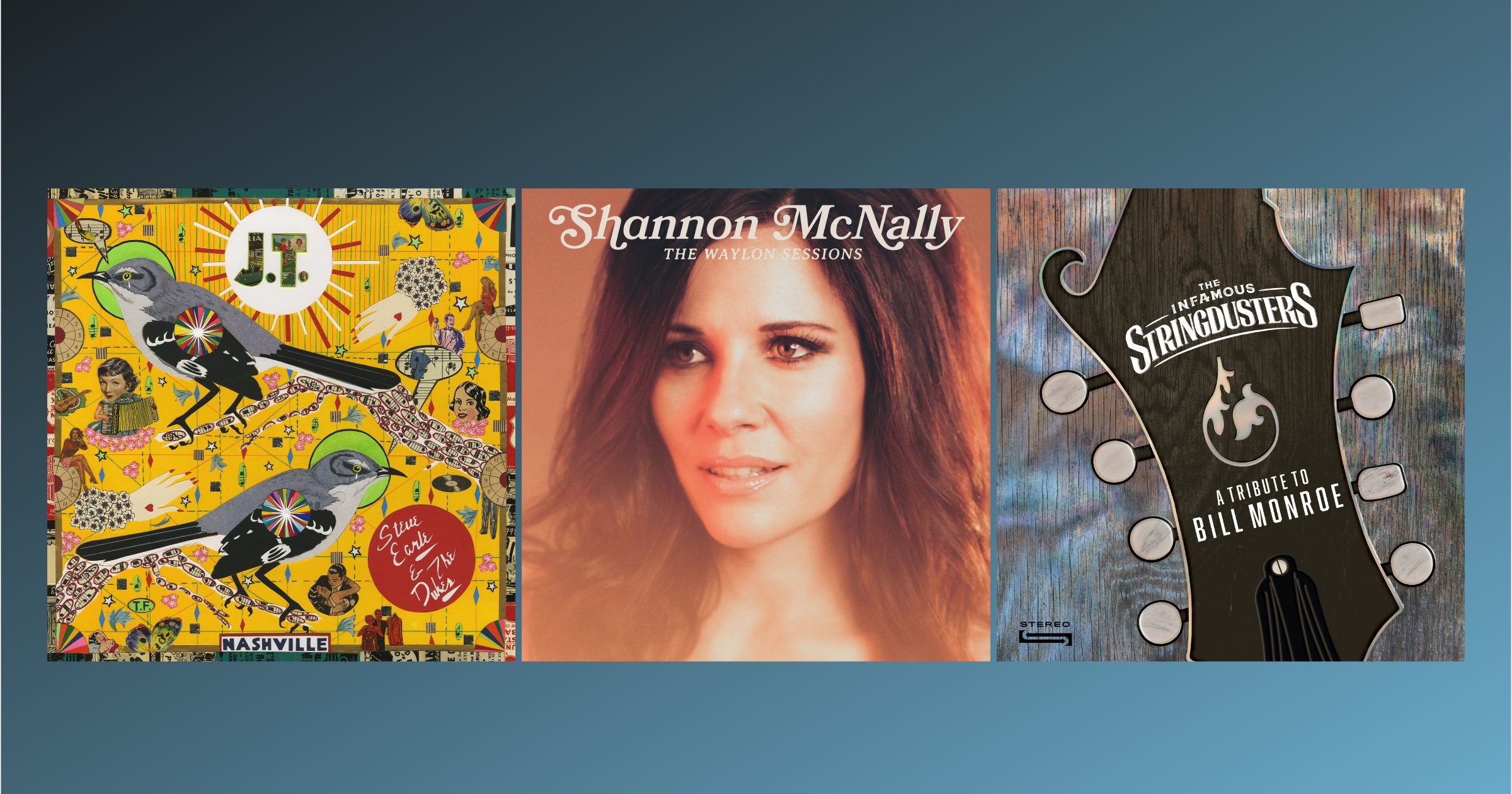
Shannon McNally covers Waylon Jennings
It’s fitting that Shannon McNally released The Waylon Sessions on Compass Records, whose headquarters now occupies “Hillbilly Central.” As Tompall Glaser’s former studio, the building helped give rise to country’s outlaw movement and it’s where Waylon himself recorded. With guests like Jessi Colter, Buddy Miller, Rodney Crowell, and Lukas Nelson, the project recontextualizes Waylon Jennings’ material, which is usually associated with hyper-masculine wings of the country scene. As McNally puts it in a press release, “What Waylon Jennings brought to country music is what country music needs right now, and that unapologetic and vulnerable sense of self are what women are tapping into artistically right now as the industry evolves.”
Steve Earle covers Justin Townes Earle
Many a musical child has covered their parents’ catalogs in retrospect, but it’s rare that we see the reverse. A gorgeous, gutting, and laid-bare album, Steve Earle’s J.T. is a ten-song tribute to his son, Justin Townes Earle, who passed away suddenly in August 2020, shocking the Americana and folk communities. Earle’s signature emotion bristles and crackles throughout the project, giving Justin Townes’ songs an even stronger quality of visceral electricity. Proceeds from the album will go to a trust for Etta St. James Earle, Justin Townes’ daughter and Steve’s granddaughter.
The Infamous Stringdusters cover Bill Monroe
Spread out from North Carolina to Colorado and beyond, the Infamous Stringdusters utilized home recording from their respective studios during the pandemic to accomplish musical creativity their jam-packed schedule hadn’t really allowed in the “before times.” Their brand new EP, A Tribute to Bill Monroe, returns the virtuosic jamgrass outfit to territory familiar to those who first found the group when they were cutting their teeth, striding out from traditional bluegrass into the vast, expansive newgrass-and-jamgrass unknown. The project illustrates that the true strength of this ensemble is found in utilizing traditional bluegrass aesthetics for their own creative purposes. For example, you might listen through the entire record without realizing the Stringdusters made a Bill Monroe tribute album without mandolin!
Mandy Barnett covers Billie Holiday
Mandy Barnett is a cross-genre chameleon; between her talent, her voice’s timeless Americana tinge, and her appetite for classics — from Nashville staples to the American songbook — she often finds herself reaching far beyond Music Row and classic country to R&B, standards, and in her most recent release, Billie Holiday covers. Every Star Above was recorded in 2019, pre-pandemic, and includes ten songs from Holiday’s 1958 Lady in Satin album – songs previously also covered by Frank Sinatra, Dinah Washington, and many, many others. The project feels akin to Linda Ronstadt’s pop and big band forays, never fully detached from Barnett’s country roots, but built atop their solid foundation. In another Ronstadt-esque move, Barnett partnered with recently departed jazz arranger Sammy Nestico; Every Star Above was the award-winning composer’s final project.
Charley Crockett covers James Hand
Country-western crooner Charley Crockett is truly prolific, having released nine full-length albums in the past six years. As the story goes, before his friend, acclaimed Texan singer-songwriter James “Slim” Hand passed away unexpectedly about a year ago, Crockett promised he would record his songs. “Lesson in Depression” captures the sly, winking quality of the best sort of sad-ass country, which isn’t burdened by its own melodrama. While it’s certain Crockett (as Tanya Tucker would put it) would have rather brought Slim his flowers while he was living, there’s a poignancy in how 10 For Slim – Charley Crockett Sings James Hand, like Earle’s J.T., immediately demonstrates how these impactful musical legacies will live on.
Lowland Hum cover Peter Gabriel
Lowland Hum’s album covering Peter Gabriel’s So — which they’ve cutely and aptly entitled So Low — began as a passing joke, but the folk duo of husband-and-wife Daniel and Lauren Goans followed the passion and fun that led them to Gabriel’s hit 1986 release, quickly unspooling the passing whim into inspiration for a full-blown project. “We already loved the iconic record, but in translating Gabriel’s melodies and otherworldly arrangements,” they explain on their website, “we fell even deeper in love with the songs, Gabriel’s voice, and his uncanny ability to fully inhabit both vulnerability and playfulness…” Their “quiet music,” minimalist approach is well suited to the material and the entire project is incredibly listenable, comforting, and subtly envelope-pushing.
Chrissie Hynde covers Bob Dylan
After The Bard released “Murder Most Foul” and “I Contain Multitudes” early in 2020 (and in the pandemic) founder, singer, songwriter, and guitarist for The Pretenders Chrissie Hynde was inspired to once again revisit Dylan’s catalog – a limitless fount of material with which she was already intimately familiar. Her new album, Standing in the Doorway, features nine Dylan tracks recorded with fellow Pretenders guitarist James Walbourne – almost exclusively via text message – and for their coronavirus YouTube video series. Hynde opts for deeper cuts, showcasing her affinity for swaths of Dylan’s career often overlooked by other would-be cover-ers. This classic, “Tomorrow is a Long Time,” feels appropriately sentimental and longing, a perfect encapsulation of the day-to-day of the realities of the pandemic, filtered through a Bob Dylan lens and Hynde’s distinctive voice.
Various Artists cover John Lilly
John Lilly is a songwriter’s songwriter. Based in West Virginia, his original music has been covered by modern legends like Tim O’Brien, Kathy Mattea, and Tom Paxton. April In Your Eyes: A Tribute to the Songs of John Lilly gathers various artists from the folk, old-time, and bluegrass communities – in West Virginia and otherwise – spotlighting the incredible depth and breadth of Lilly’s catalog. The title track is stunningly rendered by Maya de Vitry and Ethan Jodziewicz, who were connected with Lilly originally through West Virginia’s iconic old-time pickers’ gathering affectionately referred to as “Clifftop.” Paxton, O’Brien, and Mattea all make appearances on the project, as do Brennen Leigh & Noel McKay, Bill Kirchen, and many other members of Lilly’s musical family and inner circle, giving the project an intentional and intimate resonance.
American Aquarium cover ’90s Country Hits
BJ Barham’s American Aquarium dropped a surprise album, Slappers, Bangers, & Certified Twangers: Volume One in May. Featuring ten covers of some of the band’s favorite ‘90s country hits, it’s a dose of all-star-tribute-concert packaged in a pandemic-friendly stay-at-home-form – and available on John Deere Green vinyl, of course. One particularly sad casualty of the coronavirus pandemic has been these sorts of musical nostalgia bombs – when was the last time any of us attended a theme night or tribute show at say, the Basement East in Nashville or Raleigh, NC’s The Brewery? – and Slappers, Bangers, & Certified Twangers has us in the mood to attend the first ‘90s country covers live show possible now that things are finally reopening.
Various Artists cover John Prine
A year without Prine seems far, far too long to travel with such a Prine-shaped hole in our musical hearts. But his presence and legacy certainly still loom large; the Prine family has announced “You Got Gold: Celebrating the Life & Songs of John Prine,” a series of special concerts and events held across various venues in Nashville in October. Oh Boy Records is also planning to release a new tribute record, Broken Hearts and Dirty Windows: Songs of John Prine, Vol. 2, to coincide with You Got Gold. The first two tracks from the project that have already been unveiled feature Sturgill Simpson performing “Paradise” and Brandi Carlile’s rendition of “I Remember Everything,” which you can hear above. Each month until October, the Prine family and Oh Boy will release another song from the project, unveiling special guests who each pay tribute to Prine, his songs, and the enormous vacuum his loss has left in the roots music industry.
For his new album, accomplished singer-songwriter John Hiatt is partnering with an all-time great of the bluegrass and folk music world — none other than Jerry Douglas. Hiatt’s raucous style and bluesy inclinations marry perfectly with the natural grit and soulful voice that Douglas pulls from the dobro.
Recorded in RCA Studio B in Nashville, Leftover Feelings returned Hiatt to his earliest days in town when he lived in a $15-a-week rented room on Music Row. “I was immediately taken back to 1970, when I got to Nashville. You can’t not be aware of the records that were made there… Elvis, the Everly Brothers, Waylon Jennings doing ‘Only Daddy That’ll Walk the Line.’ But that history wasn’t intimidating, because it’s such a comfortable place to make music.”
Their captured performances are truly spontaneous instances of creation and expression, not bogged down by the weight of calculation or correctness. For example, “Mississippi Phone Booth” struts completely on its own, with the same grease as classic blues records. Watch the new music video from John Hiatt with the Jerry Douglas Band below.
Artist:Shannon McNally Hometown: Long Island, New York Song: “This Time” Album:The Waylon Sessions Release Date: May 28, 2021 Label: Compass Records
In Their Words: “‘This Time’ was written by Waylon. He didn’t write all of his songs. In fact, he probably didn’t write most of them, but the ones he did write were his best. I believe he was talking about a personal relationship with a lover, but as I sing it, I think of it as my relationship to the music business and my personal struggles with it as a woman and an artist. I particularly love the Wurlitzer intro and how the kick drum and acoustic guitar come in sounding like a sunny day. All of Waylon’s grooves remind me of horse gaits. This one is a full canter and the harmonica is the river running beside it. This song is the high point or key to me getting into the headspace that permits me to sing the rest of the album. For me there is relief in its directness. It’s my favorite song on the album.” — Shannon McNally
There’s some serious sleight of hand going on with Tony Joe White’s new album, Smoke From the Chimney. Well, sleight of sound, really.
Listening, you can easily picture the sessions: the musicians playing together with White, taking cues from him as they spin out a tableau of characters and scenes that flow as if they were chapters in a book. It’s the latest volume in a legacy of witty, gritty songs stretching back more than 50 years to “Polk Salad Annie,” “Willie and Laura Mae Jones,” and “Rainy Night in Georgia.”
And leading it all with a sly grin is the Swamp Fox himself, as he’s known, with his still-strong, speak-sing baritone voice echoing his origins in the tiny town of Goodwill, Louisiana — a barely-there dot on the map a bit east of Shreveport.
Only one thing.
These sessions were done in the summer of 2019, a year after White died of a heart attack at age 75. Producer Dan Auerbach built the record around basic vocal-and-guitar demos that White had made over a period of years before he died. The illusion, though, is by design.
“I approached it very much the same way I would have any other album we do here,” Auerbach says from his Easy Eye Sound studio in Nashville. “I hired a band and we played live. And instead of Tony being in the room, he was in the headphones with us. You are hearing performances.”
He pauses.
“I’ve had people in the room that were less ‘there’ than Tony Joe was!” he says, laughing heartily.
The results are vibrant, a lovingly made set bringing out the full richness of White’s signature storytelling, steeped in his singular brew of soul, blues, rock and backwoods boogie. It’s the kind of stuff that over the decades led to his songs being recorded by dozens, from Elvis Presley to Waylon Jennings to Dusty Springfield to Tina Turner, but which had something extra when sung by White himself.
It’s not the only bit of deception going on in the album. There’s the matter of some of the most moving, affecting songs in the set. Take “Over You,” a heartwarming-turned-heart-wrenching ballad of love and loss. White sings touchingly of a relationship that started as friends at 7 years old, later growing into romance and a wonderful life together — until the woman, his soulmate, became ill and died.
Only one thing. Again.
“That’s not true,” says Jody White, the son of Tony Joe and, if you would have it from the song, the woman who died.
“No,” he says in a separate interview from his Nashville home. “My mom is still alive.” In fact, Tony Joe White and Leann White were married in 1964, raised three kids and were together until the day he died. “And they didn’t meet when they were 7,” Jody says. “There’s nothing true about ‘Over You.’”
It’s as big a whopper as the record-size widemouth bass that mercilessly taunts its would-be conqueror in “Bubba Jones,” another highlight of the new album. But even Jody, who at 46 has spent his whole life surrounded by his dad’s work and became his manager 20 years ago, could get sucked in to the depth of the song.
“That’s the great thing about Tony,” he says. “He’d write these songs and you’re like, ‘Oh man. Poor guy!’ Like he must have been going through it now.”
This is nothing new. There’s a lot of did-it-really-happen running though his vast, vaunted catalog. “There was a ‘Rainy Night in Georgia,’” Jody says, noting at least some truth behind the song his dad wrote, which was a big hit for soul singer Brook Benton in 1970. “But a lot of his best songs are just fictional tales. Sometimes you can’t differentiate. ‘Polk Salad Annie,’ is that a real girl or not? And ‘Over You’ is kind of the same thing.”
Smoke from the Chimney, in both the songs and sound, builds on a resurgence that started in the early 2000s when, after laying low some, White had resumed touring and recording, finding enthusiastic receptions among both older fans and new ones. Auerbach, now 41, was among the latter. “I was a little bit of a latecomer to his music,” Auerbach says. “But as soon as I heard his original version of ‘Rainy Night in Georgia,’ I was hooked.”
Having established himself both as half of the Black Keys and as an in-demand producer (his extensive credits include Yola, Valerie June, Ray LaMontagne, Lana Del Rey, the Gibson Brothers, and dozens more), Auerbach started pushing to produce a Tony Joe album years ago.
“Dan and I met probably 15 years ago,” Jody says. “And he said, ‘For the last 10 years I’ve been wanting to produce a Tony Joe White record.’ And it just didn’t happen. He only co-wrote with a few people, like Jamey Johnson. They would come out to the farm and sit by the fire with him. That sort of thing. He wasn’t going to go to a studio and collaborate with someone. It just wasn’t what he did.”
Even after Auerbach moved from Ohio to Nashville a while back, it still didn’t work out. “We did get a chance to meet, though,” Auerbach says. “We were on tour with the Black Keys and we were both on a festival in Australia. Hung out backstage. I played his Strat. We hung out and talked. Pretty awesome, actually.”
When Tony Joe White died, Jody’s job changed, he says, “from ‘What are we going to do next?’ to ‘What did he leave behind?’” What he found was daunting. “I discovered that there was probably more unreleased music than there was released music,” he says.
Sorting through the archives, Jody found hundreds of songs put down on tape over decades of time — experiments with electronic keyboards from the 1980s among them. Some will surprise even the most devoted fans. But he was drawn to several reels from a few years before his father’s death.
“There was really no rhyme or reason why he recorded all those songs in that period of time,” he says. “Some are old, some were new. It’s all over the place. But it was weird how they all lined up.”
In July 2019, he texted Auerbach the demo of the song “Smoke From the Chimney.” Auerbach loved it and asked for more. “I sent him probably 11 songs and he said, ‘They’re all perfect.’ My dad knew what he was doing when he recorded those songs together.”
The timing was perfect, too. Auerbach had an unexpected break in his normally crammed schedule, and about four weeks later he told Jody he had most of the songs finished. “I’ve never seen anything happen so fast,” Jody says.
Auerbach says it was simply a natural fit for him and his label, Easy Eye Sound, which is releasing the album. “He embodies everything I’ve tried to do, and everything Easy Eye is,” he says. “It’s steeped in what he was about — diversity and the love of music, of all kinds. He so obviously loved so much music. Diversity and soul. That’s what he had. Boy. Some people just got it, you know?”
It’s a mission for him.
“I’m figuring out the big part of the reason you find people who didn’t know about Tony Joe,” Auerbach says. “Tony Joe had no category, which made it hard for labels to market him. Calling him swamp-rock doesn’t do him justice. Country doesn’t do him justice. Calling him blues doesn’t do him justice. Which is maybe why we need to tell his story a little bit louder.”
That’s played out through the wide emotional and musical range of the nine songs he picked. From the wistful title track to the swamp-voodoo chooglin’ of “Boot Money” and the campfire-side “Scary Stories” to the border ballad “Del Rio You’re Making Me Cry.” The achingly evocative “Someone Is Crying” is arguably the album’s sentimental peak, with strings swelling over the story of a young girl walking into the sunset after seeing her village burn.
With the band he assembled, Auerbach threaded that diversity of material together, consciously connecting, or transcending, genres. There are slide guitars (some by him, some by Marcus King) and steel (Paul Franklin) — a little touch of George Harrison here (the title song), Duane Allman and Dickie Betts there (“Listen to Your Song”). There’s Ray Jacildo’s Hammond B3 organ, a foundation for a wealth of Southern traditions touched on throughout.
On that ensemble he hangs such touches as the background vocals by Mireya Ramos and Shae Fiol of the all-women mariachi ensemble Flor de Toloache and evocative fiddles by Ramos and veteran Stuart Duncan on “Del Rio You’re Making Me Cry;” the strings on “Someone Is Crying” are the work of Matt Combs. Ultimately, it’s all there to illustrate the stories White tells.
Speaking of… there’s the closing “Billy,” a farewell to a life of drifting and to a lifelong friend “just like a brother to me.”
That has to be real.
“Didn’t happen,” Jody says of the song that’s the oldest on the album, having been recorded by Waylon Jennings back in the 1970s. “My mom and I were laughing about that. She came over and listened and she is like, ‘I don’t know how he makes this stuff up.’ She and I were speculating over who Billy could possibly be. And he was never homeless, walking the streets. None of it happened. None of it ever happened.”
Photo credit: Jim Marshall (black and white); Leann White (color)
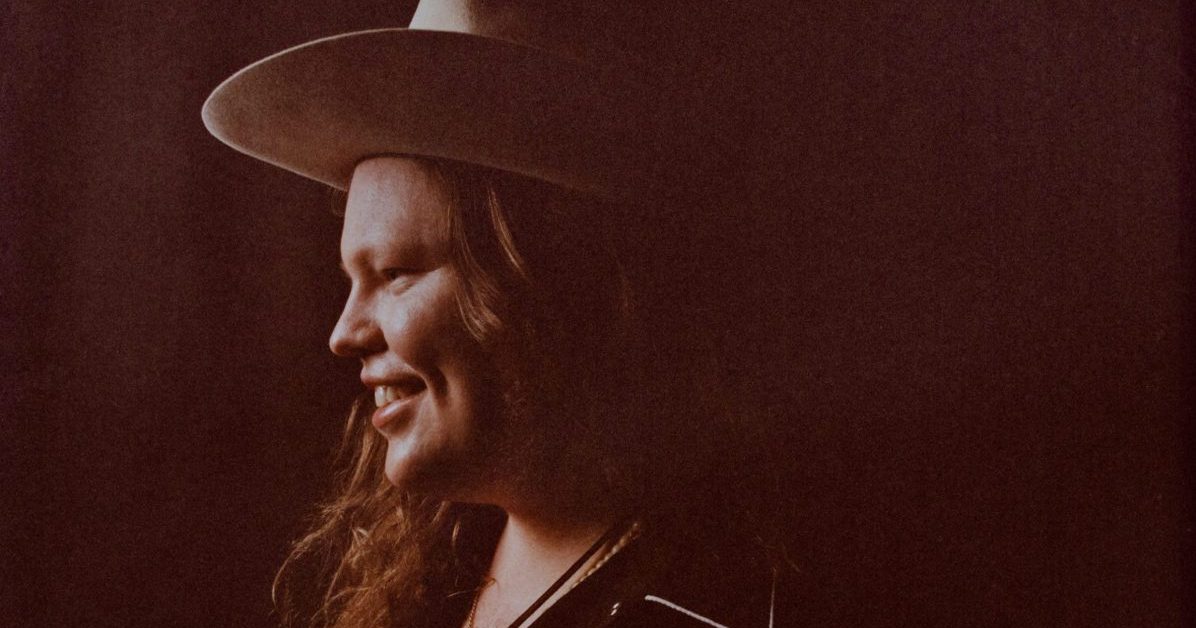
Thanks to a Grammy nomination for Best Americana Album, Marcus King is getting a second chance to make a first impression.
At the dawn of 2020, he’d been poised to become a breakout star in roots music, able to deliver an electrifying show with the soul chops to match. After three albums billed as The Marcus King Band, his solo debut record, El Dorado (produced by Dan Auerbach), received positive notices just about everywhere, including BGS. But as the year unraveled, so did his touring plans. In response, he turned his attention to songwriting, ended up booking some socially-distanced shows at drive-in movie theaters, and even landed a spot on The Tonight Show With Jimmy Fallon. And with attention from the Grammys, he’s back in the game — although he’s been surrounded by music from the time he was a kid.
“I don’t remember a time when it wasn’t entirely prominent in my life,” he tells BGS. “Just a focal point of every conversation or thought that I had.”
In the interview below, the 24-year-old performer talks about the family influence of his father and grandfather (who were both musicians), his earliest years on the stage, and the advice he’d give to teenagers with an equally burning desire to pursue a life in music.
BGS: There’s a lyric in “Wildflowers and Wine” that refers to an “old scratchy record.” I’m assuming you’re a vinyl collector. How did you go about building your collection?
King: It started when I was about 11 years old. I started with my mother’s collection and my dad’s collection, because in the early ‘90s that was dead technology, you know? They had tapes and CDs, so I inherited everybody’s collection. I inherited my Grandpa Pete’s big old stereo from the ‘50s when nobody wanted to carry it around anymore. The first record I bought on my own was Robin Trower, Bridge of Sighs. I just remember that smell of the record store and all those gatefolds and tools that went with it for cleaning your records. You know, the care that goes into it.
Who are some of your country influences?
Man, my grandfather spoon-fed me on all the good things country when I was growing up. We lost him when I was 14. He was a big country music proponent his whole life. He played in the Officers Band when he was in the Air Force in the ‘60s and he and his band backed up Charley Pride when he came over and played Ramstein Air Force Base [in Germany]. He backed up a number of legends over there. They asked him on the base television that they had over there, what he had to say to all the troops, and he said, “Long live country music!” So, he started me young on Charley Pride, of course, and George Jones was our jam. That’s what we listened to the most. Willie Nelson, Merle Haggard, Waylon Jennings… The list goes on and on, you know how that is.
Who are your influences when it comes to showmanship?
As far as showmanship’s concerned, I mentioned that my grandfather was really into country music and I grew up listening to country music with him. And my father turned me on to the Allman Brothers and Southern rock and blues guitar players like Albert, B.B., and Freddie King. What I discovered on my own was soul music. And the first artist I remember really, really digging was James Brown. I just loved the way that he controlled the stage and the way he controlled his band.
You know, to speak about my grandfather, Bill King, again, his biggest advice to me was that you’ve got to dress for the show, never get on the stage without your boots on, and you just need to dress like you’re not there to see the show – but you’re there to put the show on. Showmanship was always instilled in, early on. Well after the importance of knowing how to play your damn instrument, but it was an important one.
I’d read that you started playing professionally at 11 years old. What kind of gigs were those?
It was a lot of Christian bookstores, a lot of coffeehouses. We just played anywhere that would take us. My father is a born again Christian and a blues guitar player, which was a really niche market at the time. So, he wanted to play Hendrix covers but he would rewrite the lyrics from like “red house” to “church house.” And that would be our foothold into the Christian community. He went through his fair share of hard times with that, trying to be accepted into a gospel music community. Because he had long hair and played “the devil’s music.” But that was the kind of venues I started playing.
Were you with your dad’s group, or playing with your own group?
I started playing with my dad’s band when I was about 8 years old. I was playing what I knew. He would let me come up and play. That’s where I cut my teeth. When I was 11, I got my first experience in the studio, playing with my dad’s group. That’s when I started going out with his group.
From there, I tried to be whatever he needed. If he needed a rhythm guitar player, I’d do that, or if his drummer couldn’t make it, I’d play drums. Or his bass player, same situation. I was just there for whatever needed to be done. I just liked to play. When I was 13, that’s when I took on the leadership role, or started the process.
At what point did you start driving? Did they put you behind the wheel when you had gigs?
I was real tenacious about that, man. I had a real roaming nature about me. I was a Bassett Hound. I’d put my nose to the ground, look up, and be lost as hell. I wouldn’t know where I was. So, I was just ready to go and didn’t care where. I got my learner’s permit when I was 14 in South Carolina. The only stipulation was that I could drive as much as I wanted in the daytime, but in the evening, if I needed a licensed driver in the car with me.
So, to me, that meant I needed to hire a band of adults who could act as chaperones for me in the bars, and that could be licensed drivers in the car. Then I could be the sober driver at the end of the night. I had a good situation for anybody who wanted to come play with me. I would drive them there. You could drink as much as you want because I’d drive us home. And I’d get you paid good because I kept us working, at least four or five nights a week. I’d book us under a fake name, through my email, so people would take us more seriously.
What was it like being 14 years old, up on a stage in a club? Did you like it?
Oh man, I loved it! I saw my future ahead of me when I got there. I had to deal with my first drunk audience member. Or I had to play louder than a drunk argument. Or I had to have my first encounter with a lousy club owner that didn’t want to pay us. I saw my first bar brawl. I loved it, I ate it up. You go in there and you’ve got to have an assertiveness about you, but then again, you don’t want to be a 15-year-old asshole that nobody wants to work with.
I’m glad that that didn’t happen. But you had to be assertive because, being 15 years old, there was a lot of opportunity. You know, I have a lot of faith in human beings but there is the opportunity that people will try to rip you off. There was a lot of navigating those waters and it worked out good. I had a lot of great experiences in those days.
Were you going to high school during this time?
I was. I was going to high school and playing four or five nights a week. But, you know, I wasn’t up to no good, so my dad didn’t really see much harm in it. He was supportive of my dreams, but he was torn, though, because I was having trouble in school. I was just not interested and I was hyper-focused on music, so that was difficult for him as a parent but also as a supporter of my dreams. But it worked out.
For teenagers now in that same situation, what message would you send out to a kid who’s frustrated at the moment, but knows they wants to have a career in music?
I’ve always said, you knock on every door, and if they don’t answer the door, knock ‘em down. It’s sometimes better to ask for forgiveness than it is for permission in this industry. You know, it’s a thin line you’ve got to walk. You’ve got to know your worth but you can’t have a big head. You should never be overly confident. Never be your biggest fan, but be your second-biggest fan.
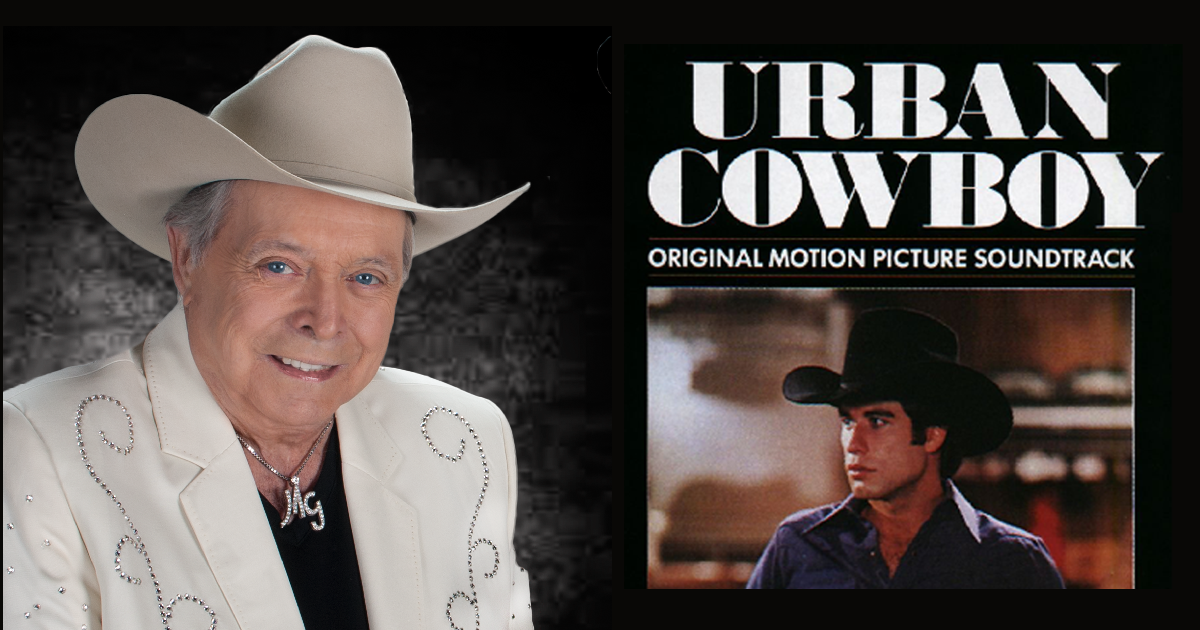
Mickey Gilley admits he wasn’t keen on the idea of installing a mechanical bull at his namesake honky-tonk on the outskirts of Houston, Texas. Nor is he shy about admitting just how wrong he was. That rodeo training device transformed Gilley’s Club into a cultural force. “The mechanical bull was never meant to be in an entertainment establishment like ours,” says the 84-year-old country star. “I thought it was a mistake, but it turned out to be a blessing. Without the mechanical bull, we never would have gotten that film with John Travolta.”
Every night there was a line for the mechanical bull. Demand was so high they installed a second bull and briefly considered buying the rights to the device in order to market it to honky-tonks around the country. Those would-be cowboys — called Gilleyrats after their favorite gathering spot — would compete to see who could stay on the bucking bull the longest, and that contest became the centerpiece of James Bridges’ 1980 film Urban Cowboy, featuring John Travolta in his follow-up to Saturday Night Fever. Exchanging the New York City discos for this dusty, Lone Star honky-tonk, he stars as Bud Davis, a small-town kid who moves to the big city and becomes a master of the mechanical bull.
The film culminates in a showdown with his nemesis, played by Scott Glenn, over the affections of a scene-stealing Debra Winger. As drama goes, this test of saddle skill is anticlimactic, as there is nothing at stake beyond macho pride. Bud isn’t fighting to escape his life (as his character in Fever did) nor to stay at Gilley’s. He’s just fighting. Though never quite satisfying as drama, Urban Cowboy is still fascinating 40 years later as a documentary about Gilley’s and the particular culture that grew up around it.
Gilley and his business partner, Sherwood Cryer, opened the place in 1970. At the time Gilley was only a regional star, with his own TV show in Houston and enough name recognition to open a club. (Being cousins with both Jerry Lee Lewis and Jimmy Swaggart didn’t hurt, either.) In 1974 he had a surprise hit with “Room Full of Roses,” which only brought more attention to his honky-tonk. He played there regularly and invited friends to fill in for him when he was on the road. The place grew into something like a theme park, with a dance floor roughly the size of a football field, several bars, tons of games, even a rodeo arena. “This place is bigger than my whole hometown,” Travolta’s character says when he first steps foot in the place.
Urban Cowboy captures the energy of Gilley’s Club in frenetic long takes that put you right at the bar or out on the dance floor. You can almost smell the sawdust and beer. Gilley even performs during a couple of scenes, as does Charlie Daniels, and the shots of couples shuffling across the floor in tight, fluid choreography are among the film’s highlights.
By the time a suspicious fire destroyed Gilley’s in 1990, the place and the film had already left a deep impression in popular culture. It introduced western wear as high fashion: tight jeans and big hats worn by guys who never rode the range (or a bull, for that matter), but still bought into the mythos of the American cowboy. And its soundtrack, featuring Bonnie Raitt, Boz Scaggs, and Kenny Rogers, peaked at No. 3 on the Billboard Hot 100 and produced chart-topping country singles such as “Lookin’ for Love” by Johnny Lee, “Could I Have This Dance” by Anne Murray, and “Stand by Me” by Gilley himself.
For our latest Roots on Screen column, we chatted with the club’s namesake about accidentally recording a hit single, flying with Travolta, and assaulting the sausage king.
BGS: How did you get to a point where you could open a massive honky-tonk with your name on it?
Gilley: I grew up in Louisiana and got two famous cousins, Jerry Lee Lewis and Rev. Jimmy Swaggart. Jerry Lee was my hero, because without him I probably wouldn’t have gotten in the music business. He came to Houston in ’57 and I saw how well he was doing. I was working construction making $1.25 an hour and that’s when I threw my hat in the ring. Seventeen years later I cut “Room Full of Roses” by mistake and it turned out to be my first No. 1 song. After that I got to tour with Conway and Loretta and next thing I knew John Travolta came knocking on my door. Everything broke loose.
How does somebody cut a hit single by accident?
I had a little TV show in the Houston market. One night I walked into Gilley’s and the lady who had the jukebox called me over and says, “Today on your TV show you did my favorite song, ‘She Called Me Baby All Night Long.’” It’s a Harlan Howard tune. She told me she’s in the jukebox business and if I would record that song, she’d put it on every one of her jukeboxes. I said, “Ma’am, I ain’t made a record in probably three years. The show is doing well. The club is doing well. I don’t really make records anymore.” She said, “Just make that one song for me.”
Well, as you know, back then they had 45s and you had to have an A side and a B side. I went in to cut “She Called Me Baby All Night Long” and for the flip side, I picked “Room Full of Roses.” It’s an old George Morgan song from the late ‘40s or early ‘50s. Lorrie Morgan’s father. I started the arpeggio on the piano and got maybe 30 seconds into it and then stopped. My bass guitar player looked over and said, “What’d you quit for?” I told him it sounded too much like Jerry Lee. And he says, “Who cares? Nobody’s going to hear it. It’s a B side!” So I recorded it. Didn’t think anything about it.
I took the record around to radio stations where we were buying time to advertise the club — “Gilley’s! 4500 Spencer Highway! Pasadena, Texas!” — and I asked if they would play the record when they did the spot on the club. I remember Bruce Nelson at WKNR asked me which side I wanted him to play. I said, “Either side you want. Doesn’t matter to me.” He looked at both sides and said, “I think I like that flower song.” He played it and it shot up the charts. Playboy Records picked it up and took it national for me in 1974.
What was a typical night like at Gilley’s during its heyday?
After the film Urban Cowboy came out, it was packed every night. I never seen anything like it in my life. It went on for about three and a half years. It was totally jam-packed, seven nights a week. People wanted to be a part of what it was all about. They just came out to have a good time. We had a lot of things in the club you could do, too. We had the two mechanical bulls, plus we had quite a few pool tables spread out through the club. Pinball. Punching bags… you know, things of that nature that people would get a kick out of.
How many stages did you have?
We had just the one big stage for music. Of course, my business partner built a rodeo arena back in ’85 or ’86 and hitched it onto the club, because he wanted to stay ahead of Billy Bob’s down in Fort Worth. The concerts we had in there worked out pretty good, because we had Willie Nelson, Waylon Jennings, George Jones, George Strait. People like that do real good in a rodeo arena, but other than that, it was just a big building that we didn’t need.
How often were you playing the regular stage?
I worked the club up until 1985. But I got into a squabble with him about the way the club was running and what was going on, and we got in a lawsuit. I got the club closed down, I got my name off of it, and later it was set on fire and burned. It was arson, but I don’t know who did it, you know? It went up in flames and no more Gilley’s in Pasadena, Texas. But we have a Gilley’s in Treasure Island in Vegas. We have two in Oklahoma and one in Dallas.
What do you remember about filming at Gilley’s?
The main thing I remember was that we had to do it during the day, daylight hours, because we operated the club at night as the regular nightclub. They closed all the doors and tried to make it as dark as they could. I remember the director hollering, “More smoke! More smoke!” to make it look more like a night at the club. They’d start early in the morning and go all day, shooting the parts they had to have. I never had been in a film of that caliber before, so it was different for me. But it was fun.
Was the Urban Cowboy Band something you put together especially for the film?
We had a band there that was playing the club, but I took them on the road with me and renamed them the Urban Cowboy Band when the film came out. Paramount Pictures told me it was OK to use it, so that’s what we did. We were awarded a Grammy for the song “Orange Blossom Special,” which I played piano on. But there were some great songs in the film. “Hello Texas” was written by a Texas guy by the name of Brian Collins and sung by Jimmy Buffett. That’s a great song. We also had Charlie Daniels doing “The Devil Went Down to Georgia” in the film.
Your version of “Stand by Me” was a big hit as well.
It was originally recorded by Ben E. King and written by Leiber and Stoller. The song was brought in by the producer, who was wanting to do what he called a “grudge dance” in the film. They picked “Stand by Me” and asked me to do the song. I was a little reluctant but the arrangement they put on it made it a different song than the Ben E. King version. When we got the song recorded, people were raving about it, and it turned out to be a hit. Now I close my shows with it.
What was it like having someone like John Travolta in your club every day? What was he like to work with?
Well, the one thing that John and I had in common was we both loved aviation. At the time, he was working on his pilot’s license, and I got to fly with him. I was so excited about the fact that I was getting to fly with the star of Urban Cowboy. He had just come off of Saturday Night Fever and Grease, so I’m in awe. I’m just an old country boy that’s had quite a few No. 1 songs, but I never had the popularity John Travolta had. He was working on his pilot’s license at the time, so I went up with him a few times. He went on to fly the big jets, which I’m sure is exciting for him. I never got that far in my career. I got to fly some jets, but they were like the LearJet and the Citation — nothing like the 747 he was flying.
How did the success of that movie and the soundtrack change your career?
It changed my life, because the record company put me with a different producer and he started picking songs like “You Don’t Know Me,” “That’s All That Matters to Me,” “Headache Tomorrow (Heartache Tonight),” and “Put Your Dreams Away.” They were all hits for me and opened more doors for me, as far as casino dates in Reno, Vegas, and Atlantic City. I wasn’t just known as a honky-tonk piano player anymore. I was known as a country performer and it gave me a little more clout. I got to play for two presidents. They gave me a star on the Hollywood Walk of Fame, invited me to come to Hollywood and do some acting roles, and I did The Fall Guy, Fantasy Island, The Dukes of Hazzard, and Murder, She Wrote. I had a scene in Murder, She Wrote where I grab Jimmy Dean, the sausage king! I grab him by the collar and shake him. Sometimes I show that clip in my show and say, “Look at that! I’m trying to shake the sausage out of Jimmy Dean!”
You’re still playing a lot of those songs from Urban Cowboy on tour, right?
Johnny Lee and I have done well by doing the music from that soundtrack and we called it the Urban Cowboy Reunion Tour. I wish we could have gotten more people involved, maybe Charlie Daniels or Bonnie Raitt. But we did pretty good just the two of us. I remember playing a casino down in Louisiana, and at the end of the show I looked at Johnny and said, “Do you realize those people out there dancing wasn’t even born when we did the film?” I think they come out here to see if we’re still alive!
Artist name:Jerry Leger Hometown: Toronto, Ontario Song: “Tomorrow in My Mind” Album:Time Out for Tomorrow Release Date: November 8, 2019 Label: Latent Recordings
In Their Words: “‘Tomorrow in My Mind’ closes the new record, Time Out for Tomorrow. It has a feel and performance that you can only get from playing it live in the studio together, same with the vocals. No tricks, which is the way I like it. I like the playfulness in the lyrics and I love the bridge: ‘Bones are aching, emotions shaking, eyes are waking for love.’ James McKie’s guitar part reminds me something Waylon Jennings would have done. I’m not sure what the song was born out of, I don’t like to over-analyze that. It’s a favourite of producer Michael Timmins’ and the band too. I’m glad it made the cut. I wasn’t sure if it fit at first but it’s a real nice closer to an album that I’m happy folks are getting really into already.” — Jerry Leger
“Listening to music when I run keeps my mind from wandering. It keeps me motivated and helps me keep a pace so I can sweat out whatever evil I got into the night before.” – Kendell Marvel
“Running on Empty” – Jackson Browne Those days when I don’t really feel like going for a run, all I have to do is put on this tune to get moving. That classic ‘70s feel and the lyric to this song are pure motivation. Hell, look what it did for Forrest Gump.
“Against The Wind” – Bob Seger There isn’t any other song that feels more open-road than this song. Bob Seger may be the greatest songwriter of our time. This song paints a perfect picture of the wind in your face. It just feels like freedom.
“It Ain’t My Fault” – Brothers Osborne Not only does this song have the stomp, but the guitar riffs, the B3 and the hand claps! Combined, they all make this the perfect tune to kick it up a notch. The first time I heard this ditty I was sitting around the fire in Lake Creek, Alaska, with John and TJ and they played it acoustic. It blew me away.
“Life in the Fast Lane” – Eagles From the opening riff of “Life in the Fast Lane” it is pure adrenaline. Southern California ‘70s rock ‘n’ roll had it all. From the great melodies to the even greater lyrics, these guys were head and shoulders above any other bands of that era. Except Petty, of course.
“Wrong Side Of Memphis” – Trisha Yearwood “Wrong Side Of Memphis,” was written by Matraca Berg and Gary Harrison and sung by the great Trisha Yearwood in the early ‘90s. It has that swampy, gritty feel that fires me up. It’s the perfect mid-tempo for an early morning run.
“Boots On” – Randy Houser This tune by my buddy Randy Houser is the perfect in your face, barn burner country song to work up a sweat to. His vocals are stellar on everything, but this one is exceptionally good. Not many people can sing like that cat.
“Hippies and Cowboys” – Cody Jinks This one’s my cooldown tune. After a good 4- or 5-mile run, Jinks’ laid-back retro sound brings the heart rate back down. Badass vocal by a badass dude.
“Fast as You” – Dwight Yoakam Dwight Yoakam is the king of cool and this song from the get-go gets me going. Pete Anderson’s guitar work and production on this song [make it] everything an uptempo song should be.
“Cocaine Country Dancing” – Paul Cauthen Good Lord, this song! It’s new to my playlist, but all I gotta do is push play and imagine wild man Paul Cauthen runnin’ up behind me. Immediately I knock a minute off my next mile.
“La Grange” – ZZ Top “La Grange” is dripping with angst. It either make me wanna fight or run. Since I’m a little older now I better stick to runnin’ with this Little Ol’ Band from Texas blaring in my AirPods.
“I Ain’t Living Long Like This” – Waylon Jennings The title of this Waylon tune, written by Rodney Crowell, pretty well sums up my reason for running every day. A musician’s lifestyle ain’t always the healthiest lifestyle. So I figure if I wanna hang around this world for a while I better stay in half-assed shape, so this title alone is motivation. Plus, this song just feels so good.
“Mowin’ Down the Roses” – Jamey Johnson I think Jamey Johnson is a modern-day Willie Nelson. This song has so much grit and cockiness it’s hard not to run with a little swagger when it’s on.
“Runnin’ Down a Dream” – Tom Petty Well, I saved this one for last because who do you play after Petty? Nobody! “Runnin Down a Dream” is the perfect rock ‘n’ roll song as far as I’m concerned. It’s reckless, it’s rockin’, it’s brilliant, and it makes me feel young. How else do you wanna feel when you’re on a run?
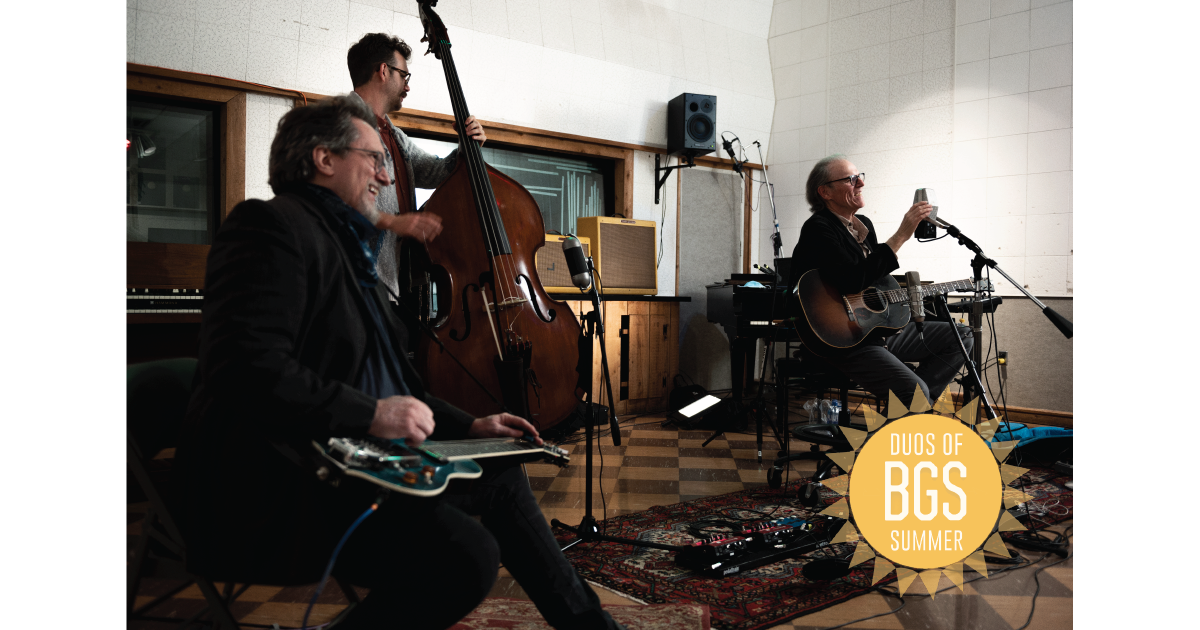
Ah, the mixtape. Playlists. Songs. BGS asked us to do a mixtape and we decided it would be fun to ‘mix’ it up with a bunch of our favorite duos. A lot of them we just pulled off of our Wild Ponies Friends and Neighbors playlist. The hard part was narrowing it down. We threw in a few ringers who aren’t really our friends or neighbors — but we wish they were. There are so many ways to present music. We love a great big band, a power trio, a solitary soul with an acoustic guitar…
But there’s really something special about two voices working together, spiraling into that rare space that makes the whole room levitate. There’s a push and twist. If you’re at a show you can see it in the performers’ eyes when it locks in and happens. But if you can’t be at the show the next best thing is to close your eyes and just listen to the music. If you sit real still you might even be able to levitate at home, just a little. It’s worth a try. — Doug and Telisha Williams, Wild Ponies
Stacey Earle and Mark Stuart – “Next Door Down”
Oh, y’all, where do we even start with Stacey and Mark? We would not be making the mixtape or probably even be in Nashville without the support and love of these two. We picked “Next Door Down” from Simple Girl, because it was this release that began our love affair with Stacey and Mark. I’m pretty sure we can still play each and every song on that record!
Gillian Welch & David Rawlings – “Annabelle”
Well, our first dog was named Annabelle, after this song. That’s just how much we love Gillian, Dave, and this record.
Buddy & Julie Miller – “Keep Your Distance”
We’re so excited about Buddy and Julie’s new record, but we reached back in time a little on this one. When I listen to this song (by Richard Thompson?), Buddy and Julie’s influence on Wild Ponies’ sound is so evident.
Porter Wagoner and Dolly Parton – “Put It Off Until Tomorrow”
Oh, Porter and Dolly, one of the original duos. Each of them is such a talent, but together, there is magic — a third, indescribable element that elevates the song,
John Prine and Iris Dement – “In Spite of Ourselves”
Come on, John Prine AND Iris Dement. Our love for both of these superstars runs deep, but the blend of their quirky authenticity is stunning.
The Louvin Brothers – “My Baby’s Gone”
There’s nothing like family harmony. We were lucky enough to get to know Charlie Louvin later in his life, and the stories he shared about singing with his brother were slightly terrifying and beautiful. All the years after Ira’s death, Charlie could still hear Ira’s voice and his part every time he sang. The way that they could seamlessly switch parts and cross each other’s lines is something that maybe only those that share blood can accomplish.
Wild Ponies – “Hearts and Bones”
Singing this song live each night has become a favorite spot in our set. There’s something in the intimacy of our vocals — even just the “ooohs.” It almost feels like we’re sharing something that the audience shouldn’t be allowed to see.
Robby Hecht and Caroline Spence – “A Night Together”
Robby and Caroline are both amazing singers and songwriters. Two of our favorites in Nashville, right now. This duet record is absolutely stunning. I hope there’s another coming.
Conway Twitty and Loretta Lynn – “Easy Loving”
This song was released before I was born, but feels like the soundtrack to my childhood. I think I can even smell the chicken casserole cooking in the oven.
The Everly Brothers – “All I Have to Do Is Dream”
This is what every duo wants to sound like. Period. Anyone who tells you different is either lying or they’ve never actually heard this track.
Freddy and Francine – “Half a Mind”
I’m so happy that Lee and Bianca (aka Freddy and Francine) are in Nashville now. Their show and sound is amazing! Don’t those tight, powerful harmonies make you want to move?!
The Sea The Sea – “Love We Are We Love”
I challenge you to pick out who is singing what part with these two. Chuck and Mira’s voices blend so beautifully together, that it’s easy for me to get lost somewhere in the space between.
The White Stripes – “In the Cold, Cold Night”
Bad. Ass. The White Stripes make me want to break all the rules. This is such a cool track, because it’s mostly just Meg’s voice and Jack’s guitar. I guess not technically a duet, but it still feels like one. So intimate and creepy.
Anana Kaye – “Blueberry Fireworks”
Anana and Irakli are just weird and cool. Their writing is so big and theatrical. I love what they do. You should really go see them live — you can’t look away. They’re so good.
Waylon Jennings & Willie Nelson – “Pick up the Tempo”
Similar to the Conway and Loretta tune, this sounds like my childhood, only this time the smell is my daddy’s truck instead of chicken casserole.
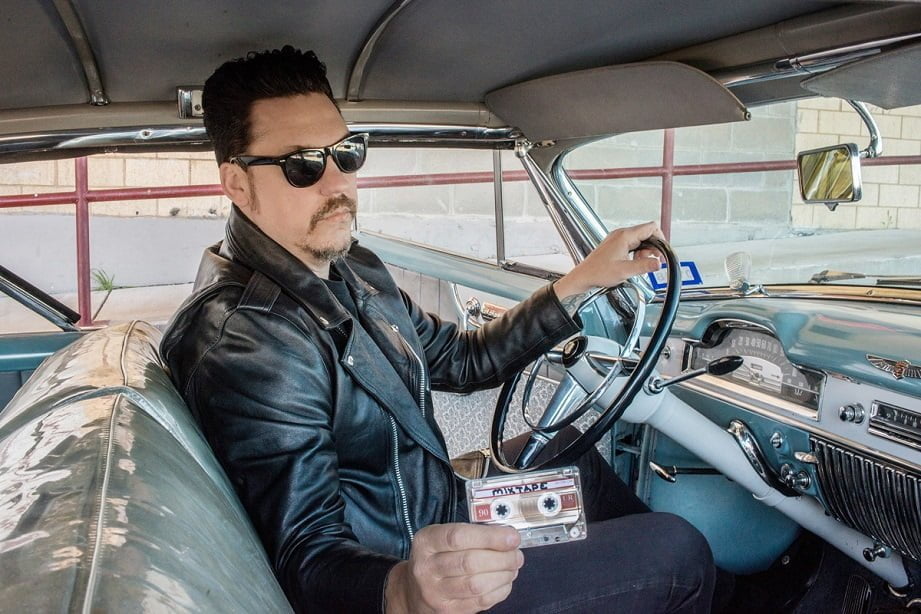
Artist:Jesse Dayton Hometown: Beaumont, Texas Song: “If You Could Read My Mind” Album:Mixtape Volume 1 Release Date: August 9, 2019 Label: Blue Élan Records
In Their Words: “I remember hearing Gordon Lightfoot on our early ’70s Buick car radio and thinking he was so different than all the other singers. Years later, while playing guitar for Waylon, I found out so many of the country guys, like Waylon, Elvis, and Cash all loved Gordon. While Gordon’s song ‘Sundown’ might’ve been one of the coolest songs from that era, ‘If You Could Read My Mind’ was a deep study in psychological romance. Women around me seemed to be moved deeply by the lyrics and still are. I saw Gordon on tour six months ago and he’s still mesmerizing… I’m a fan for life.” — Jesse Dayton
Photo credit: Ray Redding
This website uses cookies to improve your experience. We'll assume you're ok with this, but you can opt-out if you wish.AcceptRejectRead More
Privacy & Cookies Policy
Privacy Overview
This website uses cookies to improve your experience while you navigate through the website. Out of these, the cookies that are categorized as necessary are stored on your browser as they are essential for the working of basic functionalities of the website. We also use third-party cookies that help us analyze and understand how you use this website. These cookies will be stored in your browser only with your consent. You also have the option to opt-out of these cookies. But opting out of some of these cookies may affect your browsing experience.
Necessary cookies are absolutely essential for the website to function properly. This category only includes cookies that ensures basic functionalities and security features of the website. These cookies do not store any personal information.
Any cookies that may not be particularly necessary for the website to function and is used specifically to collect user personal data via analytics, ads, other embedded contents are termed as non-necessary cookies. It is mandatory to procure user consent prior to running these cookies on your website.