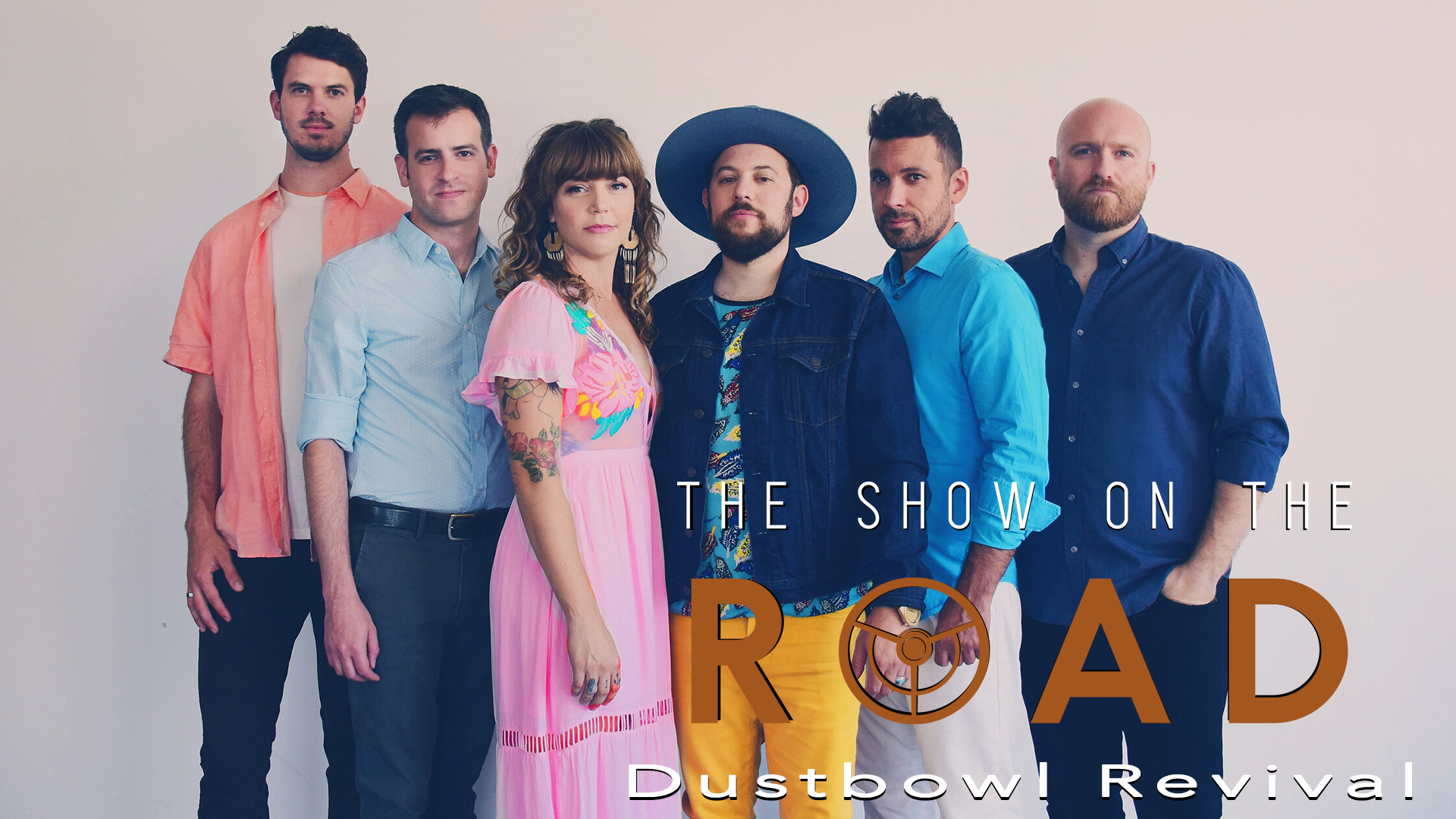
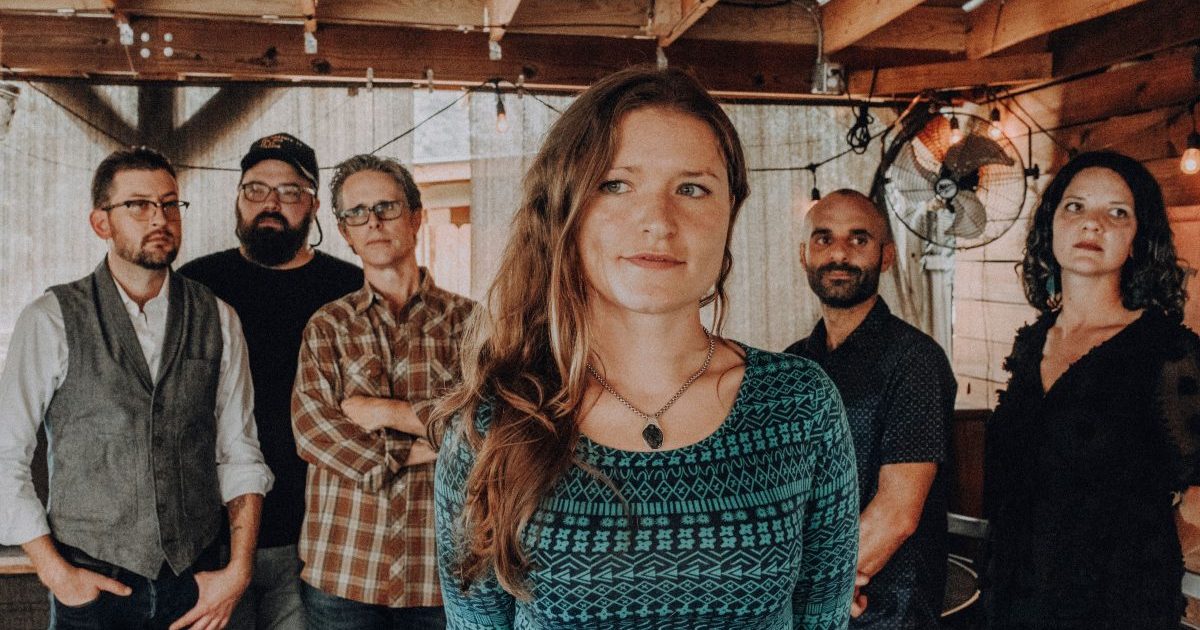
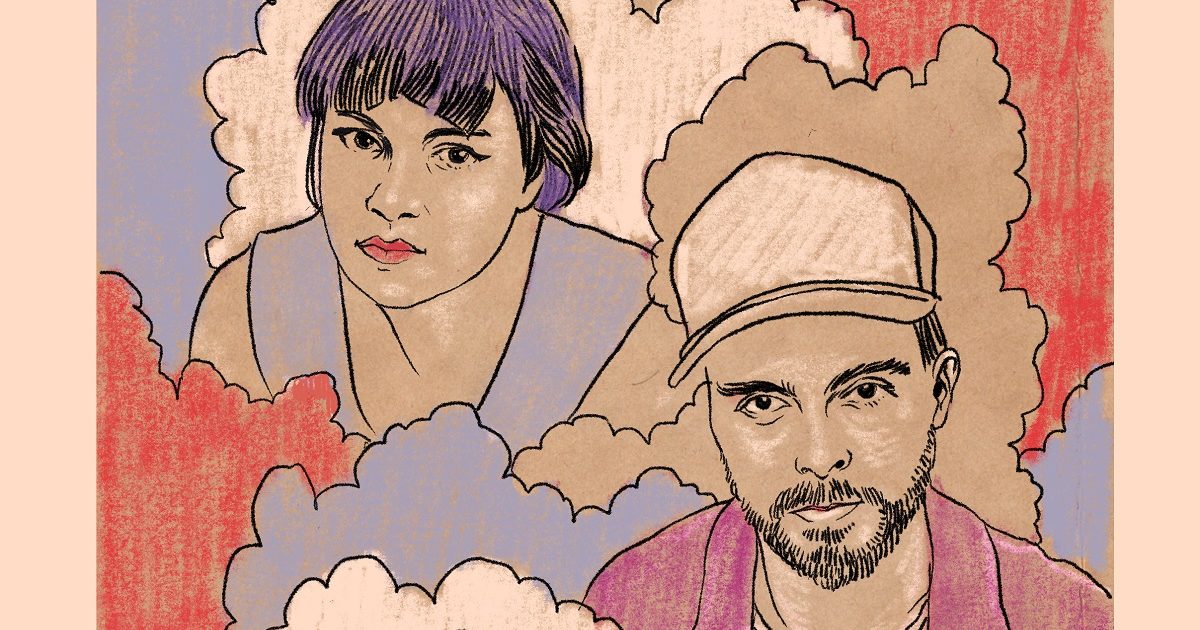
This week on the show, a very special finale to our winter season, featuring a group of world-traveling, folk-funk adventurers that have been catapulting American roots music into the 21st century with their exuberant melding of string and brass band traditions and their white knuckle, award-winning live shows. It’s Dustbowl Revival.
To say today’s episode is personal would be an understatement. Your host Z. Lupetin founded Dustbowl Revival in Venice Beach, CA over ten years ago with a lucky Craigslist ad that started it all. What began as a clandestine jam group with as many as ten instruments going full blast at an after-hours advertising office soon moved to speakeasies and small venues around LA, with the band eventually recording their beloved live album With A Lampshade On at the famed Troubadour in LA and the Great American Music Hall in San Francisco.
In 2013 Liz Beebe joined the group as they began touring full time, becoming a powerhouse eight-piece band that wowed festivals and stages in over a dozen countries, playing over a hundred and fifty shows a year. They’ve released a total of seven full-length records along the way, including their soul-dipped, self-titled work from 2017, which was produced by Grammy-winner Ted Hutt, co-founder of Flogging Molly.
This week celebrates the release of their most daring work to date, Is It You, Is It Me, produced by Sam Kassirer (Lake Street Dive, Josh Ritter) and engineered by Brian Joseph (Bon Iver, Sufjan Stevens). Z. was able to gather the whole band around the mic while on the road in New Hampshire. Make sure you stick around to the end of the episode as the band shares their intimate acoustic single “Let It Go.”
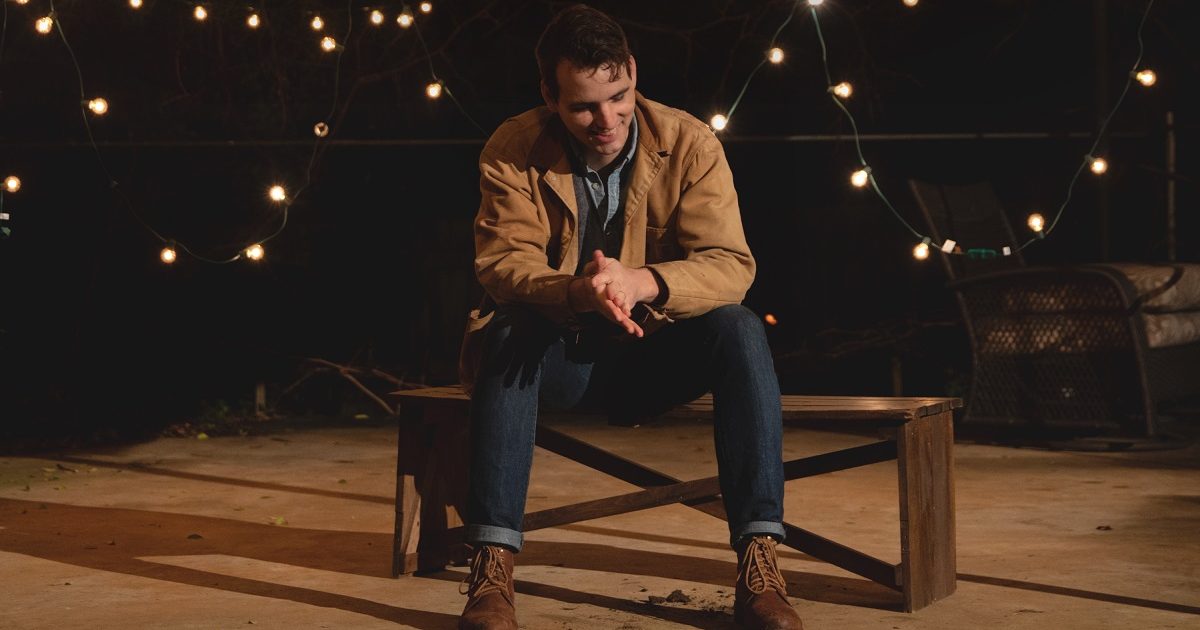
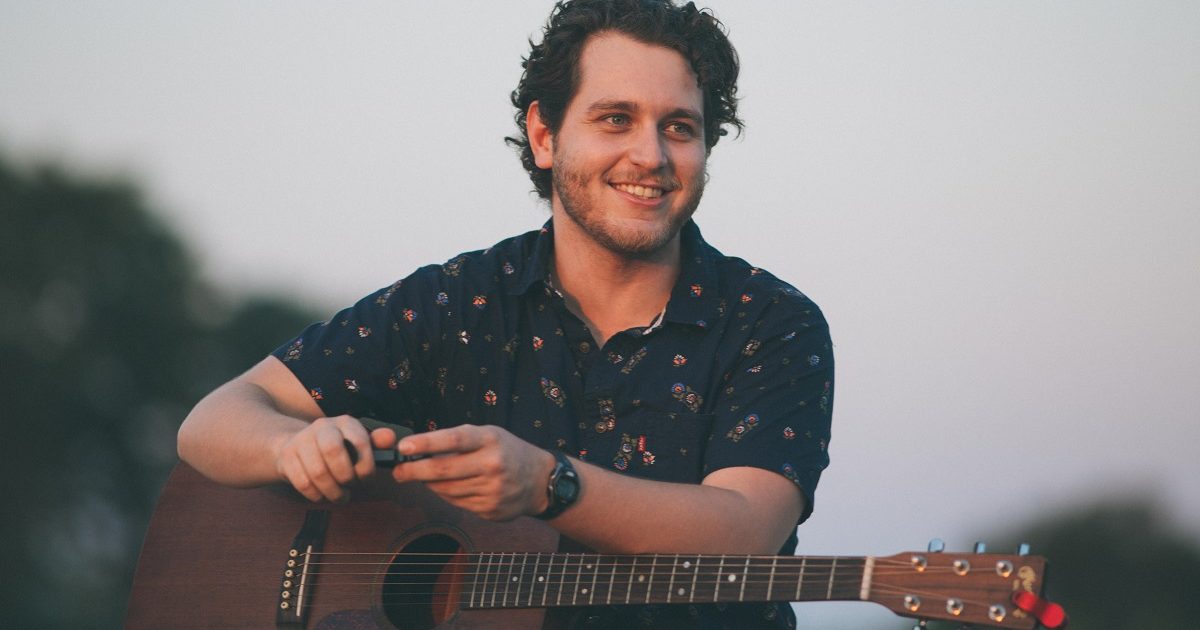
Artist:Nathan Evans Fox Hometown: Glen Alpine, North Carolina Song: “Cigarettes and Moon Pies” Album:Kindness Release Date: February 20, 2020
In Their Words: “I wanted to write a love song that’s equal parts cultural idiosyncrasy, self-reflection, and just kinda manic. Some of my favorite places in the world are small, local gas stations in the Carolinas. They’re such an interesting cultural intersection; there’s goods from local growers alongside industrially manufactured, shrink-wrapped foods, and old relics of legendary NASCAR racers next to brand new vinyl banners promoting strange, cheap beer spin-offs. You’re left with a big cultural mish-mash that’s really complex and rich, and I think there’s something really romantic about these small drive-by spots. They’re a true reflection of all the strangeness and complexity of growing up in a place like North Carolina. They just seem like a good place to fall in love.” — Nathan Evans Fox
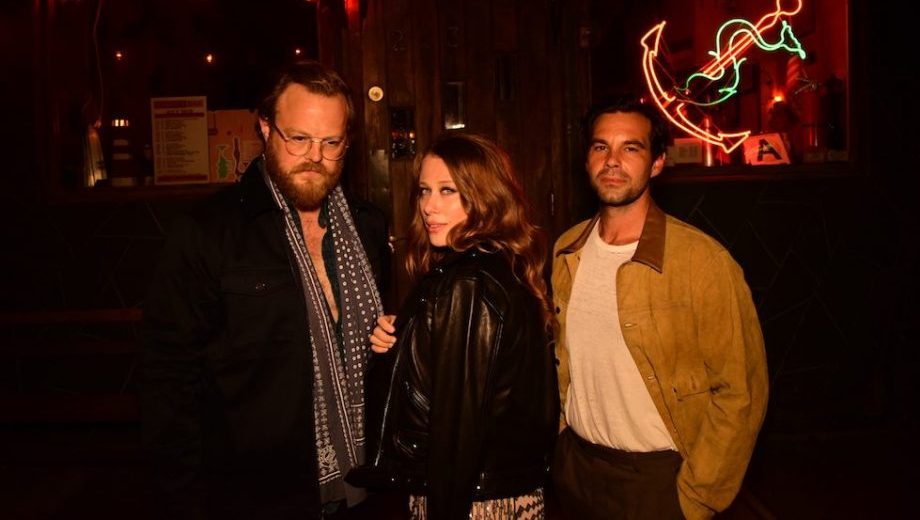
Artist:The Lone Bellow Song: “Count On Me” Album:Half Moon Light Release Date: February 7, 2020 Label: Dualtone Records
In Their Words: “After singing ‘Count On Me’ together in the studio we walked outside and couldn’t help but think about the sense of camaraderie and kindness that seems to happen at our shows. Like strangers becoming neighbors wrapping their arms ‘round each others necks and saying ‘I got ya.’
“[For the lyric video] I had this vision of a figure skating routine, but we wanted to bring it a little closer to home. Instead of a poised athlete on ice, we hopped into a dirty old muscle car and while doing donuts in a field, we got to be Burt Reynolds for a day! I’m so thankful I was finally able to reap some of the skills from my redneck upbringing.” — Zach Williams, The Lone Bellow
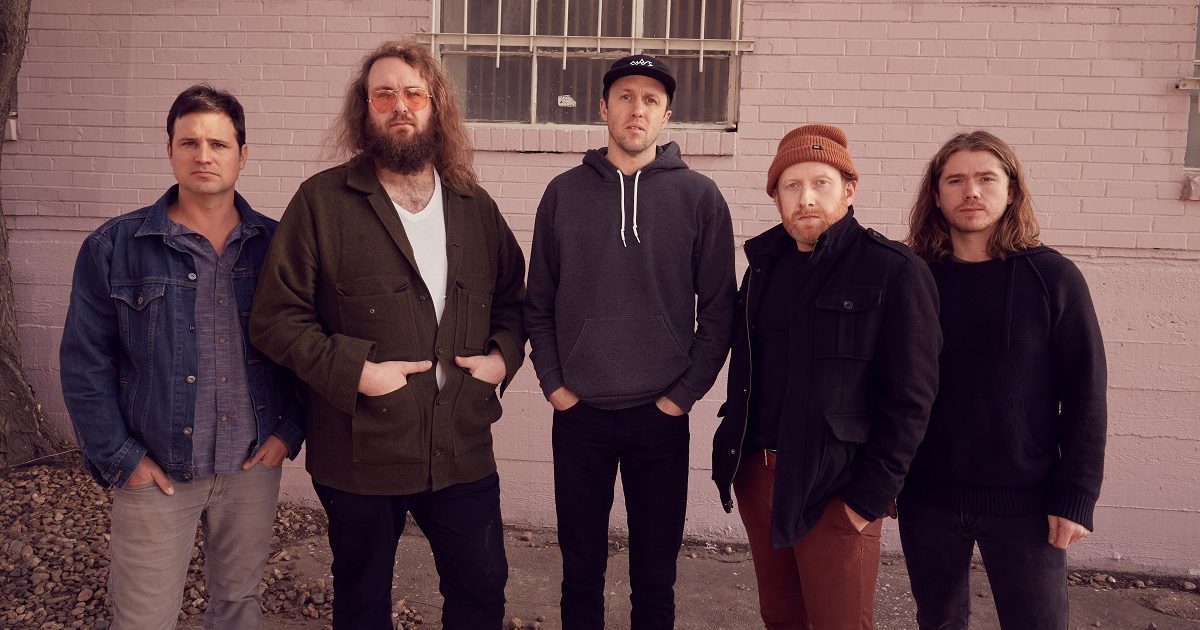
The Lil Smokies’ long-awaited album Tornillo reflects the vast openness of the Texas desert town in which it was recorded, possessing all of the energy that comes with a renewed creative spirit. In a phone interview with lead singer Andy Dunnigan, BGS discussed rule-bending, burnout, and how recording at Sonic Ranch in Tornillo, Texas revitalized the Montana-based band.
BGS: It sounds like this album is really special to you. Can you tell me about the process of making it? What’s memorable about this one?
AD: Yeah, this is a special one. We were coming off of two or three solid years of extensive touring. We were pretty road-worn and dare I say a little burnt out. When we came into this session we needed to become a little more unified than we had been while on the road. We were looking for somewhere that we could go and get outside of the box creatively.
Texas was somewhere we had never spent a lot of time. We wanted to go down to the desert and we wanted to be able to live on the compound. These were all [realities] that Sonic Ranch in Tornillo was able to provide us, so when we got down there we didn’t really leave for ten days.
We lived a stone’s throw away from the studio. We’d wake up and eat huevos rancheros and then head over to the studio. We were kind of autonomous in the fact that we could make our own hours. It really brought us back to life. We were really unified in our work and the production of this album, and I think that’s really ostensible throughout the songs.
How much does a new album like this, where you have brand-new material and are fresh off the experience of recording, help motivate you to keep going out on the road?
I think it’s just that we toured the last album for a couple years and got a little tired of some of those songs. We were playing so much that we didn’t have all that much time for writing. I found myself trying to juggle between writing, being on the road, solitude, hobbies, and having a girlfriend. I was thinking, “Man, there’s just not a lot of time.”
So now that we were able to hammer out some new songs, getting back out on the road seems so much more enjoyable. I think when we’re having fun on stage there’s a direct correlation to the audience. They’re feeding off us and the pillars of reciprocity are strong.
This album definitely sounds like you’re having fun and doing things your way. You sort of bend the rules of bluegrass, but always in a way that adds something to the music. How do you keep an open mind about trying new things without being gratuitous about it?
We wanted to think outside the box for this record, but we didn’t want to do it in a contrived way where we say, “OK, this is going to be a weird album, so we’ll just make it intentionally weird.” We wanted to cater to the songs and adhere to what each song needs.
On the title track, “Tornillo,” we had originally worked up our traditional way of doing it with the bluegrass ensemble, but when we started playing it, it sounded like something that should be on the soundtrack of Ken Burns’ Civil War documentary. We were thinking, “This just isn’t going to work.”
Then Rev, our guitar player, worked up a piano arrangement and brought it to us towards the latter part of the session and we were like, “Oh man, this is so awesome. We have to use this.” We were just serving the song, and that was the ethos. Once we had the piano foundation, we started experimenting with drums and horns and some baritone guitar.
It was really fun for us. We intentionally gave ourselves a surplus amount of time in the studio so we could tinker around a little bit. We wanted to experiment sonically, and I think the results are really fun. It opened our minds to what you can accomplish in the studio if you have enough time and patience.
This album has a clear overall sound. Big, open, and full of space. Is that something you went into the studio wanting to accomplish, or did it develop more on the fly?
It’s a little bit of both. We wanted to create something big from the get-go, but we weren’t sure how we were going to do that. We knew we wanted to record live because that adds a little more energy, we had it in mind to drench a lot of it in reverb to create sort of a Fleet Foxes vibe or something a little more alt. That’s the kind of music that a lot of us have been listening to and getting inspired by for the last few years. We’re all listening to a lot of different music and we wanted to expand outside of the bluegrass domain in the production at least.
In your bio it’s mentioned that you “draw on the energy of a rock band and the Laurel Canyon songwriting of the 1970s.” How did bluegrass become the avenue that you express those influences?
Well, I think we all started out playing bluegrass. I came to it in my latter years of high school. I went down to the Telluride Bluegrass Festival. I had gotten an electric guitar from my dad. He plays music for a living, so he gifted me a Strat, and then a lap steel. I listened to a lot of David Lindley and Ben Harper. Those were kind of the gateway into bluegrass music. Then when I went down to Telluride it blew my head open.
I think we all have our pioneer stories of how we got into the music. That’s how you meet the community of players. There’s this whole vocabulary attached to it but as you get older you expand your musical library. I think we listen to a lot of songwriters and a lot of rock. We still happen to play these bluegrass instruments, and we love bluegrass, but we’re just trying to express what we want to say while wielding bluegrass instruments.
Do you find that you’re an introduction to bluegrass music for a lot of your fans?
I do, and it’s one of my favorite remarks after shows. People say, “Man, I hate bluegrass, but I love you guys.” I hear that a lot and I think it’s funny and ironic, but it’s cool because I think there has to be somebody to pull you in and make you realize that you’ve been wrong about the stigma perhaps. I know I was that person at one time. I thought, “Man, bluegrass music? My dad plays the banjo. This is really lame.”
I think we’re seeing bluegrass kind of blossom into its adolescence and beyond, because for a while I think it was restricted by the staunch purists who were slapping everyone’s wrists for playing minor chords. Now we’re seeing Punch Brothers, Greensky Bluegrass, Infamous Stringdusters, and of course now Billy Strings, who all have obviously done their homework religiously and can pay homage to the traditional godfathers, but they’re also putting their spin on it. It’s really cool and it’s getting people excited. I think to be included in that group is really awesome and I think it’s an exciting time to be riding the wave.
How much do you rely on melody, texture, and other instrumental factors to further the meaning or story within a song?
A lot of it happens in the arranging as well, but a lot of times when I’m writing a song there will be a hook line, and that’s sort of from a rock standpoint. You have your verse-chorus and then there’s a riff or something. You know, this band was almost an instrumental band for a short period in the beginning. We were listening to a lot of David Grisman, Strength In Numbers, and a lot of that music.
We loved writing instrumental music, and then when I started singing and writing songs we kind of fused the two worlds together. Those little melody parts and arrangement parts are still so fun to incorporate in songs. In a tune like “Giant” on this album, we wanted something kind of spacy to create a dream-like state, so we tried to write something that sounded kind of spacey and sleepy.
Some of these songs are intentionally ambiguous in their origins. What is the intent behind that ambiguity?
I went to school at the University of Montana for creative writing and poetry and I love the way words sound together as much as I love melody. Sometimes the words and just the assonance, what they sound like, will dictate the melody and vice versa. Once I have a word in my head and I’m kind of ad-libbing on the guitar I try to steer away from some words and how they sound.
I like to write stories and have some ostensible narratives, but I also just love words and how they sound. “World’s On Fire” has a couple meanings in there but I also like to keep it intentionally ambiguous because I think it’s fun for people to create their own story.
You’ve said your time at Sonic Ranch “encapsulates all of the good things about being in a band and making music.” How did the band grow from the experience of making this album?
To circle back on what I said in the beginning, it’s a huge a sacrifice to be in a band. There’s the greatest ups and the greatest downs, kind of married to each other. Coming off of those past three years of touring we were all a little tired and burnt out, and maybe questioning if we were on the right path. During our studio session in Tornillo I think we were all realizing that this is why we do it.
When you make an album it’s like setting a bug in amber. It’s this fossilized preservation of your life at that point. The word tornillo literally means “to fasten” and refers to a screw. We named it after that place. The place really tightened us up together as friends and as a band. I remember leaving there and feeling really proud of what we had accomplished. I think it’s the most unified we’ve ever been as a band.
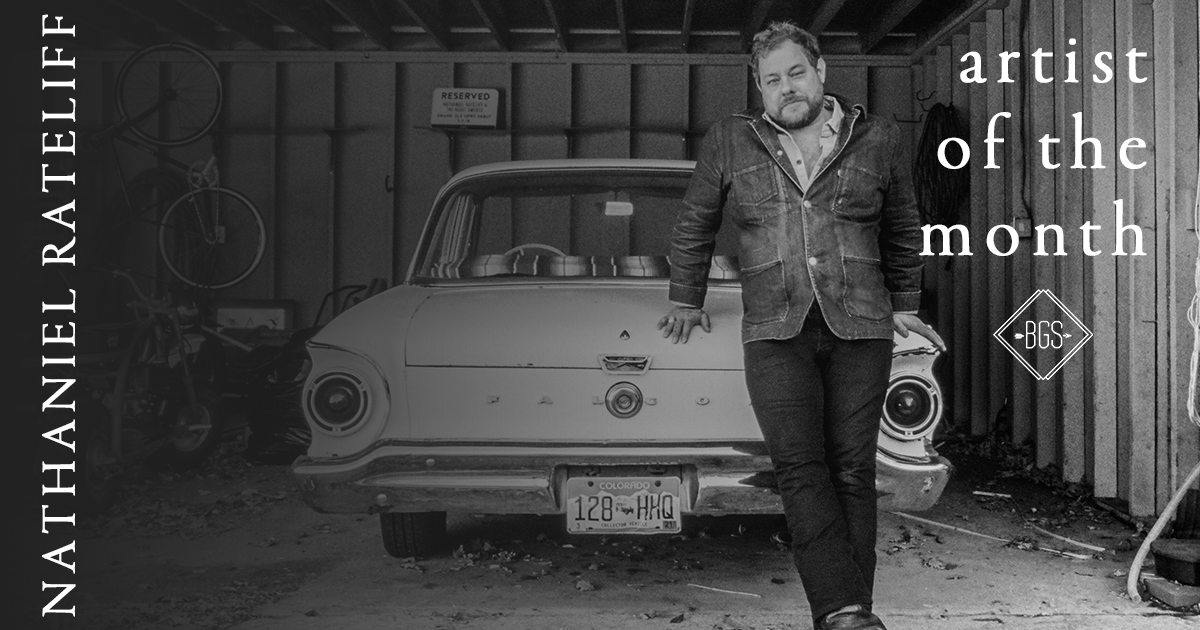
One of the most powerful artists in roots music, Nathaniel Rateliff has a solo album coming out in just a couple weeks, and as a preview, he’s released a music video for the title track. The evocative video mirrors a song with a lot of weight and meaning behind it, a trademark of Rateliff’s style. A simple song — voice accompanied by galloping guitar and a swirl of ambient textures — “And It’s Still Alright” has a beckoning quality that is matched with a grainy film aesthetic, shot in black and white with a splash of washed-out color.
In 2019, Nathaniel Rateliff and the Night Sweats scored a platinum single with “S.O.B.” and a gold record for their self-titled album. Now the pieces are in place for the next installment of Rateliff’s music as And It’s Still Alright is slated for a Valentine’s Day release. Tour dates are filling in, including a stop at the Ryman Auditorium in Nashville, as well as multiple shows in New York City, Los Angeles, San Francisco, Toronto, and Minneapolis. His European tour kicks off in April.
To hold over the anticipation for the new record and our upcoming Artist of the Month coverage, enjoy our BGS Essentials playlist.
American roots music wouldn’t exist if not for the voices, stories, and musical traditions of Black Americans. Full stop. Celebrating the Black forebears of Americana, bluegrass, country, and string band music, pointing out their importance and their essential contributions to these genres we all know and love today needs to happen year-round, not just February.
The BGS editorial team believes strongly in this idea, and though readers will be able to find several Black History Month features and articles in the coming weeks, we encourage you all to also take a dive back into our archives for stories that highlight Black creators and artists from all points across the last year.
Mavis Staples on Live From Here
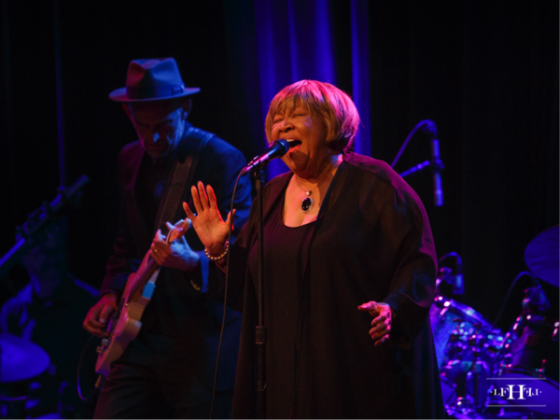
Ceaselessly relevant, Mavis Staples recently gave a keynote presentation at Folk Alliance International in New Orleans where she once again gleefully assured the audience she wouldn’t be done singing ‘til she didn’t have anything else to say. And she has plenty left to say! Watch Mavis Staples on Live From Here with Chris Thile.
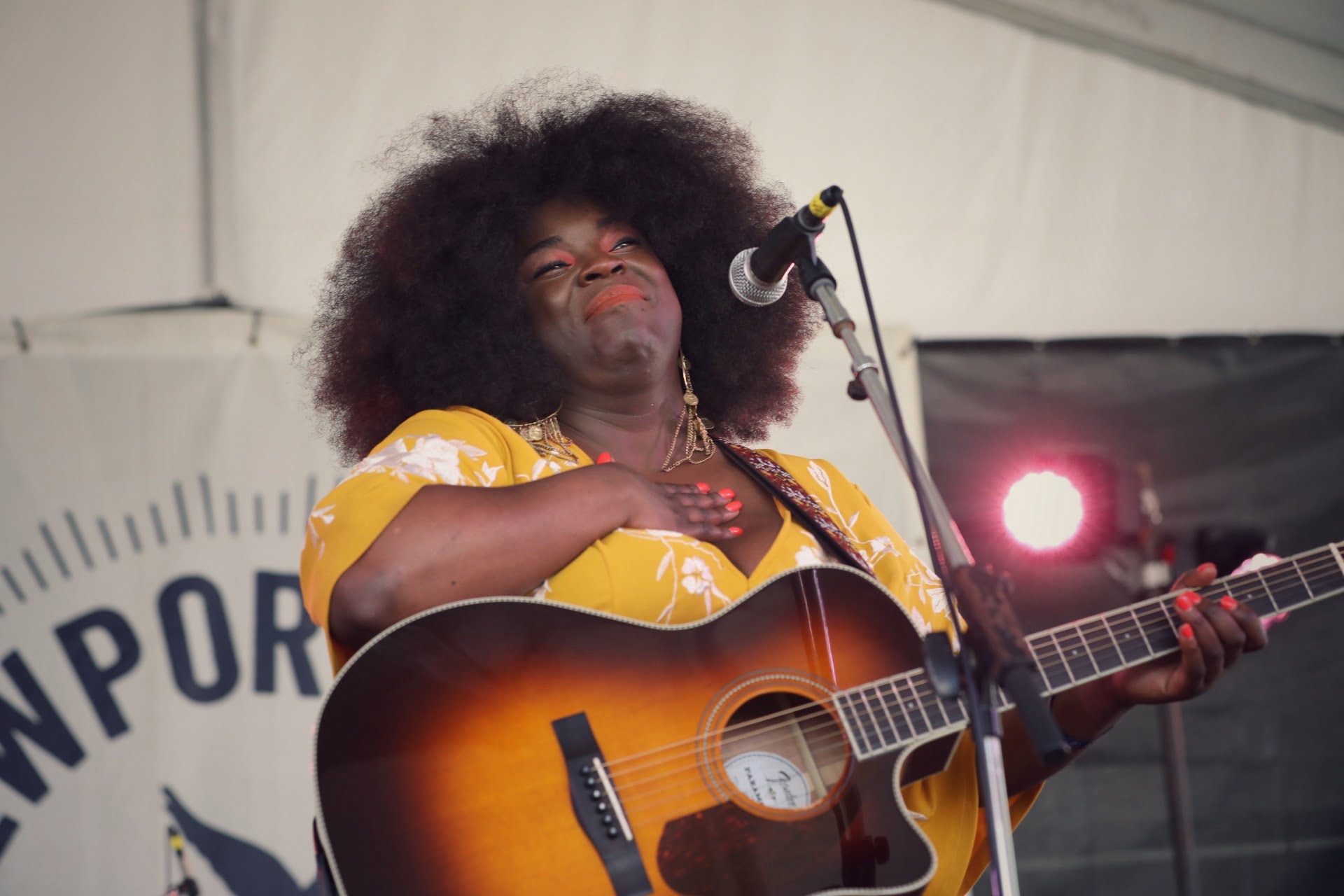
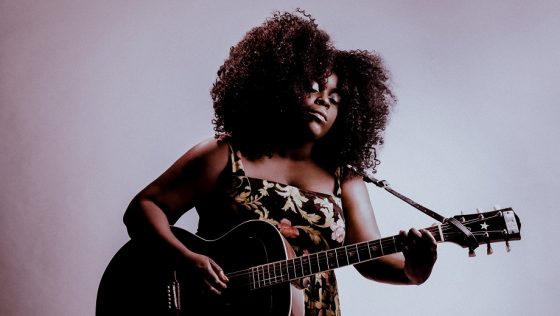
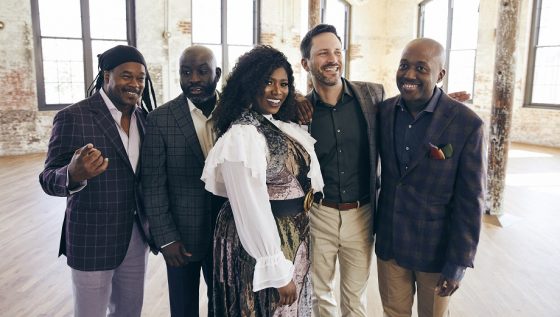
Liz Vice is a Portland born, Brooklyn-based gospel/folk firebrand who is bringing her own vision of social justice and the powerful, playful bounce of soul back to modern religious music. She is following a rich tradition that goes back generations to powerful advocates like Sister Rosetta Tharpe, Sam Cooke, the Staples Singers, the Ward Sisters, Aretha Franklin, and especially Mahalia Jackson, who was the soundtrack to the civil rights movement. Listen to the Liz Vice episode of The Show On The Road.
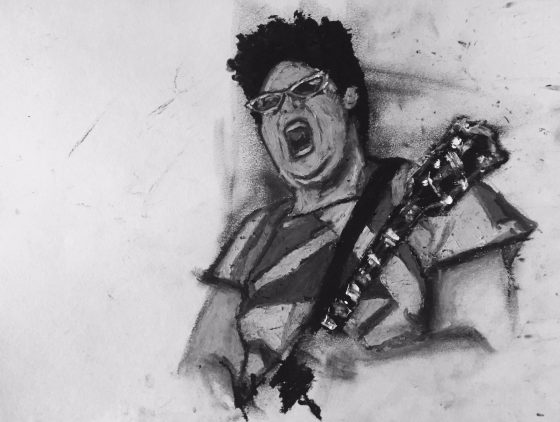
Brittany Howard, Artist of the Month and More
Our November 2019 Artist of the Month stunned in a stripped down duet with Alicia Keys at the Grammy Awards last weekend, her well-earned musical stardom solidified by her debut solo album, Jaime. Our Artist of the Month interview anchored our coverage of Howard’s new music, but her Tiny Desk Concert really captured readers’ attention!
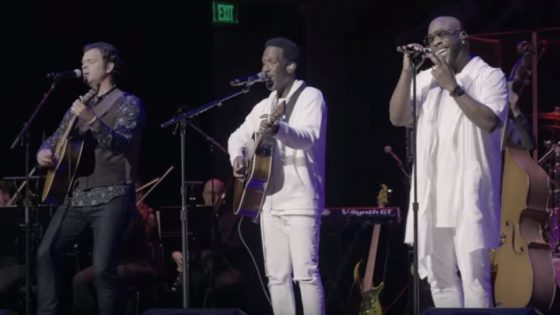
Steep Canyon Rangers with Boyz II Men
Yes, you read that correctly. A combination none of us knew we needed that now we can never go without. The Asheville Symphony backs up the two groups collaboration on “Be Still Moses,” a moment transcending different musical worlds and genre designations. You can watch that performance here.
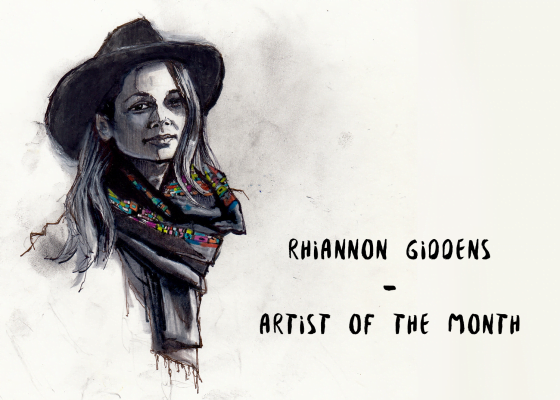
Rhiannon Giddens: Booked, Busy, and Blessed
How much can an artist really accomplish in a year? A quick scroll through the BGS halls shows a Grammy-nominated album, being named Artist of the Month, scoring a ballet, playing the Tiny Desk, debuting a supergroup, and oh so much more. We are more than happy trying to keep up with Rhiannon Giddens’ prolificacy.
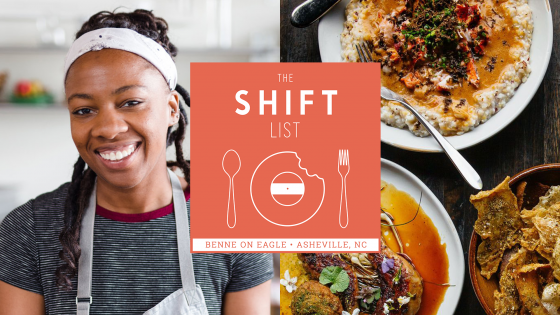
Ashleigh Shanti on The Shift List
The Shift List is a podcast about chefs, their kitchens, their food, and the music that powers all of it. On an episode from September we interviewed Chef Ashleigh Shanti of Benne on Eagle, an Appalachian soul food restaurant in Asheville, North Carolina. Her Shift List includes Kendrick Lamar, Nina Simone, and more.
Grammy Winners, Ranky Tanky!
We spoke to Ranky Tanky about their album Good Time in August, less than six months before it would win the Grammy for Best Regional Roots Album. If you aren’t familiar with Gullah music, our interview will help you out.
Americana’s Sweethearts, The War and Treaty
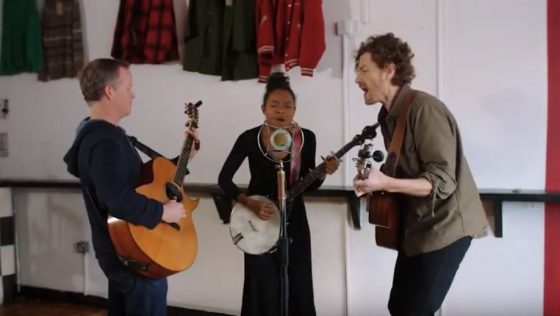
Rapidly-rising folk/soul duo of husband and wife Michael and Tanya Trotter, The War and Treaty have had a year chocked full of smashing successes. Of course the best way to catch up with them was on the road, so Z. Lupetin set up the mics for an episode of The Show On The Road.
Tui’s Old-time Tunes
Jake Blount, one half of old-time duo Tui with fiddler Libby Weitnauer, is a scholar of Black, Indigenous, and otherwise forgotten, erased, or marginalized American fiddlers in old-time and string band music. His work specifically spotlights the source musicians whenever possible, undoing generations of revisionist history in roots music. Tui’s recording of “Cookhouse Joe” was featured in Tunesday Tuesday.
A Sitch Session with Birds of Chicago
A song with a message well-timed for almost any era, “Try a Little Harder” seems especially perfect for this very moment. Birds of Chicago do an excellent job bringing that message to the world. A suitably stunning Sitch Session.
Dom Flemons Talks Black Cowboys
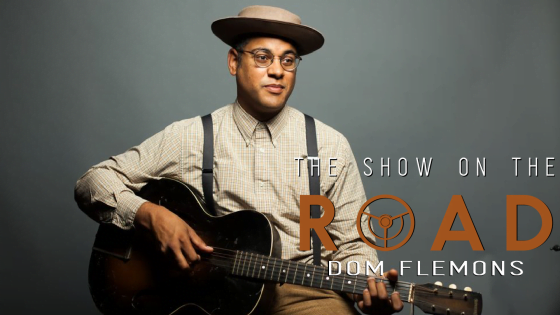
If you haven’t heard Dom Flemons talk about his album, Black Cowboys, and the narratives and traditions that inspired it, this episode of The Show On The Road is essential. The music is captivating on its own, a perfect demonstration of Flemons’ uncanny ability to capture timelessness and raw authenticity, but with his scholarly takes and his depth of knowledge the songs take on even more meaning and power. It’s worth a deep dive — check out our print interview, too.
Gangstagrass Set the Standard
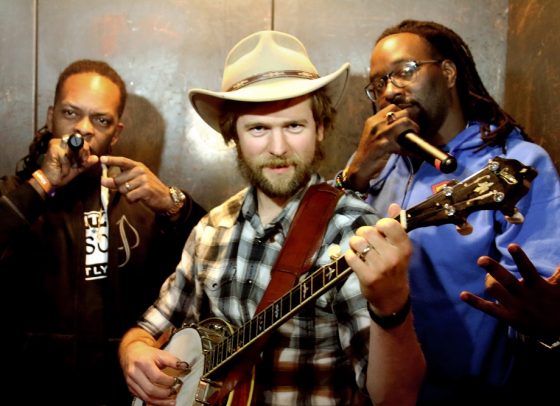
When you read Gangstagrass’s Mixtape of standard setters the parallels that emerge between foundational bluegrass and hip-hop are certainly surprising, but they also make perfect sense. It speaks to the longevity of this boundary-pushing, genre-defying group — that has been setting their own standard as they go.
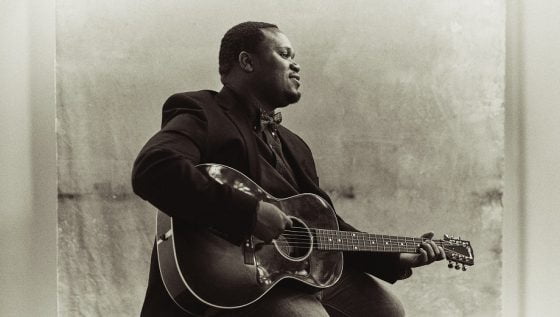
Jontavious Willis Goes Back to the Country
“Take Me to the Country” is Willis’ paean to his homeland: “No matter where I go in the world, I can’t wait to go back to the country,” He told BGS in April of last year. “For me, that special place is a rural southern town in Georgia where I grew up. It’s such a quiet and calm place, and somewhere I crave when I’m far from it.” You can hear that truth woven into the music.
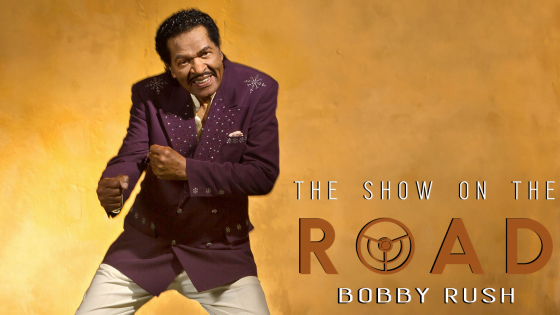
Octogenarian Bluesman, Bobby Rush
At 85 years old, Bobby Rush has been playing his brand of lovably raunchy, acoustically crunchy, and soulfully rowdy blues for over six decades. After winning his first Grammy at the humble age of 83, he has no plans of slowing down. We caught up with Rush on The Show On The Road.
Artist:Sophie & the Broken Things Hometown: Nashville, Tennessee Song: “Tornado” Album:Sophie & the Broken Things Release Date: January 31, 2020 Label: Petaluma Records
In Their Words: “Tornadoes have been occurring in my dreams for as long as I can remember. A few years ago I had one that was really memorable. So I woke up with the first line from this song in my head. Around that time I felt totally uncertain in every aspect of my life and was doubting every decision I was making. Having that kind of uncertainty makes you freeze in how you go about your life and influences every decision you make, and I just remember feeling very immobile.” — Sophie Gault
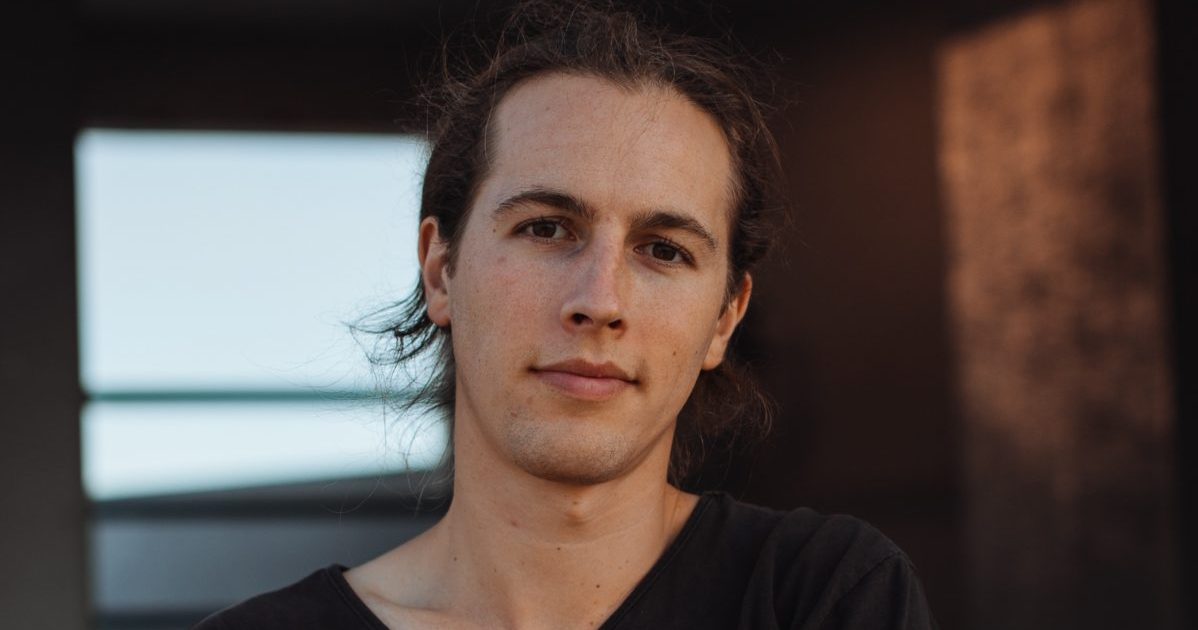
Artist:Riley Pearce Hometown: Melbourne, Australia Latest Album:Acoustic EP Nickname: Still yet to be determined
What’s your favorite memory from being on stage?
It wasn’t actually a good memory but it was an important lesson to learn. I played a small gig in a coffee shop overseas and had a few drinks with a friend beforehand and temporarily forgot about the show. I don’t recall forgetting any lyrics, but remember stepping back from the mic at one stage and feeling very unbalanced. That was enough to make me not drink much before a show going forwards.
What was the first moment you wanted to be a musician?
Well, part of me still doesn’t consider myself a musician. I’ve made it this far though, so maybe I am. I used to busk a lot growing up and loved the interaction you’d get with complete strangers or your friends at the different market stalls. There would be great connections formed through music and that really spurred my love for it all. It’s amazing how songs just become, from nothing. I was quite hooked and spent the first few years really trying to learn everything I could. I wanted to make this something I could do for the rest of my life.
Since food and music go so well together, what is your dream pairing of a meal and musician?
Oooh I like this question. I’ve been really enjoying Foy Vance’s work of late so perhaps him and some pasta and wine. Is he at this dinner? Or am I just listening to him while I eat pasta and drink wine… alone? Or is he singing to me while we both eat pasta and wine? It’d be quite close and I’d probably get food spat on me. I’m confused.
How often do you hide behind a character in a song and use “you” when it’s actually “me”?
Very rarely, if ever. The songs need to be authentic and come from a real place. I often treat concepts like time or distance as if they are people in songs so it gives me more to write about than my actual human relationships. I also find what happens to me more is that I may write a song or a lyric and it’s meaning to me changes overtime and if it started being about one idea it’s morphed its way into something else. I love how music can do that.
What rituals do you have either in the studio or before a show?
I really want to have some pre-gig rituals, but besides a pre-gig toilet trip and some water I’ve got nothing. In the studio I often eat this rice-cracker snack called Delites which I mispronounced for two years as Deletees until someone told me it’s just a play on the word delight. But I still call them Deletees. I find my voice sounds nice after eating them, plus they taste great.
In Their Words: “‘Tall Grass’ is about a musician friend of mine who got on the wrong path with drugs and alcohol. The ‘tall grass’ is a metaphor for hanging with the wrong crowd and making the wrong decisions. This guy is so naturally talented and so rich in spirit, but was snagged by the vices that haunt the music industry. Really fun experience bringing this song to life with Eric Harrison and Michael Ingber at Studio 601. Eric played bass, Michael played drums, we all produced the song. Incredibly collaborative and creative process.” — Sasha K.A.
Artist:Rachel Baiman and Mike Wheeler Hometown: Nashville, Tennessee (Rachel), nomadic (Mike) Song: “Turn It Off” Album:Countin on You Sessions Release Date: February 7, 2020 Label: Tone Tree Music
In Their Words: “I (Rachel) started this song in a moment of frustration, wishing I could just escape from the news of the world. I was lucky enough to be a part of a writing residency in Jacksonville, Florida and the place I was staying had all of these turtles hanging out in the back yard. I think I started five songs about turtles that week, the shell idea was just feeling very appealing.
“Anyway, this is one of those songs which I couldn’t seem to finish. I’ve been a big fan of Mike’s writing and singing for years and one afternoon back in Nashville I asked him to come by and help me finish this one (he was my neighbor at the time). We worked through it and really enjoyed singing and writing together. This song ended up launching this EP collaboration.
“When he told me he was planning to head out to Colorado for the winter (Mike is decidedly nomadic), we both thought it would be fun to record some of what we had been playing together in a really live style, to reflect the inspiration we had gotten from our neighbor jams while he was in town and the magic of Nashville nights spent trading songs with good friends.” — Rachel Baiman
Artwork by Taylor Ashton
This website uses cookies to improve your experience. We'll assume you're ok with this, but you can opt-out if you wish.AcceptRejectRead More
Privacy & Cookies Policy
Privacy Overview
This website uses cookies to improve your experience while you navigate through the website. Out of these, the cookies that are categorized as necessary are stored on your browser as they are essential for the working of basic functionalities of the website. We also use third-party cookies that help us analyze and understand how you use this website. These cookies will be stored in your browser only with your consent. You also have the option to opt-out of these cookies. But opting out of some of these cookies may affect your browsing experience.
Necessary cookies are absolutely essential for the website to function properly. This category only includes cookies that ensures basic functionalities and security features of the website. These cookies do not store any personal information.
Any cookies that may not be particularly necessary for the website to function and is used specifically to collect user personal data via analytics, ads, other embedded contents are termed as non-necessary cookies. It is mandatory to procure user consent prior to running these cookies on your website.