MIXTAPE: Kyle Nix’s Fiddle Tunes & Bluegrass Songs That Inspire

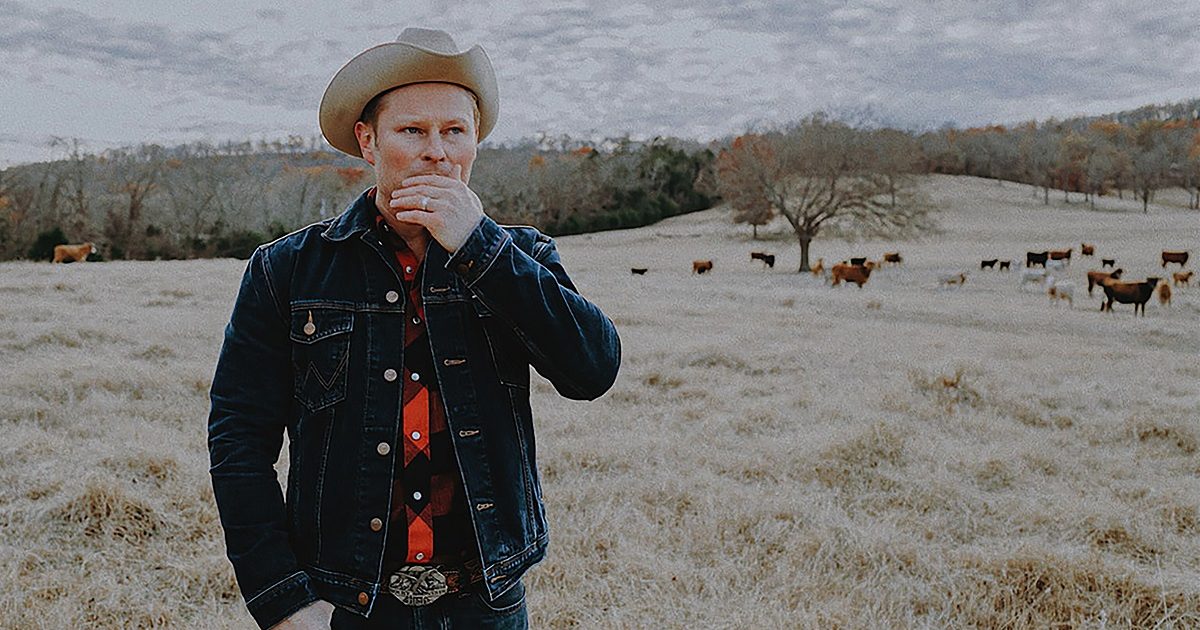
Hey everyone! My name is Kyle Nix and I fiddle for the Turnpike Troubadours. I’m also a solo artist and have a record coming out June 26 called Lightning on the Mountain & Other Short Stories. As a bluegrass fiddler and songwriter, I’ve put together a list of fiddle tunes and bluegrass songs from artists that have inspired me through my journey and continue to do so every time I hear them play. Hope ya enjoy these ditties! — Kyle Nix

Michael Cleveland – “Lee Highway Blues”

Michael is the most dynamic fiddler I’ve ever seen and perhaps the most dynamic musician. Incredible player.

Sara Watkins – “Long Hot Summer Days”

Sara and I are close to the same age and I’d see her at bluegrass festivals from time to time. I think it’s pretty neat that my band (Turnpike Troubadours) and Sara both recorded John Hartford’s “Long Hot Summer Days” around the same time. Love her version!

Byron Berline – “Flyin’ Fingers”

Byron’s a friend and a hero of mine. I’m always learning from him and he’s still got a fire in his belly. He composed and recorded “Flyin’ Fingers” a few short years ago and it’s a fine example of how he’s still “got it.”

Sierra Hull – “From Now On”

Sierra is one of the virtuosos. She makes it look easy. Big fan right here! Dig the tune “From Now On.”

Chance McCoy and the Appalachian String Band – “Yew Piney Mountain”

Love this version of “Yew Piney Mountain” by Chance McCoy. Chance is a real talent, from The Appalachian String Band to Old Crow Medicine Show.

Kenny Baker “First Day in Town”

Huge fan of Kenny Baker’s fiddling and his melodies abound. “First Day in Town” is a mean one!

John Hartford – “Steamboat Whistle Blues”

John Hartford’s Aereo-Plain is one of my favorite albums and “Steamboat Whistle Blues” is one of my faves on the record.

Aubrey Haynie – “Bill Cheathem”

A stellar version of “Bill Cheathem” here by Aubrey Haynie — a fantastic, killer fiddler!

Alison Krauss & Union Station – “Man of Constant Sorrow”

This is the one that kicked off the bluegrass craze of the early 2000s. Each member of this band, a Giant.

Ricky Skaggs & Kentucky Thunder – “Shady Grove”

I remember the first time I heard this version…. My eyes about bugged out! Blisteringly fast, clean as a whistle. Outrageously good!

Byron Berline – “Sally Goodin”

Byron’s version of Sally Goodin is the quintessential version of the song. Here, he’s joined by Bill Monroe and Earl Scruggs… and it’s beautiful, man!


Photo Credit: Amber Watson

Best of: Live From Here

This month brought the unfortunate news that Live From Here, hosted by Chris Thile, has been cancelled.

The American Public Media-produced radio show, previously known as A Prairie Home Companion, has been beloved by listeners since its inception in 1974, and continued in 2016 when the series was rebranded as Live From Here, with Thile leading the way.

The show was cut from production as a result of COVID-19’s widespread impact on the music and entertainment industries. On his socials, Thile graciously acknowledged the decision, stating the purpose of Live From Here as “a celebration of live, collaborative audible art.”

So, without further hesitation, let’s look at 11 of our favorite Live From Here moments.

“Dean Town” – Vulfpeck & Chris Thile

Perhaps one of the most loved Live From Here moments was Thile’s guest performance with Vulfpeck on their classic, “Dean Town.” One has every reason to assume that eye contact between Thile and Joe Dart is still going strong at this very moment.


“Fiddle Sticks” — Billy Contreras

It may be one of the lesser-viewed bits from the show, but this “Fast-AF” fiddle tune feature by Billy Contreras is certainly not short on notes. Two and a half minutes of pure double stops and bass walks.


“Lovesick Blues” — Brandi Carlile, Ben Folds, Chris Thile, & Sarah Jarosz

Ever wondered if Brandi Carlile could yodel on par with Jimmie Rodgers — or everyone’s favorite Walmart yodeling kid, Mason Ramsey? Well, look no further than this early Live From Here collaboration with Carlile, Thile, Ben Folds, and Sarah Jarosz.


“Change” – Mavis Staples

“Say it loud, say it clear!” We’ve shared this powerful performance from the legendary Mavis Staples before, but it is even more relevant now. Things are starting to change around here!


“Toy Heart / Marry Me / Jerusalem” – I’m With Her

Almost 10 minutes of mind blowing harmony and togetherness from I’m With Her, all beloved guests throughout the show’s course. As Thile so happily declares at the end, “There’s not a better band — in the world — than I’m With Her.”


“In Da Club” / Musician Birthdays – Julian Lage, O’Donovan, Thile, and More

What could be better than the composer of 50 Cent’s “In Da Club” jamming with Chris Thile, or Julian Lage playing Django Reinhardt? Oh that’s right: it’s Aoife O’Donovan singing Dolly Parton’s “9 to 5.”


“Blue Skies” – Andrew Bird & Chris Thile

Not only does this pair look quite the same, but their playing together is divine, and one of the last Live From Here moments we were graced with before shutdown.


“Kodachrome” – Paul Simon

This one’ll make you think all the world is a sunny day. Just look at Thile’s face!


“Can’t Find My Way Home (Blind Faith)” – Rachael Price

The tonal map of this moment is pure magic. Lake Street Dive’s Rachael Price supported by Thile’s harmony, Mike Elizondo’s bass lines, Brittany Haas’s fiddle playing — need we say more?


“Winter Boy” – Amanda Brown

Since Thile’s takeover as host, Live From Here has always had a strong female vocalist on stage. From Aoife O’Donovan to Sarah Jarosz to Gaby Moreno to more recent guest Amanda Brown — these women have been an integral part of the show’s cast and performance. Enjoy Brown’s beautiful take on this Buffy Sainte-Marie classic. 


“Hard Times” – Chris Thile

It only seems right to acknowledge the many efforts of the Live From Here cast and crew to bring listeners the show, recast as “Live From Home,” in the wake of the COVID-19 pandemic and global shutdown. For the last three months, those at the show worked tirelessly to bring us the weekly program, with the help of dozens of musicians, show regulars, and the #LiveFromHome social media campaign.

All we have left to say is — thank you to Chris Thile, all of the musicians, crew, and those who made Live From Here possible. And we hope these “Hard Times” we’re all living in together come again no more.


Photo credit: Nate Ryan

BGS Long Reads of the Week // June 12

Don’t look now, but we’re approaching the mid-point of June and another week has passed us by. YIKES! Luckily, we have another week’s worth of long reads for you, too!

The long-winding catacombs of the BGS annals and archives have so much to offer. As we share our favorite longer, more in-depth articles, stories, and features to help you pass the time, take a minute to follow us on social media [on FacebookTwitter, and Instagram] so you don’t miss a single #longreadoftheday pick!

This week’s long reads travel from the canyon drives above Hollywood to Pavement to a former Oregon poet laureate to everyone’s favorite five-stringed instrument. Check ’em out.

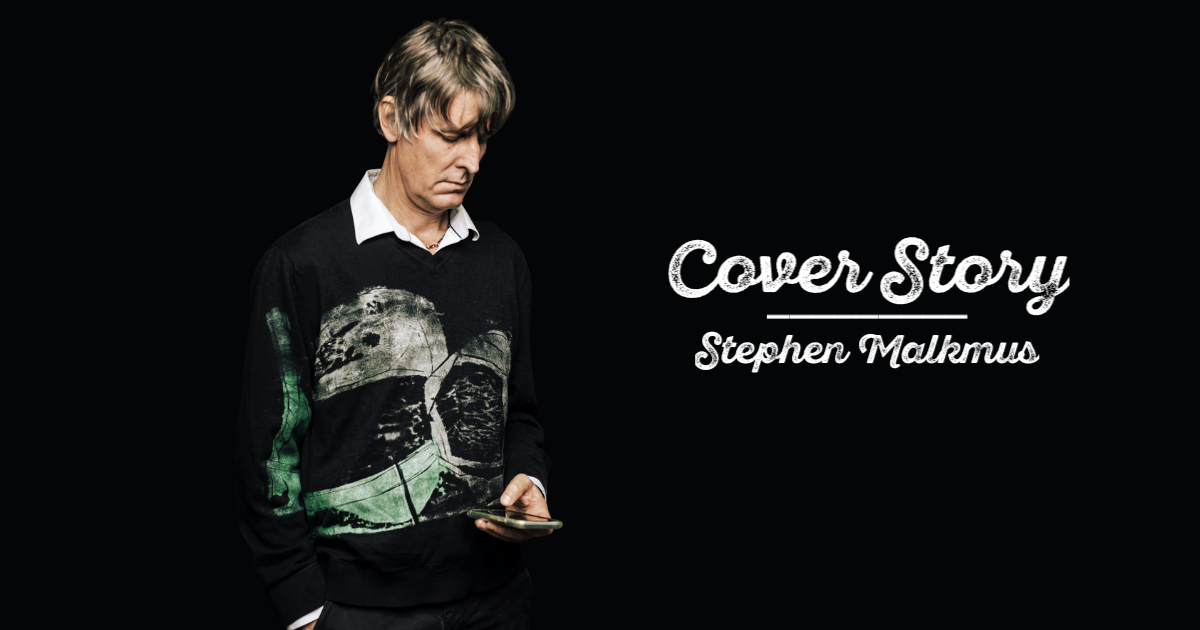
Stephen Malkmus of Pavement Ventures Down Acoustic Road on New Album

Stephen Malkmus, of the bristly, brainy 1990s indie rock band Pavement, joins a host of fellow alt-rockers in dabbling with folk and acoustic sounds. On a brand new album, Traditional Techniques, which was produced by Chris Funk of the Decemberists, Malkmus expands on the flickers of folk interest that have permeated his career, though he may not claim mastery of any of them. [Read our #CoverStory interview]


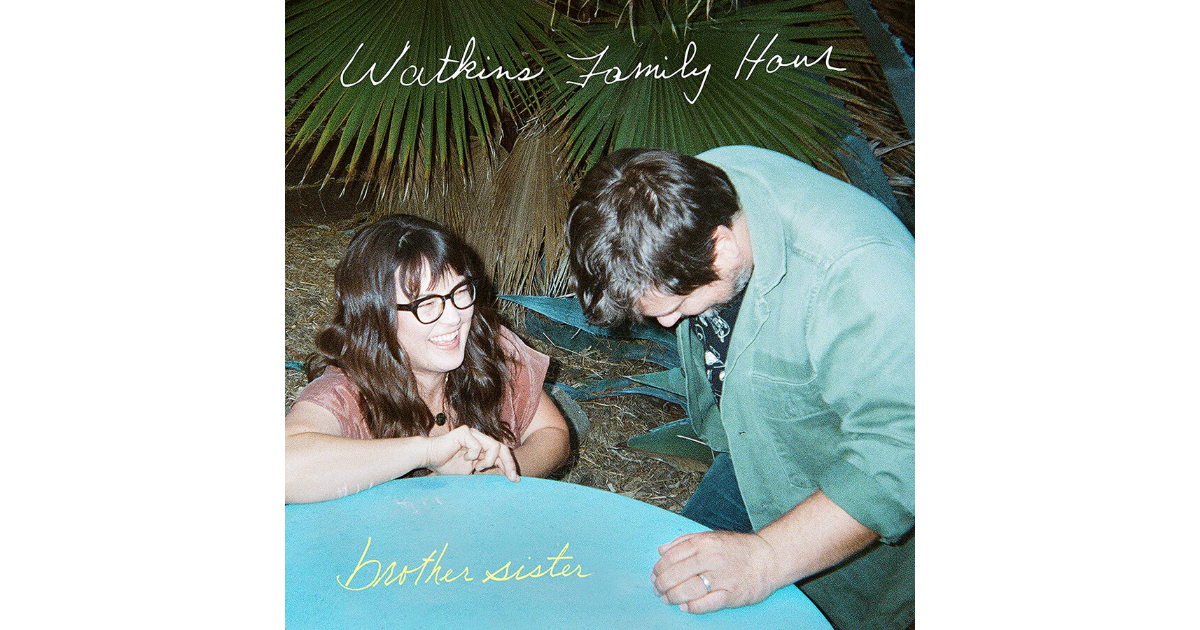
Sara Watkins Wants Us to Ride Along on Watkins Family Hour’s brother sister

Earlier this week we celebrated Sara Watkins’ birthday (June 8, for the record) with a revisit to our recent Artist of the Month interview where she walked us through her recent Watkins Family Hour album, brother sister. For the first time in their lifelong musical careers, Sara and her brother Sean focused on creating music centered on their own duo. brother sister was the result. [Celebrate Sara’s birthday with a read]


Aoife O’Donovan Finds Her Heart in the Verse of Others

Aoife O’Donovan’s latest EP, Bull Frogs Croon (And Other Songs), arrived in March. Our Cover Story unspooled the inspiration she gained via poet Peter Sears, the former poet laureate of Oregon, whose verse is utilized in three songs O’Donovan wrote and arranged with Teddy Abrams and Jeremy Kittel. The project is rounded out by a Hazel Dickens cover and a classic folk song, giving listeners a sampling of each of O’Donovan’s folky expertises. [Read the interview]


The Byrds’ Chris Hillman Reflects on Laurel Canyon and Why He Had to Leave

A new, two-part documentary, Laurel Canyon, traces the comings and goings of several generations of folk rockers down Sunset Boulevard and up into the hills. Chris Hillman (The Byrds, The Flying Burrito Brothers), one of the canyon’s earliest and most famous residents, about the new film, the community, the music, the neighborhood, and why he had to leave. [Read the full story]


Mixtape: Ashley Campbell’s Banjo Basics

With her classic 2018 Mixtape banjoist and singer/songwriter Ashley Campbell reinforced the deeply held BGS belief that– MORE!! BANJOS!! From songs by her late, legendary father Glen and her godfather Carl Jackson to classics from folks like J.D. Crowe, John Hartford, and the Dixie Chicks, this mix has a little bit of everything and a whole lot of five-string. [Read & listen]


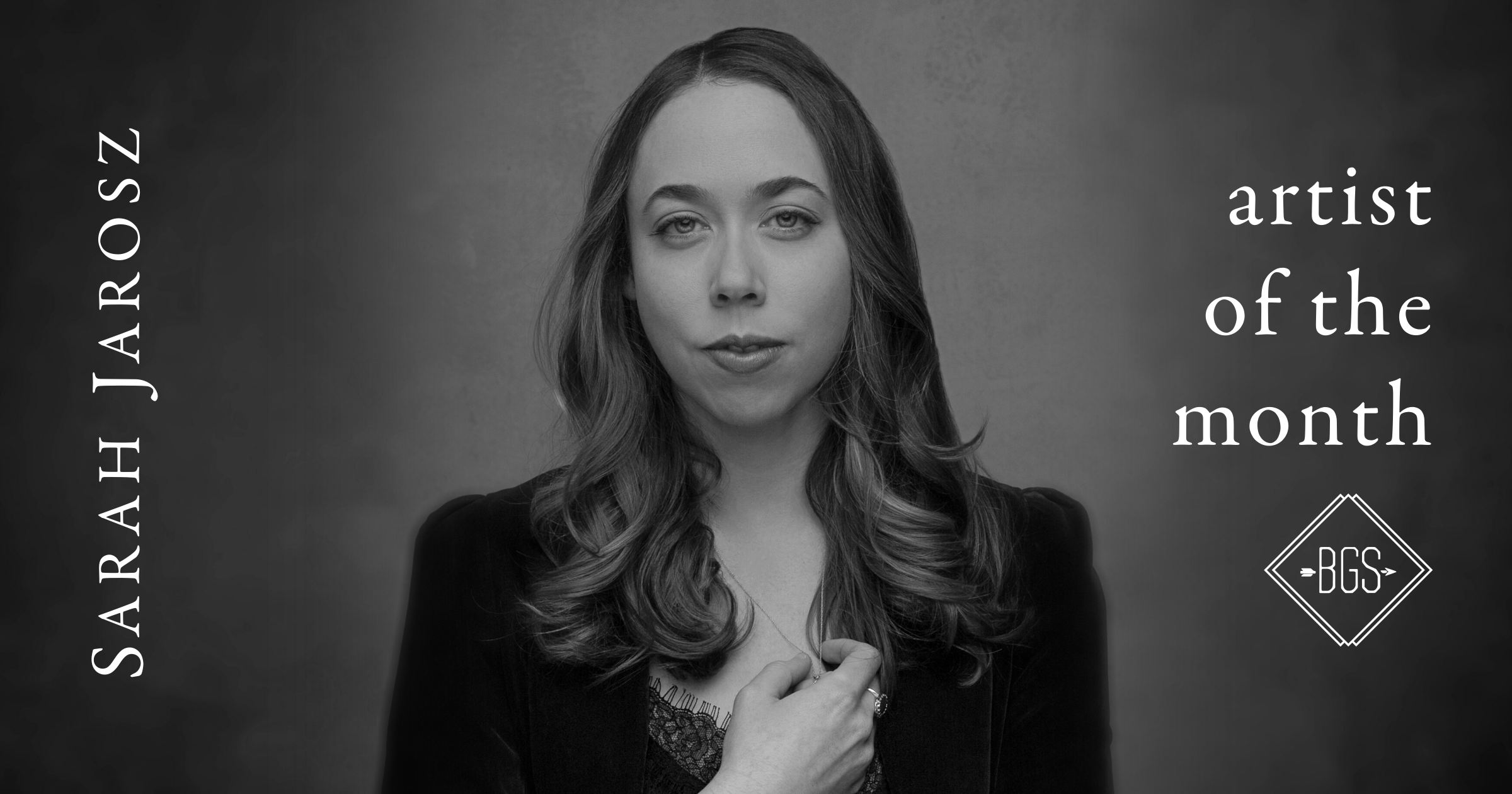
Sarah Jarosz Looks to Her Texas Hometown for Inspiration (Part 1 of 2)

After years spent living in New York City and traveling the world on tour, Sarah Jarosz has turned to a source of inspiration she’s never mined before: her hometown.

With her fifth album, World on the Ground, the Grammy-winning artist gleaned her own folktales from the everyday rhythms of her life in Wimberley, Texas. Her time away from Friday night football games and the shadows of cypress trees allowed her to look on Wimberley’s details with fresh eyes, from the Ford Escape her parents drove and the dusty trails it kicked up to conversations about out-of-reach dreams with old friends (that she examines on “Maggie,” which came from an actual heart-to-heart she had with an old friend at her high-school reunion).

Jarosz found a breakthrough in the most familiar folds of her memory, but this perspective was also molded by the city that guided her as she retraced her steps through the Texas Hill Country in her lyrics. On “Pay It No Mind,” the single that gives World on the Ground its name, Jarosz alludes to this ability to find meaning and movement at a distance: she sings of the frightening, and often destructive, churn of life in our current moment from the point of view of a “little bird stretching her wings” who takes in the chaos from the seventh floor.

“I think being able to write and make this record mostly about my hometown, in New York, from far away, was an interesting part of the process,” she says. “It’s almost what allowed me to take on the role of the little bird on the seventh floor in a way, because I think it took leaving Wimberley and being away from it for quite awhile to be in a place where I could actually write about it in this way.”

In the first half of our two-part interview, Jarosz walks BGS through the little Texas town that became her muse, how her work with bluegrass supergroup I’m With Her left an impact on her creative process, and more.

For some people, going back to their hometown is a traumatic event, a negative, damaging experience. There’s clearly a lot of compassion for the voices you explore on World on the Ground, which was inspired by your own hometown. If you were to visit Wimberley with fresh eyes, how would you describe it?

Jarosz: One of the things that stands out about it compared to other towns of its size in Texas — and I think this would be obvious, even if you’d never been there and were taking a drive through town — it seems like it’s a little more balanced. It has one high school, and one football team, and a lot of the small town culture does revolve around that, around this sort of Friday Night Lights idea of a small Texas town.

But there’s also this incredible artsy kind of community in Wimberley. One of the big draws of Wimberley is its market days, which I think happens once a month — maybe it’s every weekend in the summer, I can’t remember. Arts and crafts and even the fact that there was a bluegrass jam every Friday night, that was why I fell in love with all this music in the first place. It feels a little more balanced in that way.

I truly feel, probably in a biased way, that it’s a very magical place. A lot of people who drive through it, if they’re driving around the hill country in Texas, would agree that it’s one of the towns that stands out from the rest. It has this kind of shimmery quality to it — that’s the word that comes to mind.

I love the contrast of “Maggie,” then, in which you’re singing from the perspective of a friend of yours from high school who can’t wait to leave the small town behind. I appreciate “Maggie” because it’s a real conversation you could be having with anyone who’s stuck where they are. The location is almost insignificant, because it’s about whatever’s holding you — it doesn’t necessarily have to be the town you’re in.

Exactly. The “football games and processed food” line definitely puts it in a place, but I feel like [the song] could also be anywhere. I purposely tried to make that happen. It was such an eye-opening thing for me to actually have this conversation with this friend — we were really close friends in childhood, then just drifted apart over the years, and ran into each other at my tenth high school reunion. She actually didn’t go to my high school, she went to a different school and that’s why we drifted apart.

She was asking me about my touring and my life and everything, and I think I was probably saying, “I wish I could be in one place more. I wish I had more of a home sense at this point in my life.” She was sort of saying, “All I want is to do what you do, travel and see the world.” It’s funny how sometimes the things that seem so obvious take just a simple moment of someone saying it to your face, and then you realize, “Oh! Duh!” That really happened for me there. That song is all about empathy and compassion for anyone who wants their circumstance to be different than it is and might not necessarily have the means to make that happen, but still having the dreams to hopefully one day change.

“What Do I Do” is a companion song to that, in a way: It’s sung by someone who wants to be home more, who wants to be still for a minute. What inspired that song?

A lot of these songs feel like gifts, in the sense that I generally feel like a very, very slow lyrical writer. The music comes more quickly to me, but that song and a lot of the songs that I wrote with John Leventhal were similar experiences. If he had the music written and sent it to me, the lyrics seemed to come very quickly. “Pay It No Mind” and “Orange and Blue” were two of those.

“What Do I Do” was another one where it almost felt like a dream to write. It’s similar to “Maggie” in the sense that it’s that same sort of longing for wanting something else than what you currently have, but then it’s also a thankfulness and acceptance in that. It almost feels like a mantra-type song where it’s repeated and it goes to a different place — very simple chords in the verses, and then it opens into this washy vibe in the, “What do I do, what do I do?” It was one of those gifts of a song.

You’ve been collaborating with your friends Sara Watkins and Aoife O’Donovan for years. Now that you’ve written albums and toured together, do you hear, or did you feel, the imprint of your time with I’m With Her going into this record in a new way?

I felt it in a creative way, personally. I think all of us were just so positively influenced by that experience [of] touring and putting out that record. What that allowed all of us — I’m speaking for myself, but I’d imagine they probably feel a similar way — was just the chance to step back and take a breath. Not in a busy sense, because we were just constantly working and on tour, but creatively.

I had never been in a band before; I had only ever put out my solo records. I think after Undercurrent, I couldn’t really imagine going straight into another solo record or album push because I just wasn’t inspired to. I had reached a point where I had wanted to experience something new. There was something so rewarding about feeling like I was a part of a team. We were all on each other’s team and carrying the load together. It was just so wonderful and magical. It definitely gave me the creative juice to just be so psyched about making this record.

With Sarah and Sean making their Watkins Family Hour duo project, and Aoife making Bull Frogs Croon, I love those projects so much because [we] all seem so inspired. I think that is because we all allowed ourselves this chance to step back from our own things, be a part of a team and give ourselves the gift of this renewed inspiration, almost. I definitely felt that. I hope they do, too. I’m so grateful for them.

Editor’s Note: Read the second half of our interview with BGS Artist of the Month Sarah Jarosz here.


Photo credit: Josh Wool

Watkins Family Hour Find a Silver Lining in Work From Home Livestream

By the time Sean and Sara Watkins were about to launch a new Watkins Family Hour album and national tour, the live music industry (and life in general) got turned upside down by the sudden need for social distancing and sheltering at home. It could have been a major blow for the band, considering that they have built the WFH brand through live, multi-artist performances at the Los Angeles club Largo.

Nevertheless, the siblings are used to making decisions on the fly, so they put their heads together and figured out how to keep the spirit of their famous Watkins Family Hour shows intact. The result? Work From Home, a livestream series on Zoom every Thursday in May that begins at 4 pm PT. (However, your ticket purchases allows you to watch whenever it’s convenient for you.)

A portion of all ticket sales benefit MusiCares’ COVID-19 Relief Fund. Artists such as John C. Reilly, Mandy Moore & Taylor Goldsmith, Ruston Kelly, The War & Treaty, Mandolin Orange, Mike Viola and Tré Burt have all confirmed appearances for the series.

During an afternoon phone call, Sean and Sara shared the silver lining of virtually introducing their new album, titled brother sister, to the world, and the satisfaction that comes with launching a successful livestream.

https://www.instagram.com/p/CALW2u_heFt/

BGS: What kind of vibe did you want to capture in this Work From Home series?

Sara: We wanted to try and give people the sense of some kind of normalcy. Maybe if people are sitting at home in front of their TVs or their computers watching it, maybe they can for a second forget that they’re not able to go to shows and enjoy some of the genuine back-and-forth that would happen at a normal Family Hour show. It’s been really nice so far having these moments on screen to catch up with our friends and just connect, in a way, because a big part for everyone’s isolation is that feeling of disconnect.

It’s been surprising to both Sean and me how good it feels to do these shows. We’re putting a lot of thought into the shows and learning how to do them on the tech side. They’re live, so there’s a little bit of a countdown. It’s been a nice, familiar rhythm of, “OK, we’ve got to get ready! We’ve got 15 minutes!” Getting everything ready and making sure we have all the things we need — the set list, any notes we have to ask the guests, and then it starts! And we’re live!

That’s a huge part of our life when we’re working, and then afterwards, it’s a release. And it feels good to play these songs. So, on a selfish level, it’s so nice to have that familiar rhythm. The greater hope is that we’re able to share the genuine camaraderie that we have with other musicians and with each other, and to commune in these very strange times, and to hopefully give company to everyone else who’s in their own isolation.

https://www.instagram.com/p/CAD8eyHh7VP/

The banter makes the viewer feel like they’re part of the conversation, too.

Sara: Yeah! That’s what we hoped for. In the first week, we were able to ask for requests and do one of them, and that’s nice. But instead of chatting with people on this particular series, we’ve just been trying to play a show.

Sean: One thing that we always aim to do at Family Hour is to bring an element of what goes on backstage onto the stage. And a big part of what goes on backstage is conversations about music and life. There’s a tendency to have this onstage personality, or way of talking about things, and an offstage version. I think we’re trying to blend those two. There’s good stuff that gets talked about backstage. A lot of it can be boring for most people but a lot of it can be really interesting.

Sara: The thing about Family Hour is that every show is different, and typically there are a lot of guests coming on and off stage, so there’s not really room for a script, or even a rhythm. So, that has taught us that we need to be prepared and nimble, and to be professional, but in a way that feels natural and honest with the relationships we have with the musicians on stage. This is something that we really care about — these conversations — and we don’t want to fake moments on stage with our guests. We want to have genuine interaction. And a lot of audience members want to see what we genuinely care about, and talk with our friends about.

What has been the reward for you in seeing this Work From Home livestream come together?

Sean: Just being able to do a show for people and see that they’re listening, and hear back from them. A lot of the comments are from people saying where they’re listening from. Typically when we do our shows, it’s just LA people that are coming to Largo, so that’s really a cool aspect of doing these online. We did a fair amount of work and preparation for these shows, and when they go off, especially with technology in play, it feels really good to get to the end of it and to have done it! We’ve done two of them and it felt really good. It felt like walking off stage, kinda. [Laughs]

Sara: We’re learning new things about mediums every week and ways that we can make it look better and sound better. Sean is always trying to up the sonic level, but it sounds really good and it’s nice to be able to have a reason to practice different things, learn different things. The cyclical rhythm is really pleasing and I love that people are building us into their week. It seems like people either have all the time in the world, or no time at all, during this, and it takes an effort to carve out an hour in your day, so I really love that and appreciate that.


Photo credit: Jacob Boll

Watkins Family Hour, “Bella and Ivan”

“Bella and Ivan,” one of two instrumentals on our Artist of the Month Watkins Family Hour’s brand new LP, brother sister, begins with a folky, whirring Vitamix of notes. It’s a frenzied melody, one that allows the siblings’ bluegrass virtuosity to glint like a bright reflection off a sly smile. Sean’s aggressive, Tony Rice attack and the slight Celtic bounce of Sara’s bow are demonstrating that they, too, can accomplish the unlikely complicated ease of the duo’s tight, familial harmonies.

And they do. Ever since the first notes of Nickel Creek’s “Ode to a Butterfly” transformed an entire generation of listeners into bluegrass fans, Sean and Sara Watkins have been giving us these effortless-while-acrobatic instrumentals. Each one reminds us in its own way that no matter how far afield the pair may travel from their genre of origin, they carry it with them still — and can execute any of its aesthetics with immediacy and delightful, mocking aplomb. 

Named for a friend’s two dogs who love to wrestle, “Bella and Ivan” isn’t so much rough housing as it is a scripted, choreographed, pro fight. Their interplay is just as exciting to those of us who suspend disbelief as it is to those who don’t; the musical dialogue precariously and joyfully unfolds in a way that refuses to either feel rehearsed or totally off-the-cuff. 

In whatever iteration one encounters the music of Sean, Sara, and/or Watkins Family Hour, they’re giving listeners every last ounce of that ethereal “something” that sparked our love for them in the first place. While they constantly reinvent themselves and explore new sonic territories, somehow that “something” remains indelible. It’s just Sean and Sara Watkins.

Sara Watkins Wants Us to Ride Along on Watkins Family Hour’s ‘brother sister’

Sara Watkins is up to something — or at least, there’s a pretty good chance she’s up to something. The singer/songwriter and fiddler first found international recognition with Nickel Creek, but these days she stays busy with a rotating lineup of other creative outlets, from her solo work (three albums and counting) to her harmony-singing supergroup, I’m With Her. Oh, and then there’s the raucous Watkins Family Hour, an act with her brother, Sean, that holds regular residencies at LA’s Largo with a delightfully irregular cast of collaborators liable to join them.

This time, though, they wanted to focus on the core of the group. Their new album, brother sister, marks the first time that the siblings have sat down to write together. “We were both in a place where we wanted to focus on the potential of the Family Hour in a different way, a totally new approach than what we’d done before,” says Sara. “Apart from a few shows every year, we had never really focused on just us — particularly in writing.”

BGS caught up with Sean and Sara individually to hear more about how brother sister came together. Read the interview with Sara below, and take a look at Sean’s interview from earlier this week.

BGS: This is your first album as Watkins Family Hour in five years. What made you decide to prioritize this particular project again?

Sara Watkins: The first record that we did was sort of an accident. We made it when our friend offered us some free studio time, just to document what we’d been doing for a while. That record was very natural arrangements to songs that we’d been playing for a long time, cover songs. It was about a year and a half ago when we started talking about doing this record. We were catching up on what we’d each been up to, and as we were talking — I don’t remember who suggested it first — it became clear that we were both really interested in digging into the potential of the Family Hour, but focusing on the core element that’s always been there, which is my brother and me. This record is the first example of our collaboration as co-writers outside of a band format. Maybe as a reaction to the first Family Hour album, but also as a reaction to being in the projects that we’ve been a part of, we wanted to really focus on the potential of this combination.

Is there something specific about writing with a sibling that is either a positive that can’t be replicated, or an obstacle you don’t face with other people?

I think that any time you can be completely honest or you communicate well, it plays to your advantage. I don’t know if it’s sibling-related. For the first twenty-seven years of my life, which was the first twenty years of my musical existence, we shared our musical experience pretty closely. Sean and I have the advantage of a shared foundation — a shared musical foundation, a shared personal foundation — but I think at this point in our lives, what made writing together intriguing is actually how much time we’ve spent apart.

Instrumental tracks are rarely the ones held up as singles or played on the radio, but they’re a huge part of the bluegrass tradition — and something you and Sean do really well. In the writing and recording process, where do you begin in expressing a feeling without lyrics?

Playing instrumentals scratches a specific itch for me. It’s less guaranteed [with an instrumental song] that someone’s gonna get the gist of what you’re saying, but I don’t know that that matters. Even with lyrics, Sean and I have found that we get different things out of the same song — more cynical for him and more optimistic for me, or vice versa. People might hear a lyric completely differently, and that doesn’t make it a failure of expression. Maybe that’s a success.

When I listen to instrumentals, I really enjoy things that I can grab hold of. I enjoy a melody or a hook that comes back around. And I enjoy feeling like I’m along for the ride as a listener: that the person who’s playing is taking me with them. Sometimes you can sense, when someone’s soloing, that they’re also along for the ride — that maybe they don’t know where it’s going. I think a lot of us get that from like a Dave Rawlings solo. That’s really exciting.

So I think that’s the goal, for me: to take the listener, give them enough to hold onto, and invite them along for the ride. When we’re writing an instrumental, we want to try and take somebody’s hand and bring them with us. Otherwise, they’re just listening to a flurry of notes.

The melody and cadence on “Fake Badge, Real Gun” could be just as at home in a pop song. What were you going for when you sat down to record?

Sean has a real knack for melodies that have a pop sensibility. He has a really great way of blending and marrying that with the foundation and the scope of his bluegrass background. I think he’s uniquely good at that. This song is really hard to sing. [Laughs] It’s probably the most challenging song that I sing. Because of where the melody goes in my register, I’m always just singing it with my fingers crossed.

We were consciously trying to satisfy what the song wanted, which was percussion and some low end, but we wanted to give that to the song in a way that didn’t make it feel detached from the record. We kept the drums tight and to one side, and gave it bass that wasn’t too percussive. Then, when we recorded some of the other songs on the record that are much quieter — like the Warren Zevon song, “Accidentally Like a Martyr” — we recorded to tape, and Clay [Blair], who was our mix engineer, hit the take really hard. That means there’s some distortion on the tape, but it gives it a presence that I think matches the intensity of the songs that have a bigger instrumentation.

“Neighborhood Name,” a song about gentrification by Courtney Hartman and Taylor Ashton, is a newer number that you decided to cover on this album. What drew you to it?

It speaks to what a lot of people are aware of and sensitive to right now, as the world is changing and neighborhoods are changing. Some of us don’t know what our place is in that and others are being pretty directly affected. It’s also something that has happened for generations. This song doesn’t put an ethical stamp on it, to my ear, as much as it just speaks to the relatability of the sadness of being displaced. In addition to that, it speaks to the question of wondering if anybody’s gonna remember you — if you made a mark at all. And that’s something that’s always relatable, to everyone.

The song I’ve listened to the most is “The Cure.” What does that song mean to you, specifically the phrase “I avoided the cure, but it found me anyway”? Does it have any special meaning?

Life has a way of being persistent in the lessons that you need to learn. We might procrastinate on things that we know are going to be valuable for us or to start things that might be beneficial. Life pokes and prods in a way that often will bring you to those places, whether you like it or not. It’s a funny thing that a lot of us are so reluctant to do the thing that we know is going to bring us the outcome we’re looking for. It’s a strange but calming phenomenon that I think a lot of us can relate to.

Absolutely. It’s kind of a hopeful message. What’s one thing that has made you feel hopeful recently?

That’s a hard question, not because I’m devoid of hope, but because you could be so pessimistic in so many ways: The resilience of nature gives me hope, but we’re also being so mean to nature, and maybe it’s not going to be resilient forever. One thing that I have been enjoying is a lot of family time lately. I think digging into relationships and feeling the invaluable place that relationships should have in our lives, remembering that, feeling attached to that in a new way has made me hopeful. I feel that there are a lot of people realizing that again, and I think that’s really good for the world.

(Read our interview with Sean Watkins here.)


Photo credit: Jacob Boll

Sean Watkins Heeds Good Advice (or Not) on Watkins Family Hour’s Second Album

For brother sister, Watkins Family Hour’s sophomore album and first in five years, Sara and Sean Watkins decided to tighten their focus, writing songs that allowed them to shine as a duo. “It was an experiment, and it ended up being so fun and totally different from the first Watkins Family Hour record we did,” Sean says. “In this case, more than any other project, we were very deliberate about the style of the songs, how they came together, and how we recorded them.”

The effort paid off. Ringing in at ten tracks, including seven originals, brother sister ranges from glittering, harmony-driven folk (opener “The Cure”) to can’t-help-but-dance silliness (“Keep It Clean,” a Charley Jordan featuring vocals from David Garza, Gaby Moreno, and John C. Reilly). We caught up with Sara and Sean individually, chatting about the album and the forces in their careers that built them, including their early years with Nickel Creek. Read our Artist of the Month interview with Sean below, and catch Sara’s interview here.

BGS: You wrote a good portion of “Fake Badge, Real Gun” before you brought the idea to Sara. What inspired it?

Sean Watkins: I have a folder in my notes on my phone, Future Song Titles. I like to think about what a good song title is — you know, when you see a song title on a record and you’re like, “Oh, I really want to know, I want to hear that song.” A book title can be the same way. I heard the term “Fake Badge, Real Gun” in a hotel room on some kind of local news station. It was a headline, probably a story about a kid, or somebody who was pretending to be a police officer. When I heard that phrase, I put it in my phone, because I just thought, “There’s a lot more in there to be explored.”

There are plenty of people in power who don’t deserve to be. They have the power to destroy and create a lot of chaos, but they didn’t really earn it, or they don’t deserve to be there for one reason or another. Everybody comes into contact with authorities who affect you in profound ways, especially when you’re younger, without knowing how they’re affecting you negatively. At a certain age you get to a point where you unpack your childhood — what your teachers taught you, what you heard in church or what you heard in college — and you have to look at it objectively and figure out who gave you that advice, what they were meaning to get across, and whether you still believe it.

Did anything in your life specifically come to mind?

I went to a Baptist Christian school for a while. It wasn’t because my family was Baptist, but because it was the closest private school, and my parents were public school teachers and didn’t really like the way public school was going. The teachers were pretty strict, evangelical, and I remember this girl who was probably in seventh or eighth grade. She had a great voice, and she got vocal nodes on her vocal chords — it’s just something that happens when you don’t use the right singing technique. It happens to a lot of people. But she asked our Bible teacher, “Do you think God gave me these vocal nodes because I’ve been singing secular music?” I think she’d sang an Oasis song at a coffee shop or something.

And the teacher said, “Yeah, that’s probably why.” Like, in all seriousness, he told her that, because she sang a secular song, God gave her these vocal nodes. And he believed it! But who knows how long that stuck with her, that by singing a certain kind of song God will strike you. You can carry that with you for the rest of your life, whether you know it or not. So I try to think about that in my life: What are the things that I’m carrying around that I don’t need to carry around, because someone who had authority used their “gun” in a way that was, looking back, absolutely wrong? You can take the idea out to any number of places in the world.

The cover of the Charley Jordan song is so fun — what a way to end the record. Can you tell me about deciding to cover “Keep It Clean”?

A few weeks before going into the studio, and we were taking inventory of what we had, what kinds of things might be fun to add to the record, what was missing. We just thought it’d be fun to have one song that’s just a party song: what people know the Family Hour to be, which is kind of a wild, fun ruckus; a song that’s easy for anyone to jump in on, with different people singing verses. Something that sounds like what we do when we play our shows [in Los Angeles] at Largo.

Originally I heard this song when I did a month of shows with Lyle Lovett, playing in his band years ago filling in for a friend of mine who played guitar with him. He did that song every night, but totally different: His version was a bouncy, Texas-swing kind of vibe. I really liked it, and I asked him where it came from. He said it was a Charley Jordan song, but that he’d changed it a lot, and that I should check out the original. It’s so funny because it’s such an old song, but it has such a beautiful, almost current pop melody to it. The guitar line in the original version sounds like a Beach Boys melody. It doesn’t sound like ‘20s blues at all, and I thought that was a really cool element of it. So we based our version on that, although it evolved and sounds very different.

Another thing I like about it is that the lyrics are just quirky and weird; you can’t really tell what they are. The verses were based on popular off-color jokes at the time. So people hearing the song back then would have gotten these references that we’re not getting right now. [Laughs] And they might just be really dumb jokes! It’s like a museum piece. I thought it was so cool.

It’s been twenty years since Nickel Creek released its self-titled, breakout album. How do you feel like the success you had then influenced the way Americana and bluegrass are perceived now, or influenced the player you are now?

Every seven or ten years it seems like there’s a recurrence of some kind of music, and at that time, there was a confluence of things that happened that brought acoustic music way more to the forefront. A big one of those was the O Brother, Where Art Thou? soundtrack: a soundtrack for a movie that sells millions and millions of records, and is mostly old-time bluegrass, that’s a big deal. Alison Krauss was the only one selling millions of records playing anything related to bluegrass, and she wasn’t playing very traditional music. So that record came out, and Alison was — still is — just cranking away, hugely popular. We kind of got lumped in with all of that. People thought we were on the soundtrack a lot, which we weren’t. [Laughs]

There was just a wave. We have to give Alison credit because she saw the potential in what we could do. That first record is a very different record than we wanted it to be. We were so young, so green. We wanted to make a much more wild and aggressive type of record, and she was like, “Listen, that’s fine for your live shows. But it’s not gonna wear well. It’s going to be exciting to listen to the first couple of times, but people aren’t gonna want to listen to it a year from now — you’re not gonna want to listen to it a year from now.” She was really wise in restraining us in a lot of ways that we wouldn’t have.

Do you still take that advice to heart when you’re recording?

Absolutely. I have a mental bag of tricks that I’ve collected from different people over the years. A lot of the great producers will say something that really sticks with you, and it’s immediately like, “I’m gonna remember that and apply it the rest of my life.” I remember being in the studio one time for something that T-Bone Burnett was producing. We were in the control room, and he was musing and talking about the creative process, and he said, “People think about writing songs like writing songs. Don’t think about it that way. Think about writing a feeling. Like when you’re writing a movie, you’re writing a story. When you’re writing a song, just write a feeling — don’t write a song.” I was like, “That is soooo great.” Because that’s exactly what it is! A song’s supposed to make you feel something.

(Read our interview with Sara Watkins here.)


Photo credit: Jacob Boll
Artist of the Month: Watkins Family Hour

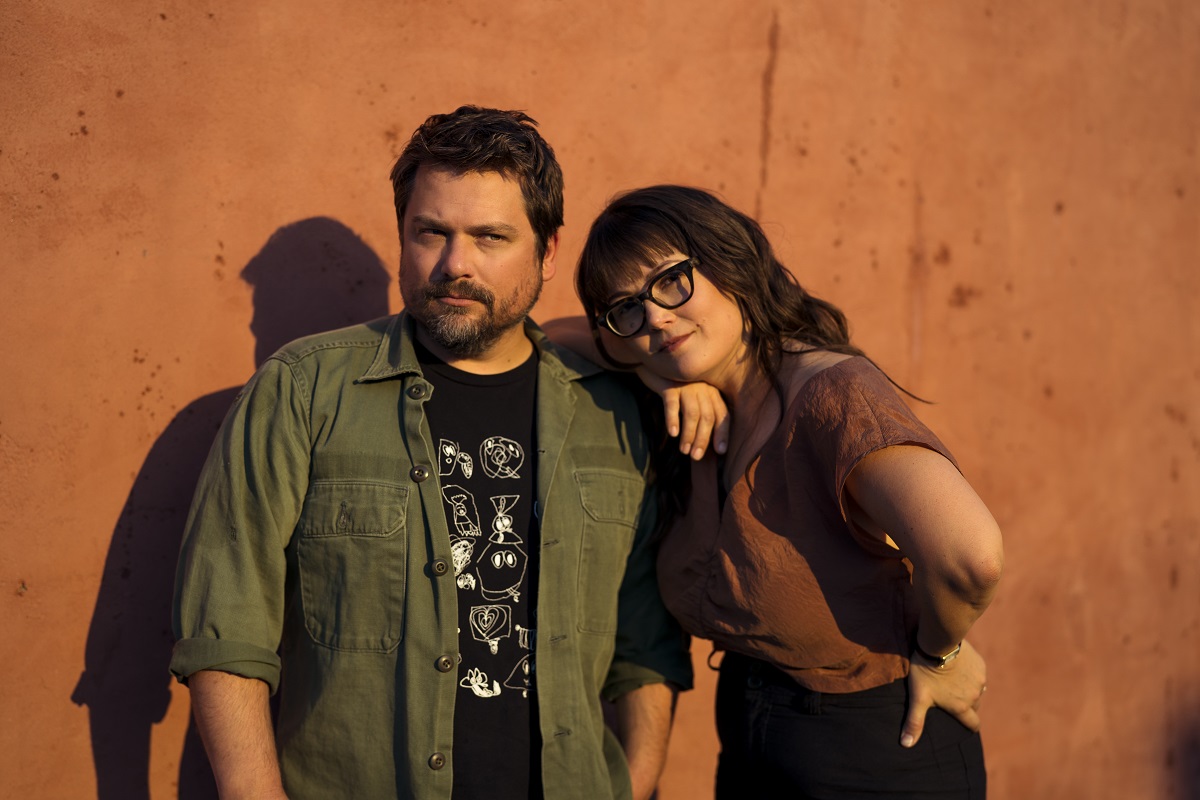
Sean Watkins and Sara Watkins have factored into some of the most accomplished and creative ensembles of the last two decades, while building a cool catalog of their own solo albums, too. Familiar to many as co-founders of Nickel Creek (with Chris Thile), the California siblings are once again teaming up as a duo for brother sister, their second album as Watkins Family Hour.

“From the beginning, our goal was to work on these songs to be as strong as they could be, just the two of us,” Sara says. “And with a few exceptions on the record, that’s really how things were. It was a tight little group of us, working dense days where we could squeeze them in.”

Sara won a Grammy earlier this year for “Call My Name” as a member of I’m With Her (with Aoife O’Donovan and Sarah Jarosz). In addition to producing, Sean has recorded with collectives such as Fiction Family, Mutual Admiration Society, and Works Progress Administration. Their appearances at the Los Angeles club Largo have inspired a number of impromptu collaborations on stage as well. Together, however, the siblings make a powerful unit, capturing a band sound with essentially two people — but incorporating a fresh perspective through producer Mike Viola.

“Mike brings a diverse musical history to his production work,” Sean says. “He’s worked with a lot of people [from The Figgs to Fall Out Boy] that surpass just bluegrass or folk, but his sense of the songwriting craft and melody is right in line with us. He was bringing ideas that we would have never had, and vice versa.”

Enjoy new tracks from Watkins Family Hour in our BGS Essentials playlist, plus choice cuts from throughout their brilliant careers.

Our Artist of the Month interviews are here! (Read part one here. Read part two here.)


Photo credit: Jacob Boll
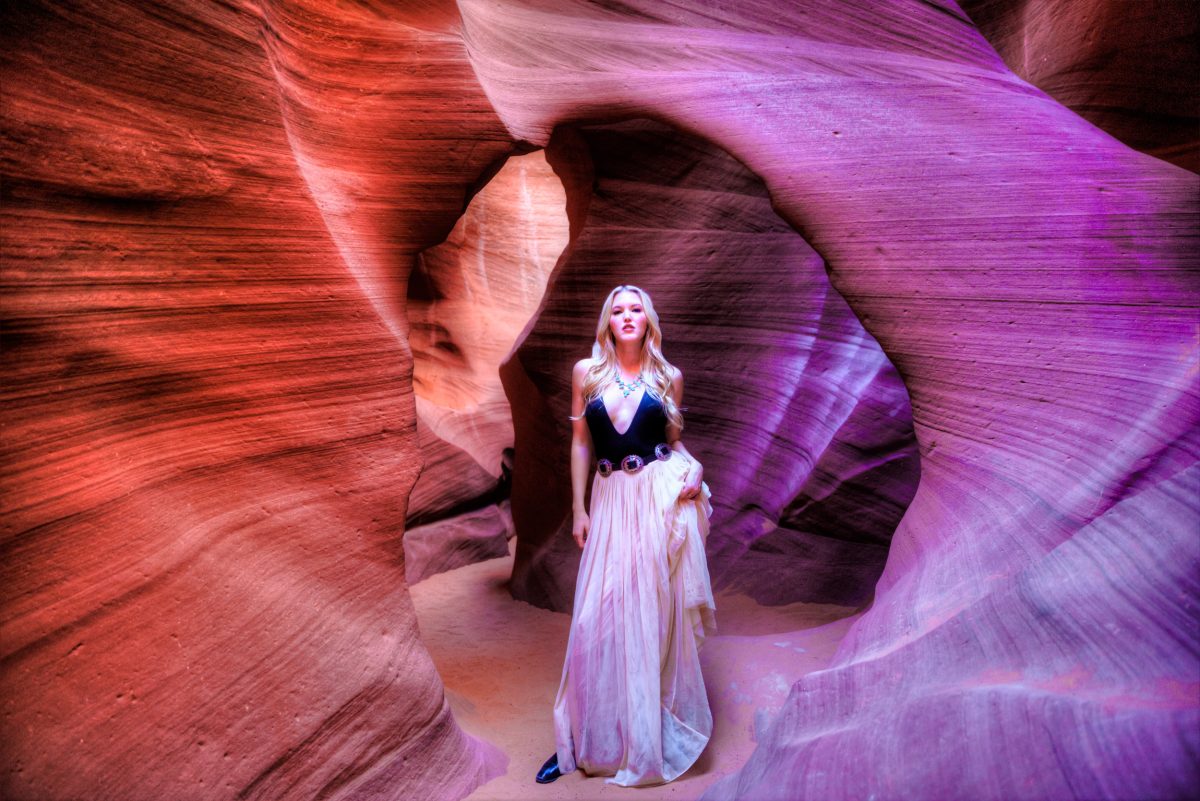
WATCH: I’m With Her Celebrate Dolly Parton, ‘Trio II’ with “Lover’s Return”

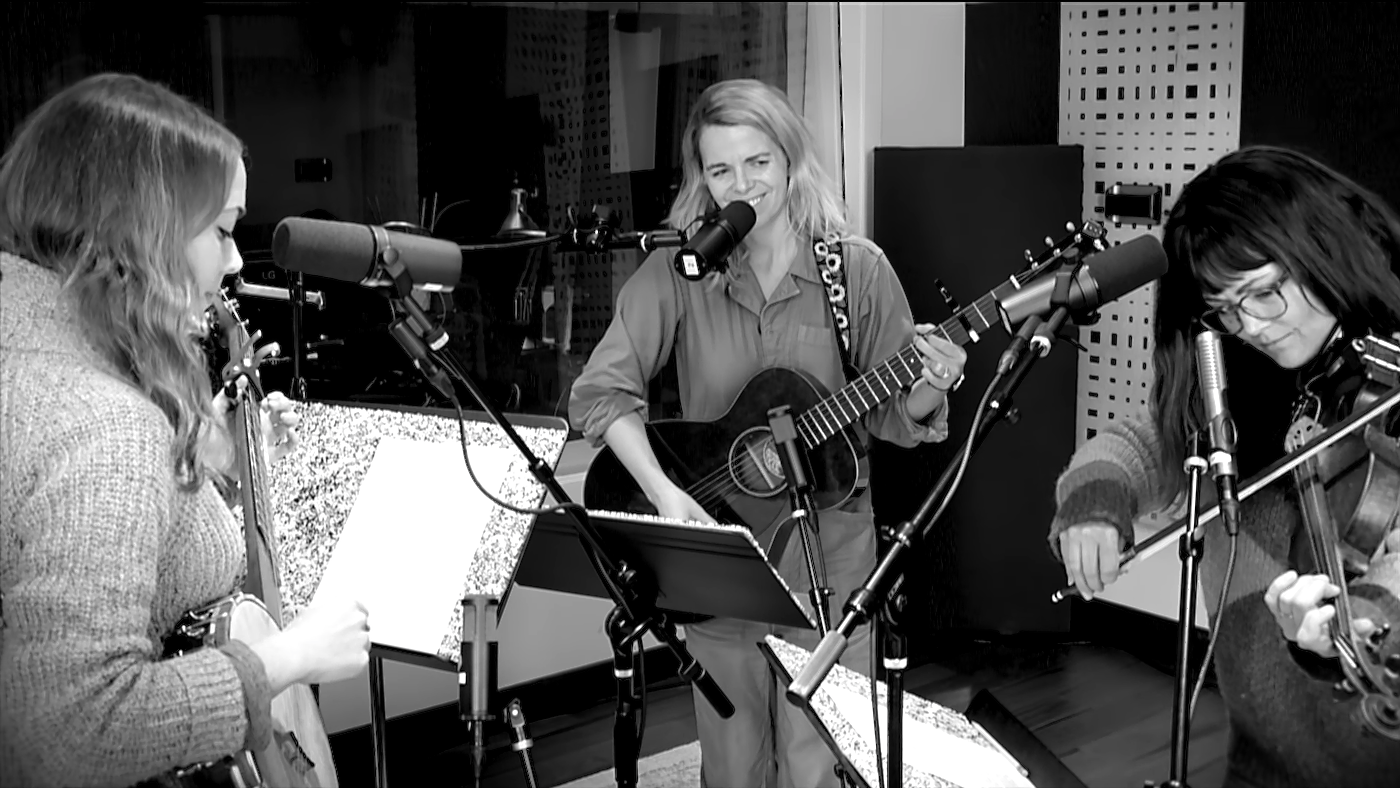
The beautiful voices of I’m With Her paid special tribute to the illustrious icon Dolly Parton in their latest visit to the studio for Live from Here. In an intimate performance, I’m With Her sing “Lover’s Return,” originally a Carter Family song, which Dolly, Emmylou Harris, and Linda Ronstadt revived only a few years before the turn of the century on Trio II. Now as a new decade is settling in, I’m With Her look back and remember, breathing new life into music that inspired so many — including Sarah Jarosz, Aoife O’Donovan, Sara Watkins, and of course, Dolly herself.