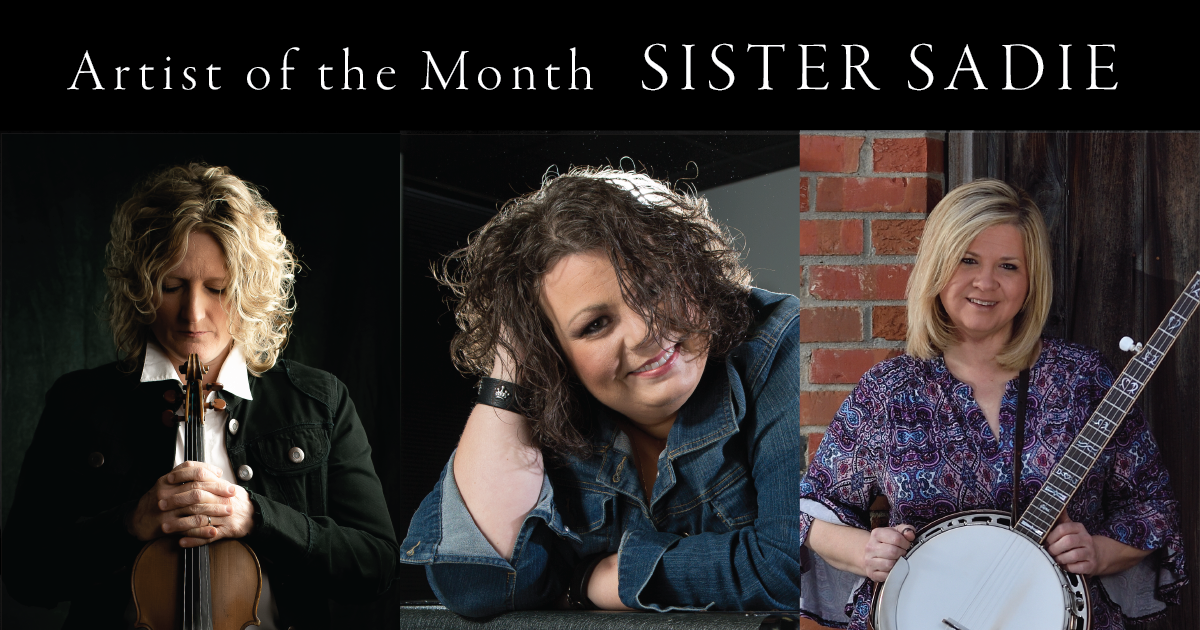
Sister Sadie: Bluegrass Entertainers, Teachers, and Most of All, Friends

Sister Sadie is a bluegrass supergroup featuring no-holds-barred instrumental and vocal talent presented as world-class entertainment. To list each member’s history in bluegrass and their accomplishments would take up more space than this entire interview, but their music speaks for itself. These women have spent their lives perfecting their craft. The band originally formed to play a one-off show at the historic Station Inn in Nashville. Once they started playing, they knew that they had found something special.

Since that night they have gone on to perform on the Grand Ole Opry, receive a Grammy nomination, and rack up two historic awards from the International Bluegrass Music Association. In 2019 they were the first all-female group to win IBMA Vocal Group of the Year and in 2020 they became the first all-female group to win IBMA Entertainer of the Year. These awards represent not only their individual lifetimes’ worth of hard work and passion, but also the work and love that they put into their music and each other.

BGS caught up with three of the band’s founding members — Tina Adair (mandolin, vocals), Gena Britt (banjo, vocals), and Deanie Richardson (fiddle) — for our Artist of the Month interview.

BGS: Since IBMA was virtual this year I haven’t gotten to see any of y’all in person to congratulate you on your award. I imagine this recognition must feel exciting since you’ve all been playing for your entire lives. Does winning Entertainer of the Year hold any special significance to you?

Tina Adair: I’ve been singing on stage since I was 3 years old. As big of a ham as I am now, I was as big a ham back then, too. I’ve always loved the stage and I love entertaining people and making people feel good and having a good time. I think people go out to see shows to get a break from the everyday world and to enjoy music because music is very therapeutic. It’s always been a goal of mine to make sure that people leave smiling bigger than they did coming into the show and feeling like they’re part of something. I know that Gena and Deanie are the same, all we’ve ever known has been music, you know? It’s not just a part of our lives — it is our life. So to get to do this as a profession, just makes us even luckier. And then to be recognized by your peers. Entertainer of the Year has always been something that I’ve dreamed about all my life. It’s been very special and we’re very honored and grateful.

Gena Britt: That’s pretty much everything I would’ve said.

Deanie Richardson: Yeah, that was pretty good. I’d say we’ve all been going to IBMA since we were teenagers. We all dreamed of being nominated for awards, but I don’t know if we ever thought it would happen. And like Tina said, that Entertainer of the Year category is special for some reason, so winning is just the icing on the cake. It means that we’ve not only gone out and played our best, but entertained them. Tina’s a great entertainer. She can grab that crowd and take them on a big journey. They’ll laugh and cry and anything they need to feel emotionally she can do that with an audience. To pull this off, to experience these awards and what we’ve accomplished together as five friends who have grown up knowing each other and going to IBMA that’s the really special part for me.

You all have this connection to mentoring the next generation, which is such a big part of the bluegrass tradition. How do you feel about being able to influence the generation of bluegrass in general and of women and bluegrass?

TA: Each of us has had such a lifelong journey, and we’re not old, but we’re middle aged now. So we’ve got some experiences to share. With age comes wisdom. I’ve been [working] at Belmont [University] for 20 years now. Personally I love that college age, because it’s such a transitional period in a person’s life. That’s the age where you’re coming into being a young adult and learning to make decisions. I love to be involved in lives at that point in time. I love to be able to provide advice to the kids and share any kind of tips. One of the best pieces of advice I always give to my students that I learned from one of my mentors is to do something every day to help forward yourself towards a goal or the career that you want to go after. Whether you spend five minutes on it or 10 hours that day on it, do something every single day.

And then, as far as influencing women and everything, I hope I can be an influence to a female that doesn’t fit the typical mold of what people think you’re supposed to look like in society. You know what I mean? People who need to be encouraged to get on stage or find the courage to want to learn how to play something even if they’re just sitting in their living room. I think that’s important — having that self-confidence and awareness of knowing who you are and knowing what you stand for. And being okay with yourself. Lord knows I’m not a size four, but it doesn’t matter. I’ve got the confidence of a size two. I love people. And I think if you give love to people then they’re gonna give back to you. I really feed off the energy of an audience because if I’m interacting with them and they’re interacting with me, then they’re invested just as much as I’m invested in them, you know? If I can influence one person that may have thought they couldn’t do something but changed their mind after seeing a Sister Sadie show, then that’s made our journey worth it.

DR: We’re not ones to harp on this whole “We’re women, blah, blah, blah.” But there are lots of women out there who paved the way for us like Laurie Lewis, Lynn Morris, and Kathy Kallick. We look up to them and they made it possible for us to win these awards. Somebody said the other day in an interview, “No woman has ever won this award” or all-female band or whatever. It is a male-dominated business, but there have always been women in this genre. There have been women always working towards what we just accomplished and they helped us get to where we are. And I hope that we’re paving the way for the next group of women to come right behind us. I think we’re working past saying, “Here are some women, and they just did this.” Because, you know what? We’re freaking good. And we just did this. Eighty percent of my roster that I teach is young girls playing fiddle and I want them to not have to worry about being a man or a woman. I want them to just want to be good, or to be the best, and to get out there and do this because that’s their goal.

Gena, I had a question for you because you played in Petticoat Junction, which is another historically significant, all-female group. Do you feel like there’s much of a difference performing in an all-female group now versus back then?

GB: Back then, there were a few other all-female bands, and at the time, if you called a promoter to book a show or something, they would say, “Well, we’ve already got a female band that weekend. We don’t need another female band.” I think we’ve grown so much since then. It hasn’t completely gone away, but we have stepped away from that. Yes, we are women, we are in our 40s, we all have these jobs that we’re doing, like, I have a day job and everything. But people are recognizing our music and we’ve been given these awards, because we’re carrying our own and we’re doing as best we can as musicians.

It’s great to see all of that progress. Bluegrass has this thing where men age into reverence, kind of no matter how talented they are. If you’ve been around for long enough, then people recognize that you have some wisdom which is turned into social capital. But women don’t seem to get that same treatment. It seems like it’s much harder for them to age into legends. You just stop hearing about them as much. It’s a really unsettling phenomenon. So I think it’s doubly exciting for you all to, uh, as… I’m trying so hard to not say, and I’m not saying at all that you guys are —

TA: Just say it, Tristan!

You’re only older than me! You’re not old, I’m just a baby.

TA: I mean, we’re all one step away from menopause. At least I really hope I am, because if I’m not, there’s something else wrong with me. [Laughs]

GB: I was 18 when I joined Petticoat Junction. That was 30 years ago. I’m 48. That gives some perspective on how long we’ve been out here doing this.

You’ve been doing this your entire lives and have been actively involved in the scene the entire time and I think it’s reflected in your music. You’re all talented musicians. The music that you play has its own sound, but clearly has a lot of different influences. How do you bridge the gap between bluegrass and folk and country and blues?

DR: Going into the studio and picking material is a hard thing for five people to do, and as women who all have different tastes and different senses of artistic creativity, it’s a challenge. Everybody brings songs to the table and then we choose as a unit what we think works as a band. That’s a hard process for us, but I feel like, at the end of the day, we work really well through our differences. Hell, we’re probably gonna break into a fight, but it’s gonna be alright. We’re gonna make it through it. And at the end of the day, there’s gonna be 12 songs on the record that we can kick ass on. Part of it comes down to Tina has a singing style that works for her, Gena has a singing style, and Dale Ann had one as well. So that brings in the blues, the hardcore traditional, the folky, from each of us.

GB: It’s all those influences. The East Kentucky, Alabama and the blues from Tina, I’m straight-ahead, traditional bluegrass from here in the heart of North Carolina. And it’s like you said, it is a cohesive sound. We’re all together. All those influences do help create our sound.

TA: It’s what brings it together.

You all clearly put a lot of work and love into your music and it’s really paid off.

DR: The one thing I am most proud of about this band is that we started as five friends played that show at the Station Inn. It went from there to another show, to another show, to a record to another record, to a Grammy nomination, to the Opry, to Vocal Group of the Year, to Fiddle Player and Entertainer of the Year. I wouldn’t have won that Fiddle Player or the Year award without this band so I’m truly grateful for all of that. But we’ve done this all by ourselves. We are five women who love each other, who work through our differences, and who have worked hard together.

We’ve done the booking, we’ve done the managing, we’ve done the publicity — it’s all been organic. It’s not something we’ve gone out and pushed, it’s not something we’ve gone out and publicized a great deal. It’s just all happened organically. It took on its own life. Everything that has happened with Sister Sadie has happened because it was meant to happen. And it’s just out of our love for this music and for each other. That is what I’m most proud of. Five women who raise kids, who work day jobs, who teach, who play professionally. Five women who have done this together. I’m super, super proud of that.

TA: Me, too. I want to piggyback off of that because that’s an important point. We didn’t start off to make it big or anything. We just wanted to play music together and instead of doing it in our living room, we thought, “Well, we could do it at the Station Inn, and that would be fun.” Because Station Inn is like all of our home away from home. So that’s how it all started. I think everything has a time and a place and everything happens the way it’s supposed to happen. I think that night at the Station Inn was supposed to happen. That is what led us down this road to accomplishing and achieving some things that have been lifelong dreams of ours that may not have ever come true had Sister Sadie not been formed. We just love each other dearly and hopefully that comes across. I hope the concept of Sister Sadie comes across as nothing more than we’re trying to love. I love people, we love each other, and love making music. We love bluegrass.


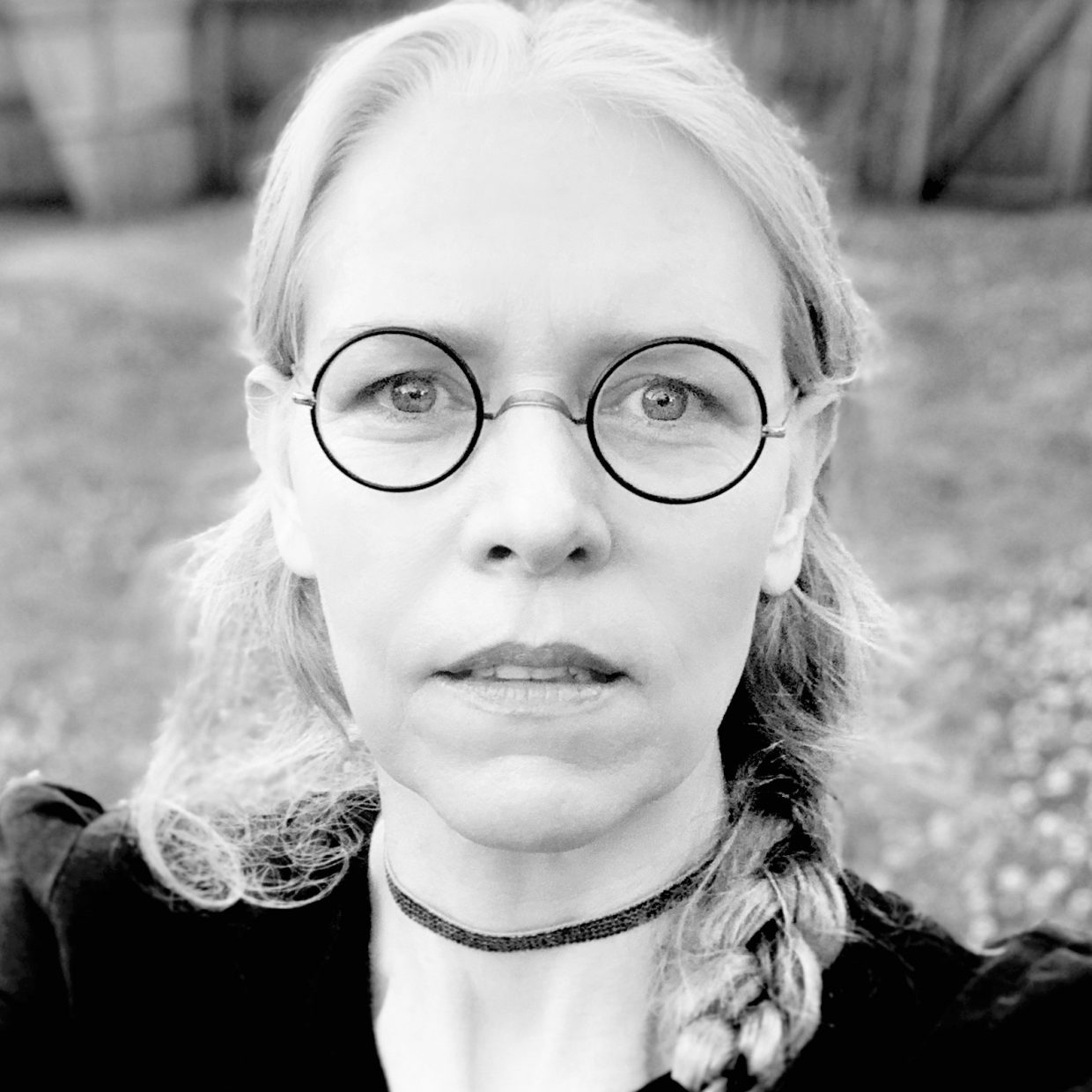
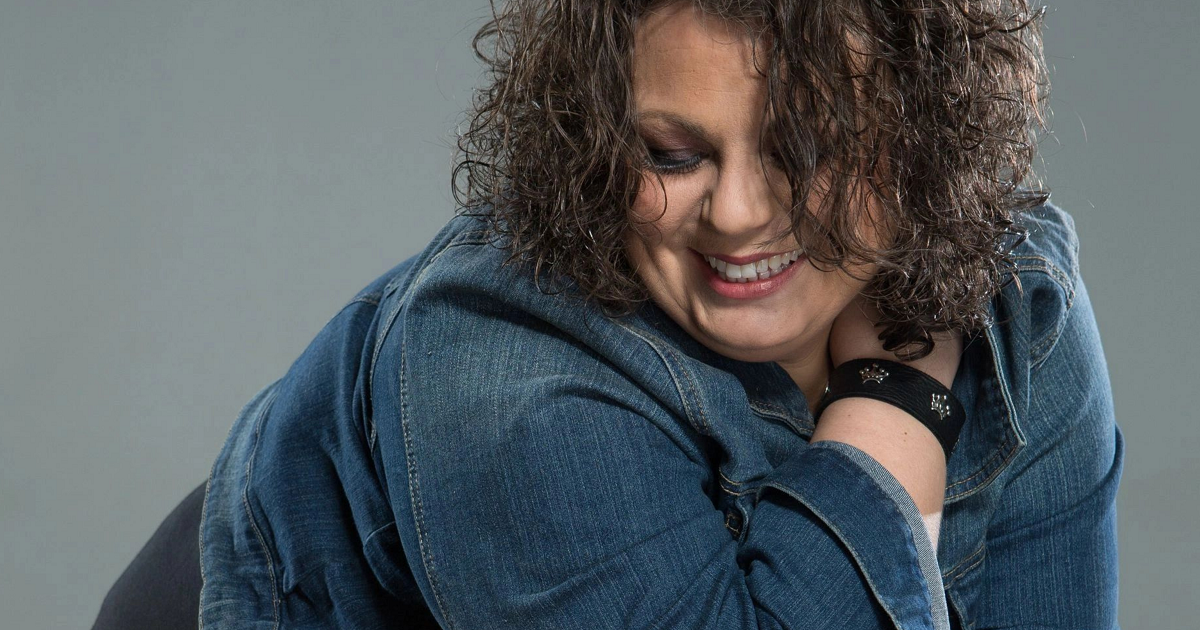
Photo credits: Deanie Richardson by Kerrie Richardson; Tina Adair by John Dorton; Gena Britt by Mike Carter
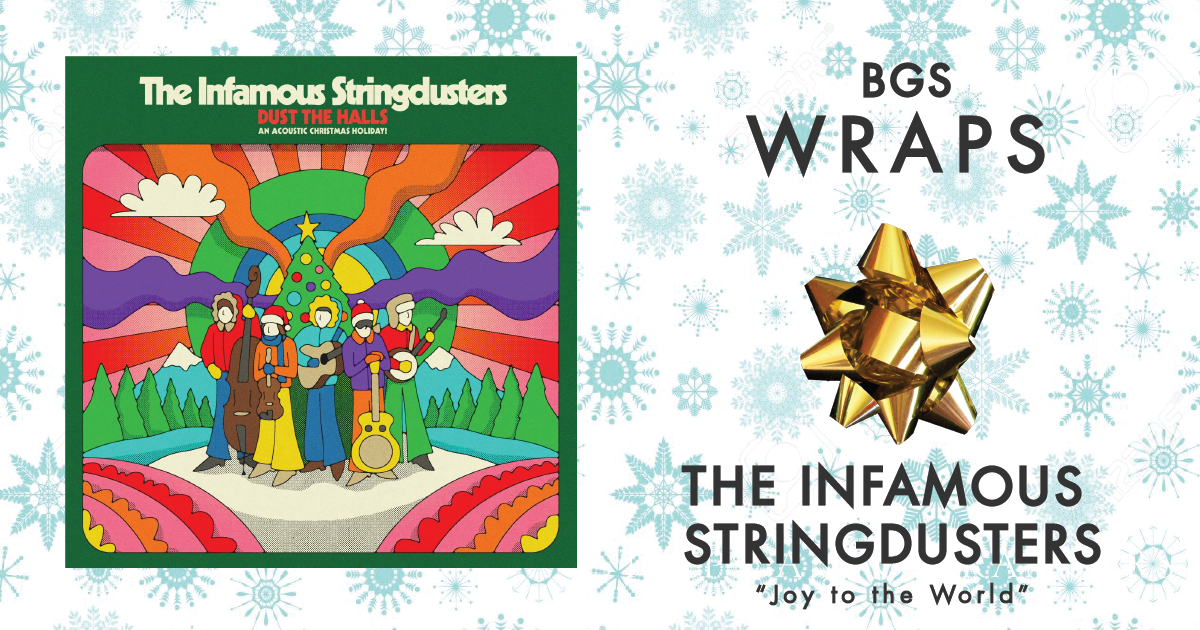
BGS Wraps: The Infamous Stringdusters, “Joy to the World”

Artist: The Infamous Stringdusters
Song: “Joy to the World”
Album: Dust the Halls
Release Date: December 4, 2020

In Their Words: “Early in the COVID-19 pandemic, after all touring was indefinitely canceled, we were trying to figure out how to stay connected musically as a band spread out all around the country. We started to consider doing some remote recording projects (each guy from his own home studio), but doing a brand new original Stringdusters album requires us to be together. I had actually already started thinking about a Christmas album last year, but never had the time to start recording it, so when the idea came up we were able to use that list of mostly traditional songs and added an Andy Hall arrangement of ‘Winter Wonderland.’

“I put together arrangements for the band, wrote charts, made a guitar track and the guys all added their parts one by one. As the pieces were coming in and I was assembling and mixing them in my studio, the songs started to come to life and I felt like the band was together again. It was truly therapeutic and particularly nice that it was joyful holiday music, which helped me through some of the darkness happening in the world around us. We hope this album can help bring a little of that joy in to people’s homes, and we wish everyone a happy and healthy holiday season.” — Andy Falco, The Infamous Stringdusters


Enjoy more BGS Wraps here.

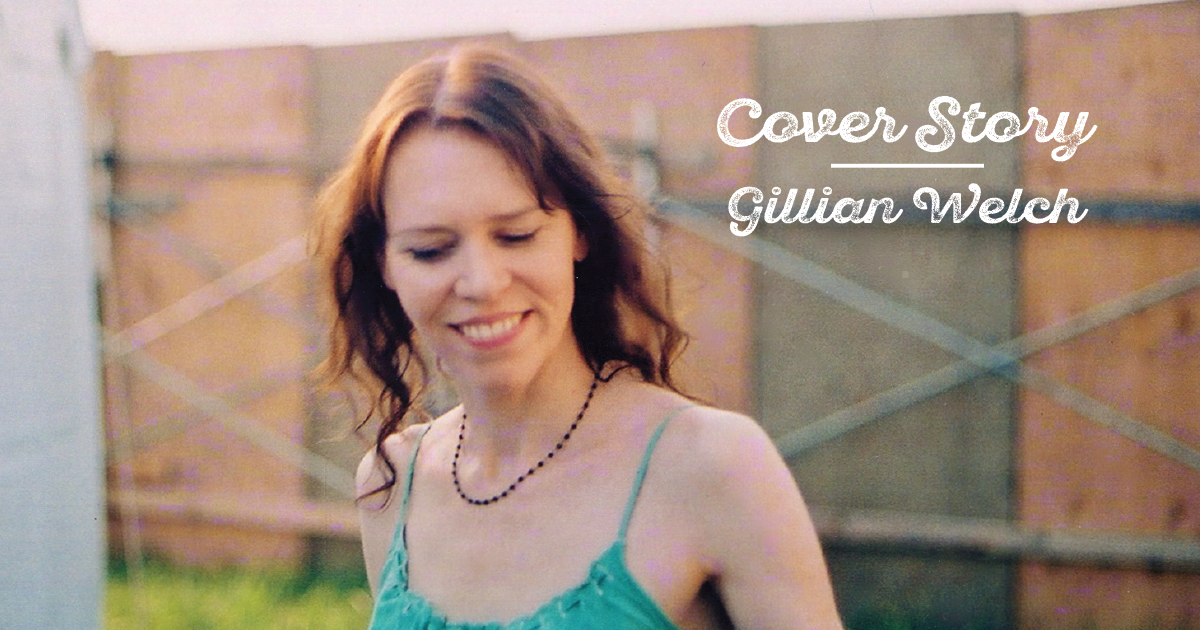
Rescuing Her Musical Archive, Gillian Welch Reboots 2020 With ‘Boots No. 2’

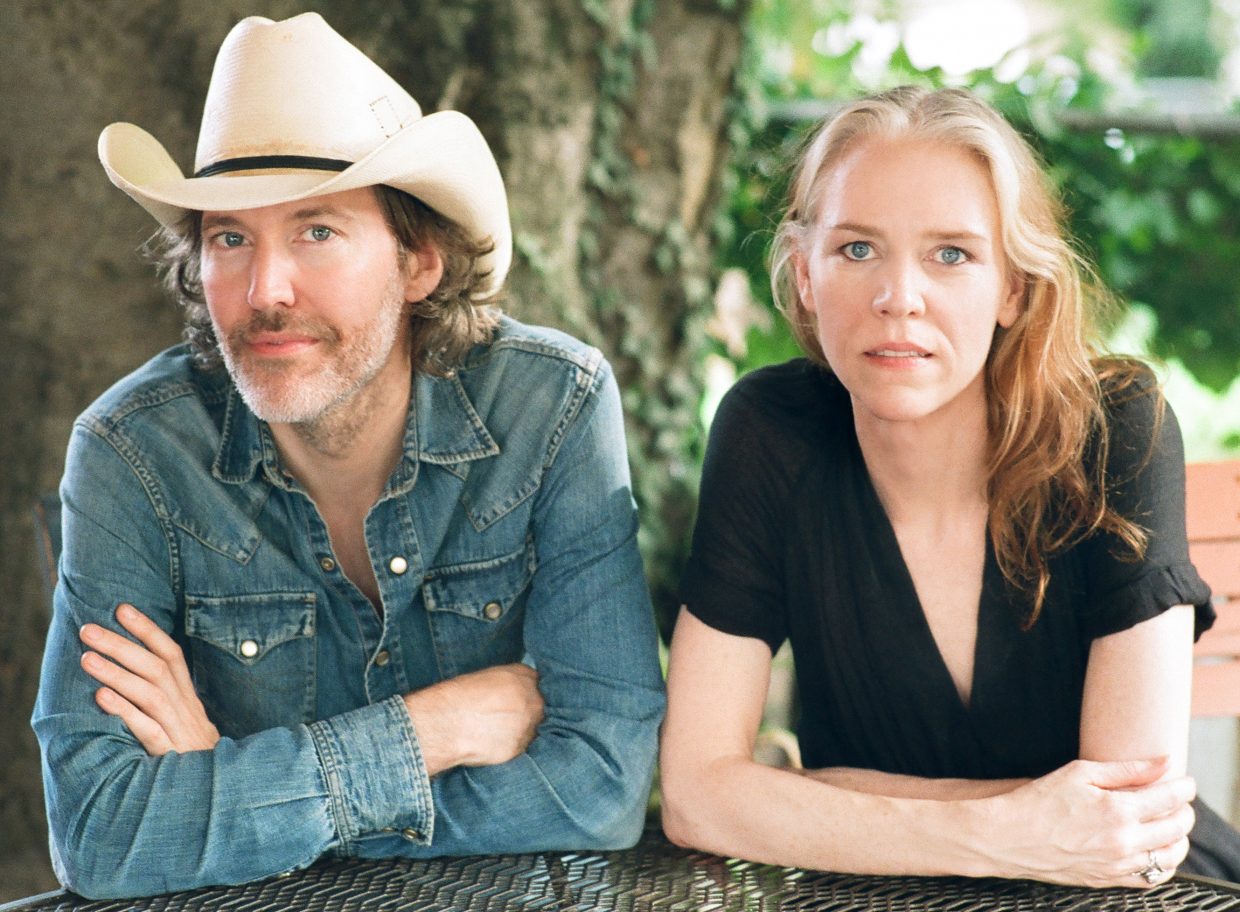
Fans of Gillian Welch have been rewarded for their customary patience with an abundance of albums released in 2020. During the earliest days of the pandemic, Welch and her partner, David Rawlings, stayed in and recorded songs from a collection of old songbooks. (The result, All the Good Times, received a Grammy nomination for Best Folk Album last week.) And after literally rescuing an archive of tapes and instruments from a tornado in March — one that blew the roof off their East Nashville studio — the pair set to work on another major undertaking.

This time, the result is even more bountiful: Three albums, encompassing 48 rarely-heard songs written and recorded in 2002 to fulfill a publishing deal. Only a few compositions have seen the light of day, namely the recordings of Alison Krauss & Union Station’s “Wouldn’t Be So Bad,” Solomon Burke’s “Valley of Tears,” and I’m With Her’s “Hundred Miles.” The engaging, one-take performances remained tucked away until this year, but they’ll be compiled into a three-disc box set titled Boots No. 2: The Lost Songs in December, packaged with a book of photography and a songbook of their own. These unearthed tracks were recorded in between 2001’s Time (The Revelator) and 2003’s Soul Journey; meanwhile, Boots No. 1 was an equally satisfying 2016 collection of outtakes from her 1996 debut album, Revival.

BGS caught up with Gillian Welch by phone.

BGS: Prior to preparing these releases, how often did you revisit these recordings?

Welch: Not really, let’s see. They’re pushing 20 years old – they’re 18 years old. I’d say… twice? So, close to once a decade? What would happen is, somebody or an artist that we knew would come to us, asking if we had any songs nobody had heard. Did we have any unreleased songs? One time, Buddy Miller called us up, and I love Buddy. He’s a friend. And he said, “You guys don’t have any country R&B songs, do you?” And I said, “Funnily enough, we’ve got a couple of these that we just didn’t know what to do with.” And he said, “Well, I’m making a record on Solomon Burke!” So, that’s how Solomon came to record “Valley of Tears.”

And same, Alison Krauss heard “Wouldn’t Be So Bad” the day I turned in all these songs to the publishing company. My manager hadn’t even heard them, and my publisher was playing them for my manager, who also managed Alison. They weren’t even pitching her “Wouldn’t Be So Bad.” She was in there to listen to other people’s songs and she heard it through the wall, is what I heard, and came in and said, “What’s that one? It’s awful, that’s just pitiful, I want that one!” [Laughs] So, that’s pretty much how it went. And same thing with I’m With Her. They were looking for some tunes. But truly, man, that’s about it.

How were these recordings made? Did you record them originally on reel-to-reel?

Yeah, they’re on quarter-inch reel-to-reel. They were recorded on a portable Nagra. The old field recordings, when they would take tape machines out to people’s farms and record folk songs and whatnot, these were often the machines they were hauling around. They run on batteries. Just lovely tape machines. So, we had a Nagra at the house and I was singing into a SM57 duct-taped to a guitar stand. [Laughs] My guitar and vocal are going into one microphone. It was very, very minimal, because we didn’t think we were making records, honestly. We weren’t. That’s one of the things that sets this collection apart from our records, is these weren’t records! None of that self-awareness, or self-consciousness, was present. These songs were written in a marathon long weekend and each song was recorded a minute after it was done.

David Rawlings and Gillian Welch by Henry Diltz

All 48 songs were written in a weekend?!

Yes. The ideas, they had languished, unfinished, in writing notebooks. They’d been kicking around. It wasn’t like I had thought of all these things in a weekend. But, I had shortfall with my publishing deal. As we started putting out records and we started touring… I don’t write on the road. So I fell behind. It was like I was never going to be done with it. My life had changed so much, that particular deal had kind of run its course. I didn’t know what to do.

Dave was the one who had the courageous and crazy idea. He was like, “What if we just turn in all the songs?” I sort of laughed, like, “Really? 48 songs?” [Laughs] He was like, “Yeah,” and he started pulling out the old notebooks. I write in spiral-bound, college-ruled notebooks, and there were just stacks of them around. He started pulling them out and we would look for a song that had just never gotten finished.

And he said, “Whatever the song needs, to make it a song, here we go. Right now.” We’re going to do it. He would put this sheet in front of me, and I would try and finish it, and he would go try to find another. And as soon as he came back in, I was supposed to have finished the one he had handed me previously. Then we would turn the tape machine and sing it once, and then that was that. Then we would finish another one. So, yeah, all of these recordings are first vocal takes of me. And I hear it. There’s an off-the-cuff-ness.

As you were recording these songs, were you in chairs facing each other?

I was on the couch! [Laughs] It’s a funny thing, releasing these into the world. It’s strange timing, to have rescued them from a tornado, and to be confronted with them again after all these years. And to literally think, “Why are we saving these?” It was really shocking. You keep things like this, maybe notebooks or photographs or tapes, and you think, “Well, maybe I’ll do something with them someday…” Here’s the sudden realization that they may not always be available to you. A tornado could come along and pulverize the entire thing.

Now, when you say you saved them from a tornado, that’s quite literal.

Oh yeah! That is completely literal. I picked them up in my arms and ran them through a collapsing building, so yes, it is completely literal! In the dark, in cascading water and debris. We physically saved every one of our masters, and every one of our guitars and microphones and gear. … I don’t want to go through that again. It’s the closest window I’ve had to what people go through in extreme duress and trauma. It was really something. That was how our year started out.

As I was looking through some of your press materials, I saw a photograph of you – and the photographer was you. Are you interested in photography? Is that something you’ve taken up?

Yeah, actually, that’s what my degree is in. I have a Bachelor of Arts in photography that I got and promptly made no use of. But I have it! Funny enough, now that we all walk around with cameras on our person, in the form of a phone, at all times, I take more photographs these days than I have since I was an undergrad, you know? I think you’re referring to this record of folk songs that Dave and I made during lockdown, and they said, “Well, we need a picture.” [Laughs] So I took a picture of myself and I took a picture of Dave threading tape on the tape machine that lives in our bookcase.

Gillian Welch by Gillian Welch

I’ve been reading about people who have started to play banjo during the pandemic, to cheer themselves up. Has that been the case for you?

I’ve heard that too! It’s so interesting to see how people are dealing with this, and apparently guitar sales and banjo sales are way up. It’s heartening. Who would have seen that coming? People are learning to play instruments, or returning to ones that have been in the closet for many years, and it’s really a wonderful reaction. We all find our own ways. And for Dave and I, it’s been pulling out all these old folk songs book, flipping them open to a page, and singing all these folk songs. Somehow, that’s been our reaction.

How old are the books?

They’re anywhere from a hundred years old, to fifty years old, forty years old… You know, I like these folk songbooks. I started singing folk songs when I was very young and I came at them not from records, but from this tradition of songbooks and being taught them by teachers and other people. It was not a recorded medium, at first, for me. Strangely, though it sounds incredibly old-timey, it was an oral tradition. …

So, we’re just returning to it. It’s the only thing that made sense to me in April and May of this year, was to sing these songs that touched upon other songs of great upheaval and tragedy and loss. And yet, people came through it, right? It doesn’t matter how dark or tragic the material is. The fact that the song exists tells me that people made it through. That’s part of the great power of folk music. And I use folk as a really, really big word, to cover almost everything! [Laughs] As someone once said, “Folk music is just music sung by folks.”

If I have my timing right, these recordings were made between the O Brother, Where Are Thou soundtrack and Soul Journey. Looking back on that time in your career, there must have been so much happening, and so many commitments you had to honor. Where do you draw strength from, when you start to feel overwhelmed?

Well, that’s an interesting question. When I really start to get overwhelmed, and it has definitely happened this year… It’s been such a challenge to remember who we are, in the face of being separated so much from what we normally do, you know? It’s hard to remember who we are! And I found myself really, in my most dislocated moments, putting on the records that I love. And honestly, this is going to sound kind of crazy, but I’ve heard it from other people, too, who have been putting on our music. Almost to fill the social gaps, to have another person inhabit your home, right? And I did that also. Because I’ve seen no one but Dave, really, and I found myself putting on records and almost communing with them like friends.

I see that there’s a box set coming on vinyl and CD, and there’s a songbook, and a lot of photos. It seems like all of your passions are channeled into one big project.

You know, it was really fun to make that book, that photo-music-lyric book that is a companion to the box set. I’ve never made a book before and it was a really interesting intersection of everything I’ve ever done, with all the photography. I’d say it’s about half [composed of] found photographs, and some photographs of mine, and some photographs of Dave. As it turned out, I realized doing this, there aren’t that many pictures of Dave and I from back then. We didn’t just always have a camera. There are so many pictures to document more current times, but we did find some.

When you listen now to this collection of songs, what kinds of emotions does it bring out in you?

When I listen to them, I think about the craft of songwriting. I think that there’s almost a humbleness to them. There’s not very much ego in them, because I wasn’t writing them to be “recorded by the recording artist Gillian Welch.” I was just trying to have them be songs, and we were so focused on their song-ness. And now 20 years later, I like that about them. We just put things that we were thinking about, and things that we were seeing.

Like in “Back Turn and Swing,” Dave is from New England, and every summer up there, you can’t sit down to a meal where there’s corn on the cob without a protracted discussion about past years’ corn, and how this corn rates against the other years’ corn. It’s funny, it’s hilarious! You just talk about different years of corn! So, I like that that made it in. I like it when these little things that we notice as we go through the world make it into the songs, and this collection has a lot of that. There are a lot of little moments in there.

I’m glad it exists, and it wouldn’t have existed — all of these things would have stayed in the notebook — if it weren’t for having to satisfy my publishing deal! So, I certainly had no hard feelings about any of it. It’s amazing that we did this, and given the timing of everything, I can’t believe in the year of 2020, with all this upheaval and pain and loss and isolation, that we had all of these songs sitting in a box, to say to people, “Here you go.” We rescued them. They are lost no more.


Photo credit (lead): David Rawlings; Photo credit (pair): Henry Diltz; Photo credit (middle): Gillian Welch

WATCH: Tina Adair, “Eighteen Wheels and a Dozen Roses”

Artist: Tina Adair
Hometown: Haleyville, Alabama
Single: “Eighteen Wheels and a Dozen Roses”
Release Date: October 30, 2020
Label: EMG – Engelhardt Music Group

In Their Words: “I have loved this song and been singing it since I was a little girl. I always thought this would make a good bluegrass song and wanted to record it for some time now. So when I joined the EMG team, Adam Englehardt, Glen Duncan and I met to go through material for the album. I brought this song in and they loved the idea of doing a bluegrass version. Once it was all finished, we all looked at each other and almost at the same time said, ‘This should be the first single!’ To me, this is a song about the never-ending love story and about hope and happiness.” — Tina Adair


Photo credit: John Dorton

BGS 5+5: The Steel Wheels

Artist: The Steel Wheels
Hometown: Harrisonburg, Virginia
Latest album: Everyone a Song, Volume 1
Personal nicknames (or rejected band names): Trent Wagner and The Steel Wagler

Answers by Trent Wagler

What’s your favorite memory from being on stage?

I remember a festival finale performance of “The Weight” in northern Alberta where we were thrust (last minute) into leading the song. Isn’t “The Weight” some sort of Canadian anthem? I don’t know, we felt a little like impostors, but it became even more hilarious when a whole bunch of volunteers and other musicians hopped on stage and we were given conflicting accounts of who was singing what verses. In the end Michael Franti surprised us by appearing on the drum kit and singing a verse that included a little change of lyrics name-checking the festival. It was memorable.

What was the first moment that you knew you wanted to be a musician?

When I was about 9 years old, I played Duffy the Fluffy in a small church Christmas play called Baa, Baa, Bethlehem. I slicked my hair back and wore sunglasses and sang a song that went, “Duffy the Fluffy is who I’m gonna be, come to the city you’ll be waiting to see me.” And the rest of the sheep sang, “Get a job, baa baa baa, baa, baa baa baa baa baa.” But I had a guitar strapped around my neck and I sang with confidence. Wait, maybe THAT was my favorite memory from being on stage!

What rituals do you have, either in the studio or before a show?

In the studio, I always tape a sheet of paper on the wall with the title of each song we are recording. On that paper, we keep a running list of notes, ideas, or whatever that song still needs. It’s helpful to have a visual representation of notes, and when things are dragging along, there’s a sense of accomplishment to crossing off each note. When the song is finished, it’s ceremoniously taped on a different wall.

Which elements of nature do you spend the most time with and how do those impact your work?

I try to ride bike everyday. Recently, I’ve been most excited about gravel road rides, a bit easier than mountain biking, but with a similar feeling of distance from civilization. I love the way riding a bike gives you respect for a mountain. The bicycle also turns you into a different kind of an animal. Sometimes a mule, sometimes a bird, but I usually feel transformed after a good bike ride. And the whole process, of getting away, being in nature, and riding is a great reset for my creativity. I live in the Shenandoah Valley and the beauty of the landscape finds a way into my writing all the time. There is a reason that rivers and mountains are cliché metaphors, because there is an undeniable depth and power to them.

Since food and music go so well together, what is your dream pairing of a meal and a musician?

It seems like I should say I’d eat a fistful of cigarettes and a barrel of red wine and listen to Tom Waits and Leonard Cohen, but I can’t think of a better pairing than Brandi Carlile and some wild-caught salmon. There are musicians that garner praise from critics and others that have an easy-listening popular songs for the masses, but very few thread the needle like Brandi Carlile. She might be the only music my wife, 16-year-old daughter, and I can all passionately agree on. You know how salmon looks like it’s just a layer of pure pink muscle? Brandi’s songs are all muscle.


Photo credit: Josh Saul

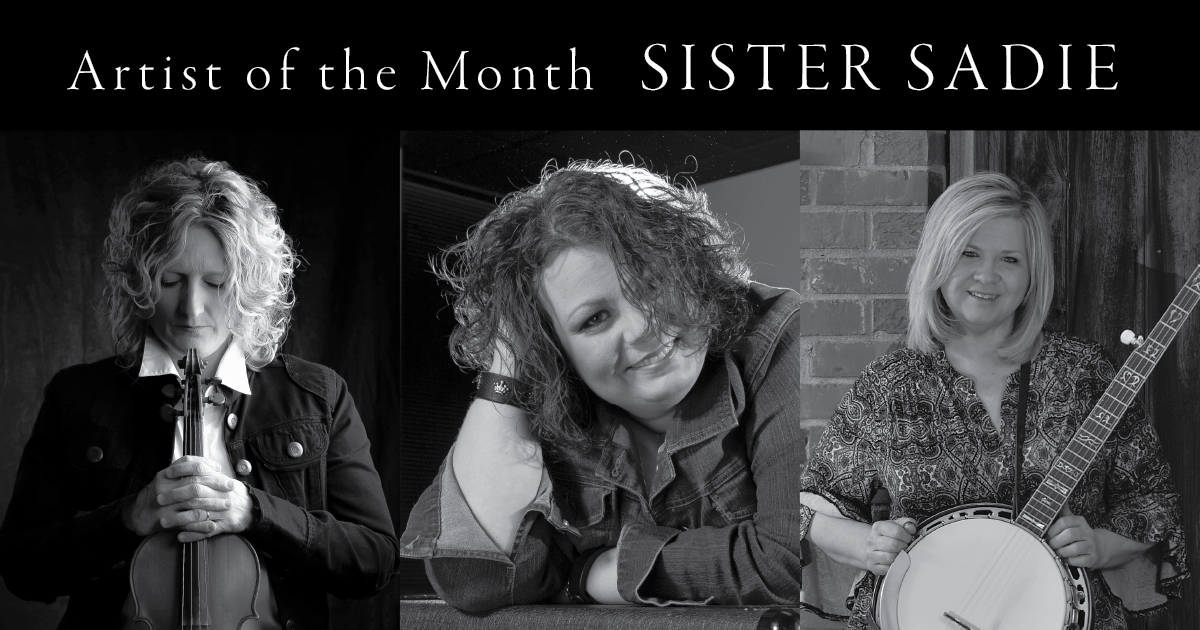
Artist of the Month: Sister Sadie

Stepping out with a number of the most talented women in bluegrass, Sister Sadie made an impressive showing in 2020, with a first-ever win as IBMA Entertainer of the Year and a repeat for Vocal Group of the Year. Plus, their fiddler Deanie Richardson picked up two more trophies as Fiddle Player of the Year and Collaborative Recording of the Year (for her appearance on Becky Buller’s “The Barber’s Fiddle.”) The accolades confirm what bluegrass fans have long known: There is room for everyone in the genre, regardless of gender. In fact, Sister Sadie is the only all-female group to win bluegrass’ top award.

“Bluegrass is traditionally viewed as a male-centric genre, but a genre that is rooted in the Appalachian sounds of Mother Maybelle Carter,” says Tina Adair, the band’s vocalist and mandolin player. “We’re proud of this honor. There’s a lot of purity and traditionalism in this genre, but a lot of progressivism, too. We love getting to contribute new perspectives to a style of music that has shaped us all.”

“We’re all over 40 and proud to be on the front lines to show other women that they can also achieve their dreams,” Richardson says. “We’re proud to expand the ways people hear and view bluegrass, too. To us, it’s a musical national treasure that can be traced back to the foundation of our country, and it tells a story of a landscape, a culture, a mindset, and a struggle to overcome the odds. It’s in our blood.”

All three members of Sister Sadie are accomplished recording artists in their own right. In 2019, Deanie Richardson issued a solo album (Love Hard, Work Hard, Play Hard) as well as a lively record with a side project known as The Likely Culprits. IBMA Award-nominated Banjo player Gena Britt also submitted an excellent collaborative record in 2019, titled Chronicle: Friends and Music, while Tina Adair continues to record as a compelling solo artist.

In 2020, Adair also partnered for a wonderful covers album with Dale Ann Bradley, who departed Sister Sadie in November to travel with her band exclusively in 2021. The sisterhood remains, though. A recent Instagram post by the band concludes, “Because our friendship takes precedent to our musical goals, we celebrate each other in every way possible whether it’s tied to Sister Sadie or any of our other efforts. We’re beyond thrilled for Dale Ann as she charges forward with her solo career and are equally excited to see what unfolds for Sister Sadie.”

Sister Sadie has already contributed to the modern bluegrass canon with 2016’s self-titled album, followed by 2018’s Sister Sadie II. Read an interview by Tristan Scroggins with the band’s three members here. While you’re at it, check out the breadth of Sister Sadie’s catalog in our Essentials playlist.


Photo credits: Deanie Richardson by Kerrie Richardson; Tina Adair by John Dorton; Gena Britt by Mike Carter
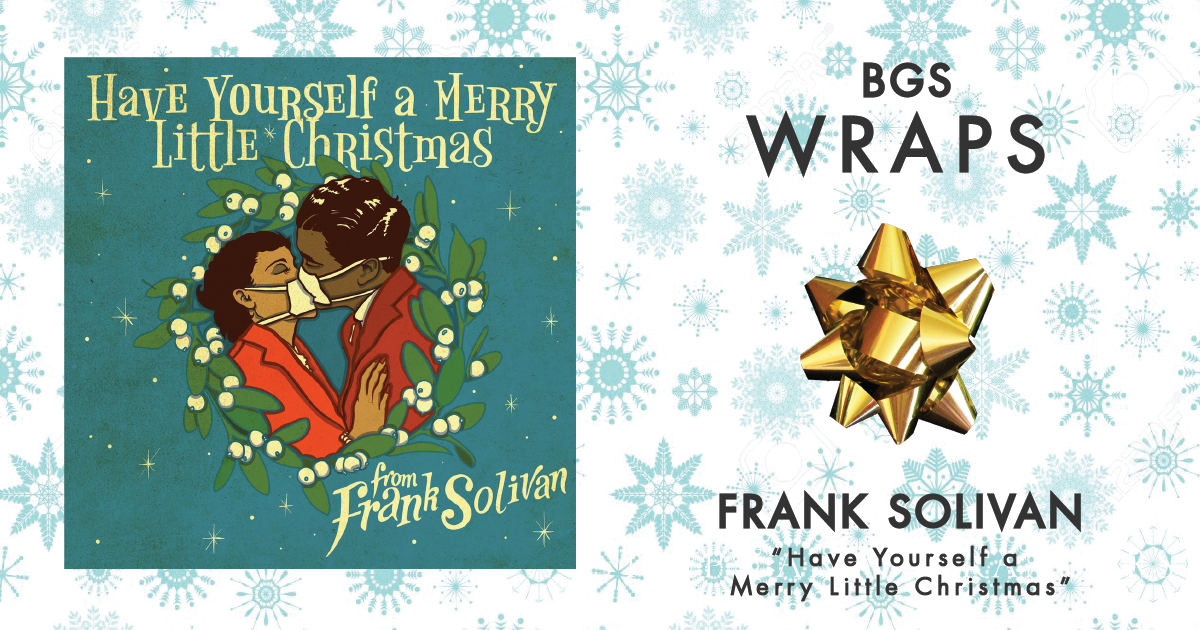
BGS Wraps: Frank Solivan, “Have Yourself a Merry Little Christmas”

Artist: Frank Solivan
Single: “Have Yourself a Merry Little Christmas”
Release Date: November 6, 2020

In Their Words: “This holiday season I thought it was important to share a song that reminds us of the Christmas traditions that unite us. Reunions with friends and family, warm memories of olden days, and hope to once again gather together with an embrace and a kiss. … I found the lyrics particularly meaningful this year, and I hope it brings some comfort to those needing it. So please, ‘Let your heart be light. Someday soon we all will be together. Until then, we’ll have to muddle through somehow. So, have yourself a merry little Christmas now.’” — Frank Solivan


Enjoy more BGS Wraps here.

Born in North Carolina, These 10 Stars Shaped Classic Country Music

When it comes to bluegrass and classic country music, North Carolina offers a talent pool that rivals any other state. It’s also red hot on the modern country scene, with stars like Eric Church, Luke Combs, and Scotty McCreery hailing from the Tarheel State. Some would say these contemporary musicians are following in the footsteps of these 10 North Carolina-born artists who made a mark in country music history.

Earl Scruggs
b. 1924 in Flint Hill, N.C.

Without the banjo innovations of Earl Scruggs in Bill Monroe’s band, would we even have bluegrass? “The Ballad of Jed Clampett” and “Foggy Mountain Breakdown” are obvious Flatt & Scruggs classics, though his catalog runs deep — and his creativity blossomed further in the ’70s with the Earl Scruggs Revue. The city of Shelby has renovated its courthouse into the interactive Earl Scruggs Center.


Don Gibson
b. 1928 in Shelby, N.C.

This soft-spoken artist is arguably country music’s first triple threat — a commanding presence as a vocalist, songwriter and guitarist. Born poor, he persisted through every bad break until finally exploding in 1958 with “Oh Lonesome Me” and an Opry membership. He remained active on the charts for two more decades. Shelby has honored him, as well, with a live music venue, the Don Gibson Theater.


Fred Foster
b. 1931 in Rutherford County, N.C.

Behind the scenes, it’s hard to fathom just how well-connected Fred Foster was. He founded Monument Records in 1958 and produced all of Roy Orbison’s early hits on that label, gave Dolly Parton a publishing and label deal when she first moved to town, and landed a co-writing credit on Kris Kristofferson’s iconic “Me and Bobby McGee.” He was inducted into the Country Music Hall of Fame in 2016.


Stonewall Jackson
b. 1932 in Emerson, N.C.

After an impressive audition but no track record, Stonewall Jackson was invited to join the Grand Ole Opry cast in 1956. For the next 10 years, he charged the country chart with “Life to Go” (written by George Jones), “Waterloo” (a five-week No. 1 in 1959), and “B.J. the DJ” (No. 1 in 1964). He sued Opry for age discrimination in 2006, then after a settlement, resumed appearances on the long-running show.


George Hamilton IV
b. 1937 in Winston-Salem, N.C.

From North Carolina to the world, George Hamilton IV may be the top international ambassador of his generation. His stardom began as a teenager with an unexpected million-selling pop hit, 1956’s “A Rose and a Baby Ruth.” He signed to RCA and the Opry in 1960, setting the foundation for a decade of radio success with “Abilene” (a four-week No. 1 classic), “Break My Mind,” “Early Morning Rain,” and more.


Del Reeves
b. 1932 in Sparta, N.C.

A 1965 novelty smash, “Girl on the Billboard” finally established Del Reeves as a likable country star (after four other record deals didn’t pan out). He’d go on to issue Top 10 singles through 1971, often singing for truckers on tracks like “The Belles of Southern Bell” and “Looking at the World Through a Windshield.” Known for his big personality, he joined the Grand Ole Opry cast in 1966.


Donna Fargo
b. 1945 in Mount Airy, N.C.

A leading artist of the 1970s, Donna Fargo won a Grammy, an ACM Award and a CMA Award for her 1972 breakout hit, “Happiest Girl in the Whole USA.” The feel-good release reached No. 1, as did her next three singles — and she wrote them all. Fargo taught high school English courses before exploring songwriting. By 1979, she’d notched 16 Top 10 country hits and landed her own syndicated variety show.


Ronnie Milsap
b. 1943 in Robbinsville, N.C.

Easily one of the most identifiable voices in country music, Ronnie Milsap dazzled listeners with charisma, musical talent, and an impeccable ear for hearing a hit. Inspired by R&B and country music alike, the entertainer shared his soul with fans for decades, with an astonishing 49 Top 10 country singles on RCA. One of the best, “Smoky Mountain Rain,” topped the chart in December 1980.


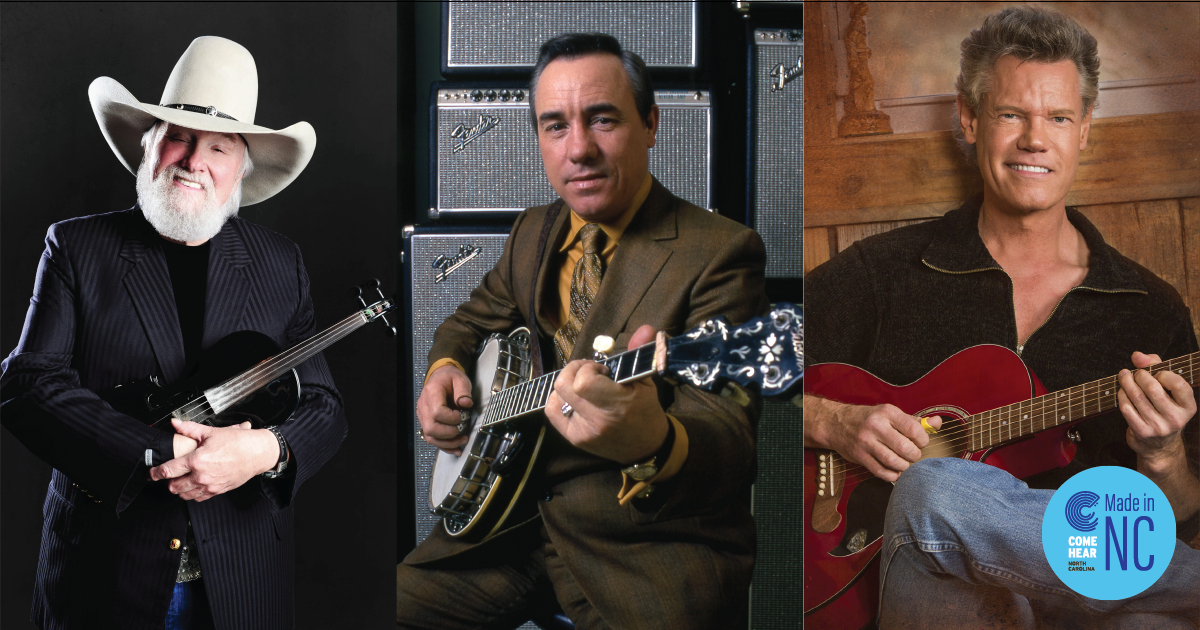
Charlie Daniels
b. 1936 in Wilmington, N.C.

Four decades later, Charlie Daniels Band is synonymous with “The Devil Went Down to Georgia.” Arguably the most famous fiddling song in the country music canon, the single won a Grammy and led to a guest spot in the era-defining film, Urban Cowboy. A member of the Opry and the Country Music Hall of Fame, Daniels remained a highly visible entertainer, especially eager to support causes for veterans and children.


Randy Travis
b. 1959 in Marshville, N.C.

In the mid ’80s, Randy Travis was transformed from a dish-washing hopeful to a country music sensation. Plucked from the kitchen of the Nashville Palace onto the TNN airwaves, Travis was then reportedly rejected by every label in Nashville until finally signing to Warner Bros. And then “1982” changed everything. His resonant voice, though largely silenced now, will live on forever and ever, amen.


Photo of Charlie Daniels courtesy of Charlie Daniels Band, Inc.; Photo of Earl Scruggs by Al Clayton, provided by Sony Music; Photo of Randy Travis provided by 117 Entertainment Group.

Discover more about the North Carolina music scene and #NCMusicMonth through Come Hear North Carolina’s website and on Instagram at @comehearnc.

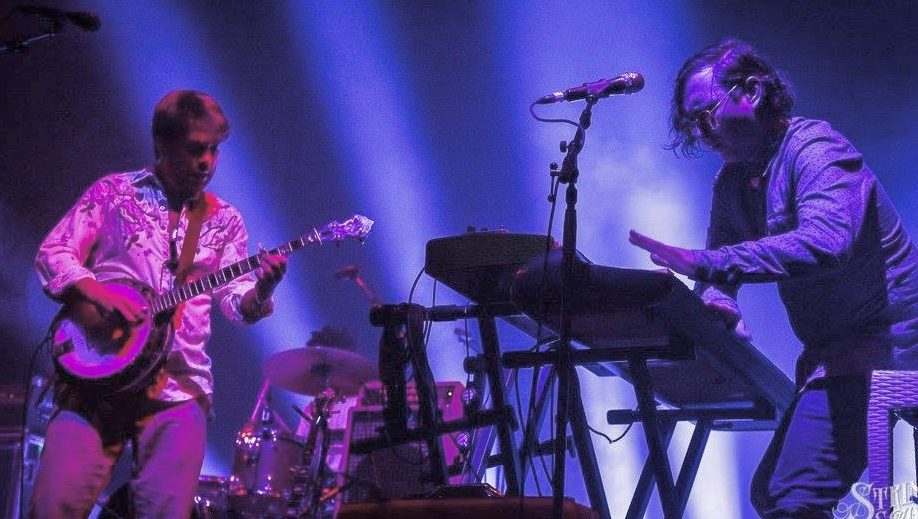
LISTEN: Deutsch & Thorn, “Scorpio Sun”

Artist: Deutsch & Thorn (Erik Deutsch and Andy Thorn)
Hometown: Mexico City, Mexico and Boulder, Colorado
Song: “Scorpio Sun”
Release Date: December 4, 2020
Label: Thornpipe Music

In Their Words: “When I first wrote this tune, I recorded it with the Colorado Playboys (Travis Book, Jon Stickley, and John Frazier), and called it ‘Sicks Ate.’ (We thought we were very clever.) Over a decade later, playing it with pianist Erik Deutsch, it took on a whole new life. As fellow Scorpios, Erik and I retitled it ‘Scorpio Sun.’ We recorded this EP in Erik’s beautiful Mexico City apartment, between playing shows at Zinco Jazz Club in the city’s vibrant Centro neighborhood. I never thought I’d bring my banjo to Mexico City, to mingle with Erik’s jazz influences and the sights and sounds of a dazzling culture. But that’s kind of what it’s like playing with Erik — you never know what might happen next.” — Andy Thorn


Photo credit: Josh Timmermans

2021 Grammy Awards: See Nominees in American Roots Field

The 2021 Grammy Awards finalists were revealed on Thursday, November 24. Here are the nominations in the American Roots field:


Best American Roots Performance

Black Pumas, “Colors”

Bonny Light Horseman, “Deep in Love”

Brittany Howard, “Short and Sweet”

Norah Jones & Mavis Staples, “I’ll Be Gone”

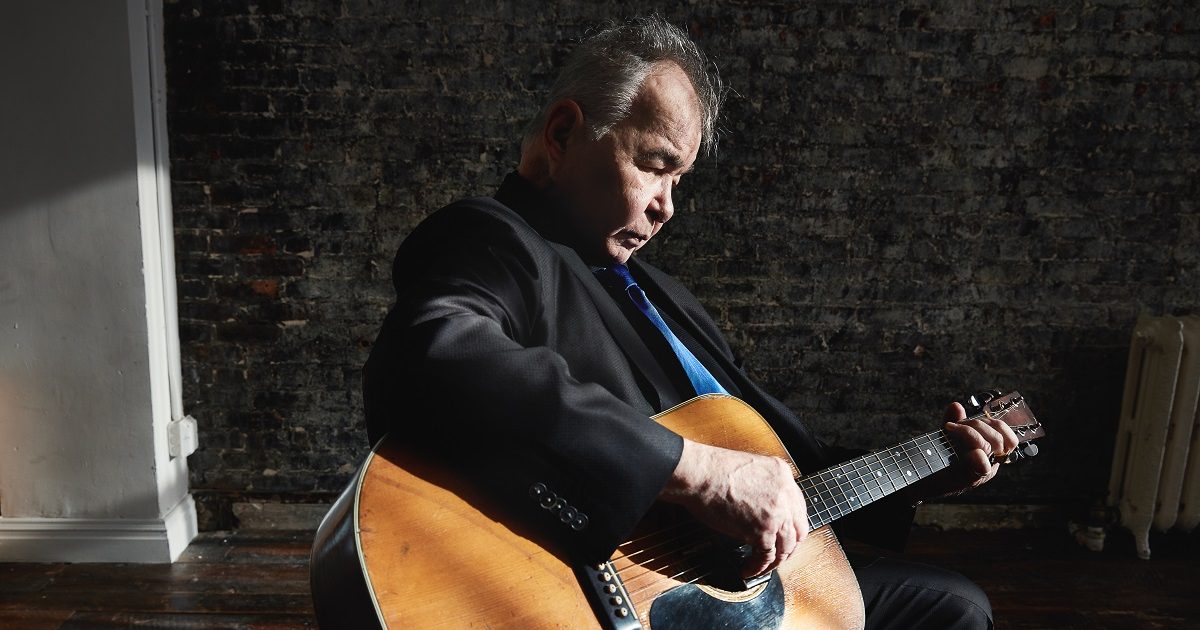
John Prine, “I Remember Everything”


Best American Roots Song

“Cabin,” Laura Rogers & Lydia Rogers, songwriters (The Secret Sisters)

“Ceiling to the Floor,” Sierra Hull & Kai Welch, songwriters (Sierra Hull)

“Hometown,” Sarah Jarosz, songwriter (Sarah Jarosz)

“I Remember Everything,” Pat McLaughlin & John Prine, songwriters (John Prine)

“Man Without a Soul,” Tom Overby & Lucinda Williams, songwriters (Lucinda Williams)


Best Americana Album

Courtney Marie Andrews, Old Flowers

Hiss Golden Messenger, Terms of Surrender

Sarah Jarosz, World on the Ground

Marcus King, El Dorado

Lucinda Williams, Good Souls Better Angels


Best Bluegrass Album

Danny Barnes, Man on Fire

Thomm Jutz, To Live in Two Worlds, Vol. 1

Steep Canyon Rangers, North Carolina Songbook

Billy Strings, Home

Various Artists, The John Hartford Fiddle Tune Project, Vol. 1


Best Traditional Blues Album

Frank Bey, All My Dues are Paid

Don Bryant, You Make Me Feel

Robert Cray Band, That’s What I Heard

Jimmy “Duck” Holmes, Cypress Grove

Bobby Rush, Rawer Than Raw


Best Contemporary Blues Album

Fantastic Negrito, Have You Lost Your Mind Yet?

Ruthie Foster Big Band, Live at the Paramount

G. Love, The Juice

Bettye LaVette, Blackbirds

North Mississippi Allstars, Up and Rolling


Best Folk Album

Bonny Light Horseman, Bonny Light Horseman

Leonard Cohen, Thanks for the Dance

Laura Marling, Song for Our Daughter

The Secret Sisters, Saturn Return

Gillian Welch & David Rawlings, All the Good Times


Best Regional Roots Music Album

Black Lodge Singers, My Relatives “Nikso Kowaiks”

Cameron Dupuy and the Cajun Troubadours, Cameron Dupuy and the Cajun Troubadours

Nā Wai ʽEhā, Lovely Sunrise

New Orleans Nightcrawlers, Atmosphere

Sweet Cecilia, A Tribute to Al Berard


Photo of John Prine by Danny Clinch