BGS Long Reads of the Week // June 12

Don’t look now, but we’re approaching the mid-point of June and another week has passed us by. YIKES! Luckily, we have another week’s worth of long reads for you, too!

The long-winding catacombs of the BGS annals and archives have so much to offer. As we share our favorite longer, more in-depth articles, stories, and features to help you pass the time, take a minute to follow us on social media [on FacebookTwitter, and Instagram] so you don’t miss a single #longreadoftheday pick!

This week’s long reads travel from the canyon drives above Hollywood to Pavement to a former Oregon poet laureate to everyone’s favorite five-stringed instrument. Check ’em out.

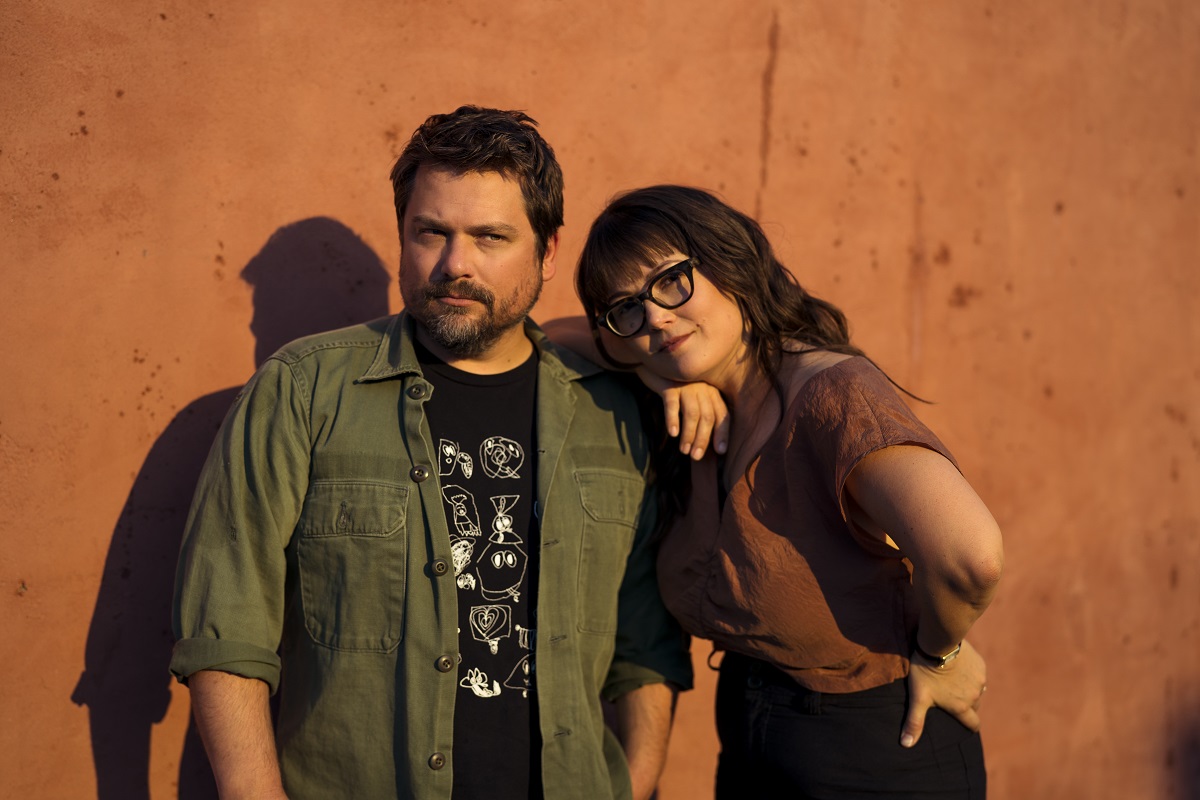
Stephen Malkmus of Pavement Ventures Down Acoustic Road on New Album

Stephen Malkmus, of the bristly, brainy 1990s indie rock band Pavement, joins a host of fellow alt-rockers in dabbling with folk and acoustic sounds. On a brand new album, Traditional Techniques, which was produced by Chris Funk of the Decemberists, Malkmus expands on the flickers of folk interest that have permeated his career, though he may not claim mastery of any of them. [Read our #CoverStory interview]


Sara Watkins Wants Us to Ride Along on Watkins Family Hour’s brother sister

Earlier this week we celebrated Sara Watkins’ birthday (June 8, for the record) with a revisit to our recent Artist of the Month interview where she walked us through her recent Watkins Family Hour album, brother sister. For the first time in their lifelong musical careers, Sara and her brother Sean focused on creating music centered on their own duo. brother sister was the result. [Celebrate Sara’s birthday with a read]


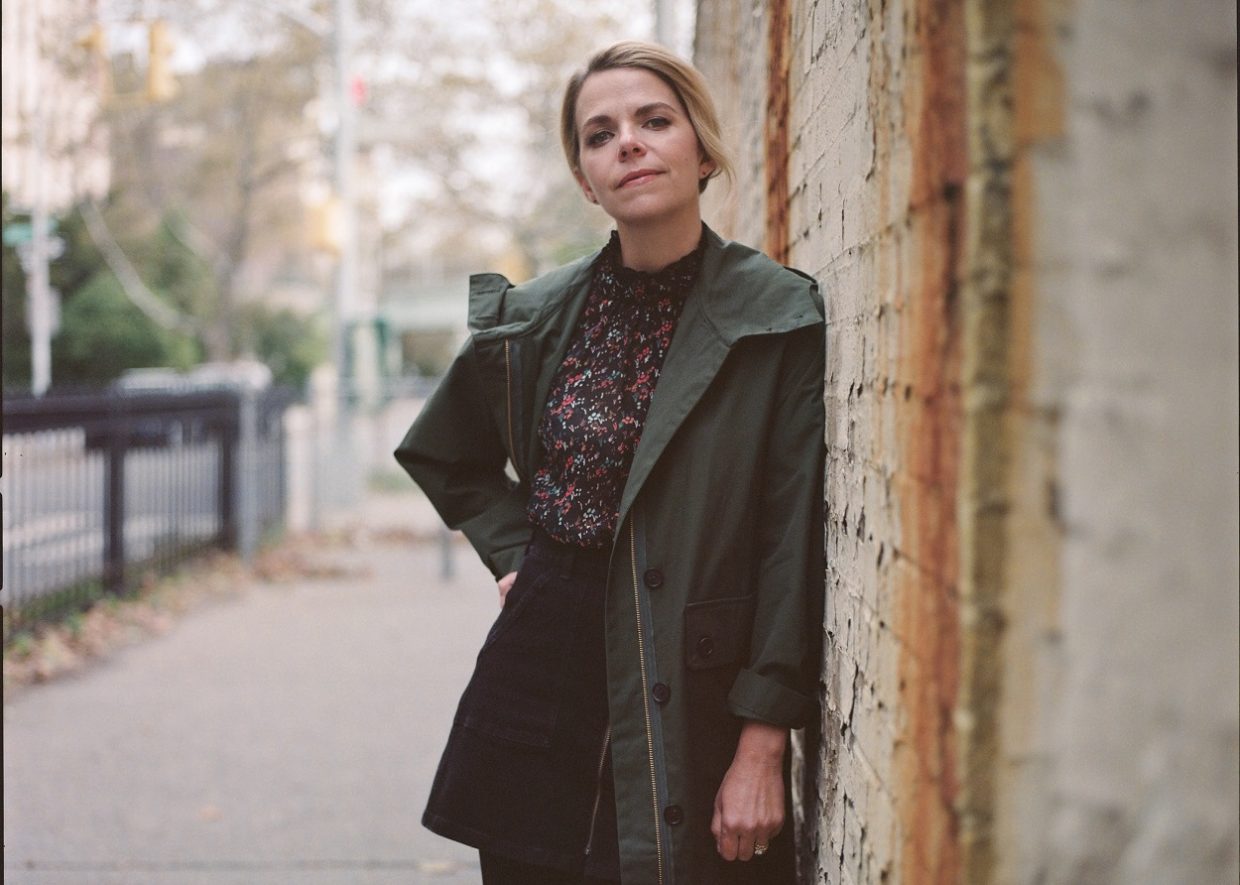
Aoife O’Donovan Finds Her Heart in the Verse of Others

Aoife O’Donovan’s latest EP, Bull Frogs Croon (And Other Songs), arrived in March. Our Cover Story unspooled the inspiration she gained via poet Peter Sears, the former poet laureate of Oregon, whose verse is utilized in three songs O’Donovan wrote and arranged with Teddy Abrams and Jeremy Kittel. The project is rounded out by a Hazel Dickens cover and a classic folk song, giving listeners a sampling of each of O’Donovan’s folky expertises. [Read the interview]


The Byrds’ Chris Hillman Reflects on Laurel Canyon and Why He Had to Leave

A new, two-part documentary, Laurel Canyon, traces the comings and goings of several generations of folk rockers down Sunset Boulevard and up into the hills. Chris Hillman (The Byrds, The Flying Burrito Brothers), one of the canyon’s earliest and most famous residents, about the new film, the community, the music, the neighborhood, and why he had to leave. [Read the full story]


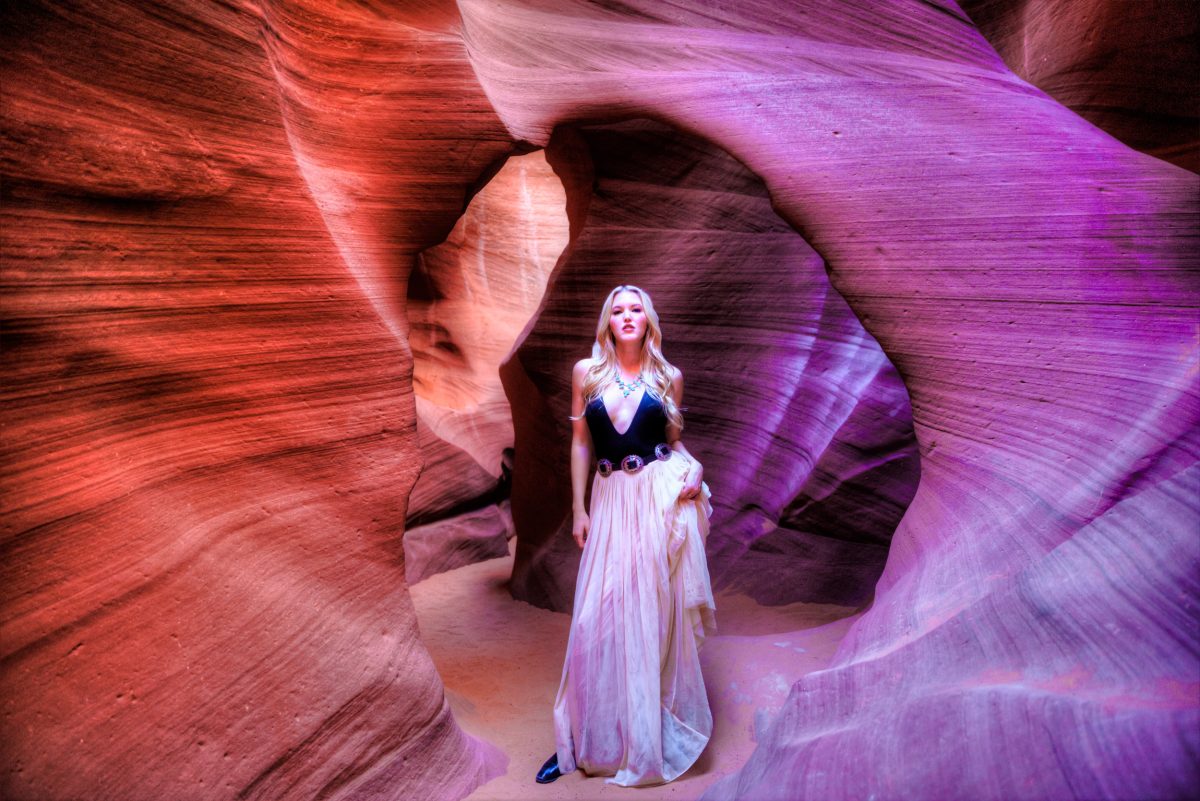
Mixtape: Ashley Campbell’s Banjo Basics

With her classic 2018 Mixtape banjoist and singer/songwriter Ashley Campbell reinforced the deeply held BGS belief that– MORE!! BANJOS!! From songs by her late, legendary father Glen and her godfather Carl Jackson to classics from folks like J.D. Crowe, John Hartford, and the Dixie Chicks, this mix has a little bit of everything and a whole lot of five-string. [Read & listen]


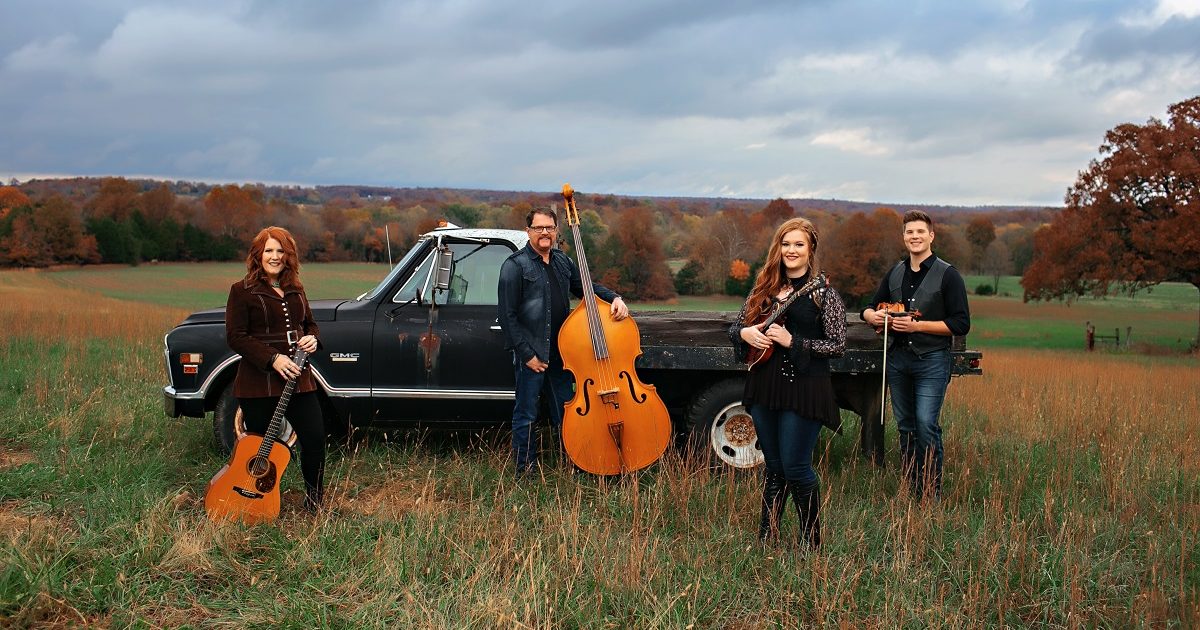
WATCH: Lindley Creek, “The Mockingbird’s Voice”

Artist: Lindley Creek
Hometown: Springfield, Missouri
Song: “The Mockingbird’s Voice”
Album: Freedom, Love, and the Open Road
Release Date: August 2020
Label: Pinecastle Records

In Their Words: “This sultry song reinforces the age-old truth that things aren’t always as they seem. I was in a happy relationship when our producer first brought ‘The Mockingbird’s Voice’ to us. Even in that happy time, the sadness and heartbreak in the lyric almost called to me. Sometime after recording it, that relationship ended. The lyric then gave voice to everything I was feeling, and more. It became mine, my anthem.

“When we shot the video I was moved to put all of those feelings into the storyline. It lays bare all the feelings of betrayal, of heartbreak, and of lessons learned the hardest way. We set out to record songs about real life and ‘The Mockingbird’s Voice’ is as real as it gets. It’s been exhilarating working with our producer Jim VanCleve and our label Pinecastle, who have both believed in us since the beginning. We literally cannot wait to release the rest of the upcoming album, Freedom, Love, and the Open Road later this summer!” — Katie Greer, Lindley Creek


Photo credit: Becci Leigh Photography

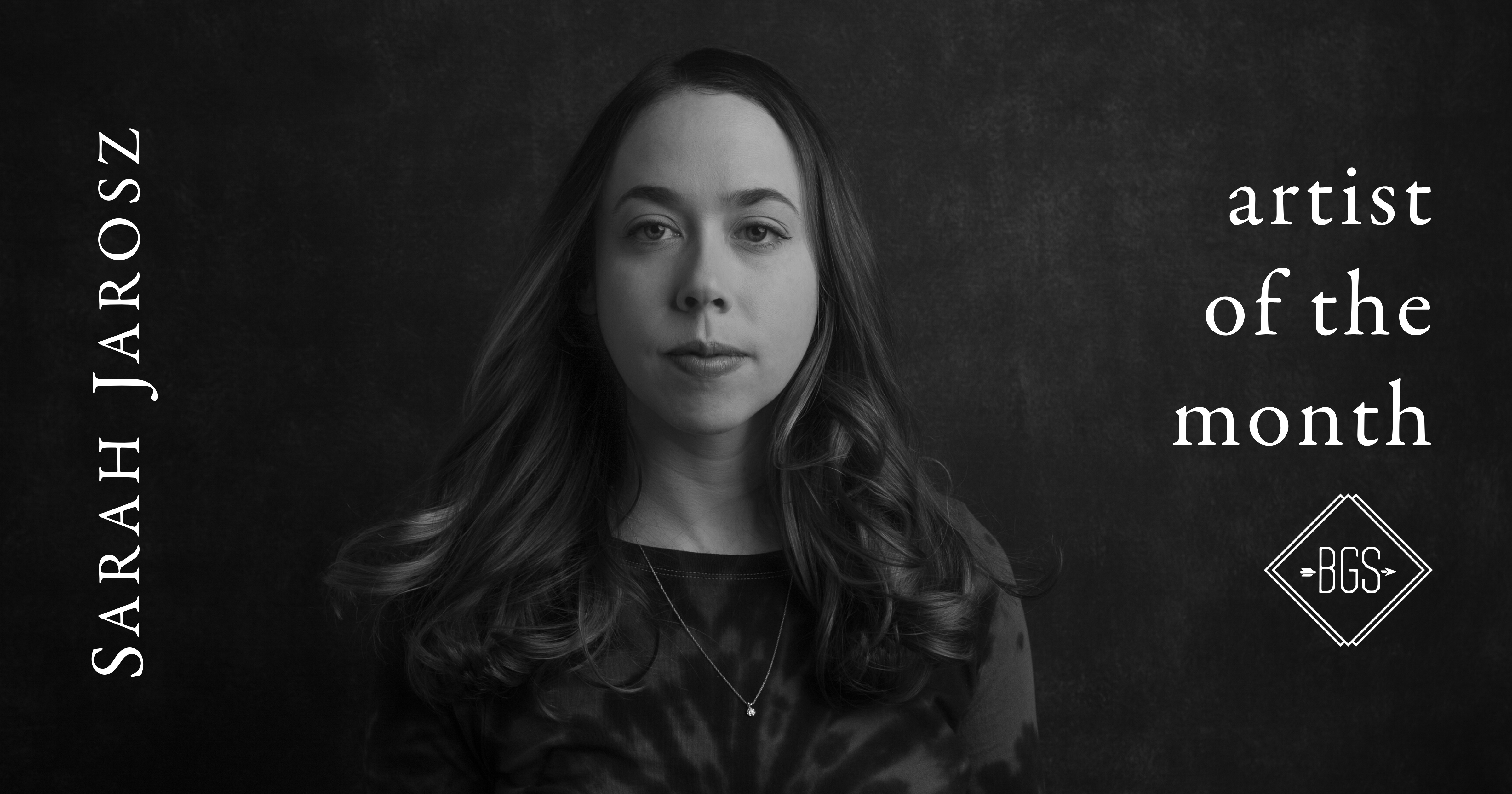
Sarah Jarosz Studies Her Heroes While Staying True to Herself (Part 2 of 2)

Wimberley isn’t just another “little Texas town” for Sarah Jarosz. It’s where she grew up, where she first fell in love with bluegrass, and where she found seeds of inspiration that grew into World on the Ground, her first album with producer John Leventhal and her fifth overall. From the sharp-eyed opener “Eve” to the quick-picking of closer “Little Satchel,” Jarosz gives voice to the stories of hometown life and the dreams that grow beyond it — a radically empathetic detour through her past that gives relatable depth to World on the Ground.

“Ultimately, if I’m being true to myself, if I’m moving myself within my music, then that’s the most that I can try to do as a songwriter,” she says. “That’s what has to be at the basis of any great song: a real feeling that you believe in more than anything. Even the songs where it’s written from another perspective, it’s still me in there, trying to inject what my beliefs are and what I am feeling at any given time, but in a poetic way that feels like you’re reading a story. That’s what so many great songwriters do and have done. I’m studying them and trying to honor them, but also be myself, just try to find that balance of honoring tradition and doing my own thing.”

In the second half of our two-part Artist of the Month interview, Jarosz reveals which Texas songwriters she turned to for guidance on this musical trip home, how to tackle a song about a small town, and more.

Editor’s Note: Read part one of our interview with BGS Artist of the Month Sarah Jarosz here.

The American small town is definitely well-trodden songwriting territory, and all the greats have returned to that endlessly inspirational well. Based on everything we’ve been talking about, you have different perspectives to explore, scenes to describe and a wealth of landscapes to uncover in that one place. What were you listening to when you were working on World on the Ground? Which artists did you turn to for inspiration?

Jarosz: I feel like in a way, the people I was listening to leading into this and during the recording process [were] a lot of what made me want to turn back to even writing about my Texas upbringing at all. When I was going into this, I think I had this moment. Sometimes as a writer I feel like, what should I write for the people who love my music? But I think it’s more important to say, what music do I love, and just get that zingy feeling from? How can I create that music myself? I want to write a song that I can sing and that I can believe in, because ultimately that’s all I can do.

Before John and I were locked in to work together, we met up in New York, and I played him a few ideas that I had lying around. From the get-go he was like, “Why don’t you try to change your approach and not necessarily write about your feelings and looking inward towards yourself? What if you tried to be more of a storyteller?” Just the simple act of him saying that, it changed my perspective a little bit. Simultaneously I was listening to all these Texas singer/songwriters. James McMurtry is one of my favorites of all time. I really did study his lyrics, because I think he’s one of the greatest in terms of creating these characters, but it doesn’t feel contrived — it’s like reading a novel in a song. Guy Clark, Nanci Griffith, Robert Earl Keen, Lyle Lovett — Shawn Colvin, obviously, her music was why I wanted to work with John in the first place.

I was realizing, OK, yes, so many other people have written about their hometowns — but I never have. When I started writing music as a high schooler, so much of the feeling when you’re that age is wanting to leave, writing about what you’re longing for and what’s not right in front of you. There is such a wealth of images and landscapes and memories that I have that are a part of who I am as a person, and I had never really taken the time to write about them. That’s what led to a lot of these songs. With that being said, it was never, “I want to make a concept record about my hometown.” I realized there were all these throughlines after all the songs were recorded and done.

What’s the most difficult, or moving, song for you to listen back to, or one that was hard to tackle when you were writing it?

“Maggie.” That one is based on a real person, and I don’t think that’s something that I’ve done before as a writer. Thankfully, she actually has written me since it’s been out and told me how moved she was by the song. It’s funny because there’s so much truth and honesty in a song like that, but then it’s also still being creative. The blue Ford Escape in “Maggie,” that was a car of my parents’, so it’s still songwriting and pulling images in from different inspirations but it’s not all necessary literal or the actual story.

It’s trying to pull symbols together in a way that makes the most meaning. That’s what I tried to do there. In a way, if that was the most difficult song for me to face, it’s actually turned out to be my favorite song on the record. I felt that way when we were recording it, that I was kind of hitting on something that I’ve always wanted to do and write about, but wasn’t quite ready for before. I think “Hometown” would be the other one that’s just very, very moving for me, even still, to sing — sometimes it’s hard for me to get through. Those two songs stand out in that way.

It sounds like you experienced a lot of firsts that shook up World on the Ground. How do Undercurrent and World on the Ground separate themselves in terms of the growth that went into each of them?

I think Undercurrent was a step towards wanting to just be me. The three albums prior to that were full of tons of guests on a lot of the songs. The way we made those, I would record my part, and Gary [Paczosa, who produced her first four albums] and I would invite so many of my heroes and musical friends in, and we’d just layer, layer, layer, layer with lots of different people. Undercurrent was the first album where I was like, no, this needs to be more truthful to me, and sound like that. There are four songs on that record that are literally just me and a guitar, no other instrumentation, no drums — I tried to keep things very small with that in an effort to start peeling away and finding out who I am as an artist and trying to convey that in a record format.

That felt like the beginning of that journey, and World on the Ground feels like I’m fully in that journey. I just feel like I believe in these songs more than I have in the past — nothing against my old songs, because the thing that means the most is when people say songs mean something to them, and moved them in hard and good times in their lives. I’m not trying to detract from that, but I really try to see these songs through in a lyrical way that I haven’t before. John was really key in helping me do that and trimming the fat and being really clear about what the purpose of each song, and the story that each song told. I believe in every single song so much. That’s a really kind of beautiful feeling. I’ve loved all of my records, but I haven’t felt it this strongly before.

What did World on the Ground teach you about yourself as a songwriter you didn’t already know?

It taught me that there’s always room to grow. Before I started writing this record, I had this sense of myself, where I was like, okay, these are the sorts of songs that I write, this is the vibe, and this felt like a departure from that. No matter how much you think you know or how much experience you have or whatever life has thrown your way, there’s just always more, and there’s always more to be discovered and learned. I think that was a beautiful lesson that this record taught me and sort of inspired me going forward. For me, it’s all about the songs — I think that’s also what I realized with this record. The music that I love, it all boils down to the song. That’s what I tried to focus on this time around.


Photo credit: Josh Wool

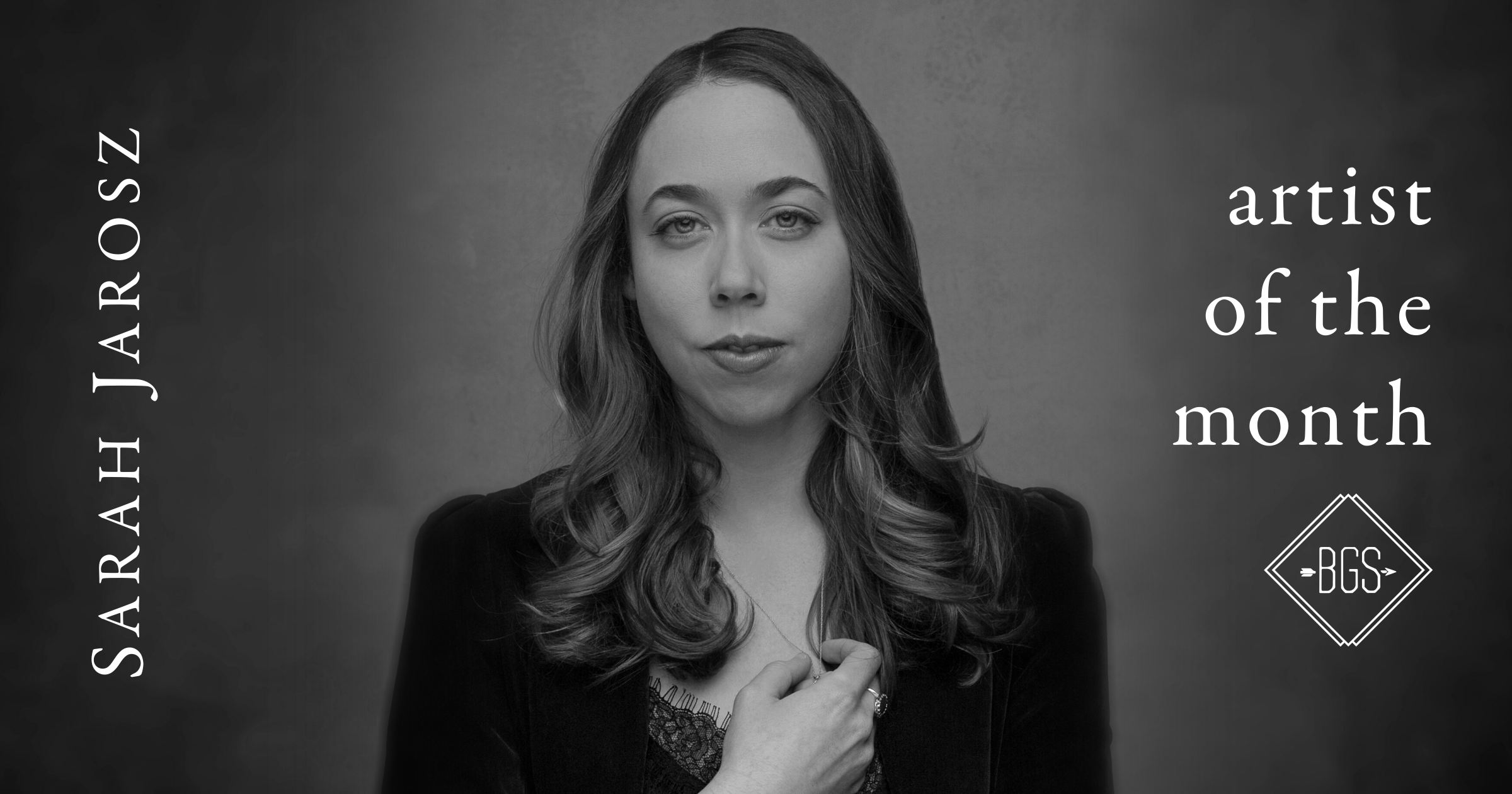
Sarah Jarosz Looks to Her Texas Hometown for Inspiration (Part 1 of 2)

After years spent living in New York City and traveling the world on tour, Sarah Jarosz has turned to a source of inspiration she’s never mined before: her hometown.

With her fifth album, World on the Ground, the Grammy-winning artist gleaned her own folktales from the everyday rhythms of her life in Wimberley, Texas. Her time away from Friday night football games and the shadows of cypress trees allowed her to look on Wimberley’s details with fresh eyes, from the Ford Escape her parents drove and the dusty trails it kicked up to conversations about out-of-reach dreams with old friends (that she examines on “Maggie,” which came from an actual heart-to-heart she had with an old friend at her high-school reunion).

Jarosz found a breakthrough in the most familiar folds of her memory, but this perspective was also molded by the city that guided her as she retraced her steps through the Texas Hill Country in her lyrics. On “Pay It No Mind,” the single that gives World on the Ground its name, Jarosz alludes to this ability to find meaning and movement at a distance: she sings of the frightening, and often destructive, churn of life in our current moment from the point of view of a “little bird stretching her wings” who takes in the chaos from the seventh floor.

“I think being able to write and make this record mostly about my hometown, in New York, from far away, was an interesting part of the process,” she says. “It’s almost what allowed me to take on the role of the little bird on the seventh floor in a way, because I think it took leaving Wimberley and being away from it for quite awhile to be in a place where I could actually write about it in this way.”

In the first half of our two-part interview, Jarosz walks BGS through the little Texas town that became her muse, how her work with bluegrass supergroup I’m With Her left an impact on her creative process, and more.

For some people, going back to their hometown is a traumatic event, a negative, damaging experience. There’s clearly a lot of compassion for the voices you explore on World on the Ground, which was inspired by your own hometown. If you were to visit Wimberley with fresh eyes, how would you describe it?

Jarosz: One of the things that stands out about it compared to other towns of its size in Texas — and I think this would be obvious, even if you’d never been there and were taking a drive through town — it seems like it’s a little more balanced. It has one high school, and one football team, and a lot of the small town culture does revolve around that, around this sort of Friday Night Lights idea of a small Texas town.

But there’s also this incredible artsy kind of community in Wimberley. One of the big draws of Wimberley is its market days, which I think happens once a month — maybe it’s every weekend in the summer, I can’t remember. Arts and crafts and even the fact that there was a bluegrass jam every Friday night, that was why I fell in love with all this music in the first place. It feels a little more balanced in that way.

I truly feel, probably in a biased way, that it’s a very magical place. A lot of people who drive through it, if they’re driving around the hill country in Texas, would agree that it’s one of the towns that stands out from the rest. It has this kind of shimmery quality to it — that’s the word that comes to mind.

I love the contrast of “Maggie,” then, in which you’re singing from the perspective of a friend of yours from high school who can’t wait to leave the small town behind. I appreciate “Maggie” because it’s a real conversation you could be having with anyone who’s stuck where they are. The location is almost insignificant, because it’s about whatever’s holding you — it doesn’t necessarily have to be the town you’re in.

Exactly. The “football games and processed food” line definitely puts it in a place, but I feel like [the song] could also be anywhere. I purposely tried to make that happen. It was such an eye-opening thing for me to actually have this conversation with this friend — we were really close friends in childhood, then just drifted apart over the years, and ran into each other at my tenth high school reunion. She actually didn’t go to my high school, she went to a different school and that’s why we drifted apart.

She was asking me about my touring and my life and everything, and I think I was probably saying, “I wish I could be in one place more. I wish I had more of a home sense at this point in my life.” She was sort of saying, “All I want is to do what you do, travel and see the world.” It’s funny how sometimes the things that seem so obvious take just a simple moment of someone saying it to your face, and then you realize, “Oh! Duh!” That really happened for me there. That song is all about empathy and compassion for anyone who wants their circumstance to be different than it is and might not necessarily have the means to make that happen, but still having the dreams to hopefully one day change.

“What Do I Do” is a companion song to that, in a way: It’s sung by someone who wants to be home more, who wants to be still for a minute. What inspired that song?

A lot of these songs feel like gifts, in the sense that I generally feel like a very, very slow lyrical writer. The music comes more quickly to me, but that song and a lot of the songs that I wrote with John Leventhal were similar experiences. If he had the music written and sent it to me, the lyrics seemed to come very quickly. “Pay It No Mind” and “Orange and Blue” were two of those.

“What Do I Do” was another one where it almost felt like a dream to write. It’s similar to “Maggie” in the sense that it’s that same sort of longing for wanting something else than what you currently have, but then it’s also a thankfulness and acceptance in that. It almost feels like a mantra-type song where it’s repeated and it goes to a different place — very simple chords in the verses, and then it opens into this washy vibe in the, “What do I do, what do I do?” It was one of those gifts of a song.

You’ve been collaborating with your friends Sara Watkins and Aoife O’Donovan for years. Now that you’ve written albums and toured together, do you hear, or did you feel, the imprint of your time with I’m With Her going into this record in a new way?

I felt it in a creative way, personally. I think all of us were just so positively influenced by that experience [of] touring and putting out that record. What that allowed all of us — I’m speaking for myself, but I’d imagine they probably feel a similar way — was just the chance to step back and take a breath. Not in a busy sense, because we were just constantly working and on tour, but creatively.

I had never been in a band before; I had only ever put out my solo records. I think after Undercurrent, I couldn’t really imagine going straight into another solo record or album push because I just wasn’t inspired to. I had reached a point where I had wanted to experience something new. There was something so rewarding about feeling like I was a part of a team. We were all on each other’s team and carrying the load together. It was just so wonderful and magical. It definitely gave me the creative juice to just be so psyched about making this record.

With Sarah and Sean making their Watkins Family Hour duo project, and Aoife making Bull Frogs Croon, I love those projects so much because [we] all seem so inspired. I think that is because we all allowed ourselves this chance to step back from our own things, be a part of a team and give ourselves the gift of this renewed inspiration, almost. I definitely felt that. I hope they do, too. I’m so grateful for them.

Editor’s Note: Read the second half of our interview with BGS Artist of the Month Sarah Jarosz here.


Photo credit: Josh Wool

WATCH: Distant Cousins, “Angelina” (Live)

Artist: Distant Cousins
Hometown: Los Angeles, California
Song: “Angelina”
Album: Here & Now
Release Date: June 5, 2020 (single); June 26, 2020 (album)
Label: Jullian Records

In Their Words: “A few months back, B.C.E (Before Coronavirus Era), we rented out one of our favorite studios for the day and we recorded and filmed it all — nine songs in the day. The vibe in the room was really special. All day long, our musician friends kept coming and going to lend their special talent to our music. It’s hard to believe that that was just a few months ago. Now it all feels like a dream. Certain songs ask for a feeling of intimacy and ‘Angelina’ felt like it needed just that. We found a quiet moment somewhere towards the middle of the day while no one else was around and in the dimly lit room, the song almost played itself. We are very pleased with the result and love how our director, David Schlussel, captured that sense of intimacy that the song represents to us.” — Distant Cousins


Photo credit: Ehud Lazin

BGS Long Reads of the Week // June 5

Welcome to another conglomeration of diverting, entertaining, and engaging long reads! The BGS archives never disappoint. As we share our favorite longer, more in-depth articles, stories, and features to help you pass the time, you should follow us on social media [on FacebookTwitter, and Instagram] so you don’t miss a single #longreadoftheday pick! But, as always, we’ll put them all together right here at the end of each week if you happen to let one sneak by you, too.

This week’s long reads are educational, meandering, inspiring, and much more. Read on:

On New Duet Album, Laurie Lewis Gathers Old Friends and Close Companions

May went by in a blink of an eye (how did this happen!?) and we had to say goodbye to our Artist of the Month, Grammy and IBMA award-winning multi-instrumentalist and songwriter Laurie Lewis. In our two-part May AOTM interview, Lewis gave us insight into the making of her new duet album, and Laurie Lewis, and talks a little bit about wanting to measure up to others’ view that she’s a trailblazer and role model in bluegrass. [Read more]


For First Solo Album, Sam Doores Opens the Map of Musical Influences

In a meandering feature we follow singer/songwriter and lifelong troubadour Sam Doores from the Bay Area to New Orleans to Berlin to his first solo album, which is filled with echoes of everything from Tin Pan Alley to the Mississippi hill country, from jazz to psychedelic-folk-rock. The Hurray for the Riff Raff alumnus has co-created some of the last decade’s most arresting socially-conscious anthems with HFTRR, and he’s also made sparkling folk- and country-derived excursions with his own band, the Deslondes. [Read more]


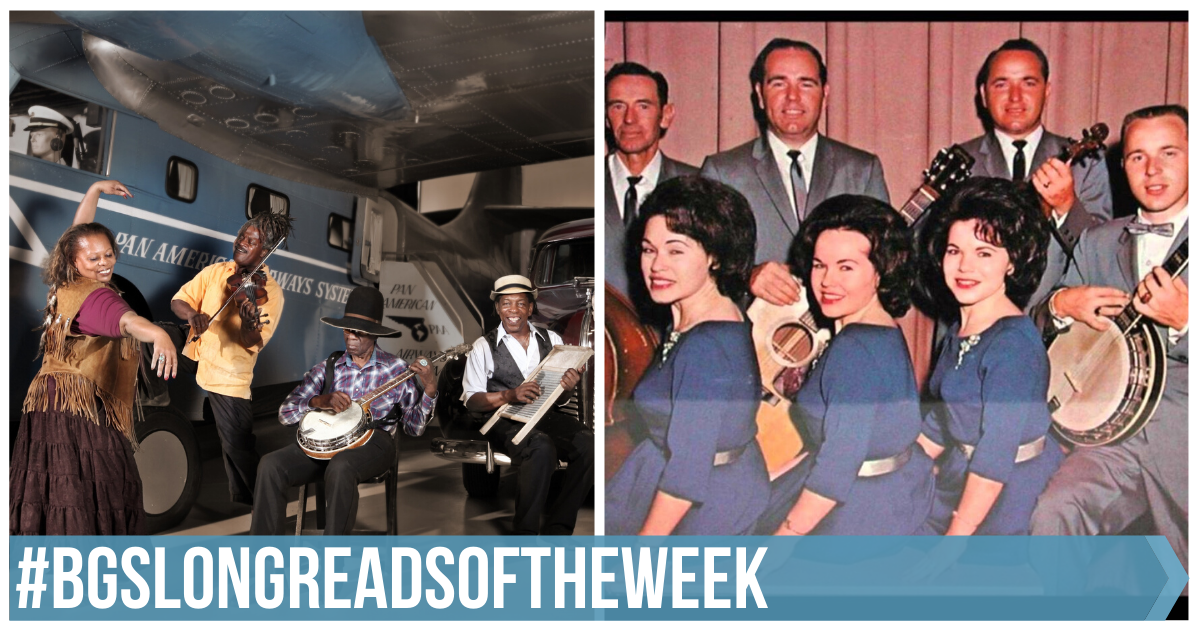
The Ebony Hillbillies: Becoming Part of the Music

In 2017, Henrique Prince and Gloria Thomas Gassaway — of the legendary and long-running New York-based, Black string band, the Ebony Hillbillies — gave us an excellent primer on how Black folks ostensibly invented bluegrass music. We could all use a reminder of this fact, given how Black contributions to old-time, bluegrass, and string band musics are more often than not erased — and this true, more fleshed out narrative enables us, the roots music community, to unabashedly lift up Black stories and Black lives in full voice at this current moment of crisis. [Read the interview]


7 Bluegrass Family Bands You Need to Know

Bluegrass Bands

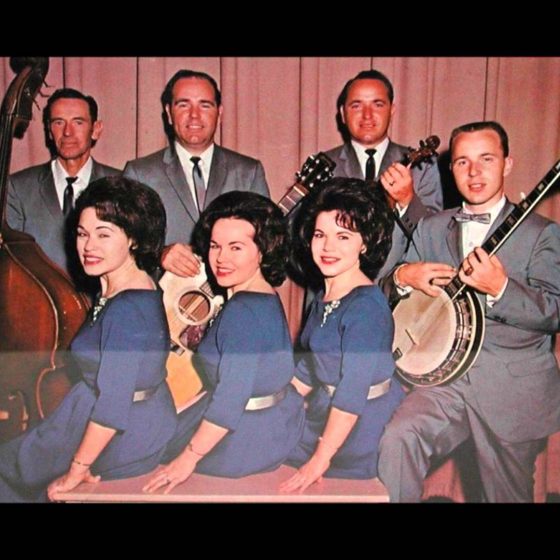
From the Monroe Brothers and the Stanley Brothers to Cherryholmes and Flatt Lonesome, the matching outfits, tight harmonies, and long-lasting careers of family bands are an integral part of what makes bluegrass bluegrass. Here are a few lesser-known, underrated, or too-often-forgotten family bands that you ought to spend some quality time with — a classic from the BGS archives. [See the list]


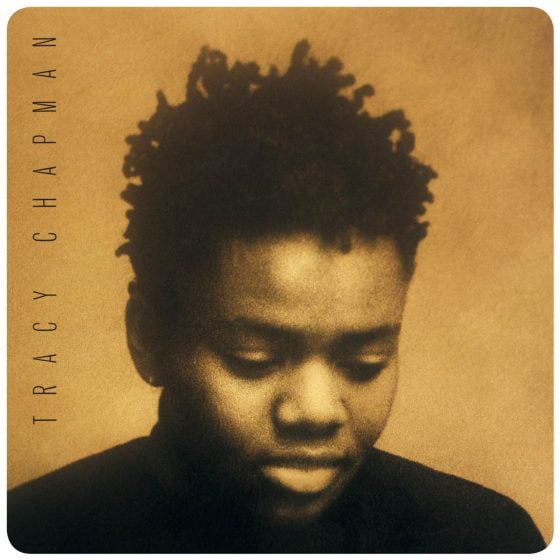
Canon Fodder: Tracy Chapman, Tracy Chapman

Tracy Chapman’s music is ceaselessly relevant, it’s true. Still, her self-titled, 1988 album has a much more broad, eclectic musical palette than we often give it credit for. Its themes surrounding her Blackness continue to distinguish her from her peers and most common comparisons, demanding a more nuanced approach to considering the ongoing impact of Tracy Chapman. [Read our archived edition of Canon Fodder]


Doc Watson: Live Moments and Memories

While the late great Arthel “Doc” Watson released scores of albums over the course of his career, he only made the main Billboard charts once and peaked at a modest 193 (for his 1975 album, Memories). But Watson made a far bigger mark as a performer, often in some unusual settings — from the most prestigious concert stages down to humble living rooms.

Even though Watson wasn’t a huge record seller, few artists in the history of American music ever generated more transcendent moments. He remains revered as one of the best flatpick guitarists of all time, and MerleFest (the festival he founded in memory of his late son) stands as an essential acoustic-music event.

Here are some of Watson’s signature moments of performance, captured for the ages. (Listen to the playlist below.)

“Roll In My Sweet Baby’s Arms” – The Three Pickers: Earl Scruggs/Doc Watson/Ricky Skaggs, 2003

We begin with a collaboration between Watson and his fellow North Carolina legend, master of the bluegrass banjo Earl Scruggs, with the old Flatt & Scruggs warhorse “Roll In My Sweet Baby’s Arms” — the closing track from the live album they recorded together in Winston-Salem in 2002. The picking is as hot as you’d expect, especially on this track where Ricky Skaggs urges a solo by calling out, “Try one, Doc!” He gets gone.

“Railroad Bill” – Legacy, 2002

Legacy was the Grammy-winning retrospective album Watson made with his longtime, late-period accompanist David Holt, with songs and stories going all the way back to his earliest days playing music. The package includes a live show recorded in Asheville, North Carolina in 2001, with one of his best-ever versions of the Etta Baker Piedmont blues classic “Railroad Bill.” Watson could indeed play about as fast as a runaway train, and this features some of his swiftest guitar runs ever captured.

“Corrina” – Doc Watson and Gaither Carlton, 2020

Watson’s newest release is this live recording of some of his earliest shows in New York City, 1962 in Greenwich Village, when he was one of the rising stars of the budding folk revival. Watson performs here with his father-in-law, the renowned old-time fiddler Gaither Carlton. But what’s really notable is that Watson is playing banjo in the old style rather than guitar. It turns out he was almost as formidable on five strings as six.

“Tennessee Stud” – Nitty Gritty Dirt Band’s Will the Circle Be Unbroken, 1972

This Americana landmark captured a revolutionary moment, an intergenerational, country-rock summit with the Dirt Band on one side and the country/folk/bluegrass establishment on the other. And it wasn’t live onstage, but live in the studio, with the tape machine left running to record between-song conversations. That captured some of Watson’s priceless homespun pearls (“That’s a horse’s foot in the gravel, man, that ain’t a train!”), as well as what stands as his definitive recording of this stately, well-worn standard. “Tennessee Stud” made Watson a star all over again to yet another generation of roots-music enthusiasts.

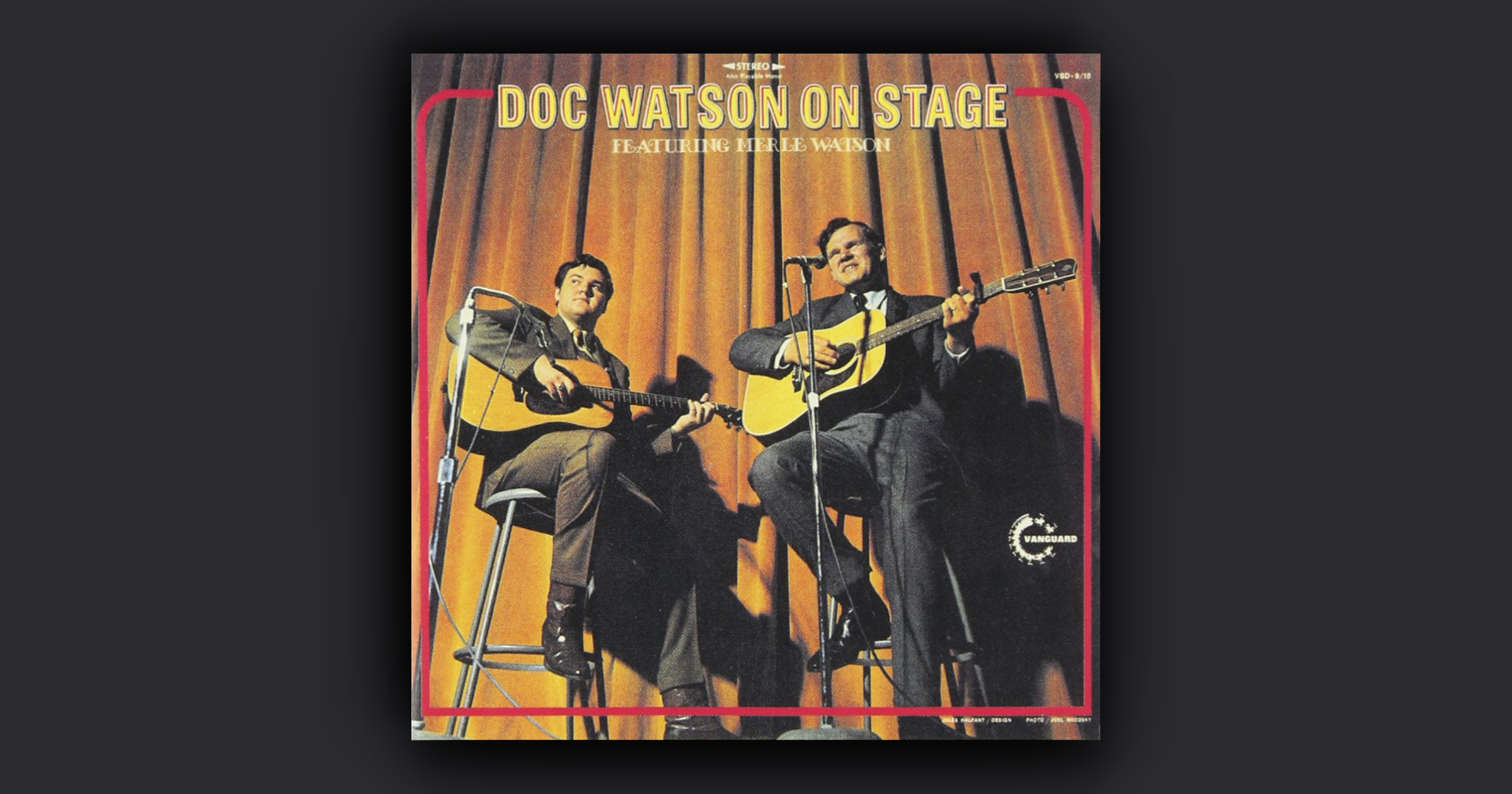
“I Am a Pilgrim” – Doc Watson on Stage, featuring Merle Watson, 1971

Watson had many fine accompanists over the years, but none better than his son Merle, who was always on Doc’s wavelength. Ever modest, Doc always claimed that Merle was the better player. He was, of course, wrong about that, but Merle was a great picker in his own right. Recorded live at Cornell University, this is an excellent version of the old spiritual that also appeared on Circle. “I Am a Pilgrim” would remain an evolving onstage set piece for Doc over the years. After Merle’s tragic death in 1985, Doc would customize the lyrics in performance: “I’ve got a mother, a sister and a brother and a son, they done gone on to that other shore.”

“Blue Smoke” – Doc Watson at Gerdes Folk City, 2001

Another track drawn from one of Watson’s early-period excursions up to New York City, this was recorded during 1962-63 engagements at the legendary Gerdes Folk City nightclub. And this cover of the instrumental by Merle Travis (for whom Doc named his son) is aptly named. When he really got to cooking, Watson could play guitar so fast he just about left a vapor trail.

“Every Day Dirt” (from The Watson Family, 1963)

Ralph Rinzler, the musicologist who first discovered Doc in the early 1960s, recorded this album live at the Watson family homestead in North Carolina. It captures some of what life must have been like growing up singing and playing with Doc; son Merle, wife Rosa Lee and father-in-law Gaither Carlton are among the relatives present. “Every Day Dirt” shows off just how personable a vocalist Watson could be, although as always the real draw is the obligatory killer guitar-picking.

“The Cuckoo Bird” – The Watson Family, 1963

From that same recording, Doc plays guitar accompanied by his son Merle on banjo, covering the old Clarence “Tom” Ashley song that appeared on Harry Smith’s epochal Anthology of American Folk Music. Thanks to the familial radar that comes when blood relatives play together, the instrumental interplay is perfect. This is also a great example at Watson’s mastery of the art of call-and-response between his guitar and voice.

“What Would You Give in Exchange for Your Soul?” – Bill Monroe and Doc Watson, Live Recordings 1963-1980: Off the Record Volume 2

Watson’s modesty was such that his natural inclination was to regard himself as a sideman — even though he was rarely if ever not the best picker and singer in the room. But he plays the role of foil perfectly here, vocally as well as instrumentally, to Monroe’s rippling mandolin and high lonesome tenor on this live version of the first song The Father of Bluegrass ever recorded.

“Wabash Cannonball” – Doc Watson on Stage, featuring Merle Watson, 1971

Before he started playing guitar, Watson’s first childhood instrument was actually a harmonica, which he wore out so fast from playing it so much, his parents had to give him another one at Christmas. A new harmonica became a perennial favorite gift. This version of the venerable folk-music classic features Watson blowing a mean harmonica and his descending runs on guitar are also a thing of beauty.

“Your Lone Journey” – Steep Canyon Rangers’ North Carolina Songbook, 2019

We close with a bit of a wild card, in that it’s a performance by someone else. But it’s one in which the presence of Watson’s spirit looms large enough to be felt. “Your Lone Journey” is a song that Doc and Rosa Lee wrote, and it bids a poignant farewell to a loved one at the moment of death. It is performed here by Watson’s fellow North Carolinians Steep Canyon Rangers, recorded on the main Doc Watson Stage to close out the 2019 MerleFest.


Editor’s Note: David Menconi’s Step It Up and Go: The Story of North Carolina Popular Music, from Blind Boy Fuller and Doc Watson to Nina Simone and Superchunk will be published in October by University of North Carolina Press.

LISTEN: The Krickets, “These Games”

Artist: The Krickets
Hometown: Mobile, Alabama
Single: “These Games”
Release Date: June 5, 2020

In Their Words: “This song is our answer to a pandemic benching our 2020 tour. Band life went from having a decently balanced tour/fam scene to becoming full-time homeschool teacher/maid service/short order cook shut-ins who were financially shut down. We HAD TO do something constructive to stay positive, so we learned how to remotely write and record. One of us (Lauren) is a studio nerd and she produced the track. We had to get brave about releasing something on our own, because we’ve had some incredible producers in the past and we didn’t want the quality to dip for our listeners. It’s empowering to have that 100% control over the sound as an artist but if your fans hate it, it’s also 100% your fault.

“The sound of ‘These Games’ is definitely different for us, with a nod to some retro doo-wop harmonies and Southern rock ballads we grew up on. Bottom line, we love making music and the incredible people that support it. Since the normal way to play and record isn’t an option right now, we had to decide to embrace the rawness and release the music, bells and whistles be damned. Someday when that normalcy returns, we’ll be able to use fancy studios and producers again, but here’s what we can do now. We plan to release a new one every couple of months until we can tour again. That live music energy thing is real and sacred and necessary and we can’t wait to get back to it.” — The Krickets (Lauren Spring, Emily Stuckey Sellers, Rachel Grubb)

The Krickets · These Games

Photo credit: Laura Lashley

The Byrds’ Chris Hillman Reflects on ‘Laurel Canyon’ and Why He Had to Leave

Splitting off from Sunset Boulevard in West Hollywood, Laurel Canyon Boulevard runs a circuitous route through unkempt mountain acres, past the Laurel Canyon Country Store, weaving and curving for miles before finally spilling out in Studio City. Along the way small roads split off into the mountains like tributaries from a river.

Up these narrow, twisting mountain byways lived many of the musicians who, in the late 1960s and throughout the 1970s, exerted an incalculable influence on popular music: the Byrds chief among them, but also the Mamas & the Papas, Joni Mitchell, Love, James Taylor, the Monkees, and Crosby Stills & Nash. Together, they transformed folk music into folk rock and singer/songwriter fare, transforming it with new sounds, new ideas, new priorities, and — it can’t be denied — new drugs.

This strange, paradoxical place — a rustic mountain paradise nestled within the purgatory of Los Angeles — is the subject of a two-part documentary on EPIX, directed by Alison Ellwood and produced by Alex Gibney. Across two 90-minute episodes, Laurel Canyon traces the comings and goings of several generations of folk rockers down the boulevard and up into the hills.

Ellwood depicts this place as something like a bucolic community that enabled and encouraged romantic and musical collaboration among its denizens. A struggling musician named Stephen Stills flubbed an audition for a TV show called The Monkees, but suggested his roommate Peter Tork try out for a role. Mama Cass introduced Stills and David Crosby to a British musician named Graham Nash, and the trio became one of the most successful groups of the 1970s. A band of freaks from Phoenix, Arizona, calling themselves Alice Cooper showed up at Frank Zappa’s cabin at 7 a.m. — about twelve hours early for their audition. The stories go on and on, too much for even a lengthy documentary to contain.

Laurel Canyon didn’t just offer a sense of community along with unobstructed views of the city at night. It also gave these musicians access to the city itself — in particular, the happening Sunset Strip clubs like the Troubadour, Pandora’s Box, Ciro’s Le Disc, and the Hullabaloo Club. It was a neighborhood galvanized by the riots in 1966, when young clubgoers protested a police-imposed curfew — a pivotal moment in ‘60s radicalism and the inspiration for Buffalo Springfield’s “For What It’s Worth.”

The popularity of the music written in the hills above the Strip meant that Laurel Canyon’s most famous residents spent more time away from the canyon, spending weeks in the studio recording their next albums or months on the road playing their songs in front of growing legions of fans. Elwood’s documentary strays from the locale in its title, traveling as far away as Bethel, New York, for the Woodstock music festival in 1969, which demonstrate how deeply these new musical ideas were taking across the country.

There are, refreshingly, few talking heads in these two episodes. Rather than the usual musicians rhapsodizing about their youth, Ellwood frames the documentary with remembrances by a pair of photographers, Nurit Wilde and Henry Diltz. Their archival images and films make up the bulk of Laurel Canyon, which makes it all seem more immediate, as though fifty years ago was just yesterday. In that regard it’s closer to Tarantino’s Once Upon a Time in Hollywood than Jakob Dylan’s Echo in the Canyon.

But that also makes this historical moment seem more fleeting. Around the time that Charles Manson sent four of his followers to a house he thought belonged to producer Terry Melcher, drugs started to infiltrate Laurel Canyon, puncturing what Graham Nash calls a “beautiful bubble.” Grass and booze are quickly displaced by coke and heroine, and the scene chills a bit in the 1970s, as a new wave of musicians moved in to these houses and crash on these couches.

There are many stories from Laurel Canyon that don’t get told in the documentary, as well as many songs that don’t get played and many artists who don’t get mentioned. There’s no trace of Van Dyke Parks, the eccentric L.A. arranger who affectionately satirized the community on “Laurel Canyon Boulevard,” off his 1968 album Song Cycle. “What is up in Laurel Canyon?” he asks, quixotically, like the most ironic tour guide. “The seat of the beat,” he replies to himself.

On the other hand, the film can only hold so much. And the stories that Ellwood does tell add up to something larger: Laurel Canyon is less about a place and more about an idea. It’s about how different strains of traditional and popular music commingle and mutate, how they point to an infinite set of possibilities for voice and guitar (and drums and bass and amps and keyboards and synthesizers and so on).

On the eve of the documentary’s premiere, BGS spoke with one of Laurel Canyon’s early and most famous residents, Chris Hillman.

BGS: You moved to Laurel Canyon in 1965. What took you there?

Hillman: First thing on the list was, I needed a place to stay. The Byrds were getting going and starting to gain a little ground, and I had already known about Laurel Canyon. It was purely by accident that I’m up there one day by the country store, and I run into a guy who had a place to rent. It was wonderful. It was up on this road overlooking the entire city of L.A. You can imagine how beautiful it was at night, with all the lights on and everything. Shortly thereafter, David Crosby moved up there, and then Roger McGuinn. I’m not sure where Mike [Clarke] and Gene [Clark] were. They were probably up there, too. The Byrds were very early occupants of the area.

To what degree was it like a small town in the middle of this big city?

It sorta was. But it was trying so hard not to be that. We were literally four minutes away from the Sunset Strip. So you went from this incredibly energetic, fast-moving madness of the Sunset Strip clubs, you go up Laurel Canyon Boulevard, and in four minutes you’re up in this pristine, quiet environment with all these beautiful old houses. We weren’t the first ones to discover this place. People were living up there in the ‘40s and ‘50s — some actors and a lot of artists. It already had this reputation as a bohemian beatnik enclave.

There was the famous legend that Houdini had a house up there. People would be driving around and point out a place and say, “That’s where Houdini lived.” They’d point out some old wreck of a place, some ruins of an old structure. There were a lot of good legends to the place. I think that’s where Robert Mitchum got in trouble at a party in 1949 or 1950. He walked into a party and then the police came and arrested people for marijuana. He just happened to walk in at the wrong time. But he had a hell of a career after that, though, so he must have struck a deal. The musicians didn’t start moving up there until the ‘60s, and by then it seemed like a quiet mountain town that just happened to be minutes away from the heart of the city.

I always thought of it as the Woodstock of the West Coast — this retreat from the rigors of the big city.

Well, in Woodstock you’re a good long ways from Manhattan. But in Laurel Canyon you’re minutes from the Sunset Strip and maybe ten minutes from Beverly Hills or Hollywood proper. A lot of people don’t know this, but the Sunset Strip was part of Los Angeles County. It was a mile long, from La Cienega I think to Doheny. It was county instead of city, so it was run completely differently. It was patrolled by the L.A. County sheriff, as opposed to the LAPD.

Is that why they imposed that curfews that led to the riots in ’66?

The whole thing with the kids rioting had to do with the small business owners, whose businesses were being infringed upon by foot traffic. The kids were running around, goofing around, and it was killing business. I didn’t get involved in that. I just saw it on the news. I remember seeing that footage. I still lived in the Canyon then. I was there until ’68, then I moved to Topanga Canyon.

Why did you leave?

Things changed. I was still in the Byrds and I just bought a house in Topanga. No, I’ll tell you why I left. I completely forgot the most important part of the story. I’m getting older. The reason I left was, my house burned down in Laurel Canyon.

I was renting this beautiful house, and you could see the whole city. It was all wood, and I remember it was fall, then the ferocious Santa Ana winds hit. They always come around in the fall. They’re very dangerous. It was real hot that day, and the winds were kicking up, and I had pulled my motorcycle out. I was going to kick it over, but it was leaking gas and the wind blew the fumes into the water heater. It was an open-flame heater and it just ignited. It made the same sound you hear when you light an old-fashioned gas range. I literally caught on fire. Instinctively I rolled on the ground. I think I lost a bit of hair and some eyebrow before I got out of there. I jumped in my car and pulled into the dirt road. I had nothing. I had my car and that was it. I lost everything I owned.

David Crosby had just been visiting me at my house. He’d been there for an hour and left just 20 minutes before my house burned down. I think we can connect the dots! I’m kidding. I love David dearly, but I still poke him about that one. Roger McGuinn lived across the canyon from me and saw the fire. He said it looks like where Chris lives, so he starts filming it. Somehow the footage got on the local NBC affiliate. I was living in a hotel for a few nights, and I remember watching my house burn down on the TV. That was ’66.

Is that why you left for Topanga?

Well, it was starting to be the place to live. More groups were moving up there: the Turtles and Frank Zappa and Mama Cass and Peter Tork. Everything was changing. Drugs entered the picture. I ended up buying a house in Topanga Canyon, which is about 25 miles north of Los Angeles. It’s also very pristine and quiet — a little bit bigger than Laurel Canyon. A lot of people moved there, too, like Neil Young. And it was a very similar scene, with everybody interacting with each other. That should be the next documentary.


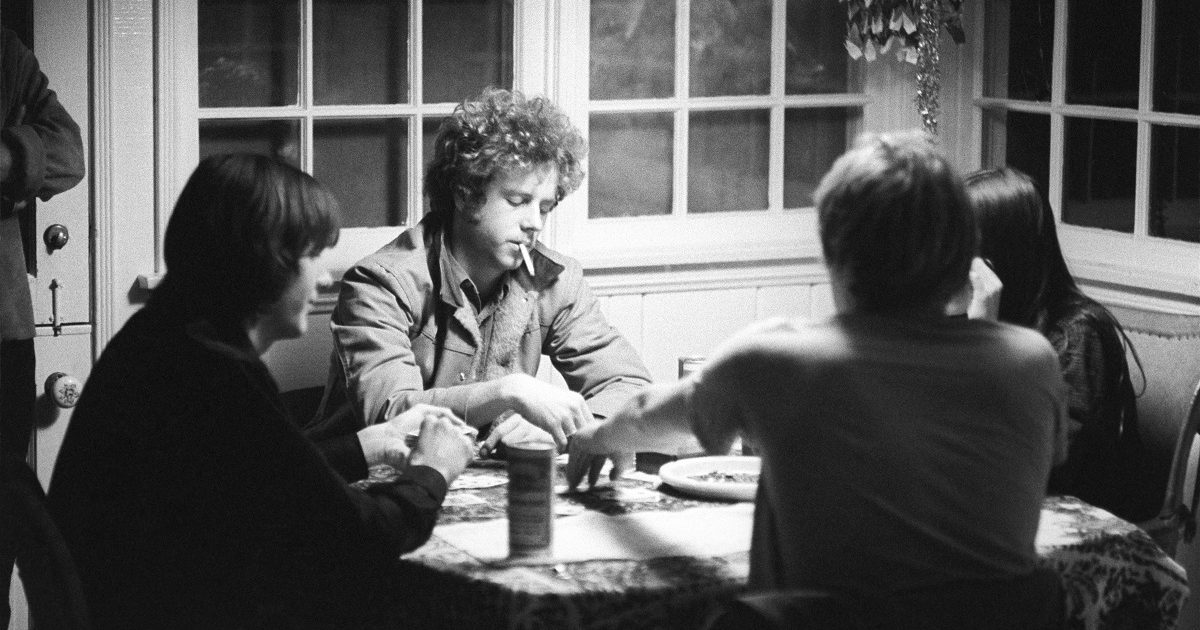
Photo of Gram Parsons and Chris Hillman playing cards: Courtesy of Nurit Wilde
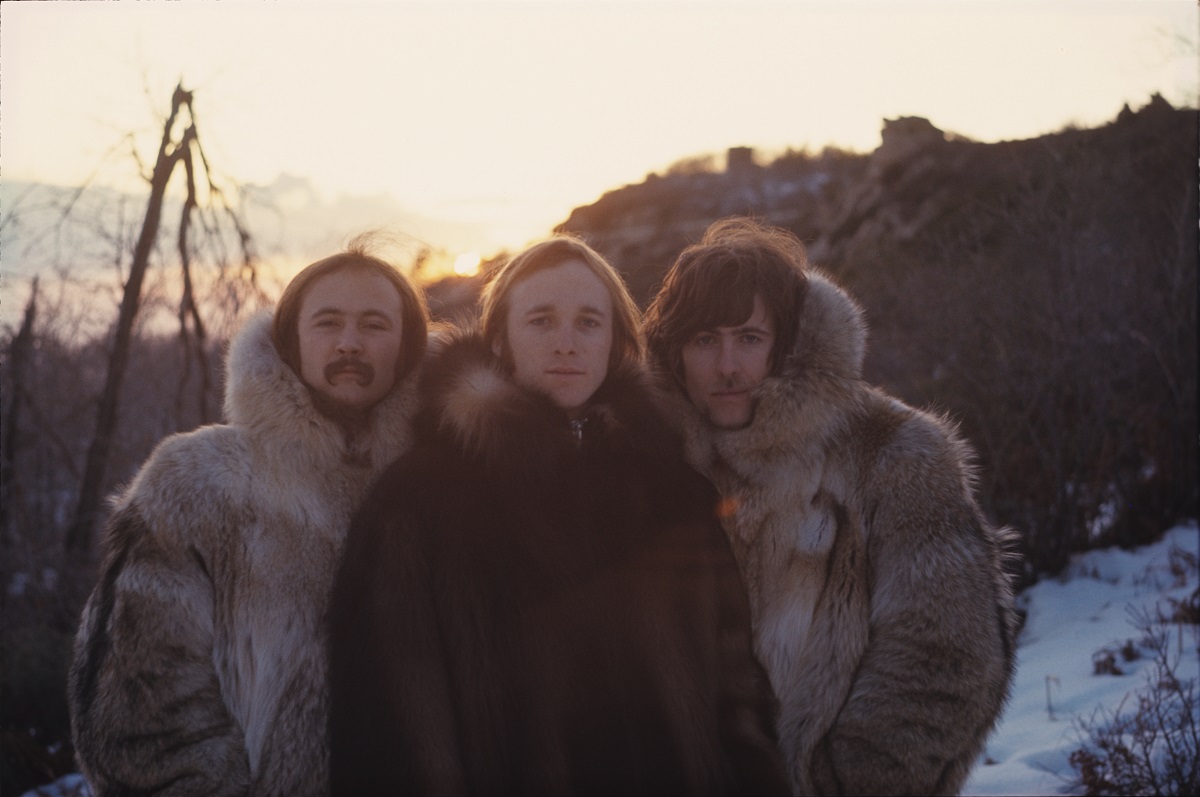
Photo of Crosby, Stills & Nash at Big Bear: Henry Diltz
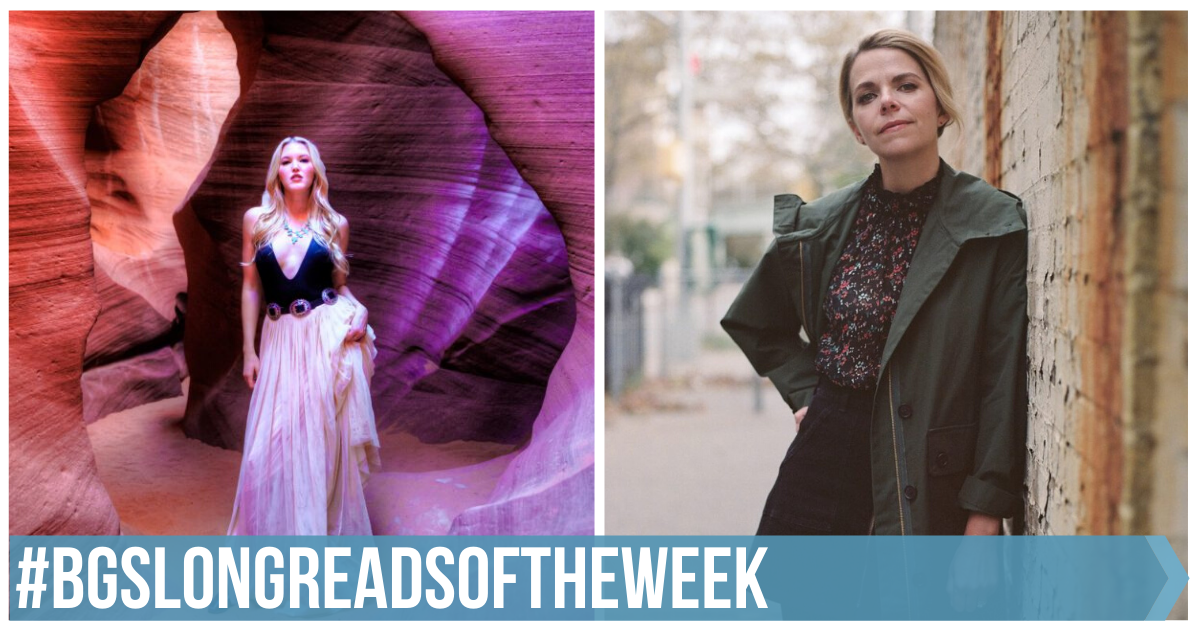

LISTEN: Lowland Hum, “This Will Be Our Year” (The Zombies Cover)

Artist: Lowland Hum
Hometown: Charlottesville, Virginia
Song: “This Will Be Our Year” (The Zombies cover)
Album: Singing Other People’s Love Songs
Release Date: June 5, 2020

In Their Words: “‘This Will Be Our Year’ by the Zombies grabbed us immediately with its simplicity and unfettered sweetness, not to mention its intuitive melodies and positive energy. We chose to record our version as simply as possible, with closely mic’d, bare vocals and simple nylon string guitar. At the time when we recorded it, we were feeling all kinds of optimism and excitement about what the year might hold for us, having just put the finishing touches on our recording studio, and feeling more adjusted than ever to life out in the countryside.

“Obviously there have been some unexpected turns since then. When we scheduled the release of this song, we had no idea the entire world would be in the midst of a pandemic, and all of the fear, financial strain and pain of isolation that has ensued. We had no idea our nation would be reeling from yet another wave of murders, Ahmaud Arbery, Breonna Taylor, George Floyd, and now David McAtee and others as police continue to employ the use of military weapons on protestors. To release a song entitled ‘This Will Be Our Year’ at such a time as this feels perilously incongruous at best with where the nation is at, where we are at personally, and offensive at worst.

“Before the past few weeks we thought to ourselves, ‘Well, this is not the year we imagined when we recorded this song, but maybe there are things in store for us and others who are suffering, which we couldn’t have chosen or anticipated had all gone according to our ideal plans.’ At this point we hope that this is a year when things really begin to change. Perhaps this will be the year when people like ourselves, who have long been sympathetic to the cause of justice for black and brown people in America but haven’t taken the time to learn how to properly engage and act toward a better future, might finally buckle down and discern how to step up as allies. Perhaps this year will mark a turning point for many, that will start our nation down a road resulting in lasting and true change. We hope. — Lauren and Daniel Goans, Lowland Hum

Lowland Hum · This Will Be Our Year [Zombies cover]

Photo credit: Tristan Williams