Jason Sinay’s Peace & Love Playlist

It’s 2026 and the world remains deeply shaped by persistent conflicts and social divisions, making songs of peace and love an essential “universal language” for fostering unity. As global tensions in regions like Ukraine and the Middle East continue to create an us-versus-them mentality, music serves as a critical bridge that transcends cultural and linguistic barriers to remind us of our shared humanity.

These songs do more than provide comfort; they act as a tool for disarming hearts and promoting reconciliation in an increasingly polarized landscape. By lowering anxiety and increasing empathy – the emotional foundation for peaceful coexistence – music provides a rare space where diverse groups can connect without prejudice. Now more than ever, these songs are needed to shift the global narrative from division and “moral degradation” toward a future built on compassion, harmony, and collective resilience. The lyrics of these amazing songs epitomize “peace & love” and speak for themselves. – Jason Sinay

“Imagine” – John Lennon

This song still remains a timeless global anthem that serves as a “hymn for peace.” It transcends cultural and political boundaries by challenging listeners to envision a utopian reality free from the divisions of nationality, religion, and material possessions.

“Blowin’ in the Wind” – Bob Dylan

Dylan uses evocative symbols like the “white dove” to represent the enduring human quest for a world without conflict. Its series of rhetorical questions challenges listeners to confront social injustices and the “cannonballs” of war, suggesting that while the answers for global harmony are as ever-present as the wind, they require collective courage to grasp and implement.

“Get Up, Stand Up” – Bob Marley & the Wailers

Marley emphasizes that true harmony can only be achieved through justice and the active defense of human rights. The song challenges listeners to seek fulfillment and equity “on earth,” rather than waiting for divine intervention, serving as a global rallying cry for unity against all forms of oppression.

“Give Me Love (Give Me Peace On Earth)” – George Harrison

This amazing song’s lyrics act as a personal mantra for divine guidance, asking for the “light” and “life” necessary to heal a world filled with conflict and social burdens.

“Ripple” – Grateful Dead

“Ripple” promotes a sense of shared humanity by acknowledging that while every individual must walk their own path, we are all “in the same boat” and should reach out to help one another.

“Heart Of Gold” – Neil Young

Written while Neil was physically vulnerable and recovering from a back injury, he describes himself as a “miner” traveling across oceans and forests. The song emphasizes that the pursuit of a loving and compassionate soul is a lifelong, global journey that connects us all.

“She’s a Rainbow” – The Rolling Stones

This incredible tune captures the vibrant spirit of the Summer of Love through its whimsical, baroque-pop arrangement. It functions as a “pure love song,” departing from the Stones’ typically gritty style to offer a colorful, psychedelic tribute to femininity and universal beauty.

“Ophelia” – The Band

While this song is often interpreted as a lively, Dixieland-style track, it functions as a song of peace and love in exploring the deep emotional bonds and protective concerns shared between friends or lovers.

“Feels Like Home” – Randy Newman

This song truly captures the profound sense of safety and belonging found in a deep connection. The lyrics contrast a harsh external world with the sanctuary of a relationship.

“The Best Part of the Day” – Elton John & Leon Russell

This incredible tune celebrates the simple sanctuary of a deep, lifelong friendship. It portrays a serene “peace of mind” found in the presence of someone who has shared one’s “crazy ways” and provides comfort through life’s trials.


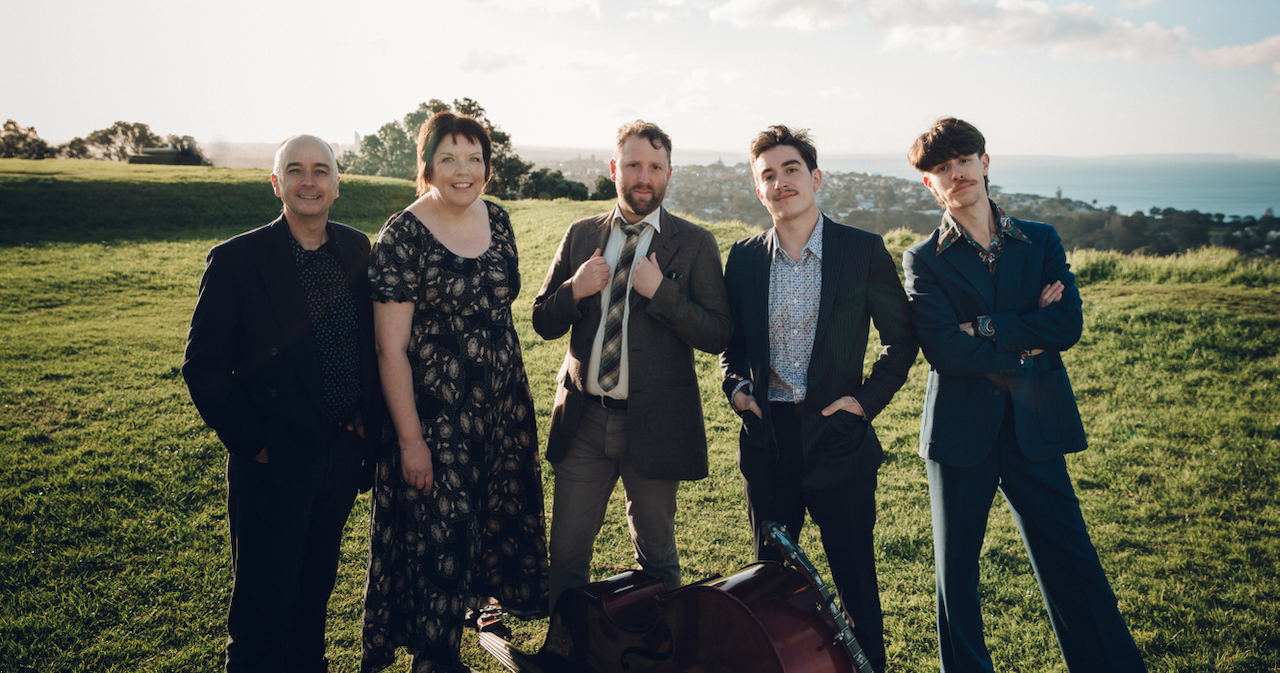
Photo courtesy of the artist.

You, Me, Everybody Grow True Roots in Borrowed Soil

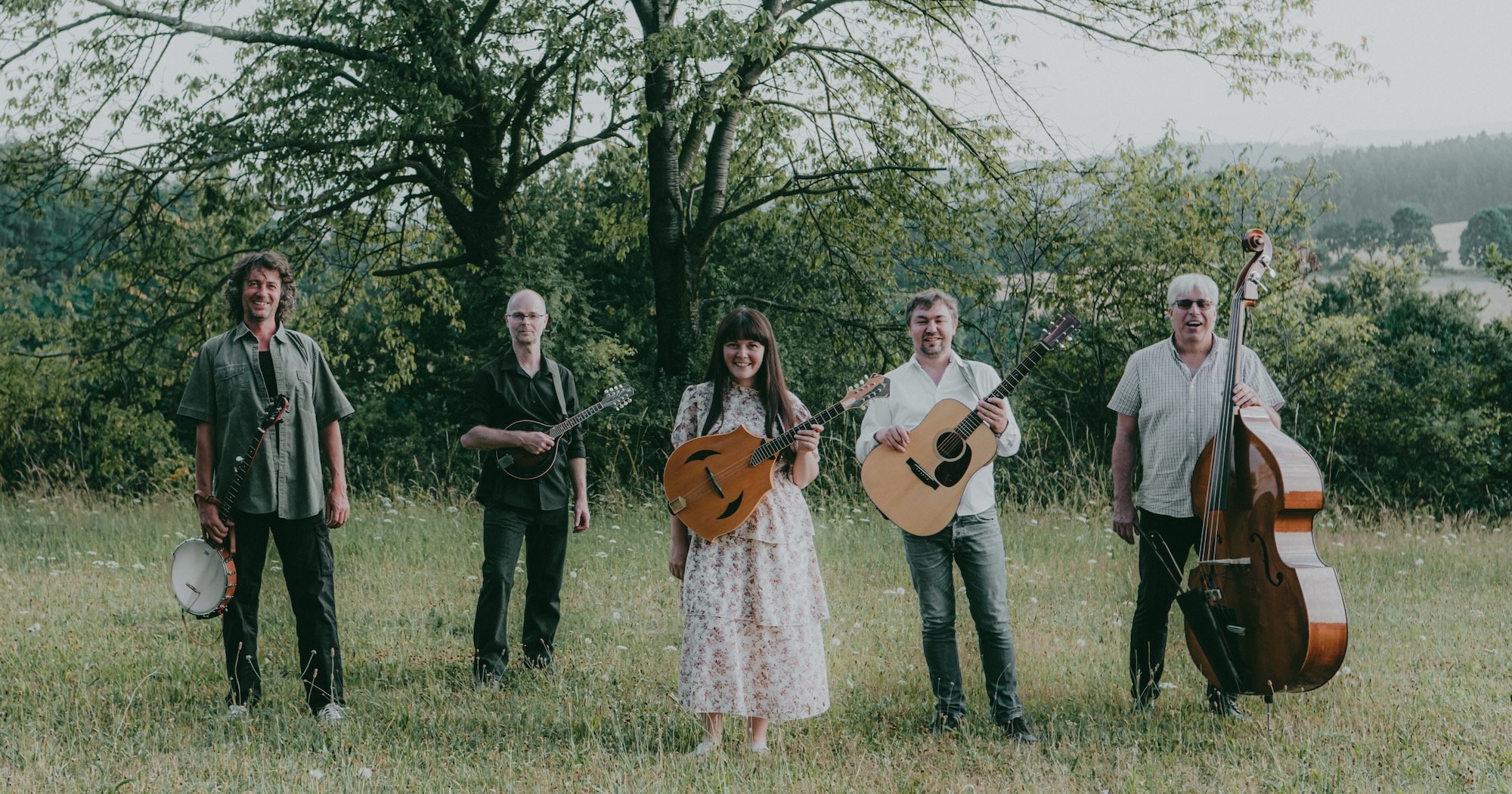
Aotearoa (New Zealand) doesn’t have a strong history of bluegrass bands – except one. If you mention bluegrass to New Zealanders, some will have at least heard of the Hamilton County Bluegrass Band. New Zealand has produced some great players, notably fiddle player George Jackson, banjo player BB Bowness, guitarist/singer Cy Winstanley, and bassist/singer Vanessa McGowan. (Now that we write this, these four would make a great NZ bluegrass band!) But while these names are well known in American bluegrass circles, it is fair to say they aren’t known (outside of folk circles) in Aotearoa.

Many of the songs on our new album, Midnight (out January 30, 2026), are situated within a day, or feature characters who are sitting at the cusp of who they have been before delving into something new. That sense of “in-between” also reflects our place within Aotearoa’s musical landscape, where bluegrass arrives without a long local history, but can be shaped in ways that feel natural to how we live and create here.

“Our Kiwi fans know bluegrass from traditional songs and contemporary artists such as Alison Krauss & Union Station, and Billy Strings. But they are more familiar with the other genres that bluegrass sits alongside. We’re also collectively members of the New Zealand folk, country, and jazz communities,” says our bassist, Rob Henderson.

Midnight starts with bluegrass at its core, but gently widens scope, bringing in different genres with their rhythms, broader chord progressions, and influences drawn from our own environment and lives lived in Aotearoa.

Here are the songs and tunes that anchor us in tradition and inspire us to find our own path as the clock strikes twelve. – You, Me, Everybody

“Ain’t No Grave” – Crooked Still

I love groove and the forward motion in all music, so when I heard this tune for the first time I was naturally inspired by the push of the cello part. This feel was a factor in my own bass playing across the album, especially for up-tempo tunes such as “Misdirection.” – Rob Henderson

“Dorrigo” – George Jackson

George Jackson’s tune “Dorrigo” feels friendly and familiar. It’s one of those tunes that will just keep going around and around the jam circle. When the Dorrigo Challenge did the rounds on the internet a couple years ago, it was a reminder of how a tune can bring people together. I had this in mind while writing “Sam’s Tune” on our album. – Sam Frangos-Rhodes

“Wildfire” – Watchhouse

I find when I sit down to write a song, I usually follow the same template or theme. Of course, there is variation in a lot of my songwriting, but I find rhythmically it’s always much of the same thing. A while back I wanted to break that cycle and try to write a more chilled out, slower tempo song, so I wrote “Heart of Stone,” which leads to “Wildfire” by Watchhouse. I enjoy this song because I think it has a very similar vibe to “Heart of Stone.” For me, it captures the same emotion and feeling I was looking for. I find it’s always nice to find what I was looking for in other people’s writing and relate that back to my own music. – Laurence Frangos-Rhodes

“Heart of Stone” – You, Me, Everybody

Laurence originally wrote this while we were producing our previous album, Southern Sky. I love the backbeat to it, but he also writes great chord progressions; they feel natural and authentic to the song and surprising at the same time. I’ve known Sam and Laurence since they were in their early teens and while our audience love our instrumentation, singing harmonies with them feels like home to me. “Heart of Stone” gives us an opportunity to showcase our vocal blend and milk those beautiful chords Laurence gifts to his songs. – Kim Bonnington

“Railroad” – Béla Fleck & Abigail Washburn

When I try to serve the song with three-finger banjo, I frequently look to Béla Fleck’s work with Abigail Washburn. He plays parts and the two of them fill out the texture of a song so well! Ironically, when we arranged “Silver Spoon,” I was hearing Abigail-like clawhammer behind it, so I did my best to provide that kind of sound with three fingers. – Nat Torkington

“A Hundred and Sixty Acres” – Marty Robbins

Our track, “The Ballad of Bubs and Beautiful,” started when I overheard a conversation between two women shearers in a camp ground in Waipukarau. I knew that I wanted to capture their relationship to each other and their working life, all framed within a day. My Dad’s vinyl collection is 50% Marty Robbins and I remembered the picture that “A Hundred and Sixty Acres” colored of a life well lived. That’s why the first line in “Bubs and Beautiful” is, “Up ‘fore dawn to greet the sun.” There’s a tendency for NZ songwriters to still write about American experiences and places due to an inability to describe ourselves that has been labelled “cultural cringe.” But I knew the description of the women was genuine when I heard someone go, “Oh” as we played the last line live for the first time. – KB

“Orphan Annie” – Tony Rice

As a guitarist, I’ve been heavily influenced by Tony Rice – who hasn’t!? Whenever I listen to the Church Street Blues album it leaves me feeling creative and inspired. I love the minimalism; stripped back to one guitar and vocals telling a story. A lot of the songs on Midnight started in this exact same way, guitar and vocals alone. So it only feels appropriate to give credit to Church Street Blues where credit is due. I cannot pick one track from the album as a favorite because they are all great, but here is “Orphan Annie.” – LFR

“Was It You” – Joy Kills Sorrow

“Was It You” is a song I love for how it drives. That rapid mando chop over a fast rolling banjo held down by a thumping bass is a sure way to make a foot stomper. I took a lot of inspiration from Jacob Jolliff’s mandolin playing in “Was It You” when I put together my part for our song, “Busy Without Me.” – SFR

“Busy Without Me” – You, Me, Everybody

Kim writes wonderful slice-of-life songs. The Midnight album has everything from the plight of an unwed mother to mother/daughter sheep-shearers. “Busy Without Me” is perhaps more #relatable, though: we have a short life with ample temptation for busyness, it says, but it’s important to take moments to “sit and breathe and let the breeze wash over me with nothing in my way.” I love the way the busy-ness of the music reflects the lyrics. – NT

“Caleb Meyer” – Gillian Welch

Country/folk/bluegrass songwriters have always done a great job of writing songs about things we won’t talk about, but make us happy to sing about them. Our song “Silver Spoon” was initially written to an Irish jig. But the joyfulness didn’t eclipse the bleakness of the lyrics. At different times when we were arranging it, different band members would say, “What would Caleb Meyer do?” and our producer Rachel Baiman asked exactly the same question when she arrived for our sessions before we recorded. It’s become the quintessential modern murder ballad. – KB

“Distant Sun” – Crowded House

I grew up in ’90s New Zealand with parents who would play in a country band at the local barn dance while my brother was DJing at the rugby club rooms. So while Marty and Merle would be in one ear, Crowded House was in the other. If you think of great bridges in songwriting, “Distant Sun” has one of them. It also has my favorite line ever in a song: “I don’t pretend to know what you want, but I offer love.” The melody lines in our own track, “The Rest of Us,” hark back to years of admiring Neil Finn as a songwriter. – KB

“The Rest of Us” – You, Me, Everybody

When Kim first brought the concept of “The Rest of Us” to the band I was immediately a fan, and thought it would a great fit on the album. Before we went into the studio we all spent some time together to arrange the new material. As a band I feel like we work uniquely well when it comes to putting a song together and it’s one of our biggest strengths. I think “The Rest of Us” is a great example of Kim’s songwriting and a great example of how we function as a band. – LFR

“Natchez Trace” – Béla Fleck

In my mind, this is the classic G minor banjo instrumental, from Béla Fleck’s landmark album, Drive. Recorded with his B string tuned down to B flat, Fleck often plays it live out without the re-tuning. That was the inspiration for me to write my own Gm instrumental for a banjo tuned to open G major. – NT

“What a Fool Believes” – The Doobie Brothers

I wrote “She’s Alright With Me” a few years ago before I joined You, Me, Everybody. At the time, I had been deep diving into a lot of Doobie Brothers music and the moving parts within their songs. When “She’s Alright With Me” was born, it was originally a heavy keyboard driving tune – having written it on an old 1960s Wurlitizer Piano and styled it on some of the Doobies’ keyboard parts. It’s safe to say it’s transitioned a lot as we don’t have a keyboard part, but you can hear the rhythm now being driven in the same way by Laurence’s guitar. – RH

“Old Train” – Tony Rice Unit

Laurence’s epic album-opening “Misdirection” is a straight-ahead driving bluegrass song, which nonetheless has a few surprise chords in it. For some reason that reminds me of this epic Tony Rice track. – NT

“Misdirection” – You, Me, Everybody

“Misdirection” fits nicely as the opener on our album. It’s a fun example of progressive bluegrass while still staying true to its roots. “Misdirection” is my favorite track on the album and I would like to think the amount of fun we had recording this song is reflected in the final result. – SFR


Photo Credit: Ebony Lamb

Paul Burch’s Songs for Absence and Guarding Space

The songs for my album Cry Love came like automatic writing, as if exhaled after too long at a high altitude. And they were recorded as if my band, the WPA Ballclub, had known them for a long time.

A common theme thematically and lyrically is absence. Absence can be volatile. The songs that inspired Cry Love have much in common, particularly a sense of space. Bedrock instruments such as bass or drums are absent or played as loops. Sometimes there’s hardly instruments at all.

Our decade since 2020 has been a slow developing picture of things absent or out of focus. First place. Then time. Then people. Then, this year, the absence for me and my family became the loss of a person. Earth, air, sky, salty sea, and sand were thrown amuck. Cry Love and these songs guard that space – that absence – with music. – Paul Burch


A while back, if I remember right, my life was one long party where all hearts were open wide, where all wines kept flowing.

I ran away. O witches, O misery, O hatred, my treasure’s been turned over to you!

I managed to make every trace of human hope vanish from my mind. I pounced on every joy like a ferocious animal eager to strangle it.

So…it dawned on me to look again for the key to that ancient party where I might find my appetite once more.

A. Rimbaud, A Season in Hell


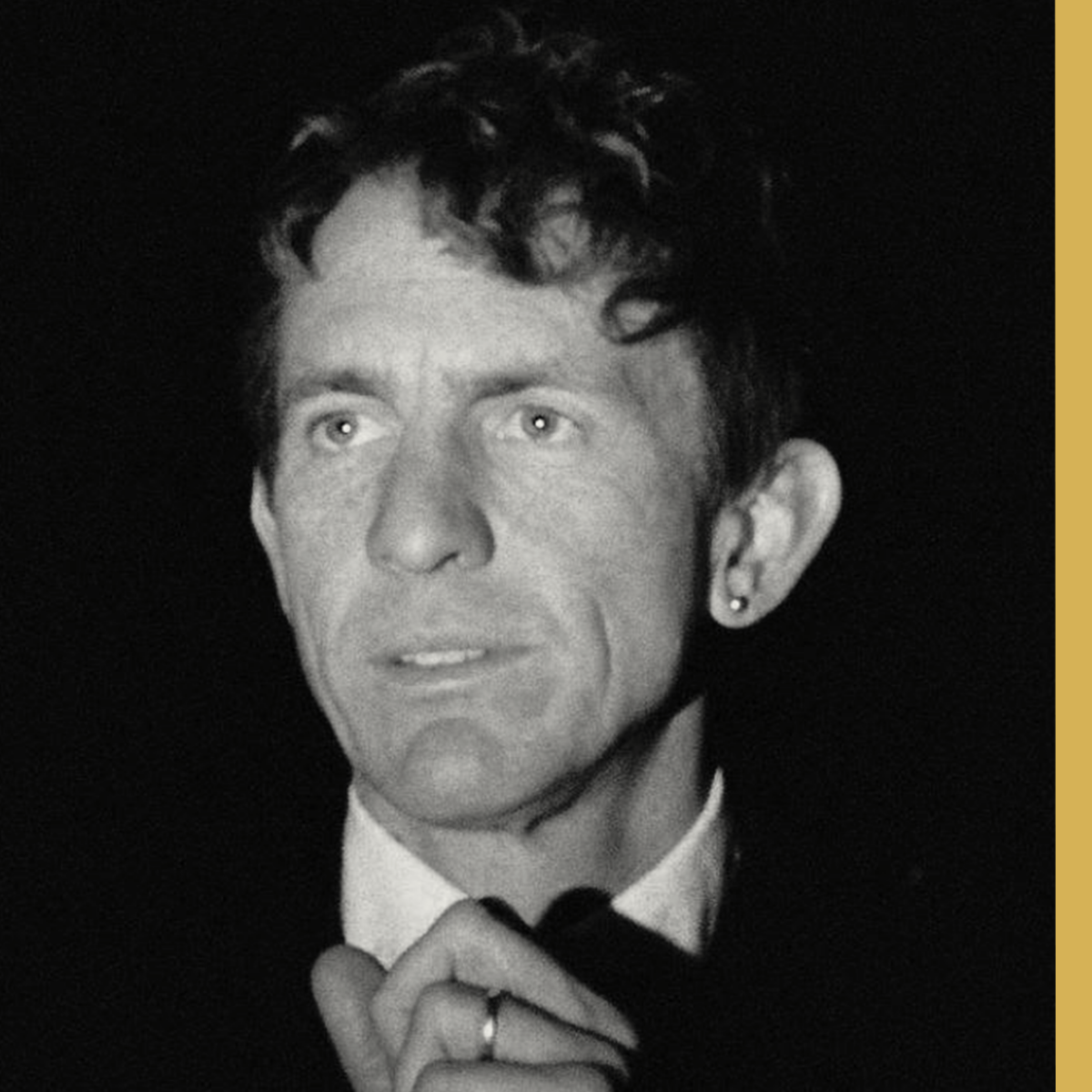
“Paris” – Moondog

The Viking of 6th Avenue, who lost his sight as a boy, spent most of his life performing on the corners between 52nd and 55th street. His compositions and collages made him friends like Charlie Parker, Benny Goodman, and Arturo Toscanini, who testified in court on Moondog’s behalf in his suit against DJ Alan Freed for co-opting “Moondog” for his radio show in Cleveland. Freed lost and apologized on air. This is Moondog’s late in life collaboration with the London Saxophonic. Beautiful.

“If I Lived in a Picture” – The Green Pajamas

The Green Pajamas are from Seattle and, like me, have never been on a major label. But that’s never stopped them from making gorgeous tunes like this one that upon first listen instantly vaulted them to one of my favorites ever.

“Telephone Blues” – Snoozer Quinn

My dear friend, supersonic guitarist and producer Richard Bennett, turned me on to Snoozer Quinn, the lost jazz pioneer who in the ’20s and ’30s scared the wits out of contemporaries Lonnie Johnson and Eddie Lang with his out of this world sound. There are stories of musicians filling hotel rooms and hallways to gander at a Snoozer jam session. Louis Armstrong was a great fan, as well.

Snoozer left the cutthroat NYC scene and went home to Louisiana where he died young from tuberculosis – but not before a musician pal captured him literally in his deathbed. The best part of this story is I turned Tim O’Brien onto Snoozer and Tim turned on his ole pal Bill Frisell. My good deed.

“How Much I Owe” – The Radio Four

All of the Nashboro gospel recordings are beautiful, but I’m especially drawn to the urgency of the Radio Four. Thanks to Jonathan Marx of Lambchop for the introduction. Featuring the great country bassist Lightning Chance, whose credits include Hank Williams and the Everly Brothers – and suggesting the Jordanaires’ “number system” for vocal parts be applied to Nashville sessions.

“Poinciana” – Ahmad Jamal Trio

Recorded live at the Pershing Hotel in Chicago. I especially love “Poinciana” for drummer Vernel Fournier, who reminds me of Nashville great and WPA batteur Justin Amaral. Bassist Israel played on Charlie Christian’s “Profoundly Blue.” Recorded by Chess Records engineer Malcolm Chisholm, who probably cut a session for Muddy Waters the next day.

“Sun Rays,” “Last of My Kind” – Pony Hunt

Jessie Antonick, who performs as Pony Hunt, is a musical gem. I love this live performance of “Sun Rays.” The finger snaps just send me.

I also dig their lovely version of my tune, “Last of My Kind,” which sounds like an alternative version of the WPA Ballclub.

“So Sweet You Are” – Dog On Fleas

I’m sure these lyrics got into my head for songs like “I Won’t Miss My Baby Anymore” and “Braggin'” which share the Willie Dixon “left is right, I may I might” school of playful revelation.

“Ready to Leave” – Emahoy Tsege Mariam Gebru

For me, all of Ethiopian composer and pianist Emahoy Tsege Mariam Gebru’s works are enchanting. But I especially love the album Souvenirs, her first vocal collection. Mississippi Records describes it as “songs of wisdom, loss, mourning, and exile sung directly into a boombox,” which aptly describes my feelings writing Cry Love.

“The Whale Has Swallowed Me” – J.B. Lenoir

Both John Lee Hooker and Mr. Lenoir excelled at sparse blues storying around a hypnotic, looping beat. And a whale of a story it is. The great Fred Below, on drums, powered hundreds of classics at Chess.

(Watch a great live video of J.B. Lenoir performing the song on YouTube.)

“Misery” – Barrett Strong

A hypnotic, menacing tune in which melancholy carries a blade and a broken bottle. Sung from the heart of misery itself by Motown’s first hit artist (“Money”). I love the looping carousel bass line. Los Lobos did a beautiful version, too.

“I Need Somebody to Lean On” – Elvis Presley

Elvis was having a hard time musically and spiritually in the early ’60s but still made some beautiful records. By Doc Pomus and Mort Shuman (“Save the Last Dance for Me”). Elvis sounds inspired and committed with phrasing that evokes a bit of Chet Baker.

“Complex” – Tristen

I’ve been crazy for Tristen’s music since I first heard her perform with a trio in front of Whole Foods (of all places) over a dozen years ago. That was the old Nashville. We both play Epiphone Casinos, which makes us siblings of sorts – members of an exclusive club. I’d like to think so, anyway. “You can have your way until you get in my way.”

“Blow Wind Blow” – Muddy Waters

A great era for Muddy on stage with fiercely driving rhythm courtesy three guitarists and Pinetop Perkins.


Photo Credit: Jim Herrington. Pictured: Paul Burch (L) and Fats Kaplin (R). 

Artist of the Month:
Courtney Marie Andrews

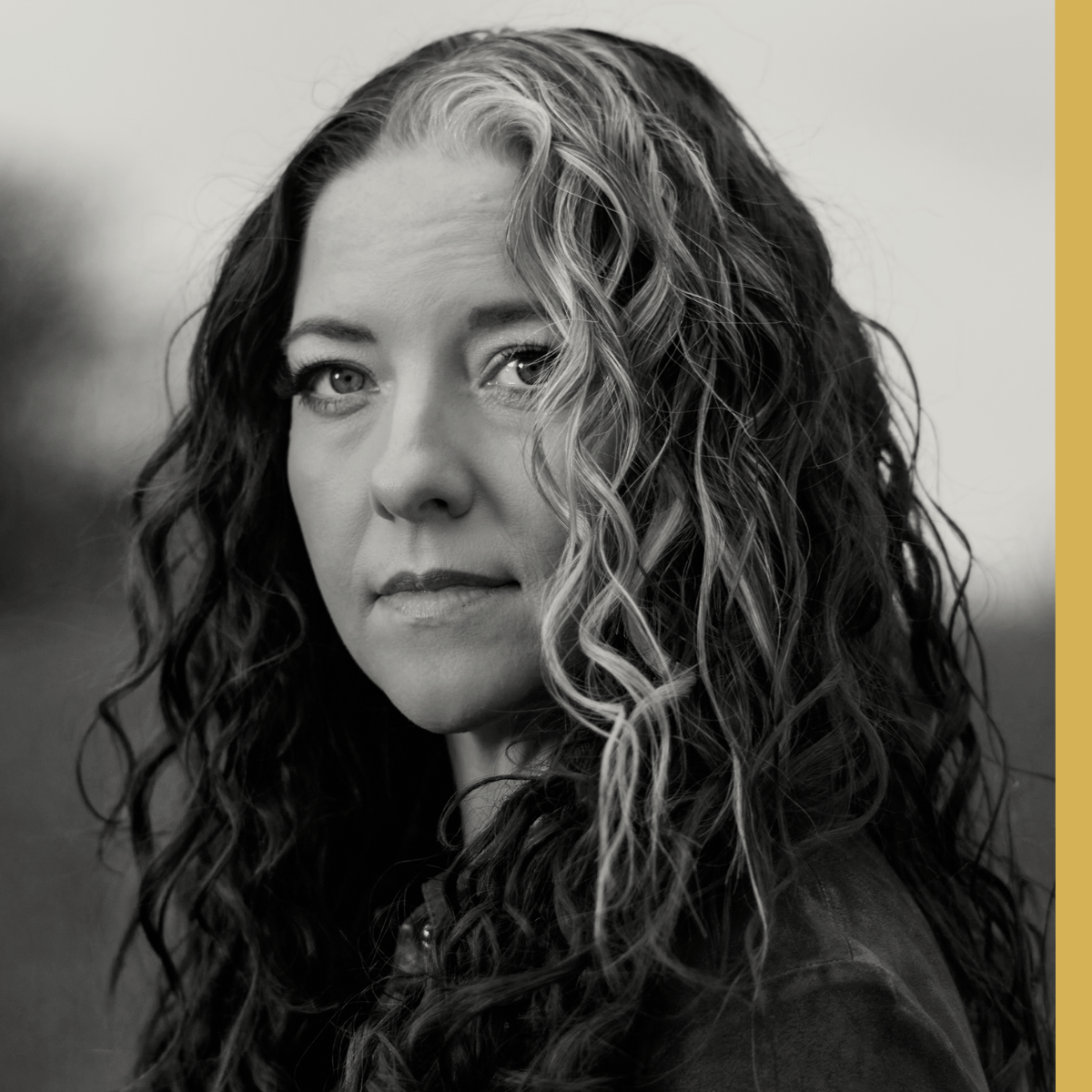
On singer-songwriter Courtney Marie Andrews’ upcoming album Valentine, you can hear her letting go.

It’s a process she ostensibly started – at least, musically or outwardly – on 2022’s Loose Future, a collection on which Andrews also reckoned with being in a period of transition, personally and professionally, letting go of former five- and 10-year plans and recentering in the present.

Approaching four years since that most recent studio album, with Valentine it seems Andrews is intent on reinforcing and revisiting the same lessons she taught us and herself on Loose Future. The new album, which will be released on January 16 by Thirty Tigers, begins with a grand, tone-setting opener, “Pendulum Swing.”

Reminiscent of ‘60s pop-folk and rich with arpeggiated 12-string guitars, Andrews vocally soars into the verses and murmurs each contemplative chorus:

If I get what I want
Gotta let the pendulum swing
Can’t be good for too long
Let the pendulum swing…

It doesn’t exactly strike a listener as the sort of Loose Future Andrews formerly envisioned, but the song also doesn’t seem to wallow in the apparent feeling of impending doom, or the instinct that imbalances of “good for too long” must be righted. Instead, to this writer, it rather sounds like she’s focusing on the instinct itself. On her belief, conscious or subconscious, active or passive, that “karma” or “deserving” necessitates inevitable negative responses to anything positive.

As with all of her impeccable albums, Valentine finds love as a frequent subject – as well as community, perception, expectations, and how all of these topics touch on or intersect with existential dread. But Andrews seems to be letting go of her ideals of what love is or what it can be, as well. Thankfully, her perspective on the subject is always expansive, never simply reduced to just romance or sex or heteronormativity – or some slurried combination thereof. But Valentine is more direct in its approach to love than some of her LPs.

“[Valentine is] a record in pursuit of love,” Andrews explains via press release. But that love “is a lot more than I gave it credit for,” she continues. “It’s built over years, it’s built with trust, with changes, it becomes something new and unrecognizable, the deeper you go.”

Songs like “Keeper,” “Cons and Clowns,” and “Everyone Wants to Feel Like You Do” follow in tight formation behind Andrews’ past songs on love, connection, and romance – especially the masterful album, 2020’s Old Flowers. But other tracks, perhaps chief among them “Best Friend,” indicate that expansion on love as an idea and point back to the creative process here also being one of letting go.

You can sense that surrender, the gradual unclasping of fists and de-whitening of knuckles, in almost every aspect of Andrews’ creative output. It has, after all, been quite a few years since she last released an album. Her prior rhythm of abject road-dogging and releasing LPs every year or two has been replaced by much more thoughtful and intentional tours, performance forays, and product launches. She’s leaned more into another medium, painting, and has gone full-bore as a published poet, too. She’s released two collections of poetry – Love Is a Dog That Bites When It’s Scared having arrived this past August – and has built up her creative, community infrastructure to feed more than just her itinerant musical pursuits and former wall-to-wall, year-round tour schedule.

It’s almost like you can hear the retooling of Andrews’ idea of success happening in real time, from Loose Future through to Valentine. Like you can hear her realizing that giving up the version of herself who existed on Honest Life (2017) through May Your Kindness Remain (2018), and the version of herself from Old Flowers and Loose Future, doesn’t ever mean net loss. Like being on the road less means one could grow flowers, feed stray cats, and build a support system in her new home of Nashville that, especially as an only child and retired nomadic busker, she’s always craved.

The sense of letting go was perhaps infused into Valentine by the specific circumstances that gave birth to these songs. “I was in one of the darkest periods of my life,” Andrews continues in the project’s album bio, “and songs were the only way I could reckon with it.”

“I felt cursed, and the only mental cure felt like songwriting and painting.”

It’s why this album, like almost all of her prior releases, also feels as self-directed as it is outward-facing and primed for wide audiences. Andrews has learned that letting go – of control, of her past self, of expectations, of legalism around or criteria for love, of the “power” (and curse) of individualism, of freneticism and frantic ladder-climbing, or of life itself – is a process we don’t ever graduate from. We never muster out. We have to return to ourselves, to introspection, to the very constructions of our selfhoods over and over again to do that work.

The redemption and sheer beauty of this album are not because Courtney Marie Andrews has found her Valentine, but because she can hold up her wants, needs, and dreams as valid and wholesome goals on one hand, while stripping – and re-stripping – them of any power they may hold over her on the other. It’s an impressive duality, one that wouldn’t be nearly as successful without Andrews already having done so many reps in finding herself and of letting go.

Andrews is our January 2026 Artist of the Month, an auspicious start to a brand new year of roots music. Here, you can read our feature interview with Andrews all about Valentine, its making, and the unique way she and her collaborators went about recording these fantastic songs. Below, enjoy our Essentials Playlist and tune in on social media as we dip back into the BGS archives throughout the month to share all things Courtney Marie Andrews.


Photo Credit: Wyndham Garnett

2025: Another Year of Ed’s Picks

As our second year of Good Country comes to a close, we’re reflecting on another 12 months’ worth of the best in country music. Whether Americana, bluegrass, or string band, blues, outlaw, or Western swing – or any of the many styles of country we know and love – there’s been plenty of excellent picks from my ear buds directly to your inboxes and playlists.

We sampled post-modern Mississippian country from KIRBY, got funky and soulful with Memphis family band and GRAMMY nominees Southern Avenue. We celebrated Suzy Bogguss’ invitation to join the Grand Ole Opry and traveled to the remote center of the Pacific Ocean for Maoli’s particular twang.

Fiery twin fiddle by Jason Carter & Michael Cleveland had our jaws on the floor, while we were surprised – but not really – at how well Brooks & Dunn went together with the Earls of Leicester. Huge stars like Billy Strings, Warren Zeiders, Sabrina Carpenter, and Carín León were enjoyed alongside everyday working musicians like Jordan Tice, The Creekers, Nick Shoulders, Sunny War, and more.

That depth and breadth – of artists and styles, of notoriety, or approach – is exactly what we’re going for with Good Country.

Good Country isn’t any one thing. It’s a feeling. It’s a place. We’ll be chasing more Good Country feelings and places in 2026, and we’re so grateful to have you along for the ride. Look back at all of Ed’s Picks for 2025 with our master playlist.


Want more Good Country? Sign up to receive our monthly email newsletter – and much more music! – direct to your inbox.

BGS Wraps: The Rootsiest Time of the Year

In our eyes and to our ears, there’s no better family of musical genres to usher in the holiday season than roots music. Bluegrass, Americana, old-time, country, blues, and beyond – they’re all perfectly suited for the coziest time of year, for togetherness, for parties and gift-giving and cookie icing. Whether you celebrate Christmas, Hanukkah, Kwanzaa, or Winter Solstice – or even if you feel like opting out of the ruckus altogether – there is roots music for you.

Each year, we like to share our picks for the rootsiest time of the year in BGS Wraps, a weekly collection of songs, videos, albums, shows, tours, and events that celebrate the season. We share a few of our favorites, mostly brand new but often classics and timeless selections, too. Plus, we collect all that we can into a running playlist so you’re ready when the family or party hands you the aux cable.

We hope you enjoy BGS Wraps and tune in the next week as we continue our series celebrating the holiday season. (Catch up on week one here. And check out week two here.)

Merry Happy Whatever, The Doohickeys

Country duo the Doohickeys go fully original with their brand new Christmas EP, Merry Happy Whatever. Their trademark wit and humor are evident across the project’s five songs – including gut-busters like “Santa Needs A Beer” and “Santa Is A Stoner.” (Does Santa need a breathalyzer, as well?) On the EP’s title track, the delightfully crowd-pleasing and all-encompassing “Merry Happy Whatever,” Haley Spence Brown and Jack Hackett are joined by the Wolves of Glendale, with rich background vocals and holiday winds and brass to accomplish that full-tilt holiday sound. And a merry happy whatever to you, too!


A Cherry Valley Holiday, Carter Faith

A favorite of ours from the mainstream country space, Carter Faith released an excellent A-side/B-side holiday single this season, pairing “Nothin’ For Christmas” (featuring William Beckmann) with “Please Come Home For Christmas.” Packaged as a two-song collection titled A Cherry Valley Holiday, both tracks are perfectly suited for your countriest Christmas playlists. Faith’s duet with Beckmann showcases how both artists keep tradition alive while still looking to the future. You may be reminded of iconic duets like Lee Ann Womack with George Strait or Dolly Parton with Kenny Rogers. The holiday cheer doesn’t stop there, either, Faith recently joined Jimmy Fallon himself on “Ugly Sweater,” a funny seasonal track produced by Dave Cobb that the pair unveiled together on The Tonight Show. Between the Christmas singles and “Ugly Sweater,” there’s a country holiday flavor for everyone. Carter Faith does it all.


“Christmas in Yuma,” Cameron Knowler

One of our favorite albums of the year was released by guitarist, archivist, writer, and composer Cameron Knowler (who sometimes writes for BGS, too). CRK was released in April and, being set in the desert in and around Yuma, Arizona, the project feels properly warm and sunny, painting sonic pictures of red rocks and cactuses and blacktop baking in the sun. If that doesn’t sound properly Christmas-y to you, take a moment to inhabit the album’s lead track, “Christmas in Yuma.” A gorgeous prose poem set to sparse, textural guitar, the text was written by Knowler but is read by his friend and fellow Southwesterner, Jack Kilmer. It’s a truly stunning beginning to the project and we’ve been holding onto it all year for just this occasion. It may not be the most sing-along ready track of the holiday season, but its transportive feelings of nostalgia, grief, longing, and pain at seismic transformations – or at cloying, gluey stagnation, or both – are altogether more than perfect for the holidays.


“Christmas Love Song,” Willie Nelson

If the only present any of us received this year was a “Christmas Love Song” from Willie Nelson, well, that would feel like a pretty complete holiday season, wouldn’t it? With just one simple offering, every “need” could be checked off our wish lists. Written by fellow legend Bill Anderson (with help from Bobby Tomberlin and Marv Green) and produced by fellow legend Buddy Cannon, “Christmas Love Song” includes plenty of Nelson’s signature charm, whether in his languid phrasing or his tasteful nylon-string licks on his trusty guitar, Trigger. In the lyric itself Nelson is remarkably humble about his holiday offering: “It ain’t a lot, but every word of it’s true/ It don’t sparkle or shine/ But it’s one of a kind…” For all of us who’ve received this holiday gift from the legendary Willie Nelson, it feels like more than enough. And we will certainly cherish it.


“Oh, It’s Christmas,” Sage Palser and Prairie Wildfire featuring Danny Paisley

New bluegrass holiday hits are all too rare, so we relish them when we find them. This release from 2024 is a great example, cheery sleigh bells giving way to burning bluegrass that will warm the winter right out of your heart. Sage Palser joined Danny Paisley and the Southern Grass on a recent single that ended up on Paisley’s most recent album, Bluegrass State of Mind, and their knack for collaboration is showcased on “Oh, It’s Christmas,” as well. Paisley and Palser sing in duet while backed up by Palser’s band, Prairie Wildfire. This one has got us in the mood for Dollywood’s Smoky Mountain Christmas. It’s the perfect bluegrass track for some cinnamon bread and roller coasters.


“Office Christmas Party,” Brittany Ann Tranbaugh feat. Carsie Blanton

Ah, at long last, a tribute to everyone’s favorite events of the holiday season – the dreaded office Christmas party. From Brittany Ann Tranbaugh and Carsie Blanton, “Office Christmas Party” is silly and light-hearted, but with a message direct from Ebenezer Scrooge’s counting house employees: Sure, gifts of appreciation from our employer at this time of year are appreciated, but we’d much prefer workers’ rights, collective bargaining, and a living wage. Enjoy the free beer, cookies, and pizza at your corporate party, of course – and commiserating with our coworkers is solidarity, whether they know it or not – but focus on what will really bring the reason for the season into focus. A union! Tranbaugh and Blanton continue to showcase their penchant for making mission-focused music that’s also fun, engaging, and joyous.


“Where My Heart Is,” Randy Travis

Thanks to technology, AI, and contributions from vocalist James DuPré, Randy Travis “got his voice back” last year and began releasing brand new music featuring the low, smoky, dulcet tones for which he was adored. It’s one of the more interesting use-cases of AI in music, leveraged to give an artist their agency back instead of stealing it away forever. Travis’ pair of singles with his new AI-enabled voice are well-executed for what they are, but a newly released from-the-vault track like “Where My Heart Is” still reaffirms the ineffable in his hitmaking voice that we won’t ever get back. Even the best AI just cannot compare. “Where My Heart Is” was recorded prior to Travis’ fateful 2013 stroke that would render him unable to sing. It’s a lovely, heartfelt track that falls in perfect step with his beloved holiday albums An Old Time Christmas and Songs of the Season. We’ll take any/all Randy Travis songs we can get, but this one feels extra special.


Christmas with el Twanguero, Twanguero

Spanish guitarist Diego Garcia is Twanguero, maker of one of the finest holiday collections to be released this year, Christmas with el Twanguero. Recorded entirely to analog tape, the album of instrumental renditions of holiday favorites is tasteful, warm, and cozy. It would fit just perfectly bookended by Vince Guaraldi Trio and Sharon Jones & the Dap Kings. It’s understated in its execution, relying on retro vibes and sounds to do the heavy lifting holiday pomp and bling would normally bring on such a project. For an album centered on the guitar, it never feels like it has to rely on showboating or hot licks, instead leaning into familiarity to bring us something that feels refreshing and new. It’s cinematic and lush, but down to earth and intimate, too. Plus, the album supports El Patojismo, a school of arts and social transformation based in Jocotenango, Guatemala, fostering education and creativity within its community. All around, it’s a lovely holiday discovery.


Peace, Love, and Cowboys (Holiday Edition), Lainey Wilson

Not sure if or when we’ve ever enjoyed such a holiday treat as this! Lainey Wilson returns to “Peace, Love, and Cowboys” from the deluxe release of her 2024 hit album, Whirlwind, to offer us a lovely holiday rewrite of the track. Retooled for the season, the message of the song resonates all the same – we need more hippie cowboys, cowgirls, and cowbabes, this time of year and beyond. The Christmas EP also includes a duet with Bing Crosby himself on “Let it Snow! Let it Snow! Let it Snow!” – Wilson can get anyone on a feature! Plus, she revisits a prior holiday single, “Christmas Cookies;” she also includes instrumental versions of each number, if you happen to have a word-free playlist that needs new transfusions of seasonal songs. We love the way Wilson approaches country music, and this little collection shows the creativity and outside-the-box-thinking she brings to the table.


Lead Image: Randy Travis by Marisa Taylor; Carter Faith by Bree Marie Fish; The Doohickeys by Jesse DeFlorio.

Doc Watson’s Legacy in Collaboration:
8 Essential Performances

Few musicians have ever moved as fluidly between eras, genres, and generations as Doc Watson. From front-porch duets to grand-stage bluegrass revivals, Watson’s collaborations have a way of dissolving categories entirely.

His flatpicking precision, rhythmic calm, and vocal warmth made him the kind of performer who elevated everyone within earshot – young prodigies, genre pioneers, folk-tradition torch bearers, and musical iconoclasts alike. His reputation as a consummate accompanist was built not on showmanship or flamboyance, but on musical generosity and an intuitive sense of timing, phrasing, and expression that allowed others to shine while retaining his unmistakable voice.

Part of Watson’s power lies in the consistency of his musical identity. He never strained to fit into a new format or trend; instead, others bent gratefully toward his center of gravity. Whether playing an old-time fiddle tune, trading licks with a jazz-influenced mandolinist, or harmonizing with a younger bluegrass singer, he brought a sense of ease and groundedness that anchored every ensemble. That stability gave his collaborators the freedom to explore, improvise, and innovate – knowing Doc would be right there, steady and sure.

This sense of balance between precision and freedom made him a model collaborator for musicians across generations, and his impact can be traced through countless recordings, festival lineups, and mentorships of younger players.

Watson’s influence was not just technical but communal. He could guide a performance without overwhelming it, offering the ideal blend of authority and humility. In his guitar, listeners hear the voice of the North Carolina mountains, the pulse of Appalachian tradition, and the adaptability of a musician able to engage any genre without losing authenticity.

Today, YouTube’s patchwork archive of footage allows us to witness these collaborations anew: small moments of musical connection, sometimes real-time, sometimes reconstructed from archival sources. Below is a curated set of eight standout filmed or recorded collaborations that illustrate Watson’s reach. From storied duets with Chet Atkins or Earl Scruggs to meetings with newer-generation players.

“Roll in My Sweet Baby’s Arms” – Doc Watson, Earl Scruggs & Ricky Skaggs
(The Three Pickers)

This relaxed but virtuosic performance features Watson, Scruggs, and Skaggs playing with the ease of a porch jam made public. Watson’s crisp flatpicking forms a warm foundation, while Scruggs’ banjo drives with characteristic agility and Skaggs adds mandolin flourish and bounce.

The trio exhibits mutual respect and joy, and their lines interweave with natural conversation.
The recorded performance comes from the 2003 album The Three Pickers. The energy and clarity of the musicianship exemplify Watson’s ability to anchor an ensemble while remaining entirely supportive, a model of intergenerational teamwork. It is a performance that displays the combination of technical mastery and intuitive musical empathy that defined Watson’s career.

“Tennessee Stud” – Doc Watson & Nitty Gritty Dirt Band
(Will the Circle Be Unbroken)

Watson’s performance of “Tennessee Stud” on the Will the Circle Be Unbroken project exemplifies his ability to blend seamlessly with both established musicians and a younger ensemble eager to learn from him. His deep, resonant vocals float over understated but fluid flatpicking, supporting the Nitty Gritty Dirt Band’s harmony vocals and rhythmic drive.

Watson’s musical sensitivity allowed for a dialogue that bridged generations, bringing traditional songs into a contemporary context while retaining their original heart and vibrancy. This track also highlights Watson’s ability to adapt to the studio environment, shaping a sound that was both authentic and polished. The 1972 studio album is well-documented, though various YouTube versions may mix studio, rehearsal, or live takes.

“Tennessee Rag / Beaumont Rag” – Doc Watson & Chet Atkins (Reflections)

In this medley, Watson and Chet Atkins engage in a playful, masterful guitar dialogue. Watson’s flatpicking exhibits crisp, percussive articulation, while Atkins’ thumb picking introduces a smooth, jazz-inflected counterpoint. Both artists navigate tempo and dynamics with precision, creating a performance that is both technically dazzling and deeply musical.

The track appears on the Reflections album and while some online performances derive from live shows or reissued audio, the studio recording itself exalts the collaborative interplay. This duet demonstrates Watson’s ability to move effortlessly between folk and jazz guitar traditions, honoring both while creating something uniquely their own. The performance underscores his adaptability, an essential quality in a musician sought after by so many genres and generations.

“Black Mountain Rag” – Doc Watson & Merle Watson

The father-son dynamic between Doc and Merle Watson is in full display in this live rendition of “Black Mountain Rag.” Merle’s nimble, rhythmic energy dances atop Doc’s grounded guitar tempo, producing an interplay that is conversational, playful, and intricate. Their shared history and years of touring allow for spontaneous embellishments and musical commentary woven into the tune.

This performance captures the essence of the Watson family legacy, showing how Doc nurtured both musical skill and expressive interpretation in the next generation. The piece also serves as a lesson in ensemble sensitivity, as Doc balances his playing to give Merle ample space while maintaining rhythmic and harmonic cohesion.

“What Would You Give in Exchange for Your Soul?” – Doc Watson & Bill Monroe

Watson and Monroe’s pairing on this traditional tune combines the latter’s piercing, high-lonesome tenor with the former’s warm baritone, creating a striking emotional contrast. Watson’s guitar provides steady, unobtrusive accompaniment, allowing the vocal interplay to take center stage.

This recording exemplifies Watson’s ability to adapt to any partner, responding in real time to vocal phrasing and tempo shifts. The performance demonstrates his interpretive sensitivity, highlighting how he could honor a song’s emotional core while integrating his own stylistic voice.

“Shady Grove / Summertime” – Doc Watson & David Grisman

Watson’s collaboration with David Grisman blends Appalachian folk with progressive acoustic styling. In this rendition of “Shady Grove,” Watson’s rhythmic guitar backgrounds Grisman’s mandolin flourishes, resulting in a lively, conversational back-and-forth. Improvisation is key, as both musicians respond to each other’s phrasing, demonstrating mutual respect and spontaneity.

This collaboration underscores Watson’s versatility, showing he could navigate between traditional melodies and innovative interpretations, elevating both in the process. It is a reminder of his role in bridging traditional and progressive acoustic music for audiences and colleagues alike.

“Amazing Grace” – Doc Watson & Jean Ritchie

Watson and Jean Ritchie’s collaborations were well-established, including performances at venues like Folk City in the early 1960s. However, the specific attribution of some YouTube uploads titled “Amazing Grace” is ambiguous. The Live at Folk City album recording is the most reliable source, showing their complementary styles: Watson’s gentle, precise guitar lines support Ritchie’s clear, expressive vocals, blending Appalachian tradition with personal interpretation. They represent the transmission of Appalachian folk music to wider audiences and the seamless melding of their similar sensibilities.

“Summertime” – Doc Watson & Mark O’Connor

Watson’s influence on multi-instrumentalist Mark O’Connor is well-known; O’Connor cites him as a formative inspiration and their collaboration remains significant as a symbolic bridge between generations. Watson’s teachings and style informed O’Connor’s fiddle mastery, illustrating Watson’s mentorship and the continuity of American acoustic tradition. Indeed, their shared repertoire speaks to the passing of musical knowledge and the sustaining of tradition through personal and professional interaction.

These eight performances above collectively highlight Doc Watson’s role not only as a primary musician, but as a profoundly generous collaborator. He created space for others to excel, whether alongside legends like Bill Monroe, Earl Scruggs, and Chet Atkins or with younger rising stars such as Alison Krauss and Mark O’Connor. Watson’s approach combined technical mastery with emotional intelligence, allowing him to respond intuitively to fellow musicians in real time.

His collaborations illuminate the breadth of his influence. Watson moved with ease between old-time Appalachian tunes, rag medleys, gospel-inflected ballads, rocking hillbilly sounds, and improvised jam sessions. Across these contexts, he remained unmistakably himself: grounded, warm, and adaptable.

By mentoring younger musicians, bridging generations, and seamlessly adapting to new musical contexts, Doc Watson demonstrated that tradition is not static; it is a living, evolving practice. His legacy continues to teach musicians the art of generosity, the importance of listening, and the beauty of musical dialogue. Perhaps in every collaboration, Watson’s spirit resonates, ensuring that his contribution to music endures across time, space, and audience.


Lead image courtesy of MerleFest.

2025 Good Country

What is Good Country?

We wouldn’t ever begin to even try to define it. Good Country is a place. A feeling. A sense of knowing it when you hear it. Whatever you consider to fall under the term or qualify for the moniker, there certainly is plenty of Good Country to be found these days – and especially in 2025.

To wrap up the year in country, we asked our GC contributors not to simply select their favorite country song or album of the year, but to consider that titular question. We gave our writers no parameters or qualifiers for what their picks could be or include, leaving the prompt as open-ended as possible, asking our folks to focus in on the music that stuck with them, whatever the reason or impulse or staying power. Most selections are albums and songs, but some are artists, books, soundtracks, live shows, or other more intangible moments.

The results perfectly illustrate how much easier it is to triangulate the location of Good Country by showing, rather than telling. Spanish-language and Mariachi-infused country fall alongside twangy Mississippian working class messages over hip-hop beats and contemplative singer-songwriter mental health reckonings. Bluegrass pickers can be found beside books and motion picture soundtracks and songs sung in te reo Māori. Smash hits and household names bump up against newcomers and fresh discoveries. It’s all here. It’s all Good Country.

As you scroll, we hope you enjoy the broad, borderless, and endlessly entrancing territory we’ve come to know as Good Country. As we turn the page from 2025 to 2026, we’re proud of the community of folks who love and make Good Country – and beyond excited to hear what they’ll continue to bring to us in the very near future.

Sammy Arriaga, “Before The Next Teardrop Falls”

Freddy Fender’s masterful 1974 hit, “Before The Next Teardrop Falls,” with its Tejano guitar and half-Spanish chorus, is so cemented into the history of the place it was made that it sounds as contemporary as Willie in Austin, and older than the Carter Family, even maybe older than Nashville itself. Recording a cover of it, especially in this era of ICE raids and xenophobic facism, is to argue for a kind of double heartbreak – where the loss of a lover and the oppression of a culture work concurrently. I would have never thought that Sammy Arriaga was capable of this, his previous work was often vapid and derivative, but 2025’s Heart in Texas has an immediate, difficult tenderness.

If Fender’s work has hope that his lover will eventually need him in the same way that country music will need him, then Arriaga’s work is devastating because he knows that he will not be asked to be there at all. – Steacy Easton

William Beckmann, “Por Mujeres Como Tú”

Few things brought me more joy this year than videos of country crooner William Beckmann performing Pepe Aguilar’s “Por Mujeres Como Tú” at Floore’s Country Store in Helotes, Texas, in September. Beckmann was joined by Mariachi Campanas de America, a San Antonio-based group that’s been active in different iterations since 1978.

A native of Del Rio, Texas, Beckmann has made no secret of his bilingual roots – he sang Vicente Fernández’s “Volver, Volver” during his Opry debut in 2023 and included a cover of “Por Mujeres Como Tú” on his major-label debut, Whiskey Lies & Alibis, earlier this year. But this was clearly a special moment, as evidenced by the triumphant expressions on Beckmann’s and the mariachis’ faces and the sounds of the delighted crowd singing along. It offered proof of what many generations of Texans already know to be true: Mariachis make everything better. – Will Groff

Luke Bell, The King is Back

Luke Bell was a country music chameleon like no other. Western swing, country blues, classic country, outlaw, cowboy, trucker songs, and rowdy barroom country – he sounded at home in it all. Enigmatic and tough to pin down, Bell was a quintessential driving force in the Americana and independent country scene as it blossoms now. He also struggled with mental illness and substance abuse, and was found dead at 32, truncating his musical contributions.

Now, a posthumous double album, The King is Back, delivers both Bell’s ineffable joie de vivre and his remarkable songwriting in the most complete form yet. The King is Back’s 28 tracks range from bravado on “Rattlesnake Man,” “Long Gone Love,” and “Cold Stew,” to vernacular country with “Roofer’s Blues” and “Irrigator’s Blues,” and classic country weepers like “Seven and Steady” and the album’s spectacular, tragic closer, “Tiger’s Mouth.” Bell’s songwriting was often stunningly prescient. And on the album’s title track, it’s easy to imagine Bell’s just stepped back on stage with a wink and a grin: “I heard things just ain’t the same without me/ Hold your hats, the party’s on, the king is back,” he sings. This album is as close as it gets. – Meredith Lawrence

Cole Chaney, In The Shadow Of The Mountain

In 2023, as I was wrapping up an interview with music industry counselor JT Nolan about the mental health benefits of playing music, he asked, “Have you heard Cole Chaney? Go to YouTube and listen to ‘Spirit.’” When friends and family turn away, houses of worship slam-lock their doors, and society at large stigmatizes and ostracizes, the broken take refuge in the arts. Sometimes it’s complex work. Sometimes it’s the gentle strumming of an acoustic guitar and a high lonesome refrain: “I want to let go, I don’t want to hurt no more, I want to let go … spirit … I’m tired of holding on …”

A lot can happen in two years. Cole Chaney grew his hair, plugged in, turned up, and released In The Shadow Of The Mountain. The result owes as much to Cobain and Cornell as it does to Doc and Merle. Chaney describes it as “a little bit of a darker album.” That’s saying something, considering the emotional outpouring that is his debut, Mercy. Settled in midway on the new release is a revisited “Spirit,” somehow even more plaintive than the OurVinyl session.

Albums like In The Shadow Of The Mountain, in all its aching beauty, are reminders that while our brokenness may never truly leave us, music is the kintsugi that helps fill its deepest cracks. – Alison Richter

Tyler Childers, Snipe Hunter

Sure, Tyler Childers’ grungy Rick Rubin-produced masterpiece, Snipe Hunter, has been nominated for a GRAMMY Award in the Best Contemporary Country Album, but placing the project alongside releases by fellow nominees Miranda Lambert and Kelsea Ballerini illustrates how limiting this buzzworthy category split really is. To this listener, every single fascinating song on Snipe Hunter is built upon a centuries-old foundation of country and Appalachian tradition.

While the album has certainly had a polarizing effect among those who describe themselves as Childers fans, folks “in the know” inside and outside of the region – be it central or southern Appalachia, Kentucky, the South, or rural haunts in general – found endlessly artful complications and narrations of country (and country-ness) throughout the collection. Childers’ lyrics are all at once demonstrable and fantastic, far-fetched and absolutely grounded in reality. Over the half-year since its release, I find myself returning to Snipe Hunter over and over again to delight in new discoveries and freshly raised eyebrows and first time laughs-out-loud as I find more and more whimsical magic flowing from Childers’ true country pen. You may not see yourself reflected in this EP, but to those of us who do, the sensation is joyous – and addicting. – Justin Hiltner

Madeline Edwards, FRUIT

When Madeline Edwards started turning in songs for her 2025 album, FRUIT, an “industry leader” on her team suggested she package the project as a “grief EP” – a moment of catharsis in the wake of her younger brother’s death that would not distract her from more commercially viable musical pursuits. But the grief songs kept coming and the suits lost faith.

Edwards stuck to her guns and delivered the brilliant concept album independently. The pangs of mourning ring out throughout FRUIT, but so do hard-won determination and joy. Edwards’ range as a storyteller is on marvelous display from the instantly memorable piano ballad “Just A Dream” to the wall of guitars on “American Psycho” and gospel timelessness of “Holy Fire.”

Edwards is at home among the many different shades of contemporary country, while also dipping her toes in soul, rock, indie and her very own brand of classical pop vocals. Somebody please put this multifaceted performer on a massive headlining tour ASAP so we can watch her soar to even greater heights. – Lizzie No

Sierra Hull, A Tip Toe High Wire

With the release of her latest album, A Tip Toe High Wire, Sierra Hull has broken through a new level of national and international notoriety. With a songbird voice and soothing stage presence, the mandolin virtuoso took her deep bluegrass roots and blended it with a heady helping of Americana and indie-folk stylings.

Always cognizant of her traditional bluegrass foundation, Hull continues to use that steady footing to step over musical fences and into new realms of sonic possibilities, as seen with her appearances onstage in recent years with the likes of Slash, Cory Wong, and the Allman Betts Family Revival. If anything, A Tip Toe High Wire is, in many respects, Hull finally arriving into her own space and signature sound, something she’s chased after since she was a young kid playing alongside legends like Alison Krauss, Sam Bush, and Béla Fleck. The album itself is a testament to the unlimited possibilities she possesses and radiates with such ease and pure enthusiasm.

Not to mention, Hull also took home her seventh Mandolin Player of the Year honor at this year’s International Bluegrass Music Association Awards. – Garret K. Woodward

Nicholas Jamerson, The Narrow Way

Those plugged into Kentucky’s music scene will often put Nicholas Jamerson’s songwriting on the same level as that of Tyler Childers, Chris Stapleton, and Sturgill Simpson. With his latest record, The Narrow Way, it’s easy to see why.

On the 12-song project, the singer’s humility shines through as he tackles topics like the bond he’s built with his partner (“One With You”), remaining hopeful in life’s dim moments (“Dark In Every Day”), not taking your time for granted (“Running Out Of Daylight”) and reflecting on moments you can’t get back (“Prater Creek”).

Further recognition of Jamerson’s prowess as a writer can be found in the feature spots littering the project, which range from its producer Rachel Baiman to Ketch Secor (Old Crow Medicine Show), Tim O’Brien, Shelby Means (Molly Tuttle & Golden Highway), and his sister, Emily Jamerson (another artist to keep your eye on). Altogether, The Narrow Way follows the same formula Jamerson has rode to success for over a decade now – serving the song above everything else – and the best part is he’s showing no signs of slowing down. – Matt Wickstrom

KIRBY

@singkirbysing Did you know Mississippi has the most food deserts in America ? A food desert is where residents have limited access to affordable healthy & nutritious food options due to a lack of grocery stores. Spread the word. #fyp #foryou #foryoupage #fypシ #fypppppppppppppp #viraltiktok #viralvideo #fypdongggggggg #singing #relatable #singer #fypage #mississippi ♬ The Man – KIRBY

I spend more time on TikTok than I’d like Good Country’s readers to know, and it seems like most country artists’ content sits on a continuum between “here’s a bonfire scene that cost two million dollars to produce” and “pardon my PJs, the label made me post this :(.”

Mississippi songwriter KIRBY, however, used short-form vertical video as a canvas for her Southern Gothic storyscapes to great effect all year, turning album promotion into an opportunity for site-specific performances. In July, KIRBY posted a lyric video for “The Man,” a song from her then-forthcoming album, Miss Black America. She sings straight to camera in front of the yellow Dollar General sign you see on every block in the hood. Her vocal winks at Ann Peebles and the caption explains the prevalence of food deserts in America.

This fall, clips of “Na$ty” created their own cultural moment on the Black Internet. You kinda had to be there, which is a lesson in itself. On KIRBY’s internet, everything is text and anything can be useful. Hair, thighs, grooves, intertextual comparisons, and accents are thick, and AAVE will not be translated. We are cordially invited to keep up. – Lizzie No

Olivia Ellen Lloyd, Do it Myself

West Virginia native, now New York-based songwriter Olivia Ellen Lloyd taps into a deeper sense of love, heartbreak, liberation, and resilience on her sophomore album, Do it Myself. The release features an all-star band with Dave Speranza on bass, Connor Parks on drums, Duncan Wickel on fiddle, James Woodall on pedal steel, Sarah Glades on percussion, and Mike Robinson as producer – as well as playing guitar and pedal steel.

Lloyd’s storytelling is vivid, emotional, and quite powerful. Listening to both this album as well as her first, it’s beautiful to watch her story unfold in sentimental songs, which have a country twang, but you can also hear influences from other genres. Whether punchy songs or soft ones, all of her music has a groove that makes you want to sing and dance along – while also giving you a space to experience your own feelings, as she does while singing. – Emma Turoff

Rob Miller, The Hours Are Long But The Pay Is Low: A Curious Life in Independent Music

A question anyone who pursues a creative life will ask themselves: Why do we take a vow of poverty to put art into the world? As put forth in Bloodshot Records co-founder Rob Miller’s memoir, The Hours Are Long But The Pay Is Low, it’s because not doing it is not an option.

Chicago-based Bloodshot caught the wave of mid-1990s alternative country, releasing seminal works by Old 97s, Waco Brothers, Robbie Fulks, Sarah Shook, and more. Miller comes across as an OCD character straight out of High Fidelity, and his memories of the label’s hardscrabble early days are refreshingly unpretentious.

Bloodshot’s story wasn’t entirely positive. Its original incarnation ended badly amid disputes between Miller and his business partner (the label was ultimately purchased by Exceleration Music, which operates it now under new management). But Miller summarizes the bad-vibes part only briefly, concentrating instead on telling one man’s love story for music. It’s honestly impossible to imagine him doing anything else. And as the cherry on top, Miller dedicates the book to a pair of late friends including Dex Romweber, who he writes “left this world before he could read what his music meant to me.” – David Menconi

Kristina Murray, Little Blue

Little Blue is an understatement. Kristina Murray’s sterling third LP could convincingly have been called “Huge Bummer,” which is coincidentally the mark of a great country record.

“It’s gonna get worse, just give it time,” Murray incants on “Has Been,” a cheekily dour turn-of-phrase that just may stop you in your tracks. (Surely she means it’s gonna get better, right?) Later, on the dreamy “Fool’s Gold,” Murray tries her best at seeing beyond the proverbial grey skies, only to come up short: “It’s just more clouds,” she sighs. Such moments are appropriately slathered in pedal steel, but there’s also a swampy, rock ‘n’ roll groove to tracks like the deliciously jaded “Watchin’ the World Pass Me By” that makes the whole set go down easy. – Will Groff

Drew Parker

My introduction to Drew Parker was his 2020 single “While You’re Gone,” about missing a girl and drinking a gas station PBR while waiting for her to come back. That song had the classic hallmarks of a contemporary country breakup song. Little did I expect the curveball to come five years later.

For over a month earlier this year, Parker teased a big announcement with cryptic social messages like, “Some chapters end. Some chapters begin. This one… isn’t about me. 9•15•25.” The day came and Parker revealed in a short film testimonial that he’s felt God speaking to him, culminating in Parker’s non-religious manager calling and saying Parker should record Christian (country) music. This “moment” stuck out to me not only for the unexpected manner in which Parker revealed his decision, but because it’s obvious this isn’t a creative “phase.”

I don’t see Parker putting together a “token” record about believing and then going back to just girls, beer, and his pickup. Furthermore, Parker exudes unwavering peace about it all – whether he loses fans or faces mean-spirited judgment. There’s tangible risk to this move and there’s something to be said for Parker’s resolve and frankly, his faith in making this change. – Kira Grunenberg

Nathaniel Rateliff & The Night Sweats Live at the Kia Forum

Thinking back on all the great music I saw this year, the concert topping my list is one I saw at Los Angeles’ Kia Forum in February. The amazing triple bill – a solo Sam Beam, Waxahatchee, and headliner Nathaniel Rateliff & The Night Sweats – all delivered dynamic performances. But it was the unexpected parts of the concert that really made it so memorable.

During his set, Rateliff welcomed several special guests: Lucius’ lead singers Jess Wolfe and Holly Laessig, Taylor and Griffin Goldsmith from Dawes, and Grateful Dead bassist Bob Weir. What especially impressed me, however, was how Rateliff generously let his guests take the spotlight – a gesture that conveyed his joy for making music, particularly in a “more-the-merrier” collaborative way.

The Colorado-based Rateliff and his band also made the extraordinary gesture of using the concert to raise funds for victims of Southern California’s January wildfires as well as partnering in a purchase of a mobile food pantry to assist those left homeless by the destructive fires. This night reminded me how musicians can not only create a genuine sense of community through their rousing performances, but also through their inspiring actions. – Michael Berick

Sinners (Original Motion Picture Soundtrack)

Ryan Coogler’s Sinners is the horror film of 2025. It’s been hard to ignore, and for good reason. Michael B. Jordan, who plays double duty as twin outlaws Smoke and Stake, leads the cast which also includes Hailee Steinfeld, Wunmi Mosaku, and Thomas Pang (also known by his stage name, Yao). The film ultimately raked in $367 million in worldwide box office receipts. From its unique spin on vampires to its rootsy, blues-driven music, Sinners excels in celebrating the rich history of Black music and connects the dots between African tribal music to modern day hip-hop and R&B.

Songs like “Travelin’” (a standout moment from newcomer Miles Caton as musician hopeful Sammie) and the mind-blowing time-traveling song “I Lied to You” (paired in the movie with a visual mixing all the styles of Black-made music throughout history) mark the soundtrack as one of the year’s best releases. It’s sure to give the audience a renewed sense of Black history that’s often correlated to specific moments and eras in time. The film and its soundtrack will be talked about for decades as being a vital cinematic moment. – Bee Delores

Ringo Starr, Look Up

Way back at the beginning of 2025, Ringo Starr reminded us how different the world would look today if not for his love of American roots music. Teaming up with GRAMMY-winning producer T Bone Burnett, Starr’s country album Look Up is a love letter to the sound that drove his imagination.

Over 11 new songs written mostly by Burnett for the occasion, a classic American art form got a British Invasion makeover, with modern masters like Billy Strings, Molly Tuttle, and Alison Krauss joining Starr’s fun. Yet, what made this project a year-end highlight was not just the tunes. It was what they represent. As Starr openly declared, his first musical love was American blues and country. Artists like Lightning Hopkins sparked a creative impulse that would ultimately help redefine pop forever. From releasing music as a self-contained band and writing their own songs, to making youth culture a dominant force, The Beatles would change the world – and who knows? With a different drummer behind the kit, maybe none of it happens. Look Up shows where Starr was coming from. – Chris Parton

Vandoliers, Life Behind Bars

Vandoliers’ fifth studio album, Life Behind Bars, is both joyous and contemplative as the raucous country-punk band dive deep into themes of gender, grief, and sobriety in equal measure. “Dead Canary” blasts eardrums with a Mariachi flavor that barrels full steam ahead, setting the stage for their most impressive record to date. Other essentials such as “Bible Belt” and “Thoughts and Prayers” take aim at the current social and cultural moment, addressing religious fanaticism and how it clouds any sense of empathy.

Songs like “You Can’t Party with the Lights On” and “Valencia,” another Mariachi-intoned moment, are just plain fun. These round out the album into a well-crafted snapshot of the group right now and where they fit into the ever-changing world. Additionally, Vandoliers have never sounded so in tune with one another, vocally and musically, opting for compelling and intricate choices that expand their style without sacrificing what’s made them so good. – Bee Delores

Kelsey Waldon, Every Ghost

As the editor for Good Country and BGS, I listen to hundreds of albums a year, but they rarely stop me in my tracks. That happens even more rarely when album creators are longtime close friends of mine. But despite having met Kentuckian singer-songwriter Kelsey Waldon nearly 15 years ago and adoring all of her LP releases in that time, when Every Ghost first arrived in my email inbox earlier this year, I was floored.

In a world – and industry and genre – absolutely dripping with affectations of country music in lieu of the “real deal,” Waldon’s sixth studio album is dyed in the wool, but unconcerned with meeting those expectations or checking the boxes of trends and salability. These honky-tonking songs are infused with old-time, bluegrass, outlaw, confidence, and Prine-ian philosophizing. Waldon somehow turns introspection and identity into gritty and engaging wit and metaphor, without ever needing to obscure her messages to make them feel artistic or serious or poetic.

Even listeners like myself, who have been in Waldon’s fan club for a decade and a half or who have swapped vegetable seedlings and chicken pics with her, or who have crisscrossed her Ohio river floodplain homeland dozens of times, will learn much more about Waldon, her approach, her sonic loves, and her inner machinations as she pulls back the curtain for all of us on Every Ghost. – Justin Hiltner

Marlon Williams, Te Whare Tīwekaweka

Down here at the bottom of the globe in Aotearoa and Te Waipounamu (the North and South Islands of New Zealand), 2025 has very much been the year of the Māori singer-songwriter Marlon Williams (Kāi Tahu, Ngāi Tai).

Back in April, I interviewed Williams for a Good Country cover story to celebrate his stunning fourth solo album, Te Whare Tīwekaweka (The Messy House) and director Ursula Grace Williams’s equally affecting documentary film Marlon Williams: Ngā Ao E Rua – Two Worlds. Since then, he’s brought his antipodean blend of country and western, folk, rock and roll, and mid-to-late 20th-century pop to audiences across the U.S., UK, Australia, and at home, culminating in taking home the coveted APRA Silver Scroll songwriting award for his single “Aua Atu Rā” in late October.

Written and sung entirely in te reo Māori, the indigenous language of New Zealand, Te Whare Tīwekaweka is a masterful example of how music can use mood and emotion to cross geographic borders and linguistic barriers effortlessly. Even when we don’t speak the same language, we can still find common ground. Sometimes a sense of connection is only a song or two away. – Martyn Pepperell


Photo Credit: Tyler Childers by Sam Waxman; Kelsey Waldon courtesy of the artist; Olivia Ellen Lloyd courtesy of the artist.

GC 5+5: Jenna Torres

Artist: Jenna Torres
Hometown: New York, New York
Latest Album: Firebird (released December 5, 2025)
Personal Nicknames (or rejected band names): I have been known to answer to JT, Jen, JenJen, Sugar, Honey, and Baby, but my favorite by far is Mom.

If you had to write a mission statement for your career, what would it be?

Living a song-driven life has filled me with a sense of purpose over and over again. It has always been more than a career to me. There is something about being a singer-songwriter that has always felt like a mission. If I have to break it down to a single statement, I would say my mission is to “touch as many hearts as I can.”

What has been the best advice you’ve received in your career so far?

There are a few, but these are my top two. Be you! Be true to your own voice. The world is filled with great artists, but there is only one you. So follow your heartbeat, dance to your own drum, and try not to give too much of a shit about what other people think, because it can get in the way of finding you.

The second piece of advice I got from my A&R person when I signed a fancy deal some time ago. She said, “Celebrate when things are good, because the world of music is full of ups and downs and if you don’t celebrate when things are going well, you will wake up and whatever was worth celebrating will be gone.” Being somewhat superstitious, I missed out on quite a few moments when I could have been having fun. She was right – when things are going well, raise a glass of gratitude and be sure to enjoy the moment!

Which elements of nature do you spend the most time with and how do they impact your work?

I am into human nature. I like to say people are my trees. Growing up in NYC, people have always been my inspiration. My songs are born out of the endless fascination with how we handle what life gives us. I probably get more from riding the subway than a walk in the woods, although there is magic in the woods and the waves. I love to walk down a city street – it inspires me to tell stories.

What’s one question you wish interviewers would stop asking you?

“What or who is your favorite ‘fill in the blank’?” I am kind of an equal opportunity appreciator, if that is a phrase. I do have old favorites, but I seem to have new favorites every day. I am always open to loving something I have never seen, heard, or done before. So yeah – I can’t pick a favorite!

If you didn’t work in music, what would you do instead?

I would be a fortune teller. I love the unseen world. I tend to dig the deep end of the pool, so some helping profession that involves exploring healing from within – which is not that much of a departure from songwriting when you think about it.


Photo Credit: Jon Karr

Artist of the Month:
Doc in December

For the past few years, as the music industry goes quiet, spooling itself down for a two-week sleep over the Christmas and New Year’s holidays, the team here at BGS has taken the opportunity to utilize December to spotlight a few of our heroes. We began the series with Dylan in December in 2018 and followed up the success of that nontraditional “Artist of the Month” pick in following years with Dolly in December, Del in December, Dawg in December, and last year’s incredibly popular Dead in December.

What better way to spend a cozy, holiday-filled, wintry month than celebrating some of the legends – artists, songwriters, musicians, and bands – that have made our roots music scene what it is today? This year, it’s clear who our December Artist of the Month should be: “Doc” Arthel Watson, himself.

Born in Deep Gap, North Carolina, in the heart of Appalachia in 1923, Doc Watson started playing guitar – and other instruments, too – as a child. Doc lost his vision in his youth, but would go on to become one of the most important American guitarists in history even with his disability. His position in modern roots music, especially in bluegrass, old-time, and folk, is canon. He is a legend to any and all, from the diehard lifelong acolytes to the recently initiated neonates. He’s one of our Americana music figures who tends to get lost, like the forest for its trees, within his own ubiquity and universal adoration. But no matter from which angle you drill down into his career, discography, artistry, and legacy there’s always more to find. To explore. And to enjoy, of course.

Over the course of December, we’ll be doing just that. Our writers and contributors will offer new articles considering Doc’s songs and output and his career as an American guitar hero. And, how even after his passing in 2012, he continues to be a definitional stylist on flat-top, flatpicked guitar. But don’t sell him short, either. Though most known for his fiddle tunes, folk songs, and old-time and bluegrass licks, Watson was accomplished in many genres across the roots continuum; he dabbled in and conquered sounds from hillbilly and rockabilly, electric guitars, blues, ragtime, fingerstyle, chicken pickin’, and more. He collaborated with artists from well within his own circle and far outside it – sonically, socially, and geographically. Watson was incredibly dynamic, a characteristic that has contributed greatly to his lasting, ongoing appeal.

We will also be dipping back into our BGS archives to share past features, playlists, and articles about Doc, and his son Merle; about his festival MerleFest, which continues to this day; and about the albums and offerings celebrating the 100th anniversary of his birth that were released in 2023. Truthfully, there’s nearly an endless supply of BGS content that touches on, focuses on, or mentions Doc. Because of course there is – these genres we all love and hold dear wouldn’t be what they are today without him.

You also won’t want to miss perhaps the most exciting aspect of our Doc in December Artist of the Month celebration. In 2023, BGS was invited to Bryan Sutton’s Blue Ridge Guitar Camp in Brevard, North Carolina. Sutton, alongside his friend and peer Billy Strings, is one of the most prominent proselytizers for Watson in the 21st century, so it’s no surprise his annual camp just up the mountains from Watson’s hometown of Deep Gap is usually dripping with Doc’s music.

That year, one of Doc’s most famous guitars, “Ol’ Hoss” – a 1968 G-50 Gallagher Guitar Watson played in the late ’60s and early ’70s and on many recordings – was also at the Blue Ridge Guitar Camp. The instrument was one of the first of a few Gallaghers that Doc owned. BGS made the trip to Brevard to capture special video performances and interviews with many of the event’s instructors and pickers, each of whom played Doc tunes and shared stories and memories while picking Ol’ Hoss. It was a magical week in the mountains. Now, for the very first time, we’re making select songs from these tapings available in a new series, the Ol’ Hoss Sessions. Three sessions pulled from the shoot celebrates Doc in December and features Bryan Sutton, Courtney Hartman, and will also feature Billy Strings. Stay tuned as we share those videos right here on BGS and on our YouTube channel throughout the month.

It’s not that Doc Watson is underappreciated or underrated, or that he needs any of the visibility that being a BGS Artist of the Month might afford. In our neck of the woods, seemingly everyone knows and loves Doc Watson already. But with so many folks and institutions shouting Watson’s praises from the rooftops lately – artists like Sutton, Strings, and a host of guitar pickers and roots musicians from across our community and scene; the folks who put on and attend MerleFest; the communities of Boone and Deep Gap, North Carolina; projects like I Am a Pilgrim: Doc Watson at 100 – it’s clear there’s always more to learn, love, and enjoy about Arthel Lane Watson.

Get started with Doc in December with our Essential Doc Watson Playlist, below. Plus, follow along right here on BGS and on social media as we share Doc Watson content throughout the month. We’ll have a new feature on Watson’s status as American guitar hero, and you can see our YouTube playlist of his incredible musical collaborations here. Plus, of course, our very special Ol’ Hoss Sessions, exclusively available right here on the Bluegrass Situation. (Watch Bryan Sutton here. Watch Courtney Hartman here.) Plus, we’ll be combing through the BGS archives for everything Doc Watson for y’all to enjoy. Buckle up for a mighty month of guitar pickin’ glory, it’s Doc in December!


Lead image courtesy of MerleFest.