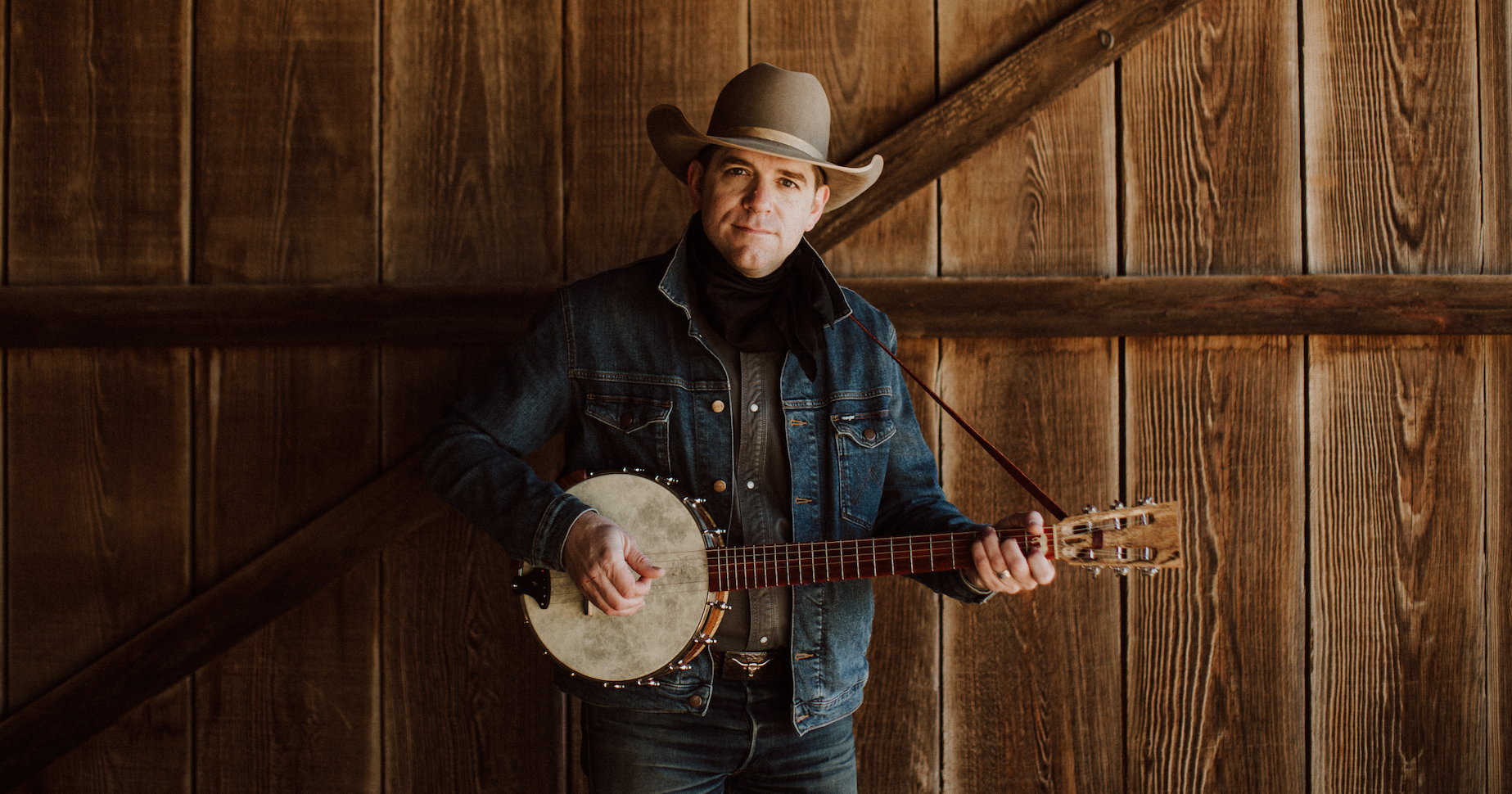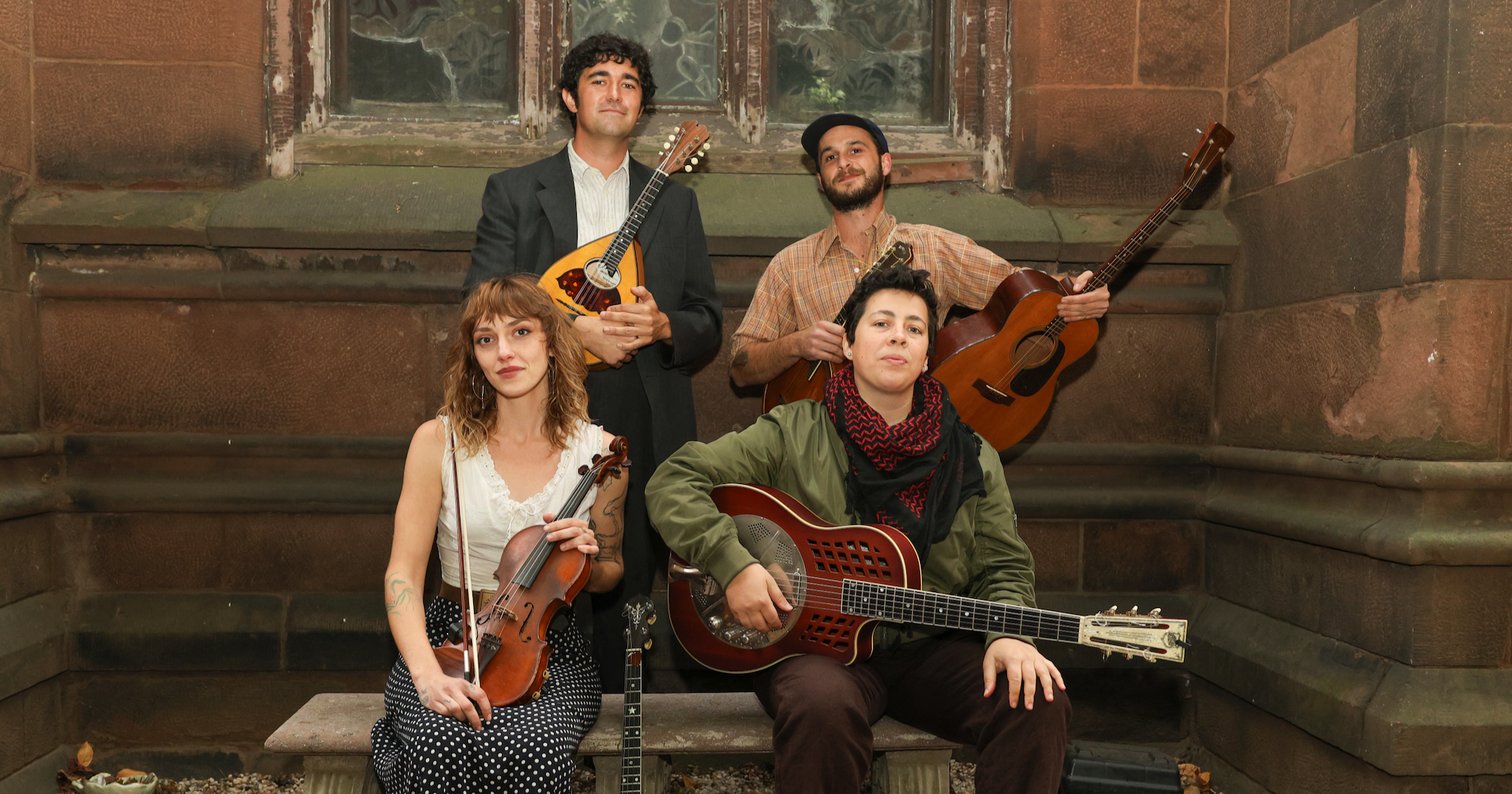
Vaiano’s Paisanos Valsa Continental Playlist

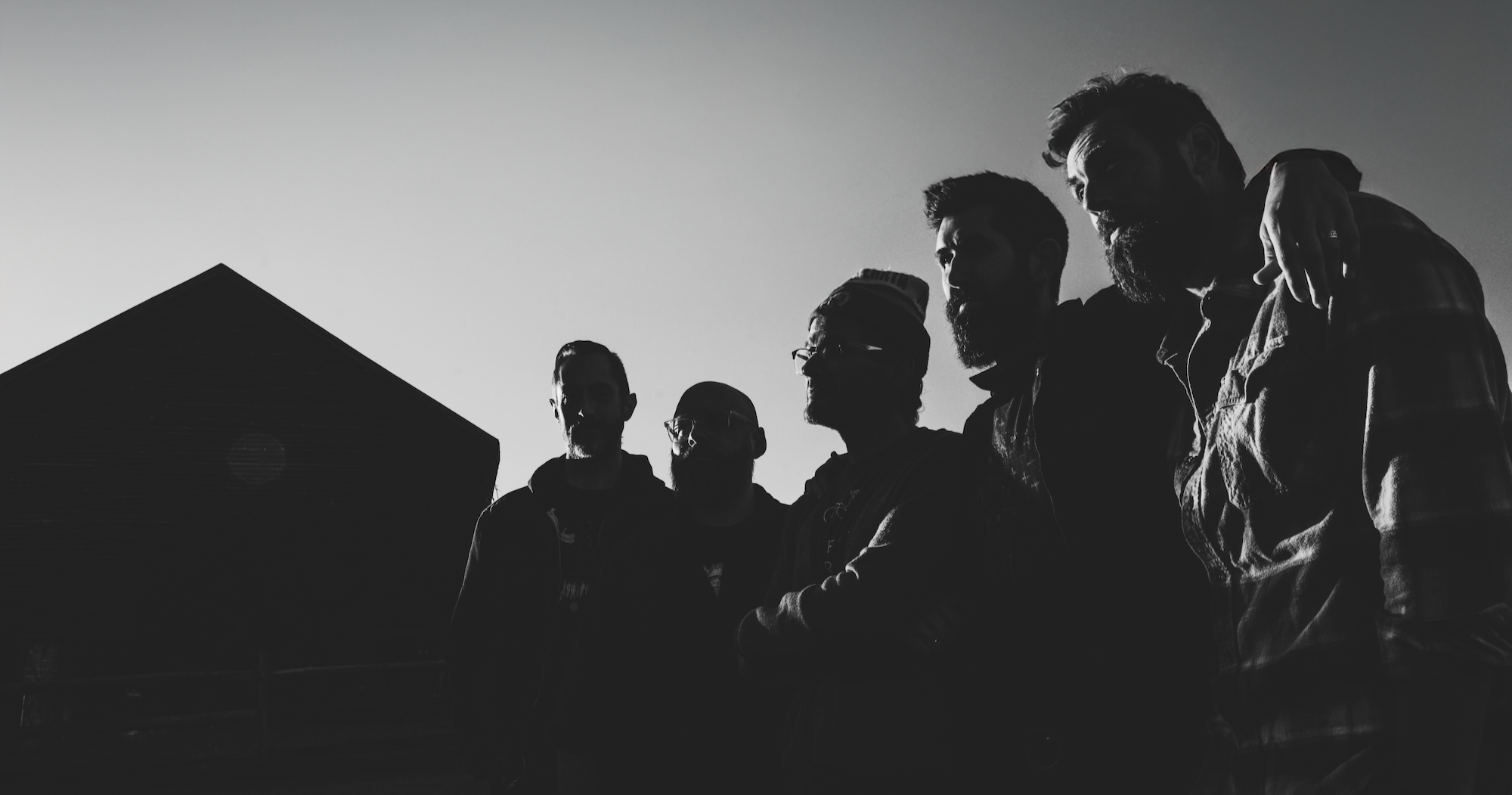
Honestly, I think the reason I am a nerd about string band music is that it offers a beautiful way of thinking about how music moves – not just through instruments traveling, but also through melodies, rhythms, and ideas making their way through people and place and time.

Maybe that means across the globe, but it could mean between a dining room and a basement, whatever the dialogue. The tracks in this playlist are a winding path through a tiny subsection of this sonic world. – Rachel Meirs, fiddle, Vaiano’s Paisanos

“Rosa Negra Vals Venezolano” – Orquesta De Lionel Belasco

“Rosa Negra Vals Venezolano” comes from Lionel Belasco, a Trinidadian-Venezuelan pianist and composer whose recording career spanned five decades. This waltz is a really joyous piece recorded by Belasco’s orchestra, who recorded an incredible number of sides for Columbia Records in New York City in the late ’20s and early ’30s. An iteration of a calypso band with piano, woodwinds, strings, and syncopated rhythms that all give a hint to which version of the journey this waltz form took to arrive.

“Para Mi y Para Mi Novia (Vals Foxtrot)” – El Ciego Melquiades

“Para Mi y Para Mi Novia (Vals Foxtrot)” comes from El Ciego Melquiades, “The Blind Fiddler,” who recorded in San Antonio. It sounds like a Tex-Mex fiddle tune, since that’s the way he plays it, but the most compelling thing about it is how unintuitive it is. I could never figure out why its form and melody were so strange, but a friend recently tipped me off that it’s his take on “For Me and My Gal,” a 1917 pop song (later popularized by Judy Garland), which also made the song title make more sense.

“Rolling Mill Blues” – Peg Leg Howell

Discovering the origins of “For Me and My Gal” brought to mind this Peg Leg Howell recording from 1927. I loved his recordings with Eddie Anthony on fiddle, but when I heard “Rolling Mill Blues” I remember thinking it was beautiful and strange. Instead of Eddie Anthony’s driving country-blues style fiddle, the violin’s counter-melody takes on an almost ethereal tone. I don’t know if it is a coincidence or not how much that melody calls to mind the pop song, “Tonight You Belong to Me,” which was first recorded in 1926.

“Smart (Tango Argentino)” – Kostas Bezos, Loudiana, Aspra Poulia

On the theme of the crazy routes music takes, I think saying that this next one, “Smart (Tango Argentino)” comes from Kostas Bezos, who led a Hawaiian band in 1930s Athens, is sufficient!

“Cariño” – Cuarteto de Cuerdo de F. Facio

Orquestas de cuerdas were small string bands that played for dances and social functions in Northern Mexico. The entire Arhoolie compilation Orquestas de Cuerdas: The String Bands: The End of a Tradition 1926-1938 is worth listening to, but “Cariño” from Cuarteto de Cuerdo de F. Facio has always stood out to me for what I think is a cello or bowed bass in addition to violins and bajo sexto. This adds a significant low-end to an already dramatic song – this one goes through a lot of emotions.

“Valsa Continental” – Abrew’s Portuguese String Trio

This next one comes from another compilation series I recommend for anyone looking to deep dive into this music across even more territory. Check out Pat Conte’s anthology series, The Secret Museum of Mankind (now on our label, Jalopy Records, since 2021.) Another waltz, which I named this playlist for, “Valsa Continental” comes from Abrew’s Portuguese String Trio. Composer, violinist, and bandleader Augusto Abreu led this Cape Verdean trio from New England who recorded four discs for Columbia Records in 1931.

“Abrew’s Portuguese Jazz” – Vaiano’s Paisanos

It’s hard to say, but since Abrew’s Portuguese String Trio is one of my favorite bands, and because the recordings are still hard to find digitized, this next one is our band Vaiano’s Paisanos take on “Abrew’s Portuguese Jazz.” Our version keeps the violin part, but instead of guitar and cavaquinho, we have mandolin adding harmonies and rhythm, and tenor guitar playing the melodic runs that make up the tune’s backbone and bass line.

“Quisiera Olvidarte” – Pastorita Huaracina

This style of melodic accompaniment reminds me of the relationship between a country-blues fiddle line and a song’s vocal melody (for instance “Rolling Mill Blues,” on this playlist) is one of my favorite things to hear. Maybe that’s why I have listened to “Quisiera Olvidarte” by Pastorita Huaracina so many times in a row. This track comes from another great Arhoolie compilation, Huayno Music of Peru, Vol. 1.

“Il Mio Cuore E Tuo” – Giovanni Gioviale

I knew I wanted to include a track to represent some of the Italian-American music of the era. For many of the tracks on this playlist, I have been trying to decide between polkas, mazurkas, waltzes, foxtrots, and tangos, a reminder many of these groups were dance bands. The mazurka form comes from Poland, a dance in 3/4 or 6/8. This mazurka comes from Giovanni Gioviale, a mandolin virtuoso from Sicily who recorded in New York between 1926 and 1929. “Il Mio Cuore E Tuo” features Gioviale on the tenor banjo– another marker of combined musical histories.

“Black Mountain Mazurka” – Gu-Achi Fiddlers

The next tracks have us following mazurkas to the Southwest. “Black Mountain Mazurka” is Gu-Achi fiddle from the Tohono O’odham people of Southern Arizona. This Southwest fiddle sound is made even more distinct with the addition of drums and very sweet harmonies.

“Bailando en Phoenix” – Lone Piñon

Staying nearby but jumping ahead into this century, Lone Piñon (also on our label, Jalopy Records), plays New Mexican string band or “orquesta típica” music. “Bailando en Phoenix” shows both the amazing energy and musicianship of the whole band. Their whole album is a beautiful tribute to their attention to learning, playing, and performing this musical style.

“Tarantella” – Magic Tuber Stringband

One more modern band, to remind ourselves that we are all participating in the process of reimagining music across time and space. And we will be for as long as we engage with these old traditions and continue to make music. The cross-tuned fiddle on North Carolina-based Magic Tuber Stringband’s “Tarantella” so effectively calls to mind the droning sound of a zampogna (an ancient bagpipe played in southern and central Italy), and the track fades to a fitting end for this playlist.


Photo Credit: Brian Geltner

Country Ain’t a Man’s World

Editor’s Note: Each issue of Good Country, our co-founder Ed Helms will share a handful of good country artists, albums, and songs direct from his own earphones in Ed’s Picks.

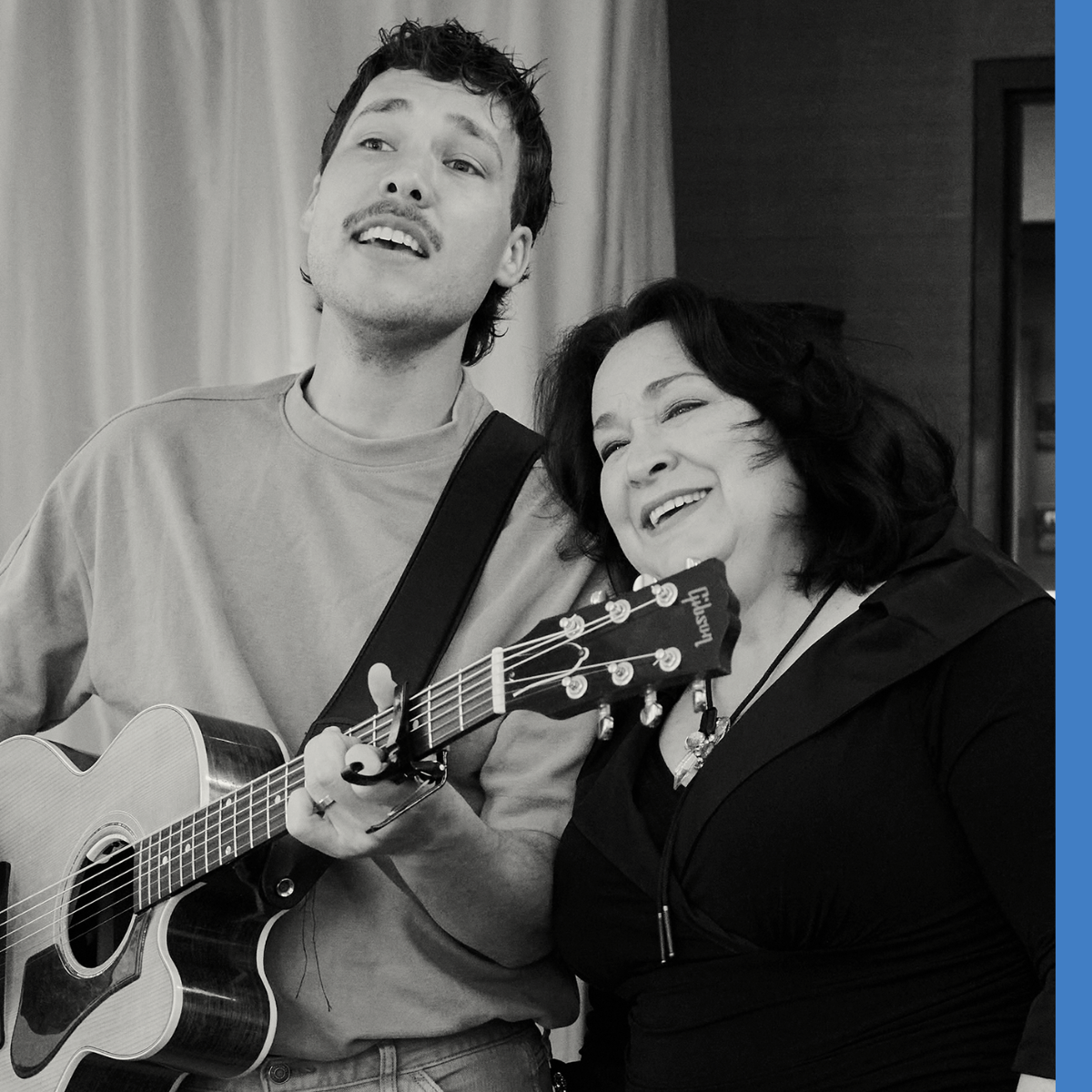
Cat Clyde
Cat Clyde

We loved Cat Clyde’s 2023 release, Down Rounder, and on her brand new album Mud Blood Bone the Canadian singer-songwriter turns the dial a few more clicks toward alt-country, indie, and rockabilly. There’s a raw, gritty quality to the collection that’s remarkably refined for how unhinged it lands – and very country, too.


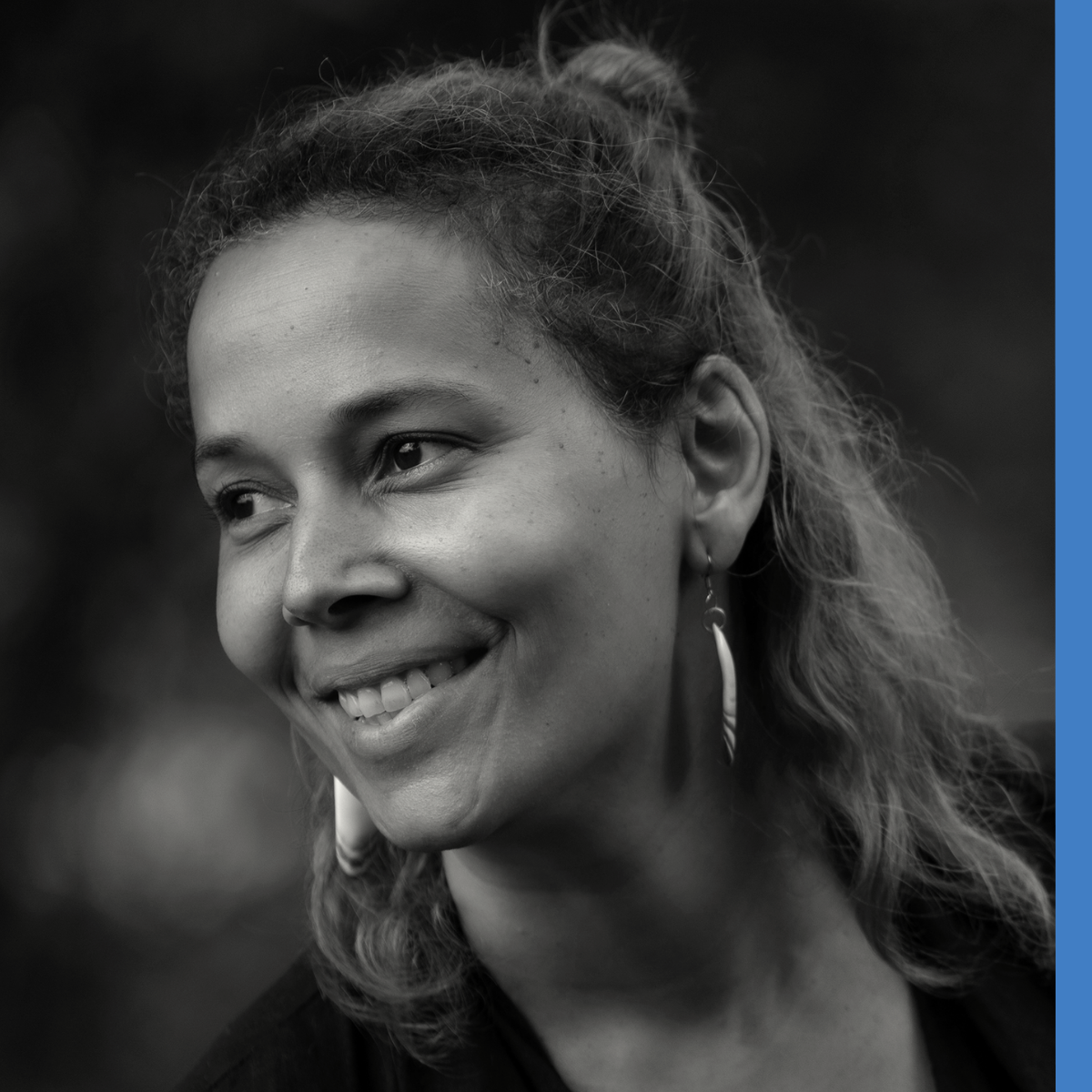
Ella Langley
Ella Langley

Ella Langley’s megalith hit, “Choosin’ Texas,” has brought her to the top of the charts, but we’re zooming in on a new single she just released a little over a month ago. “Be Her,” one of four tracks unveiled so far from her upcoming April release, Dandelion, might end up being the best mainstream country song of the year. Delightfully coy, jealous, and longing, it’s a bop that’s as deep and thoughtful as it is fun.


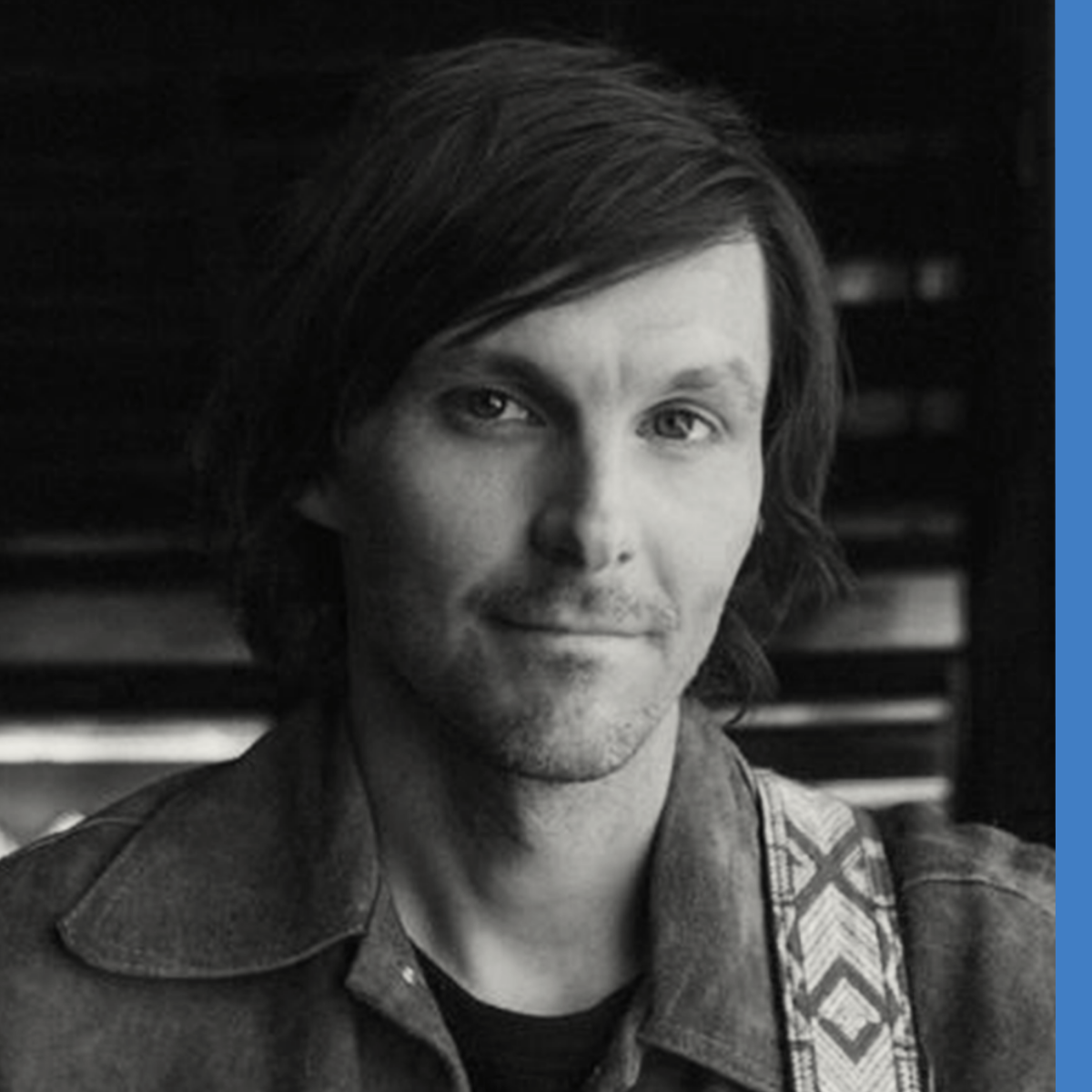
Megan Moroney
Megan Moroney

No one is making mainstream, crispy, hyper-stylized country like Megan Moroney. Her new album, Cloud 9, is certain to lift you up. With a lyric video showcasing beaches, palm trees, and Los Angeles sunshine, the title track perfectly illustrates how Moroney combines pop and twang, city and rural into a country style all her own. Right at home on Top 40 radio, but certainly Good Country, too.


Kacey Musgraves
Kacey Musgraves

Kacey Musgraves ended her post-Deeper Well dry spell with “Dry Spell,” a hilarious, catchy, and craveable song to bridge eras and albums. Her next LP, Middle of Nowhere (coming May 1), will expand the rat-race-opt-out universe Musgraves began building with Deeper Well. And we’re more than happy to see dashes of the wit and wordplay of Same Trailer, Different Park and Pageant Material infused in the lead single.


Tedeschi Trucks Band

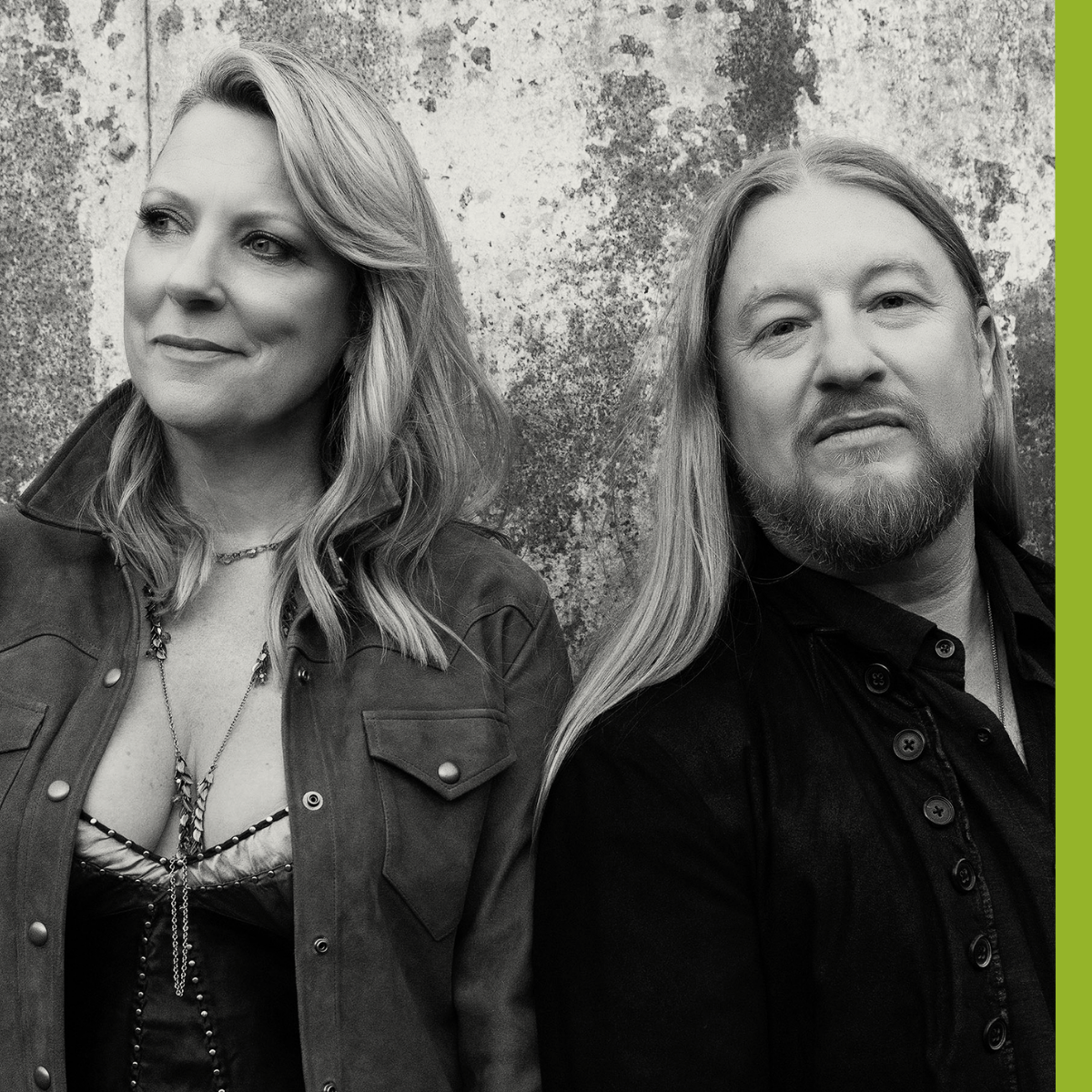
An Americana, Southern rock, and modern blues supergroup, Tedeschi Trucks Band’s 12-person ensemble returns with another no-misses album, Future Soul, released Friday. The project is strikingly diverse sonically and while it features some more genre exploration and subdued moments than you may expect from their stage shows, it’s still an absolute banger. The group kicked off their album release tour beginning a 10-show residency at the Beacon Theatre in New York City that runs through March 28 before they take the show on the road in the spring, summer, and beyond.


Want more Good Country? Sign up to receive our monthly email newsletter – and much more music! – direct to your inbox.

Photo Credits: Cat Clyde by Julio Assis; Ella Langley courtesy of the artist; Megan Moroney by Cece Dawson; Kacey Musgraves by Kelly Christine Sutton; Tedeschi Trucks Band by Chapman Baehler.

10 Sonically Diverse Covers of Lucinda Williams Songs

Befitting Lucinda Williams’ stature as one of the greatest songwriters of modern times, she might be the most covered artist this side of Bob Dylan (who, as far as I can tell, might be the only major artist never to have covered one of her songs).

From “Are You Alright?” to “You Can’t Rule Me” and all points in between, Williams’ catalog is broad, deep, and multivalent, with lavish emotional content to dig into. Truly, the woman’s body of work contains multitudes.

Where she’s coming from is no mystery, because Williams has always been generous about showing off her own influences and idols. She has covered too many other artists’ songs to count, by the likes of Dylan, Nick Drake, Howlin’ Wolf, and more. She has also done multiple tribute albums in her Lu’s Jukebox series, covering the Beatles, the Rolling Stones, Tom Petty, and even Christmas songs, among others.

There’s almost too much to choose from, but here is a small sampling of what other artists have done with Williams’ songs over the years – focused more on stylistic departures than faithful readings.

“Passionate Kisses” – Saintseneca (2014)

It’s hardly surprising that a great deal of this list of covers will come from 1988’s breakthrough album Lucinda Williams, starting with this forthright statement of purpose. The obvious “Passionate Kisses” cover choice would be Mary Chapin Carpenter’s 1993 hit version, which put both women on the map. But let’s go more left-field with the sprawling, atmospheric grandeur of the cover by Ohio indie-folk band Saintseneca. It’s never sounded more wide-open cinematic, to the point that I kind of can’t believe no one has put it onscreen yet. Cue opening credits.

“Bus To Baton Rouge” – Amos Lee (2023)

This Philadelphia-born soul man thinks enough of the Williams oeuvre to have covered 12 of her songs for an album, Honeysuckle Switches: The Songs of Lucinda Williams. Williams’ original appeared as the penultimate track of her 2001 release, Essence. The lyrics yield up the title phrase of Lee’s tribute LP, and it makes a stunning album-closer here.

“Side of the Road” – Ben Folds (2005)

In Williams’ hands, “Side of the Road” conveys stoic resolve on her 1988 self-titled joint. North Carolina native virtuoso Ben Folds transposes it to winsome piano pop for his 2005 solo album Songs For Goldfish, and the transition works beautifully.

“Change the Locks” – Tom Petty (1996)

Originally titled “Changed the Locks” on her eponymous album, this is in the conversation for Williams’ greatest songs. Her version coursed with undercurrents of the sort of domestic violence that would inspire a woman to, well, change her locks. So it’s interesting that so many men have taken a crack at this song in the decades since, including Silos, Vampire Weekend, Rostam, and Elvis Costello. But maybe best of all is Tom Petty, who recorded it for the soundtrack to 1996’s She’s The One, getting the defiance just right.

“Joy” – Bettye LaVette (2005)

As good as all of Williams’ records have been, it wasn’t until 1998’s GRAMMY-winning Car Wheels on a Gravel Road that she finally got herself a gold record. “Joy” was a high point, equal parts angry and exuberant. Still, powerhouse soul woman Bettye LaVette took it to a whole new level with a swamp-blues rendition on her 2005 comeback LP, I’ve Got My Own Hell to Raise.

“Abandoned” – The Lemonheads (2019)

While The Lemonheads’ troubled leader Evan Dando is a decidedly problematic figure, there’s no denying his taste in covers. The Lemonheads have released two volumes of cover collections with good, bad, and ugly songs by everyone from Townes Van Zandt and Yo La Tengo to Florida Georgia Line and GG Allin. From 2019, Varshons 2 also features a fuzz-toned version of Williams’ very forlorn “Abandoned” (yet another Lucinda Williams song).

“Concrete And Barbed Wire” – Bella White (2022)

There has always been a stateliness to the Car Wheels on a Gravel Road track “Concrete And Barbed Wire,” which was in Canadian songbird Bella White’s onstage setlist years before she released a studio version on 2024’s Five For Silver. The song’s waltz tempo makes a perfect fit for bluegrass – recorded live at the Green Mountain Bluegrass and Roots Fest in Vermont.

“Metal Firecracker” – Mary Lou Lord (2015)

Everybody’s favorite busker, Mary Lou Lord is best-known for solo deconstructions of songs from the indie-rock canon. But on her 2015 LP Backstreet Angels, Lord goes full-band indie-rock for “Metal Firecracker” (which Williams originally cut on Car Wheels on a Gravel Road). Lord sounds dreamy to Williams’ earthiness – but both versions come down to, “All I ask, don’t tell anybody the secrets I told you.”

“People Talkin’” – Hurray For the Riff Raff (2012)

Maybe the acid test of a song’s worthiness is how well it holds up if stripped all the way down to voice and quiet strumming. As if there could be any doubt, Williams’ “People Talkin’” (from 2003’s World Without Tears) is superb in this guitar-and-fiddle version that Hurray For the Riff Raff recorded in a London kitchen for an edition of “notes from mt. pleasant.”

“Fruits of My Labor” – Waxahatchee (2021)

“Fruits of My Labor” seems like a song that’s still going to be played around campfires a century from now. Its structure and vibe bear passing resemblance to that classic spiritual, “A Change Is Gonna Come,” and it’s been covered numerous times since first appearing on Williams’ 2003 LP World Without Tears – fine, fine versions by Margaret Glaspy, Mia Dyson, and Rostam, among others. But Waxahatchee (Alabama-born Katie Crutchfield) gets closest to the song’s soul with her cover from 2021’s Saint Cloud +3 album.

“The Last Time” – Lucinda Williams (2021)

We’ll break the format here at the end and give Williams herself the last word, showing everyone how one pays proper cover homage. From her 2021 tribute LP, You Are Cordially Invited…A Tribute to the Rolling Stones, “The Last Time” is a song with a long and winding road behind it. Originated by the Blind Boys of Alabama, it was famously covered by the Staple Singers in 1961. Four years later, the Stones fit it with a snarling lead-guitar hook that took it out of church – and here Williams moves it right on over to the honky-tonk.


Continue exploring our Artist of the Month coverage of Lucinda Williams here.

Photo Credit: Mark Seliger

The Steel Wheels’ Songs for Humans, by Humans

It’s common these days to wring hands over the many ways powerful tech companies have meddled, without permission, in how we discover and listen to music (among other things). It’s just as common to fearfully declare that music’s good old days are past and gone. But after 20 years as a working band, we know that the strength of community through music is much more enduring; and we see it all the time.

There is no greater force than a group of people who are ready to share a joyful experience. It doesn’t matter if they’re gathering to jam, attend a concert, or anything else. People in community can create strong connections in a heartbeat, under almost any circumstances, and music is a powerful vehicle for it. Some days it feels harder than others to find that spark, but it’s always there if we come together and dig for it. Every day the pressure grows to strip the things we all have made and love for parts, but collectively we can raise our voices and push back. As a band, we’re choosing to resist that force and to keep building things. Together.

This playlist features artists that we feel musical and professional kinship with, bands that have been around and are well into their careers. The songs we chose come from albums that are worth spending time with over and over again. These folks have played lots and lots of gigs and revel in the energy of a great show as much as we do. You’ll also find some music from our 9th studio album, The Steel Wheels, too. Music that we made together in a room. – The Steel Wheels

“Easy” – The Steel Wheels

A breezy song with a swirling fiddle intro and a big question at its heart. We live in the future now, with the entire world available to us on the other side of our screens. So why are we lonelier than ever? If everything is supposed to be easy, why does it all feel so hard?

“Talk Is Cheap” – Dr. Dog

Because they inspired me with one incredible Bristol Rhythm & Roots Reunion set probably 15 years ago. Their old amps, their confident trailblazing of their sound that was clearly referential and respectful – but not chasing what a lot of other bands were chasing.

“Los Angeles” – Big Thief

An artist’s job is to remain open and soft to the world and to distill all that pain and joy into work that transmits emotion across space and time. Somehow, Big Thief seems to only become less jaded with time, maintaining curiosity and exploration as part of their creative process.

“Go Back” – The Steel Wheels

All deep relationships come with joy and with pain. To be rid of one you would also lose the other. It’s part of lived experience, this is a reminder to embrace all of it. True connection is worth it.

“Waiting For The Sun” – The Jayhawks

The Jayhawks are a band that prove you can continue to forge your own way and make it through the highs and lows. I was still really just a kid when I discovered them through some older cats I was playing with at the time. Son Volt and Wilco were very much in the alt-country scene and the Jayhawks just had something a bit different going on.

“Worried About The Weather” – Greensky Bluegrass

I love the way this song pivots between the anxiety of pushing forward through uncertainty and the breezy delight of taking a moment to enjoy the journey. There’s momentum to both things and “Weather” has tons of it.

“Keep On Dancing” – The Steel Wheels

Let’s take a break from responsibilities to just see ourselves and each other. Don’t forget to breathe and to appreciate the unadorned peace that can fill the spaces between us.

“I And Love And You” – The Avett Brothers

Even a track like this, one full of solitary stillness, shows the Avetts’ songs are packed with other people. They always remind me that I’m not as alone as I often feel. You can sense the presence of old partners and family throughout this song even though the speaker is alone in their car.

“Valerie” – The Brothers Comatose

These guys are everybody’s friends. Maybe the acoustic Dawes? I don’t know. We’ve known them a long time and they keep bringing joy and fun with warmth and grounded songs that don’t rely too heavily on bluegrass tropes.

“Sway / Endless Highway (Pt. 2)” – Watchhouse

Watchhouse invest deep thought into every lyric and intention into every note without ever seeming to overthink their process or get held back by previous work. “Sway / Endless Highway (Pt. 2)” demonstrates how the band is constantly in conversation, transitioning between tempos and driving down into a deep groove with a breeziness that belies the technical mastery of their acoustic instruments. At a Watchhouse show, the crowd will hang on every note and every silence, sharing a reverence for the song with the band.

“Slow Rise (to the middle)” – The Wood Brothers

Oliver, Chris, and Jano seem to be propelled forward by some groove force that penetrates everything they do and they invite listeners to join in on the funky joy. Their track “Slow Rise (to the middle)” tips a hat to their musical journey. To be in an audience is to get lost in the moment, only to occasionally remind yourself how wild it is that all the sounds coming from the stage emanate from just three musicians.

“Way Down Yonder ” – Chatham County Line

I first heard Chatham County Line when I opened for them at The Livery in Benton Harbor, Michigan, with a jamgrass band I was in, probably 20 years ago. They were tight and had their act together. I was blown away by their professionalism and it made a big impact on me. I will never forget that moment and I’m still inspired by their creativity and longevity as a band.


Photo Credit: Monik Geisel

FARHOF’s Roots That Built the Hall Playlist

Located inside the historic Wang Theatre and founded by the Boch Center, the Folk Americana Roots Hall of Fame is Boston’s premier cultural and educational initiative dedicated to celebrating America’s rich musical heritage. Since its launch in 2019, FARHOF has honored the artists, songs, and movements that have shaped folk, Americana, and roots music while creating immersive exhibits, educational programming, and live experiences that connect audiences to the stories behind the sound. Guided by iconic artists and industry leaders, the Hall exists to honor the past, celebrate the present, and nurture the future of these genres.

On March 24, 2026, FARHOF will host its 2026 Induction Celebration at the Wang Theatre, an unforgettable evening recognizing the artists and industry leaders who helped build the foundation of folk, Americana, and roots music. This year’s honorees, whose collective achievements include 30 GRAMMY Awards and countless other accolades, represent the influence and ongoing evolution of the genres we preserve.

Our playlist theme, Roots That Built the Hall, celebrates the legacy and influence of this year’s inductees. Each song reflects the innovation and cultural impact of the artists who shaped Folk and Roots music, reminding us why this music endures and continues to inspire. – Denise Arellano, The Boch Center

“(I’m Your) Hoochie Coochie Man” – Muddy Waters

Muddy Waters electrified the Delta blues and carried it into the urban North, shaping the sound of modern roots music. This track demonstrates that blues roots continue to inspire folk and Americana, exemplifying the music and legacy the Folk Americana Roots Hall of Fame celebrates.

“Chain of Fools” – Aretha Franklin

Aretha’s voice bridges gospel, soul, and rhythm & blues, reminding us that roots music is inseparable from the Black musical traditions that shaped America. Her artistry embodies FARHOF’s mission to celebrate music as both cultural expression and social force.

“Suzanne” – Leonard Cohen

With poetic lyricism and folk instrumentation, Cohen represents the storytelling tradition central to folk music. His work highlights how intimate songwriting can shape national culture and influence generations to come.

“Make Me A Pallet On Your Floor” – Mississippi John Hurt

Hurt’s fingerpicking style and oral storytelling roots in this country blues standard echo the preserved histories and rare artifacts celebrated within FARHOF’s exhibits.

“My Journey To The Sky” – Sister Rosetta Tharpe

Blending gospel and the electric guitar, Sister Rosetta Tharpe helped lay the groundwork for rock ‘n’ roll. Her inclusion reflects FARHOF’s commitment to honoring artists whose innovations continue to ripple across genres.

“Running on Empty” – Jackson Browne

A pillar of folk and Americana, Browne captures the restless spirit of life on the road. His songs blend roots traditions with raw, lived experience, shaping the sound and soul of a generation.

“Both Sides Now” – Judy Collins

A defining voice of the 1960s folk revival, Collins helped bring reflective and socially aware songwriting to the mainstream. Her work showcases the genre’s power to spark dialogue and deepen cultural understanding.

“Harvest Moon” – Neil Young

Young’s blending of folk intimacy and country influence illustrates the fluid evolution of roots music. Songs like this show how tradition can feel timeless while still speaking to contemporary audiences.

“The Last Thing on My Mind” – Tom Paxton

Paxton’s songwriting embodies the heart of the folk process, simple melodies carrying profound emotional truth. His legacy reinforces FARHOF’s mission to preserve the craft of storytelling through song.

“Urge for Going” – Tom Rush

Rush played a pivotal role in championing emerging songwriters and expanding the Boston folk scene. His work connects directly to FARHOF’s educational spirit by nurturing future generations while honoring those who paved the way.

“Go Down Sunshine” – Odetta

Odetta’s commanding voice became a soundtrack to the Civil Rights Movement, proving music’s power to inspire social change. Her artistry ties directly to FARHOF’s belief that folk and roots music are not just entertainment, but vessels for justice, unity, and cultural preservation.

“All I Want” – Joni Mitchell

Joni Mitchell’s intricate songwriting and emotional clarity helped redefine the possibilities of folk music in the 1970s. “All I Want” is built upon the deeply personal storytelling that continues to influence generations of artists, embodying FARHOF’s commitment to honoring innovation within tradition.

“Tear the Fascists Down” – Woody Guthrie

Woody Guthrie stands as one of the foundational voices of American folk music, using song as a vehicle for social conscience and collective resilience. This track underscores how roots music has amplified the voices of working people and movements for justice, a legacy FARHOF preserves.

“Black Betty” – Lead Belly

Lead Belly’s recordings carried traditional work songs and prison chants into the American mainstream, ensuring these stories were not lost to time. “Black Betty” represents the oral traditions and lived histories that form the foundation of roots music and the cultural preservation FARHOF continues to strive for.

“It Ain’t Me Babe” – Joan Baez

Joan Baez helped bring folk music into the national spotlight during a pivotal era of cultural change. Her interpretation of this song reflects the genre’s spirit of independence and social awareness, qualities that continue to shape the folk and Americana traditions celebrated within the Hall.


Graphics courtesy of the Folk Americana Roots Hall of Fame.

Artist of the Month: Lucinda Williams

Among the 78 bands performing for thousands of fans at San Francisco’s 25th annual Hardly Strictly Bluegrass, our nation’s foremost Americana festival, in October of 2025, one of the largest audiences had gathered for Lucinda Williams. She took the main stage in the afternoon clad in a leather suit, studs on the hem of her pants. The groove from the band and her lyrics landed with resonant pounding, like the drop of a heavy set of books on a table. After more than 50 years of performing, her sound still hits.

Lucinda Williams grasped brilliance in 1998 with Car Wheels On A Gravel Road, but this was not some isolated incident. She has pursued the craft of album-making expertly for her entire career, and fans flock to her because there is always something more to scratch up. The singularity of her writing rings at a higher frequency today in our shallow digitized world. I see her current position in our culture to be similar to that of poet-songwriter Leonard Cohen in his final chapter. When she sings, we listeners get to grasp at something real, and we crave what Lucinda offers; intimate corporeal love, the palette of Southern backroads alongside broken-down juke joints, honest bewilderment at the state of the world while still loving it.

When I was 26, I set out on a road trip to trace Lucinda’s origins. Being a songwriter, I wanted to determine what I could do to strive and bloom, like she did. So I left California driving my 1995 Ford F-250. From Texas to Tennessee, I dug up characters from Lucinda’s early days. I was most interested in finding people who had worked with her in the beginning of her career.

In Jackson, Mississippi, I spent a day at Malaco Studios where Lucinda made her first record Ramblin’ On My Mind. While listening to outtakes, I happened upon the first-ever originals she recorded but never released. In those reel-to-reel tapes that had been sitting untouched in a concrete vault, I heard a voice from four decades ago that was clear and bold. Wolf Stephenson was the engineer from that session and he told me that in 1978 Lucinda was a resolute and present woman: “[In] day-to-day life, she was just as footloose and like she was on stage. And really there wasn’t much difference in sitting here talking [with her] or being on stage, very natural.”

In Austin, Texas, I was shocked to learn that well-known guitarist Charlie Sexton had played with Lucinda when he was just 11 and she was 26. At the Hole in the Wall where a booker once cancelled Lucinda’s gig because there were “too many girl singers that month,” Charlie and I discussed how he has learned from Lucinda as a writer. He reflected on his early impressions of her and told me, “…There’s no doubt that Lucinda was always going to be unique… I mean, she’s like a regional writer in a way… she’s the Flannery O’Connor of that era of singer-songwriter.”

Lucinda’s parents raised her in an extraordinary community. Her father Miller Williams was a professor, a translator, and a poet. He and his wife were descendants of humble traveling Methodist ministers with meager finances, but by the time their first daughter Lucinda was a teen, the family sat in the company of Nobel Prize-winning authors. Miller’s genuine passion for literature gave him the conviction to invite figures like Charles Bukowski and indeed Flannery O’Connor into his circle of friends and acquaintances. He hosted literary parties in the family’s Arkansas home. After drinks were served, Miller read some of his new poems out loud, and a young Lucinda sat and strummed her latest songs. Writers of the highest caliber listened at attention. Some of these writers gave Lucinda feedback. Perhaps just as important was that these writers also imparted genuine encouragement to Lucinda and told her that in spite of all of the suffering and uncertainties involved in being an artist, it was still a worthwhile pursuit in life.

Along my road trip I also discovered how committed Lucinda has been to her art over the decades. I spoke at length with some of the musicians and engineers that worked on Car Wheels On A Gravel Road. I learned from Lucinda’s recollections that when you have that itching worry that a sound just isn’t right on an album, you have to wrestle with the process to find the right timbre, the right soundscape that will thrill you. I found that a songwriter has to embrace change, even if they’re unsure of the career consequences. I found that artists can’t just make the same album over and over again. Well… they can, but they probably shouldn’t. A songwriter has to keep seeking out that sound, that story that pulls at their soul’s musical corners, like Lucinda did.

Lucinda’s latest release, World’s Gone Wrong, is a continuation of the directness I’ve known her for. She conveys her truth with her language of simplicity. So often in our era, bathed in a slurry of news and trends, opinions from artists can feel glued-on. But that’s not the case with Lucinda. She conveys her frustrations with the state of the world from a genuine and honest place and, when she sings, I believe her. As with so much of her writing, in her latest album I feel like I’m reading a book, inhabiting the imagined place of the viewer and the subject.

The characters in Lucinda’s songs are alive, bleeding, imperfect, and desirously wanting. We benefit from the chance to continue paying attention to the words she writes.

If you’d like to learn all about how I retraced the roots of Lucinda Williams, check out Finding Lucinda, my podcast released in partnership with the BGS Podcast Network. You can also watch the documentary film Finding Lucinda on AppleTV, Youtube and more.

Stay tuned as BGS and Good Country celebrate Lucinda Williams as Artist of the Month throughout March. Enjoy our Essential Lucinda Williams playlist below and check out an exclusive interview with Williams here. Plus, we’ll be diving into the BGS archives for all things Lu and exploring our favorite covers of her songs by other artists, too. Follow along right here on BGS and on social media for more.


Photo Credit: Mark Seliger

Obejváci’s Bluegrass of Czechia Playlist

Bluegrass in Czechia has unusual roots. It didn’t arrive as a passing trend, but as music people shared with one another – at festivals, in pubs, around campfires, and at home in the kitchen or living room. And that’s still how it’s played today, bringing lovers of this music together into an amazing community.

We even took our name from that living room spirit. Obejváci – something like “the ones from the living room” or “living room pickers.” A band that grew out of playing at home, we still hold onto that foundation. Rehearsals by the couch, more voices than cables, and songs that stand strong even without amplification.

We see our Mixtape of the bluegrass of Czechia as a small cross-section of a scene that is surprisingly vibrant and diverse. There are bands that keep the traditional sound alive and others that naturally bend it in their own direction. We’re sometimes surprised, ourselves – and very proud – of how many wonderful musicians in this genre our small country has.

A chapter of its own could be written about Czech bluegrass instrument makers: Krishot, Vláďa Ptáček, Průcha, Zdeněk Roh, Jaromír Jahoda, Čapek, Karel Začal, Stanislav Štol, Ondřej Holoubek… the list would probably be very long. Our guitarist and frontman Luboš Barchini took his love of bluegrass so far that just a short distance from that original living room he started building his own bluegrass guitars.

This year we released a new EP, Tisíc let. It’s our current chapter – a handful of new songs about time, relationships, and the landscape we know so well. We’re adding tracks from the EP to the playlist as a natural part of this theme. Because in our view, the best way to understand Czech bluegrass is by simply pressing play. – Obejváci

“Spring in the Old Country” – Slávek Hanzlík with Béla Fleck, Stuart Duncan, Mark Schatz

Slávek Hanzlík is one of the most prominent Czech acoustic guitarists and composers whose musical life has been closely connected with the bluegrass and instrumental scene both abroad and at home. Born in Prague, he spent many years in Canada and the United States, recorded several original albums with leading international players, and was shortlisted for the GRAMMYs twice in the Instrumental Album of the Year category. For us, though, Slávek is, above all, a good friend and a great inspiration. His approach to melody, his playing, and the way he connects tradition with his own experience have opened new horizons for us in how we think about acoustic music.

“Letní romance” (“Summer Romance”) – Robert Křesťan a Druhá Tráva

Deep lyrics, beautiful vocals, and masterful musicianship. Robert Křesťan and Druhá Tráva are among the most popular Czech bands and in recent years have been reaching far beyond the boundaries of bluegrass. They are definitely a Czech band worth knowing. This year, they are celebrating 35 years together with a special tour in the Czech Republic joined by Tim O’Brien.

“Ty víš” (“You Know”) – Obejváci

One of the songs from our new EP. We recorded it at SONO Records, one of the best recording studios in Europe. We recorded it live, almost the same way we play at home in our living room.

“Už se blíží svítání” (“Dawn Is Coming”) – Petr Kůs a Fámy

Songwriter, musician, and singer Petr Kůs has long been one of the leading figures of the Czech (not only) bluegrass scene. He has always surrounded himself with outstanding musicians and his songs are a must at any bluegrass jam session.

“Twin Peaks/ Happygrass Medley” – Radim Zenkl & Ondra Kozák

A duo of musicians with a strong cross-genre reach. In their program, they present original instrumental pieces and songs written by both players and complemented by bluegrass, Celtic, and world music traditional tunes in distinctive, personal arrangements. They began their collaboration in 2020 and have since performed a number of successful concerts around the world.

“Ještě ne” (“Not Yet”) – Pavlína Braunová & Minesengři

Minnesengři were a progressive folk band from České Budějovice, founded as early as 1968. They quickly became one of the most distinctive folk groups of their time. Their early recordings of South Bohemian folk songs, as well as their later original material, are still regarded as legends of Czech folk music. For anyone who knows Minnesengři, listening to their music carries a special meaning – not only because of the songs themselves, but also because of the mysterious disappearance of their singer Pavlína Braunová. Although the band disbanded in 1989, their legacy and the inspiration they drew from South Bohemia continue to live on.

“Tisíc let” (“A Thousand Years”) – Obejváci 

The song “A Thousand Years” captures a moment when a person pauses and tries to take a breath even in the middle of chaos. It speaks about closeness that can keep you afloat, yet also hurt, and about the hope that even after darkness, light can be found again.

“Signal Jammer” – New Aliquot

In our view, New Aliquot are currently at the very top of the Czech acoustic scene. Instrumentally, they are among the finest bands you can hear in the country. They play bluegrass, new acoustic, and folk music, combining original songs, instrumental pieces, and distinctive arrangements of roots music. The band was formed in 2016 on the foundations of the group Křeni and has since toured across the Czech Republic and Europe — from Germany to Sweden to France.

“If You Break My Heart” – Fragment

Fragment were one of the jewels of the Czechoslovak and later Czech bluegrass scene – a band that recorded numerous albums in the 1990s and toured across Europe and the United States. Their sound blended bluegrass with new acoustic influences, highlighted by strong instrumental passages and distinctive vocals, especially thanks to Jana Mougin Doláková. Although Fragment are no longer active, their legacy lives on in their recordings, in the memories of fans, and in the generations of musicians they inspired. Jana later moved to the United States, where she and her husband Stephen Mougin run a studio and label and continue to devote themselves to music.

“Osud nikdo nezmění” (“No One Can Change Fate”) – Monogram 

Monogram are a Prague-based bluegrass band active on the Czech and European scene for more than 30 years. Acoustic music fans associate them with quality and instrumental precision. Their repertoire consists mainly of original songs and instrumentals, which they regularly perform at festivals at home and abroad – from Porto to IBMA in Nashville.

“Balada pro čistou duši” (“Ballad for a Pure Soul”) – Obejváci 

This song is dedicated to a friend who chose to leave this world. It is not about tragedy, but about a quiet passage and the peace the soul finds. Images of nature – darkness, flowers, cold, snow – underline the fragility of life while also reminding us of its beauty. It is more a gentle celebration of life than a mourning elegy.

“America” – Milkeaters

Until recently, Milkeaters were one of the distinctive names on the Czech bluegrass scene. Formed in 2014, their common denominator was bluegrass, energy, and humor. They played both covers and original songs, always bringing drive and joy to the stage. For us, Milkeaters have an even more personal meaning – it was at their musicians’ camp that Obejváci first came together. The band ended its activity in 2024, but its members, songs, and spirit continue in new projects and in the people they inspired.

“Stokrát” (“A Hundred Times”) – COP 

COP are one of the most essential names in Czech bluegrass – and there is probably no bluegrass fan in the country who doesn’t know them. The band was founded in 1978 and despite the emigration of most members in the early 1980s, they found new life thanks to frontman Míša Leicht and continued on. Over time, they became festival mainstays; in 2023 they celebrated 45 years, still playing with their characteristic energy. For our guitarist Luboš, this band is an especially personal chapter – as a teenager, it was COP who led him to bluegrass and indirectly to today’s Obejváci.

“Až Uslyším Hvízdání” (“When I Hear the Whistle”) – Poutníci

The more banjo, the more happiness! Poutníci were founded in 1970 and their sound and approach influenced an entire generation of musicians. Their most distinctive era came between 1979 and 1991, when Robert Křesťan was a member along with banjo player Luboš Malina, considered one of the best Czech banjo players.

“Deeper than the Holler” – G-runs ‘n Roses 

The name G-runs ‘n Roses might suggest tough guys with tattoos and long hair. The reality is a bit different – but the energy is definitely there. They are a distinctive Czech bluegrass band built on a solid rhythm section, tight vocal harmonies, and expressive instrumental solos. They perform both original songs and covers, all in thoughtful arrangements with respect for traditional bluegrass.

“Traveling Shoes” – Loes van Schaijk

Originally from the Netherlands, van Schaijk has put down roots in Prague. She is a singer, songwriter, and instrumentalist appreciated on the European bluegrass and folk scene for her sincere vocals, natural sound, and sensitive playing on bass, guitar, and bodhrán. She performs in many different musical projects.

“Every Breath You Take” – The Jumper Cables

The Jumper Cables came together simply to make music. With their acoustic instruments, they create convincing and powerful arrangements of both original compositions and cover songs.


Photo Credit: Gwendoleena – Vendula Koloušková

Country Rocks,
Country Rules

Editor’s Note: Each issue of Good Country, our co-founder Ed Helms will share a handful of good country artists, albums, and songs direct from his own earphones in Ed’s Picks.

Ashley McBryde
Ashley McBryde

Ashley McBryde gets the year started off right with a soaring, anthemic new single. As you’ll see with “What If We Don’t,” Good Country and arena country aren’t mutually exclusive styles. Garage rock, country grit, and stadium-ready flair – McBryde is doing it better than almost anyone else out there.


Buck Meek
Buck Meek

Not your mamaw’s “Ring of Fire.” Big Thief’s Buck Meek launches his upcoming solo album, The Mirror, in just a couple of weeks. Its songs were grown where alternative, indie, folk, and country overlap, though each feels just outside of reach of any single one of those terms. Featuring Adrienne Lenker on BGVs, “Ring of Fire,” like Johnny’s classic by the same name, is about love and connection – but is perhaps the flipside of the Cash coin.


Emily Scott Robinson

You can always trust the John Prine-founded Oh Boy Records to put out amazing music by generational songwriters. Emily Scott Robinson is certainly one. Her new album, Appalachia, embodies her heart-forward, community-minded approach to songcraft and musicmaking. Stand outs include “Hymn for the Unholy,” “The Time for Flowers,” the album’s title track “Appalachia,” and this lovely duet with John Paul White, “Cast Iron Heart.”

Read our recent interview with Emily Scott Robinson here.


Langhorne Slim
Langhorne Slim

Speaking of rock ‘n’ roll, our old pal Langhorne plugs in and turns up on his new album, The Dreamin’ Kind, which was produced by Greta Van Fleet’s Sam F. Kiszka. Slim’s personality – and the signature, charming touches that made us all fall in love with his music – is front and center on the new collection, however far into rockin’ territory he brings his Americana and folk sensibilities.

Find out more about The Dreamin’ Kind in our recent Cover Story interview.


Zach Top
Zach Top

He started as a bluegrass picker in a family band and a Keith Whitley and Tony Rice diehard. Now everyone’s favorite trad country revivalist is a GRAMMY Award winner. Top took home the trophy for Best Traditional Country Album for his sophomore release, Ain’t In It for My Health earlier this month. He’s the first awardee in the buzzed-about new category opposite Best Contemporary Country Album. Well deserved!


Want more Good Country? Sign up to receive our monthly email newsletter – and much more music! – direct to your inbox.

Photo Credits: Ashley McBryde by Nathan Chapman; Buck Meek by Germaine Dunes; Emily Scott Robinson by Angelina Castillo; Langhorne Slim by Savannah Lauren; Zach Top by Getty Images for the Recording Academy.

BGS 5+5: Natalie Del Carmen

Artist: Natalie Del Carmen
Hometown: Los Angeles, California
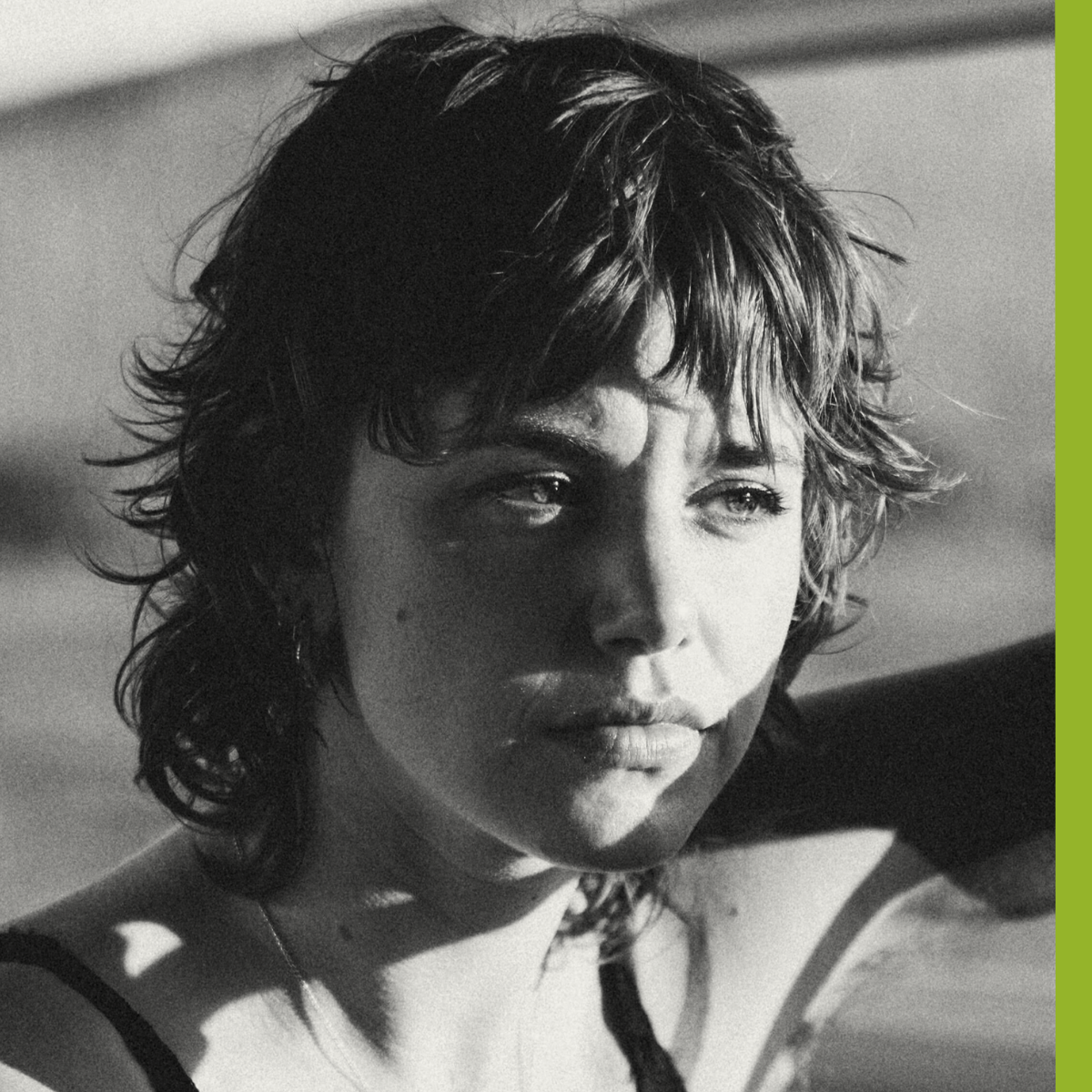
Latest Album: Pastures (released January 20, 2026)
Personal Nicknames (or rejected band names): Natalie, Nat

Which artist has influenced you the most – and how?

Brandi Carlile has been such a north star for me. There just aren’t enough big kid words to describe how much Brandi Carlile has influenced me. I heard The Firewatcher’s Daughter and never looked at songwriting the same. Then In These Silent Days came out and there just wasn’t a higher artistry bracket I could’ve dreamt of reaching.

My favorite writer these days is Izaak Opatz. I found him about 3 years ago now. I feel sorry for folks who haven’t gotten the chance to take a road trip and listen down to his discography and have a full meltdown over how good the material is alone in your vehicle. Opatz will never tell you how to feel about anything, but somehow, you leave every song feeling like you were just exposed a little. This guy overflows with ways to punch you in the gut without saying much at all.

What other art forms – literature, film, dance, painting, etc. – inform your music?

I like to joke to people around me that it really is just me and my hobbies. “Natalie and her hobbies. And one day, may she make money off of one of them!”

I suppose I’ve always been interested in learning new things with my hands and indulging in anything creative. I taught myself guitar, cross stitch, knitting, paint by number… I believe the internet is an endless place to learn a number of things on your own. That being said, I tend to walk a pretty straight and narrow path. Songwriting and artistry will always be my first priority, but I happened to have chosen a career that doesn’t always offer stability in the ways I crave it. Something about my creative hobbies gives me something to do mentally when the world gets kind of loud. I can’t ever just sit there.

How often do you hide behind a character in a song or use “you” when it’s actually “me”?

It’s funny, I think the answer should be pretty often, just to avoid outing myself so much. But the real answer is almost never, at least these days. These days, I’m usually writing in first person and admitting exactly what I hope to say, as me. But, it was something I wrestled with on my first record as a late teenager, the whole “you” versus “me” dilemma. I wrote a lot more cutting back then, cutting and directed to one person, without the confidence to really back it up. I hid behind “you” a lot. It’s like walking into a fight and saying, “Actually, put someone else in my place to throw it down for me.” When I’m choosing storytelling, “you” still works beautifully and I love it. But my favorite songs, from any artist, are always known and personal.

What is the most random interview question you’ve ever been asked?

I got asked recently what my go-to karaoke song was and I said “Goodbye Yellow Brick Road” by Elton John, which was a solid choice upon a very quick answer, but the actual response is “Anywhere But Here” by Hilary Duff, so this is me setting the record straight.

What is a genre, album, artist, musician, or song that you adore that would surprise people?

I really love a few alternative or indie bands that I don’t get the chance to talk about often. Music from the band Hippo Campus is some of the best you’ll ever hear, honestly. Big Djo fan. Besides that, one of my favorite songs is “Tubthumping” by Chumbawamba and I’m really glad I get to say that in at least one interview.


Photo courtesy of the artist.

The Foreign Landers Celebrate the Banjo in Ireland & Northern Ireland

The five-string banjo is often associated with Appalachian music, but its reach has always extended beyond one place. In Ireland, the banjo is traditionally heard as the four-string tenor banjo, a cornerstone of Irish folk music. This playlist celebrates the banjo in Ireland and Northern Ireland, but focuses instead on five-string banjo players, highlighting Irish and Northern Irish artists who are bringing bluegrass banjo into folk, Americana, and contemporary acoustic settings. The tracks here feature musicians working across traditions and genres, using the banjo as a bridge rather than a boundary.

For us, The Foreign Landers, this playlist is closely tied to our own story. Our songs, woven throughout the playlist, reflect life lived between Northern Ireland and the U.S., and the relationships, faith, and sense of distance that shape that experience. In a small way, that mirrors the five-string banjo’s own journey across time and place. Our new album, Made to Wonder, is our expression of these ideas; including our music alongside these other innovative artists helps frame our transatlantic sound within a much larger conversation.

Alongside our music, you’ll hear boundary-pushing banjo work from artists like Flook, JigJam, Damien O’Kane, Ron Block, I Draw Slow, Brian Finnegan, and NÁVA, each offering a different answer to the same question: What does bluegrass banjo become when it’s rooted in Irish soil?

The result is a playlist that honors tradition while continuing to move forward. We hope you enjoy. – The Foreign Landers

“Made to Wonder” – The Foreign Landers

The title track from our new album, this banjo-centric song is about stepping away from noise and busy-ness to find true rest and belonging in Christ, whose yoke is easy and burden light. Featuring Tristan Clarridge (Crooked Still) on cello, adding depth and resonance.

“Road to Errogie” – Flook

There’s something infectious about Flook’s craftsmanship and energy – especially when five-string banjo enters the mix, played by the incredible Leon Hunt of the UK. A major influence on our sound.

“Gold Mine” – I Draw Slow

Irish-based and deeply rooted in both Appalachian and Irish traditions, this clawhammer-driven track blends heritage with heart.

“Johnny’s Peacock / The Red-Tailed Hawk” – The Foreign Landers

Two original tunes deeply informed by Tabitha’s heritage, joined by John Doyle, Brian Finnegan, and Cathal Murphy, bringing Irish tradition and bluegrass energy together.

“John D. McGurk’s (The Heartbeat of St. Louis)” – JigJam

JigJam seamlessly bridge U.S. and Irish folk scenes. Irish banjoist Daithí Melia delivers powerful five-string work on this fun, high-energy track.

“Mario Kart Rides Again” – Ron Block & Damien O’Kane

Two banjos – five-string and four-string – done right. Ron Block of Alison Krauss & Union Station and Damien O’Kane of the Kate Rusby band make for an unxpected delightful pairing. Here is a playful, virtuosic track from their album Banjovial that’s near to Mario Kart-loving hearts.

“Pictures” – The Foreign Landers

Led vocally by David with Tabitha on banjo, this original song draws on our own experience of long-distance dating. “Pictures” captures the quiet weight of distance – and how old photographs can briefly collapse time and place. The unconventional role of banjo on this track is one of our favorite sounds on the new album.

“Marga’s” – Brian Finnegan

A must-include from the County Armagh master himself, featuring Crooked Still with Greg Lizst on five-string banjo. Both four-string and five-string banjo shine in this expansive, genre-blurring piece.

“The Thrifty Wife” – Ron Block & Damien O’Kane

Another Ron and Damien double-banjo banger. Their three collaboration albums are essential listening when talking about banjo in Irish music. Bonus mando moments from Sierra Hull seal the deal.

“Traveler”– The Foreign Landers

Narrated from the perspective of Tabitha’s parents back in Northern Ireland, “Traveler” reflects on growing older, separation, and the tenderness of loving someone from afar. Another unconventional banjo track that we loved making.

“Magic Box” – Nava

Irish Americana and folk meet Persian influences, led by Ireland’s Paddy Kiernan on five-string banjo. A rich example of cross-cultural musical exploration.

“Hope” – Cup O’Joe

Featuring Tabitha’s two brothers (alongside David and Tabitha), this title track from Why Live Without blends Northern Irish roots with progressive Americana.


Photo Credit: Nicole Davis, Storied Artisan Photography