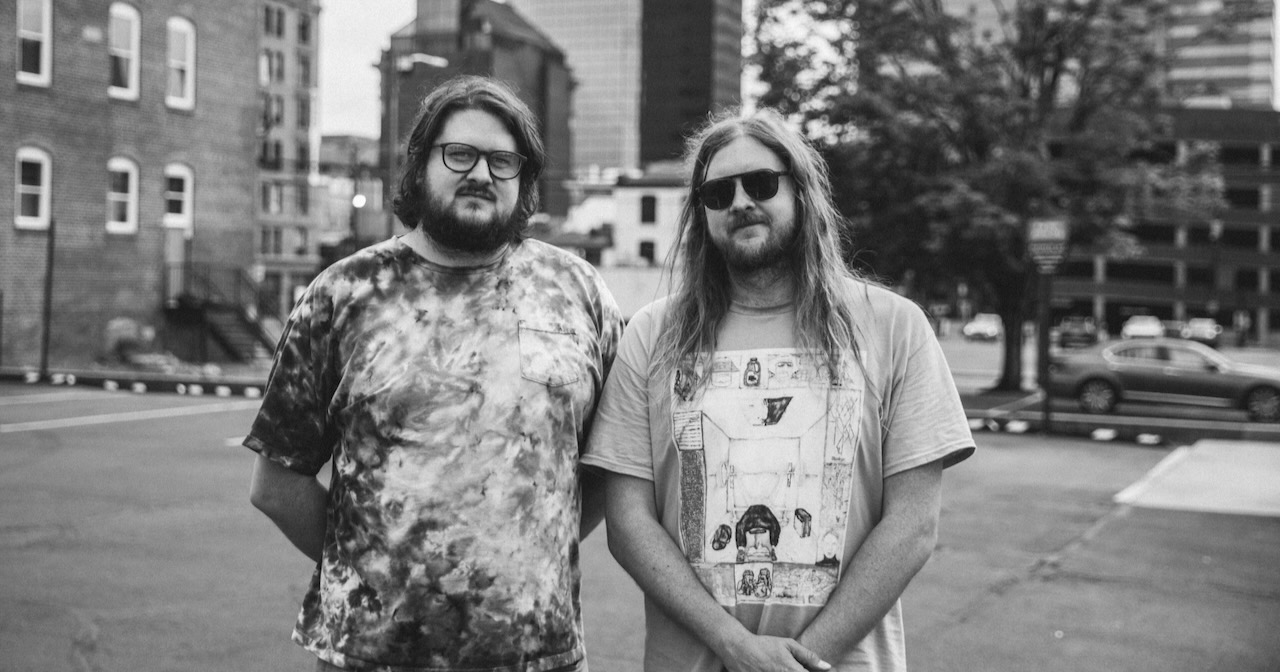
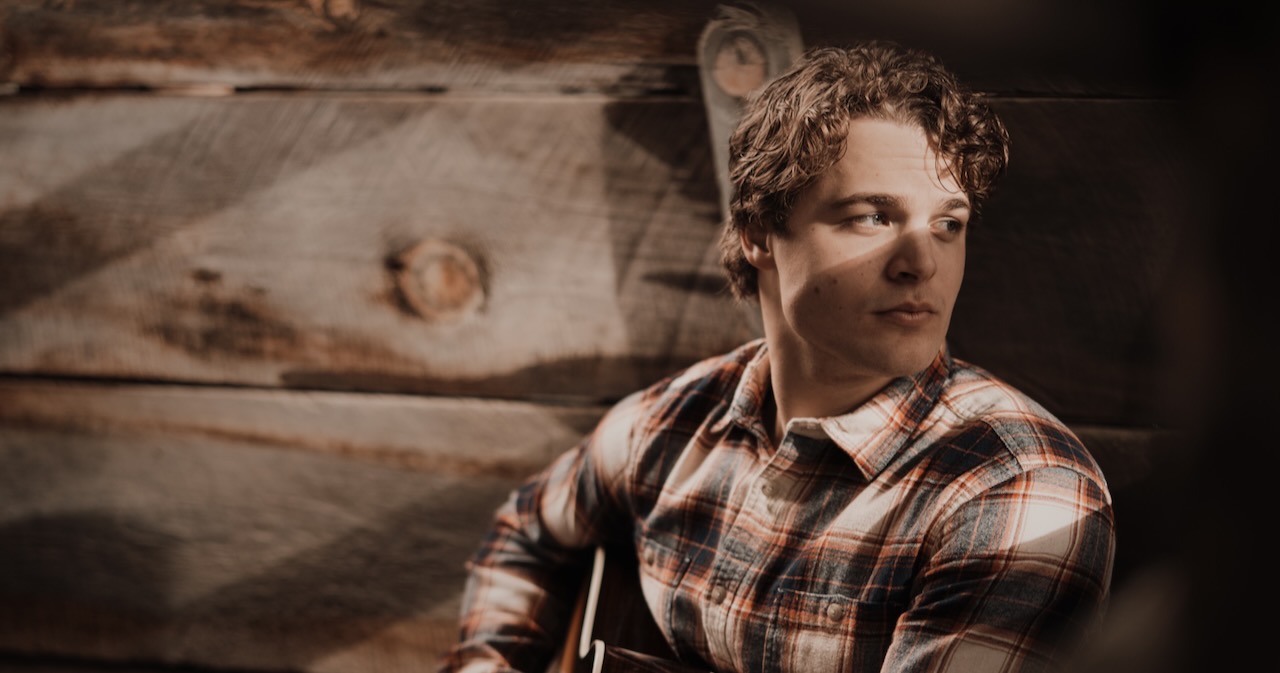
Artist:Wayne Graham Hometown: Whitesburg, Kentucky Latest Album:Bastion
What’s the toughest time you ever had writing a song?
The enemy of creation, for me, is judgment. I often superimpose other peoples’ suspected judgments onto something I’m working on, before I’ve written anything down. The true work is in letting go of that fear. When I am in a good flow, I am like a child. I am totally swept up in imagining the possibilities and that ride feels like communion with something much bigger than myself. I hope that doesn’t sound grandiose, I am just left feeling very grateful.
What has been the best advice you’ve received in your career so far?
Dave Prince – or Laid Back Country Picker – told me once that, “The world is real big, and real cool.” Trusting this to be true leaves a lot of room for pretty much everything to be OK. Not that there aren’t horrendous things happening everyday, but maybe most people are on the side of wanting things to be good and they’re just doing the best they know how at any given point. Maybe it’s naive, but it’s definitely not cynical.
Genre is dead (long live genre!), but how would you describe the genres and styles your music inhabits?
Genres are great if we’re looking to make broad categories that point to a recognizable aspect of a piece of work, but they start to lose their meaning when they come with their own dogmas. In other words, a genre should be used to contextualize a work, not as a frame to create a work within. That being said, we don’t discriminate along genre lines in what we listen to and draw from. We also hope our music is infused with the best parts of what we listen to, so hopefully we end up in a place we couldn’t have planned to go.
How often do you hide behind a character in a song or use “you” when it’s actually “me”?
I think the songs that make the cut for us are the songs where we’re not hiding. But that doesn’t mean the “you” or “I” is always used in a first person way. Oftentimes the “you” in my songs is “me” and the narrator is someone with a helpful perspective. Sometimes we put on characters to inhabit a lesser known part of ourselves that may have something cool to say, sometimes we just write what’s on our mind without needing it to mean anything.
If you didn’t work in music, what would you do instead?
Our mom retired a few years ago from teaching at a public school. It’s a job that has so much impact, and is so thankless, and I have so much respect for the people who do it for the right reasons. Our mom took the job very seriously, and so I saw what a struggle it could be at times, but it is really the only other job I’ve ever considered.
Our weekly premiere round-up kicks off this fine Friday with a new video from singer-songwriter Kelley Mickwee from her upcoming release; it’s the title track and her favorite song from her upcoming album, “Everything Beautiful.”
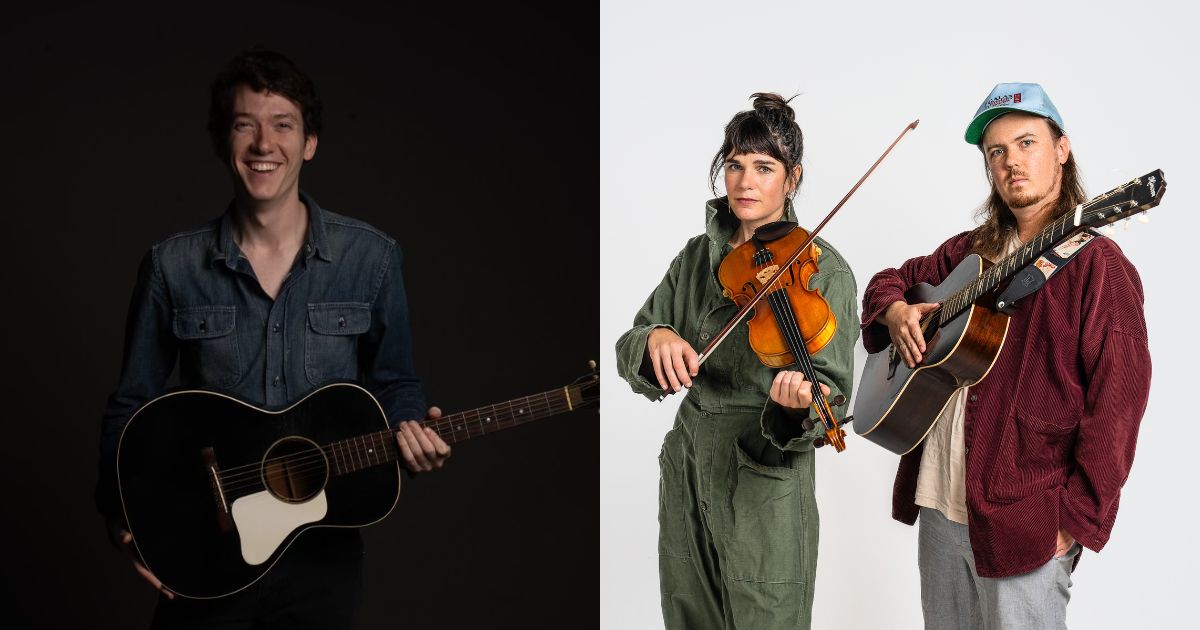
We continue with some bluegrassy old-time from duo Golden Shoals, showcasing “Milwaukee Blues,” a staple on their set lists and at their live performances. And, fellow bluegrass artist and songwriter Mason Via brings us his brand new single co-written with Charlie Chamberlain entitled, “Falling.”
To wrap up the week in premieres, don’t miss two new BGS-produced video sessions that hit the site this week. First, the latest in our Yamaha Sessions featuring shredder Trey Hensley, followed up by a bonus DelFest Session from Mountain Grass Unit celebrating their new EP, which dropped today.
It’s all right here on BGS and frankly, You Gotta Hear This!
Kelley Mickwee, “Everything Beautiful”
Artist:Kelley Mickwee Hometown: Austin, Texas Song: “Everything Beautiful” Album:Everything Beautiful Release Date: September 27, 2024 Label: Kelley Mickwee Music
In Their Words: “My favorite track on the record. A love song, which are rare and hard for me to write. This one started as a poem, sitting on my back porch one late afternoon as the dragonflies swarmed the yard and the hummingbirds fought over the feeder. I was all of a sudden just overcome with such deep love in my heart. Sent some words to my dear friend, Seth Walker, and he put this beautiful melody to it before I even woke up. It’s the first song we have written together of what I hope is many more to come.” – Kelley Mickwee
Golden Shoals, “Milwaukee Blues”
Artist:Golden Shoals Hometown: Nashville, Tennessee and Vancouver, British Columbia, Canada Song: “Milwaukee Blues” Release Date: September 27, 2024
In Their Words: “‘Milwaukee Blues’ has been a staple of our live show for years. It’s got a fun, silly vibe, but it’s about the very real perils of hoboing in the 1920s. That smiling on the outside/crying on the inside dichotomy is one of the most fascinating things about bluegrass and old-time music. Though we focus more on our original songs, our early tours were always based around fiddler’s conventions – Mt. Airy, Galax, Clifftop, etc. Playing old fiddle tunes and songs is how we started to forge our own sound and how we met our dearest musical pals. We’ve released collaborative old-time albums before (Milkers and Hollers and Tune Hash), but this is our first time stripping it down to the duo. We usually do one or two of these tunes at each show and we wanted to get them down for posterity, and for the old-time fans! Tracks will continue to trickle out over the next year, culminating in a full 14-track album.” – Mark Kilianski
Mason Via, “Falling”
Artist:Mason Via Hometown: Nashville, Tennessee Song: “Falling” Album:Mason Via Release Date: September 20, 2024 (single) Label: Mountain Fever Records
In Their Words: “I co-wrote this song with Charlie Chamberlain, who’s known for his work on several Songs From The Road Band albums. We initially crafted this track as a companion piece to ‘Melt in the Sun,’ another song on the upcoming record. Originally, we intended for it to be recorded with my psychedelic electric side project as a rock and roll party anthem. It wasn’t planned for this bluegrass album, but after bassist and dobro player Jeff Partin singled it out as his favorite from the extensive list of songs I shared with him and the producer, I decided to include it at the last minute. I’m glad we included it because it blends that distinctive Mountain Heart newgrass drive with lyrics that are perfect for getting people moving.” – Mason Via
Track Credits: Written by Mason Via & Charlie Chamberlain. Mason Via – Lead vocals, guitar Aaron Ramsey – Mandolin Jason Davis – Banjo Jim Van Cleve – Fiddle Jeff Partin – Bass, Dobro Kyser George – Guitar Brooks Forsyth – Baritone harmony Nick Goad – Tenor harmony
Yamaha Sessions: Trey Hensley, “Can’t Outrun the Blues”
Our Yamaha Sessions continue, highlighting the top-notch Yamaha FG series of acoustic guitars and the killer musicians who utilize them. This time, we’re back with guitarist, singer-songwriter, GRAMMY nominee, and reigning IBMA Guitar Player of the Year Trey Hensley. For his second session in the series, he performs a growling original, “Can’t Outrun the Blues,” that highlights the grit and attack of his custom Yamaha FG9 R, resonant and bold in open E.
Hensley’s techniques are bluegrass through and through, with clarity and athleticism to his flatpicking that stand out even among his incredibly talented contemporaries. The ‘grassy skeletal structure behind his approach to the instrument is merely a springboard into other textures and styles. Here, in a modal and bluesy number, you can certainly hear the influence rock and roll, down home and contemporary blues, Southern rock, and country chicken pickin’ have on Hensley’s own writing and composition.
DelFest Sessions: Mountain Grass Unit, “Lonesome Dove”
For a special bonus edition of our DelFest Sessions from earlier this year, we return to Cumberland, Maryland and the banks of the Potomac River for an encore performance by bluegrass four-piece, Mountain Grass Unit. On September 20, the group will release a brand new EP, Runnin’ From Trouble, which features this original number, “Lonesome Dove,” as the lead track. In fact, at the time of the session’s taping, the band had just recorded the song a week prior.
“We had an amazing time at the riverside DelFest Session performing our new song, ‘Lonesome Dove,'” said mandolinist Drury Anderson via email. “Watching people float down the river while we recorded made the experience even more special. It was an honor to be part of such a unique series!”
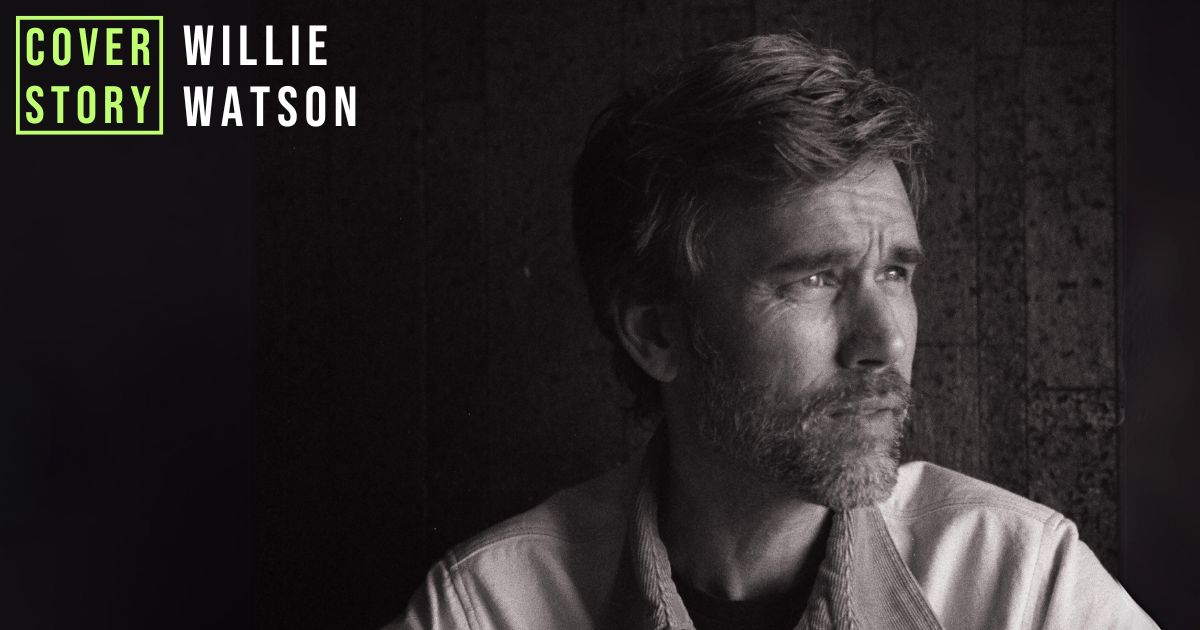
Willie Watson has been a solo act for well over a decade, since leaving Old Crow Medicine Show way back in 2011. And while he’s put out records since then, in many ways his self-titled third release marks a new beginning. A lot of that comes from the fact that it’s Watson’s first solo work with original material, following two volumes of Folk Singer albums drawing from The Great American Folk Song book.
Watson worked with a co-writer on the original songs on Willie Watson, Morgan Nagler from Whispertown 2000, and the results sound like the sort of songs you’ll hear traded around folk festival campfires for years to come. The co-production team of former Punch Brothers fiddler Gabe Witcher and Milk Carton Kids guitarist Kenneth Pattengale capture the tracks in spare, elegantly understated arrangements with the spotlight firmly on Watson’s voice.
The album begins with a literal trip down to hell on “Slim and The Devil” (inspired by 2017’s white supremacist riots in Charlottesville, Virginia) and ends with “Reap ’em in the Valley,” an autobiographical talking gospel about Watson’s own long, strange trip. In between are songs about love, fear, the occasional murder. One of them is another cover, Canadian folkie Stan Rogers’ stately “Harris and the Mare,” and you’ve never heard a song that’s both so beautiful and so horrific.
BGS caught up with Watson on the eve of his album’s release.
So after so many years playing old folk songs, what got you into writing your own?
Willie Watson: I’ve always written songs, but never thought of myself as a “real” songwriter, like Gillian Welch or Dylan or Ketch [Secor]. That just didn’t seem like what I was engineered toward. I wanted to be that kind of songwriter, but told myself I didn’t measure up. So I got into traditional music. When I’d get together with friends at parties, I’d be more likely to sing songs that were traditional or someone else’s. Being in Old Crow was great, because I got to write with other people, mostly Ketch. Co-writing was easier on me.
Once I found myself on my own, I was very scared to write by myself. Being completely responsible for everything is scary and for whatever reason I could not bring myself to do that. Now I understand that no matter how simple, complicated, mature, childish or anything else I put into a song might be, it’s okay. I don’t have to tear apart and criticize, say terrible things about it before I’ve even written it down on the page. Left on my own, that’s typically what I’d do. It’s only now at age 44 that I can get past that. What a long road.
Do you remember the first song you ever wrote?
“Roll On” when I was 15 or 16. It was wintertime at my house in Watkins Glen, late one night when everybody else was asleep. I went out to smoke in the back yard and it was quiet. As I looked at the nighttime winter sky, I had this story come into my head about a cowboy in an old town. I wrote the words out quick, almost as I would have been playing it. Just looked up at the sky and thought of it and it washed over me fast. It was a pretty powerful first song, but I ignored it and have the most regret about that. For whatever reason, there was something in my life that made me not give it enough credit.
How did you connect with your co-writer, Morgan Nagler?
She’s a great songwriter who has made a few records, does a lot of co-writing with people you know. You’ve heard songs on the radio that she co-wrote. I was afraid to sit down on my own and write, and Dave Rawlings said I should call her. I was apprehensive about presenting ideas and words and parts of myself to a person I didn’t know, but it was immediately fruitful. The first day, four hours later we had a song I really liked, “One To Fall” – it’s on this record. That we came up with something I felt strongly about right a way got me fired up, so we kept going. Every time we got together we wrote a good song.
What was it like to appear in the Coen Brothers movie, The Ballad of Buster Scruggs?
It was amazing. They had me audition for another movie I did not get the part for, but they already had me in mind for the one after that. But it was terrifying. Little cameras scare me enough and the big gigantic ones are even scarier. Like a gigantic eye and you’re not supposed to look at them even when they’re right in your face. I’m no actor. I knew my lines, but did not know what to do. I called Joel [Coen] a month before to ask if there was anything he could tell me to prepare me. “The only thing I’ll tell you is your first instinct is probably right,” he said. Which didn’t help at all. On-set, I was still scared. I had to learn to get on the wrong side of the horse because of the camera shoot, which was awkward. So I was not knowing what to do until they took me to wardrobe. Once I had on the costume and the hat and looked in the mirror, I suddenly knew exactly what to do. When I saw how I looked, it all made sense: Just go out and be Clint Eastwood.
Fear, even terror, seems like a recurrent theme in your life as well as your work.
It’s a recurring thing for every human, if they’ll admit it. It’s so freeing to admit I don’t know what’s going on, I’m scared, I need help. So much of the time I’ve done the opposite and gotten nowhere. The only person making my life hard was me. Touring with different people, I see them get into stressful situations and I think, “It must be hard to be them today.” I was just like that for a long time, tearing through things everywhere I went. I was afraid and my way of dealing with that was to try and control things. A lifetime of that proved disastrous.
I got to the point of trying other things and eventually learned about humility. That started me changing and growing and recognizing that the only reason I made my life so hard was being afraid of everything. It’s so risky doing this and I am scared of it. I’m apprehensive about even saying that. The public wants you to be confident onstage and I am that. Sometimes not, though. It’s hard to put it out there and not be afraid. I’m gonna cry a lot in front of people onstage, and that’s brave and good for me. This record is me understanding that there’s power in those uncomfortable moments, and embracing them. There’s a lot of healing in being able to go ahead and do that.
Who are you dancing with in the video to “Real Love”?
That’s my wife Mindy and the song’s about her. Once we got together, it went quick with us. But there was not romantic interest when we met, we were just working together. She’d quit her job as a fast fashion designer wanting to do something fun, cool, more fulfilling. A mutual friend was trying to get us together, knowing she was interested in getting into denim work and that’s what I do. The friend knew I needed help. So she started as an apprentice, got good fast, and we ended up working together. For a year we sat and sewed together and became best friends, she’s the best I ever had.
I was careful about that relationship, didn’t want to ruin it. So that song’s about how it started and what it meant, how true our love feels. It outdid everything else I’ve experienced my whole life. It shows how every other relationship I’ve ever had, I wanted the wrong things and, I daresay, they all wanted the wrong things from me, too. It went both ways. I’m not even talking about romantic love. It ends up being about everyone in my life. The story of my love life is the story of my life, love in all its forms. It’s a bold statement that she is the only real love in my life so far.
How did you come to know Stan Rogers’ “Harris and the Mare”?
I’m a Stan Rogers fan and that song comes from Between The Breaks, a live album recorded at McCabe’s in Santa Monica. I was thinking, “Do I want to put this on a record with my songs?” I’d written simple rhymes, couplets that are almost kinda childish – and I’m gonna put them next to a well-crafted song by a master songwriter? But Kenneth and Gabe had heard me sing that one at shows for a while and really wanted it on tape, and I guess I did, too. And after the recording came out so awesome, how could it not be on the record? I found out it did tie into my life. We made this record and I was unsure if any of it made any sense. Once it was sequenced and I lived with it for a month or two, it came into focus. That’s a violent song about a man who doesn’t want to be angry and violent. And I’ve been that man in my life. I relate to this guy.
The other cover, “Mole in the Ground” – did you know that one from Anthology of American Folk Music?
Yes. I love Bascom Lamar Lunsford, he’s so weird and interesting to listen to. Those old recordings, I can’t listen to a lot of Carter Family or Blind Willie McTell. Three or four songs and I don’t want to hear more. But Bascom, I can listen to a good 30 minutes and that says a lot. Like “Harris,” that was a big puzzle piece where I was unsure how it would fit. What made it were the string arrangements. That tied it in with “Harris” and “Play It One More Time.” Gabe directed the string arrangement, but let them find their own way. It was a cool every-man-for-himself arrangement.
The closing song, “Reap ’em in the Valley,” really tells a lot about how you came to be who and where you are, describing an early encounter with a singer named Ruby Love.
I’ve always talked too much at my shows. But being alone onstage, I had to find ways to make it more interesting. Switching from guitar to banjo is a great tool in the arsenal, but people still got bored of that. Folk singers traditionally tell stories and lead sing-alongs. So I learned how to talk to people in a real personal way about mundane things, relating our lives to find common ground rather than tear each other apart. Just me up there, whether it’s in front of 15 or 50 or 1,500 people, it becomes a battle if it’s not working. Me against them. Sometimes it was a disaster, when I was not speaking from experience or the heart, places I knew. But once I started telling stories about me simply walking down a country road, they’d perk up and listen. So I became a storyteller. I figured I’d put one on this record, and that was one Kenneth and Gabe really wanted me to do.
I hope it translates. It’s my experience of looking back at evidence of what I call God in my life, how you can’t deny it. What I am now, Mr. Folksinger. That’s what people recognized me as, the place I ended up. It could have gone differently, but this is what I’m here for. Those impactful moments. I didn’t think much about Ruby Love over the years, until I started thinking more realistically and honestly the further I got from it. Meeting Ruby Love when my heart was so broken and how that felt, that’s what I never forgot about that night.
That’s the thing that stayed with the picture of it all, like a scene in a movie. That’s what vivid memories look like, movies. All that imagery rattling around my head. I relate a lot of that to the nature of God and God’s power in my head. It goes hand in hand with the moon and lake and sky, and how the moon affected Ruby Love. What Ruby Love did for that party and what the orchard did for his guitar.
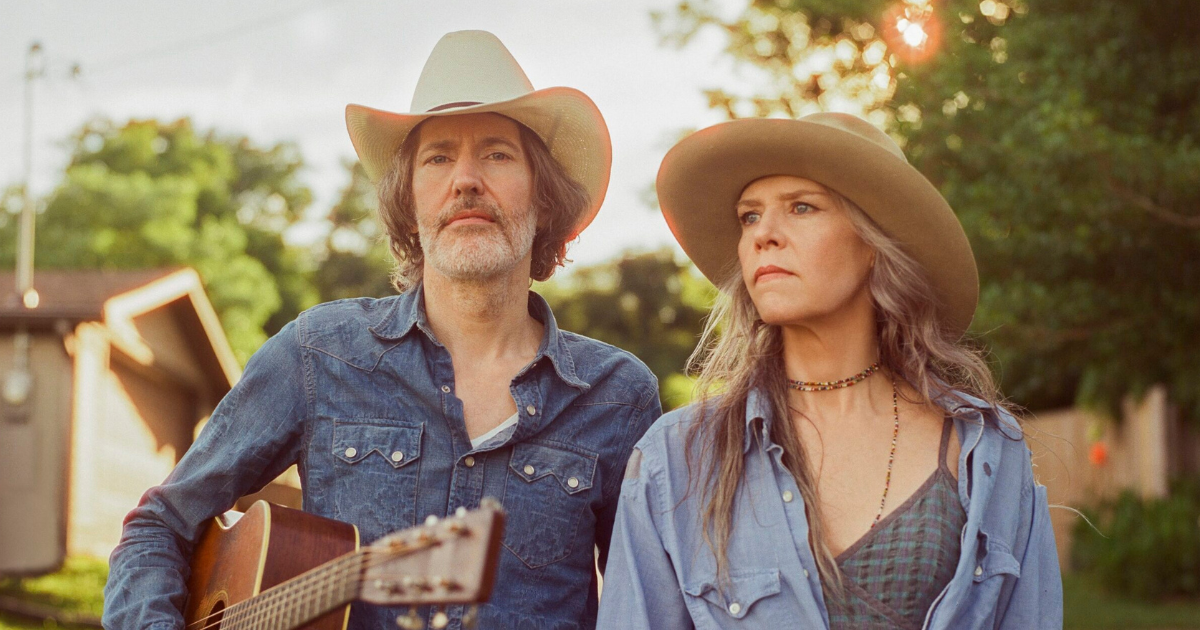
In the catalog lore of Gillian Welch & David Rawlings, it’s April 14 that’s known as “Ruination Day”— the historically resonant date marking the “Black Sunday” of the Dust Bowl, the Titanic’s sinking, and the assassination of Abraham Lincoln. Themes of hard times and disaster have long floated throughout the duo’s music, but they found themselves facing catastrophe with new urgency on March 2, 2020, when a tornado laid waste to their Woodland Studios in their home city of Nashville.
That studio, which the duo took over in 2001, has the unusual distinction of being hit by three separate tornadoes over the years: it’s an unassuming icon of ruination and revival that’s withstood decades of change in personnel, technology, and weather. It became foundation and the namesake for August’s Woodland, a collection of new, original material from Welch and Rawlings after two deliciously deep archival releases and a set of covers titled All the Good Times (Are Past & Gone).
Having rescued their tapes, guitars, and other equipment from calamity, throughout 2020 Rawlings and Welch set about rebuilding Woodland around its original mid-century imprint. The creation of the record and the reconstruction of the studio became two spiritually intertwined processes, the rooms rechristened with songs that excavate the nature of change; Rawlings wrote violin, cello, and viola parts that friends laid to tape in the room he’d restored to its 1960s-era use for recording strings.
Even with the substantial building project, the extended pandemic circumstances offered ample time for writing new material together and the duo amassed dozens more tunes than they could ever release as one record. They ruminated on making a double album for a while. “We had so many songs kicking around because we didn’t want anyone to feel shortchanged if we were both singing,” Welch says.
A single-album concept instead snapped into place around “Empty Trainload of Sky,” which opens Woodland with Welch’s reflections on an unsettling optical illusion. The two tussle with loss and weariness across the record, gesturing at questions of how to keep moving through life’s seasons without hammering into any hard answers. Woodland feels like a statement of renewal and endurance from Welch and Rawlings, the sort of subtle roll forward that’s set them apart from other songwriters for so many years. The musicians spoke with BGS about their new material, old ideas, and what they still feel like they have left to do.
Prior to Woodland, the two of you had spent a lot of time working with your archival material for the Boots releases in 2020. What was the relationship you had between spending so much time working with this older material and then focusing your attention on a new record?
Gillian Welch: Not to put the Lost Songs stuff down, because I’m really happy that we, one, saved it from the tornado, and two, at that point, decided, “Why did we save this? Do we think it has value?” We decided yes, so we put it out. We haven’t given people a lot of opportunities to connect the dots between our albums. Years tend to go by, and I don’t know if they think we’re just on vacation or what, but we’re always writing. I’m happy that stuff’s in the world now.
I still stand behind our decision to not make an album out of that stuff. We’re really album-oriented artists,and if we can’t find a narrative that at least we understand, then it’s not an album. Sometimes people will put out a record and four or five years later, maybe they’re playing one song off it, maybe two. Traditionally, if we put it out, we’ll keep playing it, so we really have to like the song a lot.
So, did that archival material influence this record? Honestly? No. It just reinforced our yardstick, the filter we have in place, like, are we making a record? And the answer for all those lost songs was, “No, we’re not making a record.”
David Rawlings: We were working on some of the songs in late 2020, early 2021, but in general, they are not close in my mind. A lot of the stuff either took more final shape afterwards, or a few of the songs were kind of in shape before. But boy, working on those 50 songs was an awful lot and didn’t leave a lot of space for other things around it. It was really important, because that was one of the first things I was able to do here at the studio as I started to bring it back to life, post-tornado.
You’ve talked about having enough material to make a double album, how did you narrow everything down to the 10 songs that made the cut? What did you feel held these together?
GW: They seemed, in a way, to address the present moment. They were the most clearly about now and because of that, they seem to all fit together. Even though there’s plenty of contradiction within the album, there are these crazy undercurrents of loss, destruction, resurrection and perseverance; sadness, joy, emptiness, and fullness. It’s ripe with contrast. That’s just how we were feeling.
DR: There were different ideas, but I didn’t realize there was that large of a group, that there was the collection of 10 songs that felt like they amplified each other. I think all of the records that we’ve made that feel the best to me, one song sort of affects the way you think of the next and the whole album has a feeling that you’re not going to get if you just listen to your three favorites. I think that that feeling is heavier, or better. That, to me, is the benchmark of what you’re aiming for when you’re trying to make a record. One hopes that these other songs – one that you love for this reason, or that reason – that they eventually fall into some group like that. Or maybe we just start putting out singles.
Gillian, to what extent did everything you went through with the tornado recovery change your relationship with the natural world?
GW: I’m not sure that it did. I’ve always been really comfortable with the fact that there are things larger than us that are out of our control. It’s always sort of been a great relief to me, because I try so hard to navigate and control the things I can. Dave and I are such perfectionists. I don’t know how else to put it, except that it’s a great relief to just give it up for the things that are completely beyond your control. So I don’t worry about it really. The weather is going to be what it’s going to be. Woodland’s been hit by three tornadoes. Every tornado that’s come through Nashville has hit Woodland, but it’s still there. So I think I’m just not going to worry about it.
How do you feel like you both still challenge each other?
DR: Well, I think it’s the same as it ever was. If there’s something that doesn’t hit one of us right about something we’ve written or played, we will eventually come into agreement about that. I think we have a kind of way of taking what the other does, seeing what’s good about it and what isn’t. And that kind of ping ponging back and forth with thoughts, ideas, structures, and everything is what leads us to the stuff that we end up liking the best, and, more importantly, that other people respond to the most.
GW: I think we’re both still completely committed to trying to write better songs. It’s really interesting, because decades go by –we’ve played so many shows, and your voice changes. It just happens with the miles and it doesn’t have to be for the worst. There are things we can do now that we couldn’t do when we were kids, and certainly there are things that we can’t do now that we did in our early 20s. But I’m just so glad that there’s still a lot to explore. Musically, topically – I definitely don’t feel stale or tired of this. I feel like we both have a crazy sense of adventure.
What are some of those things that you feel like you can do now that you couldn’t do when you were younger artists?
GW: I feel like I’m able to listen while we play now, in a more elevated way. I can both listen to the smallest nuances of what I’m playing and singing and I can listen to what Dave’s playing and singing. I can make all these micro-adjustments to our four instruments, but at the same time, I can hear the sum of what we’re doing. I can also just listen to the whole sound and adjust for the whole thing. I’m not sure I used to be able to do that, or it didn’t occur to me to do it.
It sounds like a mixing board of the mind.
GW: Yeah, it’s like that! There are things that I admire so much in other musicians and sometimes I can see little echoes of that stuff that I like in our music, that we’re now able to do.
Whatever happens, at the end of the day, Dave and I are always pretty confident in, “Well, we did our best.” We really don’t slack off. If we missed the mark, whatever. You’ve just got to say, “We really tried.” It’s very exciting to feel like we’re getting closer to the music that inspired us to do this in the first place. We have a couple songs that I know came from my deep love of Jerry Garcia’s music and the Grateful Dead.
Sometimes, when we’re sitting playing in the living room, we’ll hit a passage and I’ll think, “Oh boy, Jerry really would have liked that.” That’s a good feeling, and that’s always been a great motivator – to try to do stuff that you think your idols would approve of. “Barroom Girls” got written because I thought Townes [Van Zandt] would like it. He was showing up at our gigs and stuff, and so I wanted to write a song that I thought Townes would like.
David, when Nashville Obsolete came out, you talked about this idea of keeping a place for old ways of doing things when the rest of the world has kind of pushed them aside. The last few years have had so much change, so fast – how has that idea developed for you?
DR: All of this equipment [in Woodland], almost none of it is new. It’s all the same stuff. It’s taking it a step further and maybe optimizing it for our own purposes. We’re still cutting on two-inch tape, mixing to quarter inch tape, and going through all analog equipment. The final step of going digital is the very last thing that happens. It’s not a museum, in the sense that I use a computer system – we’ve designed a bunch of DTMF code and different relays and stuff to run a lot of the equipment that we’re using. I will use modern technology in any way that I can that doesn’t touch the audio, in order to have things reset to where they are, or to have the lacquers cut with a particular precision. I will design whatever I need to in that department.
So, the goal is never for it to be a museum. The goal is always, how can you make the best sounding art? How can you do any of the stuff as well as you can? It feels the same with songwriting and music. There are modern songs that I admire so much, that you look and go, “How is that put together?” There’s stuff that goes back to the dawn of recorded music, from the late ’20s and ’30s that I think the same thing of. You just look around and cast your net at what moves you and what touches you, and then try to use those things as a jumping off place to contribute yourself.
At this point in your career, what do you still want to do that you haven’t gotten to do yet?
GW: I could say something quippy, like I still want to write a song as good as “Me and Bobby McGee” or “Like a Rolling Stone” or “Blue Eyes Crying In the Rain.” I still want to write a song that people will be singing for a long time. I still keep trying to do good work. Each song that we write is something that hasn’t existed before. So each time we start a song, I want to fulfill that inspiration.
So, you know, it’s like breadcrumbs— “Oh, I haven’t done that,” and you take another little step forward. Where will it ultimately lead? I have no idea. I’m sort of inching forward. Dave and I have never really had a grand plan. We just keep wanting to make music, so that’s what we do.
DR: I just always think that I want to get good at this. I really love the process of writing and performing in front of people, and have since the very first time I was able to get up on stage and play guitar. That was winning the lottery. When we started writing our own material and having people respond to it, there’s nothing really better. It’s a question of longevity, how long can we keep doing things and keep thinking of things that people feel are meaningful in their lives? How long can we stay relevant?
I don’t think that I’ll ever have a feeling of arrival. It’s all pushing forward. How can I play guitar better? How can we write better songs? How can I sing better? How can we record things better? It’s the learning that’s fun, it’s not even necessarily about getting better. It’s about wanting to explore and the pleasure in that process and the doing of it. I’m not real goal-oriented, there’s never been a statue I wanted to win. We’ve gotten some lifetime achievement awards over the past few years, and I’m like, “Are you kidding? We’re just starting to do this! I don’t know what you’re talking about!” It’s not memoir time, and it never will be.
Artist:Max McNown Hometown: Bend, Oregon Latest Album:Wandering Personal Nicknames (or rejected band names): Almost went by Max Winter (Winter is my middle name)!
What rituals do you have, either in the studio or before a show?
My pre-show rituals remain somewhat consistent from show to show. I stay hydrated throughout the day leading up to soundcheck and I typically take it easy on my voice while I rehearse the songs (because I haven’t warmed up at that point). Post-soundcheck, I rest in the green room and use a steam inhaler to clear my sinuses before letting my vocal cords cool down from the heat for at least 30 minutes. After that, I kill time until around 30 minutes before I hit the stage, occupying myself with iPhone games to distract me from the pre-show nerves. At 20 minutes before the show I do a 10 minute vocal routine. At the 10 minute mark I call a circle with my band and say a prayer of thankfulness, asking that whatever happens, we impact the crowd for good. Minutes before stepping on the stage I conduct a box breathing exercise to slow my heart rate, and I’m off to the races!
If you had to write a mission statement for your career, what would it be?
Growing up, I leaned on music to get me through some of my most difficult moments. If I could summarize my “mission” it would be to return that healing… To repay what music has done for me to those who hear my own songs.
How often do you hide behind a character in a song or use “you” when it’s actually “me”?
Considering nearly all my songs are directly influenced by my own life, I hide behind characters often. I purposefully keep it vague when discussing which lines in which songs are fully “true stories.” Some of the most impactful films of my life are “based on a true story” and I take that knowledge into every writing room. Occasionally I take liberties when storytelling, but a lot of my work is pretty accurate to my own life journey.
Does pineapple really belong on pizza?
Considering Hawaiian-style pizza is one of my favorite foods, I strongly believe if you enjoy the taste, you can put whatever you want on pizza!
If you were a color, what shade would you be – and why?
If I were a color I’d have to think I’d be my favorite one, forest green… Simply because of my upbringing in the lush Oregon trees, my green eyes, and my love for nature!
Nearly 50 years after the Earl Scruggs Revue concert I saw at the University of Maine, an internet search led me to Jaime Michaels of the opening act, Beckett. He still has vivid memories from that night in Orono. I sent him a copy of my report. He wrote back, saying:
I have no idea about the song titles but it was nice that my ’63 Gibson J50 got a mention … I still have it.
He has vivid memories of his time backstage with Scruggs.
… at the very end of Earl’s set as he walked back out for his 3rd or 4th encore he stopped and said to me “If I’d just play the darned thing right, I wouldn’t have to keep going back out …”
A little later as we were all loading out Earl came up to us and said, “Do you guys want to see my new bus?” He took us for the grand tour. I was still pretty young and had never seen a real tour bus before.
He was such a sweet guy with this humble self-effacing humor.
Earl was proud of that bus, I reckon; he’d named an instrumental after it.
When I saw them in 1975, the Earl Scruggs Revue was a polished Nashville rock act that had been together since 1969. Debuting at a folk festival that May, not long after Scruggs split from Lester Flatt, it featured Earl’s sons.
The two oldest, Gary (then 20) and Randy (then 16) were already Nashville recording studio veterans. They’d been in the Columbia studios multiple times (Gary 11 sessions, Randy 15 sessions) since May 1967, helping on the last three albums Lester and Earl made before their split (Changin’ Times, The Story of Bonnie & Clyde, Nashville Airplane).
Also new to Flatt & Scruggs, in the fall of 1967, was Columbia producer Bob Johnston, then 35. Concerned about declining record sales, Columbia had replaced Frank Jones and Don Law, highly regarded Nashville veterans who’d been producing F&S since the fifties, with Johnston, who was producing Bob Dylan.
Dylan had stunned the folk world when he went electric at the Newport Folk Festival in 1965. He first recorded in Nashville in 1966, completing Blonde On Blonde there using mainly Nashville studio musicians. In the next two years he returned, making John Wesley Harding and Nashville Skyline.
Flatt & Scruggs’ final albums reflected their move to Johnston, a leading producer at forefront of Columbia’s move from acoustic folk into electric folk rock.
Later, when asked about what led to the split with Earl, Flatt spoke of his difficulty in singing the band’s new songs. “Johnston,” He said, “…also cut Bob Dylan and we would record what he would come up with, regardless of whether I liked it or not. I can’t sing Bob Dylan stuff. I mean, Columbia has got Bob Dylan, why did they want me?”
Of the final three F&S albums, both Changin’ Times and Nashville Airplane had folk-rock repertoires. At the very first session for Changin’ Times, four folk-rock favorites were cut, three Dylan hits, one by Ian Tyson: “Don’t Think Twice,” “Four Strong Winds,” “Blowin’ In the Wind,” and “It Ain’t Me Babe.” Here, Earl’s boys Gary (singing) and Randy (lead guitar) were together for the first time in the studio with Flatt & Scruggs and Johnston.
Imagine the dismay of Lester (who, soon after splitting with Earl, would record “I Can’t Tell The Boys from the Girls“) at this session! It seemed as if the young longhairs with their strange new music were taking over.
Released in January 1968, the back cover of Changin’ Times was filled with the image of a rock poster. Unsigned notes beside it read:
With their smash appearance at the Avalon Ballroom (a West Coast temple of rock and light-shows) when they turned on the whole of San Francisco, there are no new worlds left for Flatt and Scruggs to conquer. Flatt and Scruggs are for everyone.
One of the album’s 11 tracks was a remake of Earl’s “Foggy Mountain Breakdown,” which had just become a hit through the soundtrack of Bonnie and Clyde. Five tracks were by Dylan; the album closed with Woody Guthrie’s “This Land is Your Land.”
Gary and Randy Scruggs personified the Lovin’ Spoonful’s “Nashville Cats,” but also in the studio for that album were other, older, Nashville cats – Charlie Daniels, Grady Martin, Bob Moore, Charlie McCoy and other A-team studio musicians. Randy and Gary would come to know these men well as they built life-long careers in the Nashville studios. These careers were forged during their years (1969-82) with the Earl Scruggs Revue.
Fortunately, the Revue’s earliest days were chronicled in a television documentary. David Hoffman’s ninety-minute NET TV special, Earl Scruggs: The Bluegrass Legend – Family and Friends, was recorded in 1969-70. It has been issued on DVD several times since then and can be seen on YouTube.
It’s fascinating to watch Hoffman’s documentation of Scruggs as he narrates his past, voices his present, and sets out his future directions. Along the way, Hoffman captures Earl’s music-making with a wide variety of performers and audiences. By the end of those 90 minutes, Scruggs’ cultural and political perspectives are manifest; likewise the breadth of his musical tastes.
Hoffman filmed in New York, North Carolina, Nashville, Washington, D.C., and California. The documentary opens with a five-minute jam session: Earl, Gary, and Randy are in upstate New York visiting Bob Dylan at the home of illustrator and sculptor Tom Allen, who had done many Flatt & Scruggs album covers. After Bob sings “East Virginia Blues,” Earl asks him if he’d like to hear their version of “Nashville Skyline Rag,” the instrumental title track from Dylan’s most recent album. I don’t know when this jam took place, but in mid-August of 1969, when Earl was in the studio with Lester to record Final Fling: One Last Time (Just For Kicks), an album they’d agreed to make after their split, the first track they recorded was “Nashville Skyline Rag.”
The tune became a fixture in the Revue concert repertoire, used, for example, as the show opener at Orono in 1975 and in 1977 when they played PBS’s Austin City Limits. Earl had recorded it again in 1970 for his first solo album, Nashville’s Rock.
After the jam with Dylan, the film’s next twenty minutes take the viewer with Earl and the boys to his North Carolina home with visits to the Morris Brothers (the first group he’d worked with), Doc Watson, and Scruggs family and friends in the Flint Hill community. It closes with a shot in which Earl speaks of how he’d taken the banjo to different types of music: “Now it’s easy to blend with today’s music. It works very well. I’m really happy. I had dreams of this.”
The next five minutes come from a jam session with the Byrds at a ranch outside Nashville. It begins with them doing “Nothing To It” (the title Earl used for “I Don’t Love Nobody,” when he recorded this tune with Doc Watson) followed by “You Ain’t Goin’ Nowhere,” a Dylan tune that was on the Byrds’ Sweetheart of the Rodeo, the 1968 album that is often thought of as a foundational statement of country rock.
It’s followed by four minutes with electronic music pioneer and composer Gil Trythall, who plays along on Moog synthesizer with Earl and Randy doing “Foggy Mountain Breakdown.”
Then comes an interview with Charlie Daniels, at the time an associate of Bob Johnston, soon to become one of country rock’s leading figures. The focus shifts as he, Earl, and the Revue attend the second Moratorium to End the War in Vietnam, held in Washington, D.C. on November 15, 1969 – generally considered to be the largest demonstration ever in Washington. After performing “Foggy Mountain Breakdown” there, Earl speaks of his opposition to the war.
Back in Nashville, Daniels is co-producing (with Neil Wilburn) All The Way Home, the first Scruggs Brothers album, for the New England folk and classical label Vanguard. The film follows them into a Nashville studio.
Earl is also working on an album, his first post F&S solo project, Nashville’s Rock. After listening to a demo of one track at the Scruggs home, we see an old friend of Earl’s, Dr. Nat Winston, give testimony to his character, and then Earl demonstrates how he creates his music, explaining that he’s self-taught. Next, we meet Earl’s wife Louise, who’s worked as his manager for fifteen years. She points out that Earl was immersed in the music from age five and that their son Randy has had the same experience.
A shift of focus to Randy follows, as we see him picking “Black Mountain Rag” (a guitar performance reflecting the Scruggs affinity for Doc Watson), and then go with him to class at Madison High and have a chat with his principal, who talks about Randy’s “skipping school.”
After hearing from Louise about how she met Earl at the Grand Ole Opry, we drive on a spring afternoon (in 1970) with the Scruggs family from home to the Ryman Auditorium in downtown Nashville. Inside, Earl, with Randy, joins Bill Monroe and the Blue Grass Boys in a backstage dressing room for a jam and then we witness the Revue’s debut on the Opry stage.
In the center is Earl on banjo, flanked by Randy on guitar and Gary on bass and vocals. Also in the band is Jody Maphis, a contemporary of the Scruggs brothers and son of country stars Joe and Rose Maphis, on guitar. He would subsequently move to drums and remain in the Revue for about a decade. On piano and tambourine is Leah Jane Berinati. Except for Earl, this was a group of kids, dressed like young flower power types. They perform two very conservative old traditional songs, “Nine Pound Hammer” and “Reuben,” to an enthusiastically appreciative audience.
The last twenty-five minutes of the documentary follow the Scruggs family as they travel, early in 1970, to California’s Bay Area for a visit and a jam in Joan Baez’s home. Joan, with her young newborn son Gabriel nearby, chats with Earl about their 1959 meeting at the first Newport Folk Festival. She sings two songs (both are Dylan compositions) and then, while photos are shown of her husband – Gabriel’s father David Harris, whose Vietnam protests had led to federal imprisonment for draft refusal – she sings “If I Was A Carpenter” with Gary. A heady mix of politics and music.
The film closes with Earl back in North Carolina talking again about his musical aspirations:
Keep up with the times and make as much progress with the banjo along with other instruments as long as it blends in as possible.
As the credits roll, we hear Earl playing “Folsom Prison Blues” using his tuners.
This documentary, aired at the height of the Vietnam war, included a forthright statement of opposition from a leading figure in Nashville, where there was considerable support for the war. The documentary was also a carefully crafted showcase of the Revue’s folk/country rock repertoire, musical style, and cultural connections.
The albums that Earl and his two oldest sons were working on while Hoffman was making the documentary released before its broadcast and both contain songs and tunes that appear in the film. A couple of examples: “Train Number Forty-Five” (F&S’s radio theme in the early days), which is heard in Earl and Randy’s backstage jam with Bill Monroe, is also heard on Earl’s album Nashville’s Rock. Similarly, Randy’s version of “Black Mountain Rag,” an acoustic guitar solo in the documentary, is heard on the Scruggs Brothers’ album, All The Way Home, in an extended version with not only acoustic and electric guitar breaks but also a banjo break in his father’s style.
In the next Bluegrass Memoir we’ll see how, by 1971 and 1972 when this documentary was broadcast, the Earl Scruggs Revue was appearing on a series of albums that realized Earl’s aspirations and helped launch his touring.
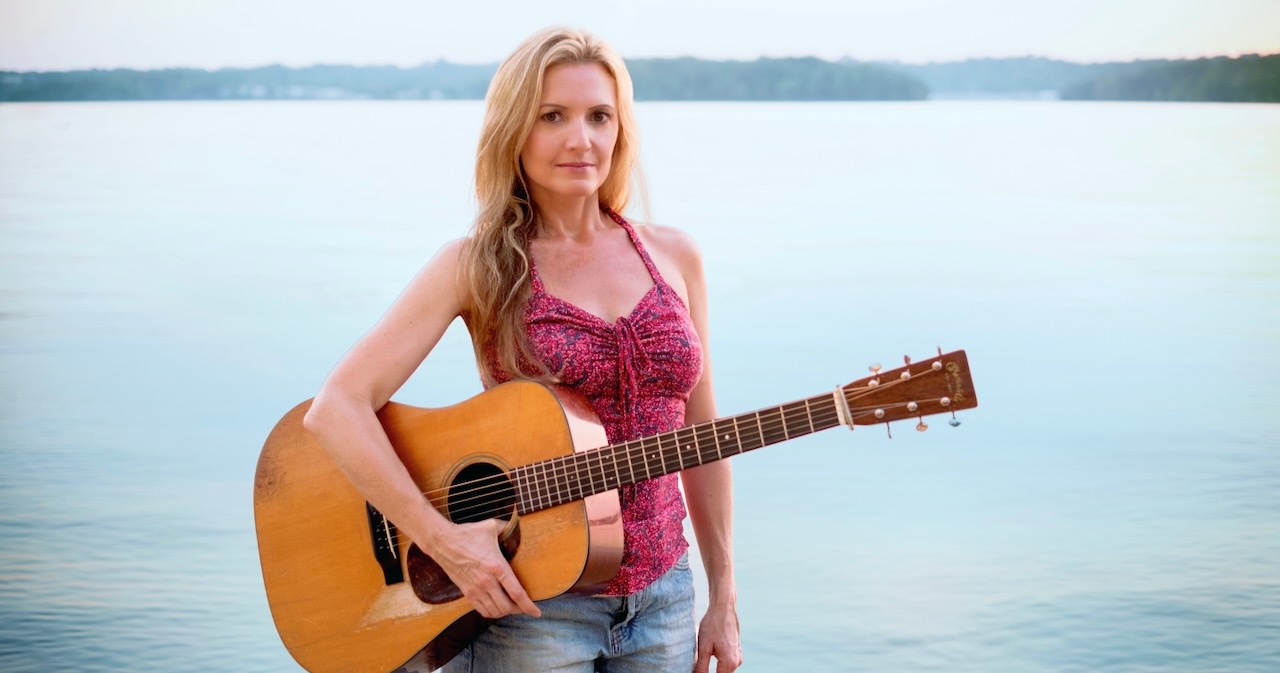
I’m honored to create a playlist for BGS. I’ll share a Mixtape inspired by the theme of time and celebrating the here and now. I grew up in Virginia by the water and my musical life has been influenced by the seasons and the tides. Life (so far) has been a counterpoint of going with my gut and enjoying the moment while also considering intention and the bigger picture. But I’ve learned that I am more in touch with myself as an artist when I can remain in the present. The songs I’ve selected tend to resonate with my intuitive sense of joy and unconditional love – that deeply rooted part of ourselves that is free and unburdened.
It’s celebratory for me to share two tracks from my new album, Boarding Windows in Paradise, out now via Compass Records. Produced by Bill Wolf – who’s known for his work with Tony Rice and Grateful Dead – the album features the talents of Béla Fleck, Sam Bush, Stuart Duncan, Barry Bales, Ron Block, and a constellation of other bluegrass stars. The writing and recording process for the album brought me to a place of learning to create my own paradise through daily intention and action, and I’m grateful for this experience. – Rebecca Frazier
“High Country Road Trip” – Rebecca Frazier
I grew up on the water, so I love going with the flow and being taken for a ride. But I’ve got that philosophical side, where I’m also asking, “Where is this leading?” This song is meant to capture that moment of joy somewhere in the middle; that elevated feeling of loving the lightness of not knowing what’s around the bend and not necessarily trying to create a specific outcome.
“It’s a Great Day to Be Alive” – Darrell Scott
This song brings back great memories of living in Colorado and seeing Darrell Scott singing this one at music festivals out west. His song quickly became an anthem for savoring the present: “It’s a great day to be alive, the sun’s still shining when I close my eyes.”
“Sailin’ Shoes” – Sam Bush
This one is another anthem on the bluegrass festival scene. It’s about cutting loose and feeling liberated. When Sam Bush goes into his signature chop to kick it off, fans start to cheer like wild and dance in recognition. The freeing and soaring feeling of sailing – we definitely feel that when John Cowan joins in with his soaring vocals. As the lyric expresses, “Everyone will clap and cheer when you put on your sailing shoes…” Sam sings and plays it with abandon and you can’t help it but smile (or dance!) when you listen to this classic Little Feat cover.
“All I Want” – Joni Mitchell
“Applause applause, life is our cause.” Joni’s lyric speaks volumes about her expression of letting go. She sings about that feeling of dancing and unleashing herself in a dive bar, falling in love, and letting the best in herself emerge by forgetting about herself for a moment. “I want to have fun, I want to shine like the sun… I want to make you feel free.”
“Time in a Bottle” – Jim Croce
“I’d save every day like a treasure and then, again I would spend them with you.” This classic is a poignant reminder about the essence of time and what seems to have mattered most at the end. Croce sings about savoring time with a loved one and realizing that the metaphorical box of wishes and dreams can only be answered by memories of time spent with a loved one.
“Nick Of Time” – Bonnie Raitt
This song brings back powerful memories from the ’90s, when Bonnie Raitt received well-deserved acclaim as an artist after years of hard work as a blues musician. The message of time passing and realizing that we have almost missed a great life experience-but found that fruition in the nick of time-resonated with a wider audience. Her relaxed and soulful vocals portray the hopeful message in a calming way.
“Days Like This” – Van Morrison
In his relaxed and soulful way, Morrison sings about those rare worry-free days when the pieces effortlessly come together in a satisfying way: “When all the parts of the puzzle start to look like they fit, there’ll be days like this.”
“Cat’s in the Cradle” – Harry Chapin
This classic may be a tear-jerker, but it’s also a celebration of time. We’re reminded by Chapin to spend meaningful time with our loved ones now and not to wait for a speculative future time when our “schedule” is free. The lasting image of an adult son who’s now too busy for his dad – after spending years as a small child asking his dad to spend time together – is a powerful reminder about life’s priorities.
“Thunderclouds Of Love” – Tony Rice
Classic, powerful Tony Rice at his finest. This description of a thunderbolt moment can light up any heart, and Tony’s guitar solo takes us there with flashy, bluesy fireworks. Jimmy Headrick’s lyrics set the scene for Tony’s soulful and punchy baritone vocals: “I have been praying four nights on end for someone who could make me live again, and all at once from the darkness of my heart they came to light.”
“Alabama Pines” – Jason Isbell
This one snuck onto this list, because it always brings me into the present moment. Isbell’s writing and singing is just that good. Whatever you were thinking about or worrying about, it all tends to go out the window. Suddenly you’re driving in Alabama and seeing all of the imagery he describes, feeling all of the emotions he expresses.
“Help Me Make It Through the Night” – Kris Kristofferson
Kristofferson’s is my favorite version of this classic and I’ll admit that he also happens to be my celebrity crush. While he’s portraying relishing this moment, this night, I think many women are wondering if he really needs to ask for help with that cause? In all seriousness, he does pull us into the present with his poignant lyric: “Yesterday is dead and gone, and tomorrow’s out of sight.”
“Duck’s Eye” – Charles Butler
Banjoist Charles Butler is one of my favorite composers and this tune pulls me into an effortless feeling of gliding over an oceanic vastness. The call and response melodies bring the listener into a trance-like state, and the simple melody pulls the listener to that perfectly placed “eye” of the composition, echoing the David Lynch reference of Butler’s inspiration.
“Make Hay While the Moon Shines” – Rebecca Frazier
When I wrote this song with Bob Minner and Jon Weisberger, we wanted to express the feeling of unleashing ourselves and savoring the moment once the moon rises. We’ve all been told to “make hay while the sun shines,” but it’s just as important to put down our work and allow ourselves to be free and true to our inner selves.
There’s something for everyone in this week’s premiere round-up!
From the bluegrass realm, check out a new, suitably spooky track from southwest Virginia mainstay Amanda Cook, a vocal trio number from the fellas of Sideline, and Twisted Pine have a brand new music video for a song all about bluegrass festival fun, “After Midnight (Nothing Good Happens).”
From elsewhere on the genre map, check out tracks debuting from singer-songwriter Bailey Bigger, Swedish artist Sarah Klang has an Americana-flavored number featuring Eric D. Johnson of Fruit Bats, and Emily Frembgen declares she’s “Hard 2 Love.”
Don’t miss a lyric video for the title track from American Idol winner Lee DeWyze’s brand new album, Gone For Days, as well. It’s all right here on BGS and You Gotta Hear This!
In Their Words: “‘Nancy Jo’ was a more recently written song this year. I wrote it in memory of my grandmother, who represents to me all the women in my life who have sacrificed their own dreams for the inevitable love for those around them. It’s a bittersweet, give-and-take feeling to experience and watch take over the amazing women in our lives, and something I think we can all relate to universally. The duality of my grandmother was beautiful to me. She had so many regrets, dreams she never got to take a real shot at, and hopes, yet so much gratitude, love, and confidence in the path she did choose in this life. She loved her life and brought so much joy and presence to those around her. But we would dream together every time I sat with her in the kitchen. When I reach for my life and my future, it’s not just my hands, it’s all the women in my ancestry, standing behind me, pushing me further.
“This song was highly influenced, musically, by the dream pop movement of the ’90s. My dad gave me his CDs by The Sundays that he wore out in college, and I fell in love instantly with their dreamy guitar tones and Harriet’s voice just painting the canvas with her melodies. I wanted to create a similar production with clear inspiration behind this song, and dream pop is a genre I’ve been itching to explore in my own sound as I get creative with guitar pedals and melodies.” – Bailey Bigger
Amanda Cook, “Devil’s Looking Glass”
Artist:Amanda Cook Hometown: Fancy Gap, Virginia Song: “Devil’s Looking Glass” Album:Restless Soul Release Date: September 18, 2024 (single); October 18, 2024 (album) Label: Mountain Fever Records
In Their Words: “I love a spooky song and when Troy Boone (our mandolin player) let me hear his demo of ‘Devil’s Looking Glass,’ I knew I was going to be hooked. Troy’s vivid lyrics make the story feel so real that it’s almost like a true legend coming to life. As Troy shared, he wrote ‘Devil’s Looking Glass’ in high school, drawing inspiration from the rock formation above the Nolichucky River near his childhood home and crafting a haunting song based on a local curse story.” – Amanda Cook
Track Credits: Written by Troy Boone. Amanda Cook – Lead vocal Carolyne Van Lierop – Banjo Troy Boone – Mandolin Brady Wallen – Guitar Josh Faul – Bass George Mason – Fiddle
Lee DeWyze, “Gone For Days”
Artist:Lee DeWyze Hometown: Chicago, Illinois Song: “Gone For Days” Album:Gone For Days Release Date: September 13, 2024 Label: Mavelle Records
In Their Words: “‘Gone For Days’ for me reflects on how someone can feel lost, but through that – inspired and transformed by their environment. Ultimately, for me, it’s a story of growth and rebirth. To an extent, it captures my own personal experience of stepping into the unknown when choosing to make the decision to head to Bristol, Tennessee and make this album.
“My hope is that this song can serve as an anthem for those who navigate the dark, and seek their own path. I want ‘Gone For Days’ to offer reassurance that even in the darkest moments, there’s a way forward.
“It was one of the last songs I wrote for this album – and while working with the amazing musicians out in Bristol and taking in the energy of where I was, it dawned on me it wasn’t just a song, it was a documentary for my journey and a snapshot of the profound changes I was experiencing.” – Lee DeWyze
Track Credits: Written by Lee DeWyze. Lee DeWyze – Vocals, acoustic guitar Phil Faconti – Electric guitar Dave Eggar – Cello, string arrangement Noah Denton – Bass Jordan Katz – Horns Mike Stephenson – Drums, percussion Blake Collins – Mandolin
Video Credit: Lee DeWyze
Emily Frembgen, “Hard 2 Love”
Artist:Emily Frembgen Hometown: New York City Song: “Hard 2 Love” Album:No Hard Feelings Release Date: September 13, 2024 Label: Don Giovanni Records
In Their Words: “I made ‘Hard 2 Love’ at Excello Studios in Greenpoint, Brooklyn with my producer Hugh Pool. We recorded it and most of the other tracks on No Hard Feelings live with Keith Robinson on drums, Bruce Martin on piano, and Charles Dechants on bass. Melody Stolpp came in later to record back up vocals. The song owes a lot to Lucinda Williams’s ‘Blue,’ which is often playing in my head. I’m so fascinated with these super simple yet emotionally impactful songs. Lucinda’s ‘Blue’ and ‘Lonely Girls,’ Lou Reed’s ‘Pale Blue Eyes,’ Sondheim’s ‘Losing My Mind.’ My relationship with my father informs this and many of the songs on this album as it has greatly informed the way I exist in the world. This is a cathartic song for me to sing and I hope it’s cathartic for other people. It’s hard to love and to be loved, at least for some of us.” – Emily Frembgen
Track Credits: Emily Frembgen – Vocals Hugh Pool – Guitar Keith Robinson – Drums Bruce Martin – Piano Charles Dechants – Bass Melody Stolpp – Backup vocals
Sarah Klang, “Last Forever” featuring Fruit Bats
Artist:Sarah Klang Hometown: Gothenburg, Sweden Song: “Last Forever” featuring Fruit Bats Release Date: September 13, 2024 Label: Nettwerk Music Group
In Their Words: “It’s a song about the feeling of being ‘the bad one’ in the relationship. Or maybe even that you are ‘the bad one.’ And you love someone who insists on seeing the best in you, and constantly fights on, even though you behave badly. I didn’t really have any idea that it could be a duet until Eric suggested it. He asked me to write down some of my dream artists to duet with, and of course I wrote his name as #1 on the note. Luckily he said yes!
“This collaboration was an eye-opener to me, because it immediately opened two creative worlds: suddenly there were two perspectives and that is very new for me to have. To get to work with someone I admire so much was a dream come true, and I felt like it made me a stronger writer too.” – Sarah Klang
“When Sarah and her writing partner, Theo Stocks, brought this sketch in, I was already all in on it going on the album. The opening line: ‘I’ve got two issues with you, and one of them is that you love me…’ just devastated me out of the gate. The song starts off as a lilting waltz, then turns into a chugging, desperate rock anthem and fades off into the sunset. When they suggested I sing a verse, I was honored and intimidated. I love that each verse comes from a different perspective – and then ends on intertwined stories about lovers trying to figure out the balance of life.” – Eric D. Johnson, Fruit Bats
Sideline, “Is It True”
Artist:Sideline Hometown: Raleigh, North Carolina Song: “Is It True” Release Date: September 13, 2024 Label: Mountain Home Music Company
In Their Words: “It’s really awesome to watch a band take an older song and make it into their own without completely dissecting the original. When Steve brought this one to the table, it was obvious that it was a Sideline song. We applied our drive and energy to it and let the lyrics do the rest of the work. It is also one of the very few – if any – Sideline songs with a trio throughout the whole song, and Bailey nailed the lead part. High-powered and exciting!” – Skip Cherryholmes, guitar and vocals
“What caught my attention about this song was that it is one of the rare cases where the verses have harmony all the way through, and the choruses are sung solo. Typically, it’s vice versa.” – Steve Dilling, banjo and vocals
Track Credits: Skip Cherryholmes – Guitar, vocals Steve Dilling – Banjo, vocals Bailey Coe – Lead vocal Kyle Windbeck – Upright bass Nick Goad – Mandolin, vocals Matt Flake – Fiddle
Twisted Pine, “After Midnight (Nothing Good Happens)”
Artist:Twisted Pine Hometown: Boston, Massachusettes & Toronto, Ontario, Canada Song: “After Midnight (Nothing Good Happens)” Album:Love Your Mind Release Date: September 17, 2024 (single); October 18, 2024 Label: Signature Sounds
In Their Words: “Every summer, music fanatics assemble their camping gear and instruments and gather together in a field somewhere for that most peculiar of community events: the bluegrass festival. As a band, many of our formative and milestone experiences have taken place at festivals. We’ve learned a lot of lessons – good and bad. This song is our ode to the festival experience. It’s about a universal thought process that happens every night at festivals around the world, ‘Should I be trying to get some sleep right now? Or should I stay up, and pick, and see where the night takes me?’ It’s definitely a coin toss, and depending on how you feel you might regret the late night the next morning, but either way, it makes for a memorable night, and you look forward to what next year’s fest will bring
“The details of the song are based on true events and everyone’s festival vibe. Chris likes to wander around looking for hot dogs; Kathleen croons country ballads in the moonlight; Anh typically stays out until the sun comes up; Dan posts up at the center of the old-time jam on bass. And there’s always that dude at the jam trying to get laid so in our song we named him Dirty Pete.
“Shot on location at two of the very best festivals in our part of the country: the Ossipee Valley Music Festival and Green Mountain Bluegrass and Roots, ‘(Nothing Good Happens) After Midnight’ should be a familiar sentiment for BGS readers. See y’all next year!” – Twisted Pine
Track Credits: Written by Kathleen Parks, Dan Bui, and Anh Phung. Kathleen Parks – Lead vocals, fiddle Chris Sartori – Bass Dan Bui – Mandolin Anh Phung – Flute, background vocals Ethan Robbins – Guitar
Video Credit: Directed, filmed, and edited by Jay Strausser, Jay Strausser Visuals
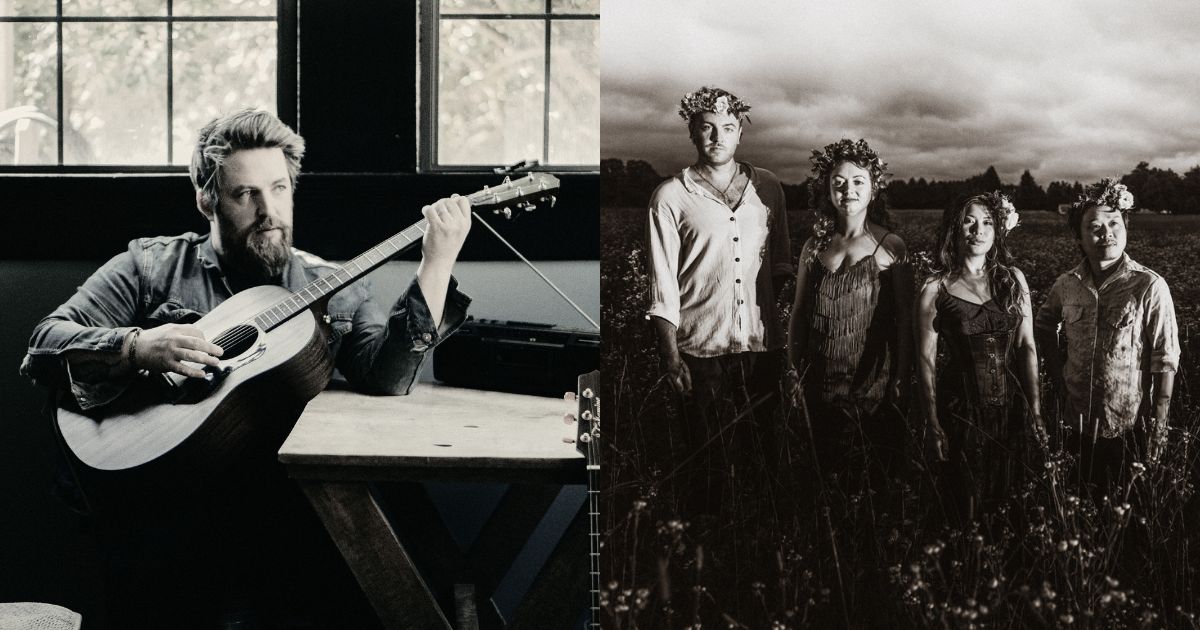
Photo Credit: Twisted Pine by J. Chattman; Lee DeWyze by Kalin Gordon Photography.
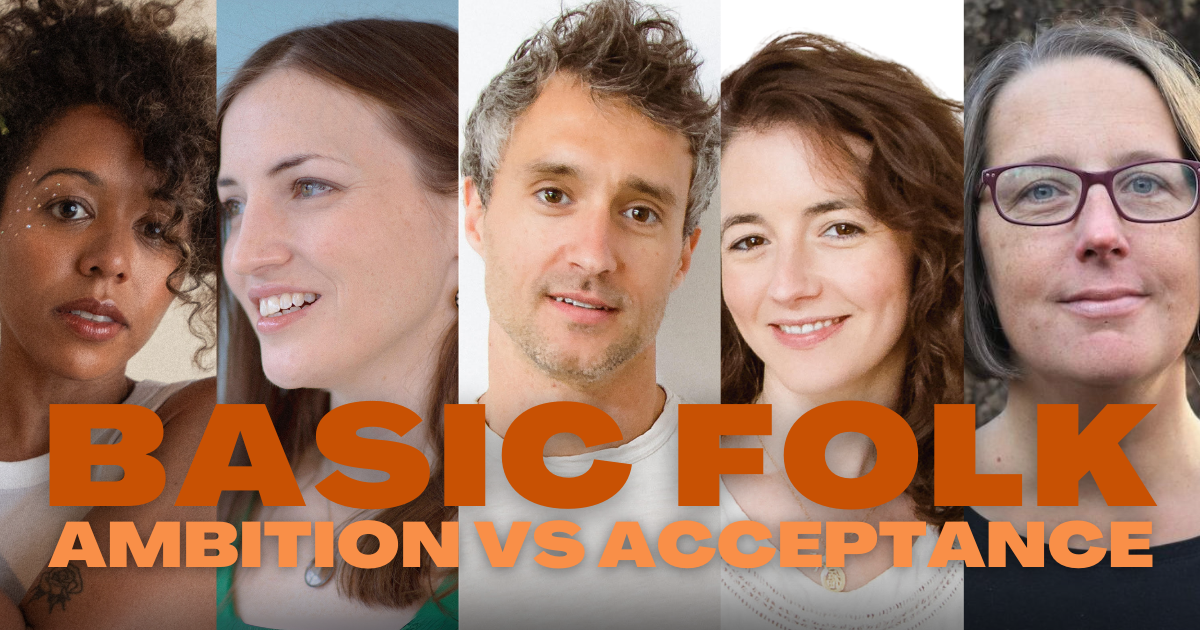
Welcome to another edition of Folk Debate Club, our occasional debate series! To discuss ambition vs. acceptance, we welcome our panel: music journalist Kim Ruehl, Basic Folk boss Cindy Howes, and yours truly Lizzie No. We would like to extend a very warm welcome to our special guests singer-songwriter Michaela Anne and producer Aaron Shafer-Haiss, also hosts of The Other 22 Hours podcast. In our lively conversation we work through thoughts and feelings about the definition of ambition: a strong desire to do or to achieve something, typically requiring determination and hard work. We take the approach from a music industry, folk music and even dive into the audience perspective of how fans might feel about an artist’s ambition.
It is no surprise that capitalism gets rung right out as a reason that ambition goes wrong for artists. As Kim says, “Art is like the nervous system of humanity,” and mixing creation with ambition-gone-wrong is a dangerous game that a lot (most?) professional musicians play with at some point in their careers. This episode has everything: navigating our way out of toxic work environments, messy reactions to unpopular yet important political stances and how to not throw away the people who disagree with you. Listen along and enjoy the ride.
Photo Credit: Lizzie No by Cole Neilson; Cindy Howes by Liz Dutton; Michaela Anne and producer Aaron Shafer-Haiss; Kim Ruehl by Rich Amory
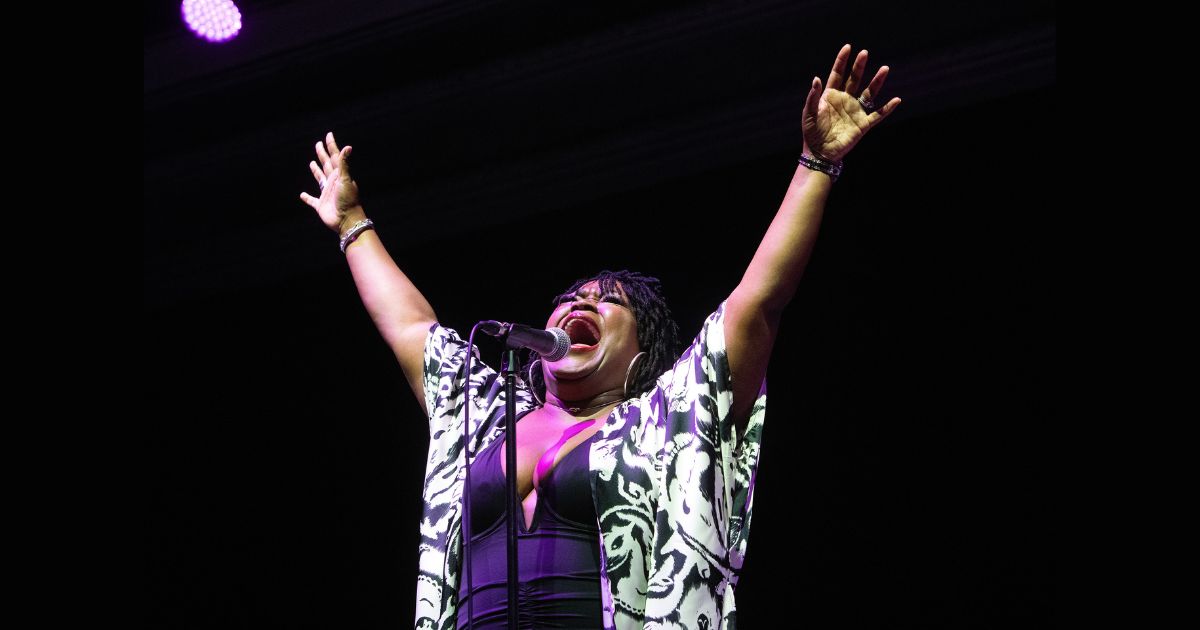
Though she downplays notions of fame and exposure, vocalist, songwriter, and bandleader Shemekia Copeland qualifies as a genuine star.
Among 21st century blues artists, she’s right there with Christone “Kingfish” Ingram, Gary Clark Jr., Robert Cray, and Eric Gales as performers whose audience outreach and cache extend far beyond the restrictive circle of specialty radio shows and festivals, where far too many fine performers in that genre are confined. From profiles in The Washington Post, Chicago Tribune, New York Times, Philadelphia Inquirer, CNN, and NPR to coverage in such journals as Rolling Stone and No Depression, Copeland’s ascendency as a performer, her maturation, and her poignant and important vocal and compositional force are consistent and impressive.
It’s accurate, if a bit cliched, to say Copeland was born to sing the blues. The daughter of the legendary Texas shuffle blues great Johnny Copeland, she grew up in Harlem and was accompanying her father as an eight-year-old on the stage of the famed Cotton Club in New York. A decade later she signed with Alligator Records and began a career that’s done nothing but soar since the release of her first album for the label, Turn Up The Heat, in 1978.
Her two most recent LPs, 2018’s America’s Child and 2020’s Uncivil War have cemented her stature. America’s Child featured a rousing version of Ray Wylie Hubbard’s “Barefoot In Heaven,” the personalized romantic tune “Fell In Love With A Honky,” and a tough cover of “Nobody But You,” a tune immortalized decades before by her father. Uncivil War reflected a major happening in Copeland’s life – the birth of a son – and also included memorable numbers once again addressing contemporary issues. America’s Child won both the Blues Music and Living Blues Awards as Album of the Year. Uncivil War won the same honor from not only Living Blues, but DownBeat and MOJO magazines, too. Copeland’s earned multiple Blues Music honors and GRAMMY nominations to date.
Yet many, Copeland included, feel the best is yet to come. Evidence of that can be heard throughout the 12 songs on her newest Alligator LP, Blame It On Eve, which was released August 30. This latest effort again superbly combines social insight, humorous reflection, and tremendous musical numbers. The results are a dynamic presentation of the ideal combination of modern studio technology, distinctive personal commentary, plus the lyrical flair and expressiveness that’s characterized great blues since its inception.
Blame It On Eve, also recorded in Nashville, is her fourth project produced by Will Kimbrough and Copeland gives him high praises for his continuing contributions to her music.
“With Will it’s always magic and the ideal collaboration,” Copeland told BGS during a recent interview. “He really understands my music and how to get the best out of what I’m doing in the studio. No matter what I bring him, he finds a way to improve it, to make it better, and make it work. He’s really been a huge key to the success that I’ve had, and I also really love working in Nashville.”
Kimbrough utilized a host of outstanding special guests for the session. They include Alejandro Escovedo, Luther Dickinson, Jerry Douglas, DeShawn Hickman, Charlie Hunter, and Pascal Danae (of Paris-based band, Delgres).
While Copeland has never shied away from addressing social issues on her albums, she doesn’t like or embrace the notion she’s being “political.” Instead, she prefers the term “topical,” while freely acknowledging that she sees it as important to discuss a variety of subjects, topics and ideas in her music. “I don’t want to be labeled or pigeonholed in any fashion,” she says. “But at the same time, I’ve always felt that my music should speak to contemporary things, to the things that I see and experience. If you want to say that I do cover topical or current issues, that’s accurate. But I don’t see it being political so much as I see it being real, being willing to talk about things that are important to me as a woman, a blues musician and a Black artist.”
From that standpoint, the title track’s forthright dive into the issue of women’s reproductive rights is a prime example of Copeland’s willingness to express herself on thorny and controversial topics. Douglas brings his superb skills on Dobro to a song about Tee Tot Payne, the 20th century Black musician who tutored Hank Williams on the blues. “I was really glad to do that one,” Copeland adds. “There are too many people who don’t know that story or haven’t heard about Tee Tot Payne. If I can inform them about who he was and why’s he important, then I’ve done a service.”
Hickman’s stirring sacred steel contributions enrich “Tell The Devil,” while Copeland took on a special challenge with the song “Belle Sorciere,” singing the chorus in French with the tune’s melody supplied by Danae. “Hardly,” Copeland laughs when asked if she’s fluent in French. “I really tried to make sure that I had the correct words and sang them the right way. I’ve always wanted to do songs in other languages, and I really enjoyed doing that one but it wasn’t easy.”
The release also has its share of fun tunes, notably “Wine O’Clock” and rollicking strains of “Tough Mother.” Copeland also has a pair of excellent cover numbers. One is a heartfelt version of “Down on Bended Knee,” previously done by her father, and an equally compelling rendition of Stevie Wonder’s “Heaven Help Us All,” which serves as a fitting and dynamic closer to a marvelous LP.
Interestingly, when asked how much she enjoys her stature at or near the top of the blues world, Copeland discounts that contention. “In my mind, I’ve still got a long way to go in terms of how far and where I want to see my music go,” Copeland concludes. “I don’t think I’m at the stage of some of the blues rockers like Jon Bonamassa. I’m still aiming for higher places and peaks artistically. You should never be satisfied or settle for things, but keep pushing and striving for excellence. I learned that lesson early and that’s how I’ve continued my career and plan to keep on striving and pushing.”
Nashville audiences will get the chance to hear Copeland in multiple settings this September. She will be featured during AmericanaFest on September 17 at 3rd and Lindsley. The next day, her showcase at Eastside Bowl will air live on Wednesday afternoon, September 18, on WMOT-FM (89.5) Roots Radio. It will also be video streamed on NPR, filmed for NPR Live Sessions, and recorded for NPR’s World Café’s “Best Of AmericanaFest” feature to air later.
Photo Credit: Janet Mami Takayama
This website uses cookies to improve your experience. We'll assume you're ok with this, but you can opt-out if you wish.AcceptRejectRead More
Privacy & Cookies Policy
Privacy Overview
This website uses cookies to improve your experience while you navigate through the website. Out of these, the cookies that are categorized as necessary are stored on your browser as they are essential for the working of basic functionalities of the website. We also use third-party cookies that help us analyze and understand how you use this website. These cookies will be stored in your browser only with your consent. You also have the option to opt-out of these cookies. But opting out of some of these cookies may affect your browsing experience.
Necessary cookies are absolutely essential for the website to function properly. This category only includes cookies that ensures basic functionalities and security features of the website. These cookies do not store any personal information.
Any cookies that may not be particularly necessary for the website to function and is used specifically to collect user personal data via analytics, ads, other embedded contents are termed as non-necessary cookies. It is mandatory to procure user consent prior to running these cookies on your website.