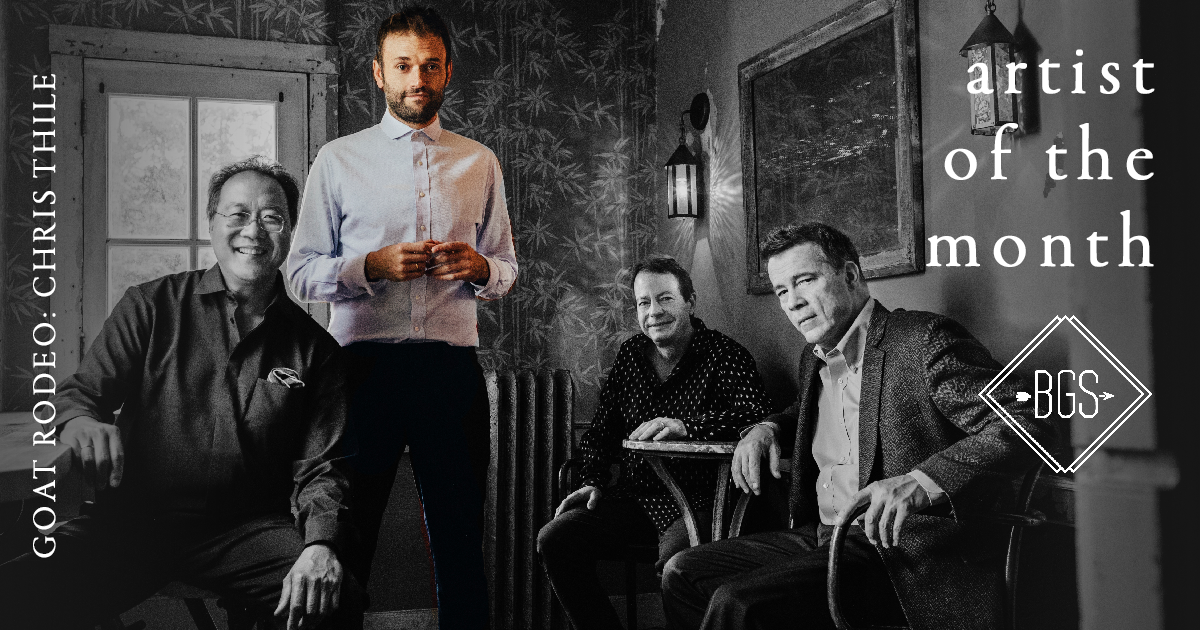
As ‘Goat Rodeo’ Returns, Edgar Meyer Makes Every Three-Note Chord Count

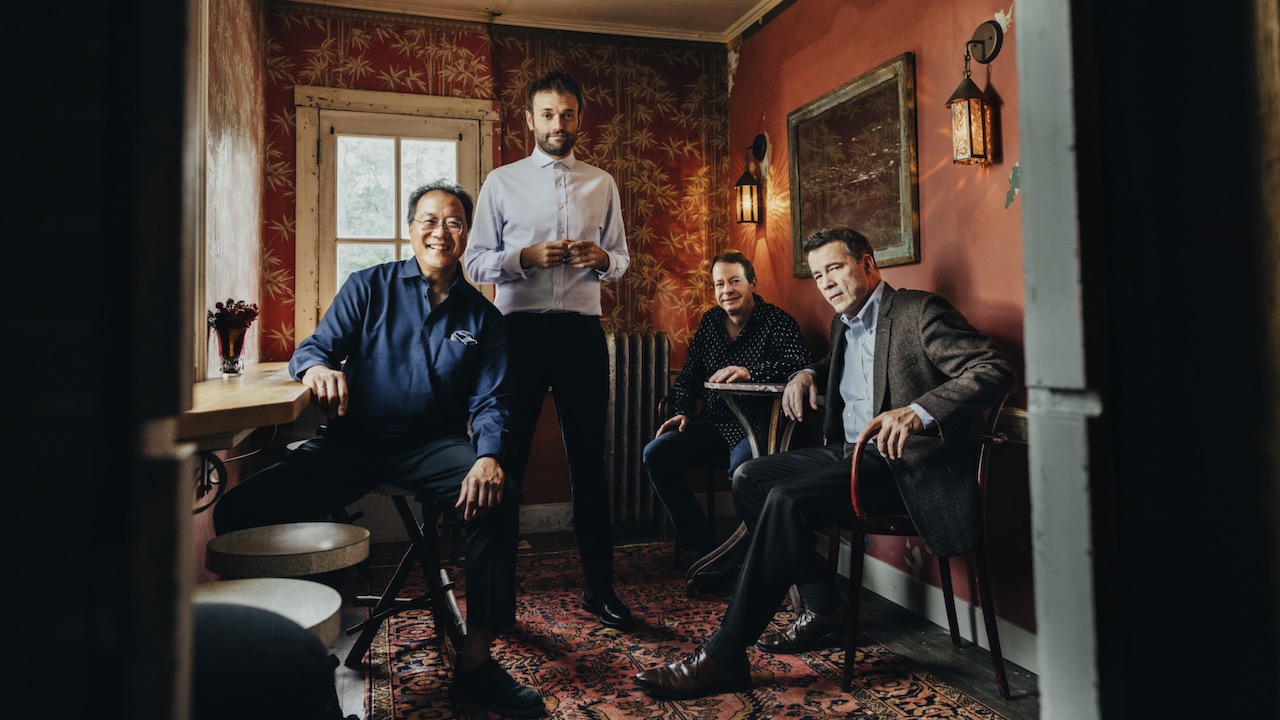
Lucky is how Edgar Meyer says he feels that he and his Goat Rodeo collaborators — Yo-Yo Ma, Chris Thile, and Stuart Duncan — were able to get together for the ensemble’s second album, Not Our First Goat Rodeo. They weren’t so lucky, however, when it came to their tour, which was supposed to start in August. “That’s not going to happen right now,” he tells BGS, adding, “We were looking forward to cherry-pick from both records.”

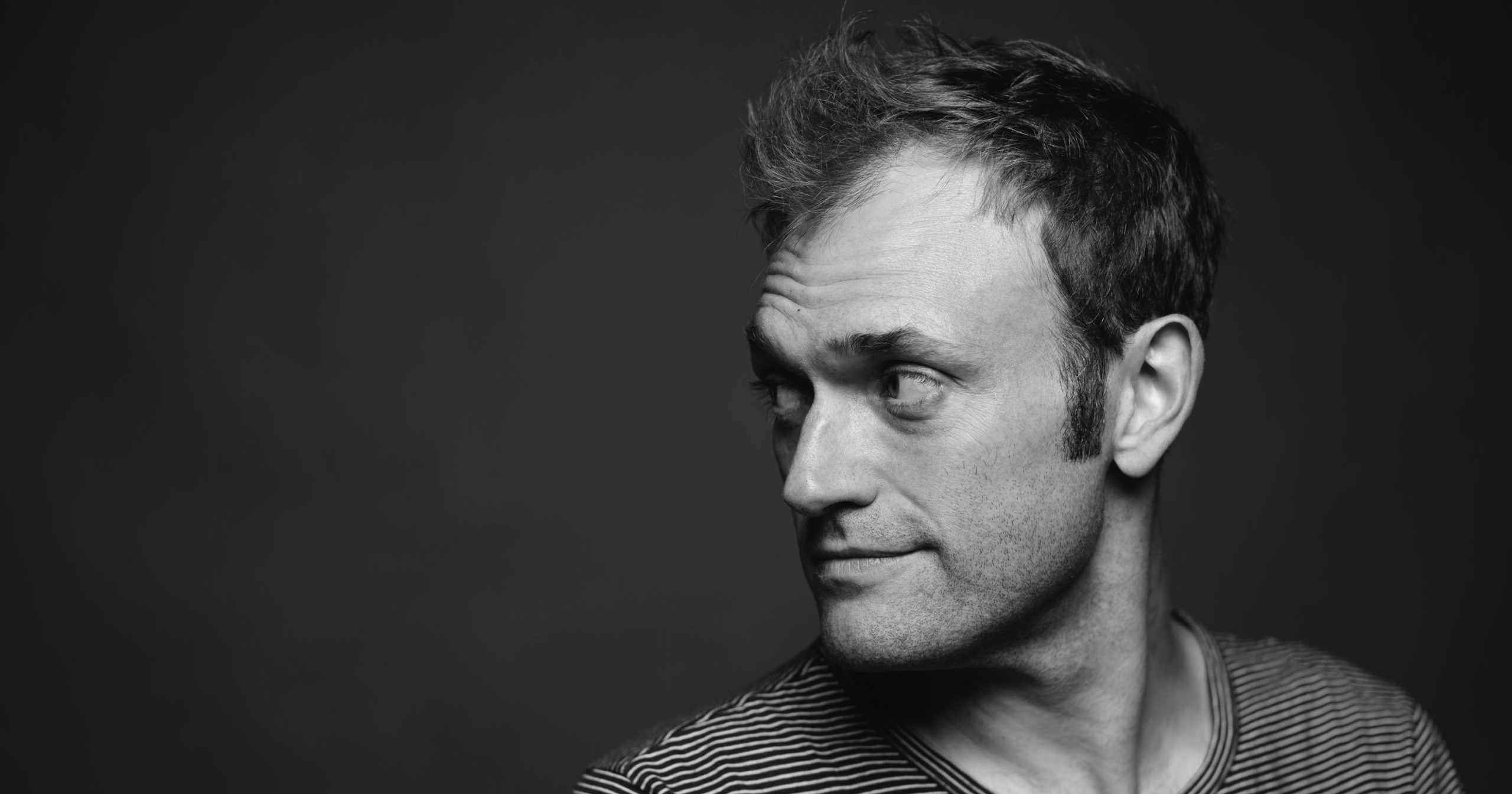
Along with their 2011 debut, which won two Grammy Awards, the Goat Rodeo albums represent two of the many high points in Meyers’ illustrious career. Renowned for his artistry on the double bass as well as for his compositional skills, the award-winning musician has been honored with a MacArthur Fellowship and the Avery Fisher Prize — the only bassist to have won either. Meyer also might be the man most responsible for Goat Rodeo’s existence. Having collaborated with both Ma and Thile, he introduced them to each other; later he and Thile recommended Duncan to Ma as the one to round out their quartet.

This Artist of the Month interview is the second of four installments as BGS salutes the incredible and iconic musicians of Not Our First Goat Rodeo.

BGS: Was there less preparation time for Not Our First Goat Rodeo than for the first album?

Meyer: I’d say in terms of learning how to play the parts, yes. But Stuart, Chris, and I spent 20 days together writing and that’s very similar to the first one. That’s probably more important than learning how to play it. We were not particularly well rehearsed or knew the music when we [all] got together, but the important part — which is the writing — had about the same amount of effort.

How was it building these pieces together?

It’s a joy. It is a unique endeavor and we were able to go somewhere we probably wouldn’t go with another set of people.

And did songs evolve a lot once you all got into the studio?

Not much in terms of the actual notes. Maybe the feeling of it — that would evolve some. Occasionally, there might be a kind of loosely mandolin/bass improvised area that became more consistent in what it is. But there’s not a lot of that. Actually [the] music did not change immensely while recording, except in terms of it gelling. And in terms of people really understanding everyone else’s and their own roles, and making it into a whole.

All four of you had more familiarity playing with each other this time. Did that make it easier for everyone to gel?

Overall, yes. It’s tricky in that we attempted to try to find things that were wholly different from the first one. I wouldn’t say that we entirely succeeded in that, but I don’t think we were disappointed either. We just felt obligated to try and find brand new places to go. At the end of the day, it still sounds exactly like that same set of people — and I don’t think we were able to deeply change it. I think it is nine years later and I think we are all a little bit different. It is a different record, but very recognizable from the first one.

Were there musical territories that you all were specifically interested for this album?

For each piece we do, there’s always something that we are trying to explore that is new in some way for one or all of us — that’s almost a baseline. An esoteric example would be… I relate to harmony most centrally as a three-voice thing. For me if there’s more than three voices usually, no matter what the type of counterpoint is, most of these things are not going to track all four at the same time. But it is possible with good three-part writing to have the listener track all three voices almost all the time. That’s just what I find. Obviously somebody with enough skills will try to turn that on its head.

Depending on which way you count, there are either 19 possible three-note chords or there are 12. The modern music guys like to say 12, but their way of counting says that the major chord is the same thing as a minor chord. So, I prefer to count 19 and make those redundancies separate chords.

So, for “Not for Lack of Trying,” we experimented; there’s a chorale that it’s kind of built around — a three-part chorale. It has a repeated phrase. I think we tried to get one of each kind of chord. And maybe it’s a 24-note chorale [because] the last five chords are the ones that were used in the beginning. But there’s at least one of each of the 19 kinds of three-note chords in that chorale. That’s not something we did on the first record.

But there’s always some kind of something that somebody or all of us are trying to explore. And it’s not going to usually be something like, “Oh, we wanted to see if we could mix some bluegrass with some Caribbean music.” It’s going to be much more melodies, rhythms, harmonies — very specific musical questions.

What was your reaction listening to how Not Our First Goat Rodeo came together as a completed album?

I think mainly good… it’s a little more even than the first one. Maybe it doesn’t have some of the crazy highs, but it is a little more consistent. It’s more like somebody’s doing it for the second time.

This time everyone was a little more consistent with what instruments they played. Was that a conscious choice?

It’s just how it went down. The truth is on that count we were trying to emulate the first record. I probably like the variety of the first one slightly more. What we knew before we started the project was that an instrumentation of mandolin, violin, cello, and bass is not a very good instrumentation, and we knew the three of us would have to switch instruments in order to make the textures really work. Then when we are all on our main instruments, you can hear the comfort. You can hear all of us doing what we do best, but if you had to listen to those four instruments for a whole recording it wouldn’t work as well.

Song titles on both Goat Rodeo albums are very fun, like “Waltz Whitman.” Does one person tend to come up with the titles or are they batted around and one title rises to the top?

Chris and I had a session on the phone for about a half an hour the day before we turned in the album. “Waltz Whitman” was Chris’s, and he didn’t like it when he said it. I liked it a lot and made him stay with it. And, of course, he likes it now.

A lot of projects that Chris and I’ve done, and that I have done in general probably, have a lot of titles with useless meanings that the listener will never know about. Because we don’t put a lot of stock in titles. And so we could slap almost anything on there. This one actually didn’t have anything that we wouldn’t be afraid to have on the front page of the paper. There’s no hidden stories behind these titles. That’s unusual. Maybe it’s a new trend for me.

What is one recording that ranks as a G.O.A.T. (greatest of all time) for you?

It’s a tough one because I will start by rejecting the question. What has had bigger impressions on me are particular pieces of music, and not particular recordings of them. The set of my favorite Beethoven, Bach, and Mozart pieces have had a bigger influence on me than single recordings have. My primary method of browsing in my formative years was less recordings than sitting at the piano and going through those composers’ scores. Although my list of influences is broad, at the top of it is Beethoven, Bach, and Mozart, and my primary way of knowing them is not through recordings.

So it’s their compositions overall?

Yes, that is exactly right. And the scores themselves. Because that is what we have from them. Whereas with Stevie Wonder, the way I know him is through a recording; so that’s how I’m influenced by him. But with these classical composers, it is not through the recordings. Like I’ve said that’s the most important. It probably depends primarily on the vintage. It’s a tough one, because some people who lived during the times of recordings are not well-documented. Anyway, that’s a true answer though. That’s how it works for me. The essence of what moves me is the writing.

(Editor’s note: Read the remaining installments of our Artist of the Month interview series here.)


Photo credit: Josh Goleman
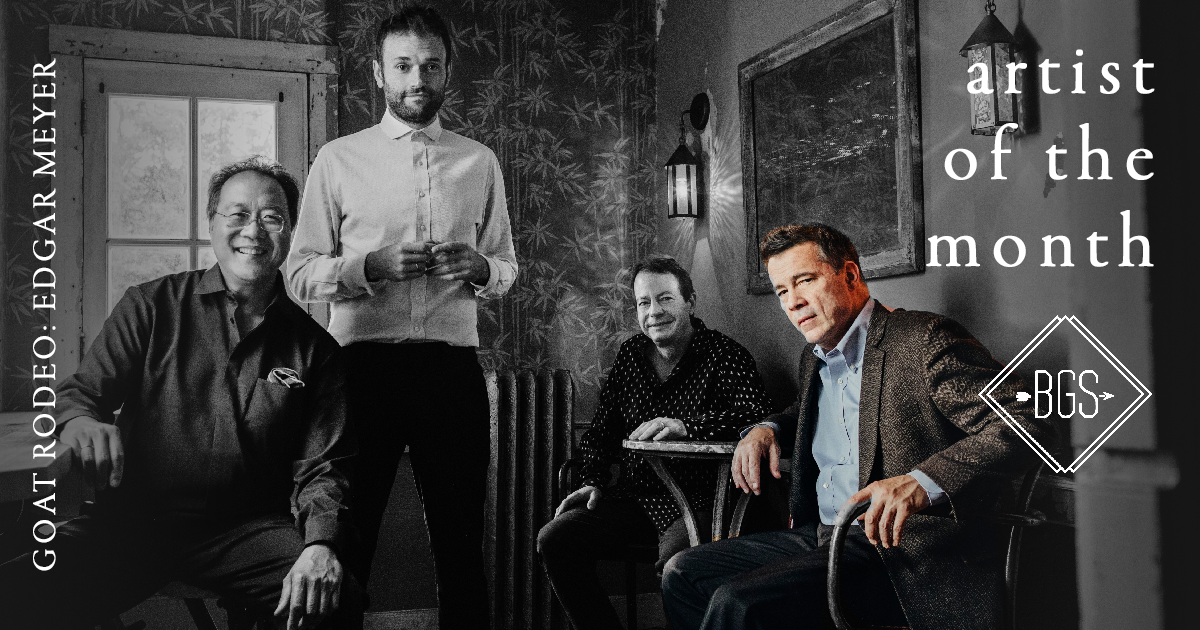
Artist of the Month: Not Our First Goat Rodeo (Yo-Yo Ma, Stuart Duncan, Edgar Meyer, and Chris Thile)

A remarkable blend of improvisation and composition, Not Our First Goat Rodeo is the just-released second volume of music from four American acoustic icons: Yo-Yo Ma, Stuart Duncan, Edgar Meyer, and Chris Thile. The eclectic group chose their name based on the aviation term “goat rodeo,” indicating a delicate situation in which 100 things need to go right to avoid disaster.

That intricacy is apparent throughout Not Our First Goat Rodeo, and so is the band members’ mutual respect and sense of joy that stems from collaboration. One such example is “The Trappings,” a cinematic piece featuring Aoife O’Donovan, who lent her talents to the first collection and returns as a guest vocalist for the new project, too.

Sharing the story behind the track, Yo-Yo Ma recalls: “‘The Trappings’ came out of a question of aesthetics. I believe Edgar was talking about pop music, how he used to think, ‘Oh, if something’s too poppy, I’m not going to like it.’ But that’s like saying ‘classical music is boring,’ or that jazz, rock, rhythm and blues are one way, or even ‘people from different countries are’…. You know that as soon as you make a general statement like that, it’s not true, because you can think of hundreds, thousands of exceptions. ‘The Trappings’ is one of those.”

The group’s initial set, 2011’s The Goat Rodeo Sessions, is a classical crossover masterpiece that won Grammy Awards for Best Folk Album as well as Best Engineered Album, Non-Classical. The critically acclaimed project also spent 11 weeks at No. 1 on Billboard‘s bluegrass albums chart. Nine years (and many other outside projects) later, the group’s camaraderie and undeniable chemistry remain intact.

Yo-Yo Ma observes, “What is so amazing about playing with Chris, Edgar, Stuart, and Aoife is that when I’m working with them, I’m almost not a full participant, because I’m actually a fan. I’m such a big fan that I approach what they’re doing with a mixture of wonder and awe at these fellow musicians whom I feel very close to, but who are doing things that are almost beyond my imagination.”

This month BGS will conduct interviews with each of the ensemble’s members about Not Our First Goat Rodeo as well as their individual inspirations and insights. Check out our Tunesday Tuesday featuring “Voila!” and enjoy this brand new Essentials Playlist featuring music from Yo-Yo Ma, Stuart Duncan, Edgar Meyer, and Chris Thile.

Read part one with Stuart Duncan here. Read part two with Edgar Meyer here. Read part three with Chris Thile here. Read part four with Yo-Yo Ma here.


Photo credit: Josh Goleman

Best of: Live From Here

This month brought the unfortunate news that Live From Here, hosted by Chris Thile, has been cancelled.

The American Public Media-produced radio show, previously known as A Prairie Home Companion, has been beloved by listeners since its inception in 1974, and continued in 2016 when the series was rebranded as Live From Here, with Thile leading the way.

The show was cut from production as a result of COVID-19’s widespread impact on the music and entertainment industries. On his socials, Thile graciously acknowledged the decision, stating the purpose of Live From Here as “a celebration of live, collaborative audible art.”

So, without further hesitation, let’s look at 11 of our favorite Live From Here moments.

“Dean Town” – Vulfpeck & Chris Thile

Perhaps one of the most loved Live From Here moments was Thile’s guest performance with Vulfpeck on their classic, “Dean Town.” One has every reason to assume that eye contact between Thile and Joe Dart is still going strong at this very moment.


“Fiddle Sticks” — Billy Contreras

It may be one of the lesser-viewed bits from the show, but this “Fast-AF” fiddle tune feature by Billy Contreras is certainly not short on notes. Two and a half minutes of pure double stops and bass walks.


“Lovesick Blues” — Brandi Carlile, Ben Folds, Chris Thile, & Sarah Jarosz

Ever wondered if Brandi Carlile could yodel on par with Jimmie Rodgers — or everyone’s favorite Walmart yodeling kid, Mason Ramsey? Well, look no further than this early Live From Here collaboration with Carlile, Thile, Ben Folds, and Sarah Jarosz.


“Change” – Mavis Staples

“Say it loud, say it clear!” We’ve shared this powerful performance from the legendary Mavis Staples before, but it is even more relevant now. Things are starting to change around here!


“Toy Heart / Marry Me / Jerusalem” – I’m With Her

Almost 10 minutes of mind blowing harmony and togetherness from I’m With Her, all beloved guests throughout the show’s course. As Thile so happily declares at the end, “There’s not a better band — in the world — than I’m With Her.”


“In Da Club” / Musician Birthdays – Julian Lage, O’Donovan, Thile, and More

What could be better than the composer of 50 Cent’s “In Da Club” jamming with Chris Thile, or Julian Lage playing Django Reinhardt? Oh that’s right: it’s Aoife O’Donovan singing Dolly Parton’s “9 to 5.”


“Blue Skies” – Andrew Bird & Chris Thile

Not only does this pair look quite the same, but their playing together is divine, and one of the last Live From Here moments we were graced with before shutdown.


“Kodachrome” – Paul Simon

This one’ll make you think all the world is a sunny day. Just look at Thile’s face!


“Can’t Find My Way Home (Blind Faith)” – Rachael Price

The tonal map of this moment is pure magic. Lake Street Dive’s Rachael Price supported by Thile’s harmony, Mike Elizondo’s bass lines, Brittany Haas’s fiddle playing — need we say more?


“Winter Boy” – Amanda Brown

Since Thile’s takeover as host, Live From Here has always had a strong female vocalist on stage. From Aoife O’Donovan to Sarah Jarosz to Gaby Moreno to more recent guest Amanda Brown — these women have been an integral part of the show’s cast and performance. Enjoy Brown’s beautiful take on this Buffy Sainte-Marie classic. 


“Hard Times” – Chris Thile

It only seems right to acknowledge the many efforts of the Live From Here cast and crew to bring listeners the show, recast as “Live From Home,” in the wake of the COVID-19 pandemic and global shutdown. For the last three months, those at the show worked tirelessly to bring us the weekly program, with the help of dozens of musicians, show regulars, and the #LiveFromHome social media campaign.

All we have left to say is — thank you to Chris Thile, all of the musicians, crew, and those who made Live From Here possible. And we hope these “Hard Times” we’re all living in together come again no more.


Photo credit: Nate Ryan

Not Our First Goat Rodeo, “Voila!”

Reader, I’ve been a musician my entire life, but I must admit I am decidedly green for a music writer. This fact is due in no small part to my young age and by a proper count, my years spent as “journalist” are fewer than a decade. At the end of 2019, as my colleagues were considering the past ten years’ worth of music in hindsight, I realized for me that period of time’s soundtrack was far foggier. To my present self, my memory seemed shockingly barren. The crux being, I suppose, that I hadn’t consumed much music then, and I wrestled with the intention of recalling albums that were significant — culturally or otherwise. 

Except one album, 2011’s The Goat Rodeo Sessions by Yo-Yo Ma, Stuart Duncan, Edgar Meyer, and Chris Thile (and guest Aoife O’Donovan). I had just moved to Nashville, and I remember making a special trip to the FYE in Midtown to buy the album on release day. Out of a decade’s worth of music, that record has rightly been considered among the best — even in my own pothole-filled memories. “Here and Heaven” remains one of Chris Thile and Aoife O’Donovan’s greatest creative feats, but alas, this is Tunesday Tuesday. And this is not 2011. 

Sorry to bring you back to our appalling present, but it’s 2020. And, as if this virtuosic quartet (plus O’Donovan) read all of our collective minds, remembering their album-of-the-decade… Voila! They’ve given us Not Our First Goat Rodeo. And on it, this gorgeous, lilting, Dickensian-folk string quartet, “Voila!” Yes, a string quartet, with Thile setting down the mandolin to play “twin” to Duncan.

For a sophomore album, of course this ensemble feels veteran. This is not their first time riding these goats in this arena. This outing feels more ornery, more confident, brash, and joyously off-kilter. Where these world-class musicians and improvisers have aged since 2011, like this writer, those years have clearly manifested themselves here through a musical wink and a smirk, rather than a frown. Which is reason enough Not Our First Goat Rodeo will probably still be with us ten years on, too.


Photo credit: Josh Goleman
BGS Long Reads of the Week // June 12

Don’t look now, but we’re approaching the mid-point of June and another week has passed us by. YIKES! Luckily, we have another week’s worth of long reads for you, too!

The long-winding catacombs of the BGS annals and archives have so much to offer. As we share our favorite longer, more in-depth articles, stories, and features to help you pass the time, take a minute to follow us on social media [on FacebookTwitter, and Instagram] so you don’t miss a single #longreadoftheday pick!

This week’s long reads travel from the canyon drives above Hollywood to Pavement to a former Oregon poet laureate to everyone’s favorite five-stringed instrument. Check ’em out.

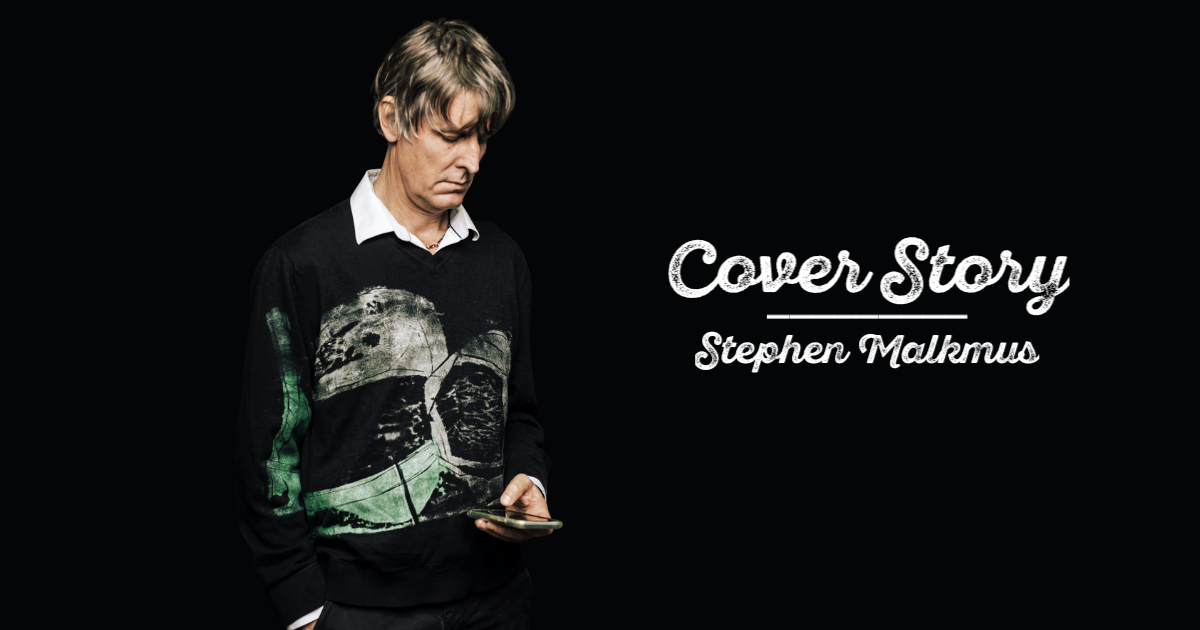
Stephen Malkmus of Pavement Ventures Down Acoustic Road on New Album

Stephen Malkmus, of the bristly, brainy 1990s indie rock band Pavement, joins a host of fellow alt-rockers in dabbling with folk and acoustic sounds. On a brand new album, Traditional Techniques, which was produced by Chris Funk of the Decemberists, Malkmus expands on the flickers of folk interest that have permeated his career, though he may not claim mastery of any of them. [Read our #CoverStory interview]


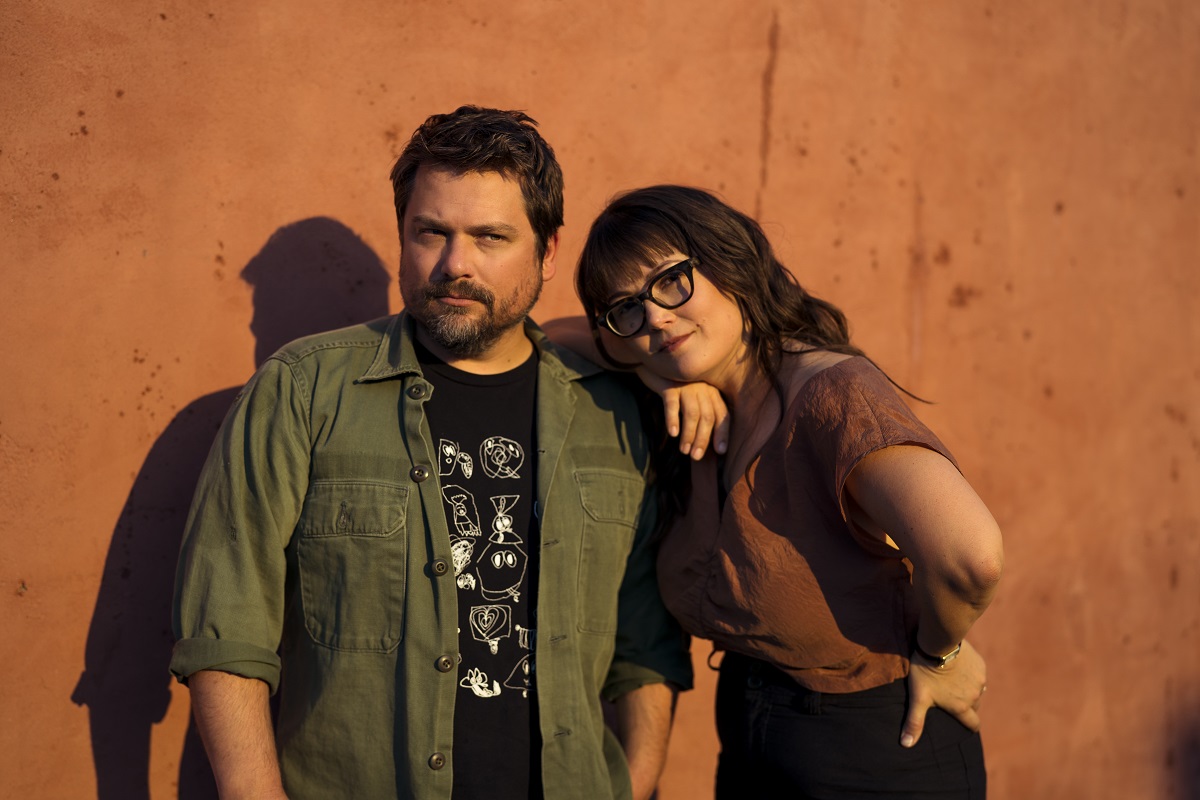
Sara Watkins Wants Us to Ride Along on Watkins Family Hour’s brother sister

Earlier this week we celebrated Sara Watkins’ birthday (June 8, for the record) with a revisit to our recent Artist of the Month interview where she walked us through her recent Watkins Family Hour album, brother sister. For the first time in their lifelong musical careers, Sara and her brother Sean focused on creating music centered on their own duo. brother sister was the result. [Celebrate Sara’s birthday with a read]


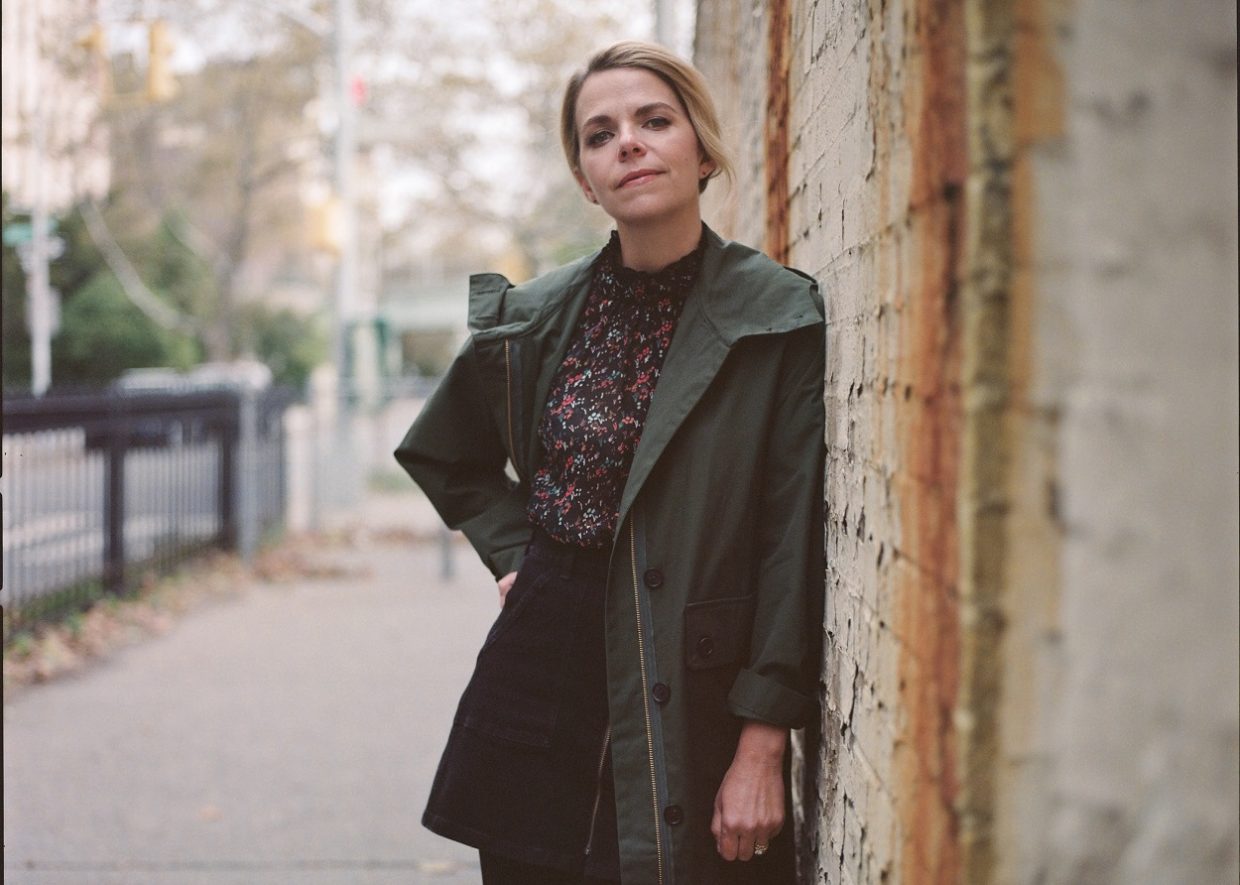
Aoife O’Donovan Finds Her Heart in the Verse of Others

Aoife O’Donovan’s latest EP, Bull Frogs Croon (And Other Songs), arrived in March. Our Cover Story unspooled the inspiration she gained via poet Peter Sears, the former poet laureate of Oregon, whose verse is utilized in three songs O’Donovan wrote and arranged with Teddy Abrams and Jeremy Kittel. The project is rounded out by a Hazel Dickens cover and a classic folk song, giving listeners a sampling of each of O’Donovan’s folky expertises. [Read the interview]


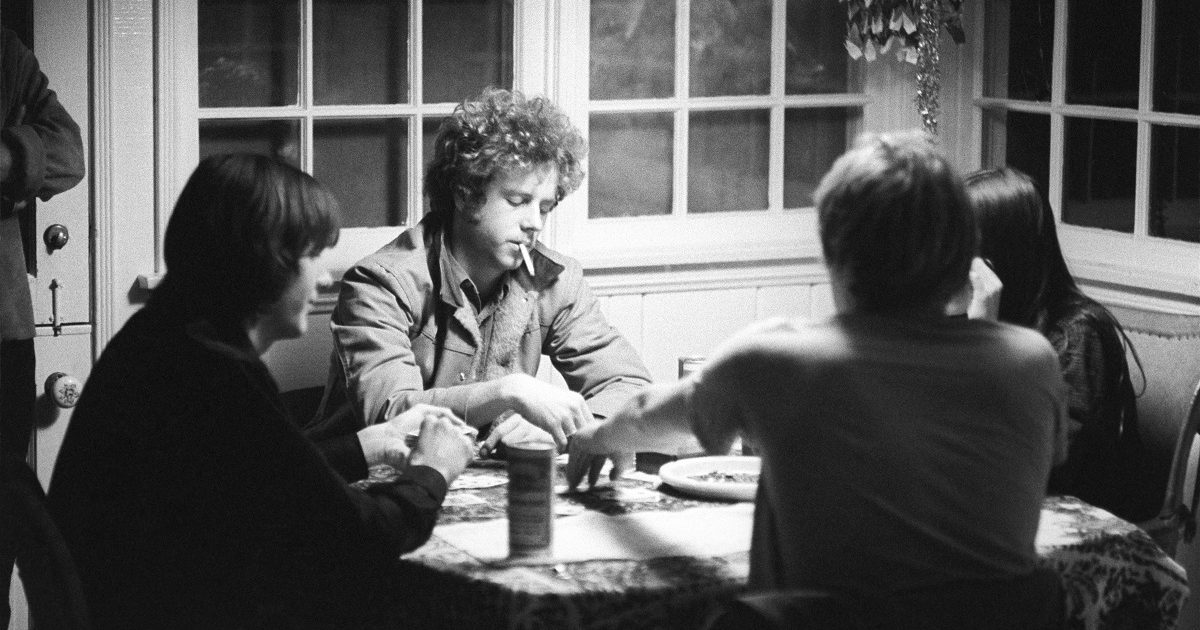
The Byrds’ Chris Hillman Reflects on Laurel Canyon and Why He Had to Leave

A new, two-part documentary, Laurel Canyon, traces the comings and goings of several generations of folk rockers down Sunset Boulevard and up into the hills. Chris Hillman (The Byrds, The Flying Burrito Brothers), one of the canyon’s earliest and most famous residents, about the new film, the community, the music, the neighborhood, and why he had to leave. [Read the full story]


Mixtape: Ashley Campbell’s Banjo Basics

With her classic 2018 Mixtape banjoist and singer/songwriter Ashley Campbell reinforced the deeply held BGS belief that– MORE!! BANJOS!! From songs by her late, legendary father Glen and her godfather Carl Jackson to classics from folks like J.D. Crowe, John Hartford, and the Dixie Chicks, this mix has a little bit of everything and a whole lot of five-string. [Read & listen]


Sarah Jarosz Looks to Her Texas Hometown for Inspiration (Part 1 of 2)

After years spent living in New York City and traveling the world on tour, Sarah Jarosz has turned to a source of inspiration she’s never mined before: her hometown.

With her fifth album, World on the Ground, the Grammy-winning artist gleaned her own folktales from the everyday rhythms of her life in Wimberley, Texas. Her time away from Friday night football games and the shadows of cypress trees allowed her to look on Wimberley’s details with fresh eyes, from the Ford Escape her parents drove and the dusty trails it kicked up to conversations about out-of-reach dreams with old friends (that she examines on “Maggie,” which came from an actual heart-to-heart she had with an old friend at her high-school reunion).

Jarosz found a breakthrough in the most familiar folds of her memory, but this perspective was also molded by the city that guided her as she retraced her steps through the Texas Hill Country in her lyrics. On “Pay It No Mind,” the single that gives World on the Ground its name, Jarosz alludes to this ability to find meaning and movement at a distance: she sings of the frightening, and often destructive, churn of life in our current moment from the point of view of a “little bird stretching her wings” who takes in the chaos from the seventh floor.

“I think being able to write and make this record mostly about my hometown, in New York, from far away, was an interesting part of the process,” she says. “It’s almost what allowed me to take on the role of the little bird on the seventh floor in a way, because I think it took leaving Wimberley and being away from it for quite awhile to be in a place where I could actually write about it in this way.”

In the first half of our two-part interview, Jarosz walks BGS through the little Texas town that became her muse, how her work with bluegrass supergroup I’m With Her left an impact on her creative process, and more.

For some people, going back to their hometown is a traumatic event, a negative, damaging experience. There’s clearly a lot of compassion for the voices you explore on World on the Ground, which was inspired by your own hometown. If you were to visit Wimberley with fresh eyes, how would you describe it?

Jarosz: One of the things that stands out about it compared to other towns of its size in Texas — and I think this would be obvious, even if you’d never been there and were taking a drive through town — it seems like it’s a little more balanced. It has one high school, and one football team, and a lot of the small town culture does revolve around that, around this sort of Friday Night Lights idea of a small Texas town.

But there’s also this incredible artsy kind of community in Wimberley. One of the big draws of Wimberley is its market days, which I think happens once a month — maybe it’s every weekend in the summer, I can’t remember. Arts and crafts and even the fact that there was a bluegrass jam every Friday night, that was why I fell in love with all this music in the first place. It feels a little more balanced in that way.

I truly feel, probably in a biased way, that it’s a very magical place. A lot of people who drive through it, if they’re driving around the hill country in Texas, would agree that it’s one of the towns that stands out from the rest. It has this kind of shimmery quality to it — that’s the word that comes to mind.

I love the contrast of “Maggie,” then, in which you’re singing from the perspective of a friend of yours from high school who can’t wait to leave the small town behind. I appreciate “Maggie” because it’s a real conversation you could be having with anyone who’s stuck where they are. The location is almost insignificant, because it’s about whatever’s holding you — it doesn’t necessarily have to be the town you’re in.

Exactly. The “football games and processed food” line definitely puts it in a place, but I feel like [the song] could also be anywhere. I purposely tried to make that happen. It was such an eye-opening thing for me to actually have this conversation with this friend — we were really close friends in childhood, then just drifted apart over the years, and ran into each other at my tenth high school reunion. She actually didn’t go to my high school, she went to a different school and that’s why we drifted apart.

She was asking me about my touring and my life and everything, and I think I was probably saying, “I wish I could be in one place more. I wish I had more of a home sense at this point in my life.” She was sort of saying, “All I want is to do what you do, travel and see the world.” It’s funny how sometimes the things that seem so obvious take just a simple moment of someone saying it to your face, and then you realize, “Oh! Duh!” That really happened for me there. That song is all about empathy and compassion for anyone who wants their circumstance to be different than it is and might not necessarily have the means to make that happen, but still having the dreams to hopefully one day change.

“What Do I Do” is a companion song to that, in a way: It’s sung by someone who wants to be home more, who wants to be still for a minute. What inspired that song?

A lot of these songs feel like gifts, in the sense that I generally feel like a very, very slow lyrical writer. The music comes more quickly to me, but that song and a lot of the songs that I wrote with John Leventhal were similar experiences. If he had the music written and sent it to me, the lyrics seemed to come very quickly. “Pay It No Mind” and “Orange and Blue” were two of those.

“What Do I Do” was another one where it almost felt like a dream to write. It’s similar to “Maggie” in the sense that it’s that same sort of longing for wanting something else than what you currently have, but then it’s also a thankfulness and acceptance in that. It almost feels like a mantra-type song where it’s repeated and it goes to a different place — very simple chords in the verses, and then it opens into this washy vibe in the, “What do I do, what do I do?” It was one of those gifts of a song.

You’ve been collaborating with your friends Sara Watkins and Aoife O’Donovan for years. Now that you’ve written albums and toured together, do you hear, or did you feel, the imprint of your time with I’m With Her going into this record in a new way?

I felt it in a creative way, personally. I think all of us were just so positively influenced by that experience [of] touring and putting out that record. What that allowed all of us — I’m speaking for myself, but I’d imagine they probably feel a similar way — was just the chance to step back and take a breath. Not in a busy sense, because we were just constantly working and on tour, but creatively.

I had never been in a band before; I had only ever put out my solo records. I think after Undercurrent, I couldn’t really imagine going straight into another solo record or album push because I just wasn’t inspired to. I had reached a point where I had wanted to experience something new. There was something so rewarding about feeling like I was a part of a team. We were all on each other’s team and carrying the load together. It was just so wonderful and magical. It definitely gave me the creative juice to just be so psyched about making this record.

With Sarah and Sean making their Watkins Family Hour duo project, and Aoife making Bull Frogs Croon, I love those projects so much because [we] all seem so inspired. I think that is because we all allowed ourselves this chance to step back from our own things, be a part of a team and give ourselves the gift of this renewed inspiration, almost. I definitely felt that. I hope they do, too. I’m so grateful for them.

Editor’s Note: Read the second half of our interview with BGS Artist of the Month Sarah Jarosz here.


Photo credit: Josh Wool

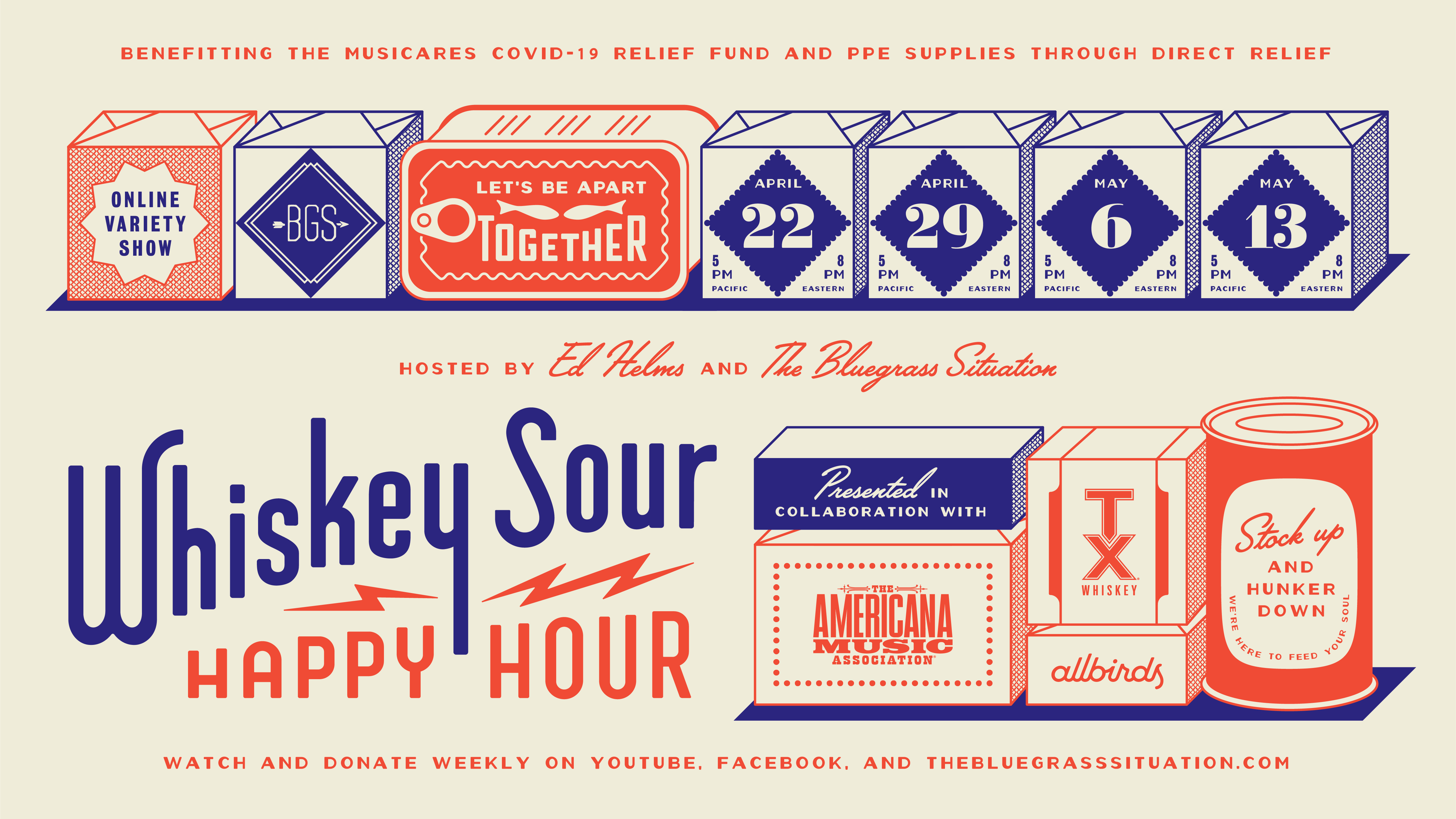
Whiskey Sour Happy Hour With Ed Helms: View All the Episodes & Donate Here

As the enormous, ever-turning wheels of the music industry ground to a halt and the coronavirus crisis first came to a head, BGS co-founders Amy Reitnouer and Ed Helms were already brainstorming what would become the Whiskey Sour Happy Hour.

“MusiCares felt like a really natural fit,” Helms told the Recording Academy in a recent interview. “I hosted their gala a couple of years ago. I’m a big fan of that organization. And then more directly on the medical front, Direct Relief was also just a no-brainer because they’re doing incredible work [to make] sure frontline workers are properly protected and supplied.”

The mission was pretty simple: Support the music industry and our BGS family, while also bolstering first line responders doing the difficult, vital work of fighting this virus in hospitals and clinics across the country and around the world.

Here’s the great thing — although the show concluded on May 13 with a no-holds-barred, star-studded finale show, each episode is still available for viewing right here on BGS (as well as on our YouTube channel). Why? Because we’re still raising money! At this point, our generous fans, listeners, and supporters, have given more than $54,000, so we’re keeping Whiskey Sour Happy Hour online until May 25 to give you the chance to not only rewatch and experience these wonderful shows, but also to give you the chance to contribute, if you can. Your gift will be split half and half between MusiCares’ COVID-19 Relief Fund and Direct Relief.

DONATE HERE! And as you do, you can also check out each of the four prior episodes of Whiskey Sour Happy Hour below! No donation is too small in making a difference, any amount helps:

Special thanks to the Americana Music Association, TX Whiskey, and Allbirds for their support.

You can also give by PRE-ORDERING WHISKEY SOUR HAPPY HOUR MERCH, also to benefit MusiCares and Direct Relief.


Episode 1:

Our inaugural episode got off to a bit of a rocky start when our entire website CRASHED because you turned out in such huge numbers. An excellent problem to have. We’re all in this socially distant boat together, aren’t we?

So, we weathered the technical difficulties, exercised patience, and landed with a gorgeous, heartfelt, and tender first episode — complete with a surprise appearance by comedian and actor Jenny Slate (who has been visiting a pet cemetery a lot during her confinement) and a mother/daughter duet of “Keep On the Sunny Side” by modern country queen Lee Ann Womack and her Americana rocker daughter, Aubrie Sellers. Fresh off the release of Fiona Apple’s critically acclaimed pandemic-perfect album, Fetch the Bolt Cutters, producer Davíd Garza played us a little number, too.

Between Watkins Family Hour dueting through a window (rockin’ the at least six-feet-apart rule!), cartoonist Matt Diffee’s dry, dry goods, Yola’s undeniable effervescent power, and our ringmaster Ed Helms choreographing the entire thing, Episode 1 was the perfect first effort for WSHH.


Episode 2:

April 29 brought a much less dramatic downbeat, as Episode 2 kicked off just as planned — and with a cameo from a very stern, nocturnal friend. Who we miss very dearly, already.

Ed may have seemed a little enamored with Texan piano man Robert Ellis’ robe, but we all were so who can blame him? Julian Lage and Margaret Glaspy massaged every last strand of tension from our weary bodies and ears with two simple, resplendent duets together, a rare treat that may not have happened if it weren’t for good ol’ shelter-in-place. Raw, virtuosic, genius musical talent was on display by mandolinist Sierra Hull, Americana godfather Rodney Crowell, and Ed’s buddy Ben Harper — who may have elicited a few tears with a John Prine tribute we all needed badly at that point.

The comedy was not in short supply either on week two, viewers found themselves temptingly influenced by Nick Kroll and given a literally unbelievable bicycle tour by Rob Huebel.


Episode 3:

It felt like we really hit our stride on episode 3, packing in so many incredible performances there simply wasn’t a single frame to trim. With that being the case, right off the bat the show went zero to sixty with Avi Kaplan’s booming, resonant baritone melting all of us. Aoife O’Donovan called upon her husband, cellist Eric Jacobsen, and their housemate, Eric’s brother Colin Jacobsen, to form an impromptu trio of guitar, cello, and violin. It was the perfect make-do, isolation arrangement for “Red and White and Blue and Gold.”

Now, if you hadn’t tuned in specifically to catch the cameo of Jerry Douglas’ three matching katanas, you may have tuned in for one of the most prolific and well-loved comedians of the past decade or so, Jim Gaffigan. Ed and Jim spend some time catching up, talking about life in the time of COVID-19, and sharing laughs, too.

The evening was capped off by Rhiannon Giddens and Francesco Turrisi doing what they do best, reminding us that the world is much smaller and we are all much more connected than we’re often led to believe. Who else besides Rhiannon would you want to hear cover Bessie Jones’ rendition of “O Death” right now? Exactly. No one.


Episode 4: 

We truly did not intend to “save the best for last,” because this is a how-could-you-ever-pick-a-favorite-child situation, here. Somehow, though, we landed in week four with an absolutely stacked, jaw-dropping lineup. Stephen Colbert stopped by — on his BIRTHDAY of all days — to visit with Ed. Yes, Broccoli Rob and the ‘Nard Dog are on speaking terms. But that wasn’t the only way The Office permeated episode four,as  the Indigo Girls also shared a song with the Whiskey Sour Happy Hour audience. It may not have included Jim Halpert and Andy Bernard tipsily singing along with “Closer To Fine,” but it was just as good, watch for yourself to confirm.

The Banjo House Lockdown crew of Béla Fleck and Abigail Washburn made an appearance, Molly Tuttle once again wrestled a six-string into submission with her otherworldly clawhammer technique, Rosanne Cash covered Bob Dylan, Chris Thile brought in Bach, Buffy Sainte-Marie sang to us from the jungle of Hawaii — need we go on!?

Yes, actually, we do. Because as Bryan Sutton, Gabe Witcher, and Ed jammed a bit on the bluegrass tune, “Billy in the Lowground,” who should show up but… KENNY G!

That’s right, the king of sexy sax blazed through a solo on “Billy in the Lowground” and proceeded to trade bars with Bryan, Gabe, and Ed before sitting down for a chat. That wouldn’t have been satisfactory in and of itself, though, so Kenny played us an original before bidding adieu as well. Please have your lighters ready for waving at that selection, entitled, “Loving You.”

To cap off an already inconceivably perfect series, Ed, Gabe Witcher, and a host of our WSHH friends wrangled us a superjam. Admit it, you knew we would! Where the BGS team gathers, there a superjam will also be. Chris Eldridge, Madison Cunningham, Robert Ellis, Sierra Hull, Noam Pikelny, and so many others joined in on “The Weight.” There may have been a tear or two among viewers when the women of I’m With Her came on screen together in their matching yellow jumpsuits, but how could we ever confirm that?


Bonus Episode:

We just had to give y’all a bonus episode!

Our back-by-popular-demand show featured extra performances and footage from artists who had already graced the Whiskey Sour Happy Hour lineup including: Watkins Family Hour, Madison Cunningham, Buffy Sainte-Marie, Davíd Garza, Matt the Electrician, Valerie June, Ben Harper, Billy Strings, and Rodney Crowell.

Billy Strings played us a bluegrass gospel classic via one of his (and our) heroes, Doc Watson. Ben Harper treated all of us to a heartstrings-tugging rendition of an original, “Never Needed Anyone,” which was recorded by Mavis Staples on her most recent album, We Get By. And Rodney Crowell closed out the show with a dramatic solo performance of “Highway 17.” An extra week of music, an extra week of generosity, and an extra week of sharing WSHH with all of you!

Whiskey Sour Happy Hour has been a resounding success thanks to all of the artists, musicians, and creators involved, thanks to our generous supporters, thanks to the hardworking team who built it, but especially thanks to you for tuning in and for giving. (Which you can still do, by the way. Right here.)

While we as an industry face the most uncertain times to befall our community in our lifetimes, it’s comforting to have gathered with all of you for the past four weeks to enjoy this show, while taking direct action to lift up those around us and those fighting COVID-19 every day. Thank you for being a part of Whiskey Sour Happy Hour!

Special thanks to our sponsors: the Americana Music Association, TX Whiskey, and Allbirds.

Read the April 15 announcement:

The BGS team and our co-founder Ed Helms are excited to announce Whiskey Sour Happy Hour, a 21st-century online variety show to benefit MusiCares’ COVID-19 Relief Fund and Direct Relief.  Debuting on April 22 and presented in partnership with the Americana Music Association, TX Whiskey, and Allbirds, new editions of the event will be broadcast each Wednesday for the following three weeks — April 29, May 6, and May 13. The shows begin at 5 pm PT/8pm ET.

With Helms serving as host of the series, Whiskey Sour Happy Hour will draw on his long-running Whiskey Sour Radio Hour shows at LA’s Largo to bring world-class music, comedy, and interviews directly into homes across the country and world. 

The premiere edition of Whiskey Sour Happy Hour on April 22 will feature music from Lee Ann Womack, Aubrie Sellers, Billy Strings, Davíd Garza, Yola, Watkins Family Hour, and Madison Cunningham — plus an appearance by cartoonist and humorist Matt Diffee. 

Whiskey Sour Happy Hour can be streamed right here on The Bluegrass Situation, as well as on our YouTube channel. Other confirmed guests for the series include Chris Thile, Yola, Billy Strings, Sarah Jarosz, Rhiannon Giddens & Francesco Turrisi, Rodney Crowell, Aoife O’Donovan, Robert Ellis, and our current Artist of the Month, Watkins Family Hour. Additional artists will be announced in the coming weeks. 

“As soon as we realized the severity of the current crisis, Ed and I both knew we had to do something to support both our musical and medical community—and not just a one-time thing, but something that could promote more sustained giving through multiple shows,” says BGS co-founder Amy Reitnouer Jacobs. In a short amount of time, our BGS family of artists has come together in such a big way to make this happen. It makes us feel like even though we’re all separated right now, we’re closer than ever before.” Fans will be able to donate to MusiCares and Direct Relief here, as well as via links provided wherever viewers watch the show.

In addition to supporting Whiskey Sour Happy Hour, TX Whiskey has already stepped up their efforts to combat the COVID-19 pandemic, shifting 100% of their production to making hand sanitizer. As of March 31, the TX team has produced 800 gallons of hand sanitizer for government agencies. With more raw materials inbound, TX Whiskey is currently positioned to make and bottle 5000 more gallons of sanitizer. On top of that, TX Whiskey continues to support local musicians by giving them an online stage and revenue generator through their Straight From the Couch Sessions — streaming every Friday night in April on IGTV. 

Also a presenting sponsor for Whiskey Sour Happy Hour, Allbirds have been working hard to lift up the healthcare community responding to COVID-19, having already donated $500,000 dollars worth of shoes to healthcare workers nationwide. While supplies last, customers are able to bundle any shoe purchase with a donation to immediately supply a pair of Wool Runners to a healthcare professional who’s already reached out to Allbirds for support. Don’t need a new pair yourself, but still want to help? That’s an option, too.

Special thanks to the Americana Music Association for their partnership and support.


MIXTAPE: Anthony da Costa’s Quarantine Chill Out Roots-Grass Mix-Up

I know what you’re thinking, Anthony da Costa doesn’t really bluegrass…but hey, I live in Nashville and I have friends and I even say “y’all” now. And there’s something about roots music that cuts to the core of everything and deeply influences what I do…even if it doesn’t always sound like it. Here are some tracks to not go outside to! — Anthony da Costa

David Francey – “Border Line”

David Francey is one of my favorites ever and nothing will change that. I lucked out by sharing a stage with him at the Tønder Festival many years ago. He blew me away with his simple approach, golden voice, and powerful storylines. He stood there like a bard and held our hearts in his hand. After our show, I asked his guitarist which album I should start with and he emphatically stated Torn Screen Door. “Border Line” is track one from David’s debut album, which he made when he was 45 years old. Let’s take a journey with him, since we can’t really go anywhere else.

Jordan Tice – “Chicken Dog”

This playlist has a lot of mood, interspersed with that spontaneous dance party that we could all use right now. You don’t even have to put on real clothes, just dance. Jordan Tice is one of my best friends and also happens to be my one of my favorite acoustic guitar players on planet Earth. He has a fabulous new album that will be coming out soon… but until then, let’s jump to this scorcher of a bizarre bluegrass song called “Chicken Dog.” I still don’t know what it’s about, but also, like, who cares?

Molly Tuttle – “When You’re Ready”

This playlist wouldn’t really be complete without something from Molly Tuttle. I had the pleasure of touring with Molly for her album release in 2019. When the bluegrass kids all told me that Molly had made a “pop” album, my first thought was “ALRIGHT. Calm down, kids. What, are there drums or something? Are you scared?” But the young “queen” of the bluegrass world and honestly craziest picker out there made one of the best albums of last year: pop in the ’90s Aimee Mann singer-songwriter kinda sense. Molly knows how to write a poignant, catchy chorus — and then somehow squeezes in some pretty insane bluegrass runs –in the SAME SONG. Are you ready?

Bill Frisell – “I’m So Lonesome, I Could Cry”

Because, you know, quarantine sucks, right? And I live alone. And it HAS gotten lonesome at times… so lonesome that I could pull up this great compilation entitled The Best of Bill Frisell, Vol. 1: The Folk Songs and just mellowly and totally NOT CRY to myself. ♥

Sam Amidon – “Blue Mountains”

Speaking of Bill Frisell, he features on this pretty mesmerizing track from Sam Amidon. This record made me a believer. I don’t know that anyone else can do what Sam does with folk music. I don’t even know what this music is. It’s Sam Amidon music.

John Mailander – “Forecast”

John Mailander is one of the nicest people in the world, but PLEASE don’t tell him that I said that… it might go to his incredibly large and insufferable ego. All kidding aside, John released his debut solo album (as far as I’m aware) last year. It’s called Forecast and this is the title track… and it’s one of those “get up off your couch and dance” songs I was talking about before. John is as versed in Phish as he is the oldest of old-time fiddle and bluegrass. He is very dear to me and his music endlessly inspires me to push things further.

Rachel Baiman – “Something to Lose”

I met Rachel Baiman within the context of her duo with Christian Sedelmeyer, 10 String Symphony (check them out, they’re out of this world). I’m so glad that Rachel has been doing a lot of her own music these days in addition. This record, produced by Andrew Marlin from Mandolin Orange, has a warm, “right there in the room” kinda feel to it. This song makes me cry. There, I said it. Love is fine, OK? Will I ever see anyone again!?

Aoife O’Donovan – “Pearls – Live”

I recently revisited this live album I got to make with the inimitable Aoife O’Donovan. Lots of people know Aoife from her work with Crooked Still, as well as her more recent recordings and travel as part of I’m With Her. I toured with Aoife as her guitarist and harmony singer from 2016 into 2017. We toured her album In the Magic Hour, which was produced by Tucker Martine and features gorgeous arrangements of strings, horns, fuzzed out guitars, drums, voices… We had to recreate Aoife’s music live with three people and no bassist… which means we made it our own. This particular song is a favorite deep cut of mine.

Paper Wings – “As I Walk Down”

I’ve been saying to anyone who will listen, and I will say it to you now: Paper Wings is currently my favorite band. This is as rootsy as I get and I’m quite alright with it. Wilhelmina Frankzerda and I met when we were touring in Joy Williams’ Front Porch band. One night in Houston, Wilhelmina gave me a pair of headphones and showed me some mixes from what became Paper Wings’ Clementine album. It’s my favorite album of 2019. They’re clearly drawing from a very deep well of tradition but with new, crooked and inventive melodies…plus, they’re writing SONGS! New songs. Great, great songs.

Mipso – “Coming Down the Mountain”

Because we’re all going to come out of this eventually, right? Here’s a song to take off your mask to. See you all on the other side. ♥


Photo credit: Jacqueline Justice

Aoife O’Donovan Finds Her Heart in the Verse of Others

It’s not easy keeping up with Aoife O’Donovan. The 37-year-old Boston native grew up in a musical family, cutting her teeth with Crooked Still, a progressive bluegrass group she founded with four friends in 2001, and Sometymes Why, an Americana trio. She worked with Goat Rodeo Sessions (Yo-Yo Ma, Stuart Duncan, Edgar Meyer, and Chris Thile) on an album that won a Grammy in 2013. Then, after an impromptu collaboration at Telluride Bluegrass Festival, she turned around and formed I’m With Her with Sara Watkins and Sarah Jarosz, winning a Grammy for “Call My Name.”

Meanwhile, it’s been ten years since O’Donovan released her first solo record, Blue Light, and since that time she’s released five more — with a new EP appearing this month. On Bull Frogs Croon (And Other Songs), she applies her soothing vocals and folk sensibilities to the poetic verse of others. The EP builds upon three numbers that bring to life the poetry of the late Peter Sears through songs O’Donovan wrote and arranged with Teddy Abrams and Jeremy Kittel for the 2015 Britt Festival in Oregon. Pared down from orchestral arrangements to a tour-friendly string quartet, she rounds out the five-song EP with two covers: Hazel Dickens’s “Pretty Bird” and traditional folk song “Lakes of Pontchartrain.”

BGS caught up with O’Donovan about what drew her to Sears’s poetry, the qualities of a great folk song, and how she stays grounded while throwing herself into so many creative endeavors.

BGS: What drew you to his Peter Sears and his poetry?

I had never heard of Peter Sears before getting a call to write a piece for the Britt Festival in Oregon. My friend and colleague Teddy Abrams suggested that we look to the poet laureate of Oregon for inspiration, so I got a book of Peter Sears’ poems at my local bookstore and was immediately in love with his writing. I absolutely loved his work. I loved the way he was able to write about simple things, everyday things, everyday feelings — it felt like these were the thoughts of my own heart. I loved it so much. In sifting through these books, I found these three poems — that didn’t go together, weren’t from the same collections — and I put them together. I was lucky to get to meet Peter Sears at the premiere of the piece in Oregon, back in 2015. He passed away a couple of years later. But he was a really special guy.

You didn’t write these lyrics, but did any of these lines or themes coincide with something you were going through personally?

The whole song cycle of Bull Frogs Croon has that. I set these songs to music at a very different time in my life, four years ago, five years ago. They’re three songs that are incredibly relevant to the human experience. The opening song, “Night Fishing,” is a meditation on stillness, on finding comfort in your own solitude. That’s definitely a human experience — I go through that all the time. “The Darkness” [describes] the idea that waves of emotion can come over you. The final song, “Valentine,” is a love song. It’s a two-stanza poem about the simple act of being in love with somebody, and I think that’s also universal — I hope people can relate to that!

In addition to the trio of songs inspired by Sears, you included two covers — one of which is “Lakes of Pontchartrain,” which is an Irish folk song you’ve included in live shows for a while. What are your roots with that song?

It’s one of my all-time favorites. My uncle James sings this song at certain jam sessions; as I was growing up, I would hear him sing it all the time. Every time I sing it at a concert, it’s the one song that people come up to me afterward and say, “I love that song! I love that song!” I hadn’t yet recorded it. The Paul Brady version of this song is the main recorded version, in my mind. It’s just the most beautiful song.

You grew up playing folk music with your family, and you performed many traditional songs early in your career with Crooked Still. From your perspective, what makes a good folk song?

“Lakes of Pontchartrain” is a classic example of what makes a folk song good: It has a long story, and you can really follow along with this guy. You can see yourself in his shoes. He’s lonely, he doesn’t know where he is. He doesn’t recognize anybody. And then he meets this beautiful girl who just shows him kindness. It’s not like it has a happy or a sad ending: It’s just an ending that could happen to anybody. She’s engaged to somebody else. But that doesn’t stop her from being kind and from them having a beautiful connection. I actually love that part of the story: “Fair thee well… I never will see you no more, but I’ll ne’er forget your kindness.” I wish there were more songs in the world that were about that.

You also included a Hazel Dickens song. Tell me about your relationship with her and her music.

Hazel Dickens is a very special person in the bluegrass and folk community. There aren’t tons of women who are as lauded as she is, of that age certainly. She wrote beautiful songs, and she was an incredible performer, singer, and musician. “Pretty Bird” is a very tragic song. I recorded it years ago for a Hazel Dickens tribute record that never came out, and then we re-recorded it with Crooked Still, just violin and voice. I wanted to have a string quartet recording of this. Jeremy wrote this arrangement years ago, and I think it’s just stunning. I’d been doing it live — any time I was around a string quartet, I would do “Pretty Bird” — and I just wanted to have [a recording of] it.

What’s someone or something you’ve seen in music recently that makes you feel excited or hopeful?

I have been listening non-stop to the Bonny Light Horseman record. I saw that live a few weeks ago and was absolutely floored. I had not enjoyed a live concert so much in a long time. The singing was so good. The record is so good, and the live show was just even better — more enhanced, and oh my God it was just so good. I just can’t even… I loved it so much. It was like the record on steroids. Everybody should be listening to that.

You’re involved in so many ongoing projects. What keeps you going on a daily basis?

One thing I love to do daily is go for a run. When I’m running, often I’ll get song ideas, or have some lyrics pop into my mind. Sometimes I don’t remember them, or I’ll remember them days later I’ll say, “Oh, I had that idea, I had that idea” and I’ll write it down. But I think making sure to carve out at least a little time for yourself is crucial, as an artist and as a musician.

And then of course, getting to connect with my husband and my family — little tiny things, like when my daughter does something amazing. Surrounding myself with people that I love and friends and family are a huge part of that for me. When I am home, one thing we’ve been doing is trying to have meals together, even when the timing is inconvenient. Maybe it means we have lunch at 11, or we have dinner at 5:30 — earlier than most musicians would probably like to be eating — but we’re really sitting down and talking about our day. I love that. My two-year-old is now saying things like, “Tell me how your day was! Tell me how your day was!” It’s a nice moment to just put the phones away, put aside everything not at the table, and really talk to each other.


Photo credit: Rich Gilligan

WATCH: I’m With Her Celebrate Dolly Parton, ‘Trio II’ with “Lover’s Return”

The beautiful voices of I’m With Her paid special tribute to the illustrious icon Dolly Parton in their latest visit to the studio for Live from Here. In an intimate performance, I’m With Her sing “Lover’s Return,” originally a Carter Family song, which Dolly, Emmylou Harris, and Linda Ronstadt revived only a few years before the turn of the century on Trio II. Now as a new decade is settling in, I’m With Her look back and remember, breathing new life into music that inspired so many — including Sarah Jarosz, Aoife O’Donovan, Sara Watkins, and of course, Dolly herself.