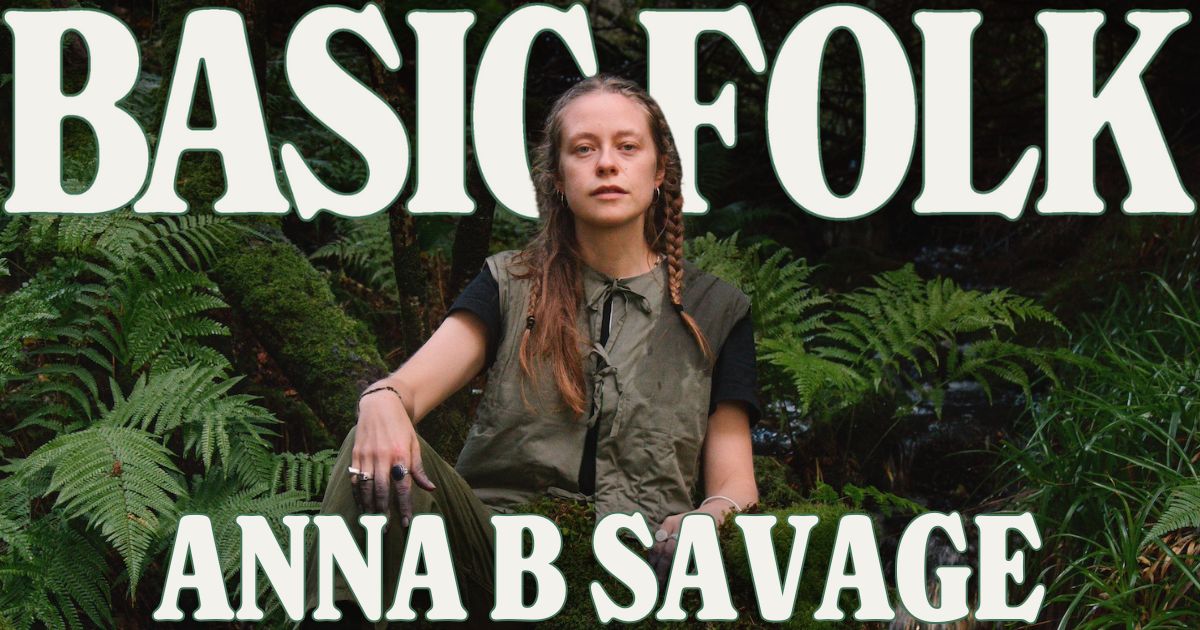
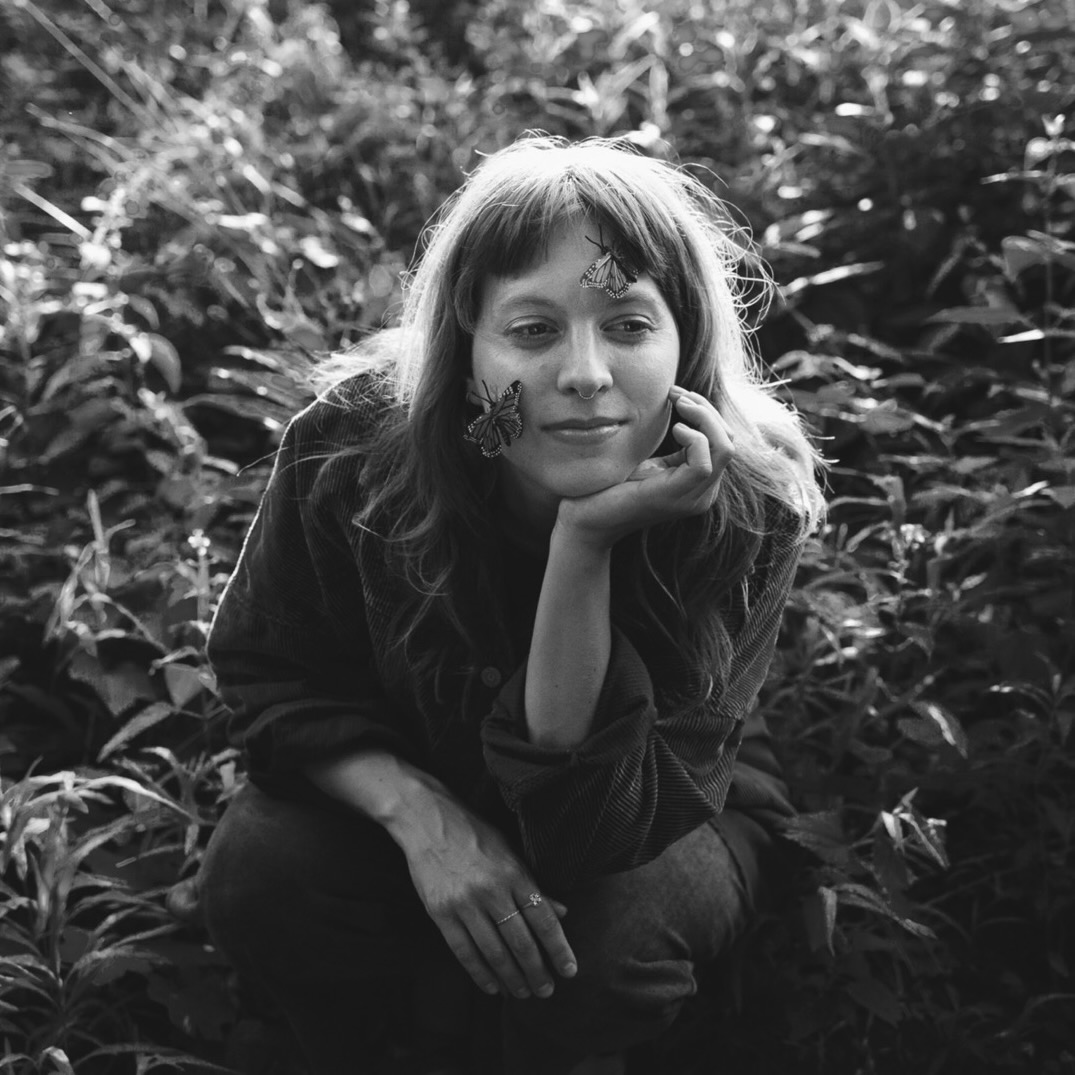
Anna B Savage is down-to-earth and witchy as hell at the same time. Over her three albums, she’s cultivated a mesmerizing sound and epic image – like David Bowie, Björk, Kate Bush, etc. – that’s gained her a godlike reputation. A reputation which preceded the actual human being behind the art, leaving some to wonder what it would be like to speak to her. Turns out, she’s a grounded, kind of goofy, and perfectly normal person. In our Basic Folk conversation, we explore the duality of her persona – Anna Savage versus her stage name of Anna B Savage – and how her new album, You & i are Earth, reflects a blending of these identities with a focus on nature and love.
In this episode, Anna reflects on the realization of her parents’ unusual musical paths (they are both opera singers) and how it influenced her own creative pursuits. We delve into her songwriting journey, her love for birds, and the evolution of her unique singing voice, which blends classical influences with a jazz singer’s sensibility. Anna also opens up about her stage fright and the progression of her confidence as a performer. She touches on the complexities of being an English person living in Ireland and the importance of understanding the historical context of her new home.
As we navigate the themes of You & i are Earth, Anna reveals the inspiration behind the track “Agnes” and the mysterious allure of the 17th-century plate that inspired the album’s title. With a lighthearted lightning round, we learn about her favorite birthday tea, her ideal stage outfit, and her witchiest recent activity, too.
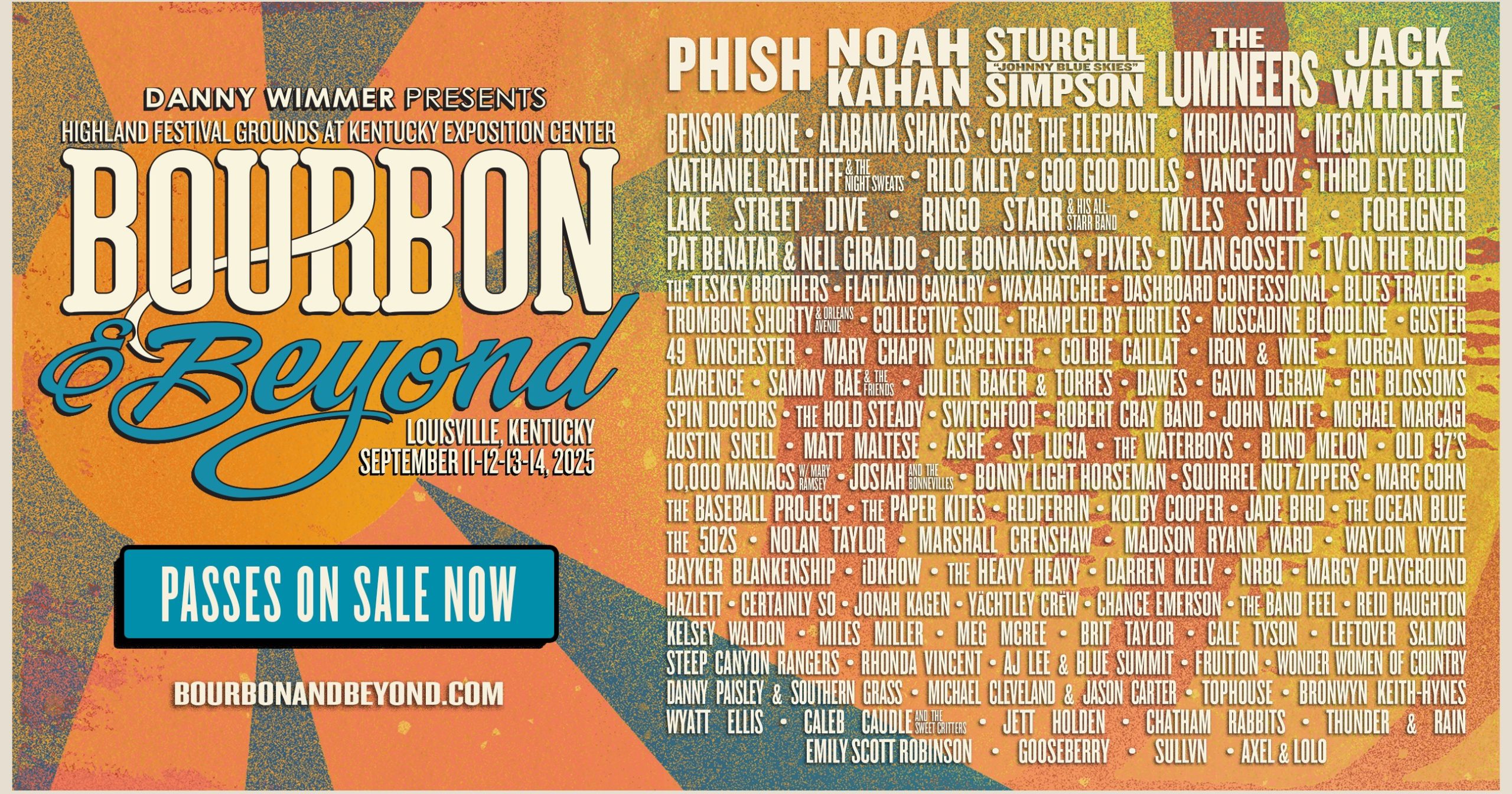
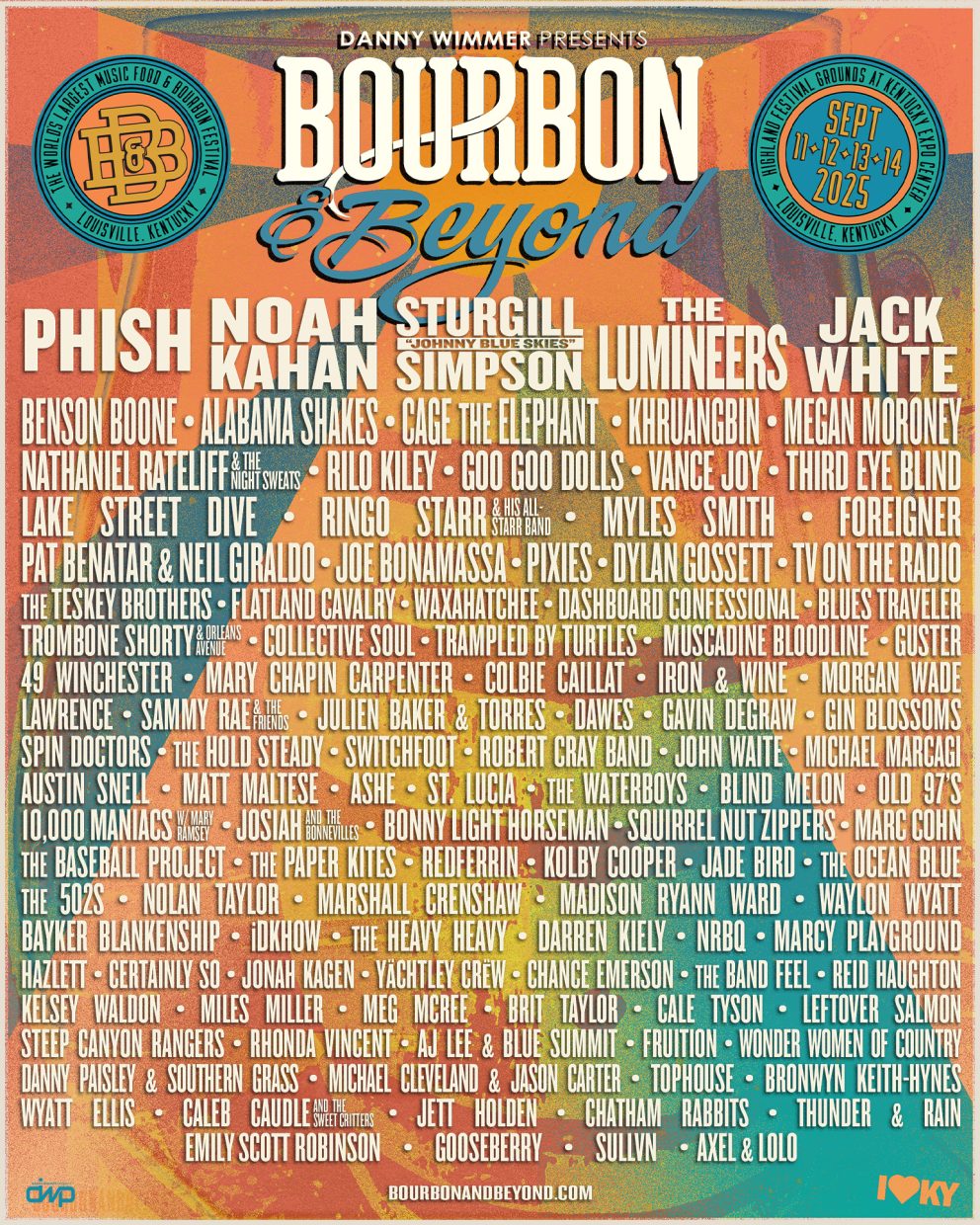
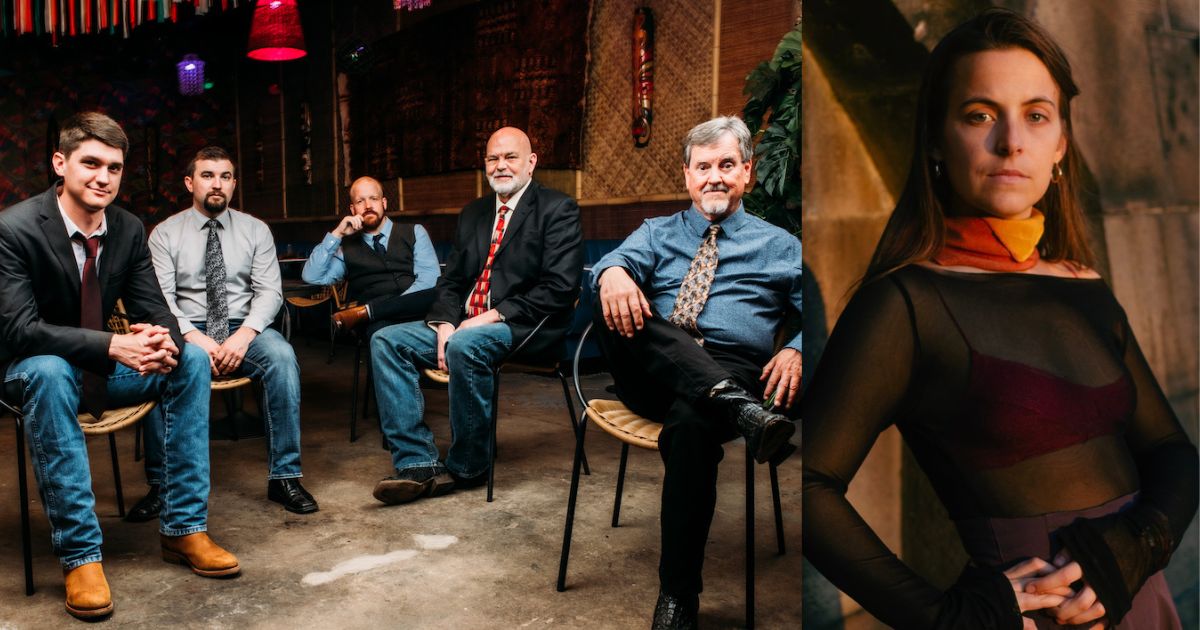
Today, Bourbon & Beyond, the world’s largest music and bourbon festival, announced its lineup for their 2025 event, occurring September 11 through 14, 2025 in Louisville, Kentucky once again held at the Kentucky Expo Center. Last year, the festival attracted more than 200,000 attendees over its four days, setting a record as the largest music festival in the state’s history with its singular and wildly attractive roots-meets-mainstream lineup.
This year, main stage headliners include The Lumineers, Alabama Shakes, Phish, Sturgill Simpson (as Johnny Blue Skies), Jack White, Noah Kahan, Megan Moroney, and more. Plus, BGS returns to Bourbon & Beyond for our seventh consecutive year, programming The Bluegrass Situation stage in the Kroger Big Bourbon Bar. Attendees can enjoy delicious Kentucky Straight Bourbon Whiskey from dozens of distilleries while hearing the best bluegrass, country, and Americana from across the country. Don’t miss line dancing between sets while you enjoy the sounds of BGS – from new discoveries to living legends – and one of the shadiest spots on the festival grounds.
Our headliners gracing the BGS stage will be some of our biggest gets yet for the event, including AJ Lee & Blue Summit, Rhonda Vincent, Steep Canyon Rangers, and Leftover Salmon. Plus, you can catch Jason Carter & Michael Cleveland – who just announced their upcoming debut duo album – young mandolin phenom Wyatt Ellis, the impressively big-voiced Jett Holden, GRAMMY nominee Bronwyn Keith-Hynes, and many more. (Find our full BGS stage lineup below.)
While there’s always plenty of bluegrass and old-time, folk and Americana to be found on our own stage, B&B boasts an incredibly diverse array of artists, bands, and musicians each year across all of its stages. Elsewhere during the event we’ll be running around, too catching sets by Bonny Light Horseman, Kelsey Waldon, Flatland Cavalry, Jade Bird, Julien Baker & TORRES, Mary Chapin Carpenter, Lake Street Dive, Trampled by Turtles, and so many more.
“Bourbon & Beyond is the best lineup of the year – bringing together the biggest names in rock, Americana, and alt, alongside country icons and breakout artists,” says Danny Wimmer of Danny Wimmer Productions, who produces the event. “It’s a festival that doesn’t just celebrate one sound, but the best of all of them, paired with world-class bourbon, incredible food, and that unmistakable Kentucky vibe.”
We couldn’t agree more. Bourbon & Beyond remains one of the highest quality events we’ve ever partnered with, bringing together world class food and beverage, unique experiences and activities, so many genres and sounds, and the buzziest talents alongside sparkling fresh discoveries and legacy acts with household names. All set in the heart of roots music country in beautiful Kentucky.
Tickets for Bourbon & Beyond are on sale now. We hope you’ll join us for yet another year in Louisville – you won’t want to miss our BGS stage lineup or any of the limitless fun B&B has on offer.
BGS Stage Lineup:
AJ Lee & Blue Summit Rhonda Vincent Steep Canyon Rangers Leftover Salmon Caleb Caudle & the Sweet Critters Jason Carter & Michael Cleveland Chatham Rabbits Wyatt Ellis Fruition Jett Holden Bronwyn Keith-Hynes Danny Paisley & Southern Grass Steep Canyon Rangers Thunder & Rain TopHouse Wonder Women of Country
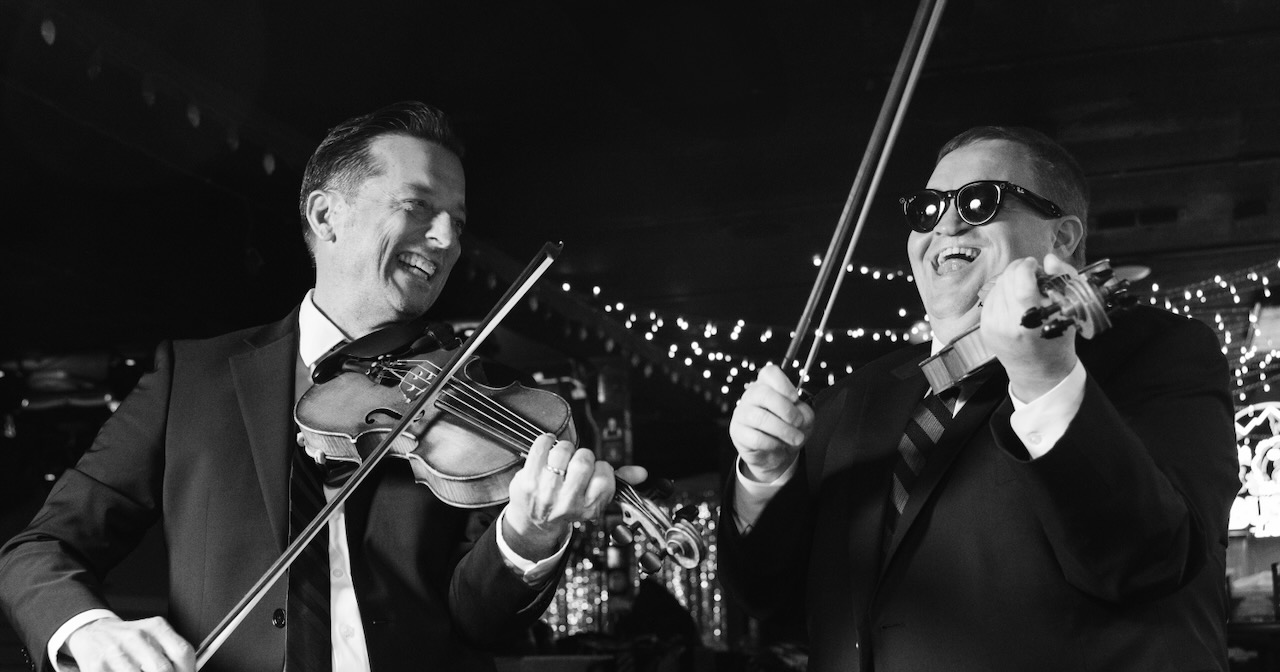
(Editor’s Note: Today, award winning fiddlers Jason Carter and Michael Cleveland announce their upcoming debut duo album, Carter & Cleveland, out March 14. To celebrate the announcement and the project’s lead single, we’re premiering a special live performance of the track, “With A Vamp In The Middle,” from the fabled stage of the Grand Ole Opry.)
Artist:Jason Carter & Michael Cleveland Hometown: Nashville, Tennessee and Charlestown, Indiana Song: “With A Vamp In The Middle” Album:Carter & Cleveland Release Date: February 5, 2025 (single); March 14, 2025 (album) Label: Fiddle Man Records
In Their Words: “This song has always felt like a national anthem for fiddle players and it’s our tribute to the legendary John Hartford and Vassar Clements. It’s long been a favorite for Michael and me to jam on – perfect for twin fiddles and a blast to improvise and trade licks on. Having Darrell Scott’s harmony vocals on [the studio version of] this track was an absolute honor, and his contribution took it to another level. I hope y’all enjoy it!” – Jason Carter
Credits: Jason Carter – Fiddle, vocals Michael Cleveland – Fiddle Alan Bartram – Bass, harmony vocals Cory Walker – Banjo Bryan Sutton – Guitar Harry Clark – Mandolin
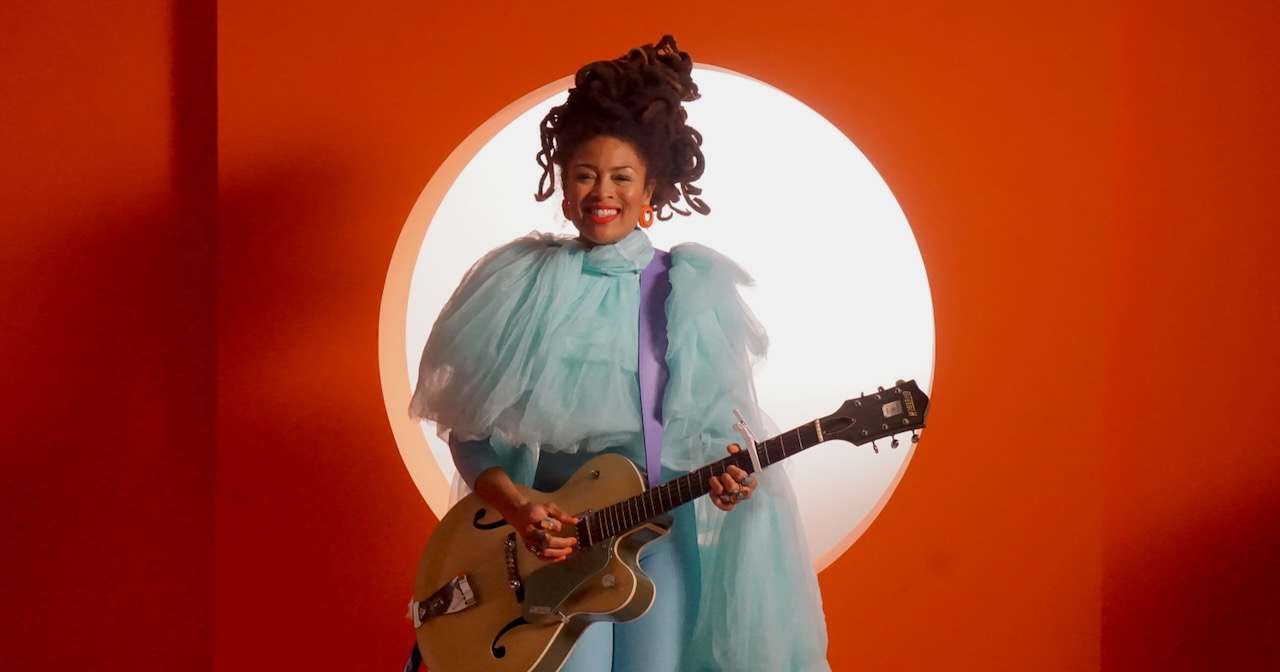
Exuberance is the exact right mood on a day when the transcendental Valerie June announces a new album, and exuberant is certainly the vibe of her new track, “Joy, Joy!” and its brand new accompanying music video. (Watch above.) The song was dropped this morning in tandem with an announcement of the Memphis native’s new album, Owls, Omens, and Oracles, produced by M. Ward and arriving April 11 via Concord Records.
“Joy, Joy!” begins with June planting an illuminated seed singing, “There’s a light that you can find/ If you stop to take the time…” a prescient reminder to stay grounded, connected, and searching for the light. With a Rosetta Tharpe-esque Epiphone SG in hand, the track broadens and blooms, showcasing vibrant colors, whimsical scenes, and a cosmic style that June has become known for.
The antidote for darkness – for all that may challenge us – resides within us, June shouts in the chorus. It’s clear she’s not only reminding her listeners of this fact, but herself, too. “Joy, Joy!” is a delicious three-minute bite that will stick to your ribs and, hopefully, grow a seed of joy in each of our hearts.
“Everyone has felt moments of darkness, depression, anxiety, stress, ailments, or pain,” June explains, via press release. “Some say it takes mud to have a lotus flower.”
“This song reflects on the hard times we might face: to fail, to fall, to lose, to be held down, to be silenced, to be shut out yet still hold onto a purely innocent and childlike joy. I come from a heritage of ancestors who lived this truth by inventing blues music,” she continues. “Generations after theyʼve gone, the inner joy they instilled in us radiates and lifts cultures throughout the world. From the world to home, what would a city council focused on inspiring inner joy for all of a town’s citizens look like? As the times are changing across the planet, what would it look like to collectively activate our superpowers of joy?”
It’s certainly the perfect message and song for this day and age, delivered as only an artist like Valerie June could deliver it. By another creator, it might seem saccharine or twee to face our daily reality with joy exclusively as a shield. But June demonstrates joy is just one of many important tools we all need to hold onto while we face these “hard times.” Except, this is a joy without blinders on – it’s eyes-wide-open to the truth that acknowledging and challenging hardship and inequity requires a joy that need not deny those hardships’ existence in order to have transformative power.
Owls, Omens, and Oracles is poised to continue June’s post-genre explorations of psychedelia, rock and roll, folk, Appalachian music, blues, string band, and so much more, as well as featuring special guests like the Blind Boys of Alabama and Norah Jones. No one is making music quite like Valerie June and, from this first listen especially, it seems the roots music envelope will continue to be pushed and pushed and pushed some more by June with this new release. And, June will be taking the project on the road with an extensive full band tour stretching from March through the summer. Tickets are on sale now.
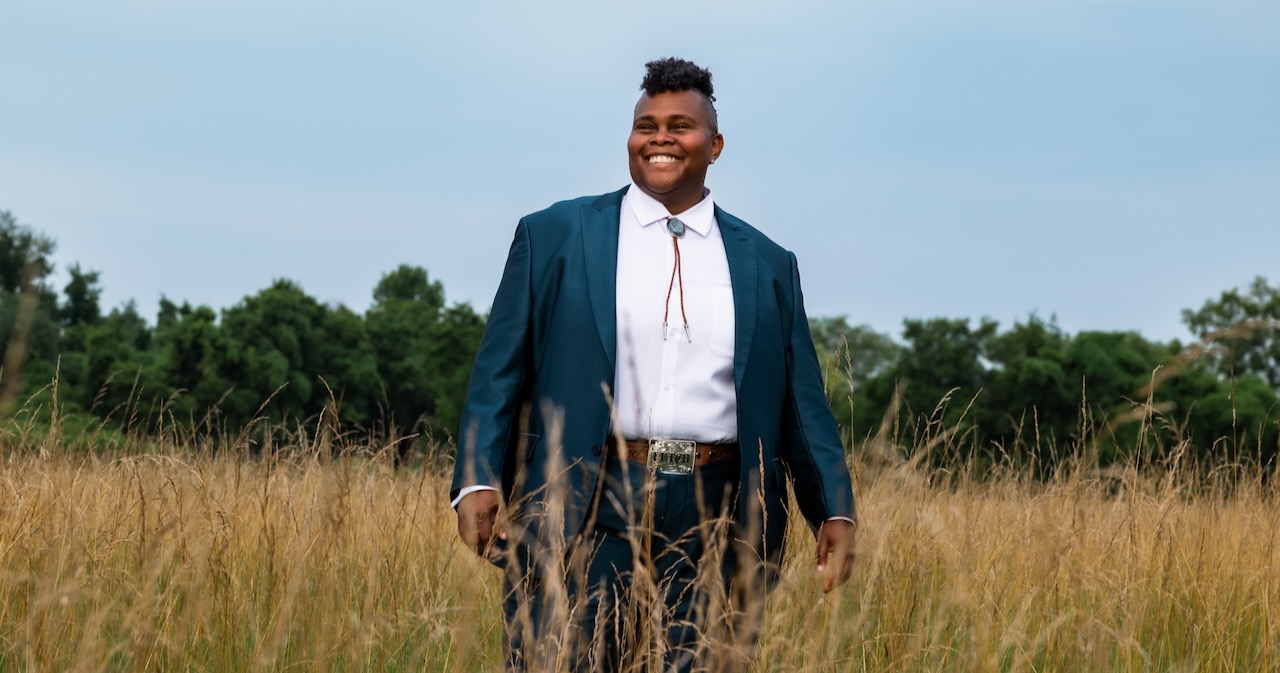
Artist: Crys Matthews Hometown: Nashville, Tennessee Latest Album: Reclamation Personal Nicknames (or rejected band names): Papa Bear to my future-wife, Uncle Bear to our youngest nieces, and just Bear to my chosen nephew, River.
What’s the toughest time you ever had writing a song?
Without question, the song that took me a while to get ‘right’ is my song “Suit and Tie.” This song was written in response to the drag ban being rolled out in Tennessee. Nashville is my home now, so having a front-row seat to the fallout from that bill definitely weighed on my heart. [The ban] was intentionally loosely worded so that law enforcement could have cause to harangue anyone who they saw fit, even a singer-songwriter like me who happens to dress in suits and ties more often than not.
Gender and gender expression are both deeply, deeply personal – they are nobody’s business and certainly not our government’s business. As a social justice songwriter, I take tremendous care to avoid “speaking for someone” or inadvertently appropriating something that I only meant to appreciate. In “Suit and Tie,” only one of the verses is about me directly and offers my perspective as a Butch-identified lesbian who has been wearing clothes that bucked the patriarchy since I was four years old. The other verses are about a nonbinary person, a femme-identified gay man, and a trans woman.
My friend Holly [Near] once called my songs “truth-telling journalism,” which I took as a badge of honor. The notion of being a faithful steward of the truth means a lot to a PK (preacher’s kid) like me, and so it took me about seven drafts before I felt like I had done that with this song.
If you had to write a mission statement for your career, what would it be?
My mission statement is: To amplify the voices of the unheard, to shed light on the unseen, and to be a steadfast reminder that hope and love are the truest pathways to equity and justice.
What has been the best advice you’ve received in your career so far?
Unsurprisingly, so much of the best advice I have received during my time on this planet is from my mother. One gem in particular that has seemed more and more profound is, “Babygirl, you better remember whose you are, so you don’t forget who you are.” It was (and still is) her way of reminding me that this industry and this world can try everything in its power to try to change the things about you that make you special, those things that, so often, are the very things that drew them to you in the first place.
You have to be steadfast and secure in who you are at your core. You have to remember your ancestors and your community and the people who knew and loved you before anybody who thought they could help you ‘make it big’ even knew your name. That advice from her is why I have managed to have an actual career that centers my ideals and values. And I think it is why the people in my corner seems to also reflect that ideals and values.
Does pineapple really belong on pizza?
Absolutely not! I keep telling my future-wife that, but she keeps insisting that I’m wrong.
What is a genre, album, artist, musician, or song that you adore that would surprise people?
Tchaikovsky’s “1812 Overture” – before I realized I could write songs, I was fairly certain that I was going to be a high school band director. I have a deep love for classical music. I can conduct the 1812 like nobody’s business!
I know some musicians hope they get famous enough to sing the National Anthem at a Super Bowl or play at the GRAMMYs, but I’m just hoping that I get to conduct the 1812 with a philharmonic at least once before I die.
Yesterday, the 67th Annual GRAMMY Awards show was held in Los Angeles, handing out dozens of awards across the primetime broadcast and premiere ceremony while highlighting the city’s ongoing response to last month’s extreme wildfires, which displaced hundreds of musicians, artists, industry professionals, and creatives. The marquee event was kicked off by Dawes – whose sibling frontmen, Taylor and Griffin Goldsmith, had homes, their studio, and countless instruments and equipment destroyed in the blazes. They performed a moving rendition of “I Love L.A.” with a host of special guests.
Throughout the show, audience members were encouraged to support MusiCares Fire Relief, a collaborative fundraiser launched by the Recording Academy and MusiCares in partnership with Direct Relief, the California Community Foundation, and the Pasadena Community Foundation to help expand wildfire relief efforts across the broader Los Angeles community. Despite the somber shadow cast by the disaster over LA and its creative community, the show was convivial, joyous, and restorative – and included more than a few show-stopping and jaw-dropping moments.
As usual, the crème de la crème of roots musicians could be found across both the pre-telecast and primetime awards, scooping up golden gramophones in seemingly endless varieties of categories. The evening’s big winners in the Country & American Roots Music categories included superstar Beyoncé, who finally picked up her first Album of the Year win, as well as becoming the first Black woman to ever win Best Country Album. She also won the trophy for Best Country Duo Performance with Miley Cyrus for “II Most Wanted,” bringing her GRAMMY Awards totals to 99 nominations and 35 wins – the most wins of any recipient in the history of the awards.
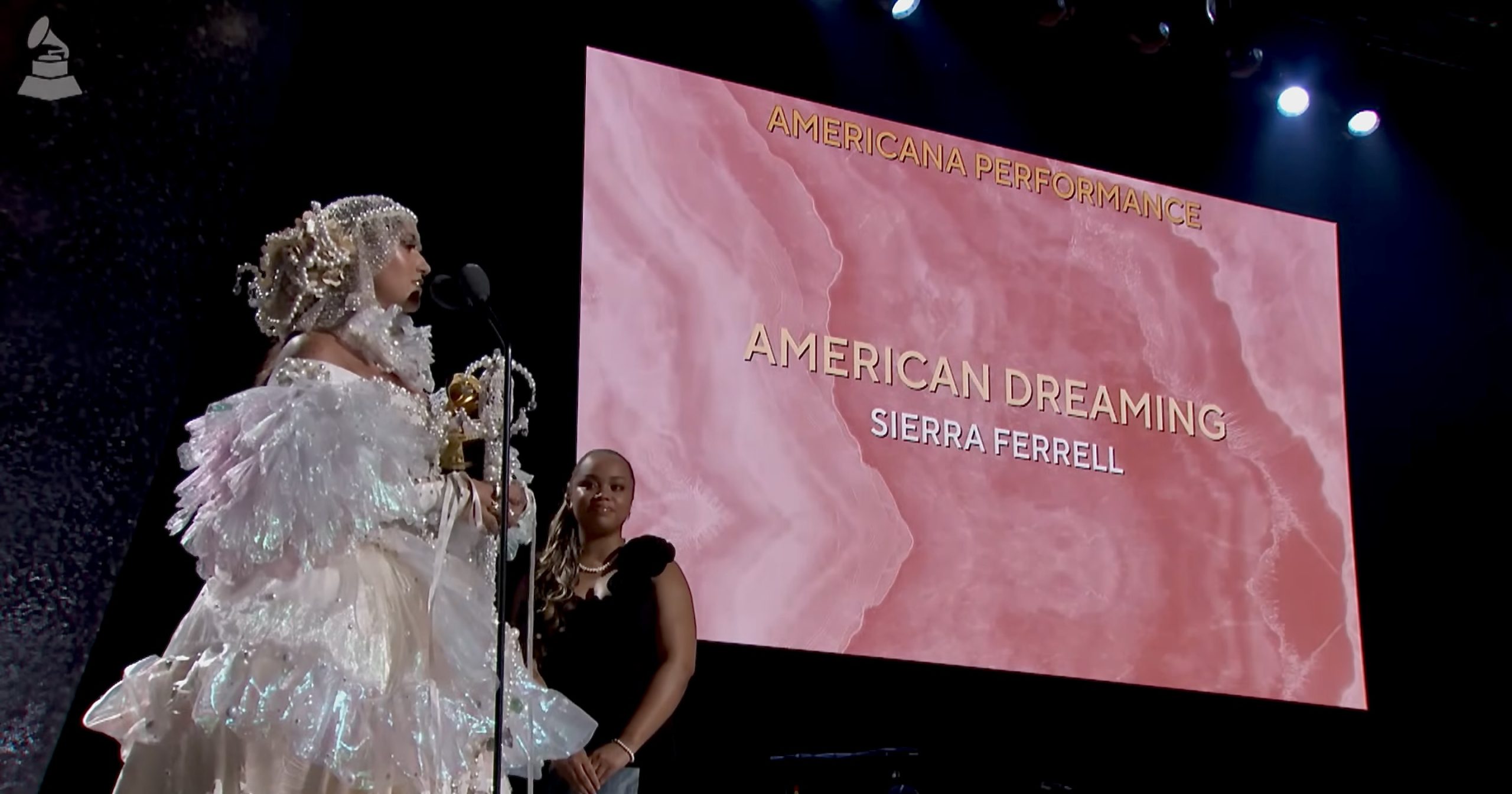
Sierra Ferrell, a West Virginia native and firebrand bluegrass and country starlet quickly on the rise these past handful of years, was indisputably the day’s other big winner, scoring in each of the four categories in which she was nominated. She quickly followed her very first GRAMMY win with three more, landing awards for Best Americana Album, Best American Roots Performance, Best Americana Performance, and Best American Roots Song – an honor she shares with her co-writer, musician, songwriter, and vocalist Melody Walker (Front Country, BERTHA: Grateful Drag).
The award for Best Bluegrass Album was yet again snatched by the world’s premier flatpicker, Billy Strings, for Live Vol. 1, logging his second win at the GRAMMYs after seven nominations over the last five years.
Pop phenom Chappell Roan won Best New Artist, Kacey Musgraves took home Best Country Song for “The Architect,” Chris Stapleton racked up his 11th GRAMMY win for Best Country Solo Performance, and Woodland, the latest album by Gillian Welch & David Rawlings, was recognized as Best Folk Album. Chick Corea won a posthumous award – Best Jazz Instrumental Album – for Remembrance, a duo project helmed by banjoist Béla Fleck that was released in honor of his hero, friend, and collaborator.
The GRAMMYs yet again demonstrate that the impact of bluegrass, folk, Americana, and country on the mainstream music industry cannot be overstated. Congratulations to all of the winners and nominees for the 67th GRAMMY Awards!
“16 CARRIAGES” – Beyoncé “I Am Not Okay” – Jelly Roll “The Architect” – Kacey Musgraves “A Bar Song (Tipsy)” – Shaboozey “It Takes A Woman” – Chris Stapleton
Best Country Duo/Group Performance
“Cowboys Cry Too” – Kelsea Ballerini with Noah Kahan “II MOST WANTED” – Beyoncé featuring Miley Cyrus “Break Mine” – Brothers Osborne “Bigger Houses” – Dan + Shay “I Had Some Help” – Post Malone featuring Morgan Wallen
Best Country Song
“The Architect” – Shane McAnally, Kacey Musgraves & Josh Osborne, songwriters (Kacey Musgraves) “A Bar Song (Tipsy)” – Sean Cook, Jerrel Jones, Joe Kent, Chibueze Collins Obinna, Nevin Sastry & Mark Williams, songwriters (Shaboozey) “I Am Not Okay” – Casey Brown, Jason DeFord, Ashley Gorley & Taylor Phillips, songwriters (Jelly Roll) “I Had Some Help” – Louis Bell, Ashley Gorley, Hoskins, Austin Post, Ernest Smith, Ryan Vojtesak, Morgan Wallen & Chandler Paul Walters, songwriters (Post Malone Featuring Morgan Wallen) “TEXAS HOLD ‘EM”– Brian Bates, Beyoncé, Elizabeth Lowell Boland, Megan Bülow, Nate Ferraro & Raphael Saadiq, songwriters (Beyoncé)
Best Country Album
COWBOY CARTER – Beyoncé F-1 Trillion – Post Malone Deeper Well – Kacey Musgraves Higher – Chris Stapleton Whirlwind – Lainey Wilson
Best American Roots Performance
“Blame It On Eve” – Shemekia Copeland “Nothing In Rambling” – The Fabulous Thunderbirds featuring Bonnie Raitt, Keb’ Mo’, Taj Mahal, & Mick Fleetwood “Lighthouse” – Sierra Ferrell “The Ballad Of Sally Anne” – Rhiannon Giddens
Best Americana Performance
“YA YA” – Beyoncé “Subtitles” – Madison Cunningham “Don’t Do Me Good” – Madi Diaz featuring Kacey Musgraves “American Dreaming” – Sierra Ferrell “Runaway Train” – Sarah Jarosz “Empty Trainload Of Sky” – Gillian Welch & David Rawlings
Best American Roots Song
“Ahead Of The Game” – Mark Knopfler, songwriter (Mark Knopfler) “All In Good Time” – Sam Beam, songwriter (Iron & Wine featuring Fiona Apple) “All My Friends” – Aoife O’Donovan, songwriter (Aoife O’Donovan) “American Dreaming” – Sierra Ferrell & Melody Walker, songwriters (Sierra Ferrell) “Blame It On Eve” – John Hahn & Will Kimbrough, songwriters (Shemekia Copeland)
Best Americana Album
The Other Side – T Bone Burnett $10 Cowboy – Charley Crockett Trail Of Flowers – Sierra Ferrell Polaroid Lovers – Sarah Jarosz No One Gets Out Alive – Maggie Rose Tigers Blood – Waxahatchee
Best Bluegrass Album
I Built A World – Bronwyn Keith-Hynes Songs Of Love And Life – The Del McCoury Band No Fear – Sister Sadie Live Vol. 1 – Billy Strings Earl Jam – Tony Trischka Dan Tyminski: Live From The Ryman – Dan Tyminski
Best Traditional Blues Album
Hill Country Love – Cedric Burnside Struck Down – The Fabulous Thunderbirds One Guitar Woman – Sue Foley Sam’s Place – Little Feat Swingin’ Live At The Church In Tulsa – The Taj Mahal Sextet
Best Contemporary Blues Album
Blues Deluxe Vol. 2 – Joe Bonamassa Blame It On Eve – Shemekia Copeland Friendlytown – Steve Cropper & The Midnight Hour Mileage – Ruthie Foster The Fury – Antonio Vergara
Best Folk Album
American Patchwork Quartet – American Patchwork Quartet Weird Faith – Madi Diaz Bright Future – Adrianne Lenker All My Friends – Aoife O’Donovan Woodland – Gillian Welch & David Rawlings
Best Regional Roots Music Album
25 Back To My Roots – Sean Ardoin And Kreole Rock And Soul Live At The 2024 New Orleans Jazz & Heritage Festival – Big Chief Monk Boudreaux & The Golden Eagles featuring J’Wan Boudreaux Live At The 2024 New Orleans Jazz & Heritage Festival – New Breed Brass Band featuring Trombone Shorty Kuini – Kalani Pe’a Stories From The Battlefield – The Rumble Featuring Chief Joseph Boudreaux Jr.
Best Roots Gospel Album
The Gospel Sessions, Vol 2 – Authentic Unlimited The Gospel According To Mark – Mark D. Conklin Rhapsody – The Harlem Gospel Travelers Church – Cory Henry Loving You – The Nelons
Best Jazz Performance
“Walk With Me, Lord (SOUND | SPIRIT)” – The Baylor Project “Phoenix Reimagined (Live)” – Lakecia Benjamin featuring Randy Brecker, Jeff “Tain” Watts & John Scofield “Juno” – Chick Corea & Béla Fleck “Twinkle Twinkle Little Me” – Samara Joy featuring Sullivan Fortner “Little Fears” – Dan Pugach Big Band featuring Nicole Zuraitis & Troy Roberts
Best Jazz Instrumental Album
Owl Song – Ambrose Akinmusire featuring Bill Frisell & Herlin Riley Beyond This Place – Kenny Barron featuring Kiyoshi Kitagawa, Johnathan Blake, Immanuel Wilkins & Steve Nelson Phoenix Reimagined (Live) – Lakecia Benjamin Remembrance – Chick Corea & Béla Fleck Solo Game – Sullivan Fortner
Best Traditional Pop Vocal Album
À Fleur De Peau – Cyrille Aimée Visions – Norah Jones Good Together – Lake Street Dive Impossible Dream – Aaron Lazar Christmas Wish – Gregory Porter
Best Contemporary Instrumental Album
Plot Armor – Taylor Eigsti Rhapsody In Blue – Béla Fleck Orchestras (Live) – Bill Frisell featuring Alexander Hanson, Brussels Philharmonic, Rudy Royston & Thomas Morgan Mark – Mark Guiliana Speak To Me – Julian Lage
Best Instrumental Composition
“At Last” – Shelton G. Berg, composer (Shelly Berg) “Communion” – Christopher Zuar, composer (Christopher Zuar Orchestra) “I Swear, I Really Wanted To Make A “Rap” Album But This Is Literally The Way The Wind Blew Me This Time” – André 3000, Surya Botofasina, Nate Mercereau & Carlos Niño, composers (André 3000) “Remembrance” – Chick Corea, composer (Chick Corea & Béla Fleck) “Strands” – Pascal Le Boeuf, composer (Akropolis Reed Quintet, Pascal Le Boeuf & Christian Euman)
Best Arrangement, Instrumental or A Cappella
“Baby Elephant Walk” – Encore, Michael League, arranger (Snarky Puppy) “Bridge Over Troubled Water” – Jacob Collier, Tori Kelly & John Legend, arrangers (Jacob Collier Featuring John Legend & Tori Kelly) “Rhapsody In Blue(Grass)” – Béla Fleck & Ferde Grofé, arrangers (Béla Fleck featuring Michael Cleveland, Sierra Hull, Justin Moses, Mark Schatz & Bryan Sutton) “Rose Without The Thorns” – Erin Bentlage, Alexander Lloyd Blake, Scott Hoying, A.J. Sealy & Amanda Taylor, arrangers (Scott Hoying featuring säje & Tonality) “Silent Night” – Erin Bentlage, Sara Gazarek, Johnaye Kendrick & Amanda Taylor, arrangers (säje)
Notable General Field Categories:
Record Of The Year
“Now And Then” – The Beatles “TEXAS HOLD ‘EM” – Beyoncé “Espresso” – Sabrina Carpenter “360” – Charli XCX “BIRDS OF A FEATHER” – Billie Eilish “Not Like Us” – Kendrick Lamar “Good Luck, Babe!” – Chappell Roan “Fortnight” – Taylor Swift featuring Post Malone
Album Of The Year
New Blue Sun – André 3000 COWBOY CARTER – Beyoncé Short n’ Sweet – Sabrina Carpenter BRAT – Charli XCX Djesse Vol. 4 – Jacob Collier HIT ME HARD AND SOFT – Billie Eilish Chappell Roan The Rise And Fall Of A Midwest Princess – Chappell Roan THE TORTURED POETS DEPARTMENT – Taylor Swift
Song Of The Year
“A Bar Song (Tipsy)” – Sean Cook, Jerrel Jones, Joe Kent, Chibueze Collins Obinna, Nevin Sastry & Mark Williams, songwriters (Shaboozey) “BIRDS OF A FEATHER” – Billie Eilish O’Connell & FINNEAS, songwriters (Billie Eilish) “Die With A Smile” – Dernst Emile II, James Fauntleroy, Lady Gaga, Bruno Mars & Andrew Watt, songwriters (Lady Gaga & Bruno Mars) “Fortnight” – Jack Antonoff, Austin Post & Taylor Swift, songwriters (Taylor Swift Featuring Post Malone) “Good Luck, Babe!” – Kayleigh Rose Amstutz, Daniel Nigro & Justin Tranter, songwriters (Chappell Roan) “Not Like Us” – Kendrick Lamar, songwriter (Kendrick Lamar) “Please Please Please” – Amy Allen, Jack Antonoff & Sabrina Carpenter, songwriters (Sabrina Carpenter) “TEXAS HOLD ‘EM” – Brian Bates, Beyoncé, Elizabeth Lowell Boland, Megan Bülow, Nate Ferraro & Raphael Saadiq, songwriters (Beyoncé)
It’s a simple sounding question, one that invites discussion about structure, melody, production techniques and more (and certainly has no real answer). It’s also something Humbird explores on her transcendent new record, Astrovan: The Love Song Vignettes, which follows last year’s critically acclaimed Humbird LP, Right On.
Written before the pandemic, the 11-song project spans just 16 minutes, but is expansive in its vision and emotional depth, as principal Siri Undlin muses on love in its many forms using varied musical styles. The resulting album is especially meditative when enjoyed in one sitting and invites listeners to consider how love is present in their own lives, whether in the beauty of nature or in small, domestic gestures from loved ones.
Below, BGS caught up with Undlin to chat about making Astrovan, finding beauty in mundane moments and how creative restrictions can often lead to happy artistic accidents.
This new project is such a cool idea with these short vignettes. I’d love to hear a little bit about the project’s beginnings and how that idea came to you?
Siri Undlin: It started off very much not an album. I was struggling to write and struggling to feel inspired. A friend of mine was like, “Why don’t you write simple, short songs and not worry about if they’re good or not?” I had recently fallen in love, so I was trying to write some love songs that weren’t super annoying. I was like, “Maybe short is the way.” So, yeah, it was just a goofy project that I sometimes did at live shows, because it’s funny.
People usually get a kick out of it and it’s fun to talk on stage about what a song is, like, “Why do we expect it to be a certain length?” It’s a fun, intimate audience moment. But then, a couple of friends who are really talented producers and engineers were at a show and they were like, “What the heck? You should definitely record these.” Those pals were Brian Joseph and Shane Leonard, so the three of us recorded them. This was all back in 2019, so it was also a while ago.
So, you’ve been sitting on those for a little while. What made it feel like the right time to put them out as a full album?
They were just weird enough that I was not quite sure what to do with them. Back in 2019, we were very much a DIY band. I was booking most of the tours. We were self-managed, putting out albums independently. So, it was just this one-woman shop. I honestly didn’t have time. I don’t want to release music unless I can do a good job and be proud of really putting my whole heart behind releasing it. It took a while, but I feel like, in the last year, it was like, “Oh, you should come out.” They’ve been waiting for a while, and now I have the bandwidth thanks to some folks helping me out behind the scenes. I’m also more confident as an artist. We’ve been a band for longer, and we’ve put out other music. So, I felt like, “Okay, if [fans] are into what we’re doing, they have an idea of this project’s personality and we can throw this strange project at them.”
I love how know each song is a love song, but you’re you’re covering lots of different types of love. It’s not just your standard, romantic love – there’s love for nature and plants and for mundane-seeming gestures like leaving food out for someone who’s coming home late. It’s a very expansive vision of love.
I know that in my personal life, sometimes those [mundane] moments are the most loving. Sometimes in love songs, on a broader scale, we get high drama and high stakes. But I love the little, ordinary moments that, when you put them in a song, feel really magical.
It’s a rewarding experience to sit and listen to the record start-to-finish. It feels very meditative, in a way. What was your time recording like? A few moments ago, you mentioned thinking about what makes a song a “song,” and what a song is allowed to be. How did that play out while you brought these songs to life?
In my memory, it was a pretty quick, moving process. I think we did the initial tracking in maybe four days and then we did some overdubs a handful of other days, maybe half a year later. And because the songs are so short, it was like, “Okay, how can we make these feel fully realized in such a short period of time and still take risks and have various arrangement choices that are engaging?”
It has to happen in such a condensed period. It was a great challenge: take your ideas but make them as compact and meaningful as possible because you only have a few seconds. Now that it’s out in the world, people are like, “I wish this song was just a normal length. It’s so sad when it’s over.” But I felt like we had to stick to the premise. Some of the songs could go way longer, sure, but it’s fun to keep it short and sweet.
What did you take away from that experience? It seems like it would be instructive to have to work with those restrictions and to learn how to cram so much meaning into a minute’s worth of music.
The biggest takeaway was that you can do it. You can have an emotionally resonant song in 45 seconds or one minute if you’re really determined. Going forward with recordings that came after it made me a better listener and a better editor of my own work, because when you have to be so cutthroat during the editing and arranging processes, you’ve flexed that muscle. I think it strengthens the writing and arrangements going forward because it was sort of a, “Do we absolutely need this or not?” question. That’s how I prefer to move through music recording: throw it all at the wall and then pare it back and have something you’re really proud of.
I’m surprised to hear that these songs were written so long ago, as I had noticed some musical and thematic connection points between Astrovan and Right On and assumed that Right On played an influential role. Do you feel a connection there, too?
I think you’re hearing it just right. But the truth is that Astrovan led to Right On. Astrovan has some folky, almost country music moments. But then there are also some rockers. Those are, to be honest, some of the first times in the studio where I was like, “Dang, rock and roll is fun to play.” It’s so fun to turn up the amp and use a distortion pedal and just have fun. It’s really cathartic, and those songs were only a minute. So then, when I picked up the guitar again later on to write songs for Right On, I think in the back of my mind I was like, “I want to do more of that fun, loud, more abrasive stuff.” And that definitely informed choices for Right On.
Speaking of Right On, that’s been such a big record for you. And now that we’ve hit 2025, it’s been out for the better part of a year. When you reflect on the year you had in 2024, what comes to mind?
One really cool thing that I didn’t anticipate was a level of confidence that me and my bandmates were able to sink into with the Right On album. We put our whole hearts into making it. It was so fun to record and it’s so fun to play live. As a result of performing it all year, we’ve just gotten better at performing. I think we all really stand behind what we do on stage and in a music ecosystem that’s so confusing and hard to know. But when you can get on stage with people you love and play music that you’re proud of and you’re excited to share with people, that is the best feeling ever.
I feel like that was what a lot of our year was about. We love playing this music. We’re stoked to share it with you. And we’re not getting too caught up in all of the other elements that swirl around with making music your livelihood. Not that those factors aren’t there, but ultimately, the year was about this record that we were proud of. So, that feels great.
You have some festival dates on the books for this year. Do you have any plans to tour, too?
We’re a band that definitely hits the road, historically, and that’s the plan for 2025, as well. We were all upper Midwest kids, so we also hibernate hard. But when the snow thaws, we’ll be out there, and I think it’ll be pretty consistent throughout the year. That’s where we’re at right now as a band and we’re soaking it up because it’s a good chapter to be in.
Where did the first month of 2025 go!? Wherever it went, we’ve got an excellent batch of premieres for your final New Music Friday of January.
Below, check out brand new music and performance videos like Amanda Bjorn’s “Until We Become Earth,” a song about searching for yourself set to a gorgeously warm and retro video shot on film. Pitney Meyer (a duo of longtime country and bluegrass pals, John Meyer and Mo Pitney) bring a live performance of their new single, “Bear Creek Clay,” as well.
Bluegrass mainstays Lonesome River Band bring back a Jimmy Yeary song that Sammy Shelor turned into a classic, “I’m On To You,” with the full LRB on this new rendition. Plus, Dave Murphy calls on Mark Erelli for his new number, “Planet of Pain II,” a sequel to the original “Planet of Pain” from his 1998 album, Under the Lights.
Elsewhere, don’t miss Joshua Finsel’s “Before the Snow,” about through hiking the Appalachian Trail and cresting Mount Katahdin in Maine before wintertime hits. And, Lily Talmers celebrates release day for her new album, It’s Cyclical, Missing You, by bringing us that project’s lush and deep folky title track.
It’s all right here on BGS – we’ve said it before, we’ll say it again: You Gotta Hear This!
Amanda Bjorn, “Until We Become Earth”
Artist:Amanda Bjorn Hometown: Los Angeles, California and Spain Song: “Until We Become Earth” Album:That Kind of Woman Release Date: January 24, 2025 (single)
In Their Words: “‘Until We Become Earth’ is the first single off my upcoming debut album, That Kind of Woman, which is set to release in April 2025. A blend of blues and folk with a bit of Americana, the new album reads like a diary touching on major changes in my life – balancing motherhood with artistry, finding and losing myself within relationships, postpartum mental health, and the transformation that happens from living abroad and returning home.
“The song was written in a School of Song workshop with one of my favorite songwriters, Adrianne Lenker, exactly one year ago. Without ruining it, the song is about that search for self-identity within a relationship, the vulnerability of building your own voice, and the risk it takes to keep expanding.
“With the help of my old friend, producer Aaron Stern, I recorded the album this past summer in Los Angeles at Verdugo Sound. With the help of some very talented musicians, we performed live together in the same room for most of the album, our aim was to capture the magic of improvisation and the authentic energy that arises from truly listening and connecting, free from a click track.” – Amanda Bjorn
Video Credits: Filmed by Giacomo Gex; color by Ruben Sogomonian; film processed by Kafard Films, Paris, France. Starring Amanda Bjorn and Brando Wild.
Joshua Finsel, “Before the Snow”
Artist:Joshua Finsel Hometown: Jim Thorpe, Pennsylvania Song: “Before the Snow” Album:No Honey Release Date: February 6, 2024
In Their Words: “‘Before The Snow’ is a song about an Appalachian Trail through-hiker whose river meditation is interrupted by a daydream. Mount Katahdin in Baxter State Park in Maine is the northern end of the trail, and a hiker must get there ‘before the snow’ in order to be allowed to finish the journey.
“The lyrics are autobiographical. I teamed up with the famed string trio Bizarre Star Strings (Brandi Carlile, Madison Cunningham, The Shins) for the lush, theatrical river-like passages. Award winning fiddle player Katelynn Casper and mandolinist Quentin Fisher of Serene Green added to the arrangements. Finally, David Bowie producer and bass player Mark Plati mixed the record and played fretless bass.” – Joshua Finsel
Lonesome River Band, “I’m On To You”
Artist:Lonesome River Band Hometown: Floyd, Virginia Song: “I’m On To You” Release Date: January 31, 2025 Label: Mountain Home Music Company
In Their Words: “‘I’m On To You’ is a song written by my friend Jimmy Yeary, who has become one of the most in-demand writers in Nashville. I recorded this song back in 1997 and it was the first song Jimmy had featured on an album. The album is long out of print, but this song kept making its way into sound checks and the show every now and then. It has that ’80s country vibe that we felt would lend itself to the sound we are doing for this upcoming album. We hope you like this version!” – Sammy Shelor
Track Credits: Sammy Shelor – Banjo, vocal Jesse Smathers – Acoustic guitar, lead vocals Mike Hartgrove – Fiddle Adam Miller – Mandolin, vocals Kameron Keller – Upright bass
Dave Murphy, “Planet of Pain II” (Featuring Mark Erelli)
Artist:Dave Murphy Hometown: Madison, New Jersey Song: “Planet of Pain II” featuring Mark Erelli Album:A Heart So Rare Release Date: January 31, 2025
In Their Words: “The song is a rumination on the fragility of life, disappointment, lessons learned, and carrying on. This theme is illustrated in my lyrics, ‘Ashes to ashes, dust to dust/ Sometimes it feels like it’s all just too much/ When something is lost (they say) something is gained/ Still finding my way on this planet of pain.’ The original ‘Planet of Pain‘ appeared on my first album, Under the Lights. It was just one voice, one acoustic, and a lap steel. Part II borrows some lyrics, but elevates the song to a different level with the support of Chris Tarrow’s mysterious pedal steel playing, Shawn Pelton’s percussion, and Mark Erelli’s haunting vocals.” – Dave Murphy
Track Credits: Dave Murphy – Vocals, acoustic guitar Shawn Pelton – Drums Chris Tarrow – Electric guitar, pedal steel Richard Hammond – Bass Mark Erelli – Backing vocals
Pitney Meyer, “Bear Creek Clay”
Artist:Pitney Meyer Hometown: Nashville, Tennessee Song: “Bear Creek Clay” Album:Cherokee Pioneer Release Date: January 10, 2025 (single); April 18, 2025 (album) Label: Curb Records
In Their Words: “‘Bear Creek Clay’ is a song brought to the group by Danielle Yother from North Carolina. It’s a snapshot of a pioneering Daniel Boone-type of character, blazing a trail to a home in the mountains. ‘Bear Creek Clay’ was the title we settled on, which in the moment I figured was something we would come back and edit later, but come to find out, there are creeks and rivers by that name all over Tennessee, Kentucky, and Missouri. Driving through Bon Aqua, Tennessee, I noticed on the map I was nearing a Bear Creek. This was just a few miles from the log cabin where we would be recording. When we cut the song to tape a few days later, I knew we had to drive down to the creek first. The water was brown and rushing fast, swollen from the rains the night before. We made it back to the cabin a bit soaked but ready to step in and sing this song that seemed to be coming to life in the landscape around us.” – John Meyer
Artist:Lily Talmers Hometown: Birmingham, Michigan and Brooklyn, New York Song: “It Is Cyclical, Missing You” Album:It Is Cyclical, Missing You Release Date: January 30, 2025
In Their Words: “This song is sort of meant to mirror the experience of running up and down a hill, continuously. It was born of witnessing two brothers arguing in a parking lot– the younger, around five years old, was sobbing trying to get his older brother’s attention. The older brother, around age seven, clearly had the awareness that ignoring someone only makes them more desperate for your attention, and wouldn’t look his brother in the eye. The whole record is sort of a big statement of what it means to be in both of these positions, cyclically. I am both the desperate, reaching brother, and the power-hungry, indignant brother who hasn’t learned the responsibility of loving other people.” – Lily Talmers
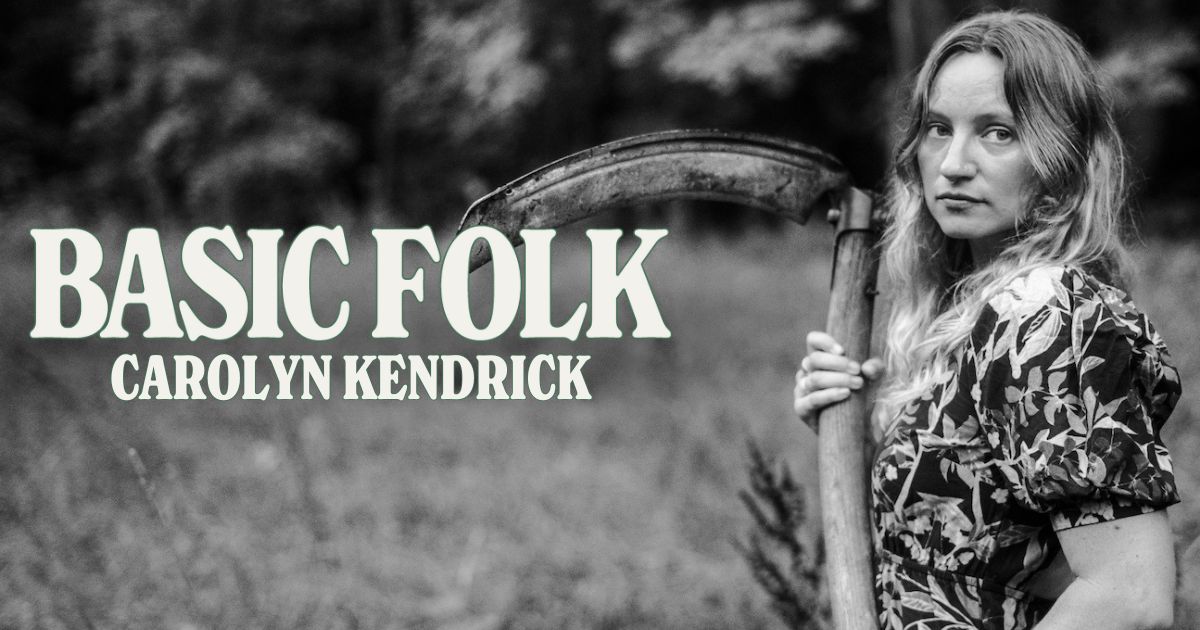
Carolyn Kendrick’s latest project explores complex themes of moral panic, tradition, and the figure of the devil (AKA Satan, AKA Lucifer). The LA-based songwriter opens up about the inspiration behind her album, Each Machine, which is accompanied by a thought-provoking zine. In our Basic Folk conversation, she discusses the significance of the color red in her work, symbolizing themes of anger, danger, and familial ties, and how it contrasts with the black and white imagery used throughout the project.
Carolyn also shares her unexpected journey into researching the devil, sparked by a podcast project that ended up overtaking her life, leading her to interview the leader of the Satanic Temple, among many others. This deep dive into the topic became a way for her to process the overwhelming political and cultural landscape. She candidly discusses the challenges of maintaining balance while being consumed by such a heavy subject matter (spoiler alert: she did not maintain balance at all).
We also touch on Carolyn’s work in podcasting (You’re Wrong About, You Are Good) and how it has influenced her approach to music. She reflects on the importance of integrating culture and music, creating a world-building experience that connects various aspects of her life. Carolyn’s creation of the Gender Equity Audio Workshop, along with co-producer and Each Machine collaborator Isa Burke, highlights the power of women supporting each other in the music industry, fostering an environment where questions can be asked without fear of judgment.
She expands on her exploration of traditional songs through a devilish lens, which allowed her to examine how their meanings shift when viewed in this context. She also discusses her dual versions of the hymn “Are You Washed in the Blood,” inspired by Naomi Klein’s book ‘Doppelganger,’ and how they represent different facets of her musical identity.
Throughout this episode of Basic Folk, Carolyn Kendrick offers insights into forgiveness and harm, emphasizing the need for solution-focused actions in today’s society. Our chat concludes with a fun and quirky Satan-themed lightning round, where Carolyn shares her favorite pop culture depictions of Satan and imagines a music festival in hell. The devil is fun again!
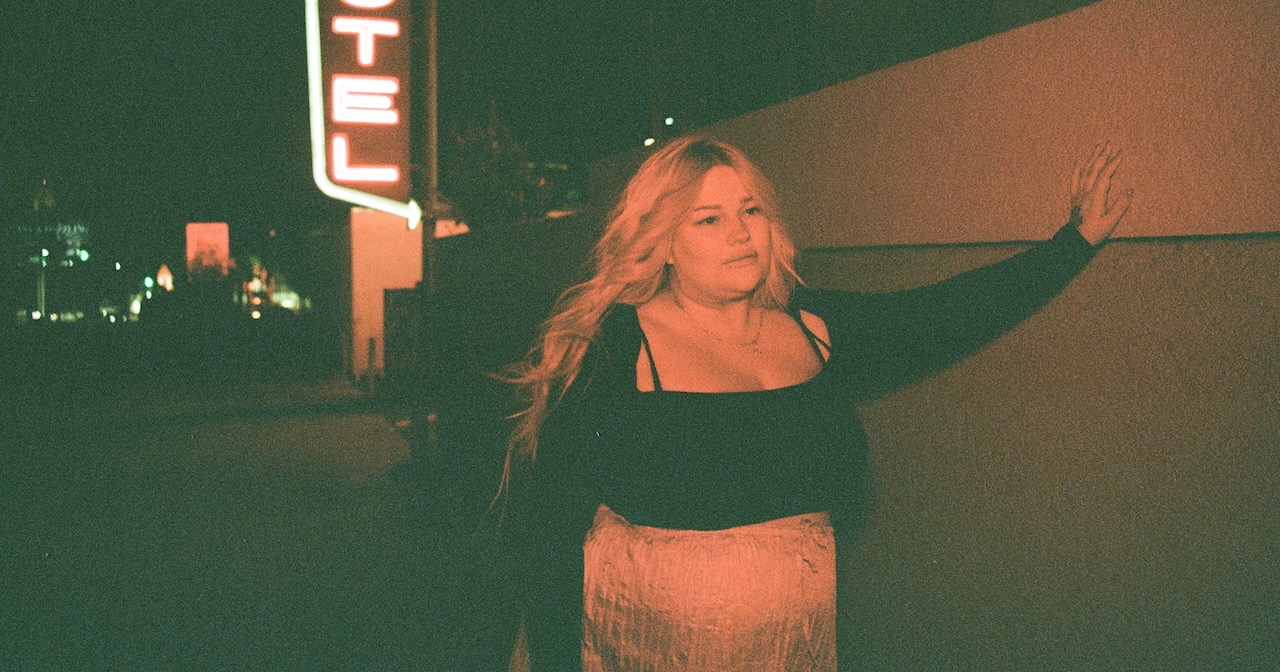
I meet Swedish performer and singer-songwriter Sarah Klang in the glorious maximalist backstage area at Nashville’s the Blue Room before her first-ever Music City show in mid-January. She’s cozy on the couch, a tin of pouched nicotine by her side, a hippo skull on the coffee table in front of us, and her brand new album, Beautiful Woman (out February 7) on our minds. The first thing I notice – besides her beautiful tattoos and the shimmering gemstone stud on one of her teeth – is her gaudy and gorgeous red-white-and-blue acrylic nails. Complete with rhinestones and glitter.
To Klang, the country aesthetic is the “coolest,” and in her part of the world she’s seen as something of a country queen. Her work across her discography varies greatly in genres and sonics, including folk, indie, pop, Americana, and so much more. But Beautiful Woman, which was produced by Eric D. Johnson (Fruit Bats, Bonny Light Horseman) doesn’t feel like Klang is just putting on rootsiness because it’s “cool” or “in” or trending. These are sonic spaces she knows well and strides through with ease.
Beautiful Woman boasts bold and brash moments that feel like Adele covering The SteelDrivers alongside tender story songs that could have almost been pulled from the catalogs of country queens this side of the Atlantic like Loretta Lynn and Dolly Parton. Danceable tracks, finger-picked ballads, and honest lyrics speak to impactful issues of motherhood, agency, feminism, embodiment – and so much more – but still feel light and joyful, leaning forward in the beat and finding hope in the melancholic.
Catching her debut Nashville performance at the Blue Room felt a bit momentous, though Klang seemed remarkably chill and relaxed, on and off stage. She and collaborator Theo Stocks (who also helps record and produce her projects) performed in duet, with lush reverbs and simple backing percussion tracks to a rapt audience. An audience who knew they were lucky to have Klang on this “side of the pond.”
Before the show, we dove into Beautiful Woman, speaking about the death of genre, choosing your own joy, always wanting more banjos, and so much more.
Do you see what you do as roots music? How do you place your own music within roots or folk or Americana? Your music has so many things – it’s got moments of grandeur, it’s got moments of subtlety, it’s got indie, it’s got pop, it’s got a little bit of everything. But I wonder how you identify it.
Sarah Klang: That’s sort of a really hard question. I always feel it’s a little bit like I don’t really know the genres. So, mostly when I put out my albums, afterwards people will review them and they will tell me what genre it is and I will be like, “Yeah, yeah! Mhmm, that’s what it is.” Because I don’t really think about it.
I mean, I listen to so much– random indie, folk, Americana, all those things that you mentioned. And I’m introduced to iconic classical things mainly through Theo [Stocks], my guitarist that I make albums with, and also Eric [D. Johnson]. Like a very normal thing in the studio would be that they would say, “Oh, this is very Kris Kristofferson-ish.” And I would be like, “Could you play it for me?” And then they play the song, and I’m like, “Okay!”
I don’t really have a special aim for where I’m going, because I don’t have any roots in anything. Really. I know what I like. I know the feeling [of what] I’m after. I guess the sentimental [and the] bittersweet, those always end up in some sort of Americana thing.
If it’s not the genre, or style, or the aesthetic that you’re going for – or that you’re following – it sounds to me like you’re following the songs themselves and the feeling you’re trying to evoke.
Yes. I mean, it’s just like an imprinted thing in my brain, “What sounds do I like?” It has always been like that, really. I don’t really play any instruments anymore. I used to play the guitar and the piano, but now I don’t. We’ve been here [in Nashville] for seven days and had sessions every day and Theo knows very well how to describe [the sounds]. He’s kind of like my interpreter. How do you say it? My interpreter? When it comes to melodies and shorts [takes], because someone at the session could play me a bit and I’ll be like “Hmmm?” And Theo will say, “It’s the last short. She doesn’t want that last short. Let’s go with that instead.” He understands.
I think I just have quite a small range of melodies that I like. I mean, my songs are kind of similar, how they are made. The aesthetic of country music has always felt like that’s the only way to go. That’s the only aesthetic that really looks cool, you know? When I started to dress up in country-ish things in Sweden, people were like, “Okay, well she makes country music.” That’s how far they would go. So in Sweden I’m often categorized and called the country queen of Sweden. I get a little bit nervous about that, because I know so little about country music and you know that everybody has such strong opinions about it.
What’s funny to me is even with how strong of opinions people have about country and what it is, it’s always in the eye of the beholder.
I’ve obviously been listening a lot – maybe not classic country, whatever that is – but I mean, I’ve been listening to Kurt Vile, Kevin Morby, Sharon Van Etten, you know, those very big country rock people for a long time. I think that is my biggest influence, really. Then we take that and Theo and Eric on this album, who are just very nerdy in music, they put their spin on it.
But for me, it’s not important to me. Where this album lands, in which genre – I couldn’t care less. But, I think that’s why I started having a western aesthetic. ‘Cause it’s the coolest part, I think. I was like, “Okay, I’m gonna start a solo project. Where do I want to be? What’s cool?”
That, probably. [Laughs]
You’re talking about collaborating with Theo and Eric and it sounds like having that trust and having that rapport is really important to getting the music where you wanted to get it. When I listen through and I hear the banjo moments and the really rootsy and Americana moments, trying to connect the dots, how much of that came from Eric producing?
I asked for that specifically! I mean, if it were up to me, I would say, “More banjo! Put banjo on everything!” ‘Cause that makes everything a jam.
But the boys are more tasteful when it comes to that. When [Eric] played, I think I asked him to try and play on like every song – and not because I wanted to be a “diddly doo” out there, but just because that’s my vibe. I mean, when someone plays on a banjo, there is nothing more tearjerking.
Of course, “Last Forever” jumped out at me for that quality. That was the track from Beautiful Woman that we premiered on BGS. I think it’s my favorite song on the record. But there are so many moments that feel like you’re a genre shapeshifter. And I think that that’s the time we’re in too, genre’s dead. Even while we get more and more and more genre names every year, it feels like genre’s dead.
For me, it’s probably a good thing that it is. That I’m not locked in a genre. I don’t think I’m ever gonna have to be like, “Okay guys, I’m breaking free from this [genre.]” I don’t have to do like a Miley Cyrus thing – “look at my new clothes!” – because I wear everything and that’s nice because I think I’m gonna keep on producing albums as long as I can, and I would like to not be stuck if I were to start feeling this [genre] is boring.
I mean, I’m a huge house fan. I love dance music. When I was a teenager, I mostly listened to weird party drinking music from the UK. I always wanted to make a club album. So, hopefully I could just like sneak over there. When the time’s right. [Laughs]
Another song that jumped out at me as feeling really rootsy is “Childhood.” Not only because of the aesthetic of the song, but the storytelling of it and the nostalgia in it. Something about it feels kind of theatrical to me, too, and I think country is so theatrical.
Yeah, it’s very dramatic. I think when I’m making a song, I feel like “more is more” and if you are going in a certain direction, just go all-in and don’t cringe. Because then it’s just going to end up in some halfway world.
For me, with “Childhood” I was like, “Oh, is this song too nice? Is it too sweet?” Like, no! It’s great. It’s a great song. You just have to go all the way with the feelings. Because then if you don’t, I don’t think you’re going to reach the point you wanted to reach.
Many of my melodies, when I write, I ask myself or Theo or Eric, “Is this too pop-y? Does it sound too much like yada yada yada? Is this a rip off?” And they’re, “Let’s go for it!” You just go straight into that vibe and feeling.
Our music goes all the way into the feeling without hesitating if it might be too much. If you are driving your car, you want to listen to Tom Petty. And he wasn’t like, “Oh, I’m gonna write a song that is making people feel free… but it can’t be too much!” [Laughs]
“I want a driving song, but for 35 miles an hour.”
No! [Laughs] Pedal to the metal.
The overarching concepts that the album is talking about, I think what some people, especially in the U.S., would think these are deep topics – feminism, womanhood, gender and gender roles. But I found it interesting that even with these subjects, the music still feels joyful, it feels like it’s looking forward, it feels like it leans forward – in the beat, literally and figuratively. But, it doesn’t feel like cotton candy, and it doesn’t feel like you’re minimizing anything. Can you talk a little bit about that?
I mean, that makes me so happy that you felt that way. I’ve done interviews about this album in Sweden, with women, and they’re like, “Sarah, you do know that you are a beautiful woman now, right? And I’m like, that’s not the fucking point! As if I were singing it, meaning that that was the point. Maybe I thought when I was younger that that was a goal, but it’s not now.
I just want to write whatever comes to mind, and since English is not my first language, I have to write it very straight and simple. Like, “This is what happened, period.” I don’t really have the energy or time to hide the message. That is not my thing. Some people are great with that, leaving clues. I just write words – it’s also like, I’m busy I need to write the lyrics now! [Laughs]
I always ask my friend when I’ve done an album, “What is the catchphrase for this album? What would you say now when you heard it?” So, for VIRGO she was like, “This is your sex album.” And Mercedes, “This is your pregnancy album, obviously.” But this one, she was like, “I think this is a celebration of girlhood, period.” And I was like, “Yep, that’s perfect.” I’ll just use that. Because I obviously just collect songs. Over a period of time, and then I feel, well now it’s done. And I don’t write an album after a theme.
One of the things I love about the album is that it ends on “I Have Everything.” I like that that’s the way that you’re putting a punctuation mark on the album. Right now, I’m really worn out by attention economies, consumption, consumerism, and like, “buying our happiness.” I was really struck by that song. I love having it at the end; it feels like you are not just talking to us, your listeners, but you’re also talking to yourself. So I wanted to ask you about the song and about the placement of it in the sequence.
I think I wrote it to myself. Like, “Listen! Stop being a complete asshole all the time!” It’s annoying, but I’ve learned – and it’s nice, but it’s hard to talk about it without it sounding so cringey and boring – but the only thing that makes you happy is to take walks outside, be with your family, eat right, and take care of yourself. And that is boring, but it’s the truth. I always felt that people who said, “I wake up every morning and tell myself five things that I’m grateful for–” and I’m like, “Okay… that’s weird.” [Laughs]
If you do that, you will probably feel better. If you are nice to people around you, you will probably feel better. If you’re nice to yourself. I mean, grown up people have been telling me [this] all my life. During my 20s, through periods where I was just unhinged and didn’t feel right. They were like, “Well, maybe if you took a little better care of yourself and didn’t party so much and spent time with your family, you would feel better.” And I was like, “Listen, it’s more than that.”
Yeah, like I am so deep. [Laughs] My traumas are so deep! You have no idea! I’m a fuck up. And then, turns out you’re not. That’s a nice thing about getting a little bit older, you just know, “I’m gonna be fine.” And it’s also my responsibility to make that happen.
Every time somebody had ever told me that “joy is a choice” and “happiness is a choice,” I didn’t realize at first that what they meant was joy or happiness that you construct for yourself isn’t fake.
No! And it doesn’t undermine your sad parts. Like, that is always going to be there. Don’t worry. I think so many of us are just melancholic people. I mean, people have had worse experiences than I’ve had and are so chill and so fine.
I think happiness is definitely something you can work on and give to yourself, and it’s not like a miracle.
Photo Credit: Fredrika Eriksson
This website uses cookies to improve your experience. We'll assume you're ok with this, but you can opt-out if you wish.AcceptRejectRead More
Privacy & Cookies Policy
Privacy Overview
This website uses cookies to improve your experience while you navigate through the website. Out of these, the cookies that are categorized as necessary are stored on your browser as they are essential for the working of basic functionalities of the website. We also use third-party cookies that help us analyze and understand how you use this website. These cookies will be stored in your browser only with your consent. You also have the option to opt-out of these cookies. But opting out of some of these cookies may affect your browsing experience.
Necessary cookies are absolutely essential for the website to function properly. This category only includes cookies that ensures basic functionalities and security features of the website. These cookies do not store any personal information.
Any cookies that may not be particularly necessary for the website to function and is used specifically to collect user personal data via analytics, ads, other embedded contents are termed as non-necessary cookies. It is mandatory to procure user consent prior to running these cookies on your website.