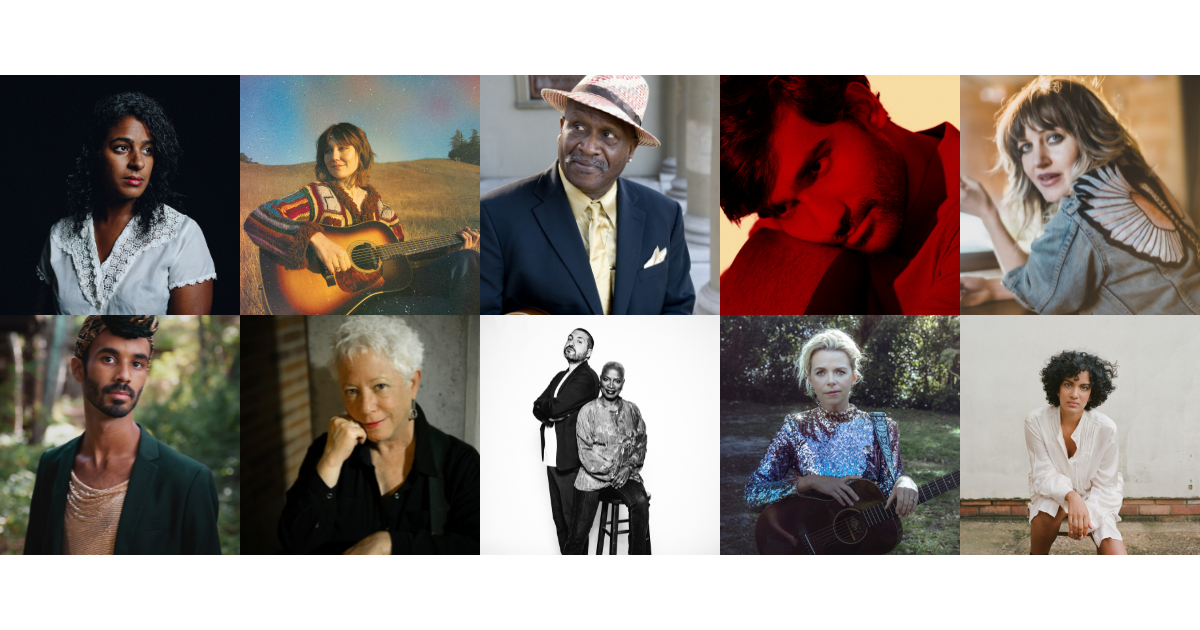
BGS Class of 2022: Musical Moments from Joni Mitchell, Molly Tuttle, and More

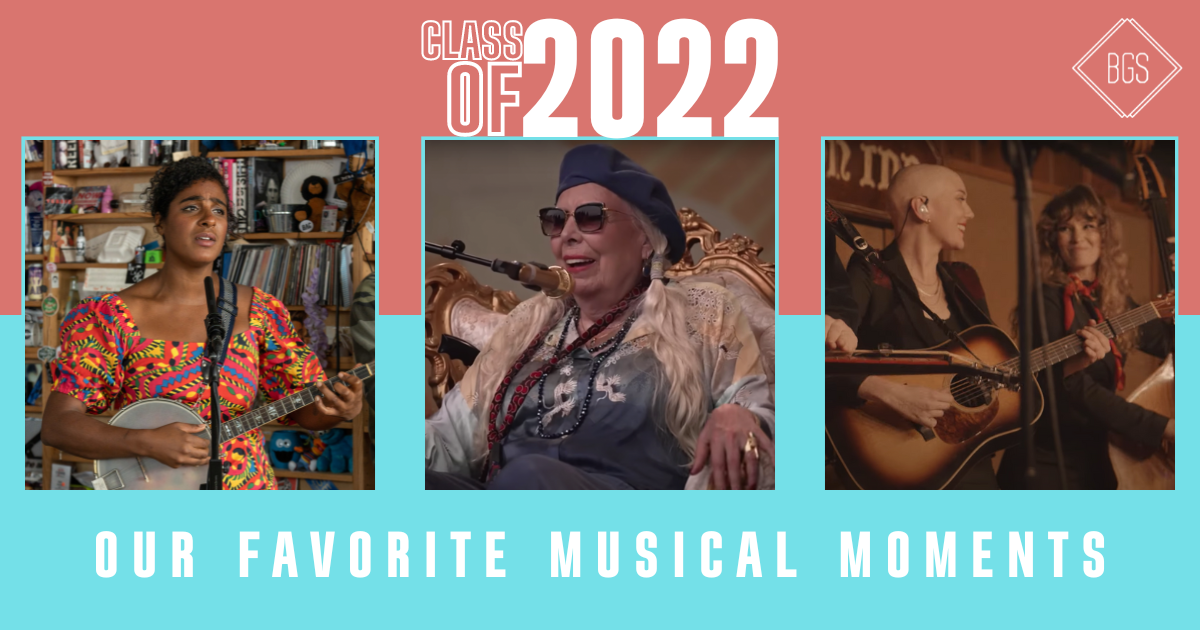
Whether you’ve been following the Bluegrass Situation for 10 years or 10 days, you’ve likely noticed that we cover more than bluegrass. That’s especially evident in our BGS Class of 2022, a retrospective written by our contributors that includes numerous familiar faces, a couple of superstars, and even a few surprises. (And you can probably tell that we’re fans of live music.) Here are our favorite moments of 2022, listed alphabetically and enthusiastically.

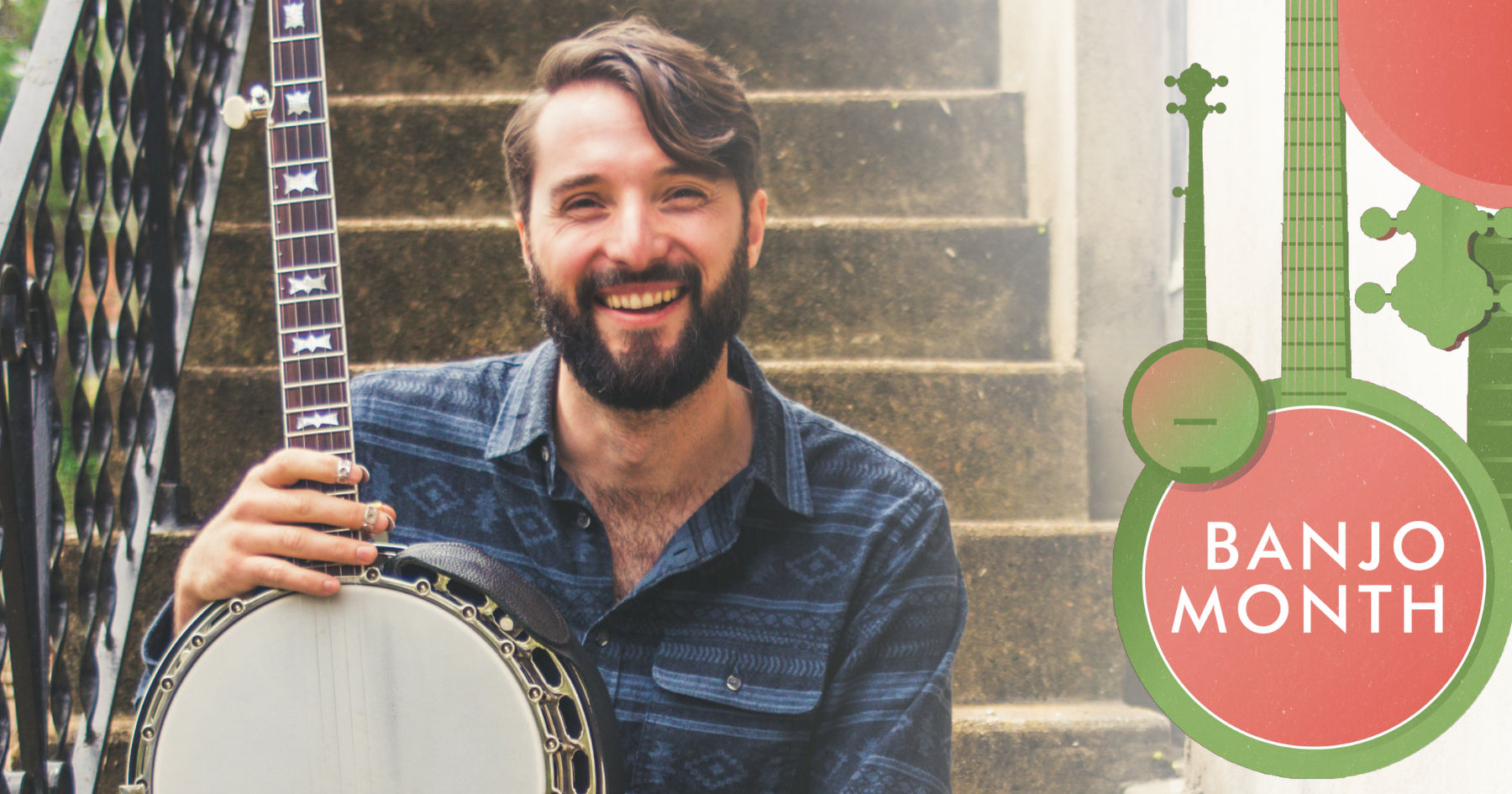
Banjos, Banjos, and More Banjos

For banjo lovers, 2022 offered an array of styles and inspirations. Jake Blount explored Afrofuturism on The New Faith, while Caamp’s Evan Westfall channeled his Ralph Stanley influences into the Americana-leaning album Lavender Days. Pharis & Jason Romero embraced a folk sound in “Cannot Change It All,” Tray Wellington indulged his interest in jazz on Black Banjo, and Leyla McCalla related her Haitian heritage in songs like “Fort Dimanche.” Could banjos be the great unifier? — Craig Shelburne


Big Thief, “Spud Infinity”

With its bounding cartoon mouth harp and Adrienne Lenker’s hound dog howl, this standout on Big Thief’s double album, is a goof on Americana tropes, a funny embrace of the kookier sides of early Dylan or maybe Country Joe & the Fish. The song’s odd climax is the bemused realization that you can’t kiss your own elbows: “They’re on their own!” Lenker declares. How the band manages to pivot from such silliness to a genuinely moving existential query is a cosmic bit of choreography. — Stephen Deusner


Black Artists in Country Music

Forty years ago I wrote a review of Big Al Downing’s LP on the Team label for the Bridgeport Post-Telegram (today the Connecticut Post). I got two letters — one from (I presume) a white man saying, “N-words don’t sing country music. Why did they print your crap?” The other came from a Black guy saying, “You’re a great writer. Write about OUR MUSIC.” I know he’d be thrilled at the presence of so many Blacks in country today, and at videos like Jimmie Allen’s poignant ‘Down Home.’ It’s about life, love, country things and every bit as much about Black life as any ghetto saga or rap chronicle. Seeing it always makes me happy and seeing him and other Black stars excel in country reaffirms it is AMERICAN music, period. — Ron Wynn


Kate Bush’s Second Run and Sam Bush’s Radio John

If this year gave us one thing to be especially grateful for, it was the return of Kate Bush, whose 1986 earworm “Running Up That Hill” was inescapable following its prominent inclusion in Season 4 of Stranger Things. Suddenly Kate was almost everywhere (though to some of us she never really went anywhere but I digress…). Even my 16-year-old niece suddenly knew about “Cloudbusting” and “Wuthering Heights,” to my great joy. But Kate wasn’t the only Bush to make an impact in 2022. A more familiar face to BGS fans, the Sam variety of Bush released a beautifully personal tribute, titled Radio John, for his friend and musical icon John Hartford. While the Bushes’ music couldn’t be more diametrically opposed, the “Bushaissance” was a welcome reminder that some of our most legendary artists continue to be as prolific and relevant as ever. — Amy Reitnouer Jacobs


Mike Campbell & The Dirty Knobs at Brooklyn Bowl Nashville

This March 15 show began as a statement of where Mike Campbell is going and ended with a celebration of where he’s been. It was a cathartic night of mourning Tom Petty’s death and celebrating that his brand of literate rock lives on through Campbell’s music vision. It was exhilaratingly joyful. Bonus: Margo Price bashing away on drums behind husband and opening act, melodic songwriter Jeremy Ivey. — Jim Patterson


Cimafunk at Austin City Limits

When Cimafunk taped his Austin City Limits debut in May, it was like watching the spirits of James Brown and Prince explode into an Afro-Cuban soul-funk supernova. The moves, the grooves, the seductive way rhythms rippled through his body … the language barrier simply melted away, replaced by pure, infectious energy. From gorgeous balladry to syncopated deliciousness, Cimafunk & the Tribe, his eight-piece, jazz-influenced band, left me crushing hard — and dancing out the door. — Lynne Margolis


JazzFest Returns

The first second line parade… the first blaring brass band … the first Cajun waltz… the first bite of a cochon de lait po’ boy… New Orleans’ JazzFest was back after three looooong years! The “headliners”? Who cares? The stuff you can’t get anywhere else was what we missed. DahkaBrakha from war-torn Ukraine, their traditional towering hats against a backdrop of the words “Won’t Bow Down,” the defiant credo of New Orleans’ Black Masking Indians? Yeah you right. — Steve Hochman


Kentucky Rising Raises $3 Million

After flash flooding decimated Eastern Kentucky in early August, Chris Stapleton organized a relief concert at Lexington’s Rupp Arena on Oct. 11 that included Kentucky all-stars Tyler Childers and Dwight Yoakam. The show’s highlight came during a star-studded finale that saw Eastern Kentucky musical paragons Ricky Skaggs and Patty Loveless join others for a rendition of John Prine’s “Paradise.” The surprise moment was a powerful reminder of how, even in the darkest of times, music has the power to lift spirits. — Matt Wickstrom


Joni Mitchell at Newport Folk Festival

After a 2015 aneurysm left Joni Mitchell having to relearn how to walk and sing, her performing days seemed over. But she had a comeback for the ages at this past July’s Newport Folk Festival, with help from Brandi Carlile and friends. Mitchell’s first full set in 23 years was an unequivocal triumph, especially the penultimate “Both Sides Now” – which had everyone there openly weeping. The moment of redemptive healing we didn’t know we needed. — David Menconi


Plains, I Walked With You a Ways

Waxahatchee’s Katie Crutchfield and Jess Williamson teamed up to form Plains this year, and Williamson may have written the perfect millennial country song for the project (though, as country music tends to do, it’ll resonate with any generation.) “Abilene” reluctantly talks of dreams that once were — now abandoned, for one reason or another. With white picket fences being harder than ever to reach these days, “Abilene” might leave my fellow millennials crying into their avocado toast, but immediately swept back up by this wholly incredible and refreshing album. — Shelby Williamson


Caitlin Rose, CAZIMI

Before November, Caitlin Rose hadn’t released an album since 2013 — and still managed to be a “top-played” artist for me every year. CAZIMI perfectly encapsulates why: Her hummable melodies, expertly balanced instrumental twang, and smart lyrical candor make every song feel like a confessional with your wittiest friend. From the forward-looking harmonies of “Getting It Right” to the vulnerable, clear-voiced “Blameless,” CAZIMI is yet another Rose stunner I’ll be spinning for decades to come. — Dacey Orr Sivewright


Sam Shackleton on Gems on VHS

A top musical moment for me this year was watching Scottish musician and folklorist Sam Shackleton on GemsOnVHS’ YouTube channel, performing the classic song “House Carpenter” from Arthur’s Seat which overlooks his hometown of Edinburgh. I love how Shackleton’s spirited busker style puts him at ease anywhere, solo or in a crowded pub jam. His richly accented singing voice and his unpretentious banjo style shine through in this video. — Lindsey Terrell


Sister Sadie, “Diane”

So, how’s this for a storyline? The singer finds out not only that her boyfriend is a two-timing creep, but also that he’s married to her friend Diane. And in this female take on the cheating story, knowing she has betrayed a friend is what hurts most. After a sweet acapella intro, a banjo backup tells you to strap in — the bluegrass is about to take off. Great story, great vocals, great drive. – Claire Levine


Chris Stapleton & Patty Loveless at the CMA Awards

For my musical moment of 2022, I didn’t have to go too far back. At this year’s CMA Awards, Chris Stapleton and Patty Loveless joined forces on a Darrell Scott classic, a gut-wrenching song about the hardship of living in the coal country of Eastern Kentucky. I performed this song a few times in my day and it still makes me shiver when I hear the hook: “You’ll Never Leave Harlan Alive.” — Jonny Therrien

https://www.youtube.com/watch?v=pZ2ZgQ1AP2c


Town Mountain, “Lines in the Levee”

With its first album on New West Records, Lines in the Levee, Town Mountain has broken into a new, exciting level. Based in Asheville, North Carolina, this Americana/bluegrass act is a high-octane, live-wire presence on stage. And, with this latest record, the group dug deep into its lyrical wellspring, commenting on the state of affairs in America — a melodic voice of reason amid uncertain times. In truth, after 17 years together, the band is only getting more raucous and riled up. “Lines in the Levee” has already become a staple in the concert realm. — Garret K. Woodward


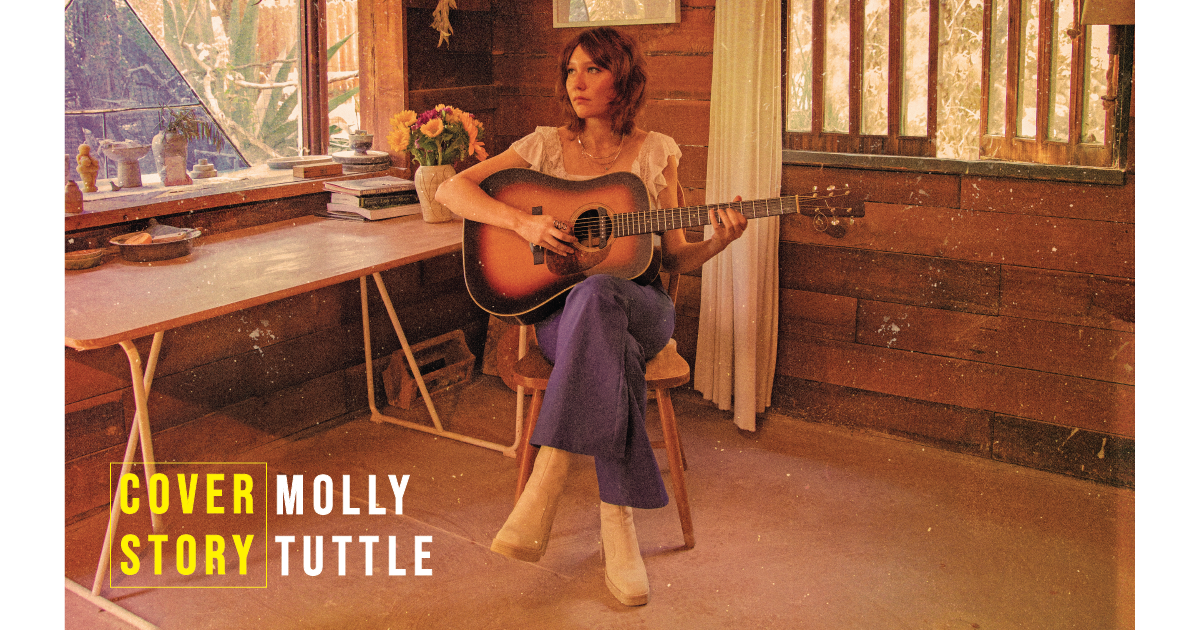
Molly Tuttle & Golden Highway, “Crooked Tree”

Molly Tuttle’s “Crooked Tree” is a testament to finding strength in otherness. It’s a track that leans into traditional aesthetics while oozing Tuttle’s personality, worldview, and musical ethos — which remind of second-generation bluegrass trail blazers like Laurie Lewis and Lynn Morris. The confidence, vigor, and panache Tuttle has built with Golden Highway and on Crooked Tree are striking and widely resonant; in November, she received two Grammy nominations: Best New Artist and Best Bluegrass Album. — Justin Hiltner


Watkins Family Hour, Vol. II

I cheered about everything that went into Watkins Family Hour’s Vol. II. Not to downplay the 20-year milestone of Sean and Sara Watkins’ collaborative project but their third LP being devoted to just that, collaboration, felt like a burst of sunshine against lockdown’s darkness. Each song sounds so full of human individuality — of life. Rather than listening to a recording, I feel like I’ve walked into Largo for Watkins Family Hour’s next live show. — Kira Grunenberg


Photo Credit: NPR (Leyla McCalla); Newport Folk Festival (Joni Mitchell); Nonesuch Records (Molly Tuttle)

MIXTAPE: The Women in Roots Music Who Inspired Justin Hiltner’s ‘1992’

For the past eight or so years I’ve been making this joke that we (the music industry) should “Give women Americana.” As in, if we gave the entire genre — and bluegrass and country and old-time and folk, for that matter — to women and femmes and non-men, I wouldn’t so much miss the men and the music would certainly be well cared for and well set up for the future. 

My point, as I continue to make this joke year after year to many puzzled reactions, is that women and femme roots musicians have and will always be my favorite artists, creators, songwriters, and pickers. As I crafted my debut solo album, 1992 – often with incredibly talented women like producers and engineers (and pickers) Cathy Fink & Marcy Marxer, mastering engineer Anna Frick, photographer Laura E. Partain – the music that inspired, informed, and challenged me most through this release was all made by women. (Ask me sometime about my monthly Spotify playlist, Don’t Need No Man.)

When BGS approached me to make a Mixtape to celebrate 1992, I knew I had to share some of the women who helped me realize, musically, artistically, socially, emotionally, that there could be a home for me in bluegrass, largely because they had created such a home exactly for me. Here are a few of my bluegrass, old-time, and country inspirations, all of whom have filtered into this album in one way or another. – Justin Hiltner

Ola Belle Reed – “High On the Mountain”

1992 was tracked in Ashe County, North Carolina, in a little town called Lansing nestled into the Blue Ridge Mountains, right where Tennessee, Virginia, and North Carolina meet. I love it out there on the mountain, in the wind, in the clouds, on the rocky little road cuts and switchbacks through the hills. Lansing also happens to be the hometown of a legendary Appalachian musician and bluegrass forebear, Ola Belle Reed. A banjo she once owned and had signed hung on the wall beside me while I tracked every song. I definitely see my album as stemming from the lineage of Ola Belle, humbly and gratefully.

Cathy Fink & Marcy Marxer – “Hold Each Other Up”

I’ve been so lucky to collaborate with folk icons, Grammy winners, and children’s music legends Cathy & Marcy in so many different contexts and scenarios, every single one delightful and fulfilling. They’re amazing mentors and encouragers and while we recorded 1992 we had to take the chance to channel their amazing attitudes and worldviews into a COVID-inspired (or -instigated) track, “Hold Each Other Up.” I love getting to pick and sing with these two, and their engineering, production, wisdom, and guidance all made this record possible.

Laurie Lewis – “I’m Gonna Be the Wind”

Long before I ever got the chance to tour and perform with Laurie Lewis she was a hero of mine, someone I looked up to and knew would be a bluegrass legend and stalwart who could or would accept me for who I am. Turns out, often in bluegrass, it is okay to meet your heroes, because when we met and I got to work for her, it turned out I was absolutely right. Her writing style, her artistic ethos, and the way she infuses pure bluegrass energy and her personality into everything she does reminds me I can be who I am, play the music I play, and write the way I write. This song picks me up whenever I’m down and gives me self-confidence and optimism when I need it most.

Alice Gerrard & Hazel Dickens – “Mama’s Gonna Stay”

I never had the honor of meeting Hazel before she passed in 2011, but Alice Gerrard and I have become friends over the past six years and honestly, if 17-year-old Justin knew he’d become friends with this Bluegrass Hall of Famer, he’d die. We happen to share a birthday, too. Alice is a gem, a trailblazer, an unassuming and unrelenting activist and organizer and community builder. She inspires me in all of the above, but especially in her willingness, across her entire career, to write music about things no one else was writing about. This song, which Laurie Lewis turned me onto (she performs it as well), is a perfect example.


View this post on Instagram


A post shared by Justin Hiltner (@hiltnerj)


Elizabeth Cotten – “Wilson Rag”

Playing shows and recording totally solo is often terrifying. Especially as a bluegrass banjo player used to playing in five-piece lineups. It took many years and lots and lots of practice time and experimental shows to figure out how exactly I wanted to arrange songs, build shows, create and ride a storytelling arc during my shows, guide an audience, and do all of that confidently with just a voice and banjo. Artists and pickers like Elizabeth Cotten gave me frames of reference for what I was doing that felt solidly bluegrass, but still building a show and sound that feels fully realized and not lacking for being minimal.

Missy Raines – “Where You Found Me”

Missy Raines is another hero of mine that I feel so lucky to now call a friend. Despite coming from different generations and very different circumstances we have so much in common. It just sometimes astounds me that we can have seemingly endless conversations around if bluegrass (or country or roots music) are accepting and open; meanwhile one of the winningest pickers in the history of bluegrass and the IBMA – that is, Missy Raines – has always been both accepting and open. Who needs the sexist, homophobic, womanizing, problematic elements of bluegrass when you have absolute badass legends like Missy!? I once covered this song for a “Cover Your Friends” show and it continues to devastate me to this day.

Caroline Spence – “Scale These Walls”

When I first moved to town, Caroline Spence was one of maybe four or five people I knew in all of Nashville. We spent a lot of time together in those early years, back in 2011 and 2012, and pretty soon after that we wrote a song together, “Pieces.” We both loved it a lot, performed it here and there with different lineups and bands, but it never landed on a record ‘til now. “Scale These Walls,” from Caroline’s most recent album, is constantly stuck in my head. I love how it showcases her jaw-dropping skill for writing dead-on hooks that feel so organic and never corny. I love this song.

Molly Tuttle – “Crooked Tree”

Molly Tuttle and I wrote “Benson Street,” a track off my new album, together about five or six years ago. It’s a cute little number about longing told through the lens of an idyllic Southern summer. I love every chance I get to make music or write music with Molly. She’s a constant source of inspiration for me and proof positive that you can be a proverbial crooked tree in bluegrass and still carve a pathway to success. Plus, she’s another great example of a picker who can command an entire audience totally solo. Trying to steal tricks from Molly Tuttle? Couldn’t be me.

Rhiannon Giddens – “Following the North Star”

Rhiannon Giddens is the blueprint. When I think about my artistic future and the way I want to be able to glide between media, between contexts, between areas of expertise and subject matter, between pop and roots and so many other musical communities, I think of Rhiannon. The way she has built her career around her artistic and political perspective, so that no matter what she does it feels grounded in her personality and selfhood is exactly how I want to be as an artist and creator. Plus, I always want to be as big of a music nerd and as big of an old-time nerd as her. 

Maya de Vitry – “How Bad I Wanna Live”

Maya is one of those writers and musicians who just makes me feel seen and heard and understood, and I know I’m only one in a huge host of people who would say the same. The vulnerability and transparency in her writing and the emotional and spiritual availability within it are astounding. Plus, she’s almost always, constantly challenging herself to consider the ways she creates and makes music outside of consumerism and art as a commodity. I moved to Nashville to be challenged, musically and artistically, by those around me and I feel so lucky to have Maya around me and a member of my community.

Courtney Hartman – “Moontalk”

Courtney Hartman’s “Moontalk” makes me feel like every single song I’ve ever written about the moon is good and right and allowable. (We both have quite a few songs about the moon, actually.) “Moontalk” feels like Mary Oliver incarnate in bluegrass-informed picking and singing. It feels meditative and contemplative, but not timid or insular – something I’m always trying to accomplish in solo contexts. I’m constantly inspired by Courtney and the way she centers community building in her music and life. She’s another one who, though she thrives performing and making music solo, you know that music came from a multitude of folks pouring through her.

Dale Ann Bradley – “He’s the Last Thing On My Mind”

I thank a few artists who have inspired and influenced me in a huge way in 1992’s liner notes and Dale Ann Bradley is one of them. I feel like I am constantly ripping off and (poorly) mimicking her vocal runs, phrasing, licks, and delivery. I think she might have the best bluegrass voice of all time, or at least it’s very very high up on the list. When I first moved to town I worked as an intern at Compass Records and just getting to be a small part of the team that worked a handful of her records meant so much to me.

Lee Ann Womack – “Last Call”

Lee Ann Womack is another who I thank in the album’s liner notes, another who I emulate vocally as much as I can get away with. I used to wear out this track and this album, Call Me Crazy, listening on repeat over and over. When I found out this song was co-written by an openly gay songwriter, it rocked my world. I already heard so much queerness in LAW’s catalog, and this confirmation came at a time when I needed to feel like I was given permission to exist in bluegrass, country, and Nashville. I know now that no one needs that permission, but it was critical then.

Linda Ronstadt – “Adios”

During the 1992 recording session I recorded a solo banjo rendition of this song, one I’ve been performing for years at shows. It means so much to me and Linda’s performance is stunning in its power and tenderness, a combination I’m often striving for. I hope to release it some time soon as a single, then again on a deluxe vinyl edition of 1992. It will not be the last time I pay tribute to Linda and her incredible career and catalog – plus, she is a huge bluegrass fan! It just makes sense to me.

Dolly Parton, Emmylou Harris, Linda Ronstadt – “Wildflowers”

When I had the pleasure of being a guest on the hit podcast Dolly Parton’s America, I sang this song and “Silver Dagger” among a few other from Dolly’s catalog that I felt had queer under/overtones. The response to my on-air picking was enormous, and there were immediate demands to release my versions of the songs. Cathy, Marcy and I recorded “Wildflowers” together during the 1992 sessions and it’s one of my favorite tracks that resulted from that week on the mountain. It’s gotten quite a lot of play, which I’m so grateful for, and always gives me an opportunity to talk about Trio and Dolly and how the story in “Wildflowers” parallels many a queer journey. It’s the perfect track to round out this Mixtape and I thank you for reading and listening along.


Photo credit: Laura E. Partain

Brandi Carlile, Keb’ Mo’, Molly Tuttle Receive Grammy Award Nominations

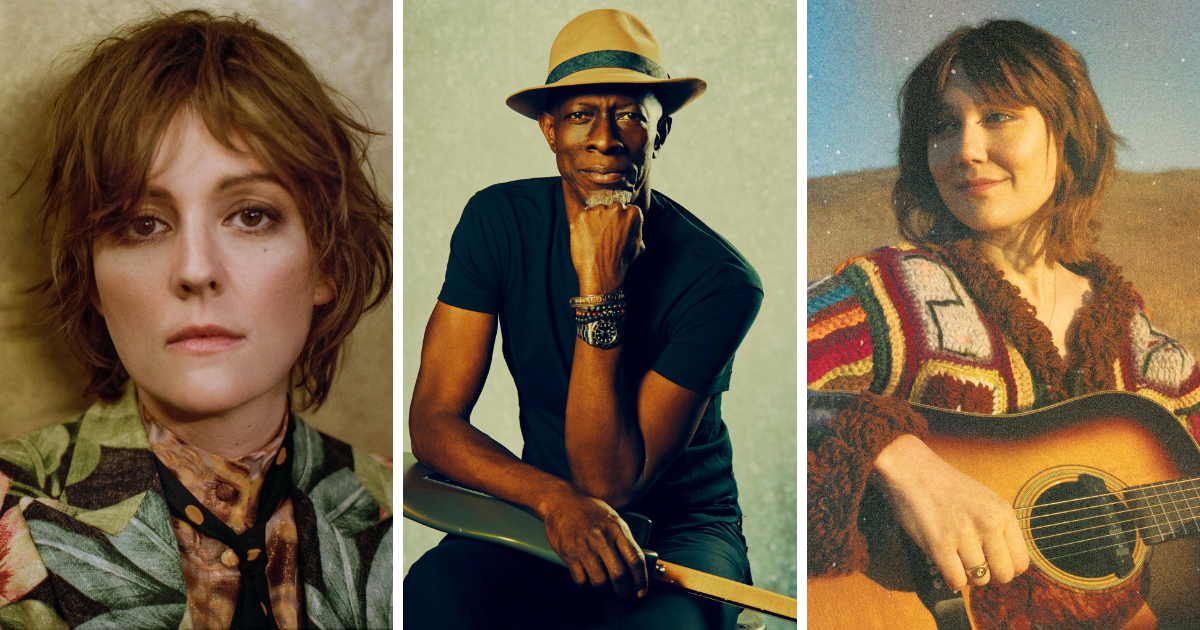
Brandi Carlile, Alison Krauss, Keb’ Mo, Bonnie Raitt and Molly Tuttle are among the roots artists receiving nominations for the 65th Annual Grammy Awards, to be presented on February 5 on CBS.

Carlile’s In These Silent Days will compete for Album of the Year and Best Americana Album. In addition, “You and Me on the Rock” (featuring Lucius) is nominated for Record of the Year, Best Americana Performance, and Best American Roots Song, while “Broken Horses” is on the ballot for Best Rock Performance and Best Rock Song.

Krauss and Robert Plant share nominations for Best Country Duo/Group Performance (“Going Where the Lonely Go”) and Best Americana Album (Raise the Roof). In addition, the composition “High and Lonesome” earned Plant and co-writer T Bone Burnett a Best American Roots Song nomination.

Keb’ Mo’ returns to the ballot in the category of Best Americana Album with Good to Be…. His 2019 album, Oklahoma, is a past winner in the category. (Read our BGS interview with Keb’ Mo’.)

Bonnie Raitt’s “Just Like That,” which she wrote, is nominated for Song of the Year and Best American Roots Song. Another of Raitt’s recordings, “Made Up Mind,” is nominated for Best Americana Performance. Her album Just Like That… is up for Best Americana Album.

In a rarity for bluegrass artists, Molly Tuttle secured a high-profile Best New Artist nomination in addition to a placement in the Best Bluegrass Album category (for Molly Tuttle & Golden Highway’s Crooked Tree). Read our BGS interview with Molly Tuttle.)

Other artists nominated in multiple categories include Madison Cunningham, Willie Nelson, Aoife O’Donovan, and Dolly Parton. A selection of American Roots Music nominations are listed below. See the full list of nominations.

Best American Roots Performance

“Someday It’ll All Make Sense (Bluegrass Version)”
Bill Anderson Featuring Dolly Parton

“Life According to Raechel”
Madison Cunningham

“Oh Betty”
Fantastic Negrito

“Stompin’ Ground”
Aaron Neville With The Dirty Dozen Brass Band

“Prodigal Daughter”
Aoife O’Donovan & Allison Russell


Best Americana Performance

“Silver Moon [A Tribute to Michael Nesmith]”
Eric Alexandrakis

“There You Go Again”
Asleep at the Wheel Featuring Lyle Lovett

“The Message”
Blind Boys of Alabama Featuring Black Violin

“You and Me on the Rock”
Brandi Carlile Featuring Lucius

“Made Up Mind”
Bonnie Raitt


Best American Roots Song

“Bright Star”
Anaïs Mitchell, songwriter (recorded by Anaïs Mitchell)

“Forever”
Sheryl Crow & Jeff Trott, songwriters (recorded by Sheryl Crow)

“High and Lonesome”
T Bone Burnett & Robert Plant, songwriters (recorded by Robert Plant & Alison Krauss)

“Just Like That”
Bonnie Raitt, songwriter (recorded by Bonnie Raitt)

“Prodigal Daughter”
Tim O’Brien & Aoife O’Donovan, songwriters (recorded by Aoife O’Donovan & Allison Russell)

“You and Me on the Rock”
Brandi Carlile, Phil Hanseroth & Tim Hanseroth, songwriters (recorded by Brandi Carlile Featuring Lucius)


Best Americana Album

In These Silent Days
Brandi Carlile

Things Happen That Way
Dr. John

Good To Be…
Keb’ Mo’

Raise the Roof
Robert Plant & Alison Krauss

Just Like That…
Bonnie Raitt


Best Bluegrass Album

Toward the Fray
The Infamous Stringdusters

Almost Proud
The Del McCoury Band

Calling You From My Mountain
Peter Rowan

Crooked Tree
Molly Tuttle & Golden Highway

Get Yourself Outside
Yonder Mountain String Band


Best Traditional Blues Album

Heavy Load Blues
Gov’t Mule

The Blues Don’t Lie
Buddy Guy

Get On Board
Taj Mahal & Ry Cooder

The Sun Is Shining Down
John Mayall

Mississippi Son
Charlie Musselwhite


Best Contemporary Blues Album

Done Come Too Far
Shemekia Copeland

Crown
Eric Gales

Bloodline Maintenance
Ben Harper

Set Sail
North Mississippi Allstars

Brother Johnny
Edgar Winter


Best Folk Album

Spellbound
Judy Collins

Revealer
Madison Cunningham

The Light at the End of the Line
Janis Ian

Age of Apathy
Aoife O’Donovan

Hell on Church Street
Punch Brothers


Best Regional Roots Music Album

Full Circle
Sean Ardoin And Kreole Rock And Soul Featuring LSU Golden Band From Tigerland

Natalie Noelani
Natalie Ai Kamauu

Halau Hula Keali’i O Nalani – Live at the Getty Center
Halau Hula Keali’i O Nalani

Lucky Man
Nathan & The Zydeco Cha Chas

Live at the 2022 New Orleans Jazz & Heritage Festival
Ranky Tanky


Photo Credit: Pamela Neal (Brandi Carlile); Jeremy_Cowart (Keb’ Mo’); Samantha Muljat (Molly Tuttle)

Billy Strings, Béla Fleck, Dolly Parton Win IBMA Bluegrass Music Awards

Three of the most innovative artists in roots music — Billy Strings, Béla Fleck, and Dolly Parton — were revealed as IBMA Bluegrass Music Award winners on Thursday night (September 29) in Raleigh, North Carolina.

Billy Strings received the coveted Entertainer of the Year Award for the second year in a row, along with Song of the Year honors, at the 33rd Annual IBMA Bluegrass Music Awards Presented by Yamaha. In addition, Béla Fleck claimed awards for Album of the Year, Instrumental Group of the Year, Instrumental Recording of the Year, and Banjo Player of the Year. Dolly Parton’s recent recording of the gospel classic “In the Sweet By and By,” featured on the 2021 Country Faith Bluegrass album, won Gospel Recording of the Year and Collaborative Recording of the Year honors.

Other familiar musicians to win awards include Sierra Hull, Bronwyn Keith-Hynes, Cody Kilby, Doyle Lawson & Quicksilver, Del McCoury, Justin Moses and Molly Tuttle. Rick Faris was named New Artist of the Year. Jason Moore, a member of Sideline who died of a heart attack last November at age 47, was named Bass Player of the Year. Previously announced inductees into the Bluegrass Music Hall of Fame are beloved instrumentalist and vocalist Norman Blake, broadcast pioneer and recording artist Paul “Moon” Mullins, and eclectic, influential singer-songwriter Peter Rowan. Hosted by Ronnie Bowman and Dan Tyminski, the show was held at the Duke Energy Center for the Performing Arts.

The recipients of the 2022 IBMA Bluegrass Music Awards are:

ENTERTAINER OF THE YEAR: Billy Strings
(Editor’s Note: Read our BGS Artist of the Month interview with Billy Strings.)

SONG OF THE YEAR: “Red Daisy,” Billy Strings
Written by Jarrod Walker/Christian Ward

ALBUM OF THE YEAR: My Bluegrass Heart, Béla Fleck
(Editor’s Note: Read our BGS Artist of the Month interview with Béla Fleck.)

INSTRUMENTAL GROUP OF THE YEAR: Béla Fleck My Bluegrass Heart

INSTRUMENTAL RECORDING OF THE YEAR: “Vertigo,” Béla Fleck featuring Sam Bush, Stuart Duncan, Edgar Meyer, and Bryan Sutton

VOCAL GROUP OF THE YEAR: Doyle Lawson & Quicksilver
(Editor’s Note: Read our BGS interview with Doyle Lawson.)

NEW ARTIST OF THE YEAR: Rick Faris
(Editor’s Note: Watch the BGS video premiere of “Deep River.”)

COLLABORATIVE RECORDING OF THE YEAR: “In the Sweet By and By,” Dolly Parton with Carl Jackson, Larry Cordle, Bradley Walker, and Jerry Salley

GOSPEL RECORDING OF THE YEAR: “In the Sweet By and By,” Dolly Parton with Carl Jackson, Larry Cordle, Bradley Walker, and Jerry Salley

FEMALE VOCALIST OF THE YEAR: Molly Tuttle
(Editor’s Note: Read our BGS interview with Molly Tuttle.)

MALE VOCALIST OF THE YEAR: Del McCoury
(Editor’s Note: Read our BGS interview with Del McCoury.)

BANJO PLAYER OF THE YEAR: Béla Fleck

BASS PLAYER OF THE YEAR: Jason Moore

RESOPHONIC GUITAR PLAYER OF THE YEAR: Justin Moses

FIDDLE PLAYER OF THE YEAR: Bronwyn Keith-Hynes

GUITAR PLAYER OF THE YEAR: Cody Kilby

MANDOLIN PLAYER OF THE YEAR: Sierra Hull


Photo Credit: Joshua Wilkins Black

AMERICANAFEST 2022 Preview: Check Out These Panels, Parties and Showcases

Even if you’re from Nashville or you’ve visited Music City many times, AMERICANAFEST always offers something new. This year, the annual event encompasses more than a dozen places to hear live music, as well as an impressive slate of industry panels and a near-endless list of parties. Where to begin? Although this story is by no means definitive, here are some promising highlights from the 2022 Americanafest daily schedule.

Tuesday, September 13

If you’re in town early, come say hello to BGS at Station Inn, where Jason Carter & Friends will take the stage. Doors at 8. Although it’s not open to the public, all conference and festival passholders are welcome. To pick up your pass, you’ll need to swing by City Winery or the Westin (the host hotel) earlier that day. An exploration of East Nashville might also be in order, with The Old Fashioned String Band Throwdown from 6-9 p.m. at Dee’s Country Cocktail Lounge.

Wednesday, September 14

A plethora of panels awaits conference registrants at the Westin, along with a couple of notable interview sessions. The Indigo Girls will be interviewed by NPR Music’s Ann Powers at 10 a.m. (They’ll be honored with a Lifetime Achievement recognition at the Americana Music Honors & Awards later that night too). Stick around for a conversation between Dom Flemons and Asleep at the Wheel’s Ray Benson, presented by WSM’s American Songster Radio. After that, Stax Records’ Al Bell and Deanie Parker will discuss the historic Wattstax festival in 1972.

You can count on BGS for another party as we celebrate our 10-year anniversary with a happy hour at City Winery Lounge from 3 – 5 p.m. Conference and festival passholders welcome. Special performers include Kyshona, Rainbow Girls, and Willie Watson. And after the awards show, there’s an abundance of awesome shows to consider, including a rare solo set by Angel Olsen (our BGS Artist of the Month in August) at Riverside Revival, a set from Bill Monroe acolyte Mike Compton and a surprise headliner at Station Inn, and an acoustic showcase from members of North Mississippi Allstars at Analog at Hutton Hotel immediately followed by Texas great Joshua Ray Walker.

Thursday, September 15

One of the most intriguing panels on Thursday is titled The Narrators: How Jake Blount, Leyla McCalla and Kaia Kater Re-Mapped the Past, Present and Future With Concept Albums. As the Americanafest app points out, all three artists are students of musical and cultural traditions, as well as Black banjo players. The conversation takes place at noon with moderator Jewly Hight. Coincidentally, these three performers are showcasing at the exact same time later that night, so here’s your chance to catch them all at once.

Ishkōdé Records will celebrate Indigenous voices from Turtle Island at Dee’s Country Cocktail Lounge from 1-4 p.m., with performers such as Amanda Rheaume, Aysanabee, Digging Roots and Evan Redsky. If you’re lucky enough to get into the Bluebird Cafe for a 6 p.m. show, you can enjoy a songwriting round with Gabe Lee, Tristan Bushman and British artist Lauren Housley. A Tribute to Levon Helm with an all-star cast closes out the night at 3rd & Lindsley, following an evening of music with Arkansas roots.

Several of the most buzzed-about showcases of AMERICANAFEST will take place at the Basement East, with a strong lineup boasting Rissi Palmer, Molly Tuttle & Golden Highway, Trousdale, Bre Kennedy and Jade Bird. If you’re up for bluegrass, the City Winery Lounge lineup includes Tammy Rogers & Thomm Jutz alongside rising talent like the Tray Wellington Band and Troubadour Blue. If honky-tonk is more your style, stay up late for Jesse Daniel at 6th & Peabody, with original music that pays homage to the Bakersfield Sound without losing its contemporary appeal.

Friday, September 16

Diversity is a common theme on Friday’s daytime events, with panels like Booking With Intent: How Curating the Stage Impacts Industry Diversity and How Americana Music Is Embracing Minority Representation. Of particular note, British artist Lady Nade speaks on the influence of Black music in country and Americana in a panel titled You Can’t Be What You Can’t See: Why Representation Is Vital for the Americana Genre. Look for a conversation and performance at the Country Music Hall of Fame and Museum at noon with rising artists from the Black Opry Revue.

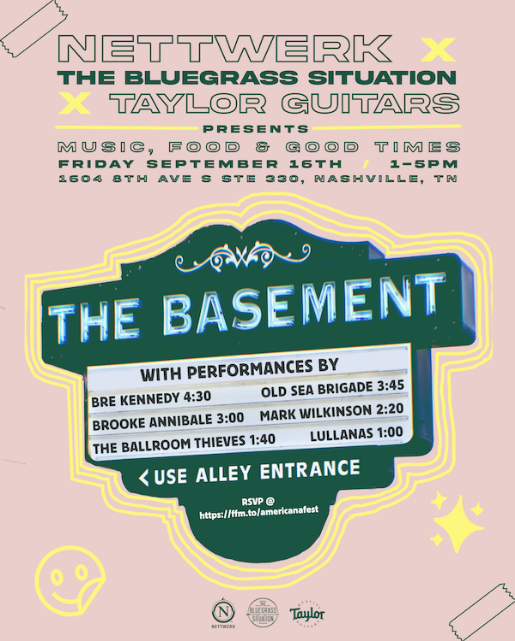
To list all the parties on Friday would take up this whole page. To socialize, you’ve got options ranging from songwriting rounds to label parties to multiple happy hours. (If you’re a craft beer drinker who loves to linger on the deck, it’s worth a visit to Tennessee Brew Works, where Hear Fort Worth is setting up shop.) As for BGS, you’ll find us at the Basement for a party presented with Nettwerk Records and Taylor Guitars. The public may RSVP through the invitation below.

This might be a good time to mention one of the festival’s new venues, The Well at Koinonia. This cozy coffee shop on Music Row played a crucial role in the development of contemporary Christian music, once lending its small stage to a then-unknown Amy Grant. For AMERICANAFEST, it’s providing a listening room environment for a number of quieter artists who still deserve to be heard, such as Nashville songwriter-producer Alex Wong, award-winning acoustic guitarist Christie Lenée, mesmerizing folk duo Ordinary Elephant, Australian troubadour Colin Lillie, and the accomplished Mexican-American musician Lisa Morales on Friday night. If you’re interested in early shows (starting at 6 p.m.), easy parking, and/or enjoying music in a non-alcoholic environment, make an effort to get refueled here.

Not far away lies one of Nashville’s musical landmarks, The Basement (a.k.a. “The Basement O.G.”), and if you’re in town to discover some overlooked voices, this might be an ideal spot to start. Drawing on blues and rock, Chicago musician Nathan Graham is making his AMERICANAFEST debut this year, followed by Southern slide guitarist-songwriter Michelle Malone, who’s touring behind new material like “Not Who I Used to Be.” At Exit/In at 9 p.m., Michigan Rattlers are among Americana music’s best storytellers, with a vibe that’s kind of brooding but still has some rock ‘n’ roll swagger. Hang around for 49 Winchester, a Virginia ensemble that’s been DIY for most of its career. However, 2022’s Fortune Favors the Bold is garnering some much-deserved attention. Listen closely for the Exit/In reference in standout track, “Damn Darlin’.”

For something more mellow, you can zoom over to City Winery for a late set by Milk Carton Kids. It wouldn’t even feel like AMERICANAFEST without seeing these guys. Earlier in the evening, longtime festival favorite Ruston Kelly will play alongside his dad, Tim Kelly, performing exquisite songs that they recorded together (with Ruston serving as producer). Gaby Moreno, Henry Wagons and Rainbow Girls are also on the well-rounded bill. Go ahead, order a bottle.

Saturday, September 17

By the time the weekend arrives, the panels have wrapped and the parties are well underway. You can peruse the Americanafest app for all the options, but first, settle in at City Winery for the Thirty Tigers Gospel Brunch from 11 a.m. to 1 p.m. (It’s on Saturday this year, rather than Sunday.) Artists appearing include Alisa Amador, Brent Cobb, Emily Scott Robinson, Stephanie Lambring, The Fairfield Four and The McCrary Sisters. Musicians Corner in Centennial Park also features free afternoon sets from Nashville mainstay Josh Rouse, Brooklyn’s own Bandits on the Run, Los Angeles songwriter Chris Pierce, Canadian banjo player Ryland Moranz, and more.

Over at The 5 Spot, Alabama bluesman Early James anchors a lineup with Theo Lawrence (a French songwriter-guitarist who opened dates for Robert Plant and Alison Krauss in Europe), Canadian musician Megan Nash, and new ATO Records signing Honey Harper. The night concludes with an 11 p.m. showcase titled Luke Schneider & Friends: A Pedal Steel Showcase. For something similarly atmospheric, consider a one-night-only event, Phosphorescent Performing Songs From the Full Moon Project, also at 11 p.m. at Brooklyn Bowl. He’s promising to play more songs than just the covers he’s chosen for this unique album, so you can bask in the afterglow of an incredible week of music.

For more information about these events and countless more, visit AMERICANAFEST.COM.


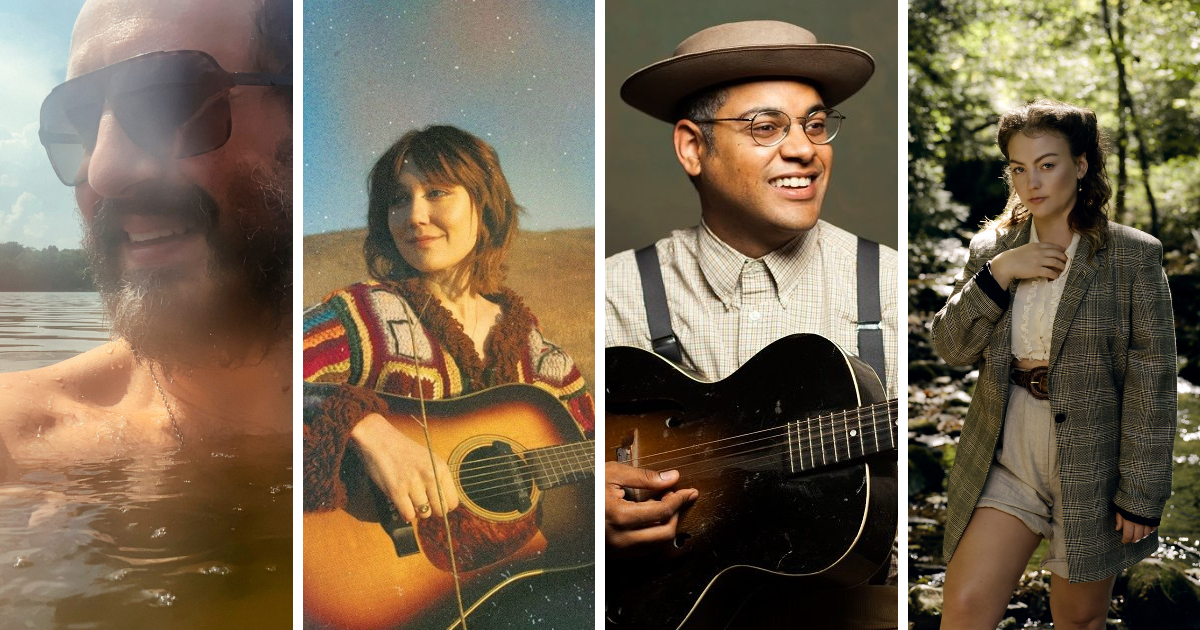
Artists featured at top (L-R): Phosphorescent, Molly Tuttle, Dom Flemons, Angel Olsen

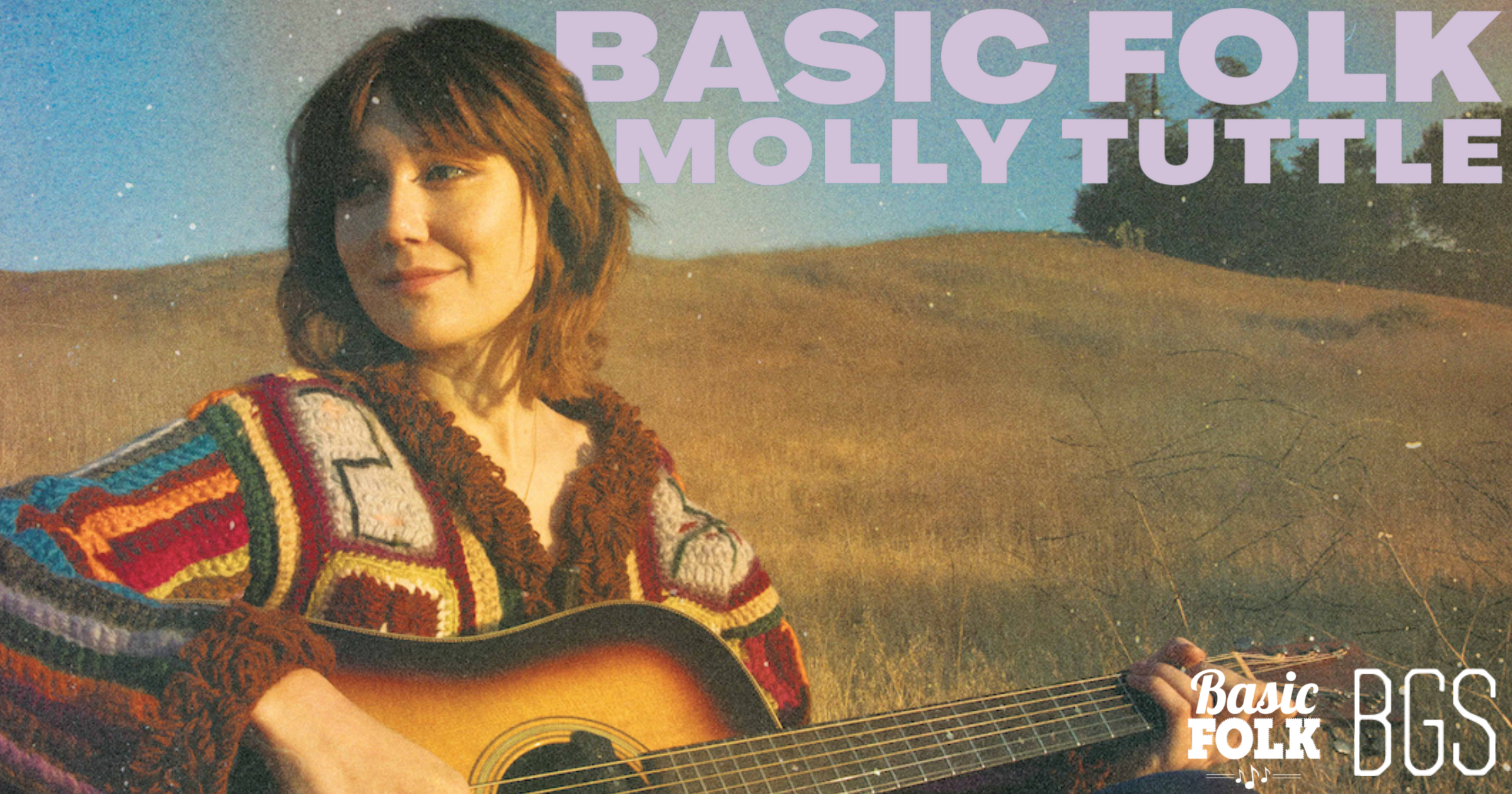
Basic Folk – Molly Tuttle

Growing up in Palo Alto, California, Molly Tuttle was surrounded by music. Her dad was a teacher at Gryphon Stringed Instruments, which is not-so-coincidentally where I got the pickups installed on my mini harp. Molly took to the guitar early and intensely, eventually earning a scholarship to the prestigious Berklee College of Music. But I think it was those early days growing up in California, attending bluegrass festivals with her family, basking in the glow of the jam, that set the tone for her warm and collaborative approach to playing music.

LISTEN: APPLE • SPOTIFY • STITCHERAMAZON • MP3

At Berklee, Molly formed a band called “The Goodbye Girls,” and cut her teeth touring in Scandinavia. Digging into The Goodbye Girls was a good launchpad for talking about what it means to be a female musician in Americana, as well as what happens when you explicitly call yourself an all-female group. As the first woman to win the IBMA Guitarist of the Year award, Molly has a unique perspective on this particular conundrum. It’s juicy.

I talked with Molly about her debut album, When You’re Ready, and her dazzling covers album …But I’d Rather Be With You before sifting through the many layers of her latest album, Crooked Tree. Crooked Tree features Molly’s brand-new band, Golden Highway. This new record is a study of bluegrass sensitively executed by one of the genre’s stars. Molly’s interpretations of bluegrass traditions like the murder ballad, shiny stacked vocal harmonies, and lightning fast guitar playing, are something to behold.


Photo Credit: Samantha Muljat

Wes Corbett’s Banjo Needs: 10 Songs That Make Him Happy

Wes Corbett is a banjo player who wears many hats. The self-described “musically omnivorous bluegrass musician” is a true multi-hyphenate: 5-string aficionado (having released his solo album Cascade back in 2021), producer, former professor at Berklee College of Music, and musician with the likes of Joy Kills Sorrow, Molly Tuttle, and most recently Sam Bush Band.

Before hitting the road again with Sam Bush, the Washington native shared an exclusive playlist for BGS of “Wes Corbett’s Banjo Needs,” or as he puts it: the official home of all the songs that take him to his “happy place.”

“Fortune” – Adam Hurt


“Sliding Down” – Béla Fleck, Edgar Meyer, Mike Marshall


“Saint Elizabeth” – Kaia Kater


“The Hunt” – Kristin Scott Benson


“Milford’s Reel” – Noam Pikelny


“Your Love Is Like a Flower” – Flatt & Scruggs


“Come Back Darlin’” – The Bluegrass Album Band


“Poe’s Pickin’ Party” – Alison Brown


“The Over Grown Waltz” – Béla Fleck


“Goodbye, Honey, You Call That Gone” – Jake Blount


We’re giving away a Recording King Songster Banjo in honor of Banjo Month! Enter to win your very own RK-R20 here.

Molly Tuttle & Golden Highway Make Room for Everyone on ‘Crooked Tree’

Crooked Tree is Molly Tuttle’s third full-length album and her first officially fronting a bluegrass band, but the 29-year-old-picker has been pushing the genre forward for the better part of her life. She started playing guitar at 8 years old and playing live onstage by age 11, often performing alongside her father or as part of a family band. In 2017, she released a debut EP, Rise, and became the first woman to be named (or even nominated as) IBMA’s Guitar Player of the Year; she then promptly turned around and took home the award again in 2018. She’s collaborated with Buddy Miller, Béla Fleck, and Bobby Osborne, and participated in a supergroup with fellow trailblazers Alison Brown, Sierra Hull, Missy Raines, and Becky Buller.

So it’s no surprise that Tuttle nabbed an impressive roster of guests for the new project, including producer Jerry Douglas. Ketch Secor, with whom Tuttle has toured and collaborated frequently, co-wrote eight songs on the album and joins Tuttle with his band Old Crow Medicine Show for “Big Backyard.” Gillian Welch offers a clever duet on “Side Saddle,” a song that makes an apt metaphor for busting up Nashville’s old boys club. Billy Strings—once a roommate of Tuttle’s—appears on standout track “Dooley’s Farm,” while Hull, Margo Price, and Dan Tyminski also join the party.

Even as the new collection demonstrates a close-knit music community coming together, its takeaway is just as much about the beauty of setting yourself apart. “I named the record Crooked Tree because I want it to be about embracing your differences,” says Tuttle.

Here, BGS catches up with the Nashville-based musician about the bluegrass voices that inspired her, the long road to embracing her own perceived imperfections, and why it felt right to dedicate this latest work to her paternal grandfather.

BGS: Were there any bluegrass artists that you turned to for inspiration, either for the first time ever or the first time in a while?

Tuttle: I did go back to people like Peter Rowan, John Hartford, Gillian Welch. Those were some of the people who influenced the songwriting on this record. I think those artists have a way of telling stories that you don’t always hear. I wanted this album to feature a lot of different perspectives, ones that maybe you don’t always hear in Bluegrass songs. John Hartford in particular has such a playful way with his lyrics. He obviously was a master of bluegrass, but with his songwriting and with his albums, he took it in new directions that were maybe a little more folky sometimes. He definitely pushed it into new territory.

Hearing what an influence Gillian Welch had on the record, I imagine it must have been wonderful to have her collaborate with you on a song. How did “Side Saddle” come together?

It was so exciting to have her come into the studio. I sent her a couple different songs—I knew that it would just be amazing to have her voice on something, but we wanted to let her choose and she chose that one, and I was so happy. We wrote that song from the perspective of a cowgirl who wants to be taken seriously, and that’s how I felt a lot, as a guitar player, especially. I’ve often been the only female guitar player around, and Gillian Welch is one of my biggest heroes. She’s been such an amazing role model for me, as an incredible musician and also just such a strong woman who writes amazing songs.

Hearing the lyrics to that song, I wondered: Is there any moment or memory where you felt like you were metaphorically asked to “ride side saddle” when you didn’t want to? How did that impact your path as a musician?

When I was a kid, I had so many amazing female role models in the Bay Area, like Laurie Lewis and Kathy Kallick, who both lead their own bands. It really felt like there were so many women who played music that I could be friends with and who could be mentors to me as a kid. But when I went to music school, I realized I was the only female in a lot of my guitar classes—it did feel like I was often the only woman in a room. Sometimes I had teachers making weird comments—one time a teacher told me that I “played really feminine”—so I just feel like people were often singling me out for that reason. I found that in jam sessions too: I remember one jam, in particular, when I knew most of the people in the circle. But there was one person I didn’t know, and he specifically skipped my solo every time I came around. The only woman in the jam circle, and I’m like, “Really? You’re going to go out of your way to skip my solo?” So yeah, I think there are times like that where I just feel like, “Come on!

There’s a line in “Grass Valley” that I really love about a shy kid with a mandolin, and it feels like an overt comparison to your own story as a young child excelling at music. Are there any things that you wish you had known when you were first starting to play?

I definitely knew as a kid that I had to work really hard, and I think I did work really hard at music. But I didn’t always know to believe in myself—to just feel confident. I felt like I always had to critique myself and always push to be perfecting my playing and singing. But really when I gave that up is when I made the most progress; when I felt more confident in myself.

What do you feel was your biggest challenge in getting this record together?

Well, I probably spent the most time on the songwriting, but that part felt pretty natural to me. I think the challenge came when we were cutting the album. We were doing it in a really short amount of time and wanted to keep everything really spontaneous and live. But it’s like we were saying before—you have to let go of perfectionism. It was hard for me to sing my vocals live and not want to critique every little note that I sang, go back in and overdo them a billion times. Jerry was really cool about that. He didn’t want us to have too much time where to go in and try to change everything afterwards. That was a new experience for me.

You co-wrote all of the songs on this album, several of them with Ketch Secor of Old Crow Medicine Show. One that stands out in particular is “San Francisco Blues,” which has plenty of modern-day references but feels somewhat timeless. How did that one come together?

We both love the old-school bluegrass sound and old-time music, and we both care a lot about songwriting and stories—and updating old stories. On “San Francisco Blues,” Ketch kind of helped me figure out how to incorporate some of those old song forms. That was probably like that song took the longest to totally finish… When I brought in the old format of a blues song or a song about having to leave home, that’s when it really clicked. I kept some of the current stuff, but also incorporated more old-school language into it. It really helped the song live in both worlds.

There’s a lot of rural imagery on this album. Was there any place or trip that specifically inspired those scenes?

Right when I was in the middle of writing the album, I drove up from Nashville to visit my grandma in Illinois. My dad grew up on a farm in a town called Yorkville. My grandma still lives on some farmland that my family owns, and while they don’t own the house where my dad grew up anymore, it’s still just down the road from her house so we drove out there one day. We probably technically weren’t supposed to be walking around but we walked around the old farm: All the buildings are all boarded up and it’s a little overgrown and the house is kind of run down now. It was a little sad to see, but it got me thinking about where bluegrass started for me. My grandfather was a farmer, but he also played the banjo, and he taught my dad how to play and my dad taught me how to play. That rural landscape really has influenced me, even though I didn’t grow up there.

You even dedicated the record to your grandfather, Gerald Tuttle. Are there any qualities that you feel that you inherited from him?

He was just such a hard worker. That definitely influenced my dad, and I think my dad tried to instill that in me and my brother. And then, of course, just seeing the farm and the music that he loved. And I think it’s cool that he worked so hard at his farming, but he also had this other side to him. He’d always show me videos of Elizabeth Cotten playing guitar and he loved Hank Williams. He just had such a strong passion for music—I don’t know if I would playing music if it weren’t for him. I thought that he would be happy that I finally made a bluegrass album.


Photo Credit: Samantha Muljat

Bluegrass Returns to Bourbon & Beyond

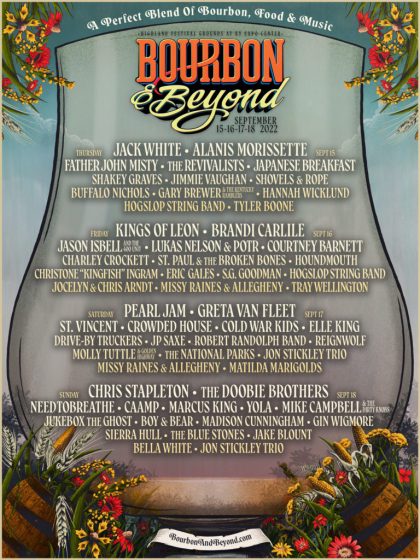
Bluegrass is back at Bourbon & Beyond! We’re so excited to once again curate and host a stage at the bourbon, food, and music festival in Louisville, Kentucky. To add onto the already stellar main stage headliners like Brandi Carlile, Chris Stapleton, Jason Isbell, Yola, and so many more, this year’s bluegrass stage will feature Molly Tuttle & Golden Highway, Sierra Hull, and Hogslop String Band, as well as Gary Brewer & Kentucky Ramblers, Jon Stickley Trio, Missy Raines & Allegheny, Jake Blount, Bella White, Tray Wellington, Tyler Boone – and more to be announced! We can’t wait to gather with all of our bluegrass friends for a weekend of stellar bourbon, delicious food, and incredible music.

You can grab your tickets and learn more about Bourbon & Beyond here.

BGS Top 50 Moments: The 50 Greatest Bluegrass Albums Made by Women

March is #WomensHistoryMonth (although, let’s be honest, shouldn’t we be celebrating 51% of the population’s history every month?!) so it seems like a fitting time to revisit our comprehensive — but by no means exhaustive — list of the 50 Greatest Bluegrass Albums Made By Women.

Published five years ago as an unofficial extension of NPR’s Turning the Tables project, our list included a wide array of female talent from over a century of bluegrass, old time, string band, and other traditional styles of recorded music, from Ola Belle Reed to Laurie Lewis & Kathie Kallick to Molly Tuttle and everything in between.

“We dare not be so bold as to claim that every important bluegrass album created by women is included. We are simply striving to illustrate the far-reaching, undeniable influence that these incredible artists have had on the music, as a whole. Each contributor, many of them groundbreaking, trail-blazing artists themselves, has chosen albums that are personally impactful. Glaring omissions and oversights are almost guaranteed, but therein lies the beauty of this conversation: This collection is merely a starting point, a springboard for a greater dialogue about the place of female creators, artists, musicians, and professionals in the telling of the history — herstory — of bluegrass.”

There’s no question that there are plenty of amazing albums that should be added to the canon since 2017, but each new addition wouldn’t have been given an inch of foothold in the genre without the strength, determination, heart, and amazing music of the women who came before them.

Revisit our list of the 50 Greatest Bluegrass Albums Made By Women here.