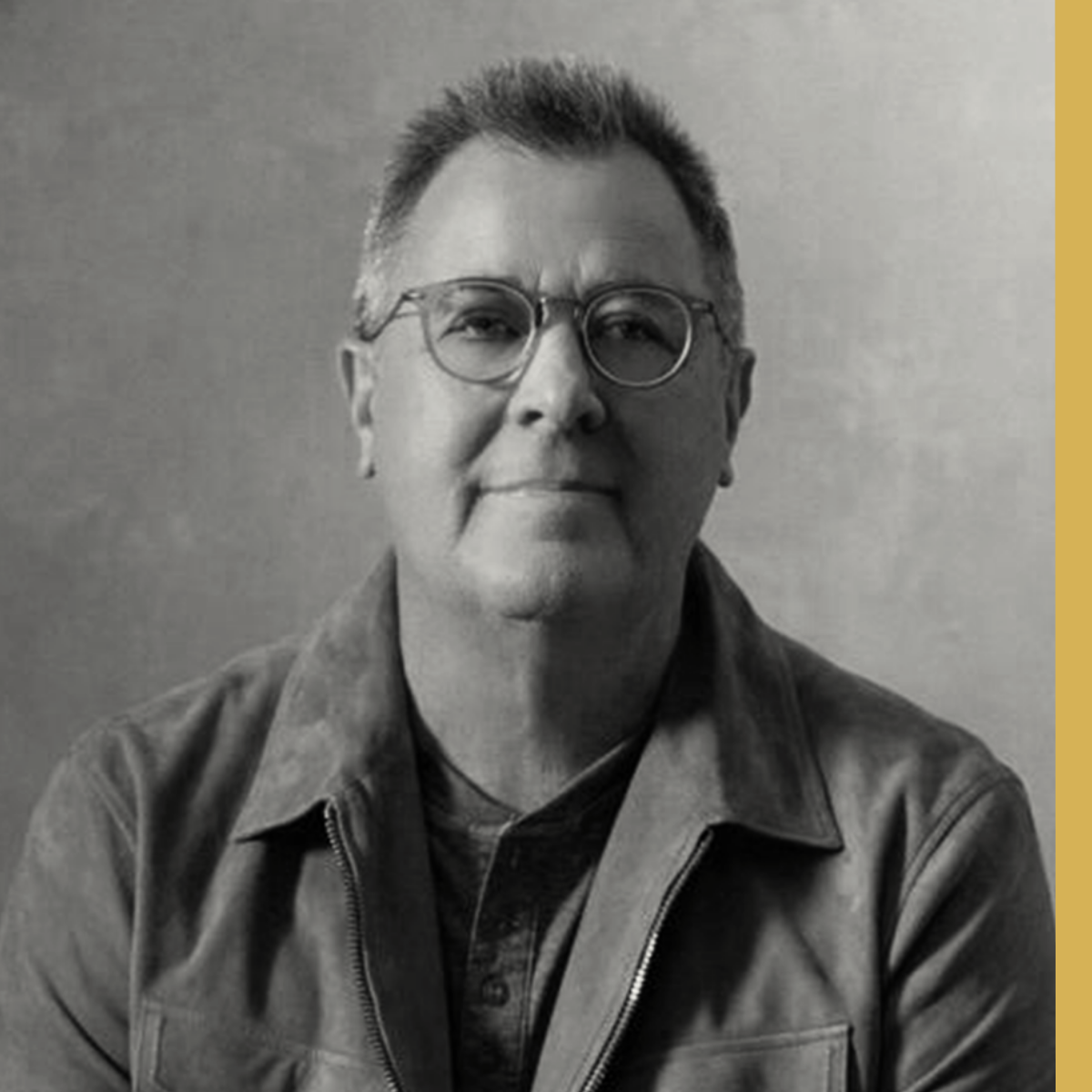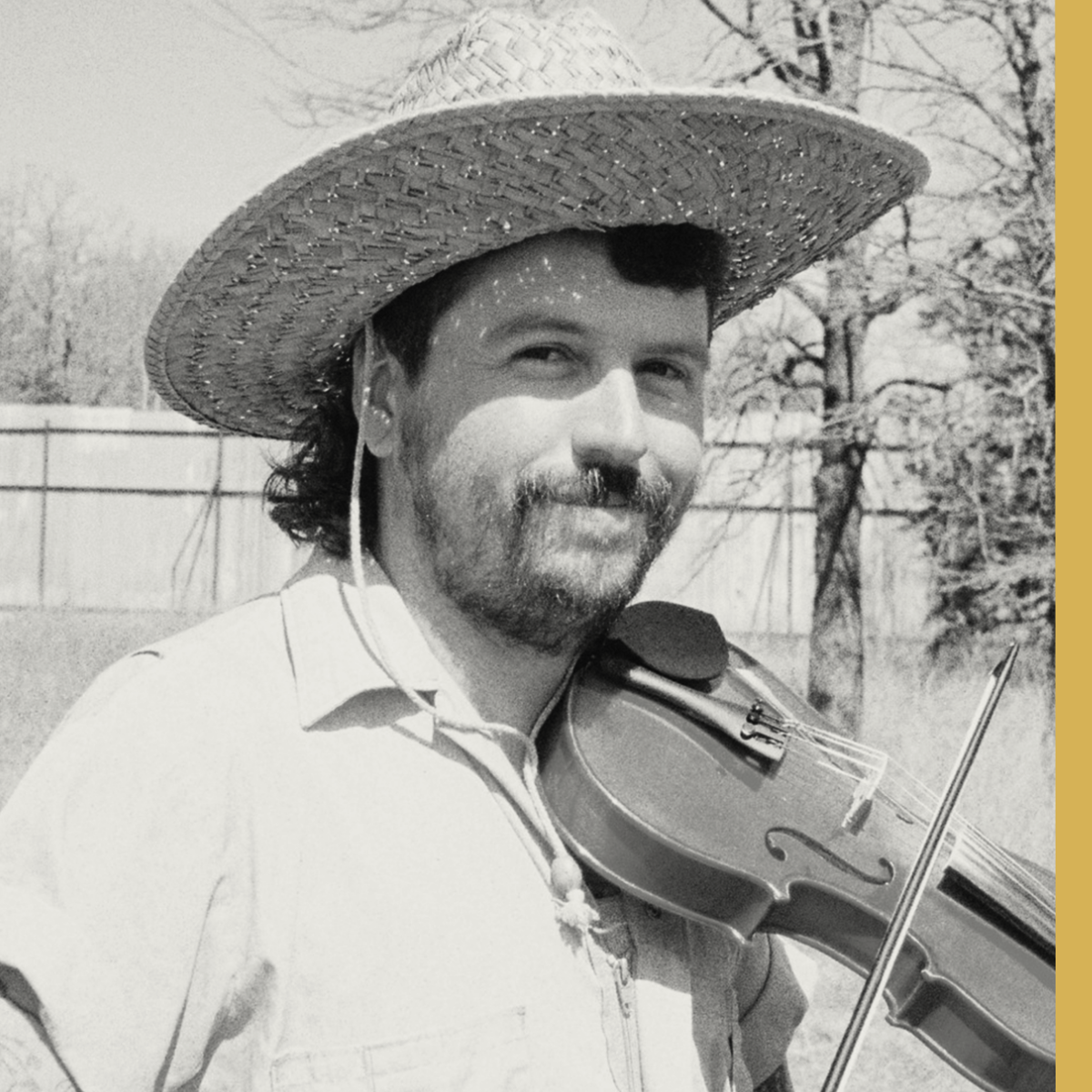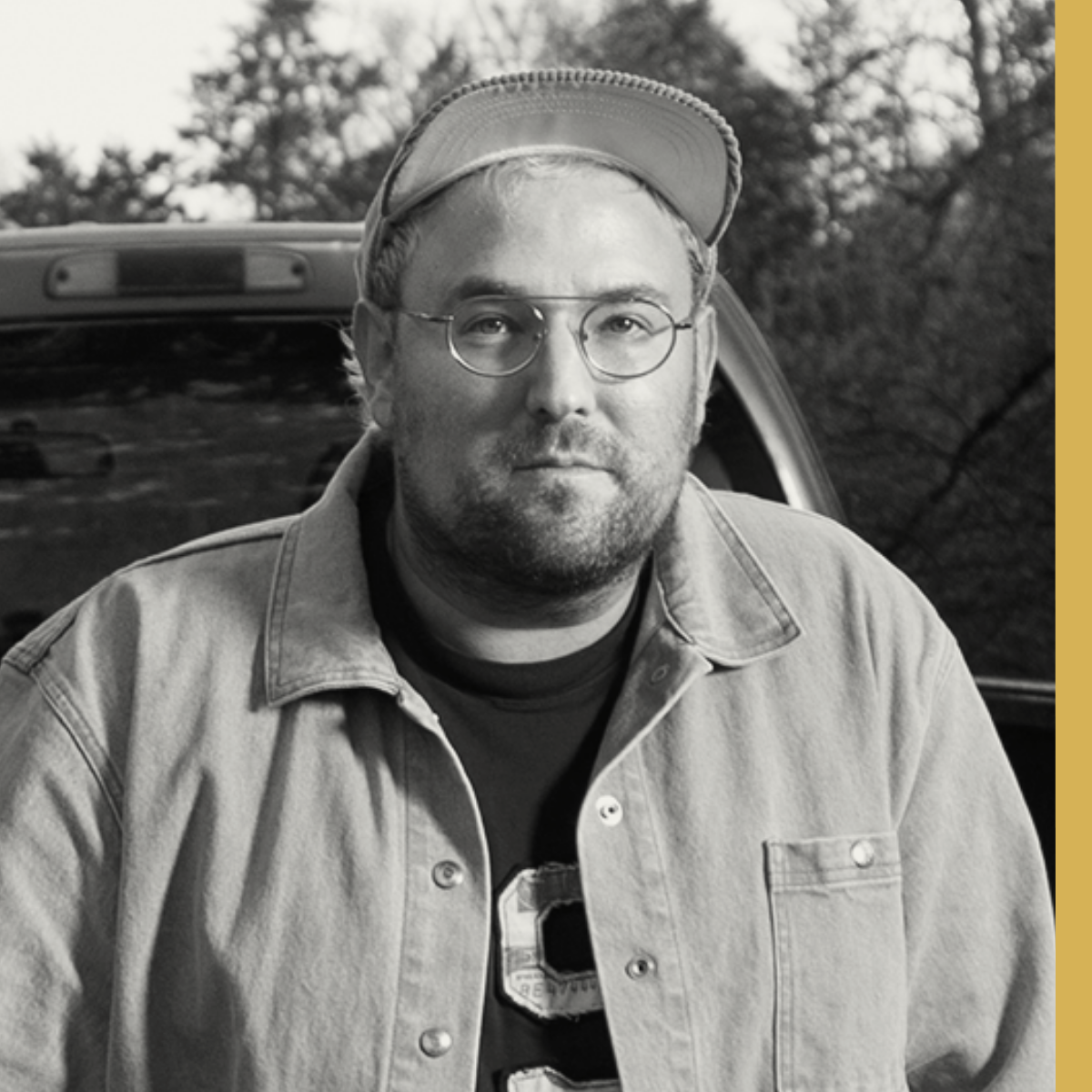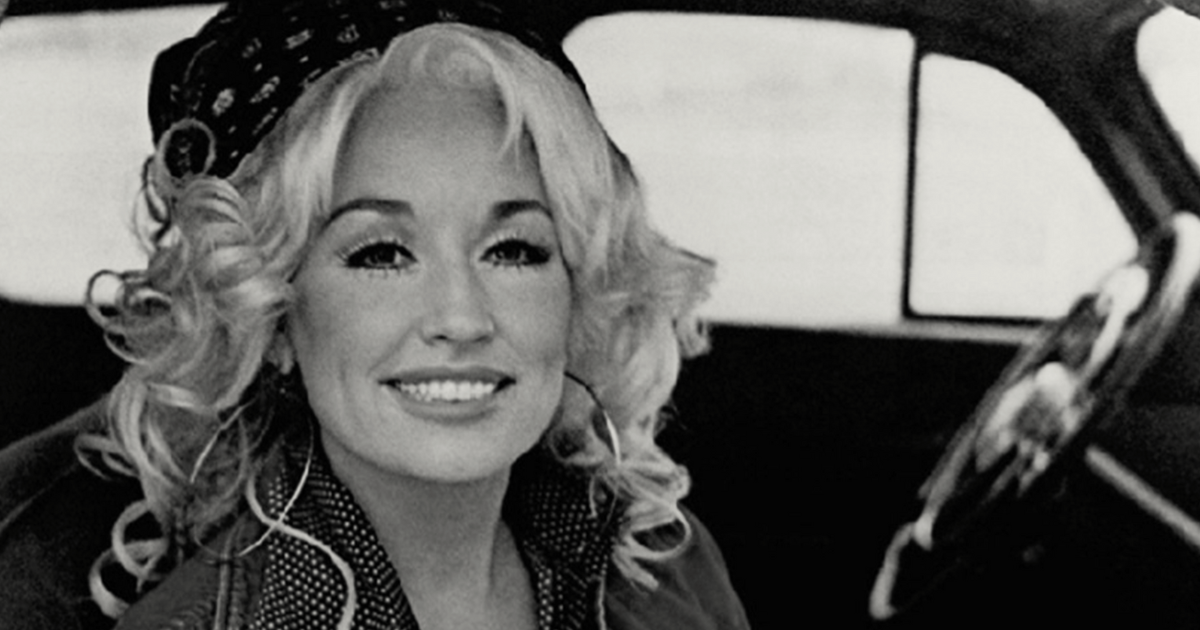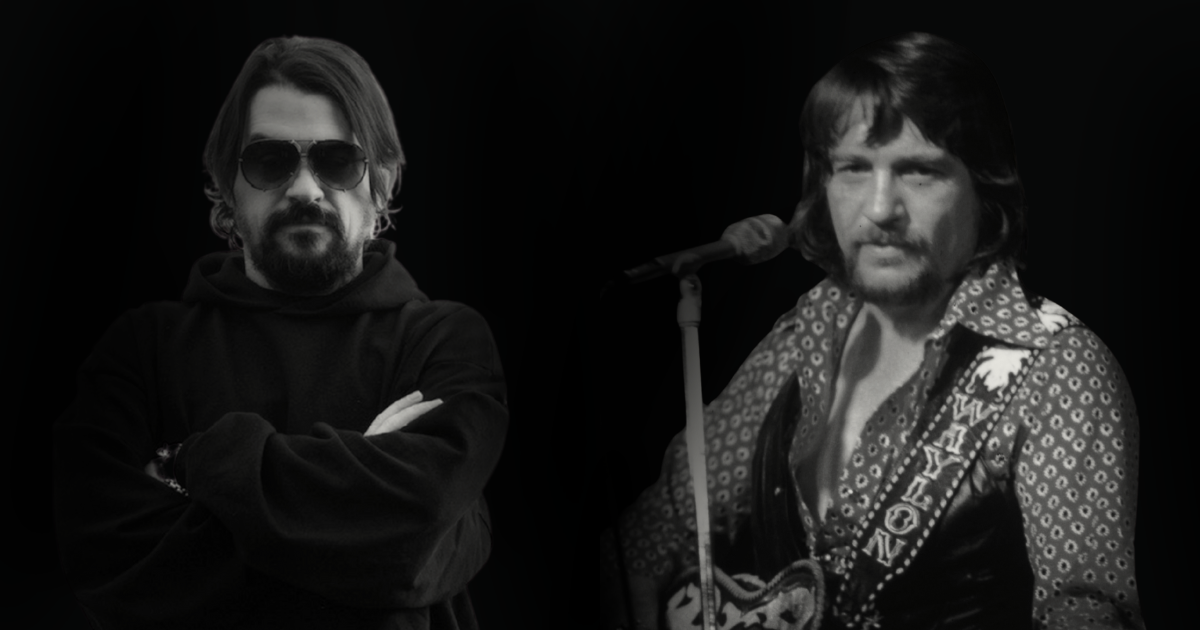
Shooter Jennings’ Heartfelt Tribute to His Legendary Father

Being the son or daughter of a legendary artist can often cause self-esteem and identity problems, especially if offspring choose their famous parent’s profession. But that clearly hasn’t been the case with Waylon Albright Jennings, much better known to music fans as “Shooter.”

The son of greats Waylon Jennings and Jessi Colter, Shooter Jennings has forged an impressive career as a singer, songwriter, instrumentalist, and producer covering over three decades, while displaying an idiomatic flexibility that’s seen him excel with both country and rock projects. Though he never uses the term “prodigy,” he was playing drums at five, taking piano lessons at eight, and sitting in with his father’s band on guitar at 14, while often spending time riding on his dad’s tour bus. Since then, he’s done an array of projects from heading bands to helming sessions, but he’s also always upheld a mantra of his father’s, which is stressing authenticity and passion in whatever he’s doing, writing, or playing.

Towards that end, Shooter’s newest venture both pays tribute to his famous father and reaffirms the musical values both have always championed. That’s the album Songbird (released October 3 via Son of Jessi/Thirty Tigers), which is the first of a planned posthumous trilogy of releases from the famed vocalist, who was one of the most distinctive and dominant voices to emerge in modern country during the ’70s and ’80s. Waylon’s landmark recordings, both as a solo artist and later in collaborations with Willie Nelson, Johnny Cash, Kris Kristofferson, Tompall Glaser and Jessi Colter, not only ushered in the “outlaw country” movement, they signaled a major step forward for artistic independence and creative freedom that resonated across the popular music spectrum.

Waylon Jennings was an innovative and vital figure not only as a performer, but as a personality. His voice and stature helped give gravitas to an otherwise forgettable TV show (The Dukes of Hazzard) and helped fuel a drive for authenticity within country. Still, despite that quest for freshness and originality, Waylon knew how to make hits. He had 16 number one tunes on Billboard‘s Hot Country Songs chart and 11 number one albums on Billboard‘s Top Country Albums chart during his amazing career, while always being a staunch advocate for his view of what constituted country.

Though Shooter has always called himself “an MTV kid who went down the rabbit hole with rock and roll,” he’s also long held a great reverence and respect for country. He began sorting through hundreds of his father’s personal studio recordings during the summer of 2024. Having just begun an exclusive residency at Hollywood’s historic Sunset Sound Studio 3 (which he redubbed “Snake Mountain”), Shooter began examining the tapes with veteran engineer Nate Haessly. Things moved quickly, his initial goal of finding previously lost Waylon songs he could share with the world morphing into instead deciding the best way to present what turned out to be a rich treasure trove of recordings. The material he was hearing was recorded between 1973 and 1984 and featured such guest stars as Tony Joe White and Jessi Colter.

“I started listening to this material last year and knew right away I had to put it out,” Shooter said during a recent phone interview with Good Country. “Once we began thinking about what we would put out there first, ‘Songbird’ just really kind of took over.

“Everyone that I played the song for heard it and they were really emotionally affected. Many broke out in tears the first time they heard it. It was an example of my father’s philosophy about doing songs from other people. Any song that he chose to record he would turn it into his own type of anthem. I really think that was the case with ‘Songbird,’” Shooter continued. “It gives the album a power and special flavor, and I’m really proud of everything on it.”

Songbird was released the first week of October, with Jennings’ evocative and stirring cover of the Fleetwood Mac tune its lead single. It debuted at number six on Billboard‘s Top Album Sales chart and it’s been in either the Top 10 or 20 on a host of other charts as well, representing the highest any Jennings LP has charted in 35 years. The 10-track release contains several other notable singles, most of them already previously complete. But on a couple of cuts, Shooter utilized the talents of surviving members of The Waylors, including guitarist Gordon Payne, bassist Jerry Bridges, keyboardist Barny Robertson, and backing vocalist Carter Robertson to add some spice. Elizabeth Cook and Ashley Monroe were also enlisted to help propel Songbird to new heights. Shooter mixed the songs in a purely analog fashion on Sunset Sound Studio 3’s custom 1976 DeMedio API mixing board.

Another song that’s quite appropriate in these times of extreme social conflict and division is Waylon’s version of Johnny Rodriguez’s “The Cowboy (Small Texas Town),” which finds him urging both cowboys and hippies to direct their ire away from each other and towards those causing greater structural harm to society. Additional recommended cuts include a sizzling Jennings version of Johnny Cash’s “After The Ball” and “I’d Like To Love You Baby” that features Jessi Colter.

Both “Wrong Road Again” and “I’m Gonna Lay Back With My Woman” are trademark Jennings numbers, while his version of Jesse Winchester’s “Brand New Tennessee Waltz” is also solid. The one criticism that some hardcore Waylon fans might make is Songbird doesn’t offer any previously unissued gems that he penned, feedback that Shooter’s been around long enough to anticipate. “What we went through and chose here were numbers that were made memorable through his treatments,” he continued.

“That’s something that my father always talked about and stressed, that whenever you do a song, make sure that you’re not just replicating something else, you’re making your own statement. That’s why Songbird has such an impact and that’s the case with everything on this album. These are songs that he loved from other people and wanted to perform and put his own stamp on them.”

Though born in Nashville, Shooter made the move to Los Angeles in 2001. Since then, he’s comfortably moved back and forth between rock and country. He’s had a mixed amount of success as a performer, cutting 11 albums and EPs in both genres. His biggest country hit came on the 2005 LP, Put The O Back in Country. That album’s lead single, “Fourth of July,” peaked at No. 22. The album version featured a cameo by George Jones, who sang the chorus to his signature song, “He Stopped Loving Her Today,” at the end. Unfortunately that was purged from the radio version, but Jones was credited on the Billboard charts.

The album also spotlighted Shooter’s then-new band, The .357s, which consisted of Leroy Powell on guitar, Bryan Keeling on drums, Ted Kamp on bass, Robby Turner on steel, and backing vocals by Bonnie Bramlett. Later that year his song “Busted in Baylor County” was featured in the 2005 film version of The Dukes of Hazzard. Furthermore, Jennings portrayed his father in the Johnny Cash biopic Walk The Line alongside Joaquin Phoenix and Reese Witherspoon. His rendition of his father’s song “I’m A Long Way From Home” was featured on the film’s soundtrack.

Still, Shooter’s greatest fame has come as a producer for a wealth of recordings. He was introduced to the studio as a child, his earliest exposure being inside Chips Moman’s studio in Nashville. His rock influences come through in his at times freewheeling use of studio technology that wasn’t in general use during his father’s heyday, but on any of his productions he’s never let the artist’s voice be overwhelmed by layers of excessive production or backdrop.

He’s been nominated for five GRAMMYs in that role and won two. A short list of memorable sessions he’s produced include such artists as Brandi Carlile (Best Americana Album GRAMMY), Tanya Tucker (Best Country Album GRAMMY), and American Aquarium, as well as Jessi Colter, Jamey Johnson, Jaime Wyatt, The White Buffalo, Hellbound Glory, The Mastersons, Julie Roberts, Kelsey Waldon, Yelawolf, Marilyn Manson, Jason Boland, Billy Don Burns, Avi Kaplan, Billy Ray Cyrus, and Angry Grandpa. Just this year alone, Shooter Jennings produced acclaimed releases by the Turnpike Troubadours, Charley Crockett, and Jake Owen.

When asked what he enjoys most or looks for in terms of production collaborations, Jennings says, “The people that I truly enjoy working with the most are the ones who have their own ideas of what they want to do, how they want to sound, or what they want to sing. Then they bring those ideas into the studio and we take it from there. I’m not really quite as good when it comes to just taking someone who doesn’t really have a sense of who they are and saying why don’t you try this or try that.

“With Charley [Crockett], for instance, that guy comes into the studio and he’s already got all these things together and we can just hit the road from there and take it forward. A guy like Duff [McKagan], who can just write their ass off, or a group like American Aquarium, I can get really excited. Brandi [Carlile] came to me and wanted me to work with her and that was a fantastic experience. But in general, if you’re someone who has their concept of what they want to do, then we can sit down and really make it work in the studio.”

Shooter also has amassed some good credits in the worlds of broadcasting, film, and television. As well as getting the chance to portray his father in the 2005 film Walk The Line, he has made celebrity appearances on television shows CSI, Marvel’s The Punisher, and American Revolutions, while also playing a gunslinger in the 2013 film The Other Life.

Back in 2009, Shooter participated in a CMT Crossroads session, paired with close friend and fellow musician Jamey Johnson. The evening’s set list consisted entirely of duets, including a cover of “Outlaw Shit” from the Waylon Forever album, two songs from Jennings’s discography – “God Bless Alabama” and “It Ain’t Easy” – and four songs from Johnson’s album That Lonesome Song including “High Cost Of Living,” “Mowing Down The Roses,” “Between Jennings and Jones,” and “In Color.”

Shooter cites Glenn Danzig and the band Oasis as folks that he hasn’t yet worked with whom he’d like to in the future. But right now, his main focus is on the two remaining Waylon Jennings posthumous recordings – though he’s not sure yet exactly when they will come out or what will be on them.

“One thing I can say for sure is that there’s a lot more great music coming,” Shooter concluded. “I was really amazed at how much great stuff is there, and I think the fans are going to really be thrilled when we get these next two out there. My father did a lot of great music before he passed, and we’re going to get as much of it out there as we can.”


Photos courtesy of Shooter Jennings.
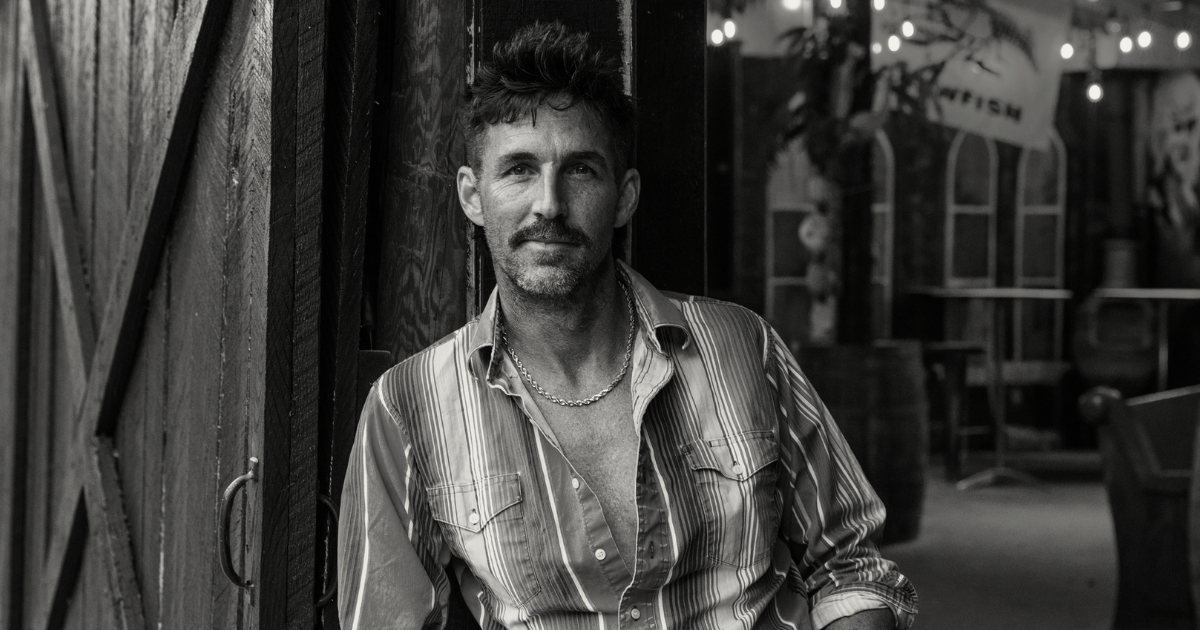
Jake Owen Started Bro Country. His New Album is Anything But

Depending on who you ask, Jake Owen might be responsible for the very first bro country song. His 2011 hit “Barefoot Blue Jean Night” wasn’t the first party-ready ode to Southern summers and ice-cold beer, but its slick mix of country signifiers and stadium-rock production – courtesy of Joey Moi, best known for producing Nickelback and later Morgan Wallen – proved highly influential, arguably paving the way for crossover smashes like Florida Georgia Line’s “Cruise” and Blake Shelton’s “Boys ‘Round Here.”

“Never gonna grow up, never gonna slow down,” Owen sang on his signature hit, neatly summing up the youth-obsessed ethos of the bro country era. Now 44 and newly independent after 20 years on RCA Nashville and later Big Loud, he’s singing a different tune.

“I’ve made a lot of records that had a fantasy, ‘Remember when we were young?’ kind of feel to them,” Owen told Good Country. “What feels good about this new record is that I can listen to it and feel like I’m listening to my life right now. It’s very real.”

Dreams to Dream, Owen’s eighth studio album and his first with Shooter Jennings producing, is a sharp left turn for an artist known for hits like “Beachin,’” “I Was Jack (You Were Diane),” and “American Country Love Song.” Earlier this year, Owen decamped to LA amid the wildfires, leaving the comfort of Nashville behind in search of creative truth and a more organic sound. The result is one of the year’s best and most surprising country albums, which trades bro-ish bravado for world-weary introspection and a classic-country sensibility.

The title track is a rollicking, country-rock statement of purpose that name-checks Hank Williams, Jr. and establishes the stakes: “I’ve been down, but I ain’t no quitter/ ‘Bout to get up on my feet/ ‘Cause I still got dreams to dream,” Owen sings in the rousing chorus. On the Troy Jones-penned “Wouldn’t Be Gone,” he muses about leaving stardom behind to work in a hardware store. (“I already know a thing or two about hardwood floors,” goes the song’s best line.) Other standouts include “Chill of December,” a Haggardian expression of winter loneliness, and “The One I Did It To,” a doleful admission of romantic wrongdoing.

In a Q&A, Owen spoke to Good Country about teaming up with Jennings, defining authenticity on his own terms, and why he doesn’t shy away from his bro country past.

This album is a departure from the sound that you’re best known for. What made now the right time to do an album like this?

Jake Owen: My life has always been about timing and believing that I’m supposed to be where I am. The album’s called Dreams to Dream and it came about because I was in this interesting place in my life where I’ve had a record deal for 20 years and, all of a sudden, I’m doing something on my own. Which felt kind of like freedom, but also felt very scary.

For a long time I was focused on the more commercialized songs that would work on radio, since I was on a major label, and I felt like this is the time to make the kind of record that I’ve always really loved. I’ve always tried to follow my heart and what my intuitions have told me. They haven’t always been right, but I definitely follow them.

What was it like working with Shooter Jennings?

He really exceeded my expectations. I expected to go out there and make a record, but I didn’t know I would leave there with an awesome new friend and somebody that really believed in me as a person with dreams and a purpose and things they wanted to say. He was so encouraging to me. I felt safe with him, which is a weird way to put it, I guess. But you need people to pat you on the back and tell you that you’re doing the right thing.

It also was at a time when – I’m not ashamed to say it – there were not a lot of people ringing my phone in Nashville to tell me they were proud of 20 years of what I’d done in my career and 11 number one songs. Kind of weird, right? But the one guy that was calling me and applauding me and telling me that I could do way better, bigger things in my life than what I’d already done was Shooter Jennings. Out of all people, right? That says so much about how much he loves music and believes in people. I think you’d probably hear that same answer from anybody else that he’s worked with.

The second song on the album, “Them Old Love Songs,” is a Waylon Jennings cover. Why did covering Waylon make sense for this record?

Well, there was no part of me going out there that thought I would do any covers. But Shooter and I just talked about life and music out there, and he was saying that his dad always would cut cover songs for fun when he came off the road. Shooter would encourage me, each night or whenever we were done with the session, to do some covers and just have some fun. With that one in particular, I was nervous to ask Shooter, because it felt a little cliché. I wondered how many people work with him and have wanted to do that or if he’s offended by that.

But I always loved that song and the album that it’s on, Are You Ready for the Country. It’s pretty wild, because that album starts off really rocking, and then it goes into that. To me, if you listen to that song, the lyrics say, “I wish I had a true fine woman/ Let her rock me all night long/ And maybe we could get it together/ Like people do in them old love songs.” I’ve been singing that my whole life and it’s still the way I dream of love. And then, going back to the first verse, it says, “Nobody cares where I’m going, all they know is I’m coming back.” I don’t think anybody cared that I was going to make a record with Shooter. Nobody really even knew.

Also, one of the reasons Shooter and I decided to make this album was our love for the Hank Williams Jr. record, The New South, that his dad actually produced. Hank moved to Alabama to make that album, I think it was in 1977, and said he needed to get out of Music City because he wanted to go make his kind of music with his friends. And I felt the same way. Like, here I am going to LA to make a record with Shooter, and he’s encouraging me like Waylon encouraged Hank. So recording that Waylon song, with Shooter producing it, it just felt right.

You recently celebrated the 20-year anniversary of moving to Nashville and signing your first record deal with RCA. You made a post referring to “the highest of highs and lowest of lows” in your career. Could you tell me about some of those highs and lows?

Yeah, well, first off, thanks for even acknowledging that, which I think is important to the reasoning behind this whole record in general. I would start off by telling you that the highest high for me was just moving to Nashville and knowing that something was ahead of me. When I left college, I left my twin brother and a lot of my friends and my entire family at home in Florida. I still look back on that guy, and I’m like, “What the fuck was I thinking?” But I guess I just had to chase it. And then getting to Nashville and immersing yourself with people that are so much better than you are, I just didn’t have that where I was in college in Tallahassee. I kind of felt alone. Getting a record deal was also a big part of that, feeling like I had accomplished part of what I came here to do. And then I spent the next seven years having to figure out how to keep the guys in the band paid and the buses rolling on the road and how to get my first number one song. Everybody thinks that’s the easy part once you sign the record deal, but it really wasn’t. It was a rude awakening.

And I went through a divorce. I got married, I had a kid. It’s like the classic country song shit, man. I think that was a big low for me, having to leave my family to go on the road. I had been very successful from my dreams that I chased, but the one thing that I probably desired the most, outside of music, was a family life. The one thing that I’ve never been good at and I haven’t figured out is that real solid relationship in life, building love and trust, and that bothers me a lot. It bothers me that I can be good at a lot of other things, and that is the most important thing to me, and I haven’t been so great at it.

You were a major player in the bro country era, which is now having this sort of nostalgic reappraisal. I’m thinking of the HARDY and Ernest song “Bro Country,” which is an ode to that time in country music. When you think about that era, what goes through your mind?

It’s funny, because I don’t know that anybody has said this before, but I’ll tell you right now: I started that shit. Everybody wants to shy away from bro country or whatever, but I invented that shit. And yeah, I am proud, in a way. I remember being at a time in my career where I had a record deal for seven or eight years and I had a couple songs that had done all right, but I was feeling like I was gonna lose my record deal if I didn’t try to do some different shit. And I didn’t have a producer at the time. I’d left Tony Brown, who was great. And he’s like, “Hey, man, you should meet this guy, Joey Moi. I think he’d be great for you.”

Joey obviously came from Nickelback and all that. At the time, no different than when I left Tallahassee for Nashville, everybody was like, “Dude, what the fuck are you doing?” So here’s a guy now from Nickelback who’s gonna try out making country music on me, which was probably a crazy thing, too. It wasn’t that I was trying to sell out. If anything, I look back and I’m like, “Dude, I had the balls to just do something different at the time.”

“Barefoot Blue Jean Night” was our first release and it had all of these claps and stomps and loop shit. It ended up being the most-played song of the decade [according to Country Aircheck]. I have the plaque on my wall. It was a major, major changing point in my life and career, because it worked. Not only did I keep making those songs for the next few years, but it influenced a shit-ton of people.

I think a lot of people might want to avoid that association. It’s kind of like the way that ‘80s rock and roll gets shit on sometimes, but there are still people in their cars cranking it to 11, right? If you look back at my early career, the songs I was writing were very country, because that’s what I always loved. I went on tour with Brooks & Dunn and Alan Jackson. So when all of a sudden, years later, all of the people that were my heroes were like, “I hate this kid,” it kind of hurt my feelings. But I always knew in my heart that I would get back to what brought me to the table.

Among the detractors you alluded to, people who are into more traditional-sounding country music, there’s this idea that pop-country or bro country is inauthentic. What do you think is “authentic” country music?

Authenticity is the ability for artists to take any type of music and just make it their own. Johnny Cash never shot a man in Reno. But it was a huge song for him. George Jones didn’t write “He Stopped Loving Her Today,” but he owns that song. Stardust is the biggest album Willie Nelson ever released and he didn’t write a single song on it. And he’s one of the greatest songwriters of all time. Authenticity isn’t about where somebody’s from or how they grew up. If you own what you’re doing, and you deliver it in a way that’s believable, I think that’s authentic.

I’m thinking now of this back-and-forth you had with Jason Isbell a couple years ago about artists writing their own songs.

Yeah, dude. That guy. I love Jason Isbell, that’s what’s crazy. Some of the artists that I love the most just spout off at the mouth. The other day I said something about Zach Bryan. I love that guy’s music too, right? He’s amazing, and he’s also uber successful – selling 120,000 tickets or whatever, which I could never even fathom. And Jason is out winning GRAMMYs on top of being an incredible guitar player, so much more talented than I could ever dream of being. But I don’t understand why guys like that will take the time on shit on someone else’s music.

That’s never made sense to me and it’s always made me want to just ask that question directly to them. Which is what I did to Jason. I was just like, “Dude, I’m not going to get into an argument with you over Twitter, so give me your number. I’m going to just call you and have a conversation about why you feel this way.” He and I had a great conversation. And he was very cool to acknowledge and entertain my questioning behind why he would just spout at the mouth about stuff like that. We both ended it at the time – and this was years ago, when I was drinking, or maybe he was – he’s like, “Dude, we should catch a beer sometime.”

So, to go back to the authenticity thing, there’s so many people that are so great at a lot of things. One of my absolute favorite artists right now is Charley Crockett and he does that, too. I wonder, sometimes, I’m like, “Why are you guys all trying to prove to one another that you’re more authentic than the next guy?” Sorry, you can tell I’m getting tense talking about it. But I’m confused by it, because those guys make some of my favorite music and it bothers me that they feel the need to try to blow somebody else’s candle out in order to make their already blazing one shining brighter.

I wonder if part of you wanted to prove to that type of person that you could make one of these really rooted, quote-unquote “authentic,” hardcore country records.

I think it was about proving to myself what my intuitions are and what my beliefs have always been about what’s right for me. I also really needed somebody to tell me that what I was doing was the right decision, and Shooter never wavered. He was constantly telling me, “Dude, this is it. You’re going to open up a Pandora’s box for your career in ways that I don’t think you’ve seen before.” I will say that it’s definitely opened my eyes to a lot of things and a lot of people reached out to me that have never reached out to me before.

One of my favorite songwriters, artists, people I’m a huge fan of is Brandy Clark. I think she’s incredible and just a brilliant songwriter. And she happened to be in LA when I was there and stopped by to see Shooter. She called me after and I just started crying. Because she was like, “Jake, I’m so happy for you. Like, I hear you in this.” It was just so fulfilling to hear that from her. She didn’t have to do that, but I was so moved by it.

I’m grateful for people that don’t think about music from a standpoint of judgment, but look at it as a possibility of something greater.


Photo Credit: Spidey Smith

Finding Lucinda: Episode 13

In this episode of the podcast, Ismay sits down with Finding Lucinda director Joel Fendelman. They discuss how Joel approached the making of the documentary and concepts like developing the language of a film to build trust with the audience, the artist’s experience of not being where you thought you should be at a certain age – including how to constructively confront that – and the idea of trusting others in collaborations. They also talk about how there is overlap in the craft of filmmaking and music-making, including ideas like contrasts and consistency.

LISTEN: APPLE • SPOTIFY • AMAZON • MP3

With roots in Miami, Austin, and New York City, Fendelman has written, produced, and directed a number of award-winning narrative and documentary films. An award-winning filmmaker, he is dedicated to telling stories that reveal the underlying connections between us all. His documentary Man on Fire received an IDA Documentary Award and premiered nationally on PBS’s Independent Lens (2018–19 season). He went on to direct North Putnam, which won the Indiana Spotlight Award at the Heartland International Film Festival. In 2016, his short film Game Night premiered at the Tribeca Film Festival and won Best Super Short at the Savannah Film Festival. His second narrative feature, Remittance, earned multiple festival awards, including Best Actress and Best Screenplay at the Brooklyn Film Festival, and is distributed worldwide. His debut feature, David (2011), won the Ecumenical Prize at the Montreal World Film Festival. His most recent short film, The Spiritual Advisor, is premiering at DOC NYC 2025 and is being distributed by Rolling Stone Films.

Produced in partnership with BGS and distributed through the BGS Podcast Network, Finding Lucinda expands on the themes of Ismay’s eponymous documentary film, exploring artistic influence, creative resilience, and the impact of Williams’ music. New episodes are released twice a month. Listen right here on BGS or wherever you get podcasts.

Finding Lucinda, the documentary film that inspired and instigated the podcast, is now available to purchase, rent, or stream via video on demand. (Watch the film, listen to the soundtrack, or find a screening near you here.) Both the film and podcast showcase never-before-heard archival material, intimate conversations, and a visual journey through the literal and figurative landscapes that molded Lucinda’s songwriting.

Credits:
Produced, recorded, and mixed by Avery Hellman for Neanderthal Records, LLC.
Music by Ismay,
Special thanks to: Rose Bush, Liz McBee, Mick Hellman, Jonathan McHugh, Sydney Lane, Jacqueline Sabec, Rosemary Carroll, Lucinda Williams, and Tom Overby


Find more information on Finding Lucinda here. Find our full Finding Lucinda episode archive here.

Watch Finding Lucinda, listen to the soundtrack, or find a screening near you here.

Briscoe Hit The Road and Wrote a Country Album

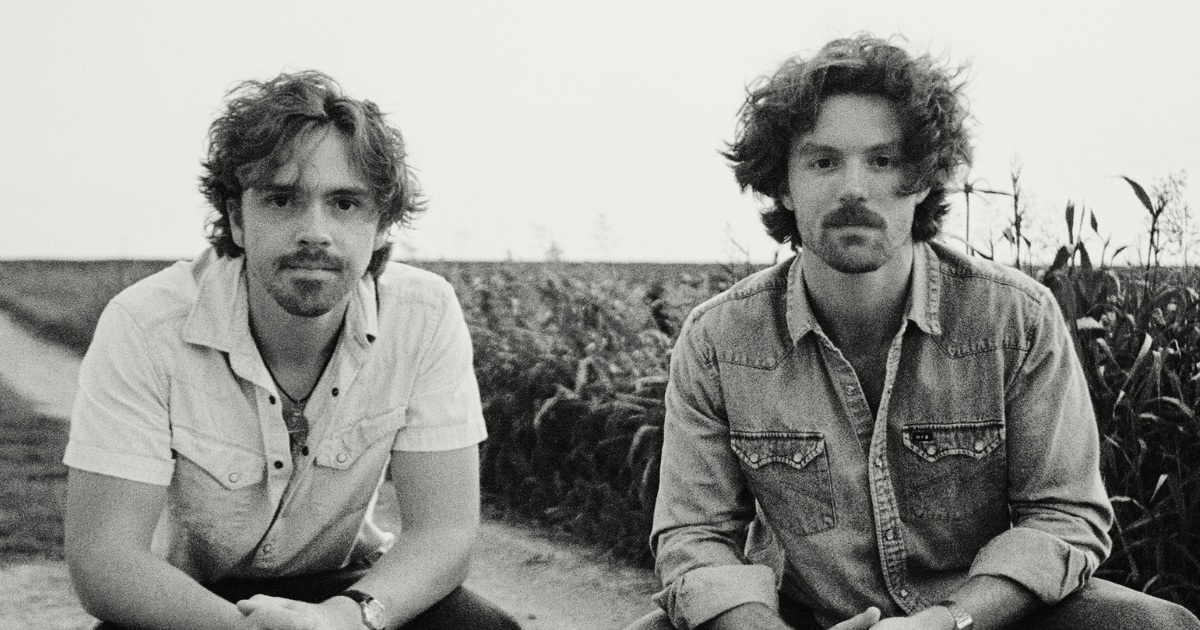
Through the windshield of their Ford Transit van, the duo Briscoe drew songwriting inspiration from the Southwestern landscape during a long, meandering road trip after graduating from the University of Texas. However, this trek was more than just a rite of passage, as band members Philip Lupton and Truett Heintzelman were launching their first national tour. In those seemingly endless miles between show dates, they would trade lyrical ideas to flesh out once they got back home to Austin.

Described by the band as “Texas folk-rock,” those cinematic songs have now surfaced on Briscoe’s second album, Heat of July. Produced by Brad Cook and released by ATO Records, the collection is a generally optimistic highway companion set against the backdrop of sunsets somewhere south of Alpine, Texas, long drives to Denver, and Mexican eagles circling overhead.

During a brief break from the road, Briscoe spoke with Good Country about how banjo fits into their sound, discovering bluegrass through YouTube videos, and the John Prine classic that set it all in motion.

I found it interesting that you were writing this album as you were driving around the country. You’re going 80 miles an hour as these songs are coming to you. Can you set the scene of what that looked like?

Philip Lupton: Yeah, that’s a great question. A lot of this record was written on the road just because we were touring hard on our debut album, West of It All. You’re in the van for so many hours a day that you eventually get tired of listening to music, no matter how much you like music. You just need some silence. I think that’s when Truett and I can find a little bit of inspiration. Like, “OK, cut the music.”

“Arizona Shining,” the second song on the record, is very much written as I’m taking in the landscape through the window. You just start to mumble a few things under your breath. And then you hold up your phone and take a little voice memo. You get back home in a couple weeks, you come back to that idea, and then, finally, get to put it to a progression and bring it to life.

When you’re out on tour, coming out of your hotel, and you see that van hooked up to a trailer, does it ever strike you, like, “We’re really out here making this happen”?

PL: Yeah, absolutely it does! There’s this old Hayes Carll song called “I Got a Gig.” I listen to that song and I’m like, “OK, we’re doing it. We’re road dogging it.” We’re staying at the cheap hotels and playing gigs for cash at the door and whatever. We’ve seen a lot of growth and success in a lot of markets, but when you’re taking it all across the country, up into Canada, there’s a lot of those same stories you can experience any time on the road.

The opening song, “Saving Grace,” seems to set a tone for the album. There’s a very positive tone in that song. Is that a fair statement, do you think?

Truett Heintzelman: Super fair, yeah. A lot of this record is written over the last year and a half to two years and one of the big components of that time for both of us is that we both got married. So that’s what we were wanting to convey. We view marriage in a positive light and, God willing, we’ll always view it in a positive light. “Saving Grace” was written about marrying our respective wives.

For me, that song was about meeting my wife and realizing early on, “OK, this feels different and I don’t want this to go away.” We just tried to write as much as we could about our lives and experiences and our time between now and the last record. And, obviously, getting married is something that takes up a lot of your brain, you naturally end up thinking about it a lot.

You’ve got a cool banjo vibe on “Saving Grace” and a couple other songs on the album, too. Philip, what pulled you into the sound of the banjo?

PL: It goes back to learning guitar when I was middle school-age. I just had a desire to learn an instrument that was different and would allow me to jam with my buddies. So, I bought a banjo at a secondhand music store in San Angelo, where I’m from, for like 150 bucks, and I ended up really falling in love with the Avett Brothers. Back in the day, when Truett and I were both learning to play guitar and sing, I’d play the banjo and Truett would play the guitar and we’d cover the Avett Brothers. That was how we fell in love with playing together.

The banjo always had a strong presence. When we started writing, it was almost second nature to incorporate the banjo in some way. If Truett was handling most of the rhythm guitar, I picked up the banjo in lieu of a lead guitar. We just kind of rolled with that, way back when.

You mentioned middle school. Is that around the same time you guys met?

PL: Yeah, I was a year older than Truett in school and we met at summer camp. We just hit it off and we were both learning guitar and both interested in similar music. We saw each other every year after that at camp and became really close in high school. San Angelo is a smaller town and we’d have to go to a major city for any big need, like a big hospital system. So, my family would go to San Antonio quite a bit. I’d get dropped off at Truett’s house and we’d play guitar until my family was ready to go back to San Angelo.

Do you guys remember the first time you sang together?

TH: Oh yeah, that first summer we met at camp, we met on the first day of the session, which was two weeks long. We both brought acoustic guitars, so it was like, “All right. You play, I play.” “What do you like to play?” “Oh, I like that song too.”

We started going back and forth, kind of jamming all throughout that week. At the end of that week, we played “Paradise” by John Prine at our camp talent show, which was really just for us. We joke that I don’t think anyone else in that camp auditorium had any idea what we were saying, but they were just excited that we were singing and we were too.

How did John Prine hit your radar in middle school?

TH: There’s a guy named Joshua Lee Turner who’s in a band called the Other Favorites and he has this YouTube channel, it’s like a gold mine. He’s super talented, an awesome artist, and he and his buddies cover all these incredible songs. I owe watching Joshua Lee Turner on YouTube for a good chunk of the artists and the music that I love. I consume a ton of bluegrass music and a lot of that is because of him. The song “Old Home Place” is one that I fell in love with after watching him. When Philip and I put it together that we both loved him, that served as a blueprint, too, for us to start posting videos on YouTube.

How did you come up with the name Briscoe?

PL: Briscoe was my grandfather’s middle name. I never met that granddad, but I always loved that name. It’s a name that goes back in my family on that side a few generations. It was in consideration for my name before I was born, but my grandma on the other side of the family didn’t like it. I always liked the name and I started Briscoe in San Angelo before we got to UT, just as a name to put music under. I knew someday Truett and I would be able to do it together, so I just chose Briscoe and rolled with it and then we never had any reason to consider changing it. And that was that.

You guys have seen the whole country by now, touring coast to coast. What is it about living in Texas that makes you want to settle there?

TH: I’ll just get this out of the way now – when you’re born in Texas and raised in Texas, you’re just inherently proud of that. So, from the get-go, you probably have an inflated sense of pride to be from Texas. But we’re now at this place where we’ve gotten to see everything in North America, pretty much. There are so many beautiful parts of this country, and of Canada and Mexico. In all these cities, you’re like, “Wow, this is such a great city. It would be fun to live here.” But I have never found a place where I’ve been like, “I would rather live here than where I live in Texas.” This is where our roots are.

Philip, how about you?

PL: The older I get, the more I appreciate Texas’ contribution in the music world on all different levels, and especially this Texas country/outlaw kind of thing. To name a few guys in particular, Jerry Jeff Walker, Guy Clark, Lyle Lovett, and Robert Earl Keen. The more we appreciate them, the more that we want to resemble what they did. No matter what level of popularity or success they achieved as musicians, they never forgot where they were from. We respect those guys a lot for that, and how they blazed their own path.

We are very proud to be part of the greater Texas subgenre of Americana, folk, and country music, and we feel like that’s where we’re always going to want to be.


Photo Credit: Justin Cook

BGS 5+5: Liam Kazar

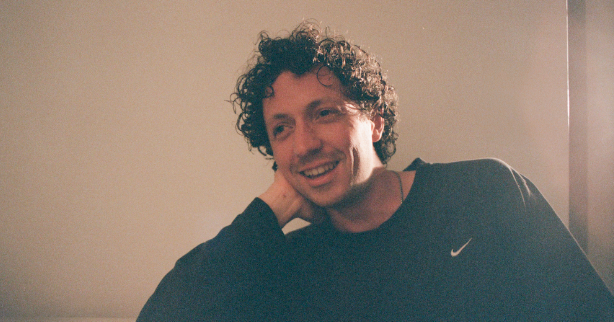
Artist: Liam Kazar
Hometown: Chicago, Illinois
Latest Album: Pilot Light (out November 7, 2025)

What’s your favorite memory from being on stage?

Recently I was on the Outlaw Country Tour with Waxahatchee. Sheryl Crow had invited us all to join her on stage for the last night. Her production folks started passing out little percussion instruments, I think I traded the tambourine with Spencer (drummer) for something reasonable I could play. We all stepped up on the drum riser, me with a drumstick and a cowbell. Then Sheryl turned around and took her guitar off in one smooth motion. She passed it to me and whispered, “D.” Once I made it through the first chorus and got the nod from her guitar player that I was hearing the right chords, I knew this would be the peak of my entire life.

What’s the toughest time you ever had writing a song?

The next one. Not to be cliché, but it’s true. I’m constantly in fear of having written my last song. I always start from a place of “how the hell do you do this?” I’m on tour right now and I’ve been working on a song whenever I have a guitar in my hands. I oscillate between knowing exactly what I think should happen next and feeling like starting over. Both can be the right answer and that’s pretty par for the course. But every once in a while they fall out of you like a dime from your pocket. Wish I knew how to make that happen every time.

How often do you hide behind a character in a song or use “you” when it’s actually “me”?

Flaubert said, “Madame Bovary, c’est moi.”

It’s all me and none of it’s true. I don’t think I could avoid myself if I tried, but I also pull little visions and observations from the people around me all the time. I think you have to be curious about people to be a good writer.

What is a genre, album, artist, musician, or song that you adore that would surprise people?

I would say 50% of the music I listen to is instrumental. Jazz from the ’40s and ’50s in particular. Hard bop and big band music is a constant. Duke Ellington is my favorite American artist. Endlessly inspiring and a huge influence on my melodic sensibility.

Although, recently I have been listening to a lot of Romantic symphonies. Beautiful and mind-altering!

If you had to write a mission statement for your career, what would it be?

I think Woody Guthrie might have said it better than I ever could: take it easy, but take it.


Photo Credit: Alexa Viscius

Sex, Drugs, and
Country Music

Editor’s Note: Each issue of Good Country, our co-founder Ed Helms will share a handful of good country artists, albums, and songs direct from his own earphones in Ed’s Picks.

Carter Faith
Carter Faith

Rolling Stone describes young country phenom Carter Faith as “a bright light for the future of country” – but she’s definitely illuminating the genre in the present! Her debut full length album, Cherry Valley, released earlier this month, displaying in full her gritty, fun, down-to-earth, and modern brand of Good Country.


Ghost Hounds
Ghost Hounds

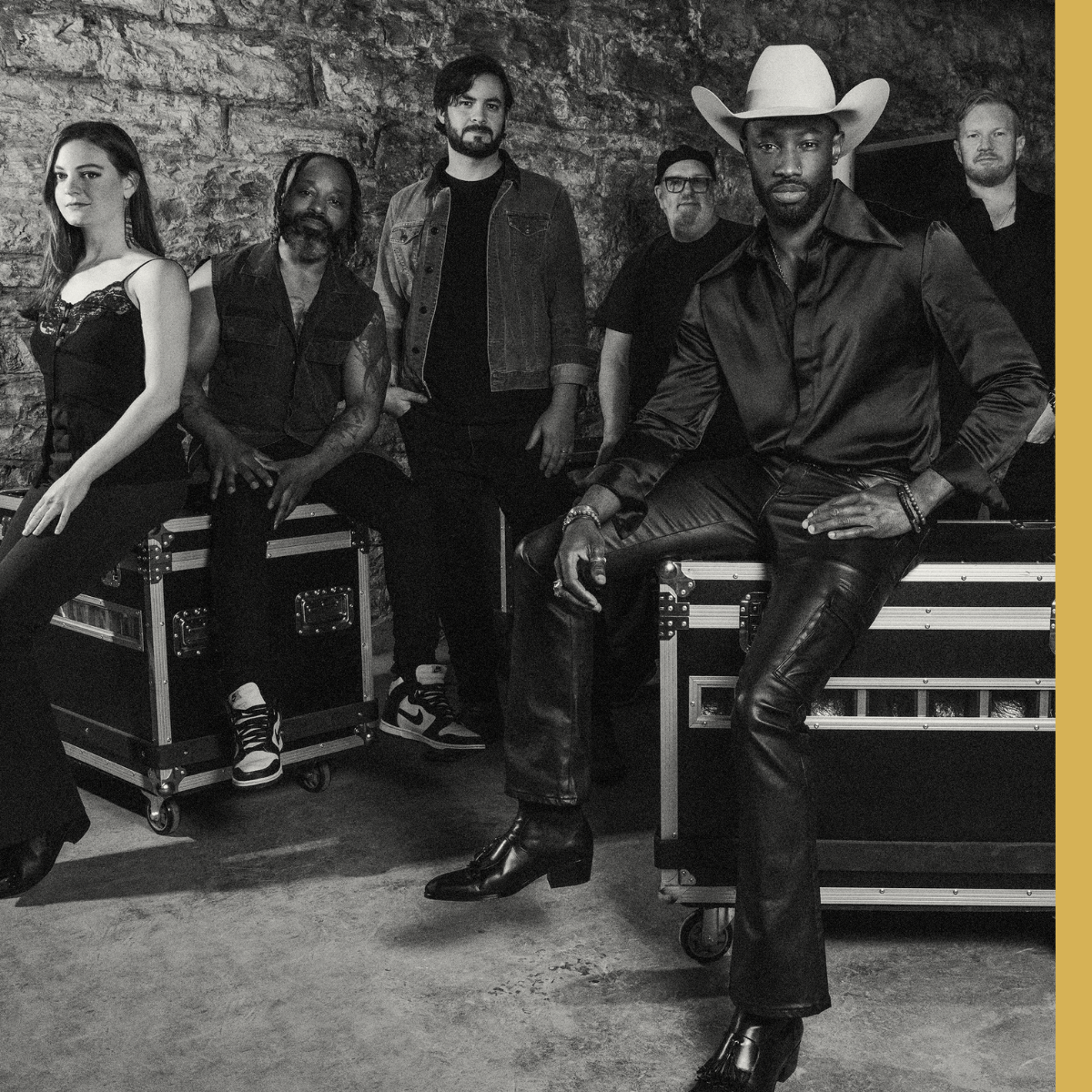
Something special is happening with Ghost Hounds, a Pittsburgh Americana outfit combining blues, rock and roll, alt-country, soul, and much more. Their latest album, Almost Home, features the group’s new lead singer and frontman, SAVNT; a lineup change isn’t foiling this dynamic band, it’s building their momentum. They just made their Grand Ole Opry debut this week!


Vince Gill
Vince Gill

Perhaps our first repeat Ed’s Pick, but Vince Gill is always Good Country, right? The singer-picker-Country Hall of Famer-Eagles vocalist just announced a new series of EPs celebrating his lifelong career in music. The series, titled 50 Years From Home, begins with its first EP, I Gave You Everything I Had, today. We’re so grateful for all the years, all the music, and all you’ve given all of us, Vince!


Nick Shoulders
Nick Shoulders

Singer-songwriter-artist and Gar Hole Records co-proprietor Nick Shoulders is the real deal. He’s part of a broad movement of country musicians recentering the industry, its stakeholders, and its fans so the music better reflects all of the kinds of folks who love it. If you like Good Country that sticks it to the man, seeks justice, imagines a better world, and still sounds like “Grampa Music,” look out for his upcoming album, Refugia Blues (out October 31).


MORGXN
MORGXN

From Broadway in NYC to Lower Broadway in Nashville, MORGXN has done it all, but we find the singer-songwriter-performer thriving as he “reclaims his Nashville roots,” subverts expectations of musical and cultural stereotypes of country, and unabashedly celebrates queerness – especially so on his new twangy EP, Heartland: Part II. More MORGXNs like this in country, please and thank you.


Want more Good Country? Sign up to receive our monthly email newsletter – and much more music! – direct to your inbox.

Photo Credits: Carter Faith by Bree Marie Fish; Ghost Hounds courtesy of the artist; Vince Gill by David McClister; Nick Shoulders by Shelby Merry; MORGXN by Gabriel Starner.

Country Songs for Fall

Fall marks the beginning of “over the river and through the woods season,” whether your destination is grandma’s house, an off-season beach, a u-pick apple orchard or pumpkin patch, a spangled and harlequin forest, or an autumn music and arts festival. As you navigate the changing season and enjoy leaf-peeping, apple butter, hot cocoa, and hot dogs roasted over the fire, there’s one genre certain to accompany you through each and every picturesque context the “-ber” months give us – that’s Good Country.

Country is perfect for fall, whether you’re raising a beer, whiskey, or cider alone or among friends. From driving through tobacco country during curing season in September, to tailgating at the football stadium, to winding your way over the Smoky Mountains, to soaking in the last bit of summer sun, there’s a country song ready to soundtrack your falling back in love with cozy season.

Dripping with nostalgia, evocative text painting, a rich and deep connection to nature, and a reverence for community, folkways, and tradition, country music just may be synonymous with fall – and our playlist certainly helps make that case. We hope you enjoy listening and we wanna know: what country songs always get you in an autumnal mood? Did they make the list?


Photo Credit: Album cover,  New Harvest… First Gathering, Dolly Parton.

Daniel Donato Has Many Horizons in Sight, Literal and Metaphorical

Although names like Billy Strings and Sturgill Simpson currently corner the market at the intersection of country, jam bands, and bluegrass, rising star Daniel Donato has emerged in recent years with an out-of-this-world sound – and his newest project may be his best yet.

On Horizons (which released in August) the prodigy who as a child honed his skills on Guitar Hero and Nashville’s Lower Broadway turns a new page with an 11-song, hour-long compilation that brings his live and studio sounds together with drawn-out jams conjured up by his longtime bandmates from Cosmic Country – a moniker that describes both the group’s sonic and spiritual ethos.

“I want there to be a Cosmic Country sound where you can hear it right away, you can hear the first eight bars of any song and say, ‘That’s it!'” says Donato.

“Some of it is technical, like using the same microphones and the same studio as the last record. And some of it’s just in the way we approach it – and that’s something we get better at every time.”

Sitting on the back of his month-old tour bus affectionately referred to as “The Snowman” prior to a recent show in Lexington, Kentucky, Donato spoke to BGS about his Lower Broadway roots, creative freedom and restraints, and the catalysts for Cosmic Country.

We already touched upon your similarities with Billy Strings, but what about your parents’ influence – I know they played a big role in your musical foundation as well?

Daniel Donato: Everything when I was younger came from my parents. My father had a certain disposition for great rock and roll music like Pink Floyd, Stevie Ray Vaughan, and Led Zeppelin. But to be honest, I really don’t know where all of it comes from, because if you and I listen to a record we’re both going to hear it in different ways. For that reason I think a lot of this just comes from something that’s already dwelling within us and we’re just expressing from within that place.

For example, when I first heard Marty Robbins, I loved all the great guitar on it. And when I heard the Grateful Dead play “Big River” and make it eight minutes long in a really artistic and authentic way, I love that too. They’re all influences, but they start externally and creep inside you to the point that you take them with you everywhere you go and create from that place of soul, which is a combination of the body, the mind and the spirit.

Ever since I started playing guitar, I’ve always felt like I sounded like me and that “me” is constantly changing and revealing itself more and more. It’s like what Bob Dylan said – “I contain multitudes” – and it’s true. There are multitudes of self that just keep getting revealed through this authentic expression.

Was there a specific moment that served as the catalyst for you picking up the guitar and pursuing a career in music?

There have been many, but arguably the biggest was when I first saw the Don Kelley Band at Robert’s Western World and was in a state of shock – I’m getting goosebumps just thinking about it. That moment of hearing them and seeing how they interacted was amazing and was a big motivator in me wanting to do that too. It was a call to adventure and a reminder to believe I’m capable of anything, which is what ties all of these moments together.

That is not a self-assertive belief, that is a belief grounded in an authentic desire to make something beautiful so I can be of service. It was a big turning point in my life when I first started conceptualizing and receiving that, because then you can give it and then it turns into the cosmic circle of all things.

Some might perceive it as arrogance, but I think there’s a lot to be said for having the confidence to know what you’re doing is worthwhile and constantly chipping away to get better and reach your goals, whether that’s in a musical sense or wherever else life takes you.

I had already tried other forms of expression in my life before it, like sports. I also tried skateboarding and really loved video games like RuneScape, World of Warcraft, and chess. Even so, there were so many things I was bad at and I didn’t have beliefs that I could do them. But with music and the guitar, I could intuitively feel the potential I had with it and immediately locked in.

Artistry nowadays is parasocial on a lot of levels because of this immense amount of connectivity that we have on the various social platforms. [They] make it so anyone can get into the business of needing the world to give them permission to say something or express something real, when in reality the world does not need to give you permission for any of that. I’m not saying you should participate in any of the unspeakable, ungodly things we see happening to humans around the world, but if you want to express something artistically and you feel it’s true to you, then why should you need to get someone else’s approval to do that?

That idea to the mind is [like a] letter to the Pony Express – it needs to be delivered and it needs us to exist in flesh so we can externalize these internal values and expressions. It doesn’t need other people, it needs you, but at the same time it does bring people together – it’s so strange. It’s the thing that comes from most within an individual, but it’s also the thing that is the most unifying to an external community. It’s this weird “as above, so below” reflection that is purely righteous, so as I get older I feel I have more grace in relation to that particular part of existence.

The communal element seems to be a huge driving force behind not only your live show and fans, but this new record as well. Whereas some artists opt for a more straightforward studio approach, what made you want to emulate the energy from a gig on Horizons?

Cosmic Country records, to me, are like movies. The most enduring elements of certain movies that I love are the really long ones that have a very dynamic and rich storyline with a lot of drama and comedy in an attempt to scale the human experience. Like in A Fistful of Dollars, Django Unchained, or The Hateful Eight. The art is asking a lot of you during these three hour-long films, but it’ll give you a lot, too. There’s reciprocity there and our community is always willing to take the trip, which is equal parts liberating and terrifying. [Laughs]

If you were asked to write the score for a film, what would you want it to look like?

It would have to be a very truthful opportunity for me. I have always wanted to do that, even when I was really young. I always wondered where music and movies came from. But for now, we put out our records, and we play a lot of shows.

Speaking of the new album, you’ve been playing most of the songs on it live for a while now. What kept you from holding some or all of these songs back until the project’s official release, which it seems more and more singers are doing nowadays?

I like to look at our music as living music. It’s liberating in potential, but it’s also liberating because it gives you a framework to operate and create within. Every day of your life is different, so why wouldn’t the music that accommodates your life every day be different? These new songs are no different than a young child – they do better when they get to go out and be around people so they can grow spiritually.

That’s why it’s also important to share stories that everyone knows, which is why we incorporate a lot of covers into our shows and even recorded a volume called Cosmic Country & Western Songs in 2021. It gives people context and I love doing that. My favorite part of playing at Robert’s was we only played covers all those years so I’ve always loved making other’s songs my own – because if a song is good enough, you can play it with an original feeling.

But with Horizons every song I had my hand to the pen, even “Hangman’s Reel” – a traditional Celtic fiddle tune that the band and I fit into the Cosmic Country framework.

You’ve mentioned Robert’s Western World a couple times now. A couple weeks ago you returned there after making your headlining debut at the Ryman. What was that like?

We’ve done what’s never been done down on Broadway – going from cutting your teeth on the street corners and at places like Robert’s to topping a bill at the Ryman. It’s a common storyline for folks in Nashville to get their starts down here. Some go on to become songwriters, others become singers on stage and some become session musicians, but it all starts down on Broadway.

What I learned down there led me to getting in the door at Robert’s and leaving my blood and sweat on that floor there – like a dojo – before carrying us all the way to the Ryman. It was incredible getting to do a full headlining set up there and then going back home to where it all began at Robert’s and doing another set of music for their fans. We’re actually planning to release both soon as live recordings, so stay tuned!

With Horizons you placed parameters on how many times you’d go back to record and work on each song. With how open-ended so much of your creative process seems to be, what made you opt to place constraints there?

If your personality has a disposition for conscientiousness and open mindedness, it becomes that individual’s responsibility to see the trends of that because it can help optimize the way you engage with human relationships when creating projects. When we went and did Reflector we spent a lot of time on things we didn’t need to because I didn’t know better at the time.

When it came time to record Horizons I knew we could take half the amount of time to make it because we play it every night and shouldn’t need a bunch of tries to get it right. So I decided we’d just aim for three takes of a song to be more efficient. There’s a liberating faith that comes with knowing that’s good enough. If you know you have seven chances, you’re probably going to take seven – but we’re trying to work to ensure it only takes one.

You were talking earlier about creating living music, and stuff like this seems like it helps to keep what you do in the studio just as fresh as what you’re doing out on the road.

They’re two very different things. One’s a picture of a person and the other one’s a person. A picture can do a lot, but it’s not that person, especially when it comes to thinking about a picture of someone that you love who is no longer alive. Even then it’s not the same as them being in the room with you again to hug you.

For instance, I know that there will be a day where I have a gig and I won’t be able to call my dad to debrief – that’s gonna be a tough one. So the live thing is almost like a conveyor belt trying to make it an exact replica of what’s going on on the albums. There are people I see do that and I really respect how they do it because it’s authentic to them, but it was never for me.

How did your approach to bringing Horizons to life differ from how you tackled Reflector and other projects previously?

We had two years of intense experience constantly working on these songs between albums. It made me a different person on some level because I had a better idea of what to aim for and what not to aim that really allowed us to hit the bullseye this time compared to Reflector. And I’ll probably be saying the same thing again when the next record comes around, which will be a lot different than Horizons.

You just alluded to going a different direction with your next album. Someone else known for that who I know has heavily impacted your musical trajectory is Sturgill Simpson. How’d you get sent down the rabbit hole of his music?

Man, I remember when Sturgill Simpson worked at the Turnip Truck in the Gulch in Nashville, I would always see him there and thought nothing of it until one night when I was at The 5 Spot and heard him on stage singing for the first time. Then when Metamodern Sounds In Country Music came out I was in my friend Harrison’s basement. We had gone to Grimey’s to buy the record, we smoked some weed, turned it on, and listened with headphones on. It was and still is a defining moment in my listening experience of music – that record is so special.

Looking back I can see why Sturgill wanted to make a bunch of 180s, because from SOUND & FURY to Sailor’s Guide each album is its own thing. Most successful artists have one signature piece of work, like Tyler Childers’ Purgatory, Chris Stapleton’s Traveller, Tom Petty’s Wildflowers, the Grateful Dead’s Workingman’s Dead, or Neil Young’s Harvest. Unless you’re someone like Bob Dylan or Willie Nelson where you have over 100 albums out. There’s usually one record where you’re like, “that’s the one.” With cosmic country we don’t have that album yet, but I think Horizons could be it.

What has the process of bringing Horizons to life taught you about yourself?

The concept of a Horizons is two-fold. There’s a literal, geographical, physical, material horizon where the land meets the heavens. Then there’s the metaphorical one, and we’re always pushing the cosmic country horizon. But there’s also a psychological horizon where you’re meeting your potential that the sky is symbolic of.

As Alan Watts would say, “there’s a dance to those things,” and I feel that since we put out Horizons that the band and I are on the verge of new horizons. It truly is the dawn of a new day.


Photo Credit: Jason Stoltzfus

Sunny Sweeney’s Musical Full-Circle Moment

Self-producing an album wasn’t something that Sunny Sweeney spent much time pondering – until it happened.

Rhinestone Requiem is the pinnacle of her taking charge, hoeing her own bean row, and flexing her self-determining vigor. It’s just the latest from an artist committed to exploring her imaginative energies on her terms.

“I’m happy with what we ended up with on this project,” said Sweeney. “We could just pay ourselves. Plus we only had to have two opinions [hers and co-producer Harley Husbands’] versus more opinions.”

“Our mentality going in was, ‘We know how to do this and we are going to try it and see what happens.’”

Rhinestone Requiem, released August 1, is pure Sweeney, sharing tales of figures who win hearts readily and whose outlaw lifestyles embody freedom from responsibility. There are songs devoted to romantic quests, the forever keeping on and the forever searching, like such richly rendered titles as “Traveling On” and “Diamonds and Divorce Decrees.”

Most of the album’s tracks are the result of Sweeney’s collaborations with several musicians she has been working with for a number of years. There are also two covers, “Find It Where I Can,” popularized by Jerry Lee Lewis, and “Last Hard Bible” by Sweeney’s friend and mentor Kasey Chambers.

Though she once saw the sharing of songwriting duties from a tentative and even negative point of view, Sweeney wholly embraced the notion of teamwork on Rhinestone Requiem.

“Songs were written with the rest of the people that I have known for a long, long time … I know what I’m going to get when I write with those people. They know their strengths and I know my strengths, and that’s why we continue to write together.

“I used to never collaborate,” she continued. “But now I’m co-writing and thinking this is awesome. I was petrified at first. Songwriting with others forces you to put down all of your worries. A lot of people worry about co-writing. But I see it as a double bonus thing. You hang out with friends and you get to work.”

Rhinestone Requiem is a throwback to Sweeney’s upbringing and all of the earliest things that have had a colossal effect on her: Her father’s records, which she had open access to; listening to Jerry Reed; watching The Dukes of Hazzard; processing the initial songs that jiggled her plaster loose.

Sweeney vividly recalls at age 8 hearing Jessi Colter’s “I’m Not Lisa,” a great example of one of her songwriting paradigms of setting mood and meaning.

“I sat and watched the record play,” said Sweeney, “I remember thinking she sounded really sad, but now I know what she’s talking about. I also remember hearing Jerry Reed’s ‘Amos Moses.’ I thought, man, what type of noise is this? I knew I needed to hear more of it in my life. Waylon Jennings’ ‘Good Ol’ Boys’ theme and I loved The Dukes of Hazzard. I told my mom that I wanted a son and was going to name him Bo and Luke Duke. I loved them both, those Duke boys, and I loved that Telecaster sound.”

The whole fictional gang of rural Hazzard County folks, Bo and Luke and Daisy Duke, mechanic Cooter Davenport, accident-prone though incorruptible deputy sheriff Enos Strate, and others, resembled the classmates, pals, and neighbors who Sweeney was raised with in the Texas countryside.

“Those were the kinds of people that existed in my life,” said Sweeney. “Country boys were dressed like that and they’d drive too fast down the street. I saw Daisy Duke and I wanted heels like that. Daisy Duke. Dolly Parton. Grease. Heels and lipstick. I had seen my future!”

Sweeney was born in Houston, but after her father decided that he no longer wanted to work in the family insurance business, he quit the agency and packed everyone and everything up and drove more than 200 miles north to Longview, where he’d grown up.

“I’m grateful for that small town,” said Sweeney. “I don’t know if I would have ended up in the music business if I wasn’t raised there. There were opportunities for small-town people and small-town interactions, which have shaped the way I feel musically.”

Indeed, the move to Longview would play a decisive role in Sweeney’s relationship with music. There was a low-watt country music station in the town of about 60,000 people featuring a succession of howling DJs who routinely tried to break the songs of lesser-known artists, allowed for call-ins, and welcomed conversations. Sweeney started listening in the third grade and calling in to request Conway Twitty.

After her parents’ divorce, Longview was also where her mother met Paul, the person who would become her stepfather – and, in hindsight, her biggest career influence. Paul and one of his brothers liked to twang the guitar. Nurturing and never hardhearted, Paul slowly and caringly taught Sweeney how to play the instrument. The first guitar that he gave to her was a black composite Martin, “a cheap, old, sentimental thing,” she said. She learned that her grandfather was a member of a big band orchestra. He played the trumpet, drank scotch, and chain-smoked cigarettes. She thought that he was the apex of cool. But the notion of becoming a musician as an occupation seemed, in her words, “far-fetched.” She asked Paul what he thought – and he merely grinned.

Years later, Sweeney, thinking about her stepdad’s tenderness, her grandfather’s stark sense of flair, and some of the songs and musical moments that touched her as a child, she re-examined her intentions.

“I had a college degree and I didn’t want to use it. I wanted to work for myself and wear jeans everyday and be my own boss. That was 20 years ago.”

Sweeney, now 48, lived in Austin for approximately 25 years, going through some precariously bony times, financially. She juggled other jobs while making barely enough to cover bills. At one point, strapped for cash, she pawned the original Martin that her stepdad had given to her. The Chaparral Lounge in South Austin was the very first place that Sweeney performed and several months elapsed before she would muster the courage to return to the stage a second time. That second performance took place in August 2004 at the Carousel Lounge on East 51st Street.

“There was a halfway house across the street and I was not that good,” she said. “My mom said that there were two or three minutes in between each song and lots of discussing how we were going to play it.”

Swiftly, however, Sweeney improved. “I threw myself into it 150 percent.”

She began hustling seven nights a week, performing wherever there was the potential of a free meal or the likelihood of even a single pair of listening ears. At grocery stores, perched on hay bales, in the rutted corners of falling apart parking lots. If the spot had electricity, she would play there. And if it didn’t, she would still sing, at any rate.

“Many nights I played outdoors without lights,” said Sweeney. “We had lights on a stick, two canister lights, before LED lights. At Poodle Dog Lounge, which was a staple in Austin – now Aristocrat Lounge – there was no stage. No credit card machine. No dance floor. There were some chairs, and you were three feet in front of that, standing there. I missed one or two Sundays in three years.”

At Poodle Dog Lounge, Sweeney played her set between 8 and 11 p.m., plenty of shuffles and polkas to satisfy the dancers. Her act was mostly covers, with the occasional original thrown in, hoping that the audience was too sauced or too ebullient to even notice.

Her rewards and incentives, she said, were comparatively picayune. “Eating for free was pretty cool. Not having to get up early. Maybe play at a couple of other nearby towns.”

Things were moving along satisfactorily, if not spectacularly, when she received a message on MySpace from a record producer who told her that he liked what he had heard out of her in a club in Austin one night. He was based in Nashville, and once he learned that Sweeney would be performing there, he showed up. Without delay he offered her a recording contract.

Since then, she has won over a sizable group of listeners with a repertoire of songs that are frank, discerning, and occasionally grief-stricken, teasing, provocative, and ultimately convincing.

@sunnysweeney New song from the new record! You ever tried to get away from a relationship that keeps sucking you back in? #sunnysweeney #countrymusic #foryourpage ♬ original sound – Sunny Sweeney

Co-producer Harley Husbands has worked with Sweeney for about 10 years, his guitar licks always craftily and reliably adding richness to their musical portraits. The pair are so joined at the hip that his contributions to Rhinestone Requiem are virtually indistinguishable from Sweeney’s, their palettes bleeding into a single piece of artistry.

“We live together and work and travel and play together,” said Sweeney. “That forces you to work well together in the studio. We’ve got no time to not work well together. Having a bad day? Too bad.”

Sweeney said that the vocals on the record are about as close to the authentic article as she could deliver, done without any polishing or cleansing or much enhancing. She credits Harley with being the ultimate arbiter, the most prized of assayers. He knows her voice better than anyone. If she didn’t sound right at a particular moment, he made sure to tell her so.

“I’d be in the vocal booth running through songs and he would be in the control room, knowing what I do like hearing out of myself… He knows what I like to hear. If he was not hearing me sing that way, he would know it perfectly. It’s as close to me knowing it on my own as possible.”

Her vocals on Rhinestone Requiem are firm, authoritative, and insightful enough to be considered some of her best work.

“It is not smushed down and compressed,” said Sweeney. “It is as close to sounding as they’ve sounded at the show. I don’t like it when you buy a record and put it on the turntable and it doesn’t sound like what you’ve just heard at a show. I like reaching the high end. It can be shrill. Either people love it or hate it. Harley’s job was mixing me and pulling out my significant sound and frequency, but without squishing what people are already used to hearing.”

By the way, a requiem, by definition, is an action or token of remembrance. It is a word that has generated a bit of droll reaction, Sweeney said. “Some guy just wrote on my page that we need to pick a word that we can pronounce. I laughed my ass off out loud. My sister said that we need to get those boys a dictionary!”

Nevertheless, it is a pleasing and easily engaging listen, whether to devotees or casual fans of clear-cut country. Out of the new songs, “Traveling On” and “Diamonds and Divorce Decrees” are receiving the largest number of spins.

“I hate having to pick songs to release as singles,” said Sweeney. “I think we should release all of the songs and let people pick themselves. There are a couple of deeper ones, like ‘Half Lit in 3/4 Time’ that I’m really liking. ‘As Long as There’s a Honky Tonk’ is going over well at gigs and live is getting a really good response.”

Indeed, the formula of Rhinestone Requiem is the same modus operandi of loving labor, mischievous candor, bittersweet humor, and resolute truthfulness. And it seems to be paying Sweeney impressive dividends.

“Years of wearing myself out and gigs and travel,” said Sweeney. “I’ve started to see people now at every single gig. It’s all starting to feel real now. We’ve been living with these songs for a year, and now other people are now hearing them. The excitement is building.”


Photo Credit: Nash Nouveau

Tyler Childers: The Backstory (In Songs)

Tyler Childers has taken an unlikely path to the top via live performance, not radio singles. He’s become an improbable arena-level star by ignoring typical Nashville bromides – equal parts Patterson Hood’s working-class Southern blues, Chris Stapleton’s bluegrass bonafides, and Woody Guthrie’s progressive populism. After all, you’re not gonna call your touring band The Food Stamps unless you lean left, at least a little.

Like Billy Strings, Childers has become enough of a sensation for his appeal to extend beyond the Americana-adjacent world, too. Last year, he even turned up onstage for a live cameo with pop star Olivia Rodrigo in his Kentucky stomping grounds to do his song “All Your’n.” It went over like a house on fire.

Since country radio is finally, belatedly catching on with “Nose On The Grindstone,” lead single to Childers’ fine new Rick Rubin-produced LP Snipe Hunter, let’s take a look back to where he came from.

How’d this happen, anyway? Like this.

“Hard Times,” Bottles and Bibles (2011)

Going back to the beginning, “Hard Times” was the song that opened Childers’ full-length debut Bottles and Bibles. It’s an actual hillbilly elegy that definitely sets a tone, with finely detailed lyrics that unfold like a short story. Simultaneously stoic and emotional, Childers’ quavering vocal about a holdup gone wrong makes him sound like a protagonist who somehow regrets both everything and nothing at all: “And if the Lord wants to take me, I’m here for the taking/ ‘Cause Hell’s probably better than tryin’ to get by.”

“Long Violent History,” Long Violent History (2020)

Bluegrass roots and of-the-moment progressive activism makes for an unusual combination, but here we are. “Long Violent History” is the title track to a bluegrass album and it’s the only original and non-instrumental track on the record. Evoking “Faded Love” at the outset and “My Old Kentucky Home” on the outro, it’s a rural Southern score for the Black Lives Matter protests that swept America in 2020.

“It’s the worst that it’s been since the last time it happened,” Childers sighs at the outset, resigned to the inevitability of violence happening again. For good measure, Childers made a supplemental spoken-word video (below) explaining the necessity of BLM: “If we didn’t need to be reminded, there would be justice for Breonna Taylor, a Kentuckian like me, and countless others.”

“Jersey Giant” – Elle King (2022)

If Childers ever records his own version of “Jersey Giant,” he’ll have to hustle to top Elle King’s cover. As with the similarly themed “Me and Bobby McGee” (written by Kris Kristofferson, but owned for the ages by Janis Joplin), King just completely inhabits the song’s bittersweet, longing anguish. “I left town when we were over… Just didn’t feel the same” – the way she pauses a beat between lines is just chef’s-kiss perfection. There are numerous cover versions of “Jersey Giant” out there, but this is the one that’s going to linger.

“Luke 2:8-10,” Rustin’ In The Rain (2023)

Remember the big pivot-point moment of truth in the classic holiday cartoon A Charlie Brown Christmas – the “Lights, please” speech that his friend Linus makes? Childers must have grown up with that, too. Linus spoke these Bible verses, Luke 2:8-10, which Childers transposes to the key of honky-tonk in this song with his drawl in full effect. You can almost imagine the “Peanuts” dancers doing a two-step to it.

“Purgatory,” Can I Take My Hounds to Heaven? (2022)

Childers’ ambitiously wide-ranging 2022 album Can I Take My Hounds to Heaven? featured eight gospel songs, each done in three different versions dubbed Hallelujah, Jubilee, and Joyful Noise. The latter category tricked each tune up with samples and remixes, which might be the closest Childers has ever come to hip-hop electronica (at least so far!). In this guise, the title track from his 2017 project Purgatory cuts the sort of groove you’d expect to hear in New Orleans.

“The Heart You’ve Been Tending,” Harlan Road – NewTown (2016)

What does it mean that so many of the best covers of Childers’ songs are by women? Who’s to say, but here’s another great one, from the Kentucky band NewTown’s Harlan Road album. “The Heart You’ve Been Tending” is in waltz time, with fiddler/singer Kati Penn’s vocal shining bright as a lighthouse cutting through a foggy mountain breakdown.

“In Your Love,” Rustin’ in the Rain (2023)

Another multimedia project of sorts, this song from Childers’ Rustin’ in the Rain started out as a relatively conventional devotional love song. Then he enlisted collaborators including his fellow Kentuckian, author Silas House, to make a video that casts “In Your Love” as a sort of country music version of Brokeback Mountain set in coal-mining country. As beautiful as it is heartbreaking.

“Matthew,” Country Squire (2019)

Childers has always been wildly eclectic and this song from his Country Squire LP is a prime example. “Matthew” is yet another working-class waltz, with enough bluegrass savvy to drop bluegrass legend Clarence White’s name in the lyrics – plus an actual sitar as oddball sound-effect mood-setter at the beginning of the song. Somehow it makes perfect sense.

“Bottles and Bibles (Live),” Live on Red Barn Radio I & II (2018)

With or without a band, Childers has always been a riveting performer. This live version of the title track to his 2011 studio debut closed out 2018’s Live on Red Barn Radio I & II and it’s just voice and guitar. All the better to focus on the tale of a preacher as wayfaring stranger pondering the difficulties of keeping to the straight and narrow: “But they ain’t had to walk with the weight that you’ve hauled/ They don’t know you at all, but they think that they do.”

“Coal,” Bottles and Bibles (2011)

What might Bruce Springsteen have been like if he’d grown up in a Kentucky coal-mining family? You can imagine him turning out like the narrator of this song, which sounds way too timeless to have originated in this century. It’s pure working-class desperation: “We coulda made something of ourselves out there, if we’d listened to the folks/ That coal is gonna bury you.”

“Oneida,” Snipe Hunter (2025)

To be a Childers fan is to accept that he does have some idiosyncratic boundaries. There are songs from his live shows he’s never recorded, like the previously mentioned “Jersey Giant”; or popular recorded songs he has sworn off playing live, including the now-widely-seen-as-problematic “Feathered Indians.” For the better part of a decade, one of his unrecorded orphans was “Oneida,” a longtime fan favorite that’s like a Harold and Maude for the country set. Lo and behold, a recorded version finally surfaced as one of the best songs on Snipe Hunter. Dreams do come true.


Find more of our Artist of the Month coverage of Tyler Childers – including our Essentials Playlist – here.

Photo Credit: Sam Waxman