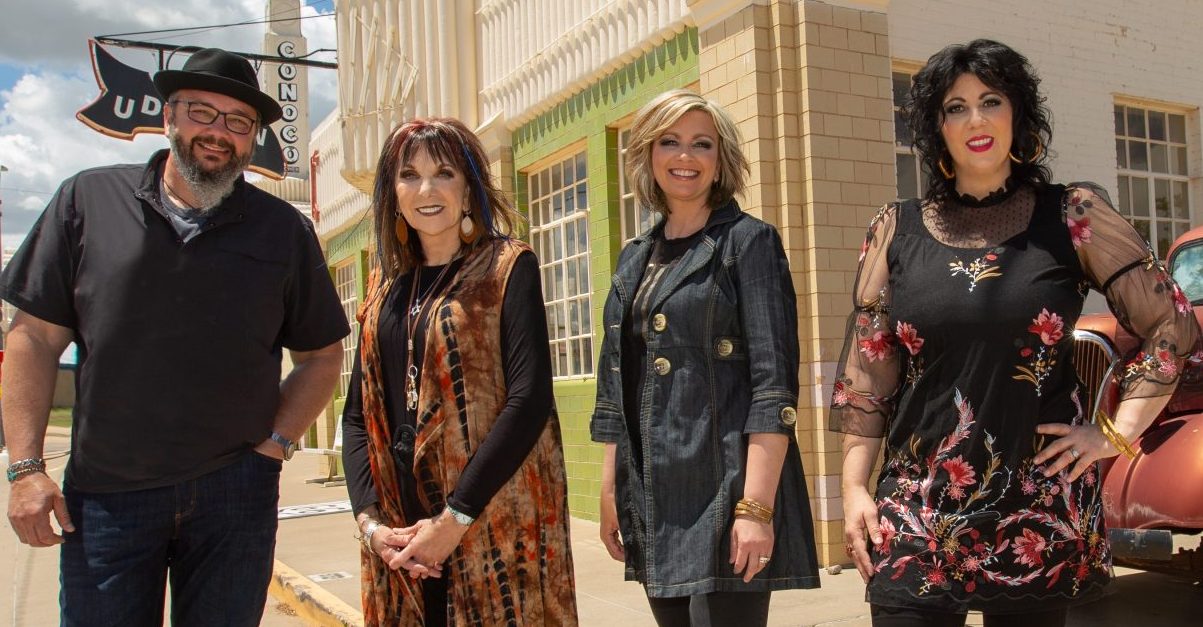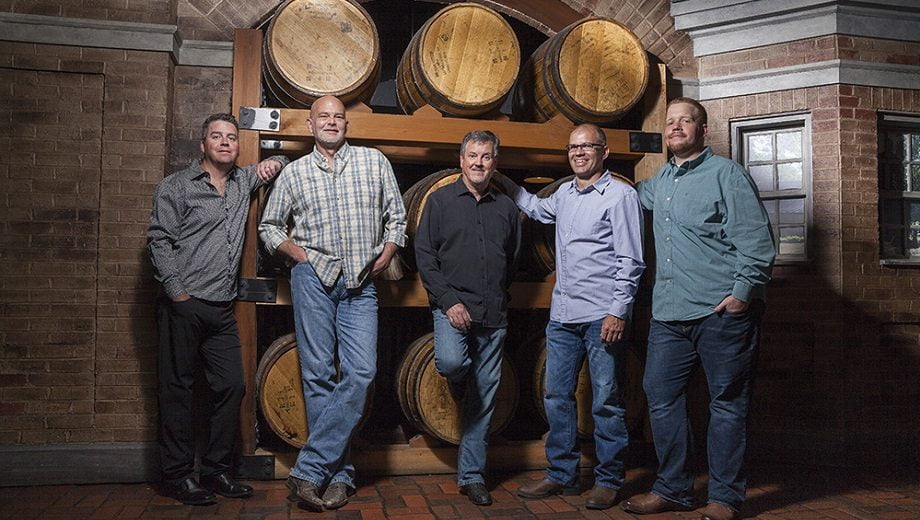
LISTEN: Lonesome River Band, “Every Minute Means a Mile”

Artist: Lonesome River Band
Hometown: Floyd, Virginia
Song: “Every Minute Means a Mile”
Album: Singing Up There: A Tribute to the Easter Brothers
Release Date: July 23, 2021
Label: Mountain Home Music Company

In Their Words: “‘Every Minute Means a Mile’ is an Easter Brothers classic that talks about the common man’s journey to the cross and Jesus Christ. If we follow The Cross on this journey, the Greatest Reward is on the other side. We cannot look back at what we have done, but we must keep our eyes on the Cross and with patience, we will gain our Heavenly Reward. There is nothing complicated in the way The Easter Brothers wrote the lyrics. Simplicity at its finest!” — Sammy Shelor, Lonesome River Band


Photo credit: Anthony Ladd

16 Bluegrass Songs for Summer Vacation

It’s summer, our second in the “after times,” where road trips, national parks, and scenic byways are king. As you head off on your COVID-aware vacations this summer, don’t leave all the driving music to indie, easy listening, country & western, or rock ‘n’ roll. The chop of the mandolin, thump of the doghouse bass, and rapid-fire roll of the five-string banjo are just as suited to soundtrack your sunny forays. To prove that point, here are 16 bluegrass songs perfect for inclusion on your summer vacation playlists. (Listen to the full playlist on Spotify below.)

“Highway” – Claire Lynch

Bluegrass being an itinerant livelihood and a nomadic community, traveling songs are just as expected a feature as murder ballads, train tunes (a form of travel song unto themselves!), and moonshine running tales. This modern classic via Claire Lynch — written by Lynch and Irene Kelley — is a perfect example of the form, more ‘90s country offered by a string band than a traditional, four-on-the-F-style grassy track. It’s delightful — and perfectly winsome and longing when you find yourself listening while traveling down the highway.


“Handsome Molly” – Tim O’Brien

Our July 2021 Artist of the Month Tim O’Brien’s rendition of this bluegrass classic is a far cry from, say, a Flatt & Scruggs’ cut. O’Brien’s has a slight transatlantic bent — with a distinct island detour, perhaps through the sunny Caribbean. If you’ve found a craving to set your foot on a steamboat and sail the ocean ‘round deep inside your soul, this one’s for you.


“1952 Vincent Black Lightning” – Del McCoury Band

Another track with a transatlantic story, this ever-popular, most-requested number covered by the Del McCoury Band is a road trip staple — whether you get in or on your vehicle to hit the highway. It would be a sin to make a bluegrass summer vacation playlist and not include “1952 Vincent Black Lightning!”


“Val’s Cabin” – Laurie Lewis

A rare example of a bluegrass song actually about summer vacations, this Laurie Lewis original, “Val’s Cabin,” begins as a simple retelling of childhood memories — nostalgia being a common rhetorical device (and when attempted by many other writers, a well-worn trope) in bluegrass. But Lewis, a veteran through-hiker, wilderness excursioner, and backpacker as well as a Grammy-nominated bluegrass singer and songwriter, tinges the story with melancholy and the existential questions raised by the ever-worsening climate crisis. The song is as evocative as it is gorgeous; though the singer can’t find the way to “Val’s Cabin” any longer, every listener can.


“Paddy on the Turnpike” – Vassar Clements

If you ever happen to find yourself Crossing the Catskills on a summery jaunt, “Paddy on the Turnpike” must be in your listening rotation. Avoid the tolls, but still go for a ride on the turnpike with Vassar Clements’ wild, unpredictable, jaw-dropping, wonky fiddling. “Paddy” is a blank canvas for Clements and a study in bluegrass’ unending affinity for flat seven chords.


“Don’t Give Your Heart to a Rambler” – Tony Rice

A hit in nearly every jam circle that ever circled, “Don’t Give Your Heart to a Rambler” is almost as if “Gentle on My Mind” had been written by a much less kind or compassionate protagonist. Tony’s solo vocal stylings are as iconic as his six-string licks, nearly obliterating any memory of this song ever having been sung by anyone else. What’s more, the titular advice of the track still stands. Just don’t.


“Highway 40 Blues” – Larry Cordle & Lonesome Standard Time

Because “Interstate 70 Blues” just doesn’t roll off the tongue. And that melodic hook should go down in history as one of the best country licks to ever lick! Cordle wrote one built for the long haul with “Highway 40 Blues.” It’ll keep you good company as you go wherever and back.


“Banjo Pickin’ Girl” – Annie Staninec

Is there any better reason to go around this world than being a banjo picker? There are never enough banjo pickin’ girls and this anthem, no matter how many times it’s picked up, studied, and retooled by another banjo pickin’ girl, always SLAPS. (Clawhammer pun intended.) Fiddler and multi-instrumentalist Annie Staninec, who’s traveled around the world making music quite a bit herself, gives an excellent old-time rendition of this favorite.


“A Crooked Road” – Darrell Scott

Darrell Scott turns a literary device pretty common in songwriting on its ear, with a tender eye for detail and emotion that he brings into all of his musicmaking. Life is, after all, about the journey — not the destination. Why not take the crooked, and thereby, the road less traveled? 

Plus, take this song as suggestion: The Crooked Road, Virginia’s Heritage Music Trail, is well worth a visit. Put this song on and take the Crooked Road.


“Up and Down the Mountain” – David Parmley & Continental Divide

Work life doesn’t suit you? Does “paradise” mean a fiddle and the open road? If so, “Up and Down the Mountain” is for you and your road trip playlist. Especially if you’re planning on trekking through the Rockies, Sierras, Ozarks, Applachians, or what-have-you. Turn off cruise control, watch for the runaway truck ramps, and go up and down those mountains! David Parmley & Continental Divide know something about geography and topography, after all…


“Roving Gambler” – The Country Gentlemen


Not sure why you’d be headed to Las Vegas during one of the hottest summers on record, but if you’ve got your sights set on a casino — wherever it may be — crank up “Roving Gambler” and hope your 2 a.m. slot machine binge or your evening “re-learning” blackjack ends more amiably than with gunfire. Speaking of which, perhaps “Blackjack” deserves a slot on this playlist…


“Travelin’ Prayer” – Dolly Parton

The kick-off of one of Dolly Parton’s masterpieces, her 1999 bluegrass album The Grass Is Blue, “Travelin’ Prayer” was actually written by Billy Joel. Yes, that Billy Joel. The original, from 1973’s Piano Man, featured banjo playing by Eric Weissberg and Fred Heilbrun. So of course the tune stands up to the bluegrass treatment and then some, between Stuart Duncan’s haunting fiddle cadenza to begin the track, the rip roarin’ tempo and train whistle harmonies, and the lonesome feeling of being away from your baby while he travels the world. We’re gonna assume Dolly’s blessed pen and ink added the lyric: “And keep him away from planes / cause my baby hates to fly!”


“Road to Columbus” – Kenny Baker

Growing up this writer frequented a bluegrass jam in Granville, Ohio, about 25 miles east of the state’s capital, Columbus. Like clockwork, every week as the jam wound down around noon on Wednesdays, Troy Herdman — a local bluegrass community stalwart, Doc Watson-style flatpicker, and mentor of many who lived in or around Columbus — would call this tune. Everyone would chuckle, and we’d play “Road to Columbus” as everyone, but especially Troy, hit the road to Columbus. 

Herdman passed away last week at the age of 91. I certainly wouldn’t be the musician I was today if it wasn’t for Troy, and I know quite a few others who would say the same. So no matter where I travel, I always keep “Road to Columbus” nearby. Especially when I’m headed home to Ohio.

Many pickers speculate over whether Kenny Baker and Bill Monroe were referencing Columbus, Ohio, or Columbus, Indiana. But, according to Roland White — who introduces the song with an anecdote from his time on the road with Monroe — it’s about Ohio. For this Ohioan, that’s confirmation enough!


“That’s How I Got to Memphis” – Tom T. Hall

His own recording of one of his most popular hits may sound more like straight up and down country than ‘grass, but even the most casual fan of Tom T. Hall knows that this Bluegrass Hall of Famer is bluegrass to his core. If you’re headed down I-40 from Nashville — or, really, towards Memphis from any direction, no matter how direct or circuitous, this song is a must-add for your road trip playlist.


“Where Rainbows Never Die” – The SteelDrivers

This song is about a decidedly different kind of journey, not often referred to as a “vacation,” but even so it’s a poignant, encouraging, and downright delicious song to background any journey. If you’re road weary — or life weary — “Where Rainbows Never Die” is a certified pick-me-up that doesn’t shy away from reality, like the grit and coarseness in Chris Stapleton’s lead vocal wrapping you in its warmth. There’s a comfort in life not being sugar-coated — and in knowing somewhere, west of where the sun sets, rainbows never die.


“Home Sweet Home” – Flatt & Scruggs

Home never feels so sweet as when you’ve just returned after a long, restful, relaxing vacation. So we’ll close our summer vacation playlist with Flatt & Scruggs’ rendition of this tune pulled directly from the American songbook, “Home Sweet Home.” We hope a banjo roll always greets you at your door, and if not, this playlist will at least cover that for you. Wherever you roam, there’s no place like home! And no music like bluegrass.


Editor’s Note: Check out our follow up playlist, Take the Journey: 17 Songs for a Sunny and Warm Summer Vacation

LISTEN: Jackson Melnick, “John the Revelator”

Artist: Jackson Melnick
Hometown: Crested Butte, Colorado
Song: “John the Revelator”
Album: Abilene
Release Date: September 24, 2021

In Their Words: “Apocalypse isn’t to be confused with tragedy. Apocalypse is seeing something in truth, and the pain that might come from having the blinders pulled off. The Book of Revelation, where the characters in this song first emerged, is worth looking at. Or, if you are like me, you can listen to Blind Willie Johnson play slide guitar and sing ‘John the Revelator’ and read the Bible as a chaser. I was struck that the traditional blues song was never adapted to bluegrass music; the theme of the song fit so well, along with the haunting chorus. Perhaps it never was brought into the pantheon due to a kind of musical red-lining in the past, but for those who really know, bluegrass is rooted in Black music and the blues — Arnold Shultz, Bill Monroe’s musical mentor, is only one well-known example. The traditional song’s lyrics didn’t translate melodically well to bluegrass, so I invented some new ones that fit with an apocalyptic narrative — my apocalyptic narrative — which I think is a little more optimistic. I hope Mr. Monroe’s ghost enjoys this song.

“When I worked the song out over a traditional bluegrass progression, it really became one of the most electric bluegrass songs I had ever heard. Alex Leach, a well-regarded banjoist and songwriter himself, and Christopher Henry, the premier Monroe style mandolinist and producer of the new album (notably in Peter Rowan’s Band for a long while now), both helped to bring to the song the tones that make it feel like a classic. Christopher is somebody who knows Mr. Monroe’s language with perfect fluency, the improvisational spirit of it rather than a note for note reflection of Mr. Monroe’s picking. Alex Leach played in what became of the Clinch Mountain Boys. Christopher and I asked him to be on it as a nod to Dr. Stanley, and he lets it rip. I felt something strange and new writing this song, with the narrative of it being an apocalyptic story, but somehow on the rejoicing side of that story. True believers, or I think anyone with real spiritual faith, will relate to the uplifting quality of the song. Singing through the apocalypse — whatever apocalypse you might encounter — it is quite the spiritual test of real faith and true eternal life, and one I hope to emanate.” — Jackson Melnick


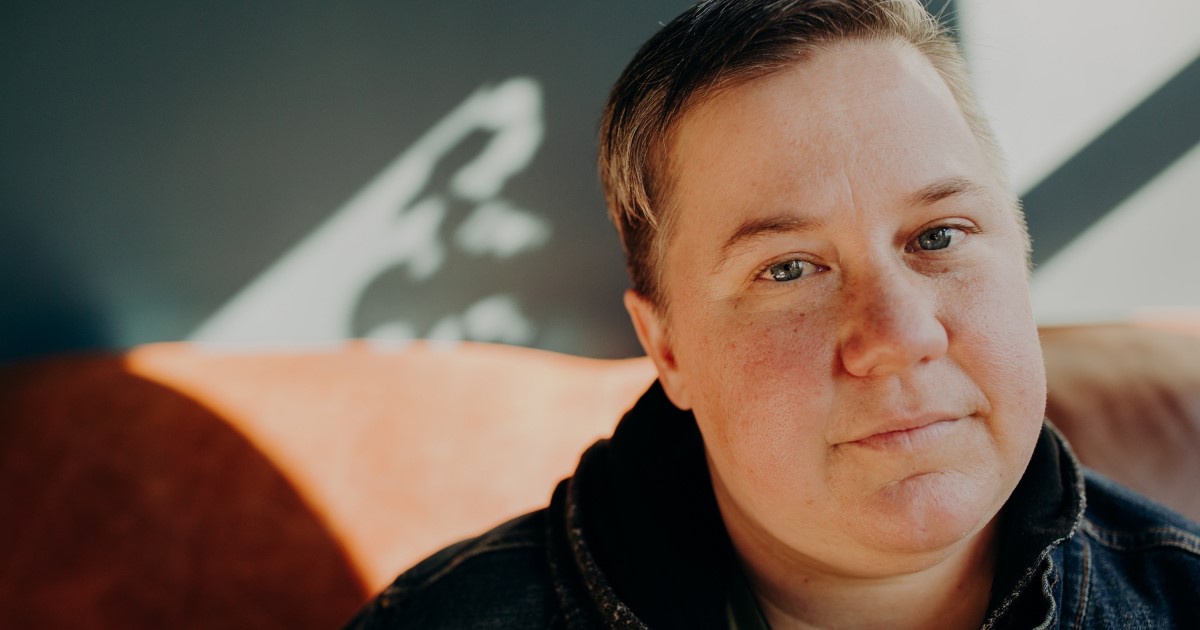
Photo credit: Bellamy Brewster

The BGS Radio Hour – Episode 213

Welcome to the BGS Radio Hour! Since 2017, this weekly radio show and podcast has been a recap of all the great music, new and old, featured on the digital pages of BGS. This week, we bring you new music off of the beautiful new album Quietly Blowing It from Hiss Golden Messenger, as well as new music from Chris Thile, Maya De Vitry, and many more! Remember to check back every week for a new episode of the BGS Radio Hour.

APPLE PODCASTS, SPOTIFY

Nefesh Mountain – “Somewhere On This Mountain”

BGS caught up with Nefesh Mountain on a recent 5+5, where the duo shared a mission statement for their career: “Invent, inspire, repeat!” They also told us about their favorite onstage moment and about the artists that have influenced them greatly.


Beta Radio – “I Need My Prayers”

Beta Radio’s new track, “I Need My Prayers,” was a surprise to Benjamin Mabry when he wrote it within 15 minutes. In speaking about the song’s meaning, he told BGS, “I was in a mental and spiritual place of needing something to hold onto, I felt like I had lost all my footing in the world and didn’t know where to turn. And a lot of personal things felt like they were falling apart. So… I guess I just needed my prayers.”

Maya De Vitry – “Working Man”

Maya De Vitry’s “Working Man” was inspired by the creation of railroads in the United States, and more specifically, how the men who physically laid down the tracks are often not the ones credited with building them. This led her to reflect upon the people in our society who are overworked, underpaid, and overlooked, which ultimately helped her write “Working Man.”

Rory Feek – “Time Won’t Tell”

In speaking with BGS recently about “Time Won’t Tell,” Rory Feek shared how he first heard this song, and how it has become even more special to him after his wife’s passing.

Wilson Banjo Co. – “When The Crow Comes Down”

Wilson Banjo Co. co-wrote “When The Crow Comes Down” with acclaimed Nashville songwriter Jordan Rainer. The song features a “spooky theme” and pure Appalachian tone, and has a wonderful music video to accompany it.

Chris Thile – “Ecclesiastes”

Chris Thile has long woven religious themes into his songwriting, but never so much as on his new album, Laysongs. When we asked him if he enjoyed talking about religion outside of his art, Thile stated that it’s always been an instinct of his to intertwine what he’s thinking about with religious imagery. “Ecclesiastes” expresses the depth of Bible verse Ecclesiastes 2:24 instrumentally, which Thile did purposefully. In his words: “What language is incapable of properly expressing, instrumental music steps up and says, ‘I got this.’”

Hiss Golden Messenger – “Glory Strums (Loneliness of the Long-Distance Runner)”

“Glory Strums (Loneliness of the Long-Distance Runner)” comes from Hiss Golden Messenger’s latest album, Quietly Blowing It. Recorded in the summer of 2020 in Durham, NC, Quietly Blowing It reflects a joyful spirit that combines N.C. warmth with an LA glow.

Phil Leadbetter – “I Will Always Love You”

When Phil Leadbetter first heard Dolly Parton’s “I Will Always Love You” live, he was blown away. Years later in 2010, he recorded the track with his Scheerhorn guitar, but it was ultimately lost after some time. However, when Leadbetter recently found the track, he knew it would work perfectly for his new collection of resophonic guitar songs, Masters of Slide: Spider Sessions. 

Mason Via – “Big City”

Mason Via’s “Big City” is what he calls, “a personal hillbilly mantra of sorts,” and it’s the first single off of the American Idol contestant’s debut album with Mountain Fever Records.

Johnny Flynn, Robert Macfarlane – “Ten Degrees of Strange”

This Duos of Summer feature, “Ten Degrees of Strange,” comes from Robert Macfarlane and Johnny Flynn’s recent collaboration, Lost in the Cedar Wood. A week into lockdown, Macfarlane, a Cambridge University academic and bestselling author, reached out to his good friend and musician, Johnny Flynn, asking if he would like to write a song together. In speaking about working with Macfarlane and writing during the midst of the pandemic, Flynn said: It started as just a song, and then it became a few songs… but it held me in place and kept me from completely spinning out.”

Joe Mullins & The Radio Ramblers – “Living Left to Do”

In the words of Joe Mullins, “‘Living Left To Do’ is about enjoying our calling, celebrating God’s goodness, and the blessed assurance of life eternal. We’re ready to live, love, laugh, and have a lot more to do!'”

Lea Thomas – “Hummingbird”

Lea Thomas’ “Hummingbird” was inspired by a dream she had, in which she turned into a white wolf and ran across the countryside, taken aback by the beauty and interconnectedness of life.


Photos: (L to R) Chris Thile by Josh Goleman; Maya de Vitry by Kaitlyn Raitz; Hiss Golden Messenger by Chris Frisina

LISTEN: Laney Lou and the Bird Dogs, “Up For Air”

Artist: Laney Lou and the Bird Dogs
Hometown: Bozeman, Montana
Song: “Up For Air”
Album: Through the Smoke
Release Date: July 30, 2021

In Their Words: “‘Up For Air’ is a song about going through tough times, but also knowing that you’re in the exact place you’re meant to be. Sometimes it can be hard to accept that things are the way they are and your only job is to surrender. The lyrics for this song came quickly, but composing it as a full band took a while. We tried many different tempos and vibes for the song over the course of a year and finally landed on an upbeat and happy vibe in the studio. Ultimately the song is saying that whatever you’re going through, things will work out if you take a deep breath and come up for air every once in a while.” — Lena Schiffer, Laney Lou and the Bird Dogs


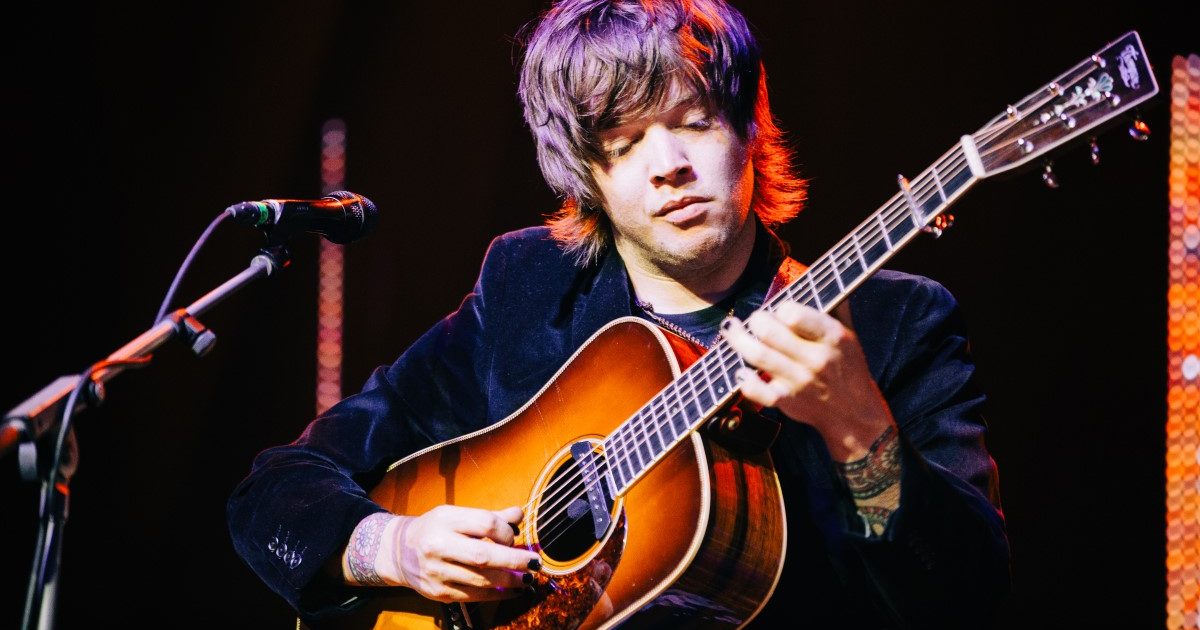
Photo credit: Loni Carr

Tim O’Brien Recalls the Origins of Hot Rize… and That Other Band (Part 2 of 2)

Tim O’Brien’s seemingly effortless tenor singing, musicianship, and songwriting have kept him in great esteem in the bluegrass community for more than four decades. One might say “seemingly effortless” is a fitting way to describe his career path, too. So much of it seems natural, as if each new thing was the obvious next step, whether it was creating a Western swing band alter ego within a bluegrass band, recording duet albums with his sister Mollie O’Brien, earning a Grammy nomination with an collection of Bob Dylan covers, or connecting lines between Appalachian music and traditional Irish music, tying back to his own heritage as a West Virginian of Irish descent.

Yet beneath his quiet demeanor is a thoughtful artist who brings a tremendous amount of intentionality to his work. We sat down with O’Brien, our BGS Artist of the Month for July, to ask him about how he got started and how some of these projects came to light.

(Editor’s Note: Read the first half of our interview with Tim O’Brien.)

BGS: When did you first start trying to play music professionally?

TO: In the fall of ‘73 I gave up on the idea of college and decided that maybe I could support myself playing guitar and a little bit of fiddle. I was just learning back then. I saved up for a car and I went to Jackson Hole and played shows in bars and whatever I could get. I had some friends that I had worked with as part of a summer camp out near there that were out there to spend the winter. Then, in the fall of ‘74, I ended up in Boulder and briefly played in a bluegrass band called Town and Country Revue with two guys who were affiliated with a music store that I worked for a short time. Then I met up with a guy that started a band called the Ophelia Swing Band and I joined them for about three years. Our front man was Dan Sadowsky, who later became known as “Pastor Mustard” at the Telluride Bluegrass Festival.

We did some bluegrass things, but we weren’t portraying ourselves as a bluegrass band. We had strings, but it was mostly a swing band. I had been playing guitar and fiddle at this point and ended up borrowing a mandolin for a while until I eventually got my Nugget in ‘76. We were into that Cab Calloway kind of a hepster swing and there was another violin player in the group named Linda Joseph so we’d play some twin fiddle parts in a Western swing style. We tried to make big band arrangements with a lot of call and response between the instruments. We were making it up as we went along, but very much enjoying it.

We made a record, [Swing Tunes of the 30’s & 40’s], for the same label that my solo record came out on, a Denver label called Biscuit City. That record came out in ‘77, but I quit the band right before the record came out. I briefly moved to Minneapolis but I went back and did a little run of gigs with them in the summertime. I went back and was trying to dig in in Minneapolis, and then Pete Wernick called and suggested that we should get a group together. My girlfriend at the time, shortly before we ended up getting married, was thinking that maybe we should move back to Colorado anyway. So we went back in January of ‘78 to start up Hot Rize.

Your description of the Ophelia Swing Band’s material reminds me a lot of Red Knuckles and The Trailblazers. I’ve always enjoyed the Trailblazers portion of Hot Rize shows because the music is so good but it’s almost hiding behind the facade of a well-presented comedy show. Sort of like Homer & Jethro. How did you end up presenting it in that way? Or playing that music in the first place?

What happened was, Pete said that we should get a bluegrass band together and promote these two records. I had just put out Guess Who’s in Town on Biscuit City and Pete had just released Dr. Banjo Steps Out. I said, “That sounds good, I’ll do it, but I’d like to venture out into some other kinds of music other than straight bluegrass” and I mentioned Hank Williams kind of stuff or Western Swing. I asked Pete if he’d ever play Dobro. He had never played Dobro, but he said he’d look into getting one (he ended up getting a lap steel) and said we could work some of that stuff in.

Our first guitar player was a brilliant instrumentalist named Mike Scapp [who also played with the Ophelia Swing Band]. He didn’t last very long though and when he quit, Charles Sawtelle had been playing bass, but switched to guitar. When Nick Forster came along we told him we were doing this country and western material and he said that he had a Charlie Christian Gibson [electric archtop] guitar and played that kind of stuff. So all of a sudden, we had electric guitar, steel guitar, acoustic guitar, and bass. (Charles would go back to the bass for that because he didn’t play that kind of music on guitar.) So, when we would play four sets at a bar or something, we’d feature some of that stuff on the third set just to break it up. We would say, “We’re going to bring another band up here,” but we would just stay on the stage and switch instruments. We’d make a joke about the name of the band — we had different silly names that we used — and it was just a stage patter and a bit of a different kind of music.

Then, about two years into the band, we had a formal concert at the City Park in Denver in a nice theater sponsored by the Denver Folklore Center. I’m not sure who said it but I think it was Charles who said, “Why don’t we do a quick change? We’ll wear cowboy outfits and actually be a different band.” So we worked out the basic formula in rehearsal where Pete would introduce us while three of the four change clothes and then we’d come on and he’d make his quick change and all of a sudden we were a different band. That night, we called ourselves Red Knuckles and the Trailblazers. Rather than this just being some bar, these were mostly bluegrass and folk music fans and Pete and Charles were well-known in that community at that time. So we changed clothes and played a part and never let on that we were the same people and everybody knew it, but they got into it. That seemed to work, so we kept doing it.

The following fall, we played in Louisville at the free bluegrass festival that was put on by Kentucky Fried Chicken. We were interviewed by a radio host there and she said, “Well, I want to interview Hot Rize, but who I really want to interview is Red Knuckles and the Trailblazers.” So we said, OK, and acted like the Trailblazers. When she asked us stuff about where we’re from, we were just making up these answers. All of that stuff about us being from Wyoming, Montana, which is on the border of Wyoming and Montana, and the Eat Cafe was all just jokes that we might have said while we were driving around in the car. But it became our story after that interview. After we’d finished we all looked at each other and said, “Well, I guess that’s our story. Now we have to remember it.” [Laughs]

That’s how it started. I had always wanted to play that music so I wanted to do the music justice, but the act was about not taking yourself seriously. It helped Hot Rize immeasurably to have that as a foil. Whenever we’d mention the name of that band we’d make a snide remark about them as if they were a different band and we were rivals. This helped create an understanding that this was a lighthearted event which helped a lot.

Yeah, I could imagine it helped a lot. Not only as a way to stand out with something different, but since you guys were from Colorado playing a progressive style of bluegrass I’m sure the Hot Rize material sounded even more like traditional bluegrass when juxtaposed against the Trailblazers.

That’s why we got Entertainer of the Year the first year that they awarded it at IBMA; we had a show. At that time you had bands starting like Doyle Lawson & Quicksilver, The Johnson Mountain Boys, and the Nashville Bluegrass Band. The Johnson Mountain Boys were also working on a show, but those other two bands were still standing by their individual microphones. I loved those bands a lot and still do but having a show was good for us because it took a little stress off the music and let our music just be what it could be. We weren’t measuring ourselves against those other bands quite as much as we might have been otherwise.

It took a while for the promoters to understand it. There were some traditional festivals that wouldn’t let us do that. Out in Grass Valley, California, at the CBA festival, they didn’t even really want electric bass there, but they’ve made an exception for Hot Rize. But they wouldn’t let us do the Trailblazers. The same thing happened at Doyle Lawson’s festival the first time we played there. Milton Harkey said, “Oh, don’t get me wrong, I love the harmonies,” which proved that he had never heard it since the Trailblazers didn’t really have a lot of harmony singing. But after we played his fans got to him and asked why they didn’t let us play that Trailblazers stuff and explained it to him and they started letting us.

For some of those festivals like the one in Grass Valley, I think they just have their rules about what is and isn’t bluegrass. But the other ones like Doyle Lawson’s festival, they just didn’t want a bunch of bikers coming in. They didn’t want hippies taking a lot of drugs with electric music because it might get out of control.

What was it like to play in these traditional, sometimes conservative spaces?

We were always the funny ones. Our hair was too big and too long and our ties were wrong. We wanted to fit in so we wore suits, but we never hid who we were. Bluegrass, since the ‘60s at least, has always had lots of different fans. They might be Northerners or city folks that didn’t grow up with the banjo but they love it and kind of poke fun at themselves for being involved in a way. I think that’s the thing that’s sort of wonderful about music; it’s a free pass. It’s whatever anybody thinks it is and anybody can like any kind of music and art. How you react to it is up for grabs and, in a way, all responses are valid. People all respond to music differently and people will change it to express themselves within it.

(Editor’s Note: Read the first half of our interview with Tim O’Brien.)


Photo credit: Scott Simontacchi

Tim O’Brien Sings of American Life, Then and Now, on ‘He Walked On’ (Part 1 of 2)

Tim O’Brien’s latest album, He Walked On, explores the many realities and histories of what it means and what it has meant to be American. With his well-known ability to tell a story through song and his less recognized, but equally powerful ability to pick and perform covers, O’Brien shares intimate and intriguing stories including the traditions of the Irish Travellers living in the U.S., Volga German immigrants turned sodbusters, or Thomas Jefferson’s children birthed by his slave, Sally Hemings.

Such stories and topics are not uncommon for O’Brien to write about, but in the wake of the murder of George Floyd and the protests that followed, as well as the Black Lives Matter movement, these songs feel even more topical and personal. His music is often presented with a lightheartedness that settles the listener and reminds them not to take themselves too seriously. And while some of that can still be found here, there is a somber tone that reflects the state of the country today. He’s joined on the album by bassist Mike Bub, drummer Pete Abbott, fiddler Shad Cobb, and vocalist (and fiancée) Jan Fabricius.

In the first of a two-part interview, BGS catches up with O’Brien, our Artist of the Month for July, to discuss the songs from He Walked On. (Editor’s note: Read part two here.)

BGS: The songs on this album speak to a lot of current events and the theme is more “political” than some of your previous work — although I don’t like thinking of human rights issues as being political.

TO: Yeah, they are politics nowadays. I think that the artist’s job is to reflect and respond to what’s going on around you and in your life. I don’t know anybody that creates original stuff who’s not doing that. Of course, this is an exceptional year for that. There’s a lot of things going on that were highly, highly provocative such as the Black Lives Matter movement and the pandemic itself and the way the politics entered into that, which was unfortunate. And then related to that is paying attention to history, the developments of technology, and how it affects society. That’s where songs like “Nervous” came from and they’re not “political,” but they’re kind of a report on the state of humanity.

You’ve often written about your experience in the modern world and talked about technology before but usually with a humorous tone. When I heard “Nervous” and “Pushing on Buttons,” it made me think of “Phantom Phone Call” from Chameleon.

You know, actually, I think one of the saddest things I’ve ever written is “Pushing on Buttons.”

Yeah, that’s what I was getting at. There’s usually a lot of whimsy when you’re talking about modern stuff, but “Pushing on Buttons” is pretty somber.

Yeah, I almost left it off because I thought, “Nobody wants to hear how sad this is.” But I was able to get Chris Scruggs in the studio and said, “I ought to cut this song so let’s make it like a Hank Williams number, if I can.”

The tone on the album felt more serious, in general, than your previous work. Do you feel that way?

Yeah, I suppose so. I don’t know how it will ring with everybody, but I felt like this was the thing to do. The Black Lives Matter movement is another step on a long road of reckoning with our history and the racial divide in this country. When stuff gets thrown up in the air like it did with George Floyd it’s time to look at all that’s been going on from day one and try to make sense of it. I could have written these songs like “When You Pray” and “Can You See Me, Sister?” any time. But it was staring me in the face much more so this year. Whimsy is good and all, but I couldn’t ignore these things.

But, in general, I try to stay light on my feet and that’s more of the tone of “When You Pray, Move Your Feet” which is a pretty happy song in a lot of ways. And I hope that means something. “He Walked On” is like, well, the only way to really get through this is just to try and notice the good. Notice when it’s really good and when you don’t just keep going and try to find it again. So it is sort of a mission statement for living in the United States. You have people doing their various jobs — farming, or trading mules, or coal mining, or looking at a computer — and we’re all kind of looking for the same things. It’s nice to have somebody to share your love with and a roof over your head. It’s nice to help other people find that as you’re going along to help yourself.

Songs like “He Walked On” or “Can You See Me, Sister?” — like a lot of songs that you’ve written — are told from a different perspective than your own life experience. How do you approach writing those stories in particular?

I don’t know. Maybe my age is telling me to look at it in different ways. But I don’t know that I was conscious about trying to write differently. Back working with Darrell Scott, I realized that he had so much personal detail in his songs and it made them more universal. Which is counterintuitive, but I’ve noticed that that’s the case. So, “He Walked On” is about changing your perspective and getting a glimpse of the divine. We’re not always paying attention but about one percent of my time, I wake up and go “gee, look at that” and really appreciate it and really be present and in the moment.

In the case of “Can You See Me, Sister?” it was such a fascinating story. I kind of knew about Sally Hemings and Thomas Jefferson because in the early days of Hot Rize, we played in Charlottesville, Virginia. A bluegrass fan brought us around to Monticello and took us on a personal tour. Jefferson is a really interesting character in American history in so many ways, but you and I can relate to him in that he was a fiddler. He was really interested in old-time fiddling. He played tunes like “Money Musk” and they have his handwritten transcriptions of some of these tunes at Monticello. He was a renaissance man — an artist, a writer — and apparently he carried a pocket fiddle around with him. He had a little mini-fiddle you could put in your overcoat pocket.

So I had known some about him but I recently learned more about the children he had with Sally Hemings. It was a great loss for him when his wife [Martha Jefferson] died. He promised her he wouldn’t get remarried and he didn’t. But he turned to Sally Hemings, who had been a slave at Monticello and was brought to France to nanny his daughter. She birthed at least six of Jefferson’s children and I hadn’t realized until recently that a couple of them passed as white and lived their adult lives in white society.

The decision to have a spoken word introduction to “Can You See Me, Sister?” was interesting. I don’t remember ever hearing one in any of your other songs.

Mike Bub brought it up because when I sent the demos around he heard it and liked it, and then I told him what it was about. He said, “Wow, there’s a lot more punch to it when you know what it’s about.” He said most of the radio listeners wouldn’t know that so he recommended having some kind of explanation. It was a conscious choice and it was interesting to write. I don’t usually  write stage dialogue. I guess I hone it as I go and I get more succinct and more pointed and more efficient with it as I learn. But this was before I ever performed it on stage. I wanted to have the right introduction that would say what needed to be said; no more and no less.

What inspired you to write “See You at the Funeral?”

“See You at the Funeral” is kind of an odd one. It’s about Irish Travellers in America, which is a subset of American society that’s kind of unknown. The song is about the once-yearly reunion in Nashville of the greater clan of the Sherlocks families and their relatives. They have all their funerals and weddings for the year in one week so everybody can be there and then they scatter and go do their own thing. … It’s all the happy parts and the sad parts and the big ball of wax. By the end of that week, you would have a sense of where you come from, who you are, and what’s next. Those rituals are part of what helps us get by. That’s Americana. It’s from a lesser-known part of our history and our society. That is the part that I’m interested in. And if it means something to me, maybe I can make it into something to someone else.

What about some of the covers like “Sod Buster”?

Jan’s family is from western Kansas and her great-grandfather was another type of migrant. Their background is what they call Volga German; they were German farmers that got recruited by Catherine the Great of Russia to farm wheat on the Volga River. Then the politics changed and they were going to have to serve in the Russian army. That’s when everybody started coming to the American plains. The railroads had started and they were advertising for people to move. Her great-grandfather was one of the earliest sodbusters in the late 1800s.

It’s a Bill Caswell song that I just love and I ended up talking to him about it and he said, “Oh, yeah, that’s about my grandfather. He was out there at that time and plowed with a team of horses.” I love Bill Caswell and I love this song. And I wondered why nobody had yet recorded it. So we worked it up and it means something because of Jan’s connection. We go out there sometimes and I really love being out in someplace exotic like that. I grew up where there’s hills everywhere and being on an absolute flat plain with the sky and the grass is an amazing thing.

I’ve always admired how much of a personal connection to all of your music that you have. It all feels very intentional.

John Hartford gave good advice to Hot Rize one time. He said, “You don’t want to get famous doing something you don’t like doing.” So I want to try to aim for the intersection of what people might enjoy and what I’m interested in and it ends up attracting people that think like me. I’m a bit of a bleeding heart liberal, if we got down to it. But I try to mostly put something out that people could enjoy and then maybe give them something to think about and maybe they’ll think poorly of it, or maybe they’ll change. You know, that’s a Buddhist thing. You work towards conscious change. Change and betterment and creativity. You just try to find your opening and hopefully I’ve found a few here.

(Editor’s Note: Read the second half of our interview with Tim O’Brien here.)


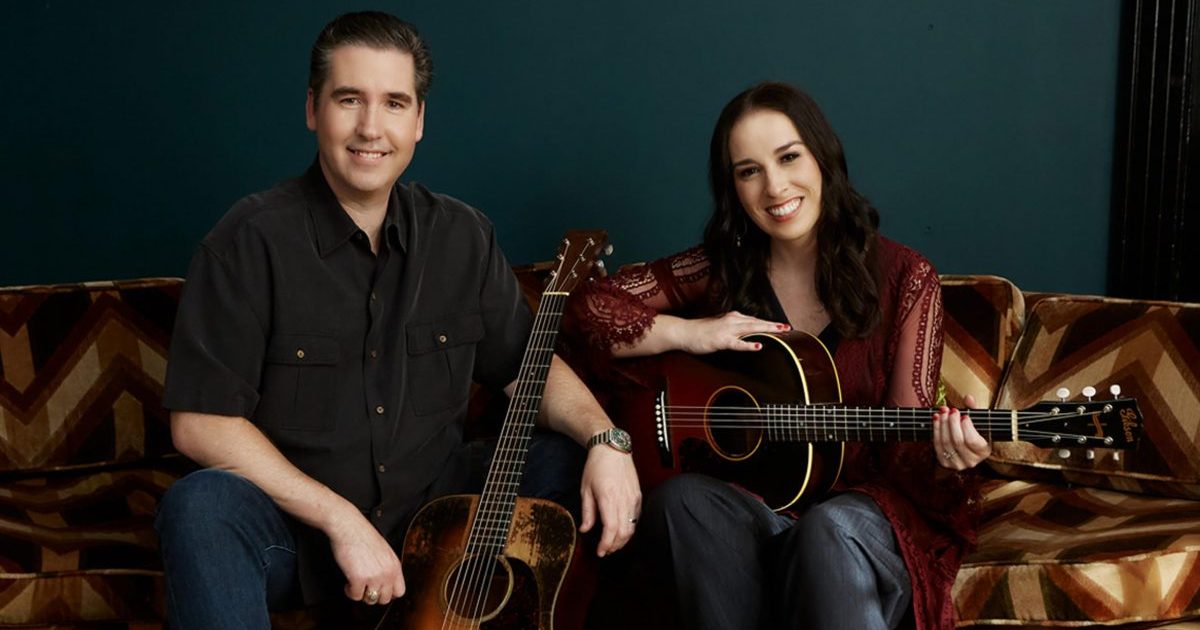
Photo courtesy of Tim O’Brien

WATCH: Caroline Jones & The Trenwiths, “If I Needed You”

Artist: Caroline Jones & The Trenwiths
Hometown: South Florida
Song: “If I Needed You” (from The Raglan Sessions)
Label: Independent / Mailboat Records

In Their Words: “I spent most of last year making my sophomore album in New Zealand. While there, I was fortunate enough to meet The Trenwiths, a Kiwi bluegrass band, who became great collaborators and even better friends. Before I returned to America this spring, we set up a bunch of hay bales and recording equipment on a friend’s farm in Raglan, New Zealand, to capture us jamming on some of our favorite country/bluegrass classics and a few originals. The Raglan Sessions is the result. I have always loved the song ‘If I Needed You.’ Emmylou Harris is one of my favorite country voices, so I gravitate towards her and Don Williams’ duet version. Keith Pereira, a NZ country singer-songwriter, is also featured in this particular performance.” — Caroline Jones


Photo credit: Laura Tait

WATCH: Scythian, “Buddy Holly”

Artist: Scythian
Hometown: Front Royal, Virginia
Song: “Buddy Holly” (Weezer cover)
Album: Quaranstream: The Album
Release Date: July 8, 2021
Label: Aerotone Records

In Their Words: “‘Buddy Holly’ was a product of a rabbit trail (no pun intended) while the four of us were practicing for our ill-fated 2020 Roots and Stones CD release tour. We were talking about some adjustments needed in the set when Dan started playing a couple chords, which were the same progression as ‘Buddy Holly.’ We then joked that it would make a rippin’ bluegrass tune, and left it at that. Next thing we knew it was mid 2020 and we had started these online shows that racked up about 30k+ viewers every other week called ‘Quaranstreams.’ We literally survived that whole year off of the amazing goodwill of our fans supporting us and tipping us while we played. The shows were kind of like a reverse SNL, lots of music, and a couple skits featuring a variety of recurring characters, so we thought that this would be a great place to experiment with writing and recording songs to release for our amazing fans.

“We remembered that we wanted to give this song a try, and ended up recording it all in about a day. After it was mixed and mastered, we were racking our brains with how to present this on the stream since we had limited time and wanted to do the song justice, so we took inspiration from the original Spike Jonze-directed video and just added crocheted puppets. We spent a good hour or so cutting out cardboard instruments and making mic stands out of Q-tips, then literally shot the whole thing in about two hours with an iPhone. When we released the video on our live stream for the first time, people were losing their minds, and kept requesting us to play the video every chance they could get. People wanted it so badly that they watched the whole four-hour stream again, just to screen capture the video and bootleg it to other Scythian fans.” — Ethan Dean


Photo credit: Brendan McLean

Returning With ‘Cycles,’ Rachel Baiman Works Through the Stories of Women

Rachel Baiman has never been afraid to delve head first into speaking her mind on the state of the world through her music. But with her new project Cycles, she approaches that task through a new lens focused on narratives that spark empathy in this era of entrenched polarization. Recorded in Melbourne, Australia, and steeped in its indie rock influences, she leans into a new sonic landscape with ease, collaborating with co-producer and Oh Pep! front woman Olivia Hally.

“This album started with the title song ‘Cycles,’ which was a co-write between me and Olivia,” Baiman says. “That happened around 2018 when she was in Nashville. I had been a big fan of hers for a long time. She asked if I would want to write with her when she was in town and I was like, ‘Absolutely, that is my dream.’ So we had that one writing session and it was a magical musical experience. It was kind of like going on a date, like an amazing first date. Because there was such a great working connection, I asked if she would want to co-produce the whole record.”

During her long-awaited first tour since early 2020, Baiman called in to BGS.

BGS: This album takes a bit of a departure from earlier bluegrass leanings. What has been influencing your sound these days?

Baiman: This album in particular was really influenced by the Americana and indie rock sounds coming out of Melbourne and that is what led me to want to work with Olivia Hally. There are a lot of artists and bands that I love from that town in this exciting roots music scene. Oh Pep! obviously was an influence on this record since Olivia had such a hand in it. But also I love Courtney Barnett, Dan Parsons, and The Maes. There are so many cool bands coming out of that scene. That was the impetus for going for that soundscape. Also, a lot of the more contemporary artists that I have been listening to are more in that rock and grunge vibe (probably more so than I would want to get to myself). I’m a huge Lilly Hiatt fan and Margaret Glasmeade as well.

You collaborated with amazing women on this record. Was that an intentional choice?

Yeah I’m always wanting to work with the right people first and foremost, but I definitely was thinking about how I could work with more women. Especially for the thematic nature of the record. A lot of it is written about women’s stories and about family. I did think it would be really cool to work with a female producer and when Olivia and I hit it off, I knew it would be awesome. It did change the environment. I felt very comfortable and at ease in the studio, which ideally you always want to be.

But when you are working with someone who you feel a little intimidated by, that can change the dynamic and limit your free flow of ideas. I am a huge fan of Olivia’s so that easily could have been the case but the dynamic was such that she made it feel very, very comfortable. There was no ego or shooting down of ideas. I think that when you are a woman in a male-dominated space, even if people are trying to make you feel comfortable, there is always going to be a layer of feeling like you are the outsider or that you have to prove yourself. Having that removed from the situation really did make a huge difference.

Bree Hartley is an incredible drummer. She was a rock star in this situation because we actually had to record all of the drums first because of a studio mishap. That’s a really crazy way to make a record. She had to go in there and make 12 drum tracks to nothing. She had one chance and that’s what we had to use and she nailed it. And Shani Gandhi is obviously such a rock star engineer. I was almost shy to reach out to her because she is so established. I was really stoked that she was into the project and she did an amazing job mixing it. Those are some of the chief players and all of them stand out in their fields.

This question is inspired by Cycle’s first single, “Joke’s On Me.” I read that you’d had a bummer of an experience in your music career that inspired this song. Can you talk about what some of the challenges in the music industry are and what you might change if you could?

That’s such a big question. I think a lot of the challenges honestly stem from the way that people in the country are treated when they don’t have a regular 9 to 5 job with benefits. Obviously healthcare is a huge challenge. Any kind of retirement plan is a huge challenge. Just having those basic safety nets that make you feel like if something goes wrong, you won’t be out on the streets and that your basic human needs are met, like health care. That is a countrywide systemic issue. I wish that everyone had access to that because it would dramatically change the experience of freelancing or being an artist.

On the artist side, everyone is trying to create art that is new and beautiful or that innovates. On the business side, innovation is scary because people don’t have a model. There is always going to be a disconnect between the art and the commodification of the art. When you are trying to make a living off of art, you have to have team members that need to make money off of you. …

For me, [I was] getting dumped from a booking agency for no reason other than they were merging and the people at the top of the new company decided I wasn’t making them enough money. It was hard because I knew I had a new record. I knew I needed one more record cycle and I could be there, just nine more months basically. I think that my personal agent would have kept going but he didn’t have a choice. You become a commodity because they aren’t looking at the art and thinking about ideas you have for the next record, they don’t care. They are like, “I looked at the spreadsheet and you didn’t make enough, bye!” I don’t have any big solution, but I do think there are some things we can do as a country to make sure that everyone is doing ok.

You are very vocal about what you think and feel. What is your experience like in speaking your mind through your art about the state of the world?

It can be hard. It is similar to everything in this country right now. It is really polarizing. A lot of people do rally behind it and feel heard and seen and want to be supportive of it. And then there are a lot of people who get mad. I’m trying to think about what makes people empathize with each other. It is a different landscape than it was in 2017. When I put out Shame, I felt like it was a really important message to go out at the time. I felt like this needed to be said and there wasn’t a ton of political music happening at that time. I think people really appreciated that, if they felt like they needed to be heard in that way. I have had a lot of women reach out and say that album has been really helpful to them. That is super meaningful to me.

Now I feel like we have spent four years screaming at each other and everybody knows the sides. We know the talking points, like everything has been said a thousand times. When I was writing the material for this new album I was trying to get below that layer of shouting and work through stories and people. I think generally people can empathize and understand each other as humans. It is just that we get immediately triggered by certain talking points and shut down. I’m not trying to say, “Kumbaya, we are all one.” There are some serious problems. It is about wanting to reach people on an emotional level. It is hard to disagree with someone’s personal experience.

You have been an advocate for mental health and the power of art and music to help out in times of need. How does creating help with your mental health?

It is a necessity for me in terms of my mental health. Some people have strategic ways that they work on their writing and I think that is great. I should probably do it. But for me it has always been haphazard. I have a really strong feeling or a really strong push and then I need to write it down. It needs to get out. It is very therapeutic. There is something about being able to create something new that feels important. I’m essentially a little bit addicted to that. There is so much negativity and destruction and bad news all the time. For me, my anxiety lives in the global news and politics. That is what triggers me. People have different things that get them down but for me it is very much the state of the world.

Creating acts as a real counterbalance when I feel like I can put something beautiful into the world. Especially when I get to do that with a band and go record it and see it come to its full realized potential. It is such a magical feeling because you are actually creating something instead of tearing something down or watching something or someone being torn down. Playing live shows and having that connection and being able to be a part of that magical moment that happens with live music, I didn’t even realize how much it meant until we got to play the first show after the pandemic and I was like, “WOW, I feel like a piece of me has returned.”


Photo credit: Natia Cinco