BGS Top 50 Moments: BGS On Deck – Our First Music Cruise

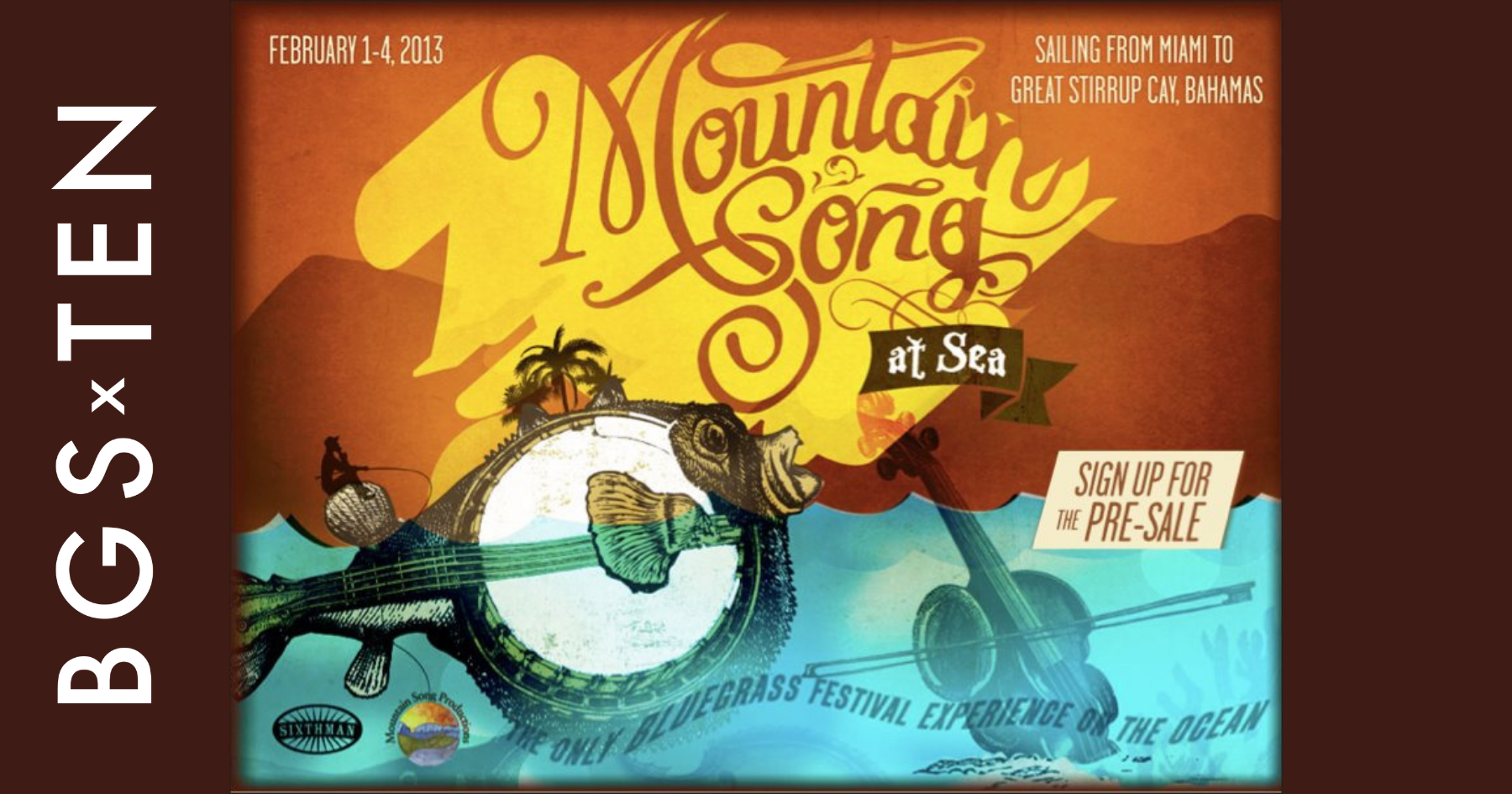
It’s been over nine years since we first boarded the Norwegian Pearl to set sail with some musical friends. Back in 2013, BGS joined the team at Sixthman as well as host band, the Steep Canyon Rangers, on the first Mountain Song at Sea cruise, sailing from Miami to the Bahamas alongside the Punch Brothers, David Grisman, the Del McCoury Band, Tim O’Brien, Della Mae, Bryan Sutton, and Peter Rowan.

You can get a glimpse of the riotous fun that was had onboard that first cruise here.

This month, BGS returns to the high seas on board Sixthman’s Cayamo cruise. While onboard, we’ll be hosting the Party of the Deck-Ade, our kickoff birthday event celebrating ten years of BGS. The jam will be hosted by Sierra Hull and Madison Cunningham, and backed by our house musicians Hogslop String Band.

Get your sunscreen ready, and we hope to see some of you in Miami very soon!

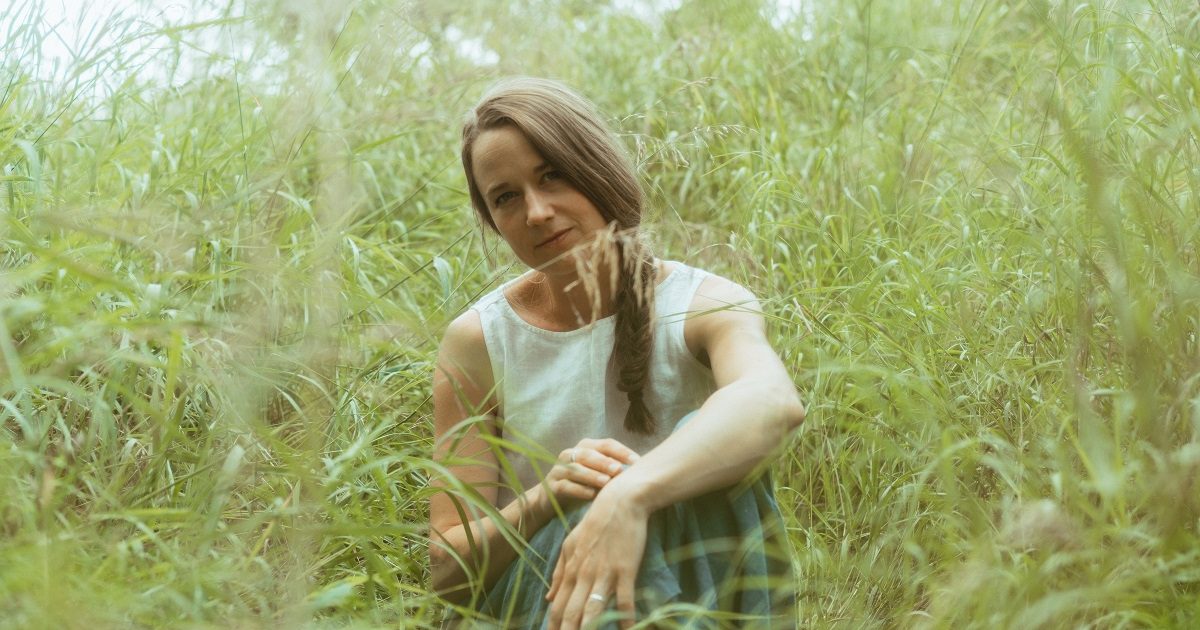
Returning to the Family Farm, Courtney Hartman Prepared a Space for ‘Glade’

Folk artist Courtney Hartman is bringing it all back home in Glade, an introspective new album that’s named for the street that runs by the eight-acre farm where she grew up in Loveland, Colorado. As a former member of the roots band Della Mae and a duet partner of Robert Ellis and Taylor Ashton, Hartman is often a willing collaborator. Yet Glade found her working primarily in isolation, living in a trailer and later a barn to rediscover the spark of songwriting.

Now married and residing in Wisconsin, Hartman tells BGS about the process of crafting these new songs, her childhood immersion in bluegrass and the experience of recharging her creativity.

BGS: When I was listening to “Bright at My Back,” the first track on Glade, I noticed the recurring phrase of “I will be returning.” That seems like a good place to start in talking about this album. Can you describe what was going on in your life as this album was starting to take shape?

Hartman: Right around that time, I was in a season just after deciding to leave New York. I had been on the East Coast for about 10 years and felt a real draw to clean the slate and make some space for new things. I didn’t know what that was yet, but I knew that I needed to take some steps and make some clearing, so I left New York and the band that I’d been in for about seven years. I moved back to Colorado to live on the property where I grew up. I still had a couple of siblings there and my dad was there. I’d been away for about 10 years.

I needed to also do a bit of a reset, musically. I needed to find some new joy or new healing in what I was playing or creating. It felt like I had lost some of that over some time. I was at a point where I was willing to let it go if it couldn’t be those things, because it didn’t feel right to keep making music or performing if it wasn’t healing in some way. In creating work, in some way, we are putting it out there and asking to be heard, right? If we didn’t put it out, we wouldn’t be asking that question. So, when I started writing this one, that was right at the cusp of that changing and slowly beginning to write again.

When you went back to Colorado, were you living in the house you grew up in?

When I first went out, my sister had spent a summer rebuilding a camper and she was going to live in it and play music. Through some unexpected circumstances, she ended up with three beautiful foster children. So, she didn’t live in the camper. I ended up moving into the camper in the yard on the property and was present for those early months with those kids. I lived in that camper for a year or so, until it got too cold, and then eventually moved into one of the barns on the property. That was a living space, but it needed a lot of work, so I worked on that for a year and a half. I was there for about three years.

What did that work entail?

Some gutting of the downstairs, and with the help of some friends, moving some beams to open up space. Pretty basic building things, but to me they were very complex because I’ve never done them. (laughs) They were very complex and slow. I think in a similar way, when I knew I needed to return to Colorado and open up some space, I didn’t know why. Similarly, with the barn, I didn’t exactly know why I was preparing that space. I just knew I needed to do that. So, I did it.

I was listening to “Bright at My Back” and “Moontalk” back-to-back, and they both have that nocturnal imagery. Were you inspired by the nighttime?

Yeah. I haven’t drawn that parallel before, but I’m remembering right when I moved back that I was outside at night a lot. I remember being so comforted by seeing the sky, because being in the city, you didn’t have that. So, that felt like a comfort of home, being able to look up and experience the stars and the moon changing. And I wasn’t traveling, so there was something about being in one place and watching slow changes happen that also felt grounding.

“Wandering,” to me, feels like a love song. What was on your mind as you were writing it?

It felt like… Oh God, this is going to sound dorky, it felt like an all-encompassing love song. I felt like I was able to accept love from my family at that point for who I was, even though I was at a low place and a very humbling place. And maybe accept love from myself. But alongside that — looking back I can see now — I had met my now-husband just weeks prior. Just a very brief meeting at a festival and we had been talking. So that certainly played in, but it wasn’t a thing at that point. It was more like a just a broader internal opening, I think.

What were some of the formative albums or artists that guided you to this point?

There was a Rounder Records compilation with Alison Krauss on the cover. I think she was probably 8 years old or so. My parents got that CD for me and a Yanni CD for me. I was 6 and I think I lost the Yanni CD pretty quickly, but I wore that other album out. It was pretty bluegrass, which was my background. Alison Krauss and Laurie Lewis were both on that. They were very influential. And as I got into that world, I think the singing of Tony Rice was a huge influence, besides his guitar playing obviously.

Did you get interested in bluegrass at some point, or was it just always there?

That was woven into me. My parents somehow got into it and I think they were really drawn into the familial piece of that community. They saw other families that were playing music together and I don’t know if they saw something there that they didn’t have in their childhood. I had grandparents who played music. My grandma played piano in the church, my other grandpa was a classical violinist. But they didn’t play much in their later years.

You know, the bluegrass festival is very friendly to the family unit, as far as places to go and places for kids to run around. My dad was just so patient. I wanted to run around and play in jams until one or two in the morning as a 12-year-old. And he would tag along with me. He was so kind and diligent in taking us to lessons. That was a lot to give. And it was something we could do together and not be off at soccer practice, or this or that, and be separate. … I grew up with nine siblings so there was a sort of limiting factor. We had to do things that we could do together, or at least the majority could do together.

As I was reading these liner notes, I saw that you are playing a lot of instruments on this record – guitar, bass, violin, and so on. Does that versatility come naturally to you?

Again, that was something that was woven in. I started on violin as my first instrument. My older sisters started playing when they were 12 and I was about 3 at the time. So, I started playing when I was 3, doing Suzuki. I played violin for a lot of years and that morphed into fiddle, then mandolin and guitar. My mom had a guitar. It wasn’t a forbidden instrument, but it wasn’t the instrument I was told to practice, so I inevitably got really into it.

There was a piano at the house, and all these strange instruments Dad would find on eBay. He loved buying instruments at auctions. One of the instruments he had around the house was a waterphone, which ended up on the record a good bit because it’s still at the house. And part of the playing a lot of things on this album is just the necessity of wanting a sound and being the only one working on it, so I had to figure out how to do it. I’m not a bass player by any means.

Did you just know the basics of the bass?

Enough. (laughs) I know when I play something, and it doesn’t work. And then it’s just finding something that does. It’s close enough to guitar, but with every new thing I was doing, it made me appreciate and value the people who do it really well. I value that in a different way now.

When you do listen to this record all the way through now, what goes through your mind?

I listened to the test pressing of the vinyl, which was last time I listened all the way through it. When I listen to it, in some ways it’s like depiction of a very specific time and season, and I’m so grateful for that. And of a place that’s very dear to me. Also, as much as it is that, I can hear all the learning that I have left to do. So, I’m content with it. I’m excited, too. It felt like carrying this thing for however many years, then setting it down. My arms are open again for whatever’s next, whatever that may be.


Photo Credit: Jo Babb

The BGS Radio Hour – Episode 219

Welcome to the BGS Radio Hour! Since 2017, this weekly radio show and podcast has been a recap of all the great music, new and old, featured on the digital pages of BGS. This week we have a previously unreleased live performance from Emmylou Harris and the Nash Ramblers, as well as Béla Fleck’s return to bluegrass, a conversation on songwriting with Rodney Crowell, and much more.

APPLE PODCASTS, SPOTIFY

Béla Fleck – “Round Rock”

Our current Artist of the Month recently gathered an incredible crew of bluegrass power pickers for a live rendition of “Round Rock,” a tune that he included on his recent album My Bluegrass Heart, but that he had in his back pocket for nearly 20 years. He had been saving the piece for the right band to come along, and with this lineup, he has certainly found the players up for the task.

The Kody Norris Show – “Farmin’ Man”

Kody Norris’ “Farmin’ Man” is a true-life account of the American farmer – from the perspective of Kody himself, who grew up in a tobacco farming family in the mountains of east Tennessee. “I hope when fans see this they will take a minute to pay homage to one of America’s greatest heroes…”

Katie Callahan – “Lullaby”

Katie Callahan wrote “Lullaby” on the edge of the pandemic, before anyone could’ve imagined the way parenting and work and school and home could be enmeshed so completely. The song became a sort of meditation for her amidst the chaos.

Della Mae – “The Way It Was Before”

For Della Mae’s Celia Woodsmith, the process of writing “The Way It Was Before” was one of the toughest. [The song] “took Mark Erelli and I six hours to write (three Zoom sessions). Half of that time was spent talking, looking up stories, getting really emotional about the state of the world. We wanted to make sure that every word counted, so we took our time and tried to honor each of the characters (who are actual people). The pandemic isn’t even behind us, and yet I keep hearing people say that they can’t wait to get back to “the old days.” There’s so much about “the old days” that needs changing. After everything we’ve been through in the last 18 months, I found that writing a song like this felt impossibly huge. I may not have finished it if it hadn’t been for Mark.”

Ross Adams – “Tobacco Country”

The inspiration behind singer-songwriter Ross Adams’ “Tobacco Country” came from the idea of always staying true to your roots and remembering the people who helped you follow your path and dreams.
It’s a track paying tribute to the South.

Swamptooth – “The Owl Theory”

Savannah, Georgia-based bluegrass band Swamptooth wrote this jammy, energetic tune based on a Netflix series and true crime mystery with an unlikely theory that involves an owl. Read more from Swamptooth themselves.

Emmylou Harris & The Nash Ramblers – “Roses In The Snow (Live)”

A September 1990 performance by Emmylou Harris and the Nash Ramblers at the Tennessee Performing Arts Center in Nashville had been lost to time, but now, Nonesuch Records has released it as a new live album, which features a slew of songs that were not performed on the iconic At the Ryman record.

Jon Randall – “Keep On Moving”

“‘Keep On Moving’ started with a guitar lick and a first line,” Jon Randall tells us. “Once I put pen to paper, I never looked back. That’s exactly what the song is about as well. Sometimes I wish I could just get in the car, hit the gas and keep going. I think we all feel that way and probably hesitate to do so in fear of finding somewhere you don’t want come back from. What if there is a place where nobody gives a damn about where you come from and the mistakes you’ve made? That would be a hard place to leave.”

Fieldguide – “Tupperware”

“Tupperware” came to Canadian singer-songwriter Field Guide all at once in about 20 minutes. It’s a song about his early days living in Winnipeg, but it’s also more generally about the beautiful parts of life that aren’t meant to last forever, and coming to terms with that.

Rodney Crowell – “One Little Bird”

Courage and truthfulness. Those qualities permeate Rodney Crowell’s new album, Triage; in fact, it’s safe to say they’ve guided Crowell’s entire career. In our latest Cover Story, we spoke to Crowell about the new project, making amends, mortality, and so much more.

“I learned a long time ago,” he explains, “If it’s coming from my own experience, there’s a good chance I’m a step closer to true. And I can mine my personal truth, but confessional only goes so far. I’ve tried to walk that line; if I can carefully write about my own experience and put it in a broader perspective, then [for] the listener, it becomes their experience…”

Triage, as specific and particular as it gets, feels like it contains truth that belongs to each and every listener. “That’s why I feel like I have to be really careful; if I make it too much about my experience, then I start to tread on the listener’s experience.”

Suzanne Santo – “Mercy”

In a recent edition of 5+5, Suzanne Santo shared her thoughts on the emotional alterations of cinema, the gift of playing music for a living, taking long, rejuvenating walks, and much more.

Jordan Tice (featuring Paul Kowert) – “River Run”

Hawktail members Jordan Tice and Paul Kowert collaborated on an original tune, “River Run,” during lockdown. According to Tice, the song “started with a little lick I had been carrying around in the key of D — a speedy little cascading thing that felt good to let roll off the fingers that I’d find myself playing in idle moments.” The end result evokes the lightness and constancy of a swiftly moving river as it passes over rocks, rounds curves, and speeds and slows. “[I] hope you experience the same sense of motion while listening and are able to glean a little bit of levity from it.”

Skillet Licorice – “3-In-1 2 Step”

Skillet Licorice combined a few different old-timey, ragtime, swinging melodies into a sort of parlor song medley that feels like it came straight out of Texas, complete with banjo and mandolin harmonies.


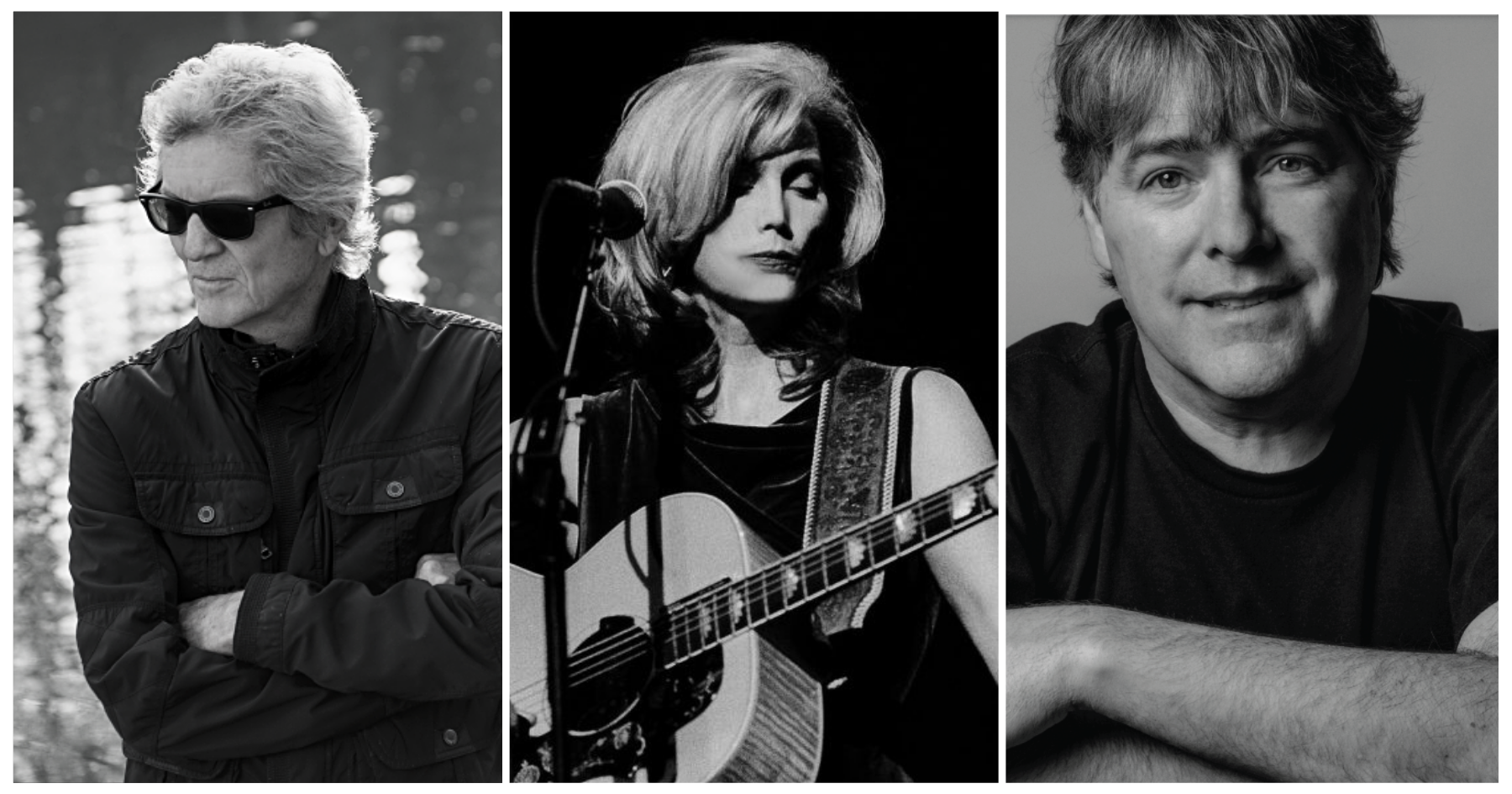
Photos: (L to R) Rodney Crowell by Sam Esty Rayner Photography; Emmylou Harris by Paul Natkin/Getty Images, circa 1997; Béla Fleck by Alan Messer

BGS 5+5: Della Mae

Artist: Della Mae
Hometown: The United States
Latest Album: Family Reunion
Nicknames: Celia = Squawkbox; Kimber= Fiddler, Kimby, Auntie, Nimmers (Grammy only); Vickie = VV, Double V, Wickie
Rejected Band Names: Big Spike Hammer

What’s your favorite memory from being on stage?

Thanks to my good friend and mentor Rickie Simpkins, I played a show on electric guitar with Emmylou Harris a few years ago. My favorite memory from the gig was actually the soundcheck and rehearsal. It was a really special thing to get to experience how an artist I deeply admire prepares for a performance and then get to be part of how it all came together. — Avril Smith

In 2012, we had the opportunity to go on a six-week tour of South and Central Asia with the State Department. The first show we played was in Islamabad, Pakistan at a women’s college. It was the most incredible energy we’ve ever felt in a room. They’d never heard bluegrass before and erupted in cheers and Beatles-worthy shrieks when we hit the first three-part harmony chorus. — Kimber Ludiker

What’s the toughest time you ever had writing a song?

“The Way It Was Before” took Mark Erelli and I six hours to write (three Zoom sessions). Half of that time was spent talking, looking up stories, getting really emotional about the state of the world. We wanted to make sure that every word counted, so we took our time and tried to honor each of the characters (who are actual people). The pandemic isn’t even behind us, and yet I keep hearing people say that they can’t wait to get back to “the old days.” There’s so much about “the old days” that needs changing. After everything we’ve been through in the last 18 months, I found that writing a song like this felt impossibly huge. I may not have finished it if it hadn’t been for Mark. — Celia Woodsmith

Which artist has influenced you the most…and how?

Missy Raines has influenced me the most. For obvious reasons, but let me explain: I was 14 years old watching Don Rigsby and Josh Williams play at my hometown venue, the Kentucky Opry. I saw her up on stage playing upright with them, so cool and beautiful and a master of her instrument. She was hanging with the boys and giving them all a run for their money. Then and there I decided that I wanted to do that for the rest of my days. When it comes to harmony singing, however? One hundred percent Diamond Rio. — Vickie Vaughn

If you had to write a mission statement for your career, what would it be?

We actually do have a mission statement as a band — to showcase top female musicians, and to improve opportunities for women and girls through advocacy, mentorship, programming, and performance. Our hope is that our music inspires more women and girls to pick up an instrument and use their voices to create art and work together to affect the kind of change they want to see in our world. — Avril Smith

What was the first moment that you knew you wanted to be a musician?

FROM BIRTH. 😉 I’m a fifth-generation fiddler. I could play my first tunes at age 3. My earliest memories are playing fiddle tunes with my grandpa and brother. However, it wasn’t until my last year of college that I decided to make it my life. I saw how people struggled as musicians, and honestly, my brother was a bit of a child prodigy and I didn’t think I was good enough for a long time. I began to realize that everyone has their individual skills and talents, and I had something to contribute. — Kimber Ludiker


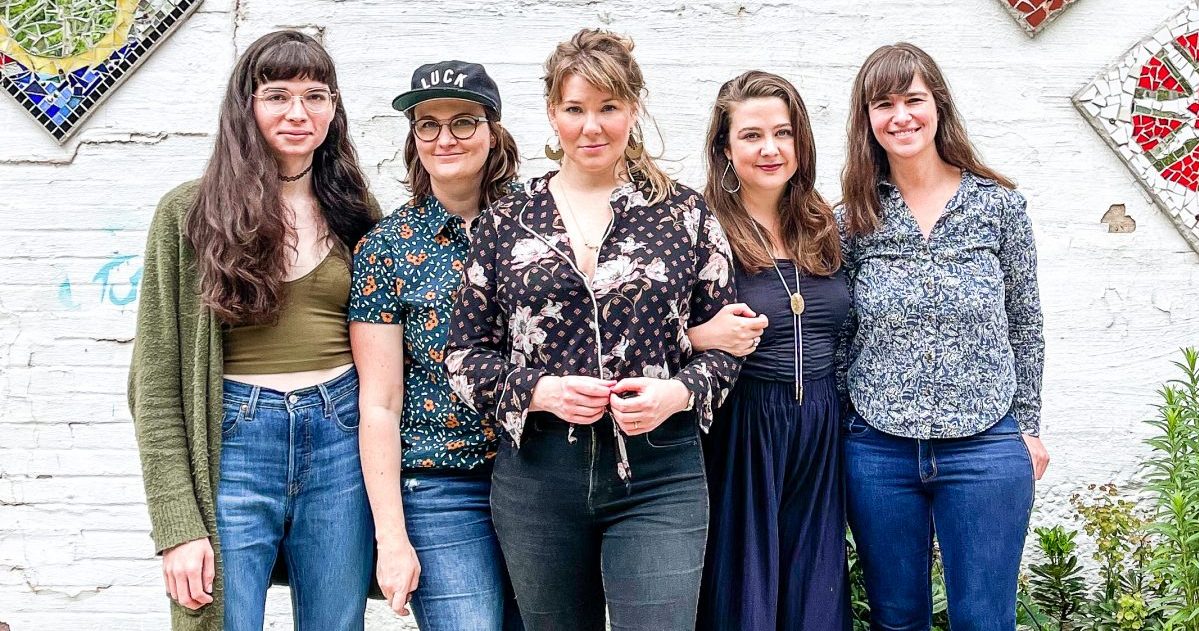
Photo credit: Kimber Ludiker

Take the Journey: 17 Songs for a Sunny and Warm Summer Vacation

In July we put together a playlist of bluegrass songs for summer vacation and once the inspiration was flowing, it was difficult to stop! We thought we should return to the theme, but slightly zoomed out, to include songs from across the roots music landscape. With the summer still shining, enjoy these 17 folk, Americana, and country songs perfect for your road trip playlist.

“Ride Out in the Country” – Yola

Yola was a 2020 Best New Artist nominee at the Grammys and she’s just returned with a new, full-length album on Easy Eye Sound, Stand For Myself. The entire project is lush and resplendent, like the glory days of orchestral, big-sound country-pop in the ‘60s and ‘70s. For this playlist, though, we return to her prior release, Walk Through Fire, and the perfectly country track, “Ride Out in the Country.” Take the scenic byways and crank the volume!


“I Like It When You’re Home” – Della Mae

One of the nicest silver linings of vacation is missing home – and that delicious feeling of returning to your own space and your own bed after being away. And your loved one(s), too! Della Mae captures that sentiment in this jammy, rootsy track from their album, Headlight. Take the day off, drive north, sit by a lake.


“A Little Past Little Rock” – Lee Ann Womack

A truly quintessential driving song. A must-add even if your vacation route comes nowhere near Arkansas. The baritone guitar intro, the shout-along-with-the-lyrics chorus, the whimsically late ‘90s production. A banger. A bop.


“Sunny and Warm” – Keb’ Mo’

Keb’ Mo’ is a master of vibes. His single “Sunny and Warm” showcases the acoustic blues musician in a more traditional R&B light – and the impact and result are simply golden. This track will have you craving your happy place, wherever that warm and sunny locale may be.


“Heavy Traffic Ahead” – Bill Monroe

Look, we’re The Bluegrass Situation! We’ve gotta get our bluegrass kicks in somewhere – bluegrass is roots music, after all. Given that we left this classic by the Big Mon himself off our Bluegrass Songs for Summer Vacation we felt it was worth inclusion here. And worth a mention so that you’ll go check out the entirely bluegrass playlist, too!


“Country Radio” – Indigo Girls

Finally a country song about country radio – and cruising around aimlessly listening to it – that is enjoyable and free of the guilt associated with the false nostalgia, conservative politics, authenticity signalling, and post-2000s country. Especially the kind most often played on the radio! This Indigo Girls track is testament to all the folks out there who love country music, even if it doesn’t always love them back. Don’t worry, it will. Eventually! (Read the BGS interview.)


“White Noise, White Lines” – Kelsey Waldon

If you catch yourself daydreaming, in a dissociative or meditative trance as you keep it between the lines, Kentucky-born singer-songwriter Kelsey Waldon has the exact soundtrack for you. “Whie Noise, White Lines,” the title track of her most recent album, speaks to that near-trope-ish phenomenon of losing oneself amid the countless miles traveled while living the life of a traveling musician. Waldon, as in most of her music, accomplishes this motif without stereotypes or clichés, and the result is a song that will be a staple on vacation playlists for decades to come.


“Table For One” – Courtney Marie Andrews

A variation on the same theme, this time from Courtney Marie Andrews, “Table For One” is gauzy and lonesomely trippy. “You don’t wanna be like me / this life ain’t free,” the singer pleads, seeking a sense of reality in a life almost entirely abided within liminal spaces. Find peace in the redwoods, but try to hold on to it. You might lose it twenty miles later.


“Two Roads” – Valerie June

Cosmic and longing, Valerie June distills Kermit the Frog’s “the lovers, the dreamers, and me” into album form with her latest outing, The Moon and Stars: Prescriptions For Dreamers. Whatever bug you’ve been bitten by – rambling, restlessness, cabin fever, listlessness – let this song and this album scratch that itch. And as you let the miles fade behind you, on whichever of the two roads you take, don’t forget to look up… at the moon and stars and beyond.


“Christine” – Lucy Dacus

Whether or not you’ve experienced the beautiful, transcendent, and heart-rending forbidden love of being queer — on the outside looking in on love that society has constructed to which you’ll never have access — Lucy Dacus’ fantastic, alt/indie roots pop universe will give you a crystalline window into this very particular iteration of unrequited love on “Christine.” The song feels almost as though you’ve woken from a warm, sunny, time-halting afternoon nap in the back seat of a car yourself.


“It’s a Great Day to Be Alive” – Darrell Scott

Darrell Scott goes two for two, landing on both our bluegrass summer vacation round-up and our rootsy list, too! “It’s a Great Day to Be Alive” is THE song for the moment you realize you’re out of the office, away from your chores, without a care in the world — whether you have rice cooking in your microwave or not.


“Hometown” – Lula Wiles

For those summers when all you can muster is a trip home. Lula Wiles don’t just trade in nostalgia and hometown praise, though, they take on the subject with a genuine, measured perspective that picks up paradoxes, turns them over, and places them back down for listeners. It’s a subtly charming earworm, too.


“Heavenly Day” – Patty Griffin

“Oh heavenly day / All the clouds blew away / Got no trouble today…” The exact intention to be channeling during vacation! Don’t let your summer getaway be one of those vacations from which you end up needing a vacation. Leave your troubles behind, have a heavenly day.


“Midnight in Harlem” – Tedeschi Trucks Band

Your travels may not bring you even within the same state as Harlem, but this song had still better be on your road trip playlist. There’s almost no song better to put on at midnight, wherever you may be roaming, than Tedeschi Trucks’ “Midnight in Harlem.”


“Outbound Plane” – Suzy Bogguss

Every time I step into an airport my anxiety seems to sing, “I don’t want to be standing here with this ticket for an outbound plane.” It’s always true. This writer has not yet returned to the jetways post-COVID, so we’ll see how that goes. At least there will be the security and comfort of this jam (composed by Nanci Griffith and Tom Russell) from Suzy Bogguss’ heyday.


“455 Rocket” – Kathy Mattea

There are plenty of modern versions of muscle cars available and on the road today, but not a single one is an Oldsmobile 455 Rocket! Kathy Mattea represents the rockabilly/Americana tradition of paeans to automobiles and gearhead culture with this loping tribute to a 455 Rocket, an early cut for Gillian Welch and David Rawlings. If you happen to take your country drives in a muscle car, regardless of brand, this track is for you.


“Take the Journey” – Molly Tuttle

What better way to conclude our playlist than with this always-timely reminder from Molly Tuttle? It might be a cliché, though it really is true: It’s about the journey, not the destination. So take the journey! Enjoy its twists, turns, and be in the moment. And take some clawhammer guitar along with you.


LISTEN: Sally & George, “Keepin’ Time”

Artist: Sally & George
Hometown: Nashville, Tennessee
Song: “Keepin’ Time”
Album: Take You on a Ride
Release Date: October 30, 2020

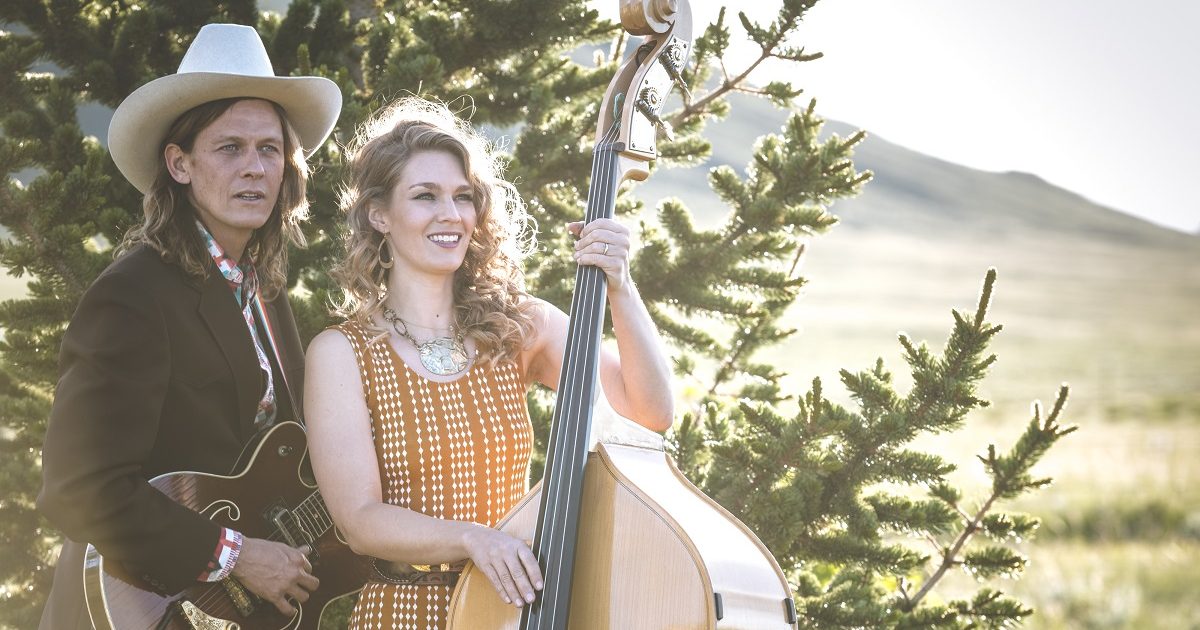
In Their Words: “Hailed as the Prince of Folk Alliance International, songwriter Robby Hecht helped bring ‘Keepin’ Time’ to life in a three-way Nashville co-write. Recorded live in Laramie, Wyoming, Shelby’s upright bass holds down the beat while Joel meanders around the fingerboard of his guitar. Lyrically, ‘Keepin’ Time’ harkens back to the early days of our relationship, when Joel toured full time with Sol Driven Train and Shelby kept a busy schedule globetrotting with Della Mae. Ironically, with our 2020 tours now cancelled and the world in varying stages of COVID lockdown, we have been together constantly since March. Like many couples experiencing a plunge into full time companionship, the challenge now lies in keepin’ time and space for self care.” — Shelby Means and Joel Timmons, Sally & George


Photo credit: Molly McCormick Photography

BGS Long Reads of the Week // April 10

Butterfly in the sky… I can go twice as high…

Let’s all read more together, how about it?! For a month now, our #longreadoftheday series has been looking back into the BGS archives for some of our favorite reporting, videos, interviews, and more — featured every day throughout each work week. You can follow along on social media [on FacebookTwitter, and Instagram] and right here, where we’ll wrap up each week’s stories in one place.

Our long reads this week are wise, comforting, thoughtful, illuminating, and more than a touch heartbreaking, as we say goodbye to one of the most poetic and cosmically poignant songwriters to ever live: John Prine.

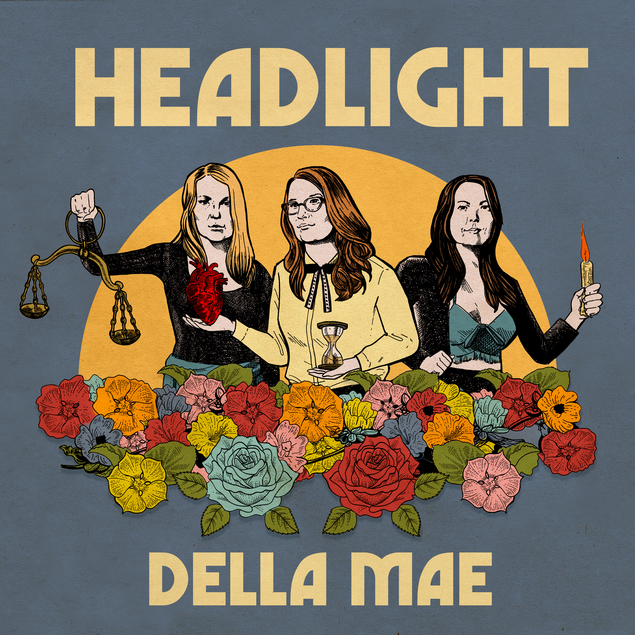
Della Mae Offer Encouragement and Illumination on Headlight

Now nearly a decade into redefining what it means to be an all-woman band in bluegrass, Della Mae has learned a major lesson over the years: That you don’t need to care what everyone thinks about you all of the time. In fact, you don’t need to care what anyone thinks about you at all. Album after album the women behind Della Mae reinforce this message, musically, lyrically, and then some. [Read our interview]


The Dead South Have A Message for Bluegrass Purists

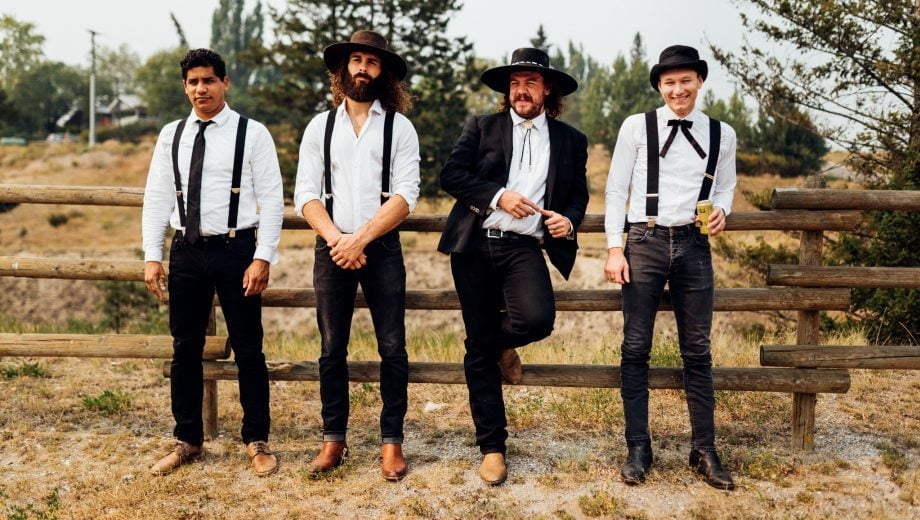
It’s not meant to be combative, The Dead South know they push the boundaries of what traditionalists would consider bluegrass, but that’s not the point. They’re not claiming to be the best, they’re not trying to “steal” anything, they’re just trying to have fun and be part of the community. They sat down and described their music making process and mission with us last year. [Read the full conversation]


John Prine: The Difficulty of Forgiveness

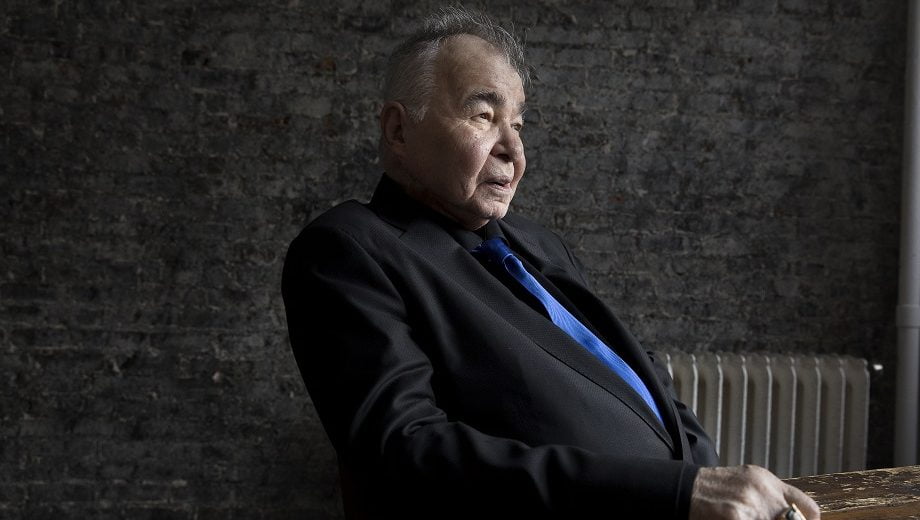
This week, it felt like we all woke up one day in a duller universe, without one of the greatest singer/songwriters to ever walk this earth: John Prine. He was our Artist of the Month in May 2018. His new album at that time, The Tree of Forgiveness — it would be his last release — wasn’t a “victory lap” for the legend. It was one of his greatest works.

So this week, we re-shared that feature in memory of and honoring a man who changed the lives and the music of each and every one of us, whether we knew it or not. [Read]


The Georgia Sea Island Singers: Kept Alive by Song

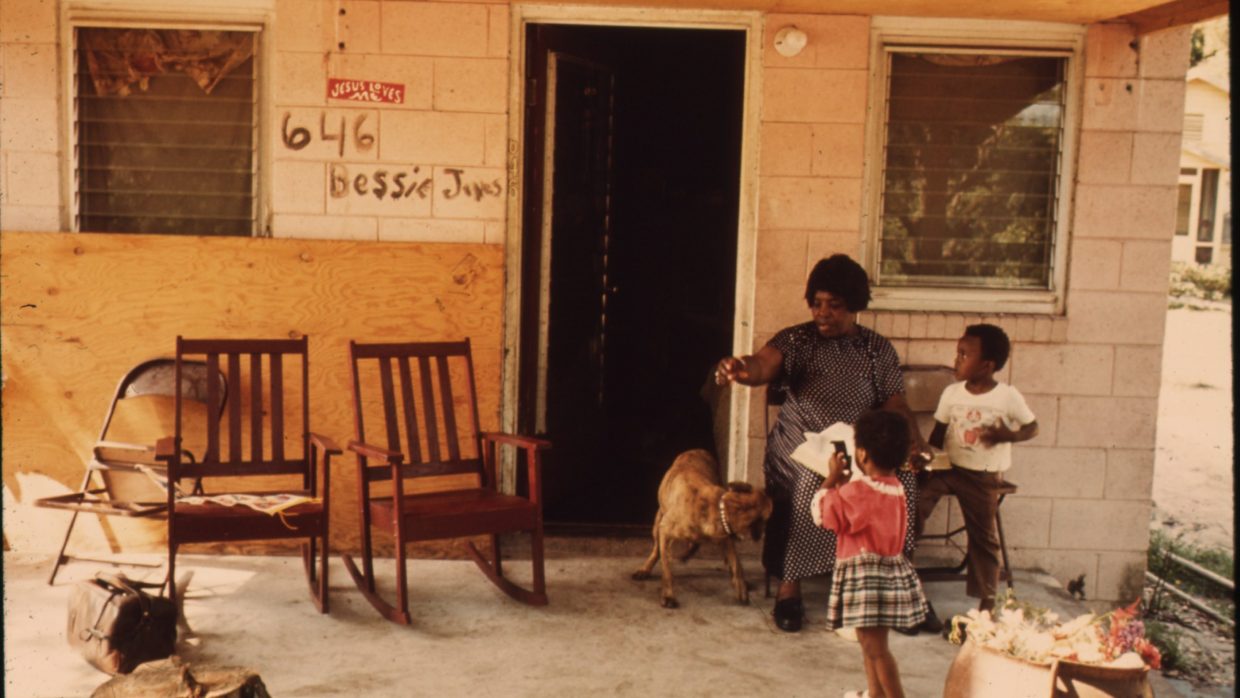
Are you familiar with the Georgia Sea Island Singers? Bessie Jones was one of the more famous singers among them. Song collector and folklorist Alan Lomax documented their slave songs, sharecropping narratives, children’s play songs, gospel tunes, and old folk dances during his time on Georgia’s St. Simons Island — first in the ’30s and again in the ’60s. It’s another example of this country’s vast and diverse musical traditions, many of which go forgotten or undervalued. [Read more about the music of the region]


I Am A Poor Wayfaring Stranger: 20 Versions of an American Classic

To wrap up the week, we chose a long read of the day that’s more of a long listen of the day. A truly unparalleled song in western folk traditions, “Wayfaring Stranger” has been covered and recorded by so many artists. In this post from the BGS archives we collected quite a few notable versions, by many of our favorites and some of the biggest stars on the planet. Who sings your go-to rendition? Let us know in the comments. [Check out the full list]


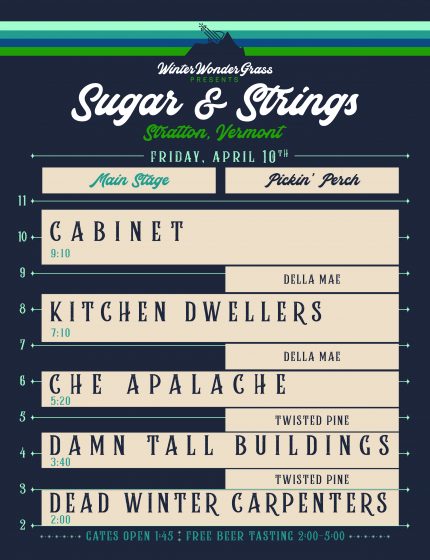
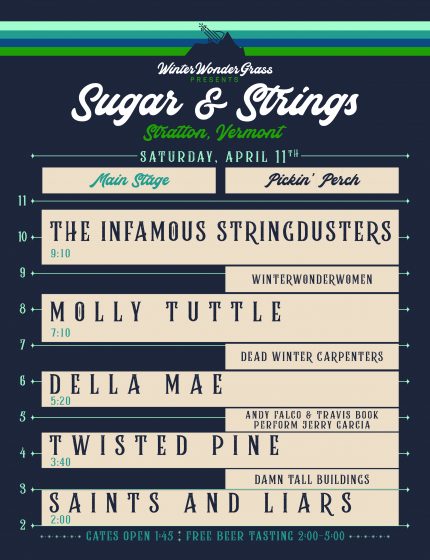
ANNOUNCING: WinterWonderGrass Unveils Vermont’s Sugar & Strings Schedule

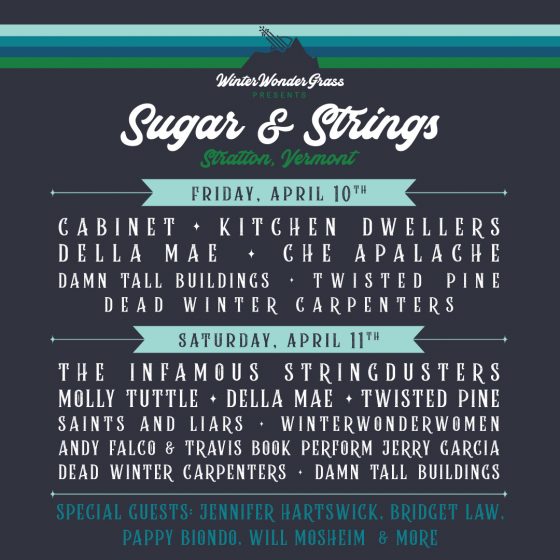
WinterWonderGrass 2020 is mere weeks away (Steamboat Springs fast approaches!) and BGS is excited to announce the schedule for WWG’s Vermont edition, the final iteration of the event in 2020, taking place April 10 & 11 at Stratton Resort in Manchester, VT. The placement of this year’s festival coincides with the end of the ski and snowboard season at the resort, and WWG plans to bring one heck of party to the mountain’s base to close out the year. Psychedelic folk-grass band Cabinet is also set to make their first post-hiatus performance over the weekend.

Additionally, starting on Tuesday, February 11th, WWG plans to release a limited quantity of single-day tickets and weekend general admission passes will move to tier 2 pricing the same day. Tickets and more info available here.

“WinterWonderGrass continues to honor the pillars of bluegrass while creating space for the evolution of the genre to flourish. I feel this lineup speaks to that ethos,” remarks festival founder, Scotty Stoughton, via press release. “I’m super excited to see first-time bands like Twisted Pine take our stage and welcome back local favorites, Saints & Liars. I’m humbled Cabinet is coming out of hiatus to perform at WinterWonderGrass and it’s always a pleasure to watch The Infamous Stringdusters and Della Mae take the stage.”

Gates open at 1:45 PM each day during the two-day music festival, with music beginning at 2:00 PM. Pickin’ Perch and the Main Stage will see alternating sets for two days of nonstop music.

Tickets for California and Vermont are on sale now, but moving fast! Very limited single-day tickets remain for Friday and Sunday at the Colorado stop, which is otherwise completely sold out. VIP tickets to the California are also sold out, but fans are encouraged to check out the official fan-to-fan ticketing exchange powered by Lyte if they’re in search of tickets as more of the dates and tiers sell out.

See the daily schedules below:


Photo of Jon Stickley Trio ski in/ski out show, WWG Tahoe 2017: Tobin Voggesser

Della Mae, “Peg Monster”

Time and again Della Mae demonstrates that of their indisputable strengths as a dynamic, powerhouse string band, a conglomeration of some of the most talented musicians and writers in bluegrass and roots music, their most impressive trait must surely be their unrelenting taunting of every convention handed down to them by those genres. Even now, as they make what some would call “the pivot to Americana,” they laugh off that very idea on Headlight, the record tasked with the brunt of that rebrand. The subtle, crooked smile of self awareness makes appearances throughout this collection of songs, but is flaunted outright on “Peg Monster,” the record’s sole instrumental. 

Written by fiddler Kimber Ludiker, “Peg Monster” is an impressively ancient-sounding tune, drawing on Ludiker’s deep fiddling pedigree and the expansive musical vocabularies that have won her two Grand Master Fiddle Championships. The melody strikes listeners as haunting, as if emanating from a shady holler or a decades-old campsite at a fiddle convention. It builds like a campsite jam, too, with a dash of Jenni Lyn on mandolin and a ripple of Avril Smith’s flatpicking. Then, as seamless as the rest, through the crack left in tradition’s door by that haunting vibe — and beckoned through by the Dellas’ virtuosic irreverence — organic, campfire percussion and low rumbling organ pads fill in the spaces artfully left by each instrumentalist. 

Pigeonholing and “recommended if you like” habits will always attempt to relegate Della Mae to countless ones versus others, but, as they consistently and artfully remind us, this band refuses to give up their autonomy and self-expression for the sake of tidiness and clean labels. “Peg Monster” shows it — hell, their entire catalog does; Della Mae loves living in the spaces in the middle, and with Headlight that’s exactly where they’ve made their home.

Della Mae Offer Encouragement and Illumination on ‘Headlight’

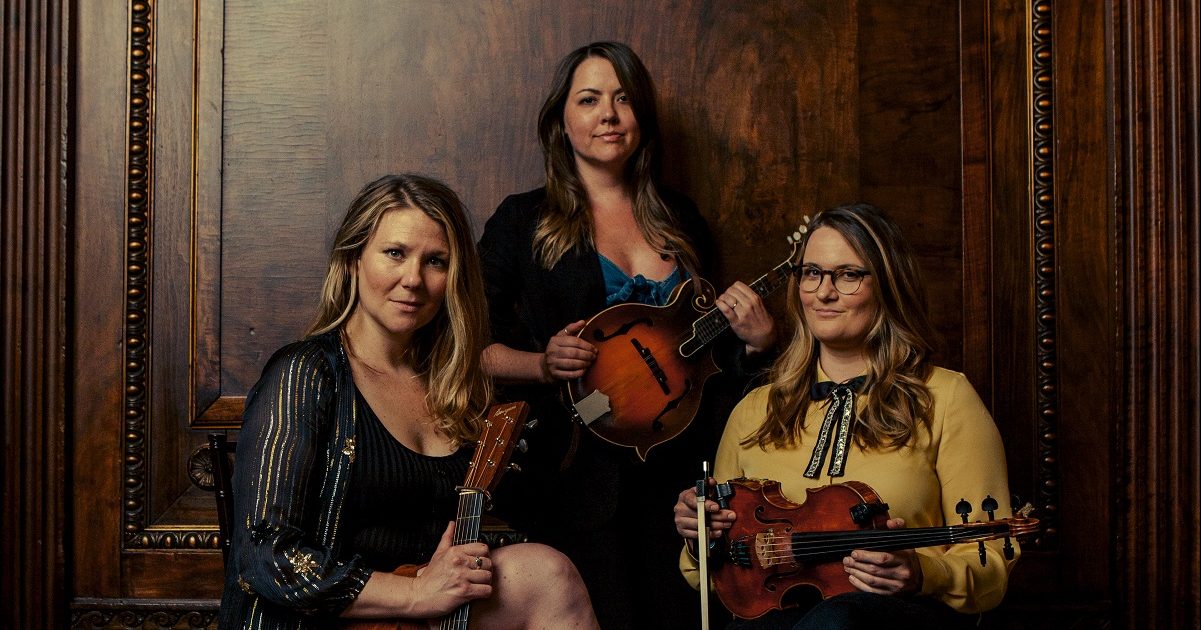
Della Mae have shaken up bluegrass and old-time stages for the better part of the last decade, with a mile-long resume that even includes a stint as cultural diplomats with the U.S. State Department. With Headlight, the Boston band’s first full-length album in five years, they’re providing their most powerful statement yet.

Written primarily on retreat at MOXE, a women-owned creative retreat outside of Nashville, the band taps into a more overt kind of activism than we’ve seen from them before, with lyrics that lift up victims of abuse, lend solace to the weary, and offer a single directive in the fight for change: to always keep moving forward.

Produced by Dan Knobler and recorded at Sound Emporium Studios in Nashville, the album features vocal powerhouses like the McCrary Sisters alongside instrumental heavyweights such as keyboardist Jen Gunderman and guitarist Molly Tuttle. Its tracks boast the fast picking and sublime harmonies that Della Mae fans have come to expect. BGS caught up with lead singer and songwriter Celia Woodsmith, discussing the new music and the band’s long record of working for equality in bluegrass and beyond.

BGS: The album opens with “Headlight,” a powerful song about standing up in the face of abuse. What drove you to write it?

Woodsmith: “Headlight” was definitely a hard one to write but it came out really quickly. I had been trying to write a song that could capture this feeling, the #MeToo movement feeling, and nothing was coming out. It really was after Christine Blasey Ford testified in front of Congress that it happened — the song came out in about twenty minutes, a very quick thing. I think I’d finally just had it.

As we [the band] have gotten older and more mature as human beings and as women and as musicians, it’s been easier and easier to not really care what other people think of us. [Laughs] It’s easier to say what we want to say, without fear that we might “ruin our career” or that the backlash will be too hard to handle. Truly, I didn’t write it as a political song, and I didn’t write it as something to divide people. I wrote it as an anthem, an ode to all the women in my life and the women I’ve seen all over the world who have stood up and been brave and been ridiculed for it.

Are there ways that you feel like your fans and your listeners could be “headlights” in their communities?

One of the lyrics is, “No need to be rude, just sit back and listen.” I think right now, especially, we really don’t listen to one another; we don’t want to listen to one another. There are a lot of takeaways that I hope people can grab from this song, but if standing up for women’s rights is beyond them, then I hope that they can just get through the song, just listen to it, just think about it. That’s all I can hope for.

As a listener yourself, what’s something in music in the last year or two that has made you particularly hopeful about what’s to come?

The first thing that comes to mind is the album by The Highwomen — Brandi Carlile, Maren Morris, Amanda Shires, and Natalie Hemby. That album, that project, really made me happy. First of all, that these women were badass enough to stand up and say, ‘This is a problem in country music. You don’t play our songs and you don’t play our albums, and we are absolutely going to stick this in your face.”

You have people constantly, your whole life, telling you that you’re “pretty good for a girl.” Believe me, Della Mae has gotten plenty of that. And it’s so frustrating. But when these high-profile women stand up for the rest of us, it elevates all of our voices. To have an album like The Highwomen do so well, be so well done — and by these four powerhouses — made me so hopeful for the future, hopeful that other young women are going to see this same thing and say, yeah, you know what? You should play our music. We are good enough.

Della Mae has been a presence like that for women all over the world, working with the State Department, performing in countries where women might not always see other women on stage. In your travels, were there times when you encountered a bluegrass community in places where people might not expect to find it?

Yeah, absolutely. We have found really amazing bluegrass musicians in Russia, and we’ve found them in the Czech Republic, and we’ve found them in France. Bluegrass is everywhere. It’s quite amazing to me, actually. We met a really amazing three-finger-style banjo player in Uzbekistan. This woman just learned how to do it from YouTube, and we were the first bluegrass musicians she’d ever jammed with.

Another time, these young Russian bluegrass musicians we sat down to pick with asked us to play [one of our songs] “Sweet Verona,” and they played right along with us. It was truly astonishing. That goes to show how small the world is. If you have an internet connection, you can listen to just about whatever you want, and you can learn. Bluegrass is a global thing, it’s everywhere. But it’s everywhere because it’s folk music, and I think that people can really relate to it.

I’ve seen quotes where Della Mae describe Headlight as the album you’ve always wanted to make. What were you enabled or empowered to do here that you haven’t been able to do in the past?

I think that kind of ties back into the “not-giving-a-crap-anymore” thing. We had always been afraid to have drums on an album, we’d always been afraid to plug in, use effects. [Because] we were in bluegrass, and kind of cornered into that genre, it felt like we couldn’t expand our musicianship, because we didn’t want to anger our fans.

We obviously care a lot about our fans, but [now] we think that we can take our fans with us, take them along for the ride. We’ve been playing for ten years. Our fans know that we can play a fiddle tune, and that we can play bluegrass standards. But we can also plug in and rock out and really perform songs that have meaning behind them, and do it with a lot of flair.

Do you think the pressure to adhere to tradition can be an obstacle for bluegrass musicians today?

I think that’s a problem being faced by bluegrass musicians, I think especially young musicians, but I think it’s getting better. Alison Brown, an absolute legend on the banjo, said it last year in her IBMA keynote speech: Change is coming to bluegrass, whether or not they want it. We have to start opening our arms more to different expressions of bluegrass.

There can be traditional bluegrass — that’s fine — but if someone has drums, or someone plugs in, or someone plays in an untraditional way, that doesn’t mean that we have to eliminate them completely from the genre. If we do that, then bluegrass music will slowly start to die. People won’t want to play it when they can’t play around with it, when they can’t give to it their own expression and their own creativity.

Recently I think there’s more openness to what bluegrass is, as opposed to what it isn’t. People will always say, “Well, that’s not bluegrass, they don’t have a fiddle,” or, “That’s not bluegrass, they don’t have a banjo.” More often lately, though, it’s been more like, “Oh, these musicians can play bluegrass, but they can also play a bunch of other stuff.” It’s better to celebrate that than to distance yourself.

Your new song “The Long Game” tackles the idea of temporary sacrifice for an ultimate goal. What are some of your challenges in playing the long game, and what keeps you looking forward?

We’re very lucky that this is our career, that we can travel around the world, meet people, write songs. But the day-to-day stuff is really hard. You’re kind of coaching yourself — “Just drink another cup of coffee and you’ll be fine.” When you’ve been a band for ten years, a lot of interpersonal stuff comes up. You may lose members over the years. We’ve had members turn over, and each time it’s difficult. It’s always the closing of a chapter, and then moving on a new way of thinking about Della Mae.

I love this band, and I love the women I play with, and I feel so grateful that we’re able to do this together. We’re really a family and a team, so I think that’s part of the long game, too — accepting change and learning to deal with it in a positive way, as opposed to a negative way. You’re always going to have surprises along the road, and you’ve just got to, well, keep playing the long game.


Photo credit: David McLister