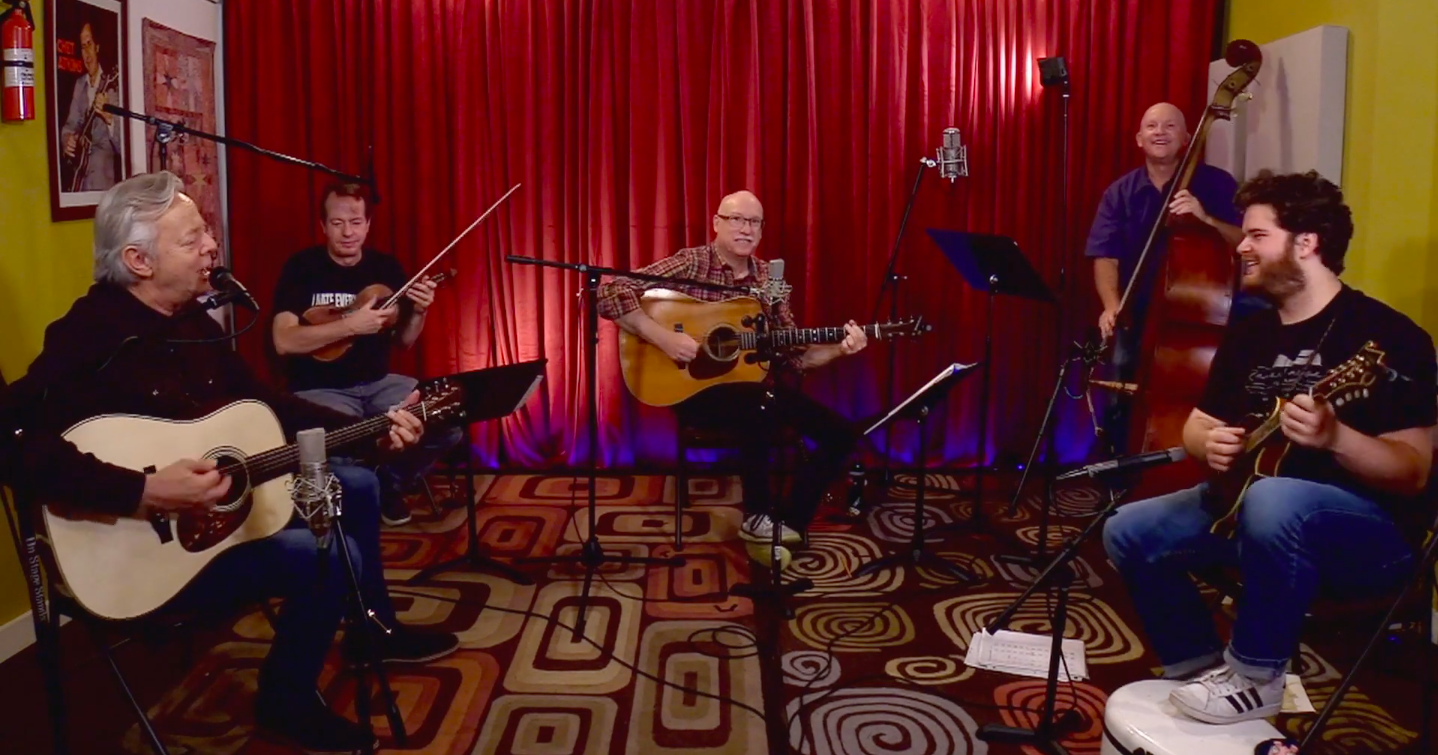
WATCH: David Grier & Tommy Emmanuel Shred “Workin’ Man Blues”

Flatpicker David Grier and his band have missed the stage in recent months, itching to perform with the regularity they once did. Luckily, the good folks at Nashville TuneStream have given them a stage from which they can perform safely and deliver their golden musical product to audiences around the world.

A weekly residency was established for Grier and co. at the livestream production company earlier this year, and we at BGS have been watching. If you haven’t yet had the privilege of seeing David Grier work his magic live, we strongly encourage you to do so at the next safe opportunity — though streams will certainly stand in until that point! A purist and traditionalist of sorts, Grier isn’t quite a household name, but you’d be hard-pressed to find a better flatpicker in the world. As a testament to his musicianship, Grier’s band is always loaded with heavy-hitting instrumentalists, this time including Stuart Duncan, Casey Campbell, Dennis Crouch, and renowned virtuosic guitarist Tommy Emmanuel.

Emmanuel leads the band through Merle Haggard’s “Workin’ Man Blues.” The train gets off to a powerful start, but Grier and Emmanuel derail the ensemble and venture off into a delightful guitars-only playground near the song’s end. During this pseudo-guitar duel, the rest stop entirely and share laughs with one another, as amused as we viewers at the mini guitar hero battle. The David Grier Band is scheduled to perform weekly for Nashville Tunestream, so watch this performance as a teaser and, if you can, support the band by tuning in!


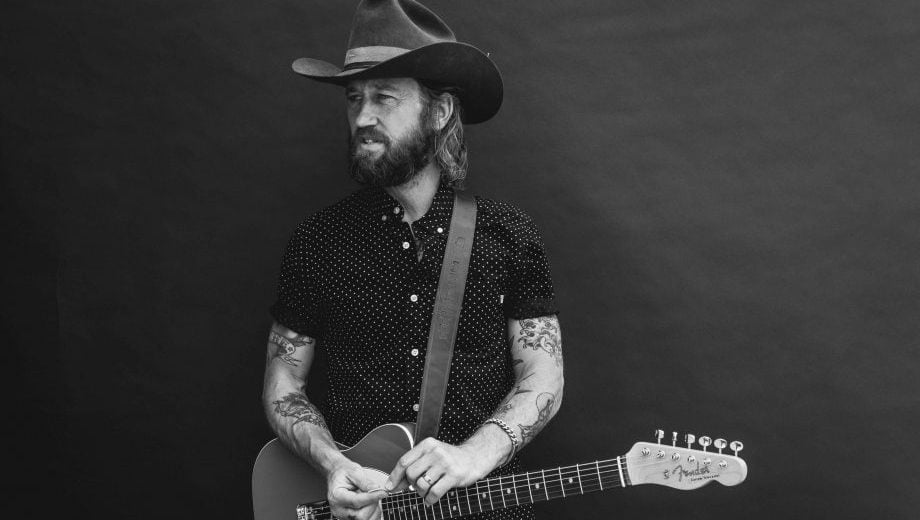
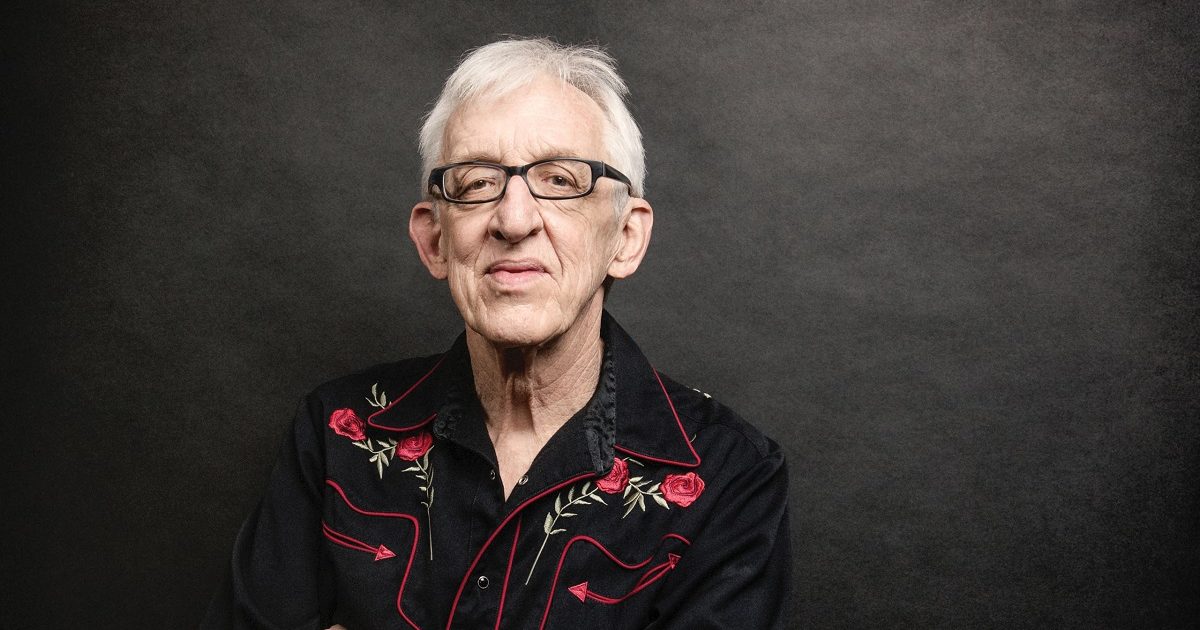
BGS 5+5: Bill Kirchen

Artist: Bill Kirchen
Hometown: Austin, Texas
Latest album: The Proper Years (July 24, 2020)
Personal nicknames (or rejected band names): First band name, 1965: The Who Knows Pickers, an acoustic jug band. One gig only, we shared stage with The Iguanas, Jim “Iggy” Osterberg on drums.

Which artist has influenced you the most… and how?

I have to go all the way back to Pete Seeger. I learned my first string instrument, the 5-string banjo, from his instructional book and record, and had lots of his recordings from the ’40s, ’50s, and ’60s. He was an ecstatic singer, very successful and influential songwriter, and multi-instrumentalist. Soft-spoken on stage, he was most definitely outspoken politically his entire career, always for racial equality, workers rights, and freedom of speech. In the early 1950s McCarthy era, he went up against the powerful but later utterly disgraced House Un-American Activity Committee. He earned himself a career-hijacking blacklist that lasted years by asserting his constitutional rights and refusing to name names and implicate others. He never backed down. His performing career spanned nearly 70 years. I saw him in the mid-’60s many times, then again in the ’90s.

What was the first moment that you knew you wanted to be a musician?

I wanted to be a musician as soon as I figured I could sing a song. I have early memories of being a toddler lumbering around, singing along with my cardboard record (yep, they existed!) of “Teddy Bears’ Picnic.” At 8 I learned trombone, then played it in orchestras and bands until the mid-’60s folk scare lured me away. As for wanting to be a professional musician, I guess getting my first paying gig in ’64 or ’65 cemented that desire. I certainly never thought, “I’ll just do this for a bit then quit and get a job.”

If you had to write a mission statement for your career, what would it be?

Not clear on the concept here, but it sounds interesting and I’ll give it a try. I certainly never had a mission statement, rather I just got in the canoe and now here I am and where I’ll be next, I don’t know. So here are my suggestions to the young me: Bill! You know you love listening to, singing, whistling music all the time. That’s super important, don’t let go. Learn to play an instrument as soon as they’ll let you, then learn some others. Play with folks, preferably better than you. Take any opportunity you can to go hear live music. Now don’t blow this one: you liked the 1963 Blues at Newport record and Mississippi John Hurt. Well, you are within hitchhiking distance of the ’64 Newport Folk Festival, he’s gonna be there, Dylan too, go do it. Sleep on the beach, whatever, it’ll all work out. Then do the same in ’65, trust me. Many of the extraordinary people you will see will be gone less than 10 years later. Then before the ’60s are over, move away from your Ann Arbor hometown. Try San Francisco. Travel everywhere and play as much you can. Pull up roots and move across country a couple more times, find more kindred spirits and play with them. Just get in the canoe. You’ll be surprised.

What’s the toughest time you ever had writing a song?

The toughest time I always have writing is making myself sit down and do it. I love the process when I get rolling, but I don’t have a burning desire to bare my soul in verse and melody, then buttonhole folks and make ‘em listen. But I enjoy making up my own songs, lots of perspiration plus a little inspiration. Then again I wouldn’t mind just singing Haggard and Dylan songs all day. Couldn’t really ask people to pay for that, I know. As the great Roger Miller said writing a hit song is just like taking candy from a gorilla.

How often do you hide behind a character in a song or use “you” when it’s actually “me”?

I hid behind characters a lot early on. Wrote a lot of truck-driving songs, though I’m not and don’t want to be a truck driver. It was a legitimate sub-genre when I discovered country music, and I do come by a love of the road and travel honestly. As for finger-pointing songs, I’m usually not a big fan. And you know what they say, when I point my finger there are three more pointing back at me. Oops.

I didn’t let myself write songs that were more personal and closer to the bone until I started making records under my own name in the ’90s. When I went to England to record my first record for Proper, Hammer of The Honky-Tonk Gods, it was with Nick Lowe and the band with which we’d recorded and toured the world several years before. Nick is one of my favorite songwriters and I remember thinking, dang, I can’t just show up with a bunch of I’m A Burly Truck Driver songs. I’ve got to get closer to the bone and try a little harder.


Photo credit: Valerie Fremin

Rose Maddox: The Remarkable Hillbilly Singer Who Made Bluegrass History

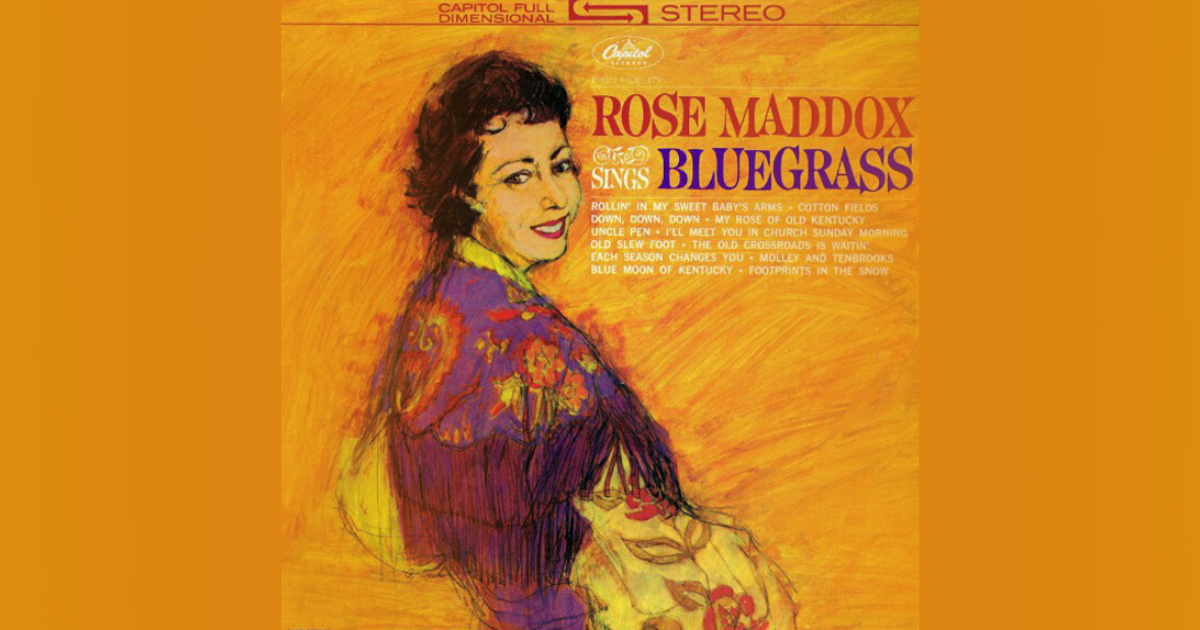
Rose Maddox, the lead singer of the Most Colorful Hillbilly Band in America, made a significant mark in bluegrass, too, as the first woman ever to record a bluegrass album. Her incredible rags to-riches story touches on boxcars and sharecropping, the Grand Ole Opry and Buck Owens, and finally the Father of Bluegrass Music himself, Bill Monroe, who laid the foundation for that seminal 1962 Capitol Records LP, Rose Maddox Sings Bluegrass.

Born on August 15, 1925, in Boaz, Alabama, Roselea Arbana Maddox arrived in a family with some musical heritage. Her paternal grandfather was a fiddler and roaming preacher, while her uncle Foncey gave lessons to locals and performed in blackface. Rose’s father, Charlie Maddox, worked as a sharecropper and hired hand. After getting stiffed for a job chopping wood, Charlie decided to skip town and finally indulge his wife Lula’s lifelong dream of living in California, panning for gold. They sold everything they had and stashed away the proceeds — just $35. The two oldest children stayed behind, while the youngest five and their parents set out for the Golden State in the spring of 1933.

How? On foot. Then hitchhiking. And after crossing over the state line to Mississippi and encountering another family who explained train-hopping, the seven Maddoxes rode the boxcars all the way west. Rose was 7 years old. They settled and resettled in various towns, with their situation once so dire that Lula had to place Rose with another family — but Rose acted up so often that the family gave her back. When Charlie got harvesting work in Modesto, the family followed and became what they called “fruit tramps.”

With some stability, the kids were putting down roots in Modesto. They collected whiskey bottles, turned them in for a penny a piece, then spent their dimes on movies. One Sunday the Sons of the Pioneers appeared in person at the Strand Theater. At that moment, Rose had found her calling — to be a singer. Her brother Fred had a similar epiphany while picking cotton that fall. After hearing that the band who’d just played the rodeo made $100, he decided it was time to get into the music business. Acting as manager, he found a furniture store to sponsor some radio spots. The caveat was simple: The furniture store owner wanted a girl singer. Thus, the Maddox Brothers & Rose were launched — with the spunky lead vocalist just 11 years old.

They followed the California rodeo circuit and played bars for tips, then won a State Fair competition that crowned them California’s best hillbilly band. However, things unraveled for a time in the early 1940s, as Fred, Don, and Cal were drafted in World War I, and Rose became an unhappy bride at 16, then a single mother at 18. Auditions with Roy Acuff and Bob Wills went nowhere. She played occasional gigs with other bands until the war ended and the Maddox Brothers & Rose reformed, with the youngest Maddox child, Henry, now joining on mandolin.

Playing dances as well as radio shows, the group shifted their sound to get people moving. Their look got an overhaul after Roy Rogers recommended Los Angeles tailor Nathan Turk, a pioneer of flashy Western stagewear. They also signed a deal with 4 Star Records, an indie label that marketed them as Most Colorful Hillbilly Band in America. Their repertoire ranged from Woody Guthrie’s “Philadelphia Lawyer” to Hank Williams’ “Honky Tonkin'” to the gospel tune “Gathering Flowers for the Master’s Bouquet.” They made their Opry debut in 1949, where they met Bill Monroe, and became the first hillbilly band the play the Las Vegas Strip. That same year, however, Charlie and Lula Maddox divorced.

By 1950, various members of the family were living in Hollywood. A beautiful woman of 25, Rose took courses in modeling and vocal control, although Lula would not allow her to date. The band appeared on broadcasts like Hometown Jamboree and Town and Country in Southern California, as well as the regional show, the Louisiana Hayride. Columbia Records signed her as a solo act in 1953. With rock ‘n’ roll in full force in 1956, the Maddox Brothers & Rose sputtered, then disbanded, and not without some bitterness as Rose’s career still flourished. The Opry didn’t appreciate her first solo appearance though, when she wore a blue satin skirt that exposed her bare midriff. Nonetheless she relocated to Nashville (with the ever-vigilant Lula) and became an Opry member in 1956, but quit about six months later when Roy Acuff complained she (and not other Opry members who were touring) made appearances on too many local TV shows.

That professional setback might have given the perception that Rose couldn’t have a career without her brothers. That proved quite untrue. Hometown Jamboree in Los Angeles hired her, which led to plenty of gigs. When the Columbia deal ended, she recorded for two independent labels before signing with Capitol Records in 1959. When Lula tried to boss around producer Ken Nelson, he banned her from all future sessions. Rose, by this time 33 years old and still under her mother’s thumb, was secretly delighted. Taking things a step further, Rose eloped with a nightclub owner that December, then embarked on a European tour.

For Capitol, she made her first Billboard chart appearance ever with the honky-tonk weeper “Gambler’s Love,” climbing to No. 22 in 1959. Her first solo album, The One Rose, dropped in 1960, followed by a gospel set titled Glorybound Train. By 1961, she took “Kissing My Pillow” and “I Want to Live Again” to No. 14 and No. 15, respectively. Johnny Cash invited her to join his road show and Buck Owens asked to record some duets. Those twangy tracks, “Loose Talk” and “Mental Cruelty,” both entered the Top 10 in 1961. Her third album for Capitol, A Big Bouquet of Roses, appeared later that year.

The year 1962 proved to be the pinnacle of her career, as Bill Monroe encouraged her to make a bluegrass album. Because they recorded for competing labels, Big Mon anonymously played on the first day of the two-day session, recording several numbers from his own repertoire. Donna Stoneman stepped in on mandolin on the second day with the remainder of the material. Reno & Smiley joined the session too. Monroe later told Maddox biographer Jonny Whiteside, “The Maddox Brothers & Rose always had their own style, but you must remember their home was Alabama, and I always thought they sang a lot of the old Southern style of singin’. So I enjoyed helpin’ her on one of her albums. She had some great entertainers workin’ on it, and it didn’t take long at all.”

Maddox herself explained, “Bill Monroe has always told me that I sang bluegrass, and to me what he was talkin’ about is just what I call ‘hillbilly.'” She may not have agreed with the terminology, but she certainly adhered to the enthusiasm of the best bluegrass singers. Rose Maddox Sings Bluegrass became the first bluegrass LP recorded by a woman. Its release coincided with the chart success of an earlier country single, “Sing a Little Song of Heartache,” which rose to No. 3 (and practically begs for a bluegrass remake).

Without Lula to intervene, Rose’s life on the road nearly derailed her, with infidelity, volatility toward band members, and a propensity for Benzedrene wrecking her marriage and her professional reputation. A heavy schedule of international touring wreaked havoc on her voice, too. The singles she did release were moody, if not morbid. Although she eclipsed Patsy Cline and Kitty Wells to be named Cashbox‘s female country artist of 1963, her chart momentum fizzled out after her final album with Capitol, 1963’s Alone With You. Still she continued to tour with Buck Owens and Merle Haggard, with her grown son Donnie as her sideman.

Maddox occasionally recorded for small labels in the ’70s and ’80s to modest results, while her venues now included the San Francisco gay bars that embraced the Urban Cowboy phenomenon, as well as the annual gay rodeo in Reno, Nevada. She performed with the Vern Williams Band in folk clubs, too, and recorded a 1984 album with Merle Haggard & the Strangers that was funded by fans. A number of Arhoolie Records reissues helped keep her loyal audience appeased, while introducing her vivacious music to a new generation. She and her brother Fred patched things up for a 50th anniversary celebration of the Maddox Brothers & Rose in Delano, California.

Too often overlooked among the country performers of her era, Maddox landed her first Grammy nomination for her 1994 Arhoolie release, $35 and a Dream, in the category of Best Bluegrass Album. She recounted her exceptional career in the 1997 biography, Ramblin’ Rose: The Life and Career of Rose Maddox, and died the following year at age 71 in Ashland, Oregon. Remarkably, her life story has not been adapted for Hollywood, nor has she been inducted into the Country Music Hall of Fame or the Bluegrass Hall of Fame. Yet her catalog still shines as a beacon for listeners who seek out traditional music with an undeniable West Coast flair.

On the final track of that final album, Johnny Cash intones, “I worked with Rose Maddox a lot back over the years. And I found that when she started working my show that she was probably the most fascinating, exciting performer that I’d ever seen in my life. She was a total performer. She captivated the audience. She held them in the palm of her hand and made ‘em do whatever she wanted to. The songs that she sang were classics, and I loved the way she sang and kind of danced at the same time. I thought there was, and still think that, there will never be a woman who could outperform Rose Maddox. She’s an American classic.”


BGS 5+5: Donna Ulisse

Artist: Donna Ulisse
Hometown: Hampton, Virginia
Latest album: Time for Love
Personal nicknames (or rejected band names): Lots of family and friends just call me “Da”, which didn’t work so well for me when we were in Russia doing some shows because da means yes in their language so I was always turning my head in big crowds, thinking someone was calling me! My band members sometimes call me by my initials: D.U.

Which artist has influenced you the most … and how?

My dad and I have always had a major crush on Loretta Lynn! From as far back as my memory will go, I have admired her sassy songs and her way of delivering them. In my world, she is and will always be the cat’s meow. It took becoming a serious songwriter to realize that I also loved her writing. When I was young I didn’t give much thought to who wrote her songs, I just simply loved them. As I matured in this business I was struck by how many of the artists I adored actually wrote their own songs and Loretta was at the top of the heap.

When I started my journey into the bluegrass genre, my first producer, Keith Sewell, hit the talkback button in the studio after we cut a song I wrote called “When I Look Back” and said he thought I wrote like a mix of Loretta and Dolly. I didn’t touch the ground for two weeks after that. What a wonderful compliment! Loretta’s influence is certainly pronounced throughout my song catalog.

What’s your favorite memory from being on stage?

This one is easy! I was 12 and I was asked to sing one song at a popular venue in Mathews, Virginia, called Donk’s Theater. The show was loosely patterned after the Grand Ole Opry, with a staff band that would help spotlight young talent and I was one of the fortunate recipients. My mom and dad were SO excited! They invited all kinds of family and friends, probably thirty or so. The week before the show dad took me out shopping; I’ll never forget it. He let me buy a Gunne Sax dress that reached the floor. I thought I looked just like Loretta Lynn. I twirled in front of my mirror for hours when I got home and used my hairbrush to practice holding a microphone.

The night of the show is still so clear. The place was packed and the spotlights were incredibly bright. I was given a generous introduction and I walked out and sang a Loretta Lynn song, “Somebody Somewhere,” to the top of my lungs. I loved it, every moment, smell, sight, clap, note… all of it. Years later, my Aunt Helen told me that my mom and dad lost all their color when my name was announced and never blinked or swallowed while I was on stage, bless their hearts. I guess I didn’t have to be nervous, Mom and Dad did that for me.

What was the first moment that you knew you wanted to be a musician?

In all honesty, I knew I would be on stage when I was very young, maybe 5 or 6 years old. I have never dreamed of another career, it was always going to be the stage for me. But if you want to know the exact moment my star was born, it would be that Loretta Lynn song I performed on the Donks stage when I was 12. I owned it and never looked back.

If you had to write a mission statement for your career, what would it be?

I’ve never been good with homework, but I believe the topic of my mission statement would be perseverance! I have never given up on my dream of performing, even through the darkest of times. I was one of the blessed when I was signed to Atlantic Records in the early ’90s. A major country deal is a huge accomplishment and much coveted. I was out in L.A. doing a Dick Clark show when I got the call that I lost my deal. It was brutal, heartbreaking. I was so lost in those days but I knew deep down there was a place for me to sing.

I turned my heart and hopes into songwriting and it saved my music life. Through songwriting I discovered the mountains that lived in my soul and I started writing Appalachian sounding tunes that led me into this warm and wonderful world of bluegrass. I am having success in this business a little late, but so very cherished and appreciated. This is the world I was always meant for and perseverance got me here!

Which elements of nature do you spend the most time with and how do those impact your work?

My husband and I bought a little farm outside of Nashville a few years ago. I’m not your typical farm girl but I love this land. It has a sweeping field that leads down to a creek and I spend lots of time watching goats and cows and all the changes that spread across the field. In the spring, vibrant yellow flowers show off the new season like a Sunday hat. In the summer there is so much purple bursting out all over the tall grasses, reminding me of an Irish hillside. In the fall there are elements that look like a harvest, like a bounty was laid there though we don’t plant anything, and in the winter the field lays there like temptation and whispers for springtime. This is where so much of my inspiration is found these days. I write about the spirit and the glory and the life that I see from my table on the porch.

Old Crow Medicine Show’s Ketch Secor Learned This From ‘Country Music’ (Part 2 of 2)

In Ken Burns’ documentary opus Country Music, a weaving path from the hollers of Appalachia to Garth Brooks’ theatrical stadium concerts was laid out for all to see. But mapping that trail has always been a complicated, cumbersome task.

The sheer number of influences at play required 16 hours of footage for Burns to tell the story – and lots of help from the artists themselves. One of those artists was Old Crow Medicine Show’s Ketch Secor, who gladly jumped in to tackle the unwieldy narrative of his favorite subject.

Secor had a two important roles to play in the series. Most obviously, he related a lifetime’s study of country’s earliest touchstones and how they combined into something uniquely American. But the outspoken frontman was also tapped in the beginning of Burns’ process as a behind-the-scenes consultant, helping guide the project’s tone and ultimately delivering one of its final and most powerful lines.

“It’s almost like [country music] needs to be exhumed, and new life breathed into it,” Secor proclaimed. “The part that is the songs of the people, the hopes and aspirations of the people — the pain and suffering of the people — that needs to remain embedded in country music. If it isn’t there, I’m out.”

Backstage at the Grand Ole Opry House on the night the series premiered, Secor explained what the project meant to a history buff like himself, and how Burns unwittingly played a role in Old Crow’s founding.

BGS: Old Crow Medicine Show’s music has always shined a light on the past. What made you interested in that to begin with?

Secor: I was always interested in history, and I really attribute that to Ken Burns – I saw The Civil War when I was 11 years old. I lived in the Shenandoah Valley, and I wondered why the kids went to Robert E. Lee High School and why we played Stonewall Jackson, why the name of the shopping mall and the subdivision and the motel was what it was — it was all the war. It was everywhere, and we took some field trips but I didn’t really understand it. I could feel this echo, though. Seeing that movie on PBS really helped me to take this tour of my own backyard and see how history was alive. I credit that to him.

Knowing how deeply you care about country music’s history, what did you think when you found out Burns was going to present it?

I thought immediately, “Thank God. Finally somebody is going to tell our story and get it right.” I don’t trust any of these people to our story [gestures to photos Opry stars dotting the dressing room walls] because they’re all right in the middle of it. Everyone here has a very, very different story, and everybody has “The True Story” — but only their truth. Country music is richer than any one truth, so it takes an outsider’s perspective because of Nashville’s tendency toward this clan-ishness, the good ol’ boys network and these sorts of forces.

I mean, we’re the genre that has told its own history ever since it started. The radio charts today are full of songs about the good old days — and they’re talking about the ‘90s. That’s the good old days now. But it doesn’t matter, whatever the good old days were, the ethos here is that times ain’t like they used to be, they used to be better. That’s what they’ve been selling from the start, but they can’t tell our history without making it a commodity. So it takes this outsider, and you can’t ask for a better outsider than America’s most beloved documentarian, because he was the outsider who told us how jazz was born and flourished, how baseball was created, the Roosevelts, the National Parks, the Brooklyn Bridge. Country music is just as important as all that.

What did they actually ask of you?

I talked about slavery and the plantation system, the penal system — because incarceration was a great cultural conversationalist. It kept people locked up in isolation, which is one of the keys to making country music so rich. How long did the Scotch-Irish people live in Appalachia before being disturbed? Well, the great disturbance comes in Bristol in 1927. The record companies came in and said “Whaddya got?” And what they had was so specific to one region that it might sound different one holler over.

Then I talked about the Opry, and then I tried to talk about more New Age-y hip-fangled things, but they didn’t use any of that [laughs]. The other way I’ve been involved is by being an advisor to the film, so I read all the early scripts for the past eight years. But it was great, they just asked me, “How would you tell the story? Where was the birth? Who was important to mention?”

This has been in the works for eight years?

Yeah, he conducted like 140 interviews, and of that maybe 50 or 60 of his interviewees have died. See, the other thing about Ken is he knows when it’s time to tell a story, and by doing the story when he did, he was able to get Little Jimmy Dickens, Merle Haggard, numerous artists who wouldn’t be here — George Jones is in this film.

Did you get surprised by anything?

Oh yeah, a trove of knowledge is in this documentary, I learned a ton. And lots of things made me cry. What I learned primarily was a real self-reflective thought of, “Oh my God, this is my life.” I think almost all of these folks on the wall are in the movie, and when they watch they’ll be crying, too, because they’ll see themselves in the Bristol Sessions. They’ll see themselves at the earliest days of the Grand Ole Opry, they’ll compare themselves to the Outlaw movement and the traditional movement of the ‘80s, the development of the star system, and contextualize their own career.

You talked about isolation. We’re in this weird moment where country is more popular than ever, but rural life is changing fast. It’s easy to connect with people all over the world. How does the film address that?

One of the things that’s great about the film is that it stops around 1996, because Ken Burns isn’t a journalist, he’s a documentarian. He’s not making a movie about today, and here’s why: Historians say you’ve gotta have a generation pass before you can tell what happened. I just think it’s gonna go a lot deeper than anybody could say right now.

Like if you told the story of why Randy Travis mattered in 1986, it would be a lot different. And also the forces that are at play in country music, they need time to gestate for us to understand what they’re saying. Who’s gonna last? Who are we going to be talking about in 25 years? Blanco Brown? Chris Stapleton? Who’s gonna have their picture on this wall in 25 years? I don’t know.

Editor’s Note: Read Part 1 of our interview with Old Crow Medicine Show’s Ketch Secor.


Photo credit: Crackerfarm

LISTEN: John Bowman, “Silverthorn Mountain”

Artist: John Bowman
Hometown: Hendersonville, Tennessee
Song: “Silverthorn Mountain”
Album: The Hole
Release Date: September 27, 2019
Label: Mountain Home Music Company

In Their Words: “Last summer, some friends and I were rehearsing for a show at the Wilson County Fair. He said, ‘Let’s do “Silverthorn Mountain.”‘ I knew Merle Haggard had written it and it was a good song. I told my buddy that I was thinking about recording it, and I’m glad I did. I love this simple song about a man who has a checkered past and the piece of land that brings him so much joy and peace. The song also shows Haggard’s love of country and the fact that he received a second chance at life. This is the first ‘bluegrass’ song I’ve cut since the last CD I made with the Boxcars.” — John Bowman


Photo courtesy of Mountain Home Music Company

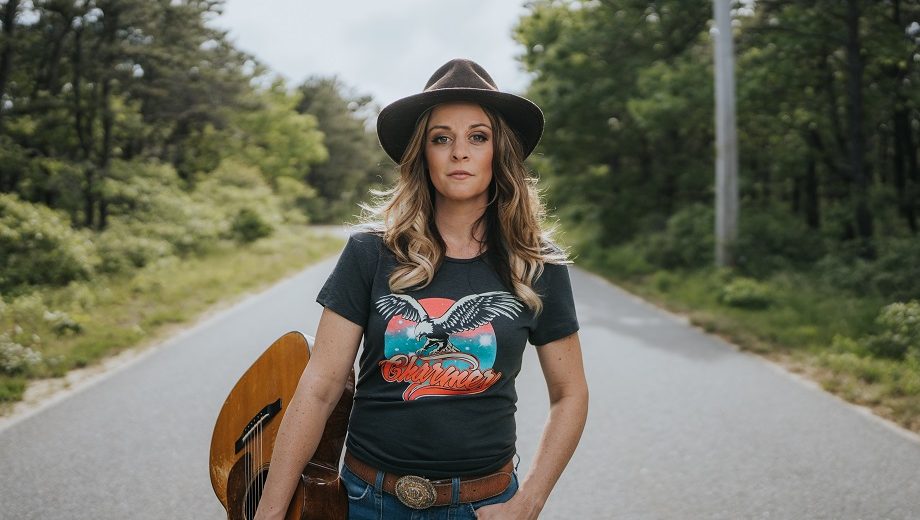
LISTEN: Monica Rizzio, “Don’t Keep Me Up Waiting”

Artist: Monica Rizzio
Hometown: Cape Cod, Massachusetts
Song: “Don’t Keep Me Up Waiting”
Album: Sunshine Is Free
Release Date: October 4, 2019
Label: Washashore Music

In Their Words: “Growing up on the music of Willie Nelson, Merle Haggard, Patsy Cline and Dolly Parton, my first instinct was to count beats like the the old country waltzes, 1, 2, 3… 1, 2, 3. Most of my writing the past few years has been a cocktail of one part Texas Roots, one part the miles of my boots, and I had never written a waltz before. The chorus for ‘Don’t Keep Me Up Waiting’ came to me before the rest of the song, as my husband and his buddies had a pretty good Sunday Night Irish Whiskey and Football ritual going on at the local pub last winter. They are totally harmless, were having a blast, but they are also totally clueless. This song is for them.” — Monica Rizzio


Photo credit: Joe Navas

22 Top Country Duos

Country music was made for duets. Not only because those tight, tasty harmonies are a foundational aspect of the music, but also because country accomplishes heartbreak — and every other make and model of love song — better than almost any other genre. (Thought quite possibly better than all other genres.) It just makes sense to have two singers, one to play each role in a lost, soon-to-be-lost, or (rarely) divine, never-perishing romance. But the format isn’t restricted to lovers or their placeholders, it can just as seamlessly fit heroes and acolytes, parents and children, siblings, peers, fellow pot smokers, and on and on.

Take a scroll through these twenty-two country twosomes:

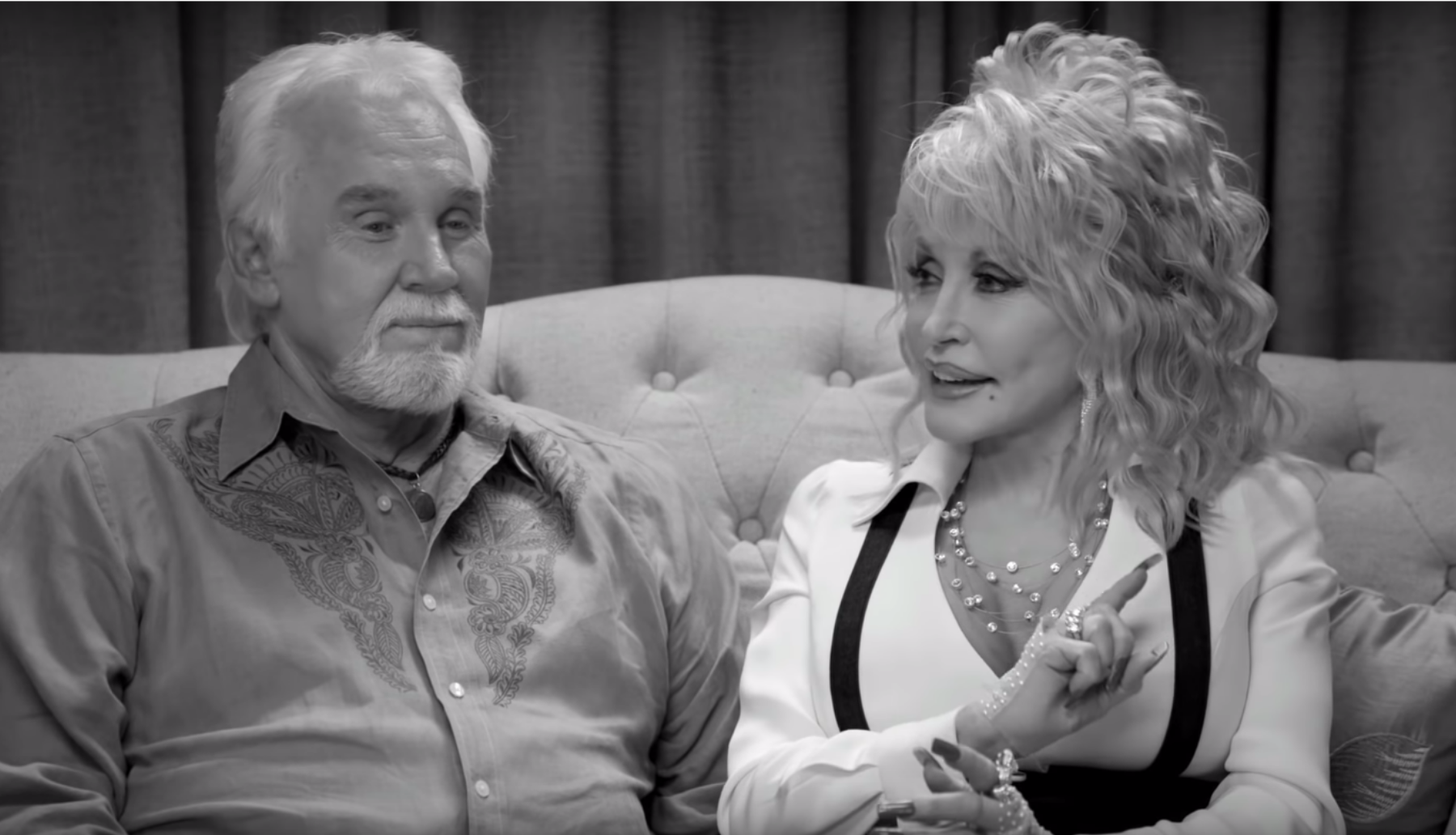
Kenny Rogers & Dolly Parton

We couldn’t have this list without these two. They should be the start, middle, and end of any definitive list of country duos. So we’ll just make the easy choice and kick it all off with Kenny and Dolly — that extra intro about their friendship and the years they’ve known each other? Swoon.

Loretta Lynn & Conway Twitty

After saying what we did about Kenny & Dolly we knew this pair needed to come next — so as to not rile anyone. Out of countless duets we could have chosen, how could any top “You’re The Reason Our Kids Are Ugly?”

Willie Nelson & Ray Charles

For inexplicable reasons people tend to forget Ray Charles’ incredible forays into country. His collaborations with Willie are stunning for the extreme juxtaposition of their voices and styles — they feel and swing so distinctly and differently, but all while perfectly complementary. “Seven Spanish Angels” ranked a very close second to this number in our selection process.

Glen Campbell & John Hartford

The most-recorded song in the history of recording? It’s said “Gentle On My Mind” holds that honor. And goodness gracious of course it does. Here’s its writer and its popularizer and hitmaker together.

Lee Ann Womack & George Strait

Together, Lee Ann and George were beacons of the trad country duet form, especially in the ’90s and early 2000s. This one from the jewel in the crown of Lee Ann’s discography, Call Me Crazy, is crisply modern, but with decidedly timeless vocals.

George Jones & Tammy Wynette

A broken, country fairy tale of a love story, George and Tammy’s relationship was infamously fraught, but damn if that didn’t just make their duets ever more… ethereal. Which doesn’t justify that Tammy Wynette kinda pain, to be sure, but it does remind us that if country can do anything better than all other genres, it can be sad.

Reba McEntire & Linda Davis

One of the best country songs, duets, and music videos EVER MADE. Theatrical and epic and a little silly and downright catchy and Rob Reiner and… we could go on forever.

Tanya Tucker & Delbert McClinton

Tanya is back with a brand new album and its well-deserved level of attention has been helping to re-shine the spotlight on her expansive career. Forty top ten hits across three decades. Who does that? Here she duets with Delbert McClinton on their 1993 hit, “Tell Me About It.”

Alan Jackson & Jimmy Buffett

Hey, if this has to be stuck in our heads for the rest of the month, it should be stuck in yours, too. Fair’s fair. It’s only half past [whatever time it is], but we don’t care.

Johnny Cash & June Carter Cash

One of the most recognizable duos in the history of the genre, immortalized not only in their discography but in a film adaptation of their love as well, Walk the Line. We all know “Jackson” as familiarly as the ABC’s, so here’s a slightly lesser-known beaut. (Keep watching til the last verse for an adorable bit from June.)

Eric Church & Rhiannon Giddens

Country is at its best when it surprises us. This collaboration is certainly, on the surface, unexpected, but the message of the song isn’t the only way these two artists can relate to each other. Over the course of their careers they’ve both fought their way from the fringes to the centers of their respective scenes. More of this, please.

Dolly Parton & Porter Wagoner

Dolly got her start with Porter Wagoner on his television show in the 1960s. They can certainly be credited with pioneering, popularizing, and epitomizing the country duet format. One of her most famous hits, “I Will Always Love You,” was written for Porter as she lamented leaving their act to go totally solo. (We’re a little glad she did.) You can tell they sang this song just a few gajillion times together, give or take.

Pam Tillis & Mel Tillis

Father/daughter duos in country aren’t as common, but they certainly aren’t unheard of. Pam and Mel are a perfect example. (The Kendalls are another.)

Patty Loveless & Ralph Stanley

Patty Loveless received the first ever Ralph Stanley Mountain Music Memorial Legacy Award in 2017 at Ralph’s home festival, Hills of Home, in Wise County, Virginia. Patty and Ralph were longtime friends and collaborators during his lifetime and even through her mainstream country success she referenced bluegrass and Ralph as influences — and she cut a few bluegrass records as well.

Alison Krauss & James Taylor

It’s. Just. Too. Good. Like butter. Like a warm bubble bath. Like floating on a cloud. Two voices that were meant to intertwine.

Charley Pride & Glen Campbell

These two were made to sing Latin-inflected harmonies together, weren’t they? Charley Pride gets overlooked by these sorts of lists all too often. But dang if he didn’t crank out some stellar collaborations, too!

Gram Parsons & Emmylou Harris

“Love Hurts” and boy, if Gram and Emmylou don’t make you believe it heart and soul and body and being. The definitive version of this Boudleaux Bryant song? Perhaps.

Willie Nelson & Merle Haggard

Icons being icons. And friends. And amazingly talented, ceaselessly musical comrades. You love to see it. (We could’ve/should’ve chosen “Pancho & Lefty.” We did not.)

Vince Gill & Amy Grant

There are quite a few reasons why the Ryman Auditorium basically hands this husband and wife duo the keys to the place each December. Basically all of those reasons are evident in this one. It’s fitting that this video came from one of those Christmas shows, too.

Dolly Parton & Sia

Dolly literally outdoes herself, re-recording “Here I Am” for the original soundtrack for her Netflix film, Dumplin’, after she first cut the Top 40 country single in 1971. Clearly she and Sia have much more in common than an affinity for wigs; their soaring, acrobatic voices seem so disparate in style and form until you hear them together. Listen on repeat for the best therapeutic results.

Robert Plant & Alison Krauss

[Insert entire Raising Sand album here, because how could we ever choose?] Lol jk, here’s “Killing the Blues.”

Carrie Underwood & Randy Travis

Cross-generational, meet-your-hero magic right here. Little did we know what was in store for Carrie Underwood then. But the way Randy looks at her up there, you can tell he knows she’s goin’ places.
BGS 5+5: Chris Shiflett

Artist: Chris Shiflett
Hometown: Santa Barbara, California
Latest album: Hard Lessons
Personal nicknames (or rejected band names): Shifty, Jake Jackson, Boat Plastic

What other art forms — literature, film, dance, painting, etc — inform your music?

I remember a few years back I realized that I only ever read books on current events, history, politics, etc… and wasn’t reading much fiction, so I dove into some classics and took a couple creative writing classes. You have to put good ingredients into your brain to get the ideas flowing.

What was the first moment that you knew you wanted to be a musician?

It was the summer between 8th and 9th grade. I went to visit a friend of mine down in Los Angeles and it was right when the glam rock thing was kicking off in the mid-’80s. We walked all over Melrose and everyone looked like Hanoi Rocks. I was hooked.

What’s the toughest time you ever had writing a song?

If a song is too hard to write than I usually give up. When they’re too labored they never sound very good.

Which elements of nature do you spend the most time with and how do those impact your work?

I try to surf as much as I can. Sadly, it’s never enough. I don’t know if there’s a direct correlation to song writing but surfing just makes me happy. Puts me in a good frame of mind.

How often do you hide behind a character in a song or use “you” when it’s actually “me”?

Almost never! I’ve tried writing songs in character but they never seem to come out very good. I think sometimes we all use “you” when we mean “we” but that’s just life, right?


Photo credit: Brantley Gutierrez

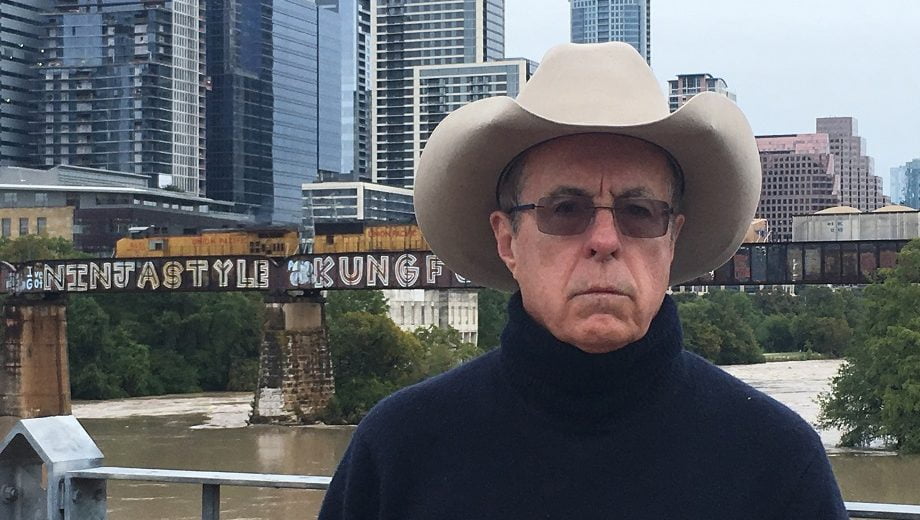
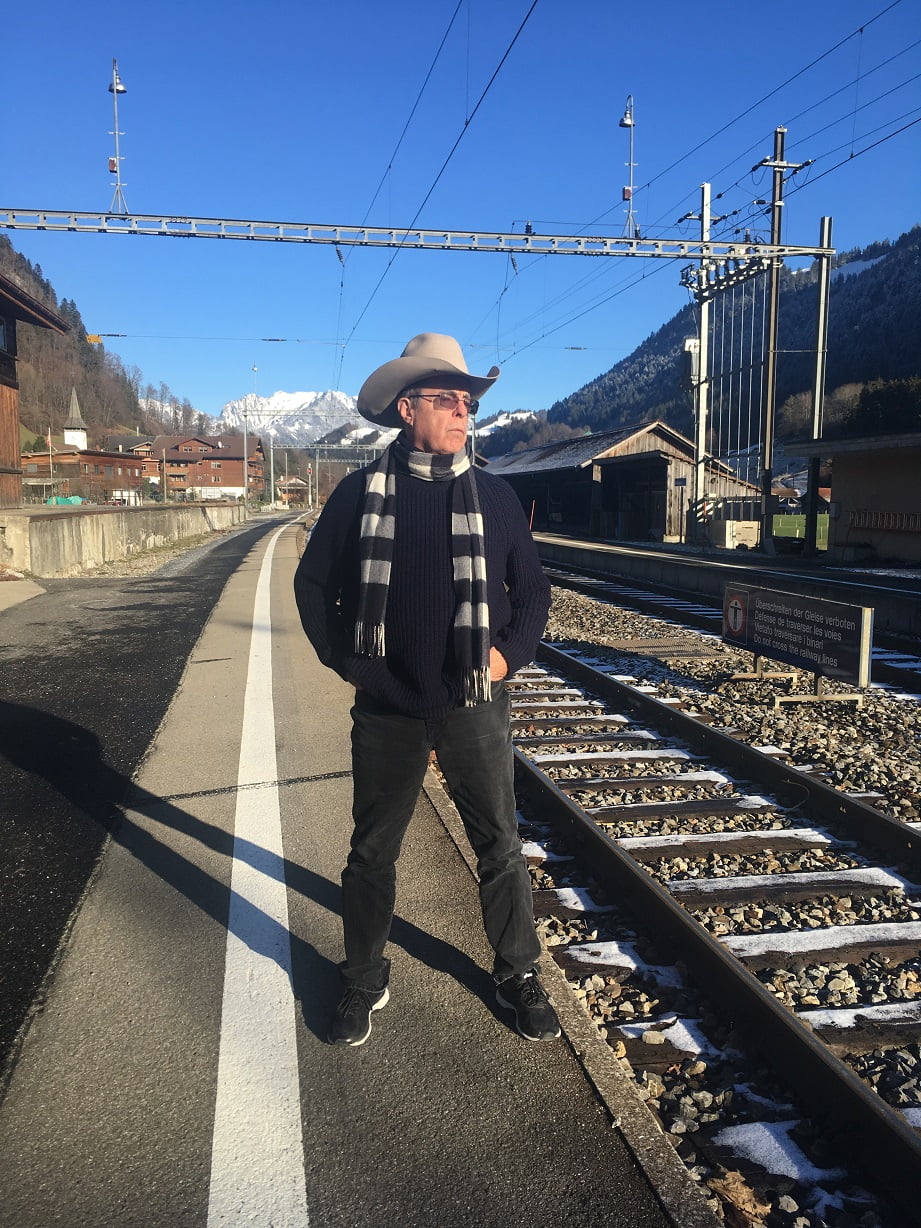
Track by Track: Tom Russell’s ‘October in the Railroad Earth’

Cowboys, T-Bone steaks and wolverines — there’s no forgetting Tom Russell’s passion for the West in his latest album. At 72, Russell is long established as one of America’s most poetic of troubadours, and the images he evokes throughout October in the Railroad Earth are as powerful as ever. But where does he get his ideas? Read on as Russell reveals the inspirations behind each track.

1. “October in The Railroad Earth”

Title taken from the prose poem by Jack Kerouac. Jack recited it on The Steve Allen Show, on a jazz record, and parts of his recitation appear on my record Hotwalker. Jack’s prose (and this song) highlight Kerouac’s time working as a railroad brakeman in San Francisco. Bill Kirchen plays the freight train/ truck-driving Telecaster parts here. Jack’s books (most never published in his lifetime) are called out in the outro…he died with 62 bucks in the bank.

2. “Small Engine Repair”

An older song of mine I never recorded — until now. Scottish actor Iain Glen sang the song in the Irish movie Small Engine Repair, based around my song title. Iain Glen has gone on to star in Game of Thrones, Downton Abbey, and other major films and TV series. I wrote the song about the man who fixed my lawn mower in El Paso. Funny it ended up as an Irish film.

3. “T-Bone Steak and Spanish Wine”

A few years ago I drove up an old canyon in Northern California and rediscovered a steakhouse and bar I’d played in over forty years back. Nothing had changed. The dinner special on the outside sign remained the same over the years. I sat down with the owner for a glass of wine and we sang the old songs and escaped into the past.

4. “Isadore Gonzalez”

A Tex-Mex corrido based on the true story of Isadore Gonzalez, a Mexican vaquero (cowboy) who appeared in Buffalo Bill’s Wild West Show in the late 1880s. He died in a horse accident when the show was in England and he’s buried in Bristol in an unmarked grave. He tells his story in the Mexican-corrido style with the Grammy Award-winning Los Texmaniacs (Max and Josh Baca) providing the music.

5. “Red Oak Texas”

A sad but true tale of two twin boys from Red Oak, Texas, who were rebels and delinquents in high school — but straightened out when one twin joined the Army and the other the Marines. They were sent to the Middle East and became heroes, but they never adapted to regular life once they returned home. One twin locked himself in his room for a year and read the WWI poetry of Robert Graves, a famed English poet. Graves may have invented the phrase War is Hell. The Red Oak Texas twins lived it. I left out the grisly parts.

6. “Back Streets of Love”

My GPS (Global Positioning System) love song. Where are we now, who are we anyhow? I’ve never adapted well to the idea of taking map orders and directions from a satellite, or a voice screaming: proceed to the route! My global position? Artist and musician, sir, driven by a signal deep in the blood, like every poet in the game my direction stays the same, lost on the backstreets of love.

7. “Hand-Raised Wolverines”

Years ago I was touring in Canada and the booking agent was a friend named Louise. We had a few days off on the tour and I challenged Louise to find us something interesting to do. She booked us into Edmonton Maximum Security Prison for a concert, and the next day took us out to a private game park where a friend of hers let me inside a cage with semi-tame wolverines, the fiercest animals, pound for pound, on earth. I use that experience as a metaphor for modern times.

8. “Highway 46”

A nod towards the ’50s and ’60s music out of Bakersfield. I heard Bob Dylan on the radio in 1962 the same night I heard Buck Owens. I thought it was all the same — sort of hillbilly/folk music with voices that cut through the fog. Buck Owens, Merle Haggard, Wynn Stewart…voices from a Wurlitzer jukebox. Telecaster guitars and pedal steels. Searing treble. Highway 46 runs from the California Coast towards the San Joaquin Valley, the road where James Dean died in a car crash.

9. “When the Road Gets Rough”

We were stuck in heavy traffic somewhere in England and the guitar player was complaining about his cold hotel room, the driver was coughing and chewing aspirin, and the cafes along the rest stop route didn’t offer much in the way of cuisine. We’d been out for two weeks and spirits were raw…my wife, Nadine, turned to me and said, “That’s when the road gets rough.” Then we wrote this song.

10. “Pass Me the Gun, Billy”

Back in the mid 1960s I was living with my cowboy brother, Pat, on his ranch on the edge of San Luis Obispo, California. He was watching TV on night when he heard gunshots in the far pasture. “Poachers,” he yells. Someone was shooting at his cows. Pat was always ready for a Wild West adventure. And, kids, we got our adventure. Big time. It reminded me of something out of James Dickey’s novel Deliverance.

11. “Wreck of the Old 97”

One of the first songs I learned to play on guitar. I heard it on Johnny Cash’s first Sun Record release: The Hot and Blue Guitars of Johnny Cash. The song tells the true tale of the wreck of a Southern Railway mail in route from Monroe, Virginia, to Spencer, North Carolina, on September 2.


Photo credit: Nadine Russell