Adam Hurt is a banjo player’s banjo player. This role is well known in bluegrass, where almost an entire generation of banjo players, who came up almost immediately during and after Earl Scruggs’ popularization of a three-finger approach to the banjo, continue to go largely unsung outside of five-string niches and circles of Scruggs-style acolytes. Hurt is remarkable, though, because he’s not an acrobatic, up-and-down-the-neck, barn-burning bluegrass picker on the margins of the scene. Instead he’s a clawhammerist — but the musicians and instrumentalists who count themselves followers and fans of Hurt’s pickin’ aren’t just old-time players; they’re everyone.
On his new album, Back to the Earth, Hurt strays still further from “mainstream” banjo playing by returning to its roots: the gourd banjo. Back to the Earth is a follow up to Hurt’s 2010 project, Earth Tones, an album often regarded as a seminal work on the gourd banjo. Despite largely being anchored by solo tunes played on the modern five-string’s precursor (which was brought to this continent by enslaved peoples kidnapped from West Africa), the entire new collection feels firmly rooted in the present. Raw, rustic affectations often found on old-time recordings are missing here, but not to the detriment of the final product or its “authenticity.” These twelve tunes feel simultaneously immaculate and primordial. Hurt deftly follows the gourd banjo’s microtones, warbles, wobbles, and slides as they lead him, rather than the opposite — which might be the most distinctive aspect of his playing, compared to other clawhammer players, other gourd banjo players, and five-string or four-string players alike.
Ricky Skaggs, Brittany Haas, Paul Kowert, Jordan Tice, Marshall Wilborn, and others guest on Back to the Earth in different groupings, depending on the tune, but on “The Scolding Wife,” Hurt performs solo, a man in dialogue with his ancient instrument, ringing through the millennia to land in 2020. If you aren’t already a fan of Adam Hurt and his playing, Back to the Earth is the perfect, charming, listenable introduction — and you’ll find yourself among the likes of fans including Skaggs, Haas, Kowert, Tice, Jerry Douglas, Cathy Fink & Marcy Marxer, Molly Tuttle, Sarah Jarosz, and just about any other instrumentalist who’s ever had more than a passing interest in the banjo and her cousins on the instrument family tree.
J.D. Crowe, Jerry Douglas, Sarah Jarosz, and Ronnie McCoury are just a few of the artists taking part in the IBMA Virtual World of Bluegrass, which begins today, Monday, September 28. Kristin Scott Benson, Doyle Lawson, and Mumford & Sons’ Winston Marshall are also confirmed to participate.
IBMA Virtual World of Bluegrass is an annual bluegrass music homecoming and convention that takes place online this year, encompassing the IBMA Business Conference, IBMA Bluegrass Ramble, the 31st Annual IBMA Bluegrass Music Awards, and music festival IBMA Bluegrass Live! powered by PNC running through October 3. See the full schedule.
Check out our General Information page regarding IBMA Virtual World of Bluegrass. You’ll find our full-week schedule…
Conference registration is available at a lower price point than in years past: $99 for IBMA members, and $149 for non-members. Register here.
To stream the following sessions, as well as many others, IBMA Business Conference registration is required. Business Conference registration also allows access to other valuable content: an online version of the Gig Fair (one of the most popular conference events each year) the Songwriter Showcase, two virtual in-the-round Song Circles, the Annual IBMA Town Hall Meeting, the IBMA Virtual Exhibit Hall, and much more.
As previously announced, Sarah Jarosz will deliver the Keynote Address on Monday, September 28 to kick off this year’s virtual IBMA Business Conference. “Having attended IBMA as a young kid just getting into bluegrass, and having returned more recently as a performer at their Raleigh conference, I’m deeply honored to have been asked to be this year’s keynote speaker. I look forward to helping kick things off!” said Jarosz.
Organizers have added three presentations to lead each day’s conference activities, Tuesday through Thursday:
Tuesday at 11 AM ET: Artist-2-Artist with J.D. Crowe, Winston Marshall, and Jerry Douglas
Hall of Famer J.D. Crowe’s infusion of new ideas into bluegrass banjo took the music to a decidedly younger and more diverse crowd, inspiring a new generation of pickers and fans. His music would influence a young banjo player across the Atlantic named Winston Marshall, who would take the banjo to millions of fans worldwide. As a member of Mumford & Sons, Winston has helped completely transform the image of the banjo in popular culture. Jerry Douglas has used his dobro to build musical bridges throughout his storied career. He has shared both the stage and the studio with J.D. Crowe and Winston Marshall, and he invites you to join him and these two groundbreaking banjo players for a fun conversation about how music unites.
We just announced special feature presentations to kick off each day of the IBMA Business Conference:
Wednesday at 11 AM ET: Artist-2-Artist with Doyle Lawson and Kristin Scott Benson
Doyle Lawson has been a leader in bluegrass music for decades. He and Quicksilver played at a festival in Dahlonega, Georgia in the mid-eighties, and it changed the life of a young girl in the audience named Kristin. Three and a half decades later, Kristin Scott Benson is one the most celebrated banjo players of her generation and is the reigning IBMA Banjo Player of the Year. She sits down with Bluegrass Hall of Fame member, Doyle Lawson, to talk about the impact he and his music have had on her and on the bluegrass community at large.
Thursday at 11 AM ET: From the Bay, to Bean Blossom, and Back
Jerry Garcia is unquestionably a towering figure in American culture, and one of the most influential musicians of the 20th century. He and the Grateful Dead set the template for a new style of music that would inspire generations, much as Bill Monroe, The Father of Bluegrass himself, had done. What’s less known about Jerry, is that long before, during, and after the Grateful Dead, he was a banjo player, a bluegrass musician, even an aspiring Bluegrass Boy. Join Ronnie McCoury, filmmaker Brian Miklis and others in a conversation diving deep into the relationship of a true giant of American music, and the music that inspired him.
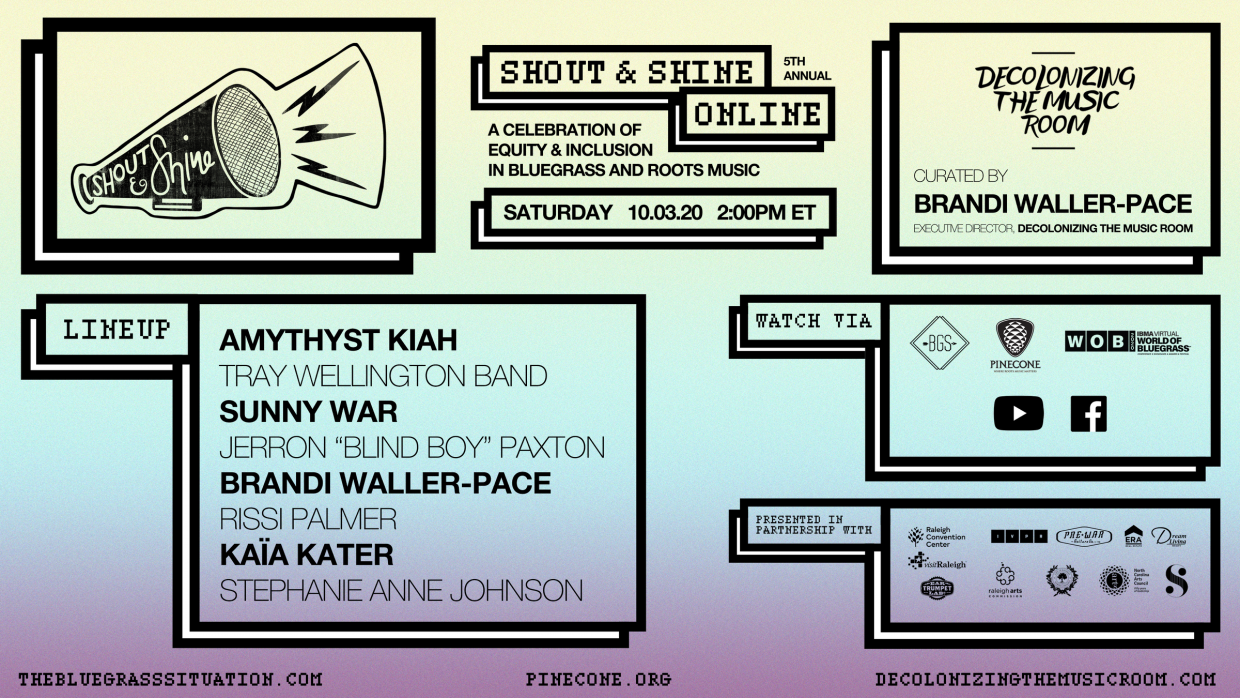
The Bluegrass Situation will proudly present our fifth annual Shout & Shine Online on Saturday, October 3rd at 2pm ET. And at press time, 30 artists have also been confirmed for a series of showcases known as the Bluegrass Ramble.
The virtual music festival IBMA Bluegrass Live! powered by PNC, will take place Oct. 2-3. Special performances by The Travelin’ McCourys with special guest Del McCoury; Steep Canyon Rangers; Jerry Douglas & Odessa Settles; Sierra Hull & Molly Tuttle are just some of the highlights that bluegrass fans can look forward to.
In addition, PNC Bank is boosting its support for the IBMA and bluegrass artists experiencing financial hardship due to pandemic-related performance cancellations. PNC Bank, the presenting sponsor of IBMA Bluegrass Live! powered by PNC, has announced it will match all 2020 donations made to the IBMA organization and the IBMA Trust Fund, for a total up to $50,000. (Donate now.)
IBMA is the nonprofit professional organization for the global bluegrass music community — connecting, educating and empowering bluegrass professionals and enthusiasts while honoring tradition and encouraging innovation worldwide. The organization has suffered financially this year due to pandemic-related health precautions that are preventing the IBMA World of Bluegrass event from being held in Raleigh, N.C. The IBMA Trust Fund, which is administered by IBMA, was established in 1987 as a means to offer emergency financial assistance to bluegrass music professionals. In 2020, requests for assistance have increased tenfold due in large part to COVID-19.
As the presenting sponsor of IBMA Bluegrass Live! powered by PNC since 2013, PNC Bank has helped bring bluegrass music and culture to Raleigh for what has become one of the city’s most beloved live, free events. While IBMA Bluegrass Live! powered by PNC cannot be presented as an in-person event in 2020, PNC remains committed to supporting this event and community tradition by helping deliver bluegrass programming in a virtual setting, Oct. 2-3.
Donations may be made online; additionally, those registering for the free IBMA Virtual World of Bluegrass Music Pass have the opportunity to make a donation during the online registration process. The Music Pass includes access to all music performances during the week, including IBMA Bluegrass Live! powered by PNC, the IBMA Bluegrass Music Awards presented by Count On Me NC, and IBMA Bluegrass Ramble presented by Count On Me NC.
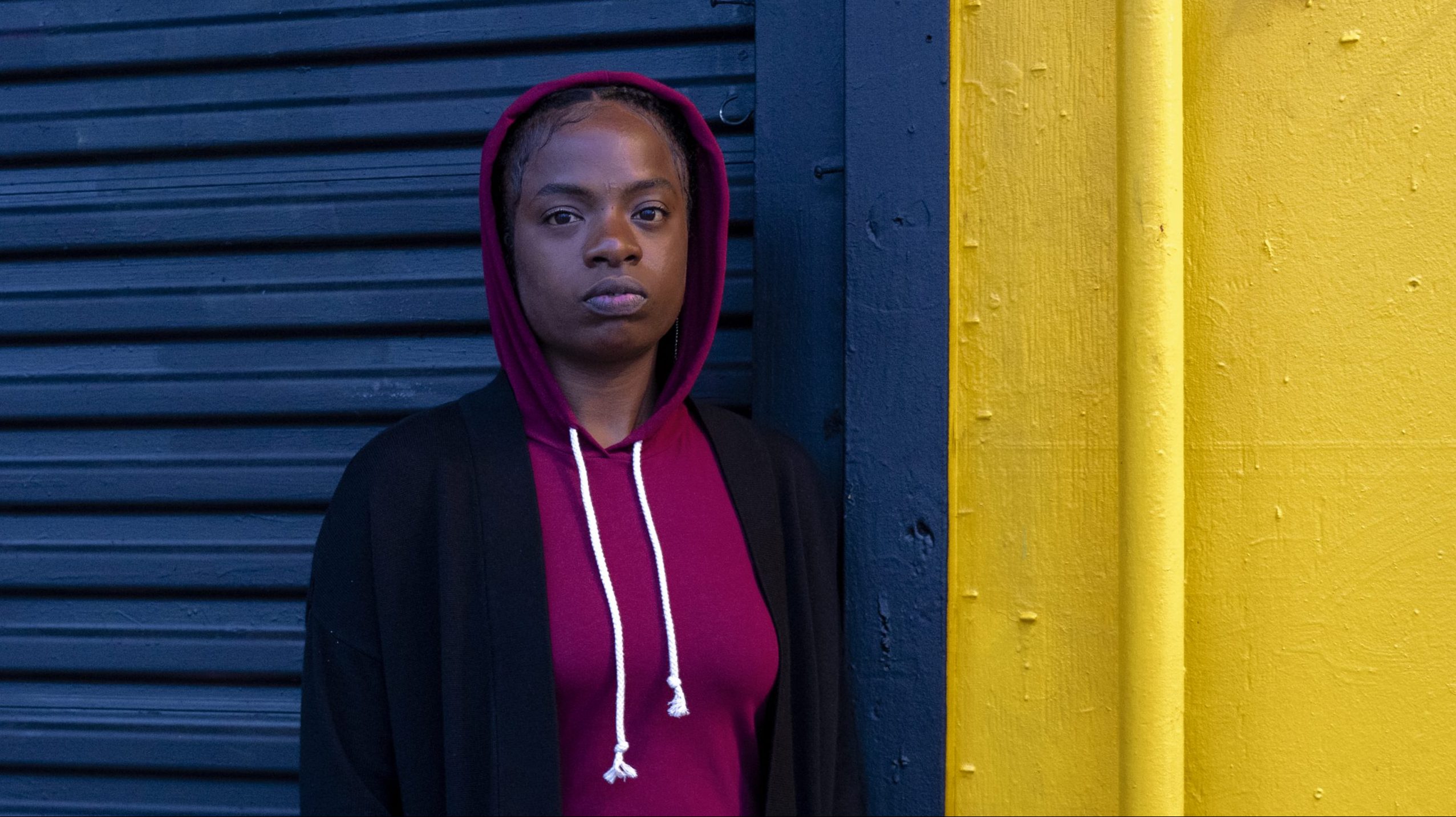
Guitarist and singer/songwriter Sunny War doesn’t necessarily miss performing live, in-person shows — she’s not even sure she ever really liked playing shows that much in the “before COVID-19” times at all. But, as she connects with BGS over the phone in preparation for another pandemic-tailored event, her Shout & Shine livestream show on Wednesday, September 16 (live on BGS, Facebook, and YouTube at 7pm ET / 4pm PT) her general feelings regarding the pandemic and its far-reaching impact on the music industry are very clear: It’s all just really weird.
She, like many creators in the March-and-April maelstrom that swallowed up any/all meaningful work for an interminable period of time, became depressed, distant, and took some time to work her way back into a creative mode that feels respondent to our harsh everyday without being bogged down in it. A punk-influenced and inflected lyricist, she’s once again turning to her songwriting pen as an outlet.
While her peers turn to that same outlet to process many of the myriad daily tragedies and injustices we’re all so attuned to in this global moment, War instead pauses. “I kinda don’t like protest songs from people who didn’t do it before,” she explains, calling to task the frantic and frenzied rush to pivot records, releases, and pressers into more “appropriate,” digestible bits for a newly awakened, activist reality — and consumer.
But War’s identity, her selfhood, as evidenced through every note of her idiosyncratically finger-plucked songs and through her carefully chosen words in her lyrical poetry and our conversation, calls upon her to challenge that propriety. “[Democracy] actually is working” she explains, noting hypocrisy and/or tone deafness in our roots music communities. “It’s working, it’s always been working. It just hasn’t ever been in our favor.”
BGS: I’m a banjo player, I came up through bluegrass, and there’s something about your right hand in your guitar playing that’s really entrancing and relatable to me. It conjures bluegrass and fingerstyle, but it is so unique to you, it’s idiosyncratic. Where did your style come from? What influenced your right hand technique, how did it develop?
SW: I think it came from mimicking banjo, actually. My stepdad’s friend played banjo, so I was around a banjo player sometimes growing up. The first fingerpicking thing I learned was “Blackbird” by the Beatles and that was the first time I thought I sounded kinda good. When I was a kid, I thought, “Wow! This [fingerpicking] sounds way better than just strumming a chord.” I never really learned a lot of chords, I still just play a lot of chords in first position. I was just playing C and G and D open and I thought, “Well now I sound like I’m really playing something.”
I didn’t listen to blues until I was in high school and then I was kind of imitating country, blues, and my stepdad’s friend on banjo. Later, I was trying to be like Mississippi John Hurt; and I kinda wanted to be like Chet Atkins. But I couldn’t ever figure that out.
I see plenty of folks in the scene who idolize Derek Trucks or Joe Bonamassa or even Molly Tuttle and Billy Strings who are coming up. There are these guitar fans that just idolize and adore them. Have you seen guitar fans trying to capture what you’re doing with your playing?
Not really? I don’t know. There are some people on Facebook and Instagram who message [me] and want to talk about my guitar style, but they’re usually just into old-timey blues stuff. Then we just talk about that. Sometimes they ask who I listen to. But I think [the implication is], “You’re really close to maybe being like this person I know of.”
I can think of a lot of shredders out there, but I do the same kind of riffs in every key that I play in. I feel like I can say I really do fingerpick well, but I know people that really do it and can play as well with their left hand as their right. I’m not quite there. [Laughs]
It’s hard to talk about music and performing right now without acknowledging the giant, COVID-19 elephant in the room. It’s interesting to me that this moment of pausing, of stopping everything, especially in the music industry, has given artists a chance to refocus or realign their priorities – have you been thinking about the future? Thinking about the present? How has the pandemic felt to you?
The first three months I was just depressed and drinking a lot and not doing anything. Then recently, I’ve been trying to write. I’ve been jamming with my friend Milo, who plays a lot of lead guitar on two of my albums, and we’re going to make some demos together. I’ve also been thinking about going to school, trying to get into some kind of two-year program. Since music might not [come back], there might not be live music for two more years. I’m thinking about getting a job. [Laughs]
It’s daunting to wake up every day like, “I’m going to keep doing this now, because I believe — I think — it’s going to happen in the future.” It’s a lot!
Yeah, it’s like, “Maybe music is just not essential…” You know? [Sad chuckle]
Then, with the whole Zoom thing and the livestream thing, I’m just not really into it. I’m not enjoying it at all, it feels weird. It’s just like, sitting in a room by yourself, trying to make a video, and then you think, “Should I look into the camera? Should there be talking in between?” You’re trying to imitate a set at a venue, but you’re just sitting by yourself. It just feels weird! I would rather just play by myself, without a camera.
I liked playing shows [before] kind of, but I almost didn’t even like that. At least it felt like there was a reason for doing it. I was talking to my mom and we both realized we used to watch concerts before, too. Just then it was an actual concert on film. Even that would be better! If there were somehow an audience in the livestream… I guess that can’t be, but it’s just awkward [without them.] Seeing a band play off of the energy of the room is more what it’s about.
Well, for your Shout & Shine livestream performance we’ll have to ask our audience to be “loud” in the comments! Use that clapping hands emoji! [Laughs] Who would you like to see as a guest on Shout & Shine? Whose music is inspiring you right now and getting you through the day-to-day?
Have you heard of Yes Ma’am? They’re from New Orleans – the singer sometimes plays solo, but also has a band. They used to busk on the street in New Orleans. It’s just really good, a great kinda folky string band.
I like the new Run The Jewels album. I listen to Elliott Smith still, and a lot of ‘90s music. I like Black Pumas a lot.
What would you like to see from the music community, as far as a response to this moment in our culture’s history — not only the racial injustice and righteous rebellions against police brutality, but also how divided and polarized our musical community is now. It’s like half people who want music to “remain apolitical” and half folks who are like, “Music has always been political, where the fuck have you been all along?” What do you see as the urgent need of our community to reconcile all of this? I know that’s a huge question.
I think it just needs to become about honesty again. That’s something I would like to see. I’m not really that into “Americana” music, but even so I feel like [Americana] musicians are going to be faced with not being able to let these issues go unaddressed anymore. I think that’s interesting. At this point, you can’t just put out your weird corny love song that’s not even about anything that happened in your life, but is actually just something that makes sense pop-wise and hit-wise. You should have to really be honest. People don’t necessarily have to be “political,” they can just write about all the emotions they’re going through. We’re all dealing with the pandemic and with Trump and with police brutality — it’s a lot. Even if people don’t want to write a song about why we should get rid of the police, they could at least write about how scared they are. I don’t know, there’s a different, new kind of folk that could happen about just being freaked out and unsure of your future. I love shit like that.
I kinda don’t like protest songs from people who didn’t do it before. It’s just not hitting right. I don’t want your protest music if you weren’t writing it before. Whatever issue is being highlighted, it’s always like, “Yeah, we’ve BEEN talking about that.” [Expectant pause] This has been the conversation. I’m into punk, I’ve always liked protest music. As far as folk, I do like its protest music, but I mostly like punk or really politically-charged hip-hop. It’s kind of annoying when say, a really poppy country person who’s never said anything about anything is writing a protest song. It’s just cashing in. It’s corny. It’s weird.
And another thing, a lot of people who are going out to these Black Lives Matter protests and stuff, I still don’t feel like they would treat me any differently than they normally would. I saw people posing and taking pictures. This is a weird thing to just be a trend.
Like Breonna Taylor now being a meme.
Yeah. It’s offensive, it’s too much.
And how many times they show those videos [of Black people being murdered by police]. There’s a lot of murder porn going around! People are saying one thing, but showing someone die every day. I was kind of like, “You know, I don’t think they would show a video of a white person being killed, over and over again.” A lot of things happening right now are really dehumanizing and I don’t think people can see it unless they really, really think about it. Or maybe put themselves in that position. It’s murder porn.
I know what happened. I don’t want to see this over and over again. I don’t need to physically see it to be angry about it. Think of all the bad this is doing to our psyches on top of everything else, seeing people murdered every day.
But, a lot of musicians are “activists” now, I guess. I just… don’t really know what that means. They were going to put out a song anyway. That’s what they do for a living. Obviously they can’t just put out the typical love song — that’s what people always write about, love. That would be “offensive.” Or, it wouldn’t be “appropriate.” So they all have to change and pretend to be “activists.” It’s just a reflection of what’s trending right now.
I just want to know: Are they actually going to change in a year? I’m curious to know how long the Black Lives Matter profile pictures are going to stay up.
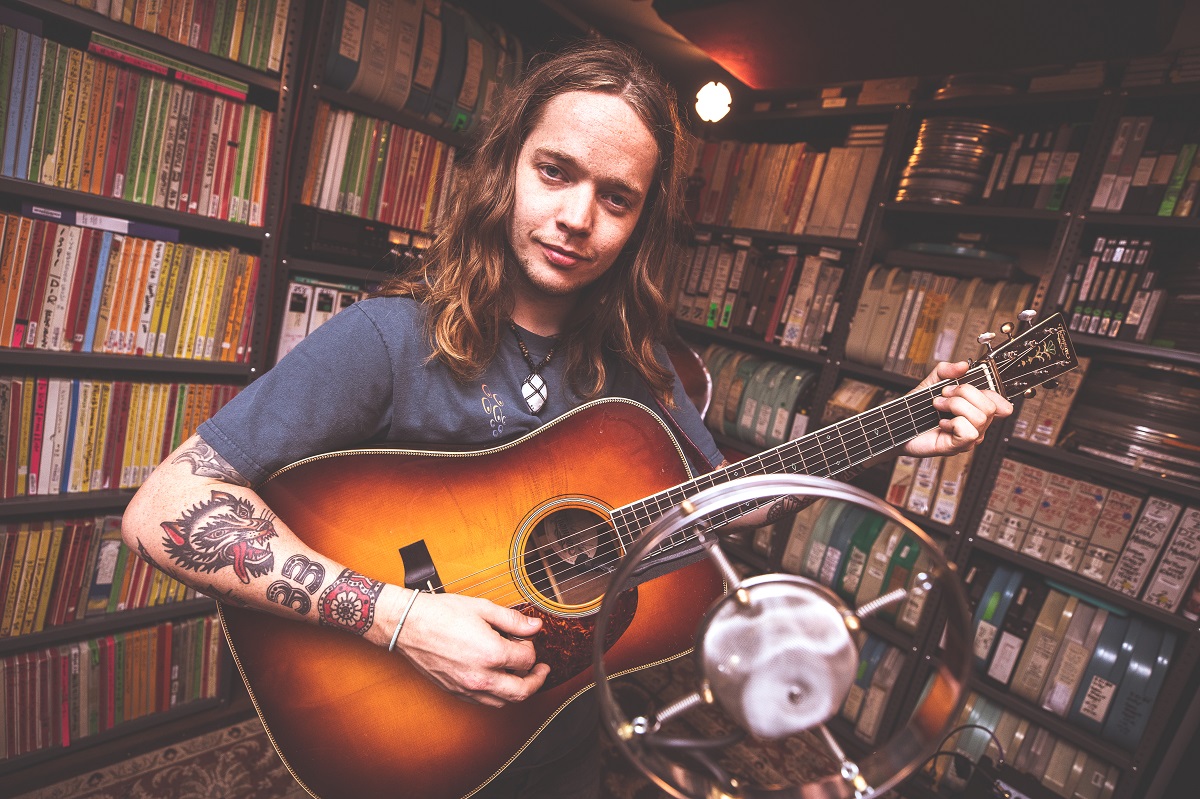
It’s rare for Billy Strings to play a show in Nashville. This month, he’s doing nine of them.
The reigning IBMA Guitar Player of the Year will be hopping from venue to venue as part of a livestream series that serves as a fundraiser for important organizations, as well as a reunion with his band. He’ll launch the series at Nashville’s newest venue, Brooklyn Bowl, for a pair of shows on July 16 and 17. The run concludes on July 26 at 3rd & Lindsley. (Get the details.)
“Those are my boys and I’m just lucky to play with them,” he says of mandolinist Jarrod Walker, banjo player Billy Failing, and bassist Royal Masat. “I haven’t been able to hang with them a bunch. We went from being around each other 24/7, for months and months and months on end, to never seeing each other, period. So I’m just excited to get back together with my band, and not only play music, but just to be with them, and hang out, and make jokes. I just love those guys, you know?”
With time off the road, Billy Strings says he’s been redirecting his attention to his other hobbies, including fishing and hot rods. Looking ahead, he’ll also compete for IBMA’s 2020 Entertainer of the Year – his first time nominated in that category. (He’s also the reigning champ in the New Artist category, as well as Guitar Player of the Year.) In between visits to the lake and the garage, he called in to BGS.
BGS: Do you think you’ll approach each of these nine shows differently?
Billy Strings: Yeah, we usually try to do that anyway with the set lists. Each show has its own set list and its own vibe. It depends on where we are and where we’re playing. When I write the set list, a lot of times I take into consideration geographic locations or famous people that may have lived around there. Anything like that I can throw into the set to make it relevant. So, yeah, for each show, we’re going to approach them just like we would in that way.
Also, we might cater to the specific venues. We’re playing the Station Inn and that’s a classic bluegrass place, so we might play a bunch of bluegrass that night. We’re playing Exit/In and City Winery and those are different vibes. City Winery can be our real classy, Frank Sinatra show, and at Exit/In we can get really psychedelic and rock out.
You’ll have an international audience tuning into these shows, so this is a chance for people who have never been to Nashville to see what it’s like. For those who may not understand the diversity of the music community here, how would you describe it to them?
It’s a big melting pot. Like you said, it’s very diverse. And there’s a lot of younger musicians that are on fire! Marcus King and Molly Tuttle and Sierra Hull… just so many people that are killing it. They all live around there. It’s a really great place to be as a musician. There are always people to make music with, and to pick with, and write music with. We’ll see if we can get a couple of guests to come down. Yeah, Nashville’s just crazy, man. You walk into the grocery store and you run into your favorite musician.
There’s money being raised through these concerts, and one of the beneficiaries is Backline, which supports mental health in the music industry. What is it about Backline that made you want to include them?
I, myself, personally have struggled with anxiety and panic attacks on tour, on the bus, on stage, and there’s a lot of people in the industry that suffer with the same shit. A lot of people may not speak out about it, or try to hide it, or don’t know who to look to for help. We just lost Jeff Austin and we just lost Neal Casal. There are a couple of other folks that are good friends of mine, that are traveling musicians that have been working so hard, and I think that has a huge deal to do with anxiety and depression.
I mean, when you’re in the limelight and you’re on stage and everybody wants to take your picture all the time, a lot of times it almost can be lonely. You never get any alone time and it can get weird. I know Jeff probably struggled with that. He told me about how he struggled being in the limelight and everybody critiquing his every move and everything he does is under scrutiny. That’s not a good place to be. …
The music industry can be really tough, believe it or not, for people who are on the stage and for people who are in the crews. There are plenty of organizations that help with that, whether it’s getting musicians health insurance or dental work or finding somebody a therapist. Backline is a huge, generalized hub where you can research and find all those different organizations and read about what is the right direction for you. You can even get with somebody on Backline and they’ll help you figure it out.
Well, because there’s a huge movement happening right now that I think is very important. Black people have been treated like shit, a lot, for a long time. And I just want to be on the side of history that is not an asshole. I got a lot of Black friends and my niece is Black. I’ve got family and friends and people that I love — and it shouldn’t even matter. …There’s a lot of miscommunication, a lot of divide, a lot of crazy shit going on in the country right now. I’m just all for love, man. I’m all for equality, I’m all for peace, so I wanted to donate a portion of the proceeds from these events to those organizations, just to help out.
Who are some Black musicians that influenced you?
Jimi Hendrix, definitely. Right off the bat. That’s the first guy I think of. He was amazing. Mississippi John Hurt, you know, he was a huge influence on Merle and Doc Watson. That’s who I grew up listening to, and I heard all that Mississippi John Hurt flavor in Merle Watson’s playing. That comes from the blues, the Delta blues. It goes on to Muddy Waters, B.B. King, all those cats. James Brown, come on!
I mean, without Black music, would there even be rock ‘n’ roll? I don’t even know if there would be bluegrass! Bill Monroe learned the blues from Arnold Schultz, a Black man who got him his first job. If you think about “bluegrass” – the word “blue” is in there from the blues. It’s got blues notes in it. A lot of bluegrass is just fast blues. And that’s Black music. Arnold Schultz taught Bill Monroe about that, and then he incorporated it into his music. All the music that we’re all inspired by has roots in Black music.
You mentioned Doc Watson, and of course he was loved by the folk community and the bluegrass community. Did folk music influence you, coming up?
Yeah, I think there was a point where I really got turned onto Bob Dylan and his lyrics. A lot of the old songs that I grew up playing is considered folk music. The Carter Family stuff and a lot of the Doc Watson stuff. …My friend Benji’s family used to have these gatherings, like family reunions, where they would all play bingo. I went to one of those and won a bingo, so I got to go up to the table and pick a prize. And I picked Blonde on Blonde. …I started really getting into those lyrics and all of those words.
That’s where I started realizing, OK, I like Doc Watson a bunch because he’s such a beautiful guitar player and singer, among many other reasons. Bob Dylan does what Doc Watson does on his guitar with his words. … And then I got into John Hartford really heavy, and if you listen to John Hartford’s early music, man, it is some of the most lyrically proficient stuff you’re ever going to hear! It’s amazing! There’s that old saying, “Three chords and the truth.” I really think there’s something to that. A lot of those old folk songs are so simple, but what they’re saying is so real that it cuts you.
Artist:Molly Tuttle Hometown: Palo Alto, California / Nashville, Tennessee Song: “Standing on the Moon” (Feat. Taylor Goldsmith of Dawes) Album:…but i’d rather be with you Release Date: August 28, 2020 Record Label: Compass Records
In Their Words: “I didn’t grow up listening to a lot of Grateful Dead music, but being raised in the San Francisco Bay Area, the Dead was part of the mythology of my family and the area I grew up in (kind of how I imagine people who grew up in Tennessee, where I live now, might feel about Dolly Parton). Our specific family lore was that Jerry Garcia had gone to my high school (Palo Alto High) and my mom’s older sister, my Aunt Titia, knew them and used to take guitar lessons from Bob Weir in Menlo Park. That’s a roundabout way of explaining that this song means so much to me, because it brings me back to my roots. Even though I love Nashville, sometimes I do feel like I’m standing on the moon wishing I were with my friends and family in San Francisco. The line, ‘A lovely view of heaven, but I’d rather be with you’ is my favorite and it’s why I named the album …but I’d rather be with you. Life is messy and imperfect but I’d rather be here in it with all of you!” — Molly Tuttle
“One of the greatest feats as a musician, in my opinion, is taking a Grateful Dead song and creating a version of it that goes beyond the stigmatized identity of a ‘Dead Cover.’ It’s hard to do and takes a lot of courage to make it happen. But Molly reached for that brass ring and then somehow even went beyond it. Her version has given the song new parameters, makes me feel new things, and surpasses any sort of referential quality and becomes Molly’s own song. I’m just happy I got to be one small part of bringing it to life.” — Taylor Goldsmith
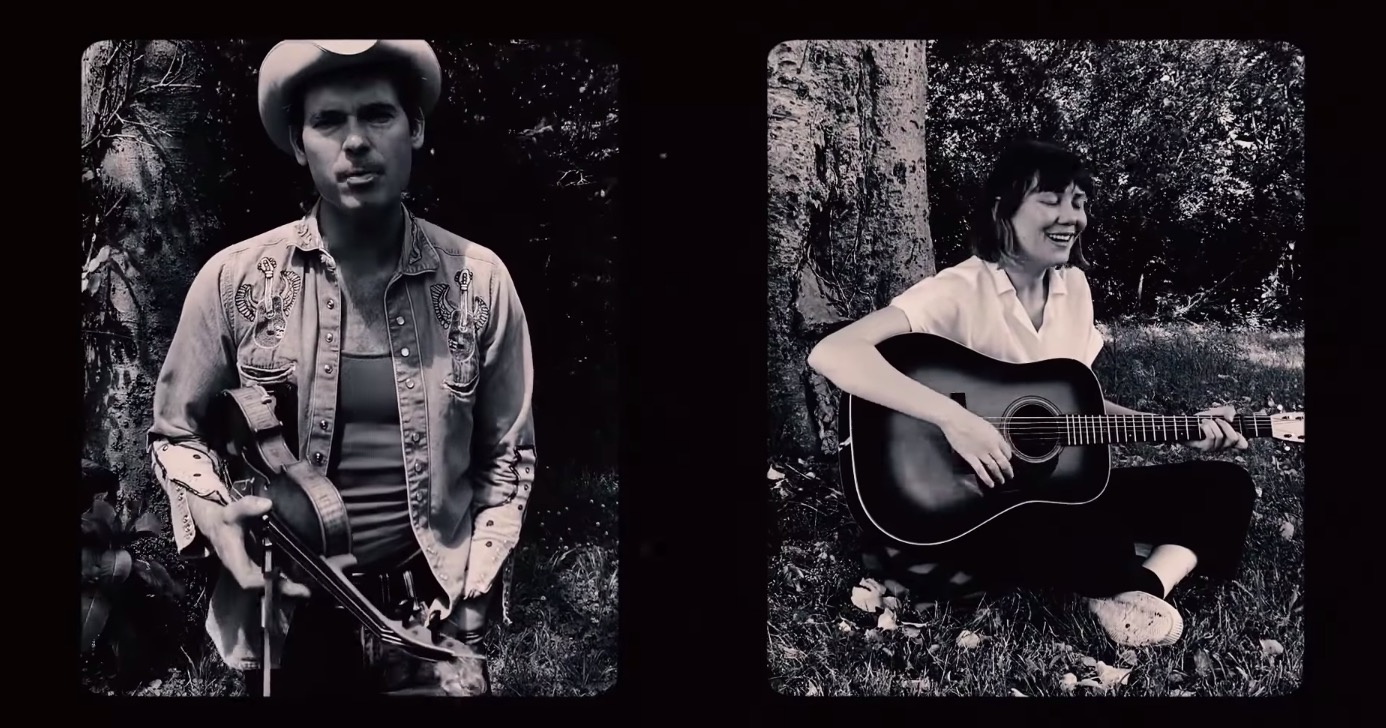
Molly Tuttle and Old Crow Medicine Show have combined their voices to bring attention to a terrible byproduct of the COVID-19 pandemic. Together the BGS favorites cover Neil Young’s “Helpless,” spreading awareness and raising funds for WhyHunger, which works to eradicate hunger through community solutions rooted in social, environmental, racial and economic justice.
The accompanying music video for “Helpless” shares eye-opening statistics detailing what the coronavirus has meant to families and individuals facing food insecurity in the U.S. and around the world. WhyHunger aims to establish an understanding of food as a basic human right and to address structural inequities that cause varying degrees of access to food. Tuttle and Old Crow are further supporting WhyHunger by donating all proceeds collected from this track to the organization.
Watch “Helpless” right here, and consider giving to WhyHunger to support this critical work.
Out of 270 floats, companies, and queer associations, a roots music organization’s marching contingent was crowned “Best of the Best” at San Francisco’s world-famous Pride parade in 2017. And they did it on their very first try — the only organization to ever achieve such a feat. Who was that overalls-and-rainbow-glitter-clad crew of more than a hundred bluegrass fans, pickers, and professionals? Bluegrass Pride.
The Bluegrass Situation has been proud to support Bluegrass Pride since 2017, with our logo emblazoned on the inaugural float that carried three bluegrass and old-time bands down Market Street to the cheers of thousands of brand new “Foggy Mountain Breakdown” fans. In 2020, the nonprofit organization had planned its biggest Pride celebrations yet (in San Francisco; Portland, Oregon; Raleigh, North Carolina; and Nashville, Tennessee) while still welcoming the rural and non-metropolitan LGBTQ+ folks who love and make these musics, too.
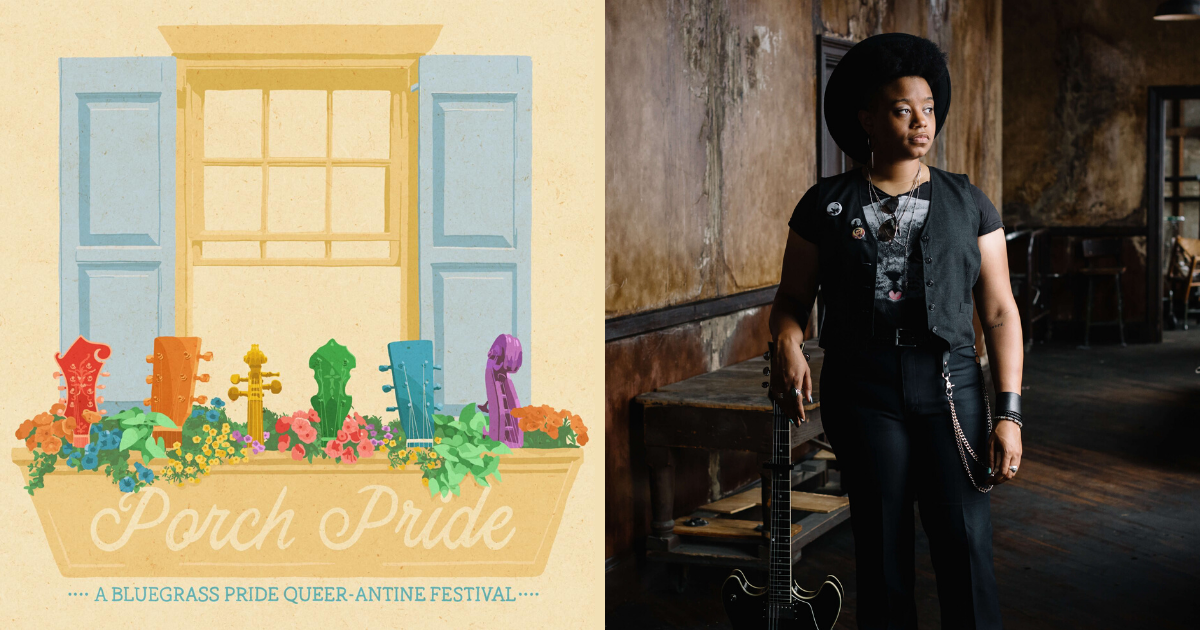
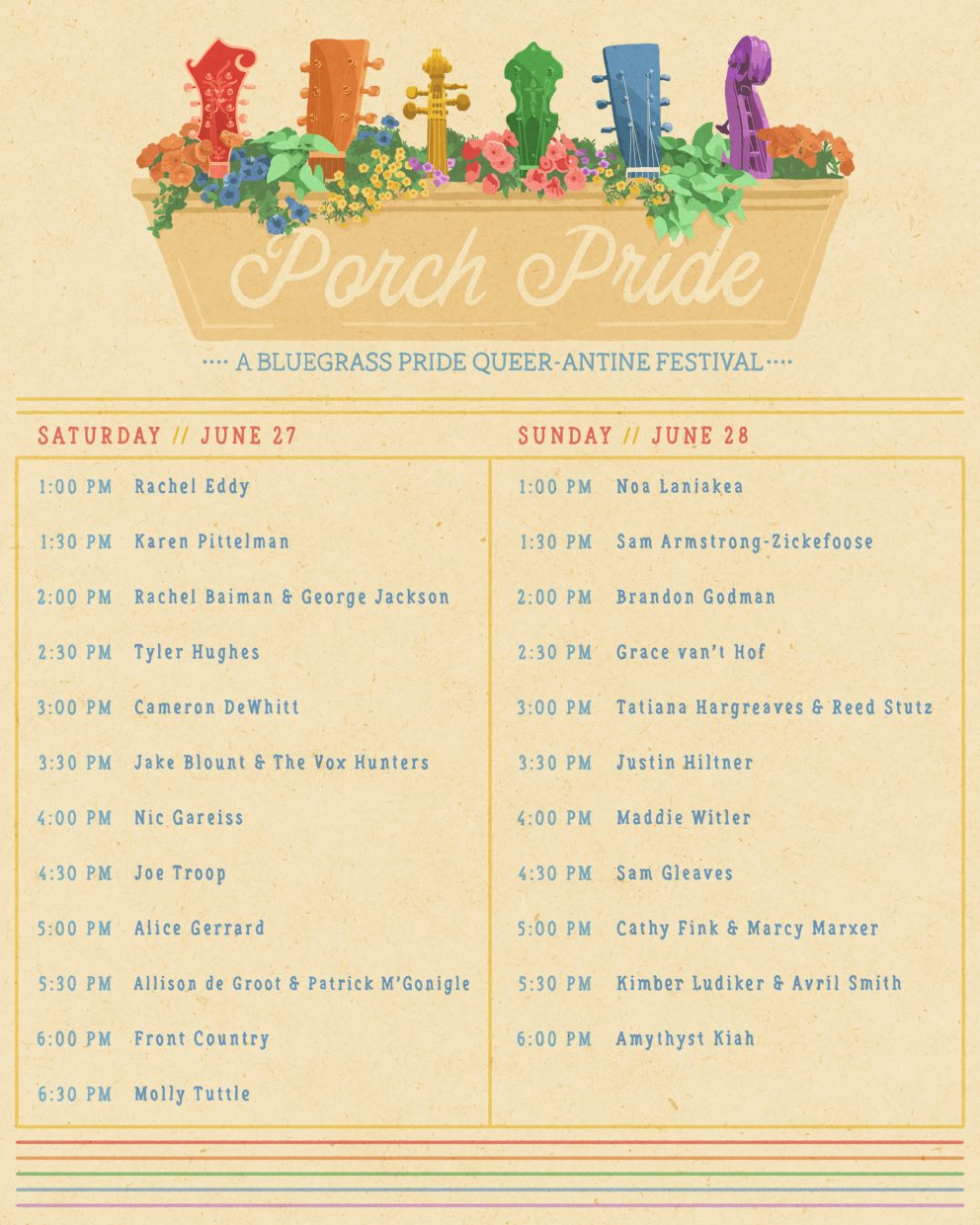
Enter our most familiar villain, COVID-19. In response, Bluegrass Pride has shifted to a new concept, Porch Pride: A Bluegrass Pride Queer-antine Festival. Featuring more than ten hours of music by queer and allied artists such as Cathy Fink & Marcy Marxer, Molly Tuttle, Sam Gleaves, Jake Blount, Rachel Baiman, and more, the livestream event will air June 27 and 28 on Bluegrass Pride’s website, YouTube channel, and Facebook and Instagram pages. Porch Pride will raise money for Bluegrass Pride and all of the musicians on the bill. Fans and followers are encouraged to donate now.
To celebrate Porch Pride with our longtime friends at Bluegrass Pride, we connected with Executive Director Kara Kundert and powerhouse singer/songwriter and the digital festival’s “headliner” Amythyst Kiah.
BGS: For those unfamiliar with Bluegrass Pride, how would you describe it?
Kara Kundert: Oh, what a big question. In a purely statutory sense, I would say that Bluegrass Pride is a nonprofit organization devoted to the advancement of LGBTQ+ people within the bluegrass, old-time, and broader roots music traditions. To get a little bit more descriptive, we work every day to make bluegrass a more welcoming place for people of all backgrounds. Our mission is to show the world that bluegrass is for everyone, so we try to create programs that serve all kinds of people who love and participate in American traditional music. We put on local beginner-friendly jams and create introductory video content to help people get involved with the community even as they’re just starting out, and we host concerts and showcases to create paid opportunities for professional musicians.
Amythyst Kiah: …Simply, my idea of what something like Bluegrass Pride represents: It is about accepting all forms of identity and expression in a style of music that is known for having a more traditional culture, and it’s also an outlet for queer people who don’t fit the stereotype of gay club culture. As iconic and important gay club culture is historically, it isn’t everyone’s experience.
How did the idea for Porch Pride come to you?
Kundert: Via the incredibly talented Jake Blount! Jake is on the Bluegrass Pride board of directors and he came to me back in March (just as everything was starting to shut down and we were holing up for quarantine) to suggest that Bluegrass Pride host a digital festival to support artists in the face of the first round of gig cancellations. He had participated in the first iteration of the Stay At Home Festival and had seen how much energy and support there were for these artists, and thought that it was a natural fit for Bluegrass Pride and our mission.
At that point in time, it was still really unclear how long and how bad the COVID pandemic was going to be — we still believed that SF Pride was going to march down Market Street in June — so I was a little nervous to take on the project. I was worried that we wouldn’t have the resources to do everything and do it well. We started discussing smaller-scale projects, like weekly concert series or short little weekend showcases, things that we would have the budget to do in addition to our regular programming.
But within a couple of weeks, it became pretty clear that our whole season was going to change dramatically, and that was when the plan shifted from being “maybe we’ll host a couple of digital concerts to keep momentum before Pride” to creating Porch Pride and really making it the center of our entire year.
People don’t tend to think of bluegrass or roots music when it comes to Pride celebrations, and obviously y’all think that needs to change! Why? What does bluegrass and string band music bring to the greater LGBTQ+ community?
Kiah: I see this event and organization as a way to formally recognize that LGBTQ+ have always been present in the communities where bluegrass and other roots-based music originated from. Historically, media has projected many ideas of what being queer looks and sounds like, and it’s high time to recognize and celebrate other ways of being and doing when it comes to music.
Kundert: I think that there’s a problem whenever people aren’t being represented. So it was a problem for bluegrass that LGBTQ+ stories and music weren’t being heard onstage. It was a problem when queer folks were being excluded from jams and from gigs just because of their identity. And it’s a problem for the LGBTQ+ community that this portion of our family isn’t being included in the conversation about what “gayness” is. We as a culture have this extremely metropolitan, white, male-centric idea of what the LGBTQ+ community is, which is what you really see on display on these corporate floats at the major cities’ Pride parades, and it leaves out so many people. There are as many ways to be queer as there are colors under the sun, and that’s something that we as a [bluegrass] community need to do more to embrace in order to support and uplift every single person in the LGBTQ+ community.
Amythyst, with your songwriting and your work with Our Native Daughters you’ve been a powerful voice, lifting up Black songs and stories. How does that perspective as a Black woman complement Bluegrass Pride for you? What do these two movements have in common, and what do they combine?
Kiah: Both movements involve recognizing and uplifting marginalized voices, due to the continued generational trauma that both have had to endure. Being Black, a woman, typically gender-nonconformant, and queer, I have experienced some form of questionable actions, treated as if I was invisible, and [received] looks of contempt by other people. I am fortunate that I haven’t experienced much worse, but that being said, I was terrified of my own shadow for years before I really started to embrace myself and be myself. So Bluegrass Pride is about recognizing that we all have value, just as Songs of Our Natives is about.
Kara, planning a Pride event can be a major undertaking. What is the reward for you, on a personal level, after putting in so many hours to prepare?
Kundert: Creating and running these events is always such an emotional rollercoaster. There’s so much anxiety and energy in the planning: Are people going to show up? Is it going to go well? Are people going to connect with it, or are they just not going to care at all? But then in the moment, you get to listen to this wonderful music by talented people, and be with a crowd of people that want to support Bluegrass Pride, and it’s euphoric. So far, I haven’t been let down by that moment of standing in a crowd and experiencing that kind of threefold-payoff of enjoying the music as an audience member, enjoying the crowd and energy as someone standing on stage, and enjoying the sheer relief of not totally fucking up as a producer.
But beyond that very selfish gratification, I also know how much these events mean to people. I know there are people who play bluegrass right now — people who are showing up at jams and forming bands and going to festivals — because Bluegrass Pride made them feel welcome and safe to be there. There are people who found Bluegrass Pride and realized that maybe they could come out after all. I know that these events — our parade float in San Francisco, our LGBTQ+ Musician Showcase in Raleigh, our beginner-friendly jams — they mean something to people. So when I get to stand in the crowd and see people’s smiles and feel people’s energy, both on- and off-stage, it makes me feel like what we’re doing matters to people. That all of the work and the hours and the stress: they add up to something bigger than just myself or my own feelings of relief and exhaustion. And that’s what keeps me going after four years of being a part of Bluegrass Pride.
What are you most looking forward to during Porch Pride?
Kundert: I know this is a cliche to say, but I’m looking forward to all of it — I put together the lineup after all! We have so many talented artists, I’m just looking forward to hearing all of their great music and seeing how people come together to celebrate Pride with us this year.
Kiah: I am looking forward to (hopefully) finding a quiet place outside to share some stories and music! If only it could be done in person, but I’ll take what I can get! Being safe [is a] top priority.
How can we all celebrate Pride “better” this year?
Kiah: I think one thing to keep in mind is that not everyone can safely be out of the closet, and that we should always keep those folks in our thoughts and to remember that [there is] more than one way to live out our truths in a way that we see most fit. Whenever we are waving our rainbow flags or wearing our rainbow suspenders, we’re also wearing them for the ones that can’t be with us.
Kundert: I think the key to best celebrating Pride — and to best doing most things in life — is to take a page from the author John Green and put energy into imagining people more complexly. If we imagine Pride more complexly, we see beyond the metronormative, white, cis, corporate stereotypes of Pride and begin to see new possibilities — for a Pride without all the weird classist, toxic binarism and gate-keeping. If we imagine bluegrass more complexly, we can break out of these same tired tropes that we’ve been falling into years and start telling new stories — using this art form as a way to create authentic and fresh connections with people.
We must do everything we can to see and honor people in all of their nuance. By forming connections with people, we are able to glimpse outside of our own lives. To do so enables us to generate empathy for each other, to see each other as family rather than strangers, or worse, as adversaries. To expand our circles and grow our vision of humanity will help us to better fight for justice for all, rather than justice for a few.
Photo credit: Anna Hedges Artwork: Courtesy of Bluegrass Pride
Summer approaches, the heat and humidity are here, at BGS South in Nashville the fireflies are alight every night, and it’s the perfect season for a porch swing reading session (if you can stand a little sweatin’).
The BGS archives will keep you stocked for just such an occasion! Each week, as we share our favorite longer, more in-depth articles, stories, and features to help you pass the time, we post our #longreadoftheday picks… yes, daily across our social media channels [on Facebook, Twitter, and Instagram]. But of course, here’s the weekly round-up, too. Get your long reads wherever you like!
This week’s stories cast daylight, share wisdom, get toes tapping, revisit old memories, and much more.
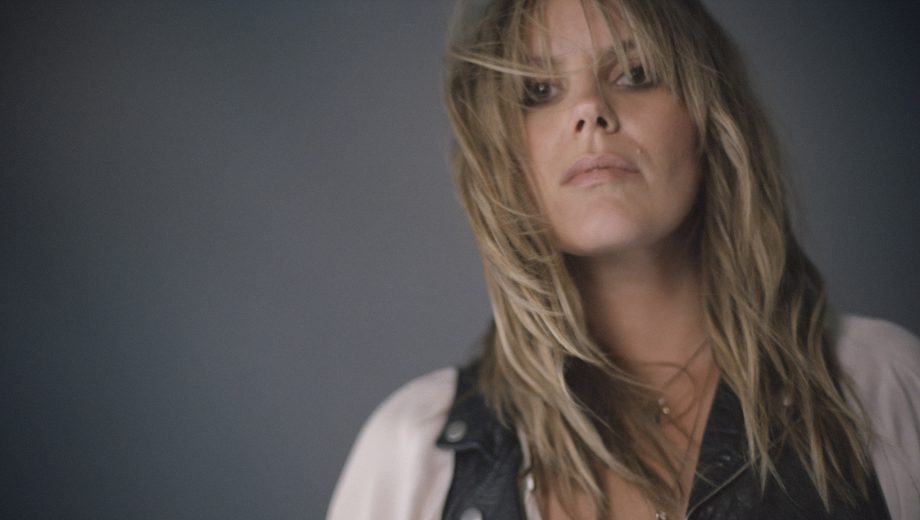
An excellent long read for starting us out, with this one you’ll get a bit of fresh air and a whole lotta Daylight, Grace Potter’s most recent album, which was released last fall. Our interview explores the cinematic quality of the album, how Potter built her band post-Nocturnals, and little things too — like how bluegrass and southern California resonate within her. Grace Potter’s voice is commanding, on the stage or on the page. [Read the interview]
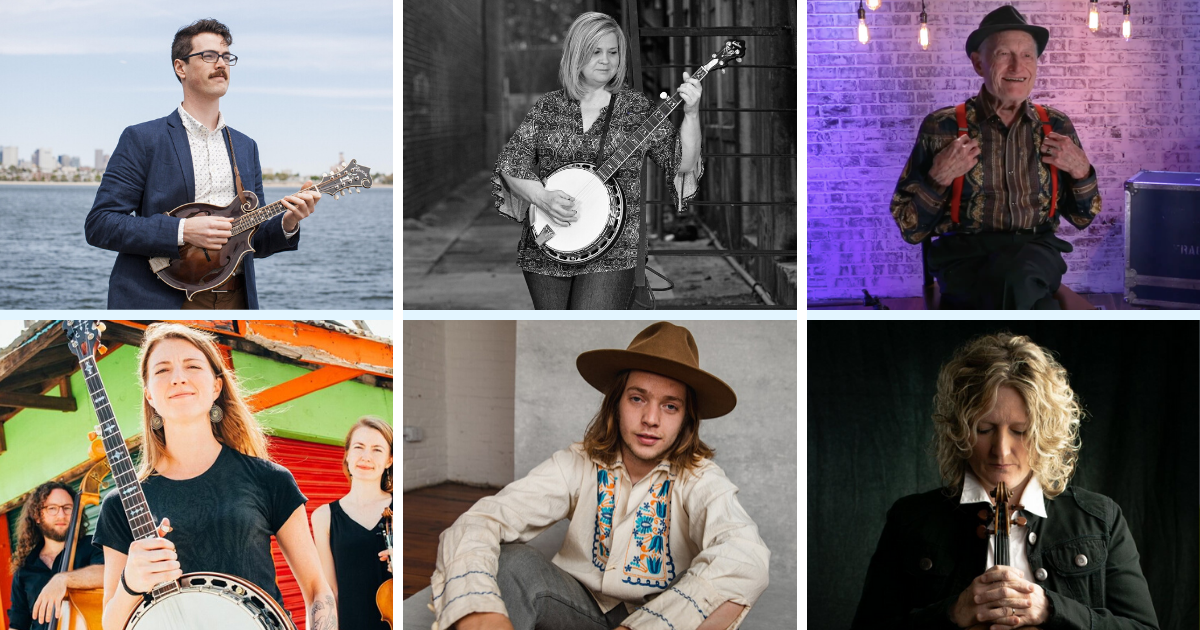
We debuted Tunesday Tuesday in January 2018 for a pretty simple reason. Roots music has a world-class stable of talented pickers, and unlike other more commercial genres, that talent is something of a prerequisite — especially in bluegrass! This short list-formatted Tunesday is a perfect long read/listen, and even though the IBMA Awards’ second-round ballot is now closed, you may need to do some studying for the final ballot still to come this summer! [Get listening]
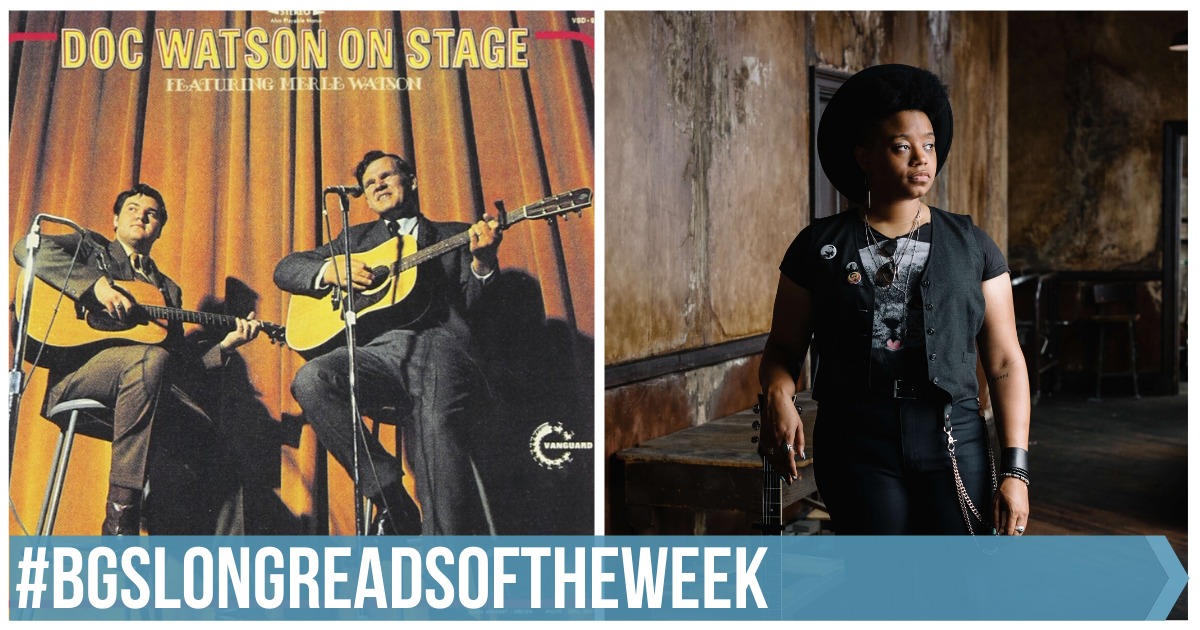
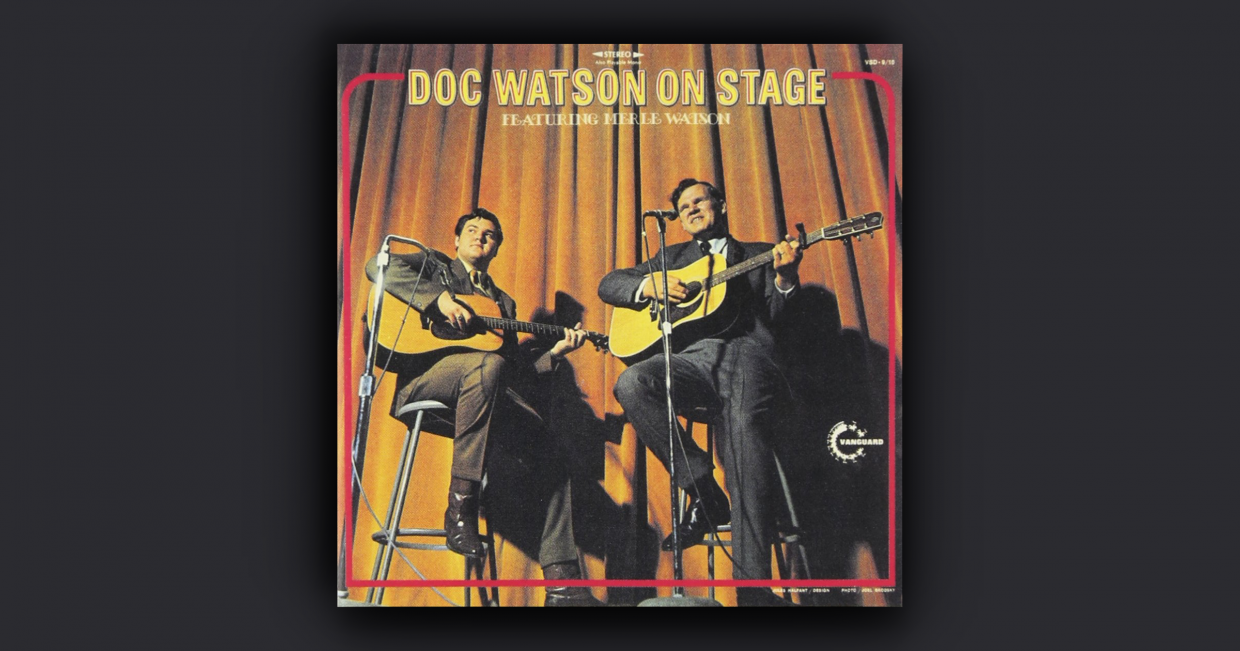
Anyone who ever had the extreme good fortune of seeing Doc Watson perform live can easily recount their favorite moments remembered from his time on stage. Lucky for any of us who can’t get enough of those memories, Watson put so many of them down on recordings and live tapes. Stroll a bit back through the catalog of those live performances with BGS. [Read more]
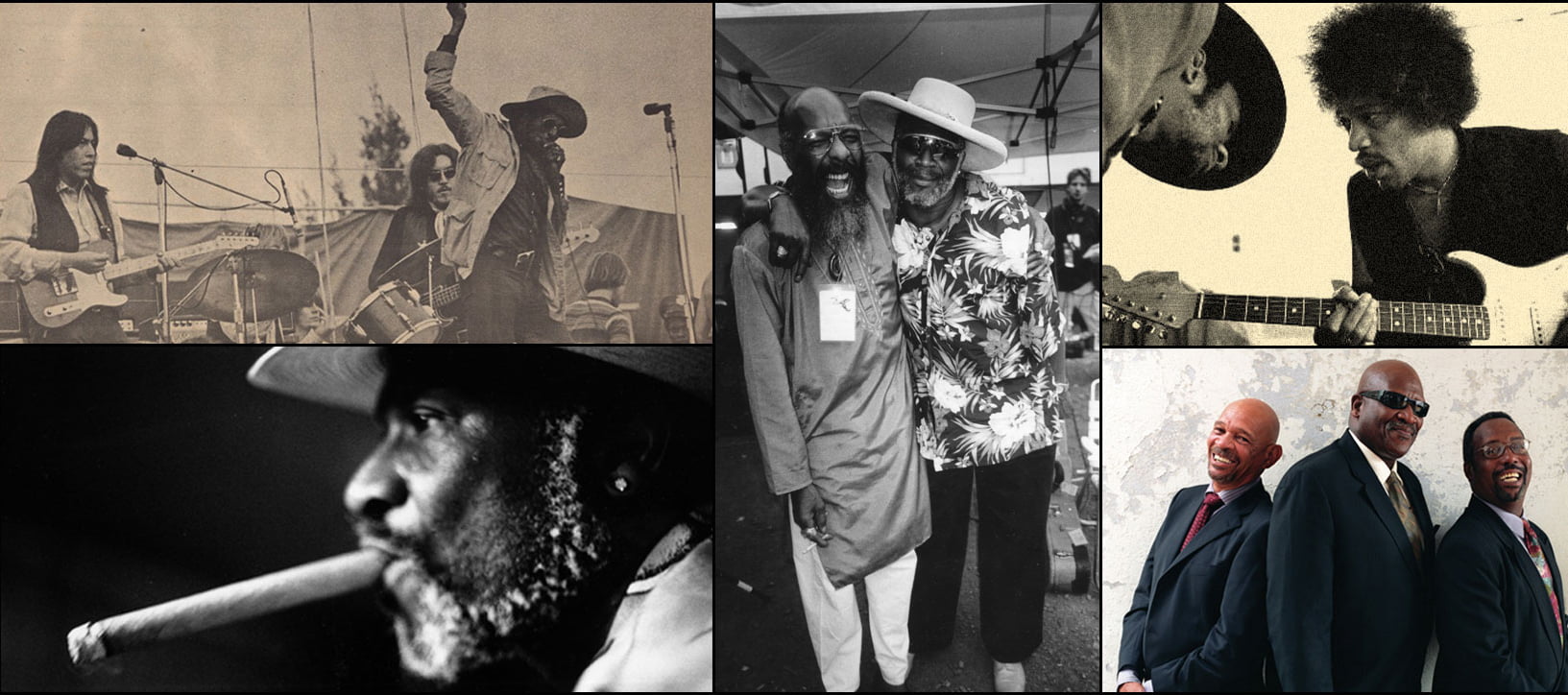
And he understands it! The wisdom and storytelling gifted to us by blues innovator and legend Taj Mahal in this 2016 interview is not only perfect for a long read pick, but it was perfect for a #ThrowbackThursday, too. The voices and perspectives of our elders are vital as we struggle for a more just future, and our musical elders have plenty of insight to pass on, as well. [Read the whole interview]
In a little over a week our friends at Bluegrass Pride will hold their online Pride festival, Porch Pride, featuring performances by queer artists, musicians, and bands and their allies — such as Jake Blount, Tatiana Hargreaves, Cathy Fink & Marcy Marxer, and Molly Tuttle. In advance of the event, we spoke to Bluegrass Pride’s Executive Director, Kara Kundert, and artist Amythyst Kiah about Pride, roots music, and what to expect from the festival. [Read more]
In the past, supporting musicians, writers, and creators meant going out to shows, buying drinks at venues, volunteering at festivals, and so much more. But music fans and supporters around the globe are finding new ways to show up for the folks who supply the soundtracks to our lives.
States and local jurisdictions may be loosening coronavirus lockdown restrictions, but the numbers are still very clear. Memorial Day or not, the healthy, safe choice is to just stay distanced, stay apart, and stay on your ass! We’ll continue to bring you a few of our favorite events, livestreams, and COVID-19 coping resources that we’ve scrolled by on our feeds or found in our inboxes each week until that reality changes.
Did we miss something? (We probably did.) Let us know in the comments or on social media!
Rhiannon Giddens Honors Bill Withers, Aids COVID-19 Relief Efforts
In early May, Rhiannon Giddens released a gem from her vault of B-sides and outtakes. Recorded in what she refers to as a “very un-socially distanced time,” Giddens and co. perform a lively tribute to an icon of American music. The release of this cover and music video celebrate the life and music of Bill Withers, while also portraying life in quarantine and raising funds for Global Giving’s Coronavirus Relief Fund.
Like many of his other hits, Withers’ “Just the Two of Us” has an infectious cheerfulness that, especially when juxtaposed with images of quarantine and sheltering in place, can brighten any day. Giddens explains, “When Bill Withers passed, we suddenly remembered we had made this beautiful [cover]…So whether it’s just the two of us, or just a few of us; whether the lockdown has been for months or it’s about to be lifted; COVID-19 is here for the foreseeable future, and the more we can be alone together now, the better the future will be.”
Whiskey Sour Happy Hour Concludes
Our month-long online variety show came to a close last night with a surprise bonus episode featuring performances from past WSHH performers like Billy Strings, Valerie June, Rodney Crowell, and more. Last week, for the superjam of our final “official” episode, our cast of pickers pulled off this incredible cover of “The Weight,” a perfect finale for the series.
It’s been an incredible journey building and sharing these shows with all of you over the past few weeks, but the fun isn’t quite over yet. We’ve left all episodes of Whiskey Sour Happy Hour online so we can continue raising money for MusiCares and Direct Relief, two organizations leading the charge with critical support for musicians and front line responders facing this crisis.
Over your Memorial Day weekend, why not binge the whole show, enjoy world-class songs and comedy, and if you can, give a little to support the cause, too? Watch all episodes and donate here.Our friends at Direct Relief have been working ceaselessly since the advent of this pandemic to supply personal protective equipment to front line responders. Watch this brief video that captures the importance and the magnitude of the work they’re accomplishing.
California Bluegrass Association Says to “Turn Your Radio OnLINE”
Founded in 1974, the California Bluegrass Association is one of the oldest and largest bluegrass associations in the world, with over 2,700 members. They produce events throughout the year, including the jewel in their bluegrassy crown, Father’s Day Bluegrass Festival, held every Father’s Day weekend in Grass Valley, CA since just a year after the organization’s inception.
This year, the festival has canceled all in-person programming, asking bluegrass fans in California and around the world to turn their radios “OnLine” to take part in music performances, live interviews, online interaction, and so much more, featuring artists such as Tim O’Brien, Laurie Lewis, Molly Tuttle, Lonesome River Band, Special Consensus, Joe Newberry & April Verch, and others.
The webcasts will be accompanied by an online auction to raise funds for the CBA’s newly announced COVID Artist Relief Fund. Items being auctioned include fine acoustic instruments, books, music lessons, historic bluegrass memorabilia, and items of interest from popular musicians.
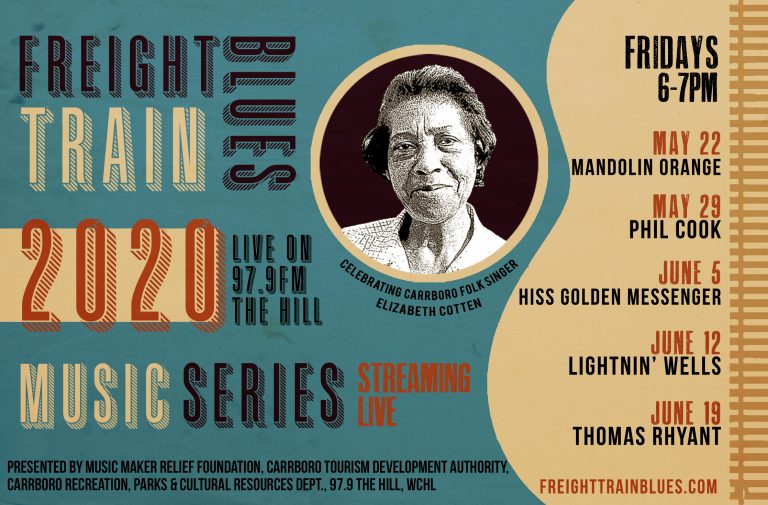
Music Maker Relief Foundation’s Freight Train Blues 2020
Our friends at the Music Maker Relief Foundation, the Hillsborough, N.C. based nonprofit whose mission is to promote and preserve American musical traditions by partnering directly with elderly musicians, have announced their 2020 music series, Freight Train Blues. The event, which ordinarly takes place at Carrboro Town Commons in Carrboro, NC, will now be broadcasted on Facebook, YouTube, and by WCHL 97.9FM out of Chapel Hill.
Featuring performances from Phil Cook, Mandolin Orange, Thomas Rhyant, and more, Freight Train Blues celebrates the life and legacy of Piedmont blues legend Elizabeth “Libba” Cotten, a pioneer in bluegrass, old-time, and blues and whose songs have left an indelible mark on all of American roots music.
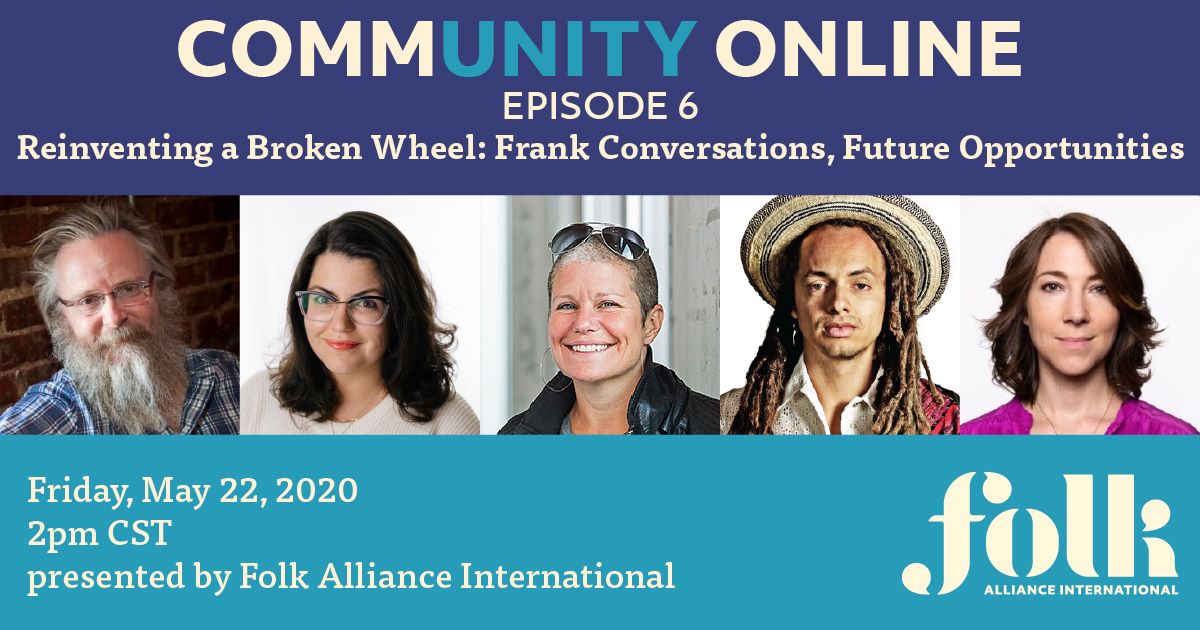
Reinventing a Broken Wheel – Frank Conversations, Future Opportunities
BGS co-founder and executive director Amy Reitnouer Jacobs will moderate the sixth session in Folk Alliance International’s “CommUNITY Online” series of sessions and panels on Friday, May 22 at 2pm CDT / 12pm PDT. Joined by David Macias (Thirty Tigers), Erin Benjamin (President/CEO Canadian Live Music Association), Enrique Chi (artist/activist), and Megan West (Facebook/Instagram) this group of industry experts will discuss, identify, and explore opportunities to innovate, pivot, and move the industry along in new directions. We each have a role to play in constructing our “new normal” — from immediate action to big picture initiatives, this conversation promises to be inspiring, provocative, and realistic.
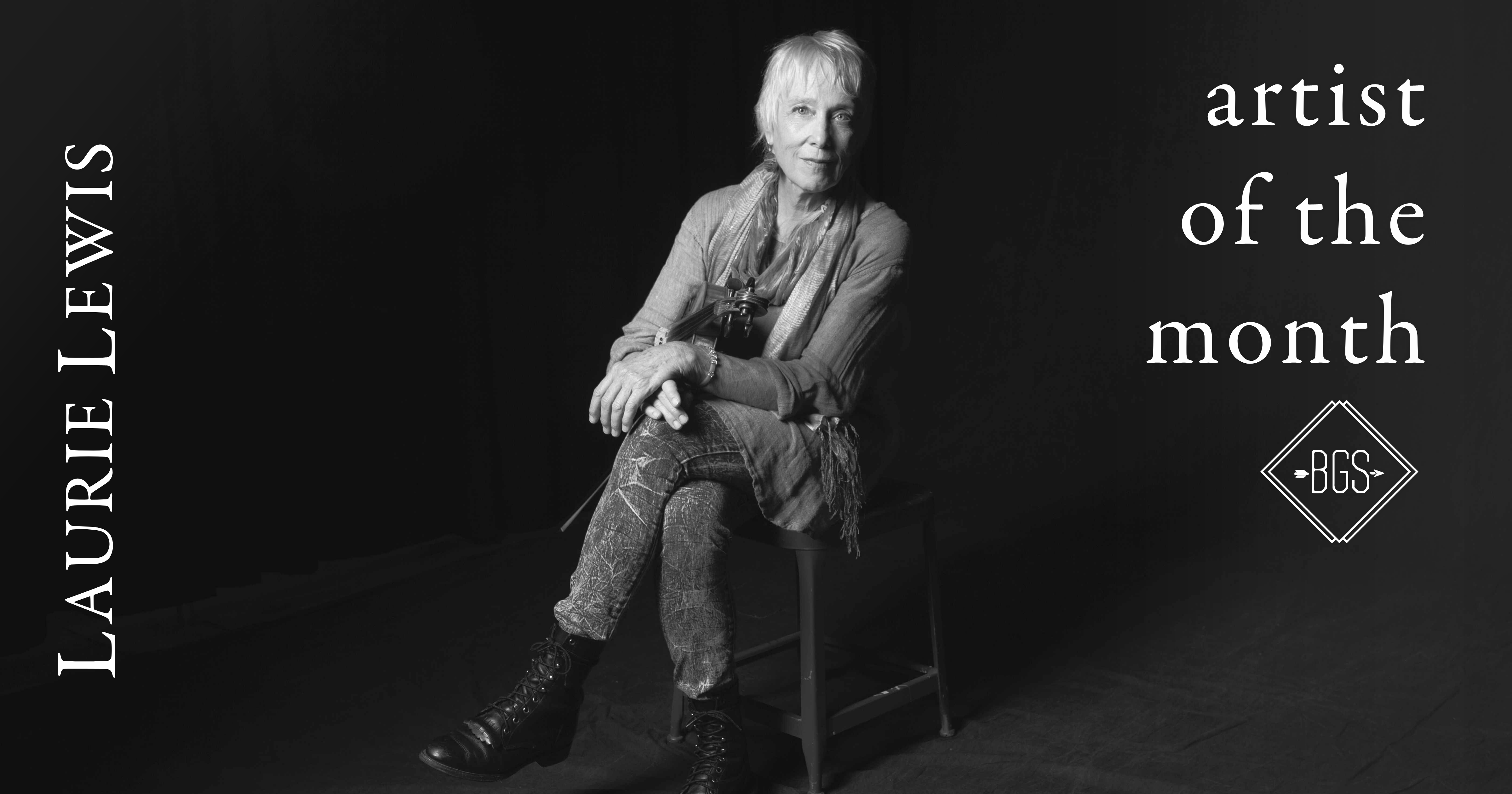
Laurie Lewis’ new album, and Laurie Lewis, is as much a tribute to her strong relationships as it is to her musical talents. Featuring old friends like Kathy Kallick, Todd Phillips, and Tom Rozum, and younger collaborators like Tatiana Hargreaves, Molly Tuttle, and Leah Wollenberg, her embrace of great friends and great music is on full display. In the second half of our conversation, the IBMA Award-winning artist talks about her history in the Bay Area, her aspirations and challenges, and the things that give her joy.
BGS: Years ago, you and Kathy Kallick gave bluegrass a female voice. Were you conscious of breaking barriers at the time? And are you aware of what a model you are to women our age?
I appreciate that in hindsight. In the moment, we were just trying to make the best music we could make together, and we were both in a musical community in the Bay Area that didn’t have the barriers that the outside world had for women in bluegrass. We were doing what we wanted to do, what was fun for us. And not thinking that it was the most special thing or groundbreaking or ceiling-shattering stuff.
It was when I started performing more outside the Bay Area that I began to realize that what we had been doing was unusual. But at that point, I was just headstrong and I was just going to do what I wanted to do and not be stopped. I had disdain for festivals that would only book one girl bandleader at a festival, while they would book 12 male bandleaders at a festival. It pissed me off, but it didn’t stop me. And things are still a little bit like that — it’s amazing how slowly things change.
Did you set out to mentor young women?
Life for me just sort of unfolds, and I have to say I don’t set out to do these things in advance. I didn’t decide, “Now that I’m a wise older woman…” to mentor younger people. What actually started it was when younger people started showing up at music camps. I was a little afraid of that, because most music camps I had been doing were with adults. And I was a little afraid of my ability to relate to and coach young people.
When I was first asked to teach at a fiddle camp specifically for young people, I was sort of daunted by it. But the relationships that grew out of that camp have been incredibly important to me. Tatiana was there — she also went to Bluegrass at the Beach when she was like seven, that’s when we met. And Emily Mann, who wrote one of the songs I sang with Molly, was a preteen at that camp.
It has been a thrill to watch them blossom. It has been so gratifying to me. I don’t have children, and that’s a choice on my part, but I really appreciate them. I really enjoy hanging out with them and being able to have them in my life. I didn’t decide to focus on young women, but I suppose just because I am a woman, that has happened. People want role models – to see someone who’s like them. I am more like a young woman than I am like a teenage boy!
Any comments about being a role model?
Well, I feel very, very grateful that that’s happened. I’m really just trying to do the best I can do and play what’s in my heart and express myself in the best way I can, which seems to be through music. I am very gratified that people see me as a role model. I have a feeling of responsibility about that — so I better not fuck up.
Why is teaching important to you?
I get very excited teaching about things that excite me. Music excites me, and I want to spread the gospel. I am evangelistic about things like Chubby Wise’s fiddle playing, and how his solos are the bedrock of bluegrass fiddling. Singing harmonies, and how to work on making a vocal blend, are is endlessly fascinating to me, so I like a chance to talk about it and explore it with other people.
It also helps me, because when I am teaching I go back to the masters and I listen again to things maybe I haven’t listened to in 10 years. I always hear new things and I always learn myself. It keeps the music fresh for me in that way. It’s not just a one-way street. Teaching’s definitely a two-way street.
Do you want to talk about your shyness? You’ve said you are incredibly shy, and yet when you are on stage you fill auditoriums with your presence and your energy. How does that work?
I’ve certainly conquered a lot of my shyness. Shyness is really fear-based. You have to learn to face your fears. And in many, many instances, by facing them they just melt away. They are like a wraith. They just go away. I have learned that over the years. I used to be afraid to talk on the phone. It was so hard for me to call people up and just be a regular person on the phone and have a one-on-one conversation. I made myself do it. I made myself get on stage. I made myself open up to an audience. Sometimes it’s easier to open up to an audience than it is to open up to three people in the room with you. Strength in numbers when it comes to shyness.
I was really shy — and I’m not so shy any more. I still very seldom will talk to strangers. I told Tom yesterday that I was on a hike, and I met this young man and we talked a whole lot (this guy was named after Superman’s father, Jor-El). Tom said, “How did you start talking to him?” And I said, “I don’t know, it was a beautiful day….” and Tom said, “This is so unlike you.” It is unlike me that I would talk to a stranger, but we had a very great conversation. It turns out we were both born in Long Beach, we have a lot in common. … I’m still breaking down my barriers. By the time I’m 90 I’ll be talking to anybody and everybody. You won’t be able to shut me up.
How is today feeling for you? You have this great new album – and the world is upside down.
It’s frustrating, but — it’s just my own little personal problem. It’s really too bad, but so many people are suffering so much right now. I don’t have it in me to be all upset about it being a bad time for me. The album will still be here, the music will still be here when the virus has run its course. The virus is not going to kill my music.
How are you keeping your spirits up?
I go up into the hills and I walk. And right now it’s springtime, it is so beautiful. The world is just so gorgeous. There are wildflowers everywhere. If you can get out into nature, it is the most healing balm that I know of, and that’s what works for me. It makes the human problems seem so small, and it connects me to the universe. It takes me outside of myself.
What’s next for you?
I’m loving playing with the current Right Hands configuration: Brandon Godman on fiddle, Patrick Sauber on banjo and Haselden Ciaccio on bass (along with Tom). We’ve been planning a new album. We’ve got so many things we’re cooking up: new songs and old stuff that we’ve been doing. I feel like we need to have a record of how we sound together.
Do you have a special goal, something that you want to achieve that you haven’t done before?
I would really love it if other people would sing some of my songs and make them part of the folk tradition. That would thrill me more than anything. I would like to get interviewed by Terry Gross. That would be pretty great! Of course, because I’ve been doing this for so long I would like to get broader recognition, but I’m fine with things the way they are. But mostly I’m just very, very grateful that I get to do what I want to do. I can put together a life out of it and I can keep playing. I’m in my 70th year. I just feel lucky.
Photo credit: Jeff Fasano
This website uses cookies to improve your experience. We'll assume you're ok with this, but you can opt-out if you wish.AcceptRejectRead More
Privacy & Cookies Policy
Privacy Overview
This website uses cookies to improve your experience while you navigate through the website. Out of these, the cookies that are categorized as necessary are stored on your browser as they are essential for the working of basic functionalities of the website. We also use third-party cookies that help us analyze and understand how you use this website. These cookies will be stored in your browser only with your consent. You also have the option to opt-out of these cookies. But opting out of some of these cookies may affect your browsing experience.
Necessary cookies are absolutely essential for the website to function properly. This category only includes cookies that ensures basic functionalities and security features of the website. These cookies do not store any personal information.
Any cookies that may not be particularly necessary for the website to function and is used specifically to collect user personal data via analytics, ads, other embedded contents are termed as non-necessary cookies. It is mandatory to procure user consent prior to running these cookies on your website.

 Founded in 1974,