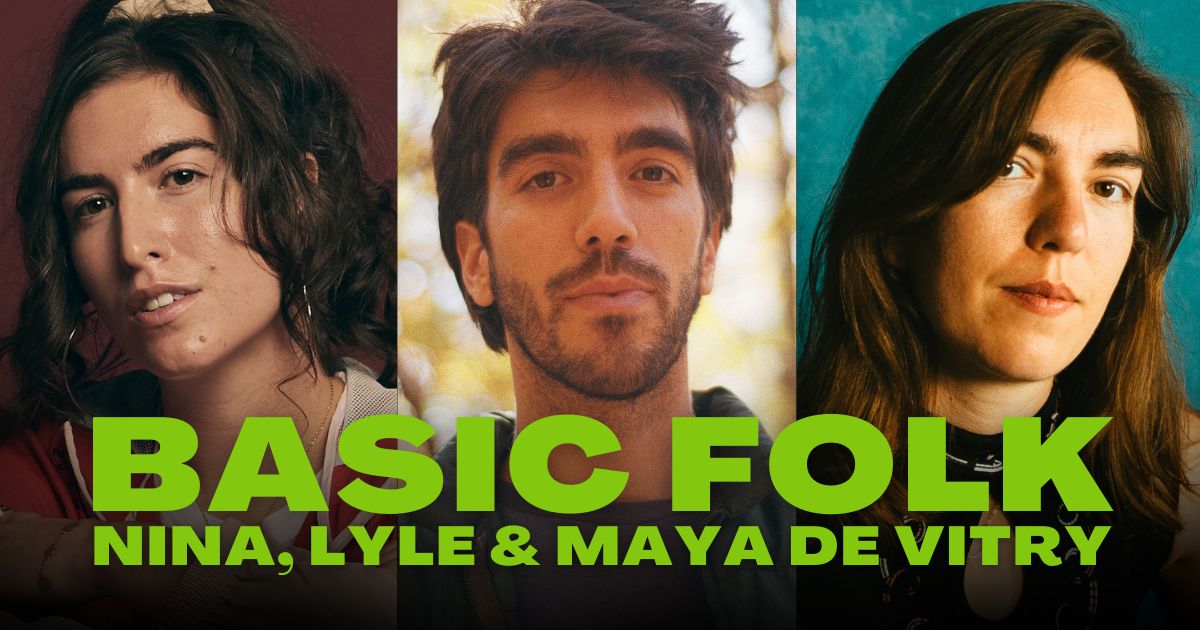
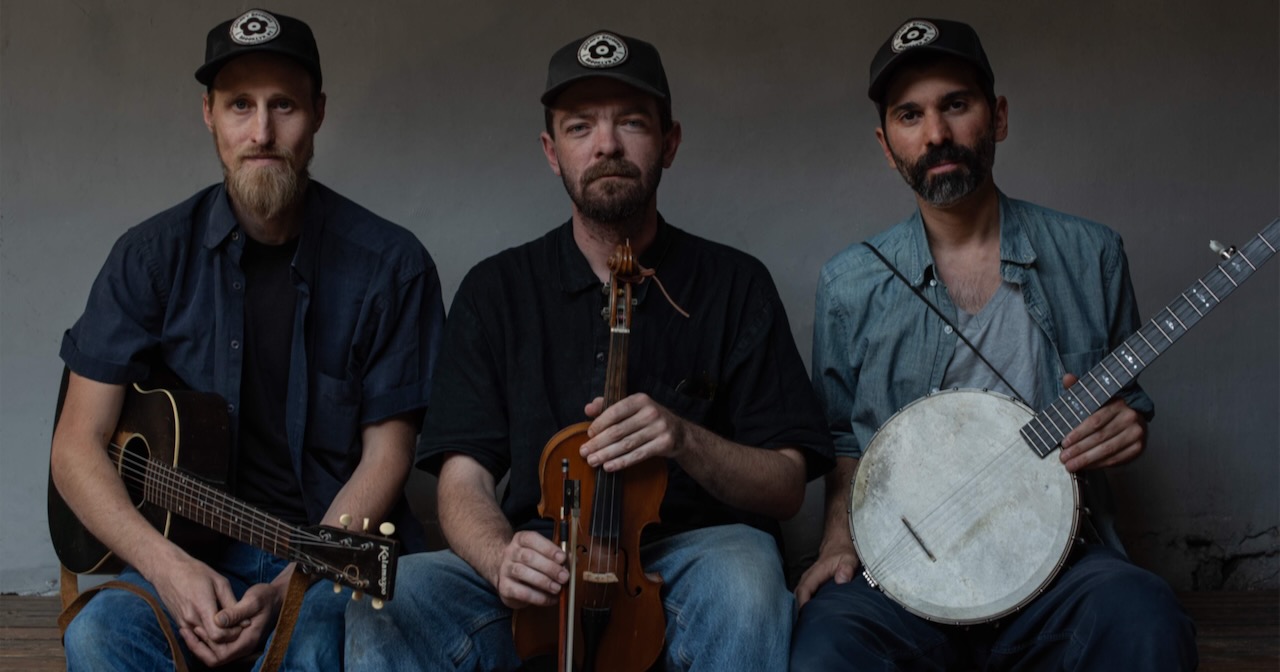
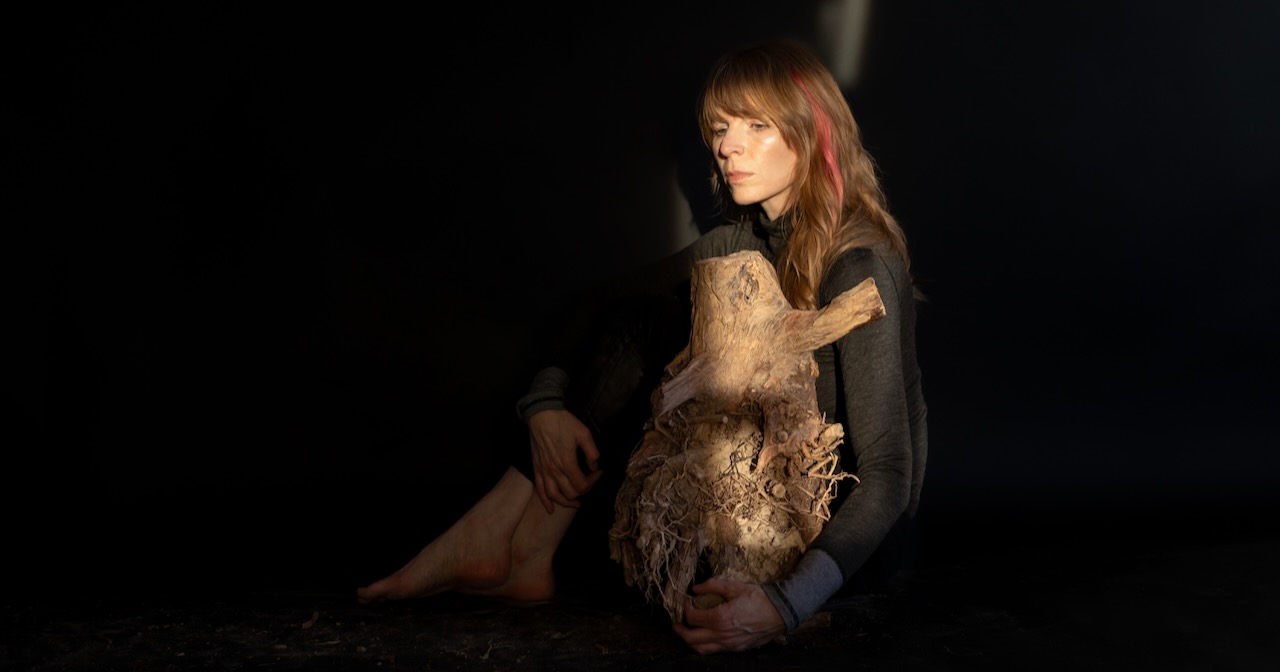
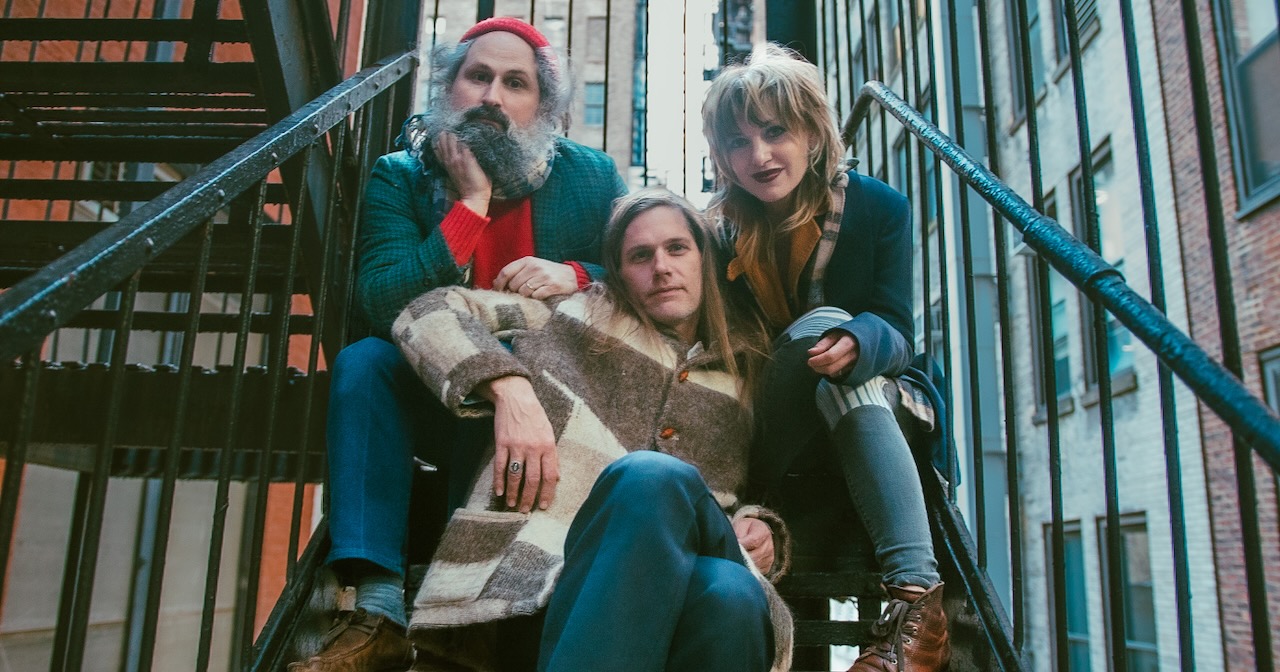
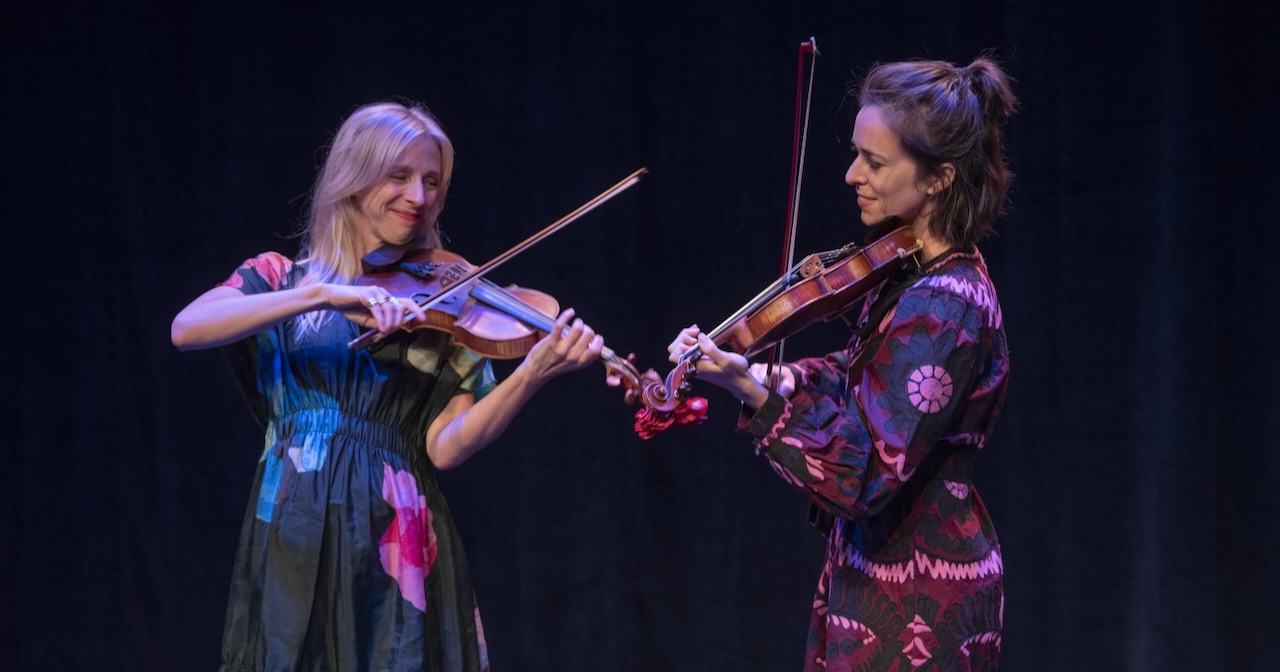
Maya, Nina, and Lyle de Vitry’s life, beginning in Lancaster, Pennsylvania, has been music and family, festivals, old-time, songwriting, and folk. The de Vitry siblings (including sister Monica, currently teaching art in Western Mass) grew up amongst music and nature in their rural home and even had a family band called Old-Time Liberation Front. Many jams around the campfire, music lessons, and encouragement from their parents lead all three siblings to careers surrounding indie folk music – and jazz! (Thank you, Nina.)
All three have released albums in the past year: Maya’s new album The Only Moment is her fourth record in only six years of performing solo in her post-Stray Birds career. Lyle just released his debut album, Door Within a Dream, while simultaneously working alongside other banjo makers at the Pisgah Banjo Company, his current day job. Nina’s excellent debut, What You Feel is Real, came out last year, but she’s been busy lately playing on the Noah Kahan tour as “the utility player.” Nina’s singing harmonies and playing fiddle, mandolin, banjo, guitar, and 12-string guitar while finding creative inspiration from the energy of the crowds and her new found musician siblings in Kahan’s band.
In our special Basic Folk conversation with the de Vitry sibs, we talk about how they feel about each other’s creative processes, songwriter practices, and musical inspirations. They get into how being at all these music festivals and jams as kids bonded them together and we learn about made-up words that their family uses to this day – stay tuned to find out what a “butchabee” and a “taffy bub” is.
Elsewhere in the episode, they each talk about how disconnected they feel from the mainstream – Nina had never heard of Noah Kahan’s music until she was asked to audition for his band. Also, Lyle gets into how being around three sisters, female musicians, and female songwriters has impacted him and his musicality.
Don’t miss a very special de Vitry “Which One” lightning round wrapping up one of the most special singer-songwriter interviews we’ve done on Basic Folk.
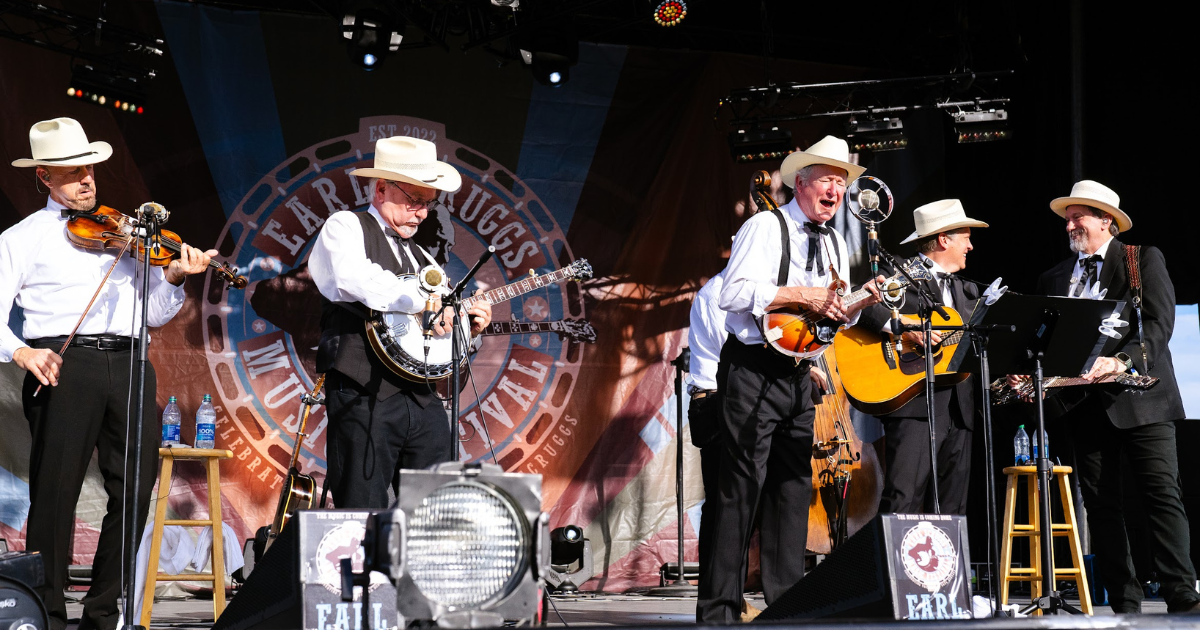
From August 30 to September 1, the legacy of banjo innovator and bluegrass forebear Earl Scruggs will be celebrated once again at the 3rd Annual Earl Scruggs Music Festival. Held at Tryon International Equestrian Center in the western North Carolina foothills – just beyond where the Bluegrass and Country Music Hall of Fame inductee was born and raised – the festival will see Jerry Douglas and the Earls of Leicester return as hosts and will include performances by roots superstars like Tanya Tucker, Old Crow Medicine Show, Marty Stuart & His Fabulous Superlatives, Yonder Mountain String Band, and many more. (Full lineup below.)
BGS is excited to be returning to ESMF for the third year in a row, this time presenting the Scruggs Sessions with the Earls of Leicester. On Saturday, August 31, from 3 to 4:30p.m. on the Foggy Mountain Stage – nearest the festival gates – the Earls of L will pay tribute to Flatt & Scruggs’ seminal live album, Flatt & Scruggs At Carnegie Hall!, with special guests and appearances from across the festival lineup. This is a brand new iteration of our fan favorite tribute sets from the past two years that highlighted albums by the Earl Scruggs Revue. Last year’s performance was hosted by Tony Trischka and included guests such as Della Mae, Tray Wellington, members of Greensky Bluegrass, and more. We cannot wait for you to see what’s in store for this year’s Scruggs Session.
Below, find a few of our tips and insider tricks for attending ESMF, plus we’ll highlight a few of the acts, artists, and bands we’re most excited to catch at this year’s festival. From the posh grounds to engaging workshops and sessions, horse jumping demonstrations to excellent brick-and-mortar restaurants and local food trucks, up-and-coming groups and world-class talents, Earl Scruggs Music Festival truly has something for everyone.
The Grounds: Tryon International Equestrian Center
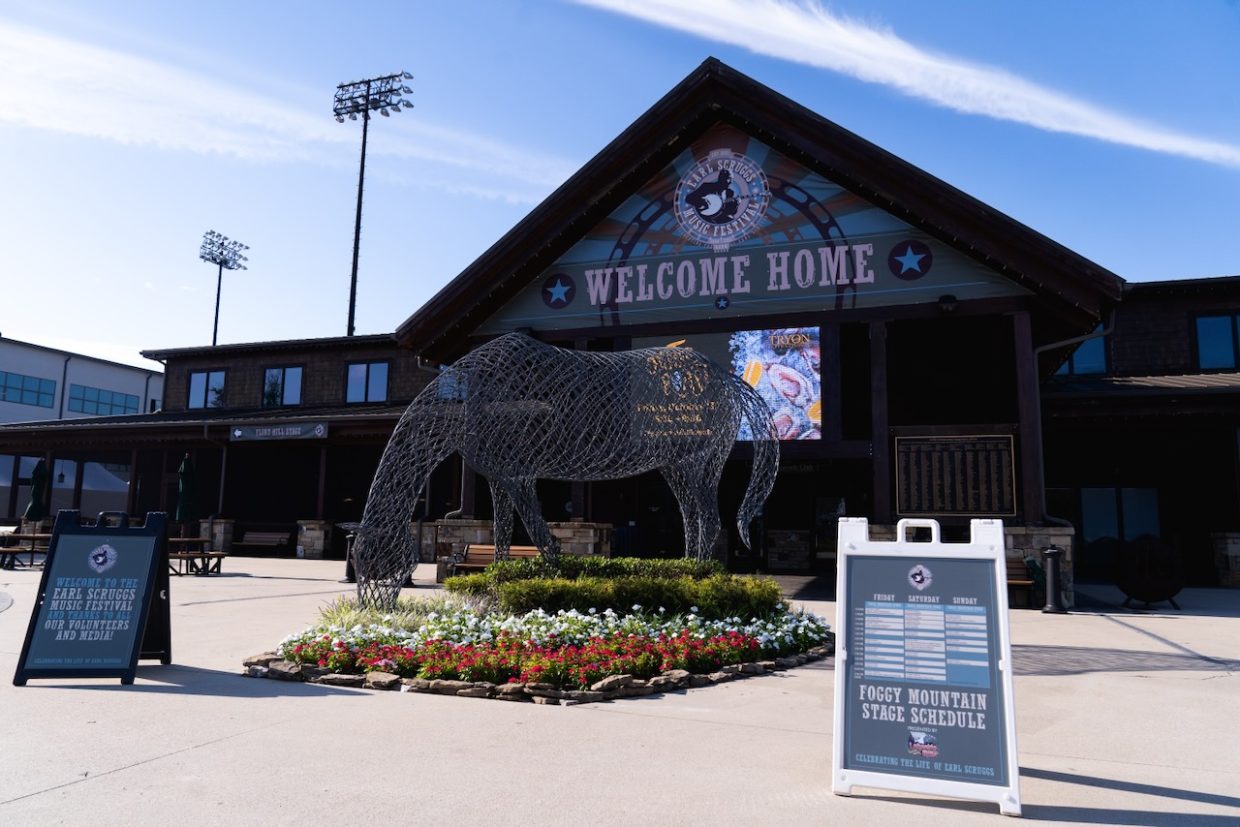
The Earl Scruggs Music Festival entrance. Photo by Eli Johnson.
Your first impression of the Earl Scruggs Music Festival grounds – the Tryon International Equestrian Center in Mill Spring, North Carolina – might be that this is a very fancy locale for a bluegrass festival. But after your first day, or even your first few hours, you’ll see how perfect a setting this state-of-the-art equestrian park is for a music festival. It can be very hot in late August in Mill Spring, but the permanent amenities, ample shade, high quality air-conditioned restaurants, and relatively compact footprint make the usual pitfalls and inconveniences of a hot summer festival fade to the background.
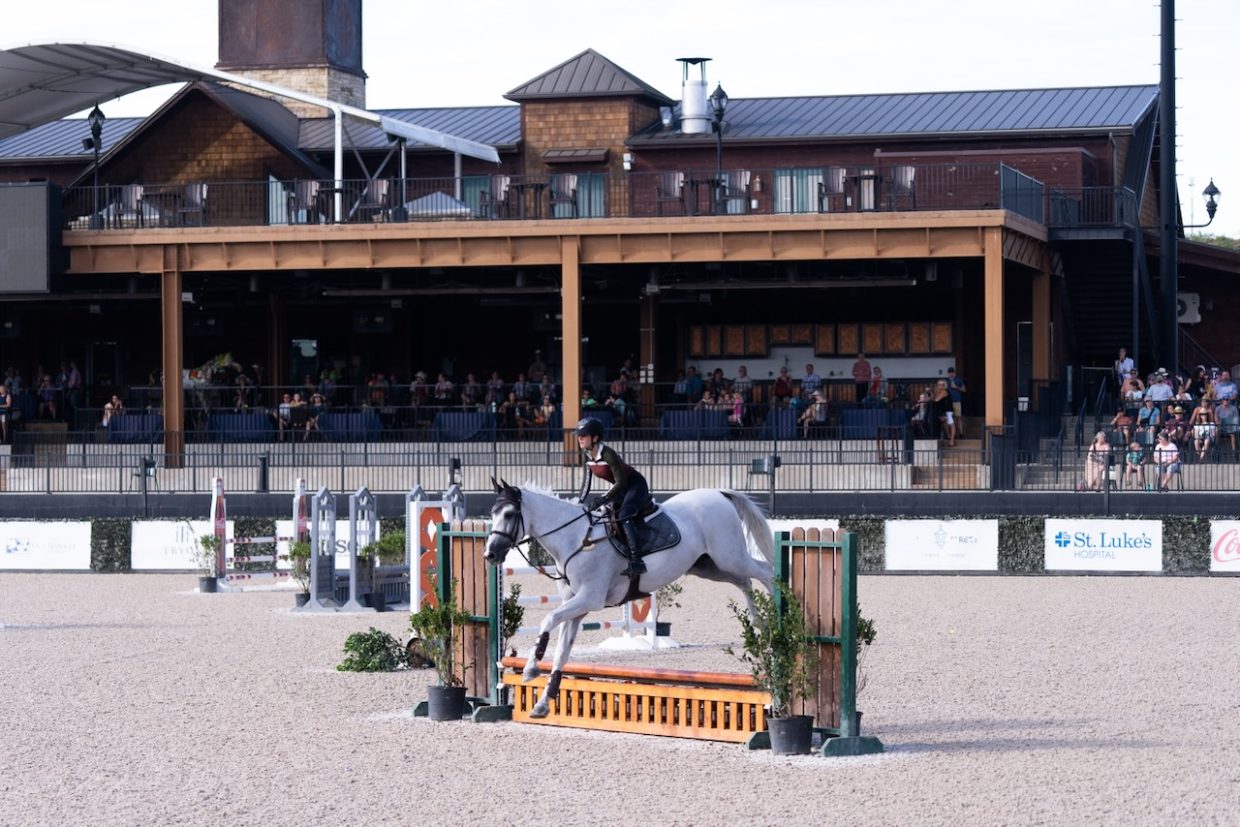
A horse jumping demonstration held during the festival. Photo by Eli Johnson.
Catch a horse jumping demonstration or one of the center’s mini-horse ambassadors doing a meet and greet to get the full equestrian experience. VIP ticket holders can enjoy the shady grandstand with perfect views of the main stage. There’s plenty of space in the sandy arena grounds for folding chairs, too. The General Store, near to the festival entrance, sells drinks, ice cream, snacks, and treats and has many festival essentials you may need – whether you’re camping on site or just visiting for the day.
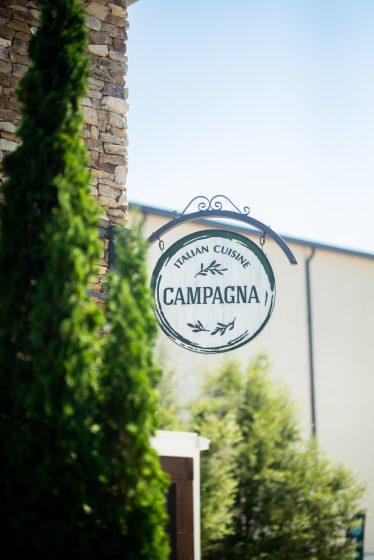
Definitely don’t miss the delicious Italian restaurant, Campagna, on the grounds, as well. Pro tip: order their delicious wood-fired pizzas to go and enjoy while watching your favorite bluegrass bands take the stage. Or, dine in and cool off – whether lunch or dinner, we loved always having Campagna nearby. Other brick-and-mortar options on site include Blue Ginger Sushi, Legends Grille, Roger’s Diner, and more. Plus, plenty of delicious fair foods are on sale with carnival-style vendors and food trucks coming out in force for the fest.
Campagna Italian Cuisine raises the bar for bluegrass festival food. Photo by Eli Johnson.
Sure, there’s not much to mention directly surrounding the oasis that is the Tryon International Equestrian Center, but there is so much to explore just beyond the festival grounds. Whether you head up towards the mountains and Tryon proper (hometown of Nina Simone, where you can visit her historic home place) or head down the road to Shelby (Scruggs’ home turf), this area of North Carolina holds so many treasures. A visit to the Earl Scruggs Center, which calls the former Shelby county courthouse home and is located just up the road from Scruggs’ homeplace(s) in Flint Hill, is essential. The museum tells the story of Scruggs, his banjo, and his music within and outside of Shelby county and includes plenty of local history, too. If you’re not able to make it the short drive to Shelby to see the Center, don’t worry! They have a great booth set up at the festival for the entire weekend.
There are a few excellent trails and hikes nearby, like Alexander’s Ford Trail at Bradley Nature Preserve pretty near to Mill Spring, and there are so many mountain-y treks and water fall hikes just a short drive west – we recommend Little Bradley Falls. If you like cute little railroad towns, Saluda, North Carolina is worth a stop. Just up the mountainside, it used to be the home of the steepest standard gauge railway line in the United States. As you drive back down the interstate east, down the titular Saluda grade toward Tryon and Mill Spring, it’s a stunning view of North and South Carolina beneath you, with the Appalachians at your back. It’s lovely country!
The Music
ESMF does an excellent job demonstrating the sheer depth, width, and breadth of Earl Scruggs’ impact on American roots music. The lineup boasts country, Americana, singer-songwriter, old-time, and endless bluegrass. It’s curated thoughtfully and intentionally and there’s always someone new to discover and someone legendary to nerd out over. Here are a few of the sets we’re most excited for, below. Plus you can peruse the entire announced lineup and find links to the full schedule of events. We hope we see you this year at Earl Scruggs Music Festival!
Casey Driessen’s Red Shoe Stringjam (Sunday)
Fiddler Casey Driessen has turned his infamous and beloved Red Shoe Stringjam into a traveling roots music festival variety hour! We can’t wait to see what he cooks up at ESMF with this superlative lineup. His recent appearance at Grey Fox earlier this summer boasted and incredible roster of guests and collaborators.
AJ Lee & Blue Summit (Saturday)
We can’t wait to catch up with our pals AJ Lee & Blue Summit, fresh off their Grand Ole Opry debut and the release of their critically-acclaimed new album, City of Glass. Our recent feature on that new record has been a reader favorite ever since it published – check it out here. Don’t miss their main stage (Flint Hill Stage) performance and their Foggy Late Night set (Foggy Mountain Stage), which will surely be a raucous and rowdy end to day two of the festival.
Marty Stuart & His Fabulous Superlatives (Saturday)
If you’re a true fan of Marty Stuart, you know just how intimately his own story in music is woven into the stories of Flatt & Scruggs. What a perfect addition to the lineup. From psychedelic country to surf rock to driving bluegrass to shredding the mandolin – like he did with F&S as a kid all those years ago – Marty and His Fabulous Superlatives epitomize so many distinct facets of Earl’s music and legacy. This is especially noticeable with Stuart carrying on the bluegrass tradition of mentorship bestowed on him by Flatt & Scruggs – like with young mandolinist, Wyatt Ellis, who is also on the festival roster this year.
Miko Marks (Sunday)
Bay Area-based country singer, songwriter, and recording artist Miko Marks is a “must-see” on our list! She’ll be playing the Foggy Mountain Stage on Sunday evening, bringing her thoughtful, engaging, fun, and polished post-genre country to western North Carolina. Marks is a musical activist, a truth teller, and a community builder who has blazed a trail – nationally, in Nashville, and in the Bay Area, as well – in country and roots music.
Darrell Scott’s String Band (Friday)
Even though Darrell Scott’s solo shows are just as engaging and jaw-dropping as when he tours with a band, we’re certainly pleased that his recent string band album, Old Cane Back Rocker, included Shad Cobb, Bryn Davies, and Matt Flinner – and doubly pleased to still be able to catch this crack ensemble on the road! Darrell will also play a set on the Foggy Mountain Stage in the evening Friday, after the band’s afternoon appearance on the Flint Hill Stage.
The Scruggs Sessions with the Earls of Leicester (Saturday)
There is no one better to tribute a classic and iconic bluegrass album like Flatt & ScruggsAt Carnegie Hall! than the Earls of Leicester. We’re tickled to be presenting the Scruggs Sessions, where the Earls and many special guests will perform songs from Flatt & Scruggs’ appearance at Carnegie Hall, a set and an album that have become keystones in the bluegrass canon. We’ll see you at the Foggy Mountain Stage on Saturday at 3p.m.!
Twisted Pine (Saturday)
Twisted Pine blew us away last year at Earl Scruggs Music Festival, so we were especially excited to see them set to return to the event this year, too. They’ll be doing double duty, again, playing both stages at different points on Saturday – catch them at 12p.m. on the Flint Hill Stage and at 5p.m. on the Foggy Mountain Stage.
The Wilder Flower (Friday)
A local string band trio based in western North Carolina and upstate South Carolina – making them essentially festival neighbors! – the Wilder Flower are a group to look out for. Made up of Danielle Yother (guitar), Madeline Dierauf (fiddle), and Molly Johnson (banjo), we’re looking forward to catching the band’s set on the Foggy Mountain Stage on Friday at 3p.m. Especially given their debut album, If I Wait Anymore, will be released in September. Keep your eyes and ears on this trio!
Featuring: Tanya Tucker Old Crow Medicine Show Marty Stuart & His Fabulous Superlatives Yonder Mountain String Band The Steeldrivers Peter Rowan & Sam Grisman Project Mighty Poplar Lindsay Lou Pony Bradshaw Darrell Scott’s String Band Miko Marks Shawn Camp The Grascals Darin & Brooke Aldridge AJ Lee & Blue Summit Chris Jones & The Night Drivers Travis Book Band Shadowgrass The Scruggs Sessions, Hosted by The Earls of Leicester Casey Driessen’s Red Shoe Stringjam Twisted Pine Wyatt Ellis Rachel Sumner & Traveling Light Carley Arrowood The Faux Paws Larry & Joe Martha Spencer & The Wonderland Country Band Tanasi The Wilder Flower The Well Drinkers Warren Wilson College Bluegrass Band Ryn Riley and Appalachian Roots PacJAM Ramblers The Biscuit Eaters Creekwater Collective Fine Tuned Sessions Presented by Rare Bird Farm & Blue Ridge Music Trails
All photos courtesy of Earl Scruggs Music Festival. Photo credits as marked. Lead photo by Eli Johnson.
Brat summer has come to bluegrass music – like seemingly every other corner of our culture. This viral social media sensation continues to mystify internet scrollers, news anchors, journalists, and analysts of certain generations, but the trend – based on the wildly popular hyperpop/dance album, brat, released by DJ and pop star Charli XCX in June – has found a sure footing in one perhaps unlikely corner of the music industry: bluegrass.
This fact was no more evident to the editorial staff at BGS than at our A Bluegrass Situation after show at Newport Folk Festival last month, where recent BGS Artist of the Month and banjo magnate Tony Trischka posed an earth-shattering question to the cavalcade of bluegrass and roots music stars waiting backstage: “Who here is brat?”
Reactions were mixed. Trischka and his cohort attempted to explain “brat” to the gathered artists and comedians; those with knowledge of the conversation hesitated to identify who among the star-studded lineup identified as “brat” to Trischka and who did not, out of respect for those present.
While our Newport Folk Festival lineup may have been an organic blend of brat and non-brat, elsewhere in the roots scene critically-acclaimed and award winning artists, pickers, and bands have gleefully brought brat to the forefront of a busy bluegrass festival and music camp season with many videos and posts celebrating brat summer. Impeccable instrumentalists, GRAMMY and IBMA Award nominees and winners, and industry leaders have all been seen making posts, referencing brat, and doing viral accompanying dance moves for XCX’s “Apple.” Meanwhile, new acoustic string band supergroup Hawktail have declared it’s a “Britt summer,” instead, celebrating their bandmate, fiddler Brittany Haas.
Do you or someone you know identify as brat? Are you, too, enjoying a bratgrass summer? You aren’t alone. These bluegrass artists and bands are certainly brat. And, with a few more weeks left before we usher in fall, there’s still plenty of time for bratgrass to continue to entrance and enlighten the bluegrass community.
Look, we already knew Sister Sadie are brat, because No Fear = brat. The transitive property applies. Brat brat brat. Whatever this legendary lineup tackles, from exciting covers to TikTok dance trends, we’re here for it. Bratgrass epitomized. No notes, very demure. Very cutesy.
Mandolinist, instructor, multi-instrumentalist, and coffee expert Maddie Witler was one of the very first bluegrass adopters of brat – some would argue, even well before the eponymous album. Witler has toured and performed with so many of bluegrass’s greats from all across the genre map, and now has crafted a vibrant online presence and business through TikTok, Patreon, and, of course, bringing the “Apple” dance and brat chartreuse to bluegrass.
Missy Raines is one of the winningest musicians in the history of the IBMA. Clearly, Raines is also brat. Here, she and members of her band, Allegheny (Ellie Hakanson and Tristan Scroggins), are joined by the Onlies (Sami Braman, Vivian Leva, Riley Calcagno, Leo Shannon) as well as several other instructors and musicians at Targhee Music Camp in Alta, Wyoming in the Grand Tetons. Sounds plenty brat to us!
In-demand guitarist and multi-instrumentalist Seth Taylor currently tours with Sarah Jarosz, bringing brat with them everywhere they go. Or, should we say, “brat paisley summer.” Which, naturally, we’ve gone ahead and agreed is 100% a thing. Taylor is a bluegrass shredder who’s performed and recorded with countless artists and bands in country, Americana, folk, and beyond. Plus, his tasty acoustic guitar cover of Sabrina Carpenter’s “Please Please Please” feels pretty brat to us, too.
While we wish we could report a Pickin’ on Brat album is currently in the works or that Charli XCX will launch surprise bluegrass remixes with a Sierra Ferrell feature verse coming soon, rest assured the BGS team will continue to monitor, address, and report on the very important issue of bratgrass to our audience and readers – brat or not.
As more and more TikTok trends and hits from the current pop and Top 40 charts filter into string band music – like Taylor Ashton or Sister Sadie covering Chappell Roan, Seth Taylor’s “Please Please Please” rendition, Molly Tuttle singing Beyoncé, and many more examples crossing our feeds daily – it’s clear this bratgrass summer is first and foremost for the demure and mindful rootsy girls, gays, theys, and every brat in between.
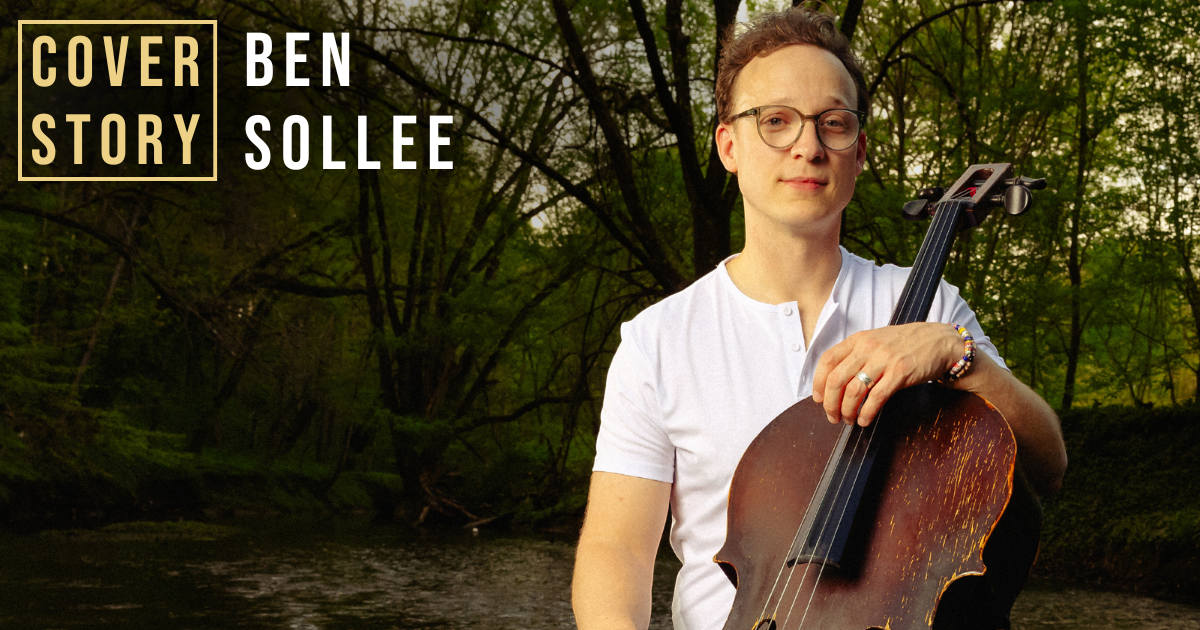
Seven years have elapsed between Ben Sollee’s last studio release, his 2017 album with Kentucky Native, and his new one, Long Haul (arriving August 16). Much has happened in Sollee’s life since ‘17. His family has grown by two children. He worked on a number of soundtracks, even winning an Emmy Award in 2018 for his score on the ABC special, Base Ballet. The Kentucky born and based singer/songwriter/cellist, who has long been an advocate for environmental and other social causes, also helped launch a nonprofit named Canopy, which helps businesses in his home state positively impact people, the planet, and the future.
When COVID hit, it hit Sollee hard. “I was one of the early folks to get COVID in fall of 2020 and it stuck with me in a way that didn’t stick with other people.” During his prolonged recovery, he had to change how he ate, what he drank, how he slept, and how he exercised. “It turned into a journey of inward exploration and changing my external life. I really changed pretty much everything… It wasn’t until I started emerging from long haul [COVID], I was like, ‘Oh, I think I’ve got something to say about this.’”
While this album grew out of Sollee’s personal health crisis, it also was greatly affected by the death of his close friend and long-time collaborator, Jordon Ellis, who died by suicide in early 2023.
Always ready to blur genres, Sollee felt more free to expand his sonic palette on Long Haul, which includes a gospel-style choir, a Little Richard-inspired rock ‘n’ roll rave-up, West African rhythms, and Caribbean grooves. He purposely wanted to have lively, rhythmic melodies to balance deeply thoughtful lyrics.
“The same way,” he explained, “That Michael Jackson would have these big statements in the middle of these dance songs.” Sollee also recorded a special Dolby ATMOS Spatial Audio version for this album – a first for him – to underscore Long Haul’s immersive sound quality.
Part of what the title Long Haul refers to is your serious battle with long COVID and it also addresses life as being a long haul. How did the two interrelate for you, personally?
Ben Sollee: [COVID] definitely put me in relationship with my body in a way that I had never been before and once you start that relationship with your body, you realize just how interconnected everything is. I mean, we’re all on this long haul together… and I realized that maybe the most radical thing that I could do was to care for myself. That really shifted how I think of my live performances and really my purpose for being out on the road, [which] is to help people connect with themselves. Because once they connect with themselves, then they can have the capacity to be in relationship with nature, other people, animals, you name it. How I be in the world has shifted. It’s subtle from an external view, but internally it’s pretty profound.
How did this all affect your approach in making this album?
I realized that I had a very exploitative relationship with my creativity over the years, where it was just like: Here’s a project, just make stuff. And that was just really eye-opening.
I took a couple of different approaches in the making of this record. The passing of my friend and musical collaborator, Jordon, in the process of writing this record was really profound, because he was such a keystone to my creative process. It kind of forced me to think about how I was approaching music-making in the record without him.
So, I tried a couple different mantras, and one of them was “follow the resonance.” If it said something to me, I didn’t need to figure out why it said something to me, even if that is Polynesian flute playing or this sort of strange Tejano Caribbean groove – just follow it. In the past, I would kind of hedge; like I would hear something, I’d be really into that sound, but I wouldn’t feel like I could, for whatever reason. Like it’s not part of my cultural heritage. I would come up with a reason to be like, I shouldn’t make music with that sound or influence.
Another mantra was “show our fingerprints.” The way that we recorded the record – it was about hearing the hands and the strings and hearing the breath. I chose instruments that would really feature those human aspects of breath and touch. We incorporated woodwinds, which you can hear prominently on the first single, “Misty Miles.” We incorporated choirs in this record for the first time, because I really wanted that breath and sound. Much of the percussion is hand percussion. It’s a very tactile record… very high touch record.
You produced Long Haul. What was the recording process like?
It was a very intuitive, collective approach, and it meant that not only did the music turn out as a surprise to me and others, but it also meant that it was a very engaged, emotional journey. Adrienne Maree Brown [author of the book, Emergent Strategy] is really the inspiration for this – instead of having a singular artist’s vision, you really bring together a group of people in a facilitated way.
It made me maybe a little bit more brave and confident that wherever things went, we could execute that… I mean, musicians left the sessions crying, because they had such a good time and they felt seen and heard. And that, to me, means as much as the music that came out.
Did your experiences composing film soundtracks serve at all as an influence?
[Film work] also inspired me to explore Atmos. I really wanted this record to be an immersive experience, kind of like a sonic film. In keeping with that, there are a few songs that actually have sound design incorporated into them. It’s the first time I’ve done it in such an intentional and immersive way where we’ve got cars driving by with “Hawk and Crows.”
There is a real stylistic diversity to the sound of this album, like “Under The Spell” is one song with a funky dance groove to it.
[Laughs] I wasn’t trying to make a dance track. It started with that cello lick that you hear at the beginning. And it’s sort of this hypnotic West African loop of a lick that really began as kind of me trying to figure out some old-time banjo, like clawhammer music, on the cello.
The words are referencing this kind of duality… dealing with identity and self and how often we are under the influence of the stories that people tell of us. Every time I have this ambition, desire, and even just like the idea of me having something, it sets me down a path of being unsatisfied, which causes a lot of harm to other people and myself in the world. So, the words can go as deep as somebody wants to, but it’s also if people just want to release and have some sort of existential-like dance experience – then let’s go, let’s dance!
It touches on an evolution that I don’t expect anybody to notice in my music and career. My early records had a lot of direct social and political statements in the song. I realized that they were a little bit superficial and surface-y. They weren’t really getting it to the core of those issues. So, I’ve kind of moved into, I guess what I would call like a “post-activist” stance. My music has moved away from direct political commentary most of the time to more of a foundational, fundamental idea of togetherness, of connectedness.
“One More Day” stands out as a key song too.
I guess the original seed of that song emerged as I was beginning to travel again after Jordon had passed away – to places where he and I had traveled so many times. I started thinking about what would I have said had he called me in that moment of decision before he took his life? But the only thing that I would have really said to him is, “Listen, I hear you, I respect your decision, but what’s the rush? Like, if you’re going to do it, you’re going to do it, but you don’t have to do it right now. Just give it one more day, give it one more sunrise. Just get one last look.”
I think that’s what I would have said to him. And the song makes that case through different vignettes of our time together on the road. And, it does it over this Caribbean, Tejano groove that must have come from some jams that he and I did together. It must have. It just feels like a very Jordon groove. What I love about that is it has this real joyous, almost like early Police kind of vibe to it. There’s some really tough content in there and I just love the idea of people dancing at a festival – and just saying, “Give it one more day.”
The closing song, “When You Gonna Learn,” features a rousing gospel-style choir and addresses following your inner voice. It launches the listener out of the album and into the world in a very uplifting way.
I wanted to end with that message, because as a father I watch my four- and six-year-old who have yet to really settle into a sense of self or identity, and they are just so connected to their world and just basic truths about caring for things and protecting things and love and justice. And I think that it’s just more proof to me that there are things we know that get taught out of us. This song just is like: When are you going to learn that you already know?
You address a lot of tough issues on the album, but do so with a sense of humanism and spirited music that offer a hopeful way out of these challenging times.
I often reflect on that “Pale Blue Dot” image that Voyager took looking back at Earth and it’s just black and there’s just one little, tiny dot. And that dot really says it all, because it’s all there, as Carl Sagan says: every love, every heartbreak, every war, every church, it’s all on that one little dot.
So, we got to make it work here. And I think that’s the biggest challenge that we have right now. How do we make this work? I get that we’re going to make some big mistakes along the way. I sure have in my life. That’s where the grace comes in, but we got to make it work here. We don’t have another spot.
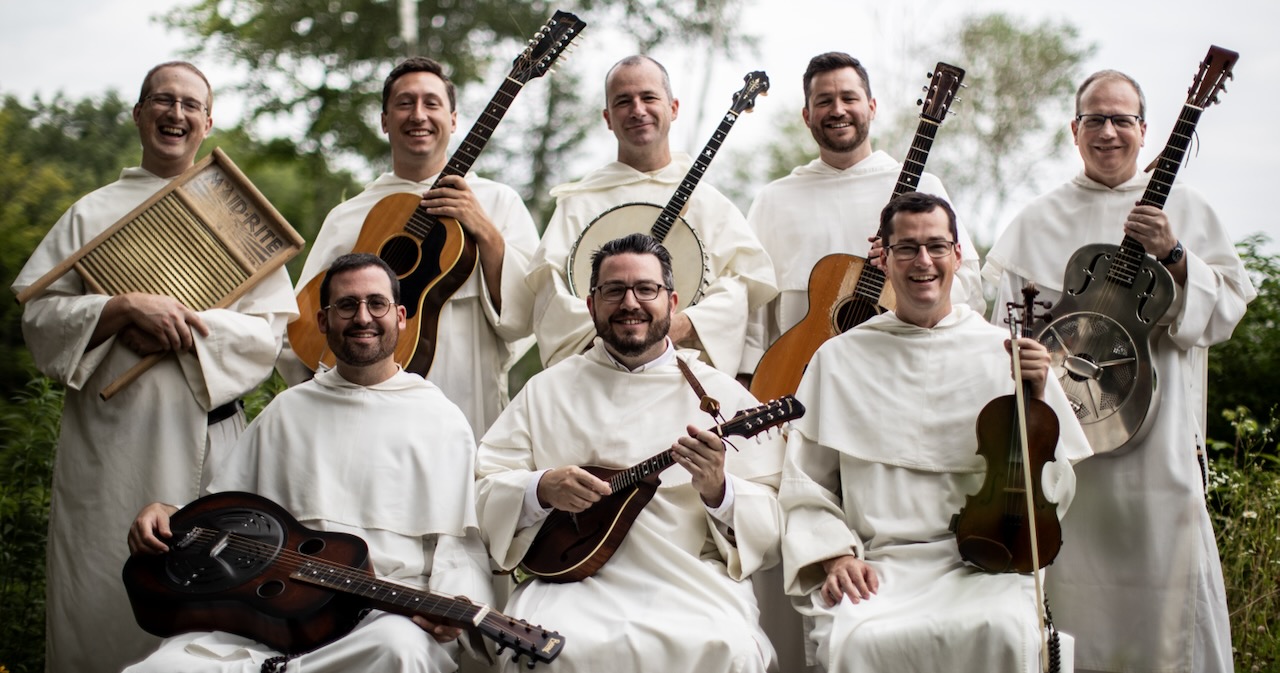
Artist:The Hillbilly Thomists Hometown: We are originally all from Washington, D.C., where we formed, though as priests we are now assigned in many different areas, mostly on the East Coast. Latest Album:Marigold
What other art forms – literature, film, dance, painting, etc. – inform your music?
Our band name is taken from a letter of the Southern Gothic artist, Flannery O’Connor, in which she says that some readers think that she is a Hillbilly nihilist, whereas in fact she is a Hillbilly Thomist. A “Thomist” is a follower of the thought of St. Thomas Aquinas, who was a Dominican priest. We are members of the same religious order and play folk and bluegrass music so the name seemed perfect. Flannery kept peacocks in her garden, as they are a medieval symbol of the resurrection, so that is the band symbol.
What rituals do you have, either in the studio or before a show?
Actually, since we are members of a Catholic religious order, we have a lot of rituals. It’s an ordinary part of our life already to pray the psalms together, say mass together, and of course we keep that up when we are doing our music. It can also be important for some of the fans, many of whom like this Catholic bluegrass vibe, but many of our fans are not Catholic, and appreciate the fact that we wear monastic habits, including on stage. The lyrics of our songs can be humorous or serious, but often have a kind of reference to religious takes on life. We did not really plan this as a strategy, but just started composing music out of interest or as a serious hobby and it has been popular with others.
Genre is dead (long live genre!), but how would you describe the genres and styles your music inhabits?
The band has a lot of styles and definitely assimilates different genres: folk, Americana, bluegrass, country, blues, gospel, and old-time material. Several different members of the band write songs, different in style, and we almost all sing, with pretty complex harmonies at times. Influences include Bill Monroe, Johnny Cash, The Byrds, Ricky Skaggs, Gillian Welch, but each of these more according to the spirit than the letter.
What is a genre, album, artist, musician, or song that you adore that would surprise people?
We agree on the value of reggae and jazz and during breaks the band sometimes plays Bob Marley for amusement.
If you didn’t work in music, what would you do instead?
We actually all have full time jobs, mostly as priests teaching or working in campus ministries. We record the albums and tour in the summer during downtimes.
Artist:The Down Hill Strugglers Hometown: Brooklyn, New York Latest Album:Old Juniper Personal Nicknames (or rejected band names): We are sometimes mistakenly called the Down Home Stragglers.
Editor’s Note: Answers have been provided by band member Eli Smith.
What’s your favorite memory from being on stage?
Lots of great memories there. Being on stage at the Jalopy Theatre, the Brooklyn Folk Festival, or Washington Square Park Folk Festival with Walker, Jackson, and our dear bandmate, now gone, John Cohen would probably be my favorites.
It was also wonderful to play at the Library of Congress, in that hallowed hall. And the Oldtone Music Festival is an important one for us.
What’s the most difficult creative transformation you’ve ever undertaken?
It’s been interesting running the Brooklyn Folk Festival all these years, and now running the Jalopy Theatre’s record label, Jalopy Records, while also maintaining a musical life with the Down Hill Strugglers and solo, under my own name. Many musicians are also producers, as I am. It can be a challenge to switch back and forth between those mindsets, but it is satisfying to see both types of work progress. Finally, it’s all about sharing good music, however you can.
Genre is dead – long live genre! – but how would you describe the genres and styles your music inhabits?
We are working in the field of traditional music from the United States, with an ear also turned to traditional music from all over the world. One song I wrote, that’s on our new album, was inspired by a 78rpm record from Central Asia re-issued on the Secret Museum of Mankind series. It had a sound that stuck in my head and made sense to me. We changed it around until it became our own song in our own style. That seems natural.
The Down Hill Strugglers is an old-time string band. However, old-time music is a catch all for historic American folk music. It encompasses fiddle music, banjo tunes, guitar picking, songs & ballads, blues, religious music, work songs, and more; diverse music ministering to different parts of life.
What is a genre, album, artist, musician, or song that you adore that would surprise people?
Longmont Potion Castle has remained popular with the Down Hill Strugglers, driving around on tour, for years. That’s some funny stuff…
If you didn’t work in music, what would you do instead?
I might drive a cab, or something like that. I’d have great music playing in the cab and deck the vehicle out my own way. It’d be nice. Also, I’d do more organizing work as a leftwing activist. And I used to be a clerk in record stores. The best job I had was at the Arhoolie store, Down Home Music, in El Cerrito, California.
Artist:Moira Smiley Hometown: New Haven, Vermont Song: “Now Is The Cool Of The Day” Album:The Rhizome Project Release Date: September 6, 2024
In Their Words: “August 6th is Farmworker Appreciation Day, and I didn’t know that until this year. I am writing this as I sit on a hill above the rolling Vermont farmland where I grew up being a young farmworker and musician. In honor of this day, I’m releasing one of my favorite songs of all time – and the best one I know for reminding us to slow down and remember our roles as carers and tenders of this beautiful planet and the people around us. This week, I’m showering appreciation on the people that grow and tend food in my area; buying from small farmers, donating to the Open Door clinic that serves the medical needs of immigrant agricultural laborers. This gentle video hopes to slow your pace, and bring you along with me in acknowledging that farmworkers make our nourishment possible. Let us thank them.
“Ever since I learned Jean Ritchie’s song, ‘Now Is The Cool Of The Day,’ as an 11 year-old, it has played in my head while traveling through fields and pastures, working in my own garden, or worrying about the climate crisis. The words throughout her beautifully crafted song form and melody call on us to steward the earth (and take care of each other). Although she had that call coming from ‘my lord,’ I always felt that call coming straight from the earth itself. I love that these words urgently and gently remind us that we are tenders, not just extractors, consumers, and producers.
“American icons Cesar Chavez and Dolores Huerta founded the National Farm Workers Association in the early 1960s and it became the powerful United Farm Workers union, UFW. Huerta coined the phrase, ‘Si, se puede’ (‘Yes, we can’) and has been a lifelong advocate for labor rights, women’s rights, and civil rights with her efforts resulting in legislative victories for farm workers. Chavez’s leadership brought national attention to the plight of farm workers and helped secure better wages and working conditions through strikes, boycotts and other measures.
“The official Farmworker Appreciation Day got moved to August 6th by Bill Clinton’s administration, and I’m glad that we get to percolate and act on our appreciation while in this most fruitful of seasons, August. I hope you’ll join me by giving extra love to the farmers and farmworkers whose work nourishes you!” – Moira Smiley
Photo Credit: Fiona Small Video Credit: Fiona Small
Bonny Light Horseman is an indie/folk supergroup that formed in 2018 at the Eaux Claires Music & Arts festival in Wisconsin. Composed of Anaïs Mitchell (Hadestown), Josh Kaufman (Bob Weir, Josh Ritter, The National), and Eric D. Johnson (Fruit Bats), together the band has released two full-length albums. On June 7, their new double album Keep Me On Your Mind/See You Free expanded their studio album catalog by 100%.
Their first self-titled release, from 2020, features the band’s takes on traditional folk songs; the second, 2022’s Rolling Golden Holy, is a fully original body of work. Their music is tranquil, gorgeous, and breath-taking and their powerful blend of voices is just as striking. The trio bring a new light to the beauty of folk music, and truly makes each song their own.
To celebrate the new project, Keep Me On Your Mind/See You Free, we’ve handpicked a few favorite tracks from their past releases – together and separately – to highlight their musicianship, collaboration, and exactly why nearly everyone calls them a supergroup.
The title track off their first album and namesake of their band, it’s a heart-breaking ballad about a love lost to war that was found in the Roud Folk Index (#1185). The group’s arrangement features a low-tuned guitar and subtle textures of harmonica and saxophone which carry Anaïs’ and Eric’s transporting vocals.
“Deep in Love” – Bonny Light Horseman, Bonny Light Horseman
The second song off the band’s debut album is simply illuminating – it feels like a gust of wind on a warm day. Listening to Eric sing, you can hear vocal influences from Joni Mitchell in his jumps and leaps. It has a very freeing feel to it and breathes beautifully.
“The Roving” – Bonny Light Horseman, Bonny Light Horseman
The third track on Bonny Light Horseman also demands inclusion. It’s a song about the singer’s heartache over “Annie,” a woman who once said she would marry them, but over time fell out of love with the singer. The melody is subtle and sweeps the listener into a setting of tranquility. In the arrangement, the band switches between a single, double, and quadruple chorus which is a very sweet and simple way to convey the story to the listener.
“Jane Jane” was first recorded in 1939 by Lila May Stevens. This arrangement combines Stevens’ lyric with the African American spiritual and gospel classic, “Children, Go Where I Send Thee.” Bonny Light’s rendition is simply breathtaking; Johnson and Mitchell switch voices between the major and minor sections of the song, creating a raw and haunting sound.
The penultimate song off Bonny Light Horseman is a traditional Appalachian spiritual originally documented by Alan Lomax. This song holds the essence of a church choir belting for their audience and it’s one of the more simple songs on the album, in terms of arrangement. Having only three voices and a piano allows listeners to hear their trading voices on each verse and then the bright light of togetherness on the choruses.
“Gone by Fall” – Bonny Light Horseman, Rolling Golden Holy (2022)
“Gone by Fall” sits directly in the middle of Bonny Light Horseman’s second album, Rolling Golden Holy. Depicting a summer romance, it’s reminiscent of a 1960s folk song you might have heard on the radio during the folk revival. Yet, in listening to it, a veil is seemingly lifted and you can hear it’s an entirely fresh take on such a classic sound. Their voices, which blend so beautifully together, and the crystal clear guitar lines throughout add in the sweetness of a summertime love.
“Someone to Weep for Me” – Bonny Light Horseman, Rolling Golden Holy
Next up is “Someone to Weep for Me,” a song depicting a person going through life craving someone to care for them, but never finding that person. The driving force of the track is the mandolin’s beautiful rolling pattern, a genius touch that’s present throughout the song and adds a sense of stability and a unique texture. Another stroke of genius comes at about 1:40 in, when the electric guitar comes in wailing, bringing the song into a “jam” with Anaïs singing a little line over it. This is such an unexpected vibe change and at the same time it fits so incredibly well.
Off the band’s two-track EP release Green/Green comes “Greenland Fishery,” a reimagined traditional sailor song. Bonny Light’s version certainly allows you to float away. The clawhammer banjo throughout is lovely and it’s such a treat as a showcase instrument – it isn’t emphasized often throughout the band’s catalog. It’s also very sweet to hear the second part of the chorus as it echoes the chorus of “Bonny Light Horseman” in such a gorgeous, reminiscent way.
“Willie’s Lady (Child 6)” – Anaïs Mitchell & Jefferson Hamer, Child Ballads (2013)
Delving into some of the band members’ other projects, we come to Child Ballads, an album of duets from Mitchell and collaborator Jefferson Hamer. The project reimagines seven songs from a 19th century folk song collection “The Child Ballads” collected by Francis James Child. “Willie’s Lady (Child 6)” tells the story of King Willie, who marries a woman his mother despises and, in turn, his mother curses the wife. The guitars on the track have such a strong, driving force, excitedly pushing the song while one holds down the rhythm and the other crosspicks during the instrumental sections. Anaïs and Jefferson use their guitars in a way that perfectly compliments the vocal work in the song; it’s sung entirely in duet, the two voices deepening the texture of the music.
“Cazadera” – Fruit Bats, Gold Past Life (2019)
Fruit Bats is Eric D. Johnson’s indie-rock band that he’s fronted since 1997. Off their seventh album, Gold Past Life, “Cazadera” is one of the grooviest songs around. About a person searching for meaning in life and finding it in love, it’s the kind of track that would help paint your surroundings on a joyful walk. It has a great sense of hope and beauty to it and the chill verses coupled with sharp choruses bring energy and excitement.
“Loser’s L-A-M-E-N-T” – Rocketship Park, Off and Away (2008)
Going all the way back to 2008 for a selection from Josh Kaufman’s band, Rocketship Park, a pop-folky project with the intention to play Josh’s original material. The song “Loser’s L-A-M-E-N-T” is off the group’s first album, Off and Away, and immediately displays a very mellow vibe. Jazzy little piano licks come together with electric guitar and pedal steel, creating a western-folk sound. You can truly hear how each instrument is talking to the others and how they all fit together in telling the story.
“When I Was Younger” – Bonny Light Horseman, Keep Me On Your Mind/See You Free (2024)
From the group’s just-released double album comes “When I Was Younger,” which has a sound unlike most of their other music. Combining styles from artists like the Grateful Dead and Billy Joel, the intro riff sounds like it pulls some from the former, yet, once the verse starts, it sounds immediately like the latter – a kind of “Vienna” feeling.
It goes right back into the psychedelic riff before switching voices from Anaïs to Eric, again back to the Billy Joel vibe. The guitar and vocal solo following this verse are so rock and roll, gritty and not at all sparkly like the verses prior. “When I Was Younger” does an incredible job blending musical styles. It’s an absolutely astonishing piece of music, using such few words yet conveying such a strong and vivid story.
Behold, fiddle nerds! There is a new foundational collection of tunes to sink your teeth into, from two of the foremost fiddle players in Swedish and American traditions. Brittany Haas (Nashville) and Lena Jonsson (Stockholm), are award winning instrumentalists and have been long time collaborators and friends. The duo recently released their second recording together, and their first in nearly 10 years. The Snake explores old-time and Swedish fiddle traditions with finesse and subtlety, but is even more ambitious in scope than their first, self-titled record.
As part of the new collection, Jonsson and Haas composed a three-part suite for two fiddles, made up of entirely original material, but inspired by the format and musical stylings of J.S. Bach. Over a video call between Nashville, New York, and Sweden, we discussed how to stay inspired on the fiddle, what guides their accompaniment choices, and what records folks should start with if they want to learn more about Swedish fiddle and folk music.
We’ve put together a playlist of their recommendations at the bottom of this piece.
Okay, this is a weird place to start, but I noticed a distinct lack of chopping on this album. Was that intentional? I mean as someone who played in a two fiddle format a lot, you only have so many options for how to arrange. Were you like, “WE WILL NOT CHOP” on this record?
Brittany Haas: [Laughs] Honestly, I didn’t even think about it! But you’re right, I think maybe there’s just a little bit of chop on “10 Days of Isolation?” And maybe, Lena, did you chop on “Fiddle Claw?”
Lena Jonsson: I mean, maybe I kind of chopped! I can’t really chop. I think part of it is that for Swedish tunes, chopping doesn’t feel as natural. It isn’t really in the tradition, so it wouldn’t be a “go to” choice. It would more be an option if you wanted to do something really different sounding.
BH: Yeah, in Swedish fiddle music, the most common way that fiddles play together is in harmony, but the harmonies are way more diverse than in American traditions. The Swedish harmonies are all over the place, you call it second voice I think.
Totally. And considering that the options are so open ended for harmony, how do you decide where to go with it?
BH: I think I’ve just heard it done a lot, and often the second voices will be lower, being more fluid with direction and rhythm. So when I’m playing with Lena, she will play under me, and then I don’t want to do the exactly same thing, so I might try and play something above her to explore and change it up.
LJ: The harmony above is really unusual in Swedish music, but now that I’ve heard Brit do it so much, I’ve started to do it and it sounds really cool, I love it!
BH: Because we’re just the two of us and because we are coming out of a heavily Swedish tradition on this record, the harmony is not so chordally rooted, it’s much more based on the melody and the implied chords can change completely from repeat to repeat.
That’s super interesting! So in Swedish music, what would the main chordal instruments be?
LJ: The chordal instrument would be guitar, accordion, cittern, or mandolin, an example is the band Dreamers’ Circus. But also, it’s a relatively new idea to play backup chords for fiddle tunes, so folks are always experimenting with how to do back up, but finding interesting ways to play it is always cool. For some tunes, it’s just really hard to define what are the chords are, especially with the the older tunes, the melody can be really open. So when you’re in a jam it can be very confusing, chordal instruments could be playing all completely different chords over the same tune. [Laughs]
Would it be fair to say that the Swedish tradition is very centered around the fiddle, and everything else is auxiliary?
LJ: Yes, I would say so.
You both have done a lot of playing in the old-time and Swedish traditions. In melding these two styles, I’m curious how you find a groove together? To me, these styles can traditionally land quite differently rhythmically, but it seems to be seamless between the two of you?
BH: My sense of that is that it happens pretty naturally and I think that the reason why we’re here, playing together, is because we naturally line up together on a groove.
LJ: I agree, I think that’s interesting too, to not be so decision oriented, to not say, “This tune should be traditionally this way,” or “That tune should be traditionally that way.” It’s more interesting to find the meeting of the two genres as it happens naturally.
BH: Over the years of knowing each other and playing together, we’ve probably come together groove-wise by teaching each other tunes, etc.
Of course, that makes sense. You’re learning each other’s groove within the tunes you’re learning from one another.
I wanted to ask you, there’s a really interesting series on the record called “Låt efter Back,” which is a three part composition, divided into Vals, Visa, and Polska, Can you tell me about it?
LJ: Yes! Well, I went to Nashville in March a few years ago to just visit and play tunes in Britt’s house, we didn’t have a plan to make an album. We started jamming and playing and writing typical tunes that we would write. But then, we decided to have a challenge, to write something in the style of Bach – and we wanted to write it in two fiddle parts at the same time, kind of inspired by the Bach double, so that the two parts are equal voice. It was fun but so hard, I mean much harder than the writing of a typical fiddle tune.
So, in writing this, were you through-composing it? Or were you creating a basic structure and then improvising around it.
BH: Somewhere in between, I think. I mean, sometimes we were improvising the harmony, but then that became how it went.
LJ: Yeah, because there’s long notes in the melody. You wouldn’t have those long notes in a regular fiddle tune, and it left room for another melody to come from the other part. I remember having the sheet music out, we were writing it out in front of us, and then moving things around, taking sections from here and there.
In using Bach as an inspiration, did you take any actual melodies from his work or were you just using stylistic inspiration?
BH: More the style, but we did examine it closely. Like checking out, “Where would he typically repeat a section? When do you move on from one idea?” So we were referencing it a lot.
LJ: Also, we looked at how the movements relate to each other – one fast, one slow, one medium – but we wrote it as a mix of that influence and our own, so that it would still have a part of fiddle music in it. I remember when we were on tour, there was a lady in Norwich who was a Baroque musician, and she thought it was inspiring to hear a Bach-influenced piece being played like dance music.
Yes, it’s like bringing “historical performance” full circle into the living tradition of fiddle music, which is in a way also historical performance.
Speaking of historical, it’s been some years since you two last recorded an album together. What inspired you to make this recording now?
BH: Well, we had both been doing different work for a while. I’m mainly in collaborative settings and not necessarily writing a bunch of music on my own, so it’s helpful to have someone who is really good at being creative to show up and bring me into that space. It’s really fun and I think easier than a lot of co-writing settings I’ve been in. This one is very fun and explorative.
LJ: This record was also easier, because there wasn’t a clear plan, like “We are gonna make an album.” It was kind of like, “Let’s see what happens.” I think that also opens up the creative space, because you don’t have pressure. You just want to find music that’s good and fun to play, and sounds nice. I think a lot of the time in the writing process, if it feels good to play, if it feels good on the instrument, then that’s a good indication that it’s a successful composition.
You two have both been playing fiddle music for a long time now. And as someone who struggles in my own relationship to the instrument, I’m curious how you stay inspired by the fiddle?
LJ: I’m super inspired by Brittany’s playing and in playing with her I learn so much and become a better fiddle player, so that’s a great way to stay inspired – and also a reason to do this project.
BH: I feel the same about Lena, I do think that seeing what someone else is doing is kind of the best resource for inspiration. Like, “Oh, there’s someone else doing it different than me, but it’s really cool, how does that work?”
LJ: Also, Instagram can actually be a source of inspiration, just checking out what everyone is playing and also listening to other styles of music, like classical music. Sometimes I work on a classical piece that’s really hard just to challenge myself. I don’t perform classical music, so it’s kind of disconnected from work and I don’t have to feel that I’m gonna perform it. It’s just there for me to grow and take inspiration from.
Here in the states, I think I understand where the fiddle as an instrument and fiddle music falls in the popular psyche. Of course there’s the nerds like me who go to fiddle camp, and the festivals like Clifftop that have their own entire subculture, but the general public also knows what fiddle music is as something that happens at barn dances or square dances and in their favorite country songs. They know of Charlie Daniels, and Oh Brother, Where Art Thou? And the fiddle licks in “Wagon Wheel” or Dave Matthews Band. I’m curious what relationship fiddle music has to pop culture in Sweden?
LJ: That’s a really interesting question. It’s definitely a sub-culture, but people know primarily of the fiddle players and dancers at Midsommar celebration, so everyone knows about that. But a lot of people don’t know that there are fiddle festivals and Swedish folk music, unless you’re from an area where there are fiddlers and more of a strong tradition. But there are some artists that break through a little bit, like Sara Parkman, who is a pop artist but will play a fiddle tune in the middle of her set.
But, at school for example, being a fiddle player is not “cool?”
LJ: [Laughs] definitely not. I mean some people come to school a little early just so they can hide their fiddle case away so nobody will see!
Well that feels pretty universal! Thank you both so much for your time and this wonderful album!
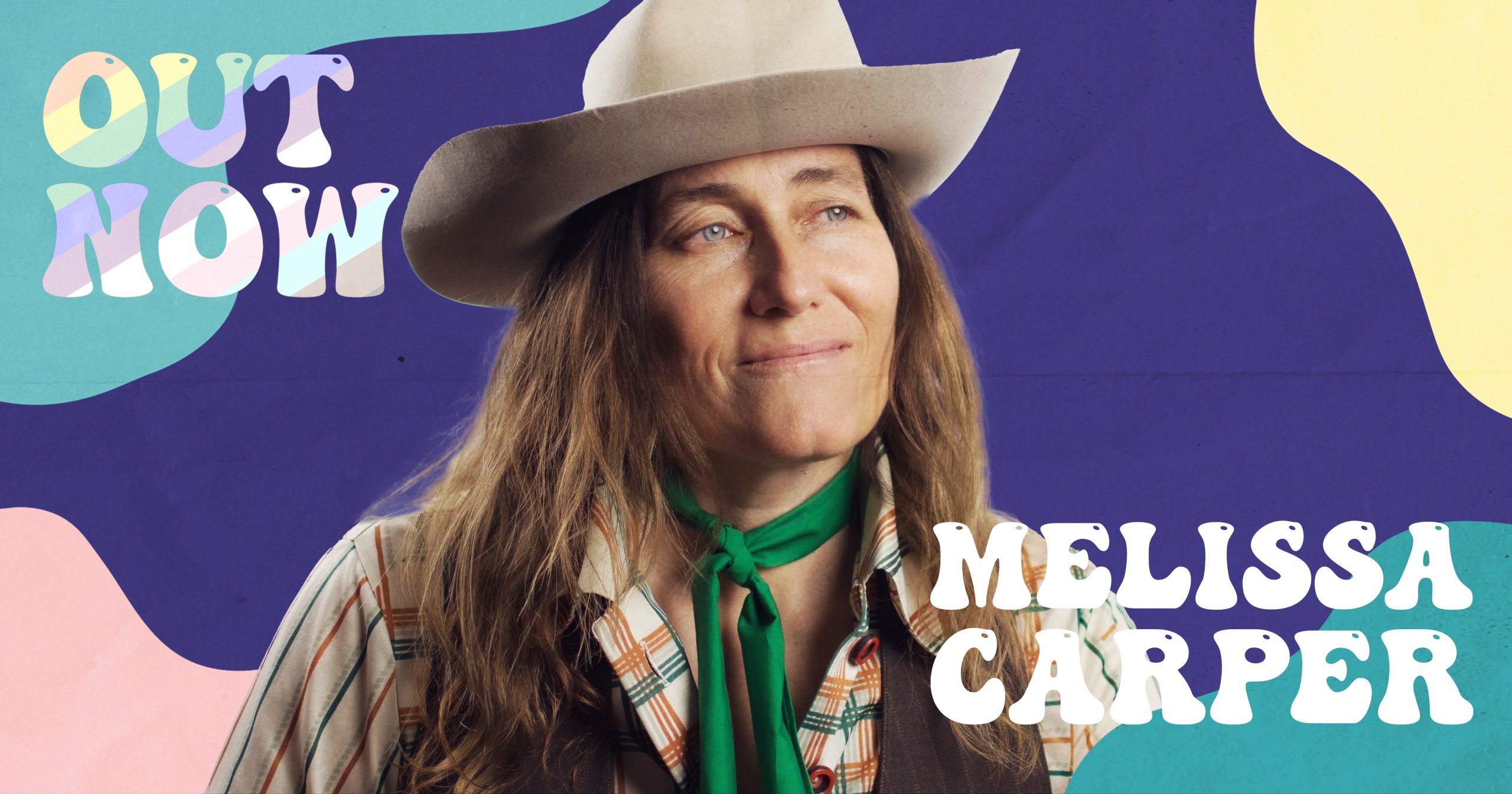
Melissa Carper’s new album, Borned In Ya, was released today. The album travels through stories and experiences that explore journeys of self-actualization. The songs gather many proficient and accomplished musicians – Dennis Crouch, Chris Scruggs, Jeff Taylor, Billy Contreras, Rory Hoffman, Sierra Ferrell, and more – to create a collection of sounds that are carefully shaped into a captivating work of art.
Carper stitches innovation with tradition, creating something that is new and exciting while also feeling familiar and warm. Her storytelling and authentic style shine, making her music both personal and relatable. In this interview, we dive into her new album, why she creates music, and her release and touring plans for the next year. We’re so excited to highlight this incredible artist and her new album, Borned In Ya.
What excites you most about this new album?
Melissa Carper: This is my favorite album I have made so far; the material is fresh and demonstrates an evolution in my writing and singing. I feel more confident and relaxed and many of these songs allow me to “croon.” I am excited for people to hear it and to see how they respond and how they like it. I can’t wait to take these new songs out on the road and play them for people.
How do you cultivate a balance between traditional and innovative sounds?
The traditional is easy for me, because I’ve mostly listened to older music, so those are my influences. I don’t “try” to be innovative, but I feel like having a really good grasp on roots music these days is almost innovative, in a sense. A lot of people have lost touch with that music. My goal is to bring the roots back, but perhaps with some new lyrical ideas, a unique and personal expression of pain and growth (that I hope is relatable), and combining styles that I love together. Together with the producers and musicians that I have been working with on my albums, I think we’ve taken innovative approaches to the songs as well as maintained traditional feels and sounds.
What was your experience collaborating with such an incredible team of highly skilled and accomplished musicians?
I feel so lucky to get to work with everyone you mentioned. They bring my songs to life in a way I could have never imagined. Chris [Scruggs] plays straight or console steel, rather than pedal. The straight steel is the older instrument and is perfect for most of the songs I write. Chris also played guitar, rhythm and lead, on my albums. Rory Hoffman played guitar on about half of the songs on Borned In Ya. They both did such an incredible job. I’m really in awe of all of these musicians.
Dennis Crouch is the best I’ve heard on upright bass and as an upright player, I listen to his bass parts and try to learn them. In the process of doing that I realize what a genius he is. Jeff Taylor, on piano, often sets the tone of a song and always has brilliant ideas. Billy Contreras blows my mind (and everyone else’s) with the fiddle parts and layers he comes up with. On “Lucky Five,” he really outdid himself on the fiddle solo section. Also, I had Doug Corcoran on horns for this album. He played trumpet and saxophone on five songs. Having horns on my songs is new for me, and I think that sets this album apart from the previous ones.
Rebecca Patek wrote an absolutely gorgeous string arrangement for my song, “There’ll Be Another One.” It is my favorite part of the album, when the strings come in on this song. Jenn Miori Hodges, an old bandmate of mine from The Carper Family, sings stellar harmony on several songs. It felt great to have her on this album, we have such a long history of playing together and she plays with me now quite a bit, whenever she is available. And Sierra Ferrell sings an amazing harmony on my cover of a jazz tune from the ’30s called “That’s My Desire.” Sierra actually recorded that harmony back when we were recording the Ramblin’ Soul album. I had too many songs to fit on that album, so I saved it for Borned In Ya. It is really a dream to work with all these folks and I hope I get to continue to do so. I feel like I lucked into a good thing, a formula that really works for me.
The title track, “Borned in Ya,” focuses on being shaped by life experiences. What are your thoughts on how nature (genes) versus nurture (environment) shape musical ability?
I believe, in most cases, it’s probably a lot of hard work and obsession with something you love that makes someone good at something. I definitely have musical genes in my family, but I had the advantage of my parents having me sing and play from an early age. I had a great bass teacher in junior high and high school and got to study music in college with great teachers, then I kept on learning from each band I was in. I was obsessed with old-time music – country, blues, jazz. I listened in an obsessive way until it became a part of me. I feel my learning process has been a steady, slow one, but the great thing is, I continue to grow.
This album is a compilation of stories and experiences written in song. What was it like to craft one collective album that travels through desire, love, heartbreak, life on the road, and growth?
I had a lot of fun writing the songs on this album. Three of them are co-writes with Brennen Leigh, and we always have a good time writing together. I think I’m having more fun than ever with writing and I hope people can feel that in the songs. I love having a combination of heartbreak and also some fresh romance in this album. Not everything is autobiographical of course, and I’m getting better with that – writing from imagination, pulling from some old experiences and emotions to make it real, or imagining someone else’s situation.
I would call a couple of these songs “spirituals” that go a little deeper with life philosophy. It feels good to write about something besides romantic love and to speak of spiritual growth. Hopefully people who listen find the album inspiring. I feel like Borned In Ya is an expression of some of my past and some of the present, but with a wiser and more experienced soul – more has been “borned in me.”
What’s your ideal vision for your future?
I’d love to have a great balance between performing/touring and getting to spend time at home and in nature. To me, that would be the ultimate, to feel like I’m successful enough financially so that touring doesn’t turn into a grind. I don’t mind touring, but when I’m away from home too much it makes me feel disconnected from life in general, being exhausted, not getting enough alone time to be still and to be in nature. I am in a phase currently where I need to take the opportunities offered to me, even if at times it feels like I have too much on my plate. I’d also love more time to focus on creating a nonprofit to help those who are experiencing homelessness and struggling with mental illness. I dream of creating a center with a working organic farm, providing homes and a healing atmosphere.
Why do you create music?
I get melodic and lyrical ideas in my head and they just start developing, it’s one of the most fun and rewarding things that I do in my life. Once I know I’m onto something good, I’m quite obsessive about finishing it – usually within the day if the flow is there. If it is a song that I am forcing a little, or maybe the song has something good and promising in it but isn’t ready to be fully realized yet, I’m pretty good at coming back to it, sometimes even a few years later, and finishing it when the time is right. The process is the most fun, but I also love getting to present the song to an audience. It’s rewarding in a completely different way. Being able to record the song with great musicians and producers to see what it can sound like in its ultimate form, is an especially rewarding part of the process.
What is your greatest fear?
Even the idea of holding onto fear is fearful; my goal is to keep growing and confronting any fears I have that keep me from being the best possible version of myself. I guess that would be my biggest fear, that I allow myself to be too distracted to actually work on myself and confront any fears that I have.
Why do you think LGBTQ+ representation and community are important – in roots music and beyond?
When I came out, there were very few ‘out’ people in our culture. Seeing k.d. lang and Ellen DeGeneres coming out for me was just an affirmation that there were lesbians that existed in the world besides myself. It was really helpful for me to move to a community where it was normal and acceptable, which was the small and diverse town of Eureka Springs, Arkansas. If you are feeling uncomfortable with yourself, being in a community of folks that are accepting of who you are is a great thing. What I loved about Eureka Springs is that there were a couple of gay bars, but the gay people just hung out in all the bars and it didn’t feel like an isolated thing. It just felt normal and accepted to be part of the LGBTQ+ community there for the most part – except for maybe at the Walmart. [Laughs]
What are your release and touring plans for the next year?
Borned In Ya is out July 19th, 2024! I am doing a whole lot of touring around it – Montana, Colorado, Wyoming, Oregon, Washington, then venturing into Missouri, Arkansas, Illinois, Minnesota, Michigan, Wisconsin, Kentucky, and lots of Texas before making my way to Nashville for AmericanaFest. And, I just got back from performing in Europe! It’s a busy year, birthing Borned In Ya!
Photo Credit: Aisha Golliher
This website uses cookies to improve your experience. We'll assume you're ok with this, but you can opt-out if you wish.AcceptRejectRead More
Privacy & Cookies Policy
Privacy Overview
This website uses cookies to improve your experience while you navigate through the website. Out of these, the cookies that are categorized as necessary are stored on your browser as they are essential for the working of basic functionalities of the website. We also use third-party cookies that help us analyze and understand how you use this website. These cookies will be stored in your browser only with your consent. You also have the option to opt-out of these cookies. But opting out of some of these cookies may affect your browsing experience.
Necessary cookies are absolutely essential for the website to function properly. This category only includes cookies that ensures basic functionalities and security features of the website. These cookies do not store any personal information.
Any cookies that may not be particularly necessary for the website to function and is used specifically to collect user personal data via analytics, ads, other embedded contents are termed as non-necessary cookies. It is mandatory to procure user consent prior to running these cookies on your website.