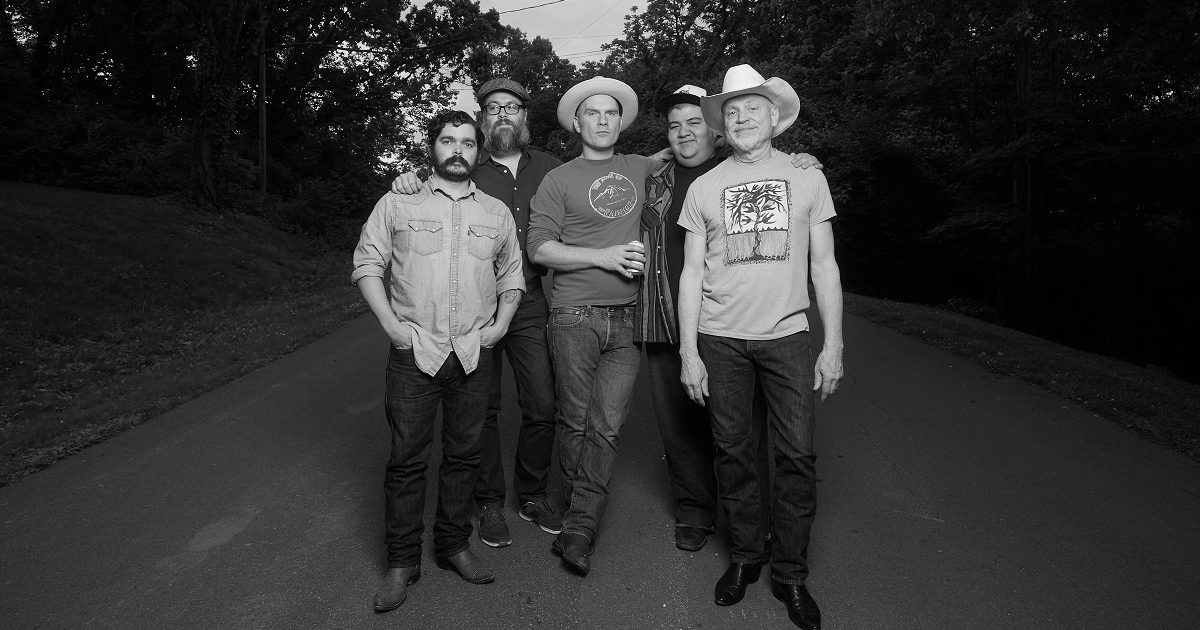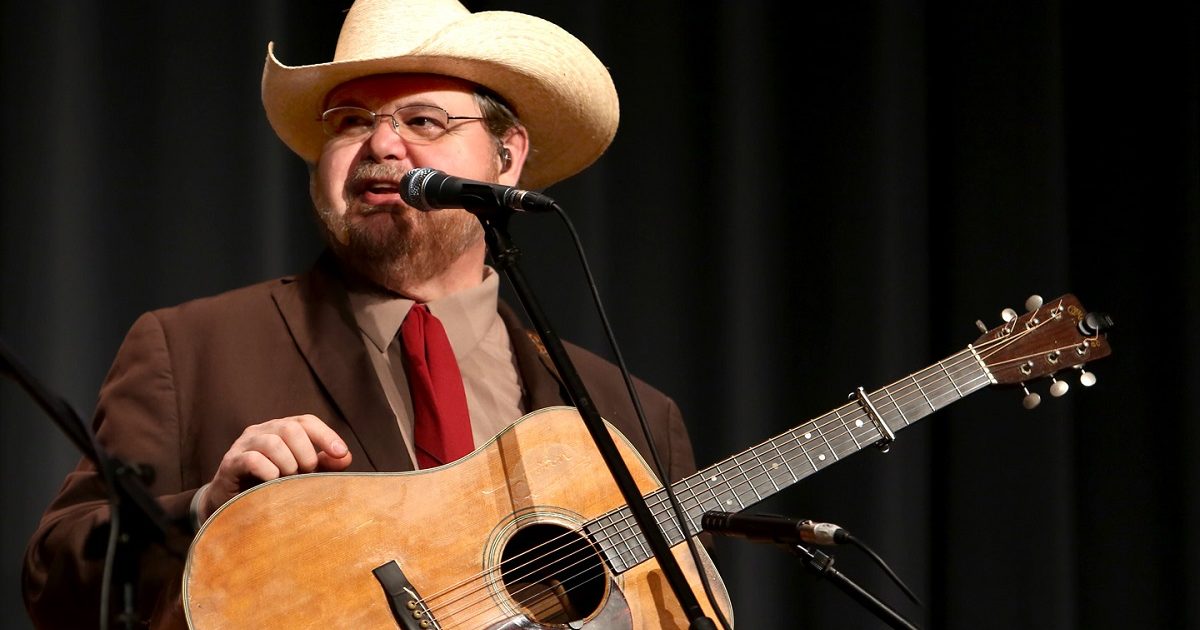
MIXTAPE: Jeff Picker’s Low End Rumblings on the Bass in Bluegrass

Maybe I’m biased*, but I’ve always felt that the bass is the most important instrument in the bluegrass band. It might not immediately draw your ear, but a bassist’s interpretation of the groove and harmony of a song holds substantial power over how the song is ultimately felt by the listener. Without a great bassist, a band full of shredders can sound anemic and sad; a heartfelt lyric can seem tedious and derivative. But add some tasty low end, and the same band will soar; the lyric will swell with passion! (Attention sound engineers: simply cranking the subs won’t cut it.) As such, the bassist’s importance in a bluegrass band is considerable.

Even so, great bassists are rarely given their due, unless they also happen to be virtuosic melodic players. Well, that ends today! Here are some examples of masterful low end artistry from some of my favorite denizens of the doghouse. Please excuse the shameless inclusion of one of my own tracks, because, well… I have an album to promote. Enjoy! — Jeff Picker

*I’m definitely biased.

Tony Rice – “Shadows” (Mark Schatz, bass)

Mark is one of my favorite bluegrass bassists. His tone is huge and clear, and his bass lines are subtly creative. On this track, listen to the fluid transitions back and forth between standard bluegrass time and a more open feel. Also note his slick fills and voice leading throughout.

Nashville Bluegrass Band – “Happy on the Mississippi Shores” (Gene Libbea, bass)

If aliens came to earth, demanded to know what bluegrass bass sounded like, and stipulated that I had only one song with which to demonstrate it, I’d play this. Gene Libbea’s feel is perfect; his note choices are just varied enough to add a bit of intrigue to the basic harmony of the song, while never sacrificing the pendulum effect that drives the bluegrass bus. The occasional unison fill with the banjo adds to the fun.

Ralph Stanley and the Clinch Mountain Boys – “Loving You Too Well” (Jack Cooke, bass)

I love this approach to the bluegrass waltz. Jack Cooke’s playing here is busier than what you might hear from many bluegrass bassists these days, and there’s a certain playful and casual quality to it, which I find refreshing. He bounces around between octaves, and between full walking lines and half-notes. Old-school, “open air” bass playing.

Matt Flinner – “Nowthen” (Todd Phillips, bass)

This song may sound slow and simple, but make no mistake: to groove like this, at this tempo, in this exposed instrumentation, is HARD. Todd Phillips demonstrates his mastery here: clear tone, impressive intonation, and intentional, direct timing. I also love how softly Todd plays — at times, he seems to barely touch the bass. To me, that conveys maturity and experience.

Patty Loveless – “Daniel Prayed” (Clarence “Tater” Tate, bass)

I had fun studying the bass playing on this track when I got to perform it with Patty and Ricky Skaggs a few years back. Clarence “Tater” Tate played both bass and fiddle for Bill Monroe’s Blue Grass Boys over the years, and had about as much pedigree in bluegrass as can be achieved. I dig the playing here, because it feels like an old-school, 1950s approach (bouncy, busy, slightly loose bass playing), but with contemporary recording quality. If you focus on the bass, you can tell how much fun he’s having with the slightly crooked form and joyous lyric — it sounds like a musical smile.

Anaïs Mitchell and Jefferson Hamer – “Clyde Waters (Child 216)” (Viktor Krauss, bass)

The first time I heard this song, I didn’t even realize there was bass on it. But I found myself coming back to it, drawn by the story-like quality of the musical arrangement, and I realized that the bass plays a major part in that dynamism. Viktor Krauss displays impeccable taste in his musical choices here. He knows when to play, when not to, when to articulate an additional note, when to sustain. For a player as technically proficient as Viktor, such restraint is impressive. His playing serves the song, first and foremost.

Del McCoury Band – “Learnin’ the Blues” (Mike Bub, bass)

As everybody in Nashville knows, when Mike Bub and his Kay bass show up at a gig, a fat groove is imminent. This track showcases Bub’s rock solid hybrid feel — he bounces between 4/4 walking and half-time, triplet and ghost note fills, and even has a little two-bar break in the middle. This is the type of bass playing that makes it virtually impossible to sound bad (not that Del and the boys needed any help in that department). Bub is also a great guy with a sense of humor and tons of knowledge and stories about Nashville’s music history.

John Hartford – “Howard Hughes’ Blues” (Dave Holland, bass)

Bluegrass as a musical style is pretty specific — there’s room for a wide variety of personal voices, of course, but there are definitely some foundational qualities and vernacular that indicate whether a player is truly versed in the style. On this track, jazz legend Dave Holland sounds like exactly what he is: a jazz musician playing bluegrass. Normally a recipe for disaster, here somehow it works. His tone, feel, note choice, and general approach sound foreign in the style, but they actually mesh with Hartford’s loose and jovial manner quite well. A slightly bizarre but enjoyable approach to bluegrass bass.

Ricky Skaggs – “Walls of Time” (Mark Fain, bass)

I’ve spent a lot of time studying Mark Fain’s playing for my job with Ricky Skaggs, and I’m always finding subtle little musical gems in his bass parts. It’s Mark’s tone, taste, and timing that anchor most of the canonical Kentucky Thunder recordings that we all love. This track showcases his mastery of the bluegrass groove at a slow tempo — listen to the way he spruces up what could be a one-and-five-fest with ghost notes, fills, and syncopation.

Jeff Picker – “Rooster in the Tire Well” (Jeff Picker, bass)

When I was making my new record, With the Bass in Mind, one of my musical goals was to find some space for the bass to shine and for me to use some of the technique I don’t use very often as a sideman. As such, the record has many bass solos. This song has no bass solo, however, since this Mixtape isn’t about bass solos! There are some cool bass lines in it, though (if I do say so myself). I tried to choose my notes carefully, to help anchor the band through the song’s many metric changes.

Robert Plant and Alison Krauss – “Let Your Loss Be Your Lesson” (Dennis Crouch, bass)

This track is not exactly bluegrass, but what an incredibly grooving bass part. Here is a rare example of a time when slap bass was musically appropriate! Dennis is a friend of mine and a great guy and bassist. He plays with gut strings, punchy tone, and undeniably solid time. He’s also the master of throwing in a couple creative measures of voice leading at exactly the right moment in the song. I try to catch Dennis out playing in Nashville whenever I can.

Stan Getz and the Oscar Peterson Trio – “I Want To Be Happy” (Ray Brown, bass)

This is obviously not bluegrass, but no bass-centric mixtape would be complete without tipping the hat to King Ray. His half-time feel throughout the melody is flawless, and just listen to that crushing avalanche of groove beginning around 00:37. Ray is a bluegrasser’s jazz bassist because he plays on top of the beat, and his playing has a relentless forward motion, like the banjo playing of Earl Scruggs. I’ve loved this recording since I was 15 — you won’t find better bass playing anywhere.


Photo credit: Kaitlyn Raitz

The Show On The Road – Aubrie Sellers

This week on the show, we catch up with a rising star in boundary-bending country and take-no-prisoners rock ‘n’ roll, Aubrie Sellers.


LISTEN: APPLE PODCASTSSTITCHERSPOTIFYMP3

What have you been doing since the pandemic hit in late February? Somehow Aubrie Sellers has managed to release a striking new LP of twisty, guitar-drenched originals on Far From Home (collaborating with her roots rock heroes like Steve Earle) while also pushing herself to make a EP of beloved covers on the aptly-titled, World On Fire. In rejuvenating a faded favorite like Chris Isaak’s “Wicked Game,” she takes a song we all thought we knew and twists it around until it seems like a poisonous, reverb-zapped revelation that just arrived out of nowhere.

Sellers was prepared to make music earlier in life than most. Growing up, she often found herself in nontraditional school situations, doing her homework on tour buses, hanging out in green rooms, and getting her feet wet on stages in Nashville’s tight-knit country community; you might know her mom, twangy-pop icon Lee Ann Womack and her dad, Jason Sellers, had a few chart toppers of his own, writing for folks like Kenny Chesney and playing in Ricky Skaggs’ touring band.

Sellers made her major label debut in 2016 with the more straight-ahead, but tightly crafted New City Blues, and earlier sang on a compilation record with the late Ralph Stanley. But at only 27, Sellers feels and sounds like an old soul — one less interested in climbing the current country charts than mining thornier material like her history of anxiety and stage-fright. She harnesses the punky, poetic outlaw energy that more cerebral songwriters like Steve Earle and Lucinda Williams have become known for. And audiences are taking notice, as Sellers’ scorching duet with Earle, “My Love Will Not Change,” was recently nominated for the Americana Music Association’s Song of the Year.

Stick around to the end of this episode of The Show On The Road to hear an acoustic, live-from-home rendition of her tune “Far From Home.”


Photo credit: Scott Siracusano

First Generation: Meet the Bluegrass Music Hall of Fame’s Earliest Inductees

Though it’s not that hard to find some who will argue the point, bluegrass is widely held to have originated when banjo phenom Earl Scruggs joined Grand Ole Opry star Bill Monroe’s band in early December, 1945. Bill Monroe and His Blue Grass Boys — the possessive wasn’t just there for show — were already among the anchors of the radio show’s cast, but contemporary accounts (and a handful of bootleg recordings) make clear that, to the ears of an almost instantly enraptured audience, Scruggs’ rapid-fire banjo playing elevated the group’s sound to a new level.

Almost instantly, groups sprang up — or reoriented themselves — in pursuit of the new sound, and although banjo players and fiddlers were the most obvious converts, the truth is that virtually all of the intricacies the band brought to their sound were soon emulated. By the time Scruggs and guitarist/lead singer Lester Flatt left the Blue Grass Boys at the beginning of 1948, the quintet’s live performances and a handful of recordings had already inspired some notable followers, who, out of artistic desire and commercial necessity, quickly busied themselves in developing their own distinctive takes on the sound of the “original bluegrass band.”

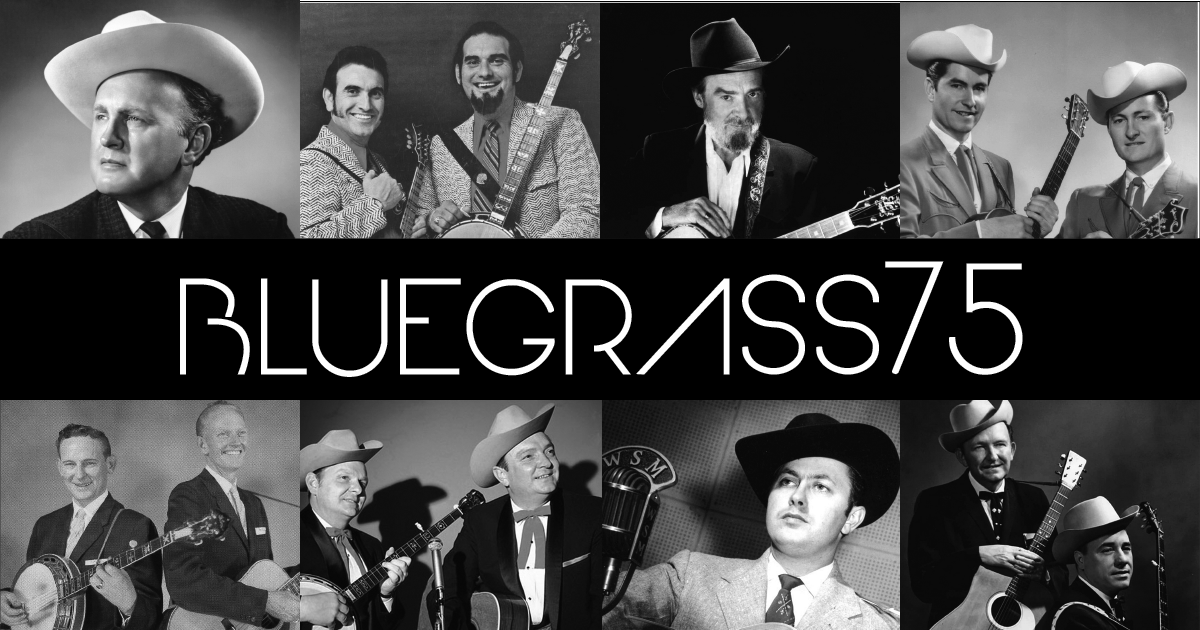
As we near the 75th anniversary of this foundational origin story, BGS will be looking back across the sweep of those years — and first up, of course, a clutch of true pioneers that share a common accomplishment: they are the acts honored by induction into the IBMA’s Hall of Fame in its first five years and their plaques proudly hang at the Bluegrass Music Hall of Fame & Museum in Owensboro, Kentucky.


Bill Monroe (inducted 1991)

A complex personality with a skill set that included equal measures of innovation and synthesis, the mandolin-playing Monroe (b. 1911) moved from a mid-1930s duo with his brother to assembling a hot string band during World War II to fronting that original bluegrass band — an achievement which earned him his “Father of Bluegrass” title. Though it’s easy to discern the elements he brought together in that music — old fiddle tunes; Scotch-Irish ballads; African-American blues, jazz and gospel; western swing and more — his creativity extended beyond simply stirring them together and kept him a central figure from its inception until his death in 1996.

Indeed, while his early classics are essential to the bluegrass canon, even his late-life instrumental compositions have enjoyed a growing influence among today’s hottest young players. In fact, he collected his first Grammy for 1988’s “Southern Flavor.” Monroe was inducted into the Country Music Hall of Fame in 1970, and as the composer of “Blue Moon of Kentucky,” he joined the Nashville Songwriters Hall of Fame in 1971, received a Lifetime Achievement Award from the Grammys in 1993, and entered the Rock and Roll Hall of Fame as an early influence in 1997.

Representative tracks: “Blue Yodel No. 4,“I’m Going Back to Old Kentucky,” “Lord Protect My Soul,” “Midnight on the Stormy Deep,” “Southern Flavor”


Earl Scruggs (inducted 1991)

Though he wasn’t yet 22 years old when he joined Monroe’s band at the end of 1945, Earl Scruggs (b. 1924) was ready to step into the spotlight, and, with the exception of a stretch of ill health in the late 1980s and early ‘90s, he never relinquished it until his death in 2012. Unlike many instrumentalists who change their approach according to musical context, Scruggs believed that his picking style — built around right-hand patterns called “rolls” — could fit anywhere, and after his groundbreaking years with Monroe and then Lester Flatt, his career seemed devoted to proving the point.

Having created much of the musical vocabulary for bluegrass banjo picking, he moved on to playing with his sons in the Earl Scruggs Revue, a country-rock-bluegrass fusion band that was arguably more successful — at least in commercial terms — than Flatt & Scruggs had ever been. In the 21st century, Scruggs championed a broad variety of younger musicians while continuing to play those same sweet rolls he’d created as a young man. He was awarded a Lifetime Achievement Award from the Grammys in 2008.

Representative tracks: “Blue Ridge Cabin Home” (Flatt & Scruggs), “Foggy Mountain Chimes” (Flatt & Scruggs), “Travelin’ Prayer” (Earl Scruggs Revue), “The Engineers Don’t Wave From the Trains Anymore” (with Tom T. Hall), “The Angels” (with Melissa Etheridge)


Lester Flatt (inducted 1991)

With an expressive, emotive voice and an impressive array of demeanors that ranged from dry and sly to devout and down-home, rhythm guitarist Lester Flatt (b. 1914) was the perfect musical complement to Earl Scruggs, and their 1948-1969 output was at least as influential as Monroe’s. Flatt & Scruggs won a 1968 Grammy for their classic recording of “Foggy Mountain Breakdown.”

But where Scruggs was not only interested in playing with his sons, but also interested in putting his banjo into a wider range of contexts, Flatt preferred sticking to the country side of bluegrass. In the aftermath of their breakup, Flatt’s drawl deepened and slowed as he presided over a series of gifted lineups that included peers like Josh Graves and Vassar Clements, alongside young up-and-comers from banjoist Kenny Ingram to a teenaged Marty Stuart. Flatt & Scruggs were inducted into the Country Music Hall of Fame in 1985.

Representative tracks: “I’ll Never Love Another” (Flatt & Scruggs), “I’ll Go Stepping Too” (Flatt & Scruggs), “On My Mind” (Flatt & Scruggs), “You Are My Flower” (Flatt & Scruggs), “Gonna Have Myself a Ball”


The Stanley Brothers (inducted 1992)

The career of Ralph Stanley (b. 1927) and Carter Stanley (b.1925) illustrates both the profound impact that the original bluegrass band had on their peers, as well as the complementary artistic and commercial drives that impelled those successors to create their own unique style. In their first recordings, made while Flatt and Scruggs were still Blue Grass Boys, you can hear the Virginia-born Stanley brothers revamp their old-time string band approach into an approximation of the pioneers’ sound, yet within a matter of months, they had found a compelling variant.

The Stanley sound was built in part around Ralph’s stolid but driving banjo and soulful tenor singing, but even more around Carter’s mournful lead vocals and powerful songs. Over the years, while they moved from the Nashville-based Columbia and Mercury labels to scrappy (and multi-racial) Cincinnati indie, King, their sound became even more recognizable, as owner Syd Nathan hectored them into de-emphasizing the fiddle and leaning more into the innovative work of flatpicking lead guitarists like George Shuffler. The brothers’ partnership came to an end in late 1966 with the early, alcohol-related death of Carter; Ralph would continue on with his own twist on the Stanley Brothers’ sound until his death in 2016.

Representative tracks: “The Lonesome River,” “Our Last Goodbye,” “Let Me Walk, Lord, By Your Side,” “I’ll Just Go Away,” “Pig in a Pen”


Reno & Smiley (inducted 1992)

The first banjo player to follow Scruggs, albeit briefly, in the Blue Grass Boys, Don Reno (b. 1926) deliberately sought to create a distinct and instantly recognizable style of his own on the instrument. By the time his partnership with singer-guitarist Red Smiley (b. 1925) had settled into regular recording for King Records in the early 1950s, he had succeeded completely, and for good measure had done the same with flatpicked guitar solos, too. As Grand Ole Opry announcer Eddie Stubbs once put it, Reno & Smiley were a country band with a banjo instead of a steel guitar.

Though Reno could and sometimes would blister a banjo solo, many of the band’s signature numbers were heart songs, country shuffles, earnest gospel outings and more, including occasional flashes of rockabilly and jazz. Reno wrote many of them, sang tenor and occasional leads, and shared the instrumental limelight with their steady fiddler, Mack Magaha, and occasionally with one or another mandolin player, including his son, Ronnie. The partners split for a few years in the mid-‘60s, then reunited for a brief period before Smiley’s death in 1972. Reno continued to record and perform with partners ranging from Bill Harrell to his sons until he passed away in 1984.

Representative tracks: “I’m Using My Bible for a Roadmap,” “I Know You’re Married,” “Little Rock Getaway,” “Please Remember That I Love You,” “Just About Then”


Jim & Jesse (inducted 1993)

Though Jim McReynolds (b. 1927) and Jesse McReynolds (b. 1929) were born just a few dozen miles from the Stanley Brothers, the music of Jim & Jesse could hardly have been a more different kind of bluegrass. The duo’s singing was smooth and refined — especially guitarist Jim’s silvery tenor — while the instrumental sound was driven by Jesse’s innovative mandolin cross-picking and their overall approach by the latter’s eclectic tastes and influences (he appeared, for instance, on The Doors’ 1969 album, The Soft Parade).

The brothers were comfortable in reaching for a more countrified sound, helped by banjo players like Allen Shelton and Carl Jackson, who were adept at playing radio-friendly licks on a dobro-banjo as well as ‘grassier fare when that was called for. Smart businessmen as well, the duo were among the first to appear on television in the early 1950s, recorded an entire album of Chuck Berry songs in the mid-1960s, started their own label in the early 1970s, and remained a popular fixture on the Grand Ole Opry until Jim’s death on the last day of 2002. As of this writing, Jesse McReynolds continues to perform — and to innovate, too, with releases like a 2010 Songs of the Grateful Dead collection.

Representative tracks: “Pardon Me,” “Are You Missing Me,” “She Left Me Standing on the Mountain,” “Cotton Mill Man,” “Memphis”


Mac Wiseman (inducted 1993)

Nicknamed “The Voice With a Heart,” Virginia’s Mac Wiseman (b. 1925) was a founding member of Flatt & Scruggs’ Foggy Mountain Boys in 1948, but soon left to join Monroe (and Don Reno) in the Blue Grass Boys. By the early 1950s, he’d started his own career, recording for Gallatin, Tennessee’s Dot Records — and then going to work for the label. A consummate professional, he also served as a musicians’ union official for a time, and was a founding member of the Country Music Association. He frequently recorded material other than bluegrass, especially when rock ’n’ roll and the pop-country Nashville sound beckoned in the late 1950s and early 1960s, and throughout his career, he was never afraid to use a variety of instruments besides the archetypal bluegrass ones.

Still, as a performer, bluegrass was his bread and butter from the mid-1960s on, and rather than carry a band, he would recruit players from other acts (and occasionally skilled amateurs, too) and lead them on stage with a heavy guitar strum and a quick “watch me, boys!” Wiseman’s songbook included old folk numbers, songs he heard on the radio as a polio-stricken child, big band tunes, Music Row compositions and much more. In later years, he recorded several memorable projects that highlighted songs his mother had taught him and songs that told his life story, before his death in 2019.

Representative tracks: “I Still Write Your Name in the Sand,” “I Wonder How the Old Folks Are at Home,” “Mother Knows Best,” “My Little Home in Tennessee,” “’Tis Sweet to Be Remembered”


The Osborne Brothers (inducted 1994)

Bobby Osborne (b. 1931) and Sonny Osborne (b. 1937) were among the first of what might be called “semi-second generation” bluegrass artists; unlike those who preceded them in the Bluegrass Hall of Fame, neither had performed professionally before 1950. By 1954, though, they’d hooked up with Jimmy Martin for a memorable set of recordings, and 1956 found them signed on to MGM on their own. Together with singer-guitarist Red Allen, the Brothers — Bobby singing lead and playing mandolin, Sonny singing baritone and playing banjo — had come up with an inventive new vocal arrangement that put the spotlight pretty much on them alone.

Lest that sound too cold, it should be noted that they deserved it, for not only was Bobby a formidable lead singer and Sonny brilliant in the support role, but their fearless, try-anything (the two recorded separately with avant-garde jazz vibraphonist Gary Burton in the mid-’60s) instrumental skills were profoundly original. The Brothers joined the Grand Ole Opry and signed with Decca Records in 1964, and spent the next decade fusing bluegrass and country in a way that eventually earned them a CMA Vocal Group award. Irascible, opinionated, and both artistically and commercially successful, the Osborne Brothers were at the forefront of the music until Sonny’s 2005 retirement — and while Bobby continues to perform to this day, the influence of their duo continues to grow, too.

Representative tracks: “Once More,” “The Cuckoo Bird,” “Tennessee Hound Dog,” “Pathway of Teardrops,” “Sweethearts Again”


Jimmy Martin (inducted 1995)

East Tennessee native Jimmy Martin (b. 1927) hungered to perform with Bill Monroe as a youngster, then got his chance in 1949 when Mac Wiseman quit the Blue Grass Boys. As lead vocalist and guitarist, he helped to make some of Monroe’s most memorable recordings, then partnered in various settings with Bobby and Sonny Osborne before taking the helm of his Sunny Mountain Boys in the mid-1950s. A brash, colorful guy who could boast with the best and then back it up, Martin served in the cast of the Louisiana Hayride (alongside Elvis) and the Wheeling (W.V.) Jamboree before a growing bluegrass festival circuit threw him a lifeline in the absence of a Grand Ole Opry membership.

Among early Hall of Fame inductees, he may be considered more influential than most of his peers. Service in his Sunny Mountain Boys constituted the training ground for several generations of musicians, from banjo man J.D. Crowe to newgrass pioneer Alan Munde to Americana favorite Greg Garing — and his appearance on the Nitty Gritty Dirt Band’s Will the Circle Be Unbroken was legendary. Martin was an unstoppable force of nature who knew exactly what he wanted from a musician, yet was unable to clearly explain it. Still, he did well enough that his records are instantly recognizable, even when you’ve never heard them before.

Representative tracks: “That’s How I Can Count on You” (with the Osborne Brothers), “Rock Hearts,” “You Don’t Know My Mind,” “Tennessee,” “Freeborn Man”


Pictured above, first row (L to R): Bill Monroe, The Osborne Brothers, Mac Wiseman, Jim & Jesse; Second row: Reno & Smiley, The Stanley Brothers, Jimmy Martin, Flatt & Scruggs

LISTEN: Newport Folk Festival Opens Bluegrass Archive for Saturday Stream

Where do you begin to talk about bluegrass at Newport Folk Festival? And how do you capture 60 years of musical magic in just one show? The curators of the festival’s archive have taken a very cool approach, pulling out musical highlights from their first decade as well their most recent decade for the upcoming Burnin’ & Pickin’ Bluegrass set.

The 90-minute show — featuring some recordings that have never before been released — will stream during the festival’s Revival Weekend on Saturday, August 1, starting at 1:37 pm ET. The list of performers on the show has not yet been announced, but considering the breadth of talent that the festival has hosted, you might hear iconic figures like Roy Acuff, Bill Monroe, and Doc Watson, or a new generation that includes Carolina Chocolate Drops, Old Crow Medicine Show, or Gillian Welch & David Rawlings. Legendary artists like Joan Baez, Johnny Cash, and Elizabeth Cotten could potentially show up on the set list, too.

One thing we do know: The Burnin’ & Pickin’ Bluegrass set will include this previously unreleased recording of Ralph Stanley and Ray Cline’s “Sally Goodin'” from 1968.

To honor the festival’s incredible heritage, please consider a donation to Newport Festivals Foundation, which in the last year has provided financial relief to over 400 musicians impacted by the pandemic and over 100 grants for music education programs across the country.

Billy Glassner, archivist for Newport Folk Fest, tells BGS, “Bluegrass has always been an important ingredient in the Newport Folk magic. From its first year in 1959 when Earl Scruggs brought the Cumberland Gap to the shores of the Narragansett Bay up through last years’ collaboration between Billy Strings and Molly Tuttle, that high lonesome sound has been a constant companion to the Newport Folk Festival.”

Glassner hints at more music to come from the vault, too. He adds, “The Newport Folk Archives house an embarrassment of bluegrass riches and curating this set proved to be a joyful yet challenging experience. The only way we were able to make the tough decisions of what to cut was with the knowledge that this is only the beginning of our efforts to make the recorded history of Newport more available to our fans.”

Tune in to Newport Folk’s Festival Revival Weekend from Friday, July 31-Sunday, August 2.


“The Shorthairs and the Longhairs”: The Story Behind ‘Bluegrass Country Soul’

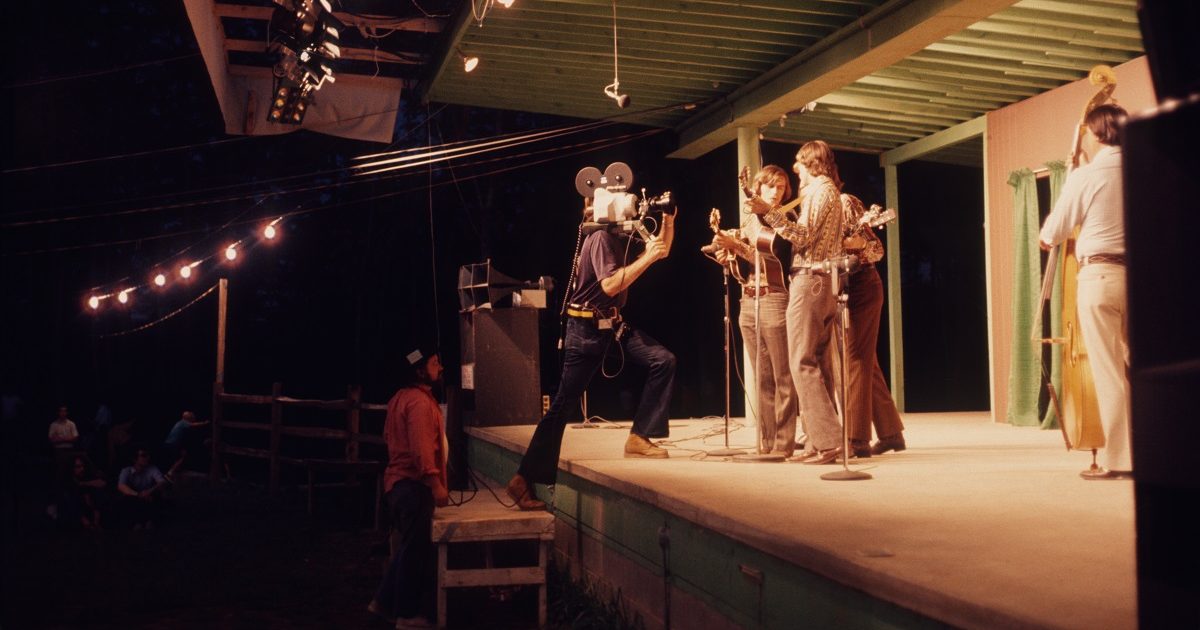
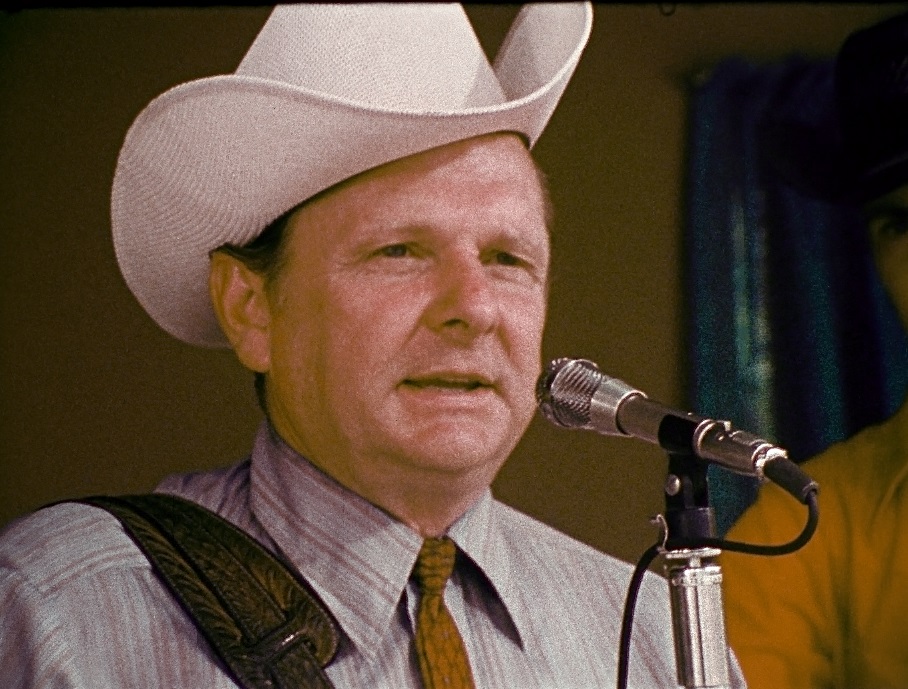
Bluegrass Country Soul captures one of Carlton Haney’s legendary festivals in Camp Springs, North Carolina, on Labor Day weekend of 1971. It is credited as the first bluegrass documentary, and is essential viewing for both lifelong bluegrass fans and those new to the genre.

This classic film features bluegrass music’s pioneers, as well as those who would take the music into the future. Earl Scruggs, The Osborne Brothers, Ralph Stanley, Chubby Wise, Mac Wiseman, J.D. Crowe, and Jimmy Martin were featured alongside The Country Gentlemen, Del McCoury, Sam Bush, Tony Rice, Ricky Skaggs, Keith Whitley, Alan Munde, and more. The film documents Rice’s last show with The Bluegrass Alliance and his first show with J.D. Crowe & the Kentucky Mountain Boys. Many of the festival’s legendary moments are preserved in color for posterity.

A larger than life figure who is credited as starting the first multi-day bluegrass festival, Carlton Haney organized the weekend’s festival, and serves as the de facto host of the film, sharing thoughts about bluegrass music, bluegrass festivals, bluegrass fans, and the bluegrass “stow-ry.” His passion for the music is evident, and makes for a great depiction of one of bluegrass’s most significant and one-of-a-kind personalities.

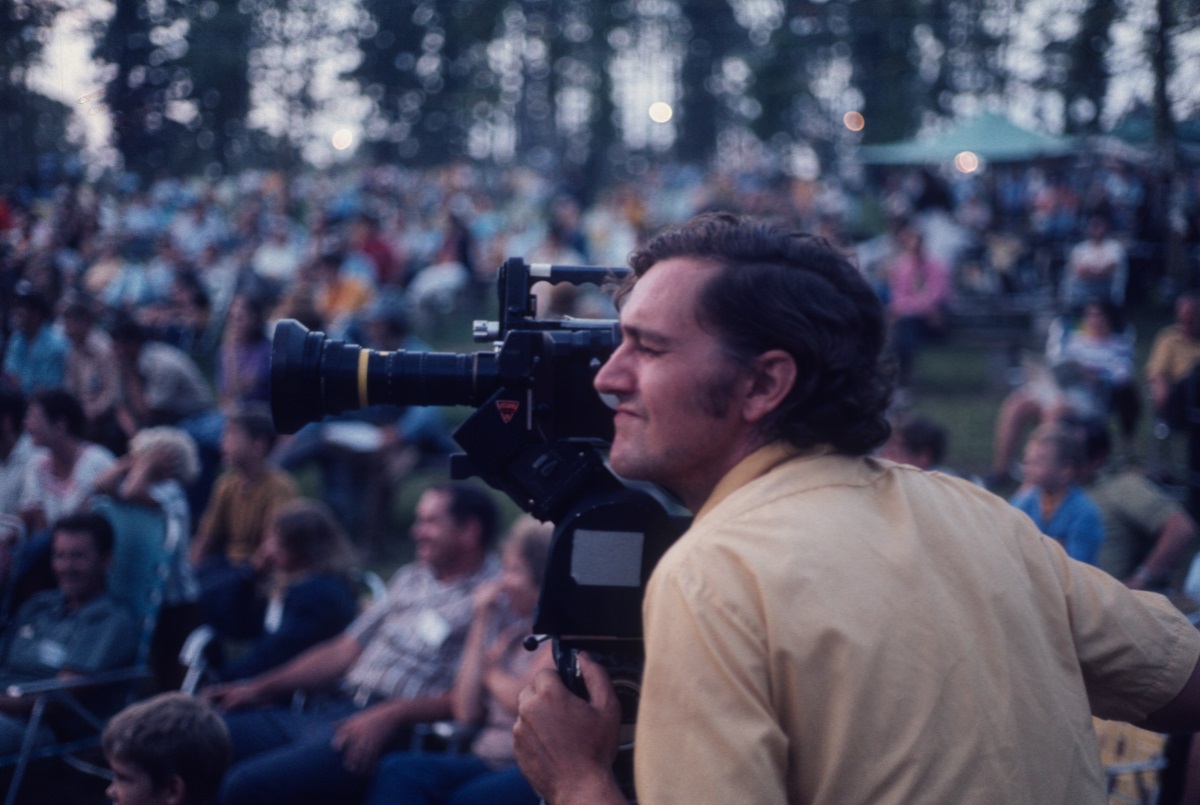
Albert Ihde, the film’s director (pictured below), spoke with BGS about the film and its legacy to commemorate the 50th Anniversary boxed set of the film, released this summer. The special edition set includes the original film, recently remastered and restored; CDs of performances not featured in the film; bonus footage including exclusive interviews with Ricky Skaggs, Bill Emerson, Missy Raines, and more; and a full-color coffee table book about the film.

BGS: How did the opportunity to film Bluegrass Country Soul present itself 50 years ago?

Albert Ihde: It was almost by accident, in a sense. A couple of buddies of mine and I were preparing a screenplay for a company in Washington, D.C. that had hired me to write a film, and then I would direct. The only thing that they insisted on was that it had to be about a Country & Western singer. Now this is 1971, and back then they called it Country & Western. I said, “Okay. Fine. Let me do some research on that.

A buddy of mine, Bob Leonard, and I were out scouting locations in Berryville, Virginia when we saw posters for Carlton Haney’s 4th of July Festival, and Earl Scruggs was going to be playing. We thought, “Well, that looks interesting.” To make a long story short, I got in touch with John Miller, who was the partner of Carlton’s there at Berryville, and John took us on a tour of the sites because I wanted to see what it looked like. It was right on the Shenandoah. Gorgeous location. He gave us passes to the Fourth of July Festival. We had no idea what bluegrass was, compared to country music, and we thought, “This looks like it’ll be fun. We’ll go to see this.”

Director, Albert Ihde

A bunch of us got a VW wagon, and my wife hooked up a camper on the back of our car. We went out, and we parked and saw it, and I have to tell you, as soon as I heard that music coming from the stage, we were all hooked. We talked to Carlton. Quite a deal! Talked to Fred Bartenstein (a local disc jockey who helped with the annual festival) and they told us more about what they were doing. I wanted to put Carlton in a film right then and there as soon as I met him.

We got back to D.C. and the company that hired me to write this screenplay, it turned out that they couldn’t raise the money to make the movie. So we took the film and decided we would try and find the money ourselves. Fortunately the first guy that I sent it to called us into his office. He was a major D.C. investor, philanthropist, and owned lots of real estate in D.C. He said that the thing that interested him most about the screenplay was this bluegrass festival out in Berryville. He said, “Why don’t you do a film about that?”

My partner and I looked at him and said it’s gonna be hard to raise money for a documentary, and he said, “How much do you need?” We get our calculator out, we start going through it, and we throw a figure out to him. It’s not gonna be as expensive as the film that’s going to have all the actors that would be taking us six to eight weeks to shoot. This, we could shoot in one weekend. He said, “Listen if you get Carlton Haney to agree to allow you to come and shoot the film at his festival, I’ll go out and find the money.” And we said, “Okay.”

The next day, Bob Leonard and I were on a plane to North Carolina and met with Carlton and Fred, pitched the whole idea to him, and Carlton was on board right at the beginning. He said, “Absolutely. No problem.” I said, “Well, are you gonna get all of these musicians to agree to this?” And he said, “Yes, I can do that.”

We had all of twelve days, two weeks, or something like that, to get the whole thing together to get down to Camp Springs on Labor Day weekend. And we lucked out. We happened to have this incredible festival with all of the pioneers of bluegrass, along with all of the up and coming newgrass guys who were changing the music as we watched. It was a great mix of both the old and the new, and as Carlton called it, “the mixture of the short hairs and the long hairs.”

That was it! You’ve got the hippies sitting right next to the guys right off the farm in coveralls. A guy in a Confederate hat sitting right next to hippie girls. It was a great mix. And everybody got along. And it was at a time in America when the country split. Nixon and the protests trying to bring our troops home from Vietnam. It was a strange time. But the thing that happened at the festival… everybody was getting along all right! Also of course, most of the audience were bluegrass musicians of their own or were learning or wanting to be. So that’s how we got into it.

What were some things about Carlton’s personality that made him such a compelling figure to follow for a film?

A number of people have said he was like the “P.T. Barnum of Bluegrass.” So it was kinda like, just put a camera on him and let him go, because you never know what he’s gonna say! Of course, the great thing about filming is, you can always edit it, and we edited out a lot of Carlton.

At one point, it was towards the end of the weekend, we were filming Carlton out on the lot, and I say “Carlton, we need something to kind of summarize the whole thing, and put a tag on the end of the film.” He said, “Oh, that’s okay. I know exactly what to say. Do you want me to make you laugh or do you want me to make you cry?” And I looked at my cameraman, and Bob was ten years older than me, and he had a lot of experience doing this, and I looked at Bob and I said, “What do you think? Make us cry?” And Bob nodded his head “Yeah, make us cry, Carlton.” And Carlton said, “Okay, start the camera rolling.”

So we started the camera rolling, and Carlton is saying goodbye to the kid who is packing up his gear at the end, and then he turns to the camera and he says, “You know, when people leave, it makes me sad, because all my friends are leaving. But I know that they had a good time, and that they’ll be back again next year.” And tears are coming to his eyes! And he says, “And that’s bluegrass and that’s a bluegrass festival.” And I said “Cut!” Bob and I just burst out laughing, and I said “Carlton, you’re going to get an Academy Award for that!”

To this day, Fred tells me, he runs into people and he says they will quote to him the lines that Carlton had in the film. “The shorthairs and the longhairs,” [and,] “You look down upon the stage and you can hear the soul of man — Ralph Stanley.” They just came out of his mouth!

The other thing was, he could not look at the lens, no matter how hard I tried. [Carlton] had this real shyness problem, and yet you put him on the stage and hand him a mic in front of ten thousand people, he was fine. But put a camera in front of him, he was looking away. Kind of shy and withdrawn. I think he was very concerned about his looks. He had terrible teeth. As somebody once said, that’s part of the times back then when nobody had health insurance or dental insurance… that was the last thing that people spent money on. So I think Carlton was a little shy about the way he looked. But he was an interesting guy.

Pictured: Ralph Stanley

You mentioned that one thing that was so compelling about the film, and at bluegrass festivals in general, was seeing people from different walks of life united by this music and finding common ground, even if it was for a weekend. What do you think that message has for us today where we are as divided now as we were fifty years ago?

I hope it has the same result. Every time I have shown the film — and I have shown it to heads of studios in Hollywood, I showed it to corporations up in New York City — no matter where I’ve shown it, people leave the theatre with big smiles on their faces. It’s not necessarily because they’re bluegrass fans, but because they enjoy it. They had fun. They were delighted. Something about that music, about the people playing it, about the commitment that these people have to it. There’s more to it than just country music. I think that’s what Carlton was trying to say about the soul. It’s a commitment to the music that is thorough.

I don’t know whether Carlton told me this or not, but at some point I learned early on: bluegrass music is not commercial country. Meaning, you’re gonna lose your shirts on it, but you’re doing it because you love it. That really says it all, and I think that comes through with music and with Carlton and with all of the people that are on stage in the film and all the people playing out in the field… You see the commitment to the music.

Ellen [Pasternack, the project’s Executive Director and Ihde’s wife] and I have a background in professional theatre, regional theatre around the country, and what you’re always looking for working in theatre are actors who can really commit to doing a performance. It’s that commitment to the art — whether that’s music, theatre, dance, or painting — that’s where you find the joy in the art. And I think that comes through in the film, even if you don’t know anything about bluegrass. I hope that comes through still to this day, and maybe gets people thinking “past the politics” for a moment or two just to look at the music and listen to the music. And to see, “If this was going on back then, why can’t it happen again?”


Photos and trailer courtesy of Bluegrass Country Soul.

BGS Long Reads of the Week // June 26

The BGS archives are simply a wealth of rootsy reading material. Each week we share our favorite longer, more in-depth articles, stories, and features to help you pass the time — summertime, COVID-19 time, or any ol’ free time you might have! We post our #longreadoftheday picks across our social media channels [on FacebookTwitter, and Instagram]. But of course, if you get ’em all right here in our weekly collection, that’s fine too!

This week’s long reads are about revitalization, reverence, rainbows, and real wisdom.

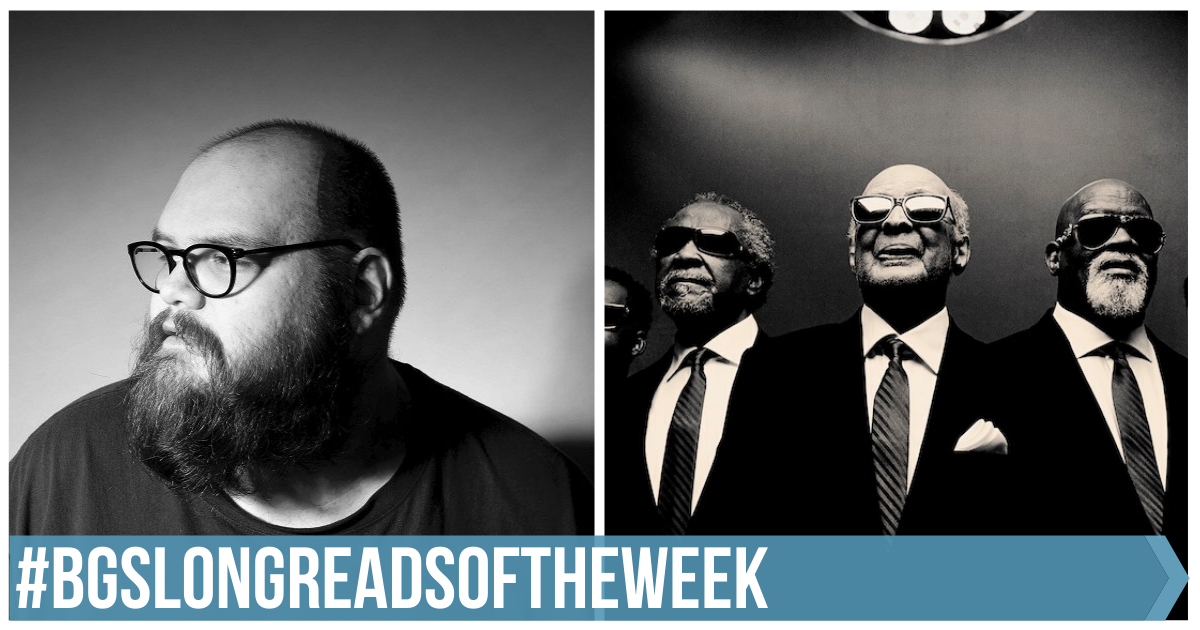
John Moreland Figures Out How to Love Music Again

We love a long read, yes, but we definitely love a birthday more! On Monday, we combined the two (as we do), celebrating Oklahoma singer/songwriter John Moreland’s day-of-birth with a revisit to our February interview about his latest album, LP5. While some listeners may have found the record to be something of a departure for Moreland, for his part, the “out there” elements of the music are what helped him learn to love creating again. [Read more]


Ricky Skaggs – Toy Heart: A Podcast About Bluegrass

Yes, this is a podcast, so technically this is a long listen rather than a long read, but we have good reason. Four years ago this week, Dr. Ralph Stanley passed away. As more and more of our bluegrass forebears leave us, their memories are even more important. On a recent episode of Toy Heart, hosted by Tom Power, Ricky Skaggs shared stories of his time with Ralph, the Clinch Mountain Boys, and Keith Whitley. It’s worth a listen to honor one of the most pivotal popularizers of this music. [Listen to the episode]


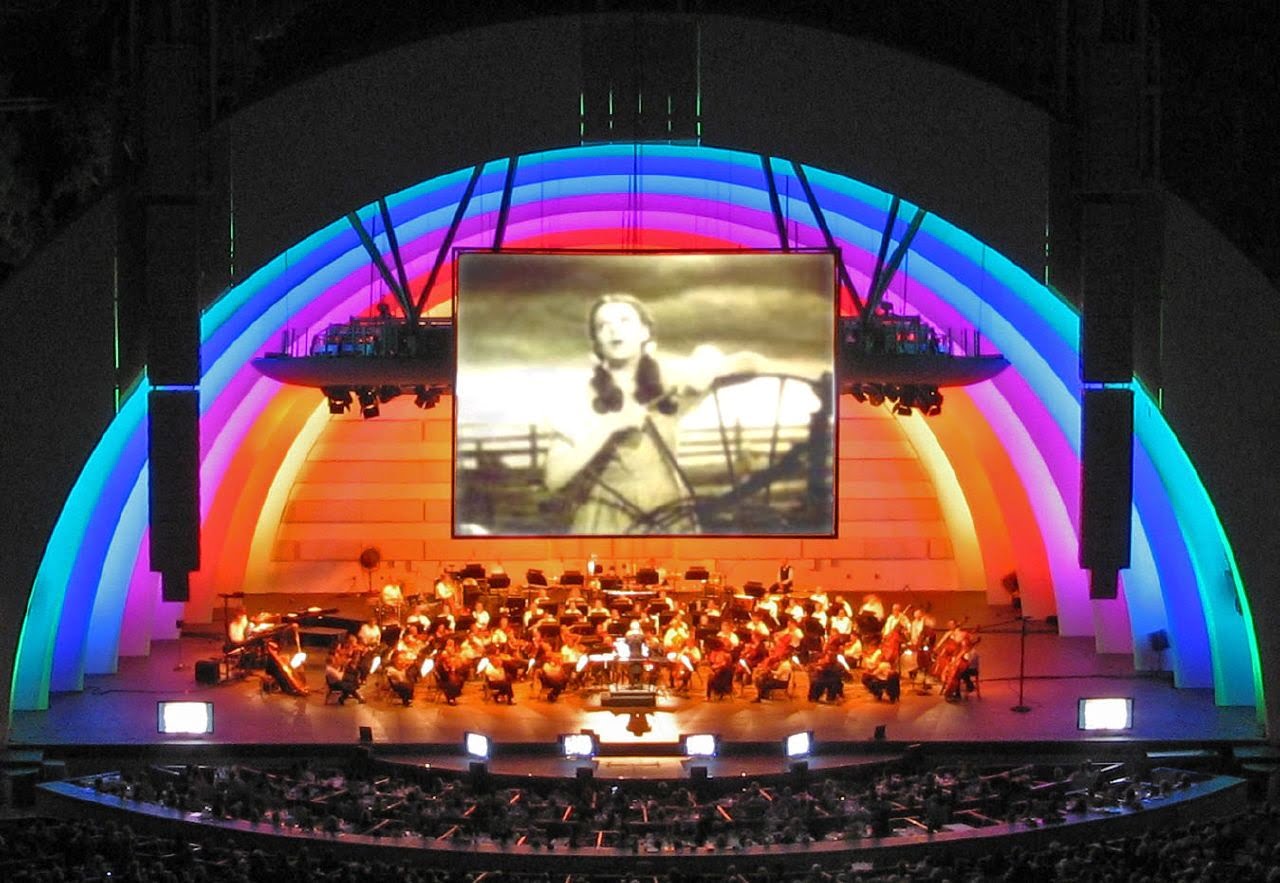
Way Above the Chimney Tops: A Pride Celebration of “Over the Rainbow”

Pride month is always full of rainbows, but never enough roots music! A couple of years ago we collected a handful of our favorite folky, country, bluegrassy, rootsy, ukulele-strumming renditions of “Over the Rainbow” to celebrate Pride month and each year since it’s been well worth a revisit. What cover of “Over the Rainbow” is your favorite? Did it make the list? [Read & listen here]


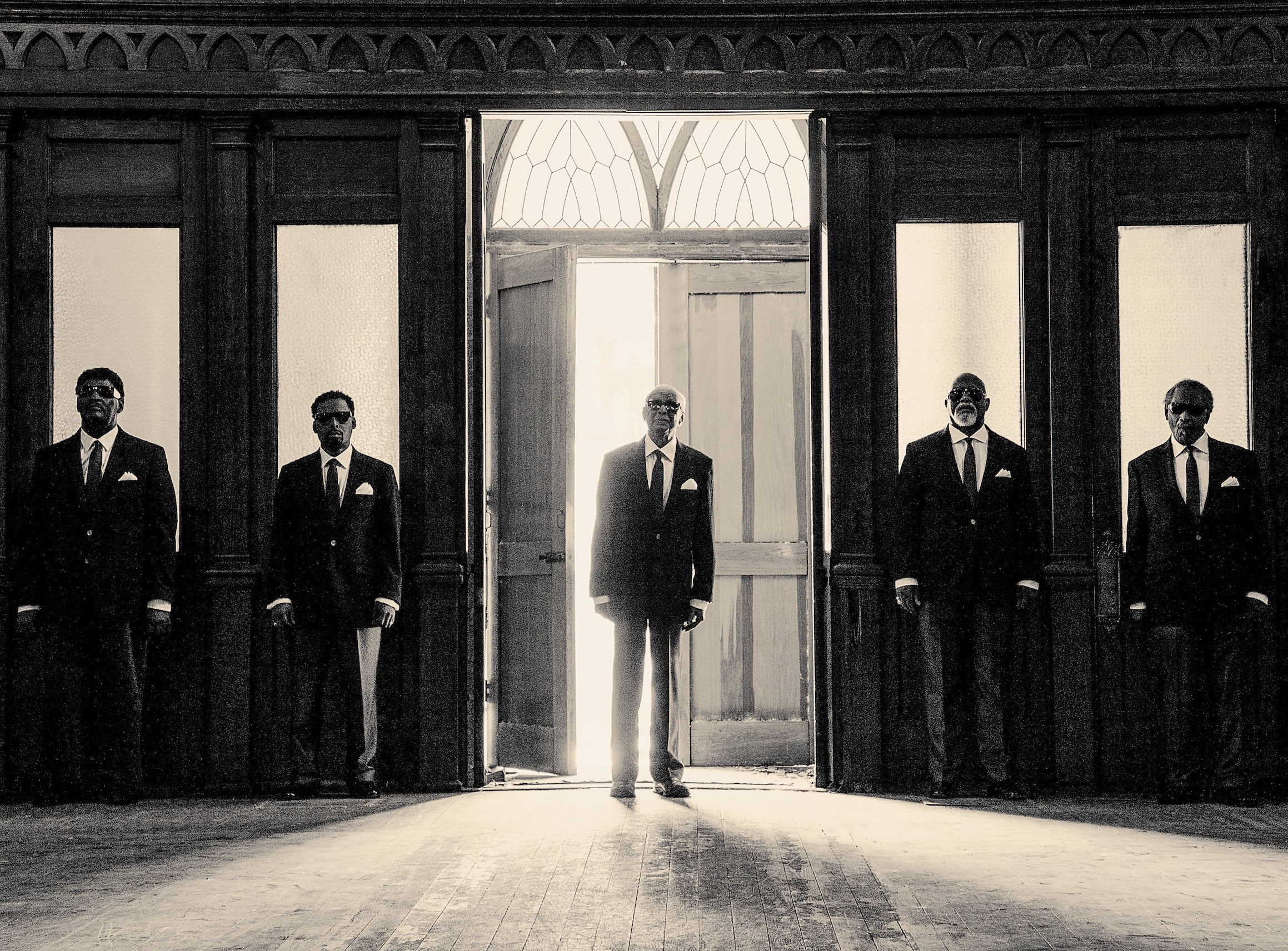
Counsel of Elders: Blind Boys of Alabama’s Jimmy Carter on Singing From Your Spirit

One quote from our 2017 interview with Blind Boys of Alabama founding member Jimmy Carter is enough to confirm this edition of Counsel of Elders’ excellence: “People ask me, ‘You’ve been doing this for almost seven decades, what keeps you going?’ I tell them, ‘When you love what you do — and we love what we’re doing — that keeps you motivated.'” 

You’re going to want to read the rest! [Read the full interview]


Photo of John Moreland: Crackerfarm
Photo of Blind Boys of Alabama: Jim Herrington

Tony Trischka – Toy Heart: A Podcast About Bluegrass

Host Tom Power speaks with progressive banjo legend Tony Trischka at the home of his friend and former student, Béla Fleck.

LISTEN: APPLE PODCASTS SPOTIFY • MP3

Trischka and Power talk about the time he saw and met Bob Dylan when no one was sure how to pronounce his name, and when he went to the first bluegrass festival weekend. An innovator on an archetypically traditional instrument, Trischka also discusses how he fuses jazz and experimental music with bluegrass, the intersection of the folk boom and bluegrass, and the time he played “progressive” banjo in front of Ralph Stanley. The episode covers ground from his recording debut with the band Country Cooking, to his first solo album, Bluegrass Light, having had Bill Monroe over for dinner when he was a kid, his teaching Béla, to carving out a life in acoustic music (and about what the term “bluegrass-adjacent music” means, too).


BGS 5+5: Western Centuries

Artist: Western Centuries
Hometown: Seattle, Washington
Latest album: Call the Captain
Personal nicknames (or rejected band names): Country Hammer (our first band name, since rejected)

All responses by Jim Miller

Which artist has influenced you the most … and how?

When I was 17 years old, living in Branford, Connecticut, the only music I considered “real” was Jimi Hendrix. Nothing else mattered. Then, for reasons I can’t recall, some friends and I went to a concert by Ralph Stanley and the Clinch Mountain Boys in a small venue at Yale University called The Enormous Room. His band at that time included Ricky Skaggs and Keith Whitley, who appeared to be teenagers, like I was. From that point on, my musical life was forever changed. I became a “Ralph Head” and would hitchhike pretty much anywhere on the Eastern Seaboard to see his band play. Even though it’s hard to draw a direct line from Ralph Stanley to the music I write and perform today, I hope that some spiritual elements of his music have seeped into my own.

What’s your favorite memory from being on stage?

I spent 20 years touring with the band Donna the Buffalo. One year, we were hired to play MerleFest and our set, with Peter Rowan as part of the band, was scheduled to close the main stage, going on after Dolly Parton. We of course thought that this was our big break. But it turns out that Dolly talks quite a bit between songs and certainly nobody is going to cut her off. The length of our closing set kept shrinking.

When it got down to where it would be 20 minutes long, the stage manager asked: “Do you still want to go on?” Yes! So we rushed up there and started playing in our long-winded, jammy style. The stage crew could see where this was headed — I can’t remember whether we got through two or three songs before they shut down the house PA and monitors and turned the stage lights off. But our amps still worked! So we raged on as the audience stampeded for the exit gates. Priceless.

What was the first moment that you knew you wanted to be a musician?

I spent my formative years in Saskatoon, Saskatchewan. When I was 7 years old, I auditioned for the Saskatoon Boys Choir and somehow made the cut. We got to wear a turquoise vest, a little white jacket, and a black bow tie. Unlike the other kids, I couldn’t read music, but I somehow faked it — learning my parts by ear. We toured the Prairie Provinces, performing in churches and schools, and it became clear to me that being a musician was my true calling.

Which elements of nature do you spend the most time with and how do those impact your work?

I’m a Lepidopterist by training, the study of butterflies and moths. I’ve hiked endless miles through the jungles of Central and South America, searching for rare species. Those travels have opened my eyes to the vastness and beauty of the natural world. They’ve also exposed me to people in different countries who speak different languages, eat different food, and live day-to-day in intimate contact with nature. Such experiences inform my world outlook and provide musical inspiration in ways I can acknowledge, but not easily explain.

Since food and music go so well together, what is your dream pairing of a meal and a musician?

I would go to Bob Seger’s house — in Detroit I assume — and ask him to cook cheeseburgers on the grill. I can make the coleslaw.


Photo credit: Bill Reynolds

Ricky Skaggs – Toy Heart: A Podcast About Bluegrass

Bluegrass legend and Country Music Hall of Famer Ricky Skaggs talks to TOY HEART host Tom Power about what it was like to grow up as a child prodigy, the real story of how he got pulled on stage by Bill Monroe, how meeting Keith Whitley changed his life forever — and the last time they ever spoke. Plus, a never before told story of how Bill Monroe thought Ricky would make a “fine Blue Grass Boy.”

Listen: APPLE MUSIC • STITCHER • SPOTIFY • MP3

It’s the story of Ricky Skaggs… but the one that you may not expect. Skaggs is a notable entry point to bluegrass for many listeners and fans — like our first guest, Del McCoury is as well. Though his story is familiar: From playing the Grand Ole Opry as a tot, joining Ralph Stanley’s Clinch Mountain Boys, and going on to perform and record with J.D. Crowe and the New South, to his own smashing success in mainstream country and eventual return to his now dynastic bluegrass career. Still, Tom Power displays Skaggs in a fresh light, with stories from and impressions of the icon that even veteran fans will find refreshing and illuminating.

Subscribe to TOY HEART: A Podcast About Bluegrass wherever you get your podcasts. New episodes drop every other Thursday through May.

Junior Sisk Hitches His Wagon to the Stars of Traditional Bluegrass

Junior Sisk is on a mission. Although he’s been a fan of traditional bluegrass since childhood, he’s now fully focused on keeping that history alive. That passion for tradition is evident in Load the Wagon, the award-winning vocalist’s first release since disbanding Ramblers Choice.

“The Stanley Brothers, Flatt & Scruggs, Jim & Jesse, and all of them had big hits, but they also had hidden treasures on all those LPs. A lot of them that were never played and they’re not a jam tune. That’s what I’m looking for,” Sisk says. “It’s going to be like new tunes to a lot of folks. That’s what I’m after – to still pay tribute to the founding fathers of traditional bluegrass music, but in the Junior Sisk style.”

The Virginia musician’s recovery mission has unearthed a number of gems on Load the Wagon, like Flatt & Scruggs’ little-known “Lonesome and Blue” and the heartfelt “Lover’s Farewell,” a Carter Family gem suggested by his new bandmates Heather Berry-Mabe (guitar, vocals) and Tony Mabe (banjo, guitar, vocals). Jonathan Dillon (his mandolin player from Ramblers Choice), Gary Creed (bass, vocals), and Douglas Bartlett (fiddle, vocals) round out the lineup.

Sisk also re-cut the song that remains his most requested number, “He Died a Rounder at 21,” from his time with Wyatt Rice & Santa Cruz in the mid-‘90s. Leading up to a show at Station Inn, he invited BGS on the bus for a chat.

BGS: The first song on this album, “Get in Line, Buddy,” will be a familiar tune for fans of the Country Gentlemen. What made you want to record it here?

Sisk: Me and Bill Yates got to be good friends there for a long time right toward the end, and every time we’d play together at a festival, I’d always get together with him and ask him to do “Living on the Hallelujah Side” that he’d done with the Country Gentlemen, and this one right here — “Get in Line, Buddy.” Those are a couple that he sang solo on. It was just great, great singing.

It’s like what I’m trying to do right now. I’m in line with Flatt & Scruggs, the Stanley Brothers, and all that. I’m way down the line, but I’m in line anyway. And it still rings true today when you come to Nashville. When you walk the streets, you see them on the streets. You see them in all the clubs and everything. Everyone’s standing in line. I feel like I’m still standing in line for traditional bluegrass music.

With “Get in Line, Buddy” and “Best Female Actress,” there’s a sad story there, but you find a way to put humor into those songs. It’s not an easy thing to pull off. How do you approach that?

Well, when I go into the studio and start to record, I’ve always done a lot of tongue-in-cheek songs. I’m noted for that, but I sing with a lot of emotion. I sing with a lot of feelings. That’s why a lot of times I’ll lose my voice, to tell you the truth, because I’m singing so hard and with as much feeling as I can.

I love to look out in the crowd and see them either crying, if I’m singing a pitiful song, and if I’m singing a tongue-in-cheek song, I like to see them laugh and carry on. It just makes for a good show, I think. And Charlie Moore has been one of my favorites. He’s one of the most underrated bluegrass artists ever. He’s a great singer.

You also have some songs on here, like “Just Load the Wagon,” which are plain-and-simple funny. I’m curious, where did you get your sense of humor? Was there someone in your family where you picked that up?

Yeah, my dad. He’s a songwriter. He’s probably got a thousand songs at the house for me to choose from. But every song he writes, at the top of the page he writes the date he wrote it, and he writes, “Sing in the key of D and sing like Carter Stanley.” [Laughs] I said, “Dad, you can’t sing ‘em all like Carter Stanley and they can’t all be in D!” But if he had his druthers, that’s what it would be. That’s pretty much me, too. I was raised, born and bred, on the Stanley Brothers’ music.

This one here, I thought the folks would really enjoy, and now that I’ve gotten rid of the Rambler’s Choice name and went to the Junior Sisk Band, I’m trying to pay tribute to traditional bluegrass music, so we brought back the old-style banjo, the mountain-style banjo-playing with the clawhammer on this one. And it’s turning out to be one of my favorite tunes that we’re playing now. It’s a lot of fun and the crowd can react to it. It’s a toe-tapping tune.

You mentioned that the Ramblers Choice name is gone. Why was that an important move for you to shift to Junior Sisk Band?

Well, Jason Davis, Kameron Keller, and a couple of guys left. My dad always says when wintertime comes around and things start getting slow, somebody blows a whistle and everybody switches. It’s pretty much like that. If you don’t have any work, I’m going where the work is. But I was actually straying away from my heart – I was straying away from traditional bluegrass music a little bit. I just did not want to do that. I finally came to the conclusion that what I’m going to do until the end of my career is pay tribute to traditional bluegrass music, and try to keep it alive as long as I can. That’s what we’re trying to do today, is keep it straight-ahead bluegrass, right in the middle of the road, and turn the younger fans onto traditional bluegrass music.

Why is it important for you to carry that torch for traditional bluegrass?

I’m just tickled to death to see the young’uns out here today that come to our shows, or to see them out jamming at festivals and playing the old-style music. You don’t see that a lot anymore. It seems that the younger generations is trying to play every note they know. …When I hear somebody with real emotion, and real feeling, who’s a traditional young’un coming up, I love it. Because we’ve lost so many — Ralph Stanley, James King, and a lot of traditional artists here lately. I think I’m a torch holder and that’s what I hope to be until the end of my career. As long as I’m able to breathe and sing, I’m going to keep their music alive.

It hurt to lose James King, didn’t it?

Oh, it was hard. I was there holding his hand on the day he died, in the hospital. I was on one side and Dudley Connell was on the other. And we told him we would keep his music alive. I’m getting chills now, but it meant the world to me, just to be there. He was a torch holder as well.

You re-recorded “He Died a Rounder at 21” from your days with Wyatt Rice & Santa Cruz. What’s it like to sing about that guy now, 24 years later? Does it bring out a different emotion in the song for you?

It’s still the same. The story in that song is awesome. I’ve grown up with a lot of folks in the bluegrass industry and I’ve seen a lot of ‘em pass away from alcoholism and just the hard life, the bluegrass life. People around home say, “Wow, you’ve got it made. You go on stage and play 45 minutes…” They don’t know about the 15 hours you travel to get there. It’s a hard life. You don’t eat right. You don’t take care of yourself. And I can understand where this guy came from. He only lived 21 years – but 21 years was like a thousand years in his time. I understand that, and that’s why I put everything I got in that song. Because it rings true.

Was there a pivotal moment for you when you decided to go into bluegrass full-time?

In my early teens, I lived and breathed it. I sat at the end of the bed in my mom and dad’s room with an old LP player and played Dave Evans, Larry Sparks, the Stanley Brothers, just trying to learn everything George Shuffler ever did on guitar. I was in it hot and heavy, and eat up with it.

In the early ‘80s, I moved up around the DC area and that’s when the Johnson Mountain Boys came on the scene. I followed them everywhere they went. They brought me back to life, and still today if I get to feeling sad, or get down about the music, I can put a Johnson Mountain Boys DVD in, and it will bring me right back. There was so much excitement and energy, they just tore me all to pieces. That’s what it’s all about.


Photo credit: Susie Neel