The BGS Radio Hour – Episode 197

Welcome to the BGS Radio Hour! Since 2017, the show has been a weekly recap of all the great music, new and old, featured on BGS. This week we’ve got new releases from so many amazing artists on the roots scene today, from Luke Combs to Langhorne Slim to Sierra Hull! Remember to check back every Monday for a new episode of the BGS Radio Hour. 

APPLE PODCASTS, SPOTIFY

Luke Combs and Billy Strings – “The Great Divide”

Luke Combs, of country radio stardom, teams up with bluegrass-favorite Billy Strings this week for a new single. “The Great Divide” was written by the duo for Combs’s bluegrass album, one that he hasn’t completed yet. However, both artists agreed that the time to release this song was now, attempting to shine a light of hope in this tough time.

Allison Russell – “By Your Side”

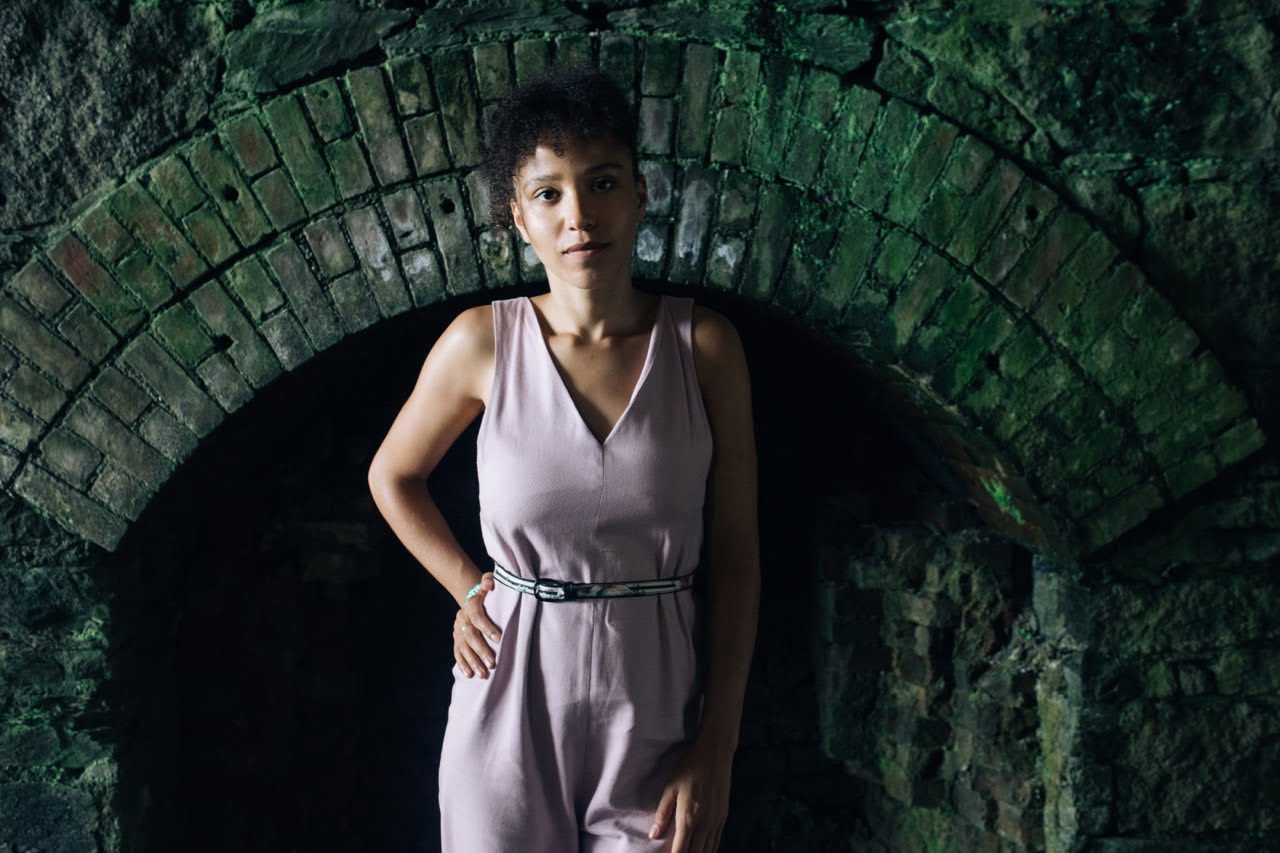
Singer/frontwoman of the Birds of Chicago, Montréal-based Allison Russell brings this Sade cover to the show this week. What she calls an “endlessly expansive and inclusive song of love,” this song brings comfort to Russell – as it does to us, as well.

Jaelee Roberts – “Something You Didn’t Count On”

Nashville-based Jaelee Roberts is one of the quickest rising stars in bluegrass music. Her first single on Mountain Home Music Company, an original song co-written with Theo MacMillan (of Theo and Brenna), brings big promises of more great music to come.

Twisted Pine – “Amadeus Party”

A 5+5 guest this week is none other than Jim Olsen, president of Massachusetts record label Signature Sounds. Celebrating 25 years of the label, and the so many great artists presented by it, Olsen brings us the Golden Age playlist – which includes this jam from Twisted Pine.

Dale Ann Bradley – “Yellow Creek”

Kentucky-based Dale Ann Bradley brought us a new album this weekend! While you may remember her from former BGS Artist of the Month Sister Sadie – an all-female bluegrass supergroup – Bradley is stepping away from the band in 2021 to celebrate this new solo album, just one of so many in her extensive catalog.

Karen Matheson – “Glory Demon”

“Glory Demon” comes from Brewers Dictionary of Phrase and Fable. “It means war,” Matheson tells BGS. But, this is an anti-war song from the Scottish artist, one about how we never learn and life just keeps endlessly repeating itself.

Black Pumas – “Colors”

The Black Pumas are our February Artist of the Month here at BGS! You may recognize them from the Biden inauguration, where they performed this song from their 2019 self-titled album. Stayed tuned all month long, where we’ll be featuring exclusive content on the Black Pumas!

Langhorne Slim – “Mighty Soul”

This week on The Show On The Road podcast brings us a conversation with Sean Scolnick – known mostly by his alter-ego, Langhorne Slim. Host Z. Lupetin caught up with Slim to talk about his new album, Strawberry Mansion, creative funk, mental health, and more.

FRETLAND – “Could Have Loved You”

From Snohomish, Washington, Hillary Grace Fretland (of FRETLAND) catches up with BGS this week on a 5+5 segment – that is 5 questions, 5 songs. We talked favorite memories from being on stage, influences, and songwriting techniques.

Valerie June feat. Carla Thomas – “Call Me A Fool”

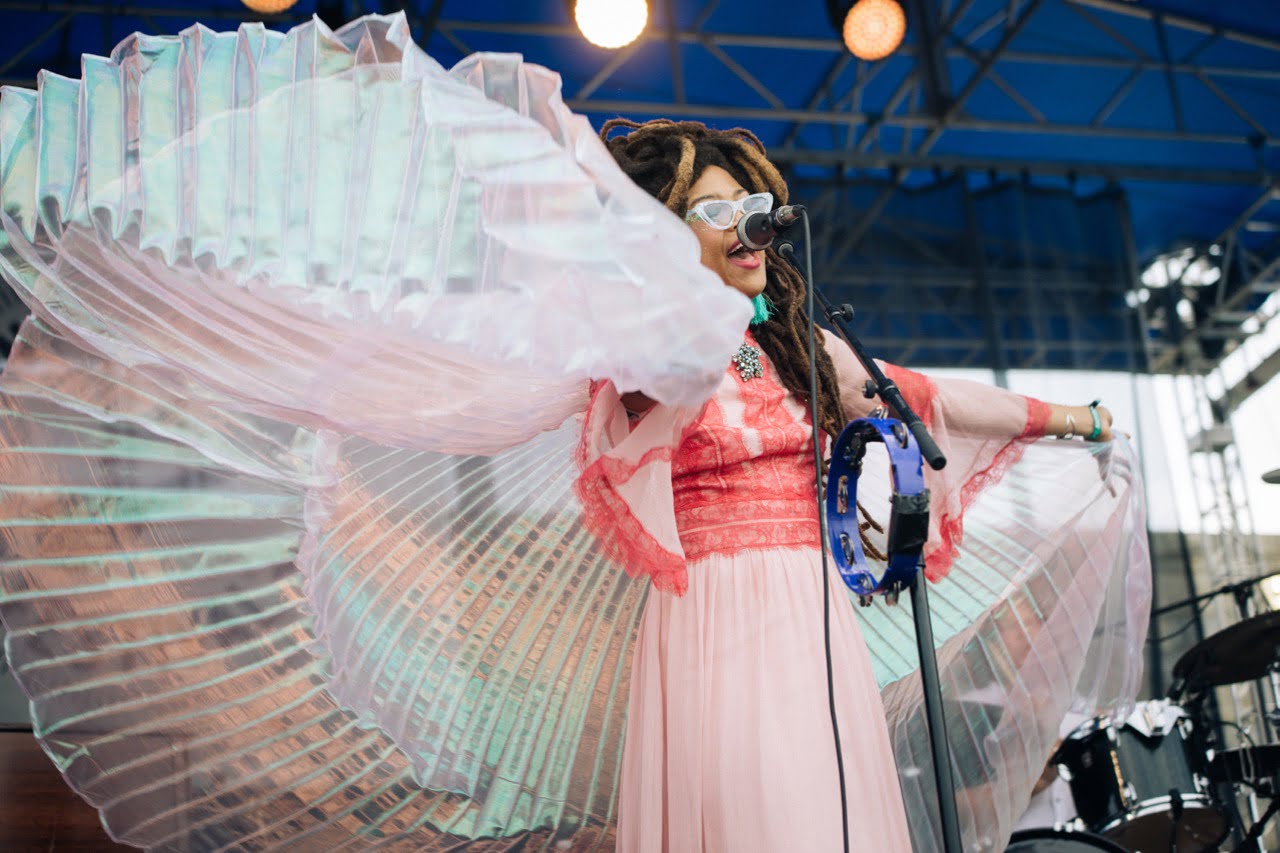
From her upcoming The Moon and the Stars: Prescriptions for Dreamers, Valerie June brings us this song that she dedicates to us all. Produced by June and Jack Splash – whose resume includes Kendrick Lamar, Alicia Keys, and John Legend – this album makes it clear to June why she makes music.

Mike Barnett feat. Cory Walker – “Hybrid Hoss”

Nashville-based fiddler Mike Barnett brings us this Bill Monroe twist-up from his upcoming duets album, +1. The record was slated for a fall 2020 release, until Barnett suffered from an unexpected brain hemmorage. After multiple successful surgeries, he is doing well and recovering in extensive rehab where he is reconnecting his brain and fingers. So in listening to this piece of amazing music, let’s all send our best wishes to Mike Barnett and his family. You can support Mike Barnett’s recovery here.

Sierra Hull – “King of Anything (Live)”

From last year’s Whiskey Sour Happy Hour, this week we’re featuring Sierra Hull’s performance of this Sara Bareilles pop-hit. The Nashville-based singer and songwriter just released Weighted Mind (The Original Sessions), an EP made up of the demos for her 2016 release, Weighted Mind. 

Fort Frances – “Fits and Starts”

“Time traveled on a superhighway,” Chicago-based singer and songwriter tells BGS of the world before the pandemic, “but since March, we’ve all been in a traffic jam.” David McMillin of the group suggests that getting a break from all that movement is actually a good thing, however. This song is all about hitting that pause button.

Jon Stickley Trio – “Future Ghost”

The Jon Stickley Trio is one of the most exciting instrumental, “jamgrass” groups on the scene today. Made up of drums, flatpick guitar, and fiddle, they continue to push the boundaries of instrumental roots music, while being a festival favorite across the nation. This week, they bring us this new single on Organic Records.

Langhorne Slim – “Morning Prayer”

At the end of the Show On The Road podcast episode with Langhorne, he graced us with a performance of this song, accompanied by his cat, Mr. Beautiful. What better way to end this week’s show?


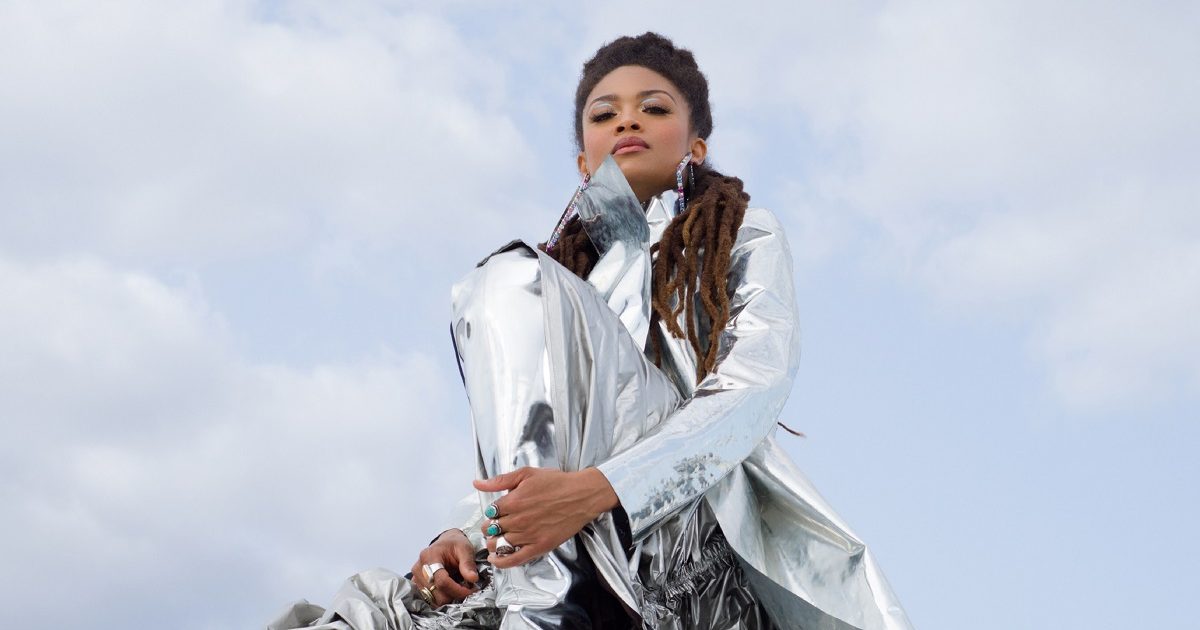
Photos: (L to R) Allison Russell by Francesca Cepero; Sierra Hull by Gina Binkley; Valerie June by Renata Raksha

Whether Your Dream Is Big or Small, Valerie June Dedicates This Song to You

Valerie June blends her roots writing and singing styles with a markedly modern production quality in her new single, “Call Me a Fool,” giving the music a fresh yet familiar feeling. The upcoming album, titled The Moon and Stars: Prescriptions for Dreamers, was produced by June and Jack Splash, whose resume includes powerhouse names like Kendrick Lamar, Alicia Keys, and John Legend.

“With this record, it finally became clear why I have this dream of making music,” says June, who was raised in Tennessee and now lives in Brooklyn. “It’s not for earthly reasons of wanting to be awarded or to win anybody’s love — it’s because dreaming keeps me inquisitive and keeps me on that path of learning what I have to share with the world. When we allow ourselves to dream like we did when we were kids, it ignites the light that we all have within us and helps us to have a sort of magic about the way we live.”

Embracing an experimental approach, Valerie June and Jack Splash recorded the project at Los Angeles and Miami studios. She notes, “For this album I wanted to see how we could bring some modern elements into that band-in-the-room approach I’ve taken with my records in the past.” To compound that marriage between old school and new, “Call Me a Fool” features none other than the Queen of Memphis Soul, Stax legend Carla Thomas. Crisp yet warm, sleek yet comfortable, Valerie June’s new music is everything we’ve been waiting for and then some. The Moon and Stars: Prescriptions for Dreamers will be available on March 12 on Fantasy Records.

Upon releasing the video, she wrote on Instagram, “Have you ever been a fool for a dream? It might have been a little dream like a kiss from a lover or a big one like the dream of peace that Dr. King, John Lennon, and so many others have had for humanity. No matter how big or how small your dream may be, keep believing, and let the world call you a fool!”


Photo credit: Renata Raksha

BGS & Philadelphia Folksong Society Partner on Cabin Fever Fest

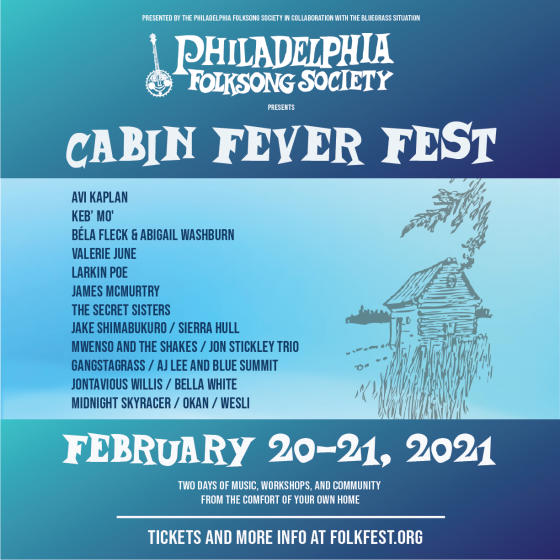
BGS has partnered with the Philadelphia Folksong Society, presenters of the oldest continuously run music festival in North America – the Philadelphia Folk Festival – on a special, winter digital music event, Cabin Fever Fest, to place February 20 & 21, 2021! Pandemic or not, this winter, everyone will have a cozy front row seat as PFS and BGS present this fully digital, interactive musical experience complete with multiple streaming stages and featuring performances by Avi Kaplan, Keb’ Mo’, Béla Fleck & Abigail Washburn, Valerie June, Larkin Poe, The Secret Sisters, and many more. (See full lineup below.)

Tickets to Cabin Fever Fest are available now, including early bird pricing valid until end of day tomorrow, January 30. Details and tickets are available at folkfest.org. Early Bird weekend passes to Cabin Fever Fest are available for just $35 for PFS Members and $40 for Not-Yet-Members. Your ticket gives you full access to the event from February 20 until February 28, to watch at your leisure and convenience. 

Building on what they’ve learned from their virtual festival forays last summer, PFS & BGS will once again bring a vibrant, online music festival experience directly to music enthusiasts’ homes to mark only six months left in the long wait until the 60th Annual Philadelphia Folk Festival in August of this year. Like the festival, Cabin Fever Fest will feature unforgettable original performances from national headliners, international stars, and local talent. Branching out from past Folk Festival programming, Cabin Fever Fest will also feature an emphasis on music workshops and performance that digitally bring us closer together during these difficult winter months of isolation. 

Whether you’re a seasoned performer wanting to strengthen your skills, curious about an instrument or style, want your children to participate in a music lesson, or just want to sing along, ALL attendees will be able to watch these amazing workshops, while VIP attendees will be able to participate in all of the workshops they choose.

Cabin Fever Fest will include performances by: Avi Kaplan, Keb’ Mo’, Béla Fleck & Abigail Washburn, Valerie June, Larkin Poe, The Secret Sisters, James McMurtry, Jake Shimabukuro, Sierra Hull, Mwenso & the Shakes, Gangstagrass, AJ Lee and Blue Summit, Jontavious Willis, Midnight Skyracer, Bella White, Wesli, OKAN, and more to be announced.

All ticket purchasers will be able to watch Cabin Fever Fest on demand until February 28, 2021. FAQ here.


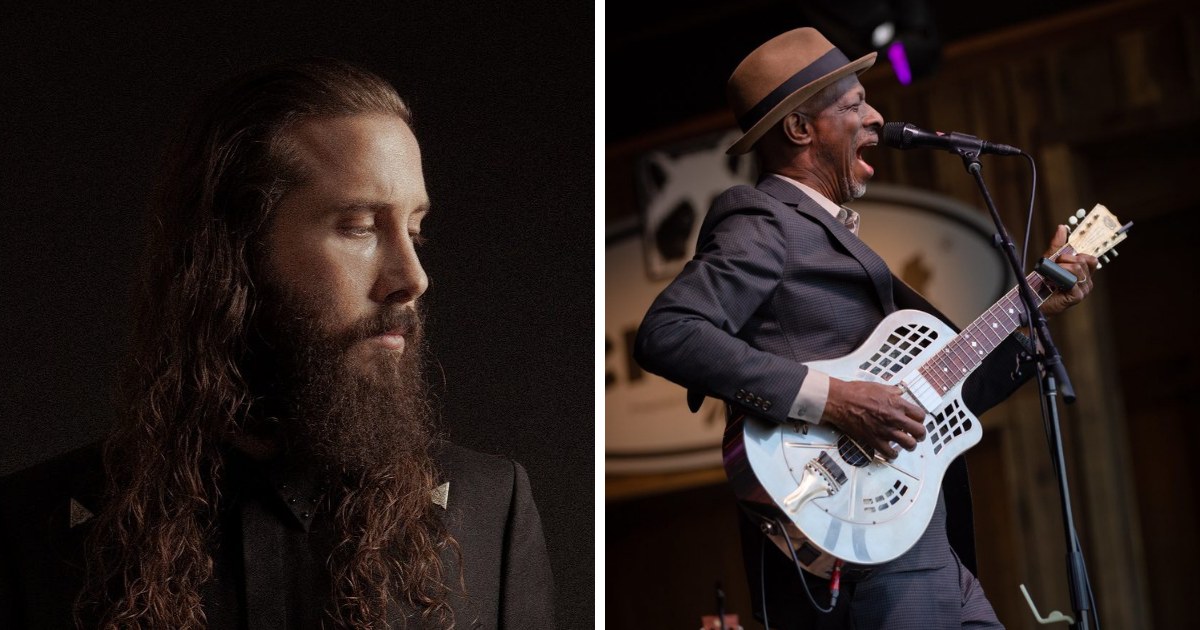
Photo credit: Avi Kaplan by Bree Marie Fish; Keb’ Mo’ by Ryan Case.

Americanafest Prepares Thriving Roots: A Virtual Community Music Conference

Although in-person plans for Americanafest are on hold this year, fans of roots music can still take part in celebrating the music, no matter where they are.

From September 16th to the 18th, Thriving Roots: A Virtual Community Music Conference will host intimate conversations between pairings you won’t find anywhere else.

In August, the Americana Music Association Foundation (AMAF) revealed programming featuring director Judd Apatow in conversation with The Avett Brothers; Bob Weir with Oteil Burbridge; Béla Fleck with Sierra Hull; and Sarah Jarosz with John Leventhal and Chris Thile. The latest programming information also includes talks on empowering today’s creatives, developing streaming strategies and musicians in recovery.

https://www.instagram.com/p/CD1R4d_BUzV/

Apatow will sit down with The Avett Brothers to discuss the intersection of film and music, as well as the fine line between fine art and commerce. In 2017, Apatow co-directed the band’s critically acclaimed documentary, May It Last: A Portrait of The Avett Brothers. Since then, The Avett Brothers have released their new album, The Third Gleam.

The music that fans know and love from their favorite artists simply wouldn’t exist without the innovative musicians who came before them. Weir will sit down with fellow Dead & Company member Burbridge as they explore the inspirations and influence Black musicians have had on the Grateful Dead.

Now more than ever, musicians continue to push and blur the confines of genres to create the art they want to make. Fleck and Hull will speak to how roots music transcends and connects with a wide range of audiences during “Music Without Boundaries.” When it comes to creating that art in the studio, a producer’s ability to understand an artist’s vision is an integral part of the creative process. Moderated by Thile, Jarosz and Leventhal will delve into the connections forged between the artist and producer evident on her latest project, World on the Ground.

Additional new programming includes “Independent Control: The Power of Collaboration,” an inside look into how Americana industry professionals are empowering their independent artists to retain full creative control and the benefits of assembling a hand-picked team. Moderated by Jessica Nicholls (Metropolitan Groove Merchants), this discussion will include Blair Clark (Brooklyn Basement Records), Maria Ivey (IVPR) and Michelle Szeto (Paquin Entertainment Group).

In the streaming era, an abundance of digital resources can be found at the fingertips of industry and artist professionals, but how does one optimize those helpful tools? Led by Mike Fabio (New West Records), “Building a Streaming Strategy in 2020” rounds up Charles Alexander (Systemic), Margaret Hart (YouTube), Margaret Jacobi Lee (AMFM Management), Laura Ohls (Spotify) and Amy Wright (DittyTV) for a talk on developing real-world strategies that lead to increasing listenership and growing a solid fanbase.

Presented by Promises Behavioral Health, “The Show Must Go On: Musicians in Recovery” will find artists Phil Bogard and Jaime Wyatt in conversation with Shireen Janti (MusiCares) and Shane Ramer (That Sober Guy Podcast) about the road to recovery while offering how to find treatment and how others can take practical steps toward becoming a sober creator.

https://www.instagram.com/p/CDRhNsvBq-n/

Previously announced Thriving Roots programming includes intimate conversations between Brandi Carlile and Yola; Emmylou Harris and Ken Burns; and Jackson Browne and Mavis Staples. Rosanne Cash will bring together Ry Cooder, Angela Davis, Bonnie Raitt and Alice Randall for “Love and Vigilance,” a look at the history of protest music.

Moreover, RIAA Chairman/CEO Mitch Glazier and COO Michele Ballalynte will share an update on the music industry during “Record Setting” while looking at current trends and sharing their outlook. There will also be artist-friendly songwriting workshops and case studies like Mary Gauthier’s “Accessing the Universal in Your Songs: Mercy Now,” Taj Mahal’s “Music Is the Healing Voice” and an artist development breakdown with Black Pumas.

With over 50 panel discussions and more than 40 special events filled with music, Thriving Roots will bring the Americana music community together from across the world for three full days of engaging insight from its top industry professionals and leading artists.

Adding to the slate of artist conversations music fans won’t want to miss is Linda Ronstadt offering a behind-the-scenes look at Linda and the Mockingbirds, a new documentary that chronicles her 2019 journey with Jackson Browne and Mexican-American song and dance troupe Los Cenzontles to her grandfather’s hometown in Mexico, resulting in a tale of immigration, family and music. Moderated by esteemed journalist Randy Lewis, attendees will be able to watch the film screening and hear insight from the musical icon alongside the doc’s producer/director James Keach and Los Cenzontles founder Eugene Rodriguez.

https://www.instagram.com/p/CE95F1chNOY/

The Lumineers’ Jeremiah Fraites and Wesley Schultz will sit down with renowned filmmaker M. Night Shyamalan for an engaging discussion on the importance of retaining creative control of your art. In addition, Kathleen Edwards will speak with acclaimed Program Director Rita Houston (WFUV) about her new album Total Freedom, which marks her triumphant return to music after an eight-year hiatus from the business.

The common threads and differences of the Americana and country music worlds will be explored during “Ladies, Your Roots Are Showing,” presented by Change the Conversation. Moderated by CTC co-founder Tracy Gershon with freelance music journalist Marissa Moss, this panel session rounds up Brandy Clark, Tanya Tucker and Lee Ann Womack to share how they’ve been able to successfully navigate both worlds while maintaining their artistic integrity. They’ll also reveal the challenges and memorable moments they’ve experienced during their respective careers.

Reigning Legacy of Americana Award (co-presented by the Americana Music Association and the National Museum of African American Music) recipient Rhiannon Giddens joins NPR’s Ann Powers and the legendary Taj Mahal to discuss the theme of “Music is the Healing Voice.”

https://www.instagram.com/p/CEpIcpMhsZ-/

Music buffs should also tune into a special virtual edition of “Songlines Music Meeting,” an Americanafest fan-favorite. Sean Coakley and Leslie Rouffé will once again invite listeners to hear mostly unreleased tunes and score them during the live session, leading to a discussion on how music programmers in various media formats select the songs they feature.

Aside from plenty of educational and networking opportunities, Thriving Roots attendees will have a chance to unwind and recharge with immersive virtual events and lifestyle breaks. Valerie June will walk folks through a guided meditation that explores how to center oneself using ancient teachings. Big Machine Label Group will spotlight The Cadillac Three, Sheryl Crow and Ray Wylie Hubbard with some must-see musical performances.

During “Aw Heck: An Oh Boy Music Break,” join the late John Prine’s own record label Oh Boy Records for a celebration of their talented roster which includes Tré Burt, Arlo McKinley, Dan Reeder and Kelsey Waldon. For “Come Hear NC,” experience the rich music of North Carolina featuring Hiss Golden Messenger, Jim Lauderdale, Mandolin Orange, Steep Canyon Rangers and more.


Pictured above in composite: Top Row (L-R): Judd Apatow, The Avett Brothers, Oteil Burbridge; Middle Row: Béla Fleck, Sierra Hull, Sarah Jarosz; Bottom Row: John Leventhal, Chris Thile, Bob Weir

Stay On Your Ass: If Days Still Mean Anything to You, It’s a Long Weekend!

Our plans: GET. OFF. YOUR. ASS. 2020: Nope, lol.

In the past, supporting musicians, writers, and creators meant going out to shows, buying drinks at venues, volunteering at festivals, and so much more. But music fans and supporters around the globe are finding new ways to show up for the folks who supply the soundtracks to our lives.

States and local jurisdictions may be loosening coronavirus lockdown restrictions, but the numbers are still very clear. Memorial Day or not, the healthy, safe choice is to just stay distanced, stay apart, and stay on your ass! We’ll continue to bring you a few of our favorite events, livestreams, and COVID-19 coping resources that we’ve scrolled by on our feeds or found in our inboxes each week until that reality changes.

Did we miss something? (We probably did.) Let us know in the comments or on social media!

Rhiannon Giddens Honors Bill Withers, Aids COVID-19 Relief Efforts

In early May, Rhiannon Giddens released a gem from her vault of B-sides and outtakes. Recorded in what she refers to as a “very un-socially distanced time,” Giddens and co. perform a lively tribute to an icon of American music. The release of this cover and music video celebrate the life and music of Bill Withers, while also portraying life in quarantine and raising funds for Global Giving’s Coronavirus Relief Fund.

Like many of his other hits, Withers’ “Just the Two of Us” has an infectious cheerfulness that, especially when juxtaposed with images of quarantine and sheltering in place, can brighten any day. Giddens explains, “When Bill Withers passed, we suddenly remembered we had made this beautiful [cover]… So whether it’s just the two of us, or just a few of us; whether the lockdown has been for months or it’s about to be lifted; COVID-19 is here for the foreseeable future, and the more we can be alone together now, the better the future will be.” 


Whiskey Sour Happy Hour Concludes

Our month-long online variety show came to a close last night with a surprise bonus episode featuring performances from past WSHH performers like Billy Strings, Valerie June, Rodney Crowell, and more. Last week, for the superjam of our final “official” episode, our cast of pickers pulled off this incredible cover of “The Weight,” a perfect finale for the series.

It’s been an incredible journey building and sharing these shows with all of you over the past few weeks, but the fun isn’t quite over yet. We’ve left all episodes of Whiskey Sour Happy Hour online so we can continue raising money for MusiCares and Direct Relief, two organizations leading the charge with critical support for musicians and front line responders facing this crisis.

Over your Memorial Day weekend, why not binge the whole show, enjoy world-class songs and comedy, and if you can, give a little to support the cause, too? Watch all episodes and donate here.Our friends at Direct Relief have been working ceaselessly since the advent of this pandemic to supply personal protective equipment to front line responders. Watch this brief video that captures the importance and the magnitude of the work they’re accomplishing.


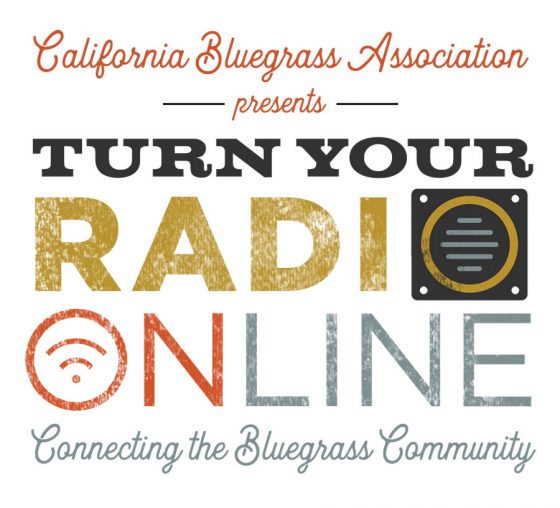
California Bluegrass Association Says to “Turn Your Radio OnLINE”

Founded in 1974, the California Bluegrass Association is one of the oldest and largest bluegrass associations in the world, with over 2,700 members. They produce events throughout the year, including the jewel in their bluegrassy crown, Father’s Day Bluegrass Festival, held every Father’s Day weekend in Grass Valley, CA since just a year after the organization’s inception.

This year, the festival has canceled all in-person programming, asking bluegrass fans in California and around the world to turn their radios “OnLine” to take part in music performances, live interviews, online interaction, and so much more, featuring artists such as Tim O’Brien, Laurie Lewis, Molly Tuttle, Lonesome River Band, Special Consensus, Joe Newberry & April Verch, and others.

The webcasts will be accompanied by an online auction to raise funds for the CBA’s newly announced COVID Artist Relief Fund. Items being auctioned include fine acoustic instruments, books, music lessons, historic bluegrass memorabilia, and items of interest from popular musicians.

Get all of the information, full performance schedules, and more right here.


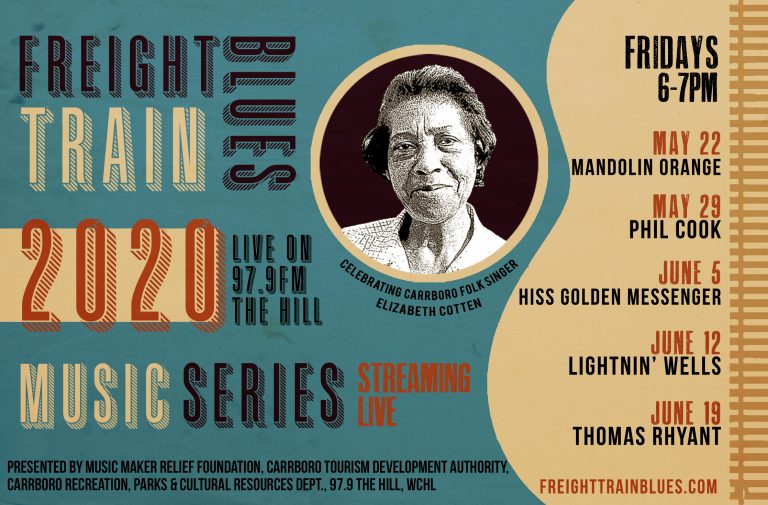
Music Maker Relief Foundation’s Freight Train Blues 2020

Our friends at the Music Maker Relief Foundation, the Hillsborough, N.C. based nonprofit whose mission is to promote and preserve American musical traditions by partnering directly with elderly musicians, have announced their 2020 music series, Freight Train Blues. The event, which ordinarly takes place at Carrboro Town Commons in Carrboro, NC, will now be broadcasted on Facebook, YouTube, and by WCHL 97.9FM out of Chapel Hill.

Featuring performances from Phil Cook, Mandolin Orange, Thomas Rhyant, and more, Freight Train Blues celebrates the life and legacy of Piedmont blues legend Elizabeth “Libba” Cotten, a pioneer in bluegrass, old-time, and blues and whose songs have left an indelible mark on all of American roots music.

You can tune in all through May and June! Get more information from MMRF here.


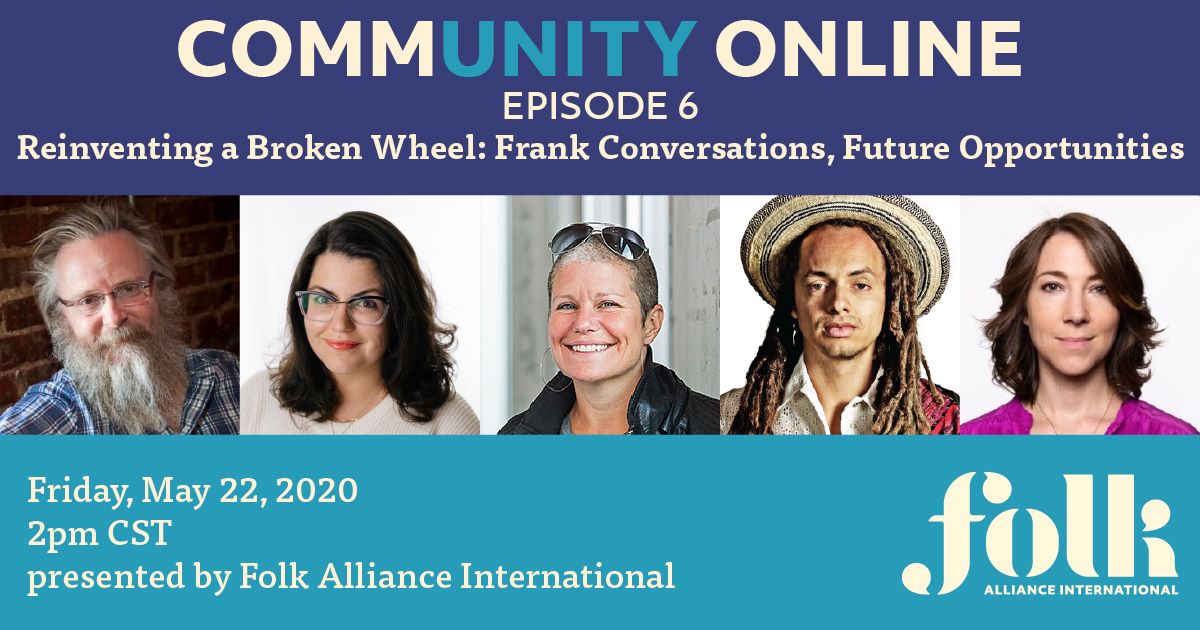
Reinventing a Broken Wheel – Frank Conversations, Future Opportunities


BGS co-founder and executive director Amy Reitnouer Jacobs will moderate the sixth session in Folk Alliance International’s “CommUNITY Online” series of sessions and panels on Friday, May 22 at 2pm CDT / 12pm PDT. Joined by David Macias (Thirty Tigers), Erin Benjamin (President/CEO Canadian Live Music Association), Enrique Chi (artist/activist), and Megan West (Facebook/Instagram) this group of industry experts will discuss, identify, and explore opportunities to innovate, pivot, and move the industry along in new directions. We each have a role to play in constructing our “new normal” — from immediate action to big picture initiatives, this conversation promises to be inspiring, provocative, and realistic.

Register for free, inform the conversation, and participate here.


Justin Hiltner and Jonny Therrien contributed to this article.

BGS WRAPS: Valerie June, “Let It Snow”

Artist: Valerie June
Song: “Let It Snow” (single)

In Their Words: “Since the holiday season seems to begin sooner and sooner each year, my favorite holiday songs are the ones that make you want to cuddle up with a warm cup of tea and watch through the window as the season shifts from fall to winter.” — Valerie June

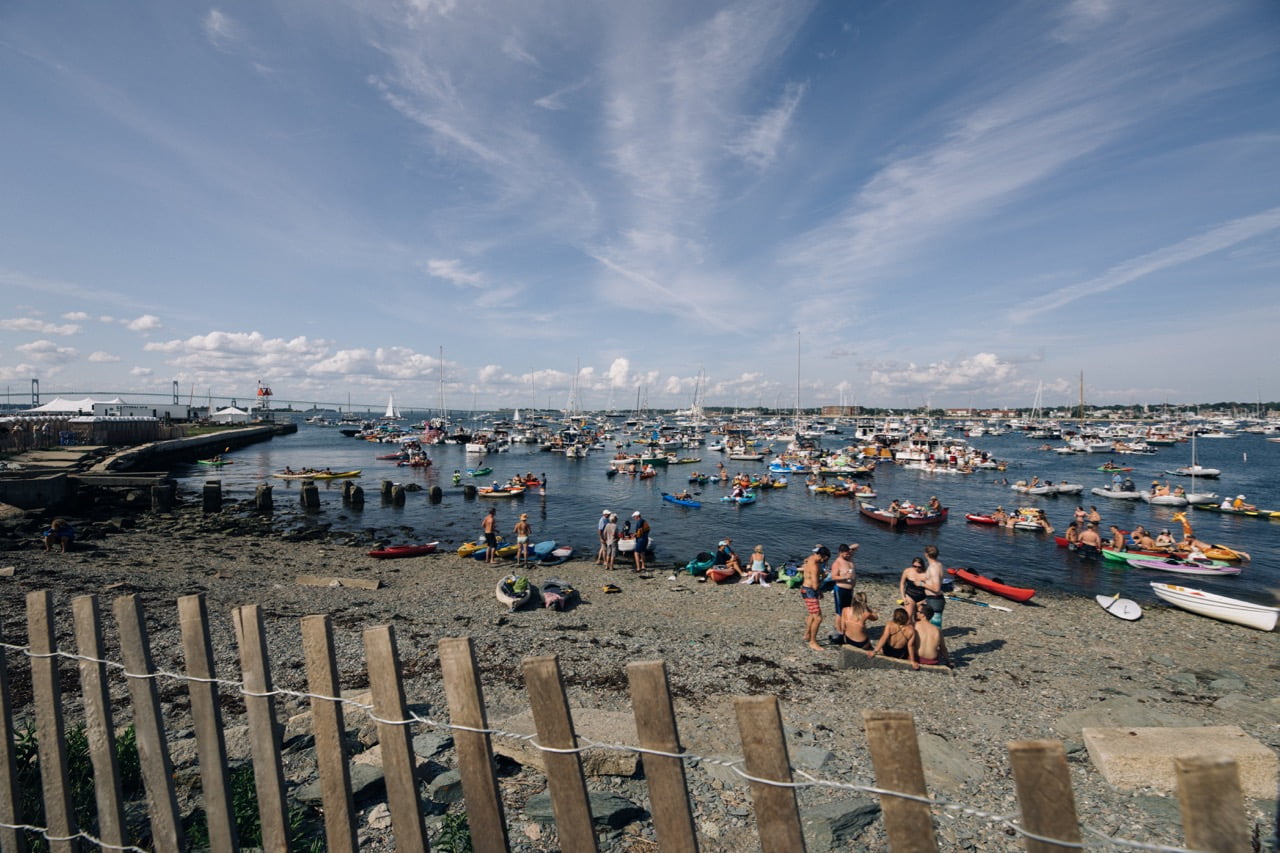
Palpable Joy: Newport Folk Fest 2018 in Photographs

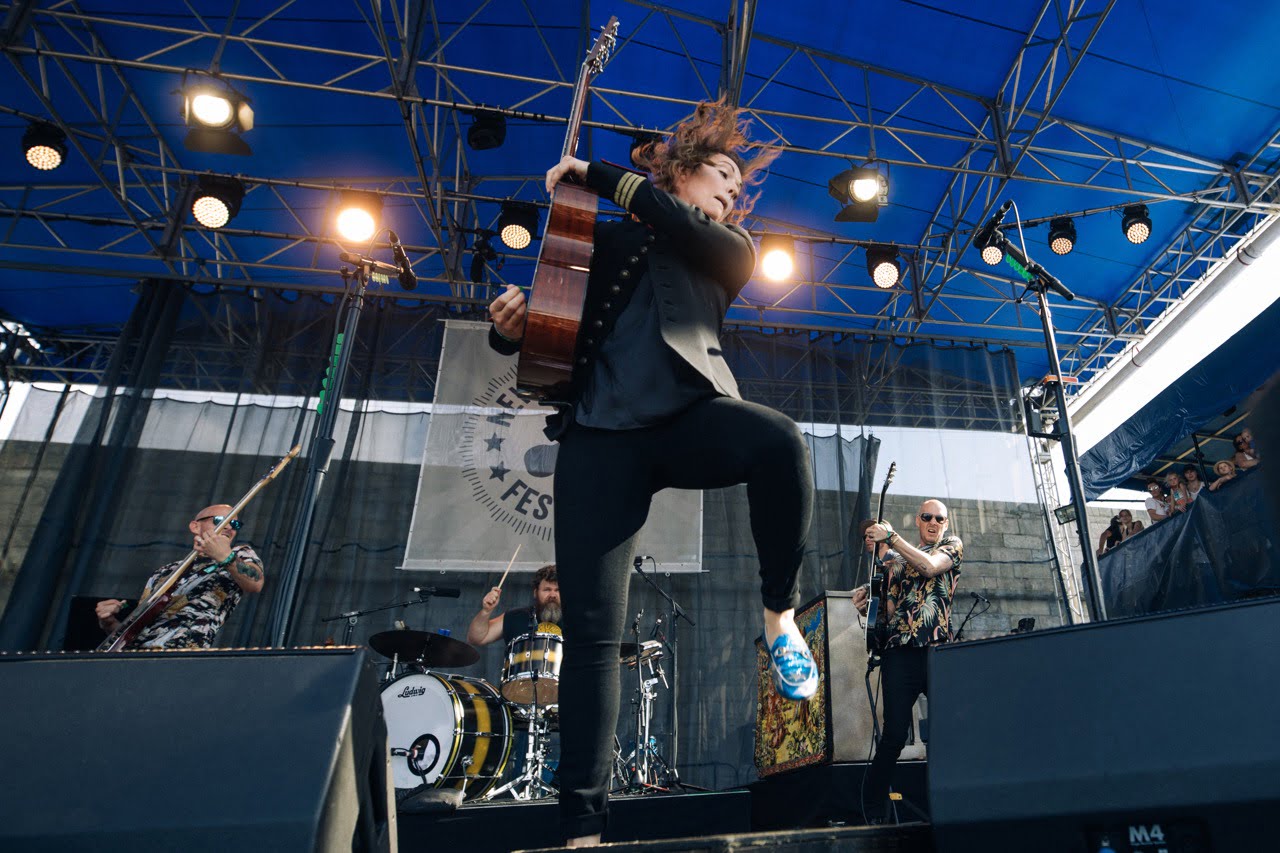
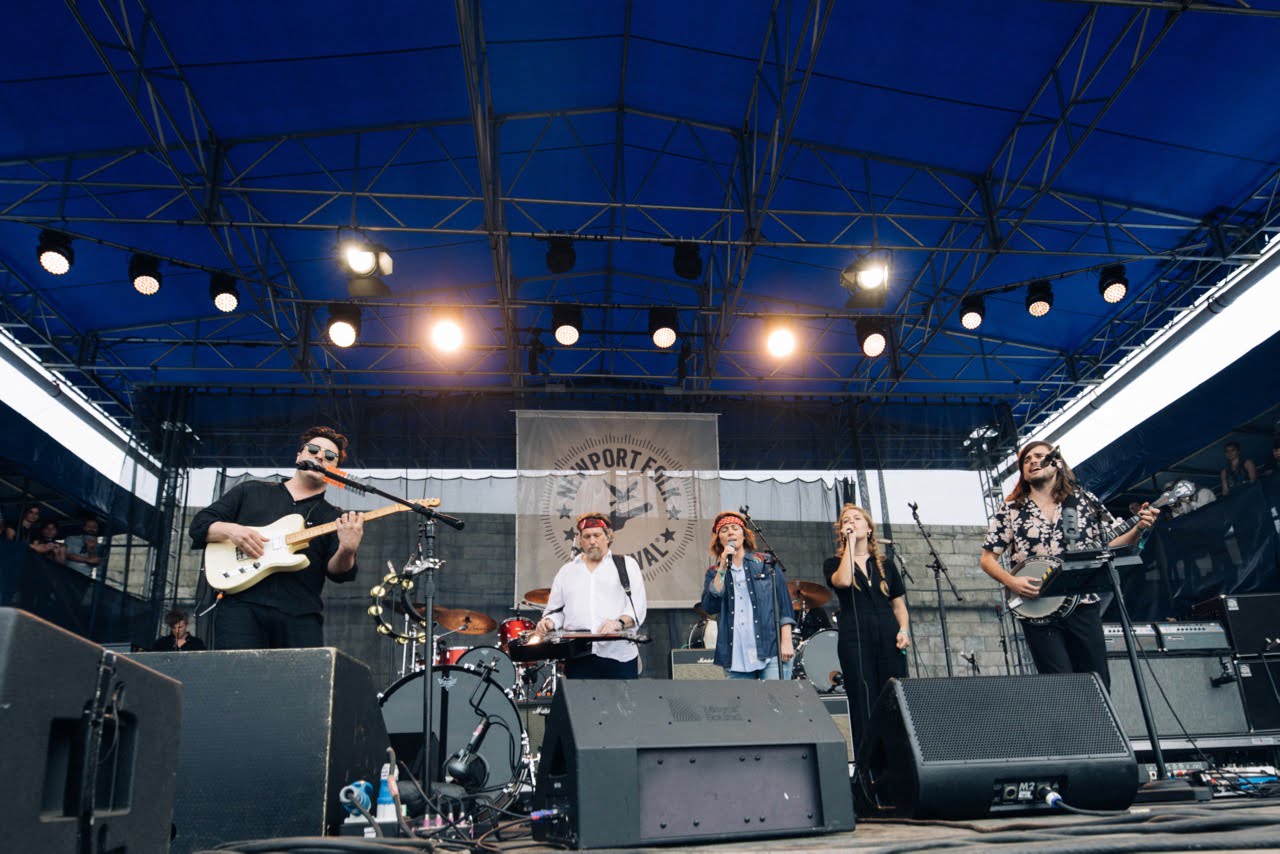
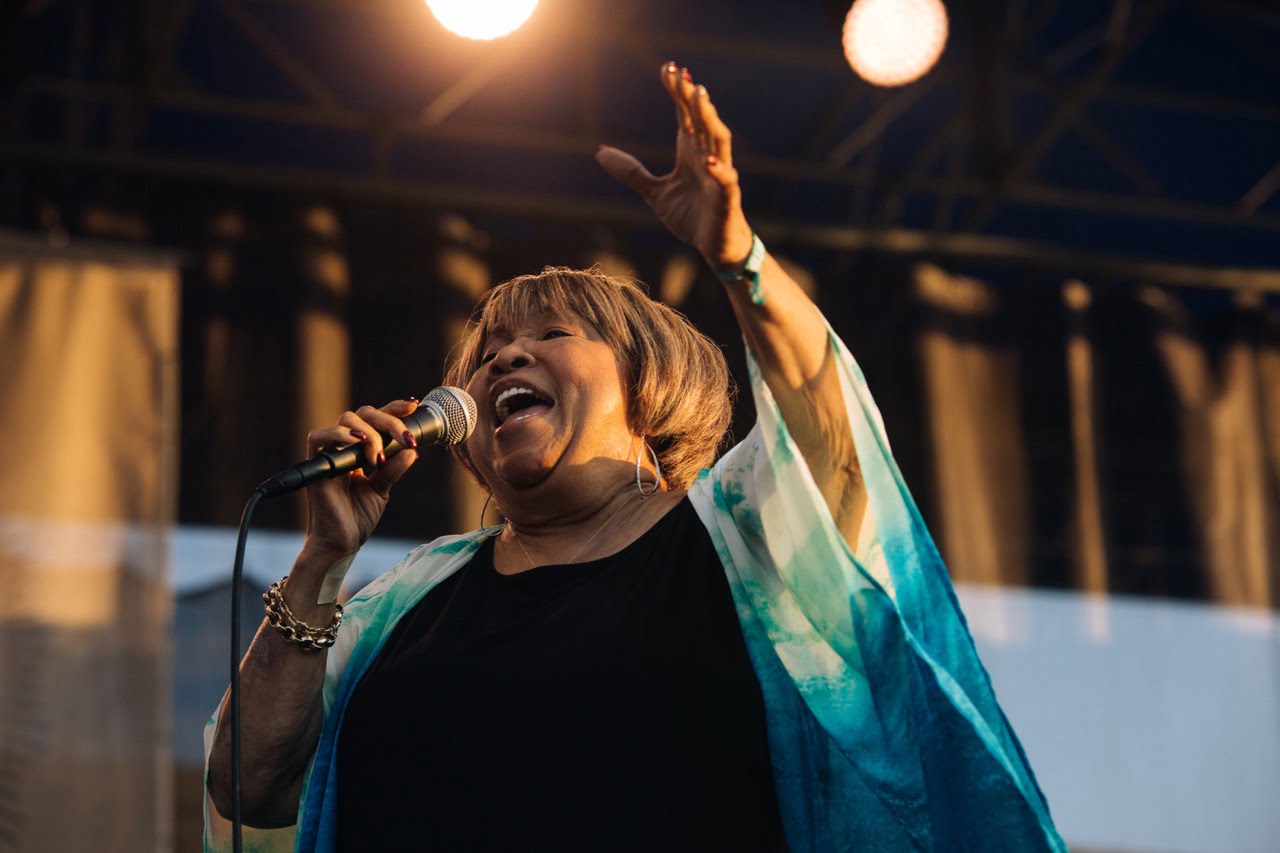
It seemed that this year’s unanimous refrain from Newport Folk Festival, from veteran attendees and newcomers alike, was a resounding, “I THINK I LOVE THIS FESTIVAL.” We think we do too. Based on these gorgeous images from NFF, we’d say each and every human being on site — on stage, in the crowd, or rocking on the waves — loves it, too. And that overwhelming love translates into palpable joy, from Mavis Staples’ first smile to Brandi Carlile’s final headbang, and in every strum, lick, and beat in between. 


Photos by Daniel Jackson

Hangin’ & Sangin’: Valerie June

From the Bluegrass Situation and WMOT Roots Radio, it’s Hangin’ & Sangin’ with your host, BGS editor Kelly McCartney. Every week Hangin’ & Sangin’ offers up casual conversation and acoustic performances by some of your favorite roots artists. From bluegrass to folk, country, blues, and Americana, we stand at the intersection of modern roots music and old time traditions bringing you roots culture — redefined.

With me today in the Writers’ Rooms at the Hutton … Valerie June. I’m so happy you’re here!

Me, too!

It has taken me so long to get you here, and here we are!

Finally! I’m glad to be here. I’m glad to be in Tennessee. I got in the car last night — I rent a car when I come to Nashville to get around, and I don’t drive very much — so I got in there, rolled down the windows, and I was like, “Tennessee air! Yes!” It’s so fresh!

It’s got that old home smell.

It does. It really does! It was an emotional moment. Every moment’s almost emotional with me, though. [Laughs]

Actually, that is a good start. I want to know: What were you like as a kid? Have you always been a faerie? Have you always been this mystical, magical creature?

[Laughs] I’ve always been visited by them, so yeah! And following rainbows, ever since that show Reading Rainbow! [Laughs]

Were you super precocious and just in another world? Was that your childhood?

I enjoy learning about other worlds. I guess that started with being raised in the country and nature between Jackson and Humboldt, Tennessee. Also learning about the spiritual world, when I was going to church, so that world. We learn a lot about this world, but what about the other worlds, as well, that help make this world?

Yes! That makes everything else come into focus for me, in regard to you. I feel like your music, actually a lot of Black roots music, is dancing on this line between the mystical and the mundane, with feet on the ground but hands toward the heavens, right — almost necessarily?

I think it can, generally, a lot of it. But it feels to me like, in America, a lot of American Black music is based out of spirituality and the church anyway. Black roots music is the root of music of all genres, in a lot of ways. I think about somebody like Sister Rosetta Tharpe and how she is the rock ‘n’ roll godmother, but she started in the church! So it’s really interesting. Everybody I love — of course, Aretha Franklin started there — so many people started there. It’s an interesting thing to think about. I used to think about it a lot. Now I’m on the other side where I am hanging out with the faeries a little bit more. [Laughs]

The banjo, to me, is almost the physical representation of that line, as well, because it’s earthy and yet it can sound otherworldly.

Yeah, it can. It really can. It’s a dreamy instrument to me.

Does it take you to other places? Do you get in a little bit of a trance with it sometimes?

I get in a trance. I would say that the biggest places it takes me are places kindred with, I don’t know, I feel so connected to African roots, when I listen to people like Fela Kuti or Ali Farka Touré. The same kind of twanginess that can happen with a banjo, that translation is so easy for me to think that this came from that, and that came from this, and how they’re all married and dancing in the same pot.

I read an interview with you in which you listed a bunch of heroes, musical and otherwise, everyone from Dolly Parton and Joanna Newsom to Kahlil Gibran and Wendell Berry and Frida Kahlo. I love that wide spectrum. We share a lot of the same inspirations. Do you feel like it’s important to pull from a pool that’s both wide and deep when it comes to inspiration and information?

I think the most important thing that I feel is that each individual must do everything, every day to go further into learning who they are. If that means to pull from many things, do that. But for some people, theirs is a very concentrated effort, and it is mastering one thing. I think that’s to be respected, as well as people who are ADD with their attention, of art, and music, and food, and everything! I’m a little bit like that. But there are others where you can just know that they’re just focused, like needlepoint, such a sharp focus on one craft, and how beautiful that is. So I think it’s always an individual diving deeper and deeper within themselves.

I think things that we see in the physical world, they first manifest in an invisible world. So that world is kind of more important in a lot of ways, and it takes time for things that are happening in the invisible world to form into the physical. So, that is an order of time. But if you have this magical place and it’s telling you to constantly focus on just being the best purist of folk music, do that! If it’s telling you you’re drawn to this and that, do that!

Whatever your own compass is, you must constantly be listening to that and constantly saying, “Okay, where is it today?” … Every soul that’s born has a purpose, and every soul has a responsibility to listen to only one voice — that inner voice inside of them — and be constantly checking it and listening to it. Because, when you look out at the world, from the moment you wake up and open your eyes, it’s gonna tell you something else. As a baby, when you’re really little, you know why you came. But then as you get older, things start to shape in different ways. You get pushed and pulled, and pushed down.

I was talking to one of my poet friends about it a few days ago — the choice to constantly follow your light. She kept using the word “practice.” She said, “It’s practice. You’ve got to practice. Every single day is practice.” And I was just like, “I don’t want to hear it! I don’t want to practice. I just want to be here!” [Laughs]

The diligence is exhausting, for sure. Yet, I’m with you: There’s no other way to be, I don’t think. I think about representation a lot, representation in the world, and for a lot of us, our images aren’t reflected back to us in the media or whatever. I interviewed Rhiannon Giddens a few months ago, and one of the ideas I posited was that white men, in particular, have a luxury of mediocrity, because the world is built for them. The world reflects their image back to them in all sorts of positive ways, that people like you and I don’t have. So they don’t have to try as hard. So I wonder if that plays a part for some people not even knowing that they have their voice or their light. They just assume the world is there for them and they don’t have to try.

Well, when you’re working in the invisible realm, which is where things occur first, and that’s your most powerful place, and you are truly working there, then everything that you see in the physical [realm] is an illusion. What I’m telling you is that, everything you said is true and it does exist. But where do you get the food to wake up in that kind of world and still shine? That is where practice comes in, and it goes into moving the real world, which is not something you can see — it’s something you’ve got to trust. And every day believing with full force that that flower that you see there, is gonna manifest here, and that there will be beauty and balance. I don’t necessarily think the goal is changing the world that’s out there. But once you start to change you, then things around you start shifting, and slowly it changes.

It ripples.

Like the Grateful Dead song — “ripple in still water.” I love that! I love it! And [the change] is so slow.

Yesterday I was at LaGuardia Airport, and the magazine covers right there, I was like, “Oh, let me look at the clothes on the magazine covers,” because I love clothes. It was beautiful. There were white women. There were Black women. There were Indian women. I was like, “I’m gonna take the change.” I’m gonna take the change where I can get it. Where I can get it and when I see it, I’m gonna honor that and give some light to that, and say, “Yes, thank you.” That’s what I want to see — multi-races, multi-ages, multi-sizes, that’s what I want to see. What do you want to see? It is really practicing the change you wish to see versus continuing to say, “Oh, it’s the white man’s world and this is the way it is.” No! We’re moving forward. We’re creating something beautiful.

Watch all the episodes on YouTube, or download and subscribe to the Hangin’ & Sangin’ podcast and other BGS programs every week via iTunes, SpotifyPodbean, or your favorite podcast platform.

Black History Is Roots Music History

To celebrate Black History Month, we’re taking a moment to revisit pieces that celebrated the creativity, music, and identities of artists of color over the past year.

Plenty of wisdom has been handed down in our Counsel of Elders features:

Jimmy Carter of the Blind Boys of Alabama spoke of faith and singing about reaching the end of the journey: “People ask me, ‘You’ve been doing this for almost seven decades, what keeps you going?’ I tell them, ‘When you love what you do — and we love what we’re doing — that keeps you motivated.’”

Soul singer Lee Fields had advice for staying positive without losing one’s realism: “I do believe that love is out there today, true genuine love, and I think a person should always keep that in mind. Stay positive.”

Then there’s 75 year-old singer and hit songwriter Don Bryant who has only just released his second album, so he knows a thing or two about perseverance and second chances.

Two of the past 12 months have been anchored by roots music legends:

Blues super-duo Keb’ Mo’ and Taj Mahal released TajMo, so we marked the occasion by designating Keb’ our Artist of the Month for May. The album just won a (well-deserved) Grammy.

Country hit-maker Charley Pride held down the Artist of the Month slot in September, when we pointed out that, even now, in his 80s, he is unafraid to shake things up.

Then, there are the cover stories:

With her record, The Order of Time, Valerie June defies labels, spanning blues, bluegrass, soul, folk, rock, and more, gathering pieces from each to build a kaleidoscope that showcases the long undercurrent of history running through each.

Trombone Shorty is intent on keeping the culture and music of New Orleans alive, but without redundancy: “When I grew up, I was listening to brass bands and I was listening to New Orleans hip-hop, so that is a part of my culture. I started, then, playing my horn to hip-hop beats and rock beats. It’s part of knowing where you come from, but trying to move the music forward.”

Black Joe Lewis doesn’t revive rock ‘n’ roll, he just shows the world it’s still alive — and, as a classic form of American music, it should have a seat at the Americana table, too.

For Chastity Brown, making music is like a therapy session: “The music reflected itself back to me and, in one part, let me know I was quite broken, and in another part of [Silhouette of Sirens], let me know I wasn’t that way anymore.”

The historical context of Black identities in roots music is best supplied by, well … Black identities in roots music.

New York-based Black string band the Ebony Hillbillies expertly laid out the diverse history of bluegrass and old-time music in a Shout & Shine interview.

Scholars Doug Seroff and Lynn Abbott have worked together for nearly 40 years researching the history of African-American music in jubilee, quartet, vaudeville, ragtime, and early blues music.

We dove into the history of the Georgia Sea Island Singers, who have featured a rotating cast over the years and continue to share their rich history of West African descent, with performances at presidential inaugurations and other public ceremonies.

By working through a deep-rooted musical heritage, Rev. Osagyefo Uhuru Sekou uses the language of the past to inform the present, serving up a direct response to the current political climate.

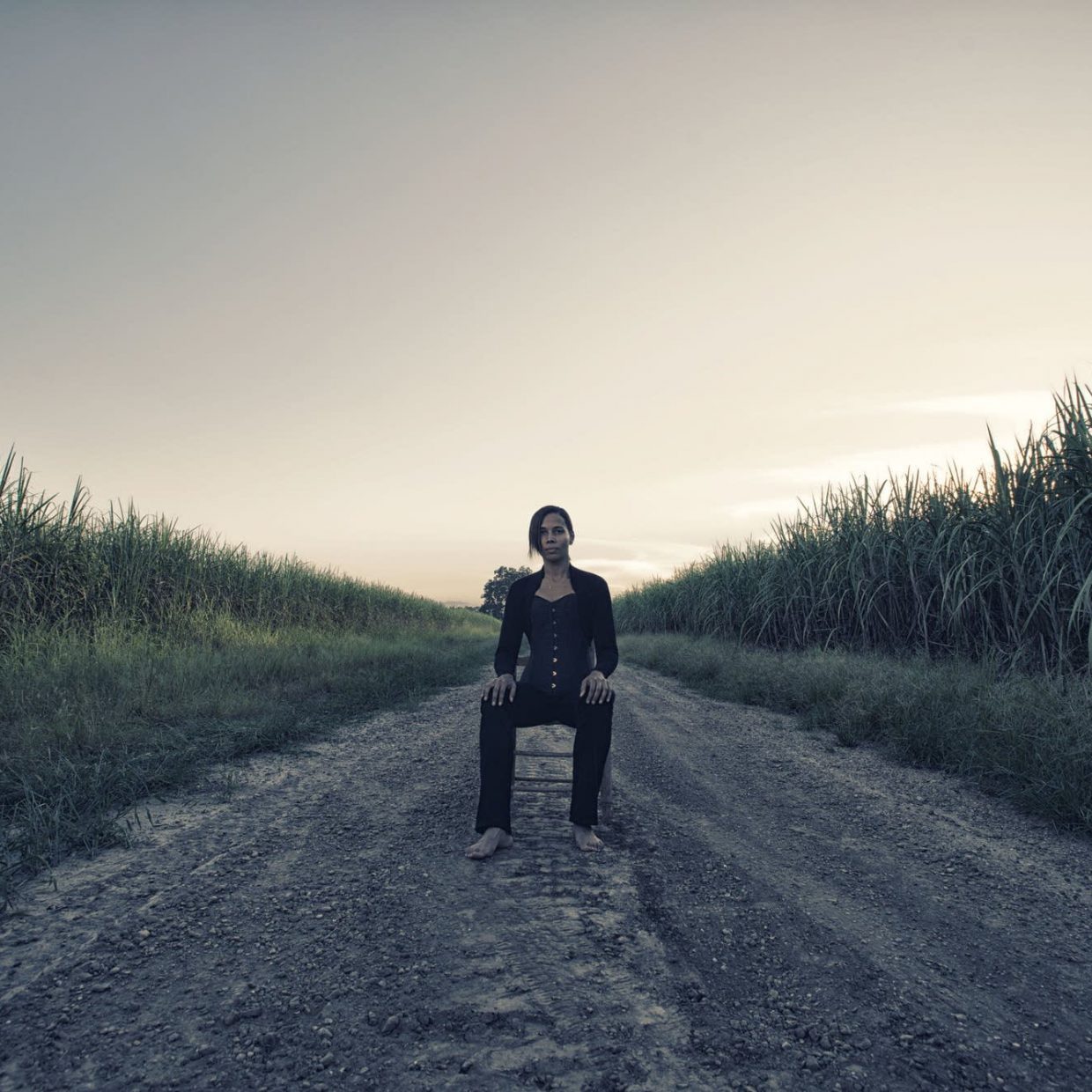
In her album, Freedom Highway, Rhiannon Giddens examined the cyclical struggles of the victims of injustice that suffer throughout history … slaves, children, Black men, and more. We spoke to her about it.

Lesbian, Americana artist Crys Matthews is a native of the South and the daughter of a preacher. She understands and appreciates the myriad ways her background informs her ability to help others empathize with those with whom they might assume they have nothing in common.

Let’s not forget about all of the incredible music:

Birds of Chicago sang one of our favorite songs for a Sitch Session.

Ben Hunter & Joe Seamons released A Black & Tan Ball with Phil Wiggins and built the album on friendship, their commitment to celebrating the wide range of American styles available to any songster, and the joy of sharing those musical styles across generations.

Benjamin Booker’s “Truth Is Heavy” was featured as a Song of the Week this past June.

And Rhiannon Giddens had a Song of the Week, too.

One of our new favorites, Sunny War, sings to her younger self — and all young children today — about the challenges of life.

Guitarist Hubby Jenkins can do more with just his voice and guitar than some folks do with an entire band.

We hosted a number of wonderful artists on Hangin’ & Sangin‘, as well:

Johnnyswim had us laughing for the whole half-hour … and invited us over for dinner, to boot!

The aforementioned Keb’ Mo’ turned on the charm in a big, big way.

Acoustic soul singer Jonny P touched on the importance of positive representation.

Hopping over from the UK, Yola Carter blew our minds with her incredible voice and spirit.

During AmericanaFest, Leyla McCalla talked us through the history of Haitian-Americans.

And last but not least, there have been several stellar Mixtapes, too:

Singer Bette Smith remembers her big brother and his love of soul music with this playlist.

Contemporary blues guitarist Ruthie Foster gave us an introduction to the blues with a dozen foundational tracks upon which a blues novice might begin to build their love of the form.

Our friends at the Music Maker Relief Foundation are working hard to preserve traditional, vernacular American music, especially traditional blues.

BGS Class of 2017: Albums

Way back in January, we proclaimed 2017 to be the “Year of the Banjo” and predicted it would be a stellar year for women in roots music, as well as the more justice-minded songwriters in our midst. All these months later, our intuition proved correct on all counts. And we are thrilled by that. Having Alynda Segarra and Rhiannon Giddens reign supreme in our BGS Class of 2017 is an absolute honor. Both women took on tough thematic terrain with grace and gravitas, and we couldn’t be more proud to support them and all the other fantastic artists who make the BGS roots community so artistically inspiring and culturally important. — Kelly McCartney, BGS Editorial Director

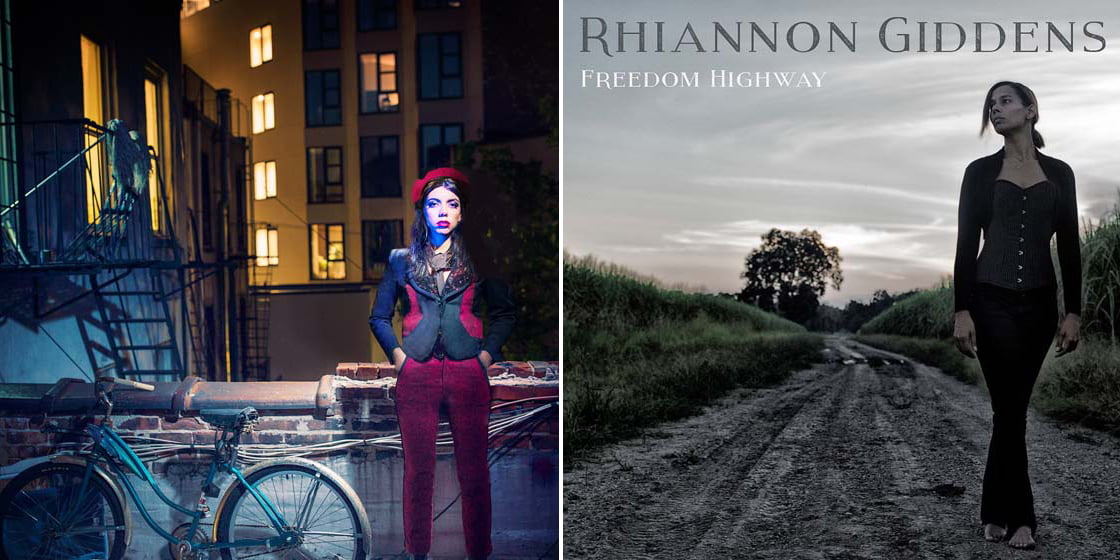
Co-Valedictorians: Hurray for the Riff Raff, The Navigator / Rhiannon Giddens, Freedom Highway

In a year rampant with talk of division — coasts vs heartland, white vs people of color, red vs blue — many artists, thinkers, and activists have attempted to bridge these divides by zooming out and broadening perspective, pointing to the core commonality of our humanity. With The Navigator, Hurray for the Riff Raff accomplishes this same unifying goal, but with the exact opposite approach. Led by Puerto Rican-American Alynda Segarra, they zoom in, viewing these divisions, these cultural and societal rifts, through a microscope trained on New York City, magnifying a Puerto Rican neighborhood and a fictitious young Puerto Rican girl, Navita. The album’s concept — granular, focused, and minute — doesn’t alienate listeners with this specificity. Rather, it plays like a colorful movie entirely enclosed within its own soundtrack, relating Navita’s heart, soul, and story to an audience that, for the most part, would feel they could never relate to a woman like her. Segarra and Hurray for the Riff Raff demonstrate through The Navigator that we ought not shy away from the intensely personal, singular, individual aspects of identity and identity politics for the sake of “coming together.” What’s more, they’ve posited a record that, taken separately, the message, concept, and music each stand on their own respective feet, but together, amplify and augment each other. The message is incredibly clear: We need not gloss over the intricate elemental parts of our differences to understand, appreciate, and love each other. Pa’lante! — Justin Hiltner

If 2017 saw an influx of banjo-centric projects, it also turned out to be a year when music’s political stakes rose ever higher. Singer/songwriter Rhiannon Giddens pairs both, using her instrument as a historical beacon that traces a line from slavery to the growing spate of police brutality. Through narratives about slave mothers, church singers, young men in the crosshairs, and more, Giddens uses these personal stories to explore their ongoing political resonance. Beginning with “At the Purchaser’s Option” — written from the vantage point of a slave mother forced to contend with her baby’s future as a commodity rather than a consciousness — Giddens sews together a quilt of American roots music that is as varied as the stories it encompasses. She explores old-time songs, reels, blues, funk, gospel, and more, stitching her way into and through the rich traditions that inform her craft and comprise her heritage. “Better Get It Right the First Time” blends funk-blues, a rap intersection, and Giddens’ authoritative vocals to challenge how states view and police Black male bodies, while the instrumental “Following the North Star” says everything about that experience through a rhythmically charged dialogue between banjo, drums, and castanets. The relationship between art and politics on Giddens’ new album is not an explicit call to action, but a reminder about the power of stories — both melodic and lyrical. As Giddens admits on “Birmingham Sunday” — about the 1963 church bombing — “All we can do is sing you a song.” — Amanda Wicks

Best Travel Buddy: Becca Mancari, Good Woman
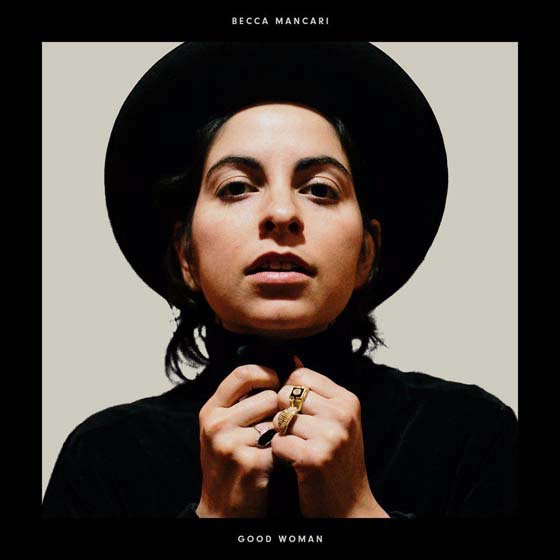
Becca Mancari’s debut album is a world unto itself. Over the course of 33 minutes, the Nashville singer/songwriter crafts atmospheric Americana imbued with a haze that brings to mind the faded edges of a sepia-toned photograph. Born in Staten Island, raised in rural Pennsylvania, and having spent time in Florida, the Appalachian region of Virginia, and even India, Mancari has experienced firsthand the significance of place. It’s only fitting, then, that on each of the album’s nine tracks, Mancari has created an environment to get lost in. It’s a notion that extends beyond Good Woman’s sonic palette and is carried out visually in the album’s music videos. In the video for the title track, Mancari embarks on a snowy walk in the Arizona wilderness with the plaintive landscape providing the perfect backdrop for her rumination on what, in fact, constitutes a “good woman.” Mancari seemingly walks right out of that snow storm and into Arizona’s breathtaking sunny expanse for the accompanying video for “Golden,” while the slow-burning “Arizona Fire” also finds its staging area in Arizona’s canyons. On the standout “Summertime Mama,” which waxes poetic about a warm-weather crush, Mancari sticks closer to home by offering a glimpse into a carefree summer day she spends in Nashville with her girlfriend and fellow songwriters Jesse Lafser and Brittany Howard, with whom she plays in a side project dubbed Bermuda Triangle. Cruising with the windows down en route to an impromptu fishing trip and then onto a nighttime gig, Mancari’s adventures mirror the song’s breezy veneer. Just as Good Woman expands and contracts across terrains, Mancari crosses sonic bounds with her dream-like reflections, making her one of the most significant songwriters to come out of Nashville this year. — Desiré Moses

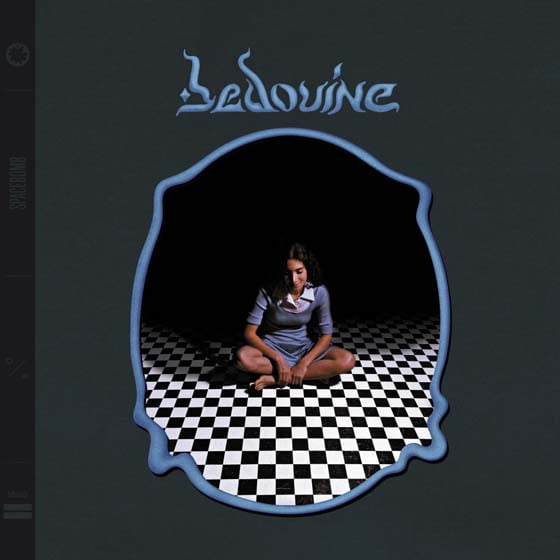
Best Reminder to Stop and Breathe: Bedouine, Bedouine

There’s no point in talking about Bedouine’s self-titled debut in anything other than colors. Between the rose-tinged “Heart Take Flight,” the dusty blue “Back to You,” the gold-flaked “Summer Cold,” and the silver-inflected “Solitary Daughter,” singer/songwriter Azniv Korkejian’s album hangs like a painting. That’s all thanks to her dusky voice, an easy, somnambulant tone that fits colorfully against Virginia label Spacebomb’s trademark strings. In between songs about her native Syria and her life in Los Angeles, the nomadic Korkejian details a romantic relationship that caught her off guard and encouraged her to stay. Rather than train her gaze on her lover, though, she holds up a mirror to herself and traces the effect love has on her. She defiantly projects her independence on “Solitary Daughter,” gives herself permission to enjoy new love on “Heart Take Flight,” and inevitably questions her lover’s commitment on “Skyline.” Bedouine reflects notes of Leonard Cohen, Nick Drake, and other poetically driven but somber-toned singer/songwriters, but in the end, its creator has captured a colorful mood that remains solely her own. — AW

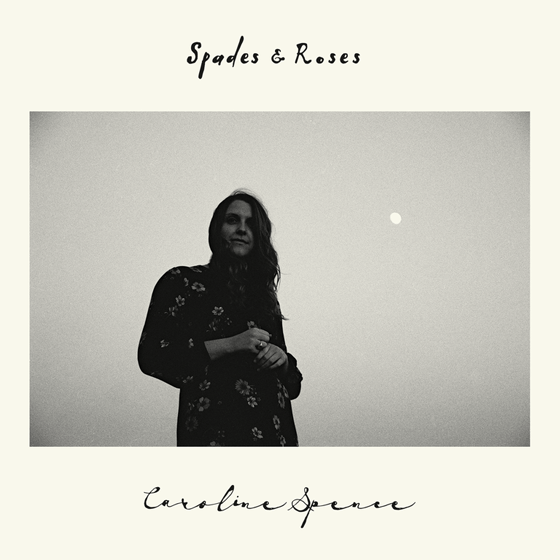
Most Likely to Kick Your Ass While Breaking Your Heart: Caroline Spence, Spades & Roses

In a year that kicked off with the Women’s March and seems to be ending on scores #MeToo moments, Caroline Spence‘s “Softball,” from Spades & Roses is an anthem for any woman who is sick of battling on a different playing field. In the hands of the Nashville-based Spence, this is done through the artful metaphor of softball: an unnecessarily gendered sport that keeps women from even having a shot at the big leagues. With a delicate chug of guitar and the soothing coo of Spence’s voice, it’s just one timeless moment from Spades & Roses, a collection of stunning folk songs that explore both the world inside of her own bedroom and the world at large. Spence is self-aware in romance on “All the Beds I’ve Made,” ready to surrender on “Slow Dancer,” and eager to fight on “Softball,” showcasing a keen knack for folk songs often dripped in rock and packed with poetic, artful lyricism. Produced by Neilson Hubbard (The Apache Relay, Matthew Perryman Jones) and featuring Grand Ole Opry fiddler Eamon McLoughlin and cellist David Henry, the album puts Spence’s pitch-perfect, breathy vocals at the center of songs which effortlessly jump from personal confessions to feats of narrative storytelling. “I’ve been playing shows out West with no guarantee that anybody’s ever gonna give a damn about me,” she sings on “Hotel Amarillo,” a track that encapsulates the experiences of any musician who’s slugged through date after date with barely enough money made to keep on the road. But, in her hands, it’s also a study of choices, and all that we’re left to leave behind when we follow our dreams. It’s well worth giving a damn about, indeed. — Marissa Moss

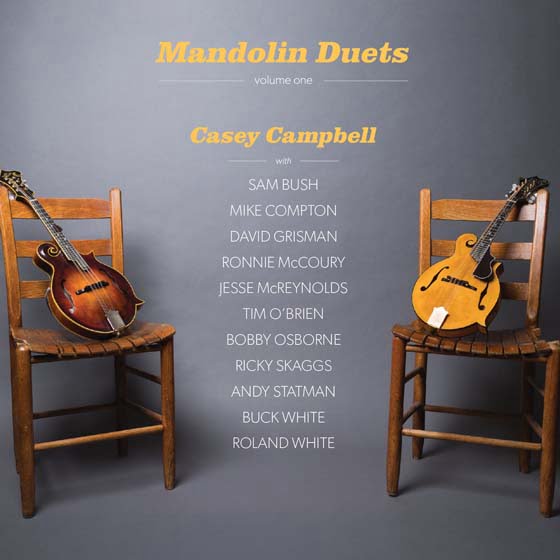
Best Addition to the Time Capsule: Casey Campbell, Mandolin Duets, Vol. 1

Bluegrass is unique among genres in that its living legends — the men and women who helped create and shape it — have never been set apart from the fans, amateur players, and up-and-coming talents. They not only mingle and interact freely with all of the above, but they actively facilitate the future of the music and the greater community, as a whole, by mentoring and shepherding young people. Mandolinist Casey Campbell quite literally grew up at the feet of a host of these living legends, so it’s fitting that, for his first album, Mandolin Duets, Vol. 1, he called upon 11 of these heroes and mentors, each showcased in their own intimate, beautifully pared-down duet. The record is a treasure trove of bluegrass mandolin and the players who have pioneered the form. Grand Ole Opry members Jesse McReynolds and Bobby Osborne hold down the traditional end of the spectrum, while David Grisman and Sam Bush test the waters on the fringes of bluegrass, with all iterations and styles in between represented. Campbell’s own Monroe-infused, clean, studied picking anchors each track, providing the perfect artistic sounding board for each of his guests. This is, by all accounts, a niche album within a niche genre, but the music doesn’t necessitate a bluegrass history lesson or individual bios for each mandolin guru to be fully appreciated. If the future is fair, this record will join the ranks of Skaggs & Rice and Bill Monroe & Doc Watson’s Live Duet Recordings as one of the most important bluegrass duet records ever made. — JH

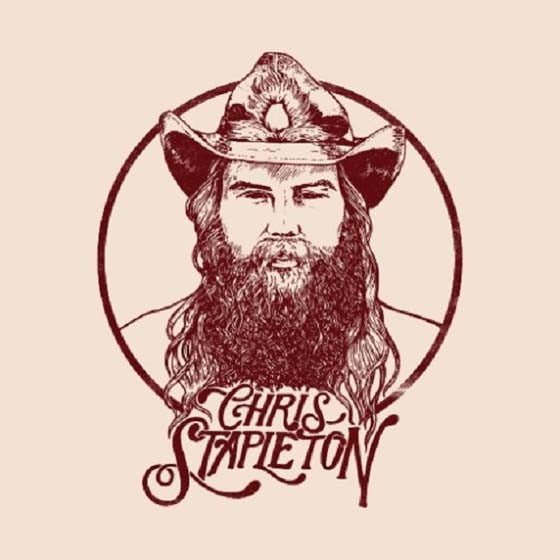
Most Likely to Cause Shivers, Sobs, or (Whiskey) Sips: Chris Stapleton, From A Room: Volume 1

Chris Stapleton’s magnetic vocals find new forms of expression on From A Room: Volume 1. Mainstream country songs like “Them Stems” prove he can play the game alongside fellow chart-toppers like Thomas Rhett and Luke Bryant, but he’s most successful when he bucks popular trends and follows his own proclivities. With emotionally strained songs like “Either Way,” which reinforce comparisons to George Jones, Stapleton not only shows off his magnanimous voice, but also its ability to communicate the most painful of experiences. “Either Way” examines the nebulous area in between love and loss, when two people realize the plateau they’ve reached as a couple won’t be overcome. Whether they stay together or decide to leave, Stapleton admits, “I won’t love you either way.” It’s the resigned dip in his vocals before he admits the line that rings forth with such agonizing honesty. He treads in a bluesy tradition with “I Was Wrong” and “Death Row,” both of which find his voice exploding past the rafters with howling pleas. Thematically, the album toes country music’s preferred line, touching on drunken nights, bad decisions, whirlwind love, and regret, but in Stapleton’s hands, these subjects don’t feel worn. His voice infuses them with an emotional mastery that creates chills. — AW

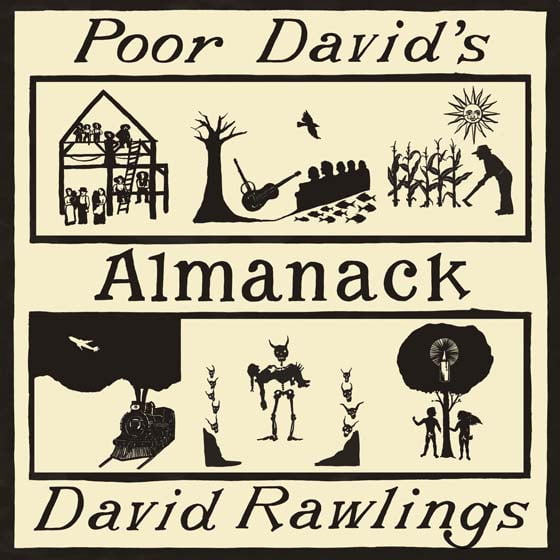
Most Likely to Hasten the End of the World: David Rawlings, Poor David’s Almanack

David Rawlings’ third solo album is as sure a harbinger of the apocalypse as any other musical release of 2017. Not because it’s so bad (it’s actually very, very good), and not because it’s that good, either (it’s actually not oceans-boil-over good). It’s because you could buy it on vinyl the day it hit stores and digital outlets. Poor David’s Almanack is the first Acony album to get a simultaneous LP release, which brings to an end Rawlings and Gillian Welch’s nearly 20 years of agonizing over pressings and sound quality. I predicted a global plague would precede such an occasion, and I’m relieved to lose that particular bet. So give these songs a spin on the turntable, which is obviously where they belong. Almanack is an endlessly inventive and lively collection of new folk tunes that sound old, as though Rawlings hadn’t written them but had found them in the back of some old antique store in the middle of nowhere. And yet, just like the old LP technology experiencing its own resurgence, these old-sounding songs somehow sound current, relevant, prescient: “Money Is the Meat in the Coconut” pokes fun at some of our swamp-draining politicians, “Good God a Woman” slyly inverts gender politics, “Come On Over My House” turns class warfare into a randy come-on. Rawlings knows these issues have been driving civilization since before we invented fire, and it’ll continue to drive the last handful of humans staving off the hordes of zombies. — Stephen Deusner

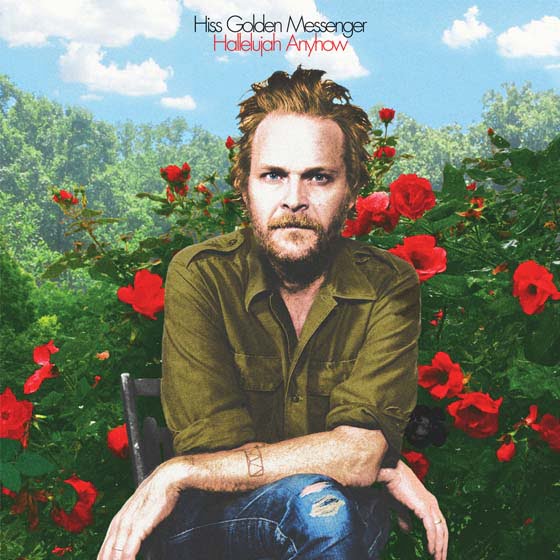
Most Likely to Soundtrack Your Next Roadtrip to Who Knows Where: Hiss Golden Messenger, Hallelujah Anyhow

M.C. Taylor’s favored subjects are home and hearth, family and faith, yet his songs are as much about the lure of the road as the comforts of home. His latest as Hiss Golden Messenger, recorded in a matter of days in North Carolina, is a highway record, an album about being lost out in America in the Anthropocene Age and trying to navigate by moral compass. What do we owe other people, strangers, and loved ones, alike? What do we owe ourselves? On “I Am the Song” and “Harder Rain,” Taylor understands those questions don’t have concrete answers — that they change from one song to another, from one person to another, from one highway to another. But that doesn’t diminish the importance of posing those questions. Instead, the slipperiness of these ideas enlivens his music, which plays with rock and folk history without putting a record collection between Taylor and the listener. “Gulfport, You’ve Been on My Mind” slyly rewrites Bob Dylan, while Van Morrison goes through the wringer of “Domino (Time Will Tell).” Best — or at least, most unexpected — may be the shoutout to the gloriously ridiculous goth act Sisters of Mercy. In his responsibility to his heroes and to his listeners, Taylor finds joy and humility and the special fulfillment of a noble calling, especially when he can rebuke a certain leader of the free world: “What’cha gonna do when the wall comes down?” he asks, not at all rhetorically. “It was built by man, and you can tear it down, tear it down.” — SD

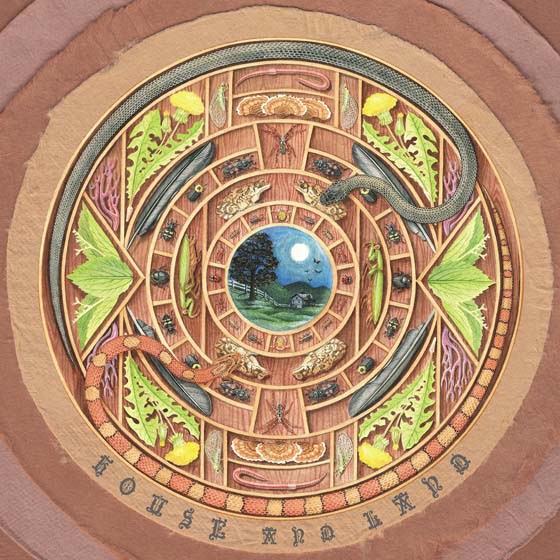
Most Likely to Make You Buy a Shruti Box: House and Land, House and Land

When Shirley Collins recorded “The False True Love” 50 years ago, she made it sound crisp and mournful, as if she were looking out over a frosty morning. You can see her breath hang in the air, and you can sense sorrows as heavy as the clouds. When Louise Henson and Sally Anne Morgan tackle the song on their debut as House and Land, it warms up only slightly, thanks to the interplay between guitar and banjo. It’s less lonely, but no less sorrowful. It sounds more existential, as though romantic woes might blot out their souls. So call House and Land a supergroup: Morgan plays with the Black Twig Pickers and Pelt, two Virginia string bands redefining roots and folk music away from the Americana set, and Henson may be one of the most compelling folk guitarists to pluck a string in 2017. They’ve been collecting songs for a few years now, and they’ve assembled them into an album that mixes banjo, guitar, and rustic drones from a Shruti box in some ways that are familiar and other ways that are entirely new. Just as they straddle folk and avant garde, the duo also contemplate the spiritual crises of this life and the next. Songs like “The Day Is Past and Gone” and “Home Over Yonder” examine faith and its celestial reward, depicting the afterlife as a lonely place. “There was nobody there to answer for me,” they lament on “Listen to the Roll.” “I had to answer for myself.” — SD

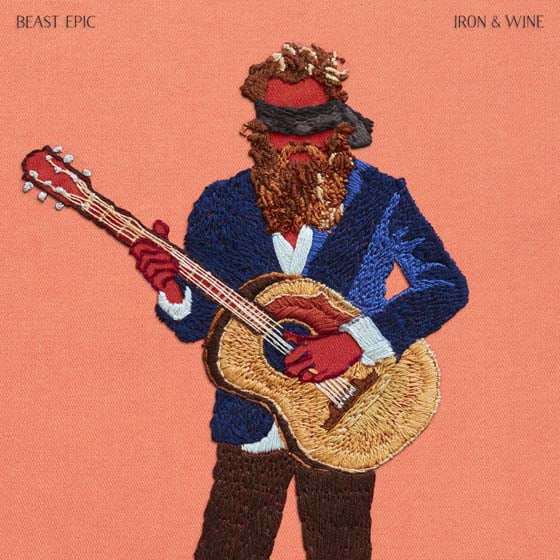
Best Fireside Chat: Iron & Wine, Beast Epic

Sam Beam has a stately way of drawing the listener close. Beast Epic, Beam’s sixth project as Iron & Wine, opens with his whispered count in on “Claim Your Ghost” before launching into the warm reverberations of “Thomas County Law,” which boasts poetic musings like, “Every traffic light is red when it tells the truth. The church bell isn’t kidding when it cries for you.” In fact, each track on Beast Epic is rendered with such startling care and intimacy that the listener may as well be sitting fireside with Beam. With lush acoustic arrangements bound by touches of percussion, piano, harp, and cello, Beam wields a gorgeous album brimming with some of the finest songwriting to come out of Iron & Wine’s 15-year trajectory. One highlight, “Bitter Truth,” is packed with hard pills to swallow from a narrator who’s looking in the rearview mirror: “Our missing pieces walk between us, when we were moving through the door. You called ‘em mine, I called ‘em yours.” Those “pieces fall in place” on the album’s pinnacle and lead single, “Call It Dreaming.” By returning to Iron & Wine’s stripped-down roots, Beam reminds us that power can come from the quietest corners. — DM

Most Masterful Finger-Pointing: Jason Isbell, The Nashville Sound

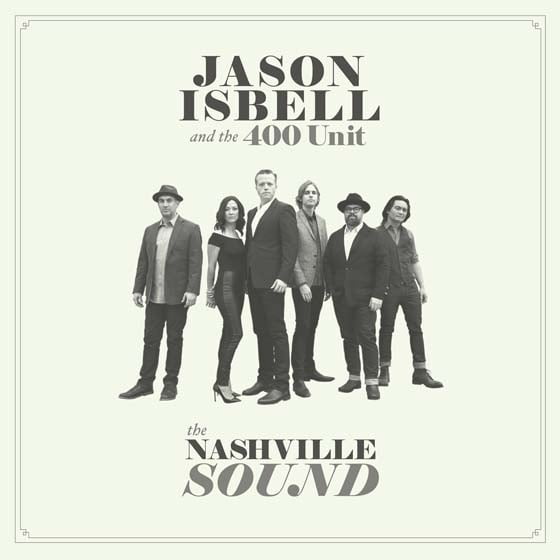
When you make what people universally agree is an absolute masterpiece of a record fairly early on in your career, how do you ever again pick up a pen? Well, if you’re Jason Isbell trying to follow up 2013’s Southeastern, you set an entirely different bar for yourself to clear … which he did, with 2015’s Something More Than Free, and which he has done again, with The Nashville Sound. While both are filled with common-man character studies and captivatingly personal confessionals, The Nashville Sound uses some of those tales to take on politics and privilege in beautiful, bold ways. In both “Hope the High Road” and “White Man’s World,” Isbell points a finger of blame, including one at himself, to show how all of us are accountable to ourselves and to each other. Thing is, as part of the same motion, he opens his hand and extends it to anyone willing to grab on. Hard to think of other songwriters who could accomplish that feat while also rocking their asses off. It’s also hard to think of other songwriters who can switch gears so effortlessly to write some of the most stunning love songs to ever exist. As with “Cover Me Up” and “Flagship” before it, “If We Were Vampires” takes on love, Isbell-style, by turning it inside out. Dave Cobb has used the word “devastating” to describe various songs and songwriters he’s produced. In Isbell’s case, it is very often an understatement. — Kelly McCartney

Most Likely To Flip The Script: Laura Marling, Semper Femina

Since releasing her debut in 2008 at the mere age of 17, UK folkie Laura Marling has garnered a reputation as a prolific artist and a deep thinker. Her knack for intricate guitar work and lyrical allegory has solidified her place among music’s greatest storytellers, and her latest album, Semper Femina, is a layered masterpiece that serves to further bolster her prolific body of work. Here, she works to subvert the male gaze, just as she did in an interview-based podcast exploring women’s experiences in the arts called Reversal of the Muse. Only, on Semper Femina, she does so by taking up the perspective often employed by men in artistic traditions — that is, by admiring and lusting after the women who serve as the album’s centerpiece. But that’s not to say that the album lacks introspection. The collection is just as much an effort for Marling to tap into her core self, as it is an exploration of how women are viewed and portrayed in society. Sonically, Marling’s signature fingerpicking and warm vocals remain, but this collection of songs reflects a marked growth from her previous output. By playing with percussion and making use of space, Marling gives her ideas room to breathe and expand. Whether through bits of spoken word on “Wild Once” or elegant falsetto on the album’s standout “Always This Way,” each song beckons you closer and is imparted like a secret that you’re lucky to be in on. — DM

Most Likely to Soothe and Summon the Spirit of George Jones: Lee Ann Womack, The Lonely, the Lonesome, & the Gone

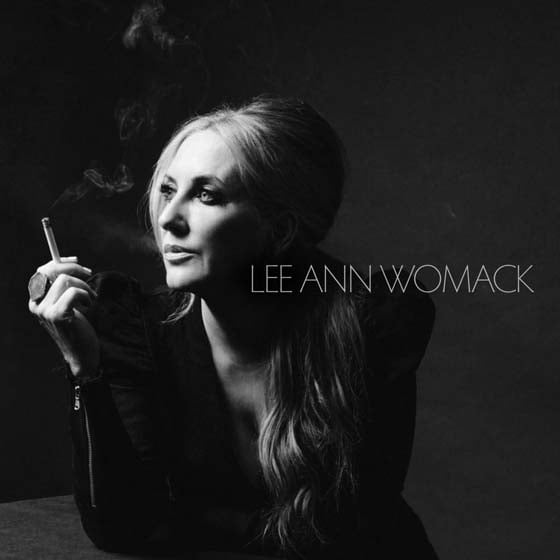
Lee Ann Womack could win awards for her song selection alone: Throughout the course of her career, she’s sniffed out some of the finest scribes in country music and put tracks by Brent Cobb and Chris Stapleton on her records far before the rest of the world caught on to their powers. Like Linda Ronstadt and George Strait, it was the potent combination of her legendary vocal abilities and her nose for talent that left us with jewels like her 2000 hit, “I Hope You Dance.” Which is why it was surprising to see her own name listed in the credits more than ever on The Lonely, the Lonesome, & the Gone, a personal progression of a record that proves her pen is as mighty as her vocal sword. There’s a touch of mystery and melancholy across the songs of The Lonely, the Lonesome, & the Gone — from the gorgeous balladry of the title track to the simple plucks of “End of the End of the World” where Womack’s twang churns out on glorious full display. Produced by her husband, Frank Liddell, and recorded at Houston’s Sugar Hill Studios, the album lets Womack walk through classics old (a version of “Long Black Veil,” made iconic by Lefty Frizell, that is most welcome) and new (the album opener “All the Trouble,” which is a moody, gospel tour through her stunning range). It’s thrilling to see an artist this deep into her career prove that she still has treasure trove of surprises up her sleeve. — MM

Most Likely to Have Hats Actually Made in the USA: Margo Price, All American Made

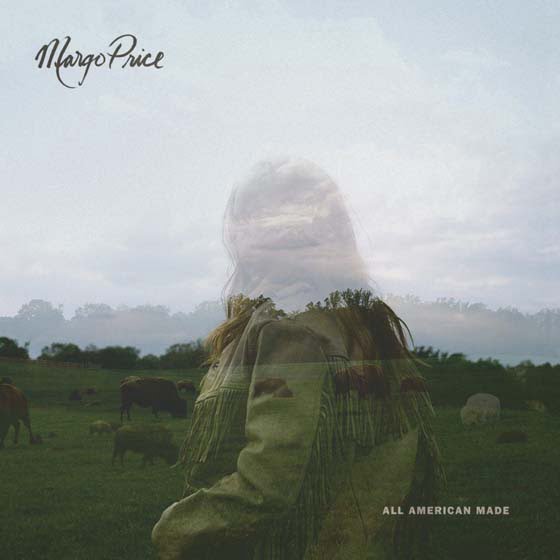
On her debut LP, Midwest Farmer’s Daughter, East Nashville’s Margo Price became one of country and Americana’s breakout stars with her honest-to-the-core songwriting that was never afraid of being uncomfortable. She spoke of devastating loss, disappointment, and being done wrong in one of the most revealing, personal albums in years. For her follow-up, All American Made, Price looks outward, surveying the world outside her tour bus window to tackle everything from wage inequality to the plight of rural America, brazenly using her voice to drive conversation in an increasingly perilous political environment. “No one moves away with no money. They just do what they can,” she sings on “Heart of America.” “To live in the heart of America, getting by on their own two hands.” Recorded at Sam Phillips in Memphis, Price weaves everything from gospel to R&B and honky-tonk into the songs, often co-written with her husband Jeremy Ivey, coming out with an album that captures the urgency of late ’60s protest anthems but with heaps of Tennessee soul. With one stellar duet partner, Willie Nelson, on “Learning to Lose” and help from the McCrary Sisters, Price bends and twists the shape of the genre into her own rock band-rooted form, centered around a dynamite set of pipes that can belt, howl, and softly whisper through whatever lies ahead of her. “Wild women don’t worry,” she sings … and Price doesn’t. Like Woody Guthrie, she’s a prophet of the people, not the establishment. — MM


Best Call to Order, Not Arms: Mavis Staples, If All I Was Was Black

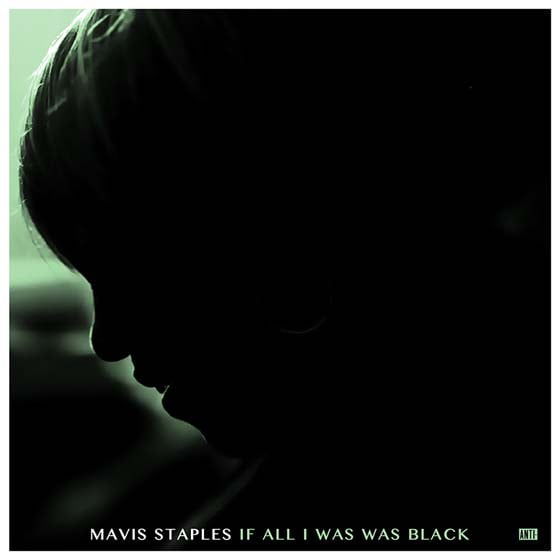
Who could’ve known that pairing gospel/soul legend Mavis Staples with alt-country anchor Jeff Tweedy would be darn near perfect? On If All I Was Was Black, Tweedy’s production provides a wonderful warmth and gorgeous grit to match Mavis’s iconic voice. While last year’s Livin’ on a High Note showed Mavis off in all her feisty, funky glory, If All I Was Was Black turns that down a notch to make room for a more heart-centered approach. After all she’s witnessed in her life, Mavis somehow manages to hold fast to hope and continue pleading for peace. If she’s angry about the two-steps-forward-three-steps-back phenomenon currently overtaking the world, you would never know it from listening to her records. Now, that’s not to say Mavis doesn’t see the problems we face. She does. She always has. It’s just that she would prefer we muster all the love we possibly can, and use that to fuel our fire rather than rage. The compassion and patience embedded within “We Go High” — sparked by Michelle Obama’s comment of “When they go low, we go high” — is almost unimaginable in light of the utter cruelty and devastation being heaped upon marginalized populations in 2017. But there it is. Songs like “No Time for Crying” and “Build a Bridge” also lay it out in the clearest of terms. And, with the title track, she calls out the problem of judging people by their skin and not their hearts, as doing so causes us to miss the beauty and goodness that each of us has to offer. All through this album, Mavis implores us to let our better angels be our guides. What she may not understand is that she, herself, is our better angel. — KMc

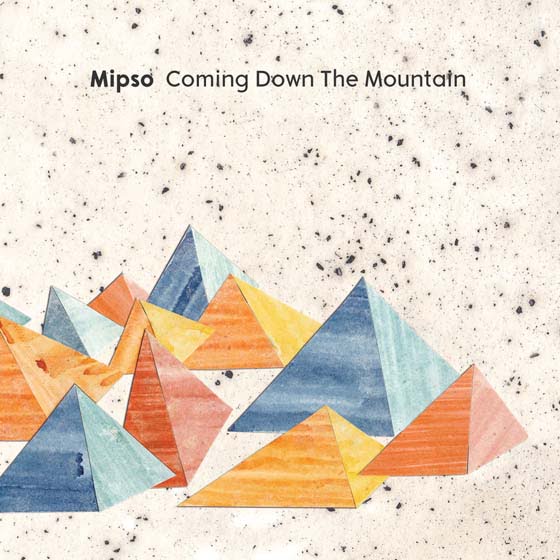
Most Likely to Carry around a Battered Copy of My Side of the Mountain: Mipso, Coming Down the Mountain

Mipso find themselves at a moment in their lifespan when a rootsy band discovers that a bluegrass-driven aesthetic is no longer quite enough to channel all of their creativity and curiosity. (See: Nickel Creek, Sierra Hull, Mandolin Orange, etc.) But as they fully incorporate drums, electric bass, and guitar into their sound, they aren’t walking directly away from the North Carolinian acoustic traditions that have informed them all the way. This refining of their folk-rooted, definitively Americana sound refutes the idea that doing so means relinquishing the raw authenticity of bluegrass and old-time, by default. On the contrary, Mipso’s finesse allows the more subtle aspects of their constituent influences to shine through on Coming Down the Mountain, undaunted by the “electric” embellishments. The title track epitomizes this down-to-earth sheen with tales of fishing, disdain for the fools of the city, and pictures of rhododendron thickets in the mountain hollers, all dressed up in dreamy, effervescent duds. There’s honky-tonking, California vibes, train whimsy, sad ballads, haunting alt-folk, and much more woven into this record and these songs. With the love and care they’ve invested in its creation, it hits you like a beautiful kaleidoscope, rather than the dull brown of every color of paint combined willy-nilly. If the current commodification of “roots” music has sent you running for the hills, looking for a refuge and a respite, Coming Down the Mountain might just compel you to hang up your fishing pole for a while and come back to the city, even if for only 10 songs. — JH

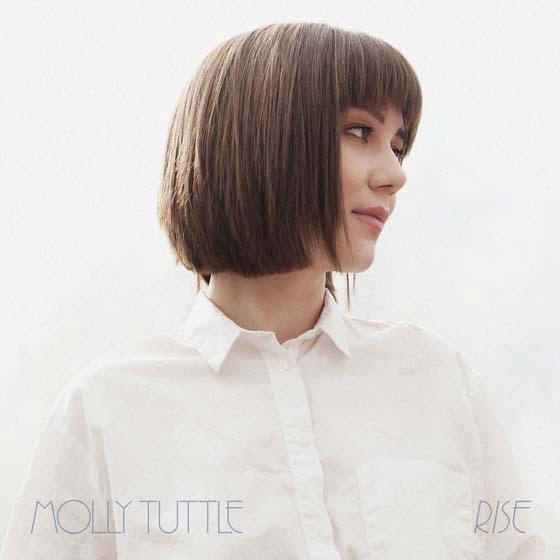
Best Reminder to Bake Right with Hot Rise: Molly Tuttle, Rise

On the surface, it feels like 2017 was Molly Tuttle’s breakout year. In a matter of months, she went from releasing her debut LP, Rise, to winning the International Bluegrass Music Association’s Guitar Player of the Year award — becoming the first woman in the organization’s history to ever receive the honor. But her poetic, evocative lyrics and her confident, firecracker flatpicking are unmistakable markers of what really has been a life-long career. The firm foundation laid by growing up in bluegrass, performing and touring from a young age, shines through each and every track on the record, assuaging the fears of would-be naysayers who could find the occurrences of lap steel, full drum kit, or electric guitar to be bluegrass disqualifiers. Her haunting vocals, at once ethereal and authoritative, are utterly confident, each artistic choice precise without falling into measured sterility. The distinct voice of Rise — whether emanating from Tuttle’s lips or her pick and strings — isn’t first-timer’s luck; it’s the product of a lifetime of work and expertly honed talent that is simply, at long last, reaching the ears of a broader audience. And, where other burgeoning artists may falter in their first few projects, attempting to pinpoint the perfect vehicle for their artistic personalities, we can sense, feel, and hear that no matter which stylistic direction she may take in the future, we will all be watching Molly Tuttle rise, unencumbered and unwavering. — JH

Most Heartfelt Look at the Heartland: Natalie Hemby, Puxico

Sometimes records sound exactly like you want them to: The songs, the singer, the production … everything just fits and flows. That’s Natalie Hemby‘s Puxico. Equal parts front-porch folk and heartland rock, this album was inspired by the small Missouri town where Hemby spent her childhood summers fishing with her grandpa George and dancing at the annual Homecoming. And it’s infused with the songwriting skill of Nashville where Hemby honed her craft writing cuts for Miranda Lambert, Lee Ann Womack, Maren Morris, Johnnyswim, and others. With Puxico, though, Hemby writes closer to home, metaphorically and musically. No commercial country artist like so many of her friends, Hemby is cut from the Sheryl Crow cloth (with some Tom Petty patches, to be sure). Her voice is warm and soulful, powerful and edgy, all at once. And the songs … the SONGS. From “Time Honored Tradition” to “Cairo, IL” to “This Town Still Talks About You,” the songs are rich with remembrances of lives, loves, and losses. Hemby’s deep, deep fondness for the people and places of her youth is filtered through the lens of time and distance, allowing her to trace the edges of what was and overlay that image upon what still is. The space between the two is where these songs live. — KMc

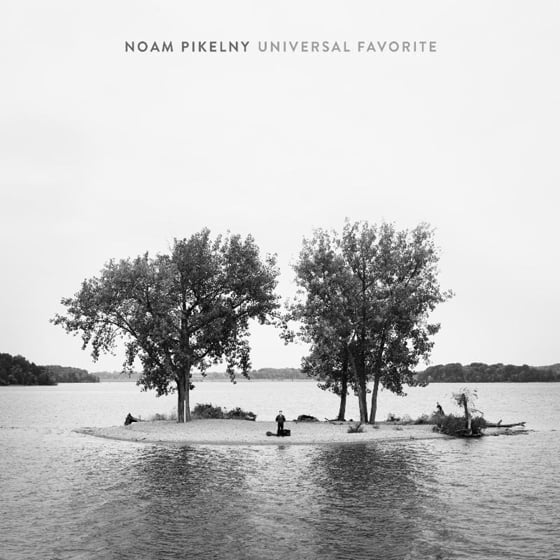
Best “Year of the Banjo” Brand Ambassador: Noam Pikelny, Universal Favorite

Punch Brothers’ co-founder Noam Pikelny takes “solo record” to another level, playing every instrument on his fourth LP, Universal Favorite. He even sets down the banjo a few times to try his hand at electric guitar — turns out he’s ridiculously good at everything he touches. And would you believe it … he can sing, too! Pikelny’s PB bandmate and frequent producer Gabe Witcher keeps a tight rein on the record’s crystal clear sound, but gives his friend plenty of room to explore and expand his musical horizons. While the songs range from trad/old-time to classical sounds, and include covers from the likes of Elliot Smith (“Bye”), Josh Ritter (“Folk Bloodbath”), Roger Miller (“I’ve Been a Long Time Leavin’ (But I’ll Be a Long Time Gone)”), amongst others, the virtuosic solitude that pervades this fully unaccompanied project allows the whole thing to feel cohesive, complete, and brilliant. — Amy Reitnouer

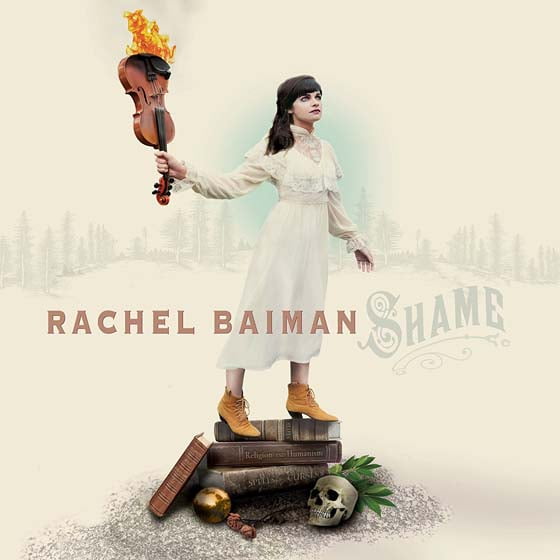
Most Likely to Not Give Any Fucks: Rachel Baiman, Shame

With the co-founding of Folk Fights Back in Nashville and the release of her second solo album, Rachel Baiman has earned a reputation as a radicalized bluegrass player, although neither of those labels is exactly apt. Her background is in bluegrass, and she’s a dexterous and sensitive fiddler, but that particular musical style is merely a foundation on which she builds songs informed by pop and folk and country, by Gillian Welch and John Hartford and Phil Ochs. And she barely even plays the fiddle on here, instead switching between banjo and acoustic guitar. As for politics, she tackles that topic only because she recognizes that it’s unavoidable. Being a woman and being an artist have become fundamentally radical activity in late-2010s America, which means Baiman is simply following Woody Guthrie’s old adage: “All you can write is what you know.” She knows touring, for instance, and turns that into the rousing “Never Tire of the Road.” She knows about writing songs and writes a song about writing songs, the sing-along “Getting Ready to Start (Getting Ready).” And she knows about old white men using religion as a bludgeon, and she not only makes that the central idea of the title track, but delivers the chorus with a steely defiance: “They wanna bring me shame. Well, there ain’t no shame.” On Shame, she sounds like the voice we need to hear right now, in roots or any other genre. — SD

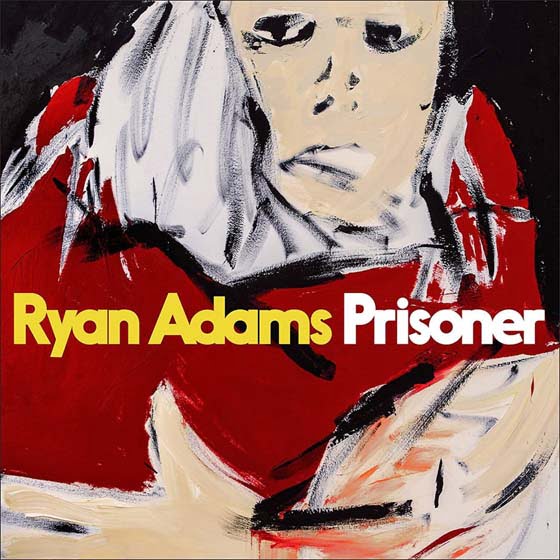
Most Likely To Break Free: Ryan Adams, Prisoner

A case can be made that love and sex are the backbone of music, so it naturally follows that the other side of the coin carries equal weight. For every song written about relationships or lust, there’s one about the counter moment when everything comes crashing down. Ryan Adams is one of those artists who’s no stranger to the nuances of dissolution. After all, the North Carolina singer/songwriter made his solo debut outside of Whiskeytown in 2000 with a sweeping masterpiece dubbed Heartbreaker. Widely regarded as his best work, Heartbreaker received a deluxe reissue last year while this year saw the release of a companion album of sorts in Prisoner. Written as a means of salvation during Adams’ highly publicized divorce from actress/singer Mandy Moore, Prisoner is a foray into loneliness that embraces the post-breakup fallout headfirst. The mid-album stunner, “To Be Without You,” is a portrait of perfect songwriting that smoothly unfurls amidst lines like “It’s so hard not to call you. Thunder’s in my bones out in the streets where I first saw you. When everything was new and colorful, it’s gotten darker.” That just stings with familiarity. Elsewhere, “Broken Anyway” is a mature attempt at shaking off  the remains: “What was whatever it became? Whatever, we will still be together in some way. It was broken anyway,” sung by a narrator who acknowledges the pains of both inflicting and falling victim to heartbreak. Crafted with Adams’ penchant for the sonic flair of the ‘80s, Prisoner toils in the confines of human emotion and comes out triumphantly on the other side. — DM

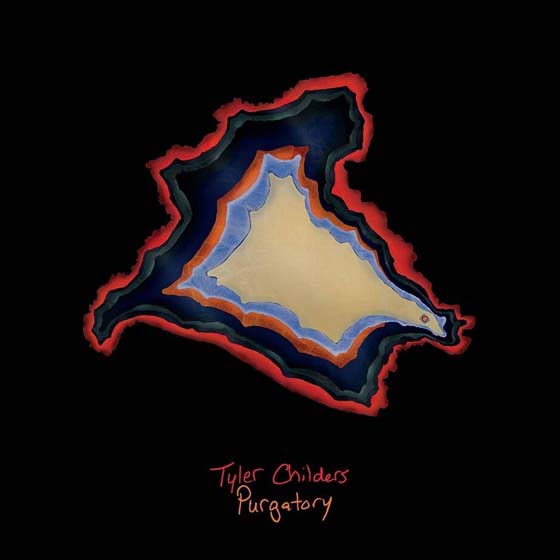
Best Trip through the Bluegrass State’s Bardo: Tyler Childers, Purgatory

It can be difficult to stand up to Kentucky’s esteemed history of songwriters and performers — which includes everyone from the legendary Bill Monroe to Sturgill Simpson — but Tyler Childers lives up the legacy of his home state with as keen an eye for its past as for its future. On Purgatory, produced by Simpson and one-time Johnny Cash engineer David Ferguson, Childers emerges with a voice that can cut with the innocence of a child but the knowledge of an aged man and an eye for painting stories of people shaping their identities in small towns and searching for love amongst the ruins. In Childers’ hands, modern roots music can meld into some rock ‘n’ roll fury (“Whitehouse Road,” “Universal Sound”) or striking, chill-inducing romantic opuses like “Lady May,” always centered on those spectacular vocals and an uncannily creative lyrical sense: When he sings “get me higher than the grocery bill” on “Whitehouse Road,” he manages to rouse images of intoxication and the desolation of a segment of America where a simple trip to the grocery store can be a financial burden. Melding the bluegrass roots of his home state with Simpson’s abandonment of genre altogether, Purgatory is a coming of age record for everyone grasping at the space between shelter and freedom, between freedom and commitment to another, between commitment and the fragile promise of eternal love. — MM

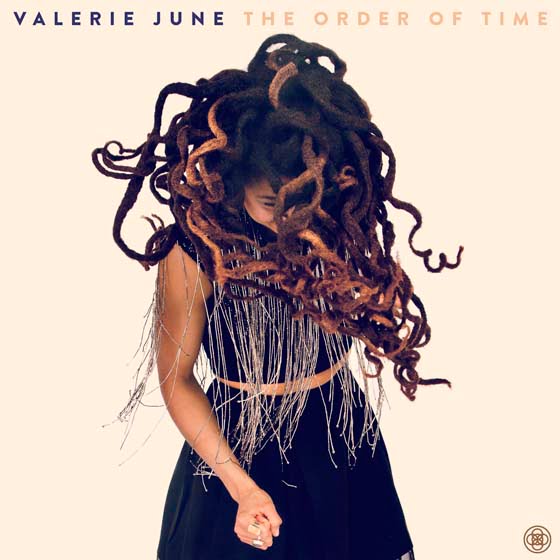
Best Musical Evidence That Black Girl Magic Is Real: Valerie June, The Order of Time

Valerie June is an other-worldly artist with a seemingly cosmic connection to her muse. Her songs are full of whimsy, wonder, and wisdom, all grounded in a garden of earthly musical delights. Blues, folk, gospel, soul, country, and more all sneak into June’s work, colliding in a kaleidoscope of sounds and colors. Sputtering guitars bump into stuttering keys on one song, while ethereal strings ebb under ambient steel on another. Harmonium and horns?! Hell yeah. African rhythms and clawhammer banjo?! Ya damn right! She’s from the melting pot of music — Memphis, Tennessee — after all. Nobody else is making music like this. Listening to June’s records feels almost intrusive, as if peering into a private diary filled with poems and doodles that betray the artist’s inner world in its utterly pure, stream of consciousness form. Except that The Order of Time is more refined and restrained than that. Such is this album’s perfection, that it would be a fool’s errand to attempt choosing standout tracks. The booty groove of “Shakedown” or the gentle drone of “If And”? The mystical dance of “Astral Plane” or the bluesy sway of “Love You Once Made”? Not even Sophie could make that choice. Nor should she — or we — ever have to. — KMc

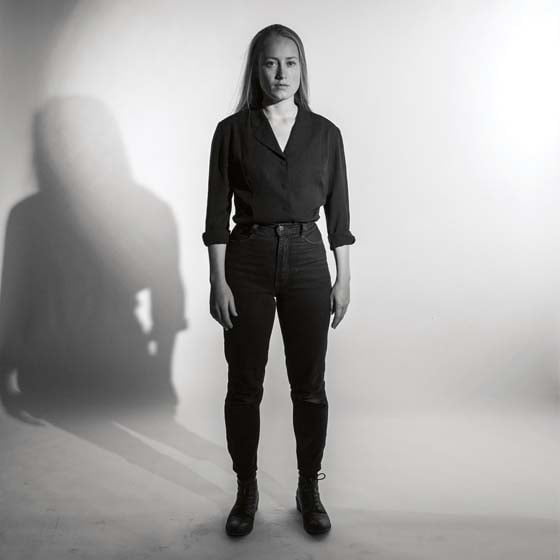
Best Open Diary: The Weather Station, The Weather Station

If other songwriters fight to fit their words within a song’s measure, Tamara Lindeman takes the opposite tactic as the Weather Station. Her verbose songs are chock full of words — their inflections adding rhythmic scope, their syntax unraveling deeply personal confessions. “I don’t know what to say, so I say too much,” she sings on “I Don’t Know What to Say.” Somehow, though, Lindeman keeps her music from feeling overcrowded. Her vocal cadence works in tandem with rhythm guitar (as on “Thirty”) or drums (as on “Complicit”) to reinforce a singular meter rather than stuff each song to the brim. With her self-titled album, she told the BGS that she focused on “figur[ing] out how to be okay when things are not okay.” A central relationship thrums at the album’s center, filling her with all manner of declarations. Lindeman is, at turns, self-deprecating (“My love is the heaviest thing” on “Keep It All to Myself”), regretful (“We never figured out the questions” on “You and I”), and adamant (“I guess I always wanted the impossible” on “Impossible”). But the album’s most devastating addition takes place at the close with “The Most Dangerous Thing About You.” It’s quiet for an album charging forward, either lyrically or rhythmically, and focuses on the aftermath of what she has spent the previous 10 tracks parsing out. For all the communicating Lindeman does on The Weather Station, words don’t offer a magical resolution, but there’s something fiercely beautiful about the effort to keep searching. — AW