Finding Lucinda: Episode 13

In this episode of the podcast, Ismay sits down with Finding Lucinda director Joel Fendelman. They discuss how Joel approached the making of the documentary and concepts like developing the language of a film to build trust with the audience, the artist’s experience of not being where you thought you should be at a certain age – including how to constructively confront that – and the idea of trusting others in collaborations. They also talk about how there is overlap in the craft of filmmaking and music-making, including ideas like contrasts and consistency.

LISTEN: APPLE • SPOTIFY • AMAZON • MP3

With roots in Miami, Austin, and New York City, Fendelman has written, produced, and directed a number of award-winning narrative and documentary films. An award-winning filmmaker, he is dedicated to telling stories that reveal the underlying connections between us all. His documentary Man on Fire received an IDA Documentary Award and premiered nationally on PBS’s Independent Lens (2018–19 season). He went on to direct North Putnam, which won the Indiana Spotlight Award at the Heartland International Film Festival. In 2016, his short film Game Night premiered at the Tribeca Film Festival and won Best Super Short at the Savannah Film Festival. His second narrative feature, Remittance, earned multiple festival awards, including Best Actress and Best Screenplay at the Brooklyn Film Festival, and is distributed worldwide. His debut feature, David (2011), won the Ecumenical Prize at the Montreal World Film Festival. His most recent short film, The Spiritual Advisor, is premiering at DOC NYC 2025 and is being distributed by Rolling Stone Films.

Produced in partnership with BGS and distributed through the BGS Podcast Network, Finding Lucinda expands on the themes of Ismay’s eponymous documentary film, exploring artistic influence, creative resilience, and the impact of Williams’ music. New episodes are released twice a month. Listen right here on BGS or wherever you get podcasts.

Finding Lucinda, the documentary film that inspired and instigated the podcast, is now available to purchase, rent, or stream via video on demand. (Watch the film, listen to the soundtrack, or find a screening near you here.) Both the film and podcast showcase never-before-heard archival material, intimate conversations, and a visual journey through the literal and figurative landscapes that molded Lucinda’s songwriting.

Credits:
Produced, recorded, and mixed by Avery Hellman for Neanderthal Records, LLC.
Music by Ismay,
Special thanks to: Rose Bush, Liz McBee, Mick Hellman, Jonathan McHugh, Sydney Lane, Jacqueline Sabec, Rosemary Carroll, Lucinda Williams, and Tom Overby


Find more information on Finding Lucinda here. Find our full Finding Lucinda episode archive here.

Watch Finding Lucinda, listen to the soundtrack, or find a screening near you here.

See the Nominees for the 2026 GRAMMY Awards

The nominees for the 2026 GRAMMY Awards have been announced by the Recording Academy, looking ahead to “Music’s Biggest Night” on Sunday, February 1, 2026 at the Crypto.com Arena in Los Angeles, California. The primetime show will be broadcast live on CBS and will stream live and on demand on Paramount+.

Legends, icons, familiar names, and first-time nominees can all be found across the 95 GRAMMY categories that have been unveiled. In the Country & American Roots Music field, standouts include Tyler Childers (4 nominations), Lainey Wilson (3 nominations), Sierra Hull (4 nominations, including Best Instrumental Composition), Jesse Welles (4 nominations), and I’m With Her (3 nominations). Alison Krauss & Union Station, who released their first album in 14 years, Arcadia, earlier this year, have been nominated twice for 2026, bringing Krauss’ total number of nominations across her career to 46. Krauss is one of the most-nominated and most-awarded artists in GRAMMY history.

Unsurprisingly, one of those nominations for Krauss & Union Station finds Arcadia in the running for Best Bluegrass Album. The LP will compete with Carter & Cleveland by Jason Carter & Michael Cleveland, A Tip Toe High Wire by Sierra Hull, Outrun by the SteelDrivers, and Highway Prayers by Billy Strings for the Best Bluegrass Album gramophone. (This year, Best Bluegrass Album is Strings’ sole nomination.)

In country, for the first time Best Country Album has been split into two constituent categories, Best Contemporary Country Album and Best Traditional Country Album. Kelsea Ballerini, Tyler Childers, Eric Church, Jelly Roll, and Miranda Lambert will vie for Best Contemporary Country Album this year, while Charley Crockett, Margo Price, and Zach Top find themselves nominated for Best Traditional Country Album – with father-and-son Willie and Lukas Nelson nominated as well, pitted against each other for the very first time.

Outside of the Country & American Roots Music field, roots musicians are represented far and wide. Béla Fleck, Edmar Castañeda, and Antonio Sánchez’s BEATrio self-titled record is nominated for Best Contemporary Instrumental Album. Dan Auerbach is up for Producer of the Year (Non-Classical). Elton John and Brandi Carlile are nominated for Best Traditional Pop Vocal Album and Best Song Written For Visual Media. Plus, Sinners, the phenomenal and horrifying Ryan Coogler film steeped in various roots music traditions, has racked up five nominations across categories and fields.

It’s certainly an exciting roster of nominees for the 2026 GRAMMY Awards! Below, find the complete list of nominations from the Country & American Roots Music field, plus select categories featuring roots musicians, artists, and projects from across the various other GRAMMY fields and categories.

The 68th Annual GRAMMY Awards will take place on Sunday, February 1, 2026.

Country & American Roots Music

Best Country Solo Performance

“Nose On The Grindstone” – Tyler Childers
“Good News” – Shaboozey
“Bad As I Used To Be” – Chris Stapleton
“I Never Lie” – Zach Top
“Somewhere Over Laredo” – Lainey Wilson

Best Country Duo/Group Performance

“A Song To Sing” – Miranda Lambert, Chris Stapleton
“Trailblazer” – Reba McEntire, Miranda Lambert, Lainey Wilson
“Love Me Like You Used To Do” – Margo Price, Tyler Childers
“Amen” – Shaboozey, Jelly Roll
“Honky Tonk Hall Of Fame” – George Strait, Chris Stapleton

Best Country Song

“Bitin’ List” – Tyler Childers, songwriter. (Tyler Childers)
“Good News” –  Michael Ross Pollack, Sam Elliot Roman, Jacob Torrey, songwriters. (Shaboozey)
“I Never Lie” – Carson Chamberlain, Tim Nichols, Zach Top, songwriters. (Zach Top)
“Somewhere Over Laredo” – Andy Albert, Trannie Anderson, Dallas Wilson, Lainey Wilson, songwriters. (Lainey Wilson)
“A Song To Sing” – Jenee Fleenor, Jesse Frasure, Miranda Lambert, Chris Stapleton, songwriters. (Miranda Lambert, Chris Stapleton)

Best Traditional Country Album

Dollar A Day – Charley Crockett
American Romance – Lukas Nelson
Oh What A Beautiful World – Willie Nelson
Hard Headed Woman – Margo Price
Ain’t In It For My Health – Zach Top

Best Contemporary Country Album

Patterns – Kelsea Ballerini
Snipe Hunter – Tyler Childers
Evangeline Vs. The Machine – Eric Church
Beautifully Broken – Jelly Roll
Postcards From Texas – Miranda Lambert

Best American Roots Performance

“LONELY AVENUE” – Jon Batiste, Featuring Randy Newman
“Ancient Light” – I’m With Her
“Crimson And Clay” – Jason Isbell
“Richmond On The James” – Alison Krauss & Union Station
“Beautiful Strangers” – Mavis Staples

Best Americana Performance

“Boom” – Sierra Hull
“Poison In My Well” – Maggie Rose, Grace Potter
“Godspeed” – Mavis Staples
“That’s Gonna Leave A Mark” – Molly Tuttle
“Horses” – Jesse Welles

Best American Roots Song

“Ancient Light” – Sarah Jarosz, Aoife O’Donovan, Sara Watkins, songwriters. (I’m With Her)
“BIG MONEY” – Jon Batiste, Mike Elizondo, Steve McEwan, songwriters. (Jon Batiste)
“Foxes In The Snow” – Jason Isbell, songwriter. (Jason Isbell)
“Middle” – Jesse Welles, songwriter. (Jesse Welles)
“Spitfire” – Sierra Hull, songwriter. (Sierra Hull)

Best Americana Album

BIG MONEY – Jon Batiste
Bloom – Larkin Poe
Last Leaf On The Tree – Willie Nelson
So Long Little Miss Sunshine – Molly Tuttle
Middle – Jesse Welles

Best Bluegrass Album

Carter & Cleveland – Michael Cleveland & Jason Carter
A Tip Toe High Wire – Sierra Hull
Arcadia – Alison Krauss & Union Station
Outrun – The SteelDrivers
Highway Prayers – Billy Strings

Best Traditional Blues Album

Ain’t Done With The Blues – Buddy Guy
Room On The Porch – Taj Mahal & Keb’ Mo’
One Hour Mama: The Blues Of Victoria Spivey – Maria Muldaur
Look Out Highway – Charlie Musselwhite
Young Fashioned Ways – Kenny Wayne Shepherd & Bobby Rush

Best Contemporary Blues Album

Breakthrough – Joe Bonamassa
Paper Doll – Samantha Fish
A Tribute To LJK – Eric Gales
Preacher Kids – Robert Randolph
Family – Southern Avenue

Best Folk Album

What Did The Blackbird Say To The Crow – Rhiannon Giddens & Justin Robinson
Crown Of Roses – Patty Griffin
Wild And Clear And Blue – I’m With Her
Foxes In The Snow – Jason Isbell
Under The Powerlines (April 24 – September 24) – Jesse Welles

Best Regional Roots Music Album

Live At Vaughan’s – Corey Henry & The Treme Funktet
For Fat Man – Preservation Brass & Preservation Hall Jazz Band
Church Of New Orleans – Kyle Roussel
Second Line Sunday – Trombone Shorty And New Breed Brass Band
A Tribute To The King Of Zydeco – Various Artists

General Field

Producer of the Year (Non-Classical)

Dan Auerbach
Cirkut
Dijon
Blake Mills
Sounwave

Jazz, Traditional Pop, Contemporary Instrumental & Musical Theater

Best Jazz Performance

“Noble Rise” – Lakecia Benjamin, Featuring Immanuel Wilkins & Mark Whitfield
“Windows – Live” – Chick Corea, Christian McBride & Brian Blade
“Peace Of Mind / Dreams Come True” – Samara Joy
“Four” – Michael Mayo
“All Stars Lead To You – Live” –  Nicole Zuraitis, Dan Pugach, Tom Scott, Idan Morim, Keyon Harrold & Rachel Eckroth

Best Jazz Instrumental Album

Trilogy 3 (Live) – Chick Corea, Christian McBride & Brian Blade
Southern Nights – Sullivan Fortner, Featuring Peter Washington & Marcus Gilmore
Belonging – Branford Marsalis Quartet
Spirit Fall – John Patitucci, Featuring Chris Potter & Brian Blade
Fasten Up – Yellowjackets

Best Alternative Jazz Album

honey from a winter stone – Ambrose Akinmusire
Keys To The City Volume One – Robert Glasper
Ride into the Sun – Brad Mehldau
LIVE-ACTION – Nate Smith
Blues Blood – Immanuel Wilkins

Best Traditional Pop Vocal Album

Wintersongs – Laila Biali
The Gift Of Love – Jennifer Hudson
Who Believes In Angels? – Elton John & Brandi Carlile
Harlequin – Lady Gaga
A Matter Of Time – Laufey
The Secret Of Life: Partners, Volume 2 – Barbra Streisand

Best Contemporary Instrumental Album

Brightside – ARKAI
Ones & Twos – Gerald Clayton
BEATrio – Béla Fleck, Edmar Castañeda, Antonio Sánchez
Just Us – Bob James & Dave Koz
Shayan – Charu Suri

Gospel & Contemporary Christian Music

Best Roots Gospel Album

I Will Not Be Moved (Live) – The Brooklyn Tabernacle Choir
Then Came The Morning – Gaither Vocal Band
Praise & Worship: More Than A Hollow Hallelujah – The Isaacs
Good Answers – Karen Peck & New River
Back To My Roots – Candi Staton

Latin, Global, Reggae & New Age, Ambient, or Chant

Best Música Mexicana Album (Including Tejano)

MALA MÍA – Fuerza Regida, Grupo Frontera
Y Lo Que Viene – Grupo Frontera
Sin Rodeos – Paola Jara
Palabra De To’s (Seca) – Carín León
Bobby Pulido & Friends Una Tuya Y Una Mía – Por La Puerta Grande (En Vivo) – Bobby Pulido

Best Global Music Performance

“EoO” – Bad Bunny
“Cantando en el Camino” – Ciro Hurtado
“JERUSALEMA” – Angélique Kidjo
“Inmigrante Y Que?” – Yeisy Rojas
“Shrini’s Dream (Live)” – Shakti
“Daybreak” – Anoushka Shankar, Featuring Alam Khan, Sarathy Korwar

Children’s, Comedy, Audio Books, Visual Media & Music Video/Film

Best Song Written For Visual Media

“As Alive As You Need Me To Be” [From TRON: Ares] – Trent Reznor & Atticus Ross, songwriters. (Nine Inch Nails)
“Golden” [From KPop Demon Hunters] – EJAE & Mark Sonnenblick, songwriters. (HUNTR/X: EJAE, Audrey Nuna, REI AMI)
“I Lied to You” [From Sinners] – Ludwig Göransson & Raphael Saadiq, songwriters. (Miles Caton)
“Never Too Late” [From Elton John: Never Too Late] – Brandi Carlile, Elton John, Bernie Taupin & Andrew Watt, songwriters. (Elton John, Brandi Carlile)
“Pale, Pale Moon” [From Sinners] – Ludwig Göransson & Brittany Howard, songwriters. (Jayme Lawson)
“Sinners” [From Sinners] – Leonard Denisenko, Rodarius Green, Travis Harrington, Tarkan Kozluklu, Kyris Mingo & Darius
Povilinus, songwriters. (Rod Wave)

Production, Engineering, Composition & Arrangement

Best Instrumental Composition

“First Snow” – Remy Le Boeuf, composer. (Nordkraft Big Band, Remy Le Boeuf & Danielle Wertz)
“Live Life This Day: Movement I” – Miho Hazama, composer. (Miho Hazama, Danish Radio Big Band & Danish National Symphony Orchestra)
“Lord, That’s A Long Way” – Sierra Hull, composer. (Sierra Hull)
“Opening” – Zain Effendi, composer. (Zain Effendi)
“Train To Emerald City” – John Powell & Stephen Schwartz, composers (John Powell & Stephen Schwartz)
“Why You Here / Before The Sun Went Down” – Ludwig Göransson, composer. (Ludwig Göransson, Featuring Miles Caton)


Photo Credit: Tyler Childers by Sam Waxman; Sierra Hull courtesy of the artist. 

You Gotta Hear This: New Music From Gena Britt, Sammy Brue, and More

Happy first Friday of November! Let’s kick off a month of new music roundups with our first edition of our usual weekly collection for November.

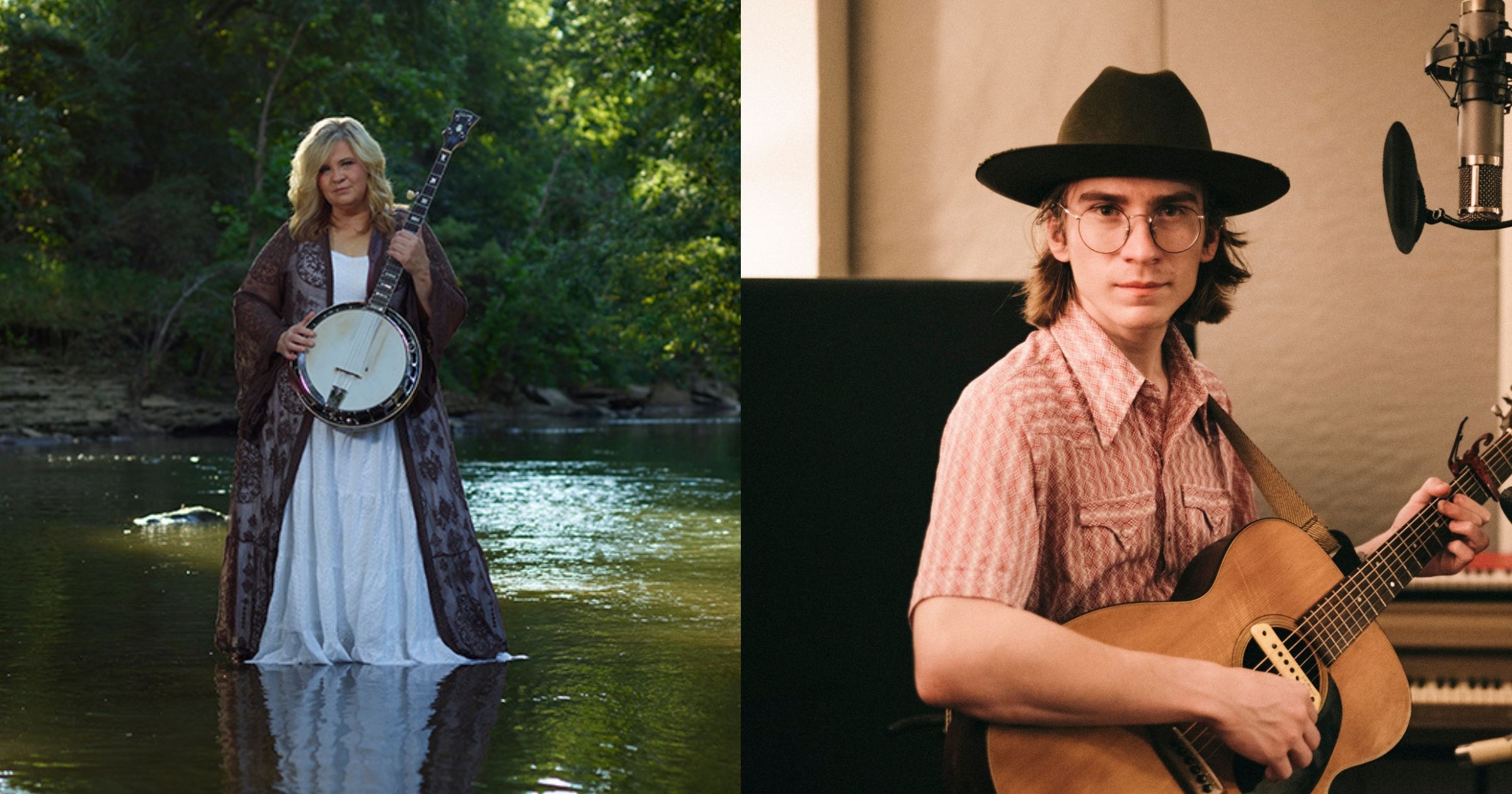
To begin, banjoist Gena Britt – whom you may know from Sister Sadie – releases her brand new solo album, Streets, Rivers, Dreams & Heartaches today. We’re sharing “What Kind of Memory Will You Be” off the new project to celebrate its launch. It’s one of Britt’s favorite tracks from the album. Her Sister Sadie bandmate, fiddler Deanie Richardson, is also included in our roundup today, joining fellow fiddler Kimber Ludiker (of Della Mae) on a twin fiddle rendition of a rip-roaring original instrumental, “No-See-Um Stomp.” It’ll have you dancing and smacking the hell out of some sandflies, too.

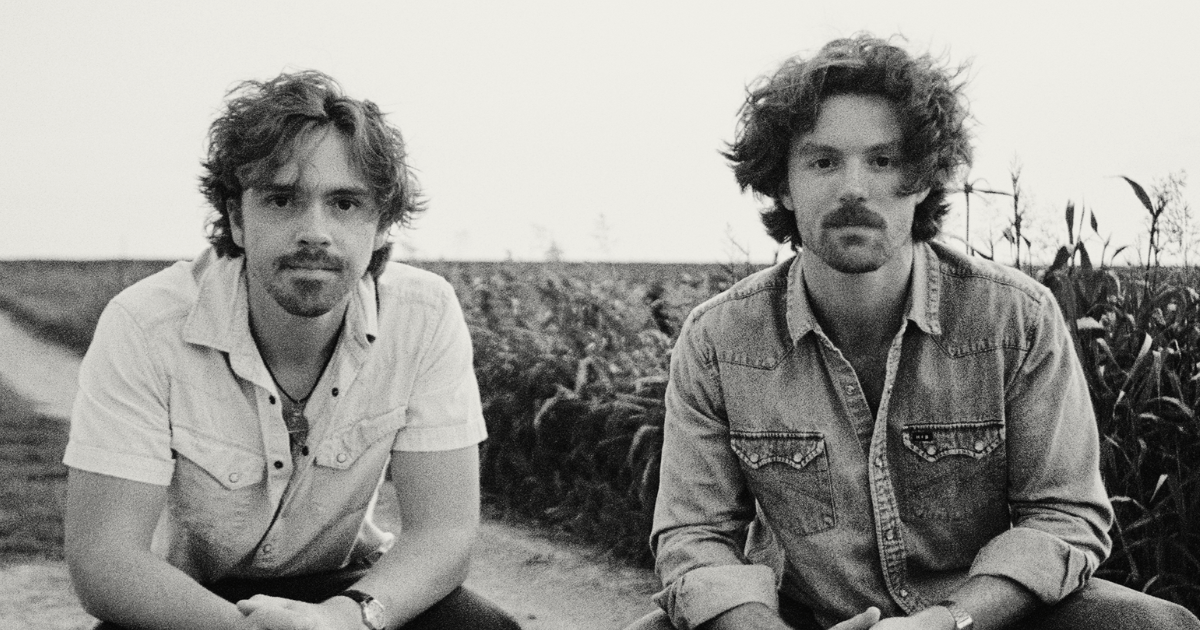
Singer-songwriter and guitarist Sammy Brue previews his upcoming album that pays tribute to one of his creative heroes, Justin Townes Earle, by crafting songs from inhabiting and being inspired by Earle’s journals. Brue wrote “Lonely Mornings” based on snippets of unrecorded lyrics in Earle’s journals, before Earle’s own recording of “Lonely Mornings” was released on ALL IN last year. The tunes stem from the same source, and feel connected, but show the intricate ways a single origin point can grow into two distinct songs. Watch the video for Brue’s “Lonely Mornings” below.

Our Missouri bluegrass pals the HillBenders bring us a brand new music video for their most recent single, a rock and roll and disco-infused string band version of Ola Belle Reed’s classic, “I’ve Endured.” The band leans into their genre-blending tendencies and highlight a couple of new members in the new studio music video, too. Plus, Americana-folk singer-songwriter Brendan Walter launches his new album, Disappearing Days, today and we’re sharing a new music video for his song “Pipe Dream.” Contemplating the realities and trials of building a career in the music industry, “Pipe Dream” and the album together demonstrate Walter’s goals in music are anything but far-fetched.

Make sure to check out a new single from guitarist-writer-archivist Cameron Knowler, as well, who covers Elizabeth Cotten’s “Wilson Rag” in a simple, pared-down arrangement featuring acoustic guitar, pedal steel, and kick drum. Knowler tweaks Cotten’s original arrangement slightly, continuing the age-old tradition of musical transfer and cross-pollination in bluegrass, old-time, and beyond.

It’s quite a nice roundup to get the month rolling, isn’t it? Check it out for yourself below, ’cause You Gotta Hear This.

Gena Britt, “What Kind of Memory Will You Be”

Artist: Gena Britt
Hometown: Star, North Carolina
Song: “What Kind of Memory Will You Be”
Album: Streets, Rivers, Dreams & Heartaches
Release Date: November 7, 2025
Label: Mountain Home Music Company

In Their Words: “This song was penned by one of my Sister Sadie bandmates Dani Flowers and co-written by Paul Sikes. She had actually sent it to us several years before she ever joined the band. I remembered it and pulled it back out when I was starting to gather songs for this recording. I asked her if she would mind if I recorded it one weekend that we were on the road and she graciously agreed. We had so much fun working this up and recording it in the studio. It ended up being one of my favorite tunes on the album. And, that Dobro ride at the end of the song by Jeff Partin is out of this world good! I hope everyone enjoys listening as much as we did recording it!” – Gena Britt

Track Credits:
Gena Britt – Banjo, lead vocal
John Meador – Guitar, harmony vocal
Alan Bartram – Acoustic bass, harmony vocal
Jason Carter – Fiddle
Jonathan Dillon – Mandolin
Jeff Partin – Resonator guitar
Tony Creasman – Drums, percussion


Sammy Brue, “Lonely Mornings”

Artist: Sammy Brue
Hometown: Ogden, Utah
Song: “Lonely Mornings”
Album: The Journals
Release Date: November 12, 2025 (video); January 23, 2026 (album)
Label: Bloodshot Records

In Their Words: “The song ‘Lonely Mornings’ was written in collaboration with Justin Townes Earle’s journals. After I wrote this song, New West Records released a new album of Justin’s called ALL IN which contained unreleased recordings and songs of his. I was ecstatic to find a song called ‘Lonely Mornings’; it was like a sign. Even though our songs didn’t sound similar, they are connected through a couple lines at the end of his last verse and a similar cadence on the tag line. I found the early rendition of his lyrics and they seemed to be almost a decade old, which goes to show how long Justin really carved a song like it was made of marble. I found inspiration and a whole song in just one verse of his true version of ‘Lonely Mornings’ before I even knew it existed. To me, this song holds the mundane scenes that go with living the artist lifestyle. It also holds a sentiment that we both share, which is the love of spending a morning alone… a writer’s heaven.” – Sammy Brue


The HillBenders, “Tradical Volume 1: I’ve Endured”

Artist: The HillBenders
Hometown: Springfield, Missouri
Song: “Tradical Volume 1: I’ve Endured”
Release Date: August 19, 2025 (single); November 7, 2025 (video)

In Their Words: “We’ve always leaned into ‘bluegrass meets rock ’n’ roll,’ a tag our late manager Louis Myers, co-founder of SXSW, gave us early on. So when we started talking about a new recording project, we didn’t feel the need to change course. Like I tell people, we blame our love for traditional roots music and classic rock on our parents’ vinyl collections. There are so many great legacies to pull from in that wax.

“Instead of putting out a standard album or EP, we decided to start a new series called Tradical, where we let those two loves live together. The first release is Tradical Volume 1: I’ve Endured. For the traditional side we went to Appalachian songwriter Ola Belle Reed’s classic ‘I’ve Endured’ and gave it a rock almost disco groove.

“This track also lets you hear our newest bandmates and singer-songwriters, Andrew Morris (banjo/mandolin) and Jody Bilyeu (keys/mandolin). Jody takes the lead vocal on this first Tradical release. This song is our nod to the rocky road that is show business and to the people who keep going against the odds simply because they love music and performing.” – Jimmy Rea

Track Credits:
Jim Rea – Guitar, harmony vocal
Gary Rea – Bass, harmony vocal
Jody Bilyeu – Mandolin, lead vocal
Andrew Morris – Banjo
John Anderson – Drums


Cameron Knowler, “Wilson Rag” 

Artist: Cameron Knowler
Hometown: Yuma, Arizona
Song: “Wilson Rag”
Album: East of the Gilas (Lagniappe Session)
Release Date: November 14, 2025 (EP)
Label: Castle Dome Records

In Their Words: “As far as anyone knows, Elizabeth Cotten composed ‘Wilson Rag’ and recorded it a few times on various projects. Though her performances often include a third part which changes slightly from take to take, I decided to focus on the first two parts, adding a bit of reharmonization to make the tune sing with my buddy Will Ellis’ pedal steel playing. Ellis also engineered this track at his home studio in East Nashville, where varied bird songs quietly spilled through a large window. I’m the one playing the ratty Lyon & Healy kick drum from the nineteen teens or twenties, which was performed live with an early-1900s Antonio Grauso acoustic guitar, tuned quite low. I’m also using one of Guy Clark’s old thumbpicks. This tune sure feels great under the fingers and is one that I’ve played for quite some time.” – Cameron Knowler

Track Credits:
Cameron Knowler – Acoustic guitar, kick drum
Will Ellis – Pedal steel, engineer


Deanie Richardson & Kimber Ludiker, “No-See-Um Stomp”

Artist: Deanie Richardson & Kimber Ludiker
Song: “No-See-Um Stomp”
Release Date: November 7, 2025
Label: Mountain Home Music Company

In Their Words: “I wrote ‘No-See-Um Stomp’ after meeting a flock of no-see-ums for the first time on the East Coast. As a PNW girl, I was mortified by their existence and the one billion bites I suffered. This tune came out of me very quickly. The first part is the swarm and the second part… human agony. I recorded it once with my band Della Mae and, although there’s an amazing ‘twin guitar’ moment with Avril Smith and Molly Tuttle, I always heard this tune as a twin fiddle tune. As you know, you never encounter just one of these bugs, so I’m very excited to have a twin fiddle version of this with Deanie Richardson. We took a mild ‘controlled chaos’ approach to this, which fits the tune perfectly. Instead of linear twin fiddle parts, we depart here and there, swarming around each other just like the little critters this tune was written for.” – Kimber Ludiker

Track Credits:
Deanie Richardson – Fiddle
Kimber Ludiker – Fiddle
Cody Kilby – Acoustic guitar
Hasee Ciaccio – Upright bass
Tristan Scroggins – Mandolin
Kristin Scott Benson – Banjo


Brendan Walter, “Pipe Dream”

Artist: Brendan Walter
Hometown: Dallas, Texas
Album: Disappearing Days
Song: “Pipe Dream”
Release Date: November 7, 2025
Label: RECORDS/Sony Music Nashville

In Their Words: “I started writing this song while I was still in college, when I was figuring out if I wanted to pursue my majors or follow my lifelong dream of being a musician. At first, music felt like a pipe dream due to the fact that I knew nothing about the industry or how to get started. During college and for about a year after graduating, I bartended full-time to survive while nurturing this dream to make music my full-time gig. Those long nights definitely lit a fire under me to fully pursue music. I had no idea how I was going to accomplish my dreams in this wildly new world, but I knew I wanted it more than anything else and I wasn’t going to stop until I could make it a reality.

“Now, having a couple years in the industry under my belt, I still feel like I’m the new kid on the block, but I know a lot of other artists have felt that way so I thought it was fitting to show a glimpse of my struggles and aspirations along the way. I also worked in a strum pattern inspired by Mumford & Sons, because their music got me into playing guitar and writing songs. I had the opportunity to play with session musicians for the first time when making my debut album and, on this song specifically, I got to play with the very talented Kurt Ozan. Hope everyone enjoys this one!” – Brendan Walter


Photo Credit: Gena Britt by Tom Turk; Sammy Brue by Joshua Black Wilkins.

Briscoe Hit The Road and Wrote a Country Album

Through the windshield of their Ford Transit van, the duo Briscoe drew songwriting inspiration from the Southwestern landscape during a long, meandering road trip after graduating from the University of Texas. However, this trek was more than just a rite of passage, as band members Philip Lupton and Truett Heintzelman were launching their first national tour. In those seemingly endless miles between show dates, they would trade lyrical ideas to flesh out once they got back home to Austin.

Described by the band as “Texas folk-rock,” those cinematic songs have now surfaced on Briscoe’s second album, Heat of July. Produced by Brad Cook and released by ATO Records, the collection is a generally optimistic highway companion set against the backdrop of sunsets somewhere south of Alpine, Texas, long drives to Denver, and Mexican eagles circling overhead.

During a brief break from the road, Briscoe spoke with Good Country about how banjo fits into their sound, discovering bluegrass through YouTube videos, and the John Prine classic that set it all in motion.

I found it interesting that you were writing this album as you were driving around the country. You’re going 80 miles an hour as these songs are coming to you. Can you set the scene of what that looked like?

Philip Lupton: Yeah, that’s a great question. A lot of this record was written on the road just because we were touring hard on our debut album, West of It All. You’re in the van for so many hours a day that you eventually get tired of listening to music, no matter how much you like music. You just need some silence. I think that’s when Truett and I can find a little bit of inspiration. Like, “OK, cut the music.”

“Arizona Shining,” the second song on the record, is very much written as I’m taking in the landscape through the window. You just start to mumble a few things under your breath. And then you hold up your phone and take a little voice memo. You get back home in a couple weeks, you come back to that idea, and then, finally, get to put it to a progression and bring it to life.

When you’re out on tour, coming out of your hotel, and you see that van hooked up to a trailer, does it ever strike you, like, “We’re really out here making this happen”?

PL: Yeah, absolutely it does! There’s this old Hayes Carll song called “I Got a Gig.” I listen to that song and I’m like, “OK, we’re doing it. We’re road dogging it.” We’re staying at the cheap hotels and playing gigs for cash at the door and whatever. We’ve seen a lot of growth and success in a lot of markets, but when you’re taking it all across the country, up into Canada, there’s a lot of those same stories you can experience any time on the road.

The opening song, “Saving Grace,” seems to set a tone for the album. There’s a very positive tone in that song. Is that a fair statement, do you think?

Truett Heintzelman: Super fair, yeah. A lot of this record is written over the last year and a half to two years and one of the big components of that time for both of us is that we both got married. So that’s what we were wanting to convey. We view marriage in a positive light and, God willing, we’ll always view it in a positive light. “Saving Grace” was written about marrying our respective wives.

For me, that song was about meeting my wife and realizing early on, “OK, this feels different and I don’t want this to go away.” We just tried to write as much as we could about our lives and experiences and our time between now and the last record. And, obviously, getting married is something that takes up a lot of your brain, you naturally end up thinking about it a lot.

You’ve got a cool banjo vibe on “Saving Grace” and a couple other songs on the album, too. Philip, what pulled you into the sound of the banjo?

PL: It goes back to learning guitar when I was middle school-age. I just had a desire to learn an instrument that was different and would allow me to jam with my buddies. So, I bought a banjo at a secondhand music store in San Angelo, where I’m from, for like 150 bucks, and I ended up really falling in love with the Avett Brothers. Back in the day, when Truett and I were both learning to play guitar and sing, I’d play the banjo and Truett would play the guitar and we’d cover the Avett Brothers. That was how we fell in love with playing together.

The banjo always had a strong presence. When we started writing, it was almost second nature to incorporate the banjo in some way. If Truett was handling most of the rhythm guitar, I picked up the banjo in lieu of a lead guitar. We just kind of rolled with that, way back when.

You mentioned middle school. Is that around the same time you guys met?

PL: Yeah, I was a year older than Truett in school and we met at summer camp. We just hit it off and we were both learning guitar and both interested in similar music. We saw each other every year after that at camp and became really close in high school. San Angelo is a smaller town and we’d have to go to a major city for any big need, like a big hospital system. So, my family would go to San Antonio quite a bit. I’d get dropped off at Truett’s house and we’d play guitar until my family was ready to go back to San Angelo.

Do you guys remember the first time you sang together?

TH: Oh yeah, that first summer we met at camp, we met on the first day of the session, which was two weeks long. We both brought acoustic guitars, so it was like, “All right. You play, I play.” “What do you like to play?” “Oh, I like that song too.”

We started going back and forth, kind of jamming all throughout that week. At the end of that week, we played “Paradise” by John Prine at our camp talent show, which was really just for us. We joke that I don’t think anyone else in that camp auditorium had any idea what we were saying, but they were just excited that we were singing and we were too.

How did John Prine hit your radar in middle school?

TH: There’s a guy named Joshua Lee Turner who’s in a band called the Other Favorites and he has this YouTube channel, it’s like a gold mine. He’s super talented, an awesome artist, and he and his buddies cover all these incredible songs. I owe watching Joshua Lee Turner on YouTube for a good chunk of the artists and the music that I love. I consume a ton of bluegrass music and a lot of that is because of him. The song “Old Home Place” is one that I fell in love with after watching him. When Philip and I put it together that we both loved him, that served as a blueprint, too, for us to start posting videos on YouTube.

How did you come up with the name Briscoe?

PL: Briscoe was my grandfather’s middle name. I never met that granddad, but I always loved that name. It’s a name that goes back in my family on that side a few generations. It was in consideration for my name before I was born, but my grandma on the other side of the family didn’t like it. I always liked the name and I started Briscoe in San Angelo before we got to UT, just as a name to put music under. I knew someday Truett and I would be able to do it together, so I just chose Briscoe and rolled with it and then we never had any reason to consider changing it. And that was that.

You guys have seen the whole country by now, touring coast to coast. What is it about living in Texas that makes you want to settle there?

TH: I’ll just get this out of the way now – when you’re born in Texas and raised in Texas, you’re just inherently proud of that. So, from the get-go, you probably have an inflated sense of pride to be from Texas. But we’re now at this place where we’ve gotten to see everything in North America, pretty much. There are so many beautiful parts of this country, and of Canada and Mexico. In all these cities, you’re like, “Wow, this is such a great city. It would be fun to live here.” But I have never found a place where I’ve been like, “I would rather live here than where I live in Texas.” This is where our roots are.

Philip, how about you?

PL: The older I get, the more I appreciate Texas’ contribution in the music world on all different levels, and especially this Texas country/outlaw kind of thing. To name a few guys in particular, Jerry Jeff Walker, Guy Clark, Lyle Lovett, and Robert Earl Keen. The more we appreciate them, the more that we want to resemble what they did. No matter what level of popularity or success they achieved as musicians, they never forgot where they were from. We respect those guys a lot for that, and how they blazed their own path.

We are very proud to be part of the greater Texas subgenre of Americana, folk, and country music, and we feel like that’s where we’re always going to want to be.


Photo Credit: Justin Cook

BGS 5+5: Liam Kazar

Artist: Liam Kazar
Hometown: Chicago, Illinois
Latest Album: Pilot Light (out November 7, 2025)

What’s your favorite memory from being on stage?

Recently I was on the Outlaw Country Tour with Waxahatchee. Sheryl Crow had invited us all to join her on stage for the last night. Her production folks started passing out little percussion instruments, I think I traded the tambourine with Spencer (drummer) for something reasonable I could play. We all stepped up on the drum riser, me with a drumstick and a cowbell. Then Sheryl turned around and took her guitar off in one smooth motion. She passed it to me and whispered, “D.” Once I made it through the first chorus and got the nod from her guitar player that I was hearing the right chords, I knew this would be the peak of my entire life.

What’s the toughest time you ever had writing a song?

The next one. Not to be cliché, but it’s true. I’m constantly in fear of having written my last song. I always start from a place of “how the hell do you do this?” I’m on tour right now and I’ve been working on a song whenever I have a guitar in my hands. I oscillate between knowing exactly what I think should happen next and feeling like starting over. Both can be the right answer and that’s pretty par for the course. But every once in a while they fall out of you like a dime from your pocket. Wish I knew how to make that happen every time.

How often do you hide behind a character in a song or use “you” when it’s actually “me”?

Flaubert said, “Madame Bovary, c’est moi.”

It’s all me and none of it’s true. I don’t think I could avoid myself if I tried, but I also pull little visions and observations from the people around me all the time. I think you have to be curious about people to be a good writer.

What is a genre, album, artist, musician, or song that you adore that would surprise people?

I would say 50% of the music I listen to is instrumental. Jazz from the ’40s and ’50s in particular. Hard bop and big band music is a constant. Duke Ellington is my favorite American artist. Endlessly inspiring and a huge influence on my melodic sensibility.

Although, recently I have been listening to a lot of Romantic symphonies. Beautiful and mind-altering!

If you had to write a mission statement for your career, what would it be?

I think Woody Guthrie might have said it better than I ever could: take it easy, but take it.


Photo Credit: Alexa Viscius

Artist of the Month: Opry 100

This month, BGS is celebrating 100 years of the Grand Ole Opry! It would be hard to overstate the influence of the Opry on American roots music – hell, on music in general – over the past century.

From Earl Scruggs joining Bill Monroe to create the sound of bluegrass; to DeFord Bailey becoming the first Black Opry star and the first Black musician to break into the commercial music scene in Nashville; to the legendary meeting of Johnny Cash and June Carter; the Opry has been a catalyst for so many iconic moments. Below, we kick off our “Artist of the Month” celebration with our Opry 100 Essentials Playlist, which includes some of our favorite live recordings from the Opry, songs famously debuted on that legendary stage, and some of our favorite roots songs written about the Opry and its lore, too.

Did you know that Dolly Parton made her first Grand Ole Opry appearance in 1959 at the age of 13 and received three encores? To get a sense of how young Dolly might have sounded on that stage, we’ve included one of her very first singles, “Girl Left Alone,” (the B-side of the now well-known “Puppy Love”), recorded when she was just 11 years old and released the same year as her Opry debut.

Elvis famously made his Opry debut in 1954 at the age of 19, singing “Blue Moon of Kentucky” in a style that was so poorly received a manager told him to “go back to driving a truck,” or something of that nature. You can hear his rockabilly version on our playlist.

In 1969, Linda Martell was the first solo Black woman to perform on the Opry, singing “Color Him Father” for her debut. Although she faced rampant racism throughout her career, her first performance on the Opry was met with two standing ovations and she went on to perform there 12 times over the years.

The Opry has also been fodder for songwriting, inspiring many tracks over the years. Early Opry star David “Stringbean” Akeman met Bill Monroe while playing semi-professional baseball and went on to play clawhammer-style banjo in his band from 1943 to 1945. After parting ways with Monroe’s band, Stringbean became an Opry star in his own right and penned the song “Opry Time in Tennessee.”

Stringbean and his wife were tragically murdered in 1973 by thieves who had heard of him storing cash in his home. In 2009, Sam Bush released his song, “The Ballad of Stringbean and Estelle,” co-written with Guy Clark and Verlon Thompson. “The thieves laid in wait for hours/ But things didn’t go their way/ But he wouldn’t let go of his Opry pay,” sings Bush on his album, Circles Around Me.


@cmt #SabrinaCarpenter makes her #grandoleopry debut 💋✨🎙️ #opry100 #slimpickins #mansbesfriend ♬ original sound – CMT

Shortly before the Opry was moved from downtown Nashville’s Ryman Auditorium to the newly built Opry House in 1974, John Hartford released “Tear Down the Grand Ole Opry,” a scathing commentary on the commercialization of country music. “Right across from the wax museum/ They used to line up around the block/ From east Tennessee and back down home again … Broad Street will never be the same,” Hartford sings nostalgically on his legendary Aereo-Plain album.

While the Opry is known as a country music gold standard, over its 100 years as a live-broadcast radio show it has held clout across the genres and in popular culture – not just in country. This year, as part of the celebration of its 100th anniversary, the Opry has been featuring 100 Opry debuts and first-time performances. These special appearances have showcased the broad impact of the Opry, hosting the likes of pop star Sabrina Carpenter who said, “My mom raised me on the artists who have stood up here.”

Whether in country, bluegrass, Americana, or beyond, the Grand Ole Opry continues to be a musical powerhouse, 100 years after its barn dance birth. While we look ahead to the next century of Opry magic, we’re beyond excited to join the Grand Ole Opry family in celebrating Opry 100 for the entire month of November. Enjoy our Opry 100 Essentials Playlist below and relive the Opry 100: A Live Celebration television special on NBC from earlier this year here, too. You can read our primary feature on Opry 100 right here. Plus, stay tuned all month as we have brand new and archive articles, interviews, and features we’ll be sharing here and on socials all spotlighting the incredibly legacy and community of our beloved Grand Ole Opry as we countdown to November 28, 2025 – the Opry’s official 100th birthday!


Lead Image: Opening of the Grand Ole Opry House in 1974, courtesy of Ryman Hospitality Properties.

You Gotta Hear This: Red Camel Collective, Wood Box Heroes, and More

It’s not only the end of the week, it’s the end of the month! And that, to us, is scary enough for October 31. Mark the occasion – whether Halloween, the end of the week, or the end of October – with our new music roundup.

Kicking us off, singer-songwriter Sophie Gault releases the title track from her upcoming album, Unhinged, today looking ahead to her full record release in January 2026. Inspired by a stroke of luck playing cards aboard a cruise ship, Gault leans into trusting your gut and doing what feels true – even if others might call that “unhinged.”

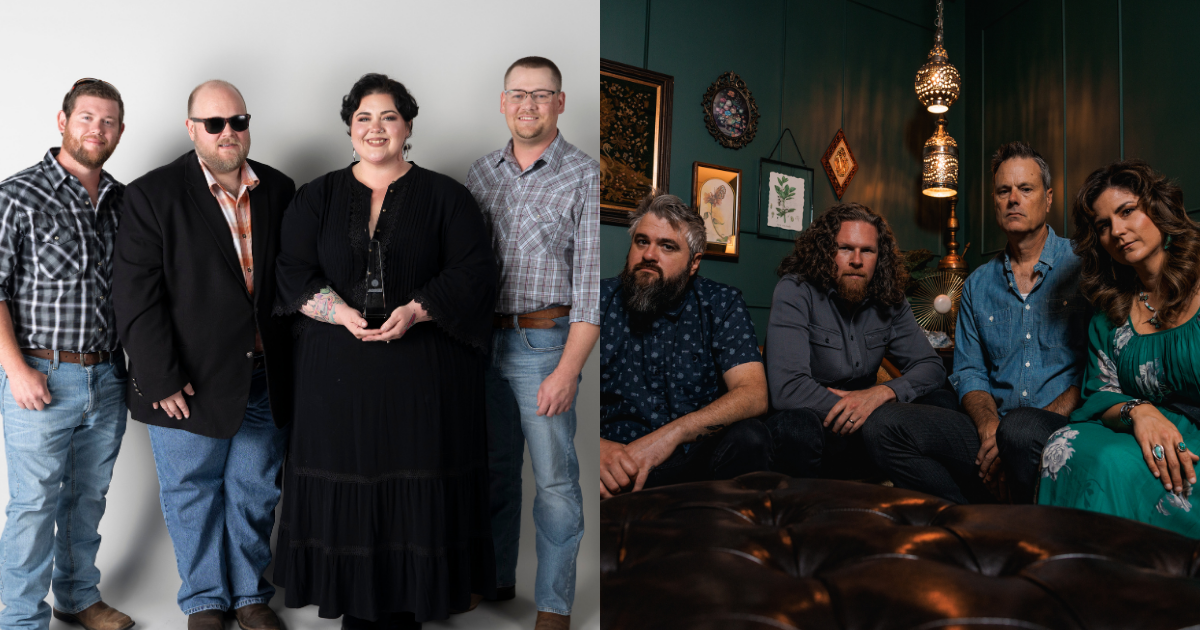
Red Camel Collective, 2025 IBMA Award winners for Best New Artist, have unveiled a new music video today for “In The Mexican Sun,” written by hit bluegrass songwriter Malcolm Pulley. Perfect contrast for the cool, rainy days of fall or the quickly approaching shivery weather of winter, “In The Mexican Sun” wasn’t intended to be a bluegrass number, but the Collective make it feel right at home in the genre.

Meanwhile, contemporary bluegrass (and everything else) guitar great Bryan Sutton has a special posthumous duet with Doc Watson that he’s sharing today. The new single, “Working Man Blues,” includes vocals and guitar by Watson and Sutton shares the story of how the Merle Haggard cover came to be.

Experimental old-time and indie musician Laurel Premo shares her new project today, Laments, a thoughtful and deep exploration of grief from a variety of perspectives. A sort of instrumental text painting, “Grief Of The Angler” listens like an entrancing dreamscape as resonant bow strokes and heart-wrenching vocalizations interweave in evocative and inspiring ways.

Bringing us home, Nashville bluegrass-Americana supergroup Wood Box Heroes pay tribute to K.T. Oslin with a video performance of their cover of “Do Ya.'” With fiddler/vocalist Jenee Fleenor on the mic, it’s a lovely homage to a relatively undersung hero of ’80s and ’90s country music. Of course, the track shines with the Wood Box treatment.

There’s plenty to enjoy in our weekly collection of new music, videos, and premieres. You Gotta Hear This!

Sophie Gault, “Unhinged”

Artist: Sophie Gault
Hometown: Nashville, Tennessee
Song: “Unhinged”
Album: Unhinged
Release Date: October 31, 2025 (single); January 23, 2025 (album)
Label: Torrez Music Group

In Their Words: “I wrote ‘Unhinged’ after going on the Outlaw Country Cruise. I was learning to play blackjack and everyone told me I was crazy for doubling down on a 17 – but I did it anyway, and won. That moment kind of summed up everything for me. The song’s about gambling, but really it’s about trusting your gut and doing what feels true, even when the odds are against you. Sometimes the biggest risk is the one that pays off inside. On the way off the boat, this guy stopped me and said, ‘Hey, you’re that unhinged girl from the blackjack table!’ and I thought, ‘Yup, that’s the spirit of the song right there.'” – Sophie Gault


Laurel Premo, “Grief Of The Angler”

Artist: Laurel Premo
Hometown: Traverse City, Michigan
Song: “Grief Of The Angler”
Album: Laments
Release Date: October 31, 2025

In Their Words: “The four pieces on this record each hold a different-sized relationship. The third track, ‘Grief Of The Angler / I Grieve In The Realization Of The Generosity Of Your Gift,’ is sung from a formed deeper intimacy with the ecosystem that I belong to. In my life, my relationship with a form of hunting has been fishing and this piece sings the shared experience of taking another body for nourishment.

“As every relationship deepens, as the bonds are woven together between individuals, there is the opportunity for those threads to hold beings closer together but also to create tension when one leans back. The ties stay connected in both directions and that reciprocity demanded is an exchange for the gift of being able to be closer in intimacy. This piece sings from the moment of gravity of the fisherperson deciding to keep a catch and the energetic blending of beings therein.” – Laurel Premo


Red Camel Collective, “In The Mexican Sun”

Artist: Red Camel Collective
Hometown: Wirtz, Virginia (Johnathan Dillon); Walnut Cove, North Carolina (Tony and Heather Mabe); Oakboro, North Carolina (Curt Love).
Song: “In The Mexican Sun”
Release Date: October 17, 2025 (single); October 31, 2025 (video)
Label: Pinecastle Records

In Their Words: “This tune comes to us from the pen of our buddy Malcolm Pulley. You may recognize that name as he also wrote the hit song ‘In The Gravel Yard,’ which went on to become a bluegrass jam standard. ‘In The Mexican Sun’ is one of those songs that you’re sure you’ve heard somewhere before. The melody seems familiar somehow. It has all the earmarks of a hit tune. This one wasn’t a bluegrass song from its conception, but I believe it was always destined to become one.” – Heather Berry Mabe

Track Credits:
Heather Berry Mabe – Guitar, vocals
Tony Mabe – Banjo, vocals
Johnathan Dillon – Mandolin
Curt Love – Bass
Stephen Burwell – Fiddle

Video Credit: Laci Mack


Bryan Sutton, “Working Man Blues”

Artist: Bryan Sutton
Hometown: Nashville, Tennessee
Song: “Working Man Blues”
Album: From Roots to Branches
Release Date: October 31, 2025 (single)
Label: Mountain Home Music Company

In Their Words: “On the original 2006 release, I would just show up, set my gear up, and we would record. Even in those sessions I had a general idea but not so much of a design on what exactly I needed to get. Once [Doc] got comfortable, he was just starting to talk and show me some different tunes. … He just launched into ‘Working Man Blues,’ out of nowhere! It felt like, ‘I hope I got all that, I hope the tape didn’t run out.’ Then he said at the end of it (and I kept it on the recordings), ‘I just wanted to hear what you did with it.’

“You never knew what you were going to get with Doc Watson – from Crystal Gayle songs and ‘Nights in White Satin,’ certainly all that Doc-abilly stuff and swing tunes – outside of just fiddle tunes and bluegrass and folk ballads and things like that. Certainly Doc Watson was a fan of Merle Haggard and probably knew more Merle Haggard songs than he ever played for anybody. And I don’t know that I’ve ever heard him play it any other place.” – Bryan Sutton

Track Credits:
Bryan Sutton – Acoustic guitar
Doc Watson – Acoustic guitar, vocal


Wood Box Heroes, “Do Ya'”

Artist: Wood Box Heroes
Hometown: Nashville, Tennessee
Song: “Do Ya'”
Release Date: October 31, 2025 (video)

In Their Words: “I heard K.T. Oslin’s ‘Do Ya” on the radio one day and immediately thought, ‘Now that’s a song I’d love to sing.’ I brought it to the guys and when we worked it up together the crowd response was incredible! K.T. has always inspired me – not just because of her artistry, but because her country career didn’t take off until she was in her 40s. I’ve been so blessed with a successful fiddle career, but I’ll admit, there were times I thought about stepping away from singing and letting that part of me go. Starting Wood Box Heroes reignited that spark and this song, in particular, hit me on so many levels. It’s a joy to perform and I hope we can all take a moment to remember and celebrate the great K.T. Oslin.” – Jenee Fleenor

Track Credits:
Jenee Fleenor – Lead vocal, fiddle
Josh Martin – Vocals, guitar
Barry Bales – Upright bass
Matt Menefee – Banjo
Thomas Cassell – Mandolin

Video Credits: Videography by Barry Rice, Steve Anderson, and Andy Jeffers.


Photo Credit: Red Camel Collective by Ed Rode; Wood Box Heroes by Eric Ahlgrim.

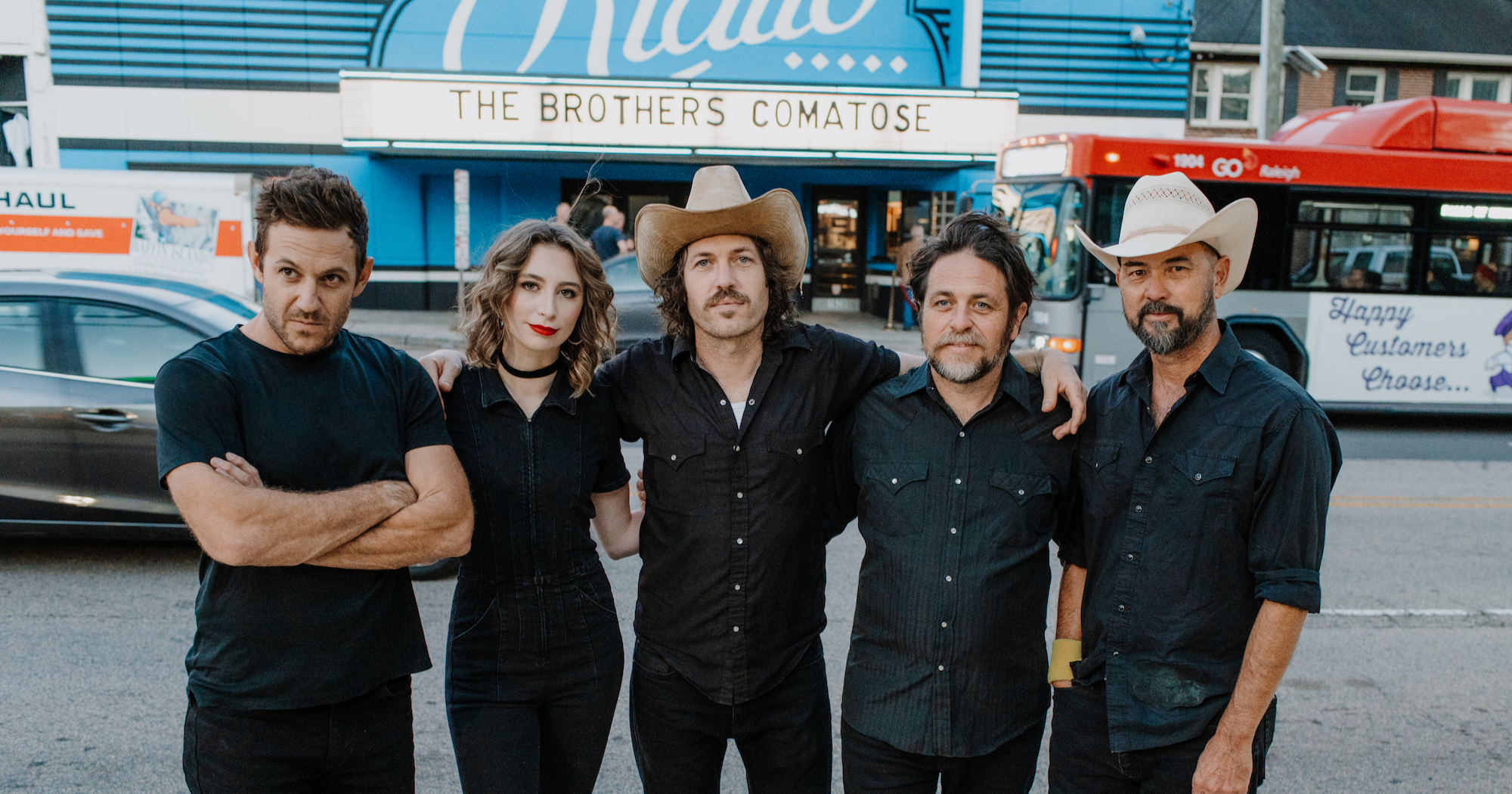
The Glittering Golden Grass of The Brothers Comatose

Bay Area five-piece The Brothers Comatose were actually founded by the brothers Morrison: that would be Ben on guitar and lead vocals and his brother Alex on banjo. The Morrisons came from a musical family and were influenced as much by classic rock as they were by country and bluegrass – their first album, Songs from the Stoop (2010), even contains a cover of The Rolling Stones’ “Dead Flowers.” Initially, the band’s lineup included bassist Steve Height, fiddler Phil Brezina, and mandolin player Greg Fleischut.

In the 15 years since, they have stayed busy both in the studio and on the road. As anyone who has seen the band’s concerts can attest, The Brothers Comatose are anything but… comatose. Their live performances are known to be high energy and often include audience participation. They have supported everyone from Gillian Welch & David Rawlings to Yonder Mountain String Band to Trampled By Turtles. In addition, the group has played festivals like Hardly Strictly Bluegrass and Outside Lands.

The Brothers Comatose returned at the end of July with their fifth studio outing, Golden Grass. The title track, which also opens the album, came from an unlikely source. “A fan started calling our sound ‘golden grass,’” explains Ben Morrison. “And the phrase just felt right.”

Golden Grass arrives three years after the band’s prior album and continues their mix of traditional bluegrass and rock. But behind the scenes, there have been some changes. The Brothers recorded Golden Grass in two separate installments with two different producers, Greg Holden and Tim Bluhm. While they were making the disc, mandolin player Greg Fleischut decided to leave the group. His replacement, Addie Levy, is the first woman in the band and, at just 23, significantly younger than her fellow members. “We always thought it would be cool to have a female voice to hit those high harmonies,” says Morrison. “Addie’s such an incredible mandolin and fiddle player, but she’s also a great singer and songwriter in her own right.”

Golden Grass is probably a bit more diverse than the band’s previous albums. Beyond being their first release to include a woman singer and mandolin player, it’s more collaborative in general. Ben wrote several songs, of course, but other tracks were penned by Levy, Brezina, and Alex Morrison. Still, Golden Grass maintains a pretty consistent sound over its 10 songs. The title track sounds like a lost Allman Brothers tune from back in the day and other highlights include lovely ballads like “Home Again” (featuring Lindsay Lou on guest vocals) and “My Friend” as well as the funny, rollicking “The IPA Song.”

I recently had the pleasure of catching up with Ben Morrison and Addie Levy for BGS.

To start with, tell me a little about the making of Golden Grass. I understand there were some changes between your last album and this one. Addie obviously is the new addition. And I guess Greg was the guy who left?

Ben Morrison: Yeah, Greg was in the band before. He left like halfway through the album. We recorded it in chunks. So we recorded half the album, we were working through the rest of the songs, and in that process, he left the band. Addie joined and recorded the second half of the album with us. But it’s funny. There are four mandolin players on [Golden Grass]. We had a couple of guest mandolin players on the album before Addie joined. Ronnie McCoury’s on there. It’s a good variety, I guess. [Laughs]

Tell me about the title track, which is also the first song on the album.

BM: That’s a good question. It started out with us trying to identify ourselves – that age-old question when you ask a musician what kind of music they play. “Well, it’s kind of hard to define. We’re jazz and pop and metal and boy band!” [Laughs] You know, it’s definitely pulling a lot from the bluegrass world. But also from a bunch of other influences.

We kept posting these things on Facebook and there’s this guy, Cyrus Clark, I believe his name is. He kept commenting about a lot of music coming from California – string band music specifically – going back to Old & In the Way. He kept saying, “Golden Grass! Brothers Comatose, Molly Tuttle, and AJ Lee.” We thought that was really cool.

I think I had just written it down in a notebook one day. And we did a cowrite – myself, our fiddle player Phil, and the guy that produced the second half of the record, Tim Bluhm. I was like, “What if we called it Golden Grass?” We started name-dropping different bands in the lyrics and kind of giving them a little shout out. We had fun with that and went with it.

“Home Again” – reading the press release, I know what inspired it. But just listening to the lyrics, I [probably] would have known anyway. For those of us on the East Coast, tell me a bit more about what [the wildfires] were like and how it affected the song.

BM: That wasn’t a personal story; it was about good friends of ours who lost their house in the Santa Cruz Mountains fires a few years back. For those of you not in California, there’s a fire season [here] where fires can just rip through and destroy communities. It’s pretty messed up and now it’s literally close to home. Some good friends of ours – all their property and their house got destroyed. I think it was during the pandemic and it hit me pretty hard. I was just really feeling for them and that song kinda came pretty quickly.

We had the song and thought about getting somebody to help sing it with us. Lindsay Lou’s been a friend for a long, long time and she’s such a great singer. We sent it to her and she was on it. It’s about a couple losing their house and building back together. So it made more sense to me as a duet.

I like the ballads on the album. Addie, I think you were the one who wrote “Blue Mountain?”

Addie Levy: I am.

Tell me a bit about the inspiration for that song.

AL: I’m from the Blue Ridge Mountains of Virginia. I grew up in Appalachia my whole life. [The mountains] have always been a very big inspiration for my writing and who I am as a person.

I was driving to work one day and was listening to the Infamous Stringdusters’ [version of the Cure’s] “Just Like Heaven” and got really inspired by having a keen lick throughout the whole song. I was like, “I need to write a song like that.” It all came to me within the drive to work. I showed it to my mom when I got home and she kind of looked at me with concern. She was like “Are you and your boyfriend okay?” I was like, “What does that have to do with the song I just played you?” I accidentally wrote the entire thing about him – which is bad ‘cause he cheats on me in the song! But he doesn’t in real life! [Laughs]

There were all these little pieces. Like, I pass his exit to work every day. He knows my Starbucks order. I painted the walls blue in his bedroom in one of our first months of dating. I pulled all these little things I didn’t mean to. Then I had to show it to him. I was like, “I am so sorry I wrote this song about you!” But when you’re in a nice, healthy relationship – I don’t have that much stuff to complain about so I can’t really write about it!

“The IPA Song” is a fun track. Anything either of you want to share with me about that?

BM: When we play shows, we like to get people onstage to help us out – you know, for sing-alongs or whatever it might be. I think we’ve had more children onstage for “The IPA Song” than any other song, which is ridiculous. But they make signs and stuff – like the IPA circled with a line through it. We had a 15-year-old last night playing mandolin with us for that song! I mean, the lyrics are goofy, but I guess it’s a catchy one. It’s been a fun song to play live.

Going back to the Bay Area music scene. In the late ‘60s, it was known for bands like The Grateful Dead, Jefferson Airplane, and the whole psychedelic thing. And in the late ‘70s, there was something of a punk scene. Even in the ‘90s, there were bands like Counting Crows that recorded in San Francisco.

What is the scene like now? And with all these different musical sounds that have come from the city, how did you settle on more of an Americana/bluegrass sound?

BM: The band got its start in 2008 in San Francisco. My brother and I were living in a house on Haight Street – right in the thick of it. Phil lived a few blocks down, so he would come over. We continued to live in the city for a long time and there was a bustling scene. With bluegrass too – like this [past] weekend was the Hardly Strictly Bluegrass Festival. I kind of credit that festival with my direct interest with this kind of music. It’s massive, three-quarters of a million people throughout the weekend. It’s all free. Huge headliners. It’s not all bluegrass but it definitely leans in that direction.

It was so cool being exposed to different kinds of music that I hadn’t really listened to before. What was also cool was watching artists play – Del McCoury, John Prine, Emmylou Harris – all these players that were older. It seemed like the older you get, the more respect you get in this world. [That] was interesting, because I felt like in the rock world there was sort of a shelf life. Like “Oh, you’re in your late 20s in a rock band? Give it up, kid.” That kind of thing. But in this world, when you’re 70, you’re doing it! That was always so cool to me.

So San Francisco does have a pretty cool scene. Probably 10 years ago, a lot of people started moving out because tech started moving in [and it became] more expensive. But I’ve heard that it’s getting cool again. I don’t hang out there as much anymore ‘cause we’re on the road a lot and I’ve got two kids. I mean, Addie probably hangs out there more than I do.

AL: Anytime I’m in town, I try to find a bluegrass gang. There’s a couple of bars [where] I’ve made some good friends. Sometimes there are jams, sometimes they’re just drinking. But there are some really cool musicians in town.

Ben, I know your brother is also in the band. Tell me what Alex brings to The Brothers Comatose that is unique.

BM: Alex has swagger beyond belief. [Laughs] Is that what you would call it?

AL: Yeah. [He’s] the most photogenic, most in the vibe of every situation.

BM: And the way he plays, too. To me, he plays banjo like Keith Richards plays guitar. You know, he’s not trying to be the Yngwie Malmsteen of the banjo or anything. He’s just trying to make it groovy, stanky, in the pocket. It’s just got such good feel to it. And also, he’s a great songwriter and singer. But a lot of his influences come from [bands like] The Rolling Stones, Led Zeppelin. We used to listen to a lot of classic rock when we were kids.

Addie, I guess I wanted to ask you what it’s like so far as the new member of the band and also the first woman. Crashing the boys’ club, as it were.

AL: My very first show with them was in Idaho. I had never met any of them, I had one phone call with them and I had never been west of Nashville! You know, I grew up traveling up and down the East Coast and never really left. I remember touching down in Sun Valley and the realization hit that I knew two people there and they were leaving the next day. And I was like, “I’m gonna get murdered. I am gonna die out here!” [Laughs] I never heard of the festival, it was in the mountains somewhere… I was like, “This is the end.”

[I was] super anxious to start. I mean, our first show was a headlining slot that Sunday. That was terrifying. But [the Brothers Comatose are] just the greatest people. They’re so welcoming. And I’m an only child. So they’re really the siblings [I never had]… They’re the best.


Photo Credits: Lead image courtesy of Burning House Management. Alternate image by Jessie McCall.

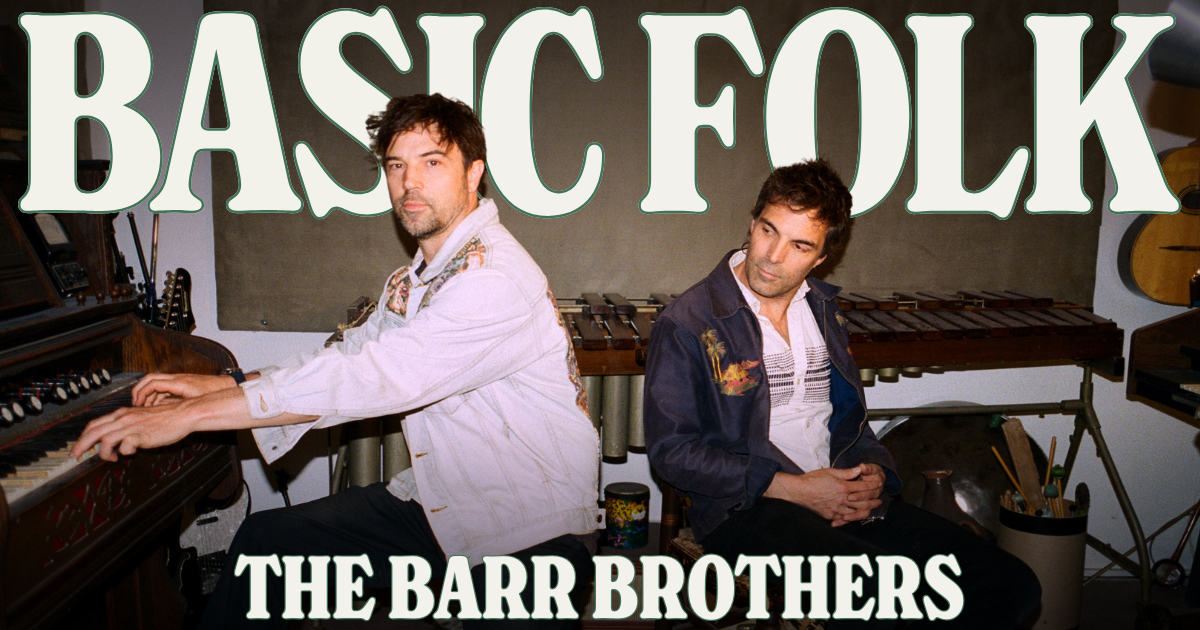
Basic Folk: The Barr Brothers

In the eight years since The Barr Brothers last released an album, Andrew has been drumming with people like Feist, Mumford & Sons, and Broken Social Scene while Brad released a solo record and underwent incredible personal change. Brad made the huge decision to get sober, which he talks about candidly in our Basic Folk interview.

Anything you read about the new record, Let it Hiss, might allude to his newfound sobriety while not mentioning it directly. The band made a conscious decision not to include it in any press releases specifically so that their audience could have their own relationship with the new music. It seems like getting sober has impacted every aspect of the album, but one could listen and project just about any personal pivotal shift onto these songs. Regardless, I am so appreciative that Brad opened up about his sobriety, so we could better understand the music and the incredible relationship that he and Andrew share.

LISTEN: APPLE • SPOTIFY • AMAZON • MP3

Elsewhere in our conversation, we talk about Brad’s deep connection to the number 216, its origin, and why he’s kept that number close to him for most of his life. He shares his reflections on the music lessons given to him and Andrew from visiting Malian musicians, who exchanged their services for free dental work from their father. Those lessons completely changed the musical trajectory of the brothers and still impact them today. We also talk about their former band, The Slip (who are actually still active every now and again), a much-loved Boston group that was fully embraced in the jam band world. I find the music of Andrew and Brad Barr to be completely transformative and not of this world – and I’m so grateful for the new record. Please go see them live, especially if you are into celestial experiences!


Photo Credits: Lead image by Sarah Melvin. Alternate images by Meghan Sepe and Pappy’s Portraits.

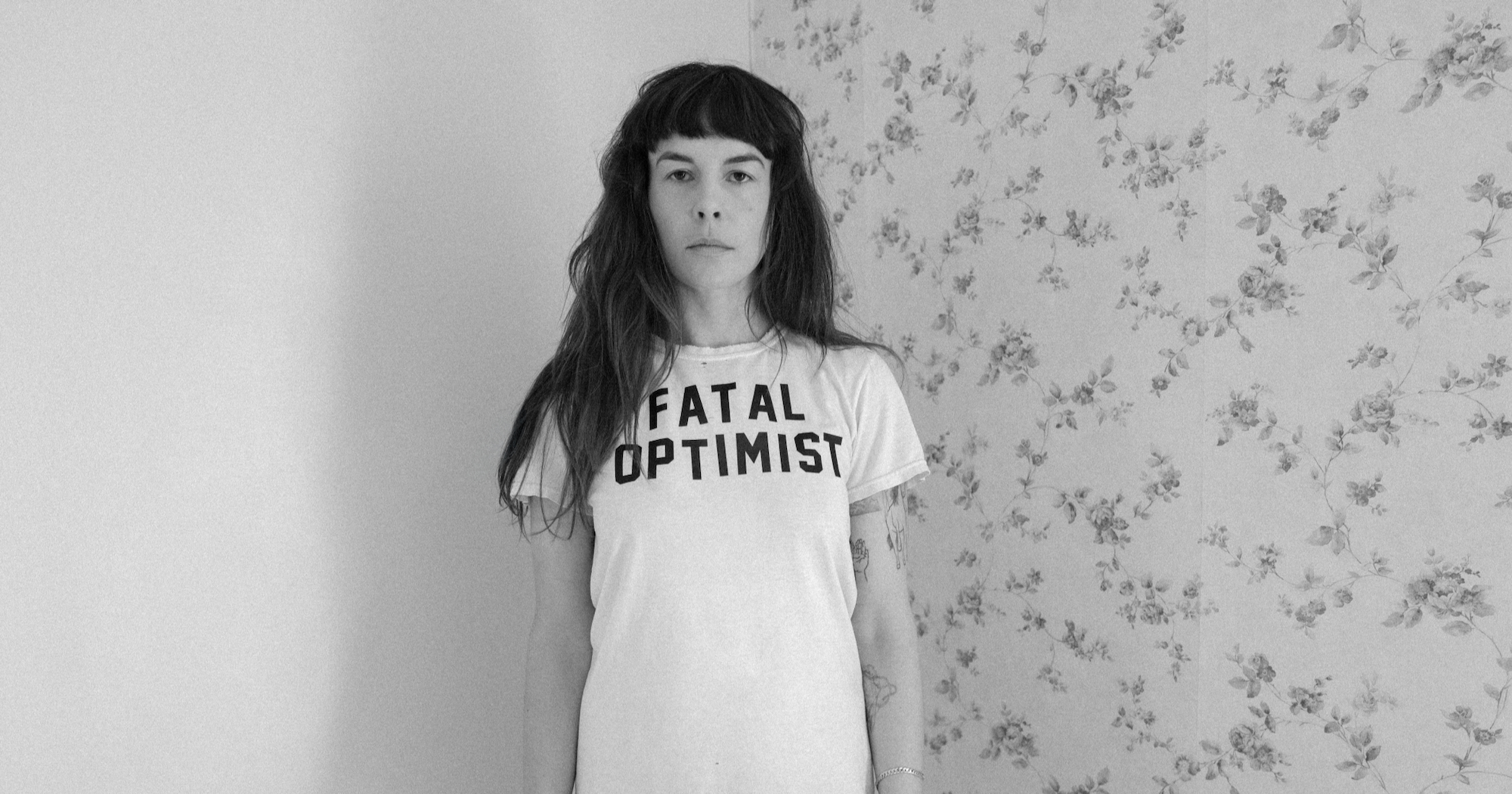
Singer-Songwriter Madi Diaz is Metal as Hell

Hitting play on singer-songwriter Madi Diaz’s latest album, Fatal Optimist, one wouldn’t automatically identify her close-to-the-mic, chunky strums and anxious, confident vocals as “metal.” But keep listening and trust.

Fatal Optimist is heavy on numerous elements of metal – fantasy, humor, darkness, anger. For much of its runtime, it feels like the inside of a clenched fist, slowly but surely letting go. With songs that are, this time, centered around her solo voice and acoustic guitar, Diaz turns her liminal songwriting further inward than ever. This is saying a lot for an artist who’s no stranger to personal narrative. While her prior album, 2023’s Weird Faith, brushed up against hopeful optimism, this follow-up proves that earned optimism is perhaps the better version.

After all, Diaz chose to open the disc with the wordplay stunner “Hope Less,” a stiff shot of reality that reorients us to a heart at least as full of darkness as light. If the LP’s vibe is “clenched fist,” its songs play like spokes in a wheel rolling us toward the jubilant title track – a progression Diaz admitted in our recent BGS interview was equal parts intentional and inevitable.

This album starts out very quiet. It feels very close and very intimate, then it slowly opens up. Was that the intentional vibe and arc of the album for you?

Madi Diaz: It definitely ended up being a much more lean-in [kind of] record. The further I got down the road, the more it felt very obvious that was just what the song content needed. It’s kind of heavy stuff, I think. It was a lot of mining of the self, which I did a lot privately. So I felt like I wanted the songs to match that [vibe], in the end.

I was listening to it this morning, thinking about your song “Everything Almost” from the last record. Like, how optimistic and full of hope that song is and then this album starts off with a line like “hope less.” Obviously, when you’re writing about personal events in your own life, it’s easy to see connection in the rearview. But I’m wondering if there’s something more to what feels, to me, like a connection between that song and this project.

That’s funny. I was just talking about this. I do feel like a lot of the songs in the last record … are about following that gut intuition. That gut feeling. So a lot of the songs on Weird Faith are absolutely going like, “I think this is it. I think this is gonna work. I think we’re really gonna get there.”

There was a really funny moment I had recently. I was practicing for this tour and putting [together] the set list. I wrote this song called “This Is How a Woman Leaves” for my friend Maren Morris, her last record that she put out [Dreamsicle, 2025]. I am planning on releasing a version … at some point down the road a little bit. But I was practicing “Everything Almost” and then I wanted to go into “This Is How” because in “Everything Almost,” I’m packing the boxes and moving in. In “This Is How” I’m fucking moving out.

Like, “How it started, how it’s going.”

It’s the “fuck around and find out” journey right there, in a nutshell.

Nice. I was reading that you went to an island when you were writing the album. Can I ask what island you went to? And did you know that’s what you were going to do when you started your trip to that island, planning, like, “I’m gonna get it together.” Or was it just kind of like how life happens?

There were, actually, many islands. Physically, mentally. … I started off coming off of this European tour. We finished this tour in Italy, so I went to an island off the coast of Italy and was there by myself. I did a lot of journaling and walking – so much walking. I’m a big processor by walking and talking, so I would kind of record myself as I was processing things out loud. I really wanted to be in a space where I felt safe to do that. It felt like the safest thing was to just take myself away from everybody, so as to not barrage people with [my feelings].

I started off in Ischia and then I ended up, really wonderfully, being asked to be a part of this [songwriters’] colony in Nantucket. So I did that. I ended up going to Long Island with my dad, to Noyack, and just [did] a lot of journaling there.

Also, [I was] feeling very much like I couldn’t tell whether I was the island or the island was the island. It was just this very unescapable lonerism. Solo mission, you know. Like in a spacesuit, kind of feeling. I just couldn’t shake it, so I just took it with me everywhere I went.

Can you talk a little bit about the process of songwriting? Your songs are so personal, almost uncomfortably so. I wonder if that’s the result of writing in an actual journal on paper and if that’s a different kind of creative experience for you than voice memos on your phone, which so many people do now instead of journaling.

I definitely rely on journaling still. A lot. Sometimes, if I’m in a pinch, I’ll text myself an idea. Or, I have [the] Notes app open. A lot of Fatal Optimist was pulled from about a year’s worth of pretty serious journaling and going back over certain words that kind of stuck out. I love journaling. I think it’s like a life scrapbook, you know? There’s a funny thing that happens. Sometimes I’ll open a journal and I don’t even know what year it’s from, because some of the issues [are] so consistent. … But it’s kind of like a sweet reminder, of survival, I guess.

Totally. Do you remember writing the couplet at the beginning of “Lone Wolf”? “Lamb’s gotta lamb, god planned it/ Wolf’s gotta wolf, goddamn it.” It’s such a perfect little song, but it doesn’t feel trope-y. It feels, really, like a strike of inspiration.

Well, I remember it was dead of winter. I was sitting on my couch with Stephen Wilson Jr. and I was going through my journal. I was talking about what was on my heart that felt so difficult, about reaching this person who chose to be a loner. I mean, he literally said to me, “I’m a loner. I’m a lone wolf kind of guy.” And I [thought,] “You just said that. That’s ridiculous.” Like, have you not seen the Pee-wee Herman movie where he’s like, “I’m a loner, Dottie. A rebel!”

But it was this thing, you know, that I almost didn’t take seriously, because it was such a crazy thing to say. And I should have [believed him], obviously, because here we are. I was talking to Stephen about it and we were laughing about this wolf character and the lines just fell out. In the aftermath of it, it’s funny.

You know, when you push somebody that wants to be alone away, they tend to want to be less alone. They feel very confronted. I mean, I’ve been there. All of a sudden, you’re confronted with your loneliness and wishing that you actually had that connection. So, when I pushed him away initially, he would just kind of show up and stick around. I really wanted him to leave me alone. Damn it. “Goddamn it” definitely came from that.

The lyric on that song is so simple. You don’t go into a lot of poetry, you don’t go into a lot of storytelling. The wolf keeps showing back up, looking good, trying to get back in. Can you talk a little bit about trusting yourself to keep it so simple? Does that come from editing or did it just feel like that’s what the song was?

I try to say it in a way like we were just talking about it sitting in the bar. I’m trying to not be misunderstood. I’m trying not to feel misunderstood even to myself. So I think I try to keep it clear and cutting, and [the way] it comes out. If it’s possible to get even closer to it, I’ll edit, but I don’t really edit a lot.

Oh wow. So it just comes out that way. That’s impressive.

Sometimes it does just come out that way. Not all the time, but sometimes it mostly does.

The other line on this album that I really wanted to unpack is in “Heavy Metal.” The line is, “In some religions, repetition is spiritual.” I wanted to unpack it a little bit, because music is often a place where people will repeat words or phrases, for a whole bunch of reasons.

But that line made me really listen to the words and phrases you were repeating elsewhere on this album: “Whose move is it to move on.” “I always love you.” “God knows how long.” “Ambivalence.” Can you tell me a little bit about how you decide what to repeat? Is it a conscious choice or just part of the process?

I think when I’m repeating something, it’s because it feels different on every lap. I’ll repeat something when the feeling is lingering in a way that– maybe if I say it enough, some magic spell will break and I’ll be released by this thing. Sometimes I feel like the repetition of it comes from a bit of a desperate [place] like, “Just get it out of me.” Maybe if I do this ten times, I’ll never have to do this ever again, which is why the [line,] “In some religions, repetition is spiritual.” …

You’re always going to carry it with you. You can learn how to hold this. I can learn how to learn from it differently every time, you know.

I guess that’s why repeating “ambivalence” is really interesting to me, because it seems like repeating that particular word is a contradiction.

I guess that’s true. Ambivalence means “caught in the middle.” Feeling in so many different directions. For me, ambivalence feels like a very desperate feeling. It almost feels like it should come with a bit of an alarm bell. Like, “Oh God. I’m feeling all of the feelings at the same time and I don’t know which one to choose.”

That makes sense. The other thing in the song “Heavy Metal” – I wanted to ask about your mom. I feel like you have mentioned your parents in other songs on other albums. But this made me wonder about your relationship with your parents. Somehow, I don’t think people talk about their parents much in music. I can’t figure out why. Do you have any thoughts on that?

I think it’s scary. It’s so scary. When I know a song is about me, I definitely tend to listen with a microscope. No one is trying to hurt anyone, but we’re all really trying our best to process love, pain, joy. I don’t know. Our effect on each other. What’s mine, what’s yours. So yeah, it’s not an easy thing to write about. …

I feel like I’ve felt the most loved and I’ve felt the most hurt by both of my parents. I think that that’s pretty normal. Or maybe not? Maybe it’s not normal.

I think it’s pretty universal.

It always kind of ends up that way. The people closest to you hurt you the most, which is why you really have to trust the people closest to you. So that when they do hurt you, you can [heal].

I think “Heavy Metal” felt right to start you talking about my mom, because she’s kind of a badass and kind of a hardass. In all the best ways and all of the hardest ways. There are some things about being tough and resilient that I wouldn’t trade for the world. It helps me survive in so many corners of my life. But also, I’ve had to really undo some of the damage that being tough does. You start to weaponize that toughness against yourself and others in a way that I didn’t even know I was doing for a long time.

Then [again,] you just don’t want to piss them off because you also want to be able to go home for Thanksgiving and stuff.

Right. That’s what makes it such a metal move, you know, to comment on your mother in this way. I’m assuming she’s still alive. Has she heard the song? Does she have any feedback for you?

I haven’t heard [feedback] yet. I really don’t know. But I’m so grateful to my mom for raising me the way that she did and giving me and my brother the lives that she gave us. I feel so lucky that she’s my mom. It’s hard to have a song like this. … But that’s just fucking art, man. It’s so hard, at the end of the day. You know, we can make it as personal as it is or as just-about-me as it is.

The last thing I want to ask about is the song “Fatal Optimist,” which is sort of a sonic departure from the rest of the album even though it’s obviously very on-topic. As a listener, it feels like we just went on this long, arduous, emotional journey, and now we’re suddenly above the tree line and the drums are here and everybody’s in the room. Not to get too nerdy about sequencing and stuff, but was there any world in which that song could have been anywhere else on the album?

It would have been a nice break, wouldn’t it have been? I just couldn’t do that. I couldn’t interrupt the intensity of this record.

I do know that optimism is a soothing balm. When it hits you, it just hits you. There’s no explanation for it. And I knew that, for me, I want a reason to listen to a record again. … This whole record feels like one step after the other. It’s like my attempt at a gift or something [for] going through it. Hopefully, these [songs] can all be like little lights on the path that lead the way to this finish line of fatal optimism. Then we can run it all back again.


Photo Credit: Allister Ann