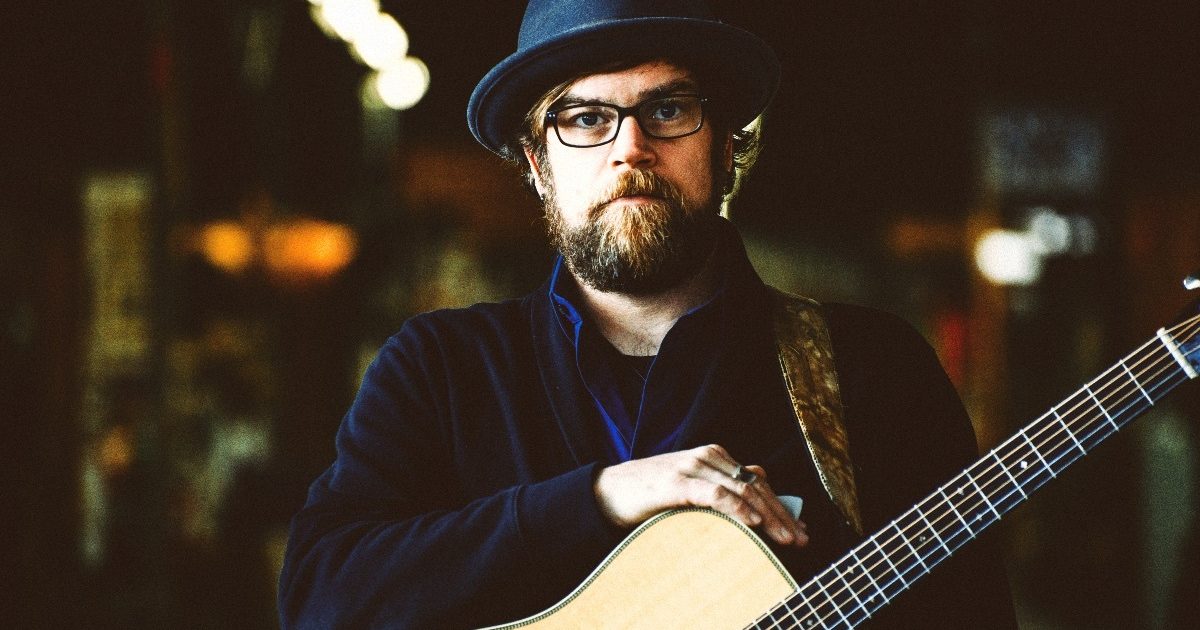
Stuart Duncan’s Coffee Is a Disaster, But His ‘Goat Rodeo’ Fiddling Is Sublime

Stuart Duncan, speaking by phone from his home outside of Nashville, is at a loss over how to describe the beautiful dissonance of the just-released collaborative album, Not Our First Goat Rodeo.

“I think all of us have — even if it is nebulous — some sort of idea in the back of our mind of how we’ll sound performing any given piece of music,” he tells BGS. “As soon as a little bit of rehearsal happens, the glue starts to come together within a very short period of time – 10 minutes, whatever – of rehearsing and talking. ‘Here’s where the emphasis is.’ ‘Make your note a little shorter, Stuart.’ Those things come together really quickly. Then it is just capturing the best performance of those ideas and moving on.”

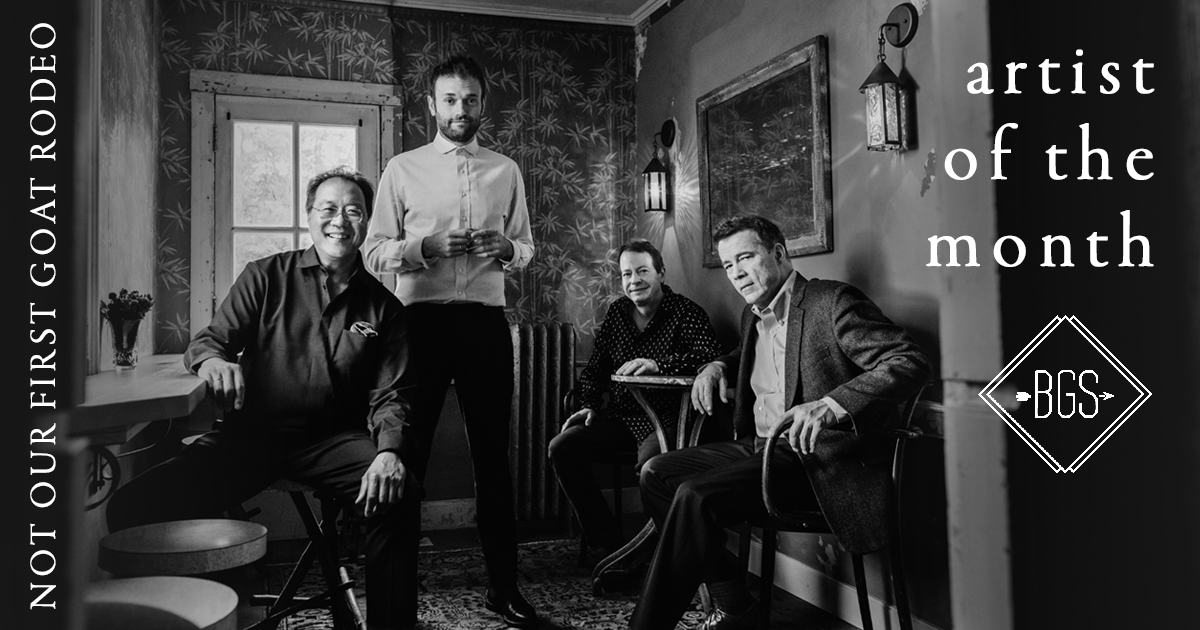
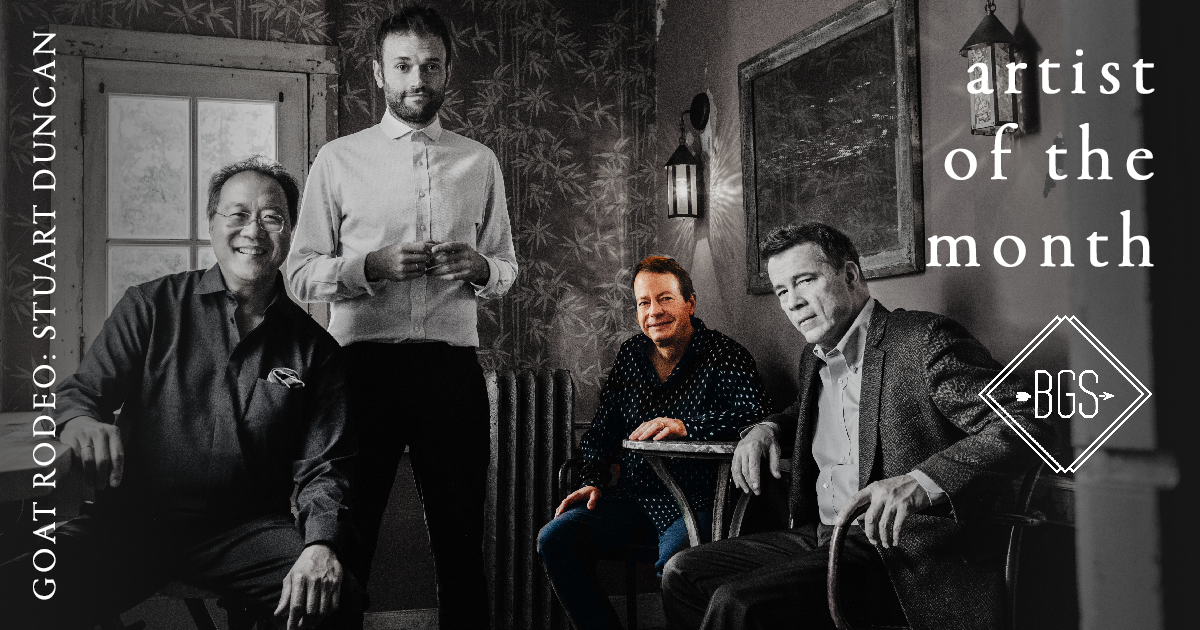
A multi-instrumentalist who’s perhaps best known for his sublime fiddle playing, Duncan has racked up awards and accolades for his work in the Nashville Bluegrass Band and as a highly sought-after sideman for acts ranging from Garth Brooks and Robert Plant to Diana Krall and Panic at the Disco. The final piece to the Goat Rodeo quartet — which also encompasses Yo-Yo Ma, Chris Thile, and Edgar Meyer — Duncan’s virtuosity contributes crucially to the group’s category-defying sound.

This Artist of the Month interview is the first of four installments as BGS salutes the incredible and iconic musicians of Not Our First Goat Rodeo.

BGS: Your first album together (The Goat Rodeo Sessions from 2011) was described as being partly composed and partly improvised. Was that the same approach this time?

Duncan: I would say even more composed, [although] all the material has some improvisation in it. Certainly for me. But there are things that I have to do the way they are written or else it won’t arrive at the proper conclusion — which is what the whole “goat rodeo” name means. Everything has to go just right or catastrophe happens.

This album’s studio session was only ten days for the ten songs, so there wasn’t a lot of time to fool around.

The writing and the sheet music had to be together before we even arrived at the studio or any kind of first rehearsal. The first album involved at least a day or two of rehearsals, and more time for writing. We had like nine months to get that together. This one was more like nine weeks. It came together fast.

We were staying at a nice home in the Berkshires. We had all of our sheet music laid out. Edgar was taking notes. He was the primary copyist — doing the notations for Yo-Yo’s parts, because he was more familiar that sort of bowing. Last-minute tweaks were happening up until the night, even the day, of the first session.

Were there particular musical pieces you brought to the table?

I arrived with little stabs of things for both projects. The most obvious one this time was the pizzicato hammering on thing in “Your Coffee Is a Disaster.” That’s something I had been working on for a long time. It is something that I sort of arrived on while holding my violin in a recording studio waiting for something to get finished in another room. Just noodling around. Holding the instrument like a mandolin and playing it that way on my lap rather than a bow. It took Edgar hearing that and realizing it was the same tempo — or could be played at the same tempo — as one of his other intros. Playing those together kind of started Edgar thinking: “Hey, what if we sandwiched these two ideas?”

So there was a good deal of puzzle piecing the arrangements?

When Edgar’s bowing his bass, and Yo-Yo’s bowing and I’m bowing, we’ve got a lot of bowing. Lots of sustained possibilities. We like to use this to our maximum potential. Like having the violin go down and the cello go up at the same time — and they cross each other in a moment of dissonance. The bass comes in and provides a counterpoint underneath that strengthens that dissonance and comes to a resolution, we hope, at some point.

The middle part of “Your Coffee Is a Disaster” has some of that — counterpoint of violin and cello not arriving at the same note at the same time but a half a beat staggered from each other.


It sounds like an especially stimulating creative environment.

With the minds of Edgar and Chris on compositions thrown in with what I have to offer, as far as improv, it’s a thick soup — it’s a chowder.

Were there instances of too many ingredients in the chowder?

Oh sure, it’s way easy to go too far. Some folks, even some folks close to me, have said that we should have thrown out a few more things than we did. Other people, you know, are perfectly happy. It is an individual thing. I just want to get comfortable enough with what we did in the studio to perform it again live at some point.

Despite the limited time you four have had together, you all seem to have a great camaraderie.

We had to stop each from telling jokes so we could get some work done, or it would be Story City where we could sit there all day and tell stories. It kept people focused on the job at hand. We were so glad to be together again. It was really great, and we hope for more.

And has some communication shorthand developed too?

There were times when little nuances of translations had to occur between something that Yo-Yo would say to Edgar because Yo-Yo would know Edgar knew what he meant, but maybe wasn’t so sure he knew that Chris would know. Some deep Latin term from the classical world. So, Edgar would then translate the question to Chris, although Chris would probably know a lot about classical music. There were a couple times when Edgar had to reframe the question to ring Chris’s bell, then Chris would have to translate it to me. It would have to go around in a circle before I would understand what was being talking about.

There were some bowing things that happened where I was equally as frustrated at getting it right as Yo-Yo. I remember one time Yo-Yo said, “Why is the bowing so different for this [song]?” It was a piece that I had started writing on the mandolin. And Chris said, “It wouldn’t seem weird to you if you ever wielded a flat pick.”

Is everyone’s very broad musical interests a key factor to Goat Rodeo being such a unique collaboration?

Completely, definitely. Not just because we all have wide interests musically, but also you are dealing with two monster composers who can weave all of that information into something believable, however unlikely the premise might be.

I’ve also heard Yo-Yo say in interviews that he’s listening to everyone else at the same time he is concentrating on playing. His ears are open; he’s not just using his eyes and his musical abilities. That’s a huge important thing for all of us. Because of what other people do, it influences what we do.

We are completely used to that in the bluegrass, jazz, swing worlds where we are trading licks. Someone plays a lick and you echo what they play. Then make it your own and it goes back around. But when you’re dealing with a written piece of music, that is played the same way each time, there are other things you can listen for with each other. Where the note lands. Where someone else is feeling a flourish or a cascade of notes.

Also, you have someone like Edgar, who can write something into a piece of music that sounds like improv. He know to leave a space as if someone was thinking of the next thing to play rather it being right there. He’ll leave a few rests in there as if someone is playing off the top of their head. Leaving space for the listener.

What is one recording that ranks as a G.O.A.T. (greatest of all time) for you?

Apart from all of bluegrass, old-time, jazz, swing, and blues that I grew up playing, loving and still worship, one of my favorite recordings is the Bach: Complete Sonatas & Partitas for Solo Violin by Arthur Grumiaux from the early ‘60s.

You can spend decades appreciating different kinds of music and then you think you don’t like classical music that much or it doesn’t hold your interest. Then somebody hands you something like that and says, “Check this out,” and it blew me away. I’ve been a fan of that recording ever since.

My sensibilities of how to perform a piece of music with Yo-Yo Ma were changed by hearing that recording. I became more sensitive to what was required from a violin to play that kind of music. The more aware, the more you can immerse yourself in what your instrument is capable of doing.

(Editor’s note: Read the remaining installments of our Artist of the Month interview series here.)


Photo credit: Josh Goleman
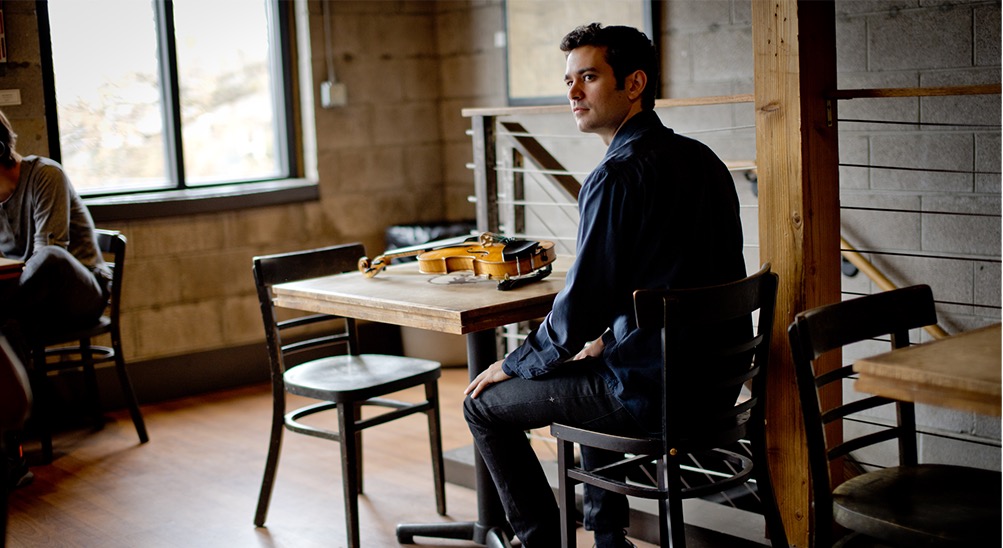
LISTEN: Mike Barnett, “Righteous Bell” (Featuring Sarah Jarosz)

Artist: Mike Barnett
Hometown: Nashville, Tennessee
Song: “Righteous Bell” (featuring Sarah Jarosz)
Album: + 1
Release Date: September 11, 2020
Label: Compass Records

In Their Words: “I wrote this just before the 2016 presidential election. Looking back, there is much work to be done before any ‘righteous bell’ is rung. The juxtaposition of the propelling, changing instrumental and the grounding, unchanging vocal melody creates a sort of galvanizing tension that hopefully inspires the listener to take action — voting, conversing, learning, protesting, etc. Just like in an old-time jam, the vocal melody and lyric fuels the fiddles and banjos, and everyone feeds off each other’s energy. Sarah Jarosz’s powerful singing and driving clawhammer banjo brought this song to life.” — Mike Barnett


Photo credit: Stacie Huckeba

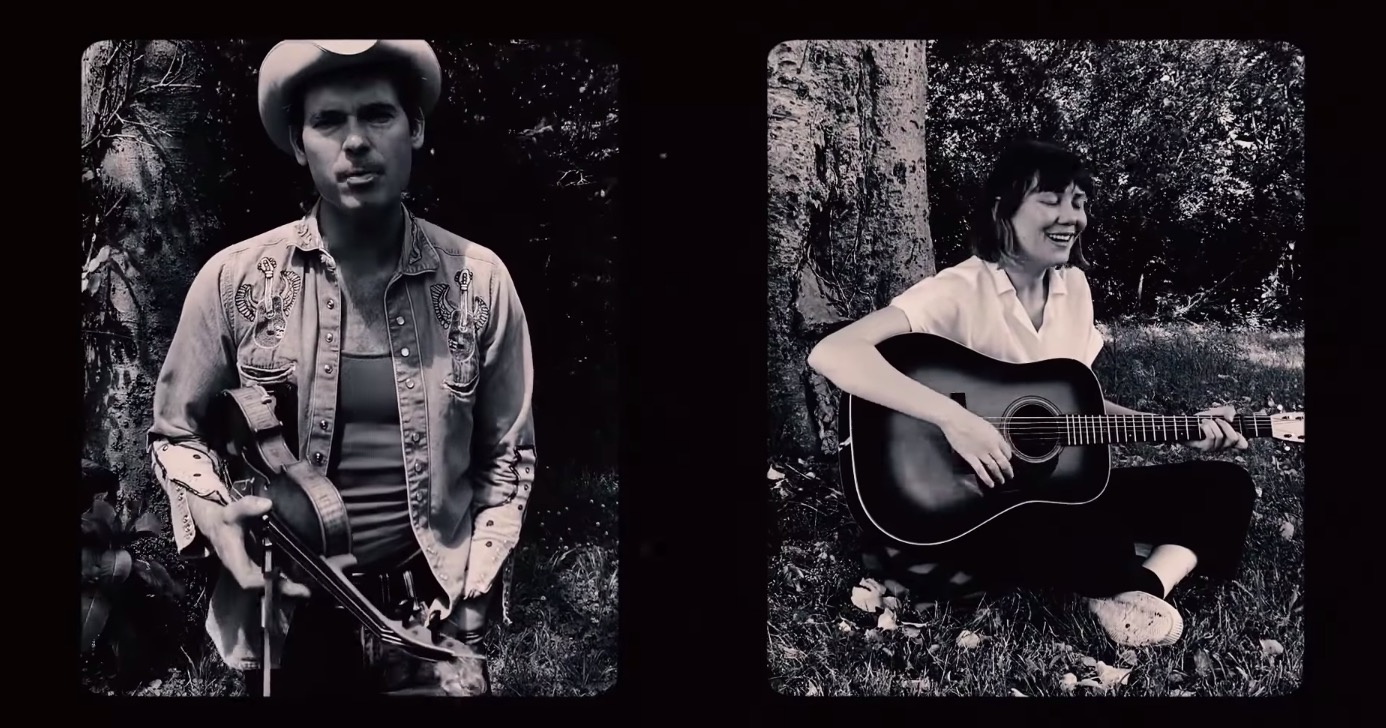
WATCH: Molly Tuttle, Old Crow Cover Neil Young’s “Helpless” for WhyHunger

Molly Tuttle and Old Crow Medicine Show have combined their voices to bring attention to a terrible byproduct of the COVID-19 pandemic. Together the BGS favorites cover Neil Young’s “Helpless,” spreading awareness and raising funds for WhyHunger, which works to eradicate hunger through community solutions rooted in social, environmental, racial and economic justice.

The accompanying music video for “Helpless” shares eye-opening statistics detailing what the coronavirus has meant to families and individuals facing food insecurity in the U.S. and around the world. WhyHunger aims to establish an understanding of food as a basic human right and to address structural inequities that cause varying degrees of access to food. Tuttle and Old Crow are further supporting WhyHunger by donating all proceeds collected from this track to the organization. 

Watch “Helpless” right here, and consider giving to WhyHunger to support this critical work.


“The Shorthairs and the Longhairs”: The Story Behind ‘Bluegrass Country Soul’

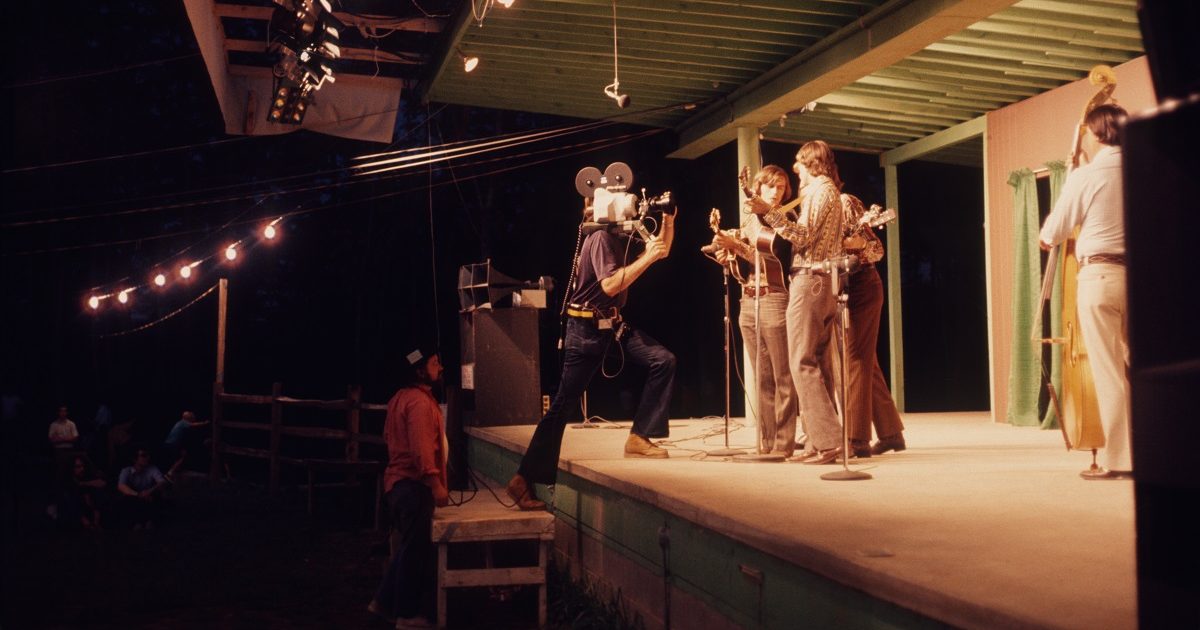
Bluegrass Country Soul captures one of Carlton Haney’s legendary festivals in Camp Springs, North Carolina, on Labor Day weekend of 1971. It is credited as the first bluegrass documentary, and is essential viewing for both lifelong bluegrass fans and those new to the genre.

This classic film features bluegrass music’s pioneers, as well as those who would take the music into the future. Earl Scruggs, The Osborne Brothers, Ralph Stanley, Chubby Wise, Mac Wiseman, J.D. Crowe, and Jimmy Martin were featured alongside The Country Gentlemen, Del McCoury, Sam Bush, Tony Rice, Ricky Skaggs, Keith Whitley, Alan Munde, and more. The film documents Rice’s last show with The Bluegrass Alliance and his first show with J.D. Crowe & the Kentucky Mountain Boys. Many of the festival’s legendary moments are preserved in color for posterity.

A larger than life figure who is credited as starting the first multi-day bluegrass festival, Carlton Haney organized the weekend’s festival, and serves as the de facto host of the film, sharing thoughts about bluegrass music, bluegrass festivals, bluegrass fans, and the bluegrass “stow-ry.” His passion for the music is evident, and makes for a great depiction of one of bluegrass’s most significant and one-of-a-kind personalities.

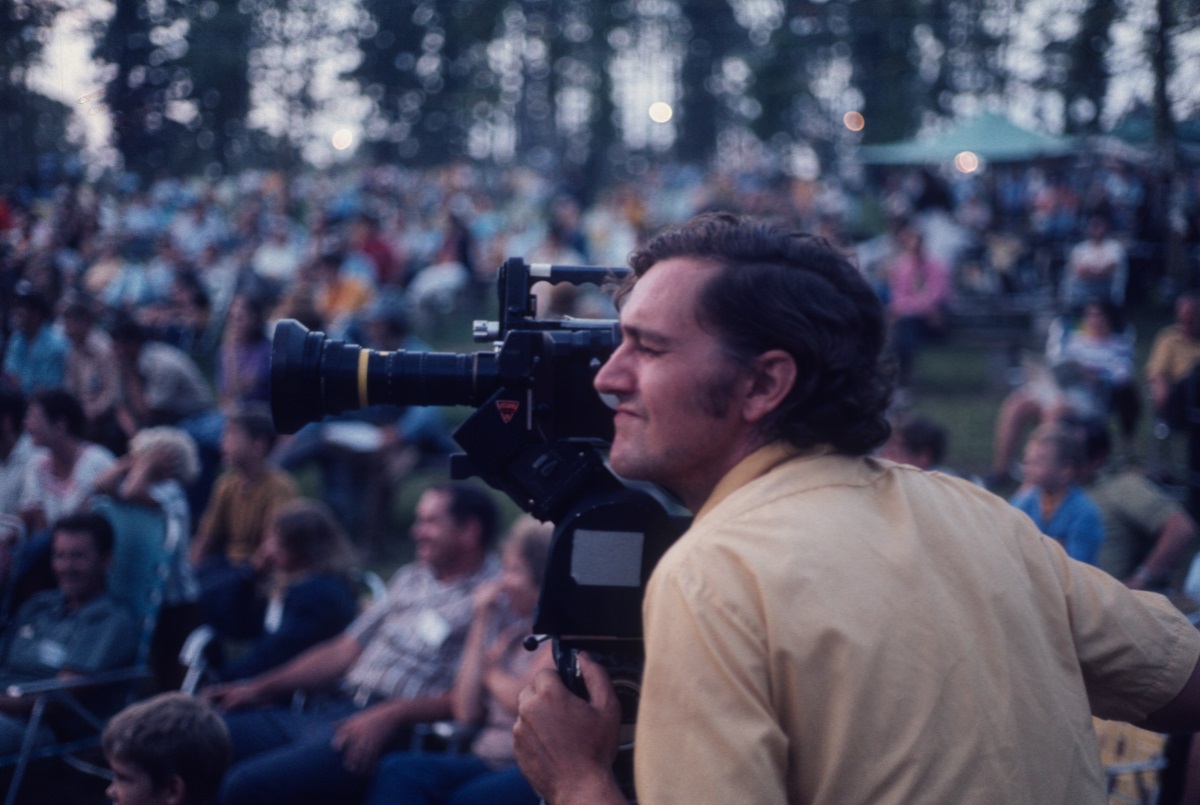
Albert Ihde, the film’s director (pictured below), spoke with BGS about the film and its legacy to commemorate the 50th Anniversary boxed set of the film, released this summer. The special edition set includes the original film, recently remastered and restored; CDs of performances not featured in the film; bonus footage including exclusive interviews with Ricky Skaggs, Bill Emerson, Missy Raines, and more; and a full-color coffee table book about the film.

BGS: How did the opportunity to film Bluegrass Country Soul present itself 50 years ago?

Albert Ihde: It was almost by accident, in a sense. A couple of buddies of mine and I were preparing a screenplay for a company in Washington, D.C. that had hired me to write a film, and then I would direct. The only thing that they insisted on was that it had to be about a Country & Western singer. Now this is 1971, and back then they called it Country & Western. I said, “Okay. Fine. Let me do some research on that.

A buddy of mine, Bob Leonard, and I were out scouting locations in Berryville, Virginia when we saw posters for Carlton Haney’s 4th of July Festival, and Earl Scruggs was going to be playing. We thought, “Well, that looks interesting.” To make a long story short, I got in touch with John Miller, who was the partner of Carlton’s there at Berryville, and John took us on a tour of the sites because I wanted to see what it looked like. It was right on the Shenandoah. Gorgeous location. He gave us passes to the Fourth of July Festival. We had no idea what bluegrass was, compared to country music, and we thought, “This looks like it’ll be fun. We’ll go to see this.”

Director, Albert Ihde

A bunch of us got a VW wagon, and my wife hooked up a camper on the back of our car. We went out, and we parked and saw it, and I have to tell you, as soon as I heard that music coming from the stage, we were all hooked. We talked to Carlton. Quite a deal! Talked to Fred Bartenstein (a local disc jockey who helped with the annual festival) and they told us more about what they were doing. I wanted to put Carlton in a film right then and there as soon as I met him.

We got back to D.C. and the company that hired me to write this screenplay, it turned out that they couldn’t raise the money to make the movie. So we took the film and decided we would try and find the money ourselves. Fortunately the first guy that I sent it to called us into his office. He was a major D.C. investor, philanthropist, and owned lots of real estate in D.C. He said that the thing that interested him most about the screenplay was this bluegrass festival out in Berryville. He said, “Why don’t you do a film about that?”

My partner and I looked at him and said it’s gonna be hard to raise money for a documentary, and he said, “How much do you need?” We get our calculator out, we start going through it, and we throw a figure out to him. It’s not gonna be as expensive as the film that’s going to have all the actors that would be taking us six to eight weeks to shoot. This, we could shoot in one weekend. He said, “Listen if you get Carlton Haney to agree to allow you to come and shoot the film at his festival, I’ll go out and find the money.” And we said, “Okay.”

The next day, Bob Leonard and I were on a plane to North Carolina and met with Carlton and Fred, pitched the whole idea to him, and Carlton was on board right at the beginning. He said, “Absolutely. No problem.” I said, “Well, are you gonna get all of these musicians to agree to this?” And he said, “Yes, I can do that.”

We had all of twelve days, two weeks, or something like that, to get the whole thing together to get down to Camp Springs on Labor Day weekend. And we lucked out. We happened to have this incredible festival with all of the pioneers of bluegrass, along with all of the up and coming newgrass guys who were changing the music as we watched. It was a great mix of both the old and the new, and as Carlton called it, “the mixture of the short hairs and the long hairs.”

That was it! You’ve got the hippies sitting right next to the guys right off the farm in coveralls. A guy in a Confederate hat sitting right next to hippie girls. It was a great mix. And everybody got along. And it was at a time in America when the country split. Nixon and the protests trying to bring our troops home from Vietnam. It was a strange time. But the thing that happened at the festival… everybody was getting along all right! Also of course, most of the audience were bluegrass musicians of their own or were learning or wanting to be. So that’s how we got into it.

What were some things about Carlton’s personality that made him such a compelling figure to follow for a film?

A number of people have said he was like the “P.T. Barnum of Bluegrass.” So it was kinda like, just put a camera on him and let him go, because you never know what he’s gonna say! Of course, the great thing about filming is, you can always edit it, and we edited out a lot of Carlton.

At one point, it was towards the end of the weekend, we were filming Carlton out on the lot, and I say “Carlton, we need something to kind of summarize the whole thing, and put a tag on the end of the film.” He said, “Oh, that’s okay. I know exactly what to say. Do you want me to make you laugh or do you want me to make you cry?” And I looked at my cameraman, and Bob was ten years older than me, and he had a lot of experience doing this, and I looked at Bob and I said, “What do you think? Make us cry?” And Bob nodded his head “Yeah, make us cry, Carlton.” And Carlton said, “Okay, start the camera rolling.”

So we started the camera rolling, and Carlton is saying goodbye to the kid who is packing up his gear at the end, and then he turns to the camera and he says, “You know, when people leave, it makes me sad, because all my friends are leaving. But I know that they had a good time, and that they’ll be back again next year.” And tears are coming to his eyes! And he says, “And that’s bluegrass and that’s a bluegrass festival.” And I said “Cut!” Bob and I just burst out laughing, and I said “Carlton, you’re going to get an Academy Award for that!”

To this day, Fred tells me, he runs into people and he says they will quote to him the lines that Carlton had in the film. “The shorthairs and the longhairs,” [and,] “You look down upon the stage and you can hear the soul of man — Ralph Stanley.” They just came out of his mouth!

The other thing was, he could not look at the lens, no matter how hard I tried. [Carlton] had this real shyness problem, and yet you put him on the stage and hand him a mic in front of ten thousand people, he was fine. But put a camera in front of him, he was looking away. Kind of shy and withdrawn. I think he was very concerned about his looks. He had terrible teeth. As somebody once said, that’s part of the times back then when nobody had health insurance or dental insurance… that was the last thing that people spent money on. So I think Carlton was a little shy about the way he looked. But he was an interesting guy.

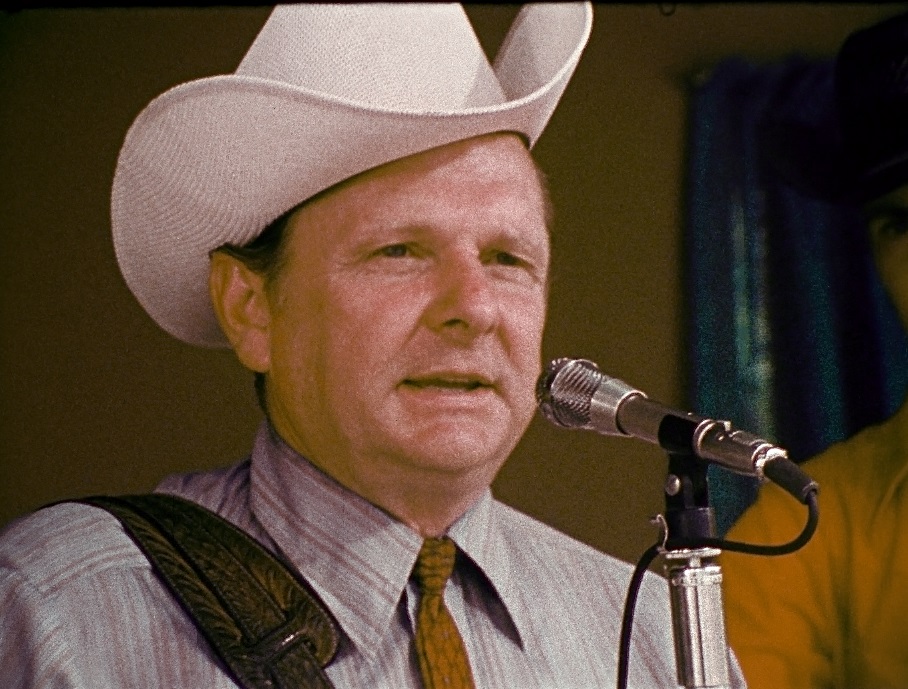
Pictured: Ralph Stanley

You mentioned that one thing that was so compelling about the film, and at bluegrass festivals in general, was seeing people from different walks of life united by this music and finding common ground, even if it was for a weekend. What do you think that message has for us today where we are as divided now as we were fifty years ago?

I hope it has the same result. Every time I have shown the film — and I have shown it to heads of studios in Hollywood, I showed it to corporations up in New York City — no matter where I’ve shown it, people leave the theatre with big smiles on their faces. It’s not necessarily because they’re bluegrass fans, but because they enjoy it. They had fun. They were delighted. Something about that music, about the people playing it, about the commitment that these people have to it. There’s more to it than just country music. I think that’s what Carlton was trying to say about the soul. It’s a commitment to the music that is thorough.

I don’t know whether Carlton told me this or not, but at some point I learned early on: bluegrass music is not commercial country. Meaning, you’re gonna lose your shirts on it, but you’re doing it because you love it. That really says it all, and I think that comes through with music and with Carlton and with all of the people that are on stage in the film and all the people playing out in the field… You see the commitment to the music.

Ellen [Pasternack, the project’s Executive Director and Ihde’s wife] and I have a background in professional theatre, regional theatre around the country, and what you’re always looking for working in theatre are actors who can really commit to doing a performance. It’s that commitment to the art — whether that’s music, theatre, dance, or painting — that’s where you find the joy in the art. And I think that comes through in the film, even if you don’t know anything about bluegrass. I hope that comes through still to this day, and maybe gets people thinking “past the politics” for a moment or two just to look at the music and listen to the music. And to see, “If this was going on back then, why can’t it happen again?”


Photos and trailer courtesy of Bluegrass Country Soul.

WATCH: Darin & Brooke Aldridge, “No End in Sight” (No Contact Concert Series)

Artist: Darin & Brooke Aldridge
Hometown: Shelby, North Carolina
Song: “No End in Sight” (from No Contact Concert Series)

In Their Words: “’No End in Sight’ is an upbeat song about love and a relationship that seems to have no ending point. We would like to think that this song reflects our own love and career, where we’re reaching goals with an unlimited future ahead. Having Samantha and Zeb Snyder and Billy Gee playing with us was an added bonus that allowed this song to really come to life, and the meaning of it to be felt even more.” — Darin & Brooke Aldridge

“We were so happy to have Darin, Brooke, and the band involved in the series. Our goal has always been to showcase and support regional artists throughout this uneasy period, and this show was a great one for that and many other reasons. One thing that has always impressed me about Darin and Brooke’s music is its ability to fuse impressive musical technicality with down-to-earth, relatable songwriting. On the production end, approaching it with that perspective in mind allowed us to present a show that straddled some of our favorite musical programs from the past, resulting in something very cool that we all felt very proud of, sort of like The Glen Campbell Goodtime Hour meets MTV Unplugged.” — John Crawford, production manager of Codex Sound and co-founder of No Contact Concert Series.


Editor’s Note: No Contact Concert Series is a weekly live broadcast featuring professional-grade full band shows streamed from Codex Sound’s 14,000 sq. ft. warehouse in Hickory, North Carolina. As a full-time production company whose heaviest work season was decimated by the pandemic, the crew at Codex Sound saw an opportunity to repurpose their storage warehouse to create a full-scale virtual concert experience and grant artists the chance to perform in a safe and sanitary environment with the highest quality audio and video possible.

Videography: Mark Martindale and Craig Bess
Lighting Design: Josh “Turnup” Jones
Stream Audio: Luc Valcourt

Artist of the Month: Not Our First Goat Rodeo (Yo-Yo Ma, Stuart Duncan, Edgar Meyer, and Chris Thile)

A remarkable blend of improvisation and composition, Not Our First Goat Rodeo is the just-released second volume of music from four American acoustic icons: Yo-Yo Ma, Stuart Duncan, Edgar Meyer, and Chris Thile. The eclectic group chose their name based on the aviation term “goat rodeo,” indicating a delicate situation in which 100 things need to go right to avoid disaster.

That intricacy is apparent throughout Not Our First Goat Rodeo, and so is the band members’ mutual respect and sense of joy that stems from collaboration. One such example is “The Trappings,” a cinematic piece featuring Aoife O’Donovan, who lent her talents to the first collection and returns as a guest vocalist for the new project, too.

Sharing the story behind the track, Yo-Yo Ma recalls: “‘The Trappings’ came out of a question of aesthetics. I believe Edgar was talking about pop music, how he used to think, ‘Oh, if something’s too poppy, I’m not going to like it.’ But that’s like saying ‘classical music is boring,’ or that jazz, rock, rhythm and blues are one way, or even ‘people from different countries are’…. You know that as soon as you make a general statement like that, it’s not true, because you can think of hundreds, thousands of exceptions. ‘The Trappings’ is one of those.”

The group’s initial set, 2011’s The Goat Rodeo Sessions, is a classical crossover masterpiece that won Grammy Awards for Best Folk Album as well as Best Engineered Album, Non-Classical. The critically acclaimed project also spent 11 weeks at No. 1 on Billboard‘s bluegrass albums chart. Nine years (and many other outside projects) later, the group’s camaraderie and undeniable chemistry remain intact.

Yo-Yo Ma observes, “What is so amazing about playing with Chris, Edgar, Stuart, and Aoife is that when I’m working with them, I’m almost not a full participant, because I’m actually a fan. I’m such a big fan that I approach what they’re doing with a mixture of wonder and awe at these fellow musicians whom I feel very close to, but who are doing things that are almost beyond my imagination.”

This month BGS will conduct interviews with each of the ensemble’s members about Not Our First Goat Rodeo as well as their individual inspirations and insights. Check out our Tunesday Tuesday featuring “Voila!” and enjoy this brand new Essentials Playlist featuring music from Yo-Yo Ma, Stuart Duncan, Edgar Meyer, and Chris Thile.

Read part one with Stuart Duncan here. Read part two with Edgar Meyer here. Read part three with Chris Thile here. Read part four with Yo-Yo Ma here.


Photo credit: Josh Goleman
BGS Long Reads of the Week // June 26

The BGS archives are simply a wealth of rootsy reading material. Each week we share our favorite longer, more in-depth articles, stories, and features to help you pass the time — summertime, COVID-19 time, or any ol’ free time you might have! We post our #longreadoftheday picks across our social media channels [on FacebookTwitter, and Instagram]. But of course, if you get ’em all right here in our weekly collection, that’s fine too!

This week’s long reads are about revitalization, reverence, rainbows, and real wisdom.

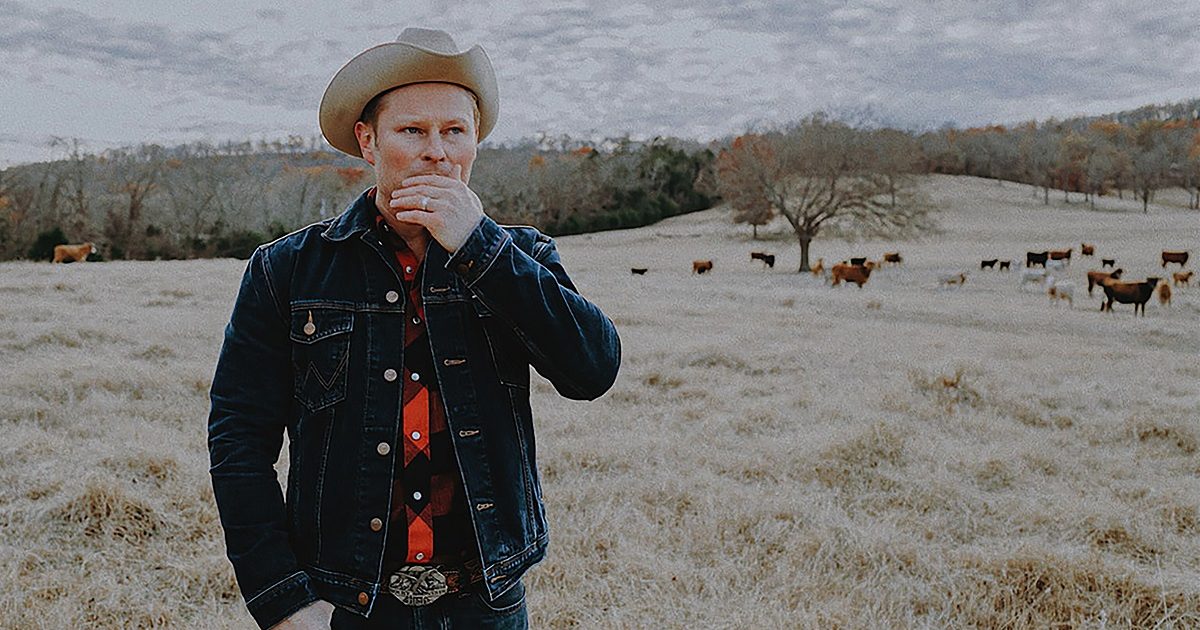
John Moreland Figures Out How to Love Music Again

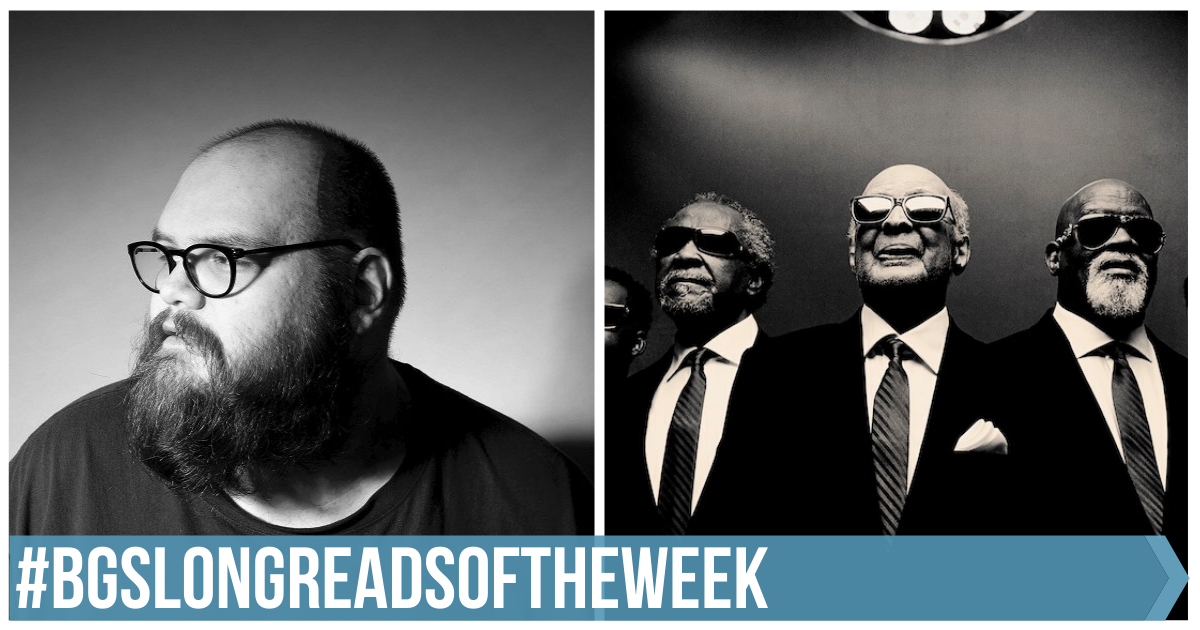
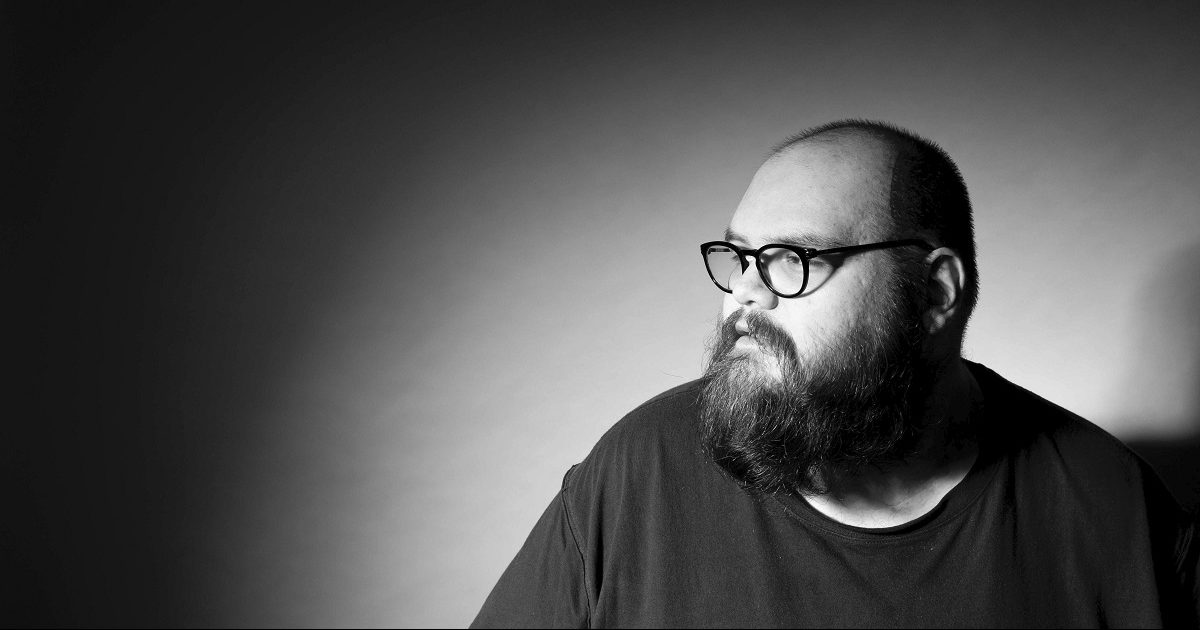
We love a long read, yes, but we definitely love a birthday more! On Monday, we combined the two (as we do), celebrating Oklahoma singer/songwriter John Moreland’s day-of-birth with a revisit to our February interview about his latest album, LP5. While some listeners may have found the record to be something of a departure for Moreland, for his part, the “out there” elements of the music are what helped him learn to love creating again. [Read more]


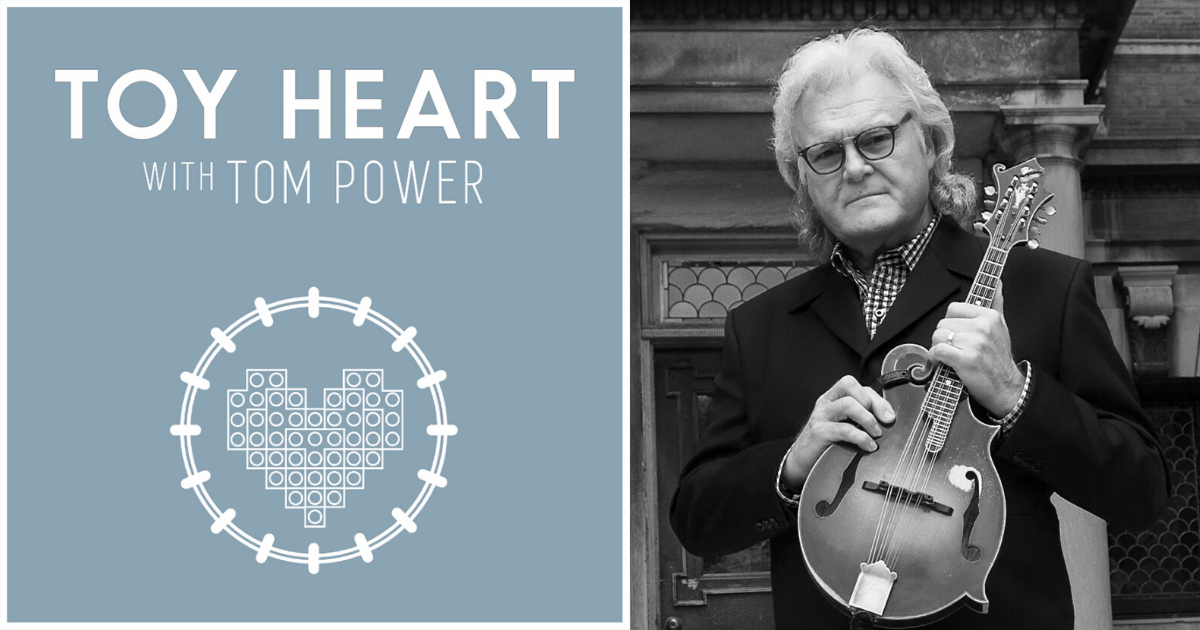
Ricky Skaggs – Toy Heart: A Podcast About Bluegrass

Yes, this is a podcast, so technically this is a long listen rather than a long read, but we have good reason. Four years ago this week, Dr. Ralph Stanley passed away. As more and more of our bluegrass forebears leave us, their memories are even more important. On a recent episode of Toy Heart, hosted by Tom Power, Ricky Skaggs shared stories of his time with Ralph, the Clinch Mountain Boys, and Keith Whitley. It’s worth a listen to honor one of the most pivotal popularizers of this music. [Listen to the episode]


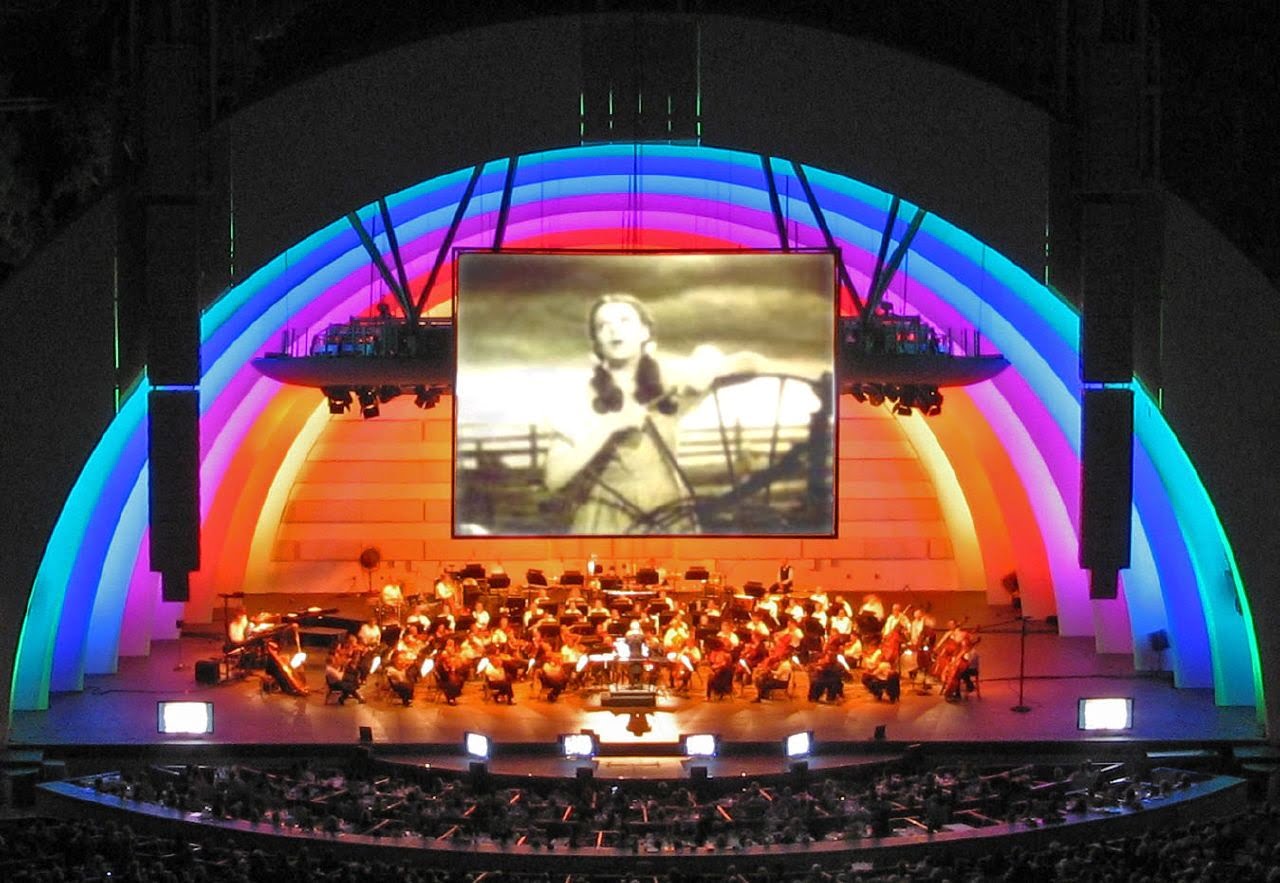
Way Above the Chimney Tops: A Pride Celebration of “Over the Rainbow”

Pride month is always full of rainbows, but never enough roots music! A couple of years ago we collected a handful of our favorite folky, country, bluegrassy, rootsy, ukulele-strumming renditions of “Over the Rainbow” to celebrate Pride month and each year since it’s been well worth a revisit. What cover of “Over the Rainbow” is your favorite? Did it make the list? [Read & listen here]


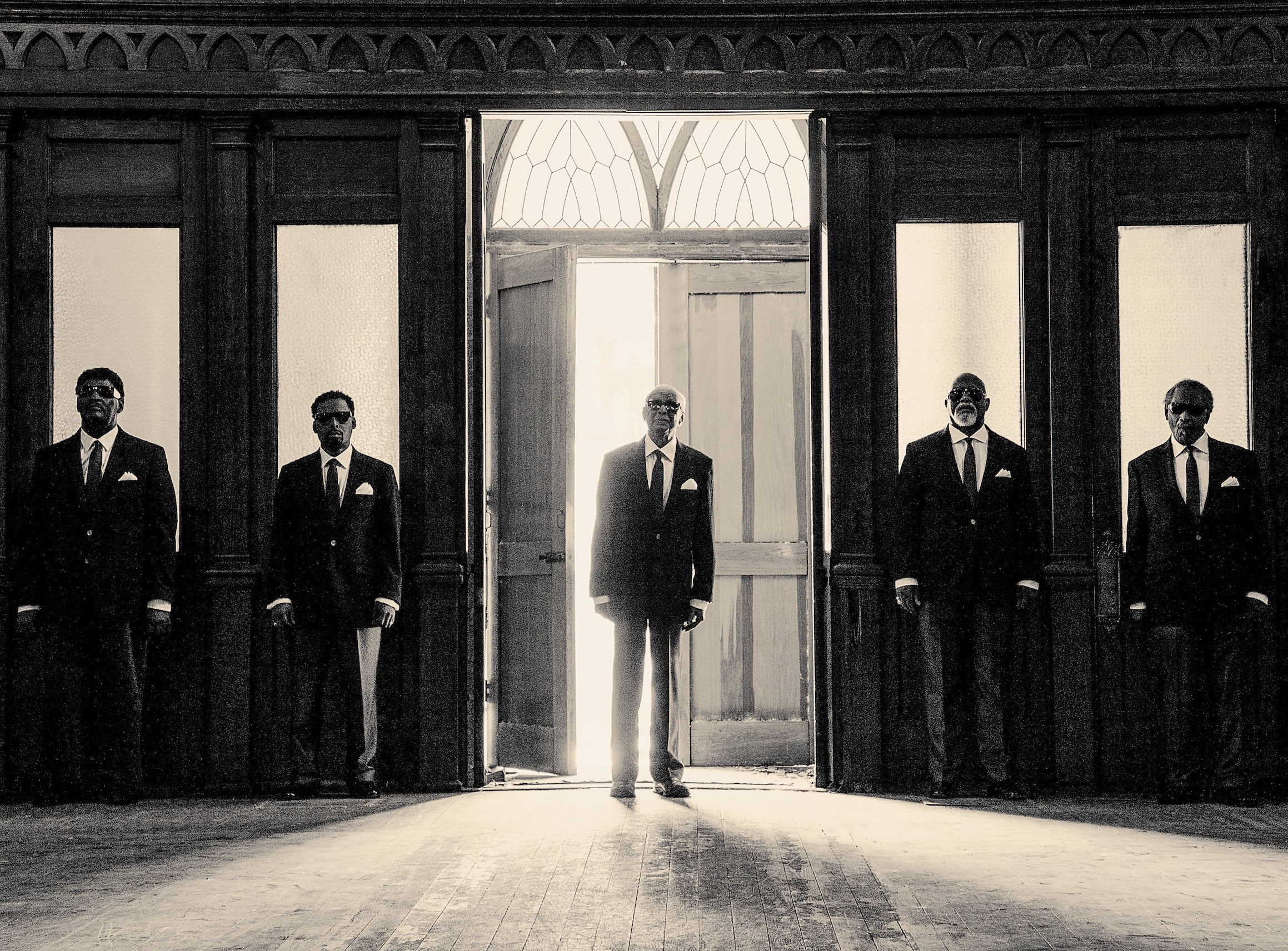
Counsel of Elders: Blind Boys of Alabama’s Jimmy Carter on Singing From Your Spirit

One quote from our 2017 interview with Blind Boys of Alabama founding member Jimmy Carter is enough to confirm this edition of Counsel of Elders’ excellence: “People ask me, ‘You’ve been doing this for almost seven decades, what keeps you going?’ I tell them, ‘When you love what you do — and we love what we’re doing — that keeps you motivated.'” 

You’re going to want to read the rest! [Read the full interview]


Photo of John Moreland: Crackerfarm
Photo of Blind Boys of Alabama: Jim Herrington

IBMA Awards Nominees, Hall of Fame Inductees and Distinguished Achievement Awards Revealed

Nominees for the 31st Annual IBMA Bluegrass Music Awards have been revealed, with six nominees competing for Entertainer of the Year in 2020: Balsam Range, Billy Strings, Del McCoury Band, Doyle Lawson & Quicksilver, Sister Sadie, and Special Consensus. The extra nominee is due to a tie; in addition, the Album of the Year category has seven nominees, also due to a tie.

Three inductees will join the Bluegrass Hall of Fame: owner of Nashville’s iconic Station Inn, J.T. Gray; hardcore bluegrass traditionalists The Johnson Mountain Boys; and one of the premier bands at the forefront of the contemporary/progressive bluegrass movements of the 1970s and ’80s, New Grass Revival.

Additionally, the following will receive the Distinguished Achievement Award: festival pioneers Norman & Judy Adams, Musicians Against Childhood Cancer (MACC) founders Darrel & Phyllis Adkins, fiddle virtuoso/educator Darol Anger, San Diego’s KSON Bluegrass Special host Wayne Rice, and bluegrass innovator Jack Tottle.

The IBMA Awards will be broadcast on SiriusXM’s Bluegrass Junction on Thursday, October 1. However, the annual World of Bluegrass Conference will be virtual-only, due to COVID-19 concerns.

The IBMA Bluegrass Music Awards nominations are below.

ENTERTAINER OF THE YEAR (Tie)

Balsam Range
Billy Strings
Del McCoury Band
Doyle Lawson & Quicksilver
Sister Sadie
Special Consensus

VOCAL GROUP OF THE YEAR

Balsam Range
Blue Highway
Doyle Lawson & Quicksilver
Sister Sadie
Russell Moore & IIIrd Tyme Out

INSTRUMENTAL GROUP OF THE YEAR

Michael Cleveland & Flamekeeper
Mile Twelve
Ricky Skaggs & Kentucky Thunder
Sam Bush Band
The Travelin’ McCourys

ALBUM OF THE YEAR (Tie)

Chicago Barn Dance
Artist: Special Consensus
Label: Compass Records
Producer: Alison Brown

Home
Artist: Billy Strings
Label: Rounder Records
Producer: Glenn Brown

Live in Prague, Czech Republic
Artist: Doyle Lawson & Quicksilver
Label: Billy Blue Records
Producers: Doyle Lawson and Rosta Capek

New Moon Over My Shoulder
Artist: Larry Sparks
Label: Rebel Records
Producer: Larry Sparks

Tall Fiddler
Artist: Michael Cleveland
Label: Compass Records
Producers: Jeff White, Michael Cleveland, and Sean Sullivan

Toil, Tears & Trouble
Artist: The Po’ Ramblin’ Boys
Label: Rounder Records
Producer: Dave Maggard

Tribulation
Artist: Appalachian Road Show
Label: Billy Blue Records
Producers: Jim VanCleve, Barry Abernathy, and Appalachian Road Show

SONG OF THE YEAR

“Both Ends of the Train”
Artist: Blue Highway
Writers: Tim Stafford/Steve Gulley
Label: Rounder Records
Producers: Blue Highway

“Chicago Barn Dance”
Artist: Special Consensus with Michael Cleveland & Becky Buller
Writers: Becky Buller/Missy Raines/Alison Brown
Label: Compass Records
Producer: Alison Brown

“Haggard”
Artist: The Grascals
Writer: Harley Allen
Label: Mountain Home Music Company
Producers: The Grascals

“Hickory, Walnut & Pine”
Artist: The Po’ Ramblin’ Boys
Writers: Slaid Cleaves/Nathan Hamilton
Label: Rounder Records
Producer: Dave Maggard

“Living Like There’s No Tomorrow”
Artist: Doyle Lawson & Quicksilver
Writers: Jim McBride/Roger Alan Murrah
Label: Billy Blue Records
Producers: Doyle Lawson and Rosta Capek

GOSPEL RECORDING OF THE YEAR

“Angel Too Soon”
Artist: Balsam Range
Label: Mountain Home Music Company
Producers: Balsam Range

“Because He Loved Me”
Artist: Dale Ann Bradley
Label: Pinecastle Records
Producer: Dale Ann Bradley

“Gonna Rise and Shine”
Artist: Alan Bibey & Grasstowne
Label: Mountain Fever Records
Producer: Mark Hodges

“I’m Going to Heaven”
Artist: Doyle Lawson & Quicksilver
Label: Billy Blue Records
Producers: Doyle Lawson and Rosta Capek

“Little Black Train”
Artist: Appalachian Road Show
Label: Billy Blue Records
Producers: Barry Abernathy, Darrell Webb, and Ben Isaacs

INSTRUMENTAL RECORDING OF THE YEAR

“Tall Fiddler”
Artist: Michael Cleveland with Tommy Emmanuel
Label: Compass Records
Producers: Jeff White, Michael Cleveland, and Sean Sullivan

“Shenandoah Breakdown”
Artist: Doyle Lawson & Quicksilver
Label: Billy Blue Records
Producers: Doyle Lawson and Rosta Capek

“Soldier’s Joy”
Artist: Jesse McReynolds with Michael Cleveland
Label: Pinecastle Records
Producer: Jesse McReynolds

“The Appalachian Road”
Artist: Appalachian Road Show
Label: Billy Blue Records
Producer: Jim VanCleve, Barry Abernathy, and Appalachian Road Show

“Guitar Peace”
Artist: Billy Strings
Label: Rounder Records
Producer: Glenn Brown

NEW ARTIST OF THE YEAR

Appalachian Road Show
Carolina Blue
High Fidelity
Merle Monroe
Mile Twelve

COLLABORATIVE RECORDING OF THE YEAR

“Chicago Barn Dance”
Artists: Special Consensus with Michael Cleveland & Becky Buller
Label: Compass Records
Producer: Alison Brown

“I’m So Lonesome I Could Cry”
Artists: Jason Barie featuring Del McCoury & Paul Williams
Label: Billy Blue Records
Producer: Jason Barie

“Tall Fiddler”
Artists: Michael Cleveland with Tommy Emmanuel
Label: Compass Records
Producers: Jeff White, Michael Cleveland, and Sean Sullivan

“The Barber’s Fiddle”
Artists: Becky Buller with Shawn Camp, Jason Carter, Laurie Lewis, Kati Penn, Sam Bush, Michael Cleveland, Johnny Warren, Stuart Duncan, Deanie Richardson, Bronwyn Keith-Hynes, Jason Barie, Fred Carpenter, Tyler Andal, Nate Lee, Dan Boner, Brian Christianson, and Laura Orshaw
Label: Dark Shadow Recording
Producer: Stephen Mougin

“On and On”
Artists: Gena Britt with Brooke Aldridge
Label: Pinecastle Records
Producer: Gena Britt

MALE VOCALIST OF THE YEAR

Ronnie Bowman
Del McCoury
Russell Moore
Danny Paisley
Larry Sparks

FEMALE VOCALIST

Brooke Aldridge
Dale Ann Bradley
Amanda Smith
Molly Tuttle
Rhonda Vincent

BANJO PLAYER OF THE YEAR

Kristin Scott Benson
Gena Britt
Gina Furtado
Ned Luberecki
Scott Vestal

BASS PLAYER OF THE YEAR

Barry Bales
Mike Bub
Todd Phillips
Missy Raines
Marshall Wilborn

FIDDLE PLAYER OF THE YEAR

Becky Buller
Jason Carter
Michael Cleveland
Stuart Duncan
Deanie Richardson

RESOPHONIC GUITAR PLAYER OF THE YEAR

Jerry Douglas
Andy Hall
Rob Ickes
Phil Leadbetter
Justin Moses

GUITAR PLAYER OF THE YEAR

Trey Hensley
Billy Strings
Bryan Sutton
Molly Tuttle
Jake Workman

MANDOLIN PLAYER OF THE YEAR

Alan Bibey
Jesse Brock
Sam Bush
Sierra Hull
Ronnie McCoury


MIXTAPE: Kyle Nix’s Fiddle Tunes & Bluegrass Songs That Inspire

Hey everyone! My name is Kyle Nix and I fiddle for the Turnpike Troubadours. I’m also a solo artist and have a record coming out June 26 called Lightning on the Mountain & Other Short Stories. As a bluegrass fiddler and songwriter, I’ve put together a list of fiddle tunes and bluegrass songs from artists that have inspired me through my journey and continue to do so every time I hear them play. Hope ya enjoy these ditties! — Kyle Nix

Michael Cleveland – “Lee Highway Blues”

Michael is the most dynamic fiddler I’ve ever seen and perhaps the most dynamic musician. Incredible player.

Sara Watkins – “Long Hot Summer Days”

Sara and I are close to the same age and I’d see her at bluegrass festivals from time to time. I think it’s pretty neat that my band (Turnpike Troubadours) and Sara both recorded John Hartford’s “Long Hot Summer Days” around the same time. Love her version!

Byron Berline – “Flyin’ Fingers”

Byron’s a friend and a hero of mine. I’m always learning from him and he’s still got a fire in his belly. He composed and recorded “Flyin’ Fingers” a few short years ago and it’s a fine example of how he’s still “got it.”

Sierra Hull – “From Now On”

Sierra is one of the virtuosos. She makes it look easy. Big fan right here! Dig the tune “From Now On.”

Chance McCoy and the Appalachian String Band – “Yew Piney Mountain”

Love this version of “Yew Piney Mountain” by Chance McCoy. Chance is a real talent, from The Appalachian String Band to Old Crow Medicine Show.

Kenny Baker “First Day in Town”

Huge fan of Kenny Baker’s fiddling and his melodies abound. “First Day in Town” is a mean one!

John Hartford – “Steamboat Whistle Blues”

John Hartford’s Aereo-Plain is one of my favorite albums and “Steamboat Whistle Blues” is one of my faves on the record.

Aubrey Haynie – “Bill Cheathem”

A stellar version of “Bill Cheathem” here by Aubrey Haynie — a fantastic, killer fiddler!

Alison Krauss & Union Station – “Man of Constant Sorrow”

This is the one that kicked off the bluegrass craze of the early 2000s. Each member of this band, a Giant.

Ricky Skaggs & Kentucky Thunder – “Shady Grove”

I remember the first time I heard this version…. My eyes about bugged out! Blisteringly fast, clean as a whistle. Outrageously good!

Byron Berline – “Sally Goodin”

Byron’s version of Sally Goodin is the quintessential version of the song. Here, he’s joined by Bill Monroe and Earl Scruggs… and it’s beautiful, man!


Photo Credit: Amber Watson

WATCH: Aaron Burdett, “Dirt Poor”

Artist: Aaron Burdett
Hometown: Saluda, North Carolina
Song: “Dirt Poor”
Label: Organic Records

In Their Words: “This new video for ‘Dirt Poor’ is shot at my childhood home, where my folks still live. It includes old scrapbook photos of my family and their friends, interspersed with shots of my daughter playing in the same places and in the same way my brothers and I did back in the ’80s. To me, this song at depth is about nostalgia and aging and time. Things are totally different now, but also the same as they were way back when. As hard as it is to remember to do, we should all try to cherish the moment we’re in now, today. It may well be what we’re looking back on years down the road as the ‘good old days.’ Hope you enjoy it!” — Aaron Burdett


Photo credit: Sandlin Gaither