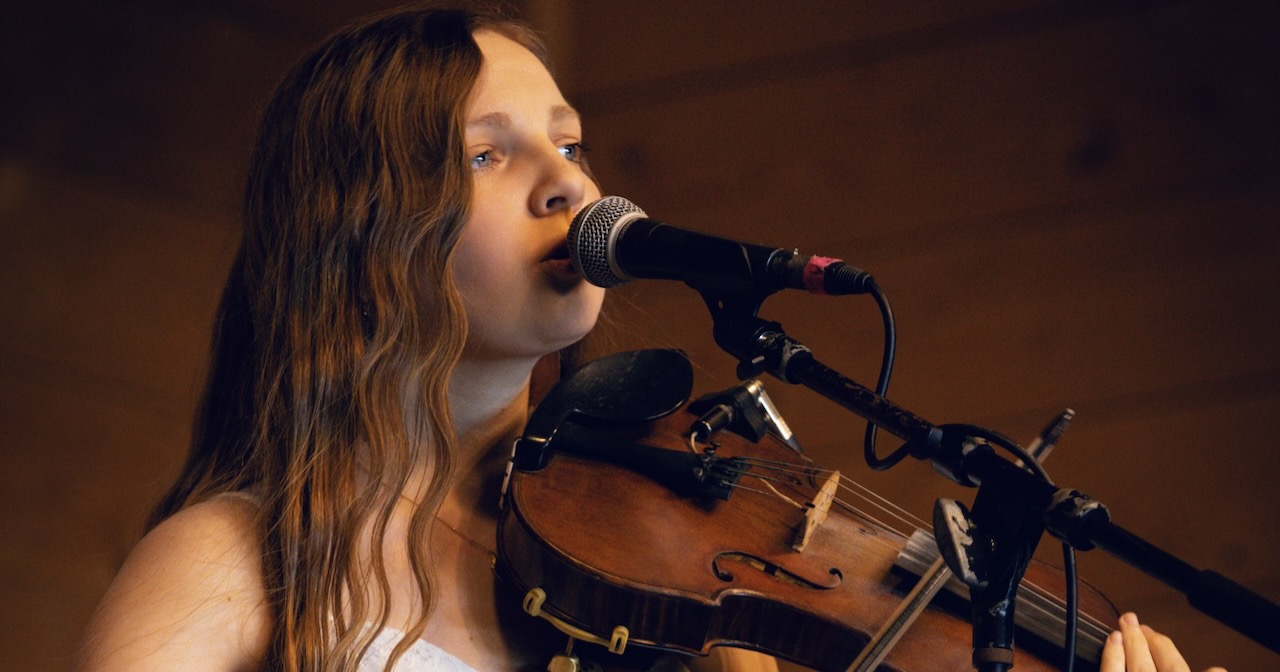
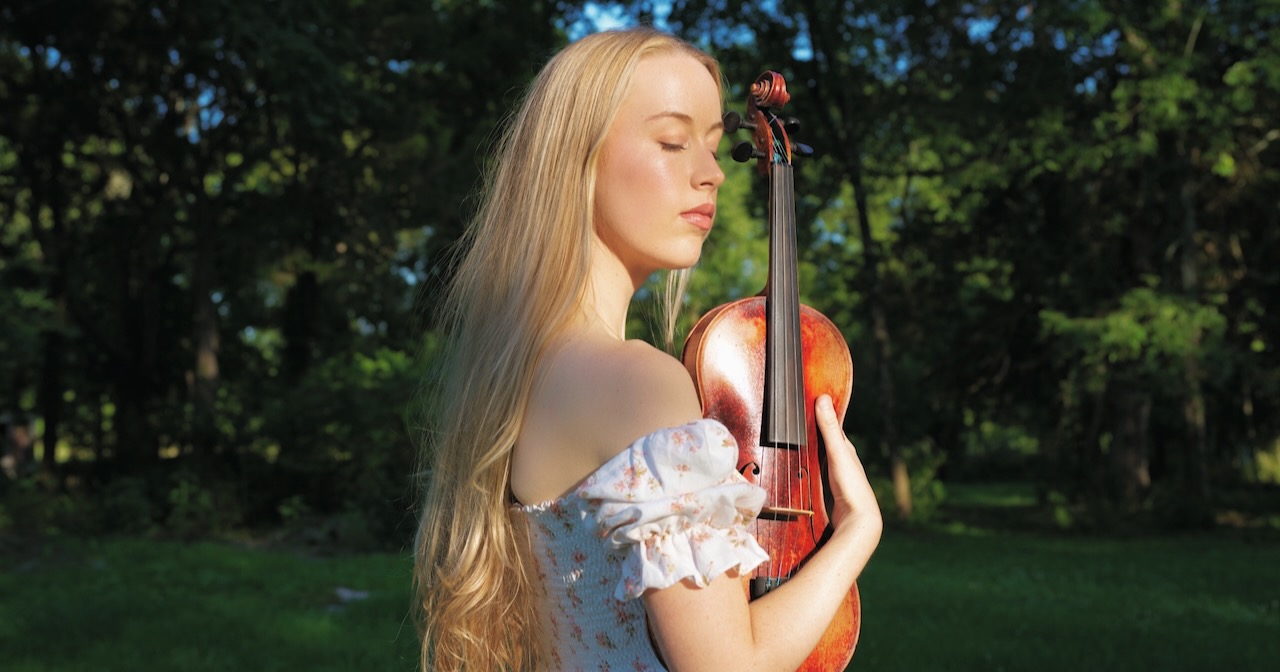
Artist:Carley Arrowood Hometown: Newton, North Carolina Song: “Moondancer” Release Date: October 27, 2023 Label: Mountain Home Music Company
In Their Words: “‘Moondancer’ tells the story of a Cherokee girl who sneaks out at night and is obsessed with capturing a wild white horse. I started writing it one evening several years ago after looking for arrowheads in my Mamaw’s garden, ironically around this time of year. As that chilly breeze blew, the line, ‘Her longing echoes on the breeze, but it never finds relief,’ just took root in my mind, and the girl’s repetitious, hopeless calling is what shaped the chorus and the rest of the tune. Eventually she learns to just love the horse she names from afar, but the deep longing in her heart still lingers as she realizes Moondancer can never be hers. I’m so grateful to Daniel, Nick, Tabitha, Jeff, and Tony for lending their talents, and to Jim and Clay for producing and mixing what has become one of my favorite tunes on my upcoming record.” – Carley Arrowood
Track Credits:
Carley Arrowood – fiddle, vocal Daniel Thrailkill – acoustic guitar Jeff Partin – acoustic bass, Dobro Nick Dumas – mandolin Tony Creasman – drums Tabitha Benedict – banjo
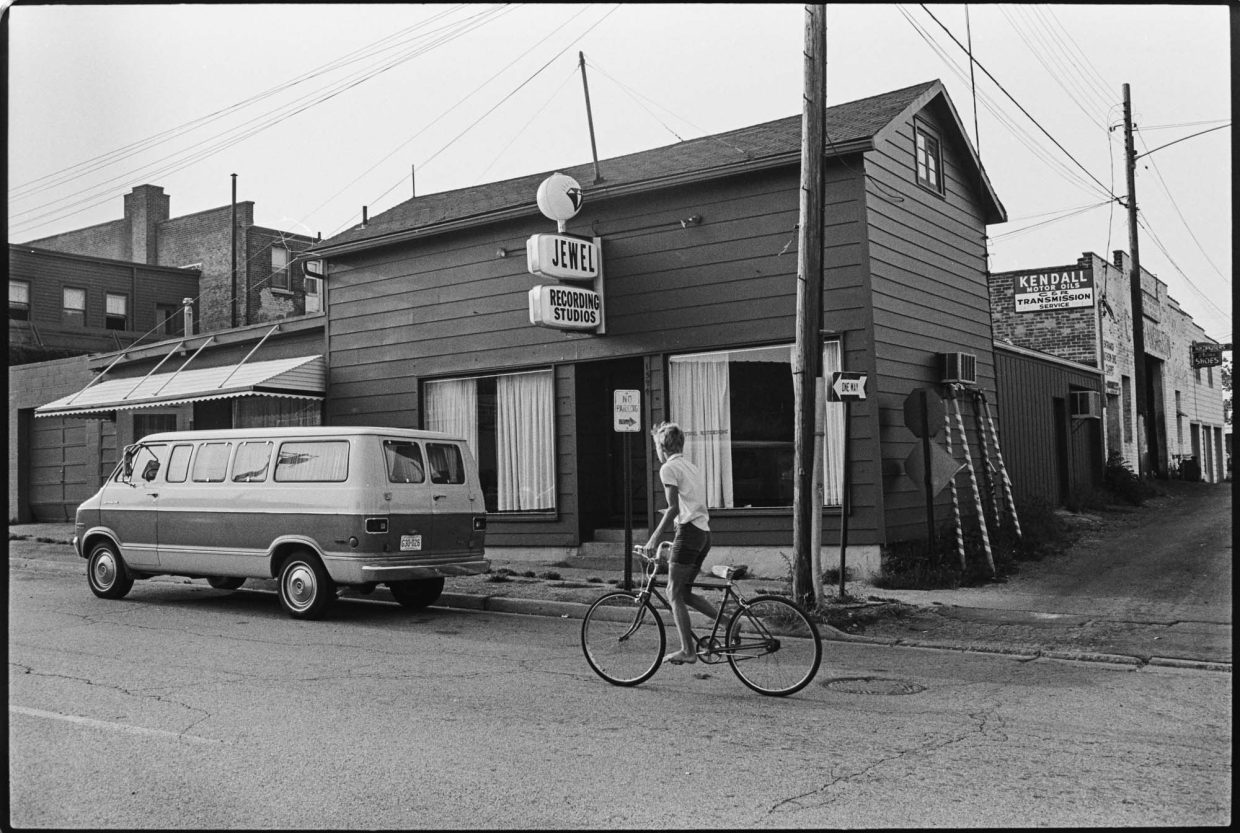
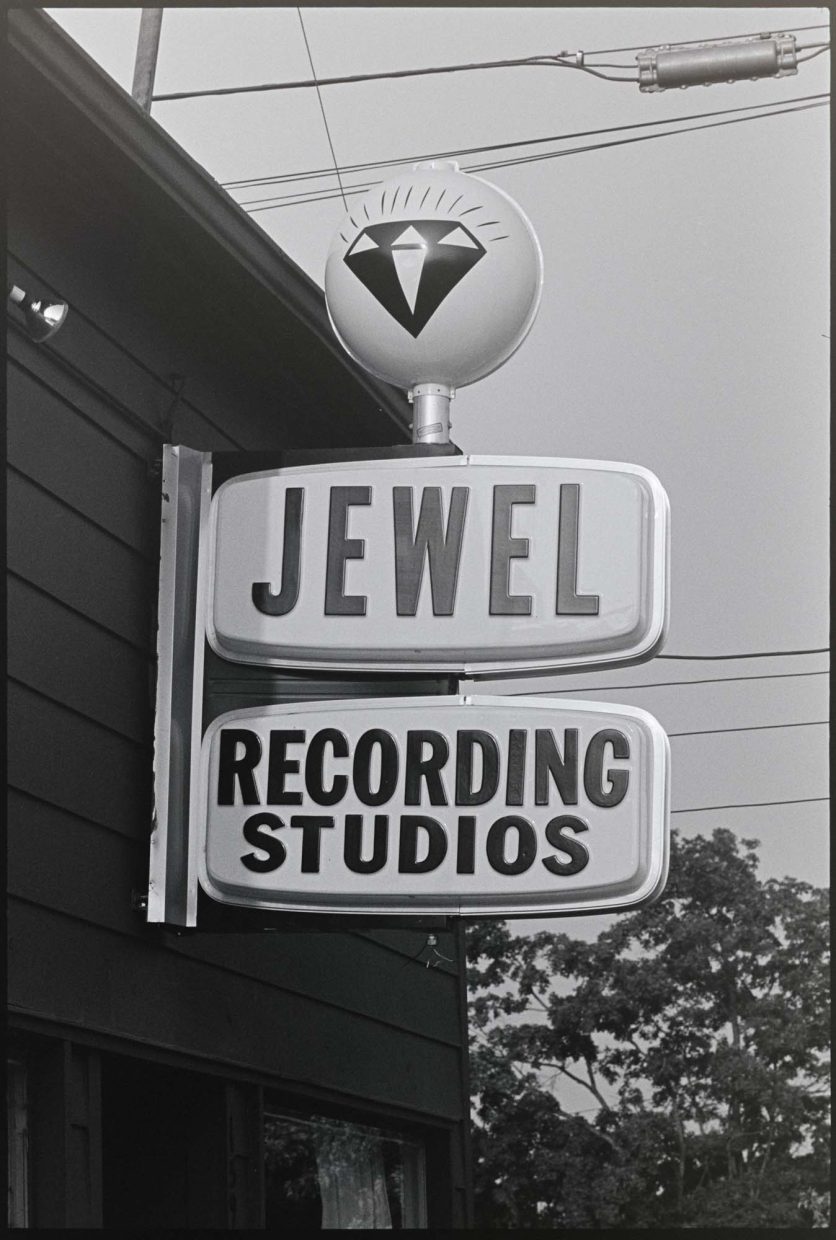
The Jewel Recording Studios in the Mt. Healthy suburb of Cincinnati, Ohio, August 15, 1972. Photo by Carl Fleischhauer.
I first heard York in the fall of 1959 when Tom Barton, a new friend from Bloomington, Indiana, visited me in Oberlin and brought as a house gift a new LP by a company I’d never heard of, Starday. Banjo In The Hills (“16 Great Mountain Songs by All Star Artists 16”) included excellent numbers by bands I (a bluegrass fan since ’57) knew and liked: The Stanley Brothers, Carl Story, Bill Clifton, Jim Eanes, Jim & Jesse. It also included two tracks by a group new to me, Rusty York and Willard Hale: an instrumental, “Banjo Breakdown,” and a great cheating song, “Don’t Do It.”
I really took to that song! Our band Crooked Stovepipe put it on our first CD in 1993. We still do it at almost every show.
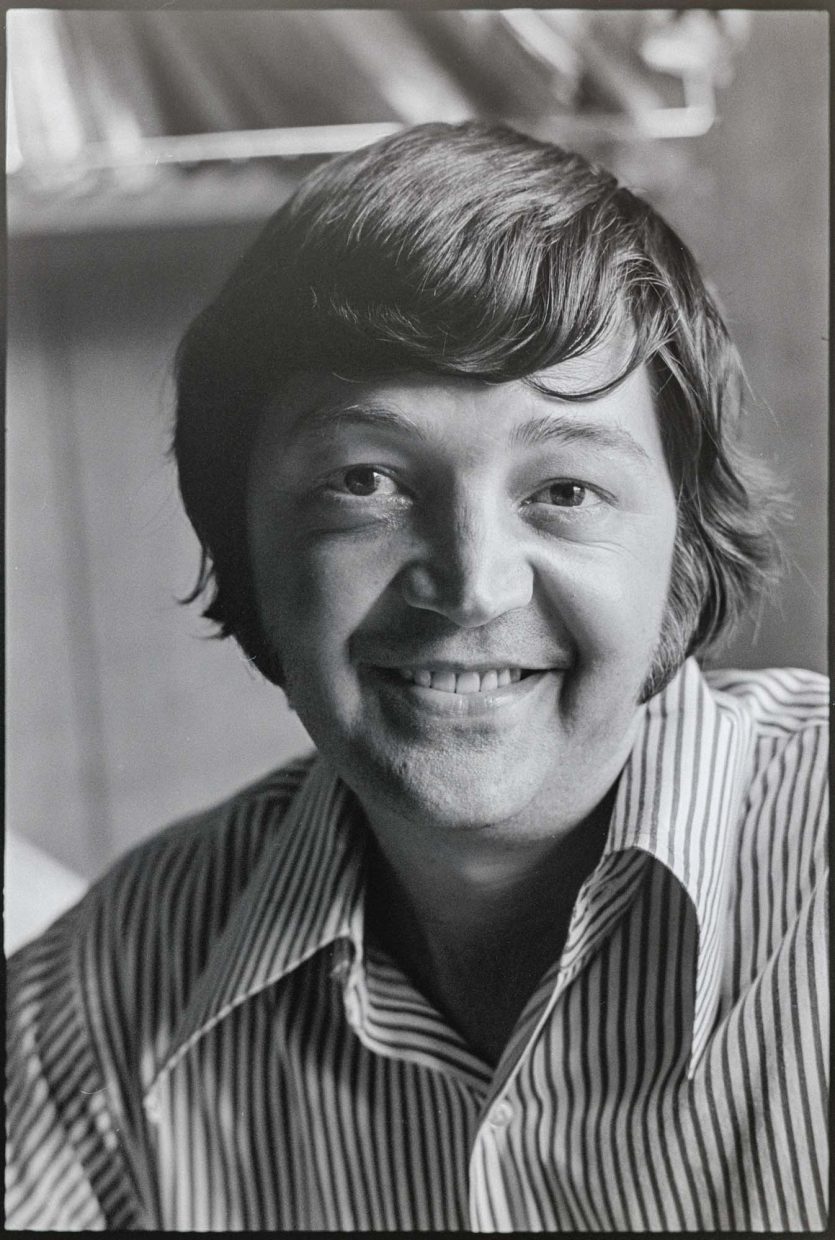
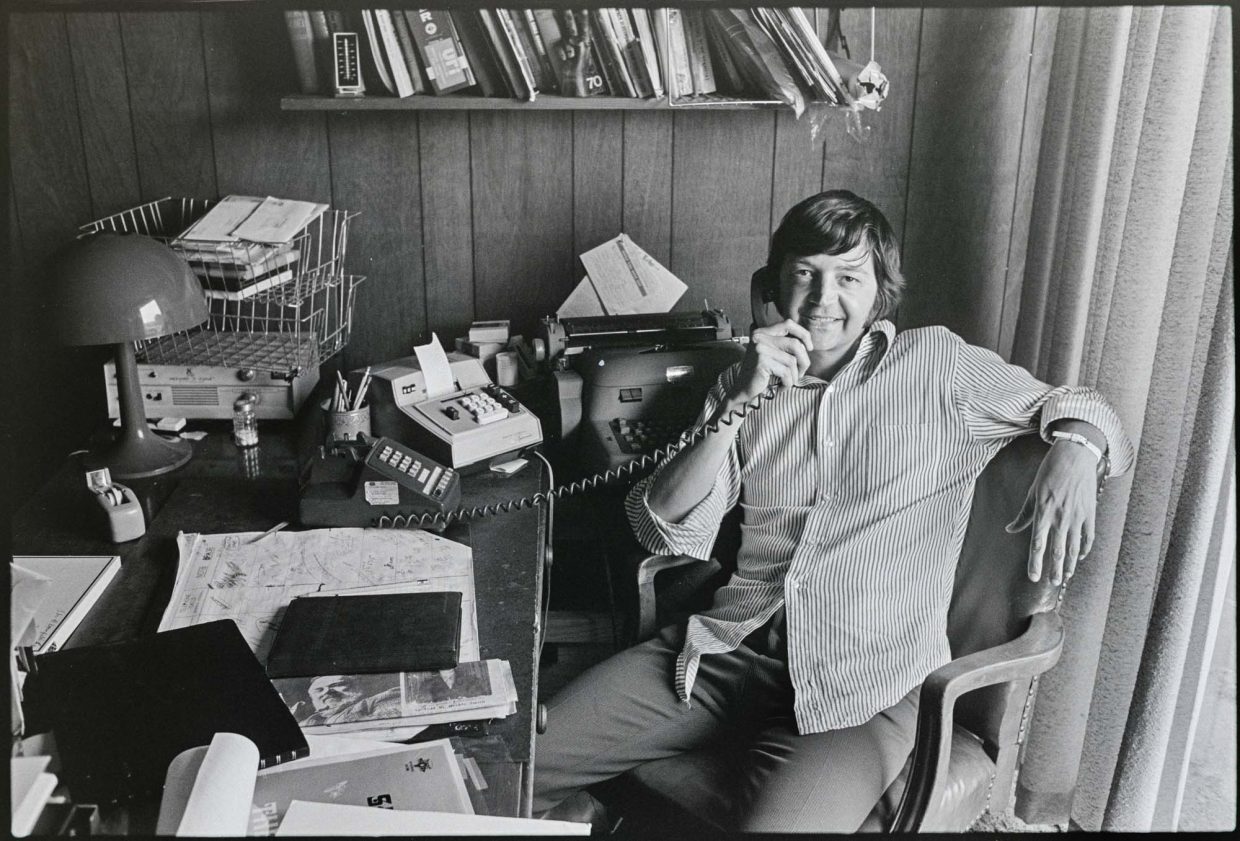
Owner and recording engineer Rusty York in the office at the Jewel Recording Studios in the Mt. Healthy suburb of Cincinnati, Ohio, August 15, 1972. Photo by Carl Fleischhauer.
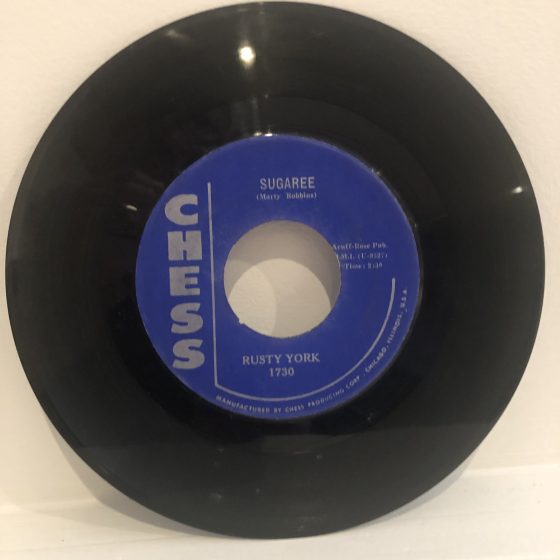
Keen to hear more of York and Hale, I added them to my mental checklist when shopping for recordings. At Oberlin, students couldn’t have cars, so we confined our shopping to a local shoe store’s sales bin of used jukebox 45s. Every once in a while, I’d snag recent singles by favorites like Monroe, Reno & Smiley, or Jimmy Reed. In 1960, not long after hearing “Don’t Do It,” I found “Sugaree,” a Chess Records single by Rusty York, in the bin. I hadn’t heard it, bought it on spec — the shoe store didn’t have a record player.
Chess Records’ 45rpm of “Sugaree,” a Marty Robbins track cut by Rusty York. Photo by Neil V. Rosenberg.
Man, was I disappointed when I got home and listened! It wasn’t bluegrass at all, it was a Marty Robbins rockabilly song, with York singing in a band fronted by sax and his electric guitar with piano, bass and drums behind:
The other side was “Red Rooster,” a rock version of “She’ll Be Comin’ Round the Mountain.” Not bad, some hot guitar licks, but pretty ho-hum, I thought. Must be a different Rusty York I figured; after all, Chess was a Chicago label, while Starday was from Nashville.
A couple years later in Bloomington, Indiana, I came across four EPs (45 rpm, big hole, six tracks each) by Rusty York and the Kentucky Mountain Boys on the Bluegrass Special label, distributed by Jimmie Skinner music in Cincinnati. What a contrast — bluegrass standards done up in proper style! The songs were all familiar bluegrass standards, like this version of the mountain folk song “Cindy”:
I didn’t hear of him again until the summer of 1967, when I was working in a southern Indiana band, the Stoney Lonesome Boys, led by fiddler Roger Smith. He was helping his friend George Brock, a Connersville-based gospel singer, put together an album and asked me if I would play banjo that fall on their recording at Rusty York’s studio in Ohio. Surprised to learn York had a studio, I accepted Roger’s invitation. We — Roger, Vernon McQueen, Vernon Bowling, Paul Hill, and I — rehearsed with Brock at Roger’s home in Columbus, Indiana, in September. On Sunday, October 1 we headed to the Cincinnati suburb of Mt. Healthy, Ohio. Accompanying us was bluegrass DJ Ervin Barrett.
Rusty’s Jewel Recording Studio was a converted two-car garage attached to his suburban home. It was a big open room. Along the back wall was a raised glassed-in platform on which the recorder and mixing board sat. The recorder was a series 300 Ampex deck, an open reel machine just like the two in the studio of Indiana University’s Archives of Traditional Music where I was then employed. This state-of-the-art monaural unit recorded everything onto a single track.
Lines from 10 microphones fed into York’s mixing board. From them, through the board, emerged a single track that was fed onto the tape. We had six instruments and four voices. Each of us stood before one or two microphones. We could see and talk to each other over low baffles. Rusty had recorded bluegrass before. He had selected specific locations in the room for instruments and voices.
George Brock had chosen 12 songs. We were to record them in the sequence on which they would appear on the LP — beginning with side one, band one, and finishing with side two, band six. We tuned up, took our places in front of the mics, and started on the first song.
While we played, Rusty was at the mixing board setting levels. By the end of several run-throughs, he knew when the vocal trio came in or the mandolin took a break, how the song kicked off and ended, and other sonic arrangement features. Where the focus of the song moved from instruments to voices, he made mental notes to adjust the microphones at the right time. Each song had its moves, like running a football play or driving a race car for a lap.
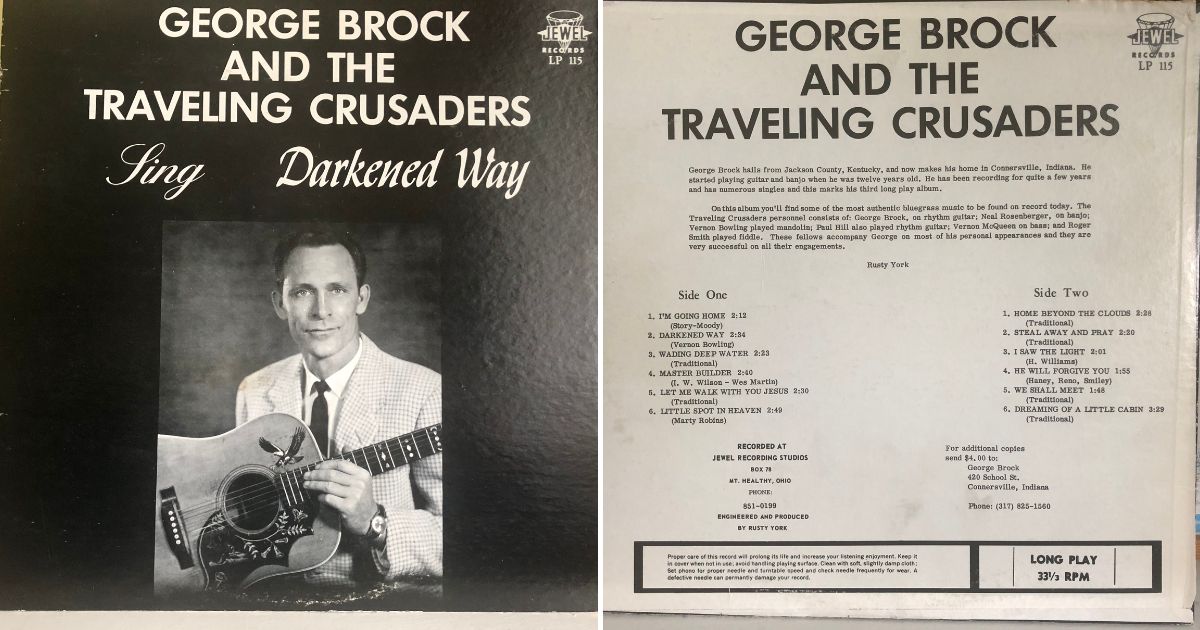
He would tape each trial run through and play it back through big speakers. It soon became clear to me that York was very adept at mixing on the fly. We were there about three hours. About a month later George sent me a copy of the album, George Brock and The Traveling Crusaders, Jewel LP 115.
George Brock and The Traveling Crusaders, ‘Sing Darkened Way’ LP cover.
York’s brief notes give George’s bio, describe the album as “some of the most authentic bluegrass music to be found on record today,” identify The Traveling Crusaders personnel (I was “Neal Rosenberger”), and close by saying: “These fellows accompany George on most of his personal appearances and they are very successful on all their engagements.” I suppose we were successful at this, our only engagement! It’s one of my favorite recordings, reminding me of both Roger Smith‘s coaching and York’s skill and vision as a producer.
When Carl and I began to plan our 1972 trip I pulled out that five-year old George Brock album and found Jewel’s PO Box and phone numbers. Before I left St. John’s, Newfoundland, I wrote Rusty at that address, told him I was planning research in Ohio and asked for an interview.
We hit the road that Tuesday in August 1972 after lunch in Louisville, and headed for Cincinnati, about 100 miles northeast along the Ohio River. My notes:
Arrived in Mt. Healthy about 3:30 as I remember. Parked across the street from a phone booth, went to call Rusty York and as it turned out the number I had was out of date.
Jewel Recording Studios in the Mt. Healthy suburb of Cincinnati, Ohio, August 15, 1972. Photo by Carl Fleischhauer.
I looked up Jewel in the phone book and found the address was just around the corner from us.
We walked over, went in. A number of people milling around, not looking surprised or impressed to see us — a secretary said Rusty was out to lunch and so I explained who we were and that I’d written, etc. She called him at home and then said he’d be back soon. When he returned, he was quite cordial, said he hadn’t had time to answer (I hadn’t expected him to), and he was booked solid with sessions and didn’t have time for an interview but if we wanted to stick around, we were welcome.
He immediately engaged Carl in conversation vis-à-vis cameras and such, pulled his cameras out of his safe, told of recording a gospel rock festival the previous weekend (a 4-track [recorder] along with other equipment, sat in a Dodge van outside the studio) at which there was a big movie outfit a la Woodstock — they used his sound. He takes all the cover photos, hence the interest in cameras.
Owner and recording engineer Rusty York in the office at the Jewel Recording Studios in the Mt. Healthy suburb of Cincinnati, Ohio, August 15, 1972. Photo by Carl Fleischhauer.
Though I’d known some of the high points of Rusty’s career (the early bluegrass, the rockabilly hit, The Bluegrass Special EPs) and had worked in his studio, I really didn’t know much about him beyond that. Born in 1935, raised in Eastern Kentucky, he’d moved to Cincinnati when he was 17. By the 1972 he’d had a long career there as a performer and a worker in the music industry. His story is told online at Hillbilly-Music.com. A more detailed account was published by the late bluegrass and county historian Ivan Tribe’s July 1998 article in Bluegrass Unlimited.
By that August 1972 afternoon, Rusty had pretty much left behind the life of performing that developed during his 20 years in Cincinnati.
He moved into Cincinnati’s “Over The Rhine” Appalachian immigrant neighborhood in 1952. He was seventeen. He didn’t finish high school, going to work right away in a restaurant. He moved next to a job as an office boy in a stockbroker’s office. In the evenings he started going to the local music clubs. He was already playing guitar and banjo. Meeting other “briars” like Willard Hale, he played in local clubs and, as he would describe to us that afternoon, mixing rock and roll beside the bluegrass. He also began working in radio. He became a familiar figure in the regional country music business.
York soon became acquainted with another Kentuckian, the leading figure in the Cincinnati country scene, Jimmie Skinner, a hillbilly singer whose recording career began in the 1930s. By the mid-’50s his Jimmie Skinner Music Center was the leading mail-order country music business in the U.S. Rusty worked on Skinner’s weekly broadcasts from the Center as engineer, DJ, and musician; and he also played in Skinner’s band. Here’s what Rusty and Jimmie sounded like, later, in 1961, on Skinner’s most famous composition, “Doin’ My Time.”
York next ventured into recording. His first sides were covers of new rock and roll hits, including a Buddy Holly tune released in 1957 on Syd Nathan’s King records. His next recordings were made the following year accompanying Kentucky-born country singer, also a Skinner employee, Connie Hall, on Mercury-Starday, and it was at this time he cut his first bluegrass sides with Hale, including “Don’t Do It.”
By 1959 York was again recording rockabilly covers, and it was in this context that “Sugaree” came about. This was his only hit, and it led to a tour sponsored by Dick Clark that began at the Hollywood Bowl where Rusty opened for a show that included Annette Funicello, Duane Eddy, and Frankie Avalon.
Rusty made further rock singles and was later inducted into the Rockabilly Hall of Fame. Although he made a few appearances with this music in rockabilly nostalgia tours, his musical career after “Sugaree” moved in the direction of country and folk.
In 1961 he returned to bluegrass, producing the Bluegrass Special EP series mentioned earlier. At this point he started his own studio. Then, in 1964 and 1965, he began a stint as the opening act for Bobby Bare.
Bare – who grew up in Ironton, Ohio, southeast of Cincinnati, just across the river from Kentucky and West Virginia – began his career in Southern Ohio, but by the time Rusty joined his operation he was a national country star, a Grammy winner with hits like “Detroit City.” Here’s what Bare’s show looked like around time Rusty joined him:
Rusty made some country recordings during his tours with Bare, which included numerous stints in Las Vegas. By 1970 he’d scaled back his performing and focused more on the studio, and in fact now owned two studios.
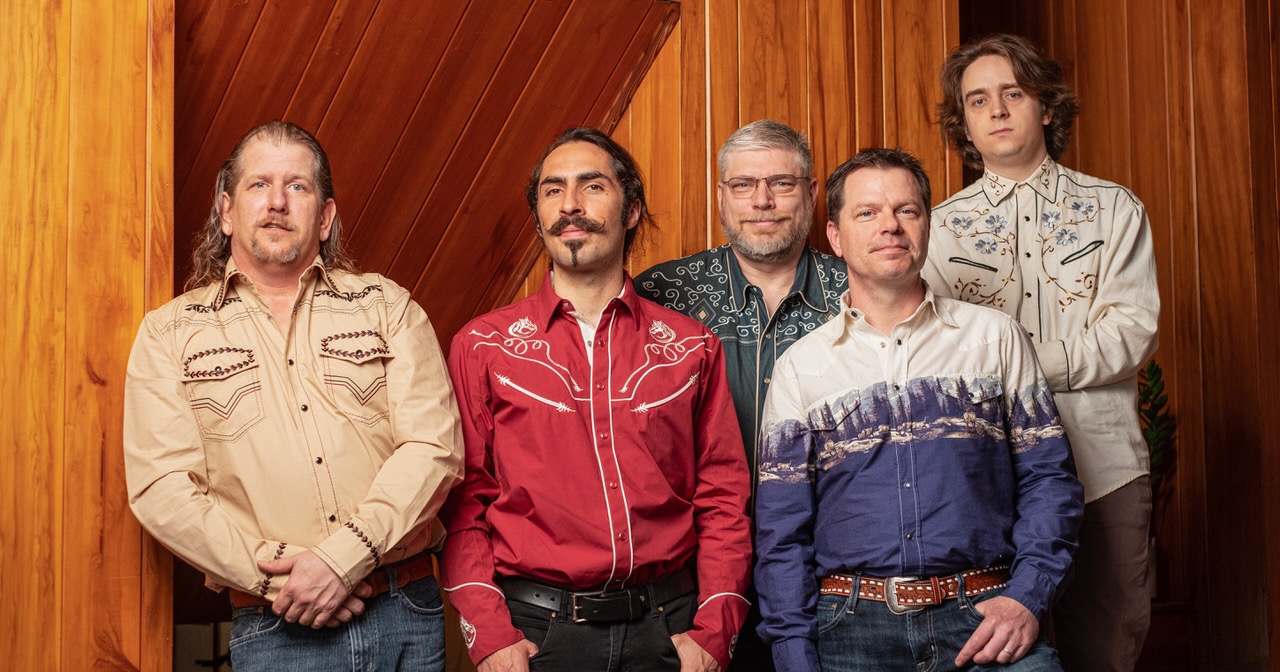
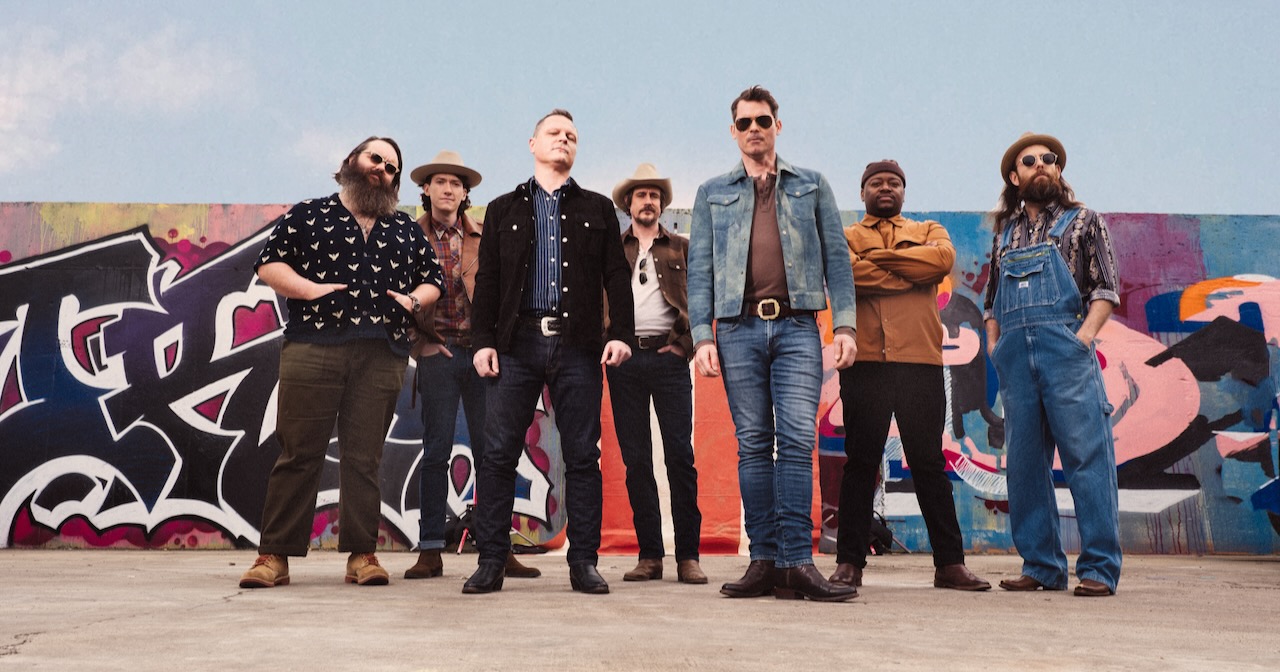
Artist:Full Cord Hometown: Grand Haven, Michigan Song: “Reelin’ In The Years” Album:Cambium Release Date: November 10, 2023 Label: Dark Shadow Recording
In Their Words: “‘Reelin’ In The Years’ is a song that grabbed our attention from the first note. We really connected with the way the song flows and moves. Our arrangement has some cool rhythmic and chordal variations that we feel really show off the band’s musicianship. Our hope is that the fans will connect with our version of this classic Steely Dan song.” – Full Cord
Track Credits: Written by Donald Fagen and Walter Becker
Produced, recorded, and mixed by Stephen Mougin at Dark Shadow Recording, Goodlettsville, Tennessee. Mastered by David Glasser, AirShow Mastering, Boulder, Colorado.
Photo Credit: Scott Simontacchi Video Credit: Stephen Mougin
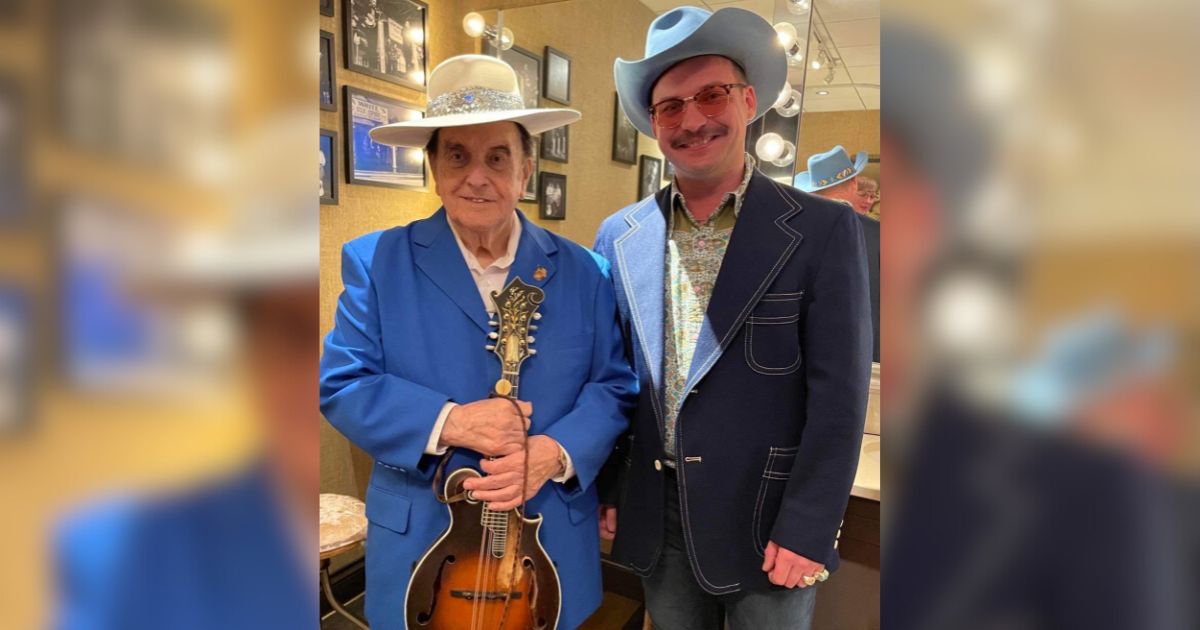
Artist:Bobby Osborne & C.J. Lewandowski Hometown: Hyden, Kentucky (Bobby Osborne); Grubville, Missouri (C.J. Lewandowski) Song: “Too Old To Die Young” Release Date: October 22, 2023 Label: Turnberry Records
In Their Words: “Bobby Osborne was a gift to music and [it was] truly a gift to have him as a friend. I can’t tell you how emotional finally bringing one of his last songs to the public has been. Our last conversation was about ‘Too Old To Die Young’ and it being his pick for the first single. Originally set to release June 31 of this year, I asked to halt everything the day of Bobby’s passing on June 27. Looking back, I almost feel like he knew something that day. As I left, I’d said ‘Stay tough, Chief.’ His reply was ‘No, you stay tough, my boy.’ Though it was hard to pick up again without him, we have that ‘stay tough’ mindset. To have such a giant as a close friend has been such an unthinkably incredible experience and I miss him every day. It does my heart so good to hear his voice again on this song. All I want to do is make my buddy proud and I hope that is happening. I love you, Bobby!” – C.J. Lewandowski
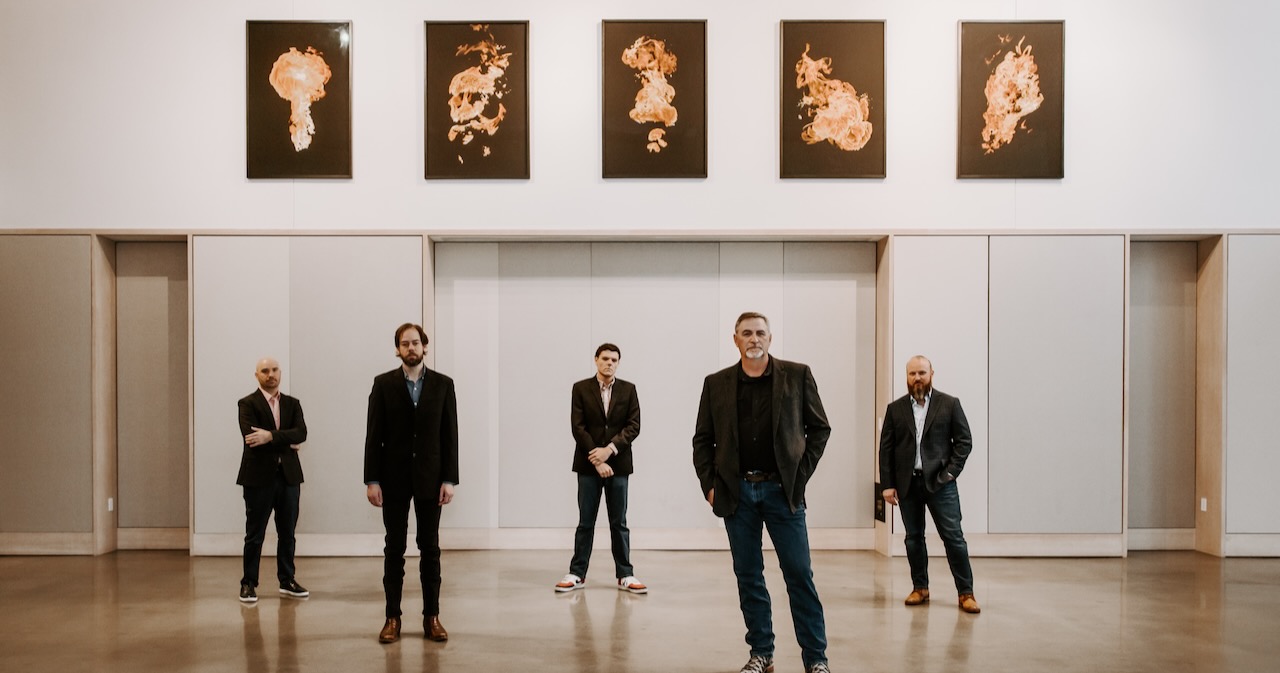
Artist:Volume Five Hometown: Booneville, Mississippi Song: “You Don’t Care For Me Enough to Cry” Release Date: October 10, 2023 Label: Mountain Fever Records
In Their Words: “When I first heard this song it was performed by the writer and artist John Moreland. He played the song with a finger picking style. I loved it so much that I learned to play it fingerstyle. I had planned to record it that way, but when we got to the studio and began arranging the song we actually liked it better as a full band sound. This is a very well written song. If you listen closely to the lyrics, I’m sure it will completely captivate you as it did me.” – Glen Harrell, fiddle
Artist:Ynana Rose Hometown: I was born in Mendocino, California, and grew up in rural Northern California and Southern Oregon. I’ve lived in San Luis Obispo, California, for the last 20 years. Song: “Strawberry Moon” Album:Under a Cathedral Sky Release Date: October 20, 2023 (song); November 3, 2023 (album)
In Their Words: “‘Strawberry Moon’ is an old–time song of forbidden love and every time I play it I give thanks for being born in the here and now – where I can choose how to be and who to love. This is the first song I wrote for my album and I play it at every show. It came together so easily in the studio: Co-producer Damon Castillo and I knew just how to bring it to life. Tammy Rogers (of The SteelDrivers) and Scotty Sanders add fiddle and Dobro to the already meaty mix of upright bass, drums, and electric guitar. The audio for the video is spare, just guitar and vocals – sound engineer/producer Graham Ginsberg and I were really aiming for a haunted, yearning kind of a vibe. It’s a story that feels true, so I sing it that way.” – Ynana Rose
(Editor’s Note: You may also stream the studio version of “Strawberry Rose” below.)
Arkansas-based country and old-time troubadour Willi Carlisle has announced his upcoming, Darrell Scott-produced album, Critterland, with a delightful stop-motion music video. (Watch above.) Set for release January 26, 2024 on Signature Sounds, the collection once again draws on Carlisle’s apt self-positioning as a sort of rural, countercultural, folklorist guru, crafting poetic yet down-to-earth songs that feel all at once fantastic, resplendent, whimsical, and– well, trashy. It’s a dichotomy not unknown to American roots musics, but rarely is this paradoxical construct inhabited so intentionally and subverted so artfully. It’s a language Carlisle isn’t just fluent in, it oozes from his spirit and lives in his bones.
On “Critterland,” Carlisle positions himself not as an omniscient narrator, but well within his own communities – musical and otherwise – as he examines how the “big tent” of his prior album, Peculiar, Missouri, could be put into action. And, in doing so, he demonstrates how varied, broad, deep – and sometimes ugly – open arm, open heart policies can be. But in that mundane, in that bittersweet, there is endless beauty.
With that thought in mind, Darrell Scott as producer and collaborator here isn’t merely a solid choice, but a nearly perfect one. You hear his touches in the confidence Carlisle has stepped into – with hundreds and hundreds of shows under his belt – with his soaring, passionate vocal on “Critterland,” raising its possums and raccoons and armadillos to saint-like status. Because, after all, aren’t all living beings divine? Don’t we all have something to contribute to our own, particular critterlands? Carlisle says so, and makes a compelling case.
Artist:Bronwyn Keith-Hynes Hometown: Nashville, Tennessee Song: “Can’t Live Without Love” (Featuring Molly Tuttle, Sam Bush, Bryan Sutton, Jerry Douglas, and more) Release Date: October 13, 2023 (single); October 17, 2023 (video) Label: Sugar Petunia Records
In Their Words: “I’m so happy to share a behind the scenes studio video from the recording of my debut vocal single, ‘Can’t Live Without Love’ featuring Molly Tuttle and Sam Bush. This song is the first track I’ve released from my upcoming album, out in Spring 2024. We tracked it last fall in Nashville, at Brent Truitt’s studio, ‘The Cave,’ and it was actually the first song of the first day of recording the album, so it’s kind of fitting it should also be the first song to be released.
“I’m joined by some of my absolute favorite musicians: Jerry Douglas, Bryan Sutton, Dominick Leslie, Wesley Corbett and Jeff Picker. They all brought so much joy and magic to this track! And it was such an honor to get to sing with Molly Tuttle and Sam Bush, both of whom inspire me so much on a musical and personal level. This song by Jamie Hartford is a beautiful meditation on what we can and can’t live without in this life and how we can overcome challenges by focusing on what’s important.” – Bronwyn Keith-Hynes
Track Credits: Written by Jamie Hartford
Co-produced by Brent Truitt and Bronwyn Keith-Hynes Recorded by Brent Truitt. The Cave, Nashville, TN Mastered by Alex McCollough. True East Mastering, Nashville, TN
Bronwyn Keith-Hynes – lead vocal, fiddle Molly Tuttle – harmony vocal Sam Bush – harmony vocal Jerry Douglas – Dobro Bryan Sutton – guitar Dominick Leslie – mandolin Wesley Corbett – banjo Jeff Picker – bass
Photo Credit: Alexa King Stone Video Credits: Shot at The Cave in Nashville, TN; produced by Steve Voss of Solar Cabin.
Artist:Lonesome Ace Stringband Hometown: Toronto, Ontario, Canada Latest Album:Try to Make it Fly
(Editor’s Note: Answers provided by Lonesome Ace Stringband banjoist Chris Coole.)
Which artist has influenced you the most … and how?
Although I think the answer for each of us individually would be different, I think the most obvious single influence on us as an ensemble would be John Hartford. Specifically, the last several albums he made with the “John Hartford Stringband” (which featured Bob Carlin and Mike Compton, among others). Their approach to playing old-time fiddle tunes, especially on the albums Wild Hog In the Red Brush and Speed of the Old Long Bow, was based on a highly improvised and reimagined way of playing backup that Hartford called “Windows.” Although it wasn’t a conscious decision, and we don’t follow the approach to the letter, I think the spirit of those albums really influenced the way we play and perform old-time music, especially (instrumental) fiddle tunes.
What other art forms — literature, film, dance, painting, etc. — inform your music?
As a band, I think the art form outside of music that has had the biggest impact is the crank (prank) phone call. For years we’ve been listening to the Jerky Boys. We are old enough to remember the late ’80s and early ’90s when underground Jerky Boys cassette tapes were passed around organically and treasured by all who were lucky enough to possess them. About five years ago, the guys from The Henhouse Prowlers introduced us to Longmont Potion Castle, who has been anonymously releasing psychedelic crank calls since the ’80s (he’s still at it). You might think I’m being tongue in cheek when I say that these influence us as a band, but the attention to detail – especially in regard to language – and the level of improvisation are both relatable to music and inspiring. Most importantly though, it’s a great reminder that we live in a crazy world, and it’s best not to take yourself or anyone else too seriously.
What rituals do you have, either in the studio or before a show?
We like to get our heart rates up before a show if possible and maybe a bit of stretching. This often involves us having an aerobics dance party to ’80s pop and new wave. “Betty Davis Eyes” by Kim Carnes is a favorite, as is “Dance Hall Days” by Wang Chung. [John] Showman favours doing some version of the “Mountain Climber” while Max [Heineman] and I are usually doing jumping jacks, dancing on the spot, or some sort of hippie clogging. Seeing three middle-aged men dancing around in the green room to The Pretenders or Blondie seems to warm the hearts of promoters and venue staff and there are probably bootlegged videos of us doing it circulating around.
If you had to write a mission statement for your career, what would it be?
The title of our new album is Try to Make it Fly. That is a line from one of the songs called “Sweeter Sound.” I’d say that song encapsulates what our mission as a band is. We are all in our 50s and have been playing music professionally (mostly full time) since we were teenagers. That song is about not giving up, even when everything might seem to be pushing you in the other direction. It’s about keeping sight of what’s important – community, friends, family, art – and letting the quality of those things in your life be the gauge of your success. With where we are in our lives and careers, that seems to be the only way forward.
Since food and music go so well together, what is your dream pairing of a meal and a musician?
There’s a song on the new album called “Smoke on the Shoulder” which is basically a recipe for smoking pork shoulder. We all love to cook and appreciate good food. We rarely miss a chance to stop at a good BBQ joint when tour routing allows. With this in mind, I’m going to say the food would be smoked brisket and pulled pork with sides of coleslaw, beans, and macaroni. The musical accompaniment to this meal would be provided by, none other than, George Jones.
Old Crow Medicine Show co-founder and frontman Ketch Secor is always busy. In September, Secor and flatpicking master Molly Tuttle co-hosted the Annual IBMA Bluegrass Music Awards, a brief respite from the ongoing national tour Secor and Old Crow are currently on. They hit the road earlier this year after releasing Jubilee, their latest record, celebrating 25 years as a band. With a few recent lineup changes, their energy is still fresh and exciting — and in this exclusive BGS interview, Secor explains that you really just have to see them live to fully understand and appreciate the bit.
This will be the second tour with the current lineup, right? What do you think will be different with touring Jubilee?
Ketch Secor: In typical Old Crow fashion, an 11th-hour lineup change occurred as we were putting the finishing touches on this album. We’ve hired two new players, and that’s Dante’ Pope on drums and piano, and PJ George as a utility player, so with these two additional players we have yet another iteration of Old Crow that has subtle differences from any other one we’ve had before. This kind of thing just makes it fun. That fluidity of the lineup has made it a lot more palatable — it’s still Flagstaff in the fall, but getting to see it with somebody who’s never been before, and getting to share the stage with people who bring out something new in you musically.
I feel like music for the old-time string band – and maybe this is the same for bluegrass – but music is really relational. It’s about who you’re with. I play different with different people. The pitcher isn’t gonna play differently because of who the shortstop is, but in a string band, the fiddler’s following a groove that the banjo sets, and if there’s a great mandolin player with chops then the fiddler is going to weave in and out of something differently.
How did you choose the guest appearances on this album, like Sierra Ferrell and Mavis Staples?
KS: That kind of thing just evolves. Making records in the 21st century, collaborations are what’s on the menu more so than when we were kids. We didn’t think about who was going to be the guests when we were kids. For Sierra, we thought that song needed something, and we realized it was a duet. I’d been sitting on that one for a couple years. I rewrote it as a duet, and we called the best woman to sing on a cock-fighting song — we called out to West Virginia.
Why are collaborations more necessary now?
KS: If I could be frank, it’s because labels are trying to do anything they can to sell albums. It adds to social media platforms. It increases the scope in ways that are much more specific to these times than just making great music. When Lita Ford came out with Ozzy Osbourne, that probably had a different purpose to it than it does today. Independent labels are taking a cue from hip-hop artists who experiment with this all the time. Bluegrass and old-time and traditional music tends to be 10 years behind those types of styles, so it makes sense that nowadays we’re all making collaborative contributions.
Were there any surprising or touching moments working with Willie Watson in the studio again? Was the chemistry there after 12 years?
KS: Yeah, I think that having Willie back is just important to the ethos of Old Crow Medicine Show, and celebrating its 25th anniversary. We’ve been working together since COVID on some things from live streams to concert appearances, and this was sort of the next frontier for Old Crow and Willie in burying the hatchet and making music together. When you’re in a 25-year-old band you get a lot of ex-boyfriends. Hindsight is 20/20, and I just know that nowadays it’s better to be back on stage together.
How has your fiddling changed over the years? What are some of the areas you focus on when you practice? Old-time is known for being scrubby, but there’s a lot more going on there.
KS: Well, it’s changed over the years as I’ve gotten to be a lot better and gutsier as a violin player. I play it harder and stronger and faster than I did when I was 18 when I learned. For 25 or some years it’s been my dance partner. At the quarter century mark as a violin player, I feel like I know my partner well. I know where to take it, where on the neck to go. I know how to get the sounds that I’m looking for.
But I’m not a player who practices. My practice is just playing 95 concerts a year for 25 years and making 15 records in that period of time and being a special guest on 50 other records. I’ve grown up like a plant in the window when it comes to my violin playing. I see where the light is and I’ve grown towards it, and it’s bushier and brighter than it used to be when I was just a little twig. It just keeps growing all the time, but it’s not because I’m changing anything. There’s no additive to the soil.
You play old-time, but do you ever try other genres?
KS: I’ve played a few jazz gigs, but it’s not what I do well. I listen to all manner of songs. As a fiddle player, I like to think about all of the music that I’m channeling into the way I play, and a lot of it is traditional fiddle music, but a lot of it’s not. I feel like there’s Public Enemy and Nirvana and Bosco and the Carter Family, and other things that are not fiddle playing in my playing. But mostly what there is in my fiddle playing is mileage. It’s experience. It’s rust. It’s calcified. That’s the case with people who’ve played music for a lifetime. They get better not because they’re doing something different, but because they’re doing the same thing again and again.
You mentioned that folk music should be topical — not kept in a museum case. Do you think that kind of folk has a special place in the world right now given the political and economic hard times we’ve been seeing?
KS: I think that anybody who’s making genuine art has a reflection of the world around in that work. We the artists are sort of like poetic mirrors of what we see. There’s lot of songs now that reflect the discord, either in a lamentation or in a protest or in just a pure reflection. My music tends to talk about the plight of the people who are most associated with this music, so that can be the people of the Southern Highlands. It can be the hardship of the African American co-inventors of this music. But I’m also a real vessel for global topics, and I say that because when I read the news it’s almost like it starts riding on my back. So I’m thinking about flood waters in Libya and earthquakes in Morocco and school shootings in Nashville. To me they’re all part of a human struggle to find peace in the world.
What change do you hope comes about from songs like “Allegheny Lullaby?” How do people take that sentiment and make it actionable?
KS: That’s a song about a limitation of choice. That’s a matter of equity or inequity. So the equitable solution is: More choice. It’s widening the spectrum of options for people who live in the coal district, and that’s a very doable action item. It’s just a hard thing to do and live the exact same way, without a change in economics, but that’s the story of the American people. We adapt. And so I think the natural adaptation cycle in the Southern Highlands is in flux right now because of some strident efforts to hold it back. The results of those actions are that you got an opioid epidemic, a fentanyl epidemic — so many dysfunctions. I’m looking forward to the people eventually standing up and getting what they need. I wouldn’t put it past the people to get that. They got it before. They unionized in those situations and fought for livable wages, and they can do it again.
You talk a lot about nature, like mountains and feral critters, in your music. Is that an intentional part of folk or where does that come from?
KS: When I think about what made [American music] so rich, I know it’s the land and the soil and the people and the stories. So to evoke the same is just a natural link in the chain forged anew. And that’s all I’m doing. I’m just singing about the rivers that mean something to me when I sing them. I don’t think you’re ever going to get tired of thinking about the Big Sandy River, no matter if it’s clean or dirty. It’s called the Big Sandy, doesn’t that sound like freedom?
What do you hope listeners will take away from this album?
KS: You know, we make music because we’re a live band. We make albums because we’re a live act. Come and see us. If you like this record, go buy a ticket. We’re coming to your town; we have for a quarter of a century. We loved you then, and we love you even more now. And if you hear something on this record you like, then that’s just one more reason to come buy that ticket and see us when we come to your community and make a unique and special community in yours for one night. This is an age-old P.T. Barnum routine. The hat is magic, the ring is heavenly. Once you gaze on what lies behind the curtain, you will be dazzled. That’s where the magic is. The album is a big arrow.
Photo Credit: Joshua Black Wilkins
This website uses cookies to improve your experience. We'll assume you're ok with this, but you can opt-out if you wish.AcceptRejectRead More
Privacy & Cookies Policy
Privacy Overview
This website uses cookies to improve your experience while you navigate through the website. Out of these, the cookies that are categorized as necessary are stored on your browser as they are essential for the working of basic functionalities of the website. We also use third-party cookies that help us analyze and understand how you use this website. These cookies will be stored in your browser only with your consent. You also have the option to opt-out of these cookies. But opting out of some of these cookies may affect your browsing experience.
Necessary cookies are absolutely essential for the website to function properly. This category only includes cookies that ensures basic functionalities and security features of the website. These cookies do not store any personal information.
Any cookies that may not be particularly necessary for the website to function and is used specifically to collect user personal data via analytics, ads, other embedded contents are termed as non-necessary cookies. It is mandatory to procure user consent prior to running these cookies on your website.