The BGS Radio Hour – Episode 204

Welcome to the BGS Radio Hour! Since 2017, the weekly show has been a recap of all the great music, new and old, featured on BGS. This week, we bring you old bluegrass newly recorded by the Infamous Stringdusters, music from our Artist of the Month, Peggy Seeger, and so much more! Remember to check back every Monday for a new episode of the BGS Radio Hour.

The Brother Brothers – “Circles”

Celebrating their upcoming Calla Lily (available April 16), Adam and David Moss of the Brother Brothers joined us on a recent 5+5. We talked John Hartford, writing music for dance, and the inspirations and songwriting techniques behind these two brothers and their new album.

Johnny Chops – “Trouble With the Truth”

Austin-based Johnny Chops brings us a song this week from his upcoming Yours, Mine and the Truth EP. This song pretty much fell out of the sky and onto Chops’ paper in his writing room one morning. The video continues to tell the story of the song, building a dark and bleak vibe through dramatic and abandoned filming locations.

Sinner Friends – “Unforgivable You”

Sinner Friends don’t just sound like vintage bluegrass: they record like it too, down to just a few microphones, no editing, everything done right then and there. Recorded and released by Bigtone Records, the result is on par with those early bluegrass recordings that defined the genre. This week, they bring us a song from their newly released Sinner Friends Miss You (The Quarantine EP). 

Keb’ Mo’ – Yamaha x BGS Artist Session

For 2021’s Folk Alliance International and SXSW conferencesBGS teamed up with Yamaha to film performances from some of the artists we’re most excited about. Our first segment is from none other than Keb’ Mo’, playing a Yamaha FGX5 – modeled after the vintage FG180, Keb’s first guitar which he unfortunately lost in the Nashville flood of 2010. Aren’t we all just waiting on the medicine man these days? Keb’ performs two songs for us, “Every Morning” and “The Action.”

The Gina Furtado Project – “Kansas City Railroad Blues”

Gina Furtado brings us the “magic fire” of the banjo on this new single, finding the sound that first made her fall in love with the instrument. It’s the latest single in an exciting and excellent batch from Furtado and Mountain Home Music Company, produced by banjo phenom Kristin Scott Benson, and accompanied by Drew Matulich, Wayne Benson, and siblings Malia and Lu Furtado.

Ervin Stellar – “Nothing to Prove”

From Grand Rapids, Michigan, Ervin Stellars joined us on a 5+5 last week – that is, 5 questions, 5 songs. We talked everything from Wes Anderson and the Coen Brothers to waves and mountains. And let’s not forget his new album, Nothing to Prove.

Mimi Naja – “All You Know of Me”

Known for her work with Fruition, Mimi Naja recently dropped Nothing Has Changed, her first solo release since 2014. We caught up with Naja to talk about songwriting, inspirations, and a dream meal pairing of Thai with Khruangbin.

Peggy Seeger – “The Invisible Woman”

Peggy Seeger is our Artist of the Month for April here at BGS! Her just-released First Farewell is a goodbye to recording and the road, but she is not leaving that lineage behind. Coming from a musical family including the likes of Pete and Mike Seeger, the traditional continues, as Seeger enlists her sons Neill and Callum MacColl on the new album. Stay tuned all month long where we’ll be featuring Peggy Seeger!

The Alex Leach Band – “The Turntable”

Alex Leach has been adored by the Eastern Tennessee bluegrass community since he first started appearing at the WDVX radio station in Knoxville as a small child. Through the years, he’s played with Ralph Stanley, hosts a weekly show on WDVX, and now has his newest endeavor, The Alex Leach Band, who just released their latest album (produced by Jim Lauderdale), I’m the Happiest When I’m Moving. 

Acoustic Syndicate – “Sunny”

Acoustic Syndicate has been making music in Western North Carolina’s jamband scene for over two decades, but their latest studio endeavor is the first in seven years. “Sunny” is a promising first release with Organic Records, the band joined by Brian Felix on piano and Lyndsay Pruett on violin.

Elizabeth King – “Living in the Last Days”

Memphis-based Elizabeth King brings us this deeply thought number this week from her latest album of the same title. “Living in the Last Days” is about the trouble that so casually surrounds our current days, and King sings about it with a lot of conviction. The song should inspire us all to look a little more closely at what surrounds us, and what we can do to make this world a better place for all.

Bobby Osborne – “White Line Fever”

“White Line Fever” was a hit for Merle Haggard in the 60s, but had never been cut as a bluegrass song. That is, until Alison Brown and Bobby Osborne got a hold of it. One thing leading to another, and Jeff Tweedy wrote a second verse about Bobby (being the voice of Rocky Top) and his 60 years on the road as a musician. Mixing all of this with some A-list bluegrass musicians like Sierra Hull and Stuart Duncan, well… this is the result! As Brown says, “it was hard to believe the song hadn’t been a bluegrass standard all along.”

Cha Wa – “My People”

Joseph Boudreaux Jr, vocalist for Cha Wa, teaches us about ‘ancestral recall’ with this song, a phenomenon where people consciously or subconsciously draw on the experiences and lives of their ancestors to perpetuate a certain lifestyle or culture. “‘My People’ reminds us that no matter who you are — rich or poor, big or small — we’re all in this together as humans,” Boudreaux told BGS. “Cause one day we gon’ all be in the same boat.”


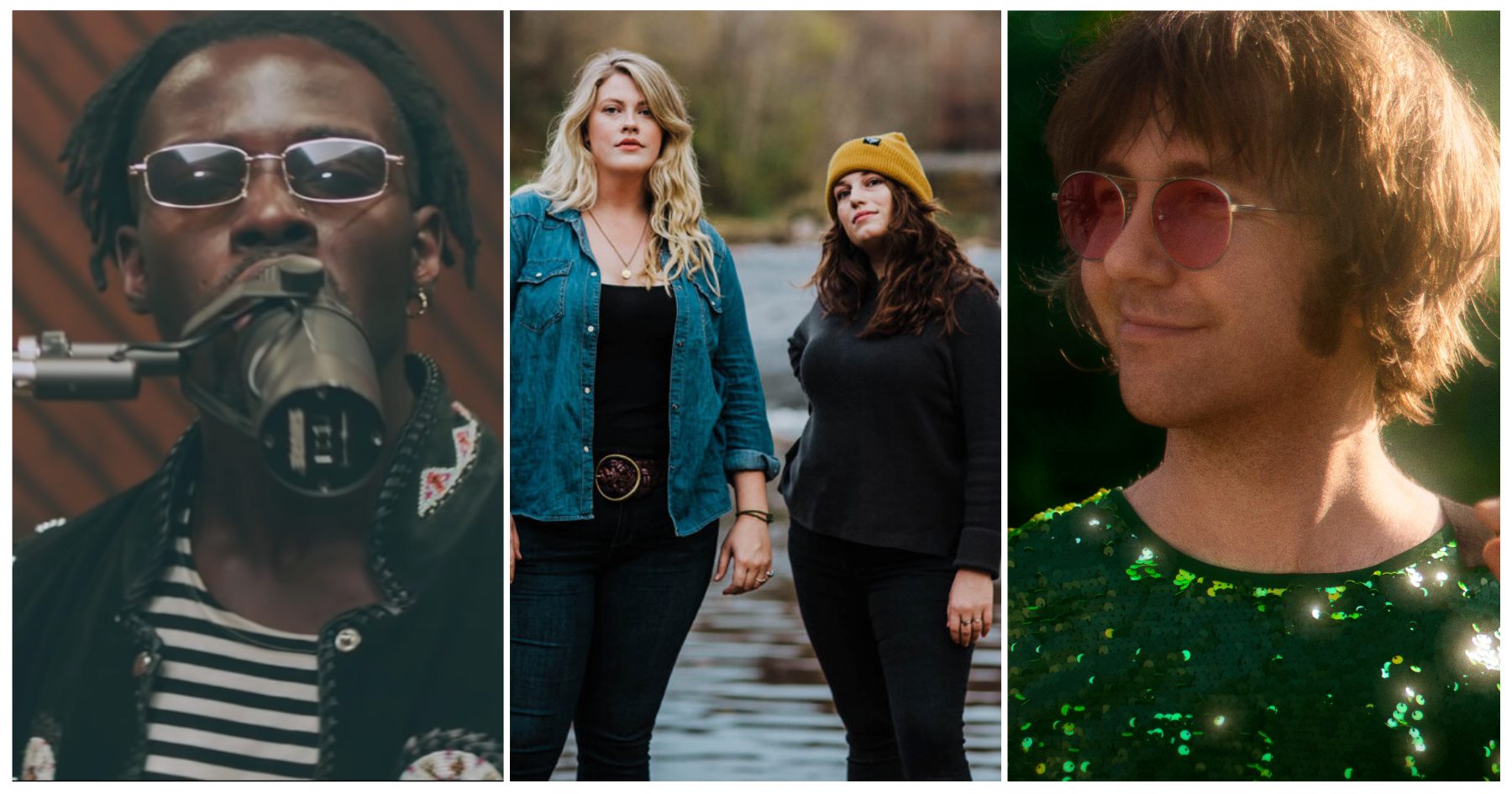
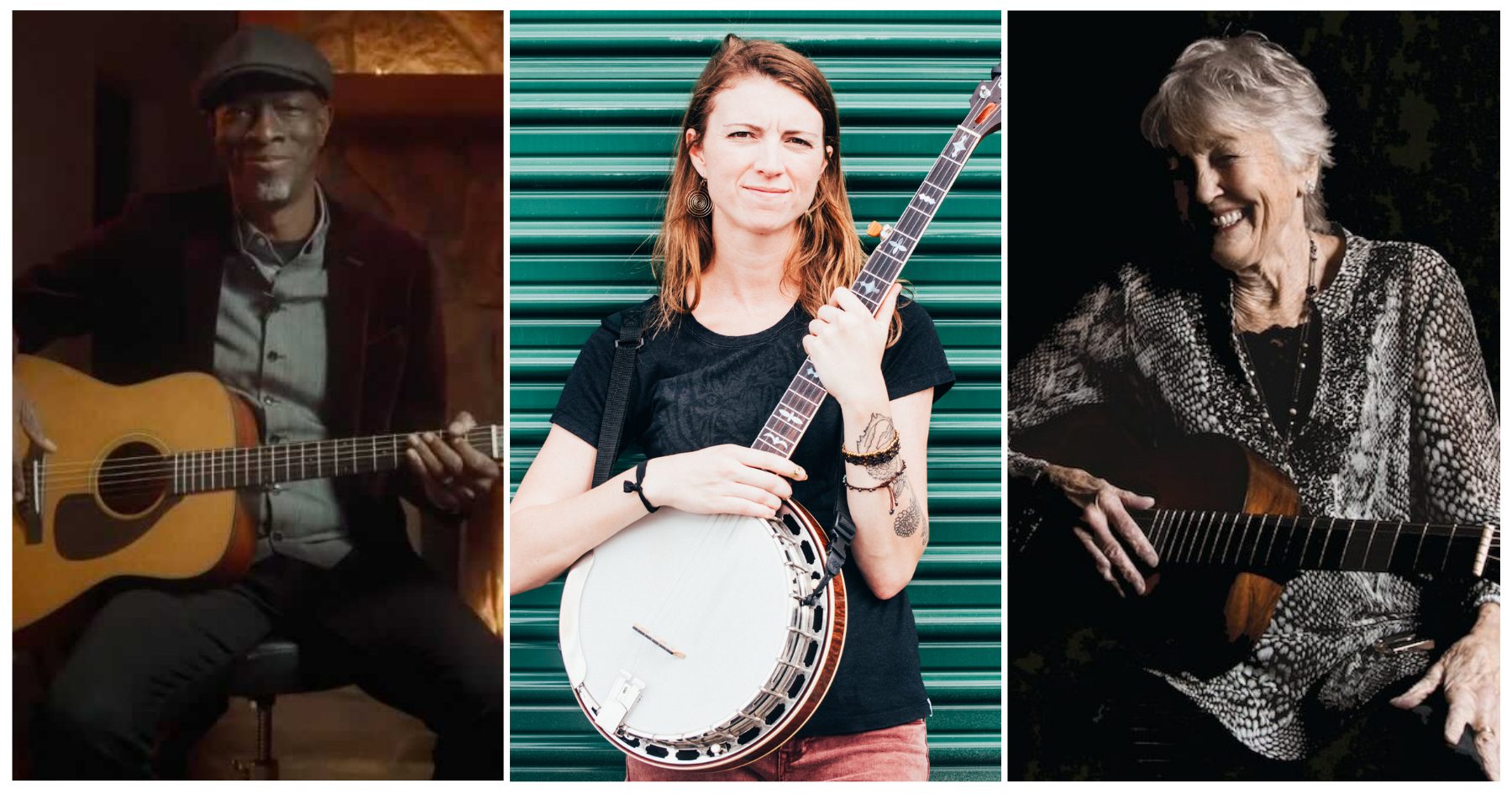
Photos: (L to R) Keb’ Mo’; Gina Furtado by Sandlin Gaither; Peggy Seeger by Vicki Sharp
Bluegrass is Trance (And Old-Time, Too)

Bluegrass is trance. Old-time, too. 

With a slightly more zoomed out perspective, this fact comes into focus pretty quickly. American roots music and its precursors, especially their string band forms, have been interwoven with dance for eons. Before the advent of recorded music, when the popular musics of the day could often only be consumed by upper classes, dancing and other social group activities were the center places music inhabited. Before radio shaved popular music down into bite-sized, three-minute chunks, the tunes would last as long as necessary to provide a backdrop for a reel, a hornpipe, or a square dance, extending fiddle tunes into ten- to twenty-minute, cyclical, musical meditations. “Turkey in the Straw” as mantra, “Chicken Reel” as a slightly wonky, onomatopoeic sound bed.

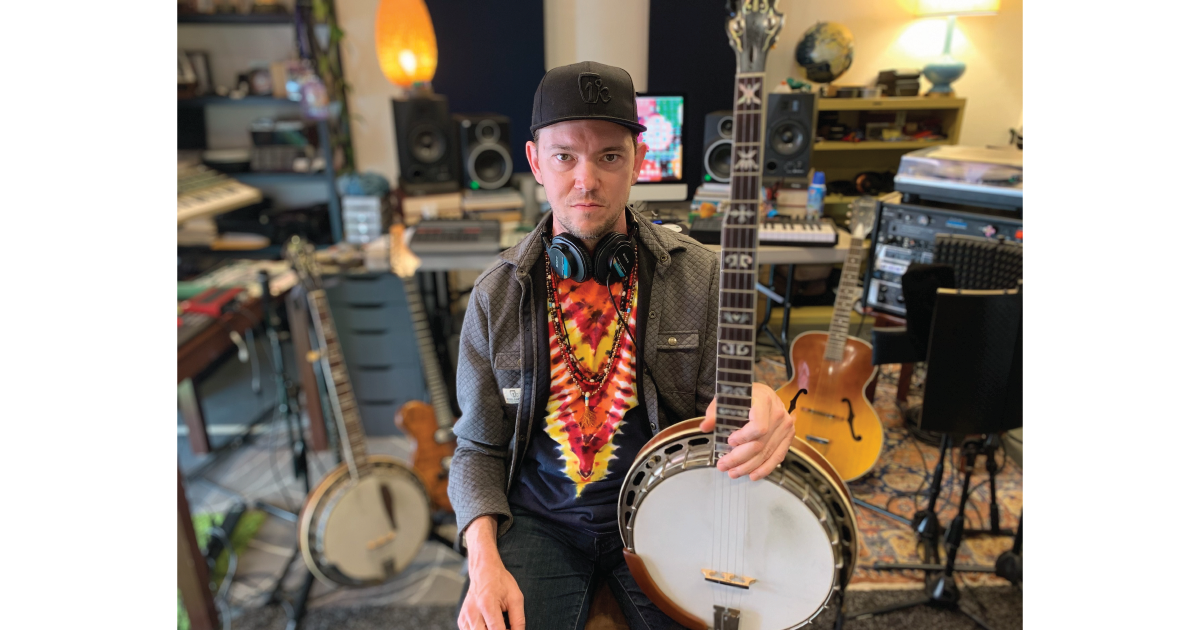
Detached from dance, it’s easy to forget that string band music has been designed with trance embedded within its structures. Chris Pandolfi is a banjo player who’s explored quite a bit in trance and trance-adjacent music with the Infamous Stringdusters, a seminal jamgrass band with a level of bluegrass’s technical virtuosity that’s unmatched in all but a select few ensembles in a similar vein. Pandolfi’s new record, Trance Banjo, which was released under his solo stage name, Trad Plus, moves further and further beyond American roots aesthetics, cementing the banjo and its musical vernacular within trance – the electronica variety as well as the age-old, human kind.

Trance Banjo, and tracks such as “Wallfacer” — whose trippy visualizer music video almost cements this article’s central argument — recalls albums by Scott Vestal, or live shows by post-metal shredders like Billy Strings, or experimental, avant garde compositions by cattywompus flattop mashers like Stash Wyslouch. It’s not just a simple coincidence that so many players from bluegrass and old-time backgrounds find themselves dabbling with trance.

John Mailander, a fiddler who’s toured with Molly Tuttle and Bruce Hornsby and has been hired as a side-musician with many a jamgrass-leaning band, is comfortably uncomfortable in a very similar musical realm as Trance Banjo. On an EP of sketches and improvisations released last summer (from the same sessions and experimentations that became his upcoming album, Forecast) Mailander and his bluegrass-veteran backing band play with trance centered on sparseness, vacancy, and negative space in a way that’s engaging and baffling, both. Mailander’s rubric of vulnerable, emotive, and transparent expression as a foundation for improv is key here.

That personal touch, the personality endemic in these trance experimentations, is certainly what makes them most compelling and it must be, at least in part, what ties these songs to the centuries-old tradition of music as meditation. Rhiannon Giddens and Francesco Turrisi make more than just a musical brand of showcasing their personalities and identities in the music they create, it’s more like a mission statement. Giddens has an incredible aptitude for writing and composing music based on empathy and human connection and Turrisi holds expansive knowledge of world folk music and percussion.

Their compositions and collaborations illustrate that, when we connect our music to dance, percussion, and trance, we’re connecting it to thousands and thousands of years of history — of humans of all ethnicities, cultures, backgrounds, and identities, gathering, connecting, sharing, and loving through music, dance, and trance. On stage, Turrisi and Giddens deliberately connect these dots as well, utilizing stage banter to educate their audiences about these exact connections.

While old-time has held onto its penchant for movement and choreography through the generations, bluegrass continues to grow distant from this and many of the other cultural phenomena that gave rise to it. Trance Banjo, and projects like it, while they seem to gleefully run away from what we perceive as “traditional” aspects of these genres, are in many ways guiding us right back to the very folkways that birthed them. 


Photo credit: Chris Pandolfi by Chris Pandolfi

The BGS Radio Hour – Episode 199

Welcome to the BGS Radio Hour! Since 2017, the show has been a weekly recap of all the great music, new and old, featured on BGS. This week we’ve got everything from quirky pop hooks by Aaron Lee Tasjan to outcries about workers’ rights by the Local Honeys. Remember to check back every Monday for a new episode of the BGS Radio Hour. 

APPLE PODCASTS, SPOTIFY

Black Pumas – “Black Moon Rising”

As we welcome the spring, we bid farewell to our February Artist of the Month – Black Pumas. The duo, up for a total of three Grammy Awards this March with their breakout album, sat down with BGS this month to talk about Black Pumas (Deluxe Edition), and the influences that brought them together.

Terrible Sons – “What A Friend”

From Christchurch, New Zealand, Terrible Sons brings us a song this week from their newly released Mass EP. “The song looks into a life that is unravelling internally and externally, a character who struggles to communicate, someone who’s on the edge,” the duo tells BGS. “We’re really singing about being a failure as a friend, about not being there.”

Aaron Espe – “Take You Home”

February brought many great releases; Aaron Espe’s Rock & Roll Man EP is certainly no exception. As the Nashville-based songwriter told BGS, songs can mean many things to many people, all of which are valid, and shouldn’t be ruined by the songwriter explaining it to them – so best for us not to spoil this one!

Lonesome River Band – “Love Songs”

Steve Martin used to tell a joke about how no one could be sad while playing the banjo. And while the banjo strikes a happy tone, songs from the bluegrass repertoire just aren’t the most optimistic – often, they are about heartbreak, loneliness, or death. In their new single, the Lonesome River Band recognizes that we have to write about what we know – and it ain’t always love songs.

Judith Hill – “Baby, I’m Hollywood!”

For Judith Hill, “Baby, I’m Hollywood!” is a defining statement, summing up the drama, love, and pain that surrounds her life as an entertainer in an epic performance and video.

Cristina Vane – “Prayer For the Blind”

From her upcoming Nowhere Sounds Lovely, Italy-born and Nashville-based Cristina Vane brings us an old-time banjo meditation on finding levity in heavy situations, and the bonds and intergenerational burdens shared between mothers and daughters.

The Wild West – “Better Way”

Women-led upergroup The Wild West strike on uniting us all amongst the differences that divide us – touching the idea of being born with love and without hate, and calling us to find our way back to innocence, understanding, and compassion.

Aaron Lee Tasjan – “Up All Night”

This Nashville artist is no stranger to BGS. Tasjan is his own producer on his newest release Tasjan! Tasjan! Tasjan!, the most-Tasjan album that he’s released so far — quite literally. From deep personal experiences in his writing to silly pop hooks, Tasjan’s newest album is one worth hearing.

Lily B Moonflower – “Midnight Song”

One thing we’re all surely missing is community, be it local jams, concerts, or just visiting with your neighbors. From Lawrence, Kansas, Lily B Moonflower brings us a song inspired by her community coming together through music and love, and the magic that follows on the honky-tonk floor.

Spencer Burton – “Memories We Won’t Soon Forget”

From Ontario, singer-songwriter Spencer Burton joins us for a 5+5 this week – that is, five questions, five songs to go along. From favorite stage memories to a dream musician and meal pairing, our conversation with Burton is one we won’t soon forget.

The Local Honeys – “Dying to Make a Living”

Even while they’re stuck at home like the rest of us, the Local Honeys continue to get their message out to the world. While in past times they’d be touring Europe with Colter Wall or Tyler Childers, the Kentucky-based duet now sit down with BGS to talk about the problems created by extractive industries like coal mining in Appalachia, reflected in their new two-song release.

Chris Pandolfi – “Astral Plane”

From Grammy Award-winning band the Infamous Stringdusters, ‘Panda’ joins us this week on a 5+5 in celebration of his latest album, Trad Plus Presents Trance Banjo. What’s better than banjos, beats, and Stuart Duncan?

Moira Smiley – “Days of War” (feat. Sam Amidon and Seamus Egan)

With the accompaniment of Sam Amidon and Seamus Egan, Moira Smiley brings us “Days of War,” a song written after yet another shockwave of white supremacy in 2017. While Amidon sings the ‘human’ voice in this song, Smiley is the ‘bird,’ who flies and sings in spite of all.


Photos: (L to R) Black Pumas; The Local Honeys by Melissa Stilwell; Aaron Lee Tasjan by Curtis Wayne

WATCH: Andy Hall Plays “Amazing Grace” on Resophonic Guitar

Not many instruments can match the fiddle for expressive, emotive power, but a few special players have been able to conjure a similar magnetism from the steel guitar. This year, modern dobro icon and member of the Infamous Stringdusters Andy Hall released 12 Bluegrass Classics for Resophonic Guitar, interpreting songs that are pillars in the traditionalist songbook. Hall, a player associated more closely with progressive styles than conventional ones, lends his signature shred to the standards of the bluegrass repertoire.

Upon announcing the project, he stated, “I’ve always striven to push the envelope as a player, but never had the chance to put my stamp on some of the formative tunes I’ve always played at jam sessions. I chose songs that were familiar to me. These are tunes that I’ve been playing for years, and that have shaped my playing.” He told BGS all about it in an interview this fall, too. As 2020 comes to a close, we hope you enjoy Andy Hall’s performance of “Amazing Grace.”


Photo credit: Tobin Voggesser

On New Solo Album, Resophonic Guitarist Andy Hall Reaches for the Jam Songs

Andy Hall is one of the fiercest slide guitarists we have around not just today, but probably ever. If there’s any doubt, you needn’t look further than his newest release, 12 Bluegrass Classics for Resophonic Guitar. The Denver-based singer and Dobro player of the Infamous Stringdusters has always pushed the envelope, but had never taken the time to put his own stamp on the formative tunes that all musicians of the genre play with one another. From teaching thousands of students online via ArtistWorks, to his work with Earl Scruggs, Dolly Parton, or Jack Black, it’s obvious that Hall is a master of the instrument, and the art itself.

BGS visited with Hall to talk all things pandemic, resophonic guitars, and what this record means in a time like our own. 

BGS: What was your initial inspiration for this recording?

Andy Hall: It was an interesting time in the spring when I was recording it, you know, but it’s all about taking opportunities that present themselves and making the most of the situation and what you can do. When everything stops, you have no idea what’s happening, you’re pretty quickly trying to figure out how to continue to be expressive. Our band the Stringdusters has toured so much for so long. …I don’t want to say I took it for granted, but when it all went away it was surprising — there was this withdrawal from doing the things that I love to do.

These are songs I’ve played for years and years, and I’ve always wanted to put my stamp on them, my take, you know? I totally overlooked them as anything I would record, because I always played them in jams. For most people, they don’t know these songs. So, I thought it would be the perfect opportunity to get a recorded version of all these jam songs. It was really just a matter of me sitting, playing, and enjoying these tunes enough to get a good representation of them.

At the same time that you’ve put your own stamp on these tunes, you said that they were formative. I noticed the speed-up in “House of the Rising sun,” just like Mike Auldridge of the Seldom Scene would do. Are there any influences you’re drawing from, more than others, on this record?

Everyone has their own version of what their “classic” tune would be for a certain instrument. So “House of the Rising Sun,” definitely based on the Mike Auldridge version. To me, if you do that song on Dobro, that’s just how it goes. “Dixie Hoedown” was on Jerry Douglas’ first solo record, and something like “Fireball Mail” couldn’t be a more quintessential dobro song. I was always too impatient to sit and get every nuance of somebody’s playing, so I kinda gloss over it for the general idea and fill in the blanks myself. So due to my impatience I have my own style with a lot of them.

So that’s what a lot of these are like, but you can trace most of them back to an original version — like “Cherokee Shuffle,” Sally Van Meter, a great dobro player from Colorado, did that on a record called the Great Dobro Sessions. One that’s totally my own is the first one on the record, “Leather Britches.” I’d never really heard a version of that, but I wanted to try and get that repetitive, cyclical, rolling sound of the fiddle. So a lot of them are jam tunes that I never heard a Dobro version of, and wanted to develop my own thing with. 

“Foggy Mountain Rock” really comes through that way. 

I actually was fortunate enough to get to play with Earl Scruggs some, and that tune is a perfect example of how I didn’t take the time to learn it officially like Josh Graves. When I auditioned for Scruggs’ band, I went to his house and jammed with both Earl and a fiddle player named Glen Duncan. My mind was just blown, you know, we’re just sitting in Earl’s living room playing “Foggy Mountain Rock.” When we finished playing it, it was clear I hadn’t done it the way he was used to hearing it. And he complimented it! “Oh, I love how you put that four chord in there. I love when people do their own thing.” That really justified my whole approach. If Earl Scruggs says it’s cool, then I’m good. 

Do you teach many of these in your class over at ArtistWorks?

There are a couple in my school. “Panhandle Rag” is in there, “Cherokee Shuffle.” I’m about to transcribe not just the melodies, but the solos for a few of these so that the students can have a crack at them. It seems primed for that kind of thing. This is a specialty project geared at Dobro nerds. With the Stringdusters or other projects I do it’s a bit more broad, usually song-based. This record definitely ties into ArtistWorks; it’s just getting deep into the slide guitar thing… because that’s what I love! 

“I am a Pilgrim” is so woody, while “Cherokee Shuffle” has that cutting metallic ring of the Dobro… Can you talk about some of the guitars you used on this record?

“I am a Pilgrim,” “Amazing Grace,” and maybe “Foggy Mountain Rock” were all played on a 1929 Squareneck Tricone National guitar. To me it just has a super unique blues sound. So I used it on the tunes that were slower, just to get some variety. I wrestled with how much variety to put on the record in that way, because I have a bunch of different slide instruments. I’ve got a Chaturangi, which is an Indian slide guitar with all of these resonant strings, of course lap steels and things of that nature, but I decided I wanted to keep it kind of Americana sounding. The National fit into that. All the rest I did on my favorite Beard guitar.

Speaking of formative years, I’m curious if there are any younger Dobro players that stick out to you, or even influence you?

For sure. As a Dobro player, when I was in my twenties, at a certain point I kinda felt like I had heard everything, because there weren’t all that many. I’d heard all of the Jerry Douglas and Rob Ickes, Mike Auldridge and Josh Graves. There’s a lot to dig into, but compared to any other instrument, there was a much smaller pool of stuff to draw on. It’s been cool as new players come up to hear new styles. I think the first guy that was new when I first moved to Nashville was Randy Kohrs. He had a technique that nobody else had.

Out of that came a couple of younger players that I really love like Josh Swift, who played in Doyle Lawson’s band for years. His technical ability is just insane — nobody else can do what he does. There’s a young guy named Gaven Largent who I remember teaching when he was probably 12. There’s a guy named Tommy Maher, who plays in a band called Fireside Collective. Andy Dunnigan from the Lil Smokies, he uses the Dobro very lyrically, and he’s the lead singer too. I love seeing that — a lead singer Dobro player!

I’d say one of my biggest influences in recent years is Roosevelt Collier, a lap steel player. I met him in 2013, on JamCruise, and of course became fast friends with the slide guitar connection. We stayed in touch and actually did a record together a few years back. Roosevelt’s very gospel, sacred steel, very singing, very emotive style, is something I’ve really tried to absorb. It just gets you in the chest. 

What do you foresee, or hope, will be the impact of this record?

There’s something about the coronavirus, or the lockdown, that made every part of life simpler. A lot of things got stripped away and we just got down to basics, be it hanging out with our families and making food, or with the music we’re not doing big tours or big production — we’re sitting in our basements by ourselves playing. It’s certainly one of the silver linings of the whole pandemic thing, the simplicity and the sweetness, and that’s what I was feeling with this. It’s just a reflection of me sitting and playing, and hopefully people will relate to that. People have had to strip everything down to being simple, and that’s what this record is. It’s a reflection of that return to the basics that the pandemic has put on us. It’s really forced us to get back to the root of why we do what we do!


Photo credit: Tobin Voggesser

Gig Bag: Jeremy Garrett

Welcome to Gig Bag, a BGS feature that peeks into the touring essentials of some of our favorite artists. This time around, Jeremy Garrett details the items he always has nearby when out on the road.


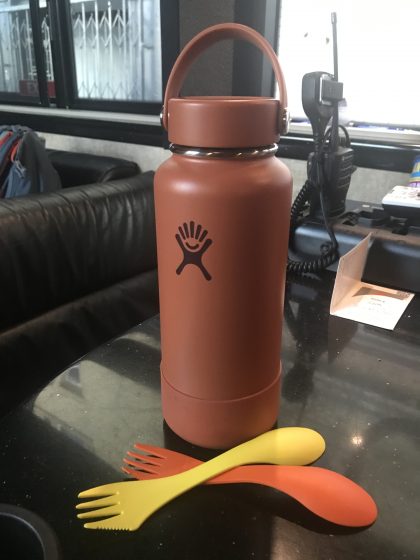
The main thing I take on the road in my gig bag is some reusable utensils and a water bottle. So much waste can be generated while traveling, and it’s important for us all to do our part to curb that waste as much as possible. Cutting down on one-time-use water bottles and plastic ware can be a great way to reduce our impact on the environment.


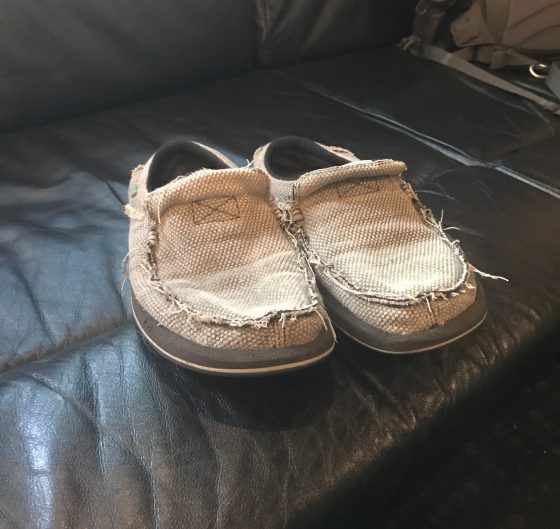
Another thing that I bring on the road always, especially when riding in a bus, is a very comfortable pair of “house shoes.” Sometimes even just bringing one small familiar thing from home on tour can help tie those two worlds together a little better and keep you grounded.


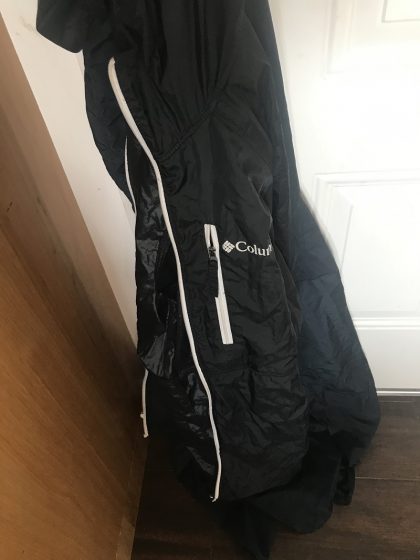
I always pack two raincoats. Especially during festival season. There’s been more than one occasion where the extra one has come in handy, for a crew member, band member, or even a second dry one for you to wear. They are small and light weight and wrapped up, take almost no room in a suitcase.


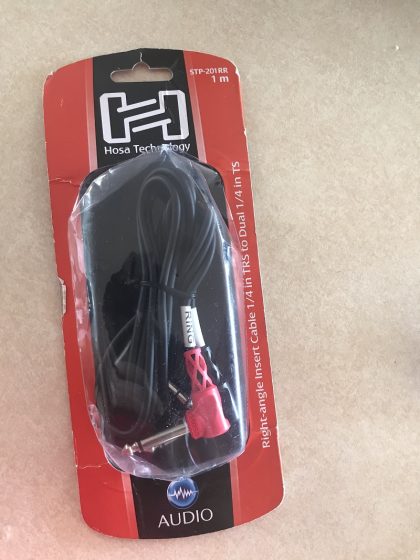
This extra insert cable never leaves my suitcase. These things can stop working on a pedal board sometimes and leave you in a bind. Not me!!


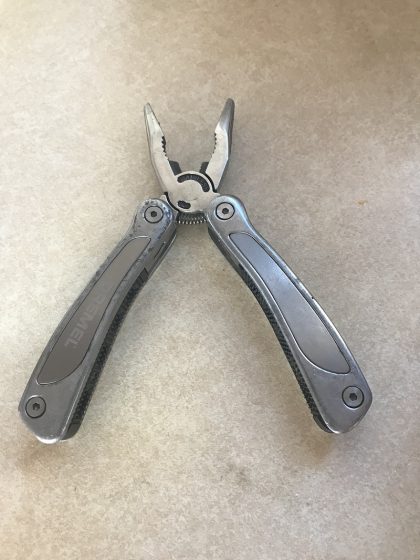
A multi-tool is a great thing to have along.


I throw this bottle of Benadryl in my case, because you never when you might eat something or get bit by something that you are allergic to. Last year I found out was allergic to shiitake mushrooms. The hard way. Having Benadryl on hand really helped with this matter.


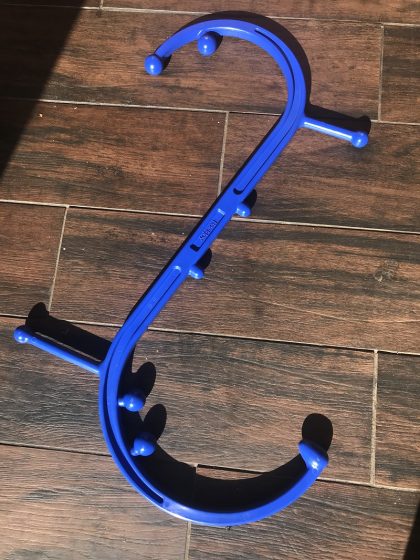
One more thing that I’ll try to squeeze into my suitcase at the end if there is space, is a Theracane. Sometimes a back can get sore playing music a lot or sleeping in a different place every night and this has helped me to be able to work those playing knots out after the show.


Photo credit: J.Mimna Photography

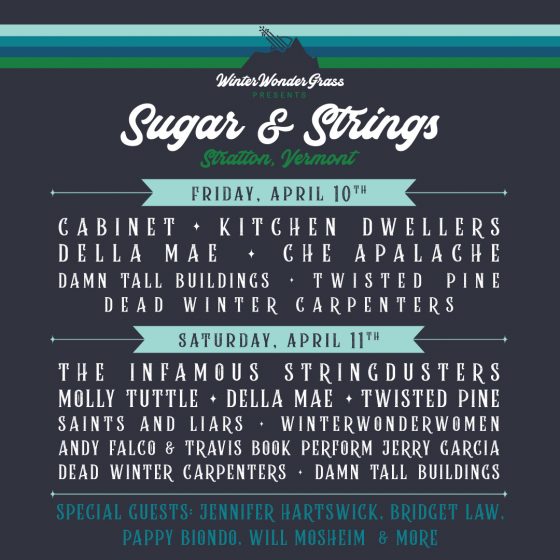
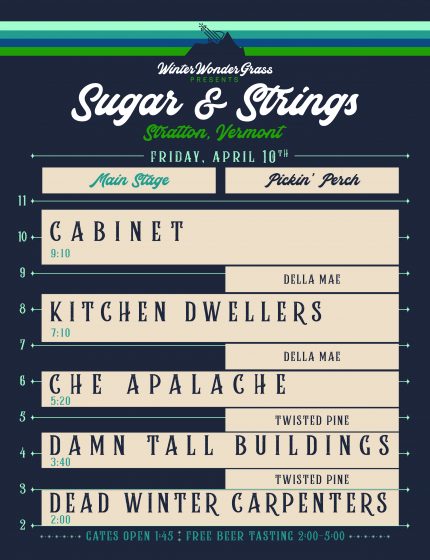
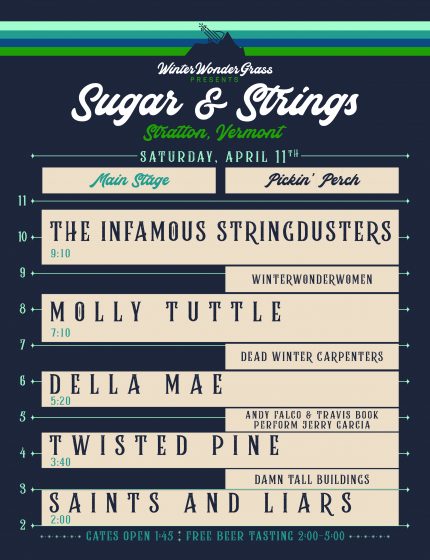
ANNOUNCING: WinterWonderGrass Unveils Vermont’s Sugar & Strings Schedule

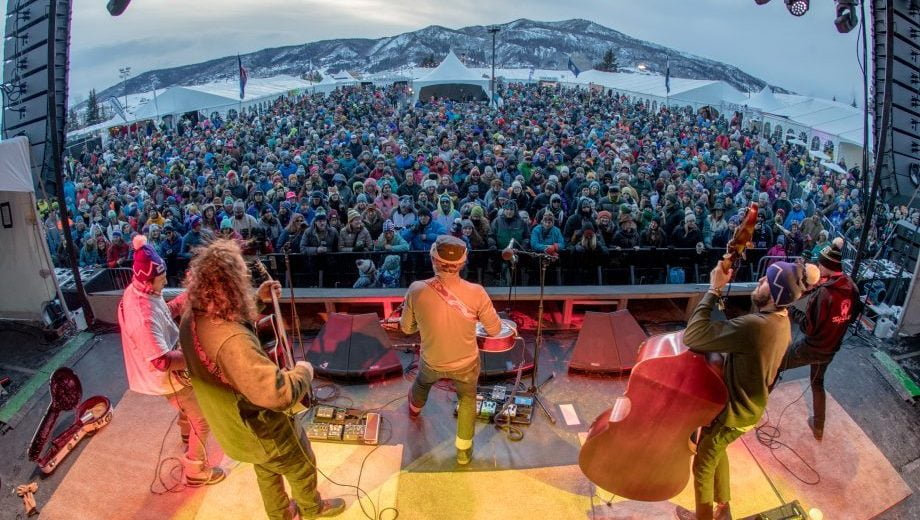
WinterWonderGrass 2020 is mere weeks away (Steamboat Springs fast approaches!) and BGS is excited to announce the schedule for WWG’s Vermont edition, the final iteration of the event in 2020, taking place April 10 & 11 at Stratton Resort in Manchester, VT. The placement of this year’s festival coincides with the end of the ski and snowboard season at the resort, and WWG plans to bring one heck of party to the mountain’s base to close out the year. Psychedelic folk-grass band Cabinet is also set to make their first post-hiatus performance over the weekend.

Additionally, starting on Tuesday, February 11th, WWG plans to release a limited quantity of single-day tickets and weekend general admission passes will move to tier 2 pricing the same day. Tickets and more info available here.

“WinterWonderGrass continues to honor the pillars of bluegrass while creating space for the evolution of the genre to flourish. I feel this lineup speaks to that ethos,” remarks festival founder, Scotty Stoughton, via press release. “I’m super excited to see first-time bands like Twisted Pine take our stage and welcome back local favorites, Saints & Liars. I’m humbled Cabinet is coming out of hiatus to perform at WinterWonderGrass and it’s always a pleasure to watch The Infamous Stringdusters and Della Mae take the stage.”

Gates open at 1:45 PM each day during the two-day music festival, with music beginning at 2:00 PM. Pickin’ Perch and the Main Stage will see alternating sets for two days of nonstop music.

Tickets for California and Vermont are on sale now, but moving fast! Very limited single-day tickets remain for Friday and Sunday at the Colorado stop, which is otherwise completely sold out. VIP tickets to the California are also sold out, but fans are encouraged to check out the official fan-to-fan ticketing exchange powered by Lyte if they’re in search of tickets as more of the dates and tiers sell out.

See the daily schedules below:


Photo of Jon Stickley Trio ski in/ski out show, WWG Tahoe 2017: Tobin Voggesser

The Lil Smokies Tighten Their Bond with ‘Tornillo’

The Lil Smokies’ long-awaited album Tornillo reflects the vast openness of the Texas desert town in which it was recorded, possessing all of the energy that comes with a renewed creative spirit. In a phone interview with lead singer Andy Dunnigan, BGS discussed rule-bending, burnout, and how recording at Sonic Ranch in Tornillo, Texas revitalized the Montana-based band.

BGS: It sounds like this album is really special to you. Can you tell me about the process of making it? What’s memorable about this one?

AD: Yeah, this is a special one. We were coming off of two or three solid years of extensive touring. We were pretty road-worn and dare I say a little burnt out. When we came into this session we needed to become a little more unified than we had been while on the road. We were looking for somewhere that we could go and get outside of the box creatively.

Texas was somewhere we had never spent a lot of time. We wanted to go down to the desert and we wanted to be able to live on the compound. These were all [realities] that Sonic Ranch in Tornillo was able to provide us, so when we got down there we didn’t really leave for ten days.

We lived a stone’s throw away from the studio. We’d wake up and eat huevos rancheros and then head over to the studio. We were kind of autonomous in the fact that we could make our own hours. It really brought us back to life. We were really unified in our work and the production of this album, and I think that’s really ostensible throughout the songs.

How much does a new album like this, where you have brand-new material and are fresh off the experience of recording, help motivate you to keep going out on the road?

I think it’s just that we toured the last album for a couple years and got a little tired of some of those songs. We were playing so much that we didn’t have all that much time for writing. I found myself trying to juggle between writing, being on the road, solitude, hobbies, and having a girlfriend. I was thinking, “Man, there’s just not a lot of time.”

So now that we were able to hammer out some new songs, getting back out on the road seems so much more enjoyable. I think when we’re having fun on stage there’s a direct correlation to the audience. They’re feeding off us and the pillars of reciprocity are strong.

This album definitely sounds like you’re having fun and doing things your way. You sort of bend the rules of bluegrass, but always in a way that adds something to the music. How do you keep an open mind about trying new things without being gratuitous about it?

We wanted to think outside the box for this record, but we didn’t want to do it in a contrived way where we say, “OK, this is going to be a weird album, so we’ll just make it intentionally weird.” We wanted to cater to the songs and adhere to what each song needs.

On the title track, “Tornillo,” we had originally worked up our traditional way of doing it with the bluegrass ensemble, but when we started playing it, it sounded like something that should be on the soundtrack of Ken Burns’ Civil War documentary. We were thinking, “This just isn’t going to work.”

Then Rev, our guitar player, worked up a piano arrangement and brought it to us towards the latter part of the session and we were like, “Oh man, this is so awesome. We have to use this.” We were just serving the song, and that was the ethos. Once we had the piano foundation, we started experimenting with drums and horns and some baritone guitar.

It was really fun for us. We intentionally gave ourselves a surplus amount of time in the studio so we could tinker around a little bit. We wanted to experiment sonically, and I think the results are really fun. It opened our minds to what you can accomplish in the studio if you have enough time and patience.

This album has a clear overall sound. Big, open, and full of space. Is that something you went into the studio wanting to accomplish, or did it develop more on the fly?

It’s a little bit of both. We wanted to create something big from the get-go, but we weren’t sure how we were going to do that. We knew we wanted to record live because that adds a little more energy, we had it in mind to drench a lot of it in reverb to create sort of a Fleet Foxes vibe or something a little more alt. That’s the kind of music that a lot of us have been listening to and getting inspired by for the last few years. We’re all listening to a lot of different music and we wanted to expand outside of the bluegrass domain in the production at least.

In your bio it’s mentioned that you “draw on the energy of a rock band and the Laurel Canyon songwriting of the 1970s.” How did bluegrass become the avenue that you express those influences?

Well, I think we all started out playing bluegrass. I came to it in my latter years of high school. I went down to the Telluride Bluegrass Festival. I had gotten an electric guitar from my dad. He plays music for a living, so he gifted me a Strat, and then a lap steel. I listened to a lot of David Lindley and Ben Harper. Those were kind of the gateway into bluegrass music. Then when I went down to Telluride it blew my head open.

I think we all have our pioneer stories of how we got into the music. That’s how you meet the community of players. There’s this whole vocabulary attached to it but as you get older you expand your musical library. I think we listen to a lot of songwriters and a lot of rock. We still happen to play these bluegrass instruments, and we love bluegrass, but we’re just trying to express what we want to say while wielding bluegrass instruments.

Do you find that you’re an introduction to bluegrass music for a lot of your fans?

I do, and it’s one of my favorite remarks after shows. People say, “Man, I hate bluegrass, but I love you guys.” I hear that a lot and I think it’s funny and ironic, but it’s cool because I think there has to be somebody to pull you in and make you realize that you’ve been wrong about the stigma perhaps. I know I was that person at one time. I thought, “Man, bluegrass music? My dad plays the banjo. This is really lame.”

I think we’re seeing bluegrass kind of blossom into its adolescence and beyond, because for a while I think it was restricted by the staunch purists who were slapping everyone’s wrists for playing minor chords. Now we’re seeing Punch Brothers, Greensky Bluegrass, Infamous Stringdusters, and of course now Billy Strings, who all have obviously done their homework religiously and can pay homage to the traditional godfathers, but they’re also putting their spin on it. It’s really cool and it’s getting people excited. I think to be included in that group is really awesome and I think it’s an exciting time to be riding the wave.

How much do you rely on melody, texture, and other instrumental factors to further the meaning or story within a song?

A lot of it happens in the arranging as well, but a lot of times when I’m writing a song there will be a hook line, and that’s sort of from a rock standpoint. You have your verse-chorus and then there’s a riff or something. You know, this band was almost an instrumental band for a short period in the beginning. We were listening to a lot of David Grisman, Strength In Numbers, and a lot of that music.

We loved writing instrumental music, and then when I started singing and writing songs we kind of fused the two worlds together. Those little melody parts and arrangement parts are still so fun to incorporate in songs. In a tune like “Giant” on this album, we wanted something kind of spacy to create a dream-like state, so we tried to write something that sounded kind of spacey and sleepy.

Some of these songs are intentionally ambiguous in their origins. What is the intent behind that ambiguity?

I went to school at the University of Montana for creative writing and poetry and I love the way words sound together as much as I love melody. Sometimes the words and just the assonance, what they sound like, will dictate the melody and vice versa. Once I have a word in my head and I’m kind of ad-libbing on the guitar I try to steer away from some words and how they sound.

I like to write stories and have some ostensible narratives, but I also just love words and how they sound. “World’s On Fire” has a couple meanings in there but I also like to keep it intentionally ambiguous because I think it’s fun for people to create their own story.

You’ve said your time at Sonic Ranch “encapsulates all of the good things about being in a band and making music.” How did the band grow from the experience of making this album?

To circle back on what I said in the beginning, it’s a huge a sacrifice to be in a band. There’s the greatest ups and the greatest downs, kind of married to each other. Coming off of those past three years of touring we were all a little tired and burnt out, and maybe questioning if we were on the right path. During our studio session in Tornillo I think we were all realizing that this is why we do it.

When you make an album it’s like setting a bug in amber. It’s this fossilized preservation of your life at that point. The word tornillo literally means “to fasten” and refers to a screw. We named it after that place. The place really tightened us up together as friends and as a band. I remember leaving there and feeling really proud of what we had accomplished. I think it’s the most unified we’ve ever been as a band.


Photo credit: Bill Reynolds

GIVEAWAY: Win tickets to WinterWonderGrass (Squaw Valley, CA) Mar 27-29

ANNOUNCING: WinterWonderGrass Returns to Colorado, California, and Vermont in 2020

Today, the WinterWonderGrass Music & Brew Festival shares the 2020 lineup across all three of their flagship events. Taking place in Colorado from February 21-23, California from March 27-29, and Vermont from April 10-11, the traveling music festival will welcome performances from some of the hottest names currently thriving in today’s bluegrass and Americana scenes.

“It’s with a mountain of intention, huge hearts, humility, and a commitment to delivering the hottest and sweetest artists that we present to you the 2020 WinterWonderGrass landscape,” says festival founder Scotty Stoughton in a press release. “Each year, the hardest thing to do is not heed our desire to return to each and every band — and by virtue of that, friends to WWG — year in and year out. It is our sincere desire you’ll find new lifetime favorites on this lineup, have the chance to be reunited with old loves and step out of your comfort zone with open arms to new experiences.”

“WinterWonderGrass has become a home for artists, fans, staff, locals, businesses, skiers, riders, their families and all of the like,” adds festival Director of Marketing & Ticketing, Ariel Rosemberg. “We pride ourselves on creating a sustainable, safe and receptive environment, bound by the marriage of the best in bluegrass, folk and Americana, and the undefeated nature of American ski culture.”

BGS has partnered with WWG for the past two years and we are excited to once again join forces with WinterWonderGrass to create and share unforgettable experiences and world-class music across our communities and across the country.

Returning to Colorado for its eighth consecutive year, and its fourth year located in the pristine ski town of Steamboat Springs, Colorado, WinterWonderGrass presents headlining performances from Greensky Bluegrass, Billy Strings, and Margo Price over its three days this coming February.

Additional artists on the bill include: Keller & the Keels, Della Mae, Travelin’ McCourys, Nikki Lane, Molly Tuttle, Horseshoes & Hand Grenades, Bluegrass Generals (Chris Pandolfi & Andy Hall of The Infamous Stringdusters), ALO, Lindsay Lou, a collaborative set from the WinterWonderWomen, Pickin’ on the Dead, Che Apalache, Cris Jacobs, Twisted Pine, Jon Stickley Trio, Meadow Mountain, Jay Roemer Band, Buffalo Commons, and Bowregard, as well as special guests Andy Thorn, Jennifer Hartswick, Bridget Law, Pappy Biondo, and Will Mosheim.

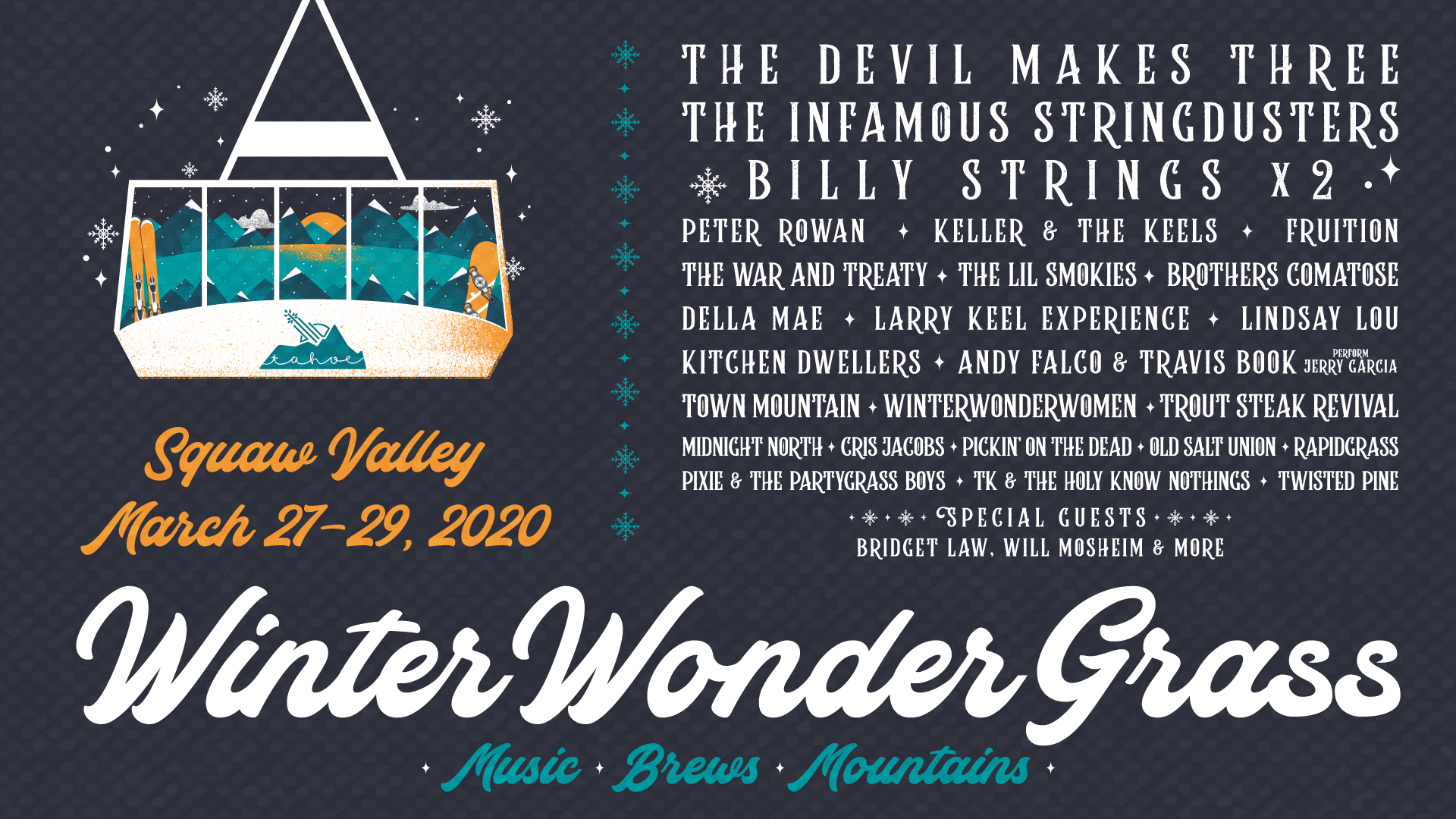
Over March 27-29, WinterWonderGrass makes its way to the Tahoe region of California for its sixth consecutive year presenting three days of music at the base of Squaw Valley Ski Resort. Headliners for this festival stop include The Devil Makes Three, The Infamous Stringdusters, and two sets by Billy Strings.

Also joining the bill: Peter Rowan, Fruition, Keller and the Keels, The War and Treaty, The Lil Smokies, Brothers Comatose, Della Mae, Larry Keel Experience, Kitchen Dwellers, Andy Falco & Travis Book Perform Jerry Garcia, Cris Jacobs, Trout Steak Revival, Midnight North, Town Mountain, Pickin’ on the Dead, Pixie and the Partygrass Boys, Old Salt Union, TK & the Holy Know-Nothings, Rapidgrass, and Twisted Pine. As well as special guests Lindsay Lou, Bridget Law, Will Mosheim and a collaborative WinterWonderWomen set.

A Mountaintop Dinner with Keller Williams, co-presented by BGS, will kick off the festivities in both locations on Thursday, February 20, and Thursday, March 26, respectively. These events will include a ride up the gondola in Steamboat and the Tram at Squaw, a multi-course meal complete with locally-sourced ingredients from each respective region, wine and beer samplings, plus two sets by Williams during each event.

The Vermont stop of the festival takes place over April 10 and 11 at Stratton Mountain Resort in Stratton, Vermont. Previously held in December, this year’s festival stop in Vermont was scheduled to coincide with the ski resort’s closing weekend. Headliners for this iteration of the festival, billed as WonderGrass Presents: Sugar & Strings, include The Infamous Stringdusters, Cabinet, Della Mae, and Molly Tuttle.

Additional artists on the two-day lineup include: Kitchen Dwellers, Andy Falco & Travis Book Perform Jerry Garcia, Twisted Pine, Che Apalache, a special WinterWonderWomen collaboration, Saints and Liars, Dead Winter Carpenters and Damn Tall Buildings, as well as special guests Jennifer Hartswick, Bridget Law, Pappy Biondo, Will Mosheim and more.

Additionally, the Grass After Dark Series will return for post-festival programming with more details coming soon.

Tickets for all three festivals are on sale now: Colorado | California | Vermont.