Jett Holden’s Dreams Come to Life on ‘The Phoenix’

For years, Jett Holden dreamt and dreamt about making a living through music, but everywhere he turned he was met with doubt, subtle prejudice, and closeted racism that left him running on empty and searching for something new.

Following a journey to rock bottom, Holden is back stronger than ever on The Phoenix, a 10-song collection that catalogs his rise from the ashes and spotlights the community that embraced him when it seemed nobody else would. Told through a mix of countrypolitan, rock, punk, metal, and R&B sounds, the record is proof that there are no boundaries to who, where, and what good music can come from – and that we all benefit from everyone having a seat at the table, sharing their stories and perspectives.

“This album reflects who I’ve been throughout my entire life,” Holden explains to Good Country. “It’s been really cool to look back on when and where my different influences come from while bringing these songs to life. For example, ‘Karma’ is definitely Paramore meets Stapleton, while ‘West Virginia Sky’ harkens to my Tracy Chapman and Jim Croce influences.”

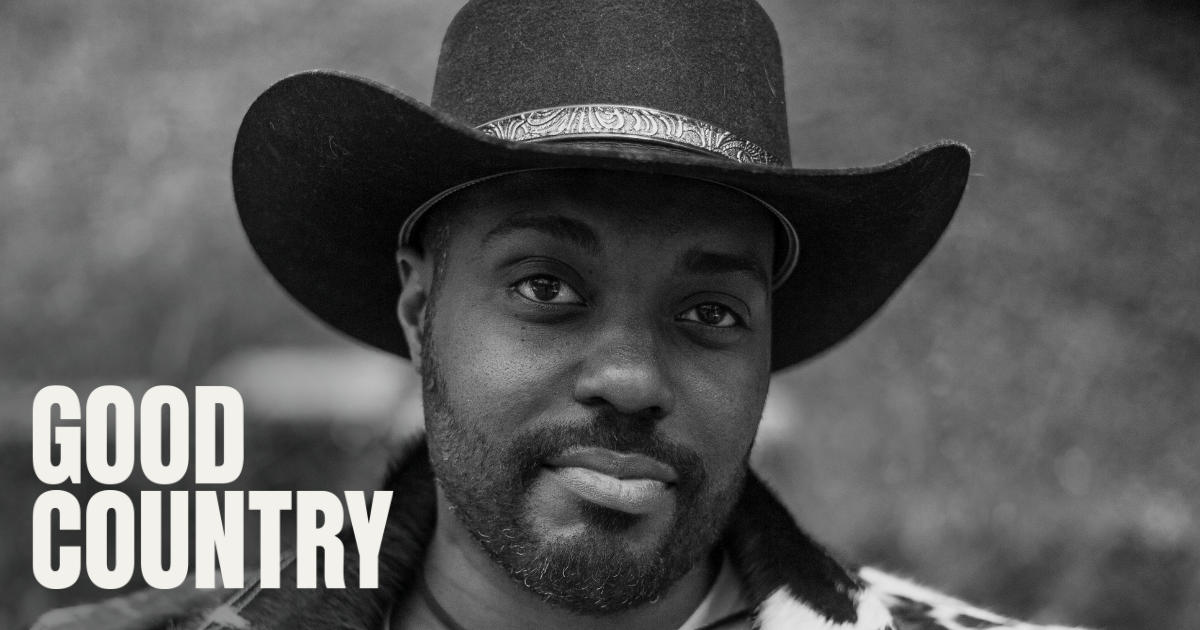
Fresh off a move to Nashville, Holden spoke with GC over the phone about the doubt and prejudice he’s faced along his musical journey, his work with the Black Opry, using music to heal past trauma, and more.

There’s a lot going on in your song ‘Scarecrow,’ from exploring your family’s reaction to coming out to masking the crippling weight of other’s doubts of what you’re capable of – along with a slew of Wizard of Oz references to the scarecrow, tin man, and cowardly lion. Mind sharing how all those ideas coalesced into one?

Jett Holden: It’s the first song I finished for the album. I wrote it back when I was 25, and at that point my family and I didn’t really have a personal relationship. It had gotten to the point where I came out 10 years earlier and wasn’t sure where I stood with them. I wasn’t disowned, but I also didn’t have anyone to turn to – they all pretty much told me they didn’t want to hear about it. I didn’t want to keep living in limbo, so a few years later I skipped town and moved to East Tennessee, which is where [Black Opry founder Holly G] found me in 2021.

You also had a brief stint living in California around this time that left you on the brink of quitting music for good. What all transpired out there?

I moved out to Long Beach after dropping out of community college. I was in talks about a development deal and during the “get-to-know-you” phase I let it slip that I was gay and they responded by saying that I wasn’t marketable as a Black, gay man doing the kind of music that I wanted to do. Things fell apart from there, which is why I left California and moved back to Virginia before eventually relocating to Tennessee.

Aside from that moment, were there any other circumstances that contributed to you feeling so defeated about your music prospects?

When I first moved out West, there was a very steep trajectory that isn’t common for most people, but it quickly deteriorated after I mentioned being gay, making for a really high peak and a really low low. When I returned to Virginia things got stagnant and didn’t progress at all, even moving backwards at times. It was a frustrating time of trying to figure myself out that culminated in the move to East Tennessee where I was roommates with a close friend before coming home one day after she committed suicide.

Another of my friends got cancer around the same time and just recently passed too, so those were very traumatic years for me.
By 2020, I just couldn’t do it anymore, so I started going to therapy right before the pandemic hit and the world shut down. Suddenly [music] was just too much to deal with, so I stopped making it. Being online was toxic so I shut down, got a stay-at-home job with AT&T, and accepted that as my future, working my way up in the company.

Then Holly — and the Black Opry — came around?

Exactly. I’d already called it quits when she found me on Instagram through a video I’d posted of my song “Taxidermy.” I only had that and a couple other covers posted, but it was enough for her to take interest and slowly pull me back into the industry. A couple months later she launched the Black Opry as a blog and it’s crazy to see where things have gone since then.

Within a year I’d gotten to tour all over the country, appear on The Kelly Clarkson Show, and I recorded my first single and EP through a grant I received from [Rissi Palmer’s] Color Me Country. Holly has made so many things possible that had been unavailable to me for my entire career until then, fighting for me in ways nobody else had before. She took chances because she wasn’t an industry person, but rather a flight attendant who was just a fan of country music and wanted to feel connected to it and the artists she was listening to, which is something a lot of others were in search of as well.

When I went to the first outlaw house she threw at Americanafest in 2021, I was expecting a bunch of Black country fans to show up, but it was also the queer community, the Latin community, and the women in country music that didn’t feel like they were getting a fair shake of things. Everyone who felt “othered” in country music showed up and it felt like immediate family. Seeing the excitement around that is what drew me back in.

Speaking of your song “Taxidermy,” I remember you being brought to tears while singing it during a Black Opry panel at Americanafest that same year. What’s that song meant to you, both in its message and what it’s meant to your career?

That song relaunched my career essentially, because I wasn’t chasing music when I wrote it. In fact, when I posted it online I only had one verse and the chorus. Despite it not being complete, Holly still sent it off to Rissi Palmer and got me the grant and I finished writing it the day we recorded. It’s a song of frustration that I didn’t expect many people to watch when I posted it, but Holly really connected with it, spread it around, and helped it blow up into something bigger than I ever imagined.

I was just singing about my frustrations with what was going on around our country at the time concerning police brutality, which was a big reason why I quit social media and music altogether in 2020. Instagram was the [only] online account I had when Holly found me. That song allowed me to vent about those things, but it also helped me gain the community I needed to break myself out of the news cycle that we were constantly absorbing, because we had nowhere to go. The song came about out of all that negativity, but had a huge positive impact on me that I never expected.

In addition to the support you’ve received from the Black Opry, you’ve also got a helluva team behind you for this record including the folks at Thirty Tigers, [producer] Will Hoge, and collaborators like John Osborne and Charlie Worsham (“Backwoods Proclamation”), Cassadee Pope (“Karma”), and Emily Scott Robinson (“When I’m Gone”). I imagine that, after everything you’ve been through, having folks like that working alongside you is incredibly validating?

Definitely! Emily was the first person I asked, since she was a very early supporter of the Black Opry. We both connected over “When I’m Gone” and our similar stories [around] suicide, so it was a no-brainer to have her sing with me on it. Holly ended up reaching out to Cassadee after I mentioned wanting someone similar to Hayley Williams featured, and she nailed it. It’s very cool seeing all these people I’ve looked up to legitimately wanting to work with me. I still haven’t met Charlie or John, but it’s wild knowing that they’ve heard my song and wanted to be involved in it.

Regarding “When I’m Gone,” is that a reference to your friend in East Tennessee that you walked in on after committing suicide? If so I’m sorry for your loss, but I love how you used the song to memorialize them and bring attention to the plight of suicide. It’s an awful thing to experience, but putting your feelings from it to song is a great way to bring beauty to an otherwise unimaginable situation.

You’re completely right. When I play songs like “When I’m Gone” or “Scarecrow” live I always have people coming up to talk to me about them afterwards, whether it’s someone who’s come out, dealt with religious trauma, or a person who’s just lost somebody close to them. There’s something very cathartic and heavy all at once that’s led to a lot of crying, but more importantly a lot of growth. It’s been great feeling like I’m not going unheard – which I did for over a decade – and having interest in what I’m doing where there wasn’t any before.

We’ve talked about a lot of the trauma captured in these songs, which brings me to the album’s title, The Phoenix. Is that reference meant to reflect how your life — specifically your musical dreams — have been reborn in recent years?

That was the intention. It was about the resurrection of my career, plus I also referenced the phoenix in “West Virginia Sky,” so it felt appropriate. Then, weirdly enough, just after recording the album I had a friend, also named Holly, give me a phoenix bolo tie for Christmas. It was a very kismet occurrence and a sign that that was the correct title to move forward with on the project. It makes for the perfect project, one where I have creative control and wrote every song (besides co-writing “Backwoods Proclamation”). I put my heart and soul into it, and am really excited for people to hear it.

If you could go back in time to speak with yourself when you were about to call it quits, what would you tell them?

Prioritize the relationships you build, because those are the people that will help you get to where you are supposed to be.

(Editor’s Note: Sign up on Substack to receive even more Good Country content direct to your email inbox.)


Photo Credit: Kai Lendzion
A True Black Country Trailblazer

The year’s most discussed, and in some respects, most controversial LP to date has been Beyoncé’s Cowboy Carter. Its admirers have painted Beyoncé as a trailblazer for Black country artists. They cite her inclusion on the album of both past – like Linda Martell – and contemporary Black country artists, including Rhiannon Giddens, plus the foursome of Brittney Spencer, Reyna Roberts, Tanner Adell, and Tiera Kennedy, all featured on the update of The Beatles classic, “Blackbird” (stylized “Blackbiird”). They also cite Beyoncé’s Texas background as ample proof of her country roots and sincerity.
Others, notably contributors to The Washington Post and The Guardian, have attacked the 27-song project for a variety of sins ranging from overproduction to such emphasis on idiomatic variety that the result to their ears is faceless, forgettable music. Beyoncé herself has repeatedly said “It’s not a country album, it’s a Beyoncé album,” a line that can and has been viewed many different ways.

Still, there’s been a genuine explosion of interest in Black country music the past couple of years prior to the release of Cowboy Carter. It has resulted in a host of attention for artists ranging from Charley Crockett, Mickey Guyton, Miko Marks, Rissi Palmer and Brei Carter to established hitmakers like Darius Rucker and Kane Brown. But there’s one name that stands above all others as a key figure who’s been in the country music trenches over five decades. That’s author and songwriter Alice Randall, a superb novelist and academic. Randall, a Detroit native, made the move to Nashville from Washington, D.C. back in 1983, because she wanted to showcase her skills as a country songwriter and simultaneously wanted to demolish the widely held myth that the music had no links or connection to Black music and zero audience among African Americans.

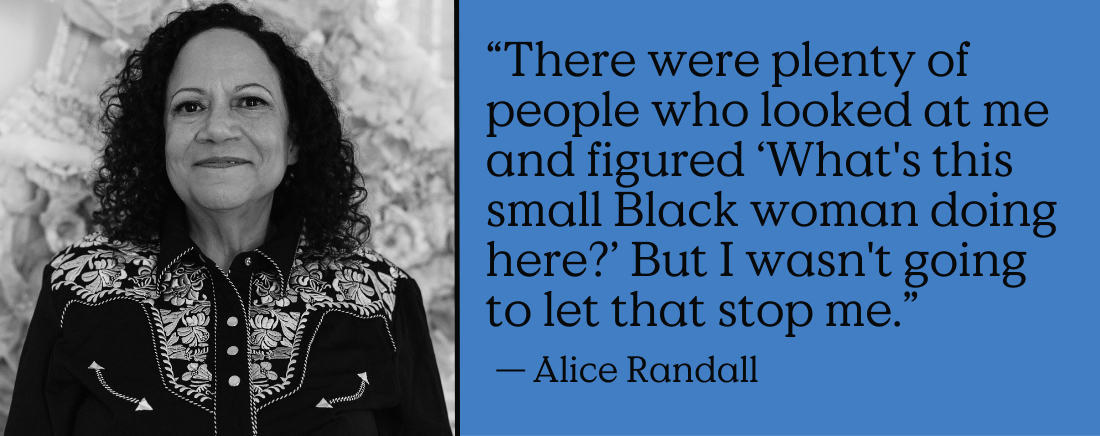
“Yes, I faced open hostility and overt racism when I began,” Randall told Good Country during a recent interview. “There were plenty of people who looked at me and figured what’s this small Black woman doing here? But I wasn’t going to let that stop me.” Randall spent plenty of time attending songwriters rounds, plus examining and analyzing the songs that were becoming hits. In her book she pays credit to Bob Doyle, who was then a songwriter liaison at ASCAP. Doyle’s Bob Doyle & Associates is the longtime management firm for Garth Brooks. Another of her early Nashville mentors was singer-songwriter Steve Earle, whom she met through Doyle. She cites Earle’s willingness to address personal and social trauma and pain as an influence on her writing style.

Randall earned her first Top 10 country hit in 1987 with the Judy Rodman-recorded “Girls Ride Horses, Too,” which she wrote with Mark D. Sanders. She also launched the publishing company Midsummer Music (which she later sold), with the aim of aiding and developing a community of storytellers. She’d soon enjoy bigger success, becoming one of the first Black women to write a No. 1 country hit, when she and Matraca Berg co-wrote “XXXs and OOOs (An American Girl),” for Trisha Yearwood in 1994. (Donna Summer previously co-wrote Dolly Parton’s “Starting Over Again” in 1980).

Randall was also a writer on Moe Bandy’s top 40 hit, “Many Mansions.” Some other notable Randall milestones include writing the treatment for Reba McEntire’s “Is There Life Out There?” music video, which won an ACM Award and features a Randall cameo. In addition, she wrote and produced the pilot for a primetime drama “XXX’s and OOO’s,” which later aired as a made-for-TV movie on CBS.

But as Randall notes in her book, additional trials can come with success. Randall recounts how after the success of “XXXs and OOOs,” a music publishing executive pressured her into signing a contract before she had time to let her lawyers look at the paperwork. That move eventually led to Randall signing away much of her writer’s share of the song’s profits, an experience she called “part of my graduate school.”

Her new book, My Black Country (and its co-released, eponymous album), nicely combines personal reflection with historical commemoration and cultural examination. It highlights Black country’s finest performers and personalities, while noting that early country music was a far more interracial activity than many realized. “It’s amazing to me how many people don’t realize that Jimmie Rodgers recorded with Louis Armstrong, or that Lil’ Hardin was also involved in that historic recording,” she continues.

Randall cites Hardin as the mother of Black Country, the premier vocalist/harmonica soloist DeFord Bailey as the papa, multi-idiomatic master Ray Charles as the genius child, Charley Pride as Bailey’s side child, and the vocalist and TV/film star Herb Jefferies, also known as the Bronze Buckaroo, as Hardin’s stepchild.

She’s equally passionate about the frequent omission from country music histories and commentary of the contributions of Black cowboys. “I fight for all the Black cowboys who have been erased, all the country and western songs through the years that did not tell those stories,” Randall told Billboard magazine in an earlier interview. “When I wrote songs like ‘Went For a Ride,’ a lot of people did not realize they were Black cowboys I was writing about… but 20 or 30% of all cowboys were Black and brown in the 19th and 20th centuries, so it’s one of the ways that African Americans have contributed so much to the legacy of country music, is through cowboy songs.”

The book also chronicles a further lineage of Black country artists, including the Pointer Sisters and Linda Martell, as well as other artists like Sunny War, Miko Marks, Valerie June, and Rissi Palmer.

With 2024 being a big year for Black country, it’s only fitting that Nashville and the music world at large recognize and celebrate Alice Randall’s achievements. Last month she published the memoir, My Black Country (Simon & Schuster), while an accompanying LP, My Black Country: The Songs Of Alice Randall (Oh Boy Records), was also released.

A pair of sold out events in Music City – a book signing at Parnassus bookstore and a combination celebration/Black Opry concert at the City Winery where contemporary Black country vocalists performed Randall tunes – were just the first events to honor the current Vanderbilt Professor of African American and Diaspora Studies as well as writer-in residence. Randall’s other notable literary feats include The Wind Done Gone, a blistering examination and parody of the book and film, Gone With The Wind.

During Black Music Month in June, Randall will appear at the Smithsonian National Museum of African American History & Culture on June 7, and she’ll return to Nashville on June 15 for another in-person conversation about Blacks and country music.

Randall’s book traces her love for country to a family relocation. While growing up in Detroit, she was also a fan of Motown and even spent some time with Stevie Wonder. But upon moving with her mother to Washington, D.C., country became the dominant music she regularly heard. As a student at Harvard studying both English and American Literature & Language Randall says it was after closely surveying Bobby Bare’s 1976 song, “Dropkick Me Through Jesus (Through the Goalposts of Life),” she really began to understand the depth and breadth of country music storytelling.

That knowledge, along with her excellence as a lyricist and storyteller, resonates throughout the many memorable and unforgettable numbers on the album My Black Country: The Songs Of Alice Randall. The roster of 12 women selected to perform the various tunes features many of today’s finest country stylists. The honor roll includes Ada Victoria’s soaring “Went For a Ride,” Allison Russell’s glorious “Many Mansions,” Rhiannon Giddens’ routinely spectacular rendition of “The Ballad of Sally Anne,” and Rissi Palmer’s poignant performance on “Who’s Minding the Garden.” Randall’s daughter, poet and commentator Caroline Randall Williams, delivers a strong performance on “XXXs and OOOs.”

Randall credits Russell for introducing her to Ebonie Smith, better known for her work as a producer on Sturgill Simpson’s Grammy-winning album, A Sailor’s Guide to Earth.

And it’s no surprise Randall would conclude our interview by weighing in on the Beyoncé LP, herself.

“She’s the only Black woman to achieve those feats [No. 1 country single and album], but I don’t think she’ll be the last,” Randall concludes. “I’m more proud of the fact that there are so many great Black country artists out there, that the Black Opry is getting national attention, and that we’re finally putting to rest that garbage about country only being for white people.”

“In fact, to me, Nashville’s becoming a town for wild women, and for Black women to freely express themselves any way they choose.”


Photo Credit: Alice Randall by Keren Trevino.

Women’s History Spotlight: Rhonda Vincent, Rissi Palmer, and More

March is Women’s History Month, and BGS, Good Country, and Real Roots Radio have partnered to highlight a variety of our favorite women in country, bluegrass, and roots music with our Women’s History Spotlight.

Each weekday in March at 11AM Eastern (8AM Pacific) on Real Roots Radio, host Daniel Mullins will be celebrating a powerful woman in roots music during the Women’s History Spotlight segment of The Daniel Mullins Midday Music Spectacular. You can listen to Real Roots Radio online 24/7 or via their FREE app for smartphones or tablets.

Then, we will have a Friday recap here on BGS featuring the artists highlighted throughout the previous week. No list is comprehensive, but we hope to feature some familiar favorites as well as some trailblazers whose music and impact might not be as familiar to you.

This week’s edition of our Women’s History Spotlight features musicians and artists like Jean Shepard, Rissi Palmer, Tammy Wynette, Rhonda Vincent, and Leona Williams. Tune in next week for more accomplished and impactful women of roots music!

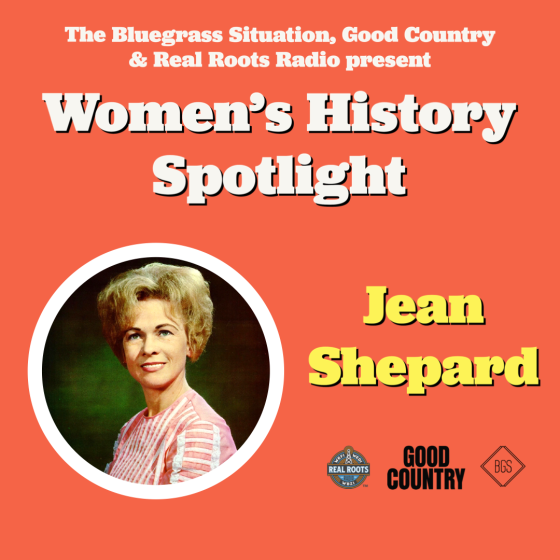
Jean Shepard

Jean Shepard was a boss. She was the first female country artist to have a million-selling single after World War II with the smash hit, “Dear John Letter” (featuring Ferlin Husky), which was also a Top 5 hit on the Billboard Pop charts. Her debut album, Songs of A Love Affair, may very well be country music’s first concept album – and certainly the first by a female country artist. Her feisty spirit came across in her honky-tonk sound.

Tall tales abound about Jean’s moxy, including her being the only artist on a big package tour who was brave enough to call out George Jones for his drunkenness embarrassing the entire troupe (supposedly, he sobered up quick rather than face her wrath again). Her straight ahead country sound can be heard on such hits as “Slippin’ Away,” “Second Fiddle (To An Old Guitar),” “A Satisfied Mind,” and more.

In a career spanning seven different decades, she was the first female Grand Ole Opry member to remain active for 60 consecutive years, and she was inducted into the Country Music Hall of Fame in 2011 (decades late according to some, myself included). Jean married fellow country star Hawkshaw Hawkins in 1960, and was widowed after only three years of marriage as Hawkshaw passed away in the same plane crash that took the lives of Patsy Cline and Cowboy Copas. She would remarry to Benny Birchfield (who appeared on countless classic recordings by The Osborne Brothers), and they would be a quintessential country couple until her passing in 2016.


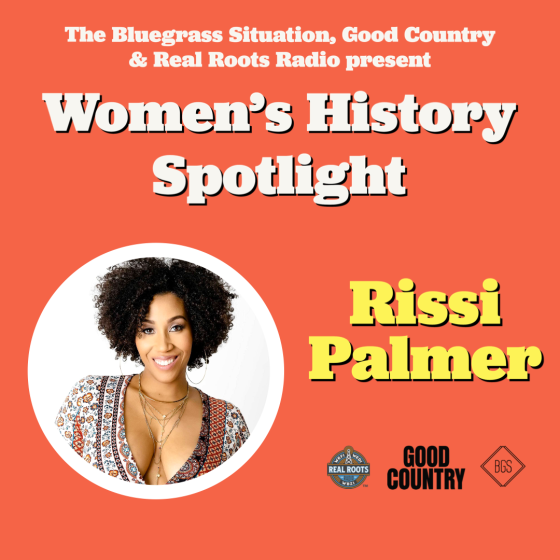
Rissi Palmer

In 2007, Rissi Palmer ended a 20 year drought, during which a woman African-American country artist had not appeared on the country charts. Her debut single, the catchy as heck “Country Girl,” marked the occasion and since then she has continued to be an advocate for Black women in country music spaces. The Pittsburgh native was largely influenced by Patsy Cline (whose “Leavin’ On Your Mind” was beautifully covered by Palmer on her debut album). For over a decade and a half, she has been a leader for Black voices in country, illuminating the stories of Black country artists — past and present — with her Apple Music Radio show, Color Me Country, named after the debut album of country trailblazer Linda Martell, who Beyoncé recently just overtook as the highest charting African-American woman on the Billboard country charts. Palmer’s most personal song, “You Were Here” has encouraged women worldwide, as it deals openly and honestly with miscarriage.

“This song was written for and to the child I lost at 3 months pregnant in the Summer of 2018, who would have been named Sage. I dedicate this song to anyone who has suffered a miscarriage or loss of any kind. You aren’t alone…” — Rissi Palmer


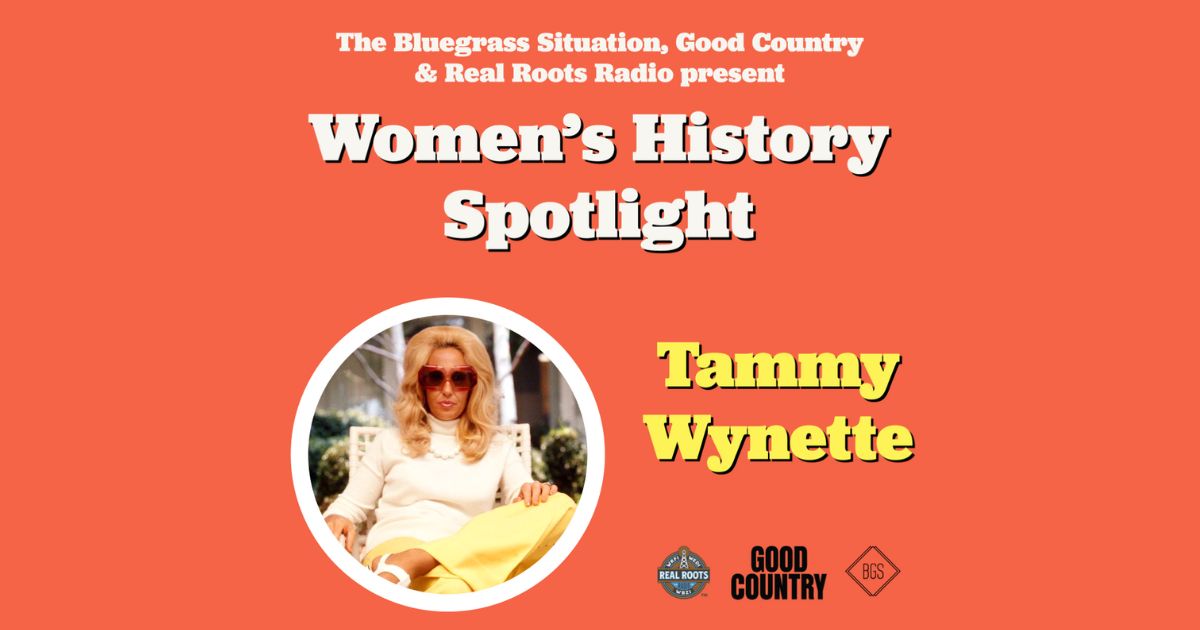
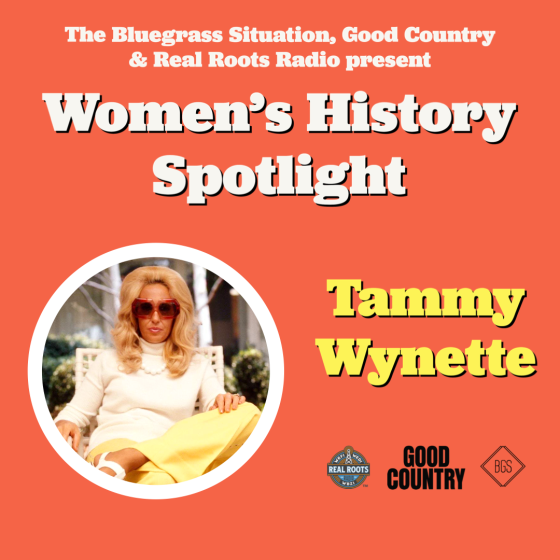
Tammy Wynette

Known was “The First Lady of Country Music,” Tammy Wynette’s life was filled with tragic twists and turns. Born Virginia Wynette Pugh in Itawamba County, Mississippi, she became a massive country music star shortly following the release of her debut single, “Apartment No. 9.” Her working relationship with producer Billy Sherrill (who came up with the stage name “Tammy” and paired it with her middle name, Wynette) was one of the most fruitful artist-producer pairings in the country music history, resulting in such massive hits as “Your Good Girl’s Gonna Go Bad,” “I Don’t Wanna Play House,” “D-I-V-O-R-C-E,” and dozens more.

Her signature song, “Stand By Your Man,” was viewed as an anti-feminist anthem when it was released. Topping the country charts and reaching the Top 20 on the Billboard Hot 100, the popularity of “Stand By Your Man” catapulted Wynette’s career to another level, including Grand Ole Opry membership and a slew of awards. Ironically, the “Stand By Your Man” singer’s personal life was tabloid fodder for decades, as she was married five times (including famously to George Jones, with whom she released some of the most iconic country duet hits of all time).

Tragically, the public stigma of having been divorced four times was a contributing factor to her not leaving her last husband, George Richey. Wynette’s toxic relationship with Richey resulted in her (presumably) faking her own kidnapping to cover up signs of abuse, expedited her decline into drug abuse, and ended with her mysterious passing at only 55 years of age. She was inducted into the Country Music Hall of Fame in 1998, the same year as her passing.


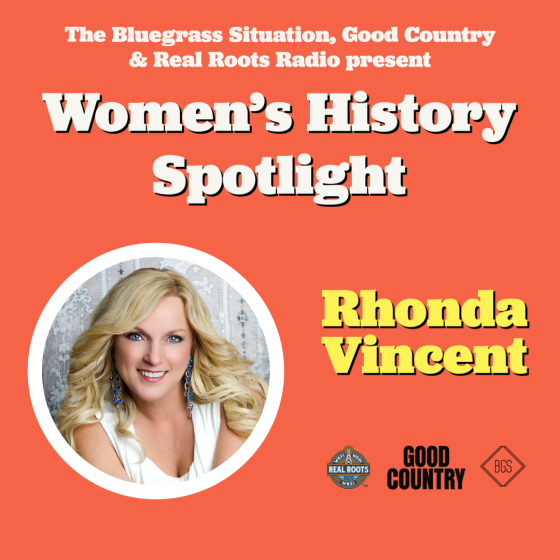
Rhonda Vincent

The undisputed “Queen of Bluegrass,” Rhonda Vincent grew up performing with her family band, The Sally Mountain Show. This Missouri family band performed frequently at Silver Dollar City and was a popular bluegrass festival act, also including Rhonda’s younger brother, Darrin Vincent of Dailey & Vincent. In the 1980s, she would be hired by country music legend Jim Ed Brown. (When she went on the road with Jim Ed Brown, The Sally Mountain Show hired a young Illinois girl named Alison Krauss to fill Rhonda’s shows for their summer festival schedule.)

Rhonda would release some solo bluegrass projects for Rebel Records in the early 1990s before signing a country deal with Giant Records. Her country records in the mid-’90s are phenomenal, but unfortunately for Rhonda, the fickle winds of music industry trends shifted to a more pop sound at the same time she was releasing these great traditional country records, resulting in a lack of commercial success. As the new millennium dawned, Rhonda Vincent triumphantly returned to bluegrass in 2000 with the release of Back Home Again on Rounder Records, and hasn’t looked back.

The All-American Bluegrass Girl has certainly been one of the genre’s biggest stars for the last few decades, with no signs of slowing down, winning her first Grammy and joining the Grand Ole Opry in recent years. She is also a popular collaboration partner both inside and outside of bluegrass, including recordings with Gene Watson, Daryle Singletary, Cody Johnson, Dolly Parton, Bobby Osborne, and many more. Her influence is felt all over bluegrass — heck, one of the most popular bluegrass Instagram accounts, Bluegrass Barbie, is practically a Rhonda Vincent stan account, and we’re here for it.

Bluegrass fans are blessed to live in a time where this future member of the Bluegrass Music Hall of Fame is still in her prime – enjoy it because your future great-grandchildren will want to hear about it someday.

See if you can recognize the future superstar that makes a brief appearance in this 2003 Rhonda Vincent music video.


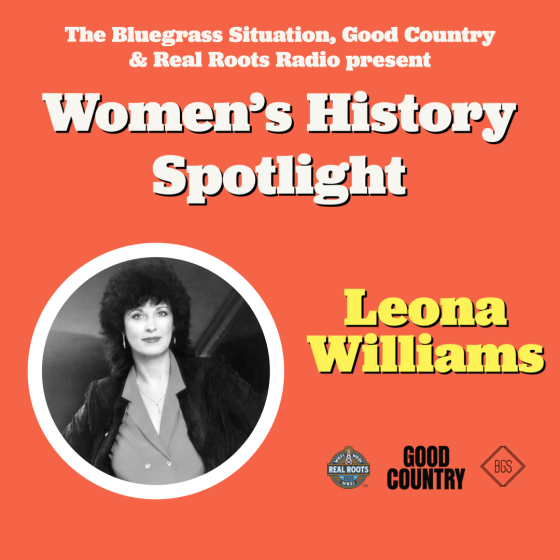
Leona Williams

Another Missouri gal, Leona Williams is one of the best traditional country singers with whom you may not be as familiar. She has been making country music for over 65 years! Early in her career, she played bass and sang backup on the road with Loretta Lynn, before releasing her own solo records. She had modest success with “Country Girl With Hot Pants On” and “Once More,” but her signature song, the now classic, “Yes Ma’am, He Found Me In A Honky Tonk,” never charted.

Leona also became the first female country artist to release a live prison album with 1976’s San Quentin’s First Lady. Many may remember Leona for her duet recordings with Merle Haggard (like “The Bull and The Beaver”); they were married for five years. Leona penned some major hits for her ex-husband, like “Some Day When Things Are Good” and “You Take Me For Granted,” the latter of which she supposedly wrote about her rocky relationship with The Hag and sang to him to express how she was feeling. She also wrote hits for Connie Smith and Loretta Lynn. Leona continues to record and tour. Having seen her in concert just a few years ago, be sure to catch her live show if you are in need of pure country music from a living legend!

Last week we included a bonus video of Jessie the Yodeling Cowgirl. No beloved Pixar characters are included this week, but hopefully Tammy Wynette’s guest appearance with The KLF in the hit music video, “Justified & Ancient,” will suffice:


Ed’s Picks: Country From All Corners

(Editor’s note: Each issue of Good Country, our co-founder Ed Helms will share a handful of good country artists, albums, and songs direct from his own earphones in Ed’s Picks. 

Sign up here to receive Good Country issues when they launch, direct to your email inbox via Substack.)


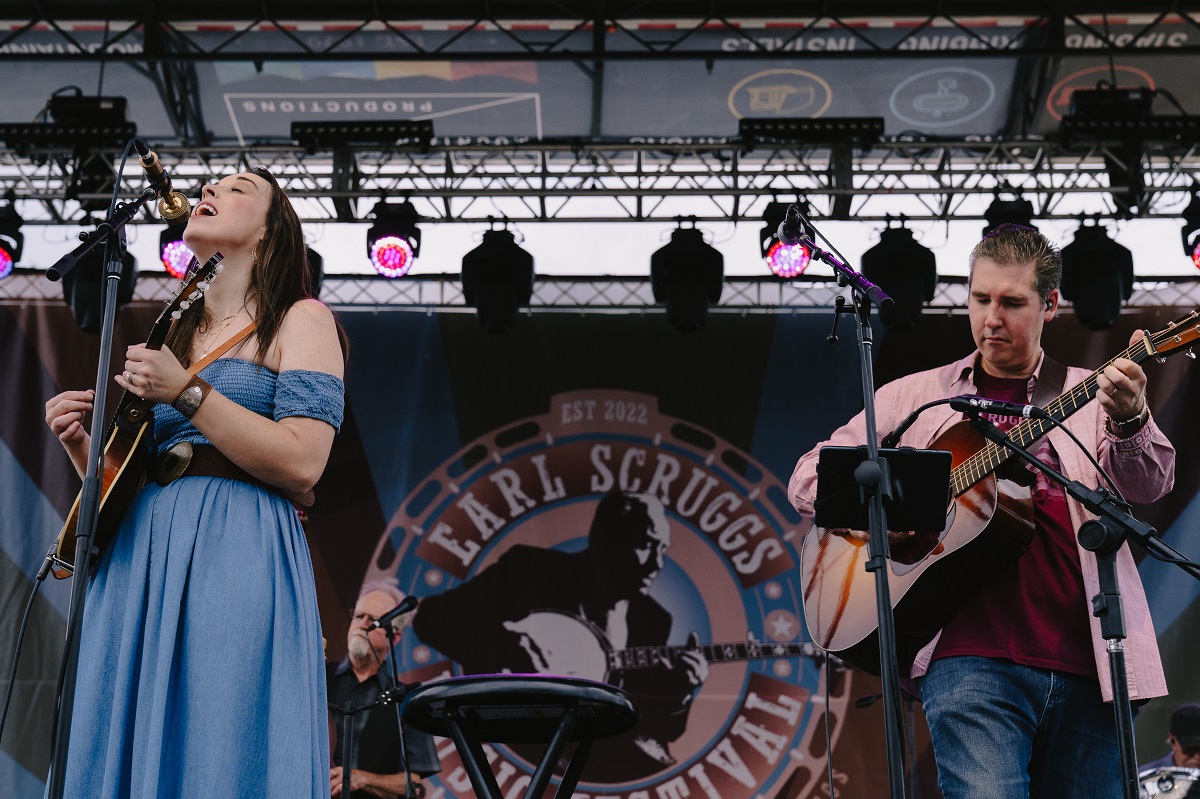
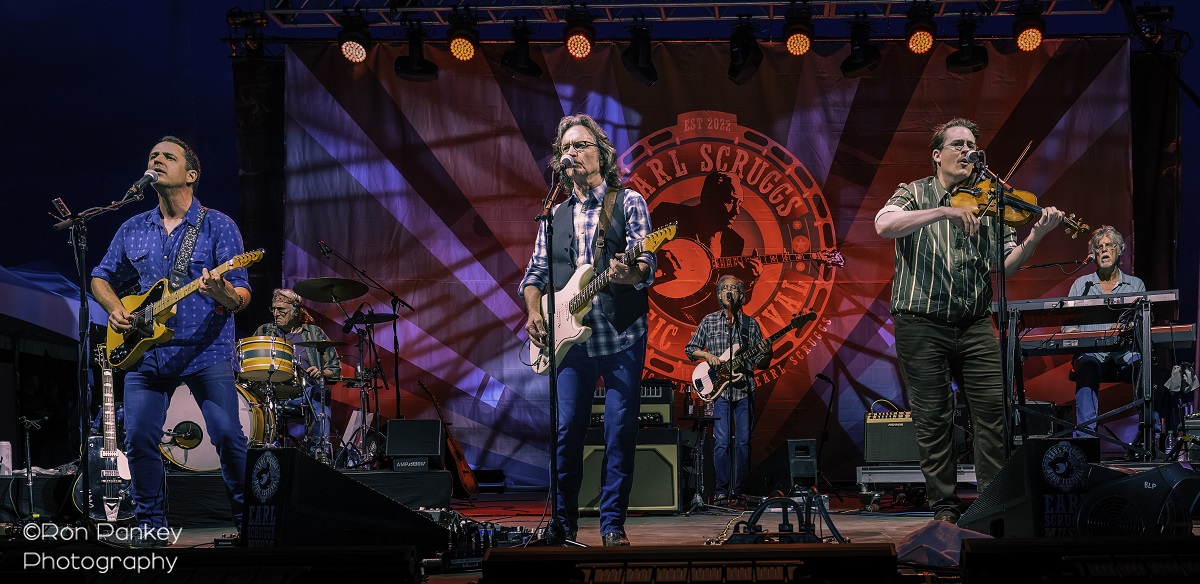
PHOTOS: Earl Scruggs Music Festival Shows Broad Influence of Earl Scruggs

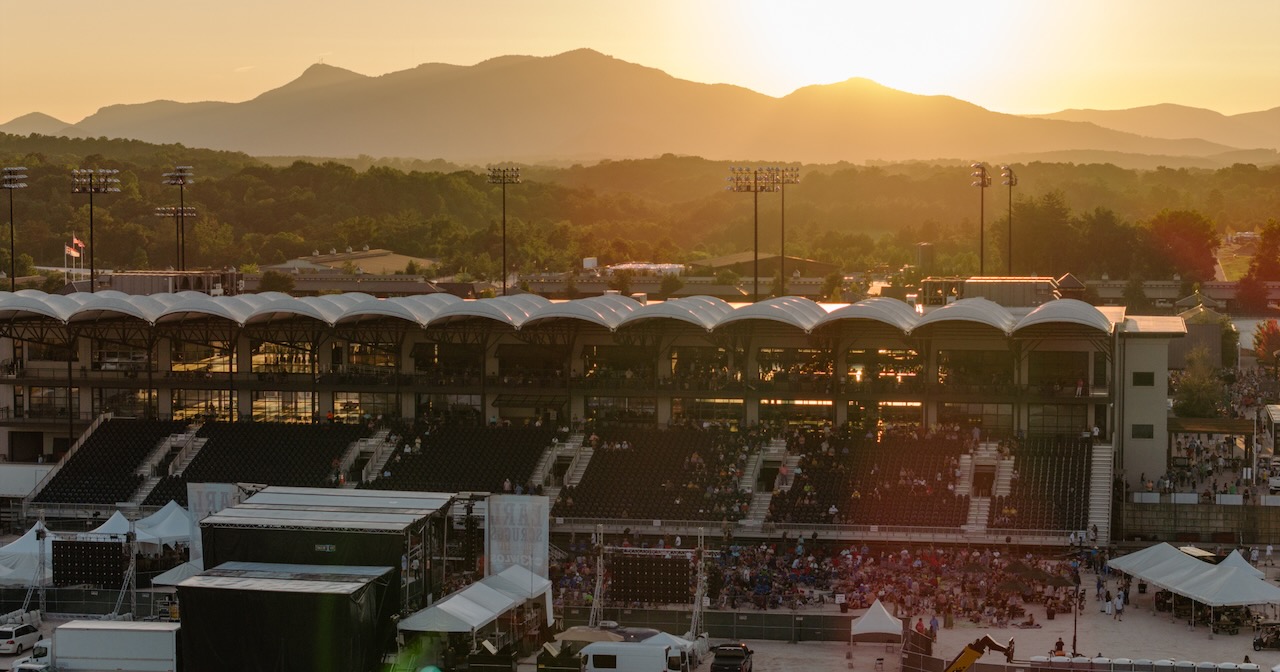
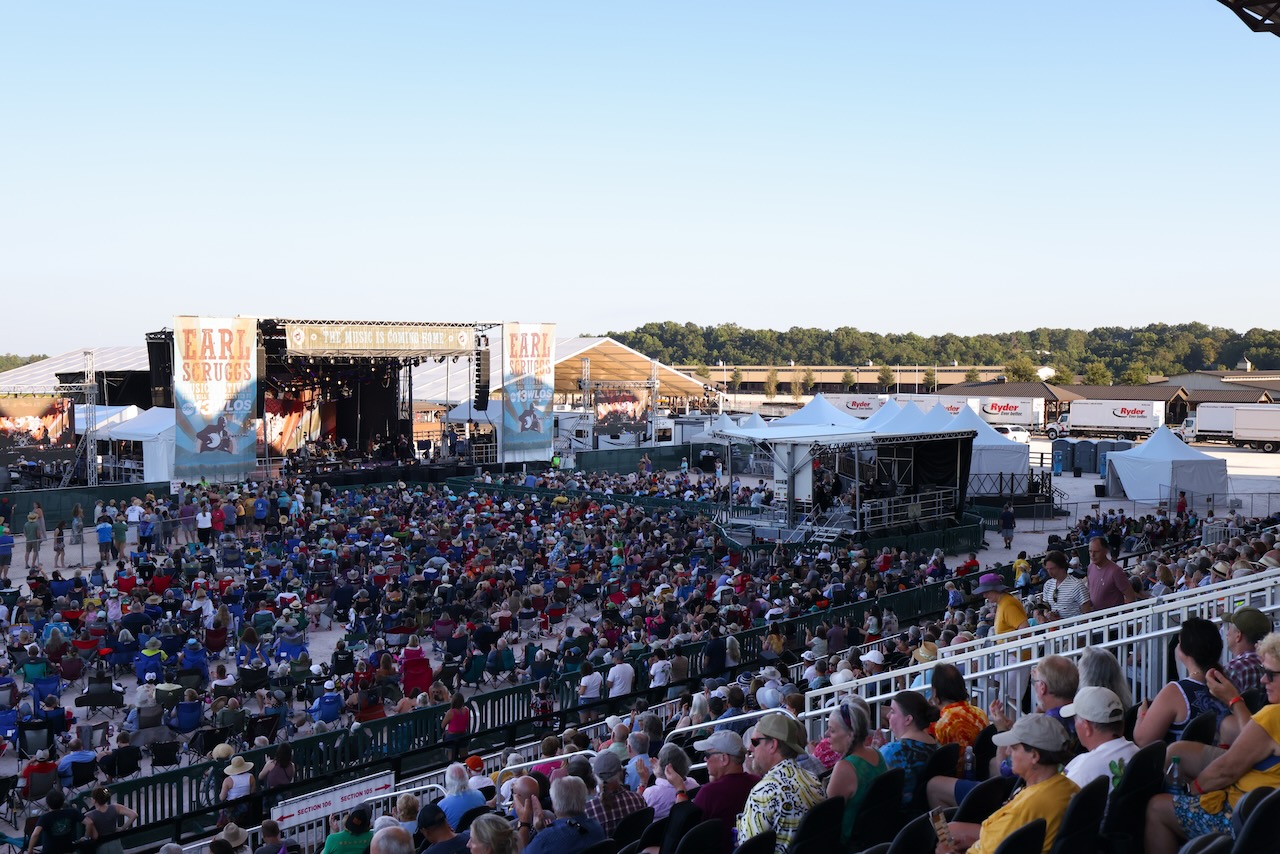
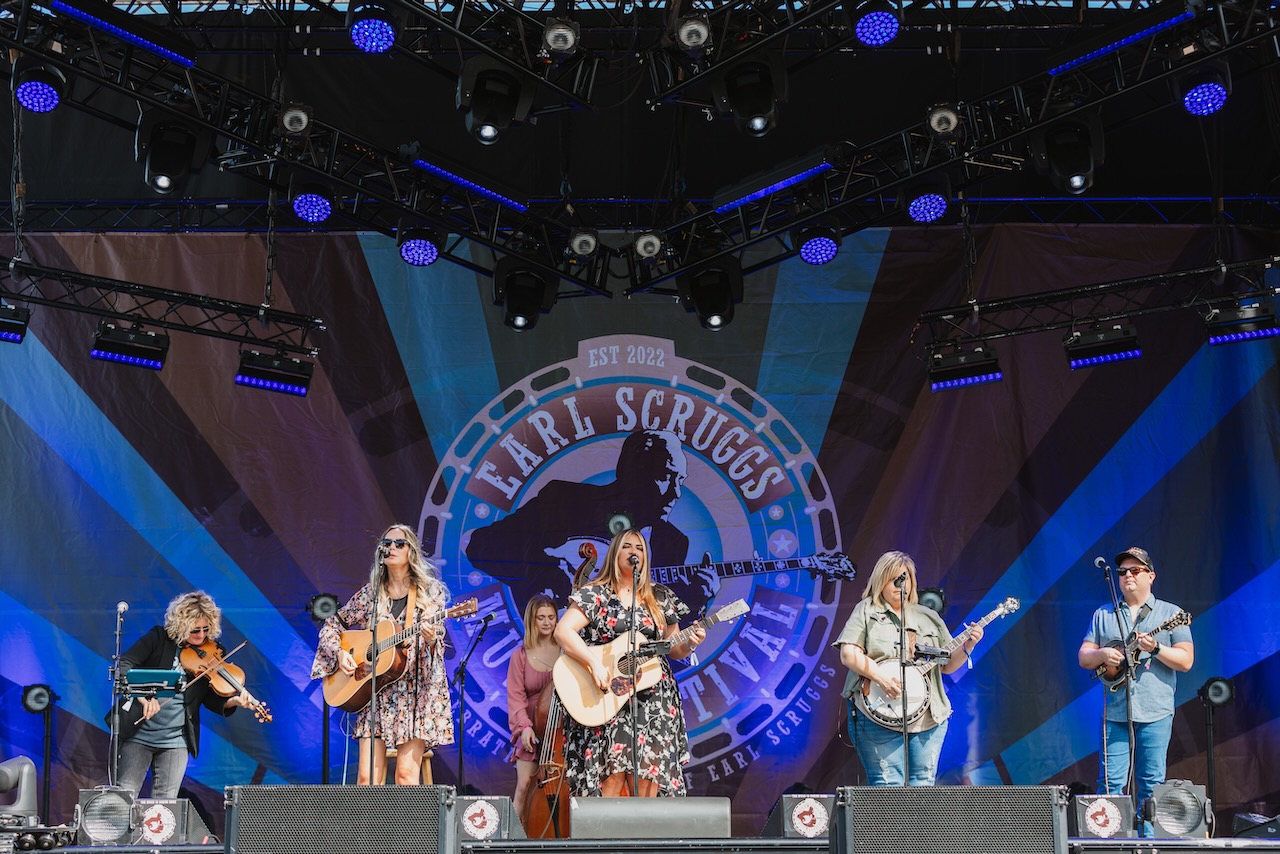
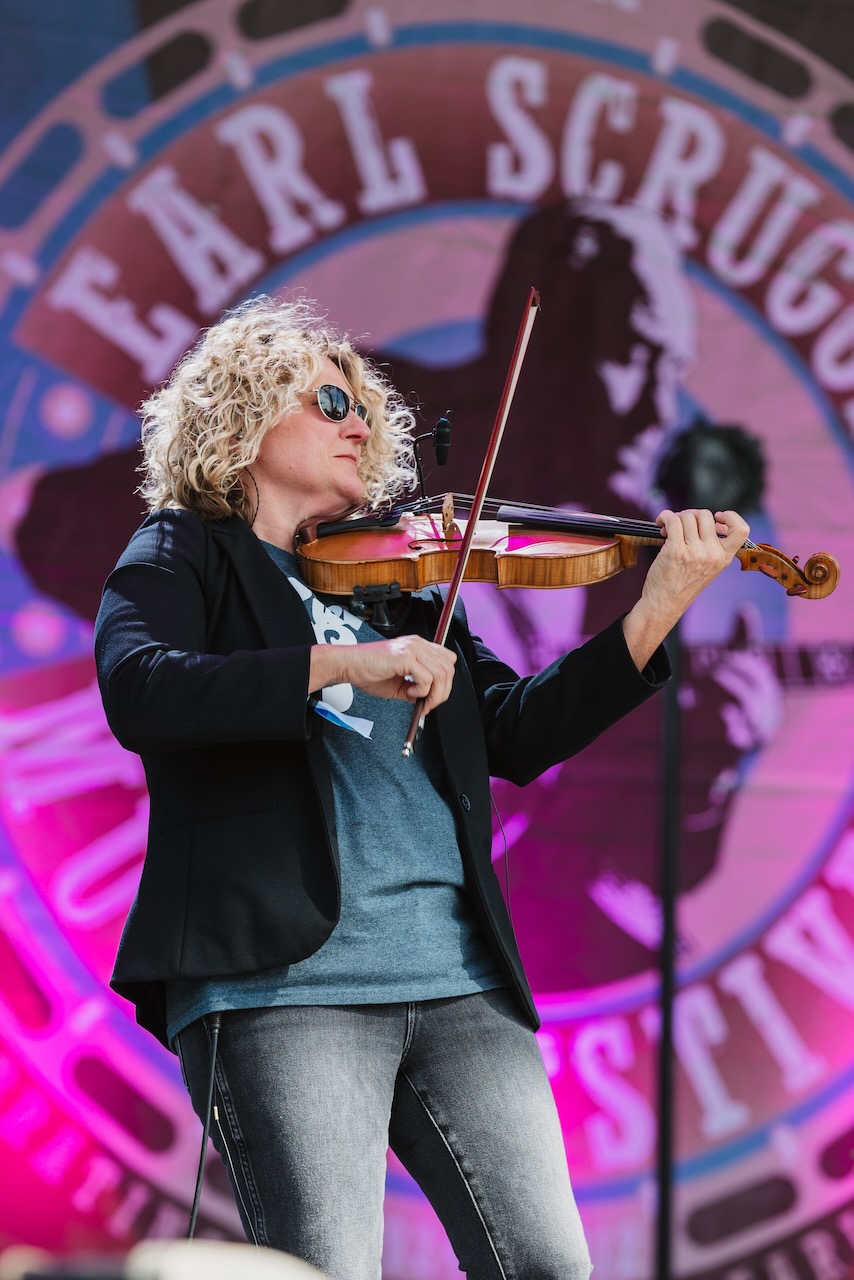
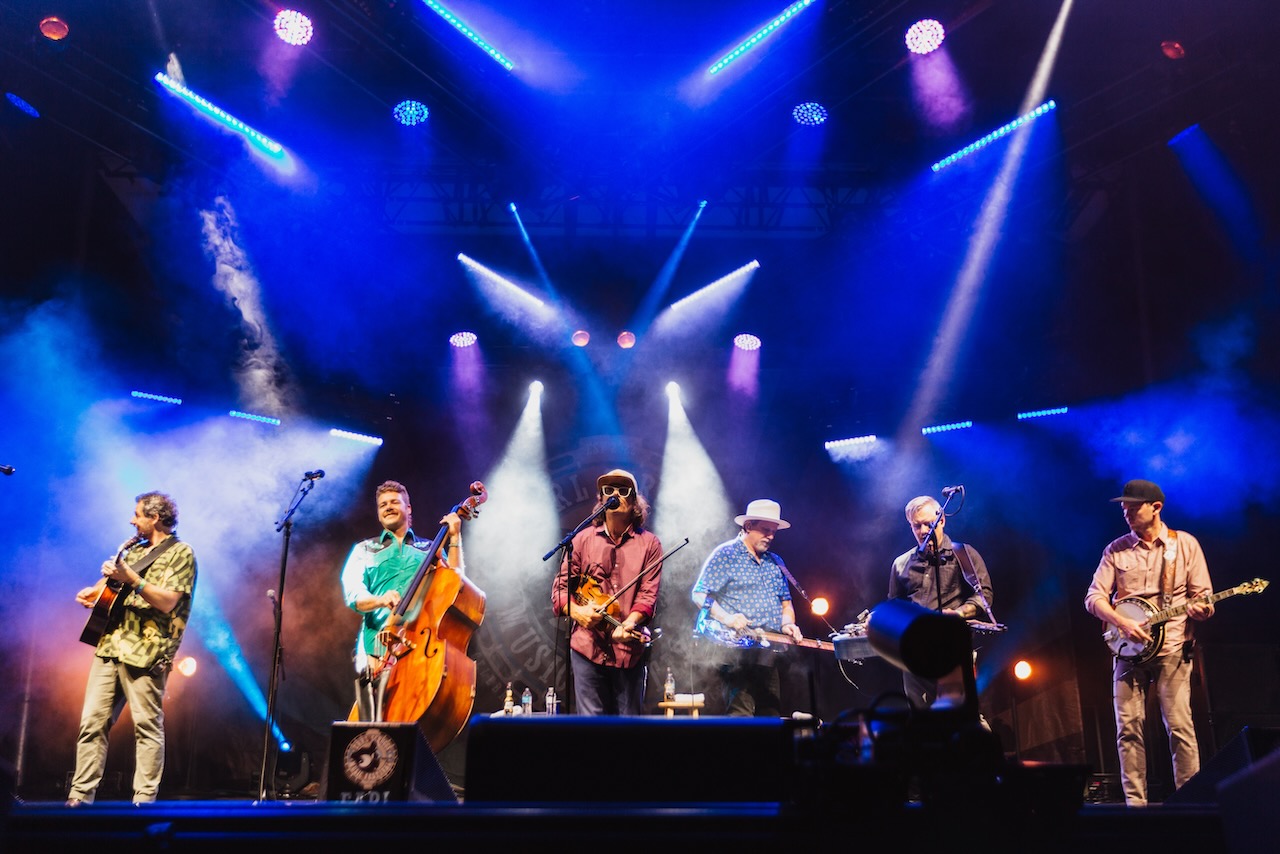
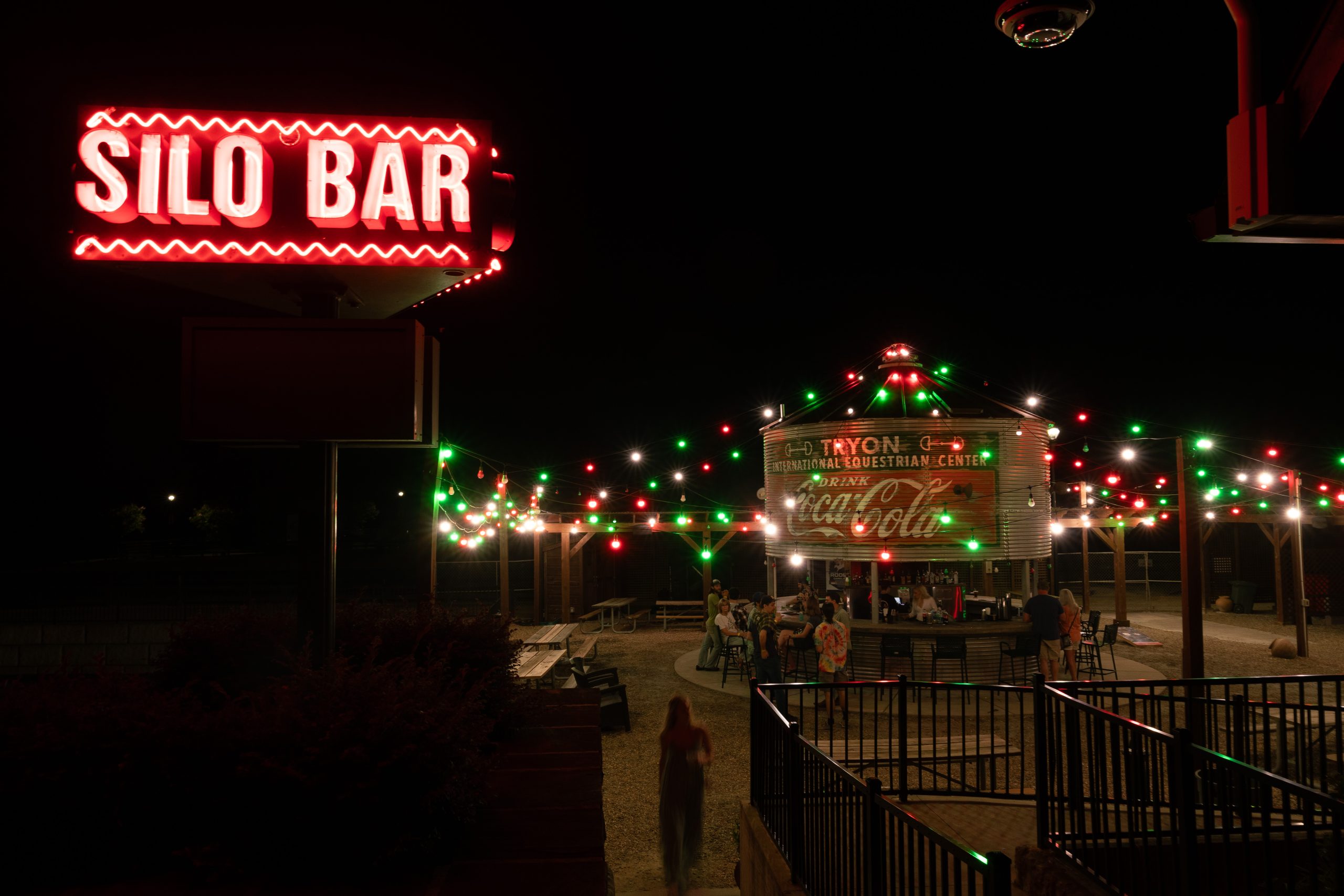
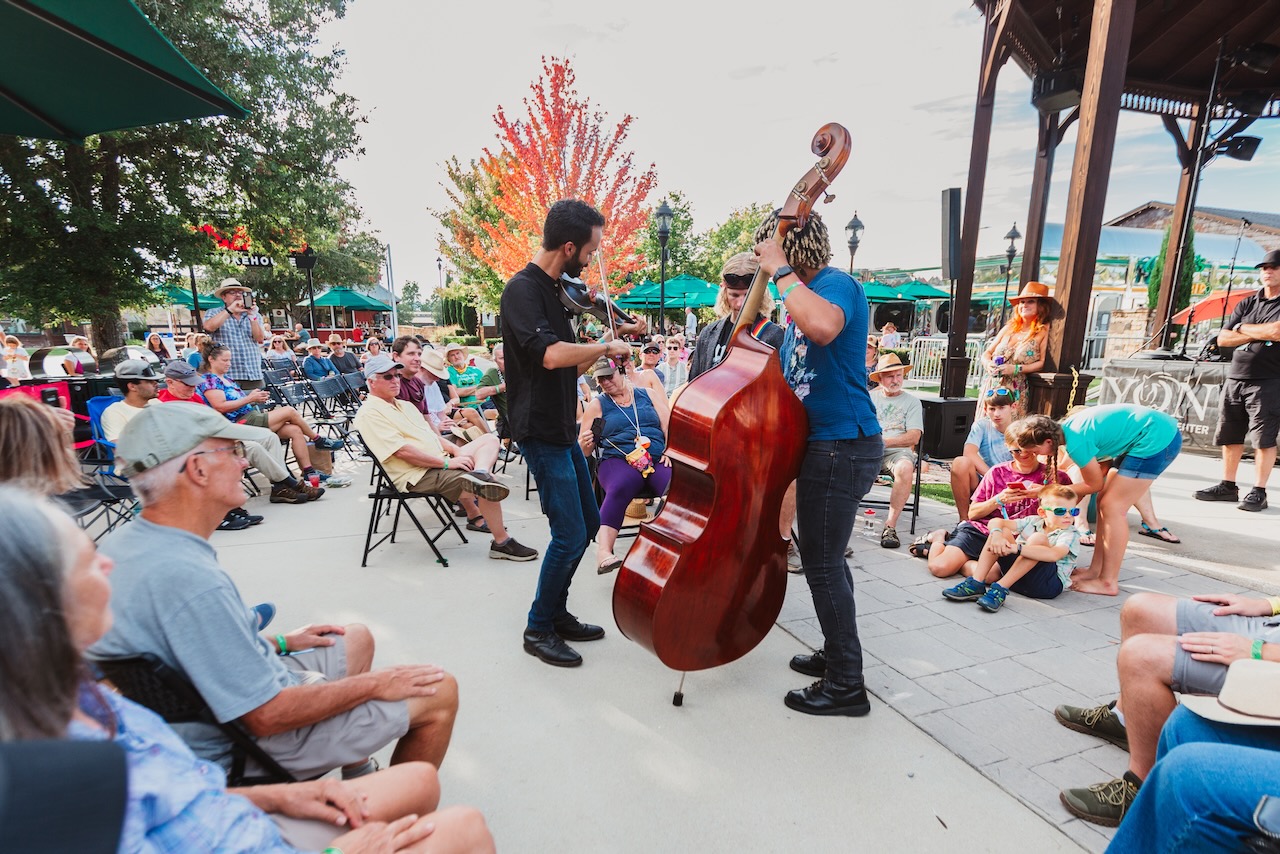
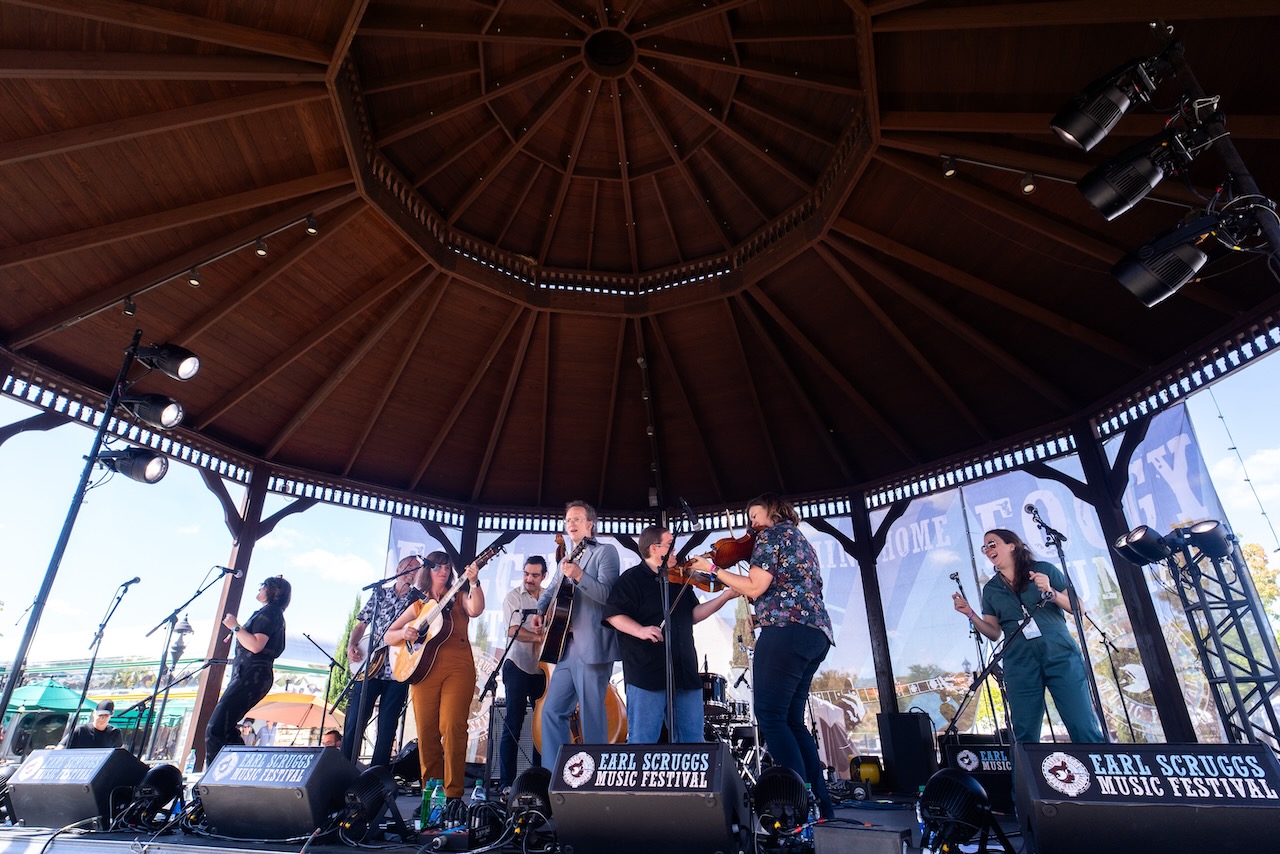
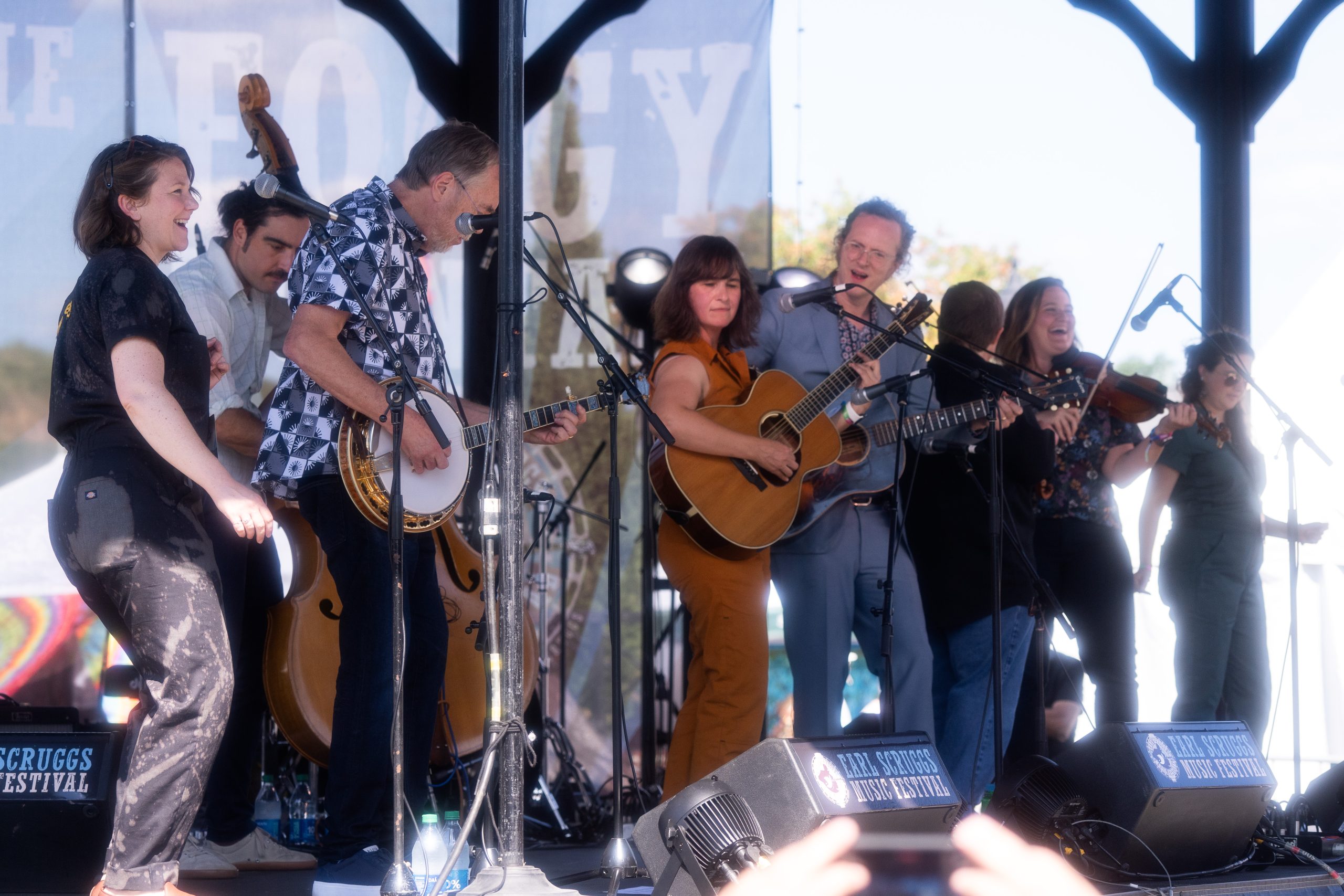
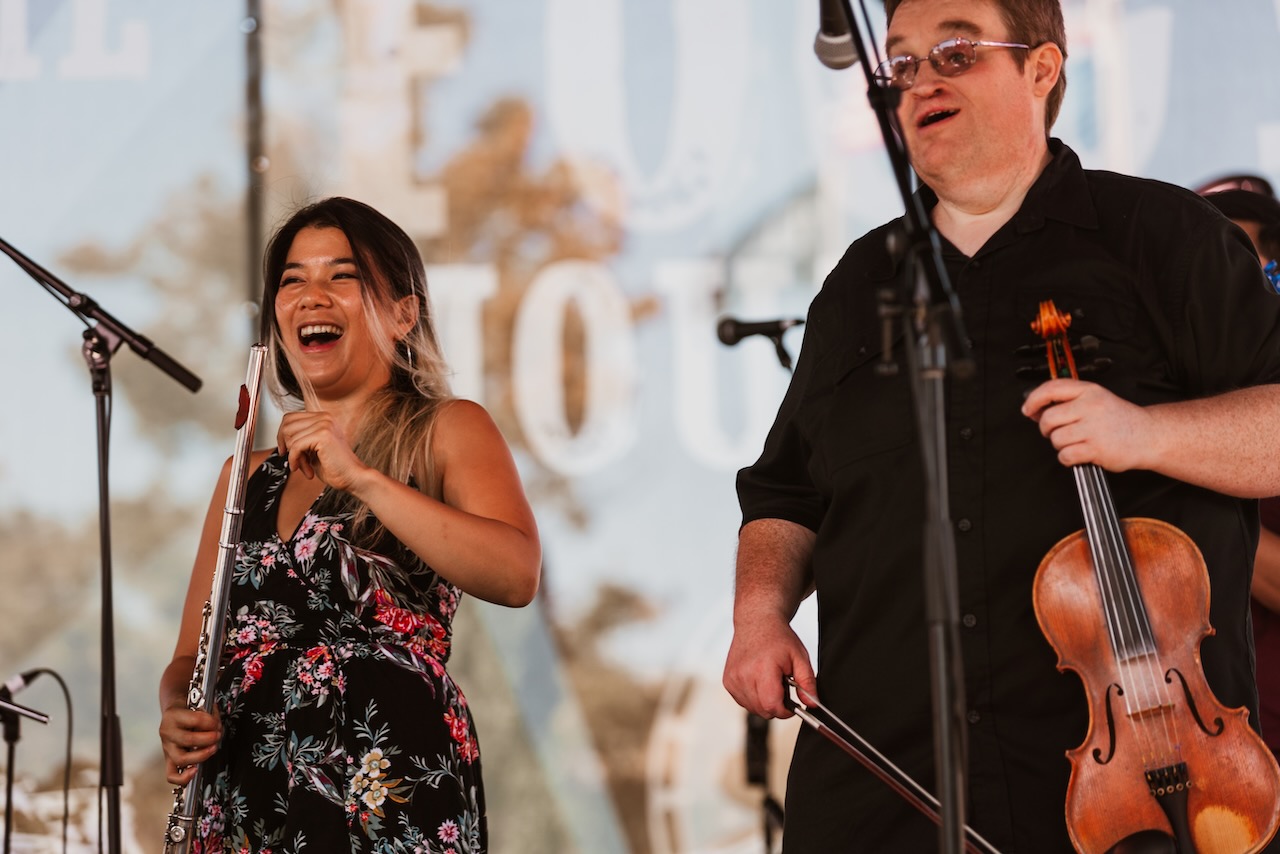
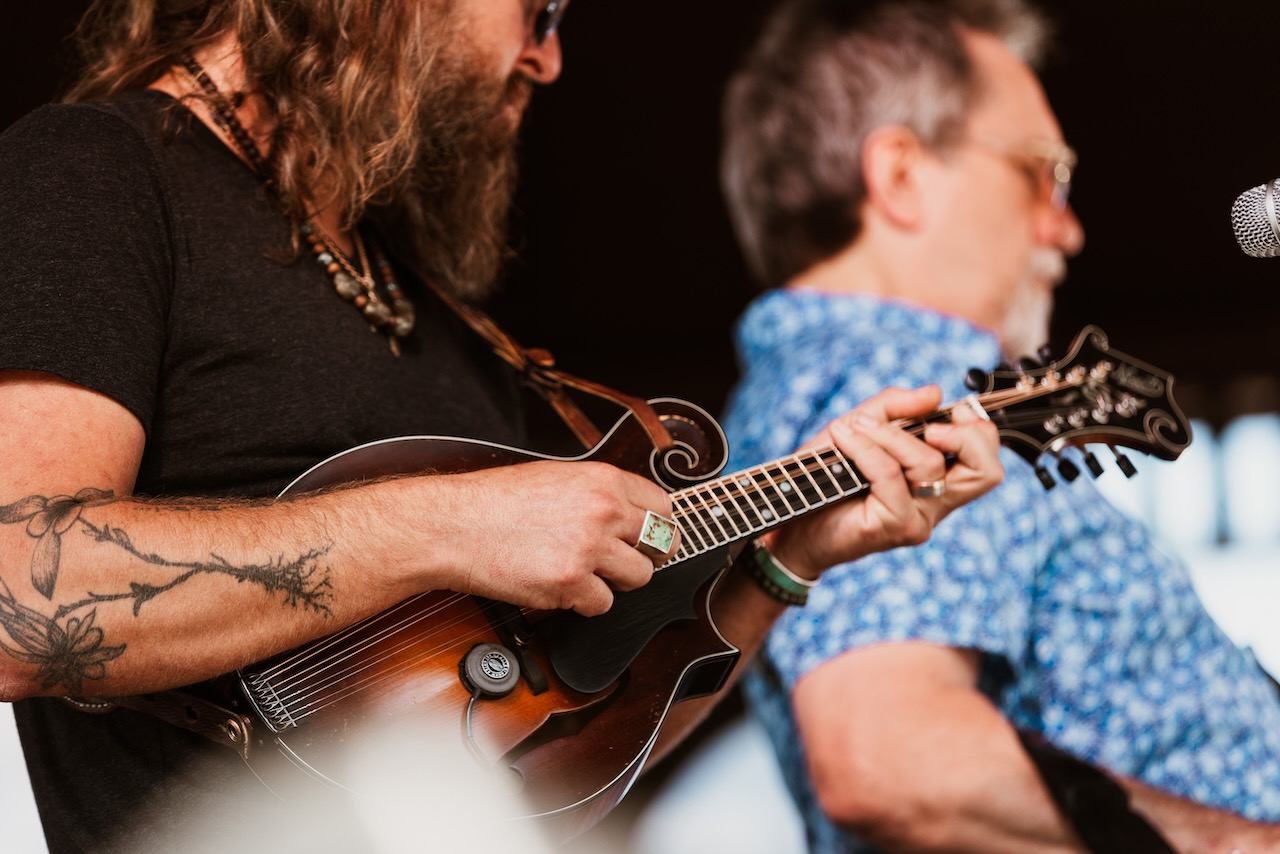
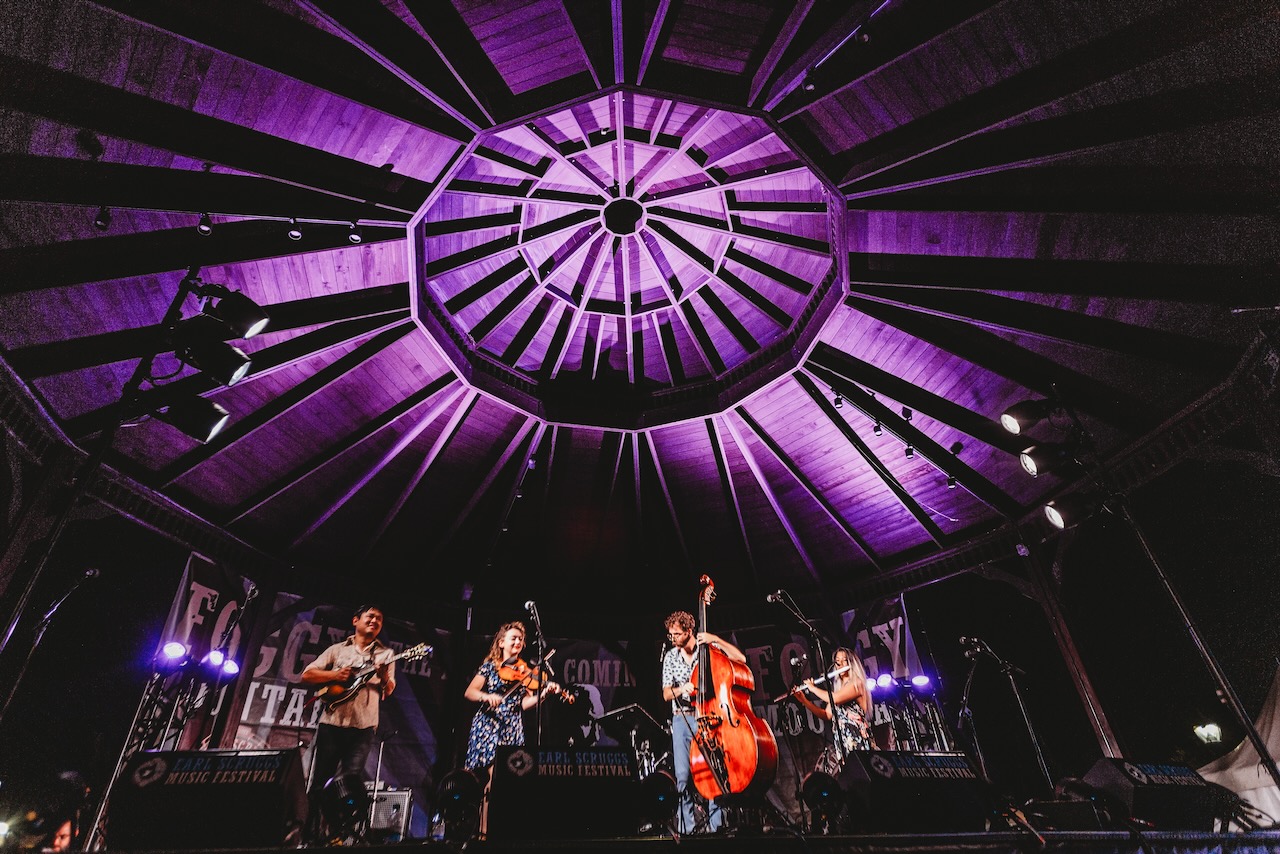
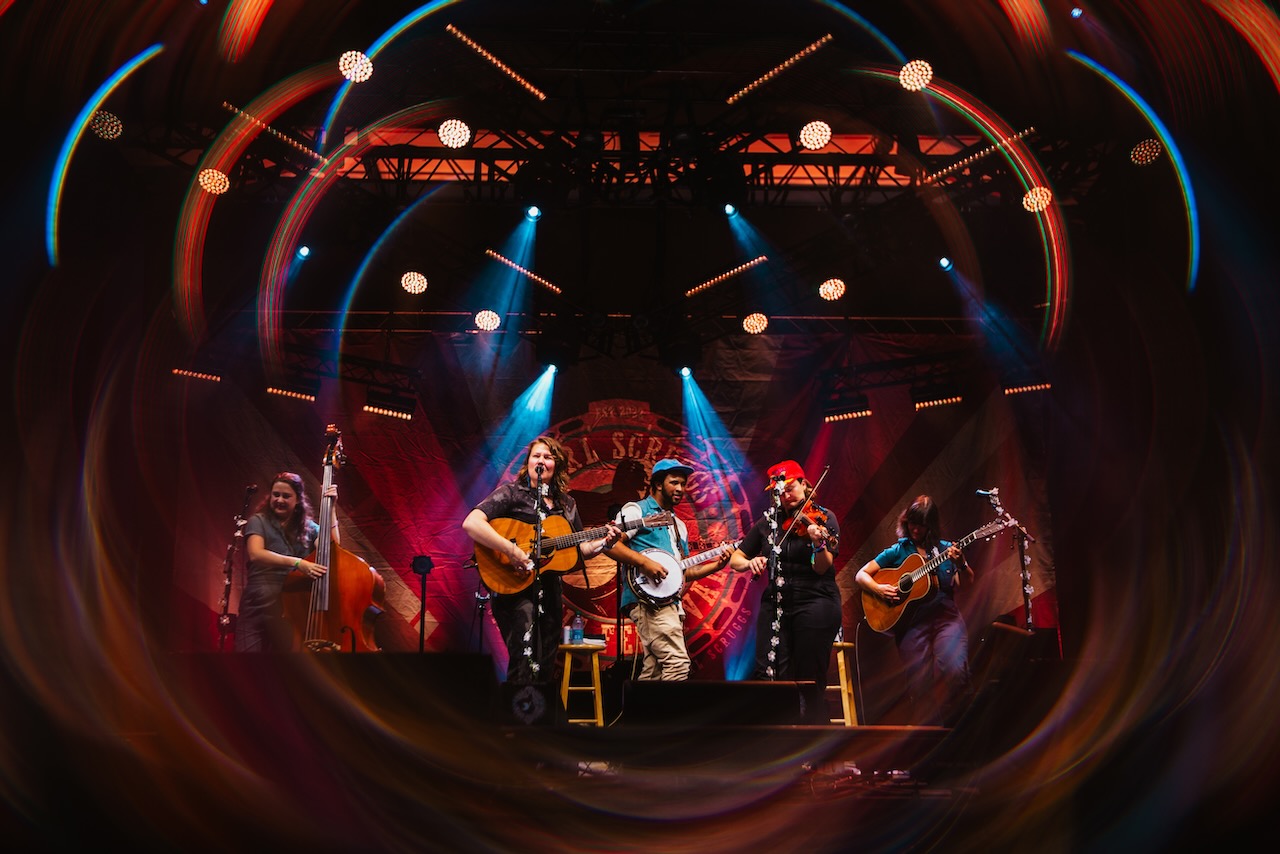
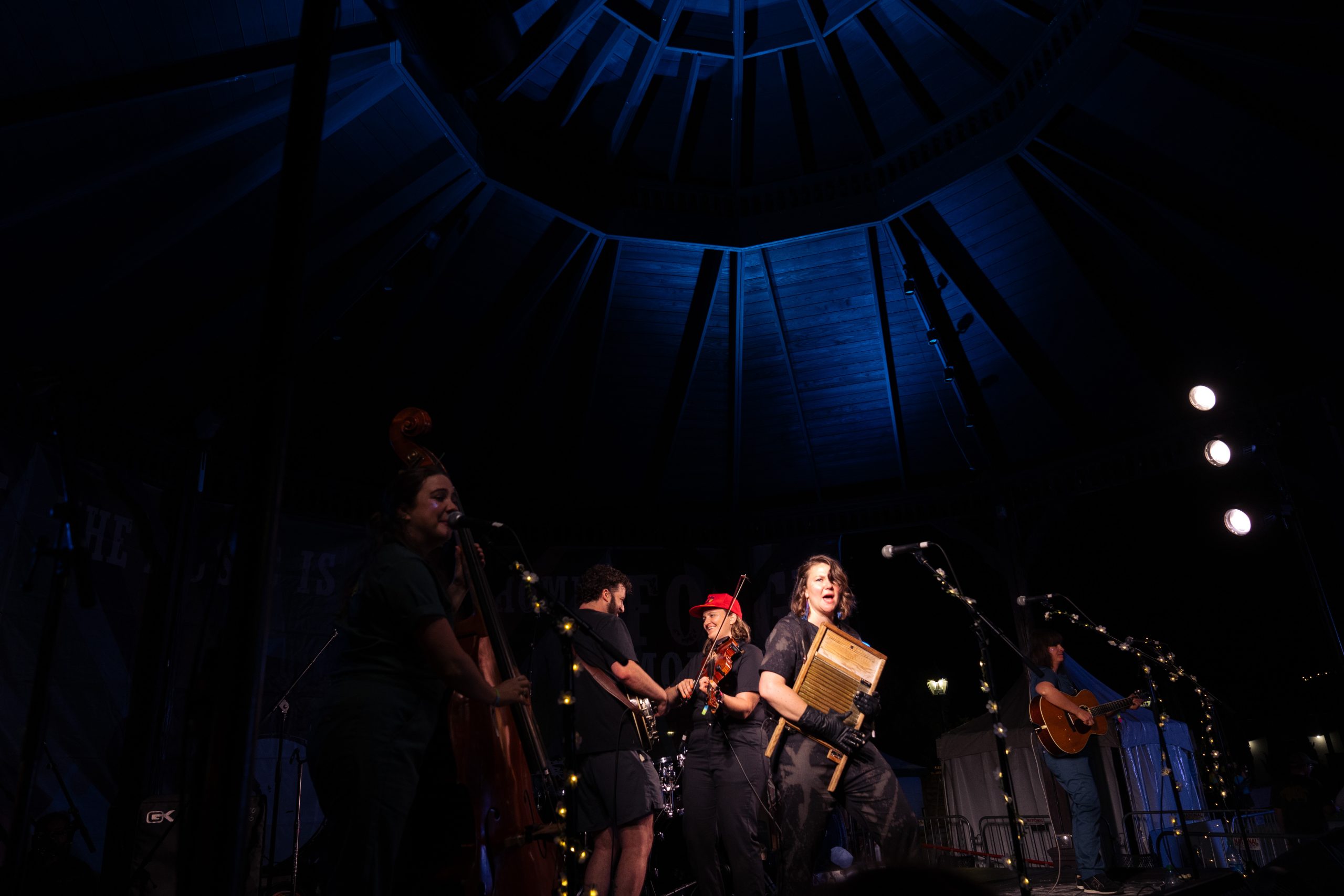
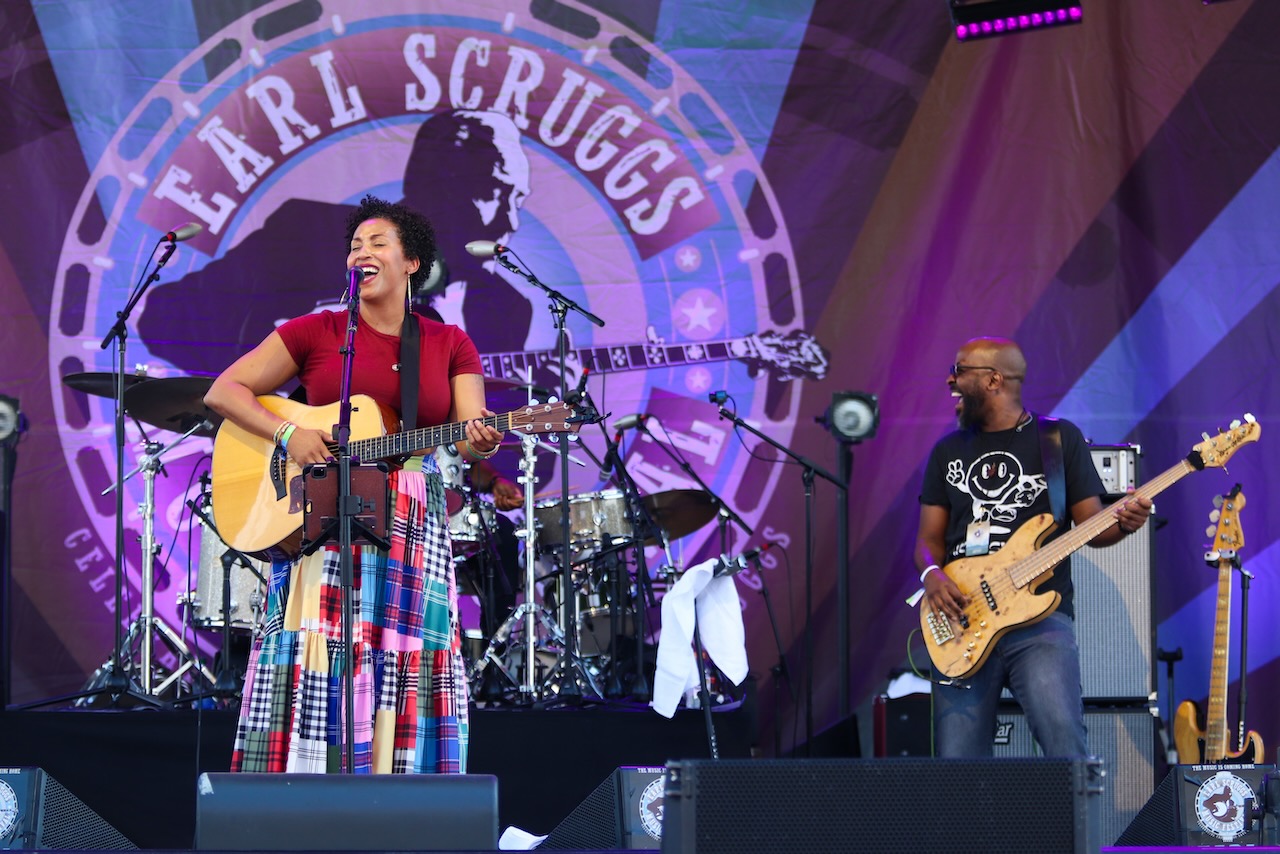
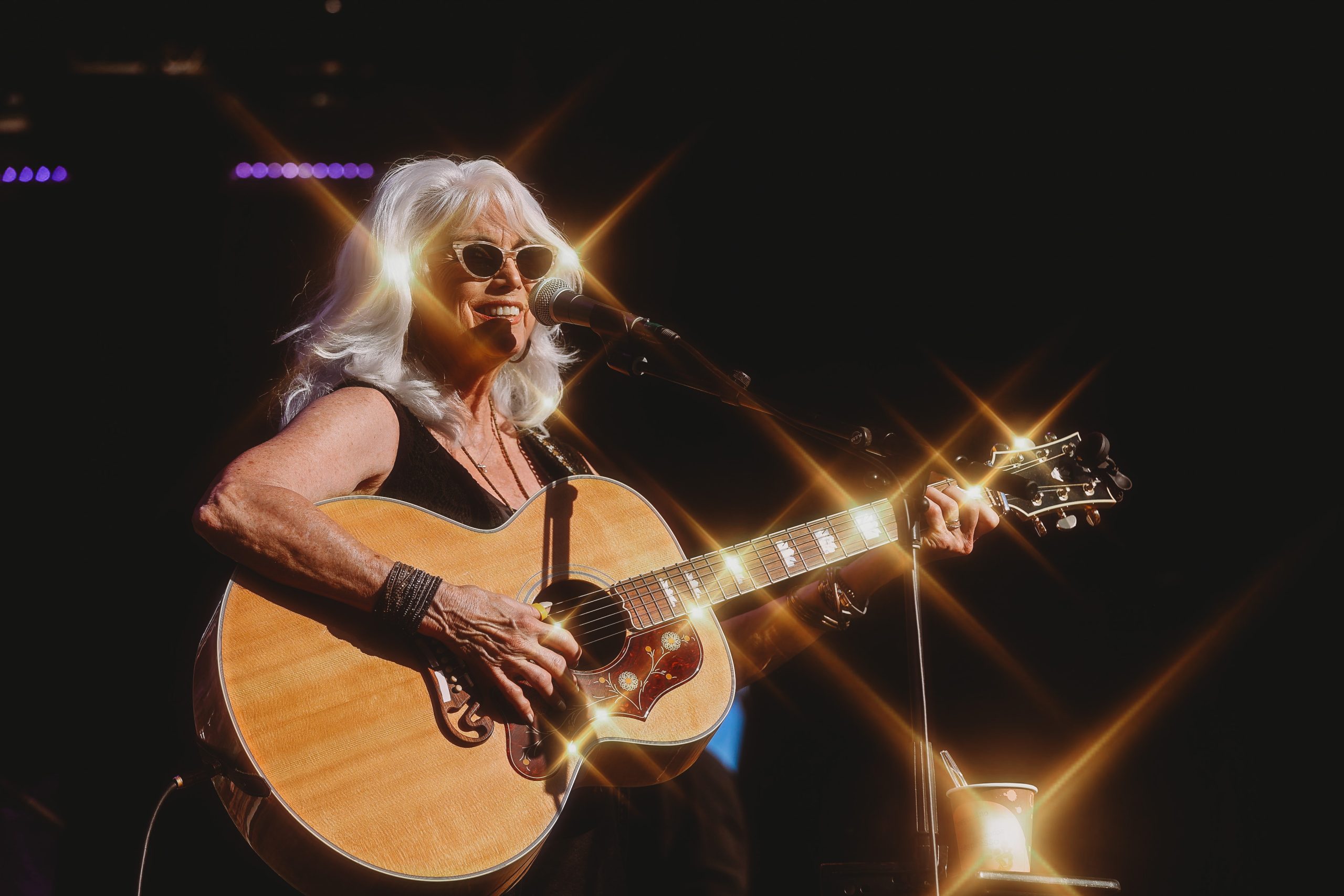
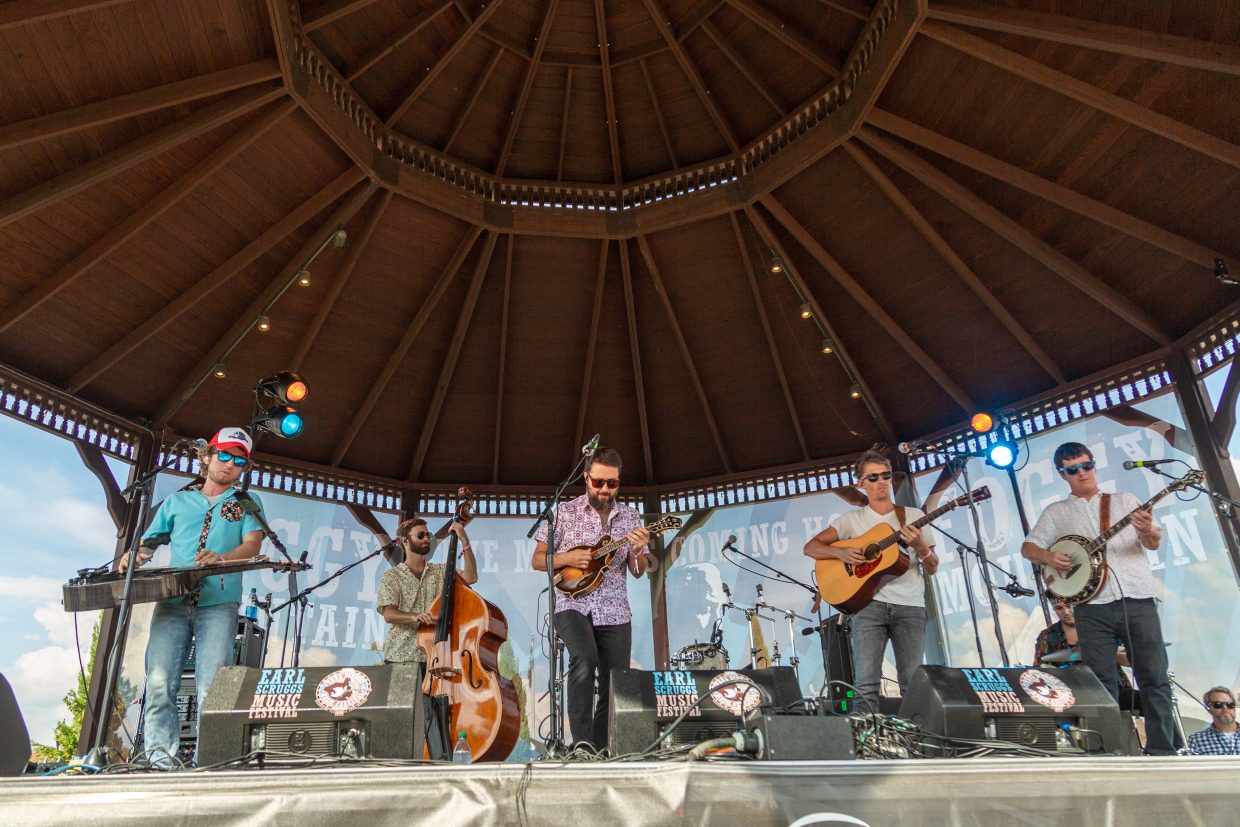
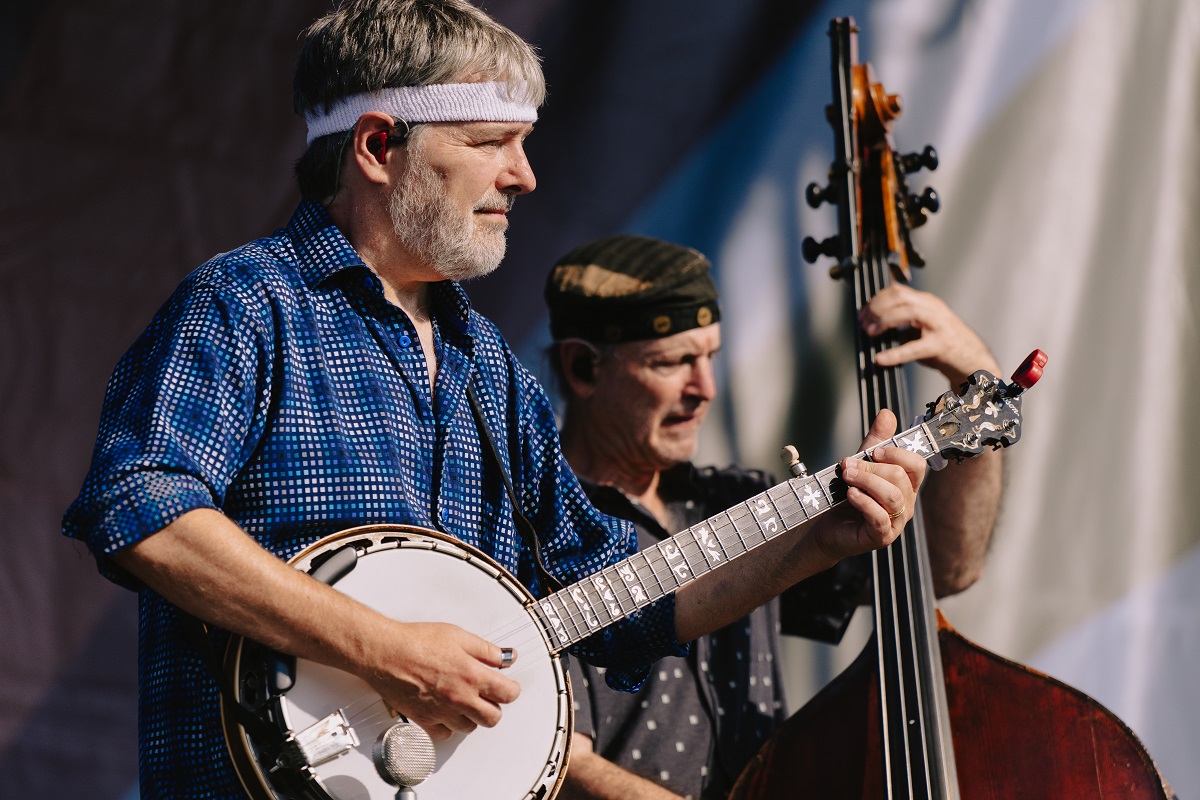
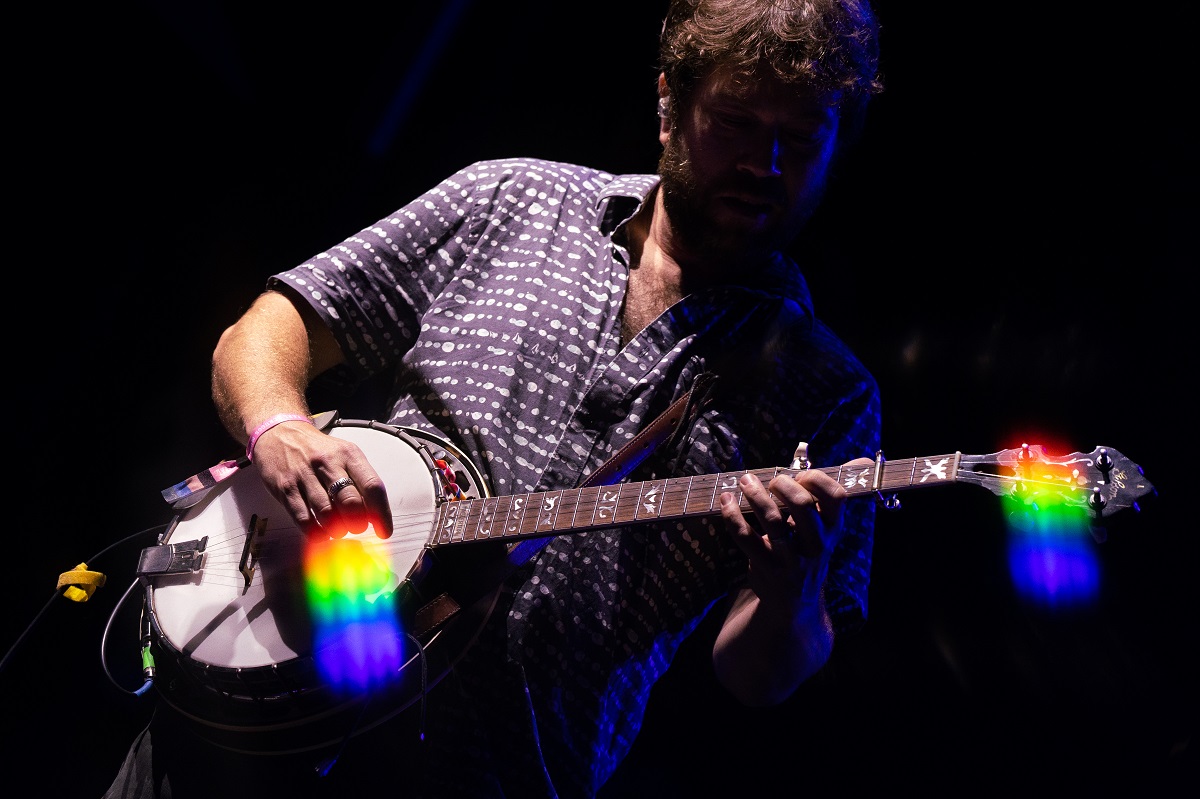
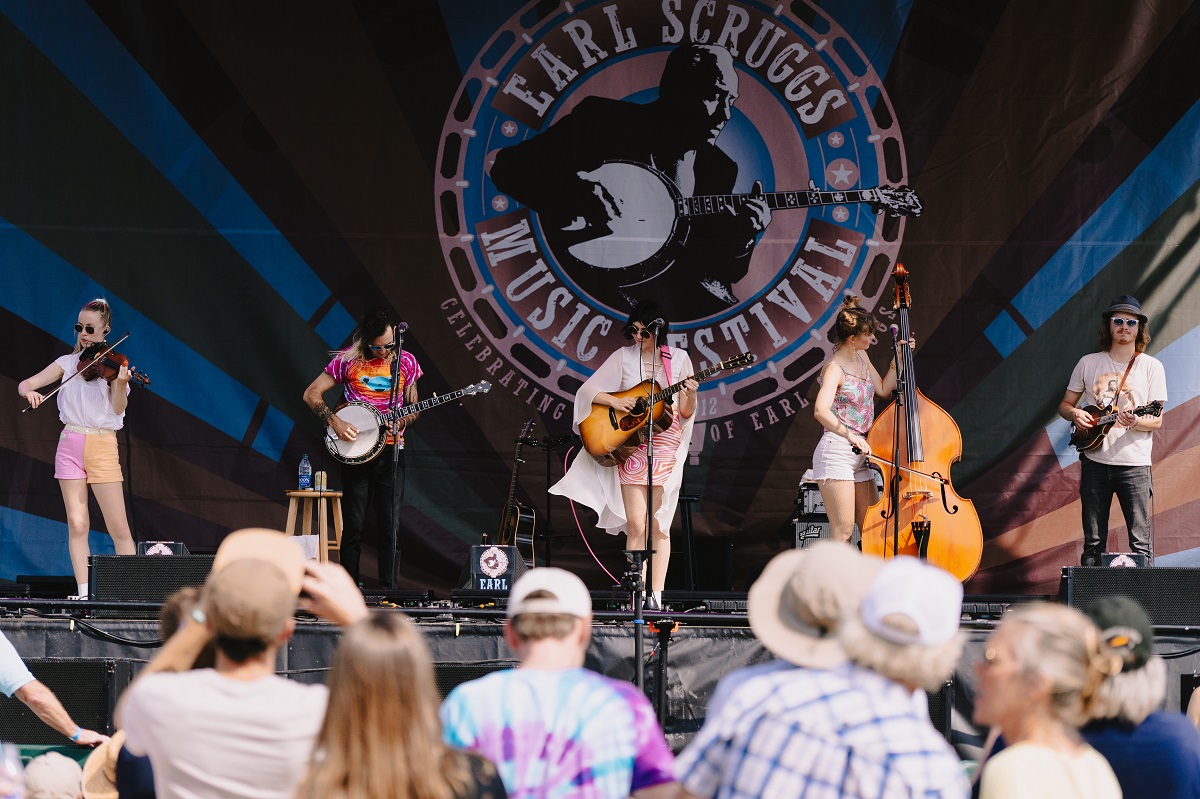
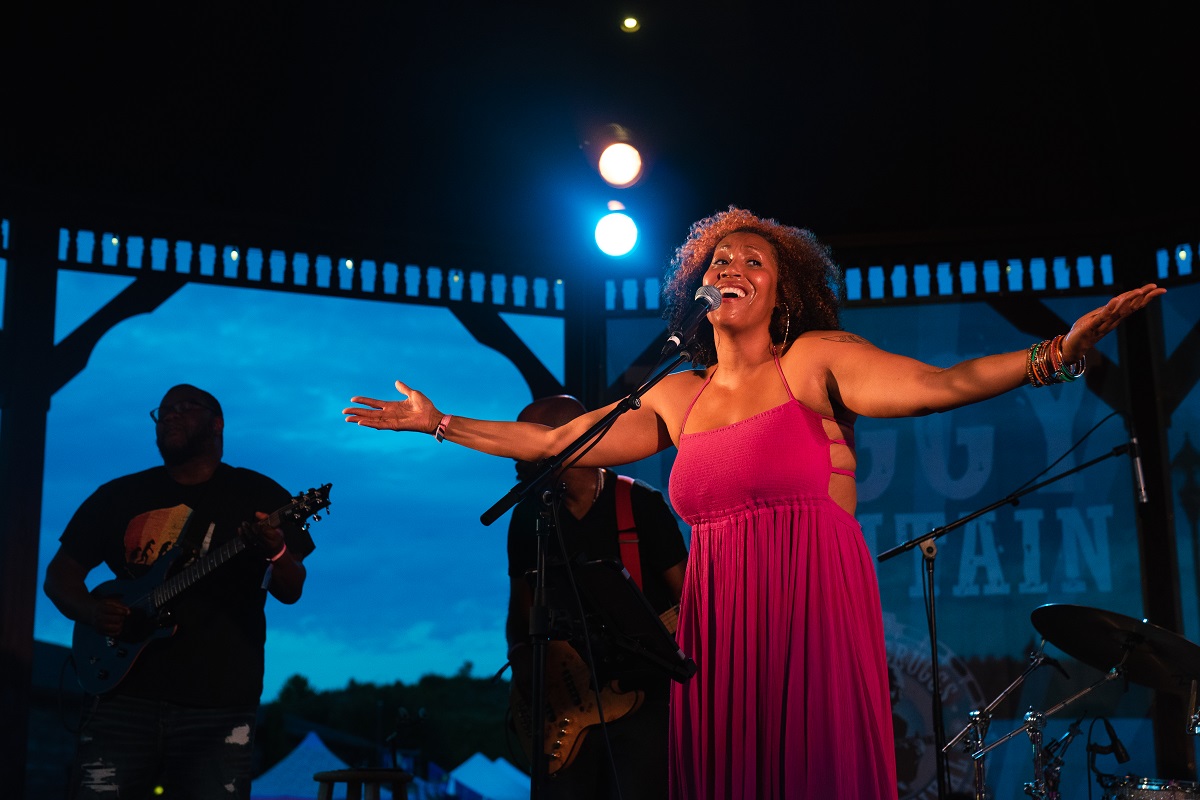
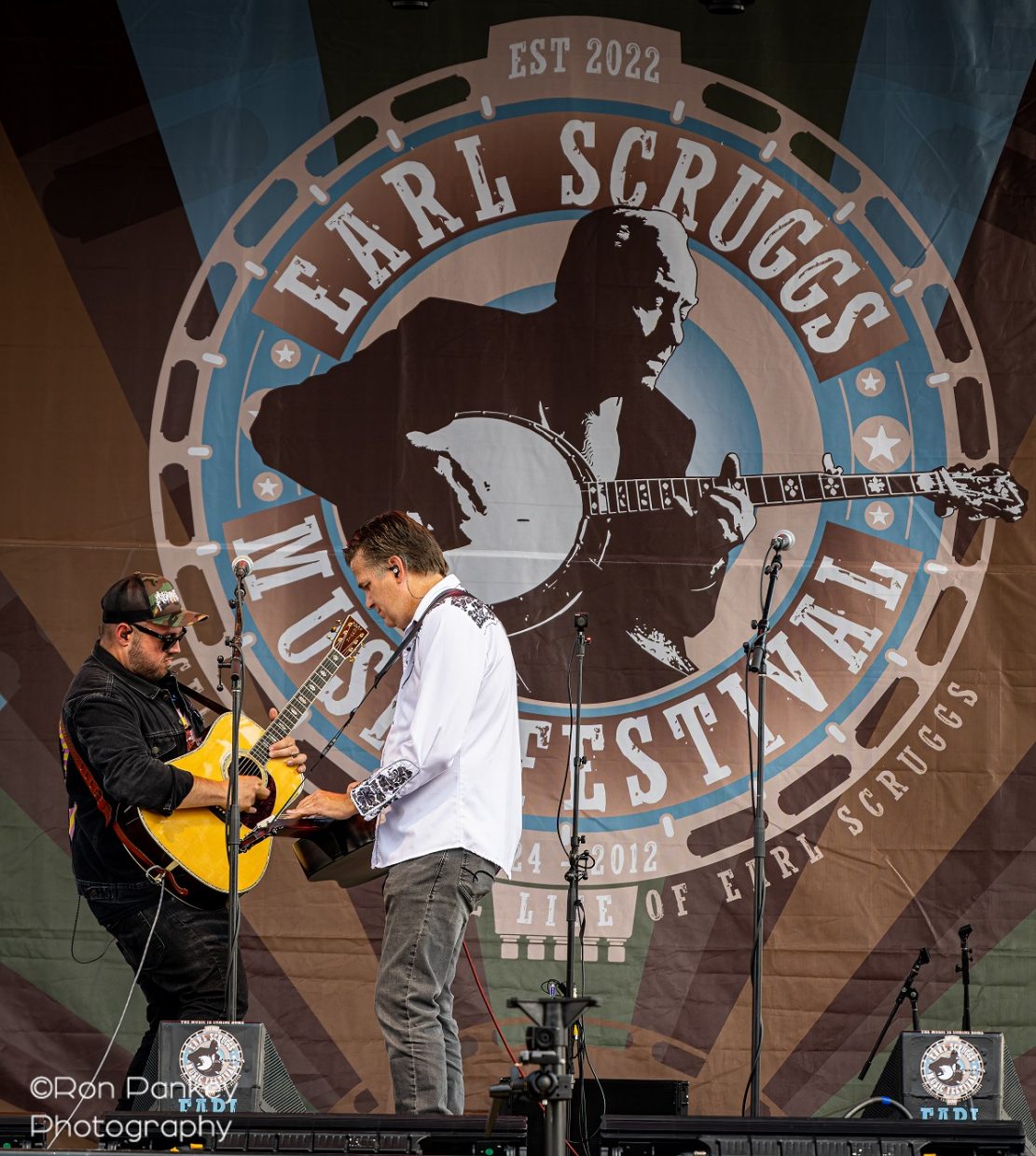
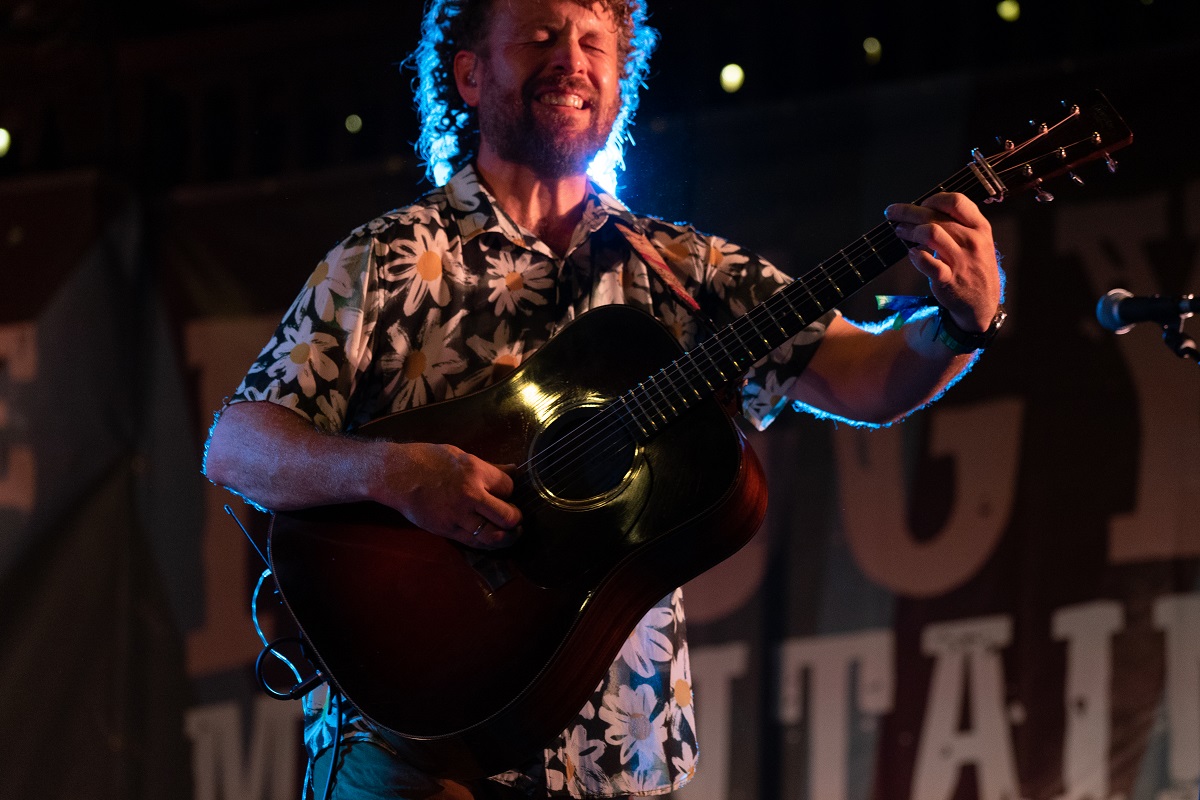
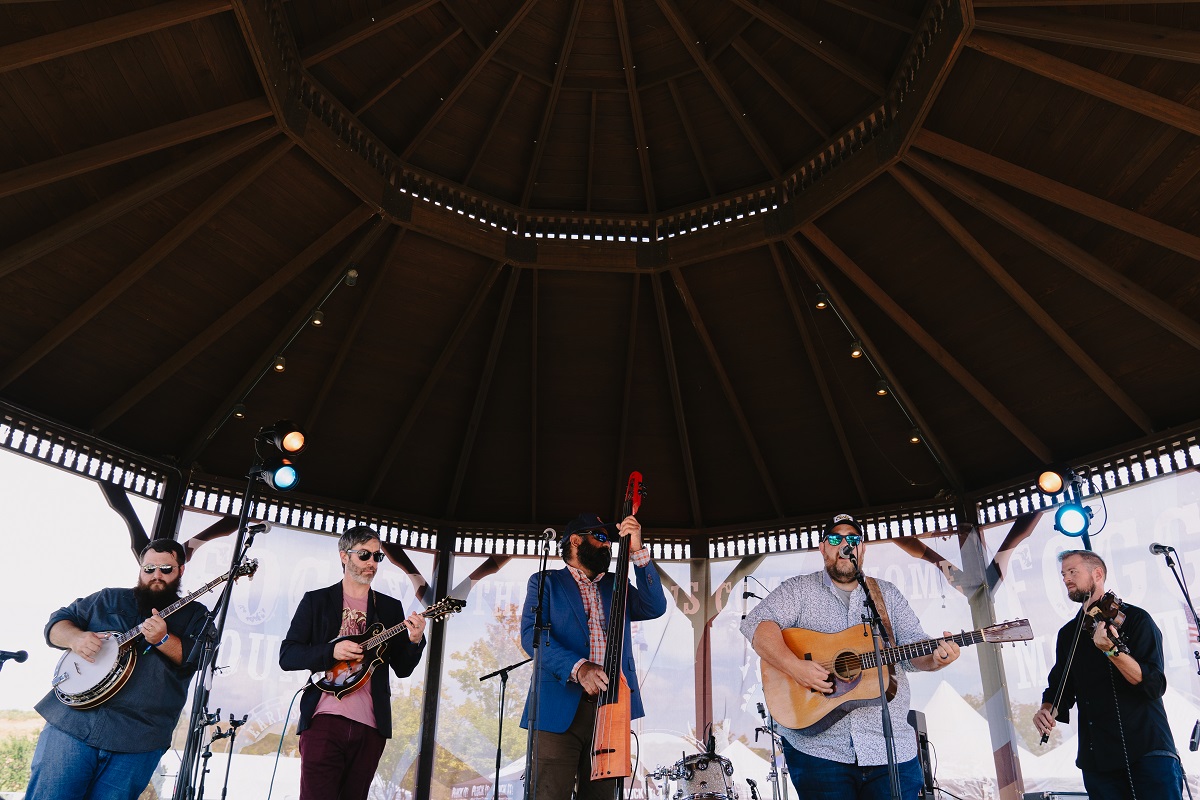
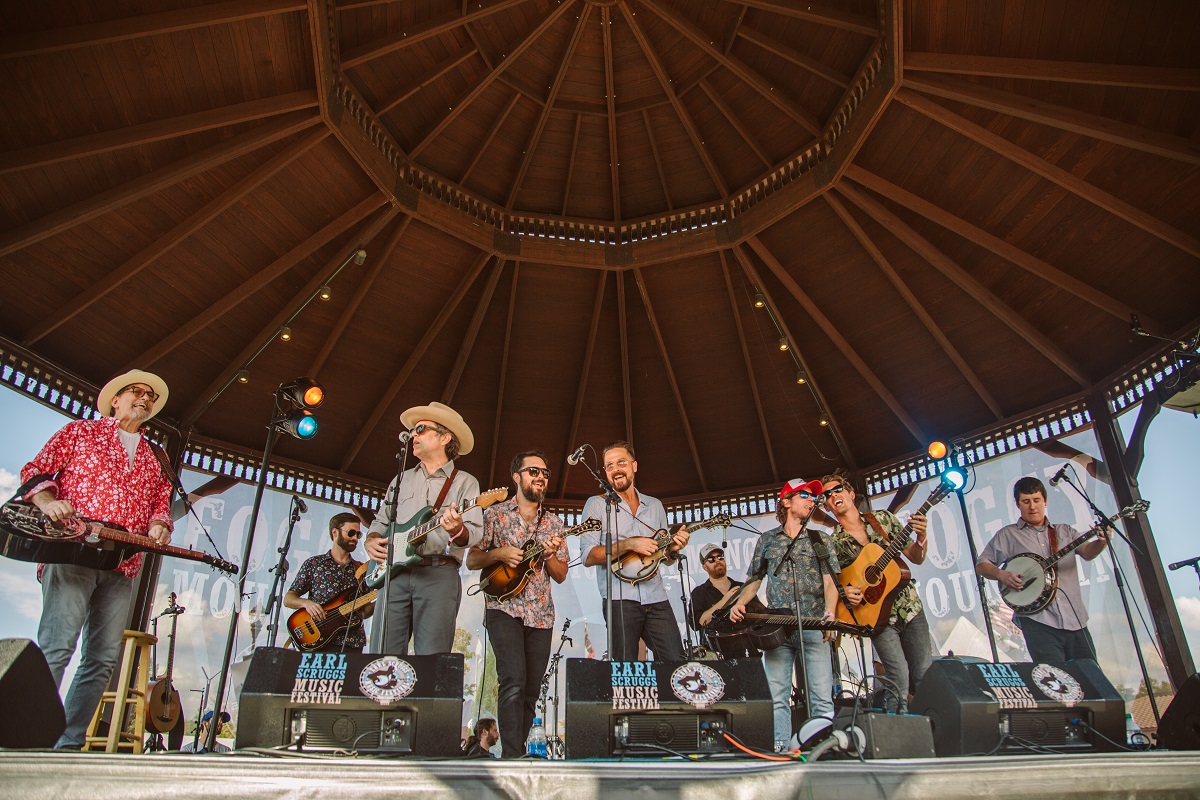
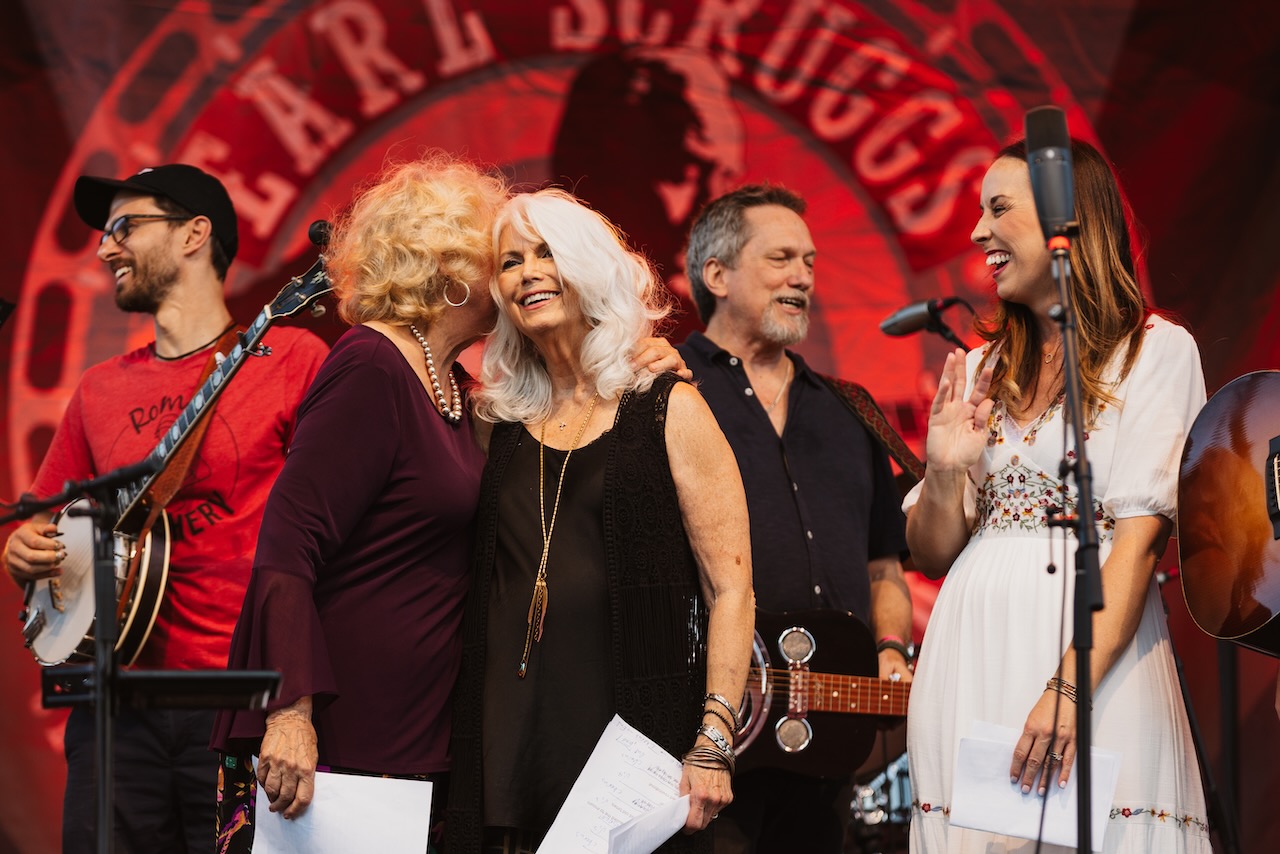
The 2nd Annual Earl Scruggs Music Festival was held over Labor Day weekend at the Tryon International Equestrian Center just outside of Tryon, North Carolina, in Mill Spring. The gorgeous festival grounds, nestled in the foothills of the Blue Ridge Mountains, were the perfect setting for the sunny and warm event, featuring glamorous cabins, manicured campsites, brick-and-mortar restaurants and shops, horse-jumping demonstrations, workshops and two stages chocked full of bluegrass, old-time and roots music. The festival is a partnership between Tryon International, roots radio station WNCW and the Earl Scruggs Center just down the road in Shelby, North Carolina, the county seat of Cleveland County – Scruggs’ ancestral home. Over four days, the event showcased the broad, varied and lasting influence Scruggs and his playing have had on American roots music as a whole, especially in North Carolina.

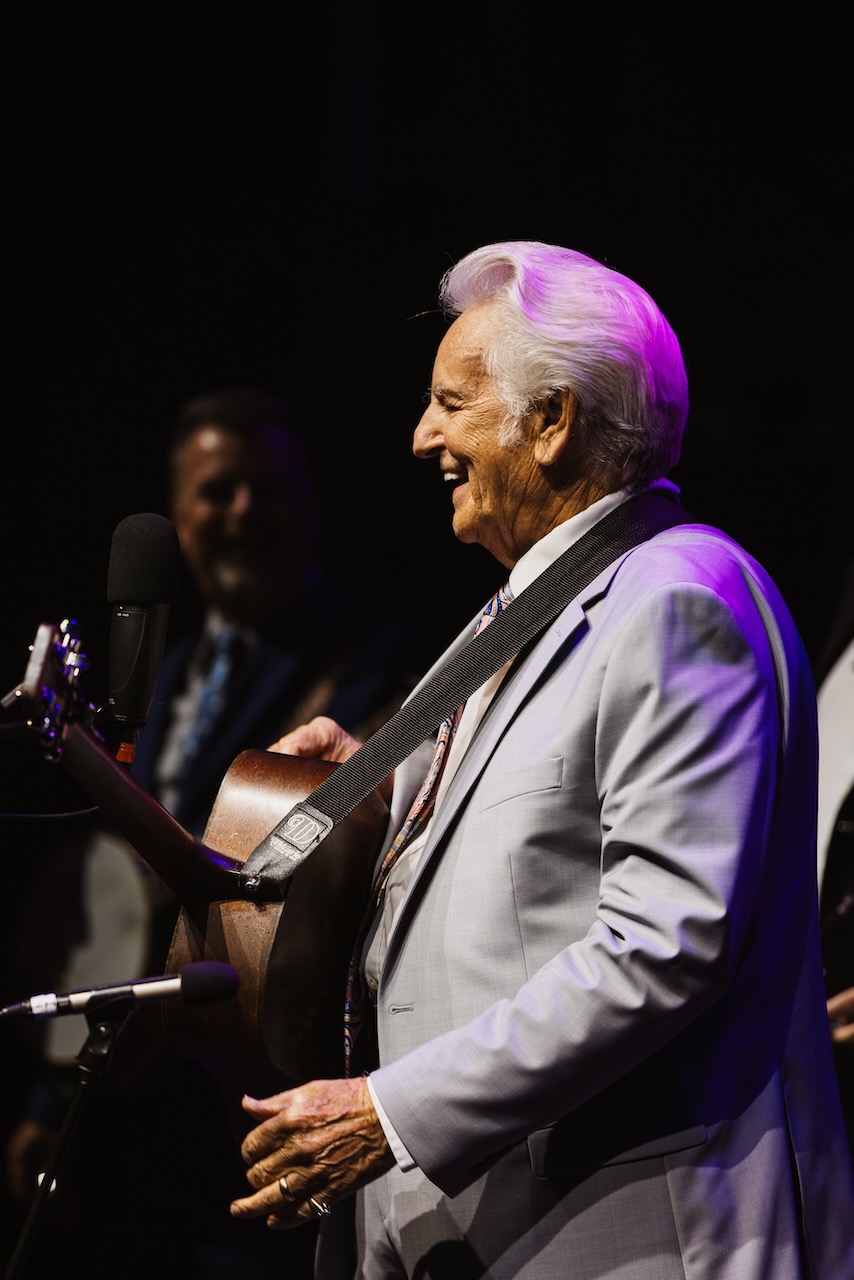
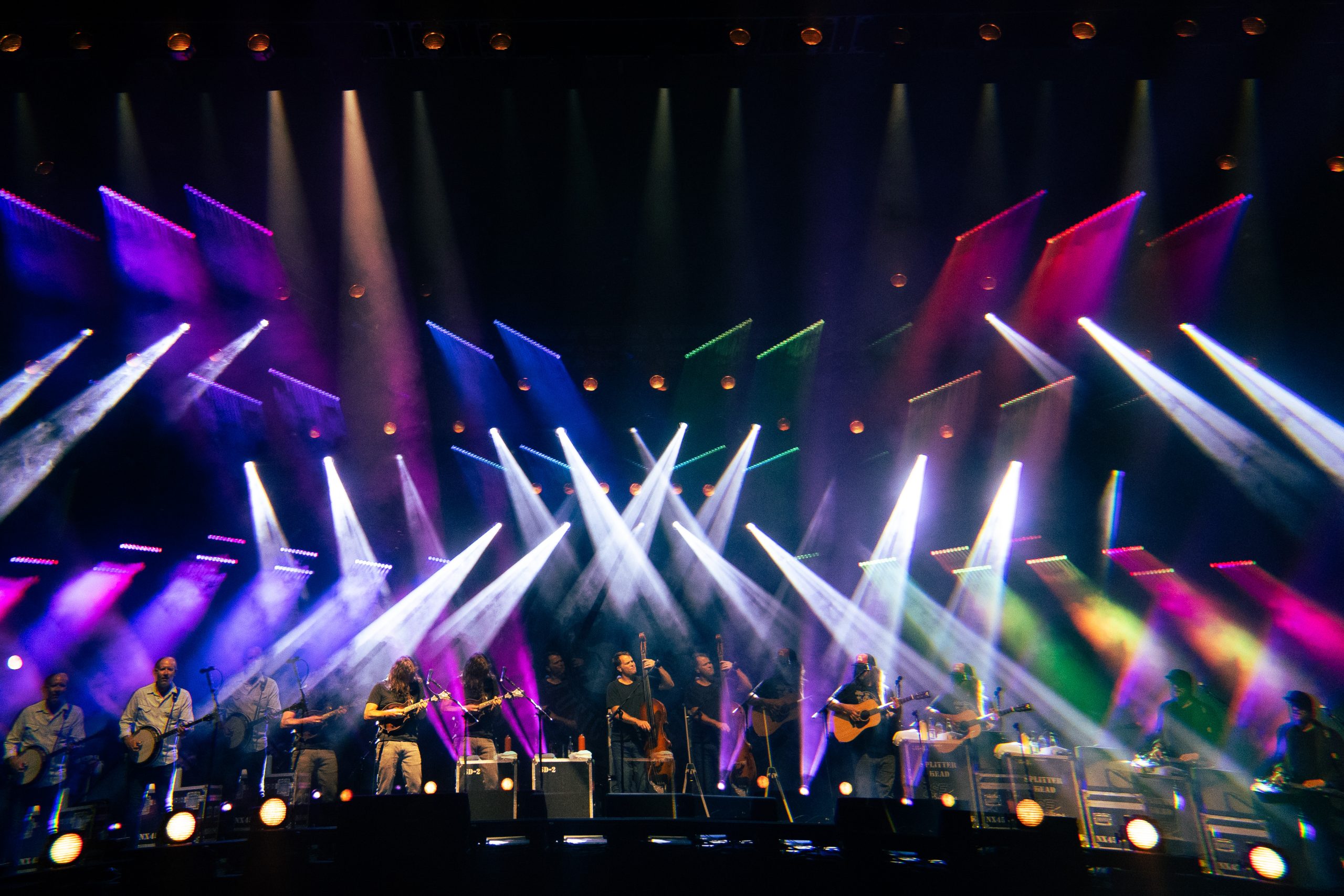
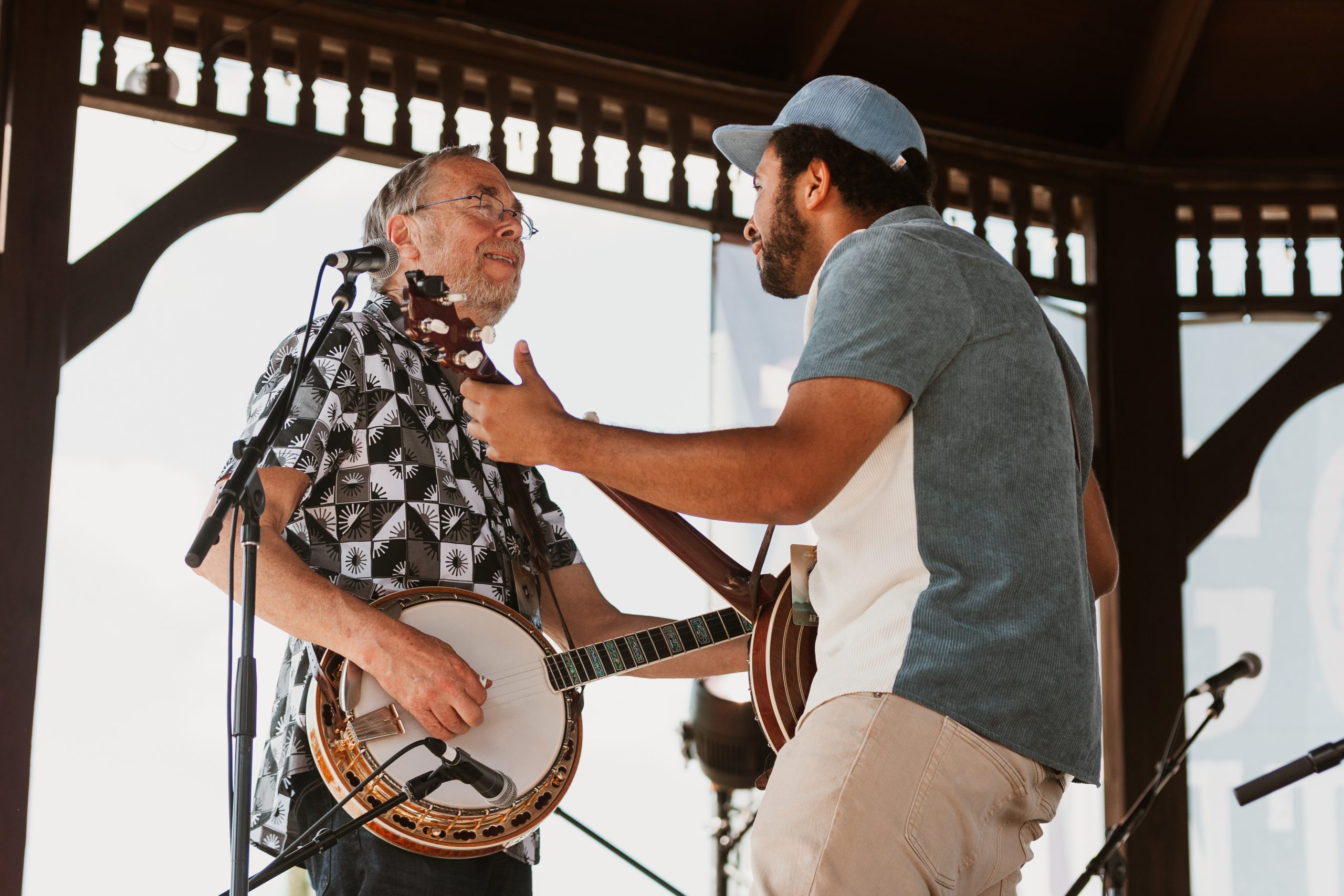
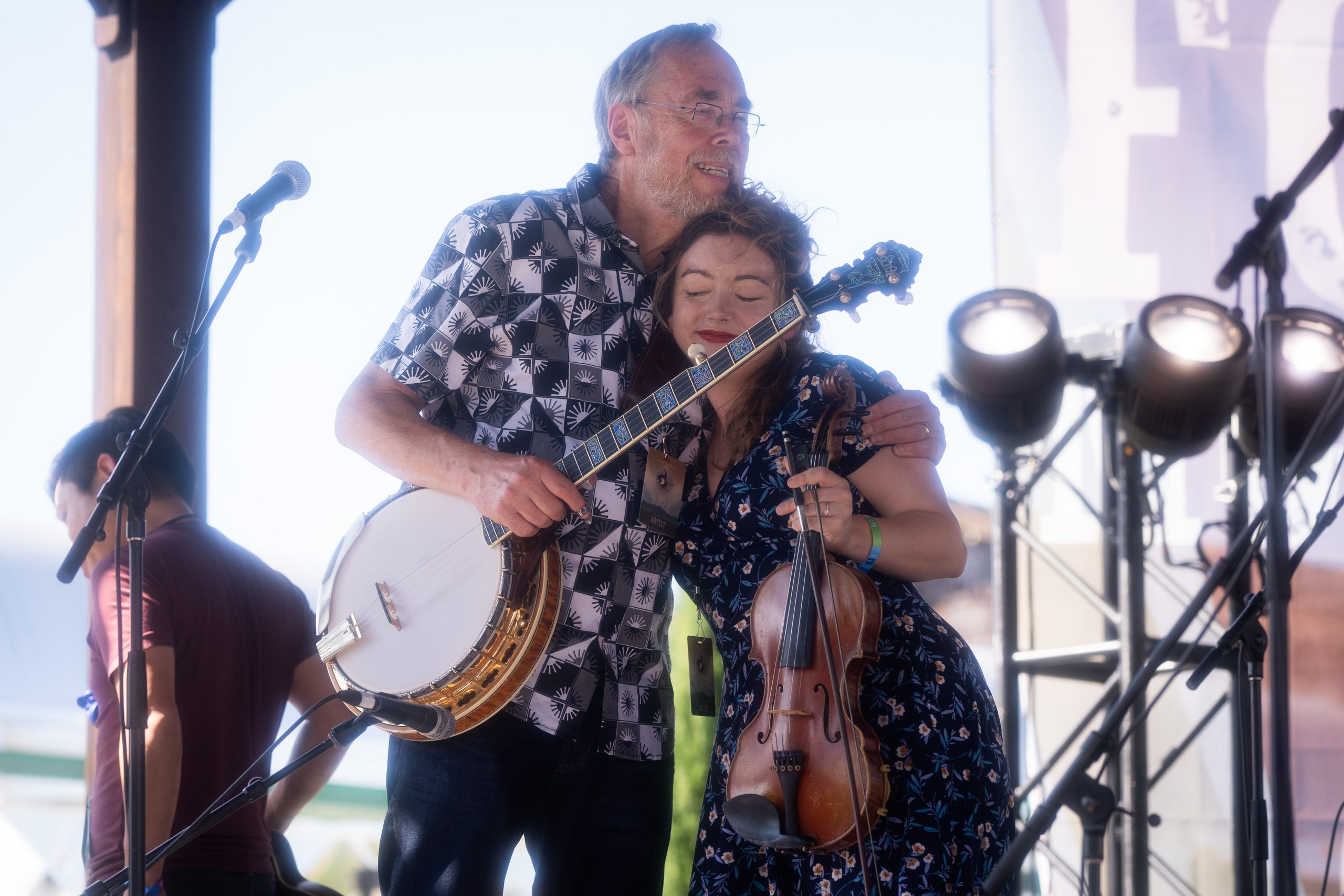
BGS returned to ESMF for its second year, once again sponsoring the very special, fan favorite Earl Scruggs Revue tribute set, hosted by Tony Trischka – and his band, Michael Daves and Jared Engel. Listeners and fans packed the plaza surrounding the Foggy Mountain gazebo stage to hear Trischka and many special guests – such as Della Mae, Michael Cleveland, I Draw Slow, Twisted Pine, Tray Wellington, Greensky Bluegrass, Jerry Douglas and more – pay tribute to Earl’s and his son’s groundbreaking and innovative group, the Earl Scruggs Revue, and their Live! From Austin City Limits album.

Enjoy a collection of photos from the Earl Scruggs Music Festival below and make plans to attend the 3rd Annual edition of this first-class event in 2024 – the dates are set and tickets are already on sale for the August 30 to September 1, 2024 edition of ESMF!


Photos courtesy of Earl Scruggs Music Festival.
Lead image credit: Devon Fails
All other photos:
 Reagan Ibach, Eli Johnson, Rette Solomon, and Cora Wagoner. 

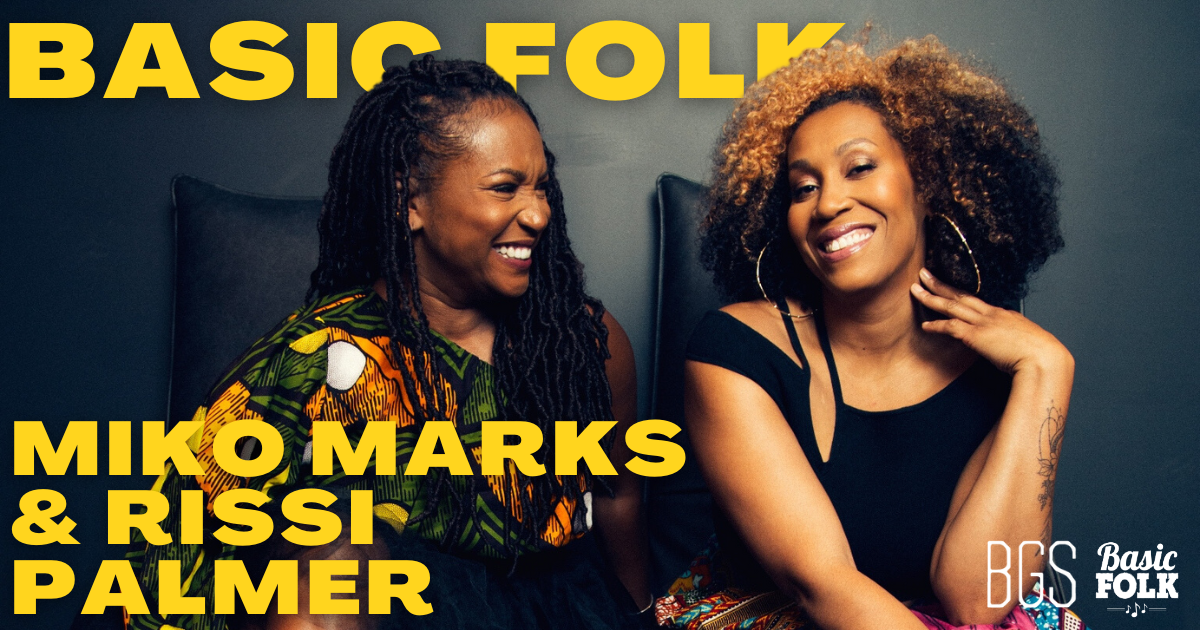
Basic Folk – Miko Marks & Rissi Palmer

Rissi Palmer and Miko Marks have been laying the foundation for country musicians and fans who are Black for almost 20 years. Back in the early 2000s, both experienced the trials and tribulations of being Black women in country. Despite their successes and large growing fanbase, they were separately discouraged by the ceilings and roadblocks they encountered from the white-dominated industry. Even though they each nearly quit music, they discovered a deep and meaningful ally and friend in each other. Now, they are back in the spotlight in a different era that has seen a rise of Black musicians – and The Black Opry in Nashville. Recently, Rissi and Miko have been touring together and we got them both on the show to talk about their parallel experiences, their friendship, and what they’ve been up to recently. It was a sincere honor and a blast to speak with these inspiring women.

LISTEN: APPLE • SPOTIFY • STITCHERAMAZON • MP3

This month The Bluegrass Situation is highlighting The Black Opry as Artist of the Month. Basic Folk, a part of The Bluegrass Situation Podcast Network, is proud to present this episode in collaboration with our BGS motherhost.


Photo Credit: Cedrick Jones

This Fort Worth Music Festival Has a Niche Mission but Expansive Sounds

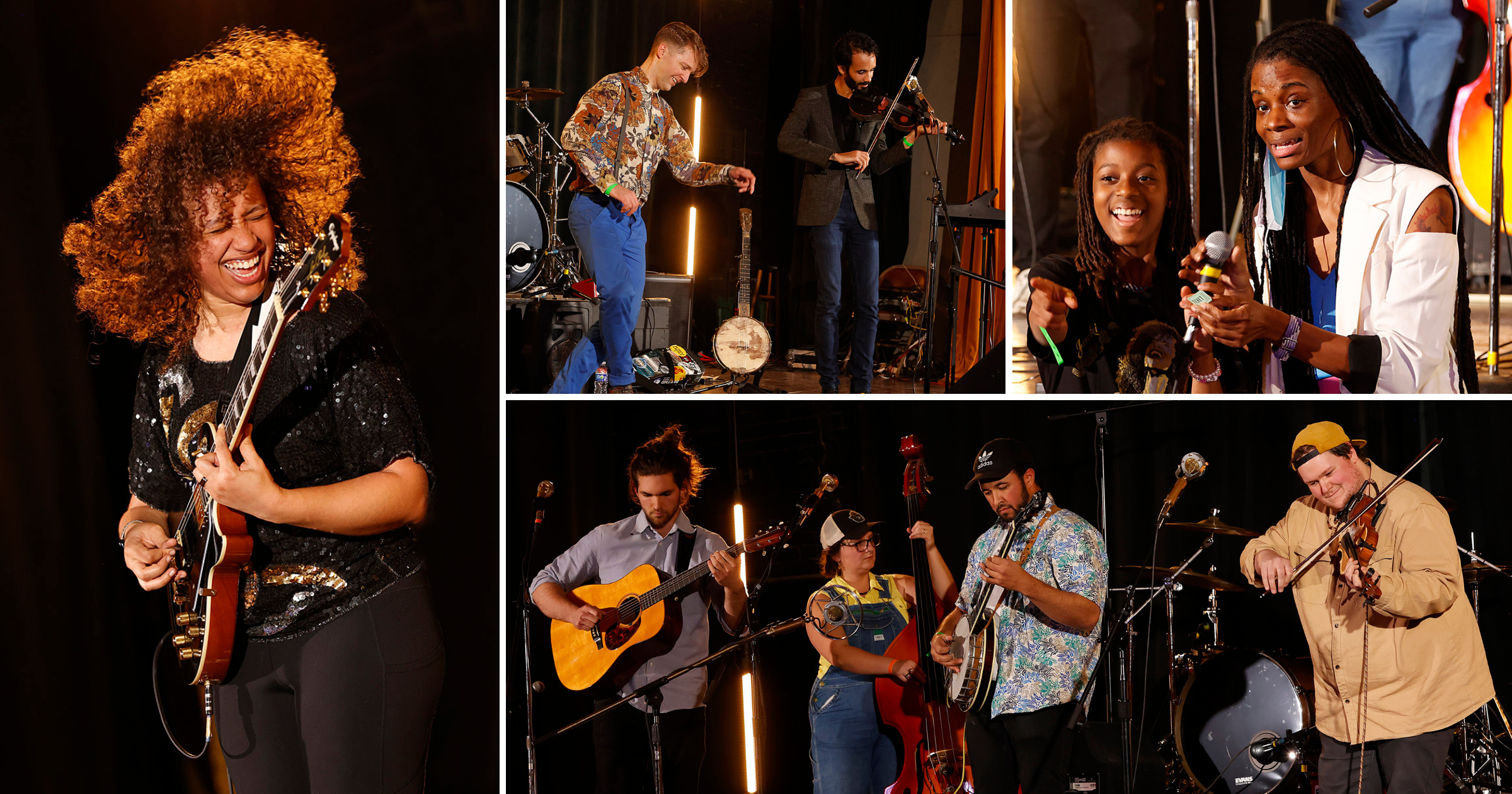
A small, enthusiastic audience of first arrivals chat in excited, hushed tones as they listen to Hubby Jenkins soundcheck into a pair of Ear Trumpet Labs microphones in the ballroom at Fort Worth, Texas’s Southside Preservation Hall. It’s an unseasonably cool Saturday afternoon in March, with crystal blue skies and wispy clouds backgrounding the historic Fairmount-Southside district. Over the next nine hours, ten musical acts will grace the stage. Many of them are already in the room, contributing to the light buzz and chatter; this already feels like a generative space. 

In its third year, the Fort Worth African American Roots Music Festival (known lovingly as FWAAMFest) has a very specific vision within the Americana/folk/old-time/bluegrass festival space: to highlight the depth and breadth of contemporary African American roots music and, by doing so, underscore the seminal, vital contributions of Black folks to every single roots genre in this country. Presented by Fort Worth-based non-profit Decolonizing the Music Room (who BGS has collaborated with on multiple occasions), the event carries forward the organization’s mission, explained artfully and succinctly by DTMR founder Brandi Waller-Pace as she kicks off the day introducing Hubby Jenkins: “To center Black, brown, Indigenous, and Asian voices in music and related fields.” 

“There are so many eyes and ears on culture and the arts in Fort Worth,” she continues. “And I want Fort Worth to be at the forefront of the conversation…” 

Hubby Jenkins began the day’s many conversations with a couple of banjo tunes, because, he admitted, “I’m a little nervous and [banjo tunes] make me feel cozy.” It was indeed a lovely, cozy easing into the day’s marathon lineup of music and presentations. During his set Jenkins picked guitar, banjo, bottleneck slide guitar, and played bones. And, he plays the festival’s first of many gospel numbers, “Jonah in the Wilderness,” inviting the audience to sing along, grounding his performance in the history of the Southside Preservation Hall space and these rootsy genres’ origins. 

Kicking off the day with a gospel-filled set in a historic former church made so much sense, calling each of us as listeners to be active participants in the day’s festivities and also in its mission: to recenter these community-based musics on the folks who gave rise to each of them, reminding us we each have a role to play in telling a fuller, more just history of these musics. 

Next up on the lineup is Justin Golden, who jokes that he and Hubby run into each other on gigs constantly and have the same repertoire, but from the outset his similar-seeming act couldn’t have felt more different. Working within the same vernacular and with such broad overlap, Golden and Jenkins are each still so distinct and unique – and illustrate the wide variety intrinsic to Black and African American roots musics, even within one form. Golden’s first number is an original, “I Hate When She Calls.” 

He peppers older, classic Texas blues numbers – though he admits this is his first time in Texas – throughout heartfelt, poetic, and direct originals. His music’s foundation is fingerstyle blues, but with modern crispness, timeless touches, and a crystalline, focused singing voice. 

Festival-runner and founder Brandi Waller-Pace stepped back on stage, this time as performer, for the next set of the day with songwriter, composer, and banjoist Kaïa Kater as the debut performance of their duo, Sable Sisters. They swap out banjos and guitars and a bass, singing folks songs and originals with nearly familial harmonies. A double clawhammer banjo cover of Stevie Wonder’s “Happier Than the Morning Sun” is their set’s highlight, with the legendary Justin Robinson’s guest appearance to play a set of old-time tunes ranking an honorable mention. Other festivals would be wise to consider booking Sable Sisters; if duo supergroups were a thing, this is one. Superduo? You get my meaning. 

Between each set of music, as the stage was changed over, representatives from partner organizations, sponsors, and community leaders spoke to the audience, which slowly grew from a couple dozen into a small-but-mighty one to two hundred attendees. Tables in the lobby featured literature, information, and calls to action for DTMR, FWAAMFest, and these partner orgs – and from the back of the ballroom wafted the tantalizing aromas of Lil Boy Blue BBQ. (If only all music festival barbeque offerings were this legit.)

After Sable Sisters’ set concluded, the next event was a live podcast taping featuring a collaboration between Rissi Palmer, of Color Me Country Radio on Apple Music, and Garrett McQueen of Trilloquy Podcast. The conversation was titled “Redefining ‘Classic’” and featured Palmer, McQueen, and their FWAAMFest lineup-mates Jake Blount, Demeanor, Hubby Jenkins, and Dr. Angela Wellman. Palmer and McQueen took turns prompting their panelists to consider ideas around canon, genre lines, what terms like “classical” really mean, and so much more. 

A theme that emerged throughout the taping was how often there aren’t hard, fast, concrete answers to these big, zoomed out questions about justice, representation, art, creation, space/placemaking, and community building. The panelists and hosts encouraged and challenged each other and themselves, reminding all of us that engaging in these kinds of conversations is part of the process and having the space – like FWAAMFest – to engage, build, and hold community like this is so important. 

It’s not lost on myself or perhaps anyone else in attendance just how much gratitude each of these participants have at being enabled to be in this FWAAMFest space. Each of the performers and speakers, in their own way and in their own words, effortlessly carried the event’s mission with them as they brought themselves to the space, wholly and vulnerably and powerfully. 

The podcast recording gear struck, rapper and banjo player Demeanor took the stage for his first ever full-band set – and it was revolutionary. During the Trilloquy x Color Me Country conversation Demeanor (given name Justin Harrington) stated so eloquently that “Rap is folk music, because hip-hop is an indigenous Black American art form… From the porch to the stoop.” 

He and his band immediately and indelibly illustrated his point with an energized, powerful set based on sometimes spitfire, other times free flowing rap lyrics with poppy, sung verses and choruses. It’s lyrical, content rich, witty and sharp. Demeanor’s writing and production style are full of forward motion, punctuated by arena rock guitar and Wooten-like bass lines. While often centered on banjo, the five-string is not the only way roots music oozes from these songs. Their lyrics and hooks are sharp and the vocals are strong – his singing isn’t an afterthought or simply in service of a hook. Several songs were from an upcoming unreleased album, including one stand-out track said to feature Rhiannon Giddens (his aunt) and Charly Lowry.  

The delight of Demeanor gave way to the delight of dance and musical dialogue, as longtime friends and jaw-dropping collaborators Jake Blount and Nic Gareiss took the stage. Blount began the set solo, accompanied starkly by low, droning synth sounds gently, languidly warbling through half tones as he sang, dirge-like, above the sound bed, commanding silence. Blount brings us back to gospel, again looking backward to look forward, and in just a couple numbers the droning synth gives way to droning fiddle. 

Gareiss and his singular approach to percussive dance and traditional step-dancing injects energy and joy into the crowd, who’ve been listening and engaging for almost six hours now. Audience members are on their feet, often with phones out, disbelieving the stunning musicality of Blount and Gareiss together, sixteenth notes perfectly, bafflingly in sync.

Nic dancing to Jake’s fiddle recalls the interconnectedness of Irish step dance and Black percussive dance traditions. Where cultures, practices, and folkways overlapped at the lowest of classes in America’s urban centers, dance flourished and Irish step dance cross pollinated with Black movement traditions and Appalachian and southern steps. Over the past century and more, movement and roots music have often been compartmentalized, privatized, and sequestered from each other. Bringing them back together in this intentional way is not just a radical act given the identities represented – in this duo and in this day of programming – but simply by existing together, with intention, Blount’s and Gareiss’s talents underline what these musics were initially created to do, say, and be. 

The vibe in the Southside Preservation Hall ballroom at this point was reaching “full blown party,” and when the first of the festival’s headliners, Tray Wellington Band, took the stage the energetic momentum was raised further still. For all intents and purposes a straight-ahead bluegrass band, Tray Wellington’s four-piece group demonstrated this IBMA Award winner has found his voice. His critically-acclaimed album Black Banjo certainly feels mature and fully-realized, but this was the first this writer had caught Wellington’s band since long before that record was released. The growth they’ve sustained, musically and as a unit, in the interim is remarkable. They execute chamber music level virtuosity, but with bluegrass bones. With Katelynn Bohn (bass), Josiah Nelson (mandolin), and Nick Fallon Weitzenfeld (guitar), Tray references Dawg, Béla, New Grass Revival and many more, but with an underpinning that feels as bluegrass as Appalachia – say Johnson City, TN, where he’s from.

They play a Kid Cudi cover, which is promised to be on an upcoming release, and the audience descends into mayhem as the melodic hook is slowly recognized in ripples throughout the crowd. Whether covering hip-hop or playing an old-time tune, these pickers demonstrate amazing soloing: modern, in-the-moment musical ideas without ego or self-absorption. And with Tray’s right hand anchoring all of the above, it reminds of Earl Scruggs in his Revue days – solidly bluegrass, but intimating musical ideas that come from so far afield, way beyond what we consider bluegrass territory.

Chambergrass, or whatever you want to call it, is seen as more “high-brow” or “intellectual” given its adjacency to conservatories and storied music schools, but this style of virtuosic playing is so well placed within the musical vocabularies of people from the region that birthed string band traditions. And in this context it can be executed with equal ease, aplomb, and athleticism, and with a much more grounded approach. 

A quiet, slightly exhausted euphoria tingles through the stalwarts of the crowd who remain for Jackie Venson’s no-holds-barred FWAAMFest finale. Waller-Pace returns to the stage one final time to introduce the night’s last headliner, with her daughter Sparrow (who waits patiently to get her Jackie t-shirt signed at the end of the night.) 

Venson is accompanied only by drummer Rodney Hydner – and her signature DJ sampler that allows her to play along with tracks, sound beds, background vocals, and play solos over loops. Even with just a two-person act, her trademark joy immediately washes over the entire room and re-energizes the crowd. Venson’s songs are soaring, anthemic, and huge, matched only by her broad grin as she smirks and laughs at herself and her own playing like it’s an inside joke. 

Perhaps the best guitarist of her generation, certainly the best rock-blues guitarist of the past thirty years, the internet is in a four to six week feedback loop of discovering and rediscovering Venson’s playing at the moment, with her Tweets and TikToks seemingly going wildly viral about once a month. She’s been retweeted and signal boosted by a who’s who of Twitter personalities and musicians, and it’s all because hers is a singular voice, perspective, and skill. 

Watching her improvise over each song recalls Nic Gareiss’s dancing from earlier in the evening. When you’re watching something so visceral and in the moment, you can’t help but inhabit that moment with them. And many of us do inhabit these moments with Venson by moving, standing, dancing, reveling in the ever-present joy of her music. 

Venson’s brand of modern blues is unconcerned with divorcing itself from the blues of the past (and of the present) that some feel is stoic, stuffy or dusty, and out of step with modernity. Her brand of blues, no matter how distant it has traveled from its roots, still honors the sounds of old-time and ragtime and down home blues, because it knows where it came from and to what it’s connected. Venson’s connections to Texas and Austin further reinforce this point – and help place Venson and her style of playing squarely within “guitar culture,” too.

At one point during her performance Venson marveled at how the FWAAMFest gathering was, in her words, “Pretty legendary!! You’re going to be talking about this in 10 years, telling people you saw everybody on this lineup here today.”

It was a feeling that began creeping up much earlier in the festival, that what we were present for wasn’t just a community music festival, it was so much more.

Black, Brown, Indigenous, Asian, and Disabled folks – artists and creators and movers and musicians – continue to offer and model ways to hold the past within ourselves while looking ahead to the future, a duality that modernity and westernism struggles to acknowledge or inhabit. What’s striking about this conglomeration of creators and musicmakers on this lineup at this festival is that they make it look easy. It seems effortless to understand, uplift, and uphold a mission like FWAAMFest’s. Partly because the participants all are stakeholders in that mission to begin with! With their music, their insights, and their storytelling these musicians and thinkers demonstrate the past is the future and the future is the past. Roots music – the kinds that center the experiences, stories, and seminal contributions of Black, Brown, and Indigenous folks – can spotlight and move through this dichotomy better than so many art forms, while remaining grounded firmly in the present. 

FWAAMFest’s success wasn’t simply because it’s a festival with a novel, substantive mission. It was a soaring, generative, forward-looking success because it focuses on what “the mainstream” perceives as a niche within a niche within a niche – African American roots music – and shows all of the possibilities, all of the many universes of artistic expression endemic to such a niche. The specificity here is not prohibitive or exclusive, it’s unfailingly, infinitely expansive. In sound, genre, content, tradition, and beyond.

As Jackie Venson said, we all will still be talking about 2023’s Fort Worth African American Roots Music Festival for many years into the future. 


Editor’s note: Follow Decolonizing the Music Room on social media to catch footage from FWAAMFest 2023 as it’s released and make sure to DONATE to support their mission and future FWAAMFests!

Photos by Ben Noey Jr.

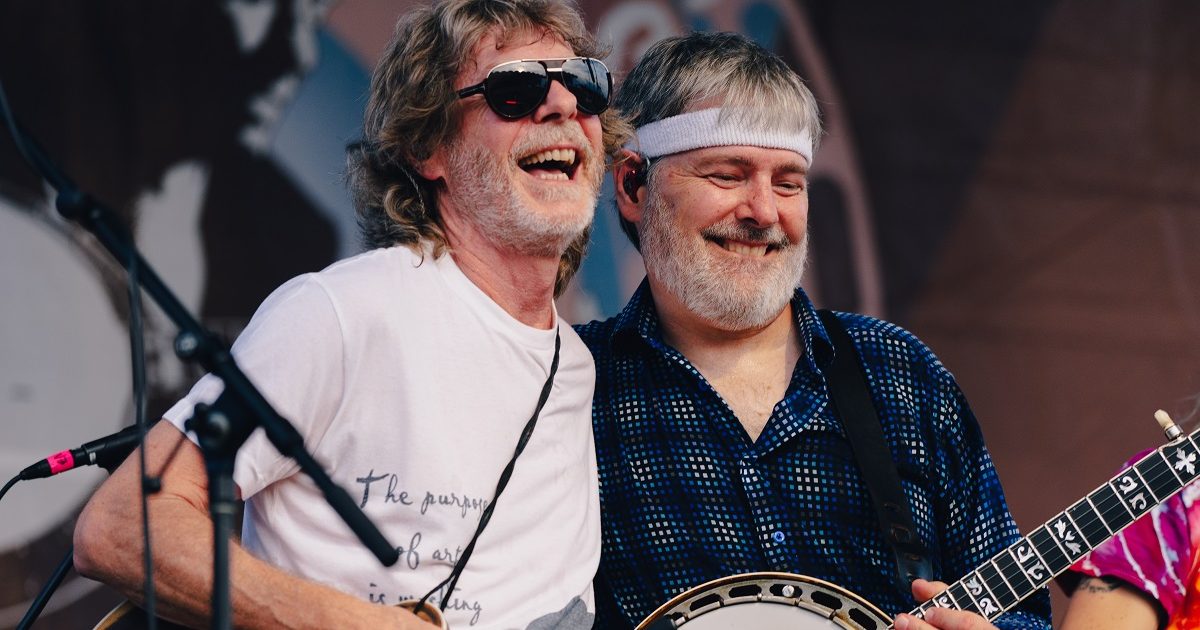
Photos: Sam Bush, Béla Fleck, and More Perform at Earl Scruggs Music Festival

Banjo hero Earl Scruggs received a rousing tribute near his North Carolina hometown over Labor Day weekend, bringing together bluegrass stars like Sam Bush, Béla Fleck, Molly Tuttle & Golden Highway, and many others. The inaugural event took place Sept. 4 to 6 in Tryon, about 30 miles from the Earl Scruggs Center in Shelby. Scruggs, who died in 2012, was raised in the small Flint Hill community nearby, and remains one of the most pivotal figures in bluegrass.

Enjoy photos from the inaugural Earl Scruggs Music Festival below. (Photos by Eli Johnson unless otherwise noted.)

Darin & Brooke Aldridge


Alison Brown


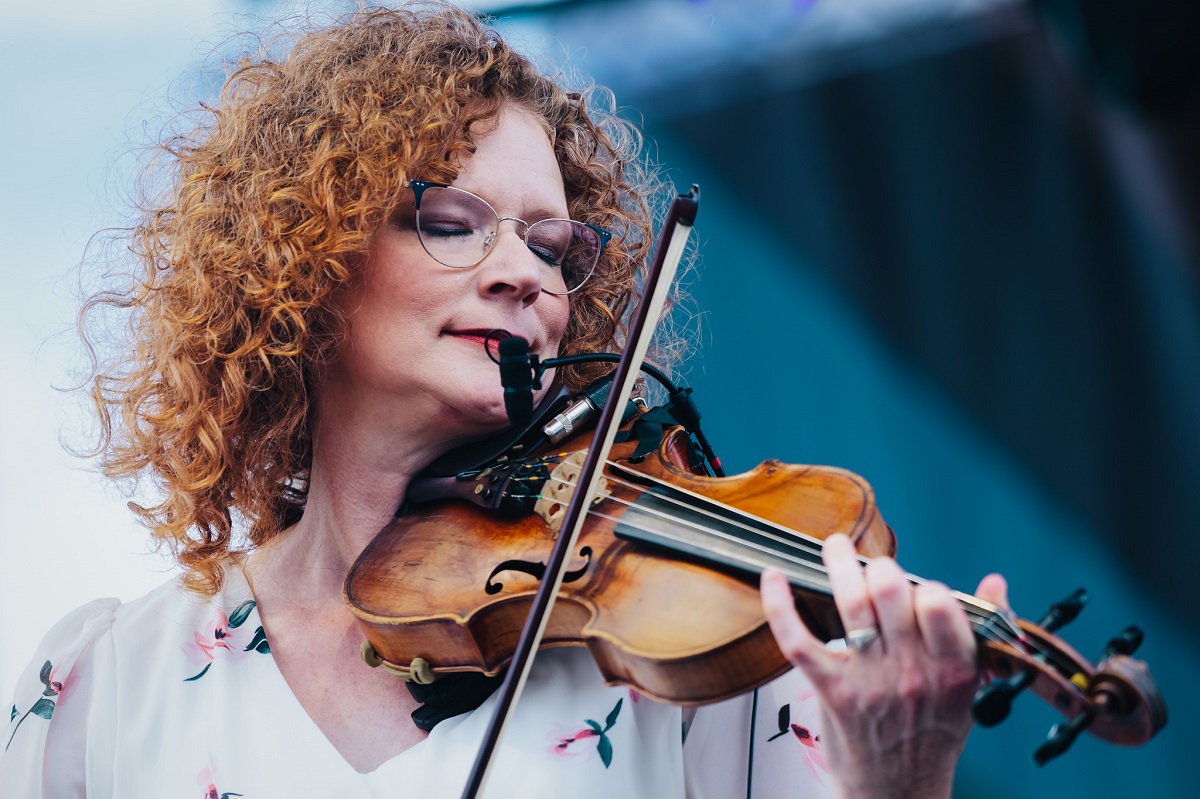
Becky Buller


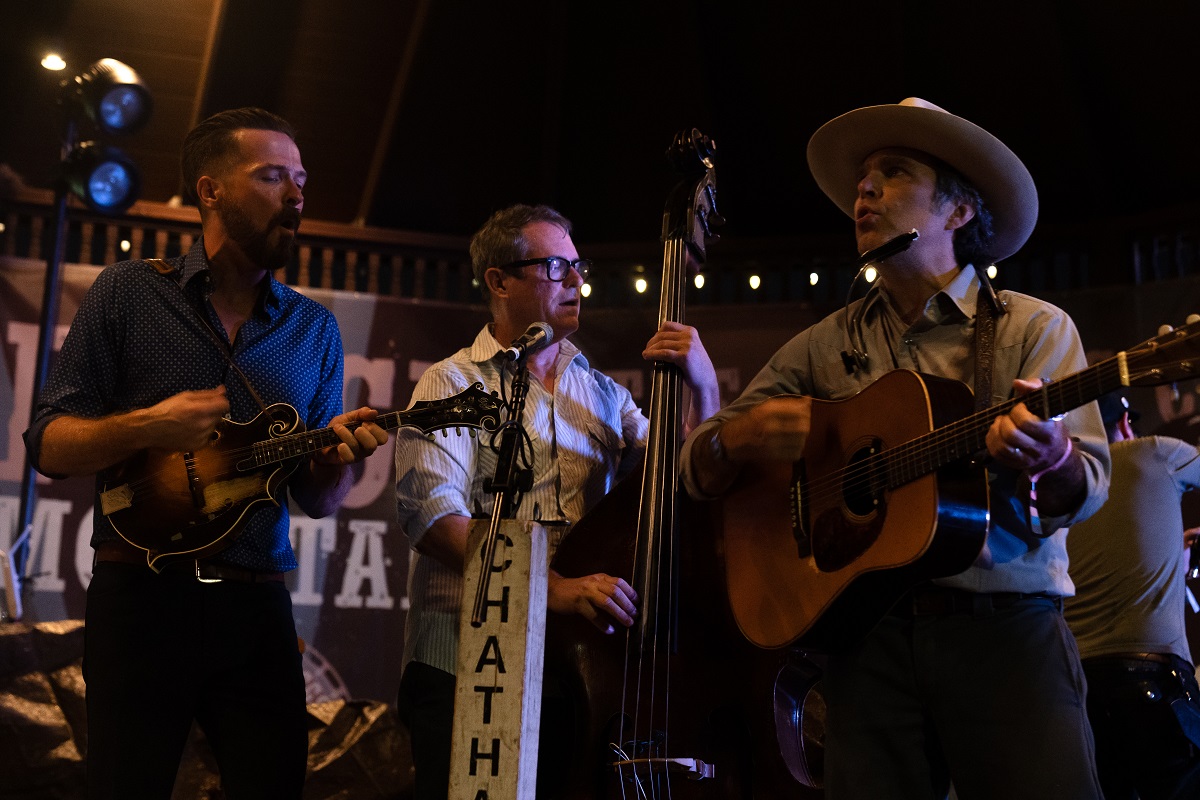
Chatham County Line


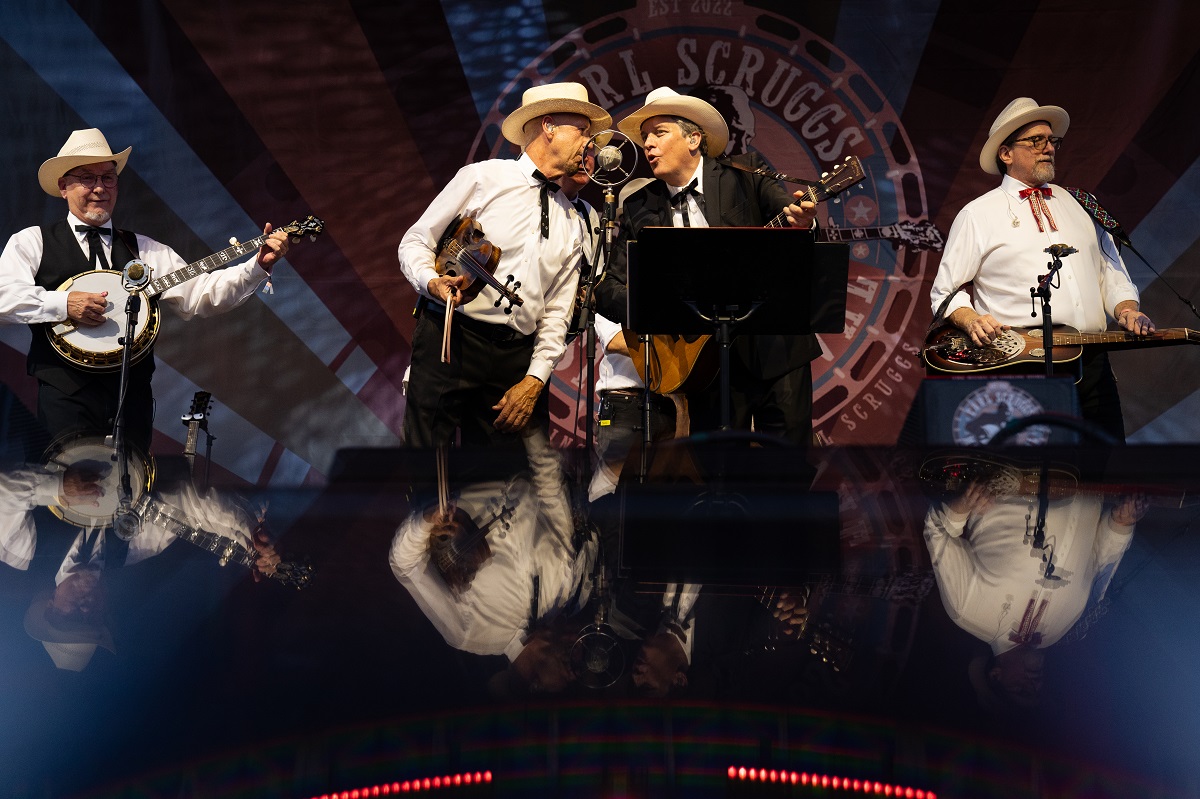
The Earls of Leicester


Fireside Collective
Photo by Tori Marion


Béla Fleck with Mark Schatz


Andy Thorn of Leftover Salmon


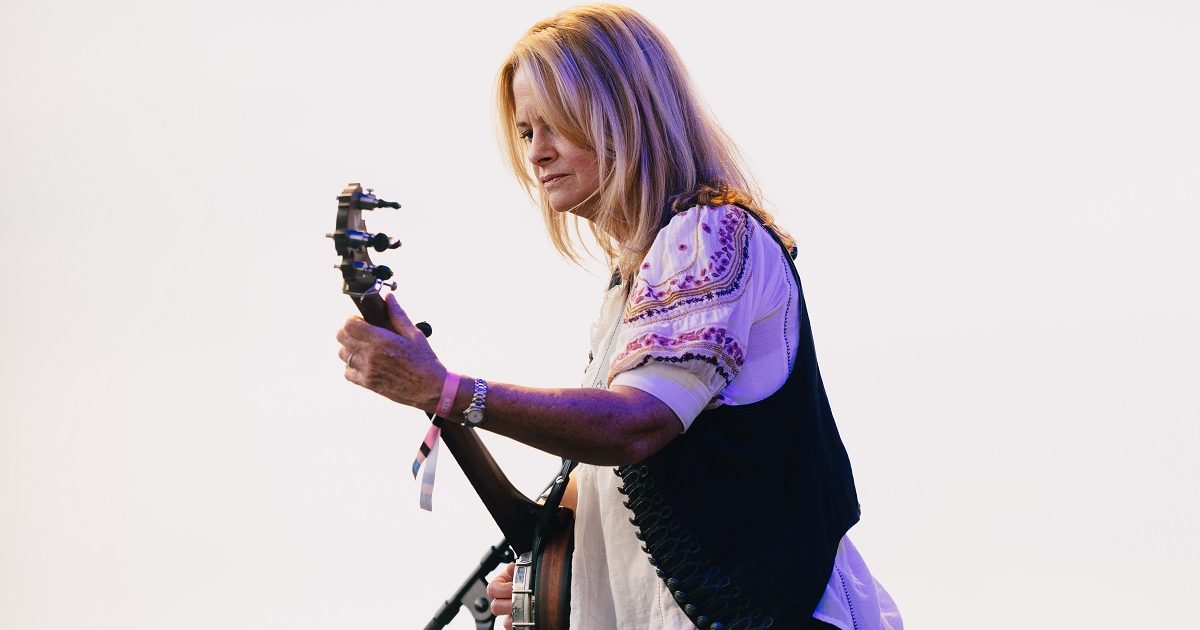
Molly Tuttle & Golden Highway


Nitty Gritty Dirt Band
Photo by Ron Pankey


Rissi Palmer


Rob Ickes & Trey Hensley
Photo by Ron Pankey


Jon Stickley


Town Mountain


Unspoken Tradition


Fireside Collective hosts a collaborative performance of the 1972 album Earl Scruggs Revue: Live at Kansas State played in its entirety, sponsored by The Bluegrass Situation
Photo by Toni Marion


AMERICANAFEST 2022 Preview: Check Out These Panels, Parties and Showcases

Even if you’re from Nashville or you’ve visited Music City many times, AMERICANAFEST always offers something new. This year, the annual event encompasses more than a dozen places to hear live music, as well as an impressive slate of industry panels and a near-endless list of parties. Where to begin? Although this story is by no means definitive, here are some promising highlights from the 2022 Americanafest daily schedule.

Tuesday, September 13

If you’re in town early, come say hello to BGS at Station Inn, where Jason Carter & Friends will take the stage. Doors at 8. Although it’s not open to the public, all conference and festival passholders are welcome. To pick up your pass, you’ll need to swing by City Winery or the Westin (the host hotel) earlier that day. An exploration of East Nashville might also be in order, with The Old Fashioned String Band Throwdown from 6-9 p.m. at Dee’s Country Cocktail Lounge.

Wednesday, September 14

A plethora of panels awaits conference registrants at the Westin, along with a couple of notable interview sessions. The Indigo Girls will be interviewed by NPR Music’s Ann Powers at 10 a.m. (They’ll be honored with a Lifetime Achievement recognition at the Americana Music Honors & Awards later that night too). Stick around for a conversation between Dom Flemons and Asleep at the Wheel’s Ray Benson, presented by WSM’s American Songster Radio. After that, Stax Records’ Al Bell and Deanie Parker will discuss the historic Wattstax festival in 1972.

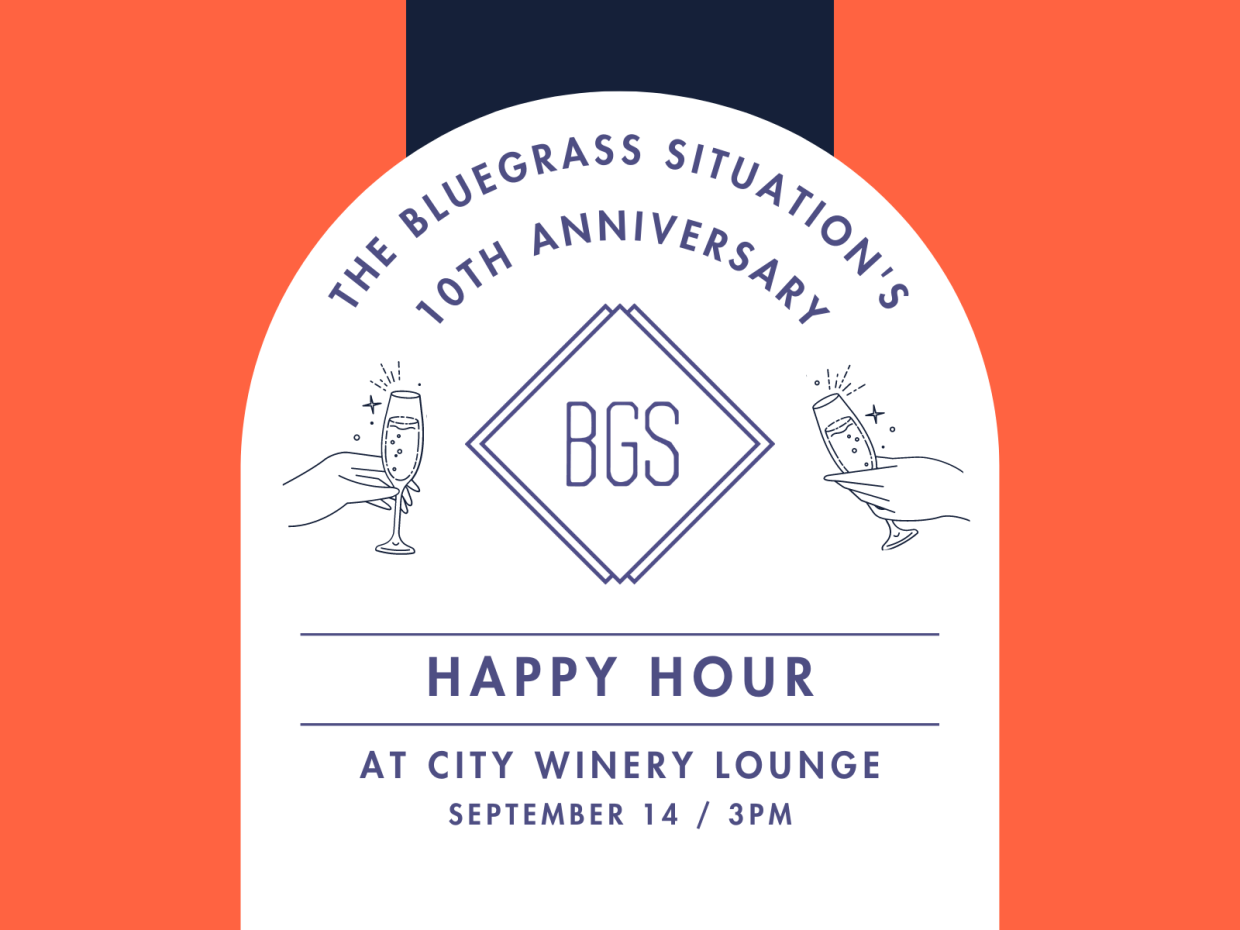
You can count on BGS for another party as we celebrate our 10-year anniversary with a happy hour at City Winery Lounge from 3 – 5 p.m. Conference and festival passholders welcome. Special performers include Kyshona, Rainbow Girls, and Willie Watson. And after the awards show, there’s an abundance of awesome shows to consider, including a rare solo set by Angel Olsen (our BGS Artist of the Month in August) at Riverside Revival, a set from Bill Monroe acolyte Mike Compton and a surprise headliner at Station Inn, and an acoustic showcase from members of North Mississippi Allstars at Analog at Hutton Hotel immediately followed by Texas great Joshua Ray Walker.

Thursday, September 15

One of the most intriguing panels on Thursday is titled The Narrators: How Jake Blount, Leyla McCalla and Kaia Kater Re-Mapped the Past, Present and Future With Concept Albums. As the Americanafest app points out, all three artists are students of musical and cultural traditions, as well as Black banjo players. The conversation takes place at noon with moderator Jewly Hight. Coincidentally, these three performers are showcasing at the exact same time later that night, so here’s your chance to catch them all at once.

Ishkōdé Records will celebrate Indigenous voices from Turtle Island at Dee’s Country Cocktail Lounge from 1-4 p.m., with performers such as Amanda Rheaume, Aysanabee, Digging Roots and Evan Redsky. If you’re lucky enough to get into the Bluebird Cafe for a 6 p.m. show, you can enjoy a songwriting round with Gabe Lee, Tristan Bushman and British artist Lauren Housley. A Tribute to Levon Helm with an all-star cast closes out the night at 3rd & Lindsley, following an evening of music with Arkansas roots.

Several of the most buzzed-about showcases of AMERICANAFEST will take place at the Basement East, with a strong lineup boasting Rissi Palmer, Molly Tuttle & Golden Highway, Trousdale, Bre Kennedy and Jade Bird. If you’re up for bluegrass, the City Winery Lounge lineup includes Tammy Rogers & Thomm Jutz alongside rising talent like the Tray Wellington Band and Troubadour Blue. If honky-tonk is more your style, stay up late for Jesse Daniel at 6th & Peabody, with original music that pays homage to the Bakersfield Sound without losing its contemporary appeal.

Friday, September 16

Diversity is a common theme on Friday’s daytime events, with panels like Booking With Intent: How Curating the Stage Impacts Industry Diversity and How Americana Music Is Embracing Minority Representation. Of particular note, British artist Lady Nade speaks on the influence of Black music in country and Americana in a panel titled You Can’t Be What You Can’t See: Why Representation Is Vital for the Americana Genre. Look for a conversation and performance at the Country Music Hall of Fame and Museum at noon with rising artists from the Black Opry Revue.

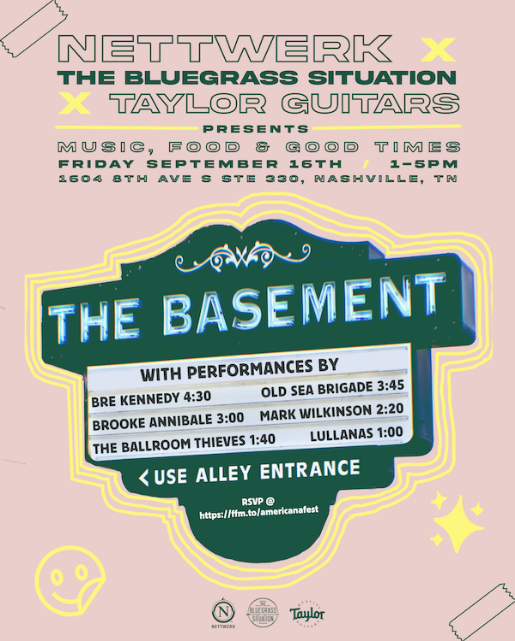
To list all the parties on Friday would take up this whole page. To socialize, you’ve got options ranging from songwriting rounds to label parties to multiple happy hours. (If you’re a craft beer drinker who loves to linger on the deck, it’s worth a visit to Tennessee Brew Works, where Hear Fort Worth is setting up shop.) As for BGS, you’ll find us at the Basement for a party presented with Nettwerk Records and Taylor Guitars. The public may RSVP through the invitation below.

This might be a good time to mention one of the festival’s new venues, The Well at Koinonia. This cozy coffee shop on Music Row played a crucial role in the development of contemporary Christian music, once lending its small stage to a then-unknown Amy Grant. For AMERICANAFEST, it’s providing a listening room environment for a number of quieter artists who still deserve to be heard, such as Nashville songwriter-producer Alex Wong, award-winning acoustic guitarist Christie Lenée, mesmerizing folk duo Ordinary Elephant, Australian troubadour Colin Lillie, and the accomplished Mexican-American musician Lisa Morales on Friday night. If you’re interested in early shows (starting at 6 p.m.), easy parking, and/or enjoying music in a non-alcoholic environment, make an effort to get refueled here.

Not far away lies one of Nashville’s musical landmarks, The Basement (a.k.a. “The Basement O.G.”), and if you’re in town to discover some overlooked voices, this might be an ideal spot to start. Drawing on blues and rock, Chicago musician Nathan Graham is making his AMERICANAFEST debut this year, followed by Southern slide guitarist-songwriter Michelle Malone, who’s touring behind new material like “Not Who I Used to Be.” At Exit/In at 9 p.m., Michigan Rattlers are among Americana music’s best storytellers, with a vibe that’s kind of brooding but still has some rock ‘n’ roll swagger. Hang around for 49 Winchester, a Virginia ensemble that’s been DIY for most of its career. However, 2022’s Fortune Favors the Bold is garnering some much-deserved attention. Listen closely for the Exit/In reference in standout track, “Damn Darlin’.”

For something more mellow, you can zoom over to City Winery for a late set by Milk Carton Kids. It wouldn’t even feel like AMERICANAFEST without seeing these guys. Earlier in the evening, longtime festival favorite Ruston Kelly will play alongside his dad, Tim Kelly, performing exquisite songs that they recorded together (with Ruston serving as producer). Gaby Moreno, Henry Wagons and Rainbow Girls are also on the well-rounded bill. Go ahead, order a bottle.

Saturday, September 17

By the time the weekend arrives, the panels have wrapped and the parties are well underway. You can peruse the Americanafest app for all the options, but first, settle in at City Winery for the Thirty Tigers Gospel Brunch from 11 a.m. to 1 p.m. (It’s on Saturday this year, rather than Sunday.) Artists appearing include Alisa Amador, Brent Cobb, Emily Scott Robinson, Stephanie Lambring, The Fairfield Four and The McCrary Sisters. Musicians Corner in Centennial Park also features free afternoon sets from Nashville mainstay Josh Rouse, Brooklyn’s own Bandits on the Run, Los Angeles songwriter Chris Pierce, Canadian banjo player Ryland Moranz, and more.

Over at The 5 Spot, Alabama bluesman Early James anchors a lineup with Theo Lawrence (a French songwriter-guitarist who opened dates for Robert Plant and Alison Krauss in Europe), Canadian musician Megan Nash, and new ATO Records signing Honey Harper. The night concludes with an 11 p.m. showcase titled Luke Schneider & Friends: A Pedal Steel Showcase. For something similarly atmospheric, consider a one-night-only event, Phosphorescent Performing Songs From the Full Moon Project, also at 11 p.m. at Brooklyn Bowl. He’s promising to play more songs than just the covers he’s chosen for this unique album, so you can bask in the afterglow of an incredible week of music.

For more information about these events and countless more, visit AMERICANAFEST.COM.


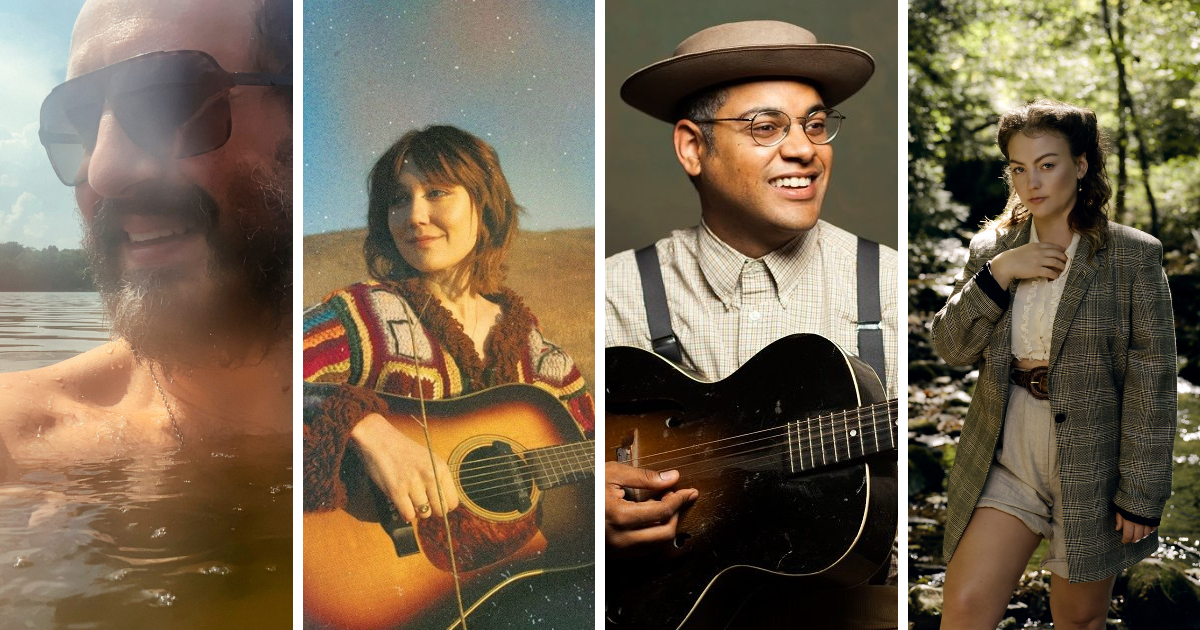
Artists featured at top (L-R): Phosphorescent, Molly Tuttle, Dom Flemons, Angel Olsen

BGS & Come Hear NC Explore the Musical History of North Carolina in New Podcast ‘Carolina Calling’

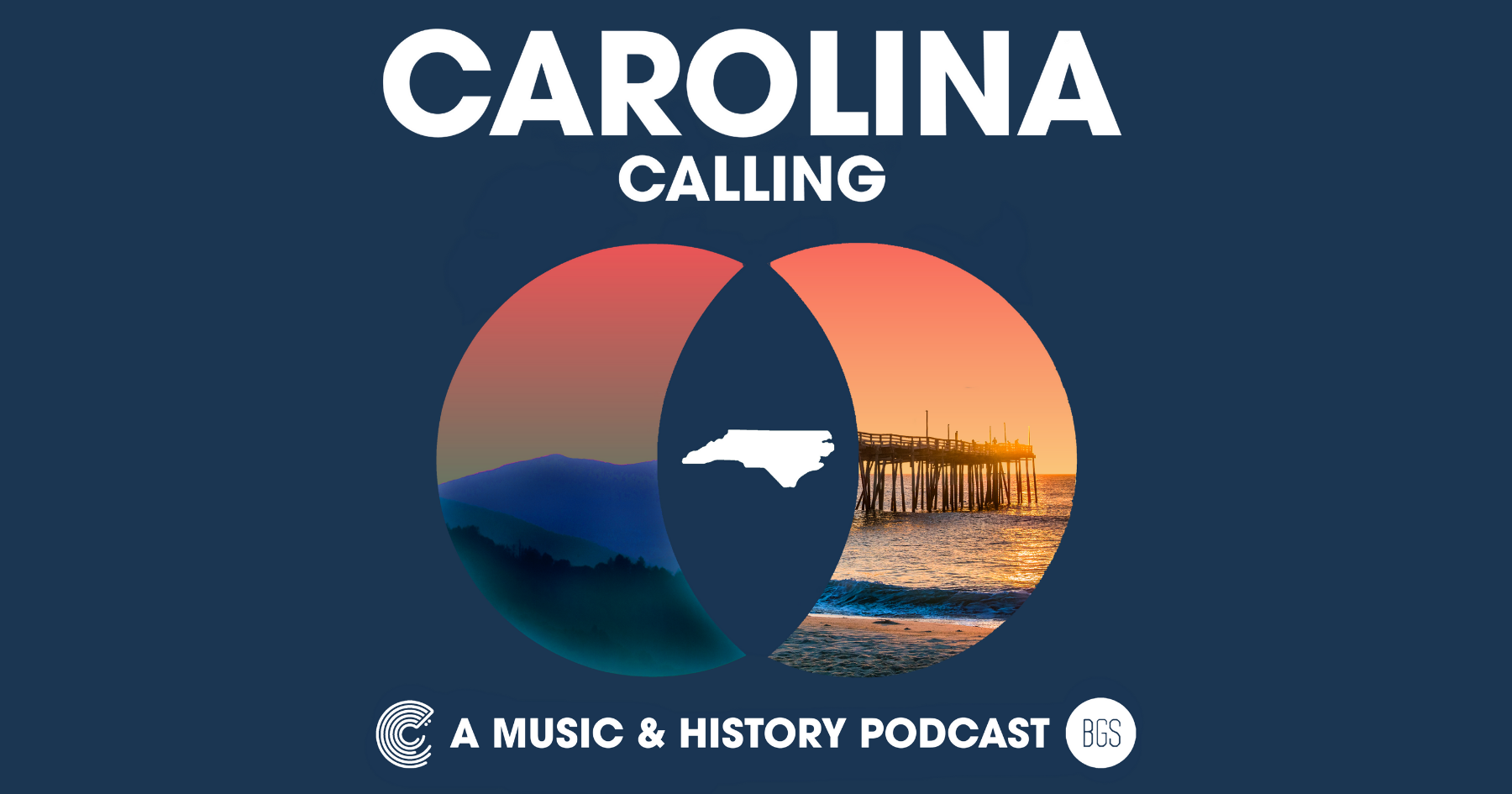
The Bluegrass Situation is excited to announce a partnership with Come Hear North Carolina, and the latest addition to the BGS Podcast Network, in Carolina Calling: a podcast exploring the history of North Carolina through its music and the musicians who made it. The state’s rich musical history has influenced the musical styles of the U.S. and beyond, and Carolina Calling aims to connect the roots of these progressions and uncover the spark in these artistic communities. From Asheville to Wilmington, we’ll be diving into the cities and regions that have cultivated decades of talent as diverse as Blind Boy Fuller to the Steep Canyon Rangers, from Robert Moog to James Taylor and Rhiannon Giddens.

The series’ first episode, focusing on the creative spirit of retreat in Asheville, premieres Monday, January 31 and features the likes of Pokey LaFarge, Woody Platt of the Steep Canyon Rangers, Gar Ragland of Citizen Vinyl, and more. Subscribe to the show wherever you listen to podcasts, and be on the lookout for brand new episodes coming soon.

LISTEN: APPLE • SPOTIFY • STITCHERAMAZON • POCKET CASTS • YOUTUBE • MP3