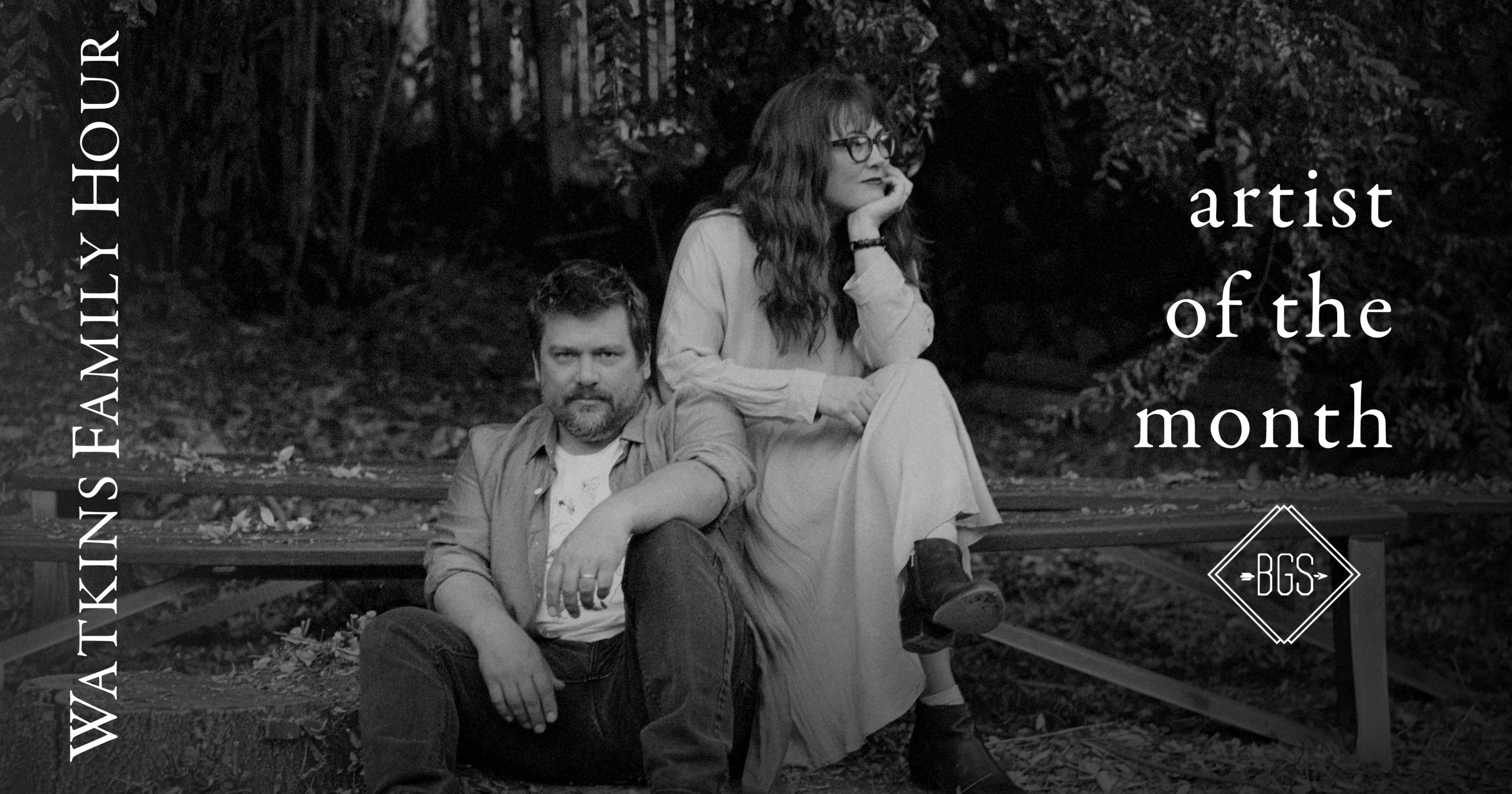
Sean Watkins Heeds Good Advice (or Not) on Watkins Family Hour’s Second Album

For brother sister, Watkins Family Hour’s sophomore album and first in five years, Sara and Sean Watkins decided to tighten their focus, writing songs that allowed them to shine as a duo. “It was an experiment, and it ended up being so fun and totally different from the first Watkins Family Hour record we did,” Sean says. “In this case, more than any other project, we were very deliberate about the style of the songs, how they came together, and how we recorded them.”

The effort paid off. Ringing in at ten tracks, including seven originals, brother sister ranges from glittering, harmony-driven folk (opener “The Cure”) to can’t-help-but-dance silliness (“Keep It Clean,” a Charley Jordan featuring vocals from David Garza, Gaby Moreno, and John C. Reilly). We caught up with Sara and Sean individually, chatting about the album and the forces in their careers that built them, including their early years with Nickel Creek. Read our Artist of the Month interview with Sean below, and catch Sara’s interview here.

BGS: You wrote a good portion of “Fake Badge, Real Gun” before you brought the idea to Sara. What inspired it?

Sean Watkins: I have a folder in my notes on my phone, Future Song Titles. I like to think about what a good song title is — you know, when you see a song title on a record and you’re like, “Oh, I really want to know, I want to hear that song.” A book title can be the same way. I heard the term “Fake Badge, Real Gun” in a hotel room on some kind of local news station. It was a headline, probably a story about a kid, or somebody who was pretending to be a police officer. When I heard that phrase, I put it in my phone, because I just thought, “There’s a lot more in there to be explored.”

There are plenty of people in power who don’t deserve to be. They have the power to destroy and create a lot of chaos, but they didn’t really earn it, or they don’t deserve to be there for one reason or another. Everybody comes into contact with authorities who affect you in profound ways, especially when you’re younger, without knowing how they’re affecting you negatively. At a certain age you get to a point where you unpack your childhood — what your teachers taught you, what you heard in church or what you heard in college — and you have to look at it objectively and figure out who gave you that advice, what they were meaning to get across, and whether you still believe it.

Did anything in your life specifically come to mind?

I went to a Baptist Christian school for a while. It wasn’t because my family was Baptist, but because it was the closest private school, and my parents were public school teachers and didn’t really like the way public school was going. The teachers were pretty strict, evangelical, and I remember this girl who was probably in seventh or eighth grade. She had a great voice, and she got vocal nodes on her vocal chords — it’s just something that happens when you don’t use the right singing technique. It happens to a lot of people. But she asked our Bible teacher, “Do you think God gave me these vocal nodes because I’ve been singing secular music?” I think she’d sang an Oasis song at a coffee shop or something.

And the teacher said, “Yeah, that’s probably why.” Like, in all seriousness, he told her that, because she sang a secular song, God gave her these vocal nodes. And he believed it! But who knows how long that stuck with her, that by singing a certain kind of song God will strike you. You can carry that with you for the rest of your life, whether you know it or not. So I try to think about that in my life: What are the things that I’m carrying around that I don’t need to carry around, because someone who had authority used their “gun” in a way that was, looking back, absolutely wrong? You can take the idea out to any number of places in the world.

The cover of the Charley Jordan song is so fun — what a way to end the record. Can you tell me about deciding to cover “Keep It Clean”?

A few weeks before going into the studio, and we were taking inventory of what we had, what kinds of things might be fun to add to the record, what was missing. We just thought it’d be fun to have one song that’s just a party song: what people know the Family Hour to be, which is kind of a wild, fun ruckus; a song that’s easy for anyone to jump in on, with different people singing verses. Something that sounds like what we do when we play our shows [in Los Angeles] at Largo.

Originally I heard this song when I did a month of shows with Lyle Lovett, playing in his band years ago filling in for a friend of mine who played guitar with him. He did that song every night, but totally different: His version was a bouncy, Texas-swing kind of vibe. I really liked it, and I asked him where it came from. He said it was a Charley Jordan song, but that he’d changed it a lot, and that I should check out the original. It’s so funny because it’s such an old song, but it has such a beautiful, almost current pop melody to it. The guitar line in the original version sounds like a Beach Boys melody. It doesn’t sound like ‘20s blues at all, and I thought that was a really cool element of it. So we based our version on that, although it evolved and sounds very different.

Another thing I like about it is that the lyrics are just quirky and weird; you can’t really tell what they are. The verses were based on popular off-color jokes at the time. So people hearing the song back then would have gotten these references that we’re not getting right now. [Laughs] And they might just be really dumb jokes! It’s like a museum piece. I thought it was so cool.

It’s been twenty years since Nickel Creek released its self-titled, breakout album. How do you feel like the success you had then influenced the way Americana and bluegrass are perceived now, or influenced the player you are now?

Every seven or ten years it seems like there’s a recurrence of some kind of music, and at that time, there was a confluence of things that happened that brought acoustic music way more to the forefront. A big one of those was the O Brother, Where Art Thou? soundtrack: a soundtrack for a movie that sells millions and millions of records, and is mostly old-time bluegrass, that’s a big deal. Alison Krauss was the only one selling millions of records playing anything related to bluegrass, and she wasn’t playing very traditional music. So that record came out, and Alison was — still is — just cranking away, hugely popular. We kind of got lumped in with all of that. People thought we were on the soundtrack a lot, which we weren’t. [Laughs]

There was just a wave. We have to give Alison credit because she saw the potential in what we could do. That first record is a very different record than we wanted it to be. We were so young, so green. We wanted to make a much more wild and aggressive type of record, and she was like, “Listen, that’s fine for your live shows. But it’s not gonna wear well. It’s going to be exciting to listen to the first couple of times, but people aren’t gonna want to listen to it a year from now — you’re not gonna want to listen to it a year from now.” She was really wise in restraining us in a lot of ways that we wouldn’t have.

Do you still take that advice to heart when you’re recording?

Absolutely. I have a mental bag of tricks that I’ve collected from different people over the years. A lot of the great producers will say something that really sticks with you, and it’s immediately like, “I’m gonna remember that and apply it the rest of my life.” I remember being in the studio one time for something that T-Bone Burnett was producing. We were in the control room, and he was musing and talking about the creative process, and he said, “People think about writing songs like writing songs. Don’t think about it that way. Think about writing a feeling. Like when you’re writing a movie, you’re writing a story. When you’re writing a song, just write a feeling — don’t write a song.” I was like, “That is soooo great.” Because that’s exactly what it is! A song’s supposed to make you feel something.

(Read our interview with Sara Watkins here.)


Photo credit: Jacob Boll
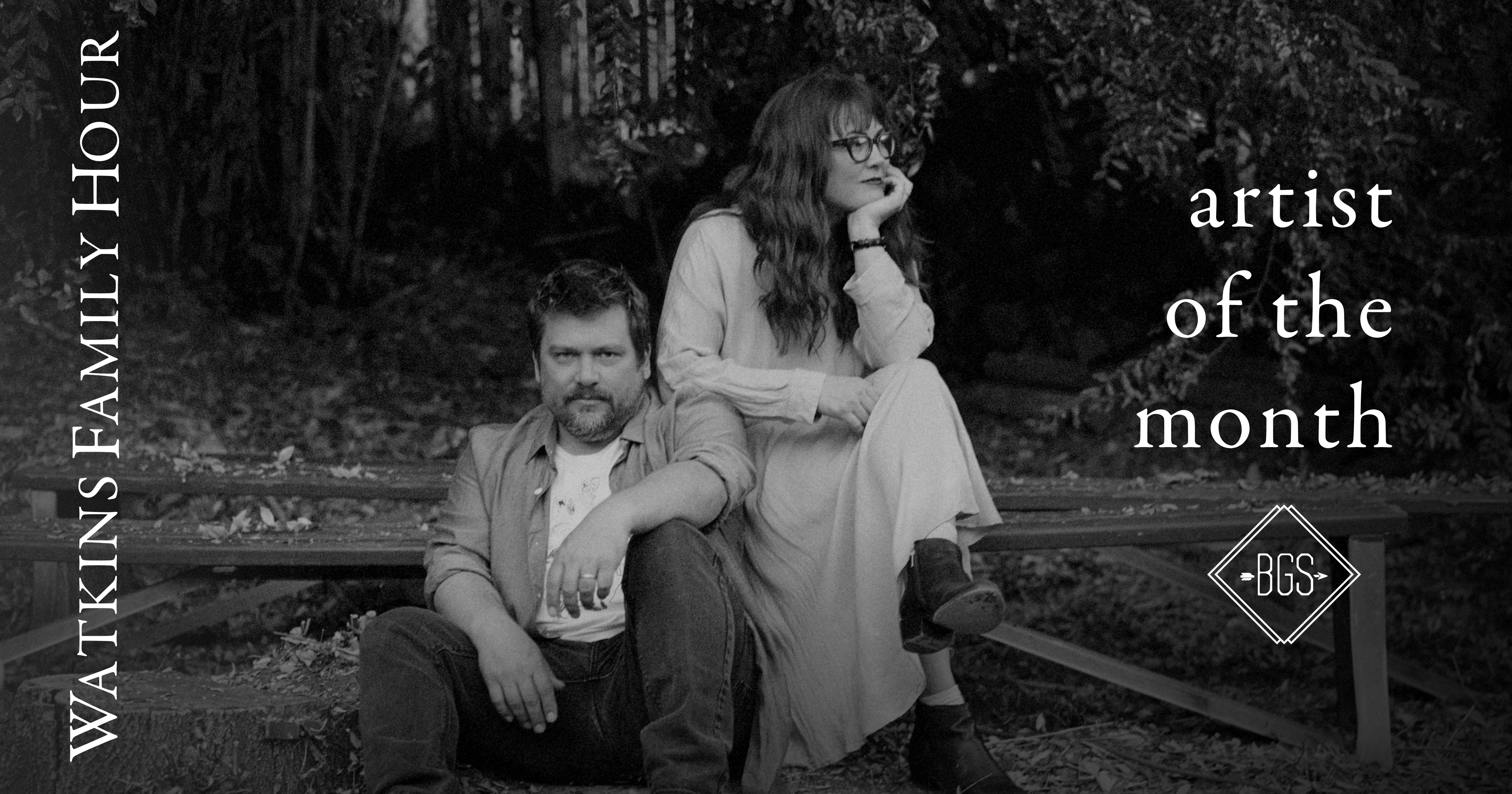
Artist of the Month: Watkins Family Hour

Sean Watkins and Sara Watkins have factored into some of the most accomplished and creative ensembles of the last two decades, while building a cool catalog of their own solo albums, too. Familiar to many as co-founders of Nickel Creek (with Chris Thile), the California siblings are once again teaming up as a duo for brother sister, their second album as Watkins Family Hour.

“From the beginning, our goal was to work on these songs to be as strong as they could be, just the two of us,” Sara says. “And with a few exceptions on the record, that’s really how things were. It was a tight little group of us, working dense days where we could squeeze them in.”

Sara won a Grammy earlier this year for “Call My Name” as a member of I’m With Her (with Aoife O’Donovan and Sarah Jarosz). In addition to producing, Sean has recorded with collectives such as Fiction Family, Mutual Admiration Society, and Works Progress Administration. Their appearances at the Los Angeles club Largo have inspired a number of impromptu collaborations on stage as well. Together, however, the siblings make a powerful unit, capturing a band sound with essentially two people — but incorporating a fresh perspective through producer Mike Viola.

“Mike brings a diverse musical history to his production work,” Sean says. “He’s worked with a lot of people [from The Figgs to Fall Out Boy] that surpass just bluegrass or folk, but his sense of the songwriting craft and melody is right in line with us. He was bringing ideas that we would have never had, and vice versa.”

Enjoy new tracks from Watkins Family Hour in our BGS Essentials playlist, plus choice cuts from throughout their brilliant careers.

Our Artist of the Month interviews are here! (Read part one here. Read part two here.)


Photo credit: Jacob Boll
WATCH: The Secret Sisters Welcome Solace of Spring with “Late Bloomer”

With spring just arriving, our BGS Artist of the Month has just given us a seasonal freshen-up with a lovely new release. Siblings Laura Rogers and Lydia Slagle, known as The Secret Sisters, released their latest album, Saturn Return, at the end of February. The new record was produced by Brandi Carlile along with Phil and Tim Hanseroth and was released on New West Records.

“Late Bloomer” and its accompanying video have the same glow that an old photo album or a home-cooked meal with your family might have: welcoming, heart-warming, and encouraging. The message of the song is one of affirmation and reassurance, reiterating that everyone’s story is different and every path is unique. For a peak into what Saturn Return holds, watch the Secret Sisters’ touching music video for “Late Bloomer,” a spring of solace for those who feel the familiar impulse to compare and pass judgment on their own experience.


Photo credit: Alysse Gafkjen

The Secret Sisters’ Lydia Slagle: Good People With Great Purpose (Part 2 of 2)

Hearing the Secret Sisters sing captivates you immediately. Known best for their entrancing harmonies, the Alabama-born artists write songs about everyday hardships and headline-grabbing injustices, with a balance of poetry and punch in every lyric. It’s made fast fans of many, including Brandi Carlile, who called sisters Lydia Slagle and Laura Rogers in 2015 and offered to produce their next record, 2017’s You Don’t Own Me Anymore.

On the new Saturn Return, co-produced by Carlile and Phil and Tim Hanseroth, the duo expands beyond their well-known harmonies by exploring the previously untapped power that their voices have solo, recording many segments separately for the first time in their decade-long career. In a nod to that milestone, BGS spoke to each sister individually in advance of the album’s release. Here, Lydia Slagle talks about Carlile’s strength as a producer, finding hope despite hardship, and the distinct pride in being a late bloomer.

Tell me about your upbringing and your first memories with music.

We’re from rural Northwest Alabama. We grew up running through the woods and making forts and playing in the creek. We spent a lot of time outside with our cousins, and it was really family-oriented. Our dad is in a bluegrass band, so we were going to bluegrass festivals every Saturday. We went to church every Sunday, and the church that we grew up in was all congregational. Everybody sang together, so from a very early age, you had to learn to sing harmony.

You were the main writer on “Late Bloomer,” one of my favorite tracks from Saturn Return. Has anything ever made you feel like a late bloomer? How did you reframe that feeling with the positivity we hear in the song?

I’ve always felt a little bit behind. People in my grade, or my age… I always felt like they got there before I did. Part of that is being a Southern woman. I think that we are a little more pressured to have children faster, or get married at an earlier age. Even though I’d been all around the world, I still felt that pressure — I still felt behind. When I wrote “Late Bloomer,” my husband and I had been trying for a baby for almost a year. That particular day, I was just really frustrated with the whole situation. I thought, of course, this happens to me. I’ve been behind in every other aspect of my life, so of course I’m gonna be last for this, too — which sounds dramatic, I know…

No, it sounds… relatable.

Well, it was September, and I was at the piano looking out the window. I had been told that March or April was when I should hang my hummingbird feeders, because that’s when they’d come to the house. And I had not seen a hummingbird all year until the day I wrote this song. It made me start thinking about that aspect differently: they’re late coming to the party, so it’s OK for me to be, too. It’s OK to feel behind. Whatever timeline you set for yourself, it doesn’t matter, because we’re all on our own path. It was a really encouraging way to look at it. I’ve tried to look at it like that ever since.

Brandi Carlile produced your third album, You Don’t Own Me Anymore, and you chose to work with her again on Saturn Return. What made her the right person to produce this album?

We had a lot of fun with our third record. Not that we didn’t with our others, but we were so serious in the beginning, so concerned with being perfect, with having every note be exactly right. With the third record, we were this big family, just playing music together, just jamming. We really wanted to have that same experience again with the fourth record, especially because we had gone through some stuff before this record that was really hard. I was struggling with infertility; I didn’t really understand what was going to happen with our careers. We needed the positivity that Brandi tends to bring to a situation. She always helps us remember that we do this for a reason — and that we’re good at it. It was a really great communal effort, and I would say we were more comrades this time around. It felt like a bunch of friends playing together.

She recommended you and Laura record your vocals separately for the first time ever. What was going through your mind, from the first time you tried it to when you heard it played back?

It felt like an out-of-body experience in so many ways, just because we were so used to singing at the same time, into the same mic. So it was a new, refreshing experience to remember that we are separate people, with our own voices and our own things to say. That’s what Brandi is so good at doing — helping us remember what our talents are. It was a really important part of this recording process itself: finding our own voices and being who we are separately, but still being a band; and learning how to still sing together, even when we have our own perspectives to draw from.

As the album’s closing track, “Healer in the Sky” has a deeply spiritual and peaceful theme — a message of hope. Through the making of this record, what’s something that made you feel hopeful?

Even though we were on separate paths, Laura and I, there was a common thread going through our situations when we were recording. We were kind of settling into adulthood. Our grandmothers had just passed away within a week of each other, and we could see that our parents are getting older and going through health issues. We were both at a time in our lives when we were trying to reconcile things that don’t seem fair, seeing how other people around us have struggled. The reality of adulthood had set in, and you can hear that in a lot of the songs on the record.

But what gives us hope is that we’re people of faith. You do hear it especially on “Healer in the Sky” — we try to remember that we have a bigger hope, and we have a reason for why we do this. It’s easy to get ‘in our heads’ about things that seem hard at the time, but when you look at the grand scheme of things, those things are usually actually pretty petty. So for us, it’s been important to remember our purpose, and to just try to be good people along the way. That’s all that really matters.

Read the first part of our Artist of the Month interview with the Secret Sisters’ Laura Rogers.


Photo credit: Alysse Gafkjen

The Secret Sisters’ Laura Rogers: From Separation to ‘Saturn Return’ (Part 1 of 2)

Laura Rogers and Lydia Slagle are best known for doing things together. As sisters, they’ve celebrated birthdays, graduations, and many more of life’s big milestones together. As the Secret Sisters, they’ve made a name for themselves singing together, with intuitive harmonies that lend a honeyed sheen to folk tunes, country anthems, and the occasional murder ballad, too. But for their latest album, Saturn Return, the duo tried things a little differently.

At the suggestion of Brandi Carlile (who co-produced Saturn Return with twins Tim and Phil Hanseroth), Laura and Lydia recorded their vocals separately for the first time, integrating lengthy solo segments in addition to their trademark harmonies. The resulting record reveals two women at the top of their crafts, reveling in their independence while cherishing the inimitable depth of their voices together.

In tribute to their recording individually for the first time, BGS spoke to each sister separately, too. In part one of our Artist of the Month interviews, Laura talks about the influence of her hometown, self-inflicted career pressure, and how Carlile introduced the sisters to new sides of themselves — both individually and as a group.

BGS: You sang separately from your sister on this album for the first time. What did that feel like at first, and how did your feelings about it evolve?

Laura Rogers: I was very uncomfortable about it at first. I play off of Lydia, and I choose my notes based on what Lydia chooses. We read each other so closely when we sing together. Singing without her felt like driving a car for the first time without your parent in there. But when Lydia sang by herself, even though I know she was uncomfortable, I sat there listening to her and thinking, She is so good. She’s so good. I remember thinking about how glad I was that her voice was finally going to get a chance to be heard without mine, because her voice has so much beauty to it.

I thought, It’s time for people to hear what Lydia sounds like without me distracting them. But I was super scared to sing by my self, just because I … Well, I just don’t feel like I sing as well without Lydia. I’m more critical of myself, and I don’t have her to kind of pick up the slack that I need. [Laughs] So in the moment, I remember thinking, I don’t know if this is the right thing. How are we going to pull it off live? But then of course, after the record was done, we would listen back to it, and Brandi’s theory about it was so… right. And so beautiful.

How so?

While we were recording, Lydia and I really were in really separate places for the first time in our lives. I was pregnant and Lydia was trying to get pregnant. We felt this chasm, the two of us. We felt like we were in different places. Brandi could see that, in her bird’s-eye view of our circle. She knew that she needed to capture that moment.

Lo and behold, a few months later, we found out that Lydia was pregnant too, and we were back on another path together. We had been separate for only a moment. So I’m really thankful. I feel like Brandi is a really good photographer who caught the perfect moment with the perfect light and the perfect ambiance — this really special moment that will never come again.

You’ve recorded murder ballads and darker songs, and “Cabin” on this record — which you’ve said grew out of coverage on the Kavanaugh hearings — touches on a crime that was never brought to justice. What are the challenges and nuances you have to consider when broaching topics like those?

That’s a good question. “Cabin” can really be about a pretty broad range of crime. But we were specifically writing about sexual crime: abuse, harassment, and mistreatment of people by those in places of power. We had a message that we wanted to convey, but it felt like we had to tiptoe around some things to try to avoid any sort of heavy political slant.

Lydia and I are not political songwriters. We just aren’t, and don’t want to be. But there are certain elements of that that do come up in our writing that we feel like we have to kind of carefully craft in order to express ourselves, but not isolate. That’s also true with murder ballads. It is a sensitive subject matter, and our protection — up until we wrote “Cabin” — was the fact that those songs that we had written were mostly fiction.

When [our songs] talk about getting your heart broken, or going through bankruptcy, or being done wrong by someone who is supposed to be your friend, those are actually based in truth. We would never specifically mention anyone by name, but if they hear the song, they’ll know that we’re talking to them. If you feel like we’re singing to you, we are.

That’s the way that we view our music — as therapy. The murder ballads have always been about us challenging ourselves to write songs about things that we didn’t experience. On the flip side of that coin, there are a lot of songs that we went through firsthand and had to process through writing.

You sing about the push-pull of success in “Nowhere Baby.” What does that song mean to you, and how do you fight back against the low moments?

I hope that people can find their own story in a song like that. For us, “Nowhere Baby” is about constantly feeling like we’re arm wrestling the music industry; feeling the need to say yes to everything that comes along, because you’re afraid that if you say no you’re going to set yourself back or miss an opportunity; feeling like you need to prove yourself. As artists, creative souls, and women, sometimes we put that on ourselves. We make these ridiculous schedules that we think we have to stick to. “If we don’t go do this show, what’s gonna happen? Are we gonna miss something that could be really important, could get us to the next level?”

We are so hard on ourselves about our careers. We love music, and we love that we’ve gotten to make a lifestyle of playing our songs on the road, but it’s a hard life. You sacrifice more than people on the outside ever realize. You miss the birthday celebrations and the holiday events. Through experience in the ten years that we’ve been on the road, we’ve learned that it’s OK if you need to just be a person for a minute. It’s OK if you want to just sit at home for a few weeks. Nobody’s gonna forget about you, you’re not going to lose your edge.

You’re from just outside of Florence, Alabama, and started singing harmonies with your sister at church. Did your hometown have any impact on the artist you are today?

Oh yes, 100 percent. We grew up pretty close to Muscle Shoals, which is obviously a legendary place for music. But we weren’t exposed to the music of Muscle Shoals as much as you might think. We listened to more folk music, bluegrass, gospel, and country. And where we are geographically had influence on us as musicians — I mean, it’s this weird little place that’s so perfectly located. It’s close to Nashville, so you get the country music influence. It’s close to Memphis, so you get a little bit of the blues. It’s close to the mountains, so you get some Appalachian music. You get gospel music, because we’re in the middle of the Bible Belt. It’s this perfect spot where these little genres of roots music all began.

I think living in a rural place, and growing up where there isn’t a lot to do other than hang out with your family or do sports or play music, is why we are the way that we are, and why we’ve become the musicians that we’ve become. We are so spiritually tied to our hometown. When I leave, I become a different person, and it’s almost like I have to go back to regroup and establish myself again. I come home and I’m like, oh, that’s who I am. [Laughs] I may get to go to all these great places, but when I come back, I’ve still got to scoop up chicken poop off my porch.

Read our interview with Lydia Slagle here.


Photo credit: Alysse Gafkjen

Artist of the Month: The Secret Sisters

The secret is out, as the Secret Sisters have finally issued their newest album, Saturn Return. Time is a through line of the project, heard in songs like “Late Bloomer,” as well as the album title, which is an astrological reference to Saturn returning to the same location in the sky as it was when you were born. Motherhood also informs the music, as sisters Lydia and Laura Rogers were new mothers at the time, but also grieving the recent loss of their grandmothers.

Produced by Brandi Carlile and Phil and Tim Hanseroth (aka “The Twins”), Saturn Return positions the sisters as solo vocalists to some degree, as both Lydia and Laura recorded separately for the first time. And in contrast to their other albums, they wrote all of the material here themselves. A sweet celebration of the women who came before them can be found in the opening track, “Silver,” while the final track, “Healer in the Sky” is poignant, vivid, and simply beautiful.

Look for a two-part interview with the Secret Sisters — our BGS Artist of the Month for March — in the weeks ahead. (Read part one here. Read part two here.) In the meantime, enjoy our Essentials playlist, comprising choice covers (including one of Carlile’s songs), rare and interesting collaborations, and new music you’ll want to hear from Saturn Return.


Photo credit: Alysse Gafkjen

On Tour, Nathaniel Rateliff Wants to Create an Experience (Part 2 of 2)

Nathaniel Rateliff’s And It’s Still Alright marks his first full-length solo release in seven years and grapples not just with the loss of a romantic relationship, but with the unexpected passing of his friend and collaborator Richard Swift, with whom he had planned to record it.

In this portion of our conversation, we discuss Rateliff’s songwriting on And It’s Still Alright — which ventures further into vulnerable, introspective territory than did his previous work with his band the Night Sweats — as well as his time in the studio and how he plans to bring these songs to life on his solo tour, which runs through the summer.

Read the first part of our BGS interview with Nathaniel Rateliff.

BGS: Given the way “And It’s Still Alright” came out, you mentioned earlier that “All or Nothing” began with a chord progression. Do you have a songwriting process you typically follow, or does the creation look different each time?

Rateliff: It’s really song-to-song. It always seems to change for me. “All or Nothing,” with that song in particular I really wasn’t trying to write a song. This progression had come up and I played it at a bunch of different tempos. It reminded me of the Eddy Arnold song, “Anytime.” It has this Western-swing progression to it, and I really liked it. Then I started playing these jazzier chords I had learned that I wouldn’t play with the Night Sweats and it turned into a song eventually.

I had a handful of different words to it. As I remember, at one point the chorus was like, “I got heavy shoulders but I’m not blue.” It didn’t really make sense. [Laughs] That turned into, “I got all this and nothing, too.” So it really does vary. That song was a chord progression that a vocal melody kind of came out of. And sometimes I’ll start with a vocal melody or a phrase and write music around all of that.

“And It’s Still Alright,” the original idea was me sitting in a hotel playing guitar by myself. Richard and I went and saw Tom Petty together. The way [Petty’s] song structure was, you start with a massive chorus and it goes into a verse that’s an even bigger chorus and it’s hook after hook after hook. One of my buddies was listening to “And It’s Still Alright” and he’s like, “Yeah, it’s kind of like it’s only bridges. There’s no chorus.” But there’s something interesting about it, since it doesn’t have a traditional hook.

You mentioned the time you all spent in the studio together. It sounds like you had a great group of players and collaborators who were able to join you. What do you look for in a collaborator, and what is it about a musical partnership with someone that feels right to you?

Even in the beginning, when the first Night Sweats records started, I had grown weary of being the traveling singer/songwriter troubadour kind of guy. I was really over playing acoustic guitar for a little bit. So I was making these demos in my attic, then I shared them with Richard and we decided to make a record. I brought Patrick Meese out with me, because I knew we could both play multiple instruments and that we’re pretty good at not getting our feelings hurt when advising each other about portions of the songs.

Sometimes you have something you think is a great idea and it just doesn’t work; being able to work with somebody who isn’t overly sensitive about that stuff is really helpful. You don’t want to have this unspoken tension or this idea that someone is musically picking on you when they don’t like your ideas… The biggest thing is being able to be in the studio with somebody where there is this element of seriousness in approaching it as work and respecting it as a craft, but there’s another side of it where you have to lighten up and have a good time.

Yeah, if you aren’t having fun, what’s the point of doing it at all?

Exactly. I hear stories of people who are like, “Oh, they got that on the 70th-something-odd take,” and it’s like, “Fuck that!” If we’re not getting it in the first two or three, we’re probably screwing something up.

With the Night Sweats, of course, you were releasing music via Stax, but this is your first solo release you’ve been able to do with the label. Given the label’s history, what does it mean to you to be able to work with them, and what has spending the last several years of your career with them opened up for you creatively?

With the Night Sweats stuff it was like, well, the sound I’m really trying to come up with is influenced by Sam & Dave. My original idea for the Night Sweats was, I wanted to have the feel of when the band would play R&B songs like “Don’t Do It.” Their sort of gritty, funky, but slightly Southern feel and approach to the songs — swamp rock, I guess. But then also have these harmonies, like the Sam & Dave harmonies, with these big, powerful voices. Then I wanted everyone in the band to be working for the song. I wanted it to be a sweaty revival.

Originally I was signed to Rounder and got dropped when Concord kind of took over. Then I eventually got signed by the parent company, Concord, and when I found out they worked with Stax, I was like, “Is there any way we can put this out with Stax?” We shared the record with them and that started our journey together. To me, Stax is such an important part of the community in Memphis and part of the thing I love about music is how it’s a community-builder. We really need that nowadays. We need to be more in touch with the people around us and be more understanding and more caring overall. Also, just that roster; it’s all the greats. It hits me when I look at it. It’s pretty amazing.

It sounds like the tour will really showcase several different sides of you as a musician and as a performer. What are you most looking forward to about getting on the road and getting to play these new songs live?

We’re really trying to create an experience. The other thing, too, since it’s mostly the Night Sweats guys in this band, it’s fun to be able to show people, in pulling these songs off live, that we’re really creating and playing whatever type of music that appeals to us at any given time. Hopefully that will make us look like we’re not just a one-trick pony.

The Hurt Behind Nathaniel Rateliff’s ‘And It’s Still Alright’ (Part 1 of 2)

Nathaniel Rateliff’s And It’s Still Alright retains much of the soul and swagger of his work with his band the Night Sweats, but its subtler arrangements and sparser atmosphere offer more room for Rateliff to showcase his introspective side as both a songwriter and vocalist. Songs like the title track, which chronicles the aftermath of unexpected loss, and the poignant “Time Stands,” hark back to his salad days as a solo singer-songwriter while also marking his immense artistic growth over the past decade.

As his first full-length solo album in seven years, And It’s Still Alright comes on the heels of two acclaimed albums from Rateliff and the Night Sweats, both of which released via STAX Records and found the Missouri-born artist digging deeper into rock-influenced soul and R&B music.

Rateliff originally planned to make the new album alongside friend, frequent collaborator, and beloved producer Richard Swift, who died unexpectedly in July 2018 at the age of 41. Swift’s passing is a heavy presence across the LP in myriad ways, including Rateliff’s decision to record the bulk of And It’s Still Alright at Swift’s National Freedom studio in College Grove, Oregon.

Below, read part one of our conversation with Rateliff, held in the weeks leading up to And It’s Still Alright‘s release.

BGS: You’ll release And It’s Still Alright in just a couple of weeks. What are you feeling as you anticipate having this new music out in the world?

Rateliff: I’m excited. I’m excited to share it. This is kind of the first time that me and the band have done real rehearsals. [Laughs] I feel like with the Night Sweats we’d be like, “Oh, we know these songs,” and just kind of rock through them. These songs have such a different intention than that, and there’s so much more subtlety in performing them live together. It’s been an interesting yet fun challenge to figure that all out together.

Having been a few years since you last put together a project that wasn’t with the Night Sweats, what was behind your decision to move forward with another solo album this time around?

When we were making the last Night Sweats record, I had a lot of these songs that I was working on. I was sharing them with Richard. We had intended to make this record together before he passed away. So I guess I followed through on my commitment to him in making this record. We tried to do it the way we thought he would do it.

What did those early song ideas, as well as those early conversations with Richard about what you envisioned for the album, sound like? Was there a moment or a song that made the project feel like it had clicked for you?

I remember playing “All Or Nothing” — I had the chord progression for it, and some of the words; it wasn’t really done yet — and I was kind of sharing it with Richard and he was like, “Man, I love this. You can’t be too Nilsson, man.” And so I would say, “OK. We’ll see how Nilsson we can get.” That was one of the things I wanted the record, or at least some of the songs, to have, that feel and similar approach to Harry Nilsson’s. Then a lot of the songs had a lot to do with Richard passing away, and some of our similar struggles that we shared in our personal lives and in our friendship together. So it seemed fitting to follow through and make a record.

Would you be open to sharing a bit about what you were feeling after he did pass, and when you made the decision that you were going to follow through with the album? How did doing the work feel in the wake of his passing?

It’s devastating, still. I still think about Richard and miss him most days, you know? He had this amazing ability to make the people around him feel very loved. As far as a creative partner, he was my favorite person to really work with. I really hadn’t intended on working with anybody else. So a really big part of the process of making this record was to go back to his studio. It has such a sound and feel to it there, so it kind of made me feel like he was with us in some way…

The band and I had all worked a lot with Richard and kind of new some of his tricks, which he was super open and willing to show us when he was still around. We really tried to approach it like, “What would Richard do?” song-by-song. Then there’s always that point in the process when you listen to the songs and say, “OK, what is there too much of here?” and kind of strip it back. Then we added a bunch of things to it. [Laughs]

The title track is so powerful and is one of several songs I’ve found myself returning to often since first sitting down to listen through the album. What was the experience of writing that song like for you? Did it bring about any healing for you?

I had a bunch of songs that I was writing with Richard in mind. When we were in Cottage Grove making this record in March, I’d had that song and was sitting at the kitchen table having coffee in the morning and just kind of instantly wrote it all out. At first, when you’re listening to it, the words came out so naturally that you don’t really take the time to question or examine what you’re trying to express personally. There was a moment in the recording process when I was like, “Oh fuck, I can’t believe I’m writing about this.” It’s heartbreaking at first but there is an element of healing to it. Sometimes to relinquish things you just have to say them out loud.

Read Part two of our interview with Nathaniel Rateliff.


Photo credit: Rett Rogers

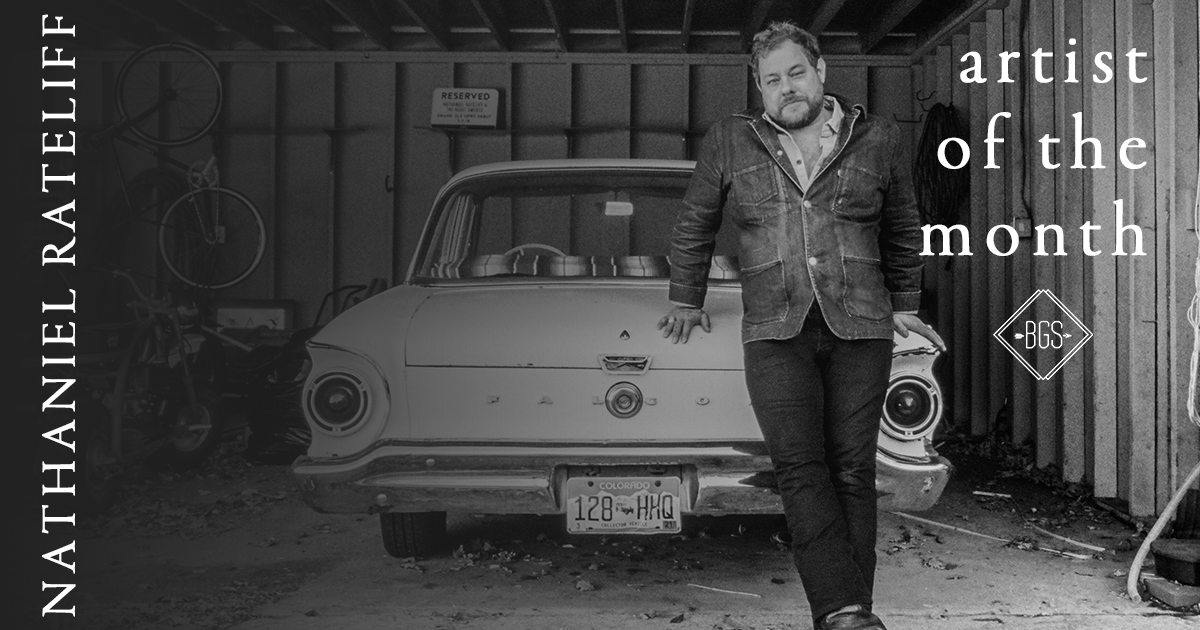
Artist of the Month: Nathaniel Rateliff

One of the most powerful artists in roots music, Nathaniel Rateliff has a solo album coming out in just a couple weeks, and as a preview, he’s released a music video for the title track. The evocative video mirrors a song with a lot of weight and meaning behind it, a trademark of Rateliff’s style. A simple song — voice accompanied by galloping guitar and a swirl of ambient textures — “And It’s Still Alright” has a beckoning quality that is matched with a grainy film aesthetic, shot in black and white with a splash of washed-out color.

In 2019, Nathaniel Rateliff and the Night Sweats scored a platinum single with “S.O.B.” and a gold record for their self-titled album. Now the pieces are in place for the next installment of Rateliff’s music as And It’s Still Alright is slated for a Valentine’s Day release. Tour dates are filling in, including a stop at the Ryman Auditorium in Nashville, as well as multiple shows in New York City, Los Angeles, San Francisco, Toronto, and Minneapolis. His European tour kicks off in April.

To hold over the anticipation for the new record and our upcoming Artist of the Month coverage, enjoy our BGS Essentials playlist.


Photo credit: Rett Rogers

Celebrate Black History Month with These 15 Artists

American roots music wouldn’t exist if not for the voices, stories, and musical traditions of Black Americans. Full stop. Celebrating the Black forebears of Americana, bluegrass, country, and string band music, pointing out their importance and their essential contributions to these genres we all know and love today needs to happen year-round, not just February. 

The BGS editorial team believes strongly in this idea, and though readers will be able to find several Black History Month features and articles in the coming weeks, we encourage you all to also take a dive back into our archives for stories that highlight Black creators and artists from all points across the last year. 

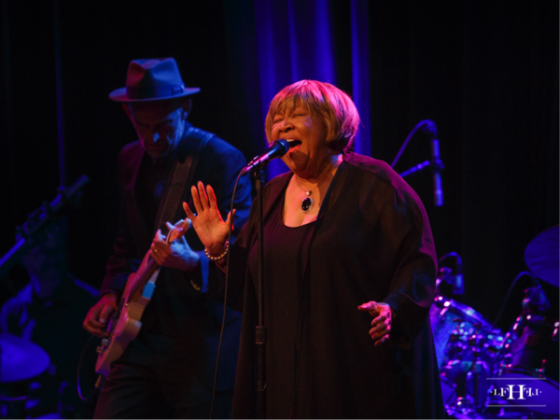
Mavis Staples on Live From Here

Ceaselessly relevant, Mavis Staples recently gave a keynote presentation at Folk Alliance International in New Orleans where she once again gleefully assured the audience she wouldn’t be done singing ‘til she didn’t have anything else to say. And she has plenty left to say! Watch Mavis Staples on Live From Here with Chris Thile. 


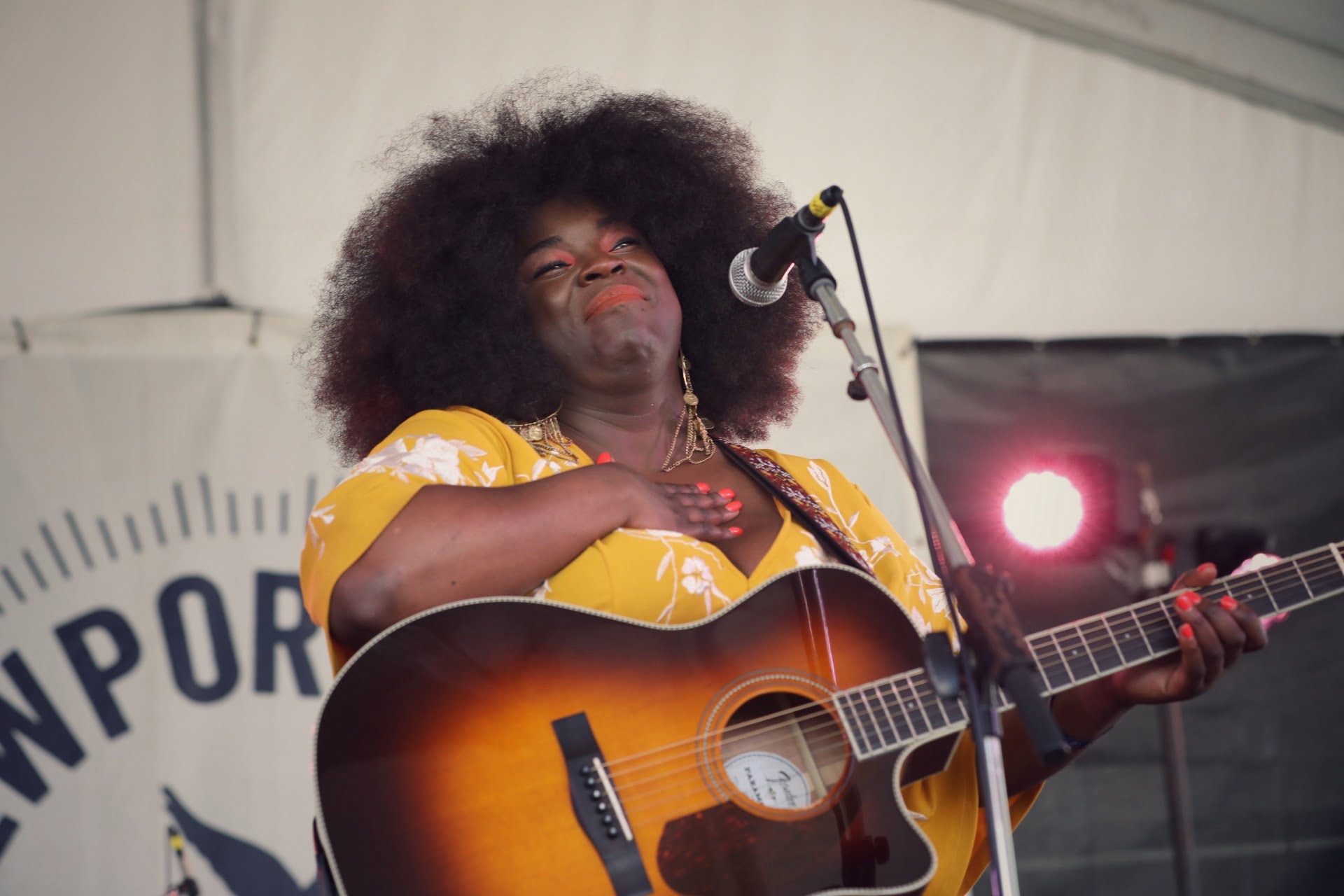
Yola’s Year of Debuts

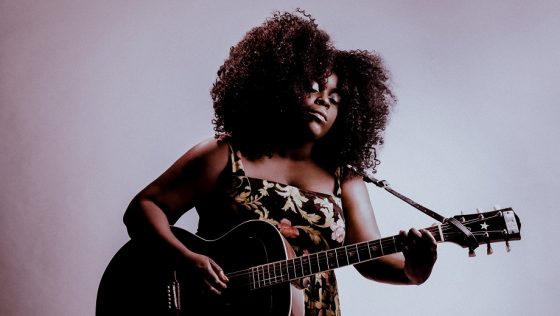
Yola’s debut album, Walk Through Fire, landed on our BGS Class of 2019 lists for Top Albums and Top Songs — and nearly every other year-end list across the industry, too. Naturally she popped up a few times in our pages: In our in-depth interview, when she made her Opry debut, and when she dropped an blazing Elton John cover.


Liz Vice on The Show On The Road

Liz Vice is a Portland born, Brooklyn-based gospel/folk firebrand who is bringing her own vision of social justice and the powerful, playful bounce of soul back to modern religious music. She is following a rich tradition that goes back generations to powerful advocates like Sister Rosetta Tharpe, Sam Cooke, the Staples Singers, the Ward Sisters, Aretha Franklin, and especially Mahalia Jackson, who was the soundtrack to the civil rights movement. Listen to the Liz Vice episode of The Show On The Road.


Brittany Howard, Artist of the Month and More

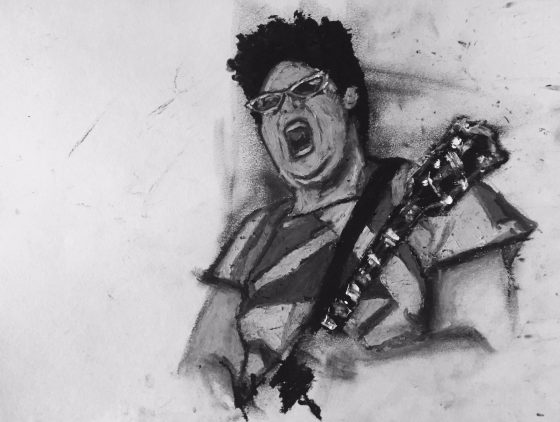
Our November 2019 Artist of the Month stunned in a stripped down duet with Alicia Keys at the Grammy Awards last weekend, her well-earned musical stardom solidified by her debut solo album, Jaime. Our Artist of the Month interview anchored our coverage of Howard’s new music, but her Tiny Desk Concert really captured readers’ attention!


Steep Canyon Rangers with Boyz II Men

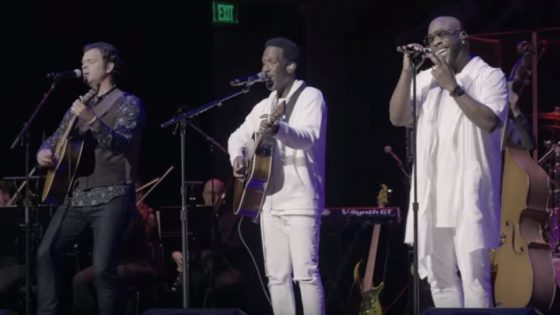
Yes, you read that correctly. A combination none of us knew we needed that now we can never go without. The Asheville Symphony backs up the two groups collaboration on “Be Still Moses,” a moment transcending different musical worlds and genre designations. You can watch that performance here.


Rhiannon Giddens: Booked, Busy, and Blessed

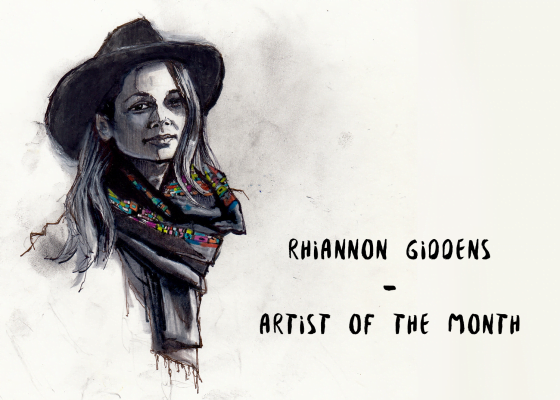
How much can an artist really accomplish in a year? A quick scroll through the BGS halls shows a Grammy-nominated album, being named Artist of the Month, scoring a ballet, playing the Tiny Desk, debuting a supergroup, and oh so much more. We are more than happy trying to keep up with Rhiannon Giddens’ prolificacy.


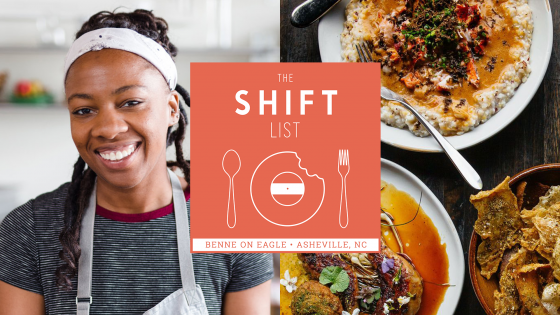
Ashleigh Shanti on The Shift List

The Shift List is a podcast about chefs, their kitchens, their food, and the music that powers all of it. On an episode from September we interviewed Chef Ashleigh Shanti of Benne on Eagle, an Appalachian soul food restaurant in Asheville, North Carolina. Her Shift List includes Kendrick Lamar, Nina Simone, and more.


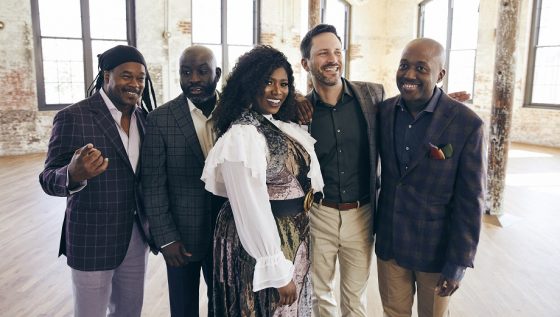
Grammy Winners, Ranky Tanky! 


We spoke to Ranky Tanky about their album Good Time in August, less than six months before it would win the Grammy for Best Regional Roots Album. If you aren’t familiar with Gullah music, our interview will help you out.


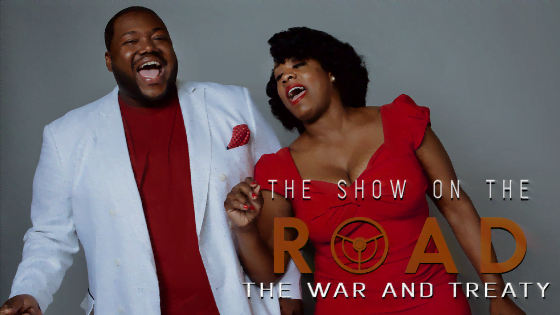
Americana’s Sweethearts, The War and Treaty

Rapidly-rising folk/soul duo of  husband and wife Michael and Tanya Trotter, The War and Treaty have had a year chocked full of smashing successes. Of course the best way to catch up with them was on the road, so Z. Lupetin set up the mics for an episode of The Show On The Road.


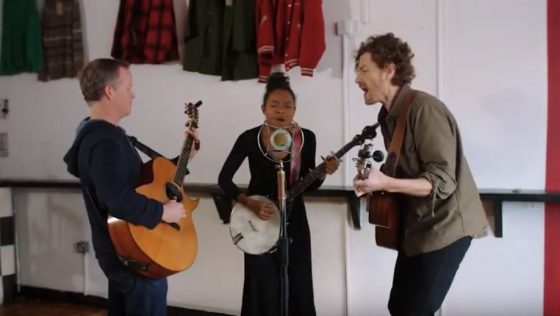
Tui’s Old-time Tunes

Jake Blount, one half of old-time duo Tui with fiddler Libby Weitnauer, is a scholar of Black, Indigenous, and otherwise forgotten, erased, or marginalized American fiddlers in old-time and string band music. His work specifically spotlights the source musicians whenever possible, undoing generations of revisionist history in roots music. Tui’s recording of “Cookhouse Joe” was featured in Tunesday Tuesday.


A Sitch Session with Birds of Chicago

A song with a message well-timed for almost any era, “Try a Little Harder” seems especially perfect for this very moment. Birds of Chicago do an excellent job bringing that message to the world. A suitably stunning Sitch Session.


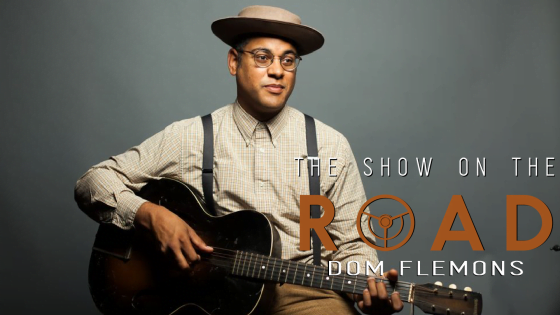
Dom Flemons Talks Black Cowboys

If you haven’t heard Dom Flemons talk about his album, Black Cowboys, and the narratives and traditions that inspired it, this episode of The Show On The Road is essential. The music is captivating on its own, a perfect demonstration of Flemons’ uncanny ability to capture timelessness and raw authenticity, but with his scholarly takes and his depth of knowledge the songs take on even more meaning and power. It’s worth a deep dive — check out our print interview, too.


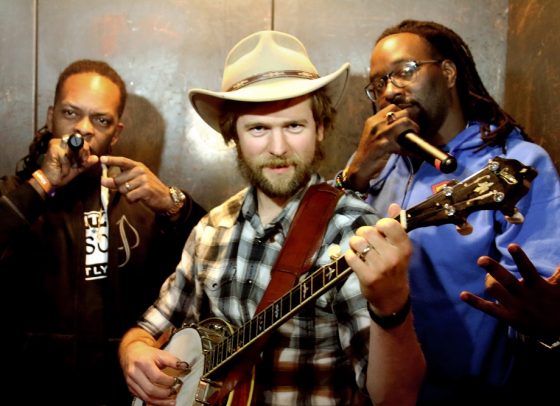
Gangstagrass Set the Standard

When you read Gangstagrass’s Mixtape of standard setters the parallels that emerge between foundational bluegrass and hip-hop are certainly surprising, but they also make perfect sense. It speaks to the longevity of this boundary-pushing, genre-defying group — that has been setting their own standard as they go.


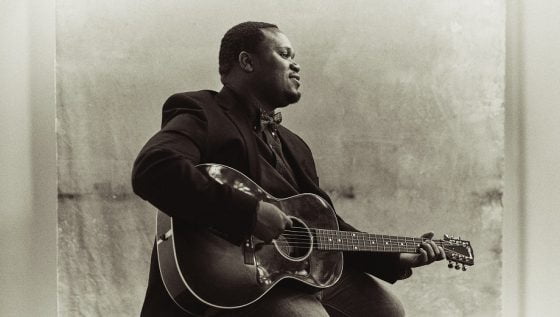
Jontavious Willis Goes Back to the Country

“Take Me to the Country” is Willis’ paean to his homeland: “No matter where I go in the world, I can’t wait to go back to the country,” He told BGS in April of last year. “For me, that special place is a rural southern town in Georgia where I grew up. It’s such a quiet and calm place, and somewhere I crave when I’m far from it.” You can hear that truth woven into the music.


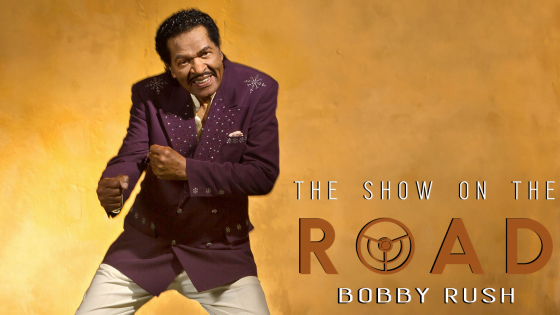
Octogenarian Bluesman, Bobby Rush

At 85 years old, Bobby Rush has been playing his brand of lovably raunchy, acoustically crunchy, and soulfully rowdy blues for over six decades. After winning his first Grammy at the humble age of 83, he has no plans of slowing down. We caught up with Rush on The Show On The Road.


Photo of Yola: Daniel Jackson