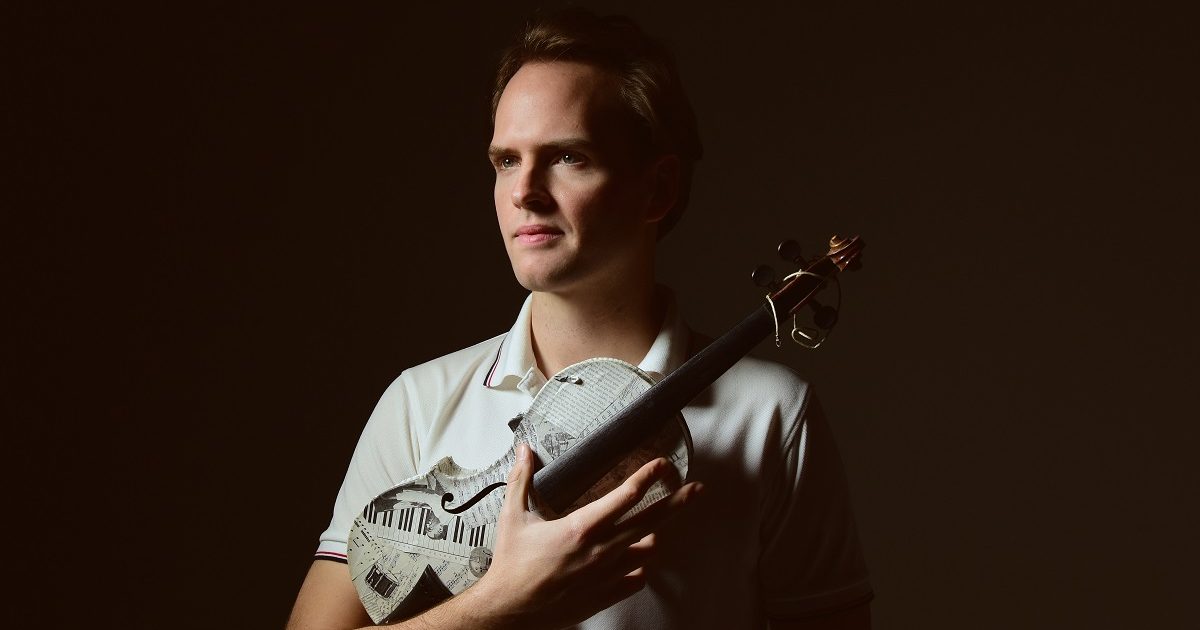
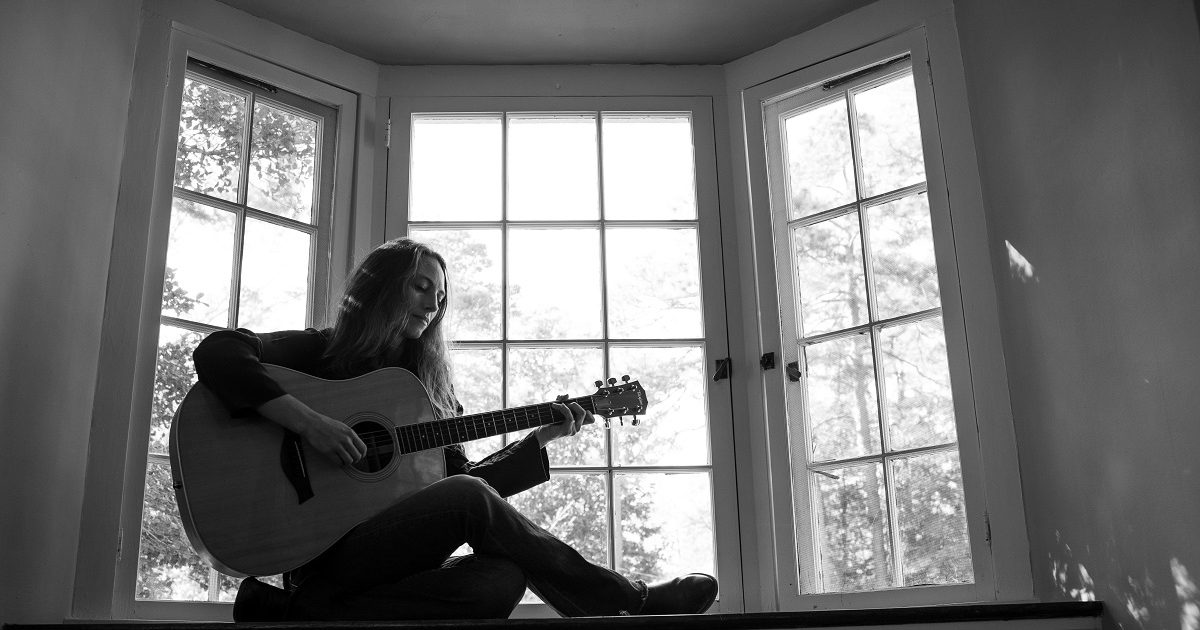
LISTEN: Son of John, “Lonely Door”

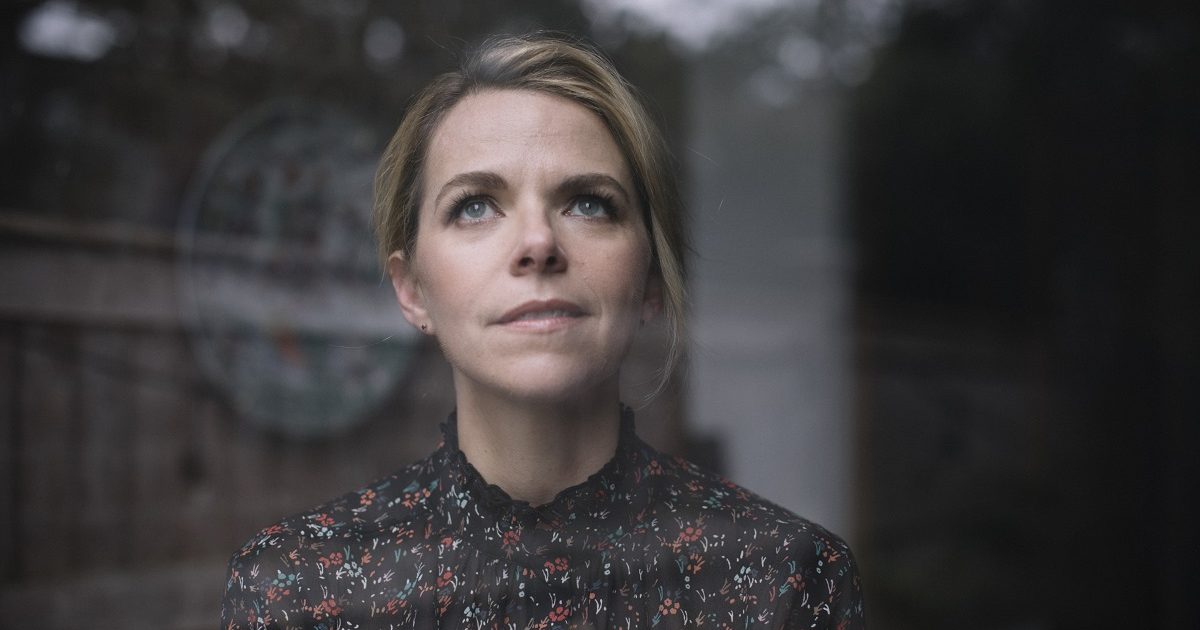
Artist: Son of John
Hometown: Castlegar, British Columbia, Canada
Song: “Lonely Door”
Release Date: January 29, 2021
Label: Kootenay River Music (Independent)

In Their Words: “‘Lonely Door’ is a song that has taken on a different meaning in our new world since it was written several years ago. The line ‘things don’t matter much anymore’ was spoken by my now 100-year-old grandfather after the loss of his wife (and my dad’s mom), and it served as inspiration for this song about love, loss and longing. We used the analogy of walking through a lonely door to capture that painful feeling of heartbreak after losing a loved one. Although the lyrics of the song depict the heartbreak as being one’s own fault because of mistakes that were made, we are all experiencing those feelings of loneliness and sadness in different ways as we endure the effects of these times. We just want everyone to know that they’re not alone; we’ll be able to walk back through that lonely door when this is all over and we can all be together.” — Javan Johnson, Son of John


Photo courtesy of Son of John

LISTEN: Ross Cooper, “Named After a River (Brazos)”

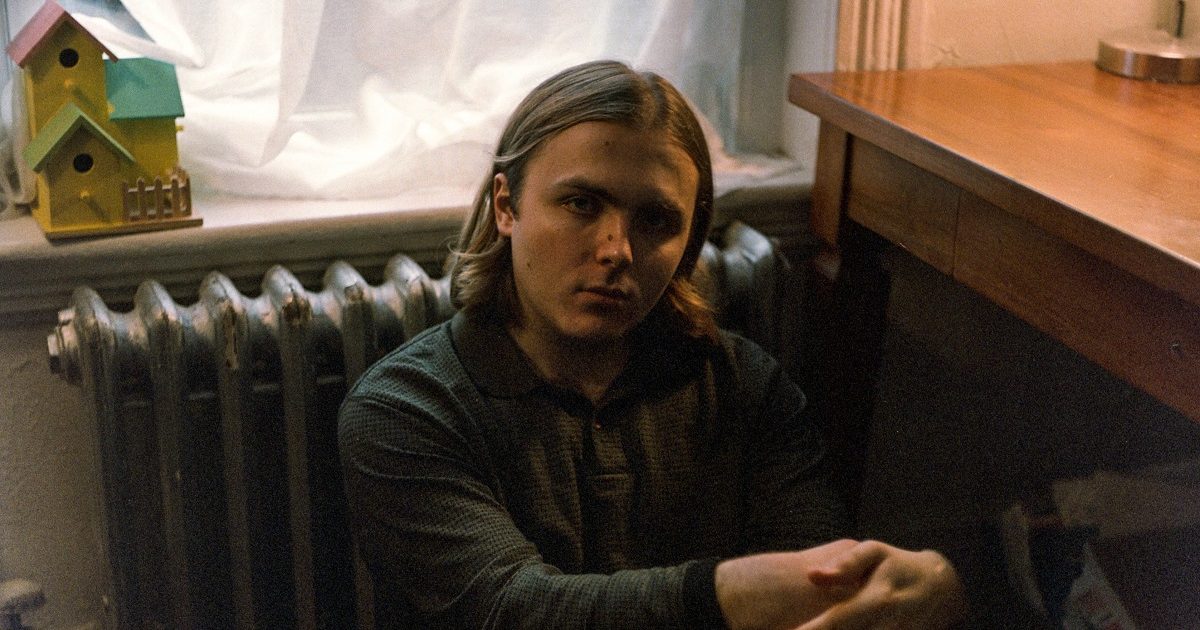
Artist: Ross Cooper
Hometown: Lubbock, Texas
Song: “Named After a River (For Brazos)”
Album: Chasing Old Highs
Release Date: February 26, 2021
Label: Ross Cooper Music/Ingrooves

In Their Words: “I wrote this song for my nephew, Brazos (who was named after the Brazos river). I wanted it to be a constant reminder of how strong he can be especially when being tough isn’t easy. I can’t even imagine how hard it is being a kid today. I want him to remember that, like a river, he could shape mountains, instead of mountains shaping him. This song and that bigger message mean a lot to me. It would be really easy to let the last year define us; everything we did or didn’t do. But sometimes it’s a choice to carve through the mountain. For me, I can’t wait. This album has been a long time coming and I’m ready to get back on the road in whatever capacity. Lots of work went into getting this album ready and I’m ready to see America again from a van window.” — Ross Cooper


Photo credit: Jody Domingue

Harmonics with Beth Behrs: Beth Behrs & the Brothers Koren, ‘The Moon Will Stay’

Beth Behrs, host of the BGS podcast Harmonics, is premiering her new album with the Brothers Koren, The Moon Will Stay – now available on Bandcamp.


LISTEN: APPLE • SPOTIFY • STITCHERAMAZON • POCKET CASTS • MP3

The project was originally intended to be purely therapeutic, a merging of Behrs’ personal poetry and the Korens’ music it inspired. But over time, with the growth of the Harmonics community and a decision to be more vulnerable with her listeners, Behrs decided to release the album via Bandcamp, donating the proceeds to three organizations near and dear to her heart:

Songwriting with Soldiers provides weekend retreats across the U.S. for veterans who have served in all conflicts. Since 2012, they’ve connected with hundreds of veterans and military families, and created a safe and inspiring environment to share their experiences and write with professional songwriters, like Mary Gauthier, a guest on Season 1 of Harmonics.

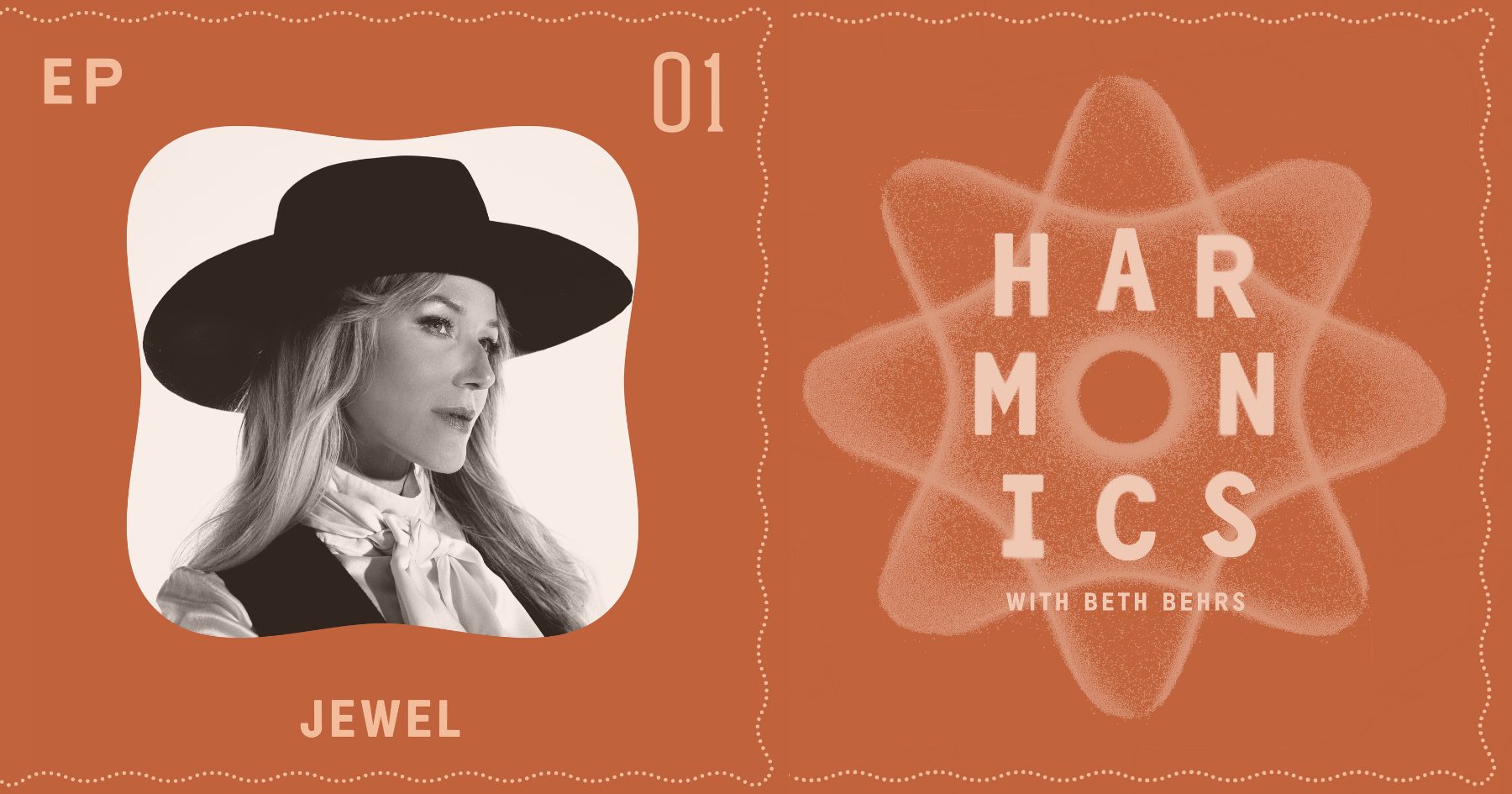
Jewel’s Never Broken program, in partnership with the Inspiring Children Foundation, aides struggling children through mental health support, mentoring, education, and equip them with life skills and tools to earn college scholarships. Jewel will be the first guest on Season 2 of Harmonics, premiering next week.

The Equus Foundation is the only national animal welfare foundation in the U.S. that is 100% dedicated to protecting the country’s horses, and strengthening the bond between horses and people. Their mission is to safeguard the dignity of America’s horses throughout their lives, and to share the ability that horses have to empower, teach, and heal. Equine therapy has had a huge impact on host Beth Behrs’ and her family’s lives — horses have been instrumental in her mental health and loving connection within her family.

Subscribe to Harmonics to stay in the loop for Season 2, premiering on Tuesday, March 9, featuring guests like singer-songwriter Jewel, legendary comedian and entertainer Carol Burnett, renowned singer and actress Kristin Chenoweth, and so many more incredible guests!


Follow @harmonicspodcast on Instagram for more updates on these incredible organizations, and to stay updated on the podcast.

Album Art: Hana Behrs

Bluegrass is Trance (And Old-Time, Too)

Bluegrass is trance. Old-time, too. 

With a slightly more zoomed out perspective, this fact comes into focus pretty quickly. American roots music and its precursors, especially their string band forms, have been interwoven with dance for eons. Before the advent of recorded music, when the popular musics of the day could often only be consumed by upper classes, dancing and other social group activities were the center places music inhabited. Before radio shaved popular music down into bite-sized, three-minute chunks, the tunes would last as long as necessary to provide a backdrop for a reel, a hornpipe, or a square dance, extending fiddle tunes into ten- to twenty-minute, cyclical, musical meditations. “Turkey in the Straw” as mantra, “Chicken Reel” as a slightly wonky, onomatopoeic sound bed.

Detached from dance, it’s easy to forget that string band music has been designed with trance embedded within its structures. Chris Pandolfi is a banjo player who’s explored quite a bit in trance and trance-adjacent music with the Infamous Stringdusters, a seminal jamgrass band with a level of bluegrass’s technical virtuosity that’s unmatched in all but a select few ensembles in a similar vein. Pandolfi’s new record, Trance Banjo, which was released under his solo stage name, Trad Plus, moves further and further beyond American roots aesthetics, cementing the banjo and its musical vernacular within trance – the electronica variety as well as the age-old, human kind.

Trance Banjo, and tracks such as “Wallfacer” — whose trippy visualizer music video almost cements this article’s central argument — recalls albums by Scott Vestal, or live shows by post-metal shredders like Billy Strings, or experimental, avant garde compositions by cattywompus flattop mashers like Stash Wyslouch. It’s not just a simple coincidence that so many players from bluegrass and old-time backgrounds find themselves dabbling with trance.

John Mailander, a fiddler who’s toured with Molly Tuttle and Bruce Hornsby and has been hired as a side-musician with many a jamgrass-leaning band, is comfortably uncomfortable in a very similar musical realm as Trance Banjo. On an EP of sketches and improvisations released last summer (from the same sessions and experimentations that became his upcoming album, Forecast) Mailander and his bluegrass-veteran backing band play with trance centered on sparseness, vacancy, and negative space in a way that’s engaging and baffling, both. Mailander’s rubric of vulnerable, emotive, and transparent expression as a foundation for improv is key here.

That personal touch, the personality endemic in these trance experimentations, is certainly what makes them most compelling and it must be, at least in part, what ties these songs to the centuries-old tradition of music as meditation. Rhiannon Giddens and Francesco Turrisi make more than just a musical brand of showcasing their personalities and identities in the music they create, it’s more like a mission statement. Giddens has an incredible aptitude for writing and composing music based on empathy and human connection and Turrisi holds expansive knowledge of world folk music and percussion.

Their compositions and collaborations illustrate that, when we connect our music to dance, percussion, and trance, we’re connecting it to thousands and thousands of years of history — of humans of all ethnicities, cultures, backgrounds, and identities, gathering, connecting, sharing, and loving through music, dance, and trance. On stage, Turrisi and Giddens deliberately connect these dots as well, utilizing stage banter to educate their audiences about these exact connections.

While old-time has held onto its penchant for movement and choreography through the generations, bluegrass continues to grow distant from this and many of the other cultural phenomena that gave rise to it. Trance Banjo, and projects like it, while they seem to gleefully run away from what we perceive as “traditional” aspects of these genres, are in many ways guiding us right back to the very folkways that birthed them. 


Photo credit: Chris Pandolfi by Chris Pandolfi

The BGS Radio Hour – Episode 199

Welcome to the BGS Radio Hour! Since 2017, the show has been a weekly recap of all the great music, new and old, featured on BGS. This week we’ve got everything from quirky pop hooks by Aaron Lee Tasjan to outcries about workers’ rights by the Local Honeys. Remember to check back every Monday for a new episode of the BGS Radio Hour. 

APPLE PODCASTS, SPOTIFY

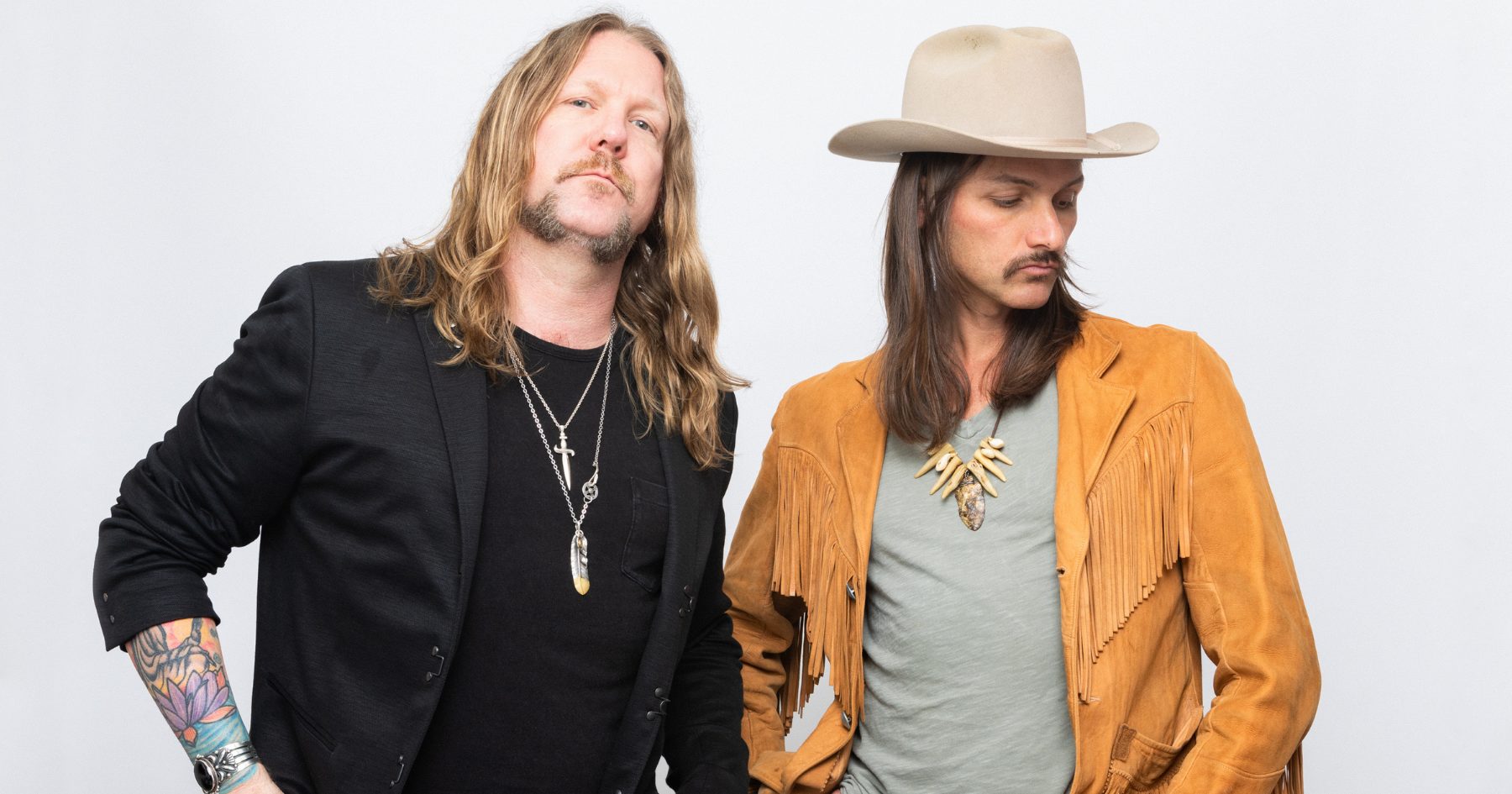
Black Pumas – “Black Moon Rising”

As we welcome the spring, we bid farewell to our February Artist of the Month – Black Pumas. The duo, up for a total of three Grammy Awards this March with their breakout album, sat down with BGS this month to talk about Black Pumas (Deluxe Edition), and the influences that brought them together.

Terrible Sons – “What A Friend”

From Christchurch, New Zealand, Terrible Sons brings us a song this week from their newly released Mass EP. “The song looks into a life that is unravelling internally and externally, a character who struggles to communicate, someone who’s on the edge,” the duo tells BGS. “We’re really singing about being a failure as a friend, about not being there.”

Aaron Espe – “Take You Home”

February brought many great releases; Aaron Espe’s Rock & Roll Man EP is certainly no exception. As the Nashville-based songwriter told BGS, songs can mean many things to many people, all of which are valid, and shouldn’t be ruined by the songwriter explaining it to them – so best for us not to spoil this one!

Lonesome River Band – “Love Songs”

Steve Martin used to tell a joke about how no one could be sad while playing the banjo. And while the banjo strikes a happy tone, songs from the bluegrass repertoire just aren’t the most optimistic – often, they are about heartbreak, loneliness, or death. In their new single, the Lonesome River Band recognizes that we have to write about what we know – and it ain’t always love songs.

Judith Hill – “Baby, I’m Hollywood!”

For Judith Hill, “Baby, I’m Hollywood!” is a defining statement, summing up the drama, love, and pain that surrounds her life as an entertainer in an epic performance and video.

Cristina Vane – “Prayer For the Blind”

From her upcoming Nowhere Sounds Lovely, Italy-born and Nashville-based Cristina Vane brings us an old-time banjo meditation on finding levity in heavy situations, and the bonds and intergenerational burdens shared between mothers and daughters.

The Wild West – “Better Way”

Women-led upergroup The Wild West strike on uniting us all amongst the differences that divide us – touching the idea of being born with love and without hate, and calling us to find our way back to innocence, understanding, and compassion.

Aaron Lee Tasjan – “Up All Night”

This Nashville artist is no stranger to BGS. Tasjan is his own producer on his newest release Tasjan! Tasjan! Tasjan!, the most-Tasjan album that he’s released so far — quite literally. From deep personal experiences in his writing to silly pop hooks, Tasjan’s newest album is one worth hearing.

Lily B Moonflower – “Midnight Song”

One thing we’re all surely missing is community, be it local jams, concerts, or just visiting with your neighbors. From Lawrence, Kansas, Lily B Moonflower brings us a song inspired by her community coming together through music and love, and the magic that follows on the honky-tonk floor.

Spencer Burton – “Memories We Won’t Soon Forget”

From Ontario, singer-songwriter Spencer Burton joins us for a 5+5 this week – that is, five questions, five songs to go along. From favorite stage memories to a dream musician and meal pairing, our conversation with Burton is one we won’t soon forget.

The Local Honeys – “Dying to Make a Living”

Even while they’re stuck at home like the rest of us, the Local Honeys continue to get their message out to the world. While in past times they’d be touring Europe with Colter Wall or Tyler Childers, the Kentucky-based duet now sit down with BGS to talk about the problems created by extractive industries like coal mining in Appalachia, reflected in their new two-song release.

Chris Pandolfi – “Astral Plane”

From Grammy Award-winning band the Infamous Stringdusters, ‘Panda’ joins us this week on a 5+5 in celebration of his latest album, Trad Plus Presents Trance Banjo. What’s better than banjos, beats, and Stuart Duncan?

Moira Smiley – “Days of War” (feat. Sam Amidon and Seamus Egan)

With the accompaniment of Sam Amidon and Seamus Egan, Moira Smiley brings us “Days of War,” a song written after yet another shockwave of white supremacy in 2017. While Amidon sings the ‘human’ voice in this song, Smiley is the ‘bird,’ who flies and sings in spite of all.


Photos: (L to R) Black Pumas; The Local Honeys by Melissa Stilwell; Aaron Lee Tasjan by Curtis Wayne

LISTEN: Jesse Brewster, “Amber Kinney”

Artist: Jesse Brewster
Hometown: San Francisco, California
Song: “Amber Kinney”
Album: The Lonely Pines
Release Date: March 5, 2021
Label: Crooked Prairie Records

In Their Words: “This is the second song I ever wrote on mandolin as I’m relatively new to the instrument, but I love the different colors it gives me to work with. ‘Amber Kinney’ is set in a fictional town in 19th century Ireland, and is about a mistreated wife who finally gathers the courage to leave, under cover of darkness. Side note, this was largely written late night in the chill of the garage — the only place I could make noise at that hour as I hadn’t finished the studio yet.” — Jesse Brewster


Photo credit: Nino Fernandez

Artist of the Month: Valerie June

Valerie June is broadening her horizons with The Moon and Stars: Prescriptions For Dreamers, a new album arriving this month on Fantasy Records. Upon revealing the project, she stated, “For this album I wanted to see how we could bring some modern elements into that band-in-the-room approach I’ve taken with my records in the past.”

To achieve that concept, she worked with producer Jack Splash, who incorporated a spectrum of sonic textures into her familiar folk approach. They recorded in Los Angeles and Miami without losing sight of her West Tennessee roots. Indeed, Stax Records legend Carla Thomas makes a guest appearance on one of the album’s early singles, “Call Me a Fool.”

According to June, who’s now based in Brooklyn, The Moon and Stars: Prescriptions for Dreamers marks a moment of clarity: “With this record, it finally became clear why I have this dream of making music. It’s not for earthly reasons of wanting to be awarded or to win anybody’s love — it’s because dreaming keeps me inquisitive and keeps me on that path of learning what I have to share with the world. When we allow ourselves to dream like we did when we were kids, it ignites the light that we all have within us and helps us to have a sort of magic about the way we live.”

In the weeks ahead, we’ll have an exclusive interview with this remarkable singer-songwriter, who is also our BGS Artist of the Month for March. Until then, we’re prescribing this BGS Essentials playlist of Valerie June’s music just for you.


Photo credit: Renata Raksha

WATCH: Rhiannon Giddens with Francesco Turrisi, “Calling Me Home”

Artists: Rhiannon Giddens with Francesco Turrisi
Single: “Calling Me Home” (written by Alice Gerrard)
Album: They’re Calling Me Home
Release Date: April 9, 2021
Label: Nonesuch Records

In Their Words: “Some people just know how to tap into a tradition and an emotion so deep that it sounds like a song that has always been around — Alice Gerrard is one of those rarities; ‘Calling Me Home’ struck me forcefully and deeply the first time I heard it, and every time since. This song just wanted to be sung and so I listened.” — Rhiannon Giddens


Photo credit: Karen Cox

Chris Pierce Writes an Anthem for the Young, Black, and Beautiful

Chris Pierce has cultivated a significant following in the Los Angeles area and beyond, usually writing soulful and emotional songs that have populated fifteen years’ worth of albums and appeared in TV shows like This Is Us. But in 2020, accompanied by little more than his 1949 Gibson J-45 (“Blondie”) or his 1973 Martin D-18 (“Doriella”), the California native recorded the album American Silence with a mission of social activism against racial disparities.

Pierce gained a love of language from his mother, an English teacher who taught at-risk youth. She introduced him to the lyrical writings of Shel Silverstein and Dr. Seuss, as well as essential writers like Langston Hughes and Walt Whitman. The economy of words in all of those authors is immediately evident in original compositions like “American Silence” and “It’s Been Burning for a While,” where Pierce gets his point across directly, and with power. His convictions are never more optimistically presented than in the album’s closing anthem, “Young, Black and Beautiful,” which details the experience of maturing from a cute little kid to a perceived threat.

Calling from Los Angeles, he had a lot to say about American Silence, which is poised to become one of the most resounding folk albums of 2021.

BGS: To me, “American Silence” is like a message from a folksinger to an audience. What was on your mind when you wrote the song?

Pierce: History and resilience, and that cycle of bad things happening and people becoming aware of those things. Jumping on the train of, “Let’s try to end this,” and doing what we can to create awareness about a problem. And then kind of fading away. That song, for me, I was thinking about being young and cuffed on the streets, and stopped for things, and how being a Black kid – and now a Black man – can sometimes feel like a crime in itself, just walking around.

I wanted to write a song that addressed complacency, and remind people like myself, and Black people, and anybody’s been oppressed, to never give up. And also, to remind songwriters and artists that it’s important to not give up on reaching out to people, even though it’s sometimes hard. It’s important to keep that fight going in whatever way you can. And it asks those folks: “Hey, you come to my shows, you say you support, but if something were actually happening to me and you saw it, would you do something? And are you willing to do something in your everyday life that would create a more positive experience for people who aren’t like you?” That’s the short answer. [Laughs]

What has been the response so far?

It’s been getting good response from folks who have had my albums through the years. I’ve been getting emails and notes, and I’ve gotten to speak for a couple of schools, which is great. I’ve been invited to speak at events and play songs, and I think it’s doing a little bit of what I wanted it to do — which is to open up the continued conversation. And through a song, let it be another reminder to not let this moment, and these horrific things that happen, and how appalled you are by them, fade into the distance.

Does it change the vibe in the room when you walk in with a guitar?

Yeah, you know, I’m not a petite individual. I’m 6’4” and I’m a big man! And I’m a Black man, and I think walking into a room with a guitar raises a few eyebrows, to where folks will want to listen to a few lines and open their hearts, and to hear what I have to say. It’s being a gentle giant — a man of stature and size, and having this sensitive heart. In a lot of ways, the core of who I am is somebody who really wants to make music and make a difference and spread love. To get into a room with a guitar and sing about our history, and some of the ways I think we could change for the better, is thrilling for me. I’m really looking forward to walking into more rooms soon to play live. I miss it so much!

“Sound All the Bells” is a call to action, too, but it’s also very personal. What’s that like for you to put those experiences in a song and then share it with people?

All of the songs from this album came out of me last year, and for me it was a moment of clarity. Here I was, at home, trying to be safe and responsible, and in a lot of ways being still forced my heart to open to some of these compartmentalized feelings that I tucked away over the years to survive – and face them in a way that I’ve never faced them before. …

“Sound All the Bells” is almost like a timeline through different experiences that I’ve personally gone through, but it also offers the message of, “You know, I consider myself one of the lucky ones, for getting broken ribs and thrown in jail and stabbed and shot at – I’m still here, to sing songs.” So, I want people to really consider that perspective, in hope that it encourages them to do something about it.

One of the lyrics is about seeing a cross burning in your yard when you were 5 years old. That’s a powerful image.

Yeah, throughout the years I’ve had little flashes of memories about that. And a couple of years ago, I was sitting at lunch with my mom, in the town where that happened. We were talking about how things have changed over the years, and she started walking me through exactly what happened, and what she and my late father felt, being the first interracial couple in the neighborhood and the pushback from that. That wasn’t the only instance of hate that they encountered. And once I came along, there was this protectiveness from both of them, having a young child.

When that happened, from my mother’s perspective, it was something that [told them] they had a choice. And their choice was to be strong and to carry on and stay in the house, and try to be an example of love and acceptance. And that’s what they did. I’m so proud of them. It’s one thing to go through that when you’re a kid, but it’s another thing to imagine young parents having that happen. I feel like, in a lot of way, that example of their strength and resilience carries on into who I am, and the kind of music I make. And just the fact that I keep going is part of that moment.

On this record, it’s essentially just you and the guitar. Why did you choose that approach?

A big part of it was the pandemic and wanting to be safe and responsible, and not add to the problem of people getting sick and dying. It made me want to set up a session like this. And the other thing was, I wanted the listeners to not have anything in the way, and to let the words sink in. I have some extremely talented friends and folks that I’m around that are incredible at their instruments, but instead of picking up the phone and calling them, which was very tempting, I just said, you know, let me sit down with a guitar and sing these truths. Sing them in a way that means something to me and see if that translates.

“Young, Black and Beautiful,” feels like an encore to me. You’re closing the album with a message of encouragement, and I think the strength of your voice is part of that, too. Why did you want to end the album with that song?

The song in general was inspired by reading a friend’s Instagram post. She was talking about her Black son and how he was getting to the age that instead of folks on the street saying, “He’s so cute,” it’s turning into folks feeling threatened by him. That got me thinking about my own history, and what happens in that pivotal moment as a Black child that people are starting to look at you differently. You start hearing doors lock and you see purses clenched, and people walking to the other side of the street.

I wanted to offer something that went along the lines of the old term from the ‘60s, that Black is beautiful. It doesn’t mean that other things are not beautiful! It’s just a reminder that Black is beautiful. It’s about Black self-love, and I feel like it’s a song that I have benefitted from hearing when I was that age. I also wanted it to feel like an anthem that people could sing along to.

And at the end, I wanted to hold the word “Black” as long as I could, to give an example that you should never be ashamed of your Blackness. Sing it loud! And give folks as many examples as you can of your authentic self. And walk on through all these things that you’ve experienced, and that I’ve experienced, and find a new purpose in each days, knowing that your authenticity makes you beautiful.


Photo credit: Mathieu Bitton

WATCH: Olivia Ellen Lloyd, “Loose Cannon”

Artist: Olivia Ellen Lloyd
Hometown: Shepherdstown, West Virginia
Song: “Loose Cannon”
Album: Loose Cannon
Release Date: February 26, 2021
Label: via Brooklyn Basement Records

In Their Words: “I started to write this song when I was feeling very lost. I was very briefly a flight attendant right out of college and it immediately didn’t pan out. I spent my first year of non-college adulthood moving around every few months and unable to lock down a solid job. After that, I immediately settled down with my ex-husband and lived a very externally ordered life. But it wasn’t what I wanted to be doing — I just felt like a failure at 23 years old. I wasn’t adventuring or creating or writing music, but everyone was complementing me on how ‘together’ I was. This song is about how it doesn’t matter if you’re put together or not. If you’re not living a life you want you’re probably not going to be particularly happy.” — Olivia Ellen Lloyd


Photo credit: Light Found Photography