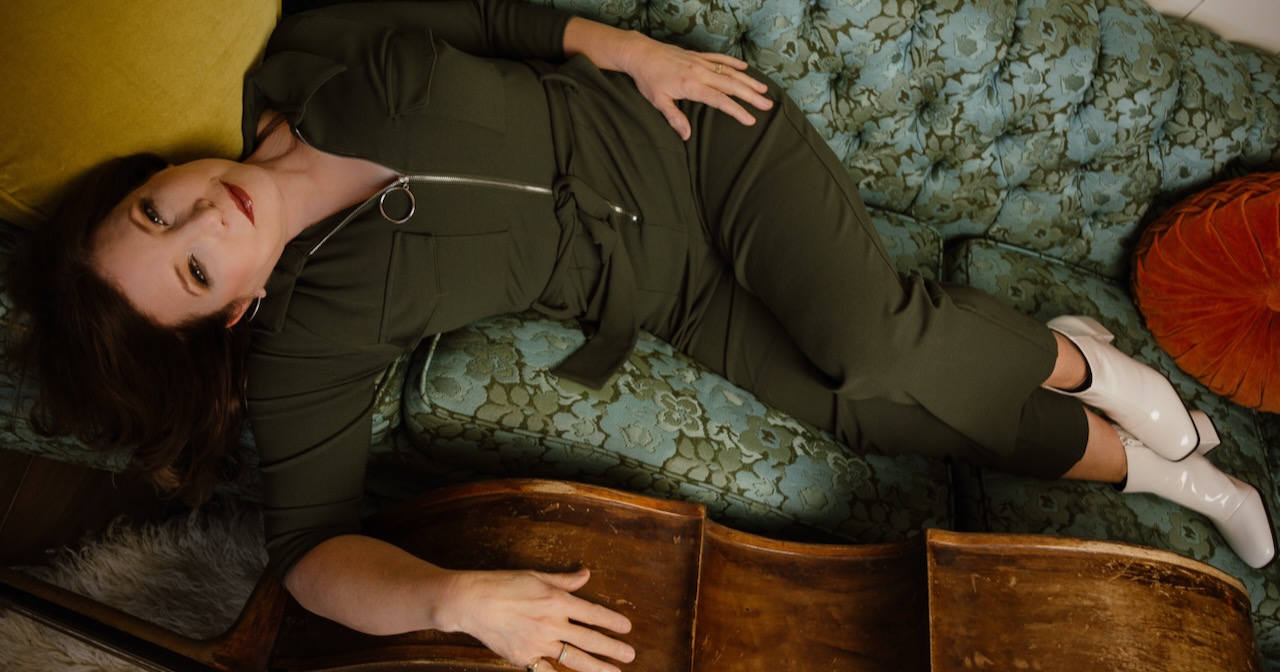
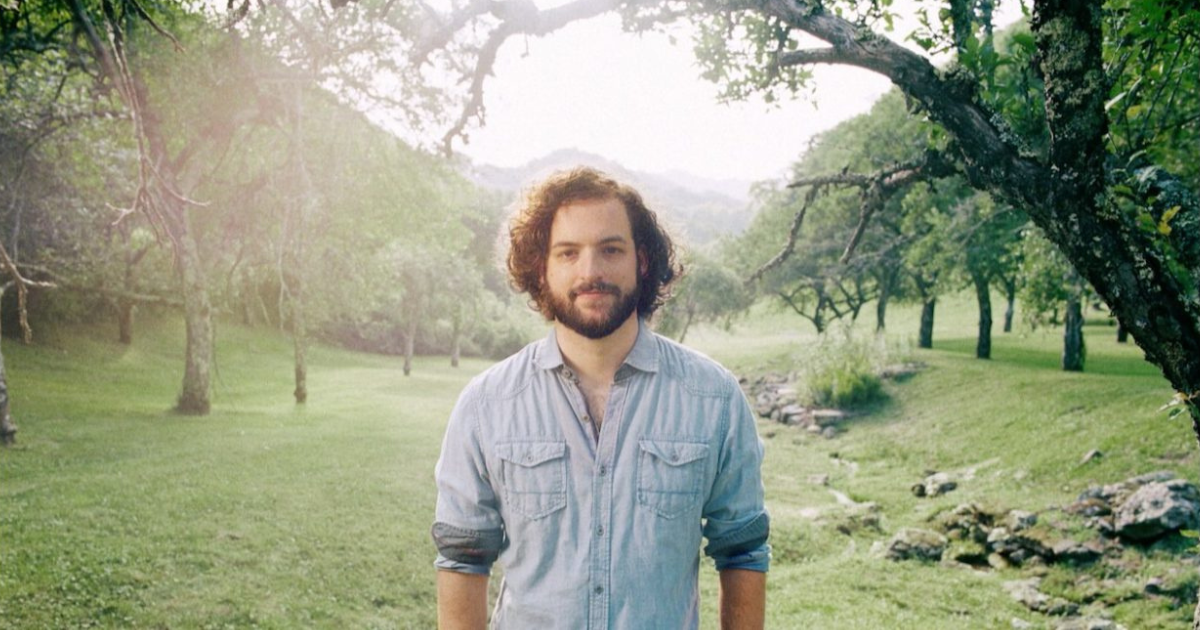
Artist:Missy Raines & Allegheny, featuring Danny Paisley with Darol Anger, Shad Cobb, and Ellie Hakansan Hometown: Short Gap, WV Song: “These Ole Blues” Album:Highlander Release Date: Fall 2023 Label: Compass Records
In Their Words: “I found this gem of a tune while taking a deep dive into Loretta Lynn’s catalog. Loretta wrote the perfect bar room country shuffle, but I immediately thought it could be a great bluegrass crooner and I knew exactly who I wanted to sing it with – Danny Paisley! I grew up listening to Danny and his father, Bob Paisley, sing together. Danny’s high lonesome edge defines a lot of what is bluegrass to me. Recording this duet with him was a personal bucket list item checked off and everything about the song fits perfectly into the theme of my new album, Highlander, which should be out later this year.
“The project is about paying homage to the earliest sounds that inspired me and this version of ‘These Ole Blues’ feels both authentic and genuine to my very core. Rounding out the track are the triple fiddles of Darol Anger, Shad Cobb, and Ellie Hakanson as well as the other members of my band, Allegheny: Tristin Scroggins (mandolin), Eli Gilbert (banjo) and Ben Garnett (guitar).” – Missy Raines
For the past eight or so years I’ve been making this joke that we (the music industry) should “Give women Americana.” As in, if we gave the entire genre — and bluegrass and country and old-time and folk, for that matter — to women and femmes and non-men, I wouldn’t so much miss the men and the music would certainly be well cared for and well set up for the future.
My point, as I continue to make this joke year after year to many puzzled reactions, is that women and femme roots musicians have and will always be my favorite artists, creators, songwriters, and pickers. As I crafted my debut solo album, 1992 – often with incredibly talented women like producers and engineers (and pickers) Cathy Fink & Marcy Marxer, mastering engineer Anna Frick, photographer Laura E. Partain – the music that inspired, informed, and challenged me most through this release was all made by women. (Ask me sometime about my monthly Spotify playlist, Don’t Need No Man.) When BGS approached me to make a Mixtape to celebrate 1992, I knew I had to share some of the women who helped me realize, musically, artistically, socially, emotionally, that there could be a home for me in bluegrass, largely because they had created such a home exactly for me. Here are a few of my bluegrass, old-time, and country inspirations, all of whom have filtered into this album in one way or another. – Justin Hiltner
Ola Belle Reed – “High On the Mountain”
1992 was tracked in Ashe County, North Carolina, in a little town called Lansing nestled into the Blue Ridge Mountains, right where Tennessee, Virginia, and North Carolina meet. I love it out there on the mountain, in the wind, in the clouds, on the rocky little road cuts and switchbacks through the hills. Lansing also happens to be the hometown of a legendary Appalachian musician and bluegrass forebear, Ola Belle Reed. A banjo she once owned and had signed hung on the wall beside me while I tracked every song. I definitely see my album as stemming from the lineage of Ola Belle, humbly and gratefully. Cathy Fink & Marcy Marxer – “Hold Each Other Up”
I’ve been so lucky to collaborate with folk icons, Grammy winners, and children’s music legends Cathy & Marcy in so many different contexts and scenarios, every single one delightful and fulfilling. They’re amazing mentors and encouragers and while we recorded 1992 we had to take the chance to channel their amazing attitudes and worldviews into a COVID-inspired (or -instigated) track, “Hold Each Other Up.” I love getting to pick and sing with these two, and their engineering, production, wisdom, and guidance all made this record possible.
Laurie Lewis – “I’m Gonna Be the Wind”
Long before I ever got the chance to tour and perform with Laurie Lewis she was a hero of mine, someone I looked up to and knew would be a bluegrass legend and stalwart who could or would accept me for who I am. Turns out, often in bluegrass, it is okay to meet your heroes, because when we met and I got to work for her, it turned out I was absolutely right. Her writing style, her artistic ethos, and the way she infuses pure bluegrass energy and her personality into everything she does reminds me I can be who I am, play the music I play, and write the way I write. This song picks me up whenever I’m down and gives me self-confidence and optimism when I need it most.
Alice Gerrard & Hazel Dickens – “Mama’s Gonna Stay”
I never had the honor of meeting Hazel before she passed in 2011, but Alice Gerrard and I have become friends over the past six years and honestly, if 17-year-old Justin knew he’d become friends with this Bluegrass Hall of Famer, he’d die. We happen to share a birthday, too. Alice is a gem, a trailblazer, an unassuming and unrelenting activist and organizer and community builder. She inspires me in all of the above, but especially in her willingness, across her entire career, to write music about things no one else was writing about. This song, which Laurie Lewis turned me onto (she performs it as well), is a perfect example.
Playing shows and recording totally solo is often terrifying. Especially as a bluegrass banjo player used to playing in five-piece lineups. It took many years and lots and lots of practice time and experimental shows to figure out how exactly I wanted to arrange songs, build shows, create and ride a storytelling arc during my shows, guide an audience, and do all of that confidently with just a voice and banjo. Artists and pickers like Elizabeth Cotten gave me frames of reference for what I was doing that felt solidly bluegrass, but still building a show and sound that feels fully realized and not lacking for being minimal.
Missy Raines – “Where You Found Me”
Missy Raines is another hero of mine that I feel so lucky to now call a friend. Despite coming from different generations and very different circumstances we have so much in common. It just sometimes astounds me that we can have seemingly endless conversations around if bluegrass (or country or roots music) are accepting and open; meanwhile one of the winningest pickers in the history of bluegrass and the IBMA – that is, Missy Raines – has always been both accepting and open. Who needs the sexist, homophobic, womanizing, problematic elements of bluegrass when you have absolute badass legends like Missy!? I once covered this song for a “Cover Your Friends” show and it continues to devastate me to this day.
Caroline Spence – “Scale These Walls”
When I first moved to town, Caroline Spence was one of maybe four or five people I knew in all of Nashville. We spent a lot of time together in those early years, back in 2011 and 2012, and pretty soon after that we wrote a song together, “Pieces.” We both loved it a lot, performed it here and there with different lineups and bands, but it never landed on a record ‘til now. “Scale These Walls,” from Caroline’s most recent album, is constantly stuck in my head. I love how it showcases her jaw-dropping skill for writing dead-on hooks that feel so organic and never corny. I love this song.
Molly Tuttle – “Crooked Tree”
Molly Tuttle and I wrote “Benson Street,” a track off my new album, together about five or six years ago. It’s a cute little number about longing told through the lens of an idyllic Southern summer. I love every chance I get to make music or write music with Molly. She’s a constant source of inspiration for me and proof positive that you can be a proverbial crooked tree in bluegrass and still carve a pathway to success. Plus, she’s another great example of a picker who can command an entire audience totally solo. Trying to steal tricks from Molly Tuttle? Couldn’t be me.
Rhiannon Giddens – “Following the North Star”
Rhiannon Giddens is the blueprint. When I think about my artistic future and the way I want to be able to glide between media, between contexts, between areas of expertise and subject matter, between pop and roots and so many other musical communities, I think of Rhiannon. The way she has built her career around her artistic and political perspective, so that no matter what she does it feels grounded in her personality and selfhood is exactly how I want to be as an artist and creator. Plus, I always want to be as big of a music nerd and as big of an old-time nerd as her.
Maya de Vitry – “How Bad I Wanna Live”
Maya is one of those writers and musicians who just makes me feel seen and heard and understood, and I know I’m only one in a huge host of people who would say the same. The vulnerability and transparency in her writing and the emotional and spiritual availability within it are astounding. Plus, she’s almost always, constantly challenging herself to consider the ways she creates and makes music outside of consumerism and art as a commodity. I moved to Nashville to be challenged, musically and artistically, by those around me and I feel so lucky to have Maya around me and a member of my community.
Courtney Hartman – “Moontalk”
Courtney Hartman’s “Moontalk” makes me feel like every single song I’ve ever written about the moon is good and right and allowable. (We both have quite a few songs about the moon, actually.) “Moontalk” feels like Mary Oliver incarnate in bluegrass-informed picking and singing. It feels meditative and contemplative, but not timid or insular – something I’m always trying to accomplish in solo contexts. I’m constantly inspired by Courtney and the way she centers community building in her music and life. She’s another one who, though she thrives performing and making music solo, you know that music came from a multitude of folks pouring through her.
Dale Ann Bradley – “He’s the Last Thing On My Mind”
I thank a few artists who have inspired and influenced me in a huge way in 1992’s liner notes and Dale Ann Bradley is one of them. I feel like I am constantly ripping off and (poorly) mimicking her vocal runs, phrasing, licks, and delivery. I think she might have the best bluegrass voice of all time, or at least it’s very very high up on the list. When I first moved to town I worked as an intern at Compass Records and just getting to be a small part of the team that worked a handful of her records meant so much to me.
Lee Ann Womack – “Last Call”
Lee Ann Womack is another who I thank in the album’s liner notes, another who I emulate vocally as much as I can get away with. I used to wear out this track and this album, Call Me Crazy, listening on repeat over and over. When I found out this song was co-written by an openly gay songwriter, it rocked my world. I already heard so much queerness in LAW’s catalog, and this confirmation came at a time when I needed to feel like I was given permission to exist in bluegrass, country, and Nashville. I know now that no one needs that permission, but it was critical then.
Linda Ronstadt – “Adios”
During the 1992 recording session I recorded a solo banjo rendition of this song, one I’ve been performing for years at shows. It means so much to me and Linda’s performance is stunning in its power and tenderness, a combination I’m often striving for. I hope to release it some time soon as a single, then again on a deluxe vinyl edition of 1992. It will not be the last time I pay tribute to Linda and her incredible career and catalog – plus, she is a huge bluegrass fan! It just makes sense to me.
Dolly Parton, Emmylou Harris, Linda Ronstadt – “Wildflowers”
When I had the pleasure of being a guest on the hit podcast Dolly Parton’s America, I sang this song and “Silver Dagger” among a few other from Dolly’s catalog that I felt had queer under/overtones. The response to my on-air picking was enormous, and there were immediate demands to release my versions of the songs. Cathy, Marcy and I recorded “Wildflowers” together during the 1992 sessions and it’s one of my favorite tracks that resulted from that week on the mountain. It’s gotten quite a lot of play, which I’m so grateful for, and always gives me an opportunity to talk about Trio and Dolly and how the story in “Wildflowers” parallels many a queer journey. It’s the perfect track to round out this Mixtape and I thank you for reading and listening along.
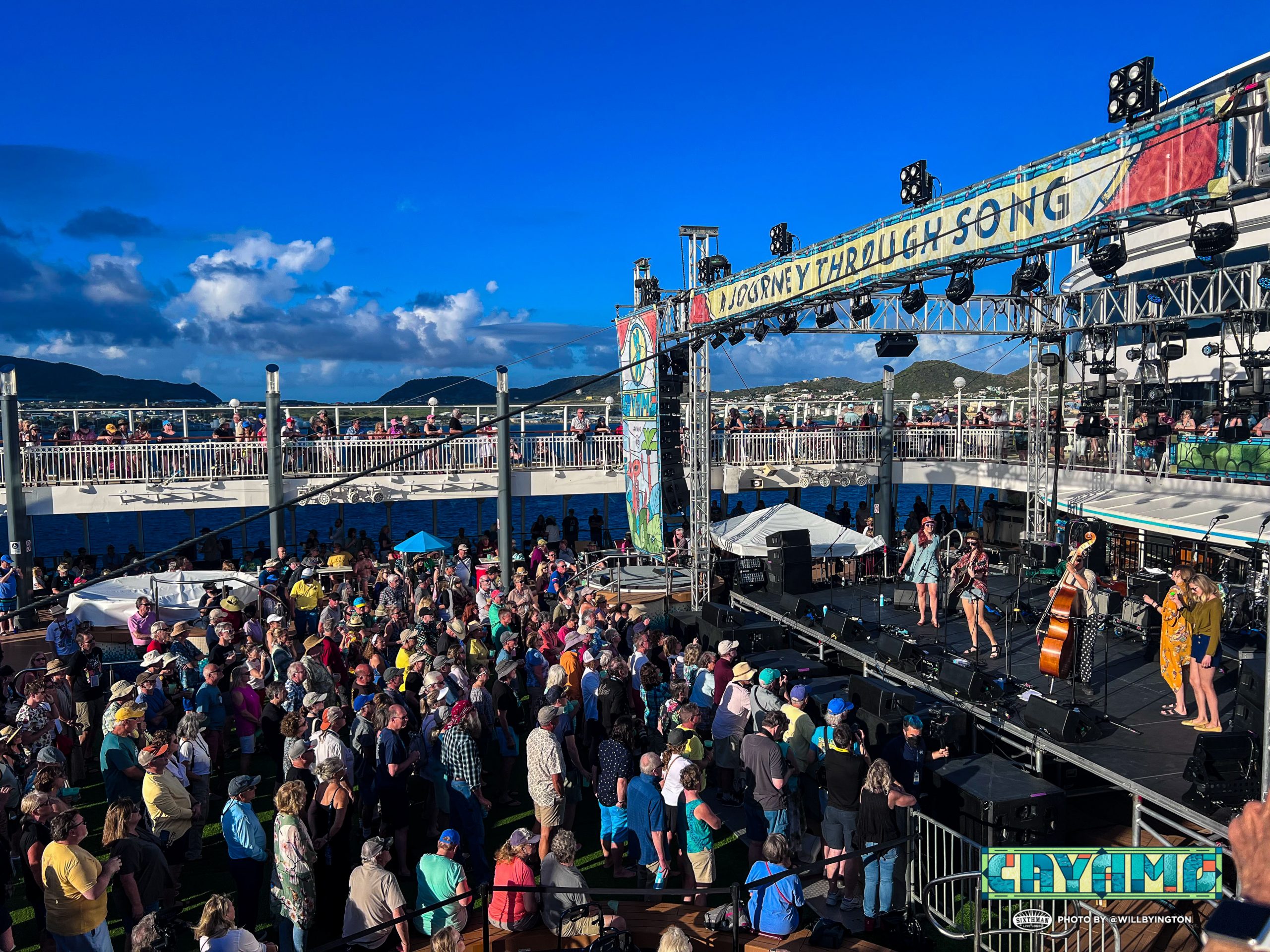
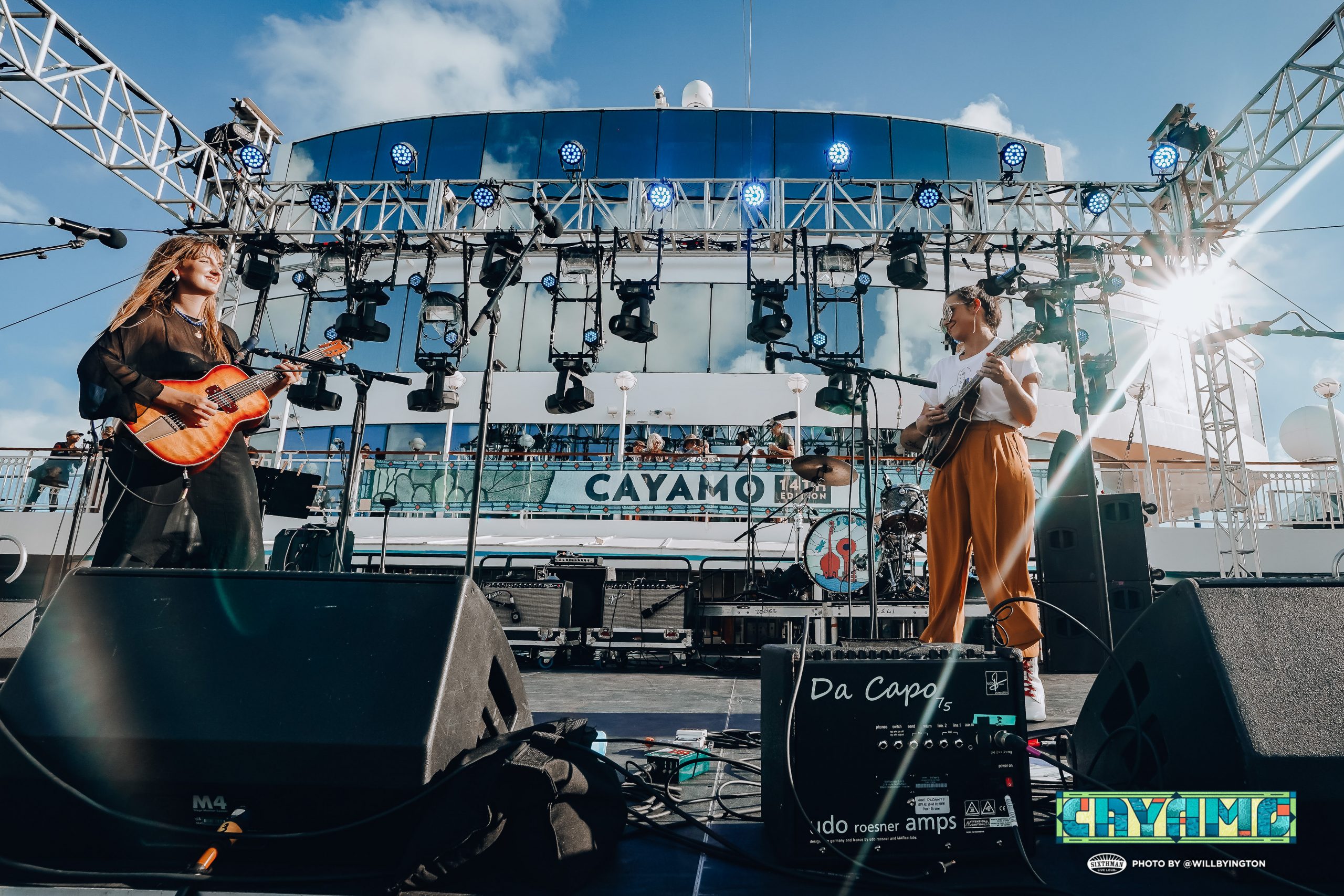
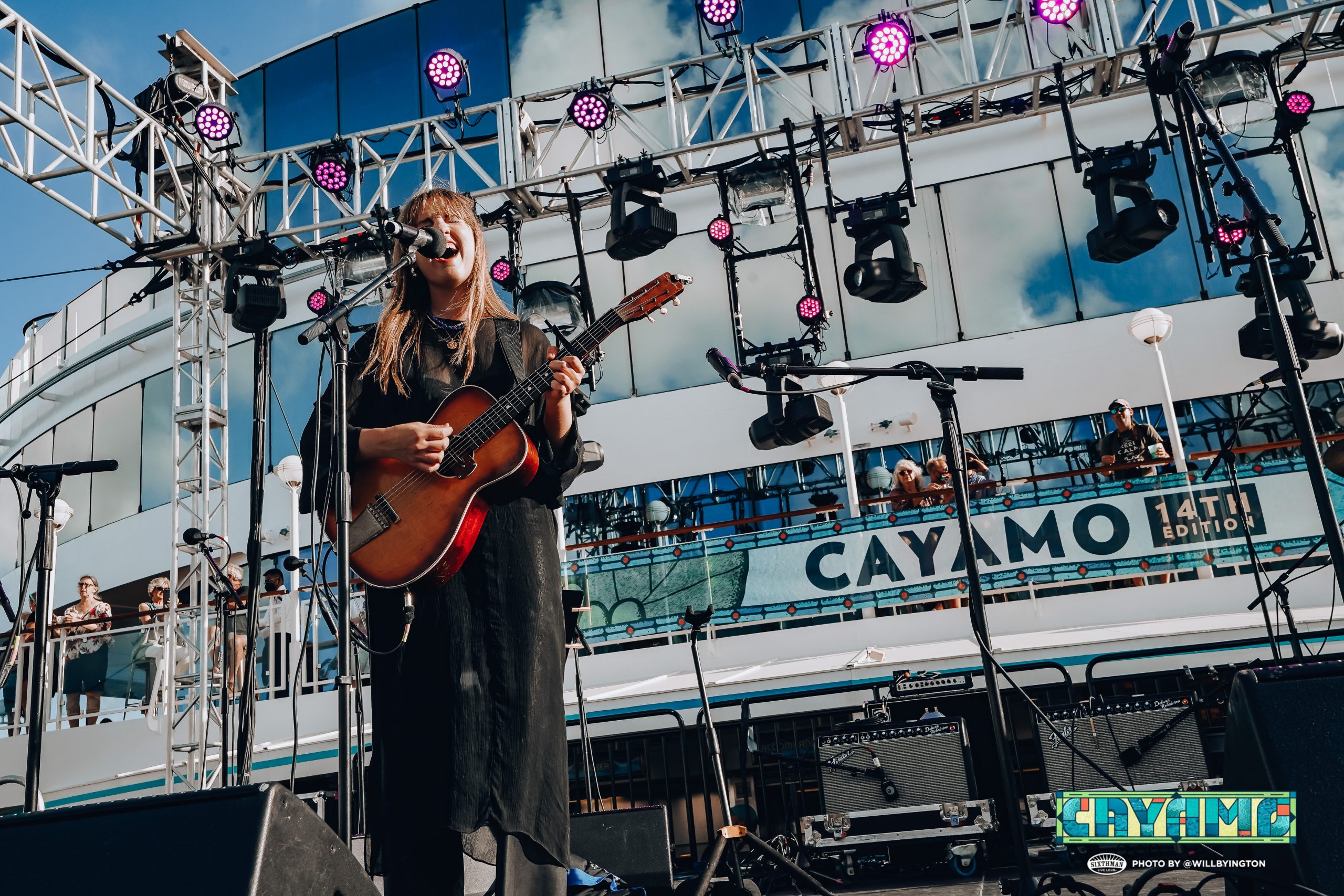
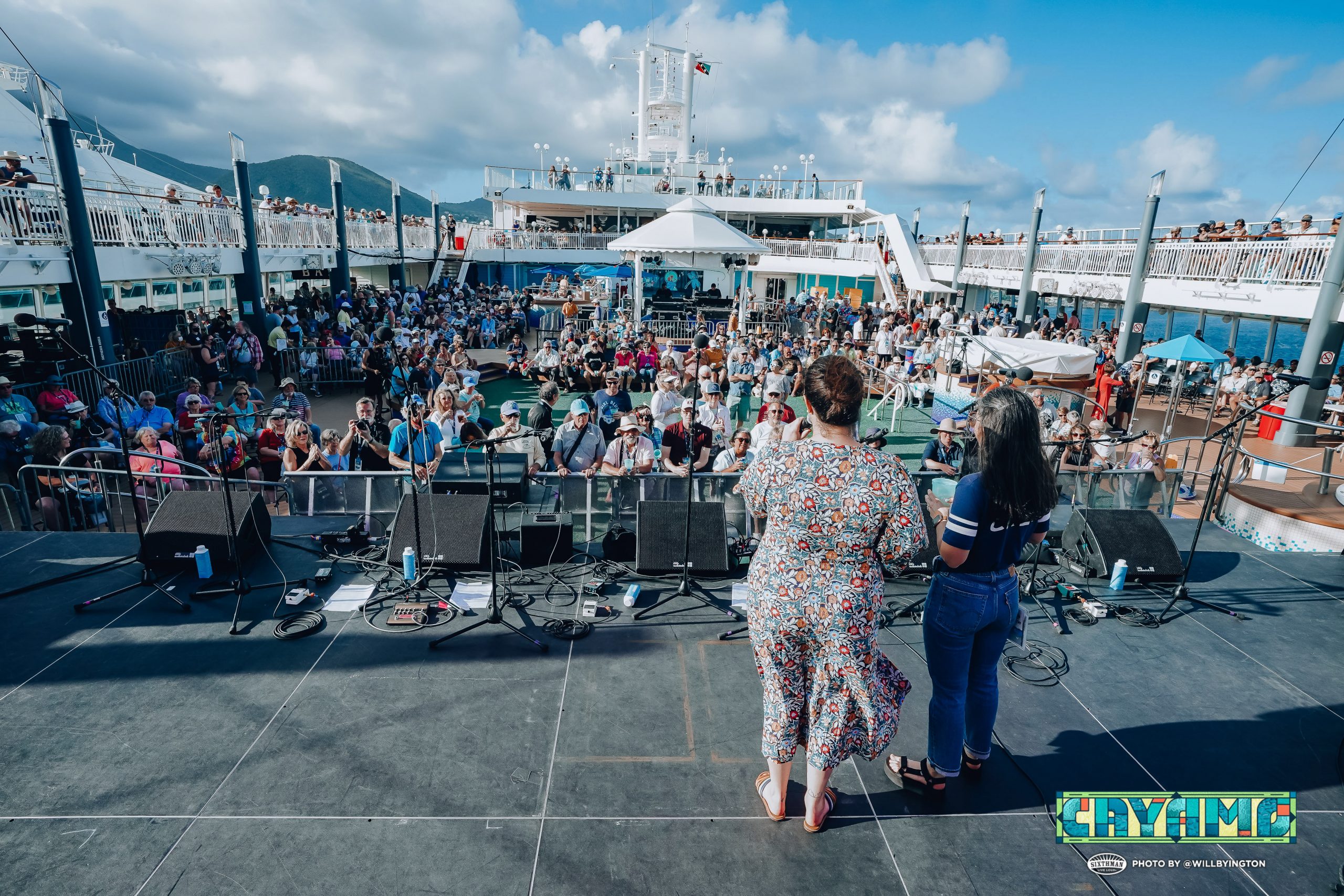
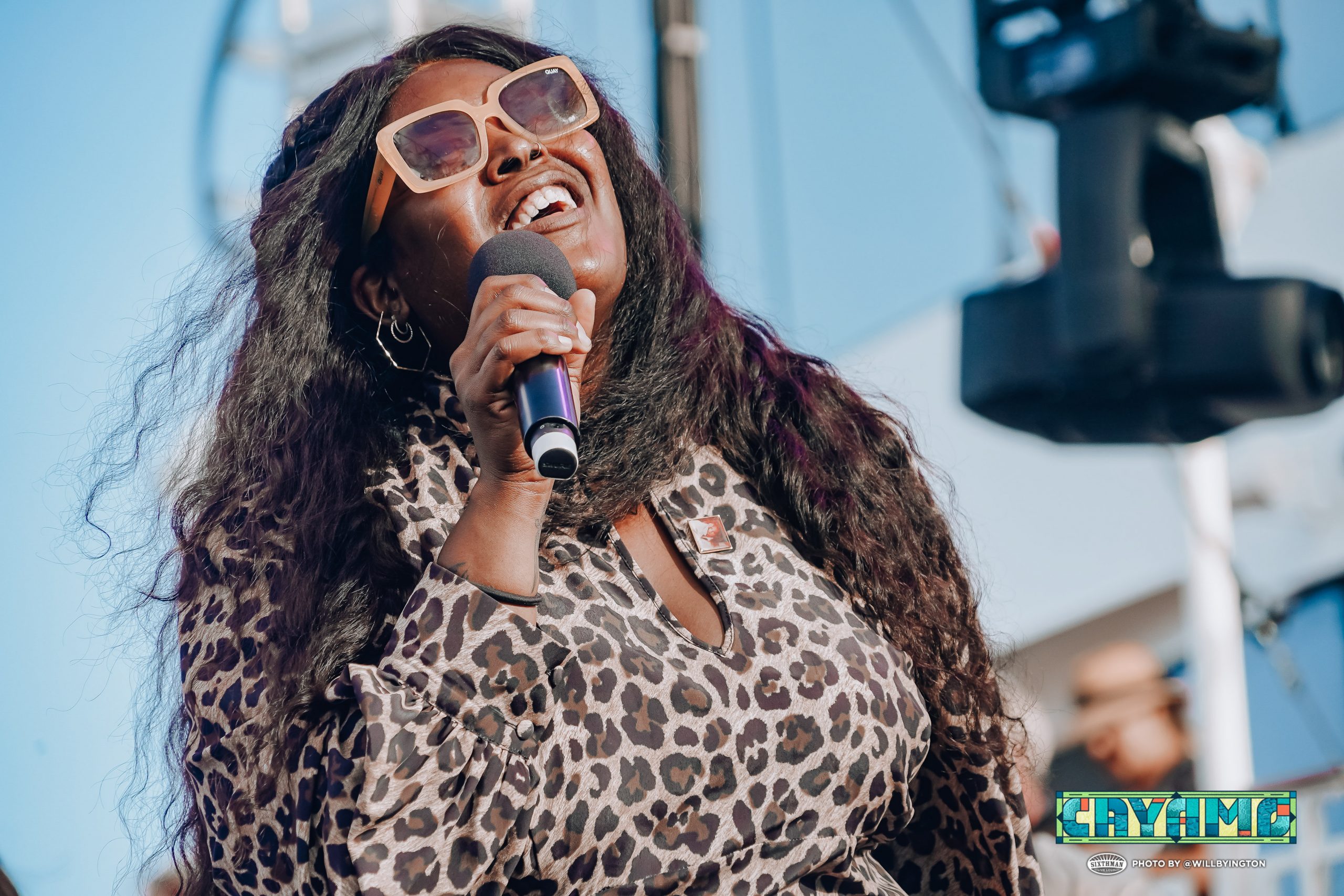
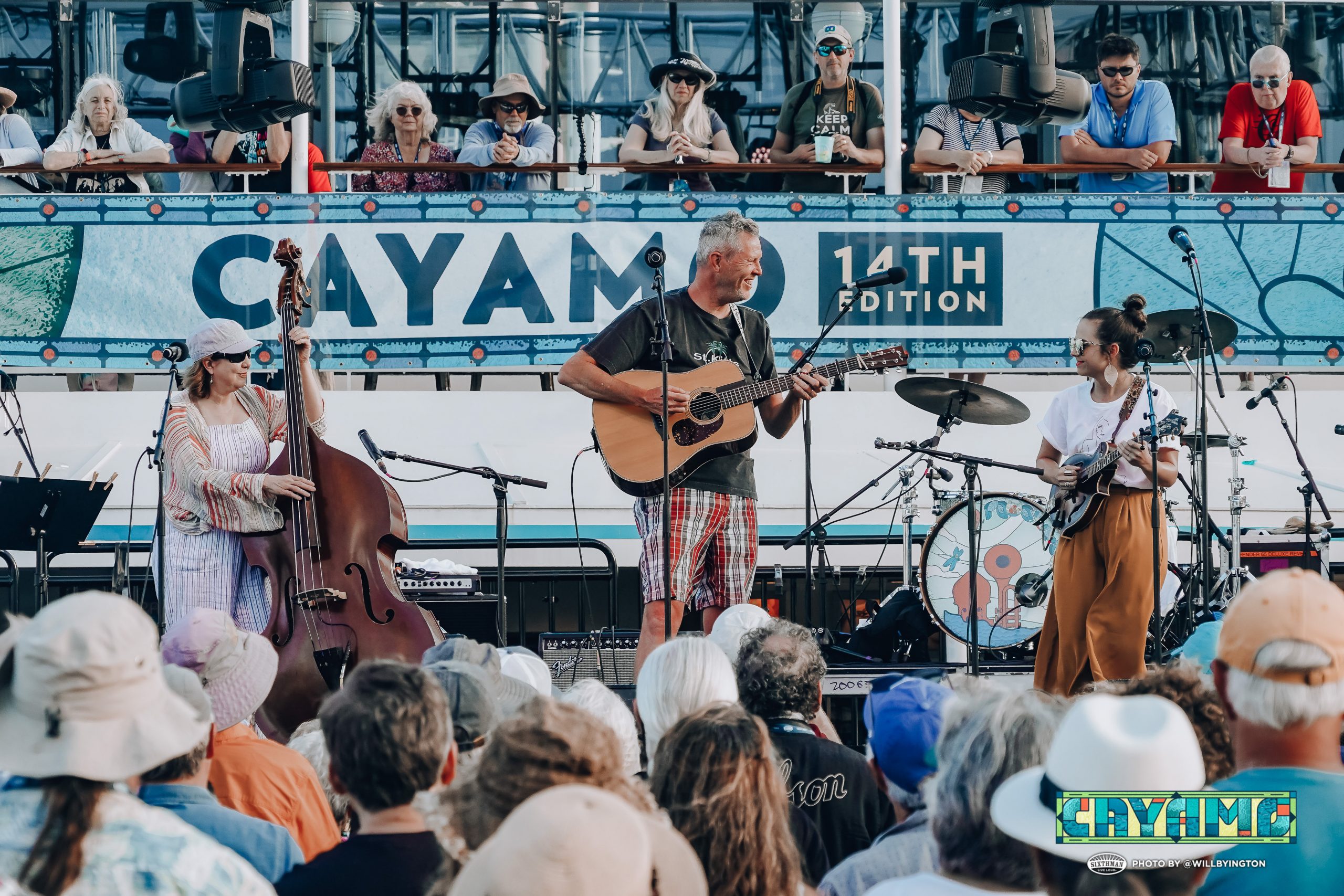
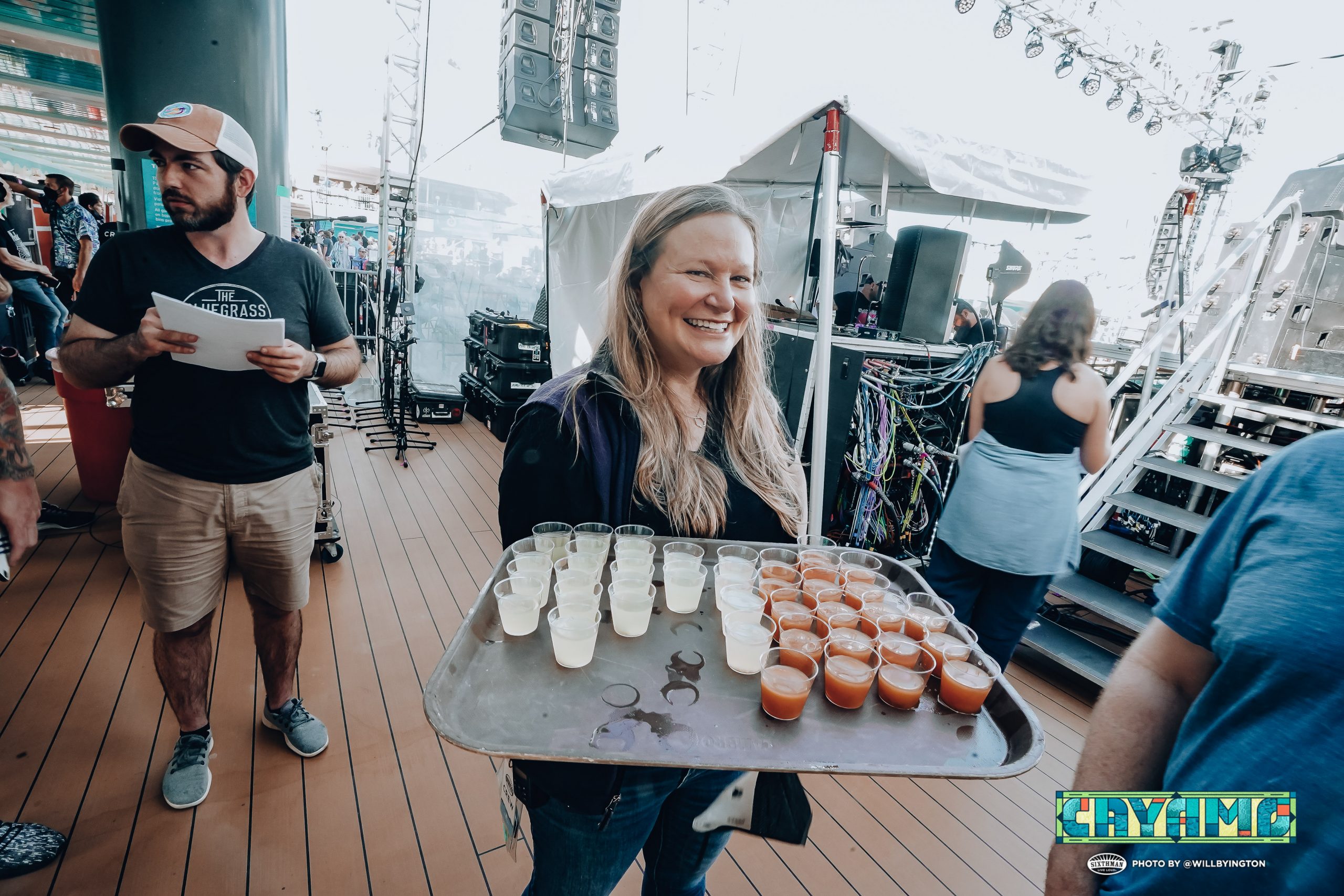
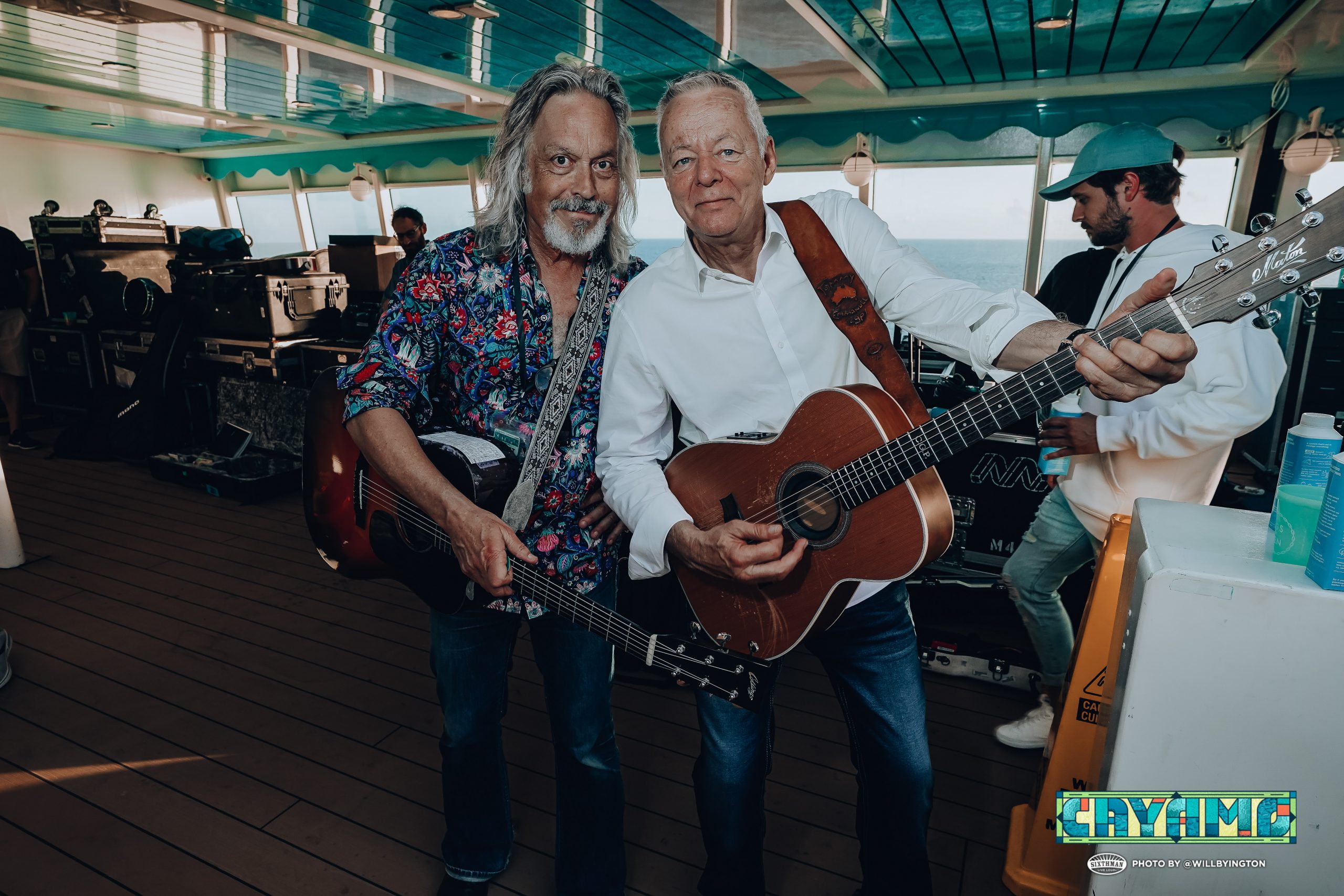
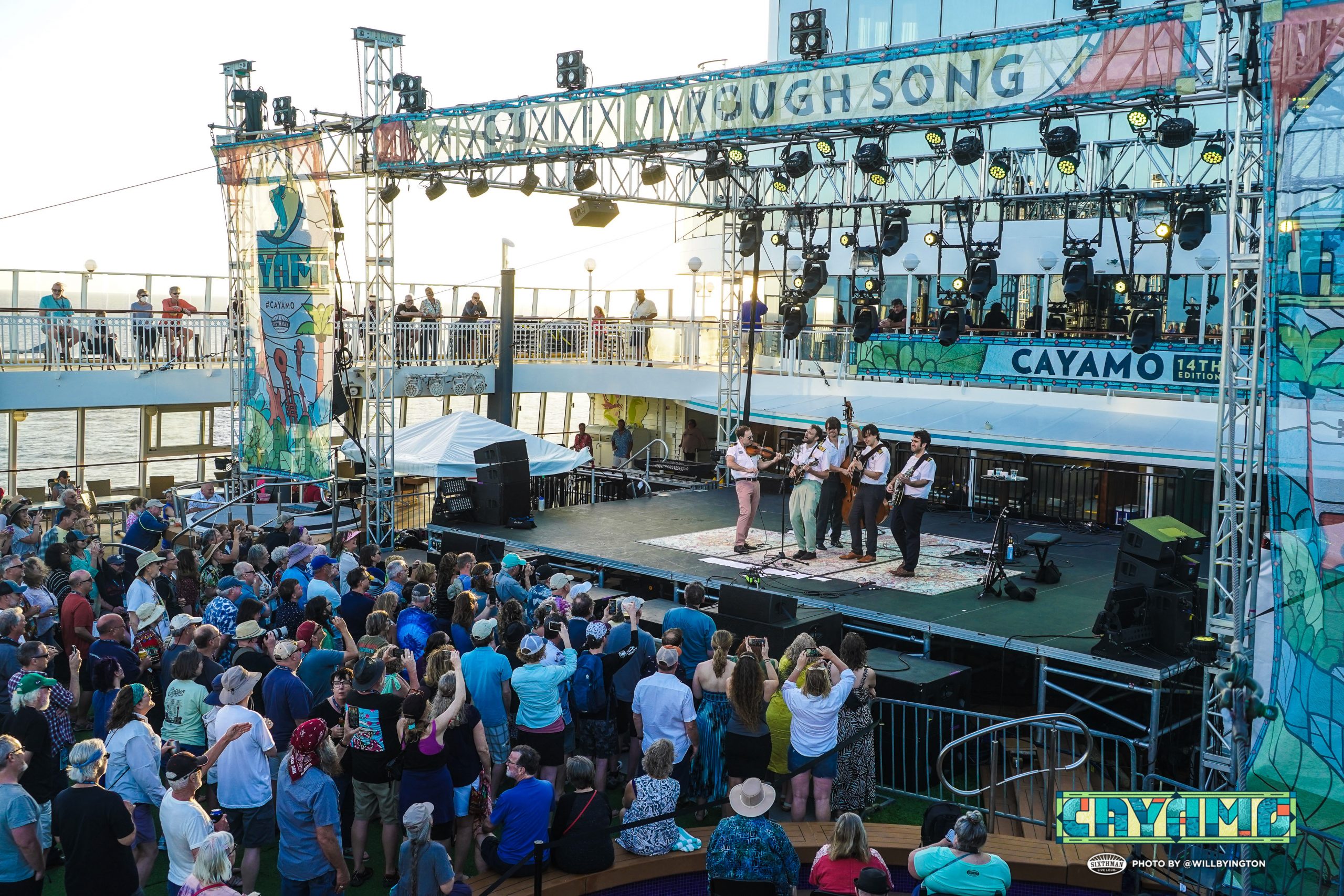
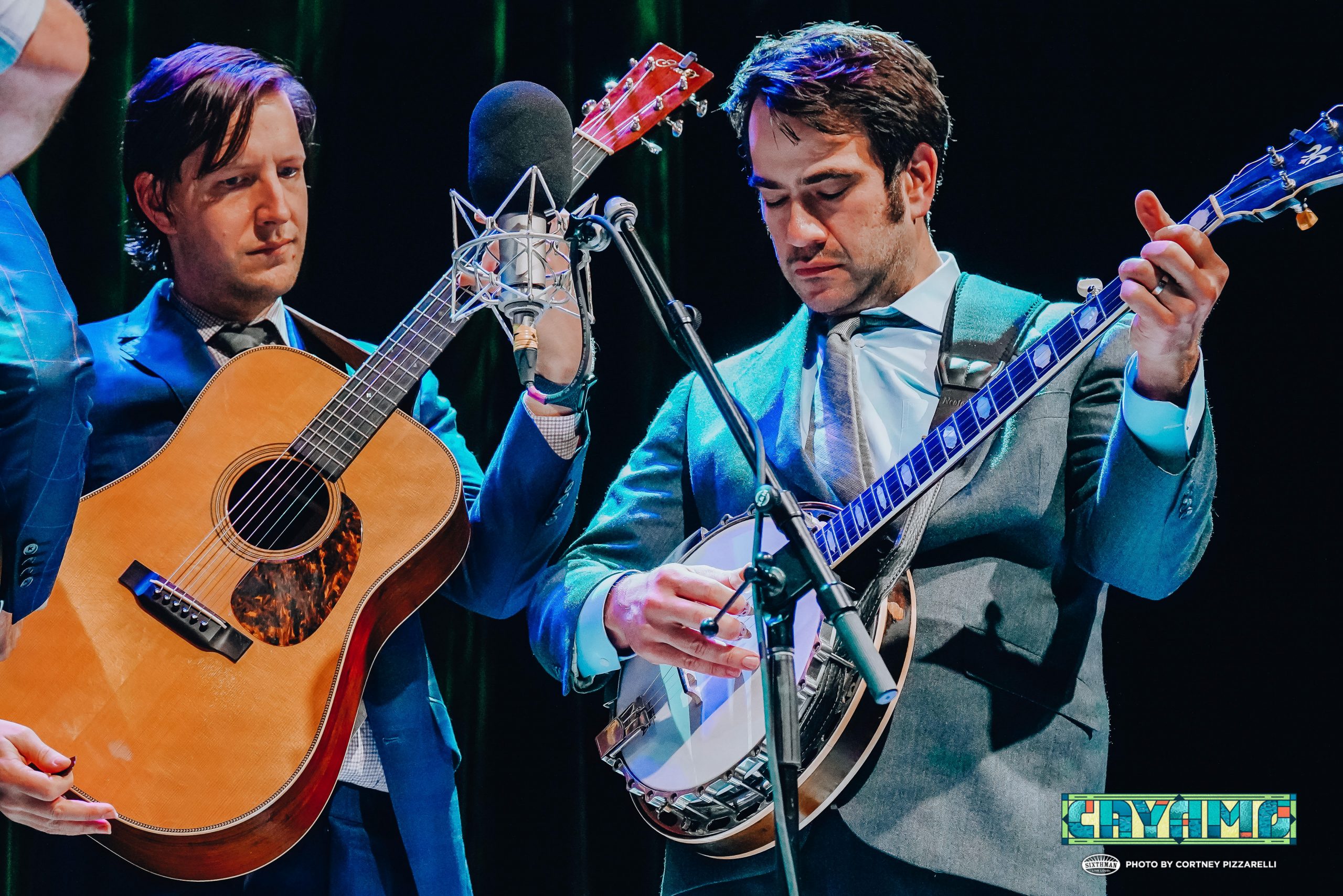
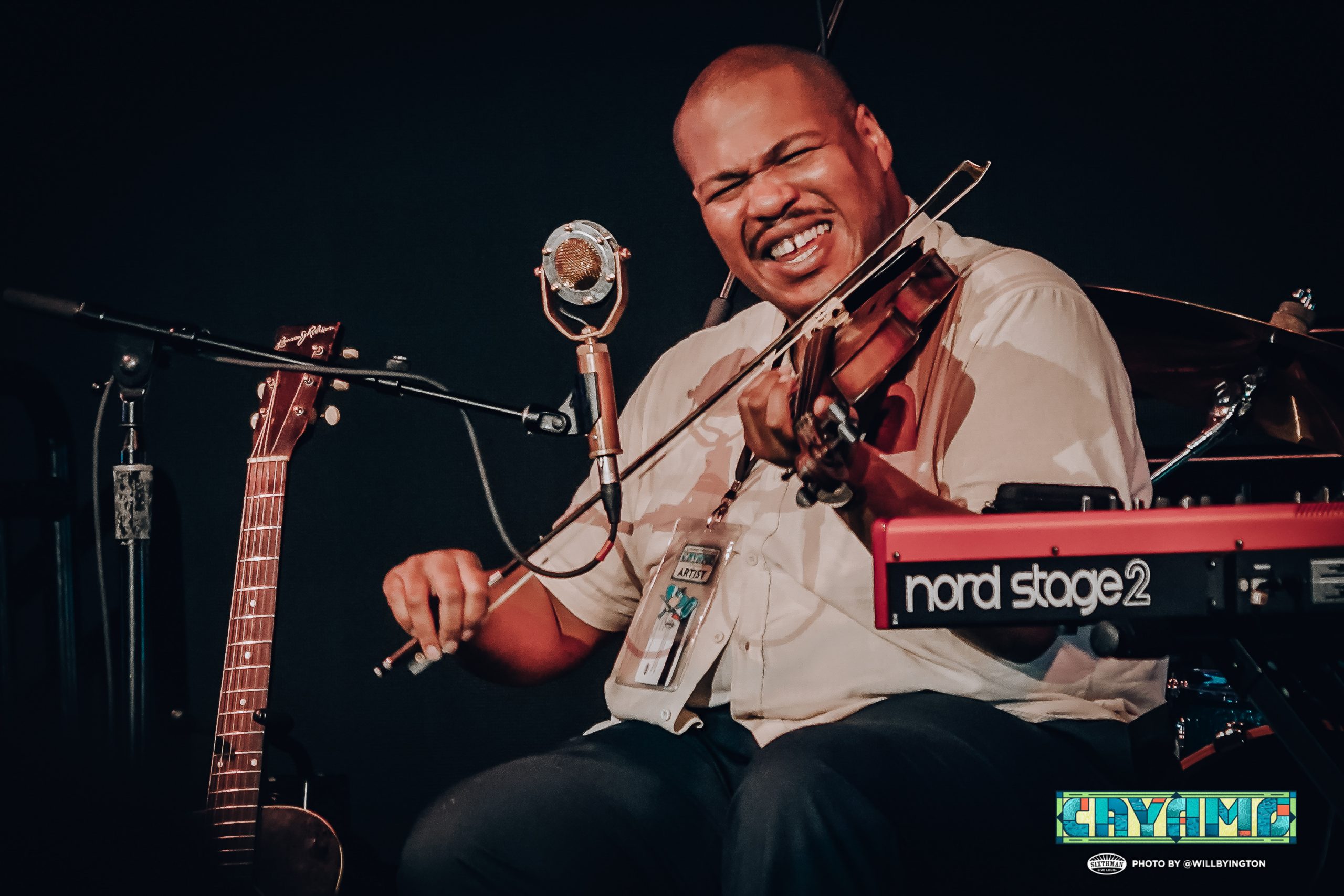
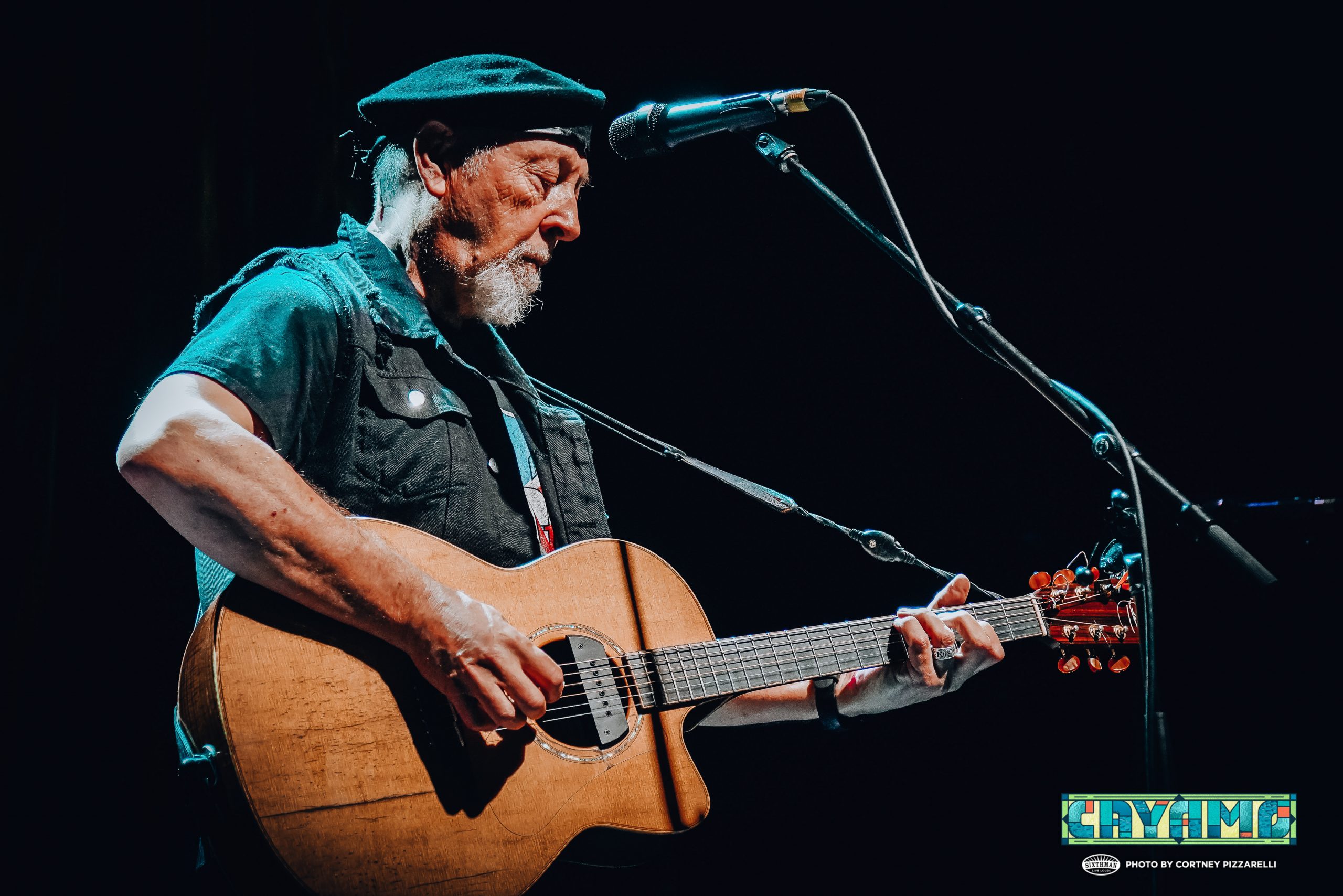
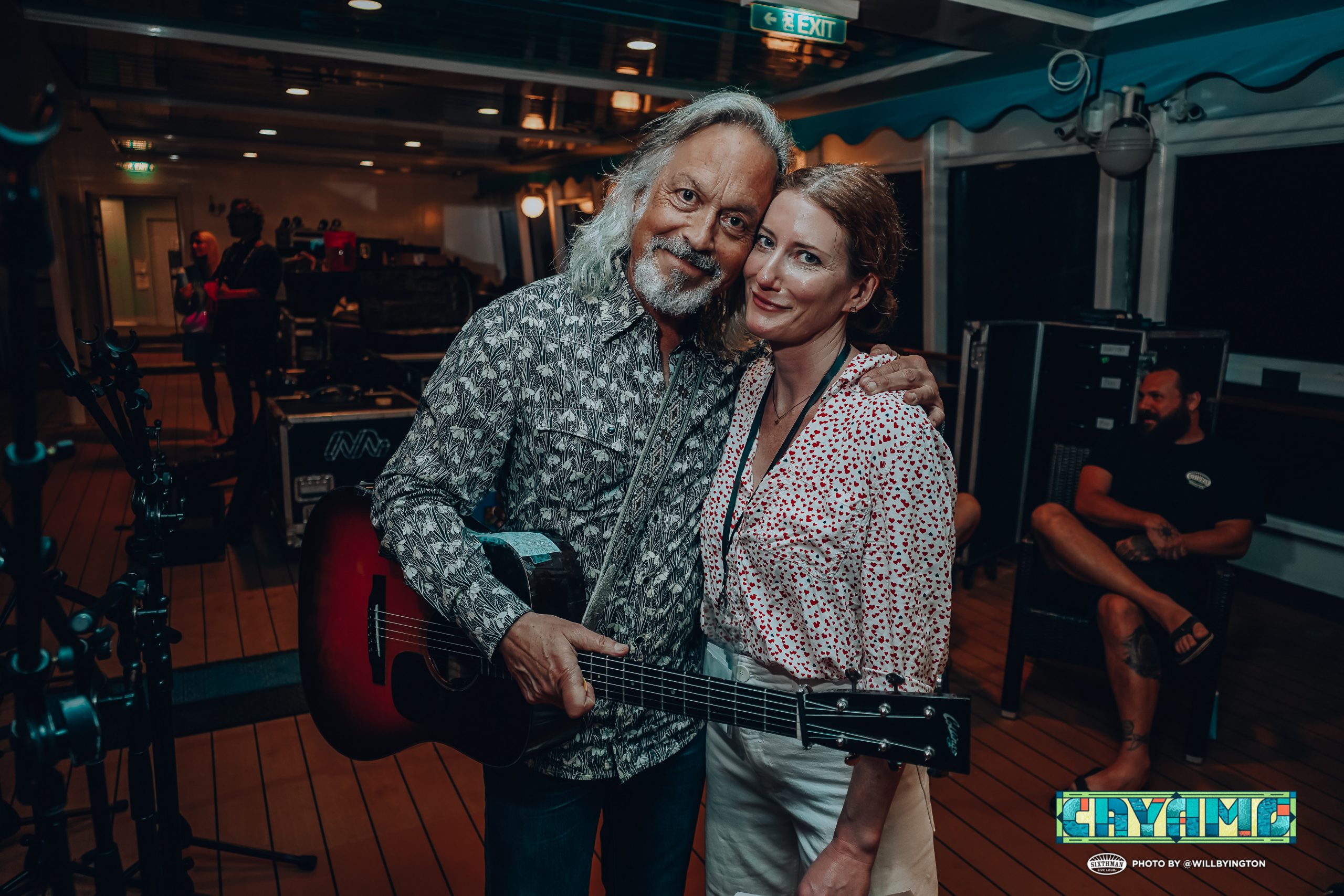
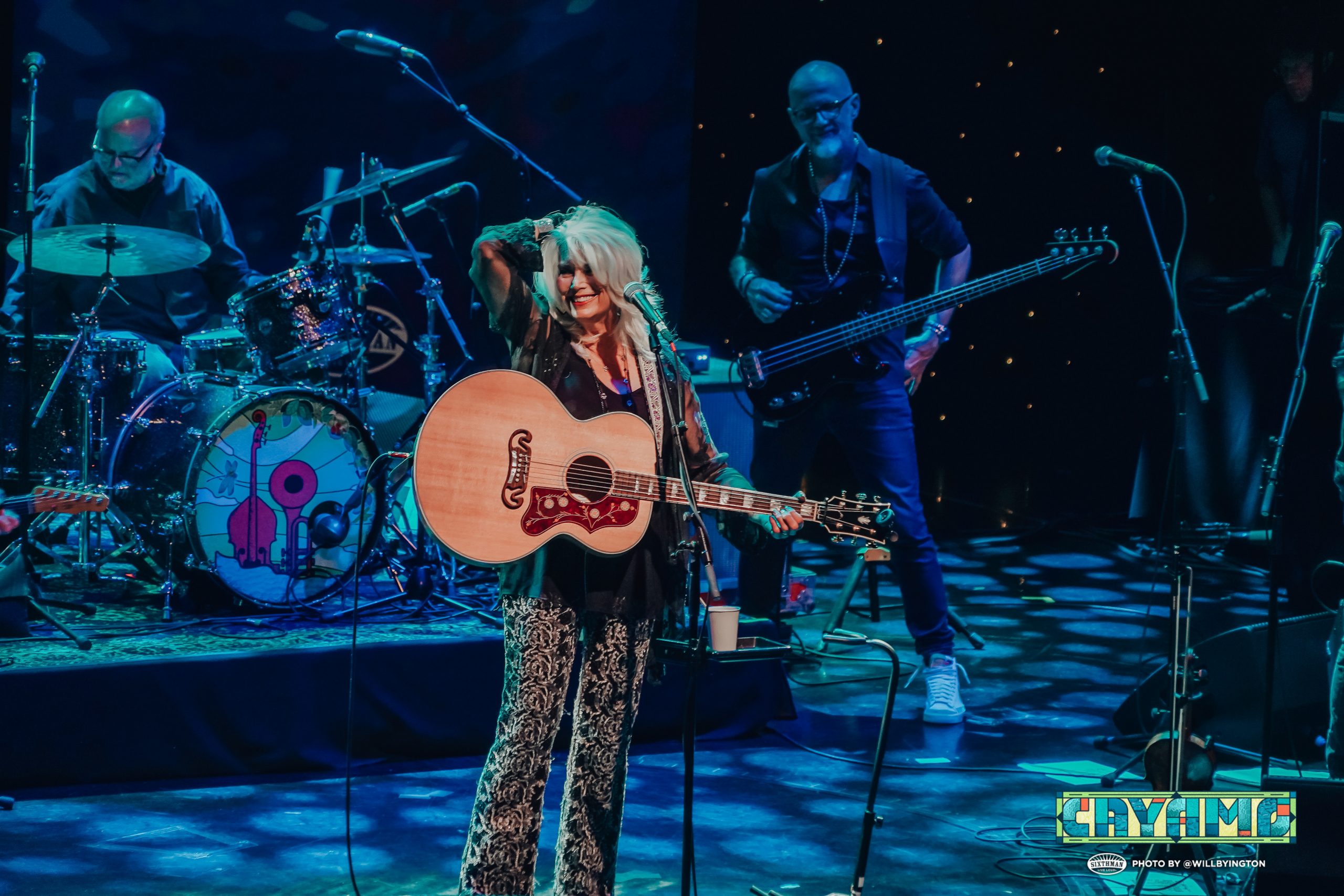
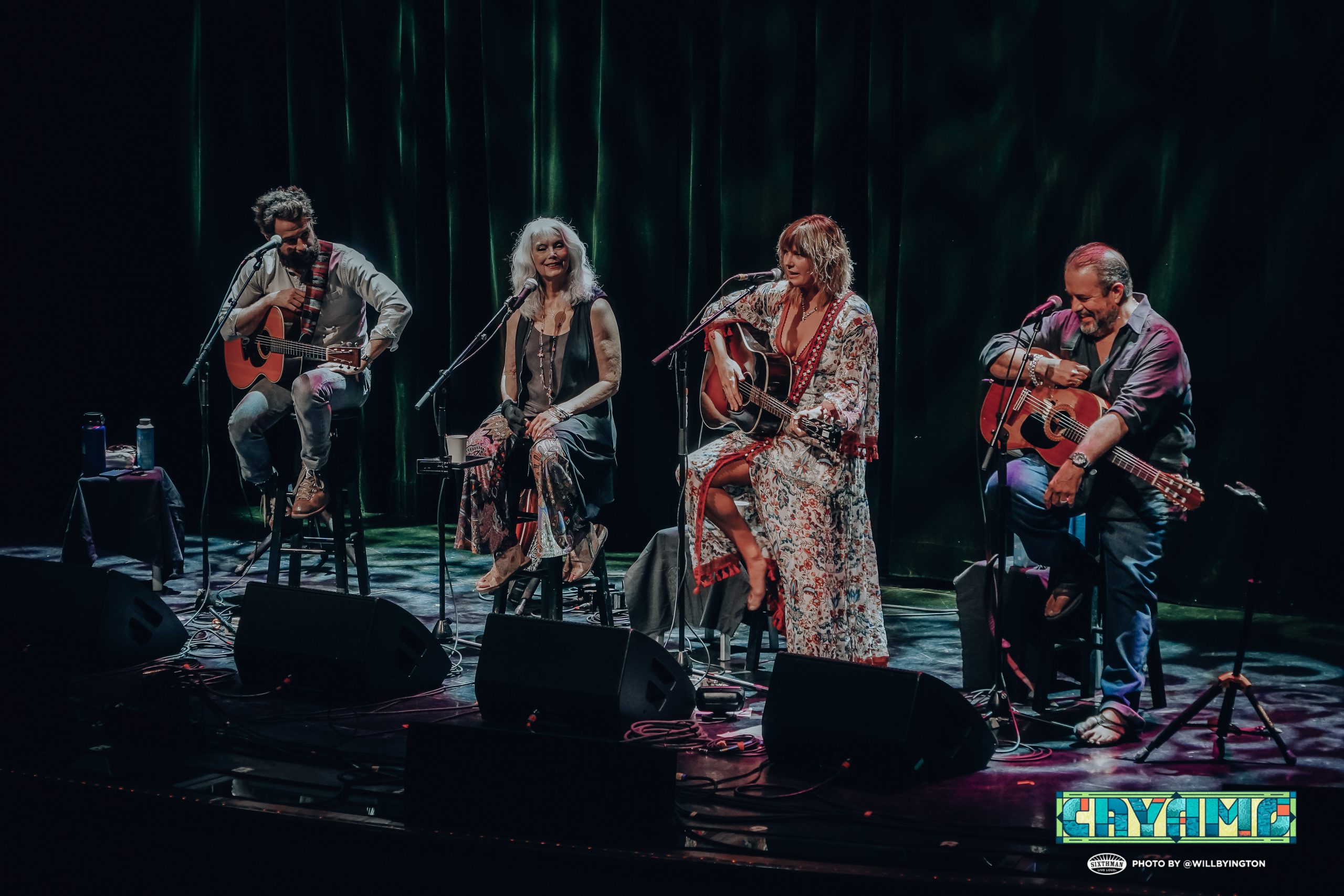
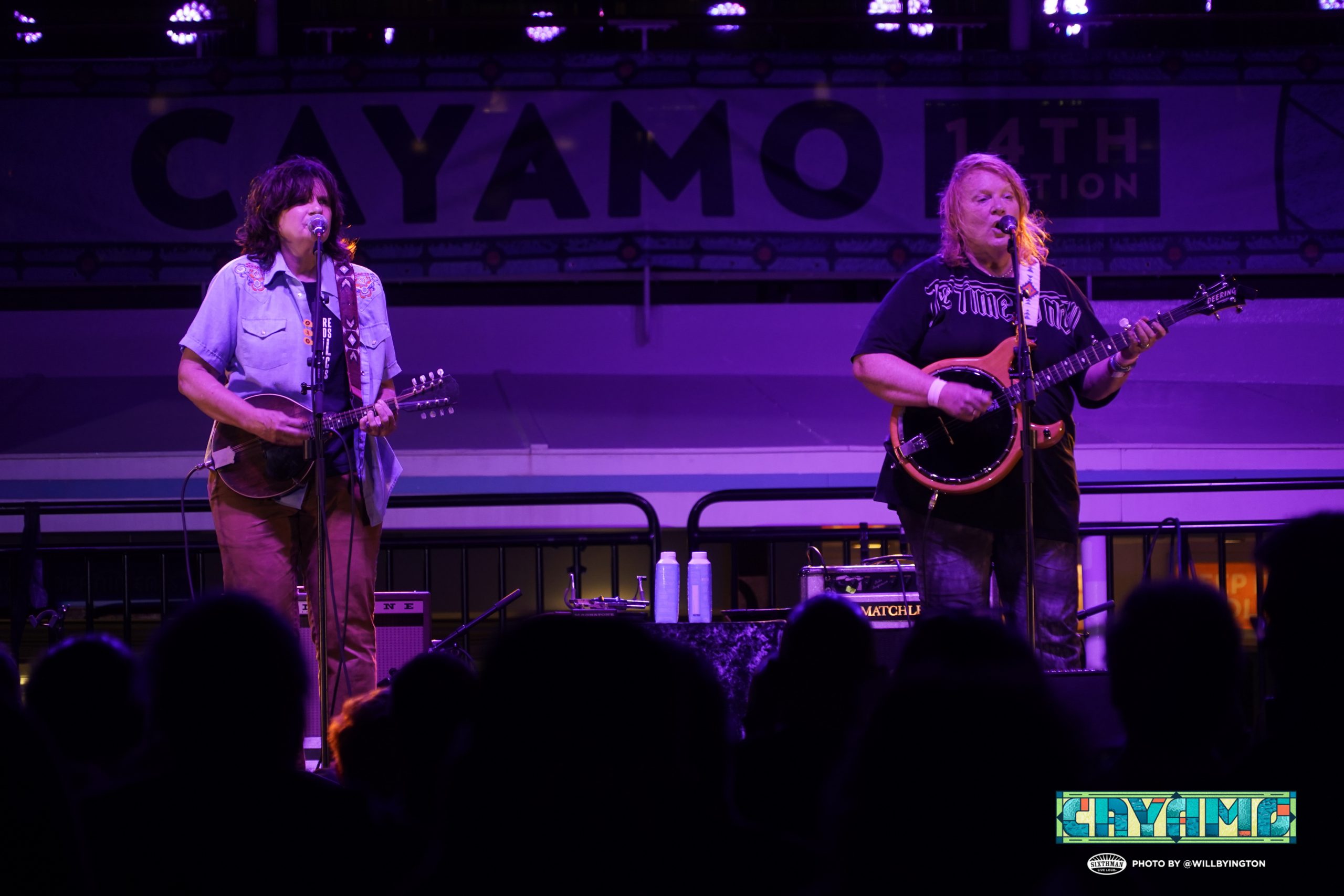
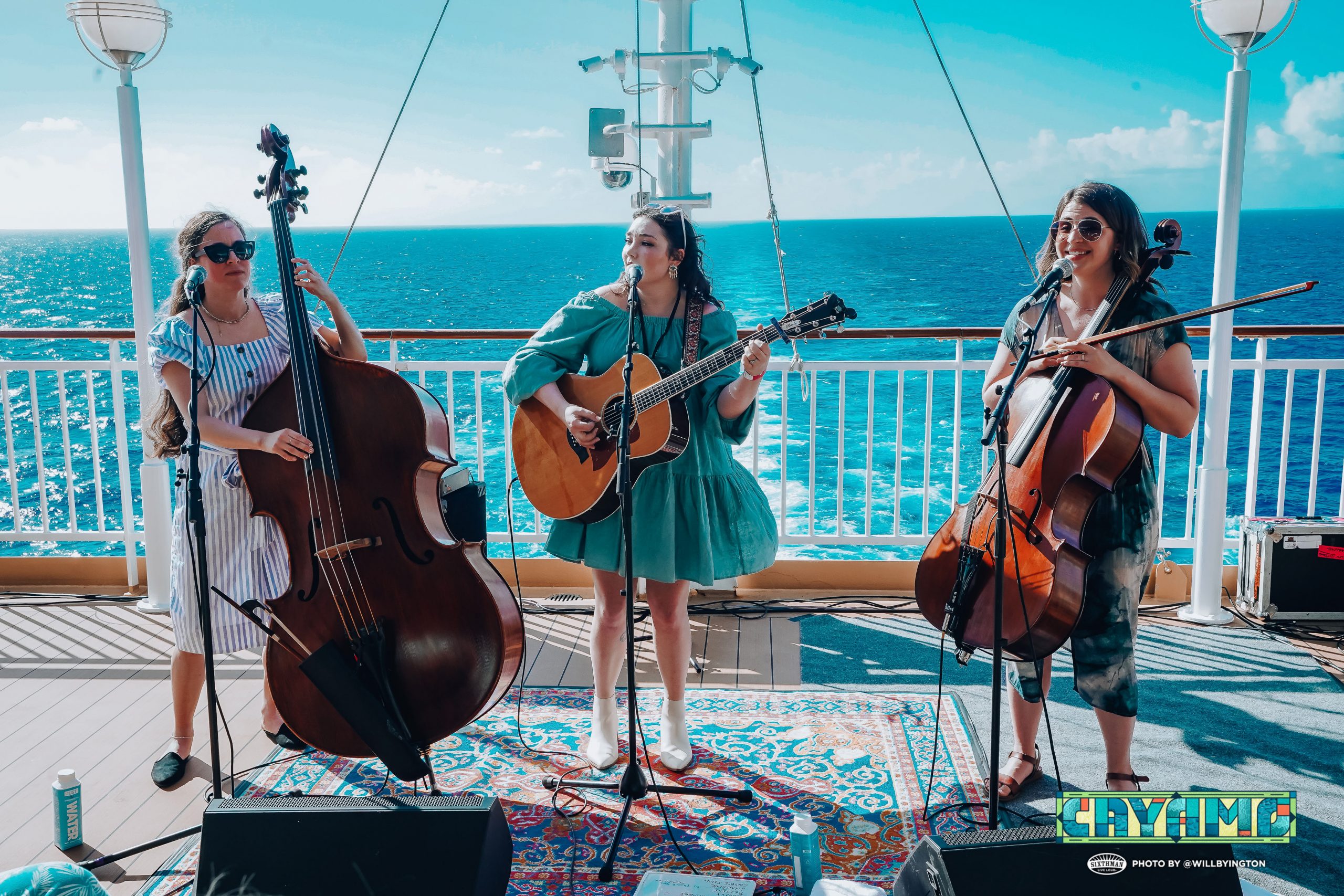
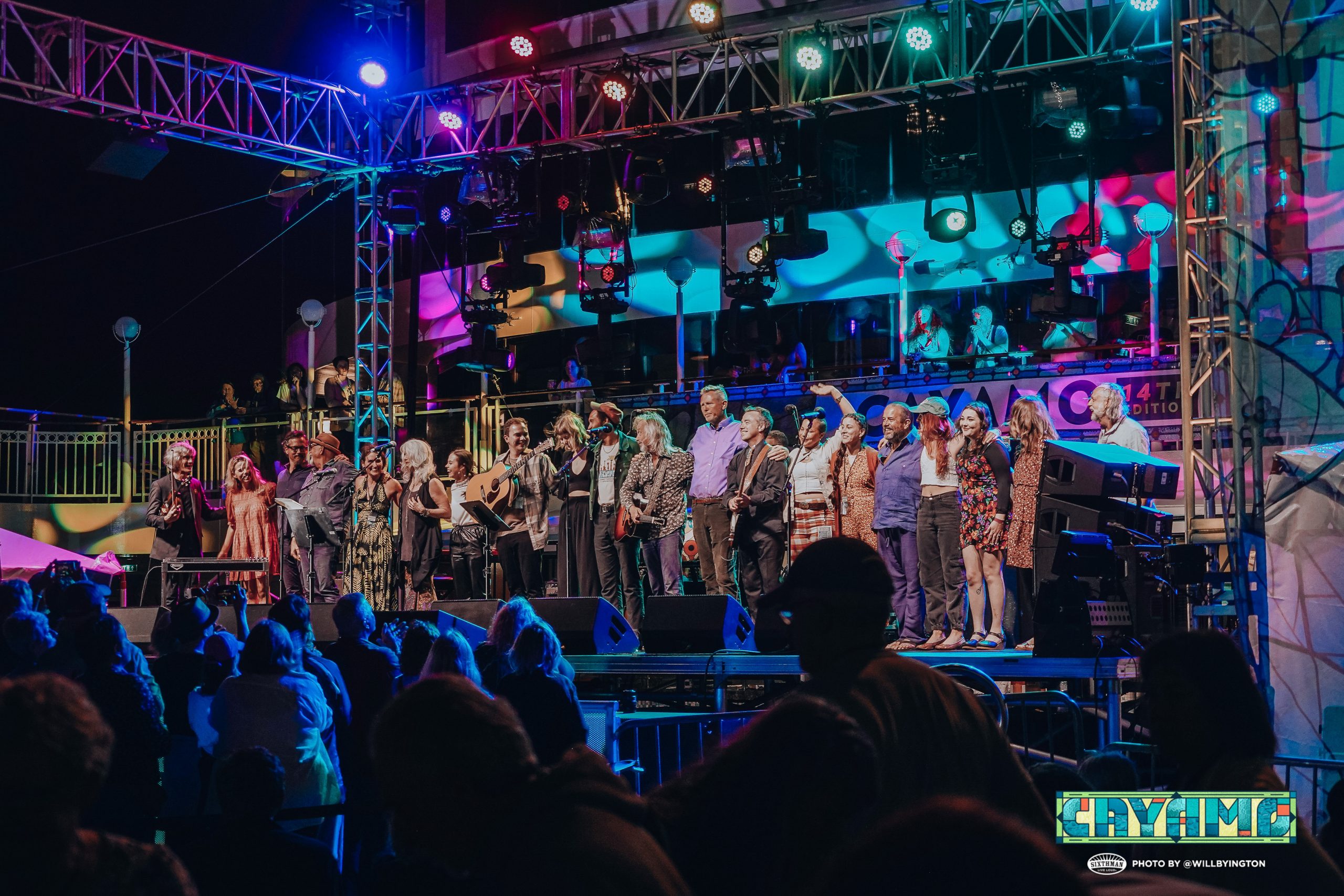
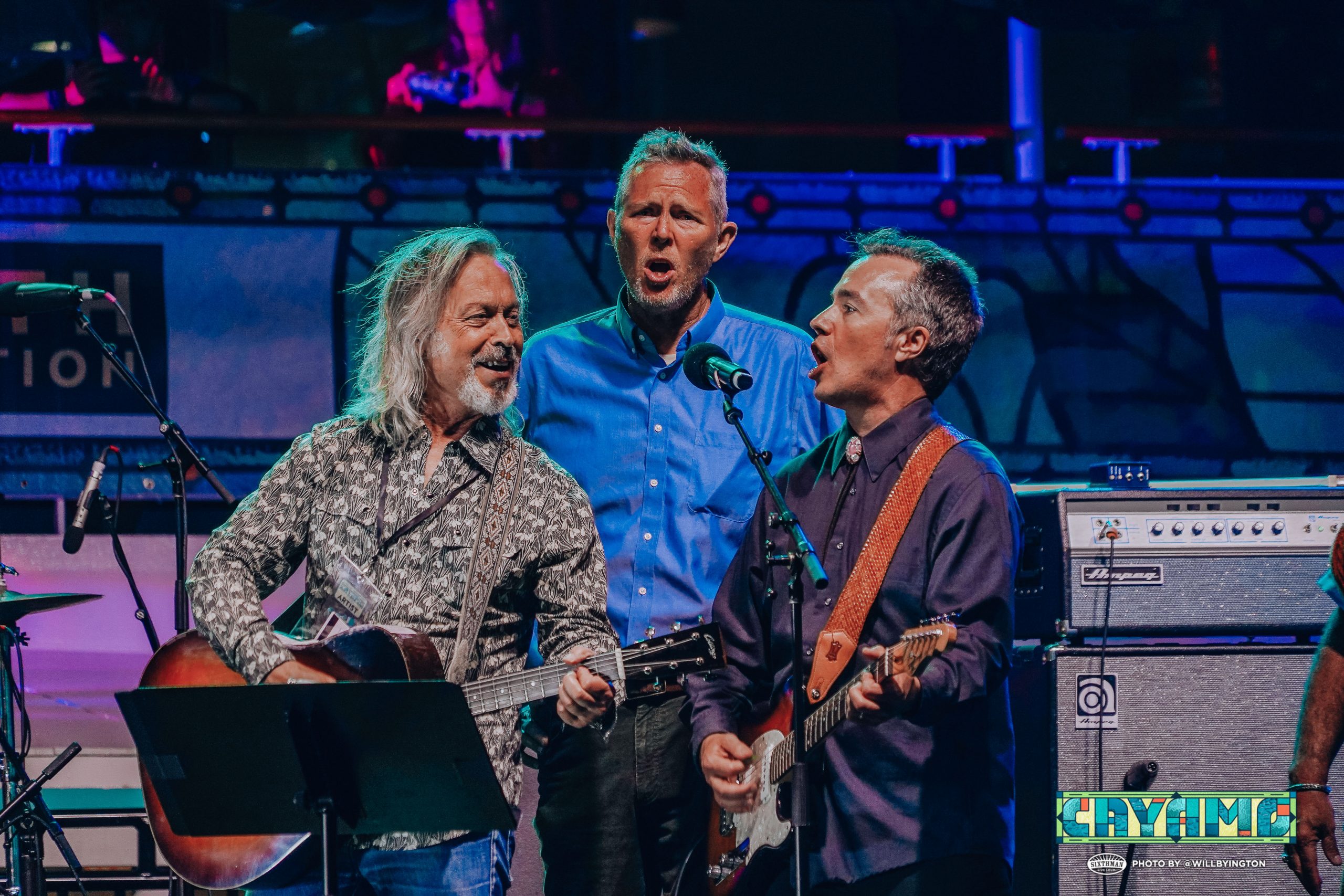
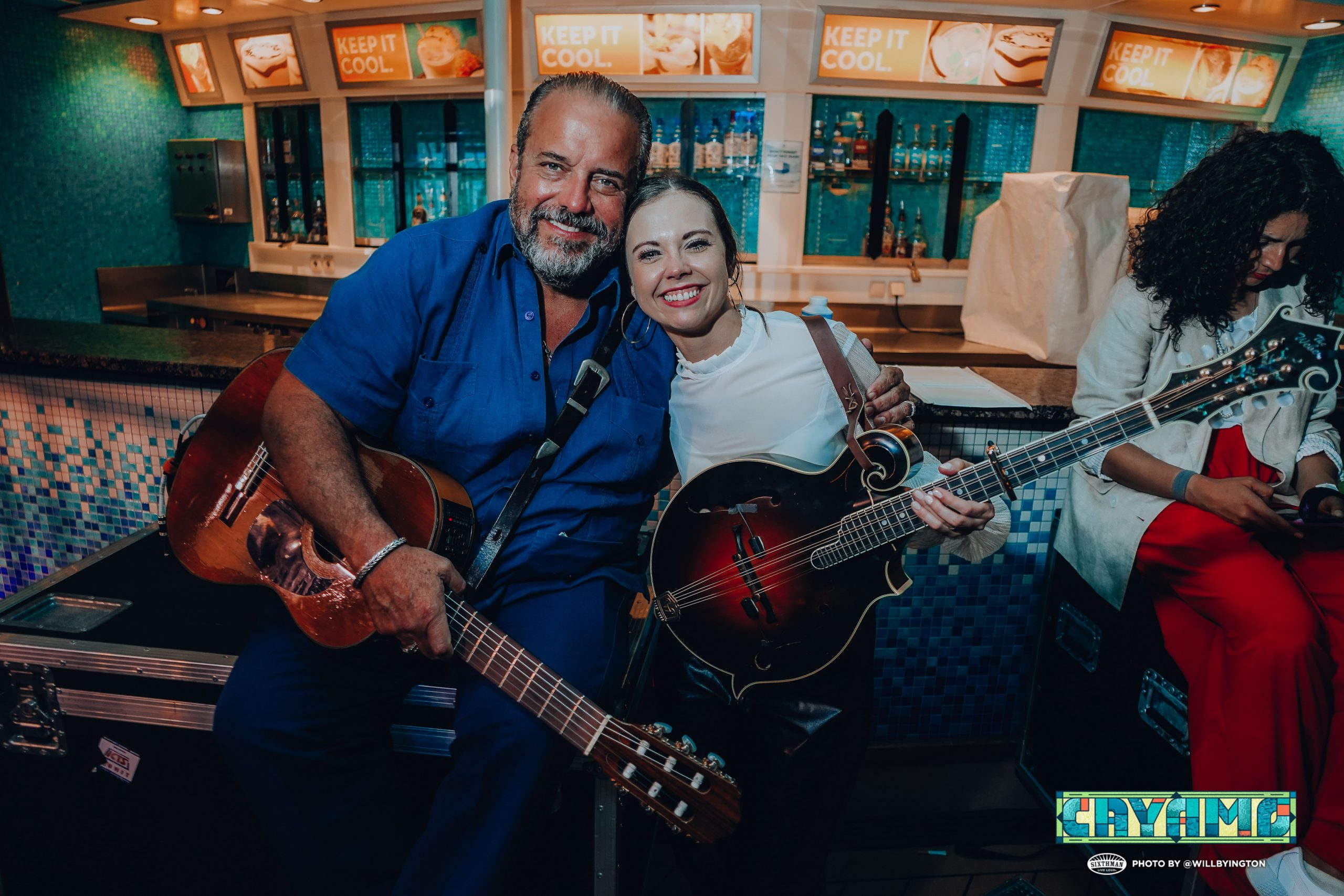
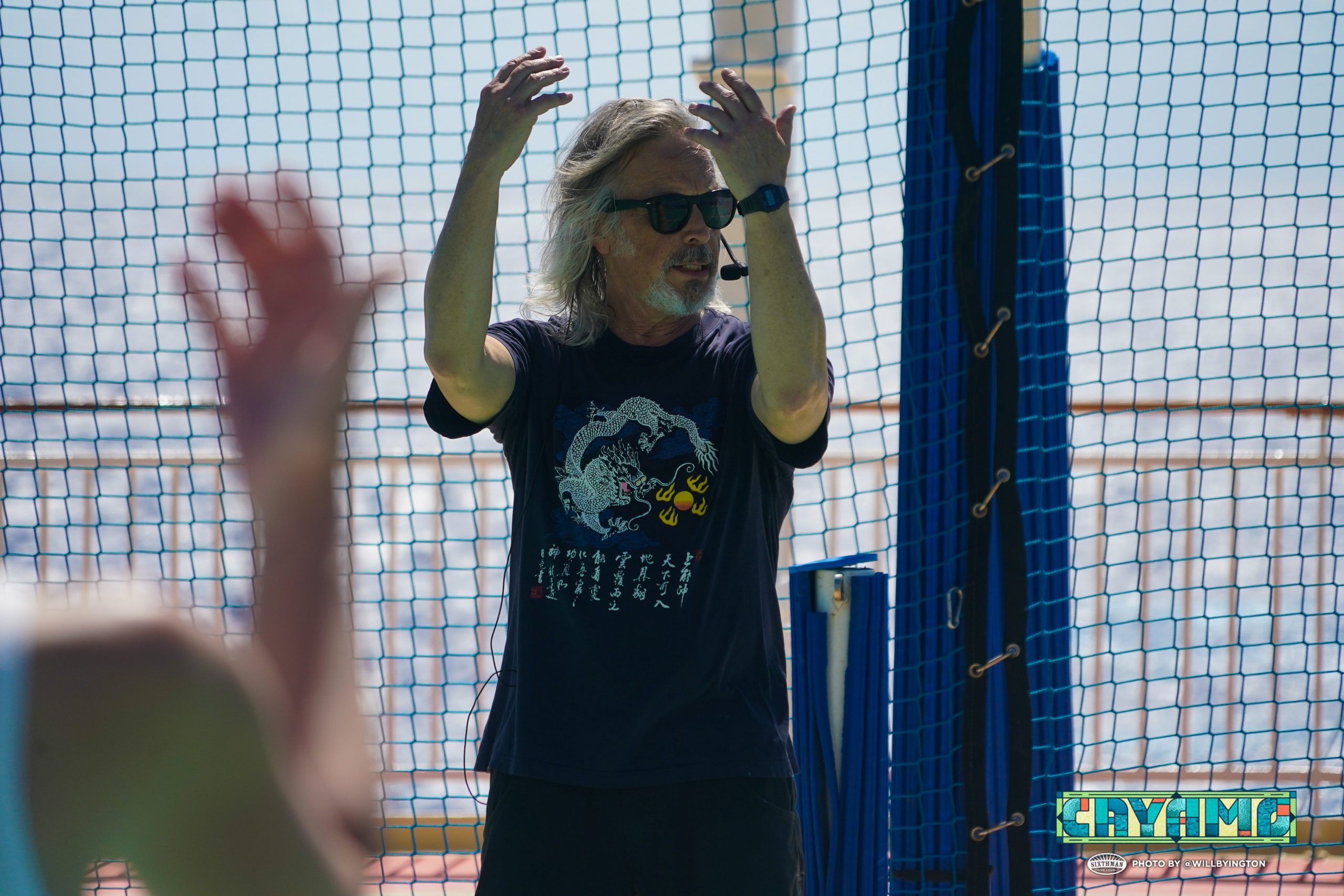
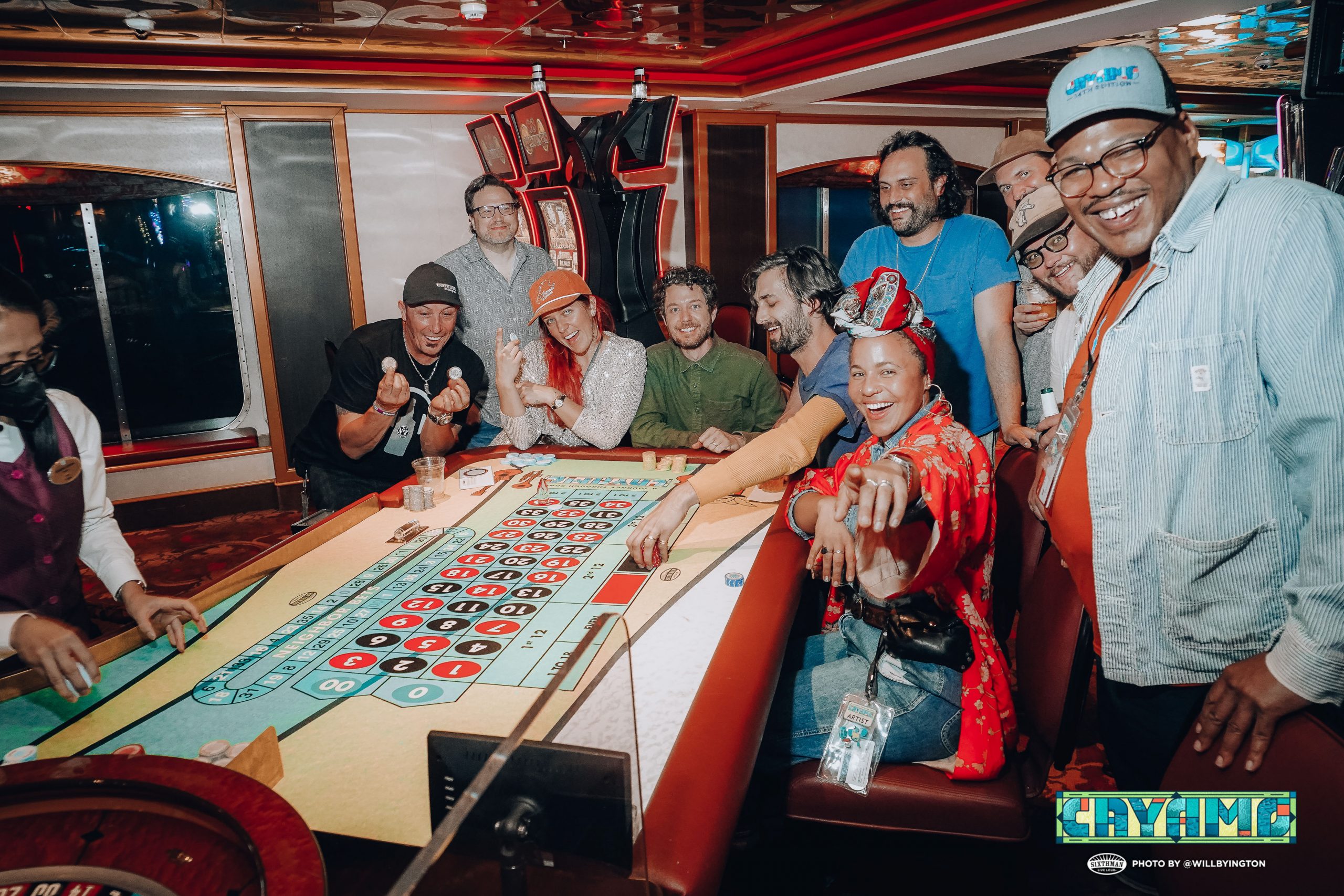
The BGS team is currently working on getting our land legs back after a week at sea with the Sixthman team, as we made our music-filled journey from Miami to St. Thomas and St. Kitts aboard the 14th edition of Cayamo – and what a week it was!
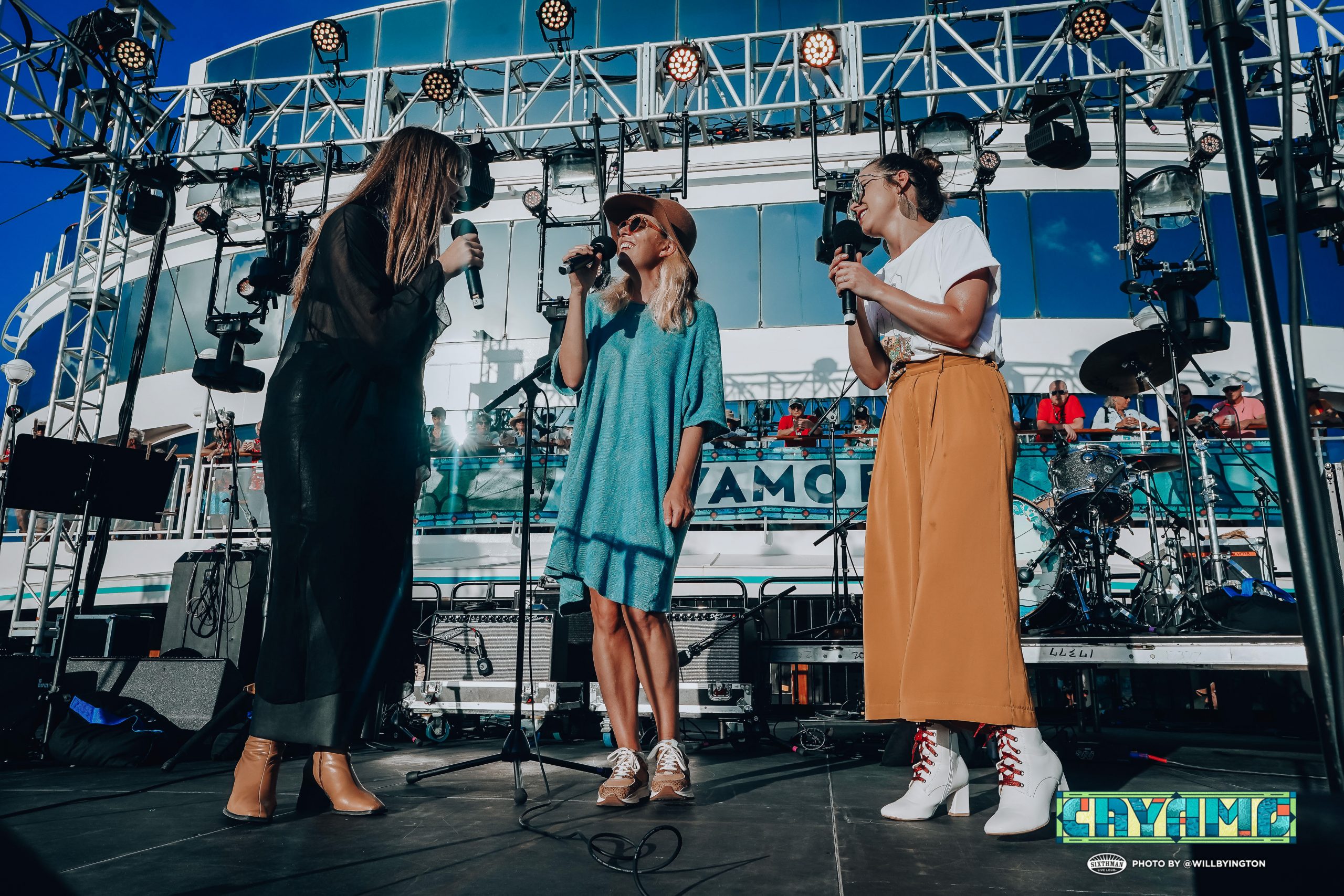
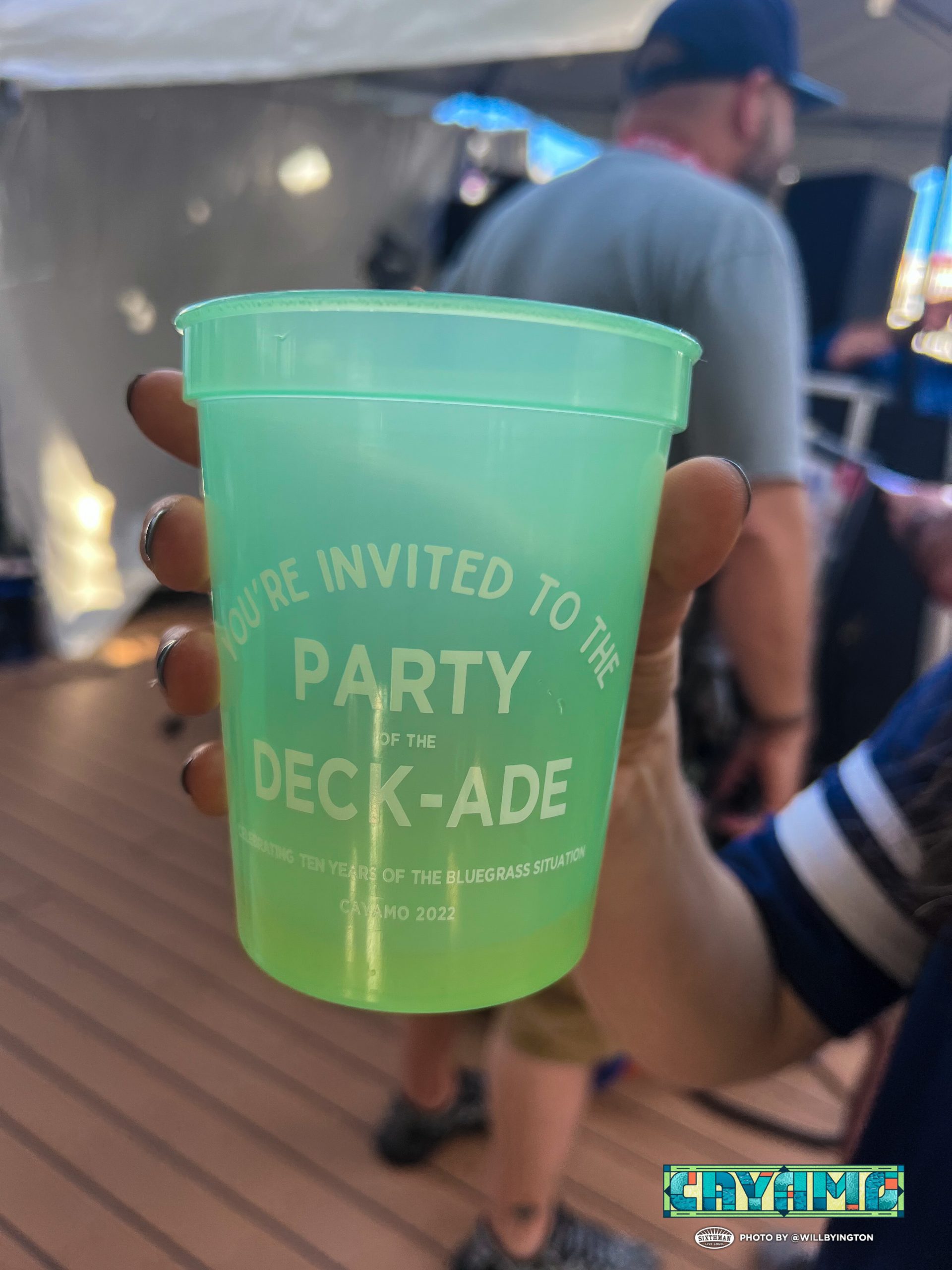
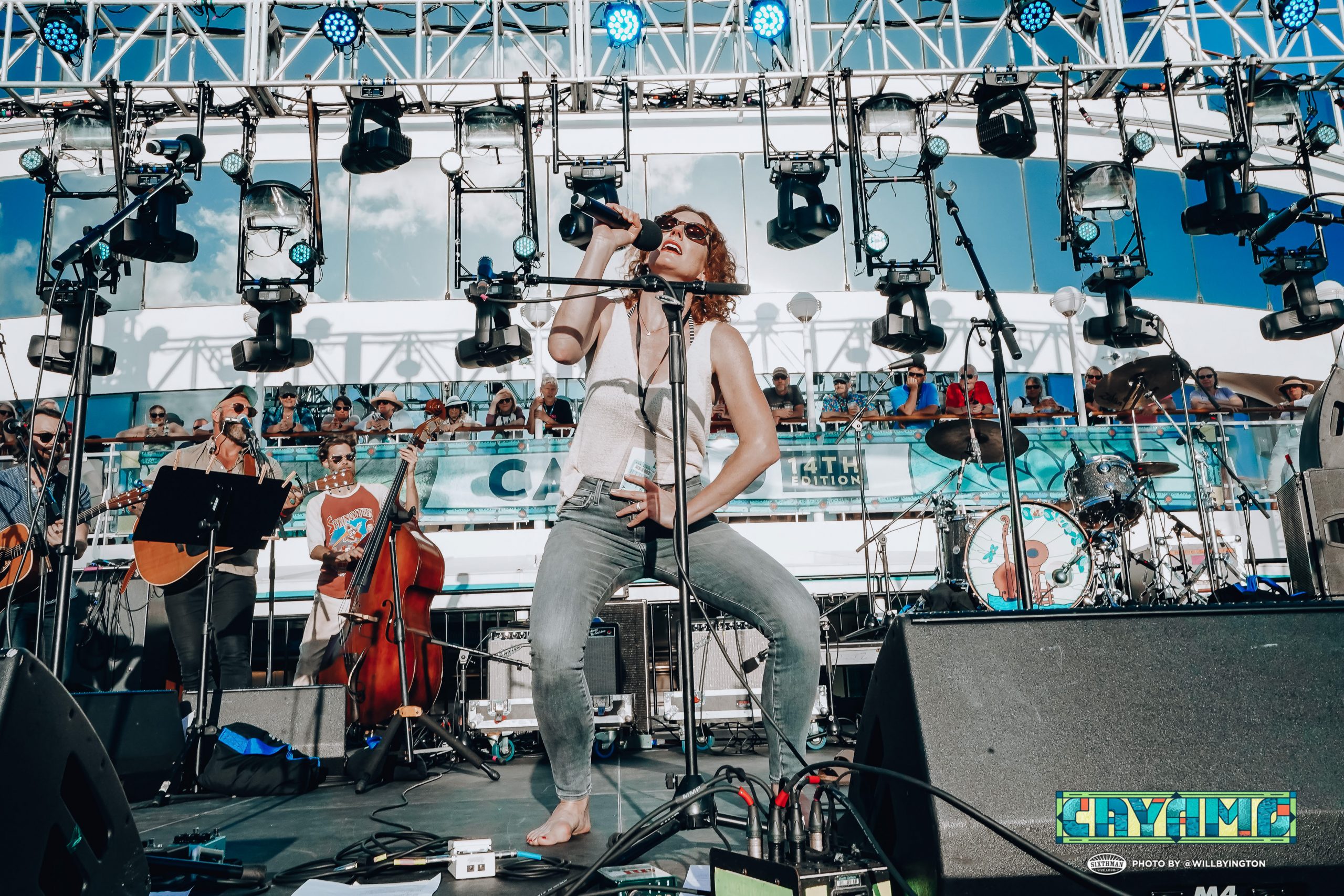
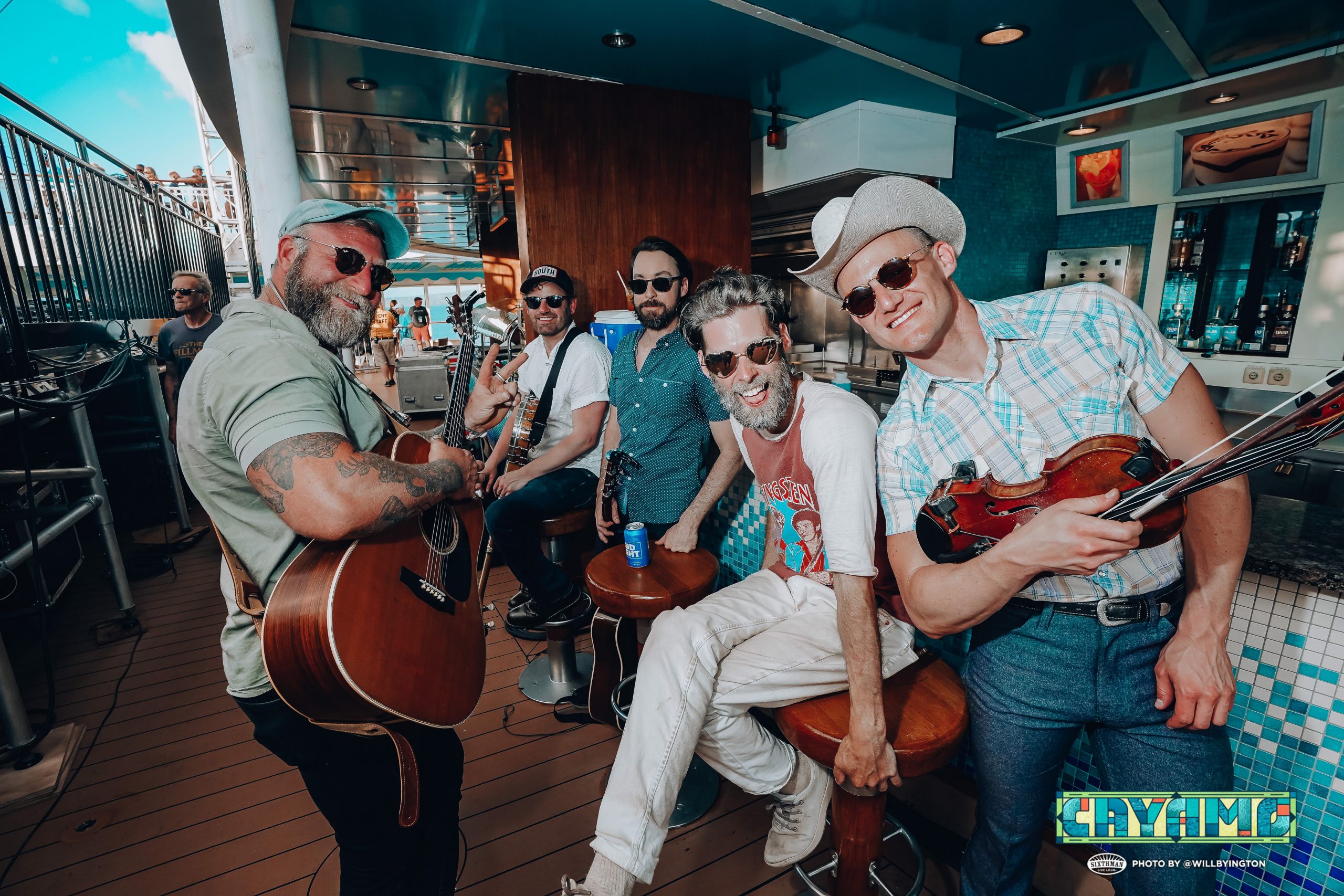
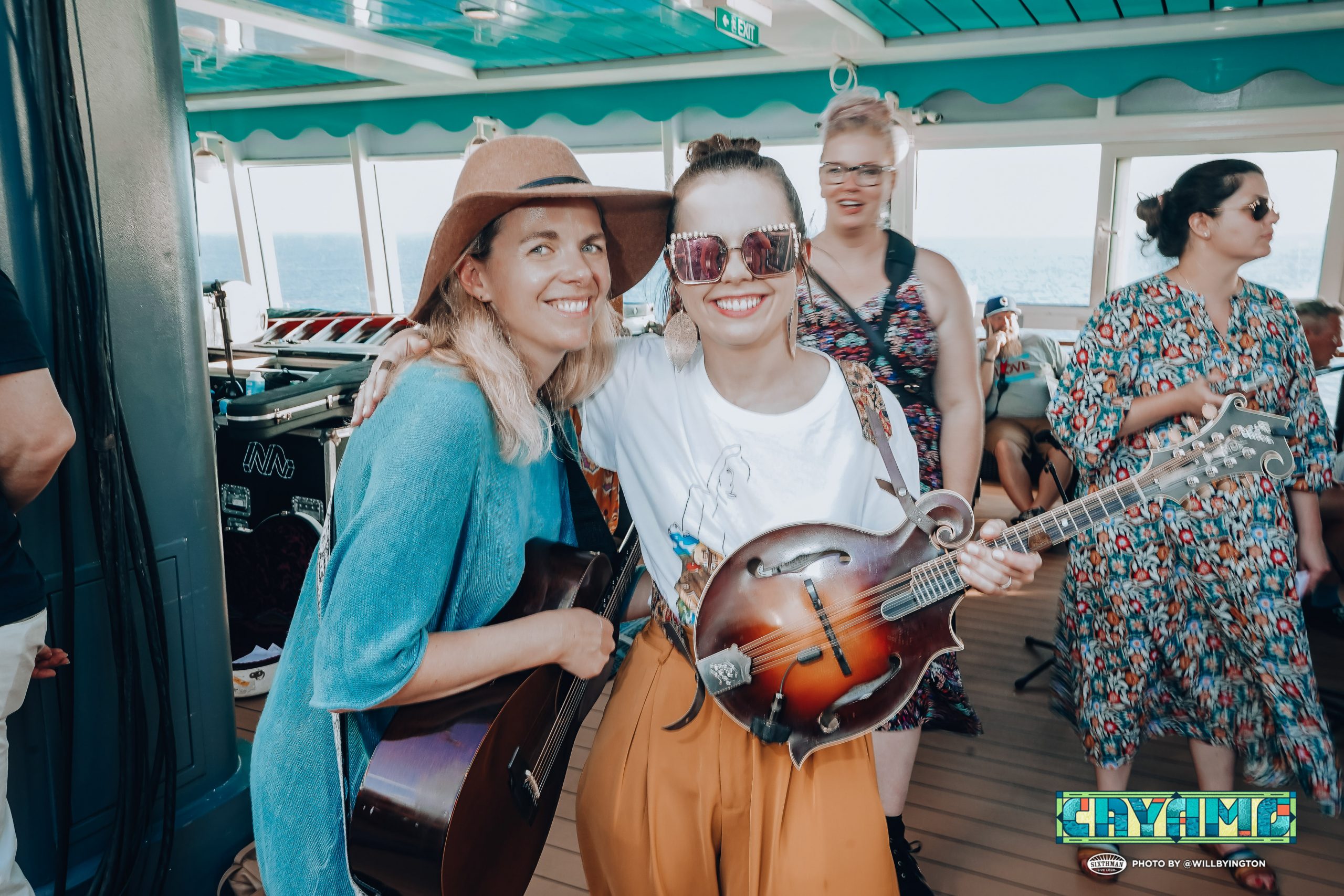
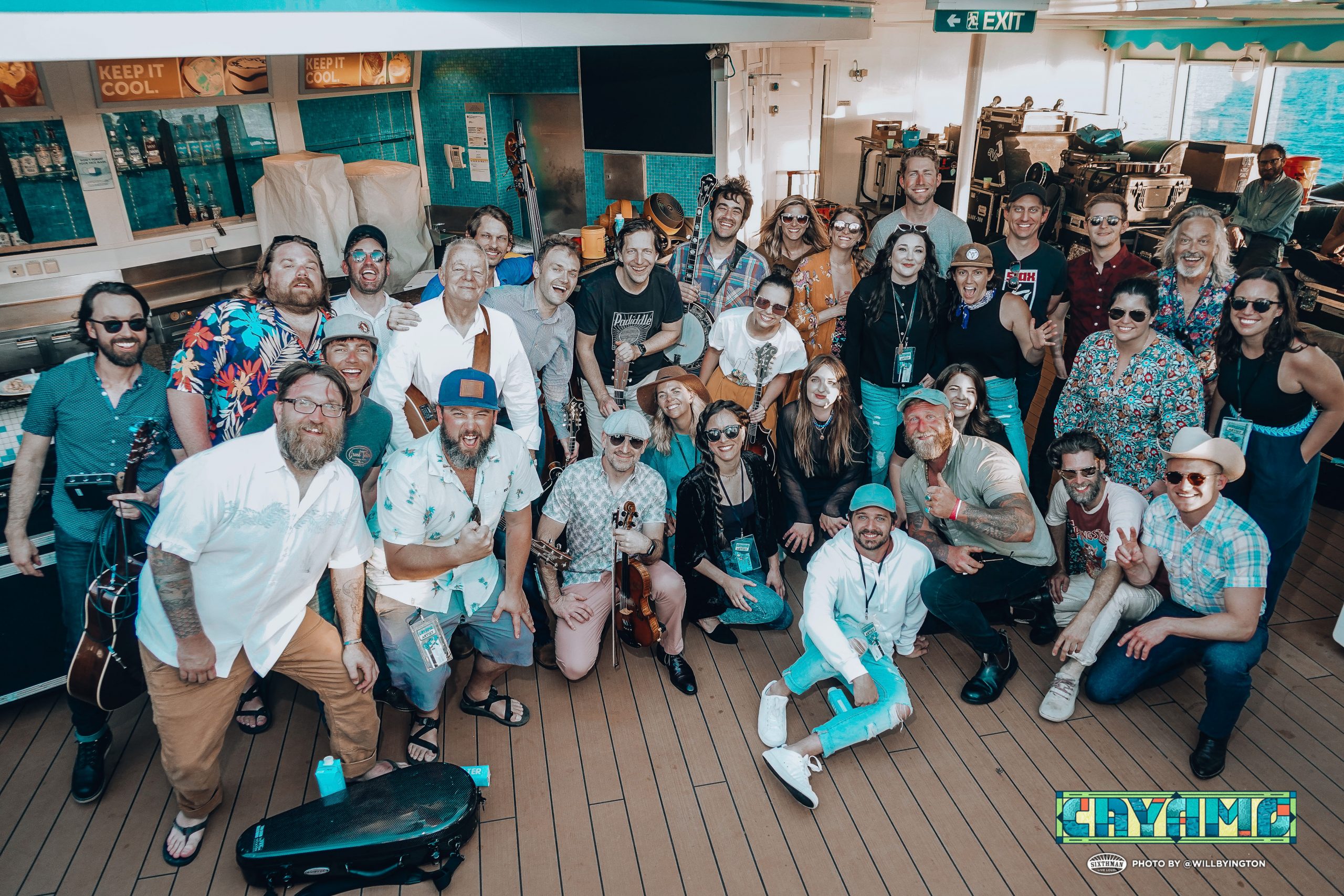
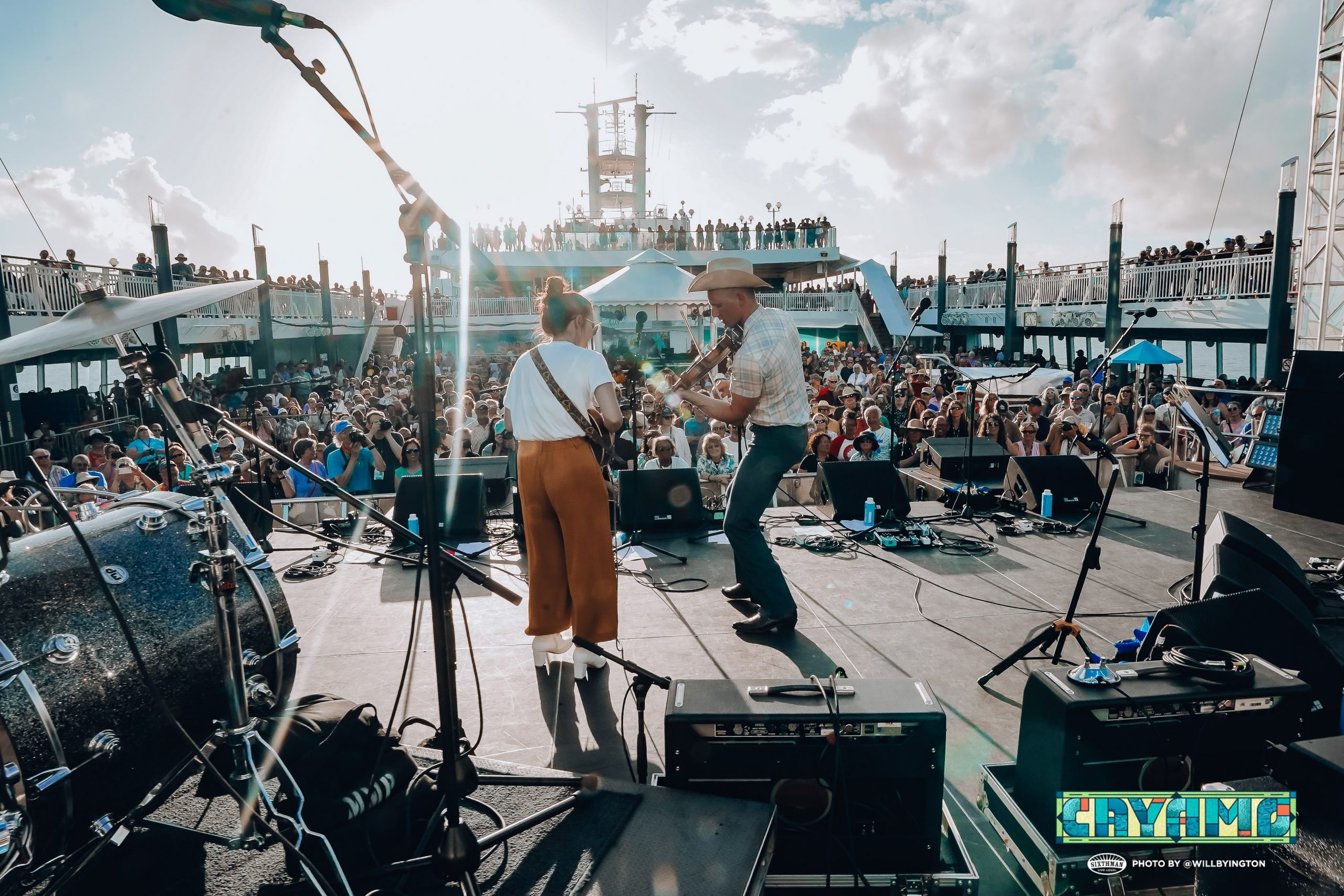
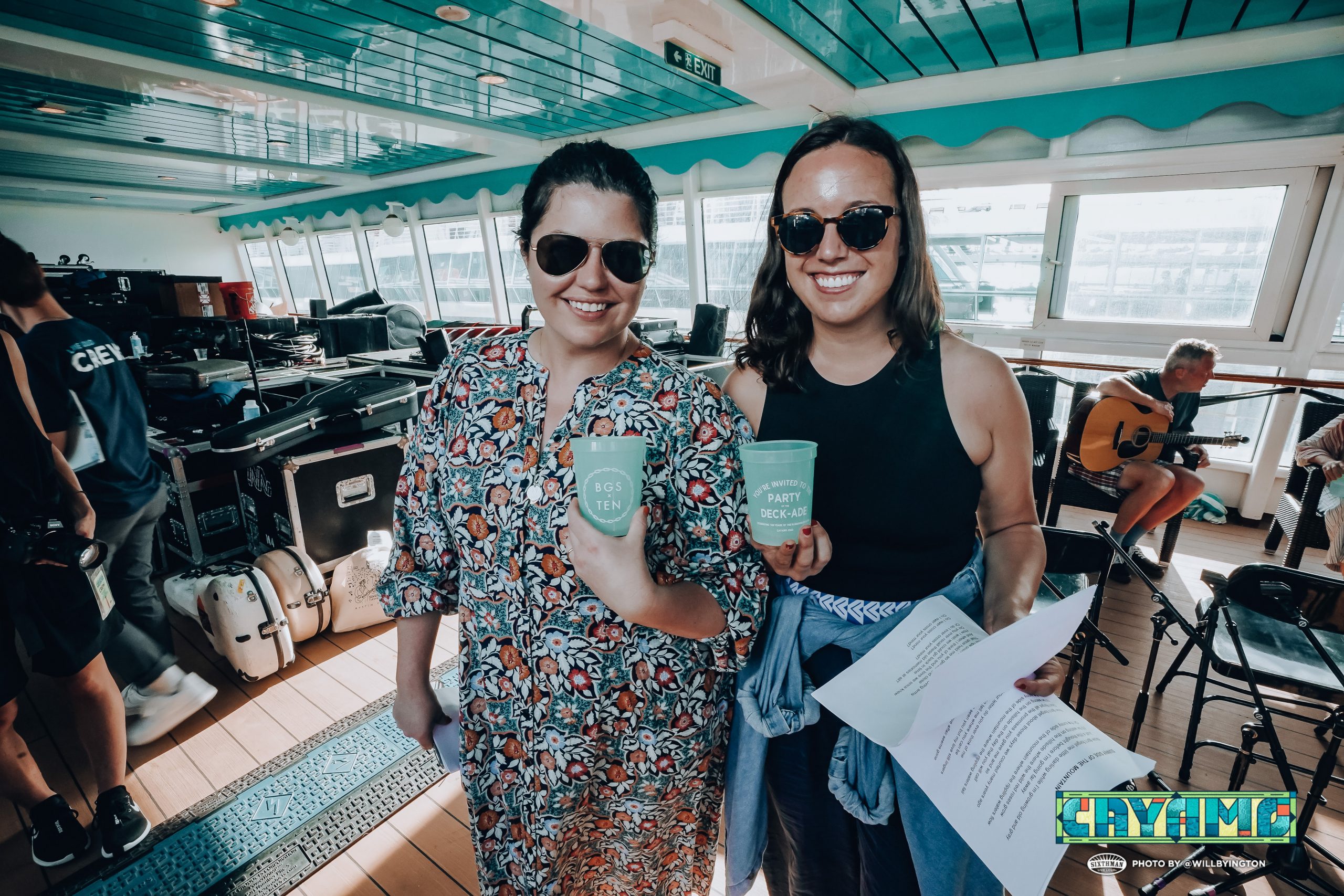
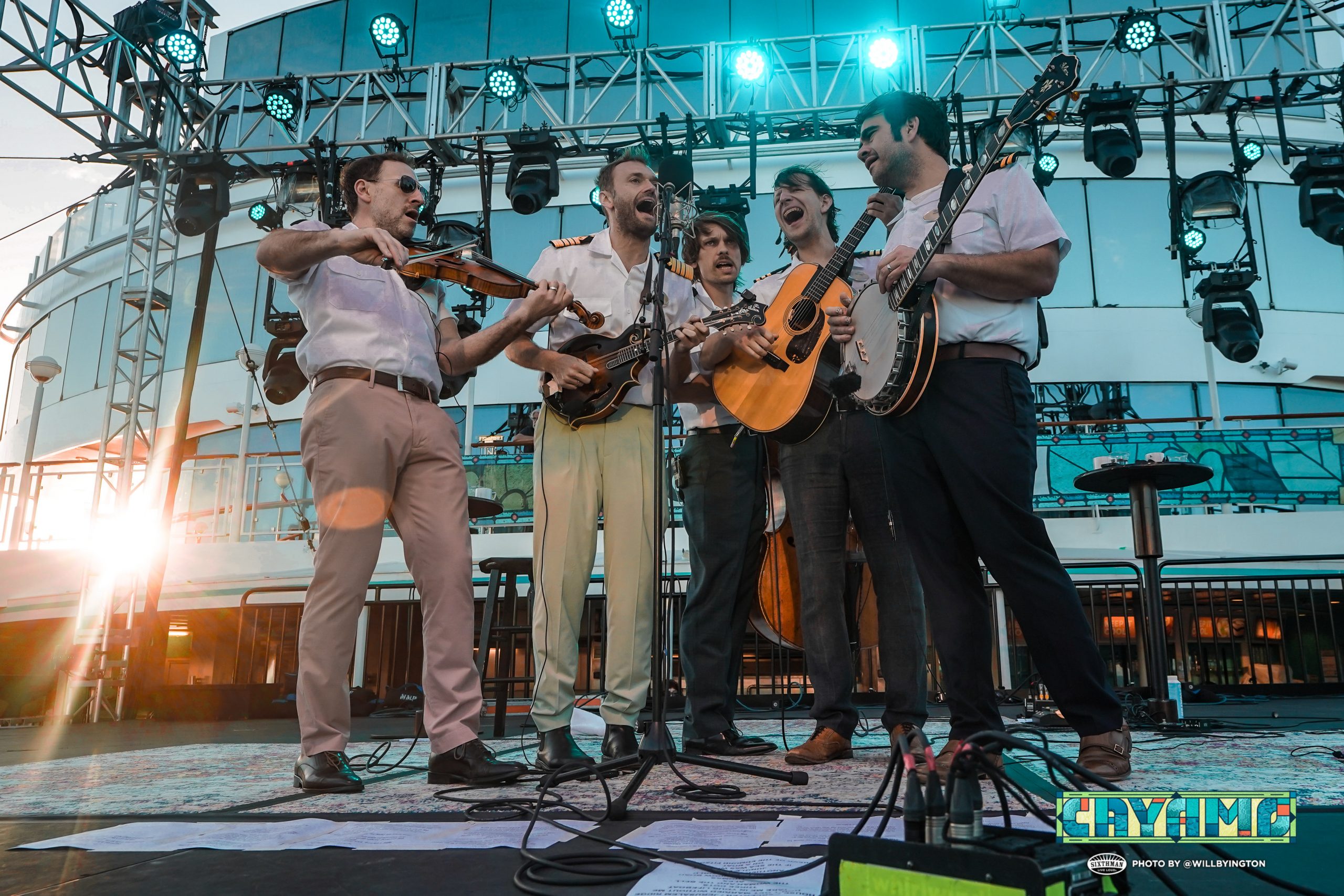
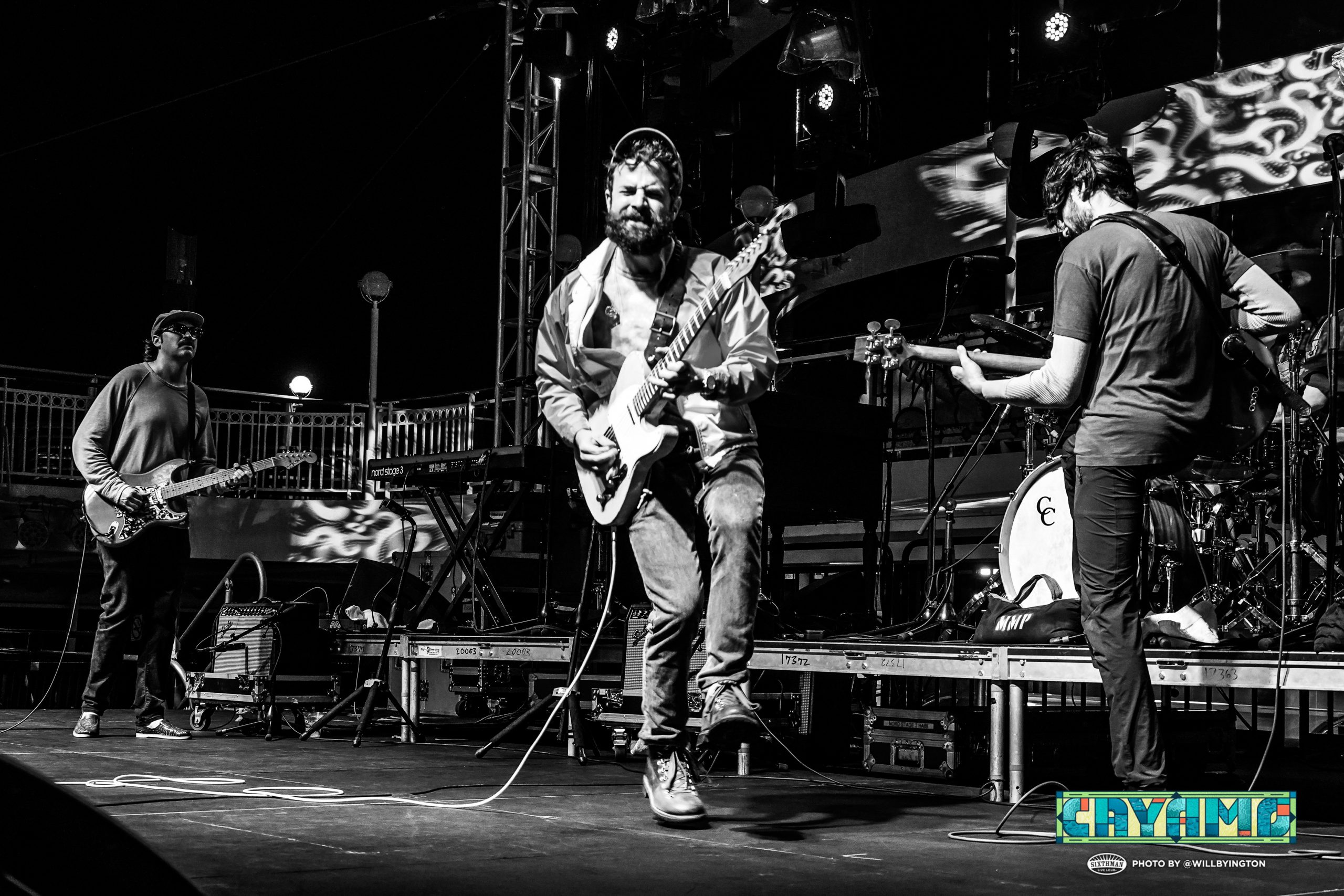
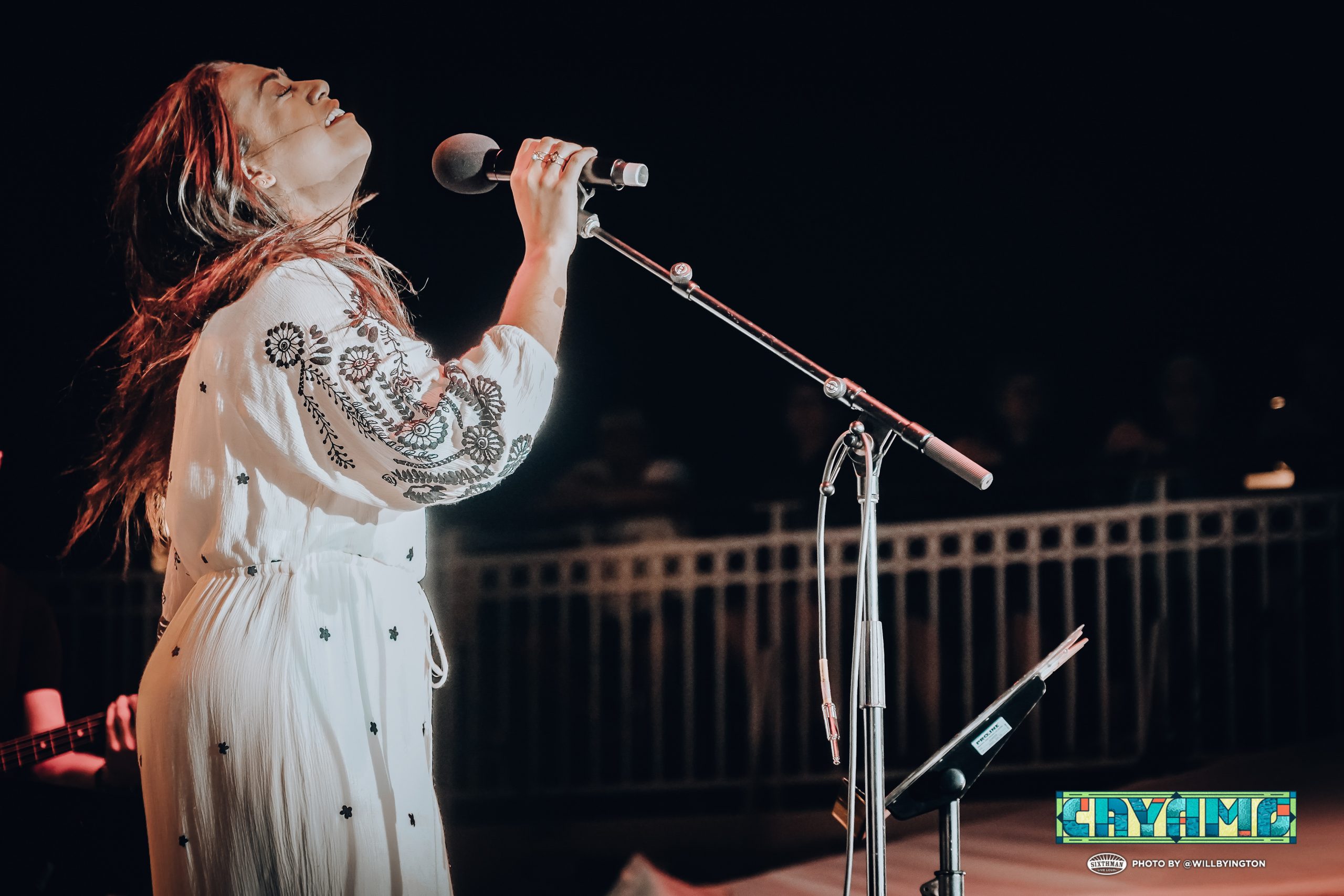
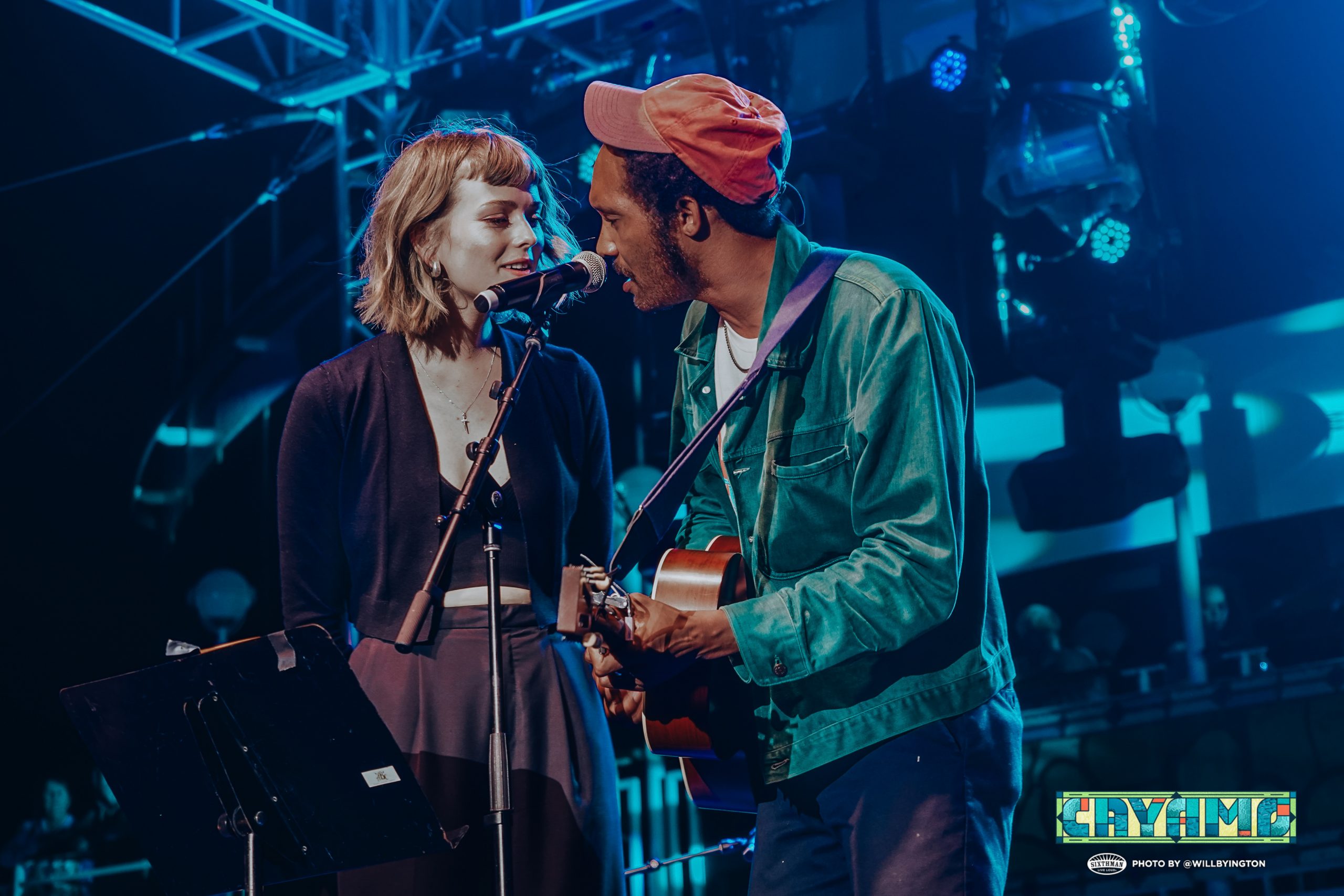
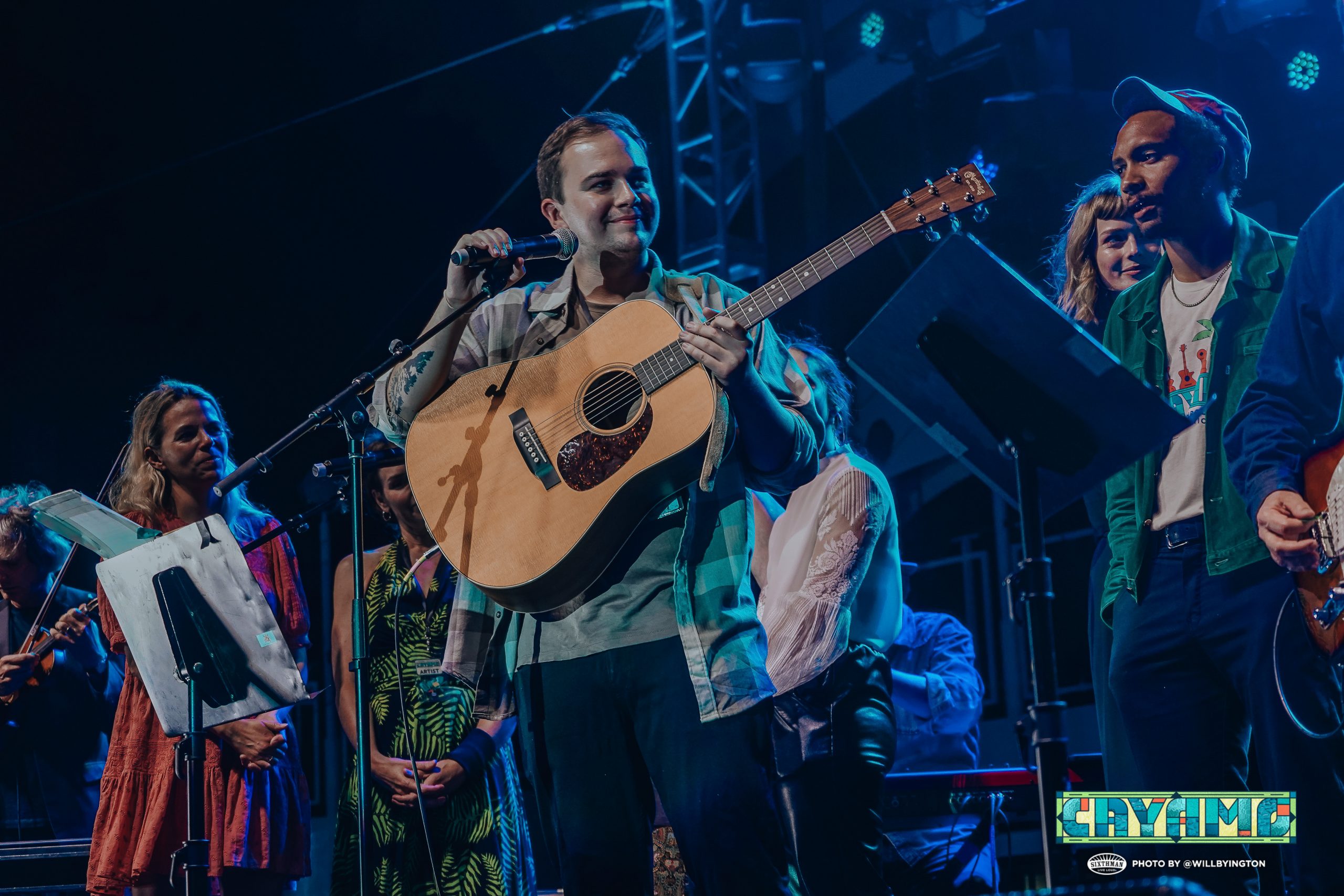
After two long years away from much of our roots music community (in person, at least) Cayamo felt like a reunion – and we were so happy to celebrate BGS’ 10th birthday with a huge jam set with so many of our friends. Sierra Hull and Madison Cunningham hosted The Bluegrass Situation’s Party of the Deck-ade, a set that took place on the pool deck as we pulled away from St. Kitts, featuring songs of joy and celebration via collaborations amongst the likes of Aoife O’Donovan, the Punch Brothers, Kathleen Edwards, Brittney Spencer, Robbie Fulks, Jim Lauderdale, Tommy Emmanuel, Missy Raines, Rainbow Girls, Dear Darling, Laney Lou and the Bird Dogs, and Hogslop String Band as our trusty house band.
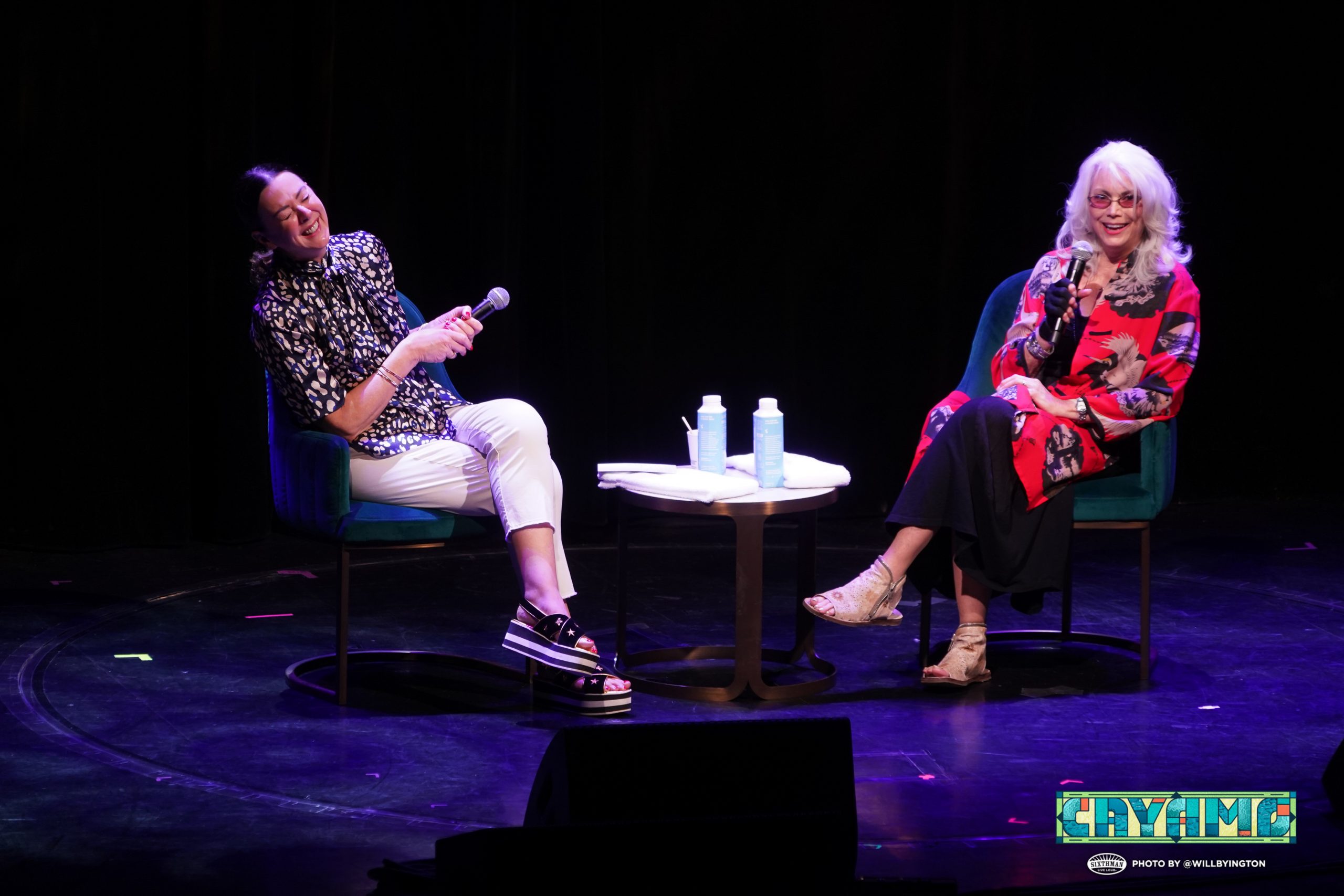
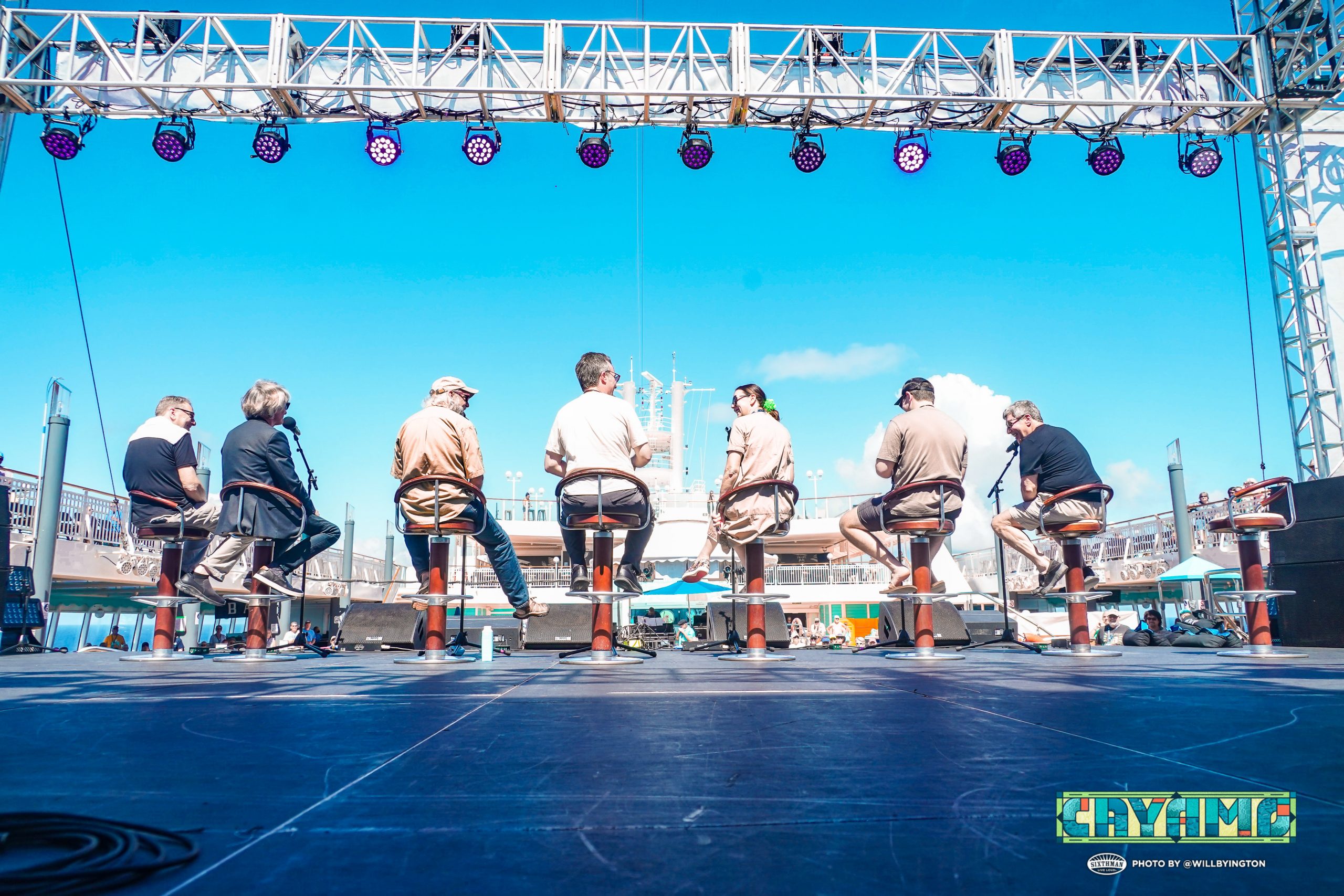
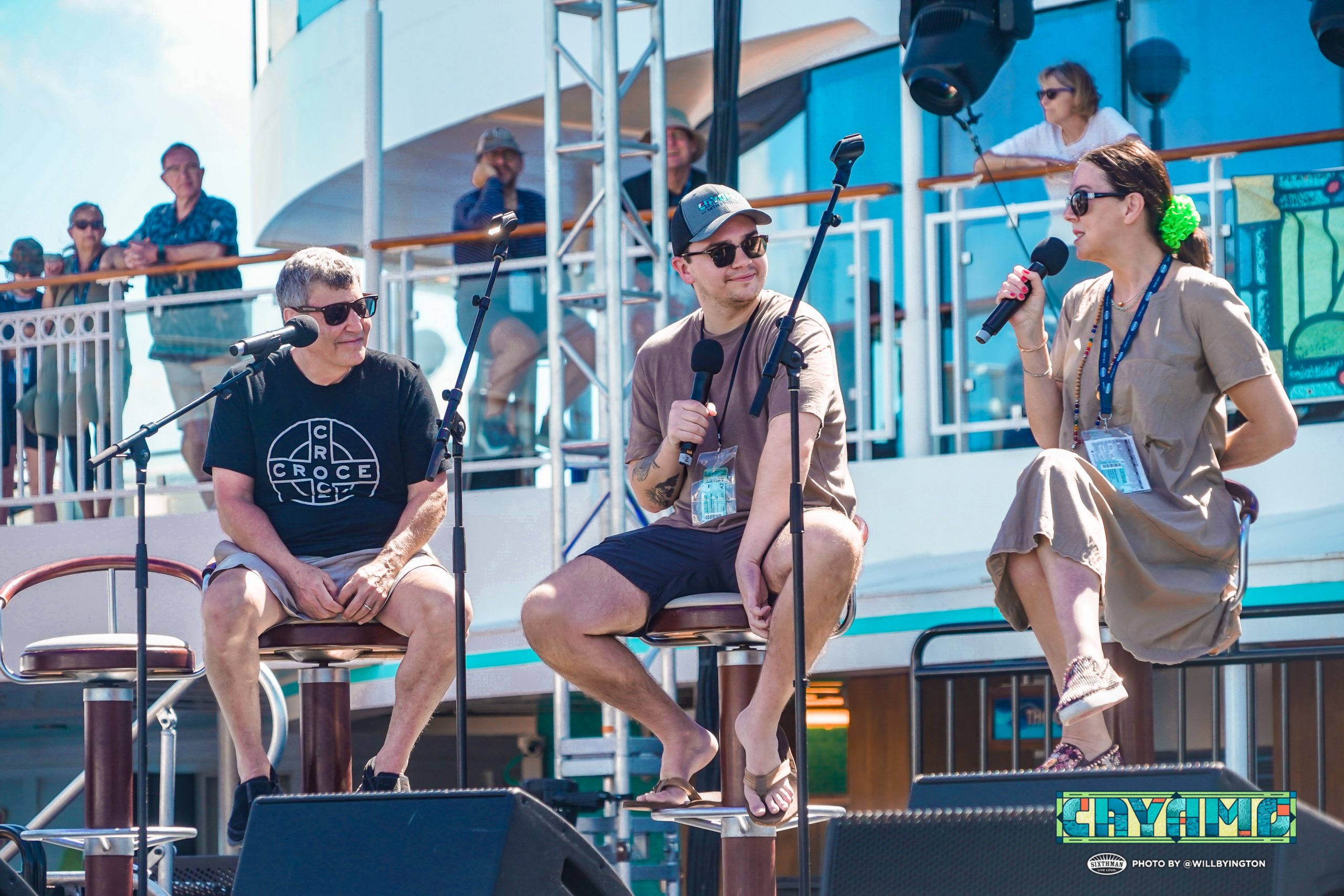
On top of all this music, we were also grateful for the chance to simply sit and talk – and Fiona Prine took advantage of this time with her Let’s Sit and Talk series, having in-depth conversations with Emmylou Harris, as well as members of John Prine’s band. (Be on the lookout – these conversations are coming to BGS in podcast form soon!)
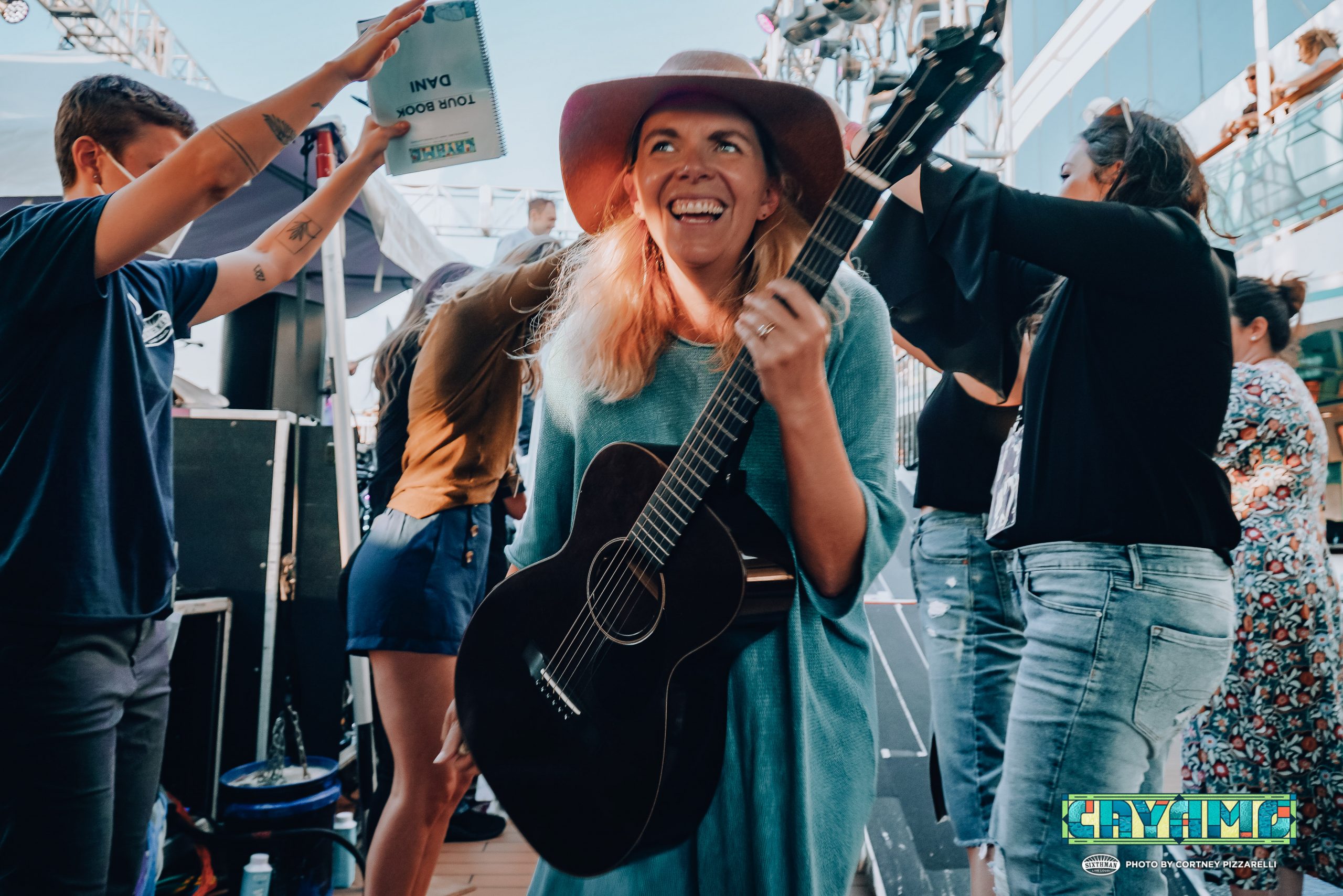
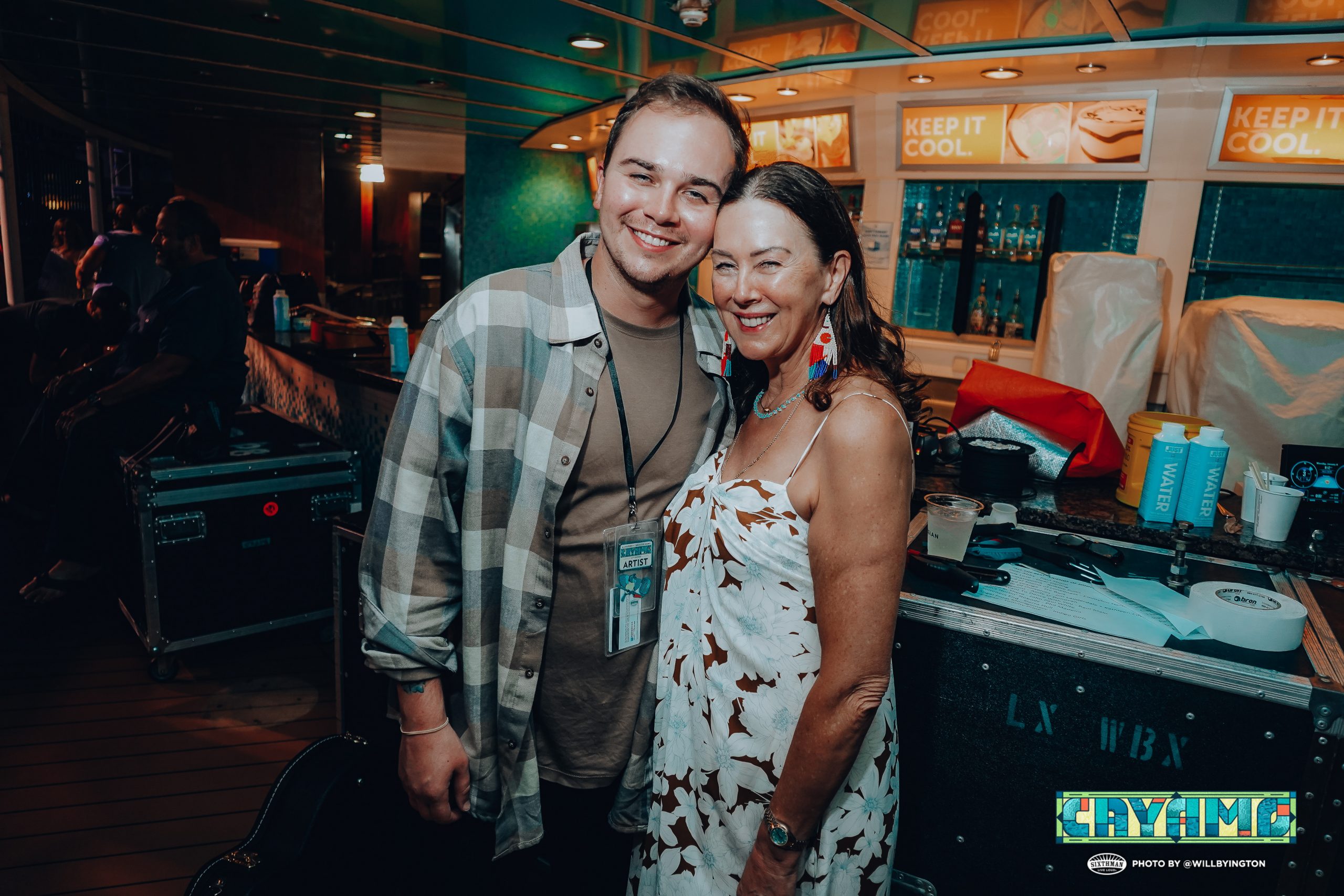
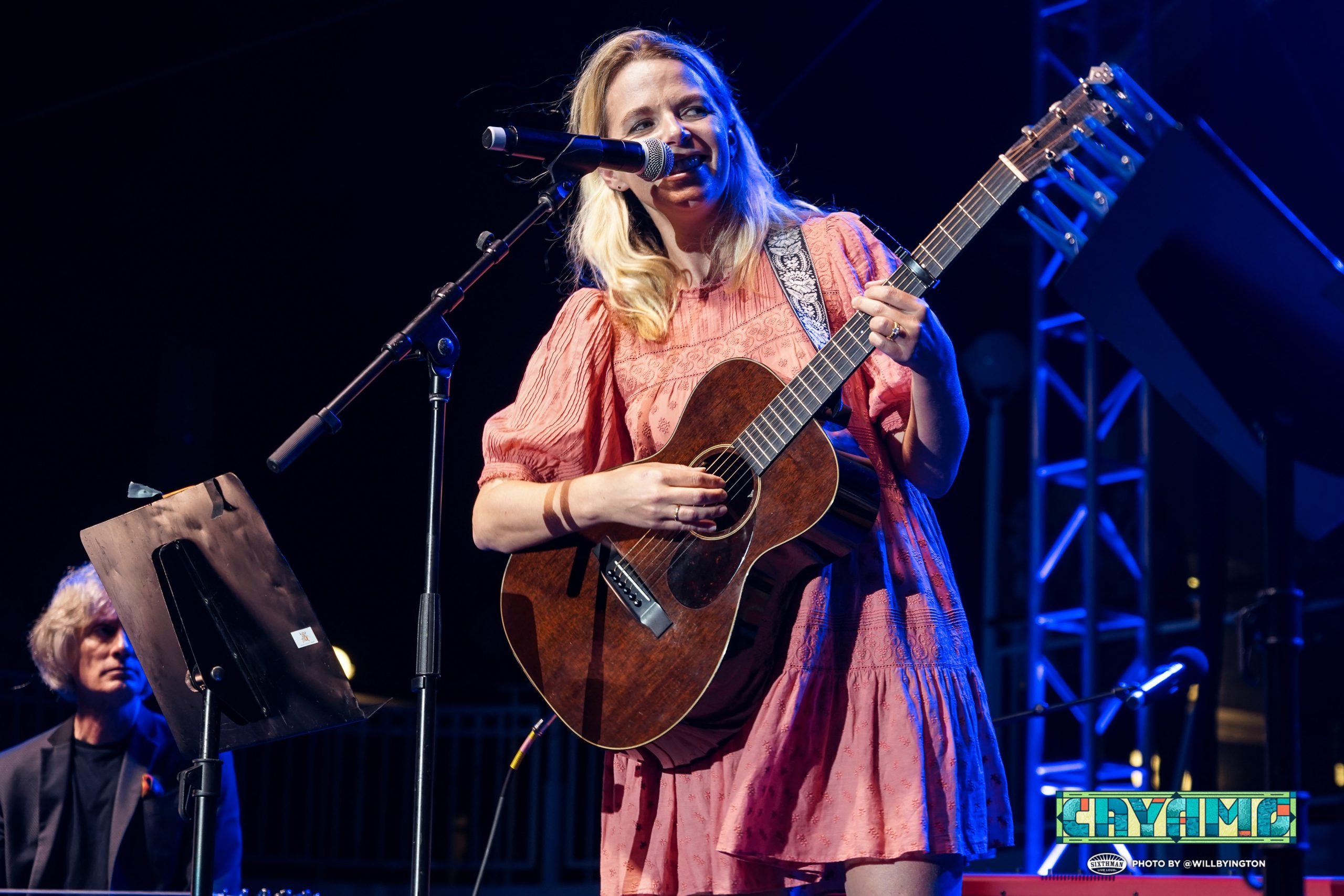
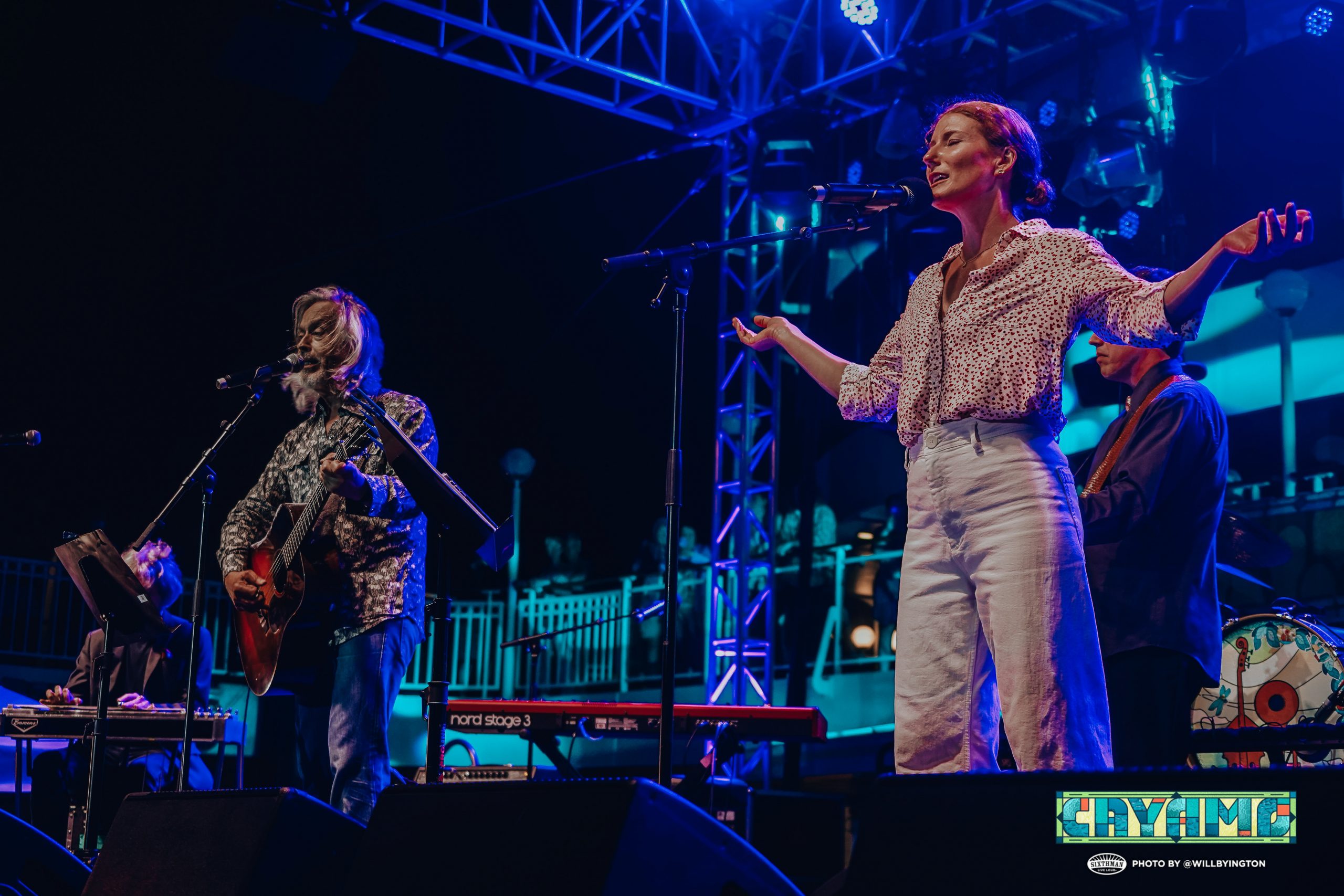
Cayamo was a week of non-stop music, unforgettable collaborations, and moments of joy, from a nautical set by the Punch Brothers, to mid-set stage dives – into a literal pool – from Hogslop String Band, to many opportunities to honor the memory and music of John Prine and those we’ve lost in the past few years – just to name a few. Below, take a look at some of our favorite moments from the Party of the Deck-ade and the entire Cayamo trip, as captured by Will Byington and Cortney Pizzarelli:
Cover Image: Cortney Pizzarelli All photos by Will Byington and Cortney Pizzarelli
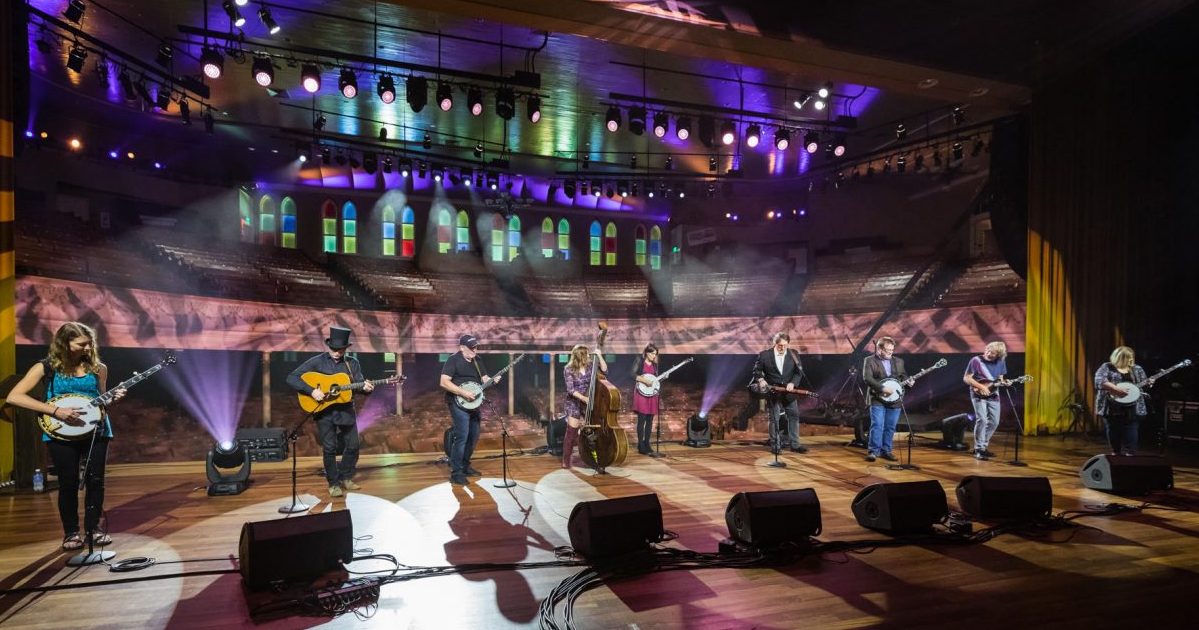
When the IBMA Awards celebrated the 75th birthday of bluegrass in 2020, they brought out the best banjo pickers in the business for an all-star tribute to J.D. Crowe. A pioneering figure of the 1970s whose hard-driving approach has never gone out of style, Crowe remains a musical hero to many. When the community learned of his death on December 24, 2021, the IBMA honored his legacy by posting this special performance of “Blackjack” from the 2020 broadcast. Due to COVID protocols, all of the musicians were socially distanced but nonetheless forged a strong connection standing side by side on the Ryman Auditorium stage.
With an introduction from good friend and former bandmate Jerry Douglas, the clip features cornerstones of the industry like Sam Bush on mandolin, David Grier on guitar, and Missy Raines on bass. In a fitting gesture, the spotlight also shines on all five nominees for Banjo Player of the Year: Kristin Scott Benson, Gena Britt, Gina Furtado, Ned Luberecki, and Scott Vestal. Watch all the way through, as Crowe himself gives it his stamp of approval at the end.
Ah! There’s a chill in the air, color in the leaves, and a craving for the spookiest songs in bluegrass — it must be fall. Bluegrass, old-time, and country do unsettling music remarkably well, from ancient folk lyrics of love gone wrong to ghost stories to truly “WTF??” moments. If you’re a fan of pumpkins, hot cider, and murder ballads we’ve crafted this list of 13 spooky-season bluegrass songs just for you:
The Country Gentlemen – “Bringing Mary Home”
THE bluegrass ghost story song. THE archetypical example of “What’s that story, stranger? Well, wait ‘til you hear this wild twist…” in country songwriting. (Yes, that’s a country songwriting archetype.) The Country Gentlemen did quiet, ambling — and spooky — bangers better than anybody else in bluegrass.
Cherryholmes – “Red Satin Dress”
Fans of now-retired family band Cherryholmes will know how rare it was for father and bassist Jere to step up to the microphone to sing lead. His grumbling, coarse voice and deadpan delivery do this modern murder ballad justice and then some.
One has to wonder, though, with so many songs about murderous, deceitful women in bluegrass — the overwhelmingly male songwriters across the genre’s history couldn’t be bitter and misogynist, could they? Could they?
Zach & Maggie – “Double Grave”
A more recent example of unsettling songwriting in bluegrass and Americana, husband-and-wife duo Zach & Maggie White give a whimsical, joyful bent to their decidedly creepy song “Double Grave” in the 2019 music video for the track. Just enough of the story is left up to the imagination of the listener. Feel free to color inside — or outside — of the lines as you decide just how the song’s couple landed in their double grave.
Alison Krauss – “Ghost in This House”
Come for the iconic AKUS track, stay for the impeccable introduction by Alison. Equal parts cheesy and stunning, if you haven’t belted along to this song at hundreds of decibels while no one is watching, you’re lying. Not technically a ghost story, we’re sliding in this hit purely because a Nashville hook as good as this deserves mention in a spooky-themed playlist.
The Stanley Brothers – “Little Glass of Wine”
Ah, American folk music, a tradition that *checks notes* celebrates the infinity-spanning, universe-halting power of love by valorizing murdering objects of that love. Kinda makes you think, doesn’t it? Here’s a tried and true old lyric, offered by the Stanley Brothers in that brother-duet-story-song style that’s unique to bluegrass. What’s more scary than an accidental (on purpose) double poisoning? The Stanley Brothers might accomplish spooky ‘grass better than any other bluegrass act across the decades.
Missy Raines – “Blackest Crow”
A less traditional rendering of a folk canon lyric, Missy Raines’ “Blackest Crow” might not feel particularly terrifying in and of itself, but the dark imagery of crows, ravens, and their relatives will always be a spectre in folk music, if not especially in bluegrass.
Bill Monroe – “Body and Soul”
The lonesome longing dirge of a flat-seven chord might be the spookiest sound in bluegrass, from “Wheel Hoss” to “Old Joe Clark” to “Body and Soul.” A love song written through a morbid and mortal lens, you can almost feel the distance between the object’s body and soul widening as the singer — in the Big Mon’s unflappable tenor — objectifies his love, perhaps not realizing the cold, unfeeling quality of his actions. It’s a paradox distilled impossibly perfectly into song.
Rhiannon Giddens – “O Death”
Most fans of roots music know “O Death” from the O Brother, Where Art Thou? soundtrack and the version popularized by Ralph Stanley and the Stanley Brothers. On a recent album, Rhiannon Giddens and Francesco Turrisi reprise the popular song based on a different source — Bessie Jones of the Georgia Sea Island Singers.
The striking aural image of Stanley singing the song, a capella, in the film and on the Down from the Mountain tour will remain forever indelible, but Giddens’ version calls back to the lyrics’ timelessness outside of the Coen Brothers’ or bluegrass universes and reminds us of just how much of American music and culture are entirely thanks to the contributions of Black folks.
Johnson Mountain Boys – “Dream of a Miner’s Child”
Mining songs are some of the creepiest and most heartbreaking — and back-breaking — songs in bluegrass, but this classic performance from the Johnson Mountain Boys featuring soaring, heart-stopping vocals by Dudley Connell, casts the format in an even more blood-chilling light: Through the eyes of a prophetic, tragic dream of a miner’s child. The entire schoolhouse performance by the Johnson Mountain Boys won’t ever be forgotten, and rightly so, but this specific song might be the best of the long-acclaimed At the Old Schoolhouse album.
Oh daddy, don’t go to the mine today / for dreams have so often come true…
Emmylou Harris, Alison Krauss, Gillian Welch – “Didn’t Leave Nobody But the Baby”
A lullaby meets a field holler song on another oft-remembered track from O Brother, Where Art Thou? The disaffected tone of the speaker, in regards to the baby, the devil, all of the above, isn’t horrifying per se, but the sing-songy melody coupled with the dark-tinged lyric are just unsettling enough, with the rote-like repetition further impressing the slightly spooky tone. It’s objectively beautiful and aesthetic, but not… quite… right… Perhaps because any trio involving the devil would have to be not quite right?
AJ Lee & Blue Summit – “Monongah Mine”
Another mining tale, this one based on a true — and terrifying — story of the Monongah Mine disaster in 1907, which is often regarded as the most dangerous and devastating mine accident in this country’s history. AJ Lee & Blue Summit bring a conviction to the song that might bely their originating in California, because they make this West Virginia tale their own.
Jake Blount – “Where Did You Sleep Last Night”
“In the Pines” is one of the most haunting lyrics in the bluegrass lexicon, but ethnomusicologist, researcher, and musician Jake Blount didn’t source his version from bluegrass at all — but from Nirvana. That’s just one facet of Blount’s rendition, which effortlessly queers the original stanzas and adds a degree of disquieting patina that’s often absent from more tired or well-traveled covers of the song. A reworking of a traditional track that leans into the moroseness underpinning it.
The Stanley Brothers – “Rank Stranger”
To close, we’ll return to the Stanley Brothers for an often-covered, much-requested stalwart of the bluegrass canon that is deceptively terrifying on closer inspection. Just who are these rank strangers that the singer finds in their hometown? Where did they come from? Why do none of them know who this person or their people are? Why are none of these questions seemingly important to anyone? Even the singer himself seems less than surprised by finding an entire village of strangers where familiar faces used to be.
For a song so commonly sung, and typically in religious or gospel contexts or with overarchingly positive connotations, it’s a literal nightmare scenario. Like a bluegrass Black Mirror episode without any sort of satisfying conclusion. What did they find? “I found they were all rank strangers to me.” Great, so we’re right back where we started. Spooky.
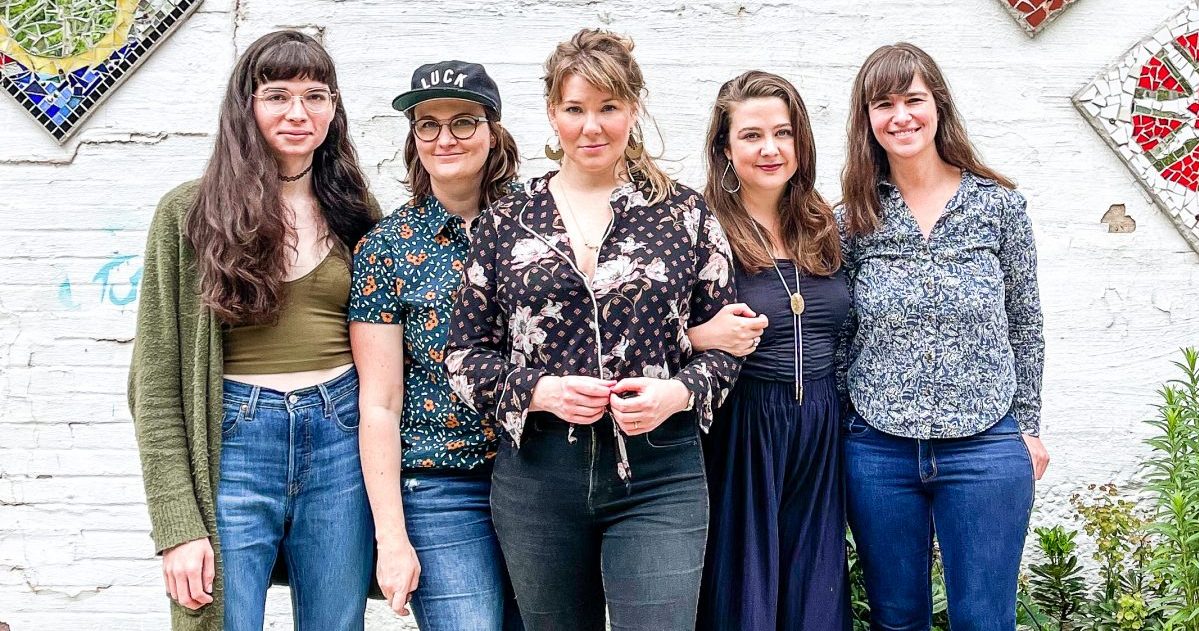
Artist:Della Mae Hometown: The United States Latest Album:Family Reunion Nicknames: Celia = Squawkbox; Kimber= Fiddler, Kimby, Auntie, Nimmers (Grammy only); Vickie = VV, Double V, Wickie Rejected Band Names: Big Spike Hammer
What’s your favorite memory from being on stage?
Thanks to my good friend and mentor Rickie Simpkins, I played a show on electric guitar with Emmylou Harris a few years ago. My favorite memory from the gig was actually the soundcheck and rehearsal. It was a really special thing to get to experience how an artist I deeply admire prepares for a performance and then get to be part of how it all came together. — Avril Smith
In 2012, we had the opportunity to go on a six-week tour of South and Central Asia with the State Department. The first show we played was in Islamabad, Pakistan at a women’s college. It was the most incredible energy we’ve ever felt in a room. They’d never heard bluegrass before and erupted in cheers and Beatles-worthy shrieks when we hit the first three-part harmony chorus. — Kimber Ludiker
What’s the toughest time you ever had writing a song?
“The Way It Was Before” took Mark Erelli and I six hours to write (three Zoom sessions). Half of that time was spent talking, looking up stories, getting really emotional about the state of the world. We wanted to make sure that every word counted, so we took our time and tried to honor each of the characters (who are actual people). The pandemic isn’t even behind us, and yet I keep hearing people say that they can’t wait to get back to “the old days.” There’s so much about “the old days” that needs changing. After everything we’ve been through in the last 18 months, I found that writing a song like this felt impossibly huge. I may not have finished it if it hadn’t been for Mark. — Celia Woodsmith
Which artist has influenced you the most…and how?
Missy Raines has influenced me the most. For obvious reasons, but let me explain: I was 14 years old watching Don Rigsby and Josh Williams play at my hometown venue, the Kentucky Opry. I saw her up on stage playing upright with them, so cool and beautiful and a master of her instrument. She was hanging with the boys and giving them all a run for their money. Then and there I decided that I wanted to do that for the rest of my days. When it comes to harmony singing, however? One hundred percent Diamond Rio. — Vickie Vaughn
If you had to write a mission statement for your career, what would it be?
We actually do have a mission statement as a band — to showcase top female musicians, and to improve opportunities for women and girls through advocacy, mentorship, programming, and performance. Our hope is that our music inspires more women and girls to pick up an instrument and use their voices to create art and work together to affect the kind of change they want to see in our world. — Avril Smith
What was the first moment that you knew you wanted to be a musician?
FROM BIRTH. 😉 I’m a fifth-generation fiddler. I could play my first tunes at age 3. My earliest memories are playing fiddle tunes with my grandpa and brother. However, it wasn’t until my last year of college that I decided to make it my life. I saw how people struggled as musicians, and honestly, my brother was a bit of a child prodigy and I didn’t think I was good enough for a long time. I began to realize that everyone has their individual skills and talents, and I had something to contribute. — Kimber Ludiker
We hope, wherever you’re reading this from, that snow, frost, and the cold are truly retreating, giving way to longer days, warmer weather, and the gorgeous, humid, cicada-soundtracked days of summer. But, before we get to full-blown bluegrass season – and, hopefully, our first live music forays since COVID-19 shut the industry down in early 2020 – let’s take a moment to intentionally enjoy spring with these 12 bluegrass songs perfect for collecting a wildflower bouquet, romping and frolicking in the meadow, and pickin’ on the back porch while the evenings are still cool.
“Wild Mountain Flowers for Mary” – Lost & Found
A classic via Lost & Found, bluegrass certainly does not lack metaphors and analogies for love built around spring and the flowers re-emerging – see “Your Love is Like a Flower” below – but this somewhat melancholy track is an exceptional example of the form. And that banjo solo by Lost & Found founding member Gene Parker will stop you dead in your tracks.
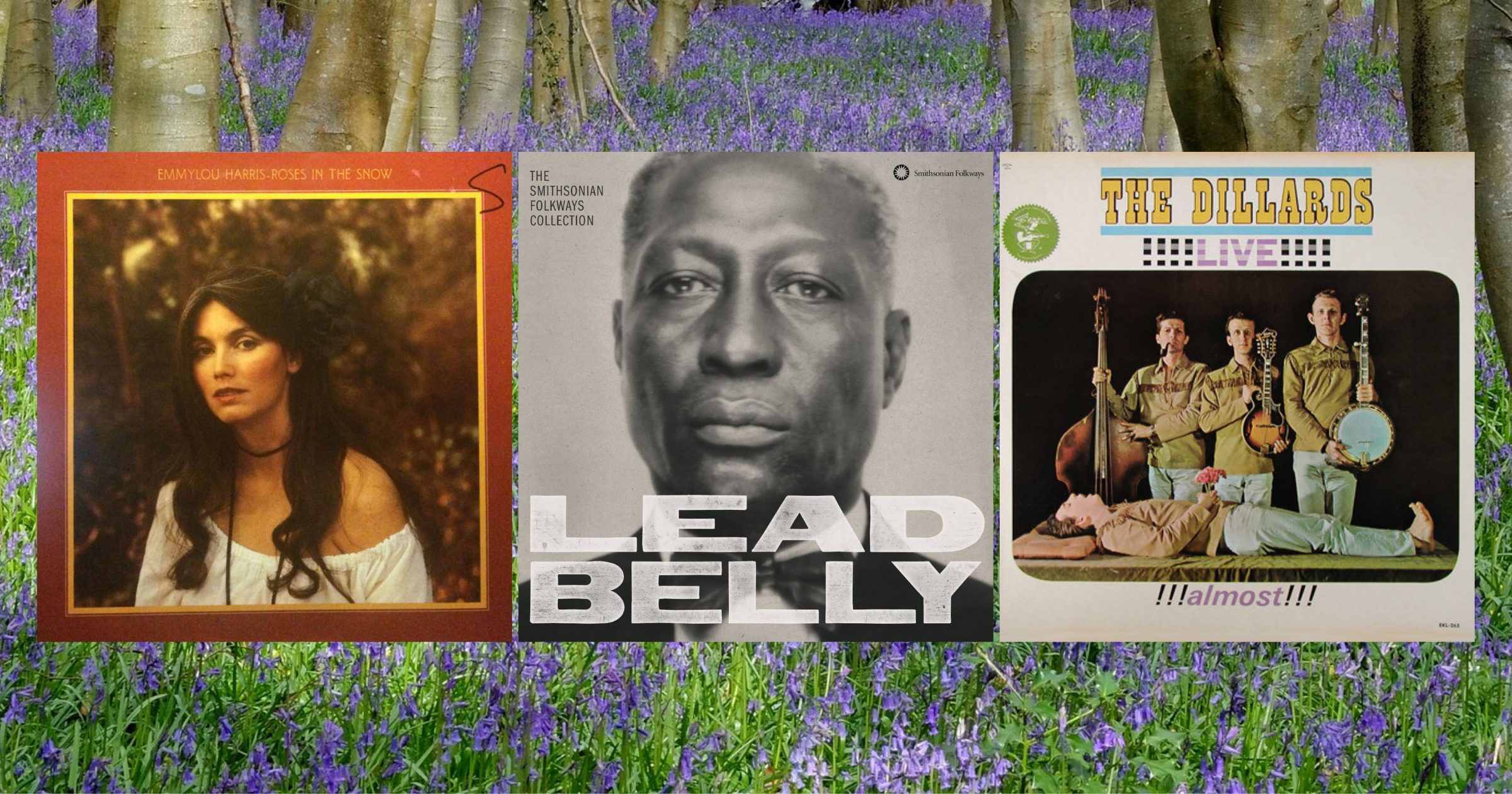
“There Is a Time” – The Dillards
Famous for the rendition sung by Charlene Darling of the ever-popular Darling family on The Andy Griffith Show, this haunting, seemingly timeless folky melody from The Dillards – who also played members of the Darling clan – cautions, “…Do your roaming in the springtime/ And you’ll find your love in the summer sun.” The suspensions in the banjo roll linger on the minor chord, echoing this sentiment and categorizing spring not by its own, shining qualities, but by the darkness in winter and fall. A true classic.
A staple of impromptu pickin’ parties and jam circles, “Little Annie” is properly ensconced within the bluegrass canon, but is infused with new life in this application by Tuttle’s lead vocal, a slight queering of the lyric that’s perfectly at home in the hands of this veritable supergroup, assembled by D’Addario at Folk Alliance International’s conference in 2018.
“Texas Bluebonnets” – Laurie Lewis
Laurie Lewis is effortlessly, archetypically bluegrass even, if not especially, in applications that infuse other genres into the music, like this Tex-Mex flavored, twin fiddle arrangement of “Texas Bluebonnets” that truly never gets old. Yes, that’s Peter Rowan and Sally Van Meter guesting, and Tom Rozum jumping onto lead during the choruses so Lewis can utter the tastiest tenor harmony vocal. Stick around for the Texas double-fiddle break and do yourself a favor and bookmark the track for easy reference. You’ll be returning to it often, as this writer does.
“The First Whippoorwill” –Bill Monroe
The birds returning in spring are a sure sign of the seasons changing and the warm weather returning, though the whippoorwill’s role in folk music has always been as a bittersweet harbinger, never quite viewed without at least some semblance of suspicion, perhaps an acknowledgement of the whippoorwill’s mournful tendency of singing long into the dead of night. This recording of “The First Whippoorwill” is a tasty example of Monroe’s iconic high lonesome sound, with acrobatic breaks into entrancing falsetto woven into the harmonies.
“Sitting on Top of the World” – Carolina Chocolate Drops
Whether you know this common blues, old-time, and bluegrass number from the Mississippi Sheiks, Doc Watson, John Oates, the Carolina Chocolate Drops, or any other of its many, many sources the fact still stands: Don’t like peaches? Don’t shake the tree. Demonstrably a song for spring, summer, and beyond.
“Roses in the Snow” – Emmylou Harris
Though BGS calls sunny southern California home – and BGS South is relatively temperate and mild in Nashville, TN – we know there are climes across this continent where spring promises snow as reliably as thaw. Emmylou Harris released her iconic bluegrass album in 1980 and its title track is another homage to love bringing warmth, newness, and growth even in the cold: “Our love was like a burning ember/ It warmed us as a golden glow/ We had sunshine in December/ And grew our roses in the snow…”
“Each Season Changes You” – The Osborne Brothers
Love is as fickle as the breeze! There’s a small irony in the song’s central conflict, that the singer’s love changes their mind as often as the seasons change – which, when taken whole, seems like a much more stable, predictable love than most? Even so, and done in so many different iterations, the central metaphor still holds, forever baked into the vernacular of these folk musics.
“One Morning in May” – Jeff Scroggins & Colorado
If you’ve been a bluegrass fan over the past five to ten years and you don’t immediately hear Greg Blake’s voice singing “One Morning in May” whenever it pops into your head, something must be awry. During Blake’s stint with Jeff Scroggins & Colorado, this spring-centered track was a highlight of their live show, a clean, modern rendering of what’s a properly ancient folk lyric. Lost love, war, nightingales, and yes, springtime – it has everything!
“Your Love is Like a Flower” – Flatt & Scruggs
Perhaps the song that defines the form. Flatt’s languid, lazy phrasing seems to underline the leisure of spring that grows into the laziness of summer. The rhythm of love, tied to the seasons and the budding blooms. Another timeless sentiment, distilled into a favorite, stand-by bluegrass number.
“Springtime in the Rockies” – Lead Belly
You know the film and the country hit, but have you heard Lead Belly himself tell the story of hearing the tune from “Gene” coming by and playing him some music? Worth a listen and worth inclusion on this list, which would suffer if it didn’t include “When It’s Springtime in the Rockies” in one form or another!
“Spring Will Bring Flowers” – Balsam Range
Processing grief and loss through the ever- and unchanging seasons is a common thread through rootsy songs about spring. This more recent recording from powerful North Carolina bluegrass vocal group Balsam Range hearkens back to springy, ‘grassy numbers from across the ages – its intermittent banjo licks a call back to Jimmy Martin’s “world filled with flowers” in “Ocean of Diamonds.”
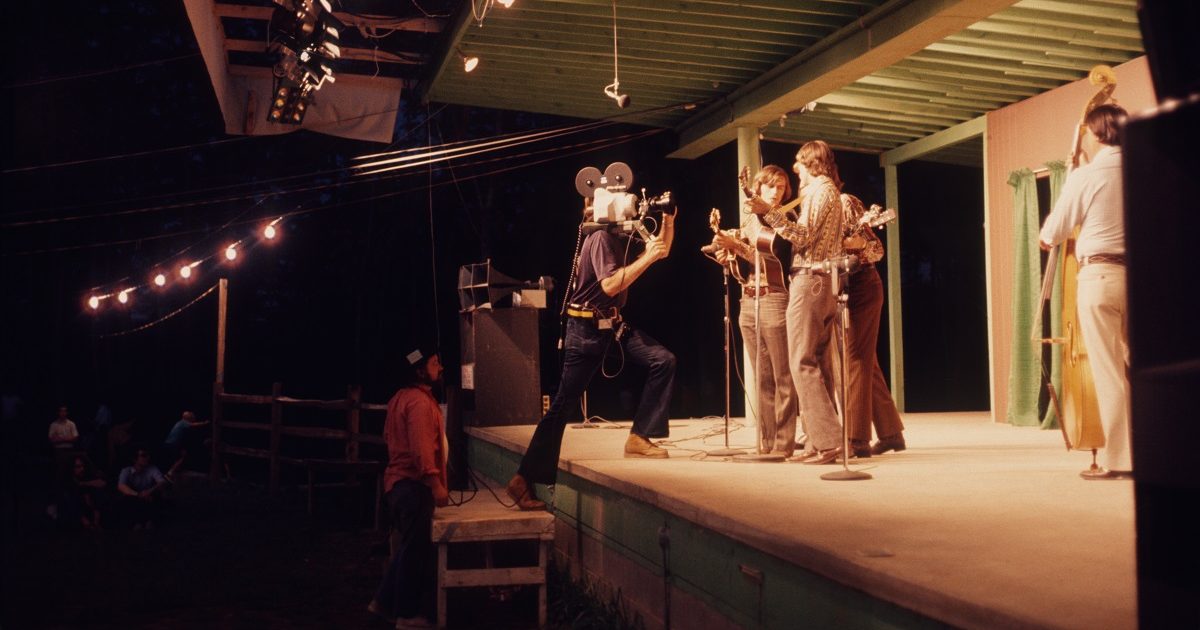
Bluegrass Country Soul captures one of Carlton Haney’s legendary festivals in Camp Springs, North Carolina, on Labor Day weekend of 1971. It is credited as the first bluegrass documentary, and is essential viewing for both lifelong bluegrass fans and those new to the genre.
This classic film features bluegrass music’s pioneers, as well as those who would take the music into the future. Earl Scruggs, The Osborne Brothers, Ralph Stanley, Chubby Wise, Mac Wiseman, J.D. Crowe, and Jimmy Martin were featured alongside The Country Gentlemen, Del McCoury, Sam Bush, Tony Rice, Ricky Skaggs, Keith Whitley, Alan Munde, and more. The film documents Rice’s last show with The Bluegrass Alliance and his first show with J.D. Crowe & the Kentucky Mountain Boys. Many of the festival’s legendary moments are preserved in color for posterity.
A larger than life figure who is credited as starting the first multi-day bluegrass festival, Carlton Haney organized the weekend’s festival, and serves as the de facto host of the film, sharing thoughts about bluegrass music, bluegrass festivals, bluegrass fans, and the bluegrass “stow-ry.” His passion for the music is evident, and makes for a great depiction of one of bluegrass’s most significant and one-of-a-kind personalities.
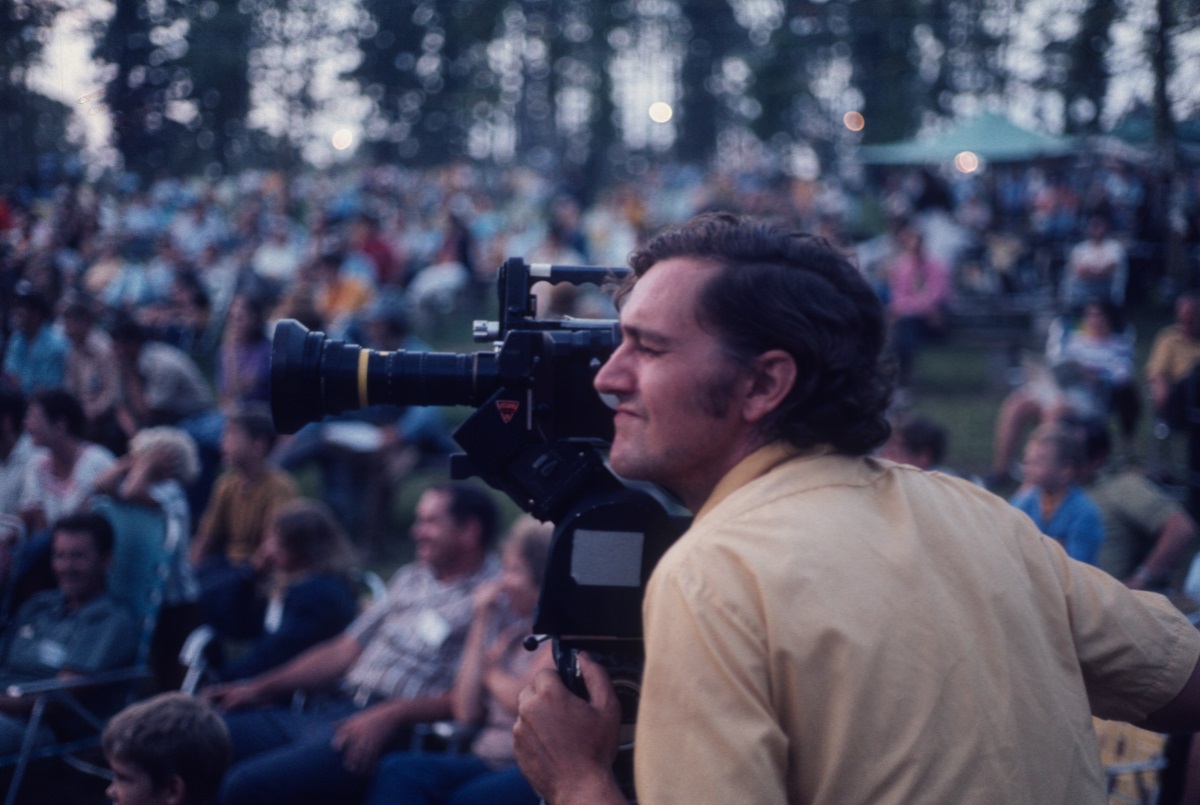
Albert Ihde, the film’s director (pictured below), spoke with BGS about the film and its legacy to commemorate the 50th Anniversary boxed set of the film, released this summer. The special edition set includes the original film, recently remastered and restored; CDs of performances not featured in the film; bonus footage including exclusive interviews with Ricky Skaggs, Bill Emerson, Missy Raines, and more; and a full-color coffee table book about the film.
BGS: How did the opportunity to film Bluegrass Country Soul present itself 50 years ago?
Albert Ihde: It was almost by accident, in a sense. A couple of buddies of mine and I were preparing a screenplay for a company in Washington, D.C. that had hired me to write a film, and then I would direct. The only thing that they insisted on was that it had to be about a Country & Western singer. Now this is 1971, and back then they called it Country & Western. I said, “Okay. Fine. Let me do some research on that.
A buddy of mine, Bob Leonard, and I were out scouting locations in Berryville, Virginia when we saw posters for Carlton Haney’s 4th of July Festival, and Earl Scruggs was going to be playing. We thought, “Well, that looks interesting.” To make a long story short, I got in touch with John Miller, who was the partner of Carlton’s there at Berryville, and John took us on a tour of the sites because I wanted to see what it looked like. It was right on the Shenandoah. Gorgeous location. He gave us passes to the Fourth of July Festival. We had no idea what bluegrass was, compared to country music, and we thought, “This looks like it’ll be fun. We’ll go to see this.”
Director, Albert Ihde
A bunch of us got a VW wagon, and my wife hooked up a camper on the back of our car. We went out, and we parked and saw it, and I have to tell you, as soon as I heard that music coming from the stage, we were all hooked. We talked to Carlton. Quite a deal! Talked to Fred Bartenstein (a local disc jockey who helped with the annual festival) and they told us more about what they were doing. I wanted to put Carlton in a film right then and there as soon as I met him.
We got back to D.C. and the company that hired me to write this screenplay, it turned out that they couldn’t raise the money to make the movie. So we took the film and decided we would try and find the money ourselves. Fortunately the first guy that I sent it to called us into his office. He was a major D.C. investor, philanthropist, and owned lots of real estate in D.C. He said that the thing that interested him most about the screenplay was this bluegrass festival out in Berryville. He said, “Why don’t you do a film about that?”
My partner and I looked at him and said it’s gonna be hard to raise money for a documentary, and he said, “How much do you need?” We get our calculator out, we start going through it, and we throw a figure out to him. It’s not gonna be as expensive as the film that’s going to have all the actors that would be taking us six to eight weeks to shoot. This, we could shoot in one weekend. He said, “Listen if you get Carlton Haney to agree to allow you to come and shoot the film at his festival, I’ll go out and find the money.” And we said, “Okay.”
The next day, Bob Leonard and I were on a plane to North Carolina and met with Carlton and Fred, pitched the whole idea to him, and Carlton was on board right at the beginning. He said, “Absolutely. No problem.” I said, “Well, are you gonna get all of these musicians to agree to this?” And he said, “Yes, I can do that.”
We had all of twelve days, two weeks, or something like that, to get the whole thing together to get down to Camp Springs on Labor Day weekend. And we lucked out. We happened to have this incredible festival with all of the pioneers of bluegrass, along with all of the up and coming newgrass guys who were changing the music as we watched. It was a great mix of both the old and the new, and as Carlton called it, “the mixture of the short hairs and the long hairs.”
That was it! You’ve got the hippies sitting right next to the guys right off the farm in coveralls. A guy in a Confederate hat sitting right next to hippie girls. It was a great mix. And everybody got along. And it was at a time in America when the country split. Nixon and the protests trying to bring our troops home from Vietnam. It was a strange time. But the thing that happened at the festival… everybody was getting along all right! Also of course, most of the audience were bluegrass musicians of their own or were learning or wanting to be. So that’s how we got into it.
What were some things about Carlton’s personality that made him such a compelling figure to follow for a film?
A number of people have said he was like the “P.T. Barnum of Bluegrass.” So it was kinda like, just put a camera on him and let him go, because you never know what he’s gonna say! Of course, the great thing about filming is, you can always edit it, and we edited out a lot of Carlton.
At one point, it was towards the end of the weekend, we were filming Carlton out on the lot, and I say “Carlton, we need something to kind of summarize the whole thing, and put a tag on the end of the film.” He said, “Oh, that’s okay. I know exactly what to say. Do you want me to make you laugh or do you want me to make you cry?” And I looked at my cameraman, and Bob was ten years older than me, and he had a lot of experience doing this, and I looked at Bob and I said, “What do you think? Make us cry?” And Bob nodded his head “Yeah, make us cry, Carlton.” And Carlton said, “Okay, start the camera rolling.”
So we started the camera rolling, and Carlton is saying goodbye to the kid who is packing up his gear at the end, and then he turns to the camera and he says, “You know, when people leave, it makes me sad, because all my friends are leaving. But I know that they had a good time, and that they’ll be back again next year.” And tears are coming to his eyes! And he says, “And that’s bluegrass and that’s a bluegrass festival.” And I said “Cut!” Bob and I just burst out laughing, and I said “Carlton, you’re going to get an Academy Award for that!”
To this day, Fred tells me, he runs into people and he says they will quote to him the lines that Carlton had in the film. “The shorthairs and the longhairs,” [and,] “You look down upon the stage and you can hear the soul of man — Ralph Stanley.” They just came out of his mouth!
The other thing was, he could not look at the lens, no matter how hard I tried. [Carlton] had this real shyness problem, and yet you put him on the stage and hand him a mic in front of ten thousand people, he was fine. But put a camera in front of him, he was looking away. Kind of shy and withdrawn. I think he was very concerned about his looks. He had terrible teeth. As somebody once said, that’s part of the times back then when nobody had health insurance or dental insurance… that was the last thing that people spent money on. So I think Carlton was a little shy about the way he looked. But he was an interesting guy.
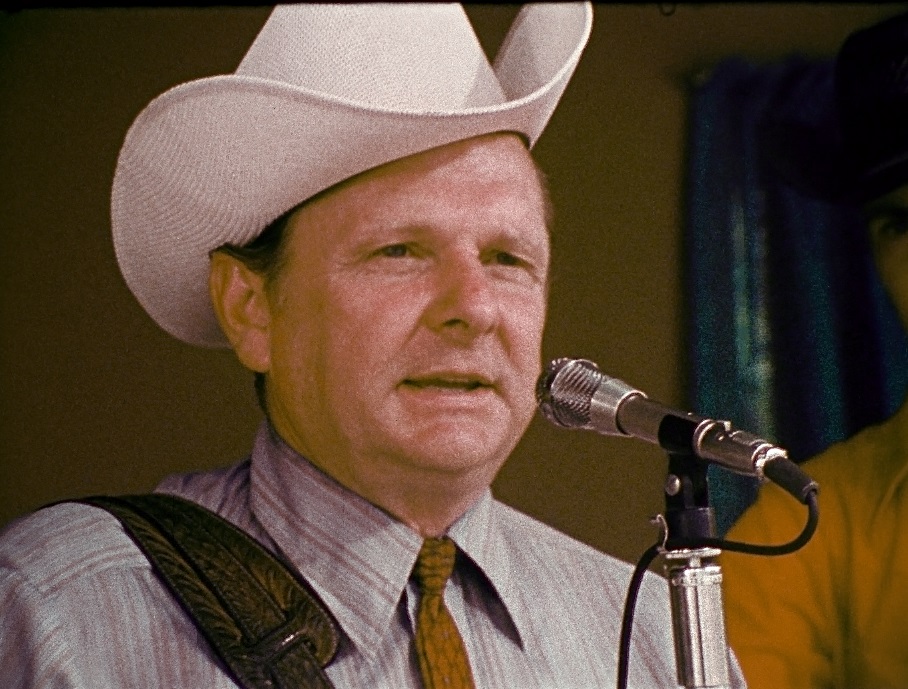
Pictured: Ralph Stanley
You mentioned that one thing that was so compelling about the film, and at bluegrass festivals in general, was seeing people from different walks of life united by this music and finding common ground, even if it was for a weekend. What do you think that message has for us today where we are as divided now as we were fifty years ago?
I hope it has the same result. Every time I have shown the film — and I have shown it to heads of studios in Hollywood, I showed it to corporations up in New York City — no matter where I’ve shown it, people leave the theatre with big smiles on their faces. It’s not necessarily because they’re bluegrass fans, but because they enjoy it. They had fun. They were delighted. Something about that music, about the people playing it, about the commitment that these people have to it. There’s more to it than just country music. I think that’s what Carlton was trying to say about the soul. It’s a commitment to the music that is thorough.
I don’t know whether Carlton told me this or not, but at some point I learned early on: bluegrass music is not commercial country. Meaning, you’re gonna lose your shirts on it, but you’re doing it because you love it. That really says it all, and I think that comes through with music and with Carlton and with all of the people that are on stage in the film and all the people playing out in the field… You see the commitment to the music.
Ellen [Pasternack, the project’s Executive Director and Ihde’s wife] and I have a background in professional theatre, regional theatre around the country, and what you’re always looking for working in theatre are actors who can really commit to doing a performance. It’s that commitment to the art — whether that’s music, theatre, dance, or painting — that’s where you find the joy in the art. And I think that comes through in the film, even if you don’t know anything about bluegrass. I hope that comes through still to this day, and maybe gets people thinking “past the politics” for a moment or two just to look at the music and listen to the music. And to see, “If this was going on back then, why can’t it happen again?”
Photos and trailer courtesy of Bluegrass Country Soul.
Nominees for the 31st Annual IBMA Bluegrass Music Awards have been revealed, with six nominees competing for Entertainer of the Year in 2020: Balsam Range, Billy Strings, Del McCoury Band, Doyle Lawson & Quicksilver, Sister Sadie, and Special Consensus. The extra nominee is due to a tie; in addition, the Album of the Year category has seven nominees, also due to a tie.
Three inductees will join the Bluegrass Hall of Fame: owner of Nashville’s iconic Station Inn, J.T. Gray; hardcore bluegrass traditionalists The Johnson Mountain Boys; and one of the premier bands at the forefront of the contemporary/progressive bluegrass movements of the 1970s and ’80s, New Grass Revival.
Additionally, the following will receive the Distinguished Achievement Award: festival pioneers Norman & Judy Adams, Musicians Against Childhood Cancer (MACC) founders Darrel & Phyllis Adkins, fiddle virtuoso/educator Darol Anger, San Diego’s KSON Bluegrass Special host Wayne Rice, and bluegrass innovator Jack Tottle.
The IBMA Awards will be broadcast on SiriusXM’s Bluegrass Junction on Thursday, October 1. However, the annual World of Bluegrass Conference will be virtual-only, due to COVID-19 concerns.
The IBMA Bluegrass Music Awards nominations are below.
ENTERTAINER OF THE YEAR (Tie)
Balsam Range Billy Strings Del McCoury Band Doyle Lawson & Quicksilver Sister Sadie Special Consensus
VOCAL GROUP OF THE YEAR
Balsam Range Blue Highway Doyle Lawson & Quicksilver Sister Sadie Russell Moore & IIIrd Tyme Out
INSTRUMENTAL GROUP OF THE YEAR
Michael Cleveland & Flamekeeper Mile Twelve Ricky Skaggs & Kentucky Thunder Sam Bush Band The Travelin’ McCourys
ALBUM OF THE YEAR (Tie)
Chicago Barn Dance Artist: Special Consensus Label: Compass Records Producer: Alison Brown
Home Artist: Billy Strings Label: Rounder Records Producer: Glenn Brown
Live in Prague, Czech Republic Artist: Doyle Lawson & Quicksilver Label: Billy Blue Records Producers: Doyle Lawson and Rosta Capek
New Moon Over My Shoulder Artist: Larry Sparks Label: Rebel Records Producer: Larry Sparks
Tall Fiddler Artist: Michael Cleveland Label: Compass Records Producers: Jeff White, Michael Cleveland, and Sean Sullivan
Toil, Tears & Trouble Artist: The Po’ Ramblin’ Boys Label: Rounder Records Producer: Dave Maggard
Tribulation Artist: Appalachian Road Show Label: Billy Blue Records Producers: Jim VanCleve, Barry Abernathy, and Appalachian Road Show
SONG OF THE YEAR
“Both Ends of the Train” Artist: Blue Highway Writers: Tim Stafford/Steve Gulley Label: Rounder Records Producers: Blue Highway
“Chicago Barn Dance” Artist: Special Consensus with Michael Cleveland & Becky Buller Writers: Becky Buller/Missy Raines/Alison Brown Label: Compass Records Producer: Alison Brown
“Haggard” Artist: The Grascals Writer: Harley Allen Label: Mountain Home Music Company Producers: The Grascals
“Hickory, Walnut & Pine” Artist: The Po’ Ramblin’ Boys Writers: Slaid Cleaves/Nathan Hamilton Label: Rounder Records Producer: Dave Maggard
“Living Like There’s No Tomorrow” Artist: Doyle Lawson & Quicksilver Writers: Jim McBride/Roger Alan Murrah Label: Billy Blue Records Producers: Doyle Lawson and Rosta Capek
GOSPEL RECORDING OF THE YEAR
“Angel Too Soon” Artist: Balsam Range Label: Mountain Home Music Company Producers: Balsam Range
“Because He Loved Me” Artist: Dale Ann Bradley Label: Pinecastle Records Producer: Dale Ann Bradley
“Gonna Rise and Shine” Artist: Alan Bibey & Grasstowne Label: Mountain Fever Records Producer: Mark Hodges
“I’m Going to Heaven” Artist: Doyle Lawson & Quicksilver Label: Billy Blue Records Producers: Doyle Lawson and Rosta Capek
“Little Black Train” Artist: Appalachian Road Show Label: Billy Blue Records Producers: Barry Abernathy, Darrell Webb, and Ben Isaacs
INSTRUMENTAL RECORDING OF THE YEAR
“Tall Fiddler” Artist: Michael Cleveland with Tommy Emmanuel Label: Compass Records Producers: Jeff White, Michael Cleveland, and Sean Sullivan
“Shenandoah Breakdown” Artist: Doyle Lawson & Quicksilver Label: Billy Blue Records Producers: Doyle Lawson and Rosta Capek
“Soldier’s Joy” Artist: Jesse McReynolds with Michael Cleveland Label: Pinecastle Records Producer: Jesse McReynolds
“The Appalachian Road” Artist: Appalachian Road Show Label: Billy Blue Records Producer: Jim VanCleve, Barry Abernathy, and Appalachian Road Show
“Guitar Peace” Artist: Billy Strings Label: Rounder Records Producer: Glenn Brown
NEW ARTIST OF THE YEAR
Appalachian Road Show Carolina Blue High Fidelity Merle Monroe Mile Twelve
COLLABORATIVE RECORDING OF THE YEAR
“Chicago Barn Dance” Artists: Special Consensus with Michael Cleveland & Becky Buller Label: Compass Records Producer: Alison Brown
“I’m So Lonesome I Could Cry” Artists: Jason Barie featuring Del McCoury & Paul Williams Label: Billy Blue Records Producer: Jason Barie
“Tall Fiddler” Artists: Michael Cleveland with Tommy Emmanuel Label: Compass Records Producers: Jeff White, Michael Cleveland, and Sean Sullivan
“The Barber’s Fiddle” Artists: Becky Buller with Shawn Camp, Jason Carter, Laurie Lewis, Kati Penn, Sam Bush, Michael Cleveland, Johnny Warren, Stuart Duncan, Deanie Richardson, Bronwyn Keith-Hynes, Jason Barie, Fred Carpenter, Tyler Andal, Nate Lee, Dan Boner, Brian Christianson, and Laura Orshaw Label: Dark Shadow Recording Producer: Stephen Mougin
“On and On” Artists: Gena Britt with Brooke Aldridge Label: Pinecastle Records Producer: Gena Britt
MALE VOCALIST OF THE YEAR
Ronnie Bowman Del McCoury Russell Moore Danny Paisley Larry Sparks
FEMALE VOCALIST
Brooke Aldridge Dale Ann Bradley Amanda Smith Molly Tuttle Rhonda Vincent
BANJO PLAYER OF THE YEAR
Kristin Scott Benson Gena Britt Gina Furtado Ned Luberecki Scott Vestal
BASS PLAYER OF THE YEAR
Barry Bales Mike Bub Todd Phillips Missy Raines Marshall Wilborn
FIDDLE PLAYER OF THE YEAR
Becky Buller Jason Carter Michael Cleveland Stuart Duncan Deanie Richardson
RESOPHONIC GUITAR PLAYER OF THE YEAR
Jerry Douglas Andy Hall Rob Ickes Phil Leadbetter Justin Moses
GUITAR PLAYER OF THE YEAR
Trey Hensley Billy Strings Bryan Sutton Molly Tuttle Jake Workman
MANDOLIN PLAYER OF THE YEAR
Alan Bibey Jesse Brock Sam Bush Sierra Hull Ronnie McCoury
We debuted Tunesday Tuesday in January 2018 for a pretty simple reason. Roots music has a world-class stable of talented pickers, and unlike other more commercial genres, that talent is something of a prerequisite. Whether blues or bluegrass or country or folk, there’s something about American roots music that goes hand in hand with virtuosic playing ability. It’s one of the main reasons BGS loves string band music.
The 20 tunes that advanced to this year’s second-round IBMA ballot in the Instrumental Recording of the Year category showcase a wide range of the talent that draws us to instrumentals, so why not go through a half-dozen of our favorites? Some of these folks have been featured in their own Tunesday Tuesday before, some are newcomers, but two things unite all of them: You’ll be tapping a toe and looking up whether your IBMA membership has lapsed or not after listening to any of the following instrumentals.
“Bish Bash Bosh” – David Benedict
An outlier in this category for more than one reason, mandolinist David Benedict’s “Bish Bash Bosh” is a breath of fresh air thanks to its tender intro, its languid tempo, and the musical wiggle room afforded to the track by each. Fiddler Mike Barnett and IBMA Award-winning veterans Missy Raines (bass) and David Grier (guitar) are each sensitive, empathetic sounding boards for Benedict’s themes, unspooling and embellishing them expertly. More tender-yet-gritty instrumentals in this category going forward, please!
“Big Country” – Gena Britt
Can’t get much more bluegrass than a tune like “Big Country” and Gena Britt’s right hand! The Sister Sadie banjo player’s solo album, Chronicle: Friends and Music, showcases not only her spotlessly crisp, bread-and-butter approach to Scruggs-style banjo, but her singing voice and her sparkly group of musical friends, too. It’s refreshing to hear banjo playing that’s truly unconcerned with ego, while remaining happily in a pretty much traditional lane. If it ain’t broke, after all…
“Princess and the Pea” – The Gina Furtado Project
Two incredible, banjo-playing Ginas/Genas back to back! Gina Furtado’s debut record with her band, the Gina Furtado Project, features this delightfully medieval, fairy tale tune with a more-joyful-than-most minor-key motif. Furtado reminds all of us that her playing contains many more influences than we often assume, with subtle call backs to Tony Rice and John Carlini-tinged eras in bluegrass’s new acoustic circles. Even the tune’s production guides listeners’ ears in this direction. It’s another excellent sonic “ear break” on the ballot.
“Soldier’s Joy” – Jesse McReynolds (Feat. Michael Cleveland)
A Bluegrass Hall of Fame inductee and the oldest living member of the Grand Ole Opry, Jesse McReynolds epitomizes what it means to be a bluegrass legend and forebear — and he’s still picking. On a recording with umpteen-time IBMA Award-winning fiddler Michael Cleveland, McReynolds shows his audience exactly why he deserves every accolade he’s received and more. Given his age (McReynolds will turn 91 this year) and inevitable decline in mobility and dexterity, you’d expect a gracious caveat herein to allow for the recordings “warts” and “raw moments,” but damn if his playing isn’t as clean as ever! An award-winning, award-deserving mandolinist, no doubt.
“Chickens in the House” – Deanie Richardson
That fiddler, educator, and multi-instrumentalist Deanie Richardson does not have an IBMA Award unto herself yet is a true injustice. Also a member of Sister Sadie with Gena Britt, Richardson has been a lifelong presence in bluegrass and fiddle contest scenes around the US, and has toured with Vince Gill, Patty Loveless, Bob Seger, and been house fiddler on the Grand Ole Opry. “Chickens in the House” features some timeless fiddling chicken imitations, as well as a languid backstep feel that clicks up a few BPM as the band goes, so watch your feet should they get to shufflin’ without your say-so.
“Guitar Peace” – Billy Strings
Until snagging his first proper IBMA Awards just last year for Best New Artist and Guitar Player of the Year, flatpicking phenomenon Billy Strings has gone generally underappreciated by voting members. His crowds, his shows, and his fans are extraordinary in bluegrass, jamgrass, and similar communities – the roots music sphere continues to watch his ascent with something like a slack jaw. Though it’s unlikely he’ll dominate this year’s IBMA Awards, this trance, solo acoustic guitar track, “Guitar Peace,” which features a calming, buzzing drone and plenty of Strings’ trademark six-string acrobatics, deserves the nod.
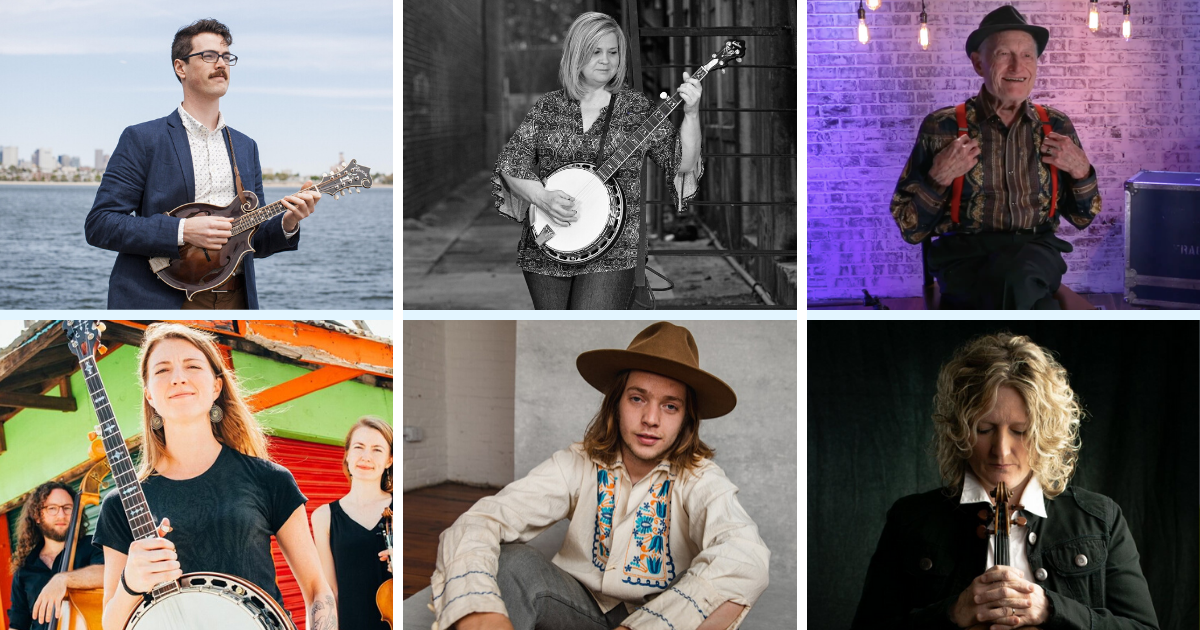
Photo credits: David Benedict by Louise Bichan; Gena Britt courtesy of the artist; Gina Furtado Project by Sandlin Gaither; Jesse McReynolds still; Deanie Richardson by Kerrie Richardson; Billy Strings by Shane Timm.
This website uses cookies to improve your experience. We'll assume you're ok with this, but you can opt-out if you wish.AcceptRejectRead More
Privacy & Cookies Policy
Privacy Overview
This website uses cookies to improve your experience while you navigate through the website. Out of these, the cookies that are categorized as necessary are stored on your browser as they are essential for the working of basic functionalities of the website. We also use third-party cookies that help us analyze and understand how you use this website. These cookies will be stored in your browser only with your consent. You also have the option to opt-out of these cookies. But opting out of some of these cookies may affect your browsing experience.
Necessary cookies are absolutely essential for the website to function properly. This category only includes cookies that ensures basic functionalities and security features of the website. These cookies do not store any personal information.
Any cookies that may not be particularly necessary for the website to function and is used specifically to collect user personal data via analytics, ads, other embedded contents are termed as non-necessary cookies. It is mandatory to procure user consent prior to running these cookies on your website.