One to Watch: Viv & Riley Are Much More Than Just Old-Time or Americana

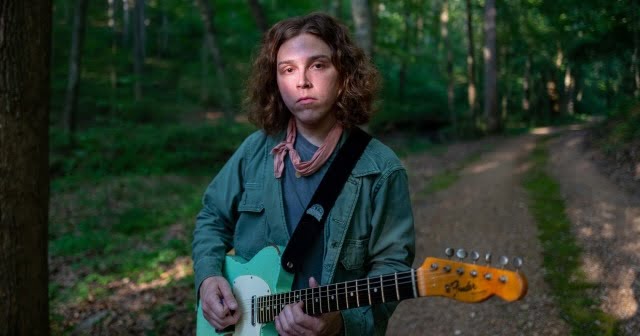
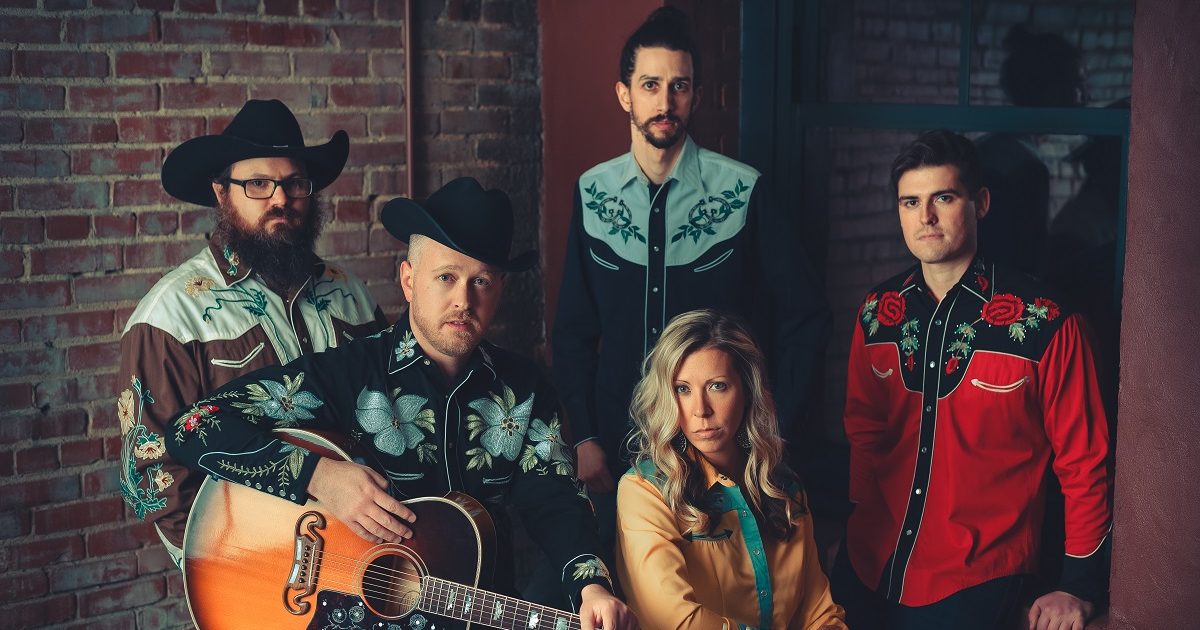
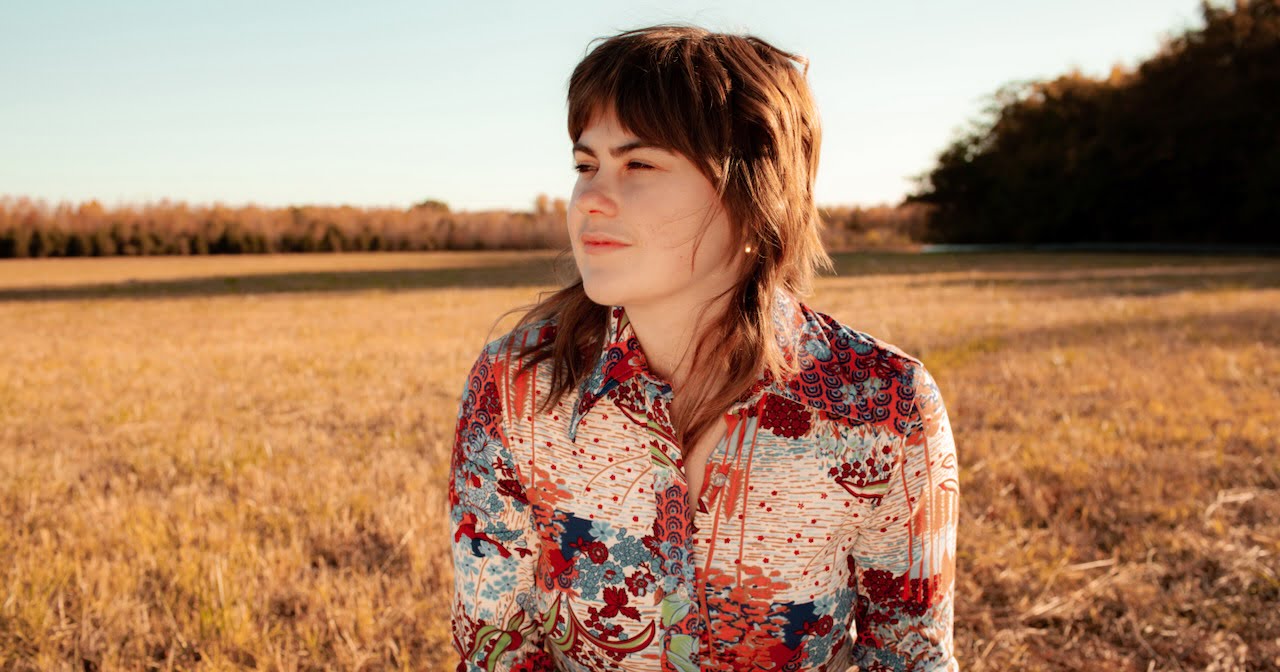
Comprised of singer-songwriters and instrumentalists Vivian Leva and Riley Calcagno, Viv & Riley are an up-and-coming musical duo that defy definition. Their new album, Imaginary People, is a masterful blend that weaves together their shared reverence for traditional Appalachian music alongside indie-folk, pop-leaning adornments. The result is an emotionally potent 10-track album that covers a vibrant range of personal and universal truths — from the bittersweet nostalgia of visiting a beloved childhood hideaway decades later, to the poignant curiosities that accompany reckoning with climate grief.

Based out of the dynamic music scene in Durham, North Carolina, this duo is currently on tour across North America. With their insightful explorations of the past and creative probings of the future, Viv & Riley uncover rich and complicated explorations of what it means to be alive in this precise moment.

So how did the two of you first start making music together?

Vivian Leva: Well, we first started making music together when we first met in 2016, the summer after we both graduated high school. I grew up in Lexington, Virginia, and Riley grew up in Seattle, Washington, and we just happened to meet at a camp in Port Townsend, Washington. It’s one of those camps that has weeks back to back — there was a vocal week that I was teaching with my mom, and then Riley came to teach fiddle the following week. We happened to overlap by a few days, and Riley was there with his band The Onlies. The first night we met, we played music together all night! After that, I joined the band, and we also started playing together as a duo and writing songs.

Riley Calcagno: The origin of our sort of band, our duo, came later that year, in the fall. We had been communicating and texting some music back and forth, and then Viv invited me down to Asheville to play a gig with her and her dad. I was a fan of her dad, James Leva, for his fiddle and singing, so we did that gig. But we thought it’d be also fun to try out some duo material while we were down in the same place, even though we had never played songs just the two of us. We emailed a venue in Asheville called Isis Music Hall, which was a prominent venue there at the time. Somehow they slotted us in, on a Wednesday night, into this big hall that they had — 200-person capacity, maybe bigger. We had never played music together going into that, but we put together some material and we enlisted some friends to play with us. It was a bold move! Talk about faking it until you make it. Only about 15 people came out to the show, and I’m sure it sounded terrible. But it was fun!

That sounds amazing. So how would you describe your musical chemistry? What is it like playing together?

VL: ​​Well, I think our initial musical chemistry initially came from our shared background in old time music and traditional music. That first night that we met, we played a lot of fiddle tunes, old music, and traditional songs. So it kind of began from a place of excitement about being exactly the same age, having never before met, and somehow both being raised around this same music that we have a shared respect and love for. So that was the initial spark of actually finding another young person who’s into the same niche genre and community. But since then it’s totally stretched into other realms. We are both so open to other kinds of music, and we have very similar tastes and aesthetics. It’s very easy to create music together because we come to it from a similar place.

RC: One of our dynamics in making music together has also been sharing our individual strengths with the other person. When we first started playing together, I couldn’t really sing harmony or find a harmony part. Vivian was very patient with me and helped me learn, and I still feel like I’m getting better all the time. That’s exciting!

VL: I just play guitar, and Riley plays every other instrument. He’s a great fiddler, guitar player, banjo player, mandolin player— instrumentally he brings so much to the table. And I feel I bring a lot of singing and songwriting-focused material to the table. We stretch each other, fill in the gaps for each other, and learn from each other.

What a beautiful thing! So what do you each feel like the biggest difference in your respective musicianships is?

RC: Viv is a very natural musician. She grew up traveling around with her parents as they toured, sitting in on harmonica at her dad’s gigs when she was only three or four. I also was born and raised around music, but it was a bit more formalized, whereas Viv’s music just comes very naturally and it’s not forced in any way. She does what she does super well and consistently and steadily, and I’m a bit more erratic. I take chances and get obsessed with things and take big leaps that sometimes fall flat. Every time she steps on stage, Viv can knock out a great performance, and I feel more streaky.

VL: But he tries lots of different things! And like he mentioned, Riley has a more formal background in music. He took lessons, he learned how to read music, he knows music theory, he did classical violin. So I think a big difference is that he technically knows what’s going on, whereas I don’t have the language or skills that he has. I’m definitely more intuition based than technically based.

You really balance each other out! So your new album, Imaginary People, just came out on September 15, and I’m wondering how your songwriting, as it appears on this album, has shifted since you first began as a duo.

RC: Well, in the past, before we started writing music for this record, we were living in different places so it was a lot of collaboration from afar. A lot of the songs on our last record came from texting voice memos back and forth. And you know, it’s not utterly different to work on them in person, but some of these new songs came out playing them together in the moment.

VL: Another big difference is Riley has started writing way more. So I think there’s more of an equal voicing on this record than in the past. There’s more of his perspective in it. And I think now that we’re living in the same place it’s also allowed us to write about a more diverse range of things. We’ve written a lot of intense emotional, romantic songs in the past, but in this recent past couple of years, we’re more interested in other things, like our shared experiences about other parts of life.

RC: And it’s also partly stylistic. Our last record was pretty much a country record. During that time, I was listening to a lot of classic country music, and this time we were listening to a wider range of things. Having a broader array of influences definitely helped us push the narrative forward.

What are you each proudest of on the album?

VL: I think what I am most proud of isn’t a specific track or anything — mostly it’s this feeling that I unlocked something. I think I let go of some fears in the process of making this record. I felt more free to just say yes to trying new things and became less concerned with things like what genre it was going to be considered, or if the people who liked our last record would like this record… and so on. I stopped worrying about categories like, “This doesn’t sound traditional enough,” or “This isn’t country enough,” or “That’s too rocker or indie.” Instead, I was able to adopt the mentality of “Hmm, that sounds interesting, let’s try and just do what feels fun!” I think I’m most proud that I was able to do that. It felt amazing to take things a little lighter and to roll with ideas that felt a little outside of the mold.

RC: When you start making music, being young musicians, you get immediately labeled. It’s not something that I think either of us necessarily anticipated, but when that first record got classified, people said it was Appalachian and classic country. And then the next one was classic country and Americana. Like “Hits-the-Spot Americana,” whatever that means. And I think there’s an urge for musicians, when you get labeled as something, to keep reproducing it. There’s this toothlessness to the modern Americana music label— it’s the creation of music that is literally meant to sound like other music under a category. I don’t have a problem with genre or specifications, I think it’s oftentimes useful, but it’s [useful] when you’re trying to reproduce sounds so that you can cater to an audience, it’s like you’re trying to sell something in a market that’s already been created. I think that can be the “dampification” of art. And while I think there’s been so many amazing things created within the Americana industry, I also think it often leads to less creativity and less interesting music.

Coming out of our last record, we had some buzz in the Americana world, and it would have been easy for us to make another “Hits-the-Spot Americana” record. But I don’t think that we did that, and I feel proud of that. Like Viv was saying, we didn’t just do what we were supposed to do. You know, there’s synthesizers, but there’s also a fiddle track, and personally, I think it all works together. So maybe if you’re an Americana devotee, you’re not going to love this album, but that’s okay with me. I think there’s a power in making an album that the machine doesn’t really know what to do with. The machine can make up albums and spit them out, but I feel proud that this one isn’t something that can just be spit out because of how we combine traditional and non-traditional music. For example, there were super organic moments where we all stood around one mic and sang together, coupled with other moments where we had things locked in, produced, and added synths because a particular song called for it. Making those two things coexist in the same ecosystem was definitely a challenge, but listening to the record, I think it all makes sense together.

It’s an album full of teeth! Now, before we wrap up, I have to ask: you’re our One to Watch, but who are you watching right now? Any creatives, musical artists, or otherwise that are inspiring you right now?

RC: One is our neighbor in Durham, North Carolina, Alice Gerrard. She’s almost 90, and she’s putting out a record on this indie label from the area called Sleepy Cat. She’s collaborating with a bunch of young people and their art for the record, like making these amazing videos. It’s a really cool thing! People around here are really conscious and thoughtful about aesthetics and sound and ethos. Everything is done with integrity, so it’s a cool scene around here in that way. Alice makes amazing music, I’m really excited for her upcoming record — I think we’ll all be glued to it once it comes out. Another one is our friend who we wrote two songs with on our previous record, “Love and Chains” and “Time Is Everything”— often people’s favorite songs of ours. I just had the honor of producing his upcoming record under his band’s name, Preacher & Daisy. I love the music, so I definitely want to give them a bump! The fun thing is that all this music is sourced locally from the Durham, North Carolina area, where we’re based.

VL: Some folks I’m enjoying listening to right now, not that they’re not already being watched, are: KC Jones, Canary Room, Dori Freeman, Alexa Rose.


Photo Credit: Libby Rodenbough

Better Late Than Never, David “Ferg” Ferguson Debuts ‘Nashville No More’

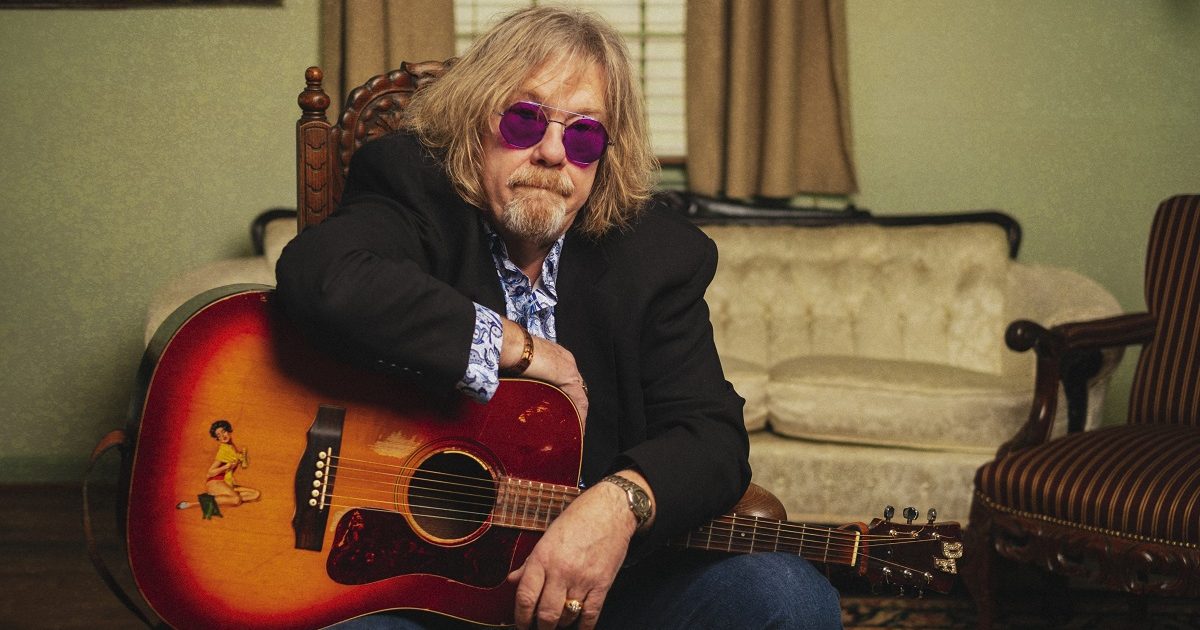
As the go-to producer for some of Nashville’s most enigmatic roots talents, David Ferguson is what you’d call a behind-the-board legend. The studio savant known simply as “Ferg” started out as a protégé of producer and eccentric tape-splicer Cowboy Jack Clement and went on to become Johnny Cash’s favored engineer during his late-career resurgence. More recently, Ferguson has been imparting his old-school wisdom on tastemakers like Sturgill Simpson and Margo Price, while on his own debut album Nashville No More, he puts decades of knowledge to work once more.

With 10 songs full of classic charm and creative whimsy, it’s a loose-feeling project of tunes Ferg’s been falling in love with (and recording for himself) for years, molded into an album during the pandemic doldrums. A rotating cast of Nashville A-listers like Kenny Vaughan, Sierra Hull, Justin Moses, Jerry Douglas, Stuart Duncan, Béla Fleck and Tim O’Brien helped him flesh it out, presenting gruff vocals with tender, honest reverence for the lost art of record-making. In the end, it sounds like a love letter to his life’s work – and maybe the last hurrah of a creative culture.

BGS: So we’ll start with obvious question: Why did you want to make your own record, after so many years of helping others make theirs?

David Ferguson: Well, I’ve really always been a musician at heart. But this one fell into my lap over the pandemic. I had to shut down my studio, the Butcher Shoppe, in Nashville because they sold the buildings. So I set up a control room and an overdub room at my house, then the pandemic came along and there wasn’t much work. I started digging around in my recordings from over the years, got ‘em out and started seeing what I could do. That’s kind of how it came together. I really was just putting it together for family. Like, I was just gonna give it to my mom.

That’s interesting, because I think some people might assume you’ve been wanting to do this your whole life, but it sounds more spur of the moment.

Yeah, it’s a little late in life for me to be launching a solo career. [Laughs] But it’s fun to have one coming out and I’ve got a lot of time on my hands.

It might be late to get started, but you’ve had good teachers. Working with people like Cowboy Jack and Johnny Cash, and more recently Sturgill and Margo, what have you learned about being an artist?

To try to be humble. Even doing interviews, it’s hard to talk about yourself. Somebody who enjoys sitting and talking about themselves, there’s something a little bit wrong with them. I think being humble is a great lesson. Johnny Cash was a very humble man, very humble. So I think that — and trying to be kind to people. And don’t take it for granted, because even if something does happen, it may never happen again. You gotta appreciate what you’ve got.

The people you’ve been known for working with, they’re all artists of very strong vision – ones who didn’t compromise their art. Why are you drawn to people like that?

That’s a good question. I don’t know that I am particularly drawn there, maybe it’s just kind of the way it happened. Stuff comes your way and you have to grab the opportunity if it comes. You’ve gotta be ready to make a fool of yourself if you have to, and learn to grow from mistakes. I made a whole lot of records on a whole lot of people that weren’t any good – tons of them! Not everything you’re gonna do is good. But you do your best for the amount of time or money you have.

I always tried to do my very best. I was a fast engineer and got it going quick, because I didn’t want to waste people’s money. It’s hard to come by, and to get to make a record in a studio is a special thing. It used to be a really special thing. Now anybody can make a record. You can make one in your own house. But back in the day when I started, being able to have the money and resources to go in and record an album was a big deal. I still look at it as a big deal.

I think that comes through on your record.

Thank you, man, I tried not to cut any corners. I could have, and used keyboard strings, things like that. But I had real ones. I tried to do it as real as I could do it.

Did you record this the way you would have back in the day?

Yeah. Everybody’s recording on the Pro Tools format, but I can still fire up a tape machine, I’m not afraid of it. It’s just not economically feasible anymore. And plus, people don’t realize, they always used to say, ‘Oh, tape machines sounded great.’ And it’s true. They did and they still do, but you still wind up with a 16-bit CD. Unless you’re listening to it off the tape machine or on a vinyl record, or some super high resolution format, it’s just not gonna make very much difference.

Tell me about the title you chose. You’re from Nashville and have seen how it’s changed. How did you end up with the title Nashville No More? The whole thing has a kind of weary feel to it.

[Laughs] You know it’s not really a bummer. A lot of them are actually love songs. Like “Chardonnay” is a love song to wine. And then “Looking for Rainbows,” it’s kind of a sad song about love. … Nashville No More means a lot to me, because the Nashville that I used to know is no more. I’m not saying that’s a bad thing, it’s just that things evolve, and Nashville has really evolved. The music has evolved into an unlistenable thing to me. Modern country music, to me, is really difficult to listen to. Top 10 radio, it’s not for me. And I know some of those people who are on those channels, those singers, and I really like ‘em. I’m not saying anything bad about their music or anything … I’m really happy for their success, but it’s not the kind of stuff I’m gonna listen to.

Margo Price is featured on “Chardonnay,” and that has such a lovely sway to it. Where did that track come from?

That was written by my friend Roger Cook, and some years ago I made a demo of him doing the song, and I found it like ‘Jeez, where has this song been? I love this!’ … I finished it up with some real players on it, re-sung a couple of lines here and there and then sent it to Margo, and she said, ‘God, I love that song so much.’ She graciously came over and hung out for the afternoon and sung on that and “Looking for Rainbows.” Margo’s a real sweetheart and she doesn’t live far from me. The other person on there is Harry Stinson. He sings harmony, too, and Harry is in the Fabulous Superlatives. Harry’s singing on “Four Strong Winds,” too. He can blend right in there.

I love that you start off with “Four Strong Winds,” which is such a tender song. The first thing you hear is this gentle piano and a loping drum beat. Why start with that sound?

The album was totally sequenced … and it started off just exactly the opposite of what it is now. It started off with number six being number one, and we swapped the A side and B side.

Really?

That’s an old record trick I learned from Jack Clement and Johnny Cash.

What’s the benefit there?

It just kind of takes the obvious away, and that’s good. I’ve done that on more than one record for the years, and I’ve seen Jack Clement do it a few times. It’s a strange thing, but I mentioned to the guys, “Jack used to sequence it out A and B, then a couple of days later he’d be like, ‘You know, B oughta be A, I think.'” And it works!

You end on “Hard Times Come Again No More.” What’s the message in that ending?

Like I said before, that would have been number five, and we swapped it around. But it just seemed like a natural song to go out with. Sierra and Justin were kind enough to show up on that, and I think she’s just a major talent. Probably one of the most talented people I’ve ever met. She’s got the touch, and she’s not one to nitpick stuff. If you say you’re happy, she says, “OK, let’s move on.” She won’t just wear you out with it.

What was it like trying to produce your own songs, though? Is it hard to be critical of yourself?

It’s nearly impossible. Anybody you talk to who sings or even talks for a living, there’s hardly anything more painful than listening to yourself back. It’s as painful to a singer and artist as it is to anybody — unless they have an ego the size of [spreads his arms wide]. But you get in a situation where you have to be critical, so I learned how to do it on this record. I figured it out.


Photo credit: Scott Simontacchi

WATCH: Charley Crockett, “I Won’t Cry”

Artist: Charley Crockett
Hometown: San Benito, Texas
Single: “I Won’t Cry”
Album: Music City USA
Release Date: September 10, 2021
Label: Son of Davy/Thirty Tigers

In Their Words: “This is a soul ballad I wrote about five years ago and forgot about. I was writing for the new record at Mark Neill’s studio in South Georgia one night and I just decided to look way back in my voice memos. I don’t write anything down pretty much at all. I played a recording from 2016 and this was the song. It was just a rough three verses, but I liked it and finished it up right there in the back lounge that night. I’d say it’s the best number on the album. Maybe.” — Charley Crockett


Photo credit: Bobby Cochran

Connie Smith Carries a Classic Country Sound to “A Million and One” Video

Grand Ole Opry member Connie Smith is offering a gift to country music purists and enthusiasts: a new album, The Cry of the Heart. It’s Smith’s third endeavor with her husband and producer Marty Stuart, whose acumen and prowess in country and roots music pairs well with the sovereign voice of this Country Music Hall of Fame inductee. Ahead of the album’s release, she released “A Million and One,” paired with a music video filmed in part at Ernest Tubb Record Shop in downtown Nashville. The video starts with a trip down memory lane and an immersion into the lore of that classic country sound as an old clip shows Ernest Tubb himself welcoming Connie Smith to the stage.

Before Smith even sings a note, a new stage is revealed including Marty Stuart’s Fabulous Superlatives dressed in country-chic turquoise and backing her up with a bed of dreamy steel guitar and hypnotic upright bass. When the strings come in, the reanimation of this rendition of Billy Walker’s 1966 classic country hit is complete, showcasing Smith’s timeless brand of country. Smith’s decorations span half a century of incredible music, work that has earned her accolades, awards, and a seat among the highest tier of country music artists. The Cry of the Heart is a celebration of the sound that shaped the genre and, in many ways, American culture. Truly a living legend, Smith says, “People ask me, ‘What is country music?’ I say, ‘To me, country music is the cry of the heart.’ We all have these experiences in our hearts and I’m trying to identify and communicate with people so they know they’re not alone.”


Photo credit: Alysse Gafkjen

LISTEN: Jon Byrd, “I’ll Be Her Only One” (Feat. Paul Niehaus)

Artist: Jon Byrd (Feat. Paul Niehaus)
Hometown: Nashville, Tennessee
Song: “I’ll Be Her Only One”
Album: Me and Paul
Release Date: July 16, 2021

In Their Words:Me and Paul is dedicated to and a reflection of the people that came to see me and Paul over the years in little watering holes and honky-tonks here in Music City. They are small but mighty, as Billy Block used to say. It’s also dedicated to venues that let us take over their ‘happy hour’ to play the saddest, darkest, most pitiful and tragic songs ever penned. This co-write with Kevin Gordon put me in mind of his longtime music collaborator Joe McMahan. While known mostly as a guitarist/sideman, he’s had a studio for years and produced great work with Kevin and many others. He and Kevin are more on the rockin’ side of things but I was very keen to know what he’d bring to a project like this, so stripped down. And so country. But the Kevin connection is what sent me down this road.” — Jon Byrd


Photo credit: Susan English

LISTEN: The Shootouts, “Saturday Night Town”

Artist: The Shootouts
Hometown: Northeast Ohio
Song: “Saturday Night Town”
Album: Bullseye
Release Date: April 30, 2021
Label: Soundly Music

In Their Words: “It was inspired by a book I read about a historic small town in Ohio. Throughout the book there were stories of fun-loving locals who would cut loose at the end of a long week, referring to it as a ‘Saturday Night Town.’ I instantly knew that was meant to be a song title. We all come from, or know someone who comes from, a small town like this. Even if they end up leaving, it’s hard to get that out of your blood. I think we can all relate to a much-needed break at the end of a long week, no matter what town you call home.

“That same book inspired another track called ‘Rattlesnake Whiskey,’ which is also on Bullseye. Both of those songs were written in 2015, before The Shootouts began. They were some of the first original songs we performed live, and they quickly became fan favorites. They didn’t quite fit with the batch of tunes that became our debut album, Quick Draw, but they definitely felt like a perfect fit for Bullseye. Luckily, Chuck [Mead, producer] thought so too. I think we got the definitive versions, and I’m glad we finally got to record them both.

“Fun fact: We end almost every show with ‘Saturday Night Town’ and have almost since the inception of the band. It really allows the band to stretch out a bit and trade some tasty licks.” — Ryan Humbert, The Shootouts


Photo credit: Jamie Escola

Inspired by Loretta Lynn’s Story Songs, Margo Price Sings a Duet With Her Hero

Loretta Lynn’s new album, Still Woman Enough, not only brings a collection of new songs from the venerable artist, but also makes a point of celebrating women in country music that have come after and alongside her. Appearing on the Legacy Recordings project are pillars of country music like Reba McEntire, Carrie Underwood, Tanya Tucker, and Margo Price. About including these all-stars, Lynn said, “I am just so thankful to have some of my friends join me on my new album. We girl singers gotta stick together. It’s amazing how much has happened in the 50 years since ‘Coal Miner’s Daughter’ first came out and I’m extremely grateful to be given a part to play in the history of American music.”

Steel guitar, fiddle, shuffling drums, and a story told straight are the key ingredients in “One’s on the Way,” a song about the underappreciated struggle of raising children. In a promotional, behind-the-scenes spot for their duet version, Price shared her unique perspective as a creator who had the privilege of working alongside a lifelong heroine. The song is especially meaningful to Price, who said of the collaboration, “I chose ‘One’s on the Way’ because it’s an important song. It was an important song at the time and it’s still an important song; to be able to talk about birth control and women’s rights in country music is legendary.”

Lynn carried “One’s on the Way,” which was written by Shel Silverstein, to No. 1 in 1971. It also served as the title track of her album that year. Her recording of it received a 1972 Grammy nomination, one of 18 she’s earned in her six-decade career. Still Woman Enough is the country legend’s 50th studio album.

In an interview about their duet, Price observes, “What first drew me to Loretta was, obviously I love her voice and I love the way she sings, it’s so powerful, but it is what she’s saying and how she’s saying it. ‘Coal Miner’s Daughter’ and those story songs, they gave me the blueprint as a country artist and just as a writer in general. Loretta said you either have to be first, great, or different. You know, she was all three.”

As an acclaimed artist who has been outspoken in her music throughout her own career as well, Price concluded, “Loretta is such an important figure to me. She’s larger than life in so many ways, and she really was this no-frills, no-BS, singing straight from her heart. And yet, men can sing about sex, they can sing about straight-up murdering someone and it was fine, but Loretta was not afraid to step on any toes. She wrote her truth. I think Loretta’s songs are timeless, and I’ve taken so much knowledge and wisdom from her, just watching how she navigated her career and motherhood. She’s one of the greatest of all times.”


Photo credit: Bobbi Rich

Tipping His Hat to a Hero, Charley Crockett Gives a “Lesson in Depression”

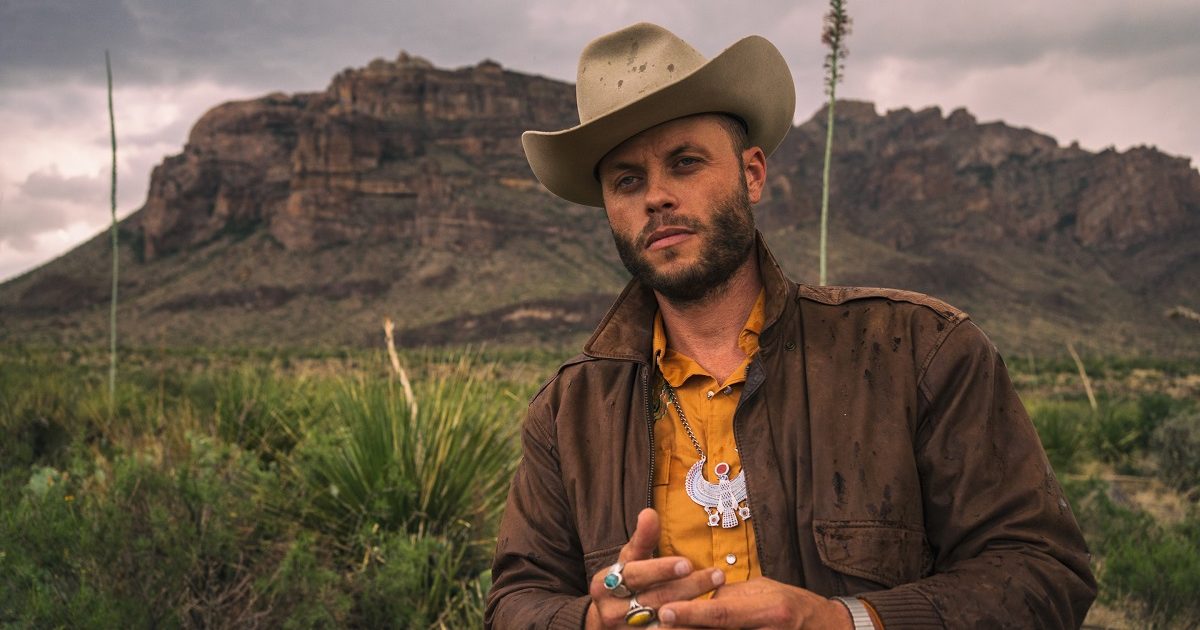
One of Texas’ brightest stars has just released new music in honor of a musical hero. Charley Crockett, the velvet-voiced monolith with a country and western sound, was a devoted student and fan of legendary Texas artist James “Slim” Hand. “If you listen to his writing style and the portraits he painted in his music, or that plaintive one of a kind voice he had, then you know he was without equal in our time,” said Crockett of the beloved singer-songwriter, who died in 2020.

To fulfill a promise made to his dear friend, Crockett released the full-length album, Lil’ G.L. Presents: 10 For Slim Charley Crockett Sings James Hand, in February. The record is a beautiful homage to a great artist, musician and Texan, and of course the music itself is performed with the highest degree of touch and style, two things for which Crockett is well-loved. Ahead of the record release, Crockett released a music video for “Lesson In Depression” that heavily features steel guitar and Crockett’s sultry baritone. Get your fix of classic country and celebrate the life and music of James Hand all while taking in the fresh yet familiar stylings of Charley Crockett.


Photo credit: Ryan Vestil

Colter Wall Covers the Classic “Cowpoke” for Western AF

Canadian country singer Colter Wall has been slowly diffusing his rich, deep voice throughout the Americana world. In 2020, the singer from Saskatchewan announced his third album, Western Swing & Waltzes and Other Punchy Songs, with the release of a cover of the Stan Jones classic, “Cowpoke.” The album is a gold mine of soothing classic country sounds. Recorded in Texas, Wall performed the music with the band he travels with, fashioning a familiarity with outside material that dovetails nicely with the Western sound that’s heard in Wall’s songwriting, too.

For a long while, Wall only sang “Cowpoke” live, and to the praise of his fans, he has finally committed the cover to record. He possesses a keen sensibility for Western culture — the music he creates is fresh, but bears great resemblance to deeply ingrained musical traditions. Buy it, download it, stream it; do whatever you have to do to hear Western Swing & Waltzes and Other Punchy Songs. You can watch Colter Wall sing “Cowpoke” in Bar Nunn, Wyoming, for Western AF below.


Photo credit: Robert Stilwell

WATCH: Loretta Lynn, “Coal Miner’s Daughter Recitation”

Artist: Loretta Lynn
Hometown: Butcher Holler, Kentucky
Song: “Coal Miner’s Daughter Recitation”
Album: Still Woman Enough
Release Date: March 19, 2021
Label: Legacy Recordings

In Their Words: “I am just so thankful to have some of my friends join me on my new album. We girl singers gotta stick together. It’s amazing how much has happened in the fifty years since ‘Coal Miner’s Daughter’ first came out and I’m extremely grateful to be given a part to play in the history of American music.” — Loretta Lynn

Editor’s Note: “Coal Miner’s Daughter Recitation” commemorates the 50th anniversary of the release of Loretta Lynn’s signature song (October 5, 1970) and album (January 4, 1971). Meanwhile, her upcoming 50th studio album, Still Woman Enough, includes collaborations with Reba McEntire, Margo Price, Tanya Tucker, and Carrie Underwood. Lynn reunited with director David McClister for a short film version of “Coal Miner’s Daughter Recitation.” Shot on location at her ranch in Hurricane Mills, Tennessee, the music video includes scenes filmed in her “Butcher Holler” replica home.


Album image courtesy of Legacy Recordings