Do you remember the human being you were in 2017? When the “first” North American total solar eclipse of the 2000s criss-crossed the United States, stunning millions of sky-gazers? Do you remember how dissimilar life felt then? When you look back, do your memories contain the same person you are now, or is there a vast difference between who you were then and who you are today?
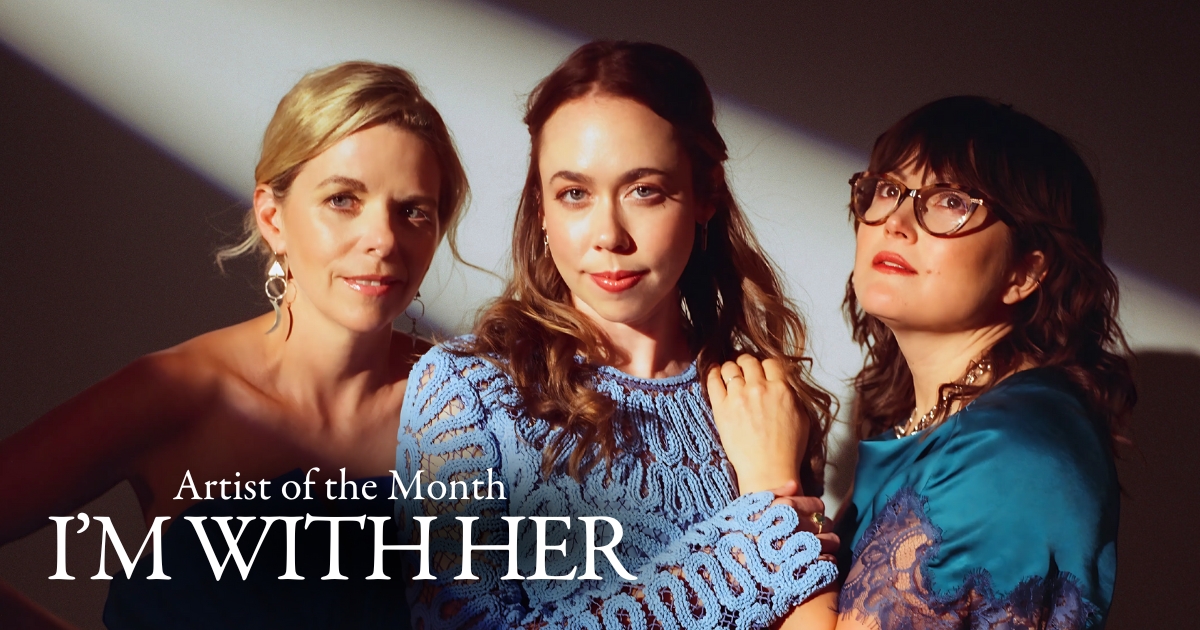
In 2017, I’m With Her – an iconic assemblage of award winning roots musicians Sarah Jarosz, Aoife O’Donovan, and Sara Watkins – were already a band, but a tangible group identity had yet to fully coalesce – and external viewers, listeners or fans or industry professionals, couldn’t tell if this was a temporary “supergroup” or something greater and long-lasting. Yes, they first collaborated as a trio in 2014 at Telluride Bluegrass Festival and their chemistry, musically and otherwise, was immediately palpable. They wrote, toured, and released music together in 2015, 2016, and 2017, appearing on Prairie Home Companion, Live From Here, and festival and venue stages all across the country and around the world. “Crossing Muddy Waters,” a John Hiatt cover and their first release together under the “I’m With Her” moniker, was released in ’15; “Little Lies” followed in ’17. Then, their acoustic cover of Adele’s “Send My Love (To Your New Lover)” performed live with Paul Kowert on tour with Punch Brothers became a smash viral hit later that same year, barely a month after the moon then blocked out the sun.
By all measures, I’m With Her were a very different group 8 to 10 years ago. Neither Watkins nor O’Donovan were yet mothers. The trio had not yet been nominated for a GRAMMY (“Call My Name” would snag a gramophone for Best American Roots Song in 2020). They wouldn’t put out their debut album, See You Around, until 2018. Yet today, on the precipice of what is somehow only their sophomore album, Wild and Clear and Blue (out May 9 on Rounder Records), whether deliberately looking back or relying solely on one’s memories and recollections, it might seem like I’m With Her has always had this outsized presence and impact in bluegrass, folk, and Americana.
Auspiciously, the celestial and grounded, fantastic and natural Wild and Clear and Blue was tracked in New York State coincidentally during/under the more recent total solar eclipse of 2024. The track of that heavenly alignment almost directly crossed the studio where the trio were crafting the new album with producer Josh Kaufman (Bonny Light Horseman, the National). Leave it to the stars, the universe, and these three otherworldly musicians to convene to build yet another masterwork under such an unlikely omen as an eclipse. The results are truly magical. O’Donovan, Jarosz, and Watkins are already writers and pickers who draw heavily on the natural world, the earth, and their own bodies, hearts, and minds not only as intellectual tools, but also as biological beings to fashion their particular style of roots music. It’s difficult not to see how the ’24 eclipse – along with their journeys together over the last decade – greatly informed this new collection.
Solidarity, women uplifting women, motherhood and family, communion with the world around them, connection to nature, challenging the painful realities of our current day-to-day, and – perhaps above all – convivial, heartfelt fun run through Wild and Clear and Blue like shimmering, cosmic rays of light. Where their past releases together have been quite stark and stripped down, often utilizing only as many voices and instruments as the trio themselves could wield in realtime, Wild and Clear and Blue is expansive, confident, and bold. Are these the same humans who first began creating together only just over a decade ago?
Of course not. None of us are the same beings we were back then. Certainly not I’m With Her. They’re GRAMMY winners now, all three married and beginning families, O’Donovan and Watkins by now veteran moms. They’ve had multiple eras together as a band and multiple solo releases unto themselves, individually, too in the meantime. The miles have sped away underneath their feet as they code switch between being an ensemble and being individual artists – while racking up accolades, awards, and listeners as a collective and separately, too. They’re seen alongside other so-called supergroups like boygenius, Bonny Light Horseman, and more; not as novelties or accessories to the “real” artistry of their constituent work unto themselves, but as a sum greater than their parts. Rightfully so!
How lucky are we to be witnesses to that growth, to each of these women’s ceaseless commitment to challenging themselves – and their communities – to move forward, to crest that next mountain, to sculpt that as-yet-undiscovered song from shapeless musical clay? How lucky are we that these three women bathed in the ancient, timeless light of a solar eclipse and alchemized their experiences into this resplendent album?
The path of this incredible trio, unlike the planets in the sky, has been anything but linear – or concentric, or predictable. Still, there’s endless insight and so much joy to be gained from inhabiting this intersection, the confluence of so many occurrences: the trajectory of the group; the track of a total solar eclipse; the Wild and Clear and Blue writing and recording sessions; the terrifying and shocking burning of our planet; the rapid return of abject fascism in this country; the consideration of how to be artists – family members, mothers, community builders – amid all of these realities. It’s a bewildering intersection, but one we’ve all become undoubtedly familiar with since 2014… since 2016… since the sun disappeared in 2017 and 2024.
Wild and Clear and Blue is a soundtrack for togetherness. For being present. For capturing the infinitesimal moments that make life what it is. It’s no surprise I’m With Her were able to create such an awe-inspiring and heartening second album with these celestial (and terrestrial) ingredients. It’s impeccable roots music made for bathing in the ancient light, for standing at the fault line, for staring into the wild and clear and blue with courage, with love, and with songs.
And, we’ll be dipping back into the BGS archives for all things I’m With Her throughout the month of May! Each of the trio’s members have been featured as AOTM individually and/or in other groups and we have plenty of playlists, articles, interviews, and even Sitch Sessions to return to featuring their supreme talents. Buckle up for a transcendental Artist of the Month celebration.
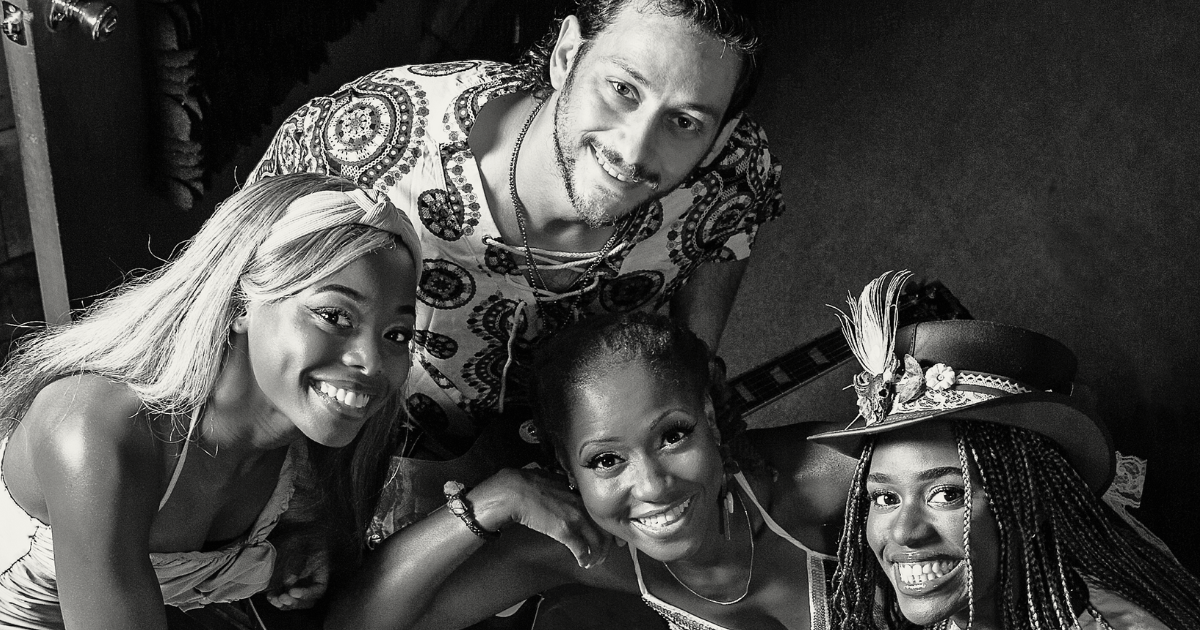
Artist:Southern Avenue Hometown: Memphis, Tennessee Latest Album:Family Personal Nicknames (or rejected band names): We don’t remember any rejected band names, but being from Memphis we definitely call everybody “mane.”
Answers have been provided by Tierinii Jackson, Southern Avenue lead vocalist and songwriter.
What was the first moment that you knew you wanted to be a musician?
It wasn’t one moment, it was the absence of one. I never imagined not being a singer and a songwriter. I grew up singing in church with my sisters and family and even when I ran away from all of that, the music stayed with me. Beale Street gave me my second education. That’s where I chose to be a full-time musician, even if the world didn’t choose it for me.
What is a genre, album, artist, musician, or song that you adore that would surprise people?
I love musical theater. It’s drama, it’s storytelling, it’s emotion on 10. I used to want to be on Broadway. Sometimes I still do. The song “Flying” on our new album is just about that. My mom actually turned the plane around mid-air so I wouldn’t fly to New York to make my dream come true. I do believe that it all connects and I have plenty of time to still do something special in that world.
What’s one question you wish interviewers would stop asking you?
People always ask how we met and how the band started. It’s everywhere online already. We just hope to get asked about new things now, go a little deeper. But it’s all good, no hard feelings at all. We love it when we have an interview where the person in front of us already has an understanding of who is in front of them.
What’s your favorite memory from being on stage?
When we toured with Willie Nelson, Bob Dylan, and John Mellencamp, it was already unbelievable. But then we found ourselves on stage at FarmAid, after two weeks on the road with them for the Outlaw Tour. I remember standing there thinking, “Am I dreaming?” It was one of those moments where everything just hits you, how far we’ve come, and how real it all is.
Genre is dead (long live genre!), but how would you describe the genres and styles your music inhabits?
We like to describe our music real simple. It’s Memphis music. That’s what raised us. We’re a mix of where we come from, how we grew up, and everything we dreamed of becoming. It all comes together in the sound.
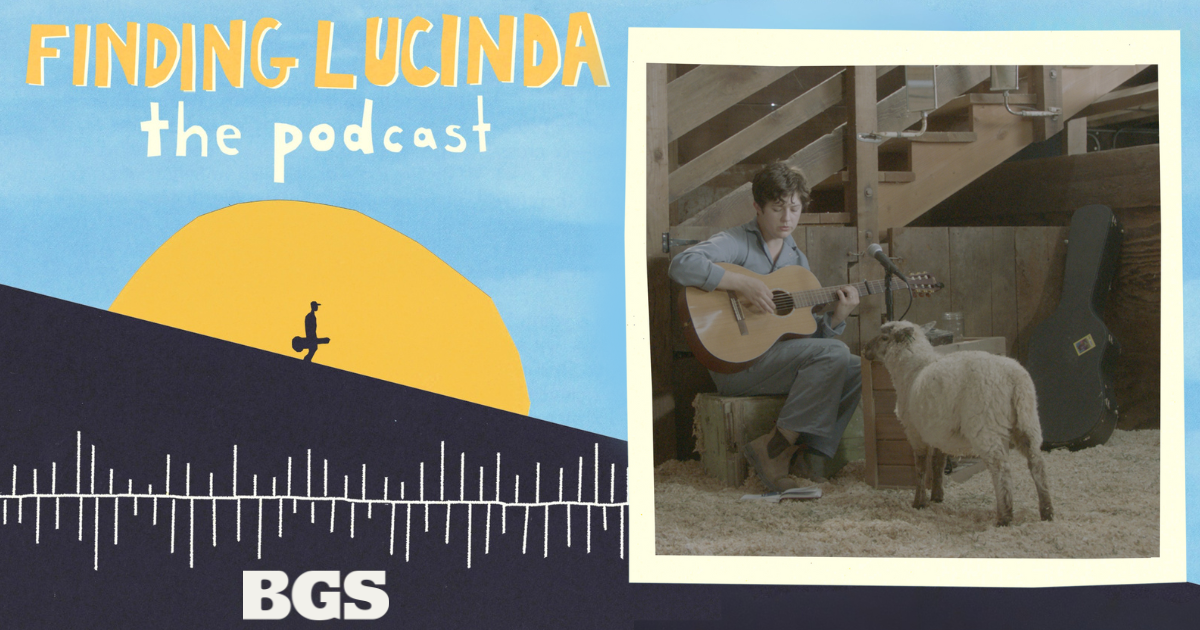
As we join the story, Ismay has been living and working on their family ranch for almost a decade – and they’re looking for change. For several years the independent singer-songwriter has been playing in a Lucinda Williams tribute band and writing their own music.
An opportunity to record an album sparks a new and different idea: to instead embark on a road trip to uncover the early days of Lucinda’s music career and, hopefully, find a way forward creatively. However, they are plagued by self-doubt about whether pursuing music can still be worthwhile for them. But in spite of this uncertainty, Ismay dives into research to see where a journey across the country – and further into the life and music of Lucinda – could lead.
Produced in partnership with BGS and distributed through the BGS Podcast Network, Finding Lucinda expands on the themes of Ismay’s eponymous documentary film, exploring artistic influence, creative resilience, and the impact of Williams’ music. Told through the lens of Hellman’s personal experiences and journey through music, the 14-part series takes listeners into the making of an icon using archival materials, exclusive interviews, and fresh commentary from artists and collaborators who knew Lucinda – often long before the world did.
The Finding Lucinda podcast will be available on all major podcast platforms starting today, May 5, with new episodes released twice a month. Listen right here on BGS or wherever you get podcasts. Finding Lucinda, the documentary film that inspired and instigated the podcast, is slated for release in the fall. Both the film and podcast showcase never-before-heard archival material, intimate conversations, and a visual journey through the literal and figurative landscapes that molded Lucinda’s songwriting.
Credits: Produced and mixed by Avery Hellman for Neanderthal Records, LLC. Music by ISMAY and The Lake Charlatans. Artwork by Avery Hellman. Guests: Mary Gauthier, Wolf Stephenson, John Grimaudo, Charlie Sexton. Special thanks to: Joel Fendelman, Liz McBee, Rose Bush, Mick Hellman, Chuck Prophet, Jonathan McHugh, Jacqueline Sabec, Lucinda Williams & Tom Overby.
Find more information on Finding Lucinda here. Find our full Finding Lucinda episode archive here.
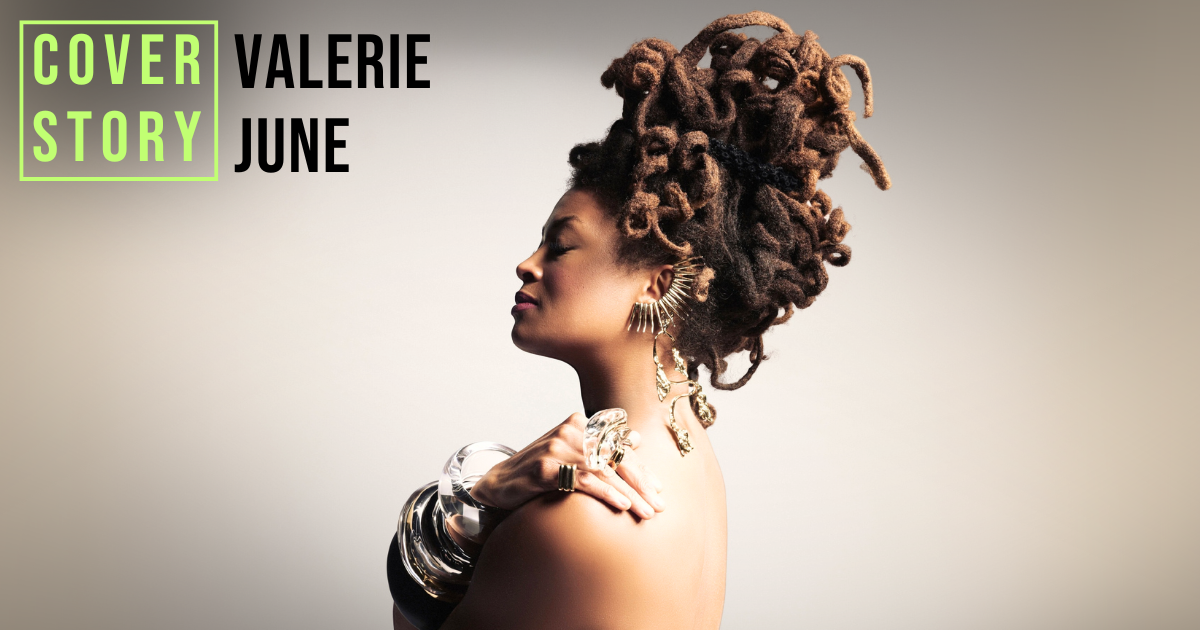
Valerie June’s new album – Owls, Omens, and Oracles (released on April 11 by Concord Records) – begins with a snare and a hi-hat. A simple, straight-forward rhythm. Something to wrest you from your chair and get you moving your body.
After a few bars, her distinct, earnest, energetic vocals enter and it feels as though you’re surrounded by a circle of Valerie Junes singing in delightful unison. Urging you on. It’s just her voice and the drum for thirty-five seconds, then she lands on the word “joy” and the whole song bursts open with a distorted guitar and so many cymbals.
Like the “Joy, Joy” for which the song is titled, sound layers build and build, rippling out further and further until it all fades. By then, you’re well into the room. The colors are swirling. There seems to be joy and love hanging from the chandeliers. If you close your eyes, perhaps you can imagine the colors bursting forth from the guitar when it finally takes a solo.
Indeed, whether or not you experience synesthesia – a condition some musicians report where they associate sound and color – there is something undeniably colorful about the music June puts into the world. This is as true as ever on the new disc, which feels even more focused on joy’s pursuit and on holding joy aloft once it is within one’s grasp.
The celebrated poet and activist adrienne maree brown, who wrote June’s promotional bio for the project, notes: “This album is a radical statement to break with the skepticism, surveillance, and doom scrolling – let yourself celebrate your aliveness. Connect, weep, change, open.”
Indeed, connecting and weeping – through joy and heartache alike – is central to June’s artistic journey. This notion, that her music might be urging its listeners to celebrate aliveness, is particularly resonant on Owls. After all, June, who divides her time between Tennessee and New York, is a certified yoga teacher and mindfulness meditation instructor. One might extrapolate, then, that music, for Valerie June, is equal parts connective tissue and spiritual experience.
“No one who makes music can truly tell you where it comes from,” she said on a recent Zoom call. “We don’t know where we’re getting it from. It’s coming from someplace and I like to think that place is magical.”
Similarly, she adds, “Spirit is something that we don’t really know. We can’t really – exactly – put our finger on where it’s coming from. We just feel it. … I think that it’s a very spiritual thing to make music. It’s not necessarily religious, but it is definitely spiritual. It will connect you to a deeper part of yourself, but it will also connect you to deeper parts of other people – and to nature.”
Across her six albums in nearly twenty years, June has sung about nature plenty. The night sky, the creatures of the forest. From her rendition of a classic, “The Crawdad Song,” (2006’s The Way of the Weeping Willow) to the eagle and rooster in “You Can’t Be Told” (2013’s Pushin’ Against a Stone), to the “still waters” and “dormant seas” of “Stardust Scattering” (2021’s The Moon and the Stars: Prescriptions for Dreamers), June has turned to nature for solace, clarity, and metaphor.
Lately, though, she has been somewhat haunted by owls.
“In Tennessee,” she explains, “we have a pond behind the house and there’s a lot of wildlife. There’s muskrats and frogs and snakes and fish and all kinds [of animals]. We just went and bought like ten carp fish to go in the pond to help keep the algae down and stuff. But one morning, I was walking into the kitchen. I start my day with black tea and there’s mist on the pond in the morning, and so everything’s kind of like foggy. I’m making my tea. It’s like five o’clock in the morning and my eyes are all puffy. … There’s a window where you can see right across the pond and see this mist and everything, and there is an owl on this post of the fence on the far side. It’s just looking in at me, and I’m looking out at it.”
She and this same owl had a few more encounters after that initial one and June started thinking there was something to it. Whether it was a spirit visiting her on purpose, or just a magical coincidence that she and this creature were in the same place at the same time on a planet so full of people and creatures, there was something to this brief, recurring coexistence.
While June admits she never sits down on purpose to write a song – she opens to them and they come – the owl started to worm its way into her periphery while she was writing. She started reading everything she could find about owls, learning about their habits and idiosyncrasies. She felt like she was harnessing some owl energy as she captured the melodies that would make up this album.
“You can listen to the old blues songs,” she explains, “and you will hear about the black snake, or about the mojo, or different things like that. There’s magic in the music, if you ask me. I … enjoy being a root worker and understanding that music can shift moods. It has that power. It can start movements. It can energize people or make them feel so tender that they’re able to cry when they need to.
“I definitely feel like I work with those energies. I don’t just sing, you know. Because, I mean, there’s a lot of singers who have more beautiful-sounding voices than me. I’m weaving spells.”
Indeed, June’s spells weave their way through Owls.
One moment, she’s turning off the news to remember we’re all indelibly connected “like branches of an endless tree” (“Endless Tree”). Then, she’s breathing through doubt with “Trust the Path,” a quiet, echoic piano song that sounds like it blew in on a breeze. There’s the spoken word piece, “Superpower,” with its meditative background and dreamlike soundscape built atop her voice and producer M. Ward’s guitar, among other things. Suddenly June is clawhammering a banjo and singing about misguided love (“My Life Is a Country Song”). And finally, there’s the folky earworm song “Love and Let Go,” with its horns and piano and layered unison vocals.
The album starts with joy and ends with acceptance – which is part of joy. Though it weaves through different styles and soundscapes, there is this throughline of keeping to the path, trusting the light, sourcing the joy.
Most of this is due to June’s songwriting and performance, of course. But at least some of it can be credited to her producer Ward – the chameleon-like guitarist and singer-songwriter who has produced for and collaborated with a who’s who of indie artists. As for her experience with this particular collaboration, June doesn’t hold back when lavishing Ward with praise.
“It was kind of the most amazing experience I’ve had in making records,” she says.
“He can play anything. He’s on the vibraphones. He’s on the keys. He’s on the guitar. I mean. … [For him,] whatever genre a song wants to be is what a song is and at the end of the day I enjoy rocking out. I like turning up my electric guitar and my amp and just going crazy with this kind of like a dirty blues-rock sound. And him – he got the best tones and sounds in his guitar playing.”
The pair first decided to make a record together when they crossed paths at Newport Folk Festival. June noticed that they were on the schedule for the same day, so she texted Ward and he invited her up to sing with him.
“When I got offstage, after watching him play that blues-rock like just a genius, [my] jaw [was] on the floor. Like, that was amazing. It was just him solo, too, with like three or four different guitars up there. So I said, ‘Well, when are we gonna make this record we’ve been talking about making?’”
Two months later, they crossed paths again, this time at San Francisco’s Hardly Strictly Bluegrass Festival. “We were on the same day again, so auspicious,” she remembers. “And so we worked together there. He said, ‘Okay, we have to make this happen now. We’ve seen each other two times in one year.’”
Before another year passed, they were in the studio, running with the genre-defiant sounds that were pouring out of June’s magic mind.
The phrase June used to employ for describing her music was “organic moonshine roots” – a description she’s stopped using since her friend who coined it passed away. Meanwhile, her life has taken on its own metamorphoses. She has found and lost love, has branched out in new directions, has pulled in guitar, ukulele, and banjo. She has made music with artists as variant as the Avett Brothers and Blind Boys of Alabama (the latter appear in the background on Owls). When not on the road, she hosts meditation retreats and teaches mindfulness at places like the Kripalu Center for Yoga and Health in the Berkshires. She writes poetry and has published a picture book for children.
Naturally, all of this has fed her appetite for melody and it’s all added to the tapestry of sound that defines her music. There is country in there, for sure. Also some semblance of jazz, R&B, pop, and just plain individualistic, raw grit. This time around, on Owls, Omens, and Oracles, genre seems like a silly thing to even try to pin down.
During a SXSW interview in 2023, writer Wajahat Ali asked June about the ineffability of her style and she didn’t hesitate. “It’s Valerie June music,” she told him. “I’m a singer-songwriter and whatever comes out, comes out. Sometimes it is honey, sometimes it’s vinegar.”
Sometimes it’s black tea and mist on a pond, crickets chirping and muskrats scattering, an owl standing still on a post, blinking its eyes as you stand there blinking yours. It’s a reminder of what truly matters.
To June, what matters is everything.
“Are you ready to see a world where we can all be free?” she asks. “I’m ready to see a world where we can learn to disagree with each other and still live together peacefully.”
“We’re ready to see this world be a place of togetherness,” she adds later. Learning to cooperate, she says, is “not just important for humans. It’s important for all of nature. … Nature will be okay, of course, without us. But it would be nice if we could figure out ways to move toward a more cooperative existence with all [things] in nature.”
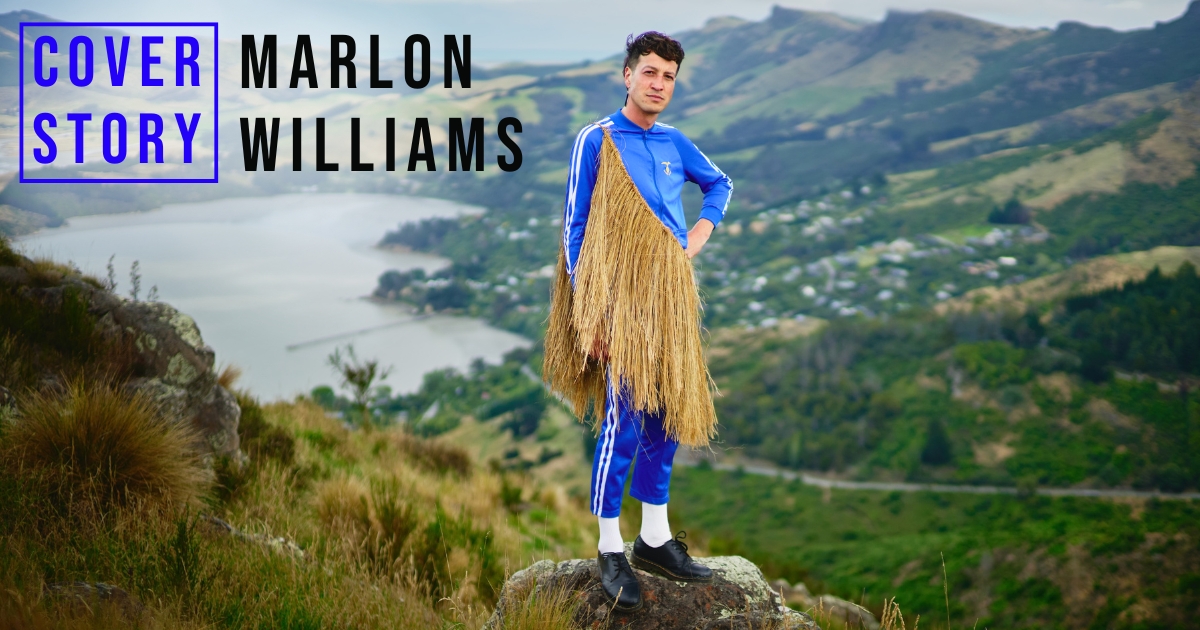
When he was in his early twenties, Marlon Williams watched a series of major earthquakes flatten Ōtautahi/Christchurch, the largest city in Te Waipounamu (the South Island of New Zealand). In the wake of that tragedy, the Māori New Zealand artist ascended onto the national and later international stage as a singer-songwriter, guitarist, and actor with a million-dollar smile and a golden, heaven-sent voice.
As a narrative device, it would be easy to enshrine his experiences during the earthquakes as a baptism by fire, a star emerging from the flames. However, as he puts it, “It’s tempting to say that experience fostered the folk scene here, but we’d been building something for a while before the earthquakes. When you look backwards through the haze of time, it’s easy to start telling yourself stories.” It’s a fitting reminder that things are never as simple as they look on the surface.
Now, fifteen years on, Williams is on the brink of showing us how deep things go with the release of his fourth solo album, Te Whare Tīwekaweka (The Messy House). In a similar tradition to the outdoorsy, range-roving sensibilities of his previous three records, the album represents an antipodean blend of country and western, folk, rock and roll, and mid-to-late 20th-century pop, connecting the musical dots between America, Australia, and Aotearoa (New Zealand).
This time around, however, Williams – a member of the Kāi Tahu and Ngāi Tai iwi (Māori tribes) – made the decision to step away from English and sing in his indigenous tongue, te reo Māori. Therein, his guiding light was a traditional Māori whakatauki (proverb), “Ko te reo Māori, he matapihi ki te ao Māori,” which translates into “The Māori language is a window to the Māori world.” As displayed by the album’s lilting lead singles, “Aua Atu Rā,” “Rere Mai Ngā Rau,” and “Kāhore He Manu E” (which features the New Zealand art-pop star Lorde), he’s onto something special.
During the reflective, soul-searching process of recording Te Whare Tīwekaweka, Williams found solidarity in his co-writer KOMMI (Kāi Tahu, Te-Āti-Awa), his longtime touring band The Yarra Benders, the He Waka Kōtuia singers, his co-producer Mark “Merk” Perkins, Lorde, and the community of Ōhinehou/Lyttelton, a small port town just northwest of Ōtautahi, where he recuperates between touring and recording projects.
From his early days performing flawless Hank Williams covers to crafting his own signature hits, such as “Dark Child,” “What’s Chasing You,” and “My Boy,” Williams’ talents have seen him tour with Bruce Springsteen and the Eagles, entertain audiences at Newport Folk Festival and Austin City Limits, and appear on Later with Jools Holland, Conan, NPR’s Tiny Desk, and more. Along the way, he’s landed acting roles in a range of Australian, New Zealand, and American film and television productions, including The Beautiful Lie, The Rehearsal, A Star Is Born, True History of The Gang, and Sweet Tooth.
From the bottom of the globe to the silver screen, it’s been a remarkable journey. The thing about journeys, though, is they often lead to coming home, and Te Whare Tīwekaweka is a homecoming like never before.
In early March, BGS spoke with Williams while he was on a promo run in Melbourne, Australia.
Congratulations on Te Whare Tīwekaweka. When I played it earlier, I thought about how comfortable and confident you sound. Tell me about the first time you listened to the album after finishing it.
Marlon Williams: It was that feeling of nervously stepping back from the details and seeing what the building looks like from the street. I felt really pleased with how structurally sound it was.
What do you think are the factors that allow you to inhabit the music to that level?
I’ve spent my entire life singing Māori music. No matter my shortcomings in speaking the language fluently and having full comprehension in that world, the pure physiology of singing in te reo Māori has been my way in. There’s a joy and a naturalness that has always been there. That gave me the confidence to take the plunge and really enjoy singing those vowel sounds and tuning on those consonants.
We’ve talked about this before. Part of what facilitated this was singing waiata (songs) written in te reo Māori by the late great Dr. Hirini Melbourne when you were in primary school (elementary school).
Those songs are so simple and inviting, especially for children. They really help you get into the language on the ground level. A lot of what he did for this country can feel quite invisible, but most of us have some knowledge of the sound and feeling of the language as a result. It feels like a really lived part of my upbringing. His songs gave me a push forward into something that could have otherwise felt daunting and deep.
For those unfamiliar, could you talk about who Dr Hirini Melbourne was?
Hirini Melbourne was a Tūhoe and Ngāti Kahungunu educator and songwriter from up in Te Urewera [the hill country in the upper North Island of New Zealand]. He was born with a real sense of curiosity about the world and a sense of braveness and self-belief about taking on Te ao Māori [the Māori world] and bringing it to people in a really straightforward way. Hirini decided the best way was writing songs children could sing in te reo Māori about the natural world around us.
If you listen to his album, Forest and Ocean: Bird Songs by Hirini Melbourne, you’ll also see a lot of Scottish influence in terms of balladeering, melodies, and instrumentation. Later, he started collaborating with Dr. Richard Nunns. They’d play Taonga pūoro [traditional Māori musical instruments] and go into some very deep and ancient Māori music. Hirini’s whole career was this beautiful journey that was tragically cut short [in his fifties].
When I think about your music, I think about historical New Zealand country musicians like Tex Morton and John Grenell, who emerged from Te Waipounamu before finding success in Australia and America in the mid-to-late 20th century.
I wasn’t super aware of that tradition until I learned about Hank Williams and completely fell in love with country music. After that, I realised there was a strong tradition back home. I guess it gives you a sort of reinforcement, a sense of history, and a throughline you can follow to the present moment.
I also think about New Zealand’s lineage of popular singers. People like Mr Lee Grant, Sir Howard Morrison, John Rowles, and Dean Waretini, who I see as antipodean equivalents to figures like Roy Orbison, Scott Walker, and Matt Monro. What does it say to you if I evoke these names around your album?
A lot of the celebration around this record is the celebrating the ability of Indigenous people – in this case, Māori specifically – to absorb what is going on in the world and make something from it. You can think about it in other terms, but I think about it in the sense of creativity. If you think about Māori religions like Ringatū [a combination of Christian beliefs and traditional Māori customs], there’s this willingness and this sort of epistemological elasticity to be able to go, “Oh, these things make sense together.” I can wield this tool. I’m going to come to it with my own stuff and create something unique and strong that is a blend of worlds. The main energy that was guiding me on this record was that tradition of synchronisation.
When do you consider to have been the starting point for Te Whare Tīwekaweka?
The literal start point was May 2019. That was the first time I sat down, had the melody and the structure of “Aua Atu Rā” and realised there was an implication in the music of what the song was about. This lilting lullaby was emerging. I’d say it was boat stuff. That was the first moment when I realised I was writing a waiata. I didn’t quite have it yet, but the phrasing was in [te reo] Māori, and I knew where it was telling me to go. At the time, I had a [Māori] proverb in my head, “He waka eke noa,” which means, “We’re all in this boat together.” I’ve always struggled with it. I believe it’s true, but we’re also completely alone in the universe.
From there, everything locked into place.
It strikes me that feeling connected could be considered an act of faith. You have to believe that it’s more than just you.
If I think about faith, I think about surrender, being humble, having humility, and going to a place I can acknowledge as new ground. I think faith is a useful word here.
Tell me about the conditions under which Te Whare Tīwekaweka came together.
It was pretty patchy in terms of the momentum of it. Once I had “Aua Atu Rā” loosely constructed, I took it to Kommi [Tamati-Elliffe], who helped me make sense of the grammar. After that, it sat there for a bit.
Kommi is a writer, rapper, poet, activist and lecturer in Māori and Indigenous Studies and te reo Māori. They perform te reo Kāi Tahu, the dialect of the largest iwi (tribe) within Te Waipounamu (the South Island of New Zealand). How would you describe them?
Kommi is a shapeshifter. I can’t work out how old they are. I found it hard to work out what they thought of me, but I knew there was this lovely softness there that belies a lot of deep thinking and some real sharpness. They’re very enigmatic as a person and a creative entity. One time, we got drunk at a party and talked about some work they were doing on phenomenology through a Te ao Māori lens. We were talking about that and making the most crass puns imaginable. There was this dichotomy of high-level and low-brow thinking that felt really playful.
What you’re telling me is you felt safe with them?
I guess. That’s all I can hope for in a collaborator.
Let’s get back to Te Whare Tīwekaweka.
After I’d been sitting on “Aua Atu Rā” for a while, my My Boy album came out. In retrospect, you can also hear a lot of the direction that eventually went into Te Whare Tīwekaweka was already starting in My Boy. That took off for a bit, but all the while, I was back-and-forthing on songs in [te reo] Māori with Kommi. They’d send me lyrics all the time and I’d play around with them without really committing anything to paper.
Once I was near the end of touring My Boy, I started to turn my attention back to Te Whare Tīwekaweka. Then I agreed to let the director Ursula Grace Williams make a documentary about me [Marlon Williams: Ngā Ao E Rua – Two Worlds]. I thought, “Right, they’re filming me, so I better do what I’m saying.” Part of the intentionality was that the documentary would frame it into a real thing and make it happen. There was nowhere to hide.
Across the album, you sing about living between worlds, love, the land and sea, the weather, solitude, and travel, often through metaphors that invoke the natural world. Why do you think you gravitate towards these themes?
On a very basic level, I’m a very sunnily disposed person in terms of the way I comport myself. I feel desperately in love with people in the world and feel terrified of losing people, situations or understandings. These are the things I think about. The fact that I write songs like this is my outlet for ngā kare-ā-roto [what’s going on internally] and my darker side. I like to be warm and friendly in how I deal with people, but a little bit more severe when it comes to matters of the heart.
What do you think it has meant to make an album like this right now in Aotearoa and Te Waipounamu (New Zealand)?
Personally, I have a sense of achievement from having built something in that world. It also does something for my sense of family, in terms of representing a side of them very publicly that hasn’t always been accessible to them. There’s a lot of Kāi Tahu dialect on the album, so in terms of iwi, it feels good to put something on the map that speaks directly to the region. At the same time, this all sits within a very heated and fractious national conversation. On one level for me, it’s by the by; on another level, it’s great to have Māori music accepted into the mainstream. Whatever the political conversation going on is, if you can compel people with music, you’re really winning the battle on some level.
Taking things further, what do you think it means to be presenting Te Whare Tīwekaweka to a global audience?
Most places I go overseas, there is a sense of goodwill and excitement about marginalised languages being platformed. There’s a broader appetite due to people having instant access to a range of music through the internet. The threads you can draw together now are so vast and ungeographically constrained that I think people’s Overton window of what they’ll sit with and take in, even without knowing they’re not fully comprehending it, has shifted. I think people are generally either really open to that or completely shut off, which is something I don’t personally understand.
We can’t get around talking about Lorde singing on “Kāhore He Manu E.” It felt like she really met you where you were standing.
This speaks to the album in general. It was about bringing things to where I was standing. I didn’t want to jump into anyone else’s world. I had it in the back of my mind that I wanted her to sing on it. In the past, she kindly offered, “If you ever want me to sing on something, I’ll do it.” I could hear her on it from the moment I started writing it. There have been a few songs like that which have been very easily labored. They don’t take much writing and are always my favorite songs. It was important to me to get her involved in a way that wouldn’t be a post-hoc addition. She had to be part of the stitching of the record itself.
How do you feel in this moment, as you prepare to see what happens next?
I’m just excited to get these songs out into the world and see what they morph into when I start getting on stages and seeing what they do in a room. That’s going to change the way they feel and the way they want to be played. The second creative part of it is getting to the end of the tour and realising that the songs have become completely different from on the record. That can be a fun thing. Sometimes, it leads to remorse that you didn’t record them in the way they’ve gone. Other times, you realise you’ve completely ruined the song and gone away from what was good about it. I’m excited for the deployment.
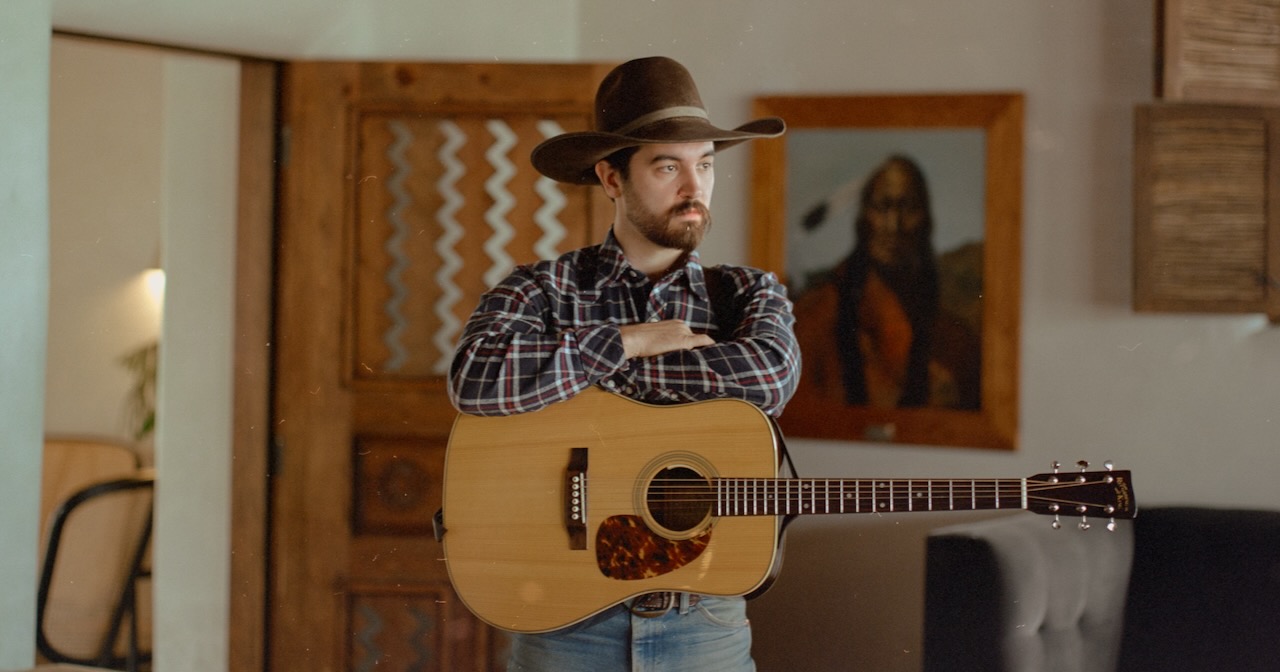
Artist:Sterling Drake Hometown: Philipsburg, Montana Latest Album:The Shape I’m In (out May 2, 2025 via Calusa Music/Missing Piece Records) Personal Nicknames (or rejected band names): “Sterl Haggard”
If you had to write a mission statement for your career, what would it be?
Roots country and folk music have a way of bringing people together. These songs carry the stories and wisdom of those who came before us, reminding us of what we share across generations. Music can open hearts, challenge perspectives, and create space for vulnerability. I’m especially grateful for the chance to use my platform to advocate for the land, the people who depend on it, and the importance of mental health both in rural communities and beyond. Whether playing for a small gathering or a big crowd, I see music as a way to keep these stories alive and inspire connection.
Which elements of nature do you spend the most time with and how do they impact your work?
I live in a small town in Granite County, Montana, where the land is mostly ranches and public wilderness and things are luckily untouched by urban sprawl. The Rockies and the high desert ranges are the place I like to go to in my mind. Although music is my main focus at this time in my life, I spend a lot of time outdoors. Horseback, hiking, camping, skiing, and helping out the neighbor in the branding pen. Being outside is part of my daily life, and it helps keep me grounded.
Genre is dead (long live genre!), but how would you describe the genres and styles your music inhabits?
I consider my music “roots” in the broadest sense. It draws from the deep well of American musical traditions: country, folk, Western, bluegrass, Western swing, and even Irish traditional. At times I may lean more on traditional country and honky-tonk and other times I may feel inspired by something else, and I enjoy the creative flexibility. At its core, it’s about storytelling, connection, and carrying forward the sounds and ideas that have shaped generations before me.
Which artist has influenced you the most – and how?
Willie Nelson has influenced me the most. He pulls from so many corners of American music – jazz, blues, folk, Western swing – but no matter what he’s playing, it always feels country, always feels Western, and always feels like Willie. He never let genres box him in, and that’s something I really admire. His approach to songwriting, storytelling, and even the way he plays guitar has shaped how I think about music.
A close runner-up would be Roger Miller. He had this effortless looseness and wit in his writing that made even the simplest songs feel unique. He never took himself too seriously, but was still a master of his craft. That balance between depth and playfulness is something I aspire to carry into my own music.
What’s one question you wish interviewers would stop asking you?
Interviewers will sometimes ask artists the question, “When did you know you were talented, or when you were a musician?” It makes it sound like creating music is something only a few people are born to do, when in reality, it takes years of work, dedication, and a willingness to keep learning. More importantly, it makes artistic expression seem out of reach for most people, when creativity exists in everything we do. Music isn’t about being chosen, it’s about choosing to put in the time and effort to make something meaningful.
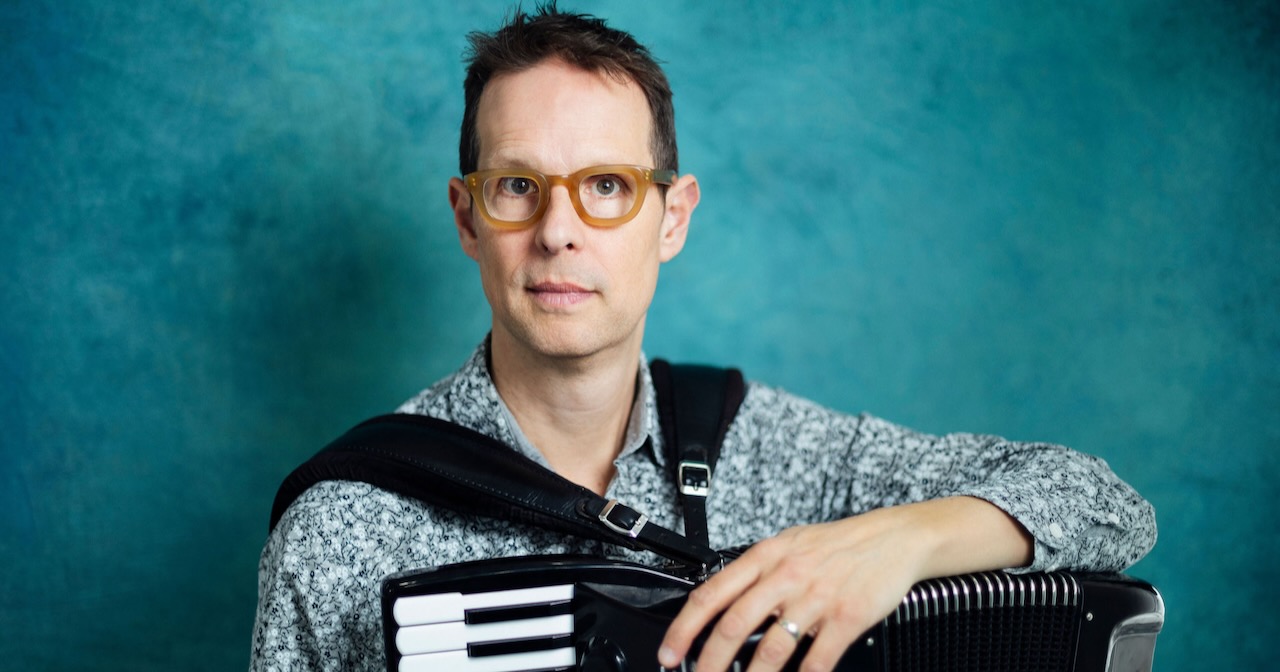
The accordion is like a cousin you don’t see very often, but who is an integral, colorful member of the family. In country, folk, bluegrass and related roots music from the U.S., the accordion has always been there, more of a presence than you might think. It’s central to styles such as zydeco, Cajun, and conjunto music, but also many foundational bluegrass and country artists – such as Bill Monroe and the Carter Family – used accordion in their music at times. The accordion was in the environment, part of the sound world of mid-20th-century popular music, adding a special touch to bands of all kinds. Although it did not continue to flourish as a central bluegrass or country instrument, there’s no musical reason for that absence: it fits right into the sound. Whether playing rhythm or lead, it can be versatile, punchy, and expressive.
If country music is our unifying theme here, the accordion makes a great lens for viewing the vast diversity of the genre and its extensive family tree: Tejano-conjunto accordion playing, with its polka and Spanish origins and its two-beat and waltz rhythms, is a natural fit with country; zydeco and Cajun music overlap with it seamlessly; Western Swing bands, which merged jazz and country, often included accordionists from the Midwest with Central or Eastern European backgrounds. Of course, the impact of African American blues, swing, and jazz is so strong in all these styles that it’s more than just an “influence” – really a foundation. Jewish klezmer music is also a branch of the “roots music” tree; it came from Europe and developed in the U.S., absorbing many of the same influences as the other genres while making great use of the accordion. – Will Holshouser
“Together Again” – Steve Jordan
The incredible Esteban “Steve” Jordan grew up playing conjunto music in Texas and expanded his repertoire to include country, Latin music, rock, zydeco and more. He was known as “El Parche” for the patch he wore over his blind eye and also as the “Jimi Hendrix of the accordion,” since he played through an effects pedal (flanger or phaser). On his version of this Buck Owens tune, he plays many roles brilliantly: lead vocals, accordion solo, fills and accompaniment.
“J’ai Eté-Z-Au Bal” – Steve Riley & the Mamou Playboys
Steve Riley is one of the finest Cajun accordionists working today; this blistering version of a classic Cajun tune (“I Went to the Dance”) shows his virtuosity, the Cajun (diatonic) accordion in a lead role, and his band’s deep groove.
“Tennessee Waltz” – Pee Wee King & His Golden West Cowboys
Pee Wee King was born Julius Frank Anthony Kuczynski to a Polish-American family in Wisconsin. He learned accordion from his father, who played in a polka band, and went on to become a famous Western Swing bandleader and write the music for this country classic. His beautiful, single-reed accordion fills and moving thirds sound totally country, while revealing a Slavic touch.
“Blues de Basile” – Amédé Ardoin
Amédé Ardoin made some of the very first accordion records in Louisiana and is a common musical ancestor of all zydeco and Cajun accordion playing. His innovative, rhythmic, virtuosic accordion style and haunting vocals won him a great reputation both inside and outside his Afro-Creole community. He often played dances and made records with his close musical partner, Cajun fiddler Dennis McGee, including “Blues de Basile” in 1930. His life ended tragically when he was beaten by white vigilantes.
“Hard to Love Someone” – Clifton Chenier
Known as the King of the Bayous, Chenier brought together southwestern Louisiana zydeco rhythms and Delta blues. On this slow blues tune recorded in 1970, his fluid improvising and support of his own singing is nothing short of glorious. His brother Cleveland Chenier plays the rubboard.
“Bluegrass Special” – Bill Monroe (with Sally Ann Forrester)
Most people know that Bill Monroe defined the classic bluegrass sound. Some may not know that an early version of his band, The Blue Grass Boys, included a Blue Grass Girl, Wilene “Sally Ann” Forrester, on accordion. Her solid rhythm playing and all-too-short accordion break add warmth to this early instrumental, a 12-bar blues. If things had worked out just a little differently, maybe every bluegrass band today would include an accordion! (Hey, it’s not too late, folks.)
“Root, Hog or Die” – Mother Maybelle & The Carter Sisters (with Helen Carter)
Later in her life, Mother Maybelle Carter of the iconic Carter Family had a long performing career with her daughters. The group featured Helen Carter playing great accordion and often Chet Atkins on guitar. Here, too, the influence of swing and blues is readily apparent. “Root, hog, or die” is an old expression that means “you’re on your own.”
“Alon Kouri Laba” – Corey Ledet Zydeco
Corey Ledet, one of today’s most exciting zydeco accordionists, plays beautifully and sings in Louisiana Creole on this high-energy tune from his album Médikamen (2023).
“American Without Tears” – Elvis Costello (with Jo-El Sonnier)
Accordionist Jo-El Sonnier brings his sensitive touch and gorgeous Cajun waltz style to this song from Elvis Costello’s album King of America. (Rock producers and engineers, please take note: this is where an accordion should be in the mix – loud enough that it can breathe dynamically and find its place among the other instruments.)
“Shouting Song” – Will Holshouser
Here’s a tune from my new album, The Lone Wild Bird. I wrote “Shouting Song” with the sound of shape note singing in mind. This is a choral tradition in the rural U.S., mostly in the South, with a unique sound: shape note composers ignored (or just didn’t know about) many European harmonic rules which disallowed features like parallel fifths and chords with only two notes. Along with influences from various folk traditions and camp meeting spirituals, that stark approach to harmony gives the style its sound, which I use here as a point of departure.
“Un Mojado Sin Licensia” – Flaco Jimenez
The creative genius of the great Flaco Jimenez is on full display in this conjunto song about the hardships faced by a Mexican immigrant in Texas. His rhythmic drive, melodic inventiveness, and roller-coaster chromatic runs are thrilling to the ears.
“Streets of Bakersfield” – Dwight Yoakam (with Flaco Jimenez)
Here’s Flaco again, on a recording that went to the top of the country charts in 1988. This song was written by Homer Joy, first recorded by Buck Owens in 1972, and re-done here by Dwight Yoakam with both Buck and Flaco as guest stars.
“Spadella” – Spade Cooley (with Pedro DePaul)
Accordionist and arranger Larry “Pedro” DePaul grew up in Cleveland, Ohio, where he studied music at the Hungarian Conservatory. Spade Cooley, originally from Oklahoma, was a popular Western Swing bandleader in the LA area. There’s a grisly tale behind this tune: Cooley wrote it for his wife Ella, who he was convicted of murdering in 1961.
“Second Avenue Square Dance” – Dave Tarras with the Abe Ellstein Orchestra
Any discussion of the accordion in American roots music should include klezmer, Eastern European Jewish music that came to the U.S. and absorbed influences such as the drum kit, certain jazz band formats, etc. On this tune the great clarinetist Dave Tarras plays the lead, but the anonymous accordionist is heard prominently, playing beautiful fills and rhythm, harmonizing with the melody, and using rich chords to blend with the horns. Second Avenue in Manhattan was the epicenter of the Yiddish theater scene, which had a huge impact on Broadway. The title could be just a lark, or a nod to the musical kinship between klezmer and country music!
“Atlantic City” – The Band (with Garth Hudson)
Garth Hudson’s adventurous playing with The Band carved out a role for the accordion in that kind of rock music. (He also played the horizontal keyboards: organ, etc.) I had the thrill of meeting him when we both played on Martha Wainwright’s live Edith Piaf tribute album (Sans Fusils, Ni Souliers à Paris). Unfortunately, the producers had us playing on different tunes, not at the same time! On this cover of a Bruce Springsteen song, recorded in 1993, Garth creates a fantasy using multi-tracked layers of accordion and organ.
Our partnership with our friends at Real Roots Radio in Southwestern Ohio concludes as we wind down our weekly celebration of Women’s History Month. We’re proud to have brought you four collections of a variety of powerful women in bluegrass, country, Americana, folk, and elsewhere who have been featured on Real Roots Radio’s airwaves each weekday in March, highlighting the outsized impact women have on American roots music. You can listen to Real Roots Radio online 24/7 or via their FREE app for smartphones or tablets. If you’re based in Ohio, tune in via 100.3 (Xenia, Dayton, Springfield), 106.7 (Wilmington), or 105.5 (Eaton).
American roots music, historically and currently, has often been regarded as a male-dominated space. It’s certainly true of the music industry in general and these more down-home musics are no exception. Thankfully, American roots music and its many offshoots, branches, and associated folkways include hundreds and thousands of women who have greatly impacted these art forms, altering the courses of roots music history. Some are relatively unknown – or underappreciated or unsung – and others are global phenomena or household names.
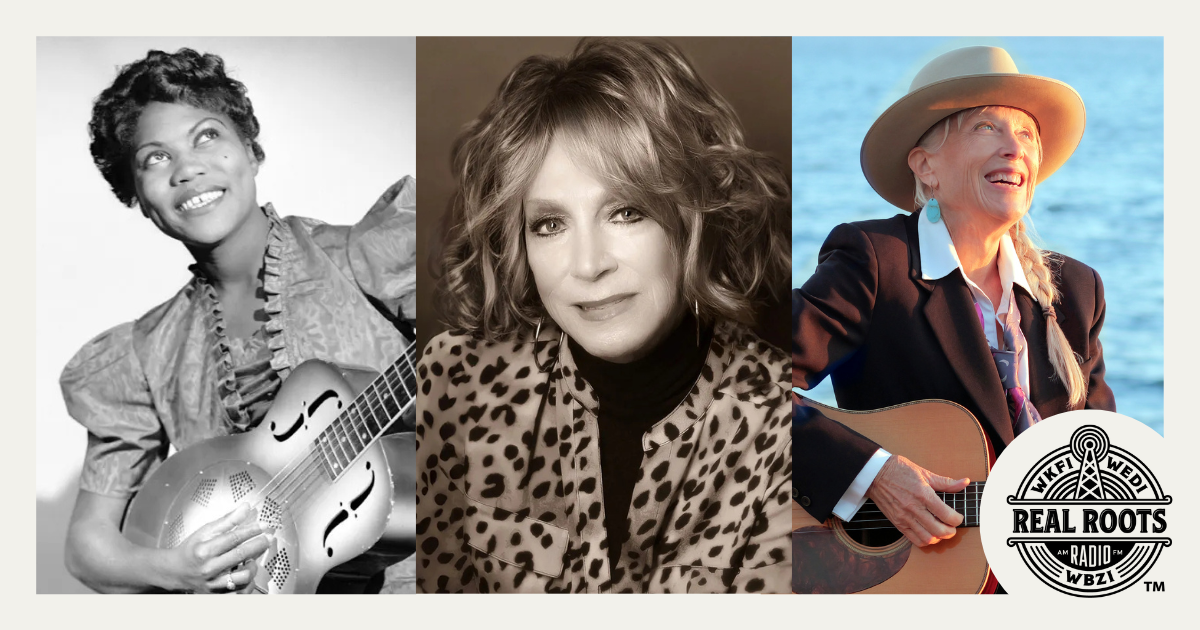
Over the last few weeks, radio host Daniel Mullins, who together with BGS and Good Country staff has curated the series, has brought you just a few examples of women in roots music from all levels of notoriety and stature. Week one featured Dottie West, Gail Davies, and more. Week two shone a spotlight on Big Mama Thornton, Crystal Gayle, Rose Maddox, and more. Week three, paid tribute to Emmylou Harris, Wild Rose, Mother Maybelle, and more. This final installment of the series celebrates Laurie Lewis, the Coon Creek Girls, Amanda Smith, Sister Rosetta Tharpe, Petticoat Junction, and Jeannie Seely.
Plus, you can find two playlists below – one centered on bluegrass, the other on country – with dozens of songs from countless women artists, performers, songwriters, and instrumentalists who effortlessly demonstrate how none of these roots genres would exist without women.
Laurie Lewis (b. 1950)
A GRAMMY-winning singer, songwriter, and fiddler, Laurie Lewis is a California native who has been blazing trails in bluegrass for over four decades. She became enamored with folk music after attending the Berkeley Folk Festival in her youth – she has since made an indelible mark on American roots music with her work in bluegrass and beyond!
Whether leading her band, Laurie Lewis & The Right Hands, performing solo, or collaborating with her pal Kathy Kallick – with whom she helped found the Good Ol’ Persons in 1970s, pushing norms in the process – Laurie’s soulful vocals and skilled fiddle work have made her a standout in bluegrass for a lifetime. Her songwriting paints vivid pictures of love, loss, and the land, while her honest voice pulls at the heartstrings, earning her two IBMA Female Vocalist of the Year awards.
Her recording of “Who Will Watch the Home Place” was named IBMA’s Song of the Year in 1994 and has touched hearts for generations. It’s a certified bluegrass classic and is still a staple on bluegrass radio programs. Another beloved composition, “Love Chooses You,” has been recorded by Laurie, Jeannie Kendall, Kathy Mattea, and more.
Laurie Lewis isn’t just a performer – she’s a mentor, a producer, and a keeper of the bluegrass flame, not only by encouraging the next generation of bluegrass music makers, but also by shining a light on significant voices of the past like Vern & Ray and Hazel & Alice. This West Coast bluegrass leader was honored by the IBMA with their Distinguished Achievement Award in 2024.
We’re heading back to the 1930s with an all-female string band that made history, the one and only Coon Creek Girls! It was 1937 when talent scout and radio pioneer John Lair formed the Coon Creek Girls for the Renfro Valley Barn Dance radio show on the airwaves of Cincinnati’s WLW. Led by the talented Lily May Ledford on banjo alongside her sister Rosie, Esther Koehler, and Evelyn Lange, these ladies brought high-energy mountain music to the masses.
Their popularity on radio brought opportunities to tour around the Midwest and even record in Chicago. They didn’t just play, they broke barriers! In 1939, First Lady Eleanor Roosevelt selected the Coon Creek Girls to perform at the White House for President Franklin D. Roosevelt and the King and Queen of England. A hillbilly band of women? Unheard of at the time! But they proved talent knows no boundaries.
The Coon Creek Girls would be an influence on folks like Cathy Fink, Suzanne Edmondson (of The Hot Mud Family and Dry Branch Fire Squad), and even Pete Seeger. While the historic group would disband in the 1950s, John Lair would revive their legacy decades later by helping pull together another all-female bluegrass band to again perform at the Renfro Valley Barn Dance (which had relocated to Mount Vernon, Kentucky, becoming a popular country music tourist destination for decades). With the blessing of Lily May Ledford, this new act was called The New Coon Creek Girls and would make music consistently for nearly twenty years, helping springboard the careers of Pam Perry and Pamela Gadd (of Wild Rose), Wanda Barnett, Vicki Simmons, Deanie Richardson, Dale Ann Bradley, and more.
The Coon Creek Girls inspired generations, proving women belonged in country and bluegrass. Their legacy lives on in every banjo-pickin’ girl who follows in their footsteps!
Amanda Smith’s voice soars like the mountains of West Virginia from which she comes. She has been a force in the bluegrass world for years. Amanda met her husband Kenny in the mid ’90s at a Lonesome River Band concert (he was playing guitar with LRB at the time). Not only did Kenny fall in love with Amanda, but he fell in love with her voice as well.
Kenny would leave LRB at the turn-of-the-century and he and Amanda would form the renowned Kenny & Amanda Smith Band, a duo celebrated for their tight harmonies and masterful musicianship. They were named Emerging Artist of the Year by the IBMA in 2003 and they haven’t slowed down since. With a sound built on Amanda’s gripping vocals and Kenny’s exquisite guitar work, they have been a staple of the bluegrass world for nearly twenty-five years, racking up many #1 hits on bluegrass radio and frequently seen on stages across the country – both as a duo and with the Kenny & Amanda Smith Band.
Their band has also introduced bluegrass audiences to some of the top pickers of today’s generation, including Jason Davis, Zachary McLamb, Cory Piatt, and Alan Bartram (Amanda’s brother-in-law). Whether delivering beautiful ballads or bluegrass barnburners, Amanda’s voice is one of the most beloved in the genre today, leading to multiple awards, including the IBMA Female Vocalist of the Year honor in 2014. From festival stages to radio waves, Amanda Smith continues to leave a lasting mark on bluegrass.
The Godmother of Rock ‘n’ Roll, Sister Rosetta Tharpe was one of the most influential artists of the 20th century. Born in 1915, Tharpe was shredding on an electric guitar before rock even had a name! With a gospel heart and a rock and roll soul, she fused spirituals with electrifying riffs, paving the way for Chuck Berry, Elvis, and even Jimi Hendrix. Her hit, “Strange Things Happening Every Day,” was one of the first gospel songs to cross over to mainstream charts and is pointed to by many as the first rock and roll record, proving that faith and fiery licks could share the stage.
The juxtaposition of performing her powerful gospel songs in smoky barrooms is the stuff of legend. Her gospel hits like “This Train,” “Down by the Riverside,” “Up Above My Head,” and “The Lonesome Road” are still revered and helped shape the musical identity of artists as diverse as Johnny Cash, Elvis Presley, Tina Turner, Jerry Lee Lewis, Rhiannon Giddens, and more. Despite being a woman in a male-dominated industry, she didn’t just break barriers – she smashed them! Sister Rosetta Tharpe was posthumously inducted into the Rock and Roll Hall of Fame in 2018.
A bluegrass festival mainstay of the ’80s and ’90s, Petticoat Junction was a popular all-female traditional bluegrass band that helped open doors for some of today’s “girl groups” like Della Mae and Sister Sadie. In fact, there are several direct connections between Sister Sadie and Petticoat Junction. Not only was Sadie banjoist Gena Britt a member of Petticoat Junction (primarily playing bass), but reigning IBMA Female Vocalist of the Year Jaelee Roberts has followed in her mother’s footsteps. Andrea Mullins Roberts was an anchor of Petticoat Junction’s sound with her rich, traditional voice and strong guitar playing before becoming a respected booking agent, manager, and behind-the-scenes businessperson in today’s bluegrass industry.
One of the most celebrated lineups of Petticoat Junction featured Robin Roller (banjo) and Gail Rudisill-Johnson (fiddle) alongside the aforementioned Andrea and Gena. This particular four-piece ensemble released a pair of great albums for Pinecastle Records in the early ’90s, in addition to touring heavily at festivals from coast-to-coast. Deriving their name from the popular ’60s sitcom (whose theme song would be a hit for Flatt & Scruggs), their heartfelt vocals and instrumental prowess shone brightly, whether on original songs or on material from the likes of Jimmy Martin, Reno & Smiley, Flatt & Scruggs, and more.
In addition to continuing to open avenues for other all-women bands, Petticoat Junction’s influence is still being felt in the 21st century as they’ve influenced acts like Flatt Lonesome and Starlett & Big John.
From the bright lights of the Grand Ole Opry to the heart of country music, today we’re tipping our hats to “Miss Country Soul,” Jeannie Seely! Born in Pennsylvania, but a Nashville star through and through, Jeannie Seely made history in 1966 with her Grammy-winning hit “Don’t Touch Me,” an envelope-pushing and controversial song due to its featuring a woman expressing sexual desires. With her bold style, unmistakable voice, and trailblazing spirit, she became a beloved icon in country music.
Seely shattered barriers, becoming the first performer to wear a miniskirt on the Opry stage (among other fashion trends she helped bring to country music), being the first woman to host an Opry segment, and fiercely advocating for women in country. Jeannie’s also a respected country music songwriter, writing hits like “Leavin’ and Sayin’ Goodbye” (Faron Young), “He’s All I Need” (Dottie West), “Enough to Lie” (Ray Price), and more; folks like Merle Haggard, Rhonda Vincent, Connie Smith, Ernest Tubb, and Little Jimmy Dickens have recorded her songs over the years.
More than 50 years later, Jeannie is still gracing the Grand Ole Opry stage, holding the record for the most Opry performances ever – 5,200+ appearances and counting! Just as Dottie West encouraged her when she was a young country artist, Jeannie is constantly investing in the future of country as a dear friend and mentor to her Opry sisters, like Carly Pearce and Rhonda Vincent, and even to the young bluegrass band, Cutter & Cash and The Kentucky Grass. She proves that true country never fades. So here’s to Jeannie Seely – an icon, a trailblazer, and a country legend who continues to shine!
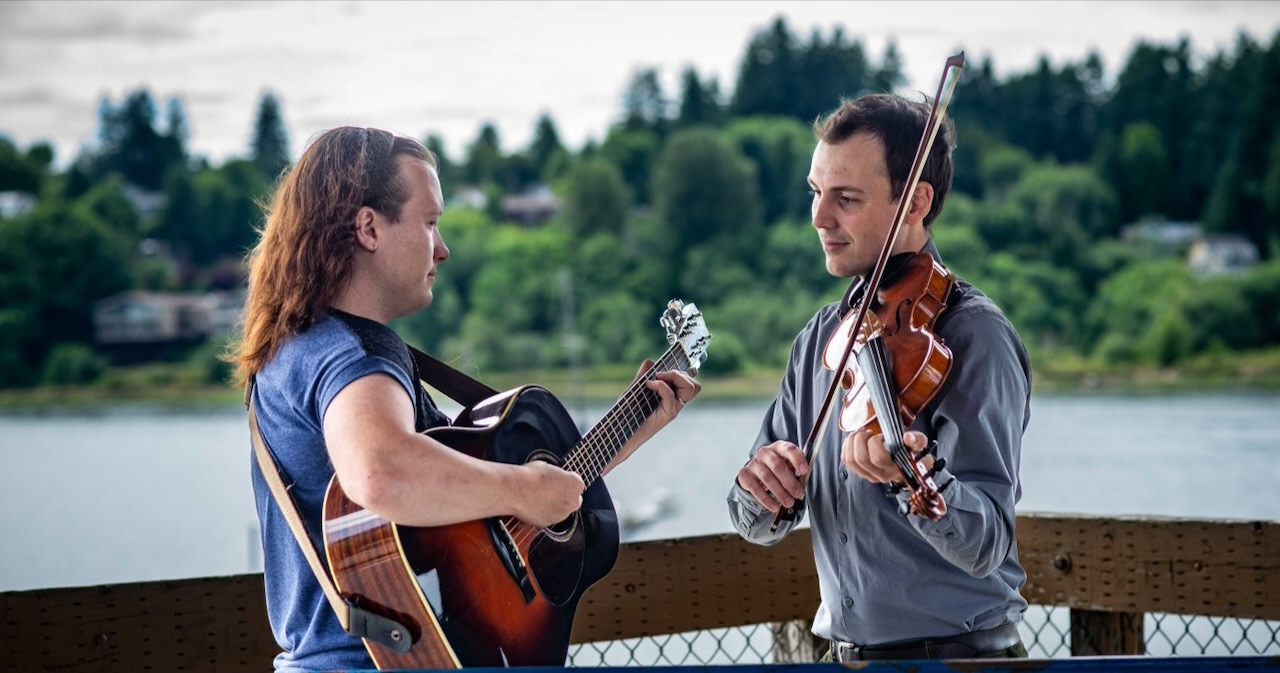
Artist:Countercurrent (Brian Lindsay and Alex Sturbaum) Hometown: Olympia, Washington Latest Album:Flow (released March 3, 2025)
Which artist has influenced you the most – and how?
It’s a three-way tie for me between Great Big Sea (gateway drug into trad music, consummate performers, wonderful harmonies), early Solas (dazzling musicianship, tight arrangements, and an unmistakable guitar style) and the Grateful Dead (fearless improvisation, and pushing the boundaries of what is possible while keeping one foot firmly in folk). – Alex Sturbaum
Chicago fiddler Liz Carroll has probably had the most comprehensive influence on me – she is a master of creative interpretations of traditional fiddle tunes and composing new tunes in a trad idiom. Much of how I think about melodic improvisation and variation around a melody is influenced by her playing. Her recordings over the years showcase some incredible arrangements and beautiful production, ranging from very minimal, traditional-sounding, to lush and modern tracks. – Brian Lindsay
If you had to write a mission statement for your career, what would it be?
“Play ’em happy, sing ’em angry.” We want our music to inspire joy and resilience and to generally make folks feel good. However, we also want to call out the injustice we see in the world every day and use our music to aid the fight against fascism in whatever way we can. – AS
“Every tradition is a living tradition, if we participate.” Musical traditions don’t thrive when we only admire them inside a glass case, they benefit from curating the archives of the past, honoring the figures who have shaped it today, and welcoming new contributions that reflect today’s influences (cultural, political, technological, etc.). Most importantly, music communities thrive when we make music that we really love to listen and move to. – BL
Genre is dead (long live genre!), but how would you describe the genres and styles your music inhabits?
We draw from a lot of different folk traditions – Celtic, old-time, maritime, jam-band music, and more – but fundamentally, Countercurrent is a dance band. We cut our teeth playing for contra dancing, that’s still the main thing we do, and everything we play is built around groove and drive. One of our favorite things in the world is bringing our music to venues outside of folk communities and getting an audience to unironically throw ass to fiddle tunes. – AS
In a nutshell, “modern fiddle tune dance jams.” Our focus is to create music that moves people, both physically and emotionally, and our vocabulary comes from the genres of Irish, American old-time, and adjacent fiddle and song traditions. We add our own compositions using that vocabulary, but incorporating our musical influences from genres like jam bands, funk, electronic, and rock that we love. – BL
What is a genre, album, artist, musician, or song that you adore that would surprise people?
We both really enjoy the offbeat songwriter Dan Reeder. We had the pleasure of getting to see him and his daughter Peggy in Seattle recently – one of their rare tours from Germany – and we have been enjoying singing his songs together in green rooms and tour vehicles. I also have a sizable soft spot for Owl City. – AS
I’m very fond of the music of blues singer and instrumentalist Taj Mahal. I got some of his recordings when I was quite young and got to see him live near my home when I was in high school. I also love Moon Hooch, who essentially make saxophone-based EDM with live drums (I have an unabashed love for the saxophone, and brass instruments in general, though I don’t play any). – BL
Since food and music go so well together, what is your dream pairing of a meal and a musician?
I once had a Thai meal with roasted coconut and pork belly right before seeing Gillian Welch perform The Harrow and the Harvest in its entirety, and to be honest I have been thinking about both ever since. – AS
A meal consisting entirely of East Asian dumplings of every variety, with Kishi Bashi, whose music I adore and also appears to be an incredibly interesting and kind person. – BL
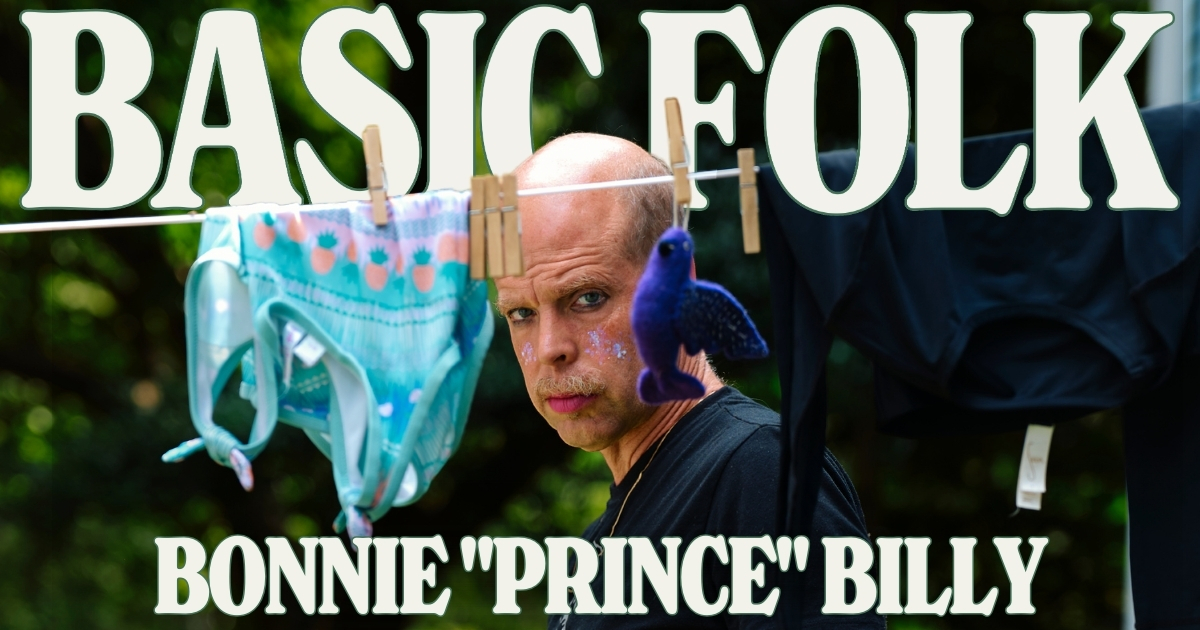
Will Oldham, also known as Bonnie “Prince” Billy, has led an illustrious, sometimes mysterious career which has spanned decades and genres. Hailing from and still living in Louisville, Kentucky, in our Basic Folk conversation Will reflects on his journey from a young artist struggling to find his place in the music world to a seasoned musician who embraces collaboration and creativity.
We dive into his latest album, The Purple Bird, discussing the pivotal role of producer David Ferguson in Will’s artistic evolution. He reveals how working with Ferguson and a host of talented Nashville musicians transformed his songwriting process and solidified his sense of belonging in the music community. With a mix of humor and heartfelt honesty, Will describes the joy of collaboration and the unique energy that comes from working with seasoned artists, particularly those from older generations.
Throughout this episode of Basic Folk, Will also touches on the contrasting emotions evoked by his songs, especially when dealing with serious themes wrapped in upbeat melodies. He draws parallels to the works of Phil Ochs, highlighting the importance of addressing difficult subjects through art. As we wrap up, he shares personal anecdotes about his family and the influence of his daughter on his music. Thanks to Will for making a wonderful record and being so willing to get seriously deep into some of its themes!
Photo Credit: David Kasnic
This website uses cookies to improve your experience. We'll assume you're ok with this, but you can opt-out if you wish.AcceptRejectRead More
Privacy & Cookies Policy
Privacy Overview
This website uses cookies to improve your experience while you navigate through the website. Out of these, the cookies that are categorized as necessary are stored on your browser as they are essential for the working of basic functionalities of the website. We also use third-party cookies that help us analyze and understand how you use this website. These cookies will be stored in your browser only with your consent. You also have the option to opt-out of these cookies. But opting out of some of these cookies may affect your browsing experience.
Necessary cookies are absolutely essential for the website to function properly. This category only includes cookies that ensures basic functionalities and security features of the website. These cookies do not store any personal information.
Any cookies that may not be particularly necessary for the website to function and is used specifically to collect user personal data via analytics, ads, other embedded contents are termed as non-necessary cookies. It is mandatory to procure user consent prior to running these cookies on your website.