WATCH: Ed Helms Talks Whiskey Sour Happy Hour on Conan

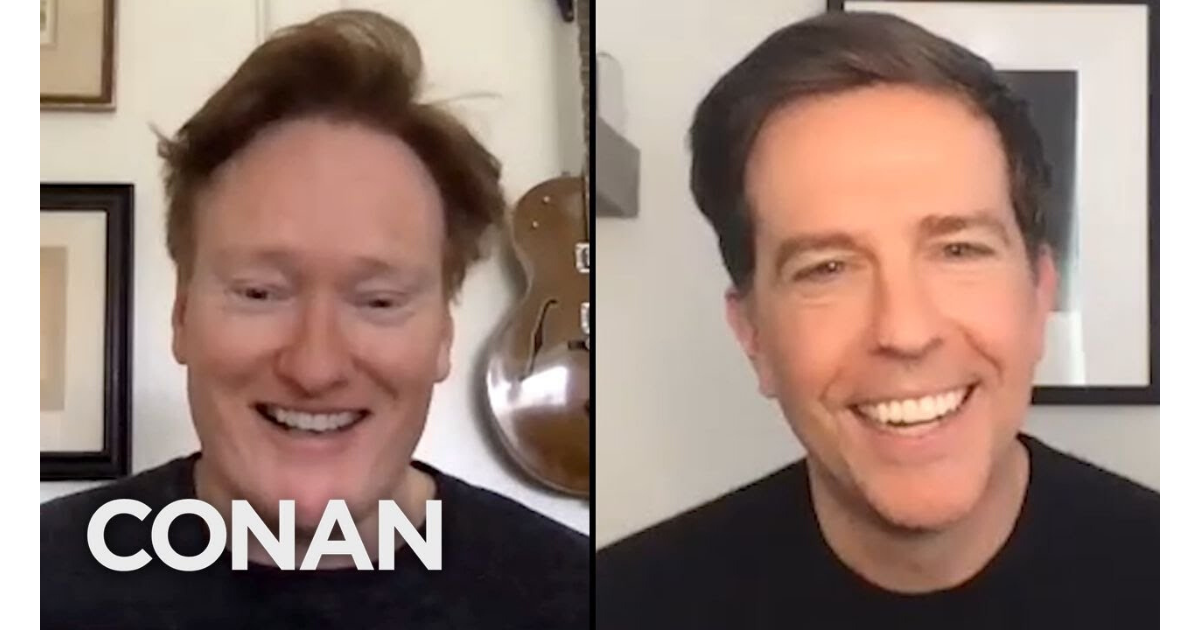
BGS co-founder, actor, and comedian Ed Helms appeared on the #ConanAtHome iteration of Conan O’Brien’s TBS talk show on Monday, May 11, to talk about Whiskey Sour Happy Hour, as well as the meme-sharing group text he and his fellow cast members of The Office have going and the cardboard locomotive he made for his young daughter while in coronavirus isolation. He even picks a little on an early 1900s piccolo banjo, too. (Jump ahead to approximately 9:00 for banjo goodness + Whiskey Sour Happy Hour.)

The final episode of Whiskey Sour Happy Hour, a weekly online music and comedy show to raise money for MusiCares and Direct Relief, airs this Wednesday, May 13, at 5pm PDT. Find all the information on how to watch and how to donate here.


Laurie Lewis & Friends, “Dear Old Dixie (Live)”

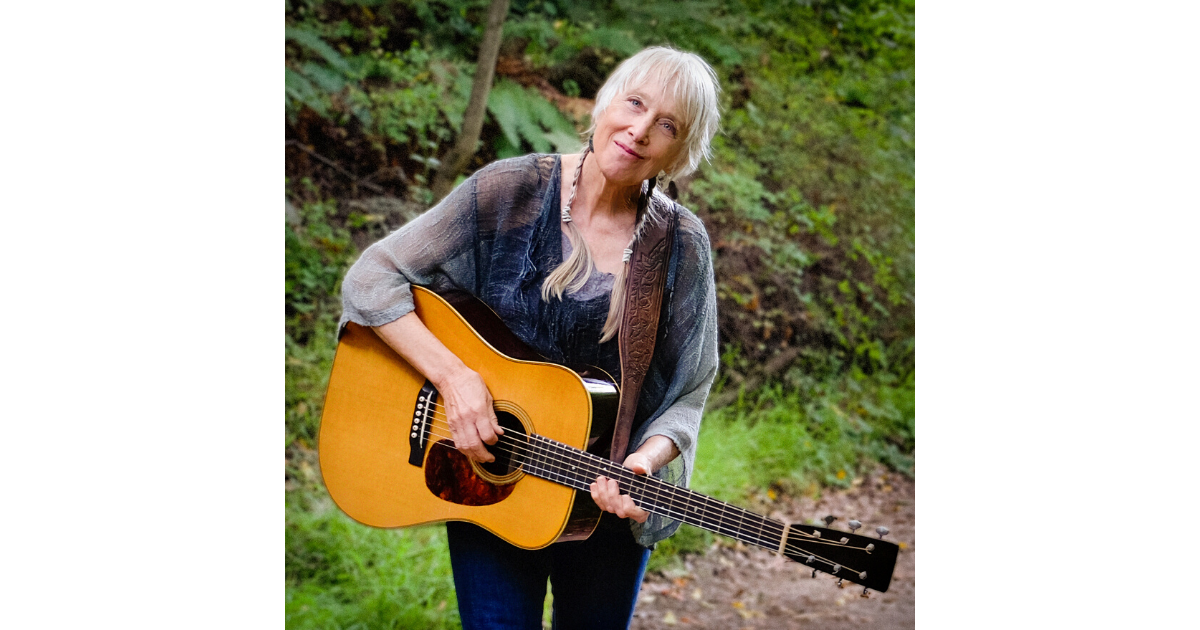
This edition of Tunesday turned out to be an oddly circuitous task. We often take this space to highlight our Artists of the Month, pointing out instrumentals from throughout their catalogs and across their careers, but for singer, songwriter, guitarist, poet, frontwoman, and long-distance hiker Laurie Lewis, the tunes are simply in too-short supply. Not because they don’t exist, but because Lewis’ cosmic level lyricism tends to eclipse her virtuosic command of the majority of bluegrass’s titular instruments. You may most often see her with a dreadnought strapped around her shoulders, but rest a fiddle there instead and you’re bound to enjoy some of the best bluegrass fiddling — with an even sprinkling of contest style, West Coast country, and the melody-driven old-time of the Pacific Northwest throughout.
In this clip from a live performance on The Texas Connection in 1992, Lewis is joined by longtime musical partner and bandmate Tom Rozum as well as Sally Van Meter, Alan Munde, Peter Rowan, Peter McLaughlin, and Cary Black on a sleek and stupefying rendition of “Dear Old Dixie.” It’s a banjo number, naturally, so Munde kicks it off with an uncharacteristically normative, Scruggs-like play through the melody. The remaining bandmates each take a turn, but the fire’s really lit when Lewis saws out her own solo, reminding all of us that she only ends up placing herself behind the guitar more often than not because she chooses to. With slippery, deliciously dissonant double stops she capitalizes upon the signature energy and showmanship concentrated within every note, every bow stroke, and every string pluck she issues.
While a quick stroll through her catalog, especially on streaming platforms, may not immediately land you in a pile of recordings of burning Bill Monroe tunes, or contemplative waltzes, or danceable hornpipes, you’ll probably find yourself confounded by the natural imagery, tender emotion, and raw spiritual power of her lyrics instead. That’s understandable. With a little digging, though, that picture of a legendary artist’s work can be expanded to include lifelong rations of indomitable pickin’ like this, too. And it ought to.

Photo courtesy of the artist.

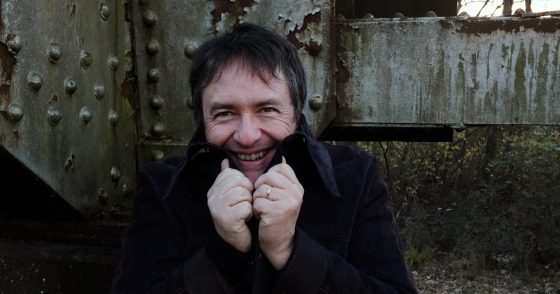
WATCH: Anya Hinkle, “Road of the Winds”

Artist: Anya Hinkle
Hometown: Asheville, North Carolina
Song: “Road of the Winds”
Label: Organic Records

In Their Words: “We are constantly moving closer toward our own homeland, a place we sense is there, somewhere, if we can just pay attention and listen closely to our inner voice. It takes tremendous courage and faith to believe that we can grow to become the person we were meant to be, doing the work we are meant to be doing. We are embarking on a great journey with each sunrise, with each day we are alive. This song helps me feel free to move ahead in new directions with boldness and conviction even though I don’t exactly know where it will all lead. But once you leave the shore you are committed to the journey – there is no turning back.” — Anya Hinkle


Photo credit: Rose Kaz

The String – Katie Pruitt

Katie Pruitt has been known as a phenom ready for big things in Nashville for a few years now. With patience and enough maturity to get the music exactly as she intended, Pruitt has now made her debut on Rounder Records.


LISTEN: APPLE PODCASTS

The album Expectations is a bold, ambitious, and succulent collection, and vividly honest as well, with songs documenting a difficult journey from a conservative family in Georgia to a proud gay woman in Music City. This is a 25-year-old singer, songwriter, and guitarist poised for big things. Also in the hour, the journey of Arkansas born fiddler Jenee Fleenor. She was named CMA Musician of the Year and she’s releasing her first recordings of her own music after years supporting others.

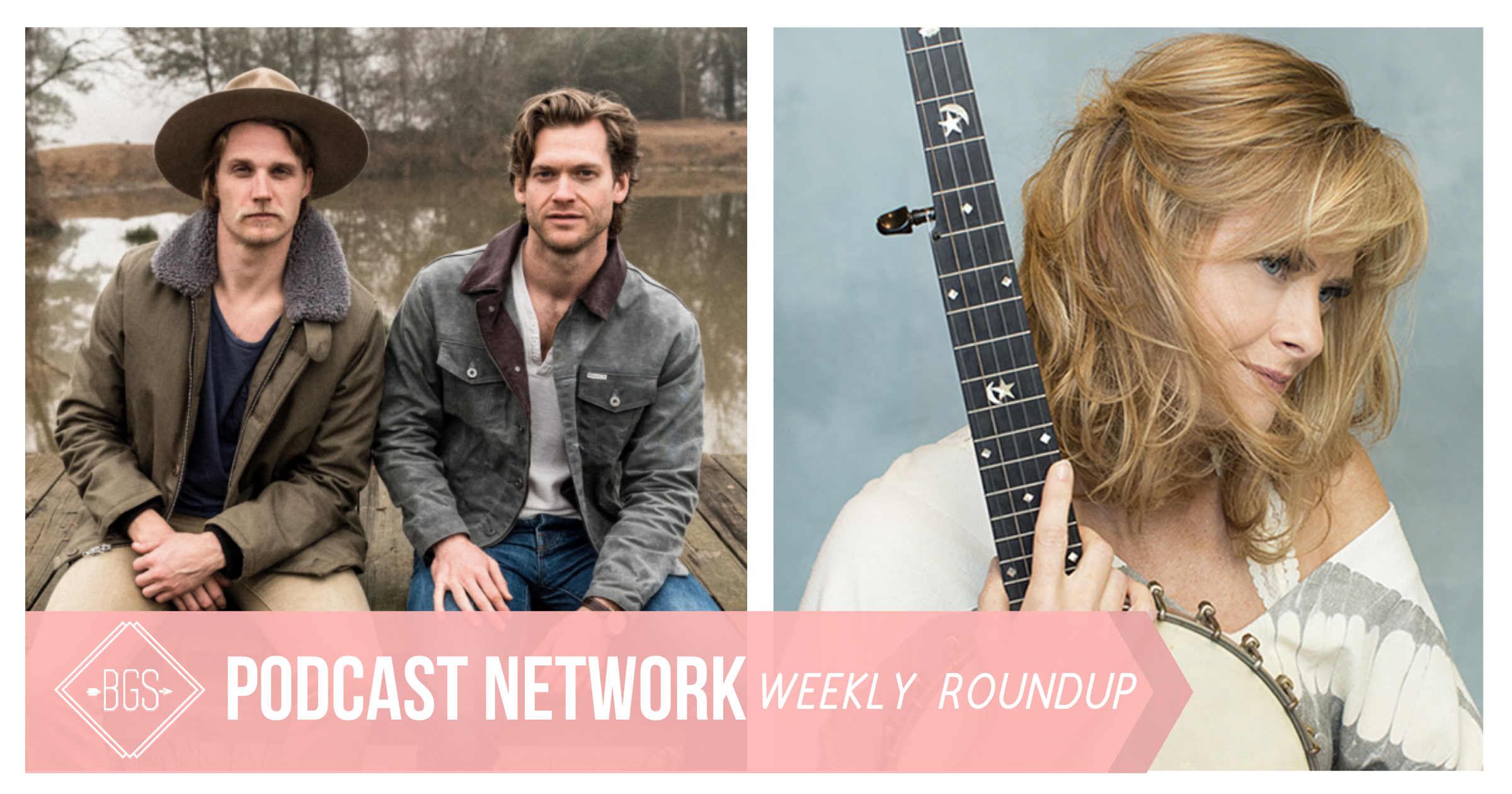
BGS Podcast Roundup // May 8

In this week’s podcasts, we take you everywhere from Nashville’s Lower Broadway, to Compass Records, to the culinary scene in Montreal, and even back to a time when touring was a thing.

If you enjoy spending your weekend with the BGS Podcast Network, make sure to follow along on our social media [Facebook, Twitter, and Instagram] and right here, where we’ll consistently gather our new episodes, as well as some past favorites:

The Show on the Road – Jamestown Revival

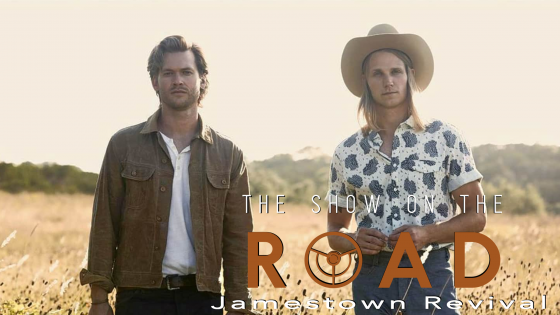
On the latest episode of The Show On The Road, we feature Jonathan Clay and Zach Chance, two Texans and expert harmonizers who for the last decade have toured the world as Jamestown Revival.

Right before all tours got sent home, host Z. Lupetin was able to hop on the Jamestown Revival tour bus to discuss their intimate new record, San Isabel. While their previous record, The Education of a Wandering Man, saw them harnessing the muscular roots-rock that can be heard at their powerful live shows, San Isabel strips everything back to their intimate two-voices-around-one-mic, “southern and Garfunkel” sound that brought them together in the first place — and has rightfully won them hordes of fans coast to coast.

They say sibling harmony can’t be compared and we’ve had several sets of twin bands on the podcast, but what about soul-brother harmony? If one thing is clear just sitting on the bus and listening to them weave their stories and songs together, it’s that Clay and Chance were born to sing together.

San Isabel was laid down at Ward Lodge Studios overlooking the San Isabel National Forest in Buena Vista, Colorado and often includes the natural sounds of the nature all around them. Give it a listen — it’s peaceful and powerful and raw and maybe just what we all need right now.


Toy Heart – Alison Brown

Banjoist and record label head Alison Brown speaks with host Tom Power from her studio at Compass Records headquarters in Nashville, Tennessee. They begin with her early records made with Stuart Duncan, “finding her people,” and winning the Canadian National Banjo Championship (as an American), then on to her time at Harvard, where playing banjo became “something you’d talk about at cocktail parties.”

She describes the moment she decided to leave investment banking and commit to music full time, her cocktail napkin dream, and the two talk women in bluegrass, women in banjo, and the First Ladies of Bluegrass. The story they dive into together is ultimately about figuring out what makes you happy, and pursuing it bravely, against all odds.


The Shift List – Chef Dyan Solomon (Olive et Gourmando, Foxy) – Montreal

This week, The Shift List closes out its miniseries focusing on the food of Montreal with chef, restaurateur, and cookbook author Dyan Solomon. If you’re from Montreal, Dyan Solomon needs no introduction. She’s the co-owner of multiple restaurants there, including Foxy, one of the city’s essential fine dining establishments. Back in November 2019 she released the Olive + Gourmando cookbook, a collection of 150 recipes from the namesake cafe that put Solomon on Montreal’s culinary map when it opened back in 1999.

Host Chris Jacobs checked in with Chef Dyan via email the other week to see how her restaurants have been affected by the stay-at-home orders in Canada. She replied with cautious optimism, saying that while all of her restaurants are closed until further notice, they are surviving and trying to remain positive about the future.

If you’ve listened to the last two episodes of The Shift List with Chef John Winter Russell of Restaurant Candide, you’ll know that he highlighted the work that’s being done to help support the Montreal Restaurant Workers Relief Fund, an organization set up to provide emergency relief to restaurant employees who are facing economic hardship due to COVID-19. Coincidentally, the fund was set up by Kaitlin Doucette, the Sommelier at Solomon’s fine dining restaurant Foxy, and donations are still being accepted at mtlrestorelieffund.org.


The String – Paul Burch, Thomm Jutz

Paul Burch moved from Indiana to Nashville in 1995 when his friend Jay McDowell (BR549) told him about the burgeoning indie country music scene on sleepy Lower Broadway.

In the 25 years since then, Burch has made uncompromising and original music with shades of classic honky tonk and timeless rock and soul. On the latest episode of The String, we talk with Burch about his role in the fascinating band Lambchop, the evolution of his band the WPA Ball Club and his new album Light Sensitive. Also in the hour, German-born bluegrass songwriting star Thomm Jutz.


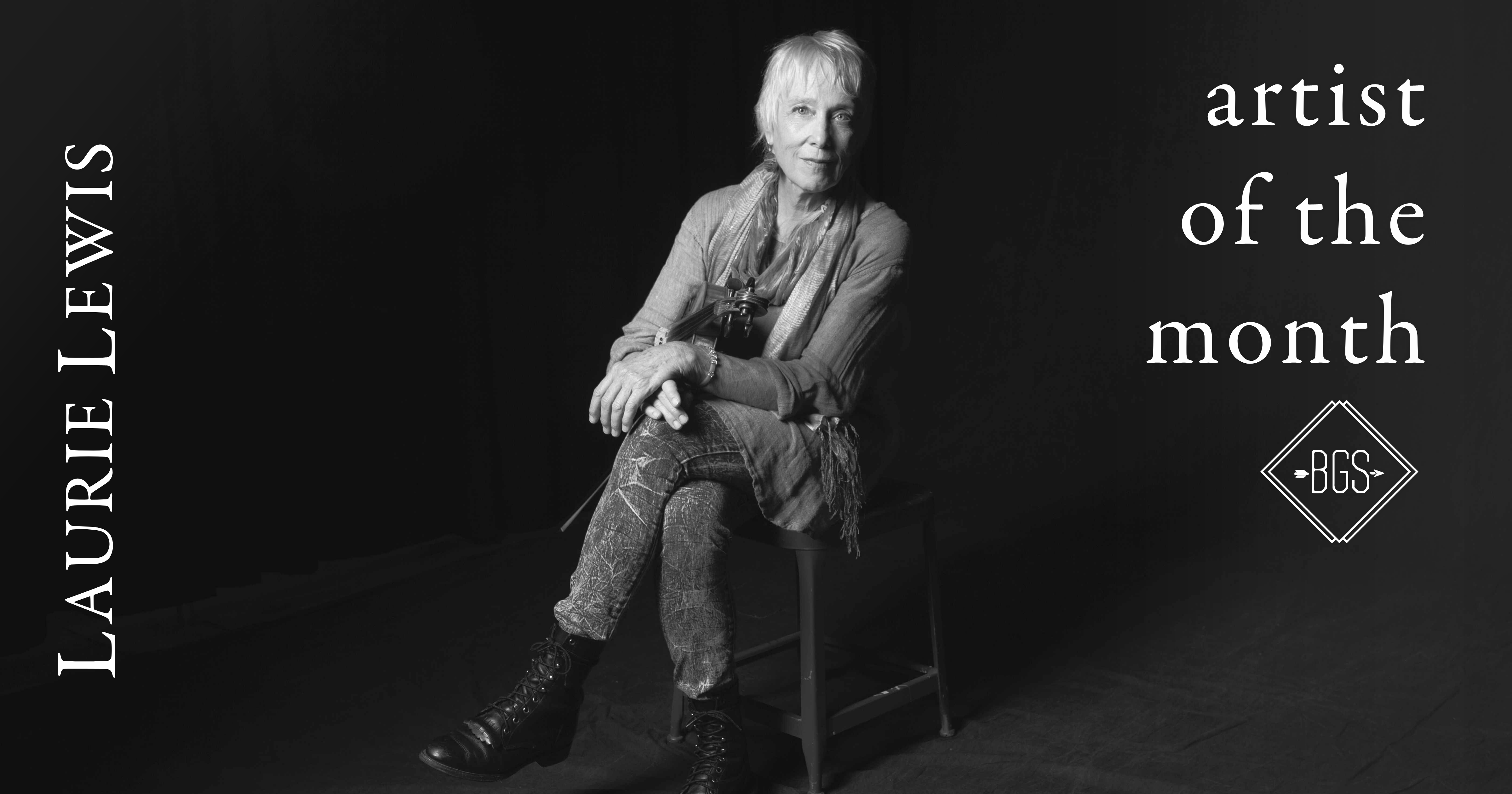
A Role Model and Mentor, Laurie Lewis Still Seeks Out Bluegrass Masters (Part 2 of 2)

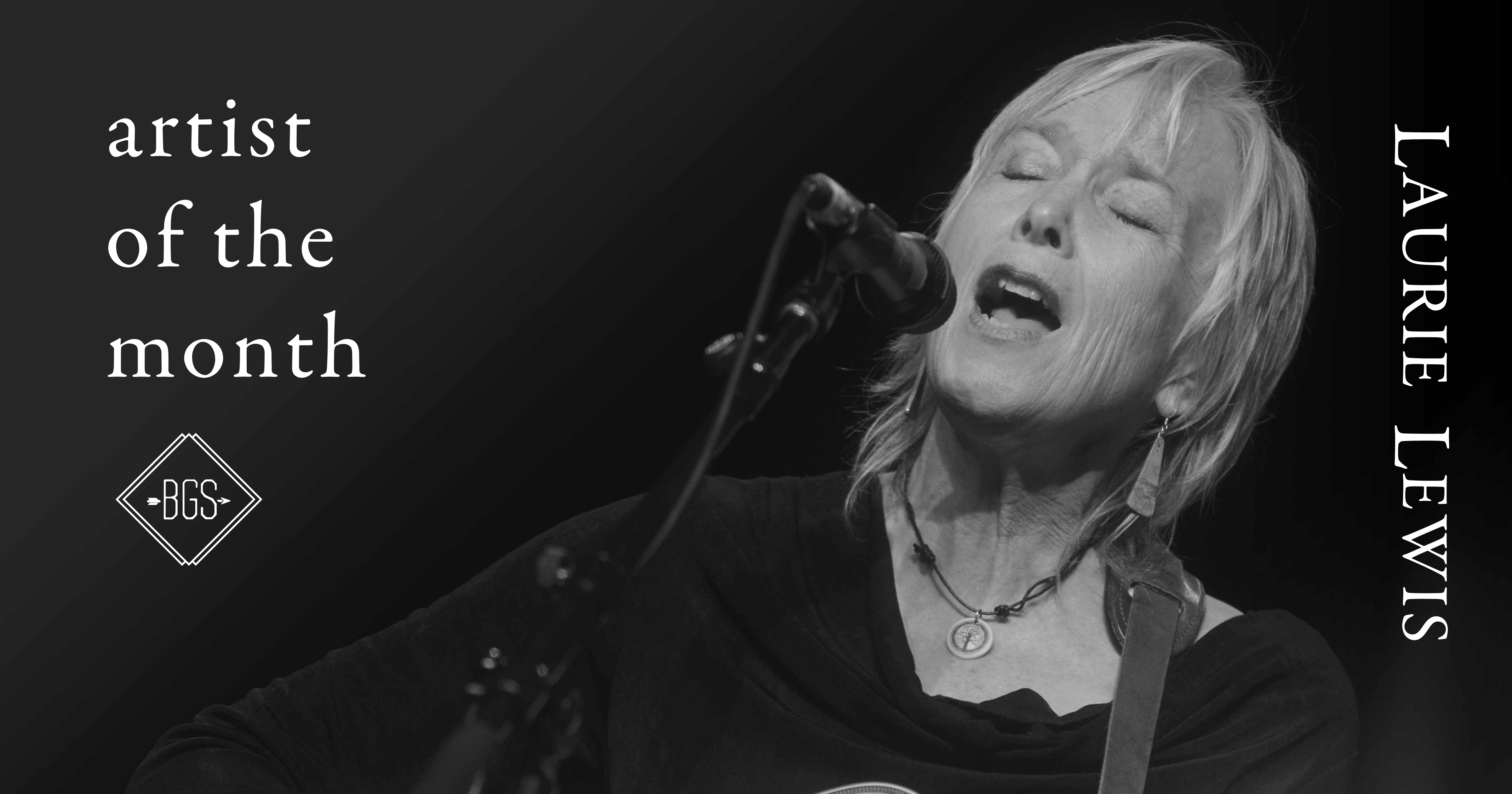
Laurie Lewis’ new album, and Laurie Lewis, is as much a tribute to her strong relationships as it is to her musical talents. Featuring old friends like Kathy Kallick, Todd Phillips, and Tom Rozum, and younger collaborators like Tatiana Hargreaves, Molly Tuttle, and Leah Wollenberg, her embrace of great friends and great music is on full display. In the second half of our conversation, the IBMA Award-winning artist talks about her history in the Bay Area, her aspirations and challenges, and the things that give her joy.

Editor’s Note: Read part one of our BGS Artist of the Month interview with Laurie Lewis.

BGS: Years ago, you and Kathy Kallick gave bluegrass a female voice. Were you conscious of breaking barriers at the time? And are you aware of what a model you are to women our age?

I appreciate that in hindsight. In the moment, we were just trying to make the best music we could make together, and we were both in a musical community in the Bay Area that didn’t have the barriers that the outside world had for women in bluegrass. We were doing what we wanted to do, what was fun for us. And not thinking that it was the most special thing or groundbreaking or ceiling-shattering stuff.

It was when I started performing more outside the Bay Area that I began to realize that what we had been doing was unusual. But at that point, I was just headstrong and I was just going to do what I wanted to do and not be stopped. I had disdain for festivals that would only book one girl bandleader at a festival, while they would book 12 male bandleaders at a festival. It pissed me off, but it didn’t stop me. And things are still a little bit like that — it’s amazing how slowly things change.

Did you set out to mentor young women?

Life for me just sort of unfolds, and I have to say I don’t set out to do these things in advance. I didn’t decide, “Now that I’m a wise older woman…” to mentor younger people. What actually started it was when younger people started showing up at music camps. I was a little afraid of that, because most music camps I had been doing were with adults. And I was a little afraid of my ability to relate to and coach young people.

When I was first asked to teach at a fiddle camp specifically for young people, I was sort of daunted by it. But the relationships that grew out of that camp have been incredibly important to me. Tatiana was there — she also went to Bluegrass at the Beach when she was like seven, that’s when we met. And Emily Mann, who wrote one of the songs I sang with Molly, was a preteen at that camp.

It has been a thrill to watch them blossom. It has been so gratifying to me. I don’t have children, and that’s a choice on my part, but I really appreciate them. I really enjoy hanging out with them and being able to have them in my life. I didn’t decide to focus on young women, but I suppose just because I am a woman, that has happened. People want role models – to see someone who’s like them. I am more like a young woman than I am like a teenage boy!

Any comments about being a role model?

Well, I feel very, very grateful that that’s happened. I’m really just trying to do the best I can do and play what’s in my heart and express myself in the best way I can, which seems to be through music. I am very gratified that people see me as a role model. I have a feeling of responsibility about that — so I better not fuck up.

Why is teaching important to you?

I get very excited teaching about things that excite me. Music excites me, and I want to spread the gospel. I am evangelistic about things like Chubby Wise’s fiddle playing, and how his solos are the bedrock of bluegrass fiddling. Singing harmonies, and how to work on making a vocal blend, are is endlessly fascinating to me, so I like a chance to talk about it and explore it with other people.

It also helps me, because when I am teaching I go back to the masters and I listen again to things maybe I haven’t listened to in 10 years. I always hear new things and I always learn myself. It keeps the music fresh for me in that way. It’s not just a one-way street. Teaching’s definitely a two-way street.

Do you want to talk about your shyness? You’ve said you are incredibly shy, and yet when you are on stage you fill auditoriums with your presence and your energy. How does that work?

I’ve certainly conquered a lot of my shyness. Shyness is really fear-based. You have to learn to face your fears. And in many, many instances, by facing them they just melt away. They are like a wraith. They just go away. I have learned that over the years. I used to be afraid to talk on the phone. It was so hard for me to call people up and just be a regular person on the phone and have a one-on-one conversation. I made myself do it. I made myself get on stage. I made myself open up to an audience. Sometimes it’s easier to open up to an audience than it is to open up to three people in the room with you. Strength in numbers when it comes to shyness.

I was really shy — and I’m not so shy any more. I still very seldom will talk to strangers. I told Tom yesterday that I was on a hike, and I met this young man and we talked a whole lot (this guy was named after Superman’s father, Jor-El). Tom said, “How did you start talking to him?” And I said, “I don’t know, it was a beautiful day….” and Tom said, “This is so unlike you.” It is unlike me that I would talk to a stranger, but we had a very great conversation. It turns out we were both born in Long Beach, we have a lot in common. … I’m still breaking down my barriers. By the time I’m 90 I’ll be talking to anybody and everybody. You won’t be able to shut me up.

How is today feeling for you? You have this great new album – and the world is upside down.

It’s frustrating, but — it’s just my own little personal problem. It’s really too bad, but so many people are suffering so much right now. I don’t have it in me to be all upset about it being a bad time for me. The album will still be here, the music will still be here when the virus has run its course. The virus is not going to kill my music.

How are you keeping your spirits up?

I go up into the hills and I walk. And right now it’s springtime, it is so beautiful. The world is just so gorgeous. There are wildflowers everywhere. If you can get out into nature, it is the most healing balm that I know of, and that’s what works for me. It makes the human problems seem so small, and it connects me to the universe. It takes me outside of myself.

What’s next for you?

I’m loving playing with the current Right Hands configuration: Brandon Godman on fiddle, Patrick Sauber on banjo and Haselden Ciaccio on bass (along with Tom). We’ve been planning a new album. We’ve got so many things we’re cooking up: new songs and old stuff that we’ve been doing. I feel like we need to have a record of how we sound together.

Do you have a special goal, something that you want to achieve that you haven’t done before? 

I would really love it if other people would sing some of my songs and make them part of the folk tradition. That would thrill me more than anything. I would like to get interviewed by Terry Gross. That would be pretty great! Of course, because I’ve been doing this for so long I would like to get broader recognition, but I’m fine with things the way they are. But mostly I’m just very, very grateful that I get to do what I want to do. I can put together a life out of it and I can keep playing. I’m in my 70th year. I just feel lucky.


Photo credit: Jeff Fasano

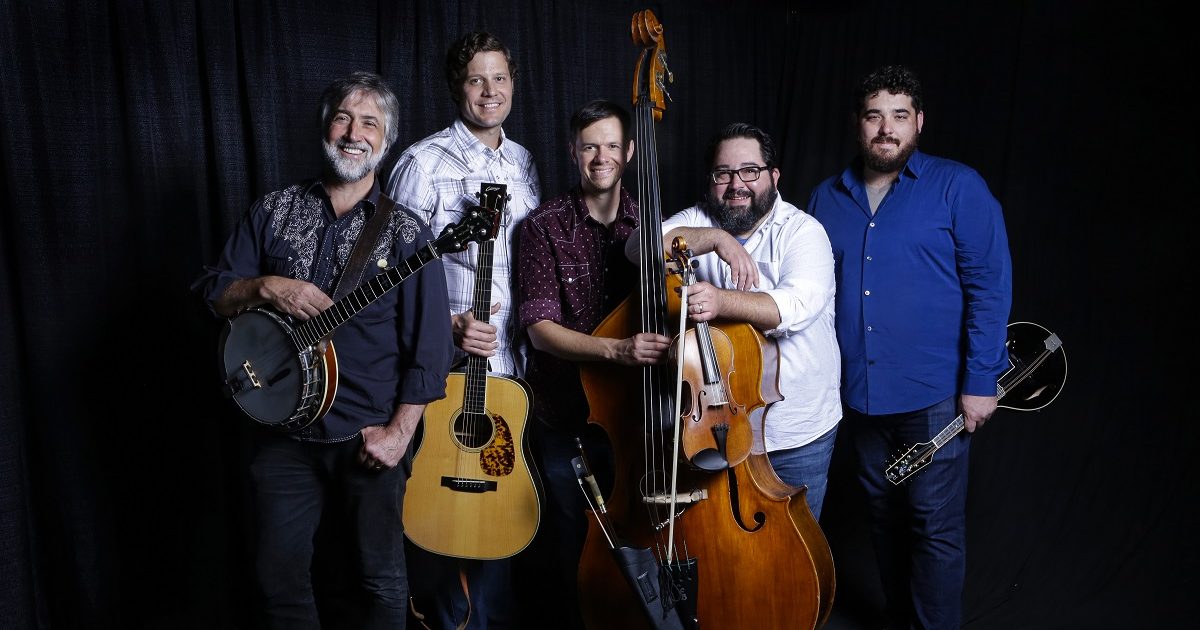
LISTEN: Colebrook Road, “All You Need To Know (For MJW)”

Artist: Colebrook Road
Hometown: Harrisburg, Pennsylvania
Song: “All You Need To Know (For MJW)”
Album: All You Need To Know
Release Date: May 12, 2020 (Single)
Label: Mountain Fever Records

In Their Words: “I wrote this song last summer while I was sitting on a cooler at a bluegrass festival. It was the day before the funeral service for our friend and former banjo player, so the song is in his memory. Recently, it’s taken on a whole new significance with the pandemic we’re going through. Everyone is isolated, all events are cancelled, and there is a lot of fear out there, so we’re in need of human connection more than ever. And that’s the gist of the song, that love between people is all you need to know.” — Jesse Eisenbise, Colebrook Road


Photo courtesy of Mountain Fever Records

LISTEN: Gillian Welch, “Happy Mother’s Day”

Artist: Gillian Welch
Song: “Happy Mother’s Day”
Release Date: May 8, 2020
Label: Acony Records

Editor’s Note: “Happy Mother’s Day” comes from a newly rediscovered cache of demos and home recordings from the early 2000s.

In Their Words: “We can’t always be with the ones we love, but that can’t stop us from saying ‘I love you.’ I wrote this song one May when I was far away and couldn’t be with my mom on Mother’s Day. Then I called and sang it into her answering machine when I knew everybody’d be sitting down to eat. Here is the original home demo for the song, recorded on a portable reel to reel.” — Gillian Welch


Photo credit: David Rawlings

LISTEN: Nate Lee, “Love Medicine”

Artist: Nate Lee
Hometown: Nashville, Tennessee
Song: “Love Medicine”
Album: Wings of a Jetliner
Release Date: June 12, 2020
Label: Adverb Records

In Their Words: “’Love Medicine’ embodies all the things I wanted for Wings of a Jetliner — toneful players, exciting rhythm, meaningful lyrics, and songs that are brand new, or presented in a new way. From the beginning stages of planning the album, I wanted the instrumentalists to be the main event, with their solos heavily featured and not just an afterthought. Professor Dan Boner, who produced Wings of a Jetliner, is an accomplished instrumentalist himself and he really helped my vision come alive by creating an environment where everyone was comfortable trying new things and letting their ideas flow. Wyatt Rice, Bronwyn Keith-Hynes, Ned Luberecki, and Todd Phillips are world-class players, and trading solos with them was thrilling!

“My dear friend Chris Sanders, who wrote ‘Love Medicine,’ has a masterful grasp of chordal harmony and dissonance that perfectly supports the song’s message about addiction. Her harmonic choices, influenced by the Red Hot Chili Peppers, offer a perfect tonal palette for improvisation. Although ‘Love Medicine’ was written about addiction, the lyrics resonate with people who are in all kinds of tough situations. The first line is especially resonant during this time of social distancing: ‘Draw the line, close the door, ain’t gonna cross that threshold no more.'” — Nate Lee


Photo credit: Scott Simontacchi

On New Duet Album, Laurie Lewis Gathers Old Friends and Close Companions (Part 1 of 2)

Laurie Lewis has lived most of her life in Berkeley, California, yet she’s primarily associated with music from Appalachia. A highly respected producer, she is admired equally for her singing, songwriting, fiddling and arranging, and her influences range from old-time and bluegrass to swing and jazz.

In 1986, Lewis released her first solo album, Restless Rambling Heart, which included seven original songs. Since then, she has recorded more than 20 albums with a variety of musical friends. She holds numerous honors from the International Bluegrass Music Association, as well as Grammy nominations for her own albums and collaborations.

Now nearly 35 years into her career, Lewis regularly pays tribute to female bluegrass pioneers, performs with and fosters a new generation of female musicians, and teaches at many of the nation’s most acclaimed music camps. BGS caught up with her by phone to discuss her new duet album, and Laurie Lewis, featuring old friends and new musical partners alike.

BGS: Why a duet album?

Lewis: It came about accidentally. I had an idea that I wanted to record a duet on (the Carter Family song) “You are My Flower.” Molly Tuttle and I got together to try it out and we had so much fun playing and singing that we went upstairs to my little studio. We turned on the microphones and just sang and played. It was so musically full, it didn’t need anything else. I thought, “Thank heavens, I have finally gotten around to singing this duet the way I’d wanted to for the last 20 or 30 years.” Then I got together with Tatiana Hargreaves. When we toured together, she and I worked up a tune I had written that she played on the fiddle, and I just loved that and I wanted to capture that. Then we got excited and did another song – and then I had three songs! I thought, “Maybe I’m making a duet album.”

Tom Rozum and I had worked out the Monroe Brothers’ version of “Will the Circle be Unbroken” for a Monroe tribute, and I just loved the way that sounded, and I thought we definitely should record that. It snowballed from there. I had lots of duet ideas where I thought a particular friend would be perfect on a particular song. So I went about collecting the versions of the songs. I recorded more things than are on the album. I have a few that are held back, just because I didn’t want it to be super-long and have people lose interest halfway through thinking they would never get to the end!

How did you decide to keep the instrumentation so spare – no more than two voices and two instruments?

After listening to what I recorded with Molly and Tati, I really liked what I heard. I fell in love with playing as a duet with Tom. We’re both essentially band musicians and used to having a whole band surrounding us, not just picking up the slack, but filling out the sound. When we started playing as a duo many years ago, it seemed really scary to both of us – and really empty. But we kept doing it, and I fell in love with the emptiness, that loose weave that you get with just two people and two instruments. And the way it becomes a conversation – my favorite way to have a conversation, just one on one.

How did you choose your partners and songs?

They’re all people who I have had long musical relationships or long friendships with. I’ve known Molly and Leah Wollenberg since they were babies. As the project went on, it felt as if these are some of my closest companions in life. These are the core people who have made a huge difference to my musical life in one way or the other

One of the last things I recorded for the album was “Old Friend” with Kathy Kallick. As the album started to take shape, I realized, “Oh my God, I have to have Kathy on here.” We have been singing partners and friends for more than 40 years. I just have to have her on here. But I couldn’t think of a song. The idea came to me as I was backpacking in the mountains: “‘Old Friend,’ of course!” It was recorded originally in 1989 and we’ve been friends much longer. It seemed like the perfect vehicle for us at this point.

Do you write specifically for an album, or do you just come up with songs, say, when you’re hiking, and then it shows up on an album?

Yes. I would say yes to both of those. For instance, I never expected “The Pika Song” [to end up] on the new album. I was just making up a little poem about pikas when I was hiking on the John Muir Trail. And then I was sitting around playing the banjo one day and I started singing it. When I mentioned it to Tatiana, she told me that some friend had just said that she thought the pika was [a perfect animal to match] Tati. She got really excited – she’d never seen one, but she got to hear all about them and play on the song and sing about them, so that was pretty fun.

Sometimes I will write things specifically for a group or for an album. I have lots of songs that I just don’t finish and sometimes the impetus of recording an album is what pushes me to commit to being done. So in that way I do write for albums. And sometimes just because the creative juices start flowing when you’re in a recording situation, a new song just comes along. And I’m grateful for that.

Did you choose songs that represented your own versatility?

Oh, no. I didn’t think about that. I really just thought about who was the right person to sing with on a particular song. Like the songs I did with Nina Gerber. There is nobody I would rather do certain songs with than Nina Gerber. “My Last Go Round” is a Rosalie Sorrels song. Nina worked closely with Rosalie and I got to play with her a few times. I recorded that song on a tribute album for Rosalie, and when we played the tribute concert, I played it for the first time with Nina. It felt so deep and healing. Music has a real way of being able to soothe and heal grief, and it really felt good to do it with her, and we’ve been doing it every time we play together since then. Nina’s electric guitar is the absolute perfect thing for “This is Our Home.” She fell right into it, just knew exactly what to play. She’s a mind reader.

Todd Phillips and I occasionally play “Baby, That Sure Would Go Good” in concert. We did it for years, but I never thought about recording it. When suddenly I was doing a duet album, I thought it would be perfect. And of course it was really fun. Todd’s bass playing is just out of this world. I mean that in every way you can think of. It’s crazy, but it’s great.

Tell us about “Troubled Times,” which is so appropriate right now. When you wrote it, were you thinking of something specific?

I wrote that about 20 years ago. I honestly cannot remember what inspired me to write it. It had some other verses, at least one other verse which I left out, because it wasn’t as good as the ones I used. I think it was politically motivated at the time, motivated to the outside world and my reaction to what was going on, but I can’t remember what specific event or events inspired it.

I had only performed with Leah Wollenberg once, at the Freight & Salvage, although I’ve known her all her life. One day I said to her, “Would you come over and sing one of my songs with me so I would have a recording of it”? I really didn’t know how it would go. So she came over and we recorded it. When I listened to it I said, “This is good! This is great!” So I asked her if she would be on the album. I think that I’ve just been sitting on that song waiting for the right combination of events, but also the right combination of voices to sing it with me.

Can you talk about the role of friendship in your music? You sustain such long-term friendships and musical partnerships. Is that unique to you?

I don’t think that’s unique to me. Musicians communicate very deeply through shared music. It’s impossible to play heartfelt music with other people without loving them, or at least learning to love them. And once you love somebody, you want to keep them in your life. So if there’s a problem, you work it out. You address it. You don’t let things go by and be on the surface. It’s what we do — we forge personal relationships that are strengthened through music, or are begun through music and continue past music.

Editor’s Note: Read part two of our Artist of the Month interview with Laurie Lewis.


Photo credit: Maria Camillo