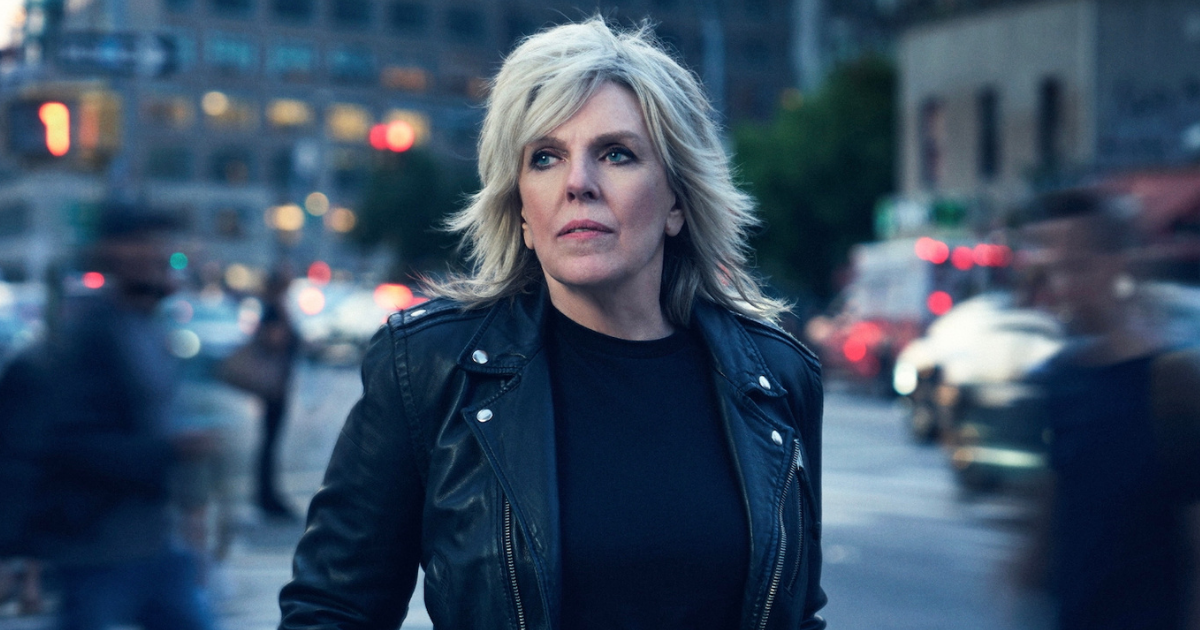
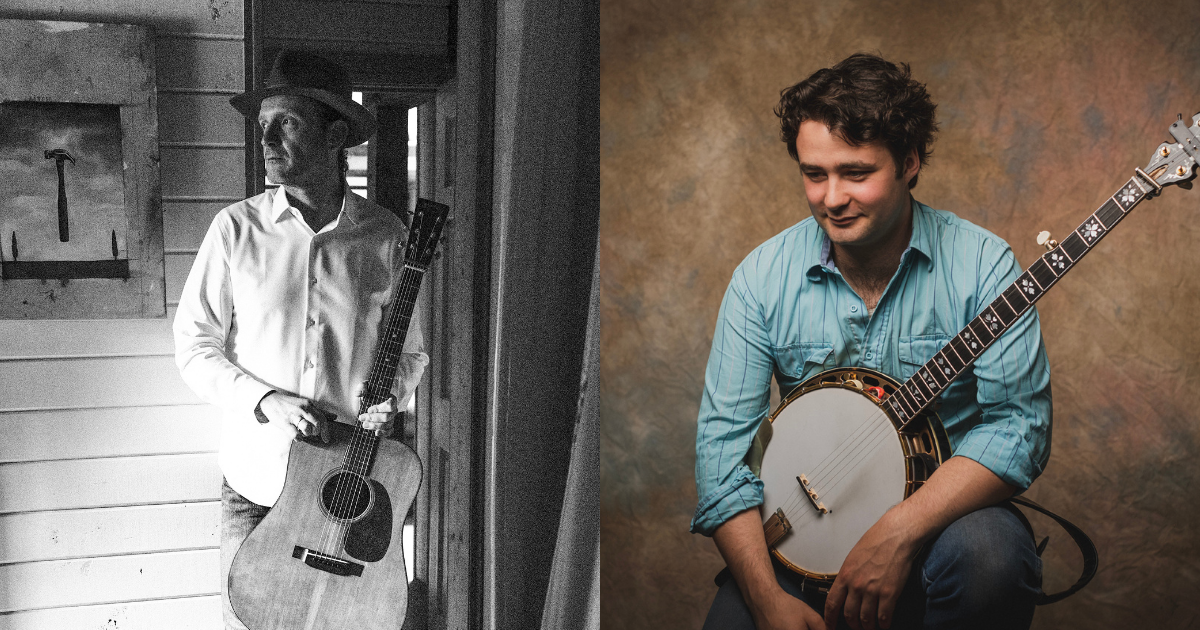
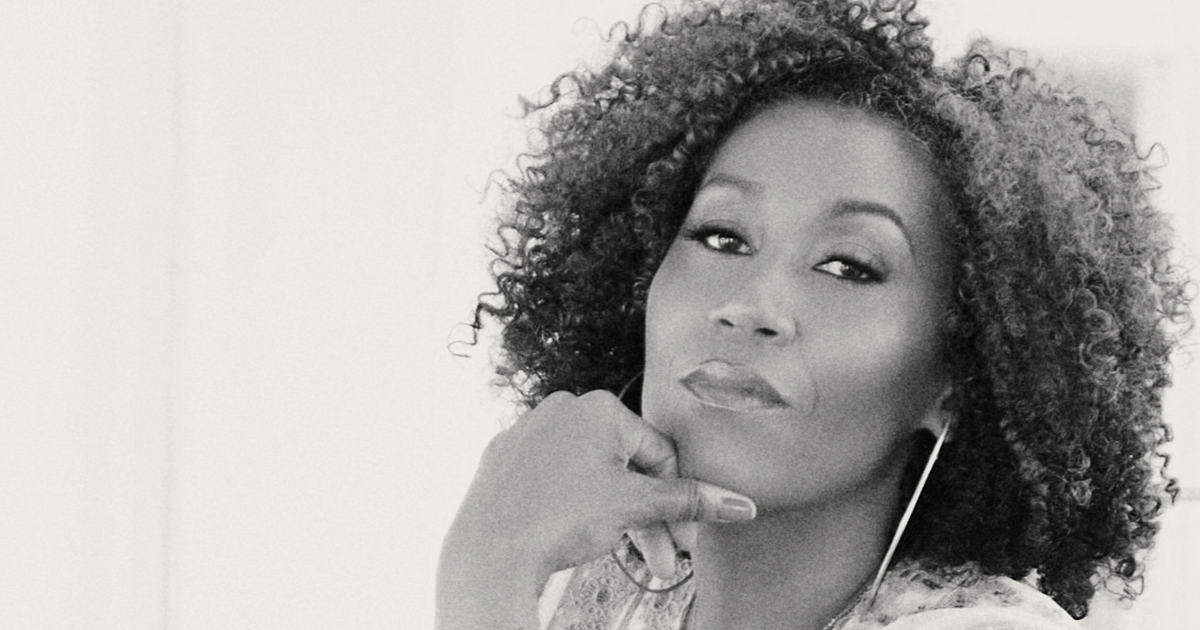
Among the 78 bands performing for thousands of fans at San Francisco’s 25th annual Hardly Strictly Bluegrass, our nation’s foremost Americana festival, in October of 2025, one of the largest audiences had gathered for Lucinda Williams. She took the main stage in the afternoon clad in a leather suit, studs on the hem of her pants. The groove from the band and her lyrics landed with resonant pounding, like the drop of a heavy set of books on a table. After more than 50 years of performing, her sound still hits.
Lucinda Williams grasped brilliance in 1998 with Car Wheels On A Gravel Road, but this was not some isolated incident. She has pursued the craft of album-making expertly for her entire career, and fans flock to her because there is always something more to scratch up. The singularity of her writing rings at a higher frequency today in our shallow digitized world. I see her current position in our culture to be similar to that of poet-songwriter Leonard Cohen in his final chapter. When she sings, we listeners get to grasp at something real, and we crave what Lucinda offers; intimate corporeal love, the palette of Southern backroads alongside broken-down juke joints, honest bewilderment at the state of the world while still loving it.
When I was 26, I set out on a road trip to trace Lucinda’s origins. Being a songwriter, I wanted to determine what I could do to strive and bloom, like she did. So I left California driving my 1995 Ford F-250. From Texas to Tennessee, I dug up characters from Lucinda’s early days. I was most interested in finding people who had worked with her in the beginning of her career.
In Jackson, Mississippi, I spent a day at Malaco Studios where Lucinda made her first record Ramblin’ On My Mind. While listening to outtakes, I happened upon the first-ever originals she recorded but never released. In those reel-to-reel tapes that had been sitting untouched in a concrete vault, I heard a voice from four decades ago that was clear and bold. Wolf Stephenson was the engineer from that session and he told me that in 1978 Lucinda was a resolute and present woman: “[In] day-to-day life, she was just as footloose and like she was on stage. And really there wasn’t much difference in sitting here talking [with her] or being on stage, very natural.”
In Austin, Texas, I was shocked to learn that well-known guitarist Charlie Sexton had played with Lucinda when he was just 11 and she was 26. At the Hole in the Wall where a booker once cancelled Lucinda’s gig because there were “too many girl singers that month,” Charlie and I discussed how he has learned from Lucinda as a writer. He reflected on his early impressions of her and told me, “…There’s no doubt that Lucinda was always going to be unique… I mean, she’s like a regional writer in a way… she’s the Flannery O’Connor of that era of singer-songwriter.”
Lucinda’s parents raised her in an extraordinary community. Her father Miller Williams was a professor, a translator, and a poet. He and his wife were descendants of humble traveling Methodist ministers with meager finances, but by the time their first daughter Lucinda was a teen, the family sat in the company of Nobel Prize-winning authors. Miller’s genuine passion for literature gave him the conviction to invite figures like Charles Bukowski and indeed Flannery O’Connor into his circle of friends and acquaintances. He hosted literary parties in the family’s Arkansas home. After drinks were served, Miller read some of his new poems out loud, and a young Lucinda sat and strummed her latest songs. Writers of the highest caliber listened at attention. Some of these writers gave Lucinda feedback. Perhaps just as important was that these writers also imparted genuine encouragement to Lucinda and told her that in spite of all of the suffering and uncertainties involved in being an artist, it was still a worthwhile pursuit in life.
Along my road trip I also discovered how committed Lucinda has been to her art over the decades. I spoke at length with some of the musicians and engineers that worked on Car Wheels On A Gravel Road. I learned from Lucinda’s recollections that when you have that itching worry that a sound just isn’t right on an album, you have to wrestle with the process to find the right timbre, the right soundscape that will thrill you. I found that a songwriter has to embrace change, even if they’re unsure of the career consequences. I found that artists can’t just make the same album over and over again. Well… they can, but they probably shouldn’t. A songwriter has to keep seeking out that sound, that story that pulls at their soul’s musical corners, like Lucinda did.
Lucinda’s latest release, World’s Gone Wrong, is a continuation of the directness I’ve known her for. She conveys her truth with her language of simplicity. So often in our era, bathed in a slurry of news and trends, opinions from artists can feel glued-on. But that’s not the case with Lucinda. She conveys her frustrations with the state of the world from a genuine and honest place and, when she sings, I believe her. As with so much of her writing, in her latest album I feel like I’m reading a book, inhabiting the imagined place of the viewer and the subject.
The characters in Lucinda’s songs are alive, bleeding, imperfect, and desirously wanting. We benefit from the chance to continue paying attention to the words she writes.
If you’d like to learn all about how I retraced the roots of Lucinda Williams, check out Finding Lucinda, my podcast released in partnership with the BGS Podcast Network. You can also watch the documentary film Finding Lucinda on AppleTV, Youtube and more.
Stay tuned as BGS and Good Country celebrate Lucinda Williams as Artist of the Month throughout March. Enjoy our Essential Lucinda Williams playlist below and check out an exclusive interview with Williams here. Plus, we’ll be diving into the BGS archives for all things Lu and exploring our favorite covers of her songs by other artists, too. Follow along right here on BGS and on social media for more.
It’s Friday and it’s new music time! We’ve got a few things on the slate that you simply gotta hear.
Starting us off, quickly rising bluegrass up-and-comer 16-year-old Asher Brinson gives us a sneak preview of his upcoming single, “Midnight Hurricane,” the title track for an album the young songwriter and picker has set for release in early April. “Midnight Hurricane” features Sierra Hull on mandolin and Lindsay Lou on vocals – and Brinson more than holds his own among the talented roster on the track.
Also in bluegrass sounds, Jesse Smathers turns the clock and calendar back to the primordial musical ooze before bluegrass with his rendition of “Take A Drink On Me.” The track was inspired by Charlie Poole and the North Carolina Ramblers, with whom Smathers shares a hometown. As the artist and mandolinist puts it, “This tune is a prime example of early popular dance music” – the kinda stuff that inspired the earliest bluegrass artists like Bill Monroe, Earl Scruggs, and many others. In the hands of Smathers and his band, it’s a bluegrass song fit for any era.
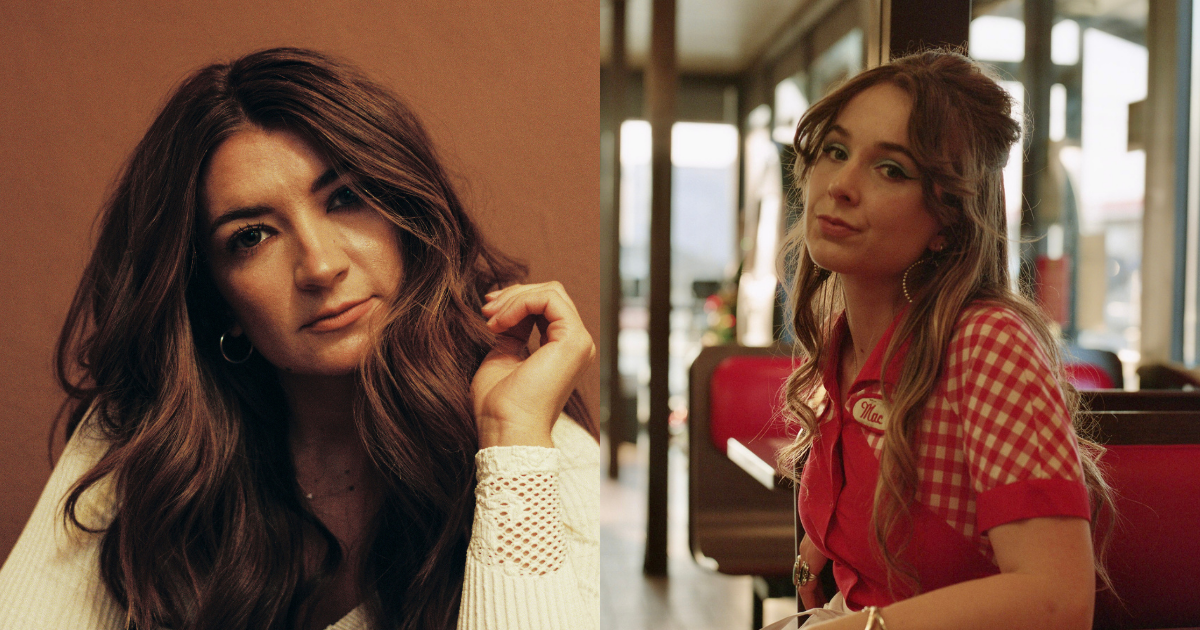
There’s Good Country to enjoy below, as well. Mac Cornish unveils a new track, her cover of Ian & Sylvia’s “Trucker’s Cafe.” You can almost catch the glint of bright sunshine off a chromed truck stop diner listening to the tune, lush with pedal steel and honky-tonkin’ guitar. The boot scootin’ track was recorded in Nashville and produced by Andrija Tokic.
To round us out, Tenille Townes returns to the site with “The Acrobat,” a contemplative and resonant song featuring another of our favs, Lori McKenna. “When you’re barely hanging on it’s easy to let go,” Townes sings, her voice rich with emotion and conviction. The song is the title track for Townes’ upcoming album, set for release in April, and is a fitting nexus point for the LP. “After losing my way for a while,” Townes shares with BGS, “this song felt like such an important anchor for this album.” You can watch the brand new music video for “The Acrobat” below.
Take a scroll and enjoy your listen – You Gotta Hear This!
Asher Brinson, “Midnight Hurricane”
Artist:Asher Brinson Hometown: Newport, North Carolina Song: “Midnight Hurricane” Album:Midnight Hurricane Release Date: March 6, 2026 (single); April 3, 2026 (album)
In Their Words: “When Chris Henry and I got together to write, I told him I was having an ‘off’ day and he said to let it flow – say whatever was on my mind. Those thoughts became the first line of ‘Midnight Hurricane.’ Growing up on the North Carolina coast, hurricanes have always just been a part of my life. And it seemed like they always hit at night! Midnight is quiet, but your thoughts aren’t, and hurricanes are like that — all of your feelings hitting at once. It’s a love story wrapped in chaos and after the storm, there’s a calm that makes you appreciate what’s steady and real. With Sierra Hull on mandolin and Lindsay Lou on vocals, this song instantly became one of my favorites. I feel like they both added just the right touch. While hurricanes unfortunately bring destruction, they also have a way of bringing people and communities together… to uplift each other, support, and rebuild.” – Asher Brinson
Track Credits: Asher Brinson – Guitar, lead vocal Cory Walker – Banjo Jason Carter – Fiddle Christopher Henry – Bass, baritone vocal Sierra Hull – Mandolin Lindsay Lou – Tenor vocal
Mac Cornish, “Trucker’s Cafe”
Artist:Mac Cornish Hometown: Currently Nashville, Tennessee, but grew up in the Bay Area, California Song: “Trucker’s Cafe” Release Date: February 27, 2026
In Their Words: “This single is a cover of the Ian & Sylvia song, ‘Trucker’s Cafe.’ The song is from their 1969 record, Great Speckled Bird, which they also used as the name of their newly formed band, including the likes of Buddy Cage and David Briggs. Ian and Sylvia are a huge influence on me because of their blending of folk, rock ‘n’ roll, and country – especially on this album and this song. The song is a subversive take on the trucking country fad of the 1960s and ’70s, taking the perspective of a heartbroken truck stop diner waitress. The vocals are distinctly folk with their vibrato and falsetto, but the instrumentation is all rockin’ country goodness with walking bass and ripping pedal steel. I’ve always said that the best year in music was 1969. This is one of the many songs I absolutely love from that year in music and it only felt right to record a cover and honor my influences. My cover was recorded in October of 2025 at the Bomb Shelter in Nashville, TN and was produced by Andrija Tokic.” – Mac Cornish
Track Credits: Mac Cornish – Vocals, acoustic guitar Charlie Fuerstch – Electric guitar Jeff Taylor – Piano Cooper Dickerson – Pedal steel Jack Lawrence – Bass Dave Racine – Drums
Jesse Smathers, “Take A Drink On Me”
Artist:Jesse Smathers Hometown: Floyd, Virginia Song: “Take A Drink On Me” Release Date: February 27, 2026 Label: Mountain Home Music Company
In Their Words: “Though my familial roots are deeply planted in Western North Carolina, I was raised in Eden, NC – the home of Charlie Poole. I spent my youth picking and competing at the Charlie Poole Festival there. The festival was held at Morehead Park, on the same grounds where the cotton mill Poole used to work at once stood. I heard the music of Charlie Poole and the North Carolina Ramblers ringing throughout my childhood. He, along with his bandmates, were some of the most prominent precursors to bluegrass stylings that came nearly 20 years later. Tales of Poole, Posey Rorer, and Norman Woodlief are still being told today, as you would expect, with larger-than-life personalities and musicians.
“I often imagine this scene: walking down Morgan Road in Spray (one of three small communities that made up Eden) in 1926 as a bystander and hearing the centric bounce of Piedmont Mill music in the distance. As I approach, I witness the North Carolina Ramblers sitting on a stoop sharing tunes and a jug of the best white liquor that the area along the NC/VA line is so notorious for. That sight is exactly what came to mind when recording this tune and what comes to mind when I hear it back. This tune is a prime example of early popular dance music. Hunter Berry on fiddle masterfully captured the necessary musical essences all while integrating his own spontaneous and playful liveliness. The same can be said of Corbin Hayslett who mixed in popping Charlie Poole banjo techniques. Whether it’s a Coke, glass of tea, a beer, or a jar of Shooting Creek’s finest, all you rounders get ready to party and ‘Take A Drink On Me’!” – Jesse Smathers
Track Credits: Jesse Smathers – Guitar, lead vocal Hunter Berry – Fiddle Corbin Hayslett – Banjo Nick Goad – Mandolin, harmony vocal Joe Hannabach – Upright bass Patrick Robertson – Harmony vocal
Tenille Townes, “The Acrobat” featuring Lori McKenna
Artist:Tenille Townes Hometown: Grande Prairie, Alberta, Canada Song: “The Acrobat” featuring Lori McKenna Album:The Acrobat Release Date: February 27, 2026 (single); April 10, 2026 (album)
In Their Words: “There’s an underlying whisper in this song saying you don’t have to make yourself smaller anymore, and it is my greatest hope that someone hearing this could believe it’s true. I have been navigating a return to self season in my life and reclaiming the belief that I don’t have to contort myself to fit what anyone else needs. After losing my way for a while, this song felt like such an important anchor for this album. Writing this song through the lens of a character helped me to hold enough distance from myself to be able to write the truth, and name the quiet damage that comes from performing, instead of just being.
“Lori McKenna has been a compass influence for me and it’s an honor to have her singing on this song we wrote together. I love how she enters the recording on the line about the fortune teller with all her knowledge, because Lori has been that voice of wisdom for me for years through her songs. The honesty in her lyrics and the way her voice holds emotional tension has given me permission to explore that kind of vulnerability in my own writing. I’m grateful for our friendship, and for the opportunity to share a love for the craft of a song with someone I am still so inspired by.” – Tenille Townes
Photo Credit: Tenille Townes by Madison Rensing; Mac Cornish by Mandi Fountain.
Editor’s Note: Each issue of Good Country, our co-founder Ed Helms will share a handful of good country artists, albums, and songs direct from his own earphones in Ed’s Picks.
Ashley McBryde gets the year started off right with a soaring, anthemic new single. As you’ll see with “What If We Don’t,” Good Country and arena country aren’t mutually exclusive styles. Garage rock, country grit, and stadium-ready flair – McBryde is doing it better than almost anyone else out there.
Not your mamaw’s “Ring of Fire.” Big Thief’s Buck Meek launches his upcoming solo album, The Mirror, in just a couple of weeks. Its songs were grown where alternative, indie, folk, and country overlap, though each feels just outside of reach of any single one of those terms. Featuring Adrienne Lenker on BGVs, “Ring of Fire,” like Johnny’s classic by the same name, is about love and connection – but is perhaps the flipside of the Cash coin.
You can always trust the John Prine-founded Oh Boy Records to put out amazing music by generational songwriters. Emily Scott Robinson is certainly one. Her new album, Appalachia, embodies her heart-forward, community-minded approach to songcraft and musicmaking. Stand outs include “Hymn for the Unholy,” “The Time for Flowers,” the album’s title track “Appalachia,” and this lovely duet with John Paul White, “Cast Iron Heart.”
Read our recent interview with Emily Scott Robinson here.
Speaking of rock ‘n’ roll, our old pal Langhorne plugs in and turns up on his new album, The Dreamin’ Kind, which was produced by Greta Van Fleet’s Sam F. Kiszka. Slim’s personality – and the signature, charming touches that made us all fall in love with his music – is front and center on the new collection, however far into rockin’ territory he brings his Americana and folk sensibilities.
Find out more about
The Dreamin’ Kind in our recent Cover Story interview.
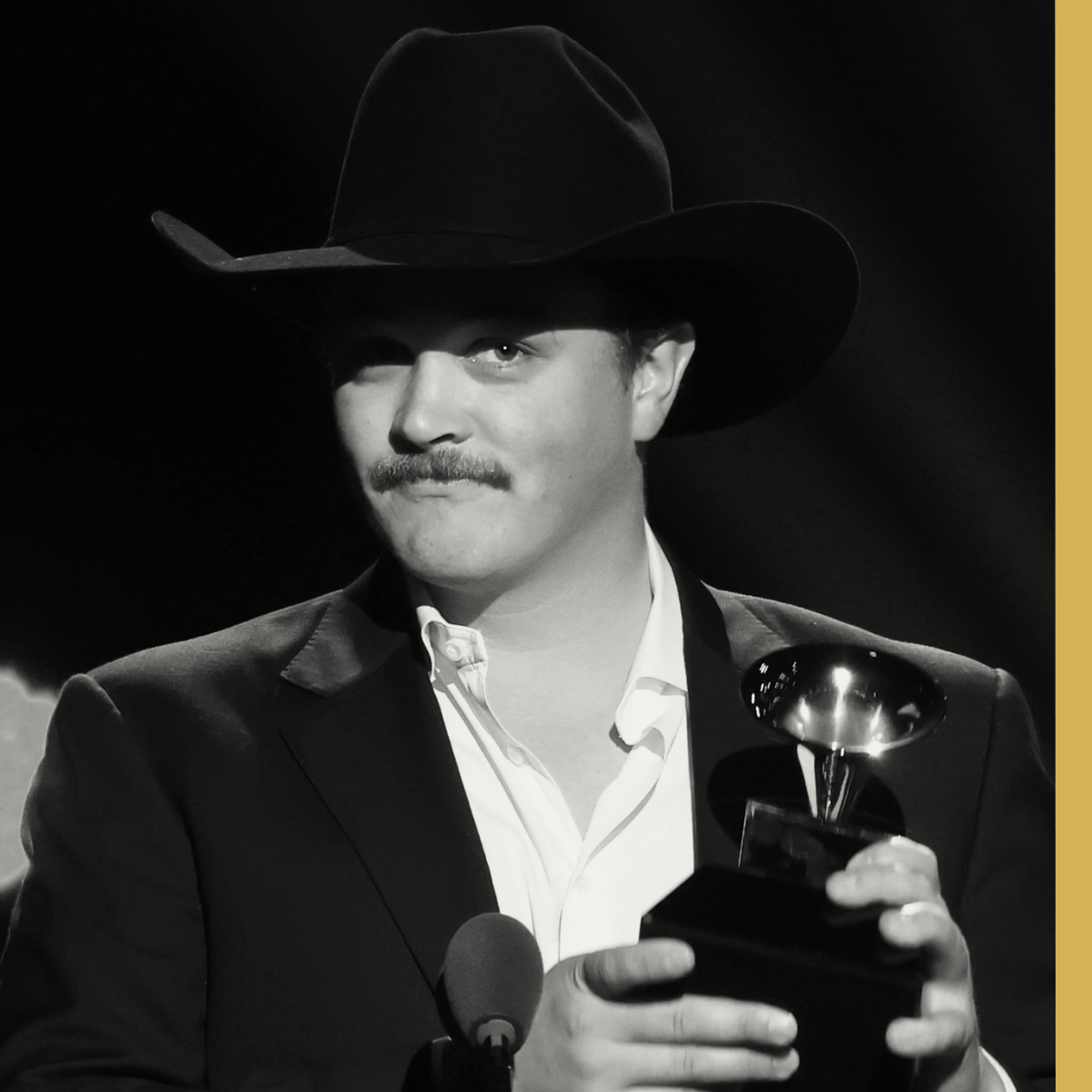
He started as a bluegrass picker in a family band and a Keith Whitley and Tony Rice diehard. Now everyone’s favorite trad country revivalist is a GRAMMY Award winner. Top took home the trophy for Best Traditional Country Album for his sophomore release, Ain’t In It for My Health earlier this month. He’s the first awardee in the buzzed-about new category opposite Best Contemporary Country Album. Well deserved!
Want more Good Country? Sign up to receive our monthly email newsletter – and much more music! – direct to your inbox.
Photo Credits: Ashley McBryde by Nathan Chapman; Buck Meek by Germaine Dunes; Emily Scott Robinson by Angelina Castillo; Langhorne Slim by Savannah Lauren; Zach Top by Getty Images for the Recording Academy.
Welcome to The Working Songwriter, the show where today’s best songwriters come to talk shop. Each episode we host a distinguished guest and we ask them to go deep on their inspiration, their process, and the general ups and downs of making a life in music. Whether you’re a grizzled veteran picking out custom chrome trim for your tour bus or a scrappy upstart, trying to determine whether your Toyota Tercel can make it through a three thousand mile tour, this is your show. Because, ultimately, it is what every writer seeks most. An ironclad excuse to put off actually writing.
Our guest this week on the Working Songwriter originally hails from Virginia, but made his bones in the bustling hip-hop scene of Atlanta. Yung Lan began producing tracks on his laptop as a novice with no ties to the formal music business. Signing a modest publishing deal got him in the room with some hip-hop luminaries, and he seized the opportunity. His first success came when one of his songs made it onto Fetty Wap’s self-titled album, which went platinum. He has since gone on to work with Nicki Minaj, Lil Wayne, Kevin Gates, and many others.
Yung Lan’s work on Morgan Wallen’s song “Cowgirls” won him a BMI Country Award. All told, his songs placed with different artists have amassed over 6 billion streams and he’s contributed to 30 albums with RIAA certifications. I got a chance to catch up with Yung Lan a few months back to hear about his musical journey so far.
So much new roots music to enjoy this week! From bluegrass to the Pacific Islands and back again.
Starting us off, artist and songwriter Ryan Dart debuts a new song, “Dirt Road Woman,” combining folk, country, and troubadour styles in a musical tribute to strong, empowered women. Below, Dart explains how the song arrived quickly, “like it downloaded straight from the muse.” For a more tropical, seaside country flair, Maoli – who was born and raised in Hawaii – offers a brand new single today, too. “Some Are Just Better” is a track we’ll be returning to plenty this spring and summer, as it celebrates those good, dreamy days that are almost too perfect to believe.
In bluegrass, Lonesome River Band lean into their moniker with a new track, “There Where the River Rolls Around,” written by their longtime friend and songwriting collaborator Billy Smith. Mild and old-timey with lush low-tuned banjo and a laid-back groove, it’s a song about home, homesickness, and place – all perfect topics for ‘grassy explorations. Banjo great Tony Trischka is on his way to a new album, Earl Jam 2, so he’s dropping off a new music video released earlier this week. “Red River Valley” features Molly Tuttle on lead vocal and guitar with Bronwyn Keith-Hynes, Sam Bush, and Mark Schatz filling out the band. We can’t wait for more from the second round of Earl Jam. And young mandolinist phenom Wyatt Ellis launched a new video this week featuring a bunch of all stars, too. “West Dakota Rose” is a cinematic instrumental tune centered on Ellis’s virtuosic playing and featuring Christopher Henry joining on guitar. In the official music video, Ellis strolls around a cabin porch while picking through the tune with an excellent slate of pickers – and a tasty twin fiddle break.
Meanwhile, the Montvales offer an old-timey track of their own, “Carolina,” out today in anticipation of their upcoming March album, Path of Totality. While it certainly sounds old-timey, this is a song rooted in the present, heels dug in against late stage capitalism and the rampant woes of our current day-to-day. Also, singer-songwriter Jack McKeon gives us a sneak listen at his new song, “Kid Like Me,” a sort of sonic bridge from his last album, Talking to Strangers, to his next – which is set for release in July. Written with Theo MacMillan and inspired partially by Tim O’Brien, the track began much more bluegrassy than it ended up after reaching the studio.
Finally, Minneapolis, Minnesota’s Roe Family Singers speak truth to power and bring each of us into their communities and neighborhoods with a chilling new folk song, “Blacked-Out Ford.” Living in Minneapolis in 2025 and 2026 means living on the frontlines of fascism, kidnappings, and government overreach, with the Roes and their friends watching chilling federal SUVs surveil their streets and neighborhoods, tearing families apart and violating human rights. The Roe Family Singers highlight ICE’s murders and unlawful actions in song, calling us all to join them in action and solidarity.
We always love sharing new music with you all every Friday, but this one is especially high quality. Enjoy! ‘Cause You Gotta Hear This…
Ryan Dart, “Dirt Road Woman”
Artist:Ryan Dart Hometown: Boulder, Colorado Song: “Dirt Road Woman” Album:If Love Don’t Break You Release Date: February 20, 2026 (single); May 1, 2026 (album)
In Their Words: “I wrote this song about falling in love with a powerful woman and the ‘love bubble’ phase of a relationship – how the outside world just fades away. I know some men may not be comfortable with powerful women, but I think there are plenty of us who are attracted to an empowered, strong woman who also embodies the sacred feminine. It’s incredibly compelling and I wouldn’t want anything else.
“You’ve got to ride the bad horses before you recognize the good ones. I set out to write a love song that felt like a cousin to Jason Isbell’s ‘Cover Me Up’ – something that balances raw, real emotion without ever feeling cheesy. This one came fast, like it downloaded straight from the muse, born of pure feeling. I hope it resonates with listeners the way it does with me.” – Ryan Dart
Wyatt Ellis, “West Dakota Rose”
Artist:Wyatt Ellis Hometown: Maryville, Tennessee Song: “West Dakota Rose” Release Date: February 6, 2026 (single); February 19, 2026 (video) Label: Knee High Records
In Their Words: “Getting to shoot the music video for ‘West Dakota Rose’ was just one of those days you don’t really forget. The tune already feels like it tells a story without words, so being able to stand in a place that matched that feeling made it even more real. Joseph Cash has directed and filmed all of my music videos so far, and he always makes it an adventure. It’s like showing up not totally sure what kind of wild idea he’s going to have, but somehow it always comes together even better than I could’ve imagined.” – Wyatt Ellis
Performer Credits: Wyatt Ellis – Mandolin Christopher Henry – Guitar Julia Claire Eversole – Bass Kyle Tuttle – Banjo Noah Goebel – Fiddle Christian Ward – Fiddle
Video Credits: Joseph Cash, director, director of photography, editor. Kitt Fresa, gaffer.
Lonesome River Band, “There Where the River Rolls Around”
Artist:Lonesome River Band Hometown: Floyd, Virginia Song: “There Where The River Rolls Around” Release Date: February 20, 2026 Label: Mountain Home Music Company
In Their Words: “We got this song for our long time songwriting friend Billy Smith (‘Hobo Blues,’ ‘Tears In My Tracks,’ ‘Crazy Heart,’ among others). As we listened to the song one late night going down the road in the bus, the arrangement just fell into place and we began working on it. A haunting song about leaving home searching for more and longing to be back. Thanks, Billy!” – Sammy Shelor
“The River [in the song] is Haw River in Rockingham County, North Carolina. I always believed that I would make it big playing music and writing songs in Nashville and go back there. I moved here with my brother Terry (the Grascals) and cousin Alan O’Byrant of the Nashville Bluegrass Band. 52 years later, I’m still here, with three kids from two marriages. But I always wanted to return ‘There Where The River Rolls Around’ and it always touches my heart when I hear it sung. Bless Sammy Shelor and the Lonesome River Band for recording that one and 8 other of my songs, including ‘Crazy Heart’ and ‘Hobo Blues.'” – Billy Smith, songwriter
Track Credits: Sammy Shelor – Banjo Jesse Smathers – Acoustic guitar, harmony vocal Mike Hartgrove – Fiddle Adam Miller – Mandolin, lead vocal Kameron Keller – Upright bass Rod Riley – Electric guitar
Maoli, “Some Are Just Better”
Artist:Maoli Hometown: Haiku, Maui, Hawaii Song: “Some Are Just Better” Album:Maoli Music Overload – MMO 3 Release Date: February 20, 2026 (single) Label: ONErpm
In Their Words: “I’ve been waiting to release this since the day we wrote it. It was my first time writing in Nashville and I was so excited to collaborate with Mikey Reeves and Rob Snyder. I love the horns, the feel, and the lyrics – I’m so proud of how it all came to life.
“We all have days that stand out – not just good days, but the kind where everything falls into place and just feels right. The kind of day you know you’ll look back on and smile about for years. It’s about capturing that feeling. You can’t relive a day once it’s gone, but music has a way of taking you back – even if it’s just for a few minutes.” – Maoli
Jack McKeon, “Kid Like Me”
Artist:Jack McKeon Hometown: Chatham, New York Song: “Kid Like Me” Album:Every Once in a While Release Date: February 27, 2026 (single); July 3, 2026 (album)
In Their Words: “‘Kid Like Me’ began its life as the ‘most bluegrass’ sounding song in the bunch before I went into the studio. Written with Theo MacMillan, we talked a lot about parenting, being an older sibling, and trying to make sense of a world that’s always in flux. Theo’s son was about to be born and I was reflecting on watching my younger sister begin to reach adulthood and face real and more challenging problems. Musically, we spent most of the writing session talking about Tim O’Brien and wrote ‘Kid Like Me’ at a faster tempo that we thought would fit with Tim’s Odd Man In era. Once we were in the studio, it was Casey Campbell and Seth Taylor who turned the recording in a more ambient direction, hinging on Casey’s extended mandolin intro that sets the tone for the rest of the song. I wanted to lead my new project off with ‘Kid Like Me’ as it is reminiscent of the sounds and themes of my debut album Talking to Strangers, but breaks new ground for my production as it features Mellotron, drums, and electric guitar as well.” – Jack McKeon
Artist:The Montvales Hometown: Cincinnati, Ohio Song: “Carolina” Album:Path of Totality Release Date: February 18, 2026 (single); March 20, 2026 (album) Label: Free Dirt Records
In Their Words: “‘Carolina’ is an old timey song that is firmly situated in late stage capitalism. I called upon the steadfast, rooted sounds of home when I was writing this one. It brings those old sounds forth into this uncertain era and makes a vow: even when there seems to be no path forward, we’ll find a way.” – Sally Buice
Roe Family Singers, “Blacked-Out Ford”
Artist:Roe Family Singers Hometown: Minneapolis, Minnesota Song: “Blacked-Out Ford” Album:Light & Hope & Roses Release Date: February 2, 2026 (single)
In Their Words: “We wrote ‘Blacked-Out Ford’ about two weeks after Renee Good was murdered by ICE in our Minneapolis streets. Good’s murder, combined with the discovery that ICE is housed about six blocks from our house and has been seen circling our neighborhood, looking for people to abduct… that’s where this song came from. Our area has a large Muslim population, neighbors primarily from India and Pakistan, also Somalia and Ethiopia, so pretty soon every blacked-out SUV started to look like ICE sharks circling, and every parked truck looked like a prelude to a kidnapping. We debuted the song live at a mutual-aid benefit, and the benefit raised a ton of money; the next morning we woke up feeling proud of ourselves and empowered by the fact that we felt like we were using our art to fight the fascists. Then we got the news that Alex Pretti had just been murdered by ICE in our Minneapolis streets.” – Quillan Roe
Tony Trischka, “Red River Valley” Featuring Molly Tuttle
Artist:Tony Trischka Hometown: Fair Lawn, New Jersey Song: “Red River Valley” featuring Molly Tuttle Album:Earl Jam 2 Release Date: February 18, 2026 (video); March 13, 2026 (album) Label: Down The Road Records
In Their Words: “I grew up listening to ‘Red River Valley’ and once I found Earl Scruggs and John Hartford playing it in one of their jams, I knew I had to put it on Earl Jam 2. Who better to sing it than Molly Tuttle? I’ve known Molly since she was a teen (when I thought she was just a solid Scruggs-style banjo player) and it’s been a joy seeing her career take off. She has the perfect voice for this tune and with the estimable talents of Bronwyn Keith-Hynes on fiddle, Sam Bush on mandolin, and Mark Schatz on bass, I knew we had something special. When we’d finished recording and I went back to listen to it the next day, I felt it needed just a little bit more of something. So I got in touch with Bronwyn (talk about careers taking off!) and she added beautiful harmony vocals. The very last vocal chorus melts my heart!” – Tony Trischka
Track Credits: Tony Trischka – Banjo Molly Tuttle – Guitar, vocals Bronwyn Keith-Hynes – Fiddle, harmony vocals Sam Bush – Mandolin Mark Schatz – Bass
Photo Credit: Tony Trischka by Ali Hasbach; Maoli by Sean McGee.
Steve Poltz has built a career by following each song wherever it wants to go. Sometimes that means a meticulously fingerpicked melody. Sometimes it means a story that veers off into comedy, confession, or absurdity before circling back to the heart of the matter. That tangential nature – equal parts songwriter, raconteur, and road-tested troubadour – has become his signature, especially onstage, where no two of his shows are ever the same.
Poltz’s new album, JoyRide (released January 30, 2026), reflects that same restless curiosity. Trim, deliberate, and capped at 10 songs, it distills decades of touring, collaboration, and lived experience into a tightly sequenced record designed to be heard in one sitting. From satirical observations about modern life to deeply personal reflections shaped by years on the road, JoyRide captures Poltz at a moment of clarity – still chasing the perfect song, still trusting instinct over plan, and still finding meaning in the long way around.
Long before JoyRide, Poltz earned his reputation the slow way – by logging miles, swapping verses with fellow songwriters, and learning how a room breathes. Founder of the San Diego-based rock band the Rugburns and co-writer of Jewel’s breakthrough “You Were Meant for Me,” he has never been defined by that early success, instead carving out a singular path marked by humor, humility, and an almost reckless openness.
In a conversation with BGS, we spoke with Poltz about the making of JoyRide, the longtime relationships that have sustained him, and the zany, unpredictable ride that has been his career. Whether sharing a bill with old friends or holding a crowd rapt with nothing more than a guitar and an improvised aside, Poltz approaches music less as a performance than as a conversation – one where the destination matters less than the unexpected connections made along the way.
Let’s start with early memories. Was there a moment when music really clicked for you?
Steve Poltz: I remember when I was in second or third grade, I stuttered, had asthma, eczema, and I didn’t hang out with many people. I started playing guitar when I was six. So I brought the guitar to school for show and tell. And I sang the song “Sloop John B” in class. And other kids brought snakes, brought their moms who were nurses or doctors or firemen, and their dads and stuff. I sang a song on guitar. I went out and sat alone. I remember I opened my lunch and I looked up and there were six girls around me. I thought, “This is all I have to do!” That was it. That was the plan.
I had a friend who was a DJ at San Diego State University [radio station] KCR, and she moved in with these roommates. They had brought this record by that had just come out by this woman named Rickie Lee Jones. It was her eponymous debut LP. And, oh my God, I listened to that record nonstop. There was a song called “On Saturday Afternoons in 1963,” which is still one of my favorite songs. It was in the movie Stripes with Bill Murray.
Man, two years ago I played Byron Bay Bluesfest in Australia and Rickie Lee Jones was on after me. Just the way the world works and the universe works, I knew her percussionist who plays the vibes, Mike Dillon. He sees me, and he’s sitting with Rickie Lee Jones, who’s like my hero. She’s one of my favorite lyricists ever. I’m a Dylanologist, and still, Rickie Lee Jones – those first two records especially – her poetry, the way she puts the songs together, I put it at the top of my whole pyramid.
[At Bluesfest] I told her I’d do a cover of “On Saturday Afternoons in 1963” and I segue into it from John Hartford’s “Presbyterian Guitar.” She loved John Hartford, too. She comes out during the song in front of 5,000 people, sings the second verse, and I just started crying. It was one of those full circle moments. These are the people that are my heroes.
You’ve become very deliberate about keeping your albums, like JoyRide, short and sweet. Why?
We’re just in such a quick world, where people don’t have the attention span. I’ve come to this conclusion that 10 songs is the perfect amount of songs to have on a record. Leave all these other ones on the cutting room floor. Put them out later on B-side compilations or something. Keep it under 33 minutes. It fits on vinyl perfectly. It doesn’t lose any of the resolution. If people are into you, it’s not too hard to give 32 minutes of your time. My hope is they go, “Let’s hear it again.” That’s my fantasy. One day I’ll get it right.
You’re known as a road warrior. What still thrills you about touring?
I feel like I’m kind of like the Grateful Dead in that I’m better experienced live than on record. Live, there’s magic. I’m still looking to make the perfect record. Maybe when I’m 80. I can’t believe Bob Weir just died, I mean he’s so young, 78. I’m like, “God, that’s like 12 years older than I am, I better get my shit together.”
I love it when things don’t work on the road. When something goes wrong, when animals attack. It took me a lot of years to get there, but sometimes things are really good when they don’t work. It messes with the audience. It’s like mental jiu jitsu.
Perhaps not surprisingly, you often reference comedy as an influence. How important is humor to your music?
I loved Andy Kaufman. I loved Richard Pryor. The early Steve Martin albums, Cheech and Chong – I memorized all that stuff. When I heard Allan Sherman sing “Hello Muddah, Hello Faddah!” I remember thinking, “Why can’t every song be like this?” Same thing with listening to the Dr. Demento [radio] show. Dr. Demento was huge. He played the Rugburns [on his show]. “Weird Al” Yankovic used to come to our shows and loved [our 1995 record] Dick’s Automotive. Because of that song, he wrote “Albuquerque.”
What are some of your earliest musical memories? You mentioned Rickie Lee Jones earlier. What are some other early prominent memories of being moved or touched by a song? Where were your first performances?
My uncle took me to see Julian Bream at the Hollywood Bowl. Classical guitar. That was it. I wanted to learn classical guitar. You know, with my left foot up on a stool, with a nylon string guitar, the way you hold it all in the proper classical way. I learned to read music. Fernando Sor’s etudes. My first gigs were in Mexican restaurants in San Diego. Four hours of classical guitar. Free meals. One night I got the courage to sing “Time in a Bottle.” The waitress said, “I didn’t know you could sing.” That night ended with me running out a window and leaving my left shoe behind. I never went back to that restaurant.
And then there was another one in El Cajon and it was called El Amigo. The El Amigo Ballroom. Then I got a job at Round Table Pizza in La Mesa. I got fired because I sang on the mic and I sang “The Rodeo Song.” One night, I got really drunk with the manager and I didn’t know the owner was in the audience. That was where I kind of learned mic control, because the manager was like, “Man, you’ve got a good voice for speaking. I want you to be the guy who says, ‘McDonald, party of four, you’ve got a large pepperoni pizza.’”
One night the manager got me really drunk. He was a younger guy. I started singing “The Rodeo Song,” which was this Canadian song that went, “Well, it’s 40 below and I don’t give a fuck, got a heater in my truck and I’m off to the rodeo.” And the chorus goes, “You piss me off, you fucking jerk, you get on my nerves.” It’s like a really juvenile song that was played on the radio in the late ‘70s. They would have all these bleeps where the cuss words were. And I sang it on the mic. Then the next morning I got a call from the manager. He’s like, “You need to come in and pick up your check.” I said, “We’re getting paid early.” And he goes, “No, you’re fired. We need pizza makers, not entertainers.”
Let’s talk about JoyRide. Tell us about the opening song, “If It Bleeds, It Leads.”
It started with a guitar riff. A major seventh chord. Then the melody. Then the words came. And the next morning when I woke up, I was kind of laughing. I always saved ideas, it’s like a junkyard of melodies, words, everything in my iPhone on my notes page, and then also in my voice memos. And I went, “Oh, this fits.” [Quotes:]
I can never watch the news with you because you yell back You scream like they can hear you in the television set What am I to do when all you’re doing is yelling at the top of your lungs? You’re even scaring all the pets. You’re scaring all, you’re scaring all, you’re scaring all the pets.
And it just worked out perfectly. You just kind of shave off syllables and fit it into this sort of Sudoku puzzle or something.
And next thing you know, it’s like you’re fishing and you have this song on the line. Like, where do I want it to go next? You can say, “I remember one time when you went and grabbed your pistol.” And so that harkens back to Elvis Presley, who I was lucky enough to meet when I was nine years old. He put me on his shoulders. I’m like, “I gotta name check Elvis in this.”
The songs comprising JoyRide seem especially quirky, even by your standards. Can you tell us about some of the ones that you have the most affection for?
“Petrichor,” which is track two, I really love because it’s really fast fingerpicking. I wrote that with Gary Nicholson, who wrote a bunch with John Prine and toured with Guy Clark. He’s just a wonderful songwriter. I went over to his house and I was like, “I have this idea for this song called ‘Petrichor.” I showed him the guitar riff, we wrote that song, and it’s a banger. I love playing that live. There’s one called “At It Again” that I wrote with Jim Lauderdale that I love playing live, and I love playing “Love a Little Bigger.”
There’s a song called “Hair Lift,” where I learned a tuning from Richard Thompson. It’s just my E string goes down to C and my A string goes down to G, and everything else is the same. He uses that tuning in “1952 Vincent Black Lightning,” but he capos it up. So I took that tuning and wrote this song called “Hair Lift.” I love singing that song because it’s got lines in it that are just so goofy, they still make me laugh. Stuff that I find funny, not everybody else does, which makes me laugh even harder.
My favorite one to do live is called “The Son of God,” and that’s because I get to play myself and Jesus. I’m having a conversation with Jesus, and that whole song came about because when I was a kid – it’s one of my fondest memories – [there] was this door-to-door salesman [that] came to our house. He was selling Funk & Wagnalls encyclopedias. Dude, it was like a new iPhone. All the answers to everything were in this set of encyclopedias, and I begged my parents to get them. I begged them and they got the Funk & Wagnalls encyclopedias for me.
My mom said, “You gotta read every one of them cover to cover.” And I did. Every day I would just read the encyclopedia, because I found all this knowledge so fascinating about everything. Words I’d never heard of and countries I’d never heard of. Niger! I mean, come on. And I’d want to read everything about it. So I was thinking when I made up this song, “The Son of God,” like, “Hey, whatever happened to all those Funk & Wagnalls encyclopedias?” I had this fantasy that Jesus called me up and he was trying to get rid of them, because you have to have a storage unit in heaven.
What came together perfectly on this record?
It’s hard to get me into the studio, so just that it happened is like a dream. I’m always on the road. But I recorded at this guy’s house in Nashville. The vibe was good. That’s everything to me. I wrote songs with Jim Lauderdale. One with Vince Herman. It all came together naturally.
You spent ten years in Nashville before returning to San Diego. What did that city give you?
From the moment I got there, it was where I was meant to be. Everywhere you go, you’re making contacts. Coffeehouses are where everything happens. People are polite. You don’t know who anyone is. Your Uber driver might get you a record deal. I remember I was at this coffeehouse and I looked over and there was Lisa Loeb, who I hadn’t seen in years because I toured and opened for her back in the ‘90s. I hadn’t seen her since that tour and she just happened to be in town and I was in this coffeehouse and she was like, “Steve?” “Lisa?” And she said, “You know, I always come here to write and hang out.” Then, the same coffeehouse, there is another amazing person just a week later. And then at a different coffeehouse, Jim Lauderdale. Then me and Jim became really close – and must have like 30 songs [written together] – and it just went on and on and on. Like wherever I went, I was just making contacts.
Circling back to where we started our conversation, some people don’t want humor or irony or banter in their music, staples and bedrocks of JoyRide and perhaps your entire career. How do you continue to approach and navigate those variables?
Luckily, there are hundreds and thousands of artists for everything. Some people want to slam dance or listen to really serious bluegrass. Some want to cry. My audience wants stories. They want to laugh and to cry. They want to hear some guitar playing. In today’s world, part of the whole thing is you got to be consistent, you’ve got to get out there, and you got to keep doing it, because nobody’s going to just tap you on the shoulder and say, “Hey, kid, I’m going to make you a star.” It just really doesn’t happen.
I like small rooms. Low ceilings. Shoulder to shoulder. Quiet listening rooms. Tangents. That’s the ultimate job.
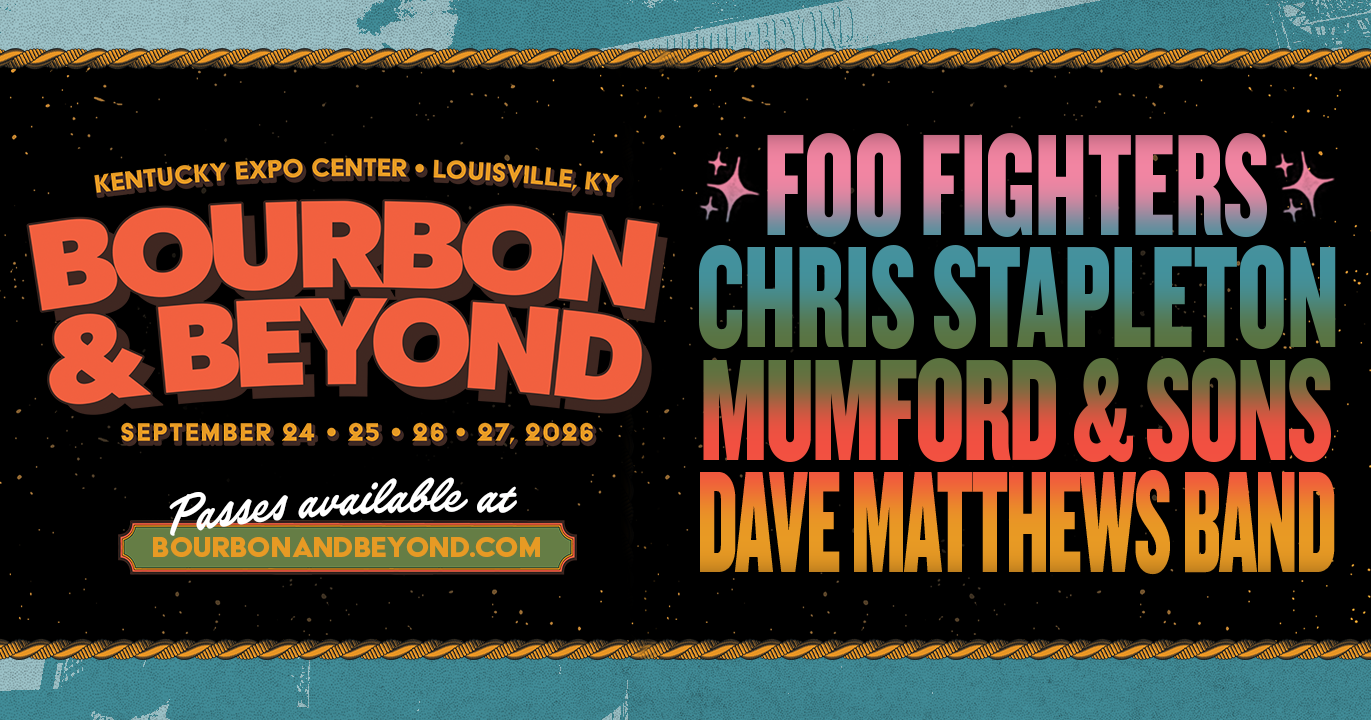
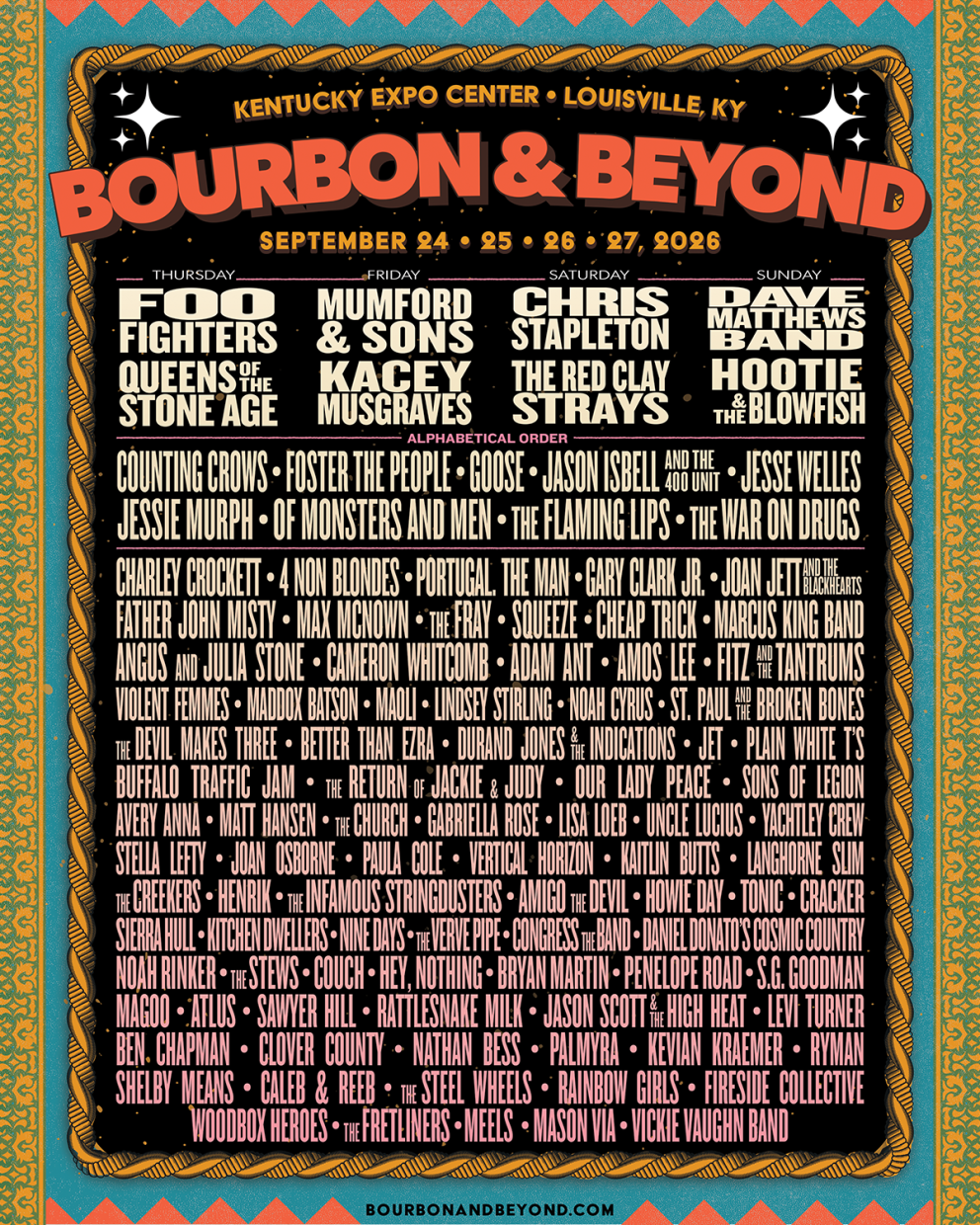
Danny Wimmer Presents has announced the full lineup for the 2026 edition of Bourbon & Beyond, the world’s largest music and bourbon festival. Held September 24-27 at the Kentucky Expo Center in Louisville, Kentucky, the hugely popular event – which attracted more than 200,000 attendees in 2025 and boasted more than $40 million in local economic impact that year alone – will include headline performances by Foo Fighters, Queens of the Stone Age, Mumford & Sons, Kacey Musgraves, Chris Stapleton, the Red Clay Strays, Dave Matthews Band, and Hootie & the Blowfish. Passes are on sale now; view the full lineup poster below.
For our eighth consecutive year, BGS will return to Bourbon & Beyond to curate and present the Bluegrass Situation Stage inside the mouthwatering Kroger Big Bourbon Bar tent. Over four days, Thursday to Sunday, the BGS Stage will include performances by some of the most exciting and buzzworthy bands in bluegrass, Americana, jamgrass, and folk. Headlining acts on our stage will include mandolinist and GRAMMY nominee Sierra Hull, psychedelic jamgrassers Kitchen Dwellers, our current February Artist of the Monththe Infamous Stringdusters, and the expansive sonic universe of Daniel Donato’s Cosmic Country. Other performers on the BGS Stage include Wood Box Heroes, Magoo, Shelby Means, Rainbow Girls, Meels, Caleb & Reeb, and many more. See our full BGS Stage lineup below.
Though we tend to stay close to our own stage during Bourbon & Beyond – we’re partial, what can we say! – each year the DWP team does an excellent job of spreading roots music, country, bluegrass, and Americana across the event’s five stages. This year, we’re excited to catch performances by so many of the artists and musicians included on the lineup, from Charley Crockett, the Red Clay Strays, Mumford & Sons, and Kacey Musgraves to Langhorne Slim, Maoli, Paula Cole, Kaitlin Butts, Clover County, S.G. Goodman, the Devil Makes Three, Palmyra, Amos Lee, Max McNown, and many more. Plus, we’ll be sure to catch Kentuckian viral sensations the Creekers while on-site.
Music isn’t the only draw, of course, as bourbon, food, and fellowship are equally tempting alongside the superlative roster of bands and artists. Hundreds of bourbon labels from dozens of distilleries will be on sale or available for tastings as well as impeccable food by local chefs and celebrity culinary personalities. Catch cooking and beverage demonstrations at the Fork & Flask stage curated by Kroger or enjoy bourbon panels and workshops at the Bourbon Experience. Our team, partial to tiki vibes and tiki drinks, will be sure to stop by the Jim Beam Black Tiki Barrel Bar over the course of the weekend, as well.
BGS has been proud to partner with Bourbon & Beyond and Danny Wimmer Presents ever since the festival’s very first iteration more than eight years ago. We are so excited to return to Louisville to celebrate bluegrass, roots music, bourbon – and beyond! – with you all in 2026. Buy your passes now and check out our full BGS Stage lineup below. We’ll see you at the Big Bourbon Bar in September.
The 2026 Bourbon & Beyond Bluegrass Situation Stage Lineup
Thursday, September 24
Wood Box Heroes Mason Via Magoo Sierra Hull
Friday, September 25
Fireside Collective Rainbow Girls Shelby Means Kitchen Dwellers
Saturday, September 26
The Fretliners Meels The Infamous Stringdusters
Sunday, September 27
Vickie Vaughn Band Caleb & Reeb The Steel Wheels Daniel Donato’s Cosmic Country
All artwork courtesy of Bourbon & Beyond and Danny Wimmer Presents.
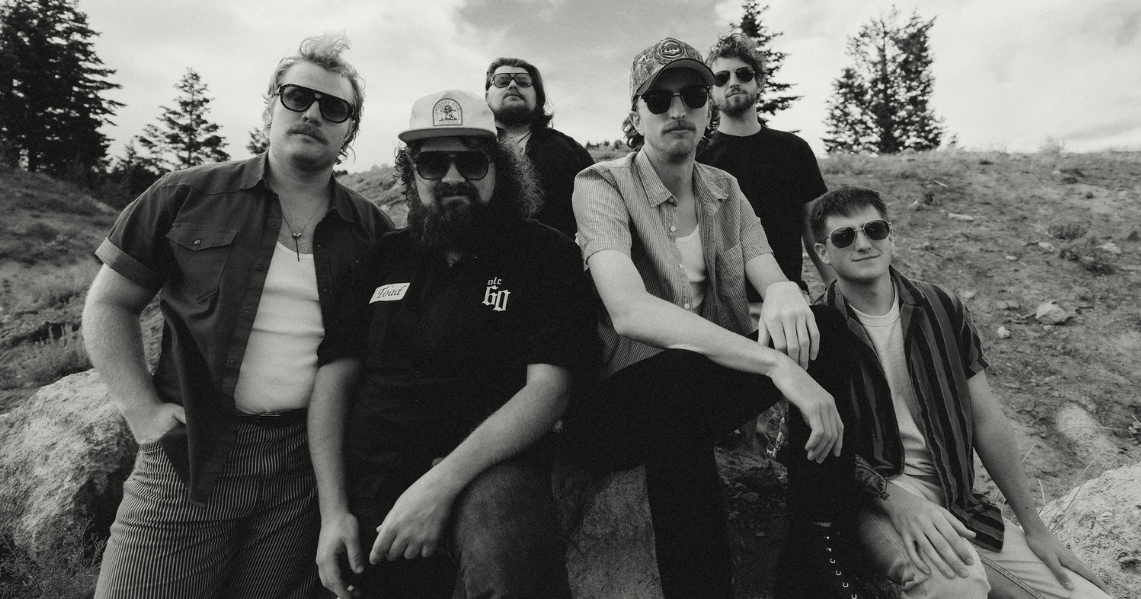
Pairing the slouchy charm of indie grunge with roots-rocking, small-town punk energy, Ole 60 spent 2025 becoming one of the most intriguing new acts in Americana.
With their debut album Smokestack Town – plus some fun-loving video content, huge opening-act performances with Zach Bryan, and first-time trips to Lollapalooza, the Ryman, the Grand Ole Opry, and more – the six-piece band came a long way from their blue-collar hometown of Hawesville, Kentucky. They even finished off the year with their biggest show yet, selling out their first-ever arena gig with an Owensboro homecoming. But there’s still more to do.
Inspired by a world of shift work and shitty luck, and powered by a rusty Toyota rolling on four bald tires, frontman and primary songwriter Jacob Ty Young fills his songs with vividly conflicted characters. Soaring garage-pop singalongs stand alongside sucker-punch ballads of screwing up and flaming out, each one struggling with the urge to get the hell out while still loving where you’re from. It’s a feeling anyone nursing big dreams in a small town will recognize, and Ole 60 shares it with a fresh voice.
In late January, Young told Good Country about the band’s quick rise and biggest year yet, while looking ahead to what comes next. There’s already a level-up tour underway and new music in the works. But Young pledges not to forget where they got their start – a pizza shop game room in a Smokestack Town.
In 2025, Ole 60 was out on tour, did big shows with Zach Bryan, made an Opry debut and released your first album. What’s it been like processing all that in the last month or so?
Jacob Ty Young: You try to take it in as it’s happening, but it’s a lot easier once you have some time to think. … I think it was definitely the best year we’ve had and now that we’ve had some time off, I’m eager to get back out and start touring again.
And I’ve been writing a lot. After putting out that first record, it was something that we’d never really done before. It was our first time making an album and we learned a lot of things and I think that everybody’s in the headspace that this next one’s going to be even better, so we’re working hard.
What was the common bond that brought you all together musically? You blend influences all the way from Smashing Pumpkins and Metallica to John Prine, right?
Five of the six of us are all from the same little small town in Kentucky, or bordering towns within about 30 minutes of each other. I kind of knew everybody before we started the band. We just got together and started jamming. I’m a huge Smashing Pumpkins fan. Most of the guys are big metalheads. They love Metallica, Black Sabbath, Primus, all that stuff. I think everybody bonded over just our love for rock music. There is obviously some country influence, but I never really considered it that. We were just a garage band, and it’s hard to not bond when you’re sitting there in a garage playing cover songs. The Pumpkins, Stone Temple Pilots, Black Crowes. It was that kind of grunge stuff that really glued us all together.
You can hear that still, and then there’s a rootsy folk side to it, too. When did you start writing songs?
I’ve been writing songs my whole life, but nothing ever really serious. I would write funny songs when I was in high school and I wrote a song about our basketball team one time, just as a parody thing. And I always really enjoyed playing guitar and being creative. I was into visual art and graphic design for a while. Then I kind of went through some stuff in my personal life and decided I wanted to sit down and write some songs about it. That ended up being the first EP [three twenty four]. That would’ve been 2023, I think. I always loved guys like John Prine and Bob Dylan and even Billy Corgan of the Pumpkins, just the uniqueness of the songwriting. I think for lyrics, I look to those guys, and then for the music we kind of look all over the place.
I hear there’s a pizza shop in there somewhere, right? We keep seeing pizza references in the socials and songs. Is the shop like an easter egg for you?
Yeah, I think so. I worked at a pizza restaurant in Hawesville, Kentucky, for about four years when I would come home from school. And then there’s another guy in the band, Ryan, his brother owned the pizza restaurant, so he worked there as well for years. When we first started practicing, rehearsing, and getting ready to go around playing bar gigs, we would rehearse in the back of Galaxy Pizza after close. We’d set up all our equipment back in the arcade section and jam until one in the morning. And then we got our bass player, Colby, and he had a garage, so we moved to his garage. But yeah, I grew up right next to Galaxy and it’s kind of a staple in our hometown, so we just try to let that side of us show through our content and all the visual side of stuff.
Tell me about putting the album together. Smokestack Town was one of my favorites of the year, so congratulations on how it came out. What did you want? I mean, creating a debut album is a pretty big moment. It might seem like an overwhelming task, so what were you going for?
We didn’t have a hardcore plan. I was just writing songs and I got six of ’em that I was really proud of. We went recorded and I was like, “Okay, I think this could be an album.” So I was writing as we were recording the album, and then the last song that I wrote was “Smokestack Town.” I was like, “That seems like a good name.”
I just wanted to push ourselves and try to do something different sonically than we had before. We got together with Jacquire King who produced it, and he’s one of the best of the best. He took my vision and ran with it and we’re very happy. We just wanted to put ourselves out there and let people in, see what kind of music we listen to.
That’s interesting, because it’s been presented as a concept album. But it sounds like you were building the concept as you went.
If it’s a concept album, it’s more so on the visual content side of things, because we’ve been putting out these little short videos of character acting. Taking the lead from the Foo Fighters.
Totally!
But there were just a lot of overarching themes in the record about home. Missing home, being homesick, being young. Plus that idea of small town, kind of dystopian … but not really.
Right, you wrote all these characters who are definitely small town people, with small town stories. But the thing I appreciate was they’re not stereotypical tailgate anthems or “I’m so country.” Nothing like that. Where were you coming from?
After I left Galaxy, I worked in an aluminum mill for a year and a half, and my dad works at the paper mill. Hawesville is a very industry-driven town. I think it’s different from your typical country town because it’s so labor-driven and everybody’s proud to be union and blue-collar. It’s less sitting on tailgates and drinking beer and more going to work a 16-hour shift and coming home and sleeping.
I wanted that to come through, because in country music it is a lot of sitting out in the boonies, drinking beer, and sitting on a tailgate. But I wanted to write my experience growing up in my little country town. There’s nothing to do, so we just ran around all the time and went to all these different places and got into trouble there. I wanted to write about that side of stuff, and less about the country stuff.
Being a new band coming into the indie and roots music scene, did it feel like there’s a lot of opportunity and energy out there?
Everything’s been so great. We kind of blew up on social media and I don’t know if any of us were ready for that to happen, but it did. I think that the reception’s been great. We went out and started headlining shows fairly early and we were selling them out. That’s a great feeling, because when you do blow up like that on social media, it’s hard to really put a gauge on what that means – until you go out and play a headline show and you see the crowd and they’re singing, and you go play a festival with all these big names and it’s your first time out there, and the crowd’s into it. And that’s kind of how it was.
True, and you finished last year with a huge statement in Owensboro, right? Hometown show, New Year’s Eve. Your first arena show and you sold it out. What was the feeling like on stage?
It was weird because it was both the most nervous I’ve ever been and the most comfortable I’ve ever been. You look out in the crowd, you see people you know, and you don’t get that a whole lot when you’re touring. It was just super cool. I got to sleep at the house I grew up in. The whole day just felt good. It was nice to be home and have family coming in and out and friends. Just the perfect way to end the year.
Y’all cleaned up nicely in the tuxedos. Did you put some extra polish on the performance, too?
Yeah, I thought it was New Year’s, we might as well get some tuxedos. I thought everybody looked nice. I want to do it more often. I dunno how the other guys feel about it. We’ll see.
You’re getting back on the road for the Smokestack Town Tour this winter. What’s everybody looking forward to? What’s the vibe?
The new year feels like a fresh start to change the show and really put a lot of thought into what we want to do with it. We’ve got some new production stuff, new lighting, and I’m really excited for everybody to see it. I think everybody just wants to go out there and every night needs to be the best show we’ve ever played. We’re playing bigger shows this year and we’re super excited, super grateful.
Earlier you said you’ve been writing, can you give us a hint about what’s been inspiring lately?
Yeah, I’ve been listening to a lot to indie rock, and what I listen to comes through in what I write. So definitely it sounds like Ole 60, but it’s new, and I’m still kind of figuring it out. But I’m really excited that the direction everything’s headed. I don’t have any idea about timelines for new music, but I have been writing a lot and I’m really excited about all of it.
Jacob, thank you for the time. I’ll leave you with the big picture – I always ask people what they hope listeners take away from their work. So what’s that look like to you?
I just hope that our story can be inspiring to others through the fact that we came from a town where after you graduate, you either go to college, you go to the military, or work in a factory, and that’s your options. And there’s always other options out there. You just got to put your head down, work hard and good things will come.
Get ready to enjoy some excellent new roots music – bluegrass, country, blues, and more.
To start us off and get us in a romantic holiday mood, the Bibelhauser Brothers from Kentucky offer their bluegrass rendition of John Prine’s “Glory of True Love.” Releasing, appropriately, on Valentine’s Day, the song reinforces just how well suited Prine originals are to the bluegrass treatment – it doesn’t have to just be “Paradise”! Following up with his own cover of a country classicist, banjo picker Frank Evans pulls together an all-star cast for a live video performance of Roger Miller’s “TJ’s Last Ride.” Evans released the single studio version last week, following it up with Shad Cobb, Thomas Cassell, Mike Bub, and Jimmy Stewart joining him for the excellent live video of the track.
For a bit of gospel, Eighteen Mile releases a new single today, “Living Waters,” showing yet again the deep connections between bluegrass and sacred music. It’s a thoughtful, contemplative, and inspiring breath of fresh air – or, perhaps, a refreshing sip of cool, living waters. Plus, singer-songwriter Thomm Jutz brings us a live performance video of a new bluesy, original track, “Ramblin’ Gamblin’ Blues,” just voice and tender fingerpicked, acoustic blues in duet. Jutz reflects on the undying temptation of such vices and how the low points they often bring can be a vehicle to better things. “Ramblin’ Gamblin’ Blues” heralds Jutz’s upcoming solo album, Ring-A-Bellin’, arriving in April.
To close us out, Nashville honky-tonkin’ staples – and life partners – Hannah Juanita & Mose Wilson have a brand new EP and with it, a video for the title track, “If I Ever Lost You.” Gauzy and retro, Juanita and Wilson put on throwback styles and sounds without it feeling contrived or gratuitous – while all decked out in countrified wedding garb. It makes perfect sense, as they explain, “As we prepare to wed this year, the lyrics hit especially close to home. We drew inspiration from the greats who paved the road: George & Tammy, Loretta & Ernest, Red & Kitty, keeping their timeless storytelling at the core.”
There’s plenty to boot-scoot to below, so get scrolling! You Gotta Hear This…
Bibelhauser Brothers, “Glory Of True Love”
Artist:Bibelhauser Brothers Hometown: Louisville, Kentucky Song: “Glory of True Love” Release Date: February 14, 2026 Label: Common Loon Records
In Their Words: “‘Glory Of True Love’ has been a part of our repertoire during live shows for many years with the Bibelhauser Brothers. It’s a beautiful feeling to ‘grass up’ such a timeless tale of love, written by one of the most prolific songwriters of his generation, John Prine. Recording this single has been a really special way to follow up since dropping our full-length record, Down the Road, including mostly original songs just four months prior, as our band and our signature sound has evolved. This is our first recording featuring Boston, Kentucky, native Turner Hutchens on mandolin, with Jeff Guernsey tracking twin fiddles, Steve Cooley on banjo, Adam on bass, and Aaron singing and playing guitar. We hope you enjoy our own Bibelhauser Brothers spin on this John Prine classic, with more music to come soon!” – Bibelhauser Brothers, Aaron and Adam
Track Credits: Aaron Bibelhauser – Vocal, guitar Adam Bibelhauser – Bass Steve Cooley – Banjo Turner Hutchens – Mandolin Jeff Guernsey – Fiddles
Eighteen Mile, “Living Waters”
Artist:Eighteen Mile Hometown: Upstate South Carolina Song: “Living Waters” Release Date: February 13, 2026
In Their Words: “In the Bible, there is a story commonly called the story of the ‘woman at the well.’ In that story, Jesus is talking to a lady who was married five times, likely abused and abandoned in those relationships before eventually becoming an outcast in her society. Jesus, using an analogy, called himself the ‘living water’ and said that she could believe in him and be completely, eternally fulfilled. C.S. Lewis famously said, ‘If I find in myself a desire which no experience in this world can satisfy, the most probable explanation is that I was made for another world.’ This song captures the heart behind everything Eighteen Mile does. We want people to experience and find complete fulfillment in Jesus, the ‘Living Waters.'” – Carson Aaron
Track Credits: Hallie Ritter – Upright bass, harmony vocal Carson Aaron – Acoustic guitar, harmony vocal Emily Guy – Lead vocal Jack Ritter – Acoustic guitar Savannah Aaron – Fiddle Andy Leftwich – Mandola Steve Pettit – Mandolin Rob Ickes – Resonator guitar
Frank Evans, “TJ’s Last Ride”
Artist:Frank Evans Hometown: Toronto, Ontario, Canada Song: “TJ’s Last Ride” Release Date: February 6, 2026 Label: Englehardt Music Group
In Their Words: “I’ve loved Roger Miller’s music since childhood, from the Robin Hood soundtrack to constant car rides with his greatest hits, which made choosing one of his songs feel natural. ‘TJ’s Last Ride’ stood out for its Hartford-like imagery and the mournful warmth of a Stanley Brothers ballad. In the session, we agreed to keep it simple – the take you hear is almost entirely the third run-through. I was honored to record it with Casey Campbell, Mike Bub, Justin Moses, Shad Cobb, and Jake Stargel.” – Frank Evans
Video Performance Credits: Frank Evans – Banjo, vocals Jimmy Stewart – Dobro, vocals Mike Bub – Bass Thomas Cassell – Mandolin Shadd Cobb – Fiddle Jake Stargel – Guitar
Video Credits: Videographer – Kyle Horan Video Editor – Frank Evans
Thomm Jutz, “Ramblin’ Gamblin’ Blues”
Artist:Thomm Jutz Hometown: Nashville, Tennessee Song: “Ramblin’ Gamblin’ Blues” Album:Ring-A-Bellin’ Release Date: February 13, 2026 (single); April 3, 2026 (album)
In Their Words: “Going on the road at 19 was the perfect way to live at the time. No responsibilities but to make it to the next gig. Do what you know how to do and move on. That way of living follows its own archetypal patterns, that’s why it doesn’t matter where you are, you could be going up and down the Mississippi River in 1898 or the damn Autobahn in Germany in 1998.
“There’s always somebody waiting to play another game, frequently with a bottle of booze. For some people, that charm never wears off. It did for me. I got sick of the people I was with, sick of myself for sitting down at the table to play their game.
“As it turned out, that part wasn’t over when I moved to Nashville – as it turned out, it was necessary, so better things could come.” – Thomm Jutz
Hannah Juanita & Mose Wilson, “If I Ever Lost You”
Artist:Hannah Juanita & Mose Wilson Hometown: Nashville, Tennessee Song: “If I Ever Lost You” Album:If I Ever Lost You (EP) Release Date: February 13, 2026
In Their Words: “‘If I Ever Lost You’ is a love letter to the golden era of country delivered in a classic, heartfelt shuffle. It’s our first co-release and our first duet, built from years of collaboration and crafted as a performance we both get to share on stage. The song speaks from the heart; love is everything when it’s here, and its absence is everything we fear. As we prepare to wed this year, the lyrics hit especially close to home. We drew inspiration from the greats who paved the road: George & Tammy, Loretta & Ernest, Red & Kitty, keeping their timeless storytelling at the core.” – Hannah Juanita & Mose Wilson
Track Credits: Hannah Juanita – Vocals Mose Wilson – Guitar, vocals Jeff Taylor – Piano Norbert McGettigan III – Bass Matty Meyer – Drums Ryan Stigmon – Pedal steel
Photo Credit: Thomm Jutz by Don VanCleave; Frank Evans by Scott Simontacchi.
Rissi Palmer is putting her lifelong love of country music into Perspectives, her first project in six years. With three tracks produced by Shannon Sanders and a fourth by Dan Knobler, the new EP places Palmer back in the artist spotlight after a period of time focused on personal and professional evolution.
Palmer also hosts an Apple Music country radio show, Color Me Country, which spotlights original music from artists of color. But there’s even more to the story. She’s collaborated on a children’s book titled Color Me Country: A Celebration of Black Women Who Shaped Country Music and she’s also wrapped a memorable tour called The Trailblazing Women of Country, where she performed some of the best-loved songs from Patsy Cline, Loretta Lynn, and Dolly Parton. Off the stage, she’s devoted more time to her two daughters following her divorce, while still ramping up to the release of Perspectives.
Though she’s based in Durham, North Carolina, Palmer caught up with Good Country in Belfast, Northern Ireland, during the Your Roots Are Showing conference. At the event’s opening night concert, she sang “Old Black Southern Woman,” a heartfelt ballad that touches on the loss of her mother when Palmer was just seven years old. Perspectives also offers a cover of the SteelDrivers’ “Can You Run?” as well as an original song titled “Good For Me” (about diving back into the dating pool) and a rendition of a Loretta Lynn classic, “Somebody Somewhere.”
“All these things came together, and Shannon so graciously decided to be a part of this with me,” Palmer recalls. “He said, ‘Well, two of these songs sound very bluegrassy. What if we just did the whole project like that?’ I was like, ‘That’s kind of dope,’ because I hadn’t done anything like that. And again, perspectives. Two Black musicians, making this very bluegrassy, but still very soulful, project. And I decided midway through that we’re going to call it Perspectives.”
What was on your mind as “Old Black Southern Woman” was taking shape?
Rissi Palmer: I wrote that with Kyshona, and that was our first time writing together. Kyshona has a way of getting straight to the heart of whatever it is that you’re talking about. I had the idea for the chorus, the “ooh-ooooh” thing, in my head, and I hadn’t really started writing anything. So, we sat down and we started talking. When you go to her house, she’s got all these really cool plants from her mom and her grandma. We talked about that, and I wanted to write something that paid homage to my mother but also acknowledged all the other women that came in and helped raise me.
It’s a universal thing, too. Everybody thinks of getting older as really bad, and I don’t know what I thought my 40s were going to be like, when I was in my 20s. I honestly don’t know, but I don’t feel old! [Laughs] I think I thought 40 was going to feel different, but 40 actually feels just like a creakier 25! And I see the blessing in it. I feel really lucky to be here, because I outlived [my mother] and I have babies now. I just wanted to write something that says it’s OK to get old. It’s actually really cool to be able to get old and to see the fruits of your work.
I think the title kind of throws people off because they’re like, “Oh, this is a song about some Black people.” But it’s actually about getting to be old, seeing the blessing and good in that, and making the most of it.
When you sing that song now, it gives you a chance to talk about your mom and share her memory. Is that extra special for you?
Yeah. It was hard, I’ll be honest. The first few times that I sang it were really hard and I would cry. I’m starting not to cry when I sing it. Especially when we get to the lyric, “Every curse my family claimed ends with me.” That’s always where it got hard. You don’t realize how hard it is to overcome and not repeat mistakes.
Was it a dream for you as a kid to become a singer?
I’ve always known. I don’t know how, but I’ve always known that this is what I wanted to do. In that way, I’m very lucky. It was never, “Maybe I should be…” I would say that I was gonna do other stuff, just to make my parents happy, because I figured that they were probably really scared about me wanting to be a singer. So, I was like, “I’ll be a lawyer.” They’ve got a lawyer. My brother is a lawyer, so they got one. So, we’re good. [Laughs]
Now I did not always want to be a country singer. I wanted to be a singer and I wanted to write songs. I knew the kind of songs that I wanted to do, but I didn’t call it that. That didn’t become clear to me until I met my first managers, and then that was when I realized, “Yeah, I guess that is what I want to do.”
Is bluegrass an influence for you?
I like bluegrass! I’m a Rhonda Vincent fan and I’ve always been an Alison Krauss fan. And on Jon Randall’s first record he has this really cool song with Vince Gill called “My Life.” That’s one of my favorite records, by the way. It’s called Walking Among the Living.
I’ve always been a fan. I’ve always listened. I’ve always had those things on my playlist. I just never thought of myself as that, because there’s a very distinct vocal style. There’s a very distinct cadence in which they’re singing. A lot of the people on the show last night [at Your Roots Are Showing] were just brilliant bluegrass singers, and I never thought of myself that way because I can’t do that. Like, that’s not what I do. I didn’t really think of it as something that I could do. I used to write stuff like that all the time and I tried to give it to other people. But it was Shannon – Shannon was the push. Shannon was like, “Let’s do this.”
What was the Trailblazing Women of Country tour like?
It’s one of my favorite things that I’ve ever done. It was an all-female band and it was myself and Kristina Train, who’s a brilliant singer, as the two leads. We split the show in half, usually there was an intermission between Kristina and me, and we sang two songs together. You know how it is to be a fan, but you don’t necessarily know everything by a person? Patsy, I knew. For Patsy, I didn’t even have to study, because I knew all those songs. Most of my Dolly stuff I knew, but there’s a lot of words in “Coat of Many Colors”! And then Loretta, I’ll be perfectly honest, I had not gone super deep into Loretta’s catalog, so that was fun. That was the one that I needed the most work.
And I loved it! We did mostly theaters. I played in places I never went before. I went to Alaska. We did Wyoming – and you haven’t lived until you’ve driven across Wyoming! It’s just space! It’s wild! With the audiences, it was really funny how they varied. Sometimes we would make jokes, and sometimes people would say things to me. Like, someone asked me once, “Where’s your blonde wig?” when we got to the Dolly part. And I was just like, “Did you ask Kristina that?” They didn’t say anything, and I was like, “Girl, why would I cover up my fabulous hair?” and everybody started laughing.
You know, we got some weird comments. There were some people that (gasps) when I walked out. And afterwards, people would say really kind things. I never had anything rude said to me. But I did notice the [look of surprise] at first. It was good for me. It reminded me about why I love country music. I think I needed that, because you spend so much time, like with Color Me Country, talking about what’s wrong with the industry and talking about ways that we’ve been slighted or ignored. Then you lose sight of why you even started this in the first place, and that was why. It’s because of those songs. It’s because of those women. It’s because of the connection that the audience had with that music.
I can’t tell you how many people came up and told me stories. I met one woman who actually saw Patsy Cline performing on the bed of a truck when she was a kid. And I was just like, “That’s the most amazing thing I’ve ever heard before.” That’s country music.
You’ve got a lot of things coming up. Where would you like this new music to take you?
That’s a great question. I put so much into other facets of my career for the last few years. I put a lot into my children, because of our changing family situation, and just wanting to be there for them. At the same time, I was wanting to experience the career wave that I was having and trying to balance that. So, my own music took a backseat. I started feeling like, “I think people forget that I sing.” And really what I’m saying is, “I think I forgot that I sing,”
I was still doing shows, and still doing things in between, but it was like, “I don’t want everybody to forget why I’m here.” Really I’m saying, “I don’t want to forget why I’m here.” The Trailblazing Women of Country really cemented that for me, especially the “country” part. I’ve been experimenting and trying different things – and there is a project that comes later – but I wanted to do this. I felt like this was a really important statement to make, like, “This is why she talks so much shit.” [Laughs] Because this is where I started and this is what I do.
Photo Credit: Dire Image
This website uses cookies to improve your experience. We'll assume you're ok with this, but you can opt-out if you wish.AcceptRejectRead More
Privacy & Cookies Policy
Privacy Overview
This website uses cookies to improve your experience while you navigate through the website. Out of these, the cookies that are categorized as necessary are stored on your browser as they are essential for the working of basic functionalities of the website. We also use third-party cookies that help us analyze and understand how you use this website. These cookies will be stored in your browser only with your consent. You also have the option to opt-out of these cookies. But opting out of some of these cookies may affect your browsing experience.
Necessary cookies are absolutely essential for the website to function properly. This category only includes cookies that ensures basic functionalities and security features of the website. These cookies do not store any personal information.
Any cookies that may not be particularly necessary for the website to function and is used specifically to collect user personal data via analytics, ads, other embedded contents are termed as non-necessary cookies. It is mandatory to procure user consent prior to running these cookies on your website.