Cheatin’, Betrayal, and Heartbreak

It’s Valentine’s Day again, which means we’re all wading through a saccharine sea of pink-and-red grocery store displays, sentimental commercials for overpriced jewelry, and unsolicited reminders of how dreamy love is supposed to feel. But country doesn’t shy away from the gritty, painful sides of love – and neither do we. So, if you need an escape from the nausea-inducing love parade this year, we’ve got you covered.

From classic pleas like Dolly Parton’s “Jolene” to rage-filled revenge ballads like Miranda Lambert’s “Gunpowder & Lead,” this Good Country playlist is packed full of songs about betrayal, heartbreak, regret, and unfaithful partners. Whether you’re recovering from a recent stab in the back or staving off memories of a long-lost love, these songs will ride with you through the pain and see you to the other side of another gruelling Valentine’s Day season.

Check out a few of our favorites and below you’ll find over four hours of cheatin’ songs on our Good Country playlist on Spotify.

“Does My Ring Hurt Your Finger” – Charley Pride

Jerry Crutchfield and Don Robertson mastered the art of the gentle-yet-cutting callout when they wrote this song for Charley Pride back in 1967. Released on Pride’s third album, The Country Way, “Does My Ring Hurt Your Finger” tells the story of a kind and understanding husband whose wife just can’t seem to keep her wedding ring on when she goes out on the town.

Unlike a lot of cheating songs that devolve (understandably) into anger and spite, this one holds a certain gentleness that we can really appreciate. Pride’s voice is booming and rich, but it’s also tender and emotive as he essentially says, “Hey, not to step on any toes here, but would you mind not pretending you’re single every time you go out? Thanks.”


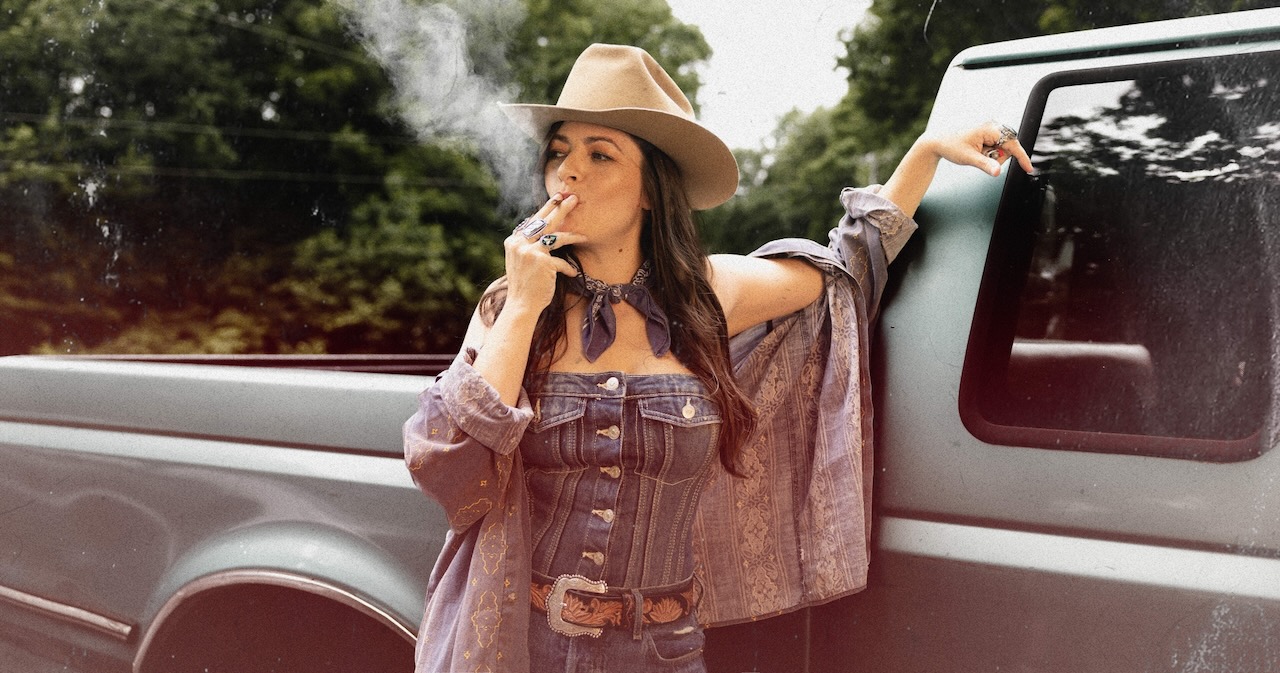
“Whispering Waltz” – Sierra Ferrell

Sierra Ferrell’s “Whispering Waltz” is an earnest and sorrowful song of surrender. Showcasing the clear, subtle qualities of Ferrell’s voice, this short and sweet waltz holds no anger or contempt – just simple sadness and the acceptance of having been betrayed.

While much of Ferrell’s music highlights her skill as a belter and larger-than-life performer, this tune underlines her talent as a songwriter. But the recent four-time GRAMMY winner is no stranger to writing mic-drop-worthy cheating songs. One of her earliest hits, “Rosemary” (which originally garnered attention as a Gems on VHS field recording on YouTube) tells a time-tested and brutal tale of a woman who murders her disloyal partner’s mistress and buries her under a flower bush.

While of course we absolutely do not condone this kind of unhinged behavior, both “Rosemary” and “Whispering Waltz” are some of the best country songs about cheating and betrayal penned and performed in recent decades. And murder ballads, after all, have been a country tradition since time immemorial.


“Your Cheatin’ Heart” – Hank Williams

It may seem like too obvious a choice, but this list just wouldn’t feel complete without a nod to one of Hank Williams’ most famous songs – and one of the most well-known country cheatin’ songs ever recorded.

Written nearly 75 years ago, “Your Cheatin’ Heart” has been resonating with scorned lovers everywhere since its release in 1952. A great example of Williams’ knack for timeless storytelling and a brilliantly simple song structure, this country classic won’t make your heartbreak go away, but it might make it just a little easier to bear (at least for two minutes and 41 seconds).


“Gaslighter” – The Chicks

This fiery 2020 release from country superstars The Chicks is electrifying from its first belted notes to its last. An extremely personal song written by the band’s longtime frontperson, Natalie Maines, “Gaslighter” is direct, confronting, and does not mince words. We won’t name any names, but we wouldn’t have wanted to be in Maines’s ex-husband’s shoes when this banger first dropped.

For anyone out there who’s ever been cheated on, lied to, or misled by a long-term partner, “Gaslighter” offers an empowering boost of righteous redemption and brutal-yet-necessary honesty. In the words of one anonymous commenter on YouTube, “If you can’t afford therapy, listening to this song about 20 times on repeat works.”


“I’m Gonna Sleep with One Eye Open” – Dolly Parton

Written by Lester Flatt and first recorded by Flatt & Scruggs in 1955, “I’m Gonna Sleep With One Eye Open” is an irresistible bluegrass take on the classic cheatin’ song. Dolly Parton’s version, recorded for her 1999 album, The Grass Is Blue, might help cheer you up if you’re feeling down and out this Valentine’s Day. (Because really, who can be in a bad mood while listening to Dolly Parton?)

Of course, Dolly’s better known for a different song about jealousy and the risk of betrayal – her 1973 megahit, “Jolene,” which is quite possibly the most well-loved and well-known country song to ever hit the airwaves. In 2024, Rolling Stone named “Jolene” the greatest country song of all time, calling it “the ultimate country heartbreak song” – and we won’t dare disagree.


“Fist City” – Loretta Lynn

Before Dolly Parton’s “Jolene” there was Loretta Lynn’s “Fist City.” With both dukes up, Lynn wrote this iconic country diss track in 1968, allegedly inspired by her real-life husband’s habit of cavorting with other women. But while the song quickly reached number one on the Billboard Hot Country Singles chart after its release, it was soon banned by most major radio stations for its controversial theme. (That is, Lynn threatening to beat people up for hitting on her husband).

Lynn went on to have upwards of a dozen songs banned from various radio stations throughout her career, because they often addressed feminist themes (though Lynn herself didn’t identify as a feminist). In fact, some radio stations still won’t play Lynn’s song “The Pill,” a single released in 1975 about birth control and sexual freedom. This Valentine’s Day, we’ll be blasting “Fist City” in honor of Lynn, who passed in 2022, and in honor of everyone else who’s ever been wronged by someone who made promises they weren’t prepared to keep.


Want more Good Country? Sign up to receive our monthly email newsletter – and much more music! – direct to your inbox.

Lead Image: Audrey & Hank Williams by Henry Schofield (1951), courtesy of the Country Music Hall of Fame.
Ed’s Picks – Country to Love

Editor’s Note: Each issue of Good Country, our co-founder Ed Helms will share a handful of good country artists, albums, and songs direct from his own earphones in Ed’s Picks.

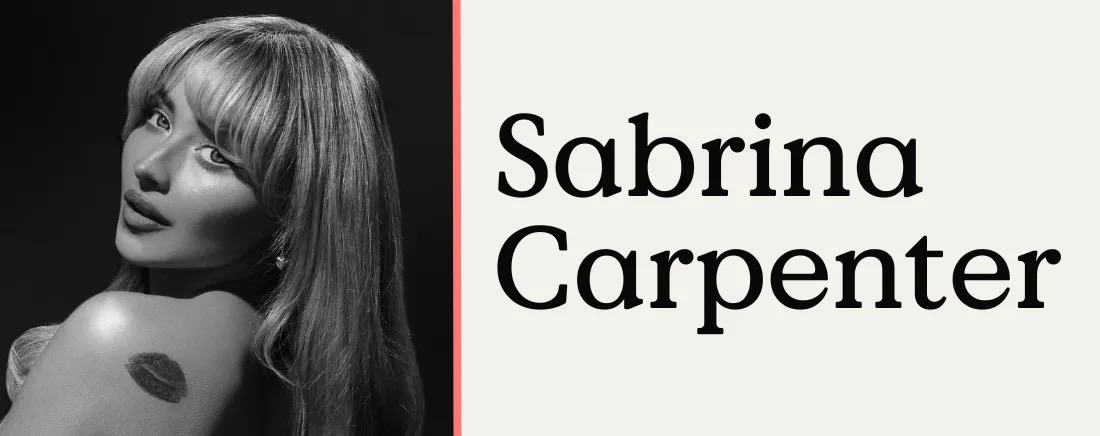
Sabrina Carpenter

Stop everything!! Sabrina Carpenter’s deluxe edition of Short n’ Sweet released today, featuring Dolly Parton herself on a new version of “Please Please Please” – and, thank you!


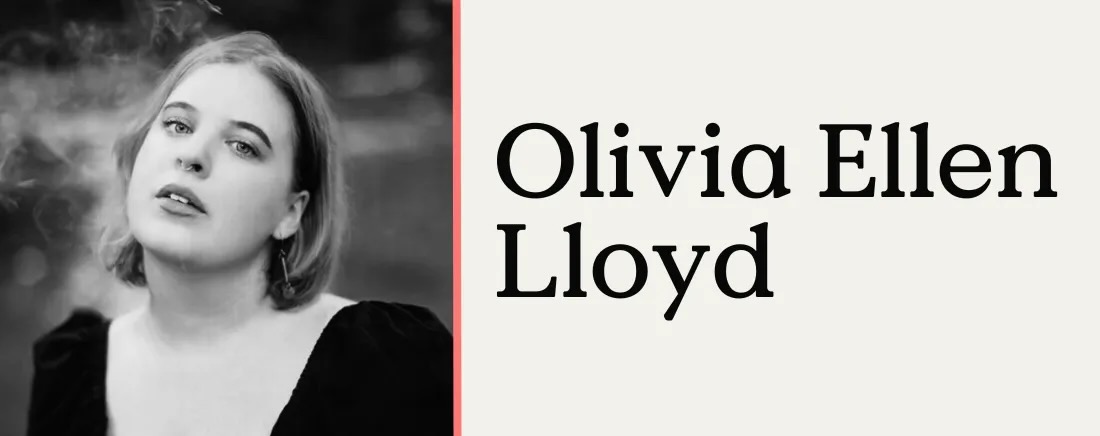
Olivia Ellen Lloyd

An honest, down to earth country singer-songwriter from West Virginia, the self-sufficient Olivia Ellen Lloyd will release her lovely new honky-tonkin’ album, Do It Myself, in March.


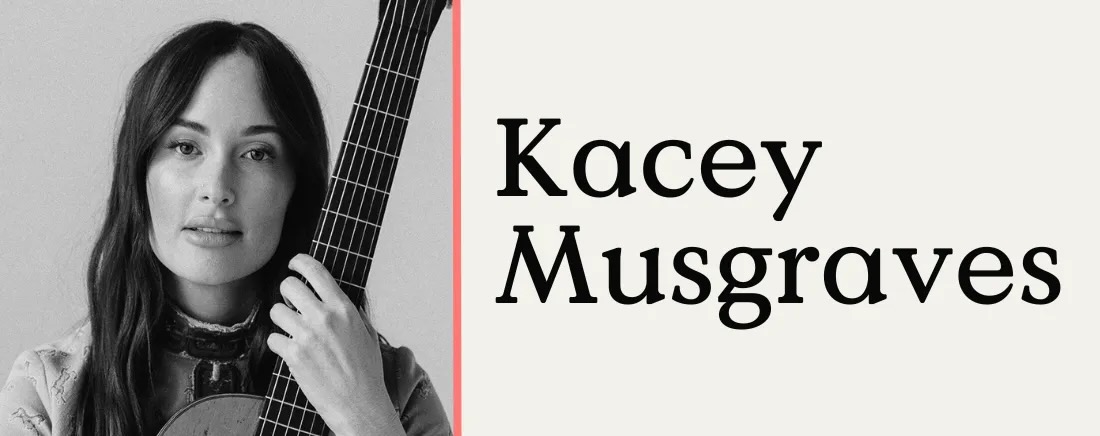
Kacey Musgraves

“The Architect” as Best Country Song? Another one the GRAMMYs got right this year. Even if you never stopped listening, it’s the perfect time to return to this Good Country track.

Find more Kacey Musgraves on Good Country here.


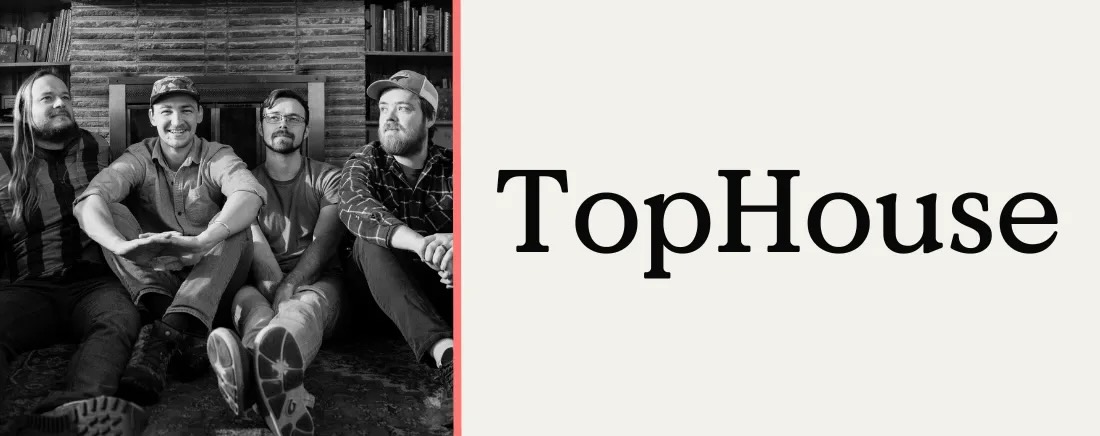
TopHouse

Indie folk with string band bones from Montana (via Nashville), we’re excited for TopHouse’s new EP, Practice – and that they’ll play our stage at Bourbon & Beyond later this year.


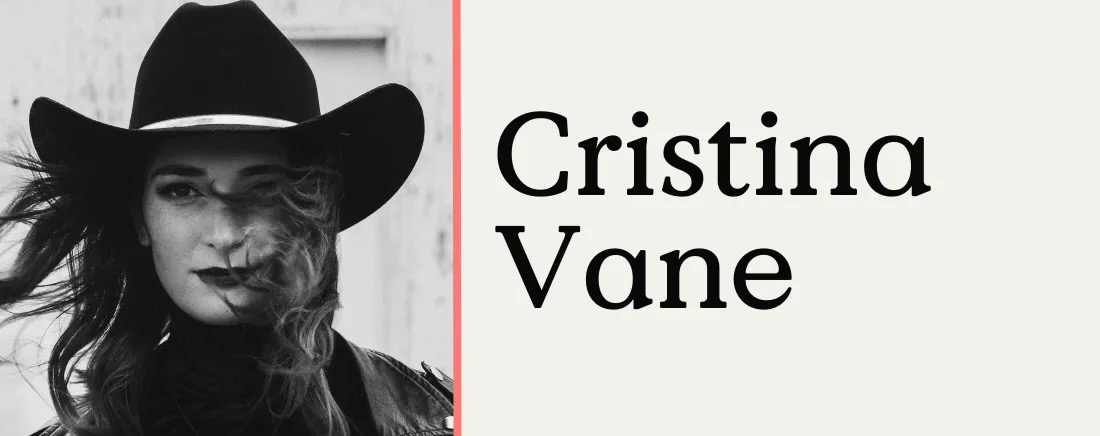
Cristina Vane

Hundreds of thousands of fans adore the blues, bluegrass, Americana, and country combinations of Cristina Vane and her slide guitar. Her latest, Hear My Call, is out next week.


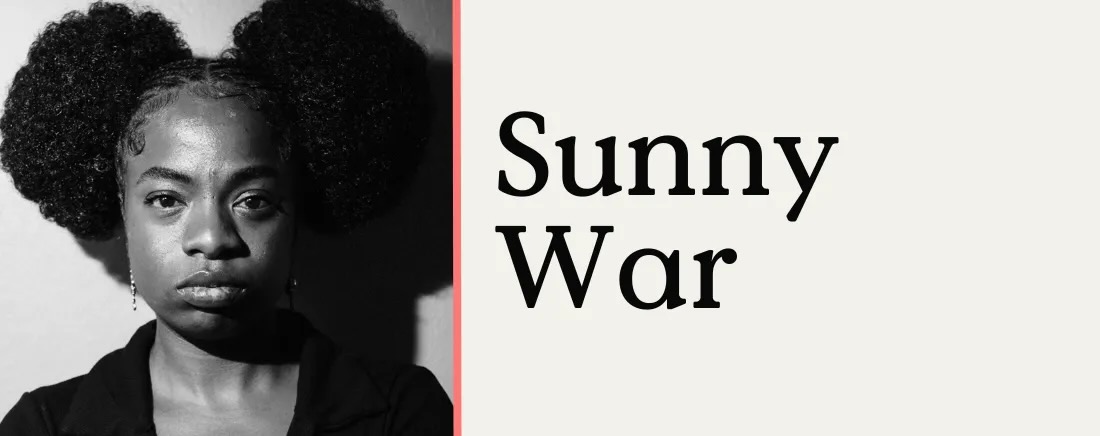
Sunny War

Our BGS Artist of the Month, Sunny War brings together fingerpicking, blues, punk – and so much more. Her newest, Armageddon in a Summer Dress, is timely, fierce, and excellent.

Dive into our Artist of the Month coverage on BGS.


Want more Good Country? Sign up to receive our monthly email newsletter – and much more music! – direct to your inbox.

Photo Credits: Sabrina Carpenter, Short n’ Sweet; Olivia Ellen Lloyd by Aaron May; Kacey Musgraves by Kelly Christine Sutton; TopHouse courtesy of the artist; Cristina Vane courtesy of the artist; Sunny War by Joshua Black Wilkins.

Celebrating Black History Month: DeFord Bailey, Tina Turner, Keb’ Mo’, and More

To celebrate Black History Month – and the vital contributions of Black, Afro-, and African American artists and musicians to American roots music – BGS, Good Country, and our friends at Real Roots Radio in southwestern Ohio have partnered once again. This time, we’ll be bringing you weekly collections of a variety of Black roots musicians who have been featured on Real Roots Radio’s airwaves. You can listen to Real Roots Radio online 24/7 or via their FREE app for smartphones or tablets. If you’re based in Ohio, tune in via 100.3 (Xenia, Dayton, Springfield), 106.7 (Wilmington), or 105.5 (Eaton).

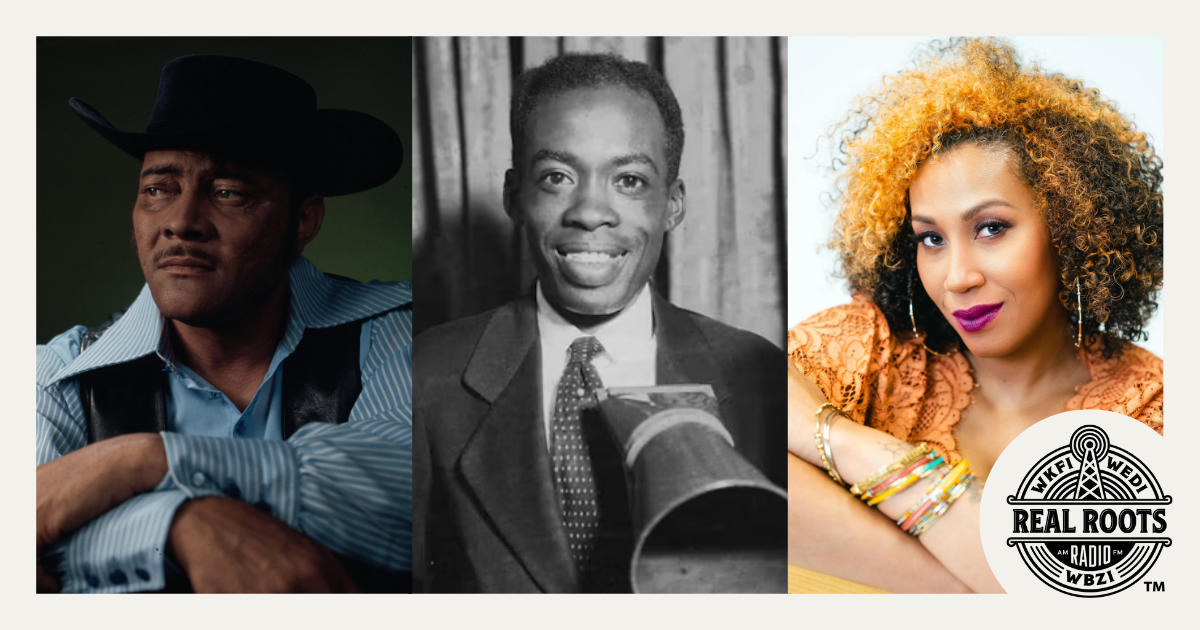
American roots music – in any of its many forms – wouldn’t exist today without the culture, stories, skills, and experiences of Black folks. Each week throughout February, we’ll spotlight this simple yet profound fact by diving into the catalogs and careers of some of the most important figures in our genres. For week two of the series, RRR host Daniel Mullins shares songs and stories of Stoney Edwards, Rissi Palmer, Keb’ Mo’, Tina Turner, and DeFord Bailey. Check out the first week of the series here.

We’ll return each Friday through the end of the month to bring you even more music celebrating Black History and the songs and sounds we all hold dear. Plus, you can find a full playlist with more than 100 songs below from dozens and dozens of seminal artists, performers, songwriters, and instrumentalists from every corner of folk, country, bluegrass, old-time, blues, and beyond.

Black history is American roots music history; the two are inseparable. As we celebrate Black History Month and its legacy, we hope you’ll join us in holding up and appreciating the artists who make country, bluegrass, blues, folk, and Americana the incredible and impactful genres that they are today.

Stoney Edwards (1929 – 1997)

If you don’t know the late, great Stoney Edwards’ name, it’s time to fix that – because his story in country is as powerful as the songs he sang.

Born Frenchie Edwards in Seminole Country, Oklahoma, in 1929, Stoney was part African American, Native American, and Irish. The son of sharecroppers, he was a prominent bootlegger in Oklahoma during his younger years. Stoney had dreams of playing the historic Grand Ole Opry. His big break in music would come later in life, in his early 40s, when he was discovered in California singing his honky-tonk style at a benefit for the King of Western Swing, Bob Wills.

Stoney was signed to Capitol Records in the early ’70s and from there he made history. He scored fifteen charting singles, including a pair of Top 20 hits, one of which – his 1973 hit “She’s My Rock” – is still revered as a bona fide country standard later covered by artists like Brenda Lee and George Jones. His songs were deeply authentic, whether he was singing about love, loss, or his own experiences growing up poor and Black in America. He gave a voice to the underdog, often drawing from his own struggles, including battling discrimination and working blue-collar jobs before music. Edwards would also record several songs saluting his country heroes over the years, including “The Jimmie Rodgers Blues,” “Daddy Bluegrass,” and his Top 40 hit, “Hank and Lefty Raised My Country Soul.”

Stoney’s music wasn’t just about catchy melodies; it was about storytelling. His debut single was inspired by a true story. Before he hit it big as a country singer, Stoney was trying to provide for his family working as a forklift operator at a steel refinery in San Francisco. A workplace accident resulted in Edwards being sealed up in a tank and suffering dangerous carbon dioxide poisoning; he endured an extensive two-year recovery, both physically and mentally. During this time, Stoney was struggling to care for his wife and children, so he planned to leave in the middle of the night. However he tripped over one of his daughter’s toys, and it prompted him to stay. In 1970, backed by the virtually unknown Asleep at the Wheel, Stoney Edwards released his debut single, the autobiographical “A Two Dollar Toy.”

While his career didn’t reach the same commercial heights as some of his peers, Stoney Edwards left an indelible mark on country music. He paved the way for greater diversity in the genre and showed that country music is for everyone – no matter where you come from or what you look like. Stoney Edwards passed away from stomach cancer in 1997 at the age of 67.

Suggested Listening:
She’s My Rock
Hank and Lefty Raised My Country Soul

Rissi Palmer (b. 1981)

She’s a trailblazer in country music, a voice for change, and an artist who refuses to be boxed in – meet Rissi Palmer!

Palmer’s mother passed away when she was just seven years old, but she instilled in her a love for the music of Patsy Cline. Rissi would burst onto the country scene in 2007 with her hit single, “Country Girl,” making history as one of the few Black women to chart on the Billboard country charts. Rissi has built a career on breaking barriers by blending country, soul, and R&B into a sound all her own. She has penned some empowering original songs, helping folks on the margins feel seen, especially her most personal song, “You Were Here,” dealing with the heartbreak of a miscarriage.

Beyond the music, Palmer uses her platform to uplift underrepresented voices in country and roots music. As the host of Color Me Country radio on Apple Music, she spotlights Black, Indigenous, and Latino artists in country music – proving that the genre belongs to everyone. With her powerful voice and unwavering spirit, Rissi Palmer isn’t just making music, she’s making history.

Suggested Listening:
Leavin’ On Your Mind
Seeds

Keb’ Mo’ (b. 1951)

Keb’ Mo’ is a modern blues legend. Born Kevin Moore, this L.A. native blends Delta blues with folk, soul, and a touch of country. With his smooth vocals and masterful guitar skills, he’s kept the blues alive for over four decades.

Mo’ is heavily influenced by the late Robert Johnson, who preceded Keb’ by about 60 years. Keb’ portrayed Robert Johnson in a 1998 documentary and included two Johnson covers on his breakthrough self-titled album in 1994. He has since won five GRAMMY Awards, collaborated with legends like Bonnie Raitt, Jackson Browne, and Taj Mahal, and performed for multiple U.S. presidents.

Mo’ is embedded in country and Americana music as well, working with cats like Lyle Lovett, Old Crow Medicine Show, John Berry, Alison Brown, Jerry Douglas, and Darius Rucker over the years. He has been quick to share his respect for country and gospel traditions, appearing on the critically acclaimed all-star album, Orthophonic Joy, recreating the magic of the 1927 Bristol Sessions – country music’s big bang.

Whether he’s playing a heartfelt ballad or a foot-stomping blues groove, Keb’ Mo’ keeps the genre fresh and timeless. His music isn’t just about the past – it’s about where the blues is going next. We love his passion for all things American roots music. Fifty years into his remarkable career, Keb’ Mo’ is still one cool cat.

Suggested Listening:
To The Work
Good Strong Woman” featuring Darius Rucker

Tina Turner (1939 – 2023)

She was the Queen of rock ‘n’ roll, but did you know Tina Turner had deep country roots?

Born Anna Mae Bullock, she grew up in Nutbush, Tennessee. Tina recalled picking cotton as a youngster during her hardscrabble rural upbringing. Her musical journey began by singing at church on Sunday mornings. She grew up on country, gospel, and blues. Turner and her husband, Ike (who was abusive towards her) had massive success in R&B and rock and roll, but her first solo record was actually a country album.

In 1974, Turner released her debut LP, Tina Turns The Country On!, introducing herself as a solo act. Featuring top musicians, including Country Music Hall of Famer James Burton on guitar, Tina tackled songs from country greats like Dolly Parton, Kris Kristofferson, and Hank Snow. It would go on to receive a GRAMMY nomination for Best Female R&B Vocal Performance in 1975. Over the years, unreleased songs from this groundbreaking album would be dropped, including her powerful take on “Stand by Your Man.”

However, her most enduring impact on country might be as the inspiration behind one of the outlaw movement’s most popular hits. In 1969, Waylon Jennings was staying at a motel in Fort Worth, Texas, when he saw a newspaper ad about Ike & Tina Turner that intrigued him enough to interrupt Willie Nelson during a poker game so they could write a country classic. The phrase that struck Waylon heralded Turner as “a good hearted woman loving a two-timin’ man.” Sound familiar?

From honky-tonks to stadiums, Tina Turner’s fiery spirit left an unforgettable mark on practically every genre – country, rock, and everything in between.

Suggested Listening:
Stand By Your Man
Good Hearted Woman

DeFord Bailey (1899 – 1982)

Let’s go back to the early days of country to a name that shaped the Grand Ole Opry, but is often forgotten: DeFord Bailey, “The Harmonica Wizard!”

Born in 1899 in Smith County, Tennessee, Bailey grew up around banjos and fiddles in a musical family, saying that he learned the “Black hillbilly music” tradition. He overcame polio as a child, resulting in his short stature – he was only 4’ 10” tall – but it was through this ordeal that he found his voice in a harmonica. While recovering from the disease, he was bedridden for a year, and learned to mimic the sounds he heard outside on his harmonica: trains, animals, and the rhythms of life.

In 1927, Bailey became one of the first stars of the Grand Ole Opry on Nashville’s WSM, dazzling crowds with hits like “Pan American Blues.” He was actually the first artist introduced after George D. Hay referred to WSM’s Barn Dance as the “Grand Ole Opry” for the first time to poke fun at NBC’s classical Grand Opera. Bailey would also become the first artist to record in Music City. His hits like “Fox Chase,” “John Henry,” and “Evening Prayer Blues” captivated radio audiences, making him one of the Opry’s most popular performers. He would tour with other stars like Roy Acuff, Uncle Dave Macon, The Delmore Brothers, and Bill Monroe, but would often not be allowed to stay in the same hotels or eat at the same restaurants as his white contemporaries due to Jim Crow laws.

In 1941, DeFord Bailey was unceremoniously fired from the Grand Ole Opry under suspicious circumstances. He would make his living shining shoes in Nashville and would not perform on the Opry again until 1974, the first of only a handful of final performances on the radio program which he helped grow during its infancy, before his passing in 1982.

The Grand Ole Opry would eventually work to reconcile its mistreatment of its first Black member, issuing a public apology to the late DeFord Bailey in 2023 with his descendants on hand. Old Crow Medicine Show was there to celebrate the occasion, performing their tribute song to Bailey led by black percussionist Jerry Pentecost, entitled “DeFord Rides Again.”

In 2005, Bailey was rightfully inducted into the Country Music Hall of Fame and over 40 years since his passing, he is still recognized as the Harmonica Wizard.

Suggested Listening:
Pan American Blues
Evening Prayer Blues


Want more Good Country? Sign up for our monthly email newsletter full of everything country.

Listen to Real Roots Radio online 24/7 or via their FREE app for smartphones or tablets.

Photo Credit: Stoney Edwards by Universal Music Group; DeFord Bailey courtesy of the Country Music Hall of Fame; Rissi Palmer by Chris Charles.

Celebrating Black History Month: Big Al Downing, Yola, Elizabeth Cotten, and More

To celebrate Black History Month – and the vital contributions of Black, Afro-, and African American artists and musicians to American roots music – BGS, Good Country, and our friends at Real Roots Radio in southwestern Ohio have partnered once again. This time, we’ll be bringing you weekly collections of a variety of Black roots musicians who have been featured on Real Roots Radio’s airwaves. You can listen to Real Roots Radio online 24/7 or via their FREE app for smartphones or tablets. If you’re based in Ohio, tune in via 100.3 (Xenia, Dayton, Springfield), 106.7 (Wilmington), or 105.5 (Eaton).

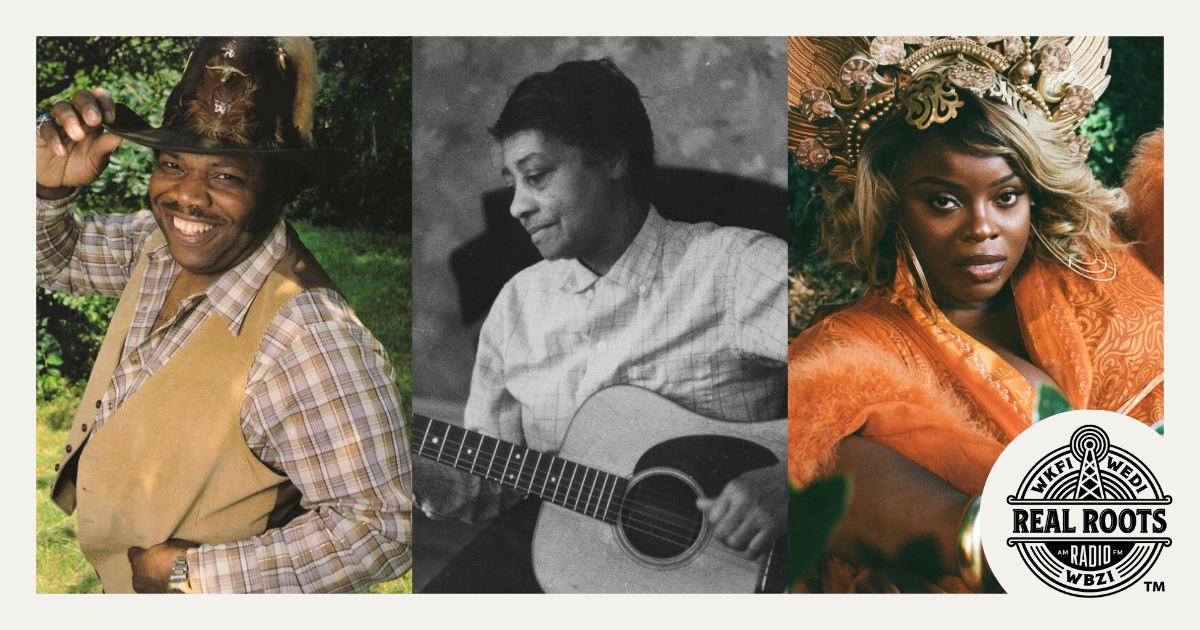
American roots music – in any of its many forms – wouldn’t exist today without the culture, stories, skills, and experiences of Black folks. Each week throughout February, we’ll spotlight this simple yet profound fact by diving into the catalogs and careers of some of the most important figures in our genres. To kick us off, RRR host Daniel Mullins shares songs and stories of Big Al Downing, Yola, Cleve Francis, Charley Crockett, Elizabeth Cotten, Dom Flemons, and Lead Belly.

We’ll return each Friday through the end of the month to bring you even more music celebrating Black History and the songs and sounds we all hold dear. Plus, you can find a full playlist with more than 100 songs below from dozens and dozens of seminal artists, performers, songwriters, and instrumentalists from every corner of folk, country, bluegrass, old-time, blues, and beyond.

Black history is American roots music history; the two are inseparable. As we celebrate Black History Month and its legacy, we hope you’ll join us in holding up and appreciating the artists who make country, bluegrass, blues, folk, and Americana the incredible and impactful genres that they are today.

Big Al Downing (1940 – 2005)

Big Al Downing was an engaging entertainer whose winding career included forays into many genres, including country music. An Oklahoma boy, Downing played piano on Wanda Jackson’s signature rockabilly hit, “Let’s Have A Party,” before pursuing a solo career, finding some mainstream success, dabbling in R&B, and even scoring a Number 1 disco hit, “I’ll Be Holding On.”

However, Downing made history in country as one of the earliest Black artists to find success in the genre. Beginning in the late ’70s, he would have a string of fifteen singles hit the Billboard country charts over the next decade, three of which reached the Top 20. He was nominated by the Academy of Country Music for their Top New Male Vocalist award in 1980. Big Al would be a frequent guest on the Grand Ole Opry, Hee Haw, Nashville Now, and more.

Downing’s soulful singing on hardcore country songs like “Bring It On Home” and “Touch Me (I’ll Be Your Fool Once More)” endeared him to fans, while his story song “Mr. Jones” has remained beloved by country enthusiasts. His career spanned five different decades of country, rockabilly, and more, remaining active in the country music world until shortly before his passing in 2005 after a brief battle with leukemia. Downing is a member of the Oklahoma Music Hall of Fame and Rockabilly Music Hall of Fame, and his legacy is still remembered by longtime fans of country music.

Suggested Listening:
Mister Jones
Touch Me (I’ll Be Your Fool Once More)

Yola (b. 1983)

Yola is a soul, country, and roots powerhouse! Born in the United Kingdom, Yola’s voice is a force of nature – rich, soulful, and packed with emotion. She started as a songwriter and backing vocalist before stepping into the spotlight with her 2019 debut album, the GRAMMY-nominated Walk Through Fire! Featuring contributions from Vince Gill, Molly Tuttle, Charlie McCoy, Ronnie McCoury, and more, the project was produced by Dan Auerbach of The Black Keys, and quickly endeared her to roots music lovers everywhere. She even appeared as a guest vocalist with all-star group The Highwomen.

With her unique blend of country, rock, and soul, Yola shatters boundaries. In 2021, she dropped Stand for Myself, an album full of bold, genre-blending anthems that brought her more GRAMMY noms. She has even dabbled in acting as of late, appearing on Broadway in Hadestown and playing Sister Rosetta Tharpe in the hit blockbuster Elvis. Do yourself a favor and check out this bon a fide star in roots music.

Suggested Listening:
Whatever You Want
Hold On” (featuring Sheryl Crow, Brandi Carlile, & Natalie Hemby)

Cleve Francis (b. 1945)

Do you remember Cleve Francis? He grew up listening to Hank Williams in Louisiana as a child before making his first guitar out of window screen wire and a King Edwards Cigar Box on his way to becoming an inspiring country artist. Cleve isn’t just a singer – but he’s a songwriter, a dreamer, and a doctor? That’s right, before he hit the stage, Cleve was saving lives.

Dr. Cleve Francis was a practicing cardiologist before he pursued his passion for country music full-time in the late ’80s. Cleve brought a fresh voice to the genre in the 1990s with his smooth voice and heartfelt lyrics that resonated with country fans, resulting in four singles on the Billboard country charts. Cleve’s style of country earned him appearances on major stages like the Grand Ole Opry, The Today Show, and more.

Though he eventually returned to medicine, Francis left an enduring legacy, inspiring many Black country artists who have followed in his wake. He was instrumental in the curation of the Country Music Hall of Fame & Museum’s “From Where I Stand: The Black Experience in Country Music” exhibit while also helping found the Black Country Music Association in the mid ’90s.

In 2021, he was recognized with a Black Opry Icon Award, and his album Walkin’ is on display at the National Museum of African American History & Culture in Washington D.C., where he could still been seen frequently performing at the legendary Birchmere music club until his retirement in 2021.

Suggested Listening:
Love Light
You Do My Heart Good

Charley Crockett (b. 1984)

One of the most authentic voices in modern American roots music, Charley Crockett has a story that sounds borderline mythical. A descendant of Davy Crockett who grew up in Texas, Crockett spent his early years busking on street corners from New Orleans to Dallas to New York, learning the art of storytelling from life itself. His travels took him to California, Paris, Spain, and Morocco before returning to Texas and releasing his debut album in 2015. Crockett’s recording output has been impressive, frequently releasing multiple albums a year and balancing his records with heartfelt originals and a deep catalog traditional songs from the likes of Tom T. Hall, Hank Williams, Willie Nelson, George Jones, Johnny Paycheck and more.

The common denominator is Charley – his voice carries a raw, timeless quality that cuts straight to the heart. Now performing at the Ryman Auditorium and on Jimmy Kimmel Live!, Charley’s rise hasn’t gone unnoticed. He’s earned critical acclaim and has racked up accolades from the American Music Association and a GRAMMY nomination. With black, Cajun, Creole and Jewish heritage, Crockett’s unique take on country and American roots music is sure to speak to music lovers everywhere for years to come.

Suggested Listening:
Jukebox Charley
$10 Cowboy

Elizabeth Cotten (1893 – 1987)

An underappreciated hero of American folk and blues, Elizabeth Cotten was born in 1893 in Chapel Hill, North Carolina. Growing up in a musical family, by the time she was 7 Elizabeth taught herself to play guitar left-handed. She flipped the guitar upside down, creating her own unique picking style, now known as “Cotten picking,” which featured alternating bass notes played with her fingers while her thumb played the melody.

Elizabeth wrote her iconic song, “Freight Train,” when she was just 12 years old. This classic has been recorded by Bob Dylan, Joan Baez, Tommy Emmanuel, Doc Watson, and dozens more artists across multiple genres. But her music remained largely unheard for decades as she spent much of her life working as a domestic housekeeper. It wasn’t until she reached her 60s, while working for the Seeger family – yes, that Seeger family – that her incredible talent received a proper platform. Working for a family that loved and appreciated music inspired Elizabeth to resume playing. With the Seegers’ encouragement, Elizabeth recorded her first album, Folksongs and Instrumentals with Guitar, in 1958, recorded at home by Mike Seeger, a member of the Bluegrass Music Hall of Fame.

Cotten went on to perform at major festivals thanks to the folk revival, w0n a GRAMMY at age 90, and inspired countless musicians before passing away in Syracuse, New York at the age of 94. Elizabeth Cotten was posthumously inducted into the Rock & Roll Hall of Fame in 2022.

Suggested Listening:
Shake Sugaree” [Live]
Oh Babe, It Ain’t No Lie

Dom Flemons (b. 1982)

Let’s shine a spotlight on a modern-day troubadour, the Grammy-winning musician, historian, and storyteller Dom Flemons, The American Songster. An avid folk music fan, Flemons was a busker in his home state of Arizona before moving cross country to North Carolina to help found the Carolina Chocolate Drops, a band that revived the nearly forgotten legacy of Black string band music.

Flemons has been a successful solo artist for the last decade-plus. He is a master of multiple instruments – banjo, bones, guitar, harmonica – you name it! His music blends old-time, folk, blues, jazz, and country, tracing the deep roots of African American contributions to American music. From the Grand Ole Opry to Carnegie Hall, Flemons brings history to life with every note.

His 2018 album, Black Cowboys, uncovered the often overlooked stories of African American pioneers in the West, earning critical acclaim and a GRAMMY nomination. Today, whether performing solo or collaborating with legends like Taj Mahal, Sam Bush, and Rhiannon Giddens, Flemons keeps the rich traditions of American roots music alive. In addition to educating audiences about the origins of roots music, Flemons creates great original music as well, truly embodying his moniker.

As The Boston Globe said, “most folk artists go by ‘singer-songwriter’ or simply ‘musician.’ But ‘American Songster’ speaks to a greater truth about the work Flemons, a multi-instrumentalist, has accomplished.” We couldn’t agree more.

Suggested Listening:
Steel Pony Blues
Nobody Wrote It Down

Lead Belly (1888 – 1949)

He was a man of legend, his voice as powerful as the chains that once bound him. Born Huddie Ledbetter in 1888, the world knows him as Lead Belly. Imprisoned and pardoned multiple times, Lead Belly carried his music from the prison yards of Louisiana to the streets of New York City.

Legend has it that his musical gift led to his release. His background makes his prison, chain gang, and work songs even more haunting, including “Midnight Special.” His original song, “Goodnight Irene,” has been recorded more than two hundred times, including versions by Ernest Tubb & Red Foley, Moon Mullican, Frank Sinatra, Jerry Reed, and Johnny Cash. It is viewed as a verified country standard.

“Duncan and Brady,” “In the Pines,” “Cotton Fields” – his songs told stories of hardship, freedom, and the American experience. Lead Belly’s music shaped folk, blues, rock, and country inspiring legends like Creedence Clearwater Revival, Bob Dylan, Robert Plant & Alison Krauss, Pete Seeger, Johnny Cash, The Johnson Mountain Boys, and Nirvana.

Lead Belly died in 1949, but his music lives on. His voice still echoes in every blues riff and folk song today. Lead Belly was posthumously inducted into the Rock & Roll Hall of Fame in 1988.

Suggested Listening:
Black Girl (In The Pines)
Irene (Goodnight Irene)


Want more Good Country? Sign up for our monthly email newsletter full of everything country.

Listen to Real Roots Radio online 24/7 or via their FREE app for smartphones or tablets.

Photo Credit: Big Al Downing via Team Entertainment Records; Elizabeth Cotten via Smithsonian Folkways Recordings; Yola by Valeria Rios.

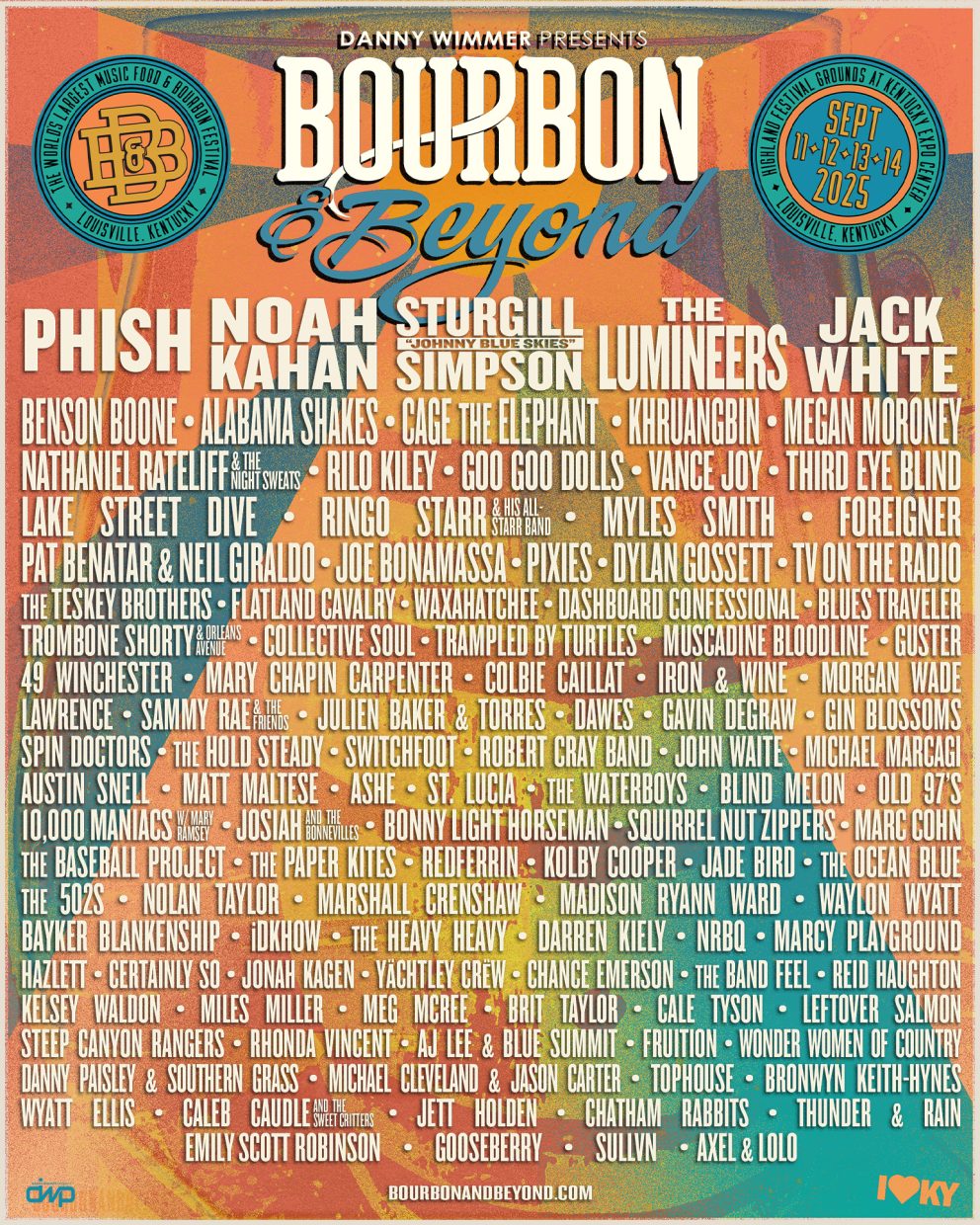
ANNOUNCING: The Full Lineup for Bourbon & Beyond 2025 is Here

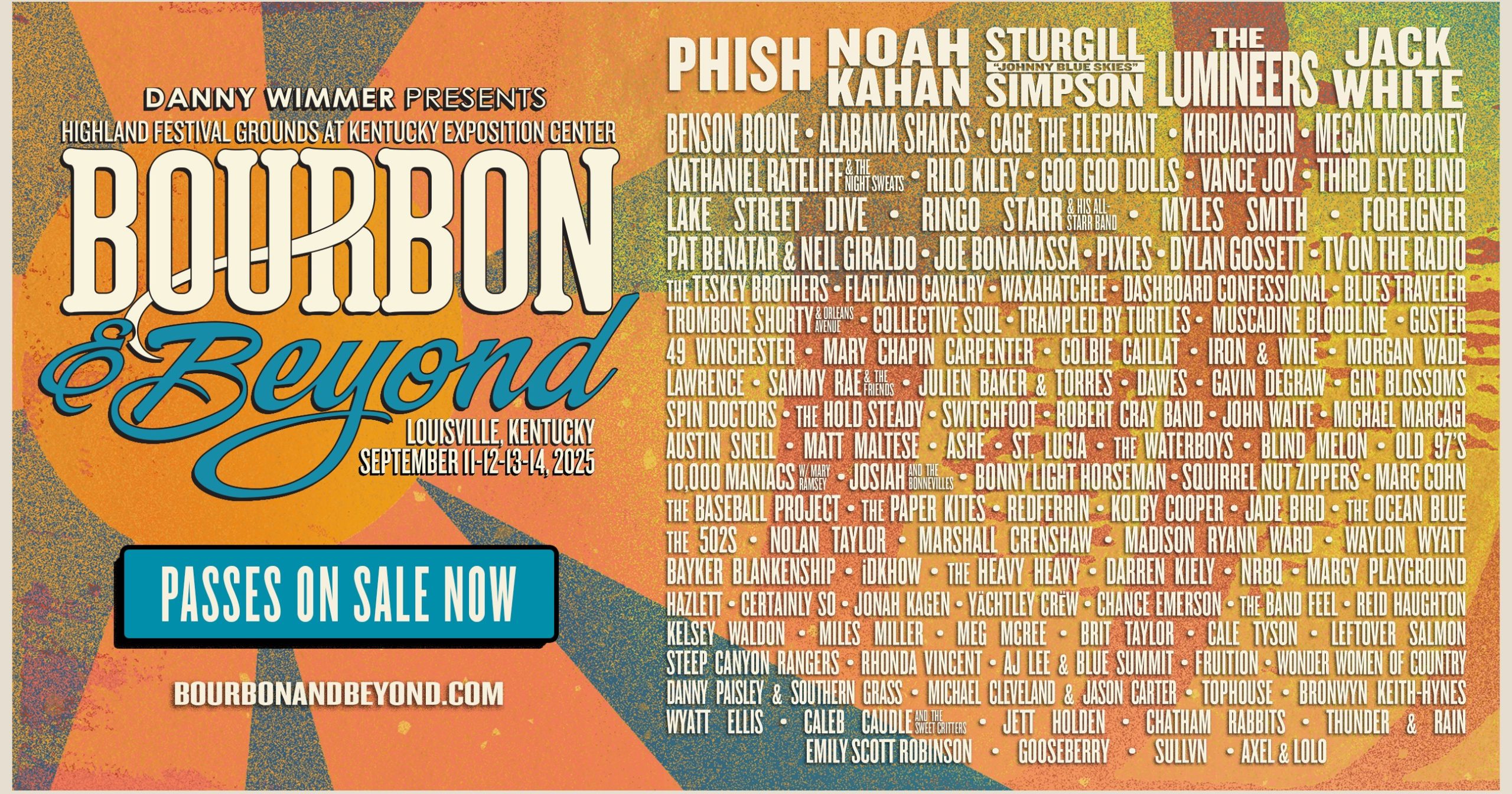
Today, Bourbon & Beyond, the world’s largest music and bourbon festival, announced its lineup for their 2025 event, occurring September 11 through 14, 2025 in Louisville, Kentucky once again held at the Kentucky Expo Center. Last year, the festival attracted more than 200,000 attendees over its four days, setting a record as the largest music festival in the state’s history with its singular and wildly attractive roots-meets-mainstream lineup.

This year, main stage headliners include The Lumineers, Alabama Shakes, Phish, Sturgill Simpson (as Johnny Blue Skies), Jack White, Noah Kahan, Megan Moroney, and more. Plus, BGS returns to Bourbon & Beyond for our seventh consecutive year, programming The Bluegrass Situation stage in the Kroger Big Bourbon Bar. Attendees can enjoy delicious Kentucky Straight Bourbon Whiskey from dozens of distilleries while hearing the best bluegrass, country, and Americana from across the country. Don’t miss line dancing between sets while you enjoy the sounds of BGS – from new discoveries to living legends – and one of the shadiest spots on the festival grounds.

Our headliners gracing the BGS stage will be some of our biggest gets yet for the event, including AJ Lee & Blue Summit, Rhonda Vincent, Steep Canyon Rangers, and Leftover Salmon. Plus, you can catch Jason Carter & Michael Cleveland – who just announced their upcoming debut duo album – young mandolin phenom Wyatt Ellis, the impressively big-voiced Jett Holden, GRAMMY nominee Bronwyn Keith-Hynes, and many more. (Find our full BGS stage lineup below.)

While there’s always plenty of bluegrass and old-time, folk and Americana to be found on our own stage, B&B boasts an incredibly diverse array of artists, bands, and musicians each year across all of its stages. Elsewhere during the event we’ll be running around, too catching sets by Bonny Light Horseman, Kelsey Waldon, Flatland Cavalry, Jade Bird, Julien Baker & TORRES, Mary Chapin Carpenter, Lake Street Dive, Trampled by Turtles, and so many more.

“Bourbon & Beyond is the best lineup of the year – bringing together the biggest names in rock, Americana, and alt, alongside country icons and breakout artists,” says Danny Wimmer of Danny Wimmer Productions, who produces the event. “It’s a festival that doesn’t just celebrate one sound, but the best of all of them, paired with world-class bourbon, incredible food, and that unmistakable Kentucky vibe.”

We couldn’t agree more. Bourbon & Beyond remains one of the highest quality events we’ve ever partnered with, bringing together world class food and beverage, unique experiences and activities, so many genres and sounds, and the buzziest talents alongside sparkling fresh discoveries and legacy acts with household names. All set in the heart of roots music country in beautiful Kentucky.

Tickets for Bourbon & Beyond are on sale now. We hope you’ll join us for yet another year in Louisville – you won’t want to miss our BGS stage lineup or any of the limitless fun B&B has on offer.

BGS Stage Lineup:

AJ Lee & Blue Summit
Rhonda Vincent
Steep Canyon Rangers
Leftover Salmon
Caleb Caudle & the Sweet Critters
Jason Carter & Michael Cleveland
Chatham Rabbits
Wyatt Ellis
Fruition
Jett Holden
Bronwyn Keith-Hynes
Danny Paisley & Southern Grass
Steep Canyon Rangers
Thunder & Rain
TopHouse
Wonder Women of Country


Graphics courtesy of DWP.

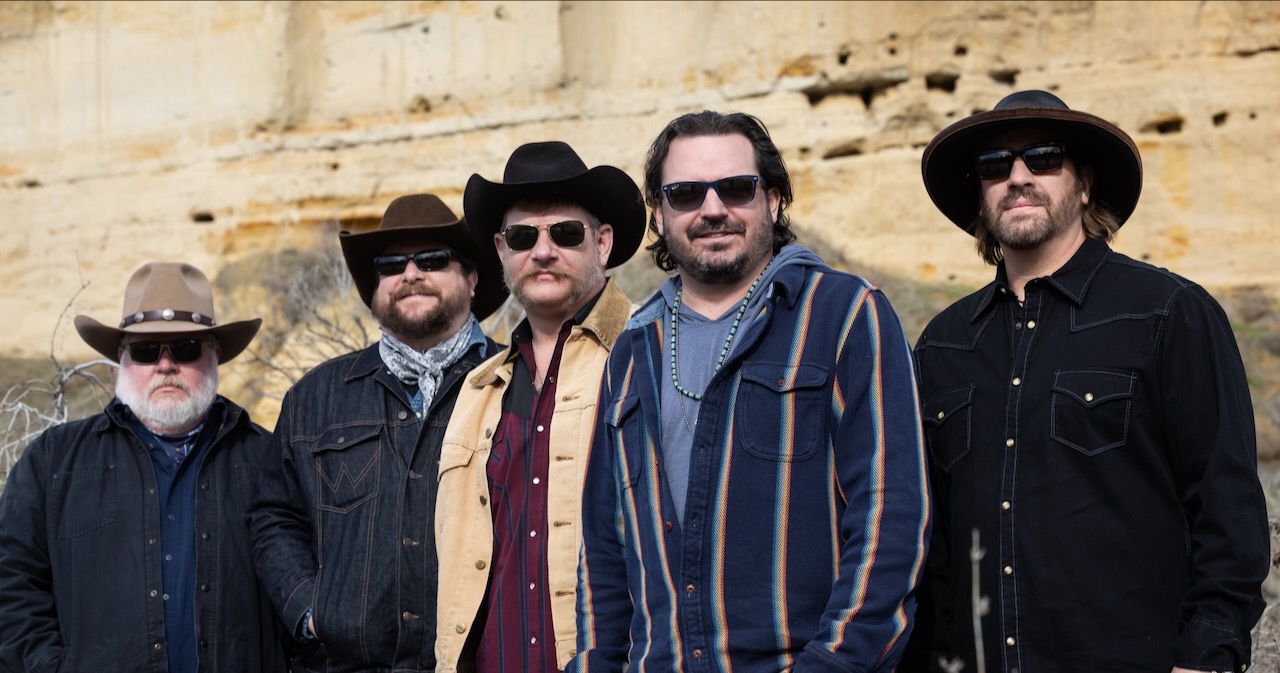
WATCH: Reckless Kelly Go Behind the Scenes of “What’s Left of My Heart” Video

Austin, Texas-based alt-country rockers Reckless Kelly released their music video for “What’s Left of My Heart” – from their 2024 album, The Last Frontier – a handful of months ago. Now, they’ve returned with a special “Pop-Up Music Video” that takes viewers behind the scenes of the making of the video. (Watch below.)

Bits of commentary, context, insight, facts, and fun “pop up” as noteworthy action occurs on screen, bringing outlaw country fans into the processes that led to the zany and fun visual rendition of the track. Set in the now-legendary South Austin honky-tonk Giddy Ups, just days before it permanently closed its doors, the video includes plenty of Easter eggs and details that would have easily gone overlooked if not for the illuminating pop-ups. Viewers follow frontman Willy Braun through a series of hijinx brought on – or enhanced by? – the band’s informal mantra, “sorry for partying.”

“We shot the entire video in about five hours after a show,” Willy’s brother and bandmate Cody Braun explains via press release, “So a ton of pre-prep and organizing had to happen. It was amazing to have friends, family, and musician buddies join us and bring this vision to life. Giddy Ups was one of our favorite spots, and as Austin changes, we wanted to give it a proper send-off.”

“What’s Left of My Heart” is certainly that send-off, but with so many collaborators, actors, cameos, industry folks, and special guests, the behind-the-scenes touches of the pop-up video help illustrate how important community and family are to the band over the decades. There’s so much to see and hear in “What’s Left of My Heart,” we don’t want to give any of it away! So don’t miss a single beat and watch Reckless Kelly’s new pop-up music video.


Want more Good Country? Sign up to receive our monthly email newsletter full of Good Country direct to your inbox. 

Photo Credit: Robert Millage
Video Credit: Co-directed by Tony Gates and Cody Braun.

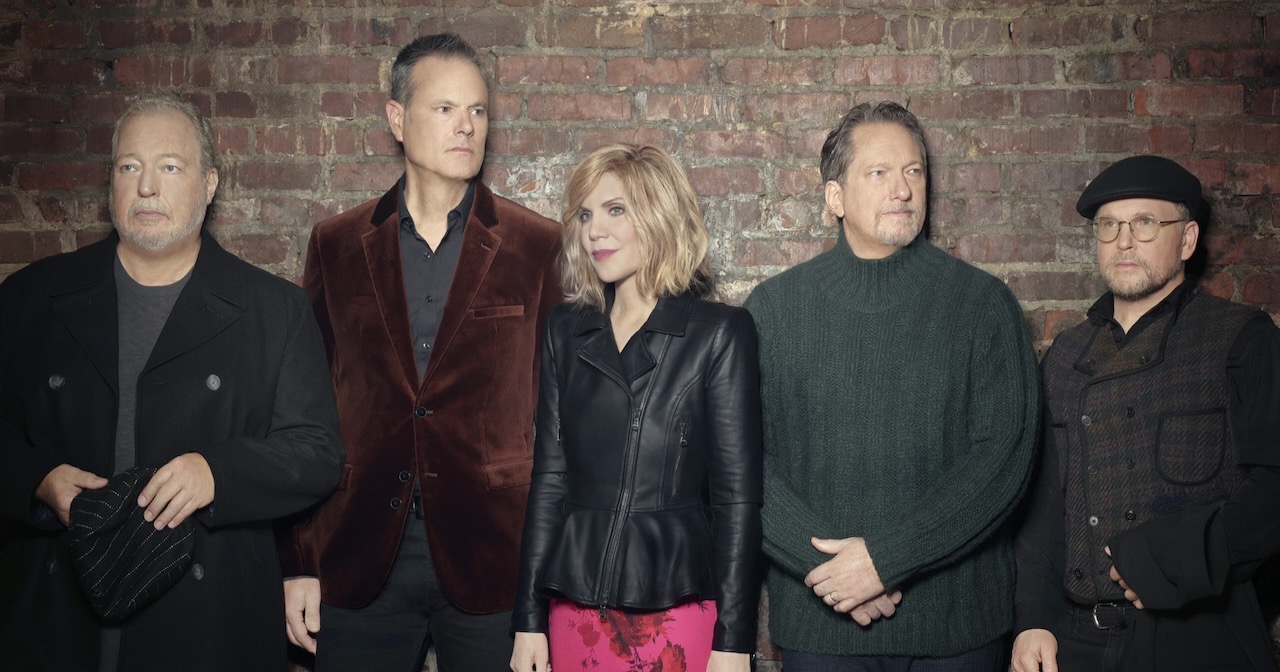
Alison Krauss & Union Station Announce ‘Arcadia,’ Their First Album in 14 Years

A few short weeks ago, Alison Krauss & Union Station made roots music waves announcing their first headlining tour since 2015, featuring dozens of dates stretching from April ’til September of this year. Now, the 14-time GRAMMY-winning bluegrass band is announcing their first album in 14 years, Arcadia, set for release on March 28 on Down The Road Records. This marks the return of Krauss & Union Station to collaborating with Rounder Records founders Ken Irwin, Marian Leighton Levy, Bill Nowlin, and John Virant, who recently began Down The Road Records. Decades ago, Irwin first signed the fiddle phenom when she was still a teenager.

With the album’s announcement, the band have released Arcadia‘s first single, “Looks Like the End of the Road,” a song written by Jeremy Lister that hearkens back to the emotive slow burns of classic AKUS albums like 1997’s So Long, So Wrong. (Listen above.) Gritty Dobro, by none other than Jerry Douglas of course, and pining mandolin tremolos are underpinned by sweeping pads and transatlantic textures. It all at once sounds like idiomatic Union Station while clearly signaling their transition from a former era to a newly minted one. “Looks Like the End of the Road” is an apropos beginning for this world-renowned group starting down a new highway.

“Usually, I find something that’s a first song, and then things fall into place,” says Krauss via press release. “That song was ‘Looks Like the End of the Road.’ Jeremy Lister wrote it, and it just felt so alive – and as always, I could hear the guys already playing it.”

“The guys,” at this juncture, include longtime band members Douglas, Ron Block, Barry Bales, and a new addition, Russell Moore, a 6-time winner of the IBMA Male Vocalist of the Year Award and a veteran frontman of bluegrass mainstays IIIrd Tyme Out.

“To say I’m excited about recording and touring with Alison Krauss & Union Station would be a huge understatement,” Moore gushed in the band’s December 2024 tour announcement. “After 40 years of playing music full-time and leading my own group for 34 years, this opportunity is among the few things at the top of the list that my music career has offered me. My hopes and desires are to fill this spot in AKUS with the same professionalism, precision, and thoughtfulness as other members who have held this position before me, and I’m looking forward to the ‘ride!'”

Tickets for the gargantuan Arcadia tour – which will feature special guest Willie Watson – are already on sale. Anticipation for the first studio album in 14 years from one of the most prominent and impactful bluegrass groups in history is remarkably high. Yet again, with Arcadia, Alison Krauss & Union Station are poised to bring their singular blend of bluegrass, Americana, adult contemporary, and stellar song interpretations to millions of fans and listeners around the world.


Want more? Listen to our exclusive Toy Heart interview with Alison Krauss here.

Photo Credit: Randee St. Nicholas

BGS 5+5: Olivia Wolf

(Welcome to another 5+5! Hit play, scroll, and get to know artists, creators, and roots musicians of all sorts with five questions and five songs.)

Artist: Olivia Wolf
Hometown: Leipers Fork, Tennessee
Latest Album: Silver Rounds

Which artist has influenced you the most – and how?

Gillian Welch. She has shown me that lyrics can be both beautiful and dark, honest and true. Her instrumentation is brilliantly simple and to see her play live is to transcend to a different plane.

What’s your favorite memory from being on stage?

We played “The Wild” in Seattle, and I asked if anybody had gone fishing that day. A fella had been out that morning and caught three coho salmon. When the song started he closed his eyes and I knew he was back on the ocean in the breeze and the water. I love to see other people getting to escape through my music.

What other art forms – literature, film, dance, painting, etc. – inform your music?

Photography, antiquing and home décor design, cooking, and hosting friends.

What is a genre, album, artist, musician, or song that you adore that would surprise people?

I love Daft Punk. Especially their song “Something About Us.” They influenced a lot of the cosmic aspect of my album and I greatly admire their lyrics and musicality.

If you didn’t work in music, what would you do instead?

There is nothing I could do instead, I am married to the music.


Photo Credit: Alysse Gafkjen

Watch Post Malone Make His Grand Ole Opry Debut in New Video

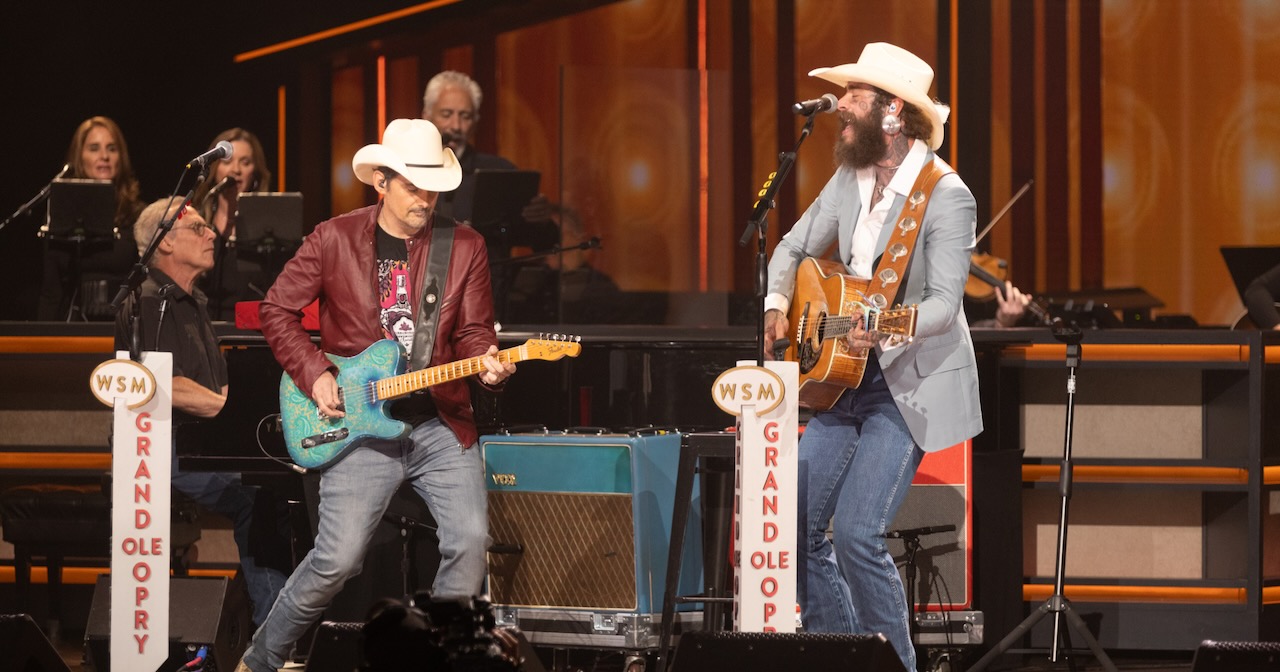
Back in August 2024, in tandem with the release of his earth-shaking country debut, F-1 Trillion, Post Malone took to the heralded Grand Ole Opry stage for the very first time. The special edition show, “Post Malone & Friends Live at the Opry,” was filmed for an Opry Live and Circle Now livestream broadcast and featured performances by Malone, Lainey Wilson, Vince Gill, Brad Paisley, The War and Treaty, and many more.

As usual, the incredible Opry content team was backstage and on hand for the momentous evening, capturing Malone’s debut as they do for each artist who takes to the stage, stepping into “the circle” – the inset portion of stage taken from the Ryman Auditorium in downtown Nashville and installed into the floorboards of the Grand Ole Opry House. Hundreds, if not thousands, of iconic artists, musicians, and celebrities have strode the hallowed circle.

“Stepping into the circle today is very much like the Super Bowl,” Malone says in the video released last week. “It’s terrifying, but it’s so exciting – and I’m ready to rock.”

And rock he did, bringing the drive and swagger of his mainstream background onto the Opry stage, packaged in rugged, honky-tonkin’, and fun F-1 Trillion vibes. The video showcases just how excited and even giddy Malone is to share in the legacy of the Opry. It’s a common, nearly universal feeling for every artist – of every level and every genre –who has stepped onto that stage.

With words and thoughts from Wilson, Gill, and Post Malone himself, the video includes sweet backstage moments, clips of once-in-a-lifetime performances, and a heaping helping of the welcome and hospitality of the Grand Ole Opry family. It’s a testament to how open and warm this genre can be to newcomers and visitors in these styles – when it wants to be.

Enjoy a taste of Post Malone’s iconic Opry debut above and read more about F-1 Trillion and Post Malone’s history with the genre on Good Country here.


Photo Credit: © Grand Ole Opry, Photo by Chris Hollo. Left to right: Brad Paisley, Post Malone.

Larkin Poe Continue to Bloom

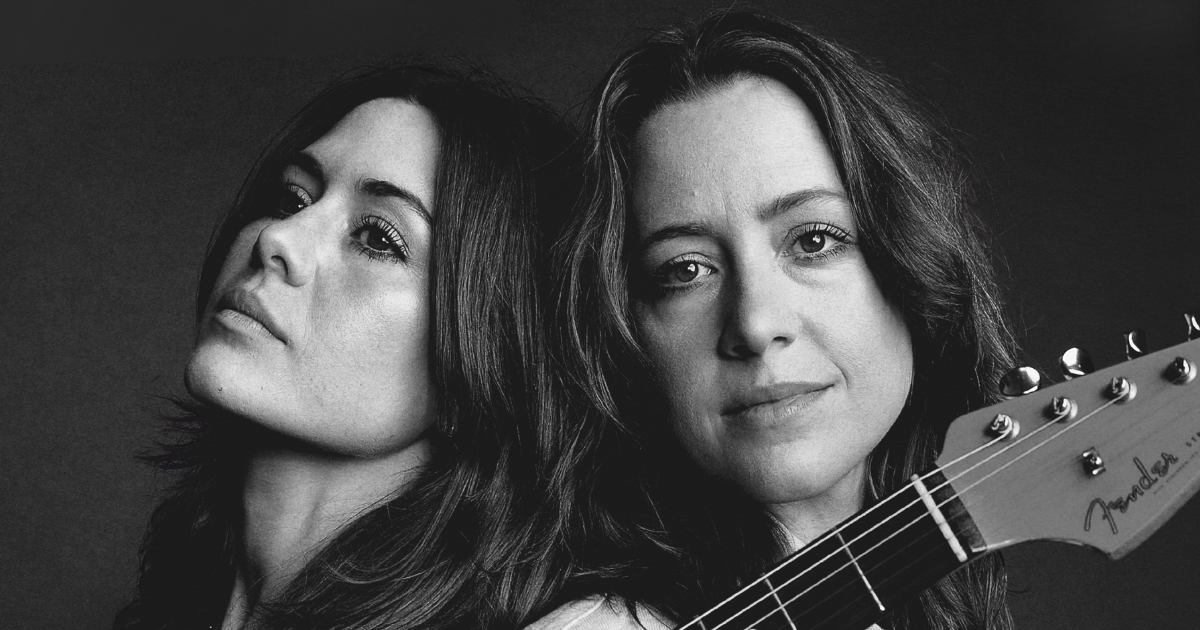
Megan and Rebecca Lovell are Larkin Poe, a band that nestles into a myriad of genres – and the sisters are good with that. Their newest full-length album effort, Bloom, out January 24, comes fresh off the heels of a GRAMMY win for Best Contemporary Blues Album with last year’s Blood Harmony. They also landed Duo of the Year at 2024’s Americana Honors & Awards, proving that by digging into their own stories, collaborating even when it isn’t easy, and filtering it all through what the music will feel like on stage, they carve a sound that knocks down doors into multiple genre territories.

Independent spirit permeates everything the sisters do, from the way they write and produce the music to how they map out the aesthetics of how they present the work. Bloom is no exception, finding the women delving deeply into personal and social themes in a way they say they have not before, the result of getting real with each other and learning how to collaborate through the writing process.

In “You Are the River,” we find them contemplating a common theme throughout the album, that sometimes the best and the worst are married inextricably and tie us to each other.

The sand in the oyster
The pressure on the coal
The sum of the parts is greater than the whole
A chain of reactions
A butterfly’s wing
My hand holding yours to form another link

For our Artist of the Month interview, BGS spoke with Megan and Rebecca via Zoom from their respective homes in Nashville. The Lovells discuss the challenges and joy of writing together, the evolution of their relationship with their fans, and the pressures of public life in the age of social media.

You all have been lauded in multiple genres, from blues to Americana. You are also identified as a rock and roll band and here we are talking on a bluegrass outlet. What do you think about genres in general, and do you consider them at all during creation of the music?

Rebecca Lovell: One of the greatest pieces of advice that we’ve ever received was from Mr. Elvis Costello. Many, many years ago, he advised us to defy the temptation to put ourselves into a genre box. He has lived up to that creed himself, having made bluegrass, gospel, country, punk, rock records, operatic records, and musical records.

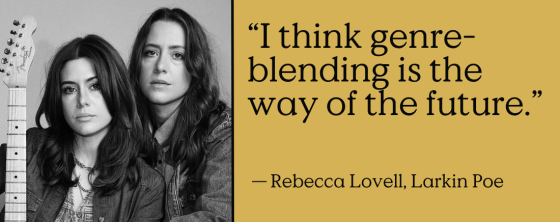
For us, having been able to sample all the different facets of who we are as people and music lovers allows us to connect with the people who are consuming our music. I think increasingly, all of us consume music from a wide range of genres. I do think that that’s one gift of streaming platforms. The very barest of silver lining is that it opens up your mind to the fact that there is great music to be found in every genre, and I think genre-blending is the way of the future.

So we call what we do roots rock and roll, which is intentionally very vague because we get great joy out of letting the many flavors of our musical heritage be represented. That allowed us this past summer to play at a bluegrass festival and then play at a world music festival, play at a pop festival, a rock festival, a country festival, and it keeps it fresh. It keeps it exciting.

You’ve won awards in multiple genres, especially in the past few years. I was curious: are awards ever a motivator for you? Do you ever think about them when you’re creating?

Megan Lovell: Winning awards is a very new thing for us. We’ve always made music with a different focus, because we’ve always felt that the real reward is people being willing to stand in line or travel and buy a ticket and wait at the venue for us to come and play. So that’s always been our focus. Not to say that winning an award isn’t a cool experience, and definitely something we’re super appreciative of, but I don’t think it’s something we consider when we’re writing or recording.

We’re definitely thinking about our live show. We’re really writing intentionally, thinking about how it will feel when we’re touring. Because that’s what we do most of the year is tour.

Tell me about your writing process, both when it’s just you two as sisters, bandmates, and business owners and then also when you bring in other folks to collaborate.

RL: I think Bloom represents a really cool point in our evolution as creative collaborators. Since the ground up, Megan and I have been projecting together since we were little kids. It’s felt like [there was] a lot of foreshadowing in our childhood that we would work together, because we’ve always been so collaborative. But songwriting was one of the last holdouts of our working relationship that there was friction in. I’m sure it has to do with the fact that there is a piece of this sibling rivalry thing. But getting older, being more comfortable with and accepting your flaws, and being able to then have the self-confidence in a writing session to throw out ideas – that inherently, because they are ideas, they’re not fully fledged. They can be misunderstood or sound stupid.

I think we’d had some writing experiences in the past where we had not had the best of times. It just felt like a lot of false starts. We typically had written separately, but something clicked in the last 6 to 8 months leading up to the writing process for Bloom. We made the commitment to and had many conversations about writing the record together, and I really think you can hear the progress that we made as a team in manifesting that true creative collaboration. I think the songs are so much better.

There was a real commitment to being very intentional with everything that we said on this record. Being a songwriter and a performer, there is always this temptation to self-aggrandize, or build a character for yourself, or be the movie theatrical version of who you are and what your life feels like. I specifically have written from that space in the past and listening back, we wanted to do something different this time. That was our consensus. We went through every song, every lyric on this record with a fine-tooth comb, to ensure that real vulnerable authenticity was represented in the lyrics. That took a lot of courage and I am really proud of us for making that commitment, and being able to actually pull it off with this album.

ML: You know, what’s funny is, when we were thinking about bringing in a third collaborator, did we go outside? No, we actually end up working with Rebecca’s husband [Tyler Bryant] a lot. So we have that sibling dynamic and the husband-and-wife dynamic. We really like to complicate things.

RL: There is a certain shorthand that exists when someone knows you really well, when you know someone really well, and especially between Megan and myself – and also Tyler. We all have very closely mirrored musical upbringings and we have a lot of kindred spirit energy in the records that we’re all referencing for the production and the songwriting.

It does create this space, when handled correctly, for being really truthful, being really genuine, and allowing yourself to actually go to those spaces. I was the big crybaby on this record. I was weeping in these co-writes, like inconsolable. But that allows you to really channel some specific, detailed stuff from your own experience. The more specific you’re able to get with yourself, the more likely it is you’re going to be able to connect with other people. And that is our biggest motivator.

That’s so wonderful. Speaking of, what is your relationship with your fans like? And do you see it evolving as you change your process and become more open that way?

ML: We have a lot of musically deep music lovers and they’re really cool, knowledgeable people. I think because we’ve kind of always been a little bit left of center, we’ve attracted a cool audience; people who appreciate the do-it-yourself attitude and people who just really want to support a grassroots effort.

We’ve had people who have been following now for decades, which is strange to be able to say, but they’ve really stuck with it. Of course, those relationships do shift over time. And certainly through the pandemic. That was a huge shift in the way that we related to people, because we were using the internet to connect. We had these pretty spiritual conversations with people that I’m not sure would have happened if we hadn’t been online and talking all of the time. We came out of the pandemic with a lot more intimate fans.

Can you talk about the recording process? Where did you cut this record? How did you decide to bring in your husband as co-producer?

RL: I do think the pandemic played a big role in the shift of Megan and myself bringing Tyler Bryant in as a co-producer because, for the last 10 years, we’ve been self-producing our records. At Megan’s behest as the big sister, she was like, “It’s time. We need to self-produce our records.” That was very scary at first, but we got our feet wet and got our bearings.

Ultimately, we’re so grateful that we made that shift, because it allowed us to hold the reins in the studio and steer the music in the direction that we wanted to go. Through the pandemic, we built a state of the art recording studio in the basement of our home, and we wanted to make records. We didn’t want to hold up our creative process. We were still distancing in our bubble. But it was the group of us, and by necessity we started recording in that home studio; we’re kind of blown away at the sounds we could get. There was an effortless nature of being in a really safe home environment.

When Megan and I tour with our band, we’re a four-piece, so we set up as a four-piece in the studio and went for it. Hopefully, that will allow our records to age gracefully because they are very true and very stripped down to who we are as a band.

ML: But honestly, when we were going to studios, we were experiencing a lot of Keurig machines and we like really nice espresso machines. So we made the decision to stay home.

Let’s talk about the song “Pearls.” It seems to be built around the idea of maintaining a sense of self while you’re navigating the world that’s constantly reflecting you in such a public way. I wanted to know, as family and as bandmates and business partners, how do you navigate the ever-changing and tumultuous world of being in the public eye, especially in the age of social media?

RL: I think it’s one of the hardest things. It is so challenging to exist in a space where you need to have just enough ego to get on stage and perform. But you can’t identify too much with that ego, because then you’re creating a very limited, narrow lane for yourself. But don’t have too big of an ego, because then you’re going to be a bitch and nobody’s gonna like you. So it’s this weird straddling of all these different elements of our identities. And then we’re having to do that together.

With so much shared experience between us, Megan knows the true me. I think that you and I have cultivated a great deal of grace, allowing that true nature to evolve. Who we were when we were 5, is simultaneously the same as who we are now, and also very, very different. Allowing that leeway for ourselves is only something that we’ve started really engaging with in the last 5 years. Right, Megan?

ML: Yeah, we’ve had a lot of conversations over the last couple of years. We are coming to more of an understanding of where the tension was coming from, from who we are as people, and then who we expect ourselves to be on stage. Then also that sort of external pressure that everybody has that we also felt from a very young age from the people around us. There are people in the industry who expect us to be something and then fans who come and meet us. There are a lot of opinions flying around, but you really don’t have to take anything on board that you don’t want to.

Whether it’s that one negative comment on a post that you for some reason have to obsess about, even though there are 99% positive comments. You just can’t get that negative comment out of your head and I don’t even know if I trust that person’s opinion. It’s a good reminder to just steer your own ship.

You mentioned different kinds of festivals, different genres of festivals. When you think about your tour, what kind of stage do you feel the most at home on? Is it a festival? Is it a club or theater? Is it a genre of festival?

ML: 2025 is going to be a big year for touring. Last year we played a lot of festivals. This year we are playing a lot of headline shows and we’re going to start in the U.S. and go through the spring. Then we’re gonna do a big fall European tour. And it’s shaping up to be really, really amazing. We have a really substantial following over in Europe. We have done a lot of work over there. There’s some bucket list venues that we’re gonna play.

I love a headline show. You know, where the place is packed, and there’s that energy in the audience, and everybody knows the lyrics. There’s nothing that beats that vibe and you can find that anywhere. You can find it in a tiny rock club to an arena or a festival. The important thing is that people are engaged from the stage to the audience, and vice versa.

Same for you, Rebecca?

RL: Yeah, I agree. I love a headline date, I think, especially because Megan and I are album people. We like a body of work. I like to sit down and listen to an artist’s album from the beginning to the end to try and get a sense of where they were at when they were writing the record. Megan and I, when we make our records, we obsess about the content, about the story arc, about the sequencing of the record, about the packaging, about the font.

And I think we get that same kind of energy in a headline show because we’re thinking about the colors of lights and which of the songs we are going to include and how much of the old material. We really want to have that space with the music and the emotional content of the music, and you feel that energy, and you feel that resonance. If everything goes right and everyone has their hearts open, you gain access to this portal where I think a lot of transformative change can happen between humans. And that’s what we seek.


Photo courtesy of the artist.