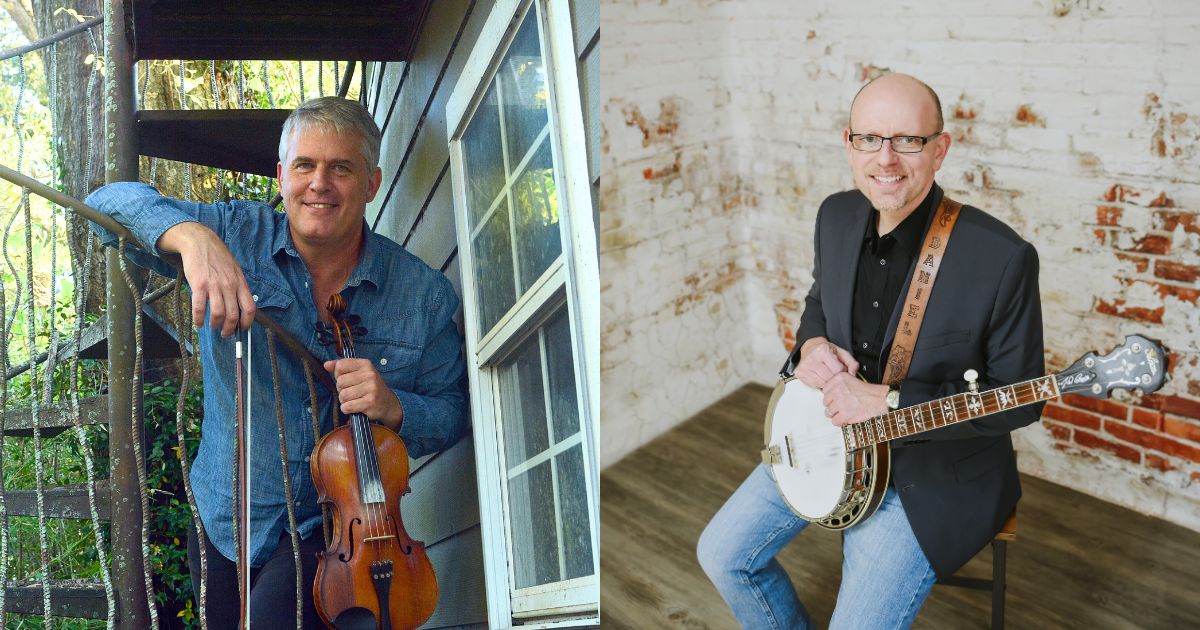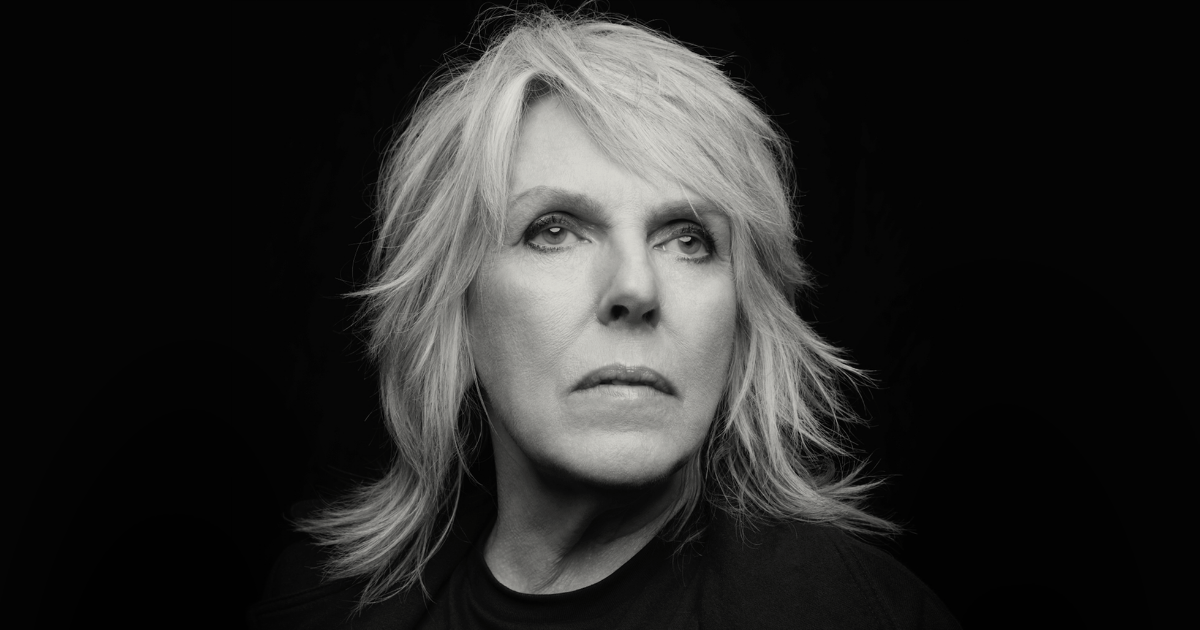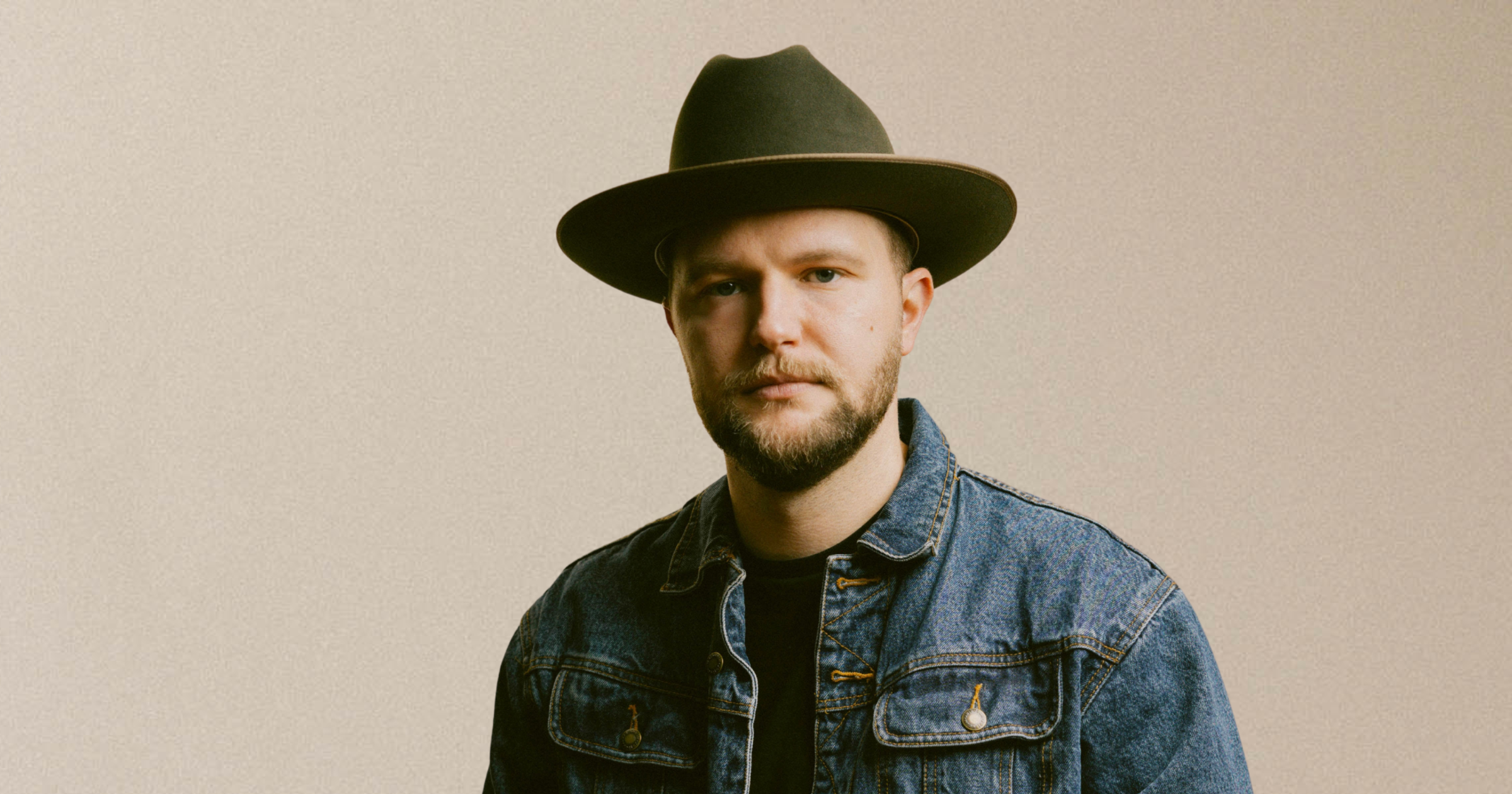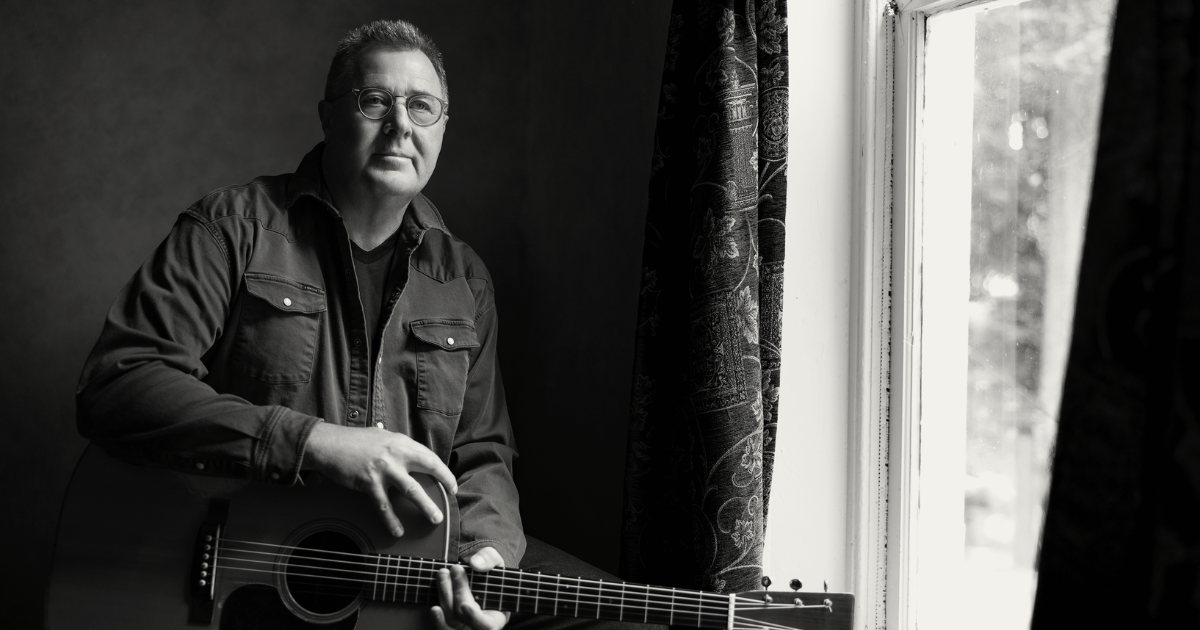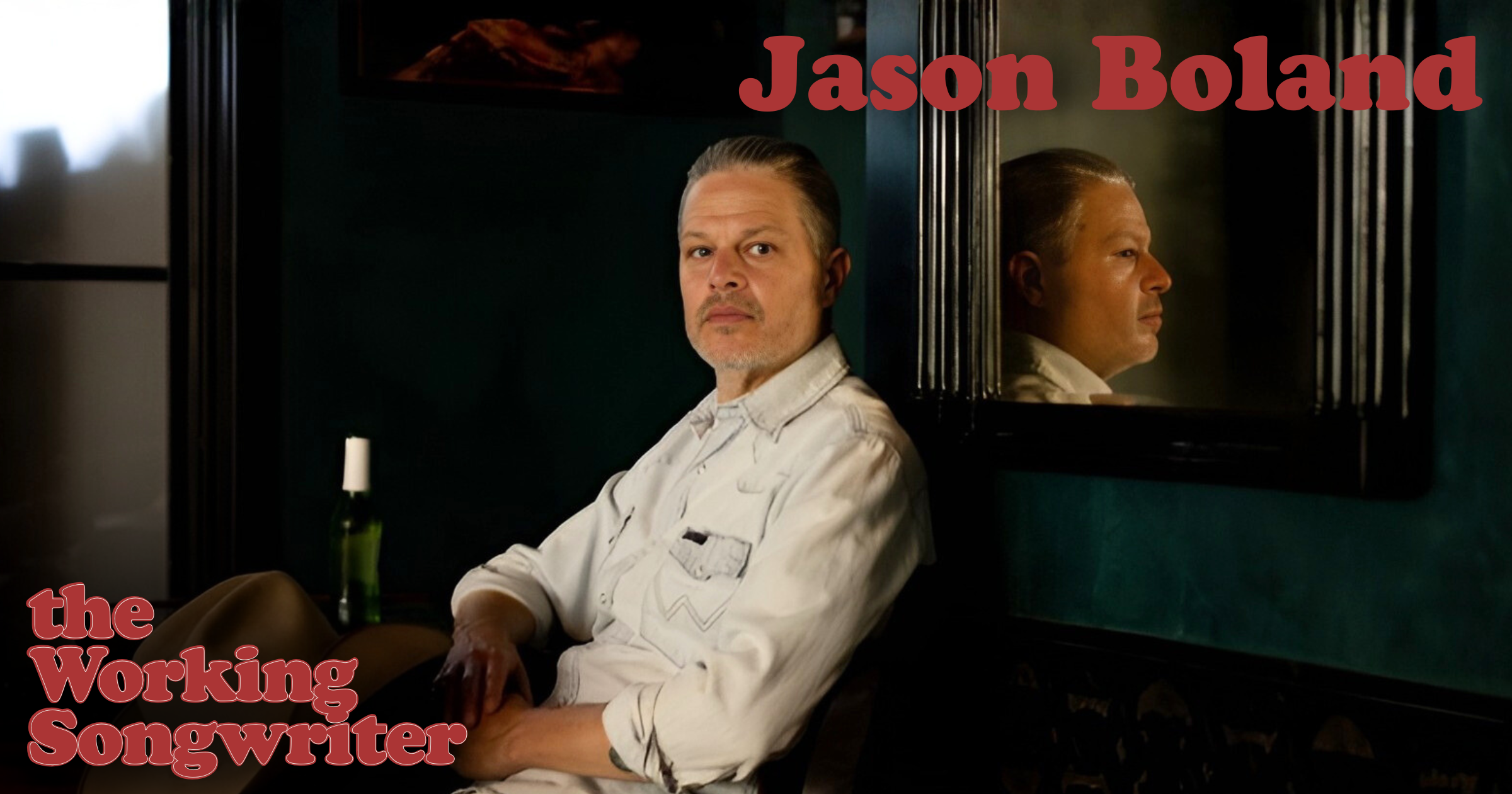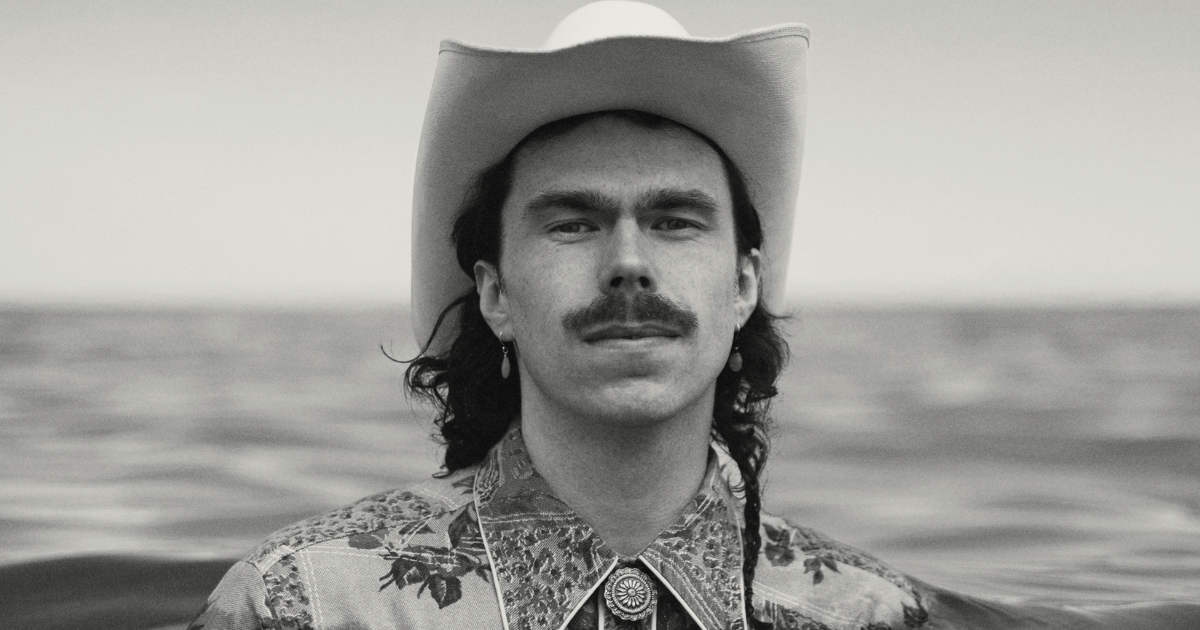
Joe Henry has released 15 studio albums, apprenticed for legendary producer T Bone Burnett and, in turn, has produced many other musicians’ albums on his own, including three GRAMMY Award-winning albums – for Solomon Burke, Carolina Chocolate Drops, and Ramblin’ Jack Elliott. He’s co-written a few songs as well, including a couple with his sister-in-law, who happens to be the one and only legendary pop icon Madonna. His latest album is Life and Time, a collaboration with songwriter Mike Reid, who has written many wonderful songs like “I Can’t Make You Love Me,” one of Bonnie Raitt’s most successful and beloved recordings. In recent years, Joe has struck up a friendship with our bestie, Mark Erelli. Mark’s been on Basic Folk 10,000 times and in honor of his new record, Spring Green, we invited him to do whatever he wanted on this appearance on the pod. Mark chose to be in conversation with his friend Joe on location at Joe’s beautiful studio located north of Portland on the coast of Maine.
In 2020, Mark was diagnosed with retinitis pigmentosa (or RP) which is causing him to slowly go blind. Joe was diagnosed with stage 4 prostate cancer in 2018 and was told he only had months to live. Now, in 2026, his cancer is in remission and his health has improved. In this Basic Folk conversation, they tackle topics such as asking for help and finding hope while living with chronic illnesses. They also get into other parallels the two musicians have experienced, including how music has shaped their male friendships and being free of vanity. Mark and Joe have never worked together, but their respect and admiration for the other is clear from their time together. Here’s hoping a collaboration is in the works for the near future!
Photo Credit: Joe Henry by David McClister; Mark Erelli by Joe Navas.
Artist:Frank Viele Hometown: New Haven, Connecticut Latest Album:The Silo (EP) Personal Nicknames (or rejected band names): I have no personal nicknames. Really.
Which artist has influenced you the most – and how?
In my formative years, it was Dave Matthews Band. I saw them live 137 times before I graduated college and basically learned how to play guitar in the parking lots of those shows. That constant-strum acoustic style Dave is known for shaped my right hand as a player from day one and still guides the way I play.
Beyond that, I’ve studied all the great songwriters, but I always lean toward heart-on-the-sleeve emotion – that raw, unfiltered passion you hear in Bruce Springsteen or in old soul records like Percy Sledge and Otis Redding. The kind of singing where it feels like the person might crack open mid-line. That honesty is what I chase every time I write or step up to a mic.
What’s your favorite memory from being on stage?
Almost a decade ago, I got to open for Blues Traveler in front of nearly 5,000 people at a festival in my childhood hometown – on the same field I used to play tee ball on. That was a full-circle, surreal kind of moment.
The only things that might top it are the first time Zach Myers from Shinedown pulled me on stage to sing “The Weight” with his Americana project, Allen Mack Myers Moore. Or when John Waite invited me up on stage in the Boston area to sing backup and play guitar with his band on Led Zeppelin’s “Whole Lotta Love.” Those moments as a growing indie artist where one of the greats treats you like a peer… that stuff sticks with you forever.
What has been the best advice you’ve received in your career so far?
My first run of shows opening for Lee DeWyze back in 2015 had me pretty nervous — I mean, that guy can really sing. I think he could sense it. Before the last show of the run, he came into my green room just to hang out.
He said, “I’m going to give you some advice Joe Cocker gave me before we sang together on American Idol. Remember, everyone out there is rooting for you to be great.” That completely changed how I see a stage. I had an incredible show that night, and I carry that with me every time I walk out.
A close second came from Christine Ohlman, who I perform with each year at the Rhode Island Rhythm & Roots Festival. I was nervous before a set because the crowd kept growing, and she just smiled and said, “Just take ’em to church, Frank.”
So now that’s the mission every time – remember they’re rooting for me, and always take ’em to church.
Does pineapple really belong on pizza?
Being from New Haven, Connecticut – the pizza capital of the world – I feel obligated to answer this one sternly. I respect the idea of using pizza crust as an edible plate and experimenting, but pizza basically reached perfection when Pepe’s put clams on a pie. After that, we were done. We nailed it.
If you want pineapple, call it something else. Flatbread. Dessert bread. A tropical situation.
But the word pizza needs boundaries. As I say this, I also want to stress that I’m joking. And as much as I love pizza my way, I love chefs that treat their meals like art, and art can assuredly be experimental.
Since food and music go so well together, what is your dream pairing of a meal and a musician?
After that last question, you’ve got me in a full Italian food headspace. So give me my mom’s pasta e fagioli, an arugula salad with fresh tomatoes and my dad’s homemade lemon vinaigrette, and a basket of garlic knots from Salerno’s in Stuart, Florida.
All of that on the table, a bottle of red open, and Sinatra’s Songs for Swingin’ Lovers! spinning on the turntable.
Among the 78 bands performing for thousands of fans at San Francisco’s 25th annual Hardly Strictly Bluegrass, our nation’s foremost Americana festival, in October of 2025, one of the largest audiences had gathered for Lucinda Williams. She took the main stage in the afternoon clad in a leather suit, studs on the hem of her pants. The groove from the band and her lyrics landed with resonant pounding, like the drop of a heavy set of books on a table. After more than 50 years of performing, her sound still hits.
Lucinda Williams grasped brilliance in 1998 with Car Wheels On A Gravel Road, but this was not some isolated incident. She has pursued the craft of album-making expertly for her entire career, and fans flock to her because there is always something more to scratch up. The singularity of her writing rings at a higher frequency today in our shallow digitized world. I see her current position in our culture to be similar to that of poet-songwriter Leonard Cohen in his final chapter. When she sings, we listeners get to grasp at something real, and we crave what Lucinda offers; intimate corporeal love, the palette of Southern backroads alongside broken-down juke joints, honest bewilderment at the state of the world while still loving it.
When I was 26, I set out on a road trip to trace Lucinda’s origins. Being a songwriter, I wanted to determine what I could do to strive and bloom, like she did. So I left California driving my 1995 Ford F-250. From Texas to Tennessee, I dug up characters from Lucinda’s early days. I was most interested in finding people who had worked with her in the beginning of her career.
In Jackson, Mississippi, I spent a day at Malaco Studios where Lucinda made her first record Ramblin’ On My Mind. While listening to outtakes, I happened upon the first-ever originals she recorded but never released. In those reel-to-reel tapes that had been sitting untouched in a concrete vault, I heard a voice from four decades ago that was clear and bold. Wolf Stephenson was the engineer from that session and he told me that in 1978 Lucinda was a resolute and present woman: “[In] day-to-day life, she was just as footloose and like she was on stage. And really there wasn’t much difference in sitting here talking [with her] or being on stage, very natural.”
In Austin, Texas, I was shocked to learn that well-known guitarist Charlie Sexton had played with Lucinda when he was just 11 and she was 26. At the Hole in the Wall where a booker once cancelled Lucinda’s gig because there were “too many girl singers that month,” Charlie and I discussed how he has learned from Lucinda as a writer. He reflected on his early impressions of her and told me, “…There’s no doubt that Lucinda was always going to be unique… I mean, she’s like a regional writer in a way… she’s the Flannery O’Connor of that era of singer-songwriter.”
Lucinda’s parents raised her in an extraordinary community. Her father Miller Williams was a professor, a translator, and a poet. He and his wife were descendants of humble traveling Methodist ministers with meager finances, but by the time their first daughter Lucinda was a teen, the family sat in the company of Nobel Prize-winning authors. Miller’s genuine passion for literature gave him the conviction to invite figures like Charles Bukowski and indeed Flannery O’Connor into his circle of friends and acquaintances. He hosted literary parties in the family’s Arkansas home. After drinks were served, Miller read some of his new poems out loud, and a young Lucinda sat and strummed her latest songs. Writers of the highest caliber listened at attention. Some of these writers gave Lucinda feedback. Perhaps just as important was that these writers also imparted genuine encouragement to Lucinda and told her that in spite of all of the suffering and uncertainties involved in being an artist, it was still a worthwhile pursuit in life.
Along my road trip I also discovered how committed Lucinda has been to her art over the decades. I spoke at length with some of the musicians and engineers that worked on Car Wheels On A Gravel Road. I learned from Lucinda’s recollections that when you have that itching worry that a sound just isn’t right on an album, you have to wrestle with the process to find the right timbre, the right soundscape that will thrill you. I found that a songwriter has to embrace change, even if they’re unsure of the career consequences. I found that artists can’t just make the same album over and over again. Well… they can, but they probably shouldn’t. A songwriter has to keep seeking out that sound, that story that pulls at their soul’s musical corners, like Lucinda did.
Lucinda’s latest release, World’s Gone Wrong, is a continuation of the directness I’ve known her for. She conveys her truth with her language of simplicity. So often in our era, bathed in a slurry of news and trends, opinions from artists can feel glued-on. But that’s not the case with Lucinda. She conveys her frustrations with the state of the world from a genuine and honest place and, when she sings, I believe her. As with so much of her writing, in her latest album I feel like I’m reading a book, inhabiting the imagined place of the viewer and the subject.
The characters in Lucinda’s songs are alive, bleeding, imperfect, and desirously wanting. We benefit from the chance to continue paying attention to the words she writes.
If you’d like to learn all about how I retraced the roots of Lucinda Williams, check out Finding Lucinda, my podcast released in partnership with the BGS Podcast Network. You can also watch the documentary film Finding Lucinda on AppleTV, Youtube and more.
Stay tuned as BGS and Good Country celebrate Lucinda Williams as Artist of the Month throughout March. Enjoy our Essential Lucinda Williams playlist below and check out an exclusive interview with Williams here. Plus, we’ll be diving into the BGS archives for all things Lu and exploring our favorite covers of her songs by other artists, too. Follow along right here on BGS and on social media for more.
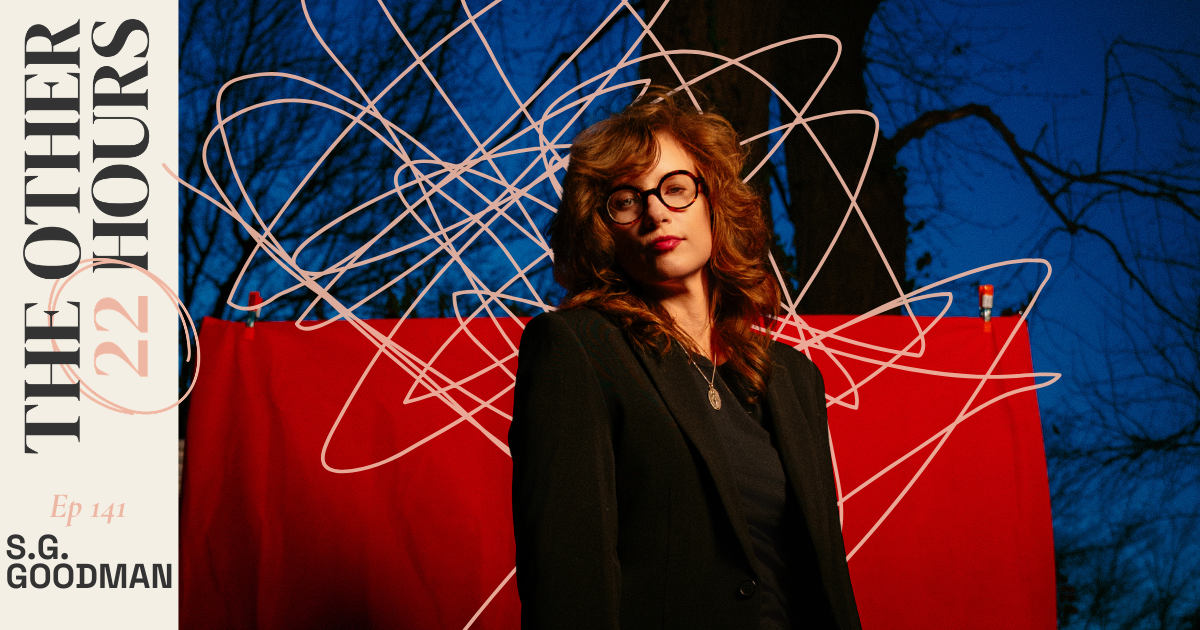
BGS is ecstatic to announced The Other 22 Hours, a beloved podcast hosted by singer-songwriter Michaela Anne and music producer Aaron Shafer-Haiss, is joining the BGS Podcast Network. Beginning Wednesday, March 4, new episodes of The Other 22 Hours will be distributed by BGS and hosted right here on our website, as well. Founded in 2023, the show has produced more than 130 episodes – which drop weekly – featuring conversations with renowned musicians and artists who share tools for resilience, helping all kinds of creatives to feel more inspired, connected, and confident in their creative journey. If an artist, creative, or musician is “performing” only a couple of hours each day, what do they do with the other 22 hours? The brand new season of the pod will launch Wednesday with an interview with producer, musician, and singer-songwriter Butch Walker. Subscribe now.
“BGS is thrilled to welcome The Other 22 Hours to the BGS Podcast Network,” said Cindy Howes, who directs the network for the Bluegrass Situation and Good Country. “Michaela and Aaron have developed a beautiful space to hold conversations that offer a unique look behind the humans who make the art we love. There’s so much the public at large does not know about what it takes to live and maintain a creative life; Michaela and Aaron help us all be more responsible patrons of the arts as well as seeding inspiration for our own creative endeavors.”
Michaela Anne is a celebrated singer-songwriter and folk/Americana artist who has been covered by BGS and featured on our stages many times over the years. Shafer-Haiss, her husband and collaborator, is an accomplished record producer, drummer, songwriter, and composer. Together, they’ve have had thoughtful and down-to-earth conversations over the past few years with incredible creatives like The Milk Carton Kids, Leyla McCalla, Rodney Crowell, Adia Victoria, Mary Gauthier, Lori McKenna, Watkins Family Hour, Miko Marks, Brandy Clark, Tift Merritt, Raye Zaragoza, and many more.
“We’ve been friends and occasional collaborators with the BGS family for years,” Michaela Anne and Shafer-Haiss share via email, “so bringing The Other 22 Hours to the network feels like a bit of a homecoming. Our show has always been about the reality behind the highlight reel, a community-built road map to sustaining a creative life. We’re thrilled to get to align our conversations with a network that values the craft just as much as the art.”
To celebrate the Other 22 Hours joining the BGS Podcast Network and in anticipation of the new season launching this week, we’re sharing five of ours, Michaela Anne’s, and Shafer-Haiss’s favorite archive episodes from the podcast’s three existing seasons. Dive in, catch up on what you missed, and stay tuned for more episodes of The Other 22 Hours coming weekly right here on BGS and wherever you get podcasts. More info on the show here.
Rosanne Cash(EP 100, April 2025)
“We talk with the legendary songwriter about navigating insecurity and imposter syndrome, measuring your own success by your talent and not your validation, and allowing yourself to be called an artist. We also get into prose vs. songwriting, respect for yourself and for the audience, and Cash’s rituals.”
Maggie Smith (EP 96, March 2025)
“We talk with New York Times best-selling author about keeping the purity of your creativity, being integrated as a human, and trusting yourself to do what’s needed to keep this career going. Plus, being your own safety net, being open to completely revamping work, and arm wrestling.”
Yancey Strickler (EP 126, October 2025)
“We talk with the co-found of Kickstarter (and the Creative Independent, Metalabel, and Artist Corporations) about revolutionizing the creator economy. We talk about his concept and creation of Artist Corporations – think incorporating independent artists – the systemic exploitation of artists, how DSPs trade convenience for meaning and depth, platform boycotts, and ‘winning’ in its purest sense.”
JOHNNYSWIM (EP 113, July 2025)
“We talk with the folk/soul/pop duo about staying curious in your pursuits and creating space for wonder and childlike-ness. They offer their thoughts on how to rejuvenate yourself and your creativity on the run, the blinders of fixation, family, and more.”
Joe Henry (EP 39, 2023)
“We talk with the acclaimed songwriter and producer about keeping yourself in the creative stream, knowing when to step away, acceptance, and the quote, ‘How you do anything is how you do everything.'”
It’s Friday and it’s new music time! We’ve got a few things on the slate that you simply gotta hear.
Starting us off, quickly rising bluegrass up-and-comer 16-year-old Asher Brinson gives us a sneak preview of his upcoming single, “Midnight Hurricane,” the title track for an album the young songwriter and picker has set for release in early April. “Midnight Hurricane” features Sierra Hull on mandolin and Lindsay Lou on vocals – and Brinson more than holds his own among the talented roster on the track.
Also in bluegrass sounds, Jesse Smathers turns the clock and calendar back to the primordial musical ooze before bluegrass with his rendition of “Take A Drink On Me.” The track was inspired by Charlie Poole and the North Carolina Ramblers, with whom Smathers shares a hometown. As the artist and mandolinist puts it, “This tune is a prime example of early popular dance music” – the kinda stuff that inspired the earliest bluegrass artists like Bill Monroe, Earl Scruggs, and many others. In the hands of Smathers and his band, it’s a bluegrass song fit for any era.
There’s Good Country to enjoy below, as well. Mac Cornish unveils a new track, her cover of Ian & Sylvia’s “Trucker’s Cafe.” You can almost catch the glint of bright sunshine off a chromed truck stop diner listening to the tune, lush with pedal steel and honky-tonkin’ guitar. The boot scootin’ track was recorded in Nashville and produced by Andrija Tokic.
To round us out, Tenille Townes returns to the site with “The Acrobat,” a contemplative and resonant song featuring another of our favs, Lori McKenna. “When you’re barely hanging on it’s easy to let go,” Townes sings, her voice rich with emotion and conviction. The song is the title track for Townes’ upcoming album, set for release in April, and is a fitting nexus point for the LP. “After losing my way for a while,” Townes shares with BGS, “this song felt like such an important anchor for this album.” You can watch the brand new music video for “The Acrobat” below.
Take a scroll and enjoy your listen – You Gotta Hear This!
Asher Brinson, “Midnight Hurricane”
Artist:Asher Brinson Hometown: Newport, North Carolina Song: “Midnight Hurricane” Album:Midnight Hurricane Release Date: March 6, 2026 (single); April 3, 2026 (album)
In Their Words: “When Chris Henry and I got together to write, I told him I was having an ‘off’ day and he said to let it flow – say whatever was on my mind. Those thoughts became the first line of ‘Midnight Hurricane.’ Growing up on the North Carolina coast, hurricanes have always just been a part of my life. And it seemed like they always hit at night! Midnight is quiet, but your thoughts aren’t, and hurricanes are like that — all of your feelings hitting at once. It’s a love story wrapped in chaos and after the storm, there’s a calm that makes you appreciate what’s steady and real. With Sierra Hull on mandolin and Lindsay Lou on vocals, this song instantly became one of my favorites. I feel like they both added just the right touch. While hurricanes unfortunately bring destruction, they also have a way of bringing people and communities together… to uplift each other, support, and rebuild.” – Asher Brinson
Track Credits: Asher Brinson – Guitar, lead vocal Cory Walker – Banjo Jason Carter – Fiddle Christopher Henry – Bass, baritone vocal Sierra Hull – Mandolin Lindsay Lou – Tenor vocal
Mac Cornish, “Trucker’s Cafe”
Artist:Mac Cornish Hometown: Currently Nashville, Tennessee, but grew up in the Bay Area, California Song: “Trucker’s Cafe” Release Date: February 27, 2026
In Their Words: “This single is a cover of the Ian & Sylvia song, ‘Trucker’s Cafe.’ The song is from their 1969 record, Great Speckled Bird, which they also used as the name of their newly formed band, including the likes of Buddy Cage and David Briggs. Ian and Sylvia are a huge influence on me because of their blending of folk, rock ‘n’ roll, and country – especially on this album and this song. The song is a subversive take on the trucking country fad of the 1960s and ’70s, taking the perspective of a heartbroken truck stop diner waitress. The vocals are distinctly folk with their vibrato and falsetto, but the instrumentation is all rockin’ country goodness with walking bass and ripping pedal steel. I’ve always said that the best year in music was 1969. This is one of the many songs I absolutely love from that year in music and it only felt right to record a cover and honor my influences. My cover was recorded in October of 2025 at the Bomb Shelter in Nashville, TN and was produced by Andrija Tokic.” – Mac Cornish
Track Credits: Mac Cornish – Vocals, acoustic guitar Charlie Fuerstch – Electric guitar Jeff Taylor – Piano Cooper Dickerson – Pedal steel Jack Lawrence – Bass Dave Racine – Drums
Jesse Smathers, “Take A Drink On Me”
Artist:Jesse Smathers Hometown: Floyd, Virginia Song: “Take A Drink On Me” Release Date: February 27, 2026 Label: Mountain Home Music Company
In Their Words: “Though my familial roots are deeply planted in Western North Carolina, I was raised in Eden, NC – the home of Charlie Poole. I spent my youth picking and competing at the Charlie Poole Festival there. The festival was held at Morehead Park, on the same grounds where the cotton mill Poole used to work at once stood. I heard the music of Charlie Poole and the North Carolina Ramblers ringing throughout my childhood. He, along with his bandmates, were some of the most prominent precursors to bluegrass stylings that came nearly 20 years later. Tales of Poole, Posey Rorer, and Norman Woodlief are still being told today, as you would expect, with larger-than-life personalities and musicians.
“I often imagine this scene: walking down Morgan Road in Spray (one of three small communities that made up Eden) in 1926 as a bystander and hearing the centric bounce of Piedmont Mill music in the distance. As I approach, I witness the North Carolina Ramblers sitting on a stoop sharing tunes and a jug of the best white liquor that the area along the NC/VA line is so notorious for. That sight is exactly what came to mind when recording this tune and what comes to mind when I hear it back. This tune is a prime example of early popular dance music. Hunter Berry on fiddle masterfully captured the necessary musical essences all while integrating his own spontaneous and playful liveliness. The same can be said of Corbin Hayslett who mixed in popping Charlie Poole banjo techniques. Whether it’s a Coke, glass of tea, a beer, or a jar of Shooting Creek’s finest, all you rounders get ready to party and ‘Take A Drink On Me’!” – Jesse Smathers
Track Credits: Jesse Smathers – Guitar, lead vocal Hunter Berry – Fiddle Corbin Hayslett – Banjo Nick Goad – Mandolin, harmony vocal Joe Hannabach – Upright bass Patrick Robertson – Harmony vocal
Tenille Townes, “The Acrobat” featuring Lori McKenna
Artist:Tenille Townes Hometown: Grande Prairie, Alberta, Canada Song: “The Acrobat” featuring Lori McKenna Album:The Acrobat Release Date: February 27, 2026 (single); April 10, 2026 (album)
In Their Words: “There’s an underlying whisper in this song saying you don’t have to make yourself smaller anymore, and it is my greatest hope that someone hearing this could believe it’s true. I have been navigating a return to self season in my life and reclaiming the belief that I don’t have to contort myself to fit what anyone else needs. After losing my way for a while, this song felt like such an important anchor for this album. Writing this song through the lens of a character helped me to hold enough distance from myself to be able to write the truth, and name the quiet damage that comes from performing, instead of just being.
“Lori McKenna has been a compass influence for me and it’s an honor to have her singing on this song we wrote together. I love how she enters the recording on the line about the fortune teller with all her knowledge, because Lori has been that voice of wisdom for me for years through her songs. The honesty in her lyrics and the way her voice holds emotional tension has given me permission to explore that kind of vulnerability in my own writing. I’m grateful for our friendship, and for the opportunity to share a love for the craft of a song with someone I am still so inspired by.” – Tenille Townes
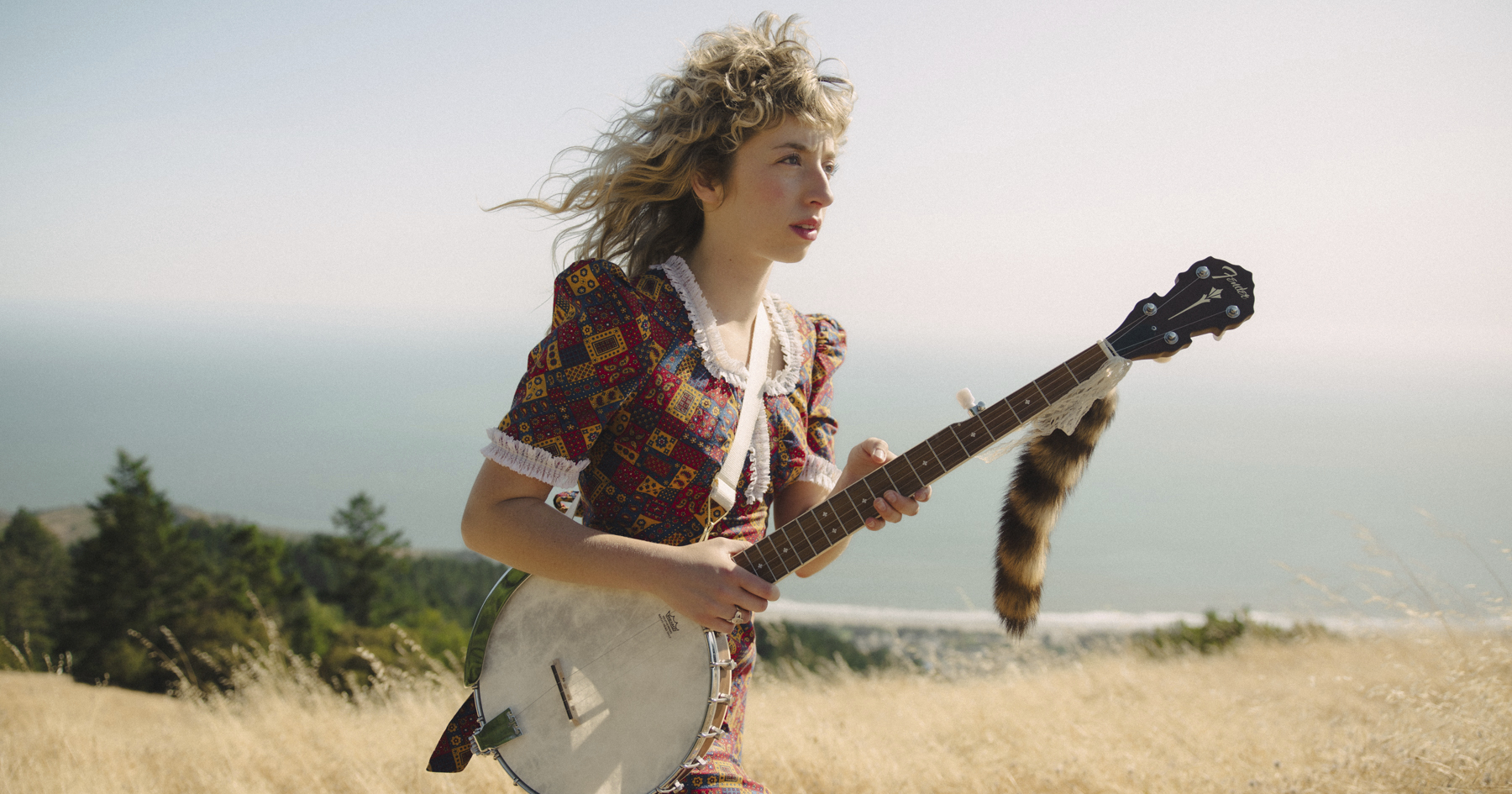
Photo Credit: Tenille Townes by Madison Rensing; Mac Cornish by Mandi Fountain.
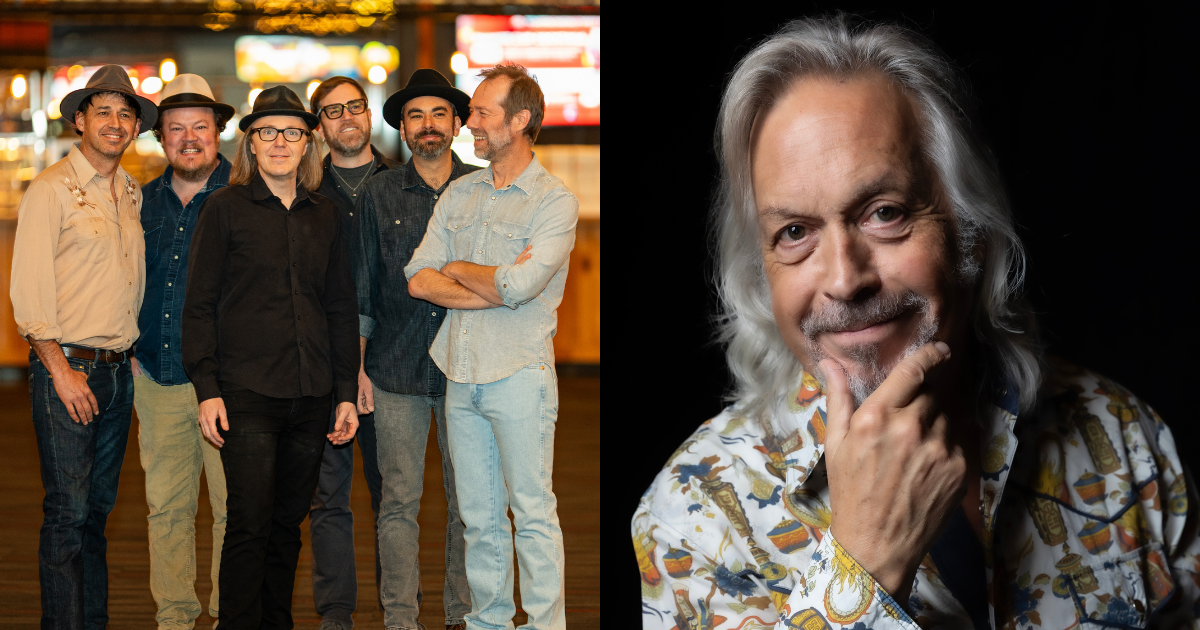
The Lone Bellow are far from alone with the launch of their new album, What a Time to Be Alive.
Released on their own label, the collection conveys a shared vision, even beyond the founding members of Zach Williams, Kanene Pipkin, and Brian Elmquist. Williams wanted to factor in the ideas from their touring bandmates – namely, multi-instrumentalist Tyler James (formerly of Escondido) and drummer Julian Doro (formerly of the Whigs), ensuring everybody felt like they had a say. The group prepared the bulk of the material in a formerly abandoned firehouse in Henderson, Kentucky and polished the project in Muscle Shoals, Alabama, with Elmquist serving as producer.
When the album was in the mixing phase, the hard drive storing the new music was stolen during a van break-in while the group were on tour in Chicago. The band turned to GoFundMe, hoping to recoup some of the costs of rerecording. They were surprised to wind up with nearly $25,000 in donations, arguably making their fans just as invested in the project as everyone else in the band.
Not unlike the Lone Bellow’s full-throttle live shows, the new music practically begs the listener to sing or shout along. Indeed, What a Time to Be Alive does feel communal.
“This is what our hope was with this one,” Williams says. “You know, this is our sixth record, and this is definitely a way of life for us, and we’re very, very grateful for it. But it was also the record where we were like, you know what? We don’t have to try to write some hit radio single. We don’t have to play some ambiguous game. We can just make the beautiful record that we want to make, and we’ll just release it in the way we want to release it.”
Zach Williams caught up with BGS by phone on a sunny afternoon in Nashville, where the group relocated from Brooklyn in 2016.
What was the energy in the studio like as this record was taking shape?
Zach Williams: We did this one a bit different than we’ve done other records. One of the main things that I love that we did with this one is, usually somebody writes a song, and they come in and that intellectual property belongs to the songwriter. That’s it. And I wanted to make a record where everything was just split evenly between all five members of the band, no matter what. We decided to do that and that really created a very different atmosphere to work in.
It alleviated a bit of the quiet little murmurs. … You know, when you’re making something with somebody, and you don’t have any ownership in the song, sometimes you can just show up and be like, “All right, I play the drums. Here’s me playing the drums. Bye.” But when it was like, “Hey, you’re going to have an actual piece of this thing,” everybody just showed up, ready to pour their whole selves into it.
One of the most fun songs on here is “Honeysuckle.” I haven’t heard The Lone Bellow do something with that kind of old-time vibe. How did it feel to put that song together?
George Jones and Willie and a few of the old guys, they would have these murder ballads, is what I call them. They would just be singing their little heart out about burying a guy. And I was like, “I want to write a murder ballad.” So that’s our murder ballad. I did change the last verse. The original last verse was talking about how the trash man didn’t know that he was carrying out dead bodies to a truck. I was like, “You know what? I’ll fix that. I’ll clean that up just a little bit.”
Personally, I usually don’t get to play guitar on records, because I’m not a technically savvy guitar player. The guitar is basically a means to an end for me to try to write a melody or lyrics. And on that one, Brian was like, “Hey, you have this way of playing this riff that you wrote that has a sense of humor to it, and I can’t do it.” So, I play my thing and then he doubles up and plays with me. And they decided to keep the little laughs that were in the microphone, where I’m literally laughing at myself because of how bad I think it sounds. Brian was like, “No, we’re keeping all the laughter.”
That’s a big thing that we did with this record. We kept a lot of the human nature of it. …We made this record a while back. We started our own little record label to release it. That took about a year to put that whole thing together, with Thirty Tigers and distribution and all that. So, we’ve been sitting on this record for a second, and this was before AI started dropping hits. Now I’m so glad that all of that human nature is captured in this record, because there’s no denying that it’s absolutely as real as it can get. And I hope that that will just ease some souls out there.
I like the line in “I’m Here for You” about slipping down the water slide. I could picture that exactly where you are in that scene.
That’s literally how I met my wife. I was 12 years old at summer camp. In the late ‘80s, early ‘90s, there was this couple called Jim and Tammy Faye Bakker and they had a strange Christian-themed theme park in South Carolina. After the poo hit the fan, they shut the theme park down, and then these other people opened it back up and called it New Heritage USA. The week that they opened it up was the week that I went there for summer camp.
At the turn of the century, [the Associated Press] collected the top 100 most influential pictures taken of the century. One of the top 100 pictures is of a man named Jerry Falwell in a suit sliding down that slide. It’s because of the story of how he corralled his way into taking over that whole establishment. … So, that’s literally the slide that that song mentions, and that’s just the memory of how I fell in love as a little boy, as a 12-year-old idiot, maybe even younger.
Are you a bluegrass fan? Or did you grow up listening to bluegrass?
Man, I’m a huge bluegrass fan. Being in a van with Kanene, who grew up in Fredericksburg, Virginia, she knows bluegrass! I grew up like white trash. So, if there’s like a white trash bluegrass…
I grew up in a family where you’d sit around in the basement and play music together. I think that’s a base level for bluegrass. And I grew up thinking that was totally normal and now I know it was not. So I’m really grateful for bluegrass.
How old were you when you picked up the guitar?
I picked up the guitar at, like, 13, but I didn’t have any guitar lessons or anything. I had a sweet Charvel, which was like Jackson Charvel. It was super heavy metal. I think someone gave it to me, but I didn’t know that you needed a guitar amp for the first several years. [Laughs] A scary amount of time passed where I was like, “I guess this is just how a guitar is supposed to sound.”
But you held on. There’s something about the guitar sound, I guess, that you loved.
Yeah, my grandpa played the guitar, and I would go and live with him in the summers. He would play old hymns at night. I’d fall asleep listening to him playing the old spirituals.
That makes a lot of sense, because one thing your band does as well as any band, it has that dynamic. It has that rise and fall of the voice and in the arrangements. I hadn’t thought about that being based in spirituals and gospel. Did that influence the way you write?
One hundred percent, man. For good and for bad, it’s there. All the baggage is there, and there were beautiful parts of growing up in that kind of culture, too. I don’t want to throw the baby out with the bathwater, but it was also pretty weird. … I grew up in a church where the pastor would run all the way around the room and jump up and down on the couches and scream and holler. It was wild. It was like big tent revival kind of stuff. We didn’t ever go down to snake handling or anything. But there was some wild stuff. And it wasn’t until probably college, and then living in New York, where I was like, “I don’t know if all that stuff was good for everybody.”
But the core of a human being, wanting to feel the beauty, wanting to feel the presence of God, if you want to call it God or energy, I believe that’s very real. That’s what I love about especially live shows is everybody literally invests in the night. They buy tickets and they show up, and we’re facing each other, and it’s like, we’re going to try to create something memorable here. I think, especially right now, it’s such an important moment to just feel alive and connect with other humans, face to face.
How would you personally describe that feeling of being on stage? What’s that energy like from your perspective?
Jim James gave an interview a couple months ago and he nailed it. Like, every night, I have a pretty bad wrestling match in my own mind of, “Am I doing this to try to entertain? Is there a competitive spirit in me where I want to try to sing better than other people?” And the best nights are when I can just be, and let go, and just be alive and a part of the moment. And it doesn’t happen a terrible amount.
What usually happens is, I’m in my head battling thoughts of impostor syndrome on stage in front of 2000 people, night after night, which is really annoying. You would think by now that I would be like, “It’s cool, everything’s fine.” But that’s just not how it works for me. So, on the nights when I can let go of that impostor syndrome and just be another spoke in the wheel, those are the nights where we all ascend to a different place in our souls. I love those nights.
Editor’s Note: Each issue of Good Country, our co-founder Ed Helms will share a handful of good country artists, albums, and songs direct from his own earphones in Ed’s Picks.
Ashley McBryde gets the year started off right with a soaring, anthemic new single. As you’ll see with “What If We Don’t,” Good Country and arena country aren’t mutually exclusive styles. Garage rock, country grit, and stadium-ready flair – McBryde is doing it better than almost anyone else out there.
Not your mamaw’s “Ring of Fire.” Big Thief’s Buck Meek launches his upcoming solo album, The Mirror, in just a couple of weeks. Its songs were grown where alternative, indie, folk, and country overlap, though each feels just outside of reach of any single one of those terms. Featuring Adrienne Lenker on BGVs, “Ring of Fire,” like Johnny’s classic by the same name, is about love and connection – but is perhaps the flipside of the Cash coin.
You can always trust the John Prine-founded Oh Boy Records to put out amazing music by generational songwriters. Emily Scott Robinson is certainly one. Her new album, Appalachia, embodies her heart-forward, community-minded approach to songcraft and musicmaking. Stand outs include “Hymn for the Unholy,” “The Time for Flowers,” the album’s title track “Appalachia,” and this lovely duet with John Paul White, “Cast Iron Heart.”
Read our recent interview with Emily Scott Robinson here.
Speaking of rock ‘n’ roll, our old pal Langhorne plugs in and turns up on his new album, The Dreamin’ Kind, which was produced by Greta Van Fleet’s Sam F. Kiszka. Slim’s personality – and the signature, charming touches that made us all fall in love with his music – is front and center on the new collection, however far into rockin’ territory he brings his Americana and folk sensibilities.
Find out more about
The Dreamin’ Kind in our recent Cover Story interview.
He started as a bluegrass picker in a family band and a Keith Whitley and Tony Rice diehard. Now everyone’s favorite trad country revivalist is a GRAMMY Award winner. Top took home the trophy for Best Traditional Country Album for his sophomore release, Ain’t In It for My Health earlier this month. He’s the first awardee in the buzzed-about new category opposite Best Contemporary Country Album. Well deserved!
Want more Good Country? Sign up to receive our monthly email newsletter – and much more music! – direct to your inbox.
Photo Credits: Ashley McBryde by Nathan Chapman; Buck Meek by Germaine Dunes; Emily Scott Robinson by Angelina Castillo; Langhorne Slim by Savannah Lauren; Zach Top by Getty Images for the Recording Academy.
So much new roots music to enjoy this week! From bluegrass to the Pacific Islands and back again.
Starting us off, artist and songwriter Ryan Dart debuts a new song, “Dirt Road Woman,” combining folk, country, and troubadour styles in a musical tribute to strong, empowered women. Below, Dart explains how the song arrived quickly, “like it downloaded straight from the muse.” For a more tropical, seaside country flair, Maoli – who was born and raised in Hawaii – offers a brand new single today, too. “Some Are Just Better” is a track we’ll be returning to plenty this spring and summer, as it celebrates those good, dreamy days that are almost too perfect to believe.
In bluegrass, Lonesome River Band lean into their moniker with a new track, “There Where the River Rolls Around,” written by their longtime friend and songwriting collaborator Billy Smith. Mild and old-timey with lush low-tuned banjo and a laid-back groove, it’s a song about home, homesickness, and place – all perfect topics for ‘grassy explorations. Banjo great Tony Trischka is on his way to a new album, Earl Jam 2, so he’s dropping off a new music video released earlier this week. “Red River Valley” features Molly Tuttle on lead vocal and guitar with Bronwyn Keith-Hynes, Sam Bush, and Mark Schatz filling out the band. We can’t wait for more from the second round of Earl Jam. And young mandolinist phenom Wyatt Ellis launched a new video this week featuring a bunch of all stars, too. “West Dakota Rose” is a cinematic instrumental tune centered on Ellis’s virtuosic playing and featuring Christopher Henry joining on guitar. In the official music video, Ellis strolls around a cabin porch while picking through the tune with an excellent slate of pickers – and a tasty twin fiddle break.
Meanwhile, the Montvales offer an old-timey track of their own, “Carolina,” out today in anticipation of their upcoming March album, Path of Totality. While it certainly sounds old-timey, this is a song rooted in the present, heels dug in against late stage capitalism and the rampant woes of our current day-to-day. Also, singer-songwriter Jack McKeon gives us a sneak listen at his new song, “Kid Like Me,” a sort of sonic bridge from his last album, Talking to Strangers, to his next – which is set for release in July. Written with Theo MacMillan and inspired partially by Tim O’Brien, the track began much more bluegrassy than it ended up after reaching the studio.
Finally, Minneapolis, Minnesota’s Roe Family Singers speak truth to power and bring each of us into their communities and neighborhoods with a chilling new folk song, “Blacked-Out Ford.” Living in Minneapolis in 2025 and 2026 means living on the frontlines of fascism, kidnappings, and government overreach, with the Roes and their friends watching chilling federal SUVs surveil their streets and neighborhoods, tearing families apart and violating human rights. The Roe Family Singers highlight ICE’s murders and unlawful actions in song, calling us all to join them in action and solidarity.
We always love sharing new music with you all every Friday, but this one is especially high quality. Enjoy! ‘Cause You Gotta Hear This…
Ryan Dart, “Dirt Road Woman”
Artist:Ryan Dart Hometown: Boulder, Colorado Song: “Dirt Road Woman” Album:If Love Don’t Break You Release Date: February 20, 2026 (single); May 1, 2026 (album)
In Their Words: “I wrote this song about falling in love with a powerful woman and the ‘love bubble’ phase of a relationship – how the outside world just fades away. I know some men may not be comfortable with powerful women, but I think there are plenty of us who are attracted to an empowered, strong woman who also embodies the sacred feminine. It’s incredibly compelling and I wouldn’t want anything else.
“You’ve got to ride the bad horses before you recognize the good ones. I set out to write a love song that felt like a cousin to Jason Isbell’s ‘Cover Me Up’ – something that balances raw, real emotion without ever feeling cheesy. This one came fast, like it downloaded straight from the muse, born of pure feeling. I hope it resonates with listeners the way it does with me.” – Ryan Dart
Wyatt Ellis, “West Dakota Rose”
Artist:Wyatt Ellis Hometown: Maryville, Tennessee Song: “West Dakota Rose” Release Date: February 6, 2026 (single); February 19, 2026 (video) Label: Knee High Records
In Their Words: “Getting to shoot the music video for ‘West Dakota Rose’ was just one of those days you don’t really forget. The tune already feels like it tells a story without words, so being able to stand in a place that matched that feeling made it even more real. Joseph Cash has directed and filmed all of my music videos so far, and he always makes it an adventure. It’s like showing up not totally sure what kind of wild idea he’s going to have, but somehow it always comes together even better than I could’ve imagined.” – Wyatt Ellis
Performer Credits: Wyatt Ellis – Mandolin Christopher Henry – Guitar Julia Claire Eversole – Bass Kyle Tuttle – Banjo Noah Goebel – Fiddle Christian Ward – Fiddle
Video Credits: Joseph Cash, director, director of photography, editor. Kitt Fresa, gaffer.
Lonesome River Band, “There Where the River Rolls Around”
Artist:Lonesome River Band Hometown: Floyd, Virginia Song: “There Where The River Rolls Around” Release Date: February 20, 2026 Label: Mountain Home Music Company
In Their Words: “We got this song for our long time songwriting friend Billy Smith (‘Hobo Blues,’ ‘Tears In My Tracks,’ ‘Crazy Heart,’ among others). As we listened to the song one late night going down the road in the bus, the arrangement just fell into place and we began working on it. A haunting song about leaving home searching for more and longing to be back. Thanks, Billy!” – Sammy Shelor
“The River [in the song] is Haw River in Rockingham County, North Carolina. I always believed that I would make it big playing music and writing songs in Nashville and go back there. I moved here with my brother Terry (the Grascals) and cousin Alan O’Byrant of the Nashville Bluegrass Band. 52 years later, I’m still here, with three kids from two marriages. But I always wanted to return ‘There Where The River Rolls Around’ and it always touches my heart when I hear it sung. Bless Sammy Shelor and the Lonesome River Band for recording that one and 8 other of my songs, including ‘Crazy Heart’ and ‘Hobo Blues.'” – Billy Smith, songwriter
Track Credits: Sammy Shelor – Banjo Jesse Smathers – Acoustic guitar, harmony vocal Mike Hartgrove – Fiddle Adam Miller – Mandolin, lead vocal Kameron Keller – Upright bass Rod Riley – Electric guitar
Maoli, “Some Are Just Better”
Artist:Maoli Hometown: Haiku, Maui, Hawaii Song: “Some Are Just Better” Album:Maoli Music Overload – MMO 3 Release Date: February 20, 2026 (single) Label: ONErpm
In Their Words: “I’ve been waiting to release this since the day we wrote it. It was my first time writing in Nashville and I was so excited to collaborate with Mikey Reeves and Rob Snyder. I love the horns, the feel, and the lyrics – I’m so proud of how it all came to life.
“We all have days that stand out – not just good days, but the kind where everything falls into place and just feels right. The kind of day you know you’ll look back on and smile about for years. It’s about capturing that feeling. You can’t relive a day once it’s gone, but music has a way of taking you back – even if it’s just for a few minutes.” – Maoli
Jack McKeon, “Kid Like Me”
Artist:Jack McKeon Hometown: Chatham, New York Song: “Kid Like Me” Album:Every Once in a While Release Date: February 27, 2026 (single); July 3, 2026 (album)
In Their Words: “‘Kid Like Me’ began its life as the ‘most bluegrass’ sounding song in the bunch before I went into the studio. Written with Theo MacMillan, we talked a lot about parenting, being an older sibling, and trying to make sense of a world that’s always in flux. Theo’s son was about to be born and I was reflecting on watching my younger sister begin to reach adulthood and face real and more challenging problems. Musically, we spent most of the writing session talking about Tim O’Brien and wrote ‘Kid Like Me’ at a faster tempo that we thought would fit with Tim’s Odd Man In era. Once we were in the studio, it was Casey Campbell and Seth Taylor who turned the recording in a more ambient direction, hinging on Casey’s extended mandolin intro that sets the tone for the rest of the song. I wanted to lead my new project off with ‘Kid Like Me’ as it is reminiscent of the sounds and themes of my debut album Talking to Strangers, but breaks new ground for my production as it features Mellotron, drums, and electric guitar as well.” – Jack McKeon
Artist:The Montvales Hometown: Cincinnati, Ohio Song: “Carolina” Album:Path of Totality Release Date: February 18, 2026 (single); March 20, 2026 (album) Label: Free Dirt Records
In Their Words: “‘Carolina’ is an old timey song that is firmly situated in late stage capitalism. I called upon the steadfast, rooted sounds of home when I was writing this one. It brings those old sounds forth into this uncertain era and makes a vow: even when there seems to be no path forward, we’ll find a way.” – Sally Buice
Roe Family Singers, “Blacked-Out Ford”
Artist:Roe Family Singers Hometown: Minneapolis, Minnesota Song: “Blacked-Out Ford” Album:Light & Hope & Roses Release Date: February 2, 2026 (single)
In Their Words: “We wrote ‘Blacked-Out Ford’ about two weeks after Renee Good was murdered by ICE in our Minneapolis streets. Good’s murder, combined with the discovery that ICE is housed about six blocks from our house and has been seen circling our neighborhood, looking for people to abduct… that’s where this song came from. Our area has a large Muslim population, neighbors primarily from India and Pakistan, also Somalia and Ethiopia, so pretty soon every blacked-out SUV started to look like ICE sharks circling, and every parked truck looked like a prelude to a kidnapping. We debuted the song live at a mutual-aid benefit, and the benefit raised a ton of money; the next morning we woke up feeling proud of ourselves and empowered by the fact that we felt like we were using our art to fight the fascists. Then we got the news that Alex Pretti had just been murdered by ICE in our Minneapolis streets.” – Quillan Roe
Tony Trischka, “Red River Valley” Featuring Molly Tuttle
Artist:Tony Trischka Hometown: Fair Lawn, New Jersey Song: “Red River Valley” featuring Molly Tuttle Album:Earl Jam 2 Release Date: February 18, 2026 (video); March 13, 2026 (album) Label: Down The Road Records
In Their Words: “I grew up listening to ‘Red River Valley’ and once I found Earl Scruggs and John Hartford playing it in one of their jams, I knew I had to put it on Earl Jam 2. Who better to sing it than Molly Tuttle? I’ve known Molly since she was a teen (when I thought she was just a solid Scruggs-style banjo player) and it’s been a joy seeing her career take off. She has the perfect voice for this tune and with the estimable talents of Bronwyn Keith-Hynes on fiddle, Sam Bush on mandolin, and Mark Schatz on bass, I knew we had something special. When we’d finished recording and I went back to listen to it the next day, I felt it needed just a little bit more of something. So I got in touch with Bronwyn (talk about careers taking off!) and she added beautiful harmony vocals. The very last vocal chorus melts my heart!” – Tony Trischka
Track Credits: Tony Trischka – Banjo Molly Tuttle – Guitar, vocals Bronwyn Keith-Hynes – Fiddle, harmony vocals Sam Bush – Mandolin Mark Schatz – Bass
Photo Credit: Tony Trischka by Ali Hasbach; Maoli by Sean McGee.
Steve Poltz has built a career by following each song wherever it wants to go. Sometimes that means a meticulously fingerpicked melody. Sometimes it means a story that veers off into comedy, confession, or absurdity before circling back to the heart of the matter. That tangential nature – equal parts songwriter, raconteur, and road-tested troubadour – has become his signature, especially onstage, where no two of his shows are ever the same.
Poltz’s new album, JoyRide (released January 30, 2026), reflects that same restless curiosity. Trim, deliberate, and capped at 10 songs, it distills decades of touring, collaboration, and lived experience into a tightly sequenced record designed to be heard in one sitting. From satirical observations about modern life to deeply personal reflections shaped by years on the road, JoyRide captures Poltz at a moment of clarity – still chasing the perfect song, still trusting instinct over plan, and still finding meaning in the long way around.
Long before JoyRide, Poltz earned his reputation the slow way – by logging miles, swapping verses with fellow songwriters, and learning how a room breathes. Founder of the San Diego-based rock band the Rugburns and co-writer of Jewel’s breakthrough “You Were Meant for Me,” he has never been defined by that early success, instead carving out a singular path marked by humor, humility, and an almost reckless openness.
In a conversation with BGS, we spoke with Poltz about the making of JoyRide, the longtime relationships that have sustained him, and the zany, unpredictable ride that has been his career. Whether sharing a bill with old friends or holding a crowd rapt with nothing more than a guitar and an improvised aside, Poltz approaches music less as a performance than as a conversation – one where the destination matters less than the unexpected connections made along the way.
Let’s start with early memories. Was there a moment when music really clicked for you?
Steve Poltz: I remember when I was in second or third grade, I stuttered, had asthma, eczema, and I didn’t hang out with many people. I started playing guitar when I was six. So I brought the guitar to school for show and tell. And I sang the song “Sloop John B” in class. And other kids brought snakes, brought their moms who were nurses or doctors or firemen, and their dads and stuff. I sang a song on guitar. I went out and sat alone. I remember I opened my lunch and I looked up and there were six girls around me. I thought, “This is all I have to do!” That was it. That was the plan.
I had a friend who was a DJ at San Diego State University [radio station] KCR, and she moved in with these roommates. They had brought this record by that had just come out by this woman named Rickie Lee Jones. It was her eponymous debut LP. And, oh my God, I listened to that record nonstop. There was a song called “On Saturday Afternoons in 1963,” which is still one of my favorite songs. It was in the movie Stripes with Bill Murray.
Man, two years ago I played Byron Bay Bluesfest in Australia and Rickie Lee Jones was on after me. Just the way the world works and the universe works, I knew her percussionist who plays the vibes, Mike Dillon. He sees me, and he’s sitting with Rickie Lee Jones, who’s like my hero. She’s one of my favorite lyricists ever. I’m a Dylanologist, and still, Rickie Lee Jones – those first two records especially – her poetry, the way she puts the songs together, I put it at the top of my whole pyramid.
[At Bluesfest] I told her I’d do a cover of “On Saturday Afternoons in 1963” and I segue into it from John Hartford’s “Presbyterian Guitar.” She loved John Hartford, too. She comes out during the song in front of 5,000 people, sings the second verse, and I just started crying. It was one of those full circle moments. These are the people that are my heroes.
You’ve become very deliberate about keeping your albums, like JoyRide, short and sweet. Why?
We’re just in such a quick world, where people don’t have the attention span. I’ve come to this conclusion that 10 songs is the perfect amount of songs to have on a record. Leave all these other ones on the cutting room floor. Put them out later on B-side compilations or something. Keep it under 33 minutes. It fits on vinyl perfectly. It doesn’t lose any of the resolution. If people are into you, it’s not too hard to give 32 minutes of your time. My hope is they go, “Let’s hear it again.” That’s my fantasy. One day I’ll get it right.
You’re known as a road warrior. What still thrills you about touring?
I feel like I’m kind of like the Grateful Dead in that I’m better experienced live than on record. Live, there’s magic. I’m still looking to make the perfect record. Maybe when I’m 80. I can’t believe Bob Weir just died, I mean he’s so young, 78. I’m like, “God, that’s like 12 years older than I am, I better get my shit together.”
I love it when things don’t work on the road. When something goes wrong, when animals attack. It took me a lot of years to get there, but sometimes things are really good when they don’t work. It messes with the audience. It’s like mental jiu jitsu.
Perhaps not surprisingly, you often reference comedy as an influence. How important is humor to your music?
I loved Andy Kaufman. I loved Richard Pryor. The early Steve Martin albums, Cheech and Chong – I memorized all that stuff. When I heard Allan Sherman sing “Hello Muddah, Hello Faddah!” I remember thinking, “Why can’t every song be like this?” Same thing with listening to the Dr. Demento [radio] show. Dr. Demento was huge. He played the Rugburns [on his show]. “Weird Al” Yankovic used to come to our shows and loved [our 1995 record] Dick’s Automotive. Because of that song, he wrote “Albuquerque.”
What are some of your earliest musical memories? You mentioned Rickie Lee Jones earlier. What are some other early prominent memories of being moved or touched by a song? Where were your first performances?
My uncle took me to see Julian Bream at the Hollywood Bowl. Classical guitar. That was it. I wanted to learn classical guitar. You know, with my left foot up on a stool, with a nylon string guitar, the way you hold it all in the proper classical way. I learned to read music. Fernando Sor’s etudes. My first gigs were in Mexican restaurants in San Diego. Four hours of classical guitar. Free meals. One night I got the courage to sing “Time in a Bottle.” The waitress said, “I didn’t know you could sing.” That night ended with me running out a window and leaving my left shoe behind. I never went back to that restaurant.
And then there was another one in El Cajon and it was called El Amigo. The El Amigo Ballroom. Then I got a job at Round Table Pizza in La Mesa. I got fired because I sang on the mic and I sang “The Rodeo Song.” One night, I got really drunk with the manager and I didn’t know the owner was in the audience. That was where I kind of learned mic control, because the manager was like, “Man, you’ve got a good voice for speaking. I want you to be the guy who says, ‘McDonald, party of four, you’ve got a large pepperoni pizza.’”
One night the manager got me really drunk. He was a younger guy. I started singing “The Rodeo Song,” which was this Canadian song that went, “Well, it’s 40 below and I don’t give a fuck, got a heater in my truck and I’m off to the rodeo.” And the chorus goes, “You piss me off, you fucking jerk, you get on my nerves.” It’s like a really juvenile song that was played on the radio in the late ‘70s. They would have all these bleeps where the cuss words were. And I sang it on the mic. Then the next morning I got a call from the manager. He’s like, “You need to come in and pick up your check.” I said, “We’re getting paid early.” And he goes, “No, you’re fired. We need pizza makers, not entertainers.”
Let’s talk about JoyRide. Tell us about the opening song, “If It Bleeds, It Leads.”
It started with a guitar riff. A major seventh chord. Then the melody. Then the words came. And the next morning when I woke up, I was kind of laughing. I always saved ideas, it’s like a junkyard of melodies, words, everything in my iPhone on my notes page, and then also in my voice memos. And I went, “Oh, this fits.” [Quotes:]
I can never watch the news with you because you yell back You scream like they can hear you in the television set What am I to do when all you’re doing is yelling at the top of your lungs? You’re even scaring all the pets. You’re scaring all, you’re scaring all, you’re scaring all the pets.
And it just worked out perfectly. You just kind of shave off syllables and fit it into this sort of Sudoku puzzle or something.
And next thing you know, it’s like you’re fishing and you have this song on the line. Like, where do I want it to go next? You can say, “I remember one time when you went and grabbed your pistol.” And so that harkens back to Elvis Presley, who I was lucky enough to meet when I was nine years old. He put me on his shoulders. I’m like, “I gotta name check Elvis in this.”
The songs comprising JoyRide seem especially quirky, even by your standards. Can you tell us about some of the ones that you have the most affection for?
“Petrichor,” which is track two, I really love because it’s really fast fingerpicking. I wrote that with Gary Nicholson, who wrote a bunch with John Prine and toured with Guy Clark. He’s just a wonderful songwriter. I went over to his house and I was like, “I have this idea for this song called ‘Petrichor.” I showed him the guitar riff, we wrote that song, and it’s a banger. I love playing that live. There’s one called “At It Again” that I wrote with Jim Lauderdale that I love playing live, and I love playing “Love a Little Bigger.”
There’s a song called “Hair Lift,” where I learned a tuning from Richard Thompson. It’s just my E string goes down to C and my A string goes down to G, and everything else is the same. He uses that tuning in “1952 Vincent Black Lightning,” but he capos it up. So I took that tuning and wrote this song called “Hair Lift.” I love singing that song because it’s got lines in it that are just so goofy, they still make me laugh. Stuff that I find funny, not everybody else does, which makes me laugh even harder.
My favorite one to do live is called “The Son of God,” and that’s because I get to play myself and Jesus. I’m having a conversation with Jesus, and that whole song came about because when I was a kid – it’s one of my fondest memories – [there] was this door-to-door salesman [that] came to our house. He was selling Funk & Wagnalls encyclopedias. Dude, it was like a new iPhone. All the answers to everything were in this set of encyclopedias, and I begged my parents to get them. I begged them and they got the Funk & Wagnalls encyclopedias for me.
My mom said, “You gotta read every one of them cover to cover.” And I did. Every day I would just read the encyclopedia, because I found all this knowledge so fascinating about everything. Words I’d never heard of and countries I’d never heard of. Niger! I mean, come on. And I’d want to read everything about it. So I was thinking when I made up this song, “The Son of God,” like, “Hey, whatever happened to all those Funk & Wagnalls encyclopedias?” I had this fantasy that Jesus called me up and he was trying to get rid of them, because you have to have a storage unit in heaven.
What came together perfectly on this record?
It’s hard to get me into the studio, so just that it happened is like a dream. I’m always on the road. But I recorded at this guy’s house in Nashville. The vibe was good. That’s everything to me. I wrote songs with Jim Lauderdale. One with Vince Herman. It all came together naturally.
You spent ten years in Nashville before returning to San Diego. What did that city give you?
From the moment I got there, it was where I was meant to be. Everywhere you go, you’re making contacts. Coffeehouses are where everything happens. People are polite. You don’t know who anyone is. Your Uber driver might get you a record deal. I remember I was at this coffeehouse and I looked over and there was Lisa Loeb, who I hadn’t seen in years because I toured and opened for her back in the ‘90s. I hadn’t seen her since that tour and she just happened to be in town and I was in this coffeehouse and she was like, “Steve?” “Lisa?” And she said, “You know, I always come here to write and hang out.” Then, the same coffeehouse, there is another amazing person just a week later. And then at a different coffeehouse, Jim Lauderdale. Then me and Jim became really close – and must have like 30 songs [written together] – and it just went on and on and on. Like wherever I went, I was just making contacts.
Circling back to where we started our conversation, some people don’t want humor or irony or banter in their music, staples and bedrocks of JoyRide and perhaps your entire career. How do you continue to approach and navigate those variables?
Luckily, there are hundreds and thousands of artists for everything. Some people want to slam dance or listen to really serious bluegrass. Some want to cry. My audience wants stories. They want to laugh and to cry. They want to hear some guitar playing. In today’s world, part of the whole thing is you got to be consistent, you’ve got to get out there, and you got to keep doing it, because nobody’s going to just tap you on the shoulder and say, “Hey, kid, I’m going to make you a star.” It just really doesn’t happen.
I like small rooms. Low ceilings. Shoulder to shoulder. Quiet listening rooms. Tangents. That’s the ultimate job.
Artist:Natalie Del Carmen Hometown: Los Angeles, California Latest Album:Pastures (released January 20, 2026) Personal Nicknames (or rejected band names): Natalie, Nat
Which artist has influenced you the most – and how?
Brandi Carlile has been such a north star for me. There just aren’t enough big kid words to describe how much Brandi Carlile has influenced me. I heard The Firewatcher’s Daughter and never looked at songwriting the same. Then In These Silent Days came out and there just wasn’t a higher artistry bracket I could’ve dreamt of reaching.
My favorite writer these days is Izaak Opatz. I found him about 3 years ago now. I feel sorry for folks who haven’t gotten the chance to take a road trip and listen down to his discography and have a full meltdown over how good the material is alone in your vehicle. Opatz will never tell you how to feel about anything, but somehow, you leave every song feeling like you were just exposed a little. This guy overflows with ways to punch you in the gut without saying much at all.
What other art forms – literature, film, dance, painting, etc. – inform your music?
I like to joke to people around me that it really is just me and my hobbies. “Natalie and her hobbies. And one day, may she make money off of one of them!”
I suppose I’ve always been interested in learning new things with my hands and indulging in anything creative. I taught myself guitar, cross stitch, knitting, paint by number… I believe the internet is an endless place to learn a number of things on your own. That being said, I tend to walk a pretty straight and narrow path. Songwriting and artistry will always be my first priority, but I happened to have chosen a career that doesn’t always offer stability in the ways I crave it. Something about my creative hobbies gives me something to do mentally when the world gets kind of loud. I can’t ever just sit there.
How often do you hide behind a character in a song or use “you” when it’s actually “me”?
It’s funny, I think the answer should be pretty often, just to avoid outing myself so much. But the real answer is almost never, at least these days. These days, I’m usually writing in first person and admitting exactly what I hope to say, as me. But, it was something I wrestled with on my first record as a late teenager, the whole “you” versus “me” dilemma. I wrote a lot more cutting back then, cutting and directed to one person, without the confidence to really back it up. I hid behind “you” a lot. It’s like walking into a fight and saying, “Actually, put someone else in my place to throw it down for me.” When I’m choosing storytelling, “you” still works beautifully and I love it. But my favorite songs, from any artist, are always known and personal.
What is the most random interview question you’ve ever been asked?
I got asked recently what my go-to karaoke song was and I said “Goodbye Yellow Brick Road” by Elton John, which was a solid choice upon a very quick answer, but the actual response is “Anywhere But Here” by Hilary Duff, so this is me setting the record straight.
What is a genre, album, artist, musician, or song that you adore that would surprise people?
I really love a few alternative or indie bands that I don’t get the chance to talk about often. Music from the band Hippo Campus is some of the best you’ll ever hear, honestly. Big Djo fan. Besides that, one of my favorite songs is “Tubthumping” by Chumbawamba and I’m really glad I get to say that in at least one interview.
Photo courtesy of the artist.
This website uses cookies to improve your experience. We'll assume you're ok with this, but you can opt-out if you wish.AcceptRejectRead More
Privacy & Cookies Policy
Privacy Overview
This website uses cookies to improve your experience while you navigate through the website. Out of these, the cookies that are categorized as necessary are stored on your browser as they are essential for the working of basic functionalities of the website. We also use third-party cookies that help us analyze and understand how you use this website. These cookies will be stored in your browser only with your consent. You also have the option to opt-out of these cookies. But opting out of some of these cookies may affect your browsing experience.
Necessary cookies are absolutely essential for the website to function properly. This category only includes cookies that ensures basic functionalities and security features of the website. These cookies do not store any personal information.
Any cookies that may not be particularly necessary for the website to function and is used specifically to collect user personal data via analytics, ads, other embedded contents are termed as non-necessary cookies. It is mandatory to procure user consent prior to running these cookies on your website.