16 Bluegrass Songs for Summer Vacation

It’s summer, our second in the “after times,” where road trips, national parks, and scenic byways are king. As you head off on your COVID-aware vacations this summer, don’t leave all the driving music to indie, easy listening, country & western, or rock ‘n’ roll. The chop of the mandolin, thump of the doghouse bass, and rapid-fire roll of the five-string banjo are just as suited to soundtrack your sunny forays. To prove that point, here are 16 bluegrass songs perfect for inclusion on your summer vacation playlists. (Listen to the full playlist on Spotify below.)

“Highway” – Claire Lynch

Bluegrass being an itinerant livelihood and a nomadic community, traveling songs are just as expected a feature as murder ballads, train tunes (a form of travel song unto themselves!), and moonshine running tales. This modern classic via Claire Lynch — written by Lynch and Irene Kelley — is a perfect example of the form, more ‘90s country offered by a string band than a traditional, four-on-the-F-style grassy track. It’s delightful — and perfectly winsome and longing when you find yourself listening while traveling down the highway.


“Handsome Molly” – Tim O’Brien

Our July 2021 Artist of the Month Tim O’Brien’s rendition of this bluegrass classic is a far cry from, say, a Flatt & Scruggs’ cut. O’Brien’s has a slight transatlantic bent — with a distinct island detour, perhaps through the sunny Caribbean. If you’ve found a craving to set your foot on a steamboat and sail the ocean ‘round deep inside your soul, this one’s for you.


“1952 Vincent Black Lightning” – Del McCoury Band

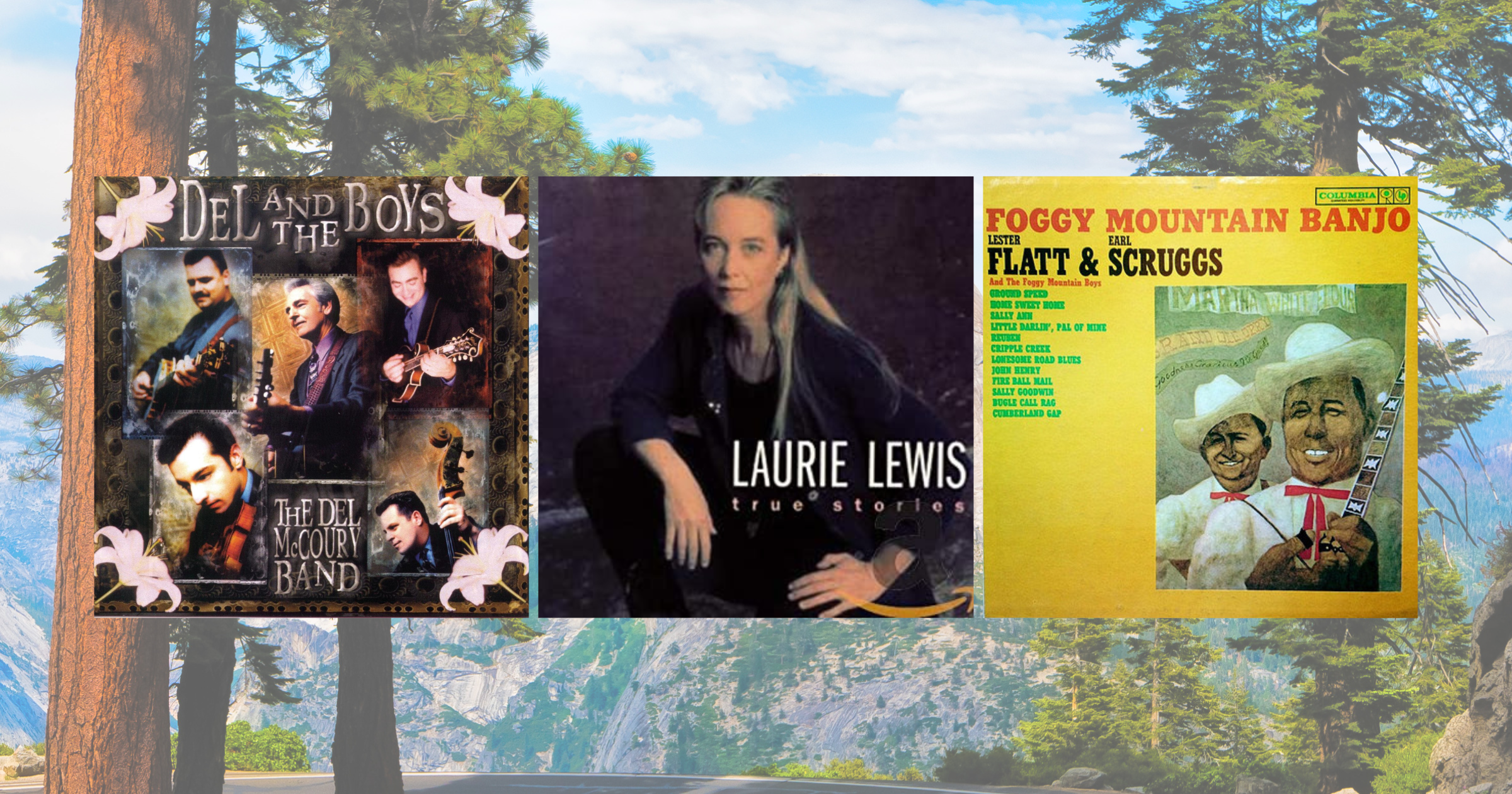
Another track with a transatlantic story, this ever-popular, most-requested number covered by the Del McCoury Band is a road trip staple — whether you get in or on your vehicle to hit the highway. It would be a sin to make a bluegrass summer vacation playlist and not include “1952 Vincent Black Lightning!”


“Val’s Cabin” – Laurie Lewis

A rare example of a bluegrass song actually about summer vacations, this Laurie Lewis original, “Val’s Cabin,” begins as a simple retelling of childhood memories — nostalgia being a common rhetorical device (and when attempted by many other writers, a well-worn trope) in bluegrass. But Lewis, a veteran through-hiker, wilderness excursioner, and backpacker as well as a Grammy-nominated bluegrass singer and songwriter, tinges the story with melancholy and the existential questions raised by the ever-worsening climate crisis. The song is as evocative as it is gorgeous; though the singer can’t find the way to “Val’s Cabin” any longer, every listener can.


“Paddy on the Turnpike” – Vassar Clements

If you ever happen to find yourself Crossing the Catskills on a summery jaunt, “Paddy on the Turnpike” must be in your listening rotation. Avoid the tolls, but still go for a ride on the turnpike with Vassar Clements’ wild, unpredictable, jaw-dropping, wonky fiddling. “Paddy” is a blank canvas for Clements and a study in bluegrass’ unending affinity for flat seven chords.


“Don’t Give Your Heart to a Rambler” – Tony Rice

A hit in nearly every jam circle that ever circled, “Don’t Give Your Heart to a Rambler” is almost as if “Gentle on My Mind” had been written by a much less kind or compassionate protagonist. Tony’s solo vocal stylings are as iconic as his six-string licks, nearly obliterating any memory of this song ever having been sung by anyone else. What’s more, the titular advice of the track still stands. Just don’t.


“Highway 40 Blues” – Larry Cordle & Lonesome Standard Time

Because “Interstate 70 Blues” just doesn’t roll off the tongue. And that melodic hook should go down in history as one of the best country licks to ever lick! Cordle wrote one built for the long haul with “Highway 40 Blues.” It’ll keep you good company as you go wherever and back.


“Banjo Pickin’ Girl” – Annie Staninec

Is there any better reason to go around this world than being a banjo picker? There are never enough banjo pickin’ girls and this anthem, no matter how many times it’s picked up, studied, and retooled by another banjo pickin’ girl, always SLAPS. (Clawhammer pun intended.) Fiddler and multi-instrumentalist Annie Staninec, who’s traveled around the world making music quite a bit herself, gives an excellent old-time rendition of this favorite.


“A Crooked Road” – Darrell Scott

Darrell Scott turns a literary device pretty common in songwriting on its ear, with a tender eye for detail and emotion that he brings into all of his musicmaking. Life is, after all, about the journey — not the destination. Why not take the crooked, and thereby, the road less traveled? 

Plus, take this song as suggestion: The Crooked Road, Virginia’s Heritage Music Trail, is well worth a visit. Put this song on and take the Crooked Road.


“Up and Down the Mountain” – David Parmley & Continental Divide

Work life doesn’t suit you? Does “paradise” mean a fiddle and the open road? If so, “Up and Down the Mountain” is for you and your road trip playlist. Especially if you’re planning on trekking through the Rockies, Sierras, Ozarks, Applachians, or what-have-you. Turn off cruise control, watch for the runaway truck ramps, and go up and down those mountains! David Parmley & Continental Divide know something about geography and topography, after all…


“Roving Gambler” – The Country Gentlemen


Not sure why you’d be headed to Las Vegas during one of the hottest summers on record, but if you’ve got your sights set on a casino — wherever it may be — crank up “Roving Gambler” and hope your 2 a.m. slot machine binge or your evening “re-learning” blackjack ends more amiably than with gunfire. Speaking of which, perhaps “Blackjack” deserves a slot on this playlist…


“Travelin’ Prayer” – Dolly Parton

The kick-off of one of Dolly Parton’s masterpieces, her 1999 bluegrass album The Grass Is Blue, “Travelin’ Prayer” was actually written by Billy Joel. Yes, that Billy Joel. The original, from 1973’s Piano Man, featured banjo playing by Eric Weissberg and Fred Heilbrun. So of course the tune stands up to the bluegrass treatment and then some, between Stuart Duncan’s haunting fiddle cadenza to begin the track, the rip roarin’ tempo and train whistle harmonies, and the lonesome feeling of being away from your baby while he travels the world. We’re gonna assume Dolly’s blessed pen and ink added the lyric: “And keep him away from planes / cause my baby hates to fly!”


“Road to Columbus” – Kenny Baker

Growing up this writer frequented a bluegrass jam in Granville, Ohio, about 25 miles east of the state’s capital, Columbus. Like clockwork, every week as the jam wound down around noon on Wednesdays, Troy Herdman — a local bluegrass community stalwart, Doc Watson-style flatpicker, and mentor of many who lived in or around Columbus — would call this tune. Everyone would chuckle, and we’d play “Road to Columbus” as everyone, but especially Troy, hit the road to Columbus. 

Herdman passed away last week at the age of 91. I certainly wouldn’t be the musician I was today if it wasn’t for Troy, and I know quite a few others who would say the same. So no matter where I travel, I always keep “Road to Columbus” nearby. Especially when I’m headed home to Ohio.

Many pickers speculate over whether Kenny Baker and Bill Monroe were referencing Columbus, Ohio, or Columbus, Indiana. But, according to Roland White — who introduces the song with an anecdote from his time on the road with Monroe — it’s about Ohio. For this Ohioan, that’s confirmation enough!


“That’s How I Got to Memphis” – Tom T. Hall

His own recording of one of his most popular hits may sound more like straight up and down country than ‘grass, but even the most casual fan of Tom T. Hall knows that this Bluegrass Hall of Famer is bluegrass to his core. If you’re headed down I-40 from Nashville — or, really, towards Memphis from any direction, no matter how direct or circuitous, this song is a must-add for your road trip playlist.


“Where Rainbows Never Die” – The SteelDrivers

This song is about a decidedly different kind of journey, not often referred to as a “vacation,” but even so it’s a poignant, encouraging, and downright delicious song to background any journey. If you’re road weary — or life weary — “Where Rainbows Never Die” is a certified pick-me-up that doesn’t shy away from reality, like the grit and coarseness in Chris Stapleton’s lead vocal wrapping you in its warmth. There’s a comfort in life not being sugar-coated — and in knowing somewhere, west of where the sun sets, rainbows never die.


“Home Sweet Home” – Flatt & Scruggs

Home never feels so sweet as when you’ve just returned after a long, restful, relaxing vacation. So we’ll close our summer vacation playlist with Flatt & Scruggs’ rendition of this tune pulled directly from the American songbook, “Home Sweet Home.” We hope a banjo roll always greets you at your door, and if not, this playlist will at least cover that for you. Wherever you roam, there’s no place like home! And no music like bluegrass.


Editor’s Note: Check out our follow up playlist, Take the Journey: 17 Songs for a Sunny and Warm Summer Vacation
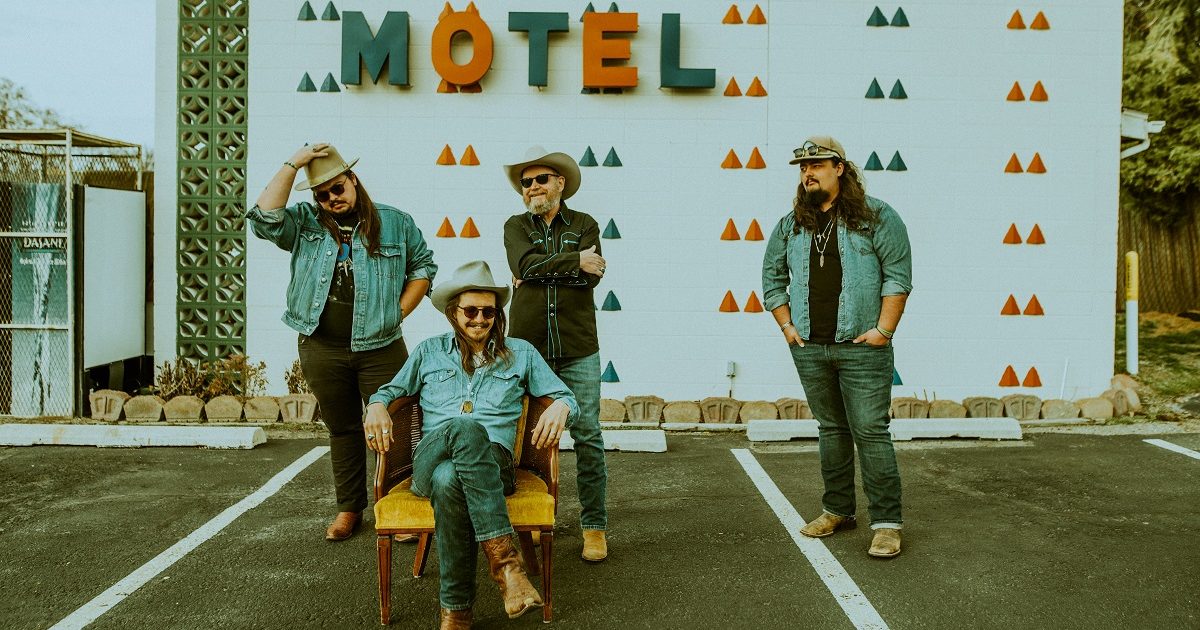
LISTEN: Tylor & the Train Robbers, “Lemonade”

Artist: Tylor & the Train Robbers
Hometown: Boise, Idaho
Song: “Lemonade”
Album: Non-Typical Find (produced by Cody Braun of Reckless Kelly)
Release Date: July 9, 2021

In Their Words: “Everyone has heard the saying ‘When life gives you lemons, make lemonade.’ I wanted to use that sentiment as the theme of this song without actually saying it and dig into the idea that when you don’t find a way to bring some good out of the bad, you’re just stuck with the same old lemons. When I’m writing about characters, I like to try to make them feel as real as possible, so I often end up using people I know as inspiration. This one started with the first character that the protagonist encounters, who was based on my grandfather (The Storyteller from our last album). He was a hard-working man who spent his weekends hunting in the hills with his hound dogs and was back at work in the mill come Monday. He was also very fond of bluegrass music so as an additional nod to him we brought in a little of the bluegrass sound featuring a banjo solo.” — Tylor Ketchum, Tylor & the Train Robbers


Photo credit: Maggie Grace Photography

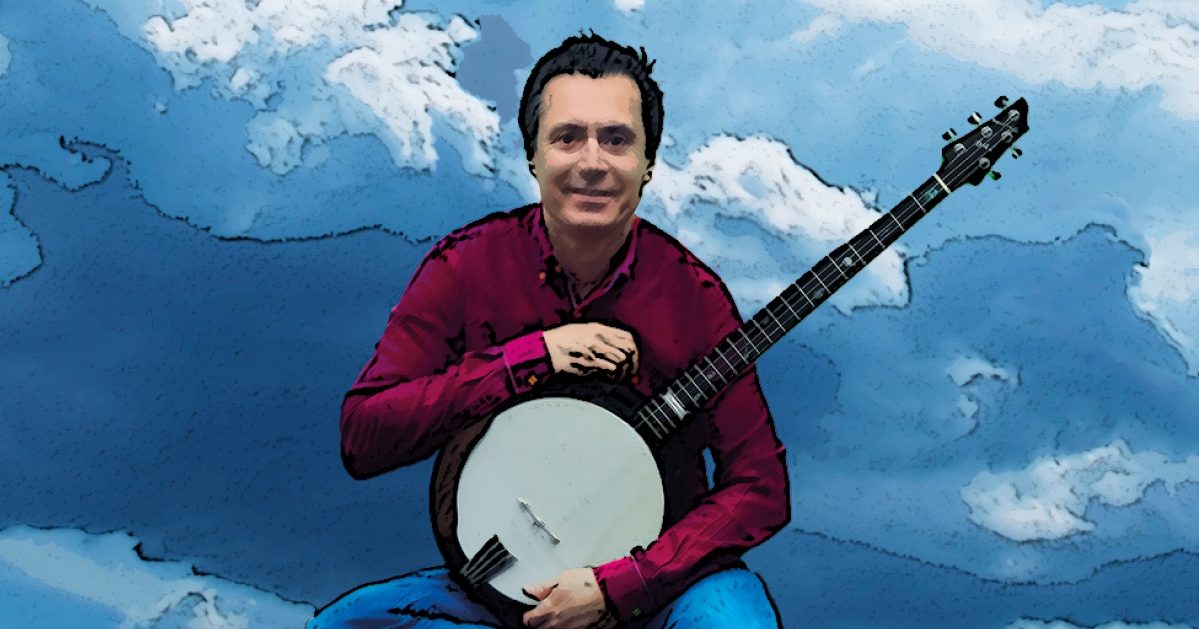
WATCH: André Dal, “Dal’s Breakdown”

Artist: André Dal
Hometown: Lisbon, Portugal
Song: “Dal’s Breakdown”
Album: Beyond the Tagus River
Release Date: June 2021

In Their Words: “‘Dal’s Breakdown’ is an uptempo banjo tune that includes myself on banjo, Gil Pereira (PT) on upright bass, Bob Hamilton (USA) on guitar, Dave Bagdade (USA) on mandolin, Jeroen Schmohl (NL) on dobro and Meade Richter (USA) on fiddle. I first came up with the melody while looking for a breakdown style of tune. My good friend, Hildebrando Soares, came up with the idea for a homemade video inspired by what all bluegrass musicians want, which is to play all day, and on what all bluegrass musicians’ wives want, which is for their husbands to stop playing and do their household tasks.” — André Dal


Photo credit: Hildebrando Soares

LISTEN: Joe Troop, “Purdy Little Rainbows”

Artist: Joe Troop
Hometown: Winston-Salem, North Carolina
Song: “Purdy Little Rainbows”
Album: Borrowed Time
Release Date: August 20, 2021
Label: Free Dirt Records

In Their Words: “What we now know as ‘Pride’ began at Stonewall in an uprising of New York City LGBTQ people of color demanding the acknowledgement of their human dignity. But in today’s woke rat race for clout, middle-class theatrics flood the echo chamber, and marginalization has become a precious commodity for the privileged. The movement has been convoluted by capitalism to the benefit of corporations and the middle-class opportunist.

“Bourgeois antics coupled with McPride have glorified the contemporary queer, urban experience. Where does this leave rural queers — the groundhogs? In rural areas, LGBTQ people are still duking it out in the arena of backcountry politics, where anonymity is impossible and pride isn’t an asset that gets you ahead in life.

“Pork chop queens and pawn shop trash are down in the trenches. They don’t get to live in a wealthy hyperwoke bubble. They aren’t lauded for virtue signaling on social media. And many times they have to hide their identities just to exist. I wrote this song for them, all the little groundhogs, valiantly waddling far and wide amongst the trappers. For all the purdy little rainbows shining in dark places.” — Joe Troop


Photo credit: Kendall Atwater

BGS 5+5: Nefesh Mountain

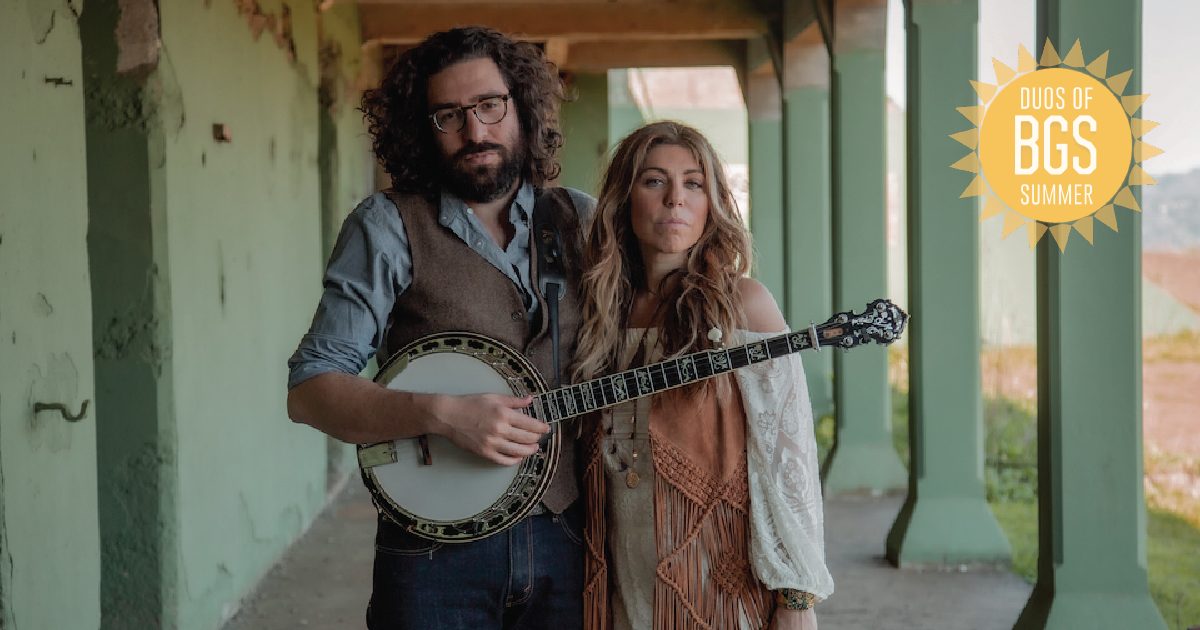
Artist: Nefesh Mountain (Eric Lindberg and Doni Zasloff)
Hometown: Brooklyn, New York City (born & raised); Montclair, New Jersey (current locale)
Latest Album: Songs for the Sparrows

If you had to write a mission statement for your career, what would it be?

As a musician, there are times when you have to sit and write, practice and create music — this process can be so inward, so solitary and alone. But these quieter moments are also filled with their own kind of magic, the kind that personally sustains you and over time hopefully also helps define you as an artist. There are other times when you find yourself in this great shared musical community with friends, bandmates, mentors, and of course audiences and fans. In these moments, we get to experience it all together as a community. I love all of it, and this crazy cycle that we go through as artists — it’s a great question, the mission statement. And while we’ve never really thought of our career having a “mission” exactly, there is a word that comes to mind that for me applies to all aspects of our musical life, and that is inspiration. Doni and I both want to inspire new thought and ideas with our music, and hope that through song we’re able to depict a better world than the one we see sometimes these days. But inspiration also flows in all directions, and we can feel it from an audience just as easily as they can feel it from us, which is such an encouraging thought. Ultimately for me, I think it’s the drive to inspire and be inspired that fuels a song, improvisation, lyric, or melody, and I’d consider us so lucky just to continue to keep receiving, and giving inspiration back and forth throughout our career… I guess you could say invent, inspire, repeat! — Eric Lindberg

Which artist has influenced you the most … and how?

For me it’s sometimes hard to separate music from life, and vice versa — and when asked this question, I always seem to come back to the artists that’ve shaped me over the years, especially at pivotal moments in my life. As a child, I remember being obsessed with the songs on “Free To Be You And Me.” The songs, messages, and humor on this album opened up a whole new world of inspiration for me at the time. We still listen to it with our kids today! Being a strong woman in the musical world is something that is just so important to me, and in part this is thanks to my next phase of musical influences: Joni Mitchell, Carole King, Carly Simon, Dolly Parton, Emmylou Harris, and Joan Baez. For me, I came to a lot of bluegrass and old-time musical forms by way of these artists, tracing backwards from them and finding this amazing and wide world of Americana music like the Carter Family, Ola Belle Reed, Doc Watson, and so many others. Today, I’m also beyond proud that both my and Eric’s biggest bluegrass influences have become dear friends and collaborators on our albums: Jerry Douglas, Sam Bush, John Doyle, Bryan Sutton, David Grier, and Mark Schatz among others, have all had such a deep influence on our music, and we’re so grateful for it. — Doni Zasloff

This is such a hard one. There are so many people who have been heroes and “north stars” in my musical life over the years, yet there are two names that always seem to jump to mind when I get asked this question: Pat Metheny and Béla Fleck. I think that I’ve always been drawn to artists who are able to portray their own world on their own terms, and Pat and Béla have done this time and time again, not only defining their sound as composers and improvisers, but all while truly pushing the boundaries of their instruments as well — guitar and banjo, respectively. I also learned early on through them, as well as others like Miles Davis, Bill Monroe, Bill Frisell and more, the importance of composing your own music, and that has been a huge influence on me as it relates to Nefesh Mountain. When I think of Pat and Béla’s music, I actually think of their compositions first. Pat’s “Question and Answer,” “Bright Size Life,” “Farmer’s Trust,” “Letter From Home,” “Last Train Home” and Béla’s “Spanish Point,” “Whitewater,” “Big Country,” “See Rock City,” “Up and Running” to name a few, have all been huge inspirations for me. I’ve learned so much from listening to these two over the years, and not all of it has been exactly music-related. They both always seem to take risks, break rules, and push forward with an inner drive that is just so inspiring to me, and they’ve help pave this musical road out there for other folks, like us perhaps, who also want to build their own world and story on their own terms. — EL

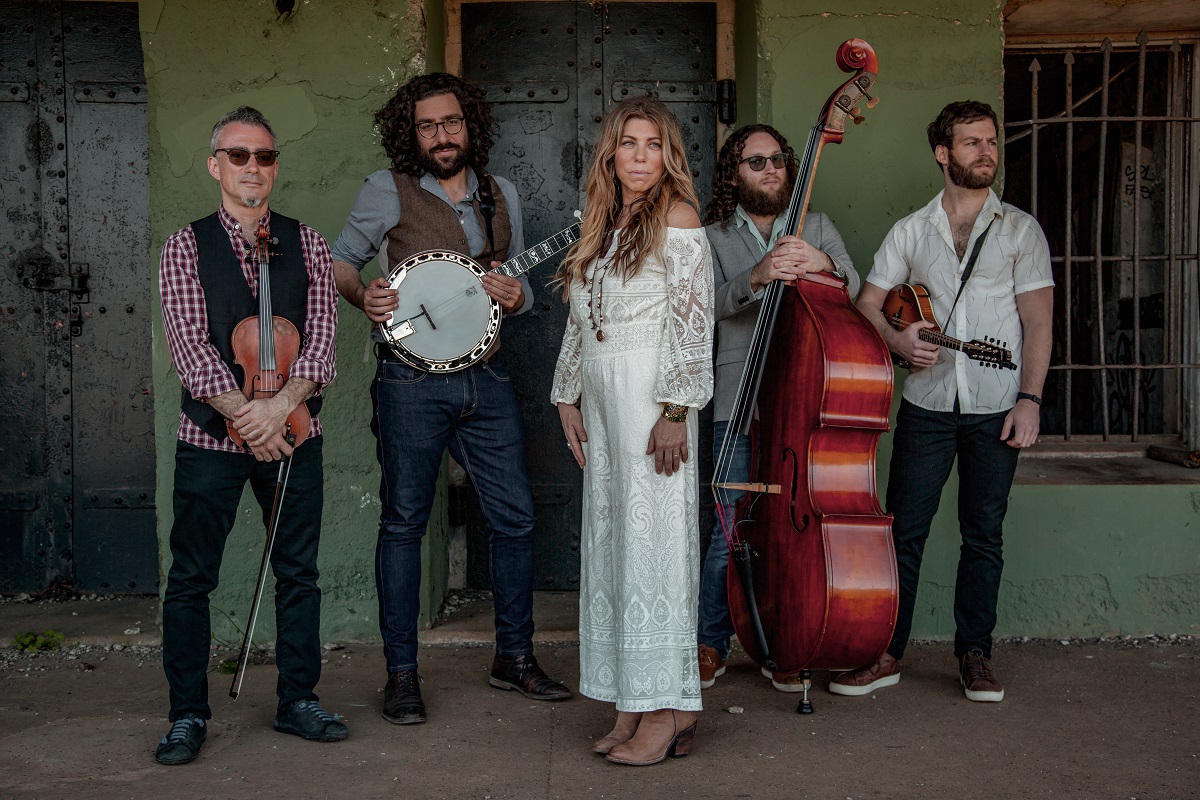
(L-R): Alan Grubner, Eric Lindberg, Doni Zasloff, Max Johnson, David Goldenberg

What’s your favorite memory from being on stage?

We’ve had so many incredible moments over the years, and one that always comes to mind for me was a number of years back at one of our first IBMA Wide Open Bluegrass festivals in Raleigh, NC. Our music, especially in a more traditionally bluegrass environment like IBMA, can be a bit different, to say the least. We were playing the 5:00 pm spot at the Capitol Stage, right in the center of the city, about to play a set that we knew had a few songs with Hebrew in them. I remember standing backstage looking out at a few thousand people at least, and just being terrified, scared that we would not be accepted for who we are. If you’ve never been, Wide Open Bluegrass is kind of a festival meets street fair. There are no tickets, and for these few days, about a million or so people in Raleigh come out to see some of the best bluegrass music around. So I’m looking out at this crowd that is growing by the second — and in my mind just assumed that they would all leave once they heard a lyric in Hebrew. But in the blink of an eye, I feel Eric come up next to me, grab my hand, and whisk me onto the stage — and less than 60 seconds later we were into our first song. I can barely remember any of the music from that particular performance, but what I do remember are the faces in the crowd… the smiles, the applause, the tears, the joy, the hope, and the rapidly growing numbers of people! When we got to our last song the crowd had more than tripled in size and we received our first standing ovation from the city of Raleigh, NC. It was a show and feeling I’d never forget. Of course, we’d played countless shows before and after that one, but there was a different sense of unknowing that day, of a deeper unknown, and felt like a trust fall between us and all the folks in that crowd who overwhelmingly all reached and caught us! – DZ

What other art forms — literature, film, dance, painting, etc — inform your music?

I think about this a lot, actually. I’m always curious about this connection between music, film, dance, literature and sometimes art as well — that all of it takes place, unfolds, and exists over time. A song, album, TV show, movie or book all have a specific and unique length, and I love that it’s our job as creators to ultimately tell a story within the parameters of our own medium. Our newest album, Songs for the Sparrows, is for me our most “cinematic” yet, in that we really wanted the album as a whole to take on the dramatic flow and characteristics of a film. We took a lot of time to write themes and motifs for this album, both melodically and lyrically, that would weave in and out of the songs. For us, these are our “characters” — the different voices and melodies that make appearances throughout. We also wanted a clear and definite beginning, middle, and end to the album, but overall really wanted it to feel like one story and one experience. I think the most exciting part of attempting to make music in this “cinematic” way is that it forces me to think more visually about the songs… to really focus on the images that we’re striving to create with all these beautiful acoustic instruments. There is a piece on the record called “Suite for a Golden Butterfly,” and for this one, Doni and I actually sat down and wrote out a detailed narrative before even a note of music was written. The music to all five movements came from this story that we wrote together about a Jewish family from Eastern Europe who flees to America to escape the Nazis, and for us it was such an exciting way to collaborate — each putting our own visuals, thoughts, and ideas into the music. — EL

Which elements of nature do you spend the most time with and how do those impact your work?

The natural world has had a profound influence on our music and lyrics over the years, and as songwriters and composers, we are always looking for ways to convey feelings, stories, and emotions that will resonate, both with ourselves and the listener. We all in one way or another have such a strong relationship with the world around us, and we often lean on this shared “common ground” in our songs, and really love telling our story through the lens of these universal images of rivers, canyons, forests, fields, and of course mountains! One of the great gifts of being a touring musician is having the chance to see the world. When I sit at home at my desk to write or compose a new piece, my mind will often wander on its own, referencing images of the mountains of Colorado, the coasts of Maine, the California sun, the peaks in Switzerland, the hills and valleys in Ireland. It’s a bit abstract and hard to measure, but for me, these elements of nature and personal memories come out in our work all the time — sometimes in an intended lyric or melody, and sometimes in just a few notes of an improvised solo. — EL

We’re always looking for connections in our music… ways of telling our story and how we see the world while bridging bluegrass music with our heritage as Jewish Americans. One common thread that beautifully runs through Americana music and Jewish tradition is the undeniable reverence shown for our natural world, and that connection is so encouraging for me! We so often only look at our differences these days — our backgrounds, skin color, religion, gender, or even musical genre — but over the years of traveling and making music, I’ve found that we can just as easily look at all the things that connect us, that we have in common. Strangely enough, it’s a choice that we can make every day, and it gives me comfort to know that despite our differences we’re all “Somewhere on This Mountain” all at once, all looking up at the same trees, clouds, and sky every day. — DZ


Photo credit: Lawrence Rickford

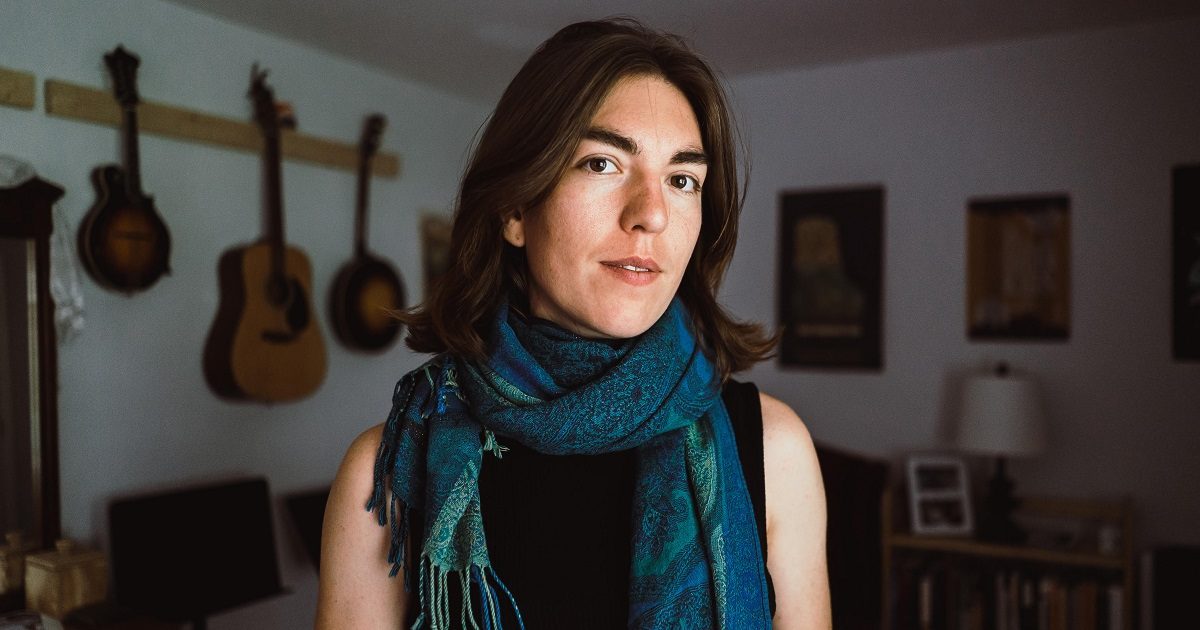
WATCH: Maya de Vitry, “Working Man”

Artist: Maya de Vitry
Hometown: Lancaster, Pennsylvania
Song: “Working Man”
Release Date: January 8, 2021
Label: Mad Maker Studio

In Their Words: “When I was writing this song last summer I was thinking about the creation of the railroads in the United States, imagining the distance between the hands that physically laid the tracks and the statues and wealth and legacy of the men we remember as having ‘built’ the railroads. I was reflecting on the respect and dignity and security we all long for, the satisfaction of doing a job well done, the pride of being part of something greater than ourselves. The pandemic has elevated and made more visible some of the more underpaid and overworked people in our society, and it’s also made us face the instability of work in general. I was thinking about how so often the blood, sweat, tears, and sacrifice of so many benefit the super-comfort of so few. How can we reimagine our society, and reimagine work, with the empathy and perspective we’ve gained from this last year?” — Maya de Vitry


Photo credit: Kaitlyn Raitz

MIXTAPE: The Foreign Landers’ Transatlantic Story

Each of us having grown up on either side of the Atlantic, our common interests and musical influences could not have been more similar. All of these tracks hold sweet memories in our years of being a couple, and each artist has definitely influenced our sound as The Foreign Landers. David and I thought we’d share some of our transatlantic story together through a few of our favorite songs. — Tabitha Benedict, The Foreign Landers

Paul Brady – “The Lakes of Pontchartrain”

This is one of our favorite tracks of all time. This version of the popular ballad is from Paul’s album Nobody Knows: The Best of Paul Brady rereleased in 2002. With Paul’s flawless storytelling ability and tasteful guitar playing, it makes it a joy to come back for a re-listen.

Crooked Still – “It’ll End Too Soon”

David and I have been big Crooked Still fans for a long time and they will often be our first choice of car music on any long journeys. Here’s a beautiful song written by banjoist Greg Liszt for Aoife O’Donovan that is just so sweet to the ears. This was one of the last songs they recorded before the band stopped touring in 2012 and it appears on their EP Friends of Fall.

Tatiana Hargreaves – “Foreign Lander”

This is where the inspiration for our band name “The Foreign Landers” was drawn from. Aside from having more of a story behind our name than just that, we both love this old song and especially love this version from Tatiana Hargreaves debut album Started to Ramble released back in 2009.

Alison Brown – “Fair Weather”

This title track of Alison Brown’s album Fair Weather released back in 2000 is a common favorite of ours. Vince Gill features on lead vocals and guitar, Alison on banjo, Stuart Duncan on fiddle, mandolin, and vocals and Gene Libbea on Bass and vocals.

Ron Block – “Ivy”

Well, we knew we had to involve some of Ron’s writing and performing in this mixtape. We love this track, “Ivy,” off his album Walking Song. This is a perfect album for all year round, with guest appearances from a host of our favorite players.

The Weepies – “I Was Made for Sunny Days”

I first was introduced to The Weepies through hearing them on the radio back in Northern Ireland many years ago. My family instantly fell in love with their songs and sound, so I was so delighted to introduce David to their catalog when we were dating. Another favorite for long drives and singing along in the car. Here’s a real feel good song of theirs called “I Was Made for Sunny Days” from their album Be My Thrill released back in 2010.

The Boxcars – “You Took All the Ramblin’ Out of Me”

We just had to stick some good bluegrass in this mix of songs, and we’re so glad we chose this one. When David and I started dating, we would sing this to each other, and it has to be one of our favorites from the Boxcars album It’s Just a Road released in 2013.

Hot Rize – “You Were on My Mind This Morning”

At one of our first-ever performances about three years ago at the well-loved Cantab Lounge in Cambridge, Massachussetts, David sang lead vocals on this track written by Hot Rize. They recorded this on their 2014 release When I’m Free.

Dori Freeman – “If I Could Make You My Own”

We are big fans of Virginia-based singer-songwriter Dori Freeman, and especially love this track of hers from her 2017 release Letters Never Read. We recorded a cover of this song on our honeymoon on the Isle of Skye about two years ago now, so it holds a sweet spot in our relationship!

John Reischman – “Little Pine Siskin”

One of our favorite tunes off John’s album Walk Along John! John had been touring with the wonderful Greg Blake in Ireland back in January/February 2018, right when David took his first visit to Northern Ireland, and right when we started dating. We went to see them at a wonderful show at the Red Room in Cookstown. It was just a couple of days prior to making things “official.” I remember David playing this tune on that visit and it brings back happy memories!

The Foreign Landers – “I’m Not Sayin’”

We discovered this Gordon Lightfoot song from the late great Tony Rice on his album Tony Rice Sings Gordon Lightfoot. We have both loved this song for many years, and knew that when he would start a duo we would definitely be covering this one. We recorded this version on our EP Put All Your Troubles Away that we released in May 2021. We’re so thankful we did and hope you enjoy it!

David Benedict – “Colonna & Smalls”

David released this tune on his solo project The Golden Angle in 2018, named after the specialty coffee shop in Bath, England, back when we were dating. He has the amazing David Grier and Mike Barnett playing on this track with him.

Cup O’Joe – “Till I Met You”

David and I also tour and record with my two brothers in Cup O’Joe, our band based out of Northern Ireland. I wrote this song back in 2018, and recorded it on Cup O’Joe’s most recent album, In the Parting. I wrote this one with David in mind, not thinking that he would be playing mandolin on it a few months later!


Photo courtesy of The Foreign Landers

WATCH: Bendigo Fletcher, “Sugar in the Creek” (Blackacre Barn Session)

Artist: Bendigo Fletcher
Hometown: Louisville, Kentucky
Song: “Sugar in the Creek” (Blackacre Barn Session)
Album: Fits of Laughter
Release Date: August 13, 2021
Label: Elektra Records

In Their Words: “Playing ‘Sugar in the Creek’ live feels like floating compared to some of our other songs that probably require more attention to recreate. There are a few key and tempo fluctuations that we sort of arrive at and navigate as the song continues, and we just have to rely on staying in the moment together to hit those transitions naturally. Looking back, I think it was written under the spell of a band called Relatively Clean Rivers, whose only known album consists of those types of songs that just kind of start and end before you remember again that you’re in a human body.” — Ryan Anderson, Bendigo Fletcher


Photo credit: Jimmy Fontaine

LISTEN: Tray Wellington, “Pond Mountain Breakaway”

Artist: Tray Wellington
Hometown: Originally from Ashe County, North Carolina and now calls Johnson City, Tennessee home
Song: “Pond Mountain Breakaway”
Release Date: May 28, 2021
Label: Mountain Home Music Company

In Their Words: “I actually wrote the main riff to this song while playing electric guitar — but then, while playing banjo the same day, I tried it out with more of a bluegrass feel, and thought, ‘Wow, it would be cool to write a fast, upbeat instrumental around it.’ When recording, I got to the session late because my car broke down on the way, and while I was trying to think of a name for the tune during the actual recording session, Wayne Benson, who plays mandolin on the track, asked me, ‘Where did you break down?’ I replied, ‘A place called Pond Mountain,’ and he said, ‘Call it “Pond Mountain Breakdown.” I thought that was a great idea, but as I was thinking about it later, I realized that I don’t get a full breakdown vibe from this tune — and when I thought that a little variation in bluegrass titles wouldn’t be a bad thing, I decided to make a slight change to ‘Pond Mountain Breakaway.’” — Tray Wellington


Photo credit: Rob Laughter

Double the Banjos, Double the Fun!

Twin fiddles are the bluegrass instrumental duo that get all the attention, but double banjos are really where it’s at. (Is this writer a banjo player? Why, yes. Is this writer biased? Why, of course!) It makes sense that twin or triple fiddling would end up more popular than double or triple banjos, given that fiddles are sounded by bows, so the melodic contours are more like vocal harmony, often longer phrases and bow strokes languidly and charismatically laced together. Banjos, with their rapid-fire sixteenth notes and syncopated, idiosyncratic rolls, are just more difficult to sync up. Hundreds – if not thousands – of banjo jokes devoted to rhythm and timing will certainly back that claim up.

But double banjo is an art form as old as bluegrass itself – and older, by quite a few dozen decades, if you count early American popular music, banjo orchestras, minstrel and vaudeville songs that all centered banjos before and during the turn of the 19th to 20th century.

In bluegrass, twin five-strings are at their most astounding in jaw-dropping and acrobatic contexts such as High Fidelity’s incredible rendition of the Don Reno classic instrumental, “Follow the Leader.” Famous for his steel guitar and chicken-pickin’ Telecaster licks transferred to banjo, Reno’s harebrained and wonky turns of phrase might seem like the last musical context in which one should attempt perfect synchronization, especially on banjo, but Jeremy Stephens and Kurt Stephenson defy reason, logic, and surely physics with their buttery, seamless, double banjo blend. The track perfectly encapsulates the “WHAT IS THAT!?” quality of five-string, three-finger banjo – raised to the second power.

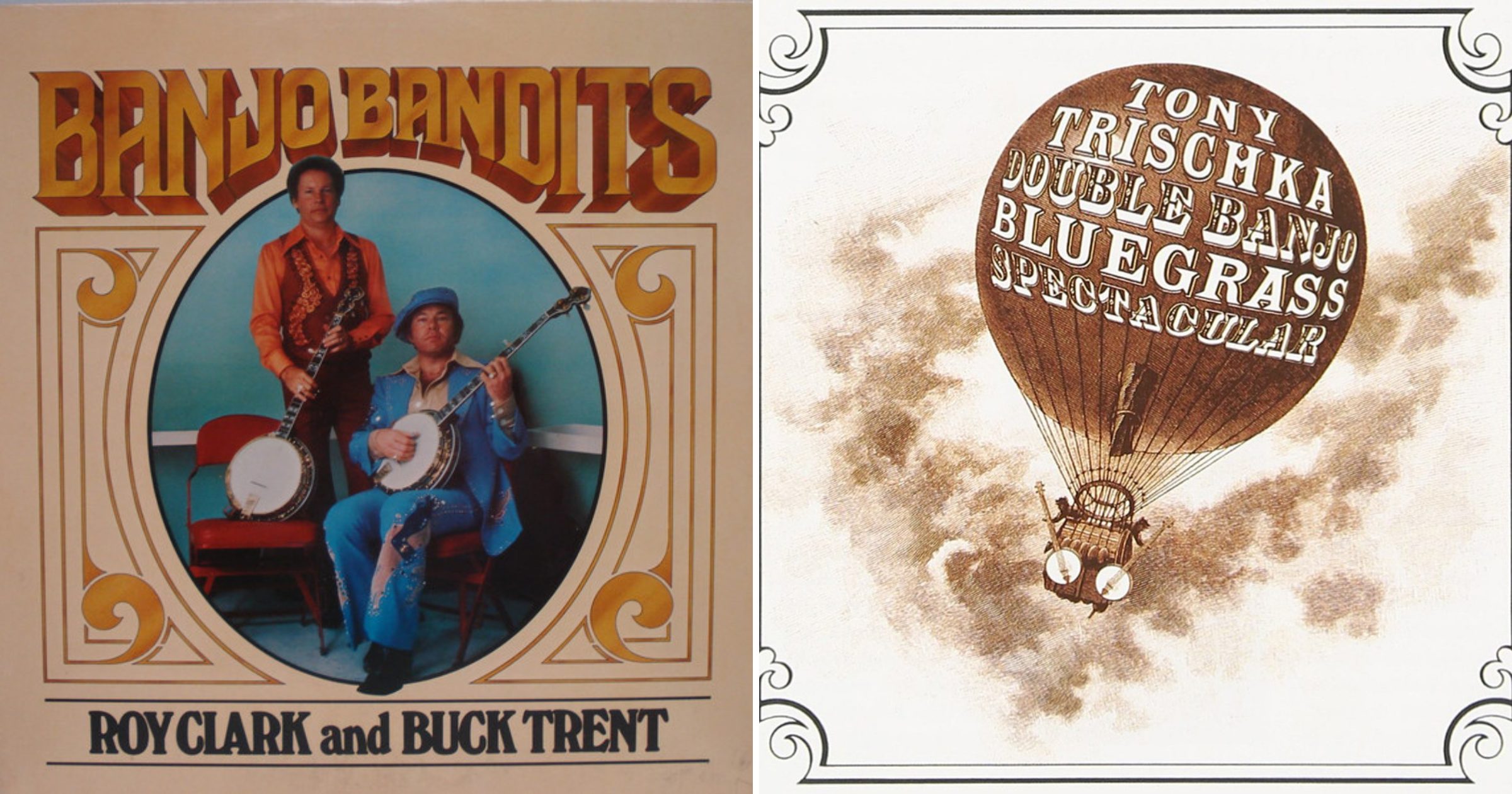
Anyone who grew up tuning in to or has ever binge-watched reruns of Hee Haw knows the beauty of a good double, triple, quadruple, quintuple banjo number, a common feature of the homespun country, comedy, and pickin’ variety show. Roy Clark, the Hee Haw host who could tear through almost any instrument in any style, released an entire album of double banjo music with regular Hee Haw guest Buck Trent in 1978 called Banjo Bandits. “Down Yonder” kicks with all-too-rare (and certainly delicious) bluegrass piano, a delightful intro to a bluegrass, old-time, and American songbook standard that almost sounds like a carnival merry-go-round thanks to the effect of the banjos “in stereo.” Banjo Bandits is something like a bluegrass and country double banjo primer, every track a stunning example of the form.

Like twin fiddling, double banjo lends itself so intuitively to the collaborative, community quality of bluegrass music. Through many a duo album and “featured artist” slot pickers have been using double banjo tunes to bring in their favorites, their mentors, their heroes, and their peers to swap licks, rising and falling, rolling and tumbling in breakneck unison. Alison Brown’s first Grammy Award was won for “Leaving Cottondale,” her double banjo instrumental with Béla Fleck from her also-nominated 2000 record, Fair Weather. In 2007, modern banjo hero Tony Trischka released a 14-track album of all twin banjo tunes entitled Double Banjo Bluegrass Spectacular. Its roster included Earl Scruggs, Brown, Fleck, Noam Pikelny, Steve Martin, and more. On “Doggy Salt,” a silly, winking instrumental that reconfigures the classic chord progression of “Salty Dog,” Scott Vestal joins Trischka, leaning into the humorous, comedic quality of these sorts of duets — a quality we see in Banjo Bandits and “Follow the Leader,” too.

Do not be mistaken, though, putting together a banjo duet isn’t just a comedic or intra-bluegrass activity! Cross-genre double banjo forays are certainly just as delightful, if not rarer and even more difficult to lock into rhythmic synchronization. Those that can mesh together three-finger’s rolling right hand with clawhammer and frailing’s loping, looser right hand are true virtuosos, defying not one but two genre’s expectations that banjos are intrinsically arhythmic and constantly rushing. Old-time players like Allison de Groot, Cathy Fink, Mark Johnson, Victor Furtado, and others all make it look and sound easy, matching their bluegrass compatriots’ rhythms and syncopations with ease and not just blending in, but counterpointing tastefully as well. One such recording, “Cluck Old Hen” from Pikelny’s Beat the Devil and Carry a Rail project, features Steve Martin, once again, on clawhammer. A less traditional approach, the two play with textures and senses, not striving for perfect unison, but rather exploring what an old-time-and-bluegrass dialogue can look and sound like, expanding our ideas of what twin banjo can be.

No matter the context, genre, roster of pickers, or style of playing, this fact remains true: more banjos equals more fun. (To this writer, at least.)