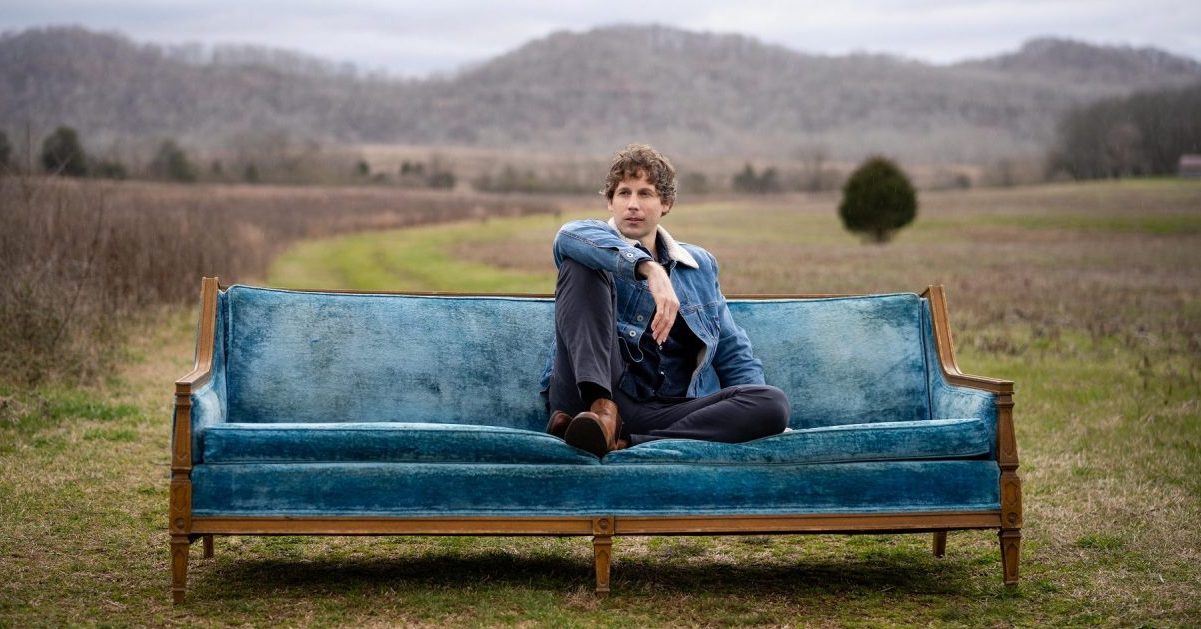
MIXTAPE: Jesse Terry’s Pure Seventies Troubadour Gold

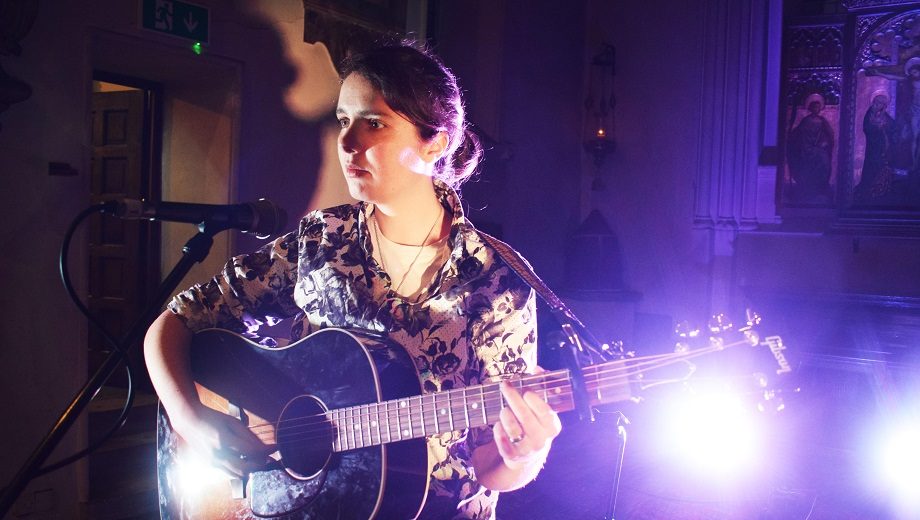
I’m not sure what it is about this era that has permanently ensnared my soul. Perhaps the raw, confessional nature of the troubadour has always reassured me that I am not alone. These are the songs that made me abandon my fine art career at the age of 18 and embark on a lifelong quest to appease the songwriting gods. The fact that all of these songs can be fully delivered with one instrument and one voice has always amazed and inspired me. It was wonderful to record a few of these classics on my current EP, Seventies Roots, part of a double album of covers that I’m releasing in February 2022 called Forget-Me-Nots. — Jesse Terry

Joni Mitchell – “A Case of You”

Was there any doubt it would start with Joni and a song off her masterpiece, Blue? I put Joni in a Jimi Hendrix-type category, where it feels like the artist was transported from outer space, in perfect revolutionary form. Her songs, chord progressions, lyrics and vocals have always been otherworldly to me. It was thrilling to record this song on my Seventies Roots EP. Actually it was intimidating, but in the end I love the song too much not to do it.

James Taylor – “Fire and Rain”

The blueprint for confessional, honest songwriting. It’s awesome to hear JT tell the story behind the song and know that he put every last personal detail into his lyrics. This inspired me to be vulnerable and completely open in my writing. Nobody sings or plays like JT. And to this day, if I’m having a rough go of it, I blast his records and let that warm voice console me.

Jackson Browne – “For a Dancer”

Another true original with an unmatched voice and sense of melody. I think Jackson is without a doubt one of the best lyricists of all time. His lyrics and melodies flow effortlessly off the tongue and never tire.

Bruce Springsteen – “Growin’ Up”

Springsteen is a legendary rocker and performer. But what really impresses me about the Boss is his songwriting. All of his anthems can be stripped down to an acoustic guitar and still deliver with the same emotion. There aren’t many songwriters that can paint pictures like Springsteen. With him, you’re not just listening to the song, you’re IN the song or maybe even one of the characters.

Carole King – “Will You Love Me Tomorrow”?

Like all of the truly great songwriters, her songs transcend and feel universal and timeless. This song feels perfect, whether you’re listening to Carole’s version or The Shirelles.

Tom Waits – “Shiver Me Timbers”

A truly masterful and utterly unique songwriter. Waits writes about characters and tells stories better than anyone. His lyrics and penchant for perfect timing are well-known, but I also adore Tom Waits’ gift for melody and harmony. His melodies break my heart and are married flawlessly to the lyrics.

Paul Simon – “American Tune”

If you created a singer-songwriter in a lab it would be Paul Simon. Some of the most endearing lyrics and melodies of all time. His songs are so perfect, it’s easy to overlook his guitar playing and singing, which are equally remarkable. Music schools often try to dissect his songs to display the craft of songwriting, but I get the sense that this magic simply flowed out of him.

Elton John – “Mona Lisas and Mad Hatters”

Over the years, some very talented folks have sent me lyrics and poetry to set to music and I’ve always been disappointed with my results. That makes me even more knocked out by Elton John’s ability to marry Bernie Taupin’s lyrics to the most perfect melodies, tempos and chord progressions. I recorded “Goodbye Yellow Brick Road” on my Seventies Roots EP, but I easily could have chosen “Mona Lisas and Mad Hatters,” or any number of tunes. Way too many great options to choose from.

Neil Young – “Comes a Time”

What songwriter list would be complete without Neil Young? Neil is raw unfiltered emotion, live to analog tape with no rewriting or editing. That makes him so special. I can’t think of another songwriter that can cover so much ground with such authenticity.

Randy Newman – “Marie”

Randy Newman is a genius. His character-based songs are on the same level as Tom Waits and his lyrics are just as evocative, biting and unique. It’s impossibly rare to find Newman’s talents as an orchestrator and arranger in the body of a singer-songwriter. “Marie” especially breaks my heart. I believe every word Randy Newman sings.

Townes Van Zandt – “No Place to Fall”

A mythical figure in songwriting, Townes wrote some of the most beautiful and enduring songs of all time. “No Place to Fall” has always spoken to me and broken my heart. Was an honor to record this one.

Bob Dylan – “Simple Twist of Fate”

I admit, as a young kid I was more seduced by the “singers” in this group — artists like Joni, James and Jackson that could sing the phone book. But eventually I became spellbound by Dylan and my affection for him has never waned since. And as I listened more in my life, I realized what an amazing singer and communicator he was. His phrasing, his lyrics, his melodies and his hooks convey the lyrics perfectly. There will never be another Dylan.

Loggins & Messina – “Danny’s Song”

Kenny Loggins went on to have a huge solo career, but the music that he released in the ‘70s with Jim Messina in Loggins & Messina will always be my favorite work. My father used to sing this song to me when I was a kid and it felt like he wrote it for me.

Stevie Wonder – “Love’s in Need of Love Today”

Admittedly my playlist is Laurel Canyon-heavy and that’s what inspired me the most. But I also remember Stevie blaring through speakers as I was growing up. Again, one of the classic singer-songwriters that will never be replaced nor imitated. One in a billion. And on top of that, one of the best, most flexible voices of all time.

Crosby, Stills, Nash & Young – “Our House”

I’ll end my playlist with this classic song that transports you to another time and place. You can almost smell the flowers blooming in this song.


Photo Credit: Alex Berger
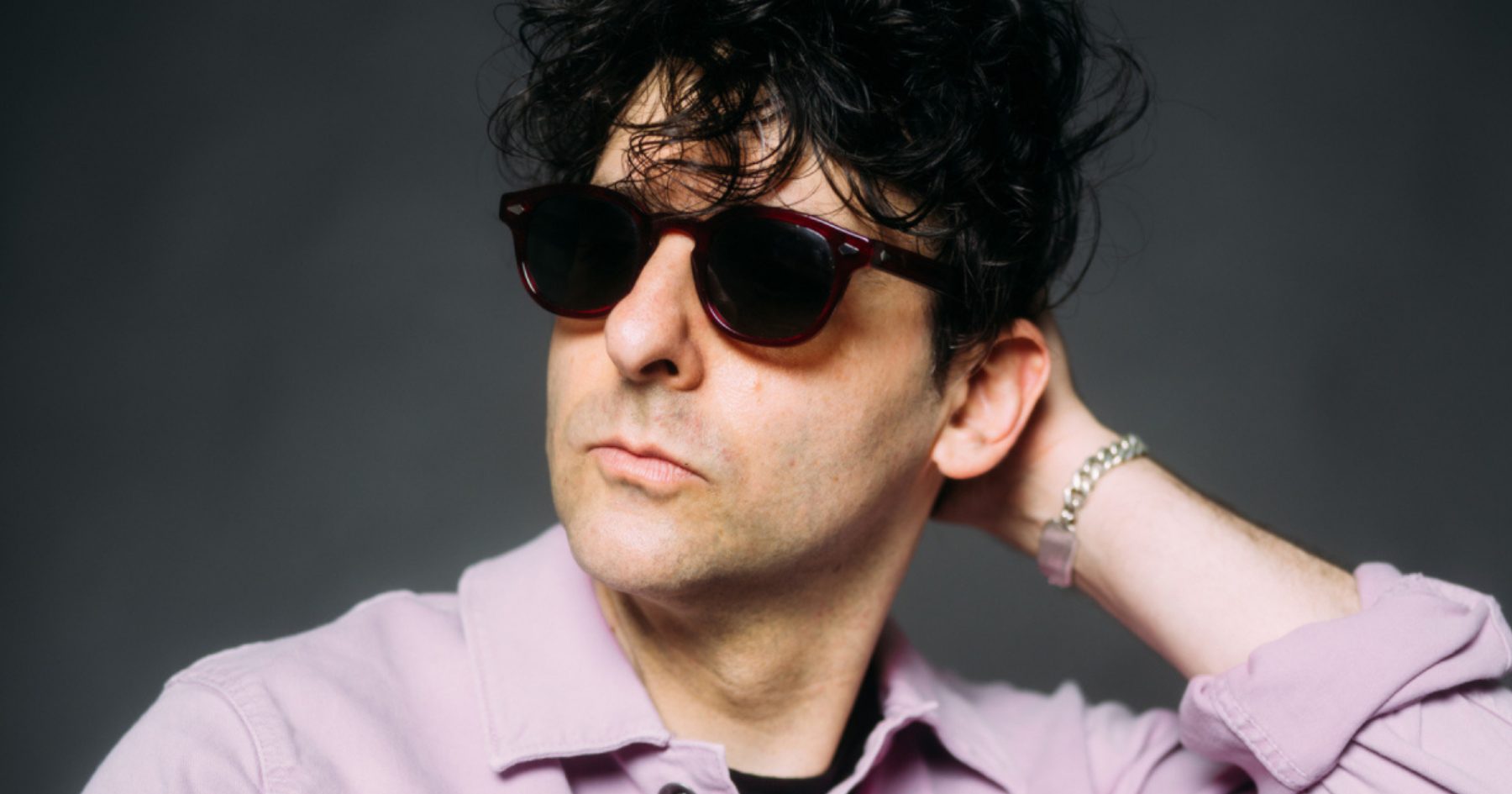
The Show on the Road – Low Cut Connie

This week, we call in to Philadelphia for a conversation with the highly-theatrical pianist and tireless, much-adored performer Adam Weiner, who for the last decade has gained a cult following around the world fronting his soulful bizarro-rock outfit, Low Cut Connie.


LISTEN: APPLE PODCASTSSPOTIFYSTITCHER
Some artists have retreated into obscurity during the pandemic shut-down, some have turned lemons into personalized, livestream lemonade. But Adam Weiner took it to another level when he launched his often twice-weekly vaudevillian interactive web show “Tough Cookies” in March. Charging around his small home stage like a schvitzing piano preacher, often losing clothing along the way, Adam has learned nearly six hundred covers in the last eight months alone — from Barry Manilow to Cardi B’s “WAP” to Macho Man to an entire Little Richard set, which he performed to honor his hero after his passing. He then interviews anyone from Beyonce’s dad to members of Sly and the Family Stone. In short, it’s a rollercoaster every week — one that you kind of have to watch to believe.

Alongside his 2020 LP Private Lives, Low Cut Connie’s heartfelt and sweat-dripping sets have gained Weiner some famous supporters: Elton John for one, fellow New Jersey-born hero Bruce Springsteen for another. Up-and-coming playlist presenter Barack Obama unexpectedly placed Low Cut Connie’s defiant cabaret rocker, “Boozophilia,” on his must-listen list. Indeed, this taping, which often showed Adam jumping from his piano to his guitar to play favorites (like the Kinks-esque, “Revolution Rock N Roll”) initially had to be delayed so he could play an inauguration event for new president and Philly-piano lover Joe Biden.

While Weiner is basking in some much-earned attention, it hasn’t always been an easy road. He readily admits to scraping by on side jobs into his mid-thirties, for years playing around dim New York City piano bars as his sequined alter-ego, Ladyfingers. If Low Cut Connie has learned anything during this strange era, it’s that people desperately still need live music. In all its spur-of-the-moment, sweaty glory. One of the more moving stories he tells is seeing groups of nurses in beleaguered hospitals taking a much needed break to watch his livestreams. Much like his role model and patron Elton John, Low Cut Connie’s songs can leap from intimate folk-rock to greasy soul to bombastic musical theater and back with ease and his relentless spontaneity keeps fans waiting for that he will do next.


Photo credit: Skylar Watkins

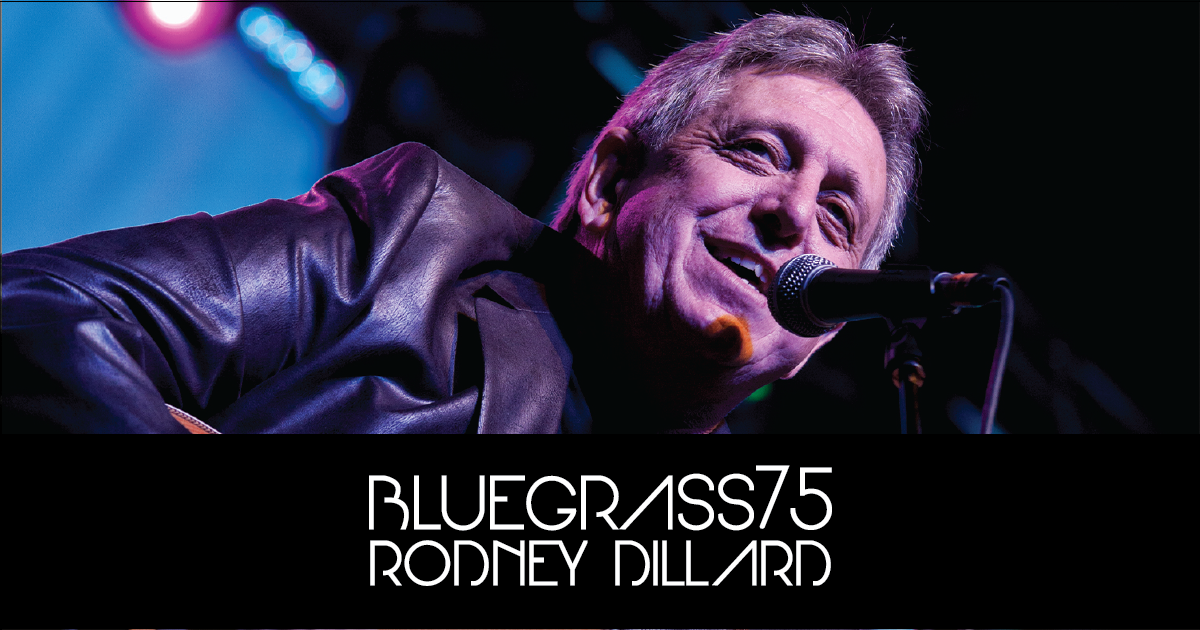
Hello, Darling: The Dillards’ Rodney Dillard Brings New Music to ‘Old Road’

With their landmark 1968 release, Wheatstraw Suite, The Dillards opened the doors for the progressive bluegrass and country-rock movements. In August, Rodney Dillard, the band’s sole surviving original member, released a new album by the Dillards, Old Road New Again, that he describes being a “bookend” to Wheatstraw. Although not as artistically groundbreaking as its predecessor, Old Road still features non-traditional bluegrass instrumentation and, probably more importantly, it finds the 78-year-old musician in a reflective mood about how he sees the world today as well as the Dillards’ legacy.

Talking from his home outside of Branson, Missouri, Dillard shares that “before I was just trying to reflect what rural life was like, but I grew up in it. This one, more or less, is more reflecting an old person’s perspective on life.” It’s a point-of-view that can be heard on “Tearing Our Liberty Down” and “Take Me Along for the Ride,” which offer non-partisan statements on the state of the world, while “Earthlink,” “Common Man,” and “My Last Sunset” find a man taking stock of his life.

“My Last Sunset,” with its vocal nod to the Eagles’ “Already Gone,” also represents the album’s full-circle theme; however, the theme is best epitomized on the title track, a rousing telling of the Dillards’ story. The tune also features several guest artists pertinent to that era: Don Henley (a friend and neighbor from Rodney’s L.A. days), Bernie Leadon (who played in Dillard & Clark with Rodney’s brother Doug), and Herb Pedersen (who joined the Dillards on Wheatstraw and has played with Rodney on and off since).

Adding to Old Roads’ ties to the past are appearances by Sam Bush (founder of the game-changing New Grass Revival) and Ricky Skaggs (who went from bluegrass traditionalist to progressive during the ‘70s) as well as Sharon and Cheryl White. In the past, Rodney had been hesitant about having an album feature lots of big-name guests. “I didn’t want to make it like I was trying to make an event out of it,” he explains. “I did it because I was able to have Henley, Ricky, Herb and Sam Bush with me… people who I truly respected before they were stars.”

Rodney offers some especially kind words for Skaggs for appearing on “Tearing Our Liberty Down,” which makes some pointed statements about America without pointing out particular political parties. “He took a big risk, I think, standing his ground with ‘Liberty Down,’” Rodney relates. “I’m just overwhelmed that he would consider doing it. He could have refused to do it, but he didn’t because he stands his ground.”

He also credits Pederson, who plays on most of Old Road’s tracks, with being a key factor in the Dillards’ breakout sound on Wheatstraw, which was Pedersen’s first album with the band. “When Herb came in, he added his harmonies.” Rodney reveals, “It became a different thing. It became Wheatstraw Suite.”

Featuring full orchestration, drums, and electric instruments, Wheatstraw Suite shook up bluegrass traditions while also being an important touchstone in the burgeoning country-rock scene. The album’s innovative sound was a creative decision, not a commercial one.

“It wasn’t about selling toothpaste. It was music,” Rodney shares. “We were selling what we believed in. It was what we thought was fun, creative and maybe had something to say that no one had said (before).” Don Henley, who covered the Dillards’ “She Sang Hymns Out of Tune” on his Cass County album in 2015, and Elton John, who picked the Dillards as his opening act in 1972, have cited Wheatstraw as a highly influential album. In considering the impact of the album and his band, Rodney says, “I’m just very grateful and thankful that I could play just a small part in the history of what music was in the ‘60s.”

One curious thing about Wheatstraw Suite is that it marked the Dillards’ return to Elektra Records, who released their first three albums, after an abbreviated stint at Capitol Records. The band had left Elektra originally because the label didn’t understand the direction that they wanted to pursue on a single entitled “Hey Mr. Five-Strings.” A cover of a ‘50s hit called “Hey Mr. Banjo,” the Dillards’ interpretation, as Rodney described it, “added knitting needles for rhythm played on a fiddle.”

Capitol was supposed to be greener pastures for the group; however, the label proved to be a worse fit for the Dillards than Elektra. “They assigned us this producer Ken Nelson, who was doing country, but he didn’t understand what we were doing. Then they gave us this guy who produced ‘Danke Schoen’ for Wayne Newton. That’s when Mitch and I looked at each other in a conference with this guy and said we wanted out. And we walked out.”

Rodney readily admits that the band should have never left Elektra. He also is very thankful for the help that Elektra’s founder Jac Holzman provided then and ever since. “If it hadn’t been for Elektra I don’t know what would have happened [with the Dillards]. I’m just grateful to have had that label,” Rodney proclaims, adding Jac “has been instrumental in getting [Old Road] off the ground,” as well as contributing to the album’s liner notes.

Los Angeles in the ‘60s was home to a vibrant, highly synergistic music scene, which Rodney remembers as being spearheaded by people with a passion for what they were doing. Peers like Linda Ronstadt, Leadon, and Henley, he mentions, were “all these guys who just loved music.” One popular musician hangout was the Troubadour’s foyer, which was just a folk room with instruments on the wall and people drinking tea.

“We would sit around, and we would just sing. We had a wonderful time… (people) would come up to the house that Doug, Dean (Webb, the Dillards’ mandolin player) and I had together in Topanga, where we’d pick and played music… Gosh, Herb and I would sit in with Clarence White and the guys down in the King’s Lounge,” he says, remembering a venue in Palmdale, outside of L.A.

The Dillards — Rodney and Doug Dillard, Dean Webb and upright bassist Mitch Jayne — left Salem, Missouri, and headed west to Los Angeles in 1962. Rodney says they chose L.A. because they felt Nashville didn’t respect bluegrass music and country music had a sameness to it back then. They also thought people might be more open-minded in Los Angeles. The drive took three months because they had to stop along the way to make money to continue on.

Once in L.A., however, their story resembled a Hollywood movie. They went to the legendary club, The Ash Grove, which Rodney humorously describes as the “petri dish for folk culture.” Setting up in the club’s lobby, the group started an impromptu performance. When club owner Ed Pearl came over, Rodney thought he was going to kick them out. Instead, they were invited to play that night. In the audience at that show were Jim Dickson, who later produced the Byrds, and an agent from William Morris Agency, which represented Andy Griffith and his TV show.

Within a week or so, the band had secured a deal with Elektra Records as well as an audition for The Andy Griffith Show. When Griffith stopped their audition short, Rodney says he told his brother, “They’re kicking us out.” So he was surprised when Griffith said, “You got the job!” They were hired to portray a hillbilly band, The Darlings, for an episode, but proved so popular that they wound up appearing on the show several more times over the years.

Because Andy Griffith was such a hit TV show then (and has remained in reruns ever since), the Dillards — as the Darlings — became quite well-known and brought bluegrass into millions of homes. Rodney praises Griffith not only for having given the group this big opportunity but also for letting them play their own music on the show.

The Darlings’ fame also got the Dillards booked on network TV programs like The Judy Garland Show and The Tennessee Ernie Ford Show. During a Playboy After Dark appearance, the band intentionally played fast to see if the dancers could keep up, according to Rodney: “So you’ll see those people are busting their chops just trying to look like professional dancers, and they just look people eradicating cockroaches.”

Although they played comical hillbillies on The Andy Griffith Show, the Dillards resisted perpetrating Hollywood’s country bumpkins on TV shows. “If they had haybales and painted freckles on the dancers and everybody looked like Daisy Duke,” Rodney states, “we said, ‘Nope, we’re not standing in front of that.’” The band, particularly in their early days, were known for their humor, but it was more sophisticated than typical hayseed variety. Their Live!!! Almost!!! provides a good example of their comedy style, and it’s referenced a bit on Old Road with Beverly Cotton-Dillard’s comical banjo ditty “Funky Ole Hen.”

While Rodney has always pushed the boundaries of bluegrass, he has great reverence for its traditions too. In 2009, the Dillards were inducted into the Bluegrass Music Hall of Fame. “I love that music,” he states. “I don’t want to see bluegrass die.” But he also says that the music can’t live in the past. “As far as Bill Monroe, the Stanley Brothers, the Blue Sky Boys — all those folks — they did what they did. Any of us who imitate them are just being pastels of what they did.”

Rodney talks excitedly about seeing two kids on YouTube playing old-time music with a contemporary feel. He is happy that younger musicians are interested in bluegrass and roots music and happy, too, that they don’t seem rigid over how to play it. “People now have their own free will over their creativity,” he exclaims.

He references an old Dillards’ tune, “Music Is Music” before talking about how he loves all sorts of music — “if it’s real…if it’s not manufactured.” He mentions how Earl Scruggs, a man he greatly admired, “had no rules. He loved good music; he was not judgmental at all.” Keeping it real and making it good is the type of approach Rodney brought to Wheatstraw Suite back in the day and Old Road now.

Rodney admits that the Dillards have had a rather bizarre career, with people familiar with them from The Andy Griffith Show and those who know them from the band’s work, particularly their trailblazing music on Wheatstraw Suite, along with Copperfields and Roots and Branches. Although the Dillards didn’t have the commercial success achieved by acts like the Eagles, the Nitty Gritty Dirt Band, and New Grass Revival that followed after them, Rodney is quick to note, “I didn’t miss out on being on television and being in somebody’s room every day for 60 years.”

Old Road New Again, which is the Dillard’s first album of new material since 1991, represents Rodney’s long-desired bookend to the Wheatstraw album. And while the title can be interpreted as taking a look back into the past, he also sees a positive, forward-looking sentiment — “I’m an old road but I can still be new again” — in the title’s meaning. The road he’s taken has given him an interesting ride, Rodney says, and he is grateful that Old Road has been attracting some attention because the album “may be my swan song.”

“I’m not trying to be pathetic,” he confides with a spry sense of humor, “but I am 78 years old.”


Celebrate Black History Month with These 15 Artists

American roots music wouldn’t exist if not for the voices, stories, and musical traditions of Black Americans. Full stop. Celebrating the Black forebears of Americana, bluegrass, country, and string band music, pointing out their importance and their essential contributions to these genres we all know and love today needs to happen year-round, not just February. 

The BGS editorial team believes strongly in this idea, and though readers will be able to find several Black History Month features and articles in the coming weeks, we encourage you all to also take a dive back into our archives for stories that highlight Black creators and artists from all points across the last year. 

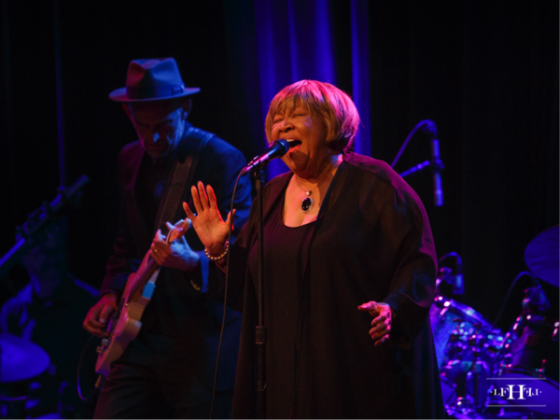
Mavis Staples on Live From Here

Ceaselessly relevant, Mavis Staples recently gave a keynote presentation at Folk Alliance International in New Orleans where she once again gleefully assured the audience she wouldn’t be done singing ‘til she didn’t have anything else to say. And she has plenty left to say! Watch Mavis Staples on Live From Here with Chris Thile. 


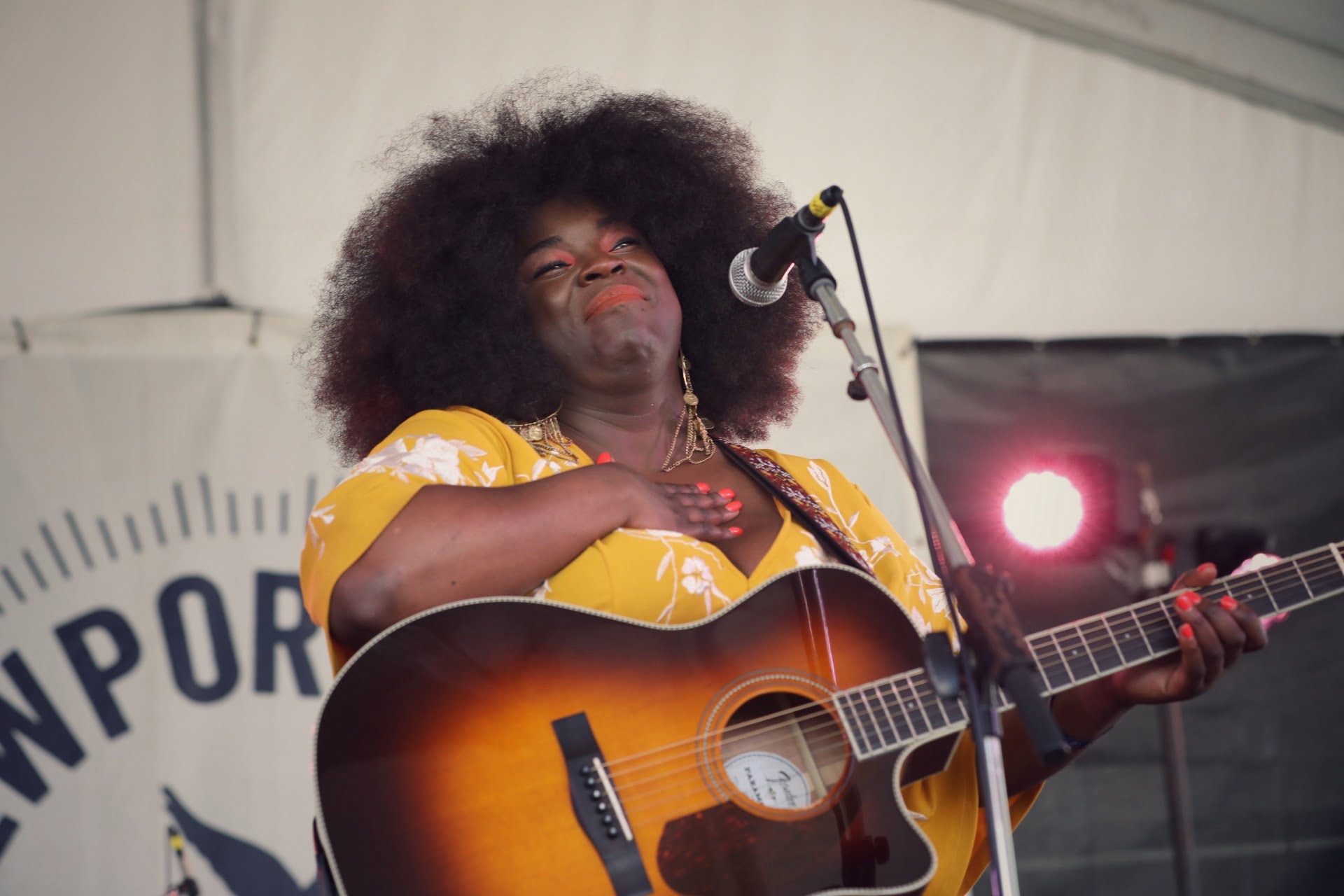
Yola’s Year of Debuts

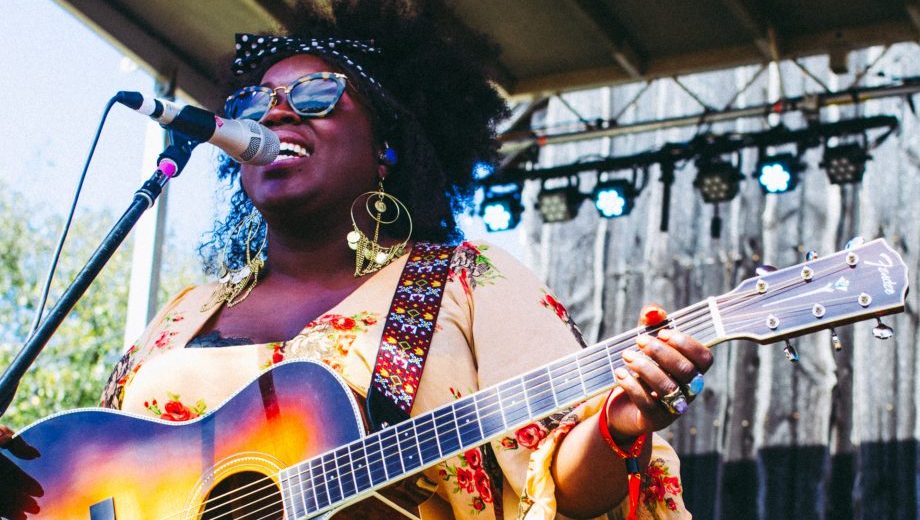
Yola’s debut album, Walk Through Fire, landed on our BGS Class of 2019 lists for Top Albums and Top Songs — and nearly every other year-end list across the industry, too. Naturally she popped up a few times in our pages: In our in-depth interview, when she made her Opry debut, and when she dropped an blazing Elton John cover.


Liz Vice on The Show On The Road

Liz Vice is a Portland born, Brooklyn-based gospel/folk firebrand who is bringing her own vision of social justice and the powerful, playful bounce of soul back to modern religious music. She is following a rich tradition that goes back generations to powerful advocates like Sister Rosetta Tharpe, Sam Cooke, the Staples Singers, the Ward Sisters, Aretha Franklin, and especially Mahalia Jackson, who was the soundtrack to the civil rights movement. Listen to the Liz Vice episode of The Show On The Road.


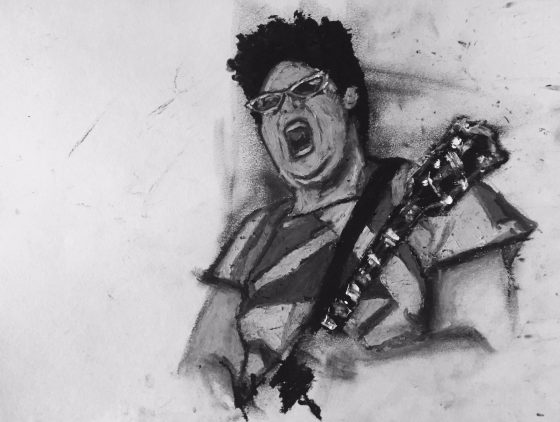
Brittany Howard, Artist of the Month and More

Our November 2019 Artist of the Month stunned in a stripped down duet with Alicia Keys at the Grammy Awards last weekend, her well-earned musical stardom solidified by her debut solo album, Jaime. Our Artist of the Month interview anchored our coverage of Howard’s new music, but her Tiny Desk Concert really captured readers’ attention!


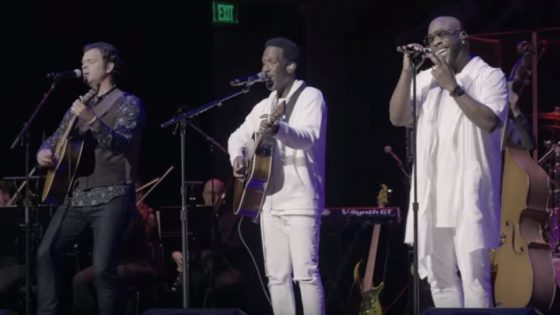
Steep Canyon Rangers with Boyz II Men

Yes, you read that correctly. A combination none of us knew we needed that now we can never go without. The Asheville Symphony backs up the two groups collaboration on “Be Still Moses,” a moment transcending different musical worlds and genre designations. You can watch that performance here.


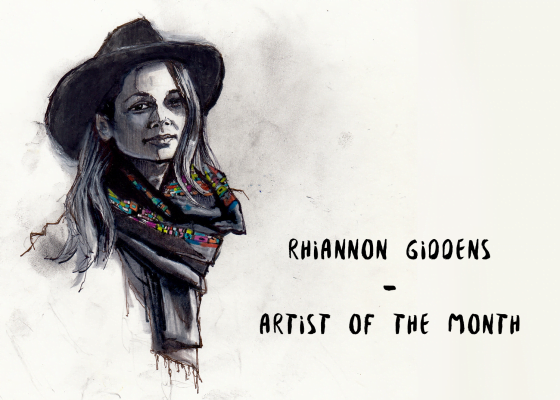
Rhiannon Giddens: Booked, Busy, and Blessed

How much can an artist really accomplish in a year? A quick scroll through the BGS halls shows a Grammy-nominated album, being named Artist of the Month, scoring a ballet, playing the Tiny Desk, debuting a supergroup, and oh so much more. We are more than happy trying to keep up with Rhiannon Giddens’ prolificacy.


Ashleigh Shanti on The Shift List

The Shift List is a podcast about chefs, their kitchens, their food, and the music that powers all of it. On an episode from September we interviewed Chef Ashleigh Shanti of Benne on Eagle, an Appalachian soul food restaurant in Asheville, North Carolina. Her Shift List includes Kendrick Lamar, Nina Simone, and more.


Grammy Winners, Ranky Tanky! 


We spoke to Ranky Tanky about their album Good Time in August, less than six months before it would win the Grammy for Best Regional Roots Album. If you aren’t familiar with Gullah music, our interview will help you out.


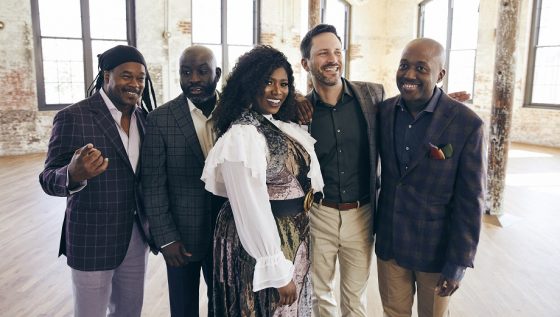
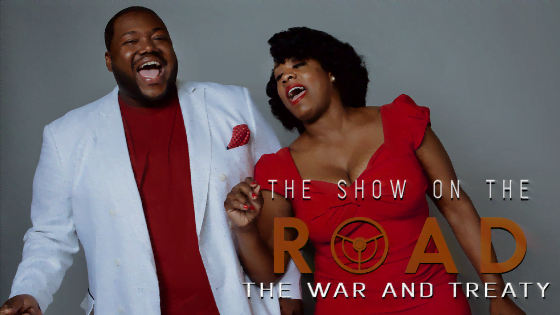
Americana’s Sweethearts, The War and Treaty

Rapidly-rising folk/soul duo of  husband and wife Michael and Tanya Trotter, The War and Treaty have had a year chocked full of smashing successes. Of course the best way to catch up with them was on the road, so Z. Lupetin set up the mics for an episode of The Show On The Road.


Tui’s Old-time Tunes

Jake Blount, one half of old-time duo Tui with fiddler Libby Weitnauer, is a scholar of Black, Indigenous, and otherwise forgotten, erased, or marginalized American fiddlers in old-time and string band music. His work specifically spotlights the source musicians whenever possible, undoing generations of revisionist history in roots music. Tui’s recording of “Cookhouse Joe” was featured in Tunesday Tuesday.


A Sitch Session with Birds of Chicago

A song with a message well-timed for almost any era, “Try a Little Harder” seems especially perfect for this very moment. Birds of Chicago do an excellent job bringing that message to the world. A suitably stunning Sitch Session.


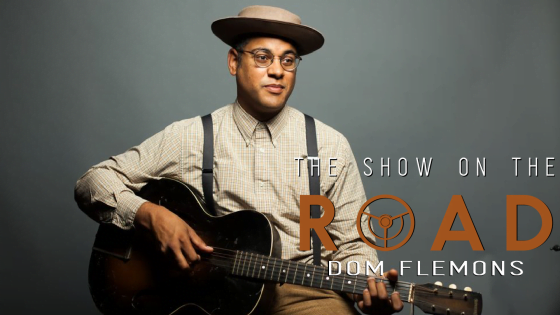
Dom Flemons Talks Black Cowboys

If you haven’t heard Dom Flemons talk about his album, Black Cowboys, and the narratives and traditions that inspired it, this episode of The Show On The Road is essential. The music is captivating on its own, a perfect demonstration of Flemons’ uncanny ability to capture timelessness and raw authenticity, but with his scholarly takes and his depth of knowledge the songs take on even more meaning and power. It’s worth a deep dive — check out our print interview, too.


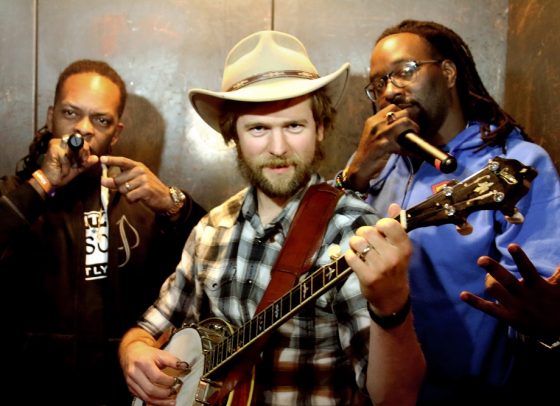
Gangstagrass Set the Standard

When you read Gangstagrass’s Mixtape of standard setters the parallels that emerge between foundational bluegrass and hip-hop are certainly surprising, but they also make perfect sense. It speaks to the longevity of this boundary-pushing, genre-defying group — that has been setting their own standard as they go.


Jontavious Willis Goes Back to the Country

“Take Me to the Country” is Willis’ paean to his homeland: “No matter where I go in the world, I can’t wait to go back to the country,” He told BGS in April of last year. “For me, that special place is a rural southern town in Georgia where I grew up. It’s such a quiet and calm place, and somewhere I crave when I’m far from it.” You can hear that truth woven into the music.


Octogenarian Bluesman, Bobby Rush

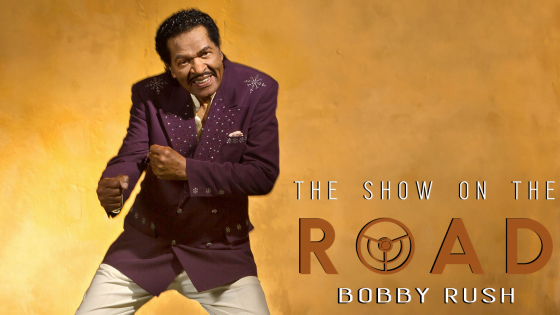
At 85 years old, Bobby Rush has been playing his brand of lovably raunchy, acoustically crunchy, and soulfully rowdy blues for over six decades. After winning his first Grammy at the humble age of 83, he has no plans of slowing down. We caught up with Rush on The Show On The Road.


Photo of Yola: Daniel Jackson 

BGS 5+5: Ron Pope

Artist: Ron Pope
Hometown: Nashville, Tennessee
Latest album: Bone Structure (March 6, 2020)

Which artist has influenced you most and how?

Springsteen has always been my North Star. First of all, he’s a band guy in solo artist’s clothes. I’ve always felt the same way; I meant to be in a band of equal partners (and that’s how I started), but in the end, I was unwilling to cede the control necessary to do that forever if I was going to have to do the lion’s share of the work. That was a tough thing for me to admit to myself, but I figured it couldn’t be that wrong if Bruce did it.

I guess it was also coming from that same kind of blue-collar background and trying to tell the stories of how real people around me were living their lives. Bruce showed me that a songwriter could reflect the world they came from and represent those who would otherwise go unrepresented. I never had to learn that, because he was doing it before I was born; I’ve always known that was possible.

What’s your favorite memory from being onstage?

The first time we played at Irving Plaza in New York my grandparents happened to be in town. They hadn’t seen me play in years. The last show they’d attended was at a shady club in Miami where there were maybe six paying customers and we’d been instructed by the management to pay some tweaker named “Speedy” to watch our van. At this sold-out show in New York with over a thousand people in attendance, my grandparents were pretty wide-eyed. At some point during the show, I called them out and had a spotlight thrown into the balcony. The whole crowd went wild. I’ll never forget my grandmother standing up there waving down at the crowd like the queen. My grandpa (who is not an easy man to impress) was very stoked. I’ve never been happier on stage than in that moment.

What other art forms inform your music?

I am constantly reading. I can’t imagine attempting to be a writer if you’re not an avid reader. I have to put words in to get words out. Recently, I’ve been on an autobiography kick. I just finished Elton’s. Now I’m reading Presidents of War. Thinking about rereading On The Road next.

If you had to write a mission statement for your career, what would it be?

My philosophy is simple: Just don’t stop. When everyone around you quits, just keep on going and eventually, you’ll get where you’re hoping to go. When I was starting out, I wasn’t the best musician in my social circle (not by a mile), but as each of them decided it was too hard to keep going, I refused to surrender. That’s what made the difference.

What is your dream pairing of a meal and a musician?

My wife and I do a silly cooking show on Instagram that we’ve dubbed “Frankie’s Test Kitchen.” (In theory, we’re teaching Frankie, our twenty-month old, how to cook; in practice, she just tries to eat fistfuls of flour and chases the dog.) We always want to have our musician friends over, but it’s rare that any of us are in town at the same time. In 2020, I’d like to find one day where I can get everyone to the house all at once and do a big Sunday supper like my grandma used to do, with my homemade meatballs and red sauce.

Everyone who’s ever gotten a dinner invite to my house could come (including Lilly Hiatt, Lauren Morrow, Michaela Anne, Katie Schecter, Kirby Brown, the Trotters from The War and Treaty, Struggle Jennings, Caroline Spence, Alanna Royale… I could do this all day; I’m forever inviting people to dinner at the house). So rather than some dream pairing where I make coq au vin for Jimi Hendrix, I just want all these people who I know and like to come eat a dish that usually makes people smile. And if you happen to talk to them, somebody tell Bruce and Patti we’re saving them two seats!

WATCH: Yola, “Goodbye Yellow Brick Road”

Artist: Yola
Hometown: Bristol, England
Song: “Goodbye Yellow Brick Road”
Album: Walk Through Fire: Deluxe Edition
(Featuring “I Don’t Wanna Lie” and “Goodbye Yellow Brick Road”)

In Their Words: “Can’t believe it has only been a year since we announced Walk Through Fire, working with Dan Auerbach and the team has been an absolute dream and [I am] so proud of everything we have achieved. So many great songs from that session didn’t make the final cut, including ‘I Don’t Wanna Lie.’ I’m a HUGE Elton fan and we’ve been playing ‘Goodbye Yellow Brick Road’ on the tour and wanted to cut a version for this release, which Dan also produced! And then for Elton to personally premiere it, well that is the icing on the cake!” — Yola


Photo credit: Daniel Jackson

Brit Pick: Roseanne Reid

Artist: Roseanne Reid
Hometown: Edinburgh, Scotland
Latest Album: Trails

Sounds like: In her authentic Americana accent: Gillian Welch, Lucinda Williams. In her home-grown voice: A folky Eddi Reader

Why You Should Listen: With her stripped-back style Roseanne Reid emphatically demonstrates how less is more. In a voice that evokes East Tennessee rather than her native east coast of Scotland, Reid delves into the human condition without a surplus word or note throughout her debut album, Trails. Teddy Thompson’s production hones the sparseness to the point that you could be sitting on her porch listening to song after song.

Reid sounds as if she’s been singing roots Americana for years. Take ‘Amy,’ where a very simple guitar line gives way to the aching regret of unrequited love. Lucinda Williams comes to mind here as does Gillian Welch on ‘Levi,’ wherein Reid offers a sympathetic shoulder to one rejected in love. But, be in no doubt, Reid is an original. She sings ‘Out in Space’ in a soft Scottish lilt.

If you need any endorsement before giving Reid a go, then how about Steve Earle? That’s him duetting on ‘Sweet Annie,’ a collaboration that occurred after Reid had attended one of his Camp Copperhead songwriting workshops. She can also already count Elton John, who has been playing her on his radio show, among her biggest fans.

Roseanne Reid has been immersed in music since learning guitar aged 12. Her dad is Craig Reid of The Proclaimers, whose record collection of country, folk, and gospel enthused young Roseanne. But it was Mum who taught her to play guitar.

In spite of her famous father, Roseanne went her own way, starting on the local folk club circuit, often open mic nights. Reid’s unique form of Americana may soon have fans on both sides of the pond very willing to walk at least five hundred miles to hear her. In fact, she has just been announced as an official showcasing artist at Americanafest in Nashville in September.


Photo credit: Bianca Cecilla

Six of the Best: Weird and Wonderful Bluegrass Covers

It’s a big month for bluegrass covers. Chatham County Line revealed some of their biggest musical influences (and favourite songs to soundcheck to) when they released Sharing The Covers, their eighth studio album, with arrangements of Beck, John Lennon, Mick Jagger, Tom Petty and Wilco, to name a few. It’s a record that will present the warm glow of familiarity to all those pickers who cut their banjo teeth on Beatles and Stones songs – and which among us has never heard “Norwegian Wood” floating across the festival field at 2am?

Meanwhile The Cleverlys – the reigning kings of the bluegrass pop cover – are putting the Beyoncé back in bluegrass on their latest album, not to mention the Bieber and the LMFAO. Call them a novelty act, call them comedians, but there’s plenty of merit in their musicality – and there’s something about their Ozark twist on Kelis’s “Milkshake” that’s going to stay with you ’til the day you die.

For more envelope-pushing, boundary-breaking, what-were-they-thinking-please-don’t-let-it-stop covers, check out our picks below.

“Super Freak” (Rick James) — Ricky Skaggs & Bruce Hornsby

This one’s a winner from the very first line. Sure, Ricky Skaggs has never let his own freak flag fly, but hearing him sing the words “She’s a very kinky girl” somehow gives you hope that one day, the divide in America might be healed. It’s a nice antidote to all those bluegrass songs about dear, dead old mothers, and one you suspect might have brought on their demise in the first place. Hang on in there for the slick modulation in the final instrumental…

“Price Tag” (Jessie J) — Keller Williams & The Travelin’ McCourys

Presumably this is a song that resonates with bluegrassers – since no one’s in this music for the ker-ching ker-ching or the ber-bling ber-bling. Plus, if the sound of Jason Carter jumping in on the chorus to sing ‘it ain’t about the money-money-money’ doesn’t flood you with instant joy then you may want to get your frontal lobe checked out. We picture him practicing his harmonies as he bumps along on the bus next to Del, trying to explain who Jessie J is. Actually that raises the question – how the heck did he know?

“Piece of My Heart” (Jerry Ragovoy and Bert Berns) — John Hartford

Notable not so much for its inclusion on Hartford’s 1984 album Gum Canoe, but for the rare music video he later shot to accompany it. The man might have been a creative genius on a par with xxx, but there’s something about his black-box realization of this ’67 soul number that’s creepy AF. The Beckettian close-ups of his lips and eyes are made even more sinister by his customary bowler-hat and vest, which here take on a distinctly Clockwork Orange feel. “Break it! Break another little piece of my heart now baby,” sings the dead-eyed droog, as he contemplates his next bout of ultraviolence.

“Honky Cat” (Elton John) — Country Gazette

How can a bluegrass cover be even better than the original – especially when the original is Elton fricking John? And yet this funky upbeat string version was surely what John and Bernie Taupin really heard in their head when they composed the song in 1972. Alan Munde, Byron Berline and the boys were quick to recognize the song’s “redneck” sensibility, recording their cover within the year on Don’t Give Up Your Day Job.

“Stayin’ Alive” (Bee Gees) — Les Claypool’s Duo De Twang

Sure, covering the Bee Gees’ most famous disco number isn’t new. But the mean-and-dirty take Claypool manages to get on it sure is. The Primus bassist manages to turn the ultimate floorfiller – a song as familiar and family-friendly as your dad’s station wagon – into something frantically alien. It’s compelling, unnerving, and completely unclassifiable. Somebody help him please.

“Downtown” (Macklemore & Ryan Lewis) — LBB & The Fancies

If you’re going to parody a major rapper’s already-pretty-nutso music video – one that includes a guy riding a chariot made of four motorcycles – you’re going to have to bring it. But fair play, Laura Bell Bundy did just that. Her loving bluegrass homage to Macklemore’s epic has everything from flat-footing and line-dancing to a honey hanging off a tractor. Even better, when they sing “whitewalls on the wheels like mayonnaise” there’s actually someone eating mayonnaise. Macklemore didn’t have that.


WATCH: Mile Twelve, “Rocket Man”

Artist: Mile Twelve
Hometown: Boston, Massachusetts
Song: “Rocket Man”
Release DateSeptember 26, 2018

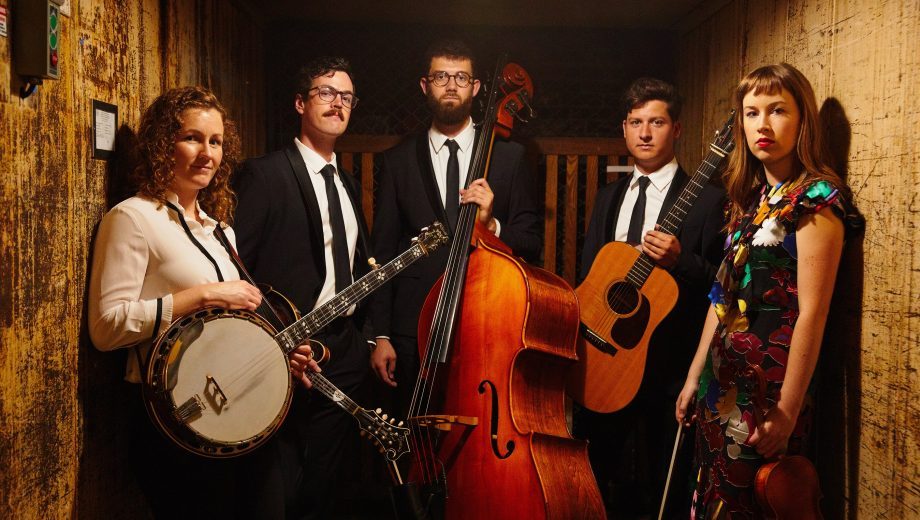
In Their Words: “We wanted to explore covering material outside of the bluegrass genre, and our bassist Nate suggested Elton John’s classic ‘Rocket Man.’ When we listened to the original recording we loved all the twists and turns in the arrangement, all the effects and quirks that create such a surreal soundscape. We were excited to try to recreate that on our acoustic instruments. When we started playing it live crowds really responded, so we decided we had to make a recording of it. We really hope this video helps the song reach more people who will connect to our version.” — Mile Twelve


Photo courtesy of the artist.

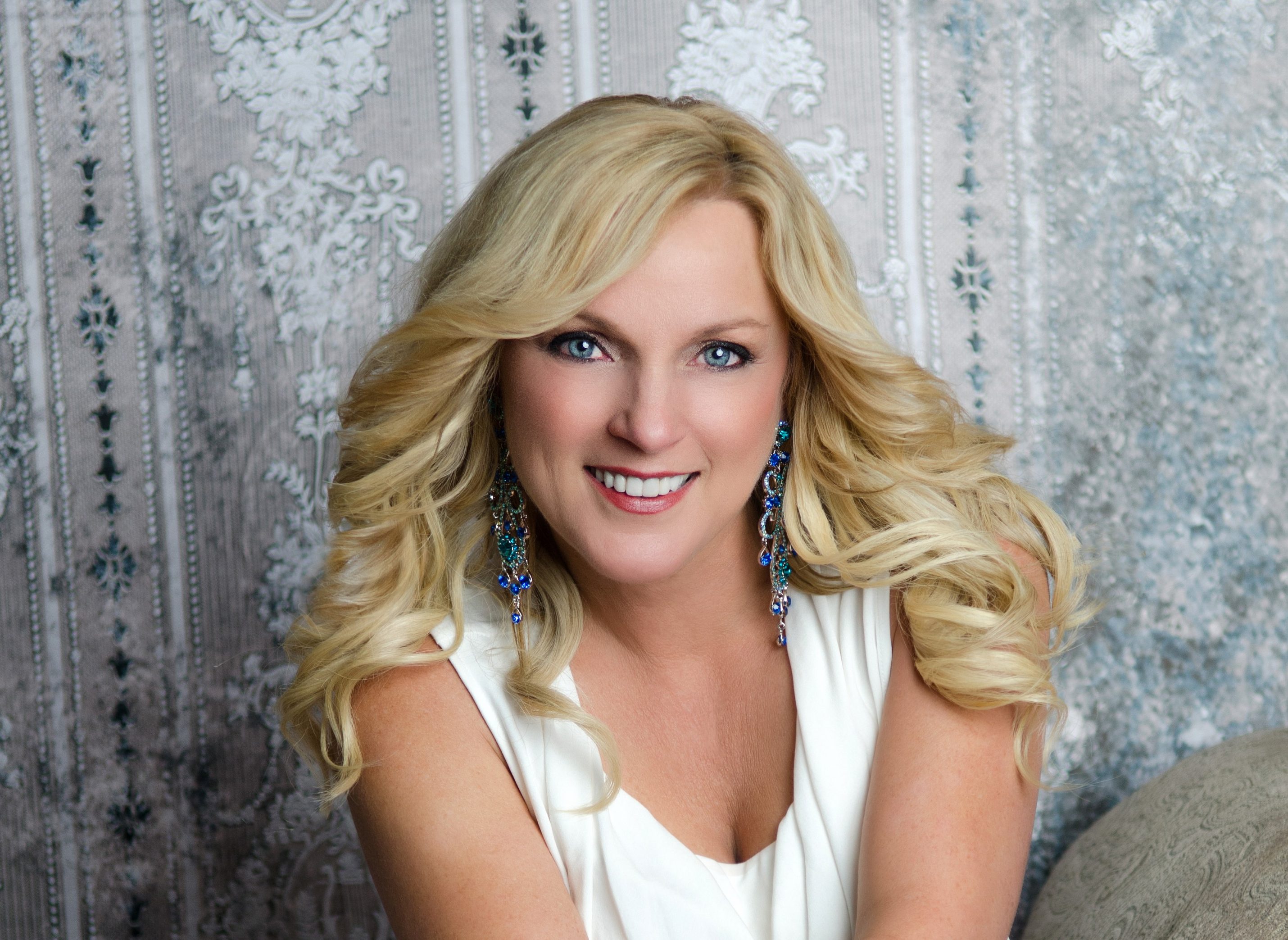
Taking the Wheel: A Visit With Rhonda Vincent

In no small part because of her bubbly personality, Rhonda Vincent has befriended some of the biggest names in bluegrass and country music. Dolly Parton asked her to sing harmony for an upcoming film soundtrack. Bernie Taupin gave her free reign to reimagine “Please” on an Elton John tribute album. Bluegrass heroes Bobby and Sonny Osborne set aside a 10-year break of performing together to appear on her newest album and DVD, Live at the Ryman. And she’s a frequent guest on the cable series Larry’s Country Diner, where she displays her talent for singing classic country among a roster of stars from the golden era.

Yet, beyond her upbeat demeanor, the real reason these legendary artists are reaching out is simple: Vincent is in top form with her musicianship and singing ability. In concert she glides to the high notes without straining, occasionally boosted by a little jump. She easily trades off between mandolin and fiddle, although she’s just as likely to let a band member from The Rage take the spotlight.

Off stage, Vincent maintains the tireless work ethic that’s carried her from being a child prodigy in Missouri to a Grammy-winning artist. (She picked up the 2017 Grammy for Best Bluegrass Album for a live album, All the Rage: Volume 1.) She leads her business with longtime husband, Herb Sandker, and keeps her hands on all facets of the industry – and now that means the steering wheel of the bus, too.

A few days after performing at her family’s Sally Mountain Bluegrass Festival in Queen City, Missouri, Vincent invited the Bluegrass Situation into her home studio in Nashville.

On stage, you appear to be so comfortable when you talk to the crowd. Why is that important for you to do?

I love that first of all. It’s something fun for me. It’s not something fun for everyone, I realize. But that is such a part of what we do. I love meeting the people. I think my first trip to Europe was to Finland in ’92-’94 or something like that with my family. And I’m thinking, That’s going to be such a different experience. I’m thinking I’m going to Mars or something. The terrain’s going to be different and the people are going to look a different way or something, I don’t know. I got there and it’s like “This looks like Missouri.”

But I found out the people were so special. The places may look the same, but the people are what can really make it special. And I like making it an experience. People are shocked because we meet and greet after every show, and they’re like “Oh my gosh, I actually get to talk to you?” Or they come and they can’t believe it and then they don’t say anything.

And then beyond that it’s not just a show, it’s not just a meet and greet, but now with Facebook and social media I get to stay in touch with them. Not that I can answer everyone, but I have set aside a little bit of time. Usually right before I go to sleep I have about 30 minutes and I try to answer messages or respond to people.

There’s a blind girl that lives in Portland, Oregon, and she sent me a message asking how to tune her mandolin. So I took my phone and made a YouTube video and [mock playing] ding, ding, ding, ding. I said “Cody, here’s E…” And I went through that and posted that and sent that to her. And from that, she flew all the way from Oregon to my family’s festival and she performed on stage with us at Sally Mountain last week. So it’s about relationships and loving these people because they love you so much and they love the music.


What is the audition process like to be in your band? How do you pick your musicians?

Mostly I guess I would see them. Like Hunter Berry, I saw him with Melvin Goins. What struck me about him, once again, he made himself accessible. He was backstage at the festival in Eminence, Missouri, and I would see him there every year, jamming for hours before they ever went on stage. Then he was with Doyle Lawson, the same thing. Then when I had an opening on fiddle, I called him up.

First of all their style has to fit the music and Hunter has that Benny Martin feel. He has that grit, and I loved that about his fiddle style. Mike Cleveland was in the band before Hunter, very similar styles, so the style had to fit. But just always being aware. I love to get out at SPBGMA or IBMA, wherever we are at festivals, and hear young talent because you just never know. …

It’s nice that you can be the one to make those decisions. You don’t have to say, “All right let me get back to my lawyer and my label.” This is kind of a family business for you.

It is, yeah. It’s what you see is what you get. The Live at the Ryman CDs came in recently. I went by myself and loaded up 6,000 CDs and loaded them in my car to bring them to the warehouse. The guy’s like, “Don’t you have somebody to do that?” And it’s like, “Yeah I do, but this is a good workout program.” And there’s a satisfaction going, “Wow! Look how nice I stacked those, and look how nice this is.” And you know what, I’m in charge of inventory.

Back to your question about musicians… it wasn’t always so easy to find musicians. When you’re starting out and you don’t have a lot of dates, I couldn’t seem to keep the band members. And it used to be where the agency would call and they’d go “Band of the week, band of the week.” So I heard this over and over. And also there’s being a female. I had a guy that I called to audition once. We set up an audition; he called back an hour later and he goes, “My wife’s not going to let me travel with you.” I mean, I’ve been married it’ll be 35 years on Christmas Eve, so I know where I stand. You know, we have fun, but there’s a line, and we’re not going to cross that line, no one is. If you do, you wouldn’t be here.

Early on, I’d be like, “Oh my goodness, I want to keep these musicians.” Or if there was an issue, I was really learning how to deal with that. Now as I have gotten more experience, I’ve been in the business longer and my tolerance level is gone. If you’re drinking now before the show, you’re fired. But you don’t have that at first. There’s a timeline for that. It’s like trying to get musicians, then trying to keep musicians, and I’ve been through all of that.

Another thing, I had done two mainstream country albums [in the ‘90s] and for the longest time, it’s like, “Are you country or are you bluegrass?” I was clearly playing bluegrass, but I was coming from that, and so I took a mentality of always proving yourself. I felt like I had to prove that yes I am bluegrass. Or [hearing] “Well you’re not going to stick with this.” One time my whole band quit, and people were like “Oh I guess you’ll give up.” It’s like “No, that’s when I call better musicians.” Thanks to my father always saying, “Don’t let anyone say you can’t do something. You just figure out how to do it.”

Did all the band quit within a week’s time?

On the same night.

Wow.

It was right after we won [IBMA] Entertainer of the Year. I think that was 2001, maybe, yeah. Then there’s the rumors: “Oh she’s hard to deal with, she’s impossible, she did this” So this is the best one I heard and I heard it a lot: That I threw an ashtray at Mike Cleveland, who is blind. That doesn’t even make any sense. Number one, there’s no smoking on the bus so we don’t have an ashtray – or if it was a beer or whatever, I don’t know. I’ve heard that a lot. I mean, it was sort of ridiculous, it’s like “OK, it’s untrue, but whatever you think.”

I’ve worked with so many different things, and different attitudes. It was like, “Oh my gosh, what is the problem this week?” When that changed, I regrouped and for the longest time I would sit there and go, “There’s no issues, there’s no problems. What’s going to happen?” It took a long time to finally relax and go “Great people, great musicians, and how awesome not to have some sort of a meltdown every week about something.” So yeah I am not immune to that and I have been around that, but the more that you progress – now don’t try that with me. Because I’m not going to forget it. There’s not going to be a tolerance for it.

I think leadership comes from the top down, and if you’re out there working really hard and meeting those expectations too, other people will rise to the occasion.

That’s true. And that comes with the fact that I don’t ask anyone to do something that I’m not willing to do myself. In fact I’m even working on getting my CDL’s for the bus.

Is that the driving license?

Yep. Yeah, I never in my life thought I would do that, but we have the electronic logs now, and we have a driver first of all, and then Mickey [Harris, the bass player] is the second driver. But when we went to Connecticut, and they have the timelines of how long they can drive, we nearly ran out of hours. I asked the rest of the guys and nobody was interested. And then I thought, “If I’m willing to ask them, I need to be able to do that myself.” I’ve been in driver training.

Really!

I have my permit and everything. I’m excited, I am so excited! It’s so empowering, it’s like, “If I want to go somewhere on my own bus, I’m going to be able to do that!”


Photo courtesy of Rhonda Vincent