You Gotta Hear This: New Music from Louise Bichan, Alaina Stacey, and More

This week, BGS readers enjoyed two brand new, exclusive sessions – one from our friends at Yamaha Guitars featuring JigJam guitarist Jamie McKeogh and the other featuring songwriter/filmmaker Scott Ballew, direct from last summer’s Rootsy Summer Fest in Falkenberg, Sweden.

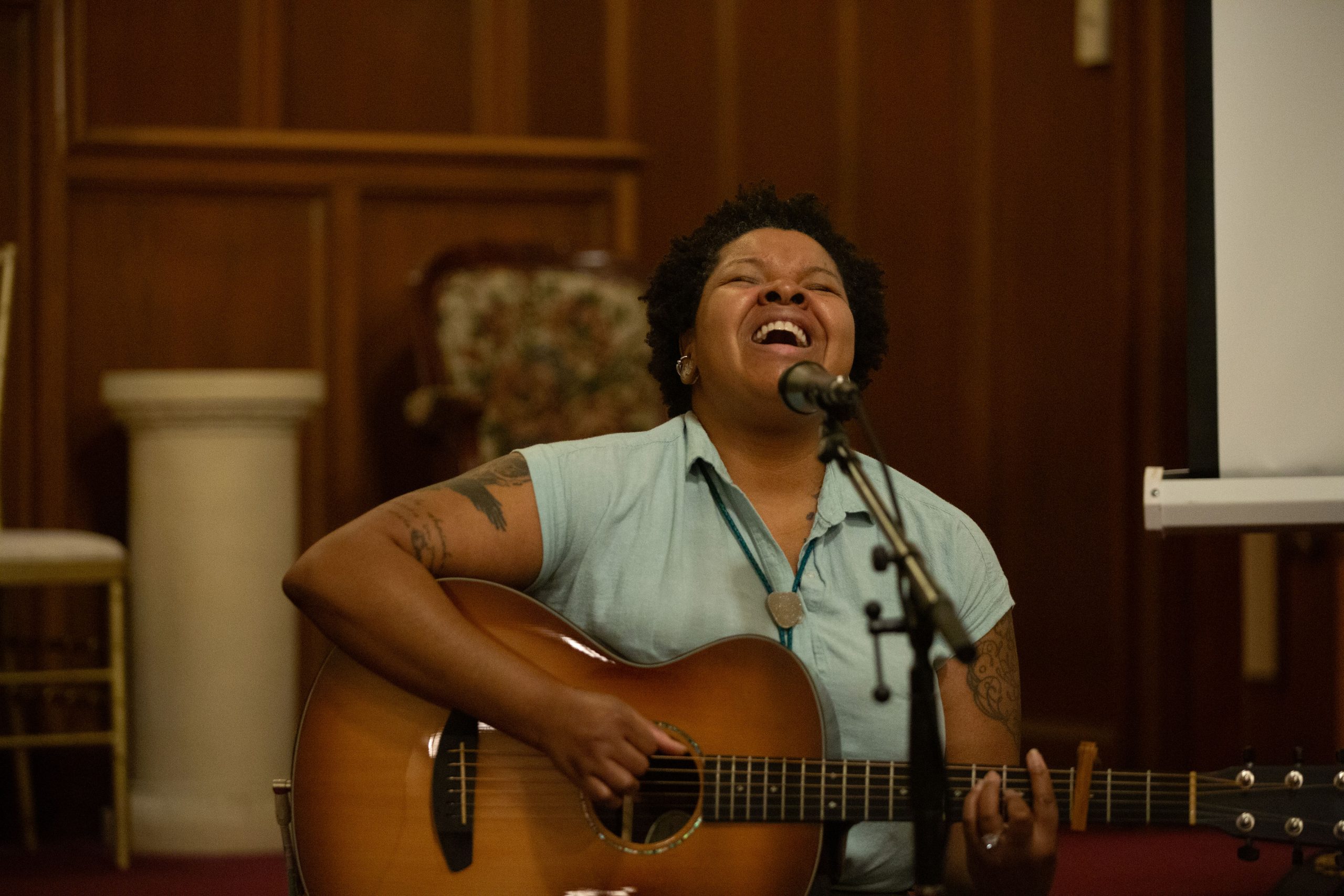
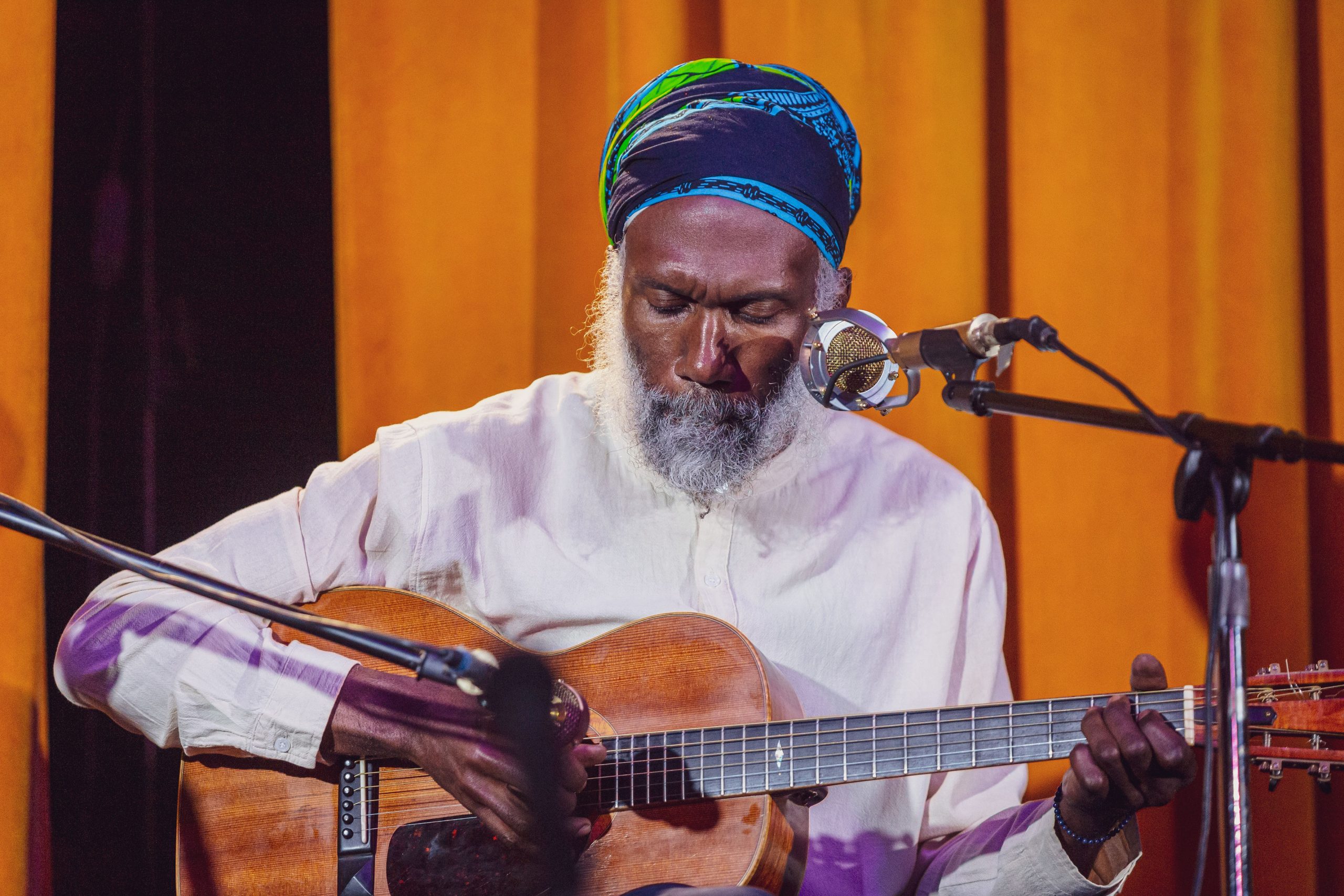
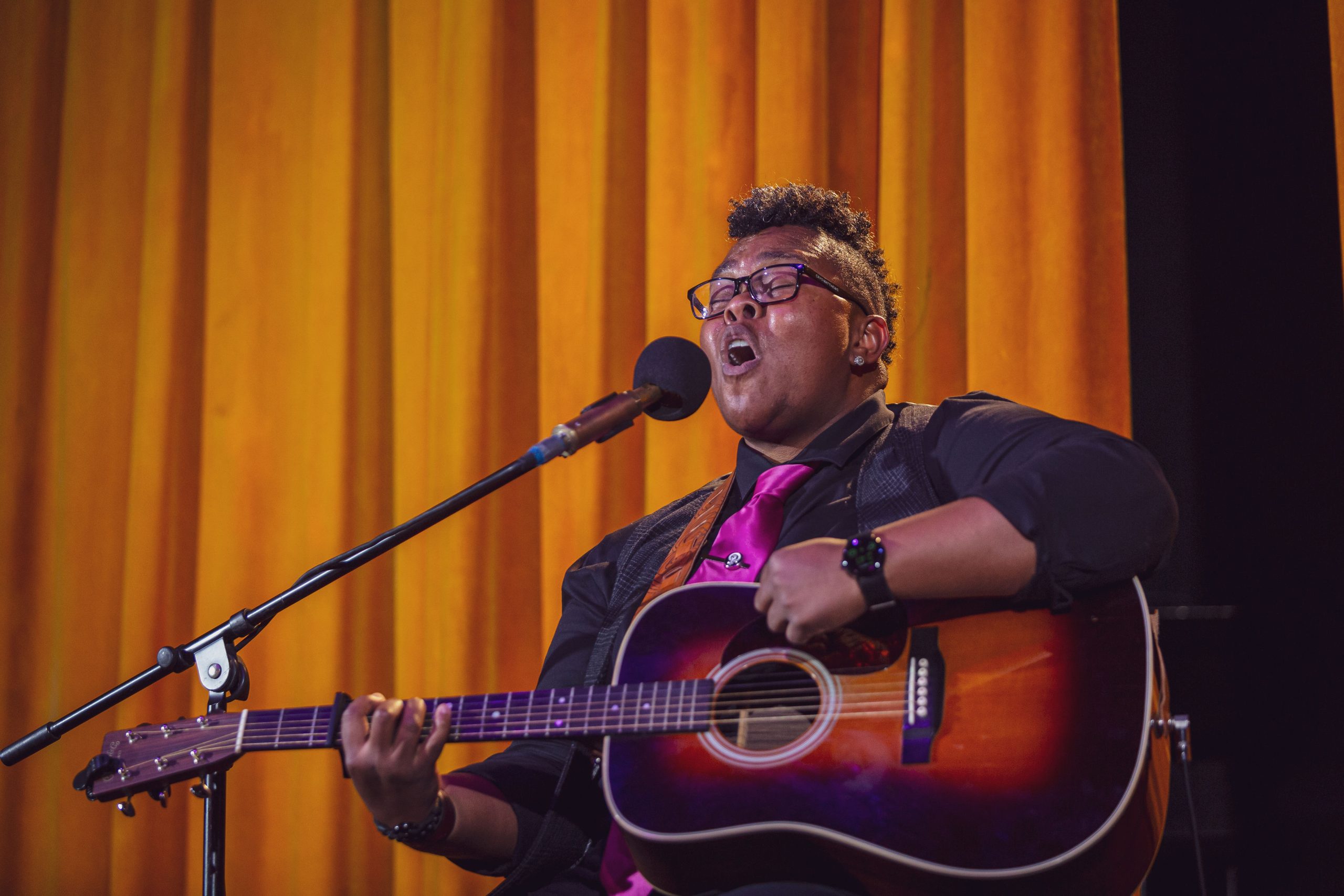
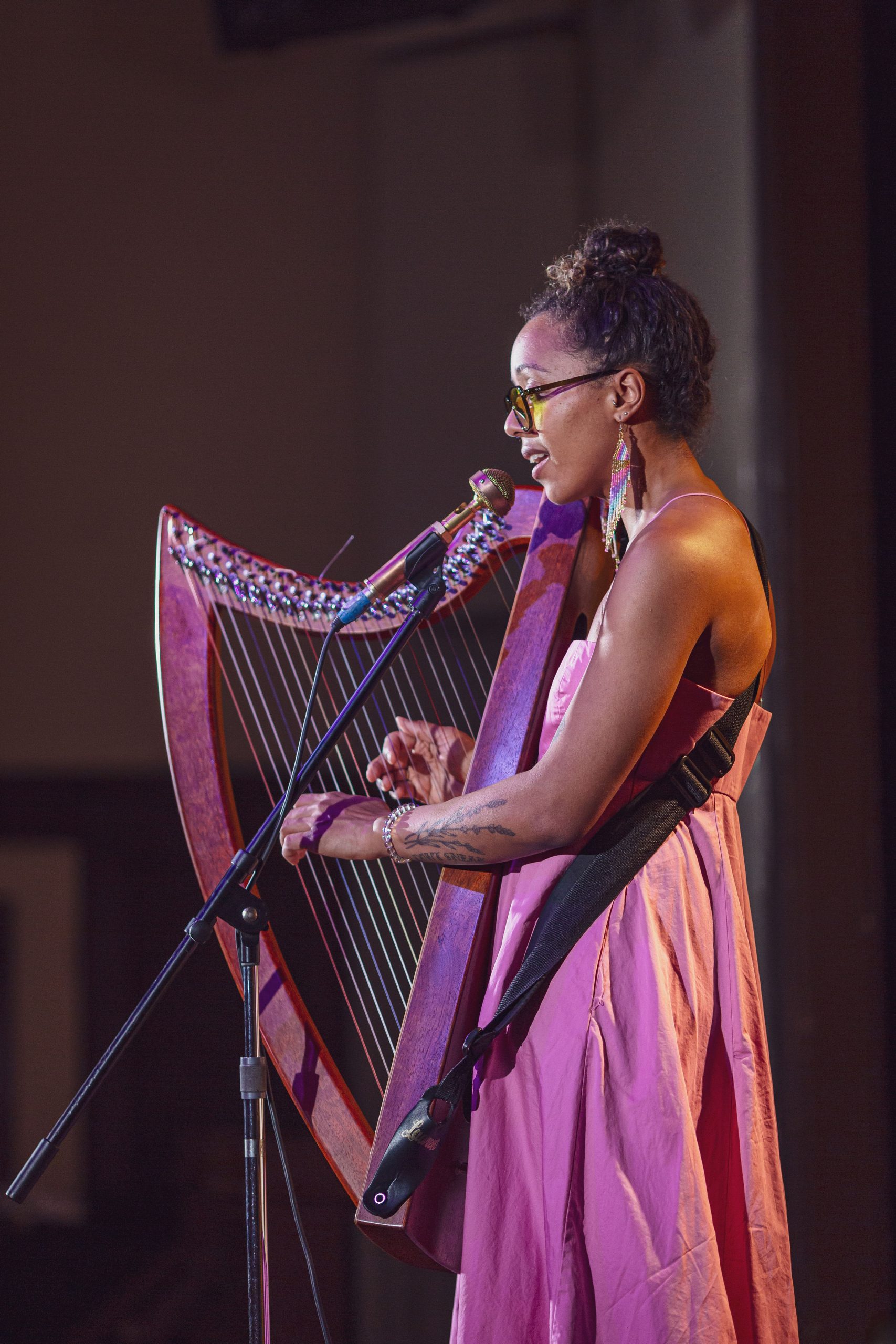
But that’s not all, we also have a handful of excellent track premieres from songwriters and musicians like Louise Bichan, Alaina Stacey, and Lily Kershaw. It’s all right here on BGS and, honestly, You Gotta Hear This:


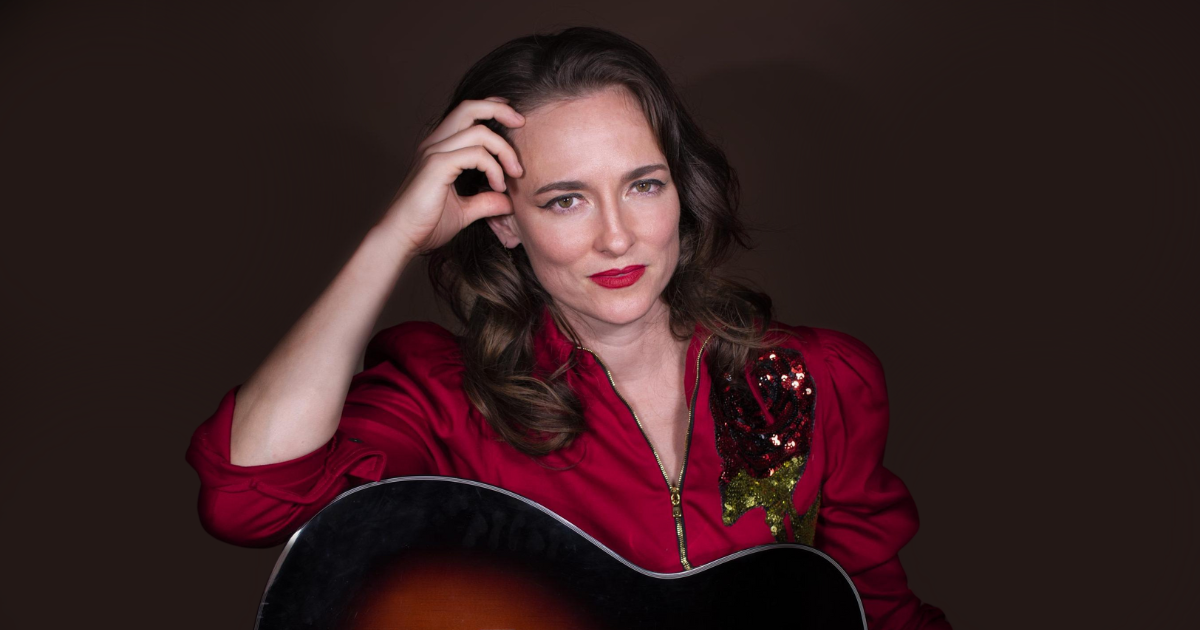
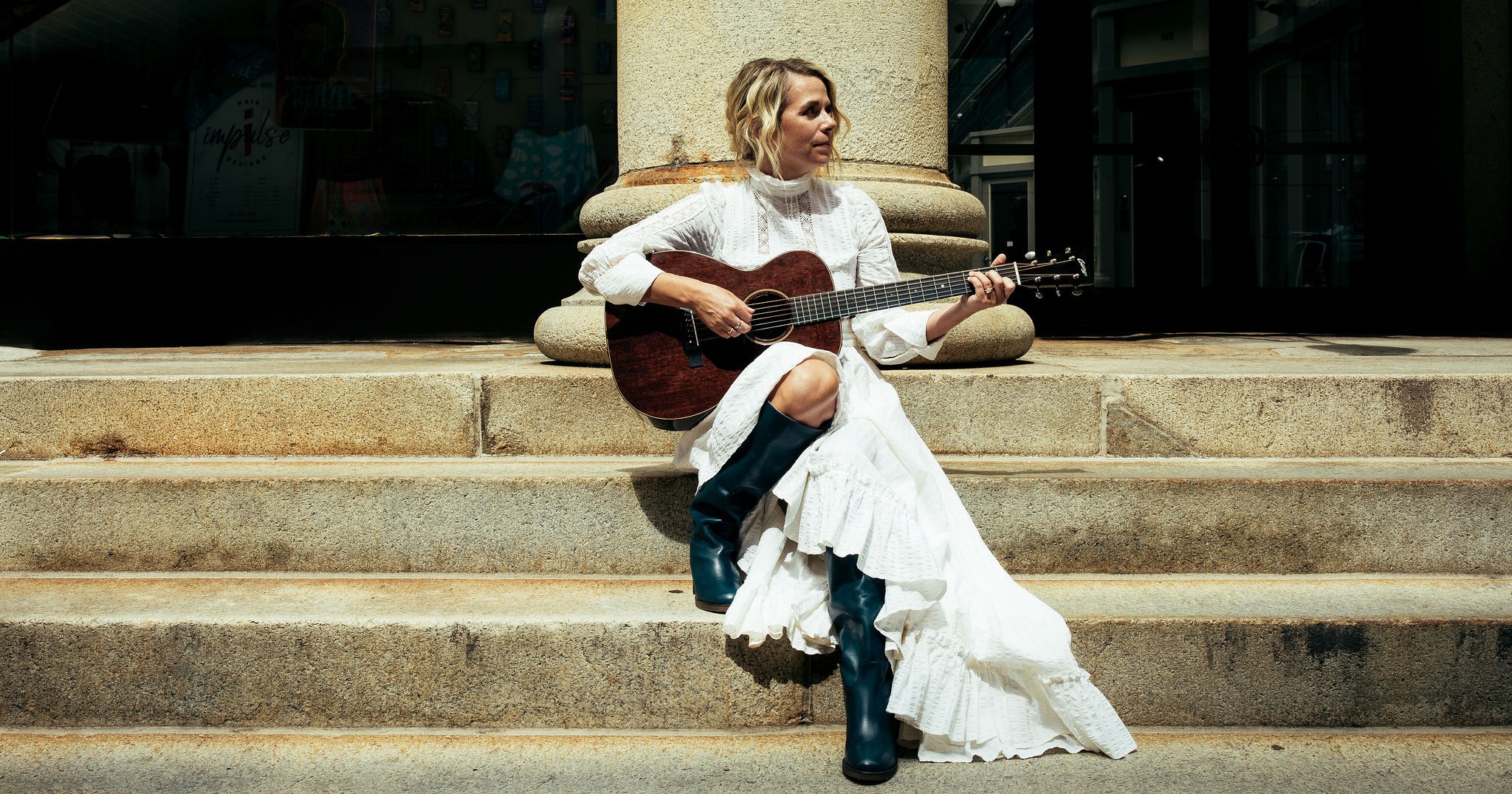
Louise Bichan, “Coldstream”

Artist: Louise Bichan
Hometown: Orkney, Scotland will always be home, but for now it’s Cornish, Maine
Song: “Coldstream”
Album: The Lost Summer
Release Date: March 4, 2024 (single); April 5, 2024 (album)
Label: Adhyâropa Records

In Their Words: “I wrote ‘Coldstream’ for my aunt and uncle and all of my cousins in Aberdeenshire, in the northeast of Scotland. Uncle Syd grew up playing the fiddle, but it was never cool at the time – he hid the fact that he did! Nowadays, he writes songs and plays a lot of tenor guitar, among other things, and it’s always a joy to visit Aberdeenshire and play a few tunes with him.” – Louise Bichan

Track Credits:
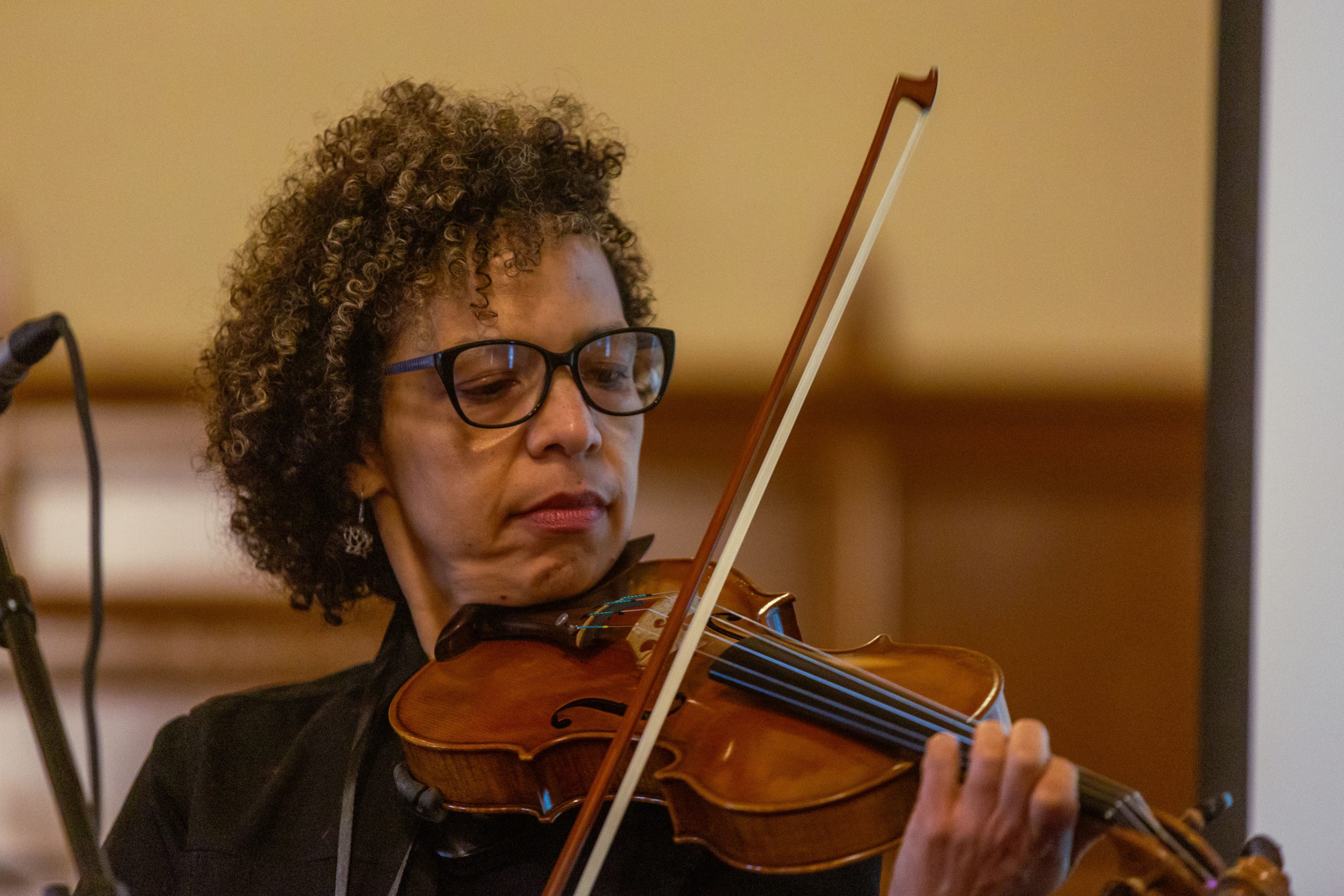
Louise Bichan – fiddle
Ethan Setiawan – mandolin
Brendan Hearn – cello
Conor Hearn – guitar
Produced, engineered, and mixed by Ethan Setiawan.
Mastered by Peter Atkinson.


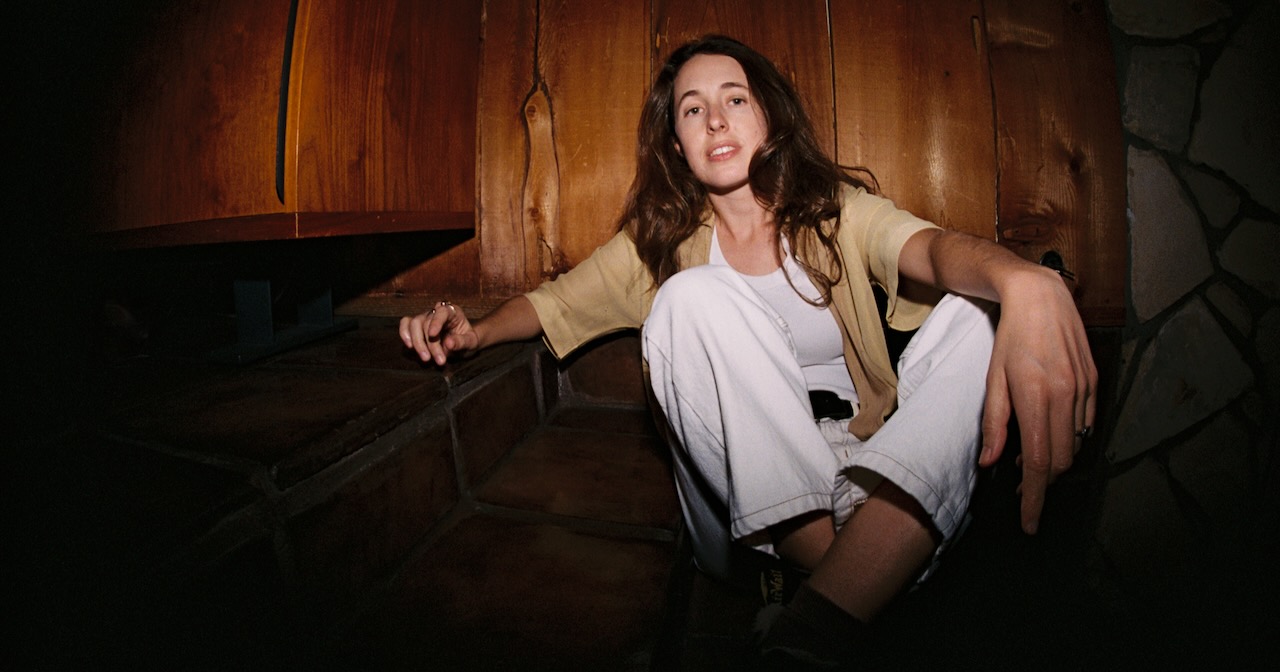
Alaina Stacey, “I Would”

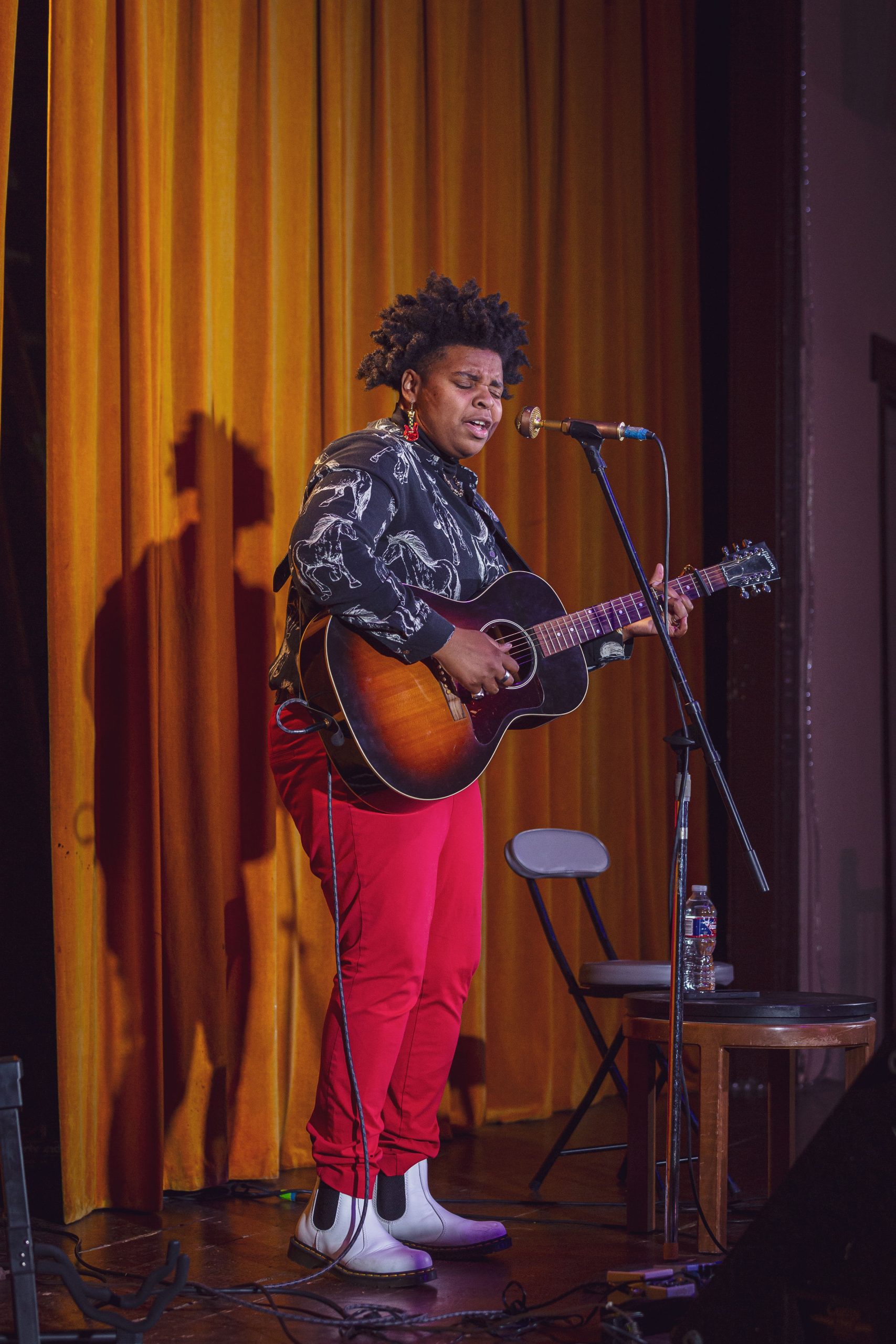
Artist: Alaina Stacey
Hometown: Chicago, Illinois
Song: “I Would”
Album: DAY (EP)
Release Date: May 3, 2024

In Their Words: “This is the first song I wrote with my now bandmate and writing partner, Sam Gyllenhaal. First co-writes are sort of like first dates: You go in with hope & expectations and sometimes you find true love, and sometimes it crashes and burns and becomes a great story to tell later. Luckily, I found true songwriter love with Sam. I was trying to create new starts and say yes to new things, so I went into our first write and opened my heart to the possibility of a new beginning. Sam met me there 100%. I think it came out in this song – the desire to make a fresh start, to have a do-over, and to be the best version of yourself that you can be. Of course, you can’t go back in time. With every epiphany comes the mistake that gave it to you in the first place.” – Alaina Stacey

Track Credits:
Written by Alaina Stacey & Sam Gyllenhaal.
Alaina Stacey – Vocals, background vocals
Josh Hunt – Drums & percussion
Todd Lombardo – Acoustic guitar, high strung guitar
Matt Pierson – Bass
Dustin Ransom – Keys, background vocals
Evan Redwine – Electric guitar, programming, engineer, mixing, producer

Video Credits:
Tiffany Roberts – Female lead
Caleb Shore – Male lead
Directed, Produced, Edited and Colored by Rob Bondurant.


Lily Kershaw, “Americandream”

Artist: Lily Kershaw
Hometown: Los Angeles, California
Song: “Americandream”
Label: Nettwerk Music Group

In Their Words:“As I started to resurface from years of prolonged depression in my 20s, a friend one day was telling me about her American dreams. When she asked me what mine were, I told her I didn’t have any. She couldn’t believe that I didn’t have dreams of things I wanted to do in my life. I mean, I loved writing music and sharing it with people, but after battling with depression for so long, there was no place I wanted to go or thing I wanted to do. I had sort of given up. I wrote this song after having this conversation with her that very night. I was in the midst of recording my upcoming album, so I brought it in the next day to the studio finished, and it fit the album perfectly. I love the optimism at the end. I was really singing that to myself… the idea that it’s not too late, and I can still have dreams and live them.” – Lily Kershaw


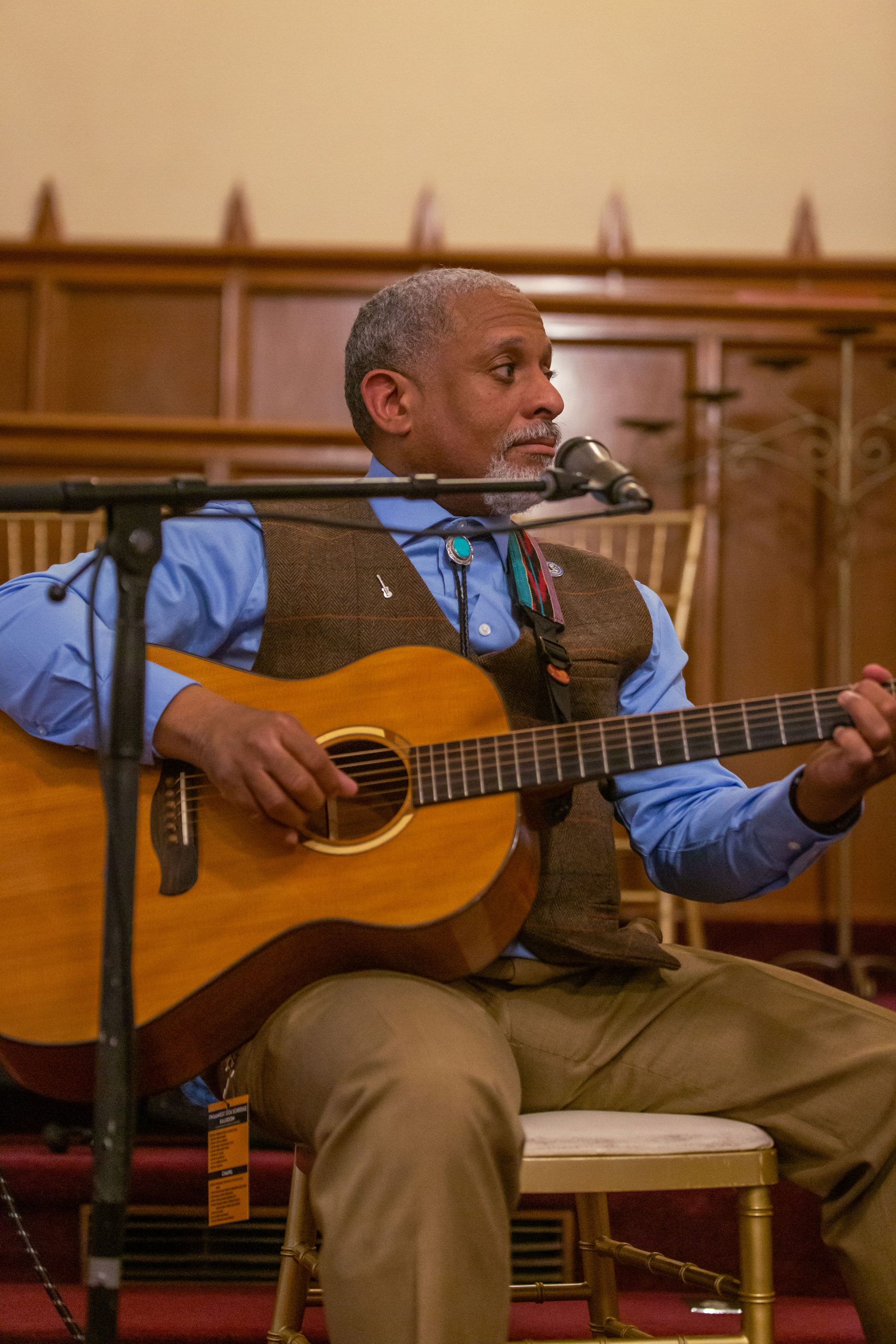
Yamaha Sessions: Jamie McKeogh

It was early fall when we met with JigJam guitarist Jamie McKeogh just outside of Nashville, Tennessee to capture this brand new, exclusive Yamaha Session.

For his first selection, McKeogh picked up his gorgeous custom Yamaha acoustic guitar and performed “Streets of London,” a song written by Ralph McTell and popularized in bluegrass circles by Tony Rice. McKeogh laughs as he plays through a handful of takes of the tune, trying to remember the order of the verses and hoping he’ll do Rice and McTell justice with his slightly Celtic-infused rendition. His voice is warm and cozy, accompanied by free and tender transatlantic flatpicking that references Rice as often as it explores brand new sonic territories. “Streets of London” shines with McKeogh’s – and JigJam’s – classic treatment, processing American roots music through a Celtic and Irish bluegrass lens.

Read more and watch the entire Yamaha Session here.


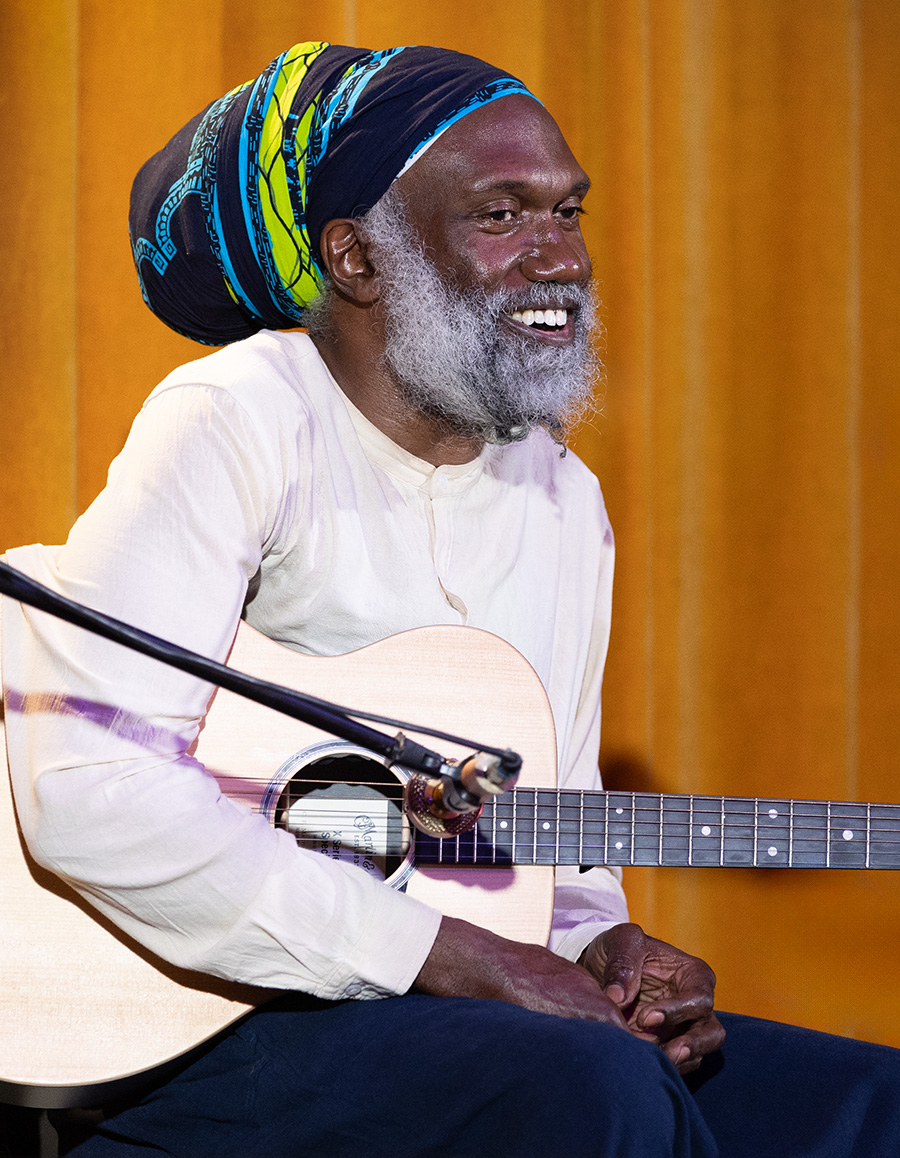
Rootsy Summer Sessions: Scott Ballew

Last summer in Falkenberg, Sweden, videographers from I Know We Should shot a series of gorgeous sessions during Rootsy Summer Fest ’23, peeling off from the festival with artists from the lineup to capture intimate recordings of fleeting live performances. For the latest in our Rootsy Summer Sessions series, singer-songwriter and filmmaker Scott Ballew performed two songs on the banks of the Ätran overlooking the historic Tullbron bridge and fly fishermen stalking their quarry in the fast flowing water.

“Alright, I’ll try a river song…” Ballew says, introducing an original with a perfect subject for the setting. The selection is “Tent Song” from his 2021 critically-acclaimed debut album, Talking to Mountains. He continues with “Blue Eyes,” from 2022’s follow up to Talking to Mountains, entitled Leisure Rodeo.

Read more and watch the entire Rootsy Summer Session here.


Photo Credit: Louise Bichan by Louise Bichan; Alaina Stacey by Tanner Grandstaff.

Watch Willi Carlisle’s Brand New Video for “When the Pills Wear Off”

On an auspicious Leap Day and the final day of February we want to bid adieu to our Artist of the Month, Willi Carlisle – and as it happens, he’s dropped a brand new music video as if to celebrate the occasion. Shot by Mike Vanata of the hugely popular series Western AF, the performance is tender and haunted, finding redemption – as his entire new album, Critterland, does – in the dark shadows under which so many marginalized and oppressed people and their stories are willfully hidden by our society. He sings:

“Oh I lost friends to heroin
Plenty more to loving them
Strung out on the highway like we couldn’t read the signs
Now that I am older 
And burn a little colder
I know how to read between the lines…”

Carlisle doesn’t just know how to read between the lines, he knows how to locate and place entire universes in their gray, amorphous no-man’s-lands – territories all too familiar to the kind of folks who have faced the social and political issues he sings about. Critterland is a gorgeous, cattywampus, hodge-podge of songs, subjects, and stories, pinned together with whimsy and Carlisle’s poetic way of viewing the world. As BGS contributor Steacy Easton put it in their Artist of the Month feature on Carlisle and Critterland, “Carlisle is at his best when limning complex networks of historical figures, news, what is called ‘traditional music,’ contemporary poetics, and the natural world. He is a lyric poet, in the most classical sense.”

On “When the Pills Where Off,” those skills are on full display. Carlisle takes a well-worn country music trope – the genre’s everlasting relationship to substances and their abuse and misuse – and grounds it not only in reality, but in the working class, in the very real, embodied human beings whom he references throughout the song’s lyrics. This is not a song venerating or valorizing drugs as a signifier of authenticity, of “outlaw” country, of legitimacy, whether artifice or genuine. It decries the titular pills, but more than that, it decries the society and culture that requires them.

Carlisle’s music is complicated, nuanced, and resplendent. It offers as deep an intellectual reckoning as its listeners are willing to engage in. Still, there’s an ease to Critterland and its songs. No matter how powerful or indelible these songs’ stories or messages are, they are each, first and foremost, excellent, singable, lovable songs. That they offer so much insight and so much heart, wrapped up in intelligence, subversiveness, and thoughtfulness is simply a bonus.


Photo Credit: Madison Hurley

MIXTAPE: Growing Up Hardly Strictly with ISMAY

I consider myself to be amongst the luckiest of music lovers. Growing up, I saw some of the most incredible roots artists from backstage while holding my Jack Russell terrier and playing with my cousins. When I was 8 years old, my grandfather Warren started a free bluegrass festival in San Francisco called Hardly Strictly Bluegrass. These artists shaped me since they were the first ones I watched perform, but the connection went on to become even deeper. When my grandfather passed away in 2011 I started performing music, and the larger community of Hardly Strictly was where I found my encouragers and mentors.

This is a compilation of the artists who I heard from and listened to as a child, and those whose songs I learned when I first became a musician. – ISMAY (AKA Avery Hellman)

“Dark Turn of Mind” – Gillian Welch

Just after high school I spent time working on some small homesteads with a farm labor trade for room and board. This was the same time that The Harrow & the Harvest by Gillian Welch came out – a literary masterpiece. Every time I listen to this record it reminds me of those homesteads and my borrowed car with a faulty battery. It brings me back to the day I arrived late to a new farm in West Virginia while my roommate was still sleeping and how odd it felt to be in a house with a stranger. I got up in the morning to make sourdough toast with an egg wondering what that person who was asleep in the loft of that ’80s wood cabin would think of me.

“Concrete And Barbed Wire” – Lucinda Williams

In the ’90s I was fortunate that my mom had great music taste. She took us around in a magenta suburban car and played Lucinda Williams. She said us kids used to sing along with silly accents to the words “concrete and barbed wire.” It took me another 20 years to fully appreciate Lucinda Williams and the masterful lyricist she is. Over the last four years, I’ve been working on a documentary about her, and it’s been so rewarding, because Lucinda’s music is the kind that gets better the more you know it.

“Dallas” – The Flatlanders

My grandfather was not a professional musician for most of his life, but in the final years he played in a bluegrass band with his friend Jimmie Dale Gilmore. What a kind man Jimmie is, with a voice that reminds me of a dove fluttering away. Because of this relationship he had with my grandfather, I heard about this record Jimmie made with his band The Flatlanders that was lost for 40 years. It was raw and made me feel like I was under a tin roof in Texas. It’s said that this tape helped mark the birth of alt-country.

“The Times They Are A-Changin'” – Odetta

A few years ago I was asked to perform at an event that compared and contrasted Bob Dylan and Leonard Cohen. I’m more of a Cohen person, so I had more trouble finding a Dylan song that felt like it would fit my feel. That was when I came upon this remarkable Odetta cover and I was inspired. She changed the whole feel of the song to make it her own. In 2008, she performed at Hardly Strictly Bluegrass just two months before she passed away, it was one of the final times she ever performed.

“St. James Hospital” – Doc Watson

I know that most people know Doc for his flatpicking, but I’ve always been much more drawn to the fingerpicking style of guitar in general. “St. James Hospital” feels like a fascinating departure from the more well known Doc Watson performances, and I love hearing him playing in a less linear fashion. This shows he can do it all. In the music that I’ve recorded I sometimes feel a bit out-of-the-norm and nowhere-to-belong, but this song feels similar to one I recorded called “A Song in Praise of Sonoma Mountain.” Hearing “St. James Hospital” makes me feel less out-on-a-limb in roots music.

“Permanent” – Kenneth Pattengale & Joey Ryan (The Milk Carton Kids)

As I started playing music I found this record by The Milk Carton Kids before they had that name, and played under Kenneth Pattengale & Joey Ryan. Listening to this song now, it is still unreal that it was all recorded live at a concert. It was deeply inspiring to see artists like Gillian Welch and Dave Rawlings generating a new live sound that was somehow very modern and yet felt like a continuation of original folk music. As if the ’80s and ’90s had never happened! What a gift. Then, seeing The Milk Carton Kids take that torch and carry it on was so exciting for me as a 19 year old.

“Boulder to Birmingham” – Emmylou Harris

I listen to Emmylou every year on Sunday night at Hardly Strictly Bluegrass. Her silver hair and steadiness feel beyond time. I can’t believe she is still here, with that same strong presence since I was just 8 years old. As a performer she has a strong sense of worthiness to the audience, a sense of mutual respect for the relationship between listener and performer. I hope that I can hold just a bit of her steadiness within myself.

“Restless” – Alison Krauss & Union Station

I was in 6th grade and didn’t much enjoy recess out on the playground. I brought my CDs over to an empty classroom, and sat in the back listening to Alison Krauss & Union Station. Sometimes I’d show these CDs to my friends. This was before I figured out that it was cooler to be listening to rock music. But I loved that music, and the songs were amongst the first I tried to learn in singing lessons.

“The Silver Dagger” – Old Crow Medicine Show

Old Crow Medicine Show was playing at Hardly Strictly as they rose up in mainstream culture. I appreciate the edge that this recording preserves. There’s even a moment where it sounds like someone might have dropped something or hit their instrument on another (01:35). I wish more recordings kept imperfections preserved within them.

“Pretty Bird” – Hazel Dickens

Part of the reason that my grandfather started Hardly Strictly Bluegrass was because of his love of Hazel Dickens. They were from very different backgrounds, but they became friends and saw the common humanity in one another through music. She played every year until she died. This is my favorite song of hers. What is beautiful to me about Hazel’s take on bluegrass is the imperfections and raw emotion. She brought her whole self to the song.

“Harlem River Blues” – Justin Townes Earle 

I can still picture Justin on the stage with his impeccably curated suits. Back around 2018, I opened a show for him in Santa Cruz, California. He drove up to the venue in a red convertible, which I thought was the coolest thing ever. Just a guy and his ride. He was very kind to me and I wish I had more chances to see him play again. May his music never fade away.

“Tiniest Lights” – Angel Olsen 

When I was 20, I went into a record shop in Ohio. The guy there said they only really carry more obscure records. No problem, I thought, I was here for Captain Beefheart and PJ Harvey. But when I asked, he said those artists were too well known. He pointed me towards Angel Olsen and I heard something in songwriting I had never heard before. My world opened up, and I knew there was so much more that was possible after listening to “Tiniest Lights.” She performed at Hardly Strictly in 2015 and her voice was as real and penetrating as the recordings.

“If I Needed You” – Lyle Lovett

What’s better than Lyle Lovett playing a Townes Van Zandt song?? We listened to Lyle a bunch when I was a kid. No, I’m not from Texas, but I do love those Texas songwriters.

“Long Ride Home” – Patty Griffin

The first time I performed at Hardly Strictly (although somewhat tangentially) was at an artist after party. I chose this song, because it had a fun fancy guitar line I could play with my beginner fingers. Someone who was performing came up and said they thought I was talented. I think that might have changed my life right there. It was the first time anyone had come up to me and said I was good enough to do this as a job, not to mention amongst professional musicians.

“Are You Sure” – Willie Nelson

Willie played Hardly Strictly in 2003 and I remember that big black bus sitting behind the main stage. I can’t even imagine the thrill of the audience members, his fans are as dedicated as they come. I heard this song at a recently released film that is fantastic called To Leslie.

“Little Bird of Heaven” – Reeltime Travellers

This band was part of that wave of old-time style artists that came at the same time as Hardly Strictly. The vocals are so unexpected, but real and honest. One of their band members became a mentor of mine and helped me get my start in the music business and I am forever grateful.

“Essay Man” and “The Golden Palomino” – ISMAY

These are two songs from my latest release, Desert Pavement, that would never have happened if it weren’t for Hardly Strictly. I am trying to find my way with my own version of folk, and can’t help but be inspired at what a rich trove of artists I have to draw from.


Photo Credit: Aubrey Trinnaman

BGS 5+5: The Lost Wayne

Artist: The Lost Wayne (AKA Hunter Hoffman)
Hometown: DMV (DC/Maryland/Virginia)
Latest Album: Tangerine
Personal nicknames (or rejected band names): Hamster, Smooch

Which artist has influenced you the most and how?

There have been, and there continues to be, so many that it’s hard to narrow it down to just one. But the artist who has had the deepest impact on me has definitely been Noah Gundersen. My sister introduced me to his music in my early 20s and I have been a massive fan ever since. His honesty and vulnerability in his writing is something I’ve always admired and been drawn to. We’re both around the same age and I felt the experiences he was singing about were lining up exactly with my life. I’ve seen him play live many times, both solo and with a full band, and you can feel the crowd just completely magnetized to him and feeling every lyric and emotion of each song. One way I like to test if a song is well written is if it’s message and gravitas holds up with just the artist and their instrument. His music is equally impactful with the fullness of produced sound or a solo acoustic set. He’s inspired me in so many ways in finding the deep truths in my songwriting and how to translate that into performing live. I could go on and on, but I feel like it’s starting to sound creepy so I’m going to stop!

What was the first moment that you knew you wanted to be a musician?

I moved to New York to go to acting school at The Neighborhood Playhouse and in my college years I had played little open mic showcases on campus and had written a handful of songs. I had dreams of becoming a musician, but was primarily focused on acting. I set a goal for myself that I wanted to get a show playing a full set of original music, so I went to an open mic at the former coffee shop/concert venue Waltz-Astoria in Queens. Pedro Gonzalez and his wife Song were the owners, and after I played my two-song slot he asked if I wanted to perform a set that weekend, since another artist had dropped out at the last minute. All of a sudden my dream became a reality in the first few weeks of moving to the city. After I finished my set and felt the rush of baring my soul through my songs on stage, I knew this was no longer going to only be a therapeutic hobby. I’m grateful to say I’ve been able to juggle both acting and music in my adulthood and I take pride in saying I am an actor AND a musician. It’s been a wonderful ride so far.

What other art forms – literature, film, dance, painting, etc. – inform your music?

All of them. I just finished reading Rick Rubin’s book, The Creative Act: A Way Of Being, and it’s really opened me to finding inspiration everywhere. I’ve grown to appreciate how individual and subjective art is for everyone and that what I appreciate and connect to could be the complete opposite experience for someone else. So even if I don’t relate to something or “like” it, I try to keep my mind open and attempt to analyze why it doesn’t. Art helps us define who we are to ourselves, and as an artist I try to consume as much as I can, because you never know what’s going to hit you.

What has been the best advice you’ve received in your career so far?

Steal from other artists. And not in the copyright way, but in the inspiration. Sometimes if I’m caught in a writer’s block or a creative lull in my songwriting, I get so much from learning a new song from an artist I love. Or messing with it to sound a different way and make it cater to my voice. I’m also self-taught on guitar and have relatively zero knowledge of music theory, so when I learn and practice other people’s music, I discover new chord progressions or playing styles that can be so helpful to my own songwriting.

How often do you hide behind a character in a song or use “you” when it’s actually “me?”

I’ve written a few songs through a sort of character in mind, but inherently every song I write is a form of me. 95% of the songs I’ve written have started from me in a room with my guitar, sitting with whatever feelings or circumstances are making their way through my life, and doodling around ’til something sparks. Sometimes I’m in a sad place and out comes a corny love song, or I’m happy as a clam and I word vomit a full existential crisis, my world burning down around me. At the end of the day it’s all me, whether I’m inhabiting a character or not, I have to start with the truth of it for myself. I think it can be a great exercise to write from the perspective of a character, and I can attest it’s a lot of fun, but my favorite songs I’ve written are the ones that are uncomfortably me. My experiences and stories are the only things I can honestly share, and if I can write a song that impacts someone the way so many artists have impacted me, then hopefully I’ll find myself in the ballpark of making something meaningful.


Photo Credit: Shannen Bamford

You Gotta Hear This: New Music From Tray Wellington, Corb Lund, and More

We love a week absolutely filled to the brim with music – and we don’t just mean because we’re attending Folk Alliance International and hosting a private showcase room in Kansas City this week!

This week, there were just too many exciting releases and new songs to feature, so buckle up for seven excellent premieres – cause You Gotta Hear This! From a John Hiatt cover by modernist banjo player Tray Wellington to a brand new music video from country neo-traditionalist Corb Lund, from Amelia White to the Roe Family Singers, there’s something for every taste and from every style of American roots music.

Tray Wellington, “Lift Up Every Stone”

Artist: Tray Wellington
Hometown: Raleigh, North Carolina
Song: “Lift Up Every Stone”
Release Date: February 23, 2024
Label: Mountain Home Music Company

In Their Words: “For me, ‘Lift Up Every Stone’ encompasses a sense of encouragement to fight through the hard times in life. When I first heard the John Hiatt version of this song, I loved the use of imagery to convey the lifting atmosphere. It was also a chance to try something new musically, which for anything I record, I want to be challenged more and more — and this was the perfect way to step outside of my comfort zone.” – Tray Wellington

Track Credits:
Tray Wellington – Banjo, lead vocal
Drew Matulich – Guitar, electric guitar
Katelynn Bohn – Bass
Josiah Nelson – Mandolin, fiddle
DaShawn Hickman – Pedal steel guitar
Wendy Hickman – Lead vocal, harmony vocal


Corb Lund, “El Viejo (For Ian)”

Artist: Corb Lund
Hometown: Alberta, Canada
Song: “El Viejo (For Ian)”
Album: El Viejo
Release Date: February 23, 2024
Label: New West Records

In Their Words: “We dedicated the record to our late friend, Ian Tyson, and the title track is a tribute to him. ‘El Viejo’ was our friendly nickname for him and it means ‘the old man.’ I’m pretty proud of the song, and the video, which uses a lot of cool old stock footage of him. Hope the record is as satisfying to listen to as it was for us to make. I left it all on the field for this one.” – Corb Lund

Video Credits:
Noah Fallis – Director, Director of Photography
Jamie Campbell – Producer
Brendan Schmidt – Camera Operator, Editor
Ethan Wournell – First A/C
Blair Bourque – Key Grip
Alyssa Howland – Gaffer
Archival footage of Ian Tyson courtesy of Neil McGonagle


Amelia White, “Love I Swore”

Artist: Amelia White
Hometown: Nashville, Tennessee
Song: “Love I Swore”
Album: Love I Swore
Release Date: February 23, 2024
Label: Thirty One Tigers

In Their Words: “The title track of Love I Swore is a dark and stormy love letter. I wrote it on the streets of Glasgow and Edinburgh in deep summer on tour when the sky stayed light until midnight. The ghosts of what I wished a love was and how it seemed to be slipping away were talking, and I wondered if a bird that had left the cage would be happy coming back? Kim Richey (producer) called in Eamon McLoughlin to slay our hearts with violin as the track builds. This honestly is one of my favorite guitar lines that has ever come out of me, and I hope all you troubled lovers find some strange comfort here.“ – Amelia White


Stephanie Sammons, “Faithless”

Artist: Stephanie Sammons
Hometown: Dallas, Texas
Song: “Faithless”
Album: Time and Evolution
Release Date: May 3, 2024

In Their Words: “What inspired this song was an old friend from high school who died from suicide in 2022. I kept up with her on social media. She would post pictures of her dog and her kids. Her posts seemed joyful and even funny from time to time. How could I have known she was suffering so immensely? If only I would have known! It was heartbreaking. I felt so helpless.

“And then there are the painful feelings with regards to my younger sister, who has had a rough time just doing ‘life’ in general. Even though we’re only 14 months apart, I was absent and oblivious to what she was going through during her darkest days. I’ve wondered, why does she continue to battle demons and dark places and I don’t? And why did it take me so long to realize how her anger was pain turned inward? I have guilt about not being there for my sibling.

“Because of the pain I have seen others endure and I have felt, this song explores my deep questions about faith. I’m asking myself, what do I have faith in? ‘Faithless’ is reflecting on the indiscriminate nature of suffering, generational trauma, and what ultimately happens to our souls when we depart this world.” – Stephanie Sammons

Track Credits:
Written and published by Stephanie Sammons

Stephanie Sammons – Vocals, acoustic guitar
Mary Bragg (producer) – Background vocals
Josh Kaler – Guitars and pedal steel
Jordan Perlson – Drums, percussion
Jon Estes– Bass, piano, organ


The Roe Family Singers, “Little Trouble”

Artist: The Roe Family Singers
Hometown: Minneapolis, Minnesota
Song: “Little Trouble”
Album: Sisters And Brothers
Release Date: February 2, 2024
Label: Bonfire Music Group

In Their Words: “I’ve long been interested in the folk process; specifically, the idea that newer folk songs borrow melodies and lyrics from earlier songs and repurpose them. ‘Little Trouble’ started life by borrowing part of the melody from the traditional song ‘Little Birdy,’ and reimagines some of the lyrics, too, updating them to deal with modern concerns like urban versus rural, social media, political scare-mongering and manufactured moral panics, and a culture held together through pharmacology.” – Quillan Roe


Wolf Jett, “Tavira”

Artist: Wolf Jett
Hometown: Santa Cruz Mountains
Song: “Tavira”
Album: Time Will Finally Come
Release Date: February 23, 2024

In Their Words: “Imagine leaving your cushy pharma job and rent-controlled apartment in SF to travel by bicycle and busk through southern Spain for a year. One day, you lose your wallet skinny-dipping near the Portuguese border and then you come upon the village of Tavira. Upon first glance, the cobblestone streets and whitewashed buildings seem unremarkable, until you cross the Roman bridge over the canal, break open your guitar case, and start playing. Next thing you know, a large crowd gathers around, dancing and cheering, and you make more tips than you’ve seen all month. A French expat offers for you to stay on his farm to help with the fig harvest, and next thing you know you’re closer to Eden than ever. This is a love song to Portugal and the wonderful times I spent there.” – Chris Jones, lead singer and songwriter


Pi Jacobs, “Coyote”

Artist: Pi Jacobs
Hometown: Los Angeles, California
Song: “Coyote”
Album: Soldier On
Release Date: April 26, 2024
Label: Blackbird Record Label

In Their Words: “The song began one day when a coyote stalked my dog on a walk, following us home, and even jumping our fence that night. It was a terrifying experience, but the metaphor it brought to mind was even more menacing. My best friend had been fighting cancer and every time we thought it was gone, it would spring back up, just like this dang coyote. The image was so powerful, that when I told the story to my co-writer, Ted Russell Kamp, the song just about wrote itself! But even with this bleak backstory, the song sounds ‘happy,’ and I’m happy to report that both my dog and my friend are alive and well. Take that coyote!” – Pi Jacobs

Track Credits: Written by Lisa Marie Jacobs and Ted Russell Kamp

Recorded in Los Angeles at Carriage House & Forty Below Records
Eric Corne & Pi Jacobs – Producers
Eric Corne – Engineer
Mark Chalecki – Mastering engineer
Pi Jacobs – Guitar, lead vocal, backing vocal
Adam Hall – Dobro, banjo
Zack Hall – Upright bass
Butch Norton – Drums, percussion
Philip Glen – Mandolin

Video Credit: Taylor Hungerford, Director / Silver Spark Printworks


Photo Credit: Tray Wellington by Heidi Holloway; Corb Lund by Noah Fallis.

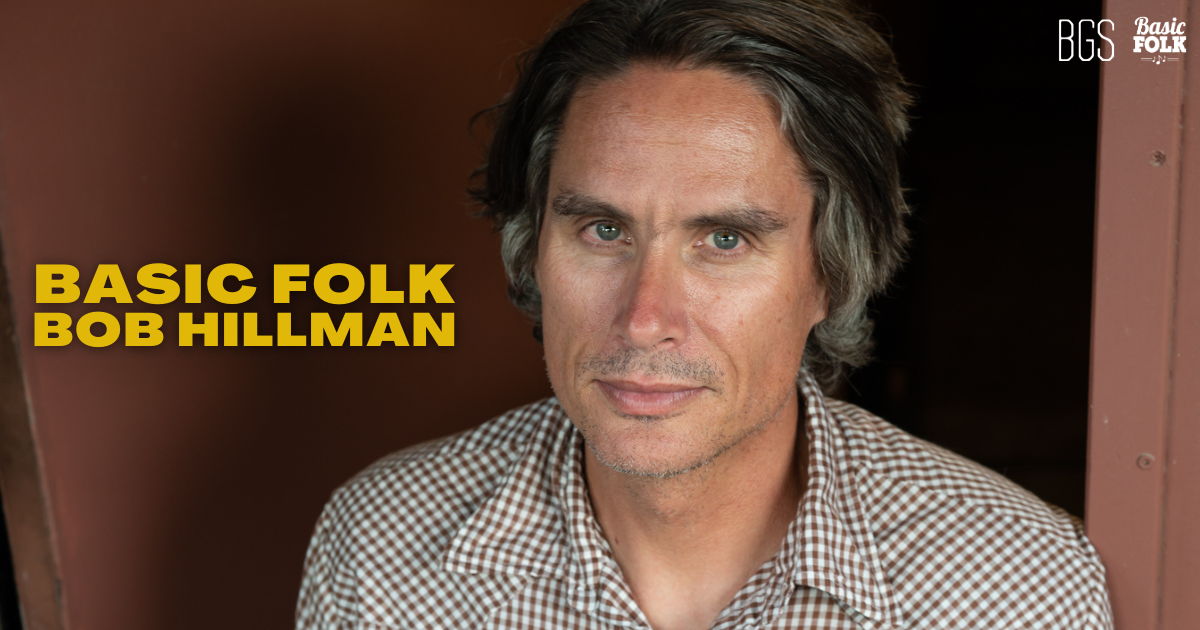
Basic Folk: Dinty Child

Dinty Child, founding member of Session Americana, the beloved Boston roots music collective who’ve accidentally been a band for 20 years, has just released his second solo album, Letting the Lions In. The new songs feature co-writing on all tracks between Dinty and Boston area songwriters like Mark Erelli, Kris Delmhorst, and Dave Godowsky. A self-proclaimed slow-writer, the majority of these songs were written on the annual Sub Rosa songwriting retreat Dinty runs on Three Mile Island (no, not that Three Mile Island) on Lake Winnipesaukee in New Hampshire. Owned by the Appalachian Mountain Club, Dinty’s family has been working at the island for over 100 years. Dinty currently serves as the off-season manager, putting his musician and carpenter skills to good use hosting songwriter friends at said retreat – like Rose Cousins, Rose Polenzani, Rachael Price, Miss Tess and many more, as well as Miles of Music, a summer camp run by Dinty, Kristin Andreassen, and Laura Cortese.
LISTEN: APPLE • SPOTIFY • STITCHERAMAZON • MP3

Letting the Lions In was co-produced by Zachariah Hickman (Josh Ritter, Ray LaMontagne) and recorded at Great North Sound in Parsonsfield, Maine over the course of three days in the spring of 2021. Dinty says, “I often trade construction work for studio time there.”

During our conversation, we dig into why these songs needed to be recorded. Our consensus is that legacy and spreading joy to his community are the top two reasons. Also, Dinty, who says an annoyingly large percentage of his songs start as dreams, talks about what kind of sleeper he is, what’s with the lion, and his thoughts on drinking – thanks to the handful of alcohol songs on the new album. Dinty is a dear friend to the podcast and an important part of the New England musical landscape, we’re thrilled to have him on the show!


Photo Credit: Sam Kassirer

Out Now: Carmen Dianne

Carmen Dianne is unlike any artist you’ve heard before. Her vocals are powerful, her lyrics and melodies are engaging, and her stage presence and unique instrumentation will leave you wondering if you’re witnessing just learned talent or also a little bit of magic. Carmen is one of an extremely small number of artists who accompany themselves on electric bass while they sing. This is especially challenging, because bass lines often vary greatly from the rhythms of a song’s melody. This coordination is a remarkable act of multitasking. Artists have to be incredibly proficient both as a vocalist and a bassist to pull this off. And Carmen, drawing inspiration from Esperanza Spalding – a well-known singer-songwriter who accompanies herself on upright and electric bass – does so with mastery.

Carmen is an artist I’ve been promoting for years. She took the stage at Queerfest 2022 and absolutely blew the audience away with her phenomenal performance. I’m excited to have Carmen at our show this Saturday, February 24, at Dee’s Country Cocktail Lounge in Nashville. In addition to Carmen’s set, this show features two other phenomenal LGBTQ+ identifying artists that we’ve also featured in Out Now, Brittany Ann Tranbaugh, and Liv Greene

What’s your ideal vision for your future?

Carmen Dianne: My ideal vision for the future is to make a living creating and singing fun, meaningful, and honest music for people like me. I have a hard time answering this question, because I don’t ever want to ask for too much or seem ungrateful since I feel like I’m living my dream already, but I’ve been trying to focus on dreaming bigger lately. But if I can share my biggest dreams without jinxing them, I want to write hit songs that make LGBT people feel at home, make Black people from Podunk, Wherever, USA feel seen, make a way for female musicians in male rooms, and make the kind of music that I hope Whitney Houston would have made had she been allowed to fully be who she was. And a Grammy — a Grammy would be nice too.
What is your greatest fear?

My greatest fear is never reaching my potential or wasting my time!

What is your current state of mind?

I’ve been seeing a lot of angel numbers lately and I’ve just been feeling a big shift coming, and now I feel like it’s finally here. Right now I’m dealing with a time of transition that’s making me focus on transforming into a better version of myself. And it’s really hard. I always feel tired, and it’s hard reminding myself that every little bit I do is enough for that day.

What would a “perfect day” look like for you?

A perfect day for me would look like waking up with the sun, putting on some tea and free writing and setting my intentions for the day, working on music admin stuff like promo and content strategy for a new song rollout while I play with my dog, go to lunch with friends, having a co-write with friends, maybe going to a yoga or pilates class, and going to a gig in the evening before going out to a bar with friends.

Why do you create music? What’s more satisfying to you, the process or the outcome?

The process of writing is more satisfying for me than the outcome, many times over. The process of writing helps me to process my emotions and helps me to find the truth in how I’m feeling. You can’t really ever get closure from another person, but you can always give yourself closure by writing the end to your own story.

Do you create music primarily for yourself or for others?

When I write music, I’m thinking about two things: One, how I feel, and two, how it’ll make others feel. I’m deliberate about making songs that feel like a warm hug for people like me who just aren’t welcomed in all spaces.

What’s the best advice you’ve ever gotten?

The best advice I have ever gotten was not to give a fuck what anybody else thinks and to be yourself as recklessly and unapologetically as you can. I met SZA in an airport once (pre-Ctrl) and she told me that. The love yourself recklessly part is from a bellydancer I interviewed for a human-interest article named Portia Lange.

Who are your favorite LGBTQ+ artists and bands?

Janet Jackson, Brittany Howard, Kehlani, Tracy Chapman, Meshell Ndegeocello, Esperanza Spalding, Whitney Houston, Syd, Rina Sawayama, Victoria Monet, Janelle Monae, Teyana Taylor.

What has it been like for you to watch Nashville change and become more inclusive over the years?

With the changes Nashville has seen in the last few years, it’s just felt like a whole new world has opened up to me. This is not the same Nashville I grew up in where my 4th grade language arts short stories were handed back with no grade, because the teacher didn’t believe a Black child could have written them. This isn’t the Nashville that kicked me out of the gifted program, because a Black child couldn’t have made that presentation on nebulae. Nor is it the Nashville that has told me they love me but don’t approve of me, that I can sit in the church building, but I won’t ever belong. It’s a Nashville that recognizes nuance and recognizes the person inside. And I’m forever grateful for that.

You are one of few artists who play bass guitar while they sing, and do both incredibly well. How did you develop this style/set up?

I absolutely idolized Esperanza Spalding. So, I’ve always thought playing bass and singing and writing songs was the coolest thing somebody could do. How I actually got good at it is a different story. For me, learning to play and sing bass was a little different than learning to play and sing piano. Piano comes more naturally, because you’re playing the same rhythm that you’re singing, but with bass, the rhythm of the bass line often weaves in and out that of the melody. So you’ve got to learn how to split your brain in two. Fortunately for me, as someone with ADHD, splitting my attention is something I’m very skilled in. I often play bass and watch TV at the same time, and that strengthens my ability to multi-task.

You have a phenomenal, distinct voice and you have so much control over it. What has your journey been to become such a proficient vocalist? Do you still dedicate a lot of time to developing that practice?

Thank you, Sara!!! I think a huge part of my vocal control comes from growing up in a very traditional, some might say orthodox, denomination of Christianity called the Church of Christ. In addition to believing it is the only one and true church, the Church of Christ also does not believe in using instruments during worship. Although its emphasis on tradition and outright refusal of any modernity in instrumentation, decoration, and lifestyle of course comes with its caveats, what’s nice about it is that songs from the 1880s are preserved and performed exactly as they were back in the day. The Church of Christ shaped my voice, it shaped my worldview, and it also shaped my knowledge and understanding of music.

The Black Church of Christ, specifically, tends to sing many of the same songs and spirituals that we did during slavery. It was hard growing up in the Church of Christ for a number of reasons, but I will always be grateful for the understanding of American musical history that it gave me. Without it, I would not be able to meander my way around gospel, blues, country and R&B the way I do, because all of these genres comes back to a cappella voicings and progressions that were born right alongside our country and paint a sonic history of who we are.

And as far as becoming a proficient vocalist beyond that, I just sing every day and put my heart into it every day. I don’t carve out time for singing, because it comes out of me when it wants to and because I love it, that’s often. And that’s all. Now, I’m working more on my showmanship when getting out from behind the bass, and that involves a lot of singing with a hairbrush in the mirror the same way it did when I was a little girl. Nothing really changes too much, and that’s a good thing.


Photo courtesy of Queerfest.

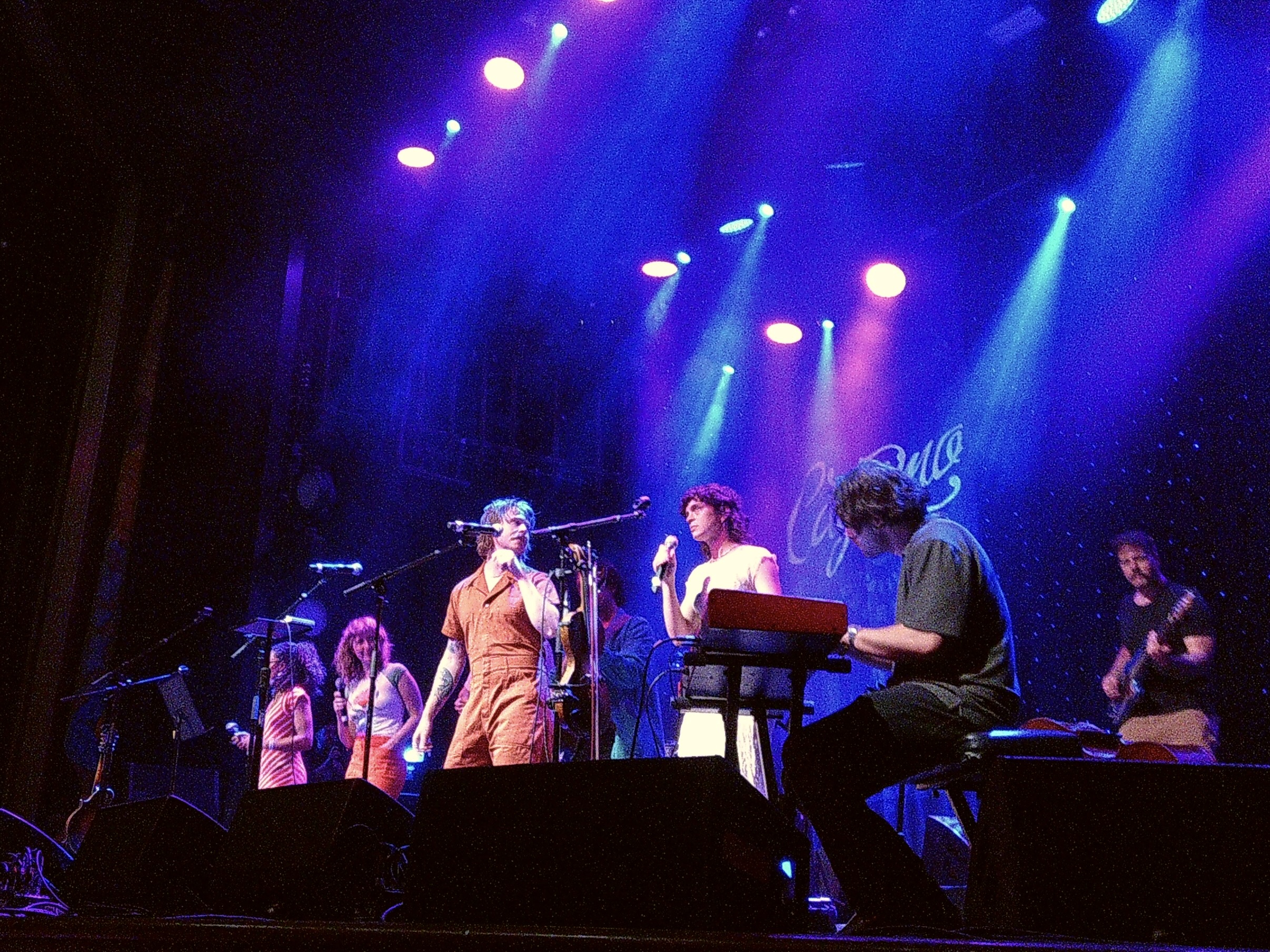
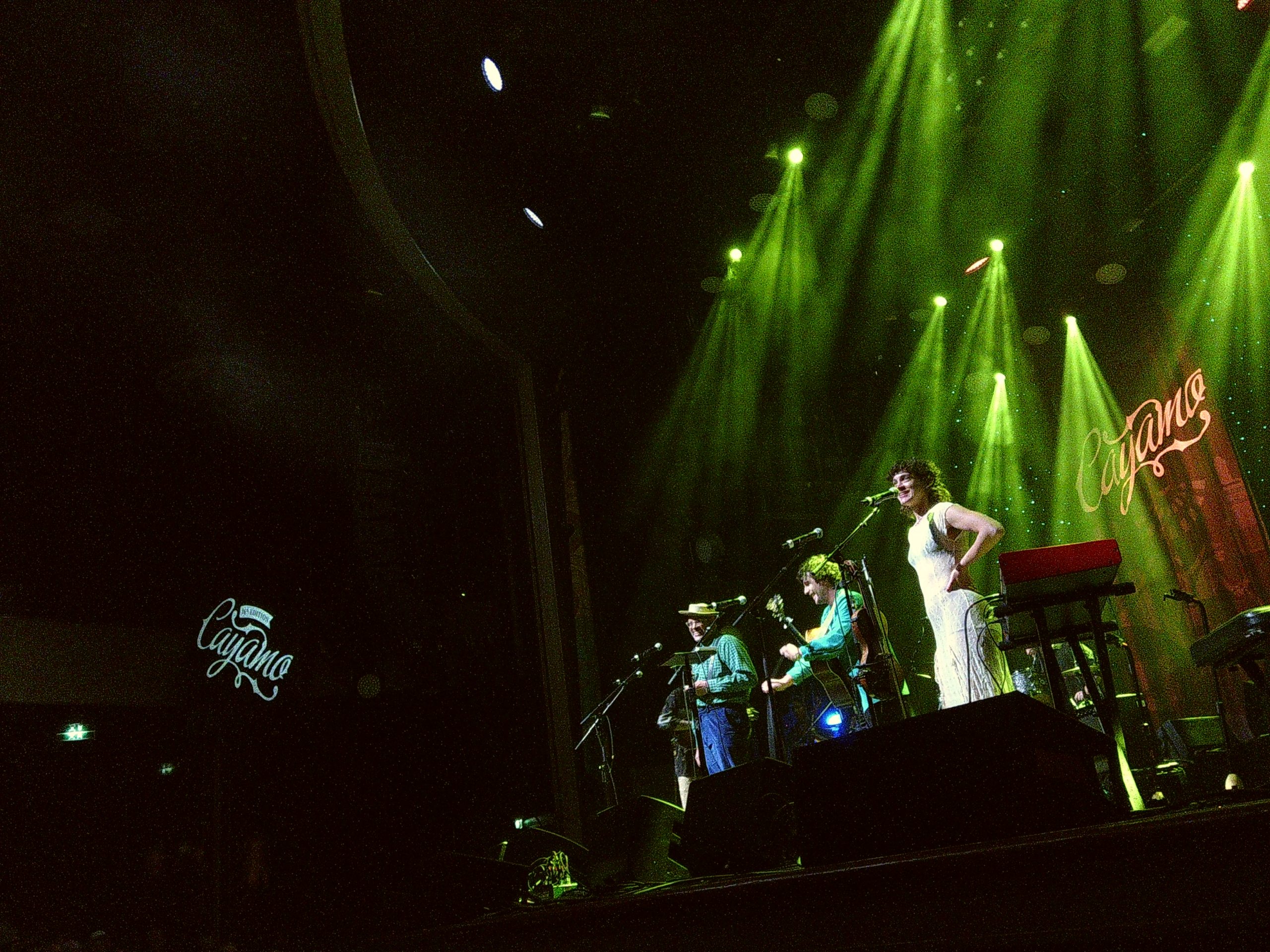
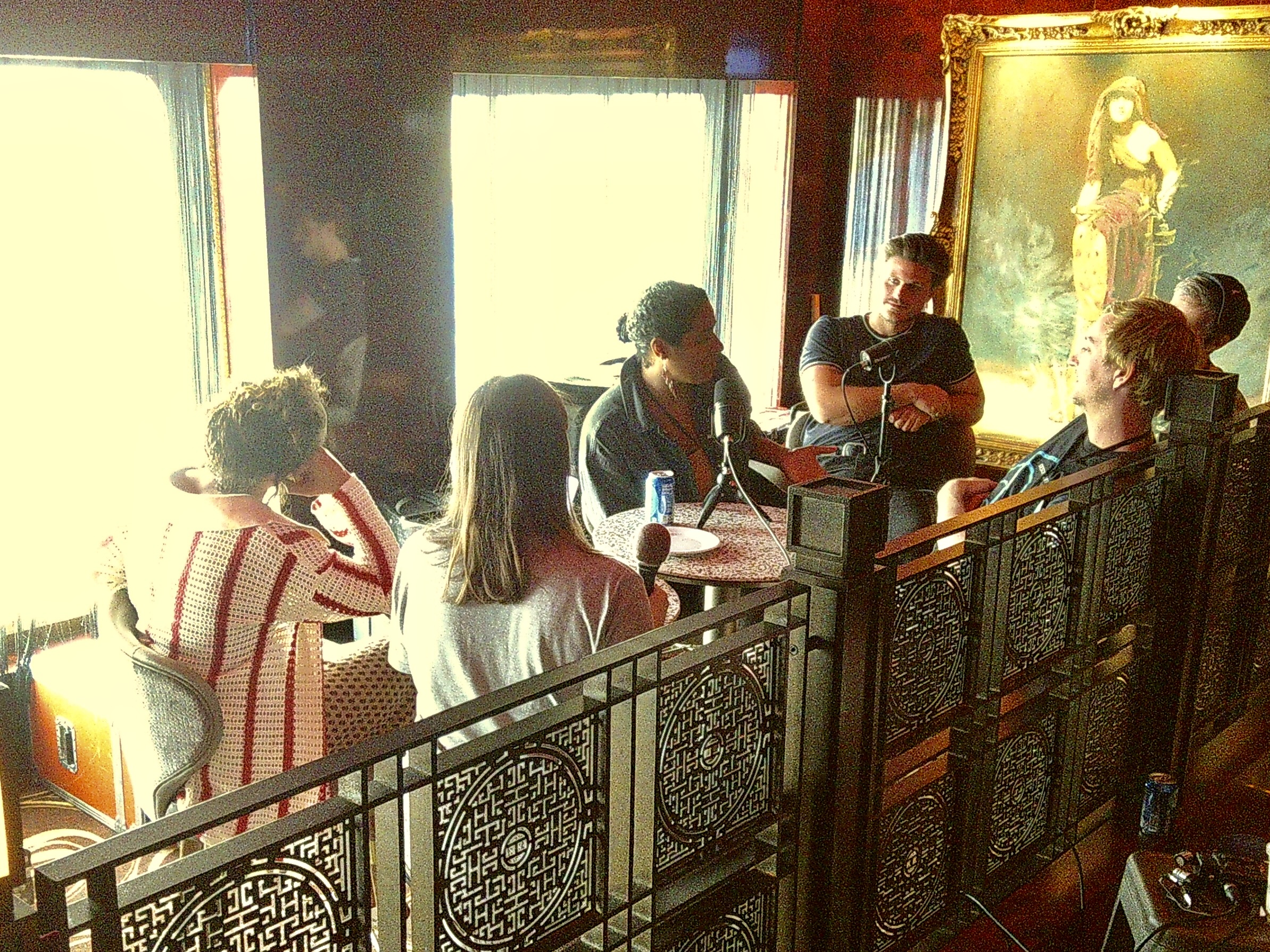
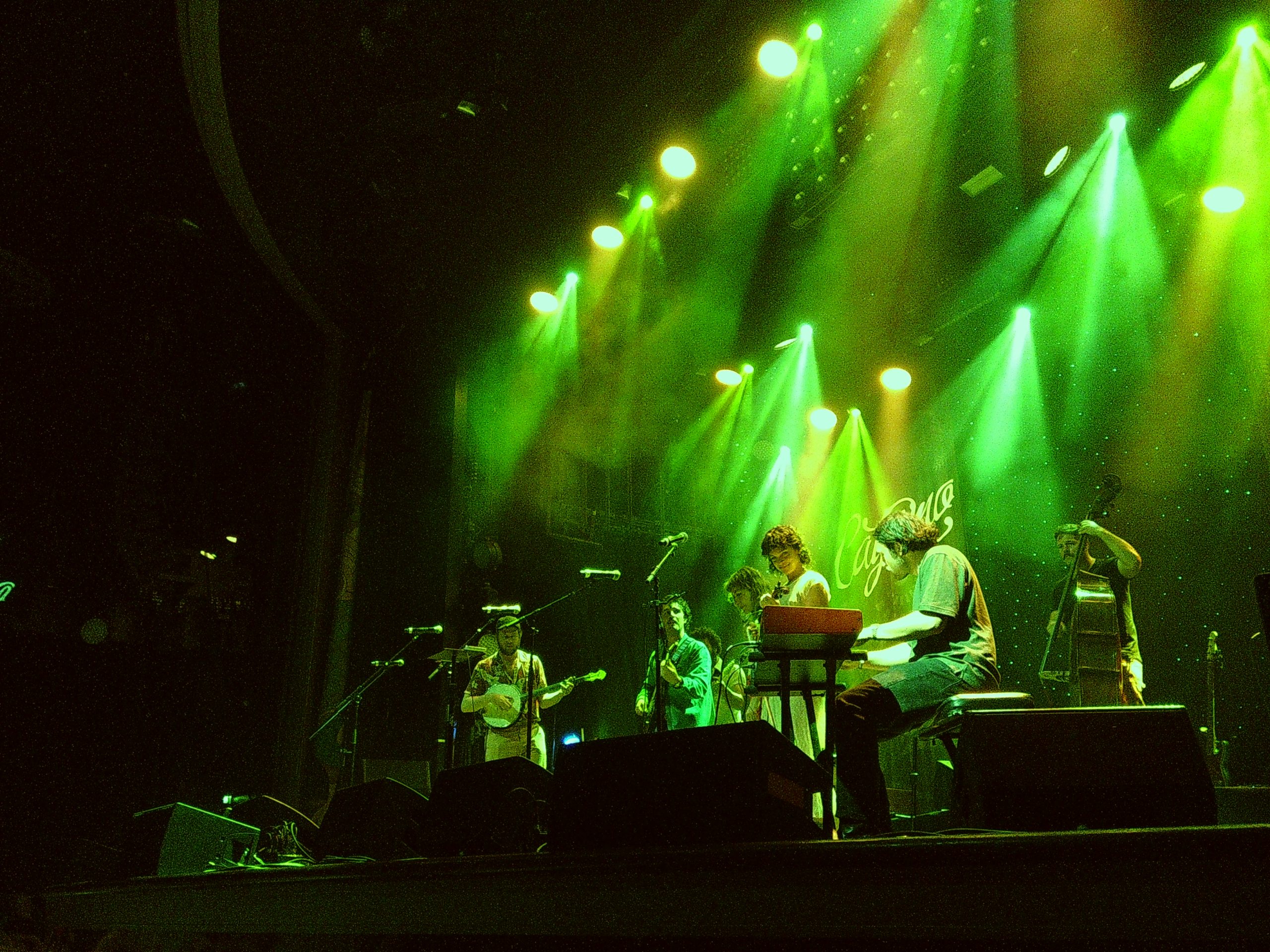
BGS Returns to Cayamo: Our Tips and Event Highlights for the Voyage

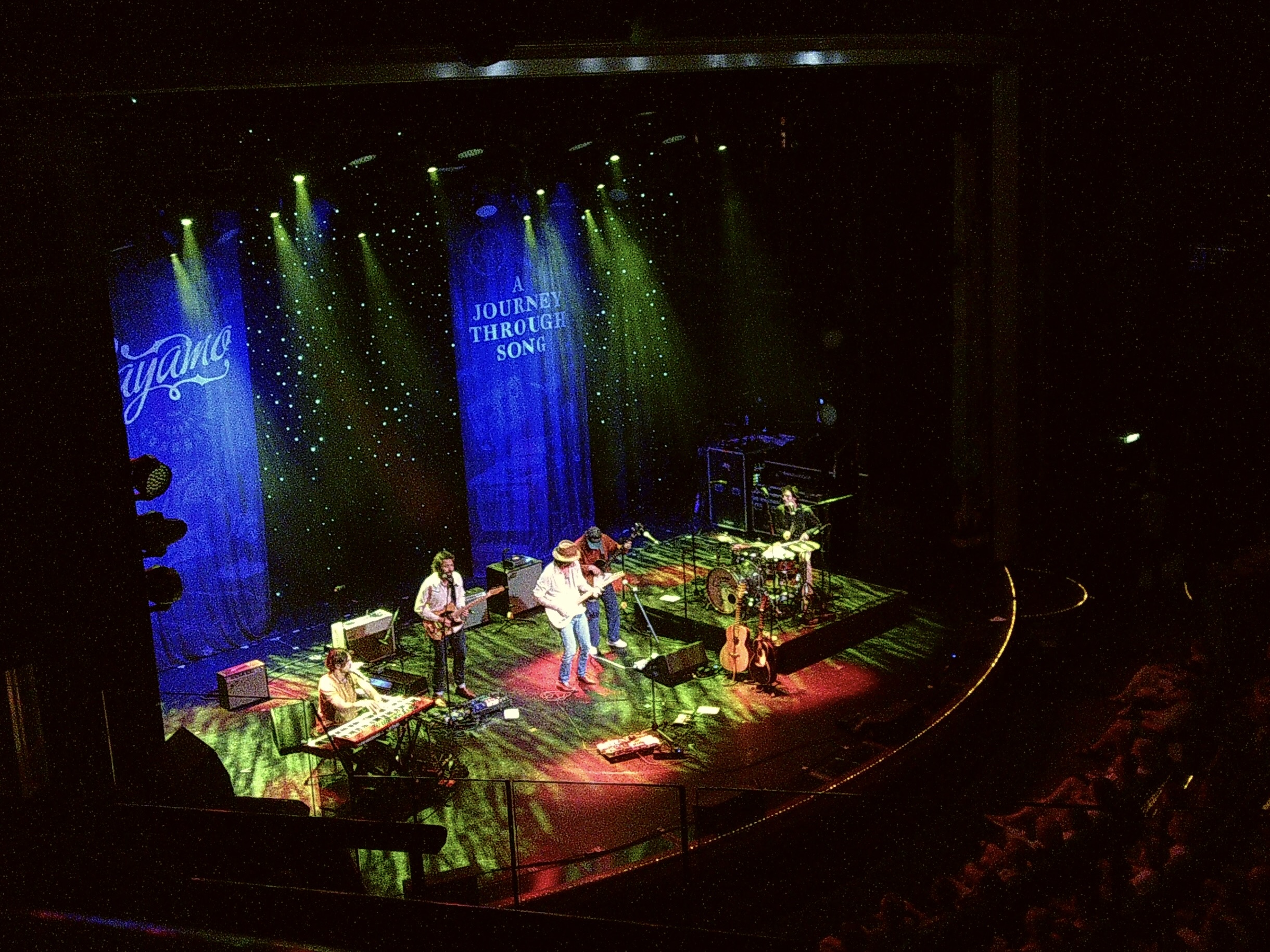
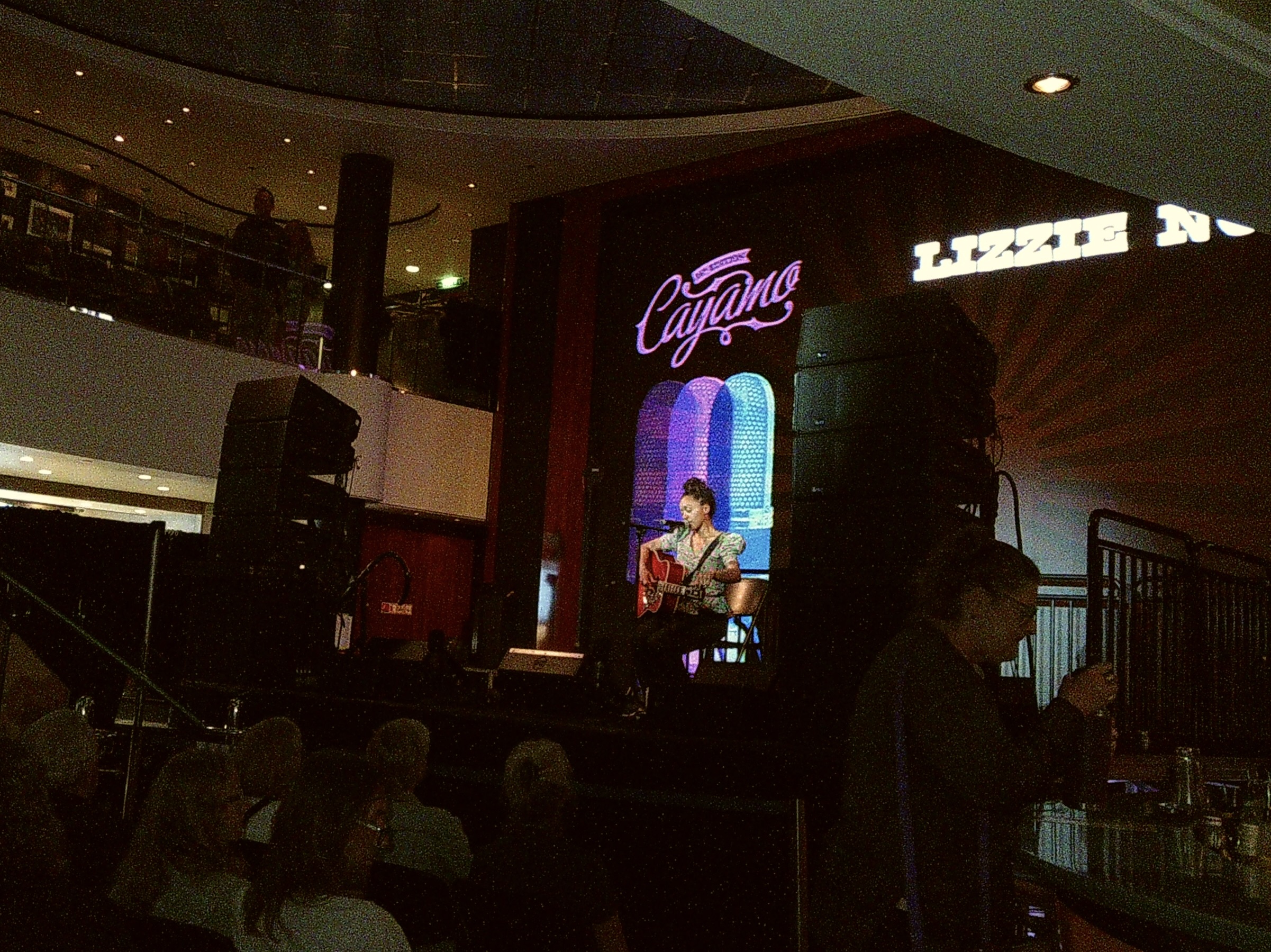
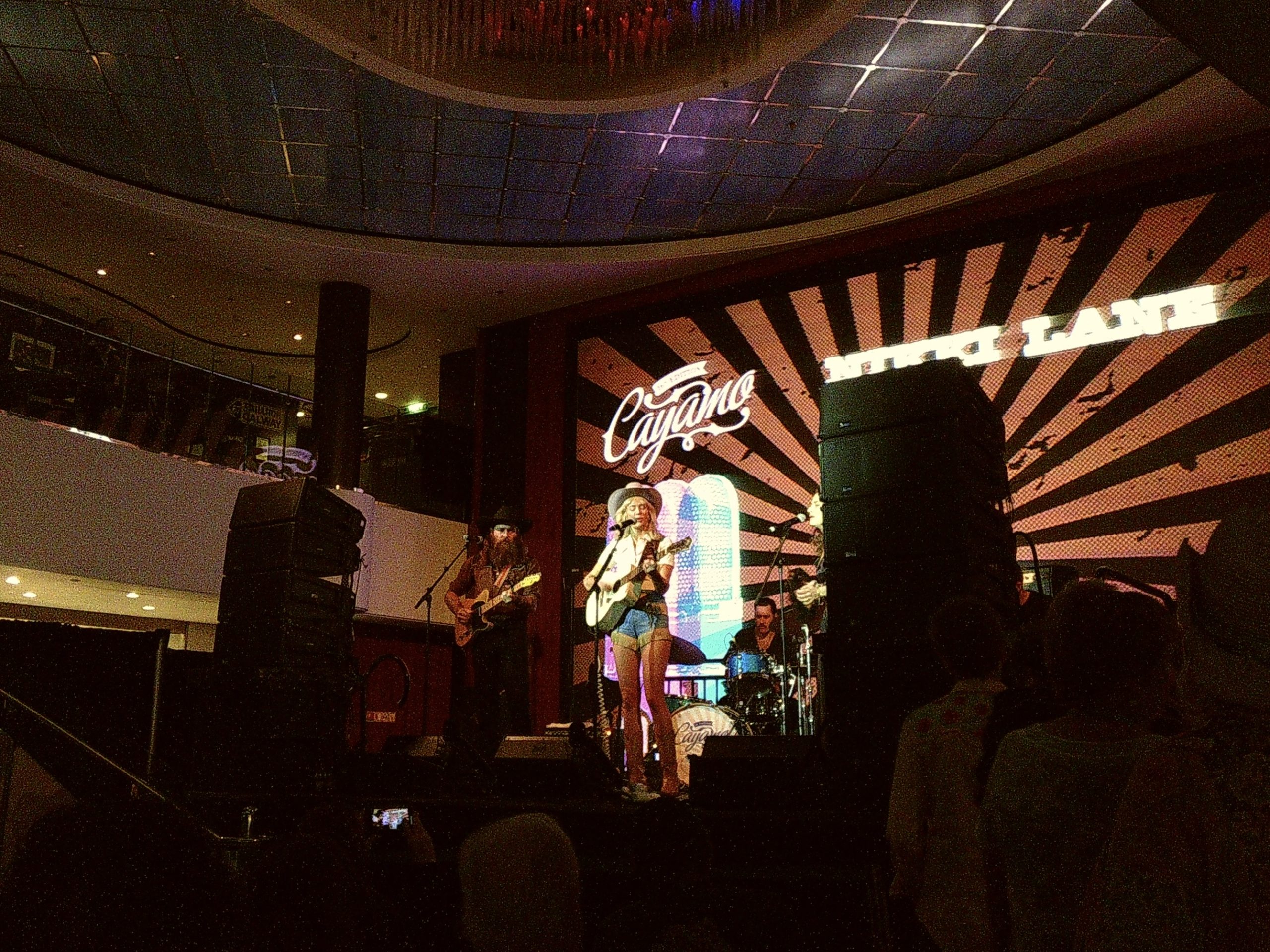
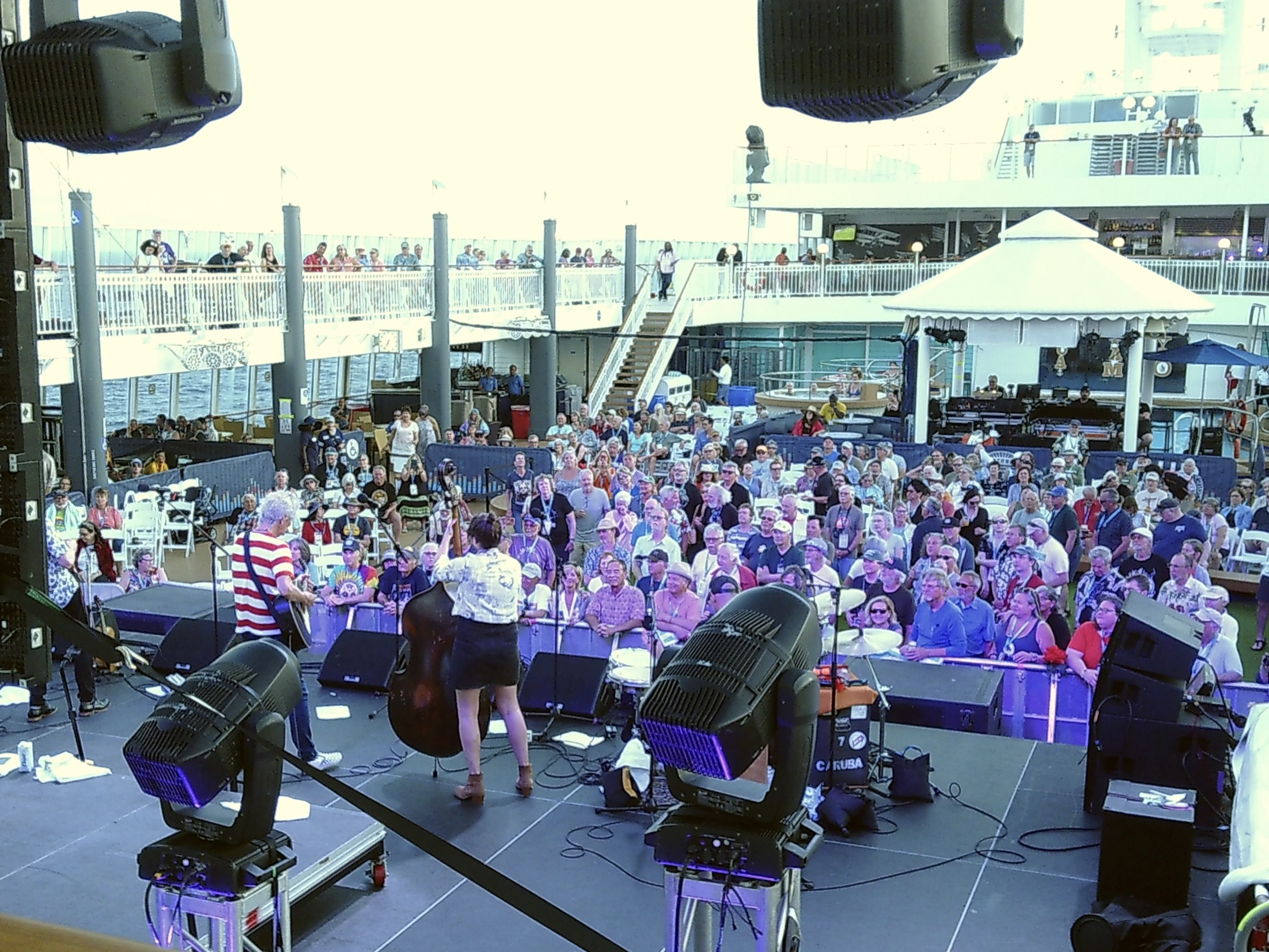
In a mere 10 days, Cayamo’s 16th edition will set sail from Miami for a week of Americana and roots music afloat on the beautiful Caribbean. Fans will spend the intimate week enjoying shows, collaborations, activities, and special events featuring the best musicians and artists in the roots music scene, all while porting in the Dominican Republic and Aruba. The voyage has been long sold out, but for the lucky folks who will be on board the Norwegian Pearl, BGS has a few tips, tricks, and event highlights you won’t want to miss from the jam packed Cayamo schedule.

If you aren’t a ticket holder for Cayamo 2024, join the waiting list – and it’s never too early to start planning next year! This one-of-a-kind roots music event is a truly special experience. Check out the list below for just a few reasons why Cayamo is such a hot ticket and why we’re so looking forward to being back on board with all of you in a few short days.

Buddy Miller’s Port Show Send-Off

Guitarist, producer, and Music City renaissance man Buddy Miller is no stranger to Cayamo, but this year he’s doing a very special port show to kick-off the entire voyage. Directly after the welcome toast on the pool deck on Friday, March 1, Miller will give the Norwegian Pearl a proper send off with the very first performance of the cruise. Catch his set from 3:45 to 5:00pm, with the all aboard call following at 5:30pm, then it’s bon voyage and goodbye to Miami!

As you can tell from this video shot from the audience on Cayamo 2019, you never know who is going to get up on stage with whom – we’re excited to see what special collaborations Miller puts on with other artists and pickers on the lineup.

The BGS Nightcap Hosted by Mipso

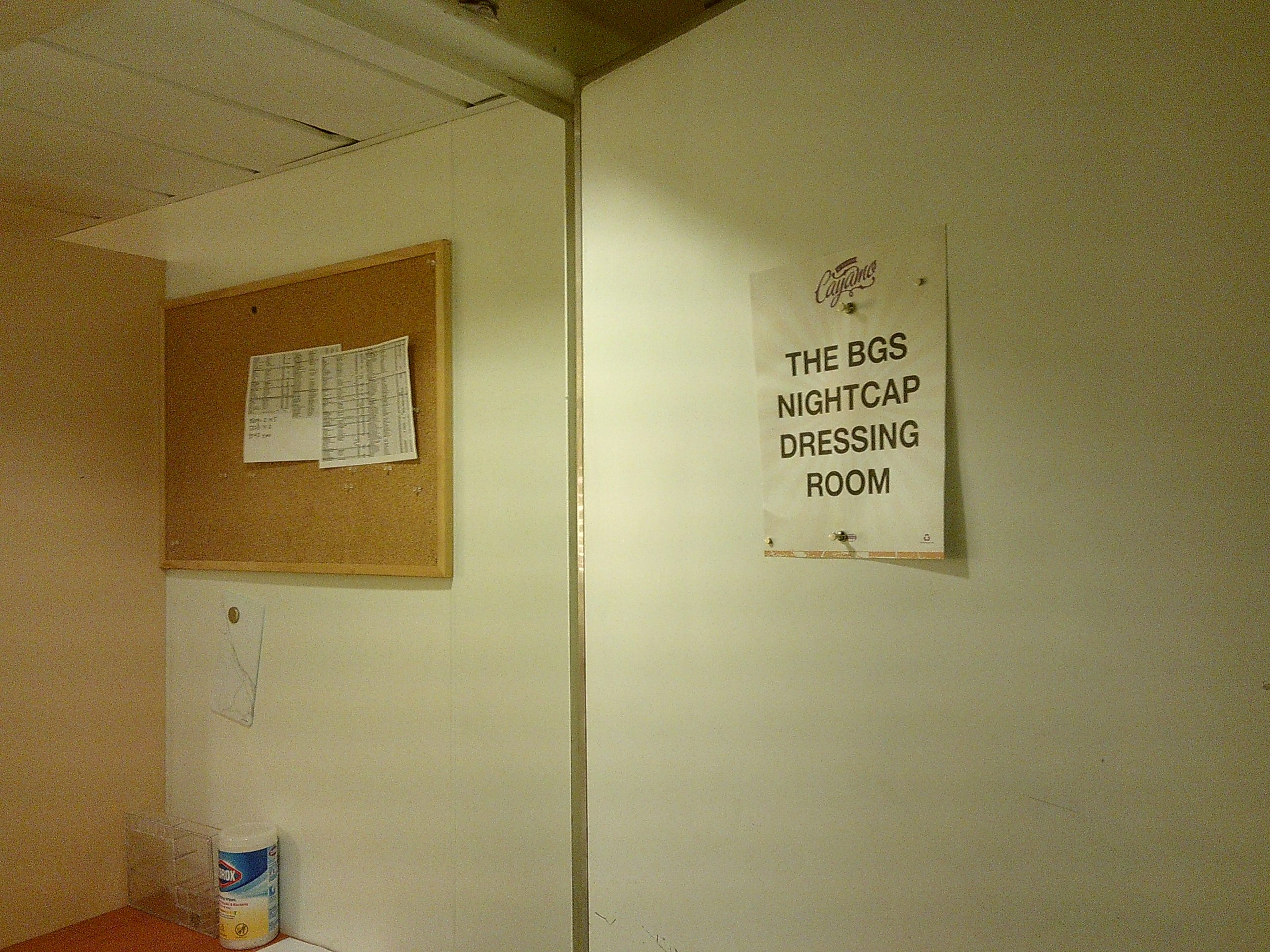
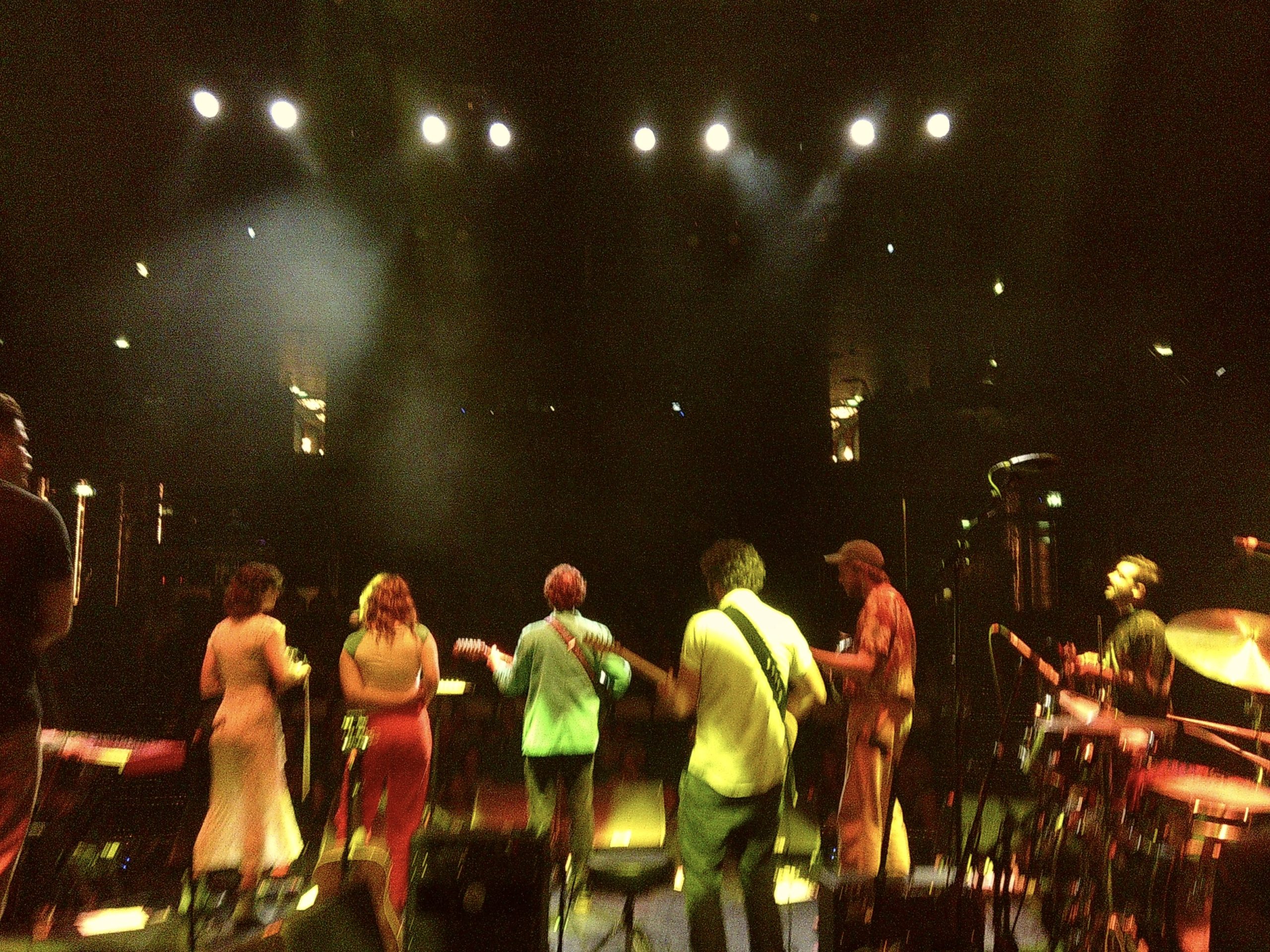
One of the reasons we love Cayamo is getting to hang with and reconnect with so many of our friends! On Tuesday, March 5, at 11:00pm in the ship’s Stardust Theater we’ll reprise our popular Nightcap super jam show from last year, this time with our old pals Mipso as hosts. Speaking of special collaborations, there are bound to be many, many such collaborations at our Nightcap, so don’t miss it if you’ll be on board.

Cayamo Wine Tasting 

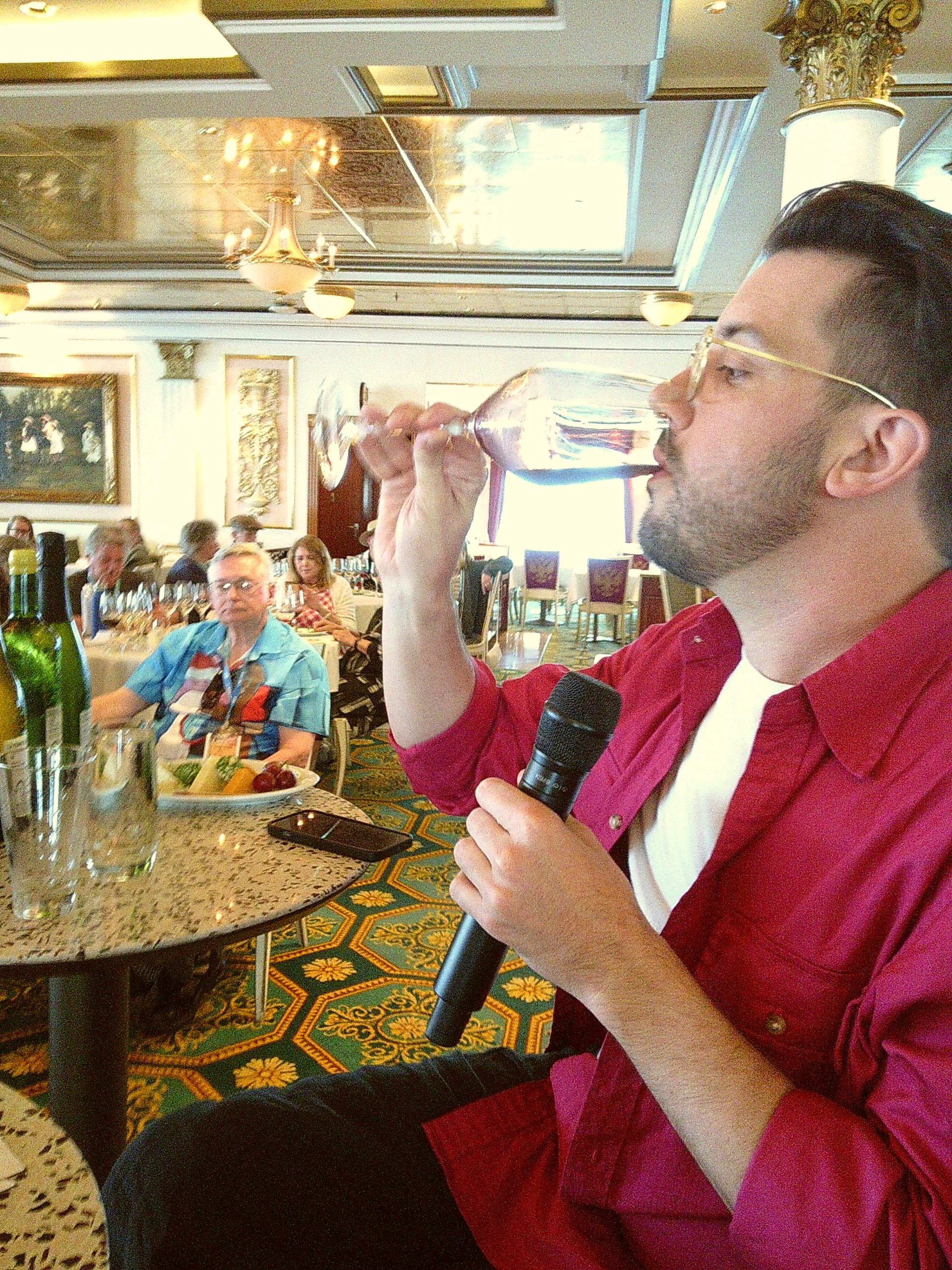
Let’s continue with “hangs with friends” for another moment, because a bit earlier in the week, before our BGS Nightcap, Jacob Sharp of Mipso and our own executive director, Amy Reitnouer Jacobs, will be hosting a casual and friendly Cayamo Wine Tasting on Monday, March 4 from 1:00pm to 2:00pm in the ship’s Summer Palace. Sharp moonlights as a wine connoisseur and distributor when not making/playing music and our own Reitnouer Jacobs is known to love a good bottle, too. So if you’d like to sip and “nerd out” a bit about wine, soil, grapes, and winemaking, don’t miss the Cayamo Wine Tasting! It’s a perfect example of the unique types of events available to attendees. As the event description puts it, “Amy and Jacob’s friendship is based around sharing food, wine, and music that they see as emotionally poignant – and they’re excited to share that connection with you.”

BGS / Black Opry Artist Karaoke

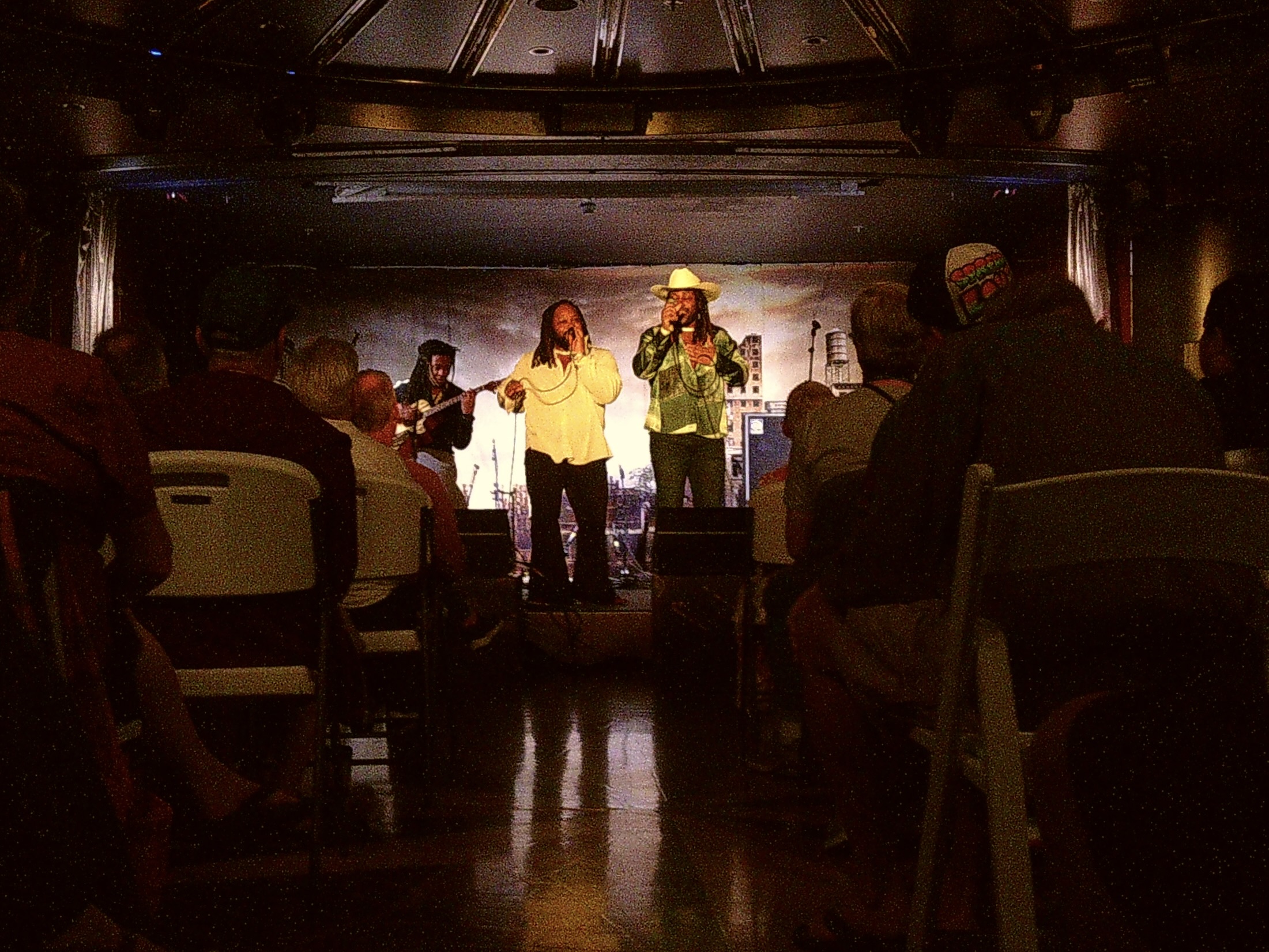
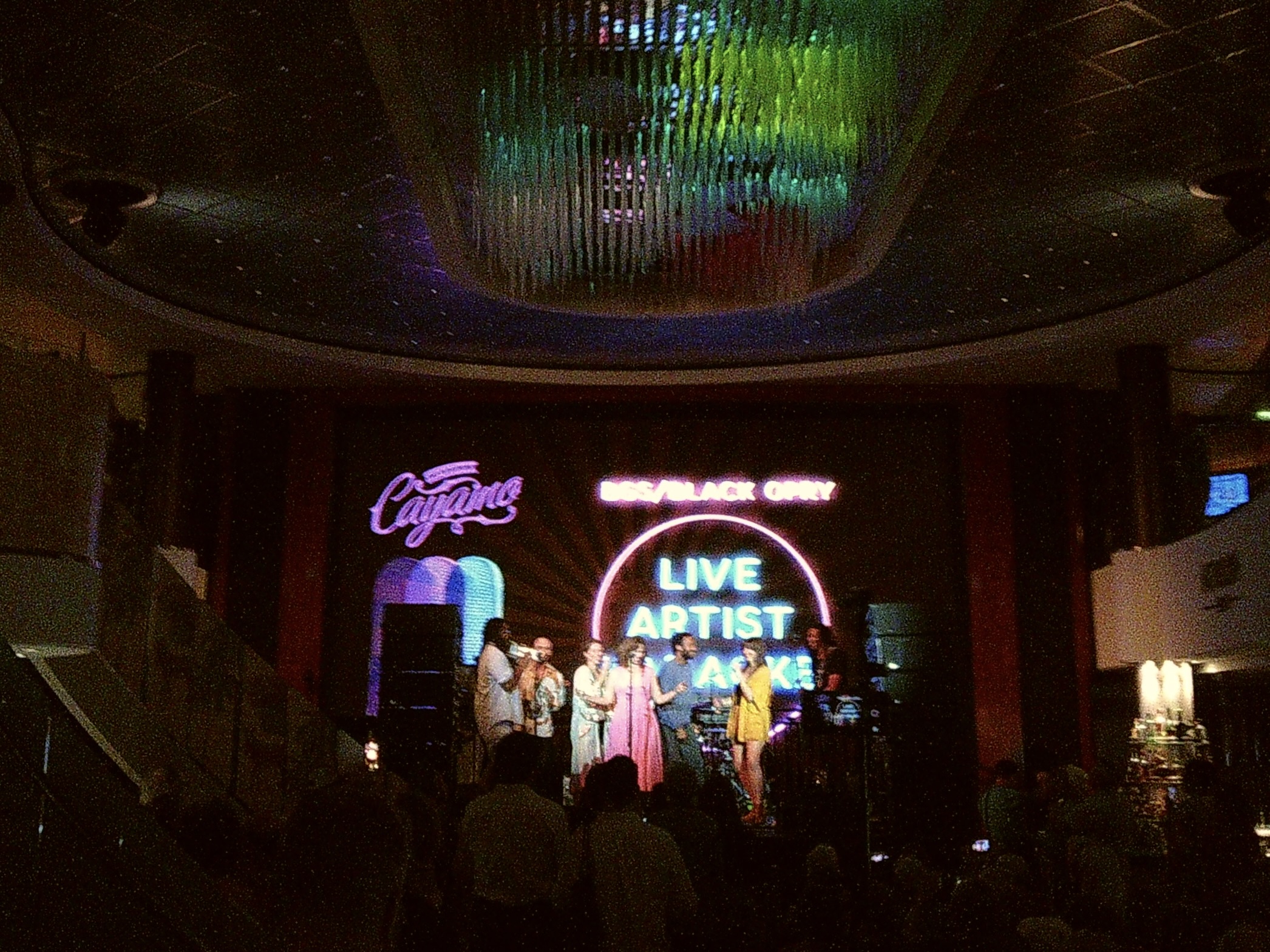
Everyone loves karaoke and the teams at BGS and Black Opry certainly agree on that point! We couldn’t imagine a more fun cruise ship activity than getting together a bunch of the amazing artists on the Cayamo lineup to sing karaoke songs with the Black Opry house band backing them up. It’s sure to be a wild, hilarious, and enormously fun time. Catch the action in the Atrium on deck 7 on Wednesday, March 6 at 11:30pm. You never know who might show up to holler your favorite karaoke track!

Coffee & Conversation

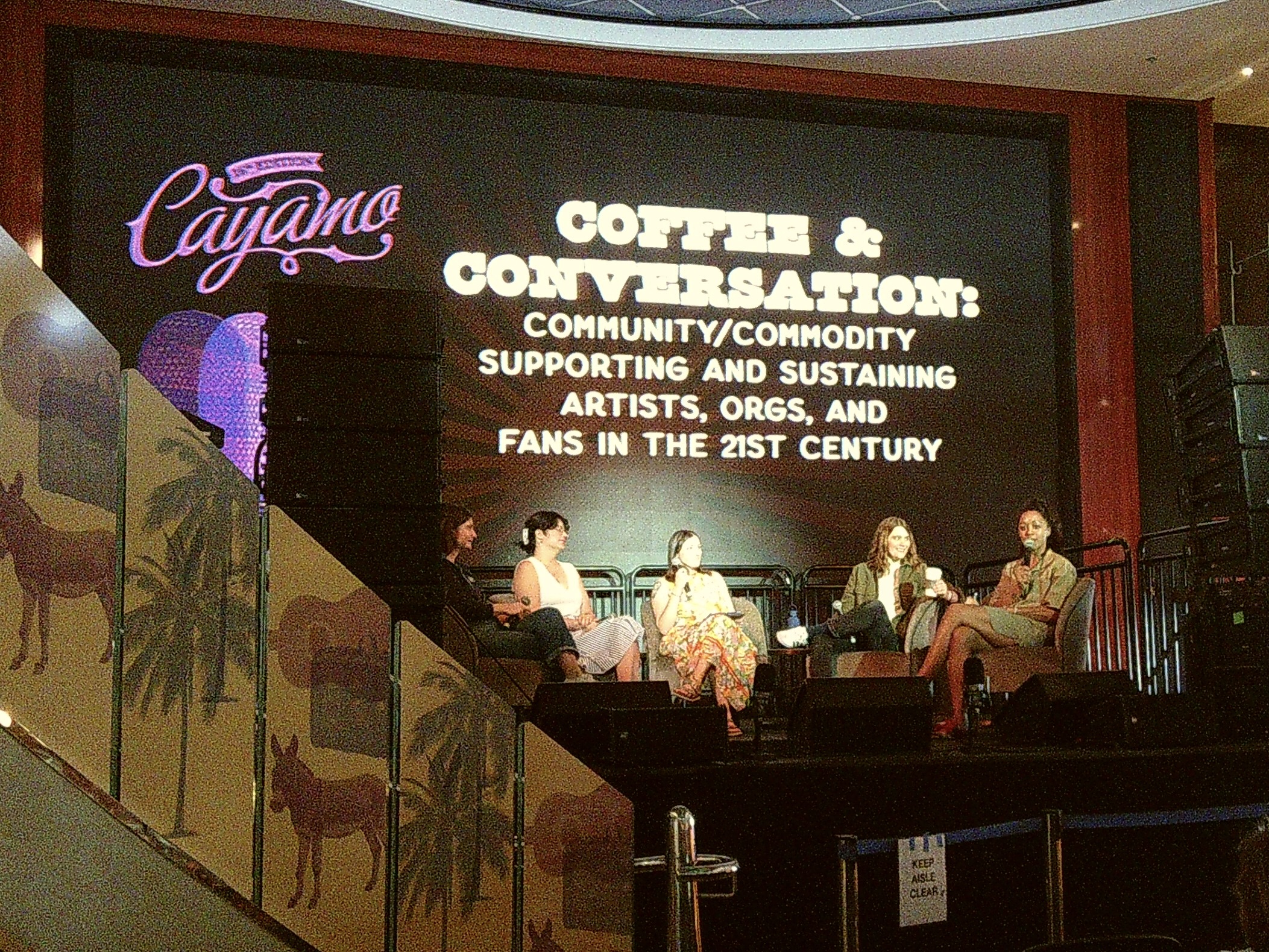
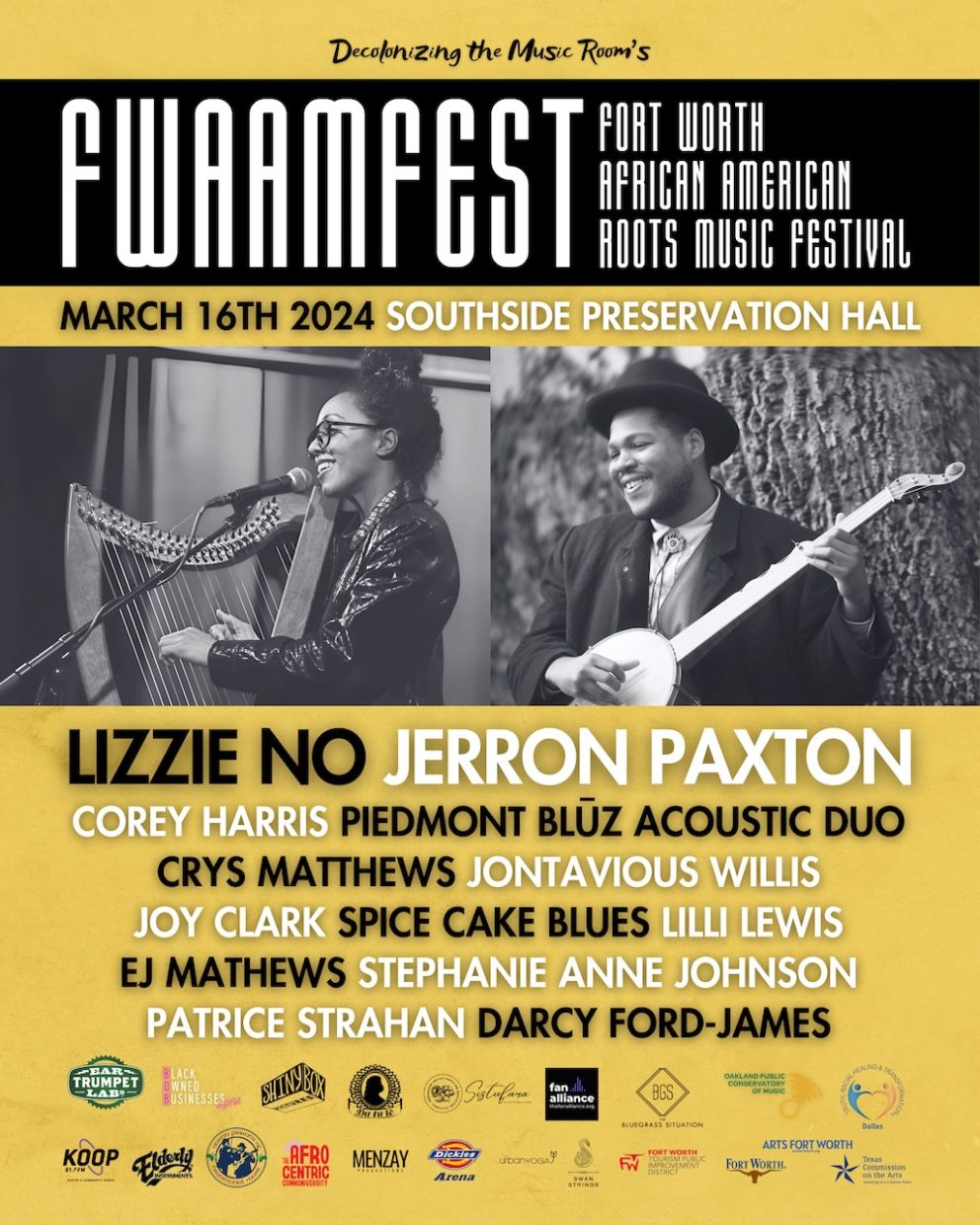
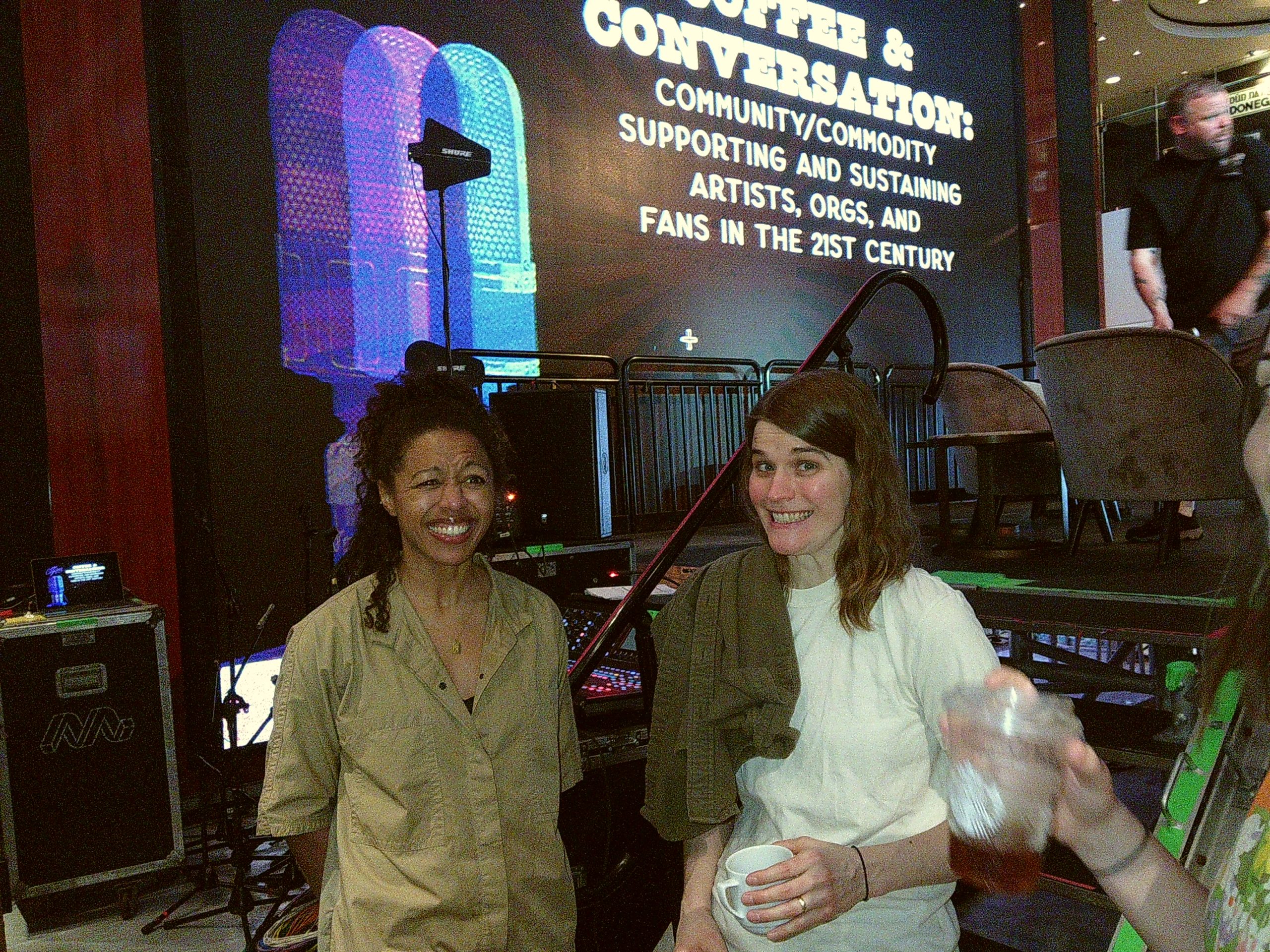
Join the hosts of BGS’s podcast Basic Folk, Lizzie No and Cindy Howes, for a live-taped podcast conversation over coffee on Monday, March 4, at 9:00am. Their discussion, entitled, “Community/Commodity: Supporting and Sustaining Artists, Orgs, and Fans in the 21st Century,” will explore how the music industry, its artists, musicians, fans, and listeners can be active participants in creating a world where art isn’t just about consumption – and where music isn’t just a commodity. Bring your morning coffee or tea and enjoy a stimulating conversation that asks how events and organizations like Cayamo can be a model for more community-supported and community-engaging music in the future.

In today’s day and age, it seems like one must choose between capitalism or community… or is that really the case? Is there a way that these two can live side by side in the music industry? We’ll discuss all that and more in this very special live recording of FOLK DEBATE CLUB AT SEA! by Basic Folk.

Shows, Shows, Shows!

Of course, let’s not lose the forest for the trees, here. The most tantalizing part of Cayamo is indeed the limitless live shows, special concerts, and on-stage collaborations that the cruise is known for the world over. Boasting over 100 scheduled shows, there’s music for all tastes and from across the American roots spectrum. Below we’ll collect a handful we’re especially excited to catch on the ship.

We can’t wait to set sail with all of you on Cayamo 2024!

SistaStrings

You know them from their work with Peter Mulvey, Allison Russell, Brandi Carlile, Brandy Clark, and many more, but SistaStrings aren’t just a premier string duo working as side musicians with all your favs in Americana – they’re impeccable as a stand-alone group, too. We’ll be catching their set on Saturday, March 2, but we’ll also be keeping an eye out for them to pop up with many other performers on the lineup throughout the voyage.

Sunny War

Sunny War has long been a BGS favorite and she’s certainly one not-to-miss during Cayamo 2024. Her music is often touted for its combination of blues and punk, but even a fleeting exposure to her particular musical stylings reveals she is an artist all her own. There’s nobody out there who quite sounds like Sunny War.

Gabe Lee

If you’re looking for Good Country while on board Cayamo, look no further than Gabe Lee. A Nashville native, Lee offers a forward-looking, gritty, and real take on Music Row’s particular brand of country music. He’s an excellent songwriter and frontman who’s opened for most of your favorite roots artists and we can’t wait to see him shine on the ship.

Black Opry

OF COURSE we’re so excited Black Opry is on board Cayamo 2024. You won’t want to miss our karaoke event, but even more important is that you don’t miss their marquee event, the Black Opry Writer’s Round, which has been a tent pole of this collective’s work for the past several years. (That show is Monday, March 4, at 11:00am in the Stardust Theater.)

There’s a reason why Black Opry is showing up just about everywhere these days – and it’s not just Beyoncé going country. This collective centers the art and experiences of a group of folks who remain underserved and underrepresented in Nashville, on Music Row, and at events like these. And the artists they showcase are always of the highest quality.

In whatever iteration Black Opry will take during their many events on Cayamo, they will demonstrate yet again that these musicians, pickers, and singer-songwriters making American Roots music are joyfully carrying on an age-old tradition – while reminding all of us how none of these genres would exist without the vital contributions of Black folks and Black creators.


American Patchwork Quartet’s Debut Album Celebrates Multicultural Folk

The members of American Patchwork Quartet present an array of diverse backgrounds – both musical and cultural. The group is made up of Clay Ross, multi-Grammy winning guitarist and founder of Gullah group Ranky Tanky; Grammy-winning Hindustani classical vocalist, Falguni “Falu” Shah; internationally acclaimed jazz bassist, Yasushi Nakamura; and Juno Award-winning drummer, Clarence Penn. However, even with the variety of identities and backgrounds they do represent, the ensemble makes it clear in their live performances and in every conversation they have that “APQ” is not a group made for the sake of some exaggerated or token sense of unity. Despite their most prominent accolades and individual backgrounds, this group isn’t a concept band or a supergroup made for shock value.

American Patchwork Quartet was born from a foundation of genuine friendship forged between four people connecting with one another, rather than four musicians immediately rushing to talk shop. It was from there that interest in the differences the way each of them interact with and understand music, inspired the idea to form “APQ.” The group would discover through their curiosity things both mutual and unique to their relationships with music – as well as things mutual and unique to their shared identities as Americans. It’s this aspect of APQ’s bond that made American folksongs the bedrock of their repertoire for performances and their newly released, self-titled debut, which includes longstanding American folk fare like “Shenandoah,” “Wayfaring Stranger,” “Gone for Soldier,” and “Beneath the Willow.”

Through an abundance of performances that have taken them to various regions of the U.S. – and now an album of painstakingly arranged and honed songs – APQ is prepared to show and tell how individuals such as themselves can be connected through contrast. They showcase how folk music can tell specific stories of people, places, and times and can stay true to its past while adopting a new present and future – just the way one does when immigrating to somewhere new.

After attending one of APQ’s performances, I connected with the group to share their story with the diverse community of BGS and beyond, speaking with guitarist-vocalist Clay Ross and vocalist Falu Shah. Our conversation, via Zoom, stretched between New York and Arizona, just days before the group embarked on a cross-country album release tour, which kicked off in Princeton, New Jersey on February 9.

What brought you all together to form a quartet, particularly one that’s driven by more than the aim to “make music for a living?”

Clay Ross: It really started with my relationship with Falu [Shah]. We were working at Carnegie Hall as teaching artists. At least twice a week we’d be together either writing songs or developing a curriculum to teach our students and we really enjoyed being together and we enjoyed becoming friends.

At that time, I was [also] getting Ranky Tanky started and doing a lot of research in the folk archives of Alan Lomax, Guy Carawan and other ethnomusicologists that collected songs from across the United States. One day, I asked Falu, “Tell me what you think of this song, ‘Pretty Saro.'” She listened to it, loved it, and she learned it. Then we learned how to sing it together. We just felt like “Wow, this is something really special!” And we liked the idea of collaborating.

Around the same time, I met Clarence Penn at the Monterey Jazz Festival. We ended up on this flight that got canceled on the way back to New York. So we were in this airport for 10 hours, talking and bonding over all these life things and not about music at all. We became friends first, which was a really great way to start a collaboration. I said, “We need to find a bassist,” and we both immediately thought of Yasushi Nakamura – one of the first musicians that I ever played with when I came to New York 20 years ago. Clarence was playing with him that whole time and they’re like brothers. Yasushi is a family man, he’s got two kids, and so we’re all really connected beyond the music. We connected as people and we can relate to one another as parents and as human beings.

I think between meeting Clarence and knowing that I wanted to deepen this collaboration with Falu somehow, that was where the idea [for APQ] was born. I felt like, we’re all American, you know? That’s the one thing that connects us, no matter how different we are and how radically different our pasts and our backgrounds may be. We are now all connected as Americans and so we all have some access and an entry point into these American folksongs. They can be a part of our story now, whether they were a part of our traditions up until now or not.

Falu, as both a U.S. immigrant and a vocalist primarily trained in Indian classical rather than Western music, how was your experience in becoming part of APQ?

Falu Shah: For me, American folk music was something my mother only played records of. I grew up in India, in Mumbai, and my mom was a big fan of Bob Dylan and Emmylou Harris and growing up she played this music, which I found absolutely intriguing. We only had one one record store in the entire city of Bombay and it was called Rhythm House. My mom had to travel 45 minutes in a train to get to this record store, stay there, and stand in a line for four or five hours. She would bring Michael Jackson and I would think, “Oh, my goodness, why would you bring me all these [records]?” And she said, “Because I want you to have a broad vocabulary of music, not just Indian classical.”

The biggest difference I found in both music styles is harmony. Sometimes I feel Western music is very delighted to use chords. And harmony context was very different for me. Clay used to tell me to sing in a different key. And I’m like, “How do I sing like that?” It’s a different style of learning. So in Carnegie, when we were doing all the songs and all the writing, Clay used to always switch harmonies, and I thought, “I really like this concept.” That was the first thing that intrigued me: that Clay would never sing what I sang – he would always find another note and he would completely change the melody of that song, but it sounded so beautiful when layered together. I had to unlearn a lot of things to learn how to sing [American folk] music. So my journey has been always as a student. I still consider myself as a student and I’m always going to APQ concerts and rehearsals thinking, “What can I learn this time?”

How does APQ decide on repertoire to explore, interpret, and perform?

FS: Clay will send me a song and I will find a folk melody or an [Indian] classical raga that is close to it. And if it’s not, then I’ll tell Clay, “I don’t like this song.” …When I told Clay, “I love this, I don’t like this,” it’s based upon this [idea] of what can I as an immigrant and Indian person, what can I bring to this song that already doesn’t exist? There are so many people who have already sung it and they have sung it so beautifully. What am I adding? Something has to relate because our cultures are so different. For us to break the boundaries of continents and lines between us, we had to connect with the beautiful harmony of music.

CR: I’m looking for songs that are spiritual and not religious – and that celebrate man’s humanity to man. And that speak to the universal qualities of all people – be it love, nature, heartache and longing, loss, or joy.

How do you balance the idea of APQ’s music existing as “teaching tools” or “portals to history” with the idea that music can and should be entertaining?

CR: It’s an organic process of creation that I gravitate towards things that are both entertaining and fun. And [things that] also have a depth and that can guide you into a whole world – whether it’s history or emotional exploration. Because really, for me, I’m trying to live. I’m trying to live in those big questions of like, “Why are we here? Where are we headed? Where have we been? What does it all mean?”

How has the journey been working with one another toward the goal of inspiring enthusiasm and curiosity around multiculturalism through folk music?

CR: I think any endeavor you embark upon with other people, and it doesn’t matter if they’re your own family and your own blood, it’s always a negotiation with oneself… and learning to appreciate the positive surprises that come out of it.

FS: [Clay, Clarence Penn, and Yasushi Nakamura] know rock and they know jazz and they know the [American] culture. I had to do research. I have to give [Clay] microtones that are proper to the mood of the song. Indian music is very balanced and very thought out. I had to have chemistry with Yasushi and Clarence. I kept telling Clay, “I need to understand more to play with them.” I’ve always tried to figure out my journey as a musician.

CR: I think that [Falu’s] persistence is what gave [APQ] life. She could have very easily had an attitude of “I don’t do this.” Falu has had to bend far more than we’ve had to bend to her. The frame of what we’re dealing with is American music. She’s adapted to that frame. I think that process in and of itself is what this band is about. We’ve definitely had to tap into our best human qualities to get to this music. I’m so proud of this music just for this reason, for what it represents, what we’ve had to live to arrive at this document, this album, that we have now.


Where do you think folk music can find its place in a world that often looks ahead, rather than stopping to contemplate who and what’s around us in a meaningful and lasting way?

CR: I think folk music will continue to exist in a place of meaning and quality. [Folksongs] may be ignored in the short term, but in the long term they will remain. We all just have to do our best to find our tribe of people who appreciate what we do… I feel this is an album that is a document that will last, because people can go back to it.

FS: I feel folk music is always going to be amazing, because it is by the people, for the people. And it’s inherited from generation to generation and something that’s worked for 400 years. There is no doubt about it. Our children’s children are going to listen to and learn and sing ‘Shenandoah’ – I guarantee it – because it the power of folk music is so unique and so important and strong that if it has worked for 400 years, I don’t know why it would not work for another 400 years or more.


Photo Credit: Sandlin Gaither

Willi Carlisle Is a Lyric Poet In the Most Classical Sense

The first time I saw Willi Carlisle was in Buffalo, New York, in the tiny basement of an old protestant church that Ani DiFranco bought. There couldn’t have been more than thirty or so people there – a queer couple or two holding hands, a mom and a dad plus their kid, a cluster of 20-year-olds too hip for their own good. I see twenty or so shows a year – neighborhood guitar pulls, little club gigs, shows in big theaters, and every so often an arena. Willi was world class, one of the best I’ve seen. He told stories in between the songs, tracing an anti-Vietnam song well into the 17th century, or talking about Mexican ballads and the power of the concertina, or about how a hometown story is both archetypal and plain, universal and contained to a very specific time and place.

As the Buffalo concert suggested, Carlisle is at his best when limning complex networks of historical figures, news, what is called “traditional music,” contemporary poetics, and the natural world. He is a lyric poet, in the most classical sense.

This fact could be seen especially in a track from his new album Critterland, “Two-Headed Lamb.” It’s an adaptation of a Laura Gilpin poem, which Carlisle translates and extends. I’ve always thought that the poem was a bit too glib, a bit too self-assured of its own moral ending.

Carlisle talks about the whole cycle of growth, how it is not a singular freak birth in a generic field, but how the freakish quality of a two-headed calf and the weirdness of that birth functions within a cycle: The farmer who finds it, persimmons growing out of season, a coyote picking at the corpse of a ewe, even “robins singing in an old growth tree.” As a creator, the song becomes an act of interpretation – a poem becomes a song, a song not quite a cover, a critique of a poem that might not work, but the working of the poem depends on an audience.

When asked about the poem, Carlisle responds:

As I explored Gilpin’s poem with friends and strangers, it’s been no surprise that “Two-Headed Calf” seems well-known in both rural and trans communities and their significant cross-section. And why not? It’s a poem about a creature too beautiful for this world, [whose] magisterial dimorphism and tragic death conjures real-world magic. Someone born feeling as if they have no gender, two genders, the wrong gender, might feel this magic themselves. So would someone who’s pulled an ailing calf from the womb of their beloved milk cow with a rope or their bare hands.

That’s a generous reading, a reading done in community – one that expands what an audience could mean, one that is as cyclical and as wide as open as could be. It’s generous to Gilpin, as well.

This whole act of semi-translation also explains the concept of Critterland, which Carlisle describes in our wide ranging conversation as a place where “…we have to dismantle the house, make something different. I think what we inherit (our bodies, songs, tools, houses) makes us the living proof of the suffering of our forebears. We’ve got their noses, their colonial holdings, their drinking problems.”

In a culture, we take and hold onto what is useful for us and the results of that taking we try to build more carefully.

In the list of animals that Willi names in the title track – “Yeah, the sparrow on the wing taught mе to find you/ And the opossum knows his own mind more than I do” – there is hope in being able to craft houses and buildings like the scuttling of everyday creatures. If the possum and the sparrow can (and may I add, the racoon, the crow, the squirrel, every city or country creature) then we can, too. Which is why the best of Carlisle’s songs are ones which mention small spaces – a mother singing “In the Sweet By and By” in the kitchen, or the devastating song “The Arrangements,” with its complex, sometimes compassionate, sometimes ruthless processing of a father who drank too much and loved too little, or in “The Great Depression,” a verse that limns Carlisle’s ancestors:

From the needle-prickin’ mothers who were never taught to read
To the barefoot hungry soldiers that enlisted at 16
Oh in my dumb debasement, I still find great relief
That on the lam and on the dole they counted themselves free…

Those are local examples, small, and there is some argument within them. Like some great folk singers, Carlisle’s sense of local spaces, his skill at deep readings of landscape, is a primary example of his excellence. I think of him as an Arkansas singer, but he has to earn a living – part of that possum life. Carlisle travels constantly, touring half the year or more to make enough money to be somewhere he feels home.

He explains it thusly: “One of the hard facts about touring so hard is that I haven’t really lived in Arkansas for more than a few months a year in six or seven years now. Hell, currently I’m living in southwest Missouri, just over the border. I don’t feel excluded from my life back home, usually, when I’m on tour. “

It’s another network, a cycle of creation, and intimacy. In a song called “Higher Lonesome,” is there something monastic there? Setting up lonely feelings to a higher power? Is he quoting the 1950s Texas technicolor film? Is it a song about drinking?

It’s all of those things and none of those things. He mentions his community and where they are in the world:

…By the time the ride is over, I’m sure I’ll ask to ride again
See the snowfall in Wyoming, strung out on Johno’s coke
Keep a mailbox in Nebraska, so I know the Lord knows
She can write a letter once a year and say that we’re still close
I can put my cents on Benjamin hear the songs he wrote…

The privacy of this song marks the depth and complexity of another, the last work on the record “The Money Grows On Trees.” It’s a 10-minute recitation, a story told in intense, Appalachian Gothic detail, about corruption and a young drug dealer gone wrong.

If any texts could be considered lonely, even in the midst of Carlisle’s careful noting of connections, these are. For example, when in another song, he sings to a “Jaybird” – another of those scuttering creatures, that eats off what is left. He says to the jaybird, that “he’s doing just fine, his head is a wreck and his chest is on fire.” This line, with neither denial nor irony, is a kind of Beckettian notice about continuing on despite the ongoing, struggling moments.

The whole album speaks of a (dis)regulation of feelings, slipping into the natural ebbs and flows of the titular Critterland so the work can continue. In the album, and in his live shows, a cobbling together happens as a kind of hope, but a hard-won kind.

Or, to give Carlisle the last word:

I don’t believe in despair – it would make me hate things, and I cannot bear to do that. So, alas, that means the only other option is the hard one: hope. Here in the first world we have unimaginable resources and power, so much more than we need. We could, realistically, reduce climate change, enshrine human dignity, end global poverty, and celebrate untold freedoms in our lifetimes. Why wouldn’t we? I’m naive, surely. Maybe I’m an idiot, and maybe I’m just obsessed with getting “what’s mine.” Music is a business, after all.

The work is the thing – to pay the mortgage, to tell stories that need to be told, to adapt stories that have been forgotten, to cry or laugh, to mourn, to change people’s minds politically, to seduce or to be seduced.

Carlisle’s practice, in an aching two-step, does this with tradition. There’s a reason why he’s a square dance caller, and there’s a reason why, for him, the dance goes on.


Photo Credit: Jackie Clarkson