‘Hard Luck Love Song’: It’s Americana Music, But as a Movie

Filmmaker Justin Corsbie’s Hard Luck Love Song is a caring homage to Americana music and specifically to the music and culture born in Corsbie’s hometown of Austin, Texas. The story is based on the famed Todd Snider song “Just Like Old Times” and uses a plethora of songs from many pillars of Americana and folk music. From Townes Van Zandt and Emmylou Harris to Gram Parsons and Daniel Johnston, Hard Luck Love Song sews Snider’s lyrics into the fabric of this timeless music, creating a truly authentic film that immerses the audience in the ethos of Americana.

Asked about music as inspiration, Corsbie says, “Good music creates such a visceral experience, and storytelling songs have always offered a great window into the less explored corners of American life. Todd’s song was a great jumping off point for this film because it set up an amazing vibe and introduced characters that I wanted to know more about. Todd has an uncanny ability to blend drama, humor, grit and wit, and I humbly tried to infuse this film with those ingredients through my lens as a filmmaker.”

As this debut feature has made its rounds at film festivals, piling up awards along the way, it has become clear that Hard Luck Love Song remains a passion project. This talented filmmaker has created a movie using stories, settings, and songs that are incredibly dear to his heart. The film arrived in theaters this month via Roadside Attractions. Check your local listings and see what the heart of Americana music looks like on the silver screen.


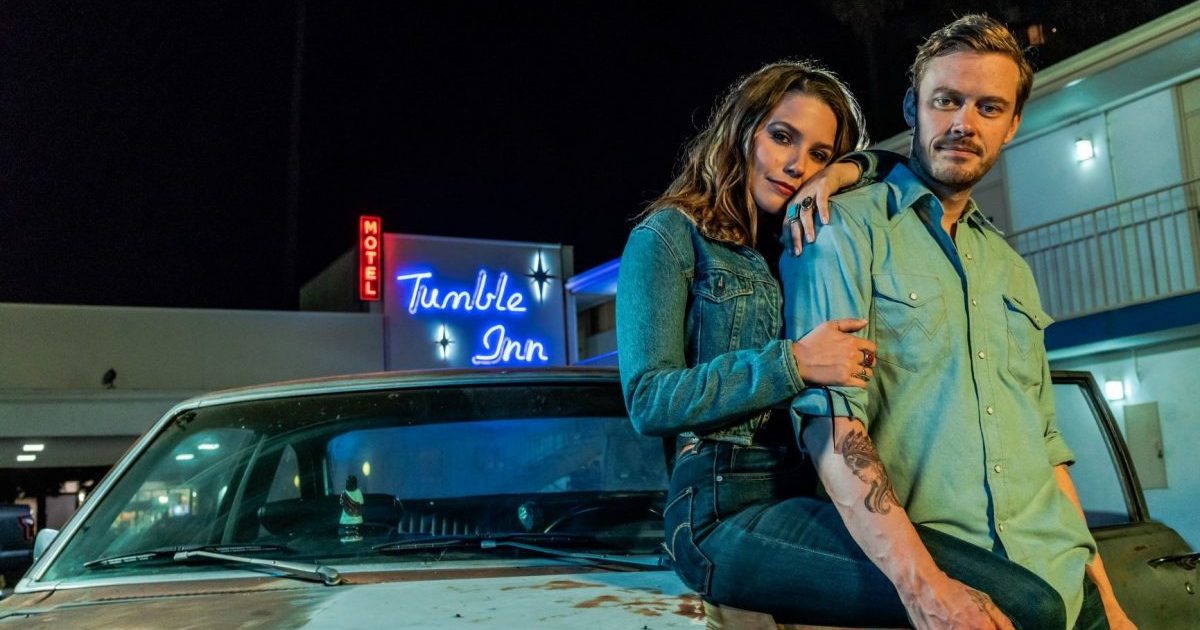
Lead photo: Sophia Bush and Michael Dorman in Hard Luck Love Song
Photo credit: Andrea Giacomini. Courtesy of Roadside Attractions

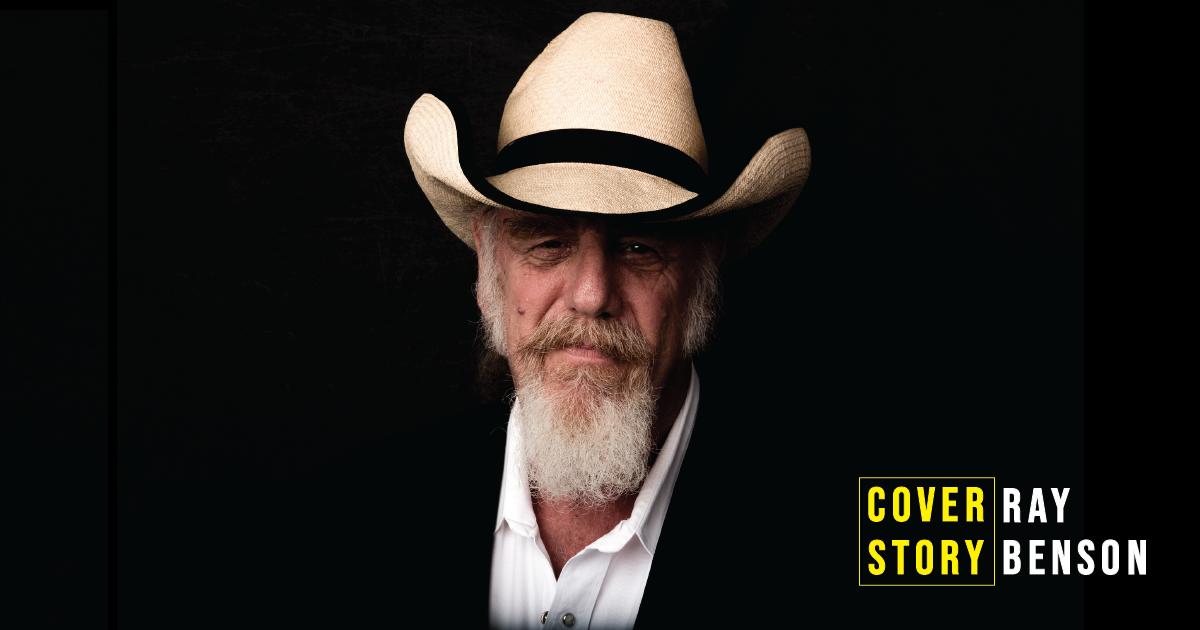
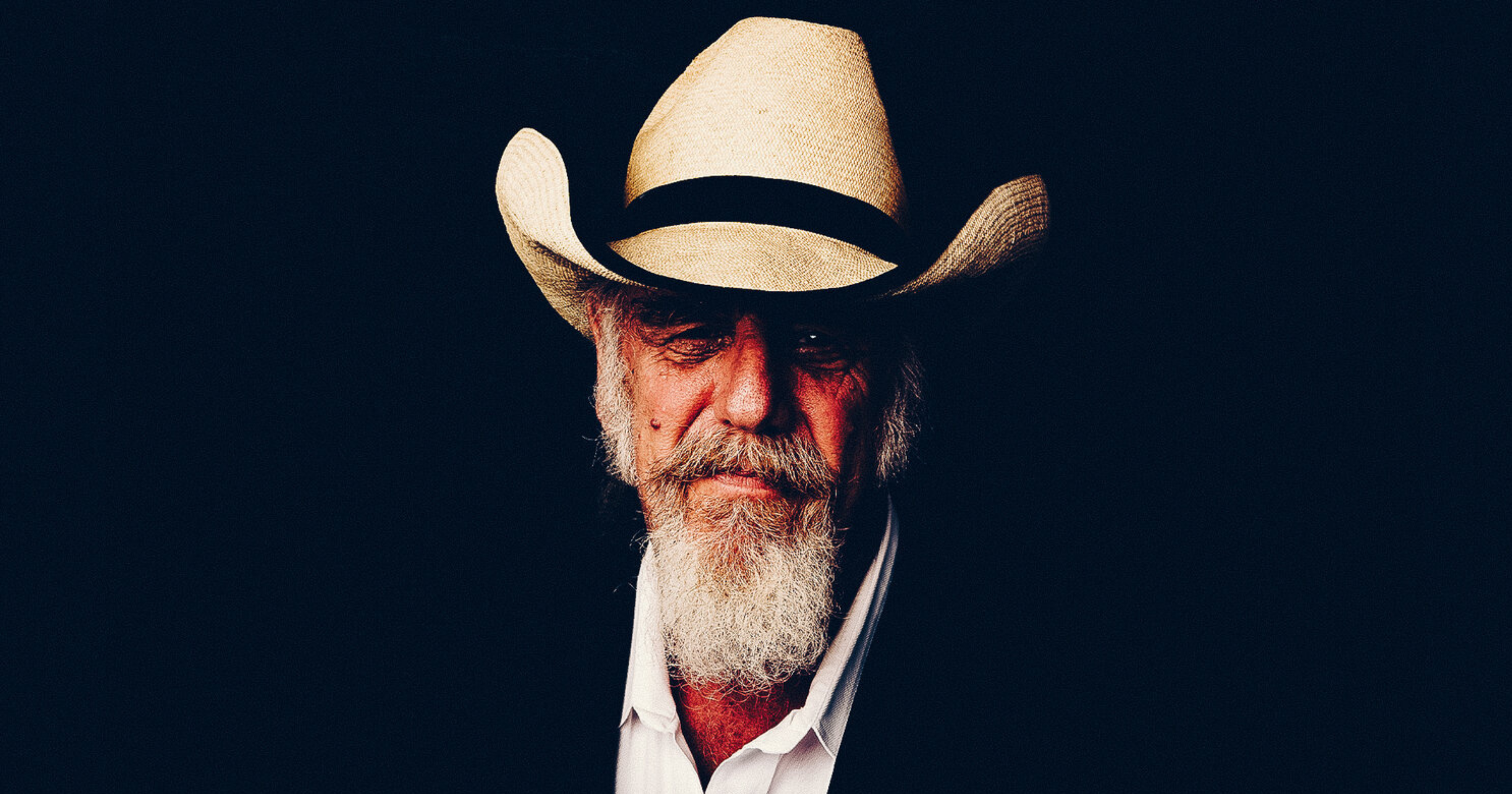
Asleep at the Wheel Turns 50, But Ray Benson Didn’t Know If It Would Last

The term eclectic hardly seems broad enough to accurately describe either the approach of the marvelous band Asleep at the Wheel, or the energetic and fluid style of its lead vocalist and guitarist Ray Benson. The band he formed along with Lucky Oceans and Leroy Preston while farm-sitting in Paw Paw, West Virginia, 50 years ago is now an American cultural institution, although things didn’t really explode for them until they relocated to Austin.

Their latest release, Half a Hundred Years, pays homage to Asleep at the Wheel’s diverse and impressive legacy, although it’s one Benson freely admits he never seriously thought would continue for 50 years.

“Well, when you’re a 19-year-old kid, you don’t even know if the band will be around for 10 years,” he tells BGS with a laugh. “It really wasn’t something at the time that I had any notions about, things about legacy or impact. We were a band that wanted to play a lot of different types of music and enjoyed being around each other. That’s kind of been the trademark ever since.”

Country and Western swing are the foundational genres of their music, but the ensemble is hardly restricted or limited by them. Over their tenure Asleep at the Wheel’s repertoire has also included R&B, blues, jazz, rock and pop, while their albums and live shows feature a constantly evolving blend of originals and inspired covers. In addition, the band seamlessly maintained its trademark sound through numerous personnel changes, while navigating shifts in audience tastes and music industry practices.

“I’ve always been a real music lover, and that’s what’s driven the band all these years,” Benson continues. “Of course, the music business today is so different from the way it was when we started out. Hell, when we started they didn’t even have fax machines. You really thought in terms of radio and marketing a song, and you were trying to get your album played and then that would be the springboard for having it sold in the stores. Today, there’s such a focus on streaming. Vinyl’s made a bit of a comeback, but that’s because CDs are doing so poorly. Then the technology changed so dramatically, with the ability to sonically do things in the studio that we didn’t even dream about back in the ’70s.”

Indeed, Benson’s entire career — inside and outside the band — has been one of variety and experimentation. He taught himself to play the guitar as a 9-year-old. The first song he ever played completely came from a beer commercial he heard during broadcasts of his hometown Philadelphia Phillies. Benson teamed with his sister in a folk group The Four G’s at 11, then while in college he encountered a group whose concept he utilized (with variations) upon forming Asleep at the Wheel. It was that Commander Cody & His Lost Planet Airmen concert in Washington, D.C., where Benson saw and heard a band brilliantly mixing multiple genres in a free-flowing performance mode.

Following their time in West Virginia, Asleep at the Wheel relocated out west in the early ‘70s, playing in various East Bay clubs in California. A show where they shared the stage with Van Morrison, followed by his raving about them in Rolling Stone, began to open some doors. They toured with Black country vocalist Stoney Edwards in 1971, cut a debut LP that did well in the Southwest, then moved to Austin in 1973 after being encouraged by Doug Sahm and Willie Nelson. Upon their arrival in Texas, their second LP was issued by Epic.

However it was after their third LP, with the Top 10 country hit “The Letter That Johnny Walker Read,” that Asleep at the Wheel emerged as a top attraction. By 1978 they were winning the first of their 10 Grammys. They survived a lean period in the ’80s, then bounced back in the ’90s. Benson made another savvy decision that helped sustain the band’s success, recruiting several top country artists to cut two Bob Wills tribute LPs. Then came another hit in 2000, “Roly Poly,” with the [Dixie] Chicks. As a result, Asleep at the Wheel became one of the few country acts that’s managed to have chart records across four consecutive decades.

Their journey is duly reflected in Half a Hundred Years. “I looked at this album as a way to kind of look back and ahead at the same time,” Benson continues. “It covers everything that we’ve done and are doing.” Besides including such heavyweight guest stars as Lyle Lovett, George Strait, Lee Ann Womack, Willie Nelson and Emmylou Harris, the CD is sequenced in an intriguing fashion. The first 11 songs are new tracks featuring original band members. Songs 12-16 (with the exception of 14) feature the current band teaming with various band alumni. Cuts 17-19 are previously unreleased material, while track 14 combines the current band with two of Asleep at the Wheel’s former female singers. “We’re putting this out pretty much every way (configuration) that you can,” Benson adds.

Despite the pandemic, Asleep at the Wheel’s already done several shows and plans more in the near future. Benson has also branched out over the years to do things outside the band arena, among them being on the board of Austin City Limits, a role that led to his hosting the regional TV series Texas Music Scene for several years. He’s also been a prolific producer on LPs by Dale Watson, Suzy Bogguss, Aaron Watson, James Hand and Carolyn Wonderland, plus singles for Willie Nelson, Aaron Neville, Brad Paisley, Pam Tillis, Trace Adkins, Merle Haggard, and Vince Gill. Benson even cut a solo LP, Beyond Time, in 2003 and his autobiography Comin’ Right at Ya was published in 2015. In addition, he’s a founding member of the Rhythm & Blues Foundation, and the owner of a recording studio and label (Bismeaux Studios/Bismeaux Records).

Though it doesn’t seem possible that there are things in the music world Benson hasn’t done yet, he’s quick to list a few people he’d love to work with. “Well, I always wanted to record with Tony Bennett, but he’s retired now,” Benson says. “I’ve sung with Boz Scaggs, but have never done a whole album with him. I’d really enjoy doing that. Also, Billy Gibbons of ZZ Top. He’s someone else I’ve sung with, but really would like to do a complete project.”

He concludes, “At this point I really don’t even think about how much longer Asleep at the Wheel will go on because who would ever have given us 50 years? But I can say that I’m still really enjoying it, and this latest project and going out and playing to support it, and the reaction of the people even with everything that’s going on now… well, that tells me we’ve still got a lot of folks out there who enjoy what we do.”


Photo credit: Mike Shore

From “Ghost in This House” to “O Death,” Our 13 Favorite Boo-Grass Classics

Ah! There’s a chill in the air, color in the leaves, and a craving for the spookiest songs in bluegrass — it must be fall. Bluegrass, old-time, and country do unsettling music remarkably well, from ancient folk lyrics of love gone wrong to ghost stories to truly “WTF??” moments. If you’re a fan of pumpkins, hot cider, and murder ballads we’ve crafted this list of 13 spooky-season bluegrass songs just for you:

The Country Gentlemen – “Bringing Mary Home”

THE bluegrass ghost story song. THE archetypical example of “What’s that story, stranger? Well, wait ‘til you hear this wild twist…” in country songwriting. (Yes, that’s a country songwriting archetype.) The Country Gentlemen did quiet, ambling — and spooky — bangers better than anybody else in bluegrass.


Cherryholmes – “Red Satin Dress”

Fans of now-retired family band Cherryholmes will know how rare it was for father and bassist Jere to step up to the microphone to sing lead. His grumbling, coarse voice and deadpan delivery do this modern murder ballad justice and then some. 

One has to wonder, though, with so many songs about murderous, deceitful women in bluegrass — the overwhelmingly male songwriters across the genre’s history couldn’t be bitter and misogynist, could they? Could they?


Zach & Maggie – “Double Grave”

A more recent example of unsettling songwriting in bluegrass and Americana, husband-and-wife duo Zach & Maggie White give a whimsical, joyful bent to their decidedly creepy song “Double Grave” in the 2019 music video for the track. Just enough of the story is left up to the imagination of the listener. Feel free to color inside — or outside — of the lines as you decide just how the song’s couple landed in their double grave. 


Alison Krauss – “Ghost in This House”

Come for the iconic AKUS track, stay for the impeccable introduction by Alison. Equal parts cheesy and stunning, if you haven’t belted along to this song at hundreds of decibels while no one is watching, you’re lying. Not technically a ghost story, we’re sliding in this hit purely because a Nashville hook as good as this deserves mention in a spooky-themed playlist.


The Stanley Brothers – “Little Glass of Wine”

Ah, American folk music, a tradition that *checks notes* celebrates the infinity-spanning, universe-halting power of love by valorizing murdering objects of that love. Kinda makes you think, doesn’t it? Here’s a tried and true old lyric, offered by the Stanley Brothers in that brother-duet-story-song style that’s unique to bluegrass. What’s more scary than an accidental (on purpose) double poisoning? The Stanley Brothers might accomplish spooky ‘grass better than any other bluegrass act across the decades.


Missy Raines – “Blackest Crow”


A less traditional rendering of a folk canon lyric, Missy Raines’ “Blackest Crow” might not feel particularly terrifying in and of itself, but the dark imagery of crows, ravens, and their relatives will always be a spectre in folk music, if not especially in bluegrass. 


Bill Monroe – “Body and Soul”

The lonesome longing dirge of a flat-seven chord might be the spookiest sound in bluegrass, from “Wheel Hoss” to “Old Joe Clark” to “Body and Soul.” A love song written through a morbid and mortal lens, you can almost feel the distance between the object’s body and soul widening as the singer — in the Big Mon’s unflappable tenor — objectifies his love, perhaps not realizing the cold, unfeeling quality of his actions. It’s a paradox distilled impossibly perfectly into song.


Rhiannon Giddens – “O Death”

Most fans of roots music know “O Death” from the O Brother, Where Art Thou? soundtrack and the version popularized by Ralph Stanley and the Stanley Brothers. On a recent album, Rhiannon Giddens and Francesco Turrisi reprise the popular song based on a different source — Bessie Jones of the Georgia Sea Island Singers.

The striking aural image of Stanley singing the song, a capella, in the film and on the Down from the Mountain tour will remain forever indelible, but Giddens’ version calls back to the lyrics’ timelessness outside of the Coen Brothers’ or bluegrass universes and reminds us of just how much of American music and culture are entirely thanks to the contributions of Black folks.


Johnson Mountain Boys – “Dream of a Miner’s Child”

Mining songs are some of the creepiest and most heartbreaking — and back-breaking — songs in bluegrass, but this classic performance from the Johnson Mountain Boys featuring soaring, heart-stopping vocals by Dudley Connell, casts the format in an even more blood-chilling light: Through the eyes of a prophetic, tragic dream of a miner’s child. The entire schoolhouse performance by the Johnson Mountain Boys won’t ever be forgotten, and rightly so, but this specific song might be the best of the long-acclaimed At the Old Schoolhouse album. 

Oh daddy, don’t go to the mine today / for dreams have so often come true…


Emmylou Harris, Alison Krauss, Gillian Welch – “Didn’t Leave Nobody But the Baby”

A lullaby meets a field holler song on another oft-remembered track from O Brother, Where Art Thou? The disaffected tone of the speaker, in regards to the baby, the devil, all of the above, isn’t horrifying per se, but the sing-songy melody coupled with the dark-tinged lyric are just unsettling enough, with the rote-like repetition further impressing the slightly spooky tone. It’s objectively beautiful and aesthetic, but not… quite… right… Perhaps because any trio involving the devil would have to be not quite right? 


AJ Lee & Blue Summit – “Monongah Mine” 

Another mining tale, this one based on a true — and terrifying — story of the Monongah Mine disaster in 1907, which is often regarded as the most dangerous and devastating mine accident in this country’s history. AJ Lee & Blue Summit bring a conviction to the song that might bely their originating in California, because they make this West Virginia tale their own.


Jake Blount – “Where Did You Sleep Last Night”

“In the Pines” is one of the most haunting lyrics in the bluegrass lexicon, but ethnomusicologist, researcher, and musician Jake Blount didn’t source his version from bluegrass at all — but from Nirvana. That’s just one facet of Blount’s rendition, which effortlessly queers the original stanzas and adds a degree of disquieting patina that’s often absent from more tired or well-traveled covers of the song. A reworking of a traditional track that leans into the moroseness underpinning it.


The Stanley Brothers – “Rank Stranger”

To close, we’ll return to the Stanley Brothers for an often-covered, much-requested stalwart of the bluegrass canon that is deceptively terrifying on closer inspection. Just who are these rank strangers that the singer finds in their hometown? Where did they come from? Why do none of them know who this person or their people are? Why are none of these questions seemingly important to anyone? Even the singer himself seems less than surprised by finding an entire village of strangers where familiar faces used to be. 

For a song so commonly sung, and typically in religious or gospel contexts or with overarchingly positive connotations, it’s a literal nightmare scenario. Like a bluegrass Black Mirror episode without any sort of satisfying conclusion. What did they find? “I found they were all rank strangers to me.” Great, so we’re right back where we started. Spooky.


The Show on the Road – Asleep at the Wheel (Ray Benson)

This week on The Show On The Road, we bring you a talk with the half-century-spanning, Grammy-winning ringleader of one of American roots music’s most durable and iconic bands, Ray Benson of Asleep at the Wheel. The episode is a celebration of their fifty years of diligent song collecting, Western swing camaraderie, and epic genre-spanning collaboration — and features first listens of their new record, Half a Hundred Years, which drops on October 1. The record covers old classics and tells new stories, with spritely cameos from fellow Texans Lyle Lovett and Willie Nelson.

LISTEN: APPLE PODCASTSSPOTIFYSTITCHER

Aligning behind Benson’s commanding, deep voice and impeccable song-historian’s taste, Asleep at the Wheel has managed what few bands in country music — or any genre — have: Keeping a talented, rotating band of mostly-acoustic players together from 1972 on, with little break from the road. Willie Nelson and others have long championed their work, and indeed the band has had fans in even higher places: on September 11, 2001, the group was set to perform at The White House.

Asleep at the Wheel’s story is really one of perseverance and transformation. How did a Jewish kid from the the Philly suburbs end up as a Texas cowboy music icon who toured with Bob Dylan and George Strait (just ask Bob about changing identities), wrote songs and acted in movies with Dolly Parton and Blondie, and became the foremost interpreter of the rollicking music of Bob Wills & His Texas Playboys? Only in America, you could say, but Benson would just tell you that he loves the music deep in his bones, and it’s what he wakes up every day to create and save.

One of the most forward-thinking things Benson did from the very beginning was share the mic with a myriad of talented female vocalists, which maybe confused some radio programmers (“Who is leader of this outfit?”), but made their road shows eternally entertaining and unique. That tradition continues. Also featured on the new record are lovely collabs with Lee Ann Womack and Emmylou Harris.


Photo credit: Mike Shore

The BGS Radio Hour – Episode 219

Welcome to the BGS Radio Hour! Since 2017, this weekly radio show and podcast has been a recap of all the great music, new and old, featured on the digital pages of BGS. This week we have a previously unreleased live performance from Emmylou Harris and the Nash Ramblers, as well as Béla Fleck’s return to bluegrass, a conversation on songwriting with Rodney Crowell, and much more.

APPLE PODCASTS, SPOTIFY

Béla Fleck – “Round Rock”

Our current Artist of the Month recently gathered an incredible crew of bluegrass power pickers for a live rendition of “Round Rock,” a tune that he included on his recent album My Bluegrass Heart, but that he had in his back pocket for nearly 20 years. He had been saving the piece for the right band to come along, and with this lineup, he has certainly found the players up for the task.

The Kody Norris Show – “Farmin’ Man”

Kody Norris’ “Farmin’ Man” is a true-life account of the American farmer – from the perspective of Kody himself, who grew up in a tobacco farming family in the mountains of east Tennessee. “I hope when fans see this they will take a minute to pay homage to one of America’s greatest heroes…”

Katie Callahan – “Lullaby”

Katie Callahan wrote “Lullaby” on the edge of the pandemic, before anyone could’ve imagined the way parenting and work and school and home could be enmeshed so completely. The song became a sort of meditation for her amidst the chaos.

Della Mae – “The Way It Was Before”

For Della Mae’s Celia Woodsmith, the process of writing “The Way It Was Before” was one of the toughest. [The song] “took Mark Erelli and I six hours to write (three Zoom sessions). Half of that time was spent talking, looking up stories, getting really emotional about the state of the world. We wanted to make sure that every word counted, so we took our time and tried to honor each of the characters (who are actual people). The pandemic isn’t even behind us, and yet I keep hearing people say that they can’t wait to get back to “the old days.” There’s so much about “the old days” that needs changing. After everything we’ve been through in the last 18 months, I found that writing a song like this felt impossibly huge. I may not have finished it if it hadn’t been for Mark.”

Ross Adams – “Tobacco Country”

The inspiration behind singer-songwriter Ross Adams’ “Tobacco Country” came from the idea of always staying true to your roots and remembering the people who helped you follow your path and dreams.
It’s a track paying tribute to the South.

Swamptooth – “The Owl Theory”

Savannah, Georgia-based bluegrass band Swamptooth wrote this jammy, energetic tune based on a Netflix series and true crime mystery with an unlikely theory that involves an owl. Read more from Swamptooth themselves.

Emmylou Harris & The Nash Ramblers – “Roses In The Snow (Live)”

A September 1990 performance by Emmylou Harris and the Nash Ramblers at the Tennessee Performing Arts Center in Nashville had been lost to time, but now, Nonesuch Records has released it as a new live album, which features a slew of songs that were not performed on the iconic At the Ryman record.

Jon Randall – “Keep On Moving”

“‘Keep On Moving’ started with a guitar lick and a first line,” Jon Randall tells us. “Once I put pen to paper, I never looked back. That’s exactly what the song is about as well. Sometimes I wish I could just get in the car, hit the gas and keep going. I think we all feel that way and probably hesitate to do so in fear of finding somewhere you don’t want come back from. What if there is a place where nobody gives a damn about where you come from and the mistakes you’ve made? That would be a hard place to leave.”

Fieldguide – “Tupperware”

“Tupperware” came to Canadian singer-songwriter Field Guide all at once in about 20 minutes. It’s a song about his early days living in Winnipeg, but it’s also more generally about the beautiful parts of life that aren’t meant to last forever, and coming to terms with that.

Rodney Crowell – “One Little Bird”

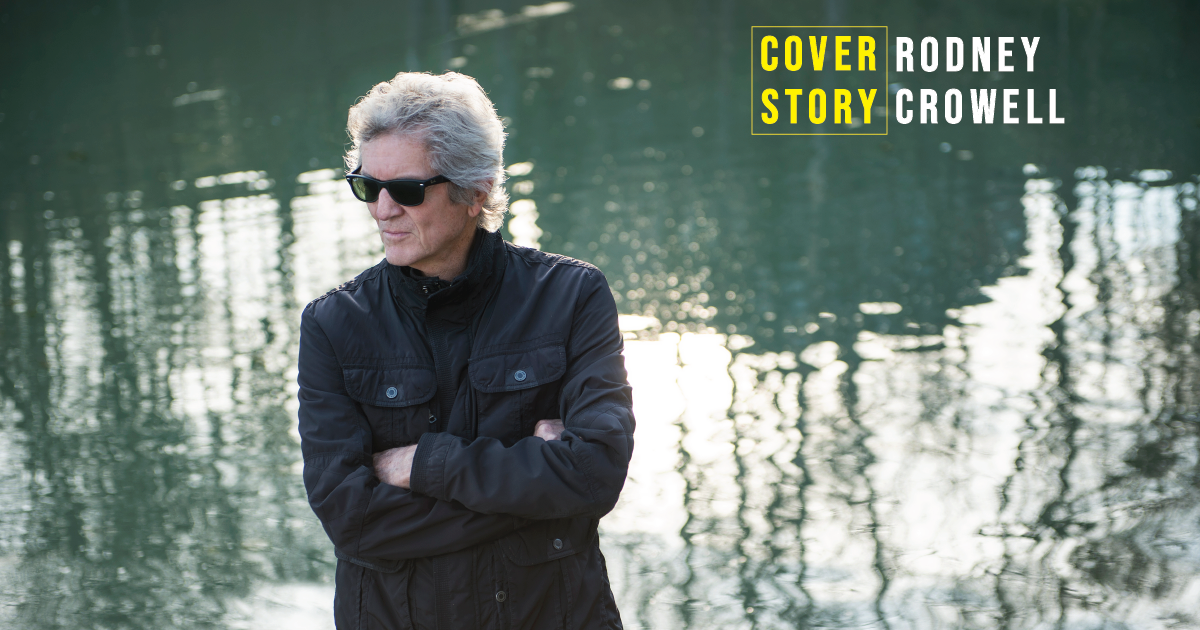
Courage and truthfulness. Those qualities permeate Rodney Crowell’s new album, Triage; in fact, it’s safe to say they’ve guided Crowell’s entire career. In our latest Cover Story, we spoke to Crowell about the new project, making amends, mortality, and so much more.

“I learned a long time ago,” he explains, “If it’s coming from my own experience, there’s a good chance I’m a step closer to true. And I can mine my personal truth, but confessional only goes so far. I’ve tried to walk that line; if I can carefully write about my own experience and put it in a broader perspective, then [for] the listener, it becomes their experience…”

Triage, as specific and particular as it gets, feels like it contains truth that belongs to each and every listener. “That’s why I feel like I have to be really careful; if I make it too much about my experience, then I start to tread on the listener’s experience.”

Suzanne Santo – “Mercy”

In a recent edition of 5+5, Suzanne Santo shared her thoughts on the emotional alterations of cinema, the gift of playing music for a living, taking long, rejuvenating walks, and much more.

Jordan Tice (featuring Paul Kowert) – “River Run”

Hawktail members Jordan Tice and Paul Kowert collaborated on an original tune, “River Run,” during lockdown. According to Tice, the song “started with a little lick I had been carrying around in the key of D — a speedy little cascading thing that felt good to let roll off the fingers that I’d find myself playing in idle moments.” The end result evokes the lightness and constancy of a swiftly moving river as it passes over rocks, rounds curves, and speeds and slows. “[I] hope you experience the same sense of motion while listening and are able to glean a little bit of levity from it.”

Skillet Licorice – “3-In-1 2 Step”

Skillet Licorice combined a few different old-timey, ragtime, swinging melodies into a sort of parlor song medley that feels like it came straight out of Texas, complete with banjo and mandolin harmonies.


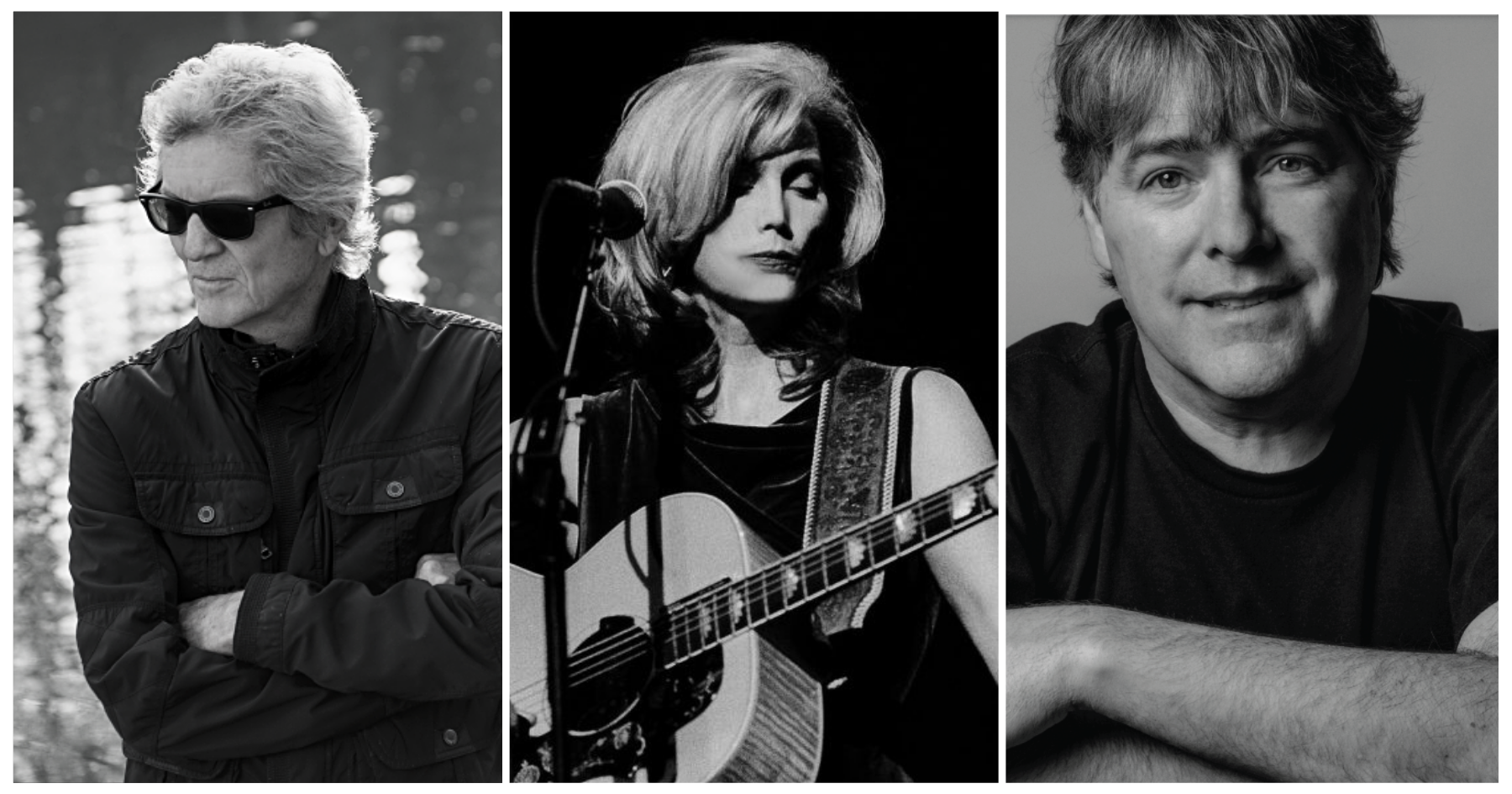
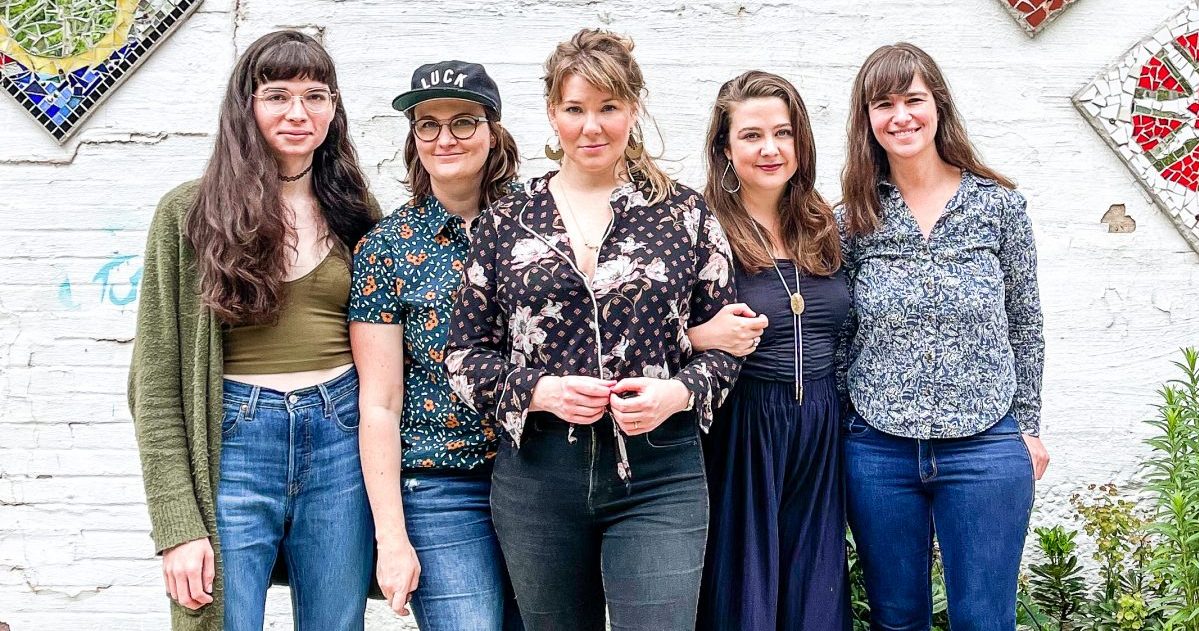
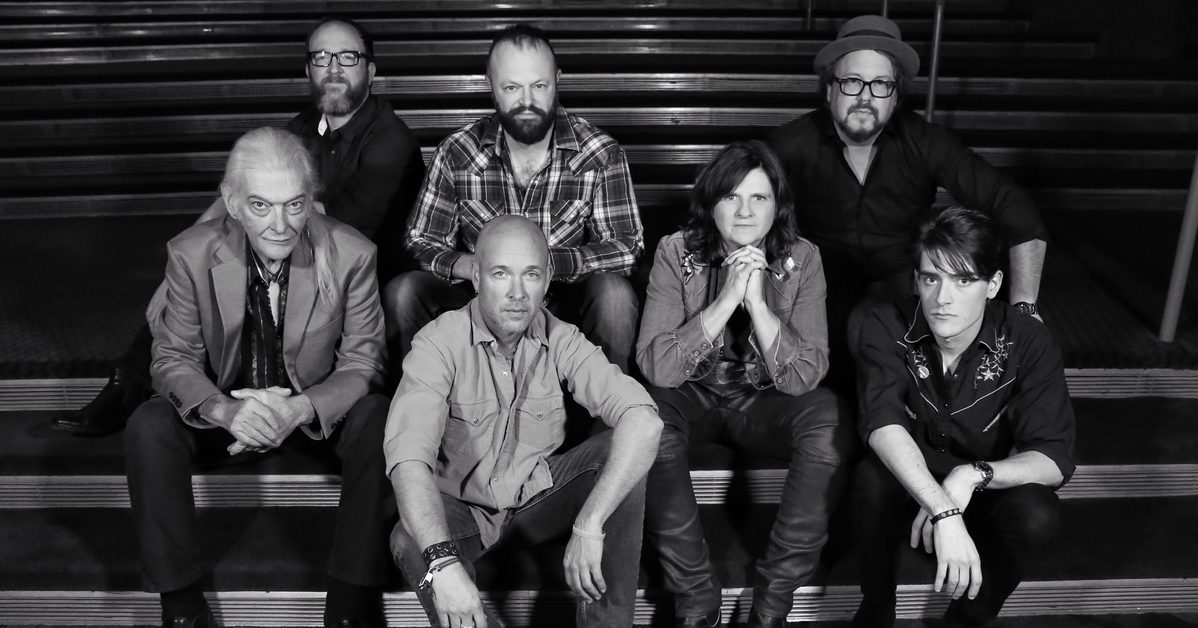
Photos: (L to R) Rodney Crowell by Sam Esty Rayner Photography; Emmylou Harris by Paul Natkin/Getty Images, circa 1997; Béla Fleck by Alan Messer

MIXTAPE: Dori Freeman’s Waltzes for Dreamers and Losers in Love

Waltzes are my favorite. Can’t explain why, but they touch me in a way that other songs don’t. In honor of my album, Ten Thousand Roses, and its title track, here are twelve of my favorite waltzes — some by dear friends and some by long-gone greats. — Dori Freeman

Erin Rae – “June Bug”

Erin is one of my favorite artists — I just love her voice and the style of her records. This song is so simple (my favorite kind of song), but so sweet and effective lyrically and in the arrangement. The last minute or so of the melody being played on piano is particularly lovely.

Kacy & Clayton – “Down at the Dance Hall”

Kacy and Clayton are dear personal friends and some of the most genuine and truly original people I’ve ever met. This is such a classic-sounding waltz it’s hard to believe it was written only a few years ago. Kacy is also one of my favorite singers *of all time.*

Ric Robertson – “Julie”

Ric is another good friend of mine and easily one of the best songwriters of the time. He writes with a vulnerability and honesty that most people are afraid to share. I also had the privilege of singing harmony on this lovely track with my friend Gina Leslie.

Teddy Thompson – “Over and Over”

I have to include a Teddy song on this playlist since he’s been such a big part of my own music. He produced my first three records and continues to be such a kindred spirit in music making. This song has such a heartbreaking honesty lyrically and a truly haunting arrangement.

Iris Dement – “Sweet Is the Melody”

Iris has one of the most instantly recognizable and unique voices in music. I had this album on cassette tape and used to listen to it driving around in my old Subaru when I was like 19. Such a tender song.

John Hartford/ Tony Rice/ Vassar Clements – “Heavenly Sunlight”

My husband introduced this song to me a few years ago and we’ve been performing it at shows ever since. I never get tired of singing this beautiful song and this is my all-time favorite version. A good gospel waltz is hard to beat.

Linda Ronstadt/ Dolly Parton/ Emmylou Harris – “Hobo’s Meditation”

This song is twofold in its importance to me. First, these are three of the most talented singers ever singing together on one album. All three of these women have had a huge influence on me individually and I think you’d be hard-pressed to find another country singer who wouldn’t say the same. This is also a song that my dad’s band performed and recorded when I was a child. I can vividly remember sitting in the audience listening to them play this song.

The Louvin Brothers – “Blue”

If you want a master class in harmony singing, the Louvin Brothers are it. I love to listen to them dance around each other when they sing, jumping all over the place with grace and finesse. This waltz is a classic heartbreaker with lots of tender swooning falsetto.

George Jones – “Don’t Stop the Music”

Another one of our greatest singers, George Jones. This is one of my husband’s favorite waltzes and makes the cut for me, too. That jump up to the sixth he sings right in the opening gets me every time.

Rufus Wainwright – “Sally Ann”

Most people familiar with my music know that Rufus Wainwright’s music is very dear to my heart. He has a couple beautiful waltzes to choose from, but I included this one from his first record. A weird thing to note perhaps, but I love that you can hear each breath Rufus takes before singing on his recordings.

Lee Ann Womack – “Prelude: Fly”

This album was on heavy rotation when I met my husband in 2016 so when I hear this song I’m reminded of how sweet a time that was. It’s got a special place in my heart. And Lee Ann is one of those singers who makes me cry every time.

Richard Thompson – “Waltzing’s for Dreamers”

My daughter used to like this song when she was littler so that makes it an especially sweet one for me. It has one of my favorite lines — “waltzing’s for dreamers and losers in love.” So funny, so sad, so true.


Photo credit: Kristen Crigger

Rodney Crowell’s ‘Triage’ Is All About Love, Mortality, and Making Amends

Heartbreak songs, political takedowns, pronunciations of judgment — on his 18th album, Triage, Rodney Crowell doesn’t indulge much in any of them, with the possible exception of judging his own foibles as he burrows deep into his psyche, hoping to extract whatever nuggets of wisdom might still be buried there.

To help in the trenches, he enlisted son-in-law Dan Knobler, a rising talent who produced one of Crowell’s current favorite albums: Allison Russell’s Outside Child. “I respect him, and I learn from him,” Crowell says. “I learn from young people around me. You kiddin’? They’re on to things that I’m not on to, and they have information that I need.”

Knobler’s not the only family tie: another young artist, Jakob Leventhal, sings backing vocals on “Hymn #43,” a track that also contains contributions from his parents, John Leventhal and Rosanne Cash — Crowell’s ex-wife and mother of Knobler’s wife, Carrie. And though it’s “aimed more at the universal than the personal,” there is an homage to Joe Henry, who produced three Crowell albums: Sex & Gasoline, Kin: Songs by Mary Karr & Rodney Crowell, and The Traveling Kind, his second collection of duets with Emmylou Harris.

“I have a deep abiding love for Joe,” Crowell says. “I wrote the song ‘Triage’ for and to Joe, because the conversations we had when he was in the darkest part of coming to grips with a pretty shocking [cancer] diagnosis, his vulnerability and his courage and willingness to embrace everything about it inspired me, and I wanted to make a song based on the inspiration that I got from Joe’s courage and truthfulness.”

Courage and truthfulness. Those qualities permeate the entire album; in fact, it’s safe to say they’ve guided Crowell’s entire career.

BGS: Reviews are saying Triage is one of your most personal albums, and you referred to making amends in an NPR interview. But I suspect your use of “triage” has more to do with the global state of affairs than the need to address any personal sort of emergency at this stage of your life. Is that a reasonable assumption?

Crowell: Yeah, that’s most reasonable. I think the conversation with NPR started with the opening song [“Don’t Leave Me Now”], which is basically an attempt at amends, and it went from there. But the broader stroke on the album, and in my contemplation as I was writing the song, was how do I weigh in without dating myself? If you go political, or if you go topical in the moment, six months from now … you know, unless you write “Blowin’ in the Wind” or “This Land is Your Land,” you’re not timeless.

So my overview is that I want to write about, say, climate change, and I want to write about a monotheistic approach to livin’ my life, and instead of writing about boy/girl love, to write about a higher love — as Steve Winwood sang, “Bring me a higher love.” That’s what I had in mind, so I spent a lot of time revising all of the songs, checking and double-checking to make sure that I was grounding the language, because I was reaching into that place that’s very hard to define.

And yet, you do go topical on “It’s All About Love,” referring to Greta Thunberg and others, in that kind of talking-blues list style that you do so well. You often throw in pop-cultural references; how do you choose what works?

Well, when COVID happened, I got to slow down a bit and not try to race to make a release date, which allowed me to go back through the songs … you know the old saying, “Show, don’t tell”? I was able to go back through and say, “Oh, here I’m telling. I need to bounce this out of here,” and to stay in the show part of it, which is whatever metaphorical angle you take or however you ground the language in such a way that you can’t be accused of thinking you know better than everybody else.

It’s tongue in cheek for me to stick Donald Trump and Vladimir Putin and Greta Thunberg and Jessica Biel and the devil all in one stanza; honestly, I’m giggling to myself. They might not get it; they may take me literally, but this is humor.

You touch on religion repeatedly, and at one point in “I’m All About Love,” you chant the names of the lord, so to speak, so the sense is acceptance. Yet you mentioned monotheistic love, and the notion that there is one particular God seems to be expressed here, regardless of which one.

My mother was quite religious in the Pentecostal, speaking-in-tongues, emotional religious paradigm, and even as a child, it didn’t serve me. I just sensed something was amiss with it. I’ve always felt that way. Religion, I mistrust; the creator of it all, I do trust. Whether that creator of it all is a team, or whatever that is, I don’t really know. But I feel it. And hopefully, as I’m writing the songs and exploring that, I’m not saying that I really know, because I don’t. I can’t tell you anything about your god, and I really can’t tell you a lot about mine. But I sure do have a feeling.

When you’re writing songs, in some cases, you must have specific people or incidents in mind. But you also want to get them to the point where they have that universal feeling, where the listener can relate it to something in their own life. How do you strike that balance of not revealing too much about what’s going on in your life, while alluding to enough of it that it does personalize the lyric and make it touching?

I learned a long time ago, if it’s coming from my own experience, there’s a good chance I’m a step closer to true. And I can mine my personal truth, but confessional only goes so far. I’ve tried to walk that line; if I can carefully write about my own experience and put it in a broader perspective, then [for] the listener, it becomes their experience. It’s no longer my experience. That’s why I feel like I have to be really careful; if I make it too much about my experience, then I start to tread on the listener’s experience. The goal is to get it in such a way where — and there again, it’s the “show, don’t tell” — if it’s show, you show somebody their emotion, their experience. If you tell, you’re tellin’ ’em about you. And down there somewhere in the gravel of it all, I’m telling you about me.

But you’re actually not revealing that much, even though it comes across that way. I can’t listen to this and guess what’s happening in your life, even though I can sense what has happened, possibly.

Well, there you go. If that’s your experience, then I’ve succeeded, because I don’t want [the song] to be about me. I want it to be about it.

Other songs here, like “One Little Bird” and “Girl on the Street,” seem to be written for your children, or specific children. Am I close?

Yeah, you are, in a way. “Girl on the Street,” it’s something that happened in San Francisco. I met a girl and … however she could get money off me for drugs, she was willing to go there. And she was young and beautiful and reminded me of my own children. That was why the regret that the narrator has in the song is like, “I could have done more.” I could have bought her a room for the night where she could get a shower and a good night’s sleep. Or I could have taken her and bought her something to eat and sent her on her way, but no; I gave her 45 cents. So I really failed as an adult on the street. And that’s what I hope the song says.

Regarding amends, who in your life do you feel you haven’t apologized to that you still need to?

I’ve apologized to everybody that needs to be apologized to. But that doesn’t mean everybody accepted. And I have to live with that. If you look closely, in “One Little Bird,” it’s in there. I’ve been rebuffed.

You hit that one high note in “One Little Bird,” that falsetto, that I don’t think I’ve heard you do before. It’s evident that there’s definitely some change in your vocal style; that it’s actually expanding with age, which is interesting, because one would not expect that. Are you doing more training, or just finding ways to do that yourself?

I’m learning; as a matter of fact, I retired “Shame on the Moon” from my performances for years because Bob Seger sang it so damned well. And I’ve reinstated it into my live shows for the first time since ’84. I got an outro that will stand alongside Bob Seger’s now, as far as I’m concerned. I can ad-lib the outros in a way where I feel like, “OK, this is my song again.”

You took possession back.

Yes. I’ve repossessed “Shame on the Moon.” [Laughs] But I had to grow as a vocalist to where I could legitimately reclaim it. So that’s cool, I mean, from my perspective, to want to grow to become better. If I know that I’m getting better on that front, I’ll keep on writing songs because I’ll want to continue to experiment with what I can do.

I wanted to address the issue of mortality a bit. Let’s face it, we’re not all that young anymore, but it sounds as if you’ve still got a lot of plans. So how do you regard life now that there’s plenty of it in the rearview mirror, but you’re not ready to sign off?

Now that time is compressed? [Laughs]

Yes.

As a younger artist, quote/unquote, I was quite comfortable with broad-stroke; I wrote “Please Remember Me” and “Making Memories of Us” and those broad-stroke love songs because I was experiencing life in a way that I was trying to express myself outward, to understand how I fit into that world out there. And now as I age and become a septuagenarian, I made Triage as the kind of record it is because I am facing mortality. As you realize that the time out in front of you is a lot shorter than the time behind you, rather than going for those broad-stroke love songs to send out there into the world to find out who you are, I’m writing about my interior life, because I think, to prepare myself to leave this planet, I have to have a better understanding of my interior self.

What would you still like to achieve that you haven’t yet?

Mmmm, that’s interesting. Well, I’m working on achieving certain things as a singer that continue to reveal themselves to me. I’ve become a better singer and I’m continuing to develop as a vocalist. That makes me happy, because for a long time, I was very unhappy on that front. As I age, the more singular my sensibility becomes about my interior experience; I’m also arrogant enough to think that’s worth sharing out there with these records that I make. But I may yet open up onto another plateau where I’ve examined mortality enough that, hey, it’s time to celebrate a little bit, and I’m gonna make a blues record, or I want to make a honky-tonk record that sounds like 1954. Who knows? I’m pretty much free to do exactly what I want to do.


Photo credit: Sam Esty Rayner Photography
Emmylou Harris Revisits “Roses in the Snow” in Lost Concert, Vintage Video

The year was 1990, and after more than a decade with the celebrated Hot Band, Emmylou Harris hit the road with a group of bluegrass all-stars — Sam Bush, Roy Huskey Jr., Larry Atamanuik, Al Perkins, and Jon Randall Stewart — and called them the Nash Ramblers. Although the group represents only a small portion of Harris’s decorated career, the music they made was exciting and powerful. After the band’s first year together, they recorded At the Ryman, a 1992 project that not only won a Grammy but also helped bring about a second life for the Ryman Auditorium as a premier concert venue.

It was in the band’s earliest days, at the conclusion of their first tour in 1990, that the Nash Ramblers made their Nashville debut. The performance was recorded at the Tennessee Performing Arts Center on September 28, 1990, and until now, has never been released to the public. In September, Nonesuch Records issued it after its discovery by Rhino Records’ James Austin. The live album, titled Ramble in Music City: The Lost Concert features a slew of songs that were not performed on At the Ryman.

Harris says, “When James Austin, in my humble opinion, the world’s best and certainly most devoted music archeologist, unearthed the tapes of this ‘lost’ concert, I was taken aback by their very existence, like finding some cherished photograph misplaced so long ago the captured moment had been forgotten. Then the memories came flooding in, of the Nash Ramblers, hot off the road from our first tour, ready to rock and bringing their usual A-game to the hometown turf.”

She continues, “It only took one listen to realize not a single note was out of place or in need of repair, a truly extraordinary performance by these gifted musicians. What a joy it was to share the stage with them.”

In promotion of the album release, Austin City Limits shared its own video of the ensemble performing “Roses in the Snow” on the celebrated Texas stage in 1993. (The title track from Harris’ 1980 beloved bluegrass album leads the live record, too.) Enjoy this vintage video from Emmylou Harris & the Nash Ramblers and their timeless musicianship.


Photo credit: Paul Natkin/Getty Images, circa 1997

BGS 5+5: Della Mae

Artist: Della Mae
Hometown: The United States
Latest Album: Family Reunion
Nicknames: Celia = Squawkbox; Kimber= Fiddler, Kimby, Auntie, Nimmers (Grammy only); Vickie = VV, Double V, Wickie
Rejected Band Names: Big Spike Hammer

What’s your favorite memory from being on stage?

Thanks to my good friend and mentor Rickie Simpkins, I played a show on electric guitar with Emmylou Harris a few years ago. My favorite memory from the gig was actually the soundcheck and rehearsal. It was a really special thing to get to experience how an artist I deeply admire prepares for a performance and then get to be part of how it all came together. — Avril Smith

In 2012, we had the opportunity to go on a six-week tour of South and Central Asia with the State Department. The first show we played was in Islamabad, Pakistan at a women’s college. It was the most incredible energy we’ve ever felt in a room. They’d never heard bluegrass before and erupted in cheers and Beatles-worthy shrieks when we hit the first three-part harmony chorus. — Kimber Ludiker

What’s the toughest time you ever had writing a song?

“The Way It Was Before” took Mark Erelli and I six hours to write (three Zoom sessions). Half of that time was spent talking, looking up stories, getting really emotional about the state of the world. We wanted to make sure that every word counted, so we took our time and tried to honor each of the characters (who are actual people). The pandemic isn’t even behind us, and yet I keep hearing people say that they can’t wait to get back to “the old days.” There’s so much about “the old days” that needs changing. After everything we’ve been through in the last 18 months, I found that writing a song like this felt impossibly huge. I may not have finished it if it hadn’t been for Mark. — Celia Woodsmith

Which artist has influenced you the most…and how?

Missy Raines has influenced me the most. For obvious reasons, but let me explain: I was 14 years old watching Don Rigsby and Josh Williams play at my hometown venue, the Kentucky Opry. I saw her up on stage playing upright with them, so cool and beautiful and a master of her instrument. She was hanging with the boys and giving them all a run for their money. Then and there I decided that I wanted to do that for the rest of my days. When it comes to harmony singing, however? One hundred percent Diamond Rio. — Vickie Vaughn

If you had to write a mission statement for your career, what would it be?

We actually do have a mission statement as a band — to showcase top female musicians, and to improve opportunities for women and girls through advocacy, mentorship, programming, and performance. Our hope is that our music inspires more women and girls to pick up an instrument and use their voices to create art and work together to affect the kind of change they want to see in our world. — Avril Smith

What was the first moment that you knew you wanted to be a musician?

FROM BIRTH. 😉 I’m a fifth-generation fiddler. I could play my first tunes at age 3. My earliest memories are playing fiddle tunes with my grandpa and brother. However, it wasn’t until my last year of college that I decided to make it my life. I saw how people struggled as musicians, and honestly, my brother was a bit of a child prodigy and I didn’t think I was good enough for a long time. I began to realize that everyone has their individual skills and talents, and I had something to contribute. — Kimber Ludiker


Photo credit: Kimber Ludiker

WATCH: Amy Ray Band, “Chuck Will’s Widow”

Artist: Amy Ray Band
Hometown: Decatur, Georgia
Song: “Chuck Will’s Widow”
Release Date: July 23, 2021
Label: Daemon Records, Inc.

In Their Words: “The songs of the Chuck-will’s-widow, along with its fellow Nightjar, the Whip-poor-will, have always haunted me; their relentless, compelling exchange happens all night when the summer comes to my neck of the woods. I find that I witness the most profound moments in the midst of their songs, when everyone else is asleep. While I am often in need of rest, the respite I find in being awake under a miraculous and melodic night sky is too tempting for me to sleep. It’s a conundrum that inspires me, but also leaves me bleary-eyed.

“I laid down a scratch track of electric guitar and singing, then we built this one from a foundation of Jim Brock’s drums and percussion, with Kerry Brooks’ bass. The rhythm track was important to get right, it had to feel sad and happy at the same time…ha ha… that’s my sweet spot. The first melodic instrument for us to play off of was Dan Walker’s accordion riff, then we added Matt Smith’s pedal steel. I put some mandolin and acoustic guitar down and sang a final vocal track, then we had Jeff Fielder record last. He usually goes first, so it was a lot of experimentation for him to find which instruments he wanted to play. We came around to both the dobro and electric guitar being what the song needed.

“We always had in mind what we wanted for harmonies, using both The Band’s version of Springsteen’s ‘Atlantic City’ and the classic record Trio from Emmylou Harris, Dolly Parton, and Linda Ronstadt as inspiration. Georgia singer Michelle Malone was a perfect fit for this. Then I asked my heroes Tanya and Michael Trotter from The War and Treaty to give us the other two harmony parts to make it complete.” — Amy Ray


Photo Credit: Cowtown Chad