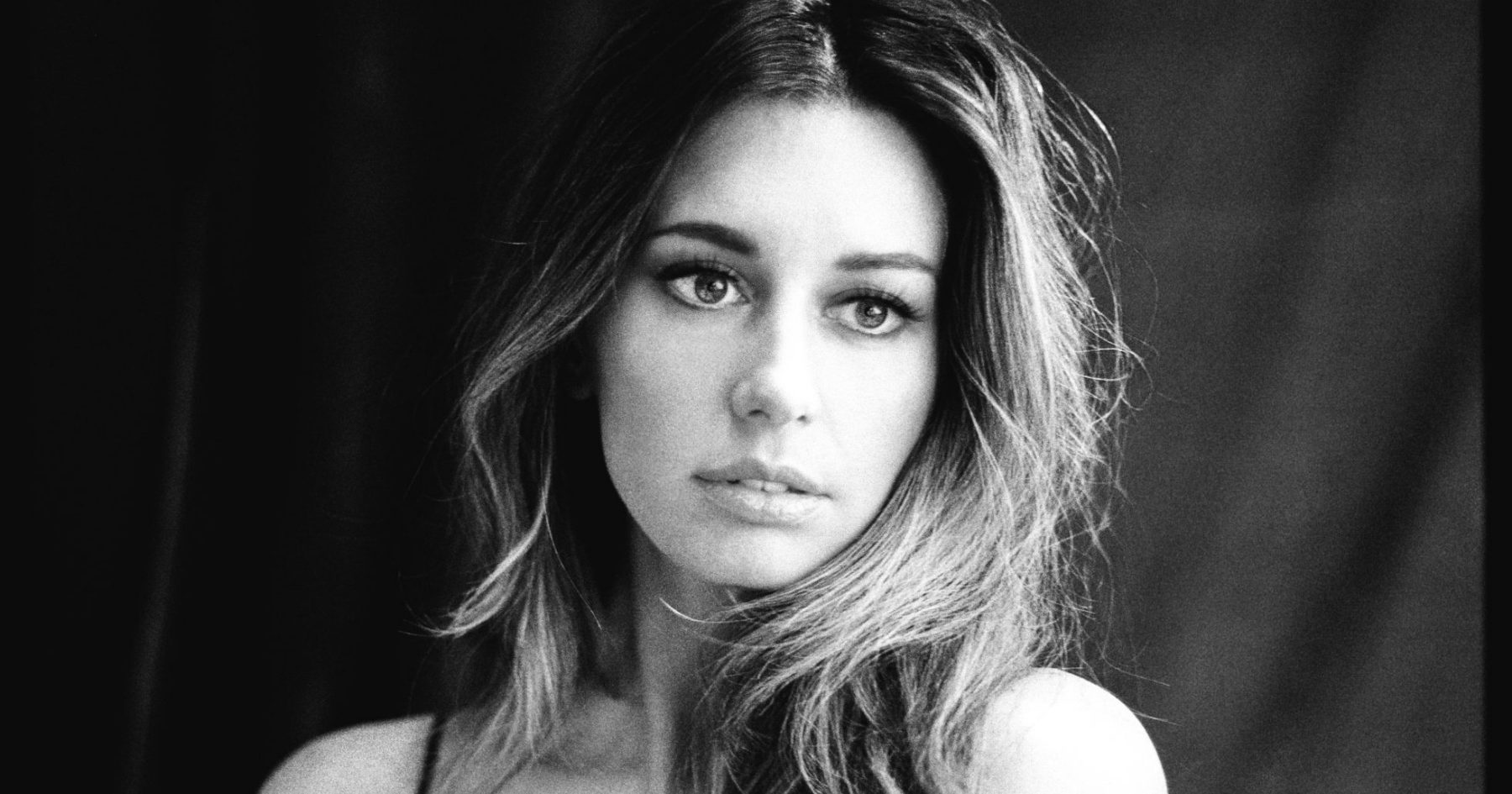
This week on The Show On The Road, we bring you a deep dive with silky-voiced, southern gothic-folk songwriter Lera Lynn. Lynn has recently gained notoriety for her mysterious and lushly cinematic sound, as heard on her haunting 2020 LP, On My Own (on which she writes, produces and plays every instrument on each song) and in the music of HBO’s True Detective (produced by T-Bone Burnett) — she became a cast member in Season 2.
We’ve all had our dark moments during this last year. For Lera Lynn it was figuring out how to put out a new album, which she had painstakingly made herself in isolation (see also: Springsteen’s moody and homemade Nebraska), right as her first baby was on the way without any family being allowed to help shoulder the load. At times, the burden seemed too much to bear, but what emerged was a touchstone set of songs that unintentionally seemed to pinpoint the exact center of our collective dread — and the flickers of hope of a new beginning that can come out of a such a societal time-quake. Searching, reverb-y rock standouts like “Are You Listening?” seem to be calling out into a void that we never knew we had, perhaps reminding us again how much we need human touch, friendship, family warmth, and true soul connection.
While we are currently emerging into the light-filled end of this COVID-19 tunnel, it’s important to note that this interview was conducted back in 2020 in the thick of the harshest lockdowns (the taping footage was lost, then finally found). Songs like “Isolation” hit the exact pain point for many artists like Lynn, who once thrived on bringing live-music’s unique sweaty joy to strangers in a new town each night. Her rising calls of “Is anybody out there?” ring like echoes from a very recent bad dream. A dream, of course, that is still very much a painful reality across this country and around the world.
Coming out of the fertile roots rock scene of Athens, GA, Lynn’s earlier records — like the intimate and country-inflected Have You Met Lera Lynn? from 2011 and its pop-forward follow ups The Avenues (2016) and Resistor (2017) — focused mostly on her endlessly warm and rich voice and the fury and frustration she was processing having grown up an only child of an alcoholic dad. But it was her guest-star-laden LP, Plays Well With Others (2018), where Lynn began to realize the extent of her gifted arranging and vocal powers together. Teaming up with a murderer’s row of Americana artists like Shovels & Rope, John Paul White of the Civil Wars, and Rodney Crowell, the album may be the most high-spirited of her works — like a basement party jam session going off the rails in all the best ways.
The tough year at home did make Lynn come to appreciate how far she’s come since those early days — maybe it took a decade of hard-won acceptance and practice to be able to create On My Own without any help from other musicians or producers. The result is a wonder to hear. Now if she could just play it for an actual live audience. Stick around to the end of the episode to hear Lynn introduce her favorite broken-romance number, “So Far.”
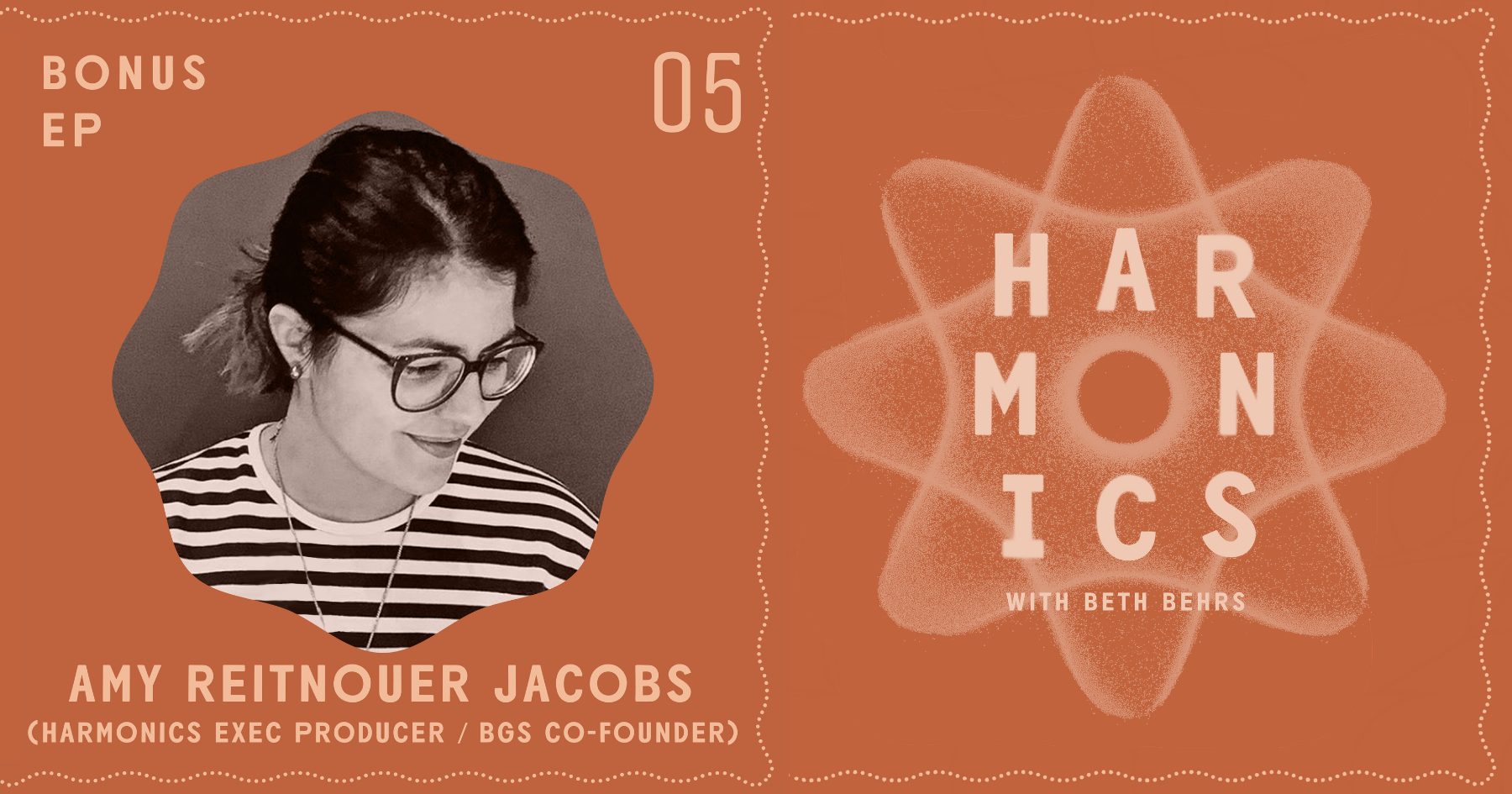
This week on Harmonics, host Beth Behrs slows things down and checks in with a dear friend: our very own BGS co-founder and Harmonics executive producer Amy Reitnouer Jacobs!
While the pandemic is beginning to subside here in the U.S. — and what a wonderful thing it is — let’s be real: it’s a weird time right now. Folks are getting vaccinated (on so many different timelines, might we add) and some are immediately diving head-first back into society and socialization, six feet be damned. With everyone at varying levels of anxiety, with differing expectations on what “comfortable speeds” of fully returning to the ways of the “before” times means, and after a year-plus of having our mental health challenged from every possible direction, we think it’s important to take this month of May, Mental Health Awareness Month, to give ourselves and others some grace and set some boundaries. Our mental health is worth it.
Listen and subscribe to Harmonics through all podcast platforms and follow Harmonics and Beth Behrs on Instagram for series updates!
Welcome to the BGS Radio Hour! Since 2017, this weekly radio show and podcast has been a recap of all the great music, new and old, featured on the digital pages of BGS. This week, we bring you new music from jam-grass band Leftover Salmon, the debut single from Watchhouse (formerly known as Mandolin Orange,) and so much more! Remember to check back every week for a new episode of the BGS Radio Hour.
Leftover Salmon has been playing what you could call “boogie grass” for over 30 years now. After their COVID-induced live music hiatus, the founding Colorado jam-grass band brings us a new album Brand New Good Old Days, and this next song celebrates that boogie grass sound that everyone loves.
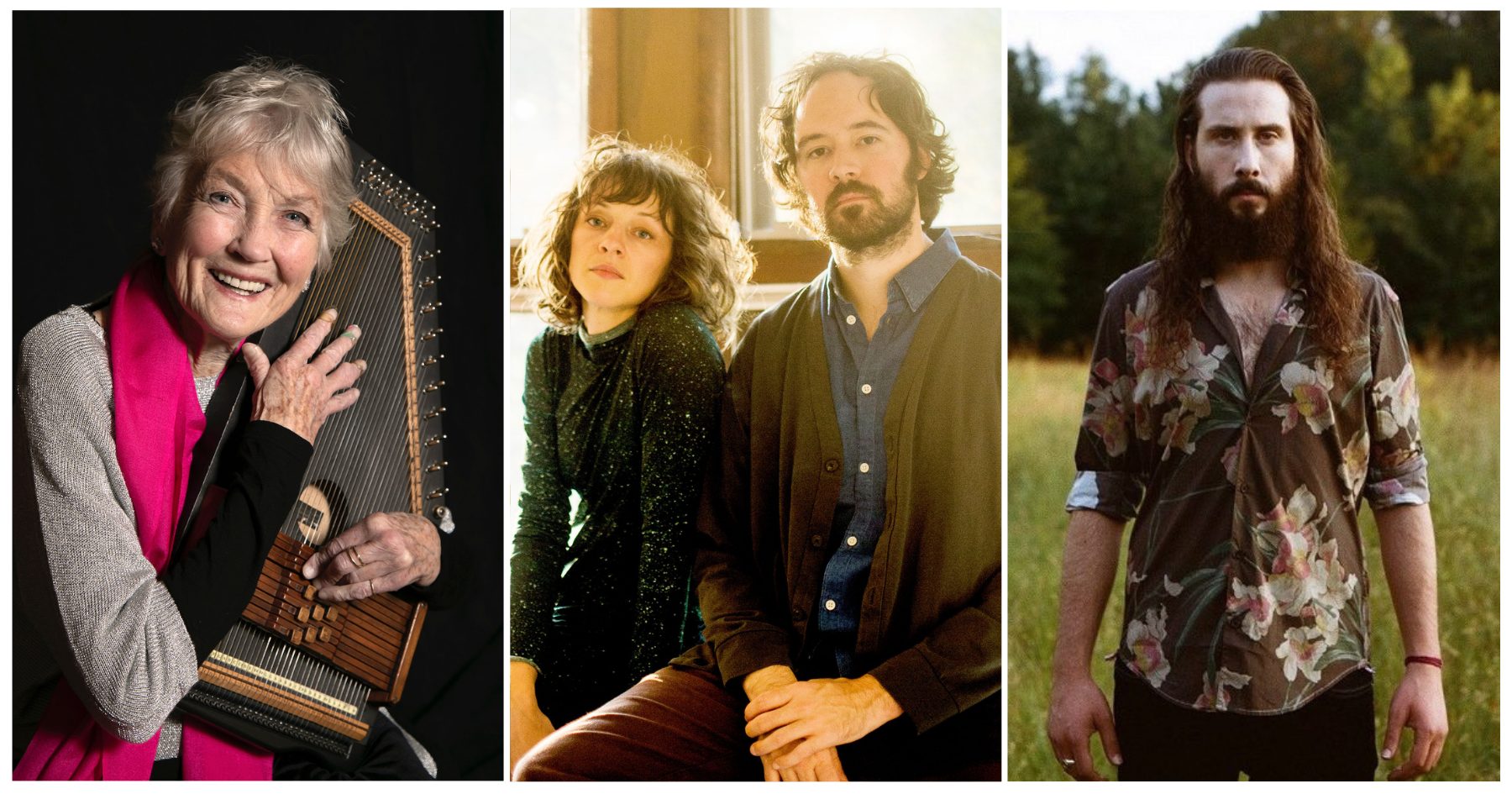
Avi Kaplan brings us a song about finding gratitude and beauty in every realm of life, good or bad. His hope for the listener is that they can “find gratitude in their life regardless of what end of the spectrum they are currently in.”
As our Artist of the Month for April Peggy Seeger put it herself, “Folk is full of raunchy songs, but they’re not often sung.” In our recent interview, and on her recent album First Farewell, Seeger ruminates on the joys and sorrows of aging.
Sam Armstrong-Zickefoose wrote this song about feeling you’re on the outside looking in. Sometimes even after moving towards the direction of “fitting in,” it’s still easy to feel out of place.
John R. Miller is a true West Virginia picker-singer-songwriter if there ever was one. While inspired by folks like John Prine and Steve Earle, Miller is celebrated among the same stature — including by his friend from the same region, Tyler Childers. We mark John R. Miller’s 2021 signing with Rounder Records with “Faustina,” a single that brings promise of a great debut record.
From Bristol, UK, Lady Nade wrote “Willing” to foster acceptance, loyalty, and friendship. The video was filmed in her hometown along the route of a Black Lives Matter protest last summer. As she explains, “the way the video and song came together portray the message of self, as well as community.”
For fiddler John Mailander, “Returning” captures the collective feeling amongst the musicians in the studio playing together at the time of recording, the rediscovery of connection and joy after so many months of isolation.
After more than ten years as the duo Mandolin Orange, burdened by the dichotomy between the name and the music they strived to create, Andrew Marlin and Emily Frantz changed their name to Watchhouse, deciding through the COVID-19 pandemic that the time for change was now, given the growing and soon-to-be opportunities for bands to share their music on a live stage again. Here’s their first single since the change!
With his new album, Room for Everyone, Alex Heflin intends to highlight that inclusivity in both genre and personality always adds interest and excitement to a medium. In this case, the track “Guest Room” benefits from that approach.
Zach Schmidt spoke with BGS in a recent edition of 5+5 on the influence of Guy Clark – and greasy enchiladas! – on facing loss and working through it, spending time with Mother Earth, and more.
Mark Rubin wrote this old-time bluegrass number inspired by the drive of Jimmy Martin, yet based on a 100-year-old Yiddish poem. He says, “If I’m being honest, I wrote it with Del McCoury in mind as the thought of a 100-year-old Yiddish labor ballad sung on bluegrass stages cheers me to no end.”
Rock and roll legend Richie Furay’s new collection 50th Anniversary Return to the Troubadour celebrates his long career with bands like Poco and Buffalo Springfield — and his connection with former bandmate Stephen Stills’ music remains as strong as ever. Furay has recorded this song, written by Stills, with every band he’s been a part of over a half-century career.
“They Say You Loved a Good Man” was written about former president Calvin Coolidge and his wife Grace, but ultimately, it’s a song about regret — living your life with the best intentions, yet still falling short of expectations.
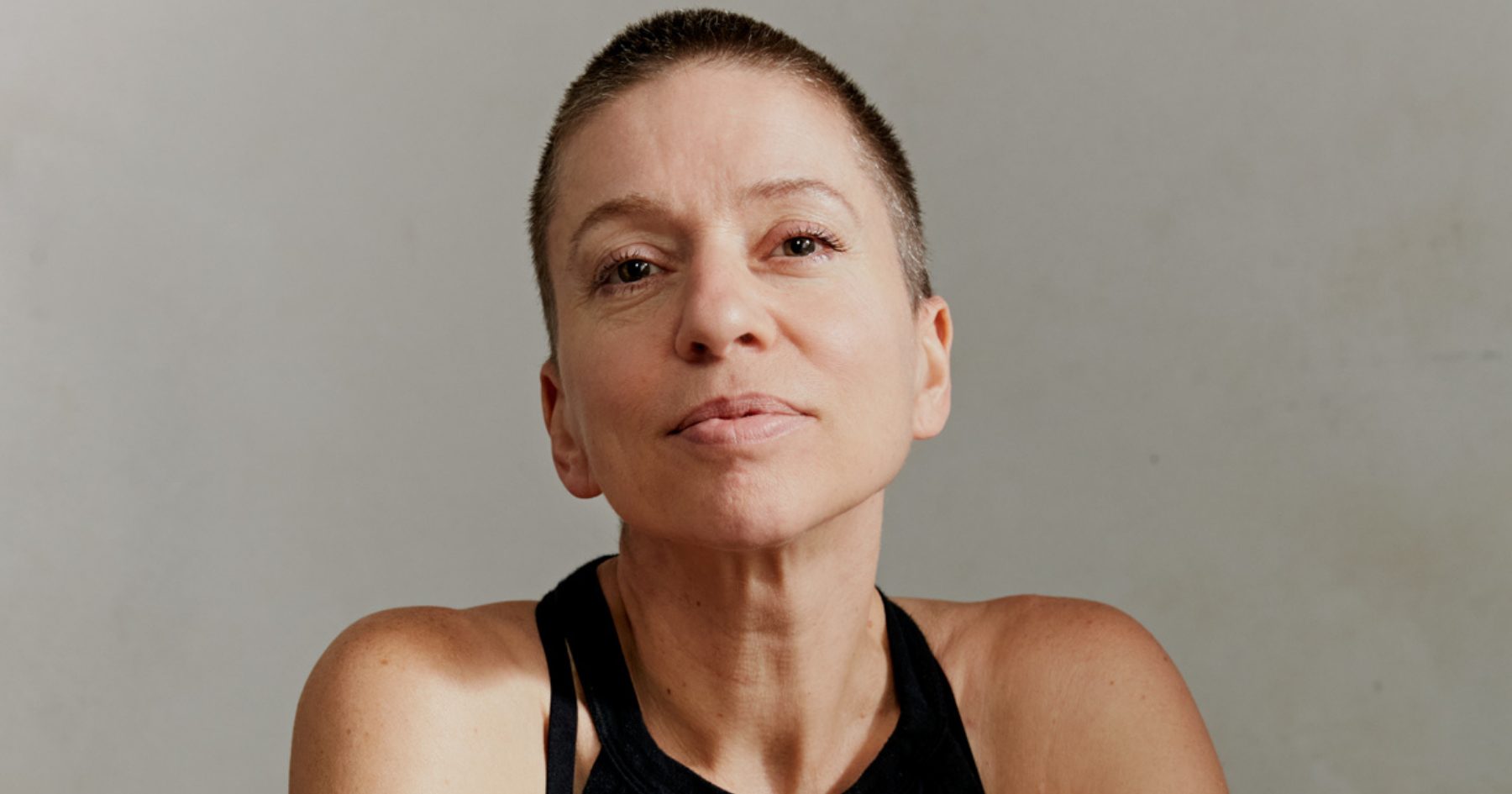
This week on The Show On The Road, we bring you a truly inspiring talk with the activist, author, and free-spirited feminist folk icon Ani DiFranco, who just released her lushly orchestrated twenty-second album: Revolutionary Love.
Many things have been said about the music Ani DiFranco has created for the last thirty years since she burst on the scene with her fiery self-titled LP in 1990. With her shaved head on the cover, fearlessly bisexual love songs, dexterous guitar work and hold-no-prisoners lyrics sparing no one from her poetic magnifying glass, DiFranco’s persona became almost synonymous with a rejuvenated women’s movement that blossomed in the late-1990’s Lilith Fair moment. And yet she was always a bit more committed to the cause than some of her more pop-leaning contemporaries, who faded away as soon as their hits subsided.
Framing herself somewhere between the rebellious folk-singing teacher Pete Seeger and the gender-fluid show-stopping rock spirit in Prince, (who she recorded with after he became a fan,) DiFranco was always just as passionate about raising awareness for abortion rights, ensuring safety for gay and trans youth and bringing music to prisons, as she was promoting her latest musical experiment. She began playing publicly around age ten, and as a nineteen-year-old runaway from Buffalo, NY, she started her own label, Righteous Babe Records, that allowed her to operate free of corporate (and overwhelmingly male) oversight. Indeed, despite gaining a wide international fanbase she has released every album herself since the beginning — as well as championing genre-defying songwriters like Andrew Bird, Anaïs Mitchell, Utah Philips, and others. It was DiFranco’s encouragement that helped Mitchell’s opus Hadestown become a Tony-winning Broadway smash. DiFranco may have been deemed a bit too left-of-center for pop radio, but her beloved 1997 live record Living In Clip went gold.
Let’s get something out of the way real quick: was this male podcast host initially a bit intimidated to dive into her encyclopedic album collection after admiring her work from afar and believing the songs were not meant for his ears? Indeed. I grew up with girlfriends and fellow musicians who rocked Ani’s Righteous Babe pins and patches on their jean jackets like they were religious ornaments. What I found during this mind-bending conversation, and after listening to her polished and mystical newest record especially, was that DiFranco has never tried to push away people that don’t look or talk like her — or tried to mock or belittle conservative movements she doesn’t agree with or understand. There is a deep kindness and empathy in her songwriting that I never expected and in her 2019 autobiography, No Walls And The Recurring Dream, she acknowledges how lonely and exhausting it can be trying to fight against a societal tide that doesn’t want to stop and give you space to be who you are.
What became increasingly clear during our conversation was that DiFranco wants to make music for everyone. She prides herself on her quirky, multi-generational fanbase — with grandparents and kids, dads and sons, daughters and aunties alike singing along to favorites like “Both Hands,” “Untouchable Face,” and covers like Woody Guthrie’s “This Land Is Your Land” at packed shows across three continents.
I had my own goosebumps-inducing moment singing with Ani that I’ll never forget. The oldest folk festival in America, The Ann Arbor Folk Fest, once put me on stage to sing harmony on “Angel From Montgomery” with DiFranco at the acoustically perfect Hill Auditorium. I attended the University Of Michigan years earlier and I saw John Prine sing that classic in that same room, and it felt like a full circle moment. Seeing how DiFranco transfixed the crowd that night, and how the women songwriters and musicians offstage especially watched her with such admiration made me want to see what her music — which I had never fully listened to — was all about.
If you have a chance, listen to Revolutionary Love start to finish, and stick around to the end of the episode to hear DiFranco read lyrics as poetry.
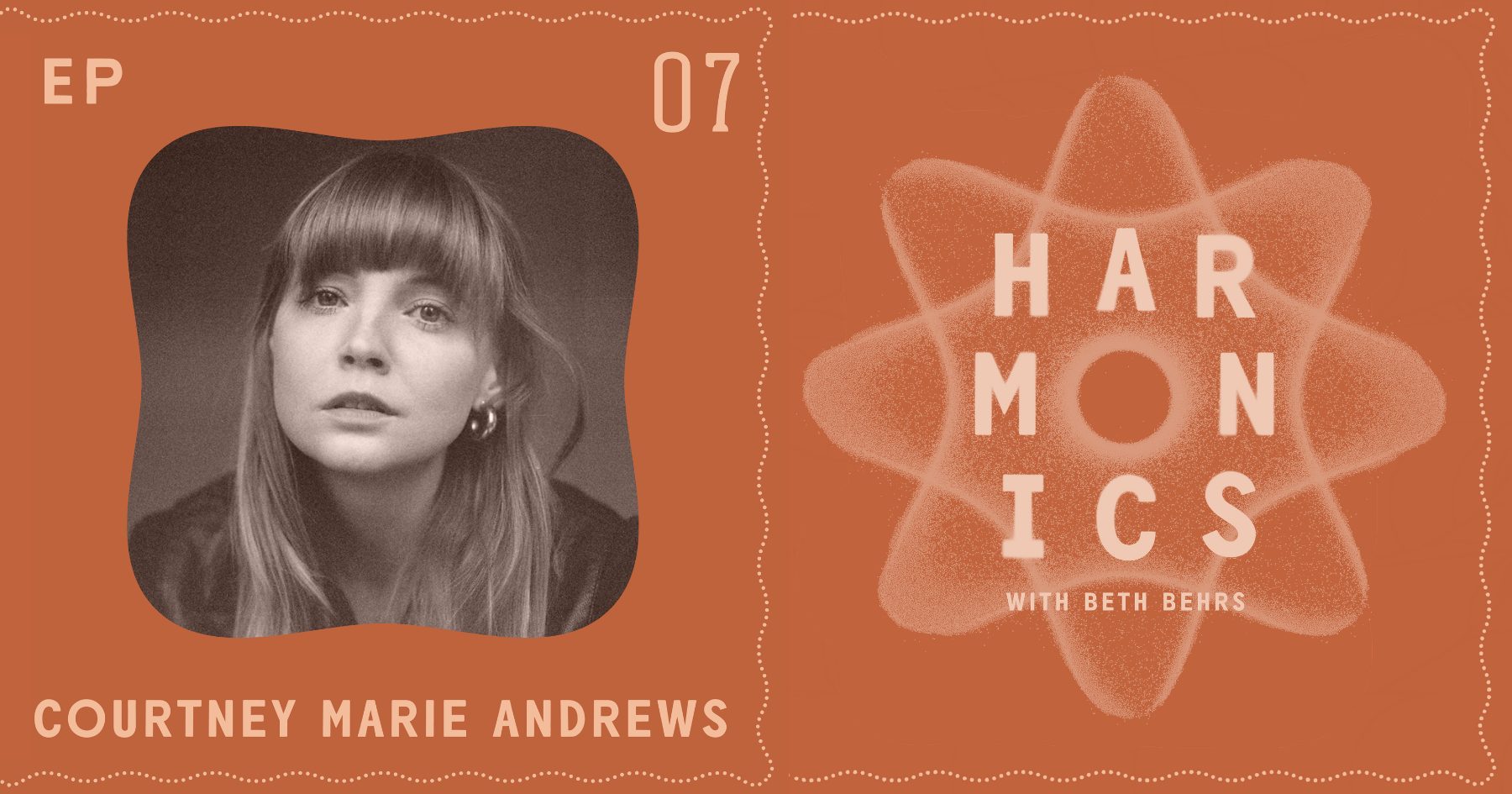
This week, in the final installment of our Americana April series here on Harmonics, host Beth Behrs speaks with folk singer-songwriter Courtney Marie Andrews, who has just released Old Monarch, a beautiful collection of poetry, and her very first of its kind. Beth’s own deep love of poetry makes for a perfect pair in this episode.
On top of her songwriting and poetry, Andrews also had a deep passion for painting, and she and Beth discuss the difference between various artistic outlets and how she moves through a creative block, as well as the joy of creating art simply for the sake of creating art, not necessarily as something to be shared with the world — or with anyone, for that matter.
Growing up in the Sonoran desert of Arizona, Andrews has been influenced by the beauty and vastness of the desert since a young age, and the desert and nature in general continue to inspire her art and spirituality to this day. And as we will never know the answers to the major questions of the universe in this realm, she finds comfort in embracing the beauty in the mysteries of life, rather than in the answers.
Andrews discusses the feeling of recently playing her first live show to an audience since the pandemic began, reads us some poetry from Old Monarch, and so much more on this episode.
Also check out our first two installments of Americana April featuring Fiona Prine and Margo Price.
Listen and subscribe to Harmonics through all podcast platforms and follow Harmonics and Beth Behrs on Instagram for series updates!
This episode of Harmonics is brought to you by BLUblox: blue light blocking glasses, backed by science. Reclaim your energy and block out the unhealthy effects of blue light on your mental and physical health. Take 15% off your order with code “HARMONICS”
This week, we feature a conversation with one of the rising stars in our current roots music renaissance: Parker Millsap, a gifted Oklahoma-born singer-songwriter who grew up in a Pentecostal church and creates a fiery gospel backdrop for his tender then window-rattling rock ‘n’ roll voice.
When you’ve been touring hundreds of days a year down southern backroads from Tulsa to Tallahassee since you were a teenager like Parker Millsap has, you know a thing or two about how to keep your head when things go off the rails. But it was the forced year-long break during the pandemic that really made him stop and accept how far he’s come from his intense, anxious, folky debut Palisade in 2012, which was released when he was 19. His soulful, self-assured new record Be Here Instead displays a relentlessly hard-working performer who no longer has to chase the next gig for gas money, or has to worry if the world will accept his work. Holed up outside of Nashville with his wife, Millsap let the songs do the talking.
His brawnier, self-titled record from 2014 showed his rebellious electric side coming to the fore, followed by his beloved, fire-and–brimstone bopping breakout The Very Last Day two years later, which confronted our country’s obsession with destruction. Then there was the toothier, glossier, pop-leaning Other Arrangements, which finally brings us to his soulful newest record, Be Here Now. It’s not hard to see that this young songwriter is coming into his prime years. With a new maturity and wisdom behind his writing, standout, incendiary songs like “Dammit” are allowed to unfold in a distortion-dipped, John Lee Hooker meets U2 slow-burn build; never resolving, never relenting while he confronts the tough truths and hypocrisies that are threaded into our modern lives. What is our purpose? What can we do about the violence and greed all around us? Without pushing or preaching, the song is trying to convince its listener to never give up in making our broken world a little better every day.
What always set Millsap’s songwriting apart, though, isn’t just his ability to get us fired up with stomping roots-n-roll hysterics (though he’s pretty great at that), it’s the tender left-turns he takes when he goes acoustic, bringing the volume down and the emotion up. Reminiscent of a southern Paul McCartney, his scratchy, soulful tenor shines most on his gorgeous ballads — think “Jealous Sun” (from The Very Last Day) as his own “Yesterday” or on the newest record, the psychedelic and heart-string pulling “Vulnerable,” which asks us all to try and see our own weaknesses and past wounds as potential strengths.
While it is bittersweet to not be able to kick off his new record release this April with a typical cross-country tour, on April 23 Parker will be playing Be Here Instead in its entirety with his longtime band live on Mandolin — which you can stream from anywhere.
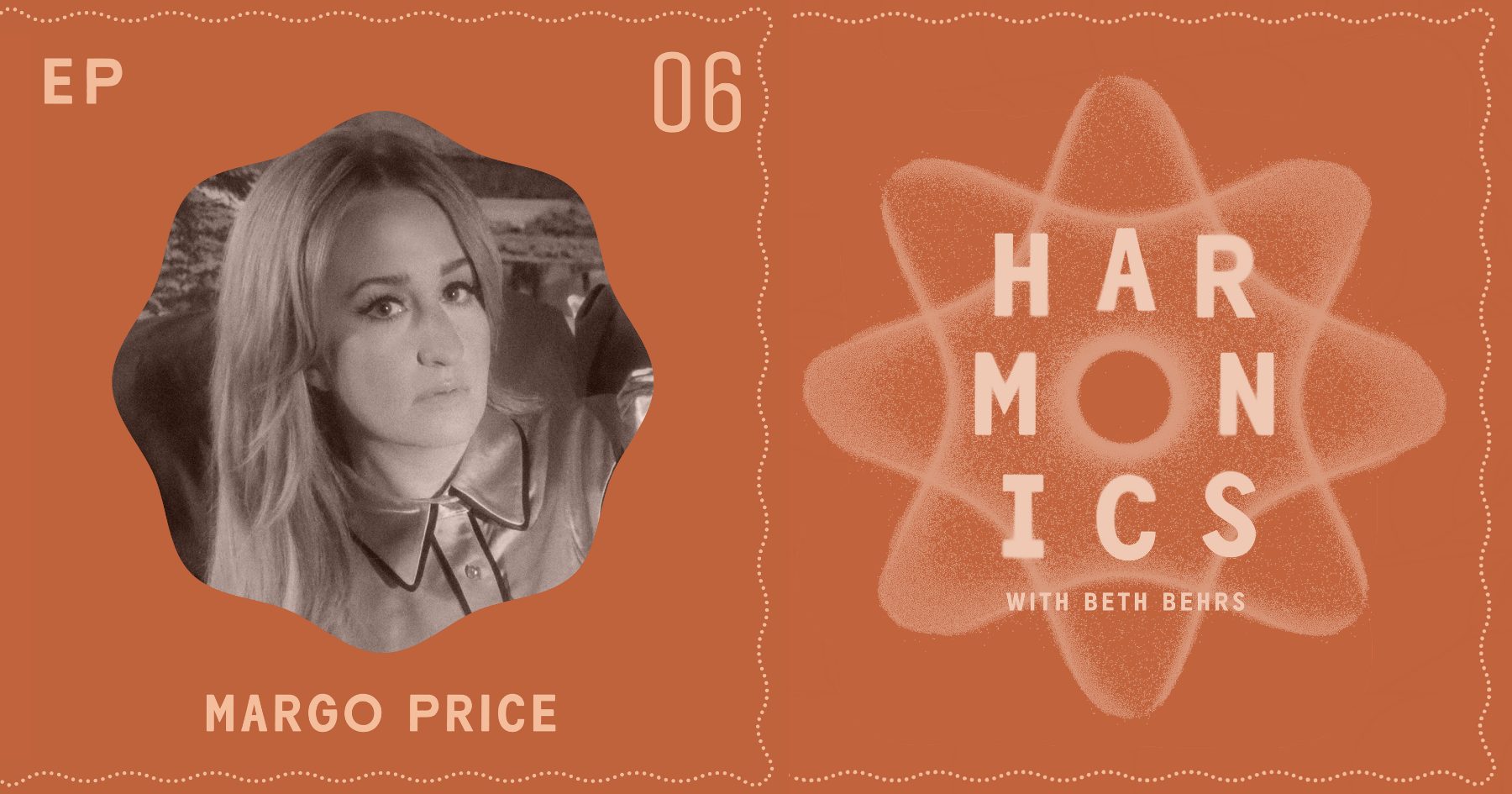
It’s Americana April here on Harmonics, and this week brings a conversation with one of host Beth Behr’s all-time favorite artists — Americana or otherwise — Nashville’s very own Margo Price.
This past year may have temporarily pulled Price off the never-ending road of touring, but that doesn’t mean the pace has slowed down; being a mother is a never-ending rush of another kind. She and Beth talk about this time spent at home, from spending time with her children and attempting to instill in them a respect for the earth and for others, to navigating the complexities of a songwriting relationship with her husband, singer-songwriter Jeremy Ivey.
Price also shares her feelings on becoming the first female artist on the board of Farm Aid (a full-circle, bittersweet moment after her family lost their farm when she was young,) the advice she’s gleaned from the greats like Willie Nelson and Emmylou Harris, working with longtime friend Sturgill Simpson as the producer on her latest album That’s How Rumors Get Started, and so much more.
Listen and subscribe to Harmonics through all podcast platforms and follow Harmonics and Beth Behrs on Instagram for series updates!
This episode of Harmonics is brought to you by BLUblox: blue light blocking glasses, backed by science. Reclaim your energy and block out the unhealthy effects of blue light on your mental and physical health. Take 15% off your order with code “HARMONICS”
Welcome to the BGS Radio Hour! Since 2017, this weekly radio show and podcast has been a recap of all the great music, new and old, featured on the digital pages of BGS. This week, we bring you new music from Sara Watkins featuring her old bandmates from Nickel Creek, newly released tracks from Shakey Graves’ archive, and so much more! Remember to check back every Tuesday for a new episode of the BGS Radio Hour.
Sara Watkins recently sat down with BGS to talk about the set of film classics that defined her childhood, and are featured on her new album. With songs like “Pure Imagination” and “Moon River,” this album isn’t just for kids, even if it was first imagined as a collection of lullabies. Instead, it’s a meditative look at these songs which have impacted more than just one generation. And who could forget this classic from the 1980s classic comedy Three Amigos?
Here’s a song about the experience of reading through an old journal and being confronted with your past self — not a particularly comfortable experience. However, for Katie Martucci of The Ladles, it’s a reminder that at any given moment, we only know what we know, and we’re all doing the best we can.
When asked to be a part of a tribute album to singer-songwriter John Lilly, Andrew Adkins knew exactly what song he wanted to sing: one that he’d had a remarkably personal connection to the first time he heard it.
It’s hard to believe that Shakey Graves’ debut album Roll the Bones came out 10 years ago. Since the album’s quiet 2011 release, he’s emerged from the shadows, releasing multiple albums and garnering a substantial following. In celebration of the decade since, Shakey brings us Roll the Bones 10, a deluxe edition which also features 15 unheard songs from the same era as the original album.
Inspired by a trailer park cemetery seen while driving through Florida, this song is more a commentary on life than it is death. Bridget Rian says she has a “fear of being forgotten, of not making a difference” with her life – and this song was a mode of expressing this fear.
Folk legend Peggy Seeger is our Artist of the Month for April here at BGS, and we’re so grateful to have been able to speak with her on her new album First Farewell, her lifelong career in folk music, her hopes for social justice and peace, and much more.
Bluegrass instrumental supergroup Garrison, Gordy, Hargreaves, Walsh have set their fun, rollicking instrumental tune “Sports” to a zany, hand-drawn music video by banjoist Danny Barnes.
Canadian singer-songwriter Donovan Woods recently joined BGS for 5+5 on reading lots of fiction, a memorable London show, writing with Lori McKenna, and more.
Boulder’s The Sweet Lillies bring us their version of a tune originally released by The Stray Birds, a song they chose because they were deeply inspired by its stunning vocal harmonies, its beautiful and meaningful lyrics, and its old-timey structure.
Those who frequent bluegrass festivals in the south may already be familiar with the young savant Giri Peters. Giri and his sister Uma quickly gained popularity in the last number of years for their impeccable musical skills, not to mention at such a young age. Giri, originally known as an up-and-coming mandolinist, has continued to grow as a songwriter and solo artist. His most recent single is a testament to his musical and artistic growth, and brings much promise of an exciting career ahead.
“Human beings are messy emotional creatures,” says June Star’s Andrew Grimm. “Sometimes when we struggle to communicate in relationships it’s because there’s the voice we speak with and that voice in our head. ‘I Don’t Wanna Know’ bounces between a professed love to another person and a confessed loneliness on the inside.”
Miles Gannett heard the melody and some lyrics of this song, including the lines “Thunder River, tumbling down; catch your babes before they drown” in a dream — and it kind of creeped him out. He sat with it for a couple of years before it all came together in this final semi-apocalyptic song.
Photos: (L to R) Shakey Graves by Magen Buse; Sara Watkins by Jacob Boll; Peggy Seeger by Vicki Sharp
The long-running radio series eTown is famous for its finales, but upon reaching its 30th year, the focus is shifting to an upcoming all-star virtual b’Earthday concert on April 22 and the program’s deserving induction into the Colorado Music Hall of Fame. Of course there’s also an eagerness from everybody involved — staff, artists, and audience alike — to get back to staging shows at the beloved eTown Hall, a repurposed church that stands as a centerpiece of Boulder’s cultural community.
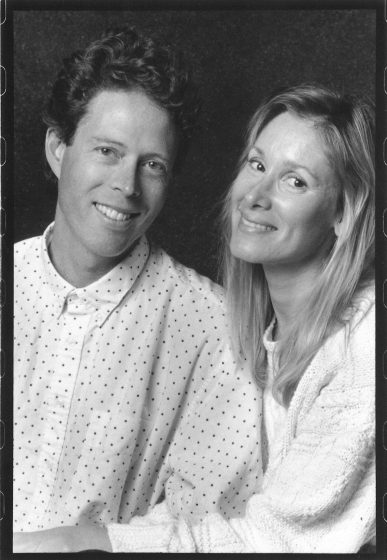
Community is key to Nick and Helen Forster, the founders of eTown. Their marriage has proved to be as sustainable as the environmental causes they support, and by never wavering from musical integrity, they have created a destination for musicians and music fans of every stripe. Helen carried a love of theater to eTown following her work with the early years of Telluride Bluegrass Festival. Nick Forster, who found acclaim in the band Hot Rize just before eTown launched, can recall browsing through microfilm in the library to do research for his guest interviews. Now, thanks to the internet, the whole world can feel part of the eTown tribe.
Calling in from Boulder, the Forsters filled in BGS about their ongoing creative venture, the common thread that all eTown artists share, and the warm family feelings behind the scenes.
BGS: What was the musical landscape of Colorado like back 1991?
Nick: In ’91, there were a lot of things that had come into their full power, including Telluride Bluegrass Festival, which is where Helen and I met. There was a pretty vibrant music scene in both Boulder and Denver, but if there was such a thing as the sound of Colorado, it was something around that lineup of the Telluride Bluegrass Festival or RockyGrass or Folks Fest. A loosely defined Americana vibe, with a little bit of a hippie slant. Colorado has always had that progressive, acoustic [feel]. … From John Denver on down, there has been a sense of Colorado being a place where a natural approach to music makes sense.
Helen, what drew you to bluegrass music?
Helen: You know, everything back then in Telluride was so organic that if you didn’t have a radio station, you got together and you started one. The festival started because these guys came back from the Walnut Valley Festival in Winfield, Kansas, and they loved it and said, “Why don’t we do this here?” So they did a Fourth of July celebration and a couple hundred people came. I think there were two or three local bands, and from that it grew into become an actual festival. By the second year of that, a couple of the founders had pulled out and I jumped in to just help, I guess. …
When I first got to Telluride, there were very few places to go, other than the bars. And there were some local bluegrass bands. That’s how I first discovered bluegrass. I was in my early 20s and we’d all jam into these basement bars and listen to the bluegrass. It caught my heart. It’s a beautiful form of music and I was so impressed with the talent and the ability of the players. Not only to play, but to jam. It was almost like jazz, in a sense, and it caught my attention then.
Nick and Helen Forster, 1991. Credit: Laura Lyon
Nick, around this time you had made your mark in Hot Rize, which was the first IBMA Entertainer of the Year back in 1990. So, with your background as a performer, how did you make touring artists feel at home at eTown?
Nick: I was in a unique position being on the road with Hot Rize for years. I had an understanding of what it was like from an artist’s perspective. We’d been lucky enough to play on the Grand Ole Opry, Prairie Home Companion, Austin City Limits, Mountain Stage, and all these shows. I was really enamored with live radio in front of an audience. And when I thought about all the gigs I played with Hot Rize, there were four things that I usually remembered: How was the sound? Was there a decent place to stay? Was the food good? And did the crew have a good attitude?
So, we started with that at eTown, recognizing that we were trying to do two different things. One, we were trying to help these artists basically promote their new records, because everybody who came to eTown was out there with a new record. But we also wanted to have the mission of why we were doing eTown be something they would connect with. And to be inspired by, or at least informed by. So the piece of our show that included conversation about climate change or community or sustainability was another thing that most musicians were really into. Musicians who were traveling have a good world view. A lot of them are avid readers and up to date on world affairs. This was not a giant leap for them to connect with the mission-related part of it.
Tell me about the spirit of collaboration at eTown. What do you like about having more than just the two of you putting a show together?
Helen: It’s interesting, because when I was a little kid, I was doing a lot of theatre. I came from that model that it’s not just the performers; it’s the stage manager, and the props mistress, and the person who manages the set changes. Everybody works together. It’s like a team experience when you do theatre, and having the great crew that we’ve had, I think it’s a great testament to eTown and the model that we created there of being open and [receptive] to our guests. …
That’s what a lot of artists would mention: “My gosh, what a breath of fresh air! We’ve been on the road dealing with disgruntled monitor mixers, then we come here and it just feels like family,” like you’ve been welcomed in. And quite frankly, since we closed the eTown Hall temporarily, now for over a year because of COVID, we all miss each other. Nick organized a Zoom call a couple of months ago so we could catch up and see each other. I know that our crew is really anxious for the hall to re-open so we can all come together again. It’s like a big, extended family.
What are you looking for when it comes to booking artists for eTown?
Nick: We’ve always tried to aim for music that is soulful. That’s music that has integrity, good songwriting, not too many bells and whistles. Not stuff that is overproduced, so you can feel the personality of the songwriter and the singer come through. Our booking philosophy was always, from the very beginning, about featuring some diversity. But for the first 600 or 700 shows that we did at the Boulder Theatre, that’s 800 or 900 seats that we tried to fill. So, sometimes it helped when we had people with name recognition as one of our guests.
We always tried to have one artist with name recognition and one artist that was emerging, and beyond that, maybe one band and one solo. Or one person is playing Americana music, and the other one is playing Celtic or Hawaiian or Afro-Cuban music. The diversity of artists was really important to us, particularly because of our finale. The end of the show was always a joint effort between our musical guests and a lot of times they didn’t know each other. They didn’t have a lot of common ground.
I come from the bluegrass world where, yeah, you’re just going to pick and jam and find a song and play. But particularly for songwriters who have been hiding in their bedrooms writing songs for three years, and then they come out and say, “I don’t know any other songs….” But the finale was always, in some ways, not just an opportunity to have something in real time. It had to be created that day, with those people, under pressure, to find a song, find a key, arrange it, split the words up, and rehearse it, then perform in a few hours later. It was pretty intense! But the other part of it was, eTown’s goal has always been about using music as a way to build community, and to remind people that our community is larger than we might think it is.
Over the last 30 years, music and technology have changed so much. When it comes to eTown, what would you say has remained the same?
Helen: There’s been an agreed goal of maintaining a certain amount of integrity and a certain amount of quality in the ultimate product that we have been putting out all these years, which is the radio broadcast and now podcast. Whether it’s the technical sound end of it, all the way to the content itself. I think that’s what’s kept it going as long as it has. There is this underlying devotion and striving toward excellence.
Welcome to the BGS Radio Hour! Since 2017, the weekly show has been a recap of all the great music, new and old, featured on BGS. This week, we bring you old bluegrass newly recorded by the Infamous Stringdusters, music from our Artist of the Month, Peggy Seeger, and so much more! Remember to check back every Monday for a new episode of the BGS Radio Hour.
Celebrating their upcoming Calla Lily (available April 16), Adam and David Moss of the Brother Brothers joined us on a recent 5+5. We talked John Hartford, writing music for dance, and the inspirations and songwriting techniques behind these two brothers and their new album.
Austin-based Johnny Chops brings us a song this week from his upcoming Yours, Mine and the Truth EP. This song pretty much fell out of the sky and onto Chops’ paper in his writing room one morning. The video continues to tell the story of the song, building a dark and bleak vibe through dramatic and abandoned filming locations.
Sinner Friends don’t just sound like vintage bluegrass: they record like it too, down to just a few microphones, no editing, everything done right then and there. Recorded and released by Bigtone Records, the result is on par with those early bluegrass recordings that defined the genre. This week, they bring us a song from their newly released Sinner Friends Miss You (The Quarantine EP).
For 2021’s Folk Alliance International and SXSW conferences, BGS teamed up with Yamaha to film performances from some of the artists we’re most excited about. Our first segment is from none other than Keb’ Mo’, playing a Yamaha FGX5 – modeled after the vintage FG180, Keb’s first guitar which he unfortunately lost in the Nashville flood of 2010. Aren’t we all just waiting on the medicine man these days? Keb’ performs two songs for us, “Every Morning” and “The Action.”
Gina Furtado brings us the “magic fire” of the banjo on this new single, finding the sound that first made her fall in love with the instrument. It’s the latest single in an exciting and excellent batch from Furtado and Mountain Home Music Company, produced by banjo phenom Kristin Scott Benson, and accompanied by Drew Matulich, Wayne Benson, and siblings Malia and Lu Furtado.
From Grand Rapids, Michigan, Ervin Stellars joined us on a 5+5 last week – that is, 5 questions, 5 songs. We talked everything from Wes Anderson and the Coen Brothers to waves and mountains. And let’s not forget his new album, Nothing to Prove.
Known for her work with Fruition, Mimi Naja recently dropped Nothing Has Changed, her first solo release since 2014. We caught up with Najato talk about songwriting, inspirations, and a dream meal pairing of Thai with Khruangbin.
Peggy Seeger is our Artist of the Month for April here at BGS! Her just-released First Farewell is a goodbye to recording and the road, but she is not leaving that lineage behind. Coming from a musical family including the likes of Pete and Mike Seeger, the traditional continues, as Seeger enlists her sons Neill and Callum MacColl on the new album. Stay tuned all month long where we’ll be featuring Peggy Seeger!
Alex Leach has been adored by the Eastern Tennessee bluegrass community since he first started appearing at the WDVX radio station in Knoxville as a small child. Through the years, he’s played with Ralph Stanley, hosts a weekly show on WDVX, and now has his newest endeavor, The Alex Leach Band, who just released their latest album (produced by Jim Lauderdale), I’m the Happiest When I’m Moving.
Acoustic Syndicate has been making music in Western North Carolina’s jamband scene for over two decades, but their latest studio endeavor is the first in seven years. “Sunny” is a promising first release with Organic Records, the band joined by Brian Felix on piano and Lyndsay Pruett on violin.
Memphis-based Elizabeth King brings us this deeply thought number this week from her latest album of the same title. “Living in the Last Days” is about the trouble that so casually surrounds our current days, and King sings about it with a lot of conviction. The song should inspire us all to look a little more closely at what surrounds us, and what we can do to make this world a better place for all.
“White Line Fever” was a hit for Merle Haggard in the 60s, but had never been cut as a bluegrass song. That is, until Alison Brown and Bobby Osborne got a hold of it. One thing leading to another, and Jeff Tweedy wrote a second verse about Bobby (being the voice of Rocky Top) and his 60 years on the road as a musician. Mixing all of this with some A-list bluegrass musicians like Sierra Hull and Stuart Duncan, well… this is the result! As Brown says, “it was hard to believe the song hadn’t been a bluegrass standard all along.”
Joseph Boudreaux Jr, vocalist for Cha Wa, teaches us about ‘ancestral recall’ with this song, a phenomenon where people consciously or subconsciously draw on the experiences and lives of their ancestors to perpetuate a certain lifestyle or culture. “‘My People’ reminds us that no matter who you are — rich or poor, big or small — we’re all in this together as humans,” Boudreaux told BGS. “Cause one day we gon’ all be in the same boat.”
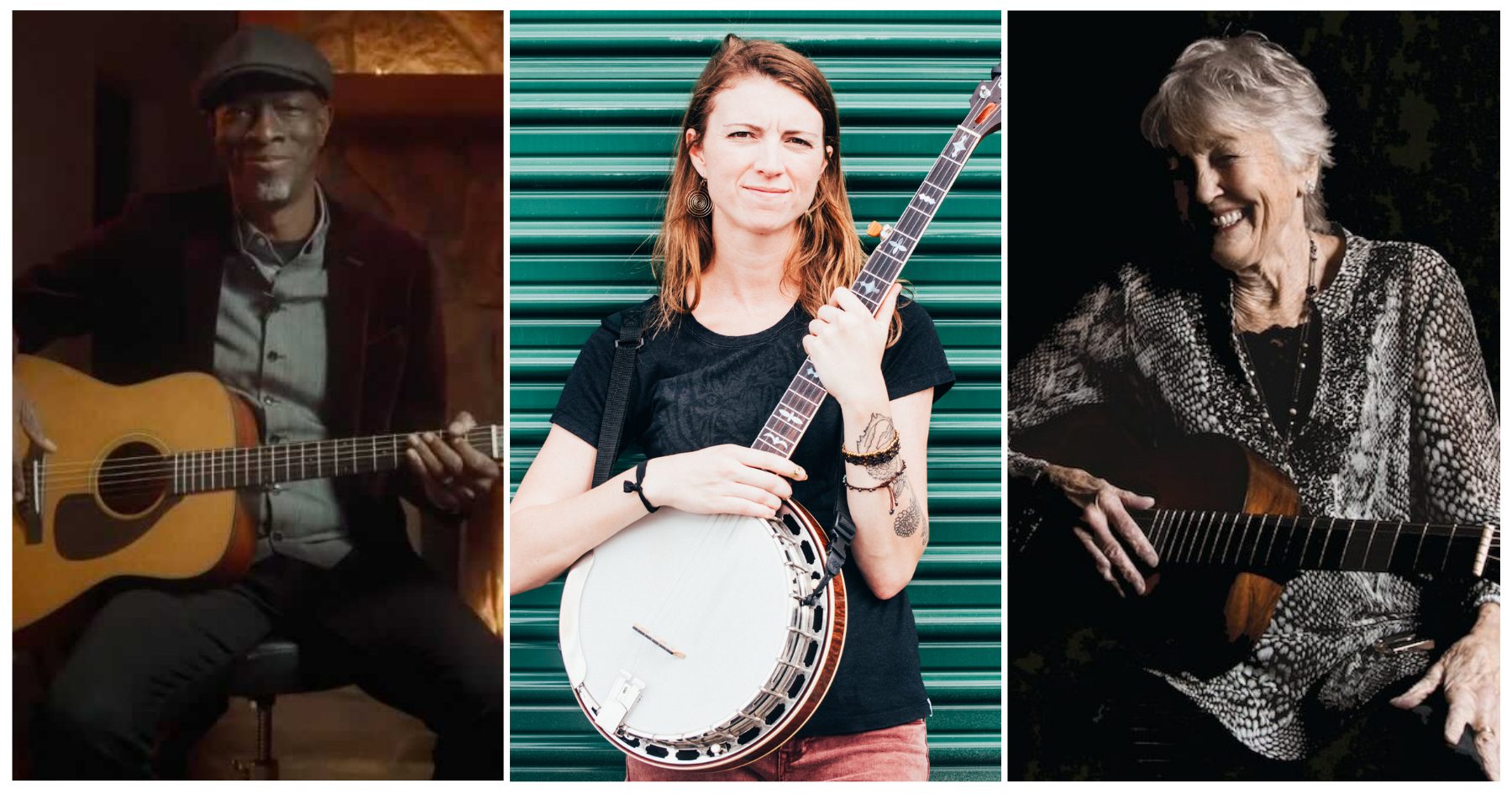
Photos: (L to R) Keb’ Mo’; Gina Furtado by Sandlin Gaither; Peggy Seeger by Vicki Sharp
This website uses cookies to improve your experience. We'll assume you're ok with this, but you can opt-out if you wish.AcceptRejectRead More
Privacy & Cookies Policy
Privacy Overview
This website uses cookies to improve your experience while you navigate through the website. Out of these, the cookies that are categorized as necessary are stored on your browser as they are essential for the working of basic functionalities of the website. We also use third-party cookies that help us analyze and understand how you use this website. These cookies will be stored in your browser only with your consent. You also have the option to opt-out of these cookies. But opting out of some of these cookies may affect your browsing experience.
Necessary cookies are absolutely essential for the website to function properly. This category only includes cookies that ensures basic functionalities and security features of the website. These cookies do not store any personal information.
Any cookies that may not be particularly necessary for the website to function and is used specifically to collect user personal data via analytics, ads, other embedded contents are termed as non-necessary cookies. It is mandatory to procure user consent prior to running these cookies on your website.