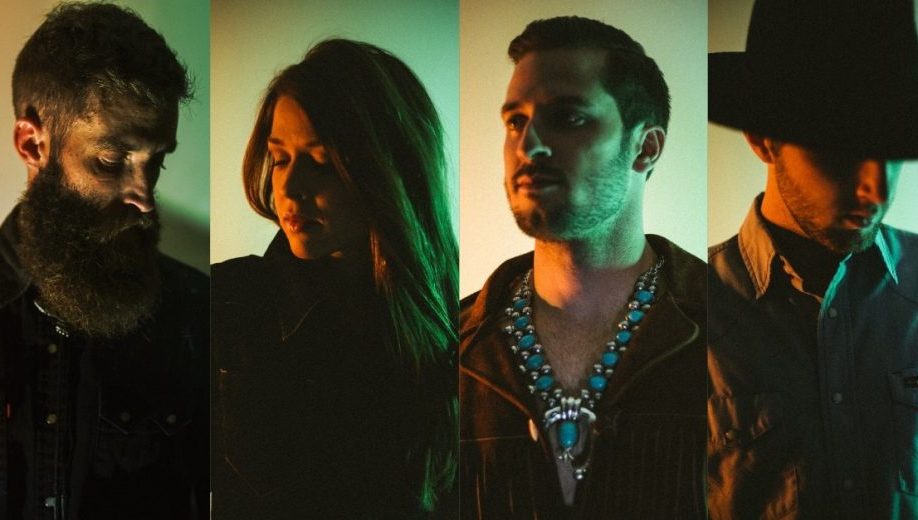
New Singer, Same Edge: The SteelDrivers Deliver on ‘Bad For You’

The SteelDrivers’ new lead singer, Kelvin Damrell, already grasps the driving force behind the band, which is marking its 12th year with a brand new album, Bad For You.

“You couldn’t play our songs if you weren’t passionate about what you were doing,” the Berea, Kentucky, native believes. “It wouldn’t sound right at all, in any position in the band. From the mid-range harmony part to the hardest-playing guitar riffs, to the hardest-playing fiddle, it wouldn’t sound nearly as good as it does if you didn’t love what you were doing, and playing with as much passion as you could.”

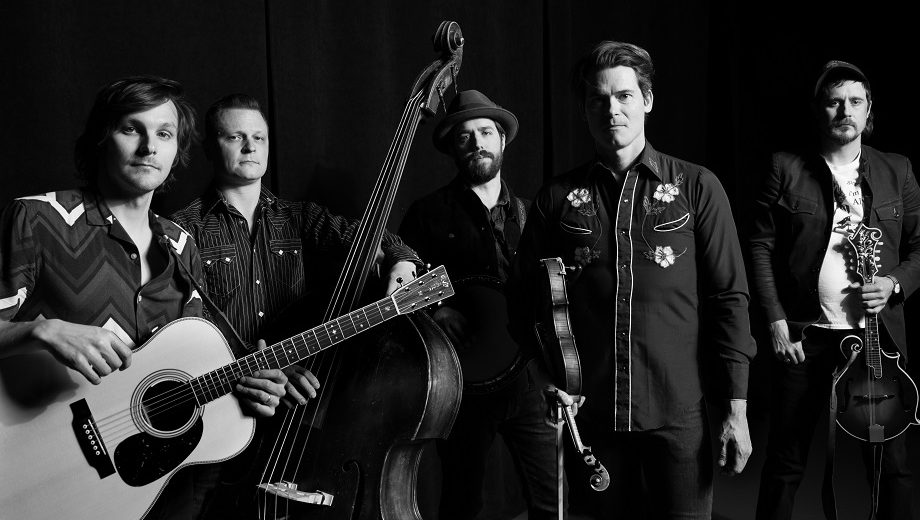
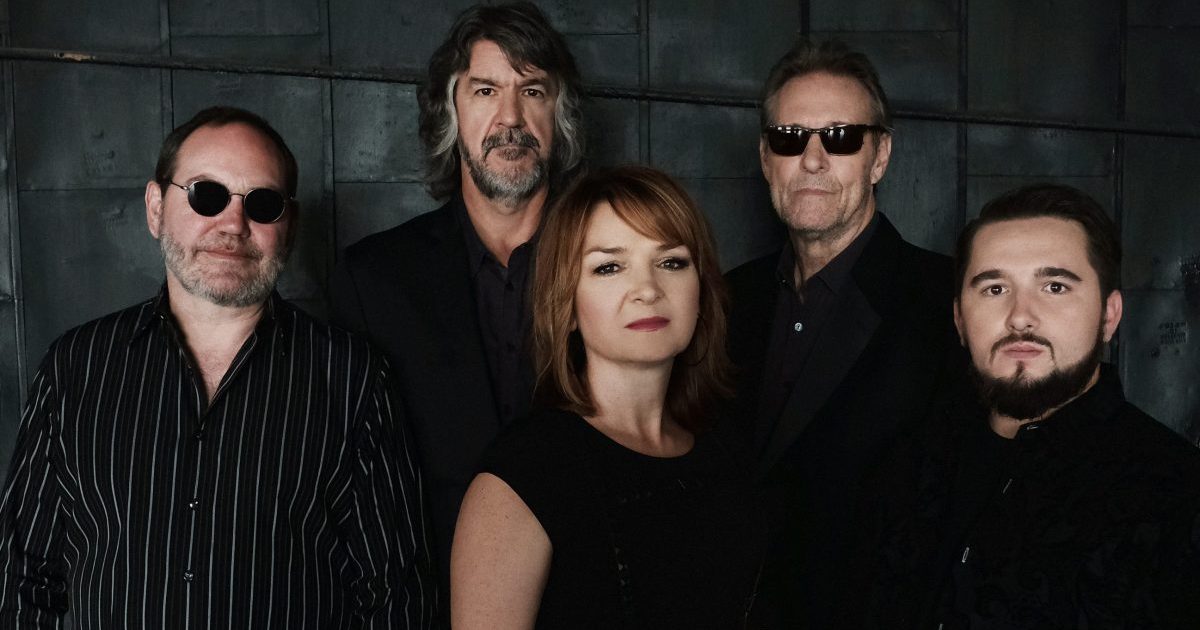
On Bad For You, Damrell steps into a role once filled by Gary Nichols and Chris Stapleton for the group’s first album since winning a Grammy with 2015’s The Muscle Shoals Recordings. All five of the SteelDrivers — Richard Bailey, Damrell, Mike Fleming, Tammy Rogers (whose daughter discovered Damrell on YouTube), and Brent Truitt — invited BGS over for a chat.

Kelvin, how long had you been in the band by the time you went into the studio?

Kelvin: Goodness, how long has it been now? I joined in October 2017. I was just so looking forward to the release date of the album that I’d forgotten when we went in.

Mike: He had to go to boot camp first. [Laughs] Bluegrass boot camp! We had to take him out of Kentucky. He had his first airplane flight. You saw the ocean for the first time, right? You left a lot of things laying around. [All laugh] You went through airports with knives when you shouldn’t have. But listen, it was good! We all got comfortable with each other, and we needed some time just to feel that, and it got to that point.

Kelvin: When I joined the band, I was really unsure about what was going on, about my position. I had made the cut as far as getting to be in the band, but Brent kept telling me we needed a couple of months to see how we jibe together. I thought that was just him saying that, but it was the truth. We switched vehicles pretty regularly and I rode with different people. We really saw how we jibed together before we made a full decision on whether we were going to keep me, or if I was going to go back to sweeping chimneys.

The song “Bad For You” has such a cool groove. You sent it out as your first single and you named the album after it. What is it about that song that is special to you?

Brent: To me it was the perfect fit for this band. It was the song that hit me right out of the chute. It encapsulates the sound. It’s really edgy, and we’re a little bit on the edgy side of bluegrass.

Mike: It was one of the strongest songs, as far as that kind of feel. It’s like a “Here we are!” kind of song. You know, “Look out!” The way Kelvin sang it, Tammy told him, “Sing it like a rock ‘n’ roll singer.”

Kelvin: I almost got emotional when we played it for the very first time. I really did, that’s the truth. The first night we debuted it, after we hit that last big note, I almost did get a little emotional because it’s like something is finally coming to fruition with my position in the band. I’d done all this other stuff that vocally belonged to Gary and vocally belonged to Chris, and now this one vocally belongs with me at the lead. And man, that three-part harmony! Everything about it was good, and it really did make me emotional.

I’m glad you mentioned harmony because that’s a really important component of this band that doesn’t get talked about enough — how well you can stack those voices.

Tammy: Thank you. But you’re exactly right, I think that’s always been a really strong facet of the band. It’s this rock ‘n’ roll lead singer with this really strong three-part harmony coming in on the chorus. From a writer’s perspective on this album, I thought about that a lot, and how that was still a big part of the sound, and to keep that consistent because I think that does set us apart.

Brent: In our live set, I’m thinking of one or two songs that end with the vocal trio by itself, doing the swell and bending into a note, and the crowd loves it every time. It’s a big part of bluegrass, period, but it’s a big part of our music too.

Brent, how would you describe the SteelDrivers’ sound?

Brent: For me, personally? It’s gritty, grind-y bluegrass. With a lot of soul.

Tammy: Think about the Rolling Stones if they were to play with bluegrass instruments. That’s us.

Mike: With a blues/rock ‘n’ roll singer. … It’s intense! I’m tired after our set. It’s a workout. We keep the emotion and the intensity going quite a bit, but we let up occasionally and do a nice song.

On this record, you do have that slower moment on “I Choose You,” which brings out another side of the band.

Tammy: Yeah, we’ve always had a song or two like that. On the first record, “Heaven Sent” has always been one of our most-requested and popular songs, and it has that great, easy, rolling feel to it. We call it the hippie dance. And when Thomm Jutz and I wrote “I Choose You,” that was definitely musically where I wanted to go with that, to have that feel to it. But it’s still a very serious lyric, even though it has a positive message, in a way. It has a lot of depth and meaning to it.

Richard, do you have a favorite track on this album?

Richard: Umm… “Forgive.”

What do you like about that one?

Richard: I like what I played on it. [All laugh]

Tammy: See, it’s all about the banjo! We joke about it but people love the banjo!

Mike: It’s got a great groove.

Brent: It’s one of my favorite songs too.

Kelvin: It’s funky. It’s like “Bad For You” is rock ‘n’ roll and “Forgive” is funky!

Kelvin, what were you listening to about three years ago, before joining the band?

Kelvin: Three years ago I was on a really big Cinderella kick. [All laugh] I’m still on the kick. I still listen to mainly rock ‘n’ roll when it’s just me in my truck, driving for hours on end.

Did the band prepare you for the honesty of bluegrass fans, and how they’ll tell you what they think?

Kelvin: I was ready for it before I started! I knew how much of a following they had. I know how much people loved Gary. I know how much people loved Chris. And I was ready for it – I prepared myself for people saying, “This guy sucks. You need to get somebody else.” [I’ve heard that] twice, I think, the whole time I’ve been with the band. It’s been great — because I was expecting it at every show!

Tammy, do you have young women coming up and telling how cool it is to see a woman on stage?

Tammy: Yeah, it’s really awesome and I appreciate it a lot. Because when I was growing up there were very few women playing, and the ones that did were usually bass players. Mama might be back there thumping on the bass or whatever. There were very few women role models for me, of that generation. There were a couple — I remember Lynn Morris was playing and Laurie Lewis was playing a few years ahead of me in those circles. Not many in the country world. I was a huge Mother Maybelle fan and part of that was because she played the guitar. That was fascinating for me as a kid.

And now in the generation after me, there’s just unbelievably talented women – not just singers, but instrumentalists. It’s phenomenal, the jump from mine and Alison Brown’s ages, to Sierra Hull, who is a genius on the mandolin, and Kimber Ludiker and all the Della Mae girls we love, and Molly Tuttle is absolutely slaying it on guitar. Sara Watkins, I’m With Her, Sarah Jarosz … it’s just on and on and on. If I in any way influenced any of those players, I am deeply honored.

What would you want bluegrass fans to know about this new record?

Tammy: We’re excited this year to get out and we’ll be playing a lot of different kinds of venues. We don’t play that many traditional bluegrass festivals anymore, but it’s my hope that people hear the music and still see the thread that’s in there. The subject matter that we choose to sing about is not as cleaned up as some other stuff, but to me it’s just another facet of the music, and I think we’re hopefully carrying it forward and carrying a torch.


Photo credit: Anthony Scarlatti

BGS Top Moments of 2019

If music happened in 2019, but wasn’t a “song” or an “album,” does it make a sound– er… does it warrant real estate in any of the many year-end pieces, wrap-ups, and lists hitting the internet on a daily (sometimes hourly) basis? Why, of course it does! Each year BGS notes Top Moments of roots music — whatever form they may take — as a way of reminding ourselves that the art we each consume, especially of the musical variety, is often at its best when it eschews the formats and media we expect and/or most closely associate with it. What changes about the way we view a year in music when we alter the context as such? First and foremost, we change just that — our viewpoint. Turns out that makes a world of difference.

Speaking of top moments, one of the best for the BGS team took place just last week, as we premiered a brand new look with an updated homepage and logo. A lighter color palate, clean modern lines, and updated fonts usher in a new era for the site, and hopefully a positive reading experience for you, our beloved fans and readers. Not unlike the state of roots music itself, our new look is constantly evolving, but what’s at the heart of it remains timeless. Now, read about more moments that turned our heads and caught our ears over the course of the past 12 months.

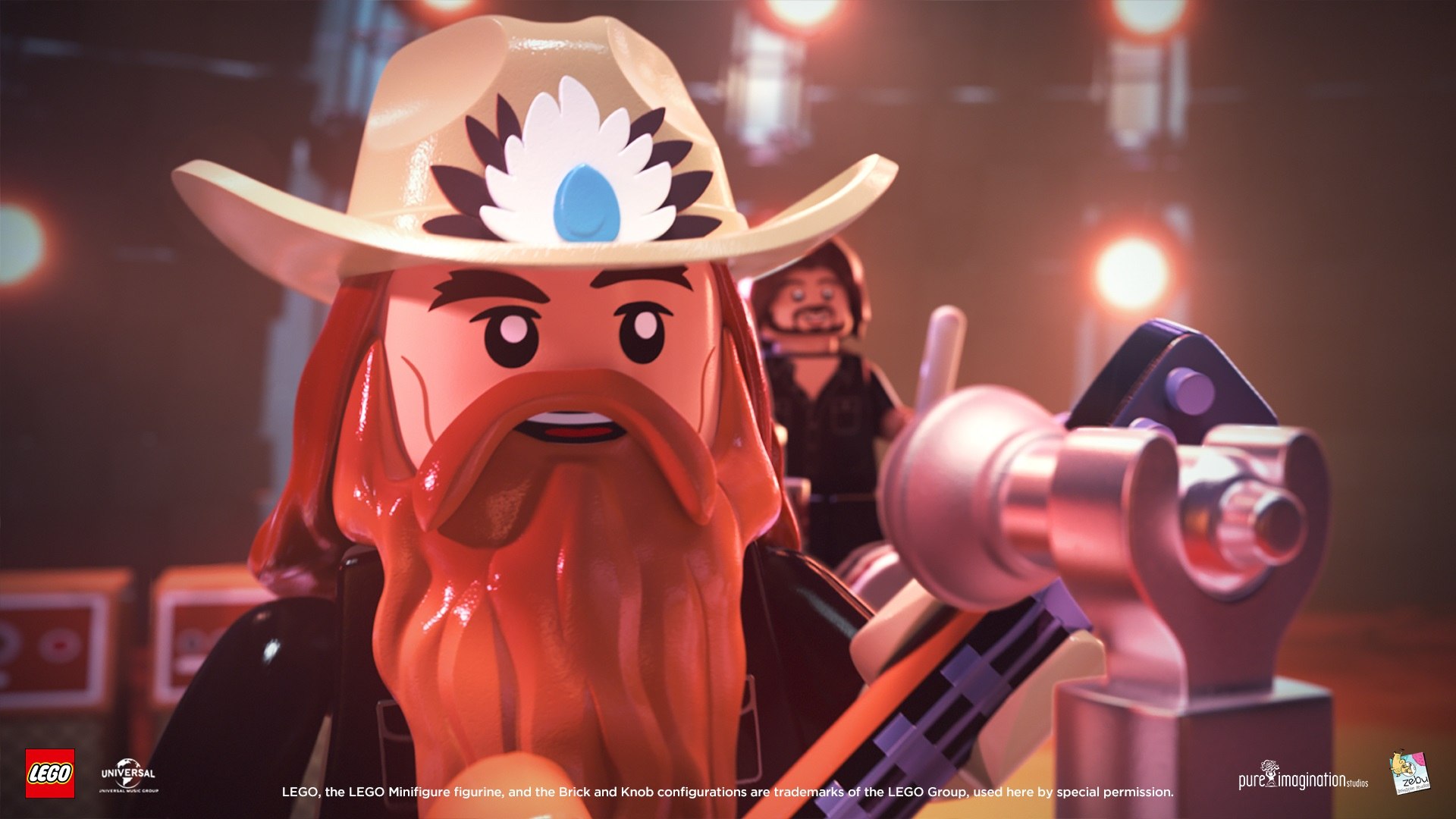
Chris Stapleton Creates LEGO Alter Ego

When Chris Stapleton’s music video for “Second One to Know” hit YouTube, I found myself musing, “What are the benchmarks we use to determine someone’s level of notoriety? What are their claims to fame? Owning a tour bus? Having your first number one hit? Being the musical guest on SNL? Having a highway named after you? Or perhaps a proclamation from your local public figures designating a [Named After You] Day?” Seriously, can you imagine getting to a point in your country pickin’ / singin’ / songwritin’ career where your Game of Thrones cameo falls into the background of your music video star LEGO-self?

I would be remiss if in this blurb I did not mention another real-ass country singer/songwriter/rabble-rouser who dabbled in alternative visual media this year, too — that would be Sturgill Simpson’s “Sing Along.” More of this oddball, non sequitur energy in country in 2020, please. – Justin Hiltner


Dolly Parton’s America Podcast Finds Common Ground

Epiphanies in the podcast series Dolly Parton’s America are too many to count, as host Jad Abumrad and his team explore the notion that the Tennessee songbird is a rare unifying force in the fractured socio-cultural universe — everyone loves Dolly! But the fourth episode, titled “Neon Moss,” finding the common ground of Dolly’s Tennessee mountain home and the Lebanon mountain home in which Abumrad’s dad (a doctor who became friends with Parton after treating her in Nashville) grew up is gripping on a cultural and emotional level. Bonus: BGS’ own Justin Hiltner and his banjo pop up as a key part of a later episode. – Steve Hochman


Duos, Duos, and More Duos

Were you seeing double this summer? Mandolin Orange, Tedeschi Trucks Band, and Shovels & Rope offered exceptional albums and sold tons of tickets. From the sweeping San Isabel from Jamestown Revival to the intimacy of Buddy & Julie Miller’s Breakdown on 20th Avenue South, roots duos were having their moment. Personal favorites included The Small Glories and Bruce Robison & Kelly Willis, but the true discovery for me was Dravus House, a Seattle duo who delivered an understated and beautiful album that blends Elena Loper’s vocal with Cooper Stouli’s soft touch on guitar to stunning effect. – Craig Shelburne


Del McCoury Turns 80

At 80 years old, Del McCoury has witnessed the rise of bluegrass while still being actively involved in it. (In fact, he’s got a gig this weekend in New York with David Grisman, Jerry Douglas, Drew Emmitt, Andy Falco, and Vince Herman.) An all-star tribute at the Grand Ole Opry provided perhaps the most musically satisfying night of music this year for me, mostly because The Del McCoury Band has still got it (and they make it look like so much fun). Check out their 2019 performance on Live From Here With Chris Thile. – Craig Shelburne


Hadestown Wins Big on Broadway

In an era when Broadway has seemingly been taken over by jukebox musicals that rehash the catalogs of legacy artists, watching Anaïs Mitchell pick up eight Tony Awards for Hadestown was a surreal triumph. For those of us who have followed Mitchell’s career over the past couple of decades, it was truly remarkable to see a grassroots musical that she first staged in 2006 reach the heights of Broadway, earning her a win for Best Musical and Best Original Score. “Wait for Me,” indeed. – Chris Jacobs


Ken Burns Digs Deep into the Roots of Country Music

Ken Burns has a long history of digging into America’s deepest roots, through documentaries like The Civil War, Jazz, Baseball, and The National Parks. In 2019 he took those roots in a more on-the-nose direction, exploring the long and varied history of American Roots Music through his PBS documentary series Country Music, which premiered in September. As the filmmaker himself said in a recent interview, “Country Music is about two four-letter words: love and loss.” Thanks to Burns, who looks unflinchingly at all of the different stories that have shaped this music, we get to see the love, the loss, and everything in between. – Amy Reitnouer Jacobs


MerleFest and IBMA, Rediscovered

After a long break, I made an effort to reconnect with two of the preeminent roots music festivals  in 2019 – MerleFest and IBMA’s World of Bluegrass. With other obligations in Nashville, it had been five or six years since I’d attended either, and both surprised me for different reasons. At MerleFest, I was struck by the caliber and diversity of artists, in particular for landing a headlining set by Brandi Carlile in her breakout year. Five months later, I returned to North Carolina to see IBMA in action, amazed by the way that the city of Raleigh has embraced the musical experience, from the Bluegrass Ramble to the StreetFest with plenty of outdoor stages. North Carolina, I’ve got you in my 2020 vision. #ComeHearNC – Craig Shelburne


“Old Town Road” Can Lead Anywhere

Is “Old Town Road” country? Like millions, maybe even billions of fans, I’m inclined to answer that question with an emphatic “Of course it is!” But I’m also inclined to ask: What else is this song? Is it roots music? Is it folk? Blues? Yes, yes, and yes. That chorus is powerful in its simplicity, and it’s not hard to imagine Doc Watson singing those lines or Geechie Wiley intoning that sentiment mysteriously from some lost B-side, accompanied by a century of acetate scratches and surface noise. Almost accidentally existential, the chorus speaks to an unnamed American melancholy, and it can mean anything you want it to mean and be anything you want it to be. – Stephen Deusner


Roots Music Don’t Need No Man

No, like literally. After 2019 we can definitively say that roots music as a whole does not need any men. From the first albums of the year (say, Maya de Vitry’s Adaptations or Mary Bragg’s Violets as Camouflage), followed by two indomitable women of the Grammys (Kacey Musgraves and Brandi Carlile), then two universally regarded supergroups (Our Native Daughters, the Highwomen), the resurgence of true legends (like Reba McEntire’s Stronger Than the Truth and Tanya Tucker’s While I’m Livin’), to a Newport Folk Fest collaboration that combined nearly all of our favorites, this year in Americana, bluegrass, old-time, and folk has been defined by women. There were pickers (Molly Tuttle, Nora Brown, Gina Furtado), there were scholars (Allison de Groot & Tatiana Hargreaves, Our Native Daughters), there were poets (Caroline Spence, Jamie Drake) — repeatedly this year I found myself in musical spaces that, if all of the men were subtracted, I would still want for nothing. #GiveWomenAmericana – Justin Hiltner


Yola’s Meteoric Rise

Co-write sessions and frontwoman-for-hire gigs aptly prepared Yola for the non-stop successes she’s had in 2019, from sharing stages with childhood heroes Mavis Staples and Dolly Parton to nabbing a whopping four Grammy nominations, including a coveted Best New Artist nod. Kicking off the whirlwind year was her Dan Auerbach-produced debut solo album, Walk Through Fire, a beginning-to-end stunner and a sure sign that Yola’s star power will only continue to rise. The ample steel guitar on “Rock Me Gently,” the countrypolitan charm of “Ride Out in the Country,” and the buoyant old-school soul of a new bonus track “I Don’t Wanna Lie” show off an eclectic roster of influences and a striking vocal range. But the album standout might be its only number written solely by Yola, “It Ain’t Easier,” a slow-burner with a hell of a bridge that pays tribute to the hard work behind even the greatest of loves. On the stage, in the studio, and in everything she does, Yola is putting in the work — and we can’t wait to see what 2020 holds. – Dacey Orr

Don’t Be the “Second One To Know” about Chris Stapleton’s New Video

The idea of success, especially as it relates to being a musician, songwriter, and/or performer, has always been a wily, shifting idea. What are the benchmarks we use to determine someone’s level of notoriety? What are their claims to fame? Owning a tour bus? Having your first number one hit? Being the musical guest on SNL? Having a highway named after you? Or perhaps a proclamation from your local public figures designating a [Named After You] Day?

Well, for everyone’s favorite bluegrass powerhouse vocalist turned mainstream country star and global sensation Chris Stapleton, success isn’t measured only by a cameo appearance on HBO’s Game of Thrones. How about having LEGO figures modeled after you, your wife, your band, your stage set, and your otherworldly, music-hating fantastical arch-enemies?

LEGO Group and Stapleton collaborated on the brand new music video for “Second One To Know,” creating a fully realized toy brick universe replete with Stapleton’s signature hat, Morgane Stapleton’s omnipresent tambourine, strikingly accurate LEGO versions of instruments, gear, crew, family members, and even a cameo by bassist J.T. Cure’s cat! (A cat-meo? A cat-meow?)

It may seem a little off the wall for an artist who, while ceaselessly compelling, is generally reserved and counterintuitively subdued — despite his music and window-shaking voice being anything but. But the video is whimsical, painstakingly detailed, expertly crafted, and damn, it’s entertaining. Watch LEGO + Chris Stapleton’s “Second One To Know” right here, on BGS.


Still courtesy of the artist.

Old Crow Medicine Show’s Ketch Secor Learned This From ‘Country Music’ (Part 2 of 2)

In Ken Burns’ documentary opus Country Music, a weaving path from the hollers of Appalachia to Garth Brooks’ theatrical stadium concerts was laid out for all to see. But mapping that trail has always been a complicated, cumbersome task.

The sheer number of influences at play required 16 hours of footage for Burns to tell the story – and lots of help from the artists themselves. One of those artists was Old Crow Medicine Show’s Ketch Secor, who gladly jumped in to tackle the unwieldy narrative of his favorite subject.

Secor had a two important roles to play in the series. Most obviously, he related a lifetime’s study of country’s earliest touchstones and how they combined into something uniquely American. But the outspoken frontman was also tapped in the beginning of Burns’ process as a behind-the-scenes consultant, helping guide the project’s tone and ultimately delivering one of its final and most powerful lines.

“It’s almost like [country music] needs to be exhumed, and new life breathed into it,” Secor proclaimed. “The part that is the songs of the people, the hopes and aspirations of the people — the pain and suffering of the people — that needs to remain embedded in country music. If it isn’t there, I’m out.”

Backstage at the Grand Ole Opry House on the night the series premiered, Secor explained what the project meant to a history buff like himself, and how Burns unwittingly played a role in Old Crow’s founding.

BGS: Old Crow Medicine Show’s music has always shined a light on the past. What made you interested in that to begin with?

Secor: I was always interested in history, and I really attribute that to Ken Burns – I saw The Civil War when I was 11 years old. I lived in the Shenandoah Valley, and I wondered why the kids went to Robert E. Lee High School and why we played Stonewall Jackson, why the name of the shopping mall and the subdivision and the motel was what it was — it was all the war. It was everywhere, and we took some field trips but I didn’t really understand it. I could feel this echo, though. Seeing that movie on PBS really helped me to take this tour of my own backyard and see how history was alive. I credit that to him.

Knowing how deeply you care about country music’s history, what did you think when you found out Burns was going to present it?

I thought immediately, “Thank God. Finally somebody is going to tell our story and get it right.” I don’t trust any of these people to our story [gestures to photos Opry stars dotting the dressing room walls] because they’re all right in the middle of it. Everyone here has a very, very different story, and everybody has “The True Story” — but only their truth. Country music is richer than any one truth, so it takes an outsider’s perspective because of Nashville’s tendency toward this clan-ishness, the good ol’ boys network and these sorts of forces.

I mean, we’re the genre that has told its own history ever since it started. The radio charts today are full of songs about the good old days — and they’re talking about the ‘90s. That’s the good old days now. But it doesn’t matter, whatever the good old days were, the ethos here is that times ain’t like they used to be, they used to be better. That’s what they’ve been selling from the start, but they can’t tell our history without making it a commodity. So it takes this outsider, and you can’t ask for a better outsider than America’s most beloved documentarian, because he was the outsider who told us how jazz was born and flourished, how baseball was created, the Roosevelts, the National Parks, the Brooklyn Bridge. Country music is just as important as all that.

What did they actually ask of you?

I talked about slavery and the plantation system, the penal system — because incarceration was a great cultural conversationalist. It kept people locked up in isolation, which is one of the keys to making country music so rich. How long did the Scotch-Irish people live in Appalachia before being disturbed? Well, the great disturbance comes in Bristol in 1927. The record companies came in and said “Whaddya got?” And what they had was so specific to one region that it might sound different one holler over.

Then I talked about the Opry, and then I tried to talk about more New Age-y hip-fangled things, but they didn’t use any of that [laughs]. The other way I’ve been involved is by being an advisor to the film, so I read all the early scripts for the past eight years. But it was great, they just asked me, “How would you tell the story? Where was the birth? Who was important to mention?”

This has been in the works for eight years?

Yeah, he conducted like 140 interviews, and of that maybe 50 or 60 of his interviewees have died. See, the other thing about Ken is he knows when it’s time to tell a story, and by doing the story when he did, he was able to get Little Jimmy Dickens, Merle Haggard, numerous artists who wouldn’t be here — George Jones is in this film.

Did you get surprised by anything?

Oh yeah, a trove of knowledge is in this documentary, I learned a ton. And lots of things made me cry. What I learned primarily was a real self-reflective thought of, “Oh my God, this is my life.” I think almost all of these folks on the wall are in the movie, and when they watch they’ll be crying, too, because they’ll see themselves in the Bristol Sessions. They’ll see themselves at the earliest days of the Grand Ole Opry, they’ll compare themselves to the Outlaw movement and the traditional movement of the ‘80s, the development of the star system, and contextualize their own career.

You talked about isolation. We’re in this weird moment where country is more popular than ever, but rural life is changing fast. It’s easy to connect with people all over the world. How does the film address that?

One of the things that’s great about the film is that it stops around 1996, because Ken Burns isn’t a journalist, he’s a documentarian. He’s not making a movie about today, and here’s why: Historians say you’ve gotta have a generation pass before you can tell what happened. I just think it’s gonna go a lot deeper than anybody could say right now.

Like if you told the story of why Randy Travis mattered in 1986, it would be a lot different. And also the forces that are at play in country music, they need time to gestate for us to understand what they’re saying. Who’s gonna last? Who are we going to be talking about in 25 years? Blanco Brown? Chris Stapleton? Who’s gonna have their picture on this wall in 25 years? I don’t know.

Editor’s Note: Read Part 1 of our interview with Old Crow Medicine Show’s Ketch Secor.


Photo credit: Crackerfarm

MIXTAPE: Gangstagrass’ Standard Setters

As purveyors of genre crossing, we like to recognize standouts within a genre that innovated simply by epitomizing a sound with particular skill: tracks that demonstrated what virtuosity could do within a genre, that pushed the genre to new heights (or at least new places) for us, tracks that maybe we used to judge what came afterward. We could list a lot of classics, but this list is really about the tracks that were the standard setters for each of us personally, making a mark in how we thought about a genre or sound. For our Mixtape, we selected a few songs and described the impact the tracks made. Gangstagrass

Flatt & Scruggs – “Foggy Mountain Special”

Earl’s fast, regular picking in songs like “Foggy Mountain Breakdown” made his three-finger rolls, like the Foggy Mountain roll, iconic. But this heavily-swung tune, while not a slow song by any standard, really explores the bluesy side of bluegrass banjo. The syncopated banjo kick, with the band entering on the second beat, throws off the listener’s perception of time. The main lick itself deserves to be as iconic as any fast-flowing Scruggs roll. And that solo! From the single-string bends to that chromatic octave line, Earl knows to keep playing it just a little bit longer. You couldn’t go back and redo any part of this any better, not in a hundred years. They nailed it.

Norman Blake and Tony Rice – “Little Beggarman/Gilderoy”

Tony Rice sounds his best on duo albums, whether it’s with country superstar Ricky Skaggs on a journey to reconnect with his bluegrass roots, or songster Norman Blake, whose clear-as-a-stream picking and earnest vocals are augmented by Tony’s unparalleled rhythm work and rich baritone. On this instrumental track, guitar and mandolin trade breaks and, unusually, trade tunes. Because they’re both in A, with similar chords and melodies, you almost don’t notice the transition, except that the tune Blake plays on mandolin is minor, while Tony’s guitar tune is major. It’s a beautiful, subtle effect that showcases both artists and enhances the sound of each instrument.

The Steeldrivers – “Ghosts of Mississippi”

Before Chris Stapleton was Chris Stapleton, he was in a band called the Steeldrivers. The mainstream music audience has rightly picked up on his powerful vocals and formidable songwriting, but arguably his best work has been with this band that gave him a perfect setting. From the smoldering growl of the banjo to the searing whine of the fiddle, the sound has not been surpassed by either Stapleton’s pop work or by any other bluesy bluegrass band. This track in particular sets the bar, serving up equal parts groove, emotion, and one hell of a catchy melody.

Béla Fleck and the Flecktones – “Hole in the Wall”

The Flecktones represent Béla’s furthest ventures outside traditional bluegrass, and this late track on their second album, Flight of the Cosmic Hippo, is a representative example of their early sound. Of note, Howard Levy’s keys get more room than on most other tracks which tended to feature more of his admittedly superlative harmonica work. Near the end, there’s enough sonic buildup to justify a fantastic extended banjo solo with fluidly shifting time signatures and tonalities. Banjo players who have tried to emulate this piece will have noticed that, like many Béla tunes, it centers around a particular lick, in a particular nonstandard key, played in open G tuning. But as with magic, sometimes understanding the trick doesn’t make it any less exciting to see it performed right in front of you. — Gangstagrass

Pharoahe Monch feat. Black Thought – “Rapid Eye Movement”

Every now and then there’s a collaboration that you just know is going to be dope just by the parties involved. “That’s what I figured when I saw these two MCs on a track from Pharoahe Monch’s 2014 album P.T.S.D. I wasn’t prepared for HOW DOPE, however,” says R-SON. Pharoahe Monch drops bars about being in a relationship with his ammunition and then filing for divorce and releasing his “ex-calibers.” Not to be outdone, Black Thought starts his verse with the last two lines of Pharoahe’s and goes on to “send shots to ancient Greece to pop Socrates.” Black Thought’s line “the ex-slave sado-masochist/who gave massa my ass to kiss” is, as R-SON puts it, “just another example of Black Thought’s conscious swagger that laces every verse that he blesses a track with.”

Black Star – “Thieves in the Night”

Mos Def and Talib Kweli came together on the Black Star album and created gems but this was the standard for R-SON. Their distinct flows built two very different parts — Kweli’s recounting what his man Louis said and thought and how those thoughts affected Kweli. Mos Def’s verse, on the other hand, had a breakdown of the hook where he responded to the things said in it. The song ends with one of the great lines in the genre’s history: “I give a damn if any fan recall my legacy, I’m tryina live life in the sight of God’s memory.” R-SON notes that “in my younger days the song brought tears to my eyes and I’m happy to say that it still does.”

Mos Def – “Mathematics”

We cannot think of another time when someone counting from 1 to 10 (Dolio the Sleuth on “Ain’t No Stopping” aside) has had more meaning. Mos raps, “5 dimensions, 6 senses, 7 firmaments of heaven and hell, 8 million stories to tell, 9 planets keep orbit around the probable 10th, the universe expands length….” He continues his “…numbers game, but shit don’t add up somehow,” speaking of the number of bars he has to do what he does, and the minimal amount of money he gets from it all. “6 million ways to die for the 7 deadly thrills / 8-year-olds getting found with 9 mils / it’s 10 p.m., where your seed, he’s on the hill/….pumping crills to keep they bellies filled.” His word (and number) play is immaculate.

UGK – “Int’l Players Anthem (I Choose You)”

A seminal “posse cut” that unites two legendary duos of Southern hip-hop, UGK and Outkast, exhibiting four distinct flows and approaches to the subject of being a “player.” Each emcee delivers a memorable verse complete with the stunning street poetry they’re known for, with cadences that ride the beat (or the lack of beat, in the case of Andre 3000’s intro verse) that samples heavily from Willie Hutch’s “I Choose You” from the soundtrack of 1970s Blaxploitation flick, The Mack.

Ralph Stanley and the Clinch Mountain Boys – “Nobody’s Love Is Like Mine”

Rench was listening to 1970s-era Clinch Mountain Boys when he started putting Gangstagrass together as a sound. There’s been a good deal of attention to the Stanley Brothers, but the sound was developed and refined to a new level with the addition of Ricky Skaggs and Keith Whitley. The vocal harmonies are tight and the full string section is on point in a way that epitomizes the best of classic bluegrass sound.

Stuff Smith – “Serenade for a Wealthy Widow”

Stuff Smith is one of the few truly iconic jazz fiddlers. His style is on Charlie Parker’s level. “In an alternate reality, where we weren’t so hung up on jazz’s horn players, I feel Stuff would have been one of the fathers of bebop,” says Brian. Stuff’s style pulls from such a diverse array of influences, from Stéphane Grappelli to the Western swing fiddlers like Bob Wills. The gruffness of his tone and clarity of his lines point to the meld between the character of string band/blues fiddlers players before him like Clifford Hayes and Robert Roberson, and the progressive harmonies that took over jazz after bebop. Stuff is the perfect example of harmonic personality over the harmonic intellectualism that followed. “This track is one of the more off-beat compositions that I love to surprise folks with,” Brian adds.

Slam Stewart – “Oh Me, Oh My, Oh Gosh”

“I feel much the same way about Slam as I feel of Stuff; his musical voice is synergistic of the eras before and after him,” Brian says. The way he rides the rhythm comes from an era of bassists mimicking the sound of tubas in marching bands, indicative of players like Bill Johnson, Wellman Braud, and Pops Foster. His style foreshadows others like Jimmy Blanton, Oscar Pettiford, and Ray Brown with their strong solo personalities. This tune is a favorite; it’s a slick lyric and showcases what Slam can do on all fronts.

Outkast – “Rosa Parks”

This one came out of left field in 1998 — when Southern rap was growing into national attention — and planted a flag with the trademark quirkiness of Outkast style, including a harmonica breakdown in the middle of the song. Their fast-flow style is undeniable and surgical here, while their unabashed Southern drawls in this radio hit opened the floodgates for Southern hip-hop to start dominating the charts.

Wilson Pickett – “Hey Jude”

This has a lot to do with the way the Swampers in Muscle Shoals epitomized the soul sound of the ‘60s in the best way, but this track in particular pushed boundaries by including what would later become familiar Southern rock sounds, courtesy of a young Duane Allman. Of course, the wicked Mr. Pickett kills it with a prime example of soul vocals just owning the track.


Photo credit: Sean Aikins

Britain’s Got Bluegrass: March 2019

Get off your couch and go hear some live music with Britain’s Got Bluegrass! Here’s the BGS-UK monthly guide to the best gigs in the UK and Ireland in March.

Mile Twelve, 20 March, Green Note, London (and nationwide)

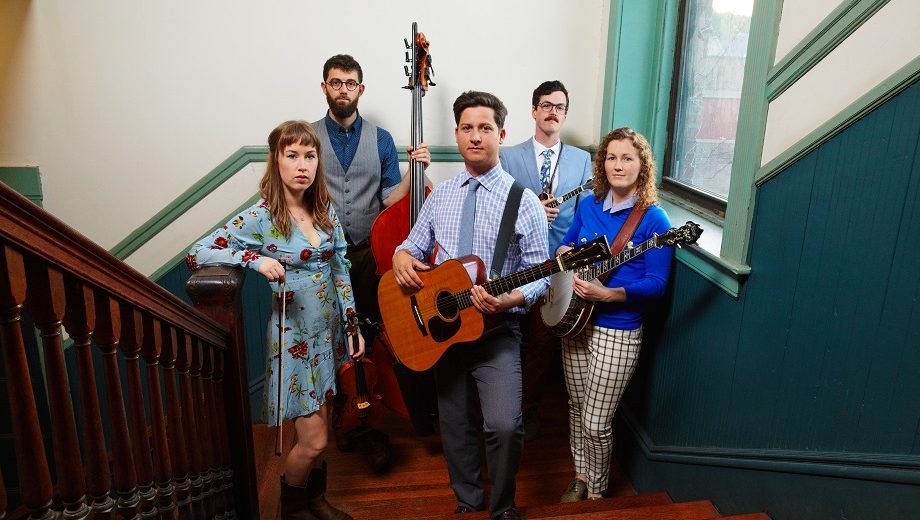
First let us rave about Mile Twelve, a band who, unlike the bearded wonder, have never played in the UK before, and who will–we guarantee — send you home with a big smile on your face. This young five-piece from Boston are some of the most skillful musicians of their generation — they’ve picked up multiple Emerging Artist award nominations at past IBMA Awards for their ability to mix hard-driving traditional bluegrass with a thoroughly modern sensibility, all while charming an audience’s pants off. Catch them on this UK tour and you’ll be able to say you saw them first… Check out their cover of “Rocket Man.”


Chris Stapleton, 8 March, Glasgow

If there’s a musician more likely to bring a British arena to its knees this month, we’d like to know who it is. In a land of anxiety-ridden repressives (we can say that because we are too), Chris Stapleton is so droolingly cool that it’s tempting to worship him as a god. Last time he was in the British Isles he was duetting with Justin Timberlake at the Brits, for heaven’s sake. In addition to Glasgow, you can catch his barrel-aged voice in Dublin and London, where he’ll be sharing the billing with Keith Urban, Lyle Lovett, Ashley McBryde and Lady Antebellum among many more at the C2C Country to Country music festival.


Thunder and Rain, from 6 March, nationwide
A dreamy blend of dobro, mandolin, guitar and bass, the Colorado-based band Thunder and Rain sound as Golden as the town they hail from. There are plenty of opportunities to catch them across the UK and Ireland on their month-long tour, from Bangor to Basingstoke, Southport to Middlesbrough, and Edinburgh to Whitstable.


Ida Mae, 12 March, Norwich

With their Ethan Johns-produced album dropping this summer, it’s a good time to introduce yourself to Ida Mae, the husband-wife duo of Chris Turpin and Stephanie Jean. Their previous band, Kill it Kid, specialised in indie-grunge, but they’ve now created an altogether mellower sound that’s already proving hot property stateside. Having upped sticks from north London and moved to Nashville, this is a rare chance to catch them back in Turpin’s hometown. They’ll also play London’s Omeara before heading back to the US to tour with Blackberry Smoke.


I’m With Her, 19 March, Hackney Empire, London

The three artists in I’m With Her don’t like being called a supergroup. So let’s just say that the hot-damn are-you-serious this-is-too-much power trio of Aoife O’Donovan, Sara Watkins, and Sarah Jarosz stop off in London for a single night at the Hackney Empire before they embark on a European tour of Norway, Denmark, the Netherlands, and Spain. And if you’ve never heard them sing live, you need to get yourselves to this gig and find out just how many ways their vocals can break your heart.


Photo of Mile Twelve: David Green

BGS 5+5: VOTH

Artist: Caleb Voth of VOTH
Hometown: Tulsa, Oklahoma
Latest single: “Sweetest Regret”

Which artist has influenced you the most … and how?

For me personally, it has been John Mayer. With older siblings, I was always listening to music that was different than my peers. I remember when the album Heavier Things came out. I was only 11 years old and was captivated by Mayer’s ability to create alternate melodies with his guitar that were different than what he was singing. I didn’t even play an instrument yet but I was picking up on the intricacies of his songwriting and it captivated me. He has a way of making you feel and reminisce about things that you haven’t even experienced.

What was the first moment that you knew you wanted to be a musician?

I would have to say it was hearing John Mayer’s Heavier Things album. Like I said, I was 11 when it came out and picked up a guitar at the age of 12. “Neon” was one of my favorite songs so I thought, “I’m going to have that be the first song I learn.” Oh boy, was I in for a treat. I actually still to this day have never mastered that song fully. I literally don’t know how he plays that song with its alternate melodies AND sings it. It truly amazes me.

What’s the toughest time you ever had writing a song?

Probably a song that we haven’t cut yet. It’s called “Show Myself to the Door” and it was written from a real and raw experience I was going through. I really liked this girl and thought there was going to be something there. I completely shared my heart and feelings with her–and there was nothing back. The song describes the guy saying everything he could possibly say, her not feeling the same way, then him showing himself to the door. The showing myself to the door never physically happened, but it was a metaphor of putting yourself out there, not being accosted, then having no choice but to walk away.

Since food and music go so well together, what is your dream pairing of a meal and a musician?

Man, that is a tough question. I would have to say probably right now–a fat juicy cheeseburger while listening to Chris Stapleton melt my face off. He has inspired me as a songwriter to not care about what is on the radio or what is popular, and just write from the heart. And I love burgers.

How often do you hide behind a character in a song or use “you” when it’s actually “me”?

Honestly, we don’t hide much behind our music. I think the most authentic music is written from personal experiences. So when you hear us saying “me” and “you” — it probably truly is a “me + you” experience. It’s hard for me to write and talk about things I haven’t been through before. A lot of people can pull it off–but for us, it’s a personal thing.

BGS Class of 2017: Albums

Way back in January, we proclaimed 2017 to be the “Year of the Banjo” and predicted it would be a stellar year for women in roots music, as well as the more justice-minded songwriters in our midst. All these months later, our intuition proved correct on all counts. And we are thrilled by that. Having Alynda Segarra and Rhiannon Giddens reign supreme in our BGS Class of 2017 is an absolute honor. Both women took on tough thematic terrain with grace and gravitas, and we couldn’t be more proud to support them and all the other fantastic artists who make the BGS roots community so artistically inspiring and culturally important. — Kelly McCartney, BGS Editorial Director

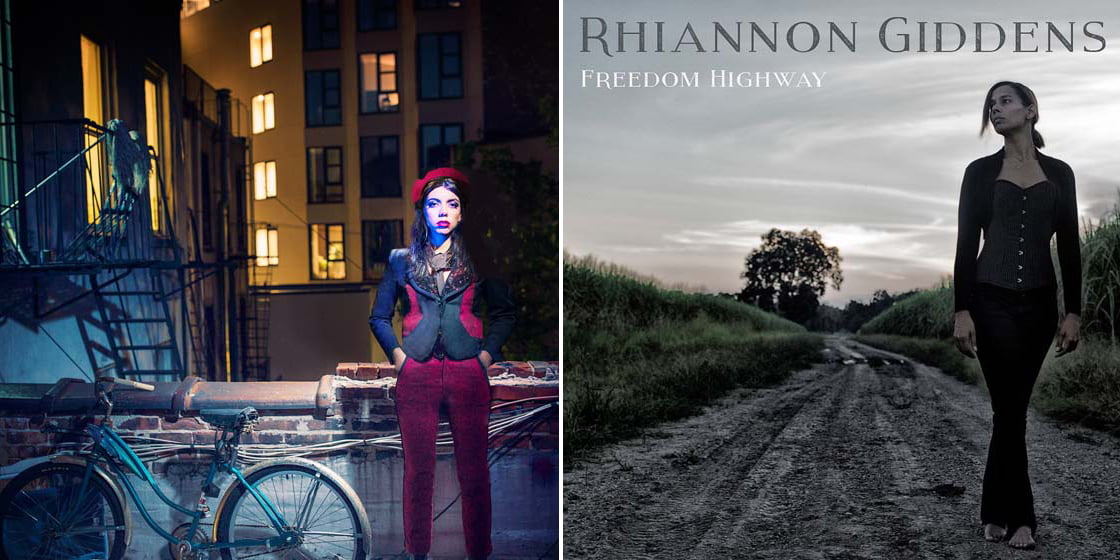
Co-Valedictorians: Hurray for the Riff Raff, The Navigator / Rhiannon Giddens, Freedom Highway

In a year rampant with talk of division — coasts vs heartland, white vs people of color, red vs blue — many artists, thinkers, and activists have attempted to bridge these divides by zooming out and broadening perspective, pointing to the core commonality of our humanity. With The Navigator, Hurray for the Riff Raff accomplishes this same unifying goal, but with the exact opposite approach. Led by Puerto Rican-American Alynda Segarra, they zoom in, viewing these divisions, these cultural and societal rifts, through a microscope trained on New York City, magnifying a Puerto Rican neighborhood and a fictitious young Puerto Rican girl, Navita. The album’s concept — granular, focused, and minute — doesn’t alienate listeners with this specificity. Rather, it plays like a colorful movie entirely enclosed within its own soundtrack, relating Navita’s heart, soul, and story to an audience that, for the most part, would feel they could never relate to a woman like her. Segarra and Hurray for the Riff Raff demonstrate through The Navigator that we ought not shy away from the intensely personal, singular, individual aspects of identity and identity politics for the sake of “coming together.” What’s more, they’ve posited a record that, taken separately, the message, concept, and music each stand on their own respective feet, but together, amplify and augment each other. The message is incredibly clear: We need not gloss over the intricate elemental parts of our differences to understand, appreciate, and love each other. Pa’lante! — Justin Hiltner

If 2017 saw an influx of banjo-centric projects, it also turned out to be a year when music’s political stakes rose ever higher. Singer/songwriter Rhiannon Giddens pairs both, using her instrument as a historical beacon that traces a line from slavery to the growing spate of police brutality. Through narratives about slave mothers, church singers, young men in the crosshairs, and more, Giddens uses these personal stories to explore their ongoing political resonance. Beginning with “At the Purchaser’s Option” — written from the vantage point of a slave mother forced to contend with her baby’s future as a commodity rather than a consciousness — Giddens sews together a quilt of American roots music that is as varied as the stories it encompasses. She explores old-time songs, reels, blues, funk, gospel, and more, stitching her way into and through the rich traditions that inform her craft and comprise her heritage. “Better Get It Right the First Time” blends funk-blues, a rap intersection, and Giddens’ authoritative vocals to challenge how states view and police Black male bodies, while the instrumental “Following the North Star” says everything about that experience through a rhythmically charged dialogue between banjo, drums, and castanets. The relationship between art and politics on Giddens’ new album is not an explicit call to action, but a reminder about the power of stories — both melodic and lyrical. As Giddens admits on “Birmingham Sunday” — about the 1963 church bombing — “All we can do is sing you a song.” — Amanda Wicks

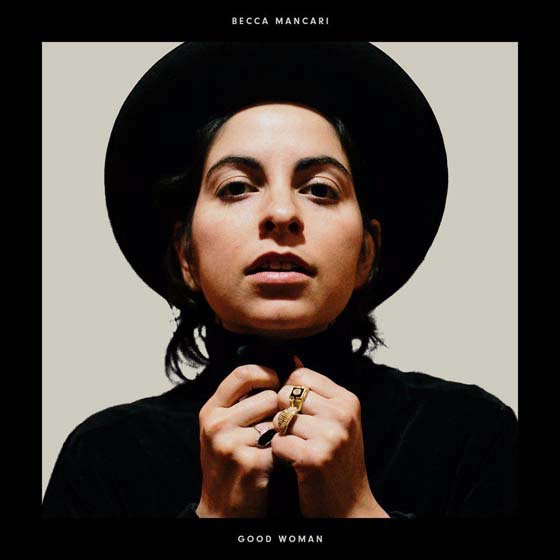
Best Travel Buddy: Becca Mancari, Good Woman

Becca Mancari’s debut album is a world unto itself. Over the course of 33 minutes, the Nashville singer/songwriter crafts atmospheric Americana imbued with a haze that brings to mind the faded edges of a sepia-toned photograph. Born in Staten Island, raised in rural Pennsylvania, and having spent time in Florida, the Appalachian region of Virginia, and even India, Mancari has experienced firsthand the significance of place. It’s only fitting, then, that on each of the album’s nine tracks, Mancari has created an environment to get lost in. It’s a notion that extends beyond Good Woman’s sonic palette and is carried out visually in the album’s music videos. In the video for the title track, Mancari embarks on a snowy walk in the Arizona wilderness with the plaintive landscape providing the perfect backdrop for her rumination on what, in fact, constitutes a “good woman.” Mancari seemingly walks right out of that snow storm and into Arizona’s breathtaking sunny expanse for the accompanying video for “Golden,” while the slow-burning “Arizona Fire” also finds its staging area in Arizona’s canyons. On the standout “Summertime Mama,” which waxes poetic about a warm-weather crush, Mancari sticks closer to home by offering a glimpse into a carefree summer day she spends in Nashville with her girlfriend and fellow songwriters Jesse Lafser and Brittany Howard, with whom she plays in a side project dubbed Bermuda Triangle. Cruising with the windows down en route to an impromptu fishing trip and then onto a nighttime gig, Mancari’s adventures mirror the song’s breezy veneer. Just as Good Woman expands and contracts across terrains, Mancari crosses sonic bounds with her dream-like reflections, making her one of the most significant songwriters to come out of Nashville this year. — Desiré Moses

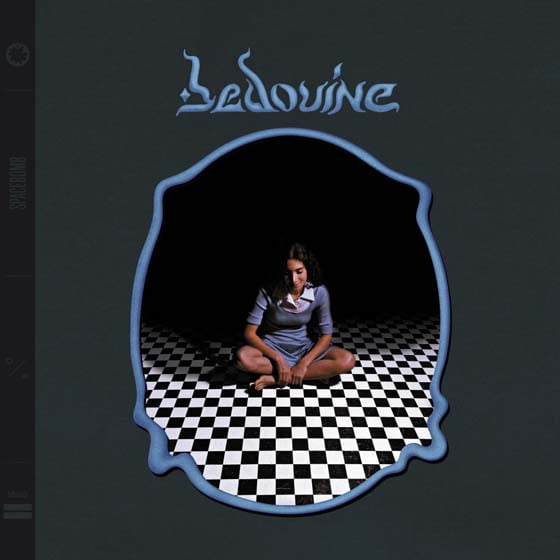
Best Reminder to Stop and Breathe: Bedouine, Bedouine

There’s no point in talking about Bedouine’s self-titled debut in anything other than colors. Between the rose-tinged “Heart Take Flight,” the dusty blue “Back to You,” the gold-flaked “Summer Cold,” and the silver-inflected “Solitary Daughter,” singer/songwriter Azniv Korkejian’s album hangs like a painting. That’s all thanks to her dusky voice, an easy, somnambulant tone that fits colorfully against Virginia label Spacebomb’s trademark strings. In between songs about her native Syria and her life in Los Angeles, the nomadic Korkejian details a romantic relationship that caught her off guard and encouraged her to stay. Rather than train her gaze on her lover, though, she holds up a mirror to herself and traces the effect love has on her. She defiantly projects her independence on “Solitary Daughter,” gives herself permission to enjoy new love on “Heart Take Flight,” and inevitably questions her lover’s commitment on “Skyline.” Bedouine reflects notes of Leonard Cohen, Nick Drake, and other poetically driven but somber-toned singer/songwriters, but in the end, its creator has captured a colorful mood that remains solely her own. — AW

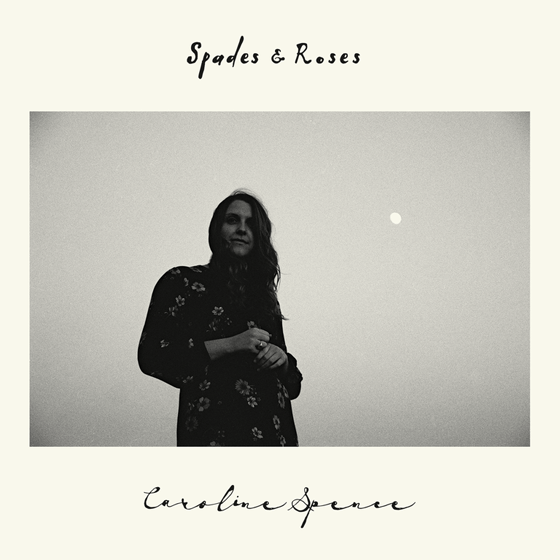
Most Likely to Kick Your Ass While Breaking Your Heart: Caroline Spence, Spades & Roses

In a year that kicked off with the Women’s March and seems to be ending on scores #MeToo moments, Caroline Spence‘s “Softball,” from Spades & Roses is an anthem for any woman who is sick of battling on a different playing field. In the hands of the Nashville-based Spence, this is done through the artful metaphor of softball: an unnecessarily gendered sport that keeps women from even having a shot at the big leagues. With a delicate chug of guitar and the soothing coo of Spence’s voice, it’s just one timeless moment from Spades & Roses, a collection of stunning folk songs that explore both the world inside of her own bedroom and the world at large. Spence is self-aware in romance on “All the Beds I’ve Made,” ready to surrender on “Slow Dancer,” and eager to fight on “Softball,” showcasing a keen knack for folk songs often dripped in rock and packed with poetic, artful lyricism. Produced by Neilson Hubbard (The Apache Relay, Matthew Perryman Jones) and featuring Grand Ole Opry fiddler Eamon McLoughlin and cellist David Henry, the album puts Spence’s pitch-perfect, breathy vocals at the center of songs which effortlessly jump from personal confessions to feats of narrative storytelling. “I’ve been playing shows out West with no guarantee that anybody’s ever gonna give a damn about me,” she sings on “Hotel Amarillo,” a track that encapsulates the experiences of any musician who’s slugged through date after date with barely enough money made to keep on the road. But, in her hands, it’s also a study of choices, and all that we’re left to leave behind when we follow our dreams. It’s well worth giving a damn about, indeed. — Marissa Moss

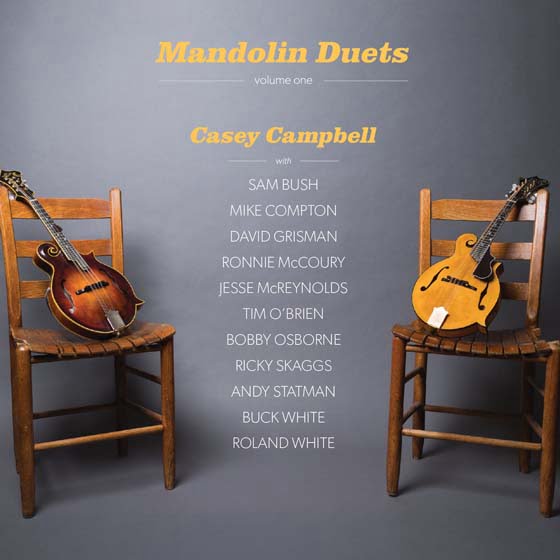
Best Addition to the Time Capsule: Casey Campbell, Mandolin Duets, Vol. 1

Bluegrass is unique among genres in that its living legends — the men and women who helped create and shape it — have never been set apart from the fans, amateur players, and up-and-coming talents. They not only mingle and interact freely with all of the above, but they actively facilitate the future of the music and the greater community, as a whole, by mentoring and shepherding young people. Mandolinist Casey Campbell quite literally grew up at the feet of a host of these living legends, so it’s fitting that, for his first album, Mandolin Duets, Vol. 1, he called upon 11 of these heroes and mentors, each showcased in their own intimate, beautifully pared-down duet. The record is a treasure trove of bluegrass mandolin and the players who have pioneered the form. Grand Ole Opry members Jesse McReynolds and Bobby Osborne hold down the traditional end of the spectrum, while David Grisman and Sam Bush test the waters on the fringes of bluegrass, with all iterations and styles in between represented. Campbell’s own Monroe-infused, clean, studied picking anchors each track, providing the perfect artistic sounding board for each of his guests. This is, by all accounts, a niche album within a niche genre, but the music doesn’t necessitate a bluegrass history lesson or individual bios for each mandolin guru to be fully appreciated. If the future is fair, this record will join the ranks of Skaggs & Rice and Bill Monroe & Doc Watson’s Live Duet Recordings as one of the most important bluegrass duet records ever made. — JH

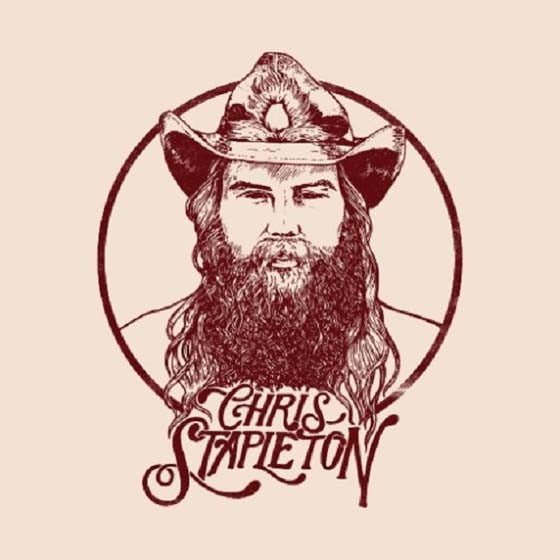
Most Likely to Cause Shivers, Sobs, or (Whiskey) Sips: Chris Stapleton, From A Room: Volume 1

Chris Stapleton’s magnetic vocals find new forms of expression on From A Room: Volume 1. Mainstream country songs like “Them Stems” prove he can play the game alongside fellow chart-toppers like Thomas Rhett and Luke Bryant, but he’s most successful when he bucks popular trends and follows his own proclivities. With emotionally strained songs like “Either Way,” which reinforce comparisons to George Jones, Stapleton not only shows off his magnanimous voice, but also its ability to communicate the most painful of experiences. “Either Way” examines the nebulous area in between love and loss, when two people realize the plateau they’ve reached as a couple won’t be overcome. Whether they stay together or decide to leave, Stapleton admits, “I won’t love you either way.” It’s the resigned dip in his vocals before he admits the line that rings forth with such agonizing honesty. He treads in a bluesy tradition with “I Was Wrong” and “Death Row,” both of which find his voice exploding past the rafters with howling pleas. Thematically, the album toes country music’s preferred line, touching on drunken nights, bad decisions, whirlwind love, and regret, but in Stapleton’s hands, these subjects don’t feel worn. His voice infuses them with an emotional mastery that creates chills. — AW

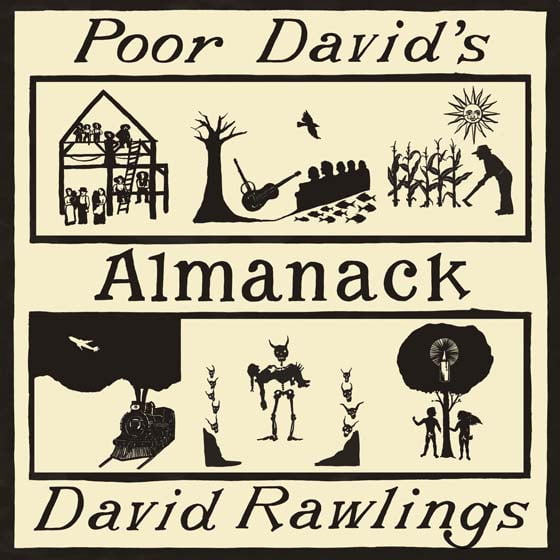
Most Likely to Hasten the End of the World: David Rawlings, Poor David’s Almanack

David Rawlings’ third solo album is as sure a harbinger of the apocalypse as any other musical release of 2017. Not because it’s so bad (it’s actually very, very good), and not because it’s that good, either (it’s actually not oceans-boil-over good). It’s because you could buy it on vinyl the day it hit stores and digital outlets. Poor David’s Almanack is the first Acony album to get a simultaneous LP release, which brings to an end Rawlings and Gillian Welch’s nearly 20 years of agonizing over pressings and sound quality. I predicted a global plague would precede such an occasion, and I’m relieved to lose that particular bet. So give these songs a spin on the turntable, which is obviously where they belong. Almanack is an endlessly inventive and lively collection of new folk tunes that sound old, as though Rawlings hadn’t written them but had found them in the back of some old antique store in the middle of nowhere. And yet, just like the old LP technology experiencing its own resurgence, these old-sounding songs somehow sound current, relevant, prescient: “Money Is the Meat in the Coconut” pokes fun at some of our swamp-draining politicians, “Good God a Woman” slyly inverts gender politics, “Come On Over My House” turns class warfare into a randy come-on. Rawlings knows these issues have been driving civilization since before we invented fire, and it’ll continue to drive the last handful of humans staving off the hordes of zombies. — Stephen Deusner

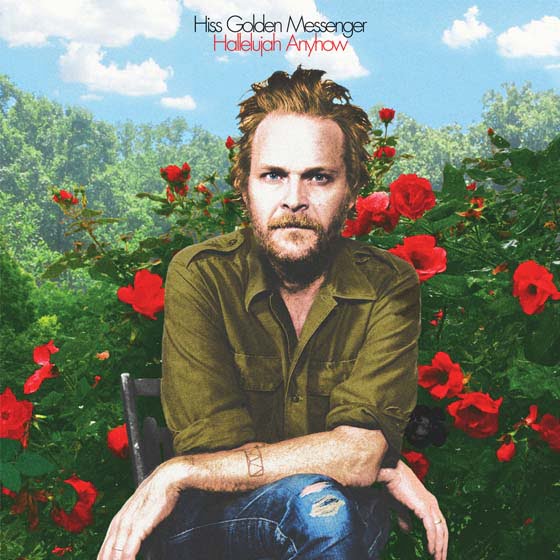
Most Likely to Soundtrack Your Next Roadtrip to Who Knows Where: Hiss Golden Messenger, Hallelujah Anyhow

M.C. Taylor’s favored subjects are home and hearth, family and faith, yet his songs are as much about the lure of the road as the comforts of home. His latest as Hiss Golden Messenger, recorded in a matter of days in North Carolina, is a highway record, an album about being lost out in America in the Anthropocene Age and trying to navigate by moral compass. What do we owe other people, strangers, and loved ones, alike? What do we owe ourselves? On “I Am the Song” and “Harder Rain,” Taylor understands those questions don’t have concrete answers — that they change from one song to another, from one person to another, from one highway to another. But that doesn’t diminish the importance of posing those questions. Instead, the slipperiness of these ideas enlivens his music, which plays with rock and folk history without putting a record collection between Taylor and the listener. “Gulfport, You’ve Been on My Mind” slyly rewrites Bob Dylan, while Van Morrison goes through the wringer of “Domino (Time Will Tell).” Best — or at least, most unexpected — may be the shoutout to the gloriously ridiculous goth act Sisters of Mercy. In his responsibility to his heroes and to his listeners, Taylor finds joy and humility and the special fulfillment of a noble calling, especially when he can rebuke a certain leader of the free world: “What’cha gonna do when the wall comes down?” he asks, not at all rhetorically. “It was built by man, and you can tear it down, tear it down.” — SD

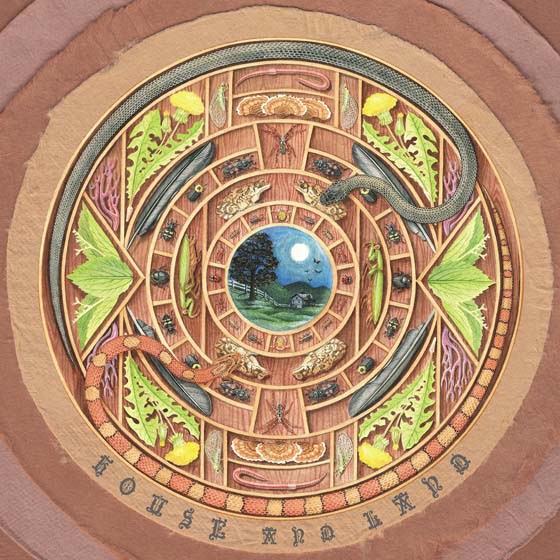
Most Likely to Make You Buy a Shruti Box: House and Land, House and Land

When Shirley Collins recorded “The False True Love” 50 years ago, she made it sound crisp and mournful, as if she were looking out over a frosty morning. You can see her breath hang in the air, and you can sense sorrows as heavy as the clouds. When Louise Henson and Sally Anne Morgan tackle the song on their debut as House and Land, it warms up only slightly, thanks to the interplay between guitar and banjo. It’s less lonely, but no less sorrowful. It sounds more existential, as though romantic woes might blot out their souls. So call House and Land a supergroup: Morgan plays with the Black Twig Pickers and Pelt, two Virginia string bands redefining roots and folk music away from the Americana set, and Henson may be one of the most compelling folk guitarists to pluck a string in 2017. They’ve been collecting songs for a few years now, and they’ve assembled them into an album that mixes banjo, guitar, and rustic drones from a Shruti box in some ways that are familiar and other ways that are entirely new. Just as they straddle folk and avant garde, the duo also contemplate the spiritual crises of this life and the next. Songs like “The Day Is Past and Gone” and “Home Over Yonder” examine faith and its celestial reward, depicting the afterlife as a lonely place. “There was nobody there to answer for me,” they lament on “Listen to the Roll.” “I had to answer for myself.” — SD

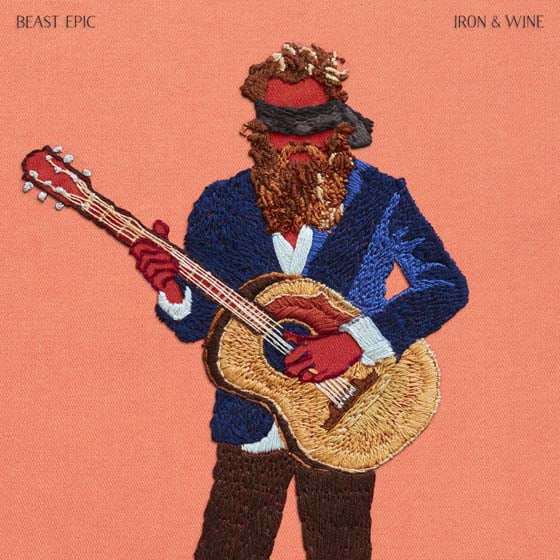
Best Fireside Chat: Iron & Wine, Beast Epic

Sam Beam has a stately way of drawing the listener close. Beast Epic, Beam’s sixth project as Iron & Wine, opens with his whispered count in on “Claim Your Ghost” before launching into the warm reverberations of “Thomas County Law,” which boasts poetic musings like, “Every traffic light is red when it tells the truth. The church bell isn’t kidding when it cries for you.” In fact, each track on Beast Epic is rendered with such startling care and intimacy that the listener may as well be sitting fireside with Beam. With lush acoustic arrangements bound by touches of percussion, piano, harp, and cello, Beam wields a gorgeous album brimming with some of the finest songwriting to come out of Iron & Wine’s 15-year trajectory. One highlight, “Bitter Truth,” is packed with hard pills to swallow from a narrator who’s looking in the rearview mirror: “Our missing pieces walk between us, when we were moving through the door. You called ‘em mine, I called ‘em yours.” Those “pieces fall in place” on the album’s pinnacle and lead single, “Call It Dreaming.” By returning to Iron & Wine’s stripped-down roots, Beam reminds us that power can come from the quietest corners. — DM

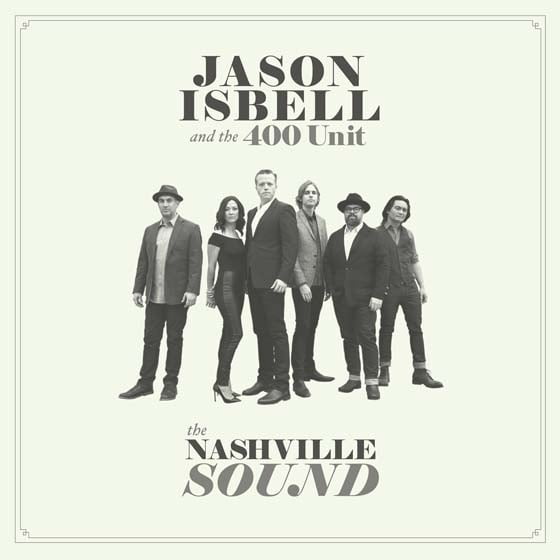
Most Masterful Finger-Pointing: Jason Isbell, The Nashville Sound

When you make what people universally agree is an absolute masterpiece of a record fairly early on in your career, how do you ever again pick up a pen? Well, if you’re Jason Isbell trying to follow up 2013’s Southeastern, you set an entirely different bar for yourself to clear … which he did, with 2015’s Something More Than Free, and which he has done again, with The Nashville Sound. While both are filled with common-man character studies and captivatingly personal confessionals, The Nashville Sound uses some of those tales to take on politics and privilege in beautiful, bold ways. In both “Hope the High Road” and “White Man’s World,” Isbell points a finger of blame, including one at himself, to show how all of us are accountable to ourselves and to each other. Thing is, as part of the same motion, he opens his hand and extends it to anyone willing to grab on. Hard to think of other songwriters who could accomplish that feat while also rocking their asses off. It’s also hard to think of other songwriters who can switch gears so effortlessly to write some of the most stunning love songs to ever exist. As with “Cover Me Up” and “Flagship” before it, “If We Were Vampires” takes on love, Isbell-style, by turning it inside out. Dave Cobb has used the word “devastating” to describe various songs and songwriters he’s produced. In Isbell’s case, it is very often an understatement. — Kelly McCartney

Most Likely To Flip The Script: Laura Marling, Semper Femina

Since releasing her debut in 2008 at the mere age of 17, UK folkie Laura Marling has garnered a reputation as a prolific artist and a deep thinker. Her knack for intricate guitar work and lyrical allegory has solidified her place among music’s greatest storytellers, and her latest album, Semper Femina, is a layered masterpiece that serves to further bolster her prolific body of work. Here, she works to subvert the male gaze, just as she did in an interview-based podcast exploring women’s experiences in the arts called Reversal of the Muse. Only, on Semper Femina, she does so by taking up the perspective often employed by men in artistic traditions — that is, by admiring and lusting after the women who serve as the album’s centerpiece. But that’s not to say that the album lacks introspection. The collection is just as much an effort for Marling to tap into her core self, as it is an exploration of how women are viewed and portrayed in society. Sonically, Marling’s signature fingerpicking and warm vocals remain, but this collection of songs reflects a marked growth from her previous output. By playing with percussion and making use of space, Marling gives her ideas room to breathe and expand. Whether through bits of spoken word on “Wild Once” or elegant falsetto on the album’s standout “Always This Way,” each song beckons you closer and is imparted like a secret that you’re lucky to be in on. — DM

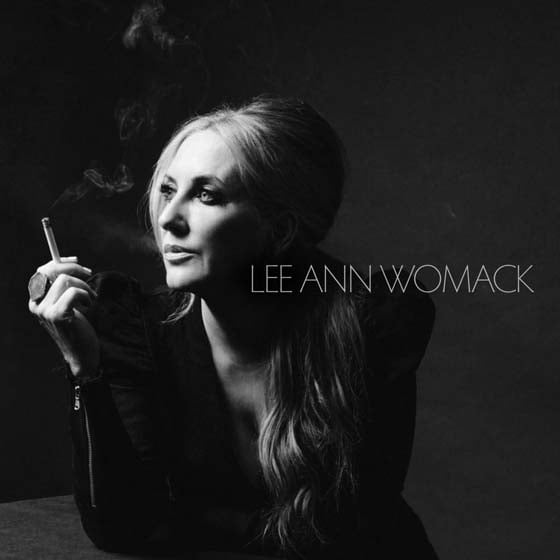
Most Likely to Soothe and Summon the Spirit of George Jones: Lee Ann Womack, The Lonely, the Lonesome, & the Gone

Lee Ann Womack could win awards for her song selection alone: Throughout the course of her career, she’s sniffed out some of the finest scribes in country music and put tracks by Brent Cobb and Chris Stapleton on her records far before the rest of the world caught on to their powers. Like Linda Ronstadt and George Strait, it was the potent combination of her legendary vocal abilities and her nose for talent that left us with jewels like her 2000 hit, “I Hope You Dance.” Which is why it was surprising to see her own name listed in the credits more than ever on The Lonely, the Lonesome, & the Gone, a personal progression of a record that proves her pen is as mighty as her vocal sword. There’s a touch of mystery and melancholy across the songs of The Lonely, the Lonesome, & the Gone — from the gorgeous balladry of the title track to the simple plucks of “End of the End of the World” where Womack’s twang churns out on glorious full display. Produced by her husband, Frank Liddell, and recorded at Houston’s Sugar Hill Studios, the album lets Womack walk through classics old (a version of “Long Black Veil,” made iconic by Lefty Frizell, that is most welcome) and new (the album opener “All the Trouble,” which is a moody, gospel tour through her stunning range). It’s thrilling to see an artist this deep into her career prove that she still has treasure trove of surprises up her sleeve. — MM

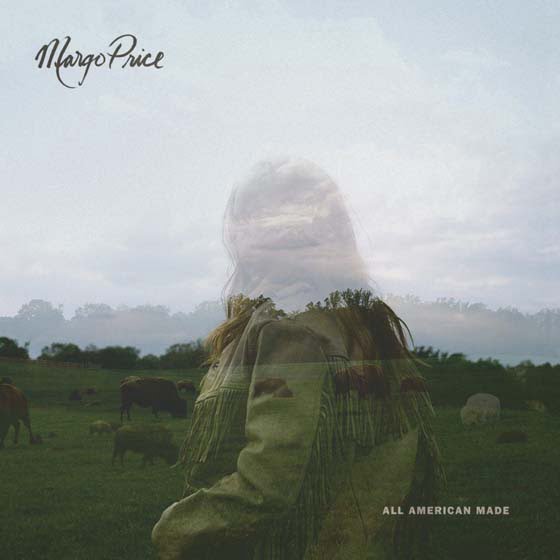
Most Likely to Have Hats Actually Made in the USA: Margo Price, All American Made

On her debut LP, Midwest Farmer’s Daughter, East Nashville’s Margo Price became one of country and Americana’s breakout stars with her honest-to-the-core songwriting that was never afraid of being uncomfortable. She spoke of devastating loss, disappointment, and being done wrong in one of the most revealing, personal albums in years. For her follow-up, All American Made, Price looks outward, surveying the world outside her tour bus window to tackle everything from wage inequality to the plight of rural America, brazenly using her voice to drive conversation in an increasingly perilous political environment. “No one moves away with no money. They just do what they can,” she sings on “Heart of America.” “To live in the heart of America, getting by on their own two hands.” Recorded at Sam Phillips in Memphis, Price weaves everything from gospel to R&B and honky-tonk into the songs, often co-written with her husband Jeremy Ivey, coming out with an album that captures the urgency of late ’60s protest anthems but with heaps of Tennessee soul. With one stellar duet partner, Willie Nelson, on “Learning to Lose” and help from the McCrary Sisters, Price bends and twists the shape of the genre into her own rock band-rooted form, centered around a dynamite set of pipes that can belt, howl, and softly whisper through whatever lies ahead of her. “Wild women don’t worry,” she sings … and Price doesn’t. Like Woody Guthrie, she’s a prophet of the people, not the establishment. — MM


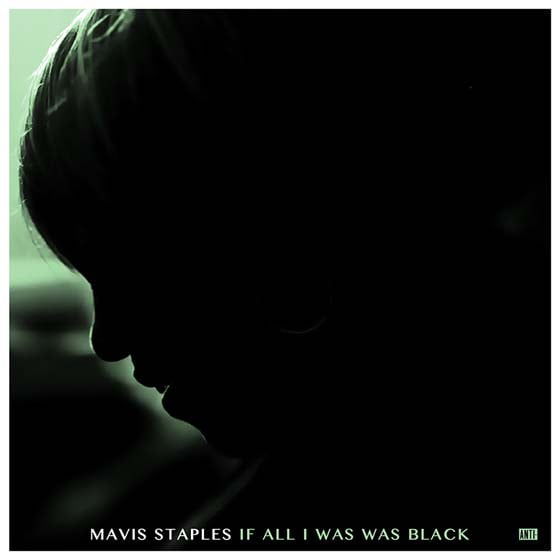
Best Call to Order, Not Arms: Mavis Staples, If All I Was Was Black

Who could’ve known that pairing gospel/soul legend Mavis Staples with alt-country anchor Jeff Tweedy would be darn near perfect? On If All I Was Was Black, Tweedy’s production provides a wonderful warmth and gorgeous grit to match Mavis’s iconic voice. While last year’s Livin’ on a High Note showed Mavis off in all her feisty, funky glory, If All I Was Was Black turns that down a notch to make room for a more heart-centered approach. After all she’s witnessed in her life, Mavis somehow manages to hold fast to hope and continue pleading for peace. If she’s angry about the two-steps-forward-three-steps-back phenomenon currently overtaking the world, you would never know it from listening to her records. Now, that’s not to say Mavis doesn’t see the problems we face. She does. She always has. It’s just that she would prefer we muster all the love we possibly can, and use that to fuel our fire rather than rage. The compassion and patience embedded within “We Go High” — sparked by Michelle Obama’s comment of “When they go low, we go high” — is almost unimaginable in light of the utter cruelty and devastation being heaped upon marginalized populations in 2017. But there it is. Songs like “No Time for Crying” and “Build a Bridge” also lay it out in the clearest of terms. And, with the title track, she calls out the problem of judging people by their skin and not their hearts, as doing so causes us to miss the beauty and goodness that each of us has to offer. All through this album, Mavis implores us to let our better angels be our guides. What she may not understand is that she, herself, is our better angel. — KMc

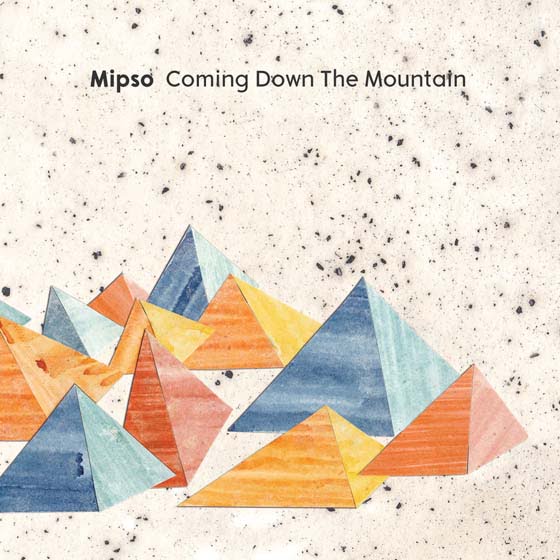
Most Likely to Carry around a Battered Copy of My Side of the Mountain: Mipso, Coming Down the Mountain

Mipso find themselves at a moment in their lifespan when a rootsy band discovers that a bluegrass-driven aesthetic is no longer quite enough to channel all of their creativity and curiosity. (See: Nickel Creek, Sierra Hull, Mandolin Orange, etc.) But as they fully incorporate drums, electric bass, and guitar into their sound, they aren’t walking directly away from the North Carolinian acoustic traditions that have informed them all the way. This refining of their folk-rooted, definitively Americana sound refutes the idea that doing so means relinquishing the raw authenticity of bluegrass and old-time, by default. On the contrary, Mipso’s finesse allows the more subtle aspects of their constituent influences to shine through on Coming Down the Mountain, undaunted by the “electric” embellishments. The title track epitomizes this down-to-earth sheen with tales of fishing, disdain for the fools of the city, and pictures of rhododendron thickets in the mountain hollers, all dressed up in dreamy, effervescent duds. There’s honky-tonking, California vibes, train whimsy, sad ballads, haunting alt-folk, and much more woven into this record and these songs. With the love and care they’ve invested in its creation, it hits you like a beautiful kaleidoscope, rather than the dull brown of every color of paint combined willy-nilly. If the current commodification of “roots” music has sent you running for the hills, looking for a refuge and a respite, Coming Down the Mountain might just compel you to hang up your fishing pole for a while and come back to the city, even if for only 10 songs. — JH

Best Reminder to Bake Right with Hot Rise: Molly Tuttle, Rise

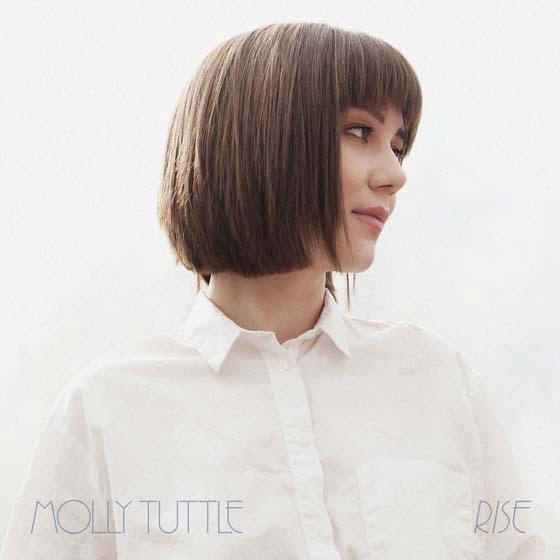
On the surface, it feels like 2017 was Molly Tuttle’s breakout year. In a matter of months, she went from releasing her debut LP, Rise, to winning the International Bluegrass Music Association’s Guitar Player of the Year award — becoming the first woman in the organization’s history to ever receive the honor. But her poetic, evocative lyrics and her confident, firecracker flatpicking are unmistakable markers of what really has been a life-long career. The firm foundation laid by growing up in bluegrass, performing and touring from a young age, shines through each and every track on the record, assuaging the fears of would-be naysayers who could find the occurrences of lap steel, full drum kit, or electric guitar to be bluegrass disqualifiers. Her haunting vocals, at once ethereal and authoritative, are utterly confident, each artistic choice precise without falling into measured sterility. The distinct voice of Rise — whether emanating from Tuttle’s lips or her pick and strings — isn’t first-timer’s luck; it’s the product of a lifetime of work and expertly honed talent that is simply, at long last, reaching the ears of a broader audience. And, where other burgeoning artists may falter in their first few projects, attempting to pinpoint the perfect vehicle for their artistic personalities, we can sense, feel, and hear that no matter which stylistic direction she may take in the future, we will all be watching Molly Tuttle rise, unencumbered and unwavering. — JH

Most Heartfelt Look at the Heartland: Natalie Hemby, Puxico

Sometimes records sound exactly like you want them to: The songs, the singer, the production … everything just fits and flows. That’s Natalie Hemby‘s Puxico. Equal parts front-porch folk and heartland rock, this album was inspired by the small Missouri town where Hemby spent her childhood summers fishing with her grandpa George and dancing at the annual Homecoming. And it’s infused with the songwriting skill of Nashville where Hemby honed her craft writing cuts for Miranda Lambert, Lee Ann Womack, Maren Morris, Johnnyswim, and others. With Puxico, though, Hemby writes closer to home, metaphorically and musically. No commercial country artist like so many of her friends, Hemby is cut from the Sheryl Crow cloth (with some Tom Petty patches, to be sure). Her voice is warm and soulful, powerful and edgy, all at once. And the songs … the SONGS. From “Time Honored Tradition” to “Cairo, IL” to “This Town Still Talks About You,” the songs are rich with remembrances of lives, loves, and losses. Hemby’s deep, deep fondness for the people and places of her youth is filtered through the lens of time and distance, allowing her to trace the edges of what was and overlay that image upon what still is. The space between the two is where these songs live. — KMc

Best “Year of the Banjo” Brand Ambassador: Noam Pikelny, Universal Favorite

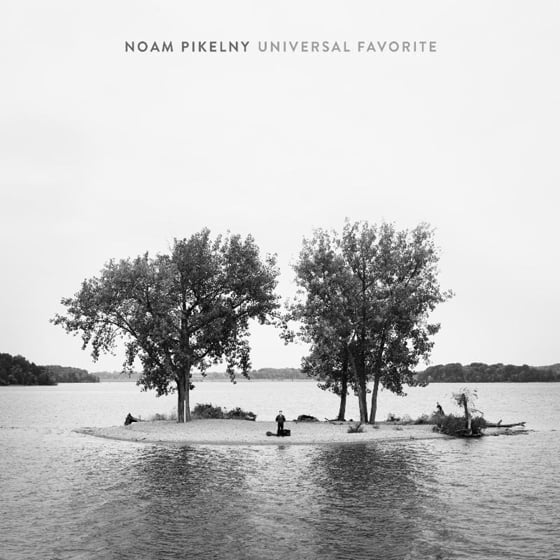
Punch Brothers’ co-founder Noam Pikelny takes “solo record” to another level, playing every instrument on his fourth LP, Universal Favorite. He even sets down the banjo a few times to try his hand at electric guitar — turns out he’s ridiculously good at everything he touches. And would you believe it … he can sing, too! Pikelny’s PB bandmate and frequent producer Gabe Witcher keeps a tight rein on the record’s crystal clear sound, but gives his friend plenty of room to explore and expand his musical horizons. While the songs range from trad/old-time to classical sounds, and include covers from the likes of Elliot Smith (“Bye”), Josh Ritter (“Folk Bloodbath”), Roger Miller (“I’ve Been a Long Time Leavin’ (But I’ll Be a Long Time Gone)”), amongst others, the virtuosic solitude that pervades this fully unaccompanied project allows the whole thing to feel cohesive, complete, and brilliant. — Amy Reitnouer

Most Likely to Not Give Any Fucks: Rachel Baiman, Shame

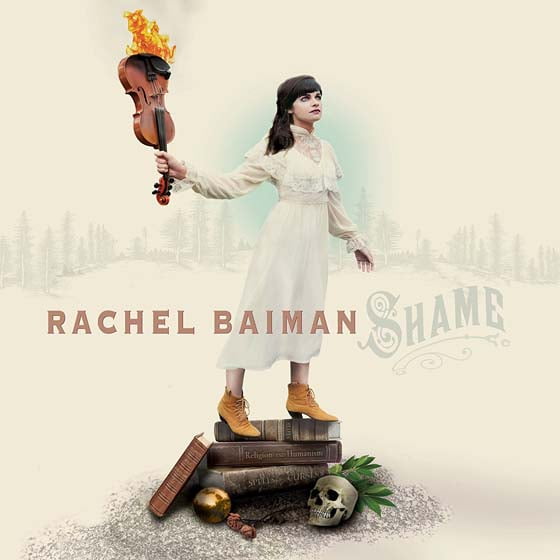
With the co-founding of Folk Fights Back in Nashville and the release of her second solo album, Rachel Baiman has earned a reputation as a radicalized bluegrass player, although neither of those labels is exactly apt. Her background is in bluegrass, and she’s a dexterous and sensitive fiddler, but that particular musical style is merely a foundation on which she builds songs informed by pop and folk and country, by Gillian Welch and John Hartford and Phil Ochs. And she barely even plays the fiddle on here, instead switching between banjo and acoustic guitar. As for politics, she tackles that topic only because she recognizes that it’s unavoidable. Being a woman and being an artist have become fundamentally radical activity in late-2010s America, which means Baiman is simply following Woody Guthrie’s old adage: “All you can write is what you know.” She knows touring, for instance, and turns that into the rousing “Never Tire of the Road.” She knows about writing songs and writes a song about writing songs, the sing-along “Getting Ready to Start (Getting Ready).” And she knows about old white men using religion as a bludgeon, and she not only makes that the central idea of the title track, but delivers the chorus with a steely defiance: “They wanna bring me shame. Well, there ain’t no shame.” On Shame, she sounds like the voice we need to hear right now, in roots or any other genre. — SD

Most Likely To Break Free: Ryan Adams, Prisoner

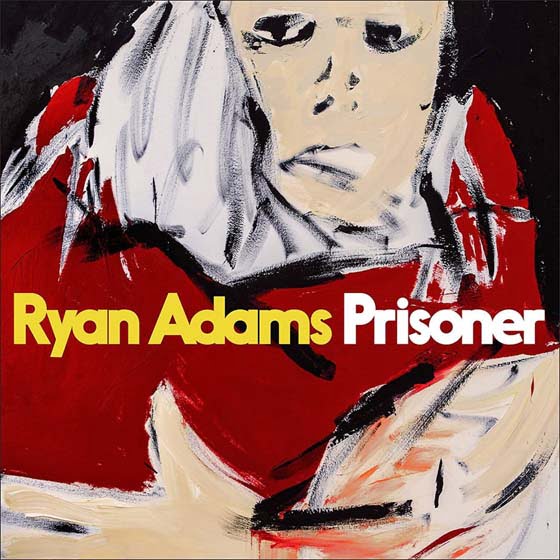
A case can be made that love and sex are the backbone of music, so it naturally follows that the other side of the coin carries equal weight. For every song written about relationships or lust, there’s one about the counter moment when everything comes crashing down. Ryan Adams is one of those artists who’s no stranger to the nuances of dissolution. After all, the North Carolina singer/songwriter made his solo debut outside of Whiskeytown in 2000 with a sweeping masterpiece dubbed Heartbreaker. Widely regarded as his best work, Heartbreaker received a deluxe reissue last year while this year saw the release of a companion album of sorts in Prisoner. Written as a means of salvation during Adams’ highly publicized divorce from actress/singer Mandy Moore, Prisoner is a foray into loneliness that embraces the post-breakup fallout headfirst. The mid-album stunner, “To Be Without You,” is a portrait of perfect songwriting that smoothly unfurls amidst lines like “It’s so hard not to call you. Thunder’s in my bones out in the streets where I first saw you. When everything was new and colorful, it’s gotten darker.” That just stings with familiarity. Elsewhere, “Broken Anyway” is a mature attempt at shaking off  the remains: “What was whatever it became? Whatever, we will still be together in some way. It was broken anyway,” sung by a narrator who acknowledges the pains of both inflicting and falling victim to heartbreak. Crafted with Adams’ penchant for the sonic flair of the ‘80s, Prisoner toils in the confines of human emotion and comes out triumphantly on the other side. — DM

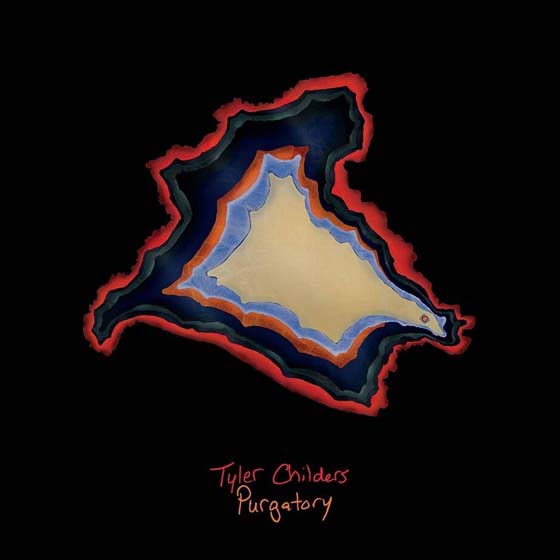
Best Trip through the Bluegrass State’s Bardo: Tyler Childers, Purgatory

It can be difficult to stand up to Kentucky’s esteemed history of songwriters and performers — which includes everyone from the legendary Bill Monroe to Sturgill Simpson — but Tyler Childers lives up the legacy of his home state with as keen an eye for its past as for its future. On Purgatory, produced by Simpson and one-time Johnny Cash engineer David Ferguson, Childers emerges with a voice that can cut with the innocence of a child but the knowledge of an aged man and an eye for painting stories of people shaping their identities in small towns and searching for love amongst the ruins. In Childers’ hands, modern roots music can meld into some rock ‘n’ roll fury (“Whitehouse Road,” “Universal Sound”) or striking, chill-inducing romantic opuses like “Lady May,” always centered on those spectacular vocals and an uncannily creative lyrical sense: When he sings “get me higher than the grocery bill” on “Whitehouse Road,” he manages to rouse images of intoxication and the desolation of a segment of America where a simple trip to the grocery store can be a financial burden. Melding the bluegrass roots of his home state with Simpson’s abandonment of genre altogether, Purgatory is a coming of age record for everyone grasping at the space between shelter and freedom, between freedom and commitment to another, between commitment and the fragile promise of eternal love. — MM

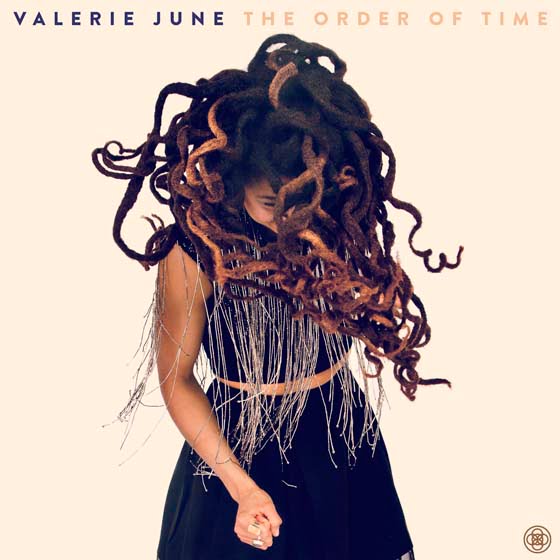
Best Musical Evidence That Black Girl Magic Is Real: Valerie June, The Order of Time

Valerie June is an other-worldly artist with a seemingly cosmic connection to her muse. Her songs are full of whimsy, wonder, and wisdom, all grounded in a garden of earthly musical delights. Blues, folk, gospel, soul, country, and more all sneak into June’s work, colliding in a kaleidoscope of sounds and colors. Sputtering guitars bump into stuttering keys on one song, while ethereal strings ebb under ambient steel on another. Harmonium and horns?! Hell yeah. African rhythms and clawhammer banjo?! Ya damn right! She’s from the melting pot of music — Memphis, Tennessee — after all. Nobody else is making music like this. Listening to June’s records feels almost intrusive, as if peering into a private diary filled with poems and doodles that betray the artist’s inner world in its utterly pure, stream of consciousness form. Except that The Order of Time is more refined and restrained than that. Such is this album’s perfection, that it would be a fool’s errand to attempt choosing standout tracks. The booty groove of “Shakedown” or the gentle drone of “If And”? The mystical dance of “Astral Plane” or the bluesy sway of “Love You Once Made”? Not even Sophie could make that choice. Nor should she — or we — ever have to. — KMc

Best Open Diary: The Weather Station, The Weather Station

If other songwriters fight to fit their words within a song’s measure, Tamara Lindeman takes the opposite tactic as the Weather Station. Her verbose songs are chock full of words — their inflections adding rhythmic scope, their syntax unraveling deeply personal confessions. “I don’t know what to say, so I say too much,” she sings on “I Don’t Know What to Say.” Somehow, though, Lindeman keeps her music from feeling overcrowded. Her vocal cadence works in tandem with rhythm guitar (as on “Thirty”) or drums (as on “Complicit”) to reinforce a singular meter rather than stuff each song to the brim. With her self-titled album, she told the BGS that she focused on “figur[ing] out how to be okay when things are not okay.” A central relationship thrums at the album’s center, filling her with all manner of declarations. Lindeman is, at turns, self-deprecating (“My love is the heaviest thing” on “Keep It All to Myself”), regretful (“We never figured out the questions” on “You and I”), and adamant (“I guess I always wanted the impossible” on “Impossible”). But the album’s most devastating addition takes place at the close with “The Most Dangerous Thing About You.” It’s quiet for an album charging forward, either lyrically or rhythmically, and focuses on the aftermath of what she has spent the previous 10 tracks parsing out. For all the communicating Lindeman does on The Weather Station, words don’t offer a magical resolution, but there’s something fiercely beautiful about the effort to keep searching. — AW
Anderson East, ‘King for a Day’

Writing alone and working in artistic isolation can breed a particular kind of creative output — one often praised above all else. But collaboration has been at the heart of so much of music’s inherent culture, even as we try to elevate and honor the solo songwriter and take down what feels like Music Row’s cult of committee. Short of “super groups,” we don’t often stop to recognize moments of harmony where two (or more) great minds come together and breed something even better. We should. There’s magic in that meld.

Anderson East, one of Nashville’s most soulful voices, is a believer in the art of the partnership — in both his personal life and his creative one. And “King for a Day,” the newest offering from his forthcoming sophomore LP, Encore, is that synergy at its best. Written with country legend-in-the-making Chris Stapleton and Chris’s wife and powerhouse vocalist in her own right, Morgane, it’s an ode to vulnerability and the payoff that comes from letting your heart beat alongside another, even if it ends up broken. With East’s signature rasp and some booming horns, it’s a fine taste of Motown-in-the-South that feels even sweeter with that Stapleton swagger. “I’d rather be king for a day than a fool forever,” East sings. However that romance ends up, the partnership that made this music come to life will always have been a wise choice.

Best of: NPR’s Tiny Desk Concerts

Back in 2008, NPR’s All Songs Considered host Bob Boilen and NPR Music producer Stephen Thompson went to see Portland-based singer/songwriter Laura Gibson at a bar in Austin, Texas. They left feeling frustrated after being unable to hear Gibson’s delicate sound over the roar of the bar-goers. But they also had a novel idea: Why not host a concert in the comfort of their own office, where the music could be center stage? So began Tiny Desk Concerts, and we at the BGS couldn’t be happier to have a multitude of noteworthy performances of all different genres at our fingertips!

After combing through the Tiny Desk archives — and getting sidetracked time and time again along the way — we’ve picked out five must-see concerts for your viewing pleasure.

Julien Baker

We can’t get enough of Memphis native Julien Baker’s raw lyricism and delicate delivery. There’s something truly magical about the way her minimalistic yet cutting electric guitar parts reverberate around a room, and that voice just gives us goosebumps.

Chris Thile and Michael Daves

Chris Thile is no stranger to Tiny Desk, and while his performances with Nickel Creek, Punch Brothers, and Yo-Yo Ma, Edgar Meyer, and Stuart Duncan all showcase his musical genius and energetic stage presence (we wonder if anyone has more fun performing than him), this concert with Michael Daves is our favorite by far.

Andrew Bird

If Andrew Bird’s signature whistling and violin pizzicato doesn’t pique your interest, we’re not sure what will! This set consists of three songs off of Bird’s 2016 album, Are You Serious. If anyone has any tips on how to play the violin and sing at the same time, please let us know! We are still baffled by how easy Bird makes it look.

Chris Stapleton

Between the raspy voice and rugged cowboy looks, Chris Stapleton epitomizes the country rocker. Joined by wife and fellow singer/songwriter Morgane, Stapleton’s calm, cool, collected manner and remarkable songwriting abilities are unmistakably awe-inspiring in the intimate setting of Tiny Desk. It’s no wonder so many country artists have been clamoring to sing his songs all these years.

Gaelynn Lea

It’s not hard to figure out why violinist, folk singer, and disability rights advocate Gaelynn Lea was chosen as the winner of the Tiny Desk Contest from an entrant pool of over 6,000 unsigned artists back in 2016. The combination of her classical and Celtic-folk roots — along with her use of a loop pedal and unique voice — makes her an obvious stand out. Even better, the Tiny Desk format allowed Lea’s endearing personality and humor to shine through.